1/4
We need more flexible housing for 21st-century lives
Traditional housing stock, largely designed and built for past centuries, is increasingly proving inadequate for the complexities of 21st-century living, leading to issues of discrimination, exclusion, and unaffordability. The current housing paradigm often fails to address the unique challenges of modern life, characterized by economic and social uncertainties. These uncertainties include limited opportunities for stable, long-term employment, the implications of an aging population, and the prevalence of relationship separations like divorce. Such factors can drastically alter an individual's or household's housing needs.
The concept of a 'risk society,' as defined by sociologist Ulrich Beck, highlights how individuals and households are constantly navigating the risks and opportunities of a rapidly changing socio-economic environment. This societal shift is incompatible with rigid housing models, particularly the traditional commitment to 30-year bank loans for fixed assets like houses. Existing housing types, from apartments to detached dwellings, lack the necessary flexibility to adapt to these fluid life circumstances. Consequently, there is a pressing need for housing solutions that are more adaptable and can accommodate the inherent risks of contemporary life.
The growing popularity of the Tiny House Movement exemplifies a demand for flexible housing. Tiny houses offer mobility, ease of storage, and are more liquid assets compared to conventional homes, aligning with the need for adaptability. However, tiny living is not a universal solution. Design-led approaches to flexible housing are emerging that do not necessitate compact living arrangements. Two prominent examples from Brisbane, Australia, illustrate these innovative solutions: One Room Tower and Two Pavilion House.
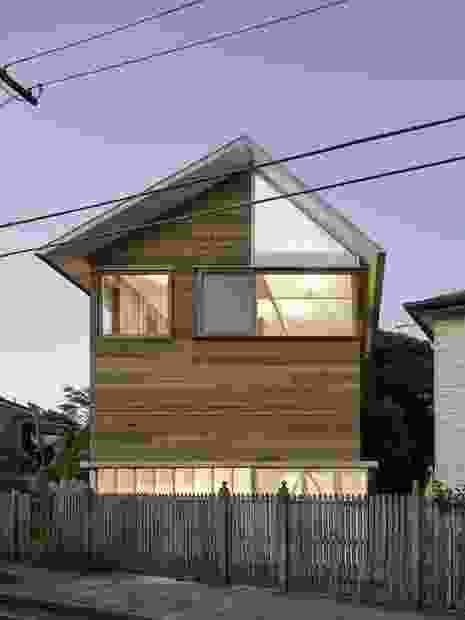
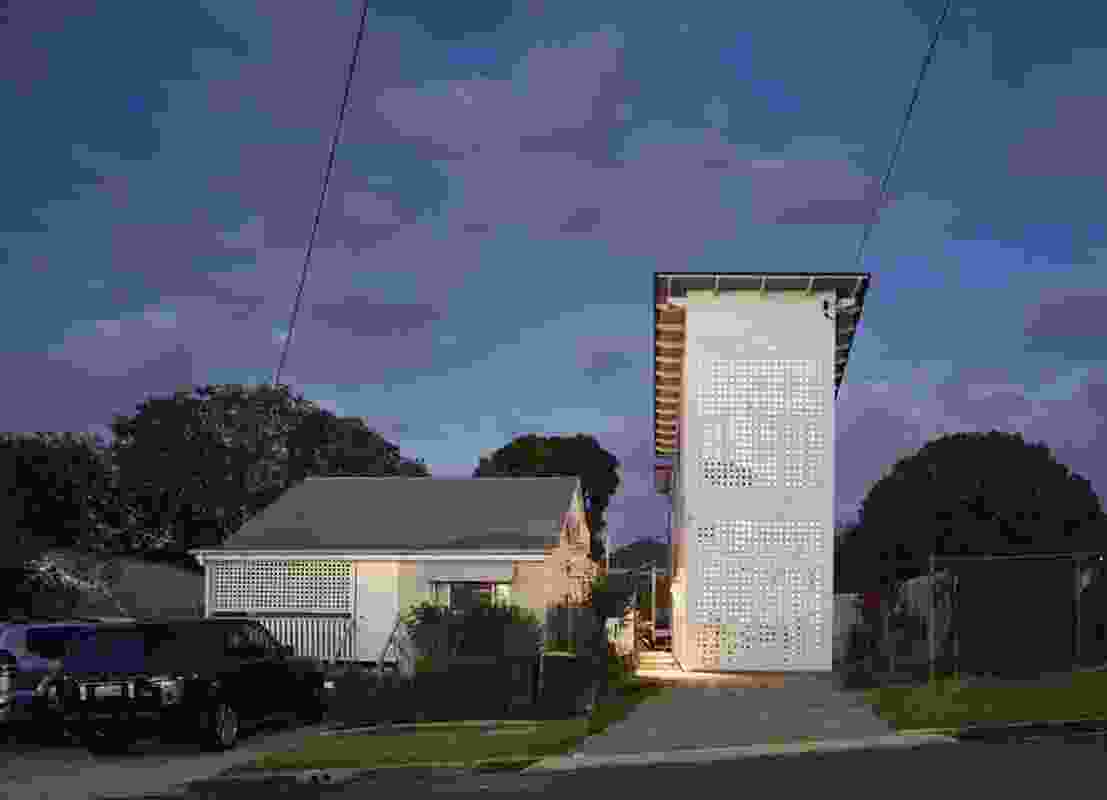
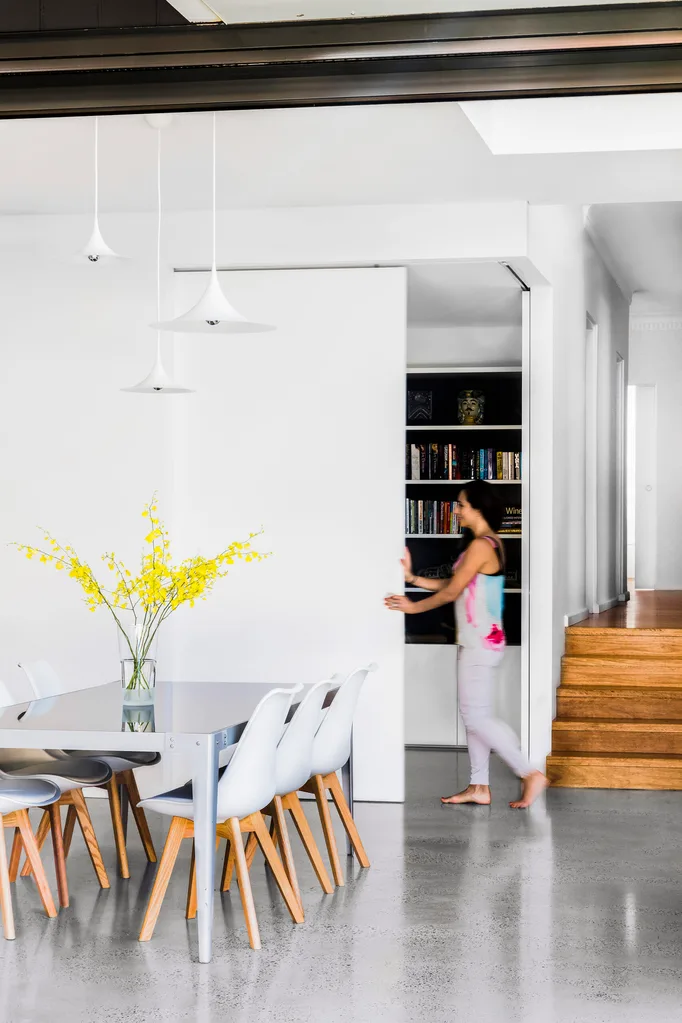
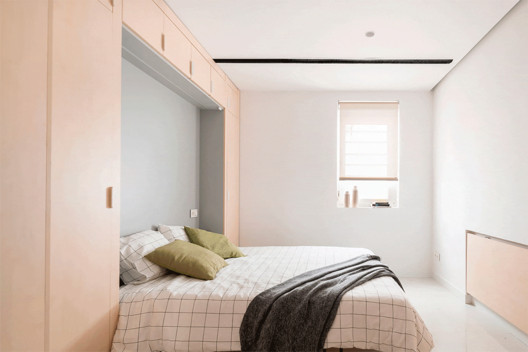
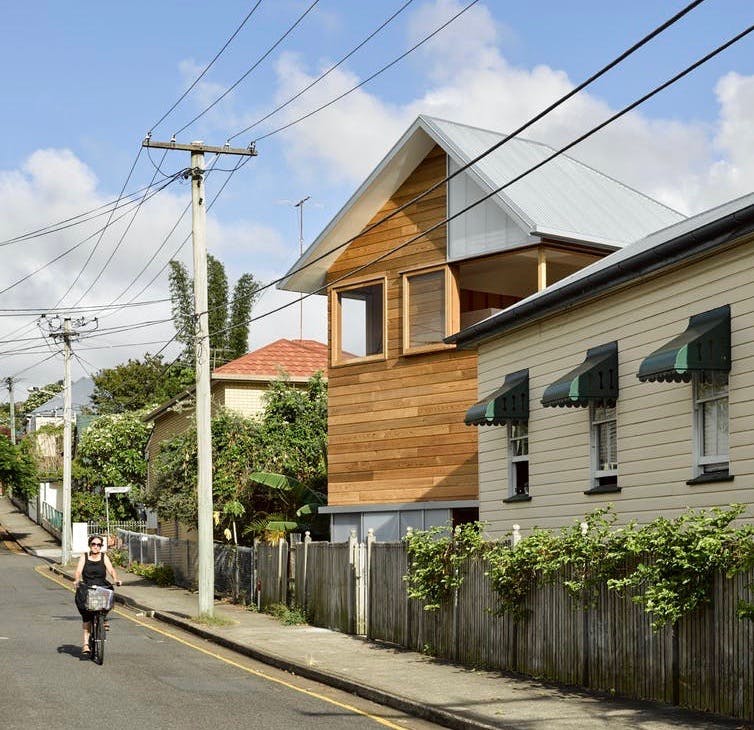
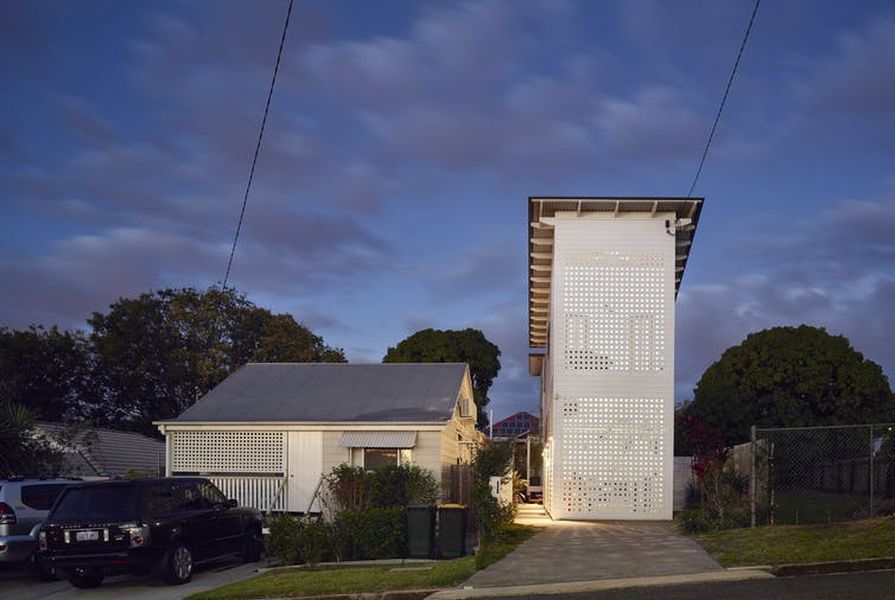
One Room Tower, located in West End and designed by Phorm architecture + design with Silvia Micheli and Antony Moulis, is an addition to an existing inner-city house. Rather than a traditional extension, it is a detached pavilion featuring an open layout that can be repurposed for various needs, offering significant flexibility to its inhabitants. This design received a Queensland Architecture Award.
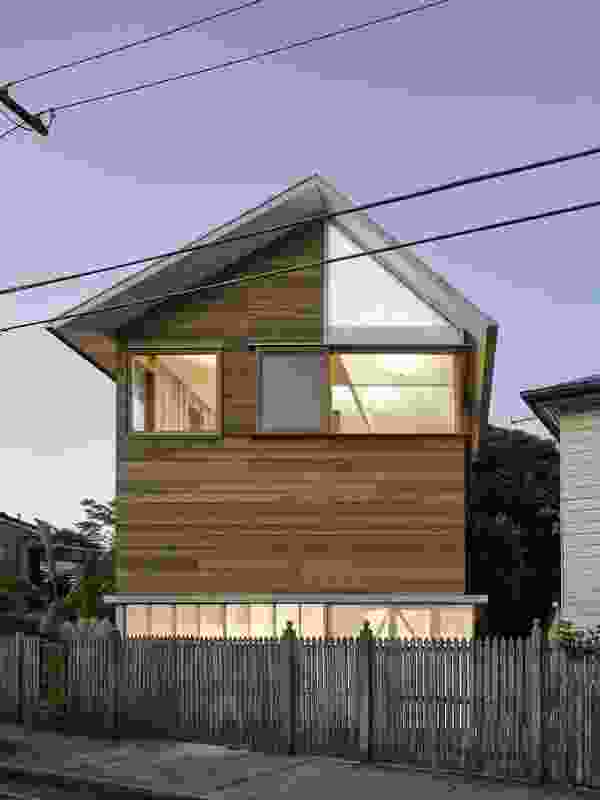
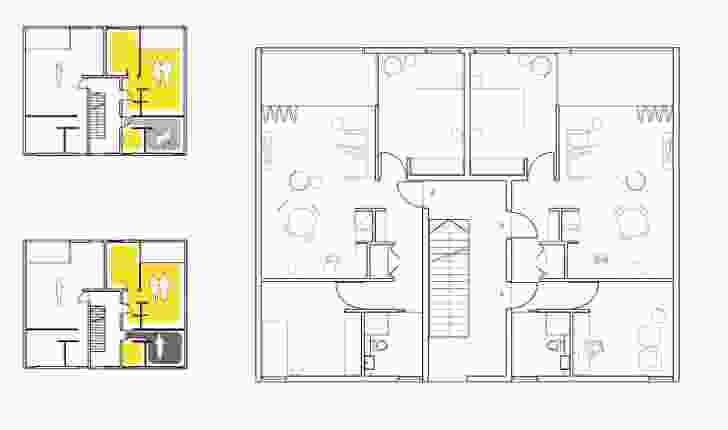
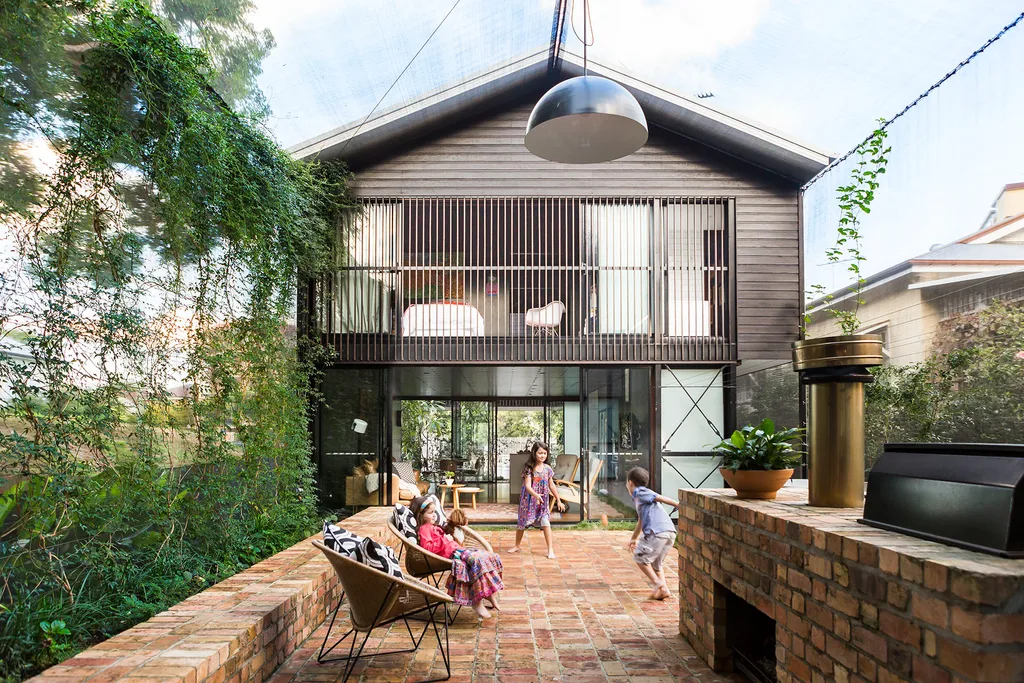
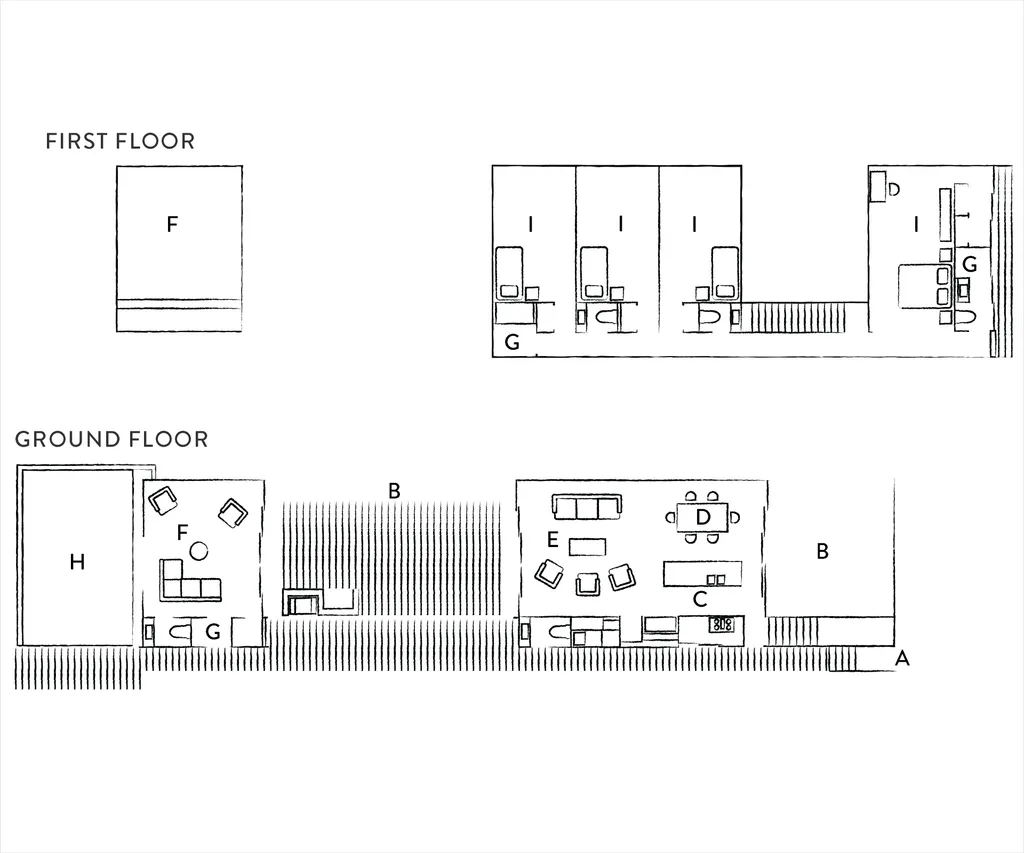
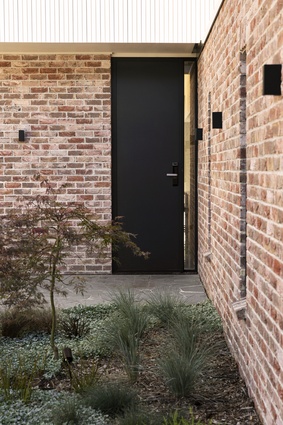
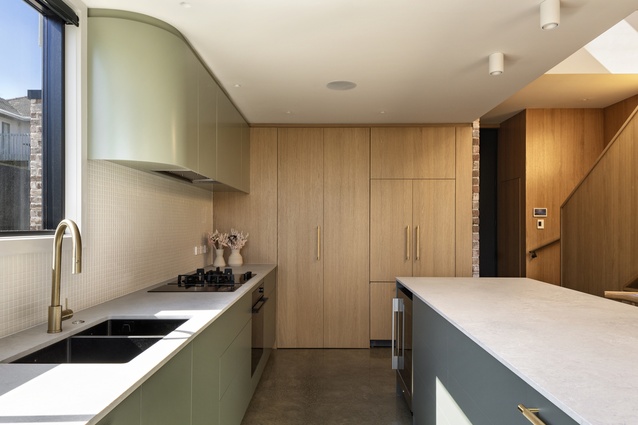
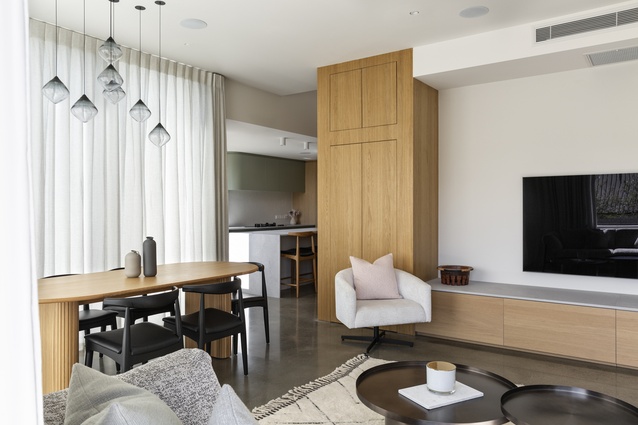
Two Pavilion House in Clayfield, co-designed by Kirsty Volz and David Toussaint, splits the dwelling into two distinct pavilions connected by a communal outdoor space and an internal courtyard. This configuration allows for multiple occupancy modes: it can function as a single three-bedroom home or as a two-bedroom house with an independent bedsit. This flexibility supports multi-generational living, provides potential rental income, or accommodates home offices and secondary living areas. Both houses, while offering flexible living arrangements, adhere to building regulations.
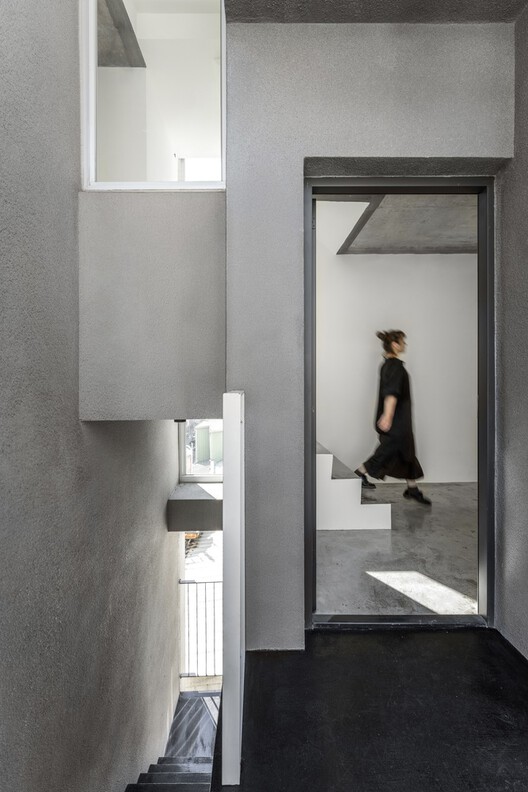
Achieving such flexibility requires meticulous design consideration, focusing on access sequences, room adjacencies to ensure privacy, security, and fire safety, and the strategic provision of services like kitchens, bathrooms, and laundries, some of which can be shared. These examples demonstrate that flexible housing is not merely about room layouts but about a holistic design process.
Beyond design innovations, a regulatory rethink is essential. While solutions like granny flats address the need for multi-generational housing, some existing options fail to meet building regulations, raising concerns about health, safety, fire separation, and security. There is a clear demand for carefully designed, purpose-built dwellings that can safely support diverse and varied occupancies. Local authorities need to re-evaluate current regulations to better align with the demand for flexible and adaptable accommodation. Embracing flexible, 'loose-fit' housing can introduce greater diversity in accommodation options, fostering inclusivity for a broader spectrum of society. Ultimately, flexible housing serves as a design-led strategy to address housing affordability by ensuring homes are responsive to the evolving needs of 21st-century individuals, moving beyond market-driven metrics of bedrooms and bathrooms.
#FlexibleHousing #HousingDesign #TwentyFirstCenturyLiving #ArchitecturalInnovation #UrbanPlanning #HousingAffordability #RiskSociety #TinyHouseMovement #MultiGenerationalLiving #FlexibleHousing #HousingDesign #TwentyFirstCenturyLiving #ArchitecturalInnovation #UrbanPlanning #HousingAffordability #RiskSociety #TinyHouseMovement #MultiGenerationalLiving
0 comment in total
 No comments yet
You may also like
We need more flexible housing for 21st-century lives
Say goodbye walls, open-plan living is the trend that's here to stay

Disability-Forward Design Across Multiple Cities
What’s next for multifamily design?
The Rise of Co-Living Spaces for Young Professionals in East Asia: 5 Projects Redefining Flexible Living

Spotlight on Flexible Homes: Adaptable Living Spaces

Micro Apartments Are the Future of Urban Living
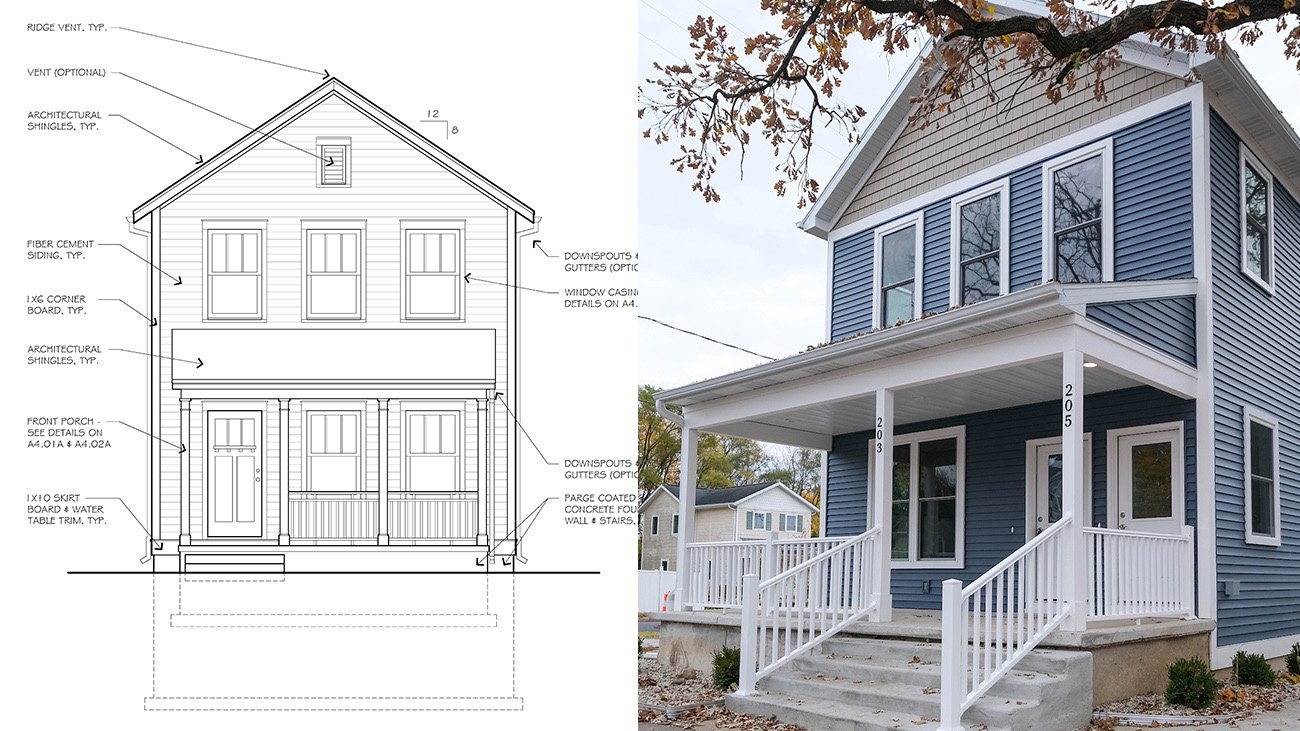
Say Yes to New Housing—Before Anyone Even Asks To Build It
Housing and Residence Life

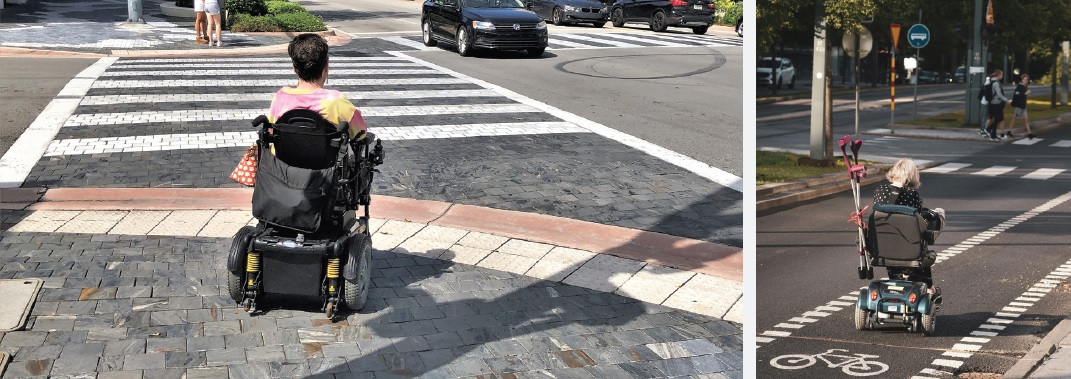
Universal Design: The Essential Tool for Intergenerational Communities
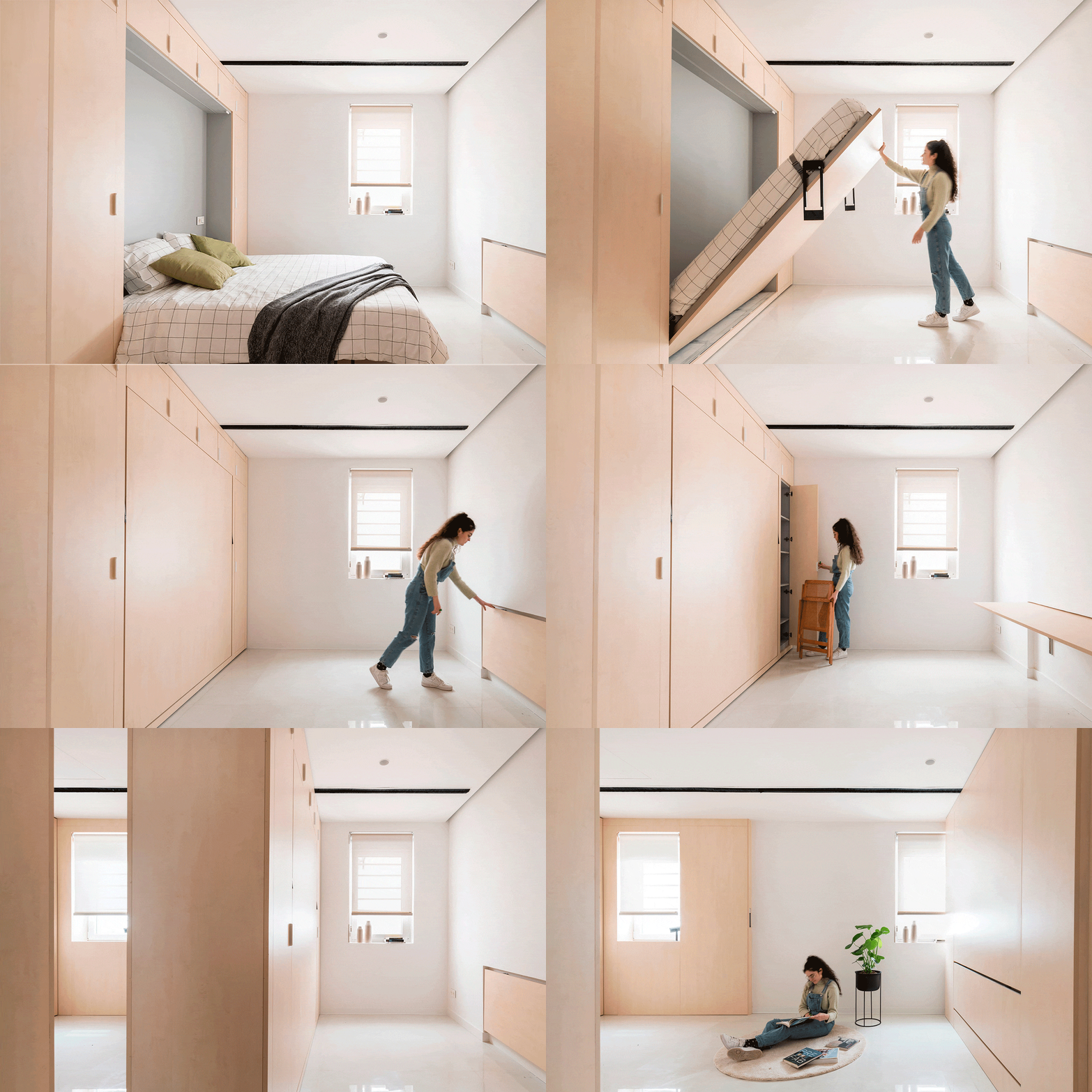
How Can We Double the Living Space in Our Homes? BEYOME: The Flexible and Modular System with Robotic Furniture
Aspirational renting: Vantage Point by GRID architects

Co-living Market Size, Share | CAGR of 15.4%
10 New Trends in Multifamily Housing Design

Densification perfection – Milieu’s modern take on suburban living

Architect Sam Klopper talks accessible design that doesn’t feel “clinical or differentiated”

DASH – Designing Affordable Sustainable Housing
Universal Design: Why Americans Need Home Design That Welcomes Everyone

Nestron’s Plug-and-Play Prefabs Start at $40K and Don’t Require a Foundation


The State of Residential Design Today: Innovations and Insights from RADA-Winning Architects