1/6
Say Yes to New Housing—Before Anyone Even Asks To Build It
Current development and zoning regulations in many cities lead to a state of stasis in neighborhoods, preventing them from adapting to evolving community needs. This issue is particularly evident in the ongoing housing crisis, where almost all new development is built to a finished state, lacking mechanisms for incremental growth within existing neighborhoods. This results in large, all-at-once developments on city outskirts, requiring significant infrastructure investment and leading to higher costs for residents, making them inaccessible for many. To foster strong towns, a shift towards smaller, incremental growth, built by many contributors, is necessary. This approach moves away from a focus on large, new constructions to leveraging housing potential within existing neighborhoods.
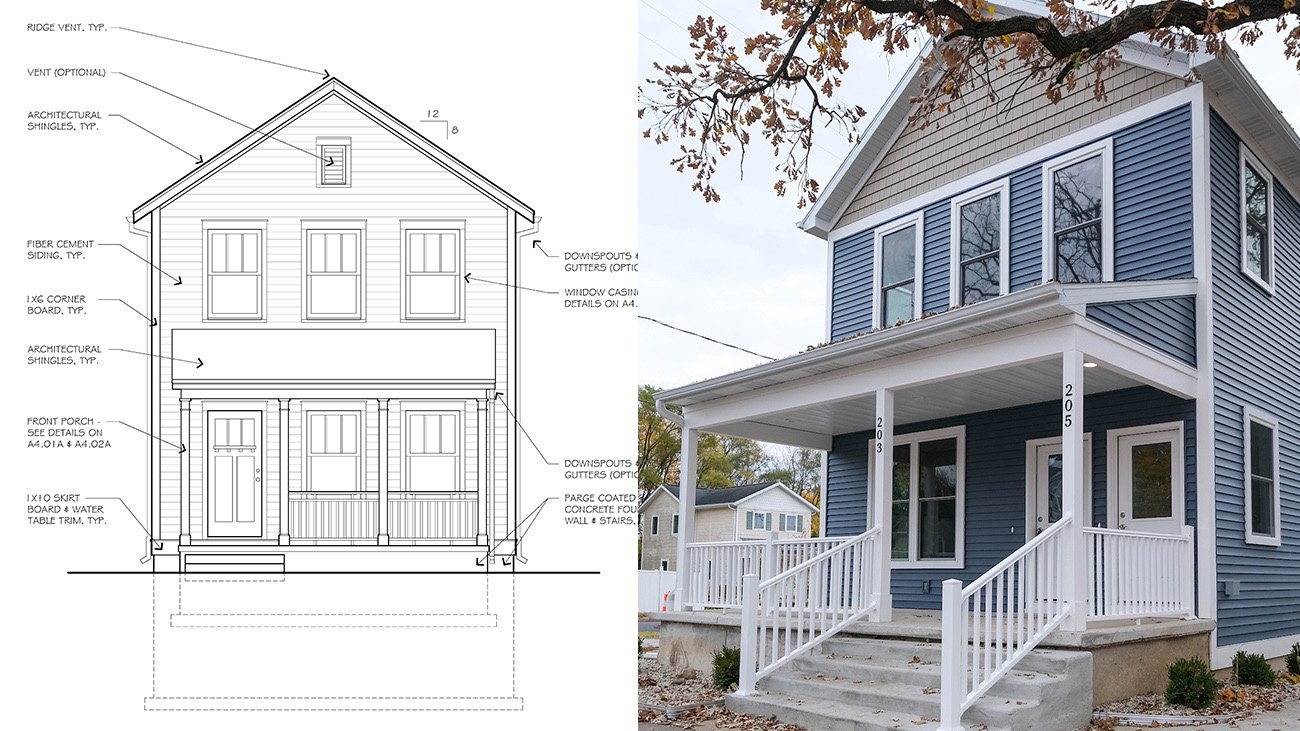
Several cities, including South Bend, Indiana; Kalamazoo, Michigan; and Groveland, Florida, have recognized this need and implemented strategies to encourage incremental development. Their approach involves understanding local housing markets through studies and on-the-ground observation, followed by enlisting architects and builders to create prototype floor plans that align with existing community patterns. These pre-approved plans are then stress-tested against current codes and approval processes. This methodology fosters a cultural shift, streamlining the building process and promoting infill developments within established neighborhoods.
The benefits of implementing a pre-approved building plans program are numerous. It lowers the barrier to entry for individuals wishing to build homes in existing neighborhoods, reintroduces traditional building and 'missing-middle' housing types not typically offered by large production builders, and streamlines the approval process to reduce municipal involvement. This allows investment to be channeled directly into physical improvements rather than administrative hurdles. The program also encourages development in overlooked neighborhoods, enabling the private sector to lead investment. Furthermore, it provides an attainable and realistic vision for communities regarding both unit types and architectural styles, supports local ecosystems by mobilizing local capital, and, critically, can be accomplished using local resources.
While specific challenges and responses vary by city, three consistent elements are crucial for a successful pre-approved building program. First, ensuring all city hall departments are aligned is vital. This means building and zoning officials collaborate to review plans against regulations, lot configurations, and state building codes, expediting approvals and reducing risk for small-scale projects. This horizontal approach to governance is a departure from traditional vertical structures. Second, public education through city-sponsored development workshops is essential. These workshops connect aspiring developers with professionals, fostering a network and building confidence within the community to encourage citizen-led development. This process calibrates the next increment of development and mobilizes local investment. Third, offering high-quality architectural plans that are consistent with local character and scale is paramount. These plans should incorporate input from local builders and consider construction techniques and building codes. Such plans revive a full range of housing options, including affordable starter homes, leading to high-quality development and fostering a community of local investors and developers.
#HousingCrisis #IncrementalDevelopment #ZoningReform #UrbanPlanning #CommunityDevelopment #PreApprovedPlans #LocalGovernment #AffordableHousing #InfillDevelopment #HousingCrisis #IncrementalDevelopment #ZoningReform #UrbanPlanning #CommunityDevelopment #PreApprovedPlans #LocalGovernment #AffordableHousing #InfillDevelopment
0 comment in total
 No comments yet
You may also like
How to Decorate Your New Home Before You Move (Published 2021)

6 things you should look past when viewing a property, according to real estate experts and interior designers

Break Ground on Your Dream Home With BT Builders


Homeowners Are Revealing The Common Purchases They Either Totally Regret Or Completely Stand By

You'll Want to Move Into This Magical Floating House ASAP

If you're looking for morespace, build out or build up
Is it better to finish the basement as part of the build or later on?


Buying house with loft conversion – 2 or 3 bed?


7 Trending Features That EVERY Homebuyer Wants Right Now
If you want a home remodel to go quickly, know what you want to do and prepare early


Building a House Right Now? Here Are 20 Things to Keep in Mind
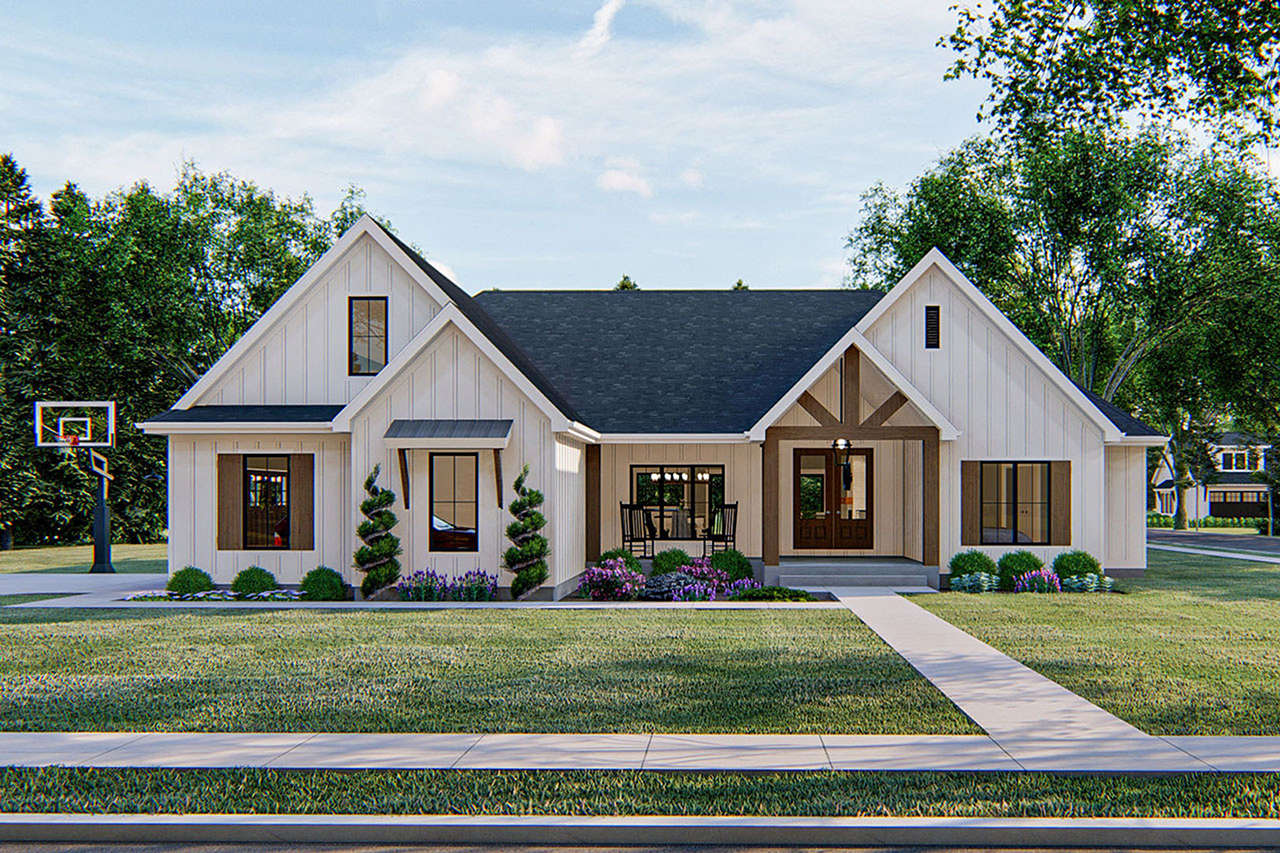
The House Plan Company – How to Build Your Dream Home – Next Steps After Finding the Perfect Plan |
6 Things You Absolutely Need as a New Homeowner, According to Reddit

If You’re Going to Buy One New Thing for Your Home This Season, Make It This
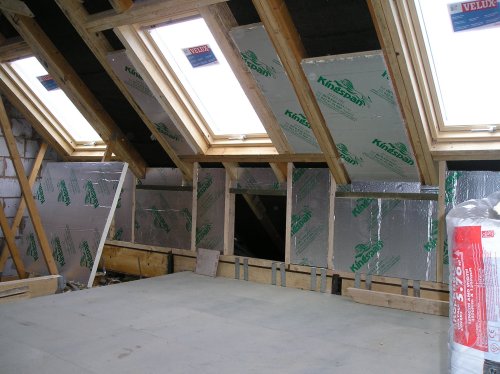
Buying a house with an unapproved loft conversion?

Building a Zen, minimalist family home ‘the best risk we’ve ever taken’

6 Tips For Creating The Perfect Home For Any Life Stage

Phil Spencer explains why an older home might not be the best choice for a first-time buyer

Goodbye, Open Concept—People are Adding Walls in Their Homes


13 Biggest House-Flipping Mistakes Made by Beginners