1/11
If you're looking for morespace, build out or build up
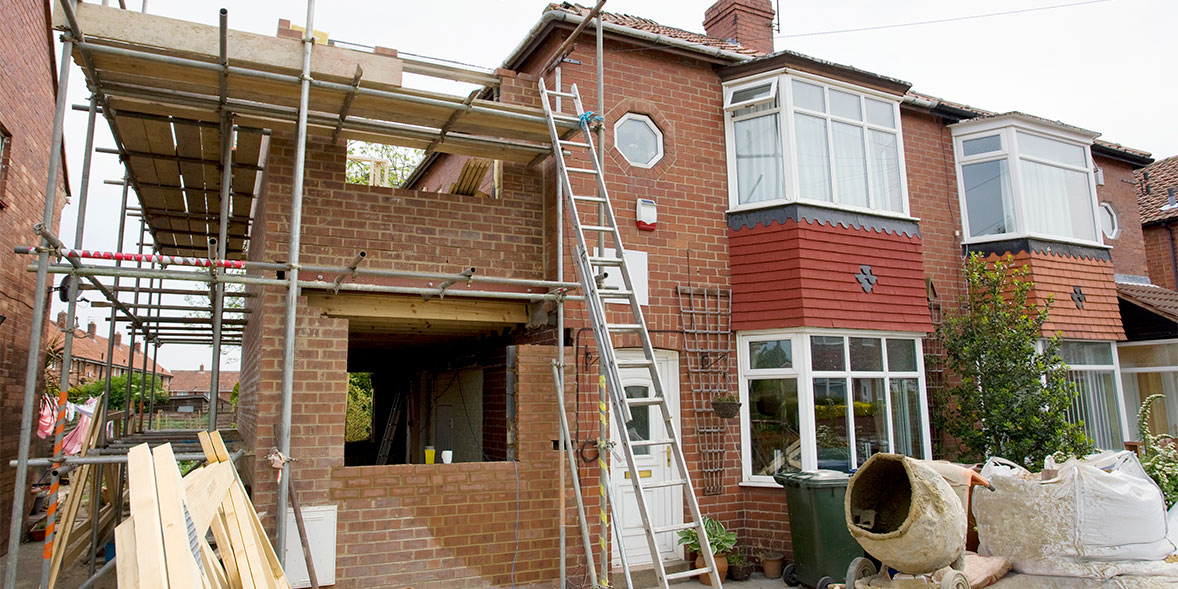
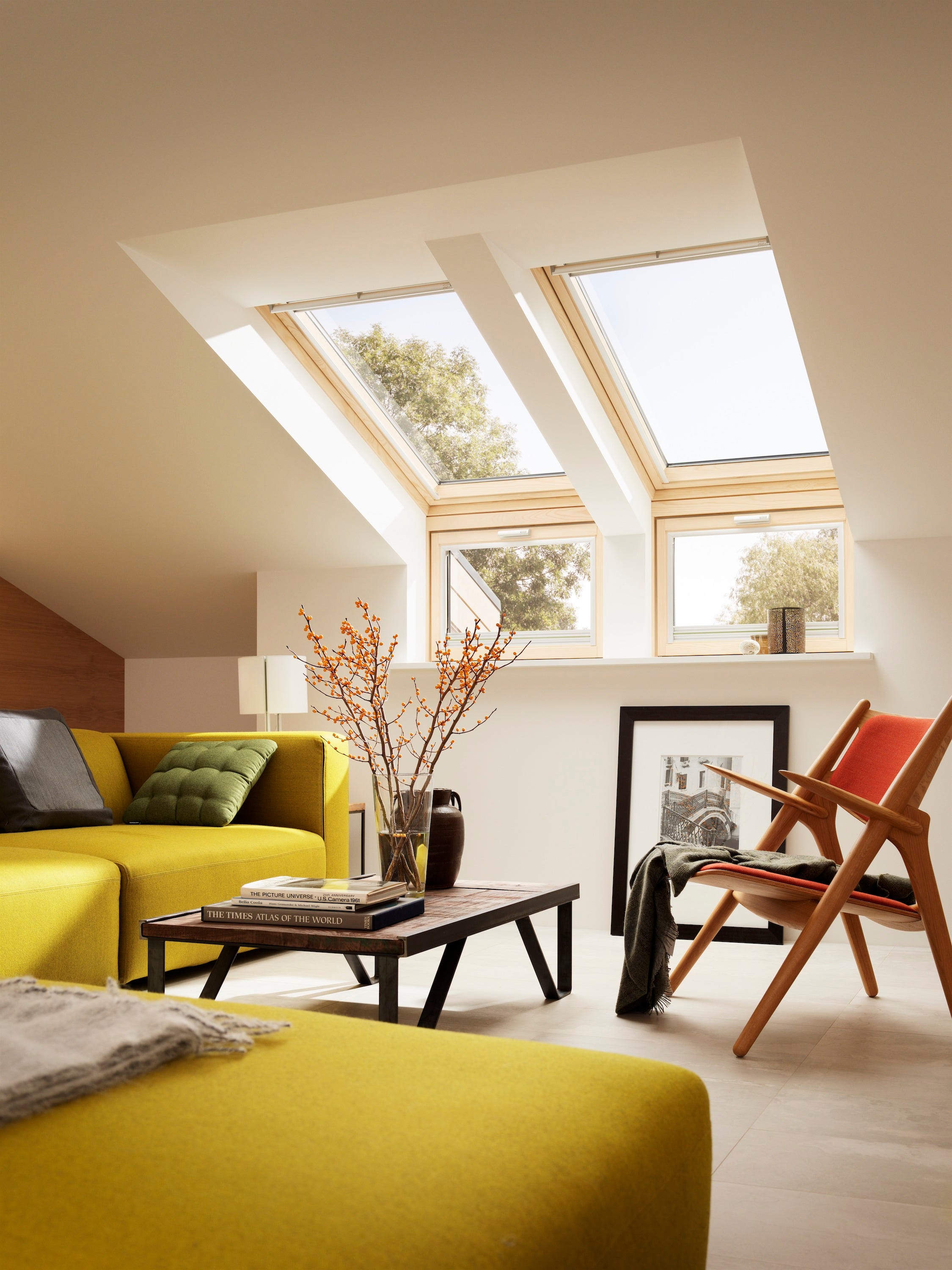





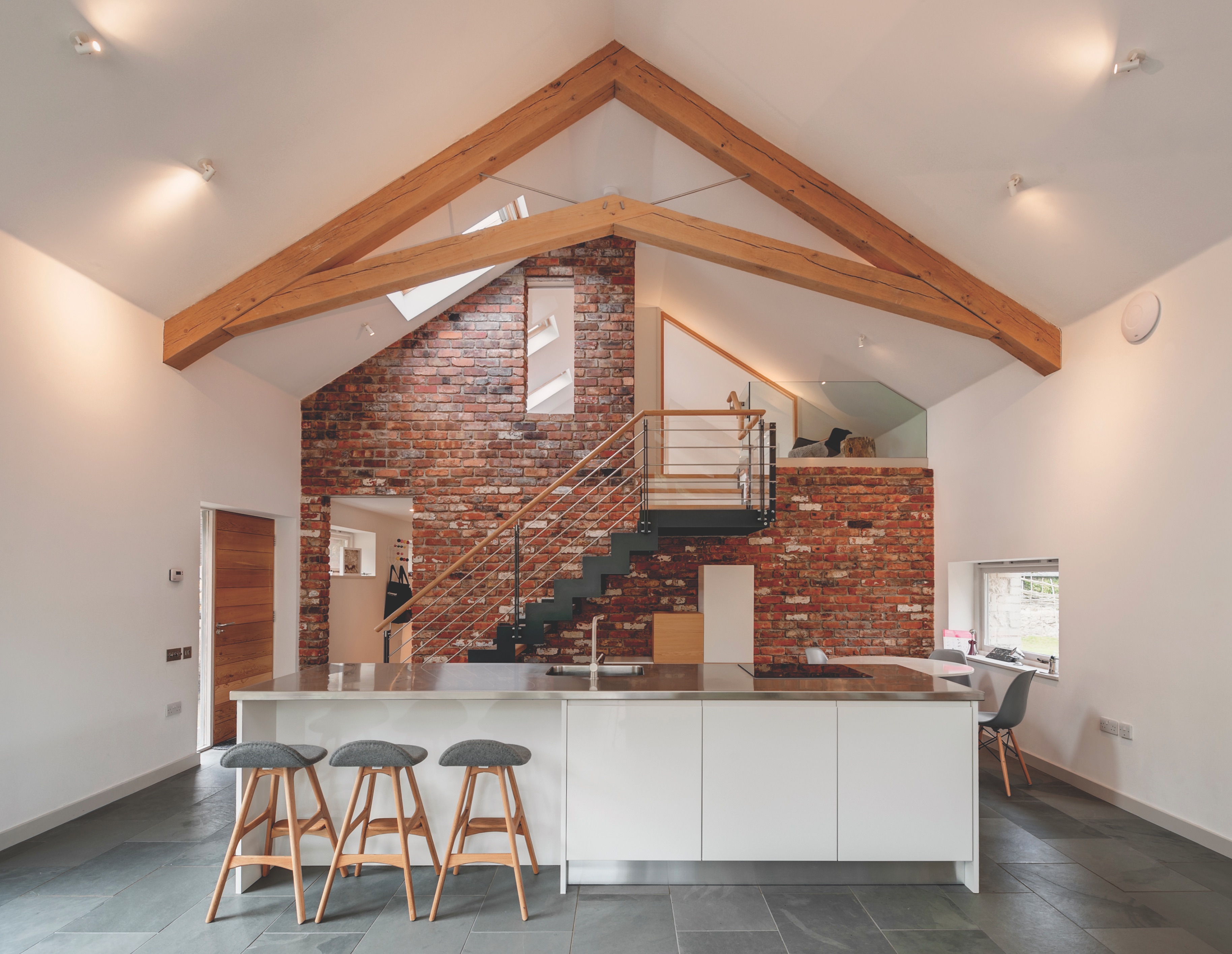
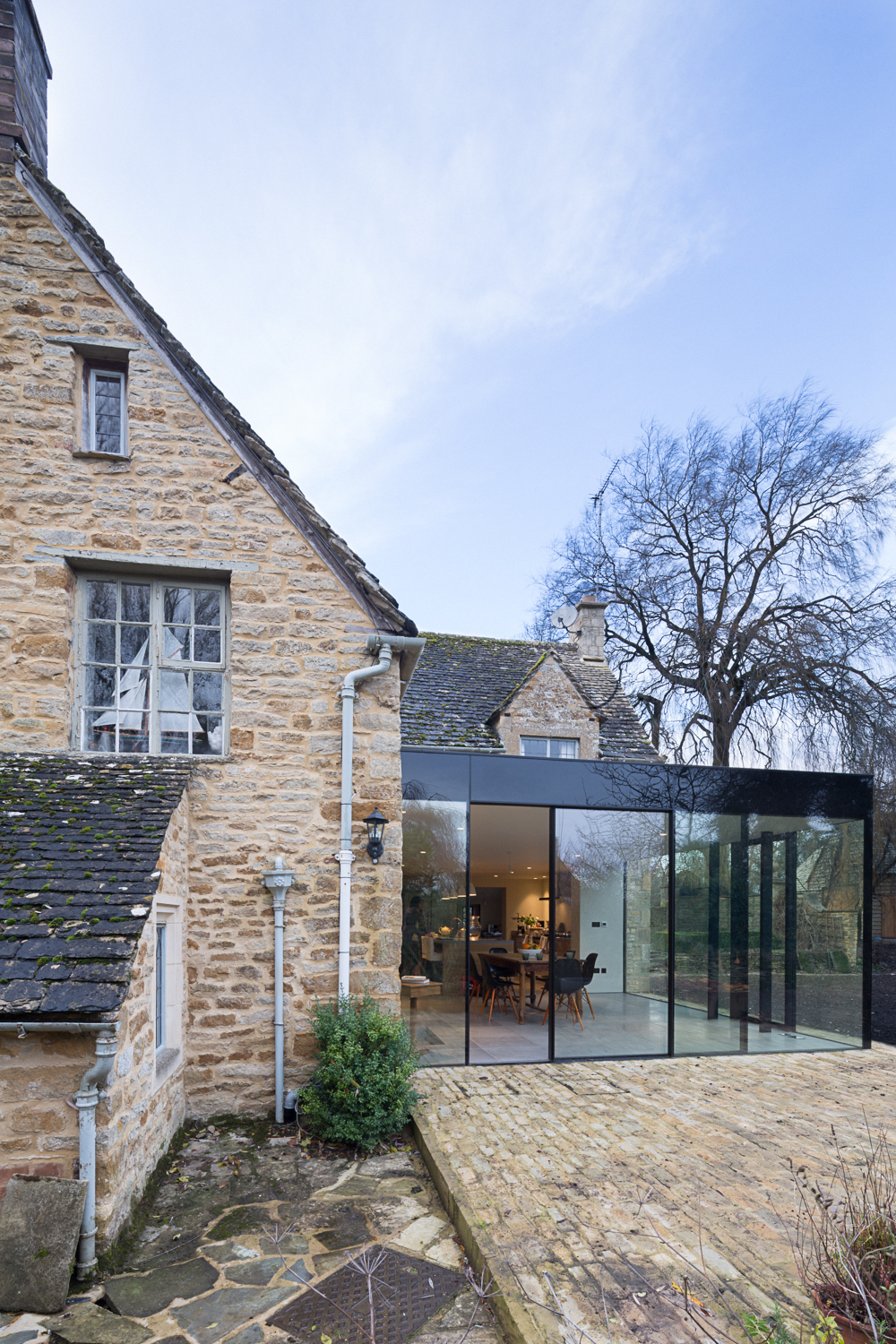
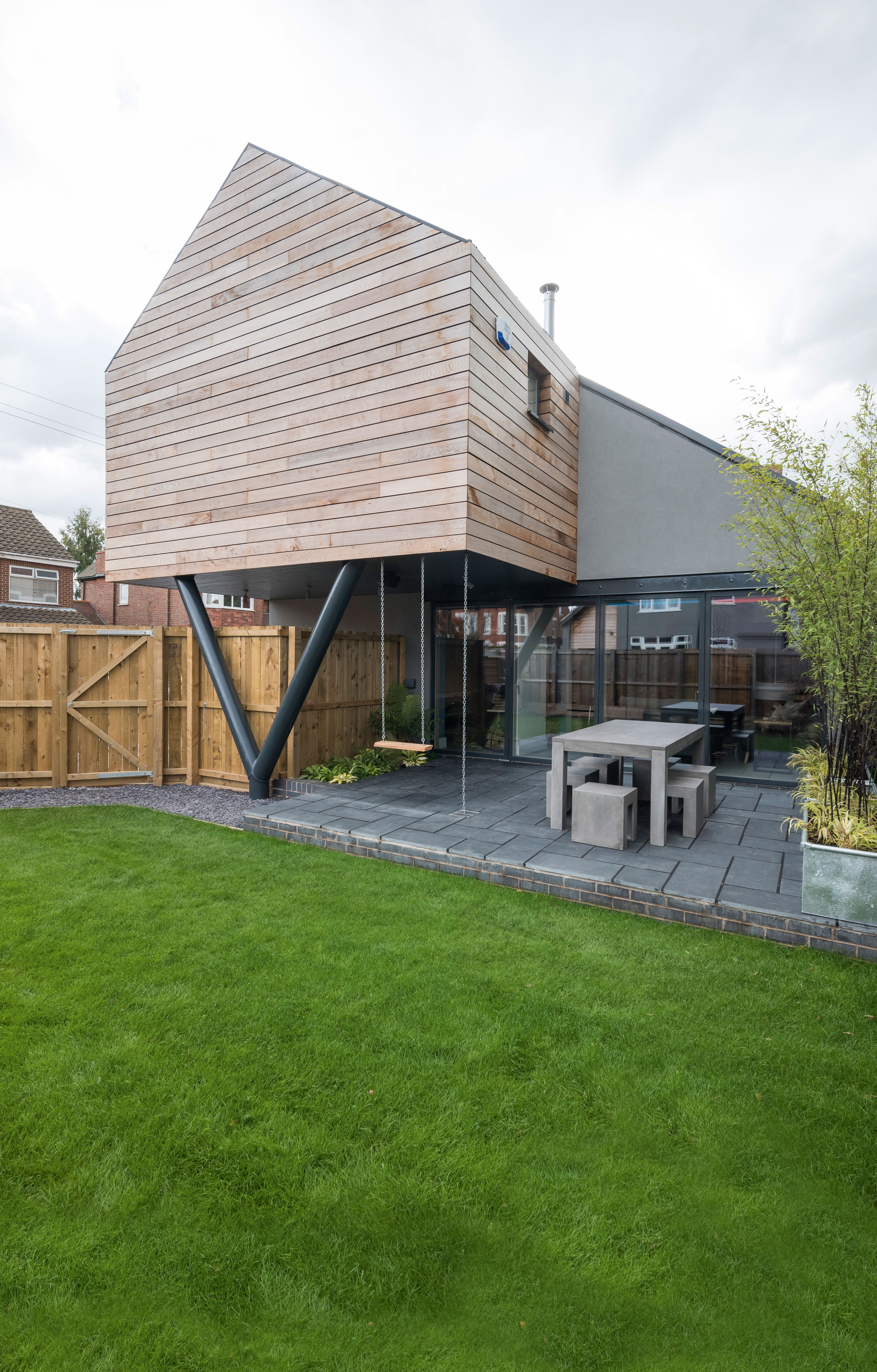
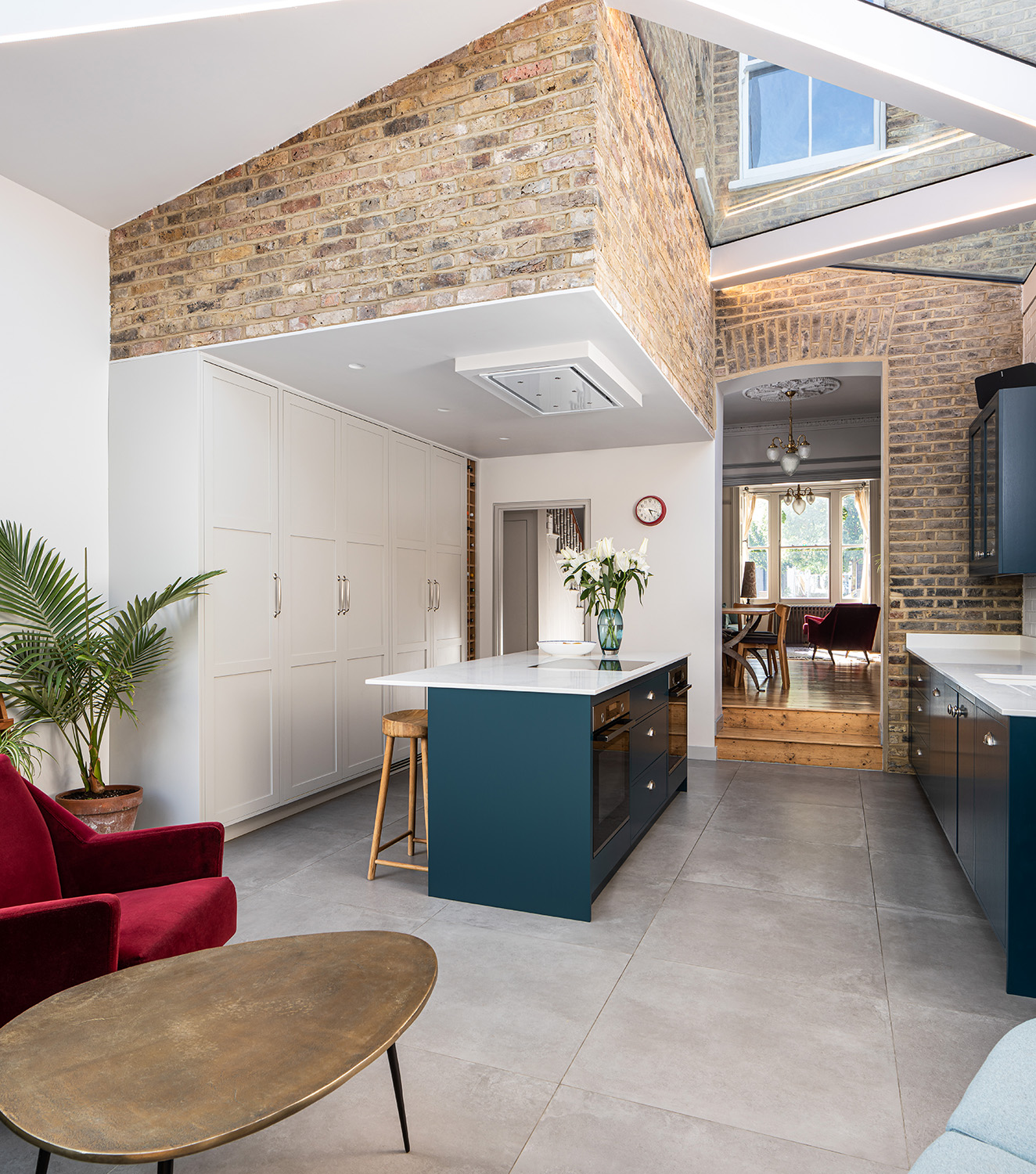
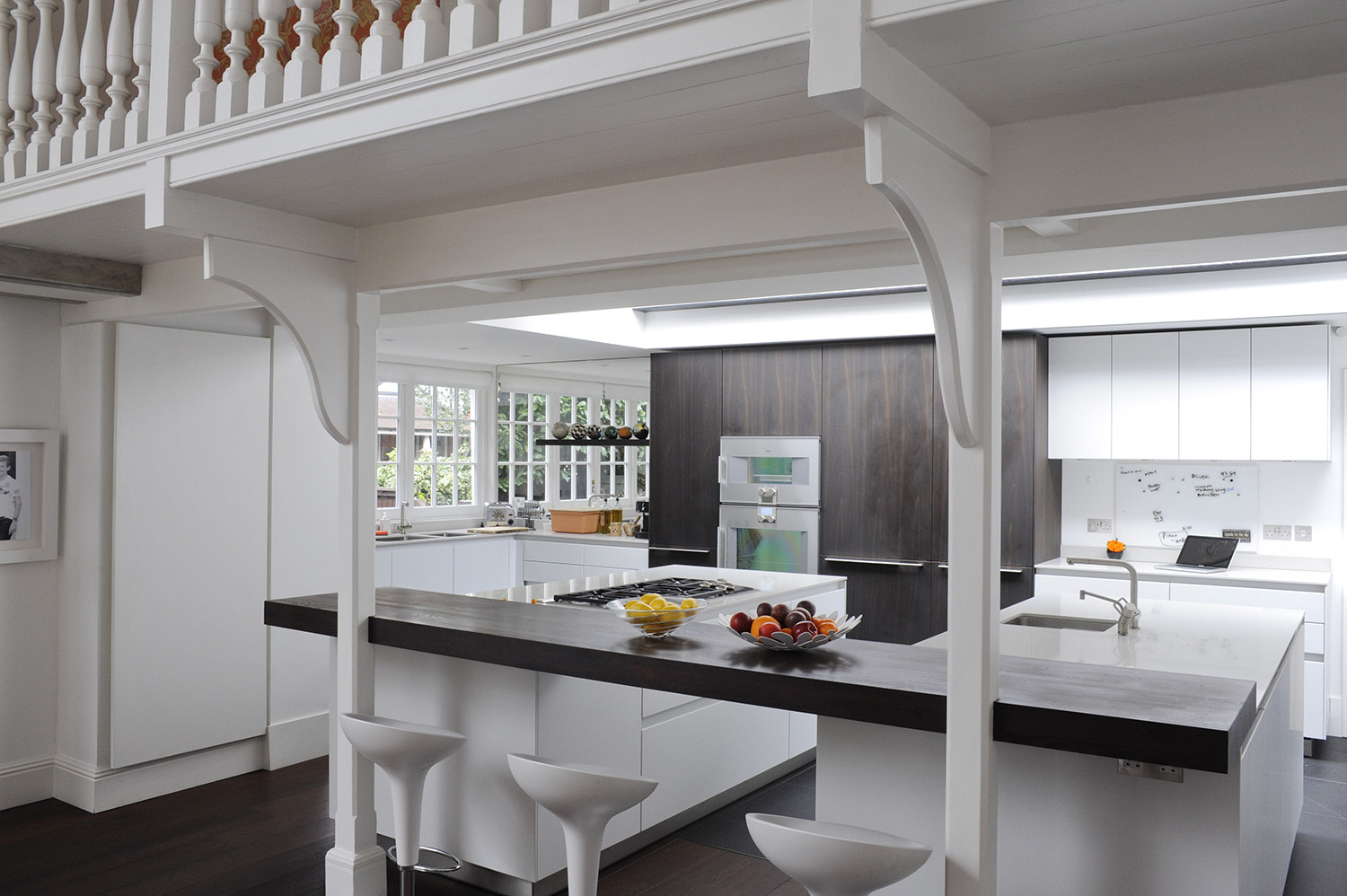
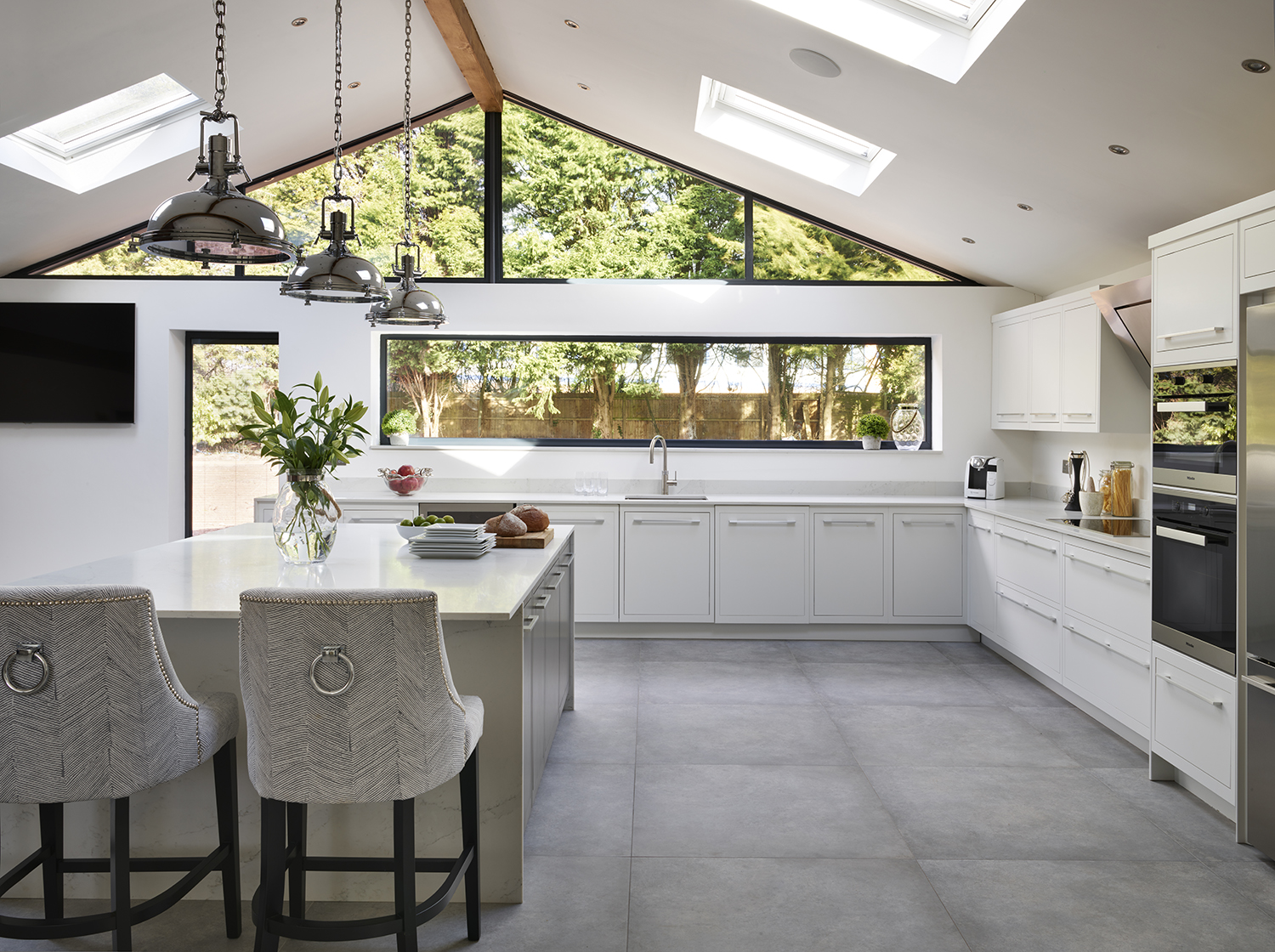
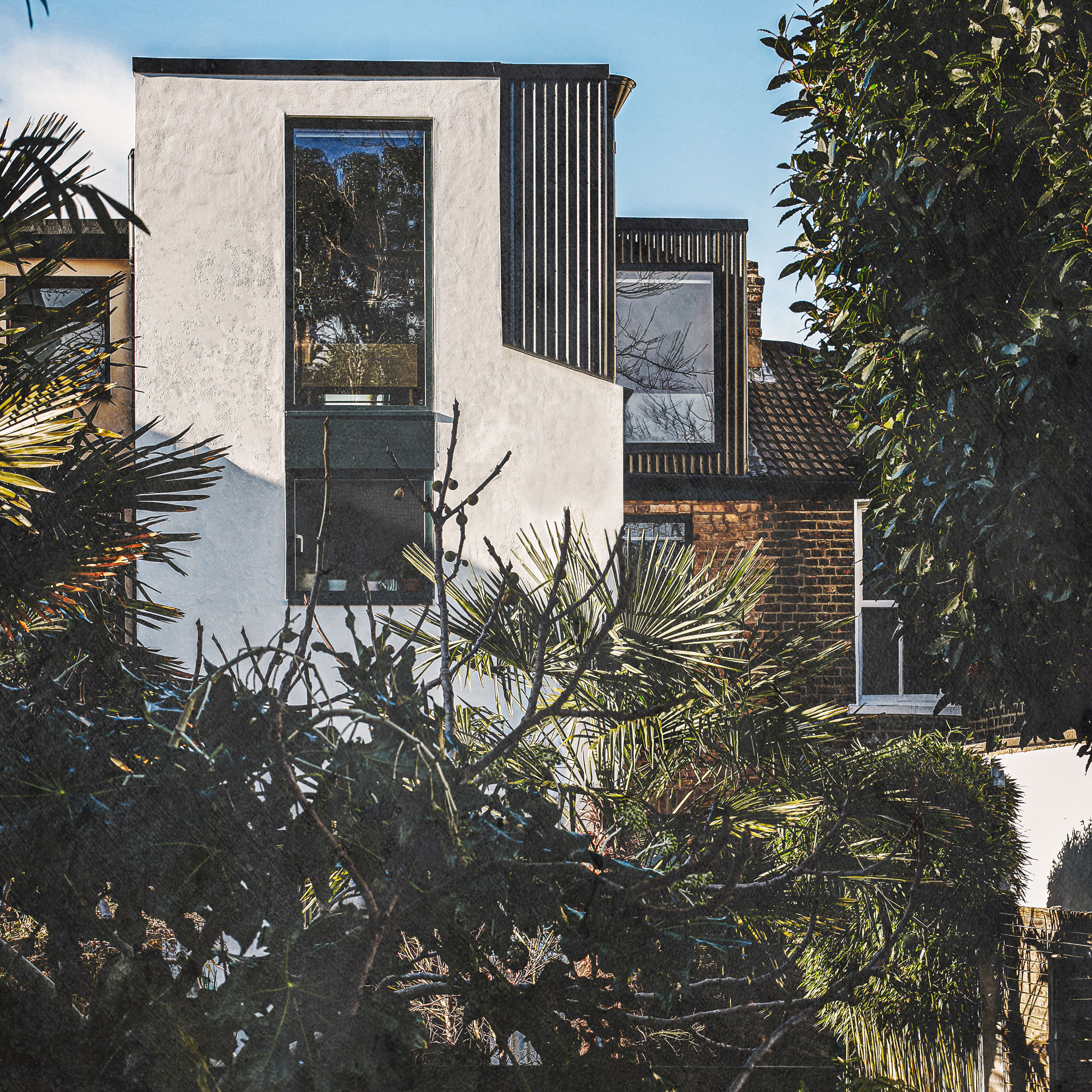
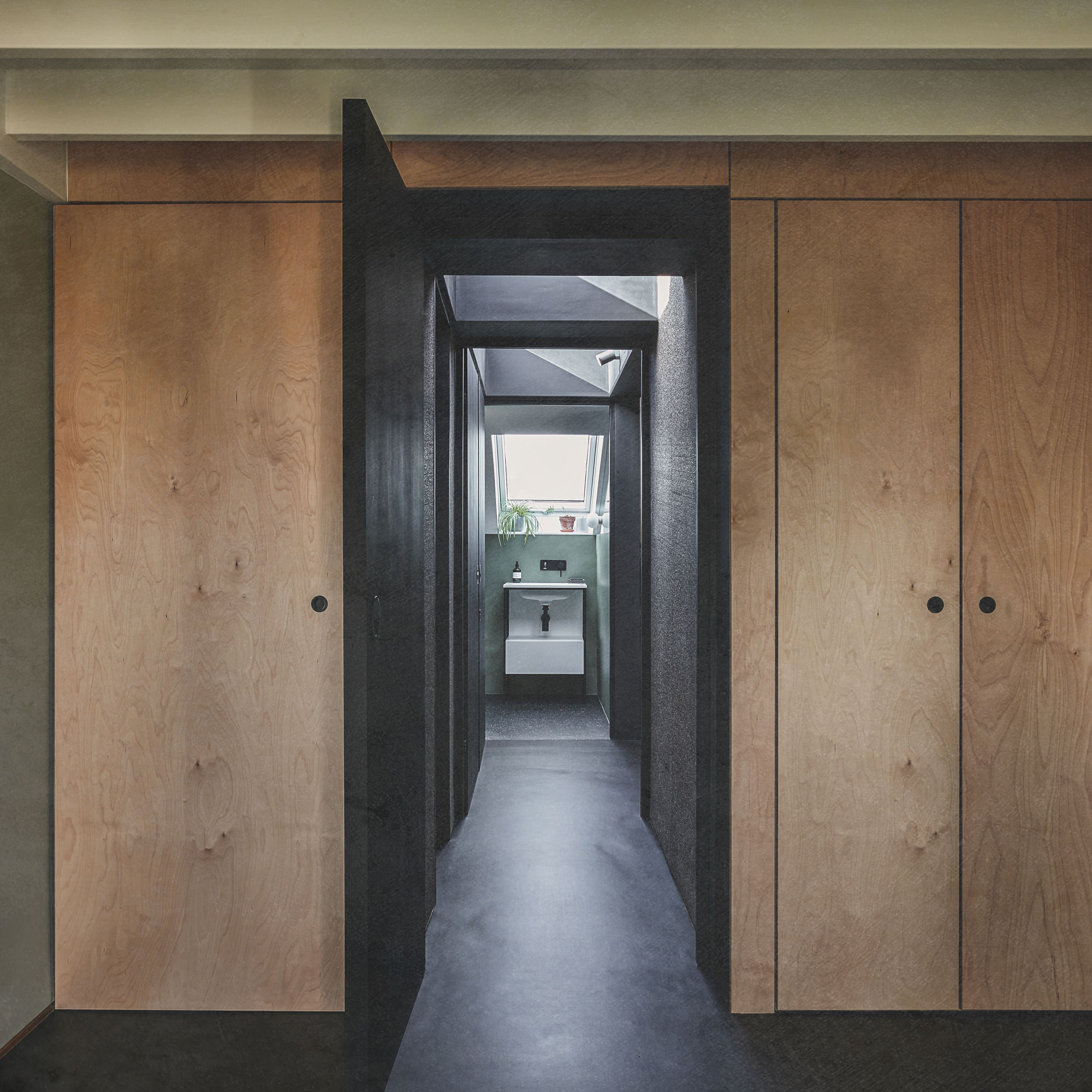
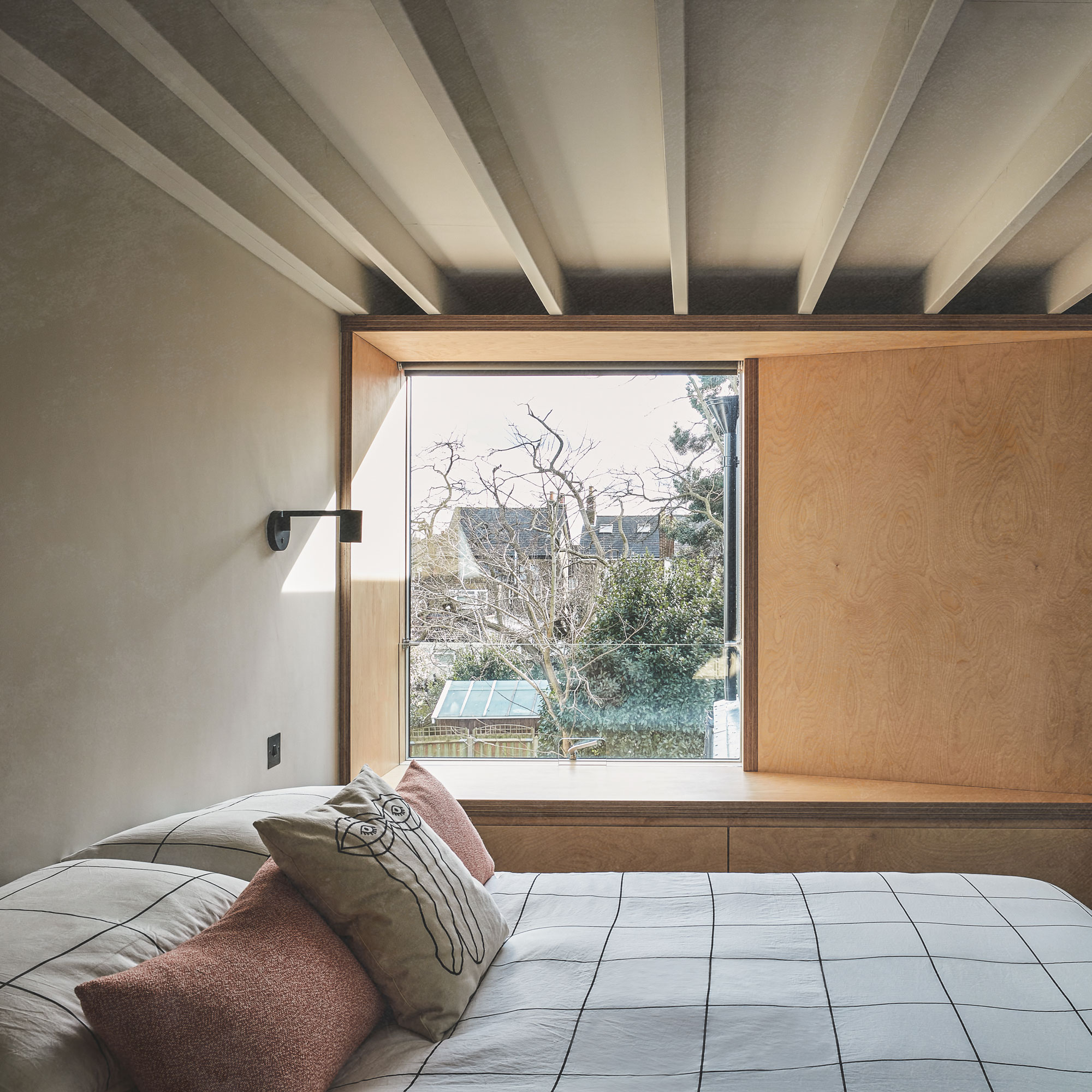
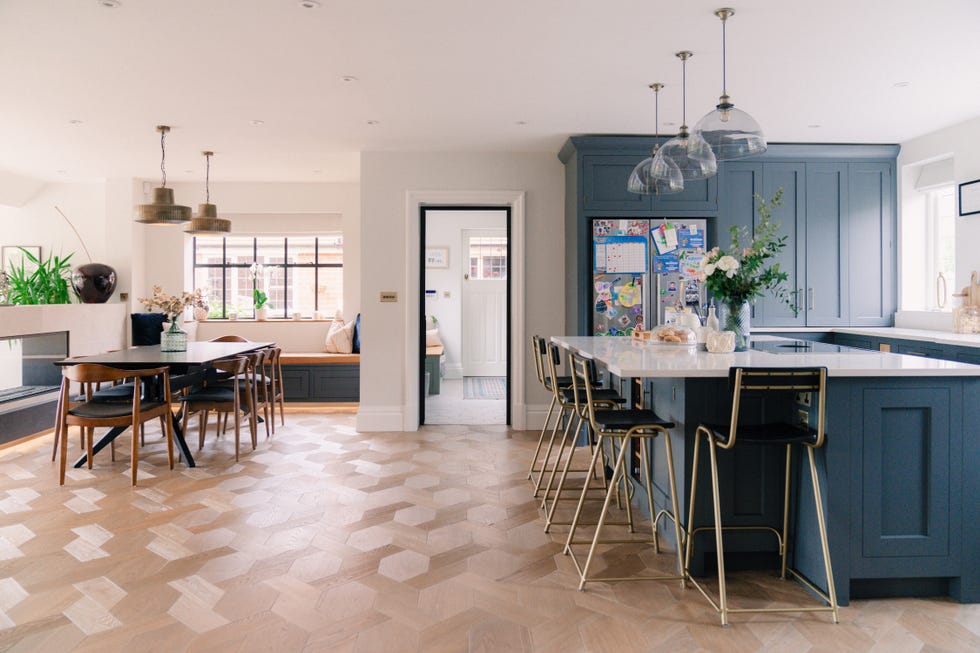
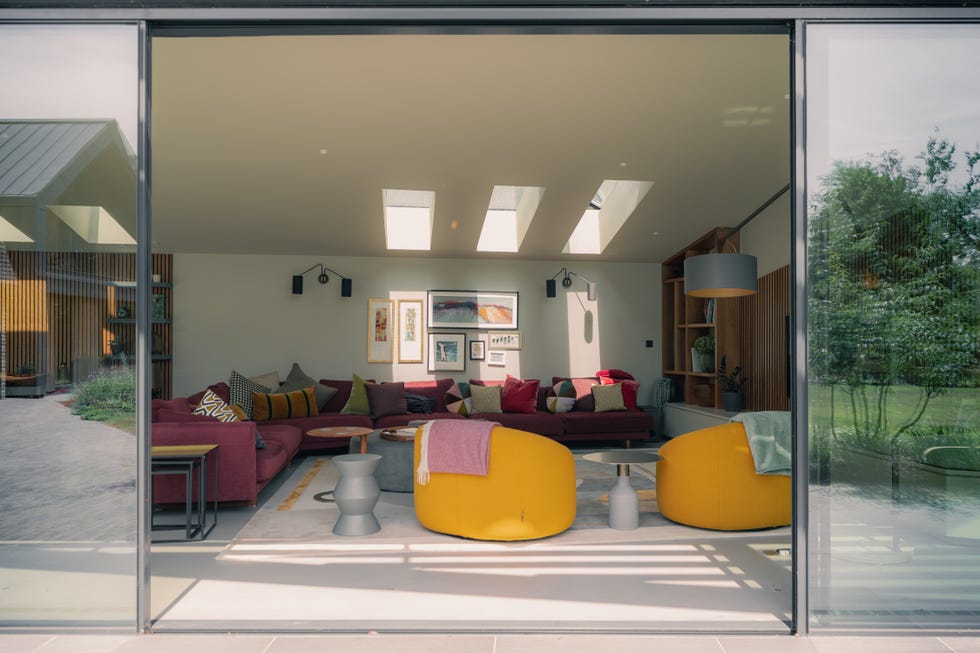
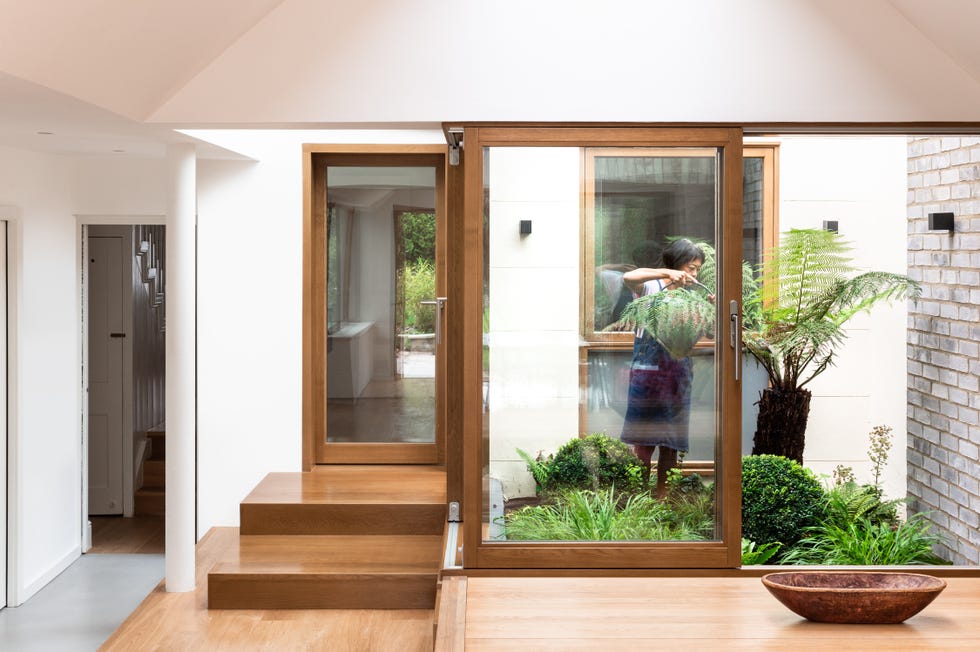
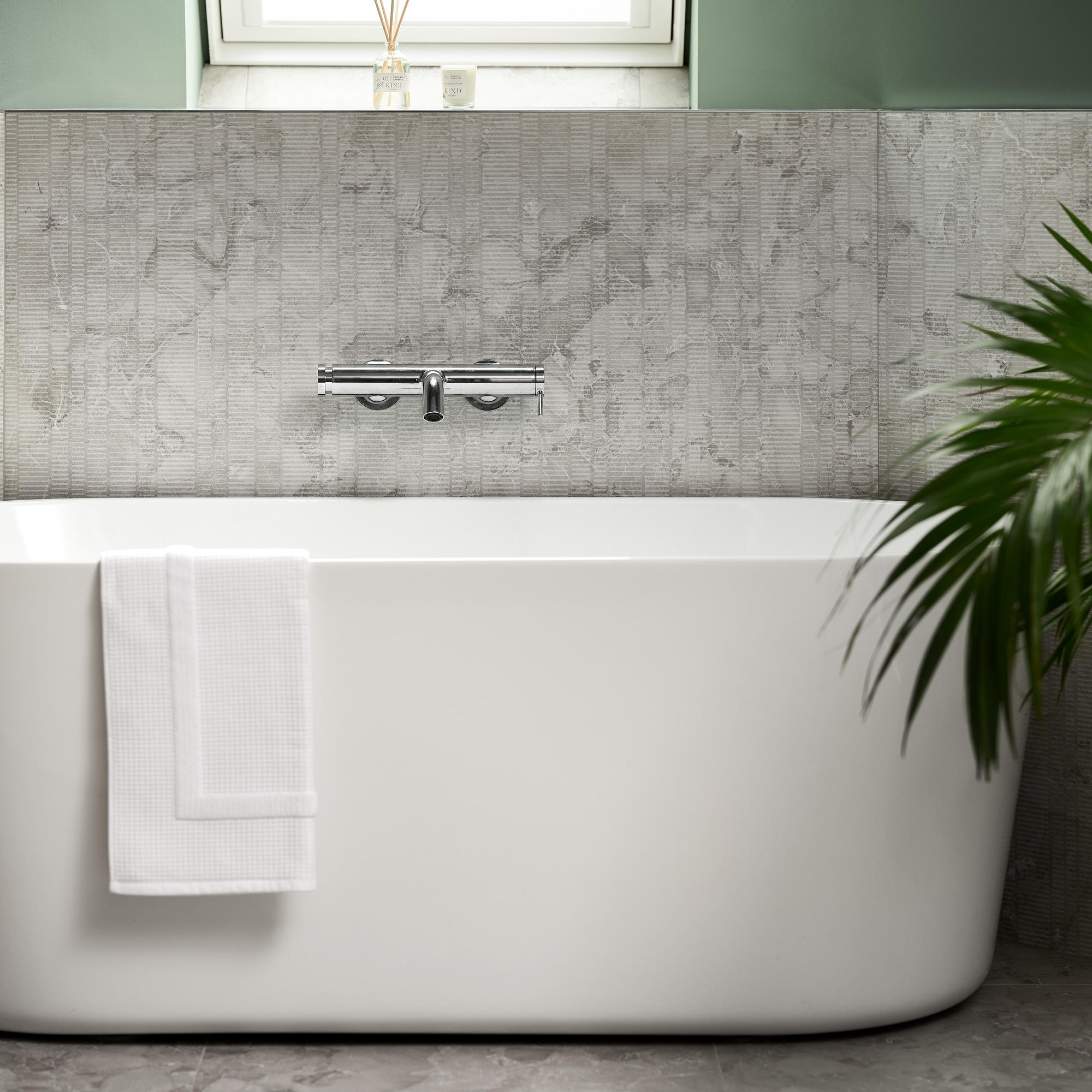
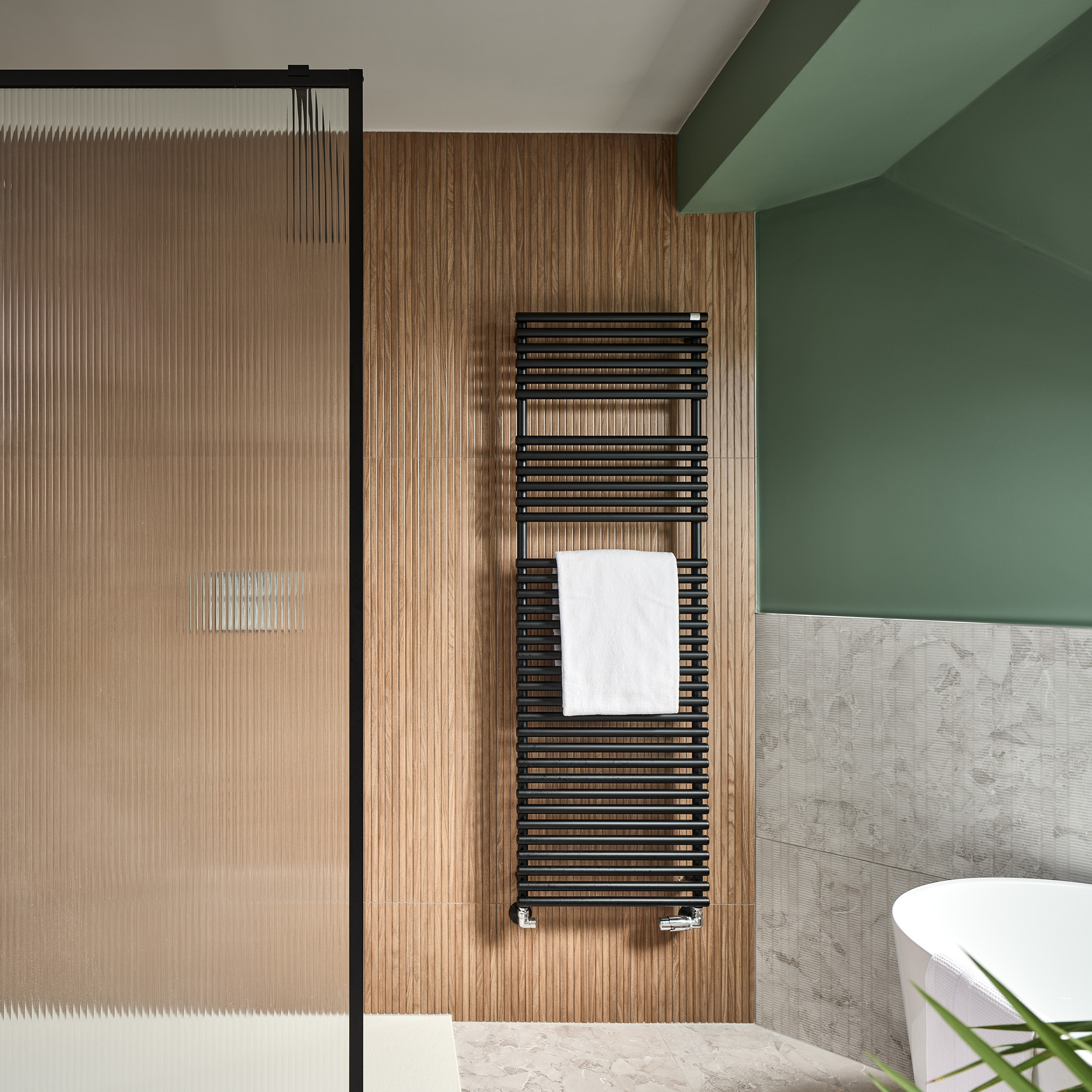
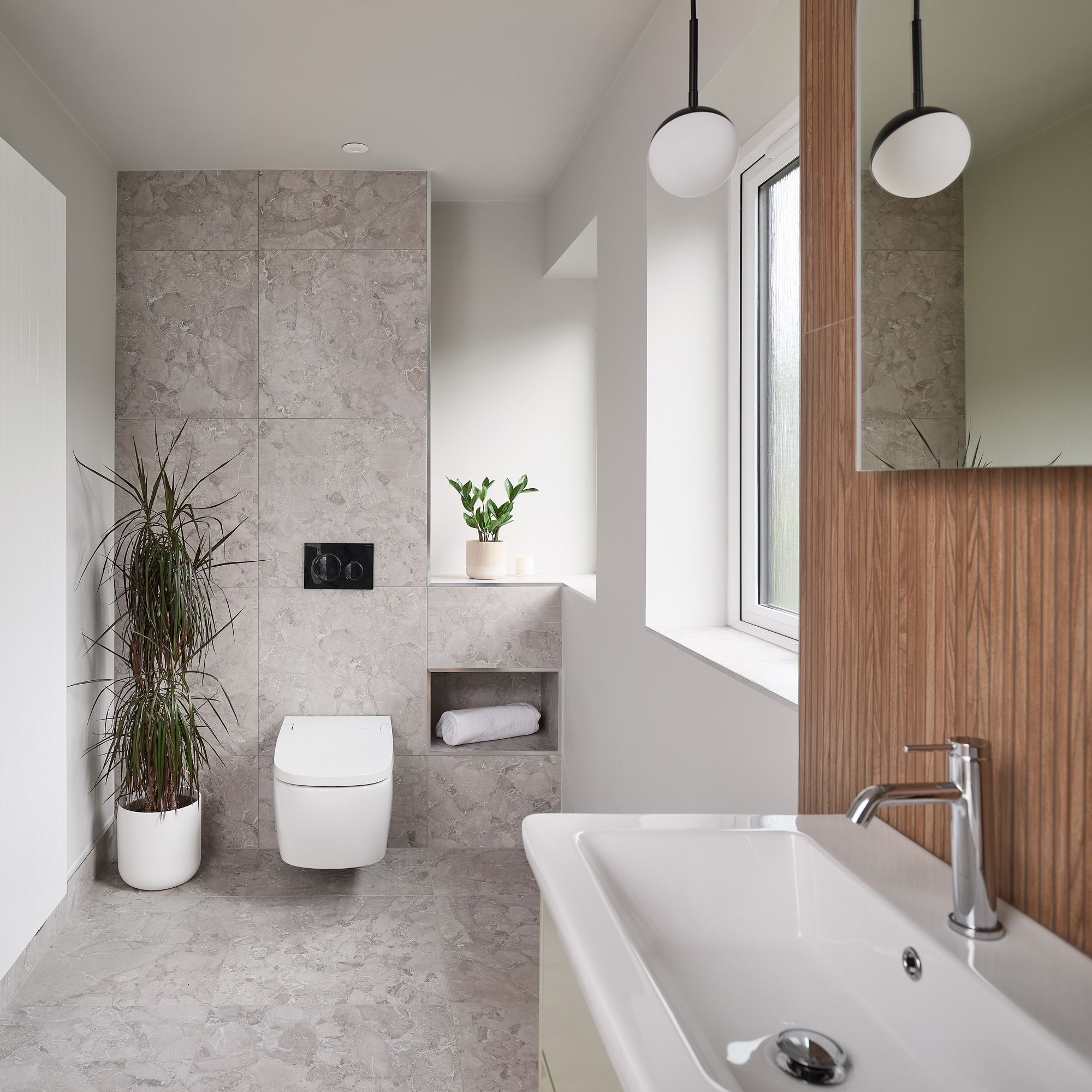
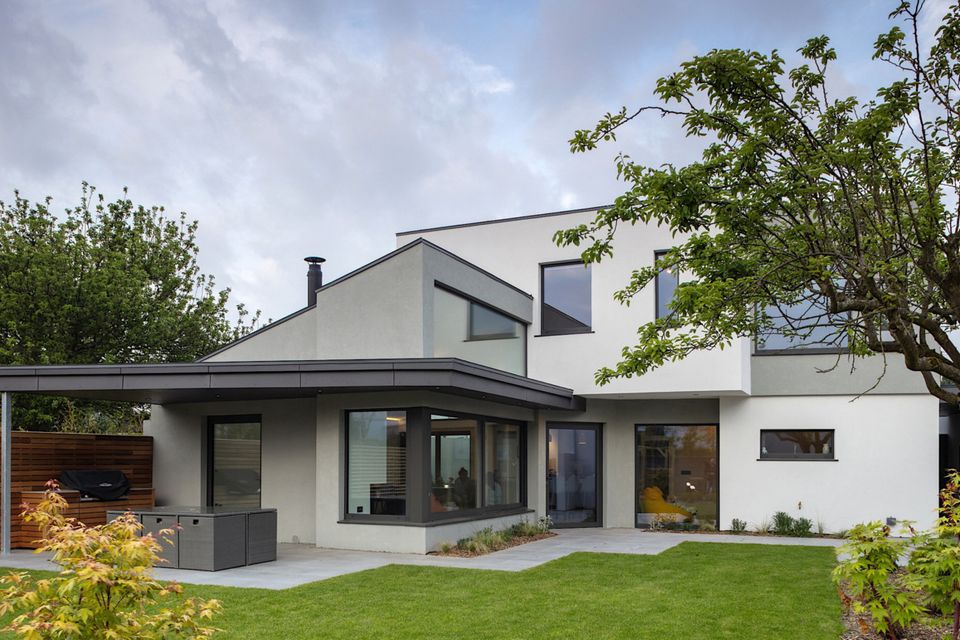
This article explores two primary approaches for homeowners seeking to expand their living space: building out with an extension or building up with an attic conversion. The first part details the experience of Vanessa O'Mahony and Ronan Ó Dúlaing, who transformed their 1,000 square foot 1930s semi-detached house in Drumcondra, Dublin, into a spacious home. The couple, both working in tech and project management, had a specific need for a larger residence to accommodate four bedrooms, a playroom, a family area, a separate adult room, a downstairs WC, a large utility room, a boot room, a home office, and ample storage for their four young daughters and visiting family members. Architect Gareth Brennan of Brennan Furlong played a crucial role in realizing their vision. The wedge-shaped corner site, though presenting a north-facing garden challenge, offered significant potential for expansion. Brennan's innovative design involved an extension that twisted away from the original house, angling towards the western light in the rear garden, thus creating varied spaces for shade, shelter, and sunlight. The floor level was lowered by 300cm to eliminate steps, a practical consideration for a family with young children, and allowed for higher ceilings with clear openings for natural light. A key hurdle was obtaining planning permission, particularly for relocating the front door, which eventually resulted in a compromise where the original door was retained as a window, and a new main entrance was discreetly incorporated into the extension. The interior features a generous new hallway, integrated storage solutions, a new wooden staircase with glass partitioning, and a light well to ensure brightness. The original front sitting room was repurposed as an adult retreat, leading to a playroom that opens onto a triangular courtyard, providing light and a transition to the garden. The highlight is a large kitchen/dining/living space designed with ample glass to maximize views and light without becoming a generic glass box. Interior finishes include concrete window seats and worktops, and antique metal kitchen units, all balanced with pale oak flooring and splashes of vibrant colors to avoid a monochromatic feel. The success of the project is attributed to the homeowners' active involvement and trust in their design team. The garden was integral to the design, with defined zones for play and relaxation, including a sunken patio and a trampoline integrated into the ground for a less intrusive appearance. Gareth Brennan provides key advice for extensions, emphasizing the importance of not duplicating existing spaces, integrating the garden holistically, factoring in inflation, investing in a skilled team, and dedicating sufficient time to the design process. The second part of the article discusses attic conversions as a more affordable and less disruptive alternative to extensions. David Mulcahy of Attic Masters and Niall Mulligan of Urban Architecture + Construction highlight the increasing popularity of attic conversions in Irish homes, driven by housing shortages and growing families. A simple attic conversion typically costs around €25,000, rising to €45,000 with a dormer and en-suite. Planning permission is often not required if the exterior roof appearance remains unchanged, as many attics don't meet the height requirements for "habitable accommodation." However, adding dormers changes the exterior and necessitates planning permission. The shape of the roof is critical; ridge roofs with gable-end walls are easier to convert than hipped roofs. The use of correct RSJs (rolled steel joists) and structural certificates of compliance are vital to avoid future sale complications. Cost management strategies include having detailed plans from an architect to prevent costly changes during construction, investing in high-quality thermal insulation (avoiding spray foam and fiberglass), and exploring grant schemes like the Home Renovation Incentive (HRI) or those from the Sustainable Energy Authority of Ireland (SEAI). The article also advises consulting a qualified architect for structural works and thoroughly vetting builders. For decorating smaller attics, using specific paint colors, such as dark greens or blues on apex walls and soft greys on other surfaces, can create an illusion of height and brightness. Overall, both extensions and attic conversions offer viable solutions for increasing living space, with careful planning, professional guidance, and attention to detail being paramount for a successful outcome.
#HomeExtension #AtticConversion #HouseDesign #InteriorDesign #HomeRenovation #Architecture #BuildingCosts #GardenDesign #PlanningPermission #HomeExtension #AtticConversion #HouseDesign #InteriorDesign #HomeRenovation #Architecture #BuildingCosts #GardenDesign #PlanningPermission
0 comment in total
 No comments yet
You may also like
Room to Grow
Double storey extensions - architects explain how to go full height in style

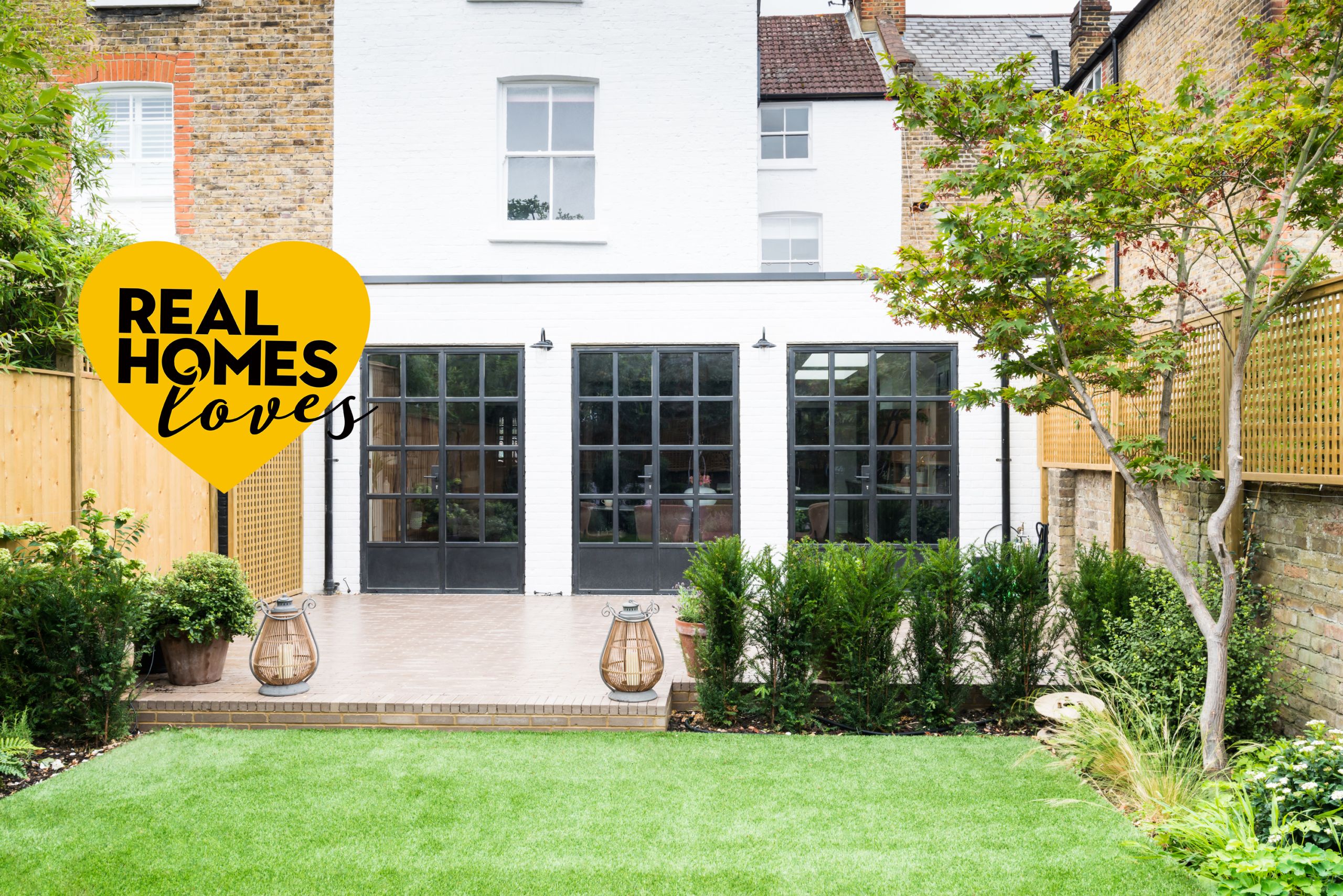
House extension suppliers: a sourcebook of the top 50 extension essentials

A family spent $69,000 turning their garage into an apartment so their son could live rent-free while launching his startup

House extension and conversion ideas

How They Pulled It Off: Floor-to-Ceiling Modular Shelving in a New Studio Extension

Is it better to finish the basement as part of the build or later on?

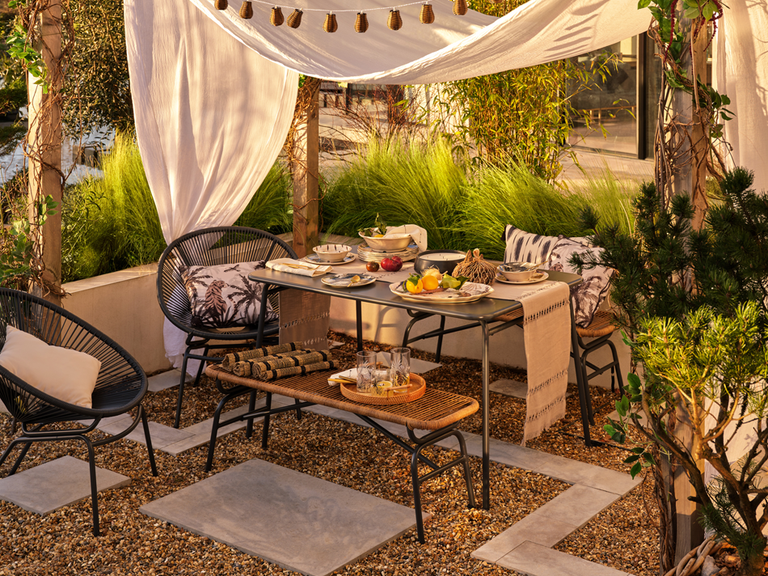
Experts explain how to create extra living space outdoors

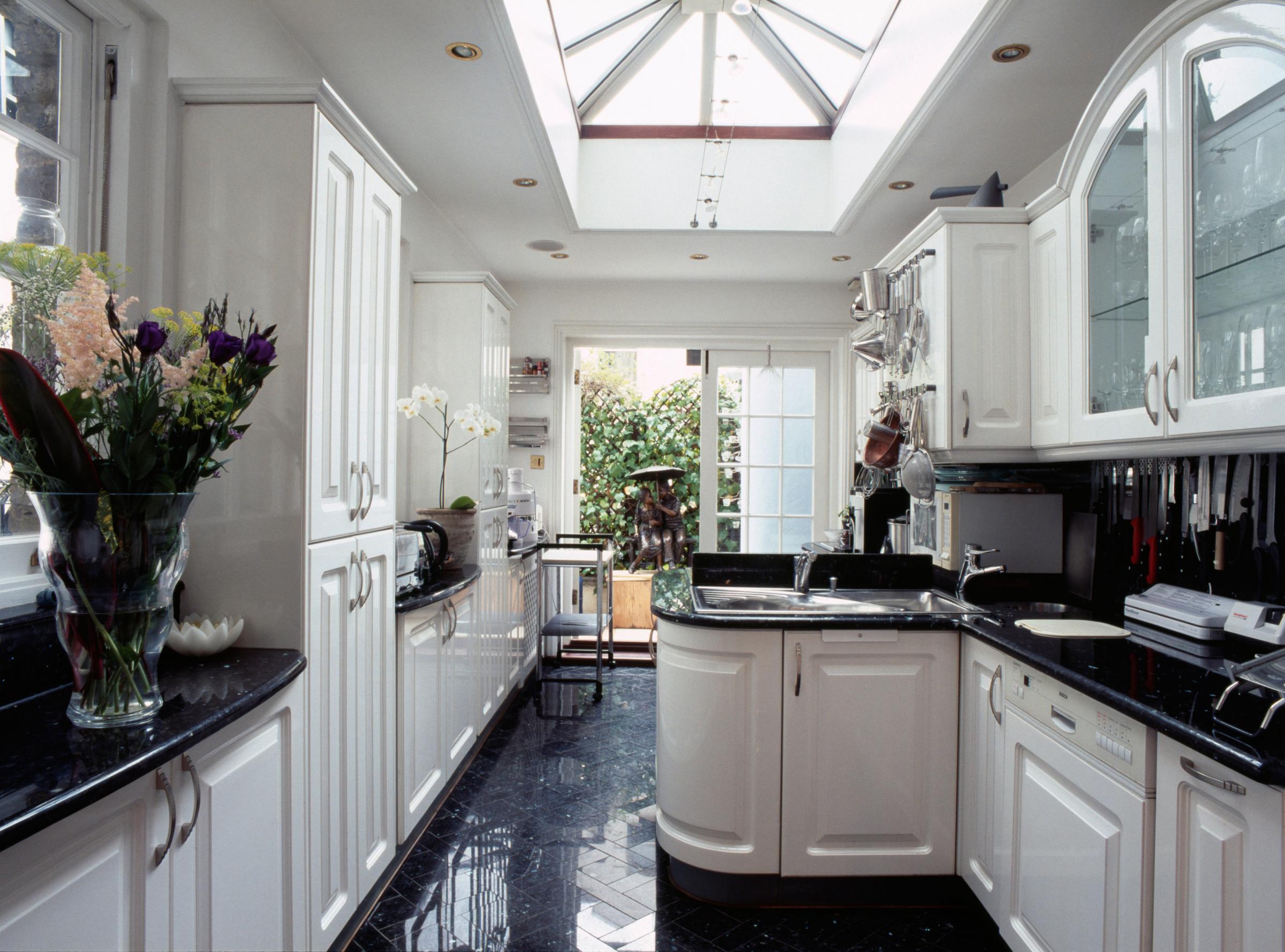
How to fast-track your home extension
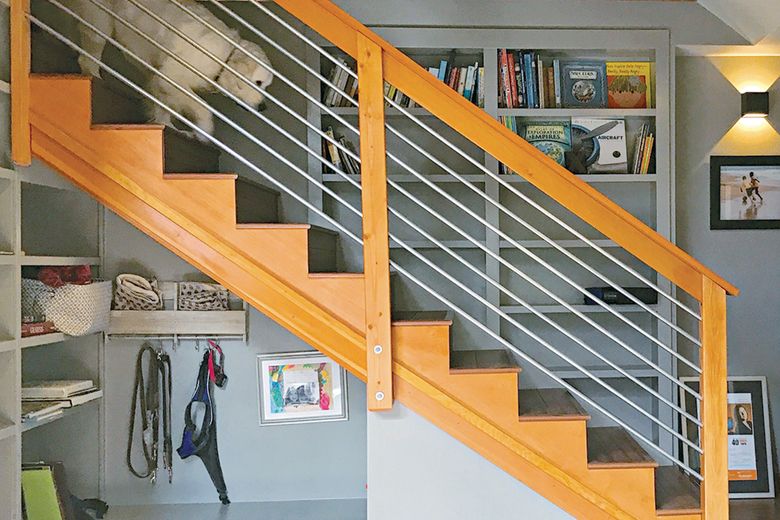
Room to grow: Finding ways to add space to your home without a major remodel

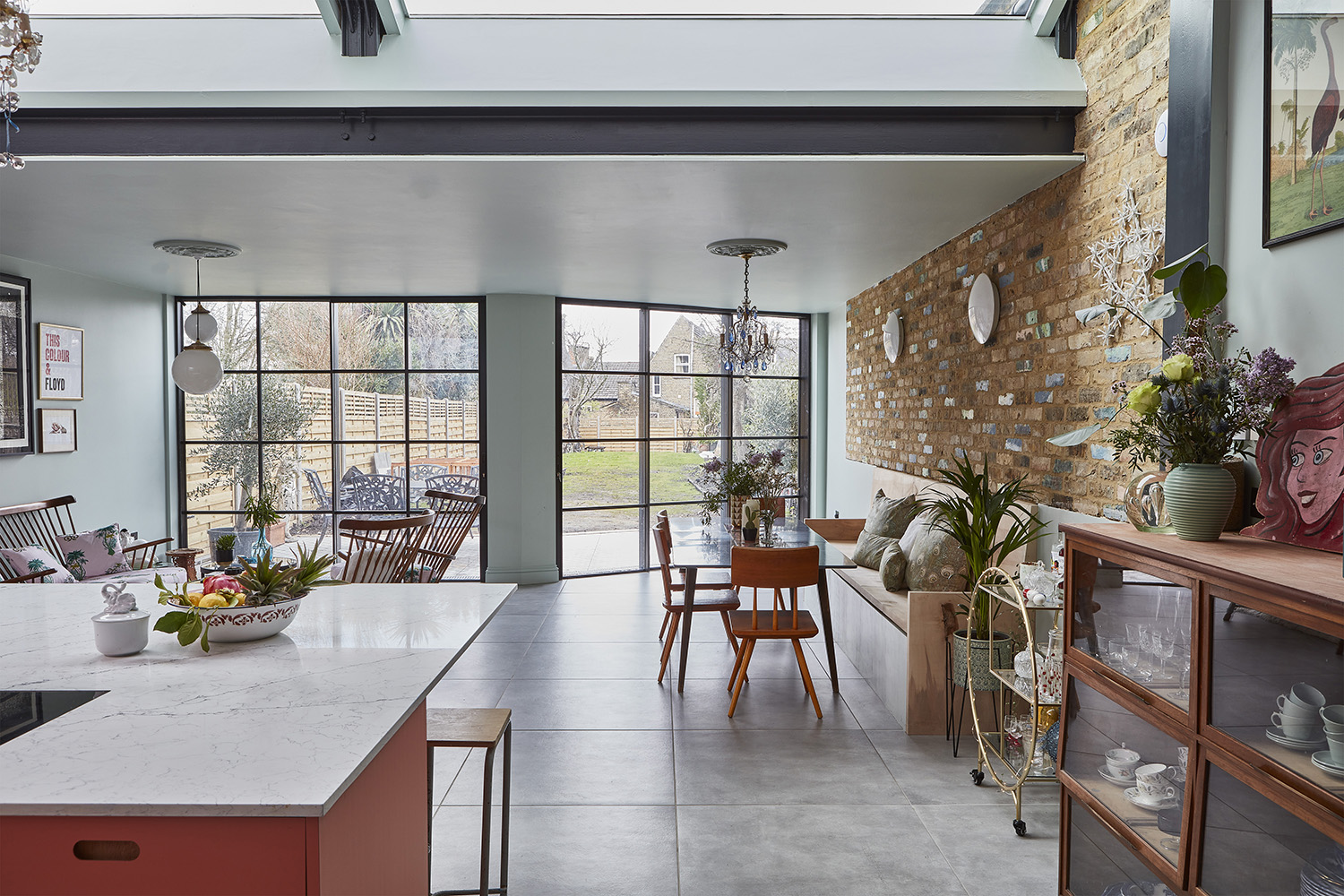
How to plan a kitchen extension - expert advice for getting it right from the beginning

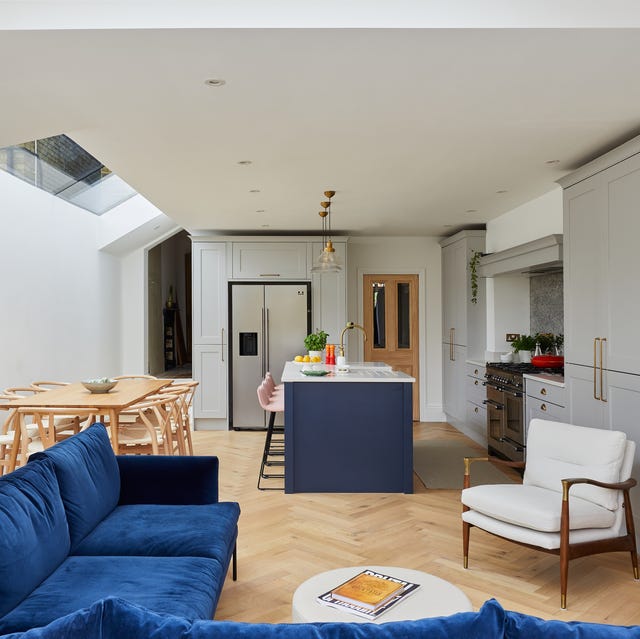
Beyond Open-Plan Living: Interior Courtyards Are The Extension Trend To Watch in 2026

Renovations and Additions

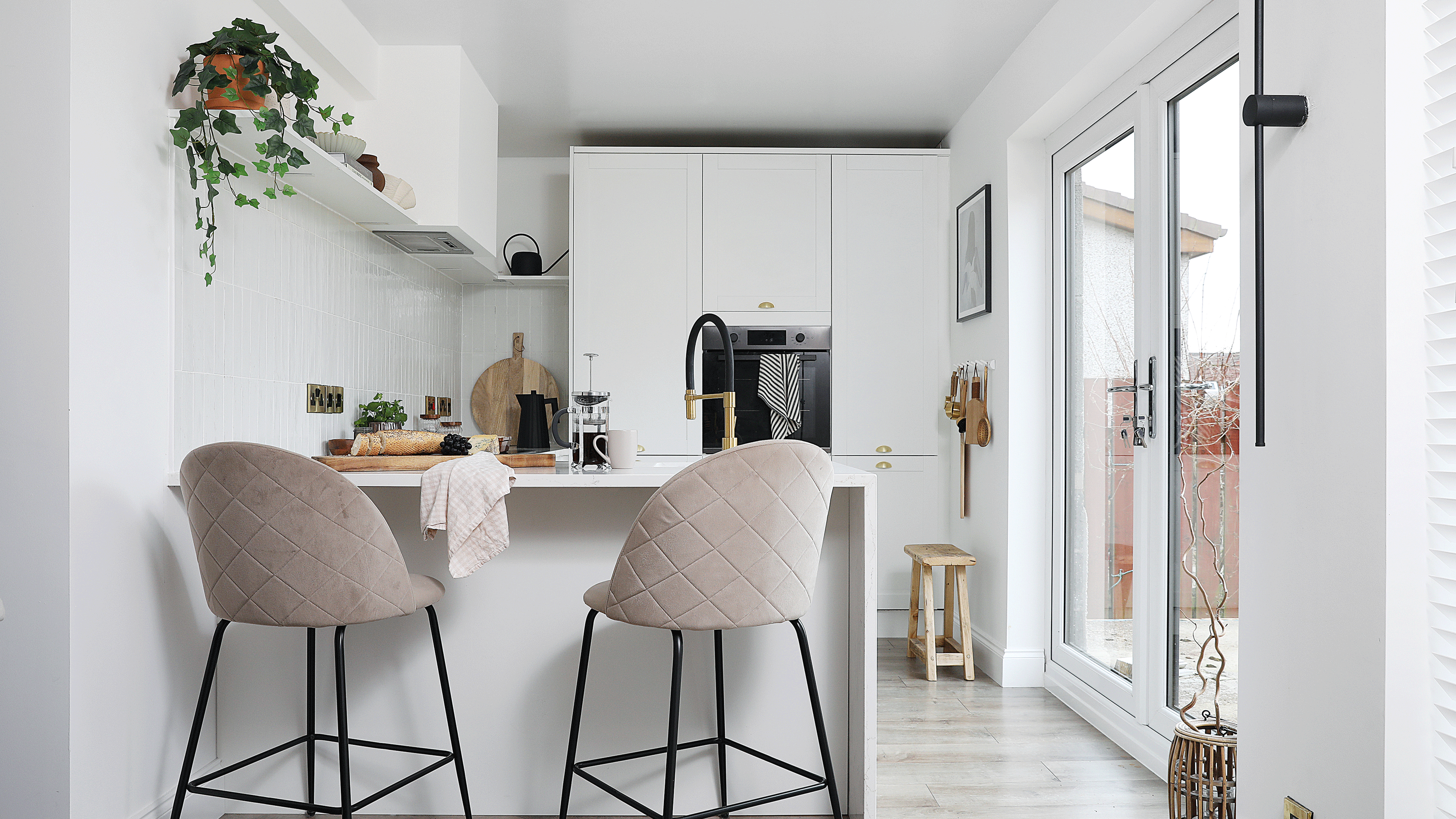
A small extension and a layout rethink have given this family all the extra space they need to thrive
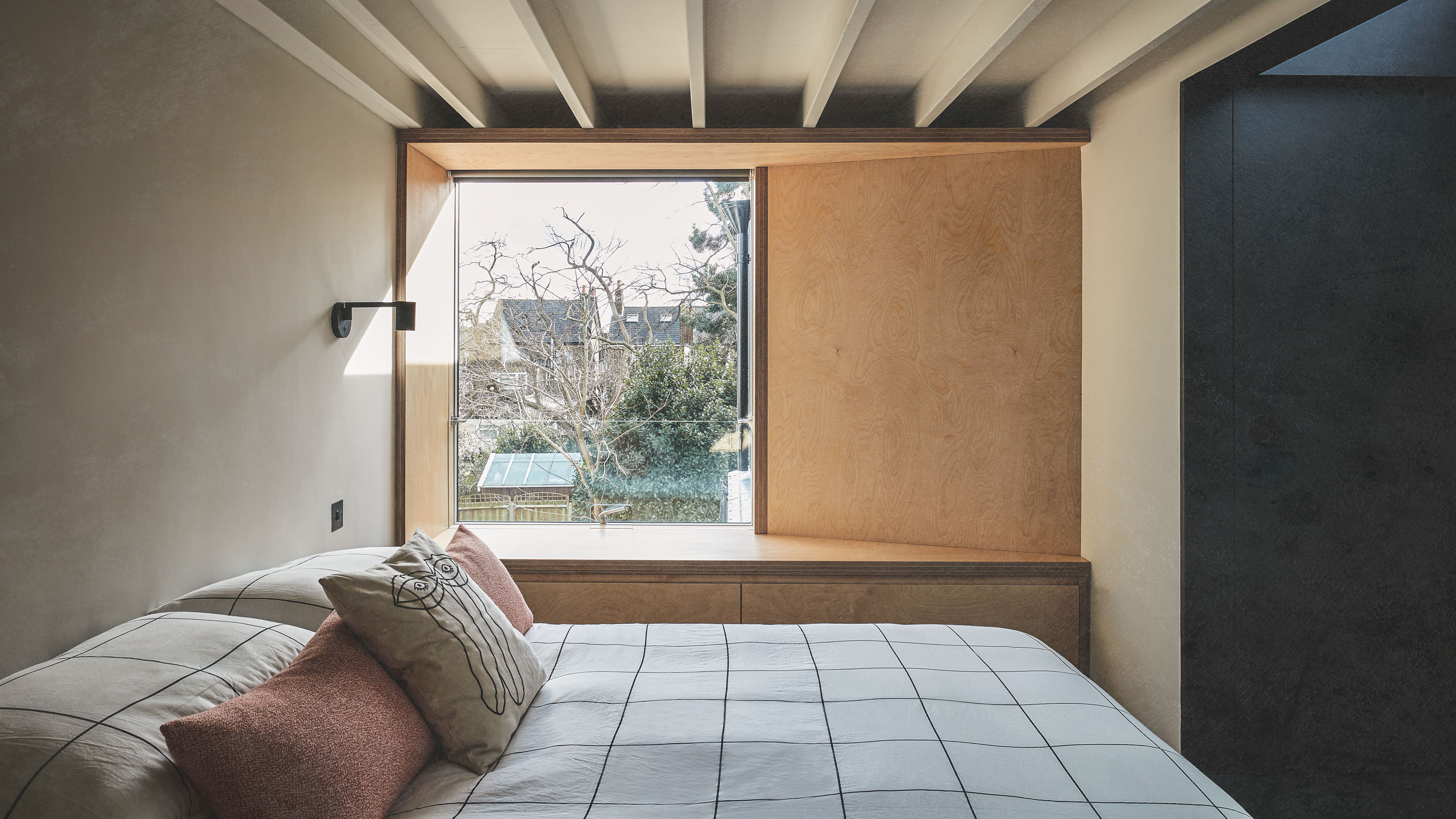
'We built a smart new loft conversion for more space'
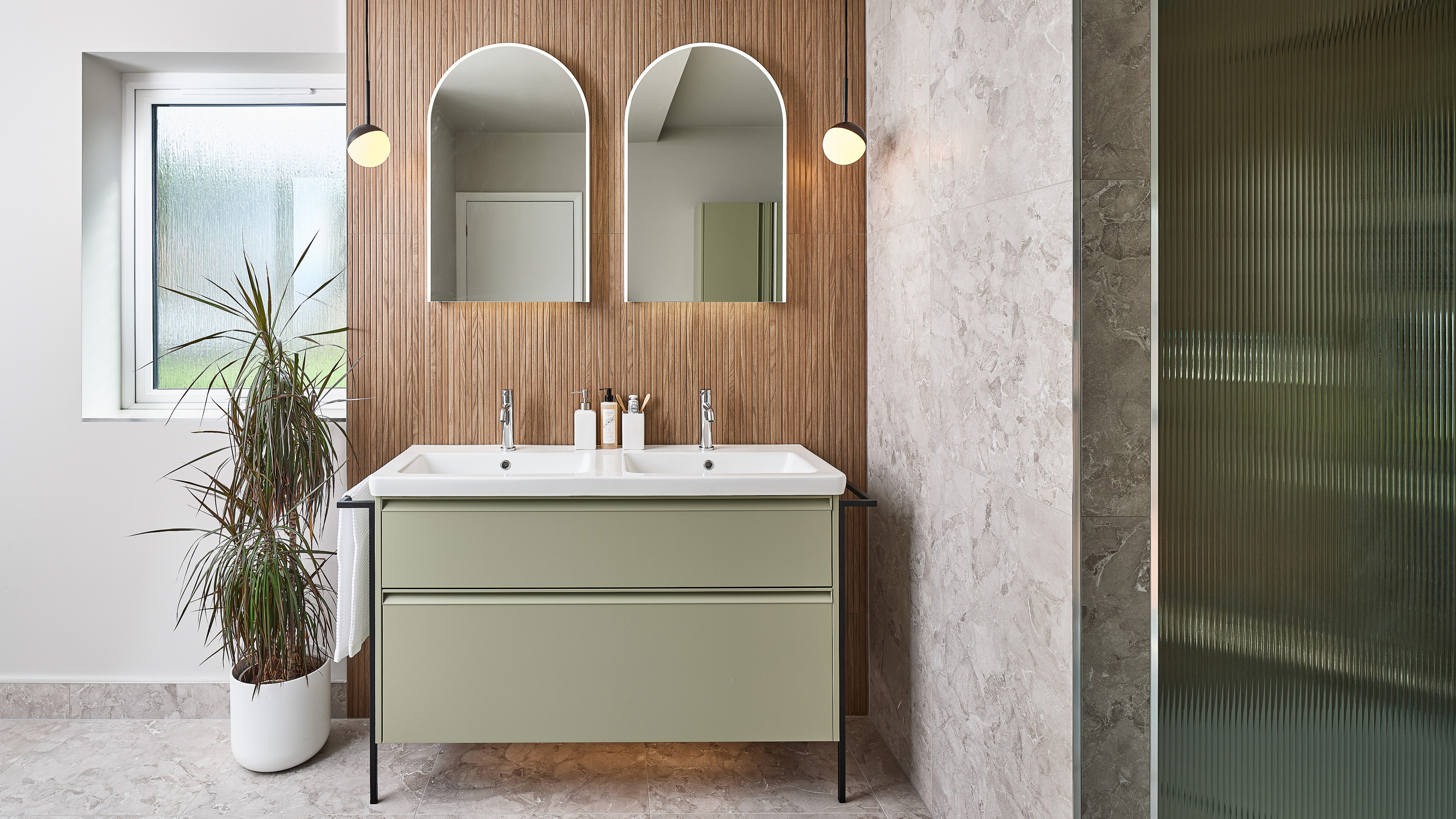
'We considered splitting it in two to create an extra room, but we now relish being in this enormous, luxurious space'
Renovate | Build

Money-wasting home improvements to avoid

Garden room ideas: 23 modern designs for all garden sizes, and budgets

Top 7 home renovations that can increase your property's value — and quality of life as you age