1/39
House extension suppliers: a sourcebook of the top 50 extension essentials
This comprehensive guide serves as a sourcebook for individuals planning house extensions, offering a curated list of top suppliers for various extension essentials. It acknowledges the challenges posed by events like Covid-19 but reassures readers that many reputable suppliers remain operational, working remotely or safely on-site in compliance with guidelines. The article aims to help individuals navigate their extension projects effectively, providing a wide array of options and advice for different aspects of home expansion.
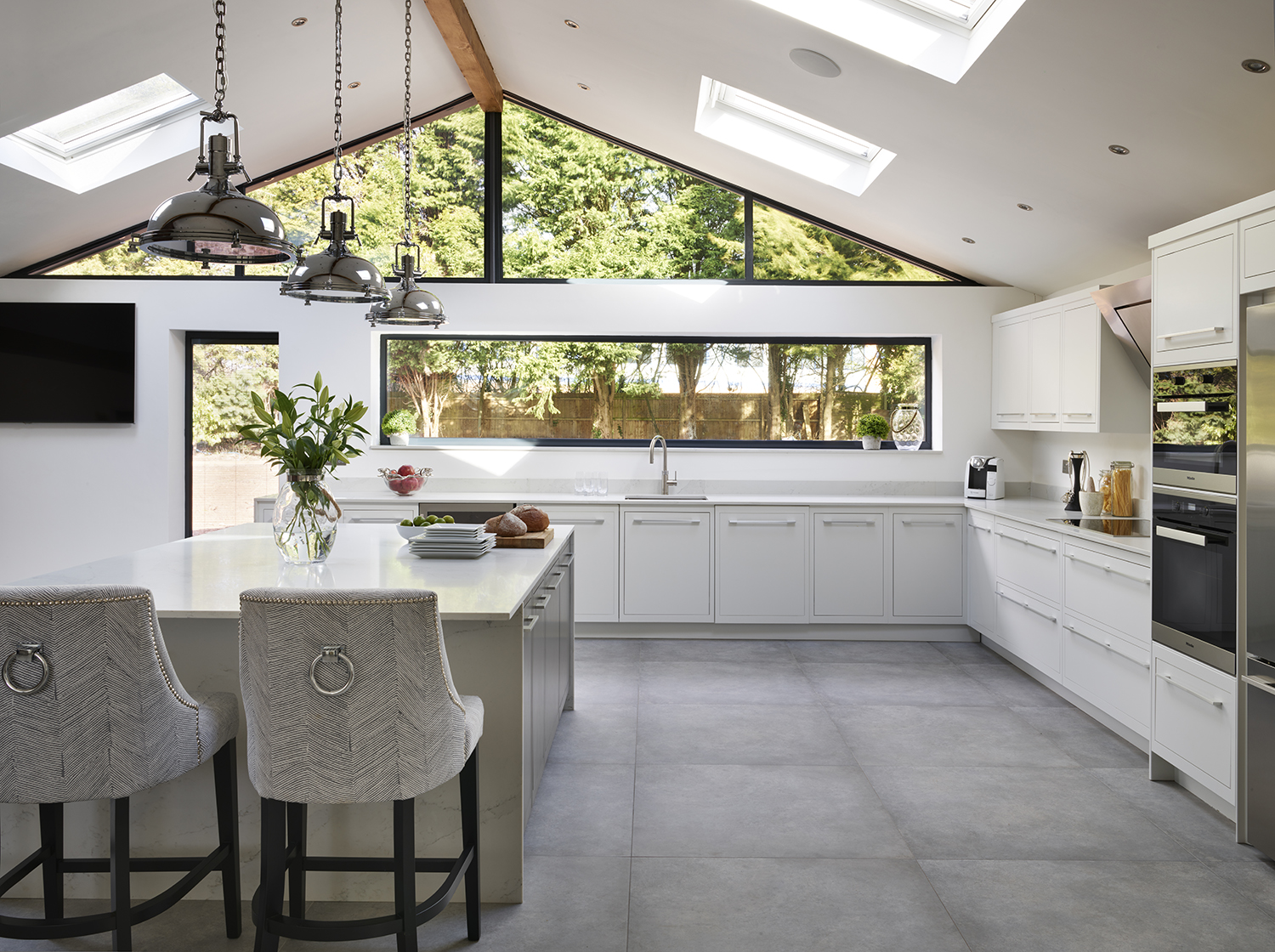
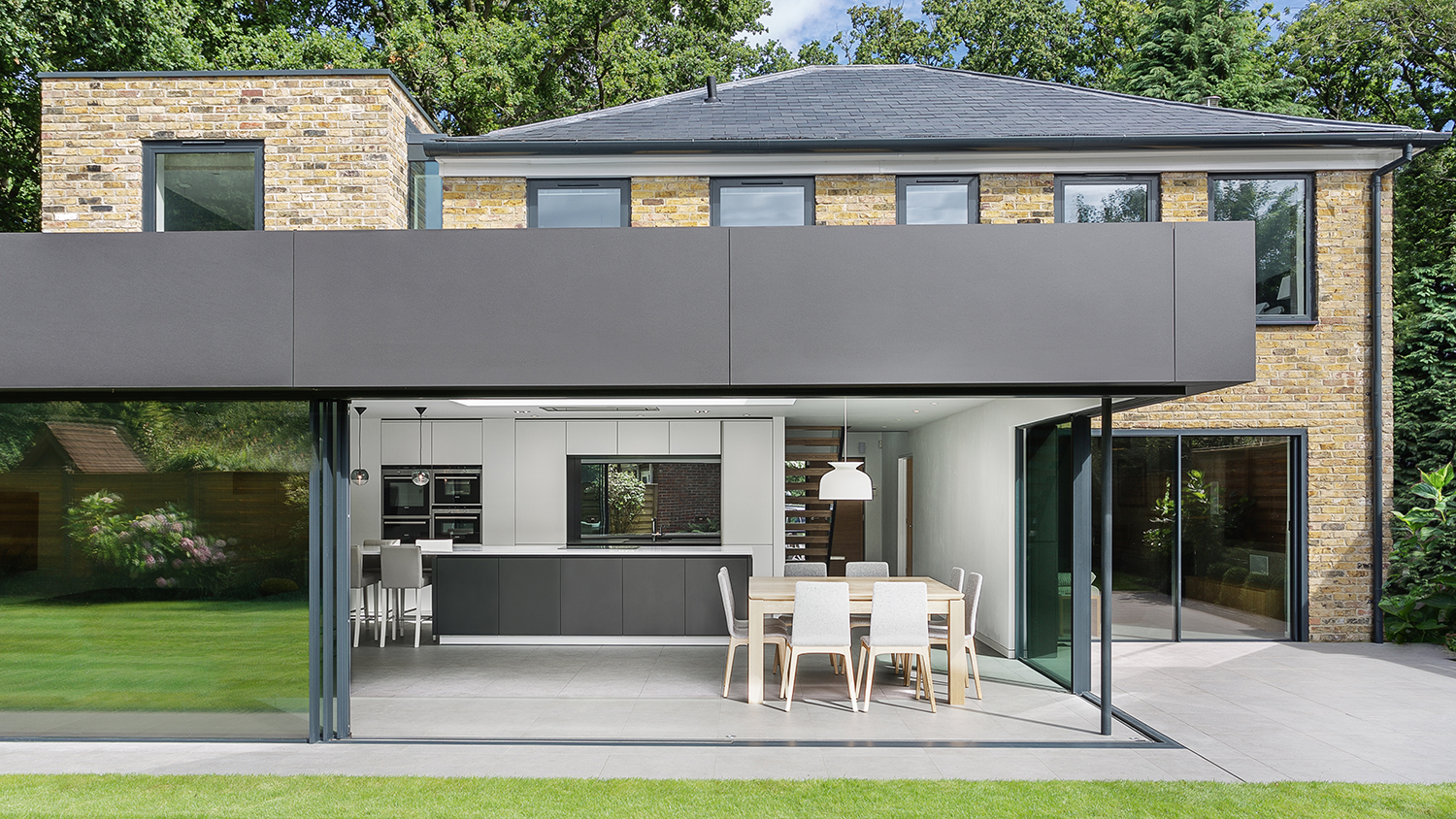
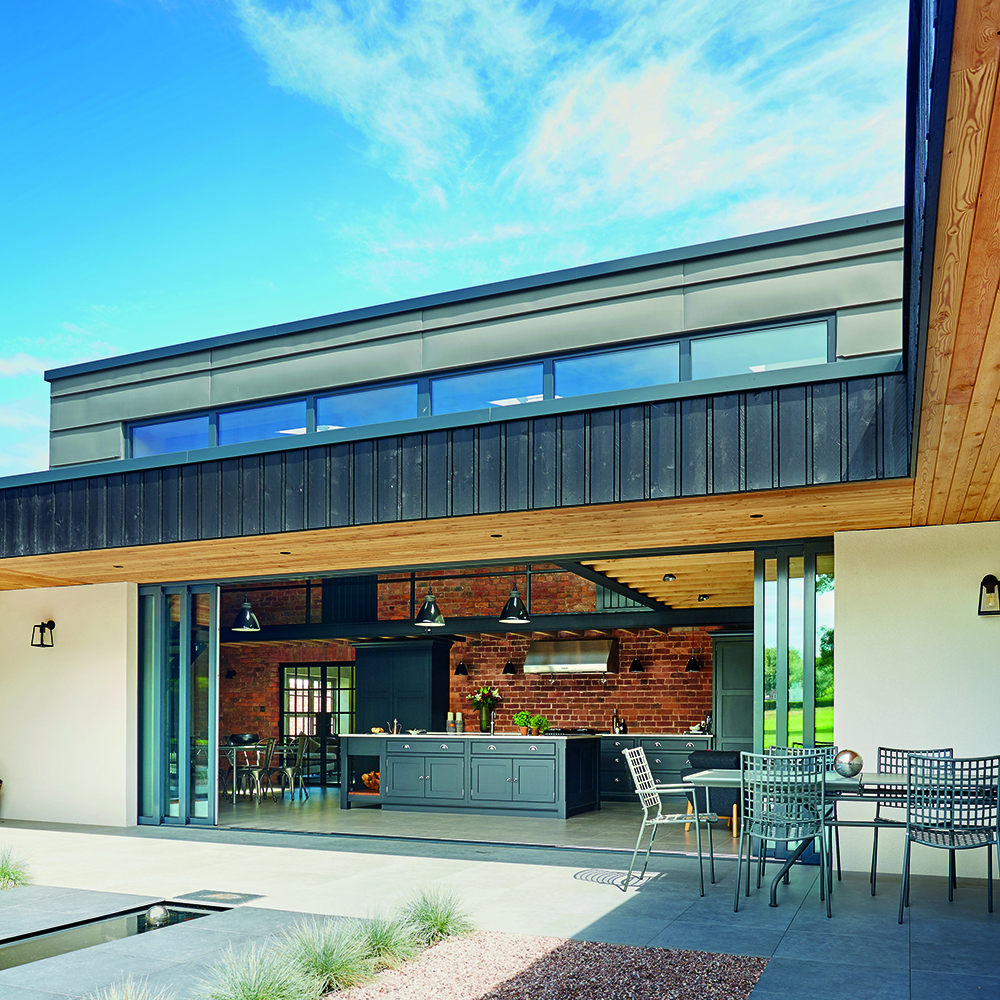
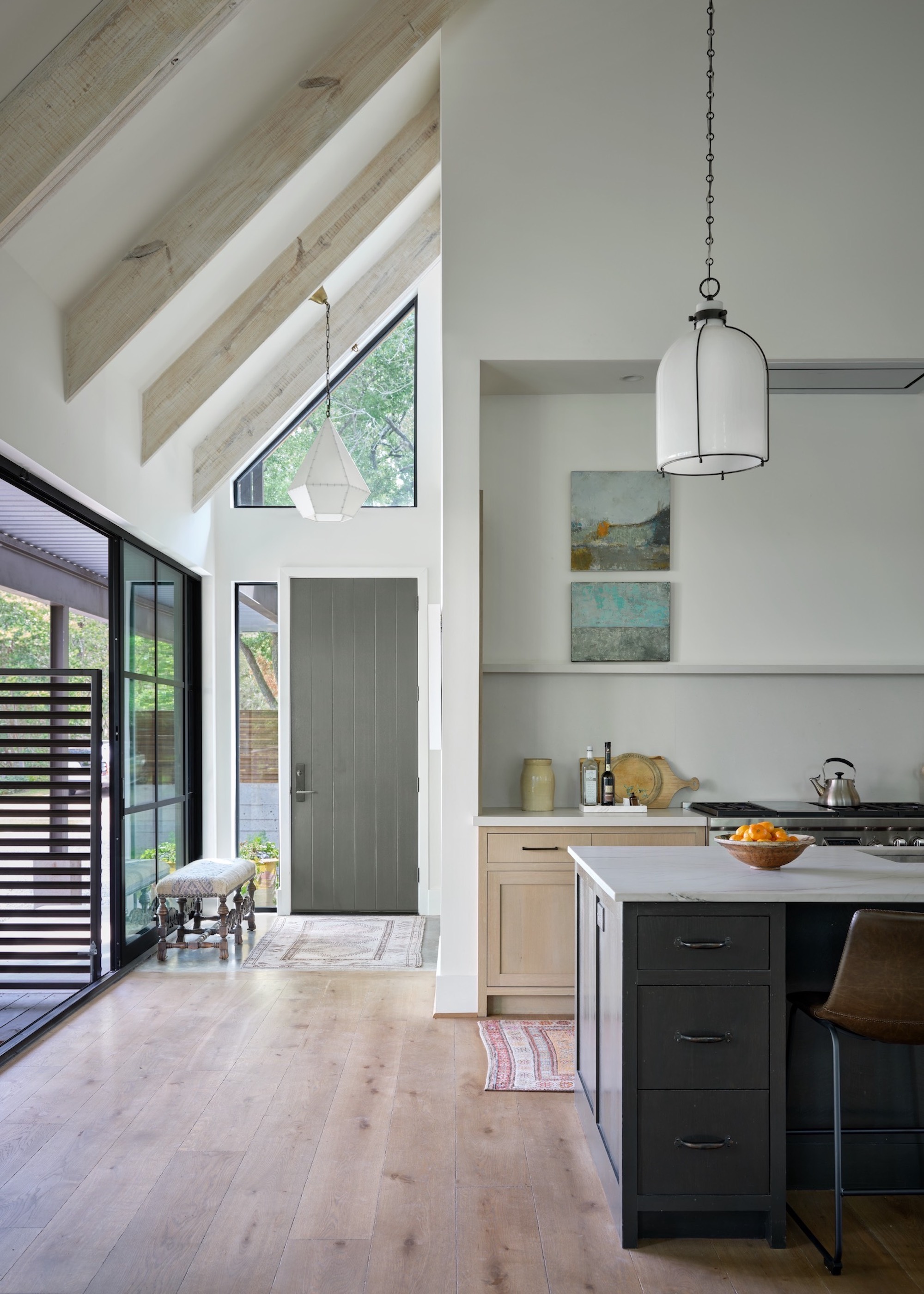

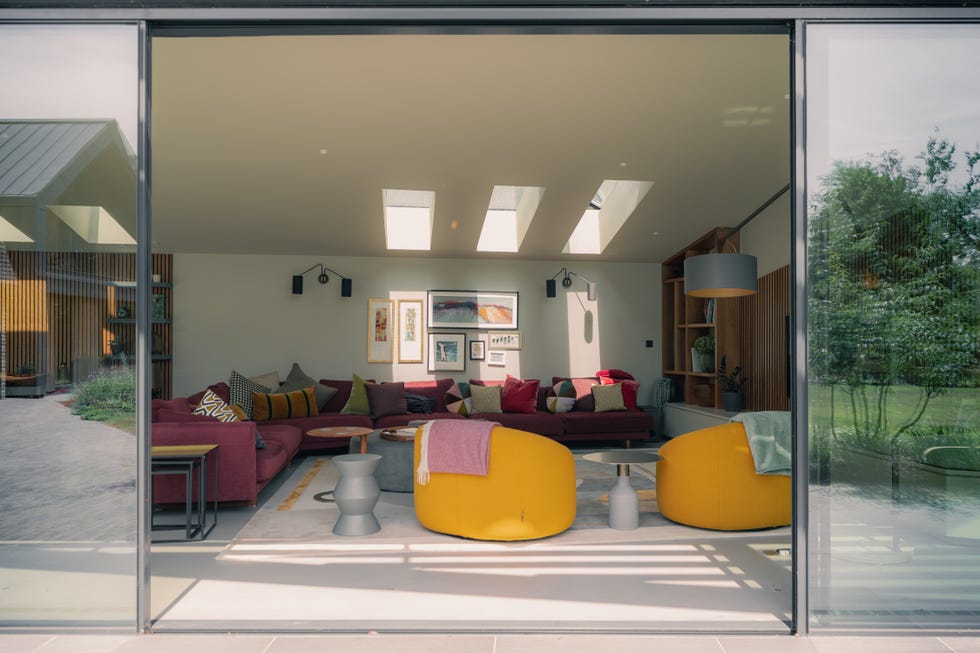
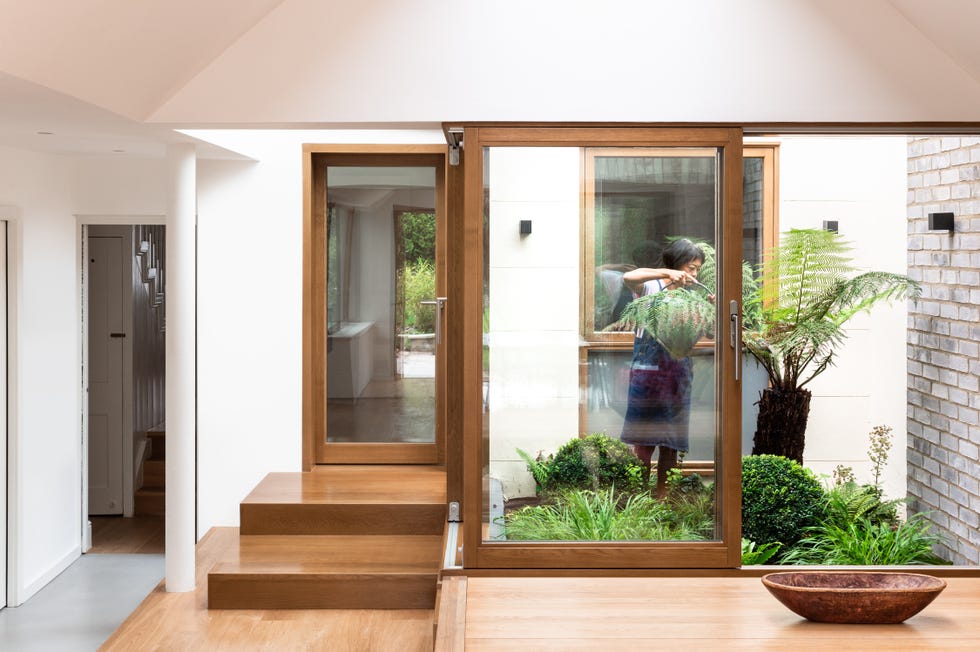
The guide begins by addressing extension frame types, emphasizing that the choice of construction dictates the overall aesthetic and budget. It delves into options such as oak frame, timber frame, frameless glass, cantilevered, and vaulted ceiling extensions, providing specific supplier recommendations for each. Oak frame extensions are highlighted for their longevity and energy efficiency, particularly suiting period homes. Timber frames offer a more economical and environmentally friendly alternative, while frameless glass extensions are noted for their modern appeal and light-flooding capabilities, ideal for properties with scenic views. Cantilevered and vaulted ceiling extensions are presented as unique options for creating striking architectural features, with specific architects and builders recommended for their specialized expertise.
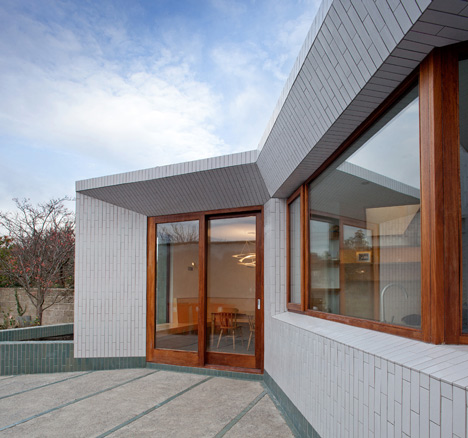
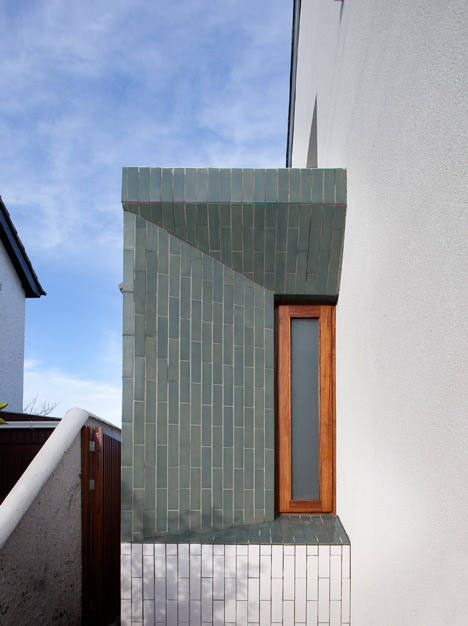
Following the structural elements, the article moves to external finishes, covering cladding and brickwork. It discusses various materials such as new brickwork, reclaimed brickwork, timber cladding, wood look-a-like cladding, stone cladding, and metal cladding. For new brickwork, the guide details considerations like color, texture, and bond type, offering advice on selecting bricks suitable for different regions and architectural styles. Reclaimed bricks are presented as an option for an authentic finish, though with caveats regarding availability and consistency. Timber and wood-effect cladding are explored for their versatility and low maintenance, respectively. Stone and metal cladding are presented as higher-end options, with stone suiting period properties and metal lending a modern, industrial look. Brick slips are offered as a budget-friendly alternative for a traditional brick appearance, and render is discussed for contemporary finishes and insulation benefits.
Doors and windows are extensively covered, focusing on specialist glazing, heated glass, rooflights, clerestory windows, and various types of bi-fold and sliding doors. Specialist glazing options are introduced to address practical concerns like solar glare and heat control, with heated glass offering condensation prevention and efficient heating. Rooflights and clerestory windows are highlighted for maximizing natural light. The article then details different types of doors, including aluminium, timber, and composite bi-fold doors, as well as sliding and pocket sliding doors, each with distinct aesthetic and functional advantages. Metal windows and doors are also discussed for their sleek, industrial appeal. Internal door choices and window treatments, such as Venetian blinds, roller blinds, and thermal blinds, are addressed for their practical benefits in privacy, light control, and security.
Electrical and lighting considerations are then outlined, categorized into ambient, task, and feature lighting. Ambient lighting is discussed as the primary light source, with recommendations for selecting fittings based on room size and natural light availability. Task lighting is emphasized for illuminating specific work areas, and feature lighting for creating focal points and defining zones in open-plan spaces. The section also covers essential safety measures, including heat detectors for fire safety and home alarm systems, recommending specific brands and types of smart home security devices.
The guide further addresses heating and insulation, crucial for comfort and energy efficiency. It advises on boiler replacement for larger extensions and details various insulation types, stressing their importance for energy savings and compliance with building regulations. Underfloor heating, both warm water and electric systems, is presented as an efficient heating solution, with a comparison of their costs and benefits. Radiators are also explored, highlighting diverse designs and fuel types. Finally, acoustic panelling is suggested for sound insulation in specific scenarios like home cinemas or highly trafficked areas.
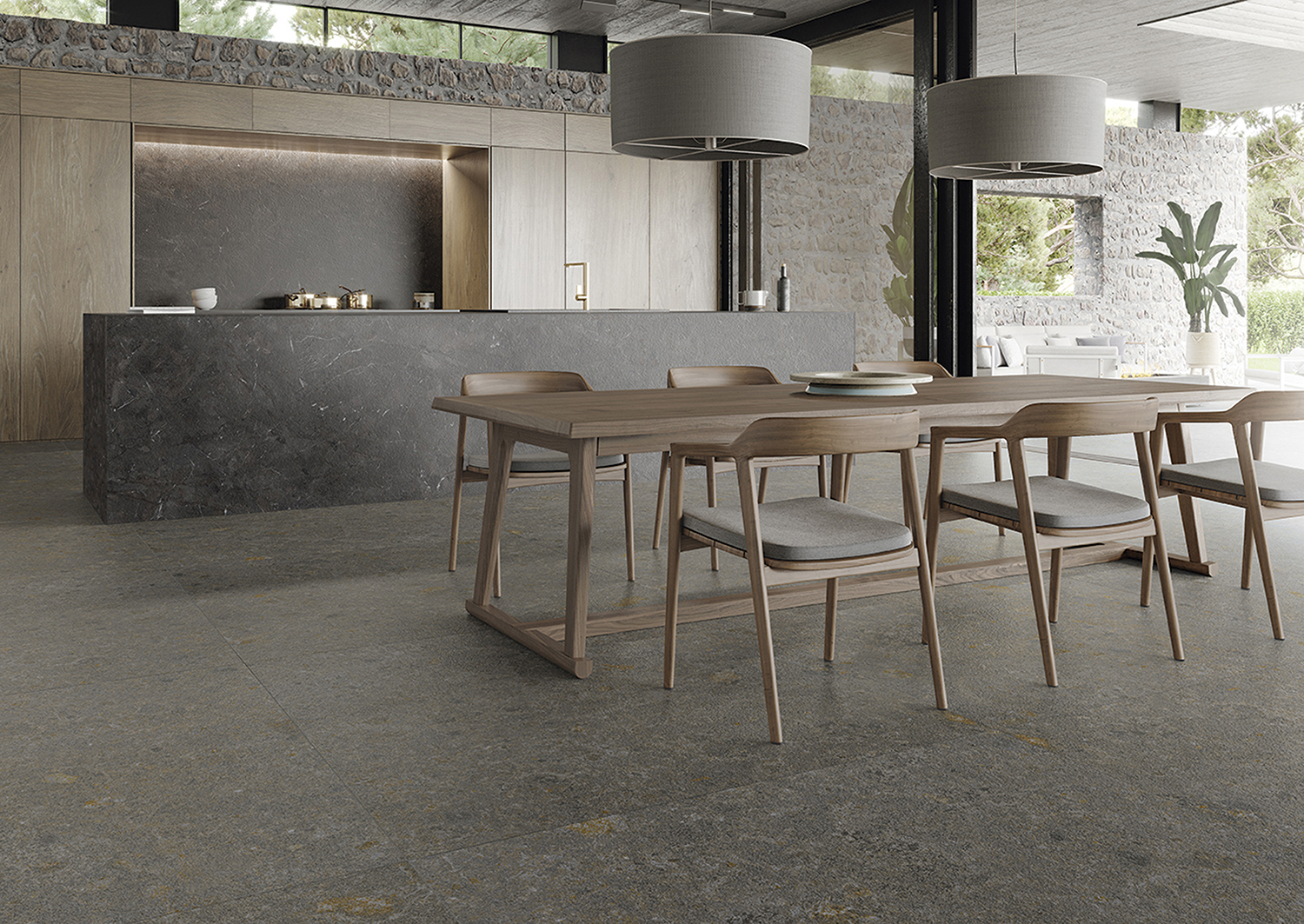
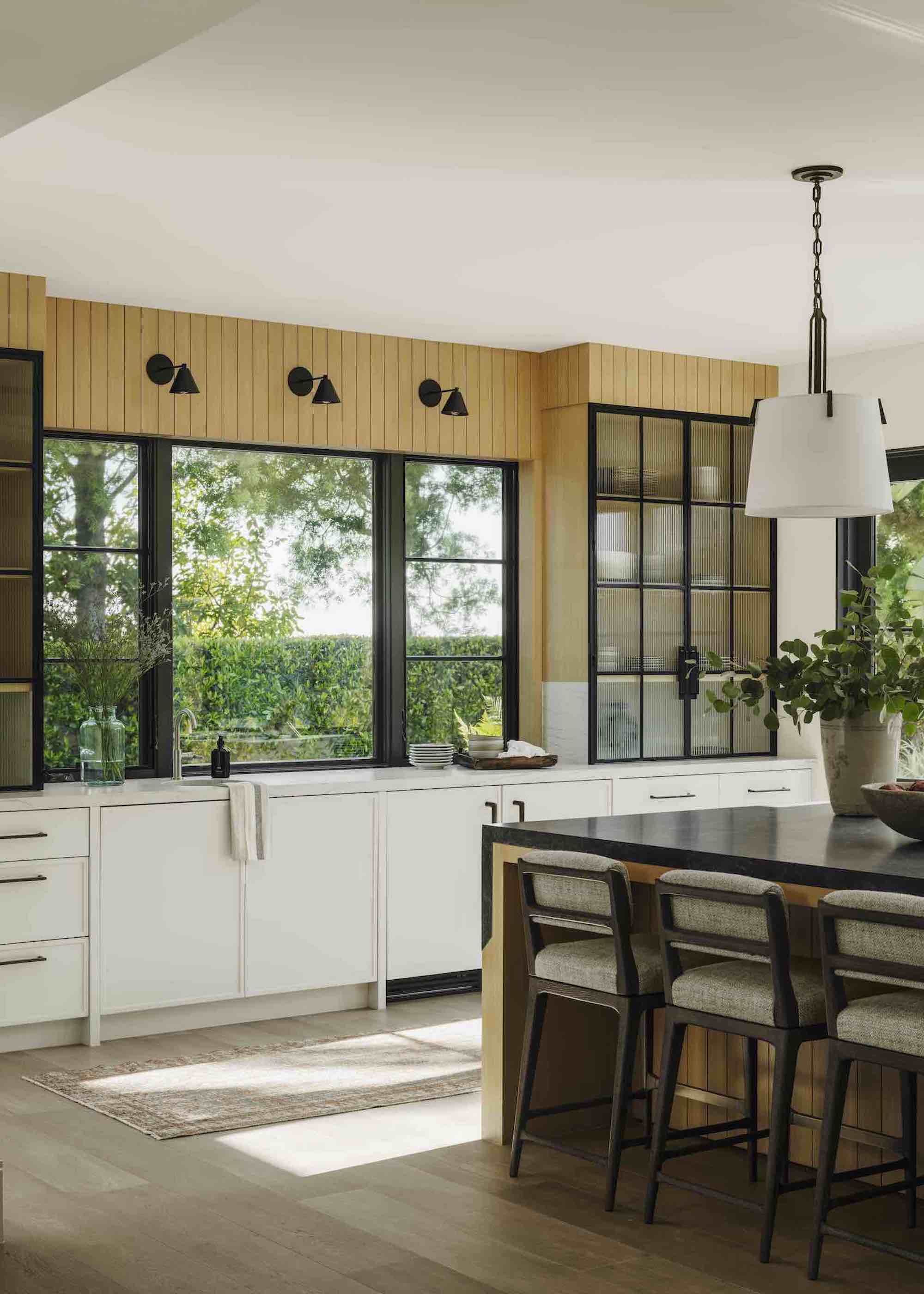
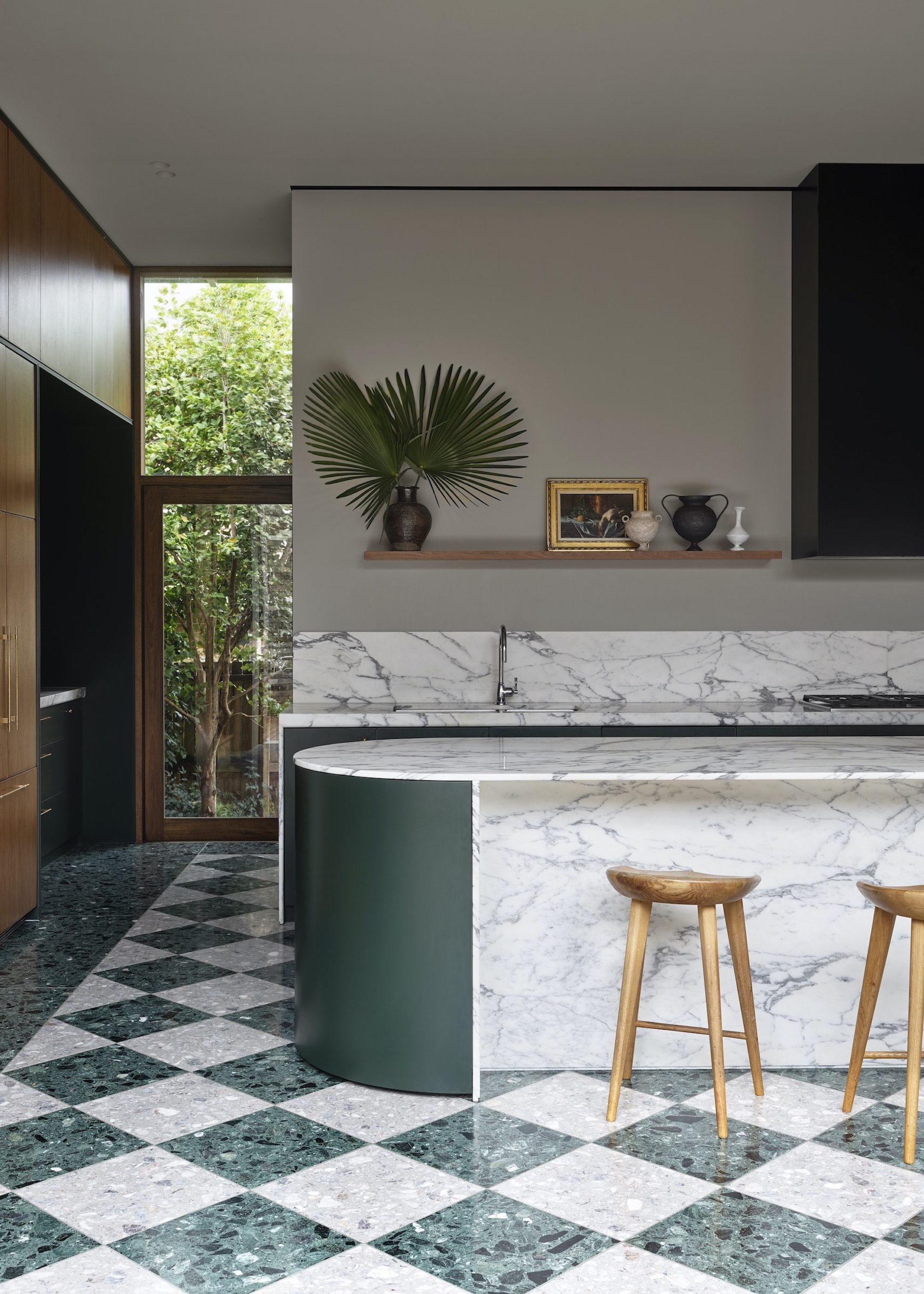
The concluding sections delve into smart home and audio-visual systems, flooring, decorating, kitchens, bathrooms, and furniture. Smart home systems are presented as modern integrations for enhanced convenience and efficiency, with recommendations for devices like smart thermostats and lighting. Flooring options include wood, stone, ceramic, porcelain, concrete, and resin, each with detailed pros, cons, and supplier recommendations. Decorating focuses on paint and wallpaper, offering advice on choosing materials suitable for different room functions and aesthetic preferences. Kitchens and bathrooms are discussed as significant extension components, with suggestions for design considerations, reputable designers, and budget-friendly options. Lastly, dining furniture and sofas are covered as big-ticket purchases, with tips on selecting pieces that align with both style and functionality, along with recommended retailers.
#HouseExtensions #HomeImprovement #BuildingMaterials #InteriorDesign #HomeRenovation #SmartHome #ArchitecturalDesign #ConstructionSuppliers #HomeDecor #HouseExtensions #HomeImprovement #BuildingMaterials #InteriorDesign #HomeRenovation #SmartHome #ArchitecturalDesign #ConstructionSuppliers #HomeDecor
0 comment in total
 No comments yet
You may also like

House extension and conversion ideas
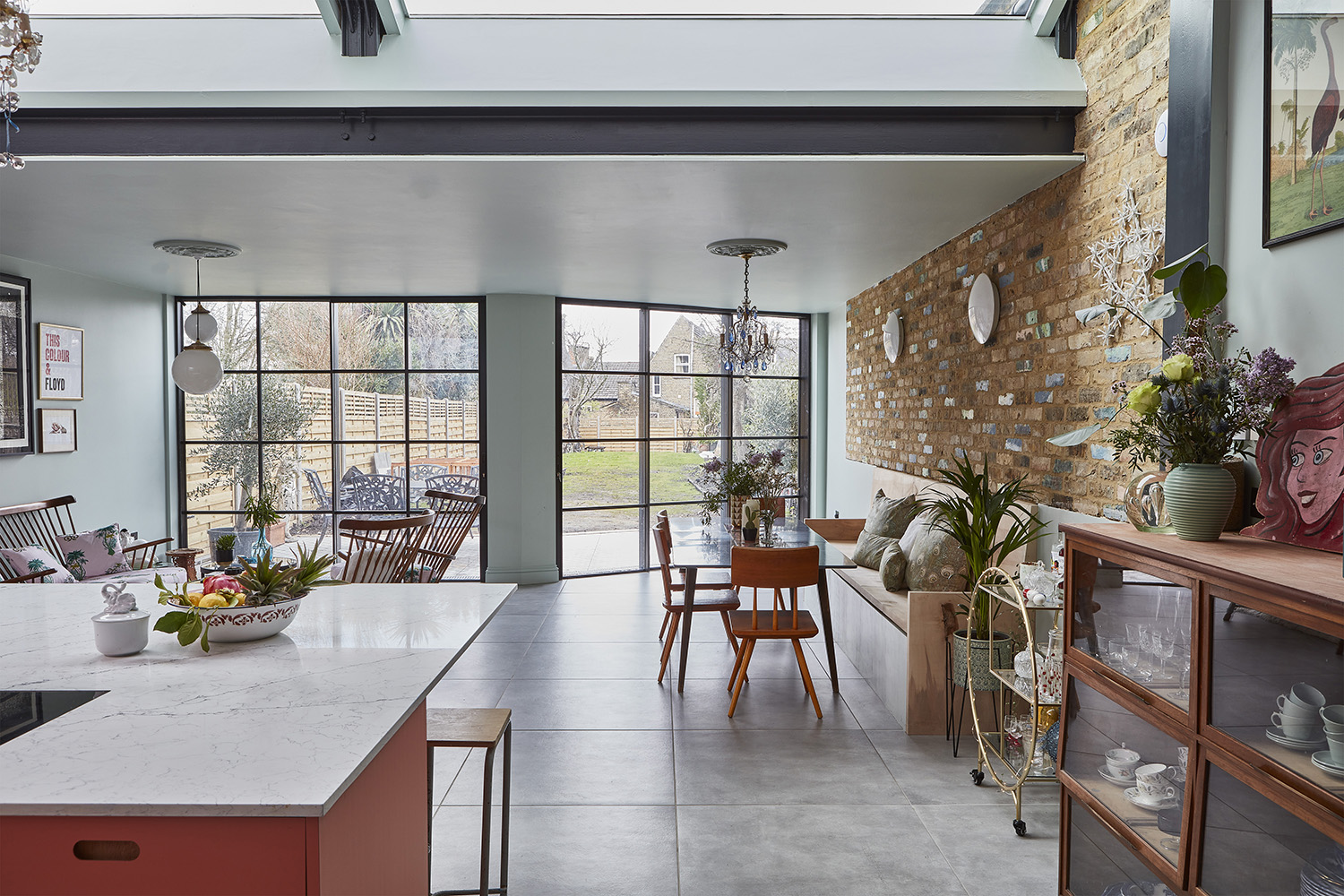
How to plan a kitchen extension - expert advice for getting it right from the beginning


12 Wholesale Home Decor Suppliers
5 Tractor Supply Home Improvement Products You Didn't Realize Existed

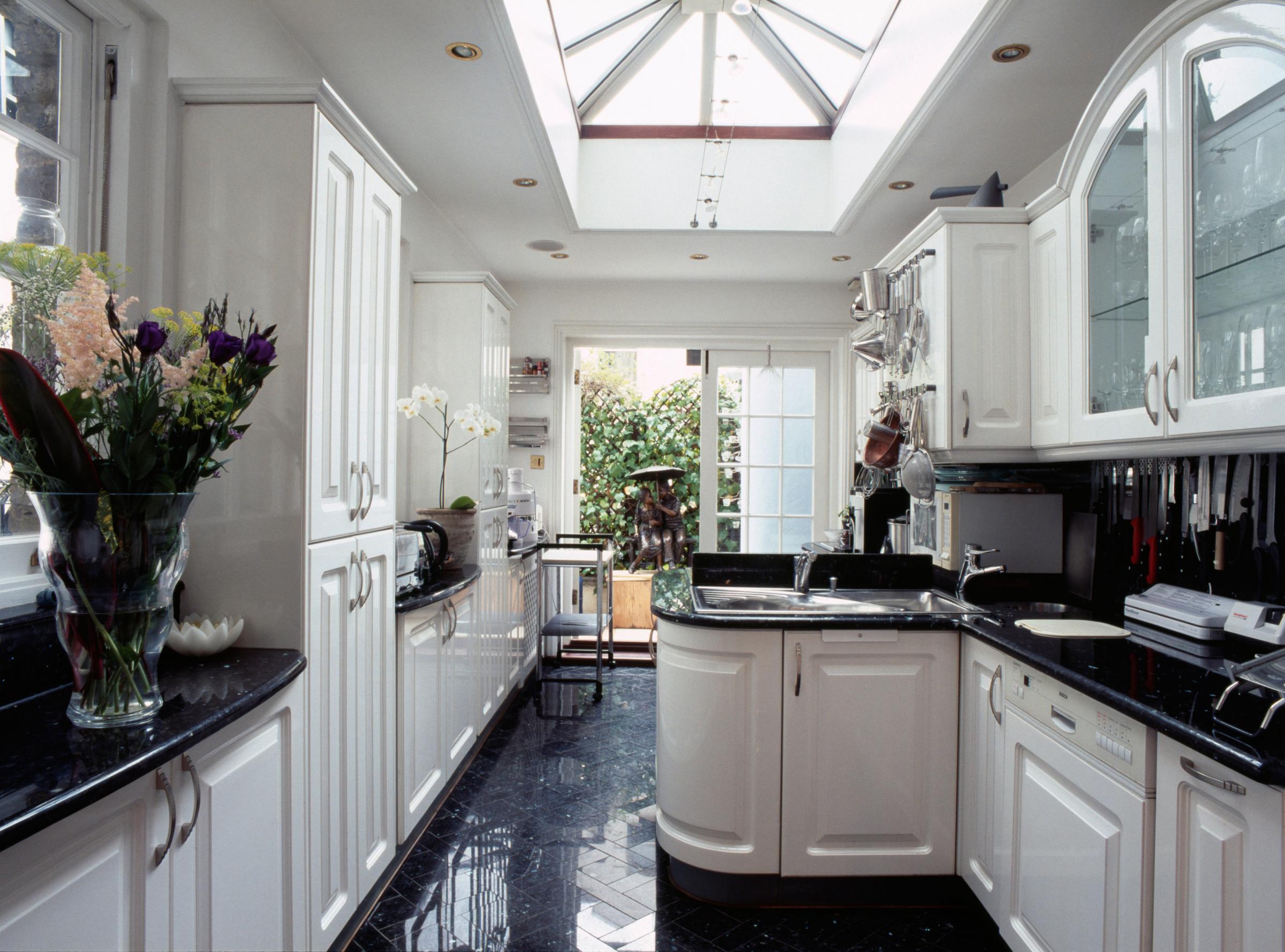
How to fast-track your home extension
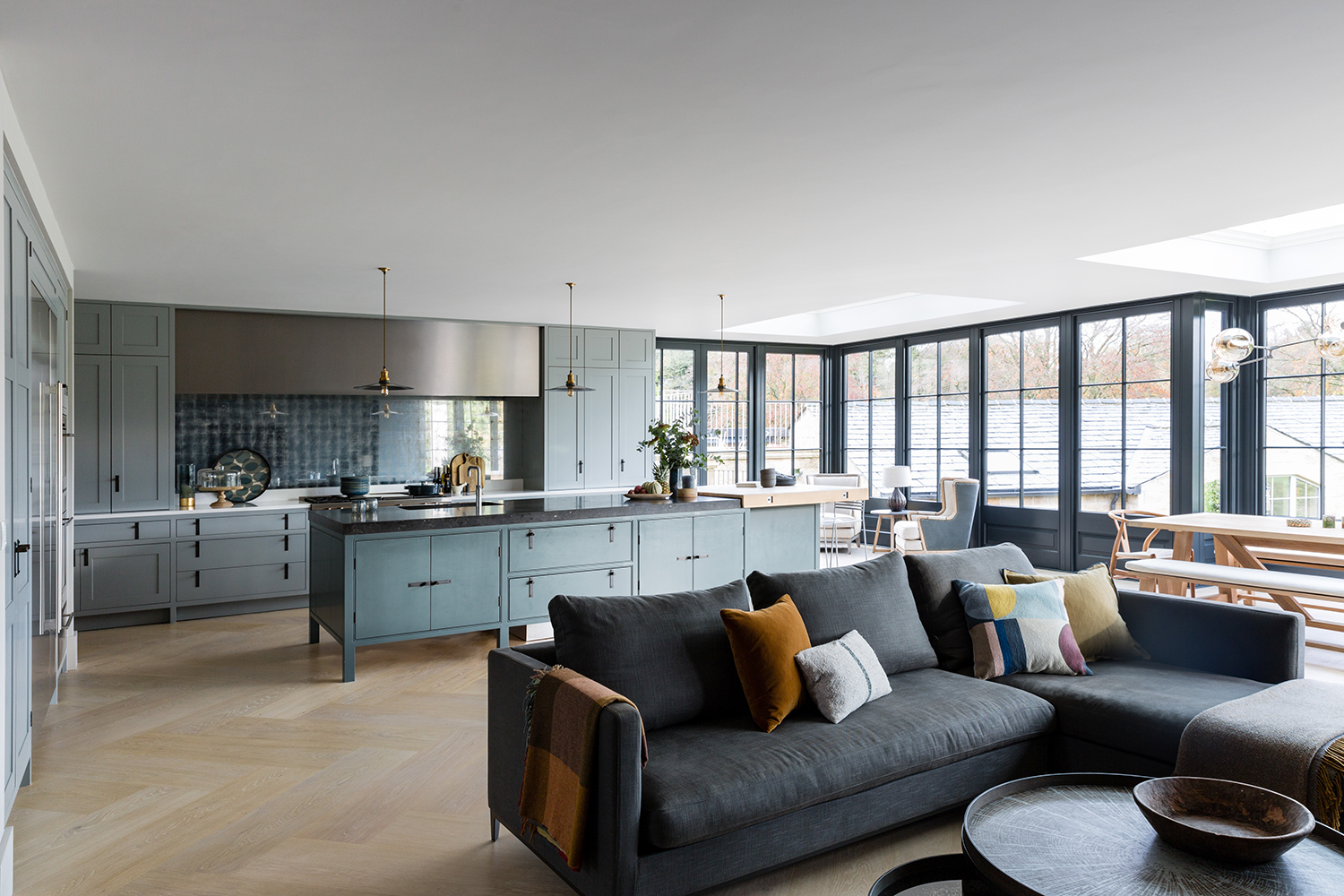
Open plan kitchen extensions – ideas and design advice from the experts to get them right

Top 7 home renovations that can increase your property's value — and quality of life as you age

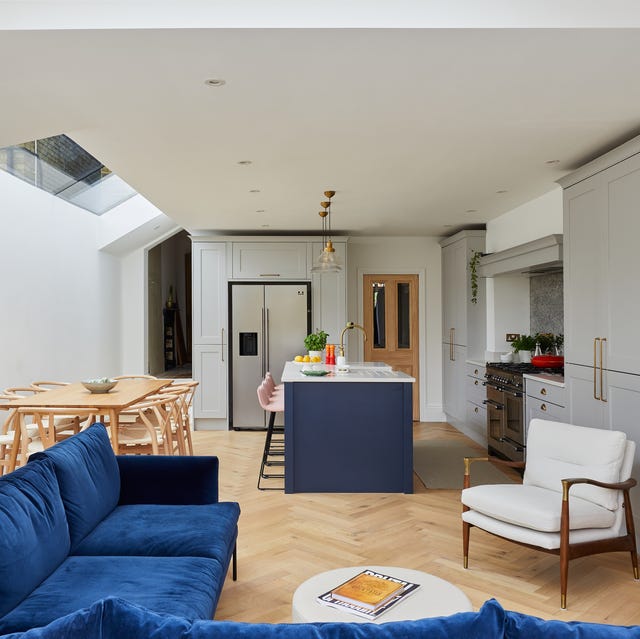
Beyond Open-Plan Living: Interior Courtyards Are The Extension Trend To Watch in 2026

The 4 Best Extension Cords for Your Home and Garage of 2026 | Reviews by Wirecutter


5 Affordable Home Services You Can Get Through Home Depot


Eight well-designed sheds and outbuildings that extend the home
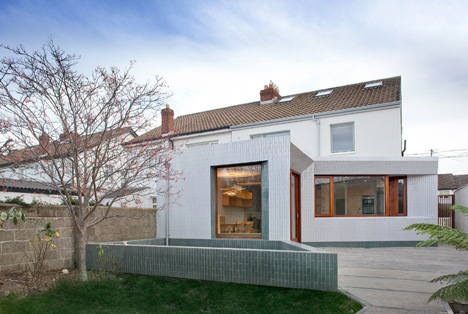
Tile-covered walls reflect light into Dublin house extension by GKMP Architects

27 Renter-Friendly Home-Improvement Products
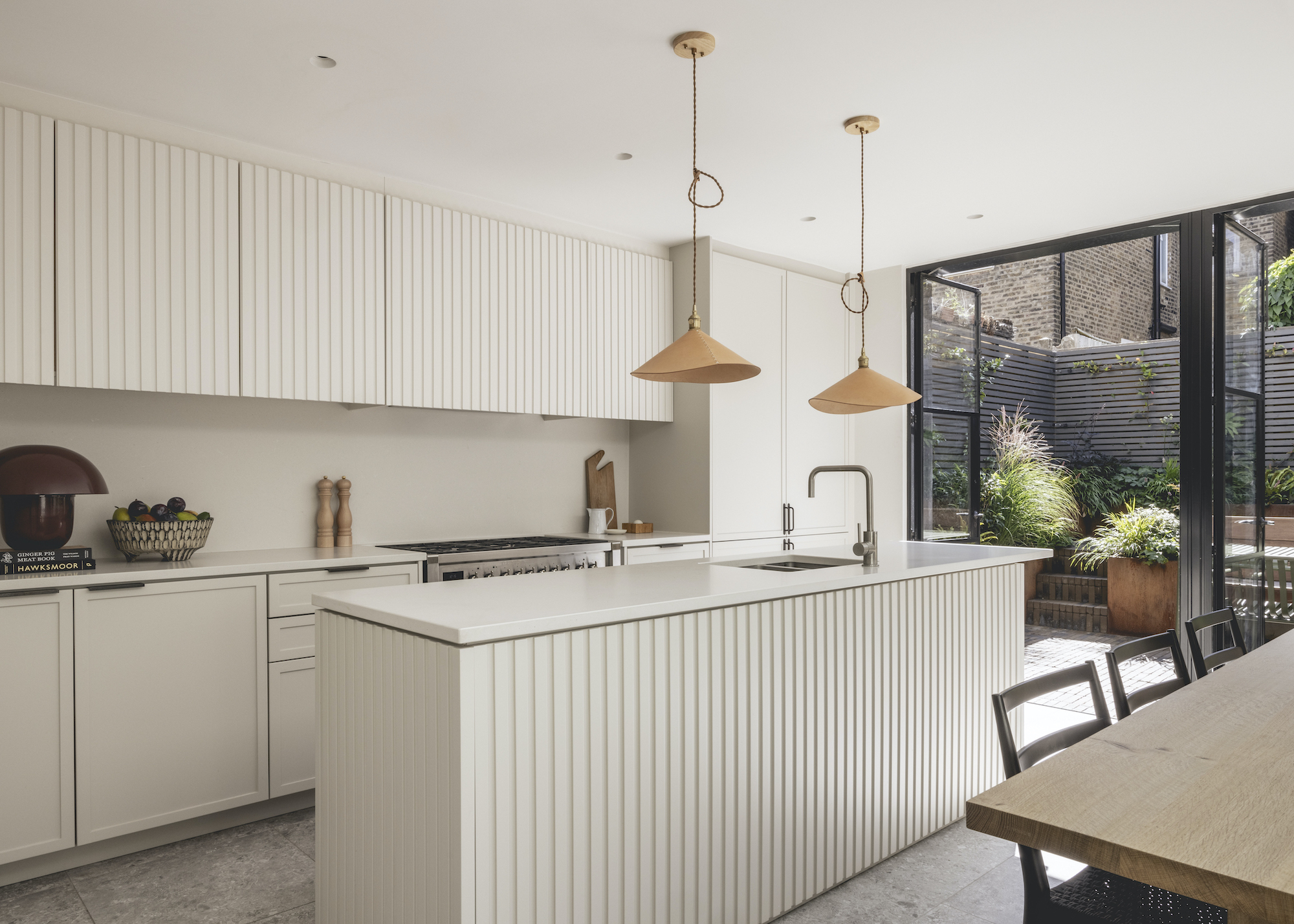
16 Kitchen Extension Ideas That Will Help You Expand Your Home's Most Important Room Practically and Beautifully
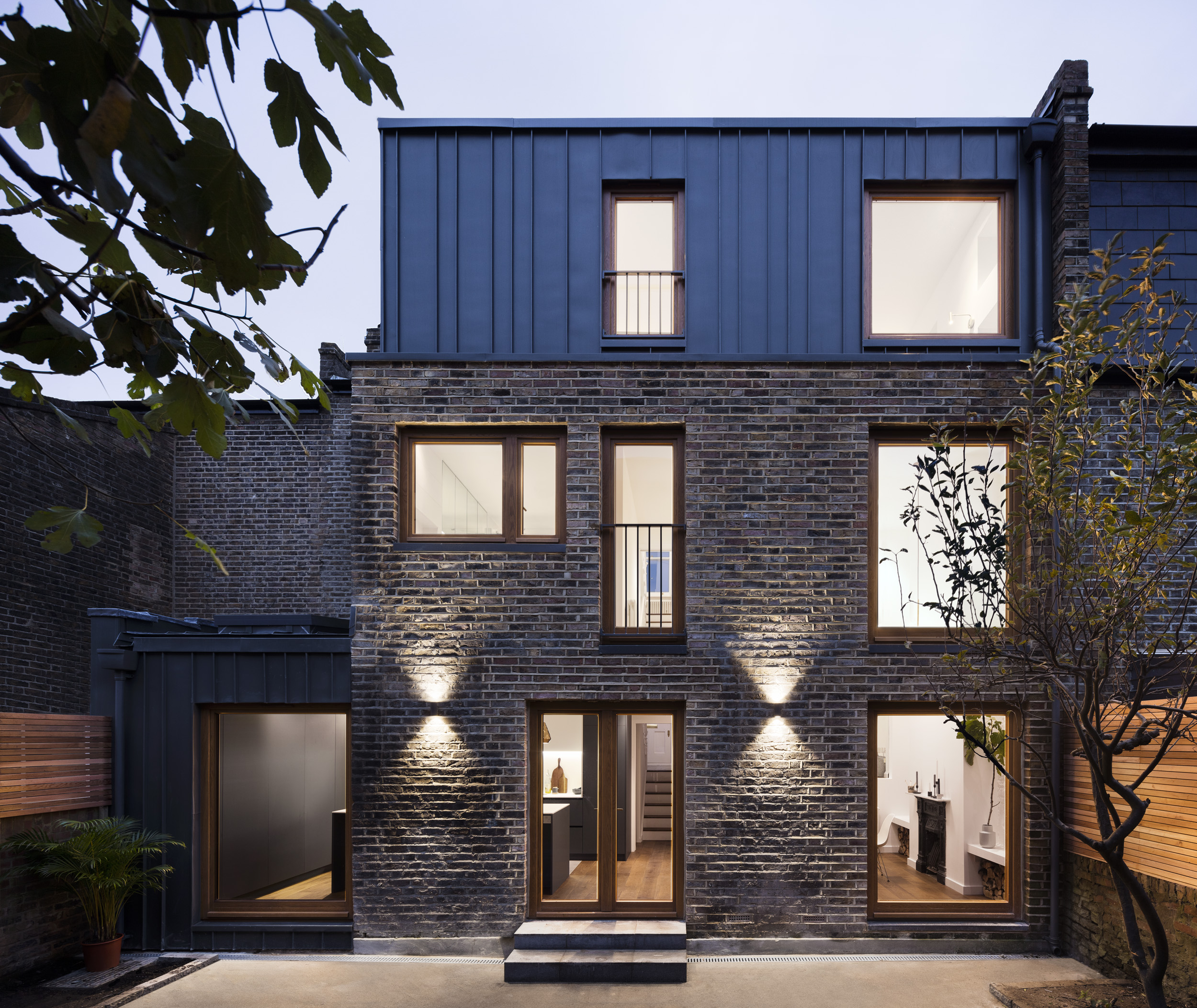
Double storey extensions - architects explain how to go full height in style

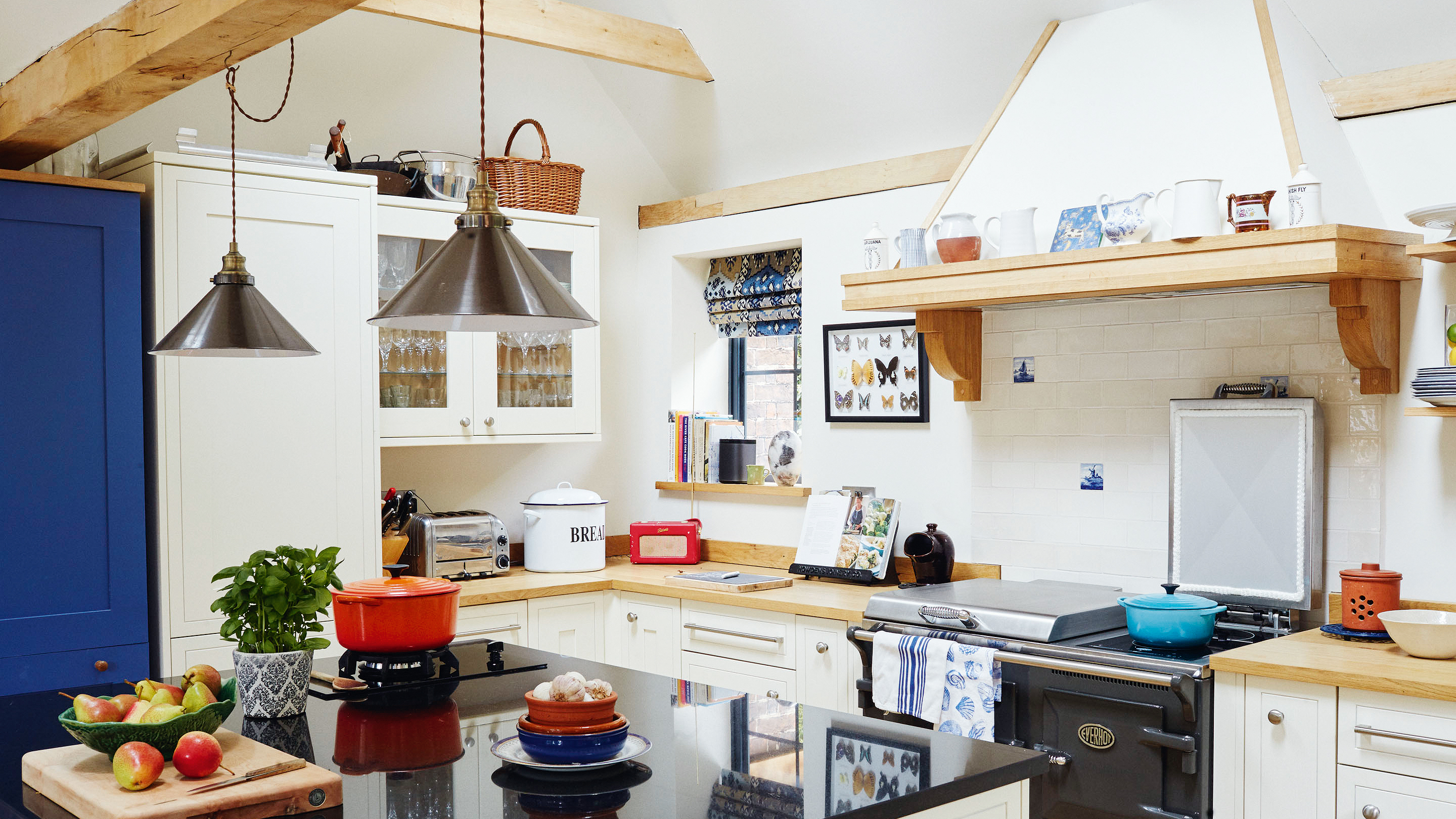
a country-style kitchen and bedroom extension to a Grade II-listed timber home

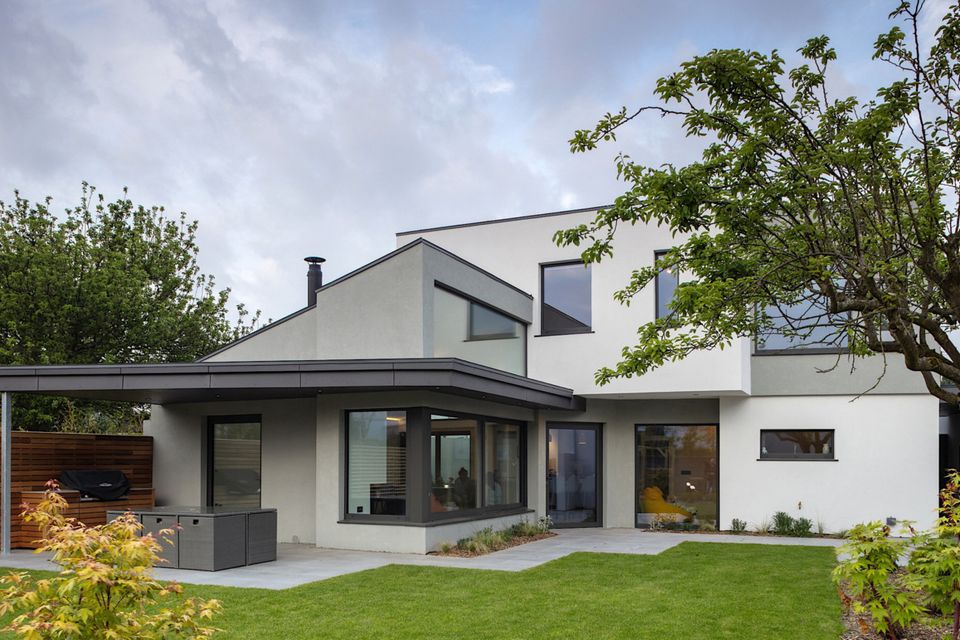
If you're looking for morespace, build out or build up
Our Tests Reveal The Best Downspout Extensions for Directing Water Away From Your Home

![The 11 Best Credit Cards for Home Improvement Purchases [2025]](https://gstatic.ideal.house/news/images/47362/3cf9460dab25425886709cd1551b67af.jpg)
The 11 Best Credit Cards for Home Improvement Purchases [2025]

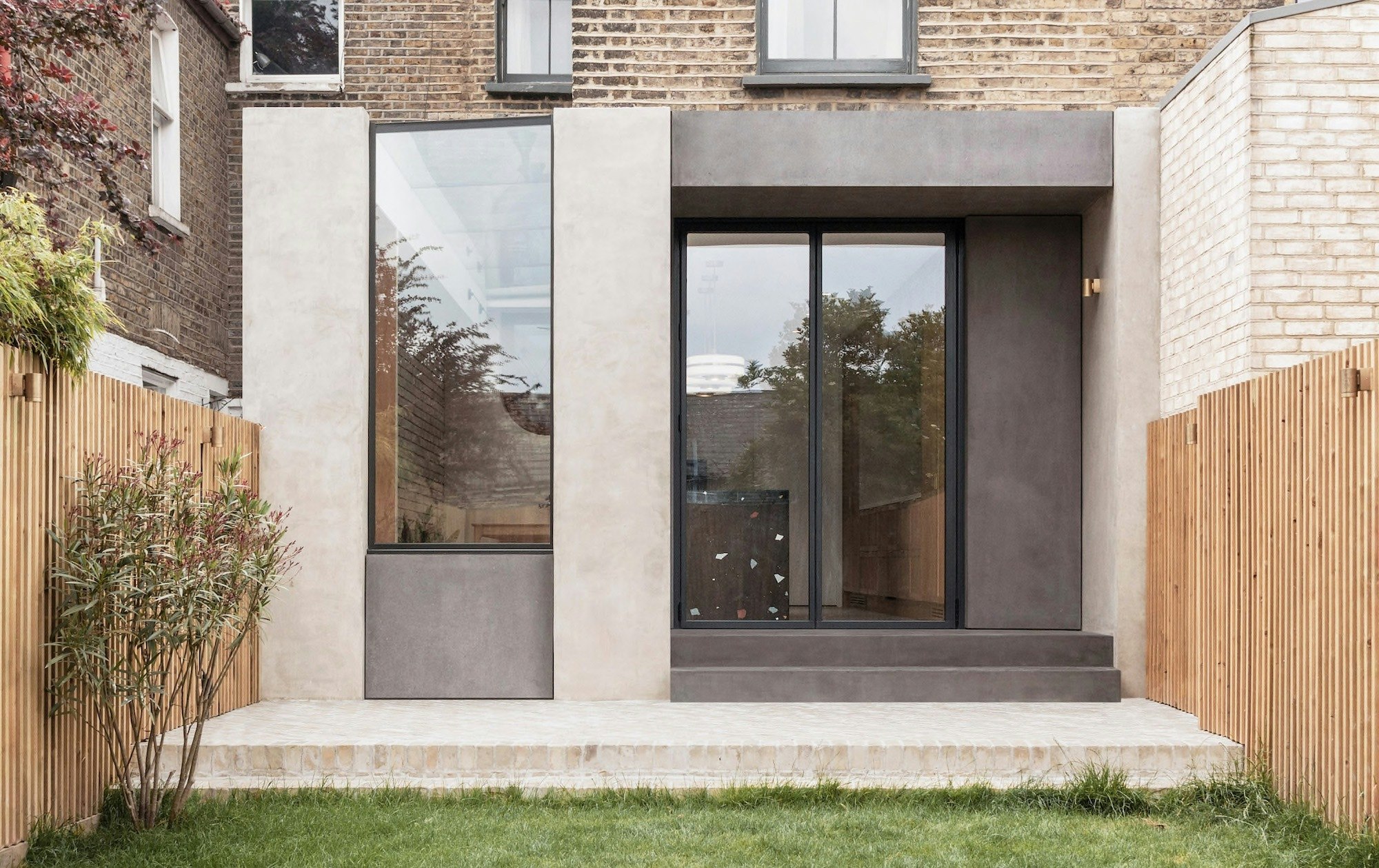
14 Extraordinary Additions That Transform Centuries-Old London Homes