1/5
How to fast-track your home extension
The article discusses the recent changes to planning permission rules in the UK, making it easier for homeowners to undertake extensions and renovations. Simon Rix, a planning expert from the Homebuilding & Renovation Show and director of Planix.UK Planning Consultants, provides insights into these updates and offers advice on navigating the process while avoiding common pitfalls.
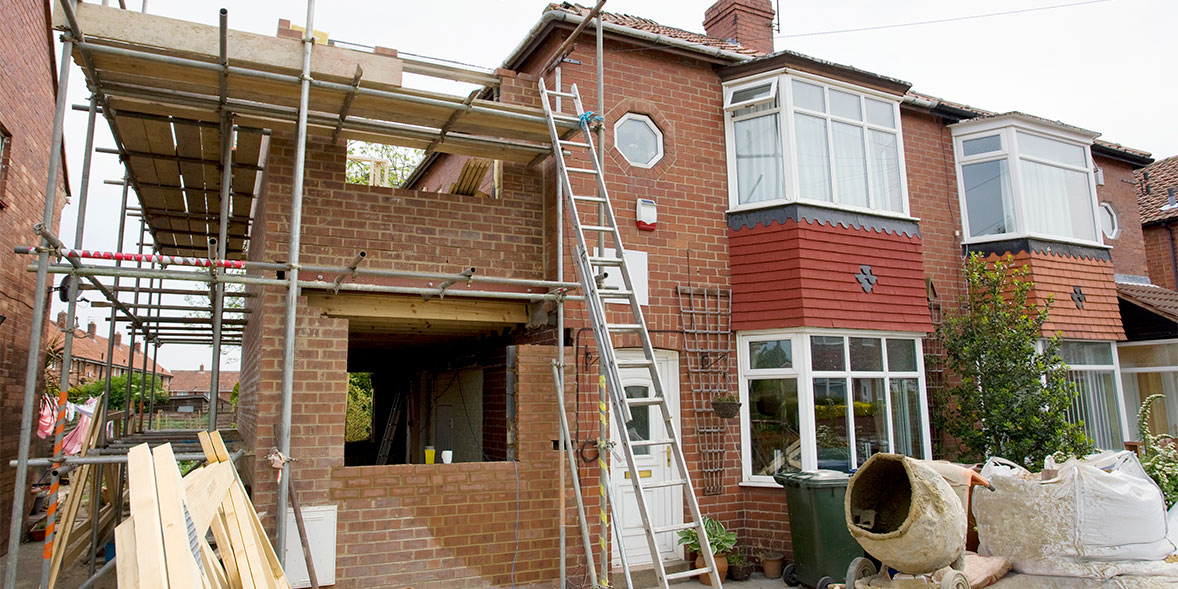
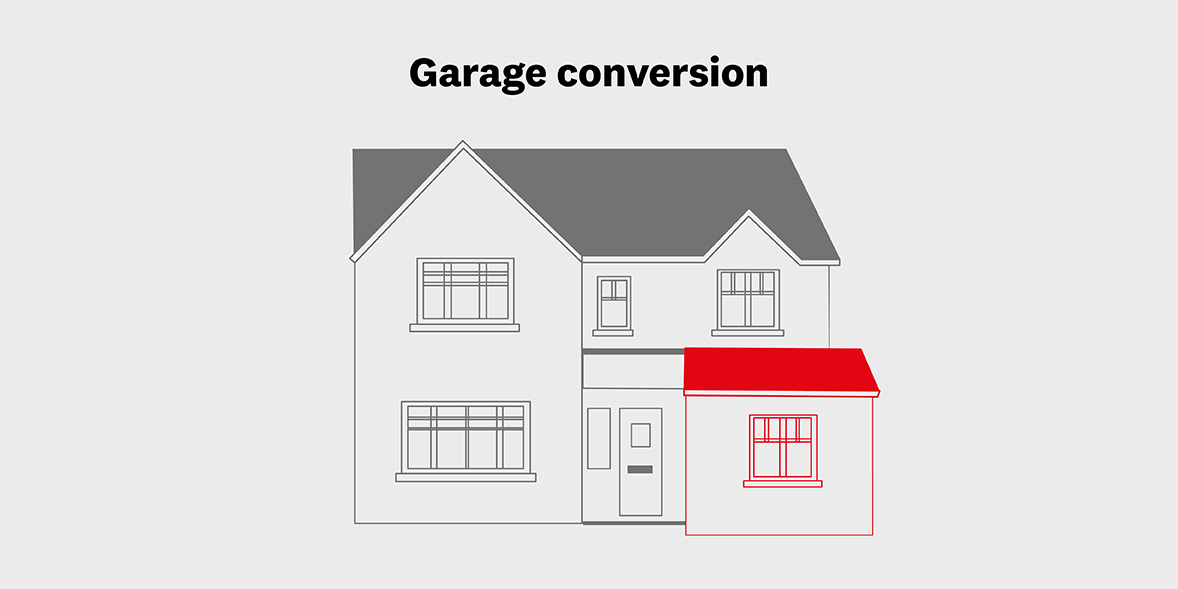
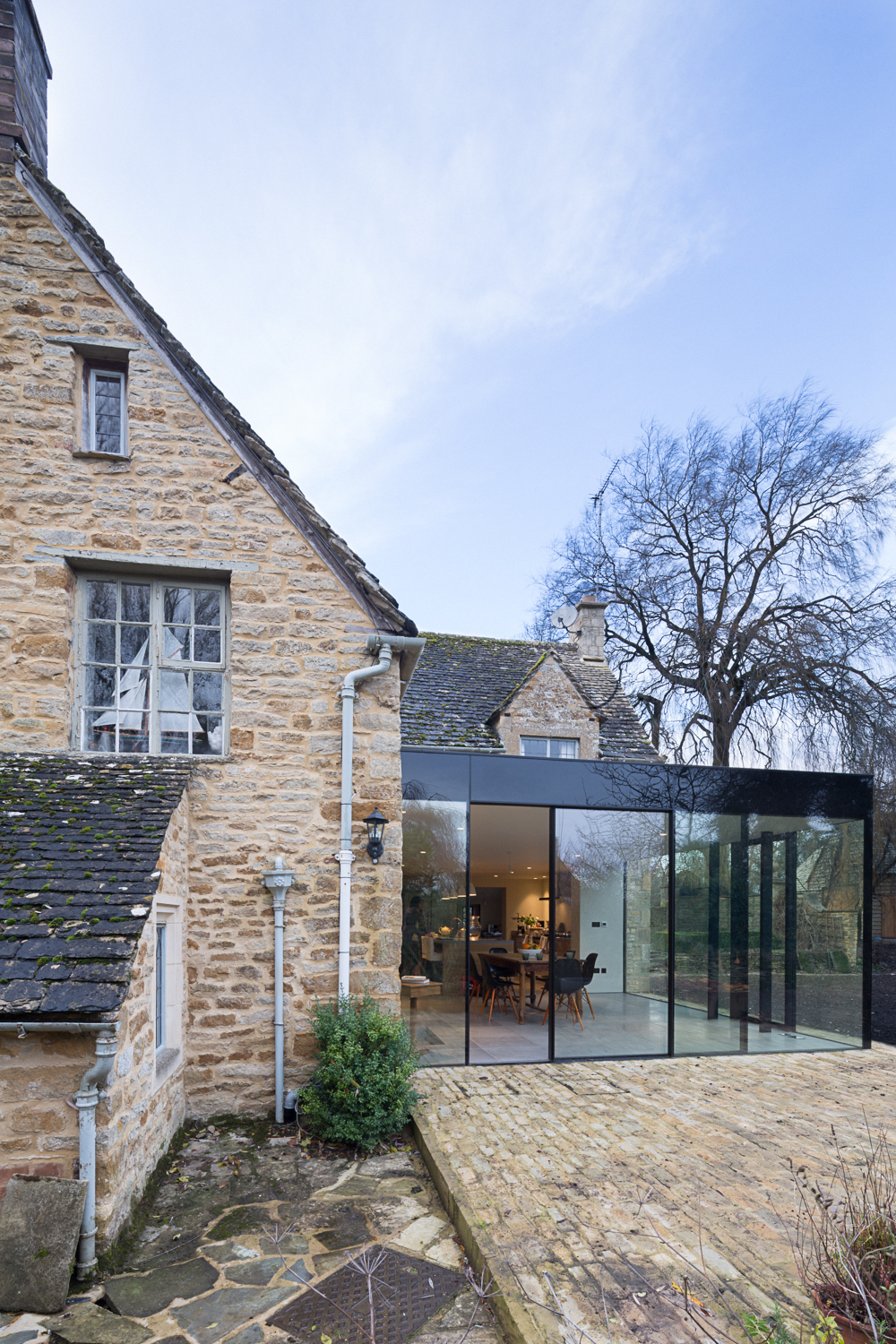
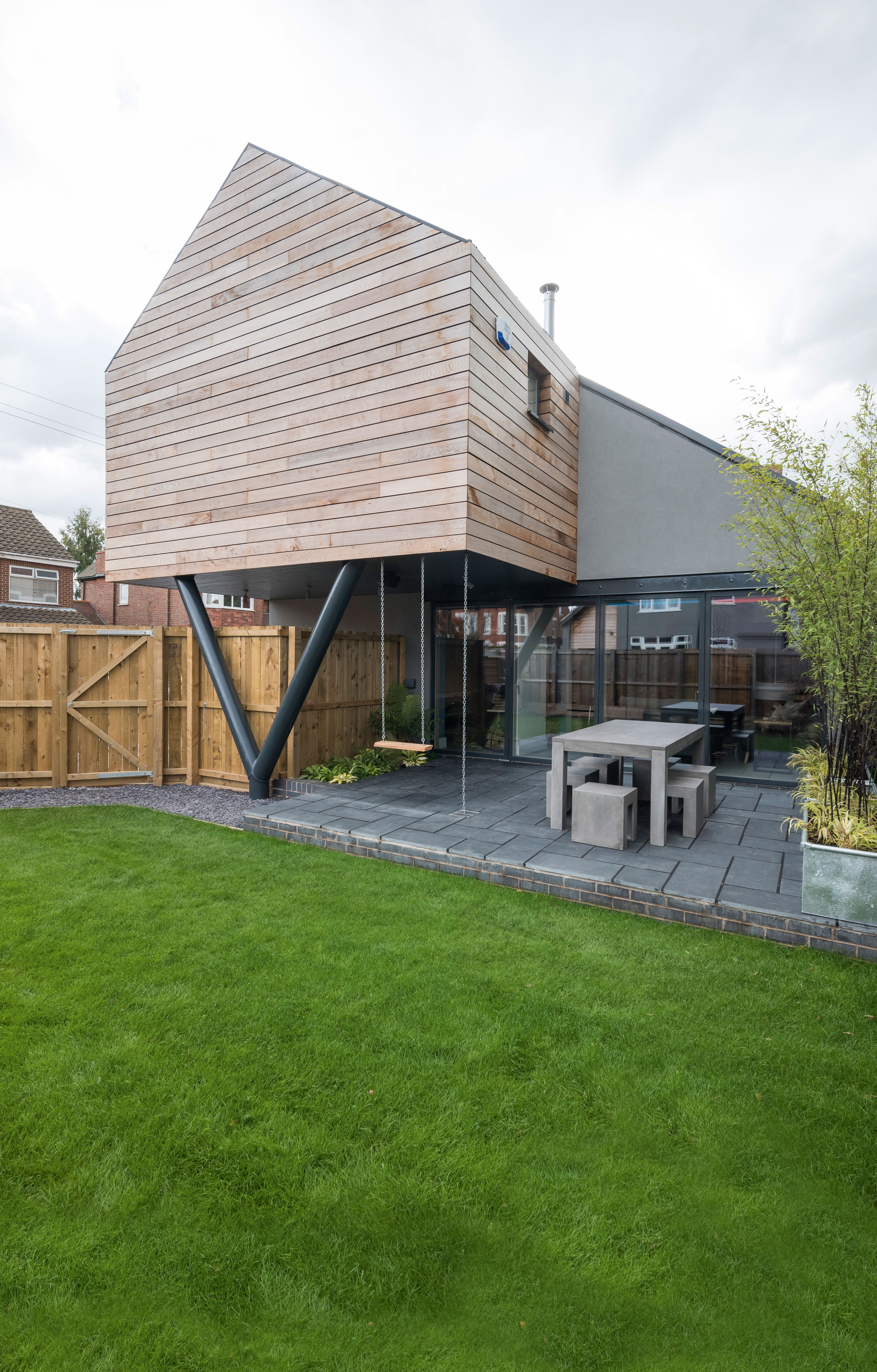
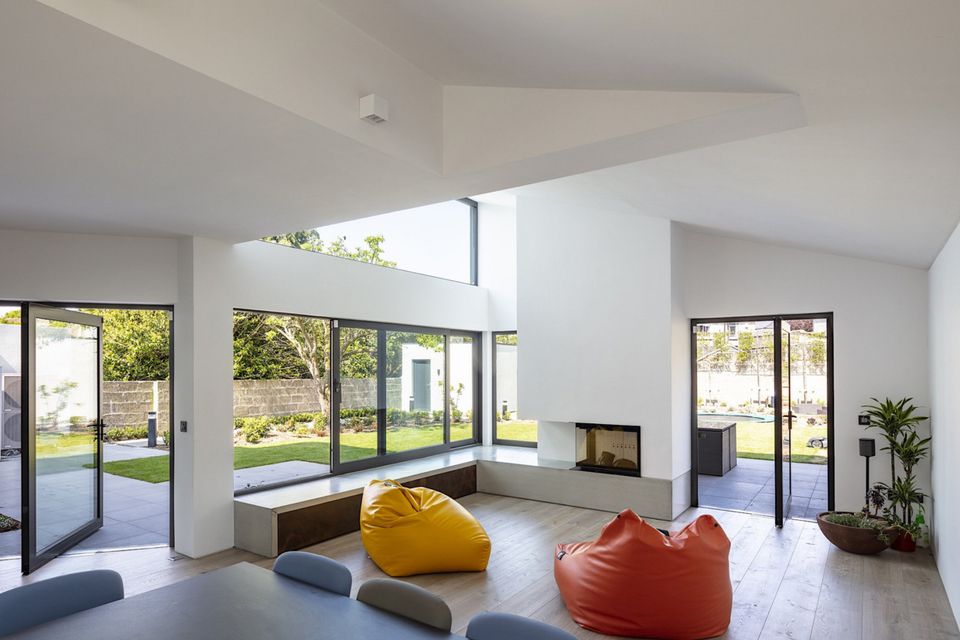


Rix explains that the government has expanded permitted development rights (PD rights), which allows certain building work to proceed without requiring full planning permission. This change aims to reduce paperwork, delays, and associated costs for homeowners. Key changes highlighted include more generous size limits for single-storey rear extensions, now up to six metres for semi-detached homes and eight metres for detached homes under the neighbour consultation scheme. Loft conversions with rear dormers are also generally permitted, with volume limits of up to 40 cubic metres for terraced houses and 50 cubic metres for detached or semi-detached homes. Additionally, outbuildings and garden rooms, such as offices or gyms, can often be built without planning permission if they adhere to specific height and use restrictions. Side extensions are also allowed in many cases, provided they are single-storey and modest in scale.
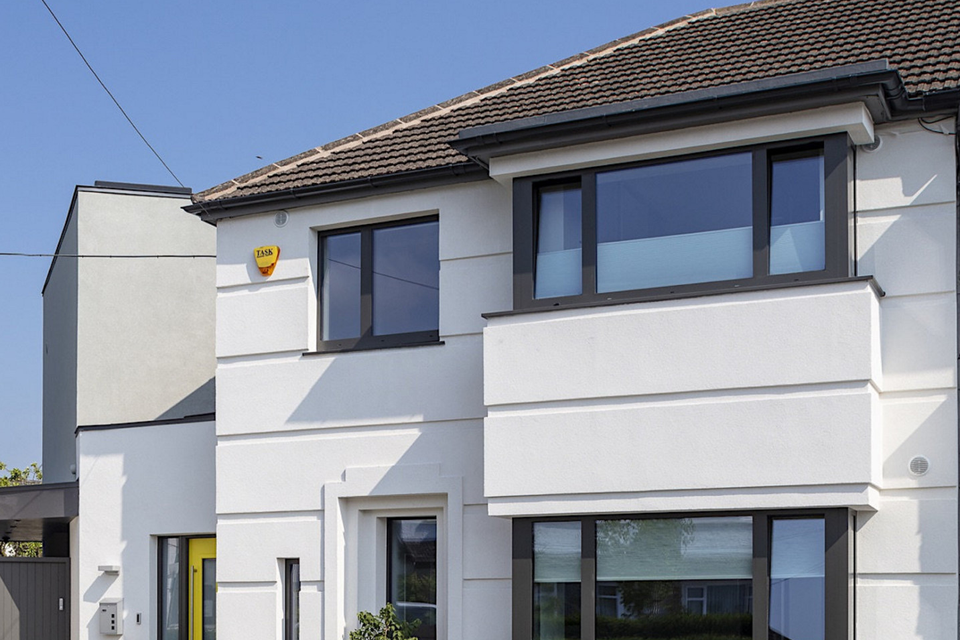
However, Rix cautions that not all properties qualify for these relaxed rules. Properties that are listed, located in conservation areas, or subject to previous restrictions may not benefit from permitted development rights. He details what can typically be done without full planning permission: building single-storey rear extensions up to three metres deep (four metres for detached homes) under standard PD, or up to six to eight metres under the larger extension scheme. Homeowners can convert lofts into bedrooms or home offices, including adding dormer windows to the rear roof slope. Garden rooms or offices are permitted if they are single-storey, used for incidental purposes (not as separate residences), and do not occupy more than half of the garden area. Side extensions are also allowed if they are single-storey and no more than half the width of the original house. All these developments must comply with specific height, volume, and boundary rules, necessitating a thorough check of technical details before construction begins.
To fast-track a project, Rix advises several crucial steps. Firstly, homeowners should confirm their PD rights by checking their local council’s planning portal or seeking professional help, as previous planning permissions or local restrictions might affect these rights. Secondly, submitting a lawful development certificate (LDC) is strongly recommended, even if not mandatory. An LDC formally confirms that the plans meet PD rules, which can be beneficial when selling the home or dealing with mortgage lenders. Thirdly, for larger rear extensions exceeding three or four metres, homeowners must use the neighbour consultation scheme, which involves notifying neighbours and submitting basic plans for prior approval. This process is quicker than full planning permission and is handled by the council within 42 days if there are no objections. Fourthly, accurate measurements are paramount; even slight deviations from the specified limits can disqualify a build from PD rights, so working from precise plans and potentially getting professional verification is essential. Finally, Rix emphasizes that even with simplified planning, all projects must still comply with building regulations covering aspects like insulation, fire safety, structural integrity, and ventilation.
Rix concludes that while recent changes have made home extensions more accessible, adherence to clear rules remains critical, as mistakes can be costly. With careful upfront planning, homeowners can avoid unnecessary delays and successfully create valuable new living spaces, whether for family life, working from home, or simply increasing room to breathe.
#HomeExtension #PlanningPermission #PermittedDevelopment #BuildingRegulations #PropertyRenovation #LoftConversion #GardenRoom #HomeImprovement #UKHousing #HomeExtension #PlanningPermission #PermittedDevelopment #BuildingRegulations #PropertyRenovation #LoftConversion #GardenRoom #HomeImprovement #UKHousing
0 comment in total
 No comments yet
You may also like

House extension and conversion ideas

This is the Fastest Way To Get an Elegant-Looking Home


How to upgrade your home on the cheap, according to HGTV stars
If you want a home remodel to go quickly, know what you want to do and prepare early

House extension suppliers: a sourcebook of the top 50 extension essentials

Home Upgrades That Pay Off


Do-It-Yourself Projects to Boost Home Value

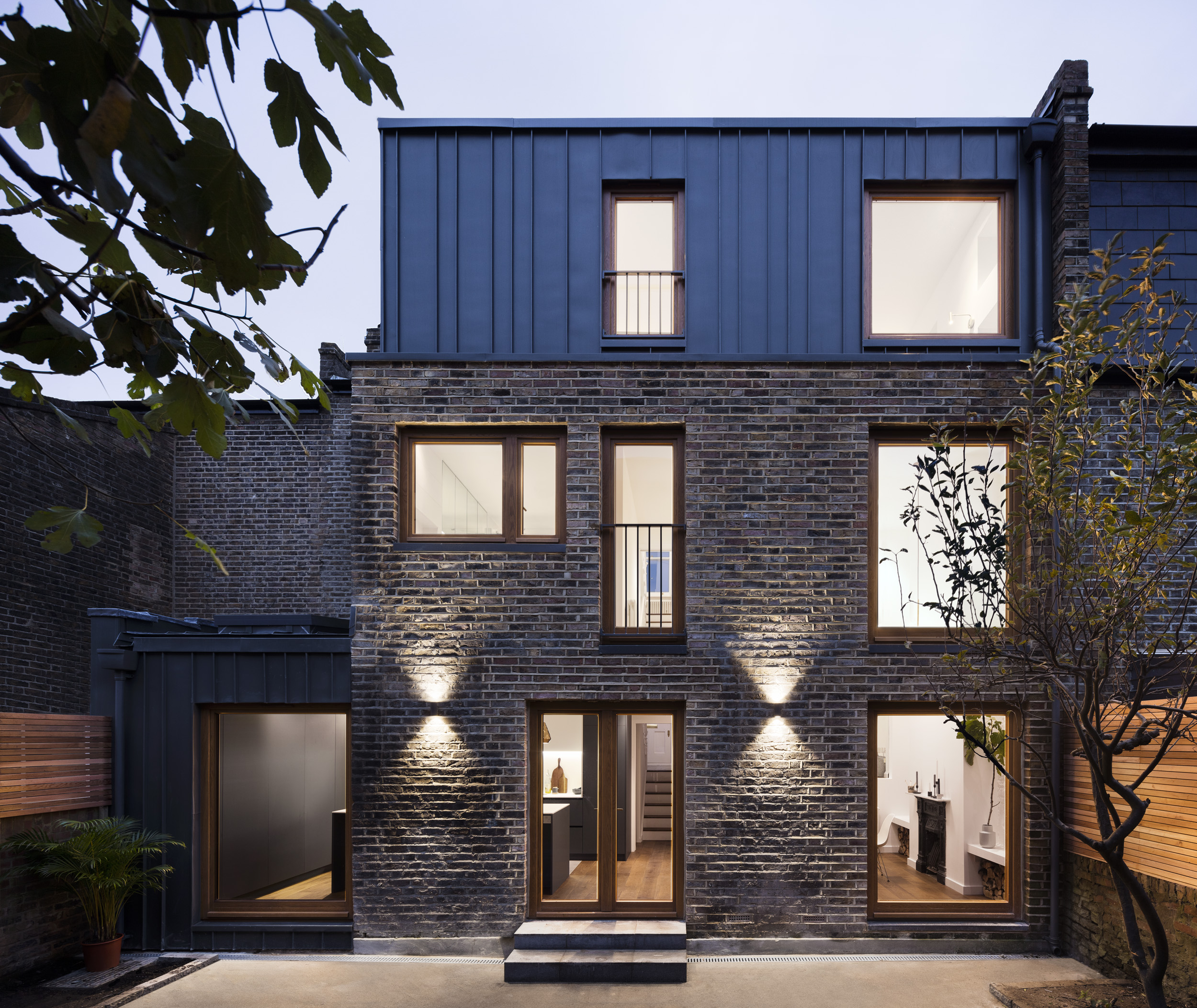
Double storey extensions - architects explain how to go full height in style

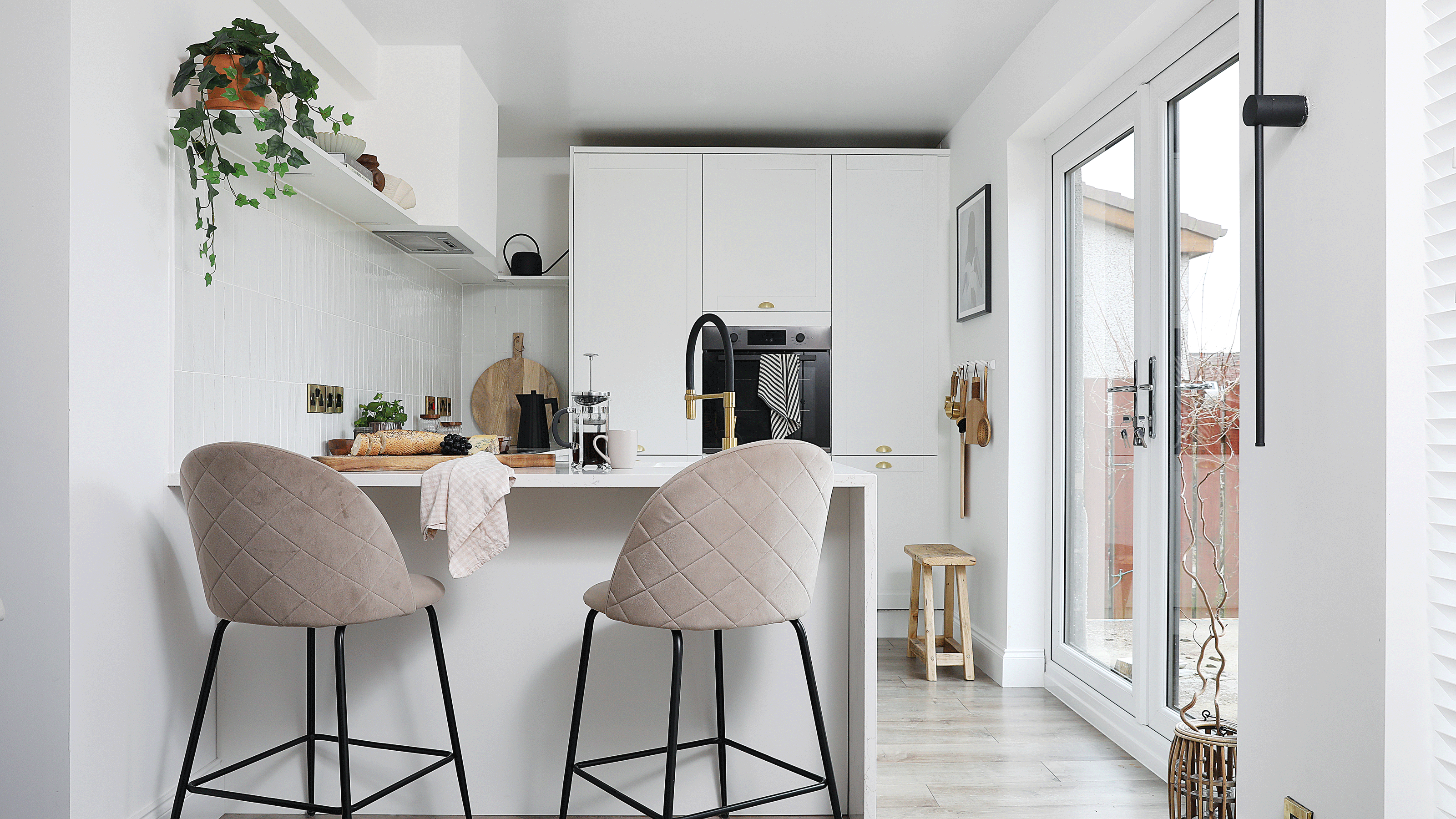
A small extension and a layout rethink have given this family all the extra space they need to thrive
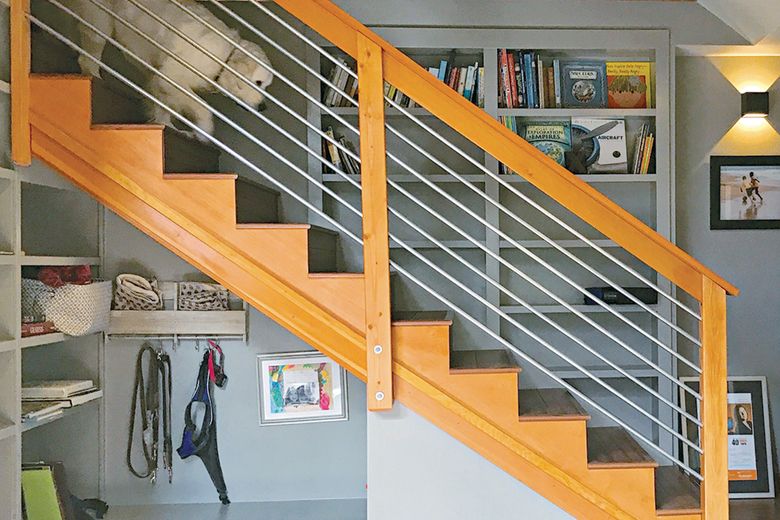
Room to grow: Finding ways to add space to your home without a major remodel

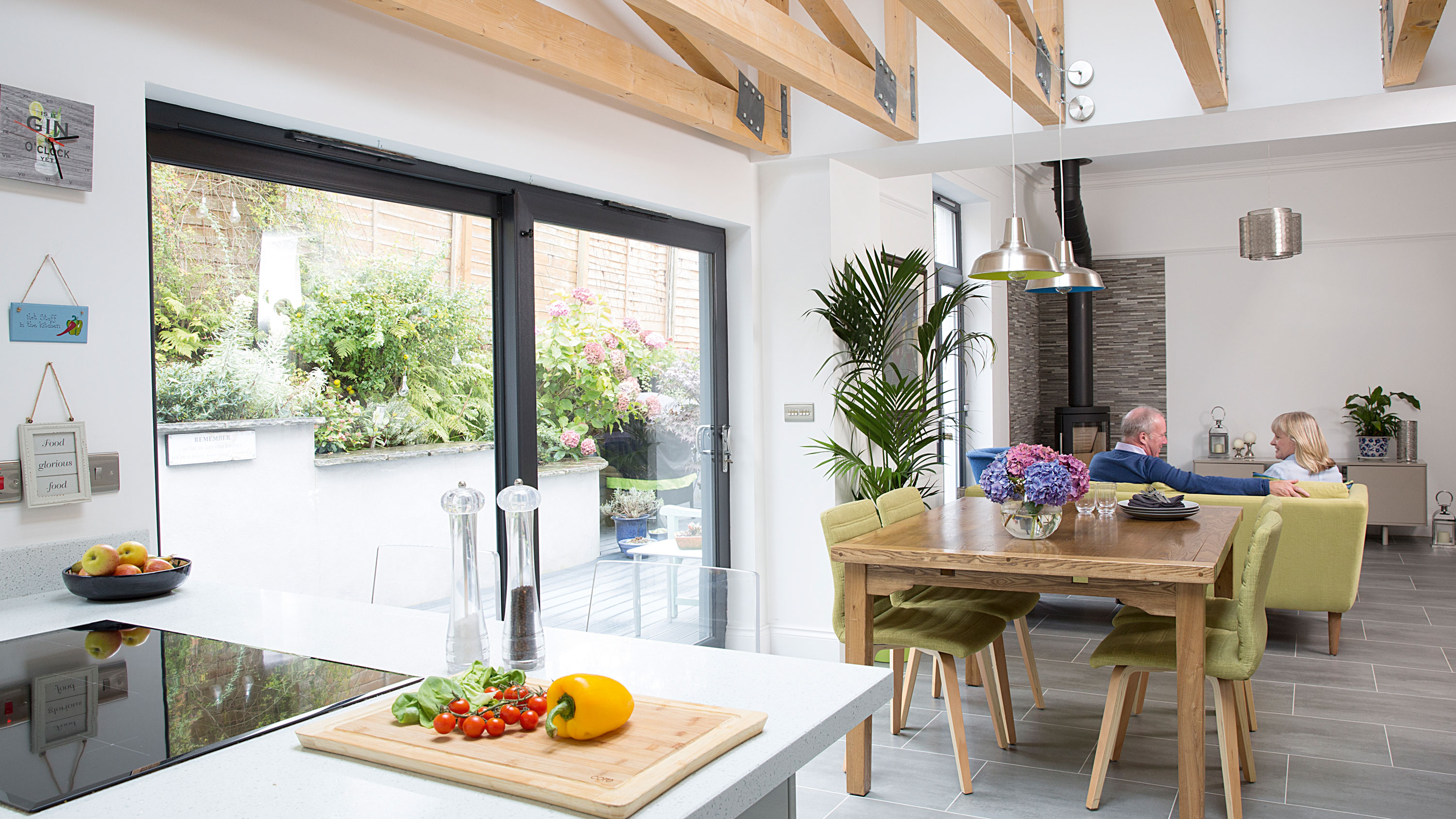
This extension creates the perfect indoor outdoor space
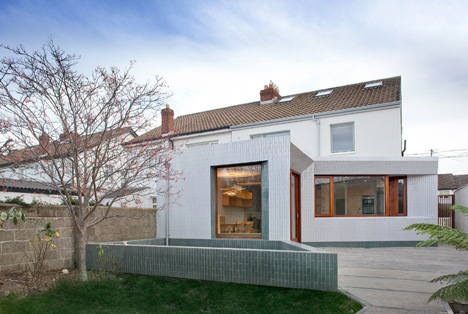
Tile-covered walls reflect light into Dublin house extension by GKMP Architects
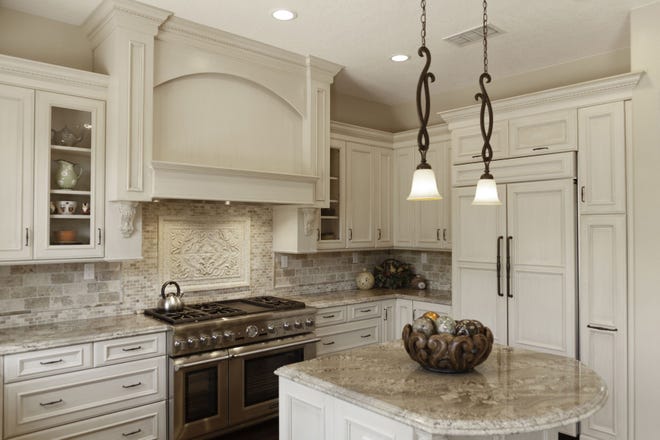
When home on the range, take a long look up

The Counterintuitive Secret to Making Your Home Feel Twice as Big
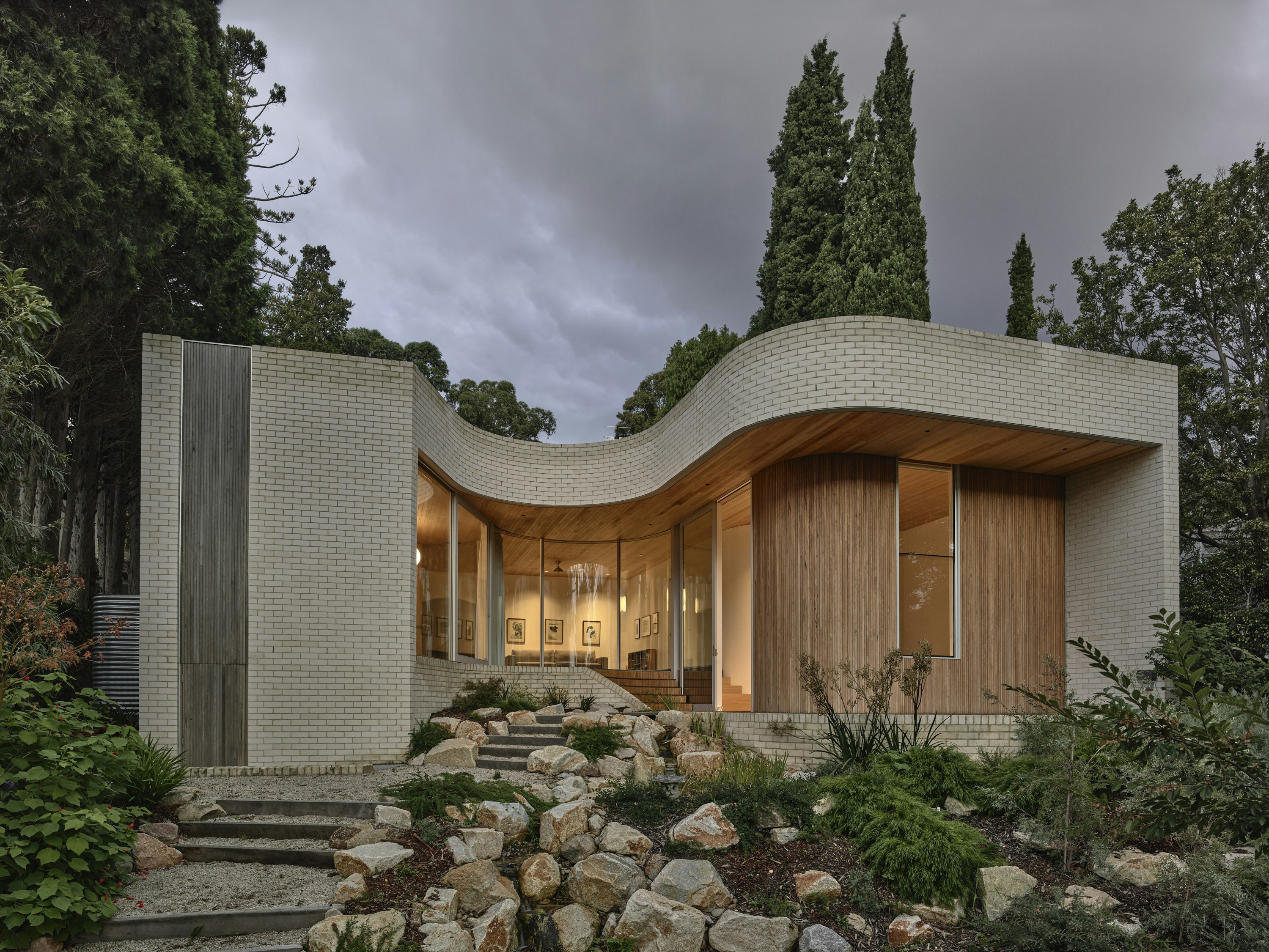
A Curving Addition Takes a Family’s Melbourne Home in a New Direction

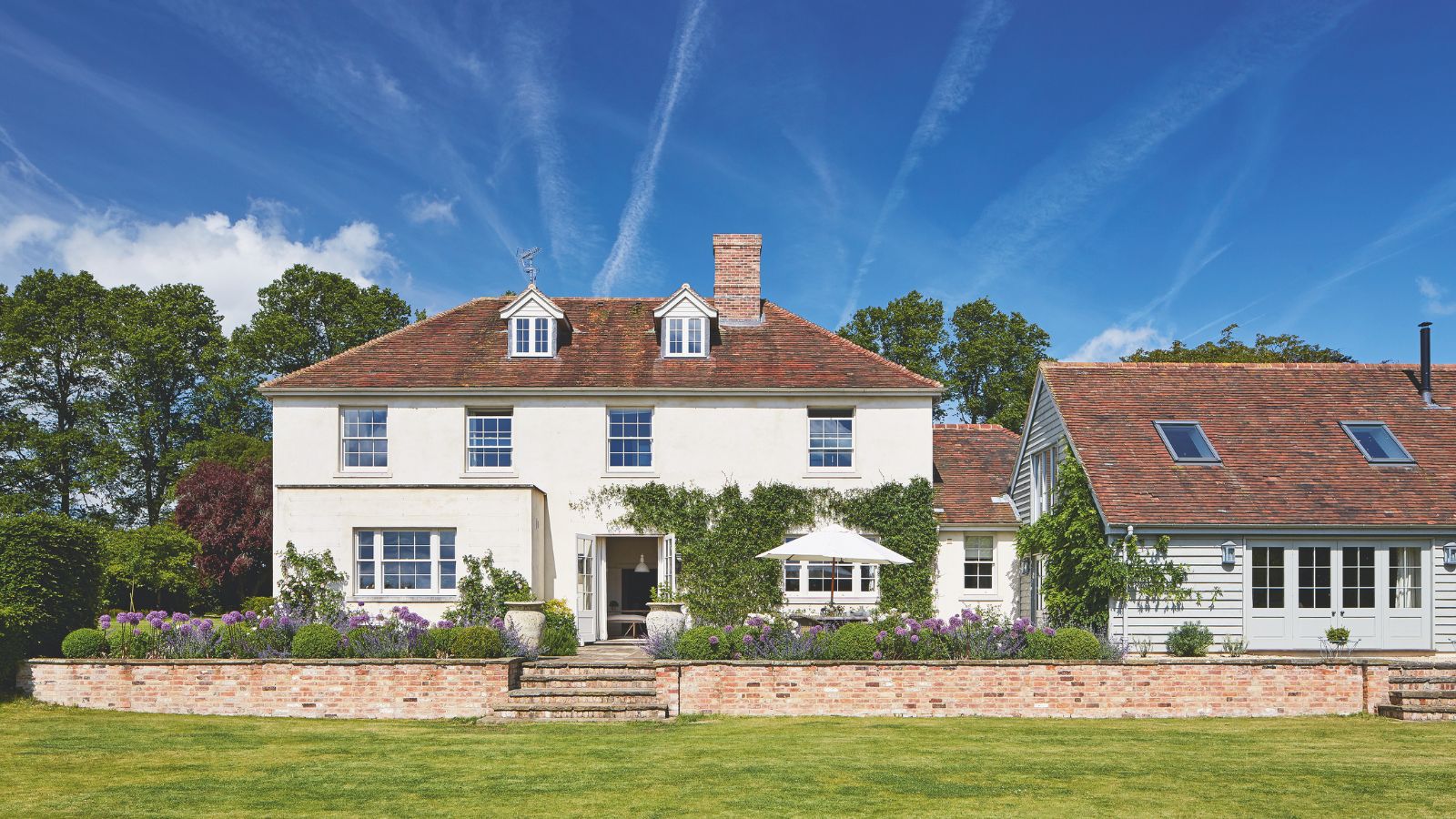
6 things you should look past when viewing a property, according to real estate experts and interior designers

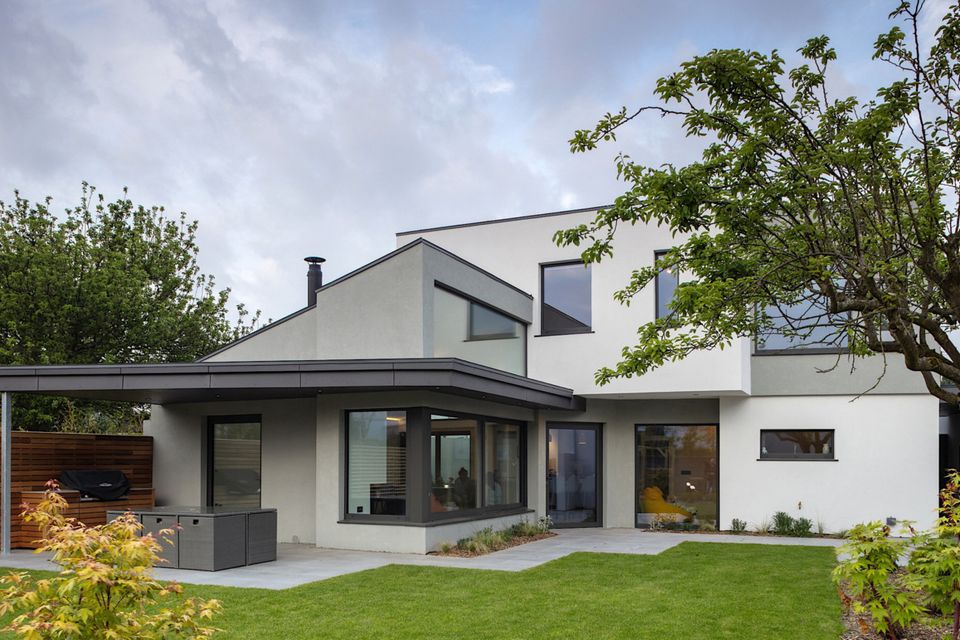
If you're looking for morespace, build out or build up
Beyond Open-Plan Living: Interior Courtyards Are The Extension Trend To Watch in 2026
How to plan a kitchen extension - expert advice for getting it right from the beginning


Promotion: Meet the local flooring business turning houses into homes