When home on the range, take a long look up
Vented range hoods are an essential component of modern kitchen design, blending both aesthetic form and functional utility. They play a critical role in clearing the air by removing cooking grease, moisture, and odors, and are often required for proper ventilation of gas burners. As more homeowners aspire to 'top chef' cooking experiences, investing in powerful ranges or cooktops, the demand for effective ventilation systems has grown.
Planning for kitchen ventilation begins with understanding the cooking source. The size and location of the range or cooktop dictate the appropriate range hood. Performance is measured in cubic-feet-per-minute (CFM), with higher CFM numbers indicating greater air removal capacity. For instance, a large six-burner gas range might necessitate a hood with a maximum output of 1,200 CFMs. Beyond CFM, the hidden ductwork is equally vital, as longer duct runs increase the likelihood of grease and moisture buildup. The layout of a kitchen and the arrangement of appliances can be influenced by the range hood's venting requirements. Generally, the hood's dimensions should align with the cooking surface, but its efficiency diminishes with increased installation height from the cooktop, with about three feet being a typical distance.
For high-powered range hoods, building codes may mandate a makeup air system within the home's HVAC. This is crucial because powerful hoods can expel significant volumes of air, potentially creating a vacuum effect if not adequately replaced. Beyond installation, consistent use and maintenance are paramount. Range hoods are designed to prevent moisture, grease, and particulates from spreading throughout the home, safeguarding walls, cabinets, and furnishings from damage and mitigating issues like mold. It is advisable to activate the range hood before cooking to establish airflow and keep it running for a period after cooking to thoroughly clear the air. Some models even feature timers for convenience.
Noise levels are a common concern for homeowners regarding range hood fans. Sound output is quantified in sones, an internationally recognized measurement. One sone approximates the sound of a refrigerator, while normal conversation occurs around four sones. Generally, higher CFM ratings correlate with louder operation. To minimize noise, it's recommended to purchase the most powerful range hood within budget and operate it at lower speeds. For island cooktops, a larger capture area is necessary due to the open-space drawing of air.
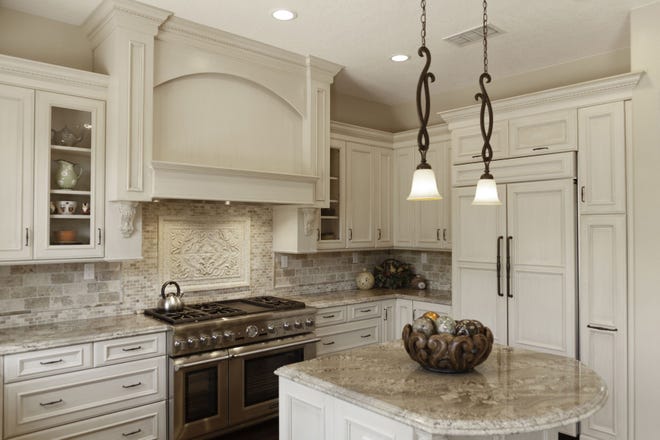
Aesthetics also play a significant role in range hood selection. Designs have evolved from purely utilitarian stainless steel to models integrated into custom cabinetry, available in various shapes and styles, from straight-sided boxes to sleek, tapered forms. A wall-mounted range hood can serve as a focal point, akin to a modern mantle, often complemented by an eye-catching backsplash. This backsplash area, situated between the hood and range, offers an opportunity for personal style expression using materials like stone, metal, ceramic tile, or glass, which should also be practical for cleaning.
Maintaining the range hood is as important as its initial selection. Many models include warning lights to indicate when filters need cleaning, a task often as simple as running them through a dishwasher. Homeowners can expect to pay around $1,000 for a high-quality range hood, which typically includes lights to illuminate the stovetop. Integrating the hood's venting into the overall kitchen aesthetic allows for a cohesive and functional design. For professional assistance, the National Kitchen and Bath Association's website provides a directory of certified kitchen professionals.
#KitchenDesign #RangeHoods #HomeVentilation #KitchenAppliances #HomeImprovement #InteriorDesign #KitchenRemodeling #AirQuality #HomeMaintenance #KitchenDesign #RangeHoods #HomeVentilation #KitchenAppliances #HomeImprovement #InteriorDesign #KitchenRemodeling #AirQuality #HomeMaintenance
 No comments yet
If You Live in a Farmhouse, Listen Up

How to fast-track your home extension