1/5
If You Live in a Farmhouse, Listen Up
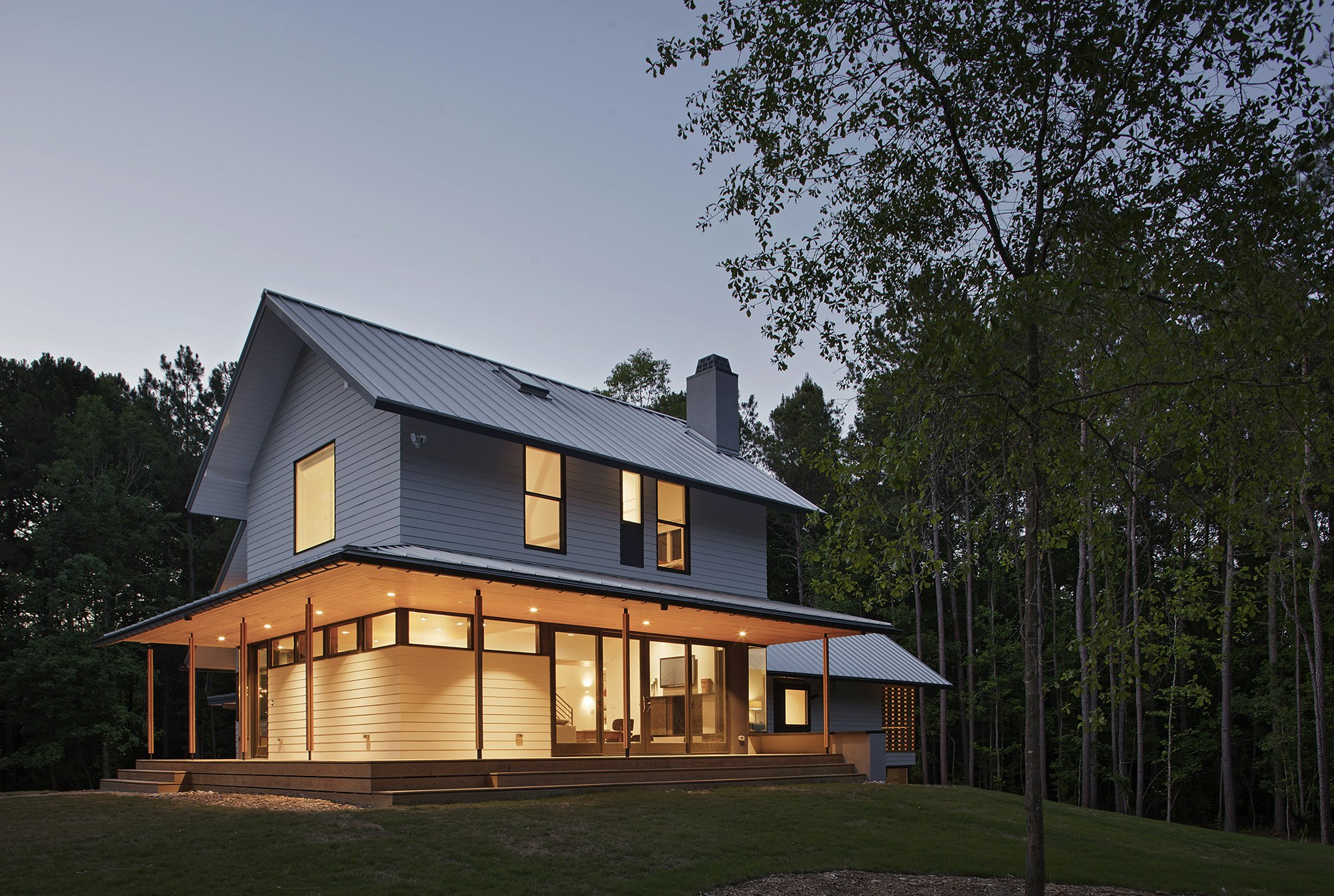
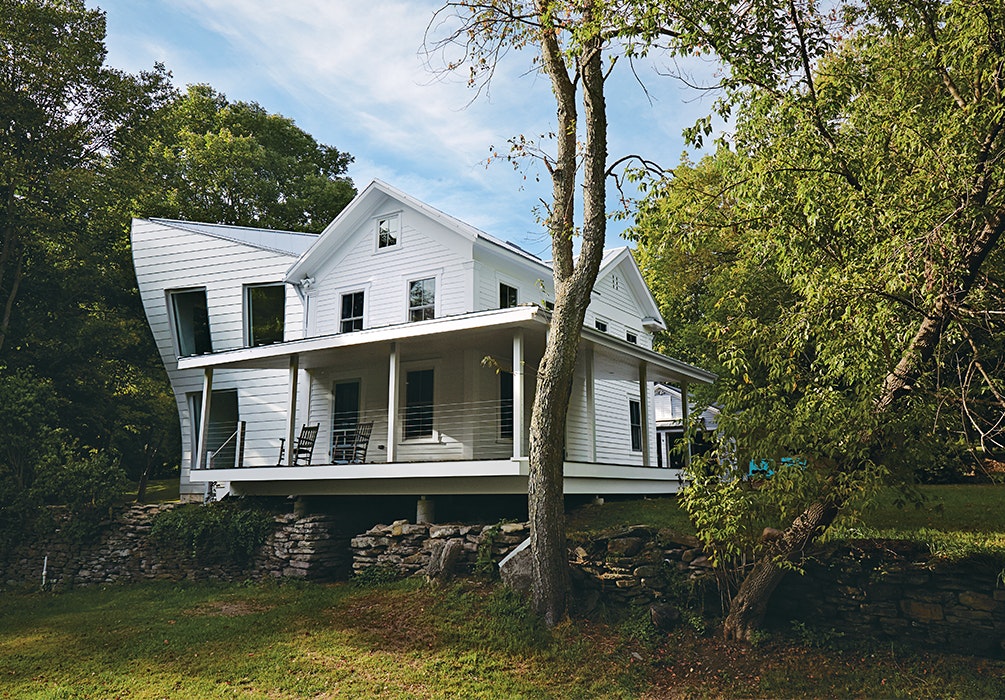
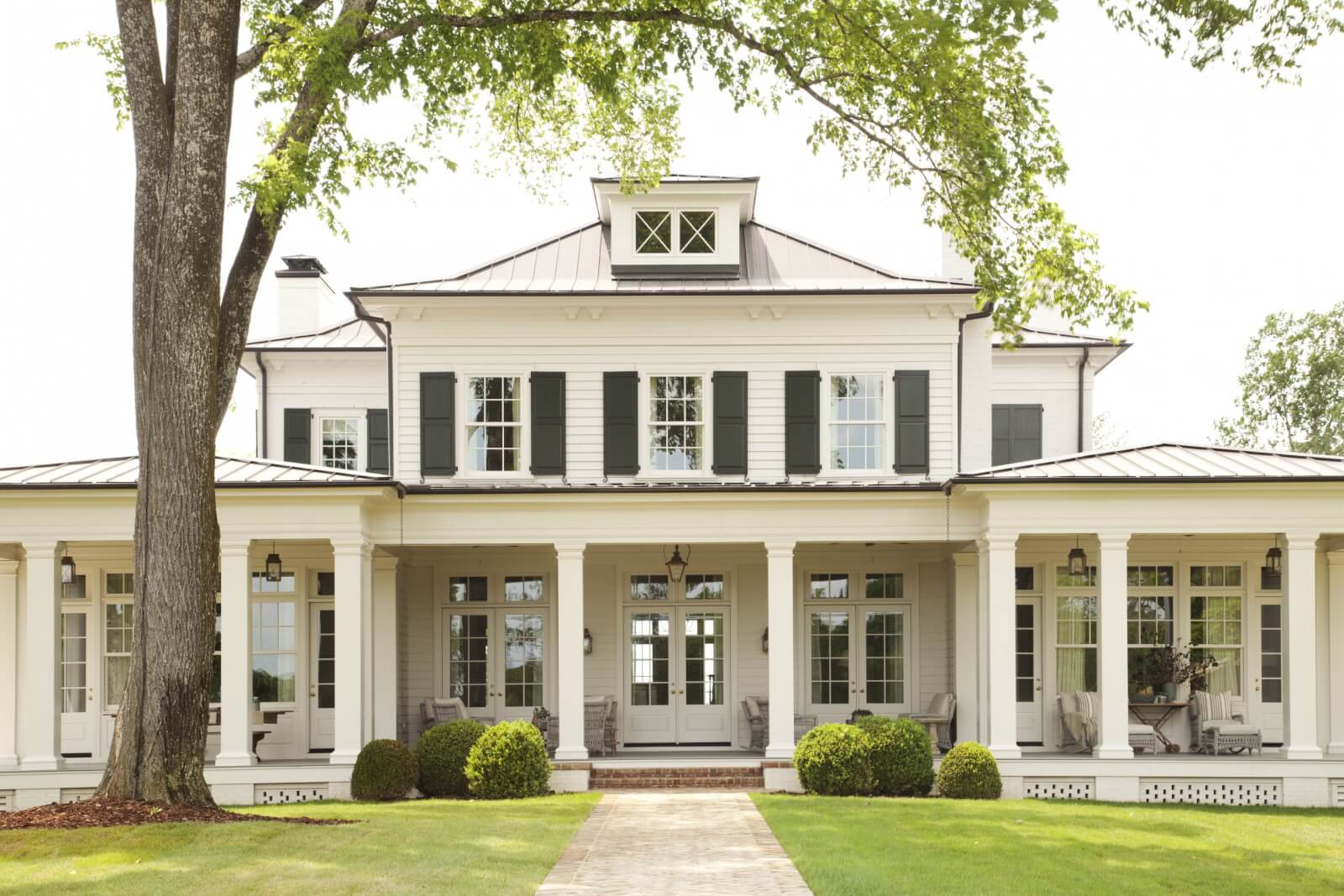
Board and batten siding has gained significant popularity in recent years, particularly for its contribution to the modern farmhouse aesthetic, but its origins trace back more than two centuries. The technique, a perfect example of timeless design styles, was first used in the mid-19th century on barns for practical weatherproofing. It involved applying wide wooden boards vertically to a building's exterior, with thin vertical strips of wood, called battens, covering the seams to seal out the elements. This historical application can even be observed in the background of Grant Wood's famous 1930 painting, "American Gothic," depicting a crisp white board-and-batten farmhouse.
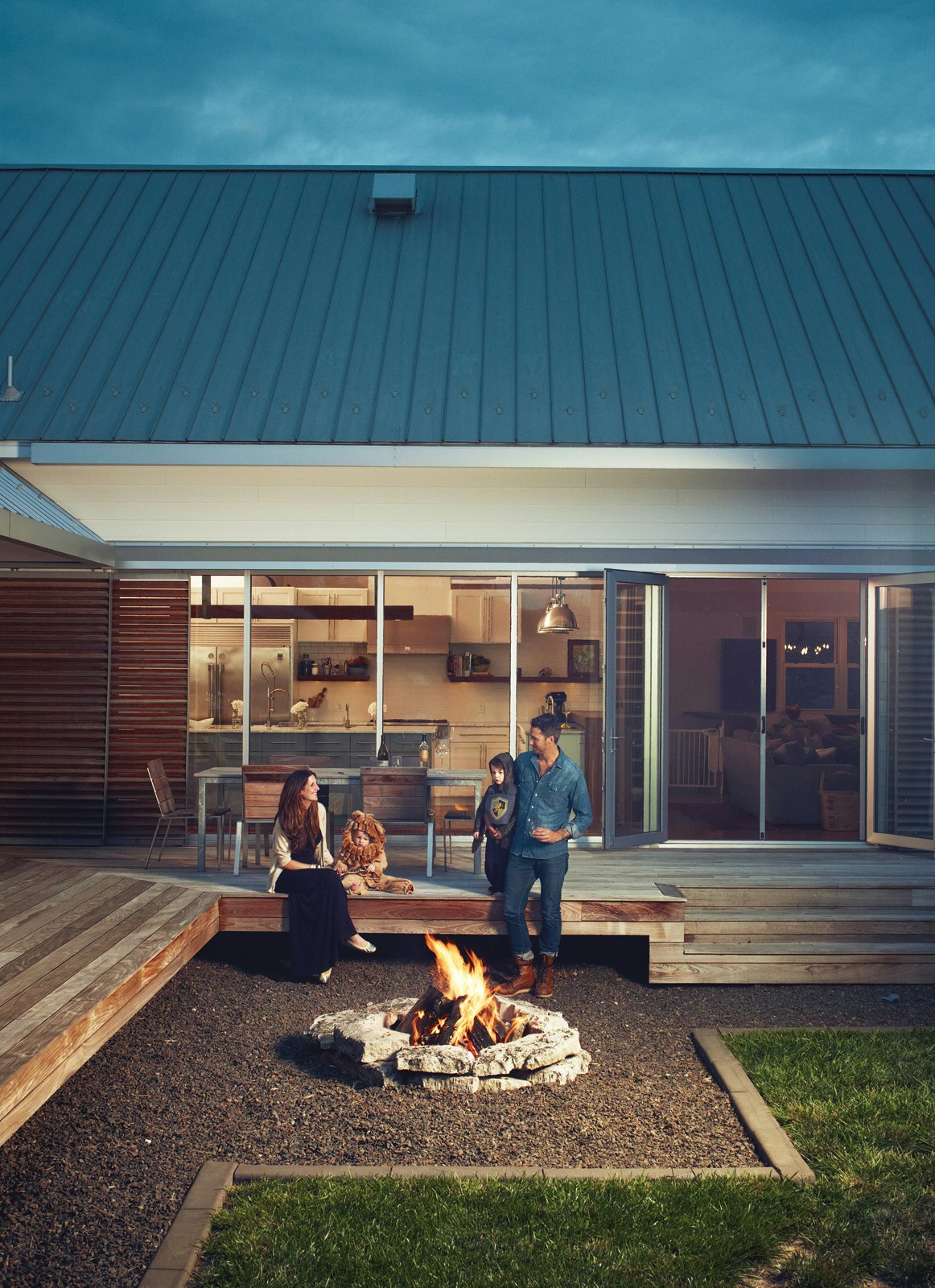
Today, while the classic aesthetic remains, the materials used for board and batten siding have evolved. Modern installations typically forego natural wood for high-end vinyl or fiber cement, offering enhanced durability and reduced maintenance requirements. The enduring appeal of this style lies in its strong verticality and clean lines, making it suitable for various home styles beyond just farmhouses. Deryl Patterson, president of Housing Design Matters, notes that it evokes a sense of nostalgia without appearing overly elaborate. Board and batten can be applied to an entire house, providing a fresh look, or used as an accent, particularly on gables, to create a distinctive feature. While traditionally painted red on barns, contemporary applications embrace a wide range of colors, with white and gray being popular choices, and bolder colors like teal suggested for accent areas.
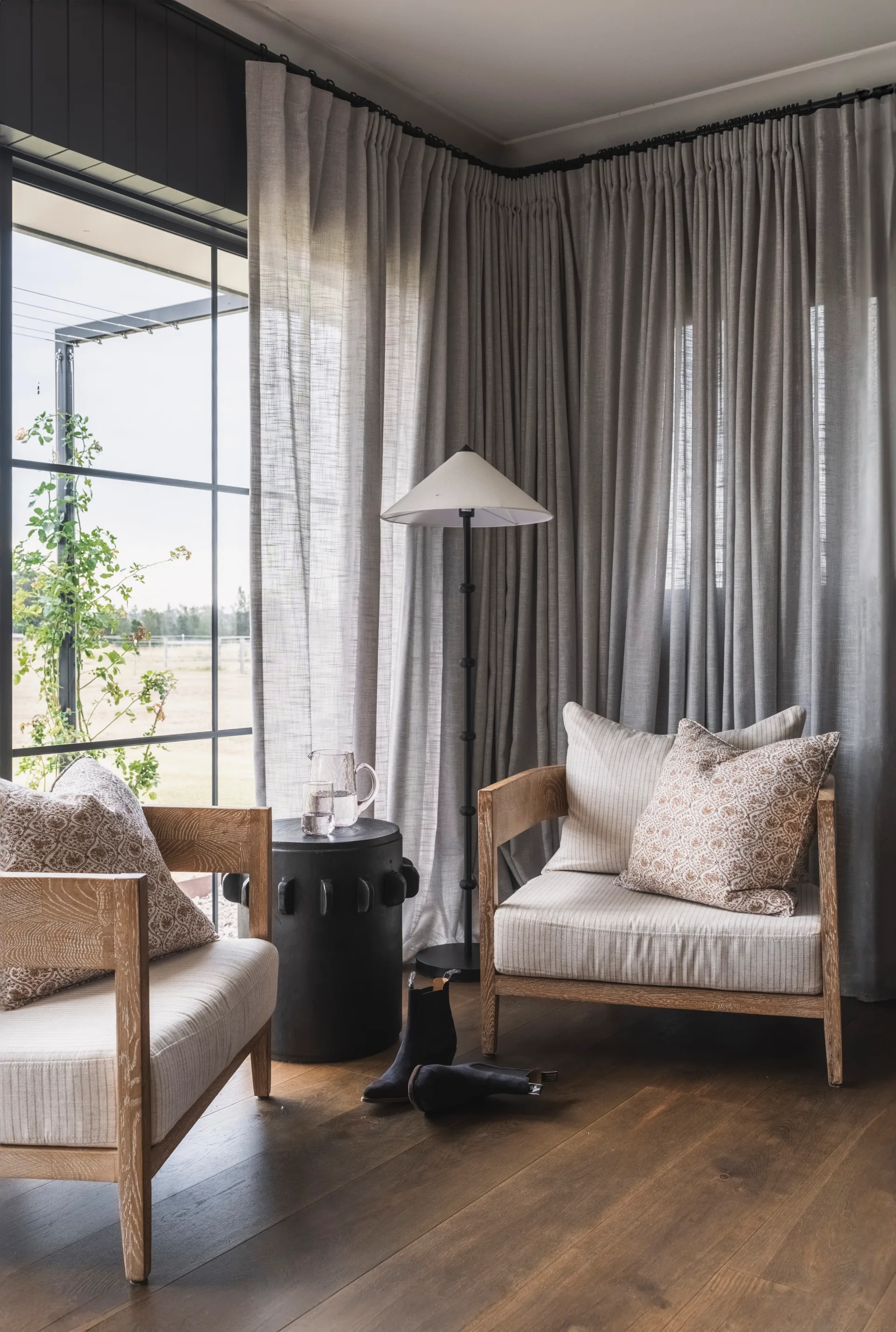
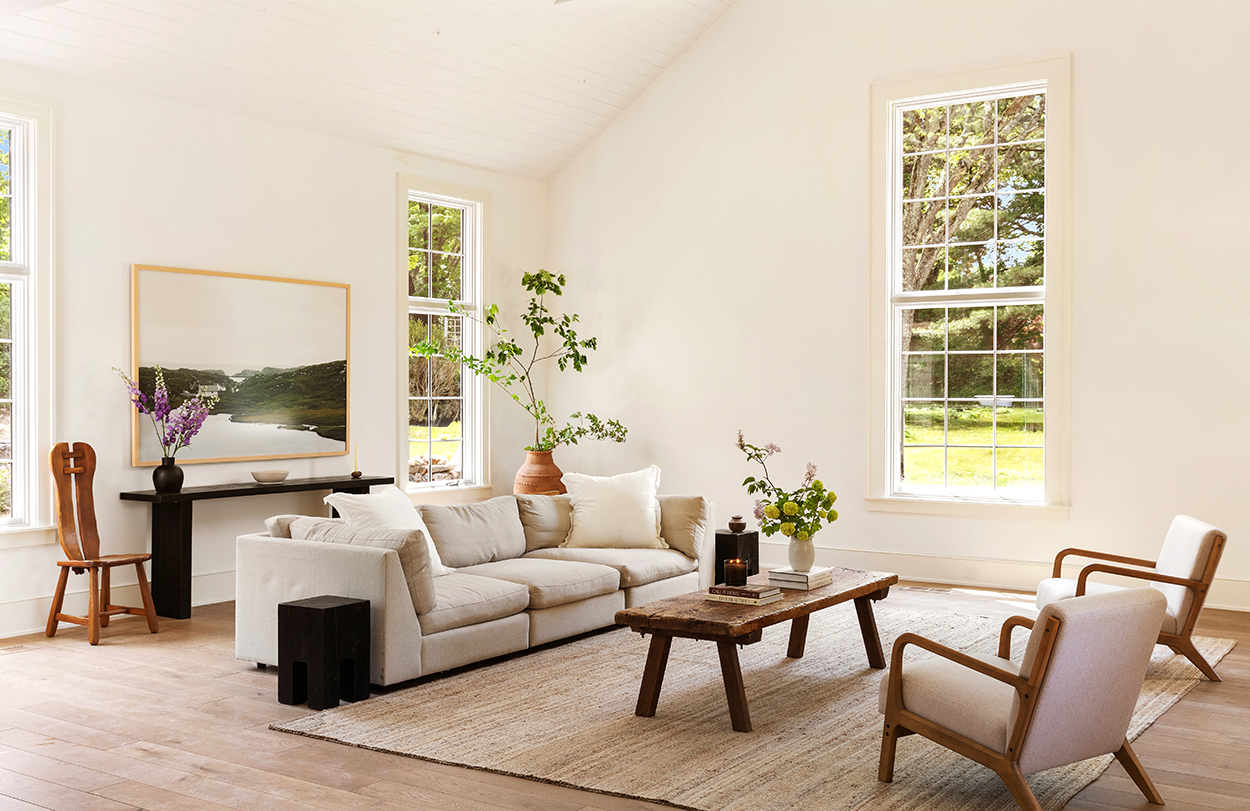
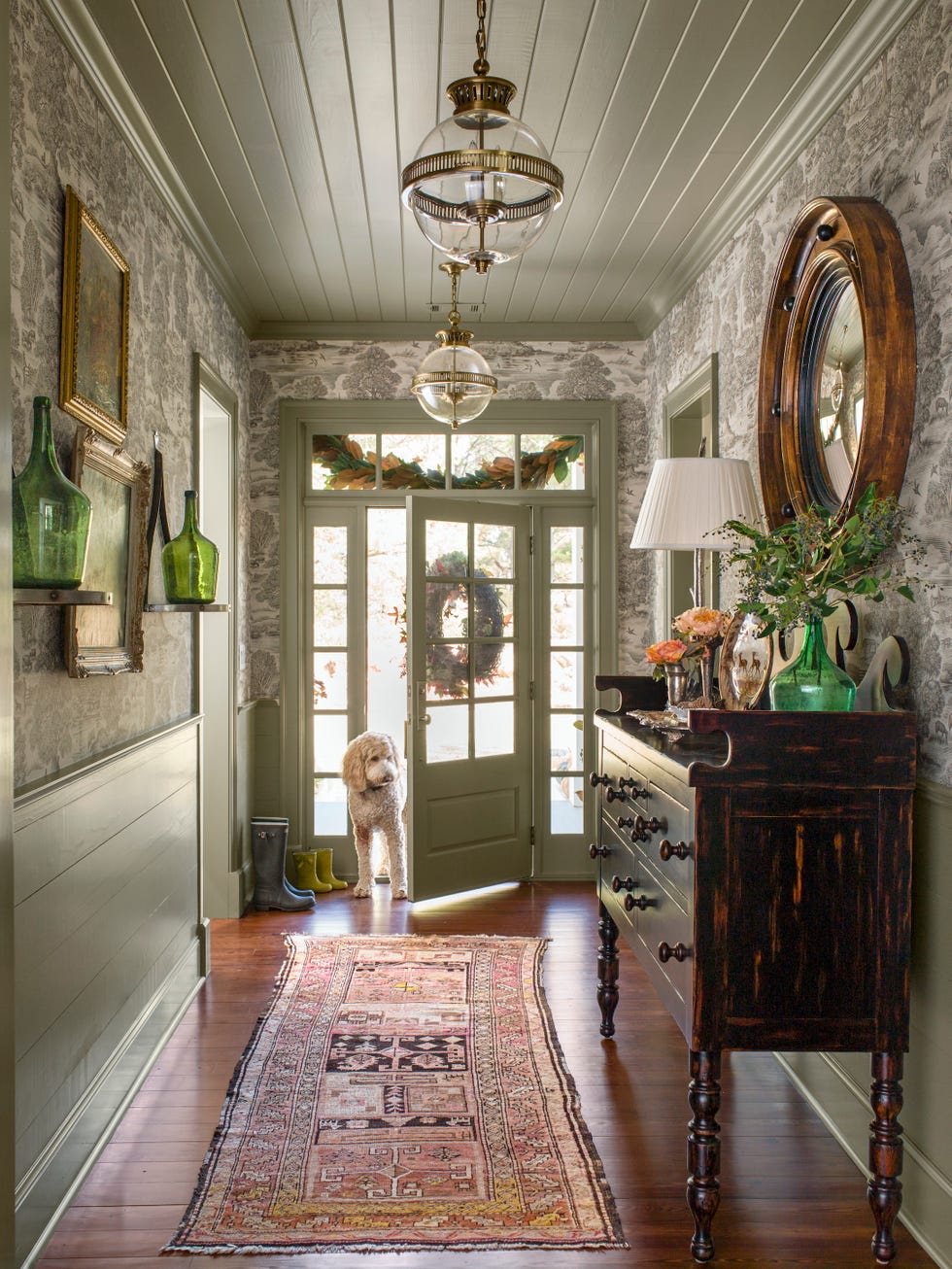
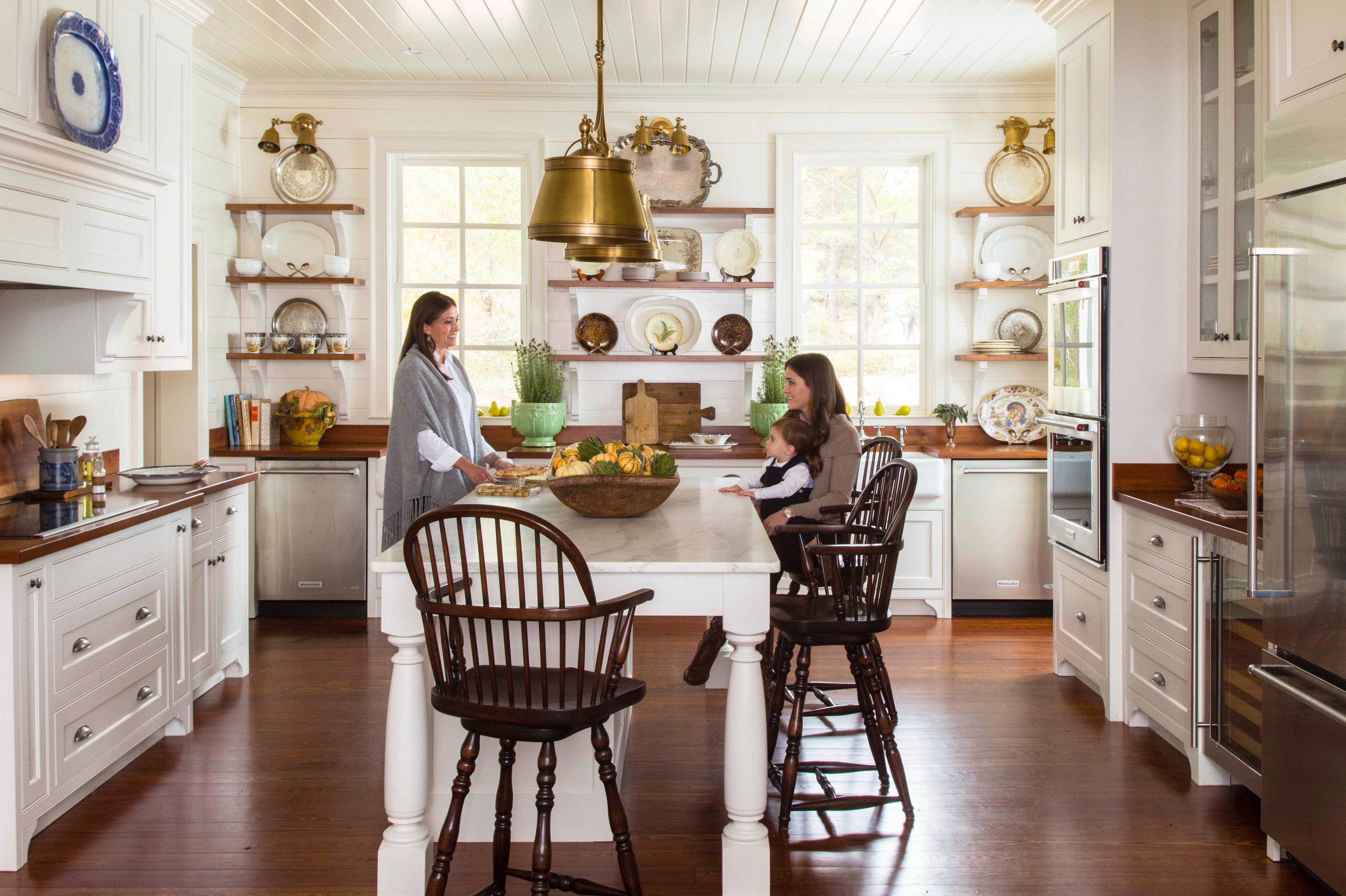
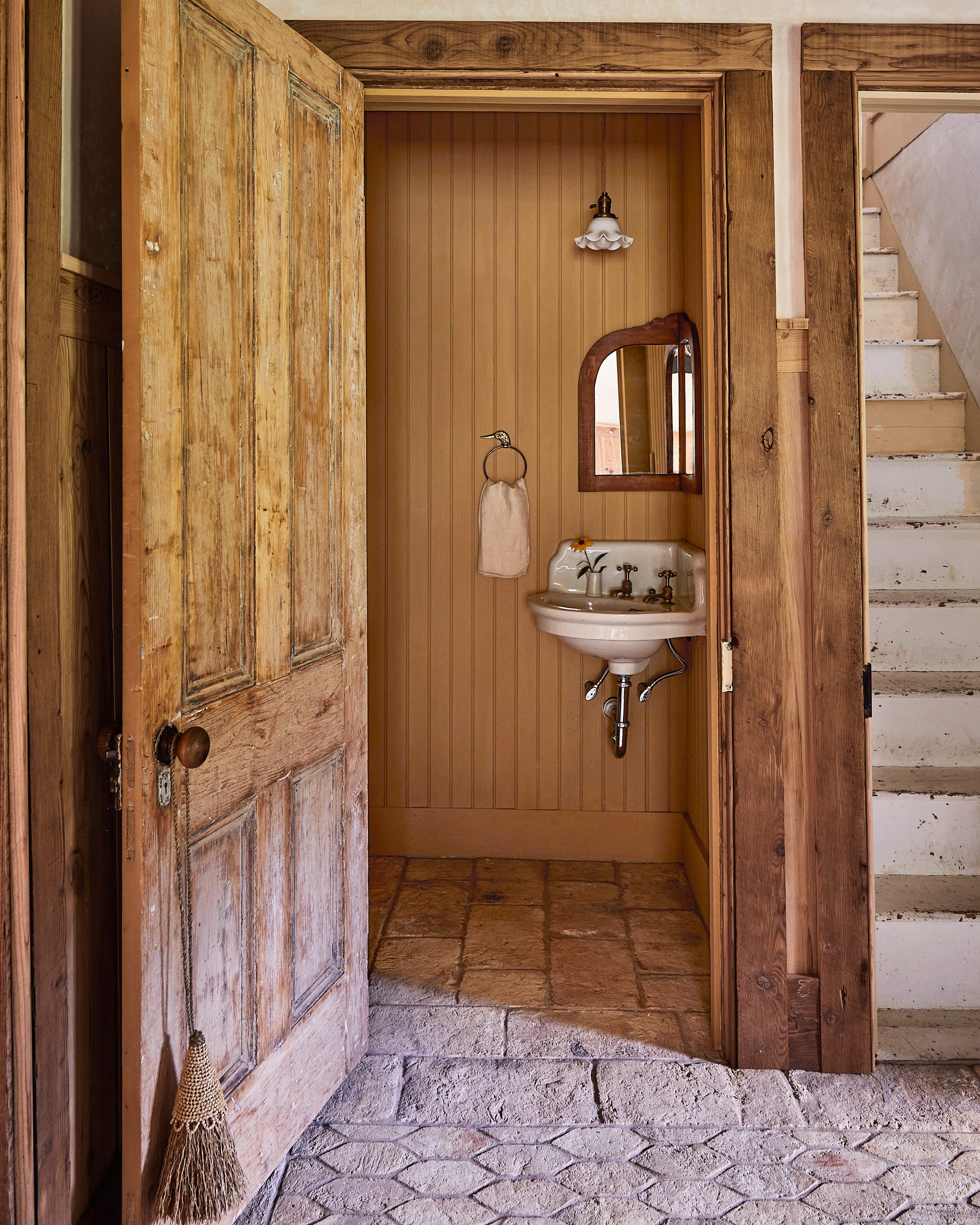
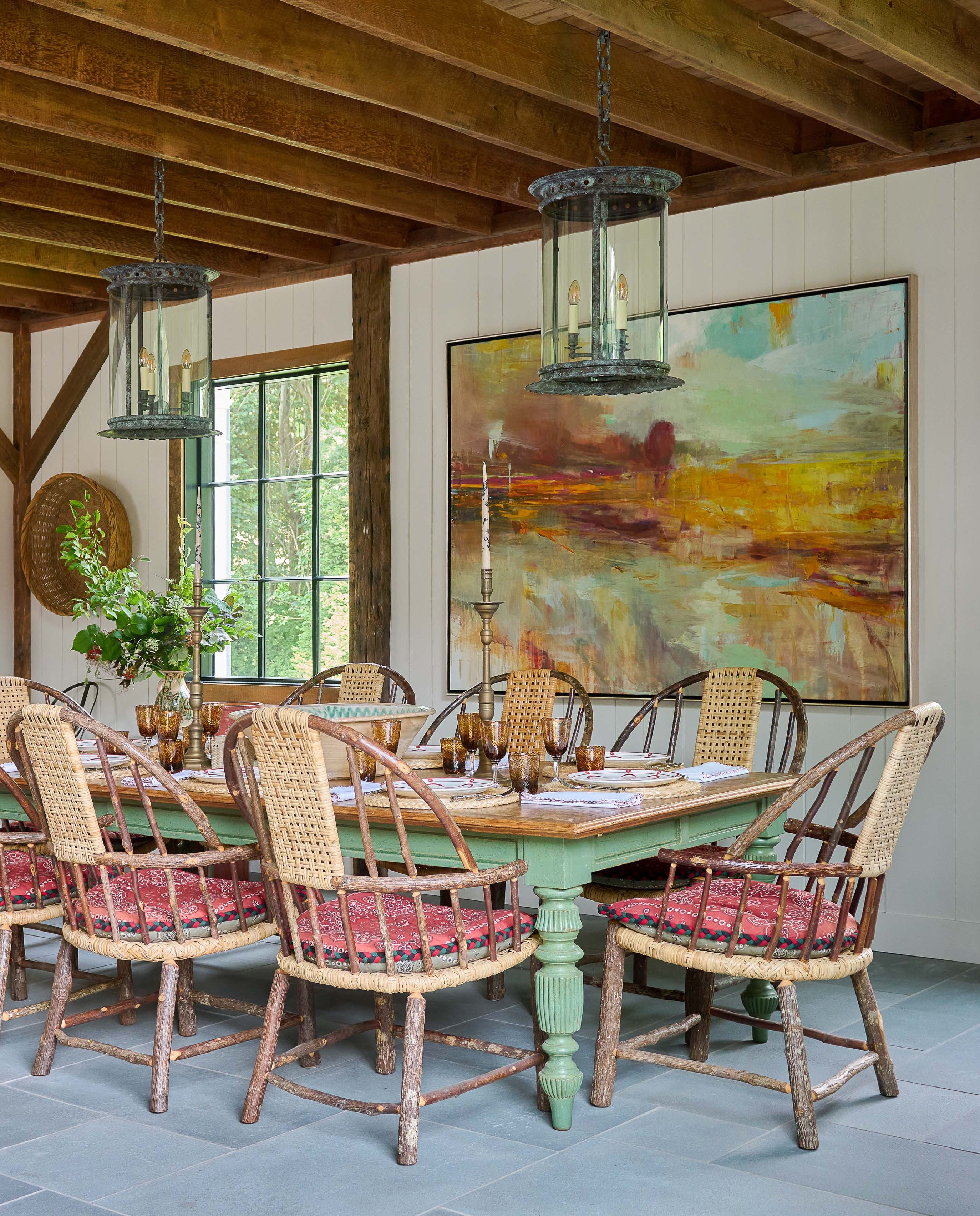
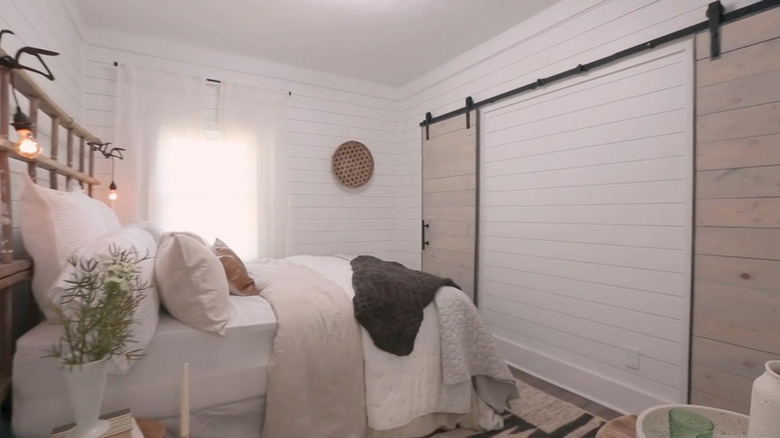
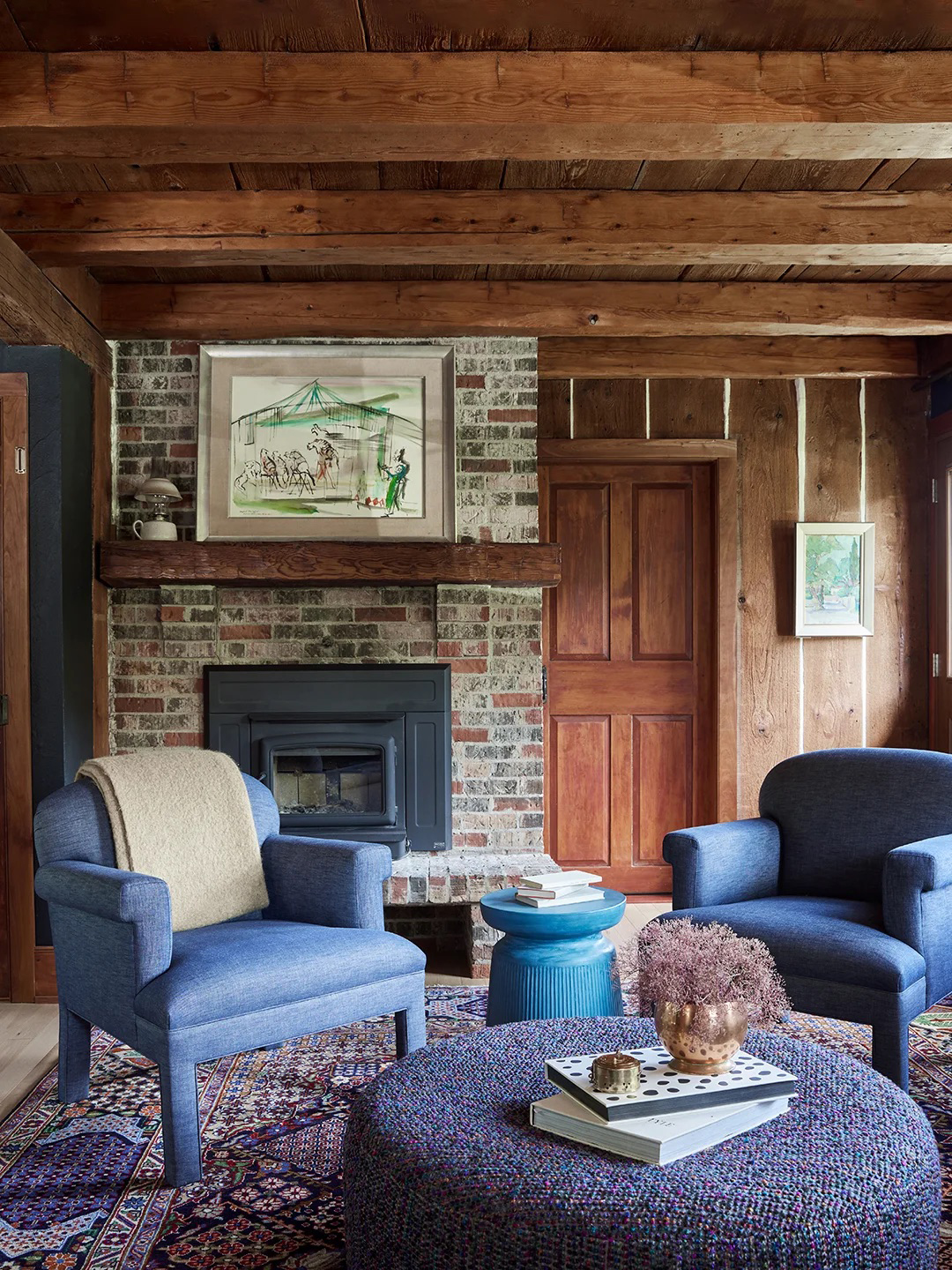
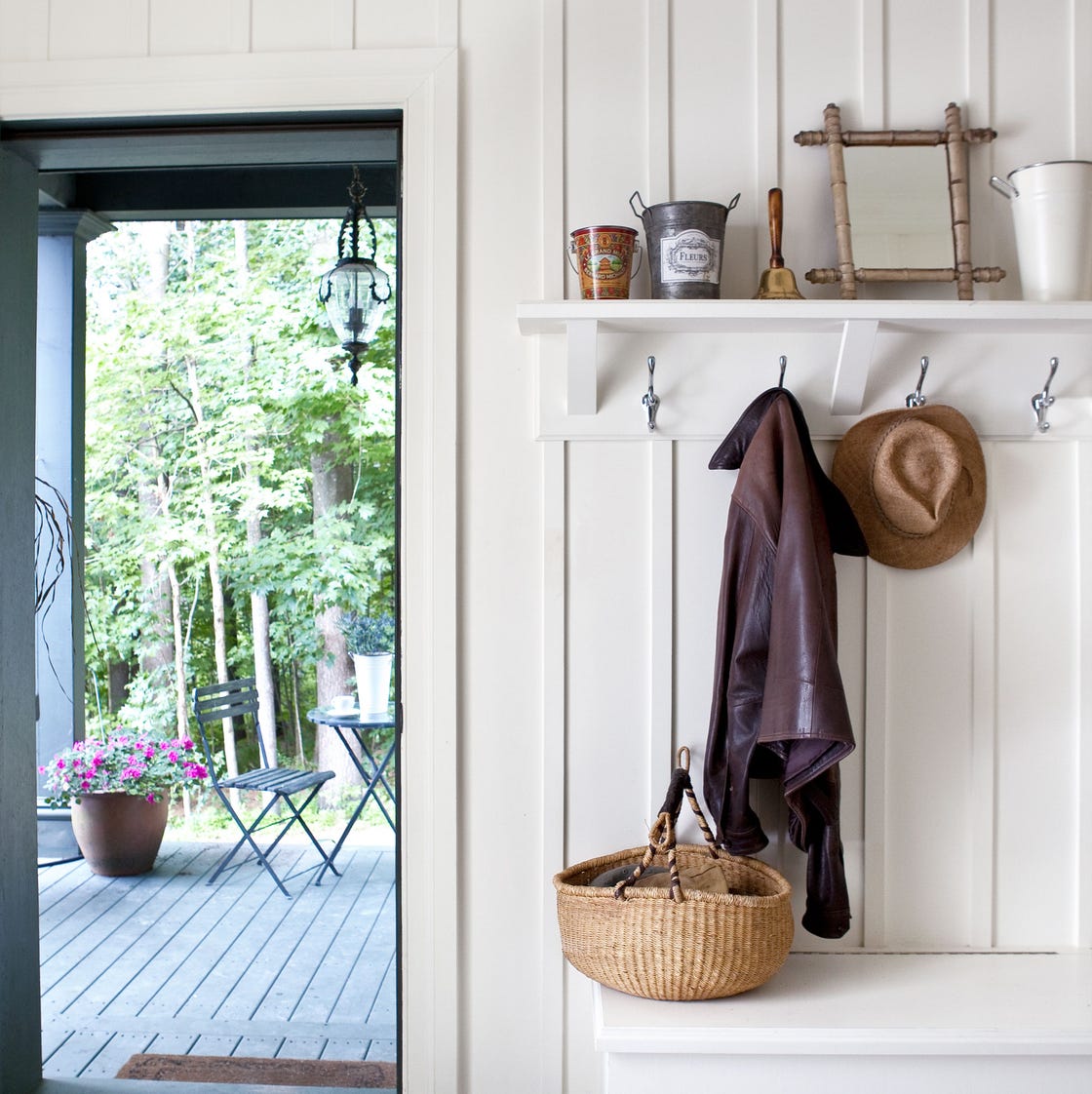
Beyond exterior applications, board and batten can also be incorporated indoors to add a period accent and calming vertical lines. It is commonly seen in screened porches, accent walls, mudrooms, and even on ceilings, as exemplified by the original board and batten ceilings in Greg and Liz Dutton's guest house in Ohio. For those considering a DIY approach, creating board and batten walls indoors can be cost-effective by applying plywood directly to the wall and adding 1-by-2-inch strips, a process similar to installing wainscoting.
Historically, board and batten was a more economical siding option. However, its recent surge in popularity has led to increased demand and, consequently, higher costs. The overall expense is influenced by several factors, including material and labor costs, which vary geographically, and the size of the home. The number of doors and windows also impacts costs due to increased cutting and material waste. Vinyl and fiber cement are generally the most affordable materials, with estimates around $3 and $6 per square foot, respectively, while engineered wood and metal are considerably more expensive. In some regions, board and batten siding can be more than double the cost of traditional siding. Therefore, it is crucial to factor in these expenses during the planning stages of any new construction or renovation project to avoid unforeseen financial surprises.
#BoardAndBatten #HomeRenovation #FarmhouseStyle #ExteriorSiding #InteriorDesign #HomeImprovement #BuildingMaterials #ArchitecturalStyle #DIYHome #BoardAndBatten #HomeRenovation #FarmhouseStyle #ExteriorSiding #InteriorDesign #HomeImprovement #BuildingMaterials #ArchitecturalStyle #DIYHome
0 comment in total
 No comments yet
You may also like
Home & Design | Farm Fresh

Transform Your Living Room into a Cozy Farmhouse Space

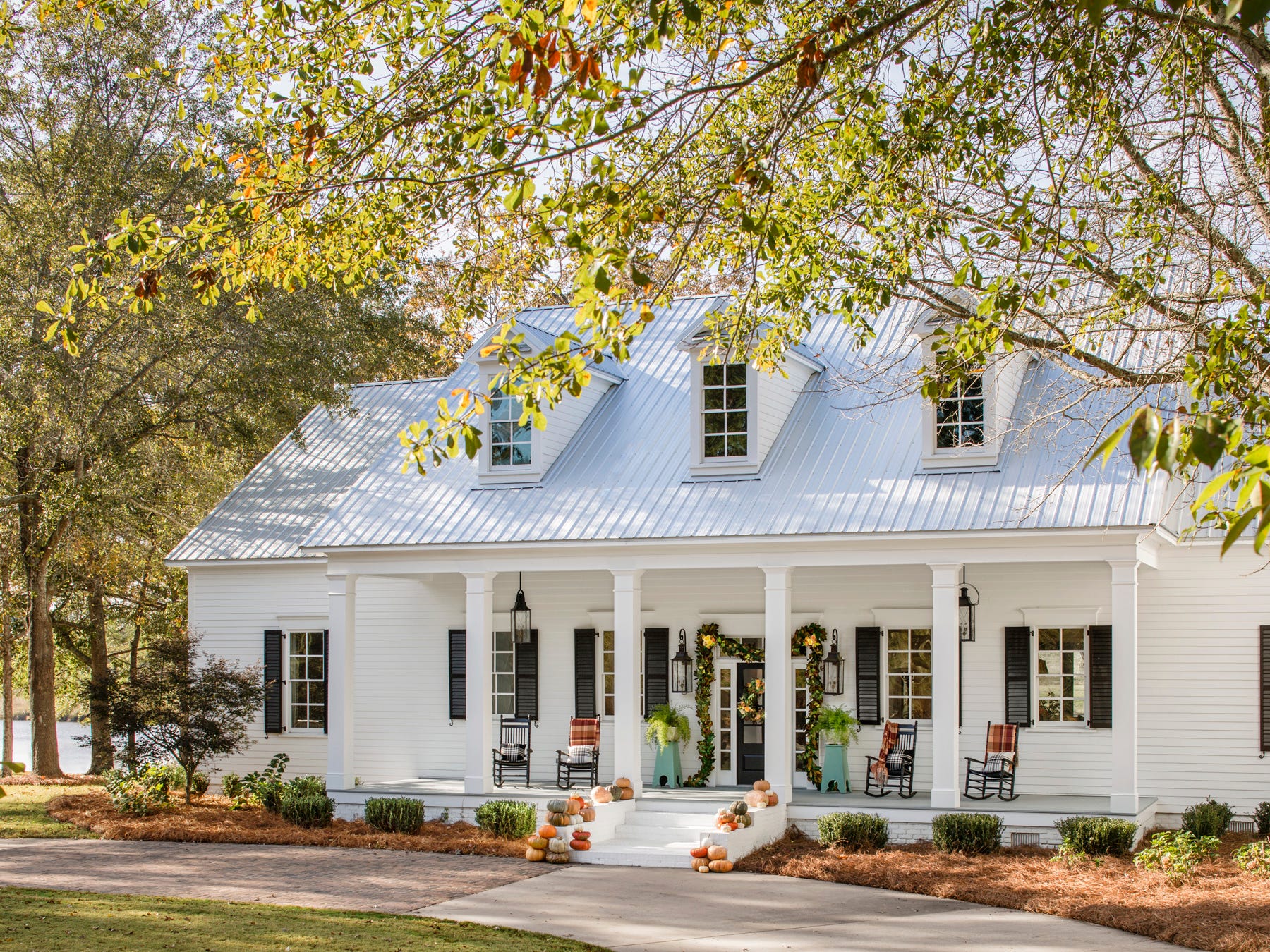
You Won’t Believe This Dreamy Farmhouse Was Once Covered in Carpet
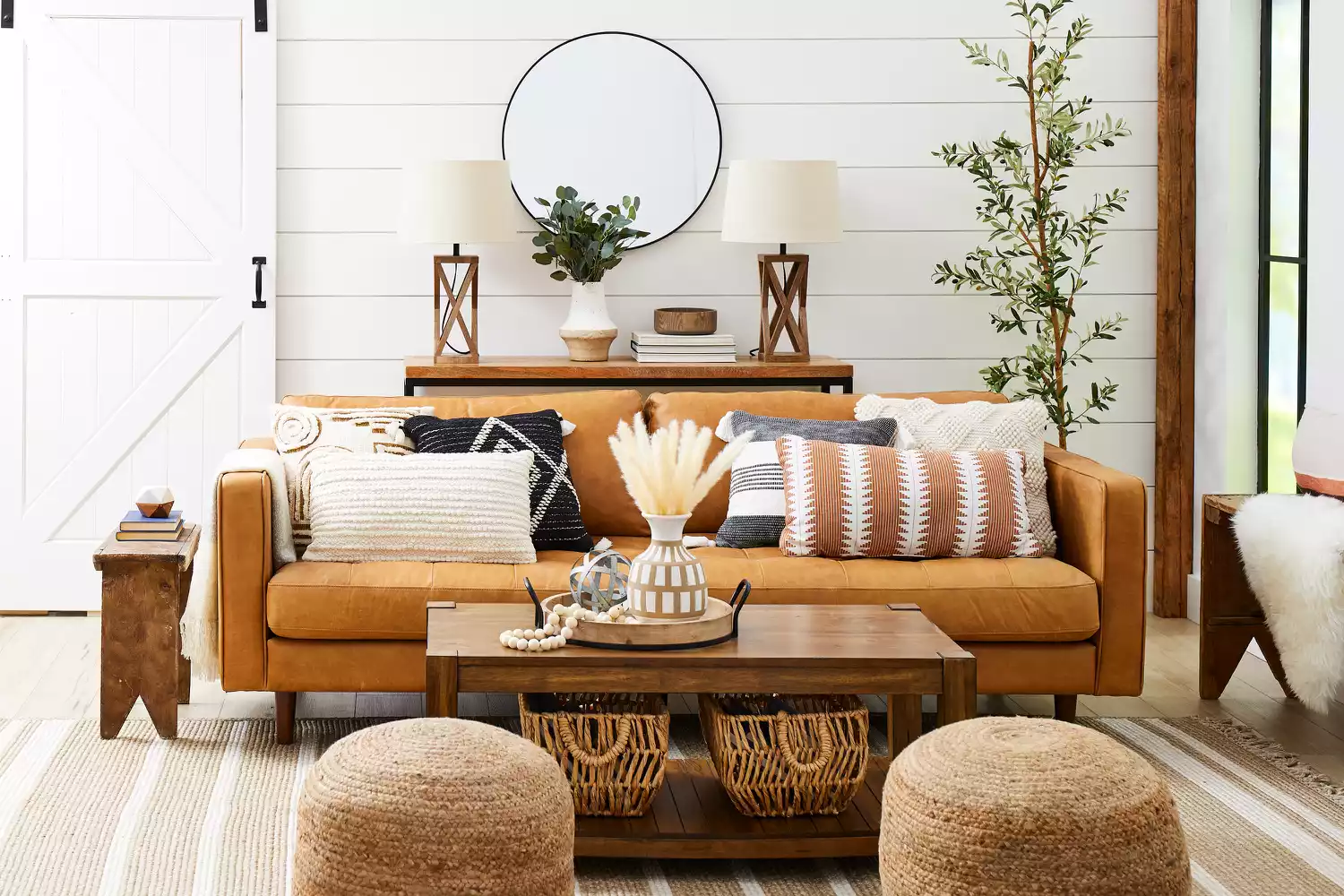
All About Modern Farmhouse Style

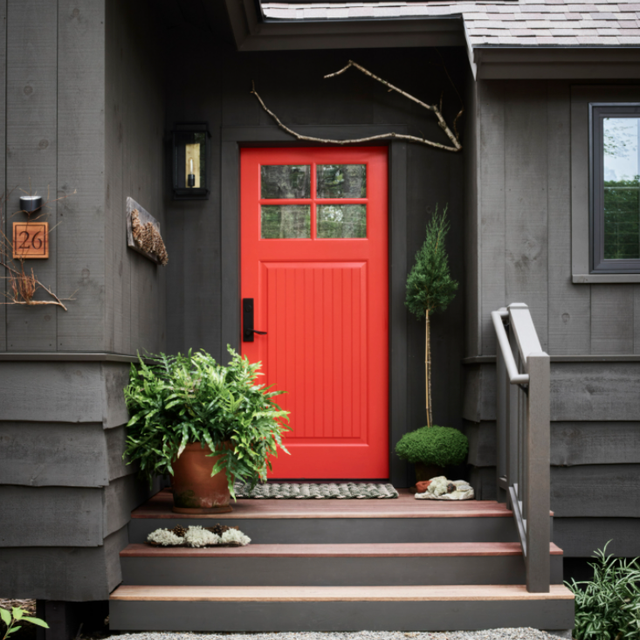
Do NOT Forget the Plant "Details" by Your Front Door

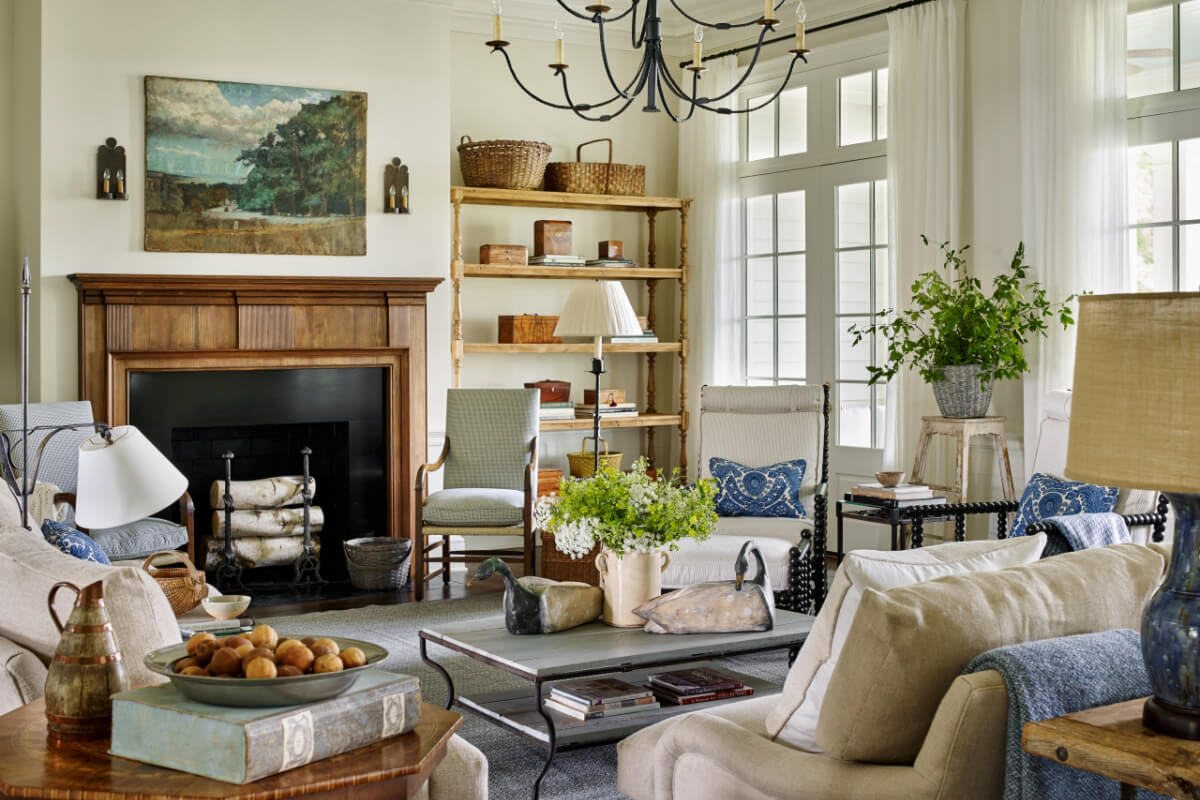
Look Inside This Quintessential Southern Farmhouse

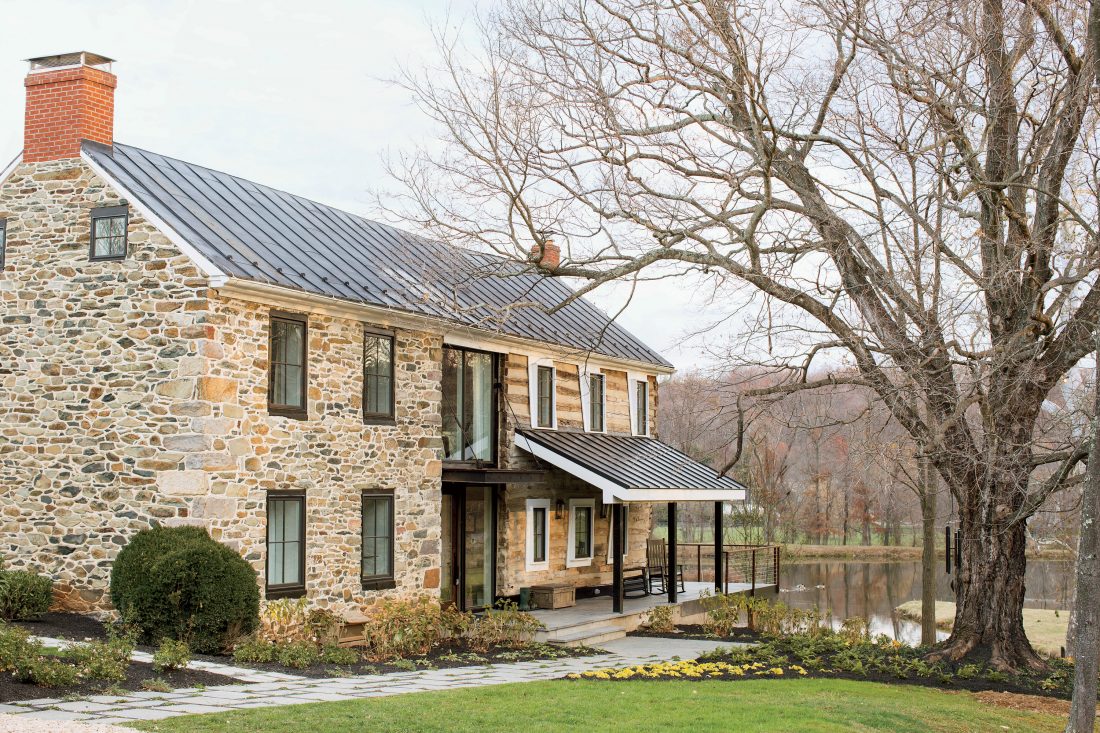
A Virginia Farmstead
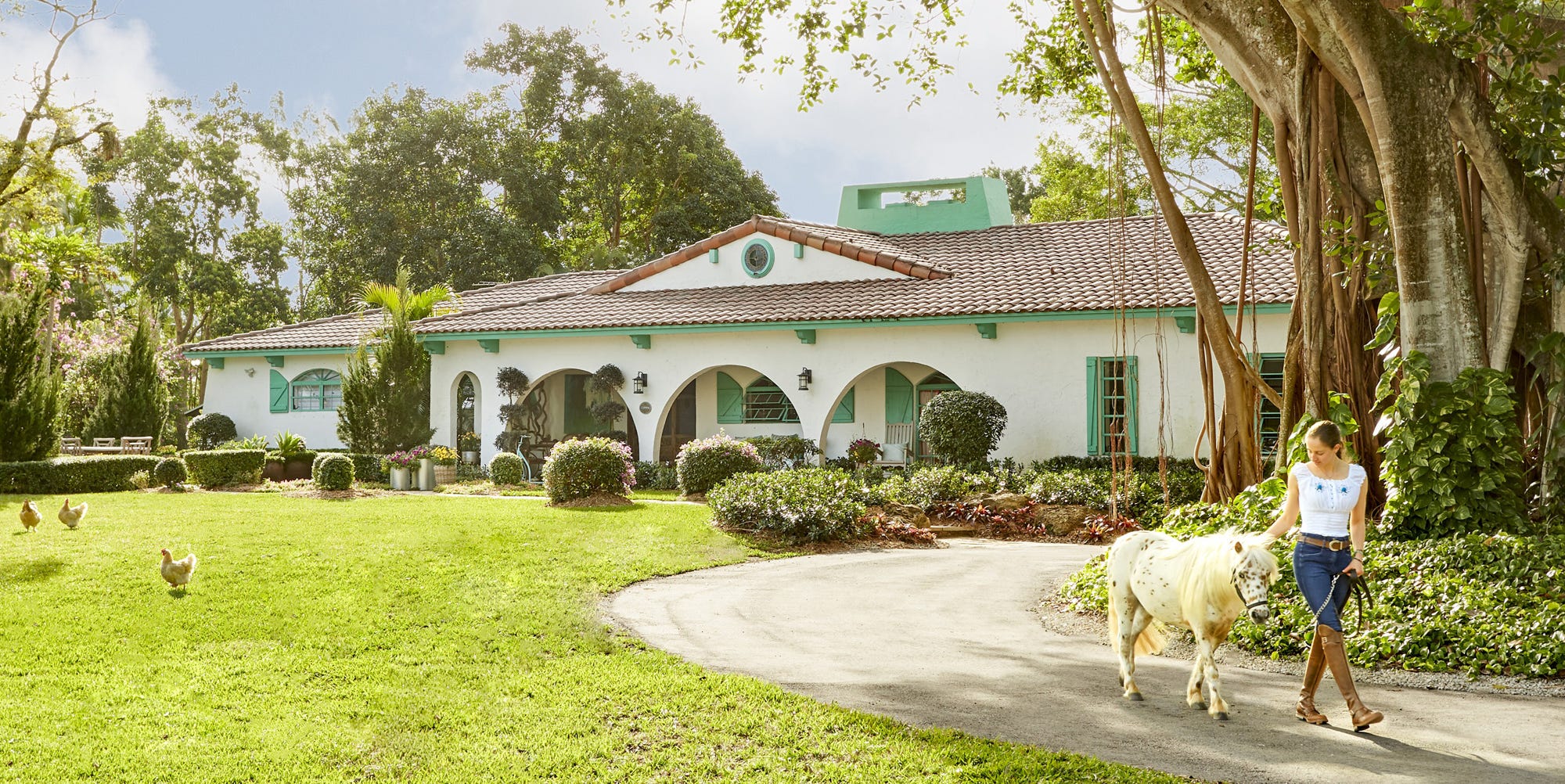
Believe It: This Family's Colorful Ranch Is Home to 95 Animals
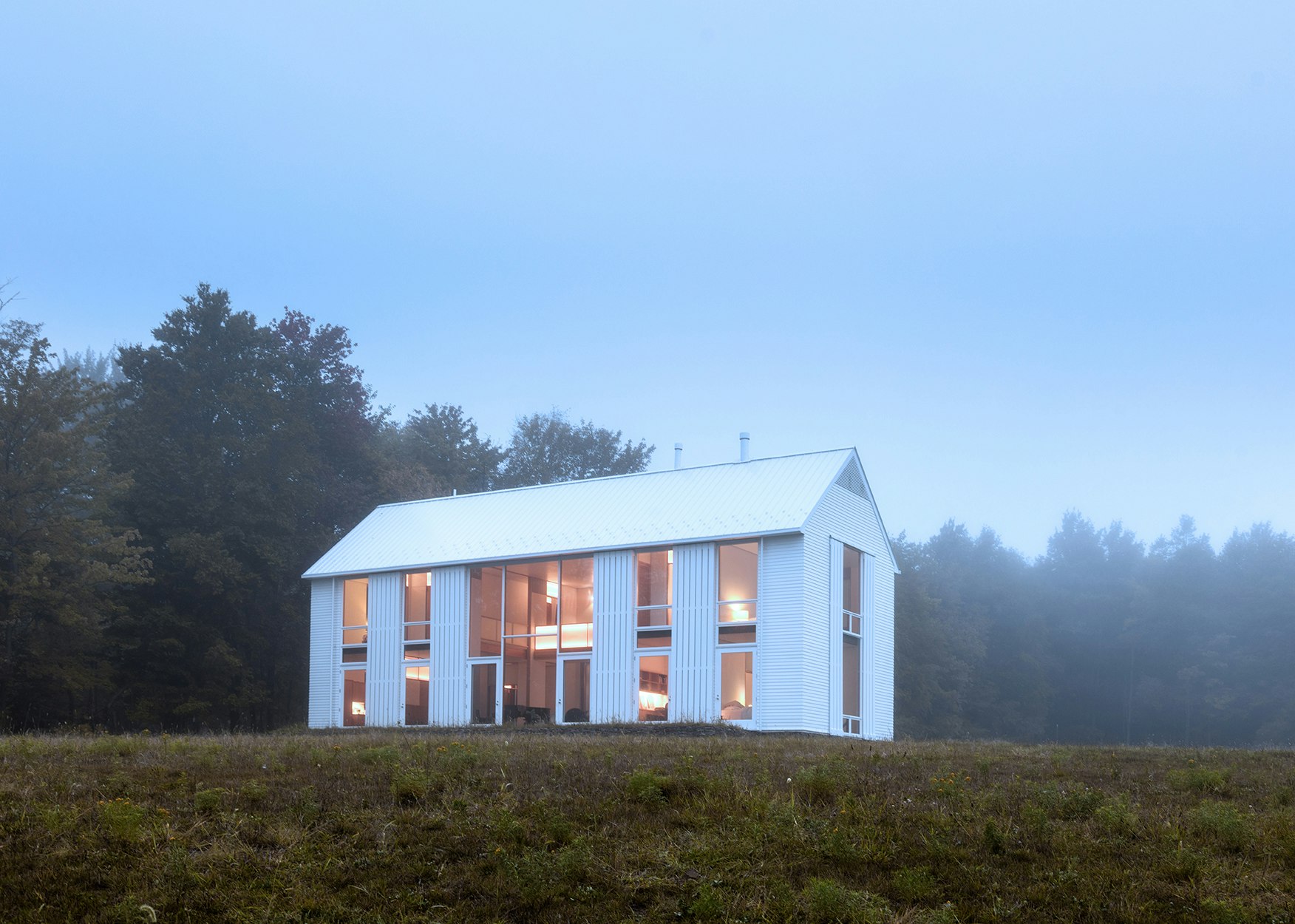
20 Modern American Farmhouses That Update Tradition

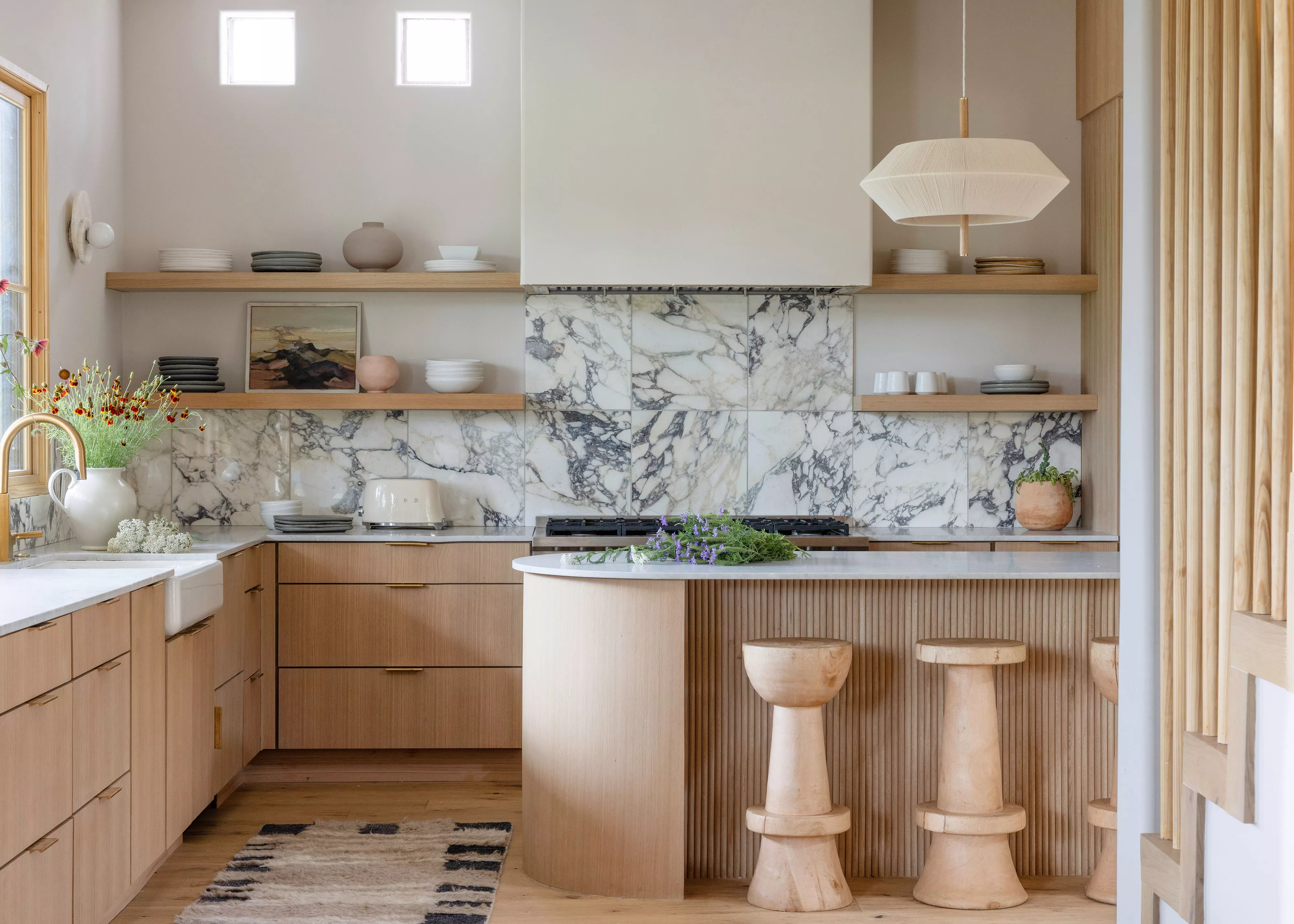
This Texas Farmhouse Is the Retreat We All Need

Our Favorite Farmhouse Décor Ideas for Your Dream Country Home
Modern Farmhouse Design Inspo From Popular HGTV Stars

If You Have a Farmhouse Sink, You Need to Read This
6 rustic homes in modern farmhouse style

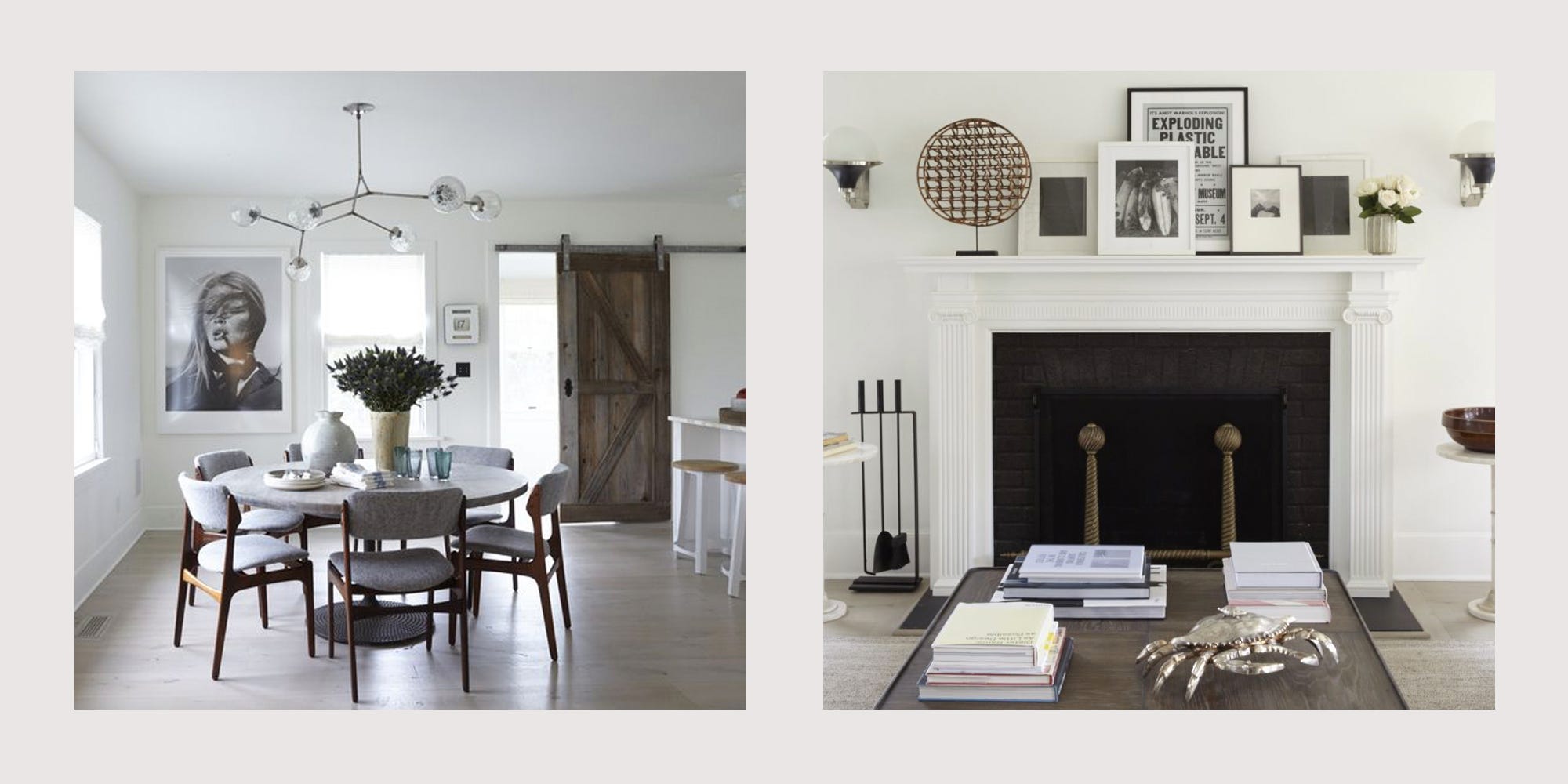
Tour This Gorgeous and Restful Hamptons Retreat
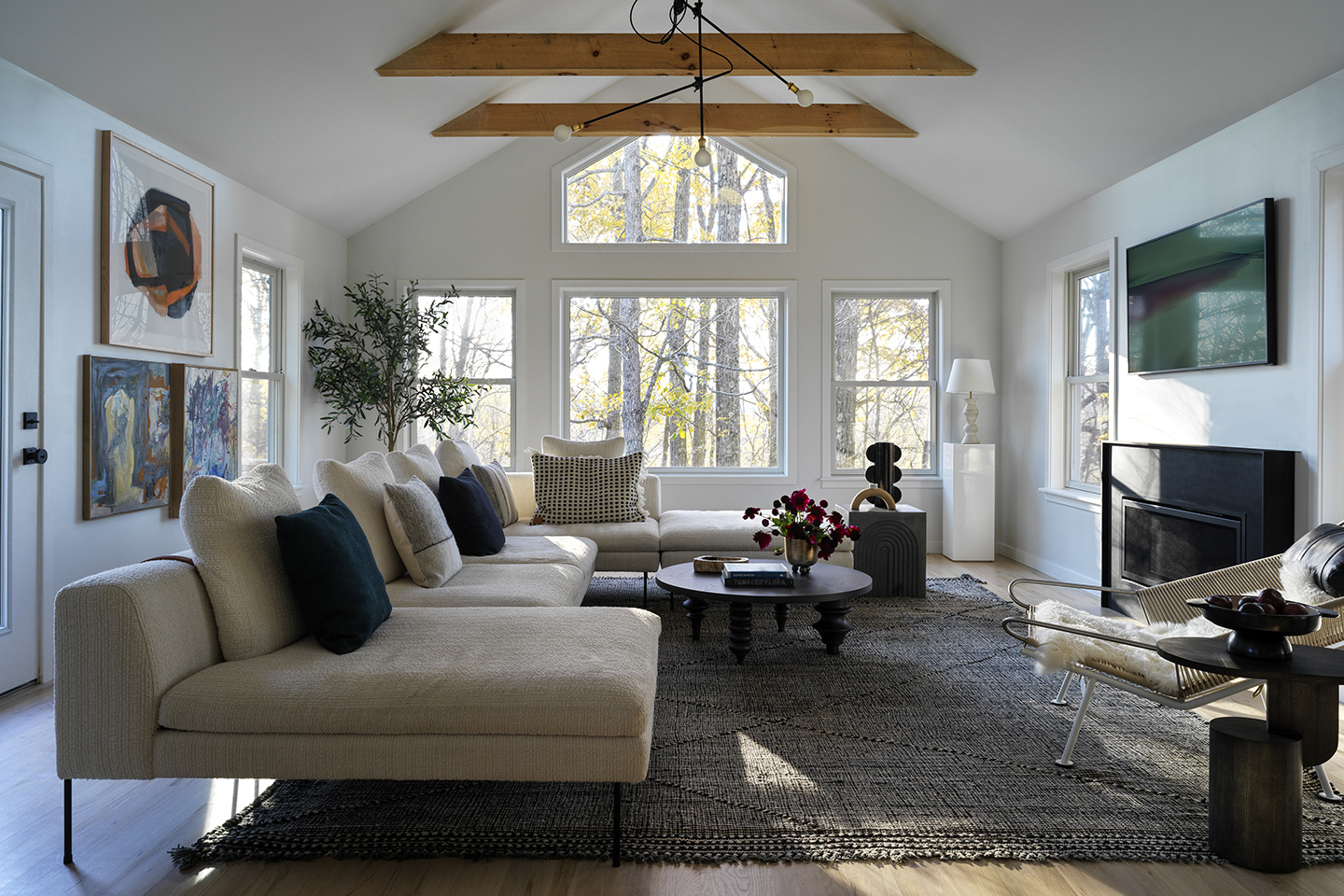
9 Modern Farmhouse Living Rooms That Aren’t Just for Homes on the Prairie

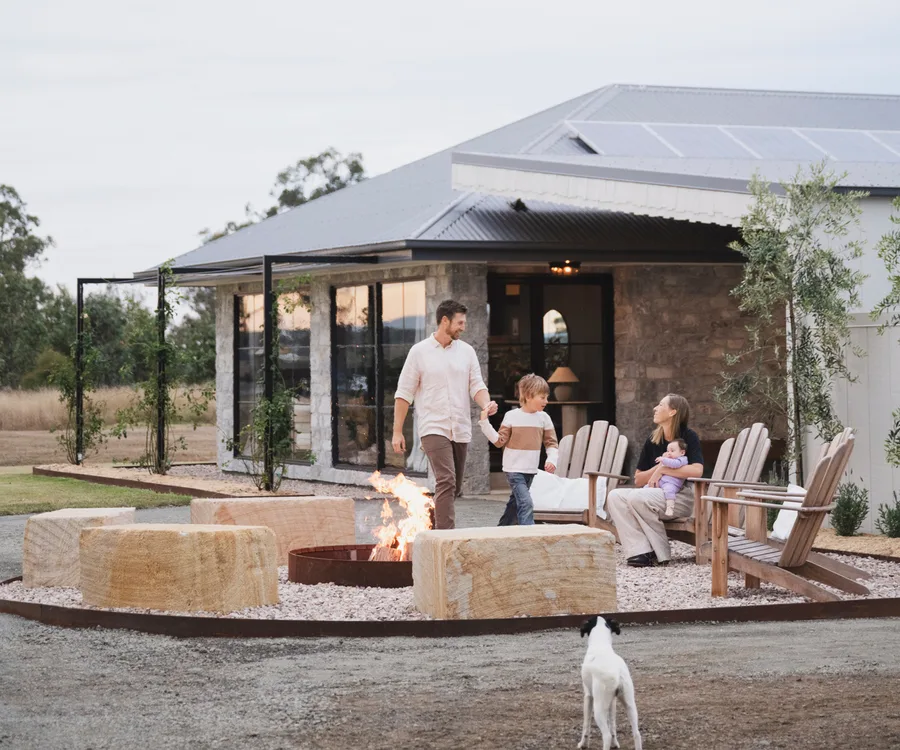
Fate led a city-dwelling family to this beautiful modern farmhouse in Mount Marrow

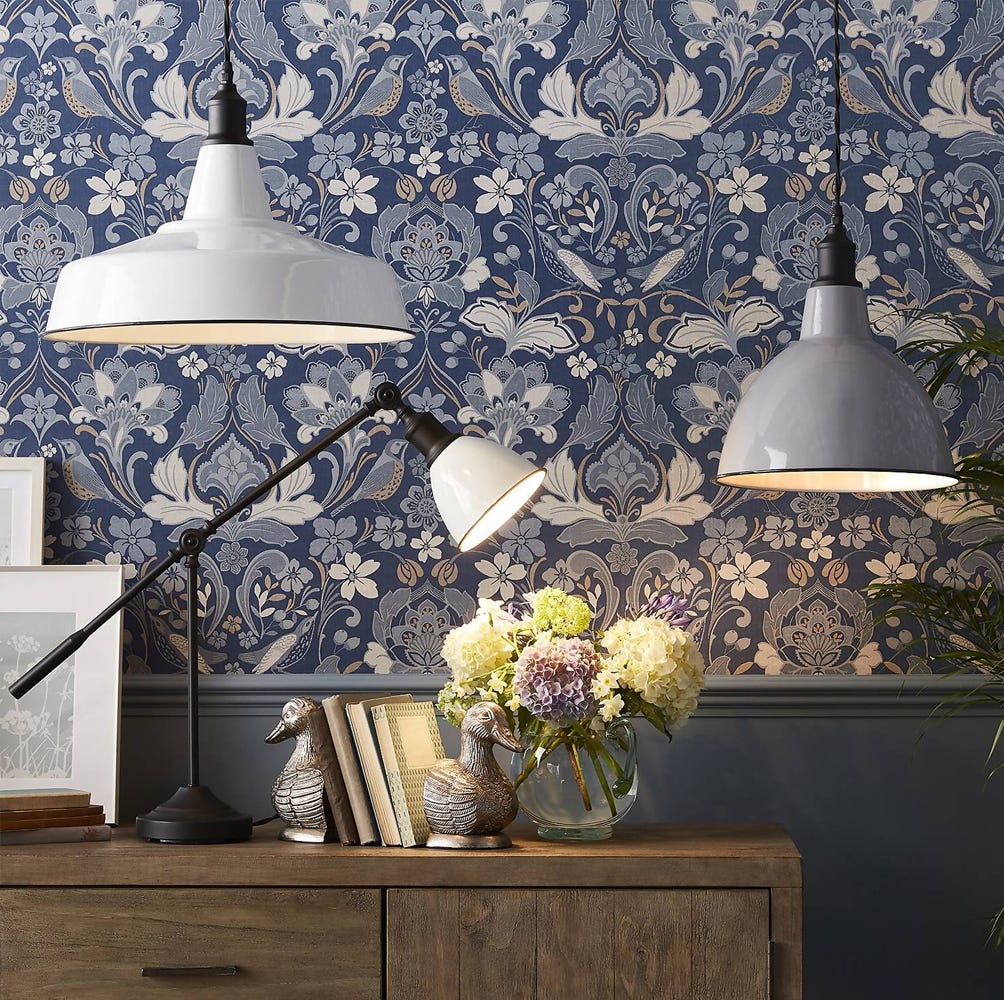
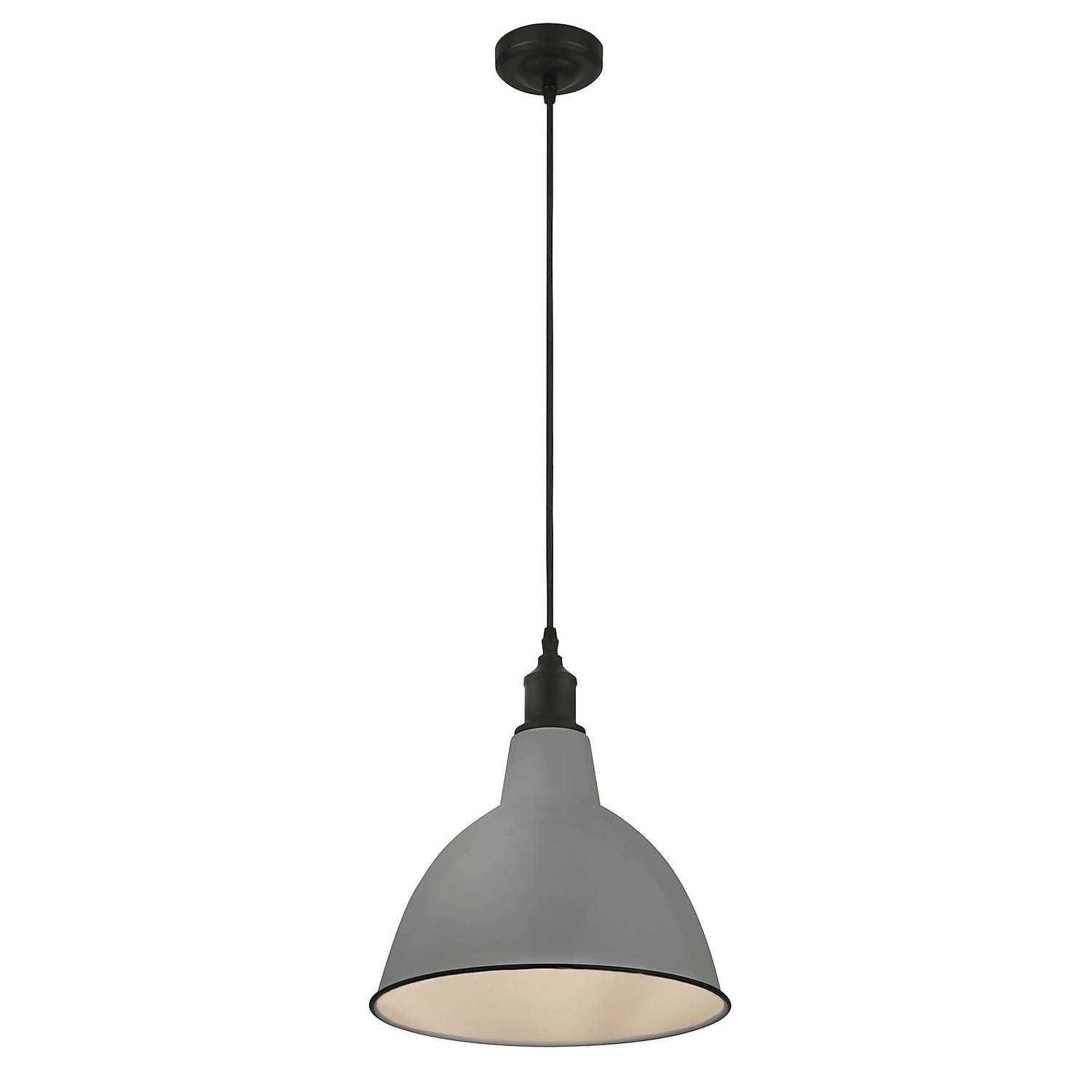
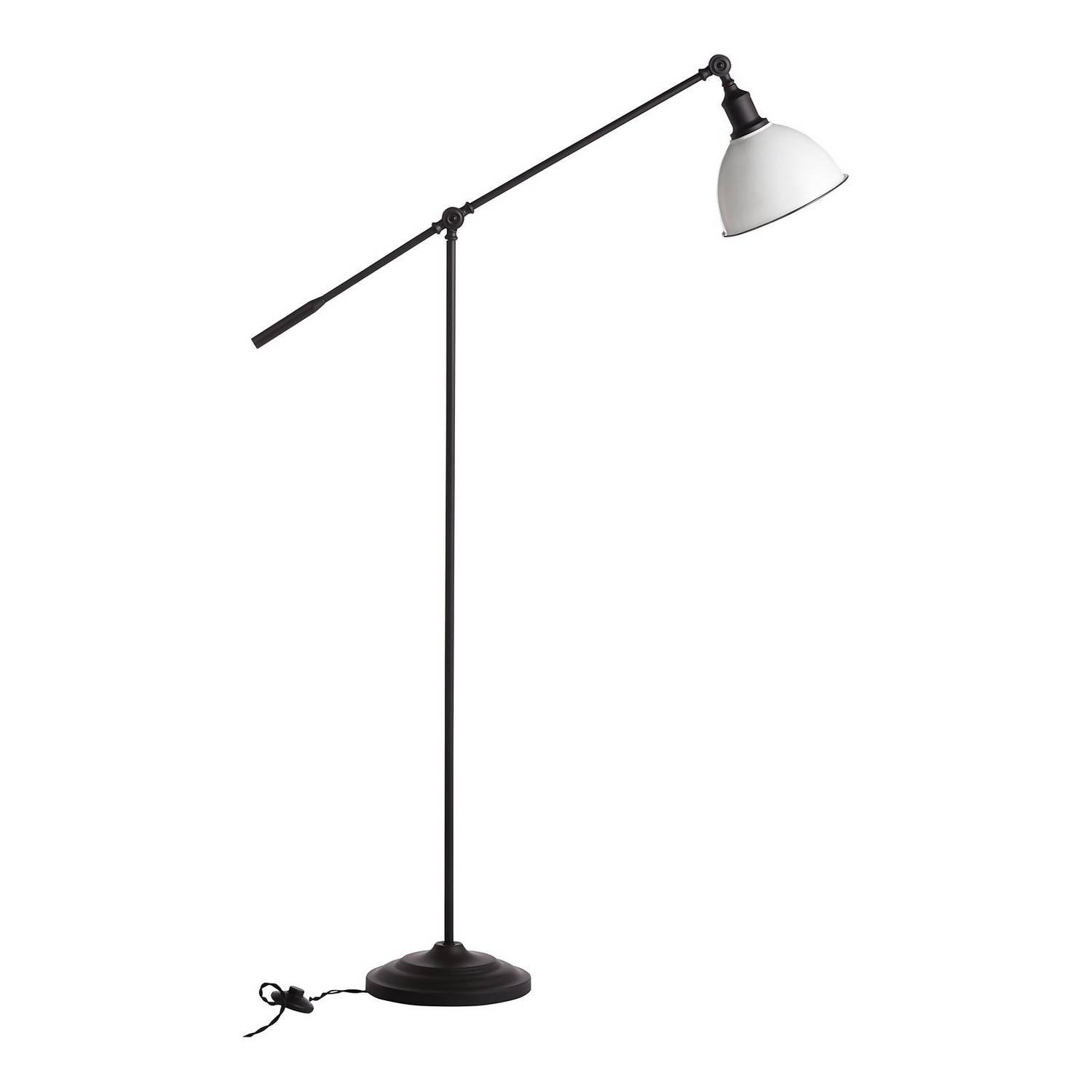
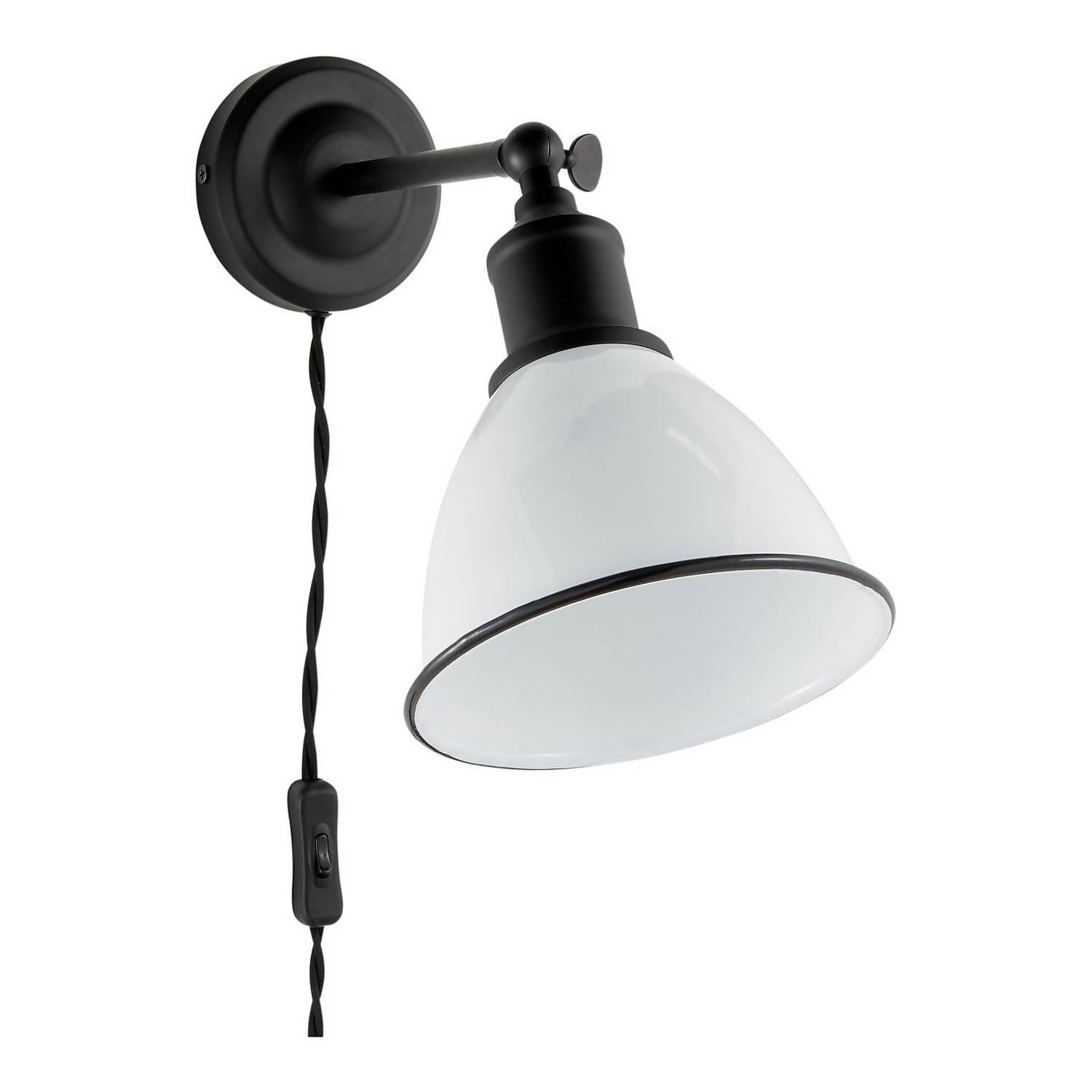
New! Introducing the Country Living farmhouse lighting collection at Homebase
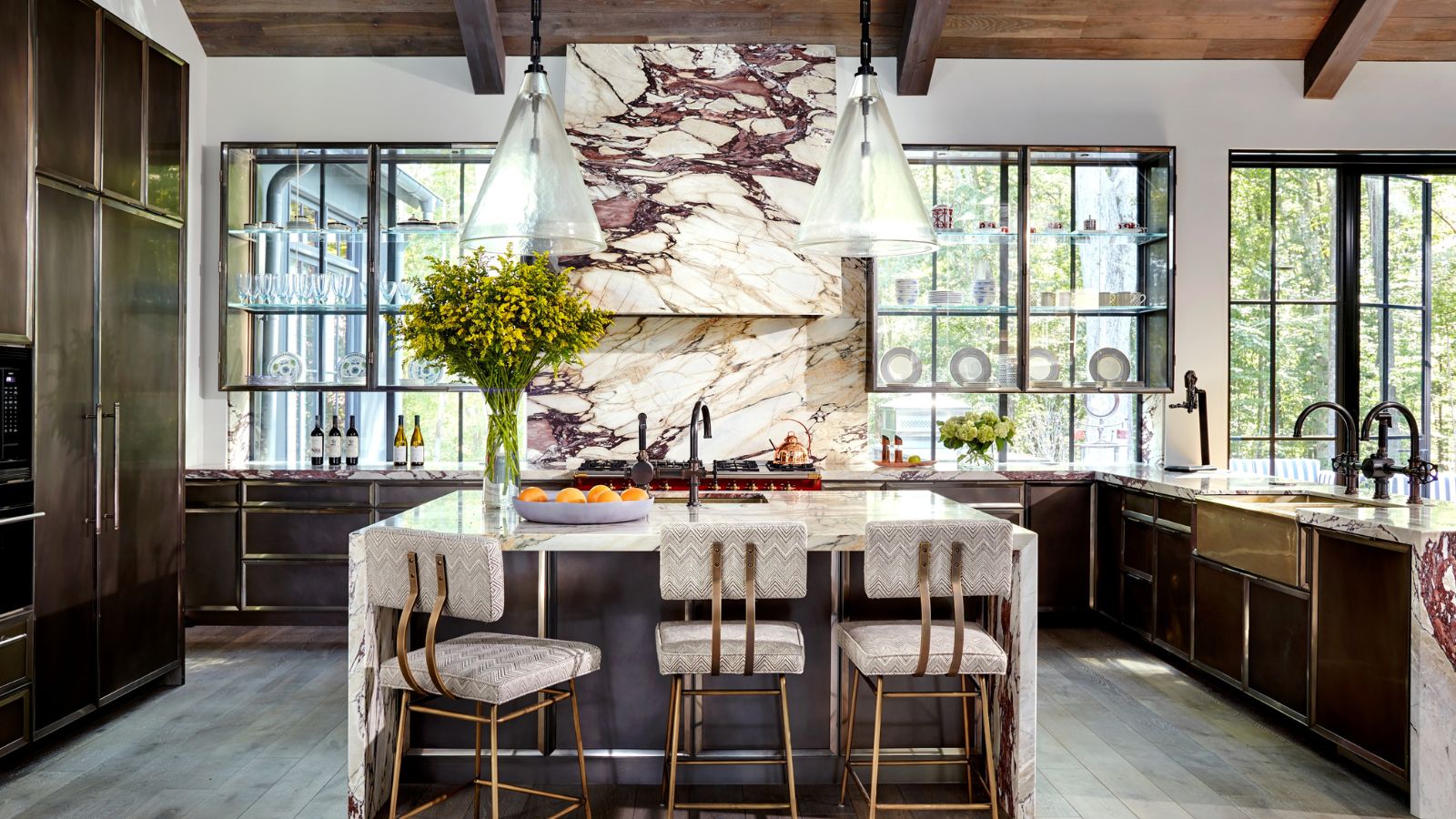
Natural and industrial elements combine in this contemporary farmhouse home

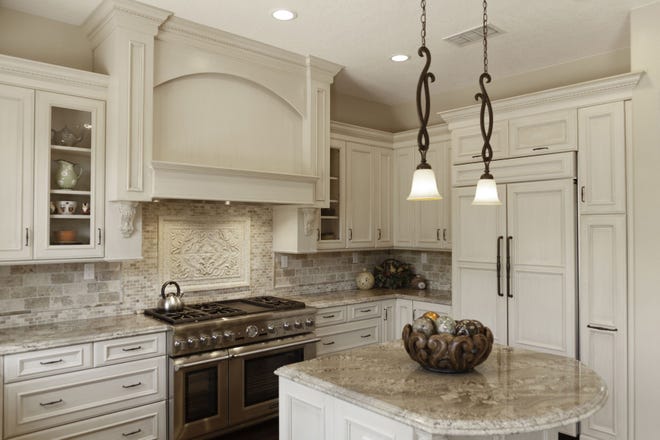
When home on the range, take a long look up