1/10
Universal Design: Why Americans Need Home Design That Welcomes Everyone
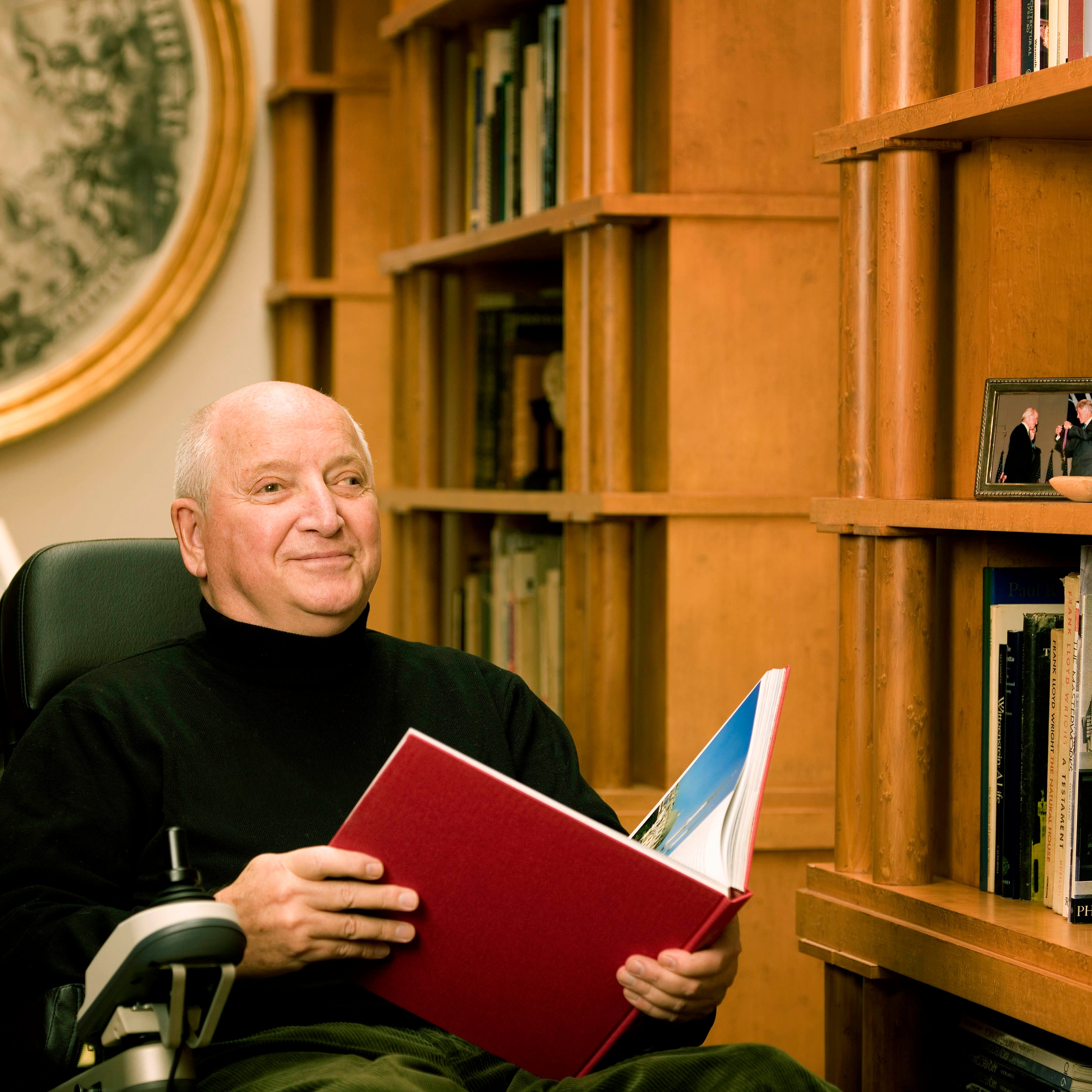
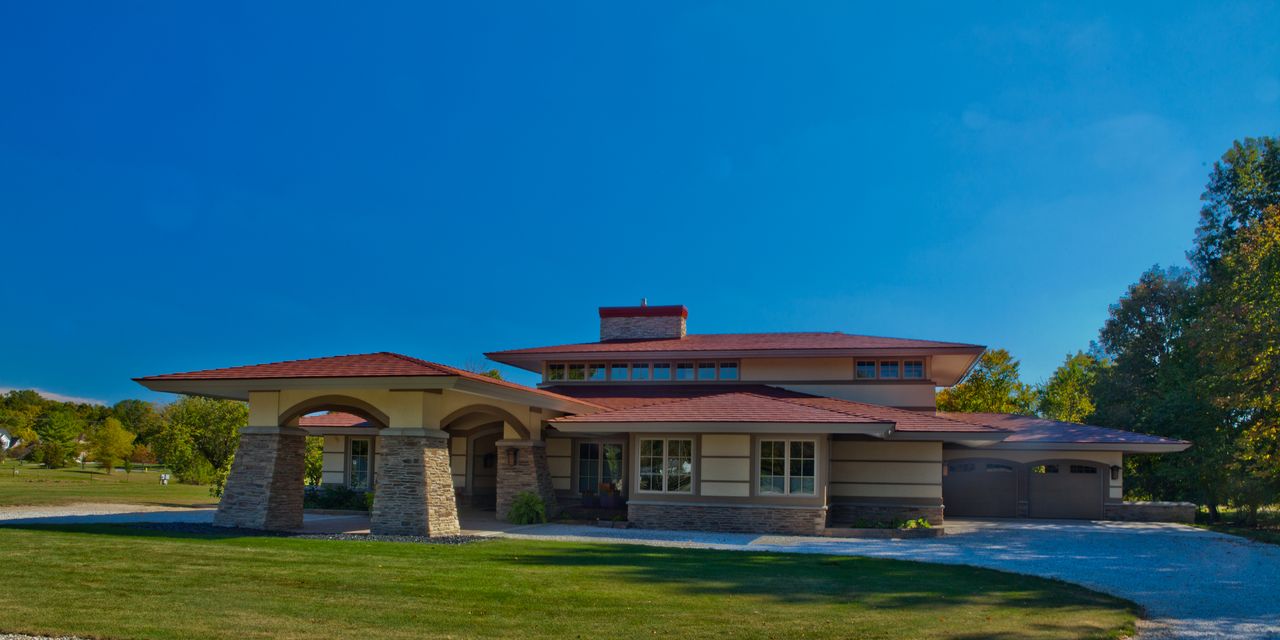
The article highlights the critical need for Universal Design in American homes, emphasizing that contemporary housing largely fails to accommodate the diverse needs and abilities of its residents. It centers on the story of Rosemarie Rossetti, whose life-altering spinal cord injury in 1998 rendered her previous home largely inaccessible. This personal experience spurred her and her husband, Mark Leder, to embark on a journey to create a home that epitomizes Universal Design principles, which advocate for environments and products accessible to all, irrespective of age, size, or ability.
Rossetti's challenges post-injury underscore the shortcomings of conventional home design. Simple tasks became formidable obstacles, revealing how standard layouts and features—like narrow doorways, thick carpets, and high counters—create significant barriers for individuals with mobility issues. Her basement office, previously central to her publishing business, became unusable, ultimately leading to the closure of her company. This realization fueled her determination to design a home that would support her evolving lifestyle and serve as a model for others.
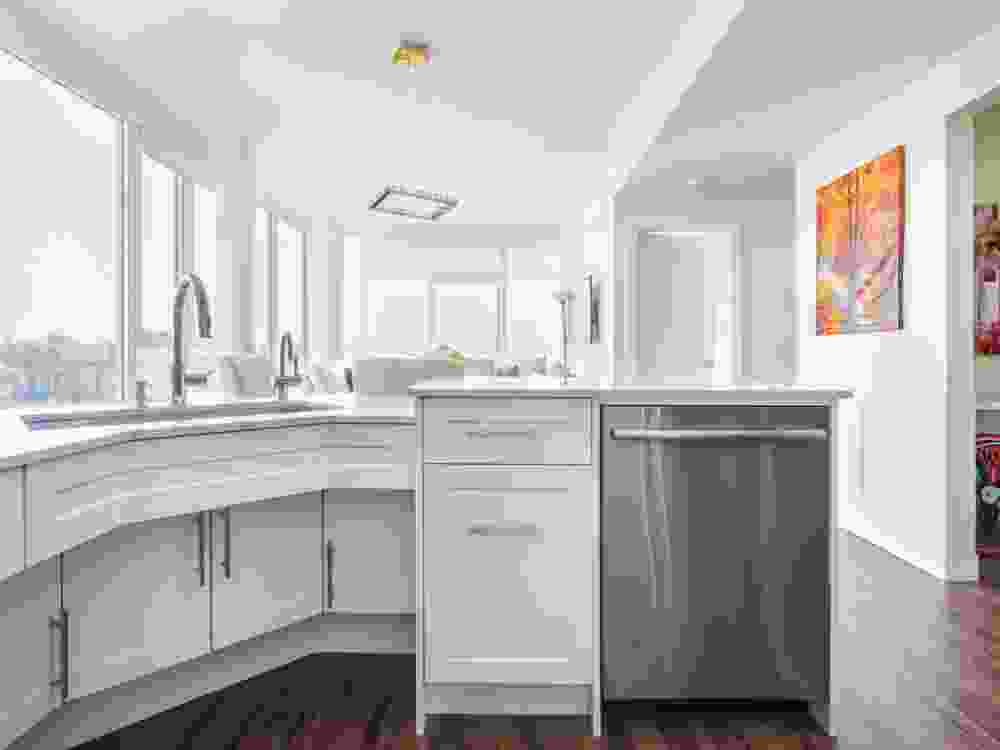
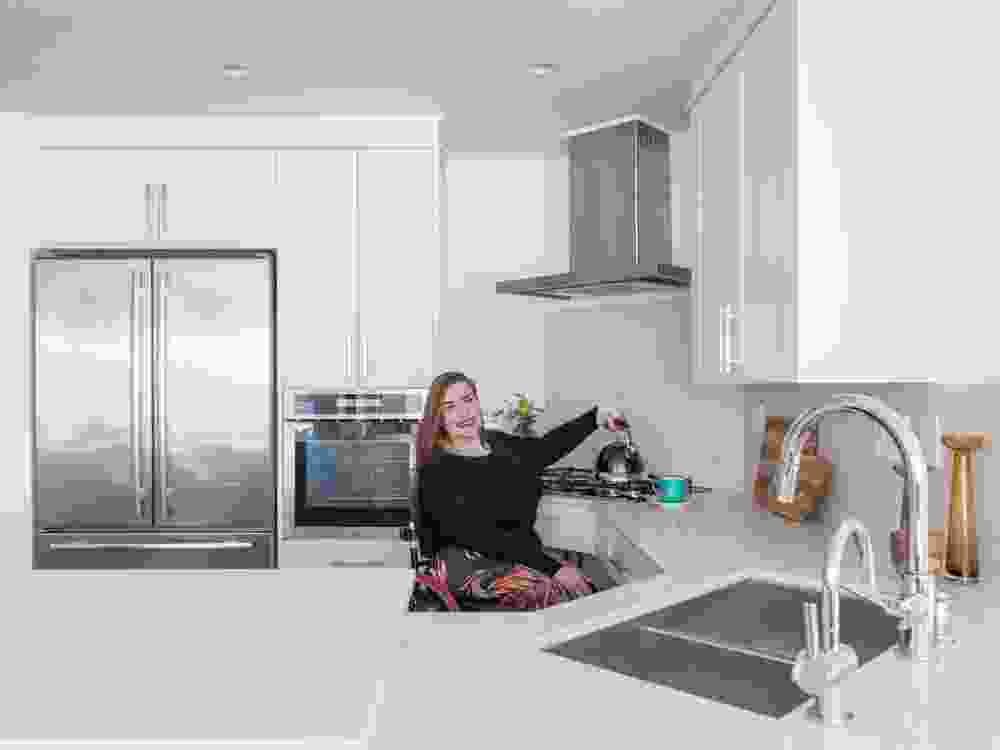
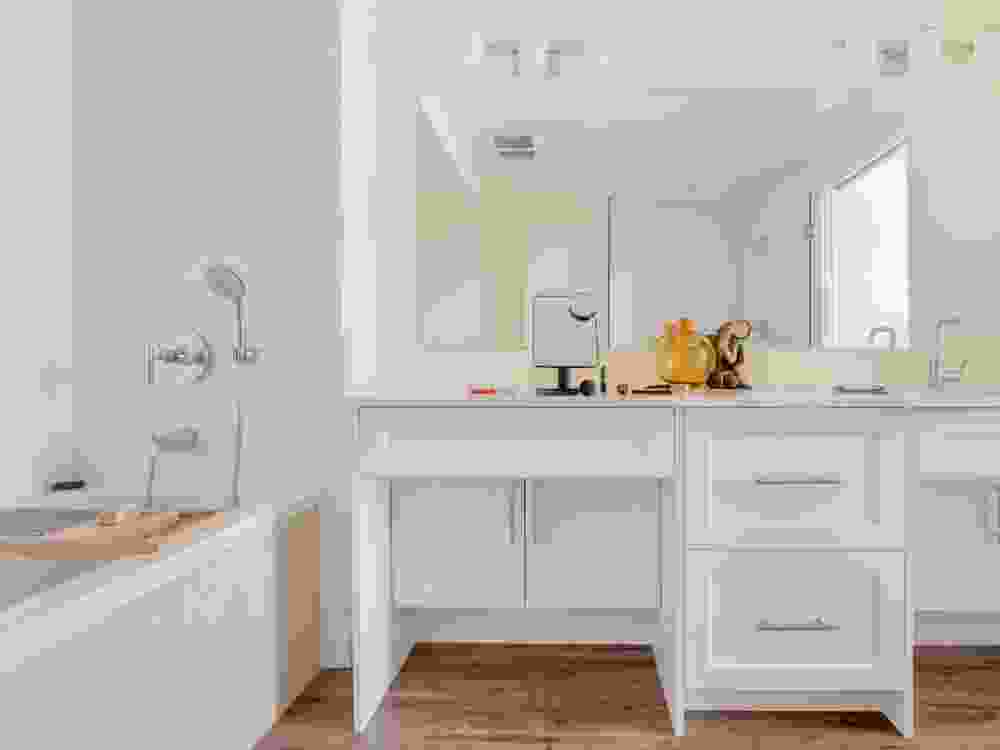
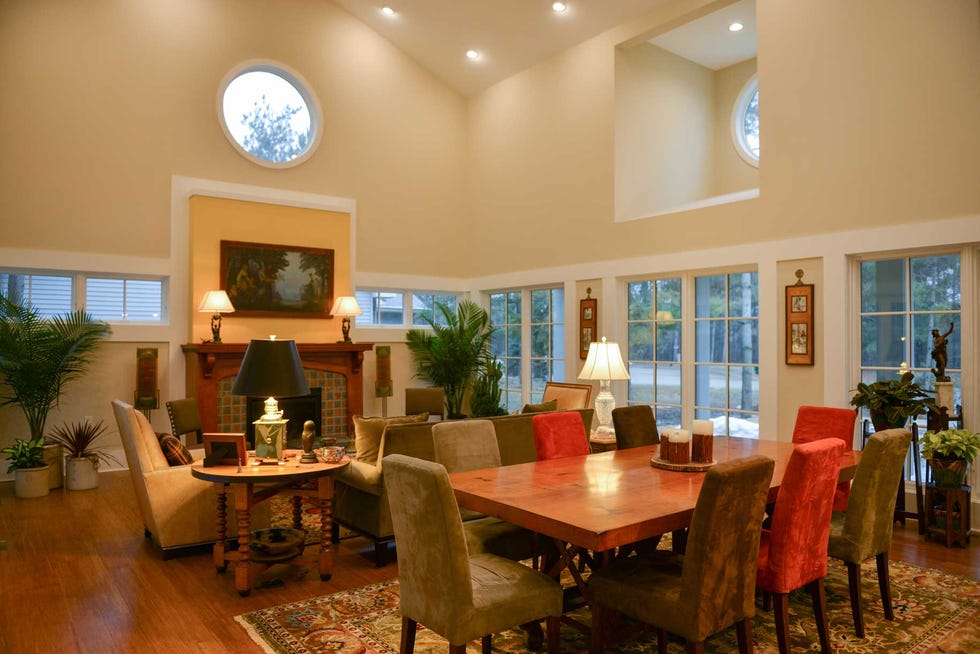
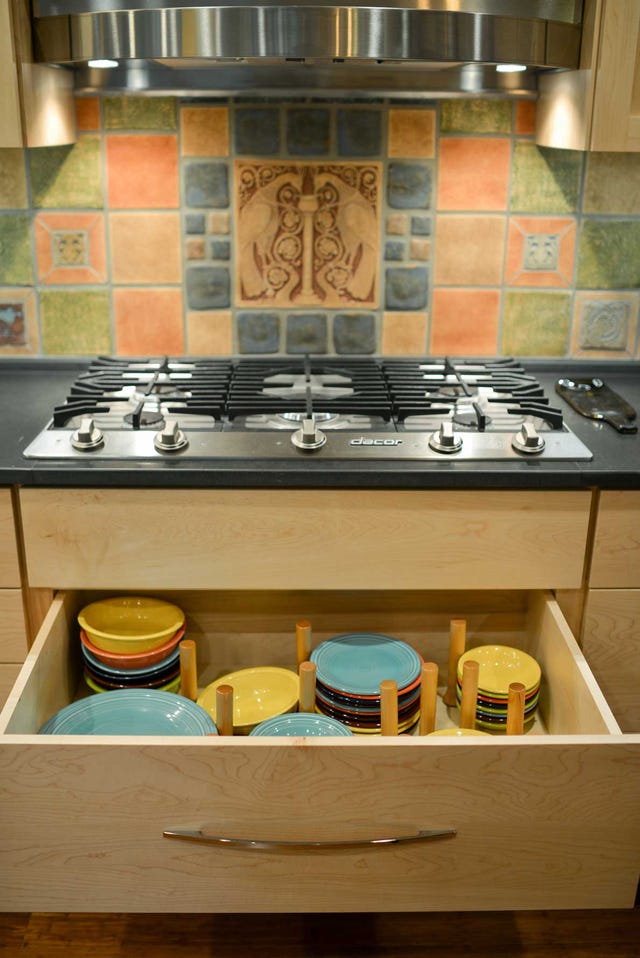
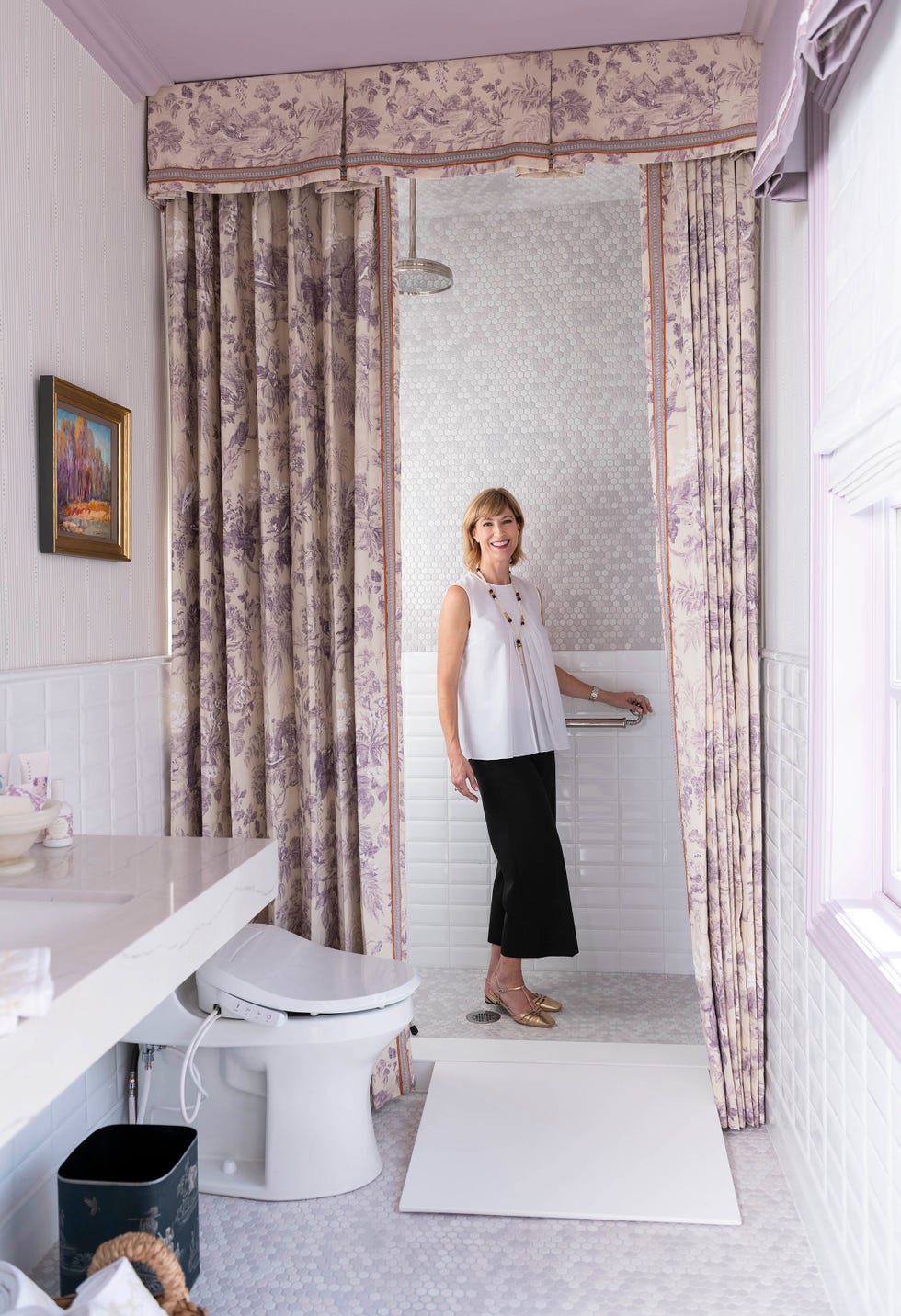
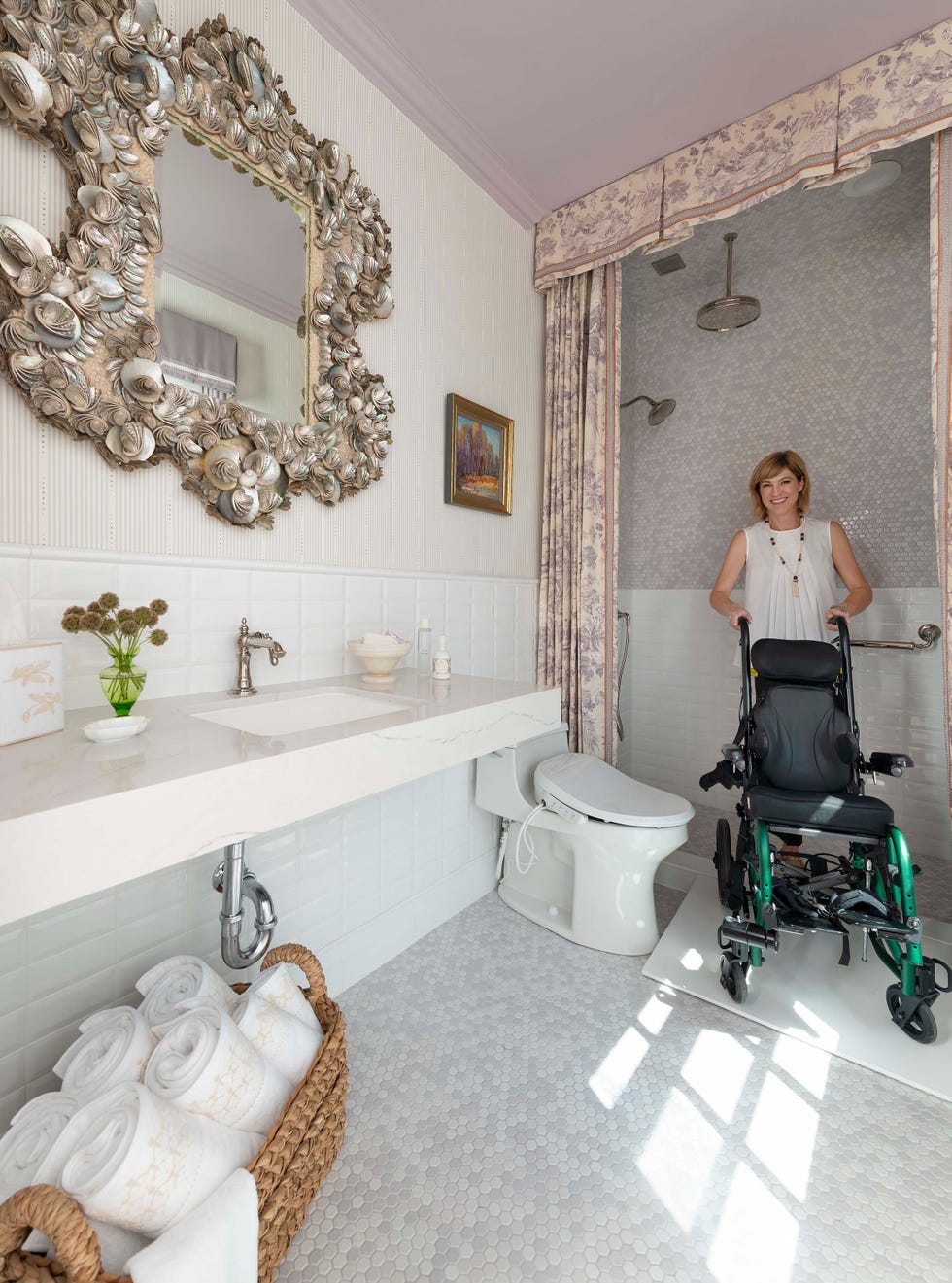
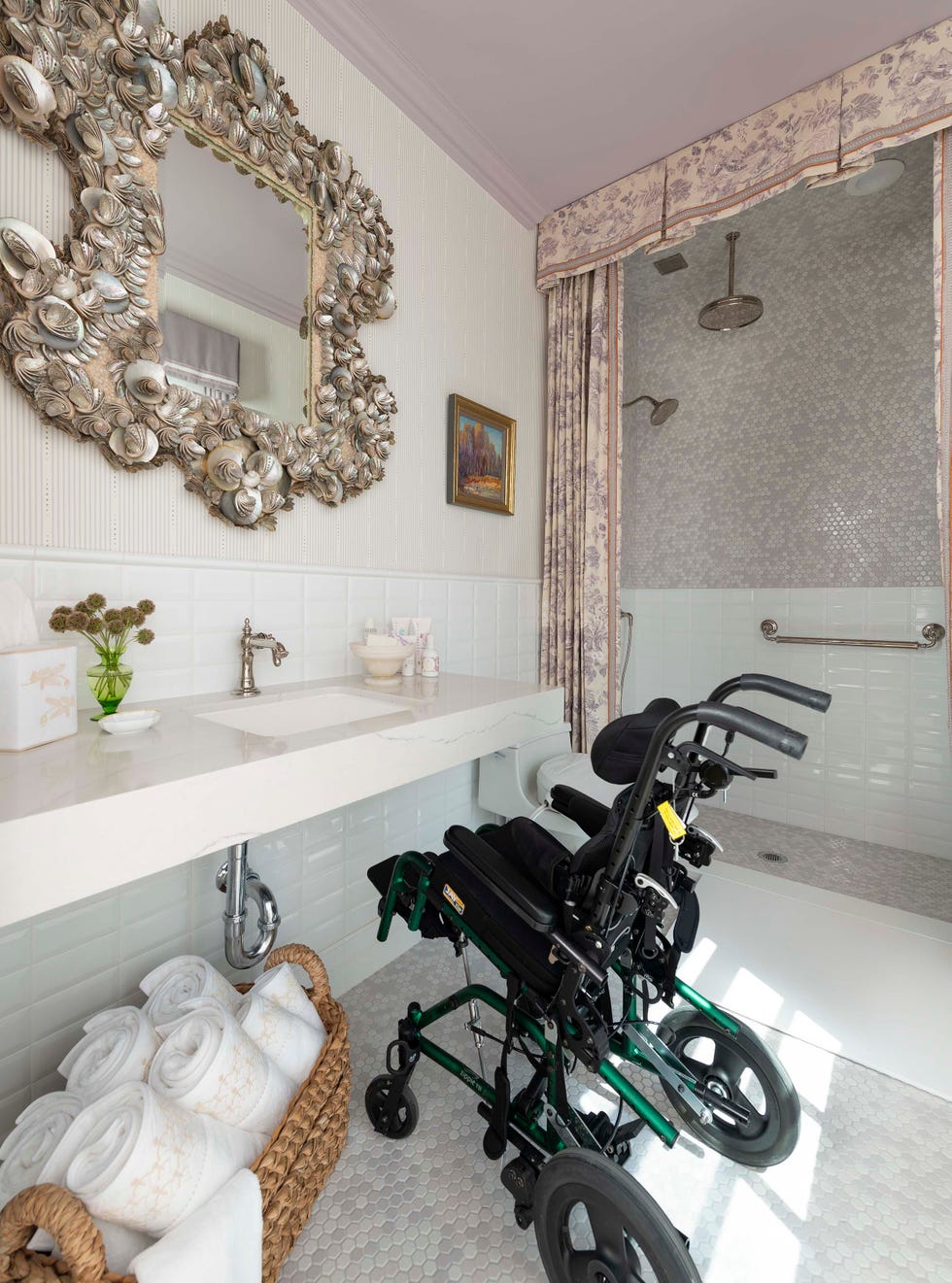
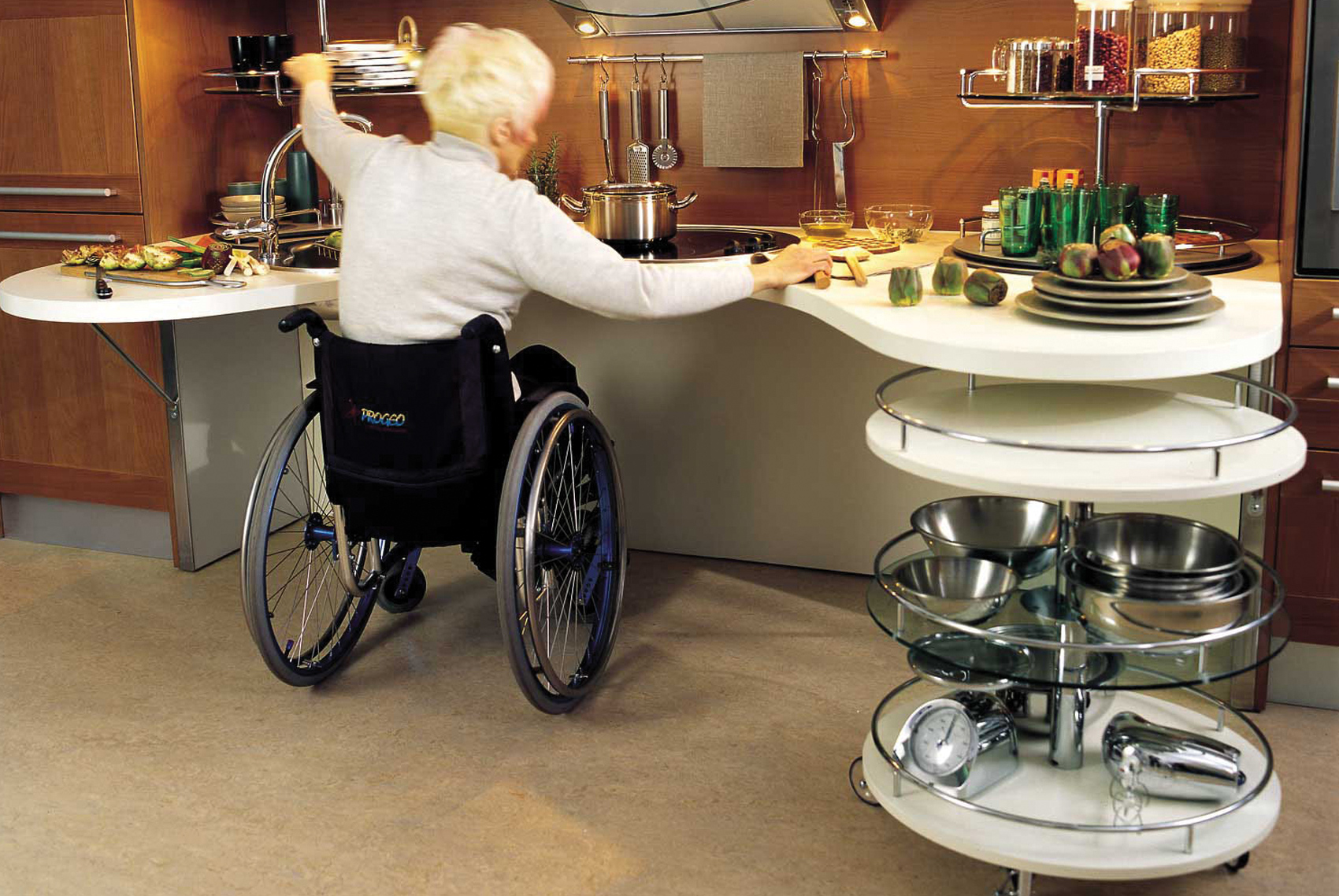
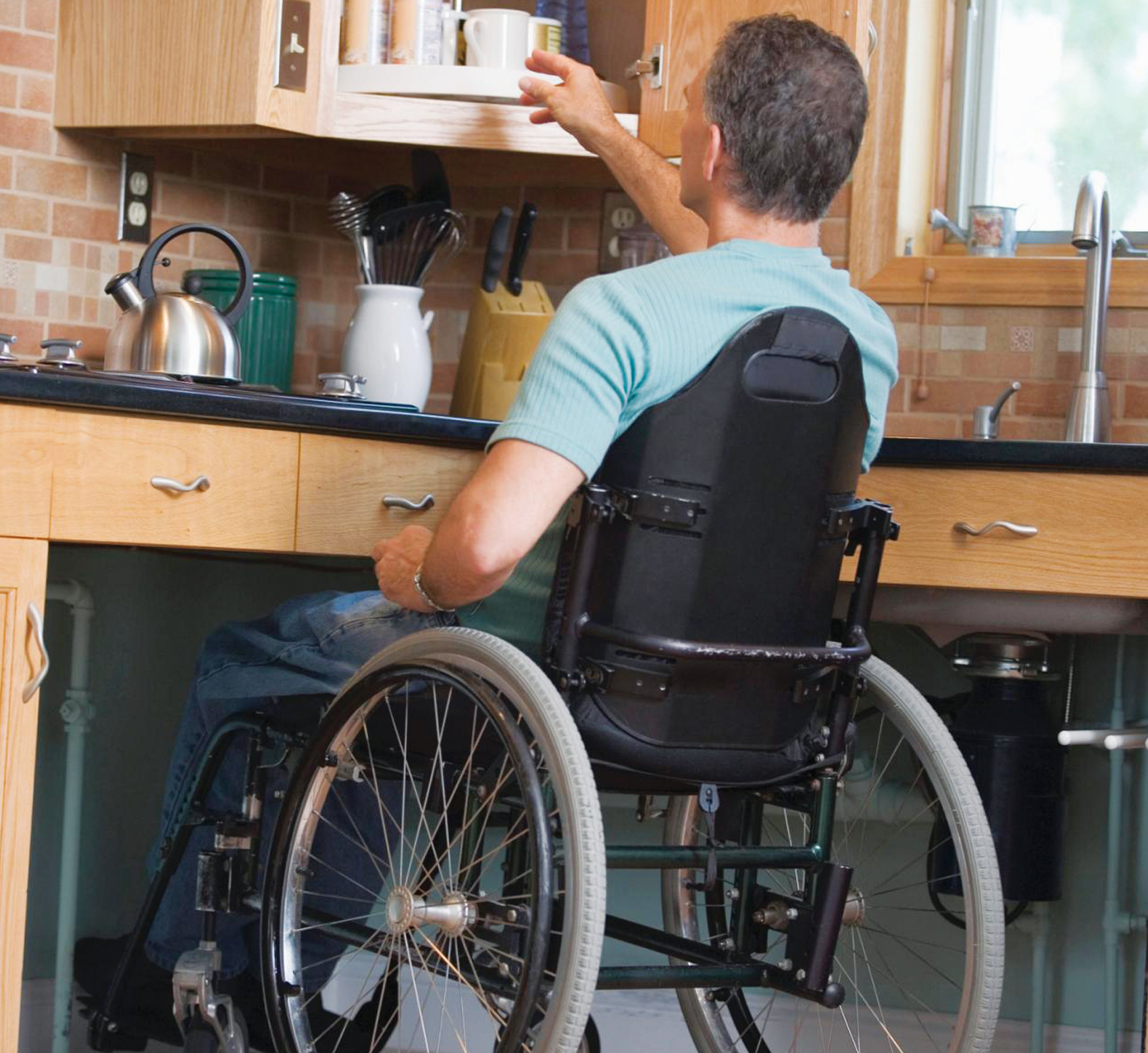
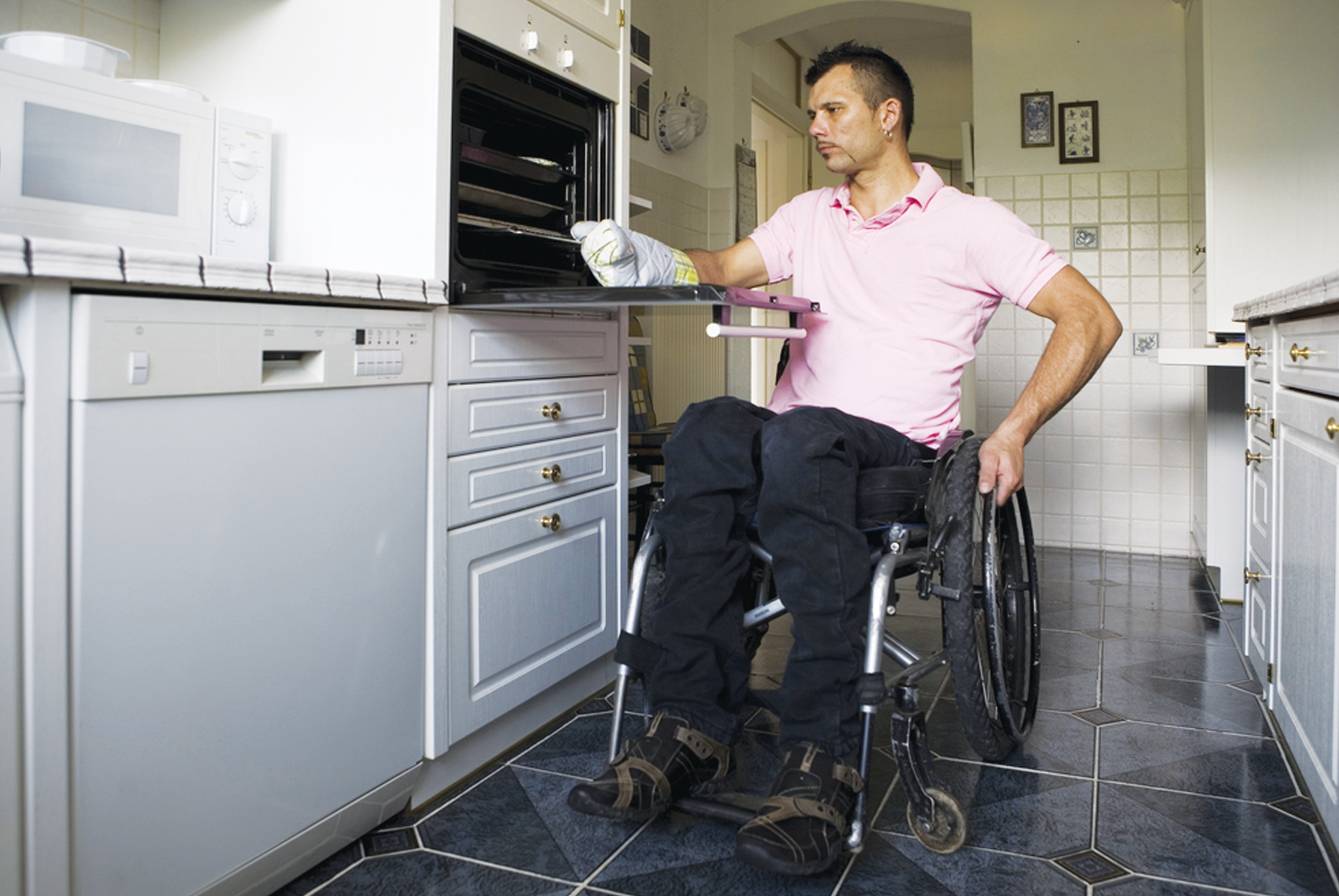
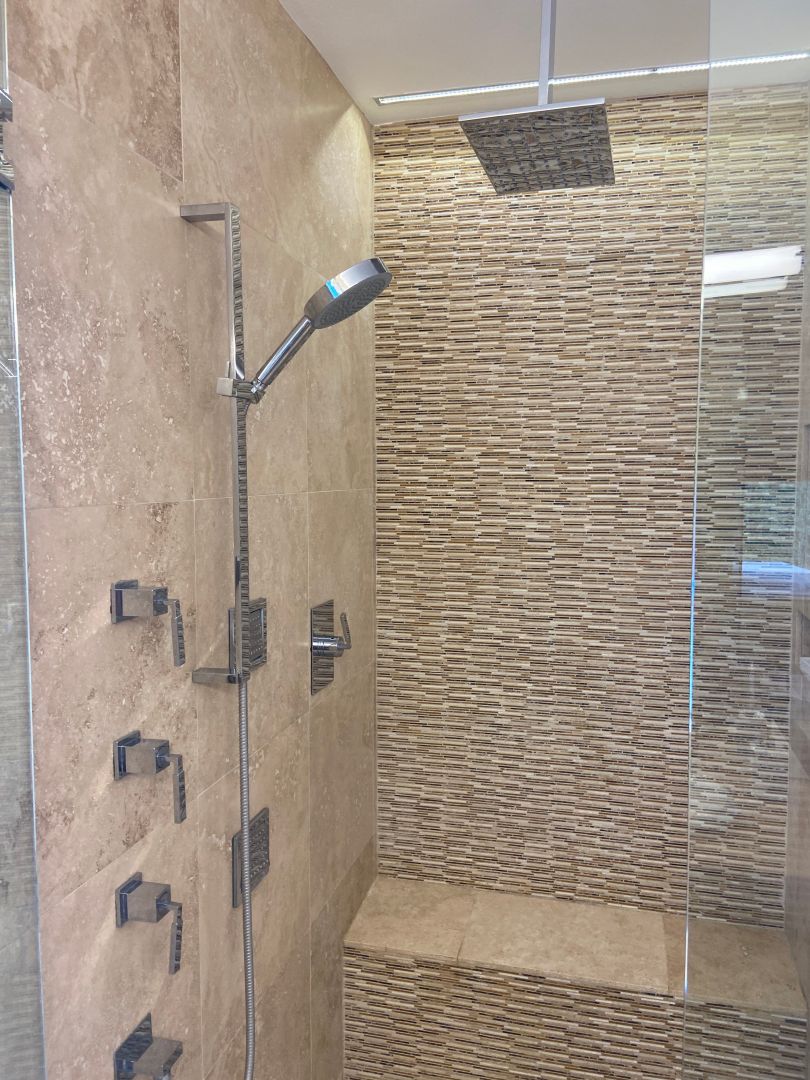
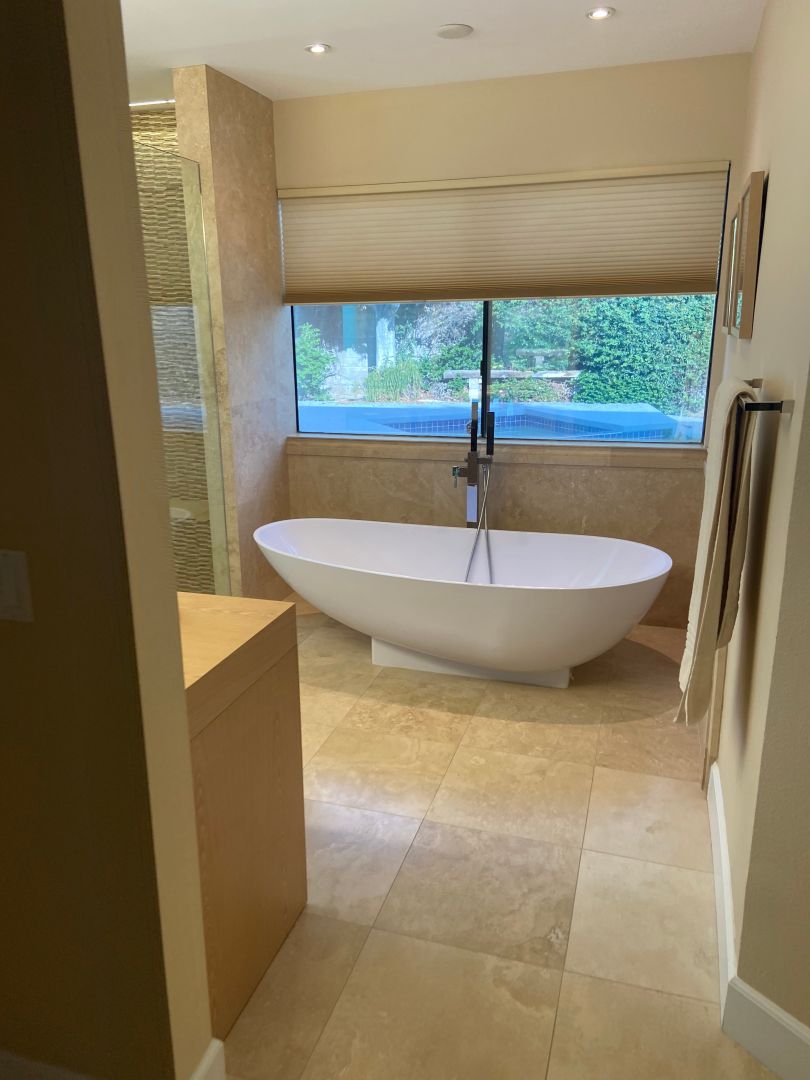
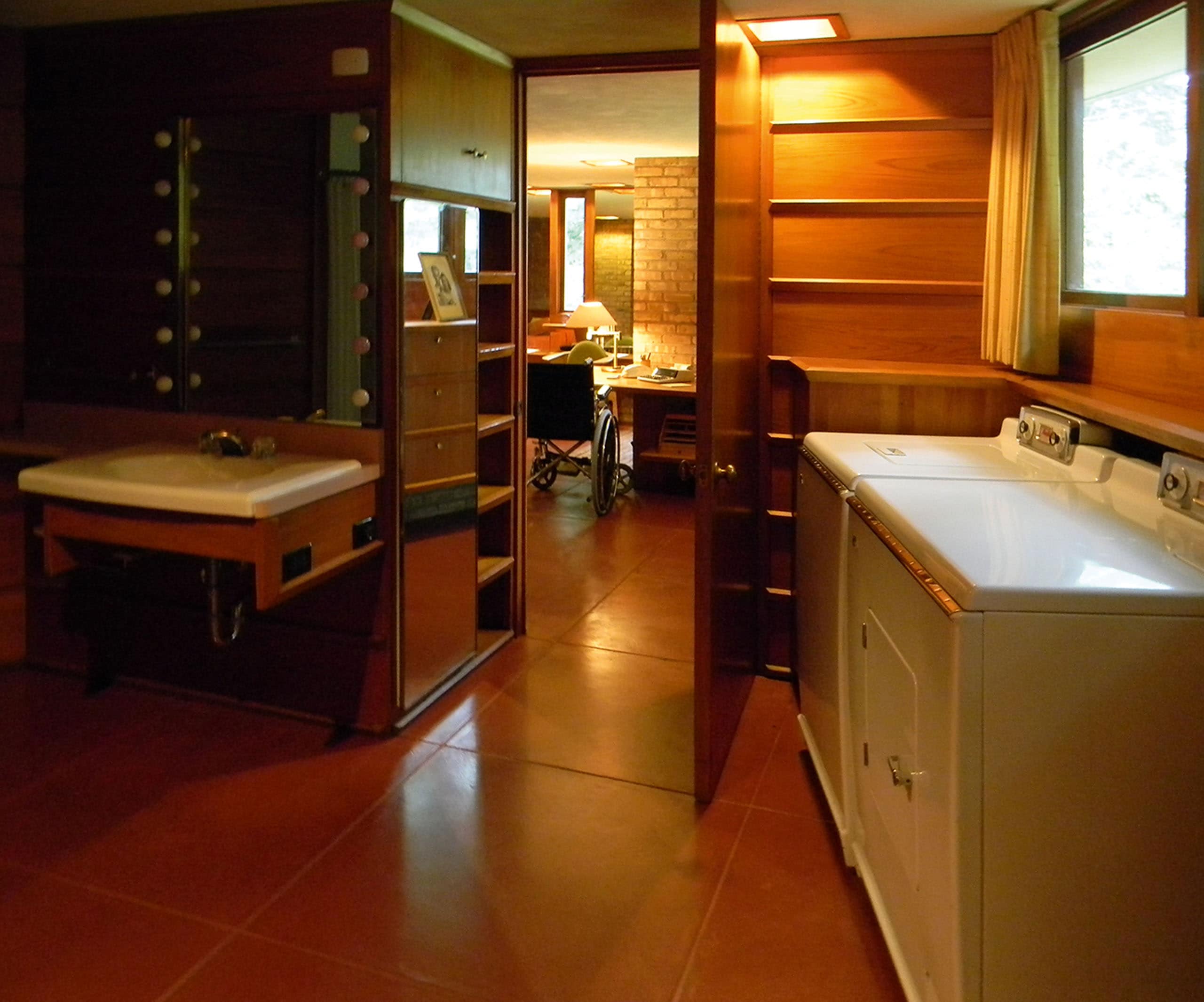
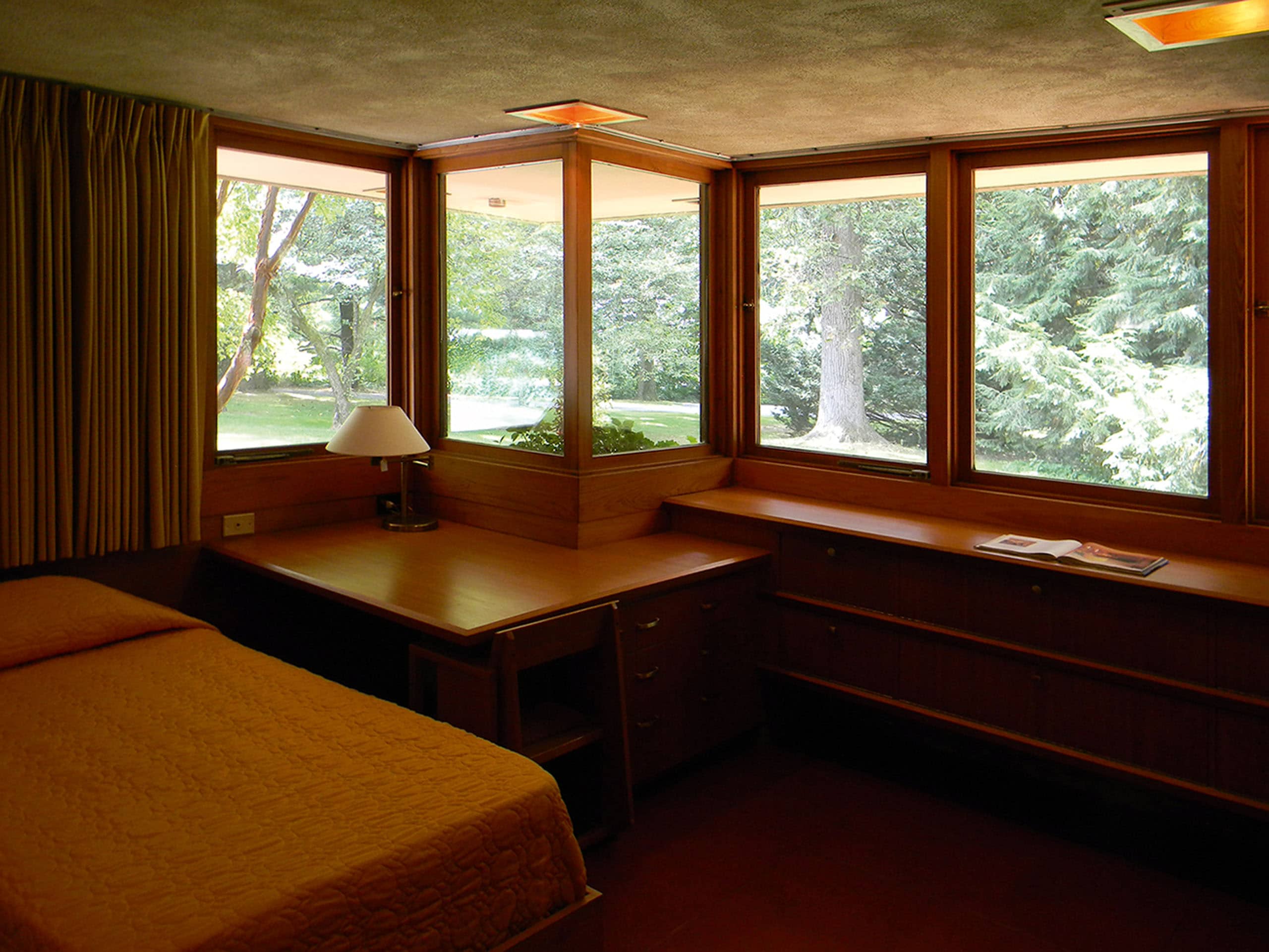
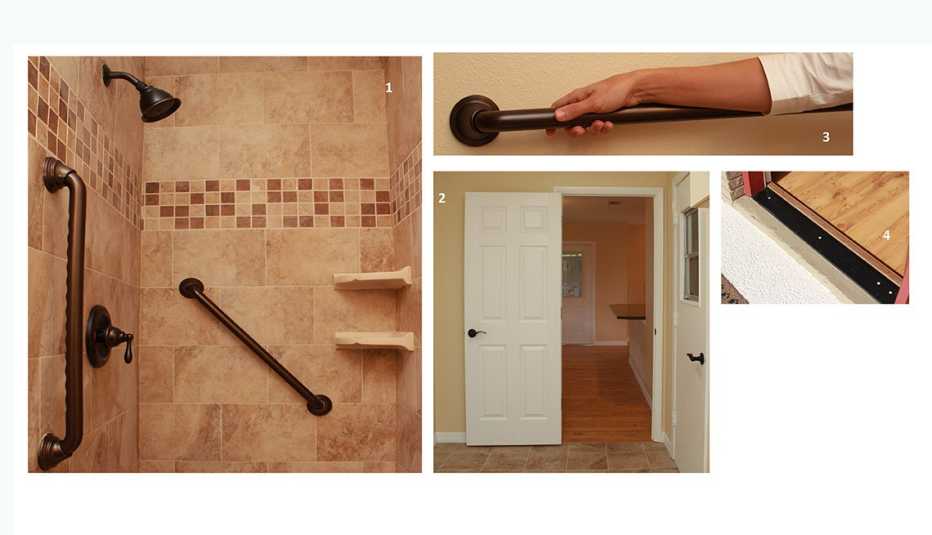
After an unsuccessful search for existing accessible homes, Rossetti and Leder decided to build their own custom residence, the Universal Design Living Laboratory (UDLL), in Columbus, Ohio. They collaborated with local architect Patrick Manley and extensively researched accessible home design, drawing inspiration from independent-living centers and literature on Universal Design. This approach provided them with hope, demonstrating that thoughtful design could address their needs without compromising aesthetics or functionality. The UDLL, completed in 2014, is a LEED Silver-certified national demonstration home that incorporates numerous Universal Design features, such as 36-inch wide doorways, tiered countertops, curbless showers, and elevated dishwashers. These elements are designed to accommodate both Rossetti, who uses a wheelchair, and Leder, who is over six feet tall, proving that Universal Design can cater to a wide range of physical characteristics.
The UDLL serves as a living resource, educating visitors on the practicality and aesthetics of Universal Design. Rossetti actively advocates for its wider adoption, dispelling the misconception that accessible design looks institutional. She emphasizes that Universal Design benefits everyone, not just those with disabilities, by promoting safety, convenience, and independence for all family members, from children to seniors. The article connects Rossetti's personal initiative to broader discussions about inclusive design, referencing exhibitions like "Access + Ability" at the Cooper Hewitt, Smithsonian Design Museum, and "Without Walls: Disability and Innovation in Design" at the Victoria & Albert Museum.
Furthermore, the piece highlights a National Building Museum exhibition, "Making Room: Housing for a Changing America," which showcases how American households have diversified significantly over the past six decades. The exhibition argues that housing design has lagged in adapting to these demographic shifts, with nuclear families no longer being the dominant household type. The rise of single-adult households, couples without children, and multi-generational living arrangements underscores the increasing demand for flexible and adaptable housing solutions. Universal Design is presented as a crucial strategy to meet the needs of this diverse population, offering adaptable living spaces that can evolve with residents' changing circumstances. Rosemarie Rossetti’s efforts, including her self-published "The Universal Design Toolkit" and her consultations with organizations like Habitat for Humanity, exemplify a commitment to fundamentally rethinking home design to be inclusive and forward-thinking, urging designers and builders to integrate these principles from the outset.
#UniversalDesign #AccessibleHomes #HomeAdaptation #InclusiveDesign #DisabilityAccess #ResidentialArchitecture #AgingInPlace #HousingInnovation #DesignForAll #UniversalDesign #AccessibleHomes #HomeAdaptation #InclusiveDesign #DisabilityAccess #ResidentialArchitecture #AgingInPlace #HousingInnovation #DesignForAll
0 comment in total
 No comments yet
You may also like
Universal design hits home for all

How to make a home more accessible – 7 universal design tips to improve your space

Chef’s corner

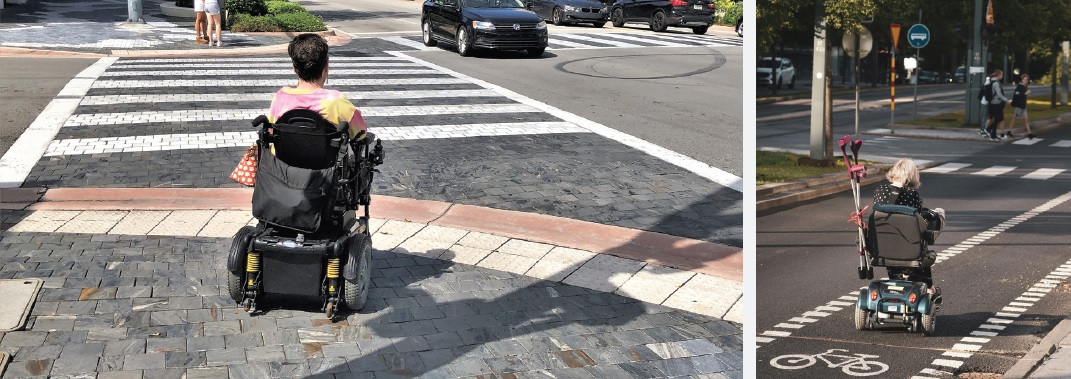
Universal Design: The Essential Tool for Intergenerational Communities

Erick Mikiten Has a Vision for the House You’ll Grow Old In

9 Inspiring Accessible Homes That Champion Inclusive Design
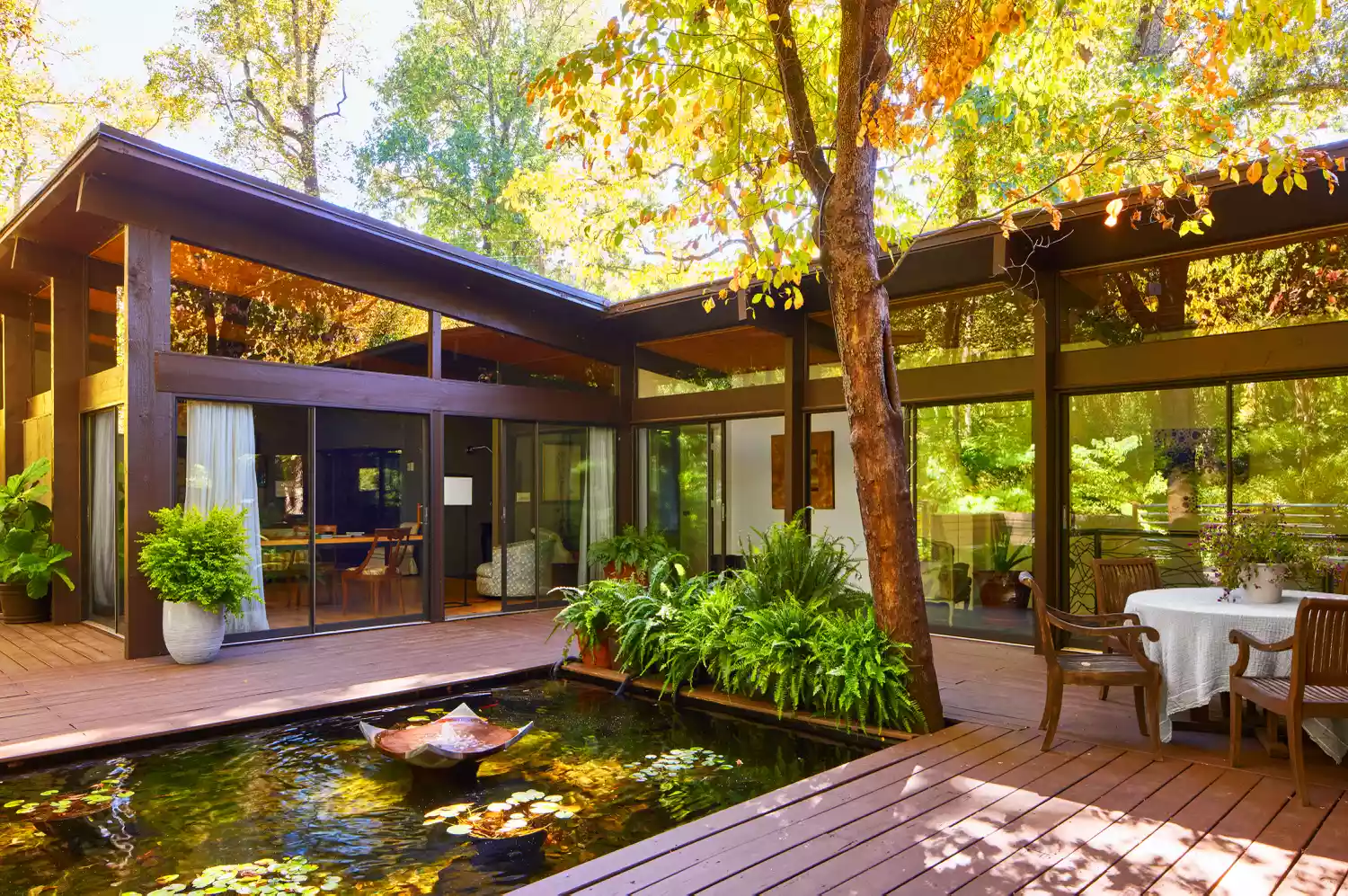
This Mid-Century Modern Home Welcomes Accessibility Through Universal Design
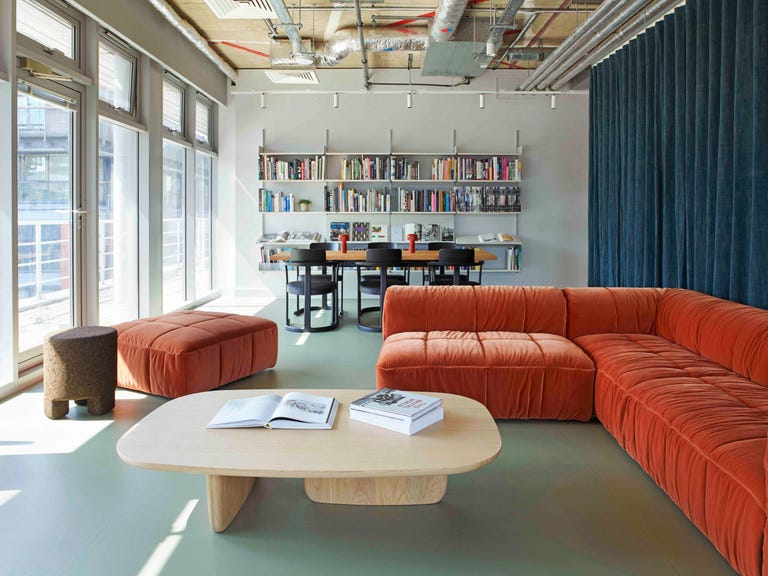
Universal Design Studio: the practice quietly shaping the way we live, work, shop and eat

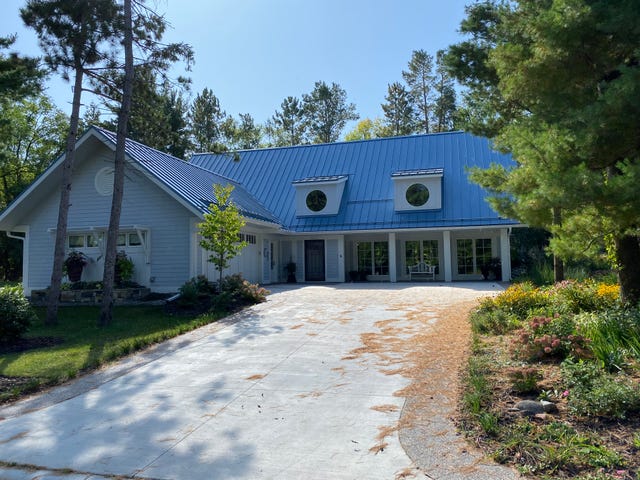
Michael Graves's 'Forever House' is Changing the World of Universal Design

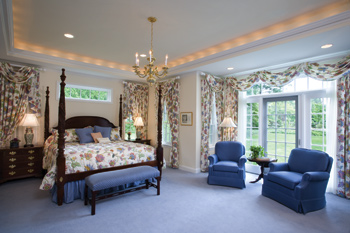
Home Sweet Home for Life
Meet Krysti Lyn | Whole Home Designer

The new elegance of cities. The evolution of inclusive design


Interview with Richard Duncan about Universal Design
Architect Sam Klopper talks accessible design that doesn’t feel “clinical or differentiated”

Location in Home Design: A Look at Florida and Beyond

Copy-And-Paste Interiors: Repeating A Look Isn’t Lazy — It’s Clever
Designed for Community: An Interior Designer Leans into the Power of ‘We’

Designer Shelly Rosenberg Creates a Dreamy Bedroom Suite for a Child with Special Needs


Twelve creatives on the home essentials they can't do without
Universal Design and Visitability