1/9
Say goodbye walls, open-plan living is the trend that's here to stay
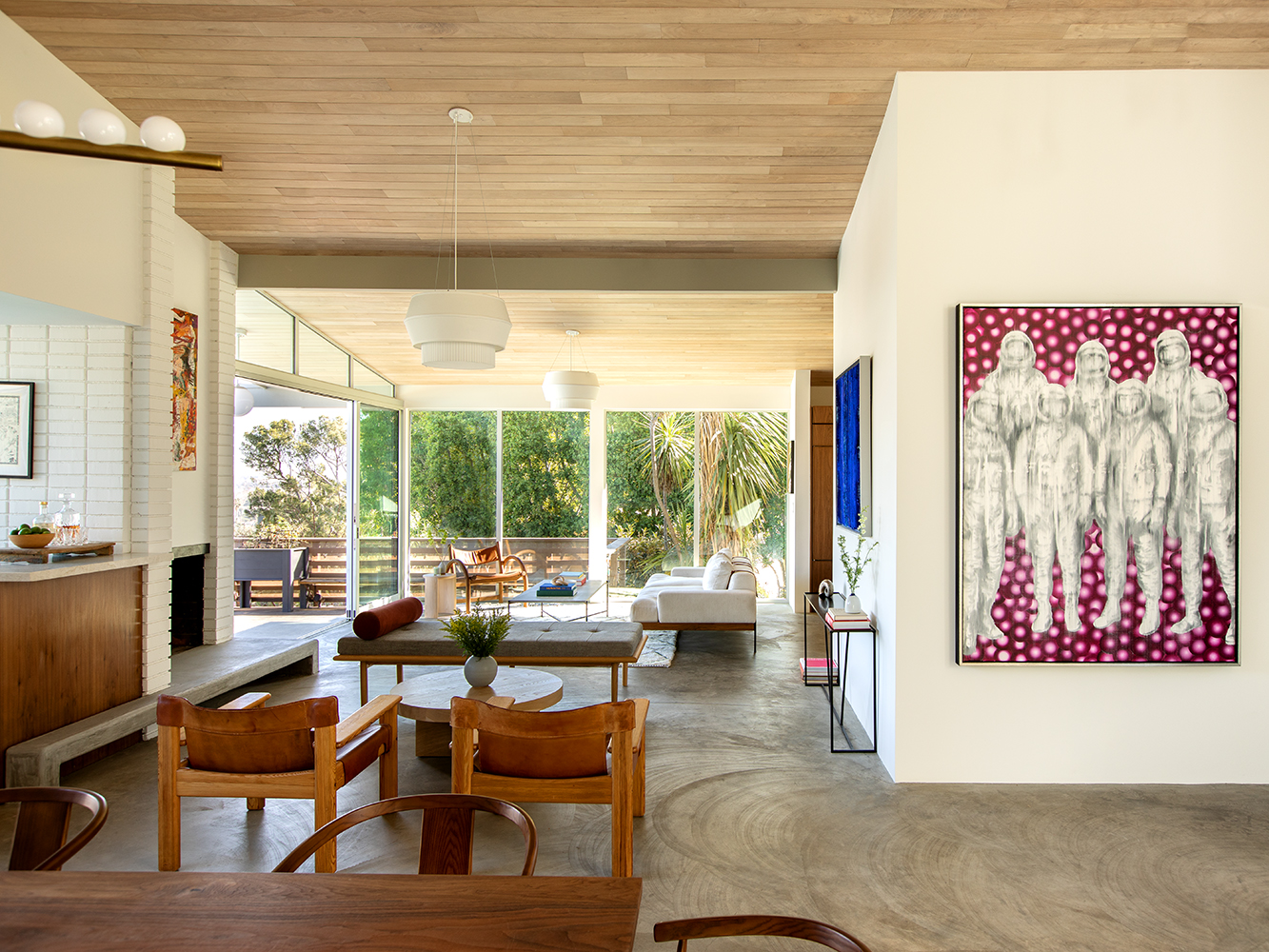
The article discusses the evolving trend of open-plan living in residential architecture, highlighting a shift away from traditional fixed interior walls. This trend is driven by innovative developers who are designing homes that offer flexibility and adaptability to suit varied and changing lifestyles.
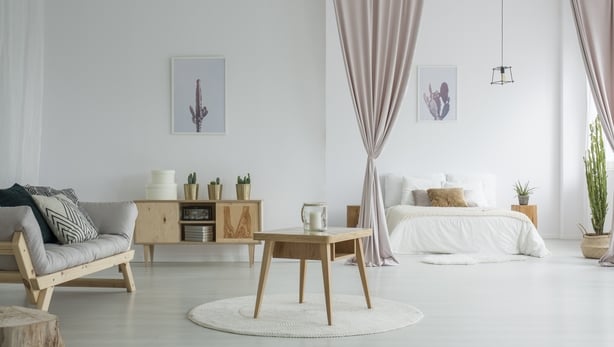
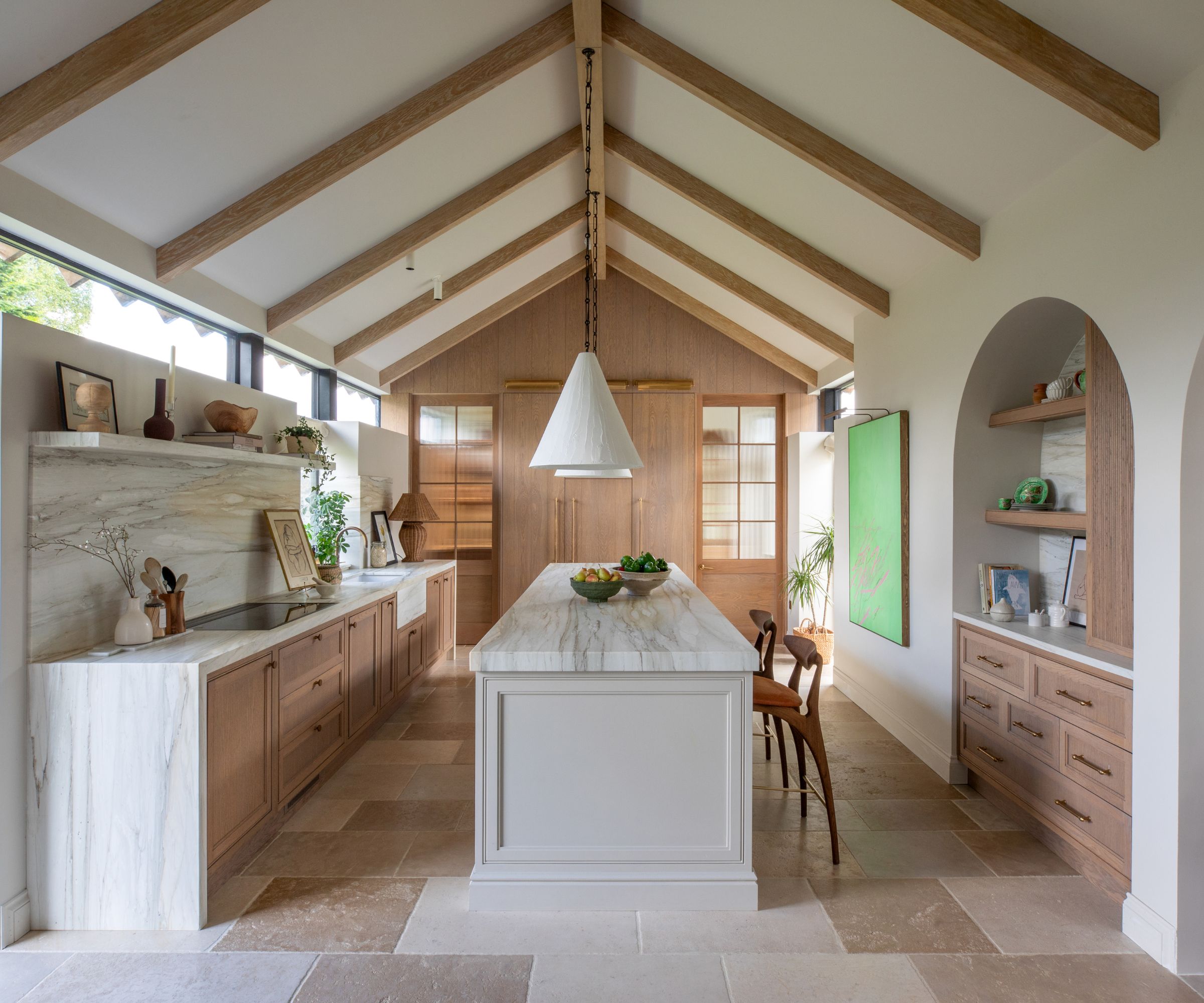
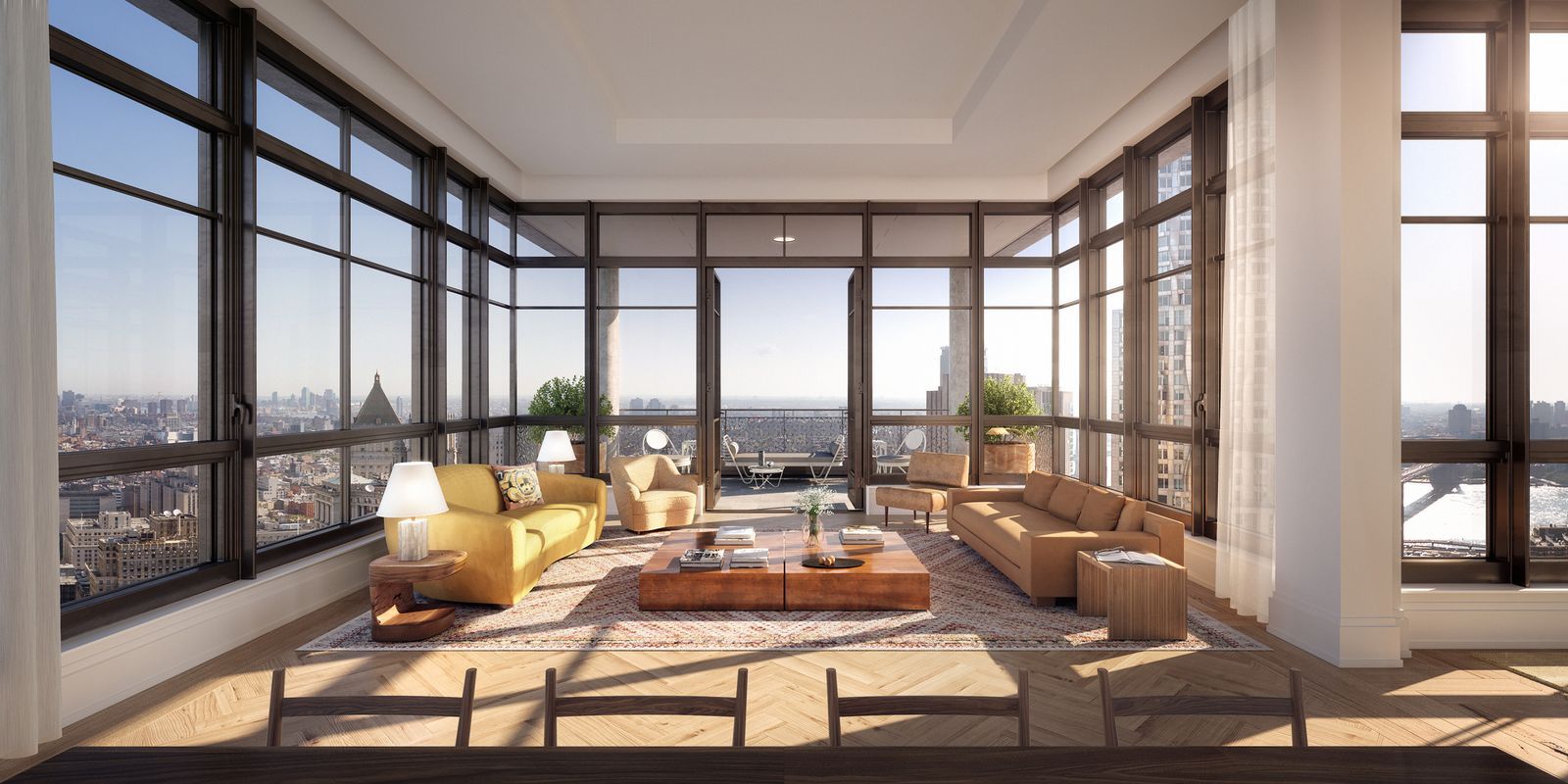
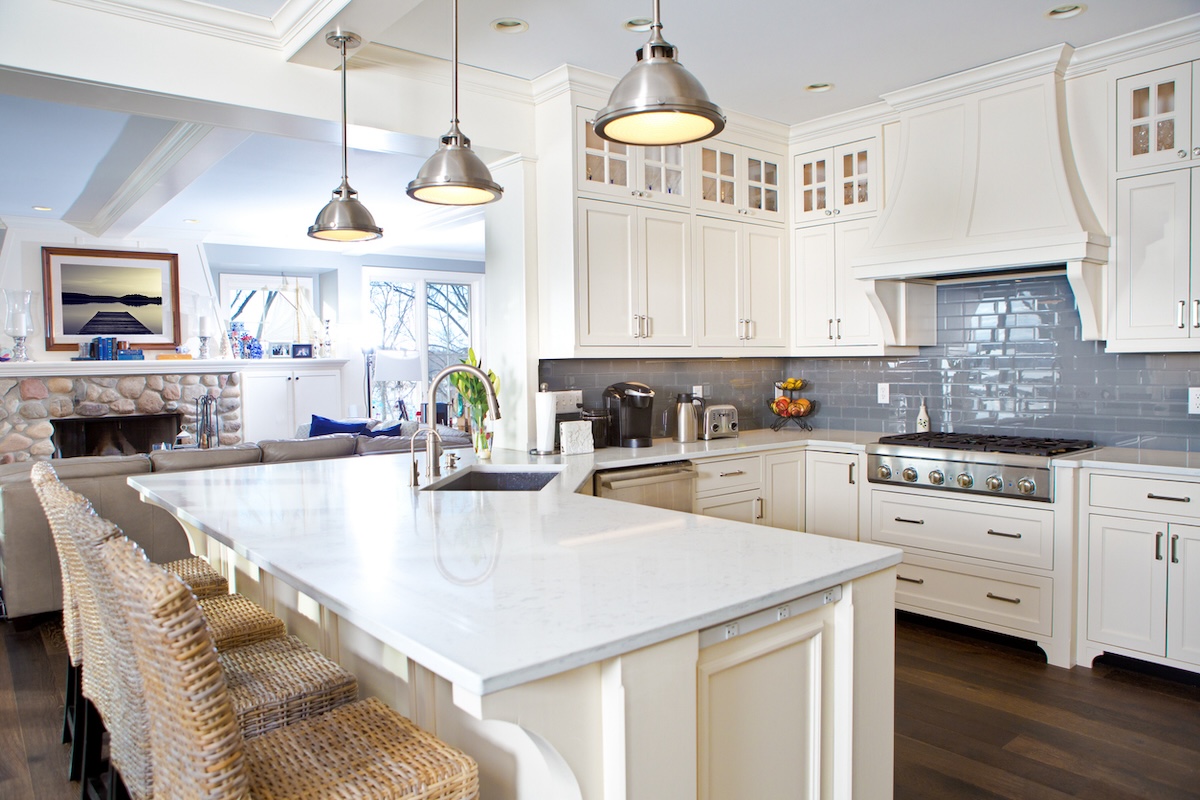
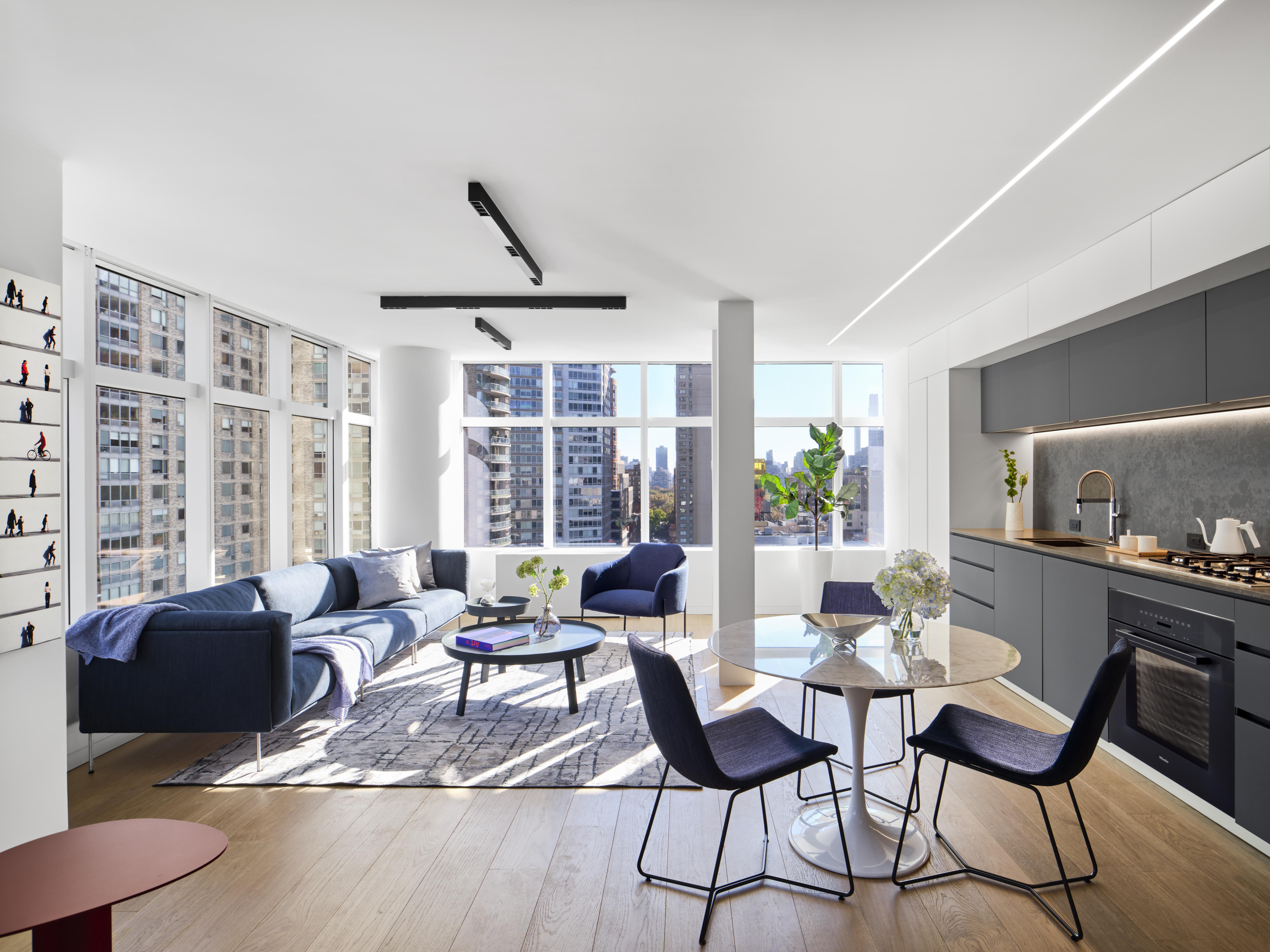
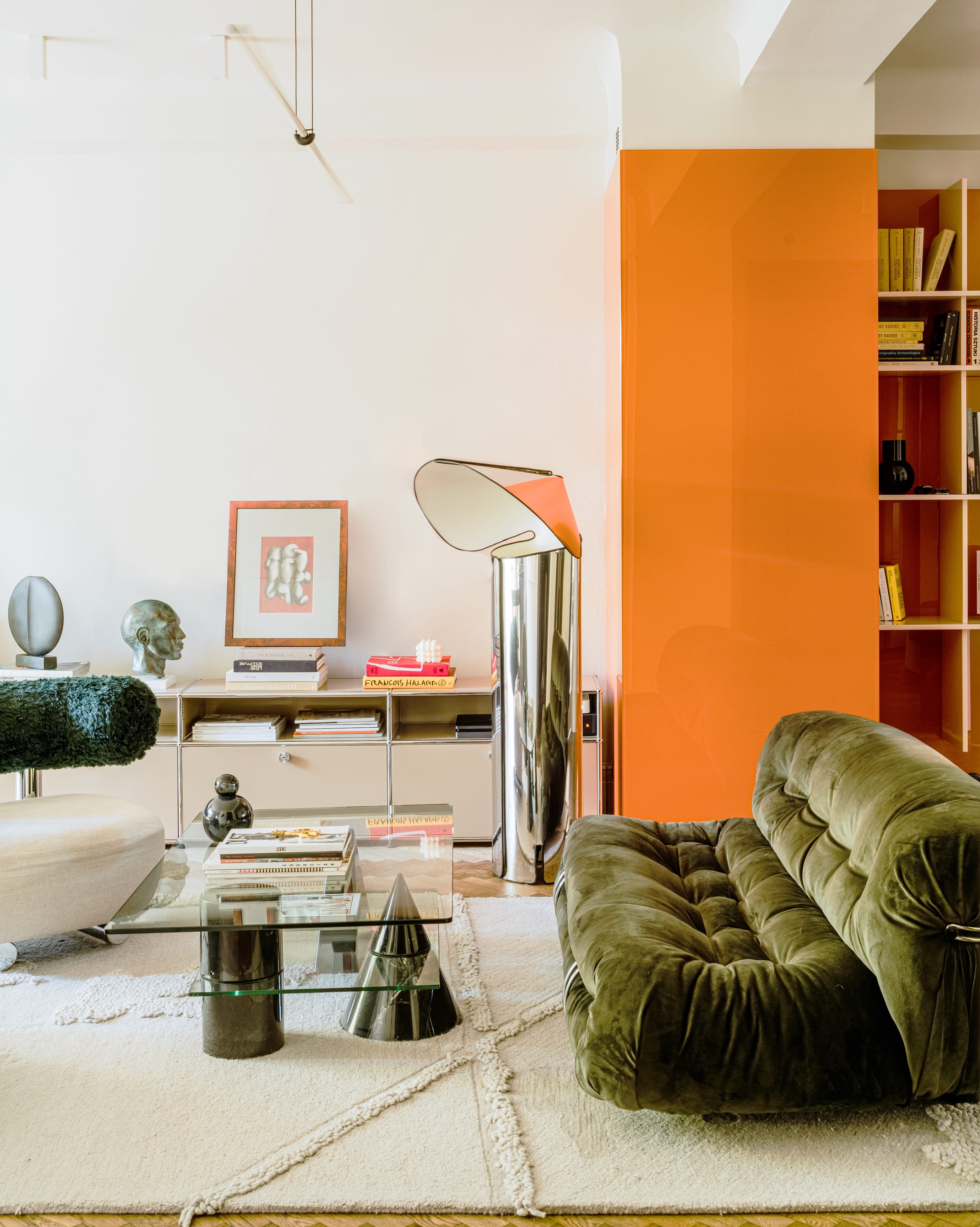
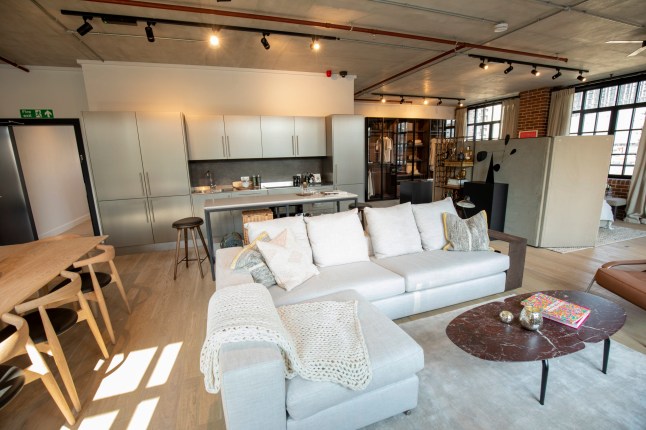
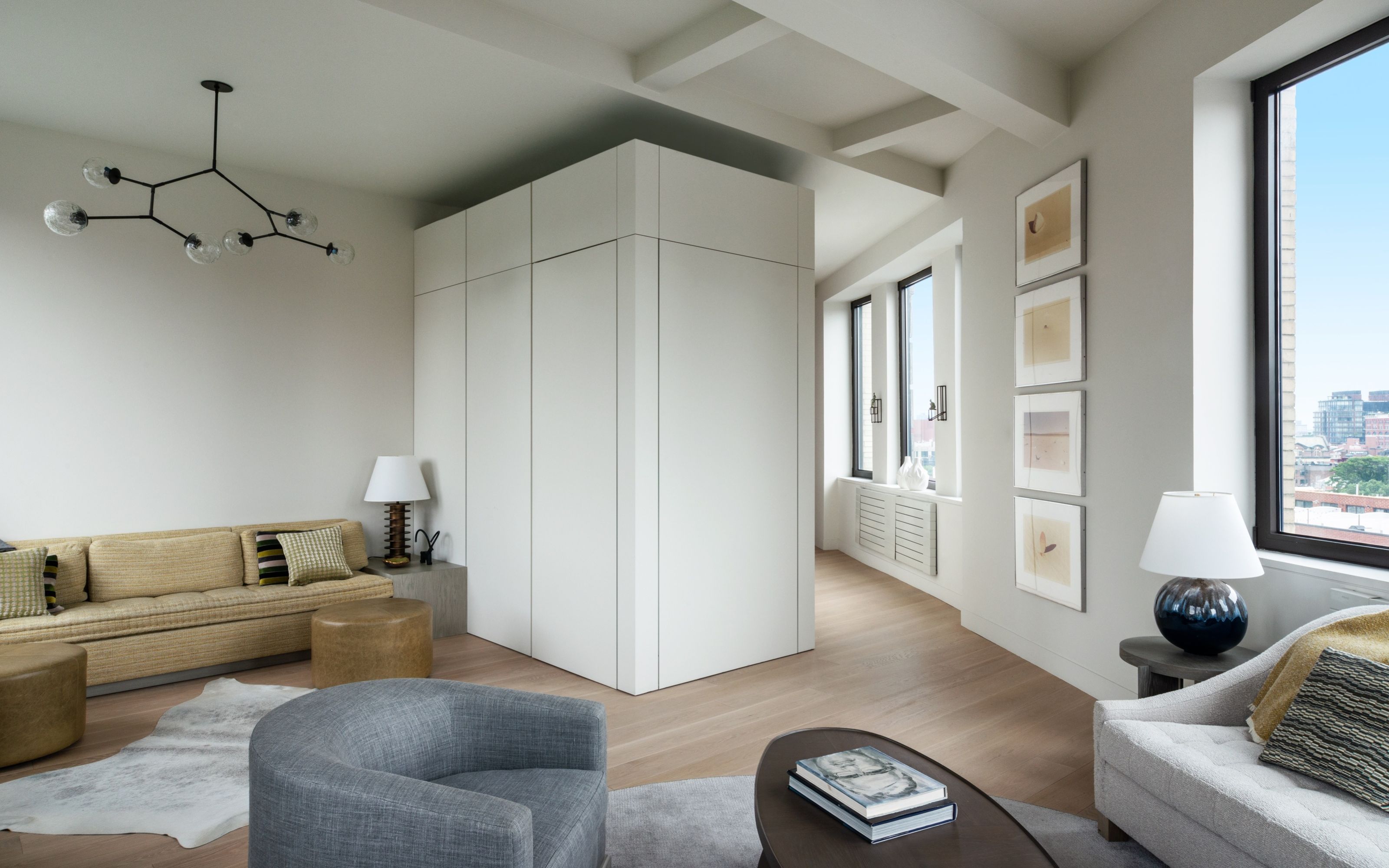
A notable example is 8 Harbord Square in Canary Wharf, London, where new loft-style apartments are purpose-built without interior walls, a concept previously uncommon in the city for new constructions. Brian De’ath, director of residential sales at Canary Wharf, describes these apartments as a "canvas for purchasers to creatively shape their homes to suit their lifestyles," drawing parallels to the expansive loft spaces found in Manhattan and Los Angeles. These units typically feature large open areas exceeding 1,000 square feet, often with floor-to-ceiling windows, designed for integrated living, working, and entertaining.
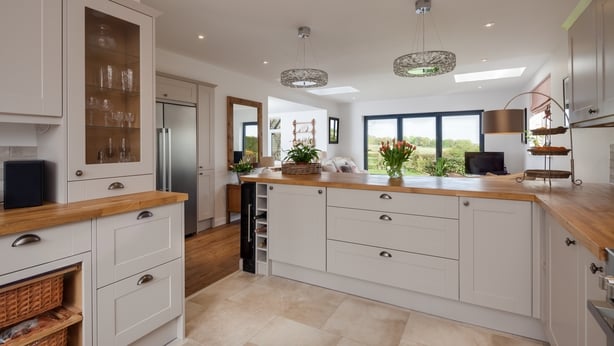
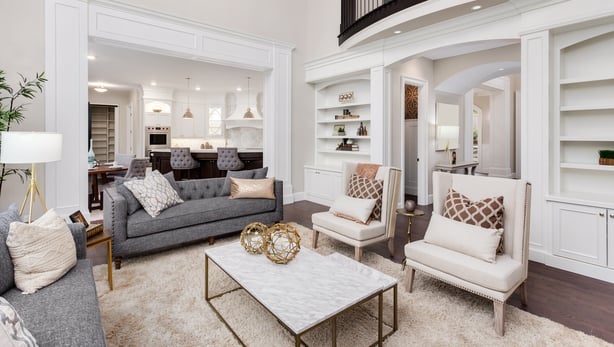
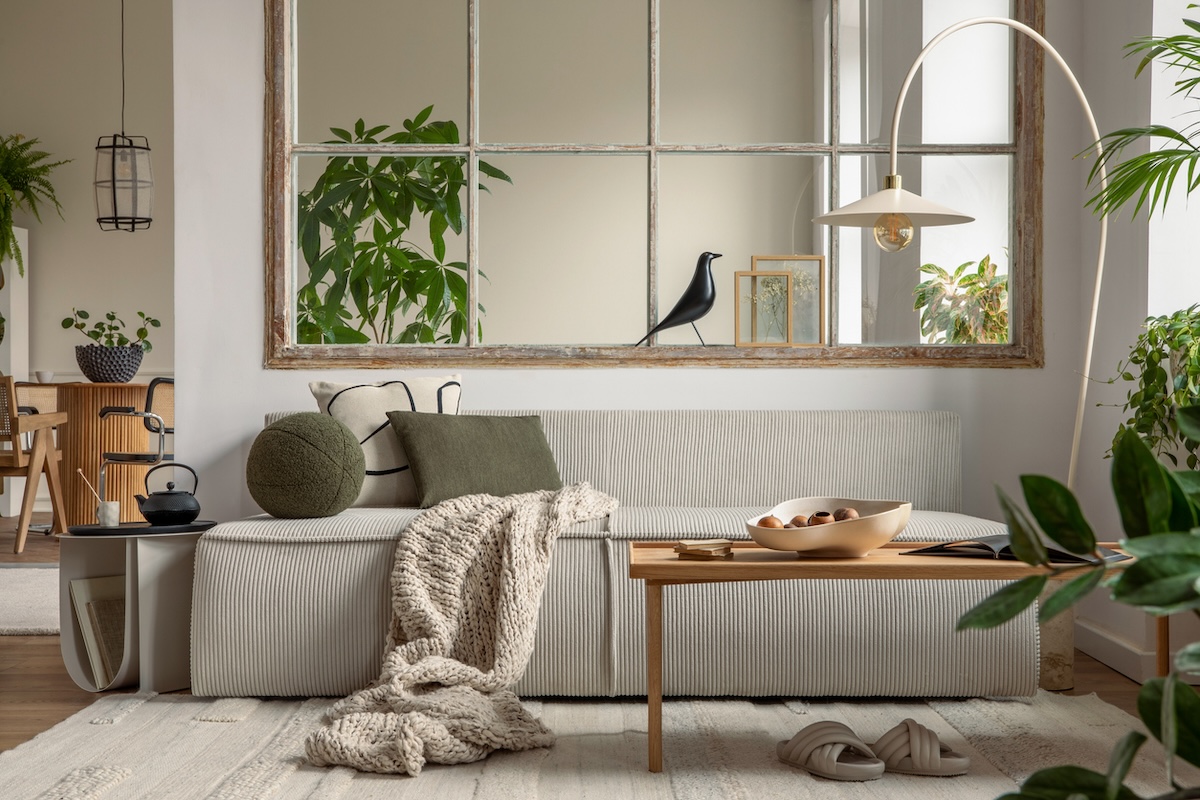
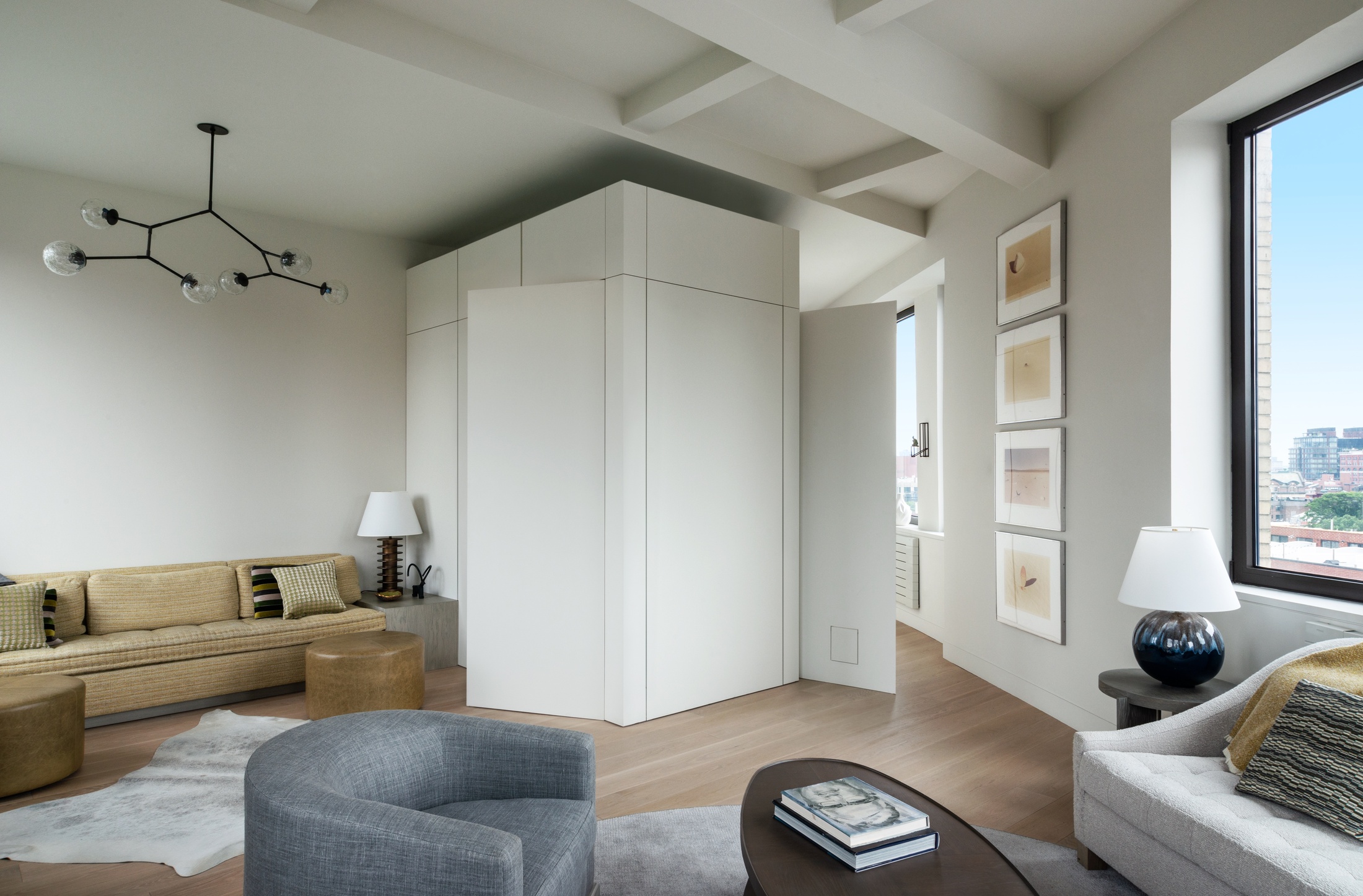
The appeal of these lofts lies in their ability to offer a free-flowing yet intimate space. Rather than relying on full-height, fixed partitions, residents are encouraged to define areas using movable screens and other flexible dividing devices. This allows the home to adapt as the occupants' needs change—for instance, adding an office, a play area for children, or space for hobbies. The only permanent structural elements in these apartments are the kitchen and bathroom, which feature modern fixtures inspired by warehouse-style architecture.
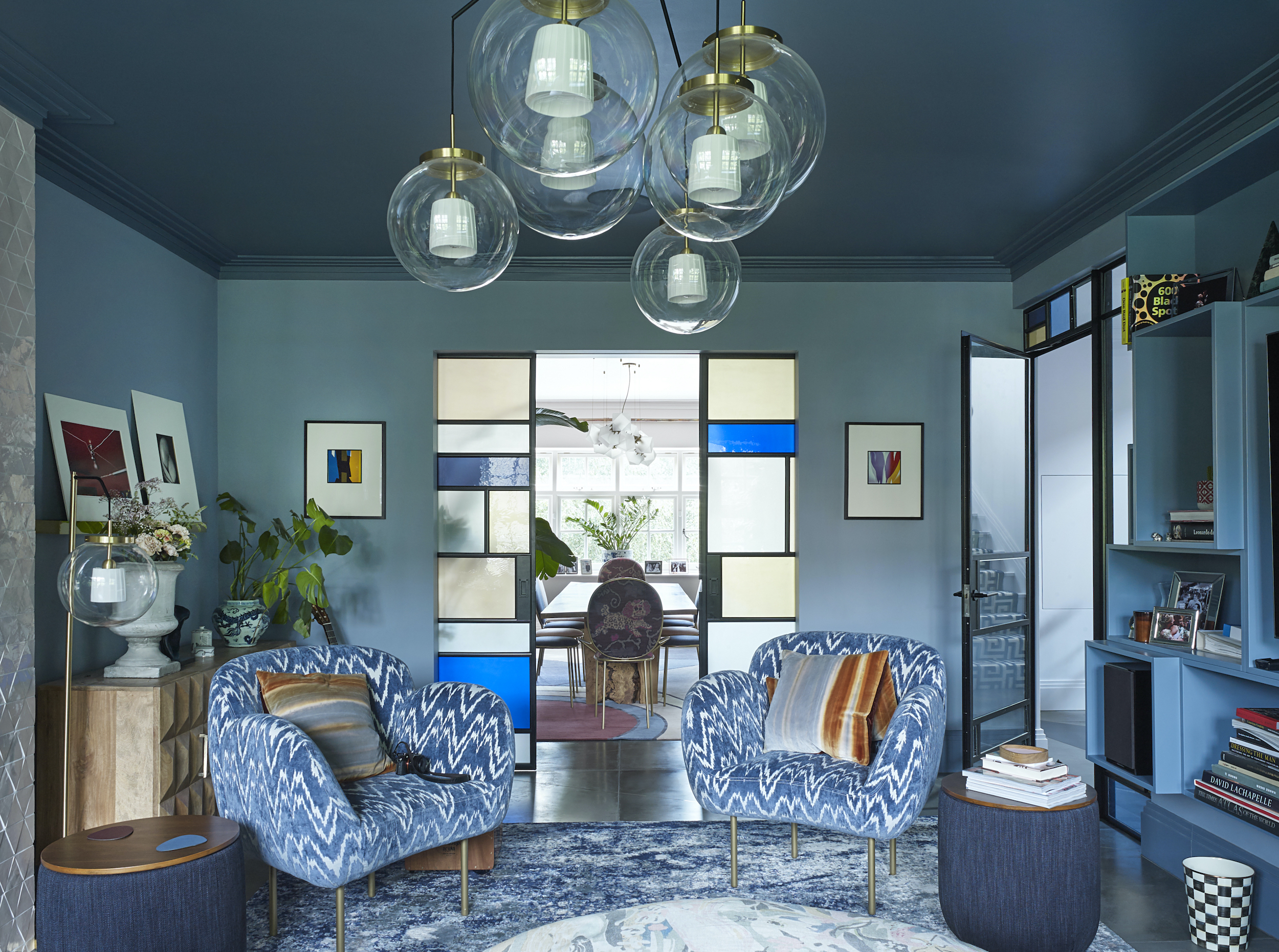
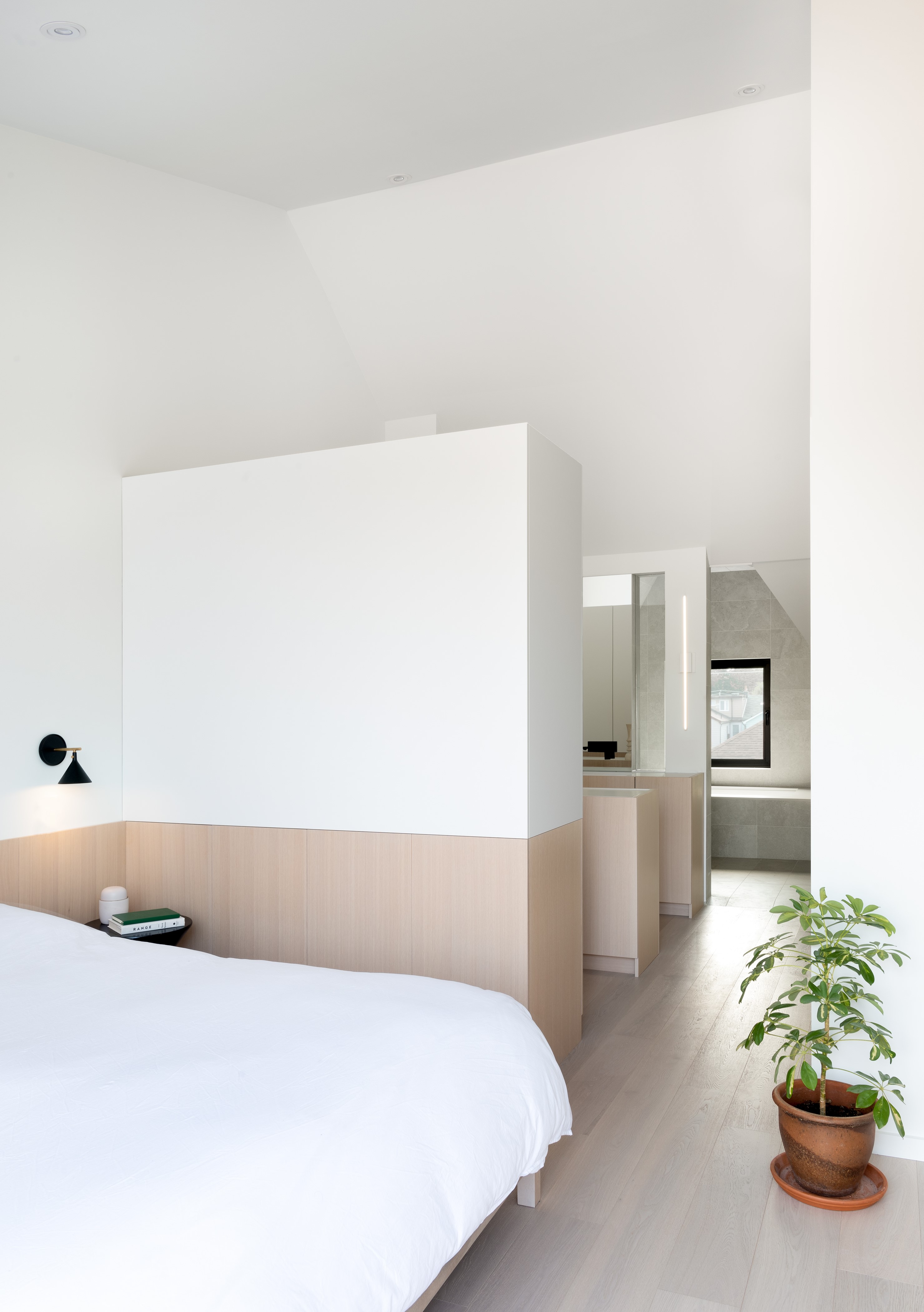
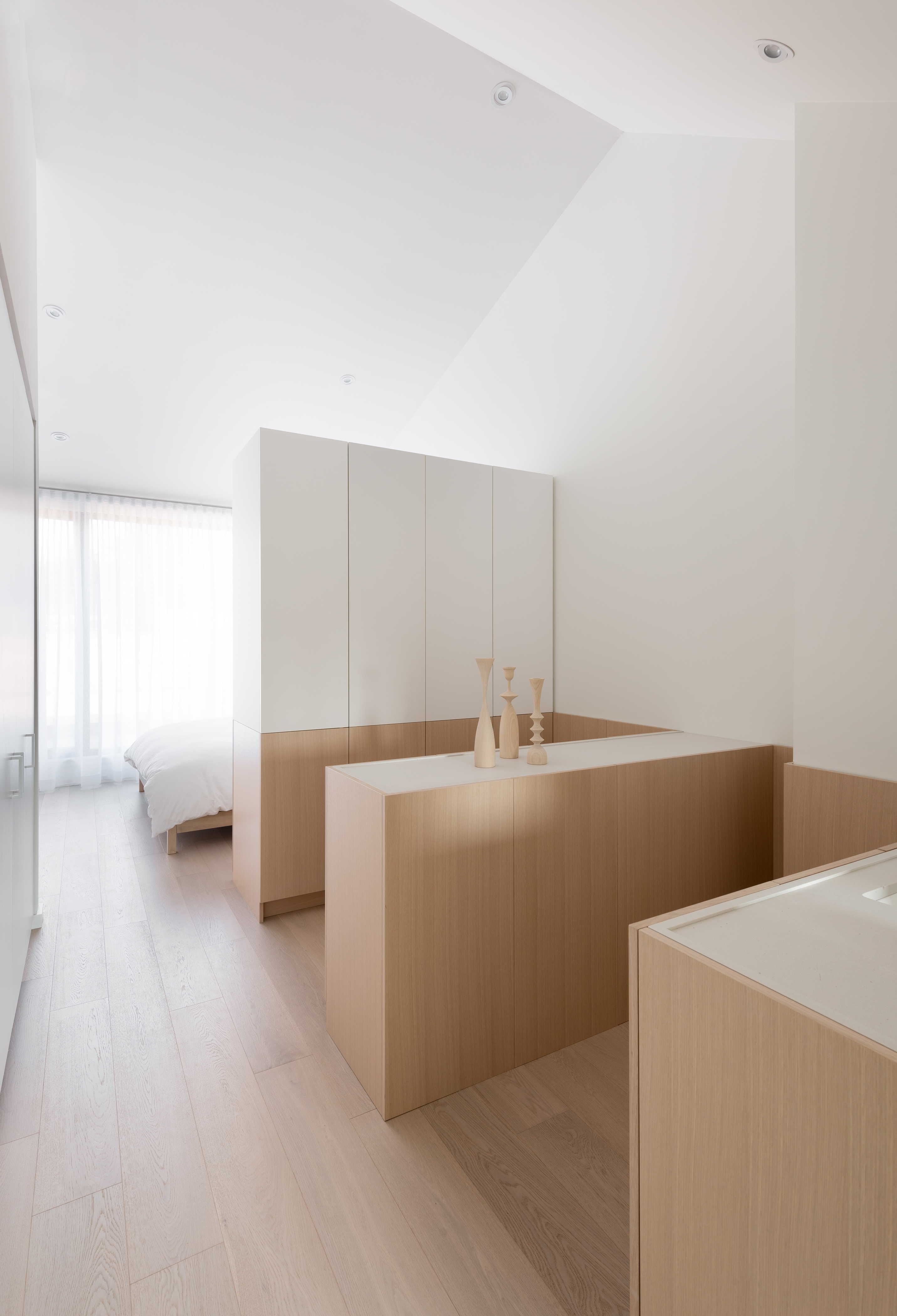
To assist buyers in conceptualizing and implementing these flexible layouts, Canary Wharf Group offers complimentary consultations with their interior designers. Tracy Ogino, the group's director of interior design, emphasizes the importance of breaking down large spaces into functional pockets without sacrificing natural light or the sense of connection between zones. She suggests creative solutions like oversized, upholstered headboards that can create a secluded sleeping area or using tall wardrobes and open shelving units as room dividers. For families, adaptations might involve converting a dressing area into a cot and changing station or integrating a matted play area into a work zone.
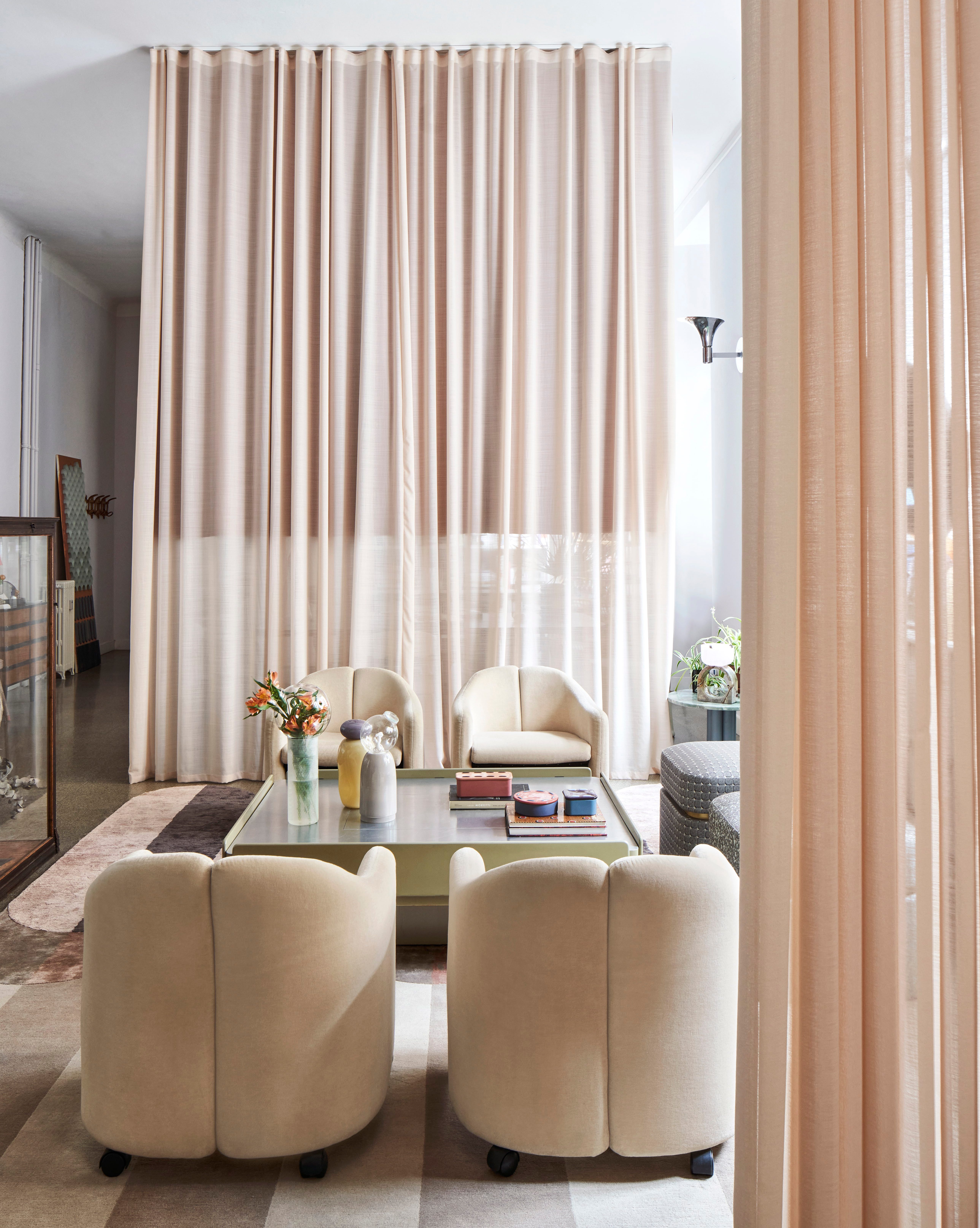
Beyond screens, other substantial partitioning alternatives include panels made from various materials that can be hung from ceiling tracks and living walls, which add both division and aesthetic appeal through year-round greenery. The demand for such adaptable homes has been significantly influenced by the pandemic, which underscored the need for multi-functional spaces that can accommodate working from home, homeschooling, and social activities simultaneously.
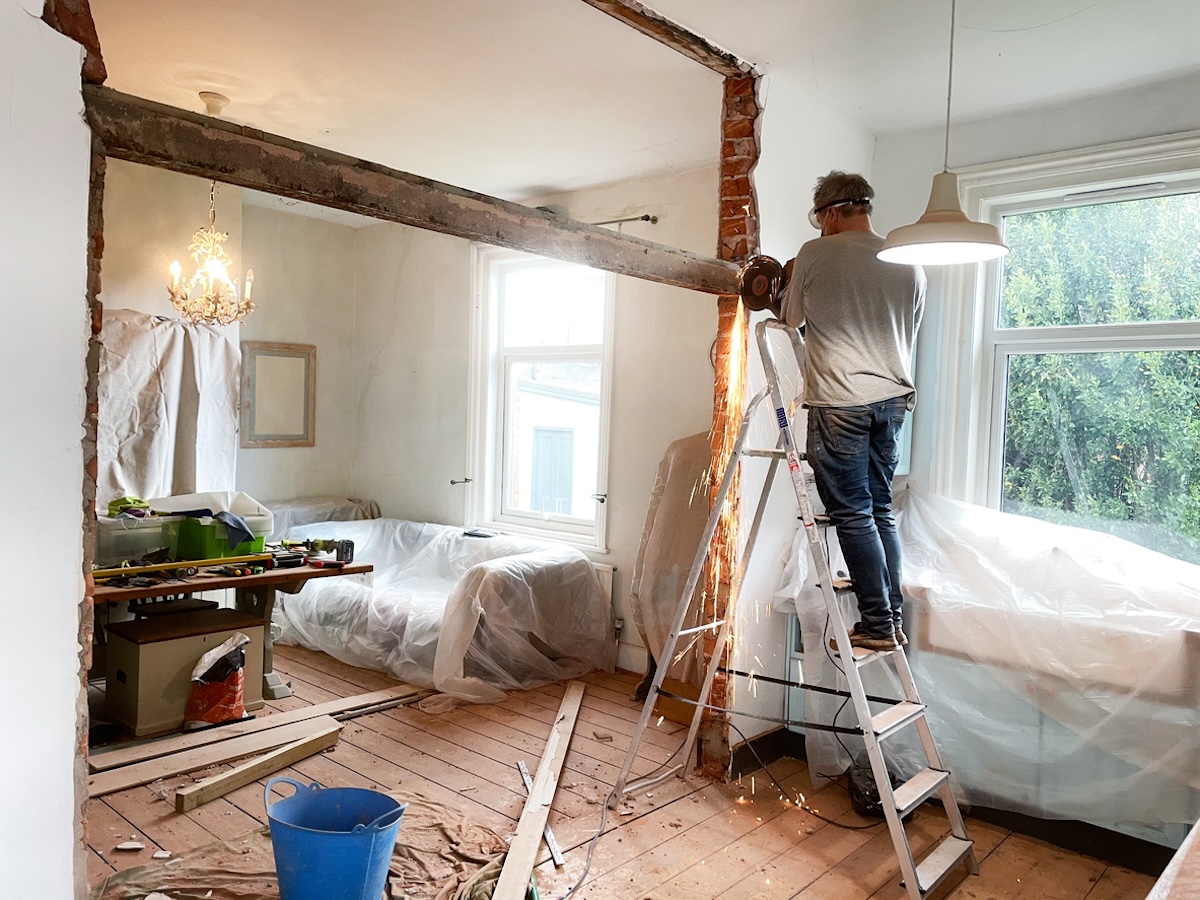
House by Urban Splash, a British developer, has been a pioneer in this customizable living concept since 2012. Their "Town House" prototype was developed based on the observation that many homeowners were already modifying the layouts of Victorian terraces. Their approach allows purchasers to customize their interior space from scratch, with their choices translated into sustainable timber interior walls manufactured offsite. These homes, typically around 1,500 square feet, offer extensive configuration options through a dedicated tool. Developments by House by Urban Splash are found across the UK, including Manchester, Birmingham, and the Wirral, with plans for further expansion. Residents, like Graham Miller and Jac Doody, appreciate the ability to create distinct zones, such as separate home offices, fostering a clear division between work and home life within the same property.
#OpenPlanLiving #HomeDesignTrends #FlexibleSpaces #LoftLiving #InteriorDesign #CustomizableHomes #UrbanDevelopment #PostPandemicDesign #CanaryWharf #OpenPlanLiving #HomeDesignTrends #FlexibleSpaces #LoftLiving #InteriorDesign #CustomizableHomes #UrbanDevelopment #PostPandemicDesign #CanaryWharf
0 comment in total
 No comments yet
You may also like
Open plan living: The new normal or passing trend?

The New Trick Designers are Using To Zone Rooms and Create Privacy Is Both Beautiful and Functional

Is open-plan living dead? Here's what the design experts say

Are Open Concept Floor Plans Going Out of Style? Here's What Interior Designers Say

Open plan living is over. Here’s why we all want walls again
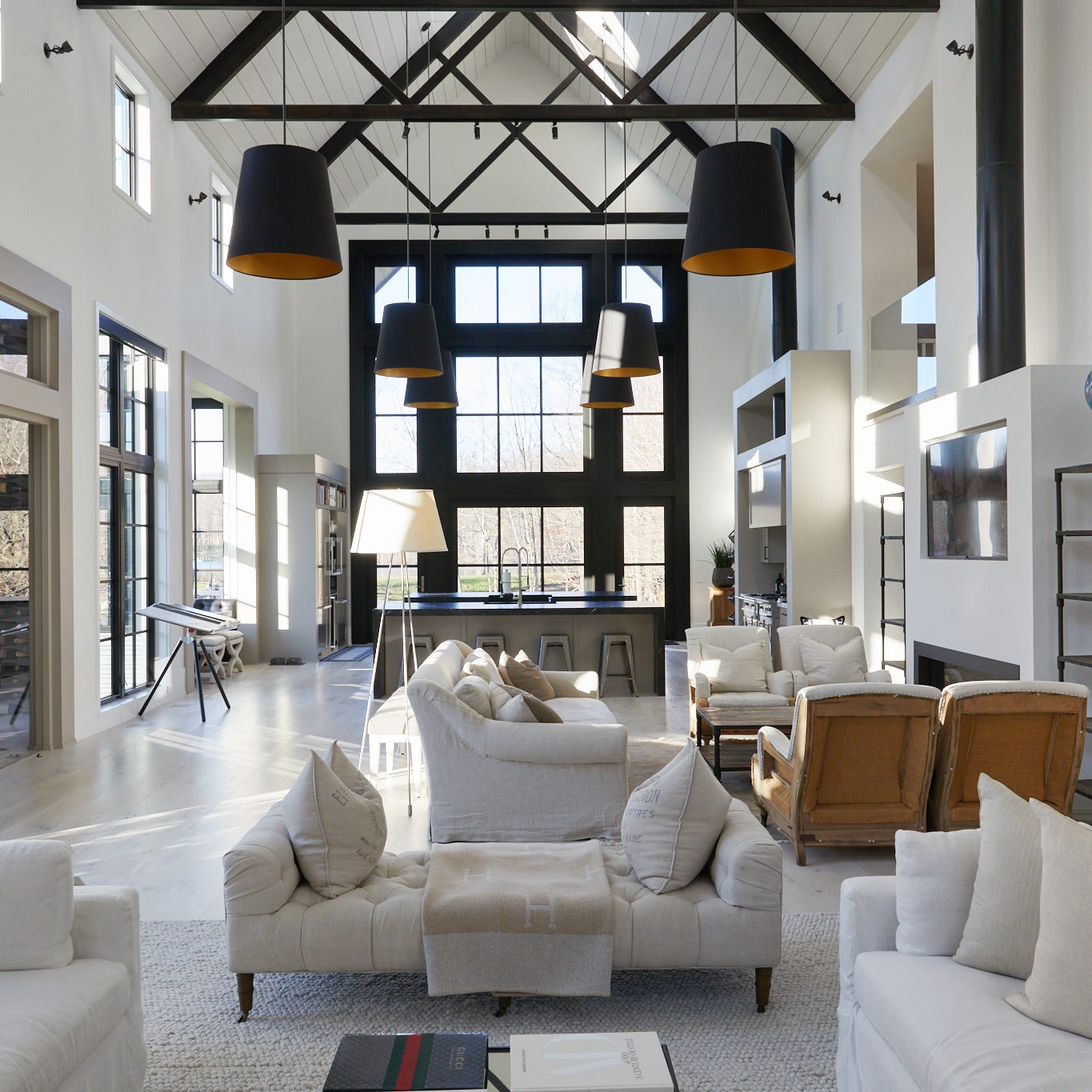
This Controversial Home Layout Has DIVIDED the Design World


Forget the Open Concept: It's Time to Bring Back Rooms

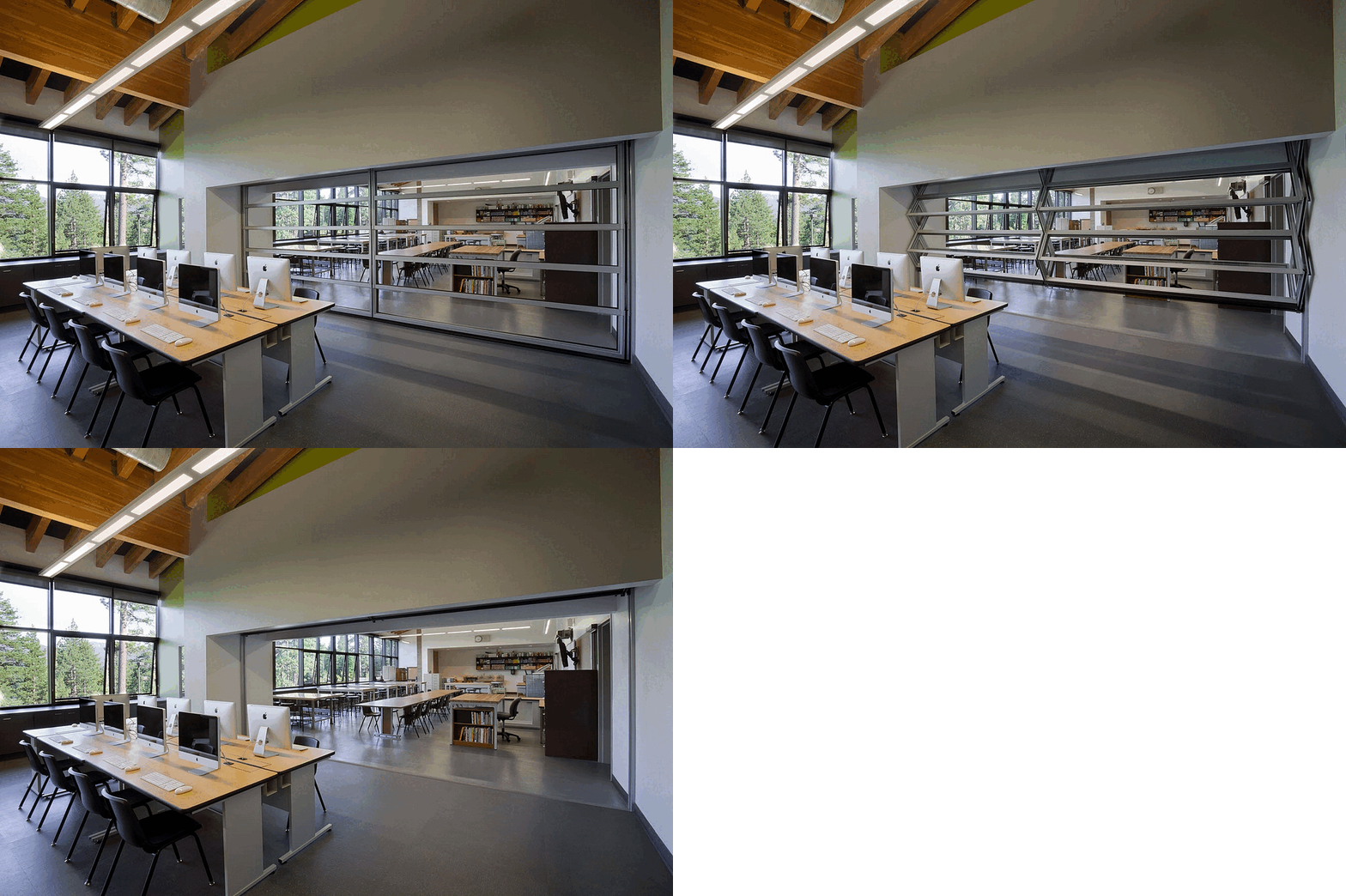
Movable Walls: The Transformative Effect of Retractable and Folding Partitions

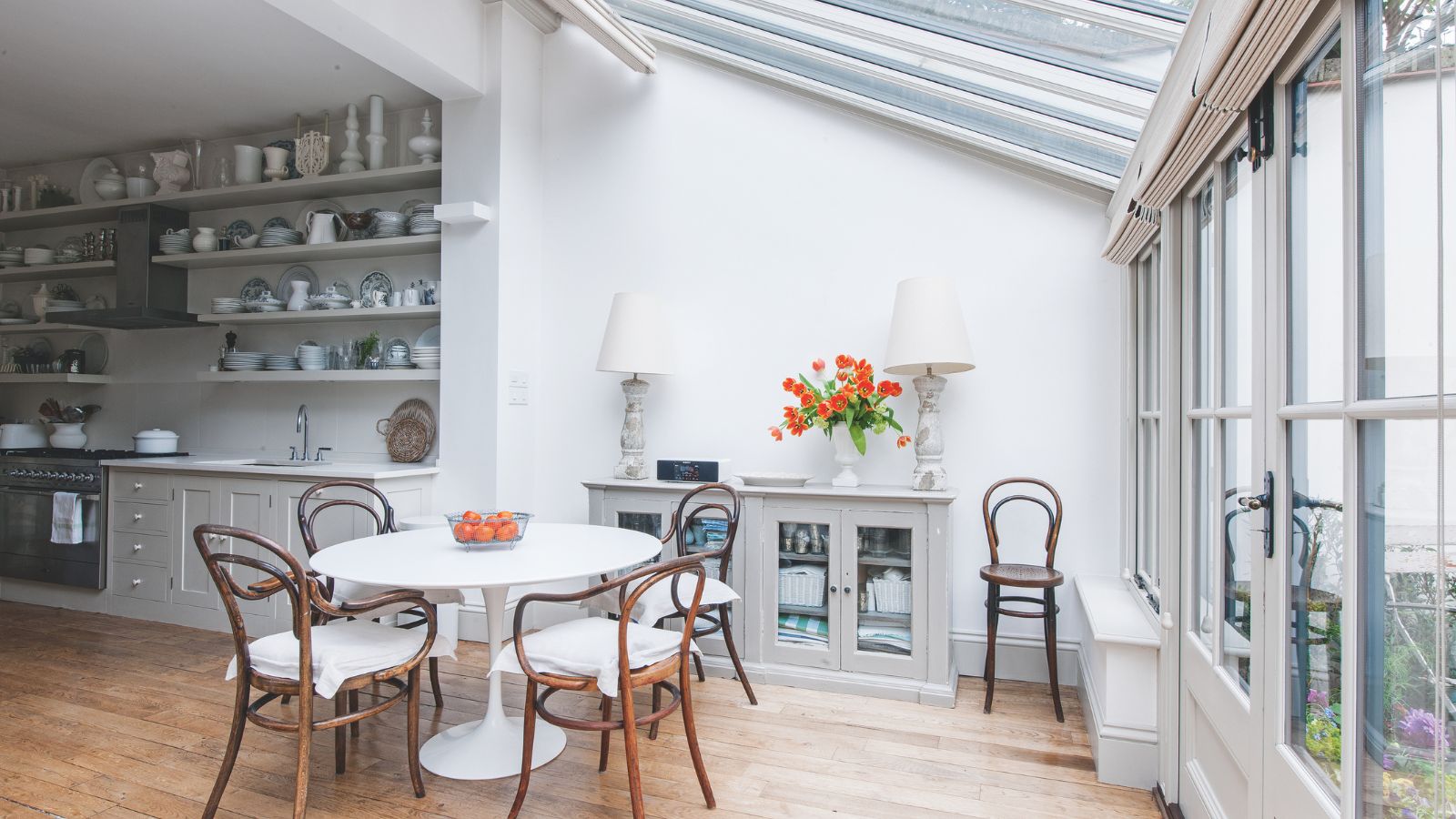
Is open plan going out of style? Experts weigh on whether this once-loved layout is starting to date

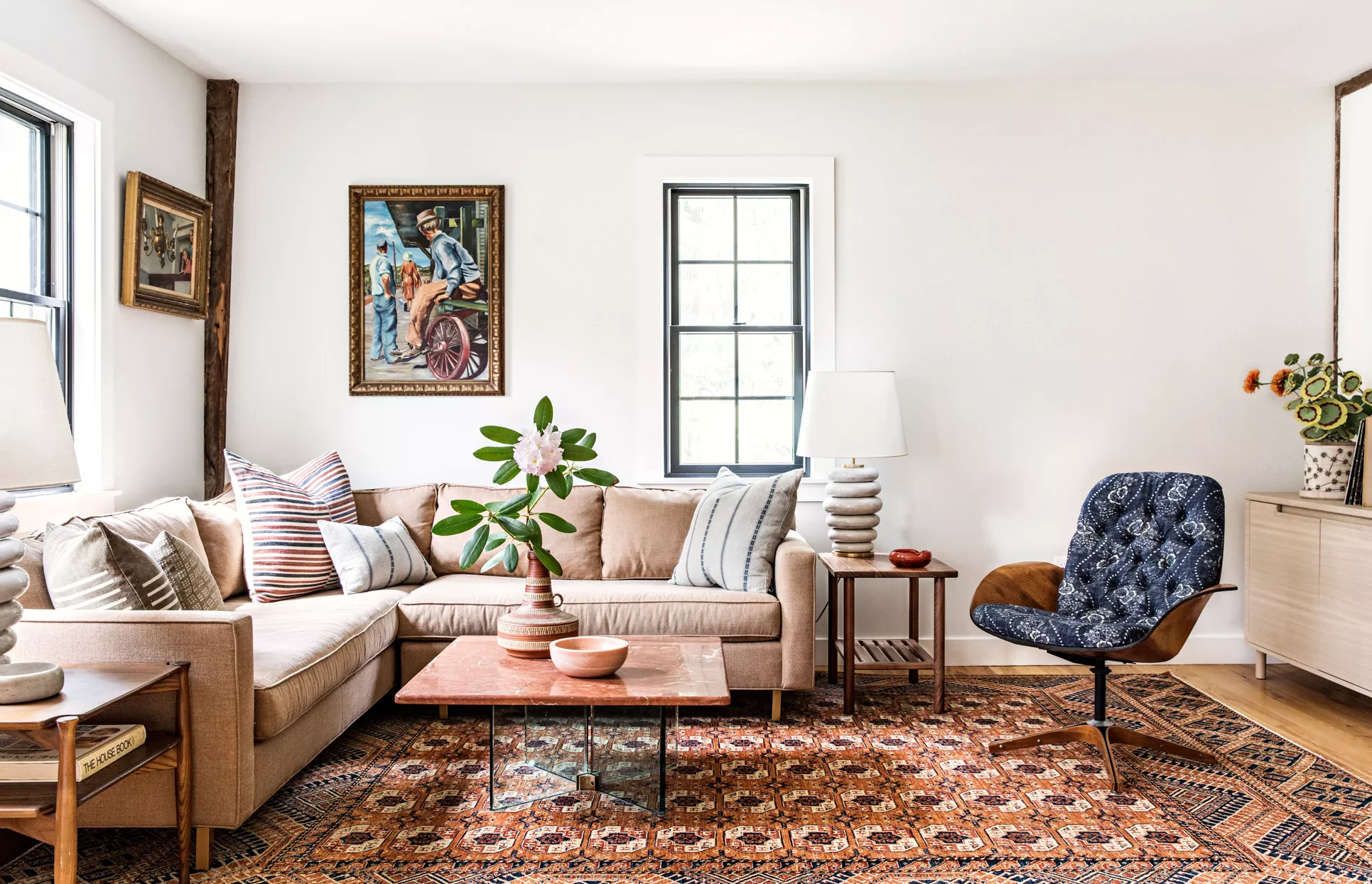
Goodbye, Open Concept—People are Adding Walls in Their Homes

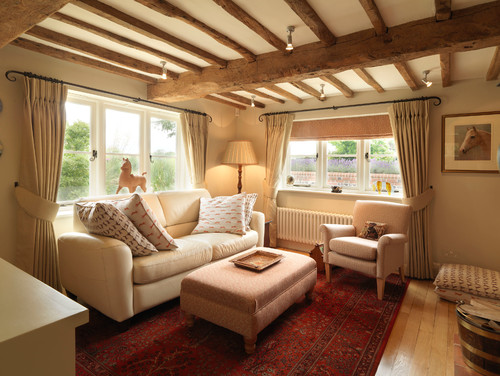
5 New Ways With An Open Floor Plan

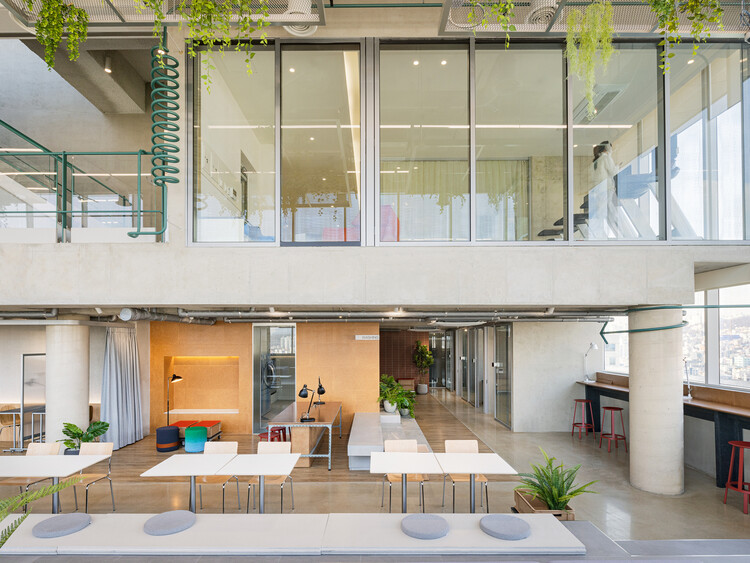
The Rise of Co-Living Spaces for Young Professionals in East Asia: 5 Projects Redefining Flexible Living
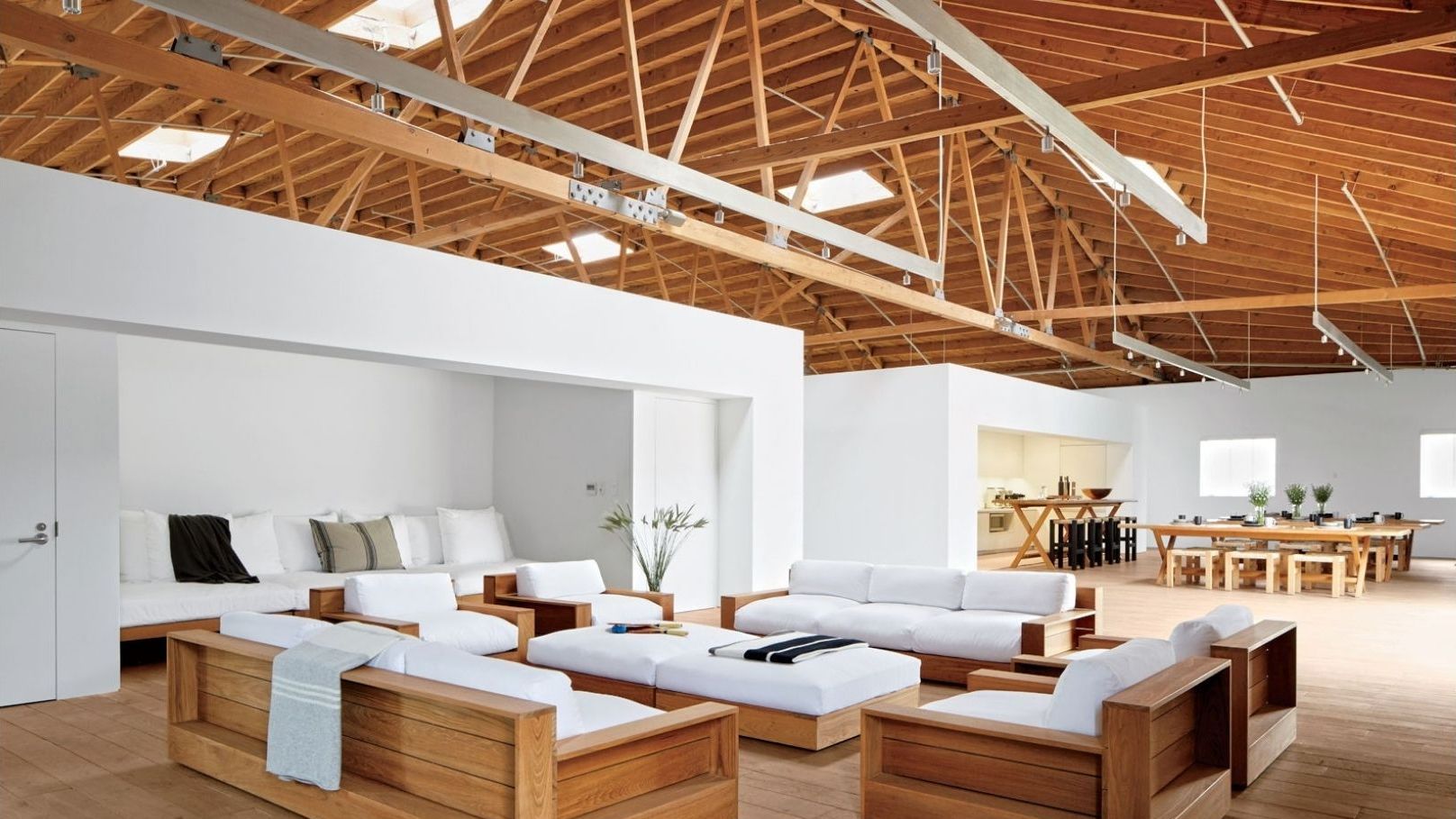
Is the open floor plan really dead?

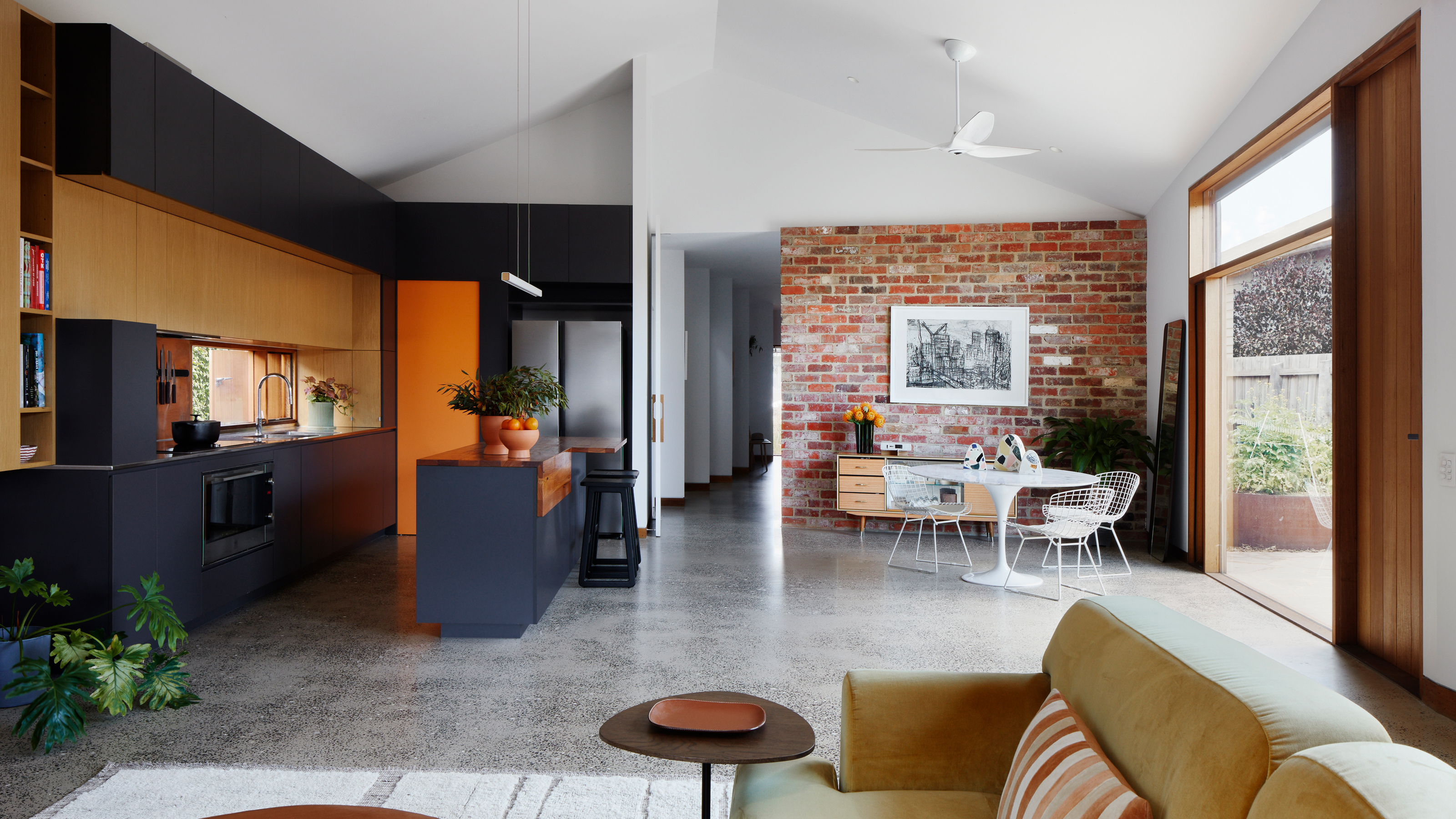
Are Open Concept Floor Plans Still in Style? Here's Why Designers are Opting Against This Once-Loved Layout

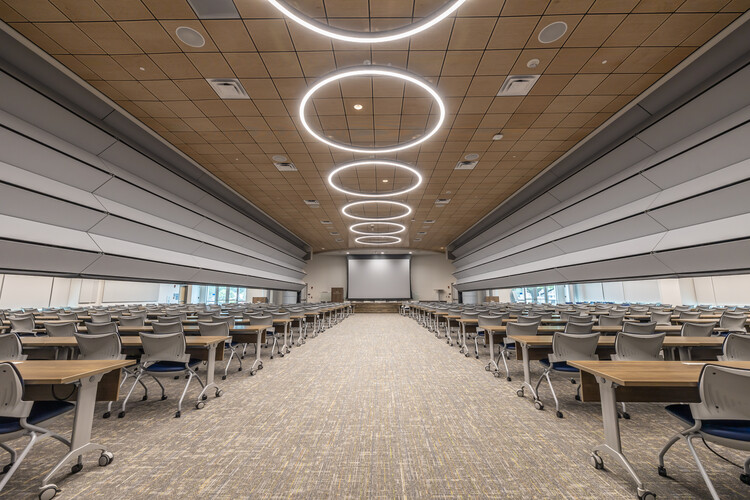
Achieving Precision in Flexible Design: The Path to 10,000 Vertically Folding Skyfold Walls

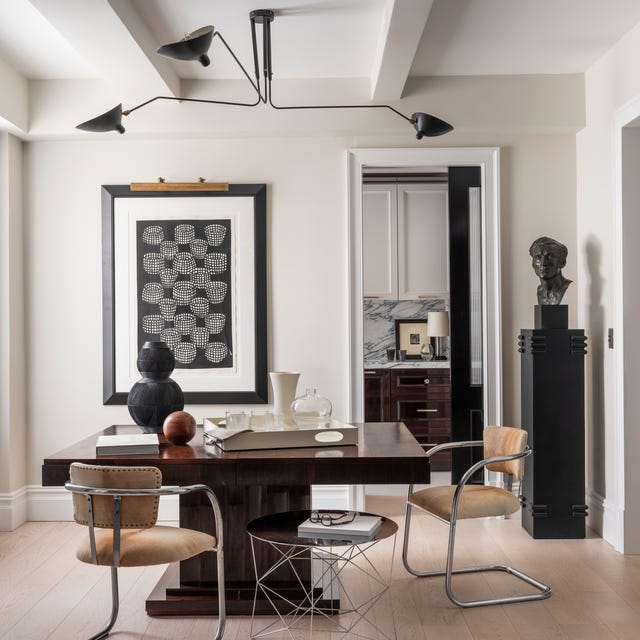
Designers Agree: Open Concept Is Out, Tradition Is In

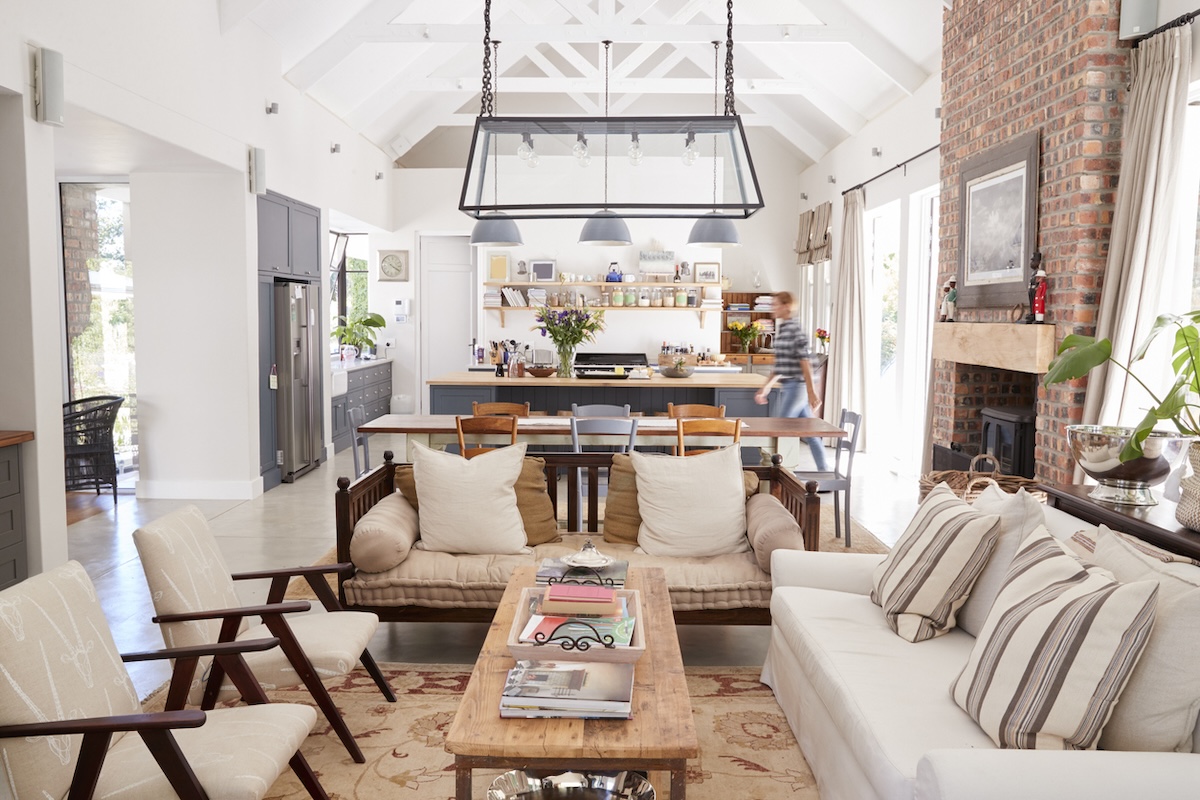
The One Wall Most People Want to Rip Out: Ideas for Open and Semi-Open Floor Plans

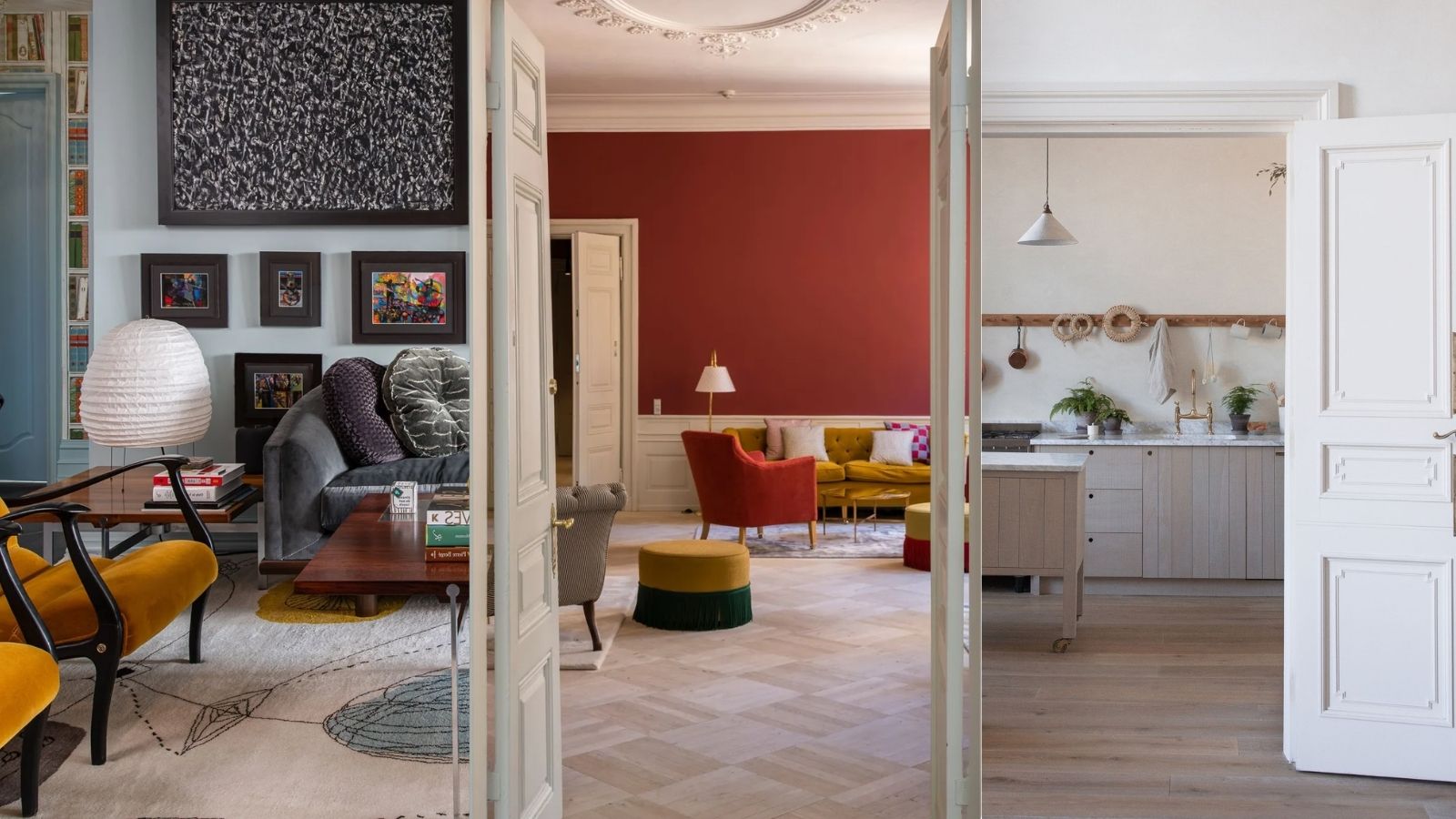
Are closed layouts back on trend? Designers weigh in on why we are over open plan
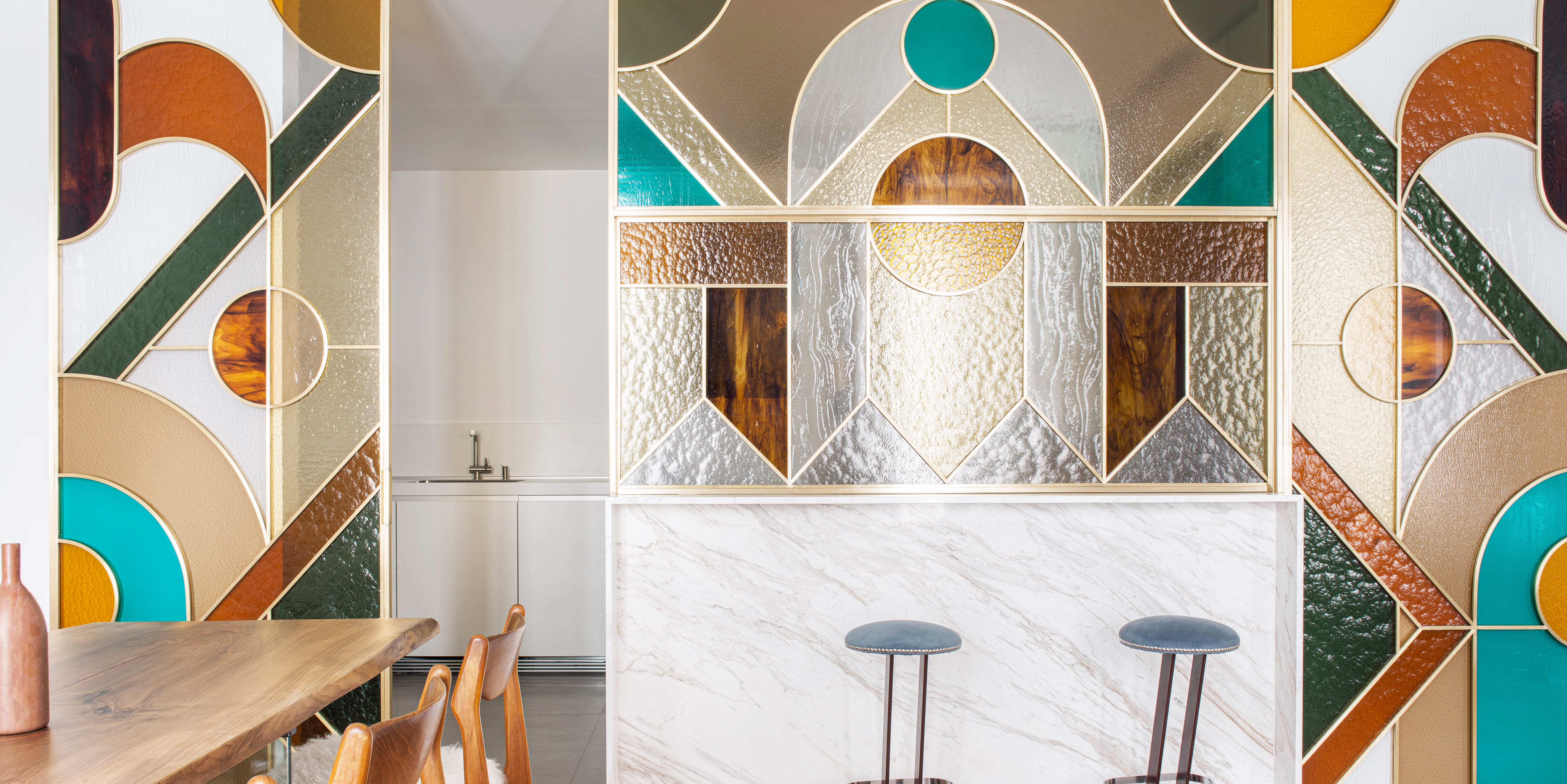
12 smart ideas for zoning open plan spaces

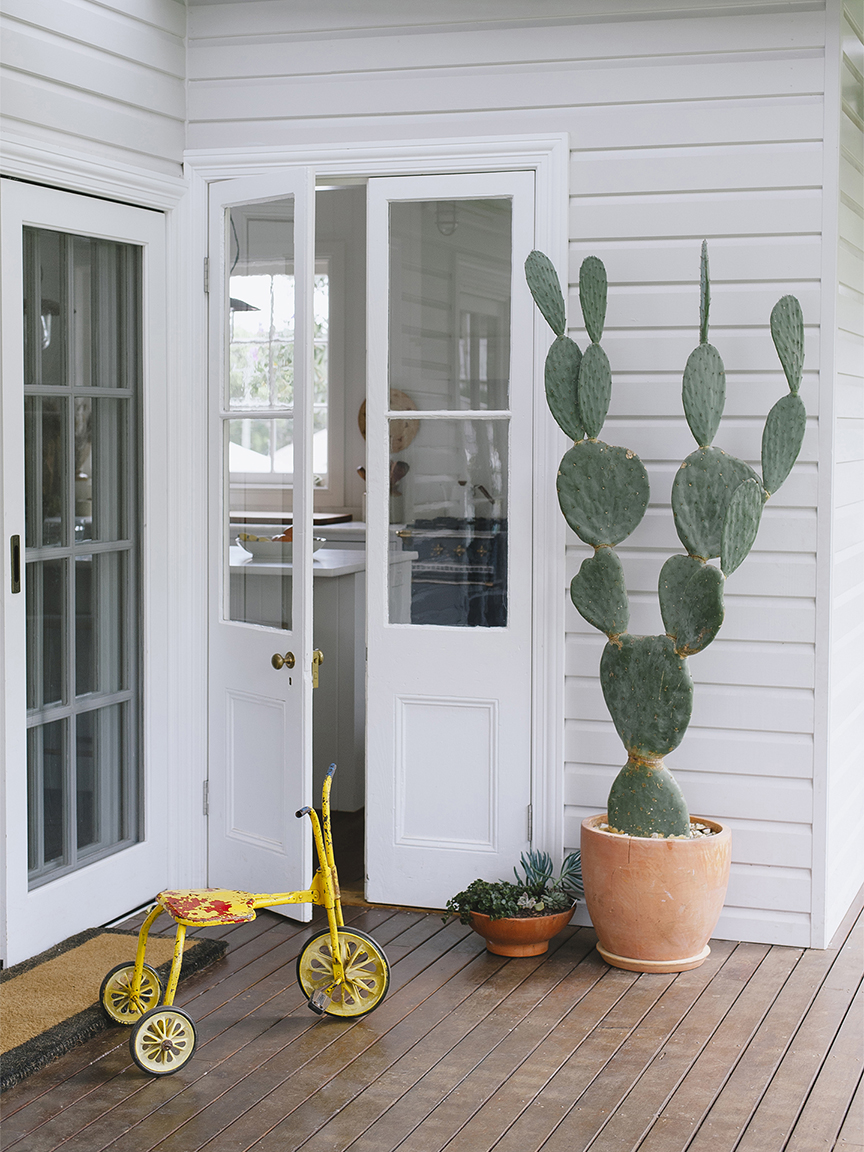
Is This the End of the Open-Plan Layout?