1/9
Is open plan going out of style? Experts weigh on whether this once-loved layout is starting to date
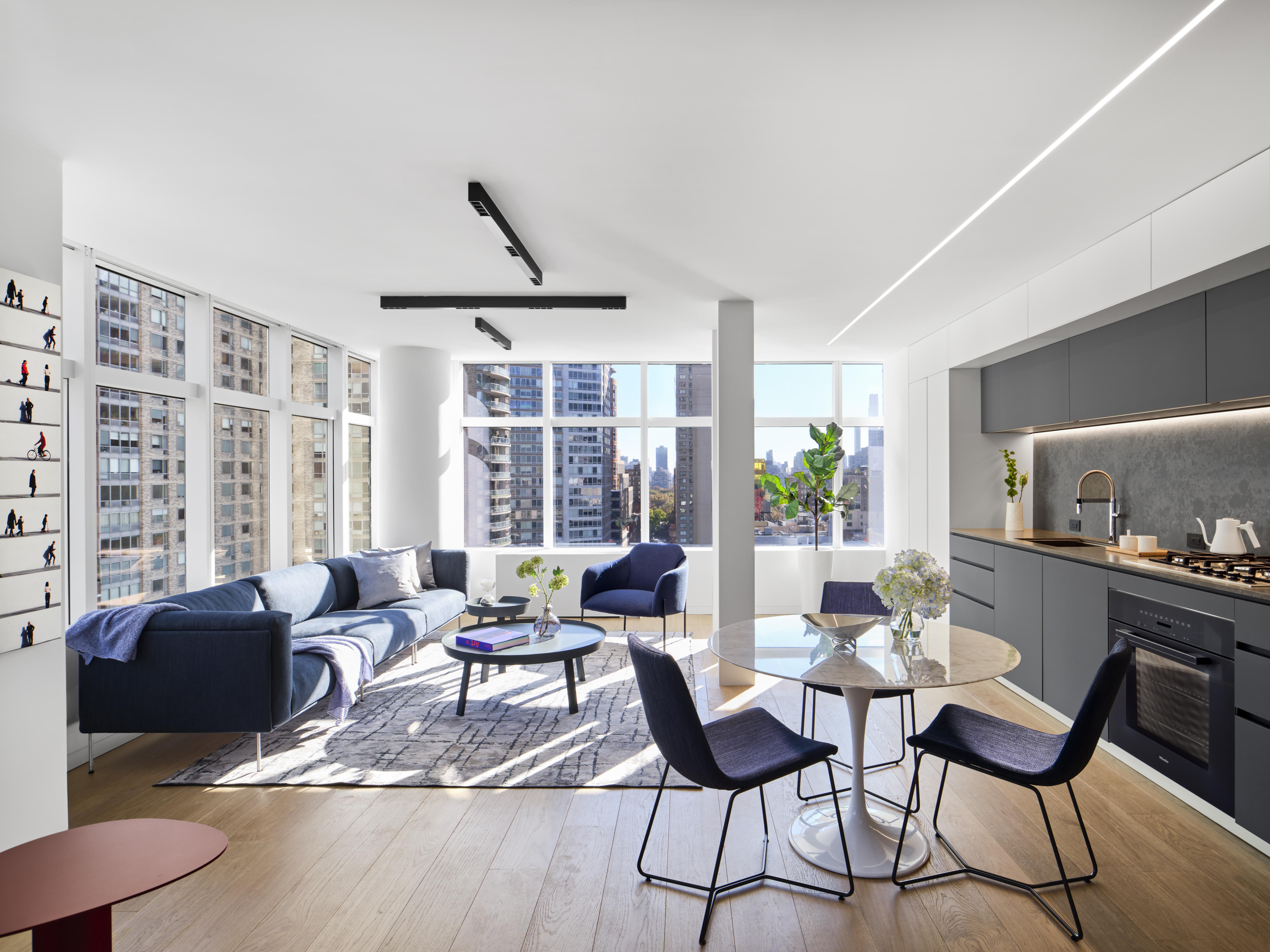
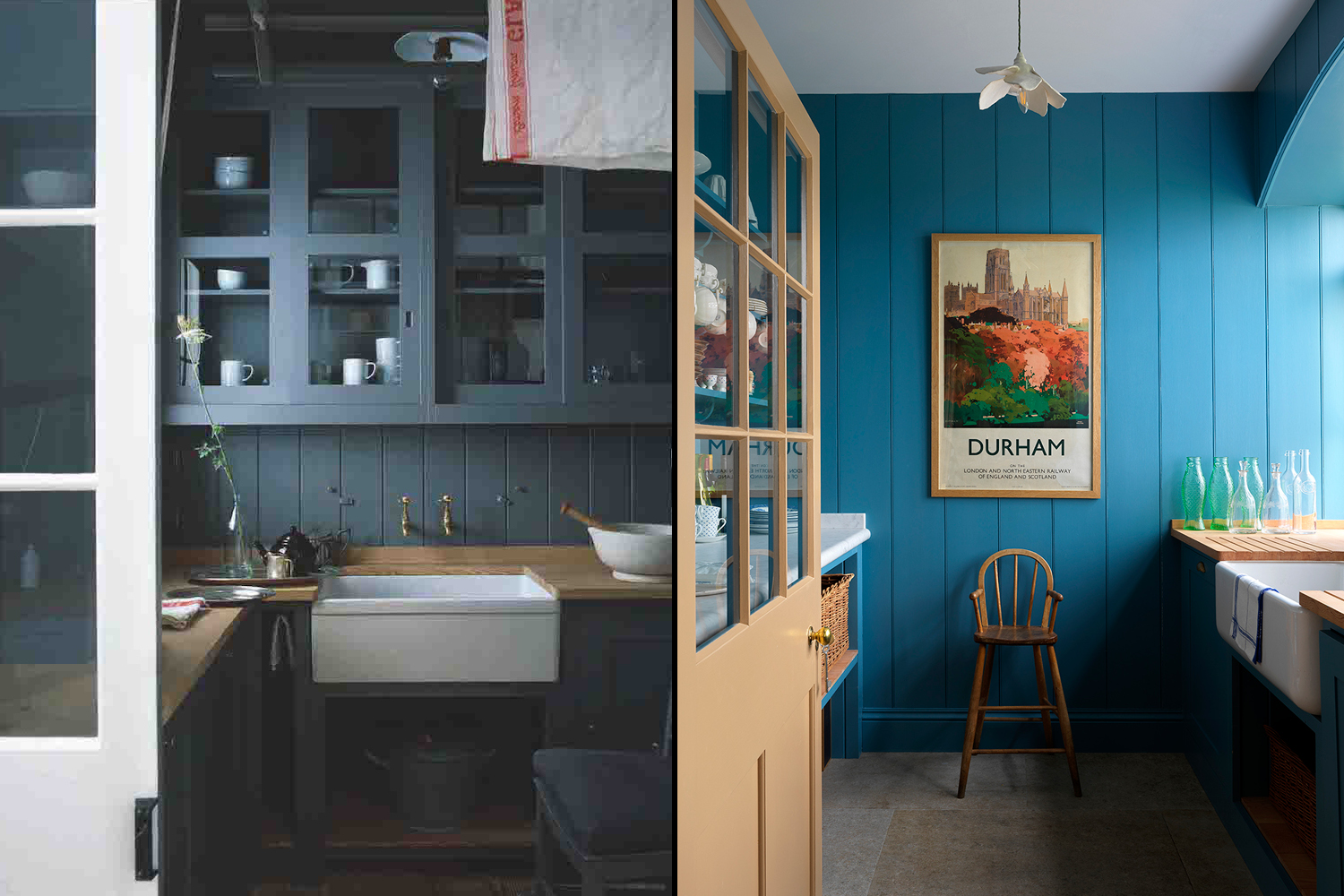
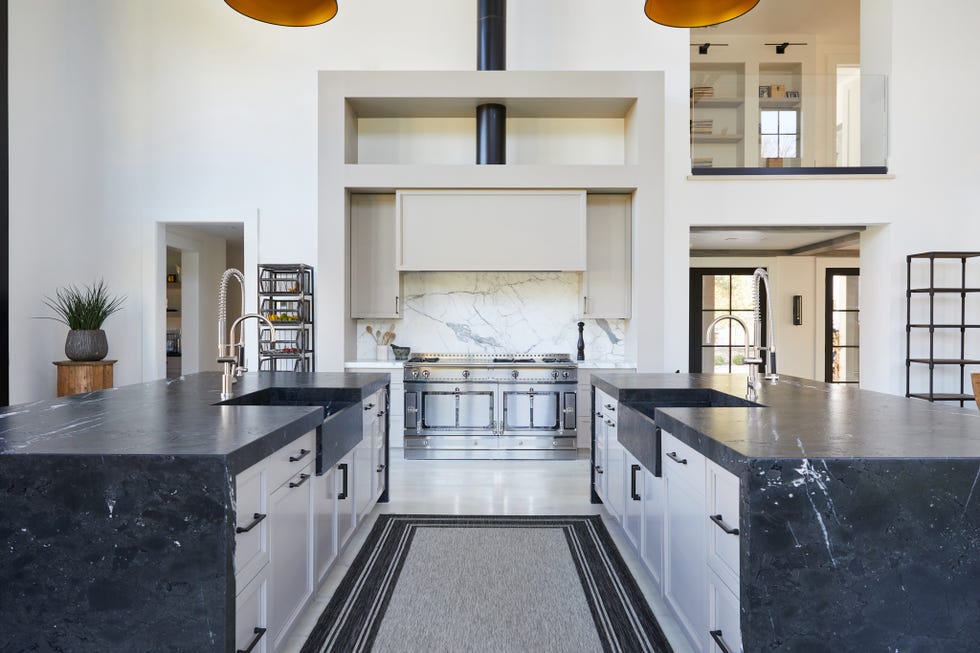
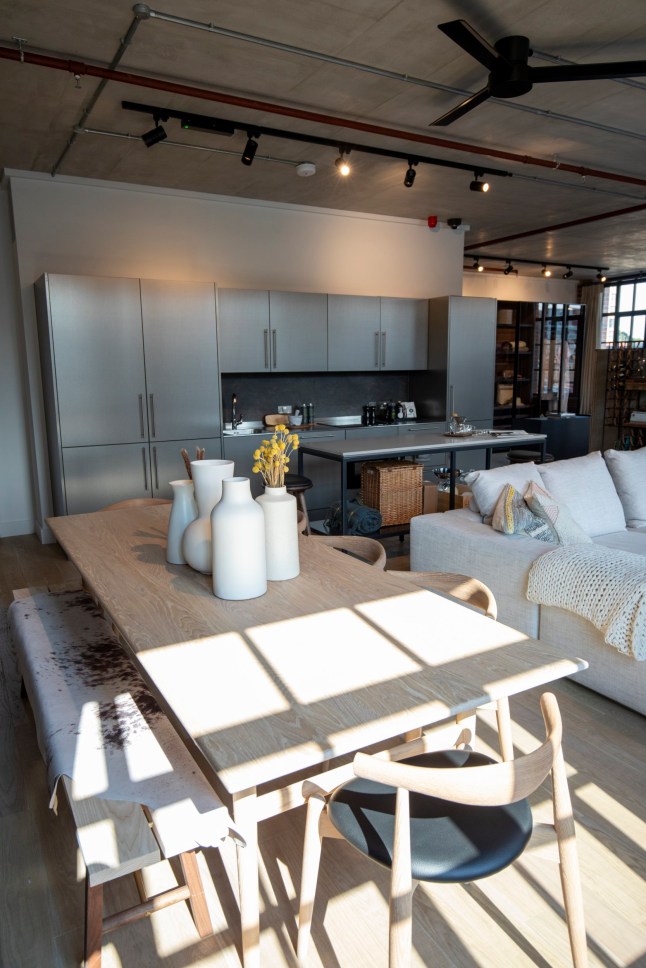
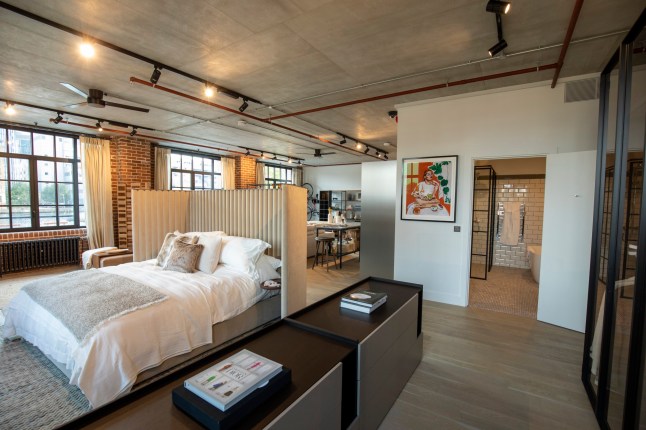
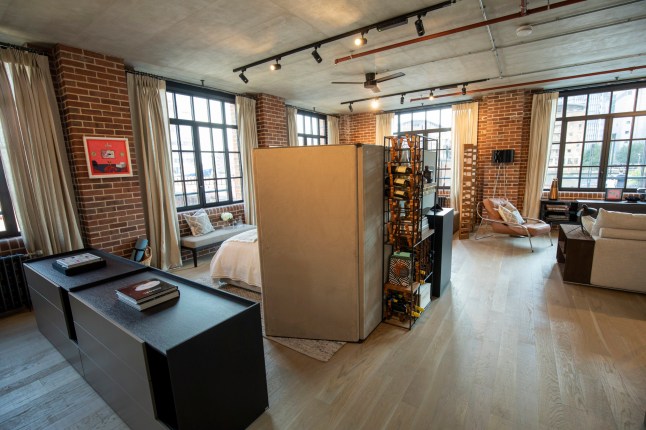
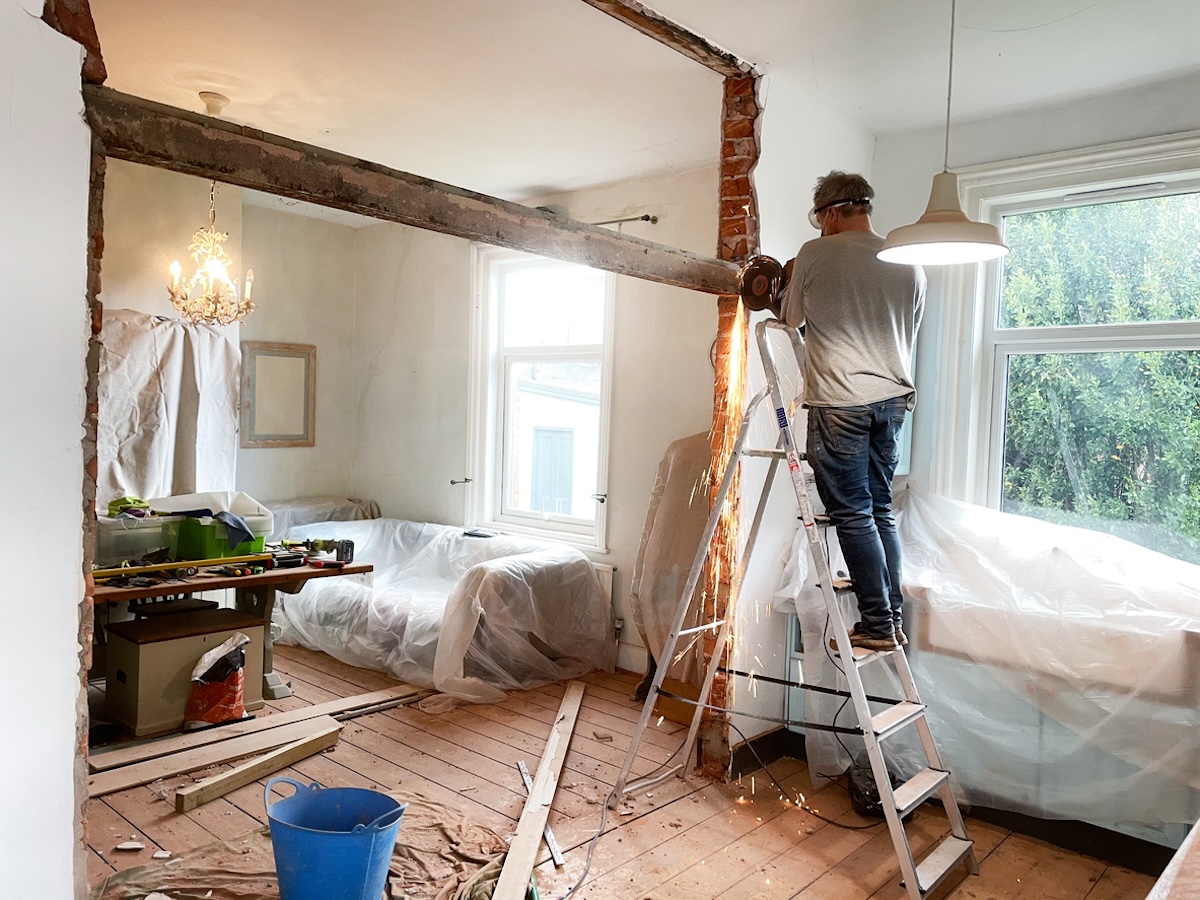
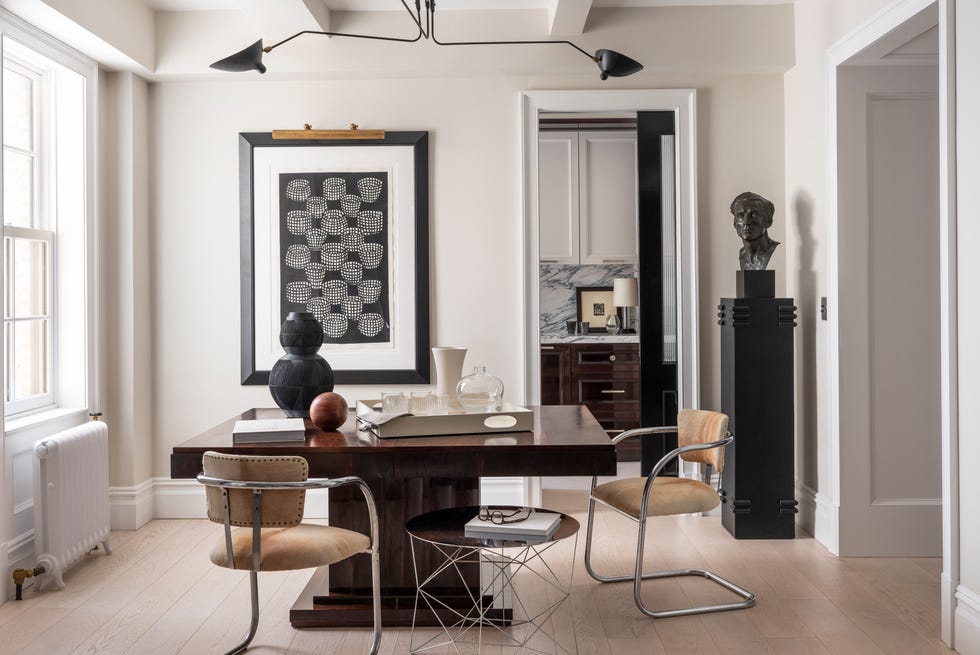
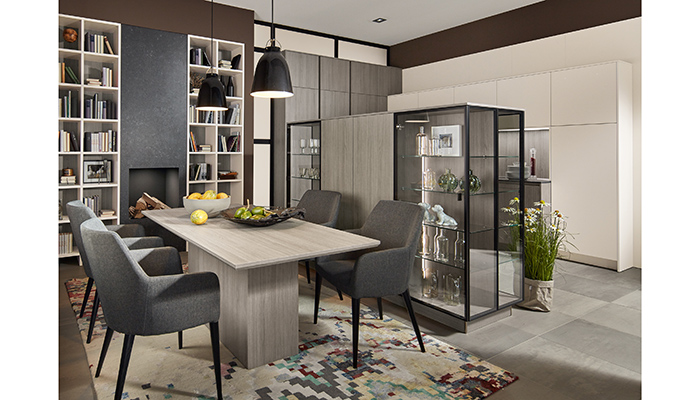
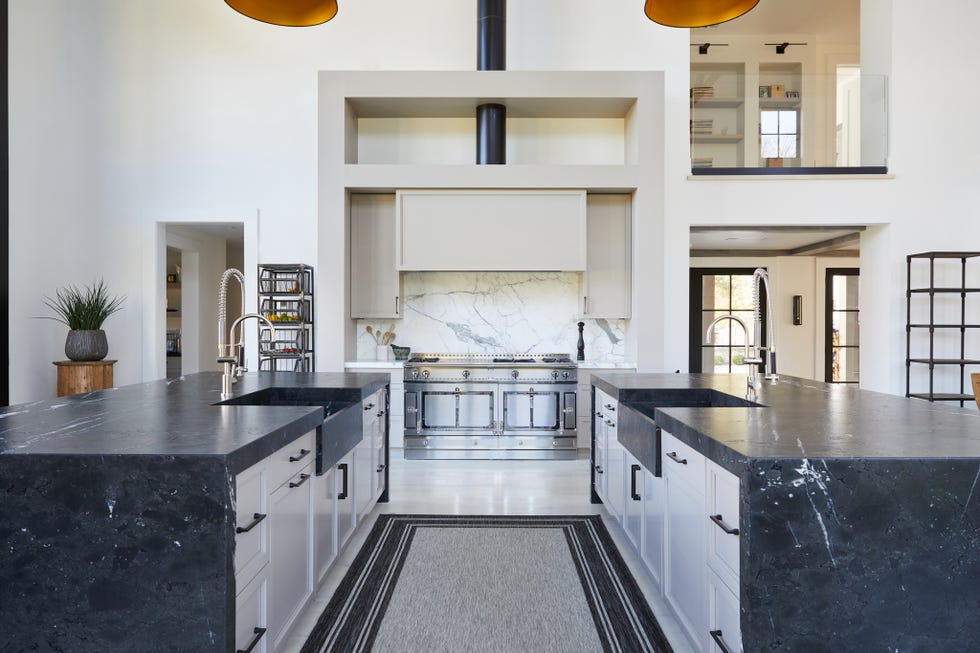
Open-plan layouts, once lauded for their ability to create a sense of spaciousness, connection, and modernity in homes, are now subject to reevaluation by interior designers and real estate experts. The popularity of open-plan designs, which encompass everything from open-plan living rooms to spacious kitchens, surged as architects and home builders moved away from traditional room-based layouts. However, evolving lifestyle needs, particularly in the wake of recent global events, have prompted a shift in perspective.
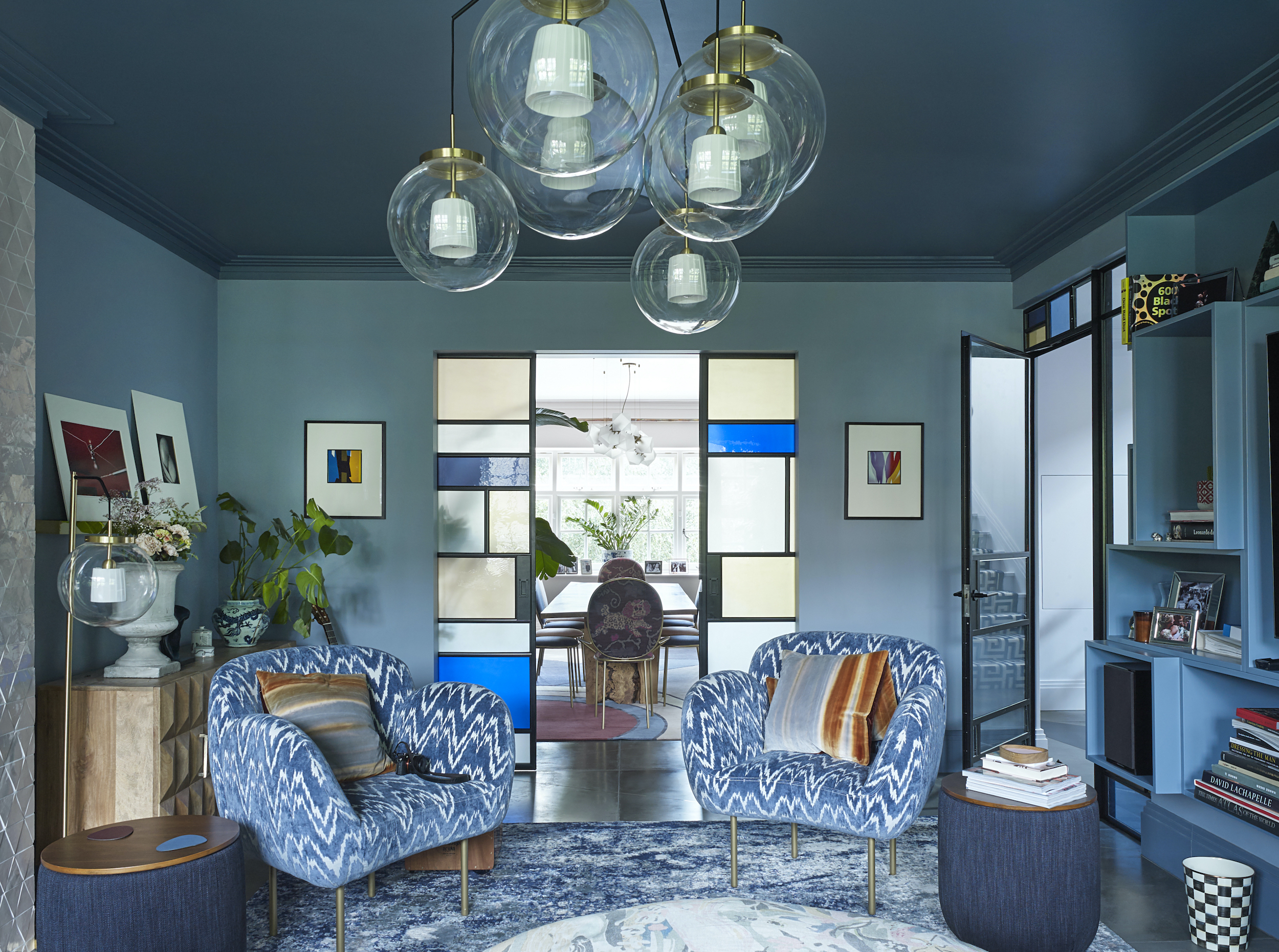
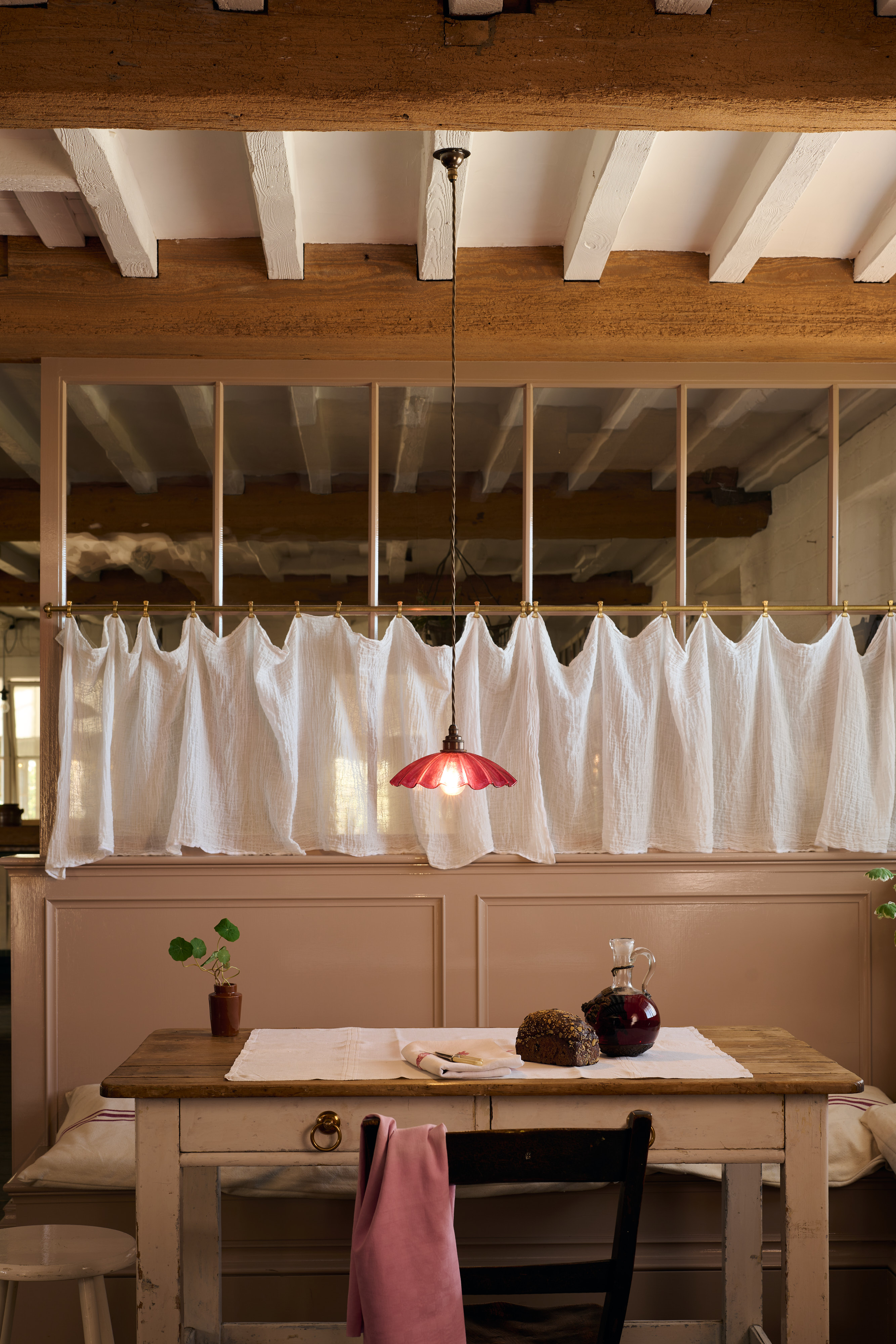
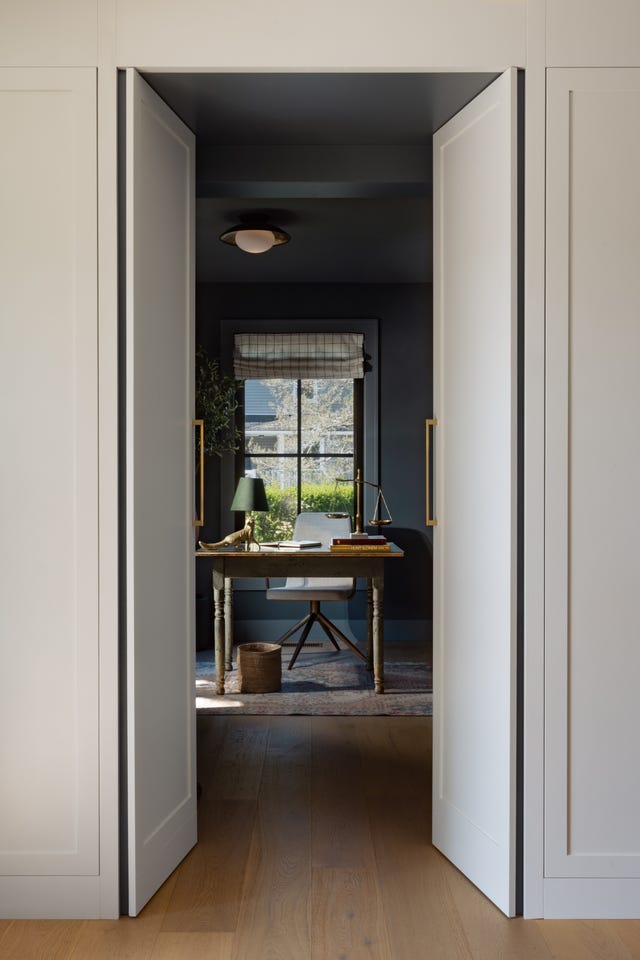
Experts suggest that open plan is not necessarily becoming obsolete but rather undergoing an evolution. Artem Kropovinsky, an interior designer, notes that open plan has adapted to accommodate the contemporary need for both public and private spaces within a home. Homes now require flexibility to serve multiple functions, including leisure, socialization, and remote work. Elizabeth Johnson, founder of Liz Johnson Design Studio, concurs, stating that while open layouts remain effective for entertaining and fostering a sense of flow, the pandemic highlighted a strong demand for privacy and separation, transforming homes into offices, classrooms, and sanctuaries. She emphasizes that modern designs benefit from thoughtful adjustments such as flexible rooms, pocket doors, quiet zones, and main-level bedrooms to balance openness with options for seclusion.
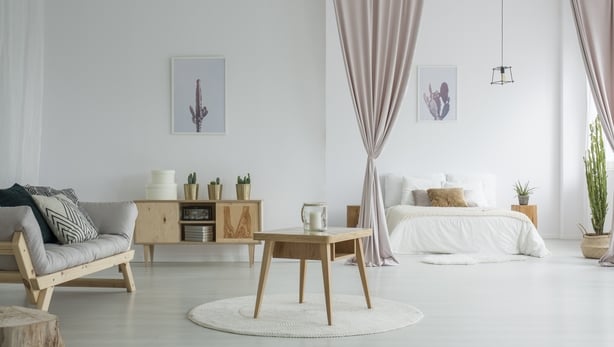
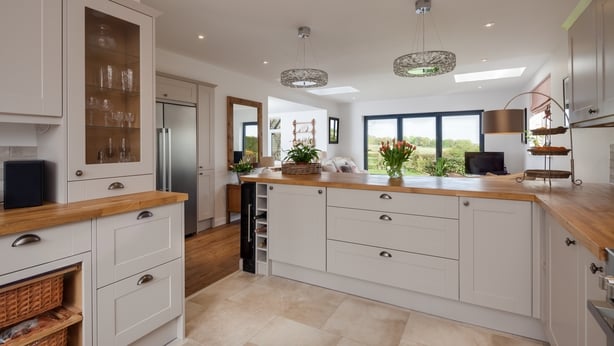
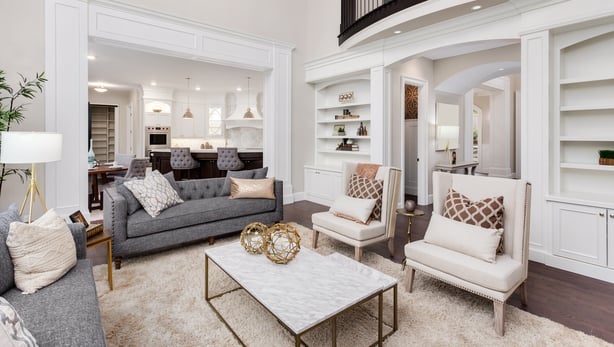
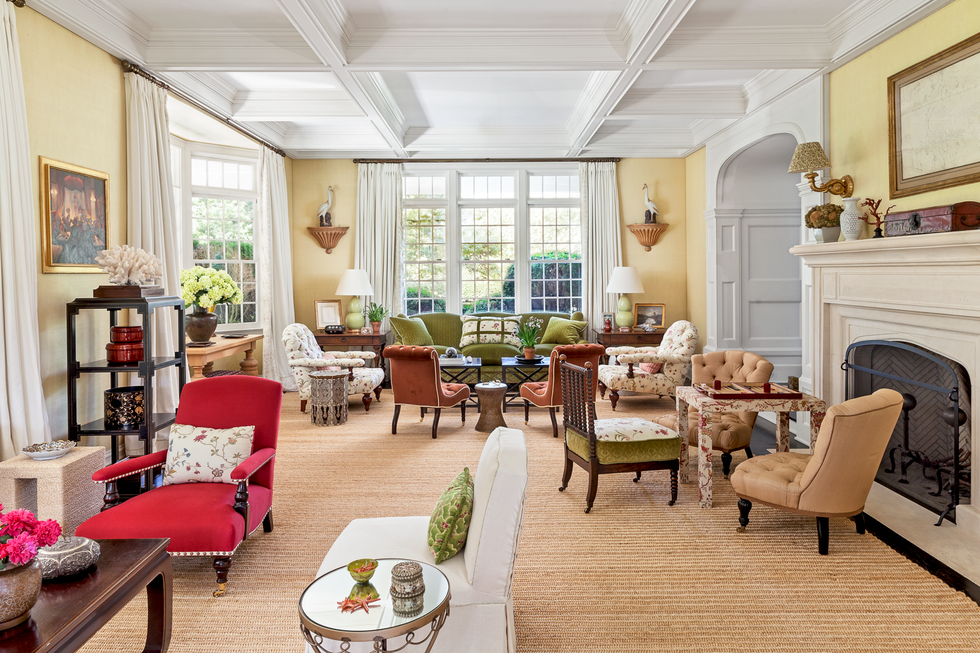
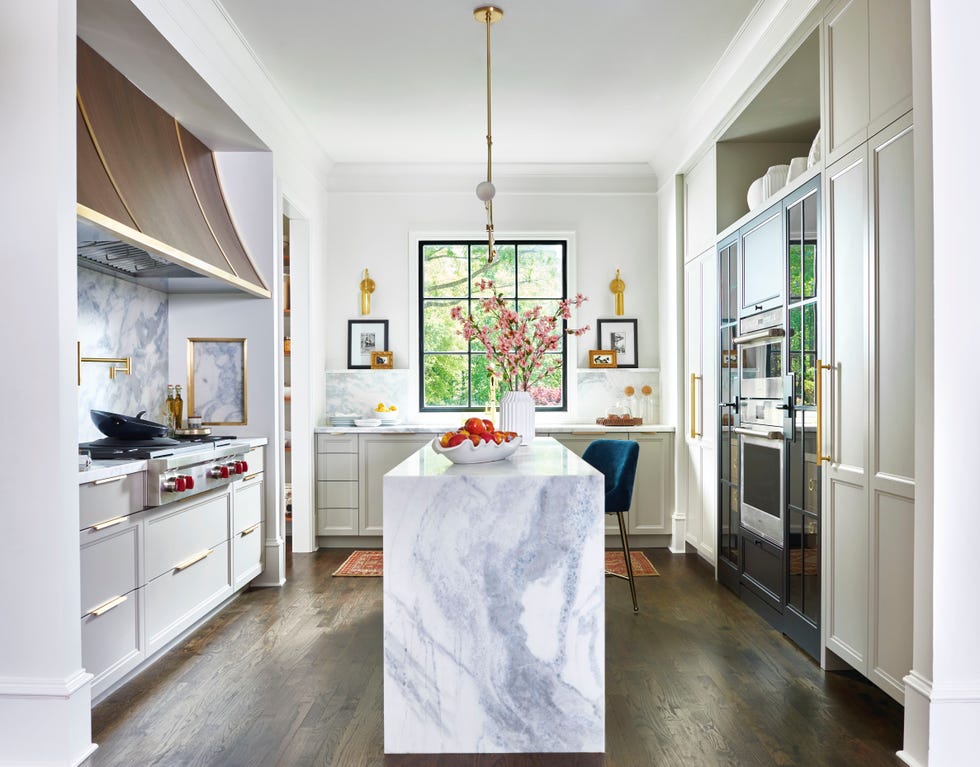
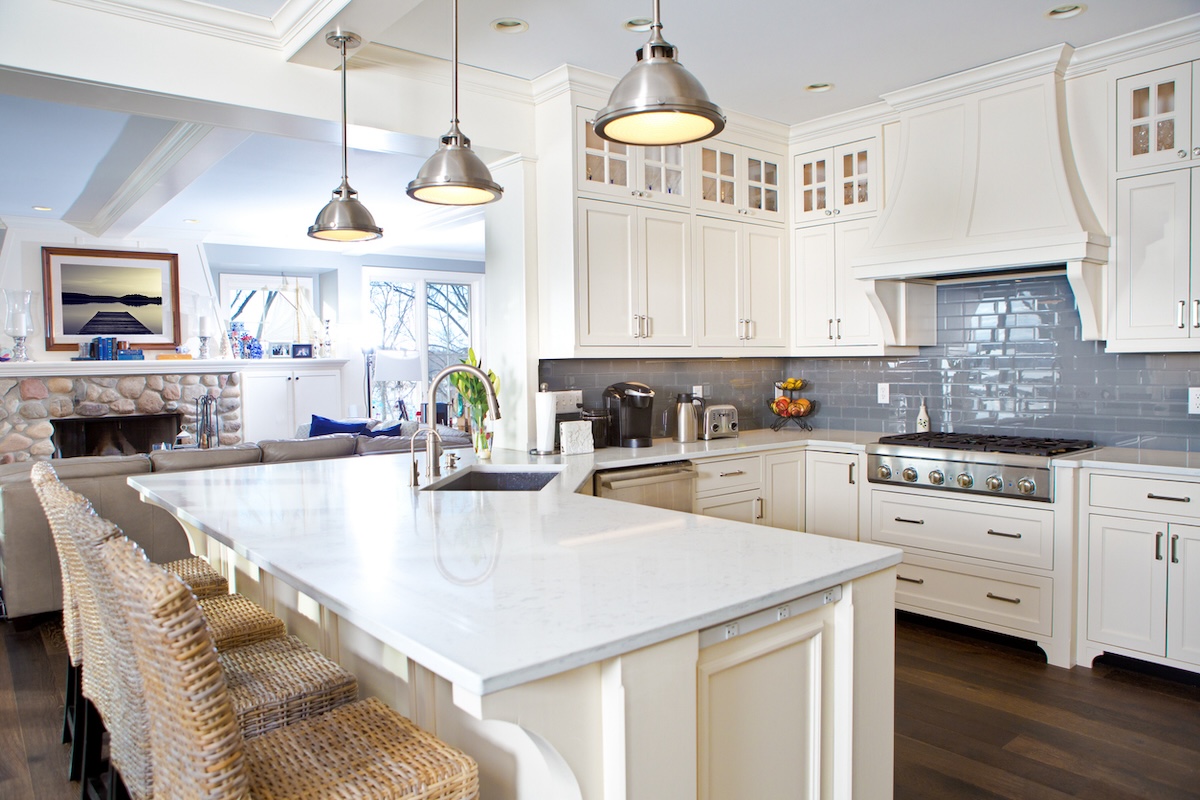
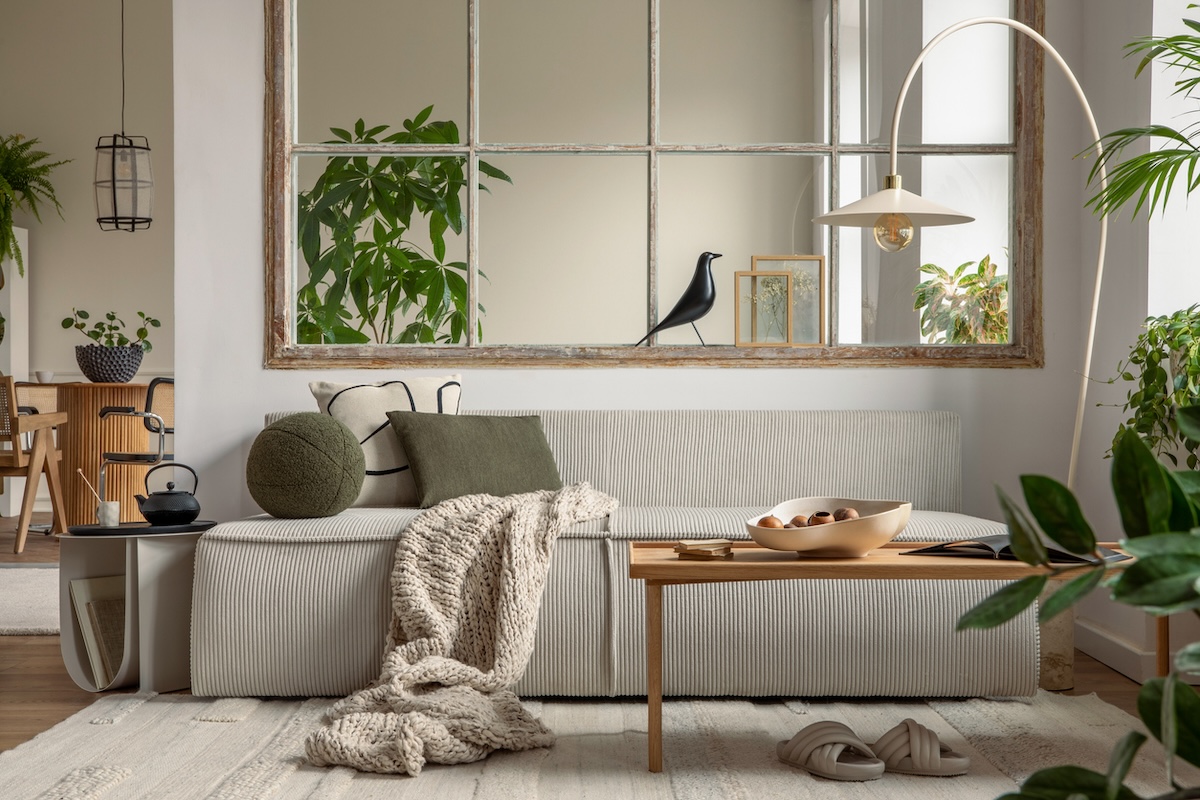
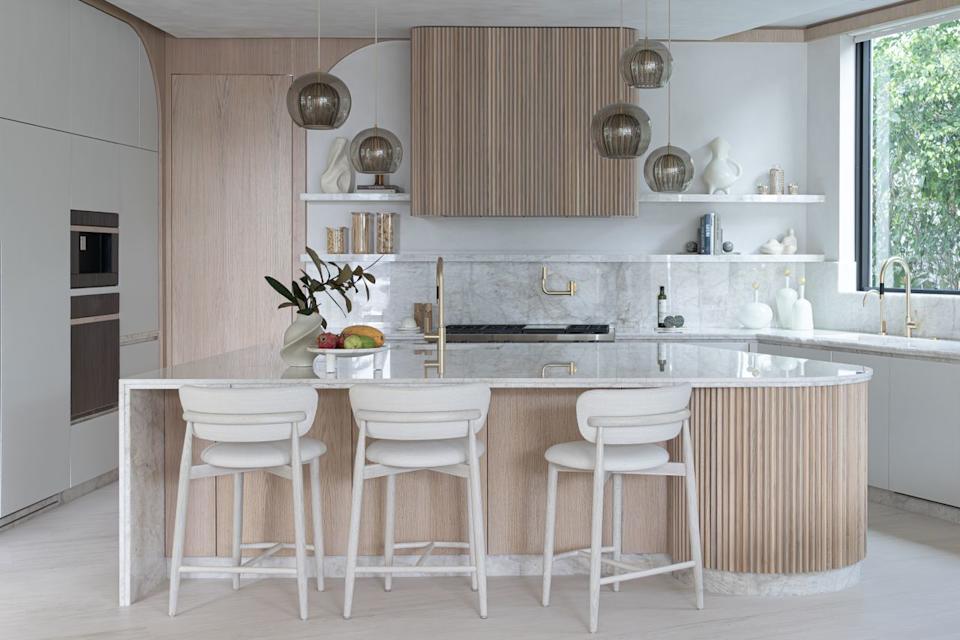
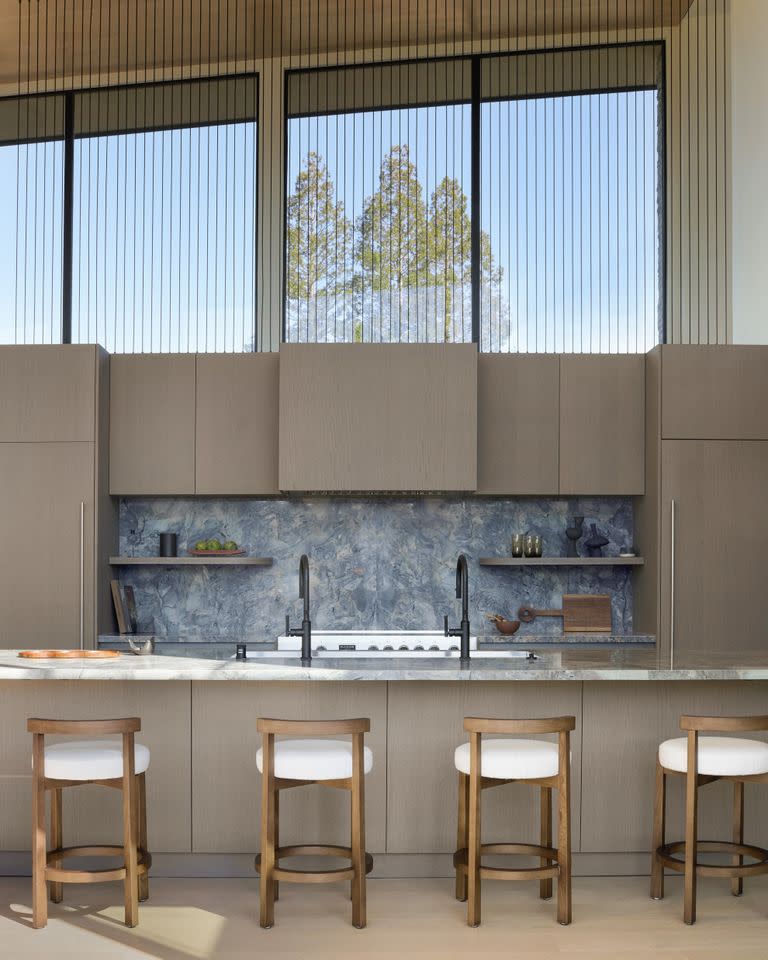
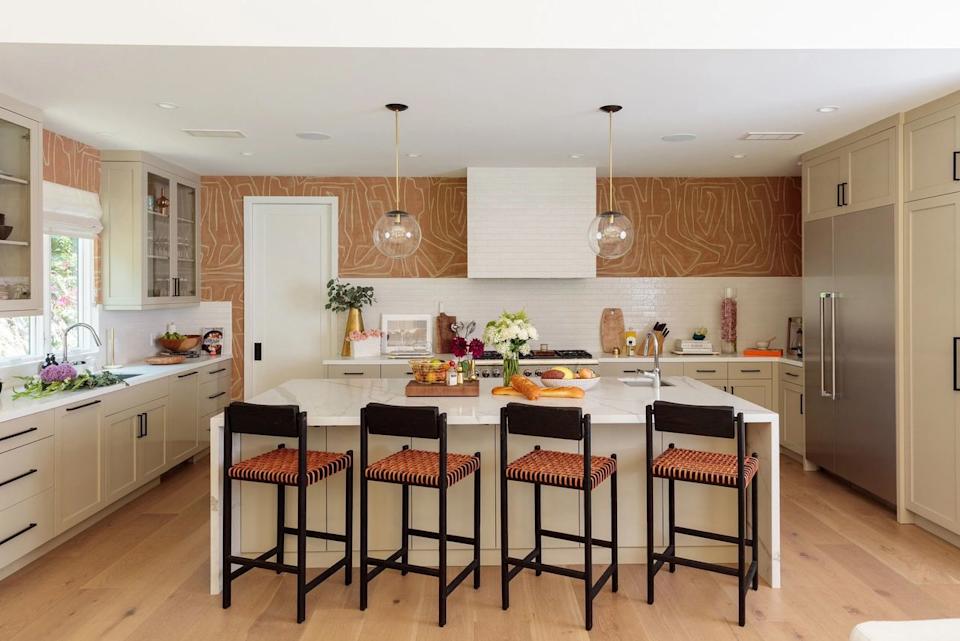
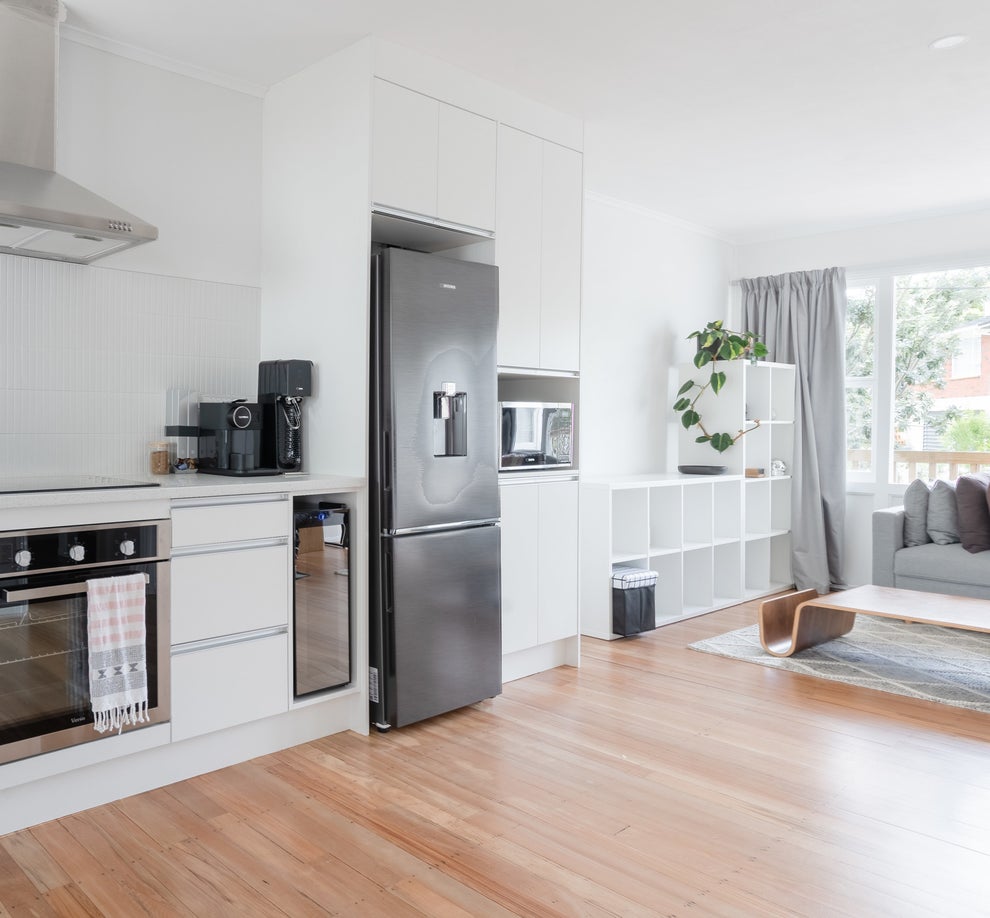
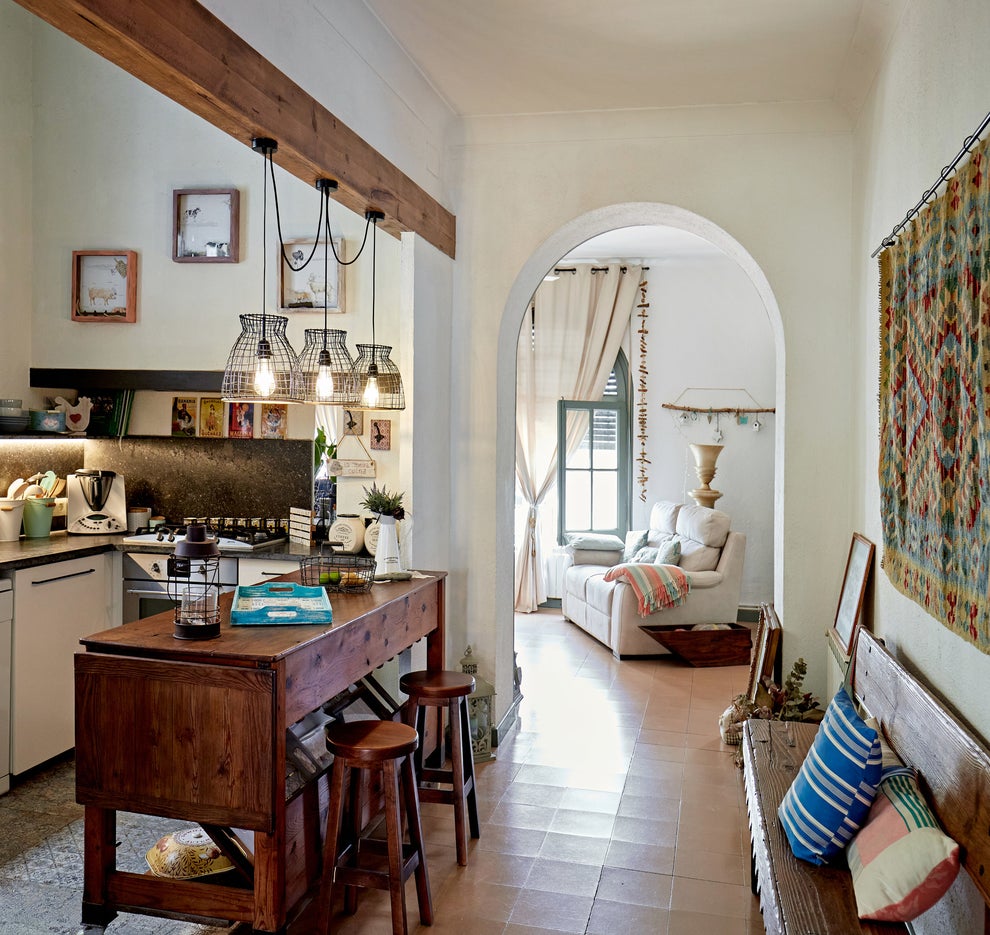
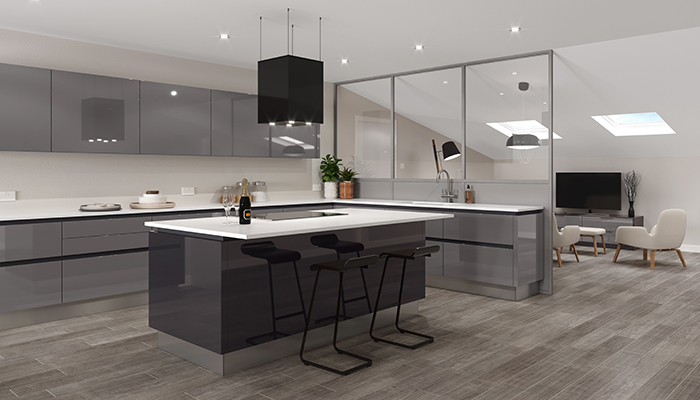
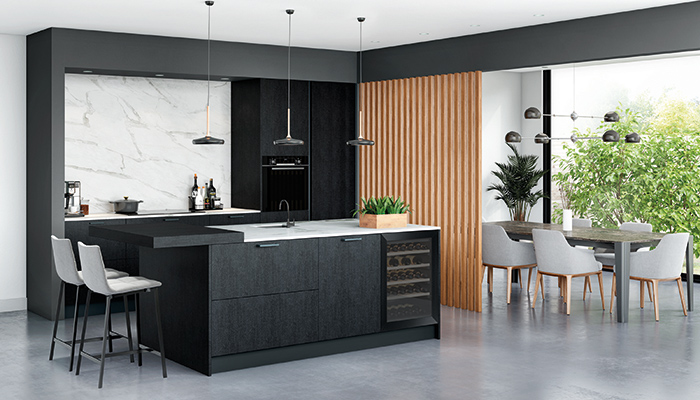
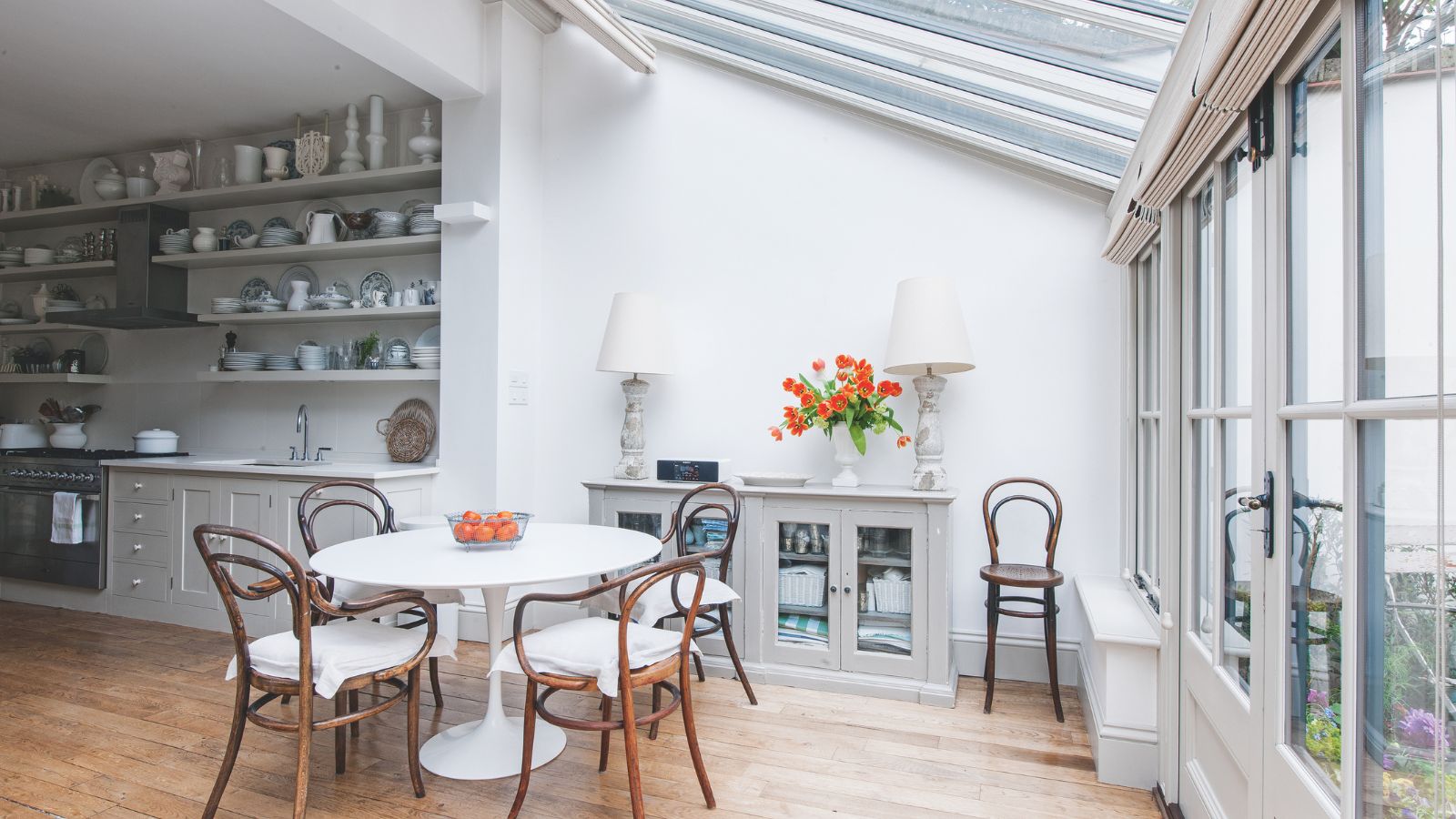
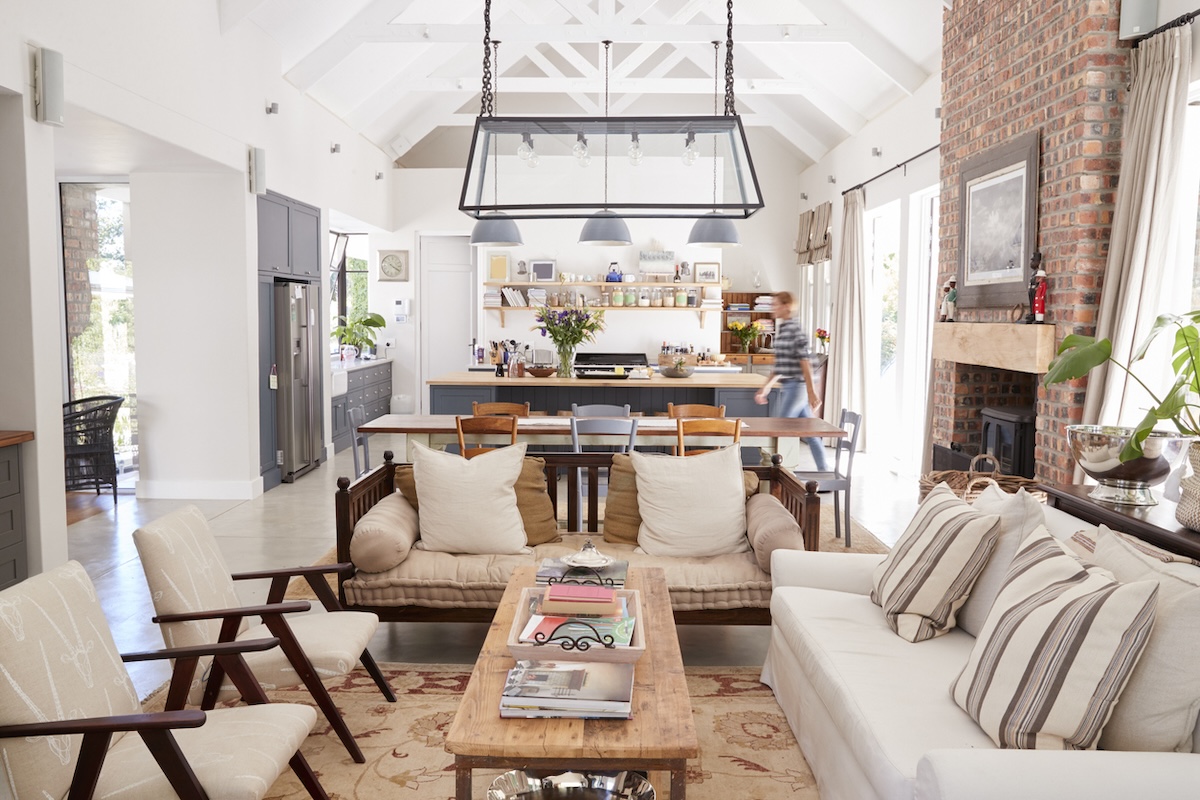
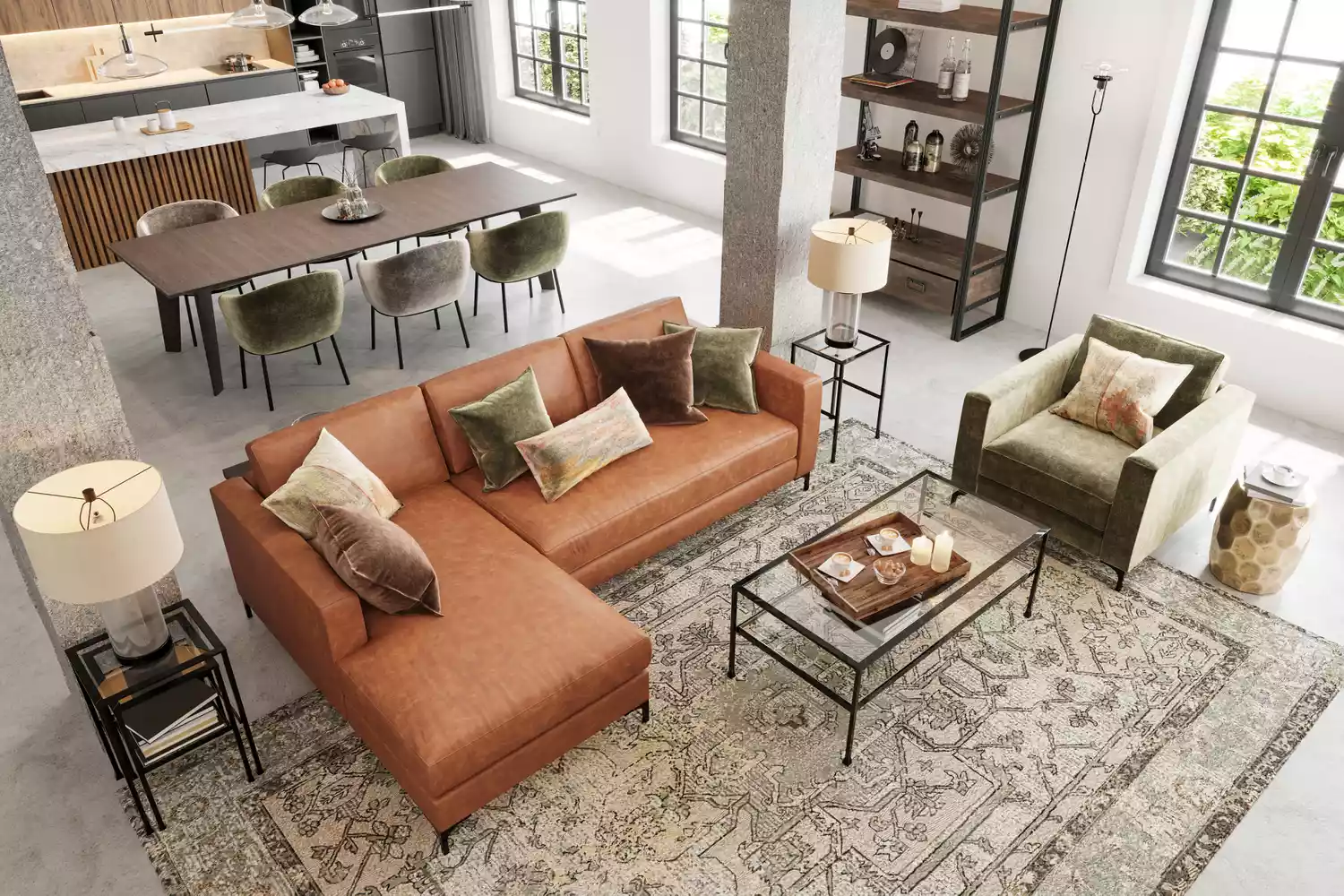
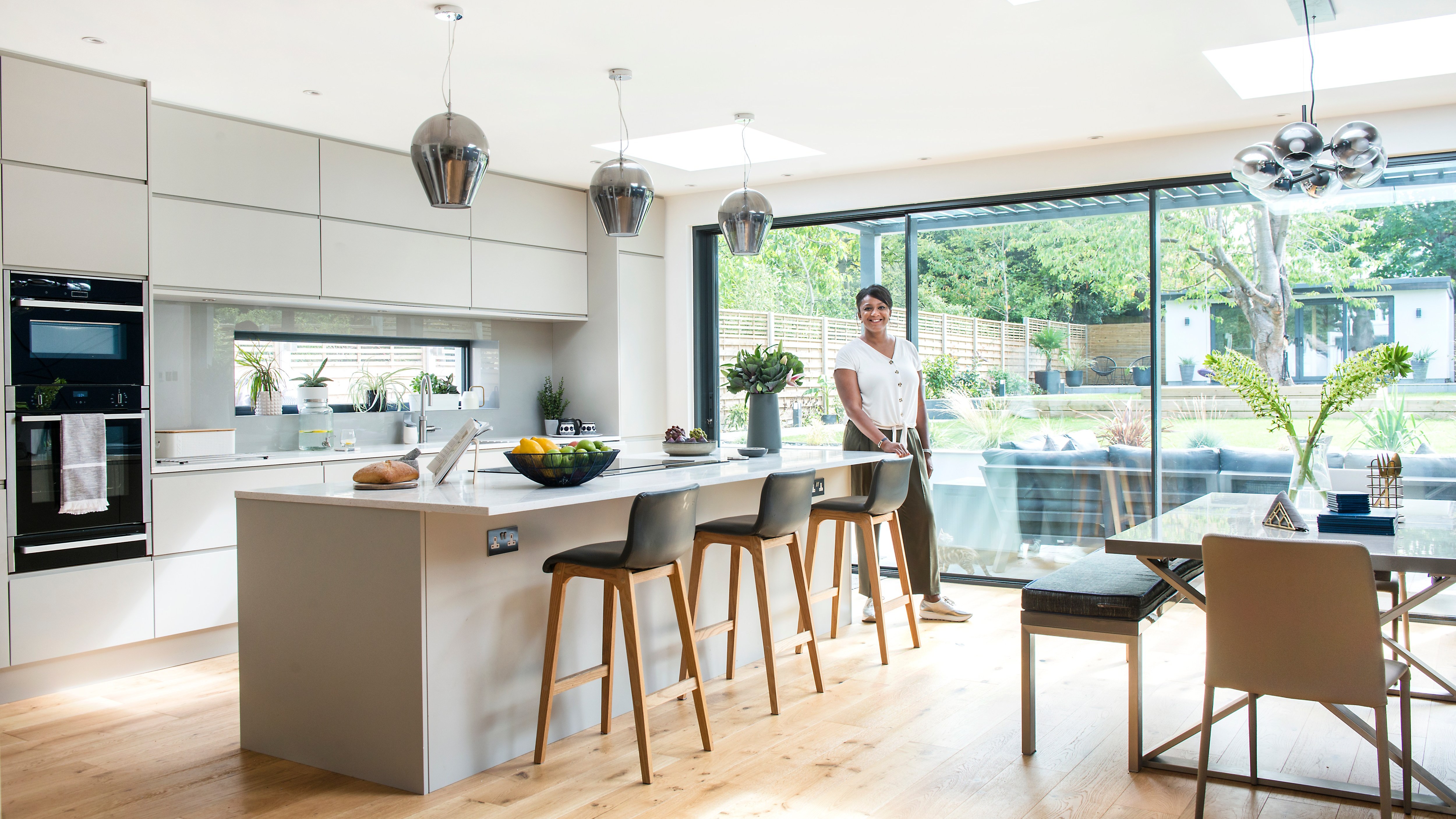
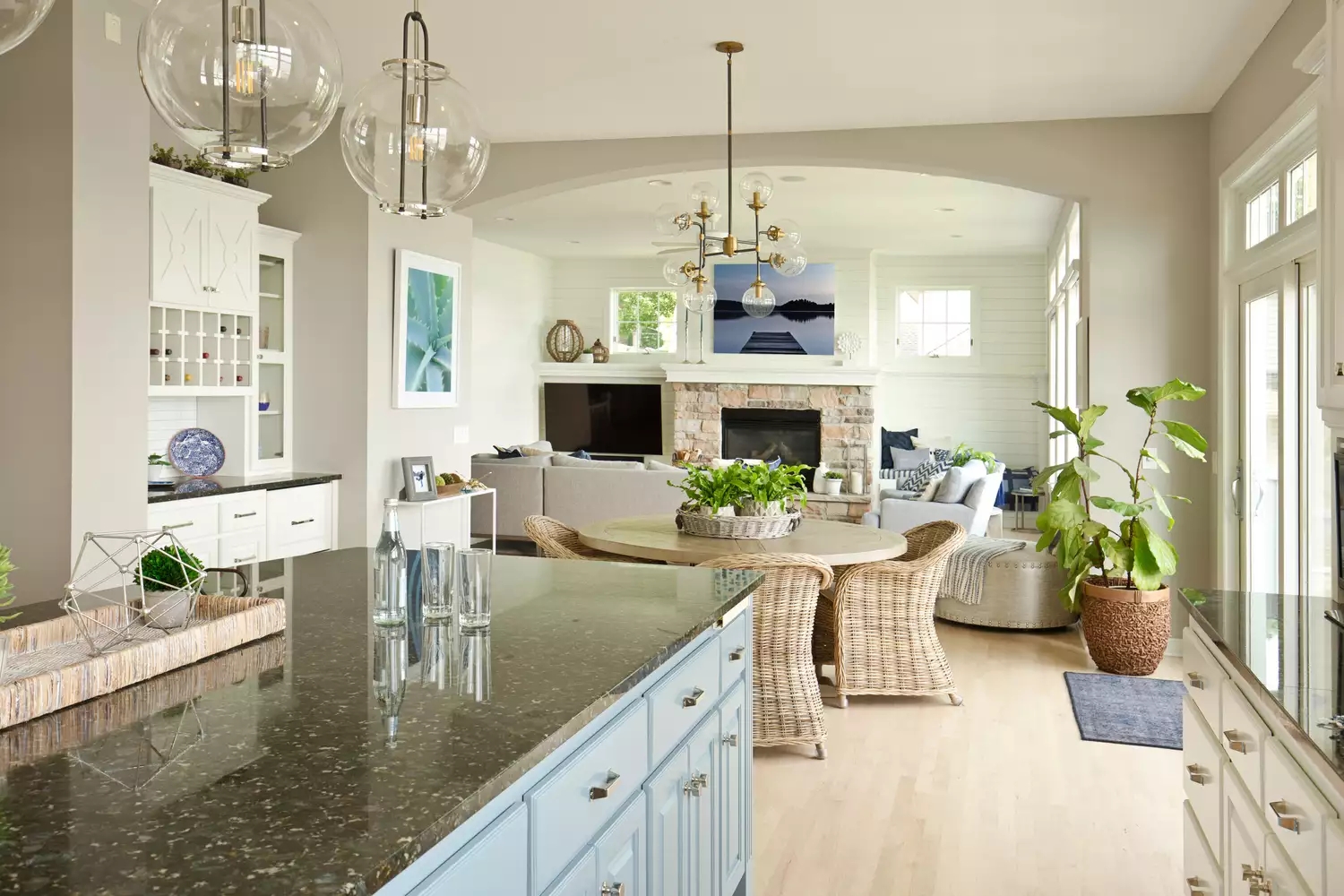
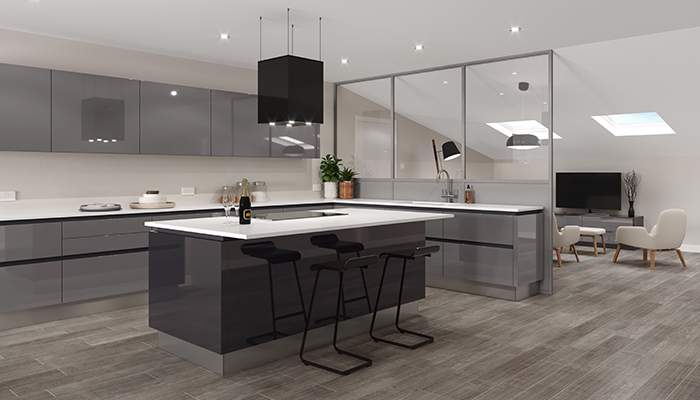
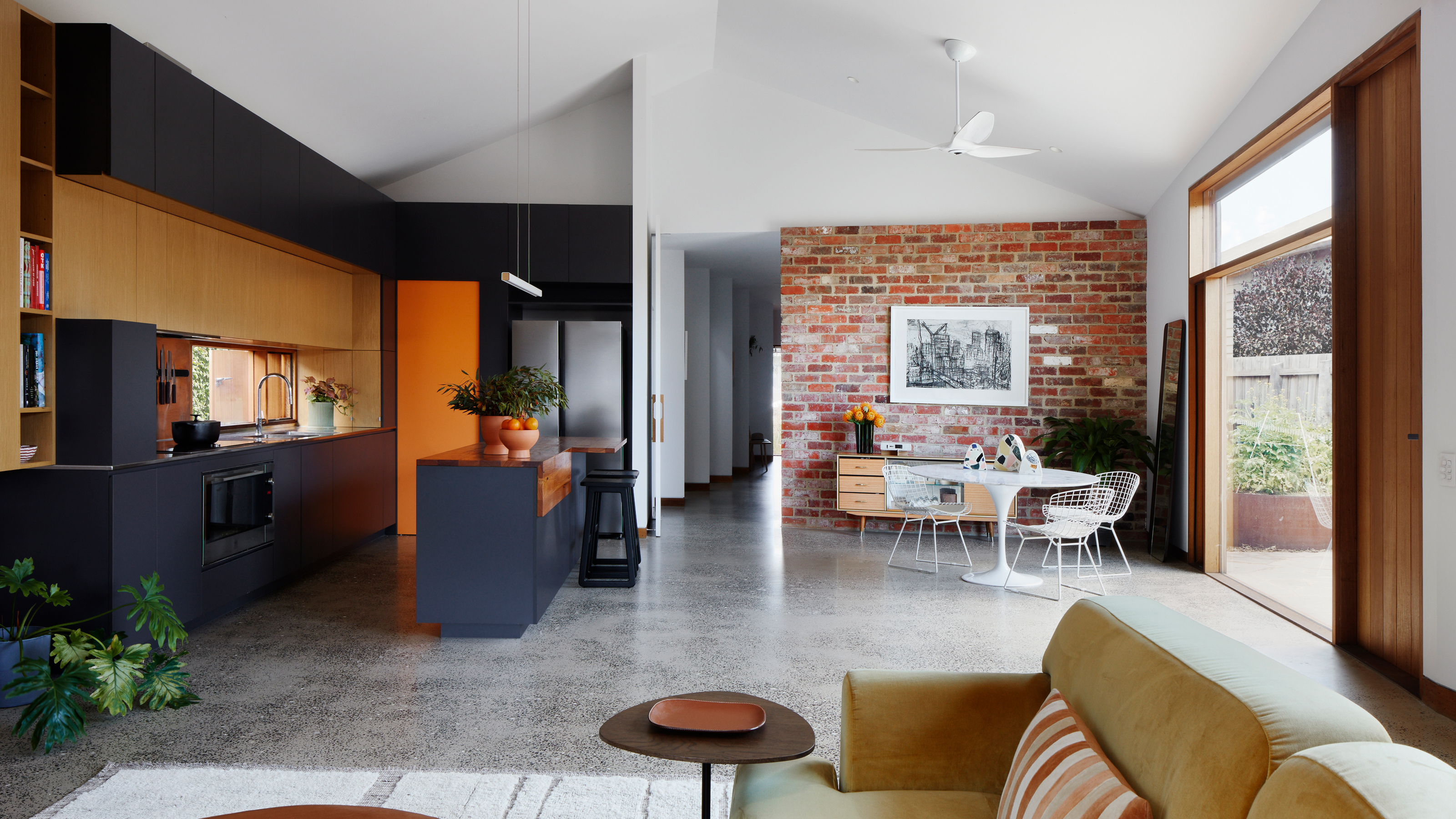
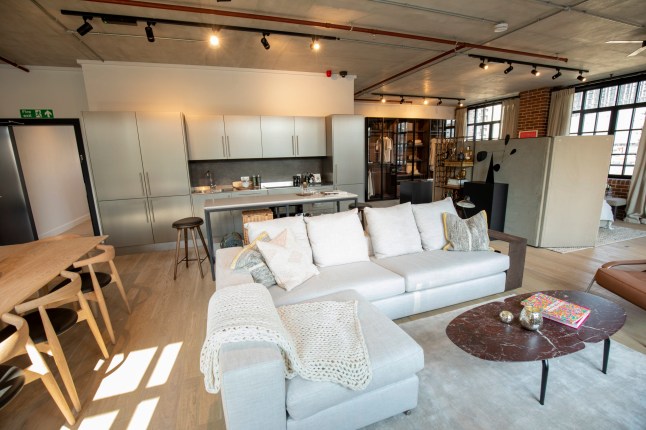
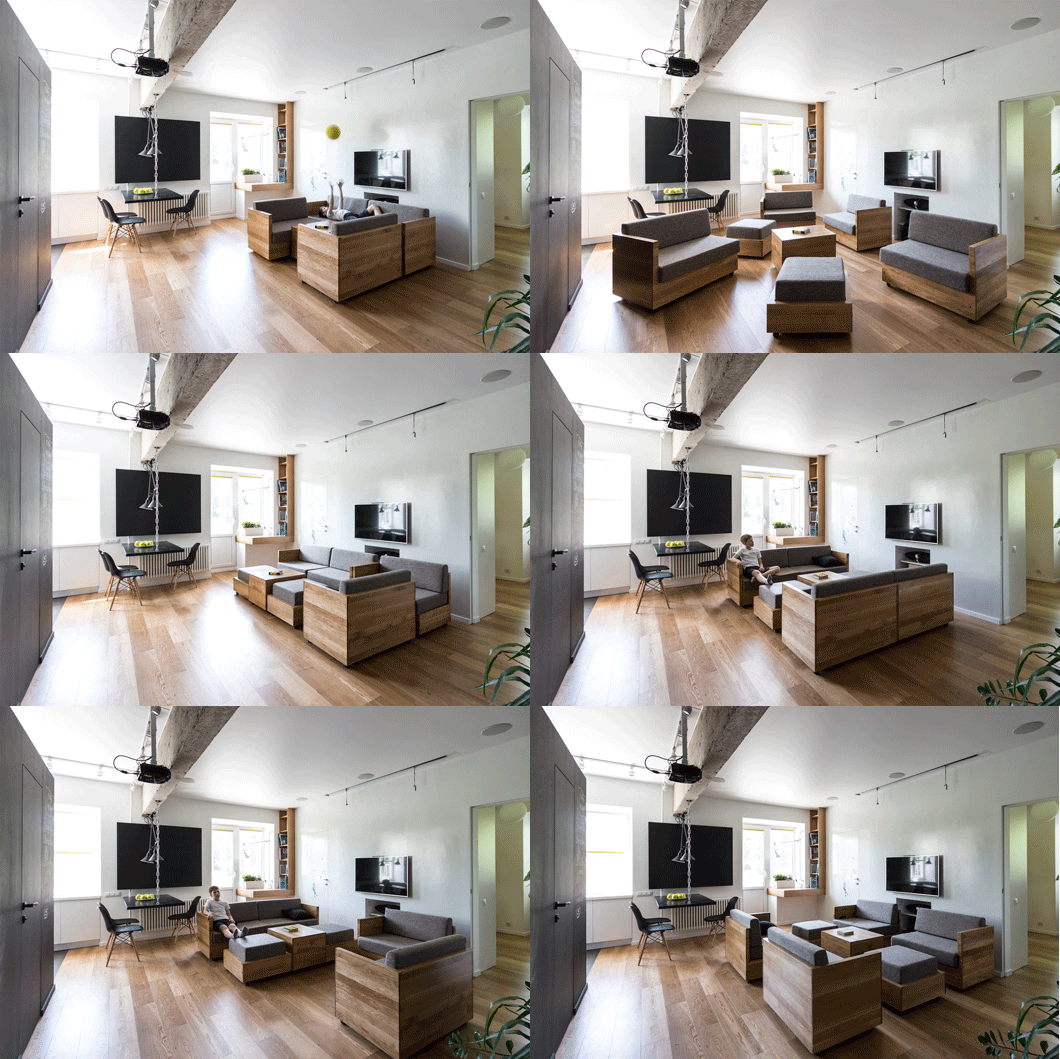
The advantages of open-plan living are numerous, particularly for those who frequently entertain. Open-plan kitchens and kitchen diners allow hosts to interact with guests while cooking, enhancing social engagement. Kelly Trotz of Drury Design highlights a cultural shift where cooking became a more central and visible activity, leading to a preference for open kitchen designs that integrate with dining and living areas. Despite concerns about merging rooms, open-plan layouts can be effectively zoned through interior design techniques, using elements like rugs, furniture arrangement, or lighting to define distinct areas without permanent barriers. Real estate professionals acknowledge that open-plan layouts can add value if they align with the needs of homeowners and potential buyers, suggesting that versatile furniture and movable screens can offer reconfigurable spaces.
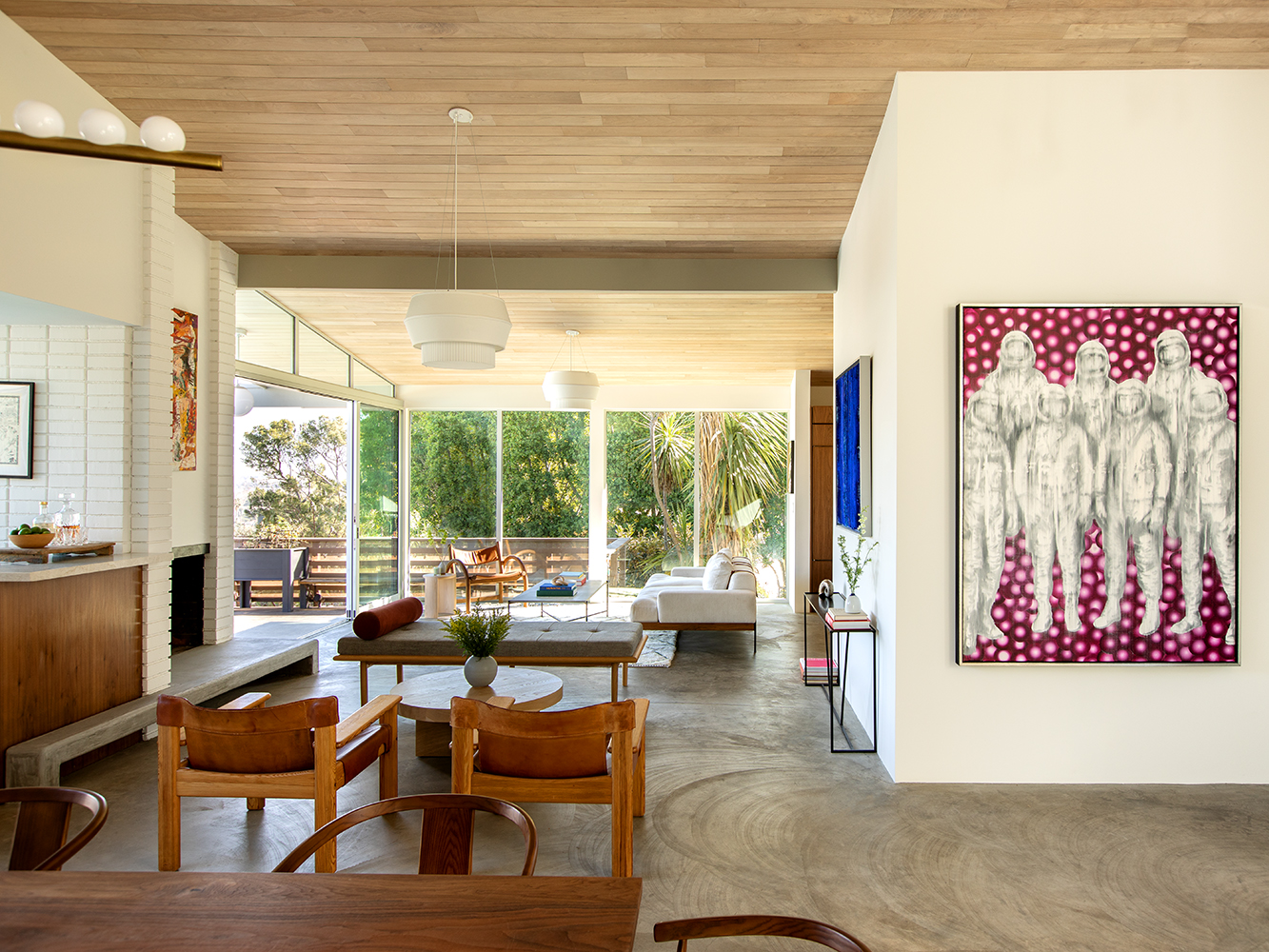
Another significant benefit is the creation of a seamless, visually expansive environment. Open-plan designs can make smaller rooms feel larger and facilitate a continuous flow of light and sightlines throughout the home. Kerrie Kelly, CEO of Kerrie Kelly Studio, advocates for preserving sightlines, arguing that the ability to see through a home to outside views contributes to a sense of openness and 'magic,' which can be lost with permanent walls.
However, open-plan living also presents notable disadvantages. Noise is a primary concern, as activities in one area can easily disrupt others. Unlike visually separated zones, screens and furniture do not mitigate sound, often necessitating more permanent partitions like walls and doors for effective noise control. Mark Wolens, Principal and Director at Woden and Weston Creek, points out the potential for mess management challenges and a lack of privacy, which can deter potential buyers. The absence of distinct rooms can make it difficult to find quiet spaces for work or private conversations, potentially impacting a home’s resale value if buyers perceive the layout as impractical.
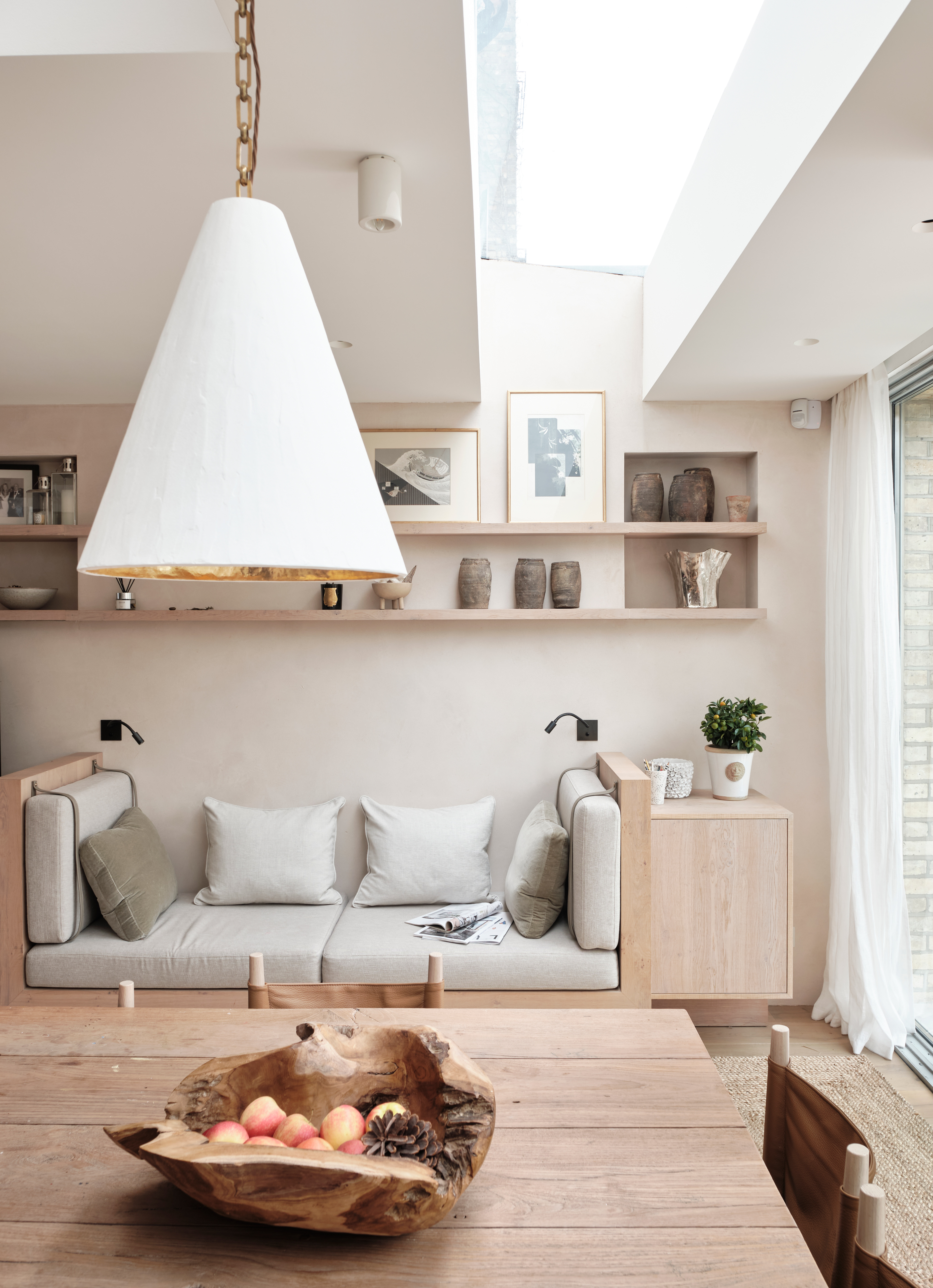
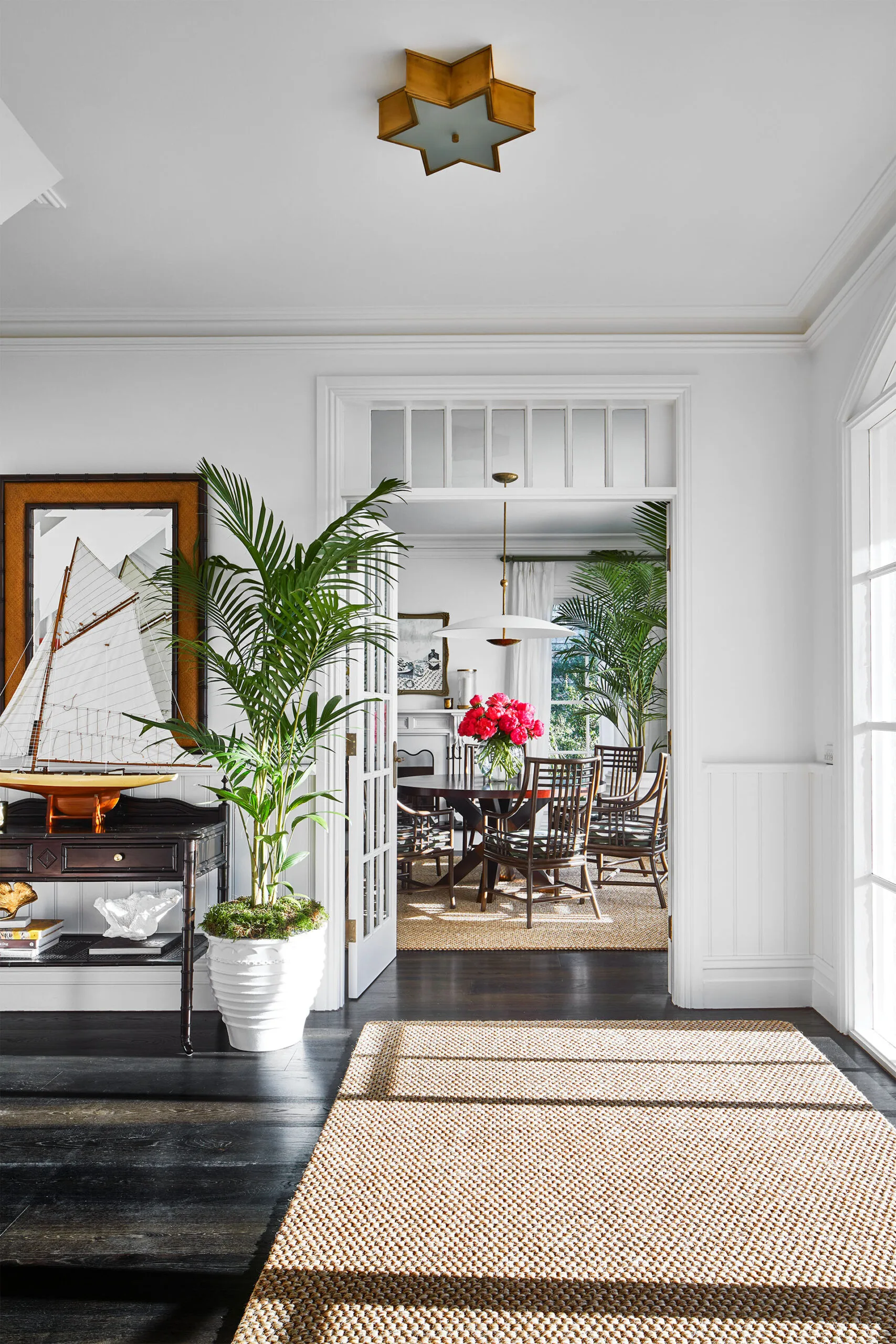
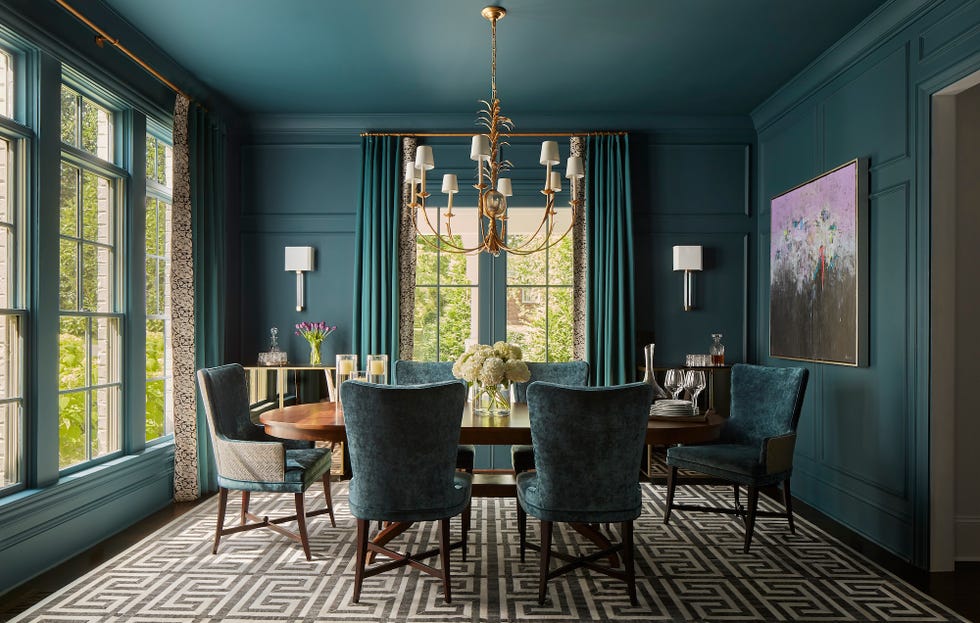
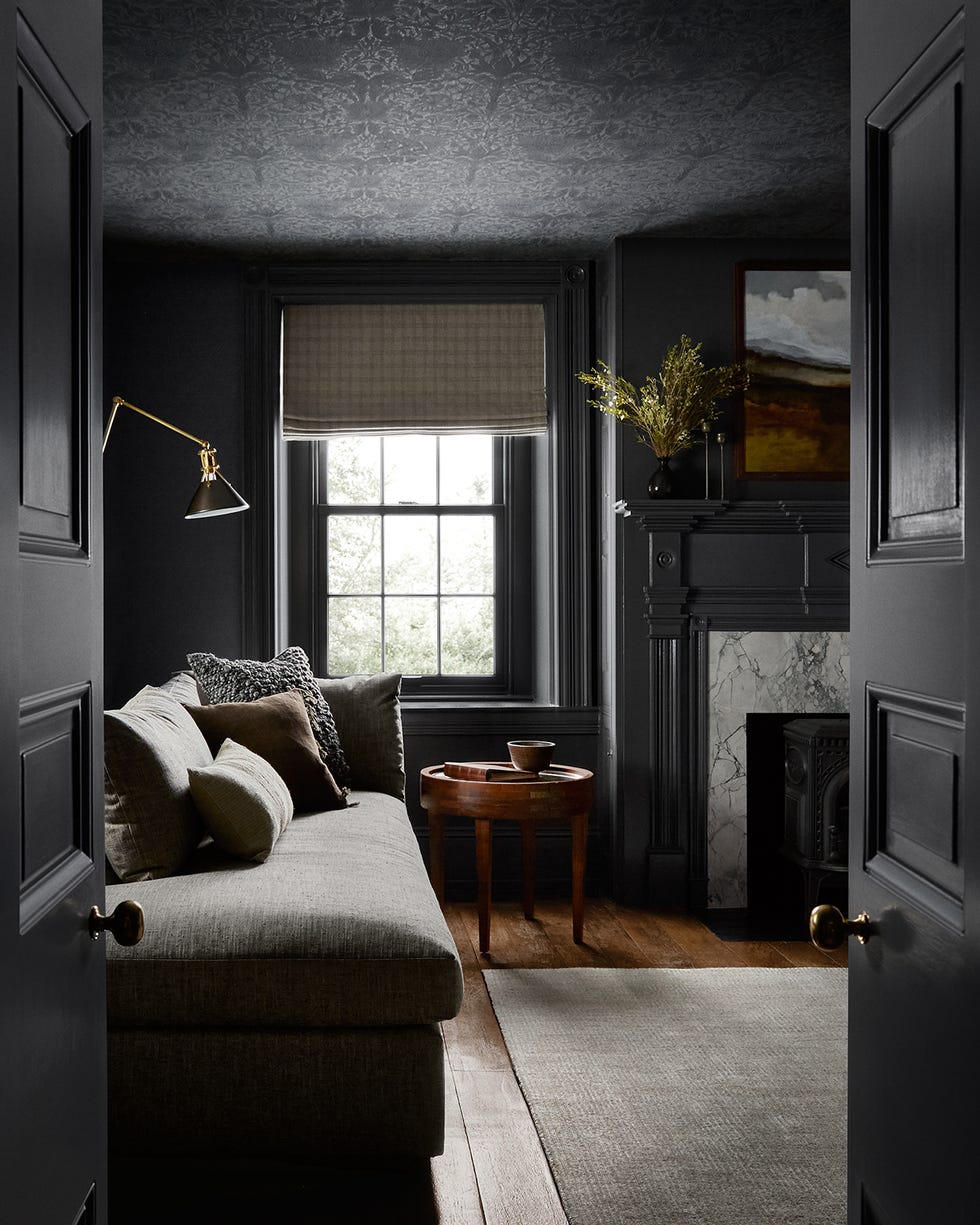
Furthermore, open-plan rooms can sometimes lack intimacy and coziness, a common sentiment among designers. Mollie Ranize, Founder of DMar Interiors, believes that defined spaces allow for focused attention and a more serene atmosphere, whereas open concepts require the eye to take in multiple functions simultaneously. Jennifer Fordham, CEO of Pembrook Interiors, notes that open plans can feel inherently cold and unwelcoming, posing a design challenge to make large, flowing areas feel comfortable and inviting. Naveed Hyder, Founder and Principal Designer at House of 5 Interiors, suggests that some clients find open spaces lacking in character and architectural interest, emphasizing that successful open-plan designs require careful execution. The trend toward open plan is seen as part of a pendulum swing between periods of opulence and minimalism, suggesting that while it may evolve, it will likely remain a part of home design, tailored to individual needs and preferences. Ultimately, while open-plan layouts offer aesthetic and functional benefits like improved flow and natural light, their practical drawbacks, such as noise and lack of privacy, are increasingly leading to a more nuanced approach to their integration into home design.
#OpenPlanLiving #InteriorDesignTrends #HomeLayouts #ResidentialArchitecture #ModernLiving #SpacePlanning #PrivacyInDesign #ZoningSpaces #OpenPlanLiving #InteriorDesignTrends #HomeLayouts #ResidentialArchitecture #ModernLiving #SpacePlanning #PrivacyInDesign #ZoningSpaces
0 comment in total
 No comments yet
You may also like
Are closed layouts back on trend? Designers weigh in on why we are over open plan
Will The Pandemic Be The Death Of The Open Floor Plan?
The One Wall Most People Want to Rip Out: Ideas for Open and Semi-Open Floor Plans
Are Open Concept Floor Plans Going Out of Style? Here's What Interior Designers Say

Open plan living: The new normal or passing trend?

Open plan living is over. Here’s why we all want walls again
Are Open Floor Plans Outdated? We Asked Designers What They Really Think

Broken dreams: Has COVID called time on open-plan kitchen designs?
Are Open Concept Floor Plans Still in Style? Here's Why Designers are Opting Against This Once-Loved Layout

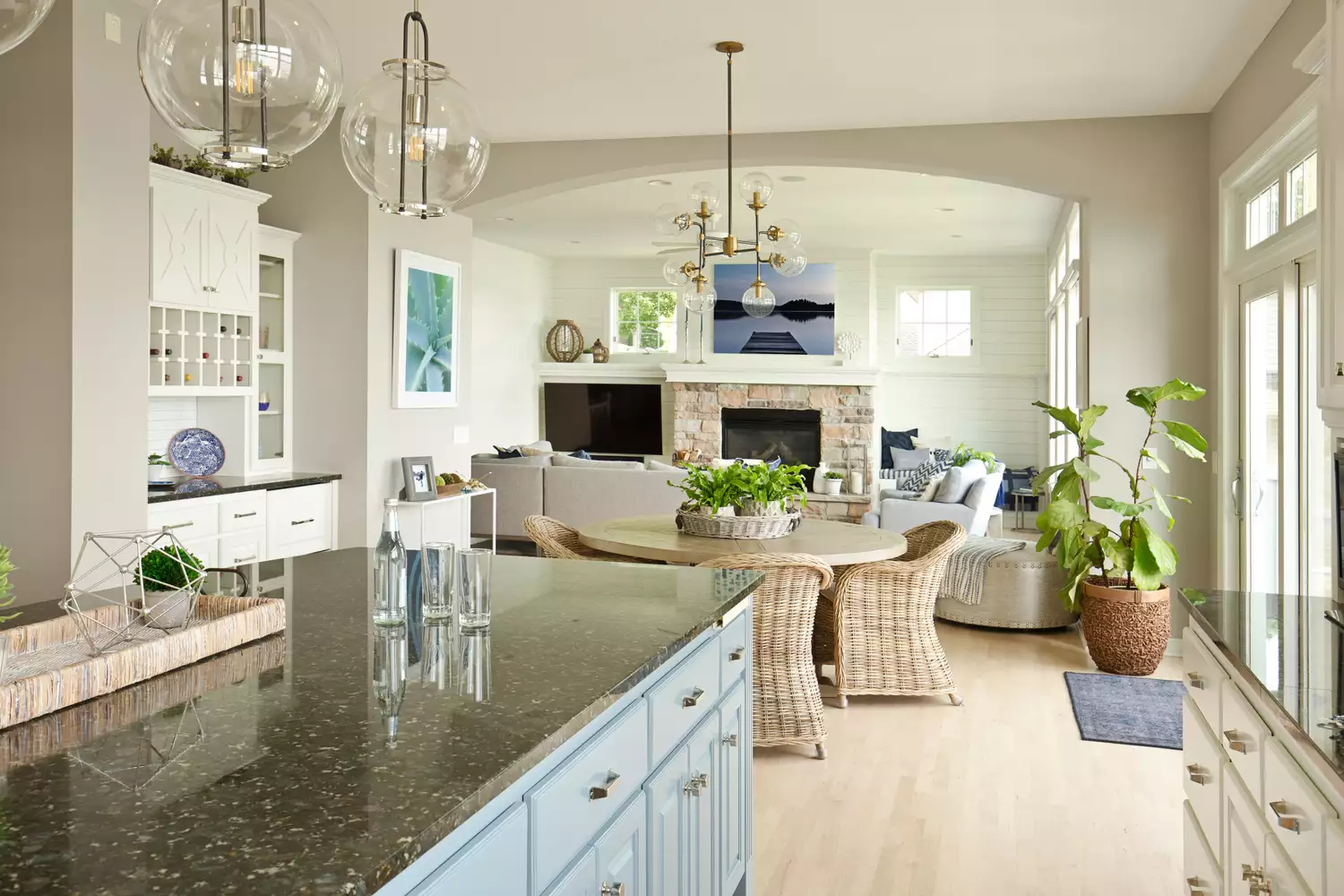
Are Open Concept Floor Plans Going Out of Style? We Asked Designers and They All Agreed

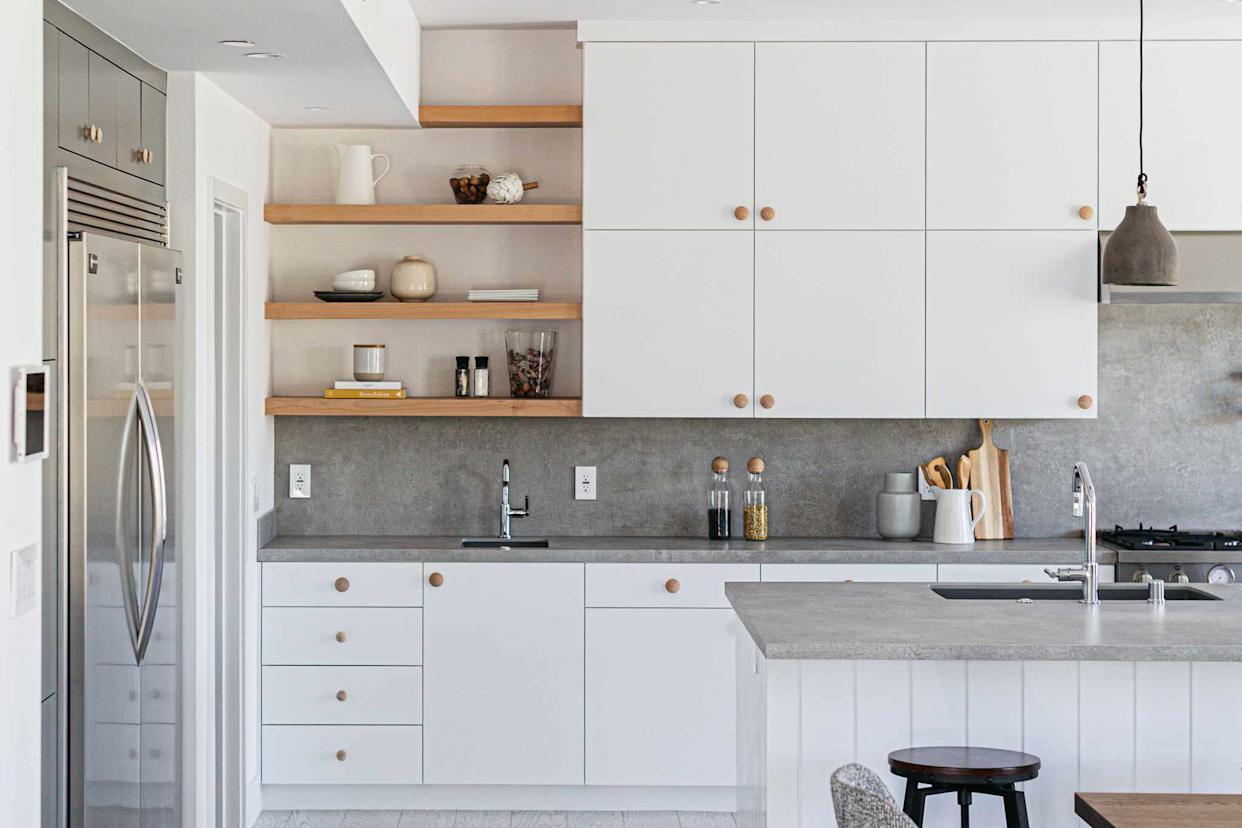
Are Open Shelves Finally Out of Style in 2026? Designers Weigh In
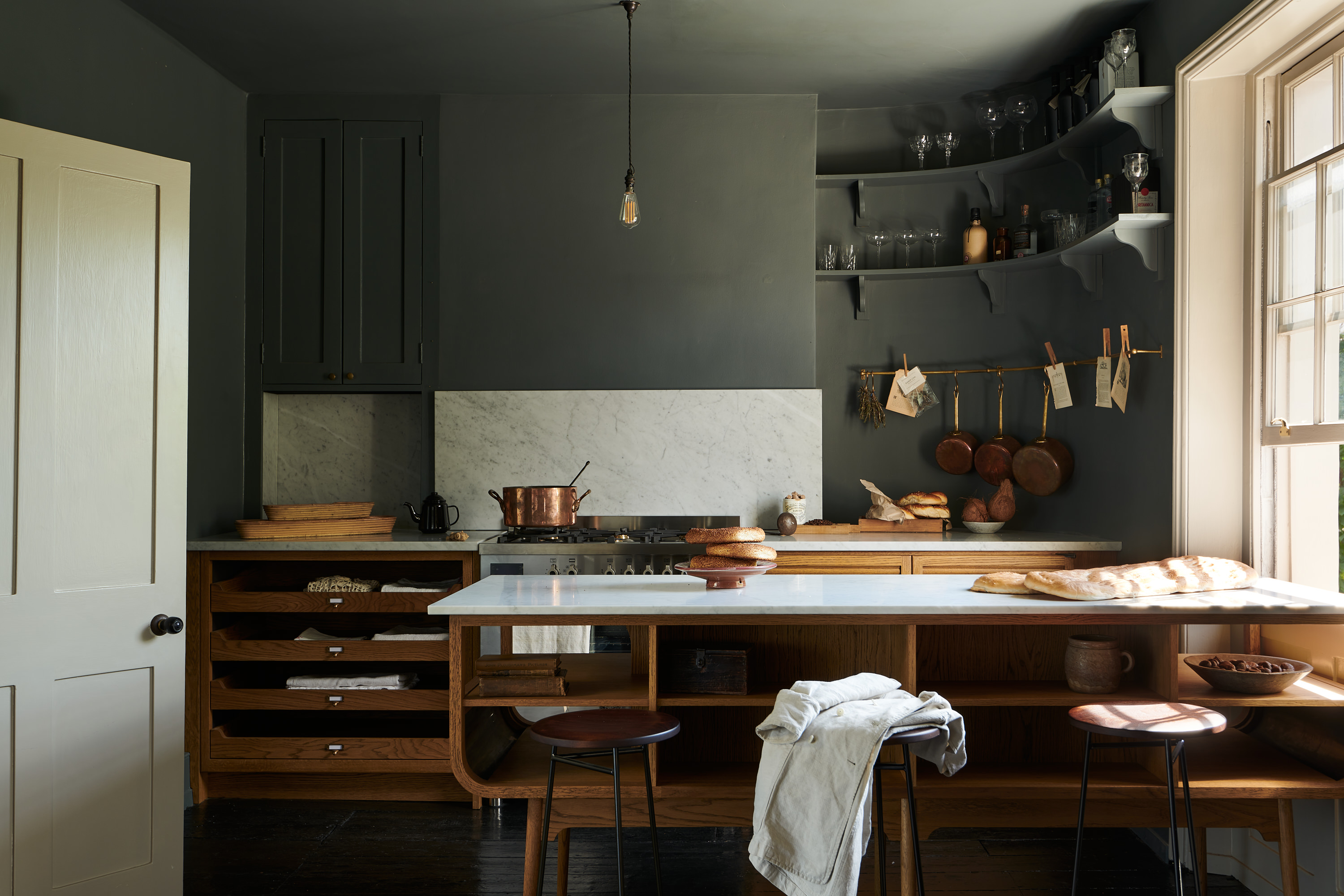
Are Open Kitchen Shelves Still in Style? This Interior Designer Told Us to Ditch Them — Here's Why
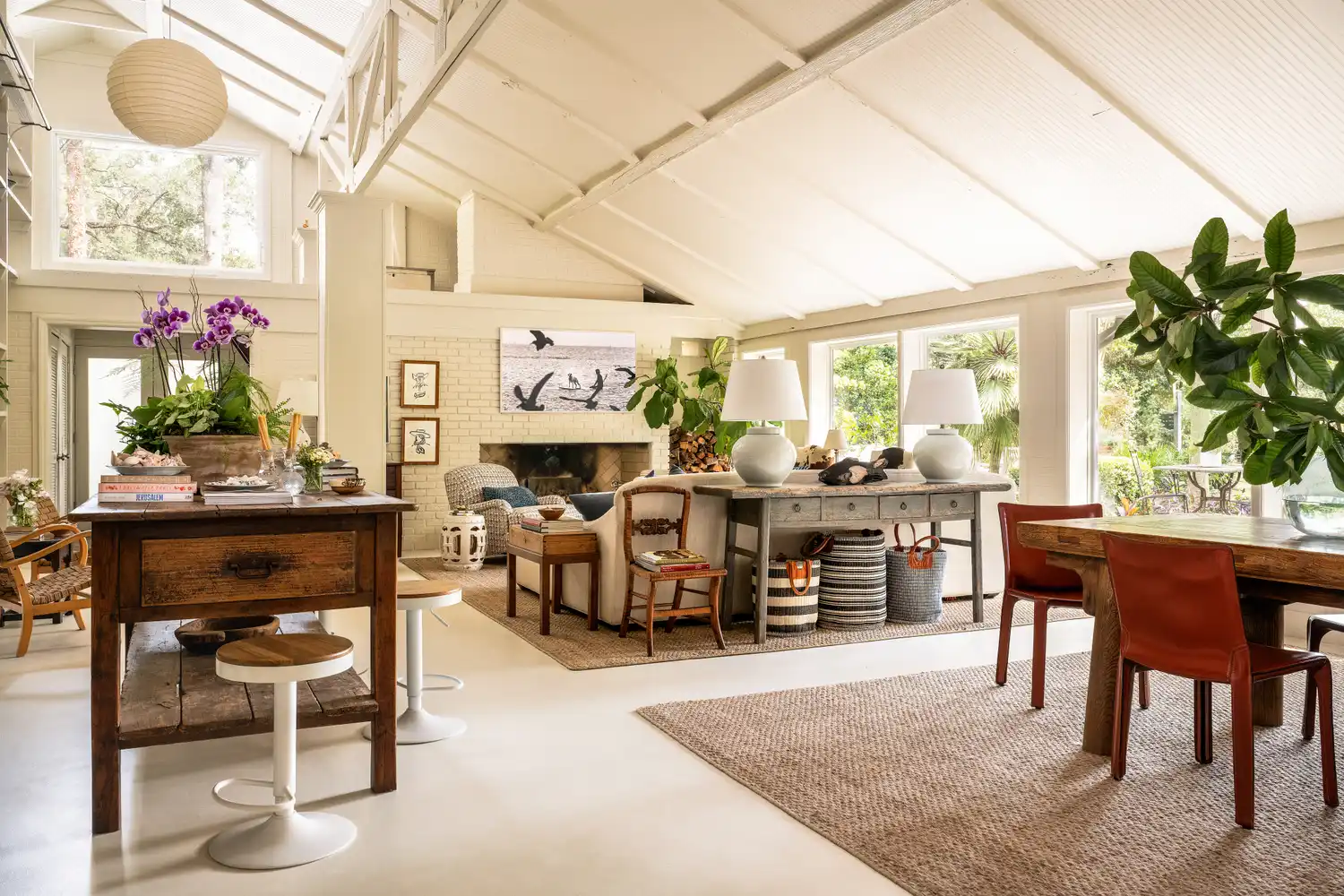
Are Open Floor Plans Going Out Of Style? Designers Share Their Take
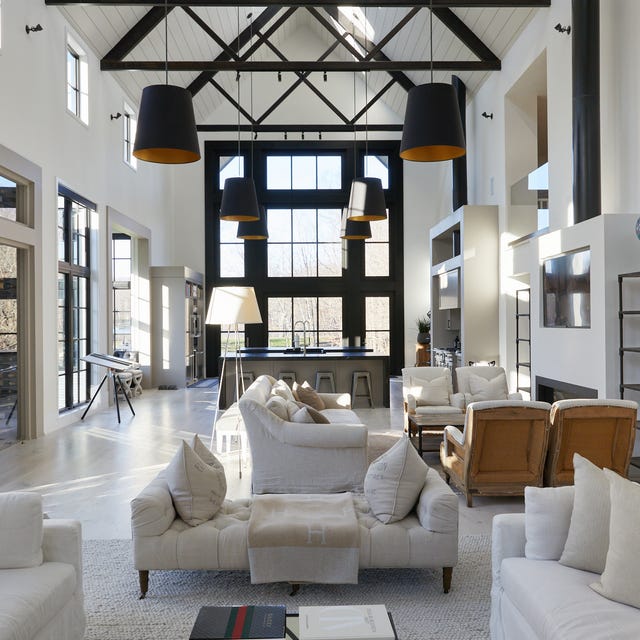
Is It Time to Shut the Door on Open-Concept Living?

Designers Agree: Open Concept Is Out, Tradition Is In

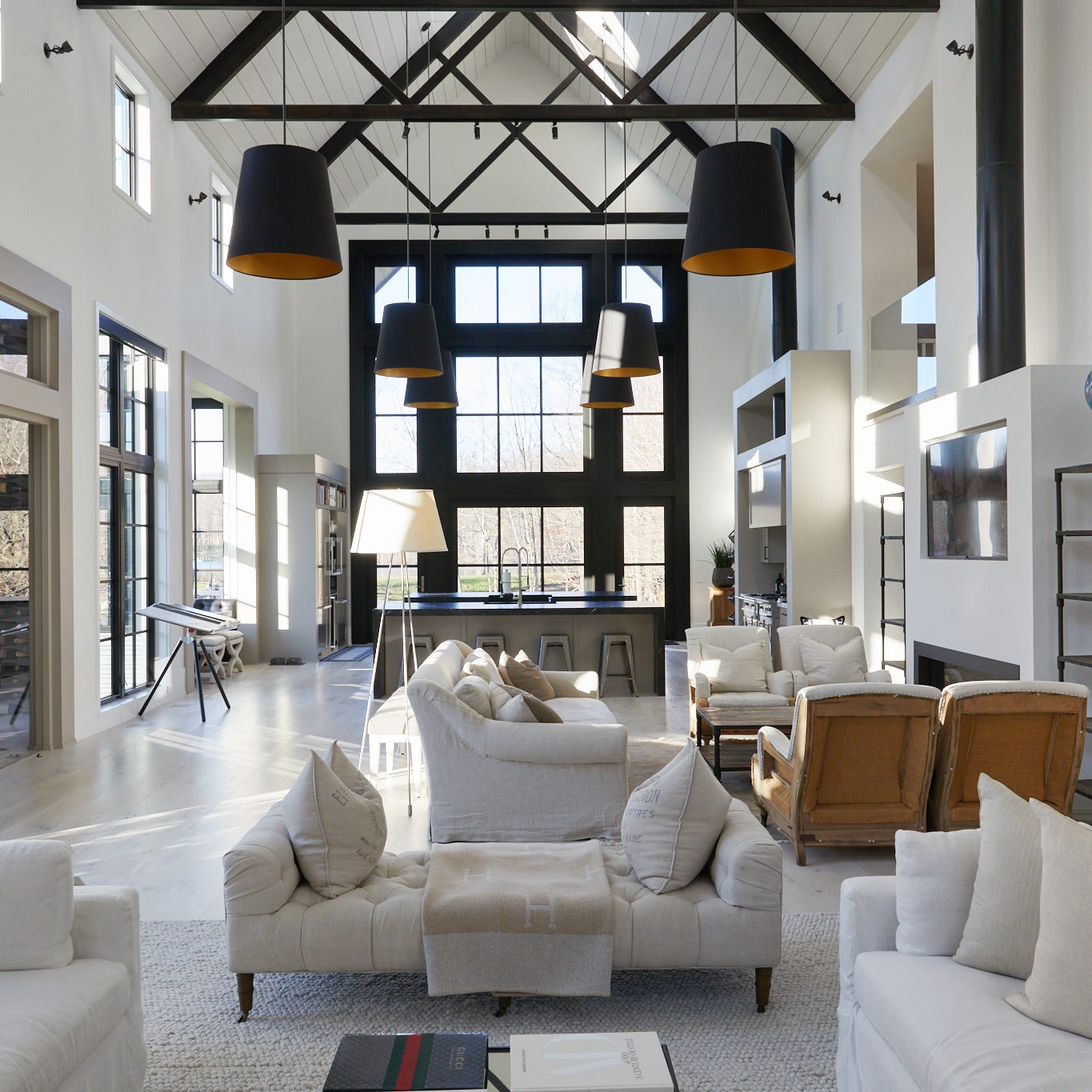
This Controversial Home Layout Has DIVIDED the Design World
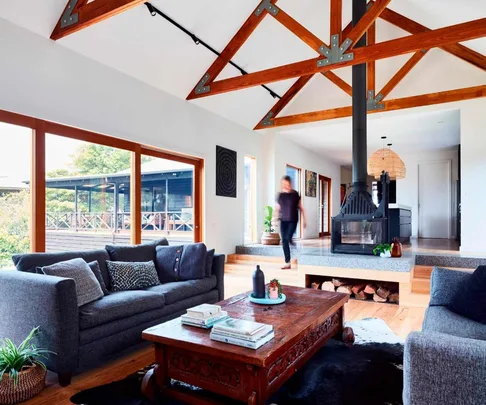
Is open-plan living dead? Here's what the design experts say

Say goodbye walls, open-plan living is the trend that's here to stay

The "Death Of Open Floor Plans" And 9 Other 2022 Home Trends (That Pros Are Surprisingly Torn Over)

Is This the End of the Open-Plan Layout?