1/5
Designers Agree: Open Concept Is Out, Tradition Is In
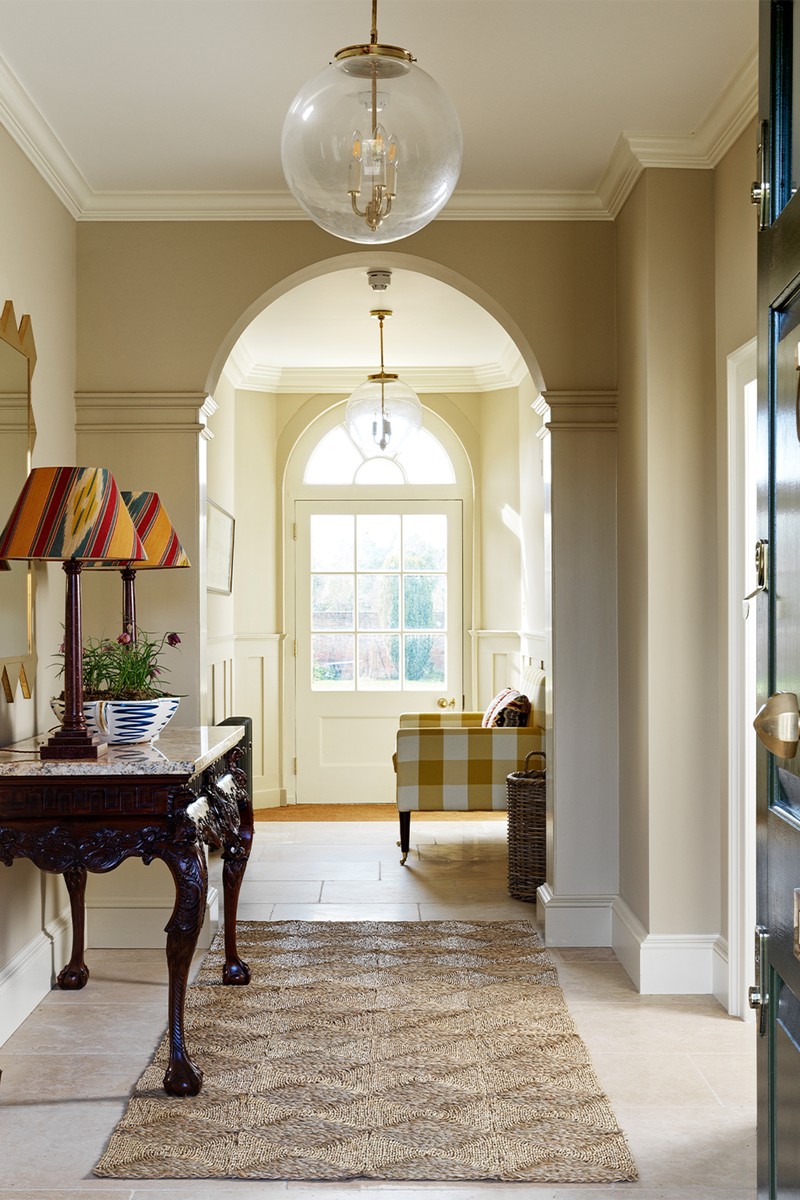
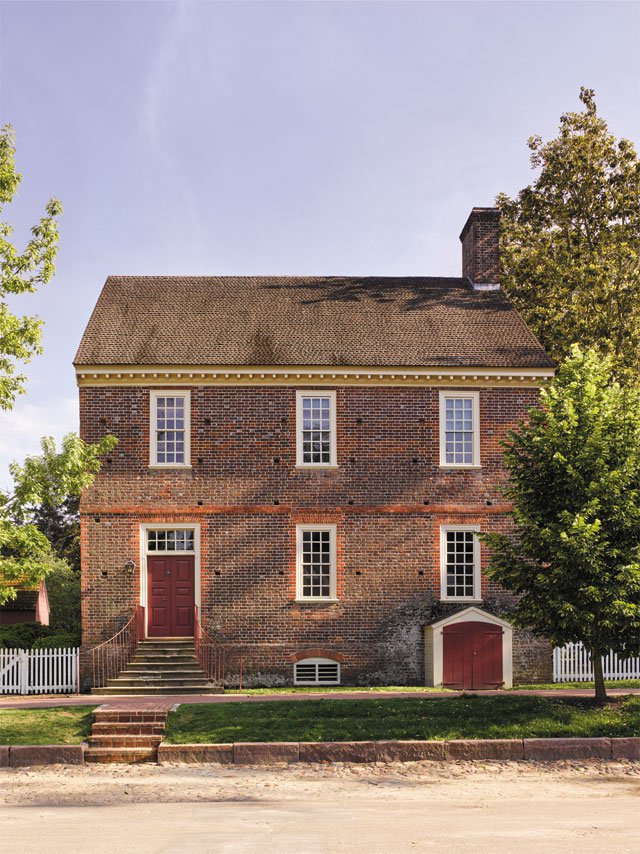
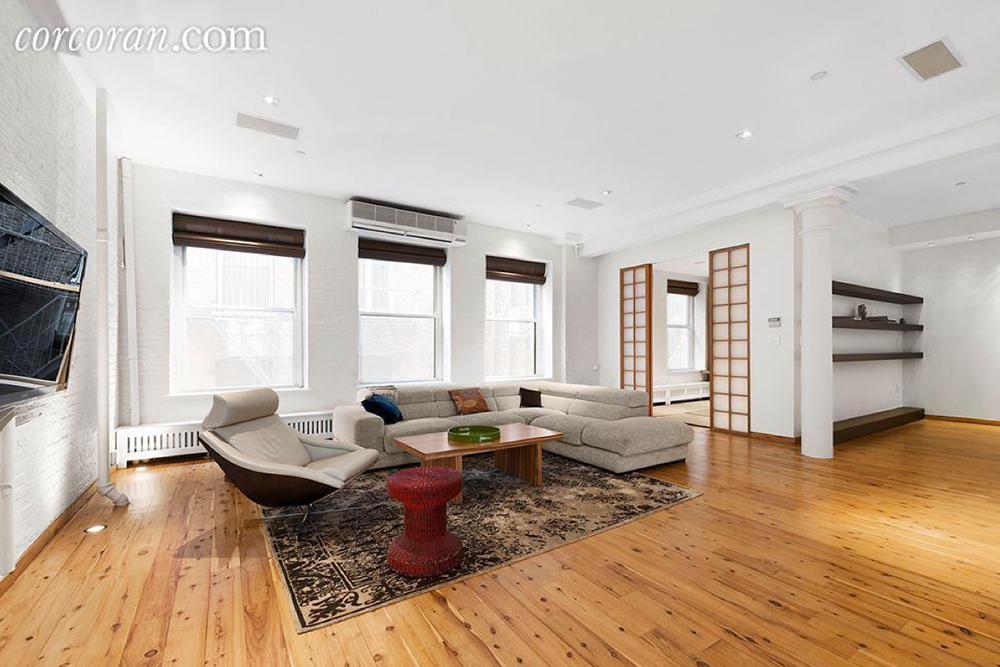
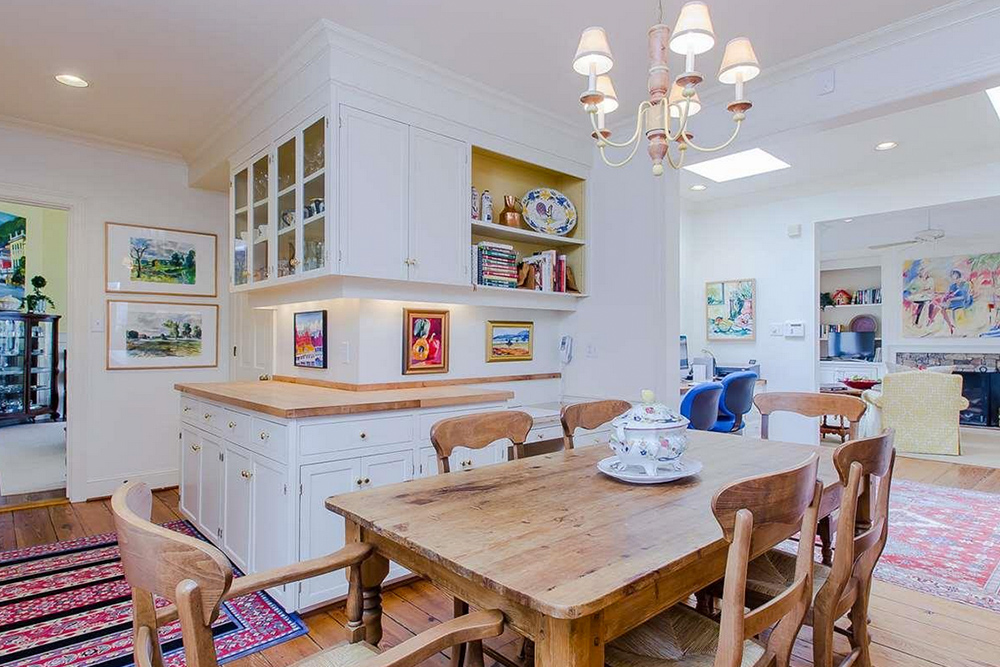
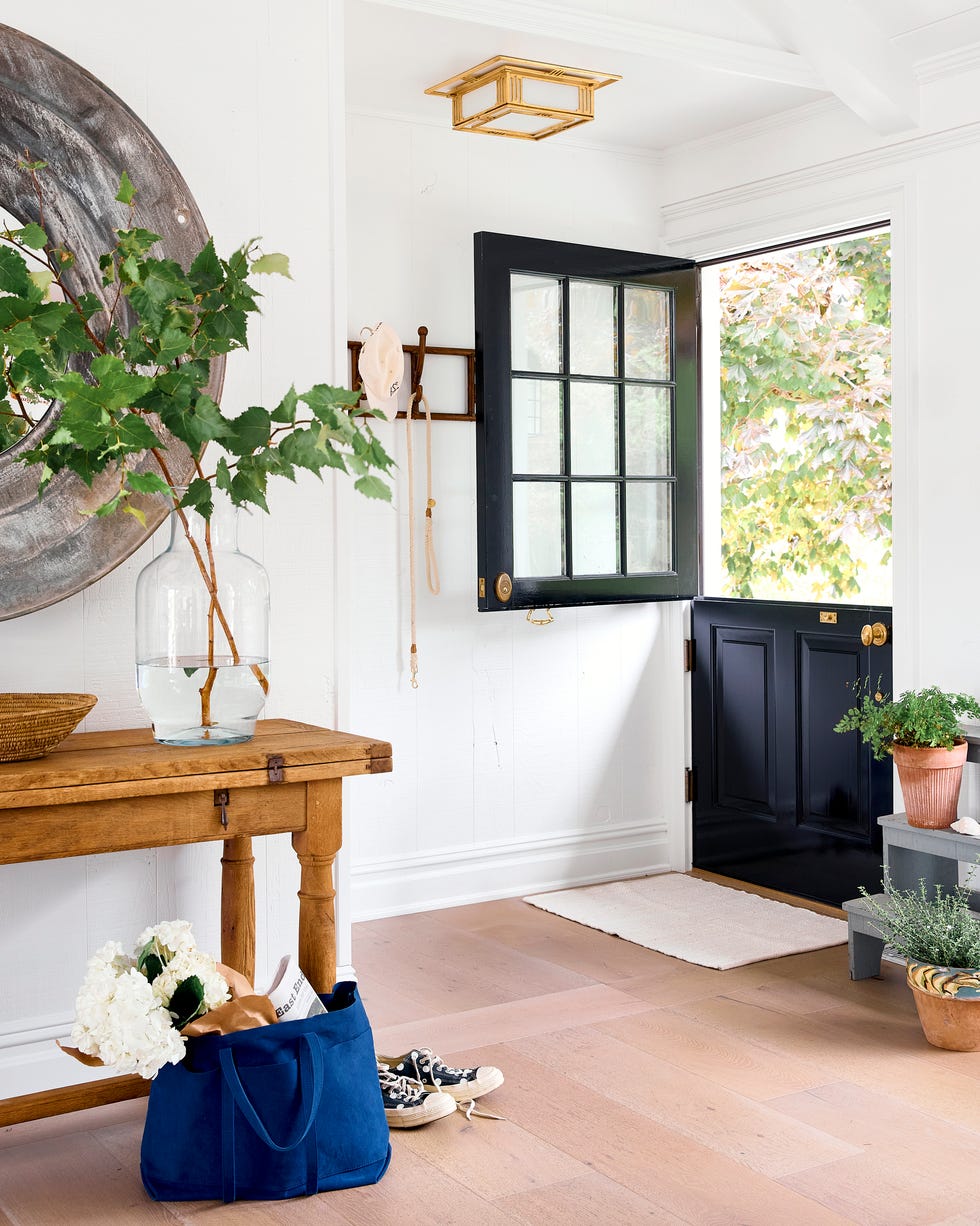
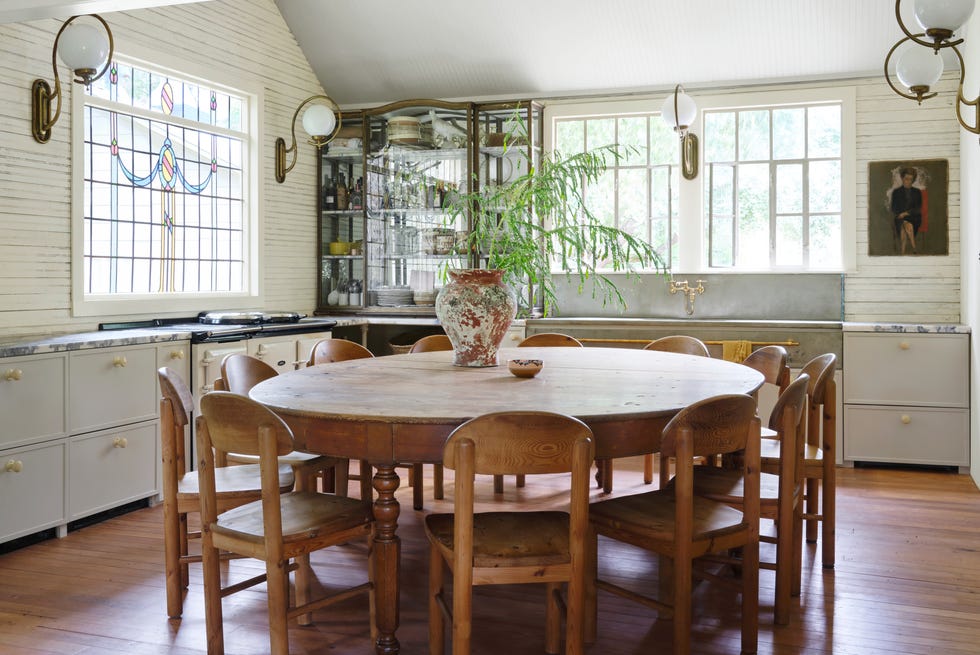
The article discusses the resurgence of closed-concept home layouts, a shift from the popular open-concept designs. Interior designers are embracing this return, noting that open-concept spaces have lost some of their appeal with clients. The move towards closed-concept layouts is driven by a desire for more designated spaces with specific purposes, allowing for greater personalization, coziness, and practicality within the home. This trend is also observed in other areas of home design, such as the comeback of traditional kitchens.
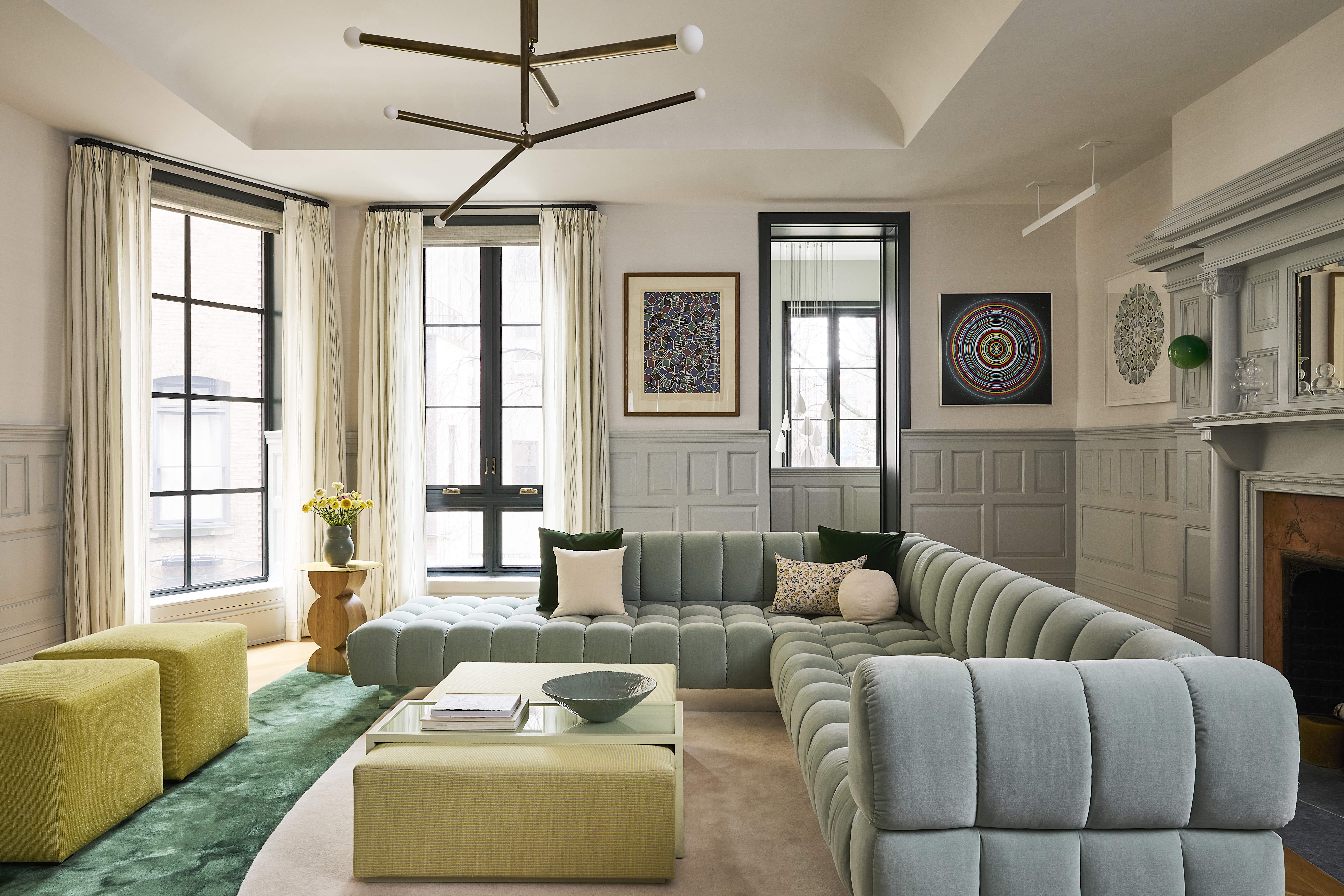
Several design professionals weigh in on this architectural shift. Allison Handler of Allison Handler Design points out that clients now prefer more distinct spaces over large, open rooms. Dan Mazzarini of Mazzarini & Co. and ARCHIVE highlights the need for separate areas to compartmentalize different household functions. Danielle Chiprut of Danielle Rose Design Co. notes a demand for closed-concept or hybrid spaces that offer flexibility. Krystal Reinhard of Old Soul Design Studio adds that while open concepts remain popular, homeowners are increasingly recognizing the advantages of having more defined rooms.
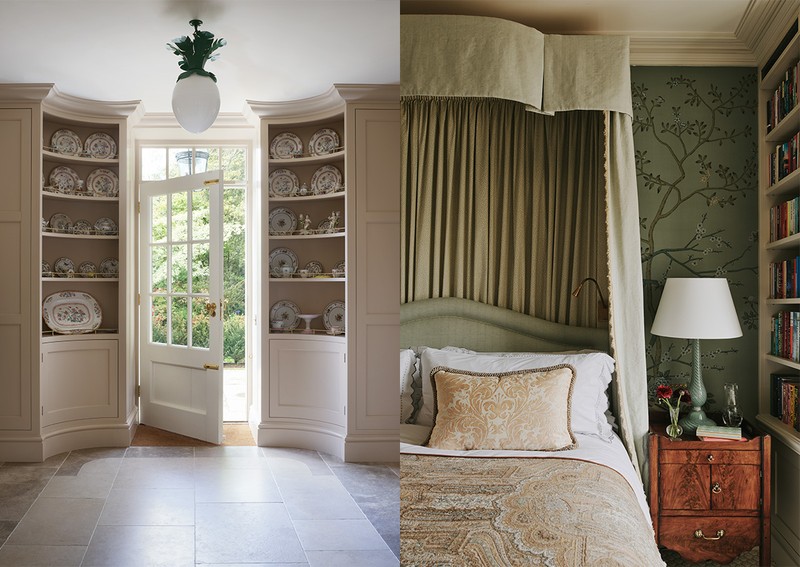
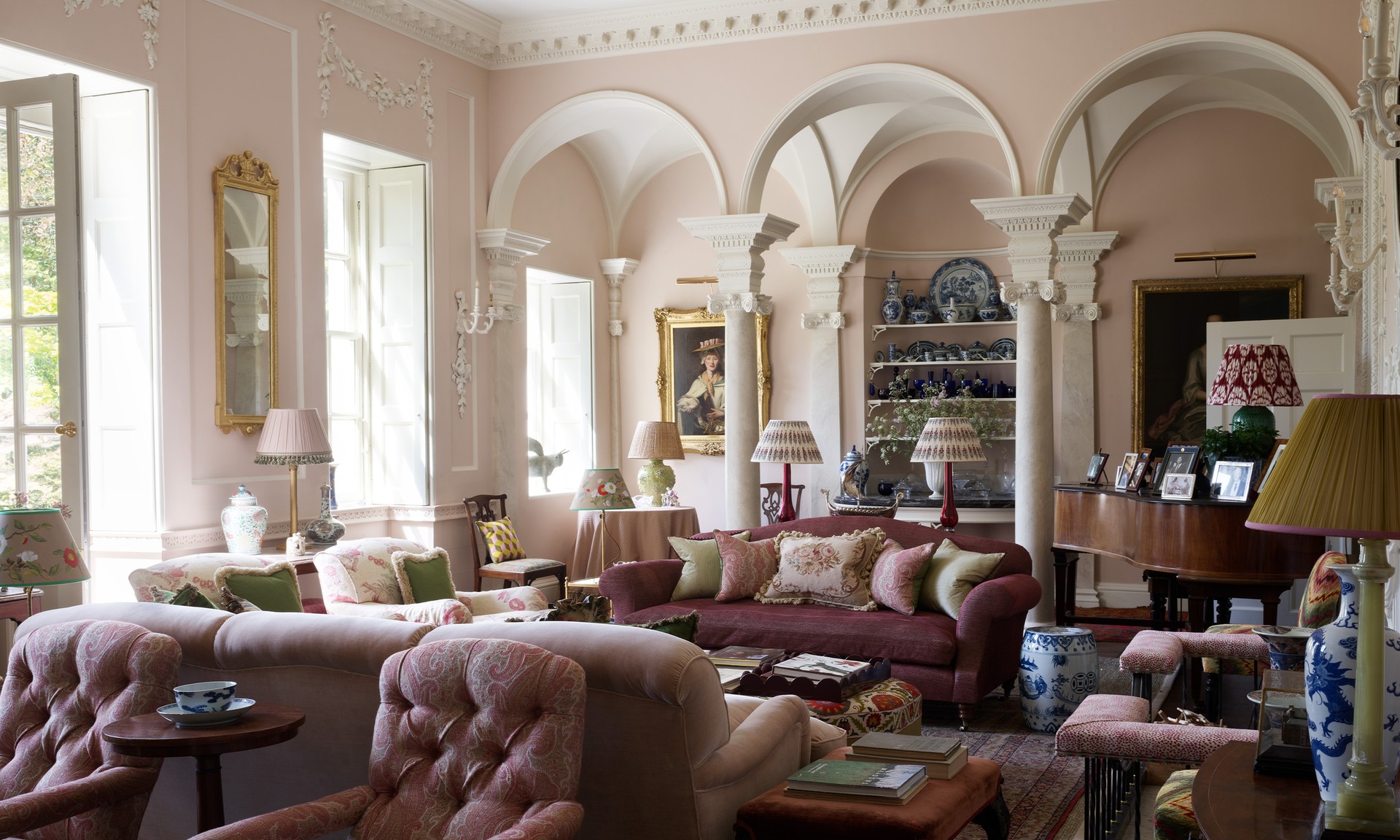
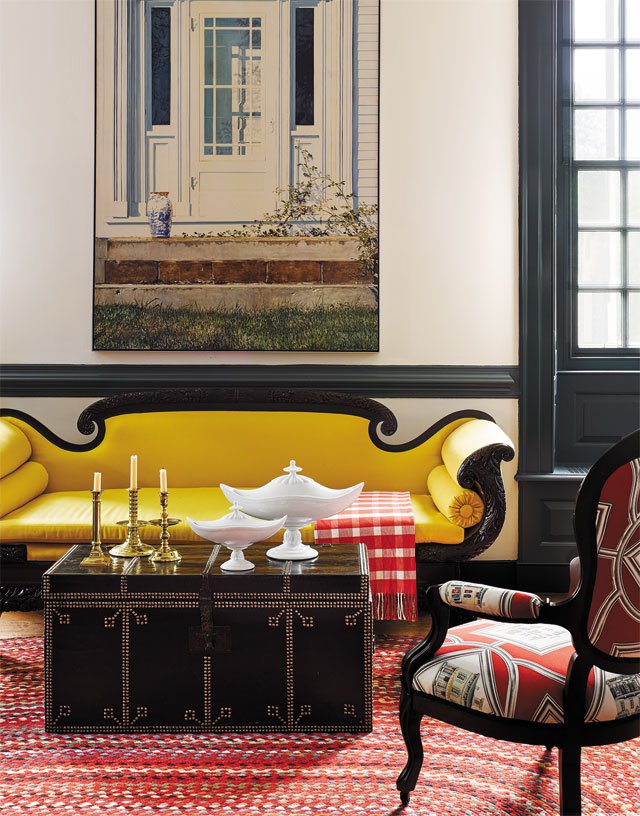
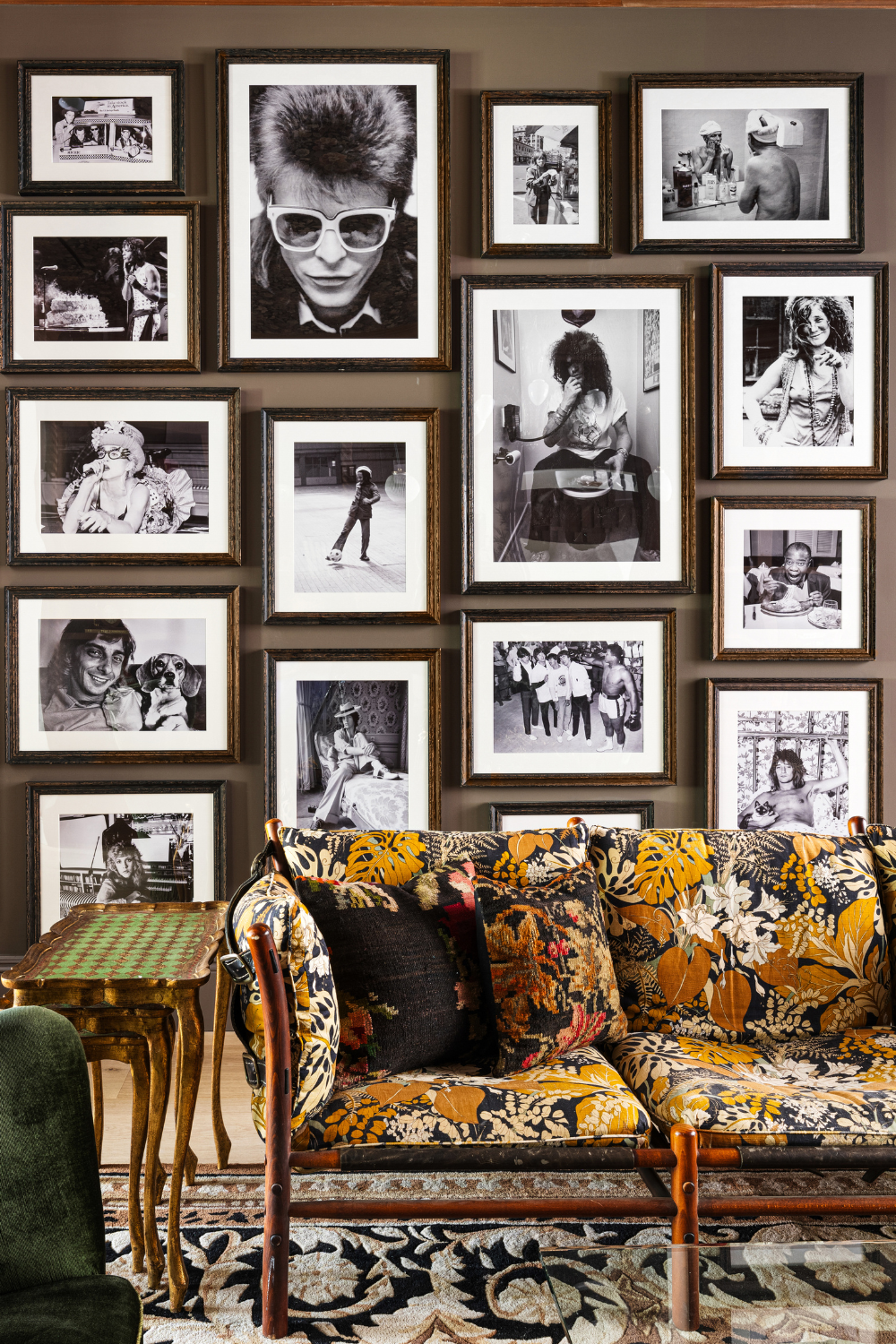
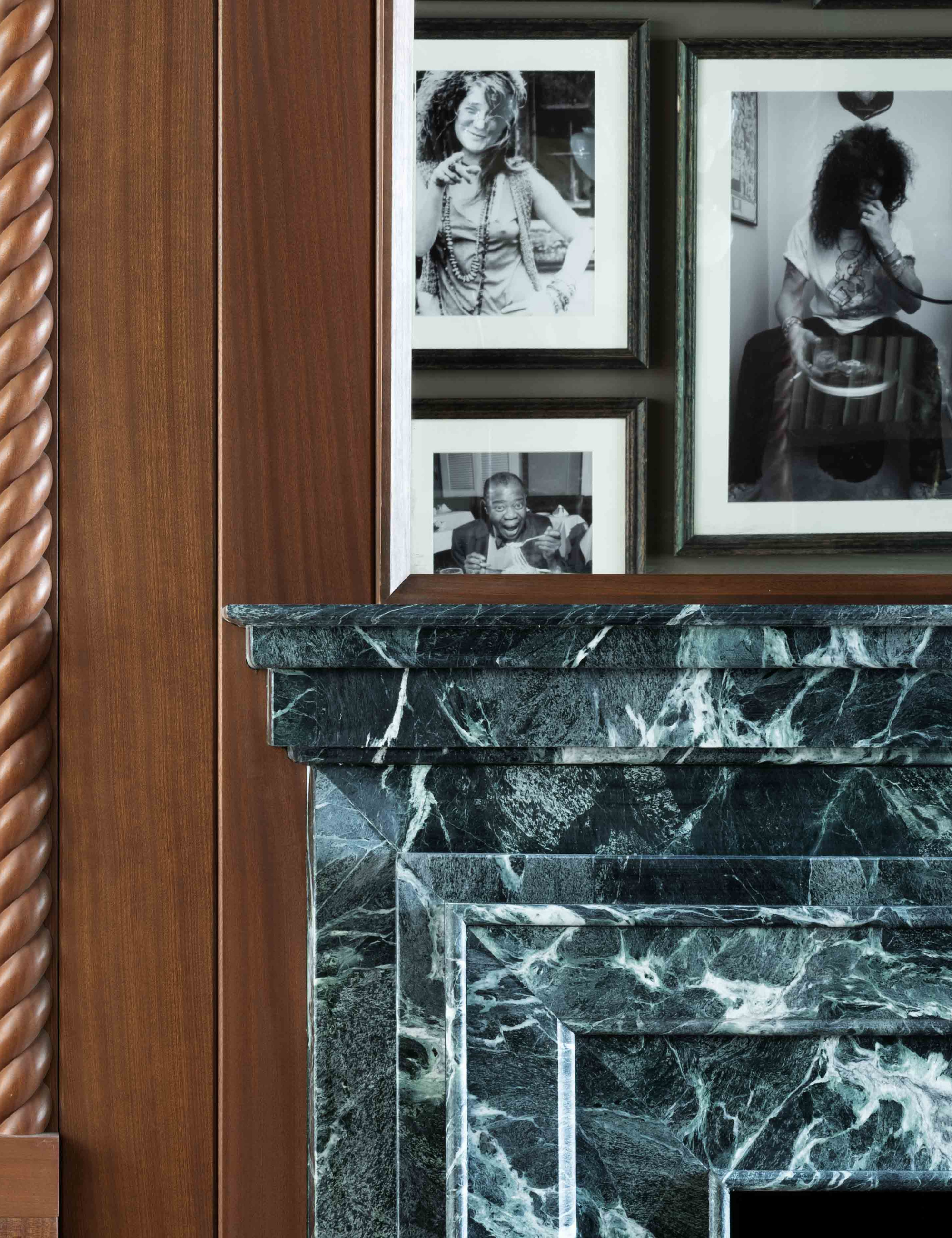
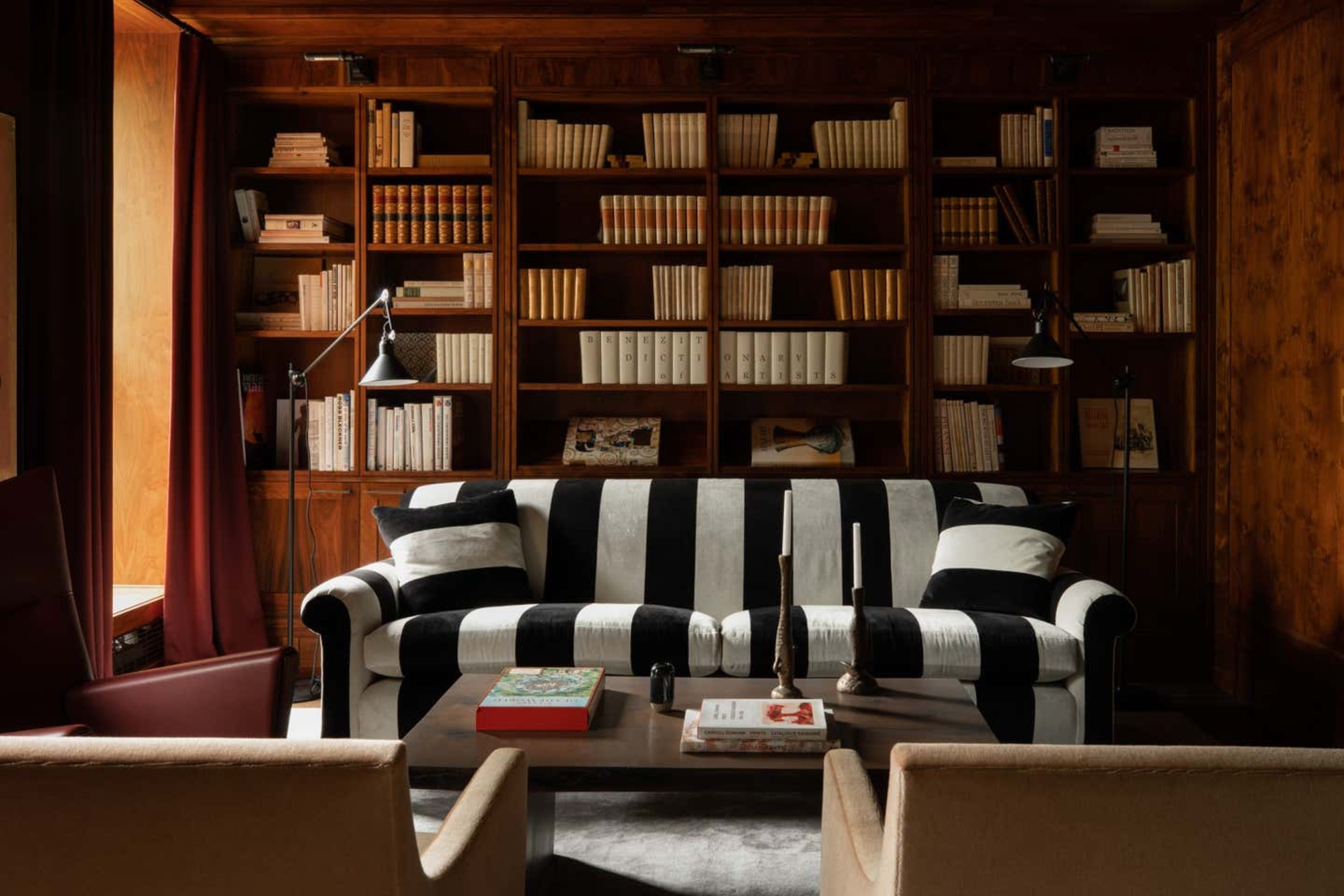
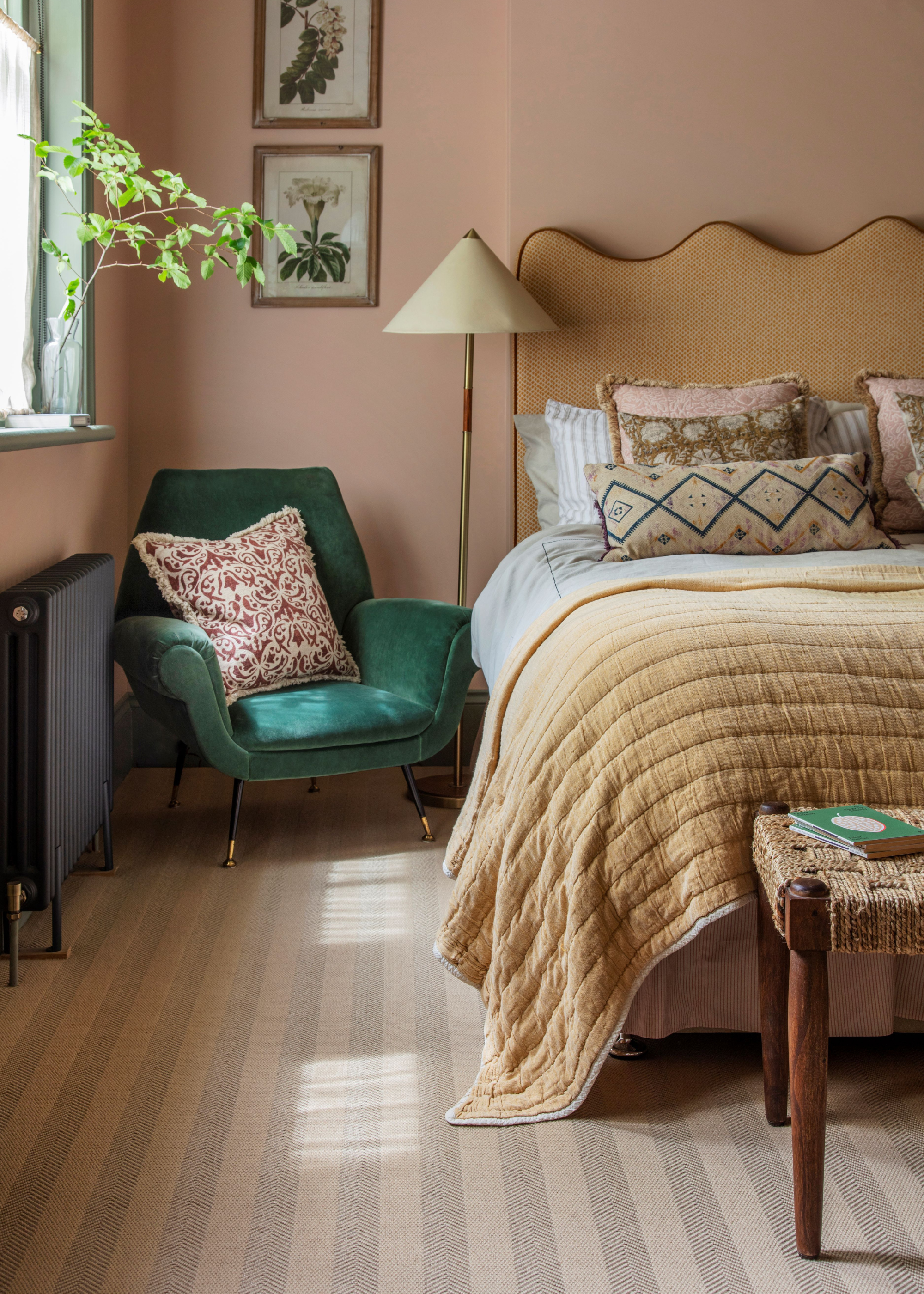
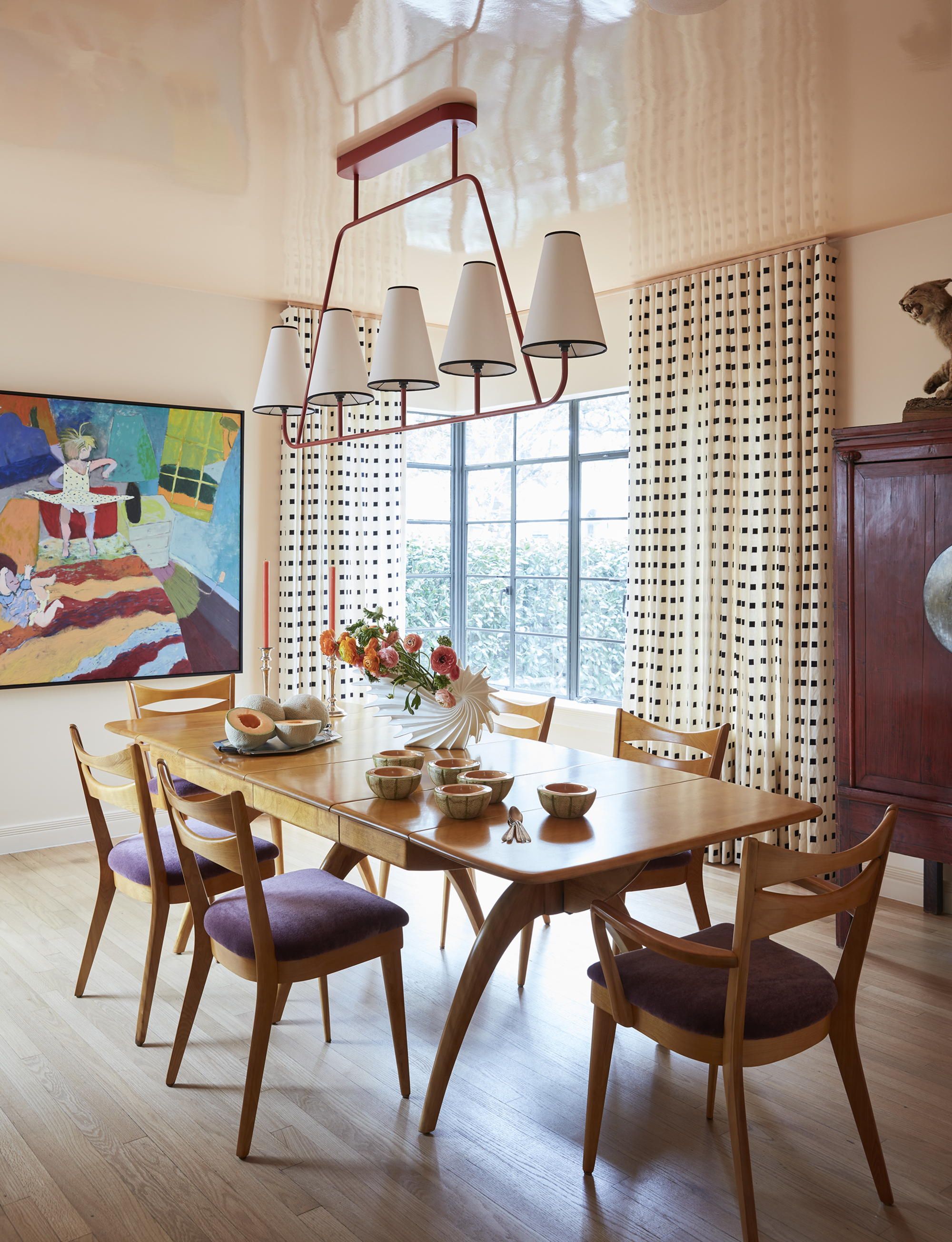
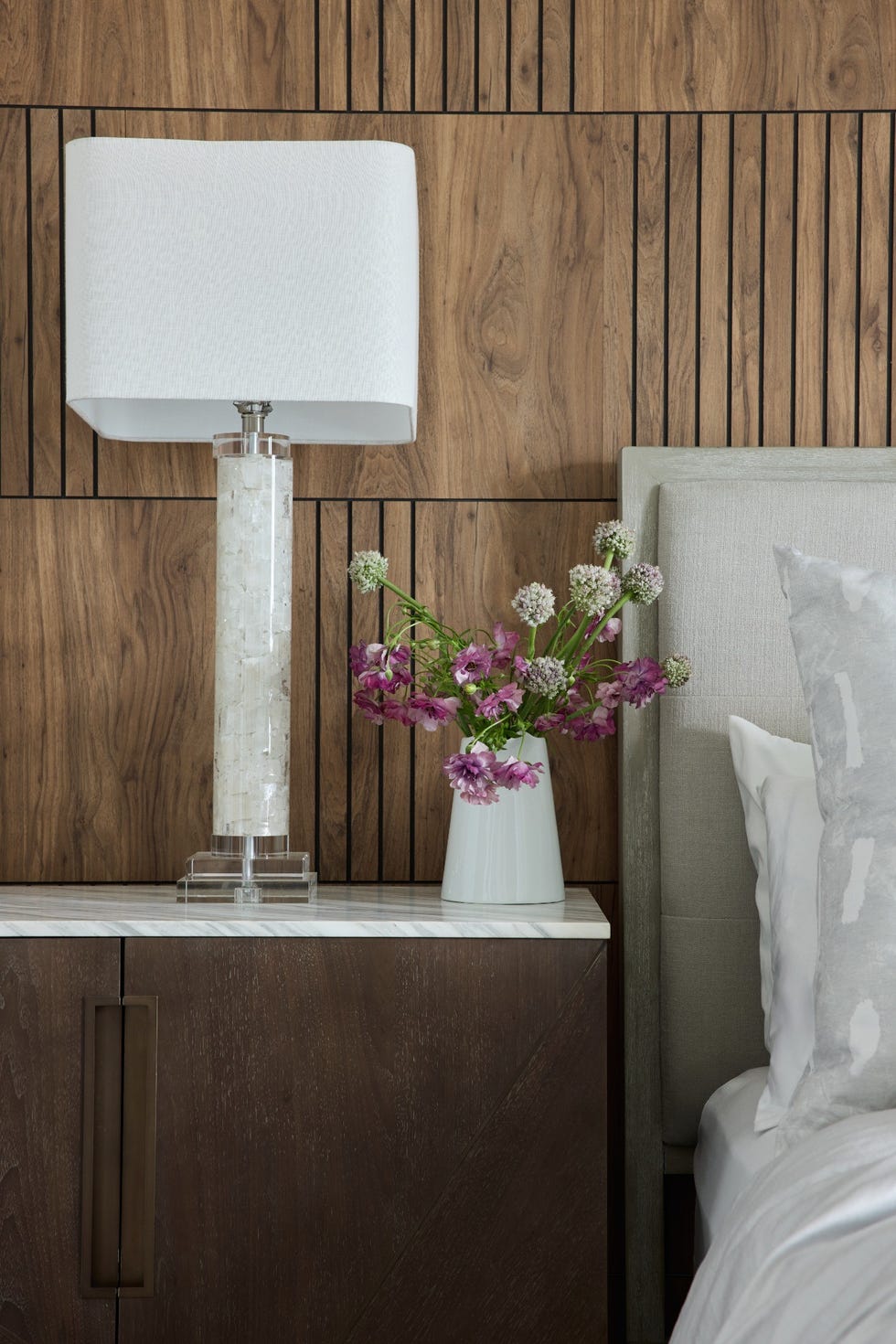
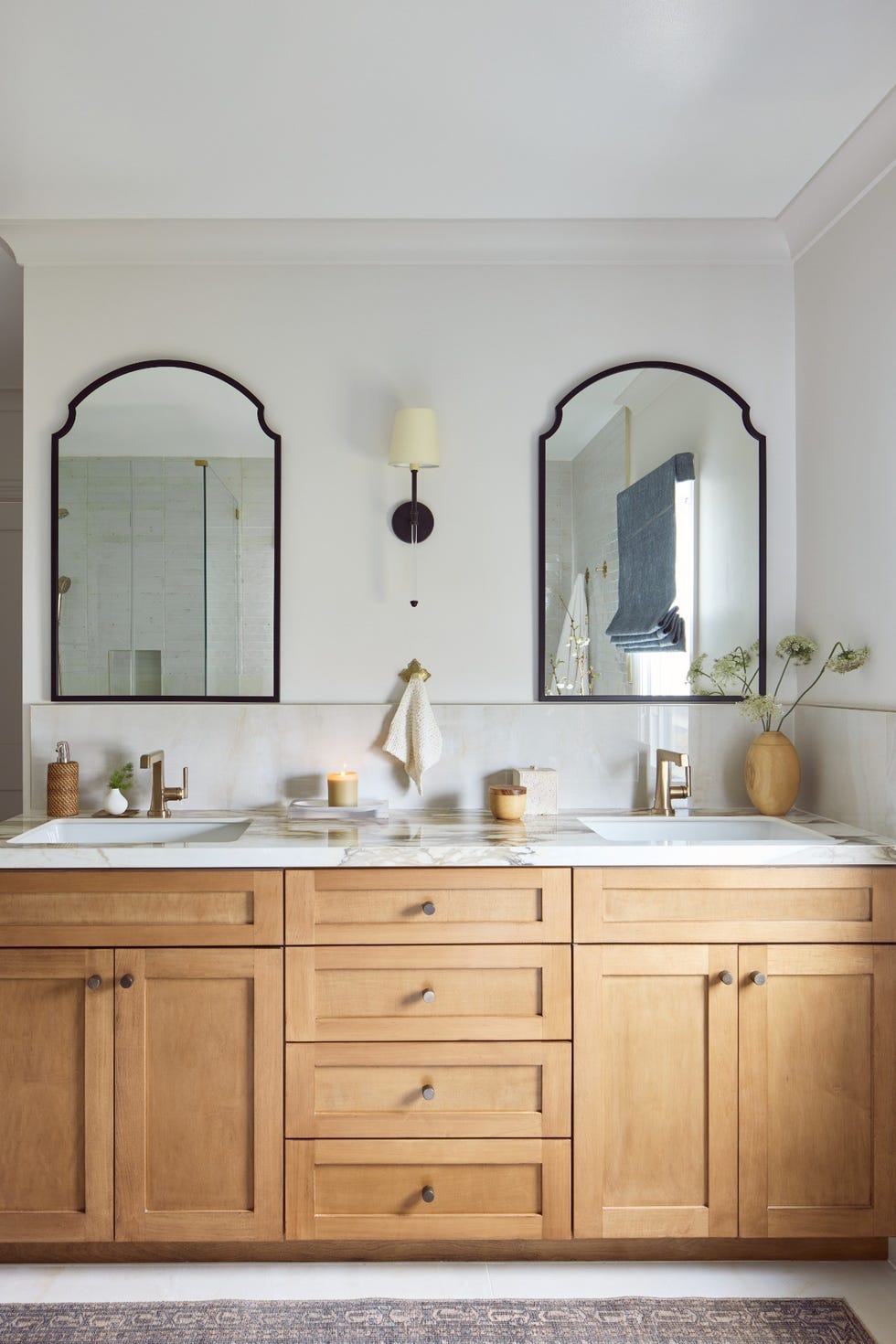
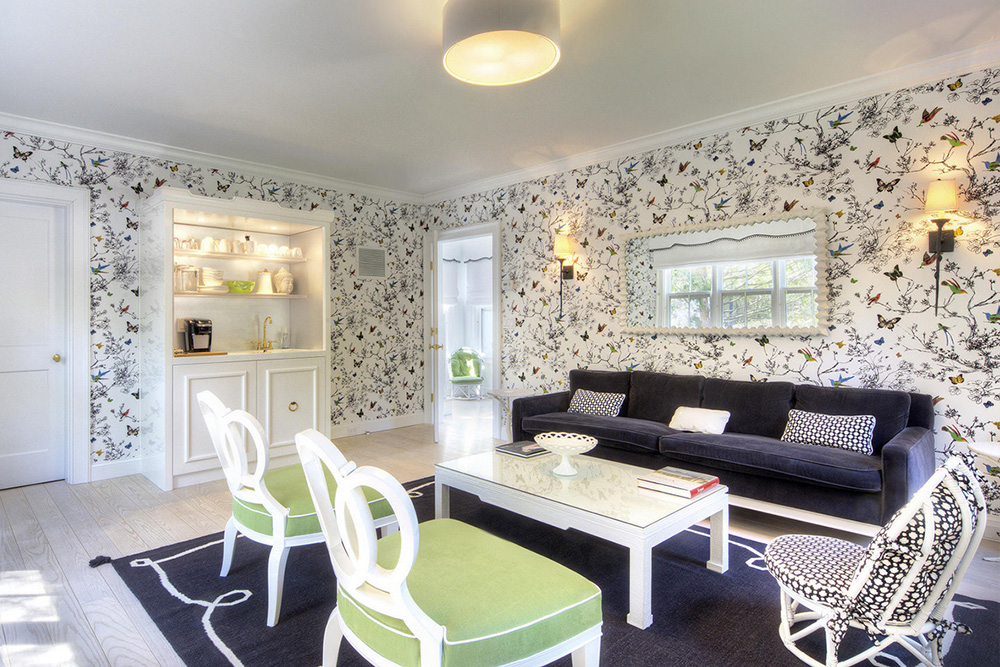
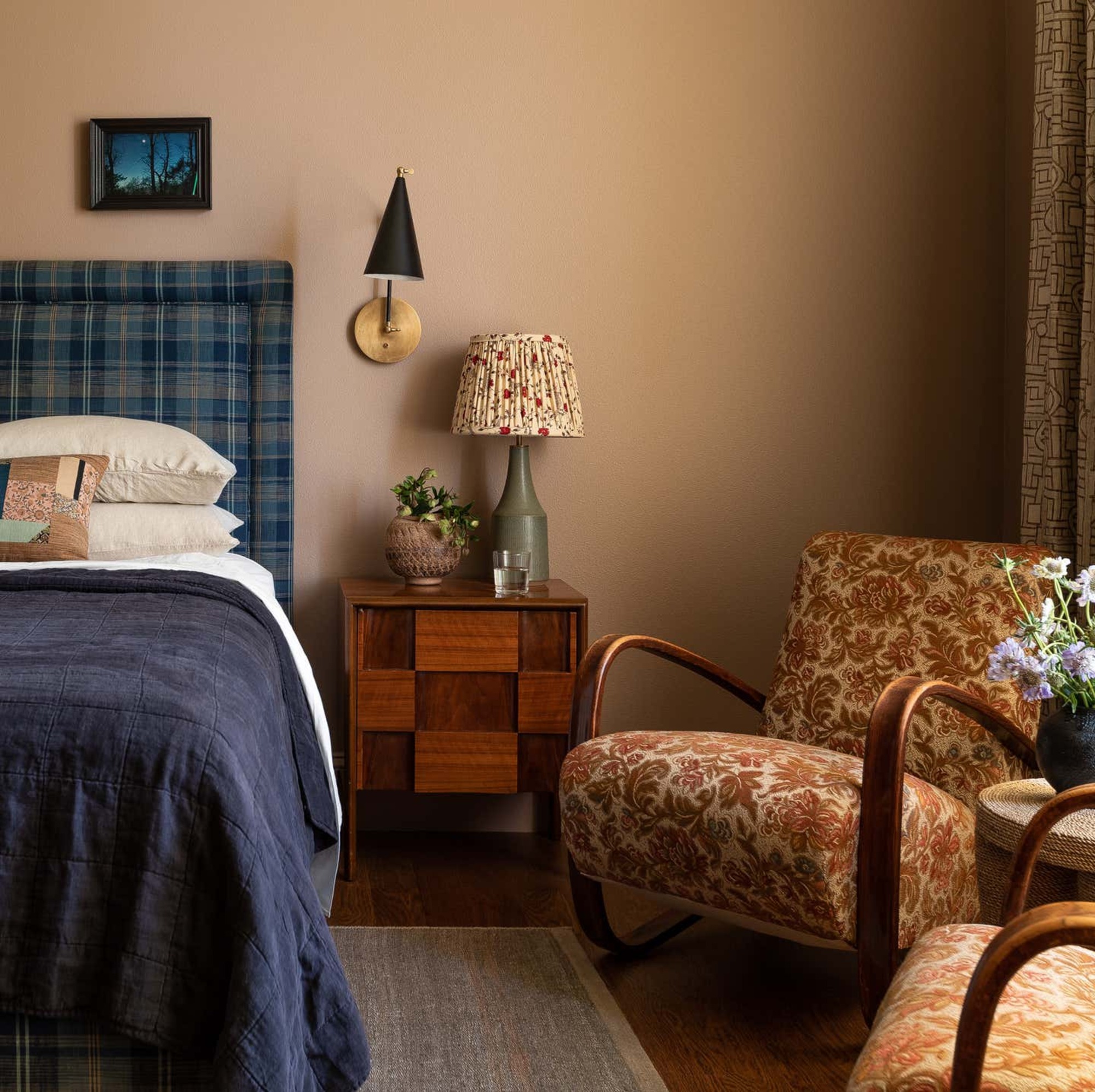
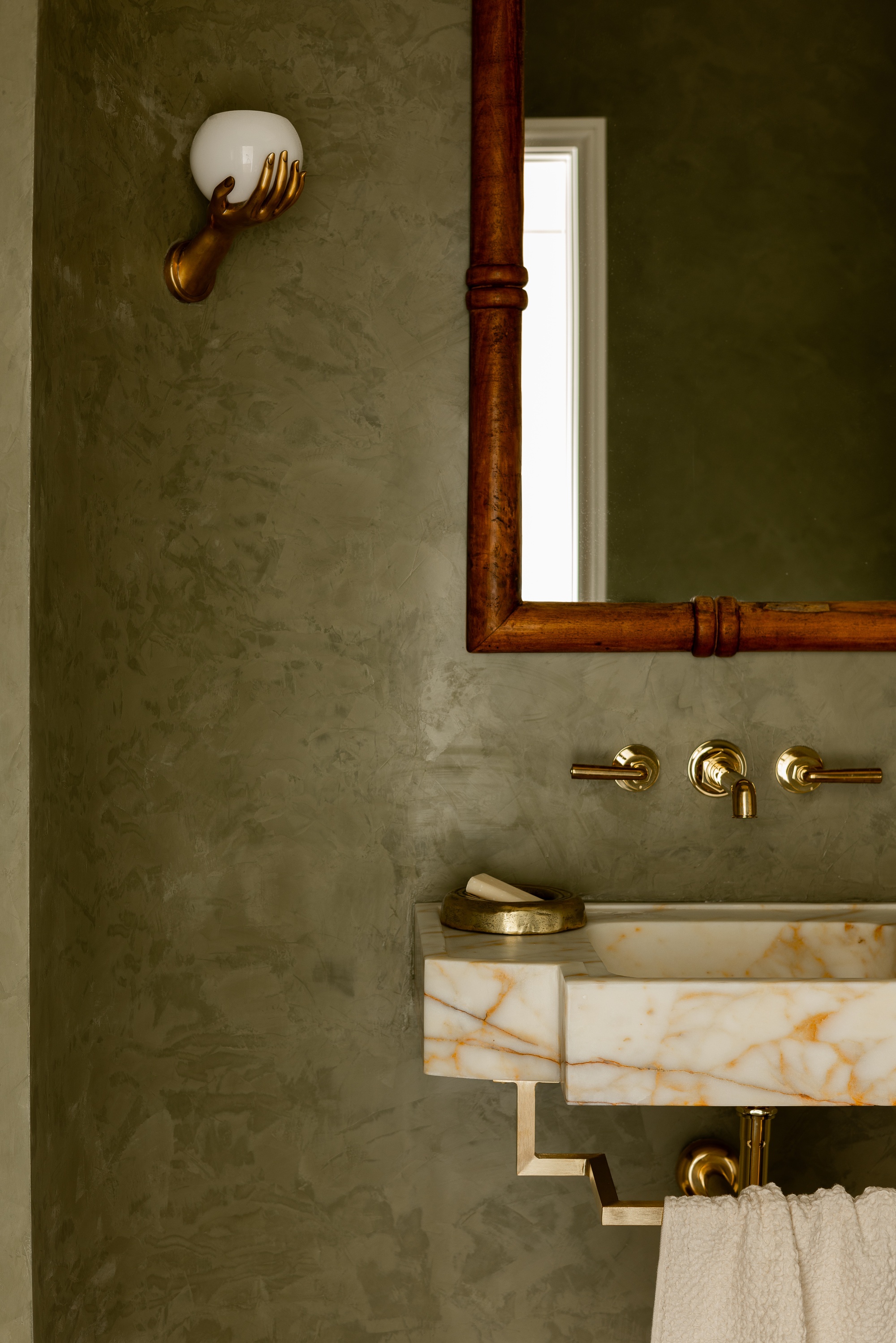
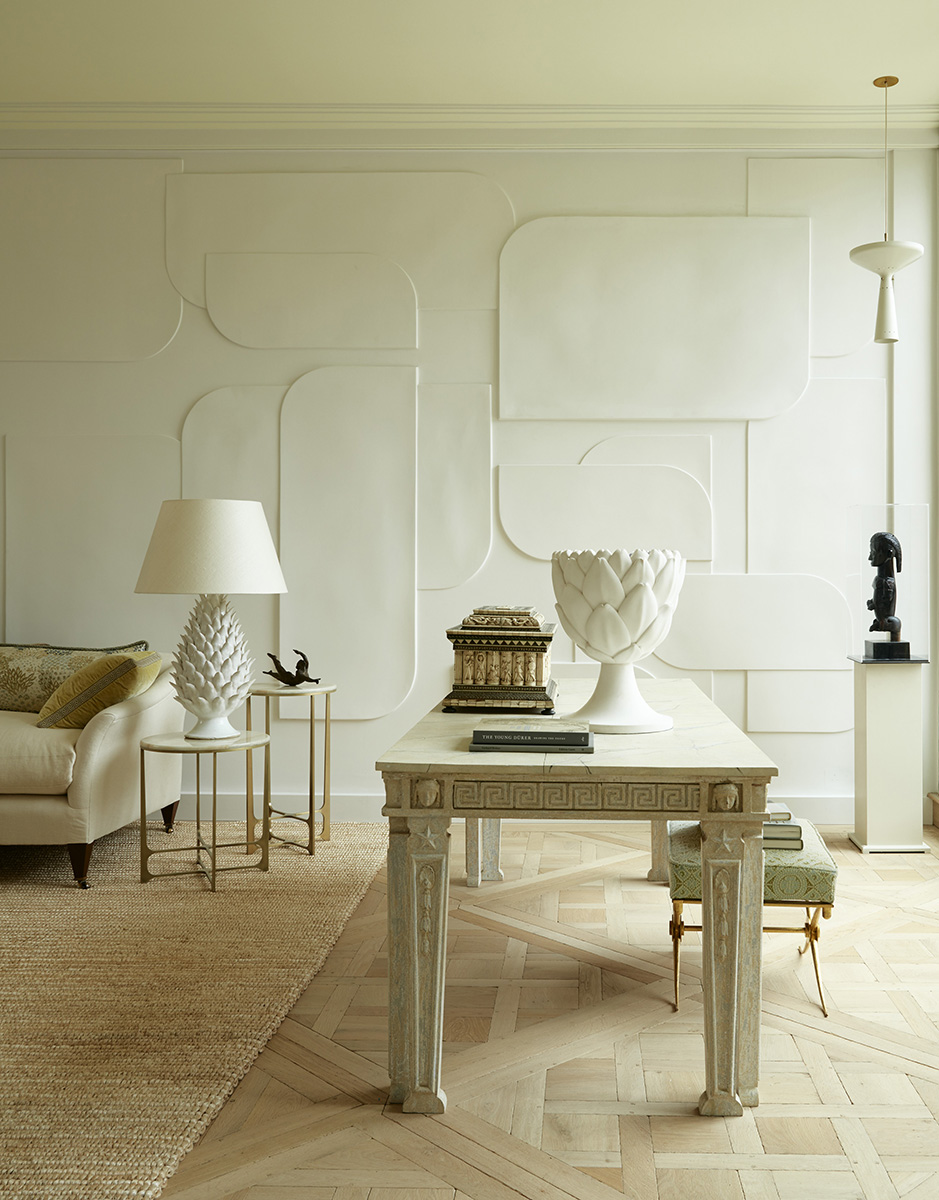
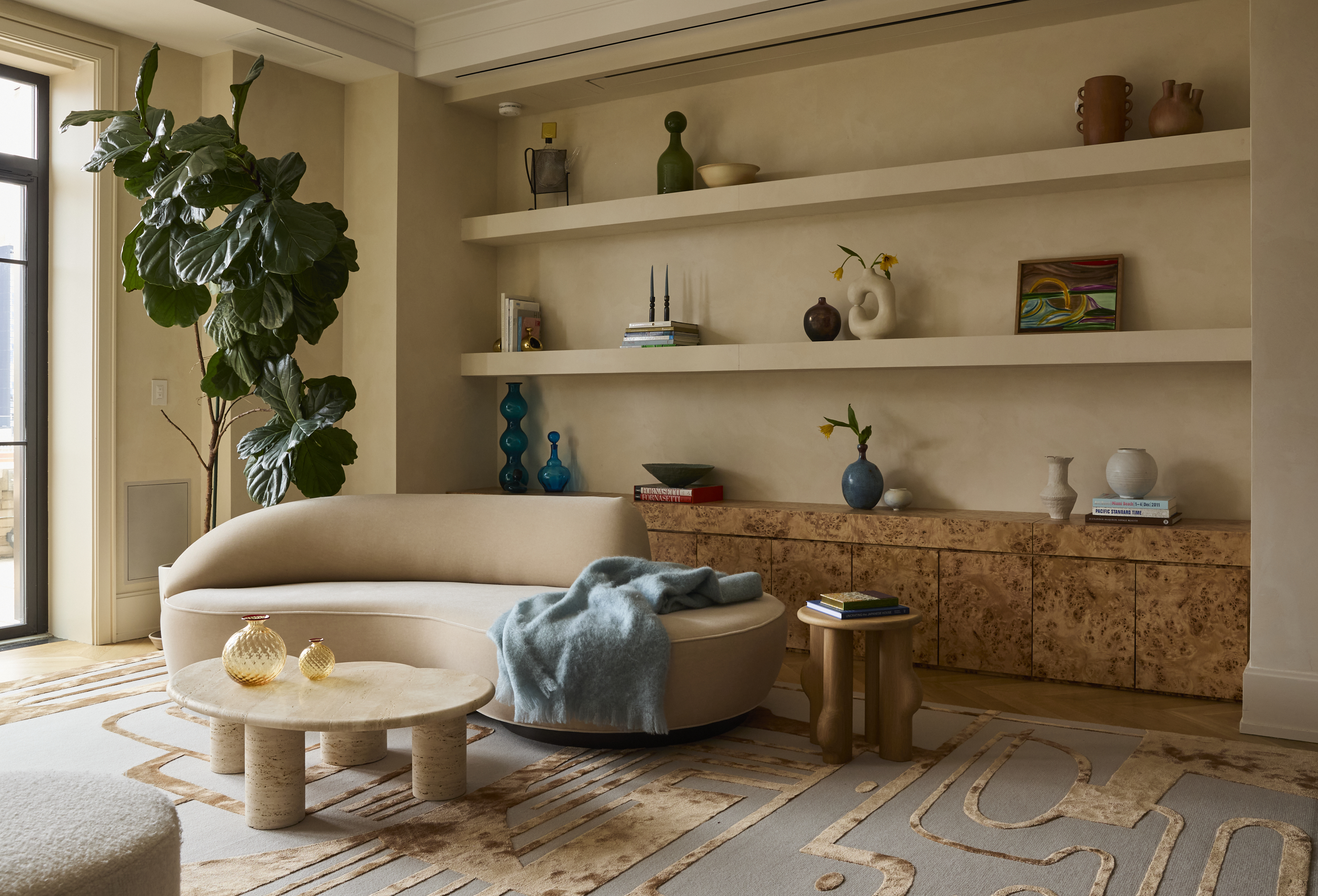
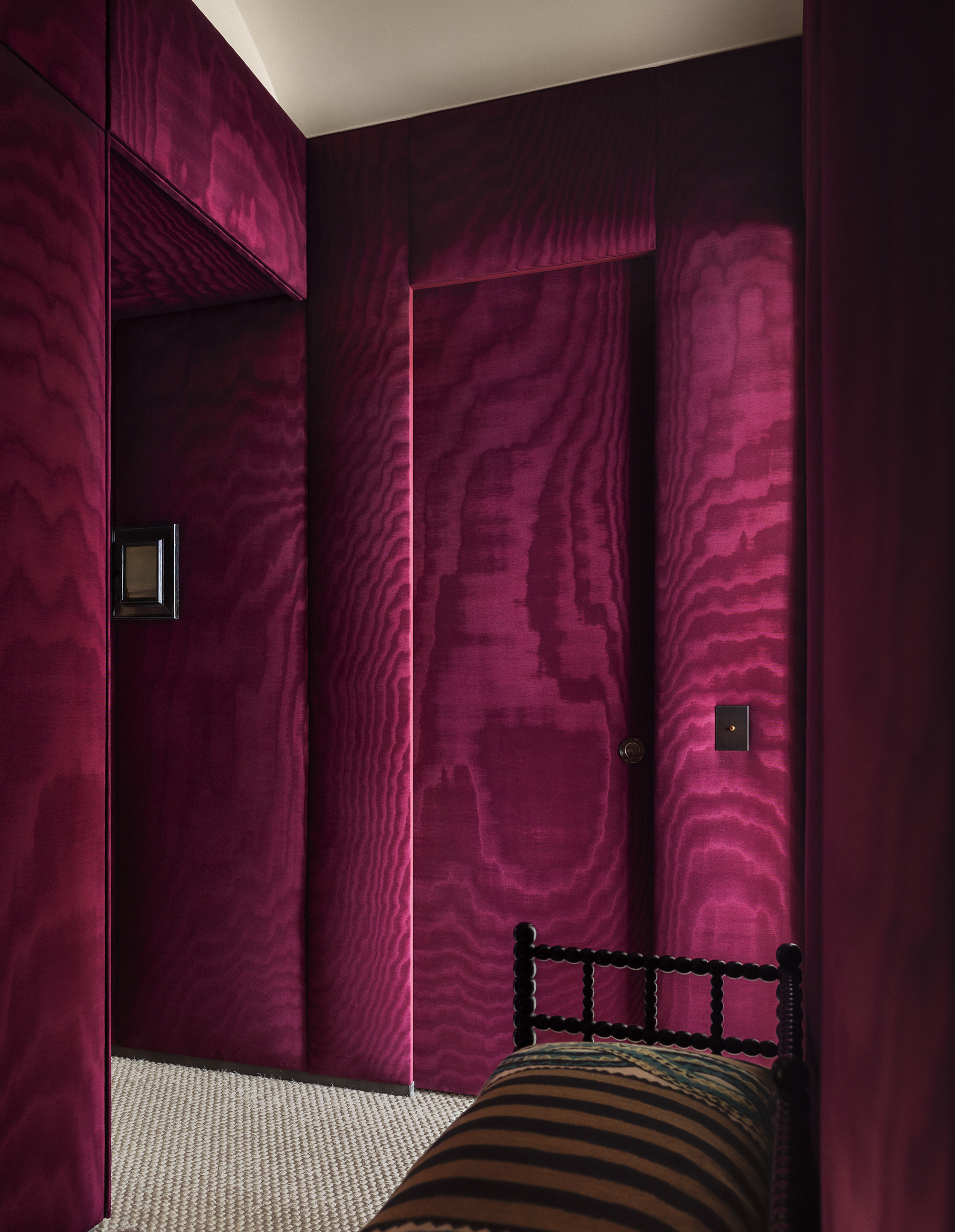
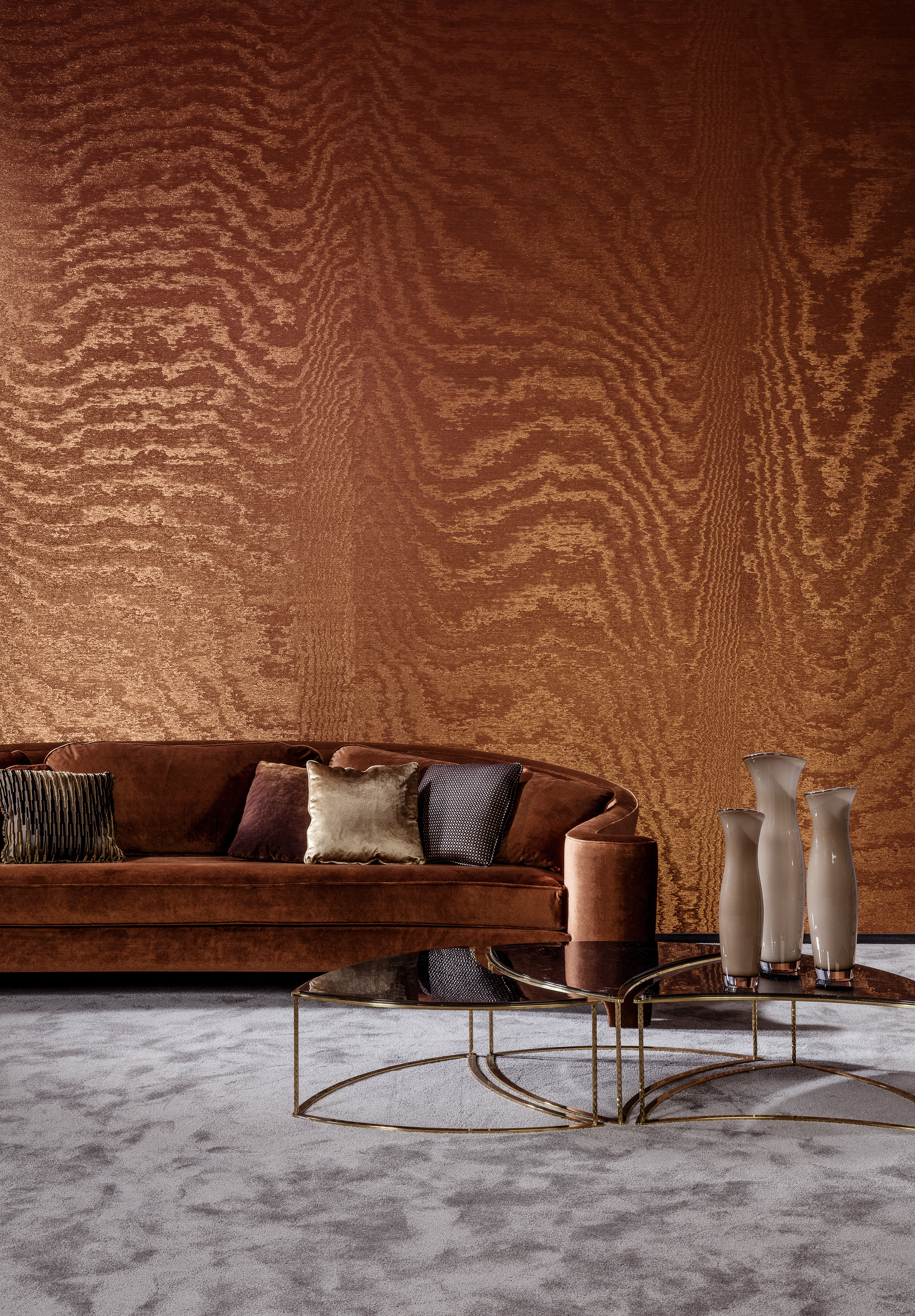
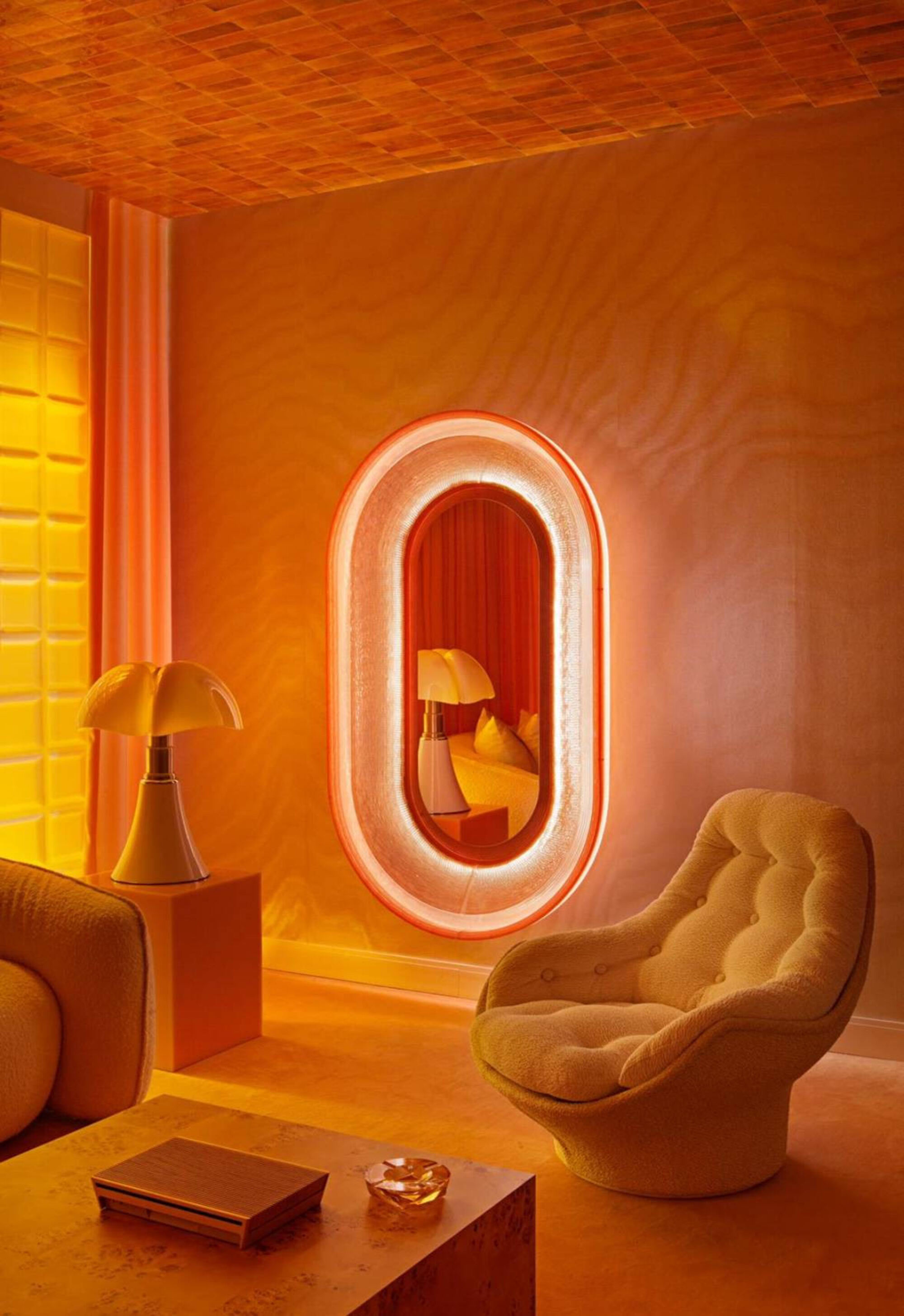
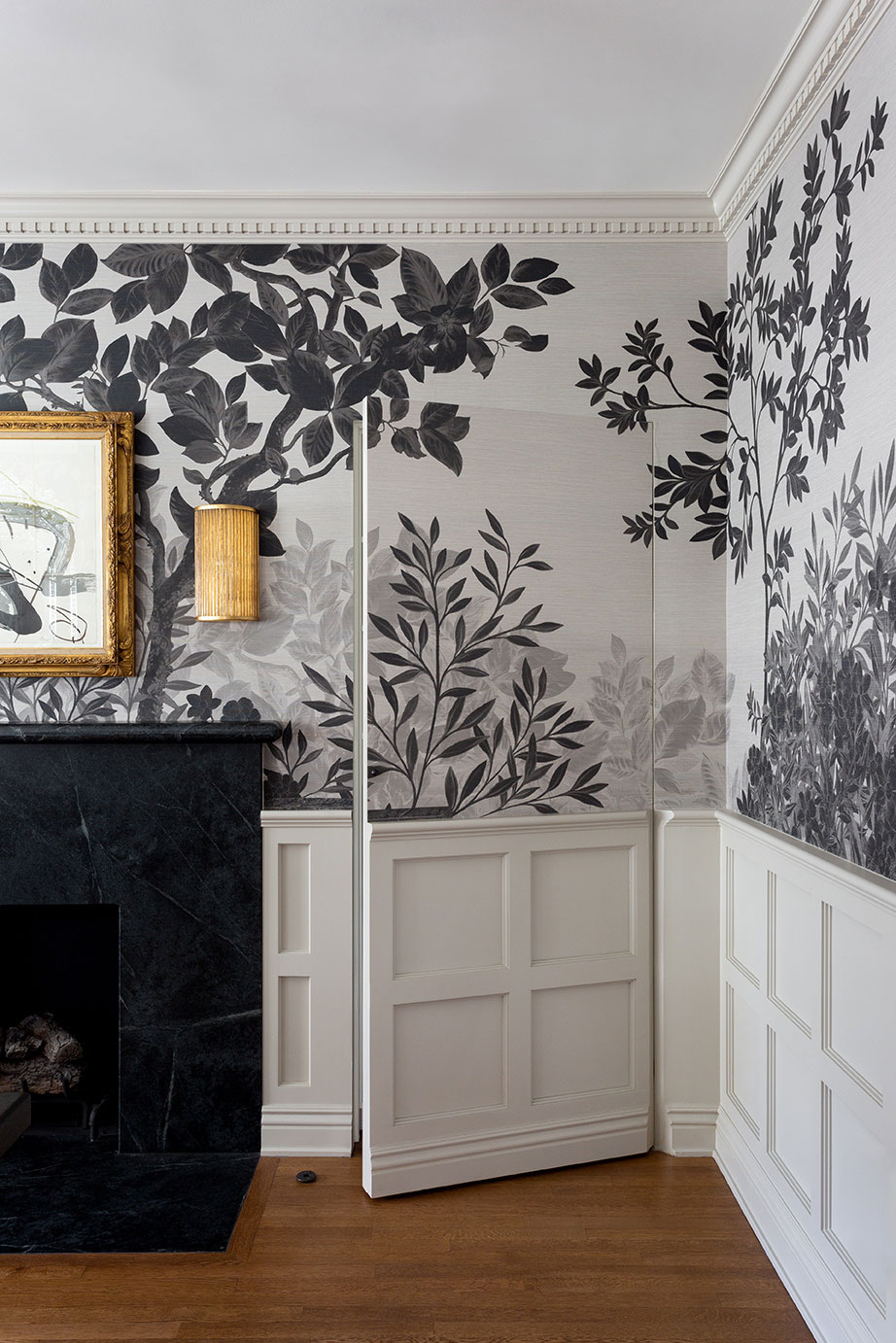
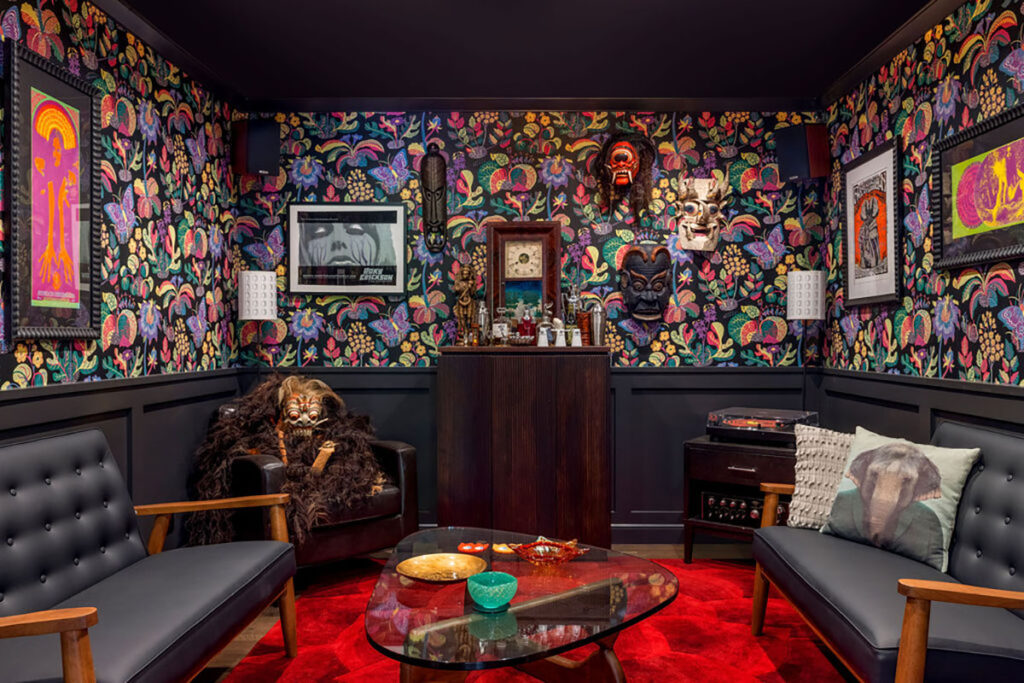
One of the primary reasons homeowners are opting for closed-concept layouts is the increased design versatility. Smaller, separate rooms allow for more diverse and bolder design choices, such as floral wallpaper in a dining room, green cabinetry in the kitchen, or a dark, moody living room. Kevin Kaminski of Kaminski + Pew suggests that smaller spaces offer more opportunities for unique design moves, which can make each room feel distinct and personal. Gideon Mendelson of Mendelson Group also emphasizes that more wall space in closed layouts accommodates built-ins, art displays, and other design elements that might not be suitable for open-plan areas.
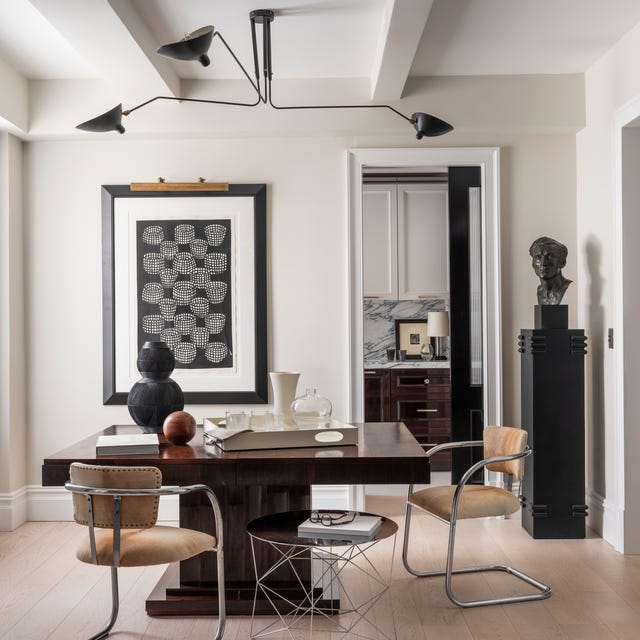
Another significant benefit is the creation of cozy and private individual rooms. Closed-concept layouts clearly define zones for specific activities, like cooking in the kitchen, relaxing in the living room, or playing in a dedicated playroom. This is particularly appealing to families with children, who often seek private spaces where doors can be closed. Hillary Cohen of HCO Interiors notes that for those working from home, the ability to close an office door helps maintain a clear separation between work and personal life. Furthermore, closed layouts significantly reduce noise transmission between rooms, addressing a common complaint about the loud and echoey nature of open-concept spaces, as pointed out by Mark Schubert of Phillip Harrison Interiors.
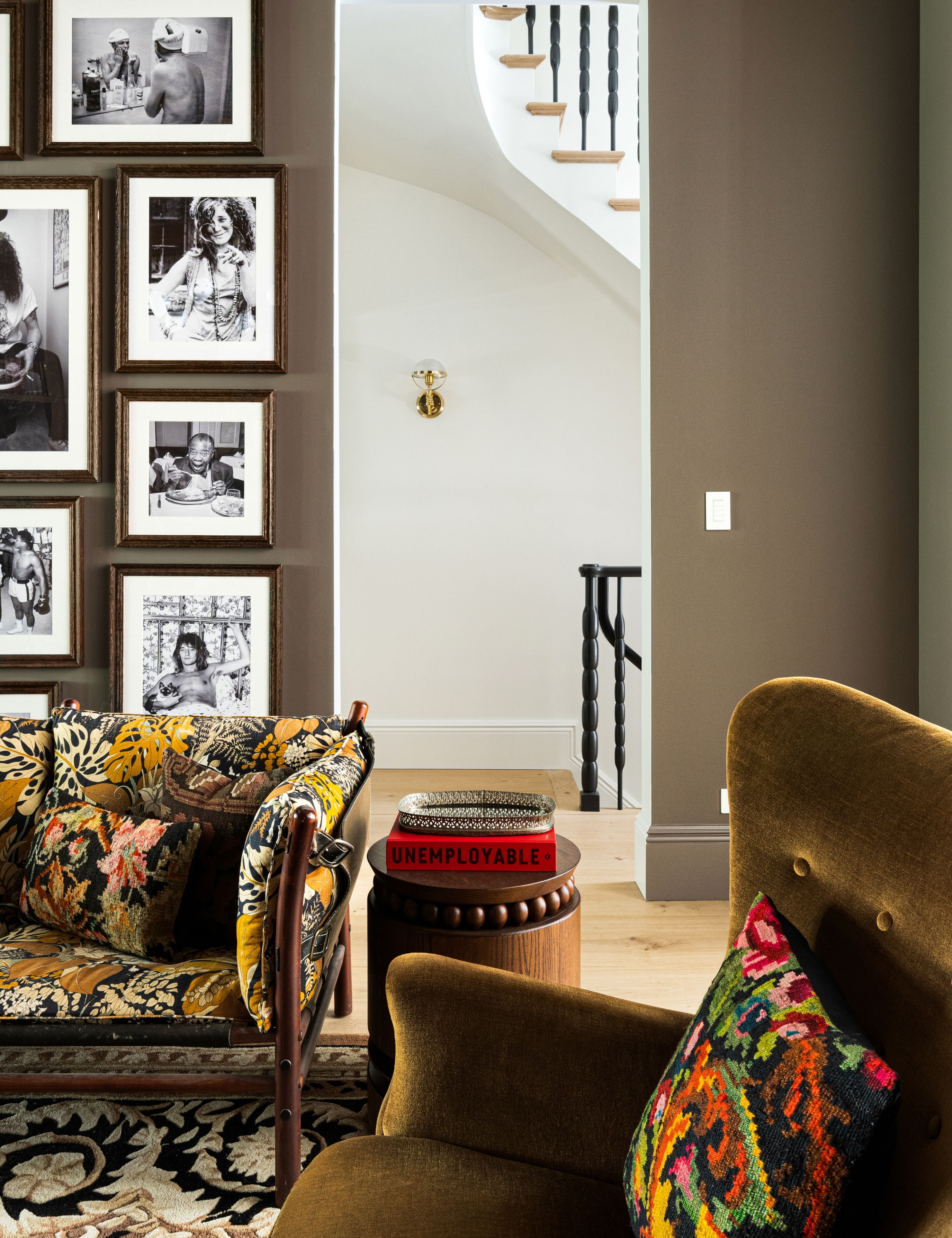
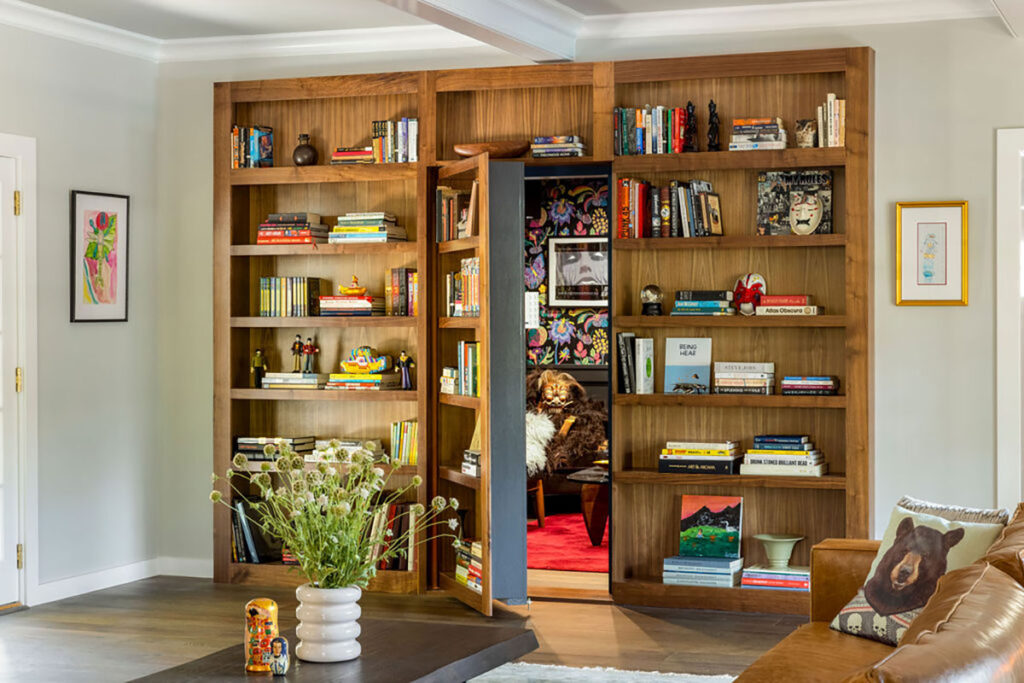
Improved organization is another practical advantage of closed-concept homes. In open layouts, all belongings are constantly visible, making it challenging to maintain a tidy appearance, especially when guests are expected. Peter Spalding of Daniel House Club explains that walls in a closed layout allow for certain rooms to be closed off, making it easier to manage clutter and present a clean home. Despite the growing interest in closed concepts, designers confirm that open-concept spaces are not entirely fading out. The current trend suggests a preference for flexible layouts that blend elements of both, incorporating open areas with strategically placed closed rooms, such as media rooms, playrooms, and home offices. Handler describes this as a semi-open concept, where rooms are distinct but connected by open doorways rather than solid doors, offering a balance between openness and privacy.
#HomeDesign #InteriorDesign #ClosedConcept #OpenConcept #ArchitecturalTrends #HomeDecor #SpacePlanning #HomeDesign #InteriorDesign #ClosedConcept #OpenConcept #ArchitecturalTrends #HomeDecor #SpacePlanning
0 comment in total
 No comments yet
You may also like
Returning to the essential is the real innovation in design

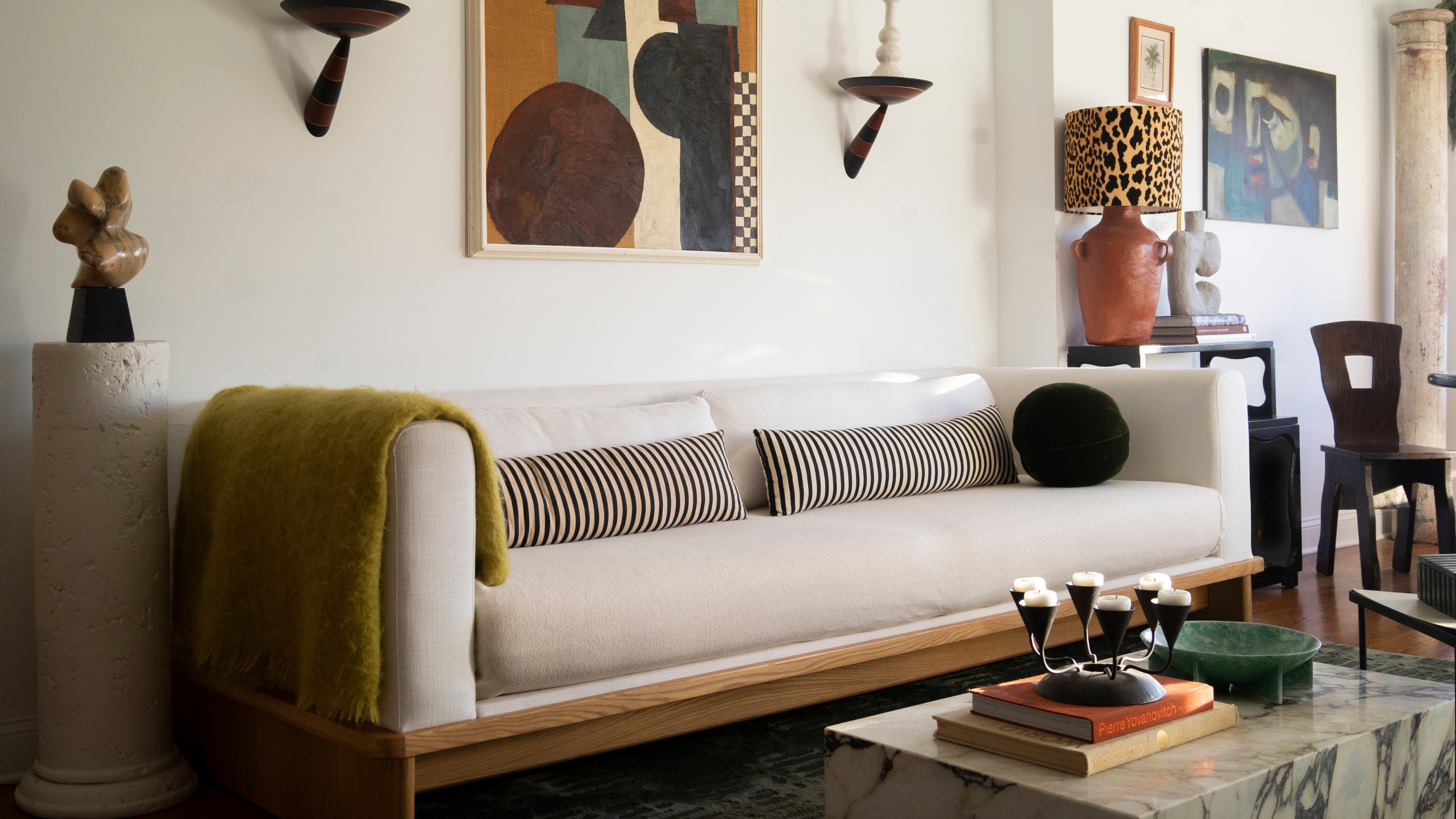
Designers' Reveal the Biggest Pattern Trends for 2025, and It's Shaping Up to Be a Bold Return to the Classics

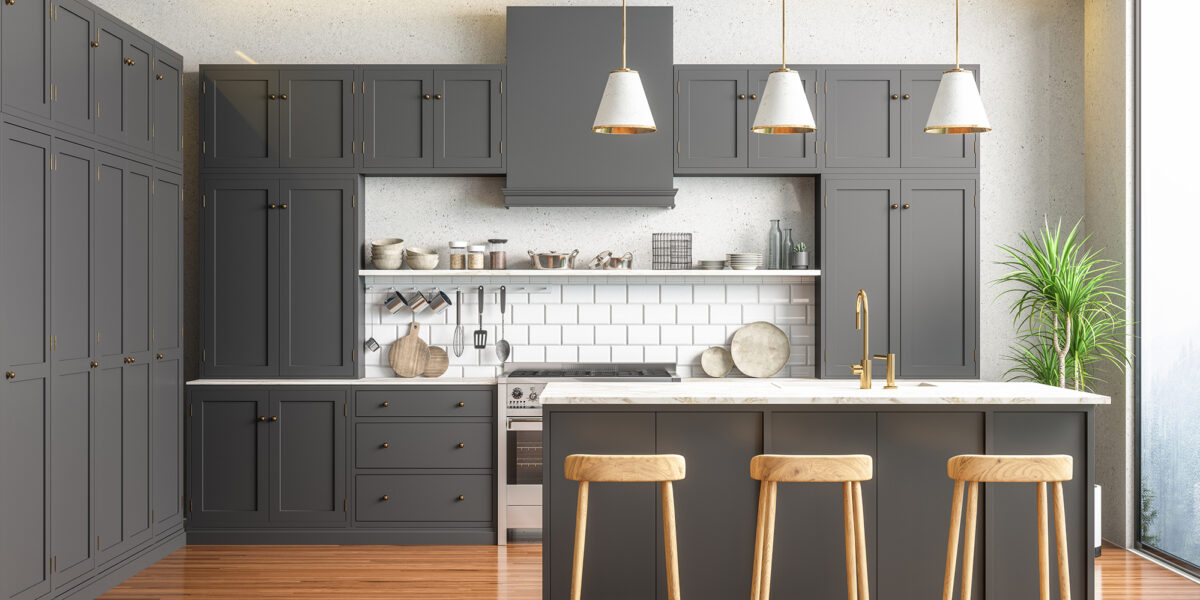
It’s Time to Say Goodbye to These Outdated Design Trends in 2024
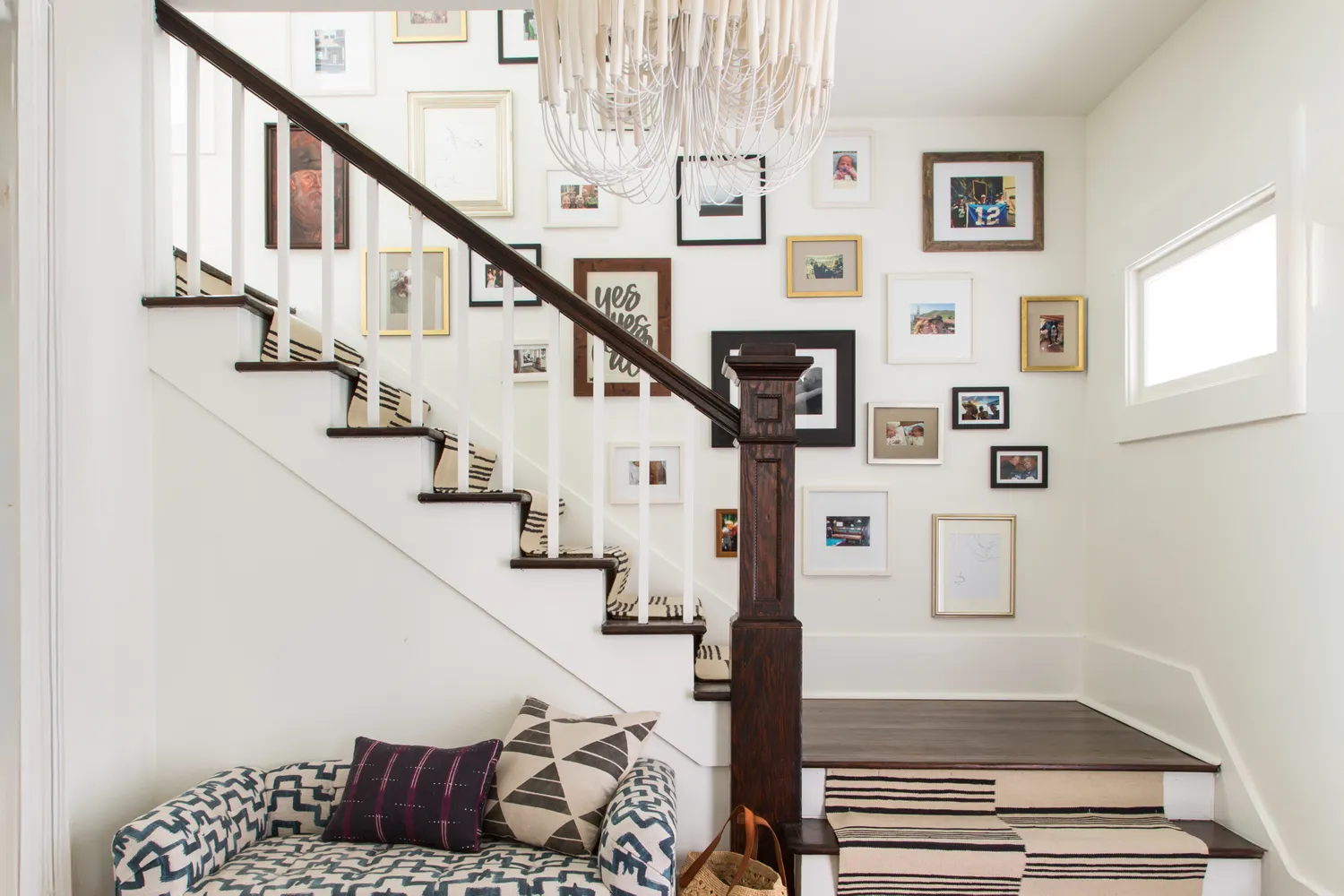
This Outdated Stair Trend Is Fading Fast—and Designers Say It's Time to Move On

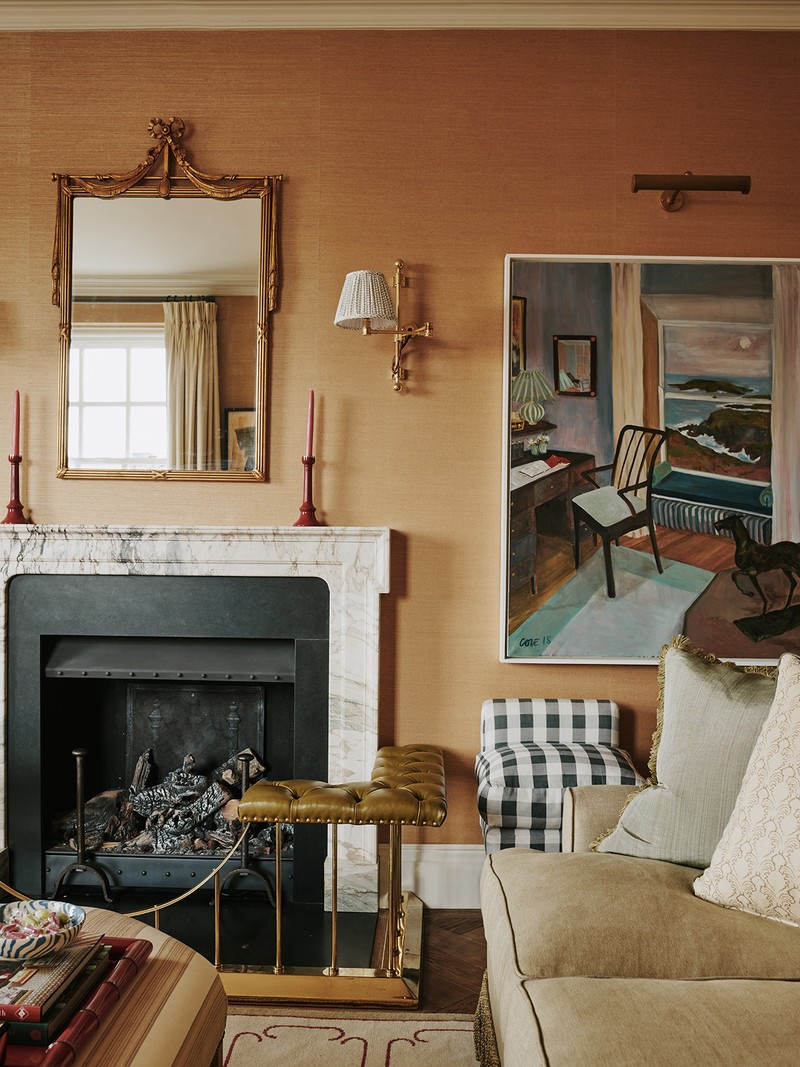
2 Interiors Designers Talk Style, Inspiration & The Concept Of ‘Future Heritage’
Designers Are Ditching the "Rule of Threes" for THESE Genius Styling Alternatives

Designers Have Spoken: This Vintage Trend Is Never Coming Back
The unexpected 'microtrends' that designers say are actually timeless
Tradition Meets Trend
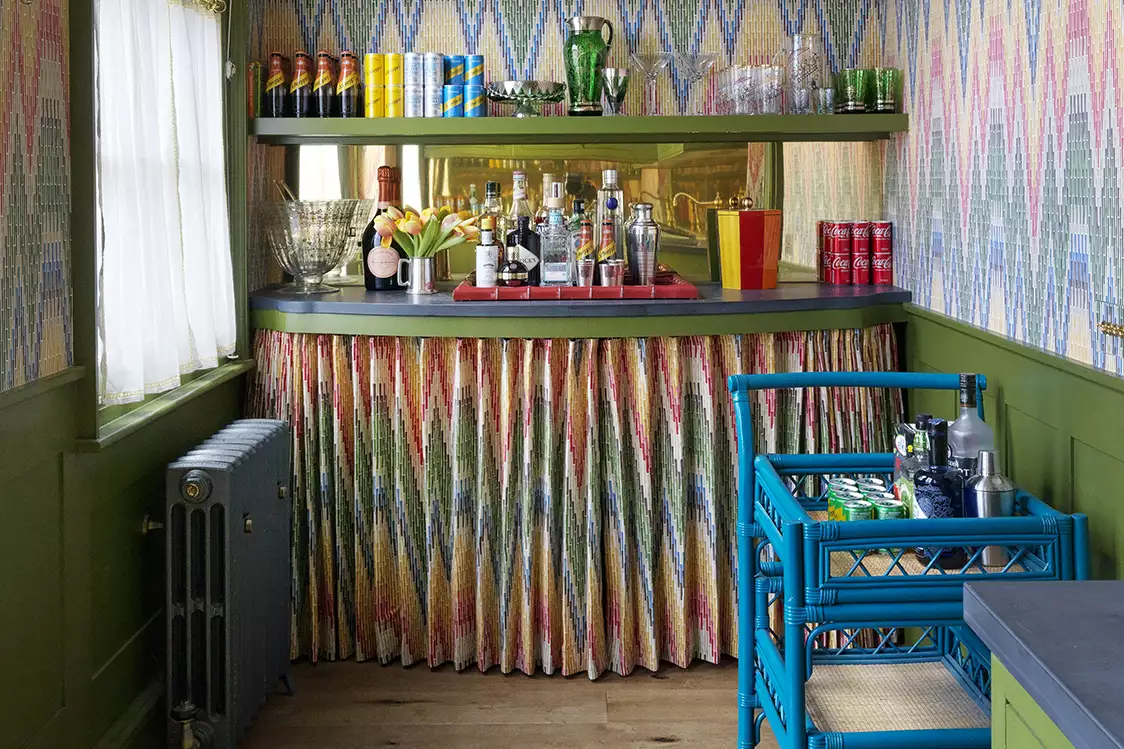
This Throwback Trend Is Coming Back in Style—and Designers Have Mixed Opinions

Design Trends: Retro Revival

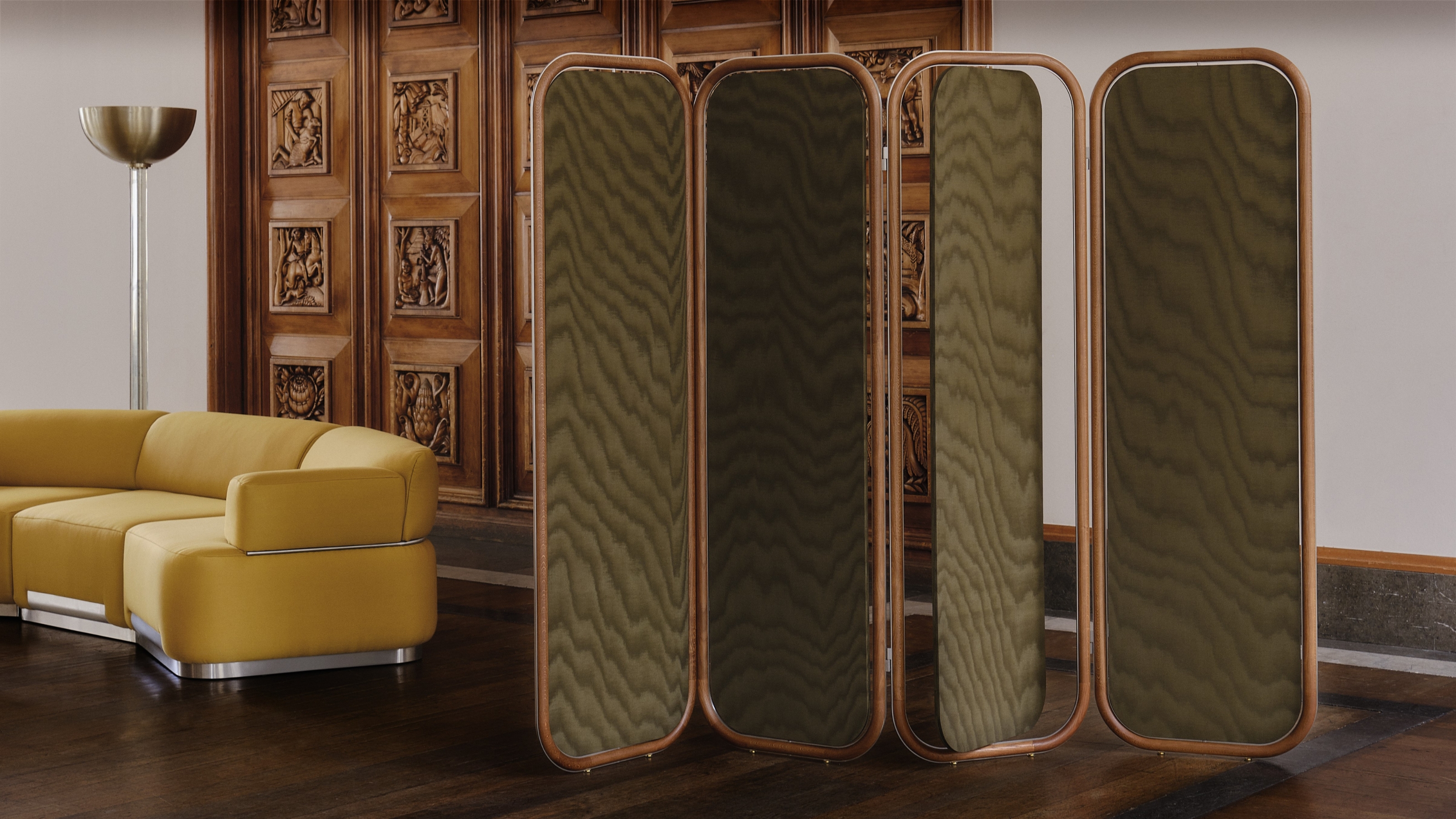
This 400-Year-Old Pattern Is the Emerging Trend That Designers Are Using to Bring 'Rhythm' to Their Projects
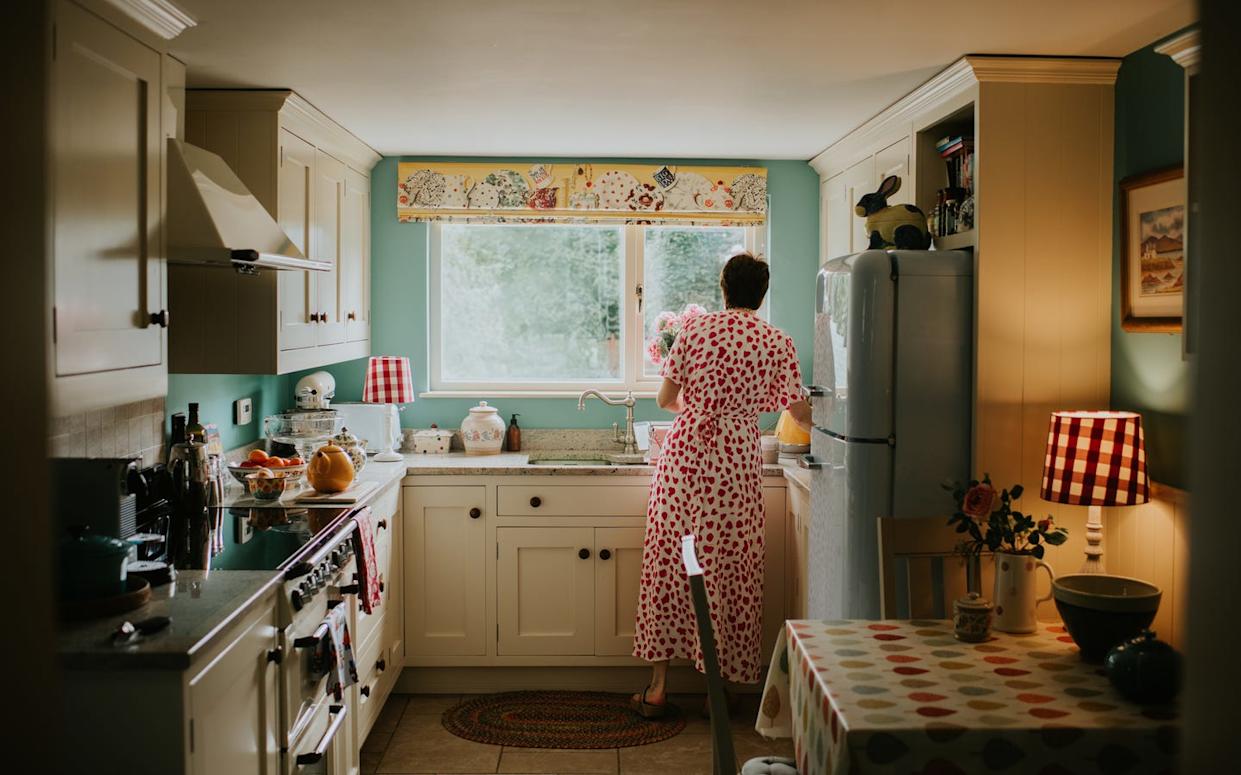
Designers Agree: Open Concept Is Out, Tradition Is In

Surprise: 1990s Design Trends Are Coming Back
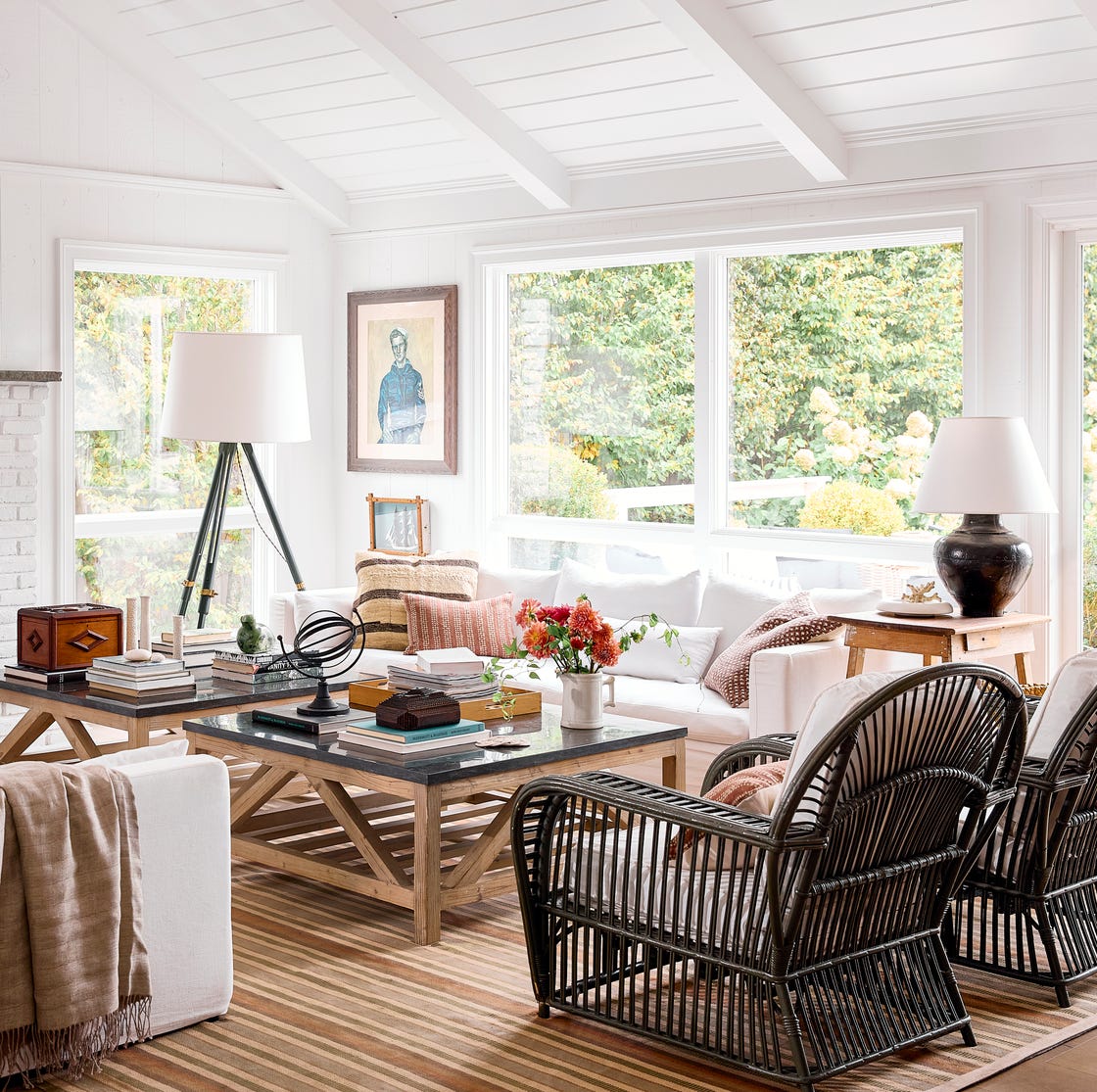
Designers Are Moving On from Modern Farmhouse—Here’s the Style Taking Over
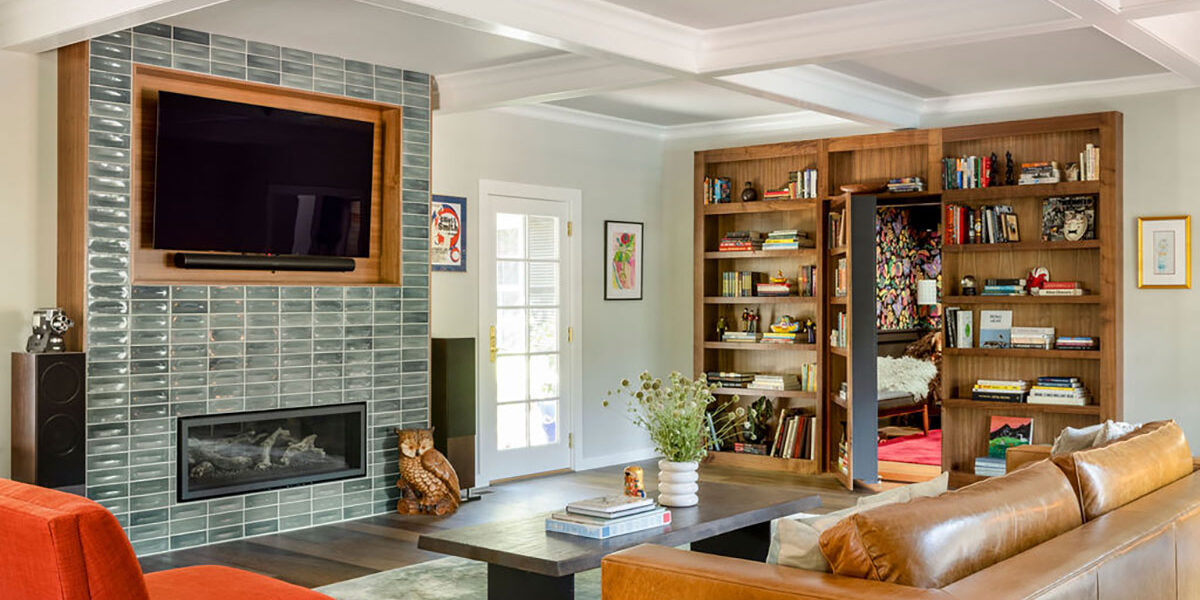
The Design Industry’s Coolest Trend Is Hiding in Plain Sight
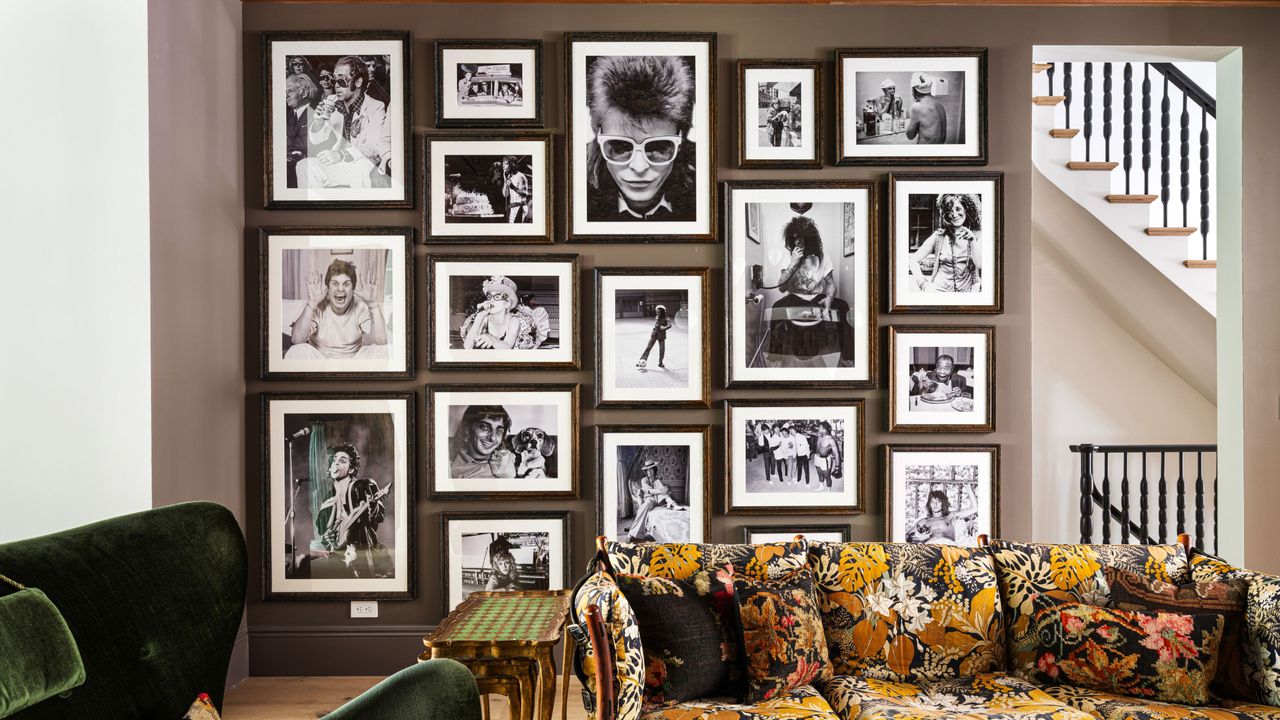
This Designer’s Take on a Once-Dated Trend Proves…
Sorry, but It's 2025 — These Outdated Interior Design Rules (Too Many People Still Swear By) Should Be Ignored
Explore our visual compendium of timeless design, from classic to contemporary furniture, objects and lighting


Design Evolution