1/5
Designers Are Ditching the "Rule of Threes" for THESE Genius Styling Alternatives
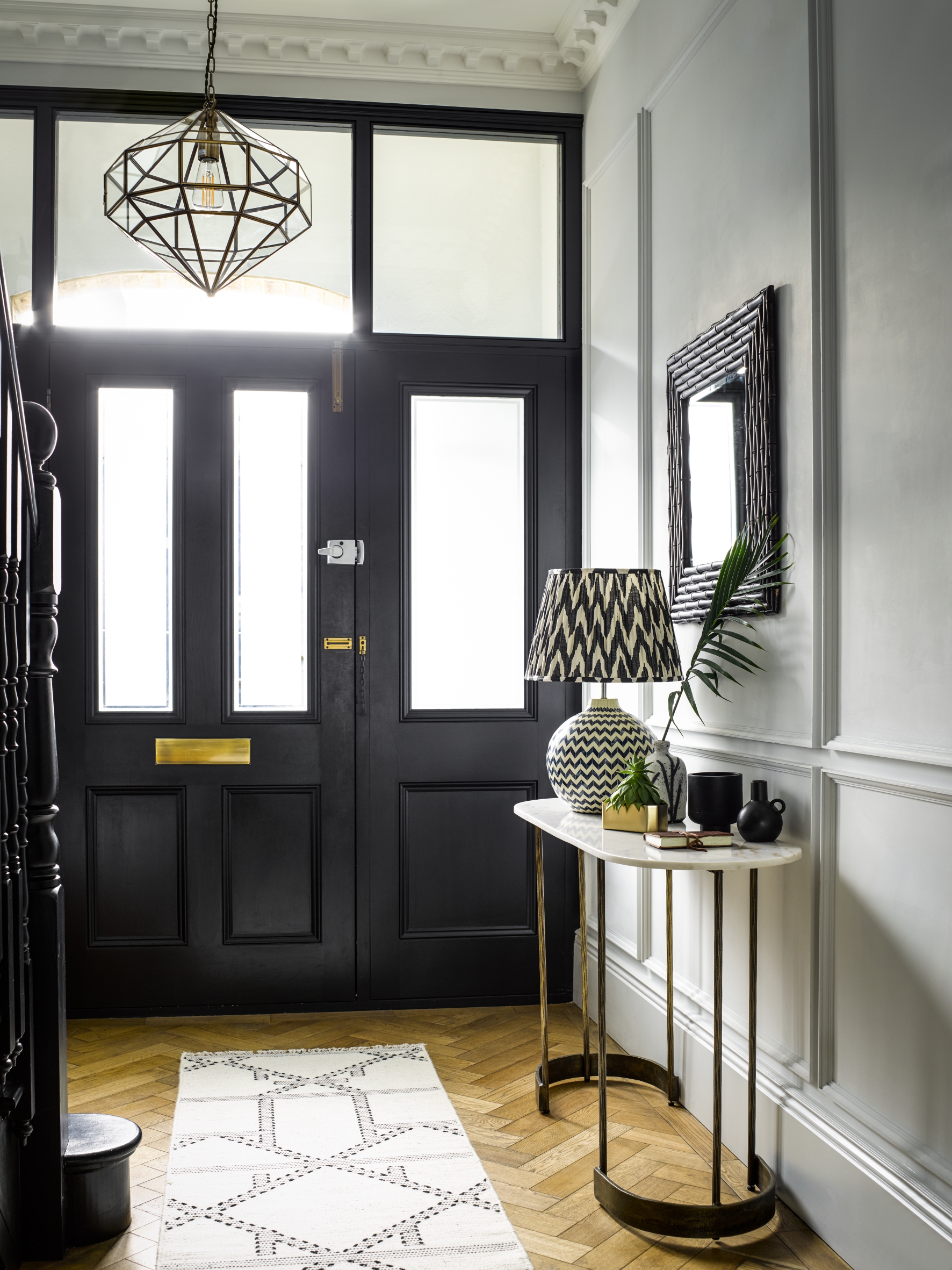
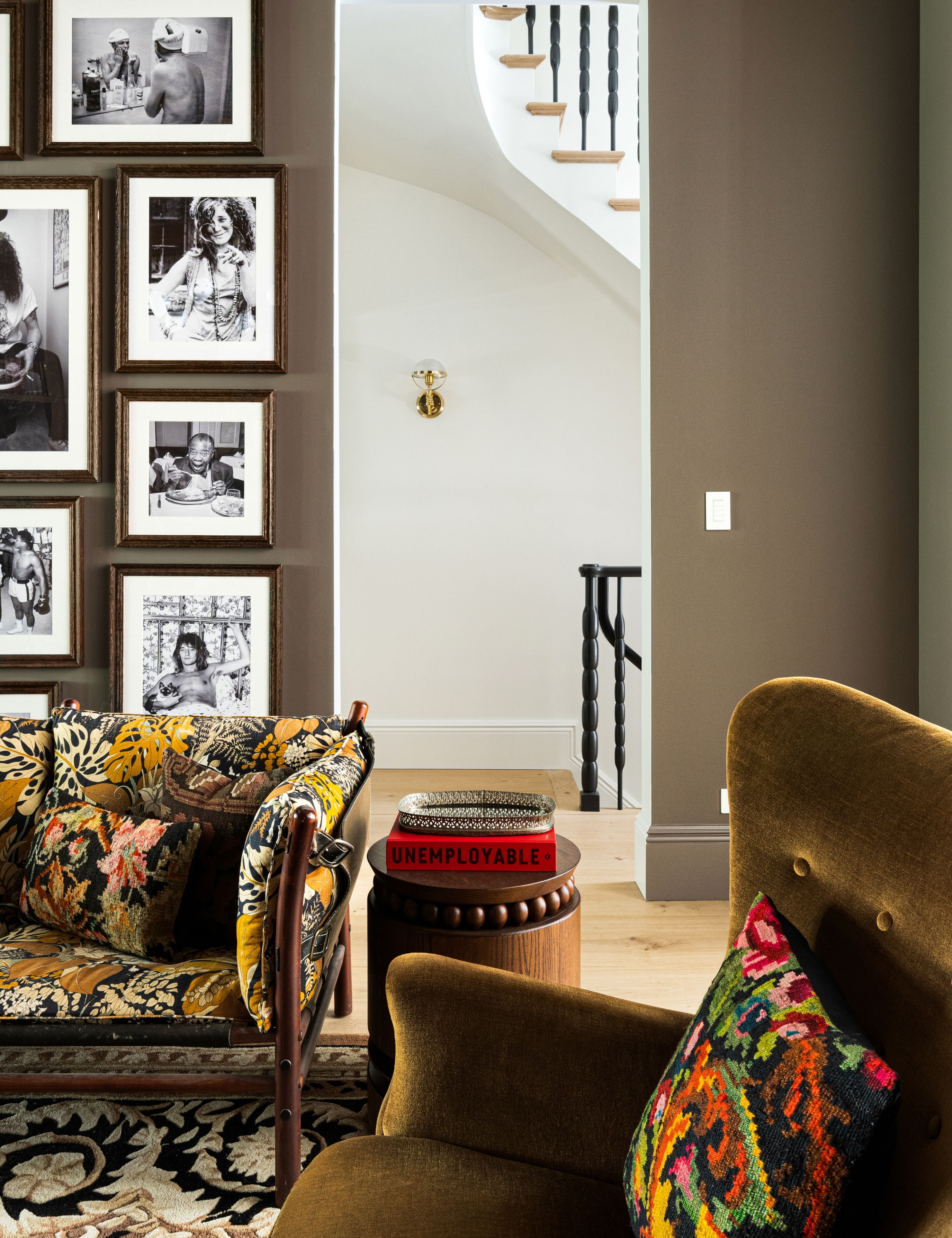
The "rule of threes," a long-standing principle in interior design involving grouping decorative items in sets of three, is being challenged by many professional designers. This traditional method, while easy to implement, is increasingly seen as creating a staged or lifeless environment that lacks personal touch and flexibility. Designers are moving towards more fluid and intuitive approaches to styling spaces.
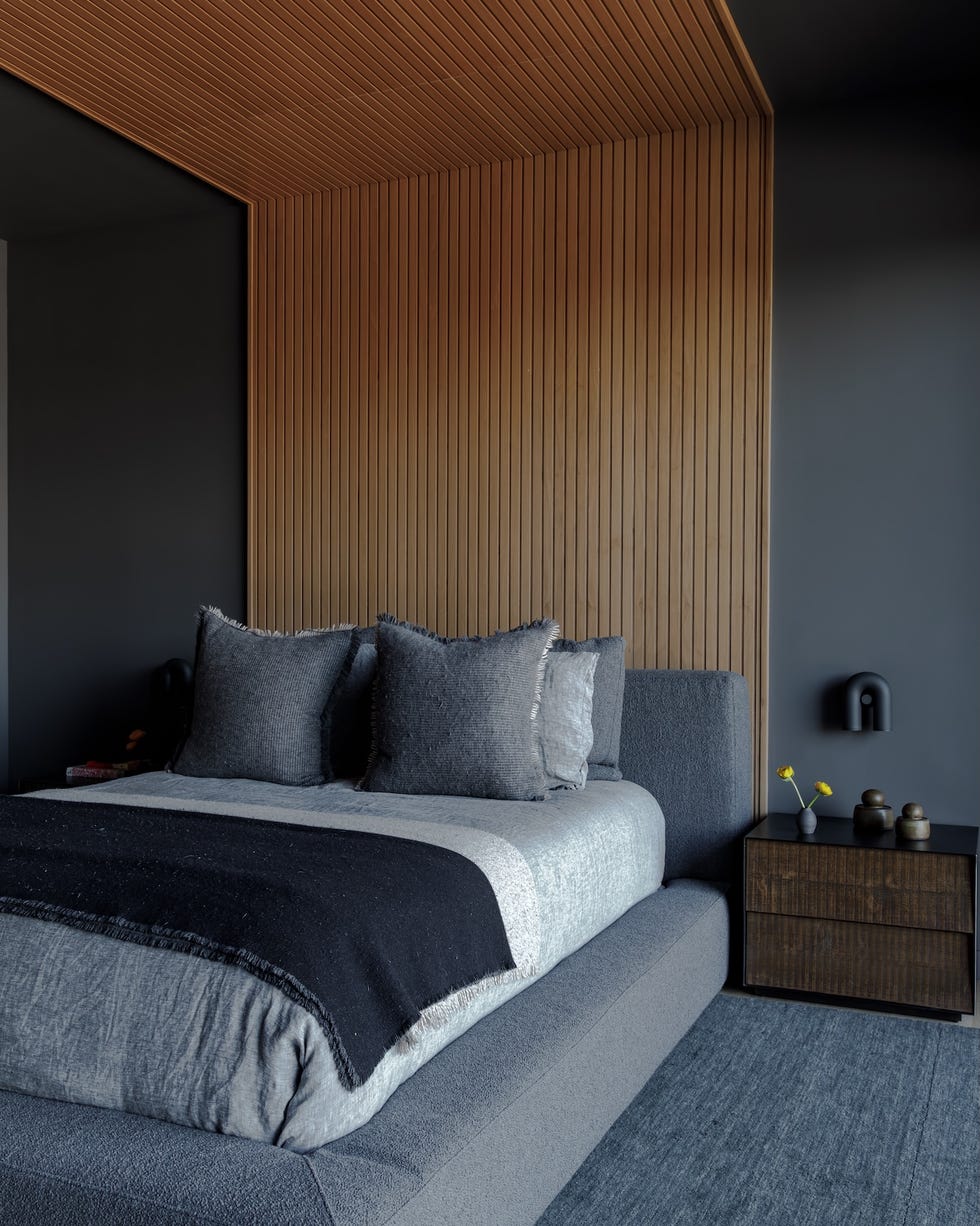
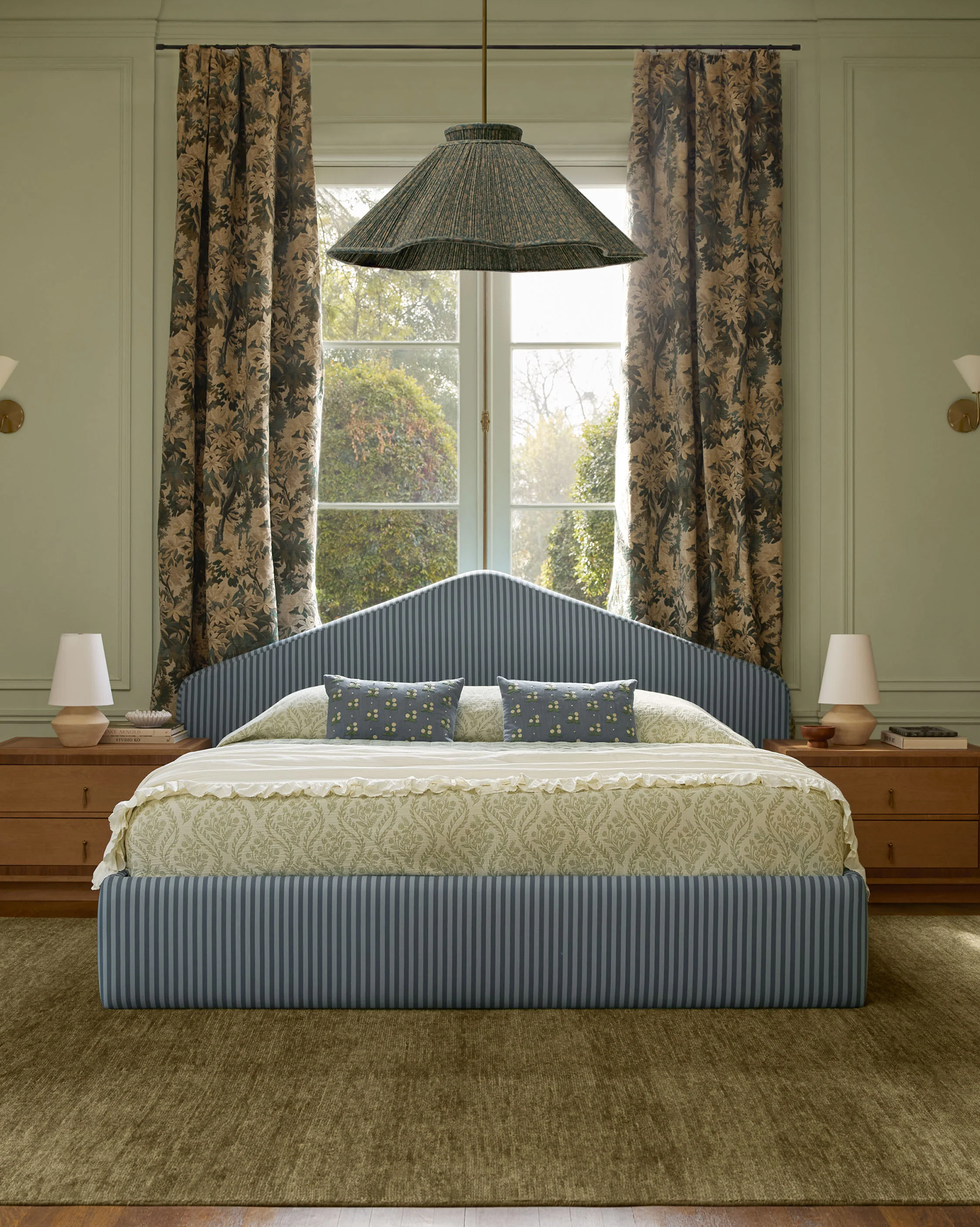
One prominent alternative is the "rule of what feels right," as advocated by interior designer Brad Ramsey. This approach emphasizes balance in shape, height, and texture over strict adherence to numerical groupings. Jen Baxter of Baxter Hill Interiors further elaborates on numerical choices, suggesting the use of odd numbers to introduce energy into a room and even numbers for a sense of serenity. For instance, in bedrooms, even-numbered pairings like twin embroidered pillows and matching nightstands can create a grounded and soft aesthetic, allowing layered textures and subtle patterns to breathe.
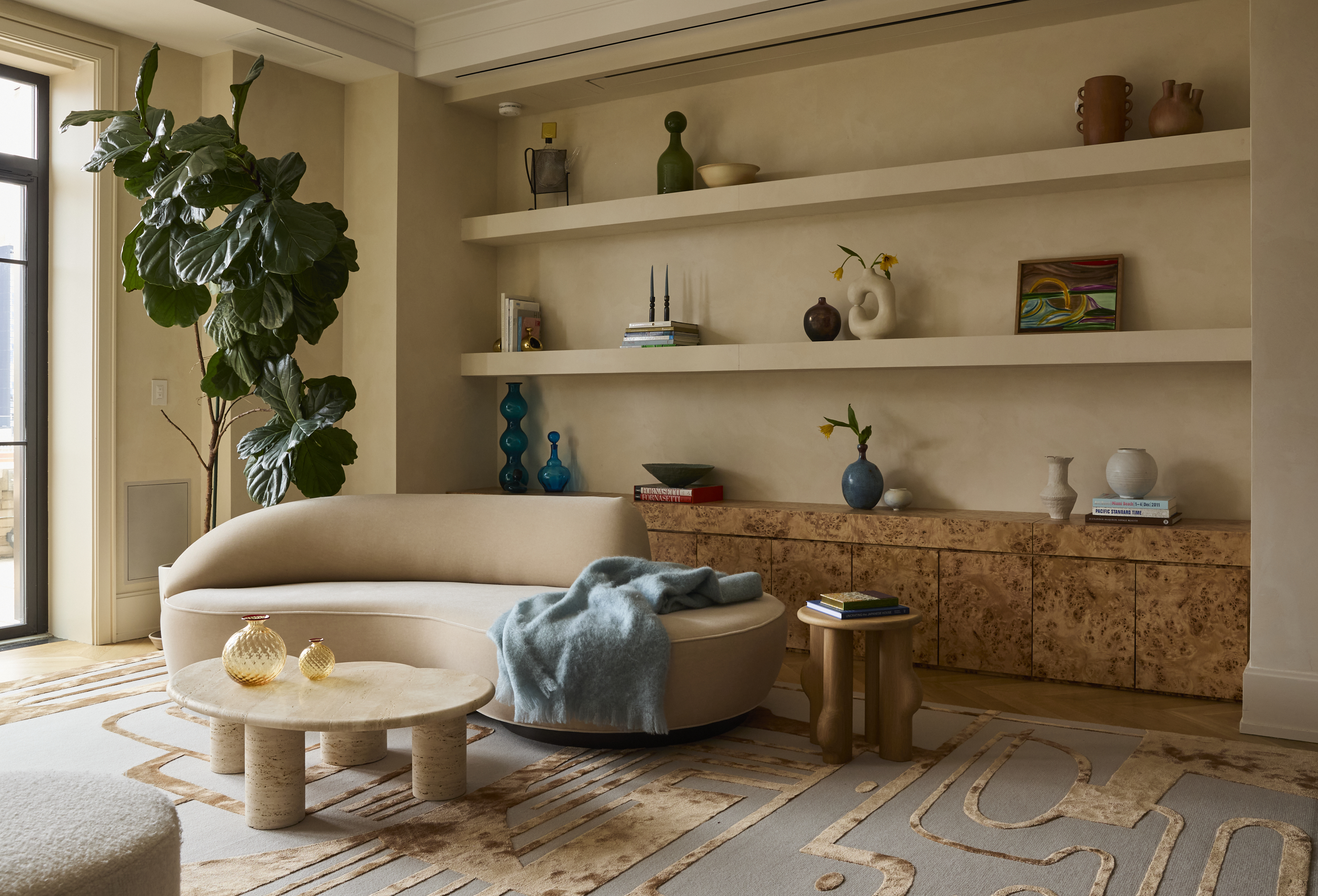
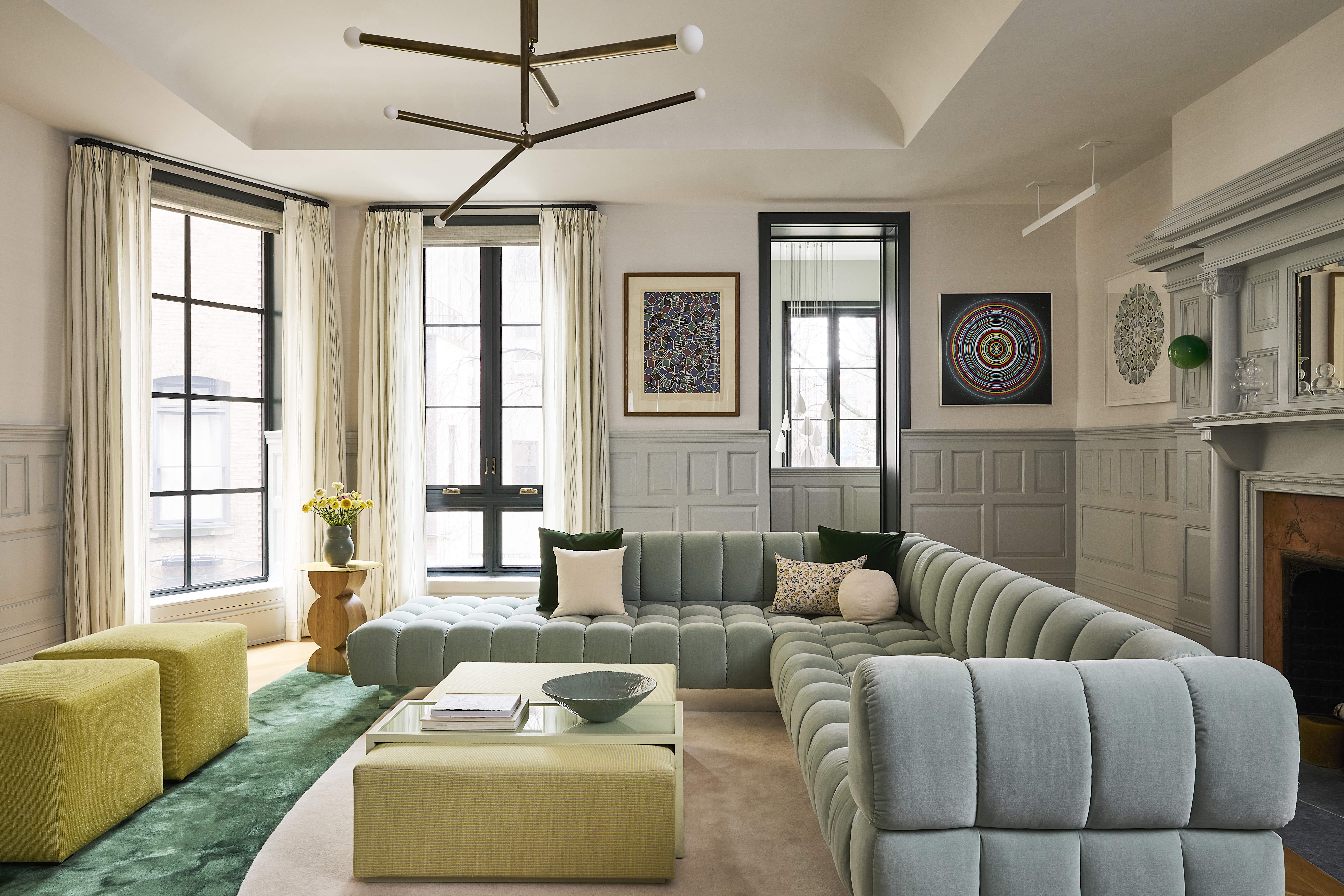
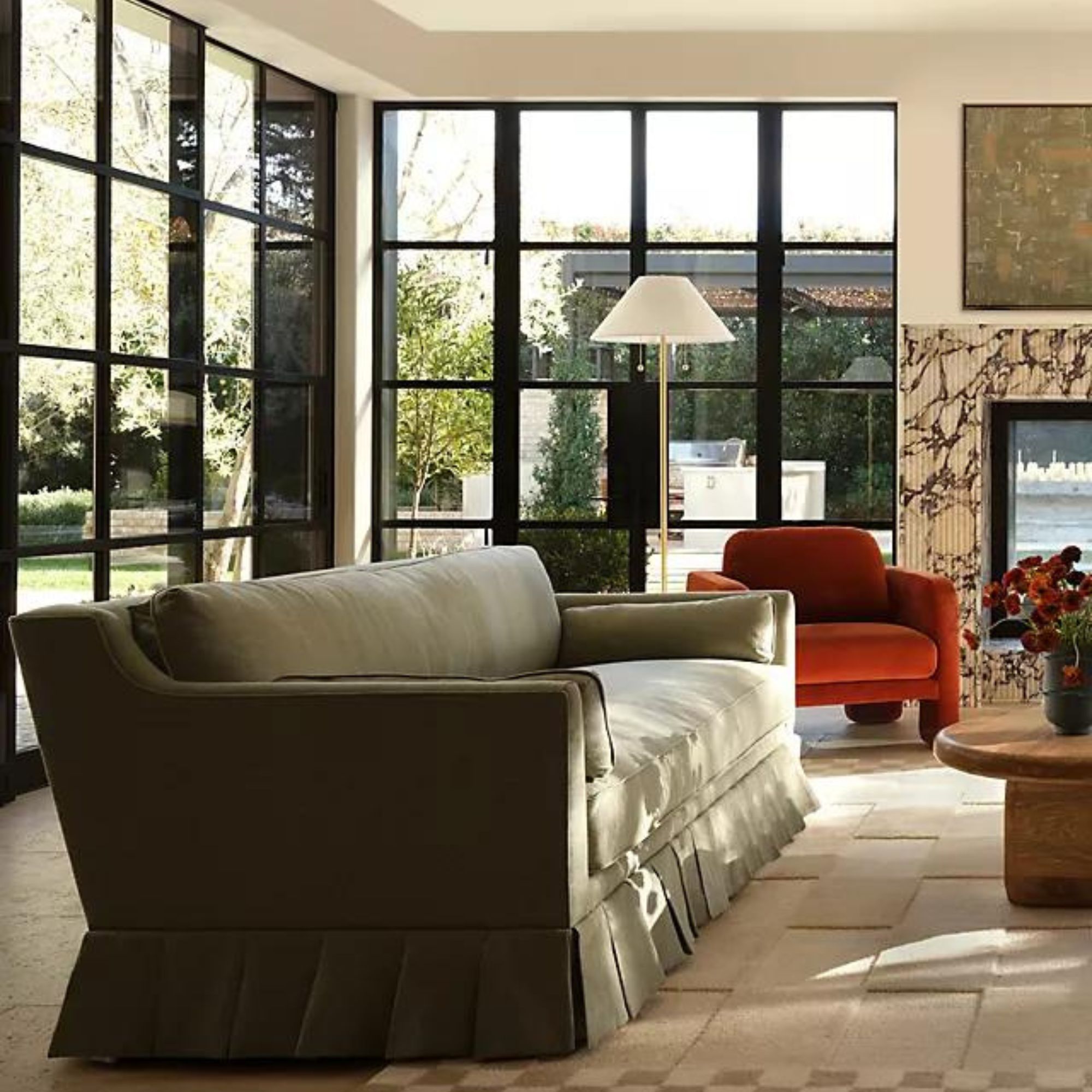
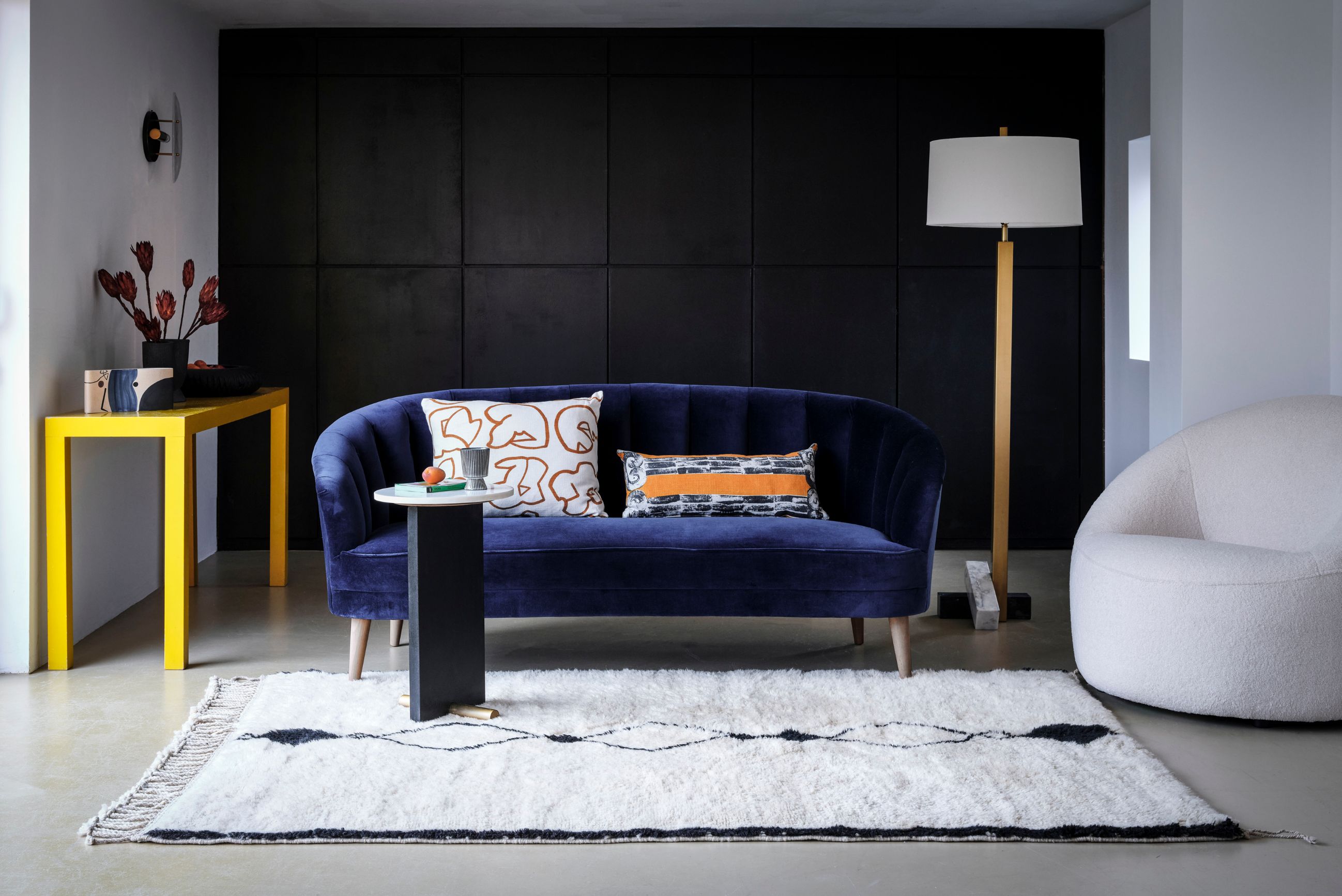
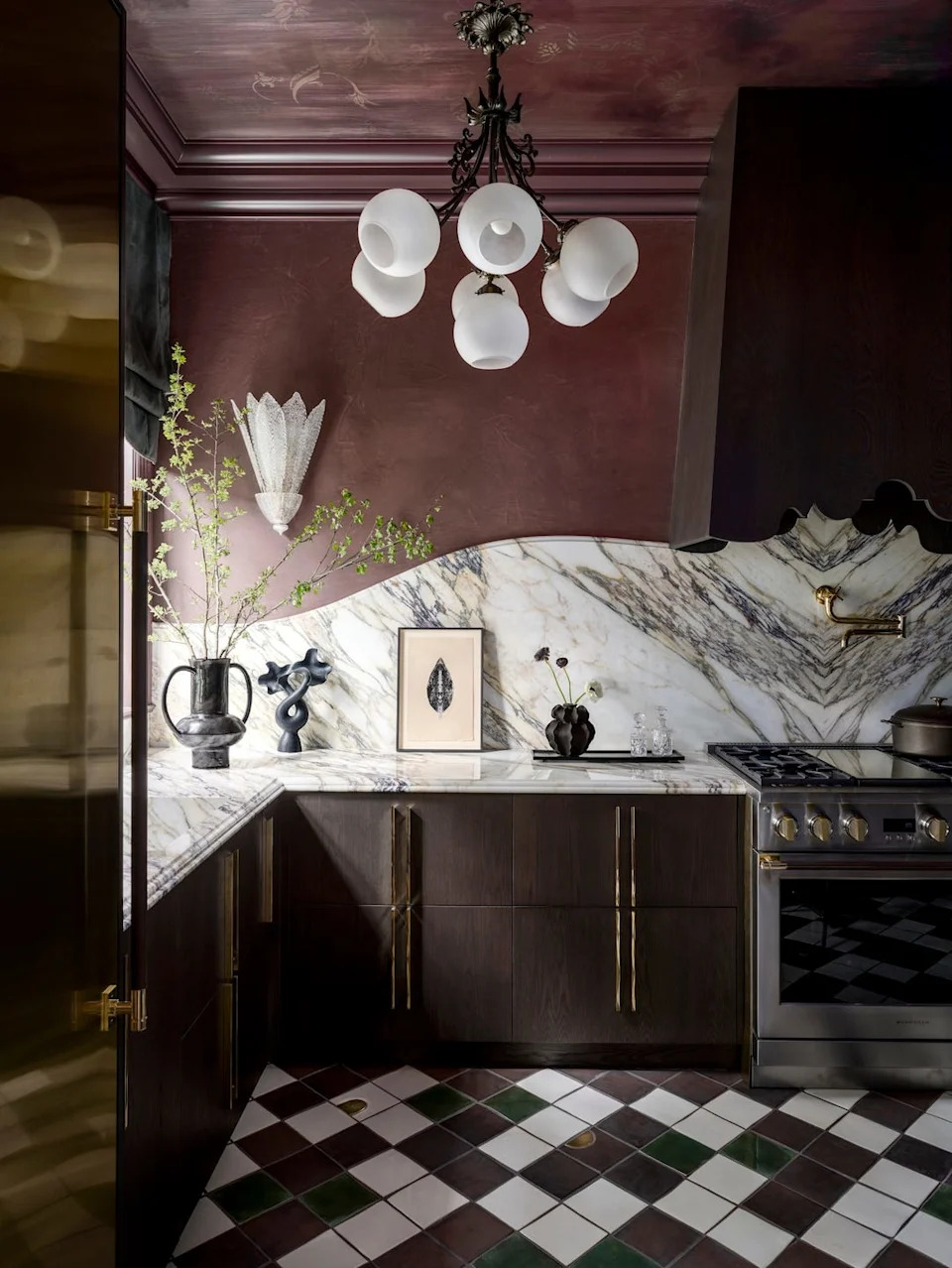
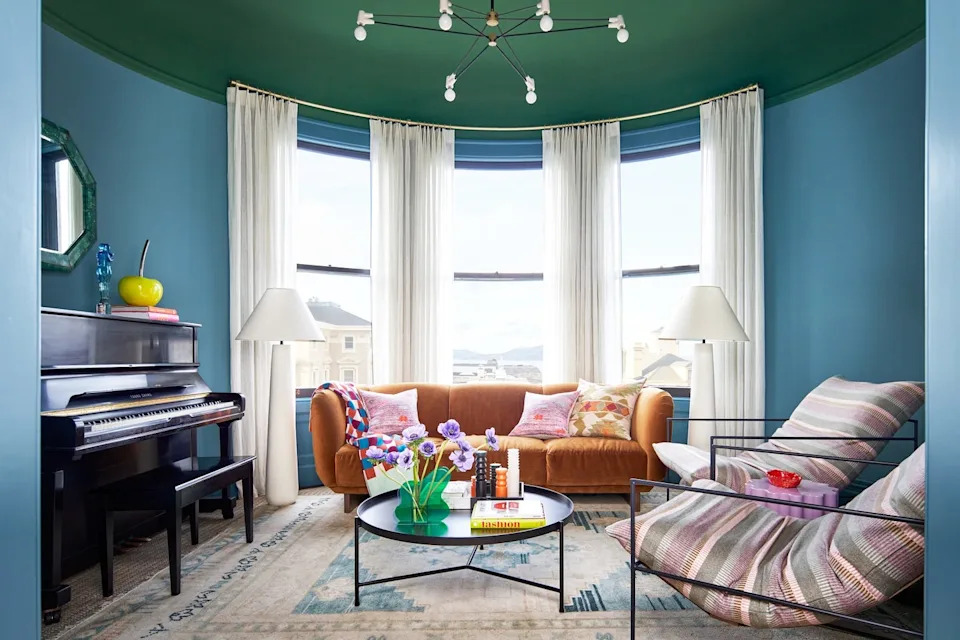
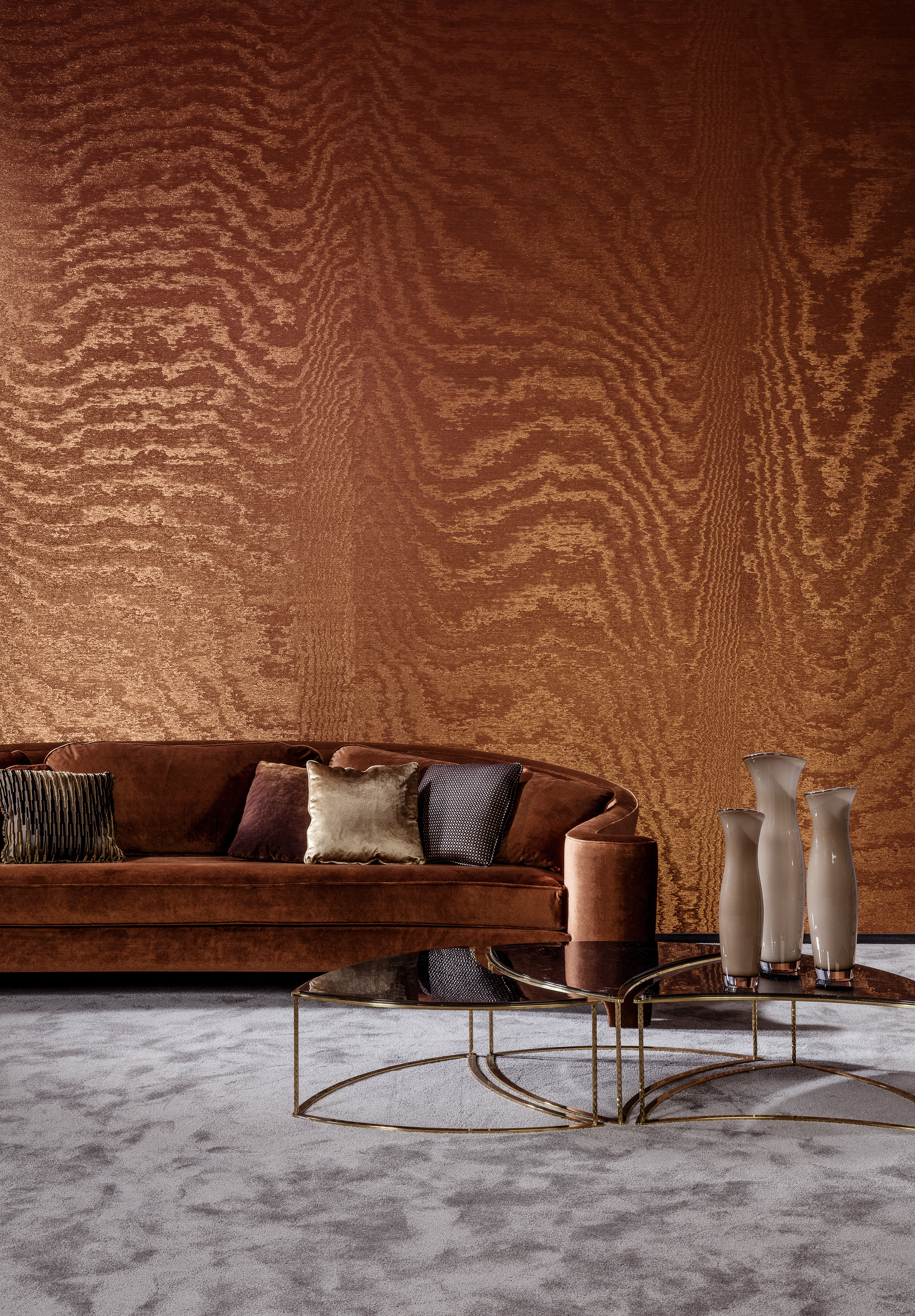
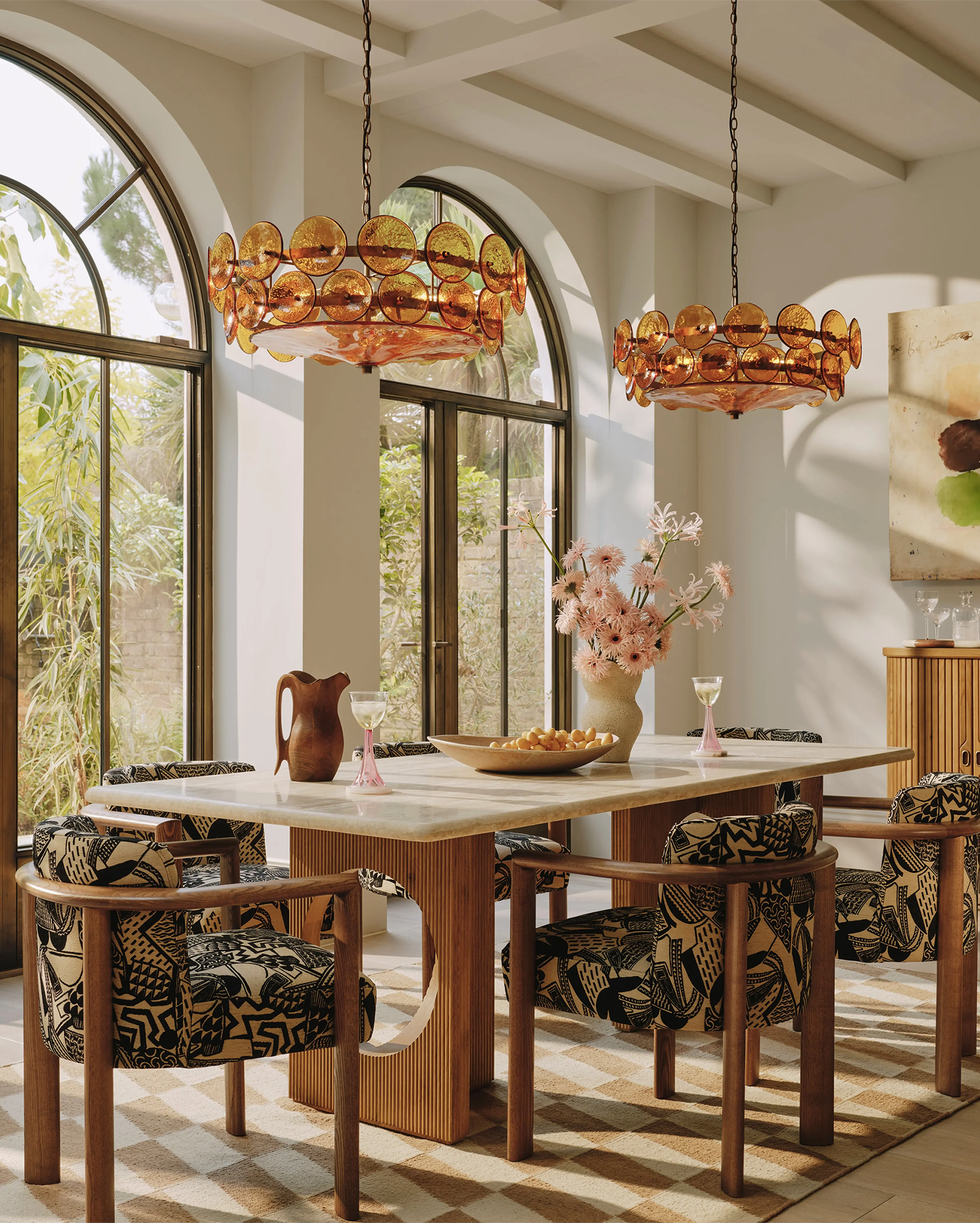
Another emerging trend involves the power of a single, impactful showstopper piece. Designers like Kerith Flynn of Margali & Flynn Designs prioritize objects with significant presence that can stand alone without requiring additional supporting elements. Kristina Lawrence notes that a single, large-scale decorative bowl can make a stronger statement than numerous smaller items arranged to meet a numerical rule. Olma Fuentes of Deni + Dove Interiors echoes this sentiment, recommending a single sculptural vessel or a sweeping curved sofa to anchor a room, rather than a cluster of smaller seating arrangements.
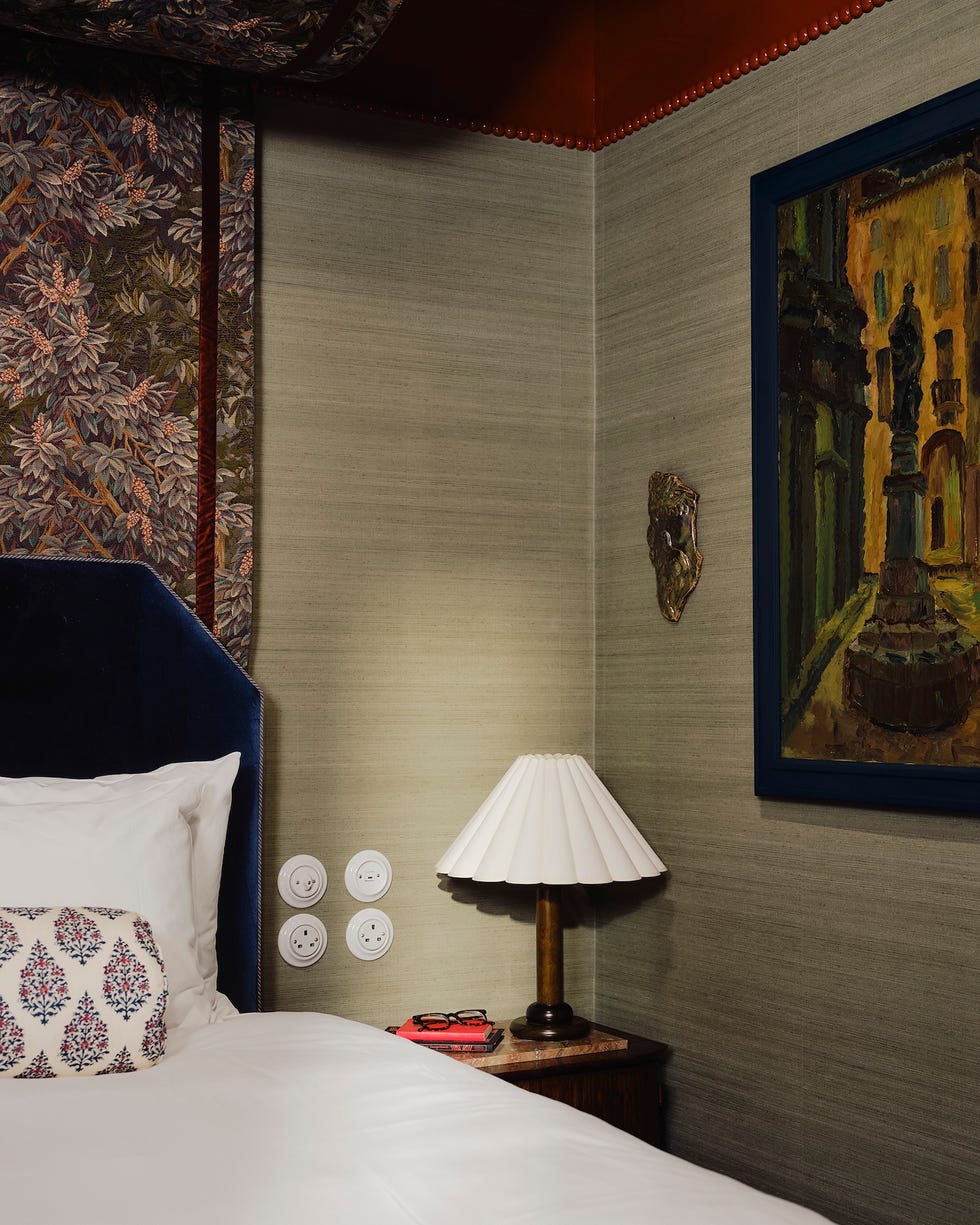
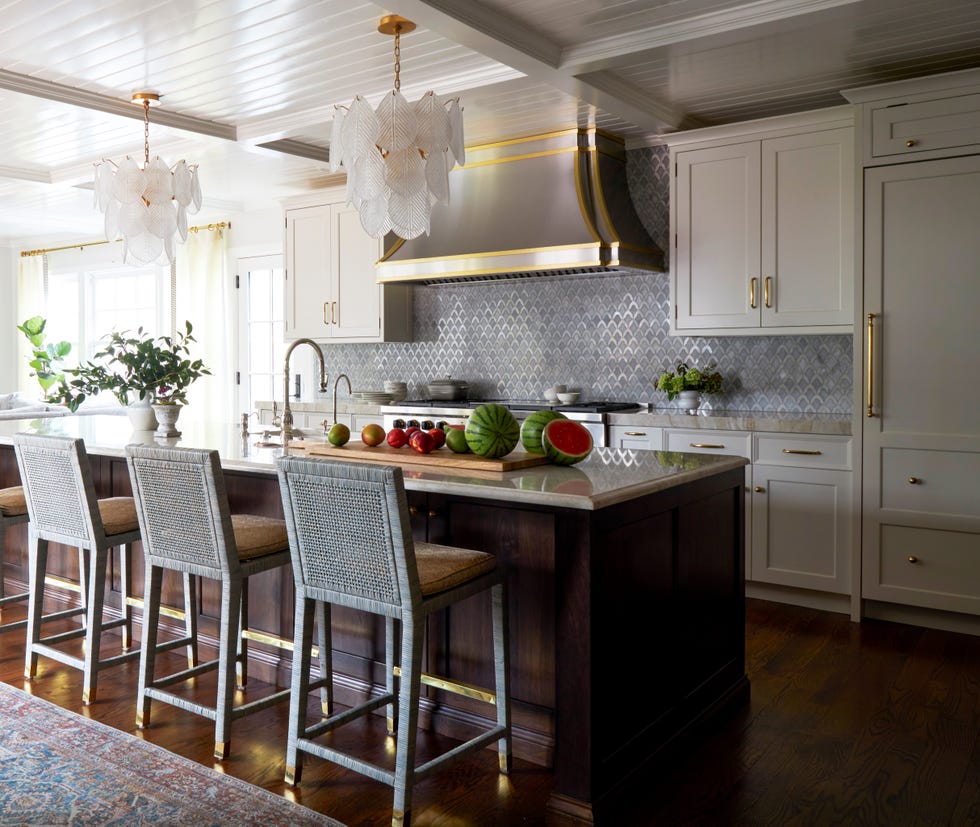
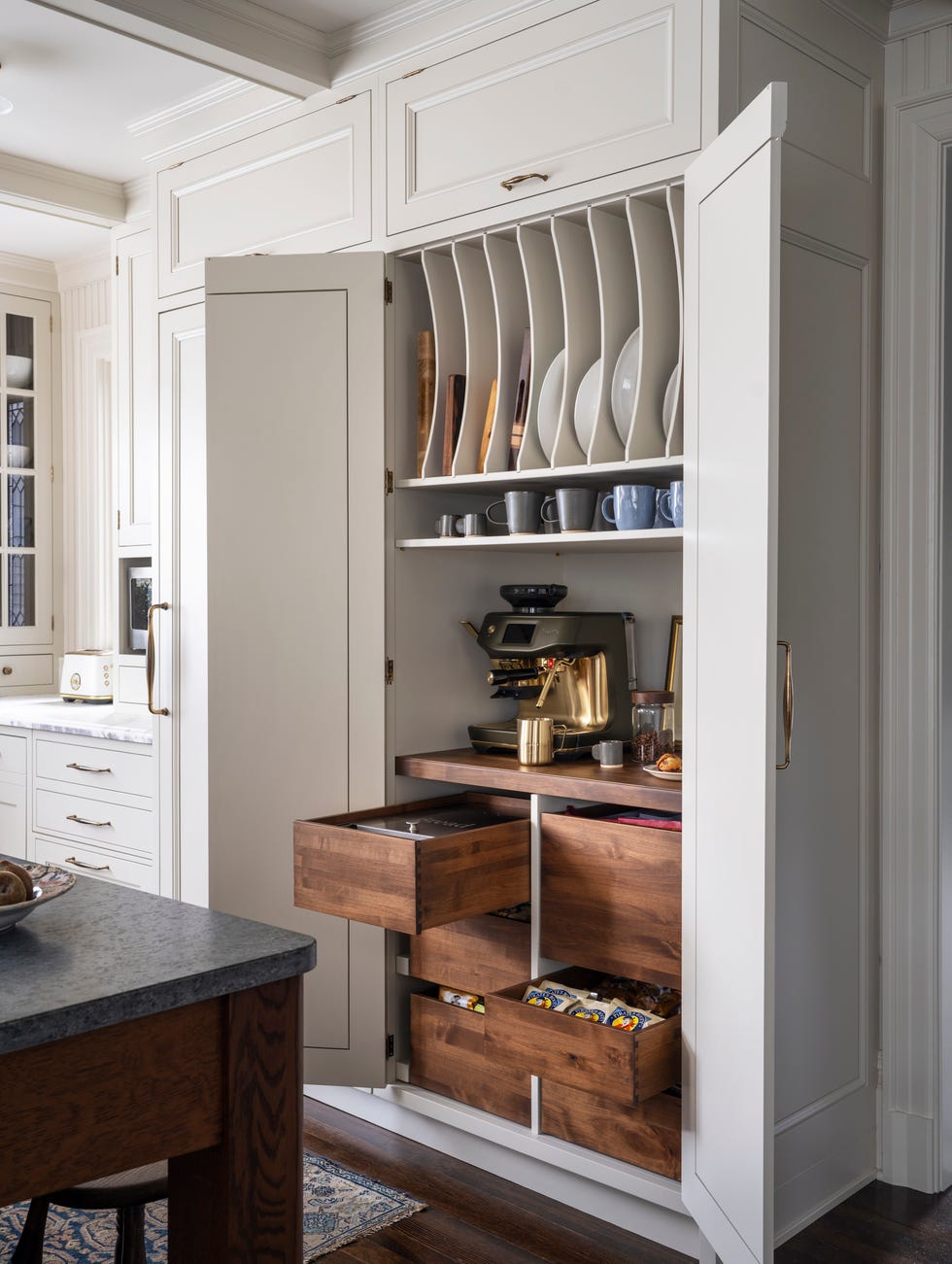
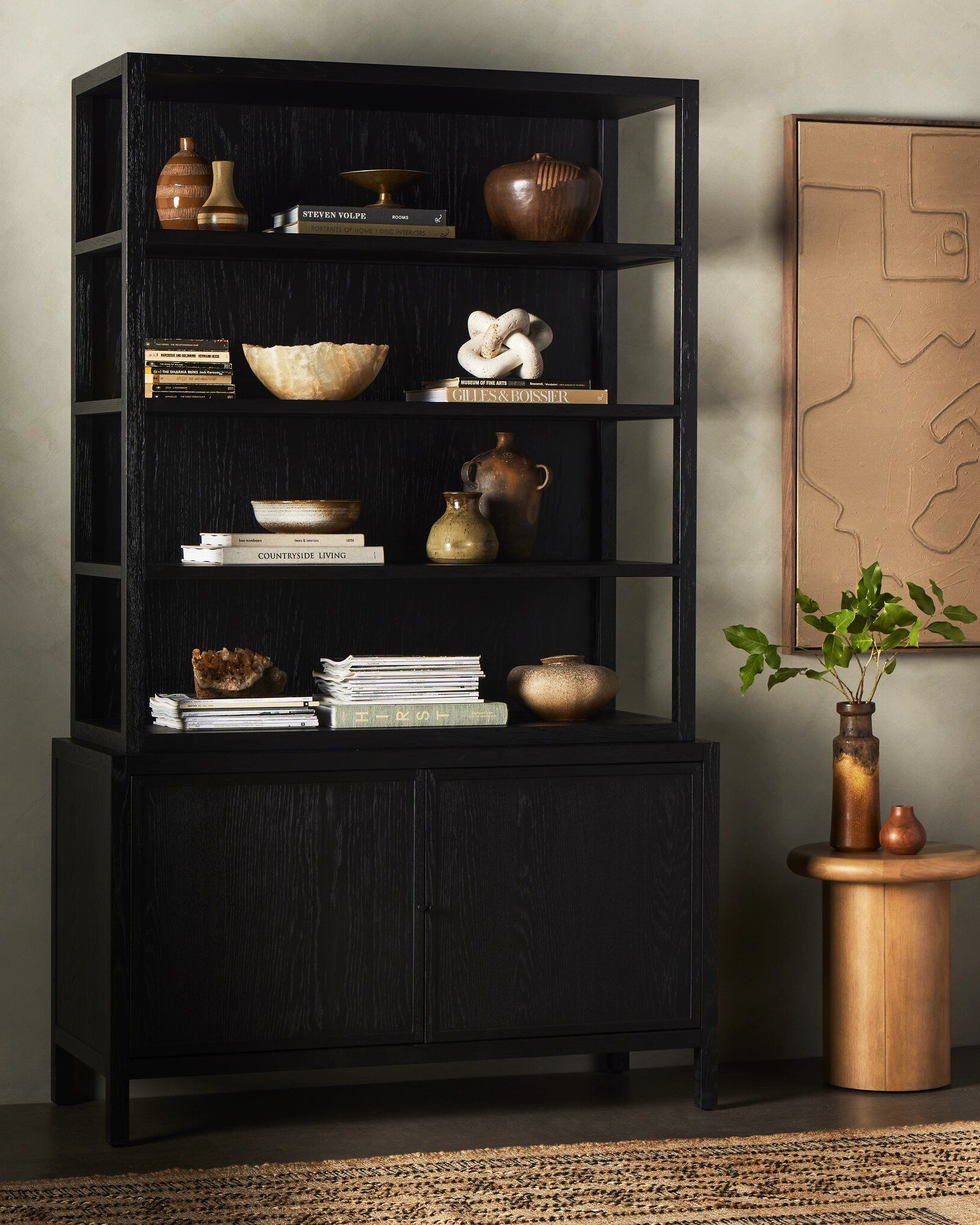
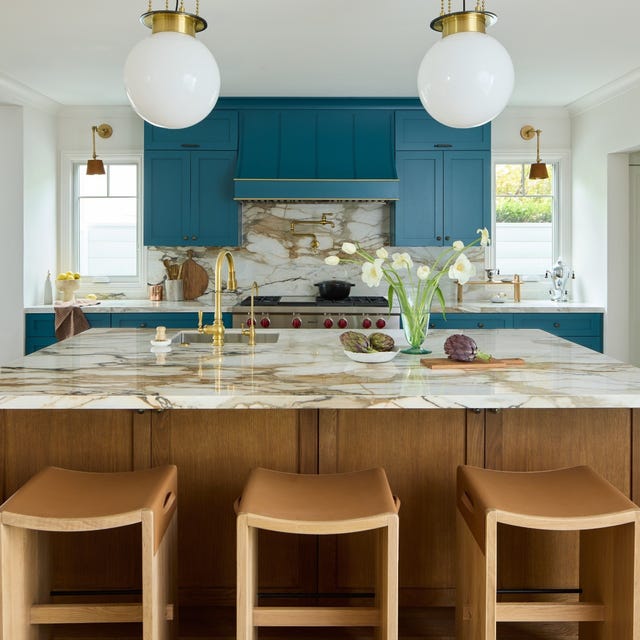
The "edit by half" rule, inspired by Coco Chanel's fashion advice, is also gaining traction. Interior designer Lauren Saab suggests that once a surface is styled, half of the items should be removed to create breathing room and allow materials and textures to take center stage. For example, a nightstand might feature just one lamp and one personal item, while a kitchen might display a single large decorative bowl instead of three smaller ones. Christine Jahan offers a practical tip: photograph a styled space in black and white to assess its balance independently of color.
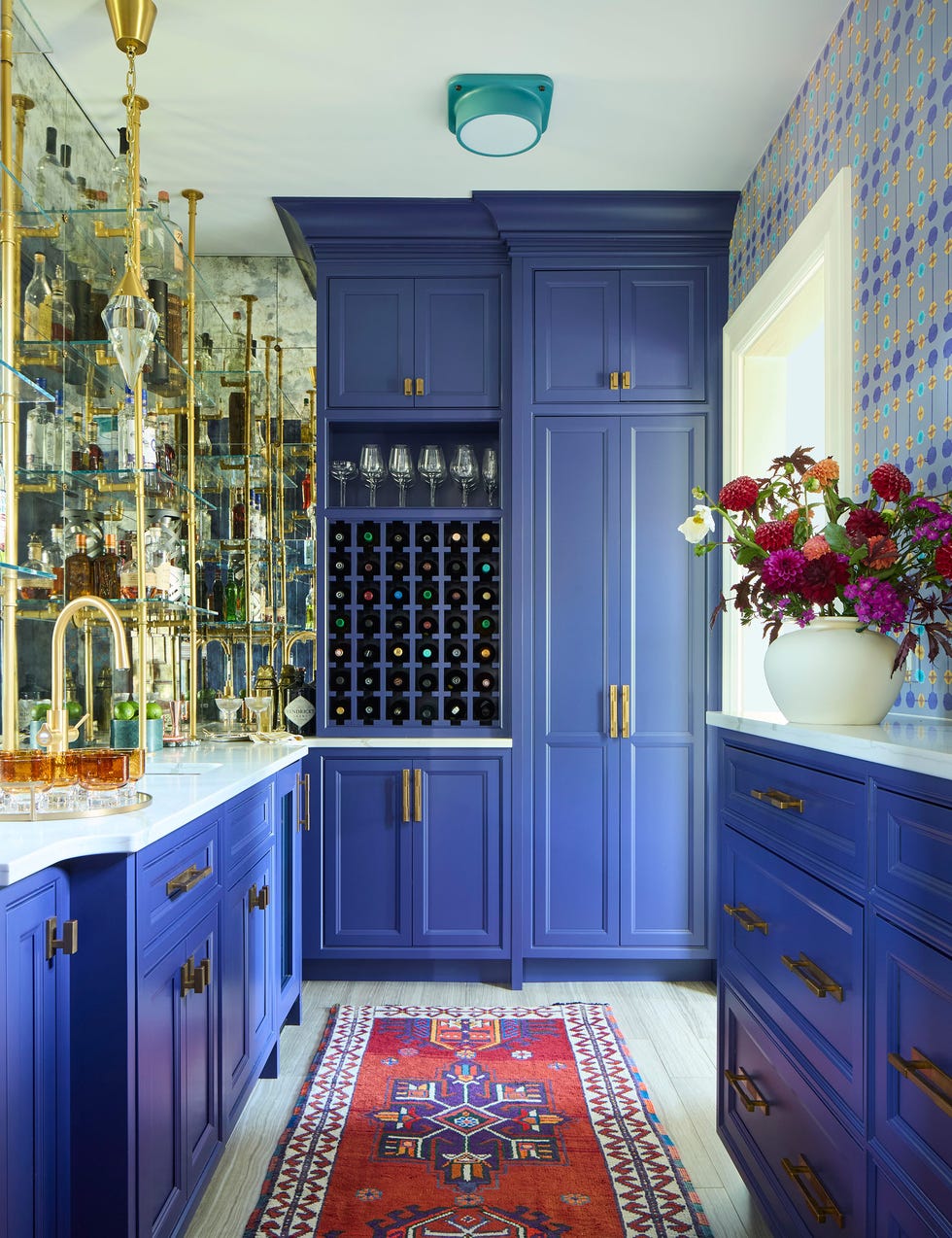
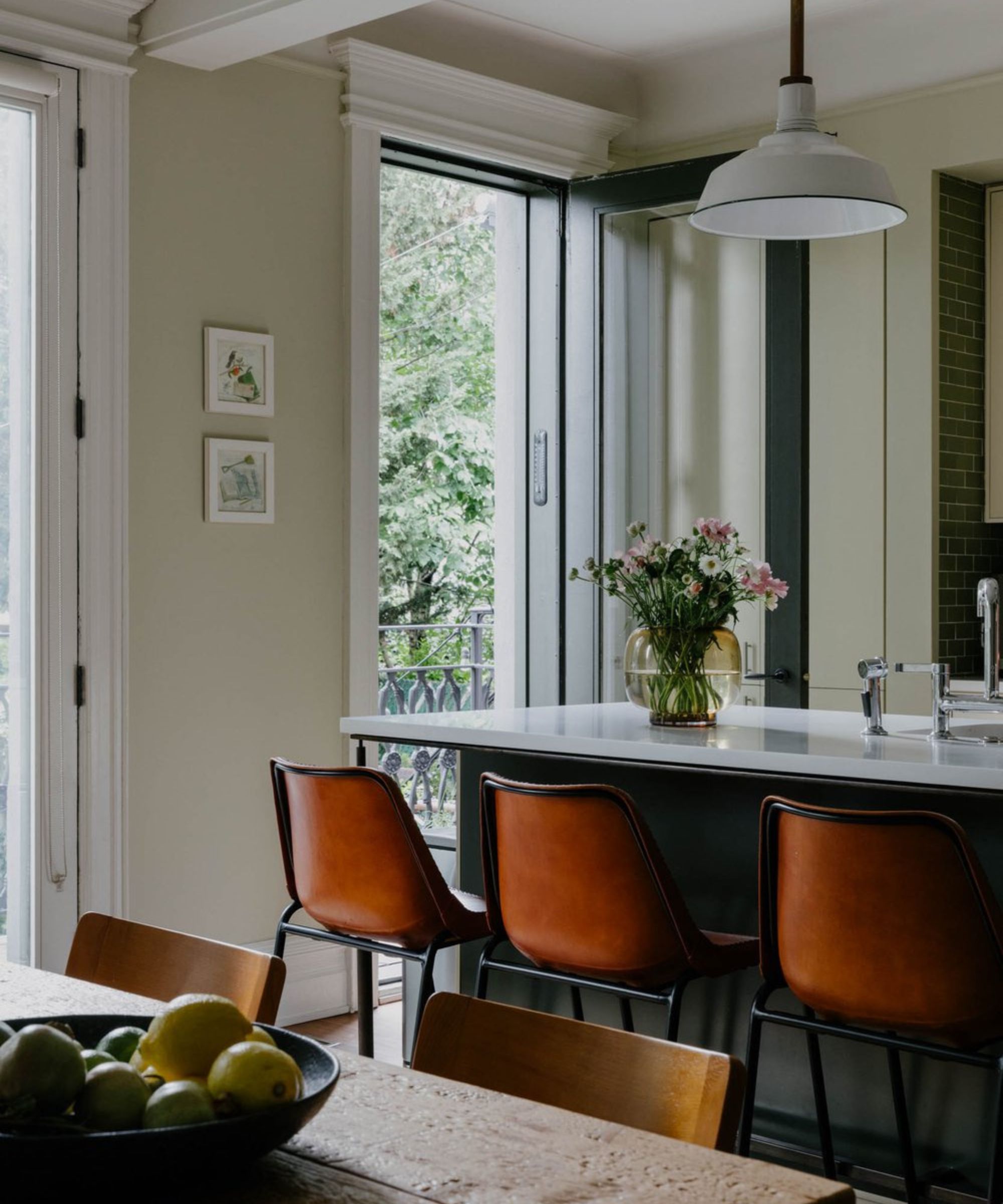
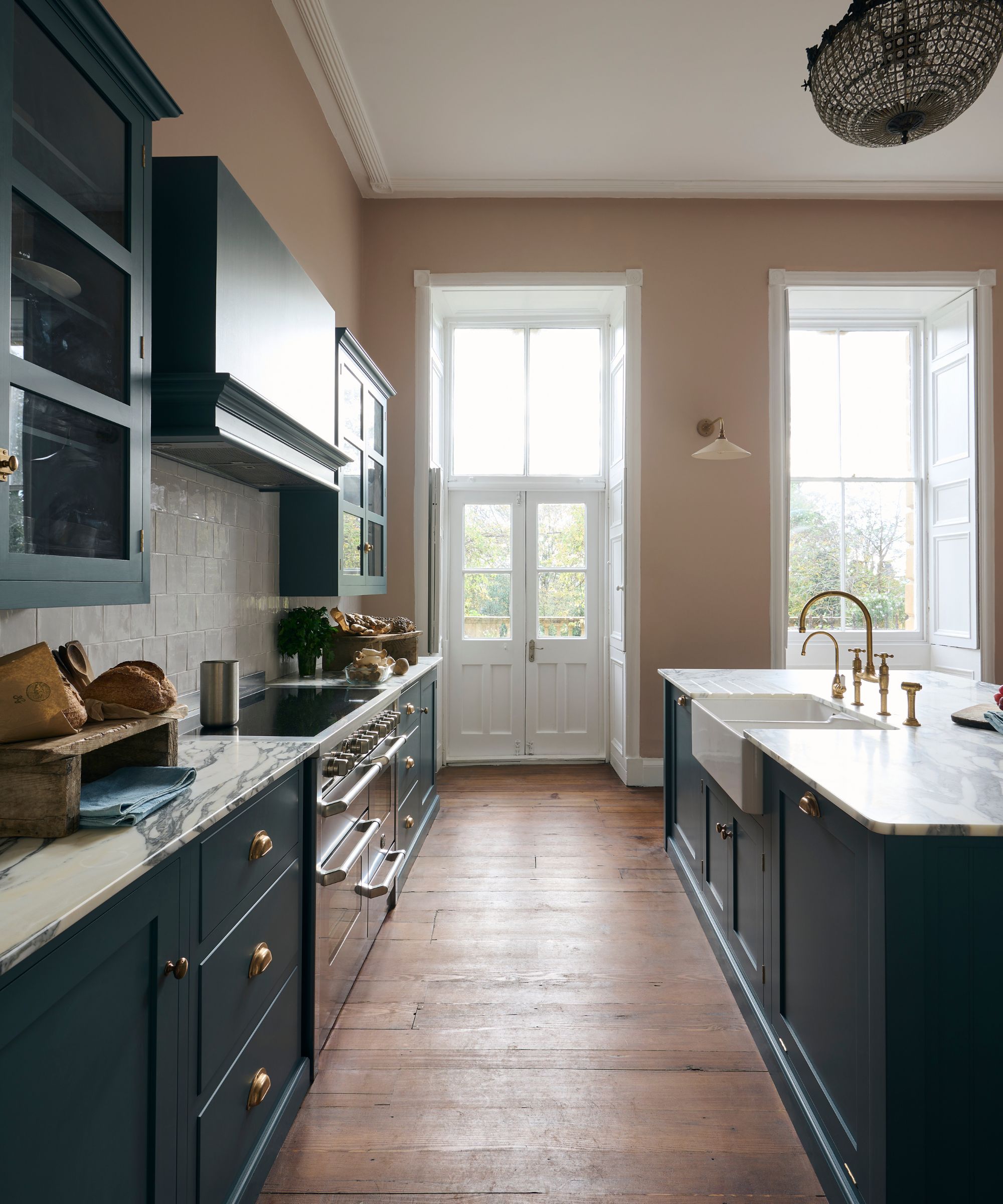
Embracing negative space is another key principle. Designers recognize that homes are meant to be lived in, not just admired as showrooms. Leaving empty space accommodates daily life and prevents clutter, especially in high-traffic areas like kitchens or beside nightstands. Jan Odesanya illustrates this by suggesting one cutting board, one shallow bowl for everyday items, and then ample empty space, asserting that clear space itself is a design element that performs a function.
#InteriorDesign #DecoratingTips #HomeStyling #DesignTrends #Minimalism #NegativeSpace #HomeDecor #DesignFlexibility #InteriorDesign #DecoratingTips #HomeStyling #DesignTrends #Minimalism #NegativeSpace #HomeDecor #DesignFlexibility
0 comment in total
 No comments yet
You may also like
Designers Are Ditching "Flat Painted Walls" for THIS Unexpected Trend
5 ways to work the new zigzag trend, according to interior designers

Triangular tiles are our next big trend prediction – get ahead of the crowd with expert tips for styling this new shape
The One Design Trend You Should Try, Designers Say (and It's Not Color Drenching)

The unexpected 'microtrends' that designers say are actually timeless
The Design Industry’s Coolest Trend Is Hiding in Plain Sight
Designers Reveal the Bold Design Trend That's Taking Over Homes

3 top designers agree on this open-plan layout trick – to zone your space quickly
Designers Are Ditching the "Kitchen Work Triangle" for THIS Hyper-Efficient Layout
7 Decor Pieces Designers Ditch for a Cleaner, More Cohesive Look

Skip the cookie-cutter cabinets and add pops of personality with these designer ideas

This 400-Year-Old Pattern Is the Emerging Trend That Designers Are Using to Bring 'Rhythm' to Their Projects

Interior Designers and Stylists Can’t Get Enough of This New Target Line

This Designer’s Take on a Once-Dated Trend Proves…
Bye-Bye, Accent Walls! Designers Say THIS Is Now the Hottest Decorating Feature

Ready to Redecorate? 2025’s Top Design Trends Just Dropped

Designers Reveal the Surprising Home Trend That's Taking Over Right Now

Enjoy these 5 creative space dividers for small and big rooms

Designers are ditching gray walls in kitchens for these 3 on-trend alternatives – here's why you should too
Say Goodbye to Shiplap—Here Are 4 Wall Treatments Designers Are Choosing Instead