1/2
Designers Reveal the Bold Design Trend That's Taking Over Homes
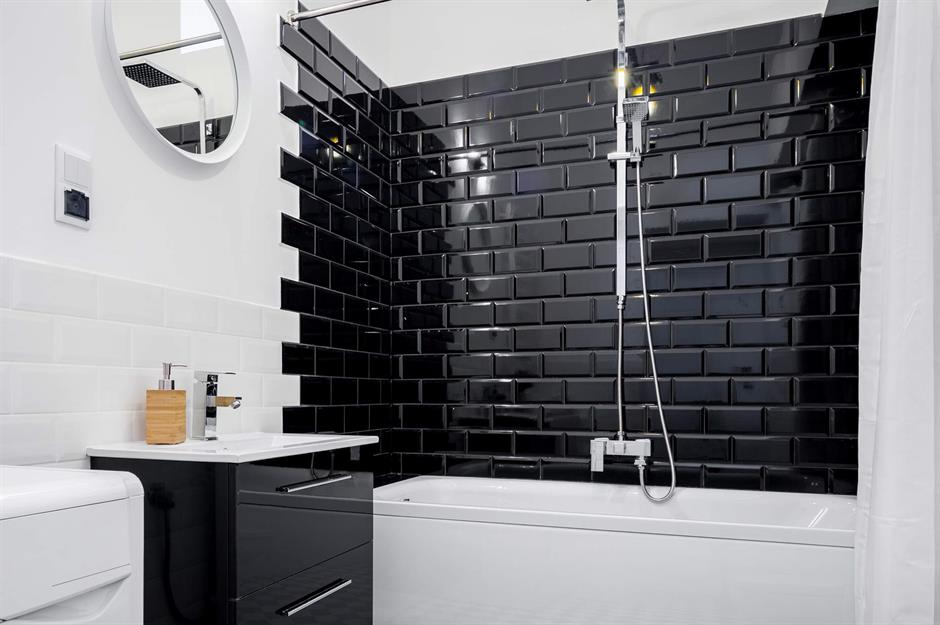
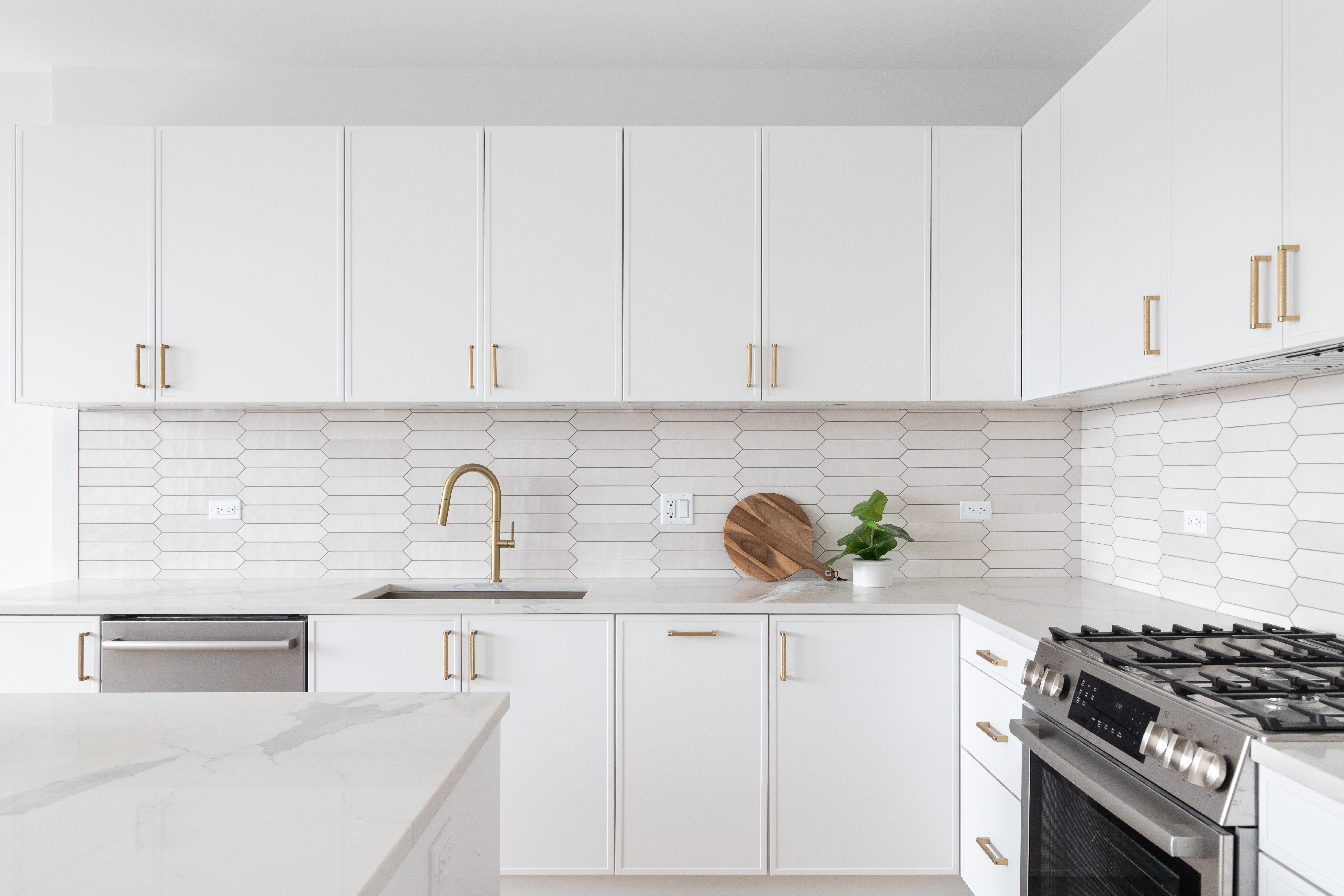
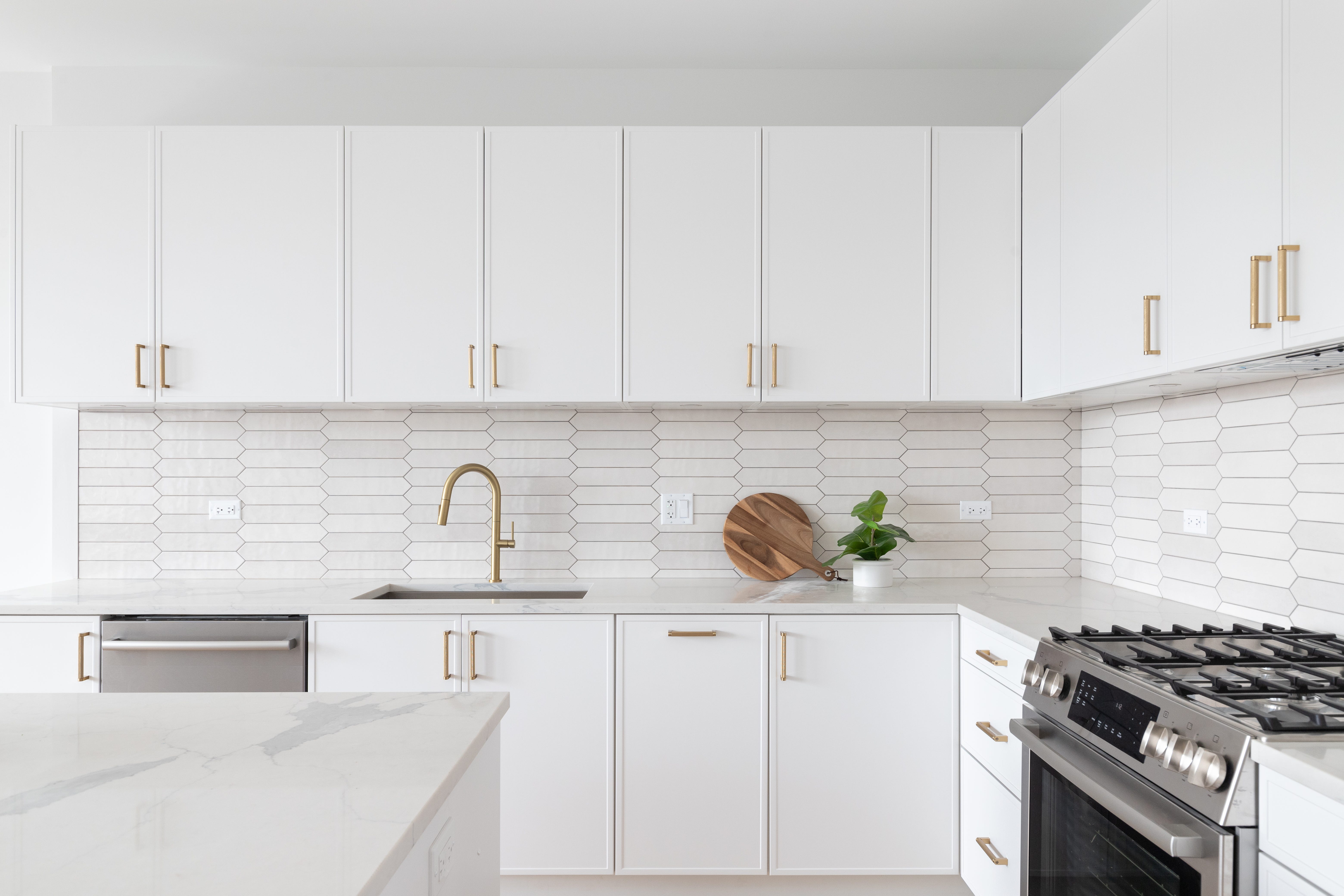
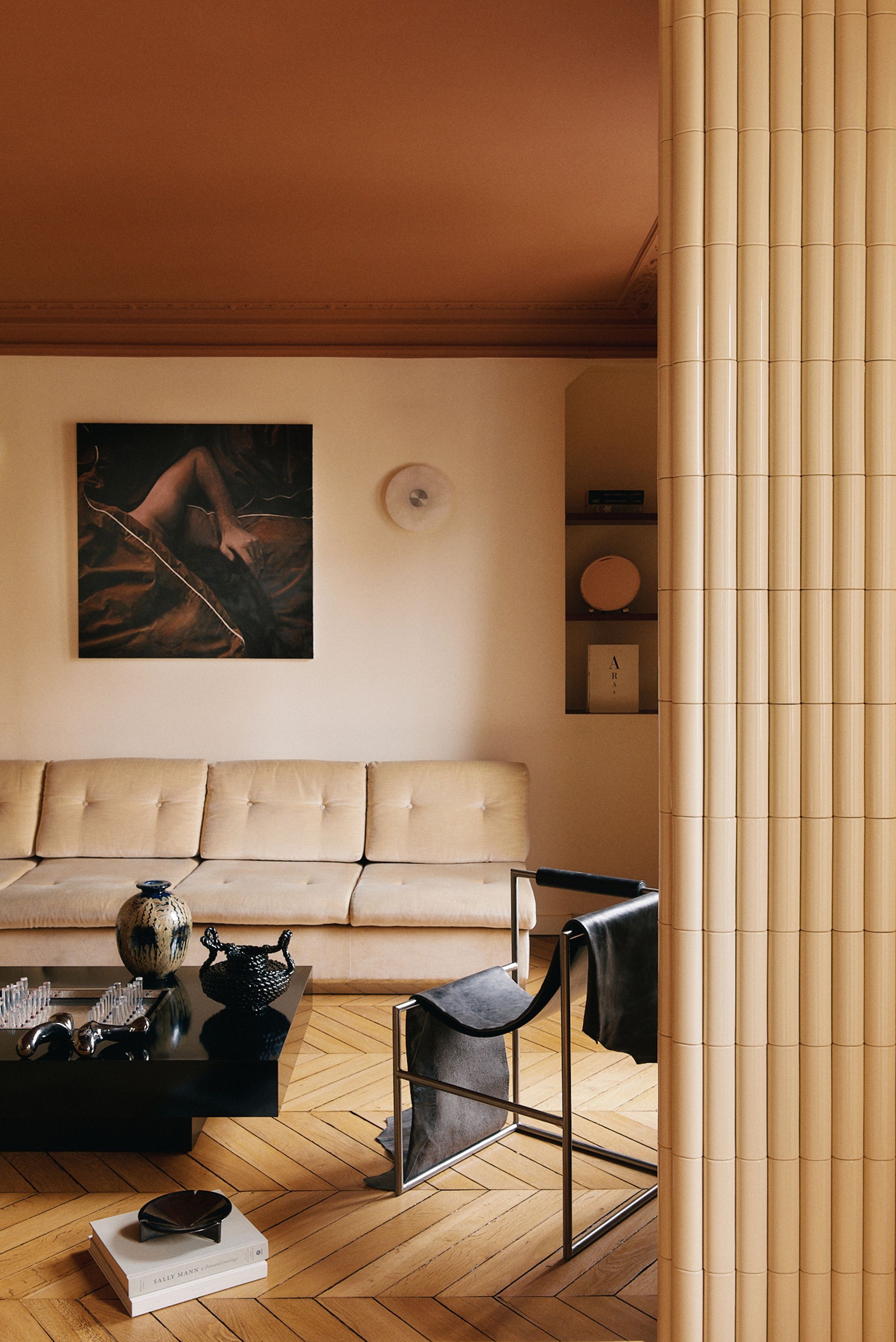
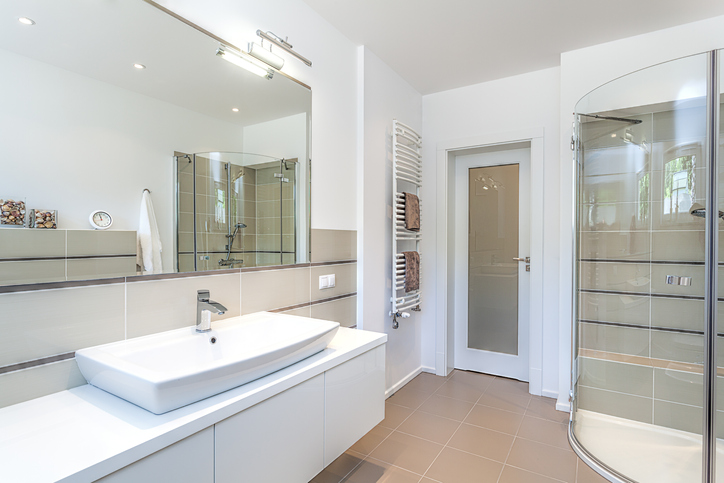
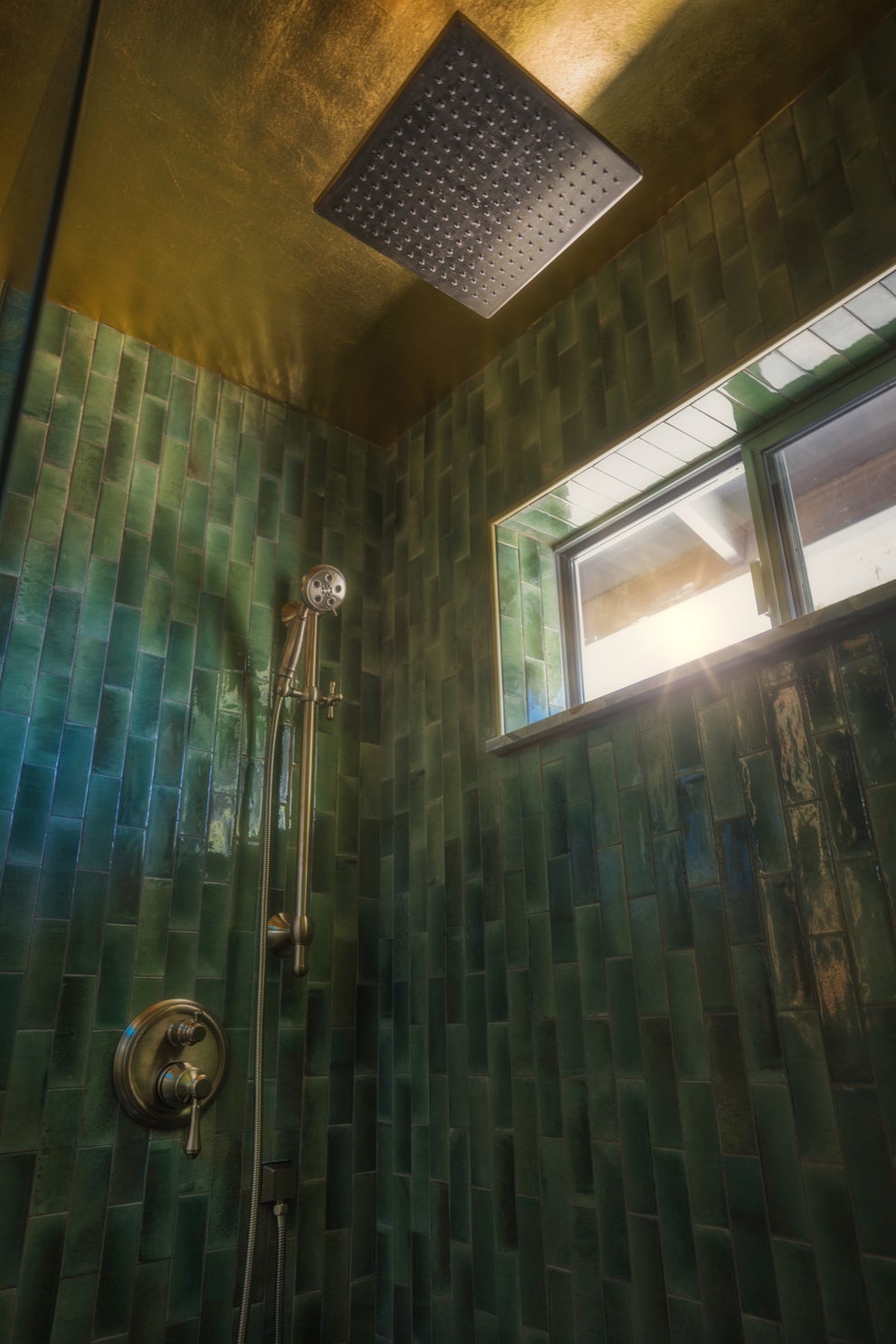
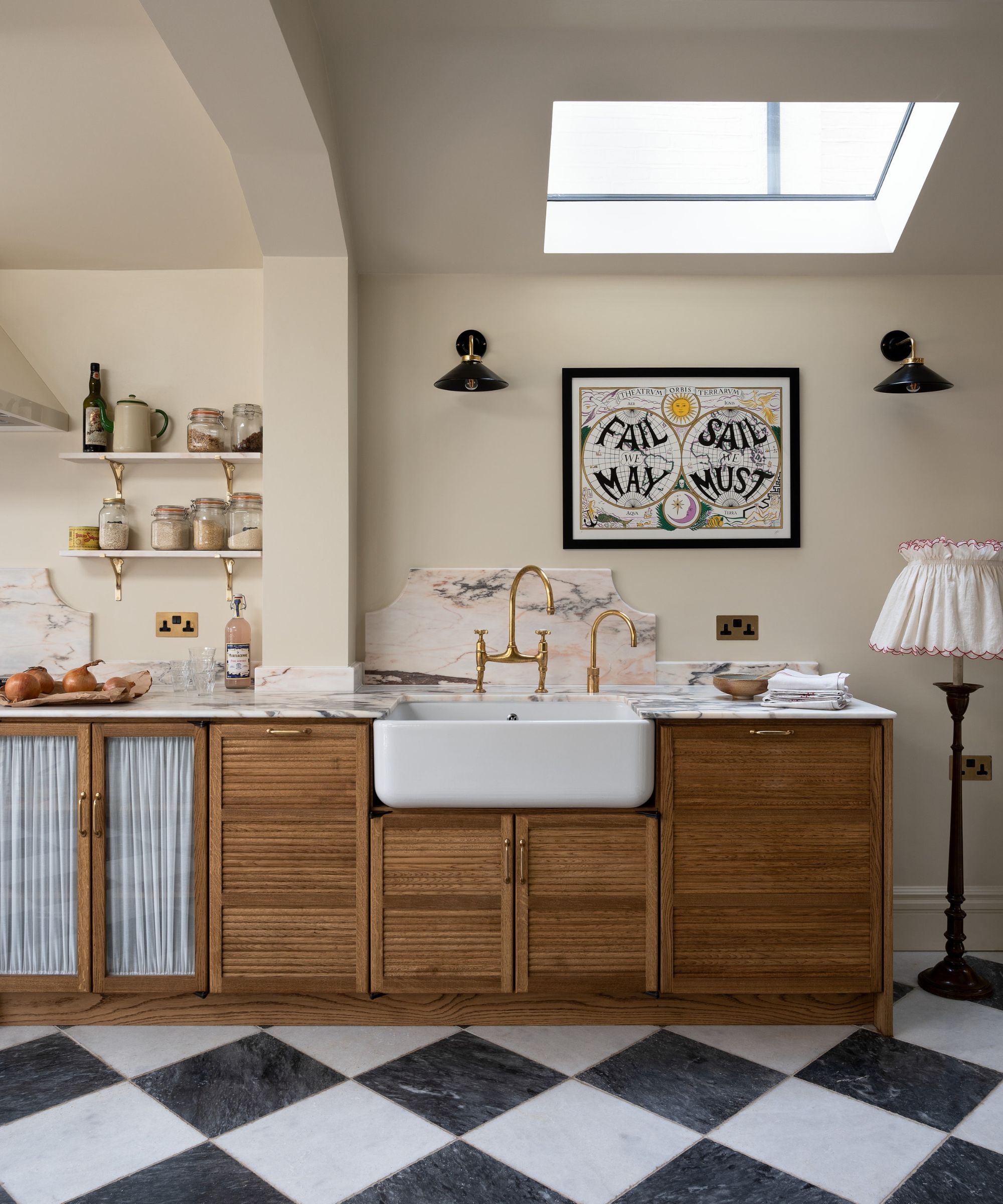
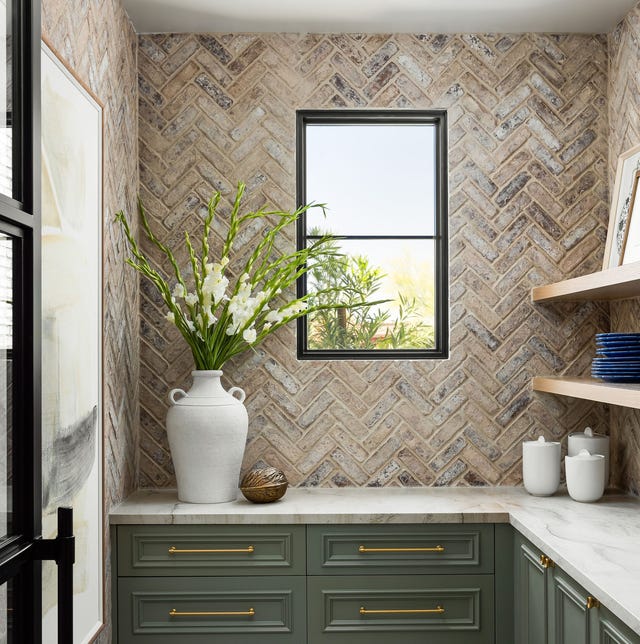
The article introduces "tile drenching," a current interior design trend that involves covering a significant portion of a room, or even an entire room, with tile to create a dramatic and cohesive effect. This approach goes beyond traditional tile applications like simple kitchen backsplashes or bathroom floors, encouraging homeowners to utilize tile in more expansive and unexpected ways, including floor-to-ceiling installations in various spaces.
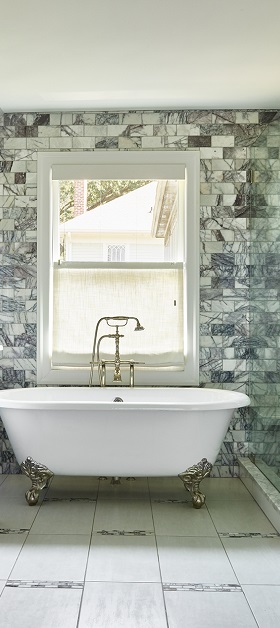
According to designer Erin Williamson of Erin Williamson Design, drenching a space in tile fosters architectural coherence, offering a sense of effortless grandeur and permanence by unifying the space with a single, definitive material point of view. The trend's current popularity is attributed to several factors, including its practicality. It simplifies the design process by reducing the number of material choices, making it nearly impossible to make a mistake since all selections inherently coordinate. Aimee Meisgeier of AM Interior Design notes that tile drenching is versatile, suitable for both large and small areas, and aligns with other popular design trends like color and pattern drenching, offering a similar opulent and stylish aesthetic.
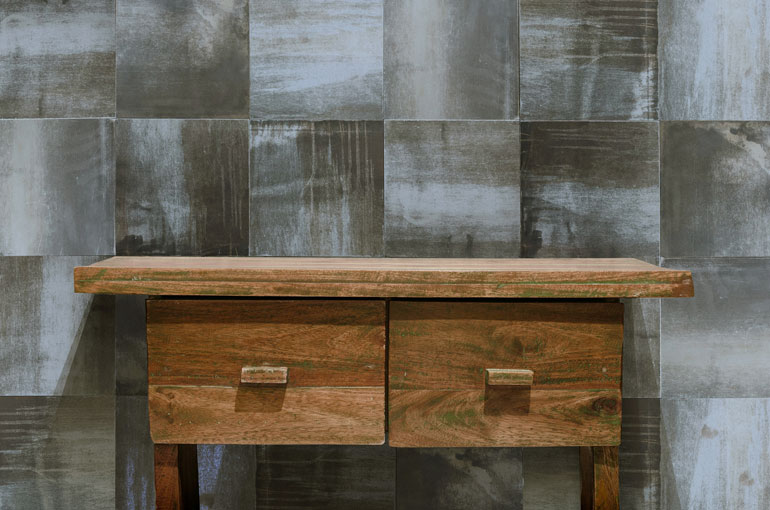
For those looking to implement tile drenching, several tips are offered. Choosing tiles wisely is paramount; designers recommend selecting tiles with tonal variation or texture, such as hand-glazed or embossed finishes, to prevent a flat appearance. When using multiple tiles, it's suggested to first identify a dominant tile for a focal point and then select complementary colors for balance. Durability is another critical consideration, particularly because tiles are permanently installed on multiple surfaces. Designers advise ensuring the chosen material is appropriate for all intended applications, noting that not all wall tiles are suitable for floors and that specific environments like steam showers or outdoor spaces require special attention. Porous or highly textured stones are generally discouraged for bathrooms and kitchens due to cleaning difficulties and moisture absorption.
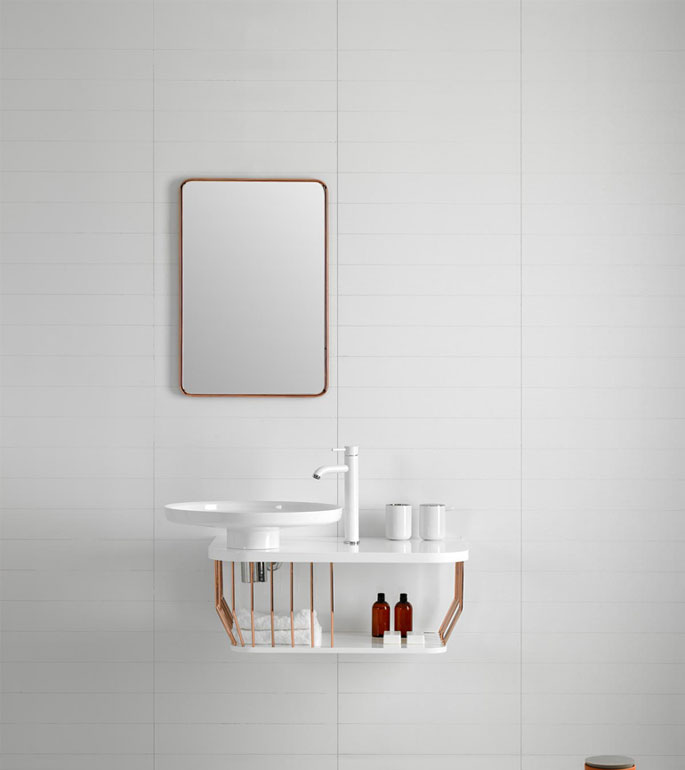
The article also highlights the importance of selecting the right space for tile drenching. Contained areas like powder rooms, showers, and bath niches are ideal for bold designs without overwhelming the overall space. Implementing floor-to-ceiling tile in smaller rooms can create an illusion of height and add a thoughtful layer of design detail. Furthermore, tile drenching can transform unusually shaped rooms or those with sloped ceilings and dormers into unique spaces. Counterintuitively, the lack of contrast between materials in a drenching application can make a space appear larger by blurring edges and contours. Finally, the trend encourages a "jewel box" treatment, especially in small, enclosed rooms, allowing for bold and fanciful design choices that create an immersive and surprising experience for visitors.
Overall, tile drenching is presented as an innovative and aesthetically pleasing design solution that brings cohesion, practicality, and a luxurious feel to various rooms within a home, offering an opportunity to be bold and creative with tile applications.
#TileDrenching #InteriorDesign #HomeDecor #TileTrends #BathroomDesign #KitchenDesign #DesignTips #ArchitecturalCoherence #TileDrenching #InteriorDesign #HomeDecor #TileTrends #BathroomDesign #KitchenDesign #DesignTips #ArchitecturalCoherence
0 comment in total
 No comments yet
You may also like
Designers Reveal the Surprising Home Trend That's Taking Over Right Now

Designers Agree: These 15 Home Trends Are Officially Out in 2026
The Fall Home Trends Designers Say Will Be Huge

Opinion: Home Is the New Fashion

10 Horrifying Home Design Trends: 2023 Edition
The Home Trends Designers Want You to Ditch in the New Year

Interior Designers and Stylists Can’t Get Enough of This New Target Line

The Decorating Trends Designers Are Leaving Behind in 2026

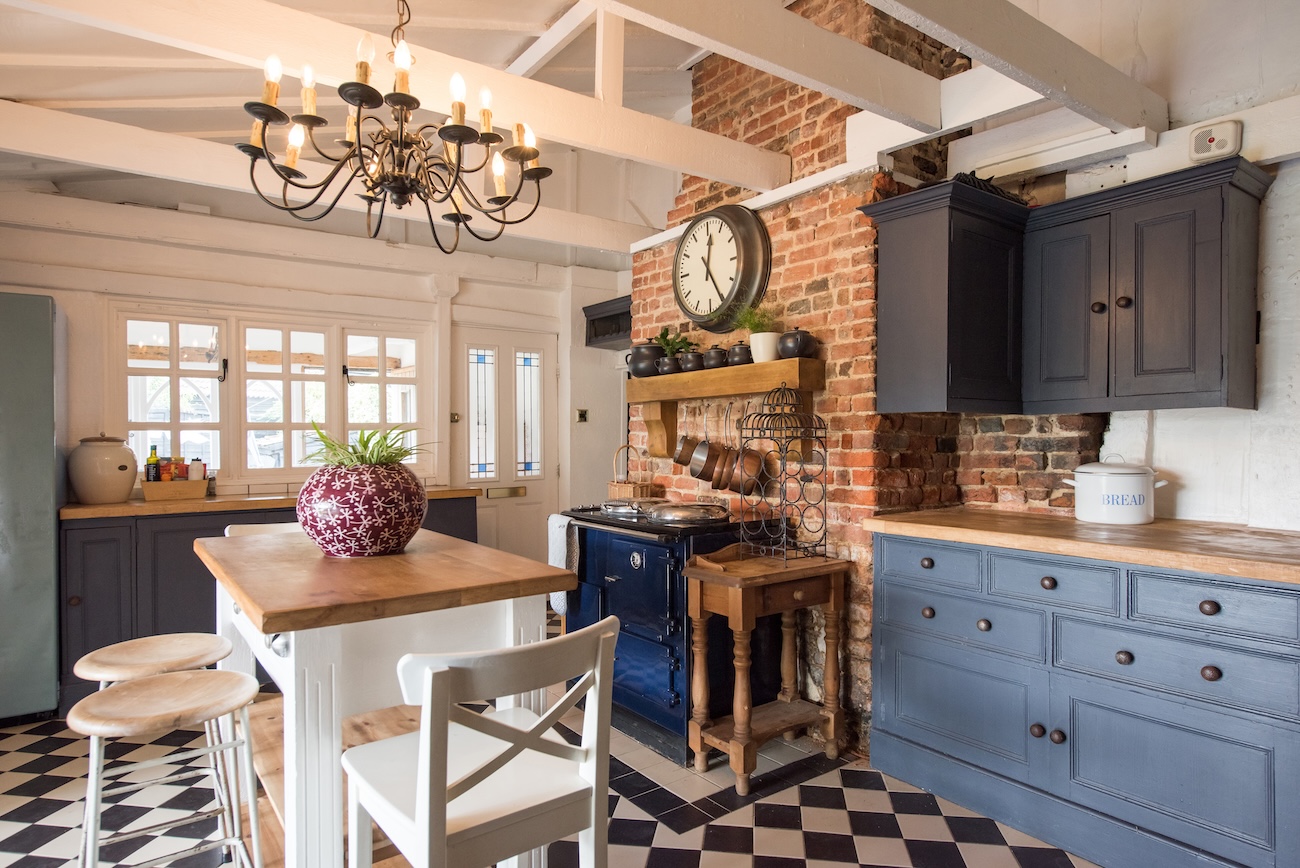
10 Hottest Home Design Trends to Watch for 2025
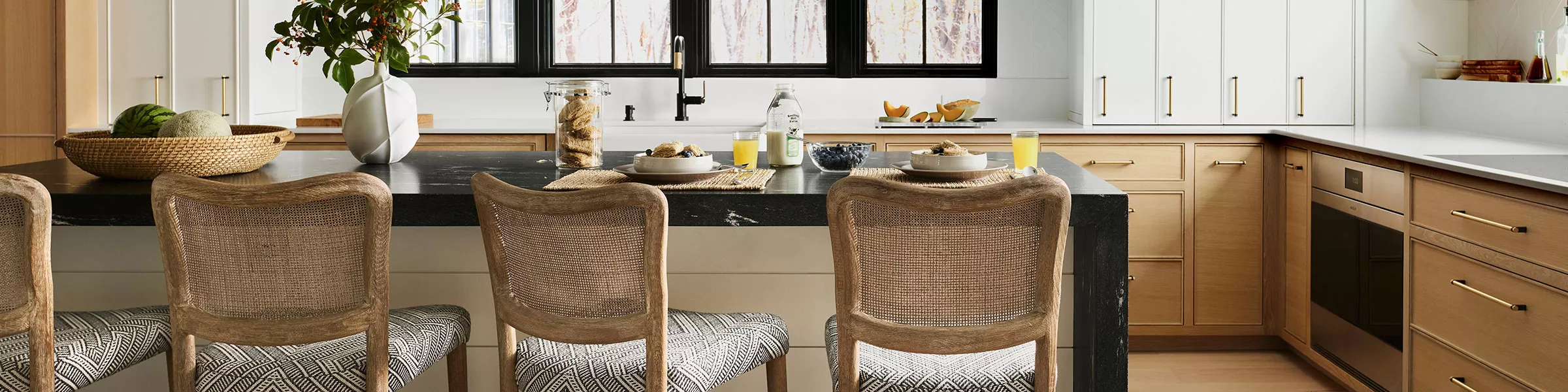
Home Trends


People Are Exposing The Home Decor Trends That'll "Completely Fade Out" Sooner Than You'd Think

Outdated Trends That HGTV's Property Brothers Swear Are Ruining Your Home's Vibe
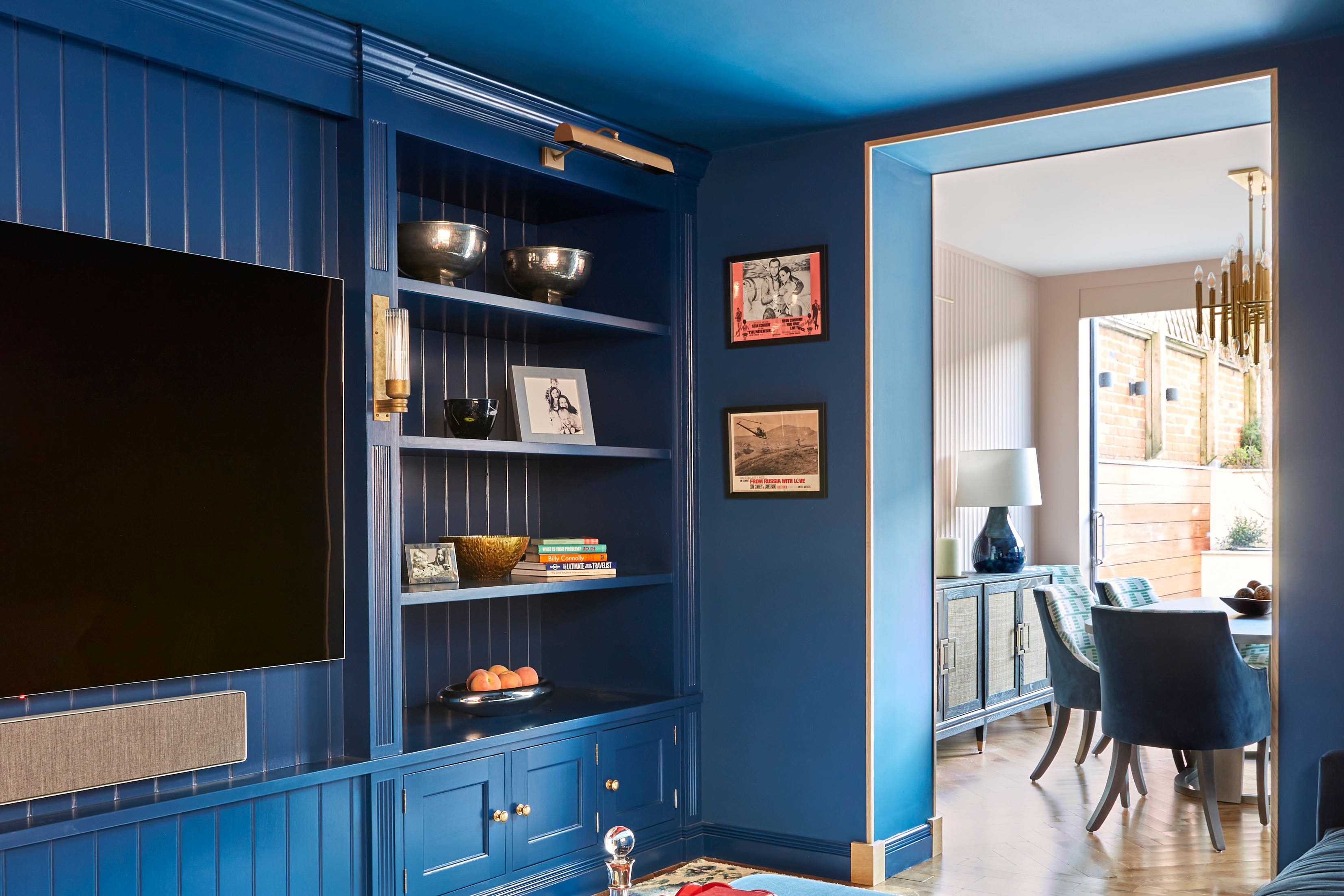
Emerging home design trends to tap into now
Interior Design Trends — The 16 Defining Ideas for Decorating Homes in 2025

Design Forecast: 10 Trends to Watch for in 2016

What's making a home look dated in 2025? Interior designers share the design icks that they say are aging your interiors
30 of the worst modern home trends that WILL go out of fashion | loveproperty.com

10 Horrifying Home Design Trends: 2022 Edition
10 Home Design Trends Your Clients Will Love in 2024
9 "Overdone" Gen Z Design Trends That TikTok Has Officially Ruined