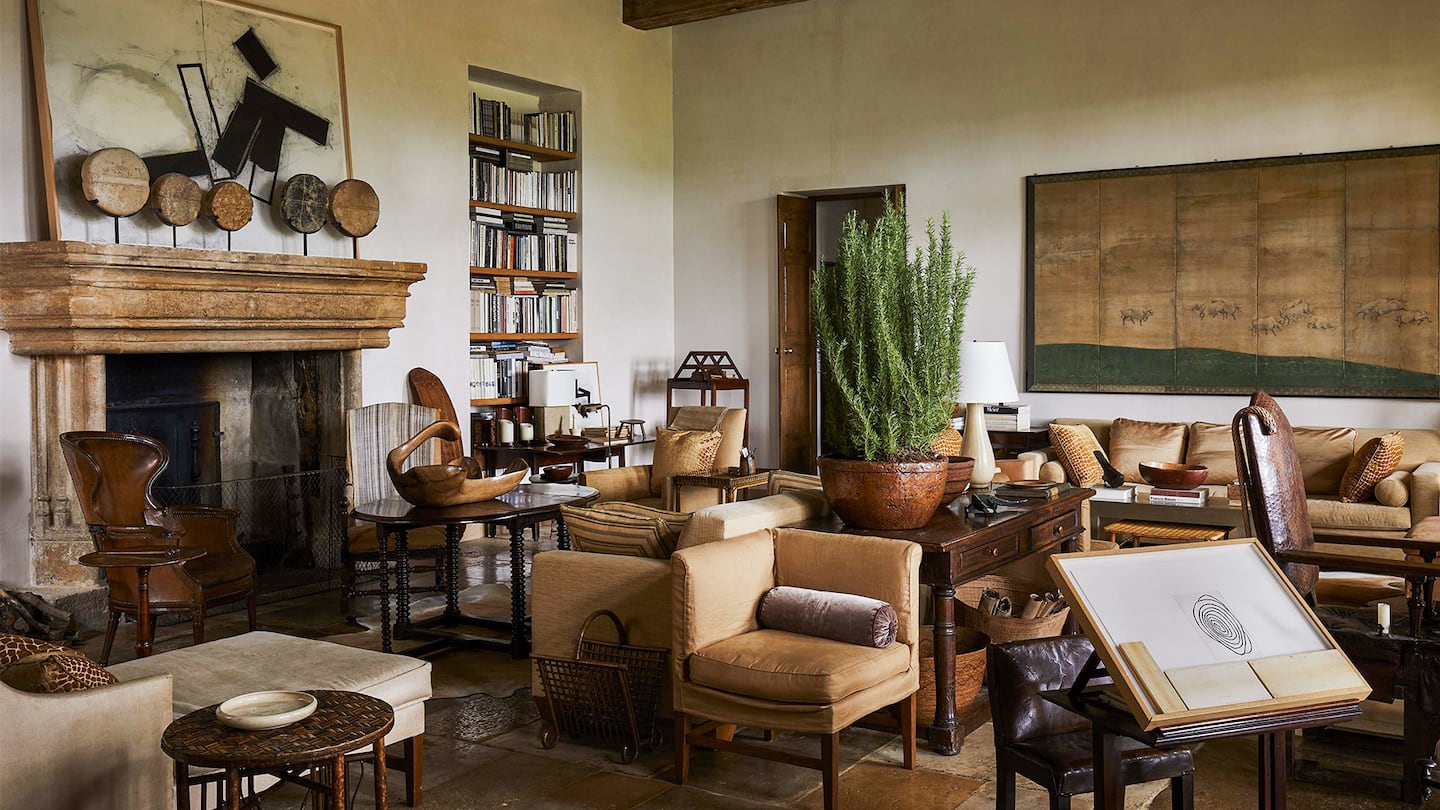
Opinion: Home Is the New Fashion
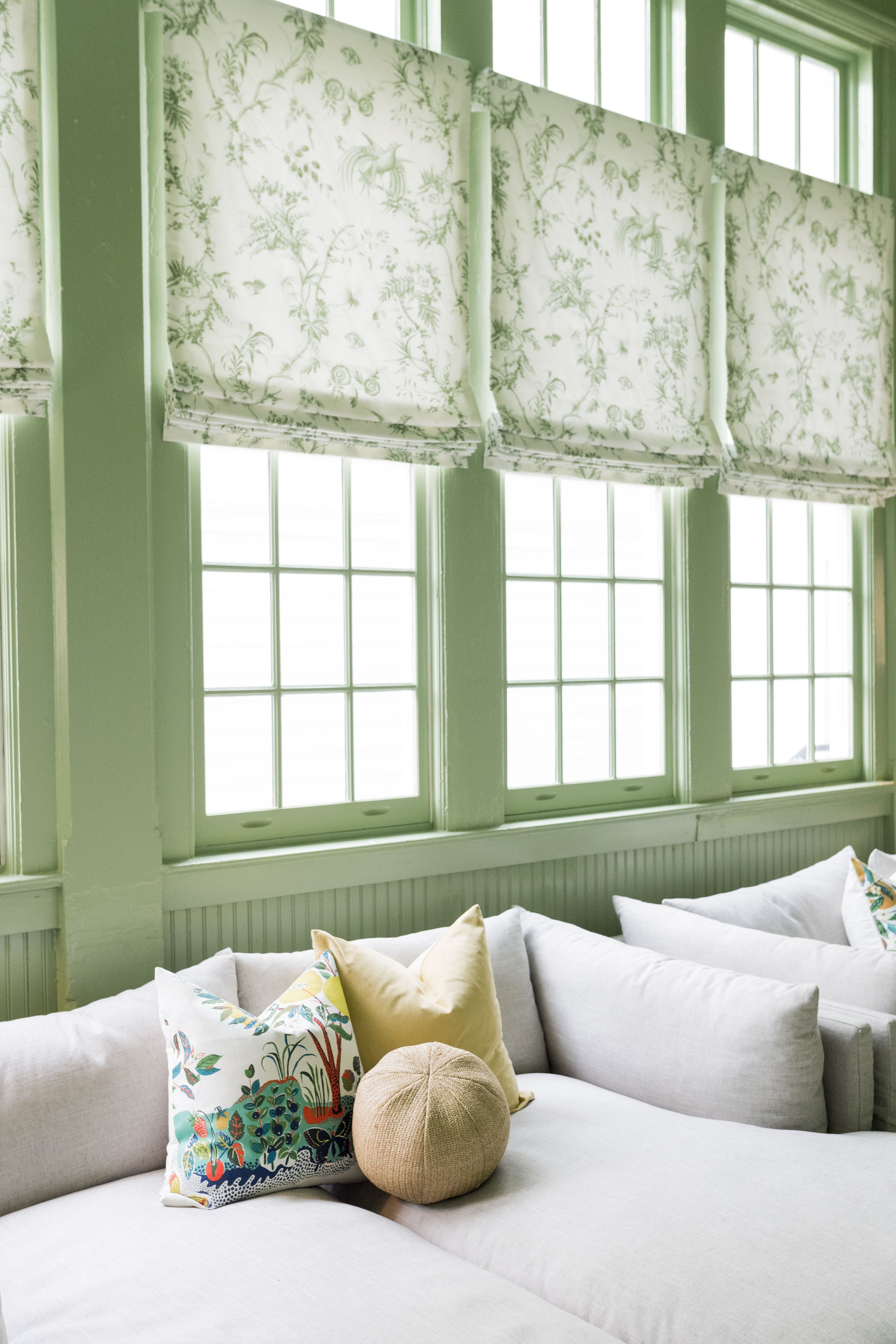
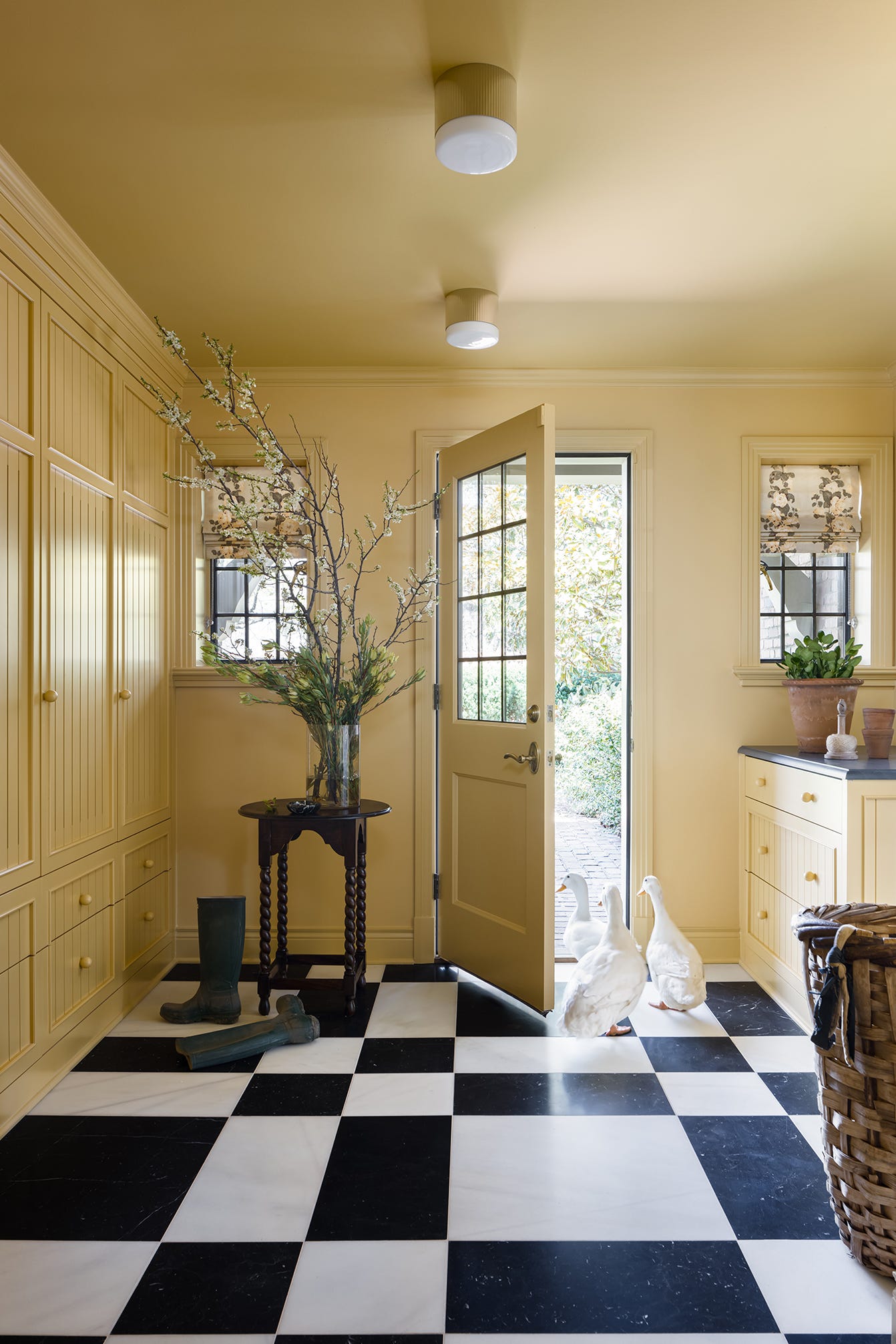
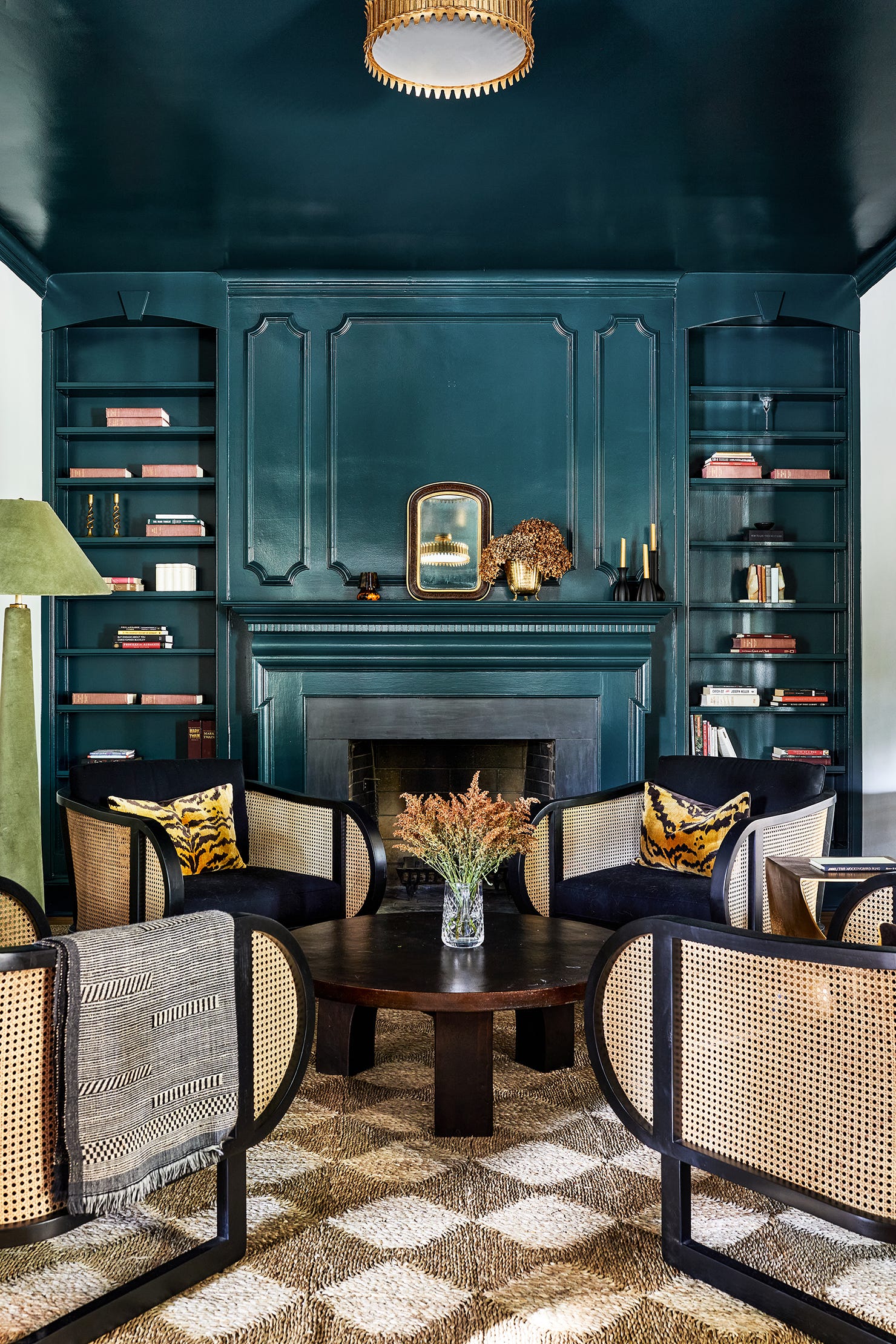
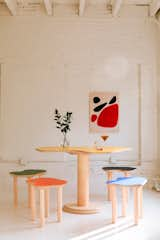
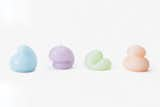
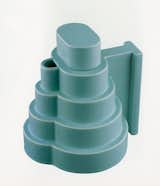
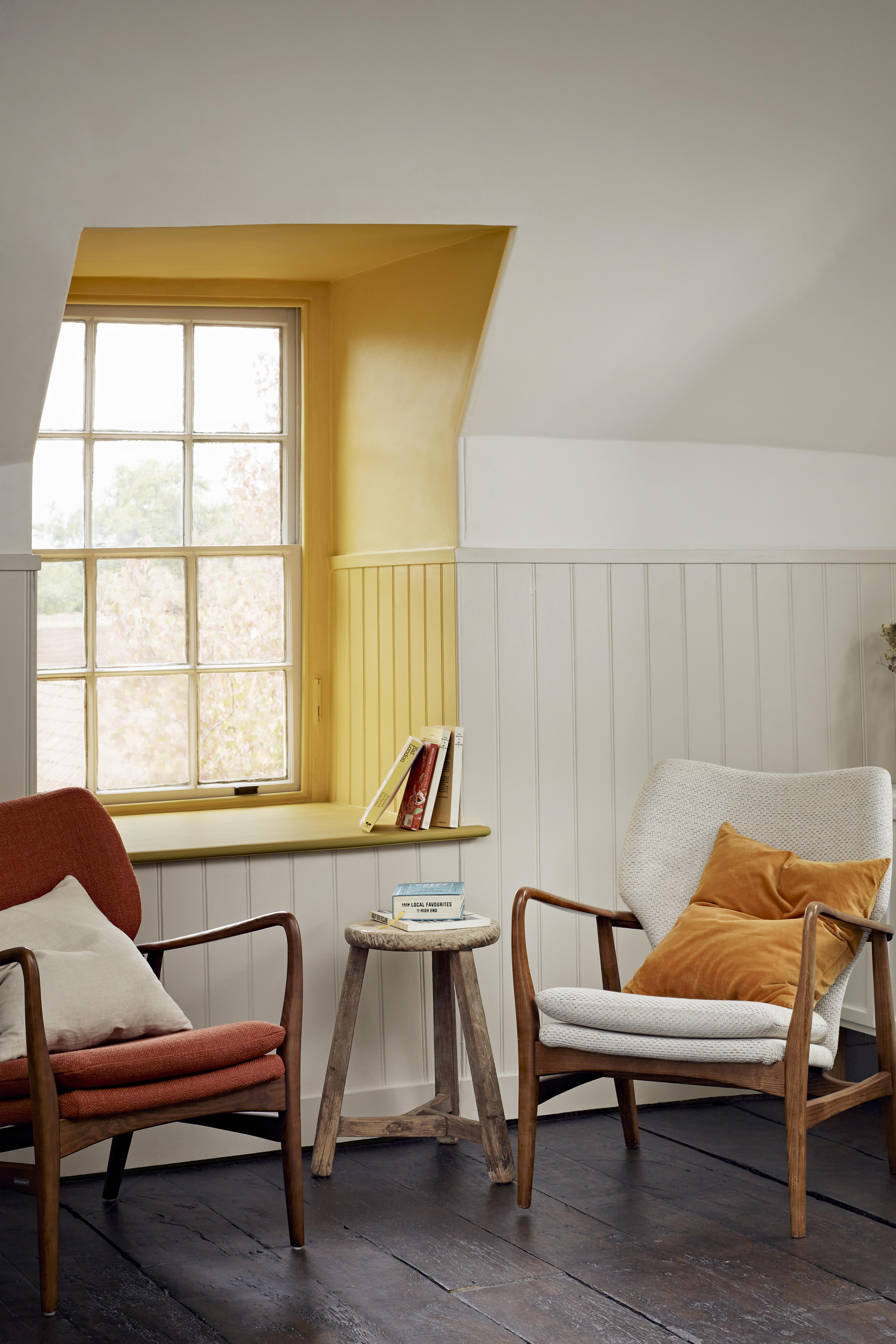
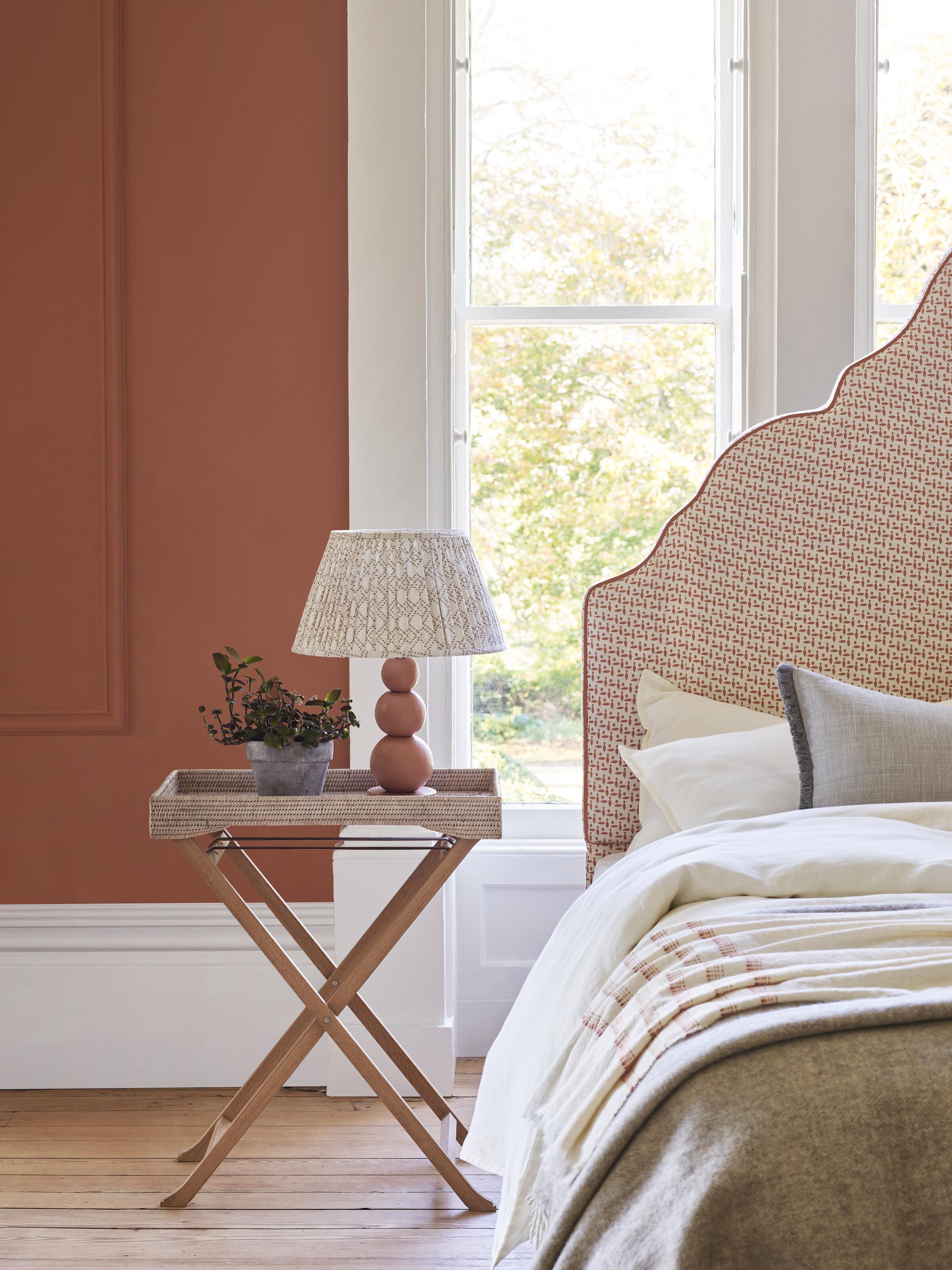
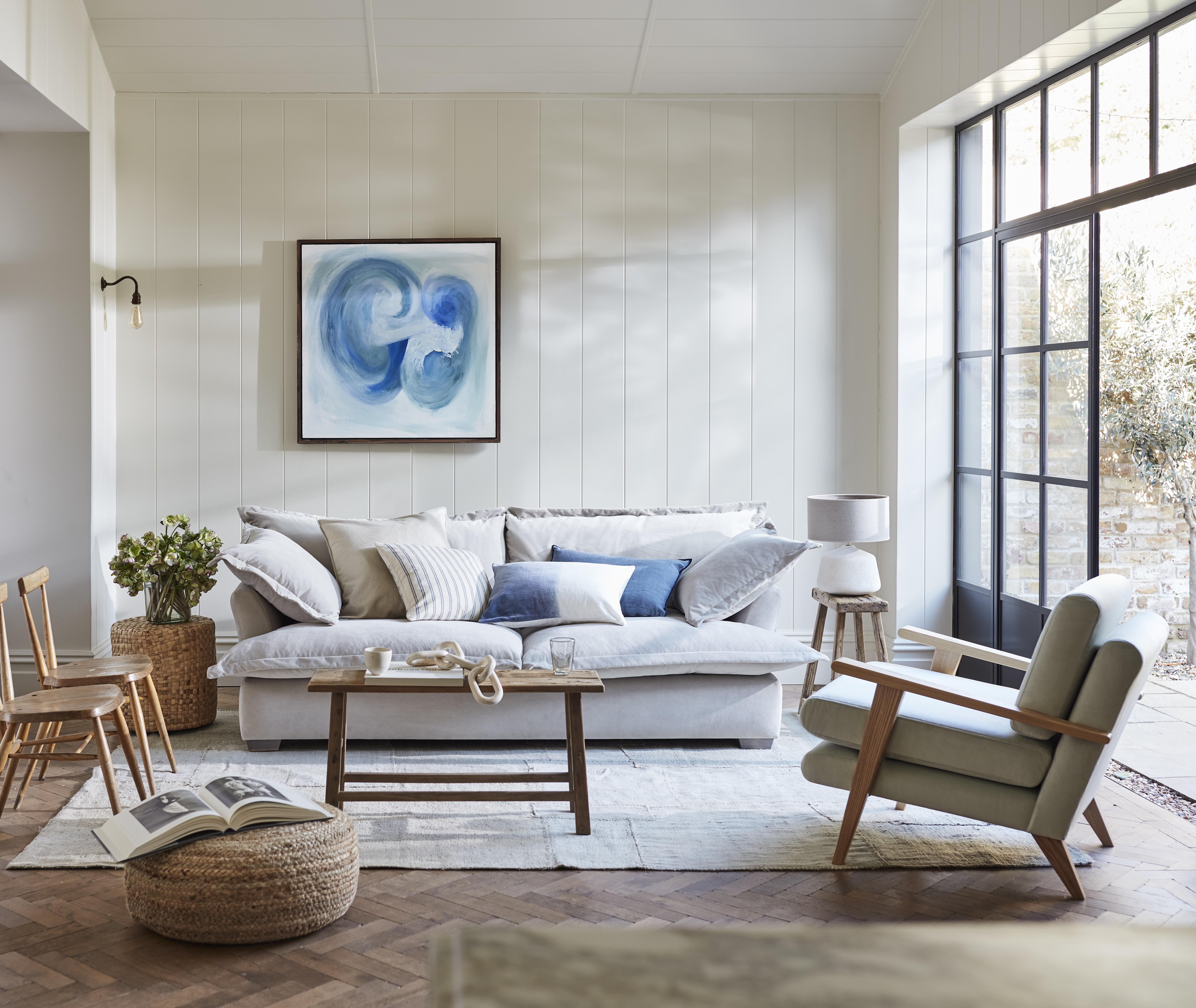
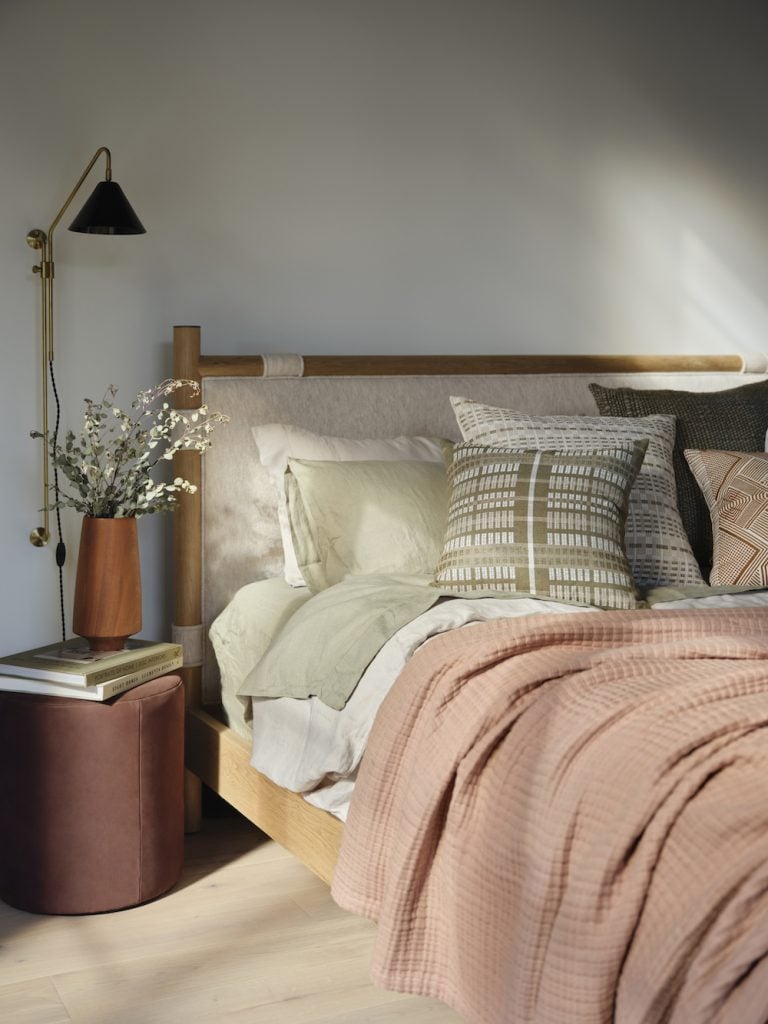
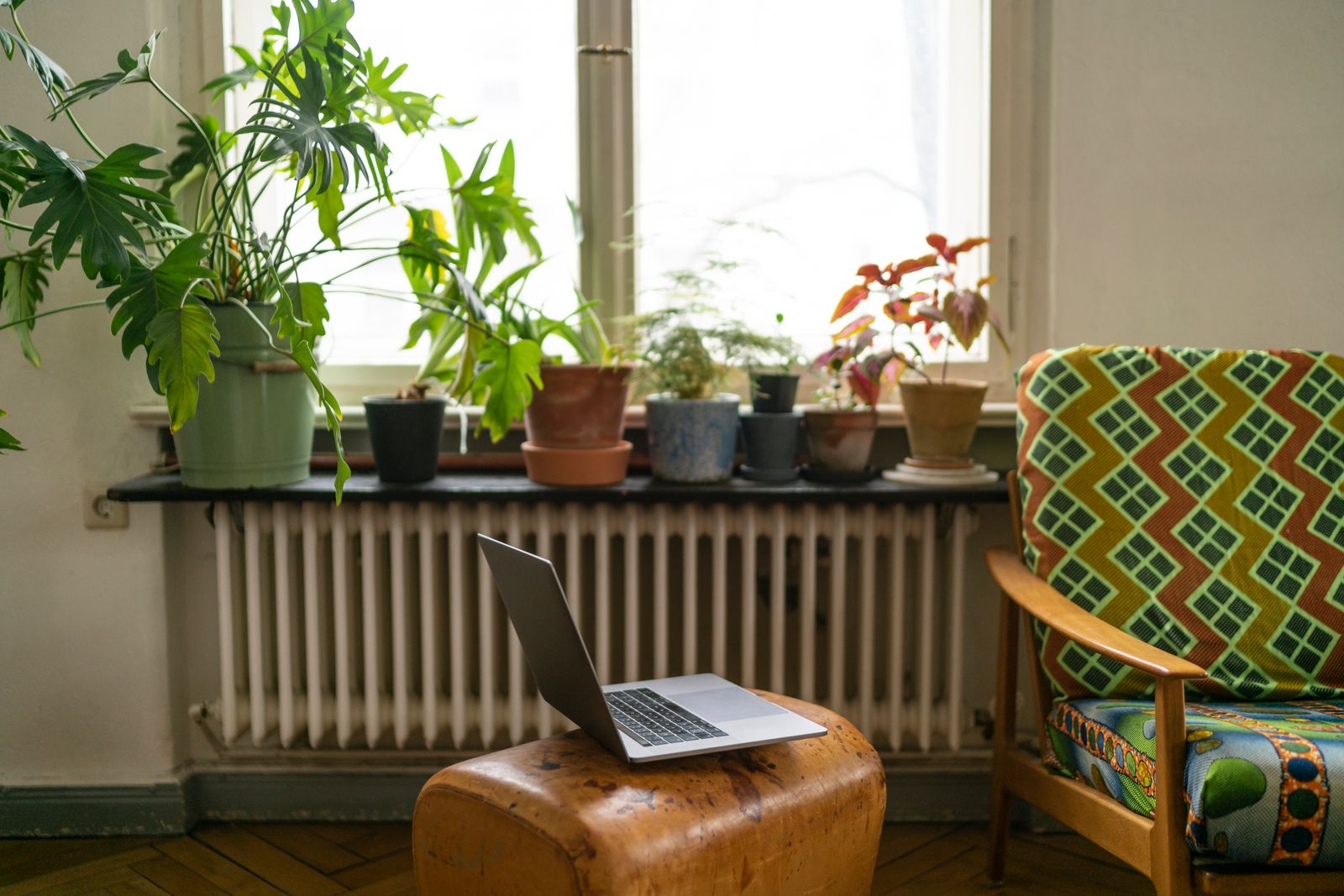
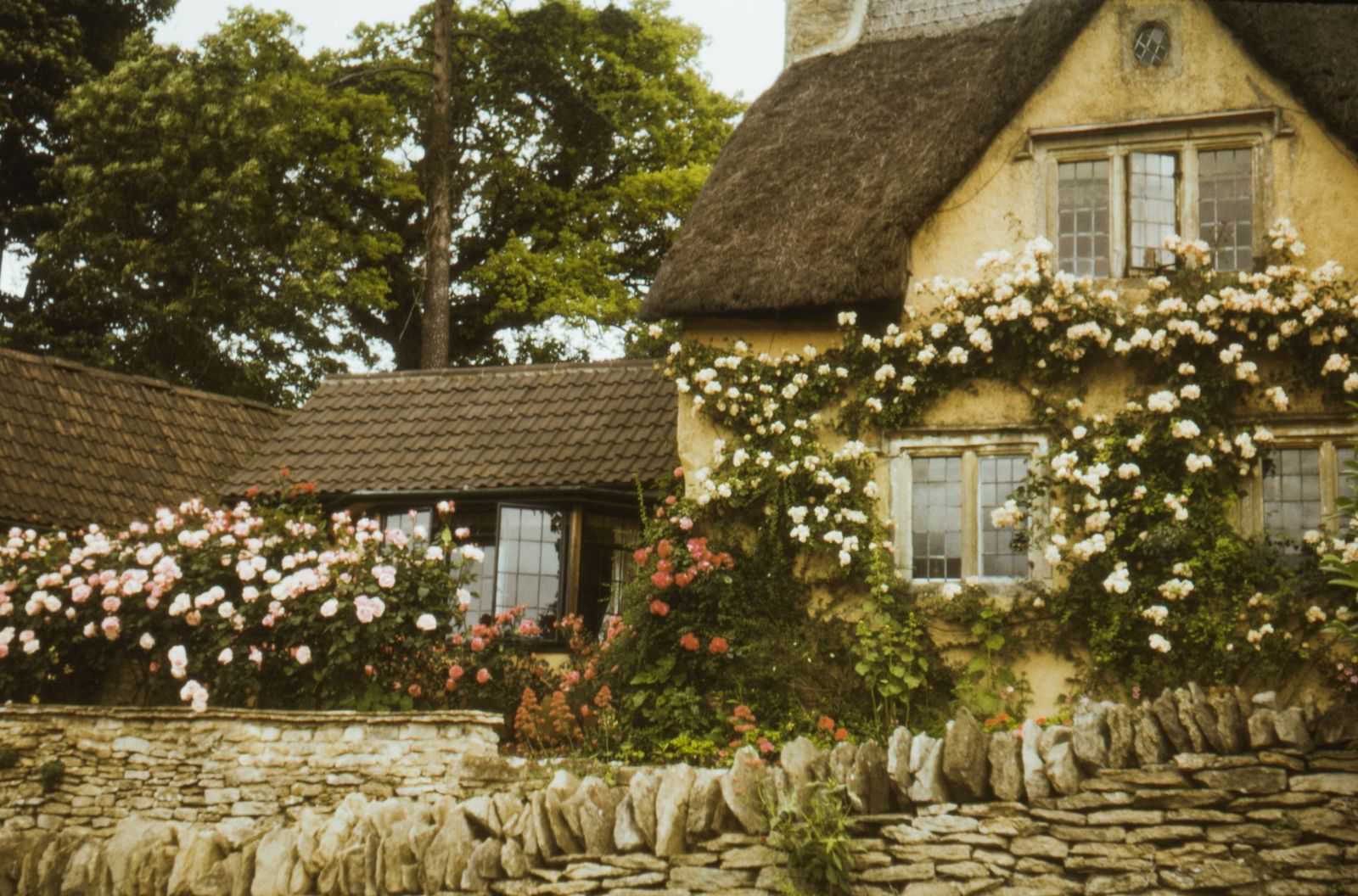
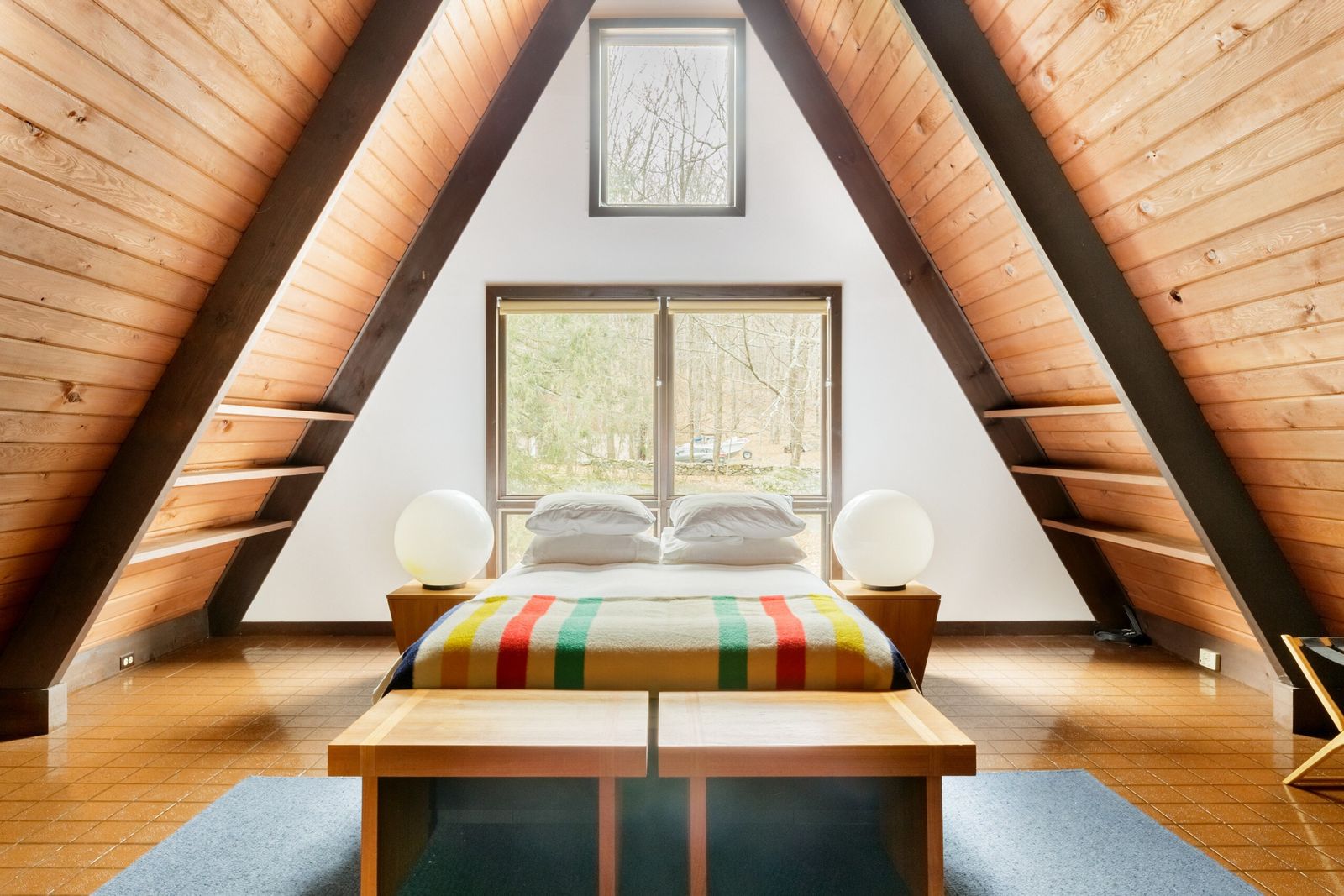
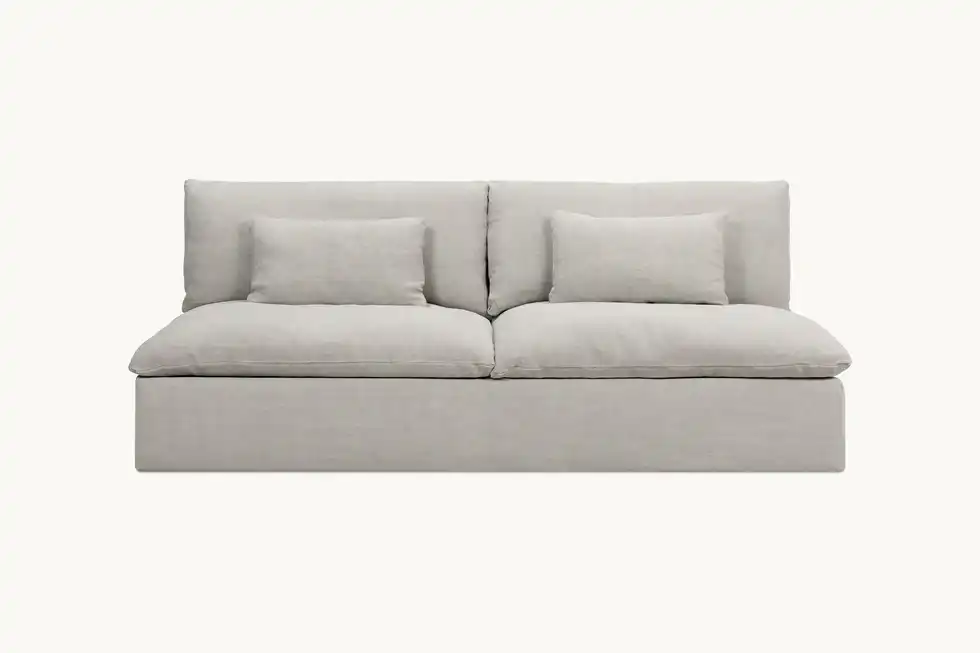
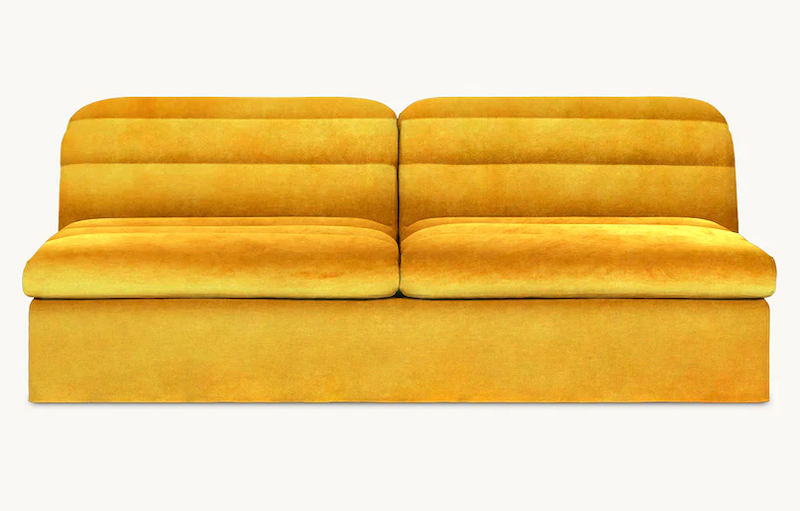
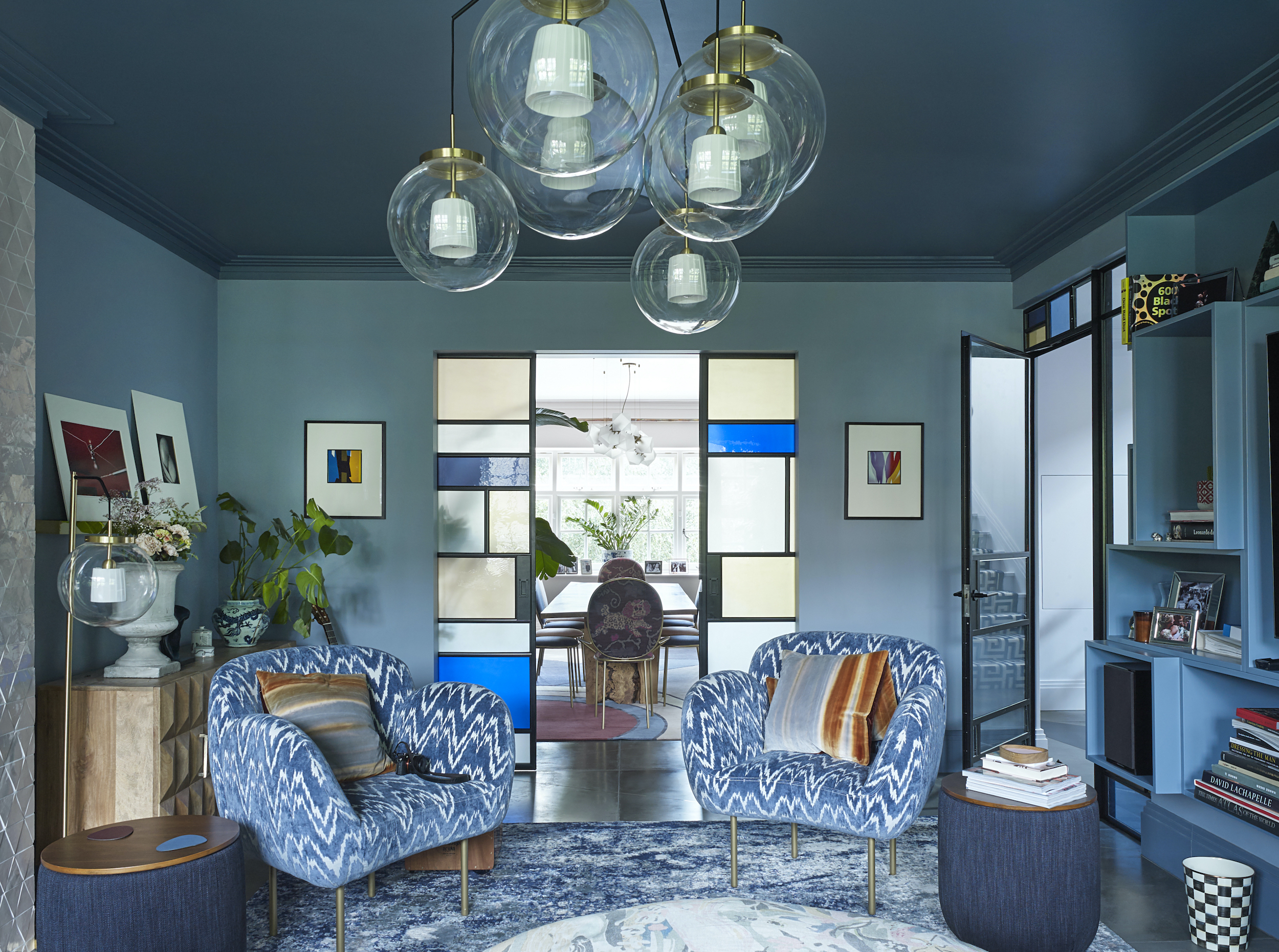
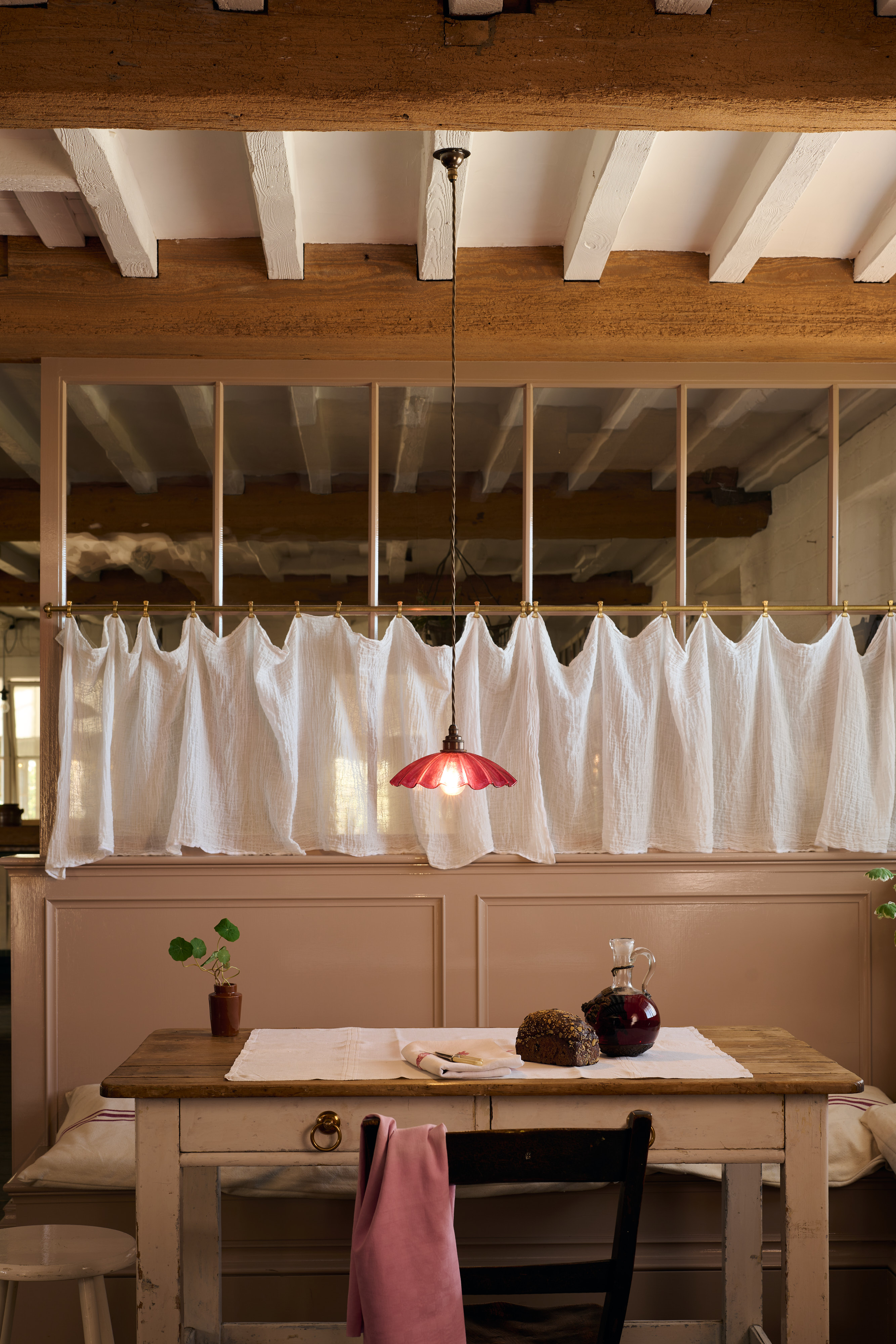
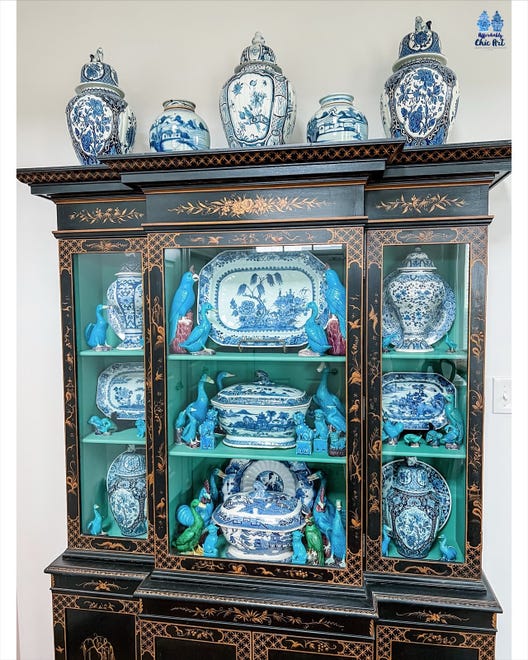
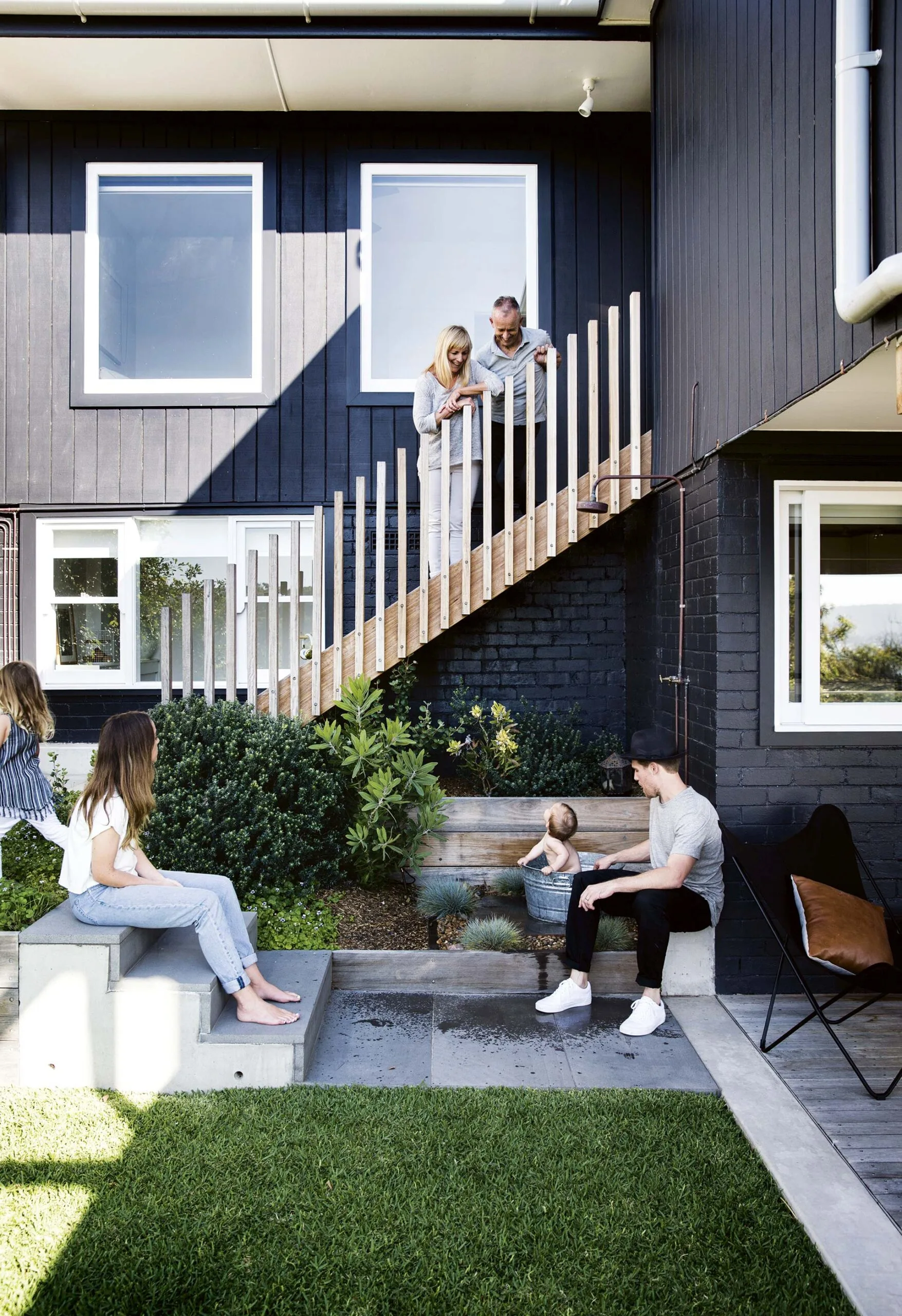
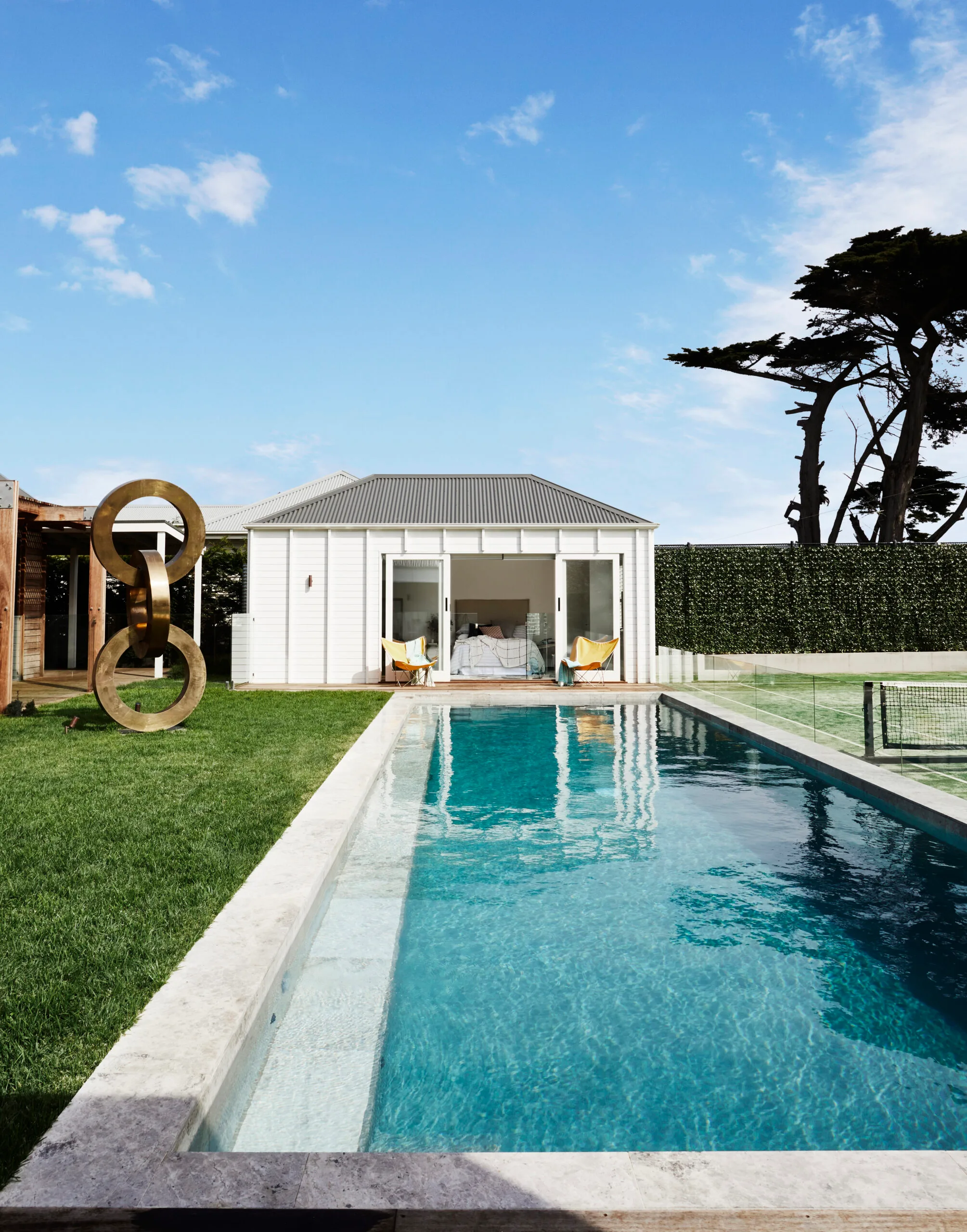
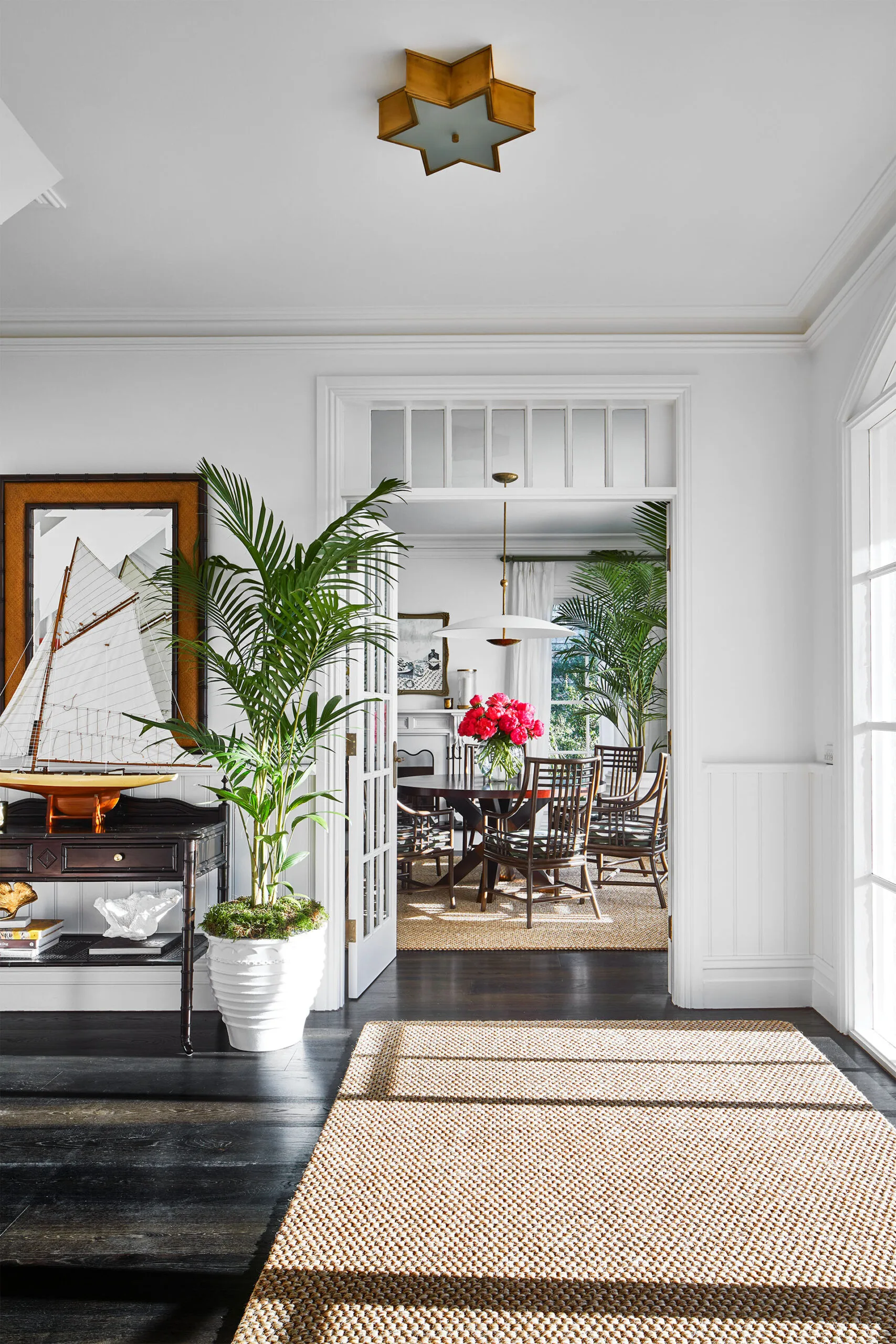
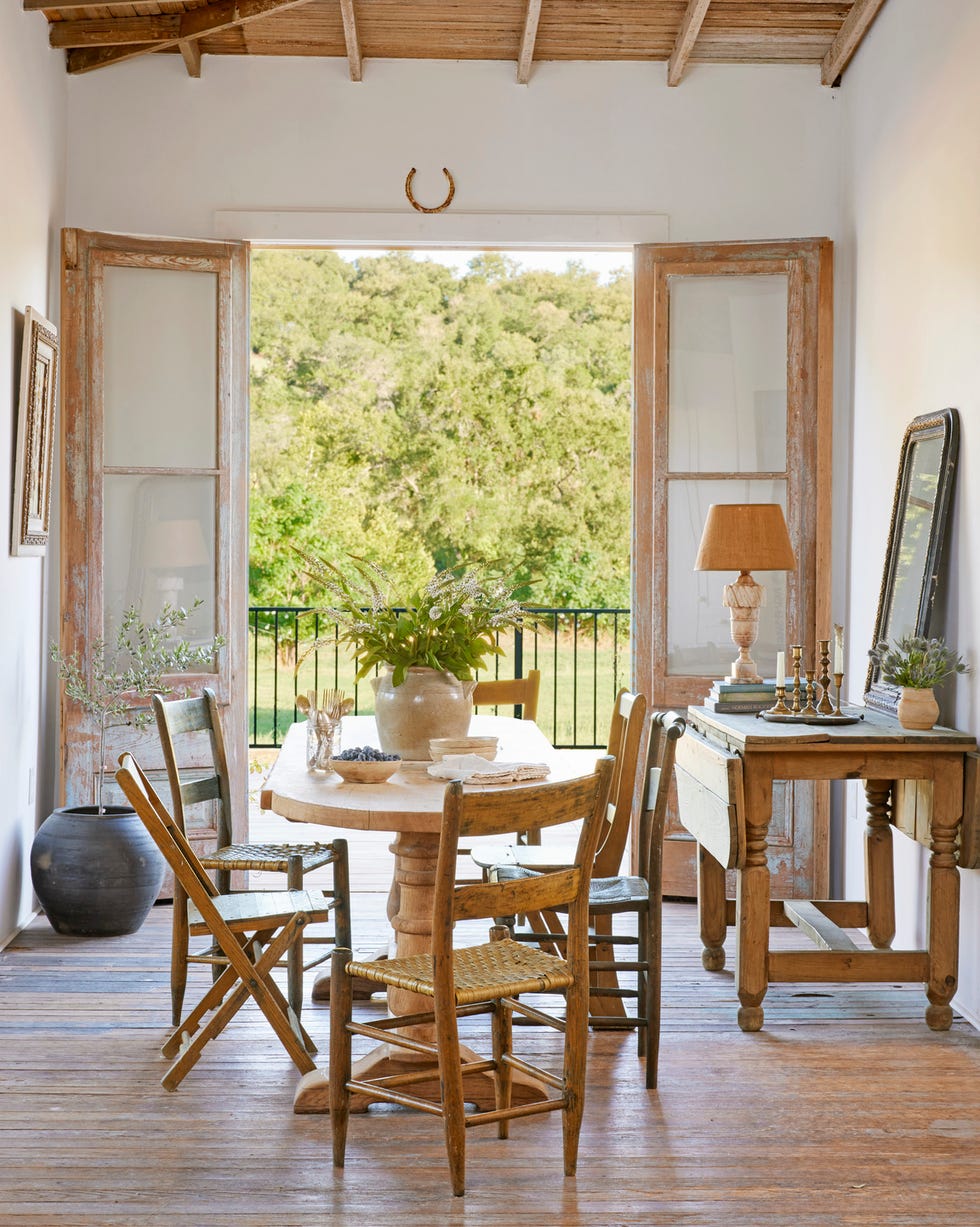
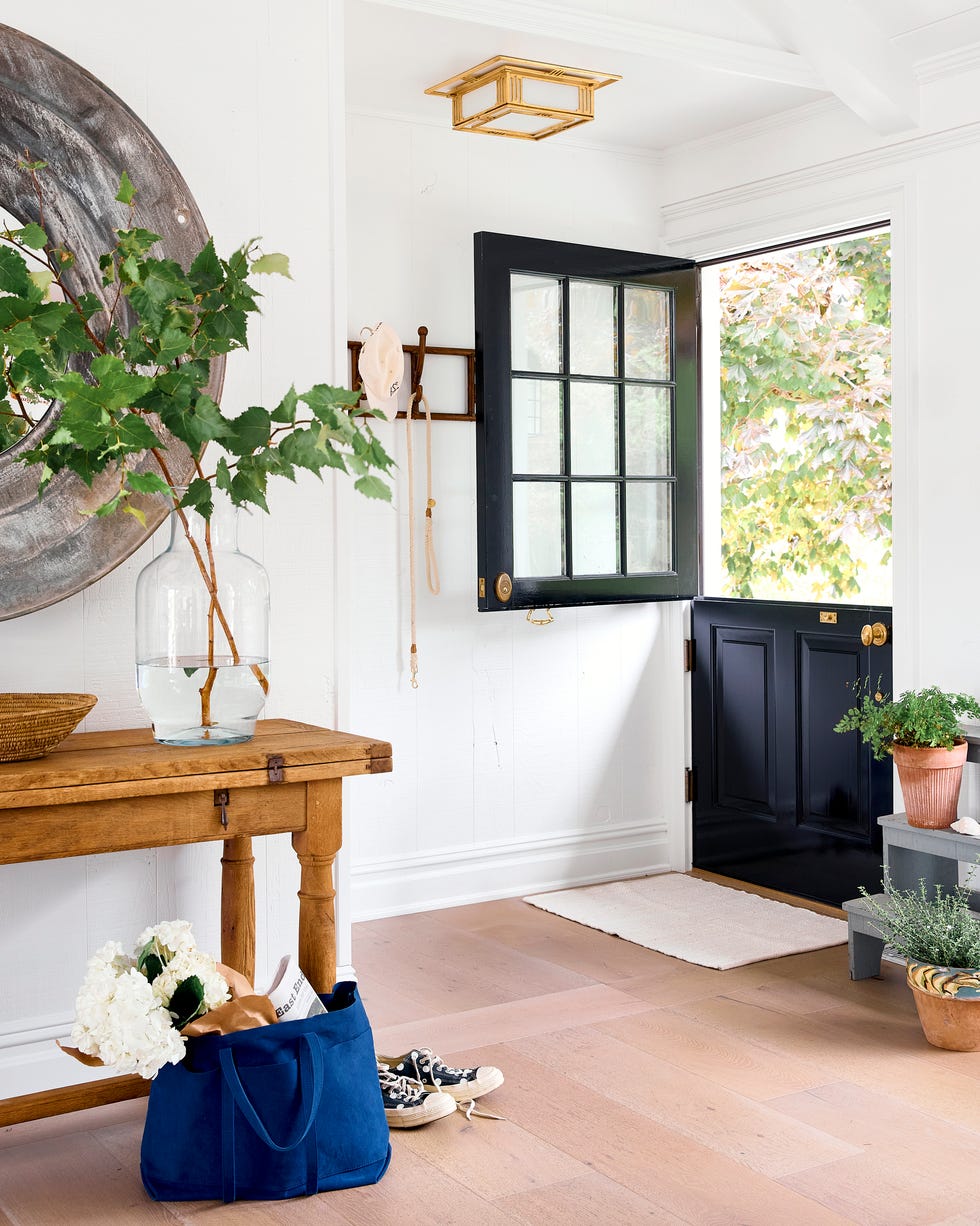
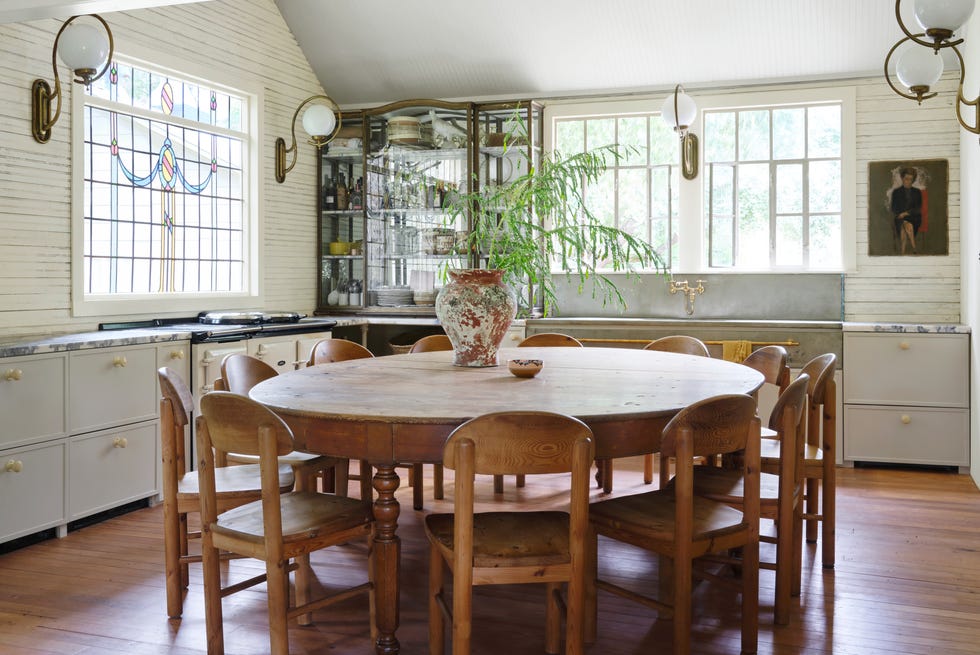
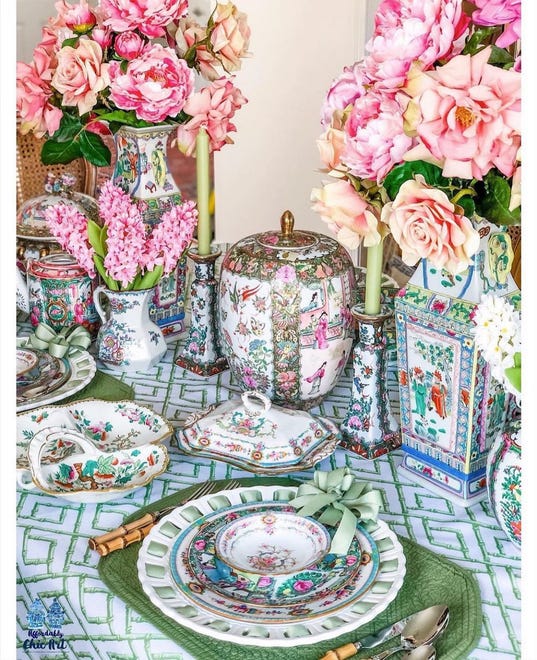
The article discusses the evolving role of home interiors as a significant social status indicator, shifting from a mere backdrop to a central stage for self-expression. Traditionally, an individual's fashion choices defined their social standing. However, current trends indicate that home furnishings and decor, such as a recognizable sofa or collectible dinnerware, now hold similar significance to 'it' bags or rare sneakers. This phenomenon is amplified by social media platforms like Instagram and Pinterest, where 'tablescapes' and 'shelfies' have become popular forms of content, allowing individuals to 'dress the table' with as much care and intention as they would 'style their looks.'
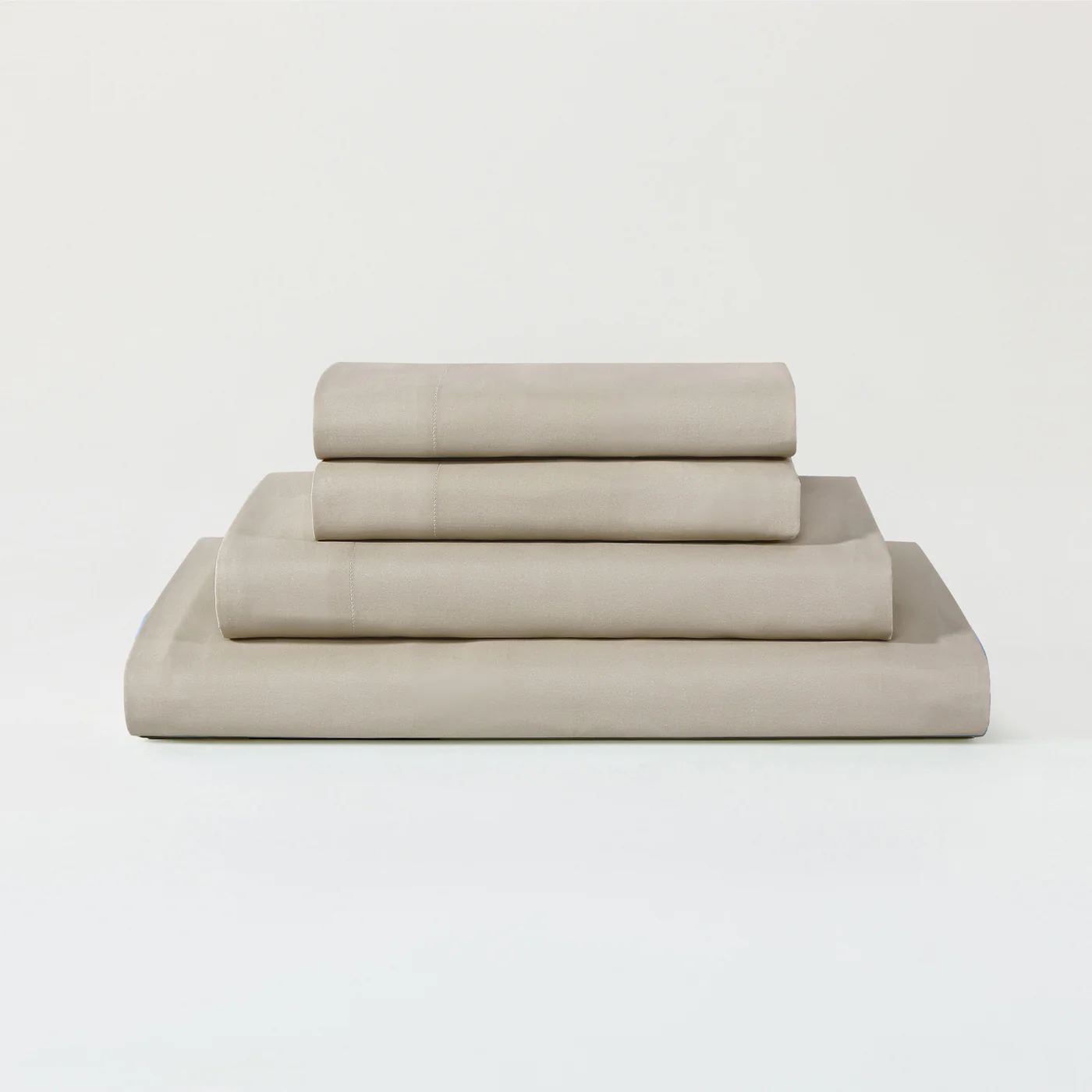
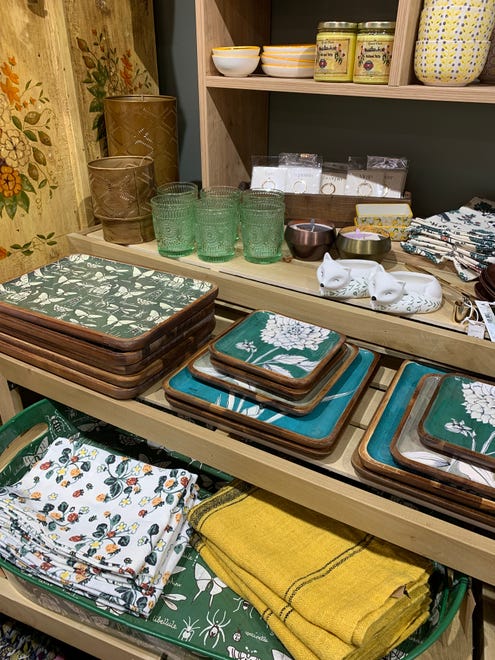
Luxury fashion brands have recognized this shift and are actively expanding into homeware, incorporating their distinct codes into products like porcelain, wallpaper, and lighting, even venturing into fully decorated residences. Conversely, interior design brands are adopting strategies common in the fashion industry, including seasonality, drop culture, and narrative framing, exemplified by pop-up installations and limited-edition collaborations. The Covid-19 pandemic and the rise of new technologies, such as Zoom and Instagram Stories, played a pivotal role in accelerating this transformation, making interior spaces both more intimate and more publicly visible. This increased investment in homes reflects not only a desire for comfort but also a conscious effort in self-presentation, as interiors contribute significantly to personal branding.
The blurring lines between fashion, lifestyle, and interiors have created a curated visual signature where interior elements can garner as much social media engagement as a designer coat. Moreover, images of one's interiors also serve as a social proof point, showcasing the individual's social connections and lifestyle. This development has substantial implications for the fashion business, opening up new revenue streams in a category that offers a more enduring value proposition compared to ephemeral fashion items. A high-value dining table, for instance, can be marketed as a lifetime investment, unlike a gown worn infrequently. Furthermore, it allows brands to extend their presence into the most intimate aspects of a consumer's life.
The 'fashionisation' of the home is also influencing the evolution of retail spaces, transforming them into immersive 'living rooms' designed for experiencing a lifestyle rather than merely shopping for a wardrobe. This trend even extends to exclusive 'private residences' offered to top customers. The author asserts that this elevation of interiors to the level of fashion is not a fleeting trend but a deeply rooted expression of self that goes beyond clothing. However, the article also raises concerns about potential risks associated with this shift. If the home goods industry were to adopt the 'always-on' marketing and endless product drops characteristic of the fashion industry, it could compromise the core values of craftsmanship, permanence, and individuality that make a home meaningful. The long-term consequences of this 'fashionisation' of the home remain to be seen, prompting an ongoing discussion about balancing commercial gain with the preservation of authenticity and lasting value in home decor.
#HomeIsTheNewFashion #LuxuryInteriors #SocialStatus #FashionIndustry #HomewareTrends #InteriorDesign #BrandExtension #RetailInnovation #SelfExpression #HomeIsTheNewFashion #LuxuryInteriors #SocialStatus #FashionIndustry #HomewareTrends #InteriorDesign #BrandExtension #RetailInnovation #SelfExpression
0 comment in total
 No comments yet
You may also like
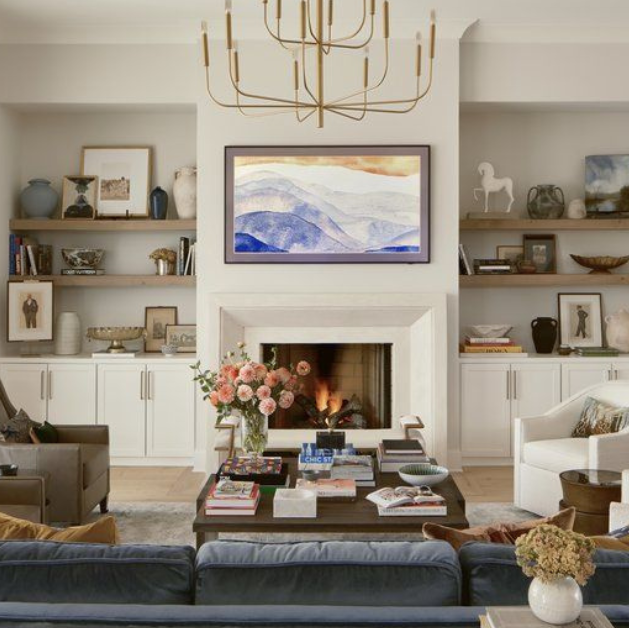
Designers Reveal the Surprising Home Trend That's Taking Over Right Now


Gorgeous Gorgeous Girls Love Nursery Chic

Our Best Conversation Stories of 2020

Transforming Home Comfort
"I Grit My Teeth When I See It": People In Their 60s, 70s, And 80s Are Sharing The Modern Home Trends They Simply Cannot Stand

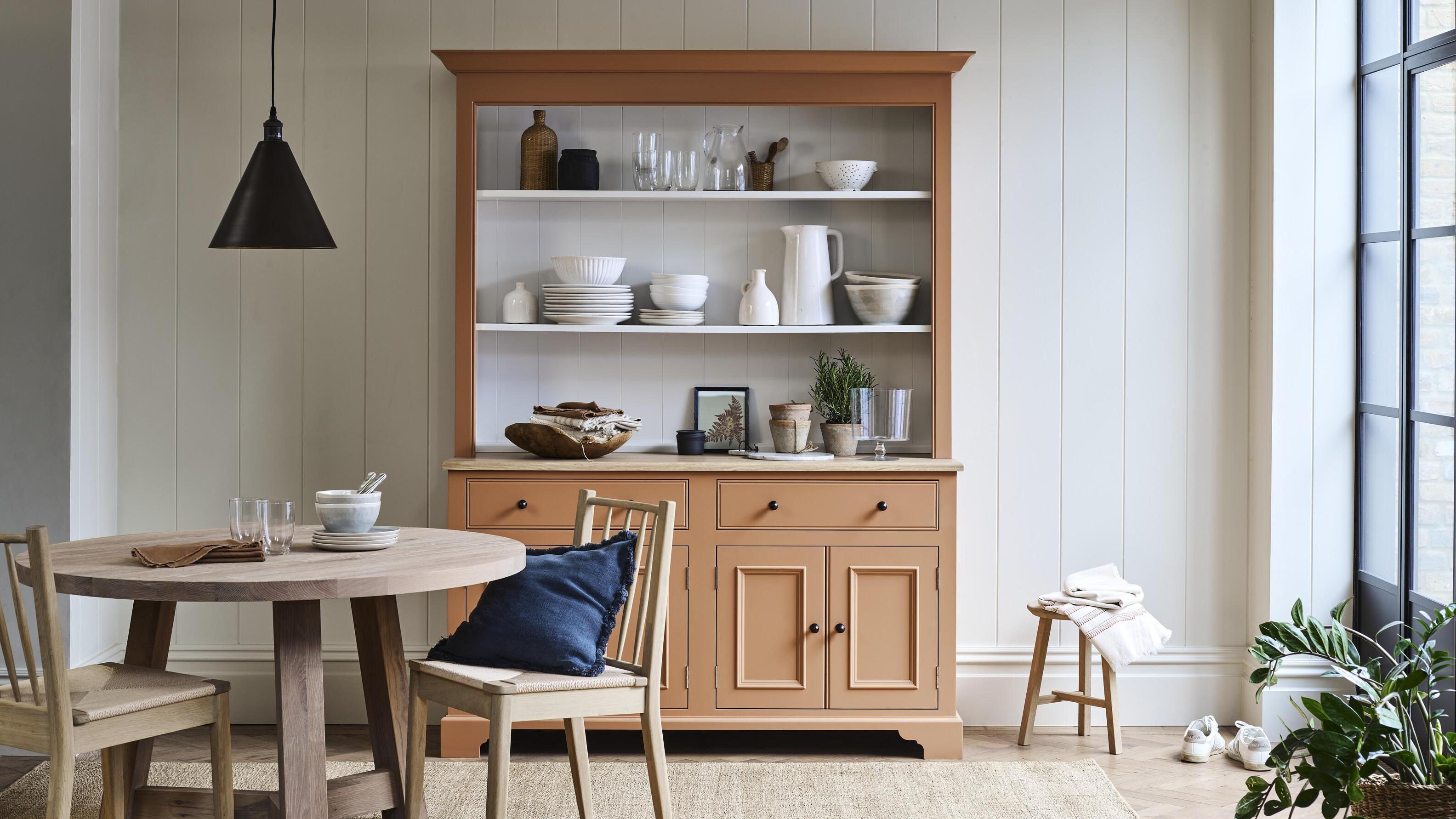
Modern country furniture to buy for a post-pandemic pick-me-up
This '90s Home Trend Is Back With A Vengeance
Home Stager Reveals 4 Hot Trends for 2024
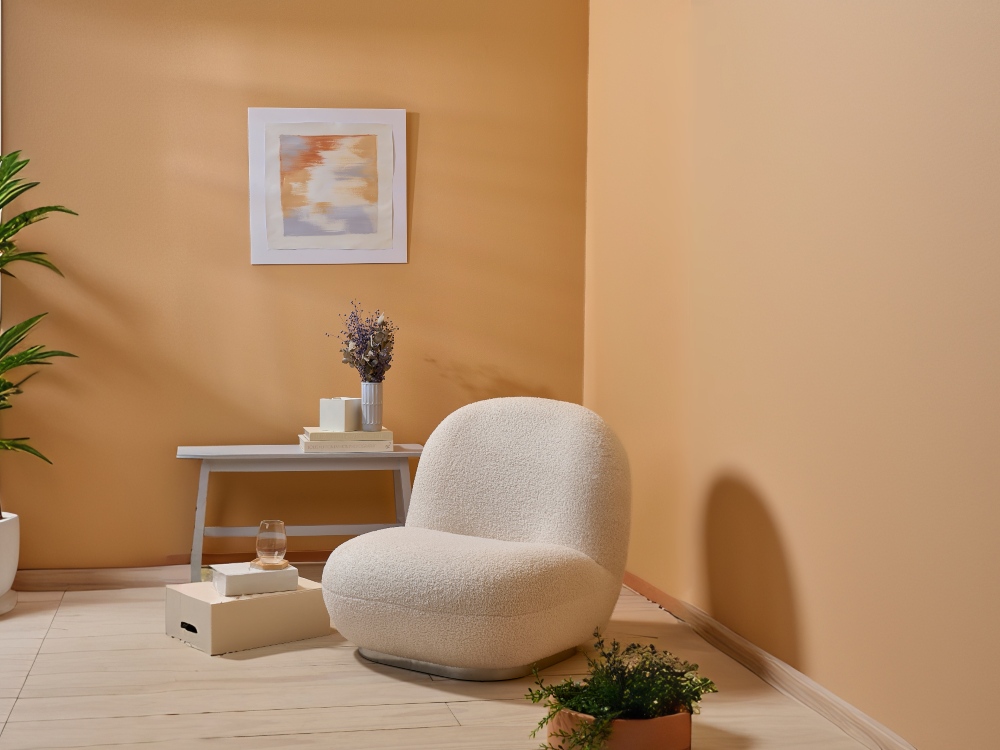
Interior Design Trendwatch: Colour is coming home
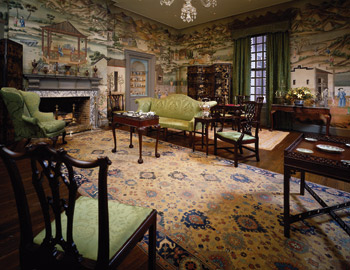
The Fashion-Forward Home
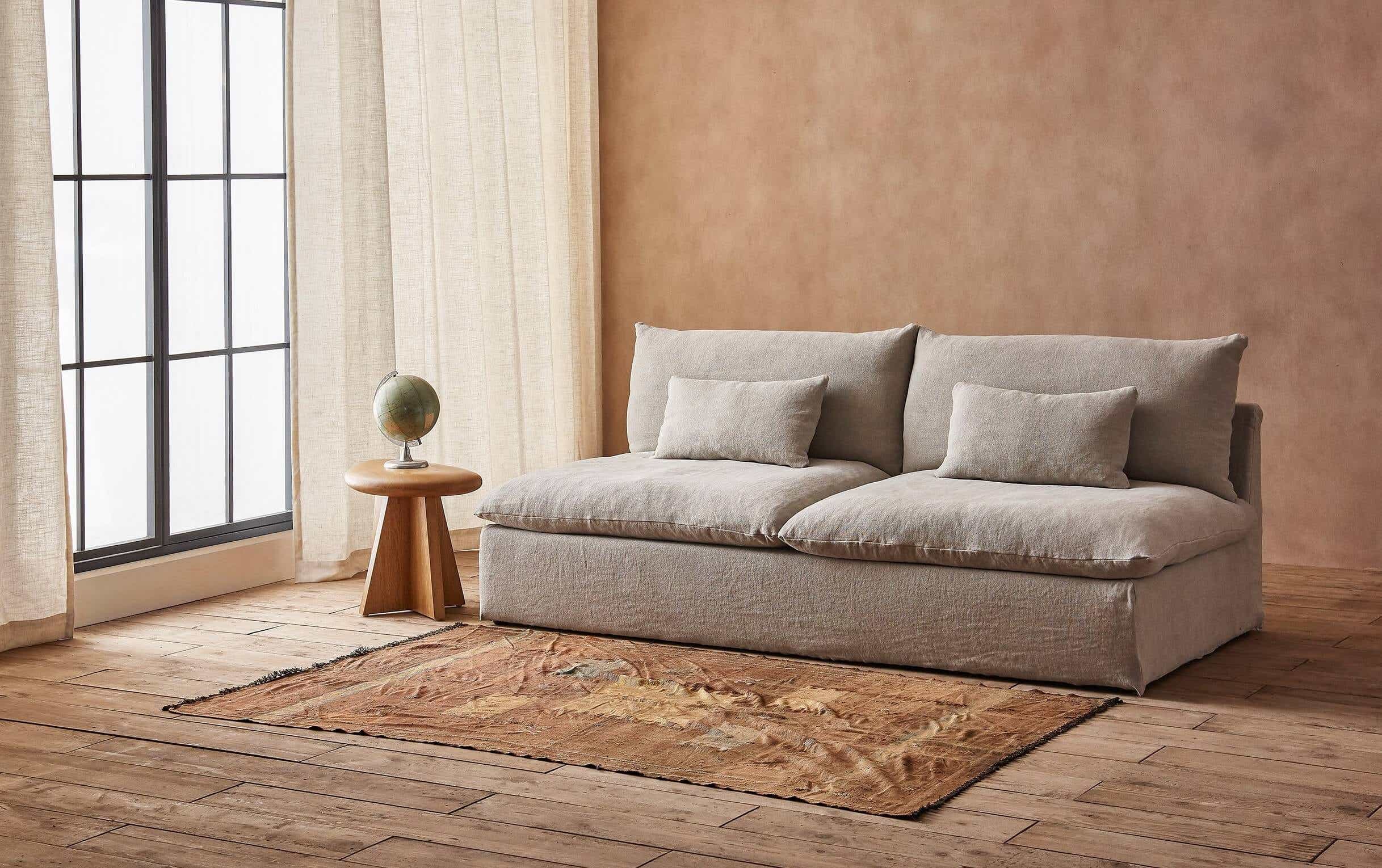
This Convenient Couch Trend Is Making a Comeback

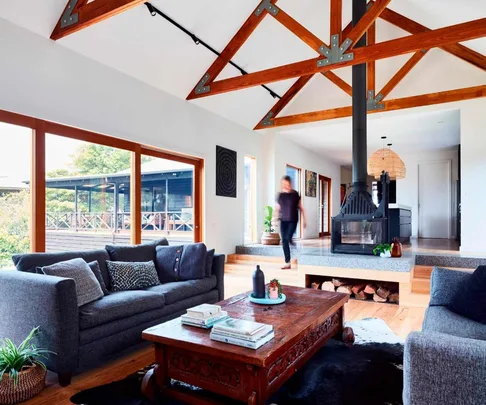
Is open-plan living dead? Here's what the design experts say

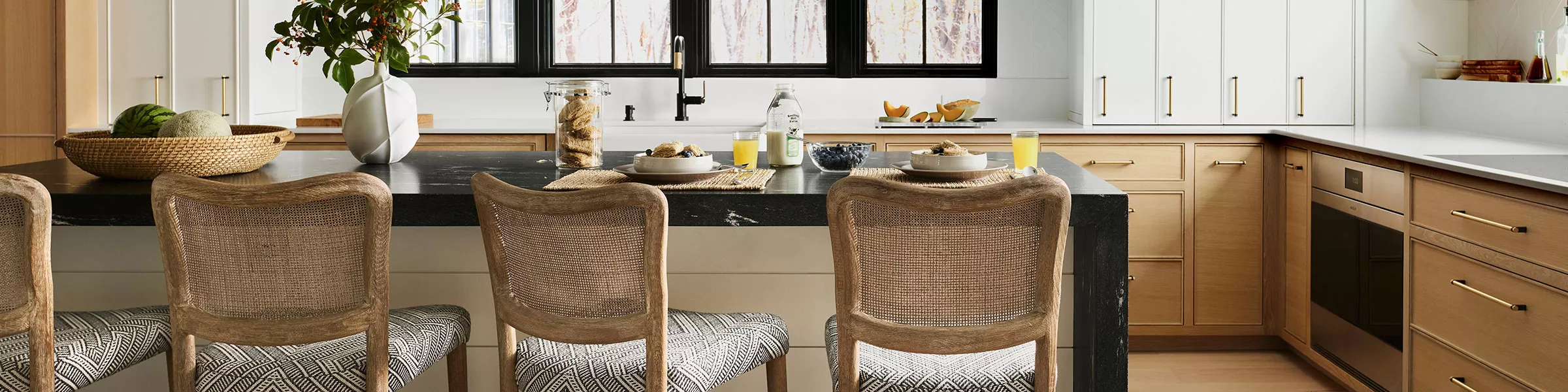
Home Trends

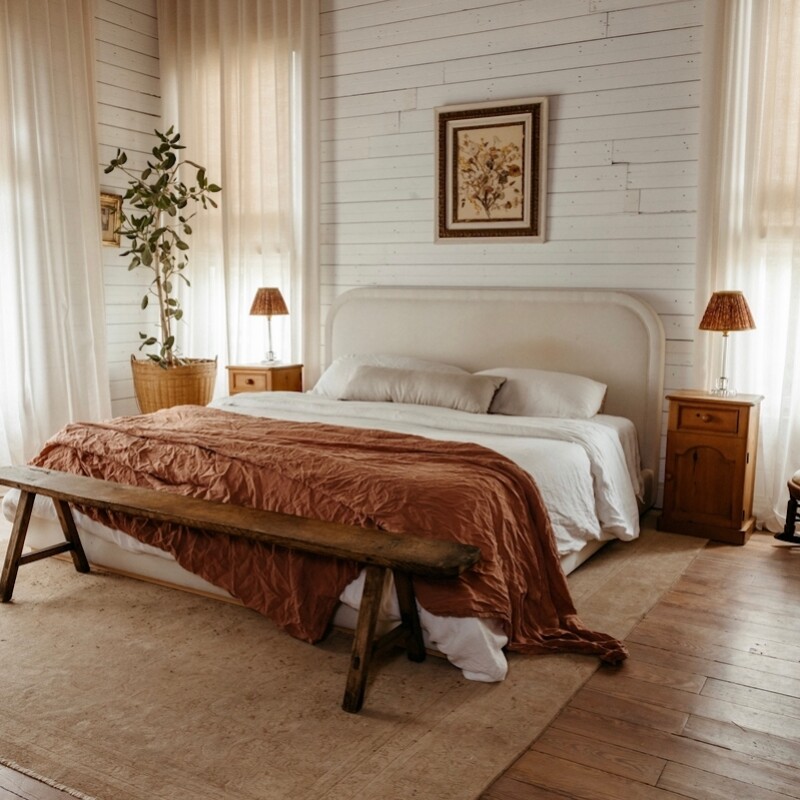
The Fall Home Trends Designers Say Will Be Huge

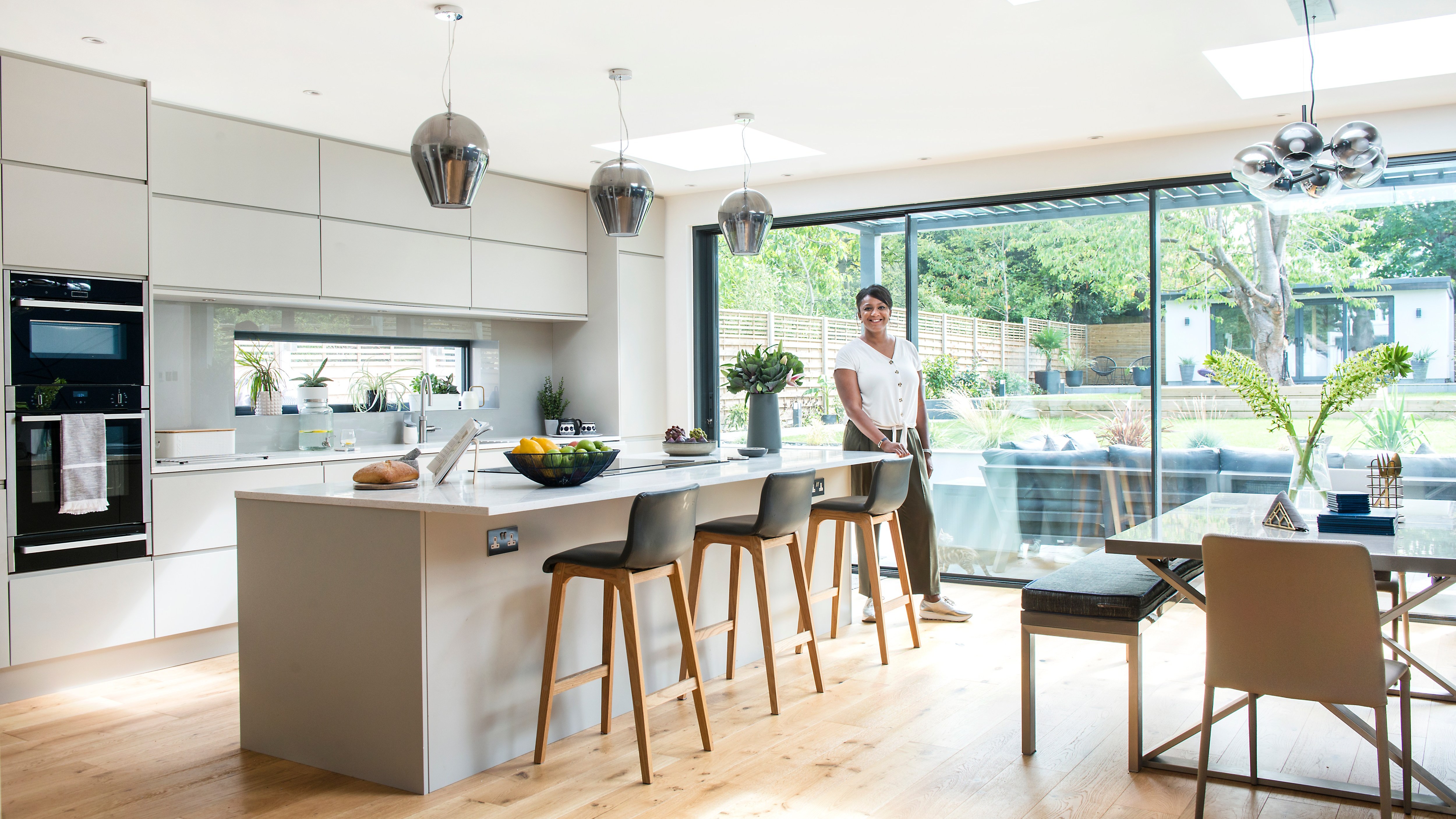
Open plan living is over. Here’s why we all want walls again
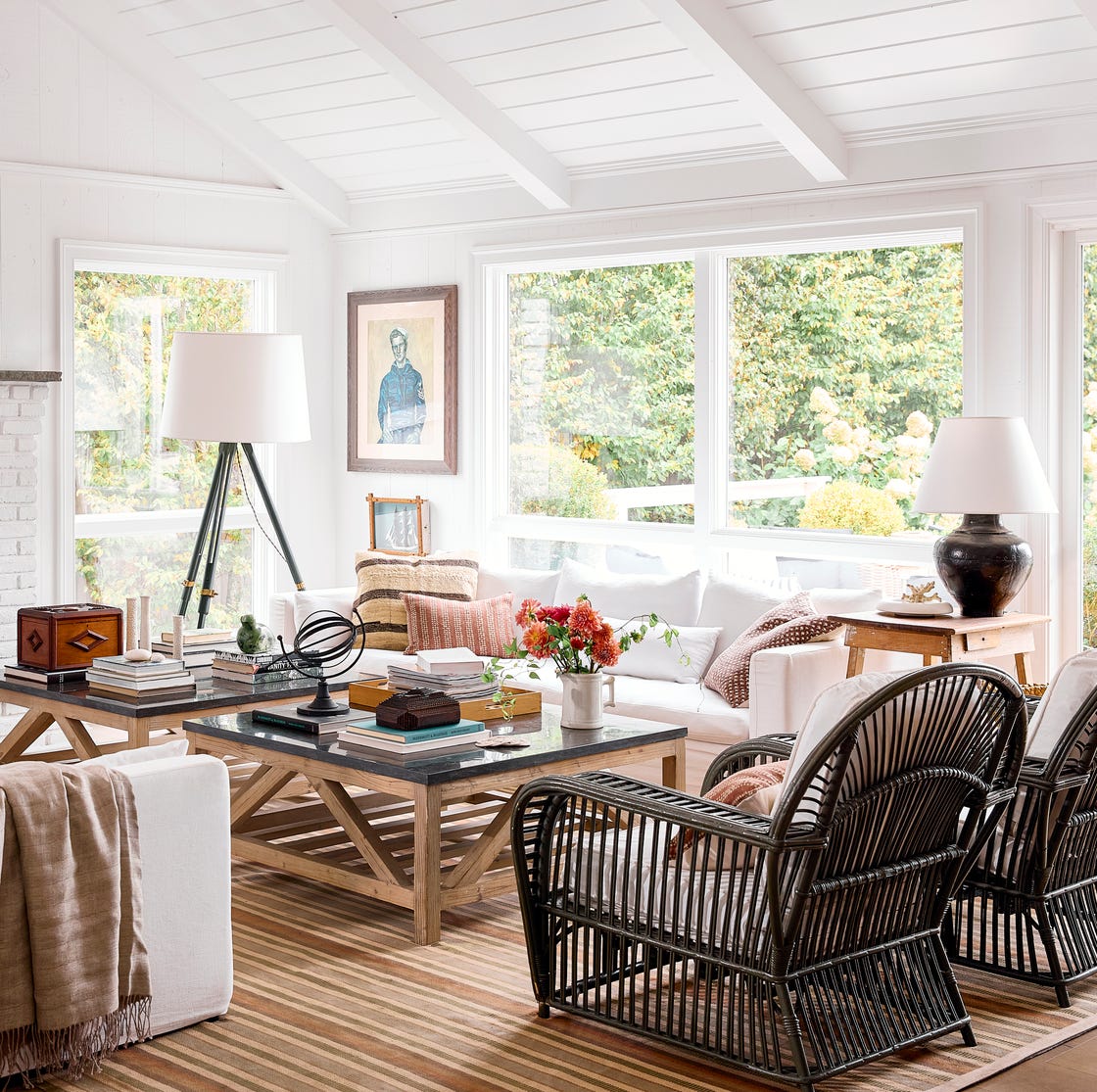
Designers Are Moving On from Modern Farmhouse—Here’s the Style Taking Over
Home Interior Trends Reveal: Mobility Interiors
Homestyle: What's trending in home updates
Welcome home: Grandmillennial style
"Living Room Families" Is The Newest Influencer Coinage & No Thank You