The Fashion-Forward Home
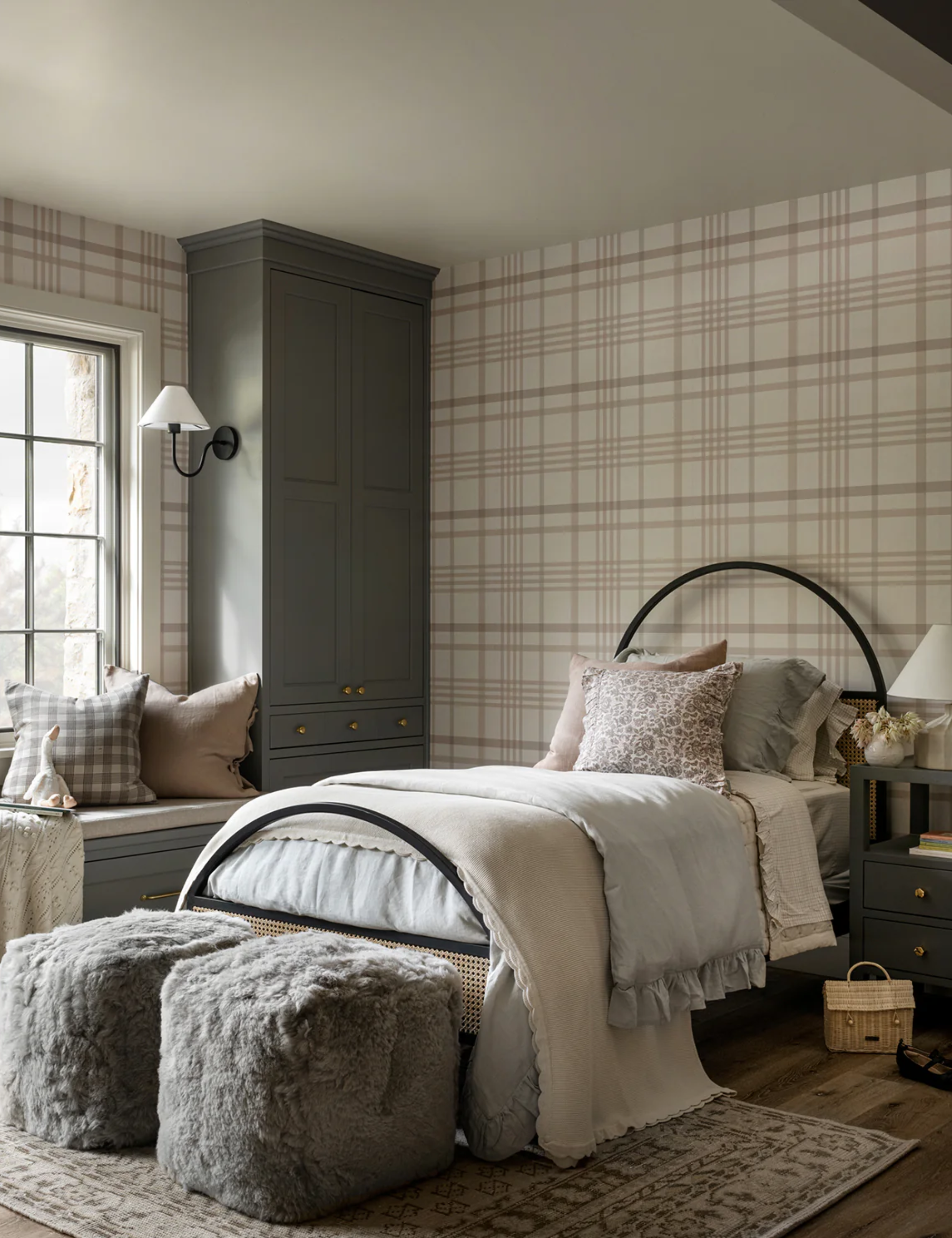
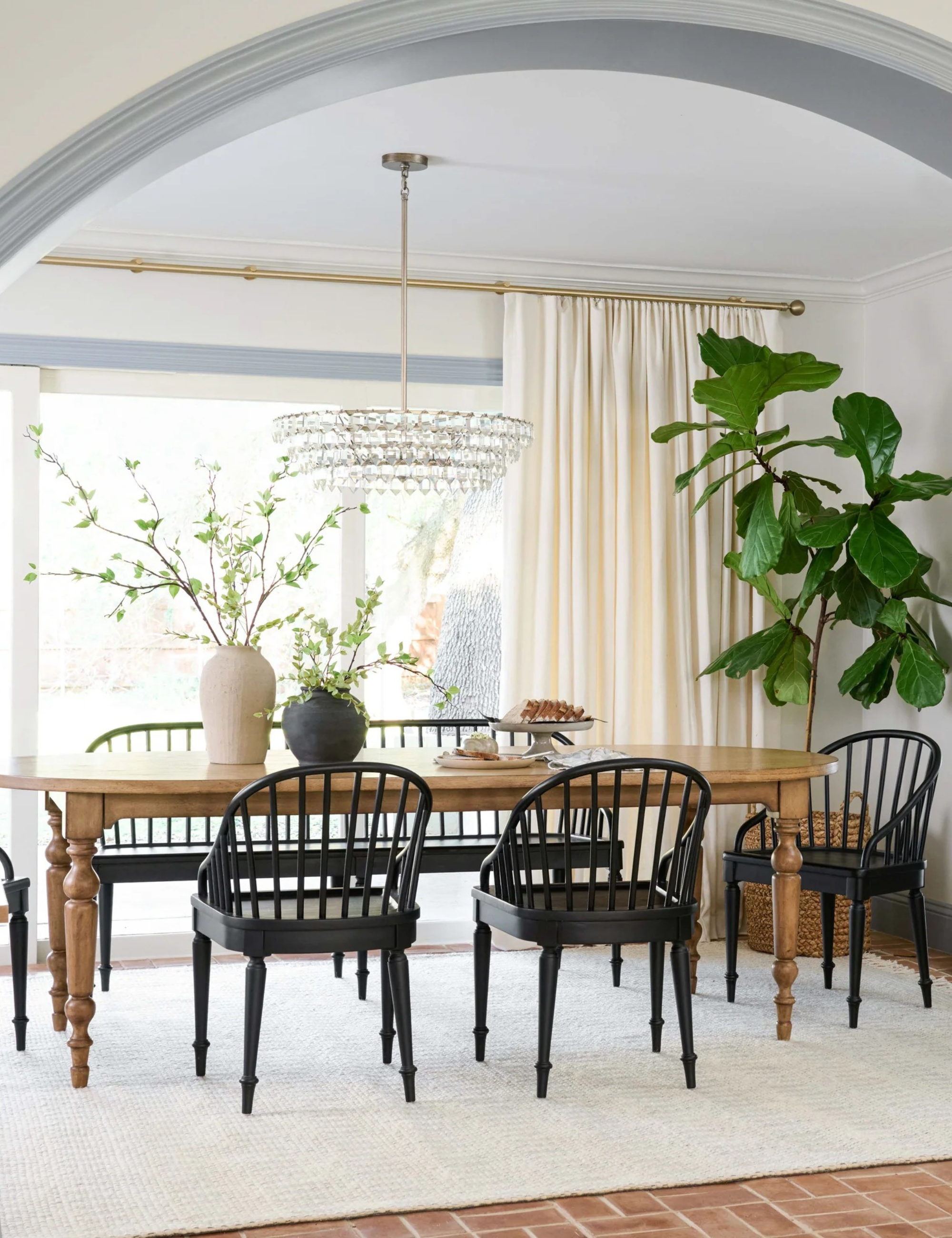

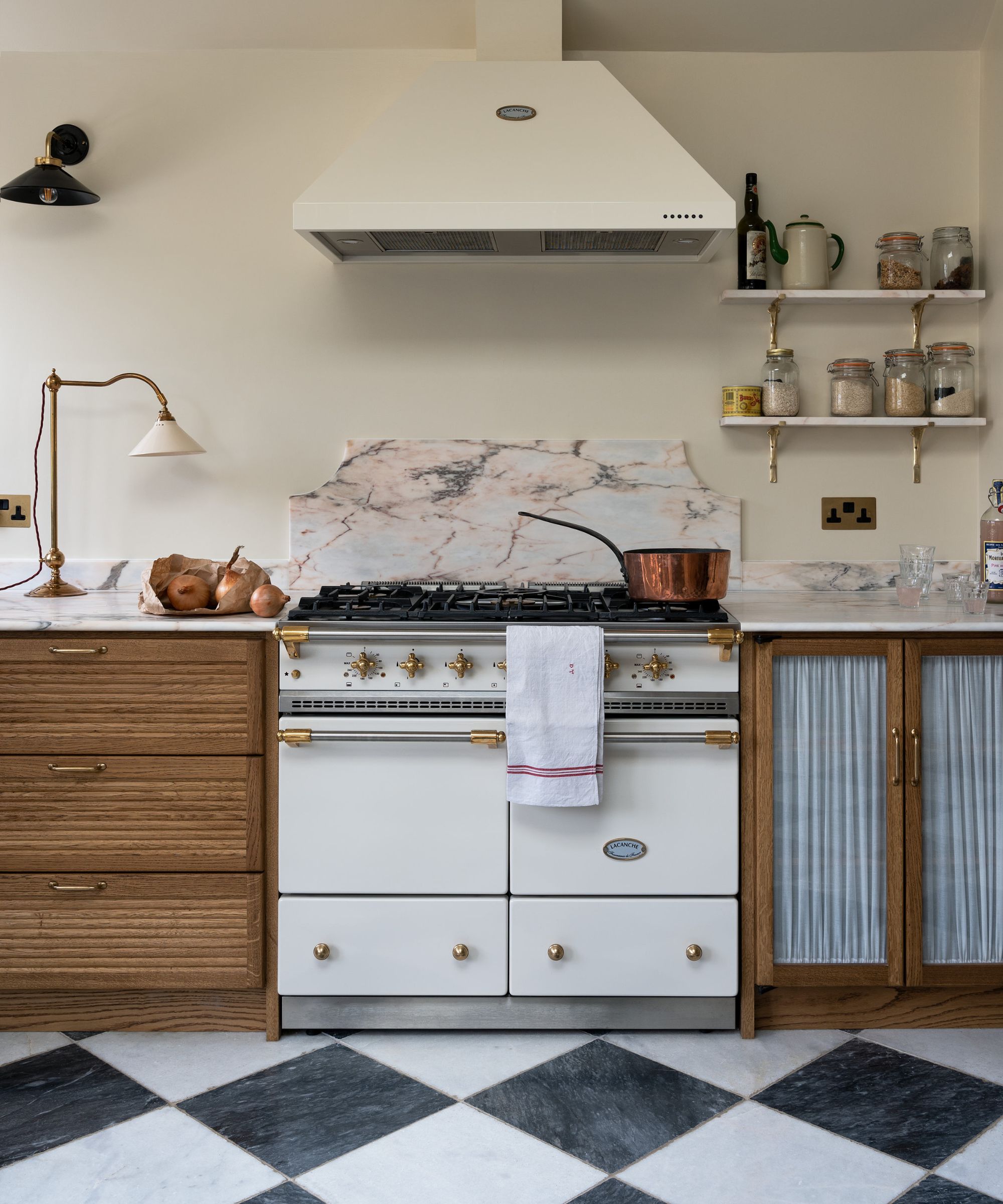
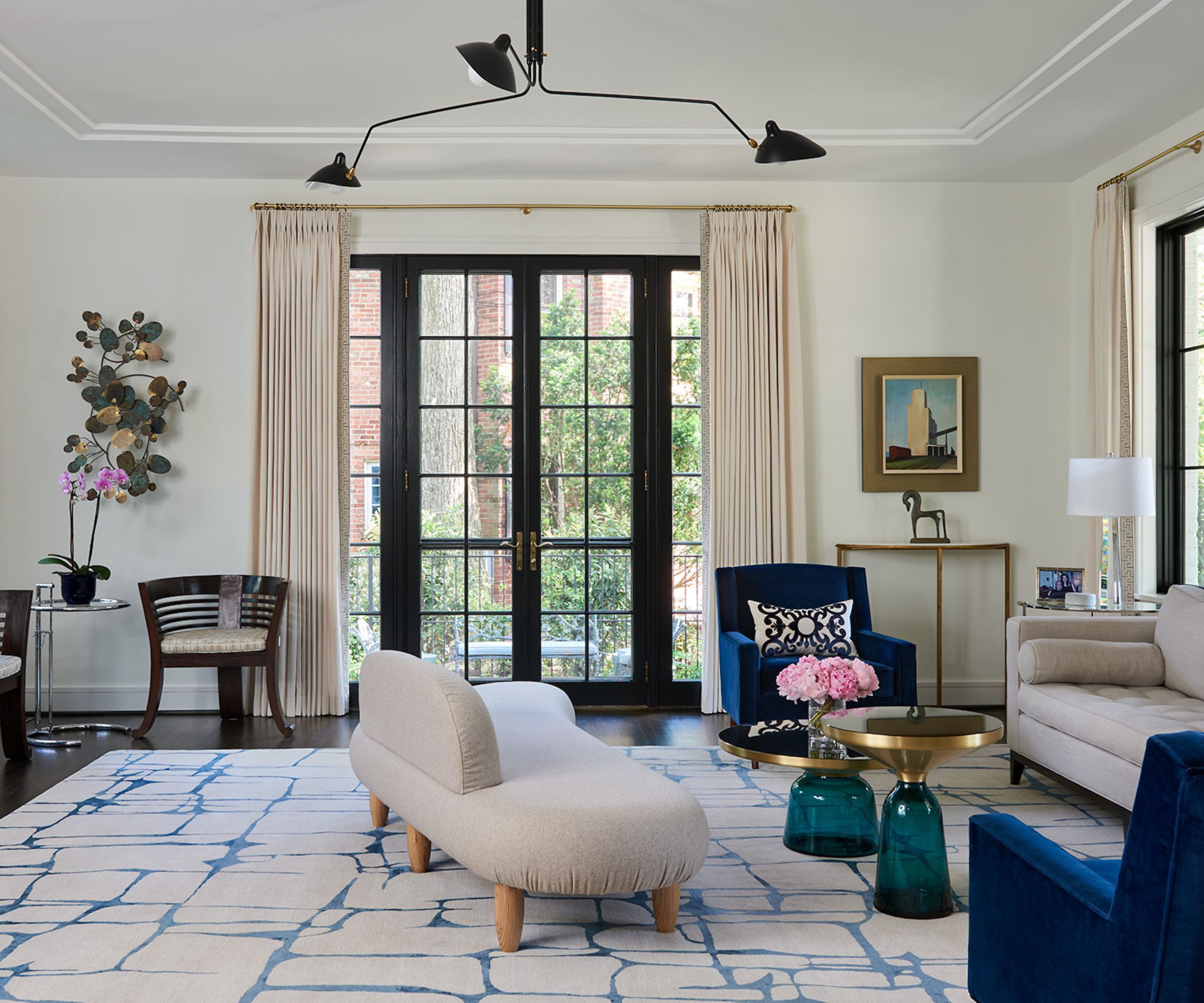
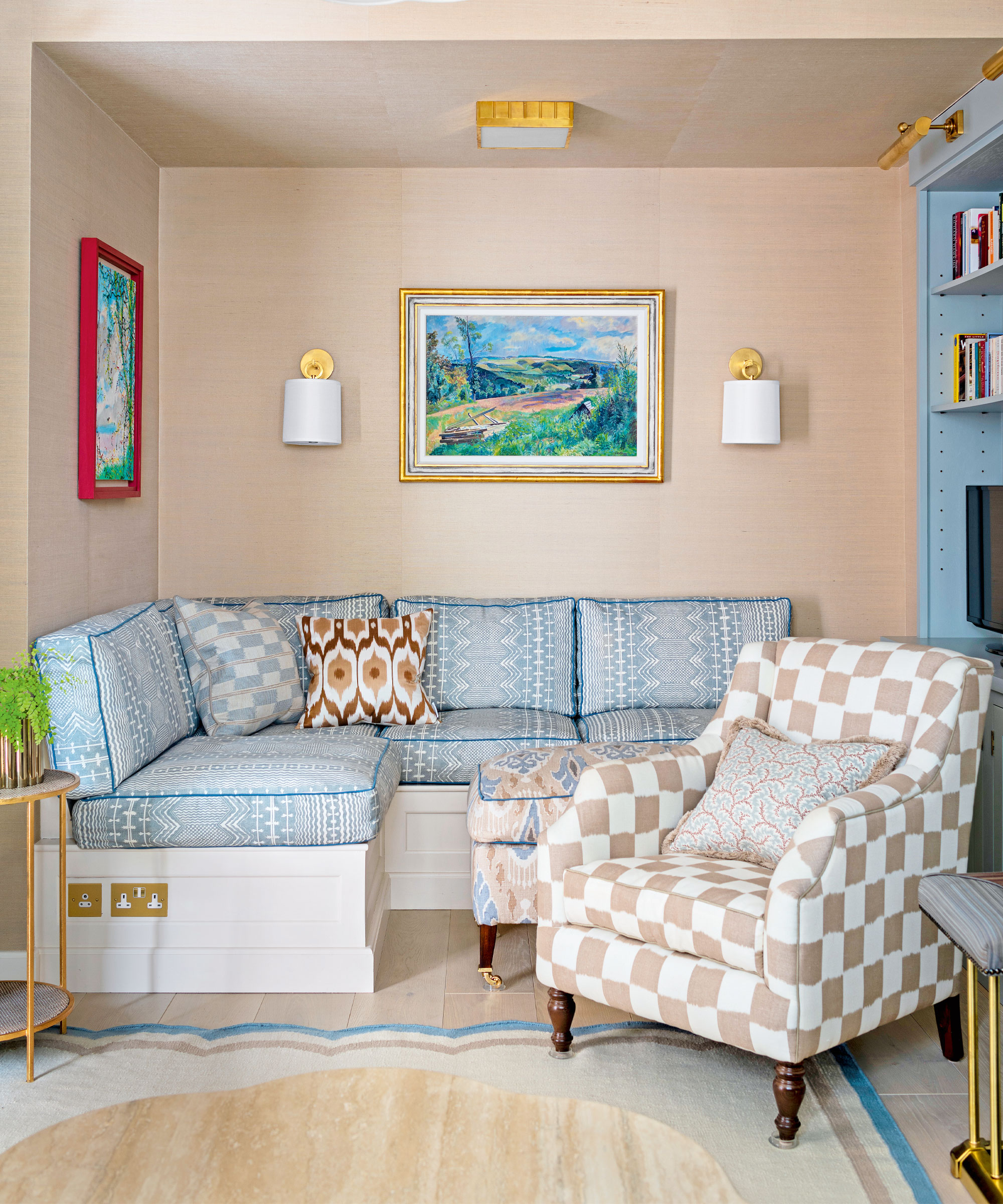
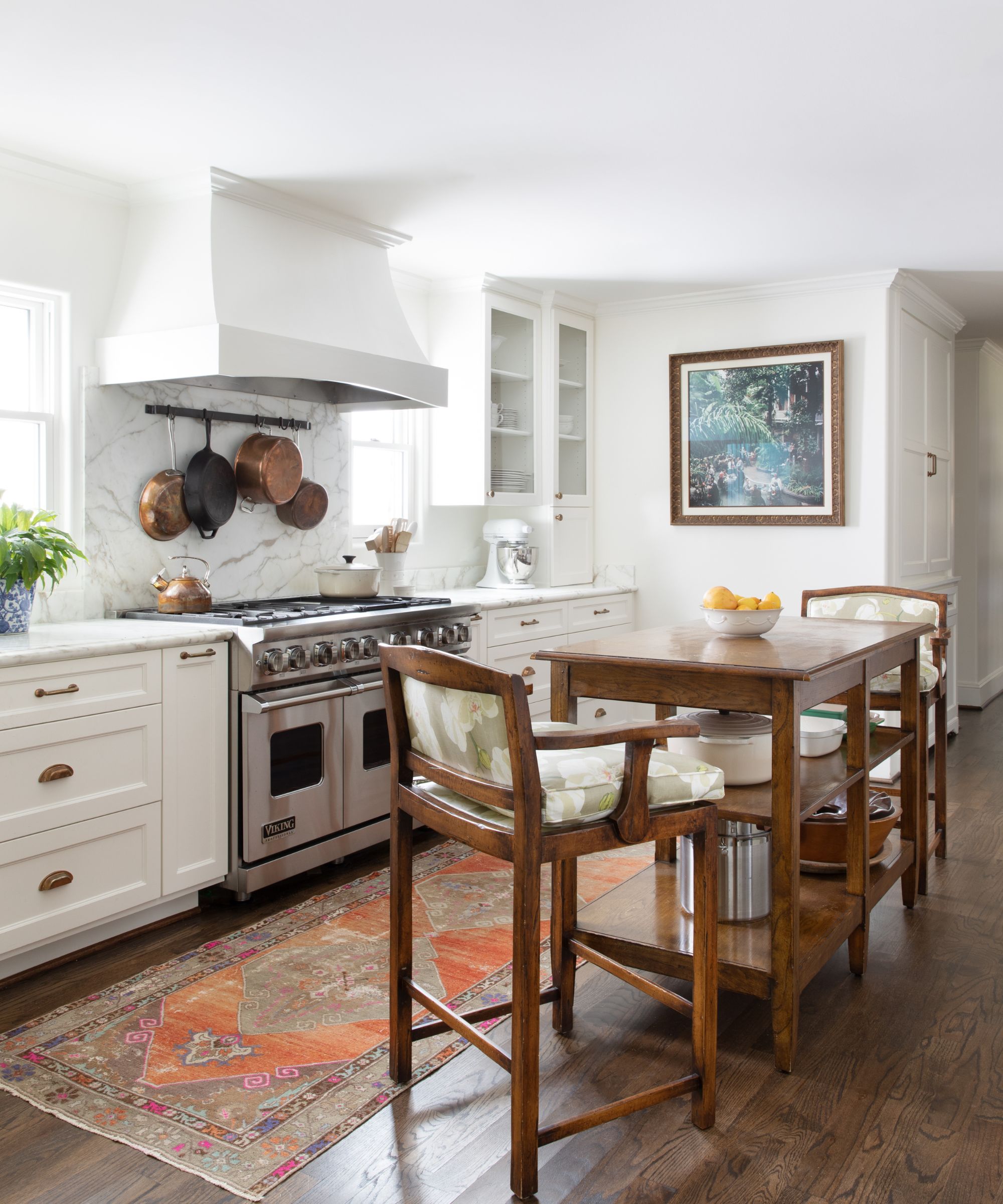
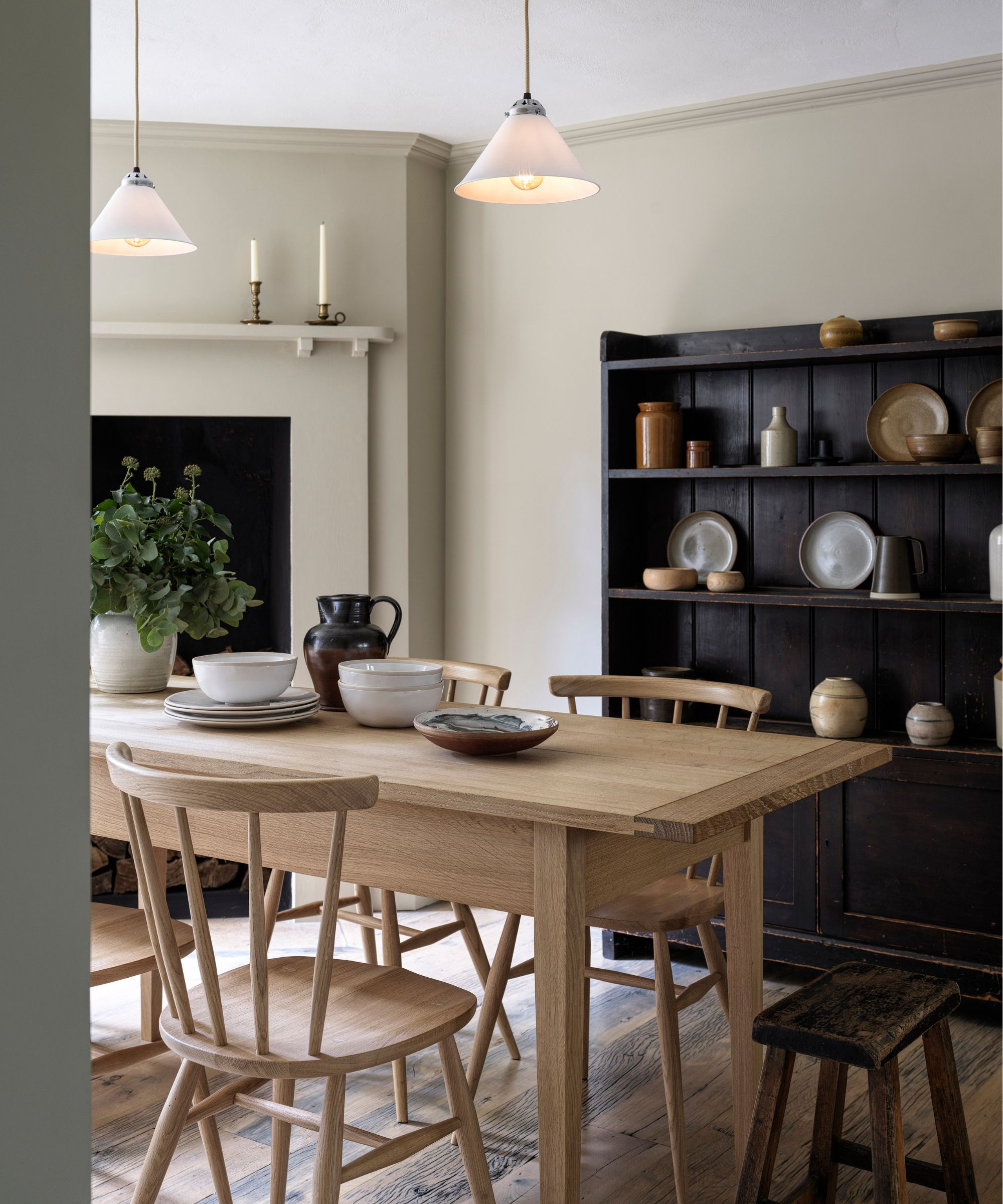
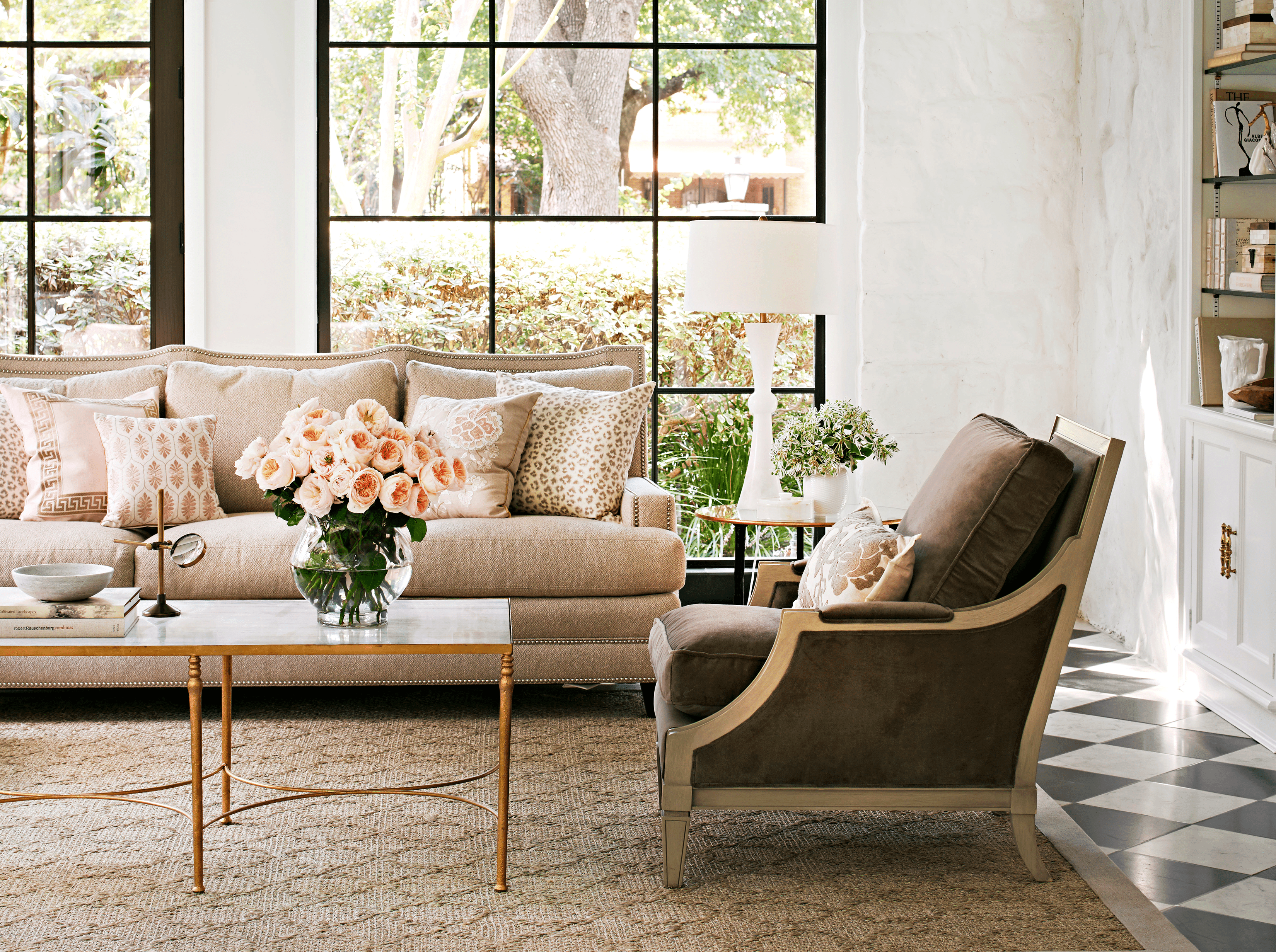
The concept of updating home decor with the changing seasons, much like fashion, is explored. The article highlights that seasonal fabrics and styles are not exclusive to runways but can also influence home aesthetics. Betsy Chapin, a college professor, exemplifies this trend by changing decorative elements in her North Wilmington townhouse five times a year to achieve a fresh, seasonal look. She focuses on easily interchangeable items such as area rugs, accessories, table centerpieces, throw pillows, candles, and dried or silk flowers, considering it an inexpensive method to refresh her living environment and create a warm, welcoming, and comforting mood tailored to different times of the year.
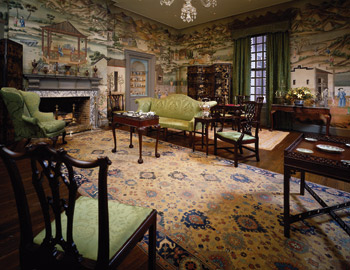
The historical precedent for this practice is noted with Henry Francis du Pont, who, as often as four times a year, would change curtains, rugs, and slipcovers in his Winterthur mansion to suit the seasons, sometimes even altering ceramics. Linda Eaton, curator of textiles for Winterthur Museum & Country Estate, explains that du Pont's changes were about balancing colors and adapting items for appropriateness in different seasons. For instance, in the Chinese Parlor, he used green satin drapes with white floral sprigs for winter, dark green damask with blue trim for spring, tamboured mulls with yellow taffeta valances for summer, and yellow taffeta valances and curtains for fall.
The article details both the practical and decorative reasons behind seasonal home decor changes. Heavy drapes in winter help reduce drafts and create a cozier atmosphere, while lightweight curtains in warmer months allow for better airflow and natural light. Crisp, breathable fabrics are preferred for summer, and unadorned floors are cooler than heavy wool rugs. Additionally, rotating items seasonally can extend their lifespan, as noted by Meredith Graves, a stylist and co-owner of Found, a shop specializing in antiques and home accessories. Graves mentions that taking up rugs seasonally allows for thorough cleaning and maintenance.
The cost-effectiveness of this approach is emphasized, with Chapin finding affordable decor items at craft stores like Michael’s, where she buys silk flowers and glass jars to fill with seasonal elements such as shells for summer or pine cones for fall. Graves suggests grouping accessories, like a gleaming mahogany box with paperweights and pheasant feathers for fall and winter, or sterling silver nut dishes near a seascape painting for summer. She also advises changing candle colors and sizes to match the season.
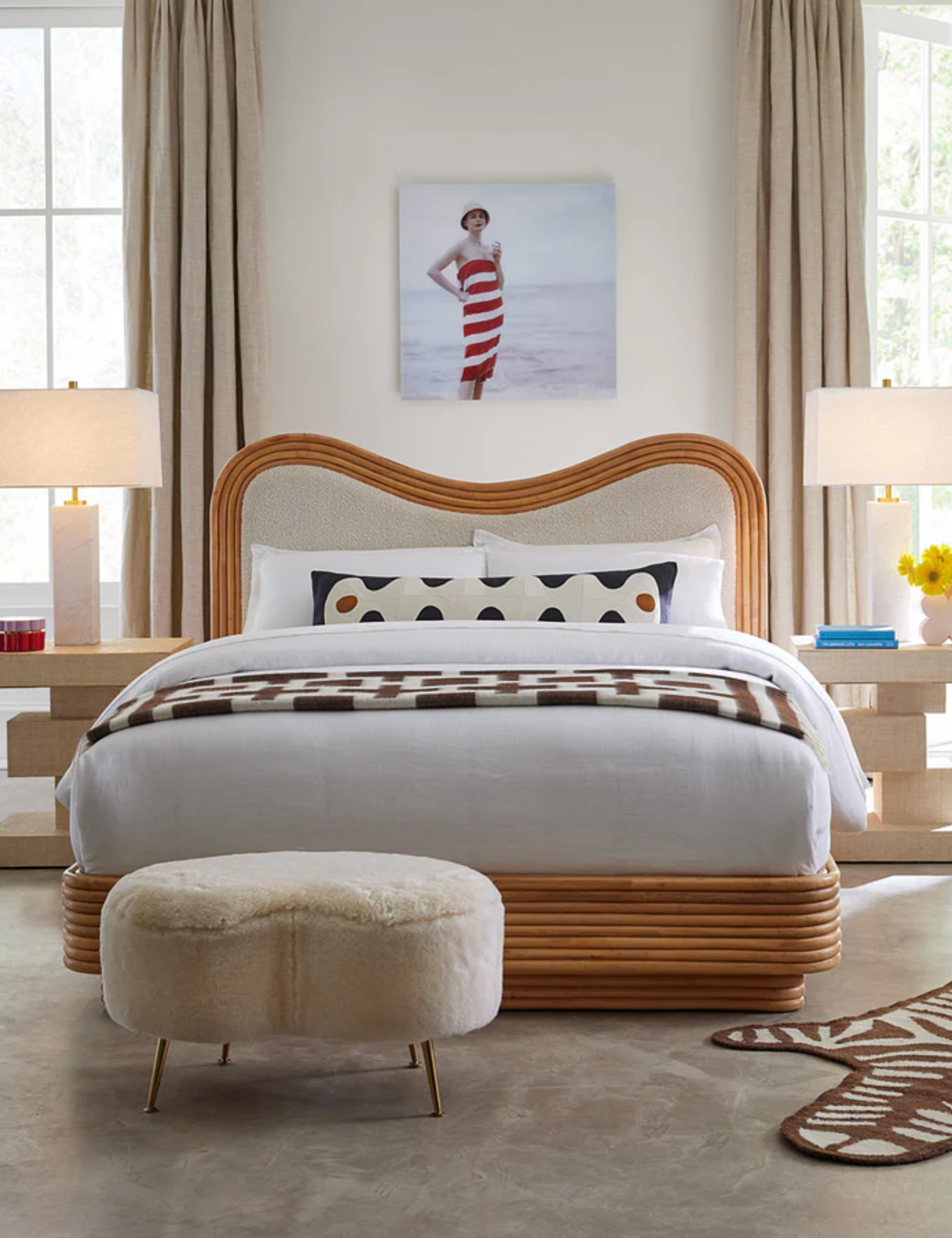
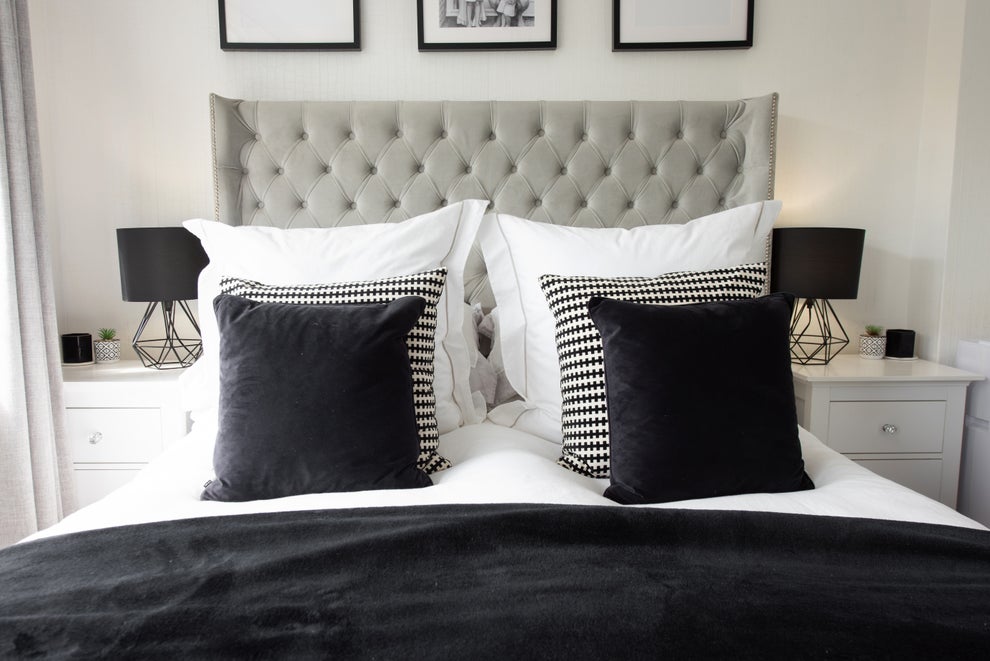
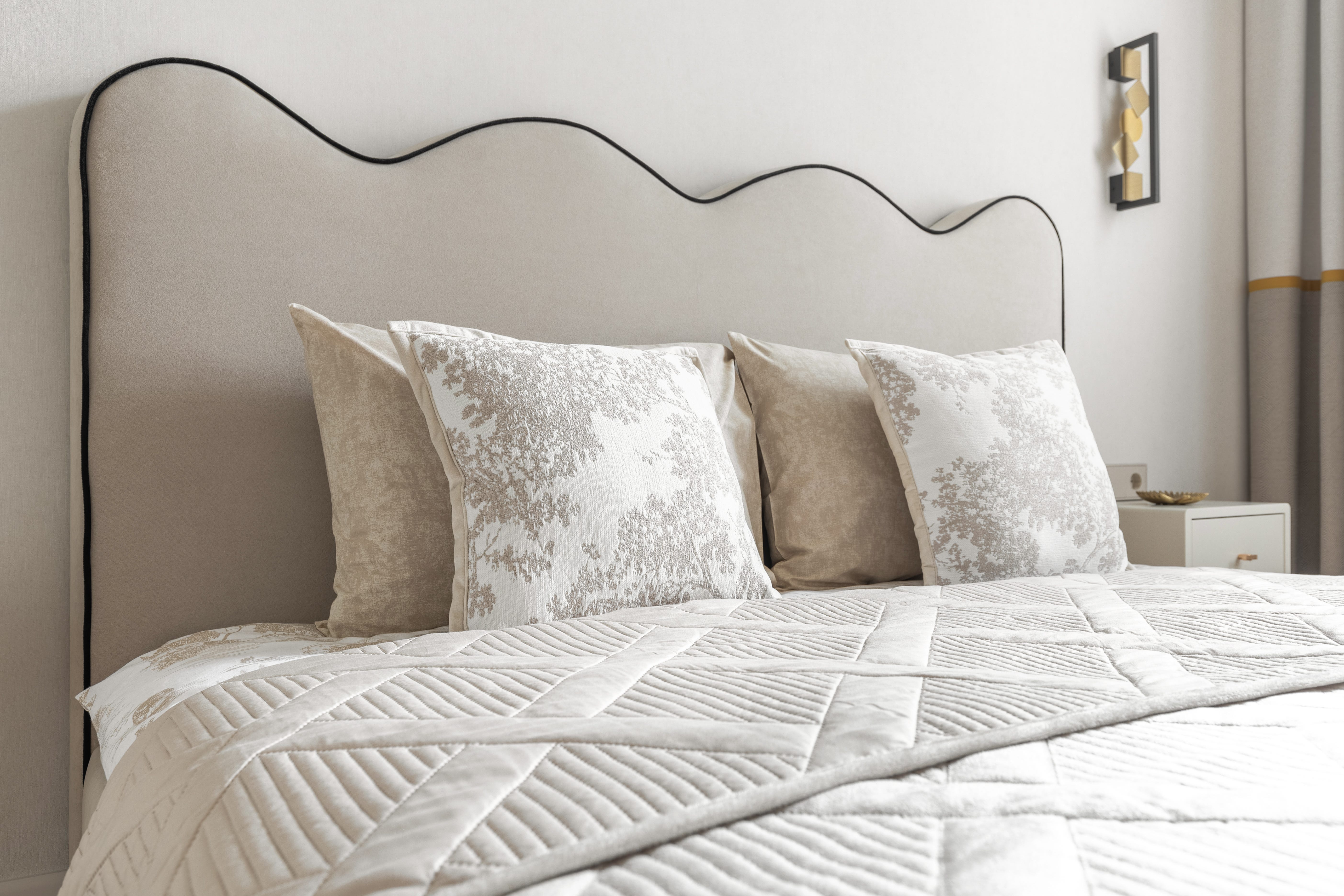
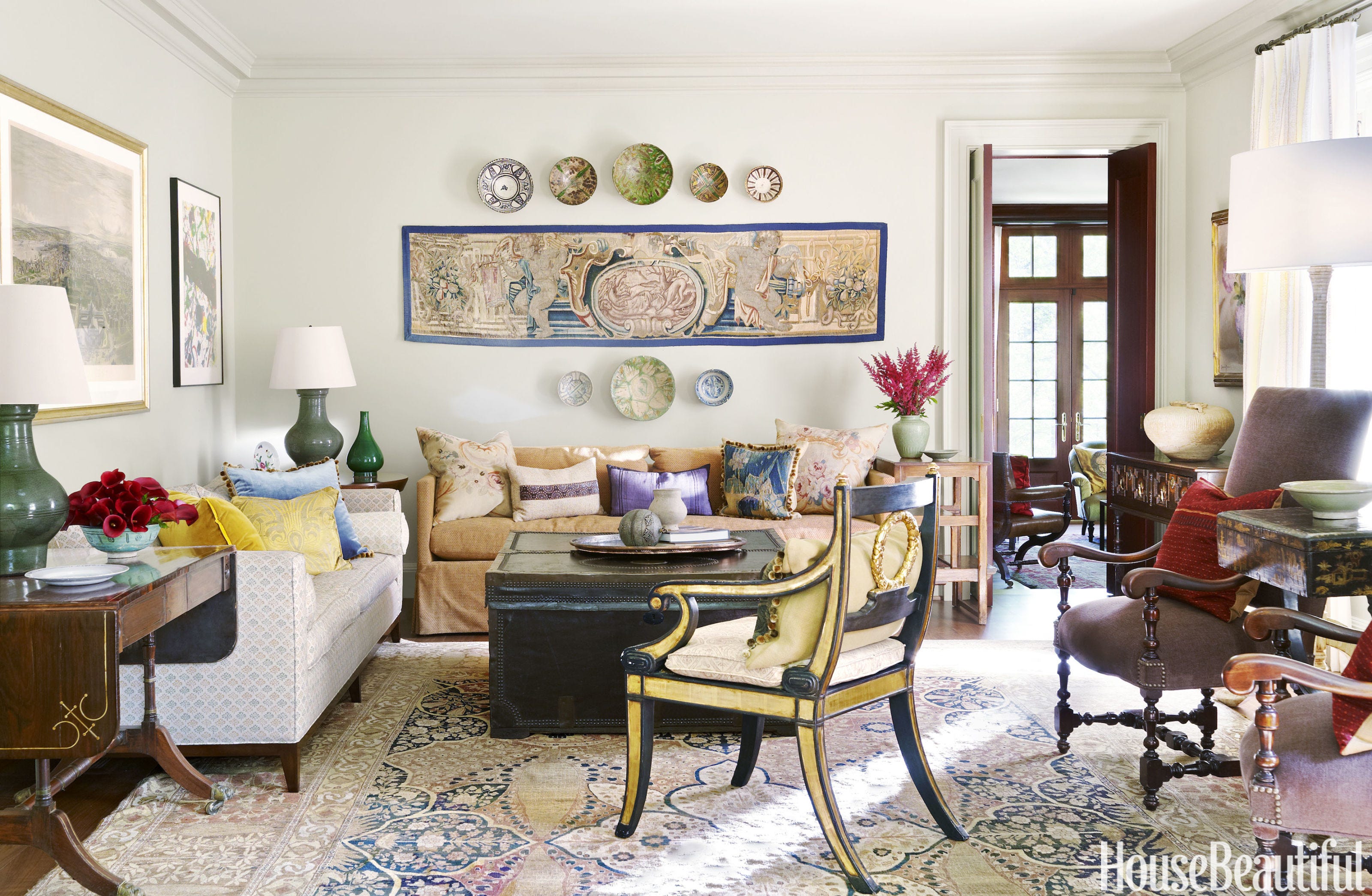
Traditionally, seasonal decor changes involve textiles. Du Pont, for example, reportedly changed his drapes to complement the outdoor views. The article mentions the Port Royal Parlor, which had white cotton curtains with a purple print in summer, 18th-century yellow damask in fall, green-and-gold floral silk in January, and Regency yellow silk damask in spring. While full curtain and slipcover changes can be costly for most, the article suggests more accessible alternatives like inexpensive covers for dining chairs or using throw pillows and area rugs, as Chapin does, often sourcing them from stores like Kohl's. For fall, tapestry or needlepoint pillows are recommended, used sparingly. Cottons and stripes are suitable for summer, while mohair, wool, or cashmere throws add luxury and warmth for cooler nights. The concept extends to bathrooms, with seasonal towel changes, and bedrooms, where summer matelassé can be replaced with darker colors and silks for fall, along with storing and unfurling seasonal rugs. The goal is to make every room feel magical and inviting through these seasonal adjustments.
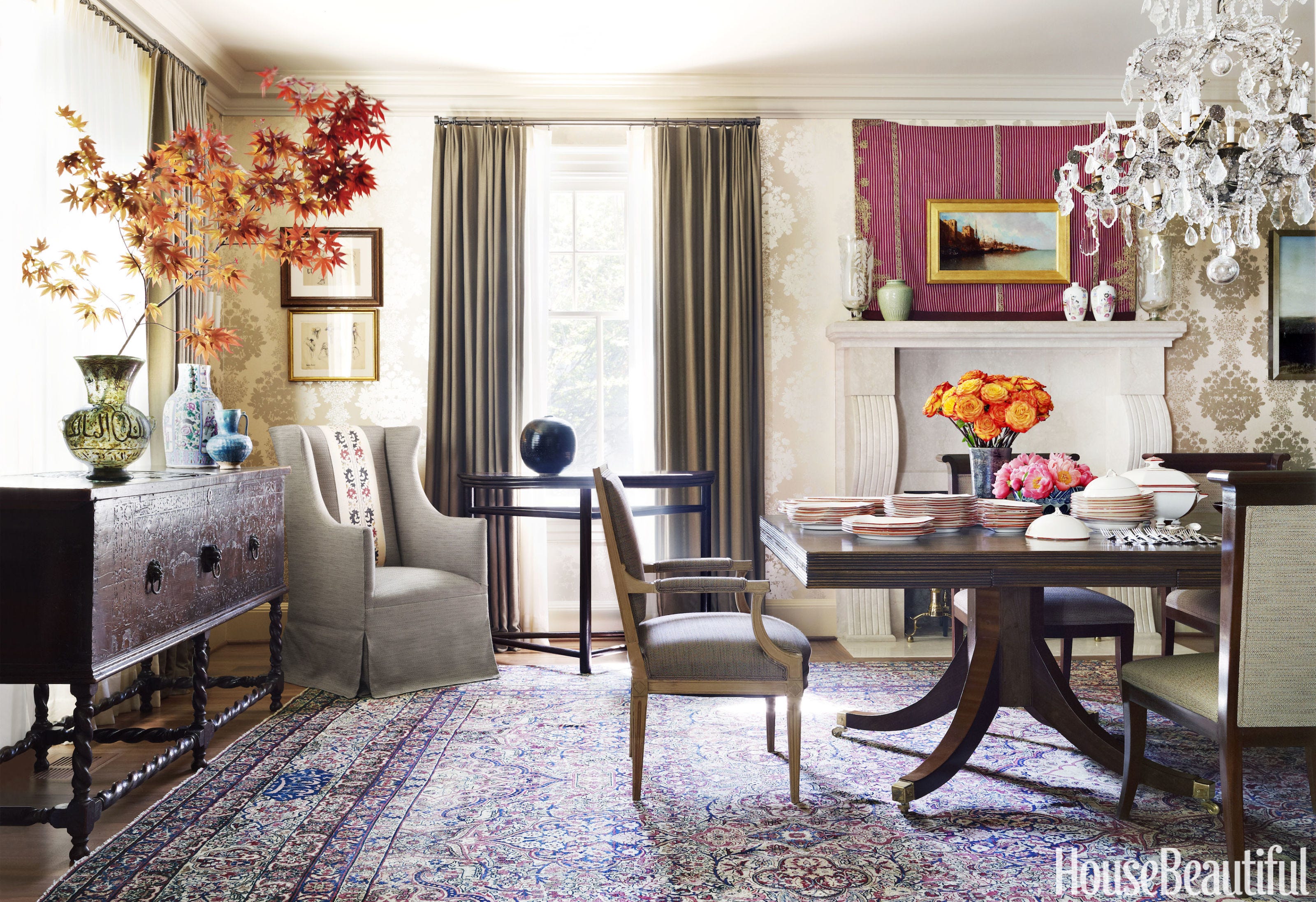
Specific fall fashion tips for home decor are provided, including incorporating burnished oranges, rich reds, golds, and browns, or deeper hues of existing color schemes. Emphasis is placed on texture, favoring warm fabrics like brushed velvet, cashmere, and wool over summer cottons. Suggestions include exchanging a bowl of seashells for fruit, nuts, or pine cones, using more opulent placemats and napkins, and switching to thicker, heavier candles. Even kitchens can embrace the season with themed area rugs, mitts, and dish towels, allowing for a touch of whimsy with items like smiling pumpkins. Finally, changing door wreaths from summer grapevines to pine cones or autumn leaves for winter is recommended.
#HomeDecor #SeasonalDecor #InteriorDesign #TextileDecor #HomeAccessories #DelawareHomes #WinterthurMuseum #FashionForwardHome #FallDecor #HomeDecor #SeasonalDecor #InteriorDesign #TextileDecor #HomeAccessories #DelawareHomes #WinterthurMuseum #FashionForwardHome #FallDecor
0 comment in total
 No comments yet
You may also like
5 designer-owned home decor stores to have on your radar
Should you follow interior design trends? Do they create a stylish home or one that will date fast?
Spotlight on Flexible Homes: Adaptable Living Spaces


10 outdated home features that used to signal wealth but not anymore

Home Design: High Fashion, High Design

2024 Needs to Be the Year You Finally Commit to Wallpaper

Fringe-Forward Interior Design Brings a Fun, Retro Touch to Maximalist Homes

The Home Trends Designers Want You to Ditch in the New Year


"I Grit My Teeth When I See It": People In Their 60s, 70s, And 80s Are Sharing The Modern Home Trends They Simply Cannot Stand

Home Trends
What Is Modern Cottage Style?

Naturals, neutrals, vibrant artworks and vintage classics make a strong statement in this modernist home
Opinion: Home Is the New Fashion

12 Home Trends That Will Be Everywhere Soon

“It Instantly Becomes Tacky": 22 Home Design Trends That Are Mega-Popular For Reasons Many People Will Never Understand
Inside a Family Home With Global Style

Home Design: Timeless Meets Modern
10 Horrifying Home Design Trends: 2022 Edition
30 of the worst modern home trends that WILL go out of fashion | loveproperty.com

11 Home Design Trends That Are In or Out for 2025