1/2
11 Home Design Trends That Are In or Out for 2025
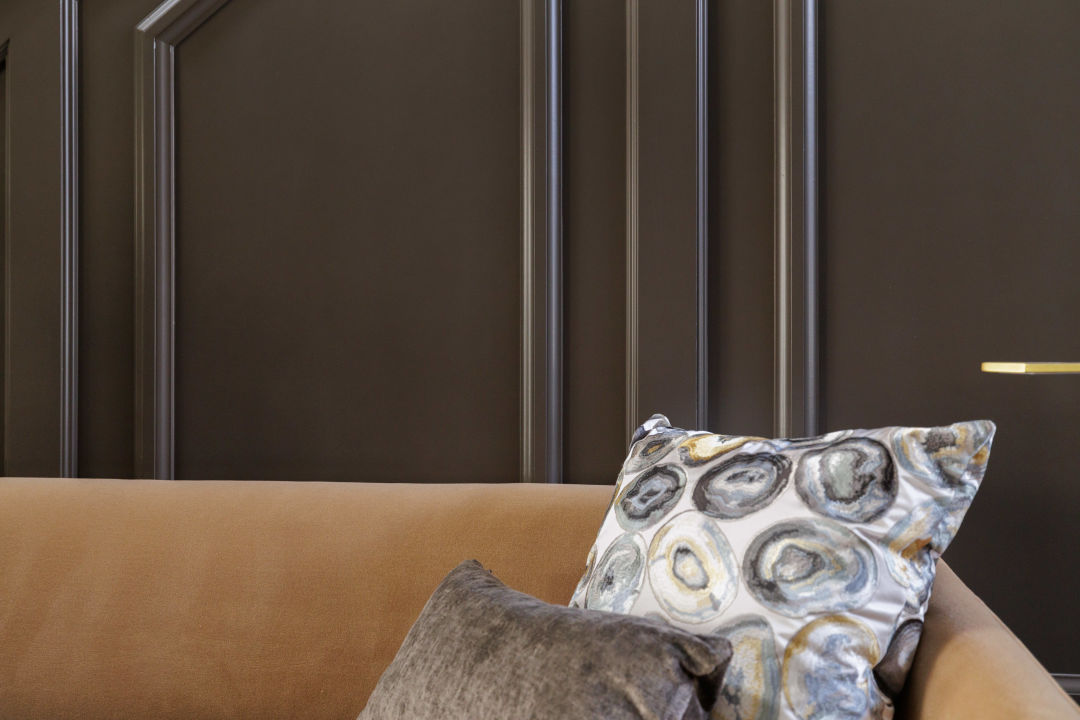
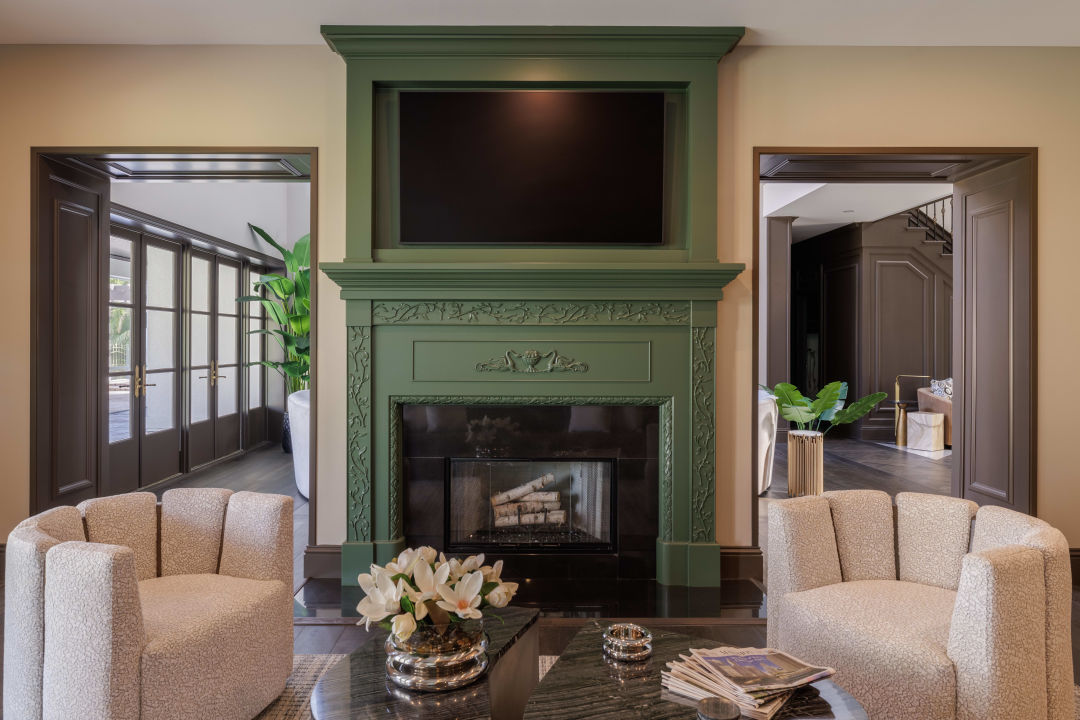
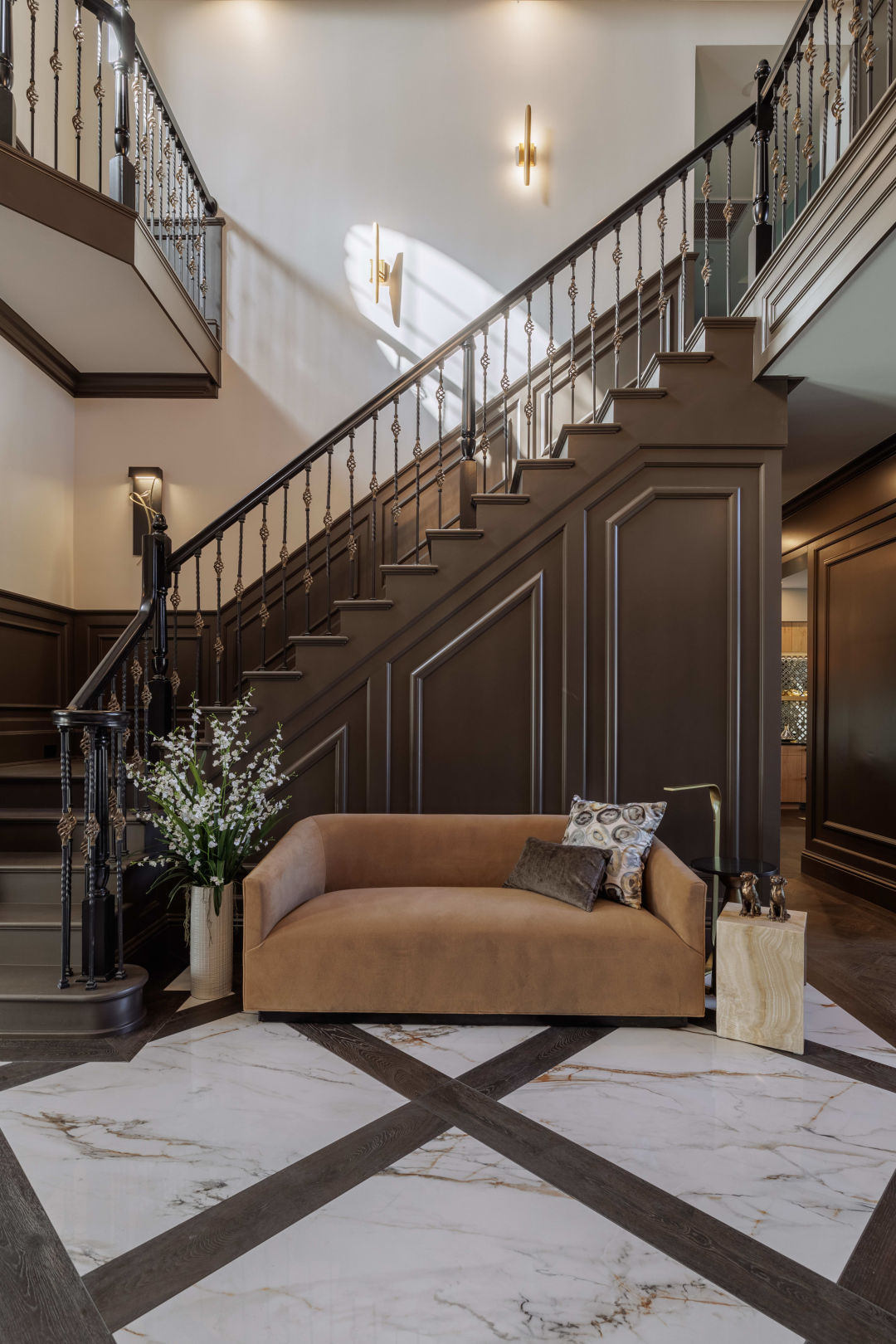
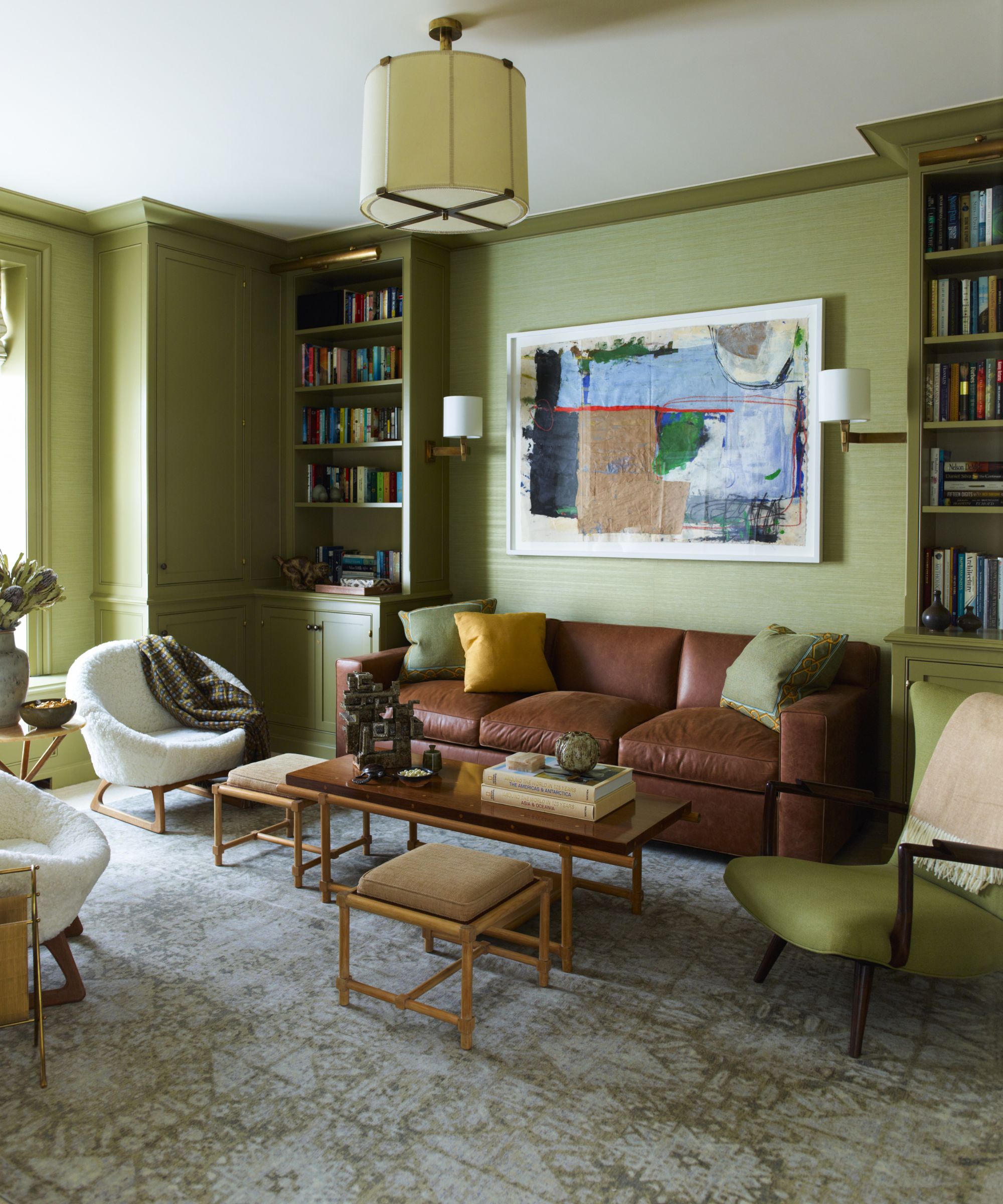
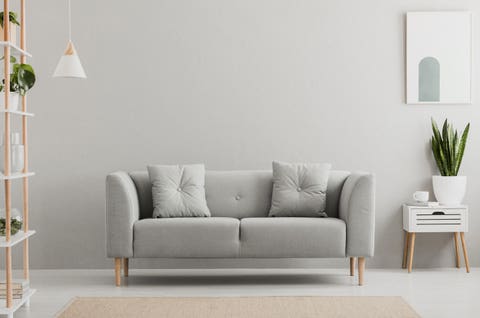
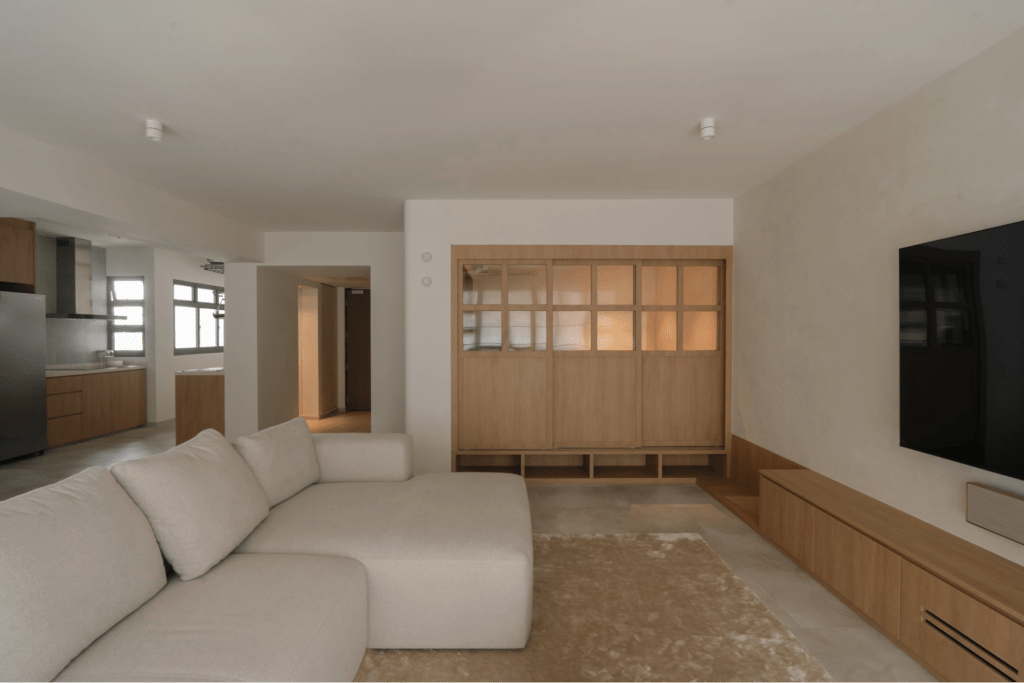
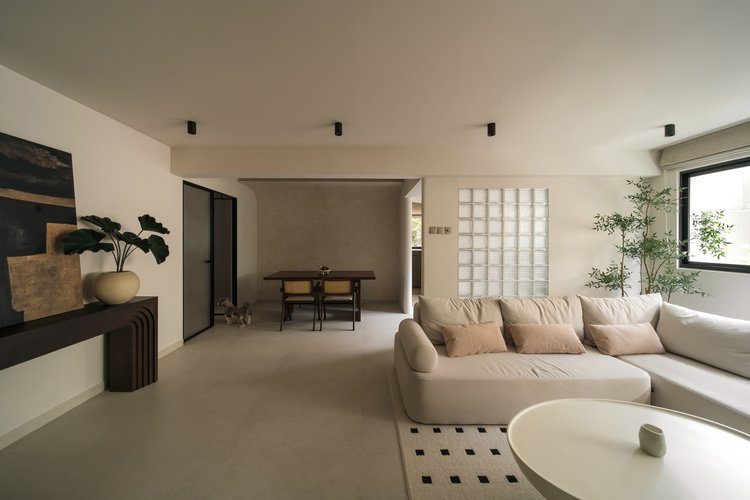
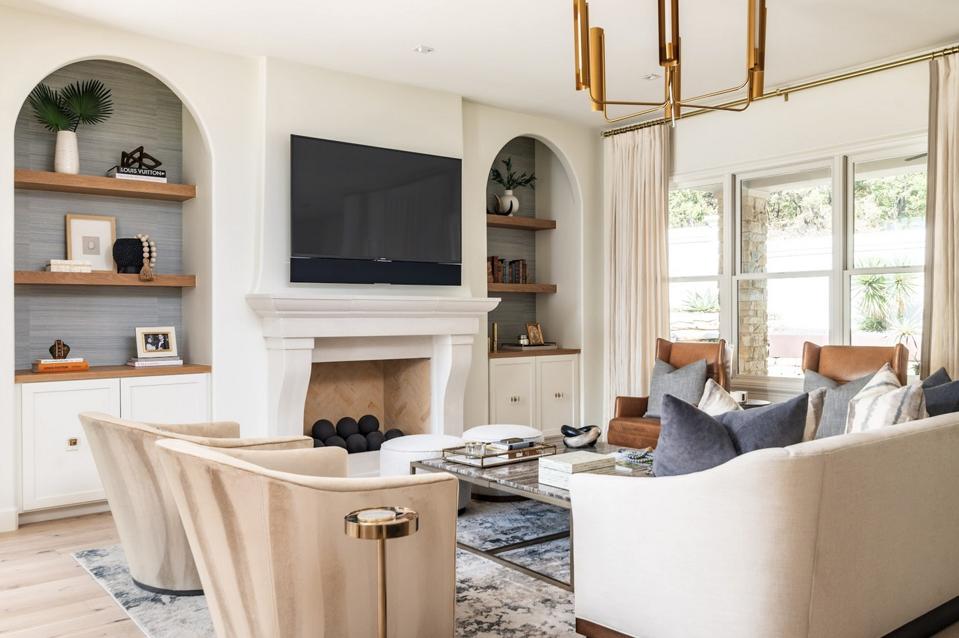
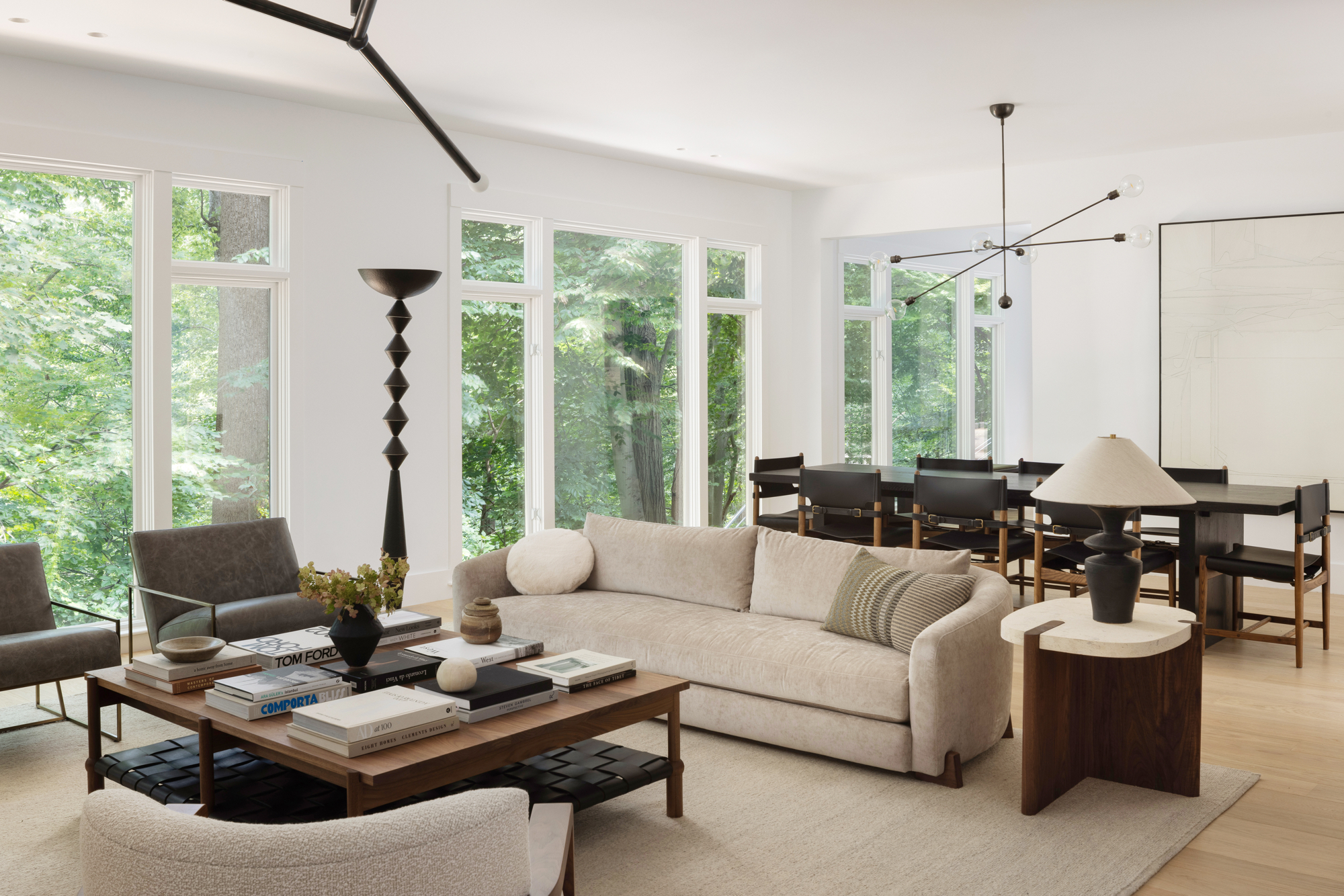
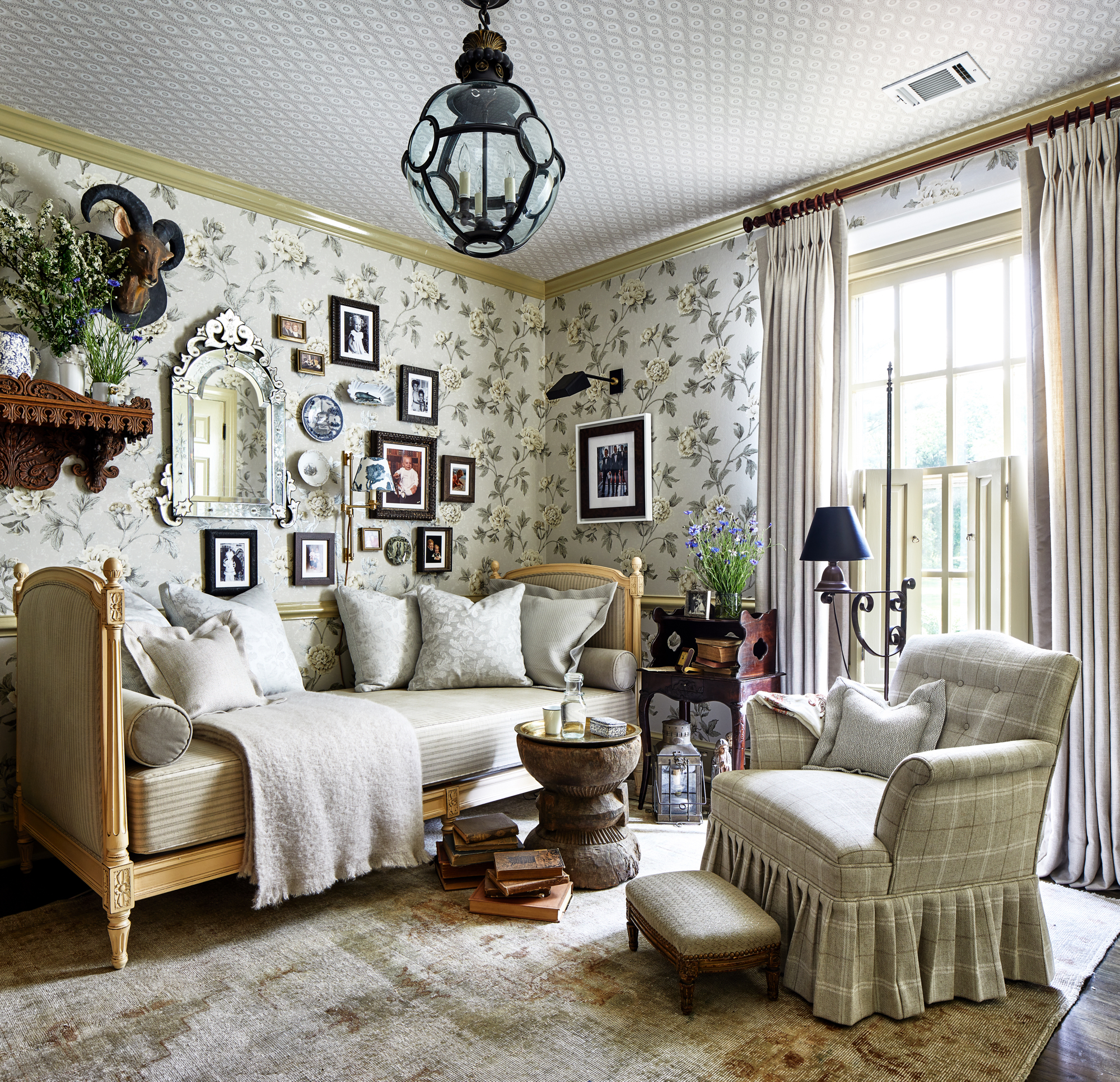
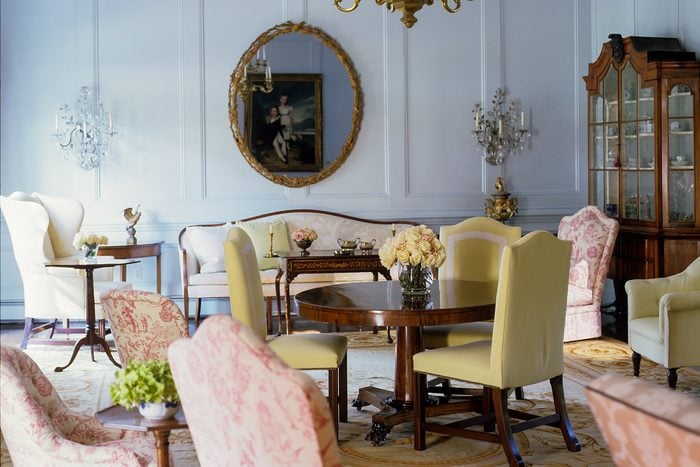
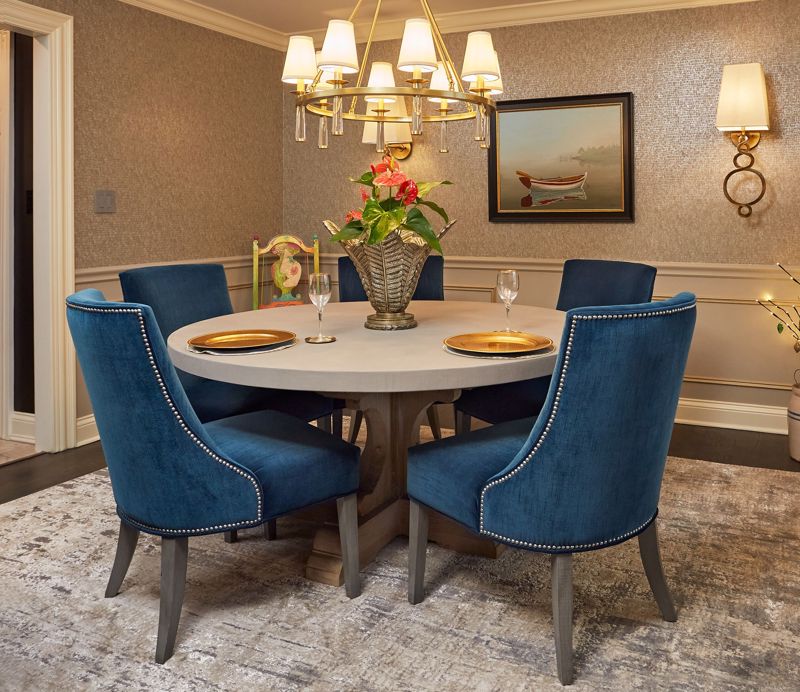
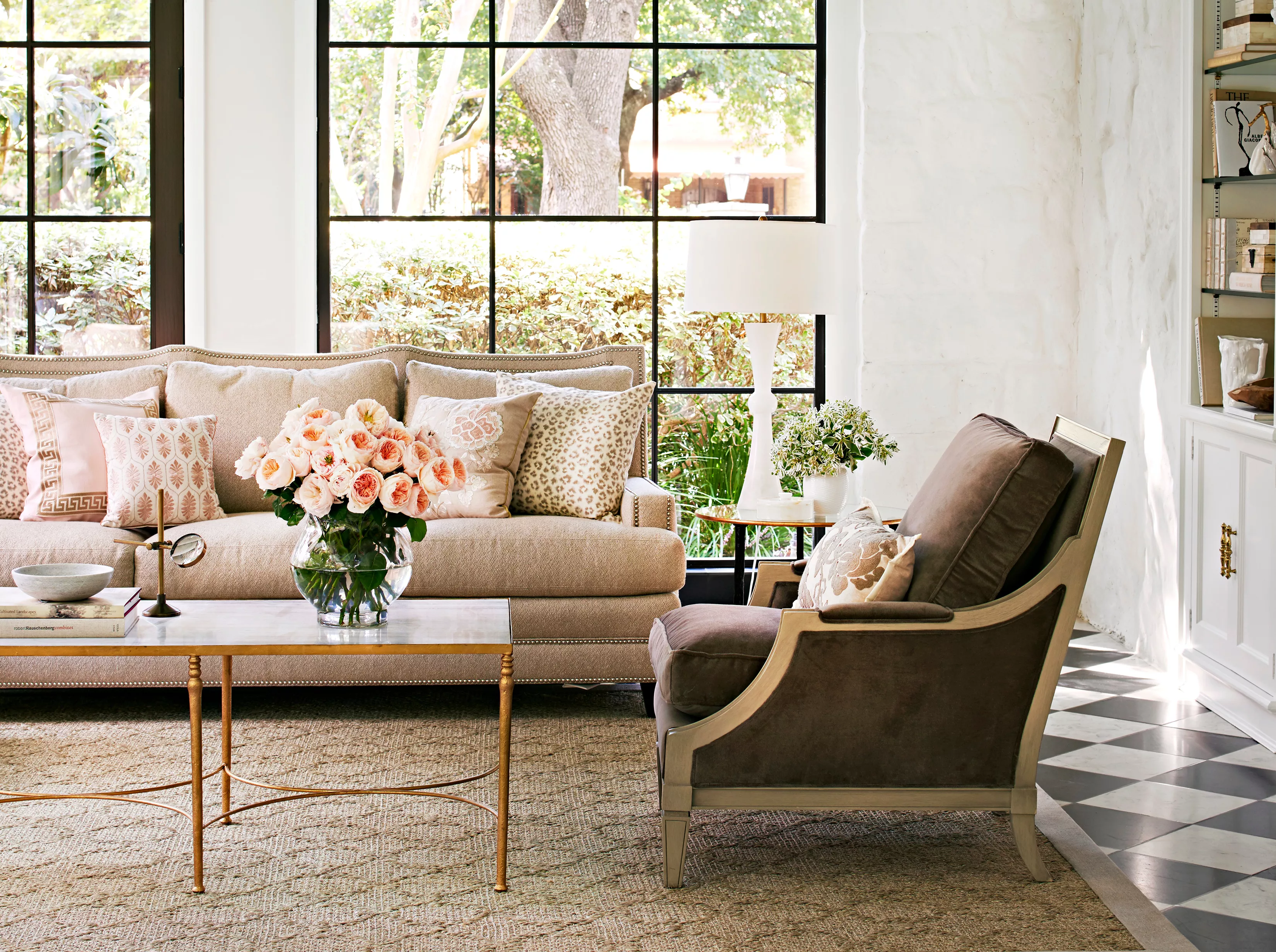
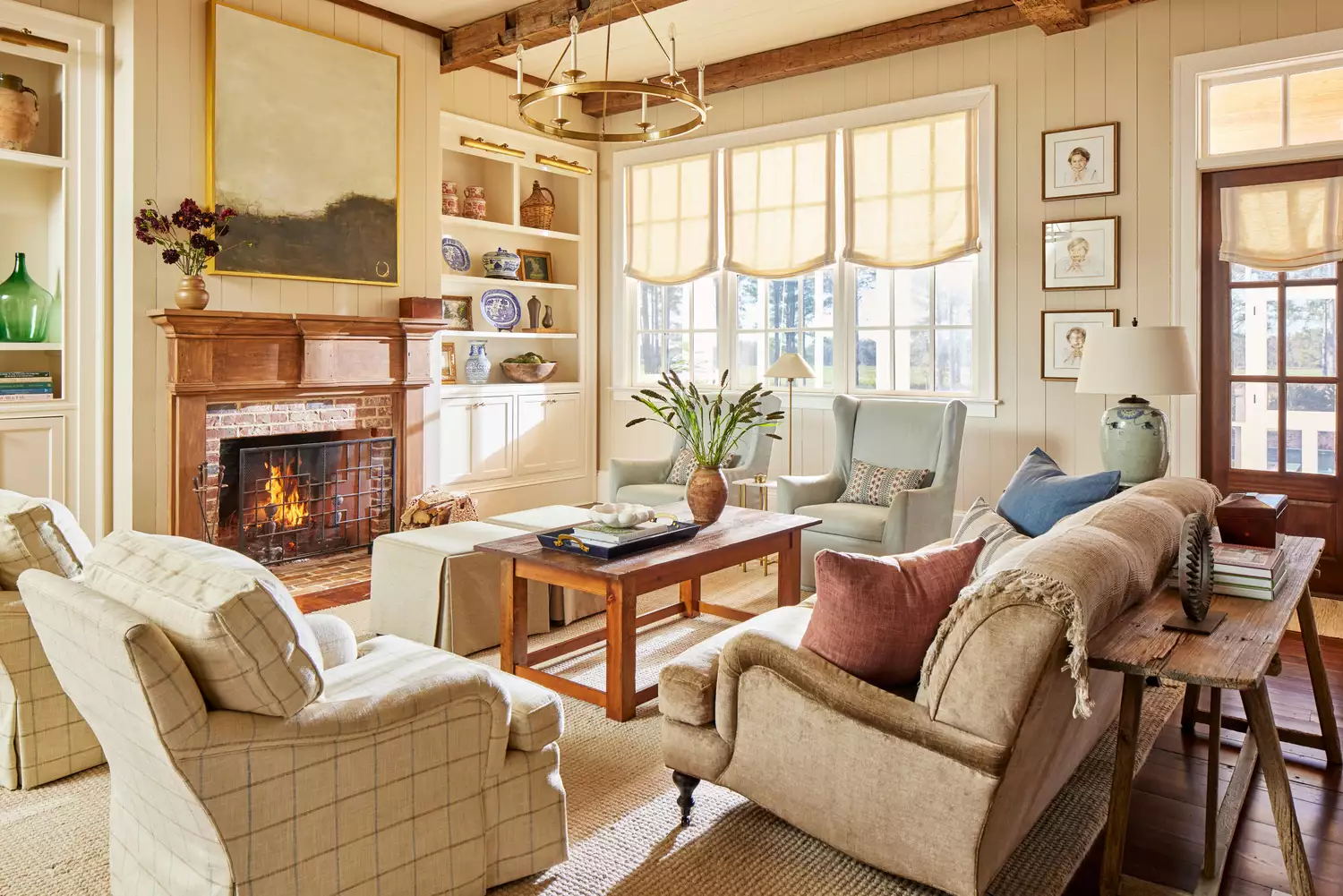
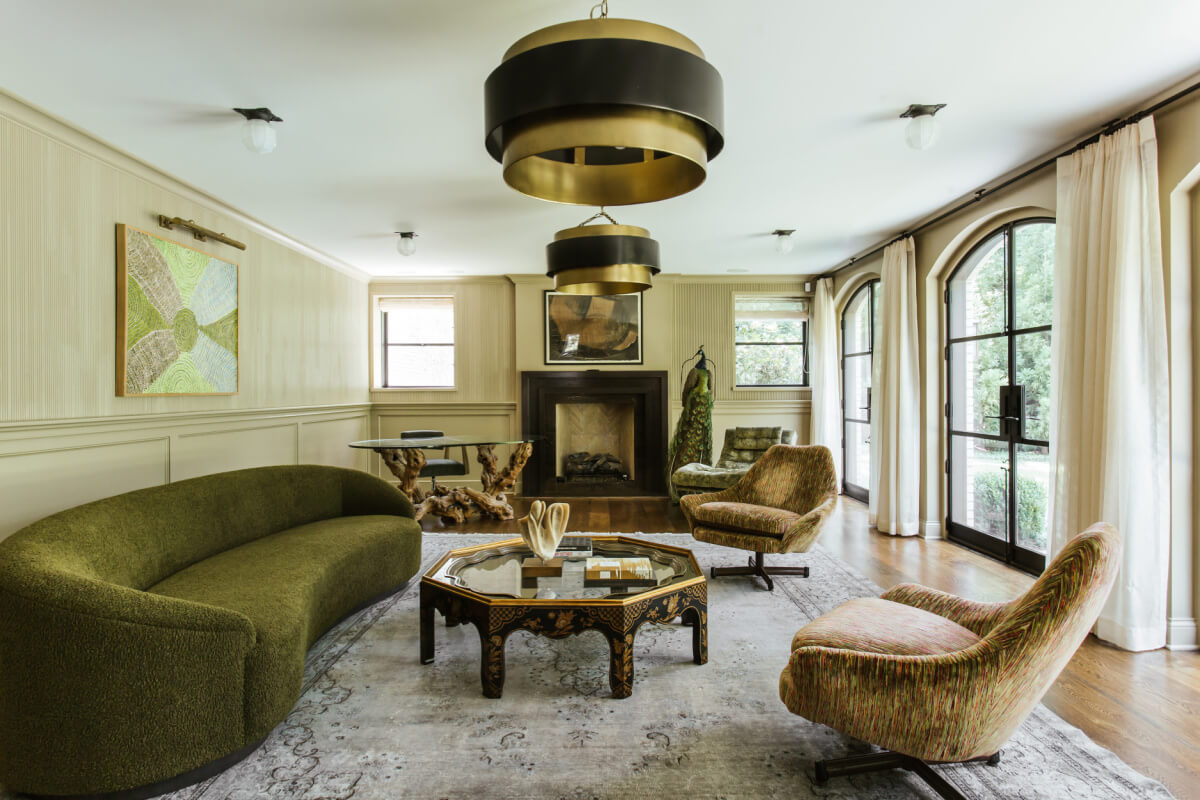
Home design trends for 2025 are shifting significantly, moving away from cold, impersonal interiors and fast furniture towards warmer, more sustainable, and character-filled spaces. Designers emphasize a return to a traditional aesthetic, blending historical elements with innovative applications. This trend encourages the use of repurposed, vintage, and found pieces, promoting eco-consciousness and personalization, rather than stark minimalism which is deemed outdated. Simplicity is still valued, but with added warmth, texture, and personality to create inviting environments beyond mere functionality.
Craftsmanship and sustainability are becoming paramount in furniture choices, leading to the decline of "fast furniture." Consumers are now prioritizing durable, high-quality, and unique pieces made from sustainable and natural materials, viewing them as long-term investments. This reflects a broader desire for enduring environments and a move away from transient, viral trends. Interior designers advocate for heirloom-quality items designed to last, reflecting a conscious consumerism in the interiors space.
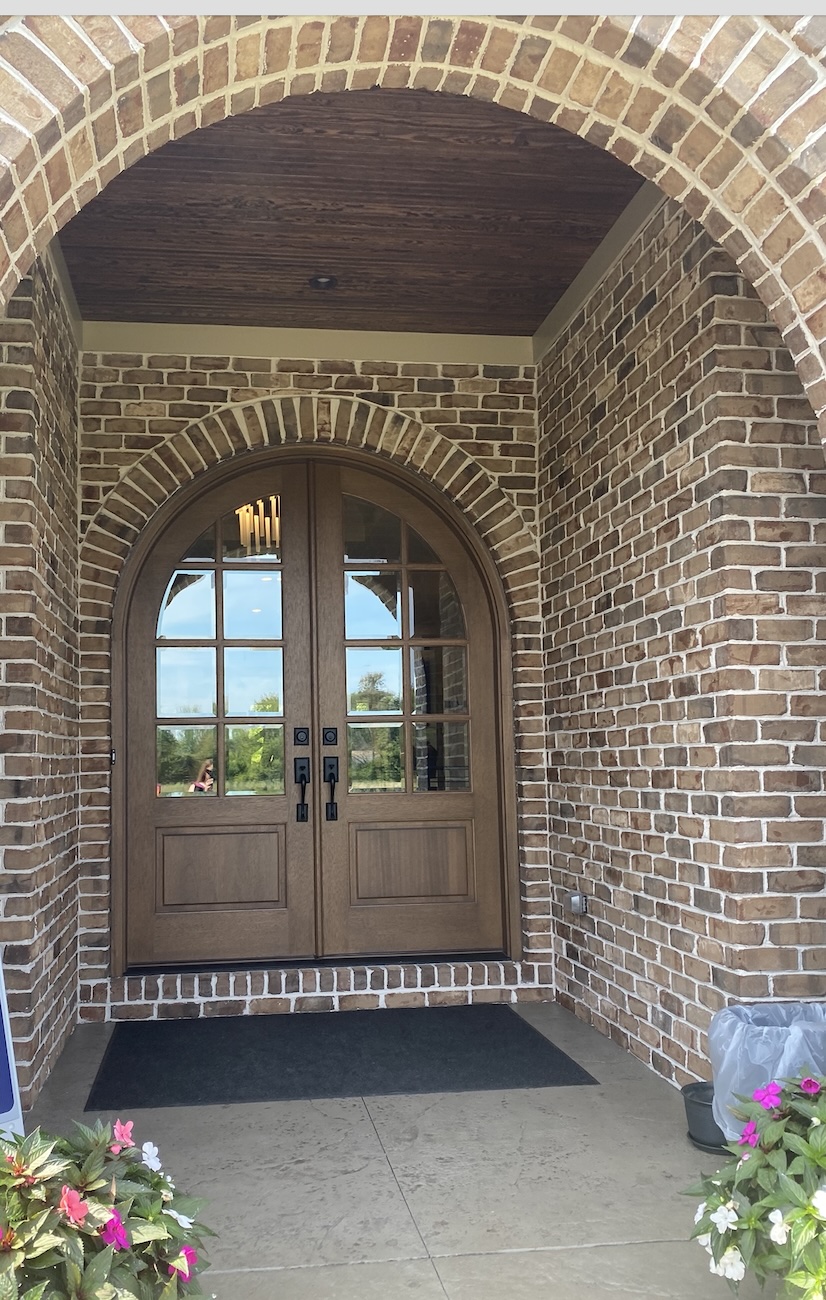
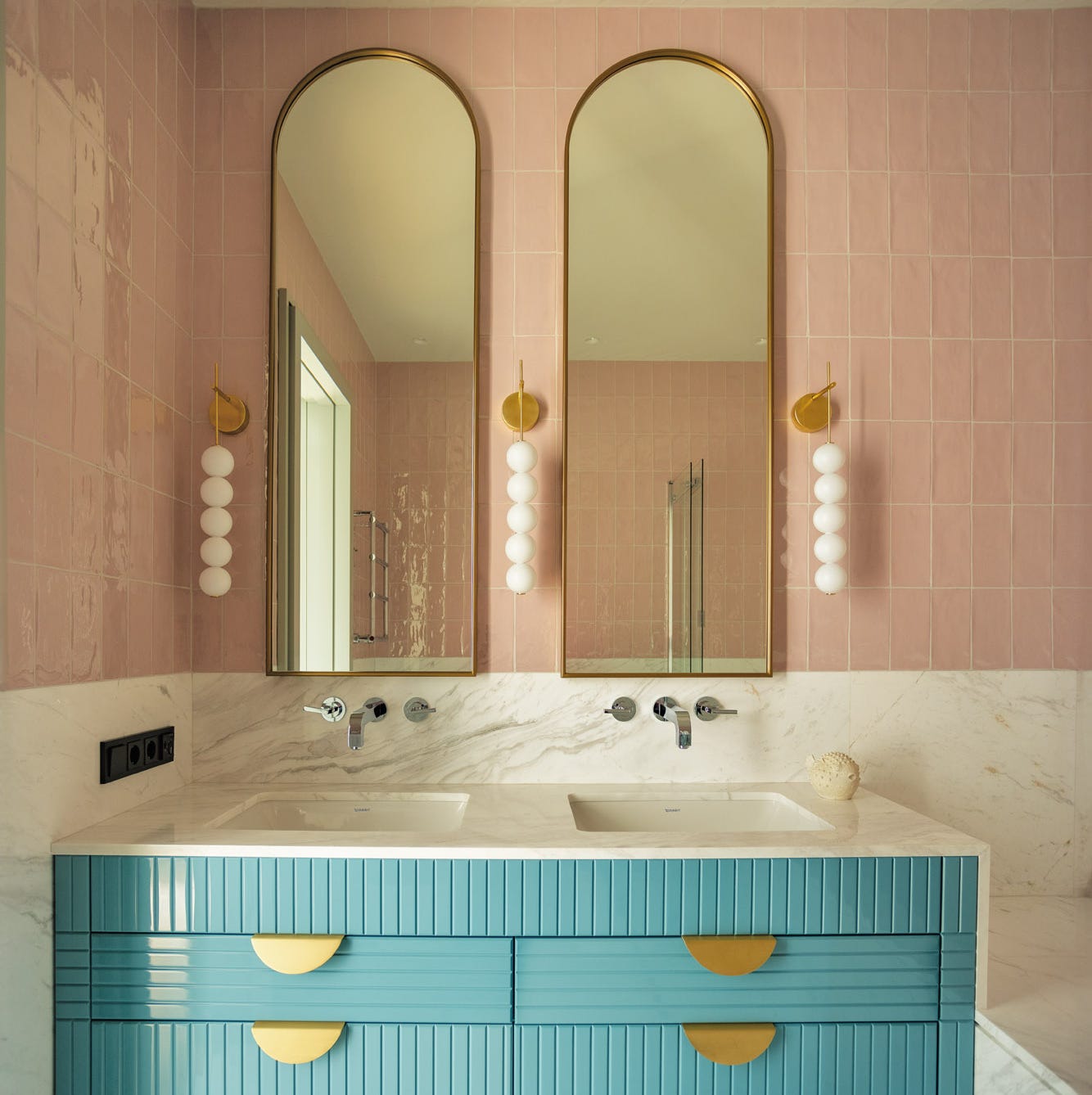
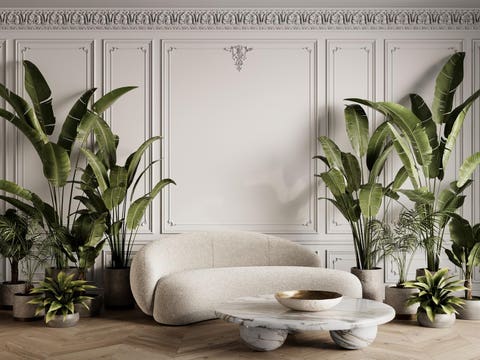
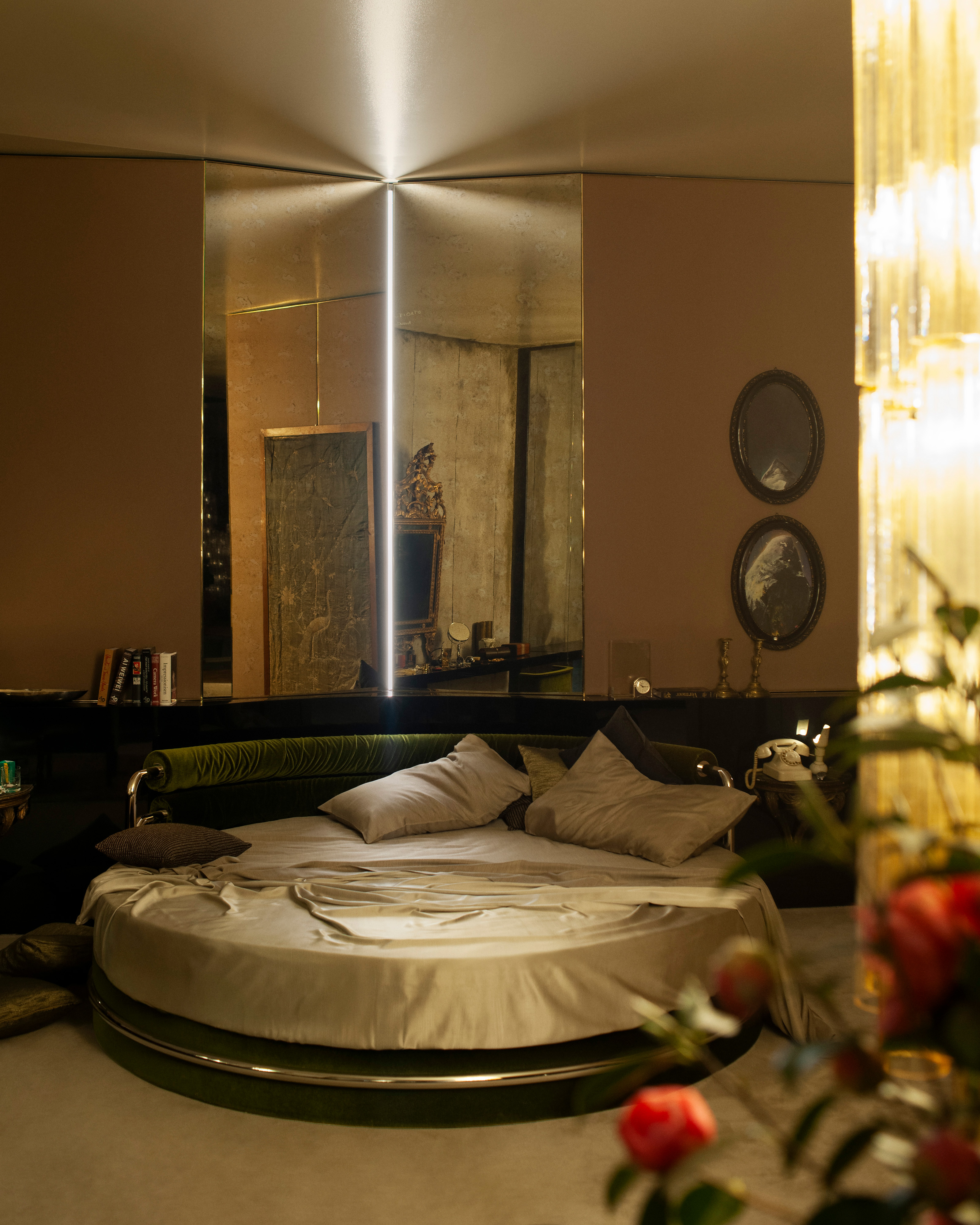
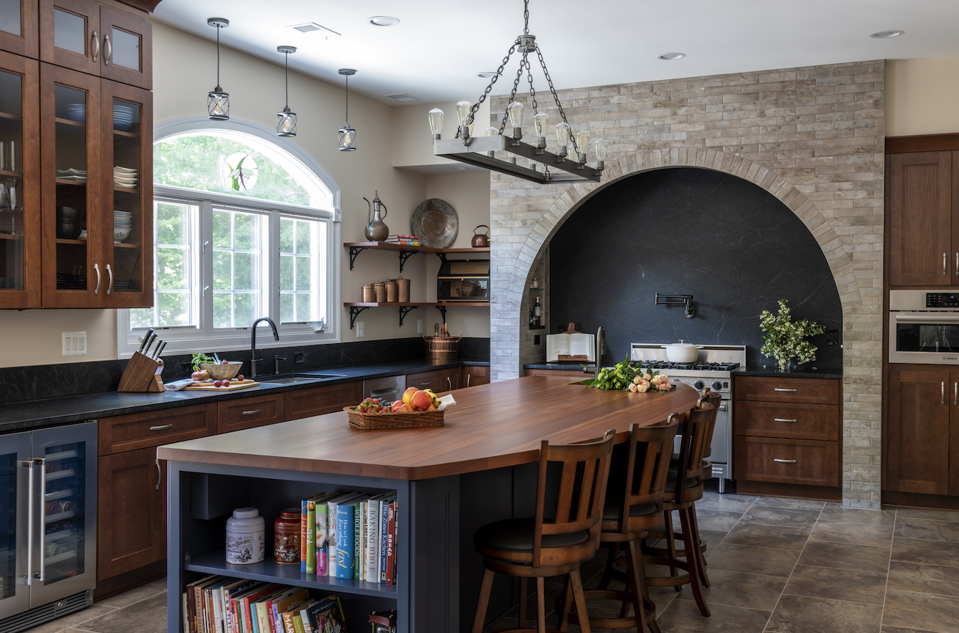
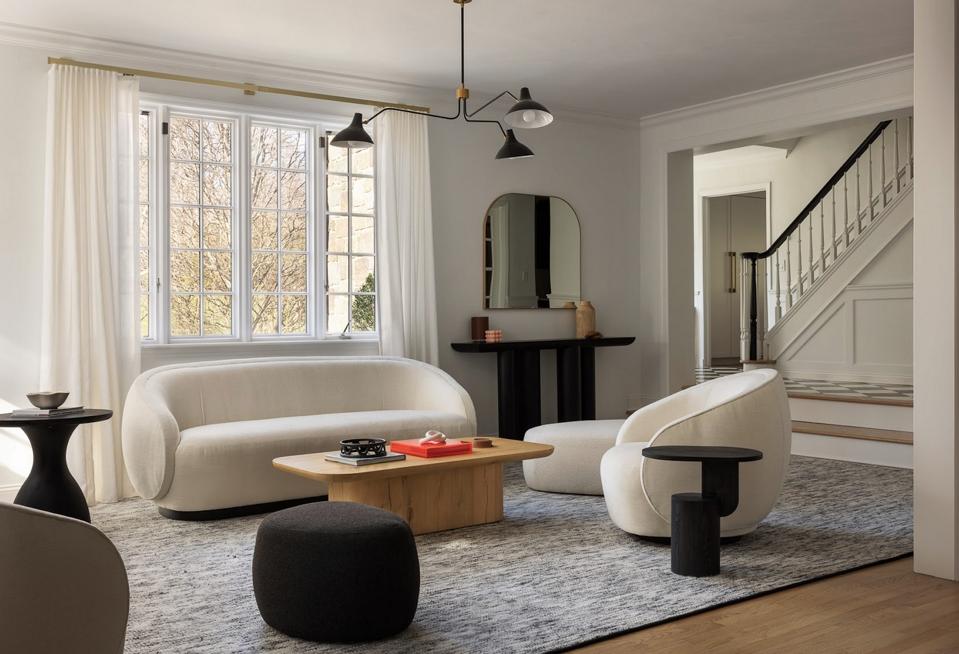
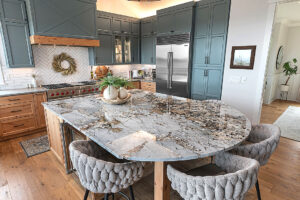
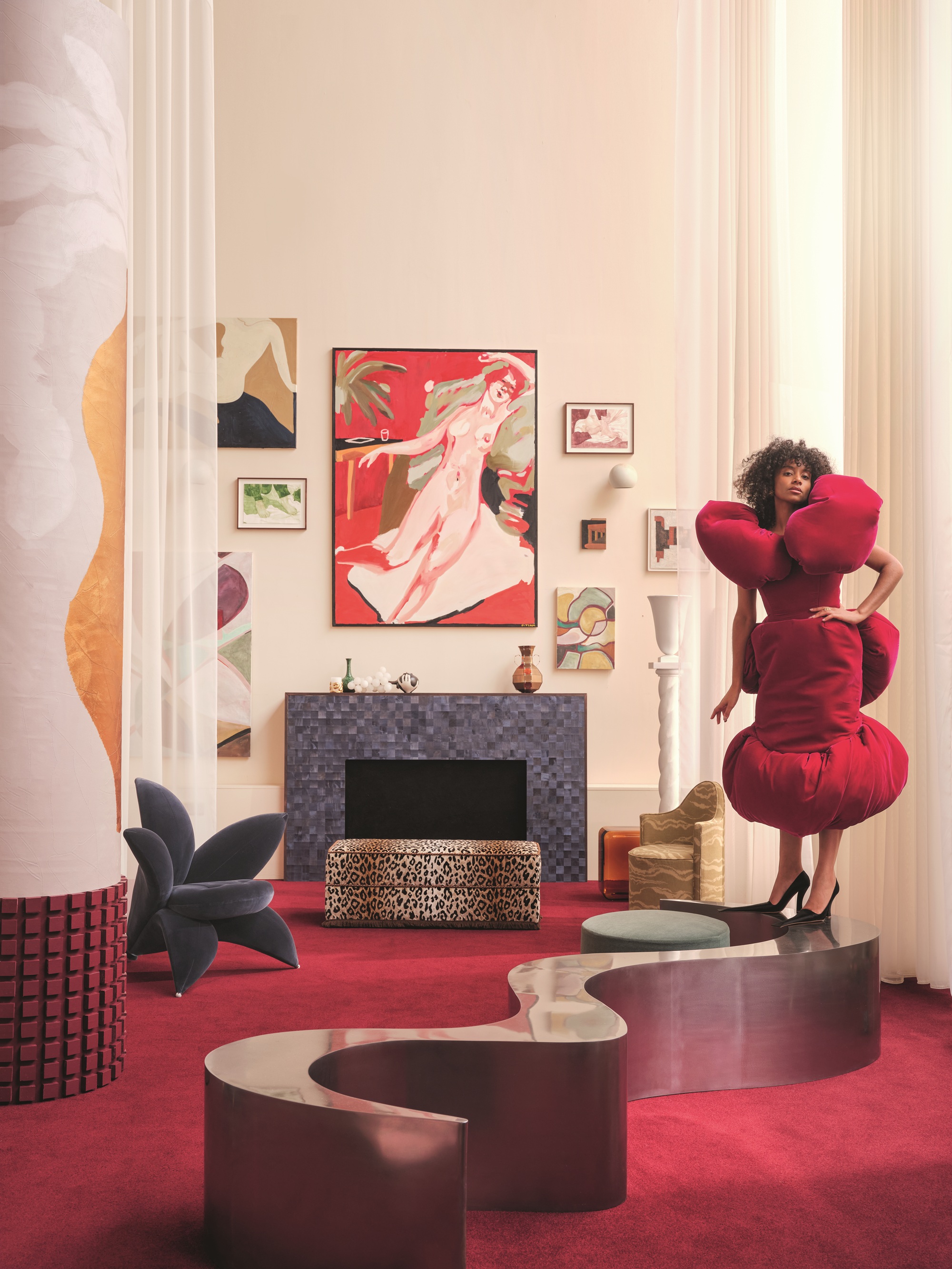
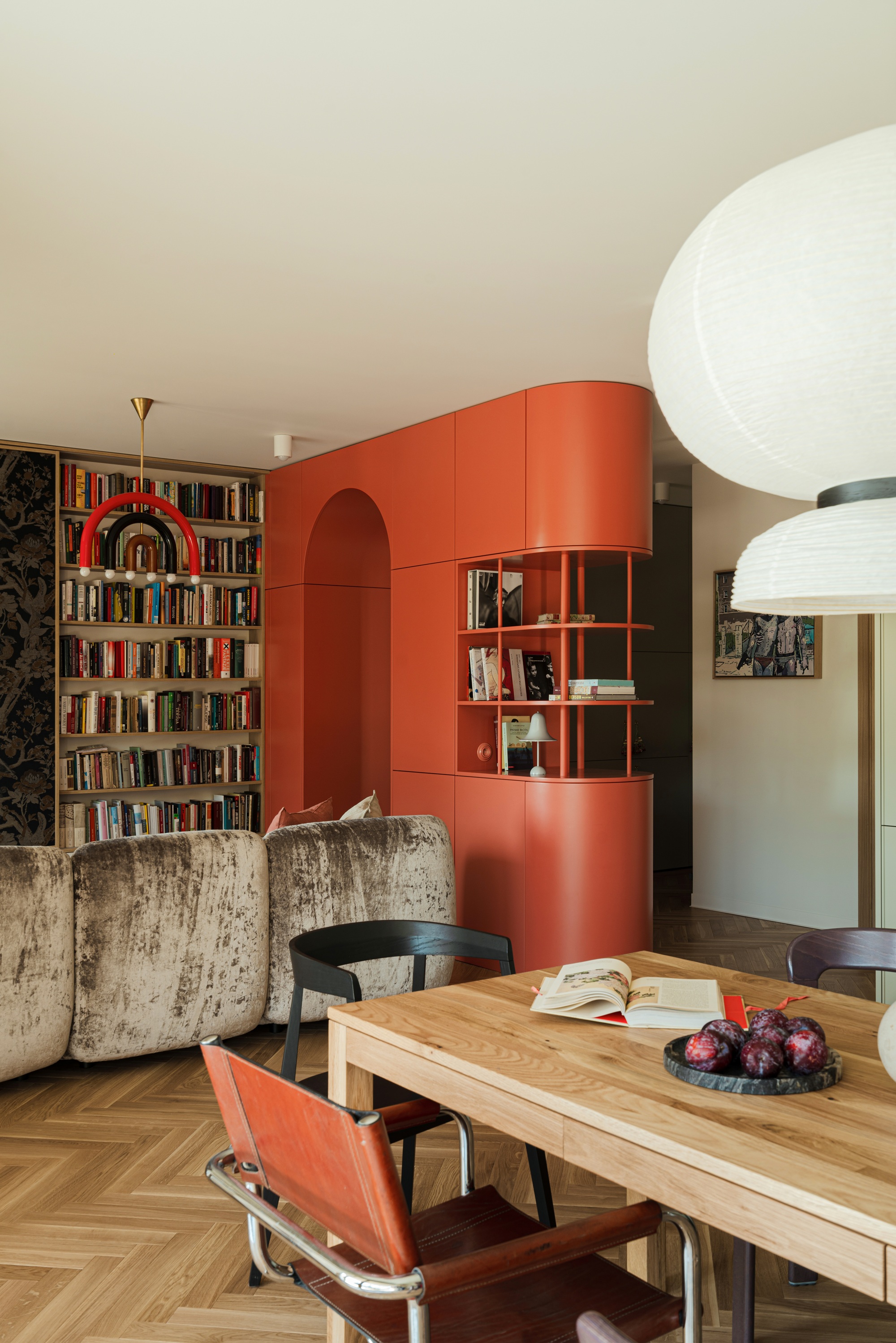
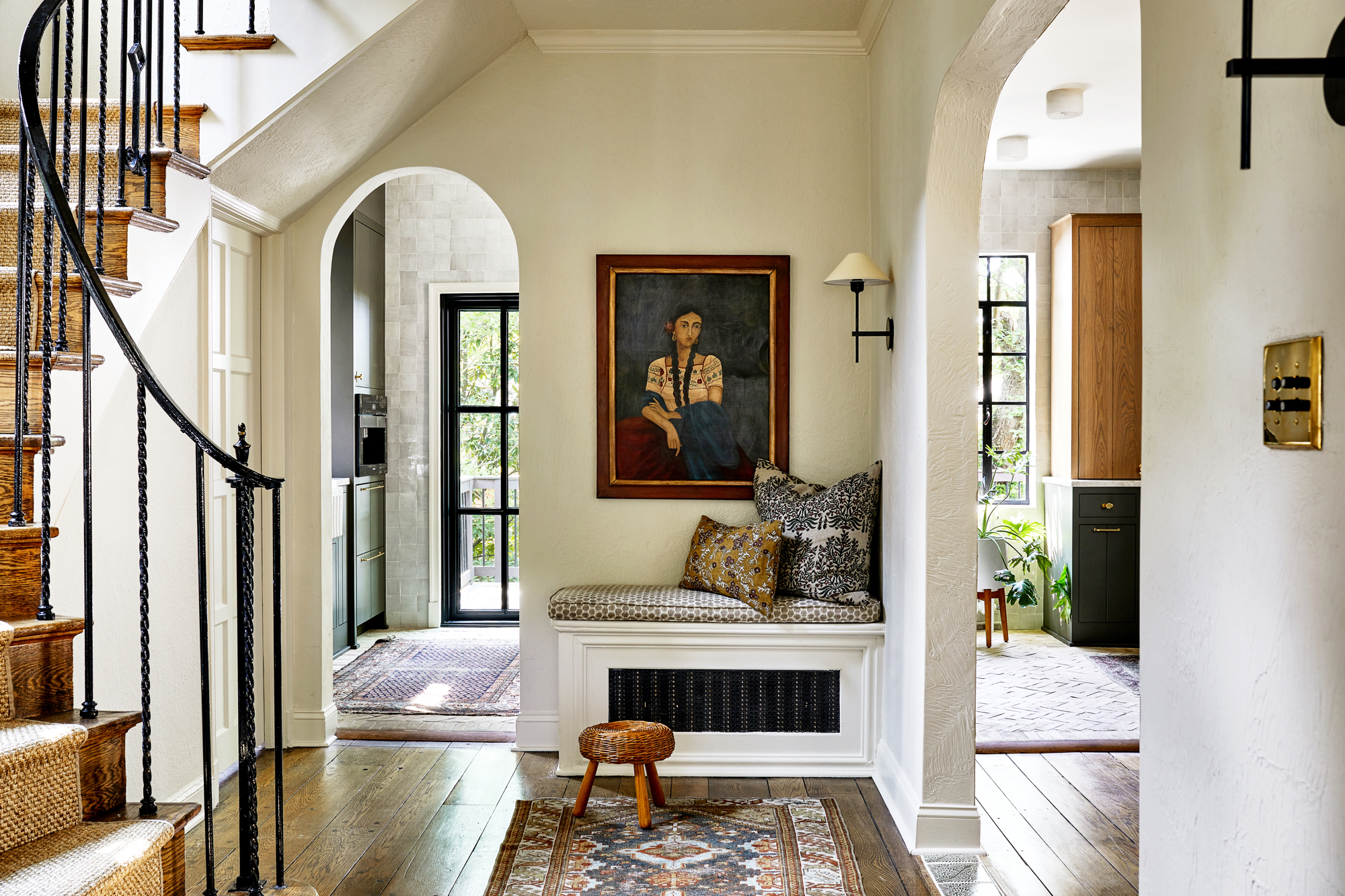
Curved forms are gaining popularity, replacing sharp edges in architecture and cabinetry. This design shift introduces softer, more organic lines throughout the home, creating inviting and warm feelings. Kitchen design, in particular, is expected to feature more rounded forms, experimenting with shapes and proportions in a modern context. Appliances are also evolving from purely utilitarian objects to show-stopping statement pieces that enhance overall kitchen design, with top-of-the-line models and retro-inspired aesthetics becoming focal points.
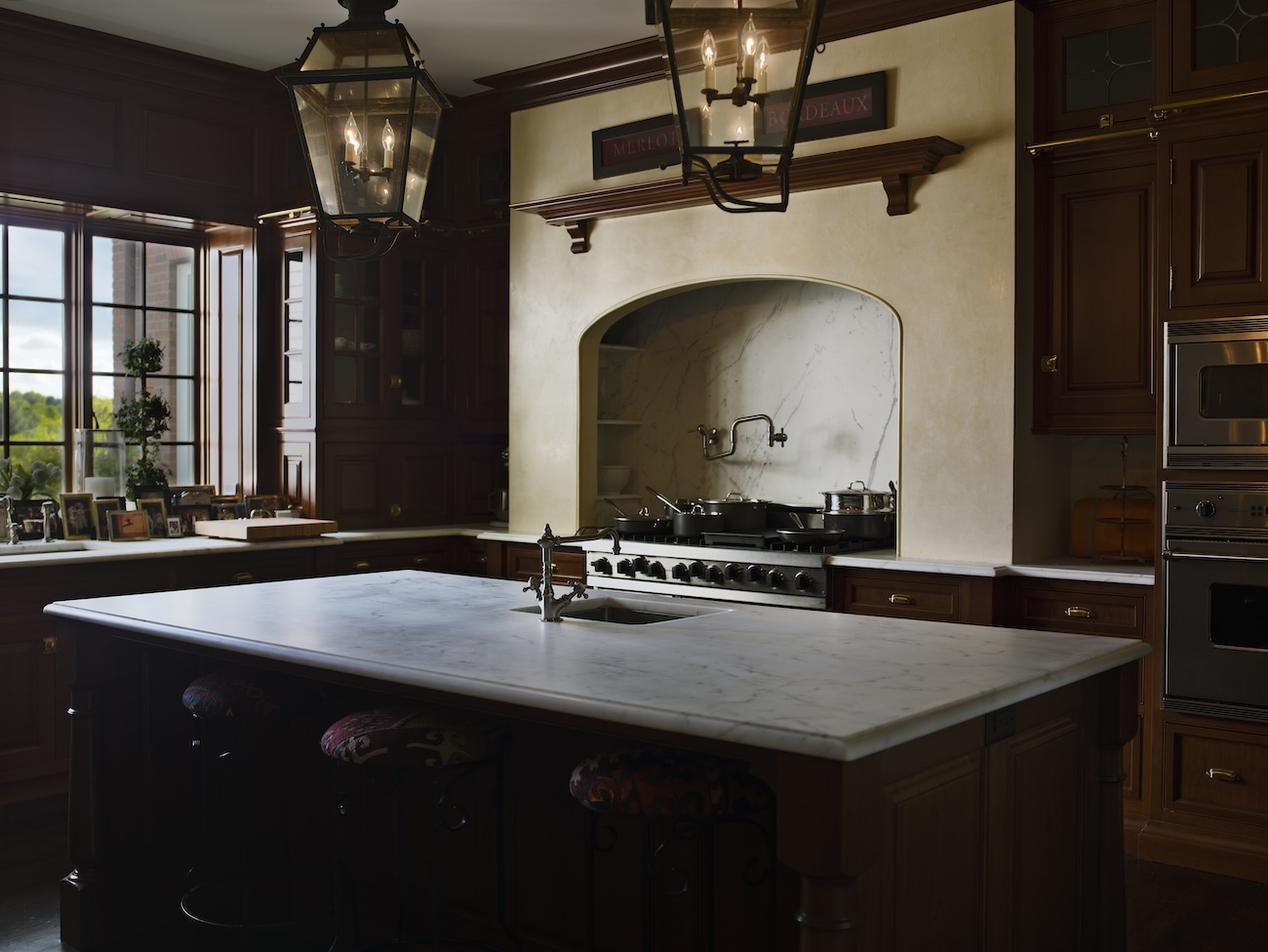
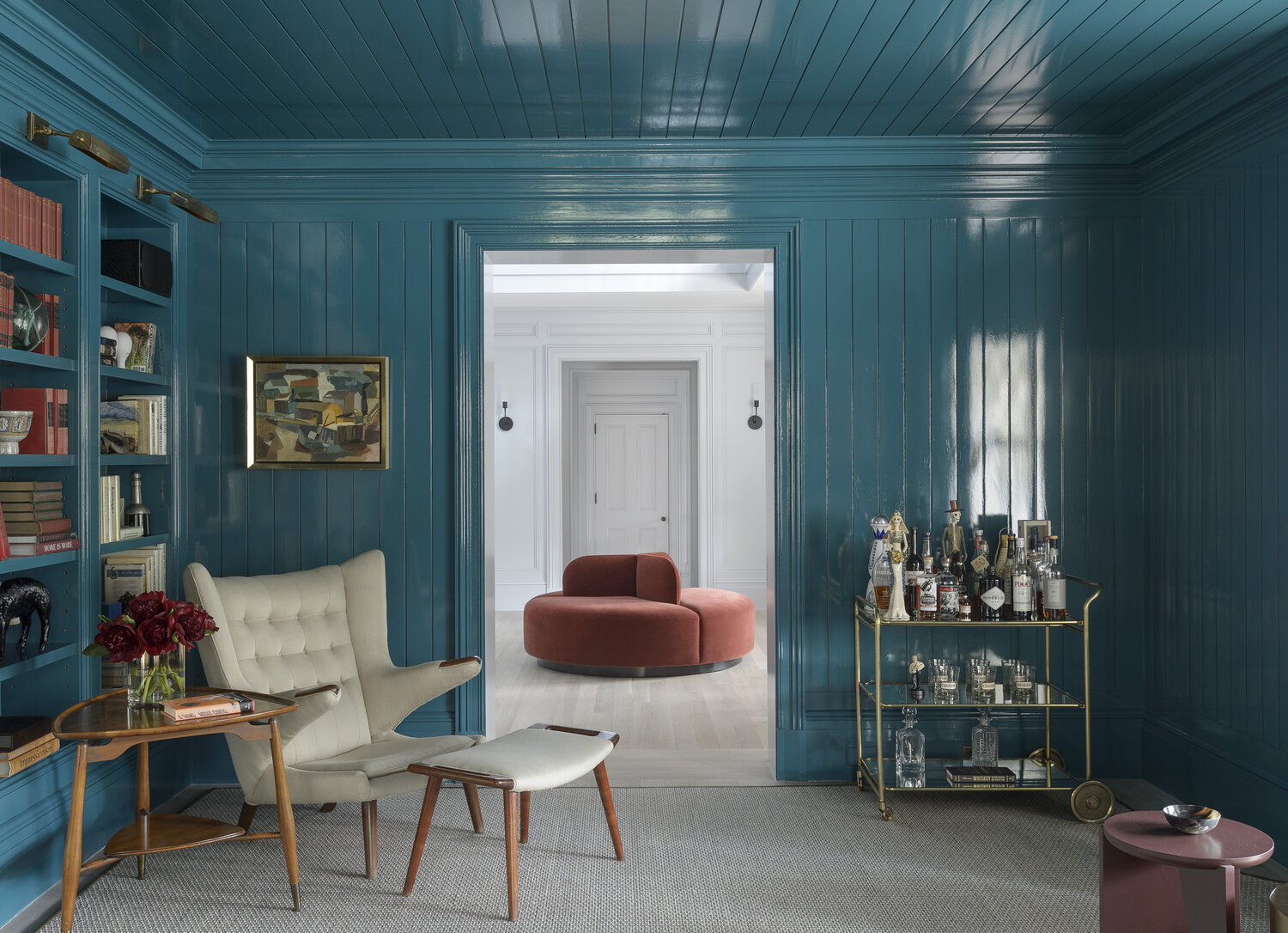
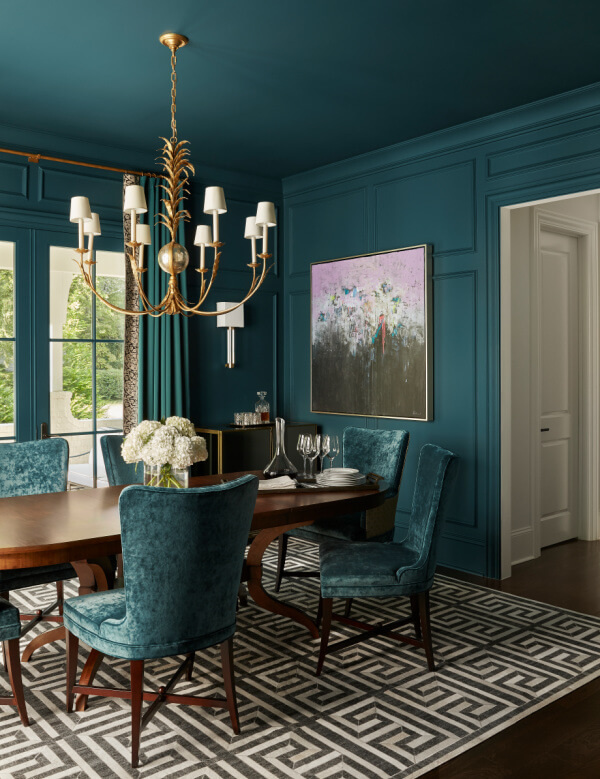
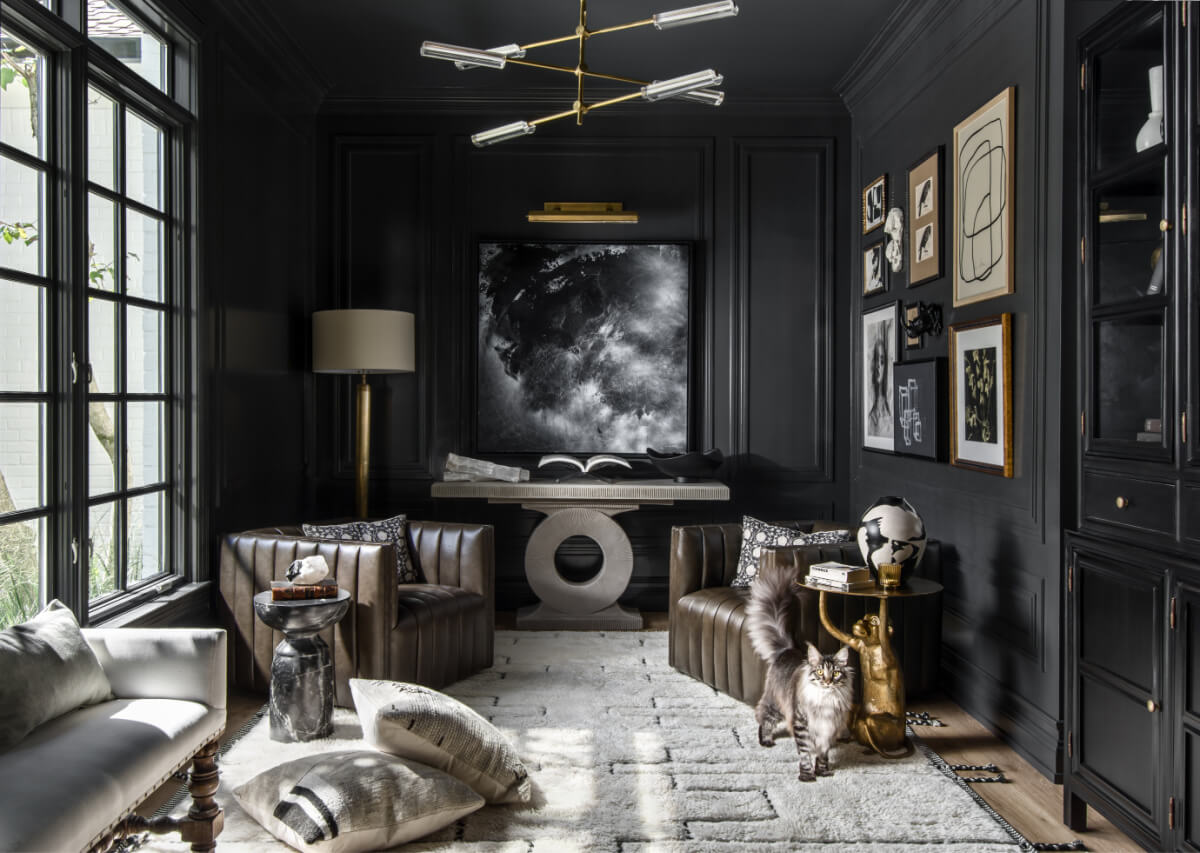
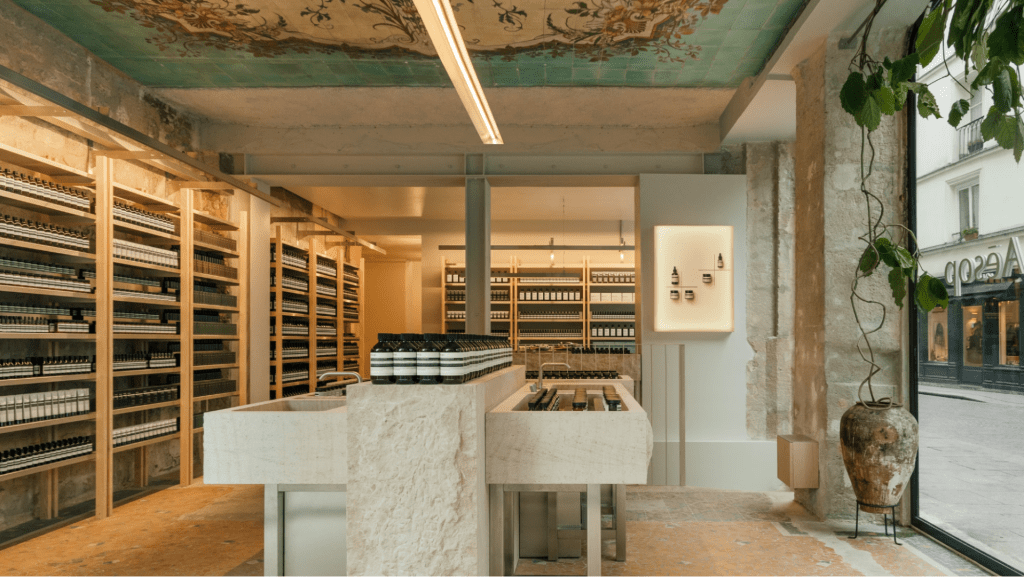
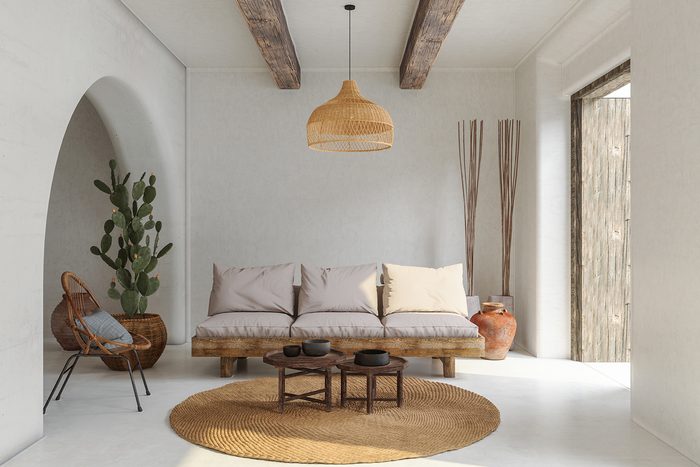
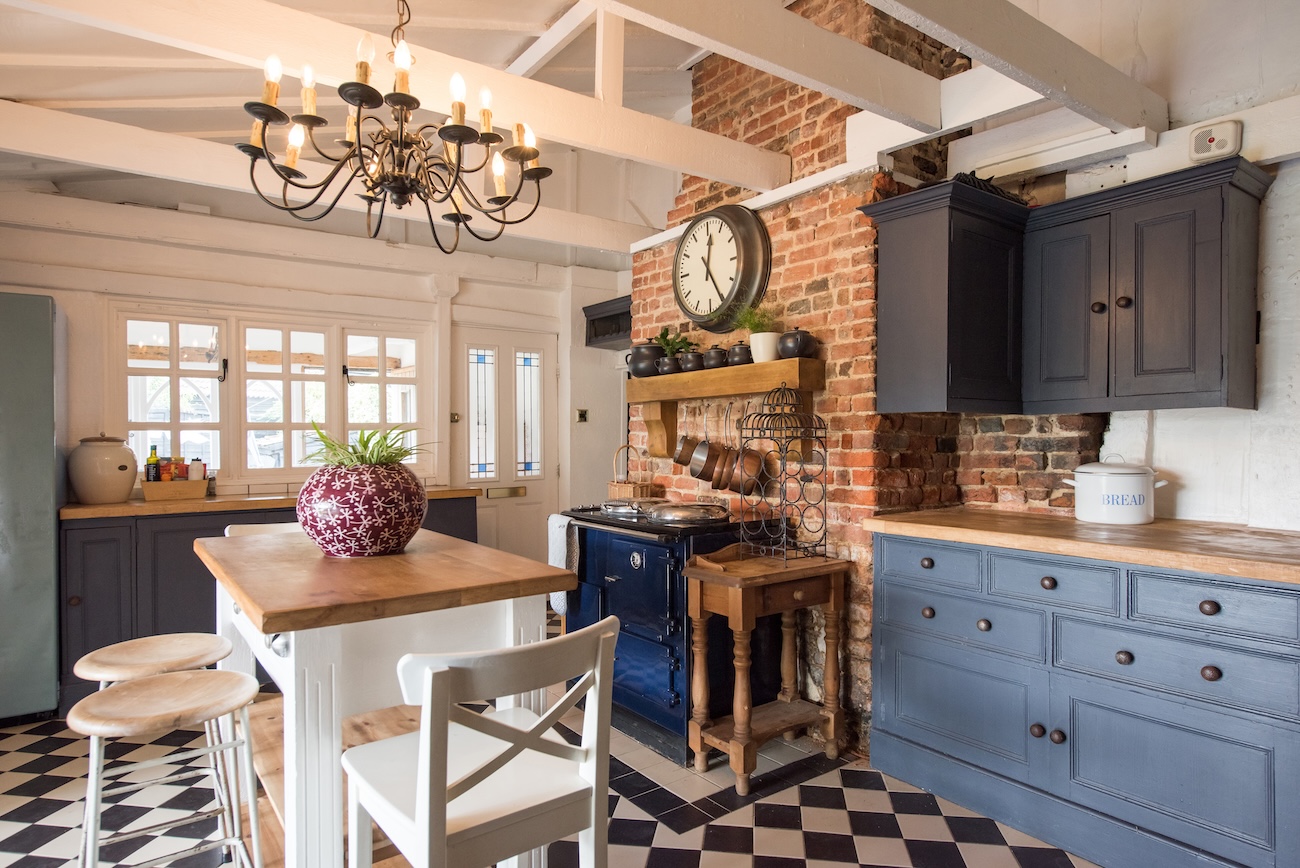
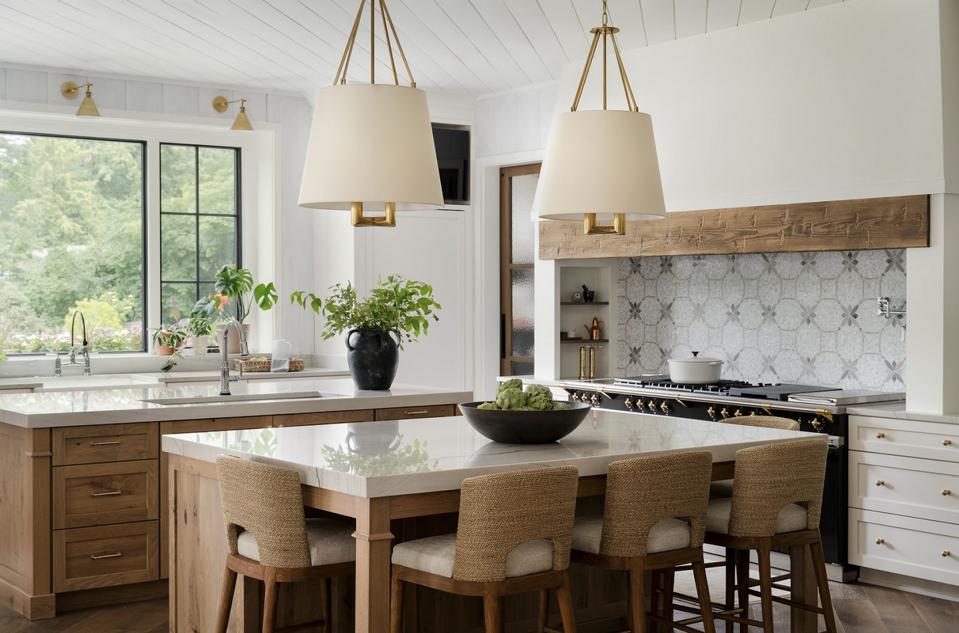
The farmhouse style, while evolving, is now considered timeless. Modern farmhouse with its grays, beiges, and pervasive shiplap is being replaced by an industrial farmhouse style that incorporates a rustic edge, featuring reclaimed wood, mixed metals, and vintage Americana elements. Natural materials and metals with a unique patina are also trending, bringing in textures like stone, wood, and travertine for a timeless and elevated feel. Harsh metallic finishes are out, replaced by aged, lived-in patinas that add character and personalization.
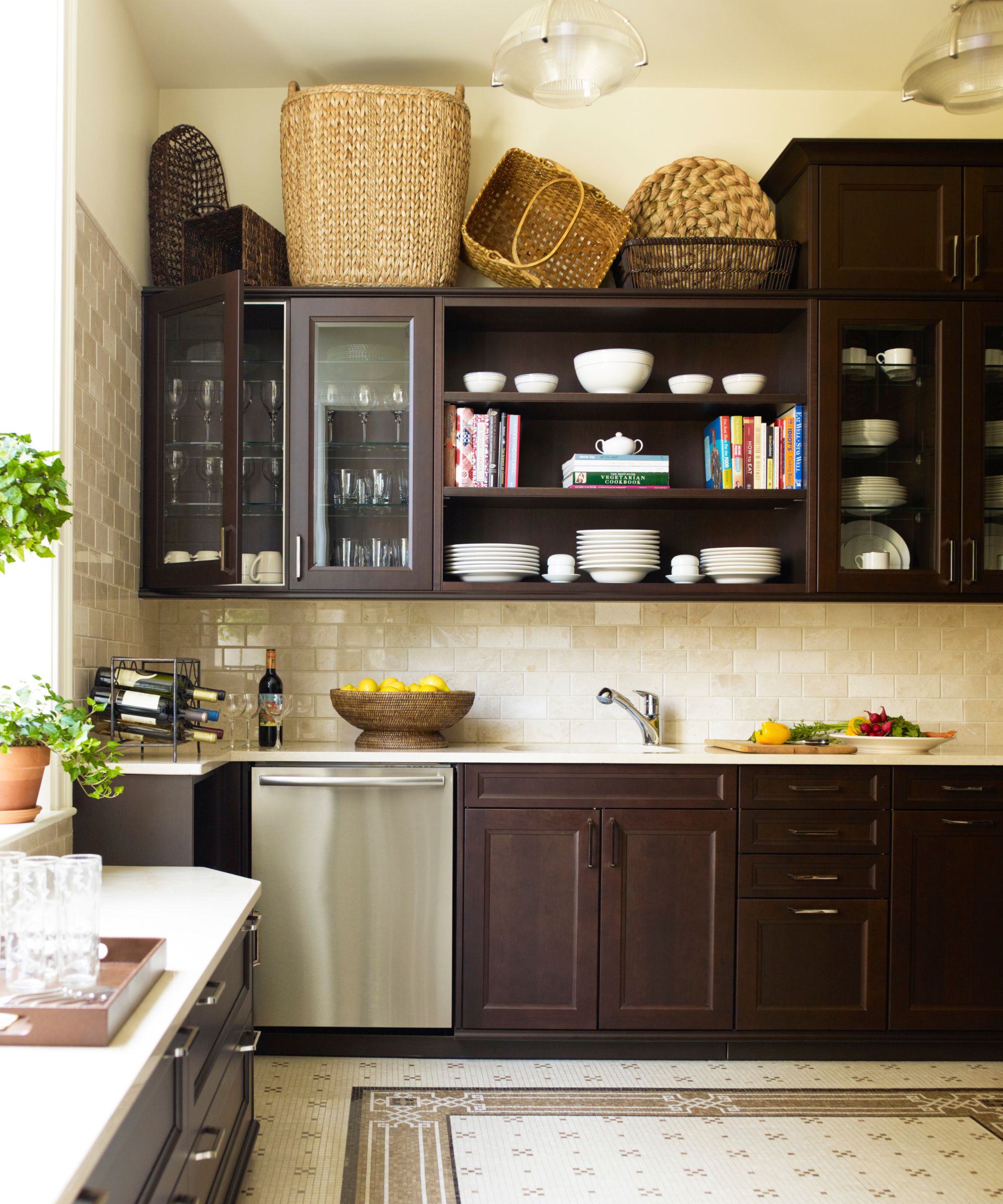
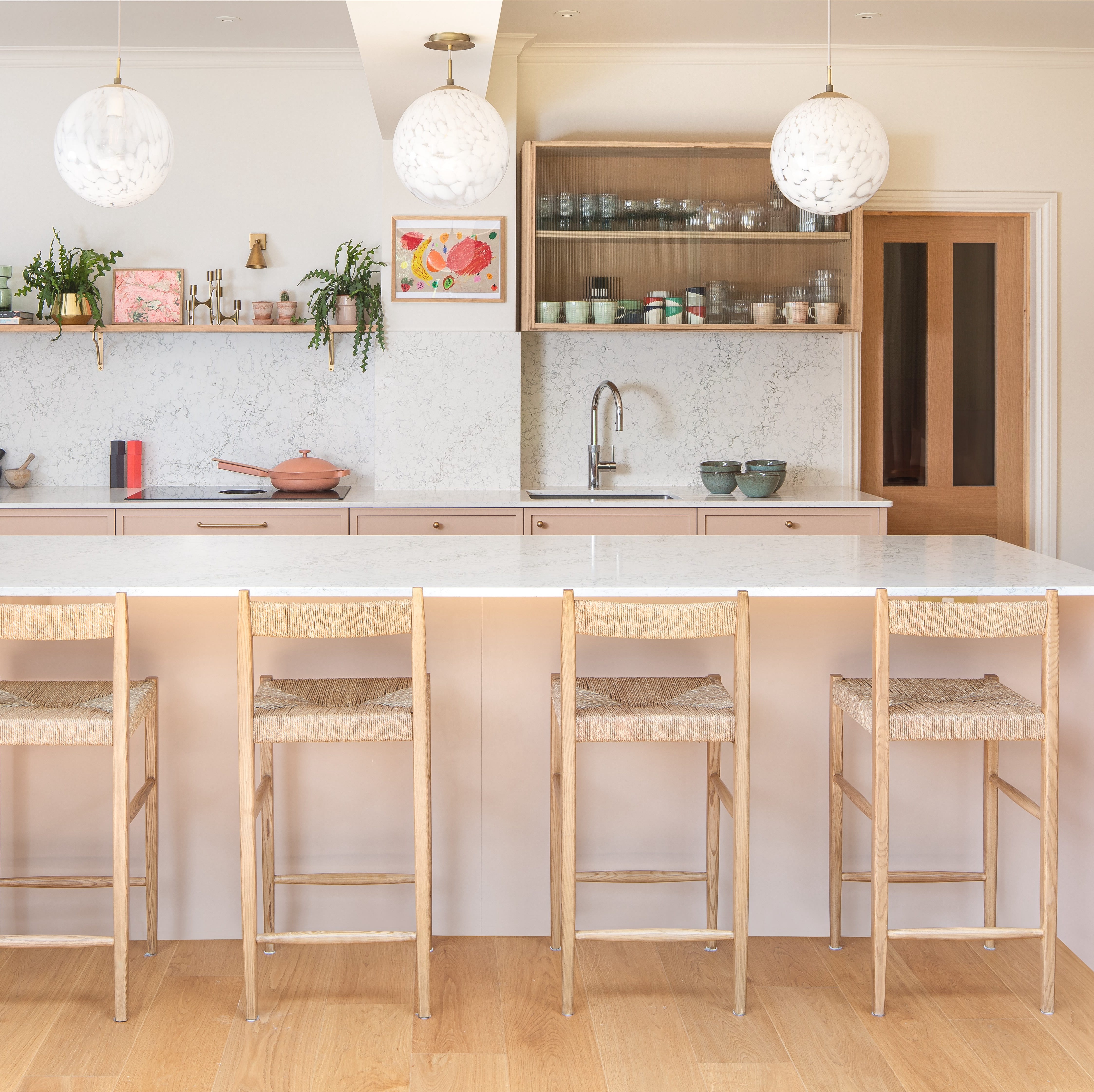
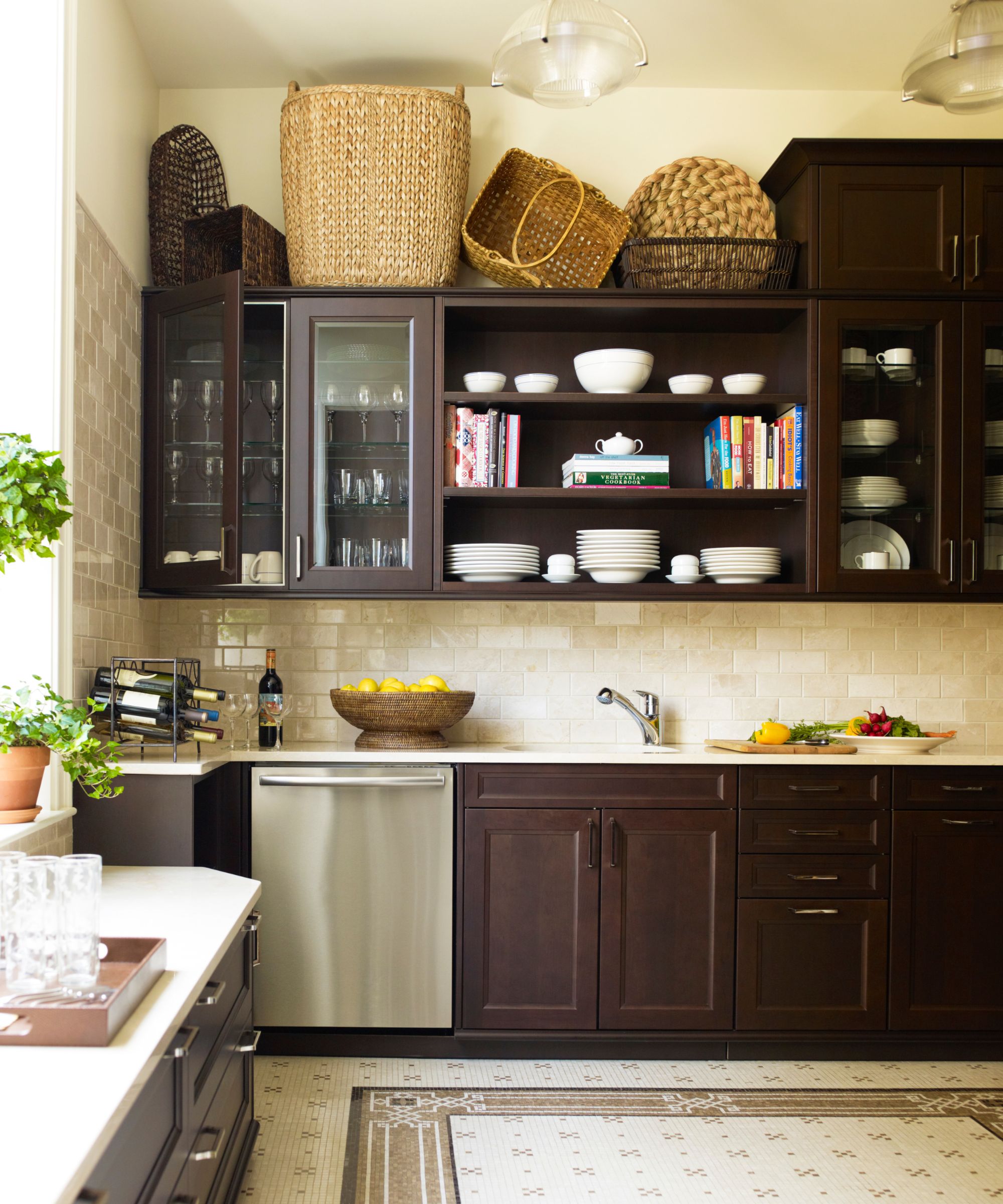
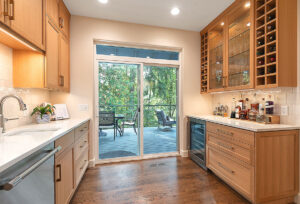
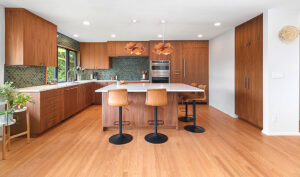
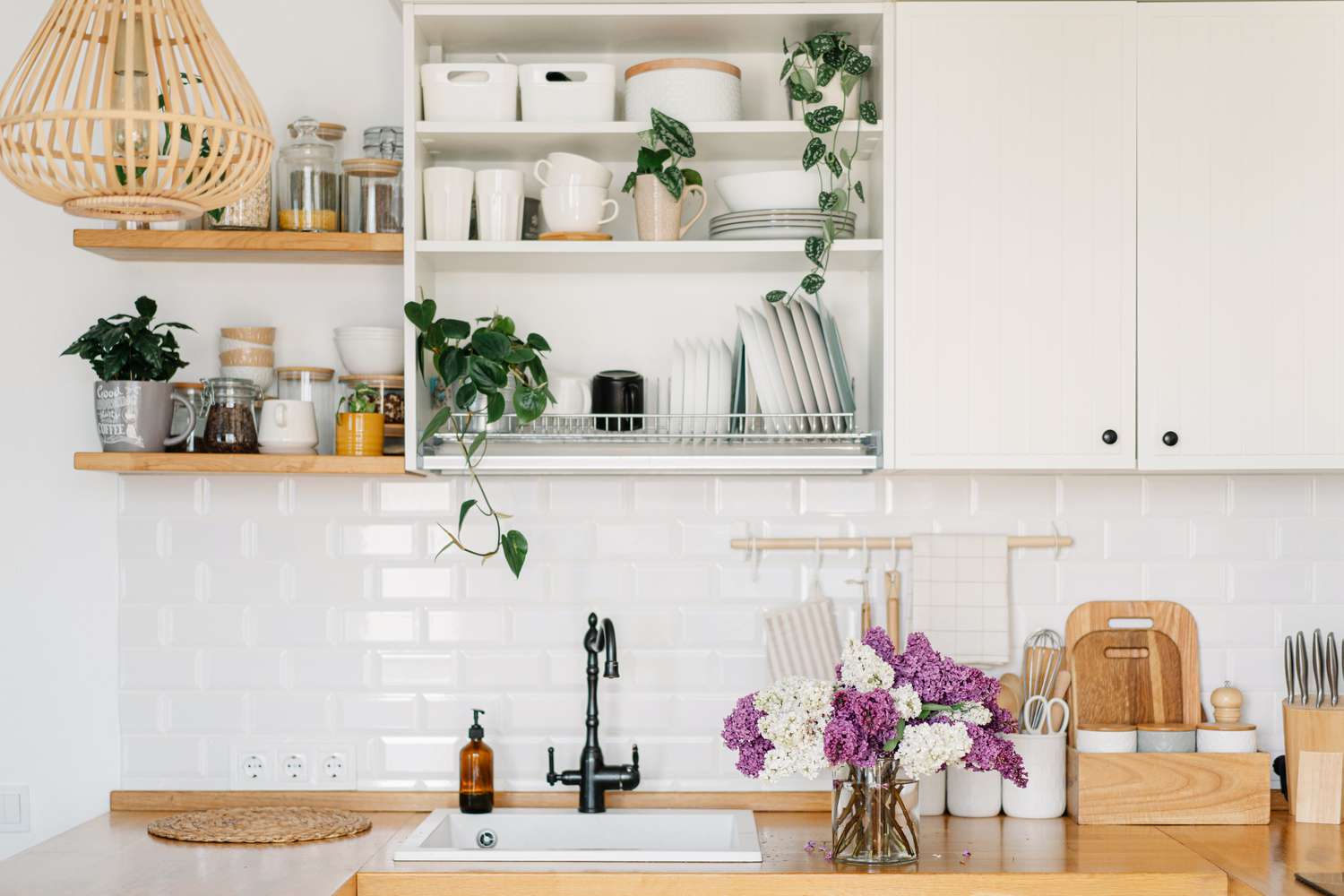
Kitchen layouts are also undergoing changes, with open-concept designs giving way to multi-purpose and secondary kitchens, especially where space and budget permit. These smaller, dedicated spaces can serve for prep work or as areas to hide dirty dishes, reflecting a growing need for practical and efficient home organization. Homes are increasingly becoming multi-functional spaces, with kitchens serving not just for dining but also for entertaining, mirroring luxury hospitality trends.
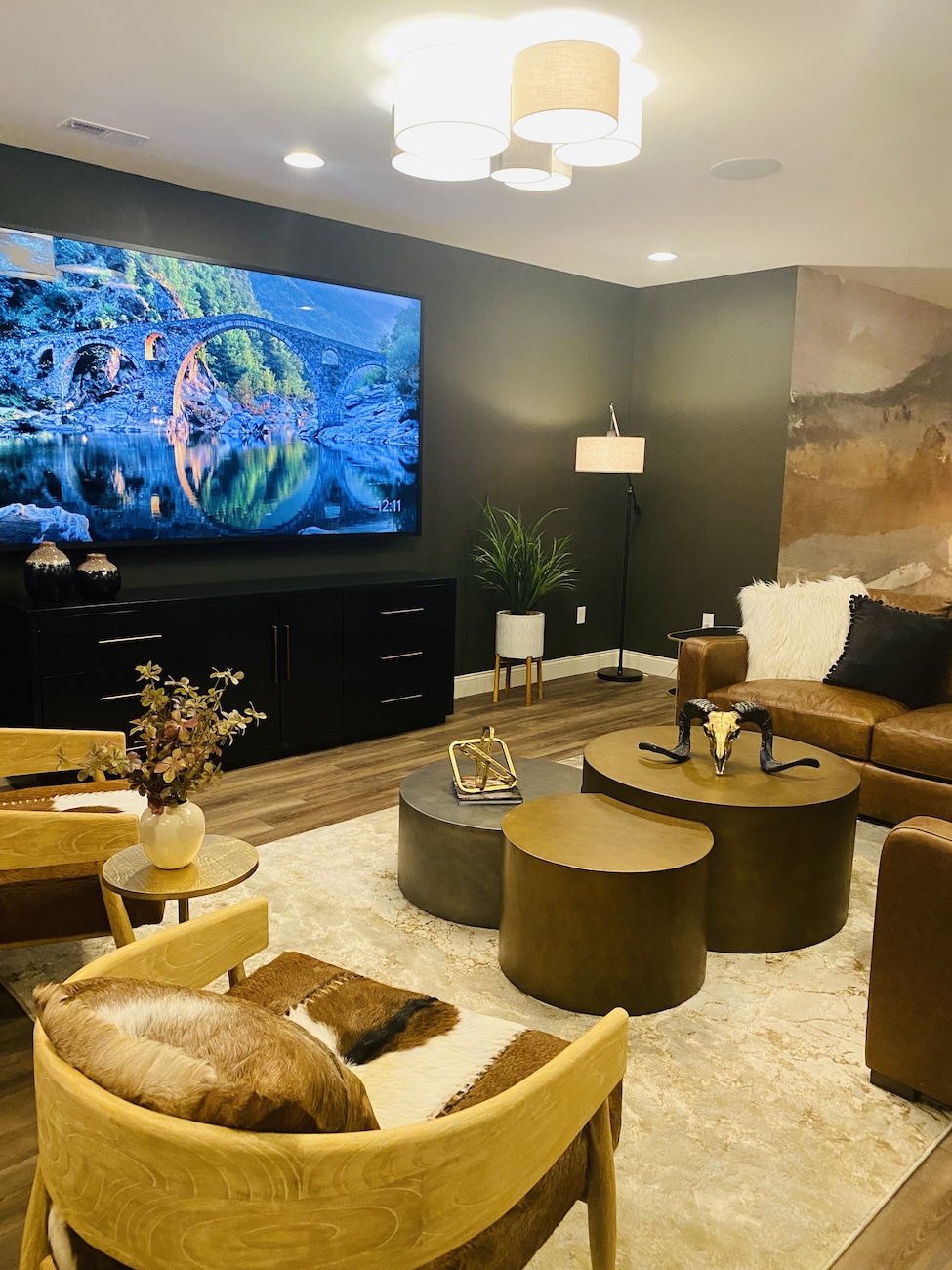
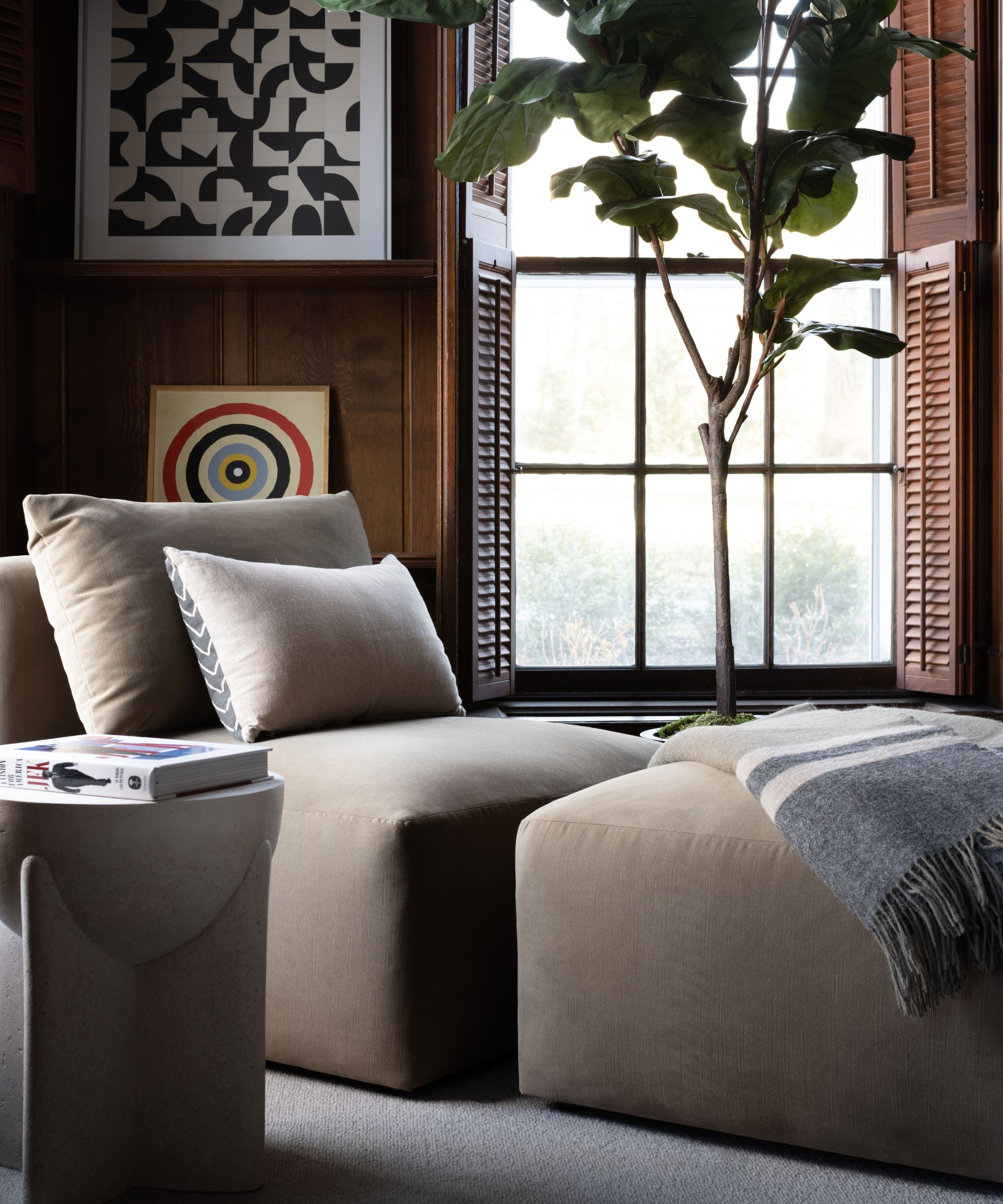
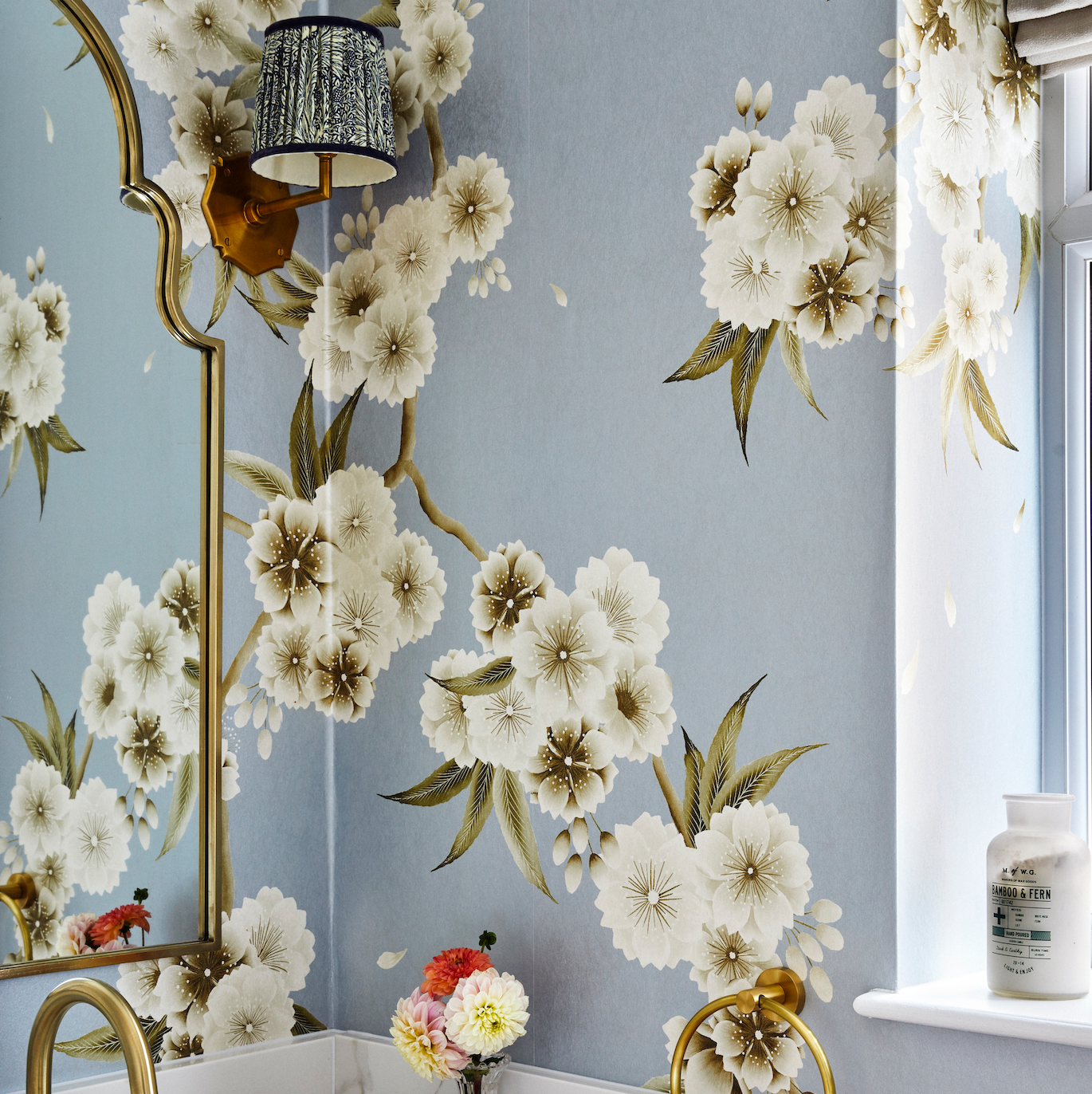
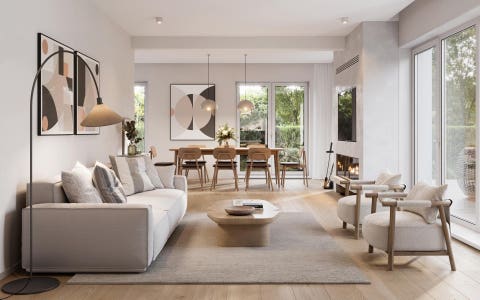
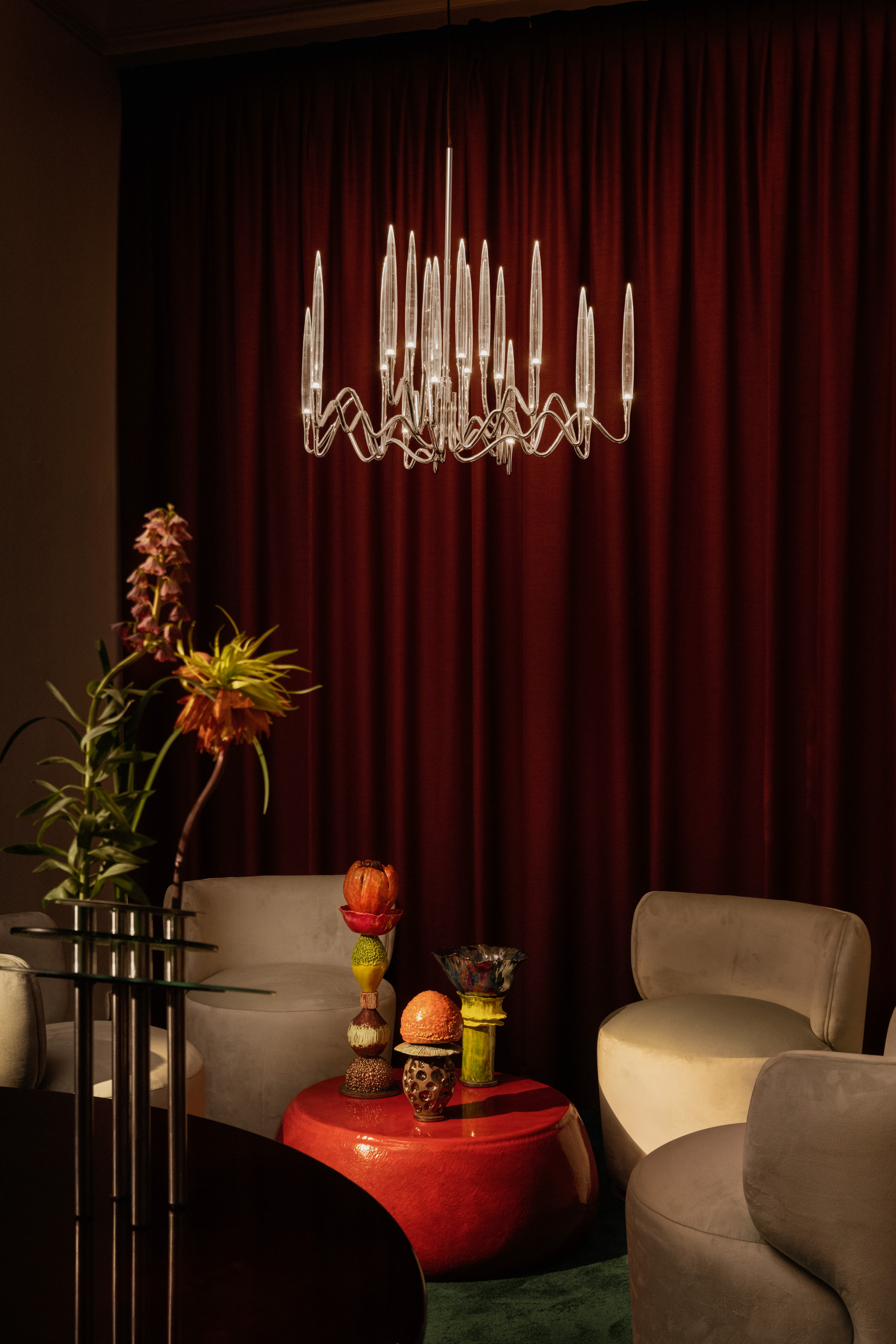
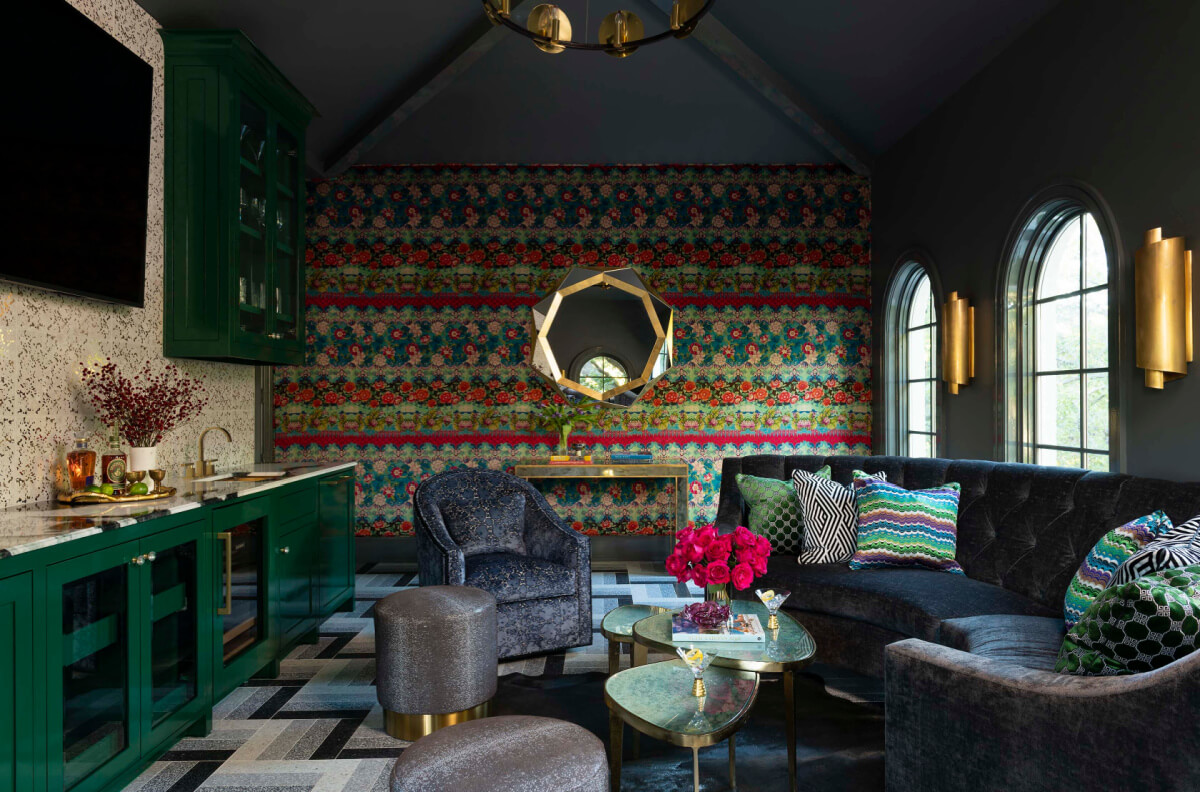
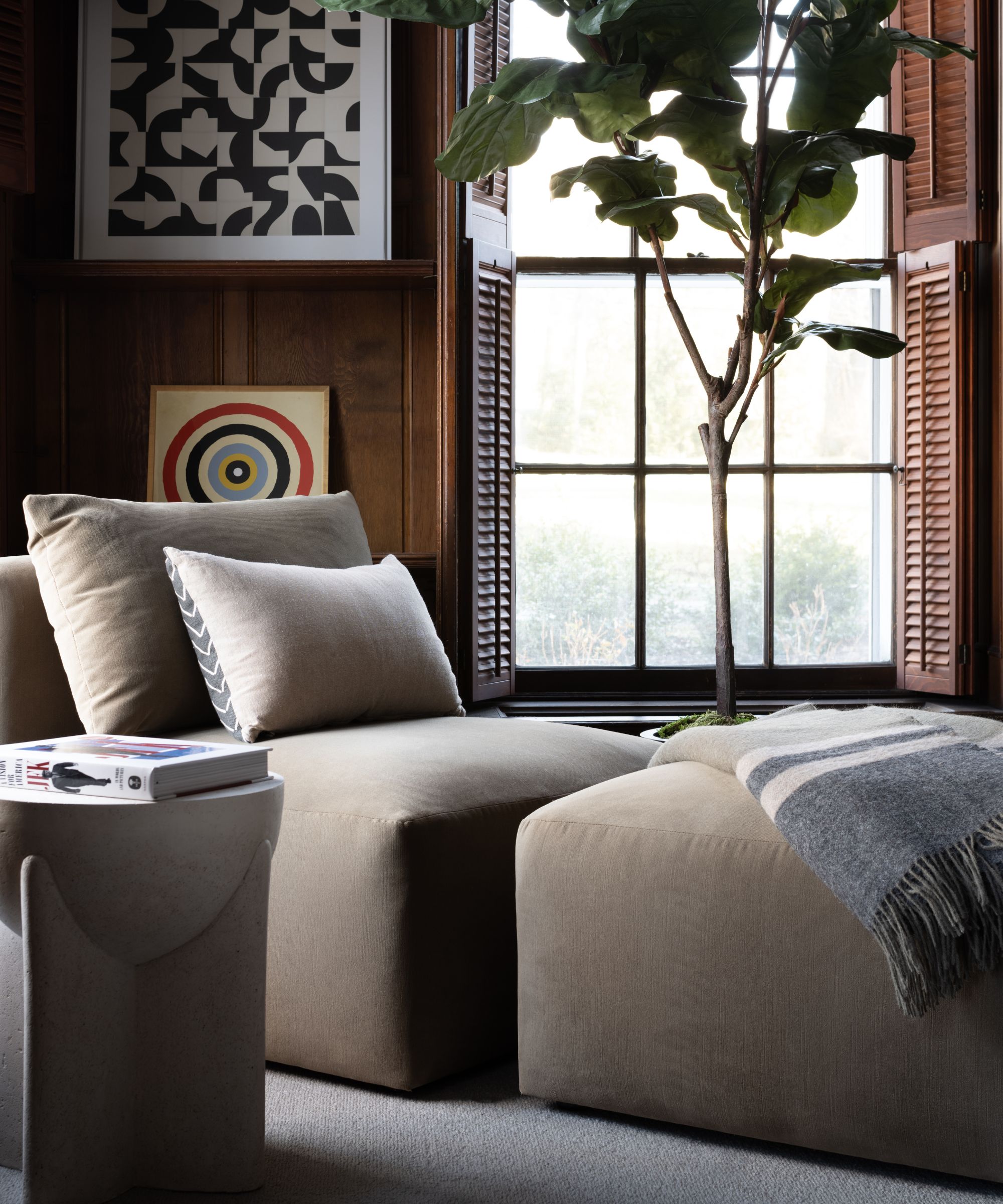
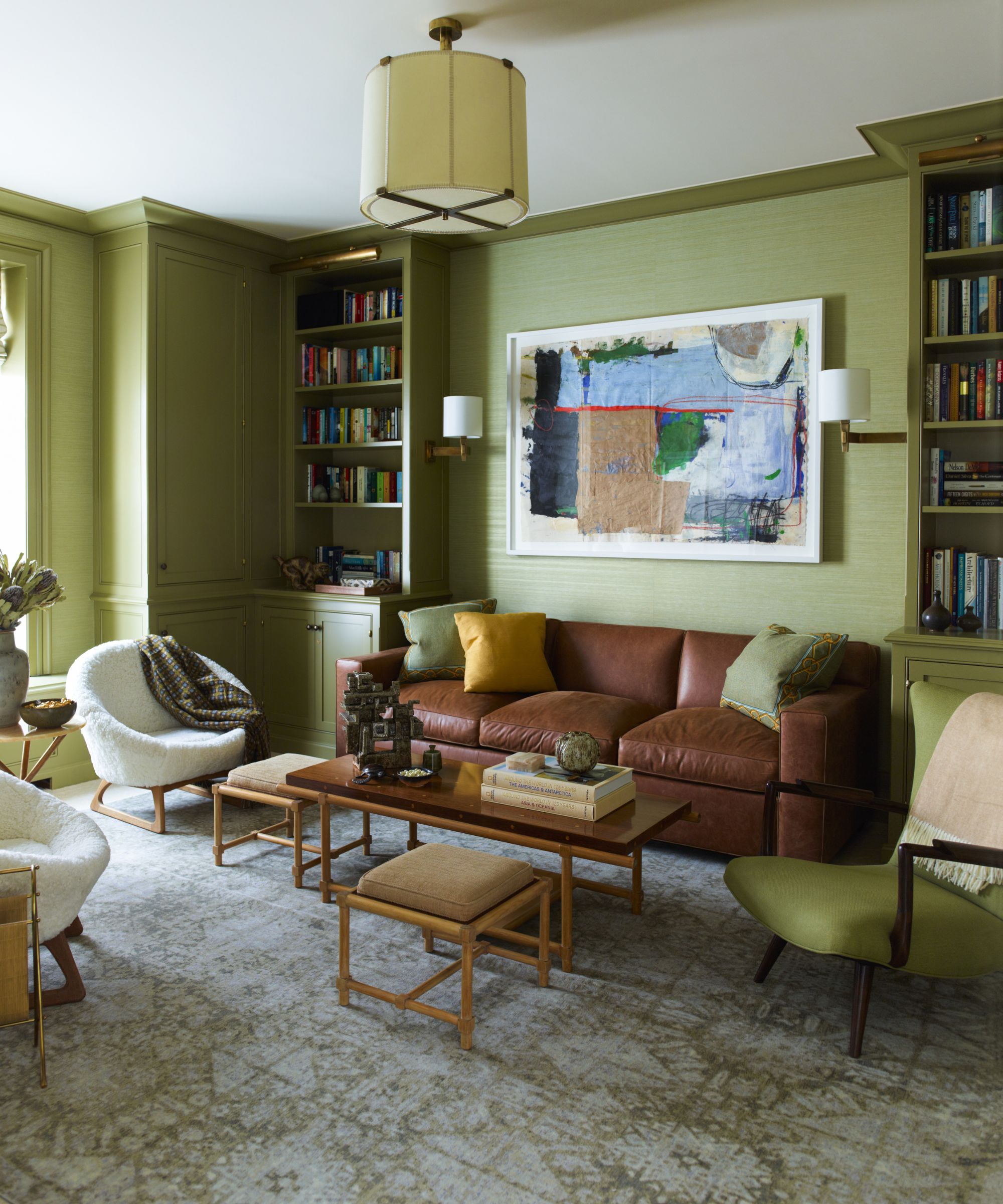
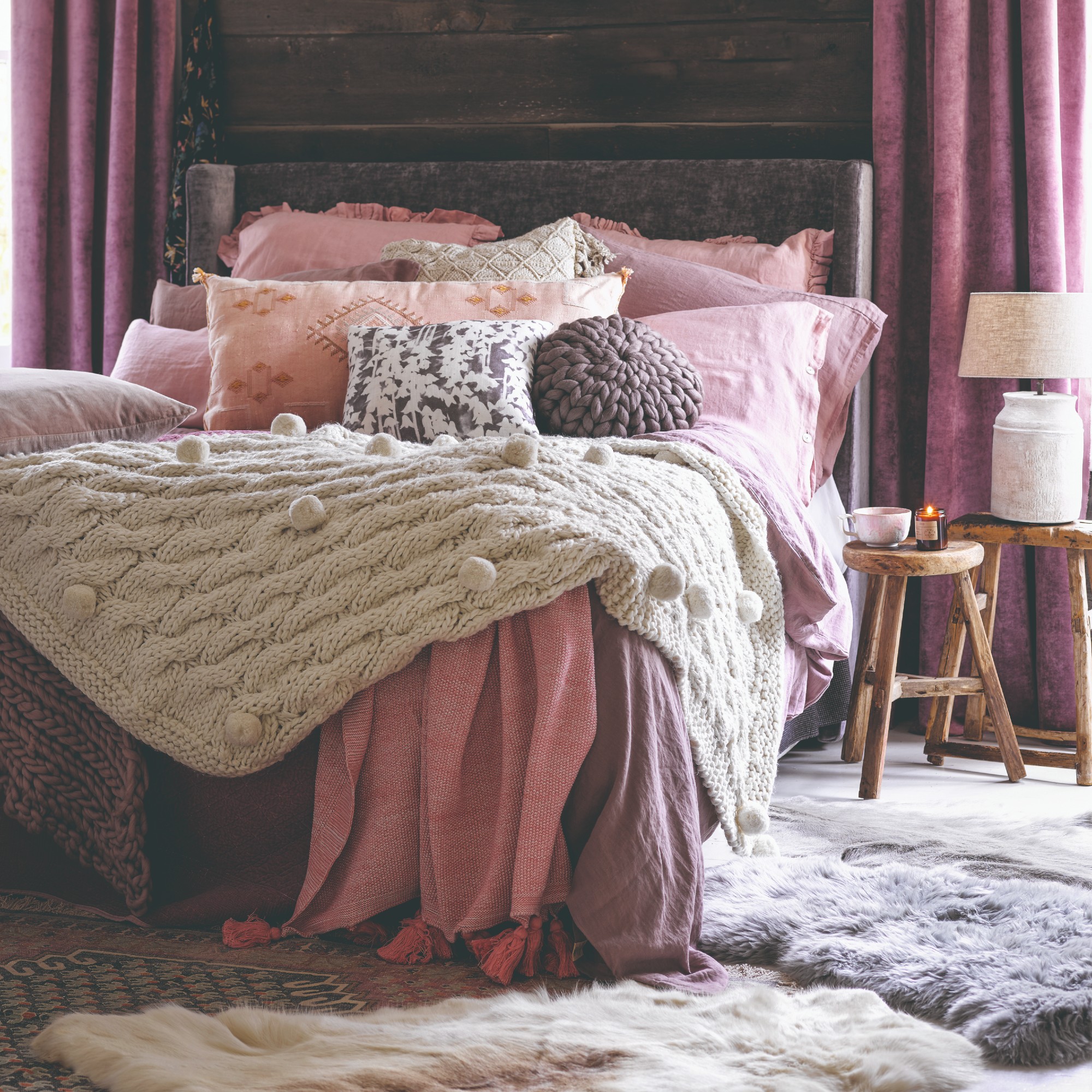
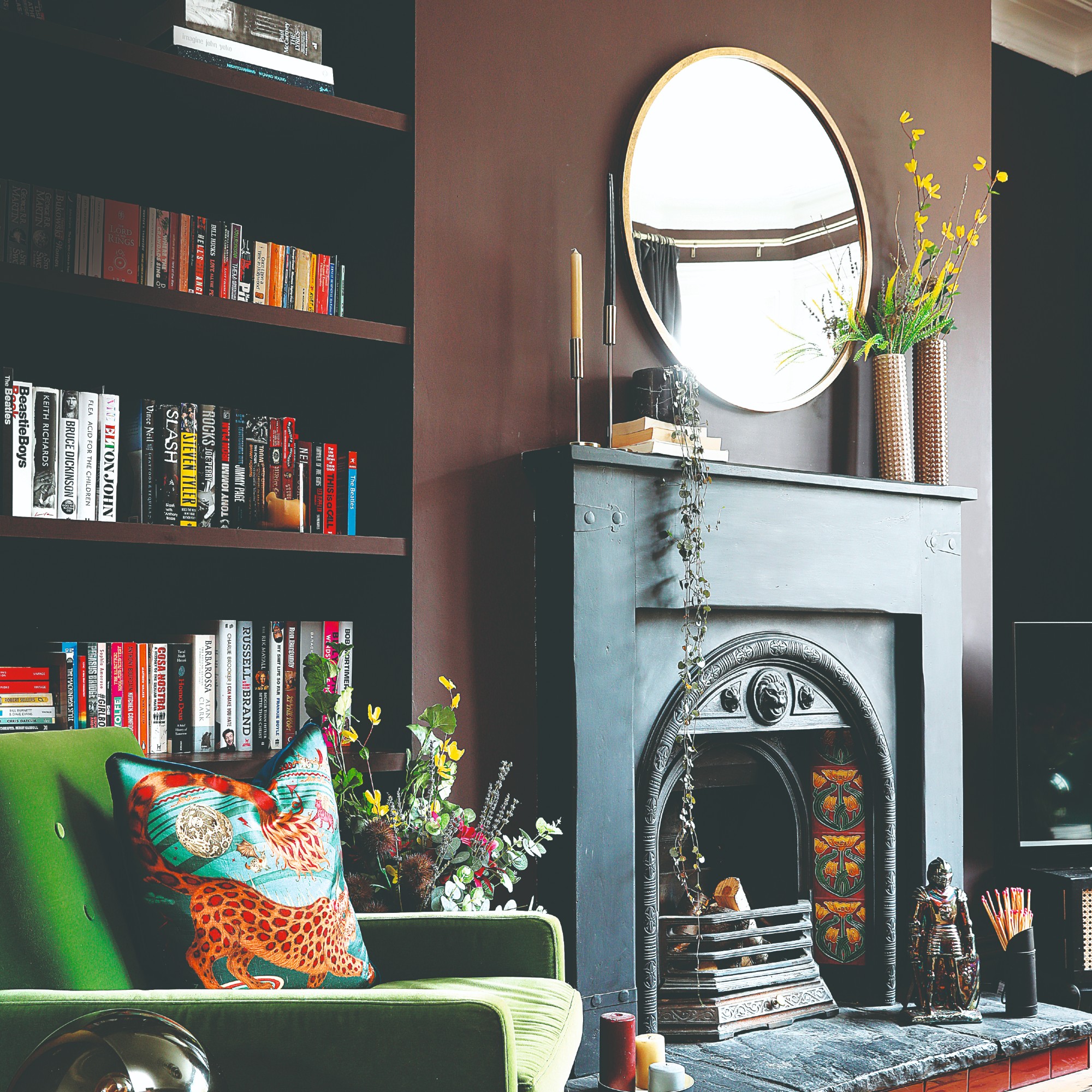
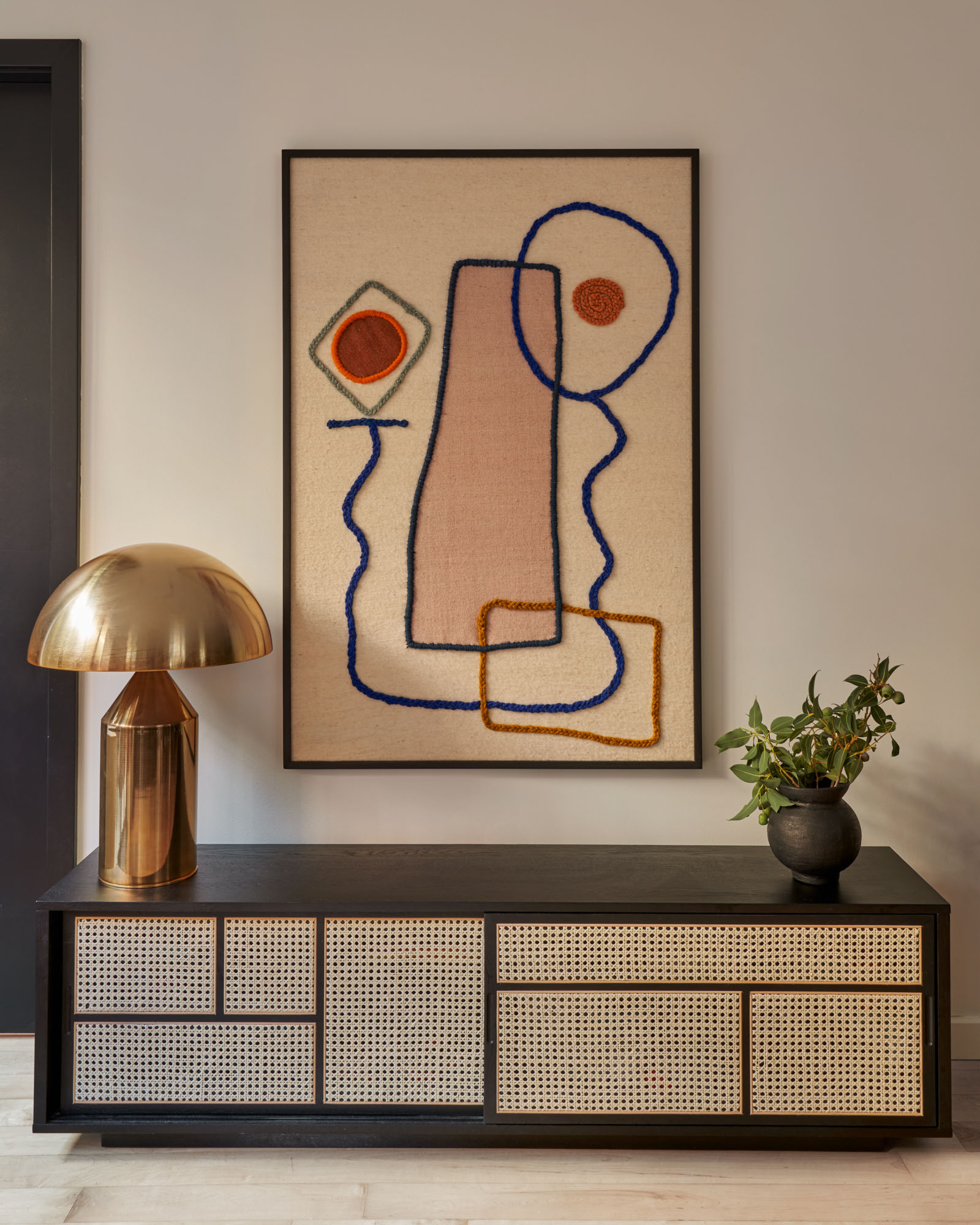
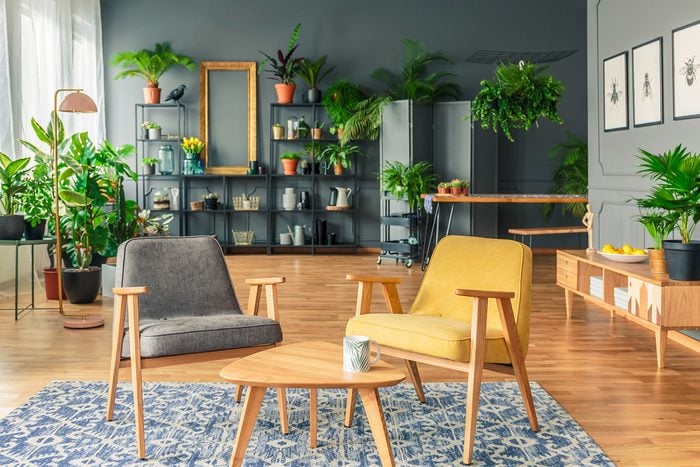
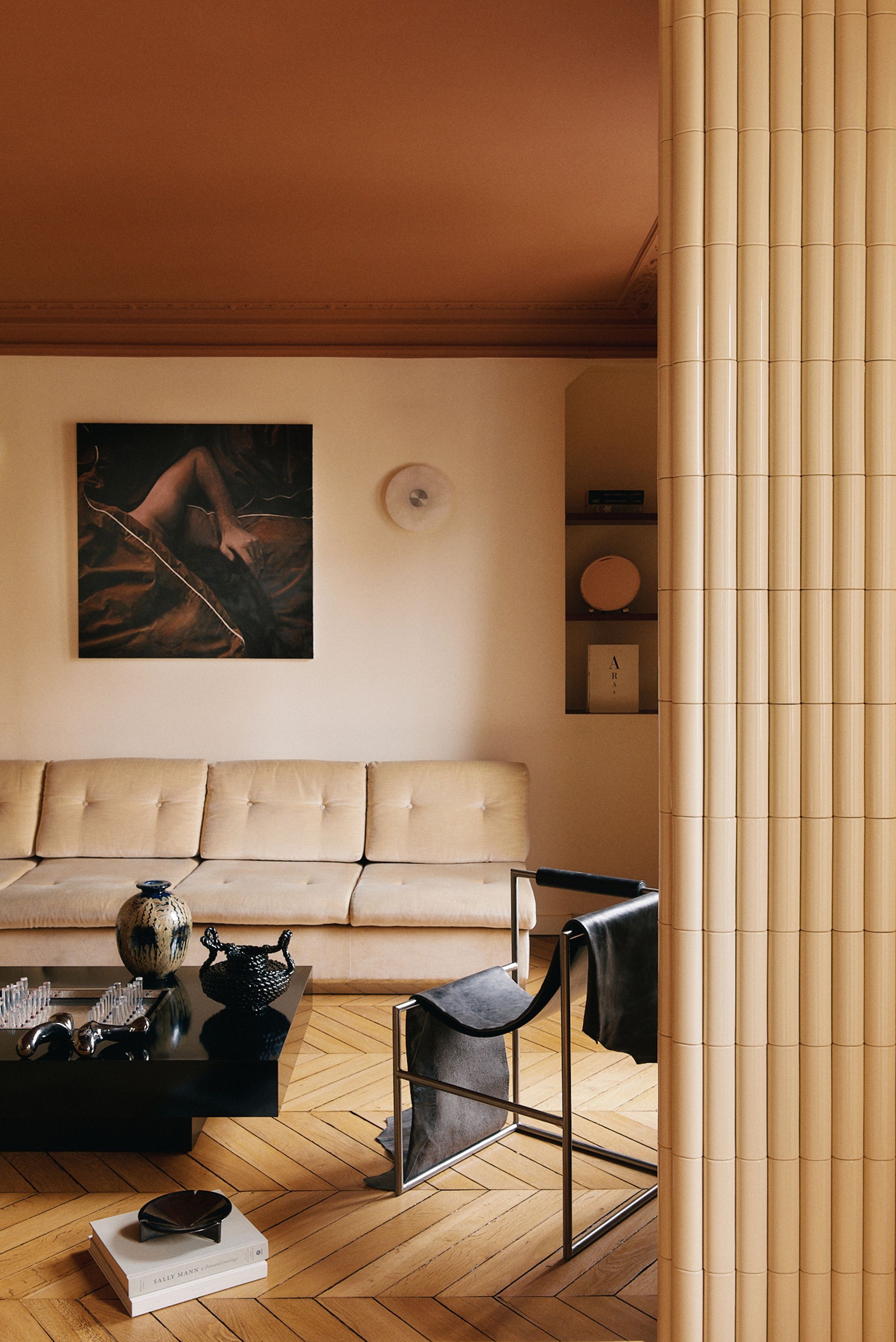
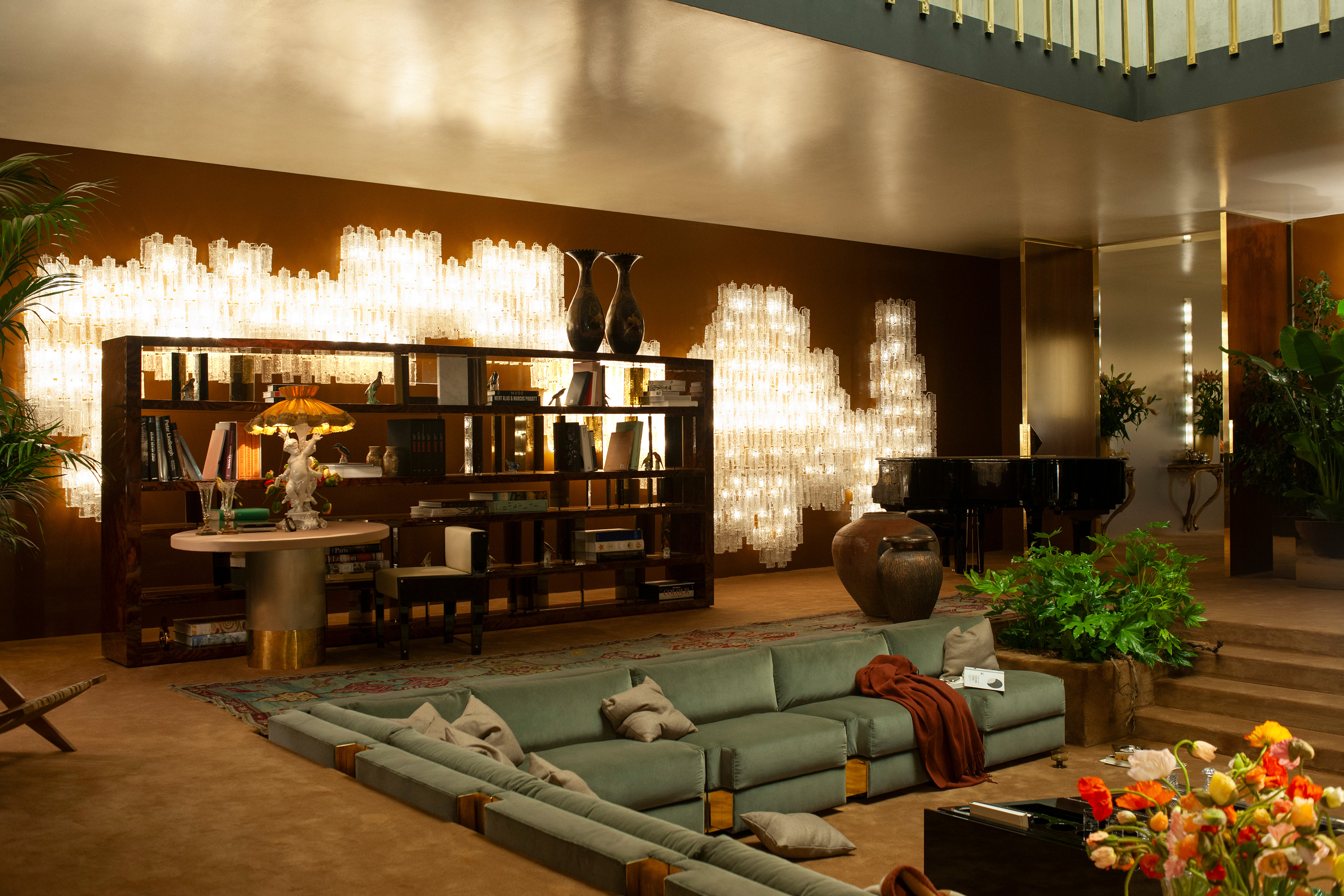
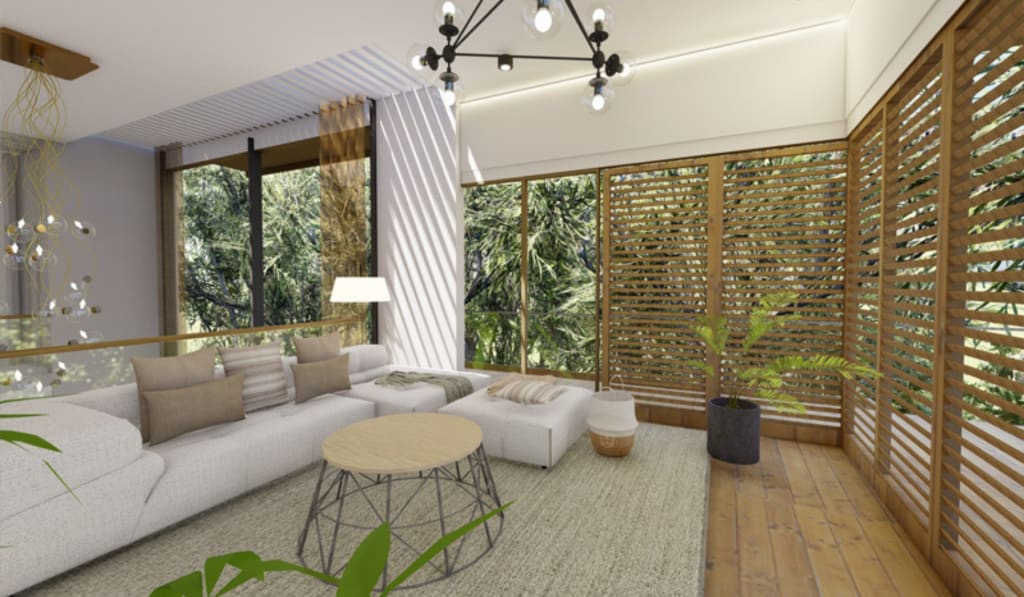
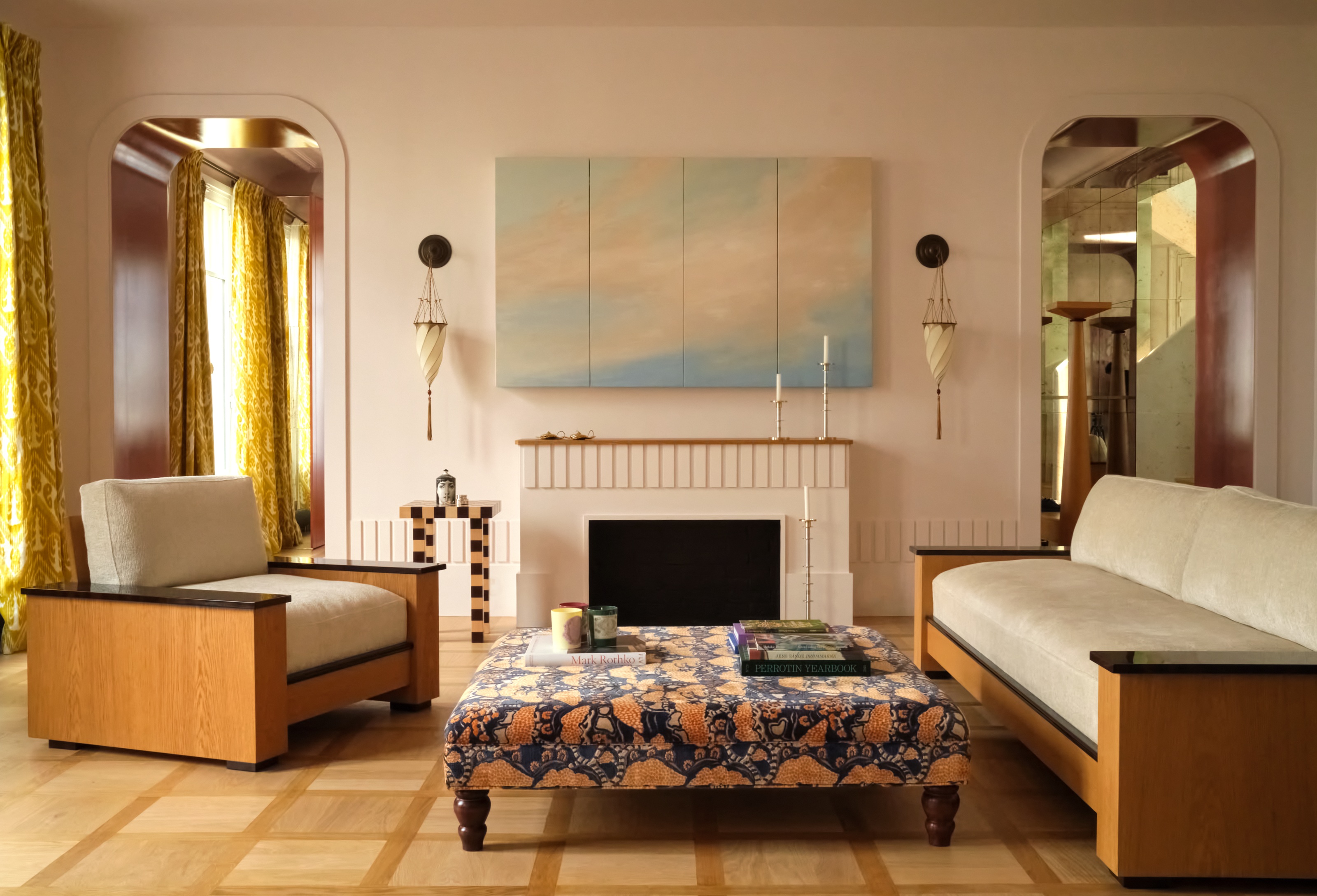
Finally, wellness-inspired design is a key trend, where every design choice supports physical and mental well-being. This post-pandemic shift emphasizes a holistic approach to decorating, moving beyond simple neutral palettes to create "pockets of sanctuary" within the home. This can range from a cozy armchair to a dedicated meditation room, incorporating biophilic elements, natural materials, and an emphasis on comfort. Additionally, Art Deco furniture, with its bold shapes, rich colors, geometric patterns, and luxurious materials, is making a comeback, replacing industrial-style furniture. Lighting trends are also shifting from angular fixtures to softer, organic lines, while cool gray hues are being replaced by warm and earthy tones, reflecting biophilic design principles and a connection to nature.
#HomeDesignTrends #InteriorDesign #SustainableDesign #TraditionalAesthetic #CurvedFurniture #ShowStoppingAppliances #IndustrialFarmhouse #NaturalMaterials #WellnessDesign #ArtDeco #HomeDesignTrends #InteriorDesign #SustainableDesign #TraditionalAesthetic #CurvedFurniture #ShowStoppingAppliances #IndustrialFarmhouse #NaturalMaterials #WellnessDesign #ArtDeco
0 comment in total
 No comments yet
You may also like
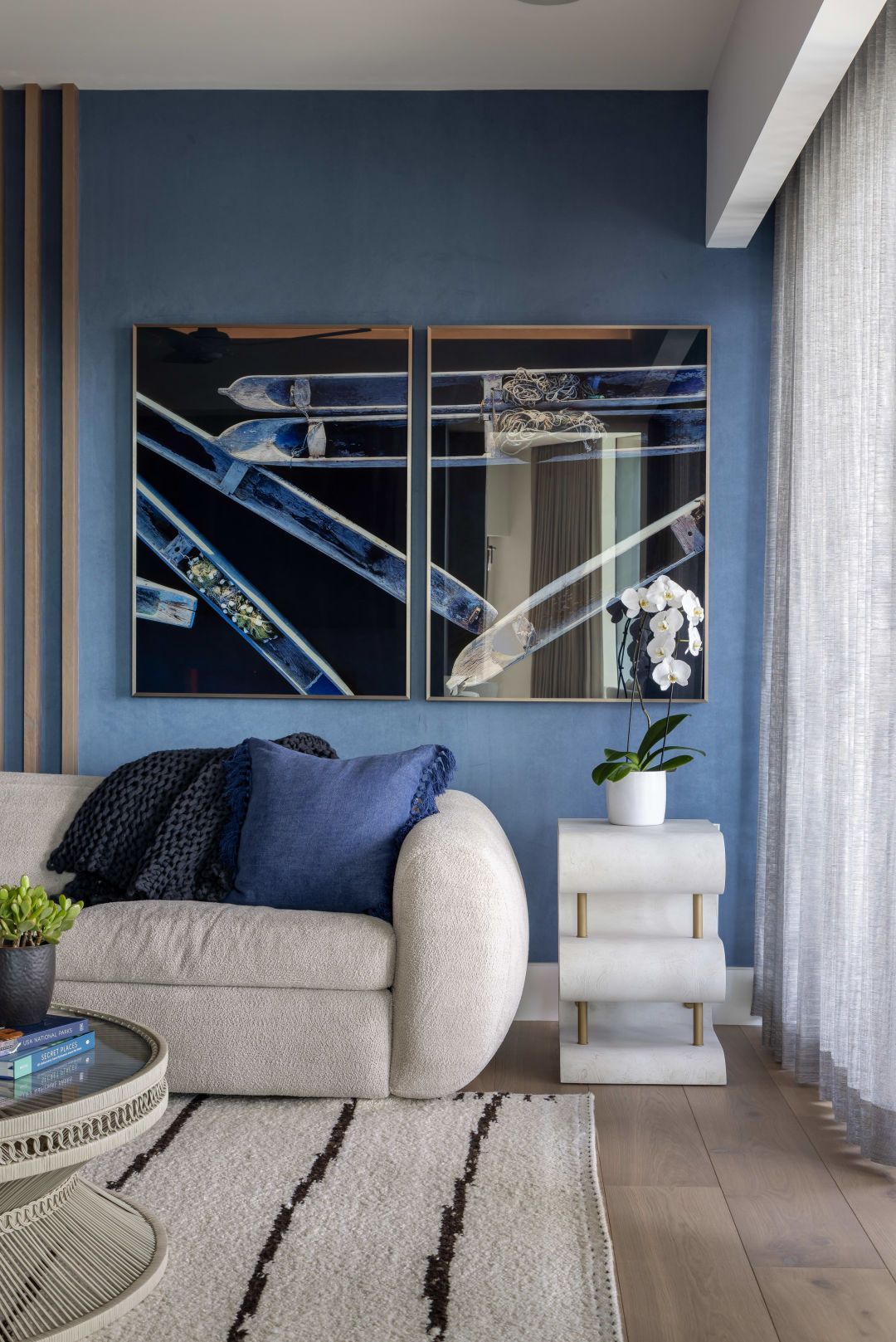
These Are the Home Design Trends You Need to Know About in 2025
10 Interior Design Trends Going Away In 2025

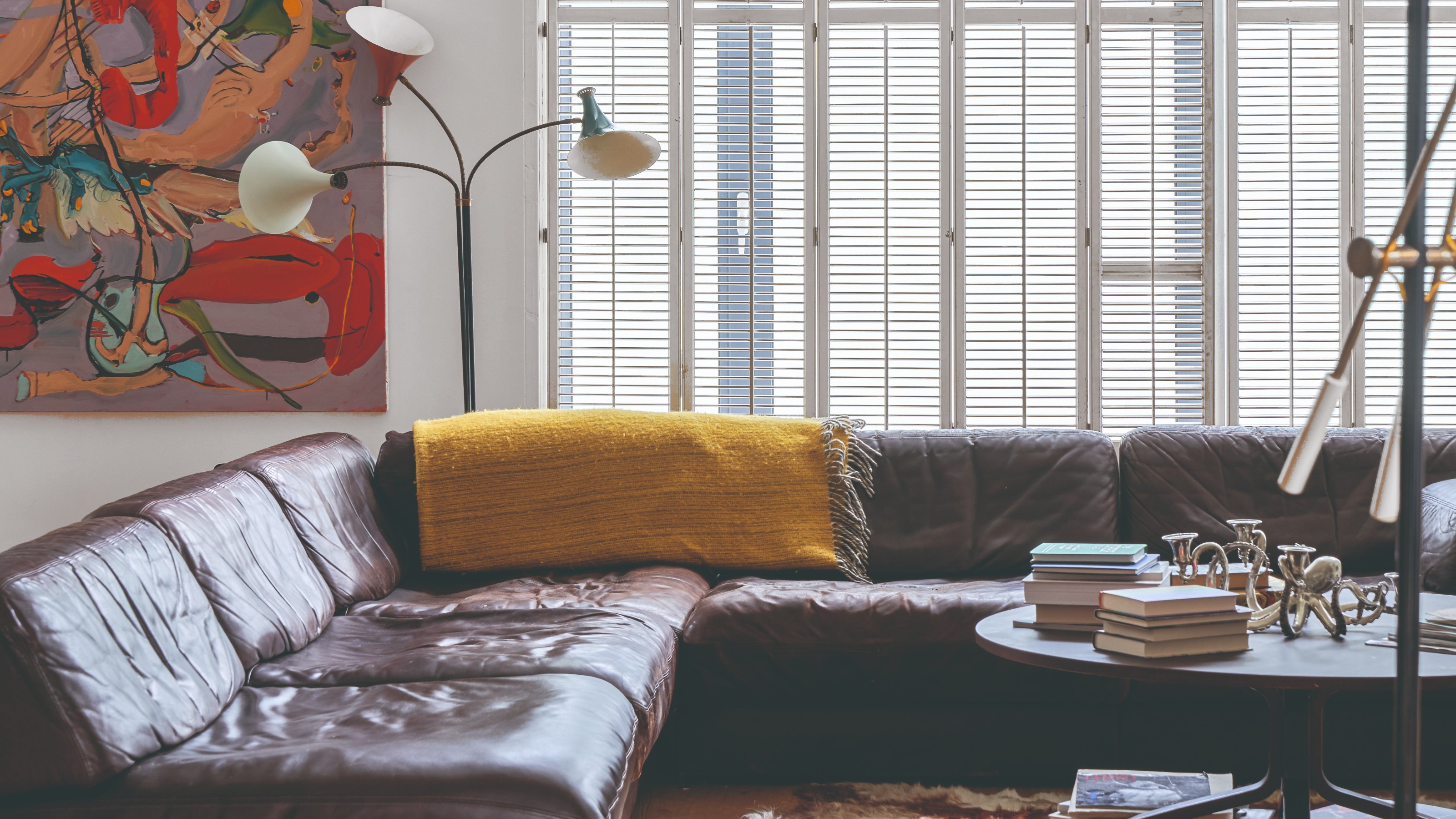
The biggest home decor trends that interior experts say you’ll be championing in your home in 2025
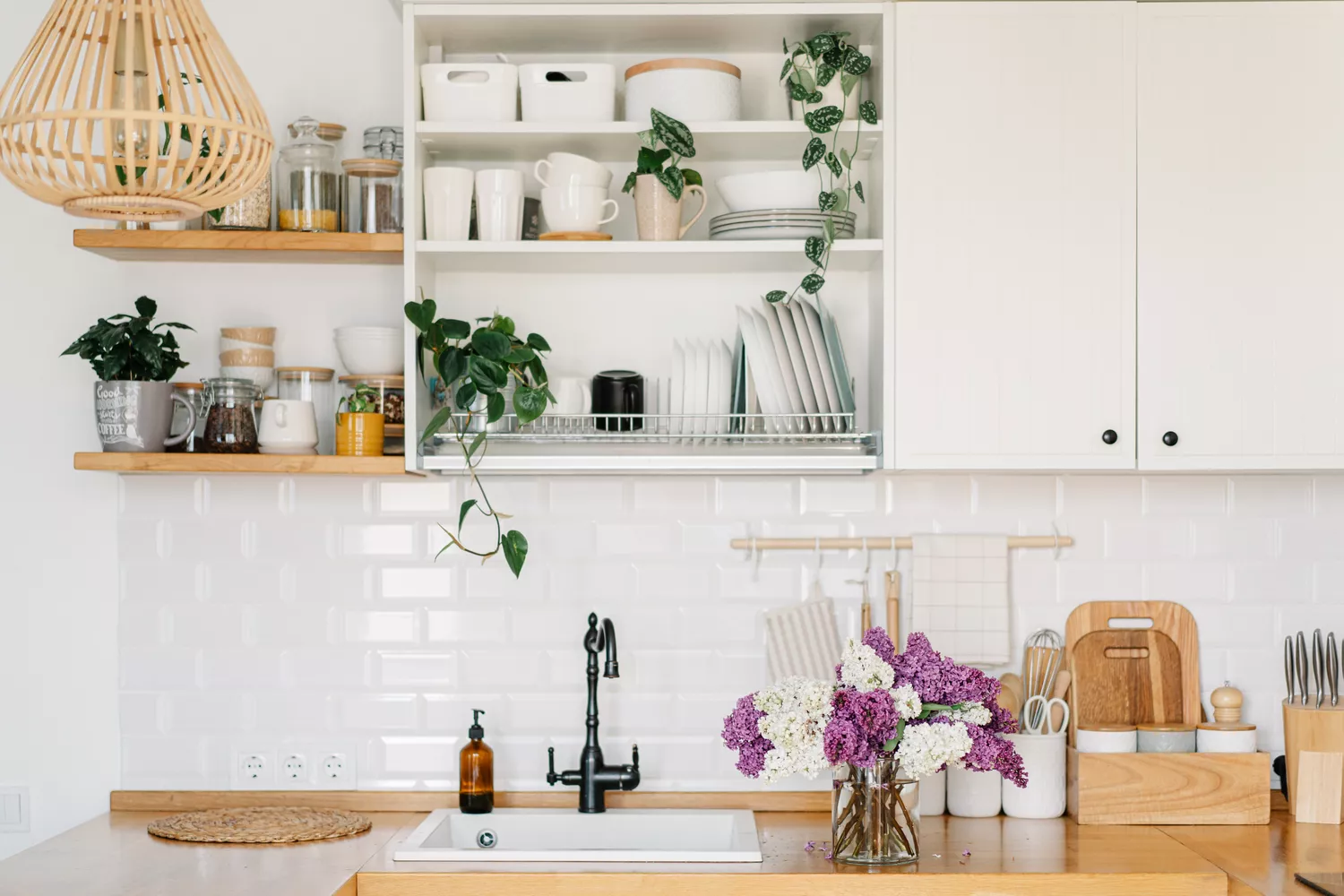
9 Home Décor Trends on Their Way Out in 2025, According to Interior Designers
10 Hottest Home Design Trends to Watch for 2025
The Biggest Interior Design Trends for 2025

10 Home Decor Trends You'll See Everywhere In 2025
Home-Design Trends You’ll See Everywhere in 2024

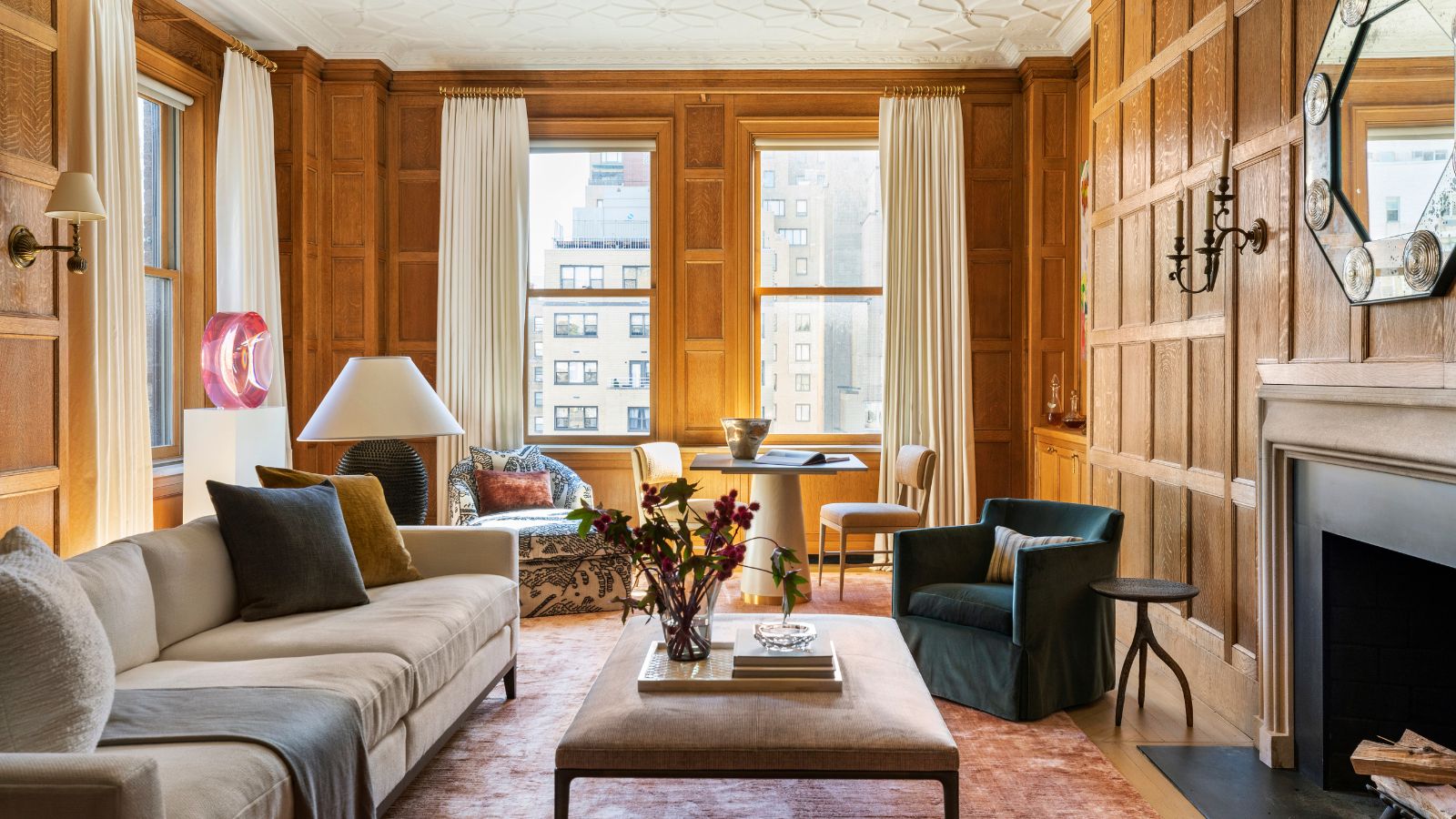
12 must-know interior design trends that will be defining our homes in 2025
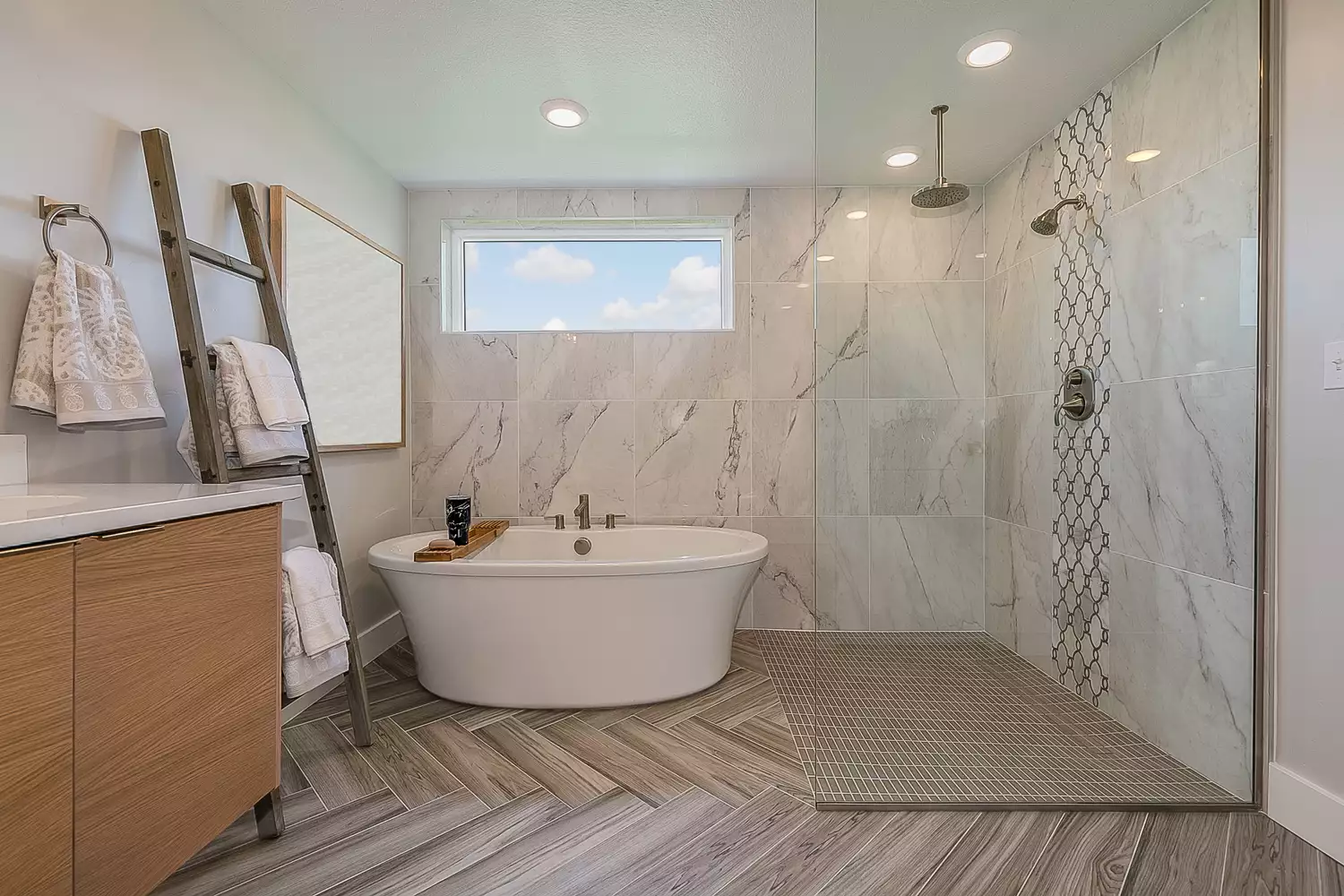
5 Home Design Trends You're About to See Everywhere in 2025, According to Zillow (Vintage Is in!)

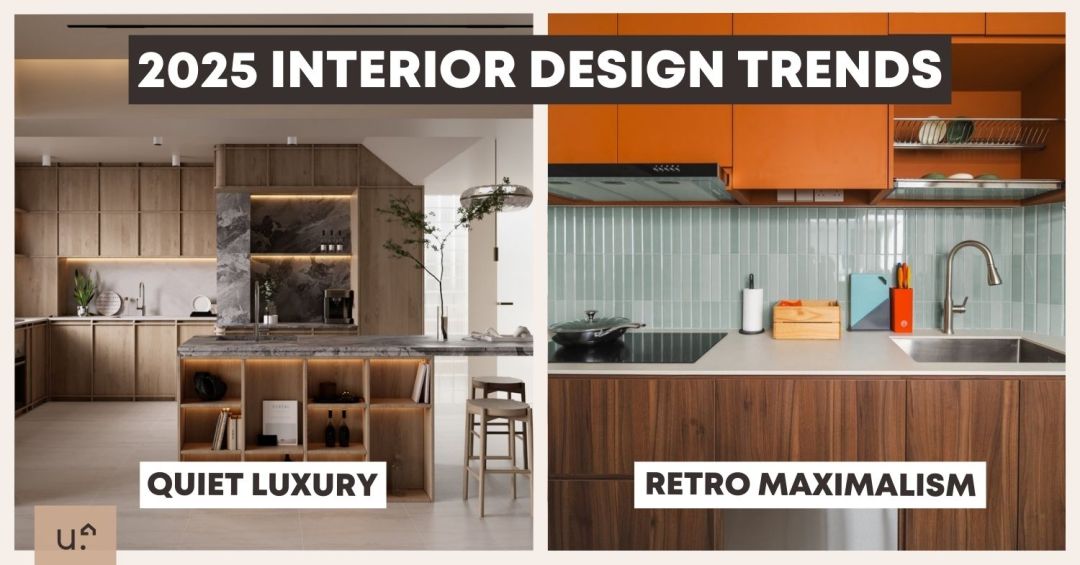
11 Biggest Interior Trends Of 2025, Design Solutions & Reno Tips As Revealed By An Interior Designer

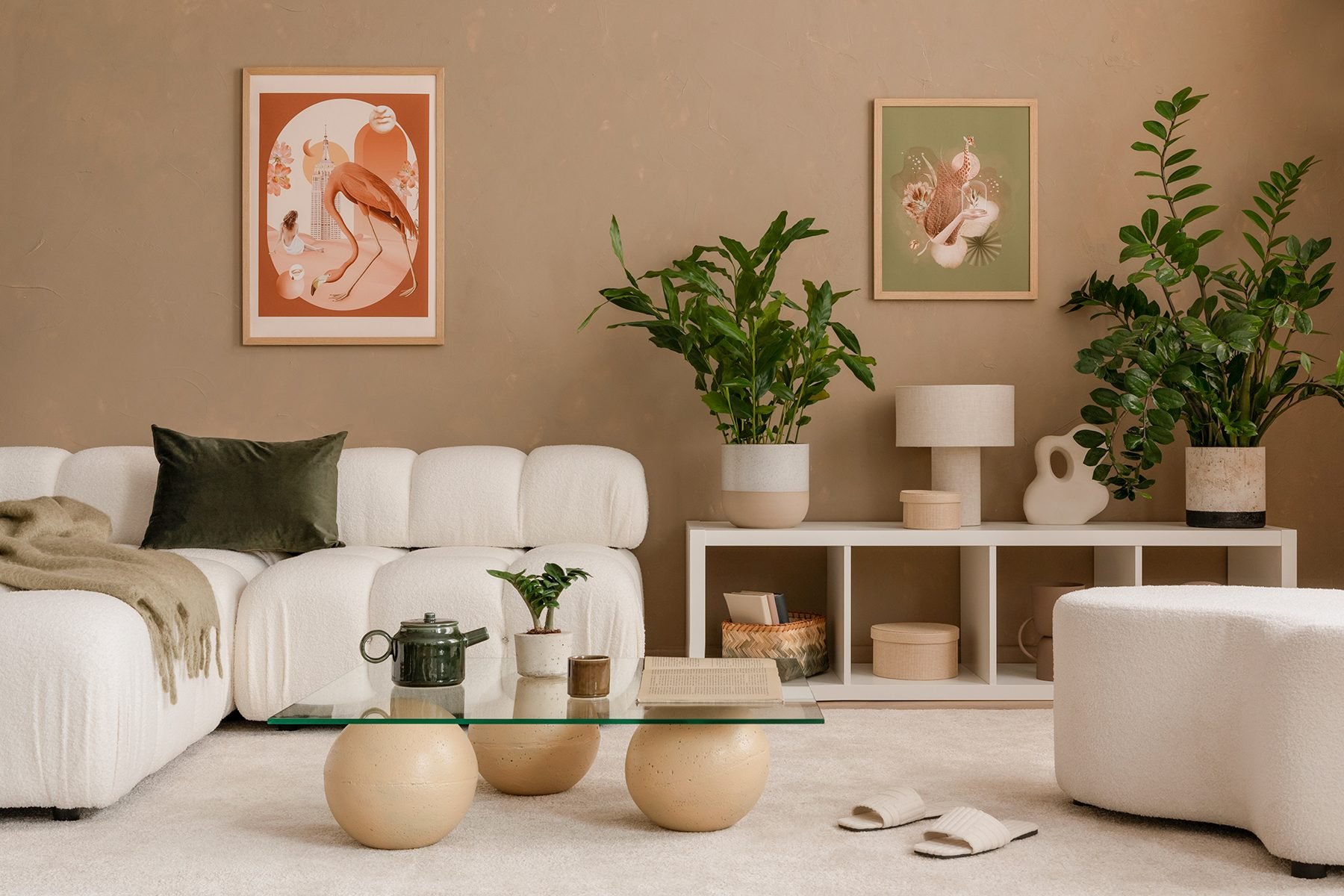
Design Forward: 4 Must-Know Interior Trends for 2025

Top Home Design Trends in 2025 for Modern Living

10 Interior Design Trends to Watch in 2025

2025 Houzz Home Design Trends: These Are The Top 10 Predictions

Interior Design Trends — The 16 Defining Ideas for Decorating Homes in 2025

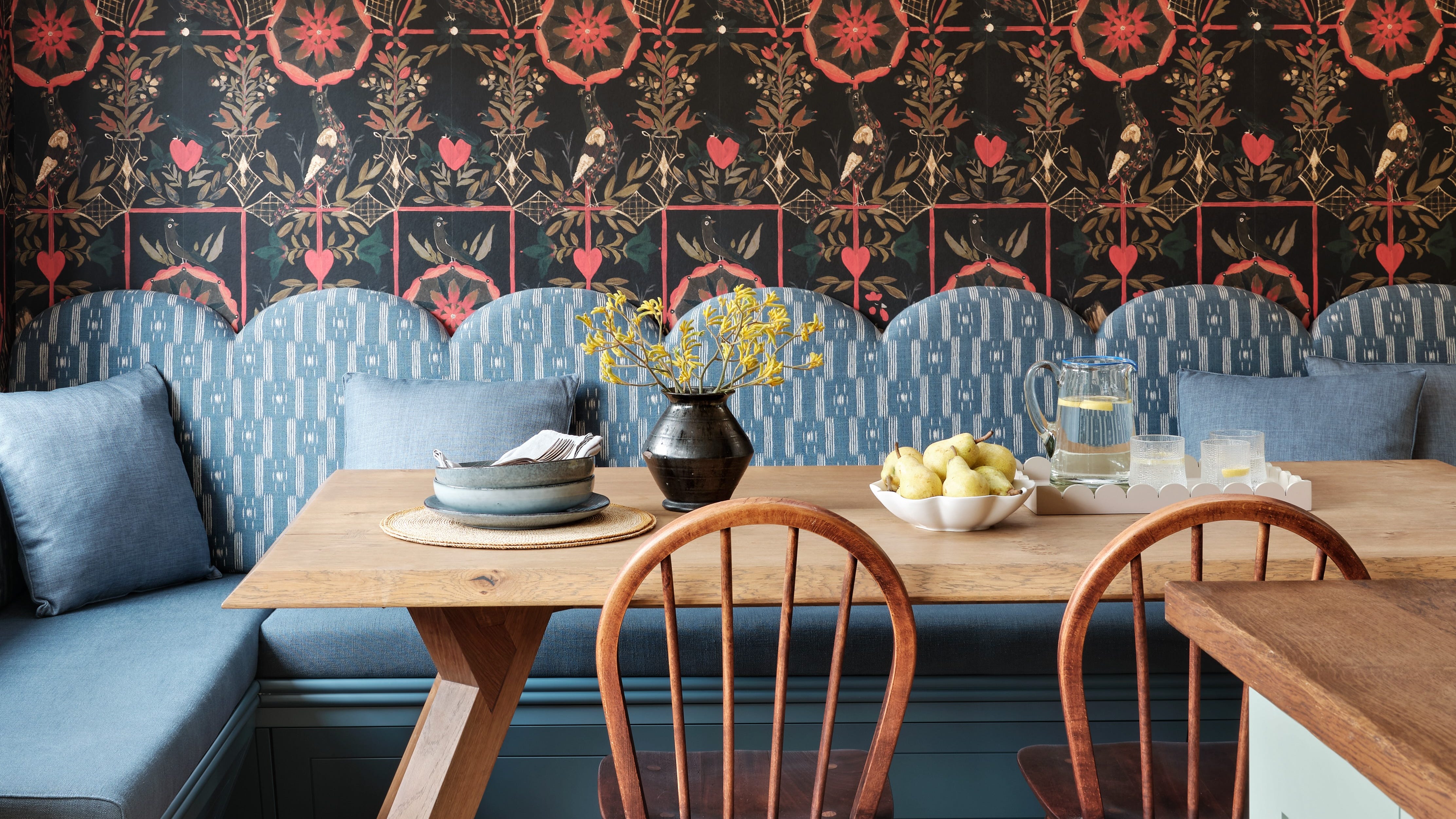
Renovating? The home design trends you’ll see everywhere in 2025

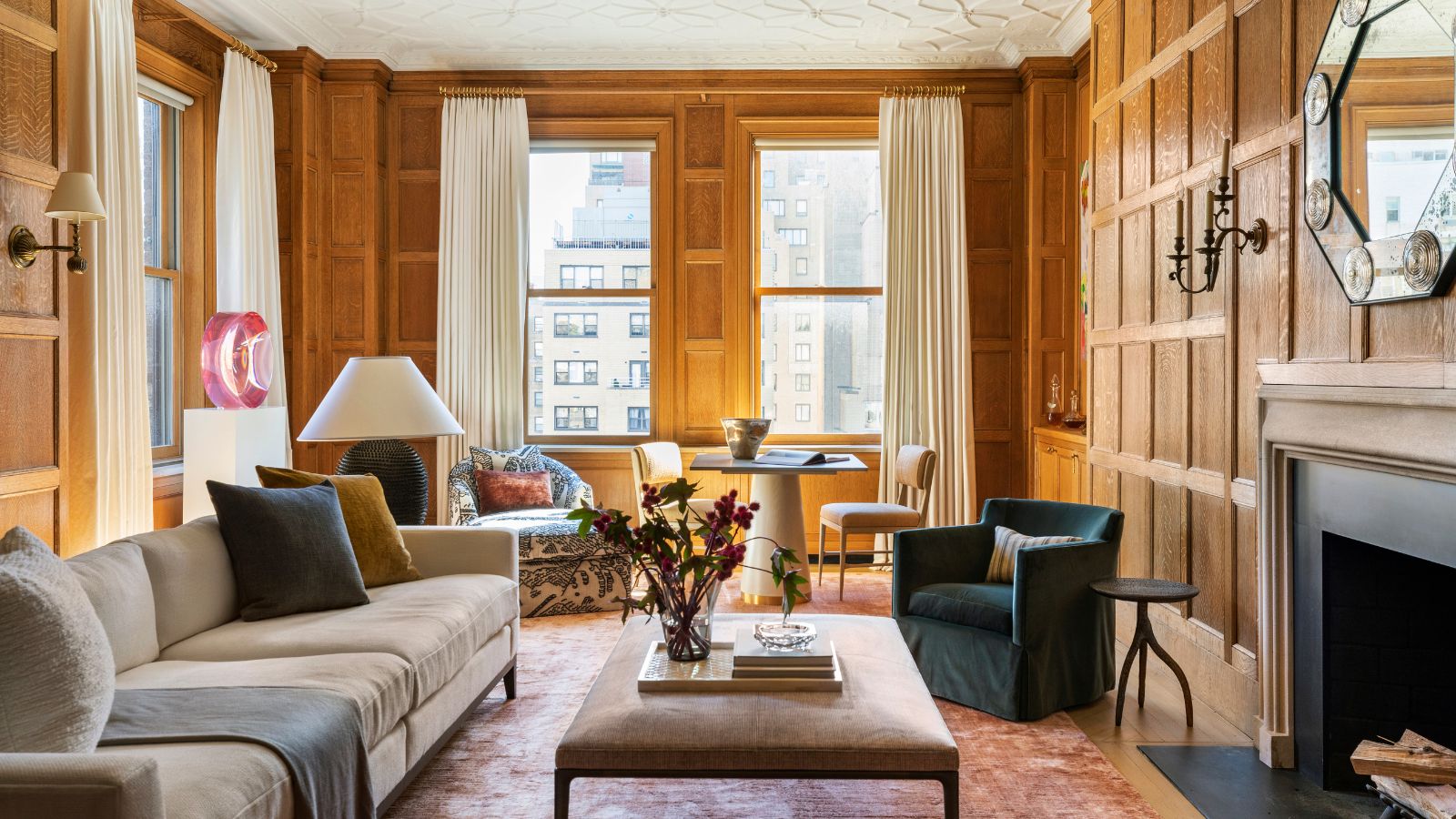
12 Must-Know Interior Design Trends That Have Defined Our Homes in 2025

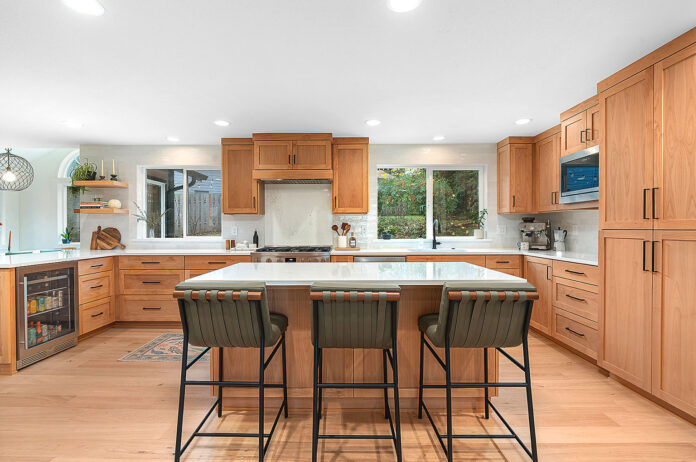
2026 Home Design Trends to Watch
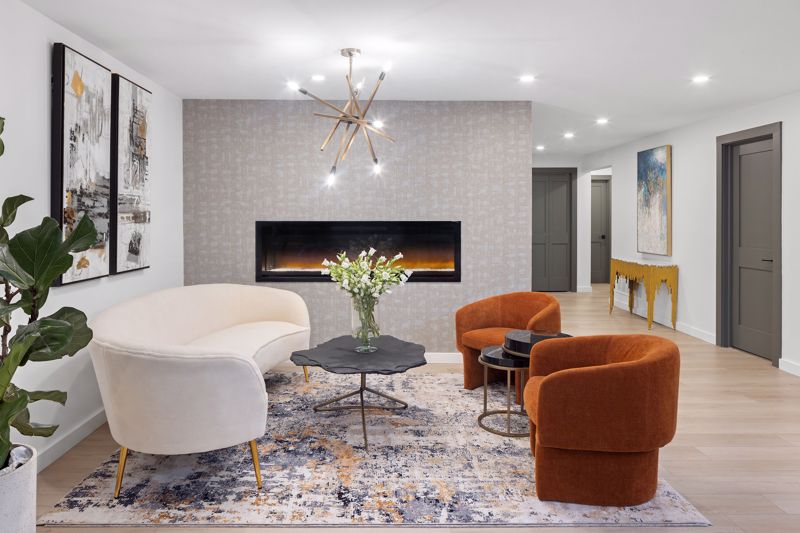
8 Interior Design Trends for 2025