1/13
These Are the Home Design Trends You Need to Know About in 2025
As 2024 concludes, interior design experts Steffani Drass of Trop Architecture, Amanda Patella of Chic on the Cheap, and Isabelle Boba of Lux Interior Design, have identified key trends for homes in 2025. These trends emphasize timelessness, individuality, and warm comfort, moving away from colder, impersonal styles.
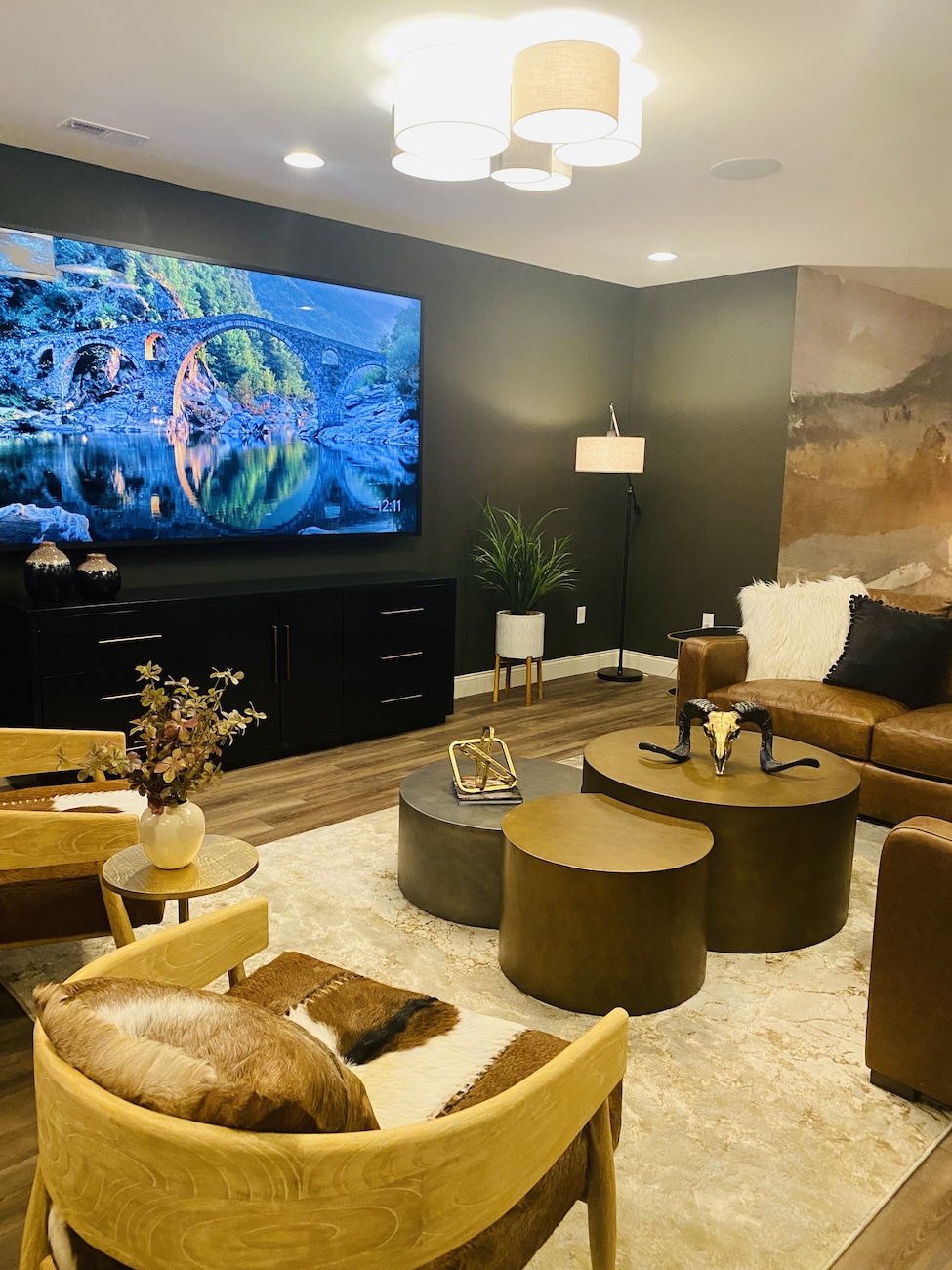
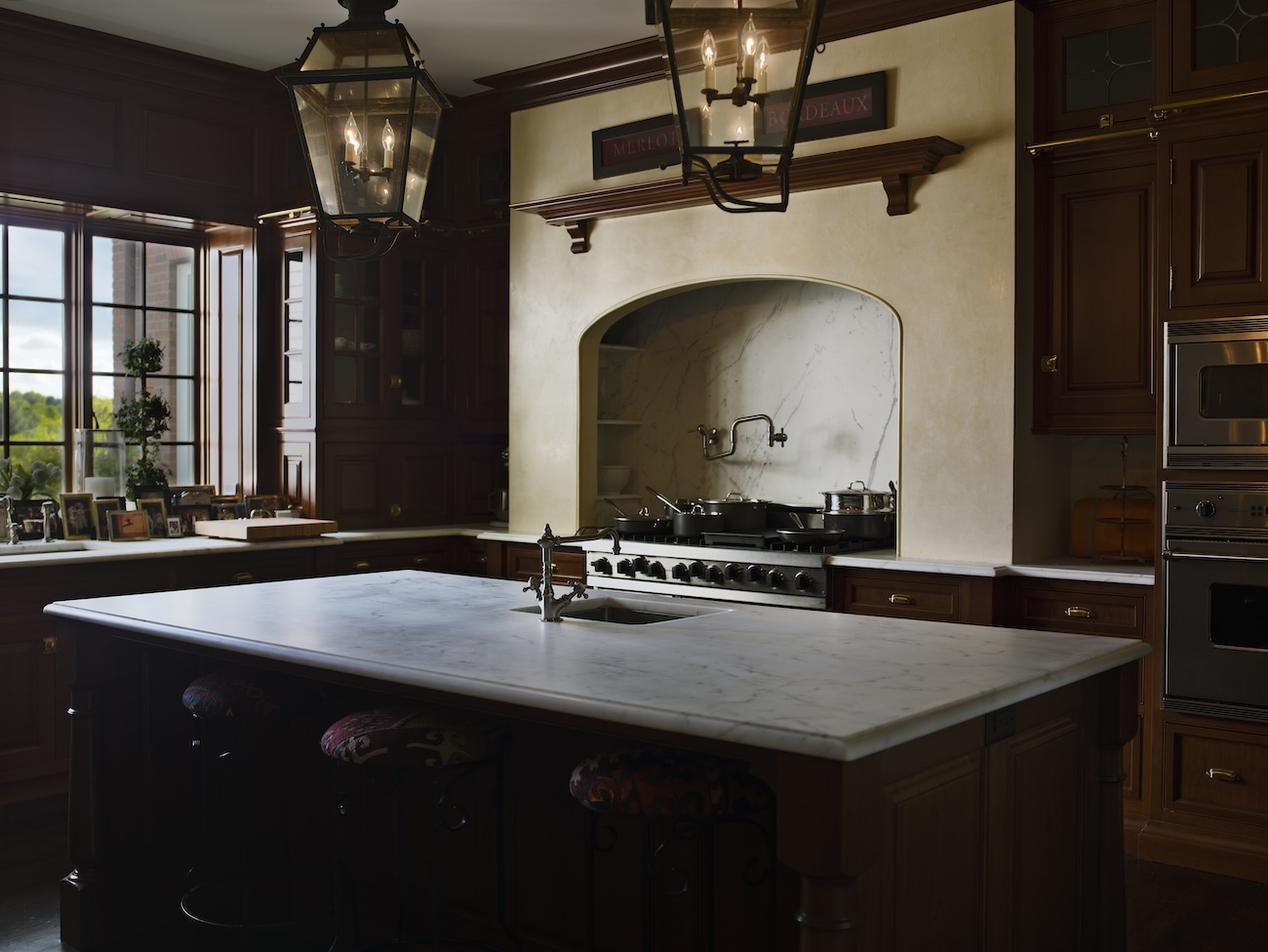
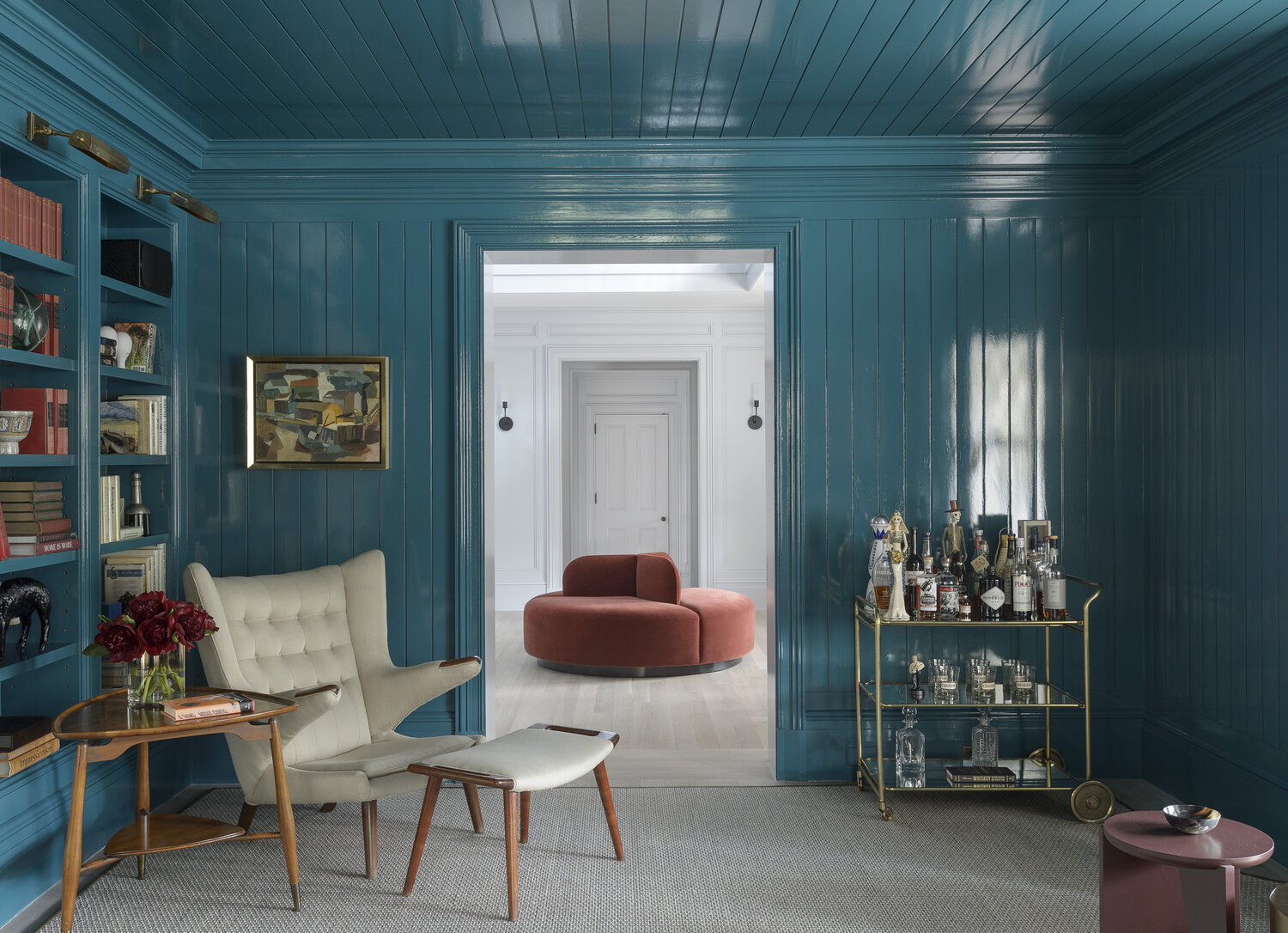
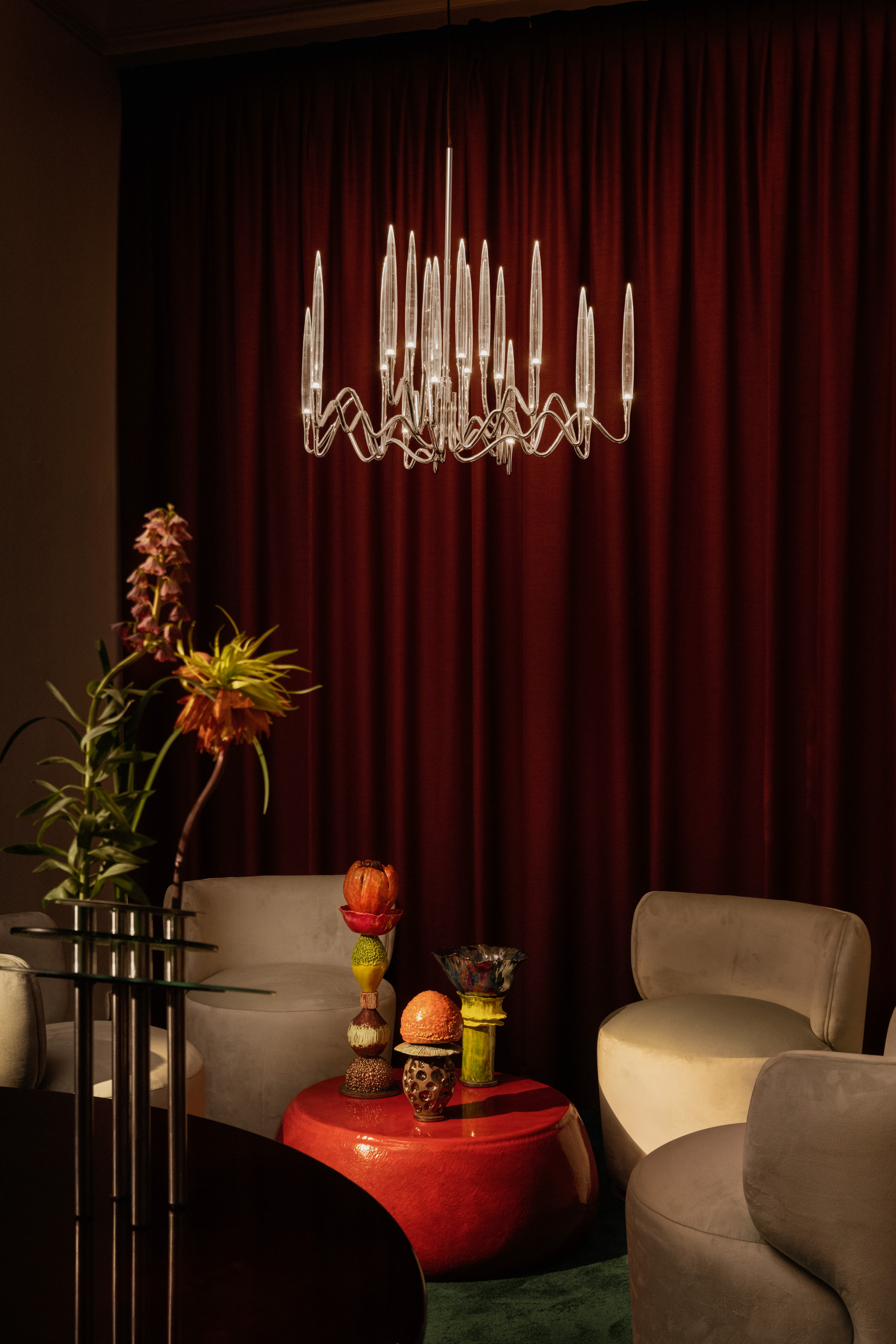
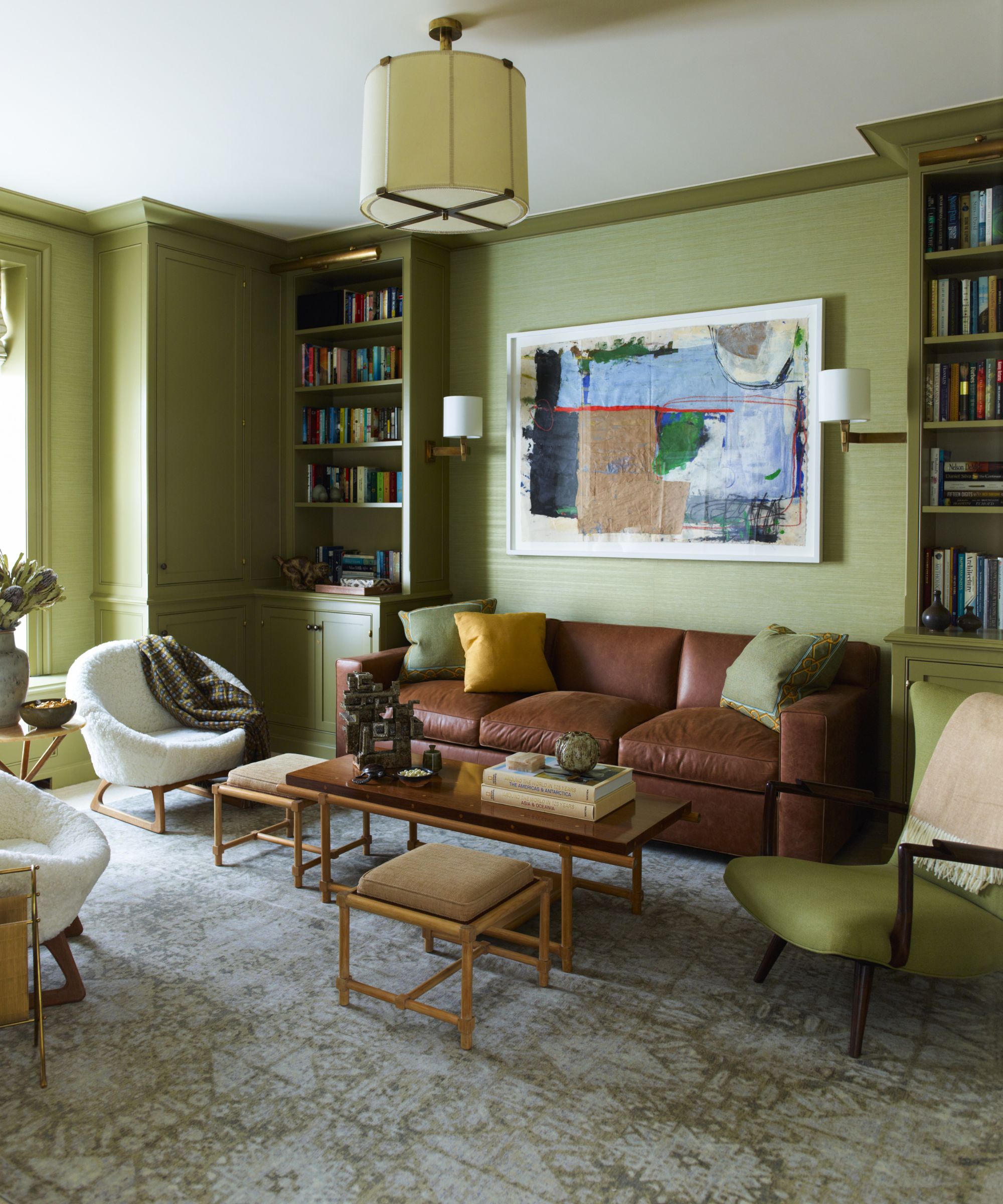
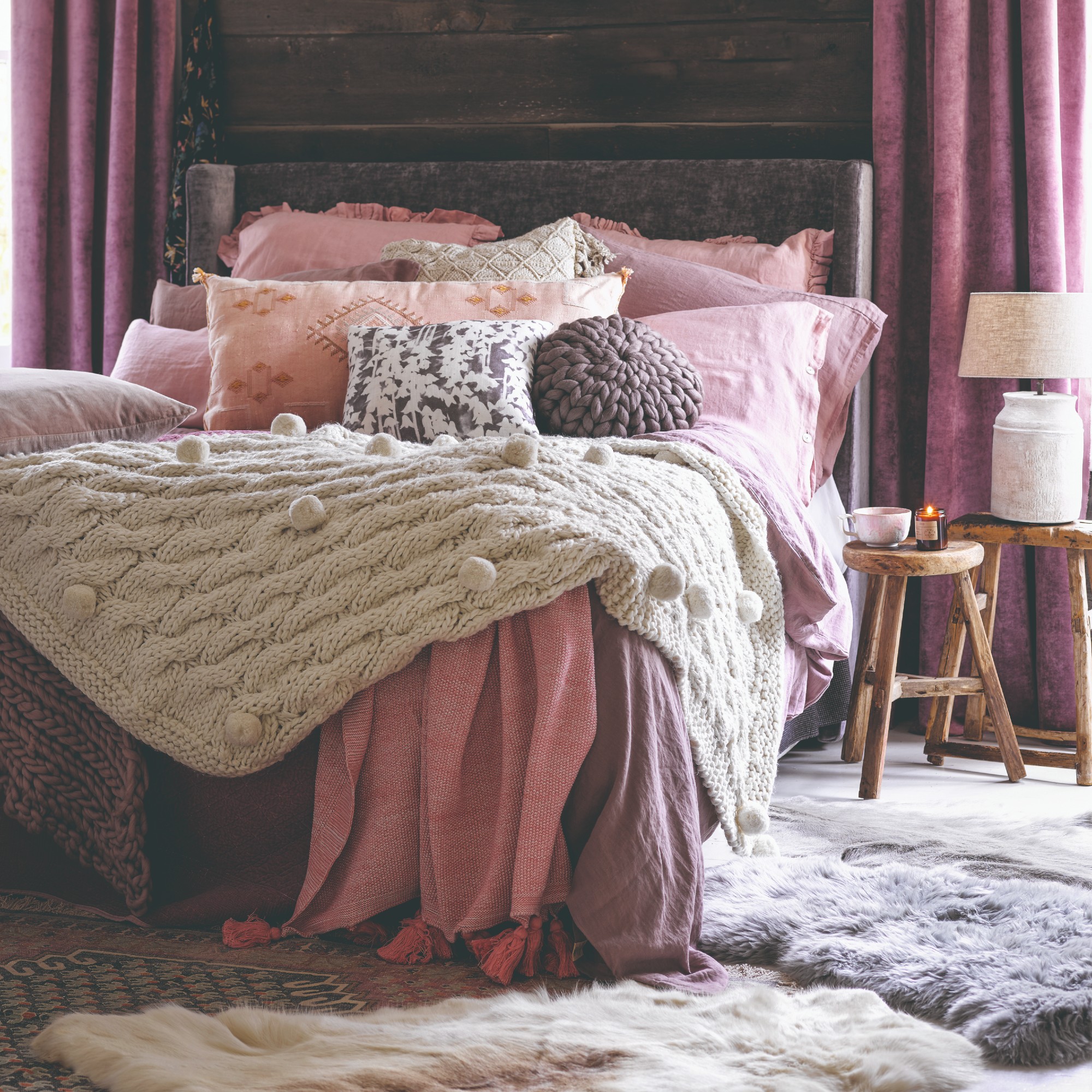
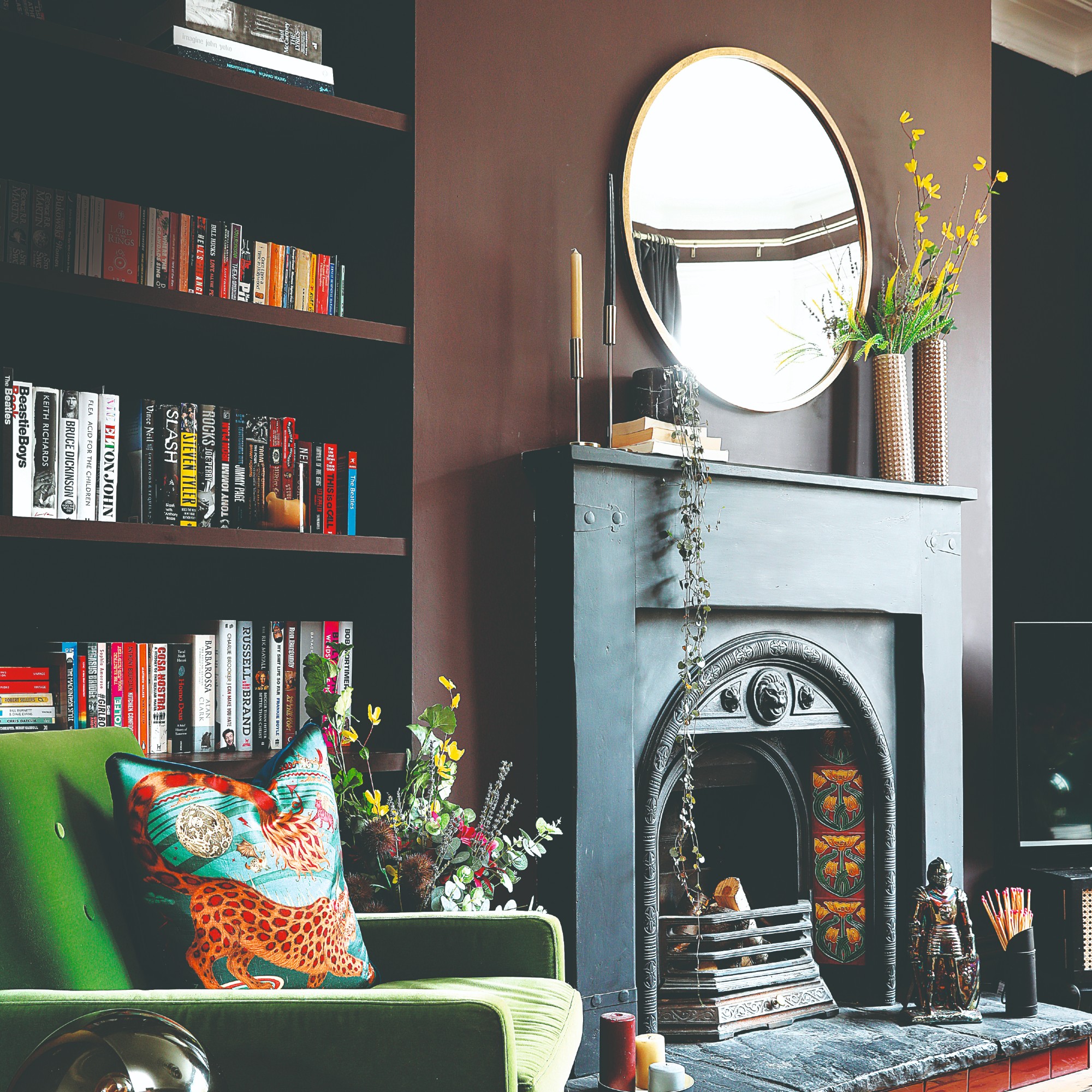
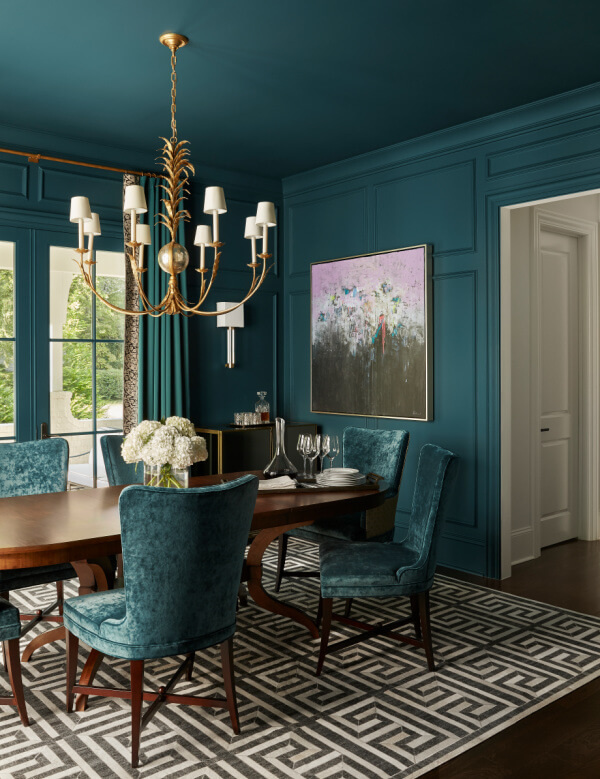
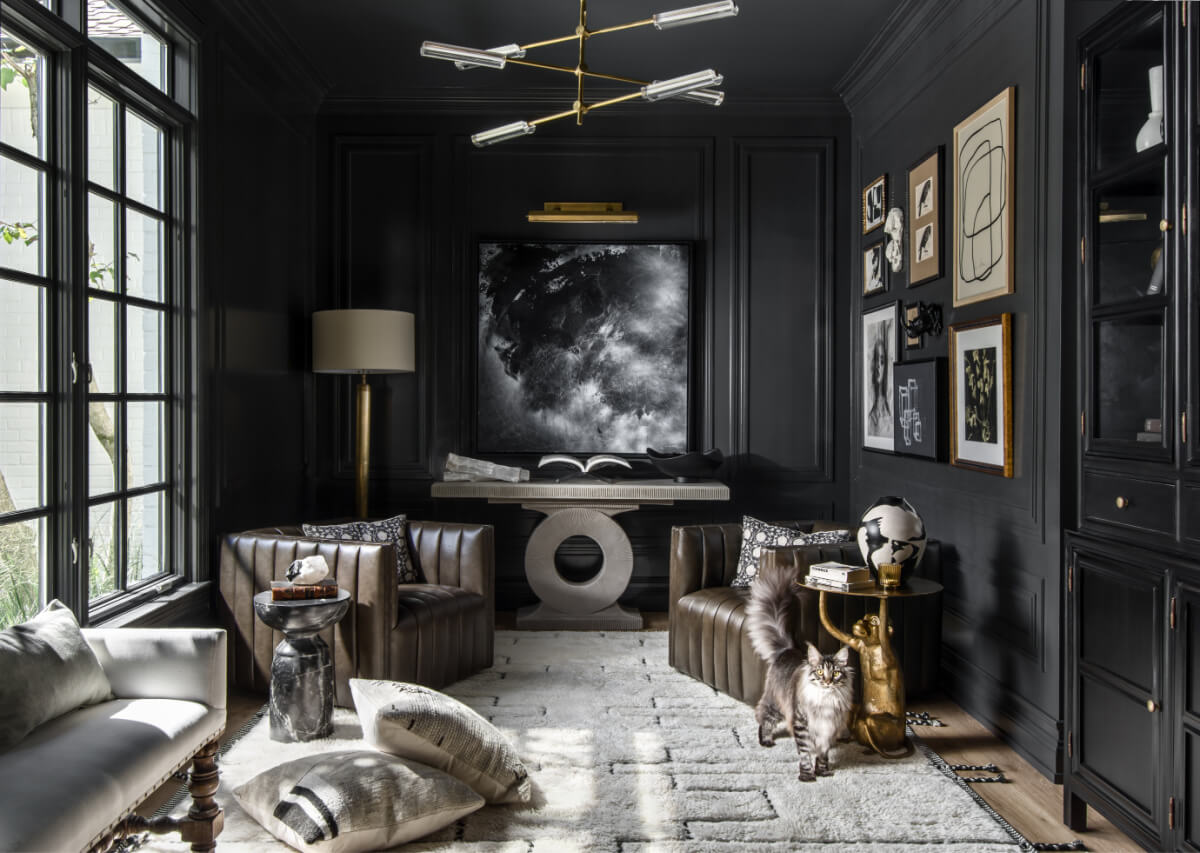
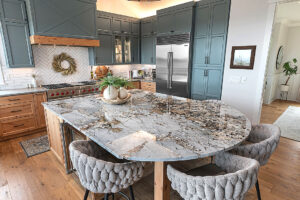
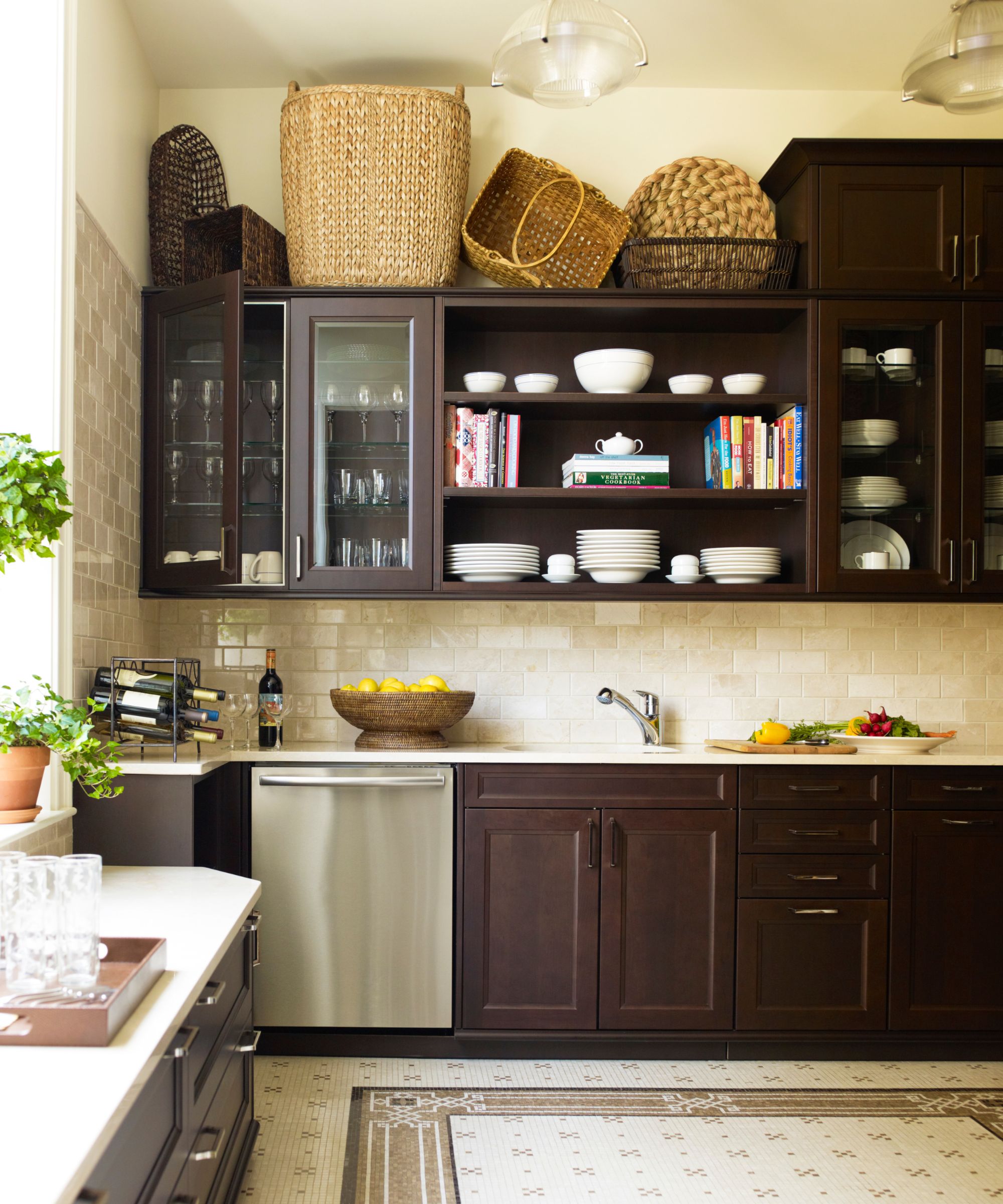
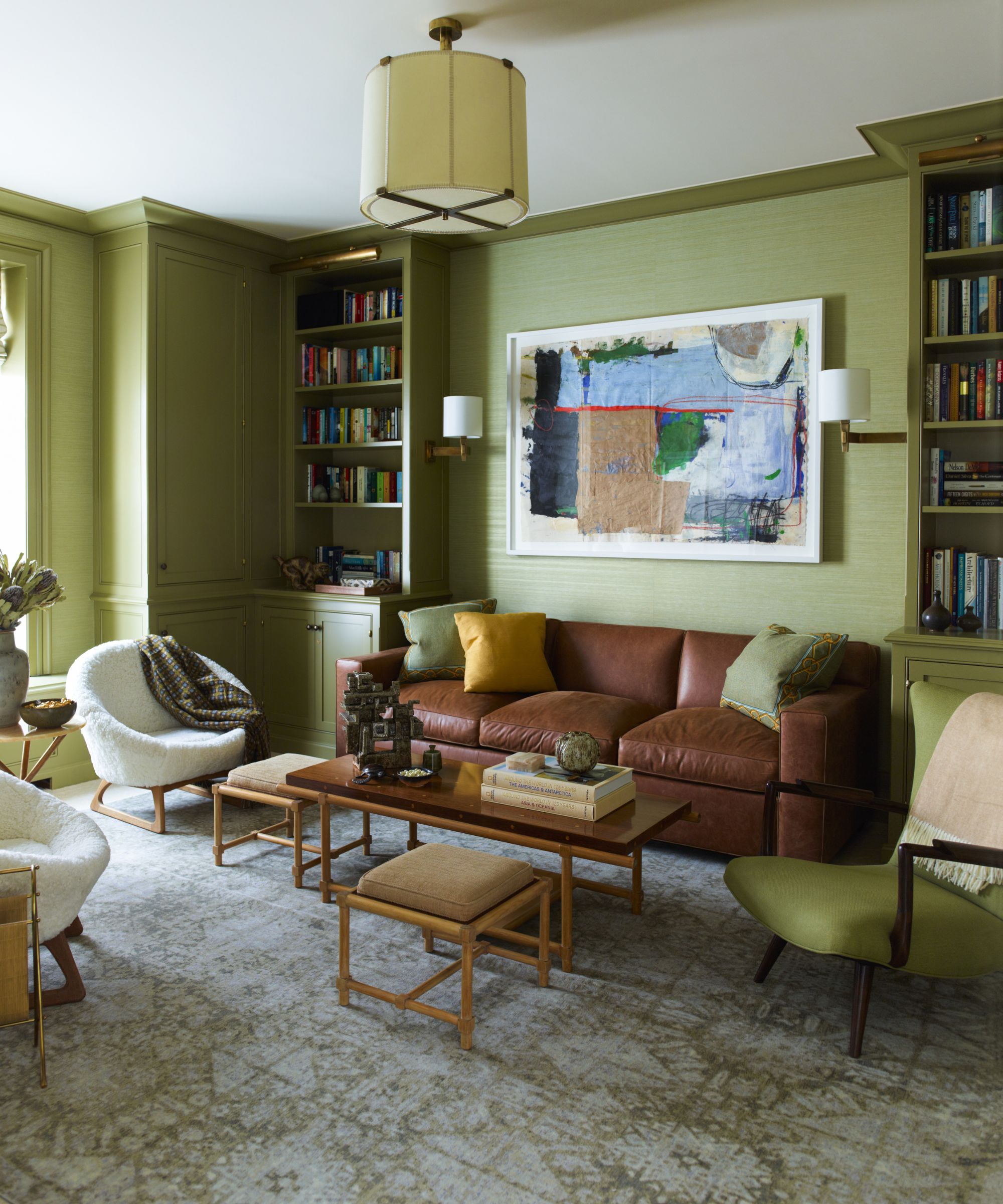
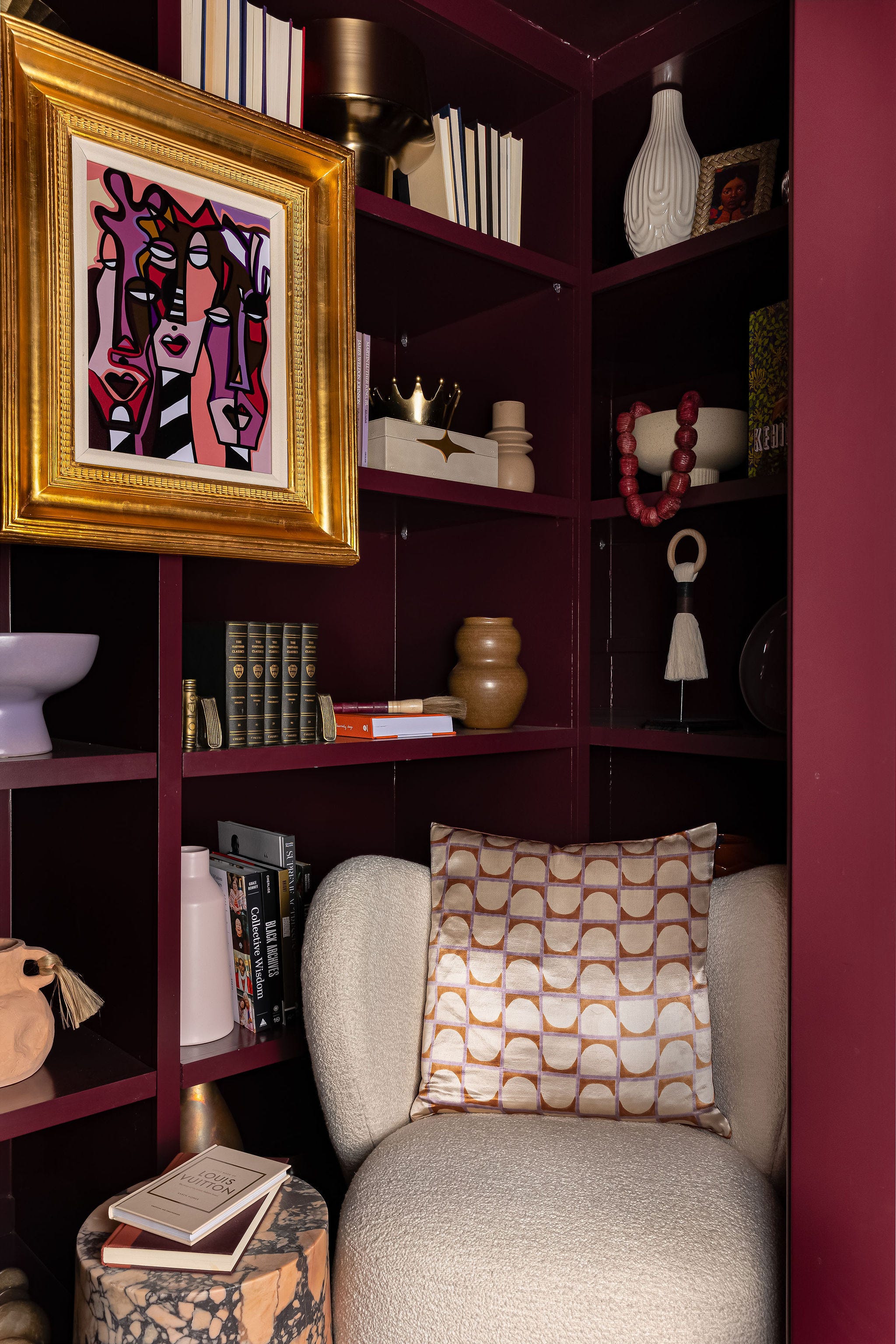
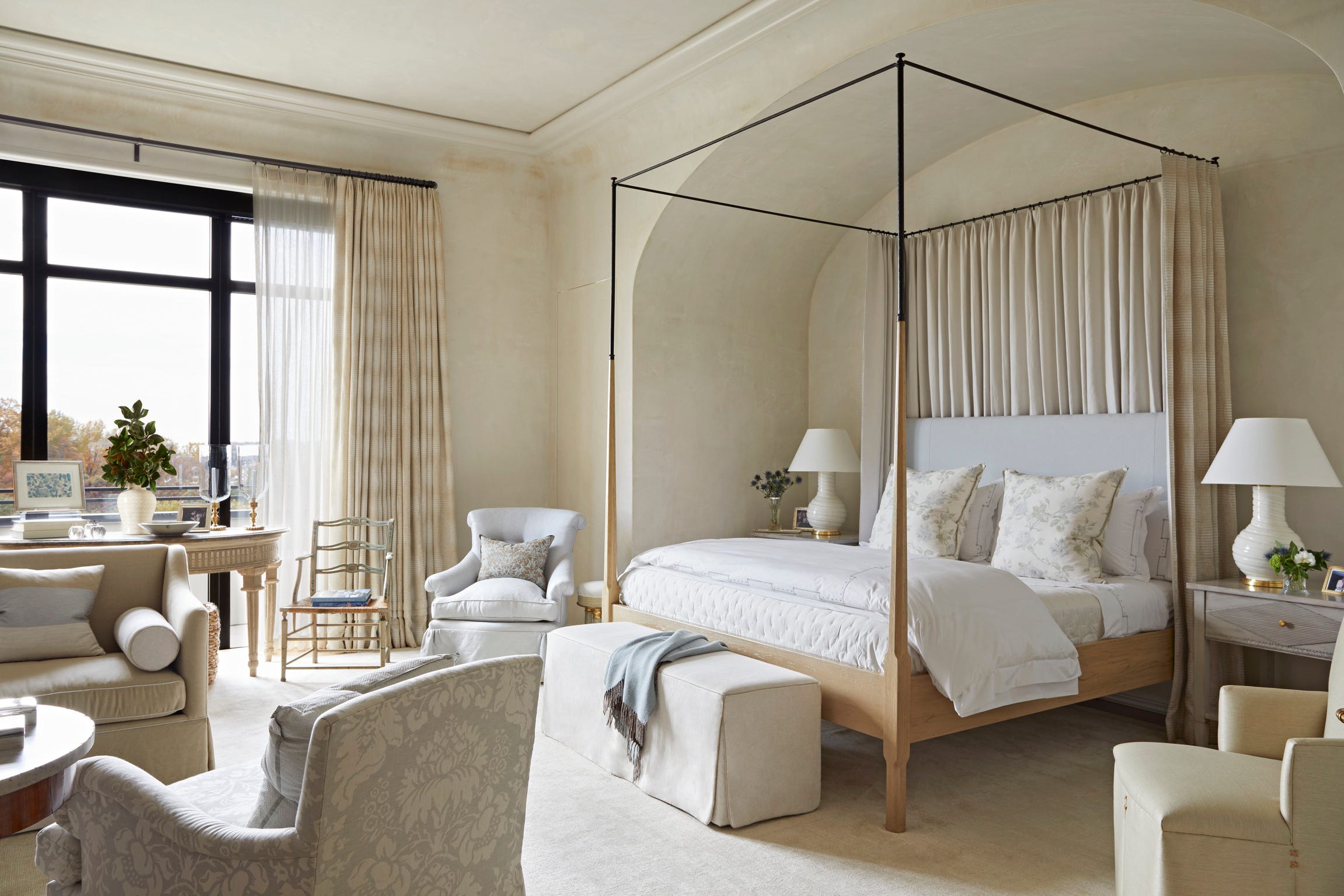
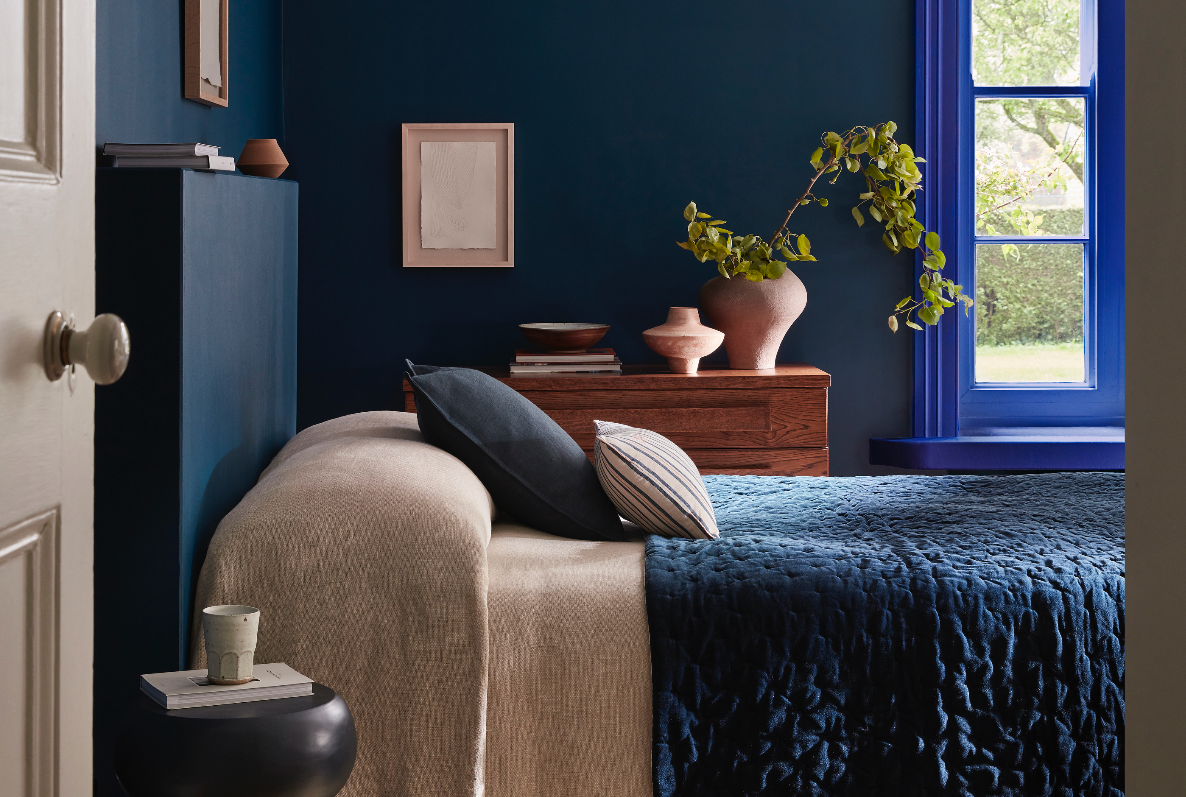
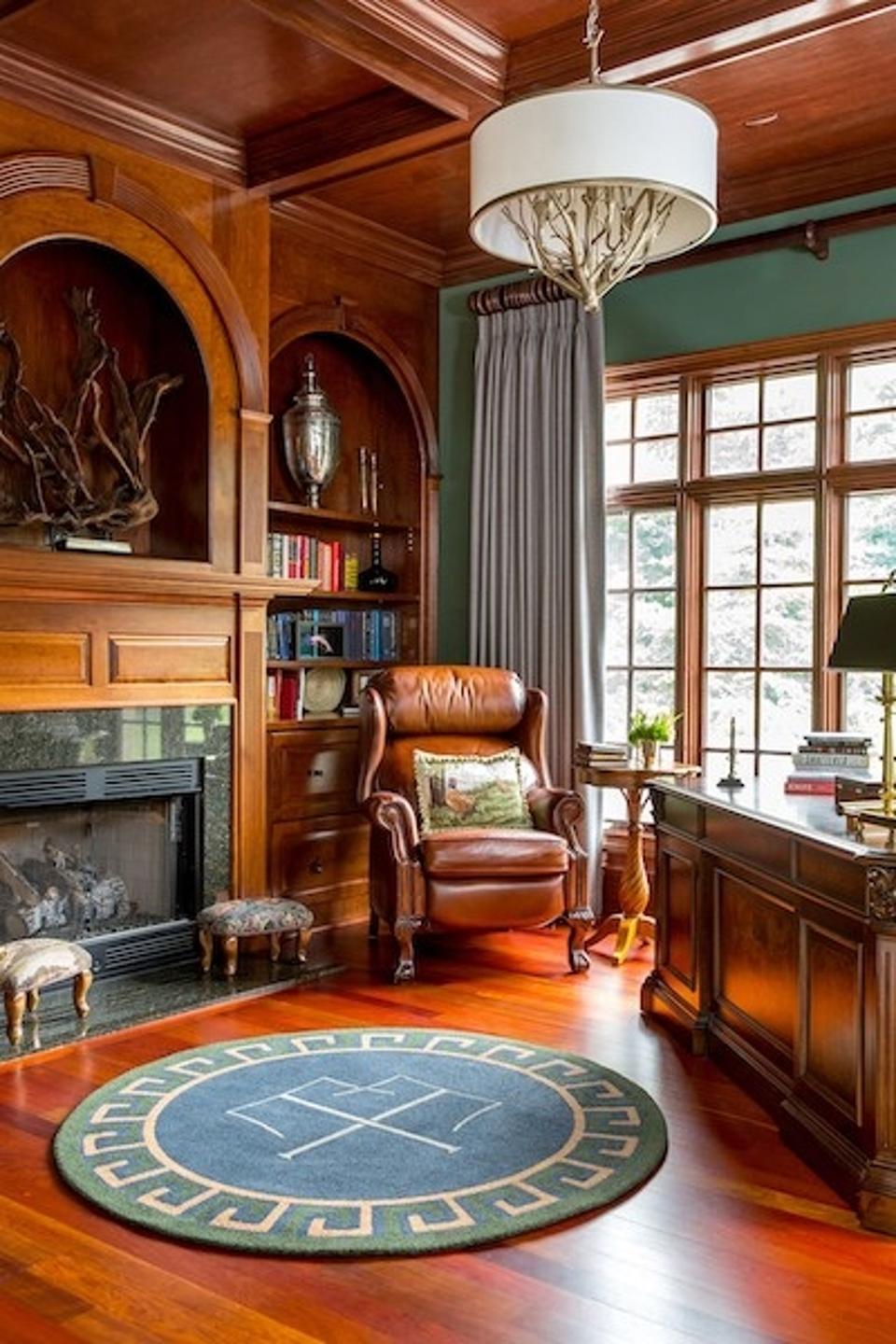
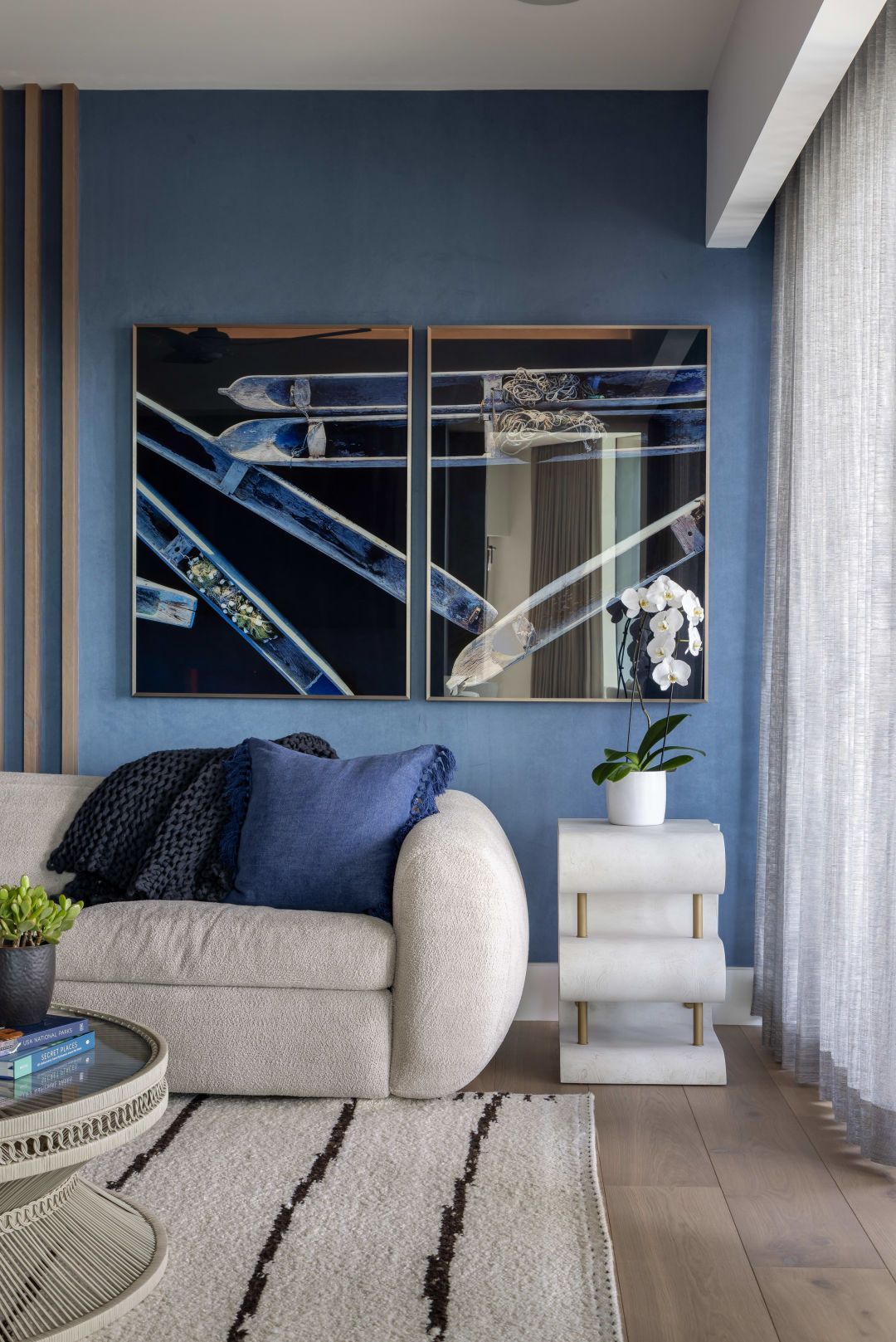
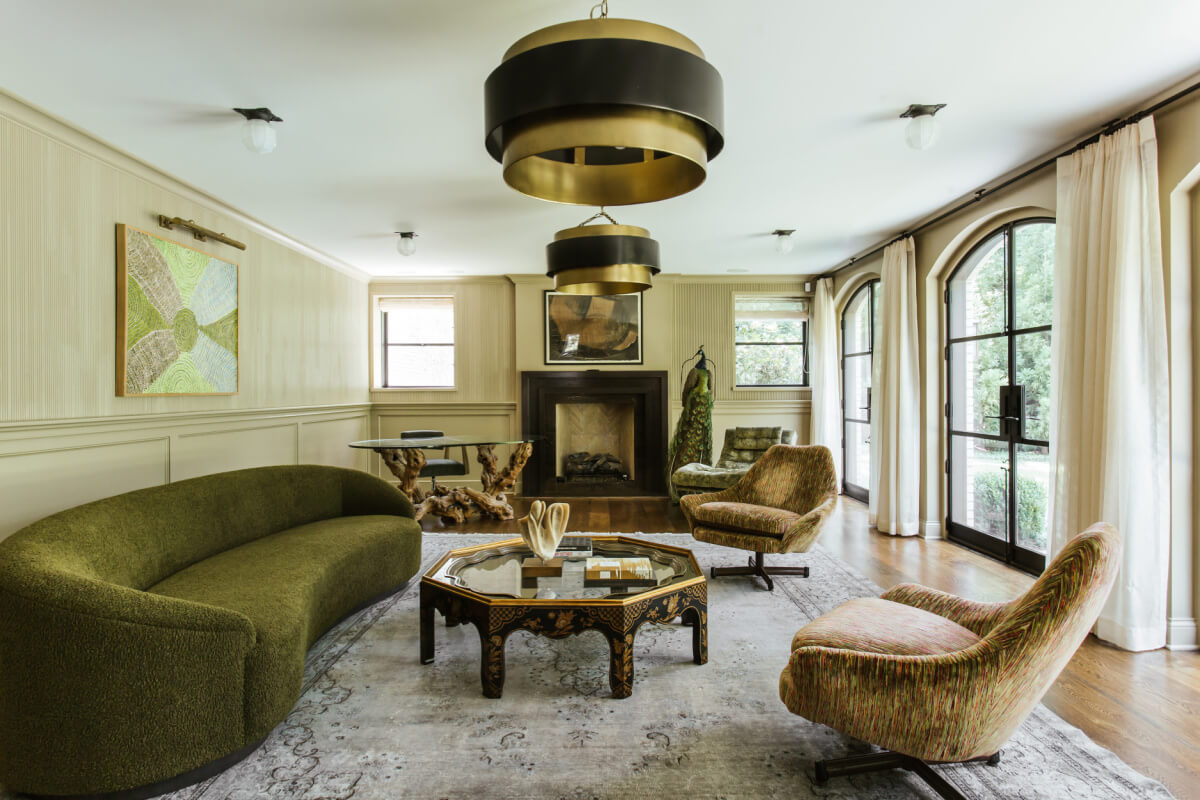
A significant shift is anticipated in color palettes, moving towards richer, warmer, and more grounding tones. Patella highlights Sherwin-Williams' Black Fox, a sophisticated brown, and a resurgence of greens, from sage to Black Forest Green. These colors, especially when paired, create a comforting and grounded atmosphere. The concept of “color drenching,” where walls, ceilings, and built-ins are painted in the same shade, is gaining traction to create enveloping spaces. Patella suggests experimenting with gloss finishes for depth, while Drass points to the enduring appeal of matte finishes, noting versatile and timeless shades like mocha, exemplified by Pantone's 2025 Color of the Year, Mocha Mousse. Warm grayish whites will continue to serve as foundational palettes. Monochromatic schemes, involving subtle tonal variations or a single color across baseboards, walls, and sometimes ceilings, aim for a seamless and cohesive look. This approach allows for bold statements that are softened by layering textures and materials, creating dynamic spaces rather than static ones.
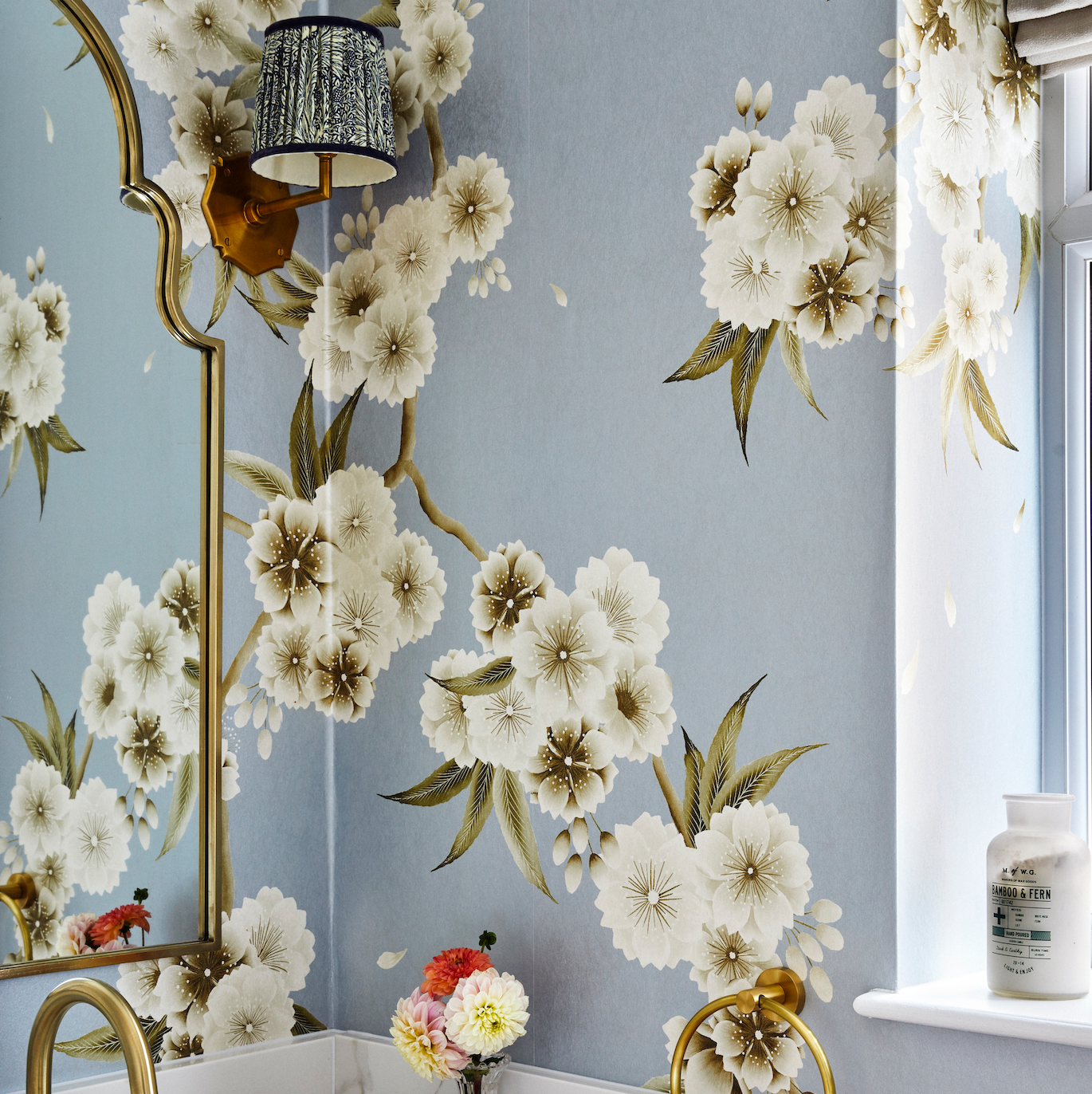
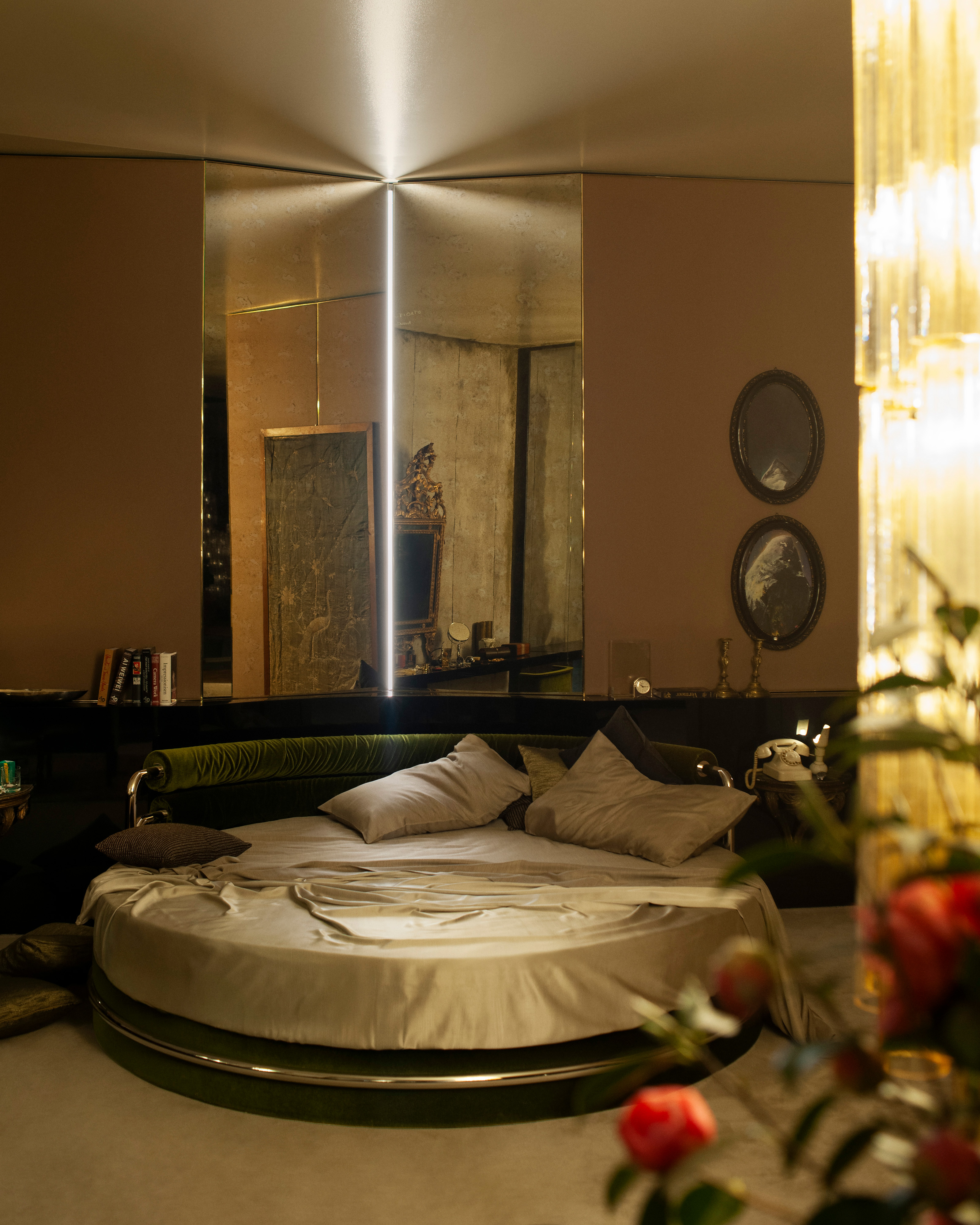
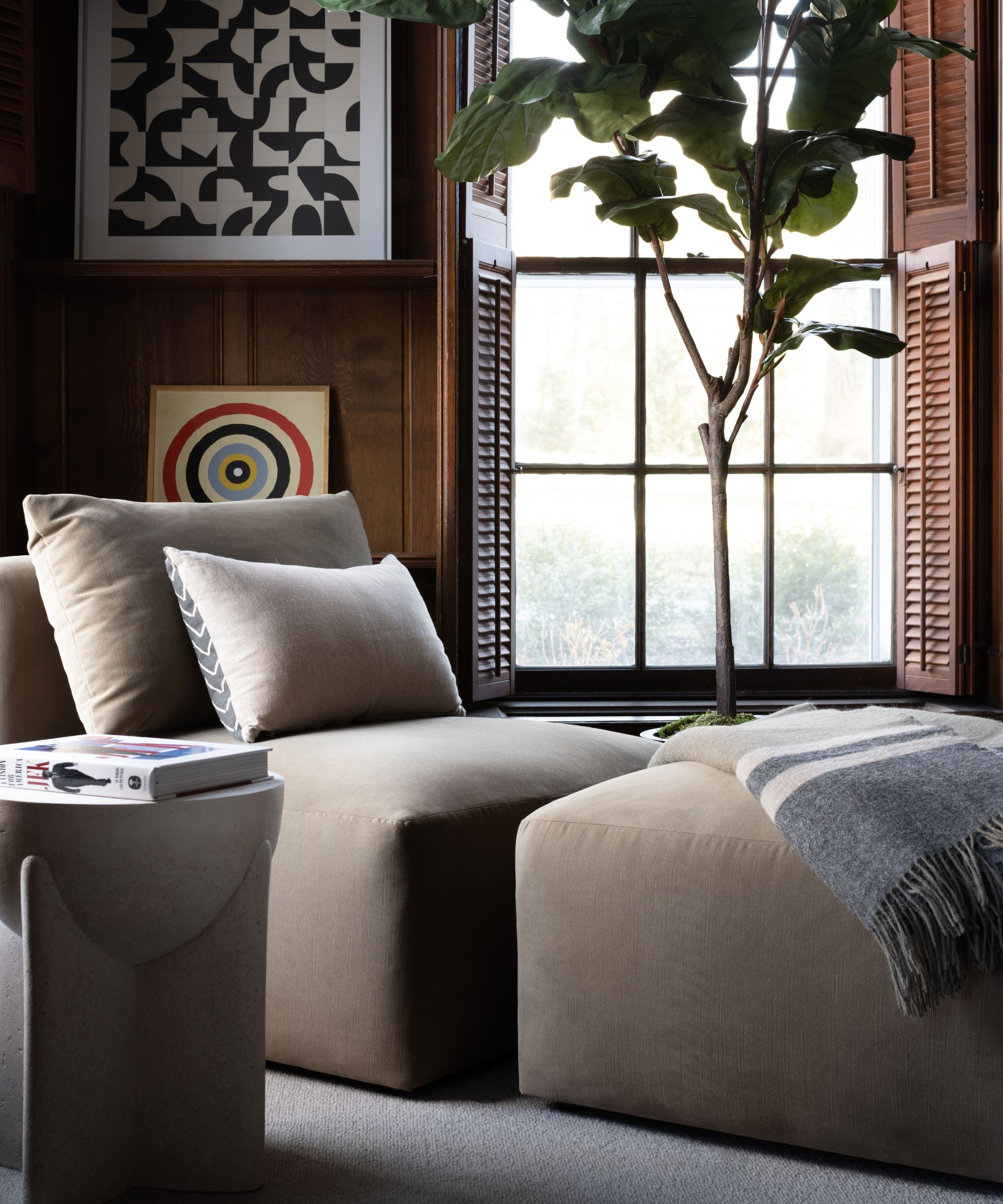
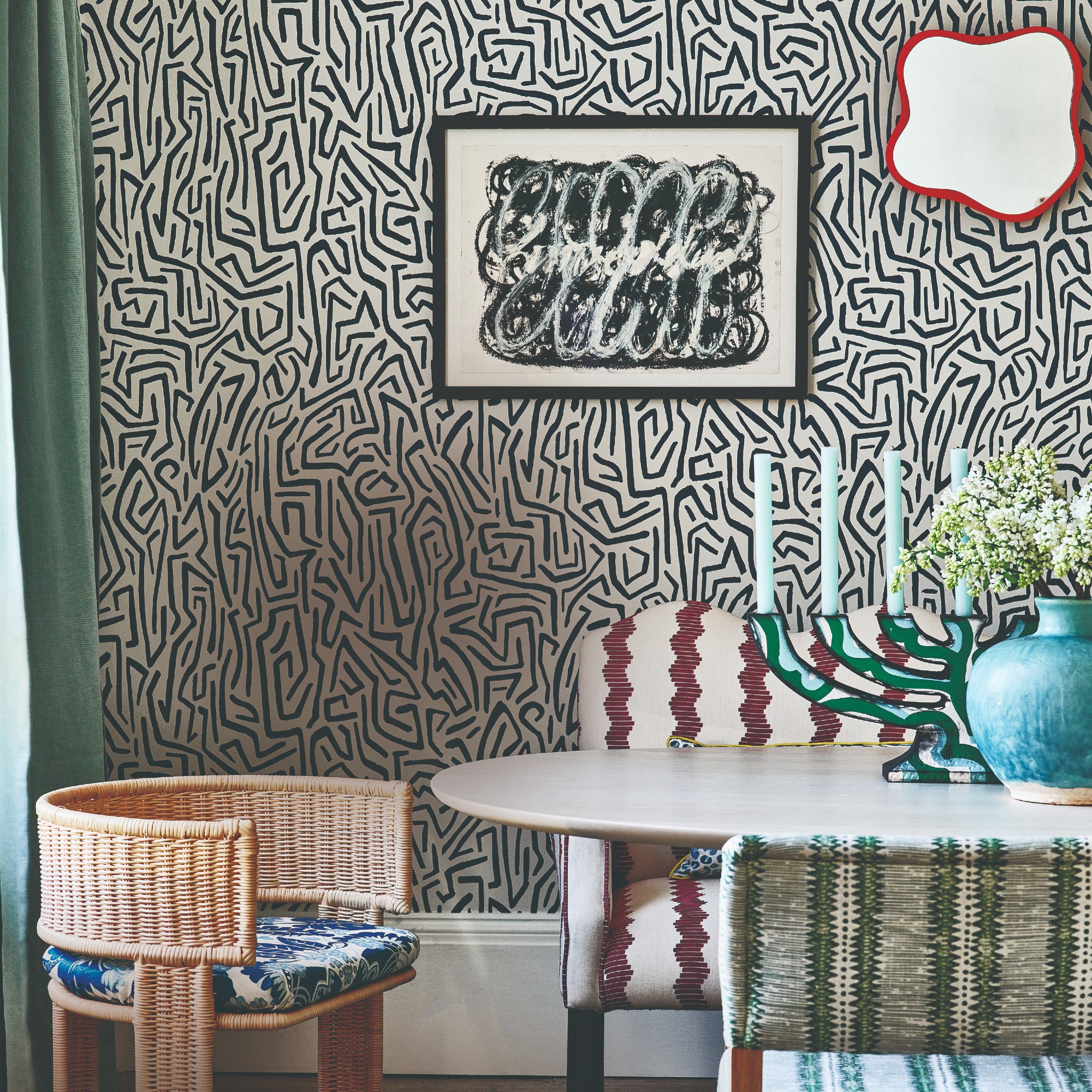
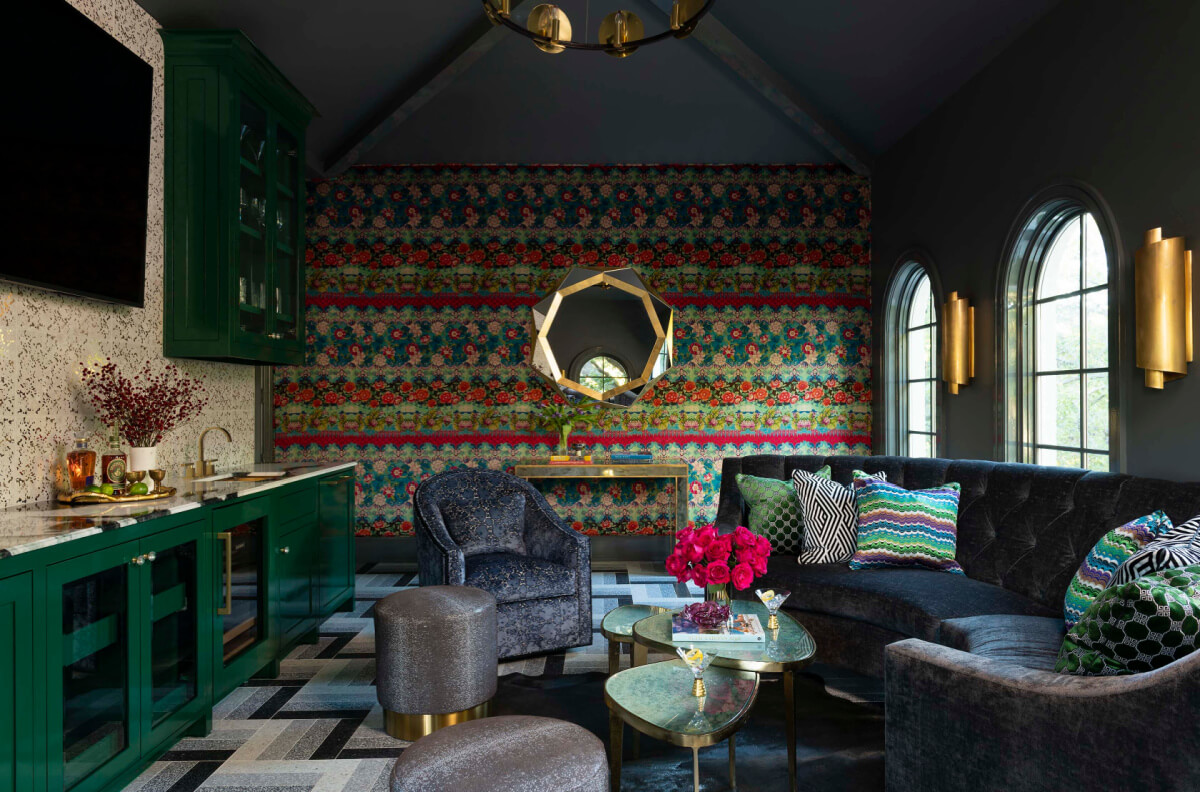
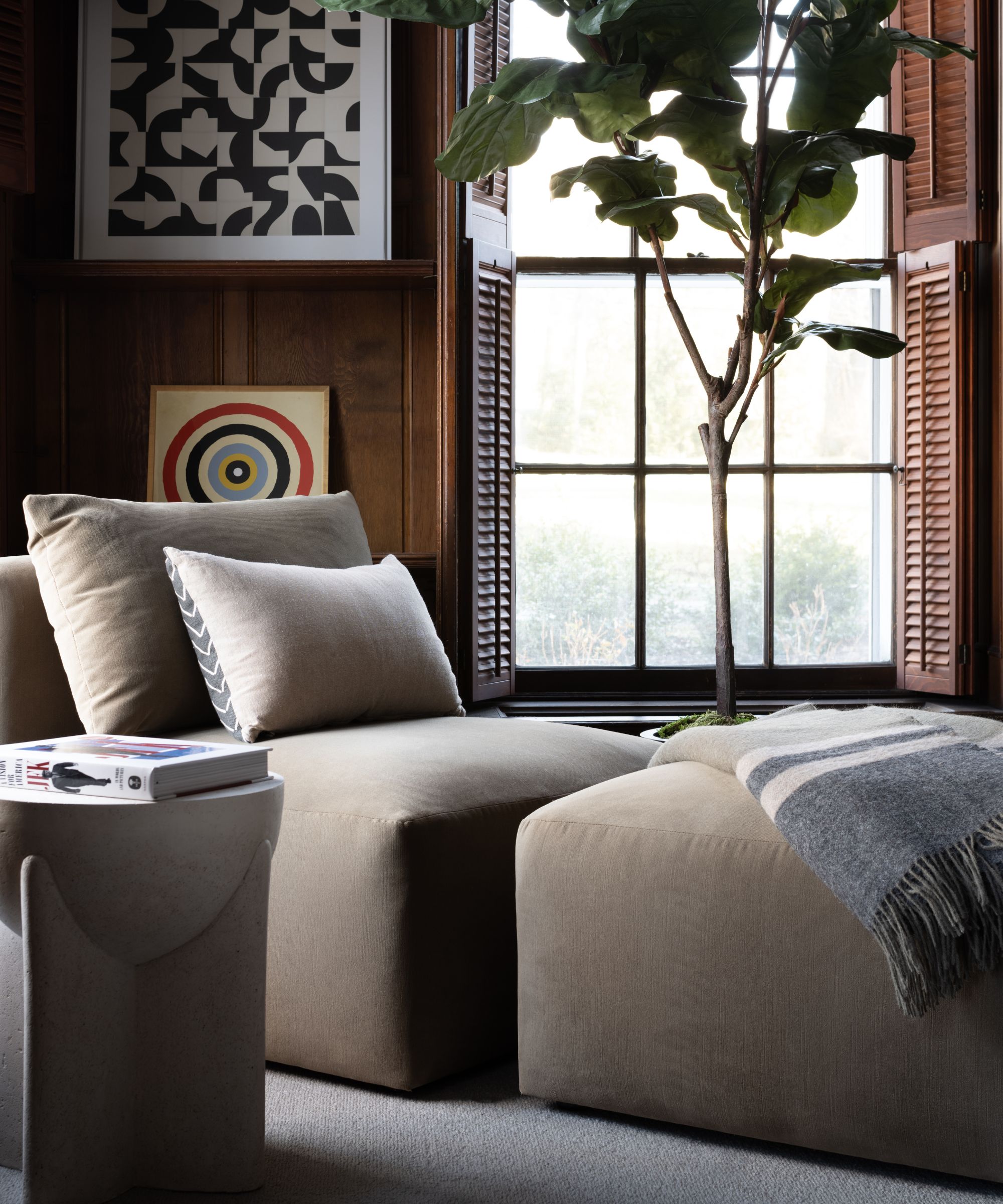
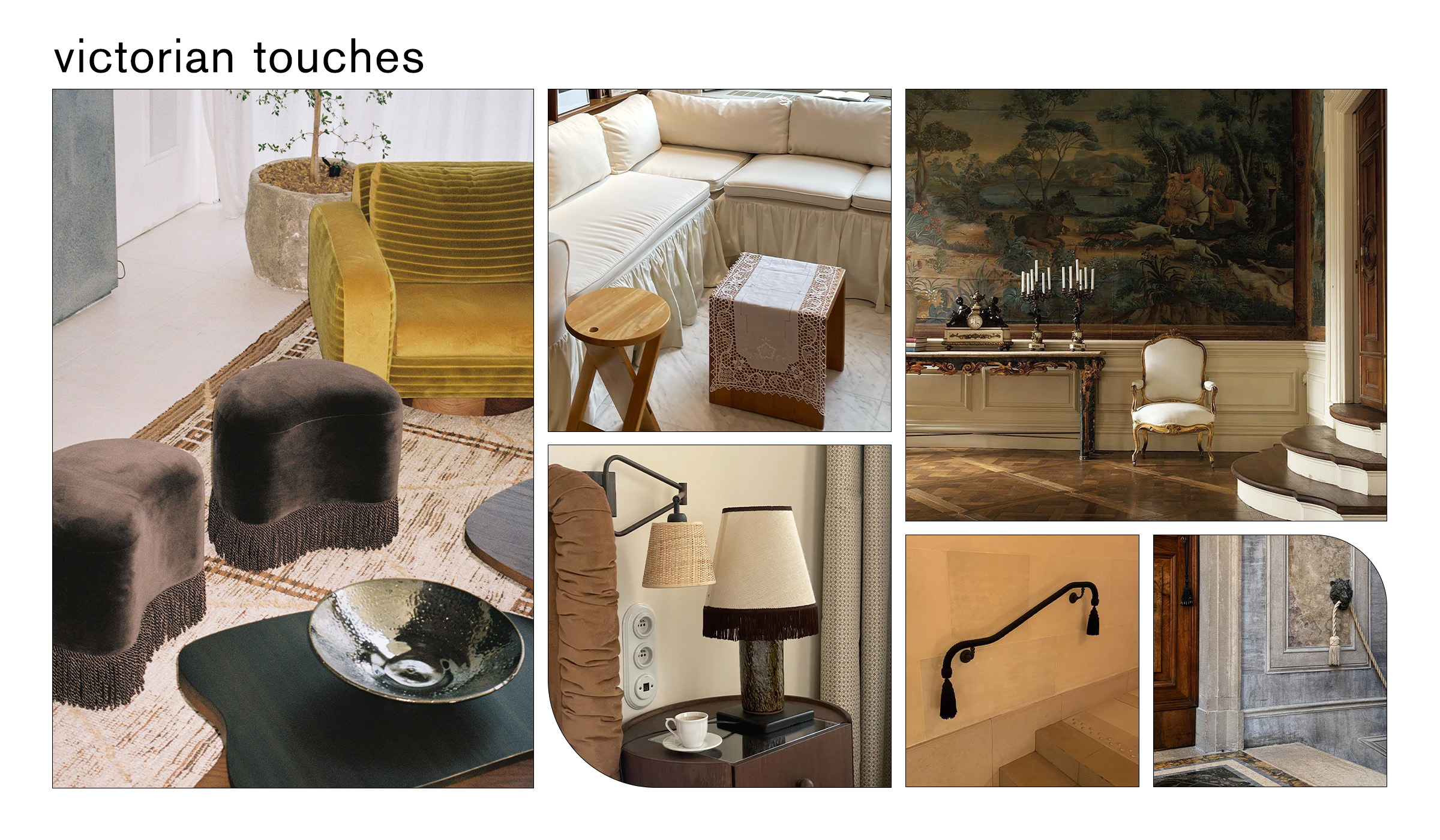
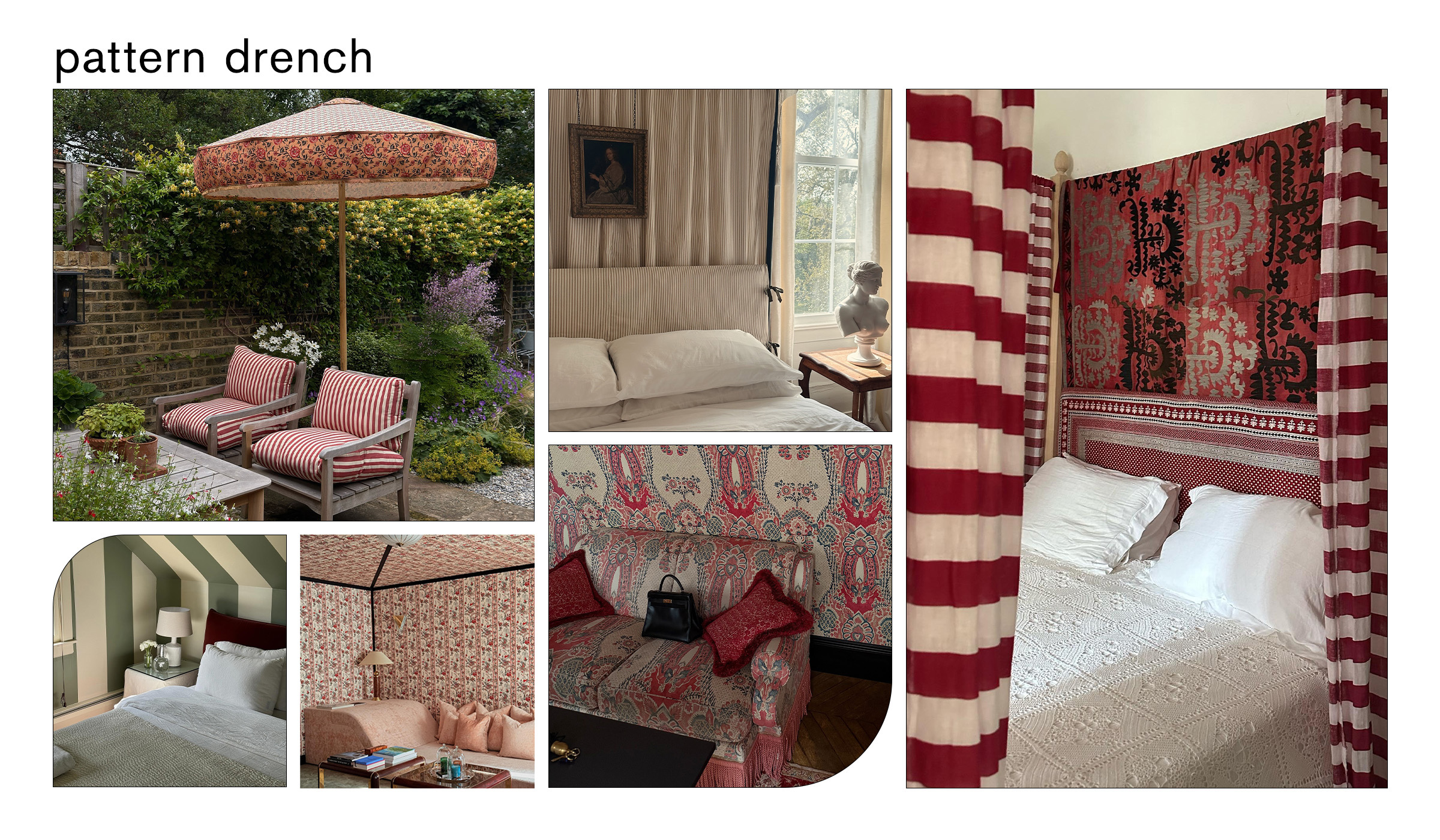
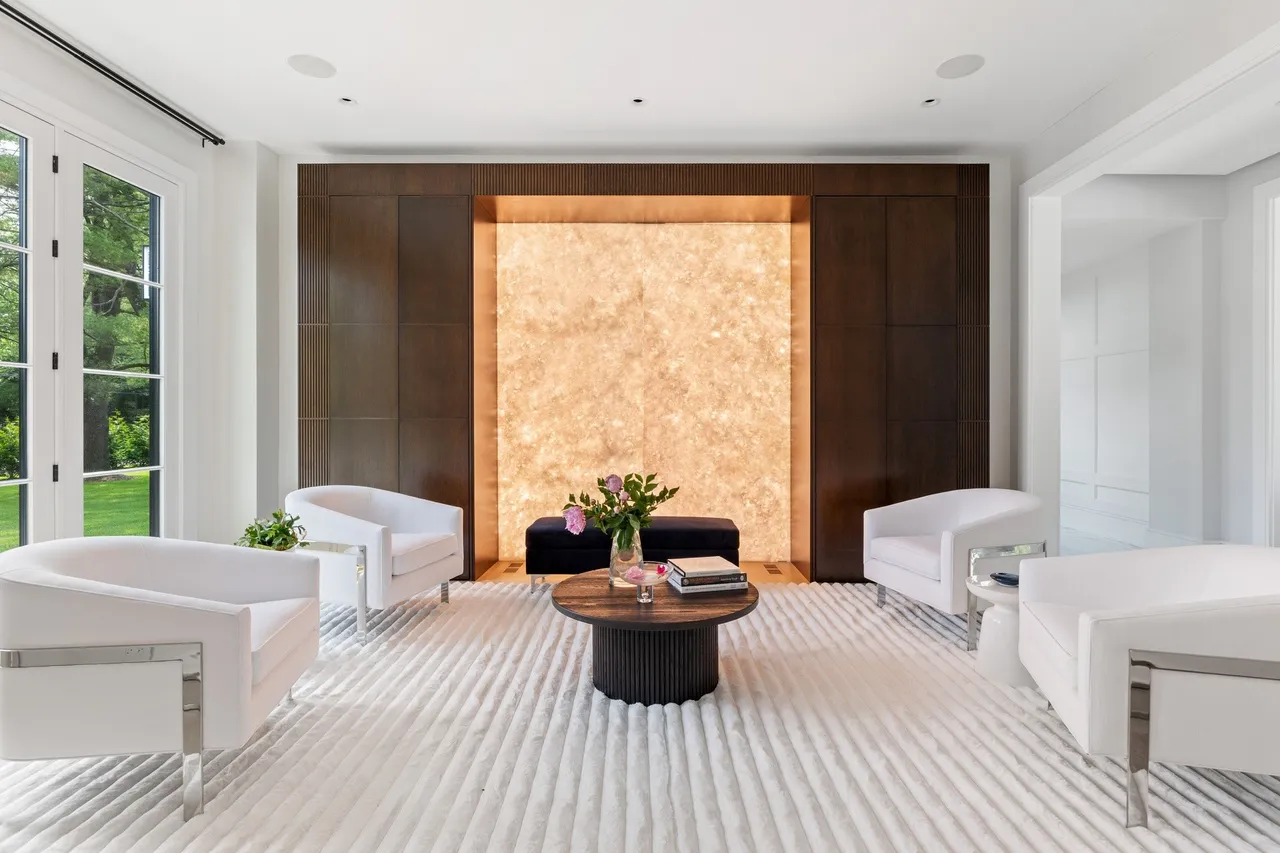
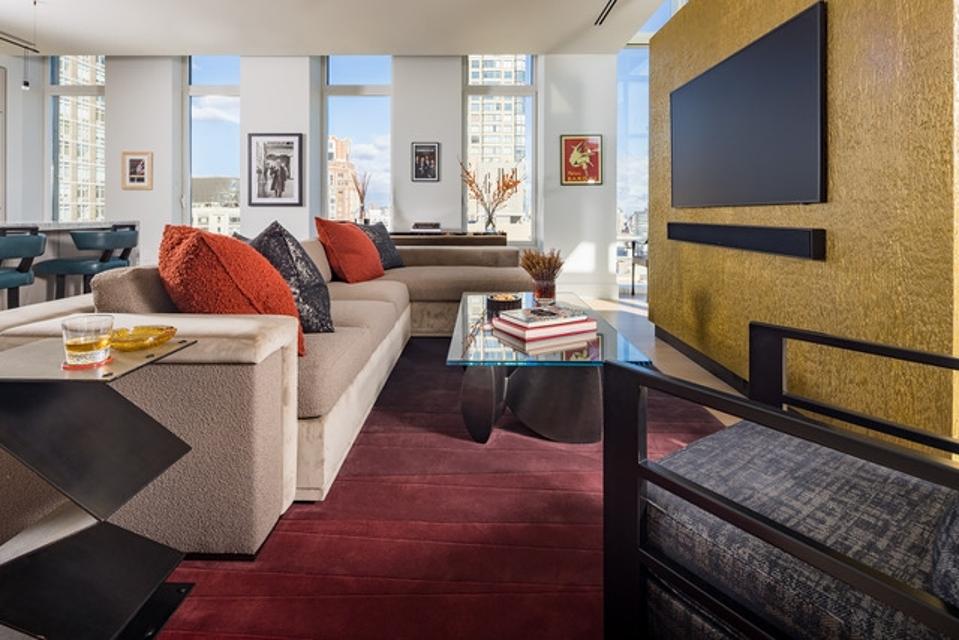
Furniture design in 2025 will continue to feature curves, with larger pieces incorporating soft, rounded edges to bring warmth and a more welcoming feel to spaces, contrasting with the harshness of square furniture and spindly legs. Texture is also crucial, with materials like boucle, high-performance fabrics, and darker leathers becoming prominent. Performance fabrics are particularly valued for their durability and style, meeting the demands of households with children and pets. Fuzzy textures are also trending, offering comfort and concealing imperfections. Scene wallpapers, including tropical and mural-like designs, are evolving from simple accent walls to immersive environmental elements that transform rooms into experiences.
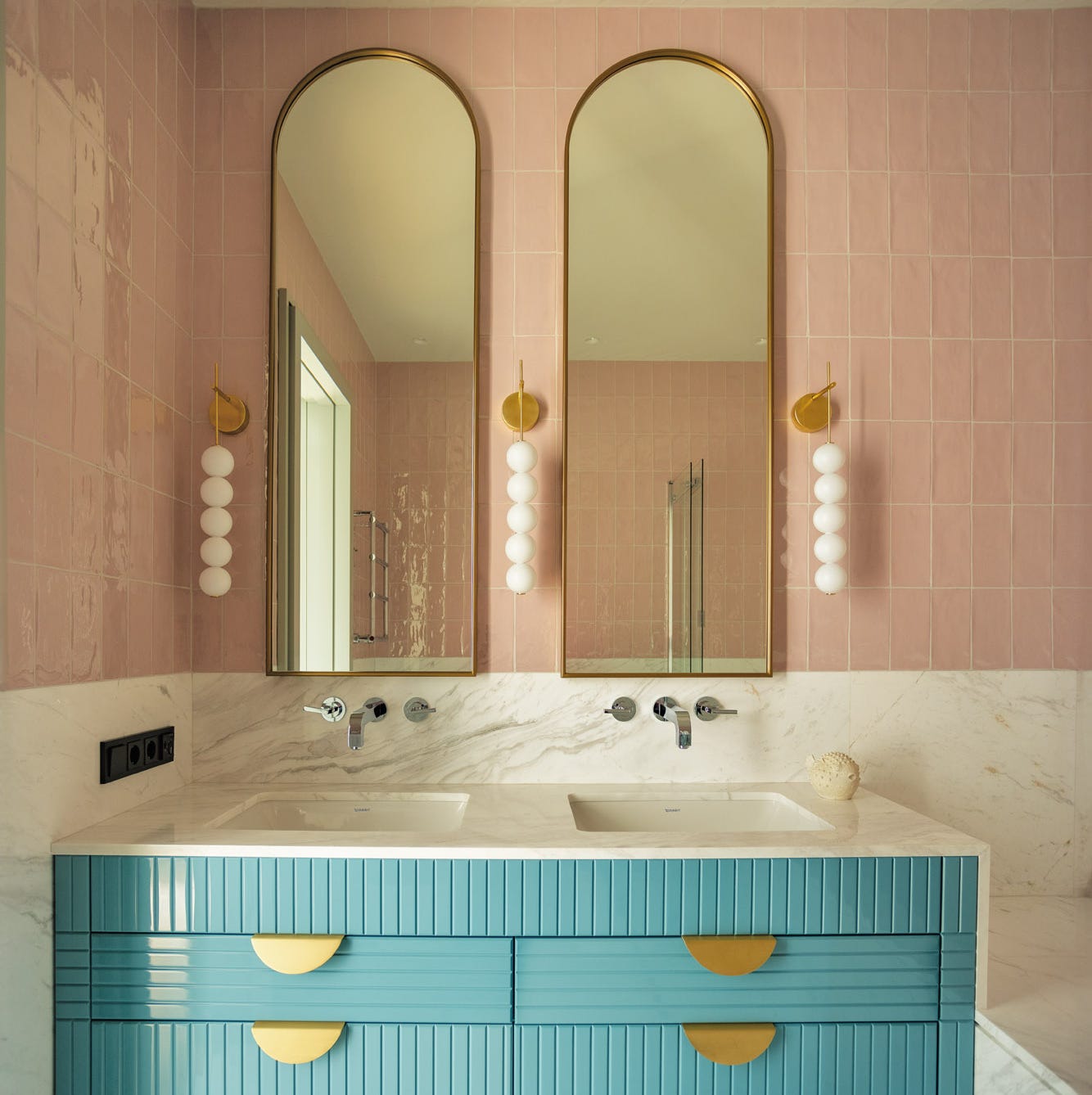
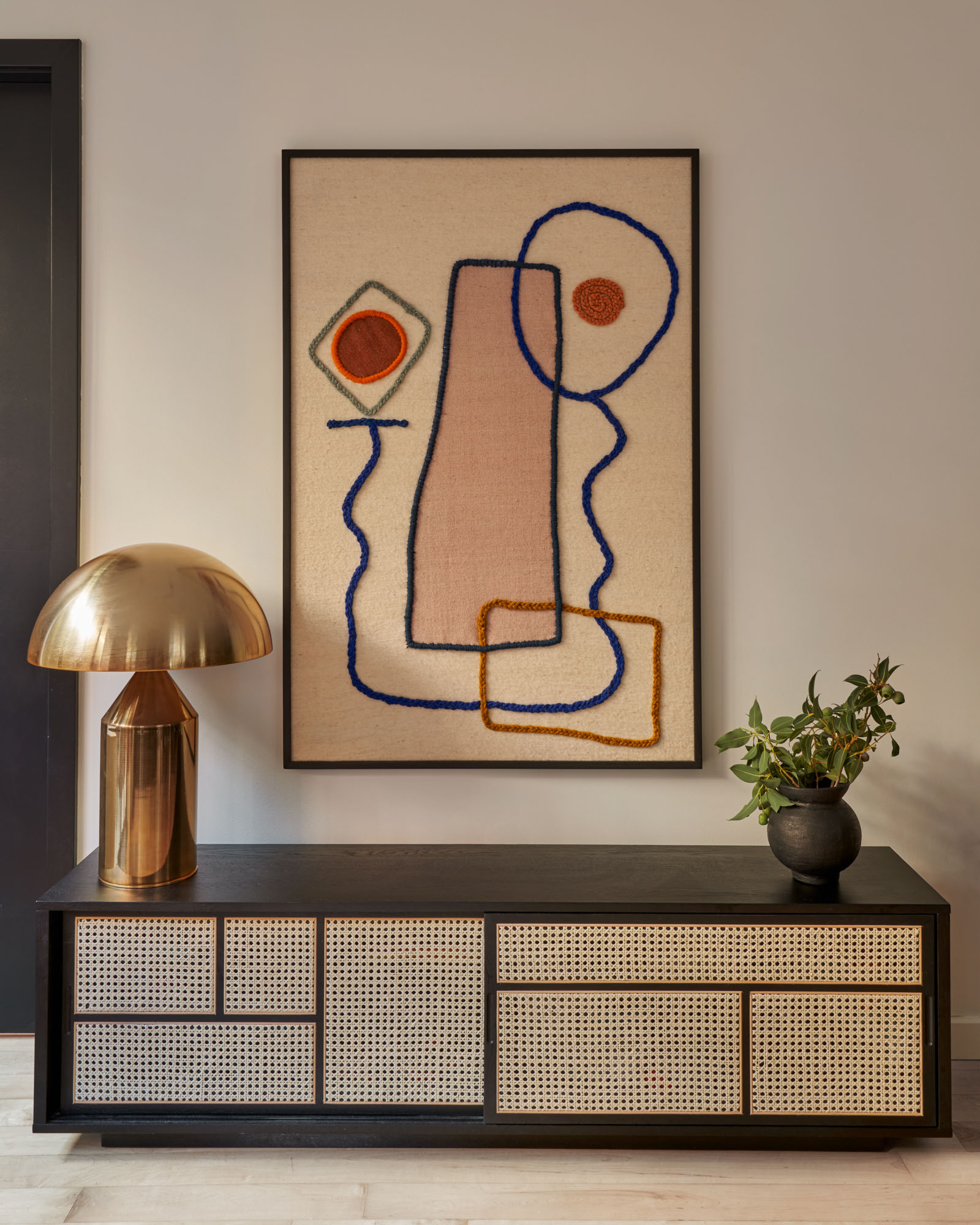
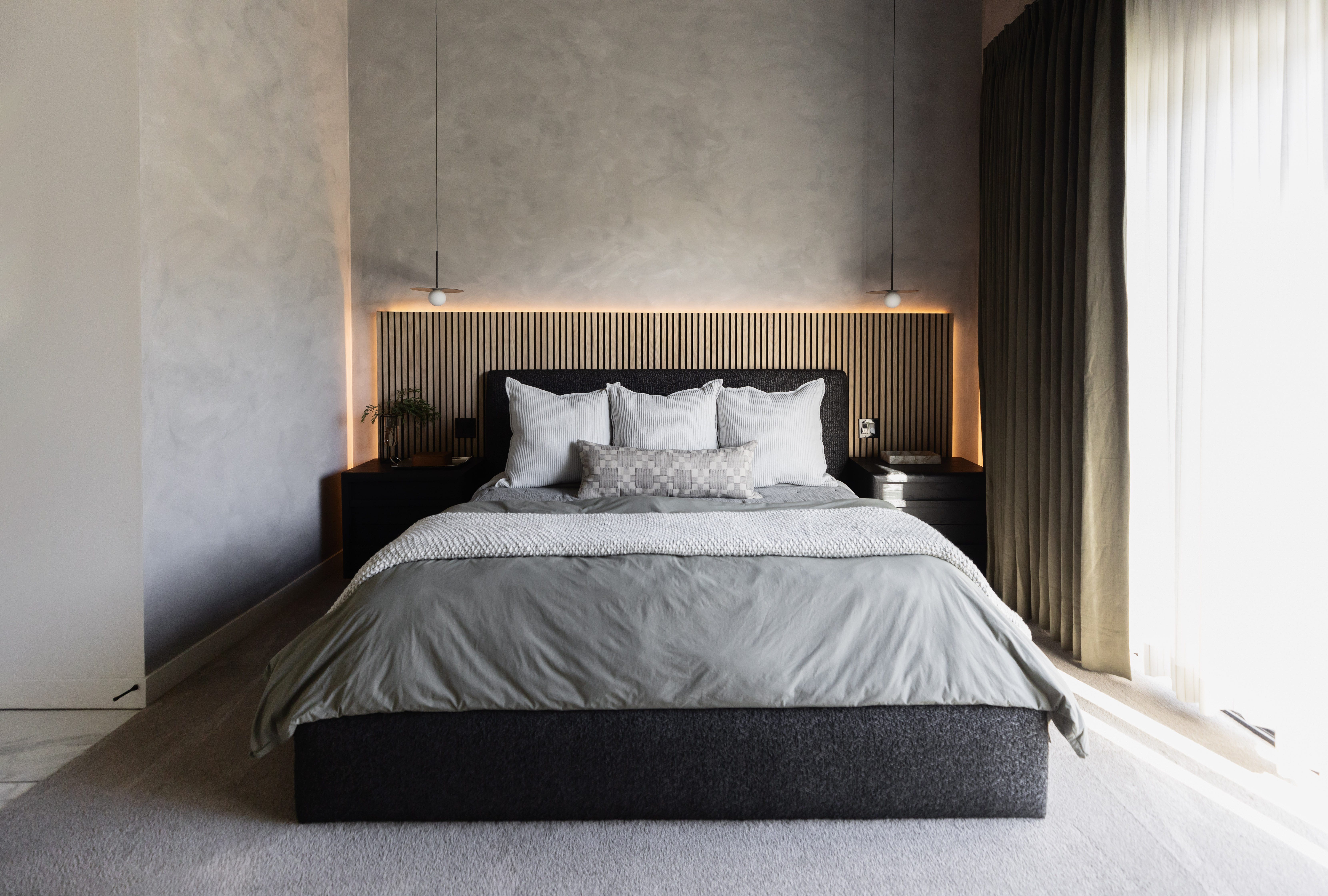
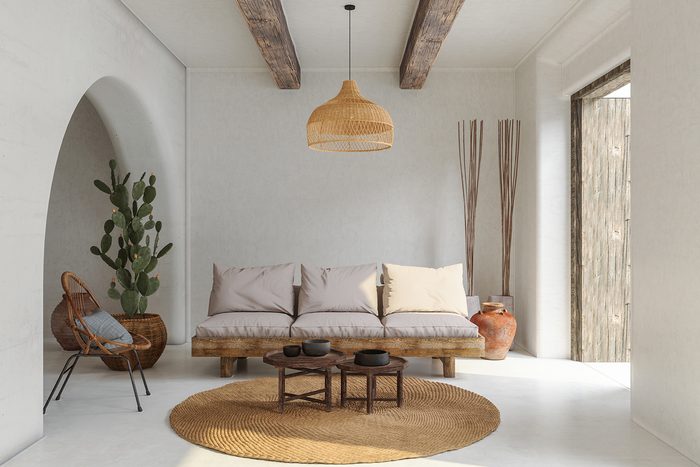
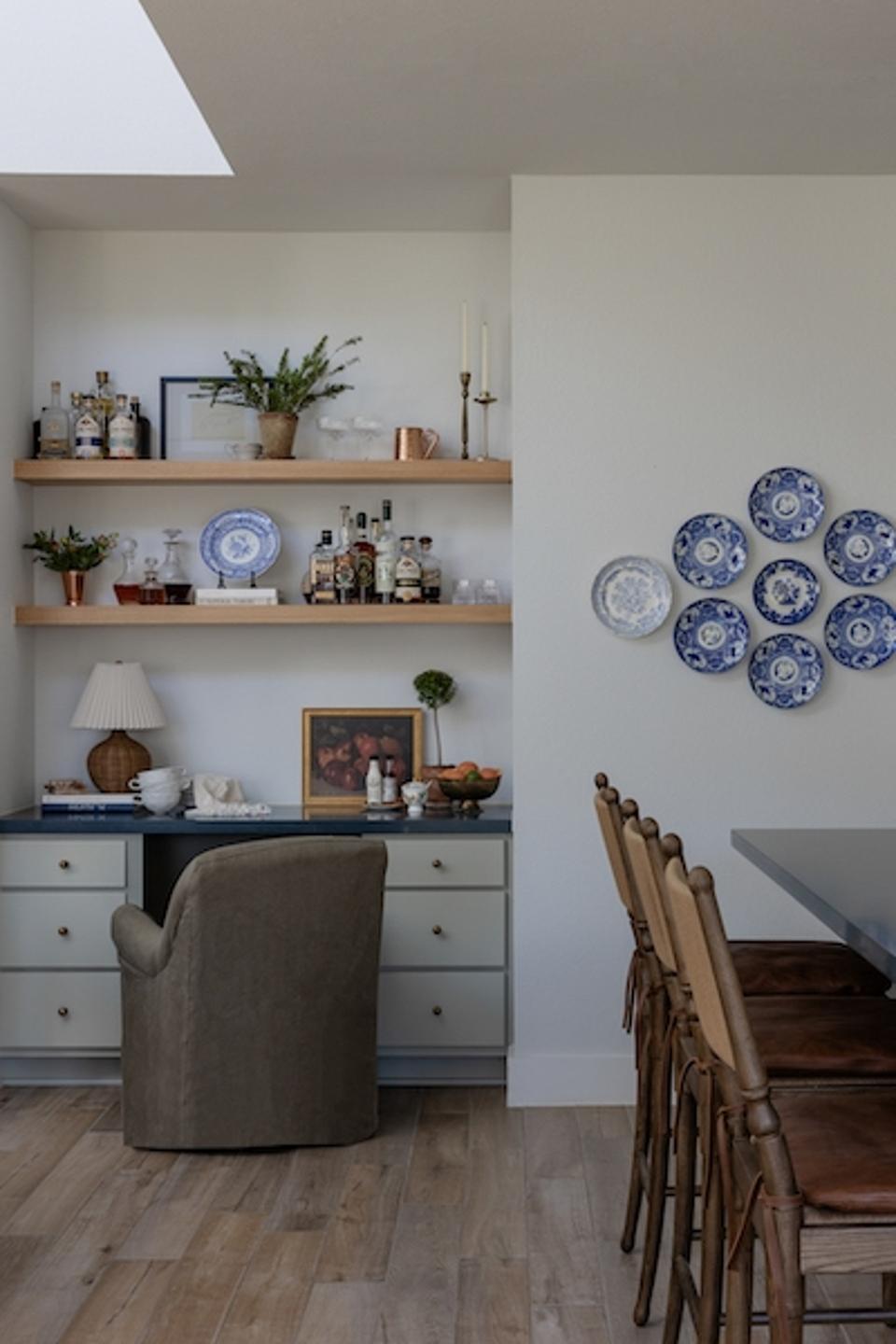
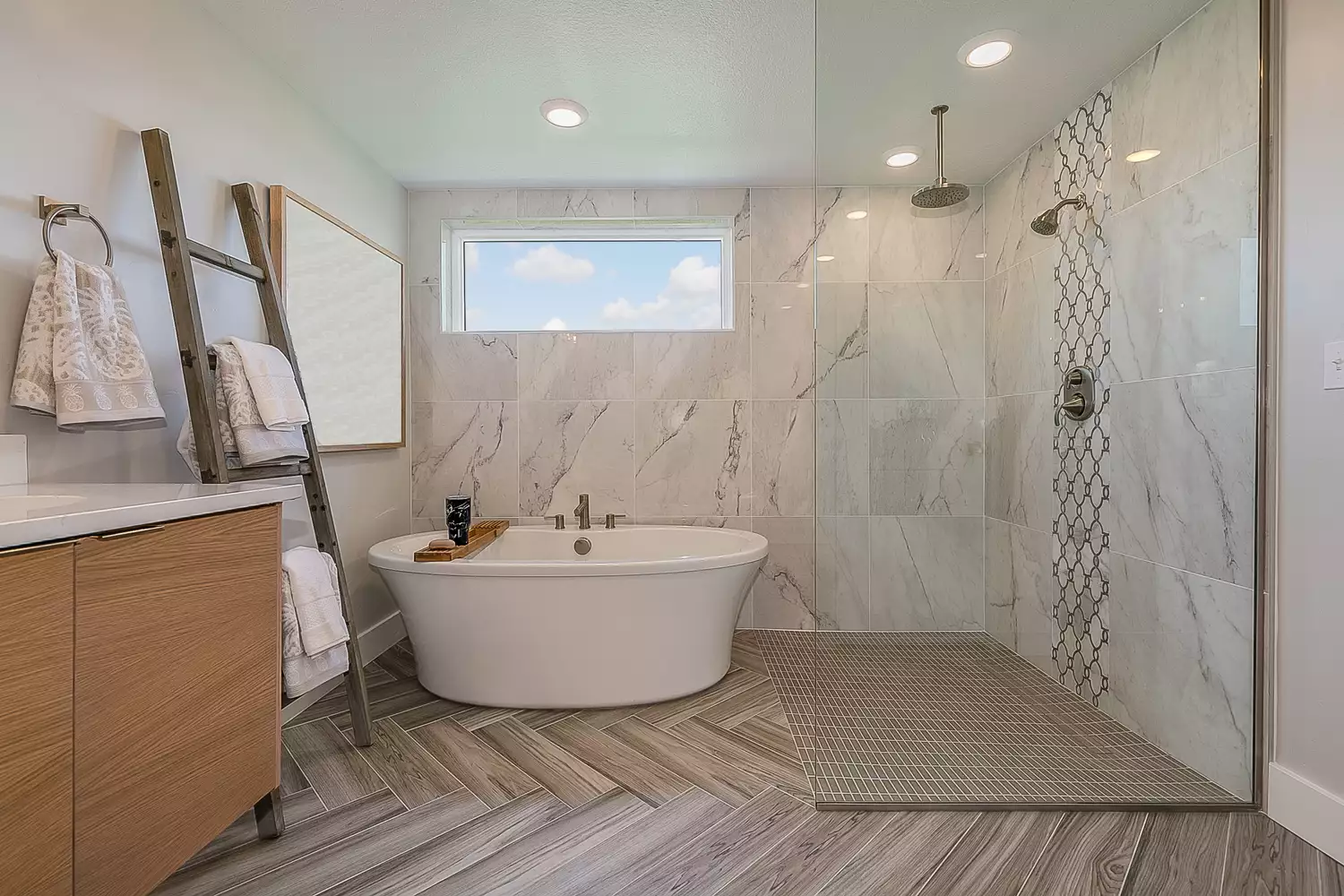
Regarding finishes, matte textures are preferred for their softness and grounded appearance, while shiny surfaces are less favored due to their tendency to highlight imperfections. Textured finishes such as Roman clay washes or plaster are recommended for accent walls to add tactile interest.
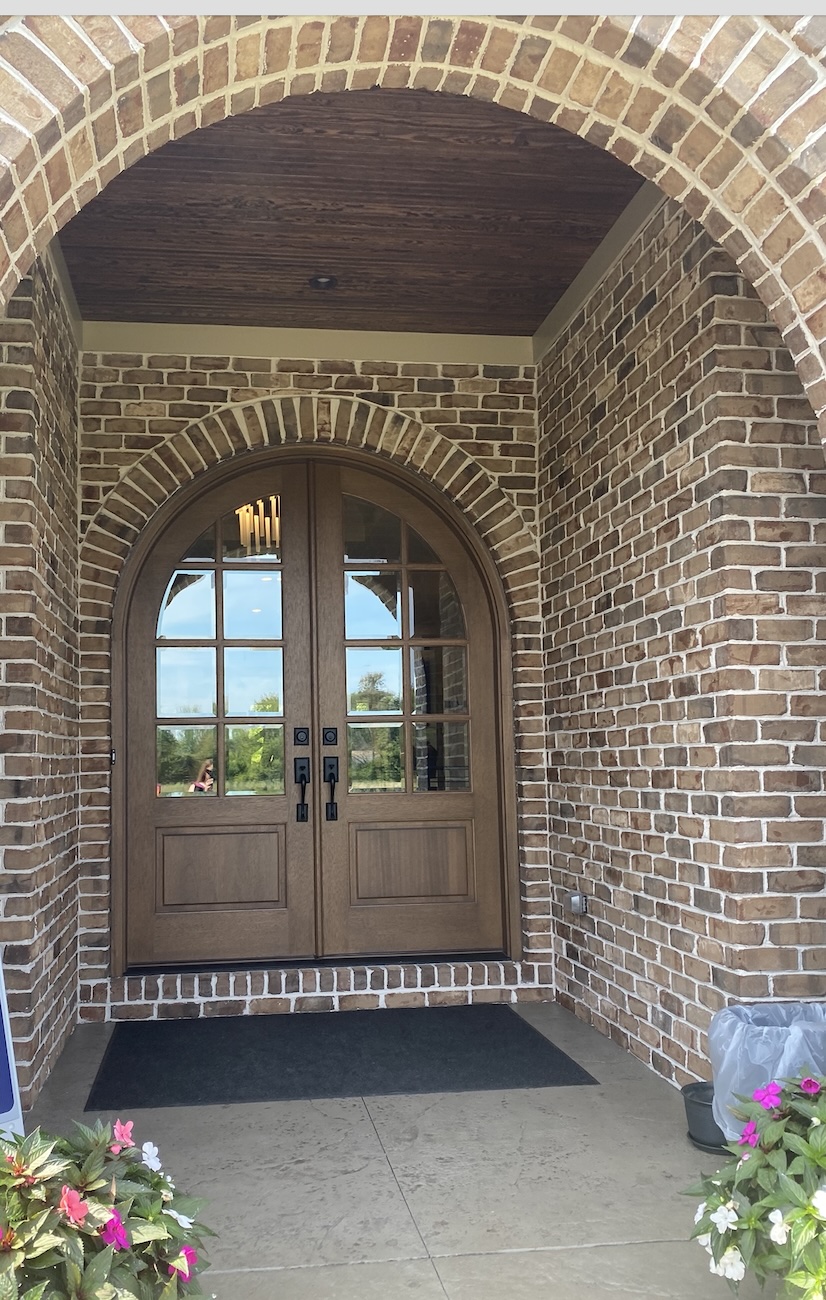
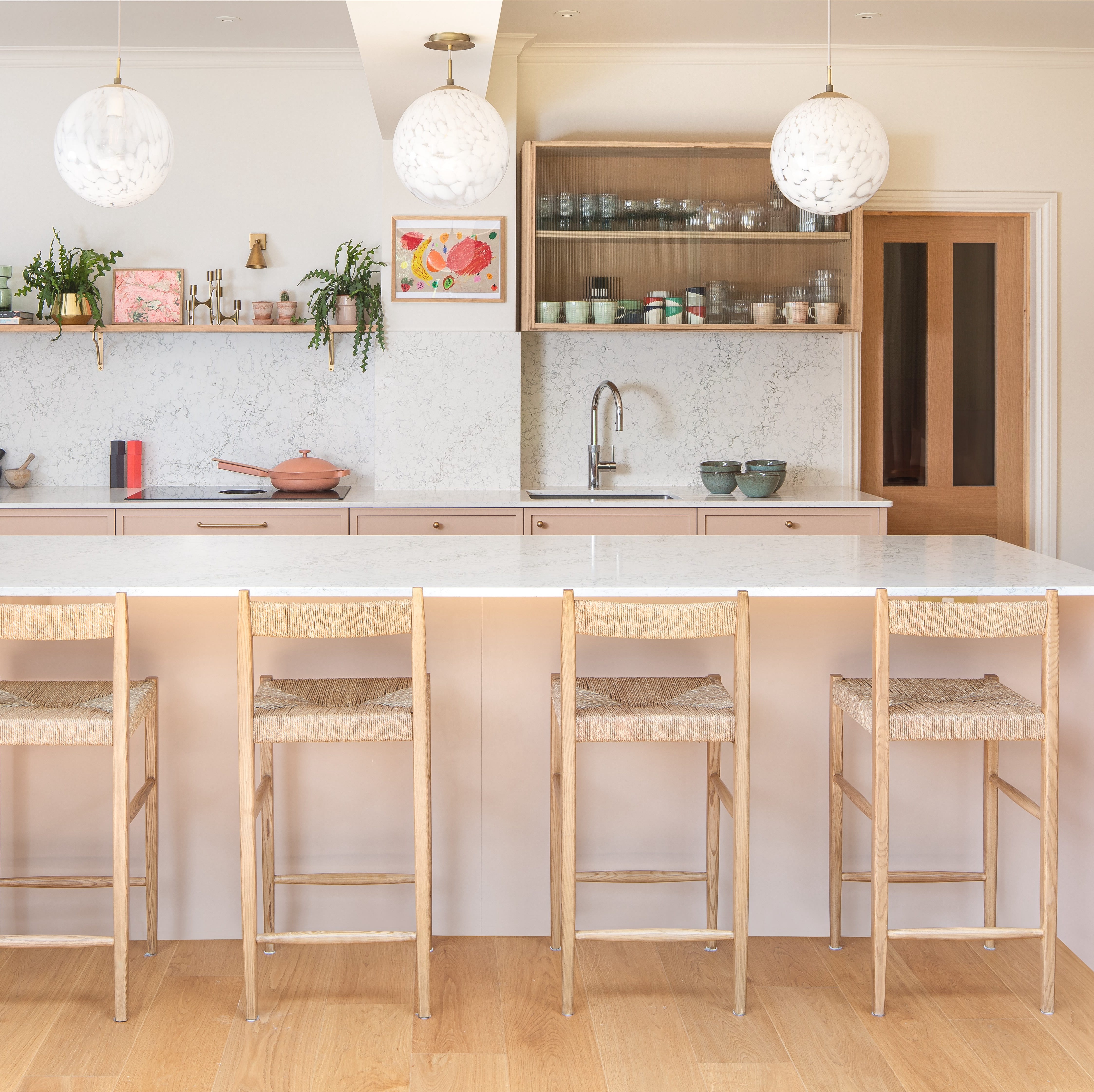
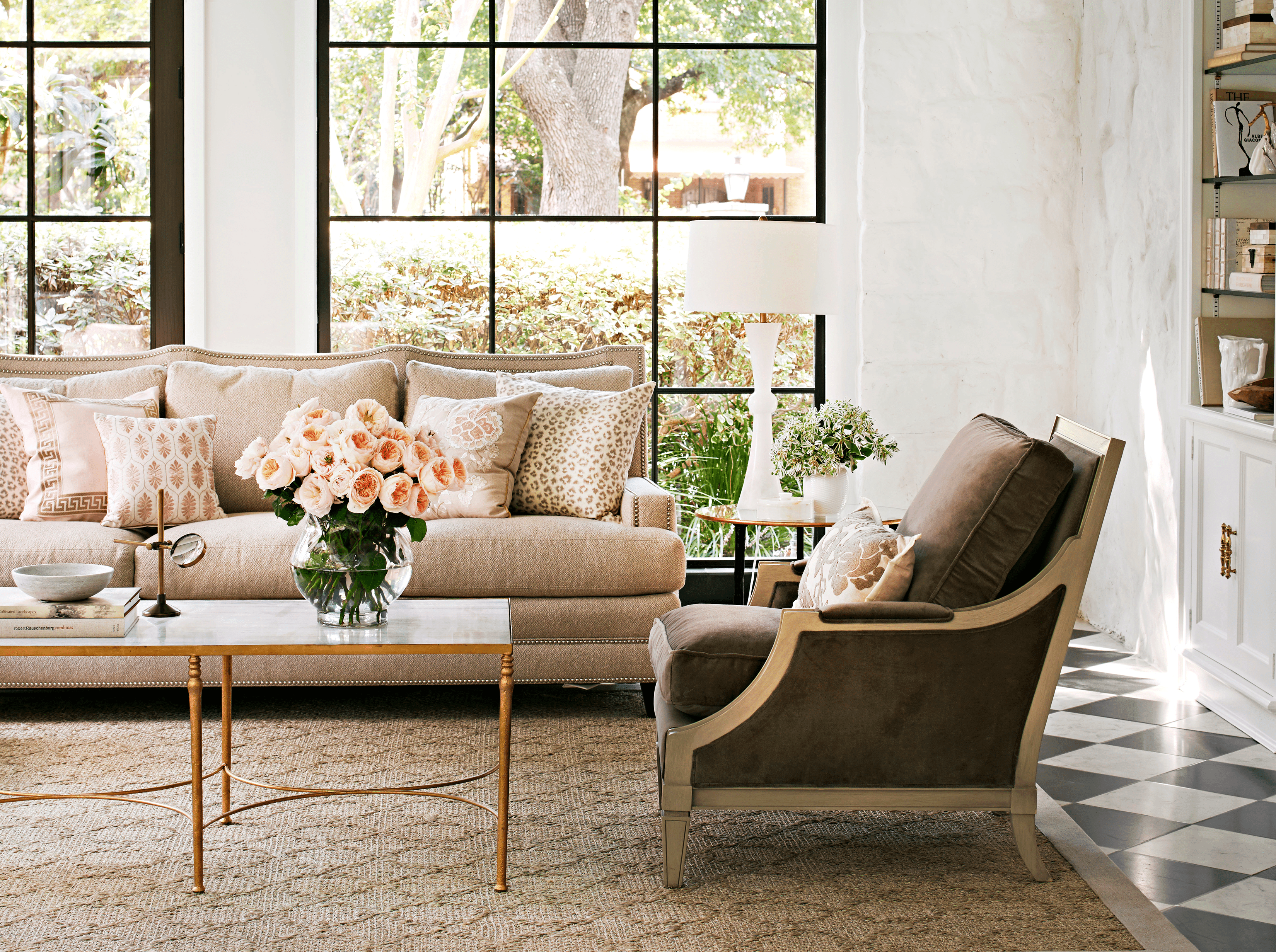
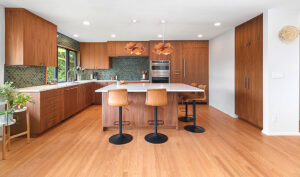
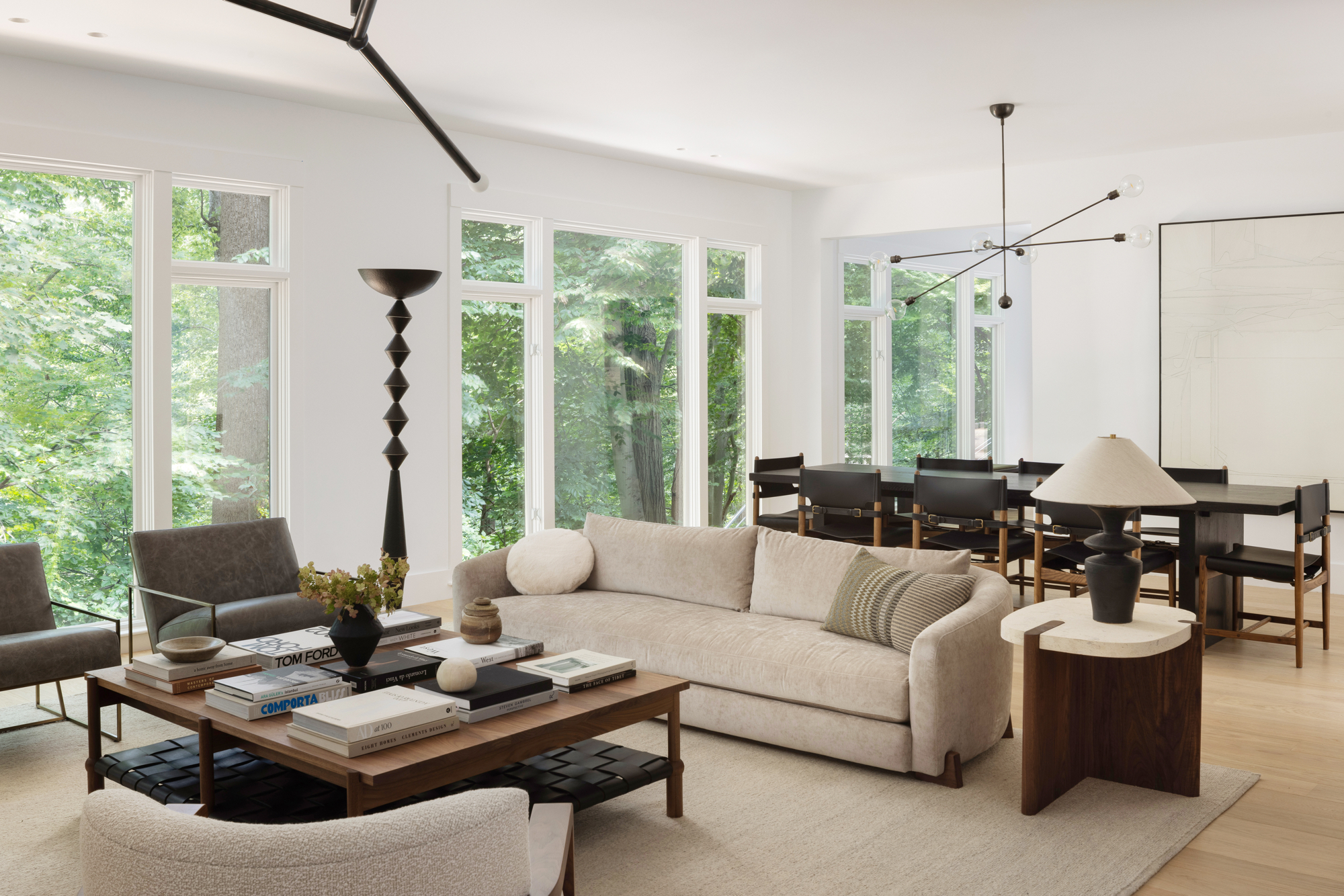
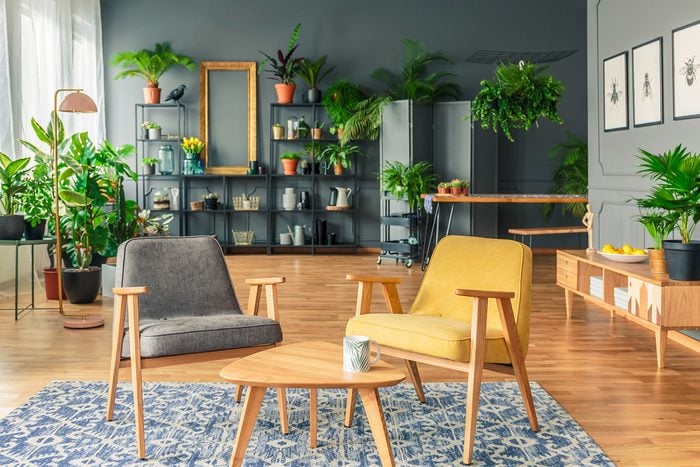
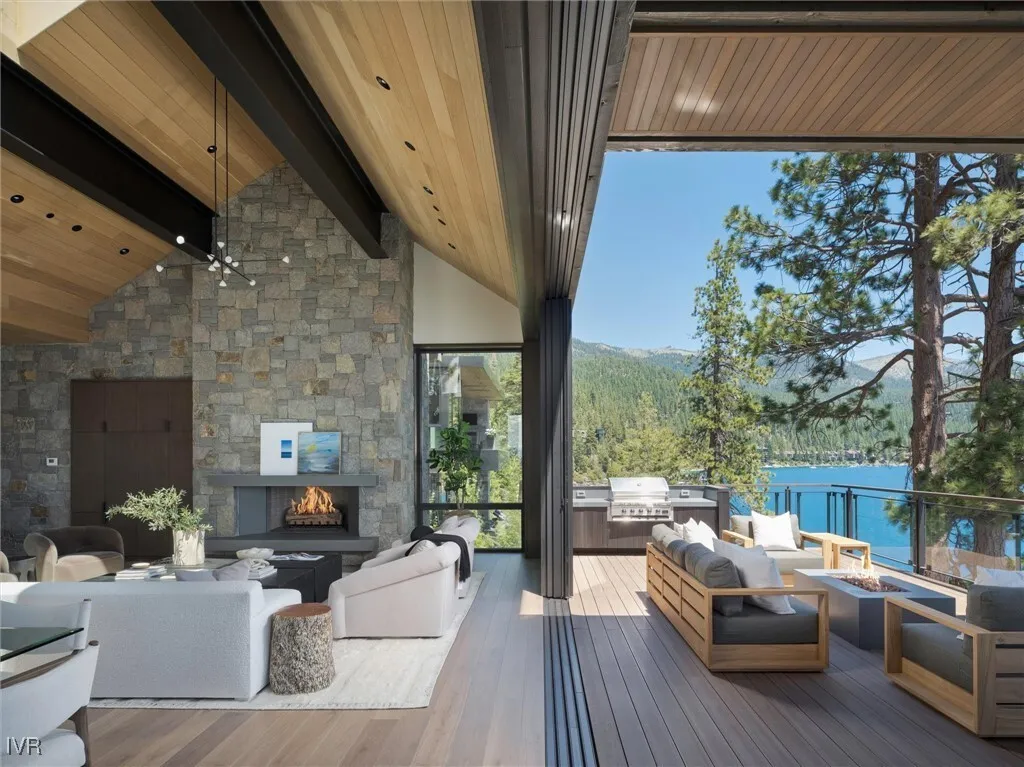
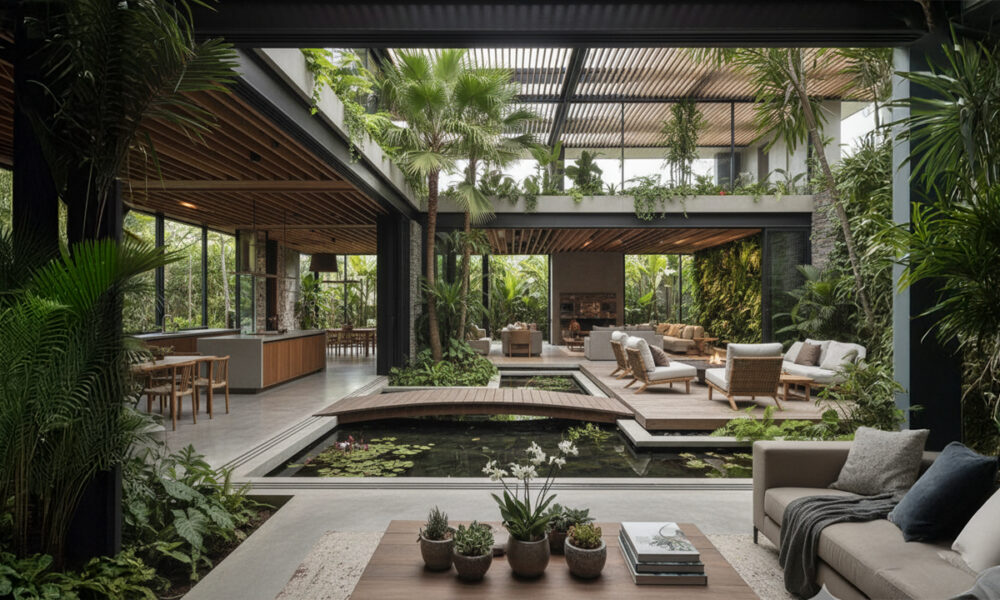
Biophilic design, which connects indoor and outdoor spaces, is gaining importance. This philosophy utilizes neutral palettes and abundant greenery, with specific plants like philodendrons being popular choices. Natural materials, such as wide-plank wood flooring, further enhance this connection to nature within the home. Layered lighting is essential, combining recessed lights, decorative fixtures, and circadian rhythm systems. Rechargeable lamps are also praised for their flexibility in both indoor and outdoor settings.
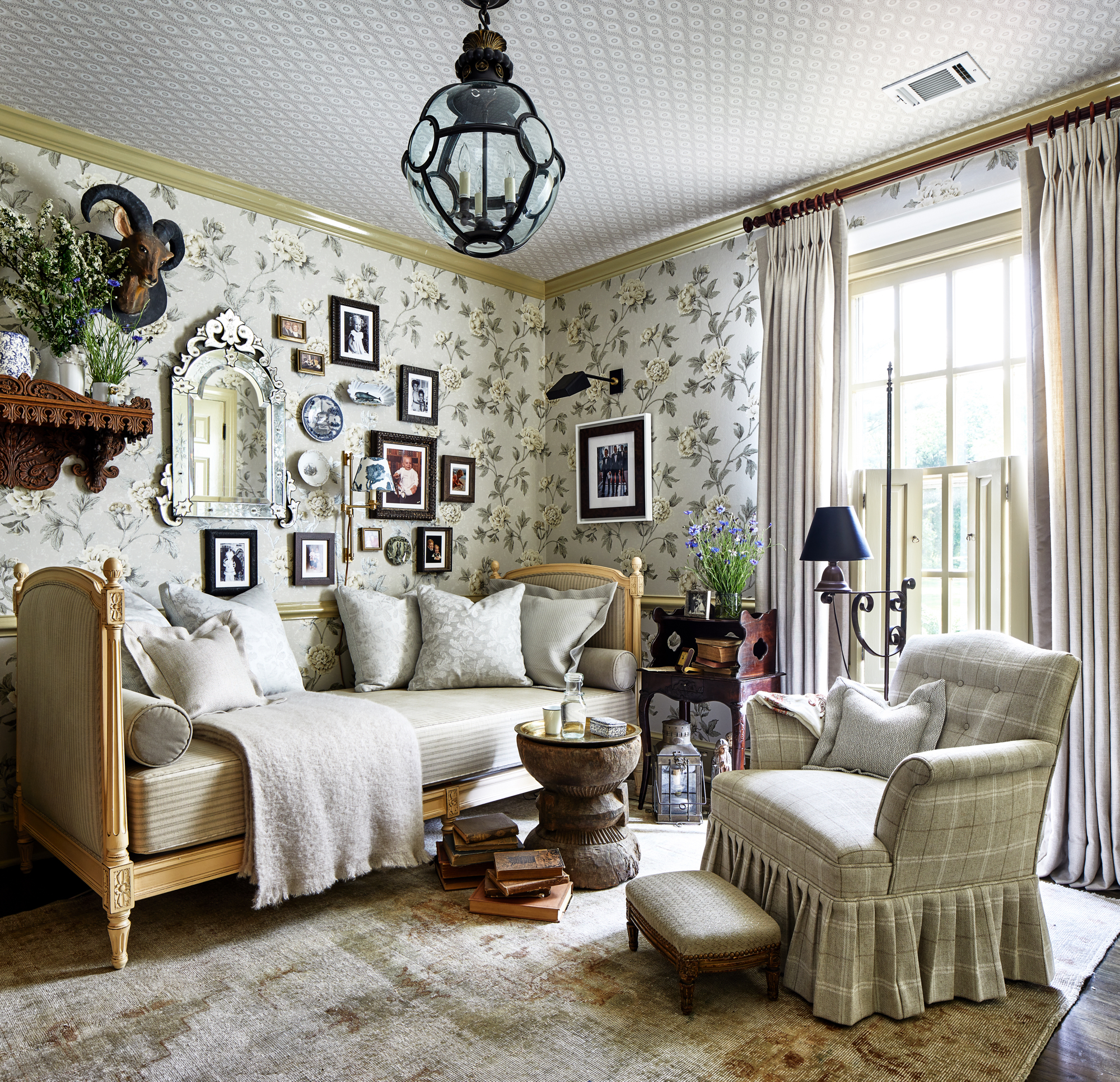
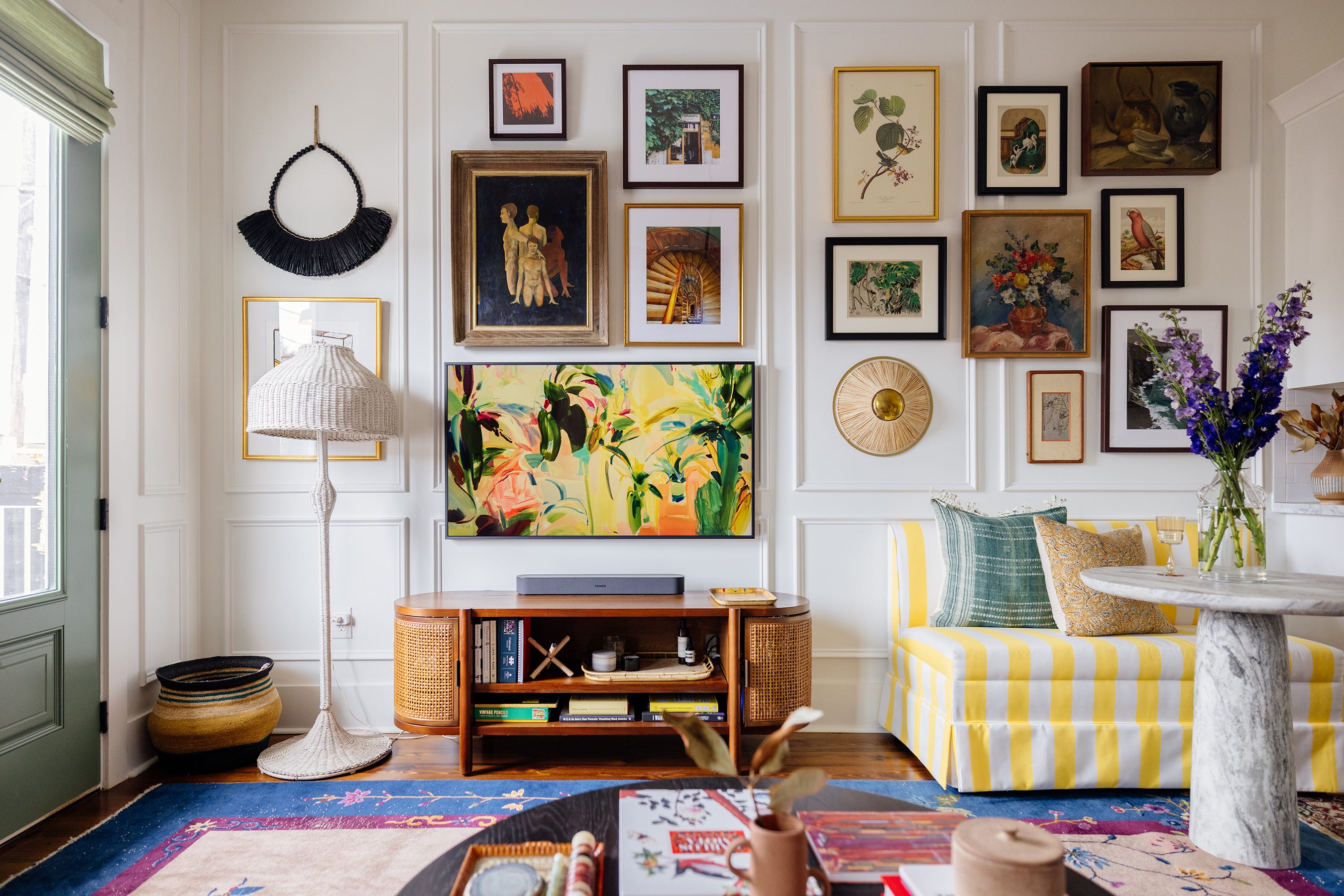
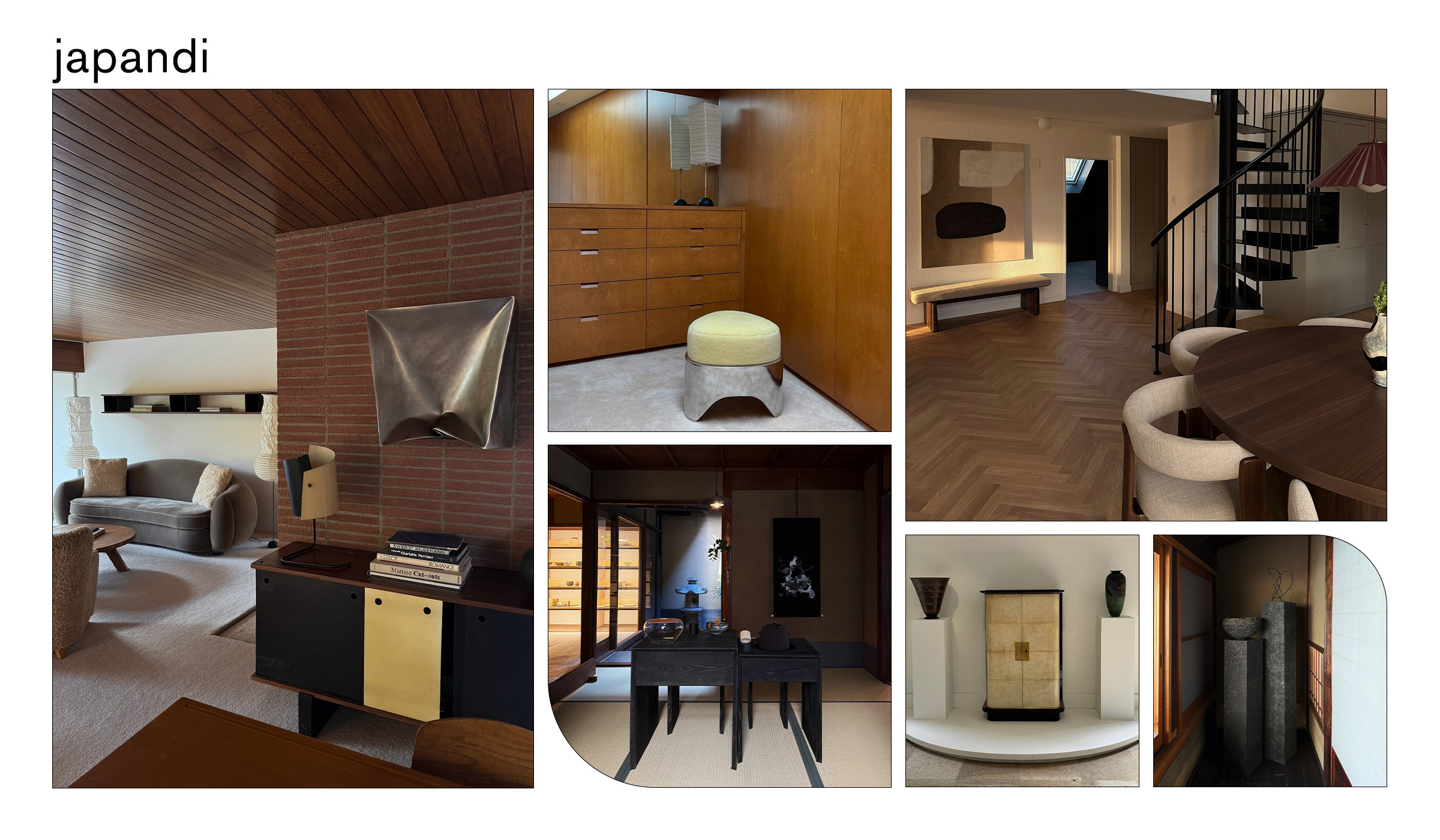
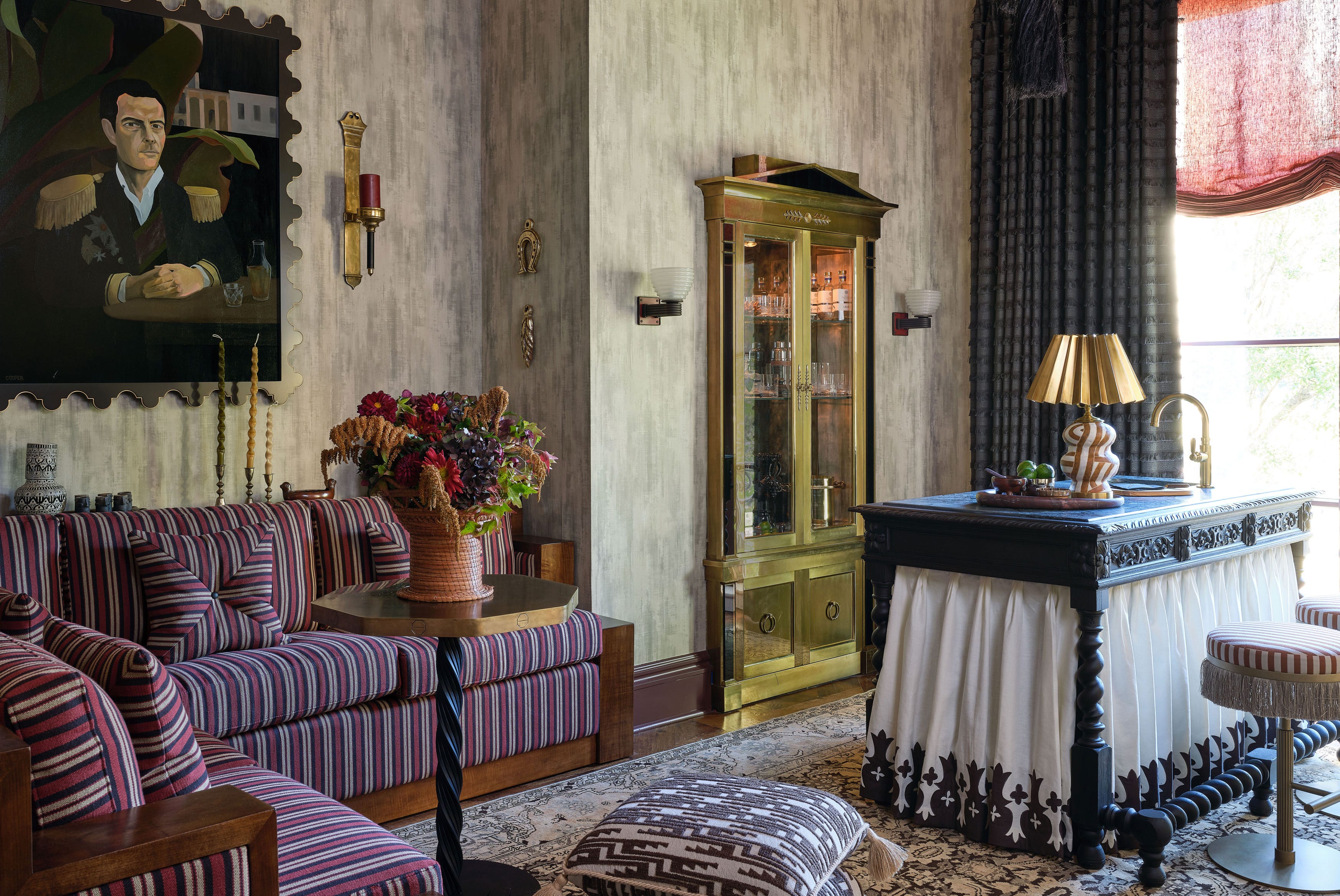
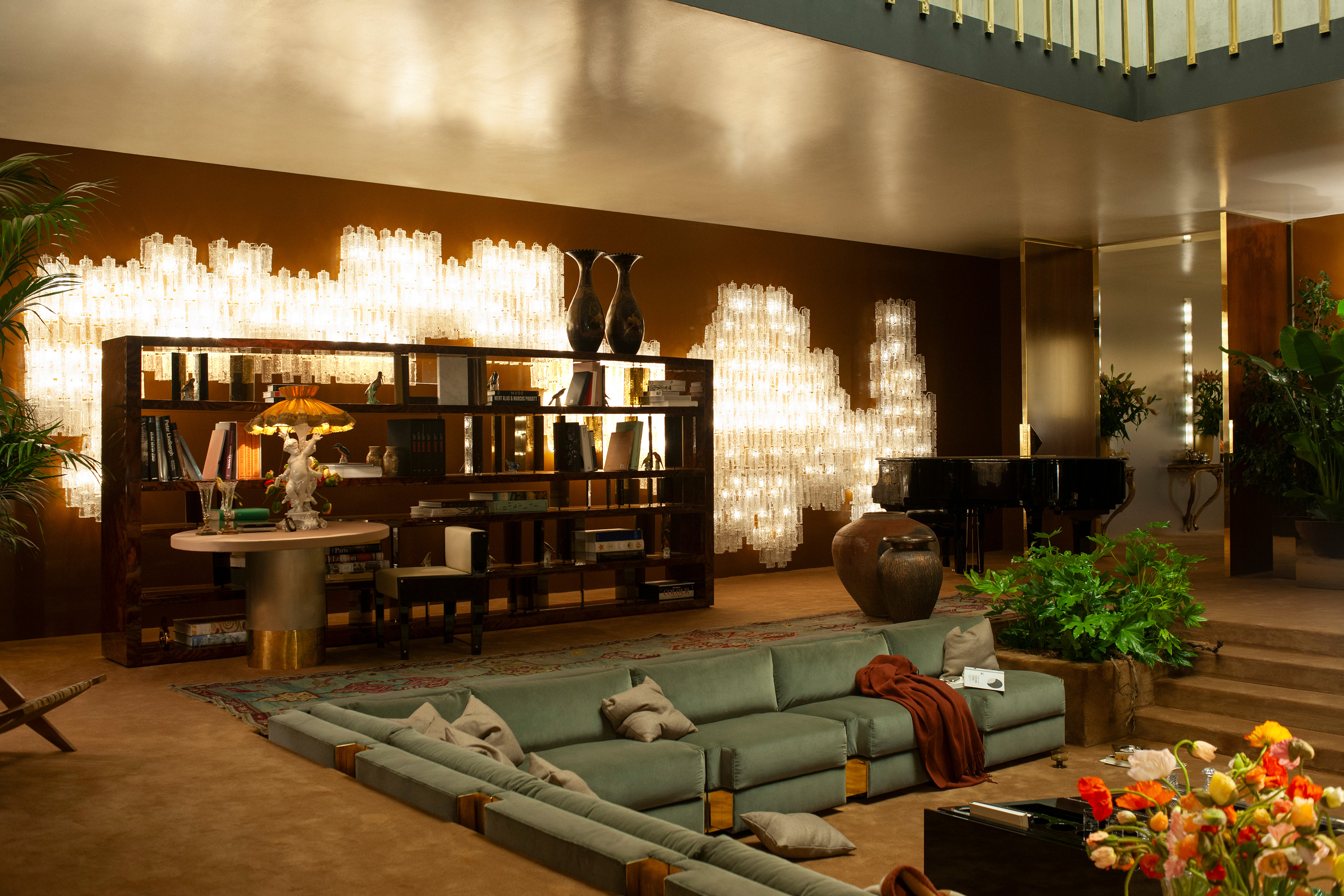
After years of open-concept designs, there's a movement towards more defined spaces through design elements like conversation areas, cozy nooks, fireplaces, peninsulas, or varied ceiling heights, while maintaining connectivity. Personalization is paramount, with an emphasis on creating authentic spaces that reflect individual personalities, rather than strictly adhering to trends. Styles like "dark academia" and Japandi spa aesthetics, characterized by moody tones and minimalist, serene environments, are gaining traction.
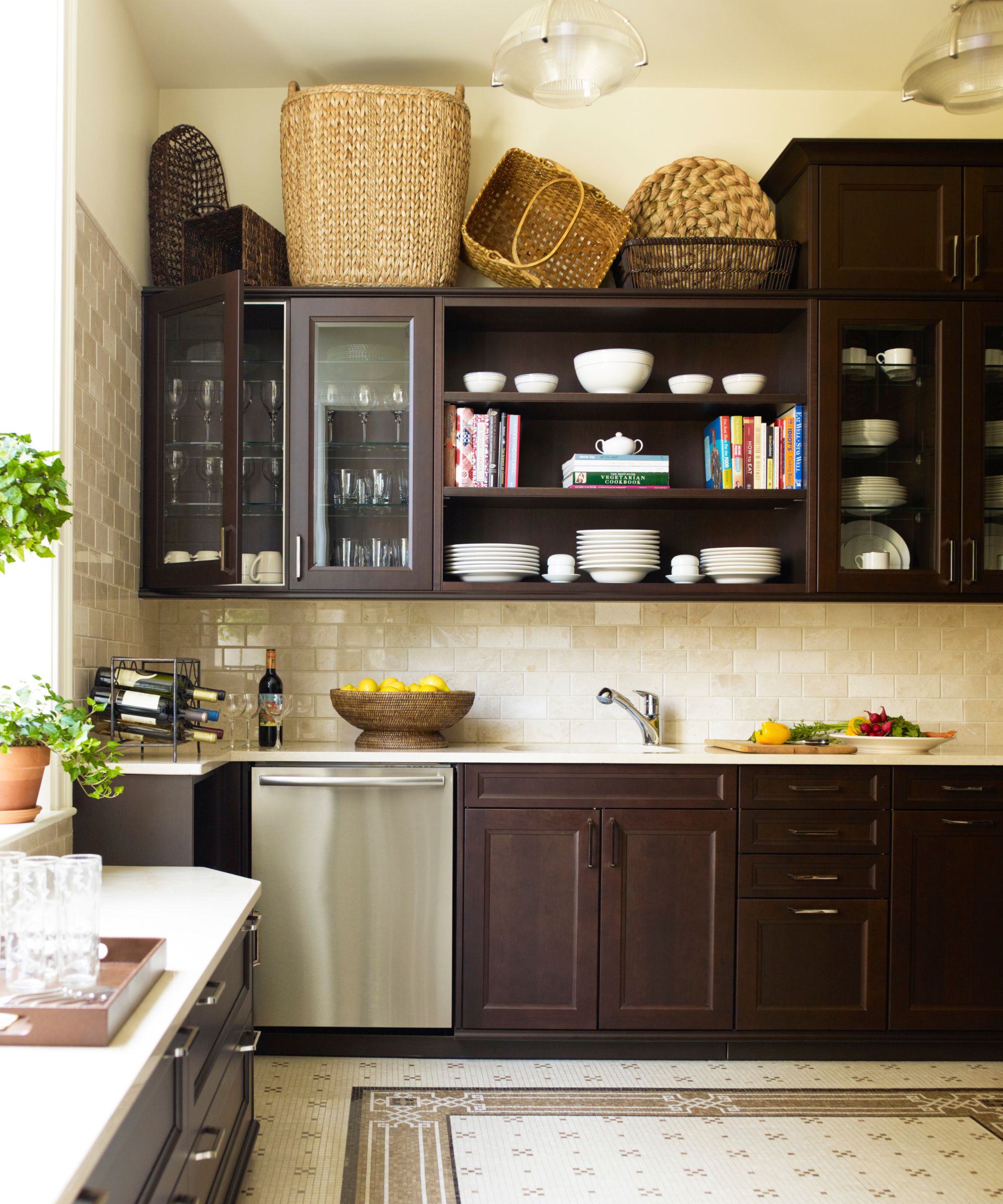
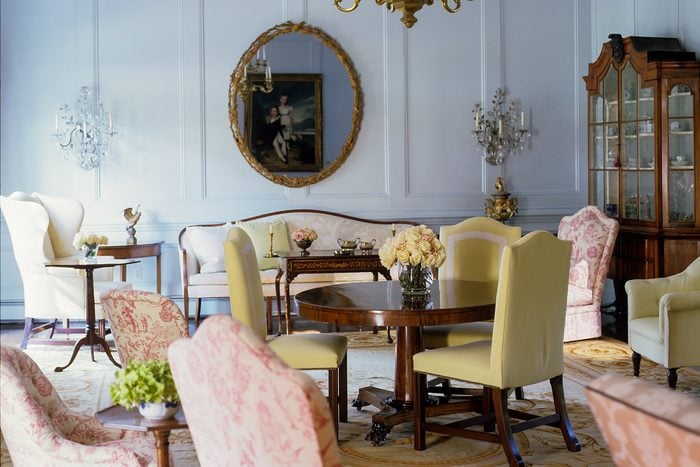
Conversely, several design elements are falling out of favor. These include shiny white finishes, gray wood washes, overly matchy décor, generic signs, and the modern farmhouse look, particularly indiscriminate use of shiplap. All-gray interiors and mass-produced mid-century modern pieces are also on their way out. There's a preference for practical upholstery options with features like zippers for easy cleaning, slipcovers, and high-performance materials, especially for coastal living, encouraging actual use of spaces. Authenticity is key, with a strong preference for natural materials like wide plank wood flooring in nude tones and timeless kitchen materials such as quartzite or stone with modern sealers, replacing chiclet tiles with monolithic marble finishes.
For those looking to refresh their homes on a budget, Patella advises purging items that no longer resonate and repurposing existing art or furniture in different rooms. Boba suggests using painter's tape to outline new furniture pieces on the floor to understand proportions before purchasing, helping homeowners make informed decisions and create thoughtful, comfortable, and personalized living spaces for 2025. #HomeDesignTrends #InteriorDesign #ColorPalettes #FurnitureDesign #BiophilicDesign #HomeDecor #ArchitecturalTrends #TexturedInteriors #PersonalizedSpaces
0 comment in total
 No comments yet
You may also like
10 Hottest Home Design Trends to Watch for 2025
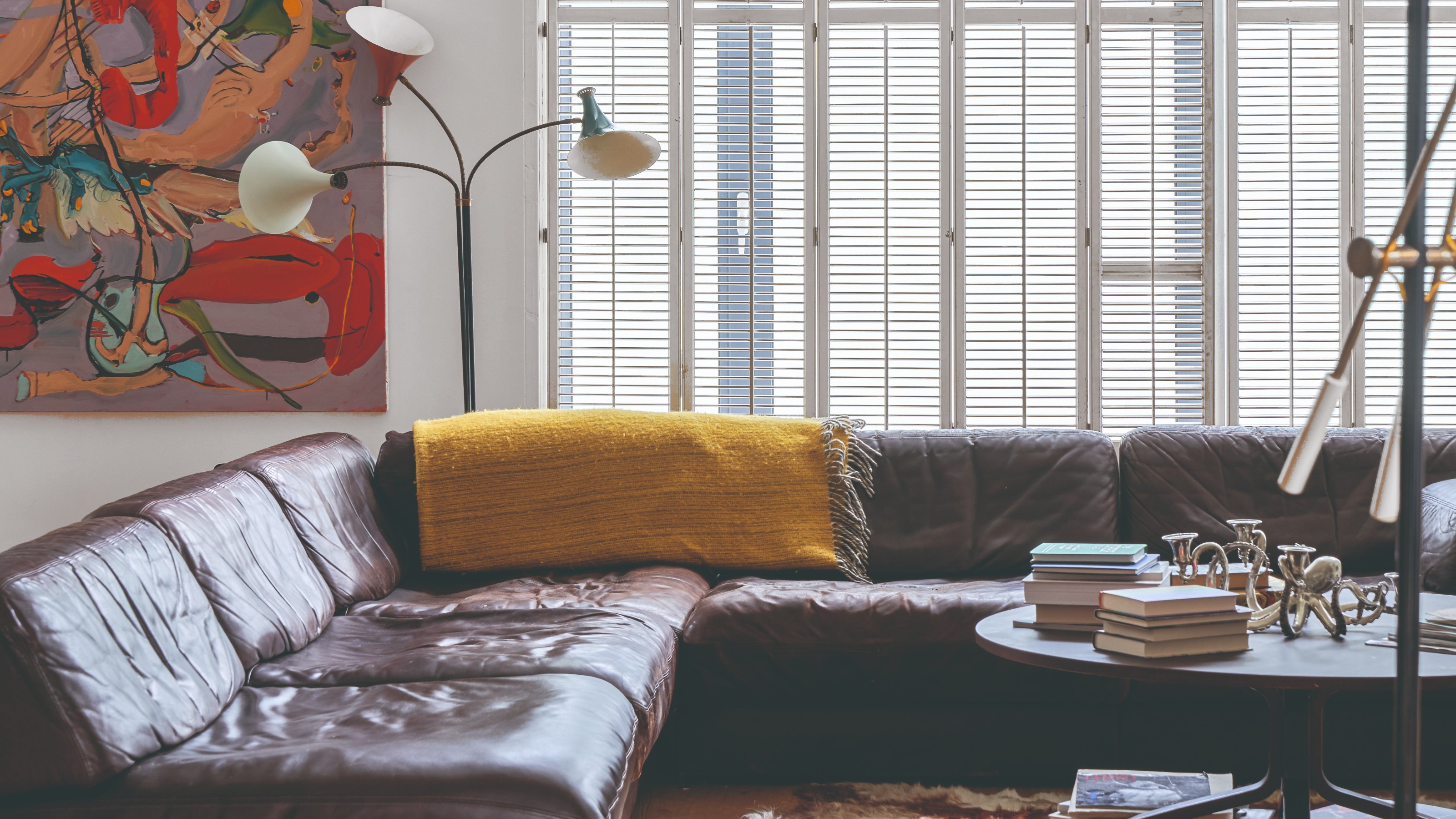
The biggest home decor trends that interior experts say you’ll be championing in your home in 2025
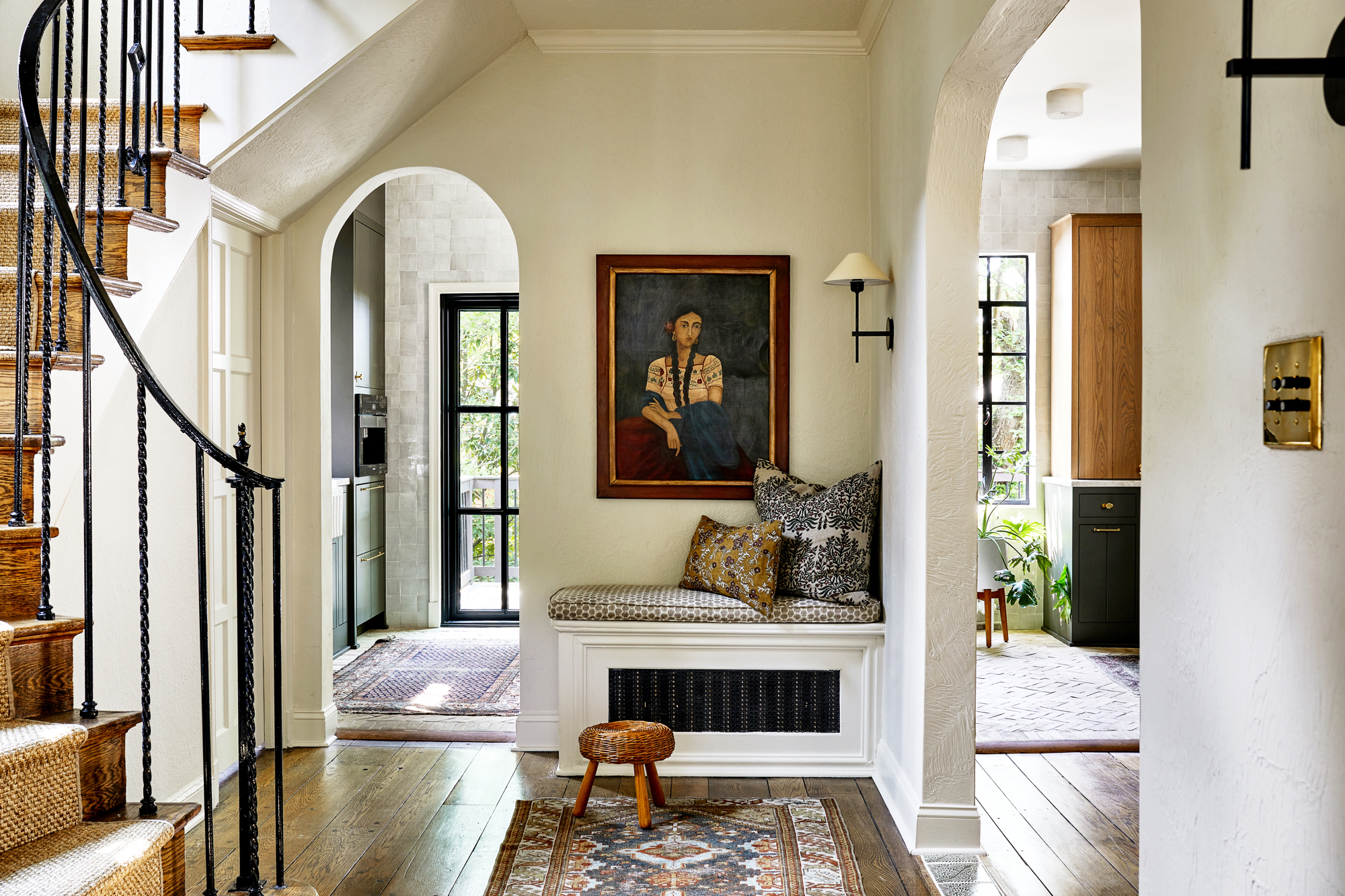
Home-Design Trends You’ll See Everywhere in 2024

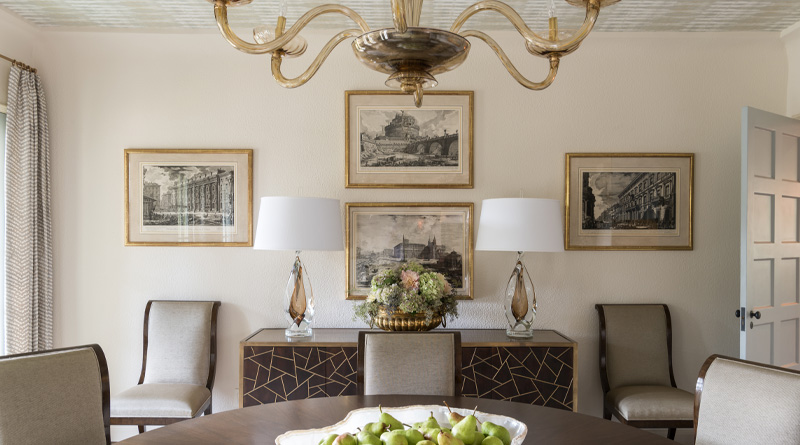
Five Interior Design Trends for 2025
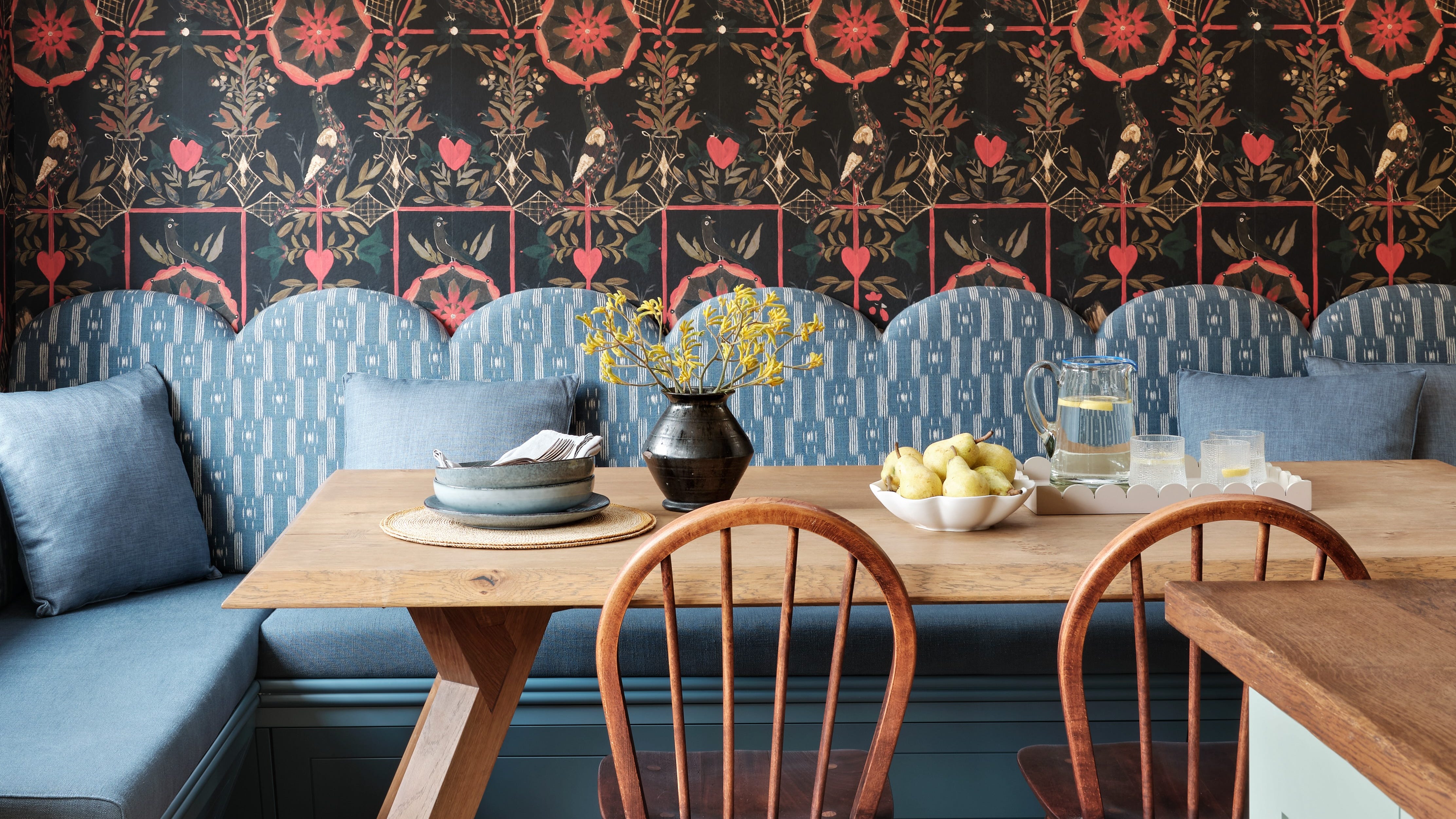
Renovating? The home design trends you’ll see everywhere in 2025

10 Interior Design Trends to Watch in 2025

5 Home Design Trends You're About to See Everywhere in 2025, According to Zillow (Vintage Is in!)

Hottest Home Trends in 2025
The Biggest Interior Design Trends for 2025

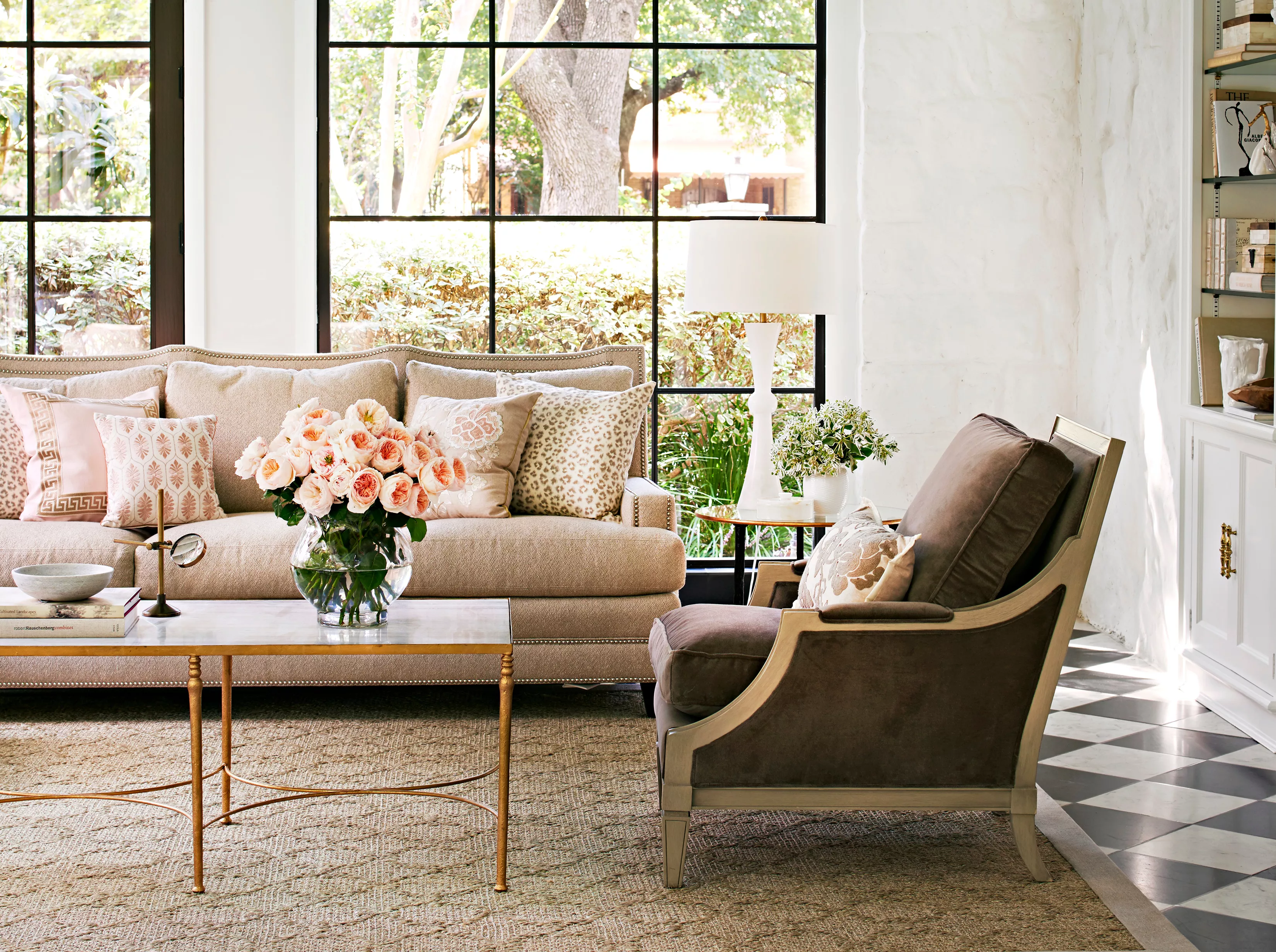
11 Home Design Trends That Are In or Out for 2025

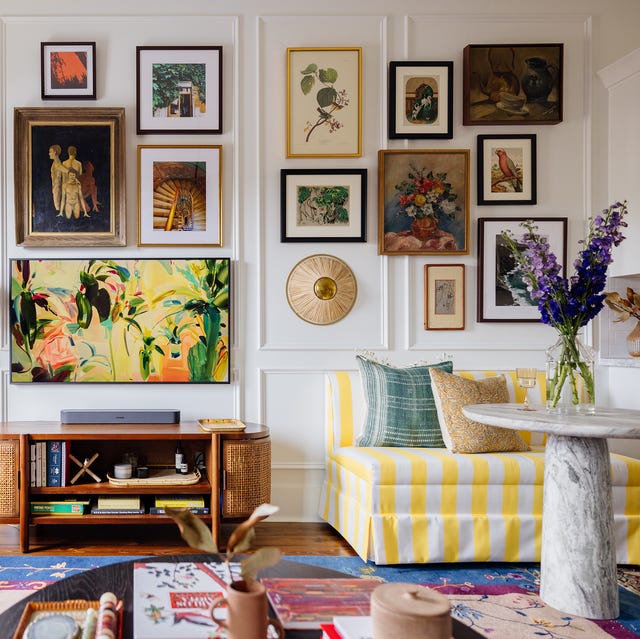
The Pros Have Spoken: These Interior Design Trends Will Define 2025

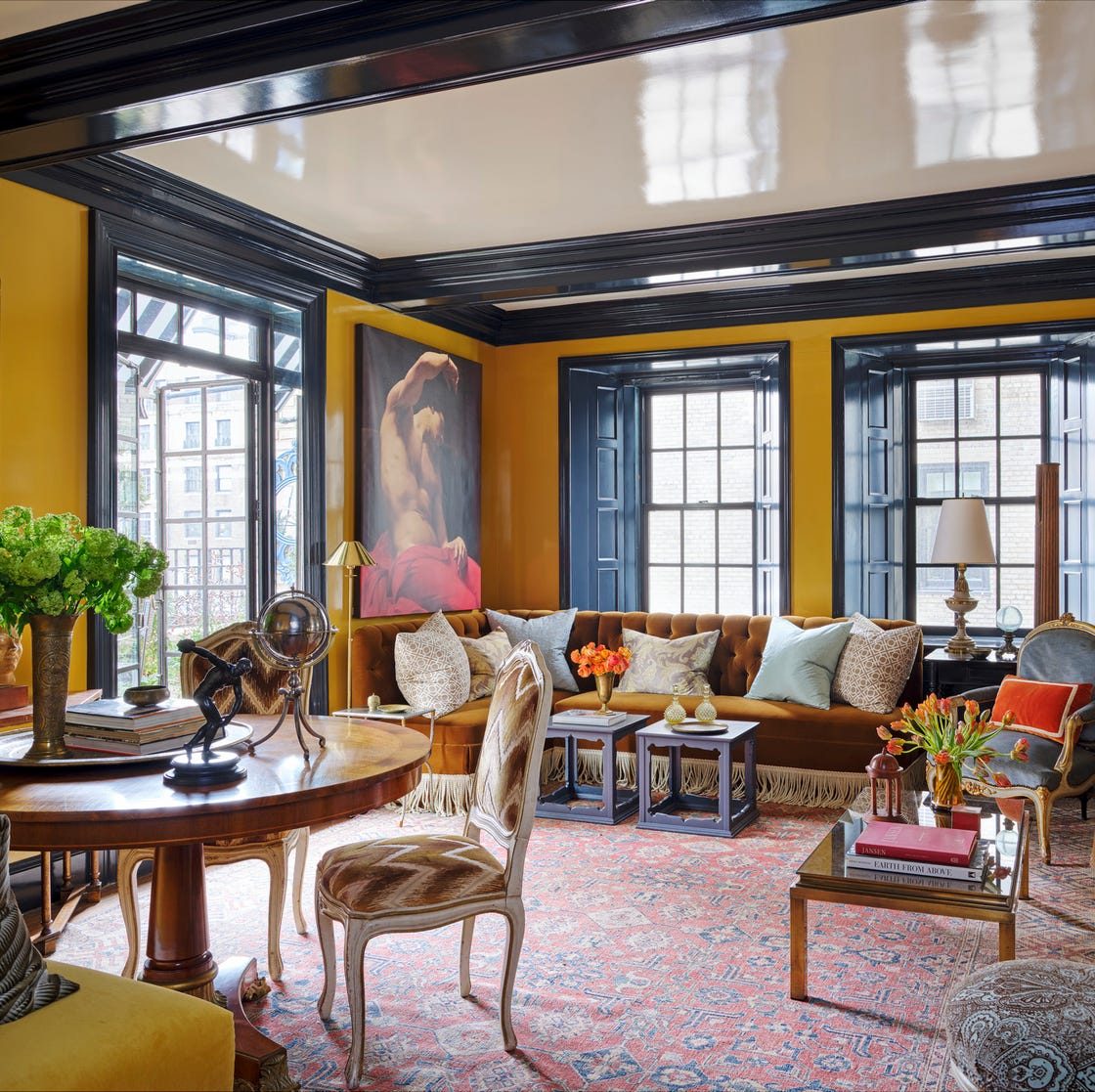
Designers Predict These 7 Interior Design Trends Will Be Everywhere in 2025

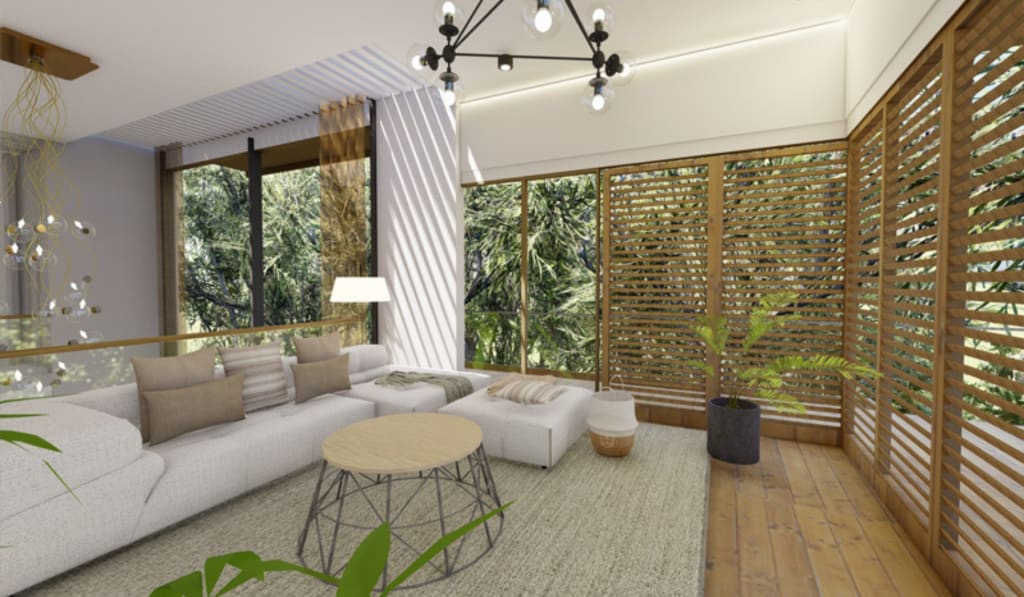
Top Home Design Trends in 2025 for Modern Living

2026 Home Design Trends to Watch
Design Forward: 4 Must-Know Interior Trends for 2025

Interior Designers Predict These Will Be The 15 Hottest Interior Design Trends In 2025

12 must-know interior design trends that will be defining our homes in 2025
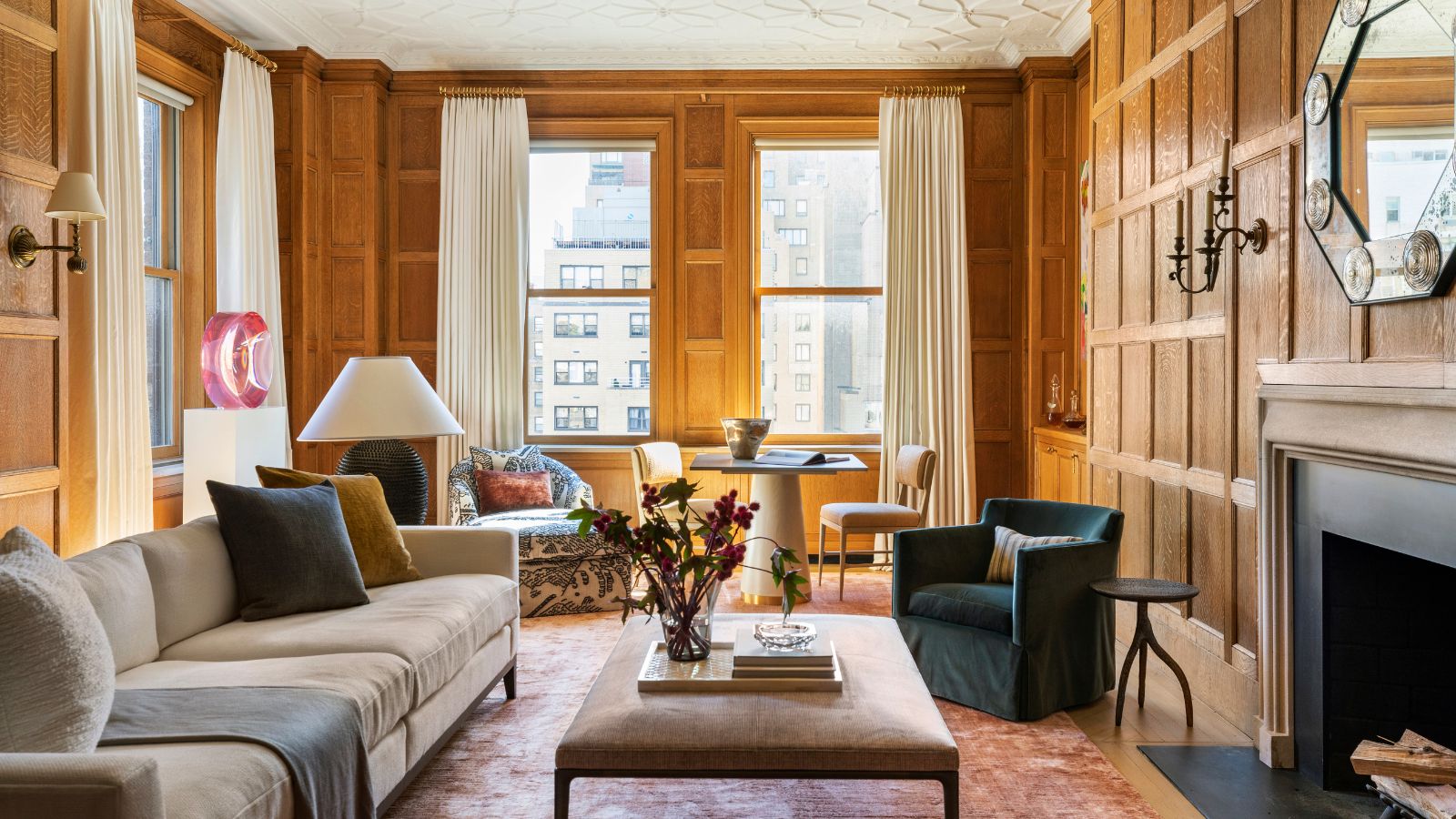
12 Must-Know Interior Design Trends That Have Defined Our Homes in 2025

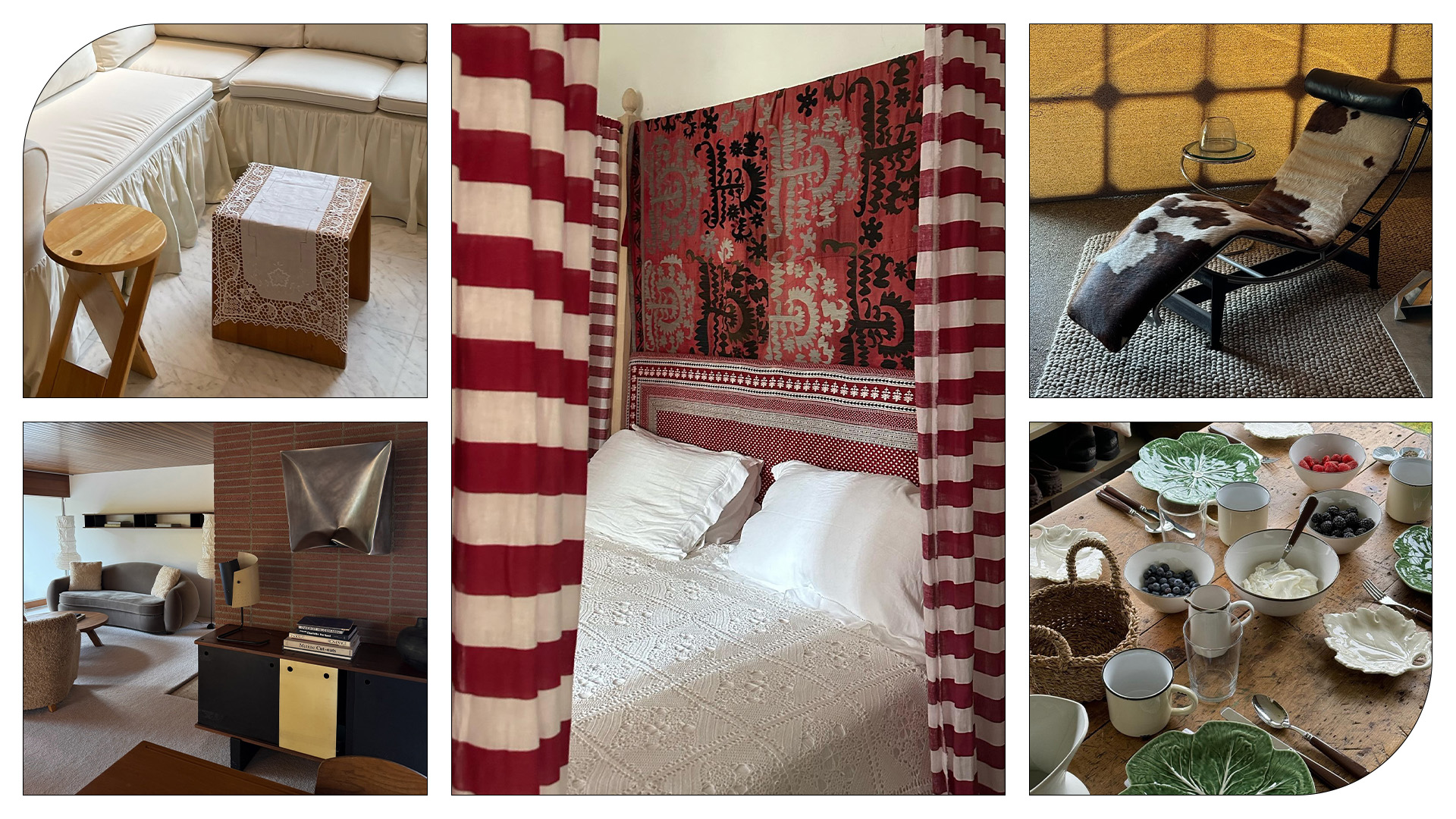
6 Trends Defining Home Décor in 2025

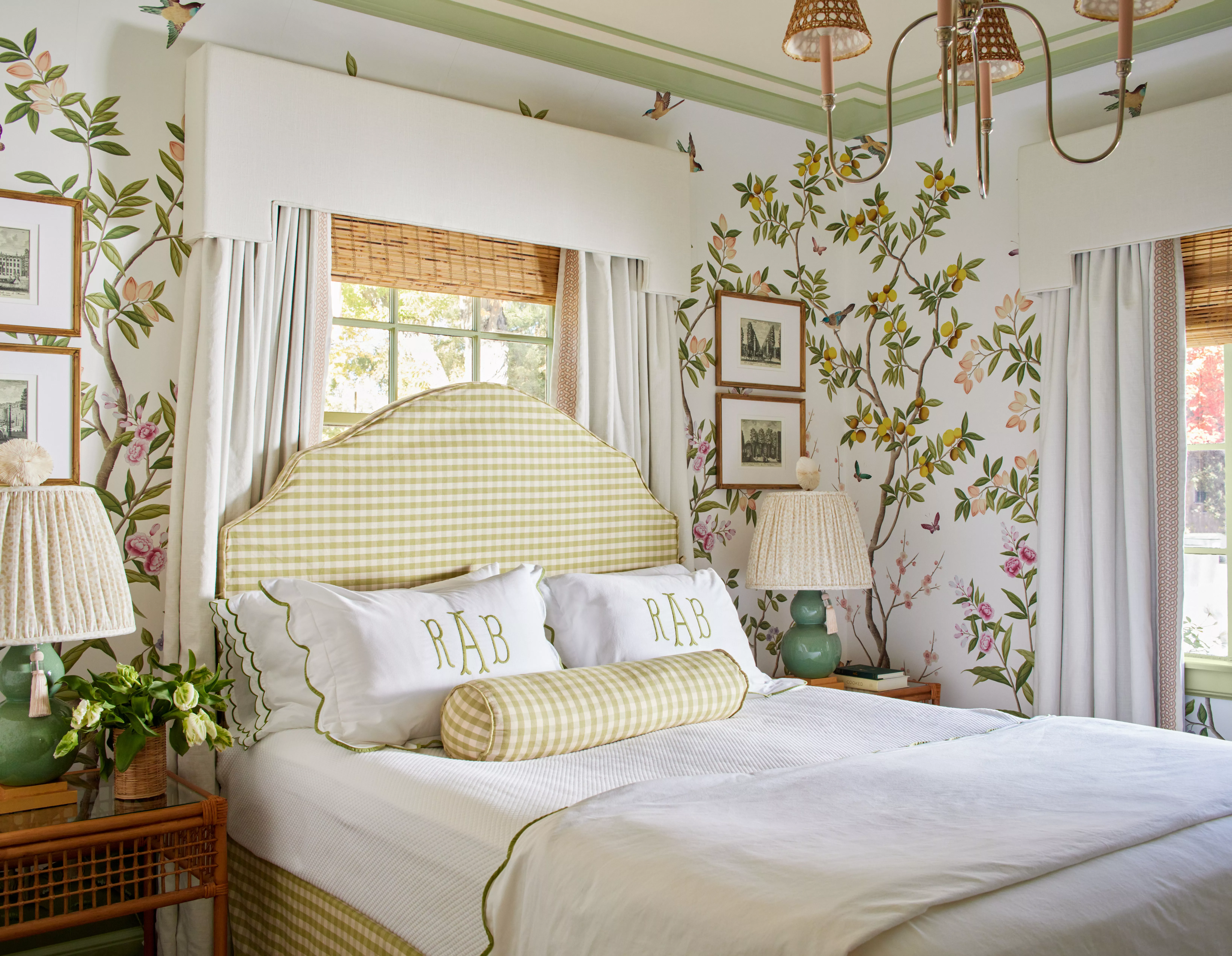
8 Interior Design Trends That Will Be Everywhere in 2025