1/11
The Biggest Interior Design Trends for 2025
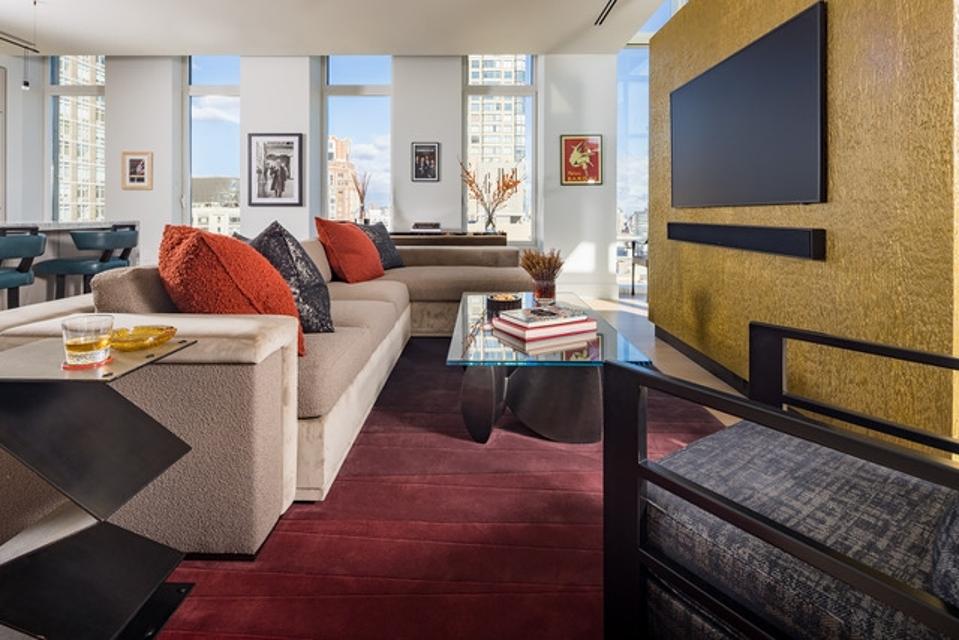
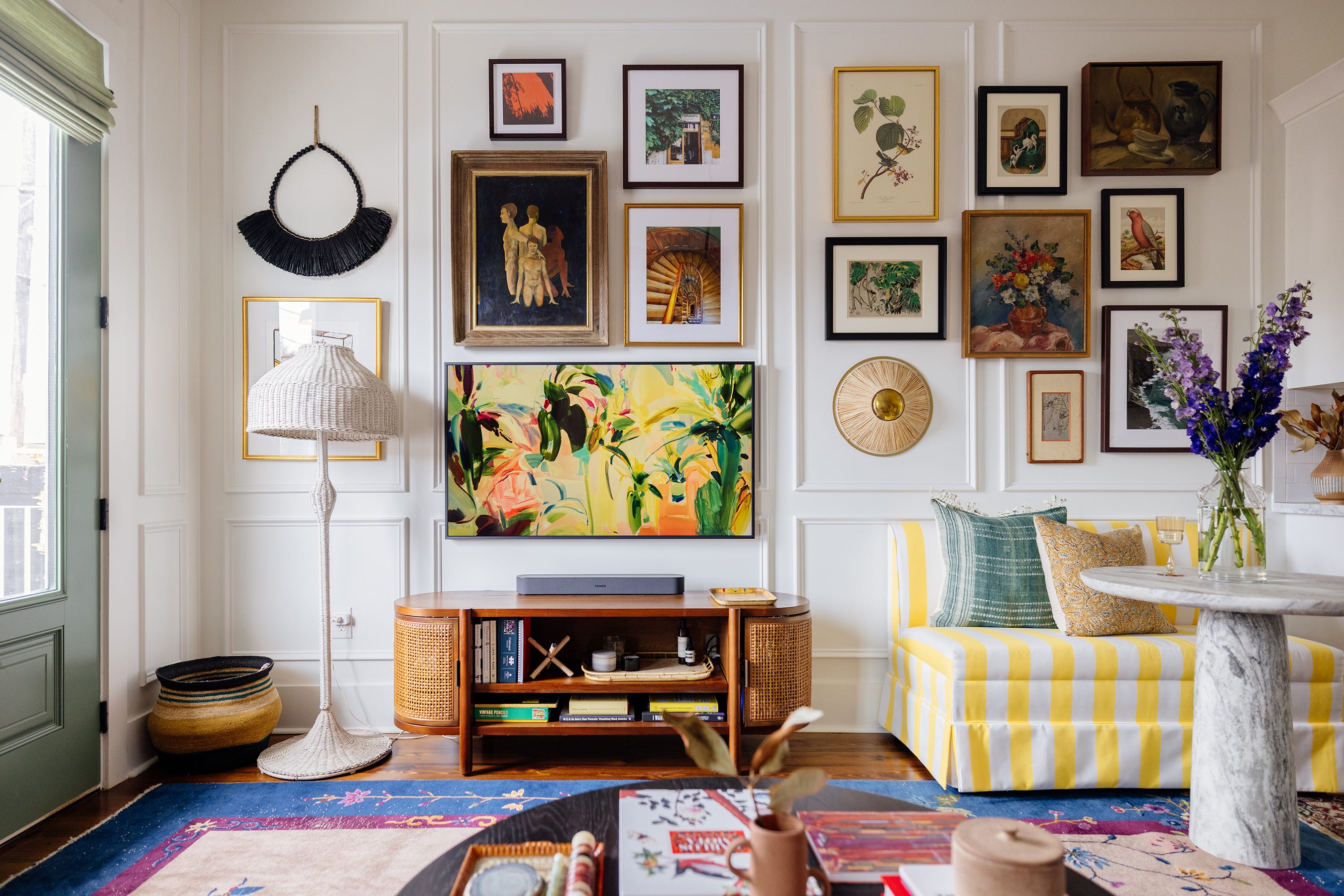
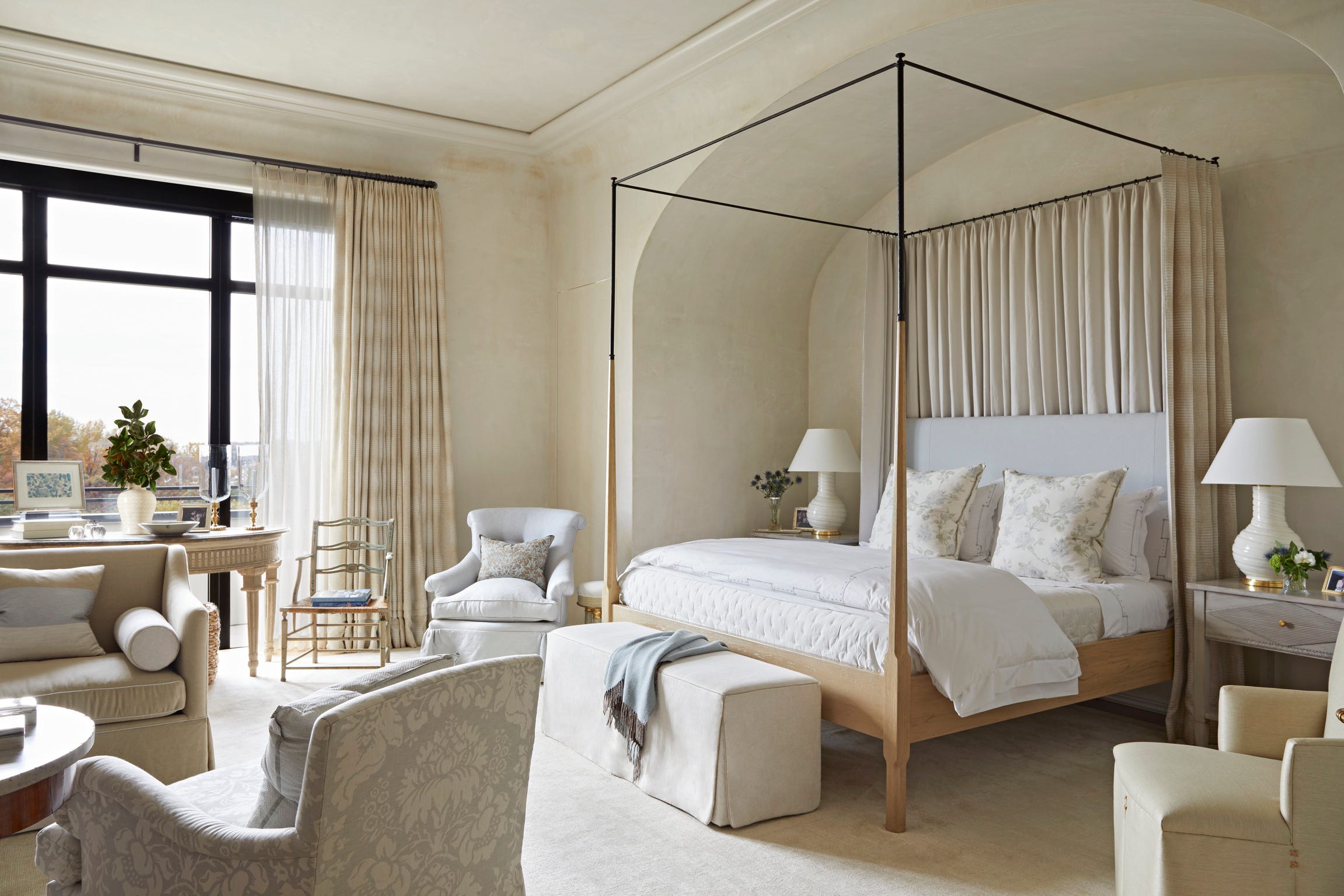
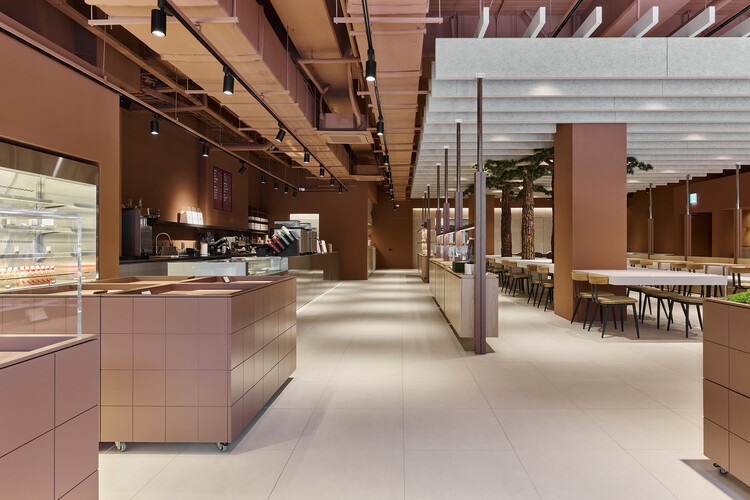
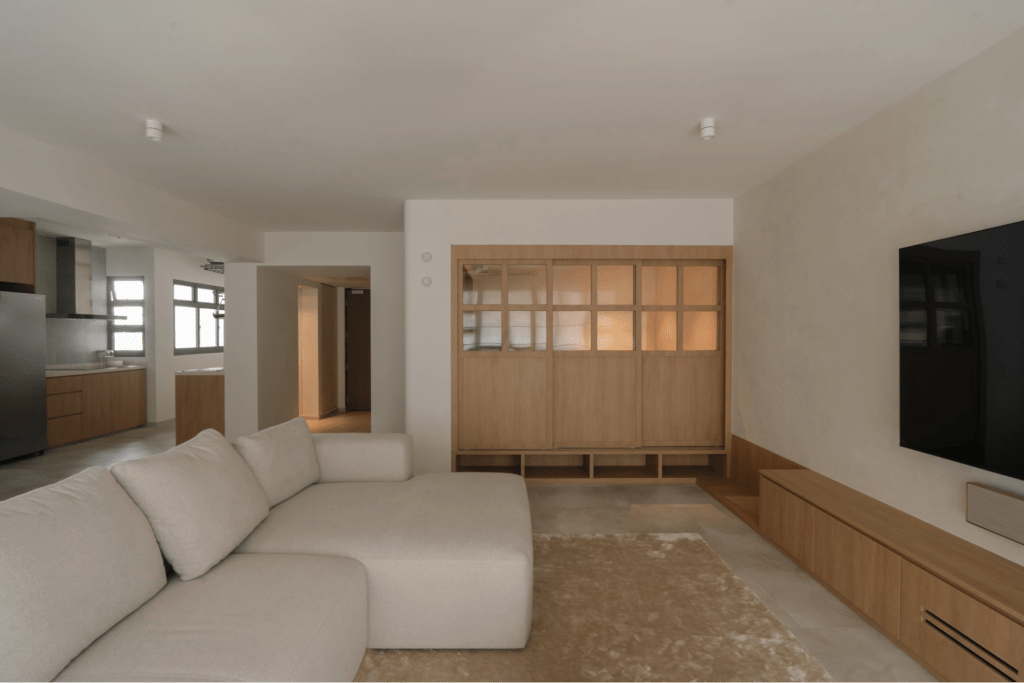
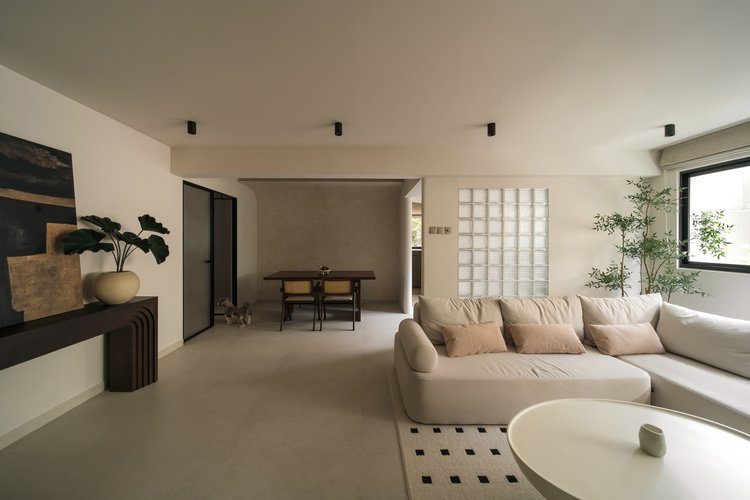
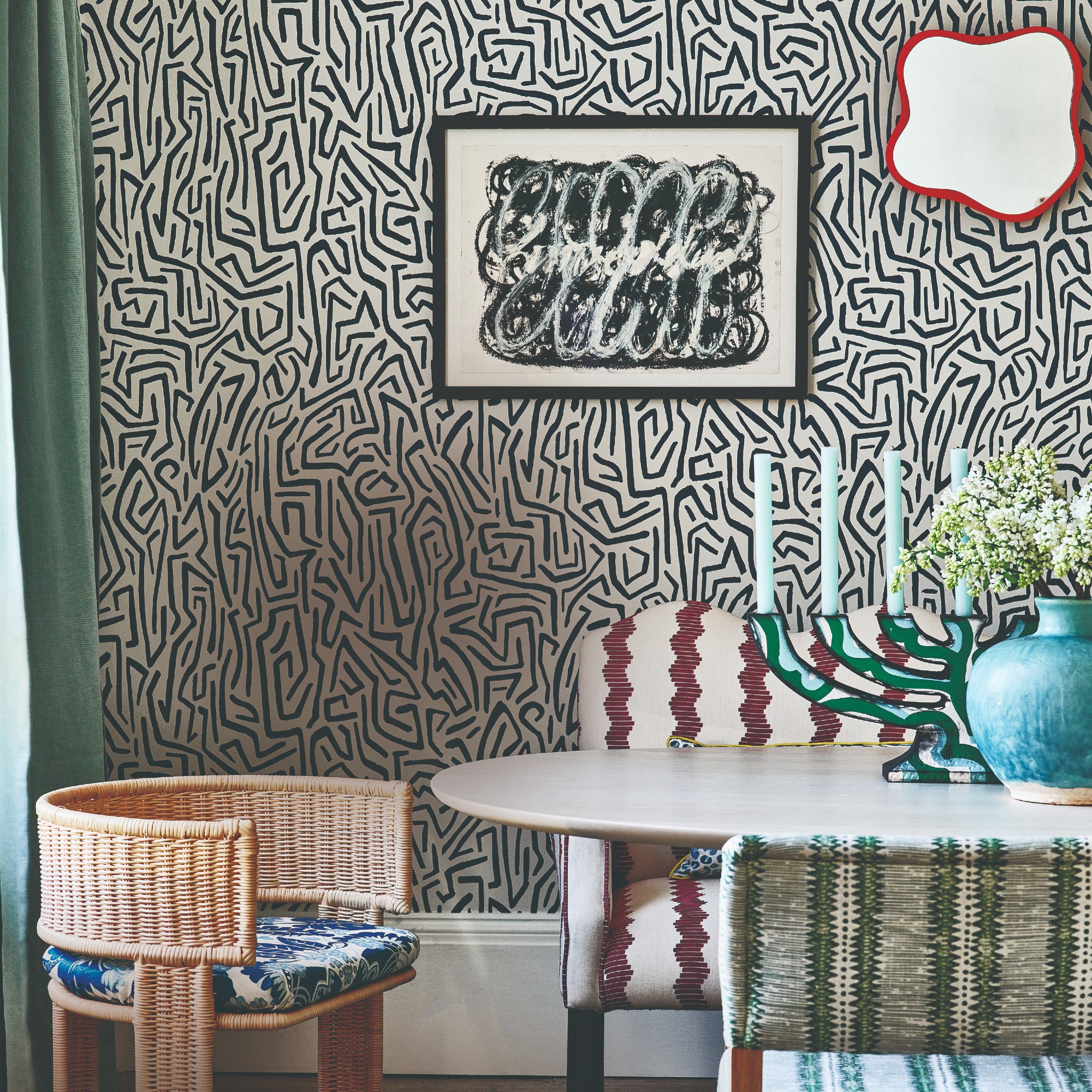
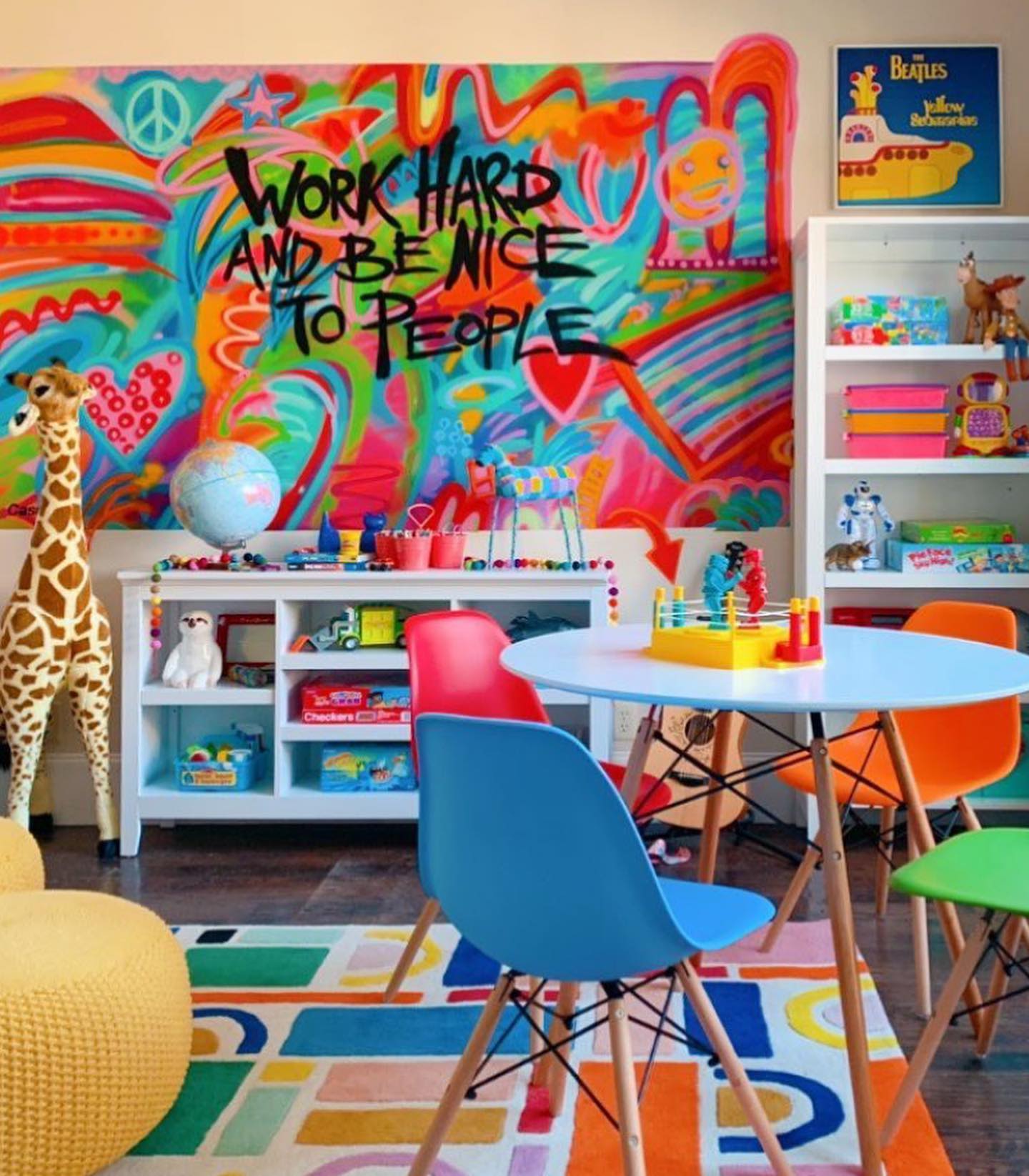
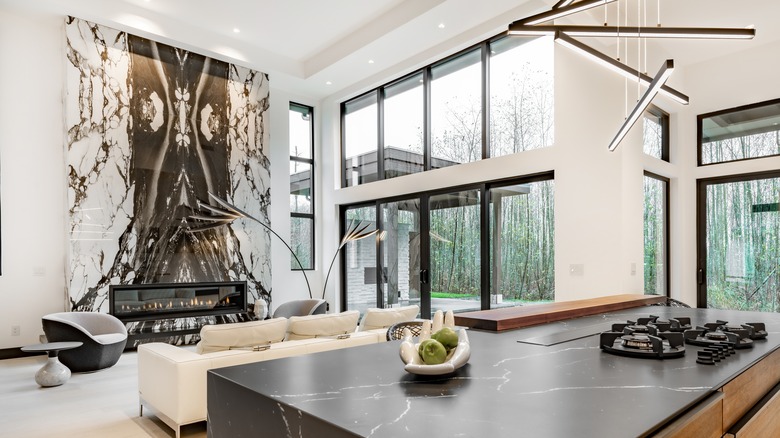
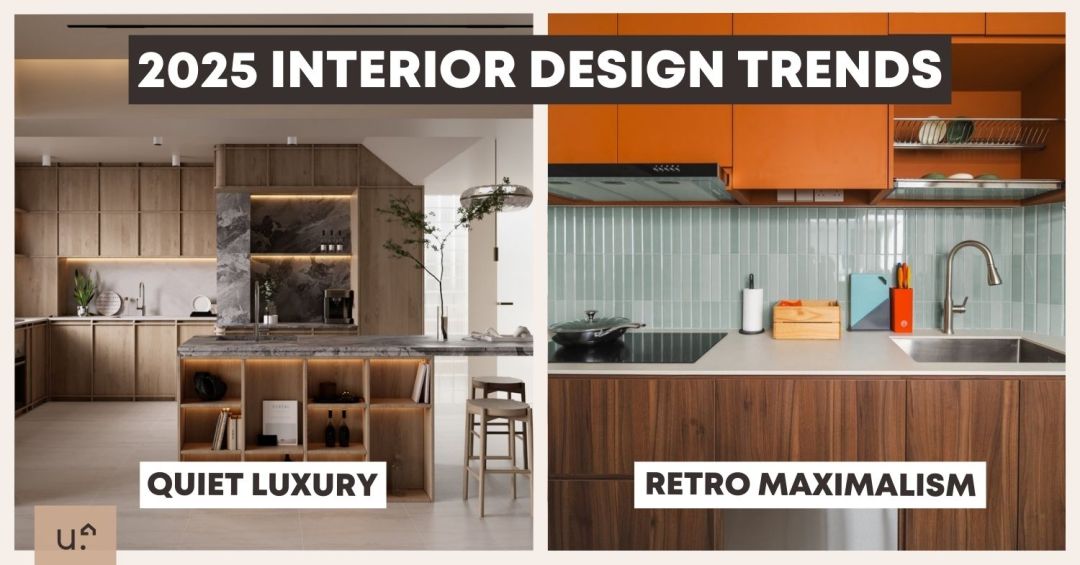
The interior design landscape for 2025 is marked by a bold shift towards expressive and personalized spaces, moving beyond the neutral palettes that have dominated recent years. Presentations at Milan Design Week 2025 and Paris’s PAD 2025 revealed a strong embrace of color, pattern, and experimental forms. While the influence of maximalism persists, there's also a subtle integration of 'quiet luxury' principles, emphasizing comfort, relaxation, and monochromatic schemes. However, the overarching theme is a departure from subdued tones, with designers championing vibrant colors, often inspired by natural elements. Clients are increasingly seeking interiors that not only offer a sense of sanctuary but also distinctly reflect their individual personalities, driving a willingness to experiment with diverse materials, textures, and furnishings. Designer Anne Dereaux notes that a space's uniqueness now stems from a mix of classic and sculptural pieces, handmade objects, or even found items with a narrative, contributing to a holistic sense of well-being.
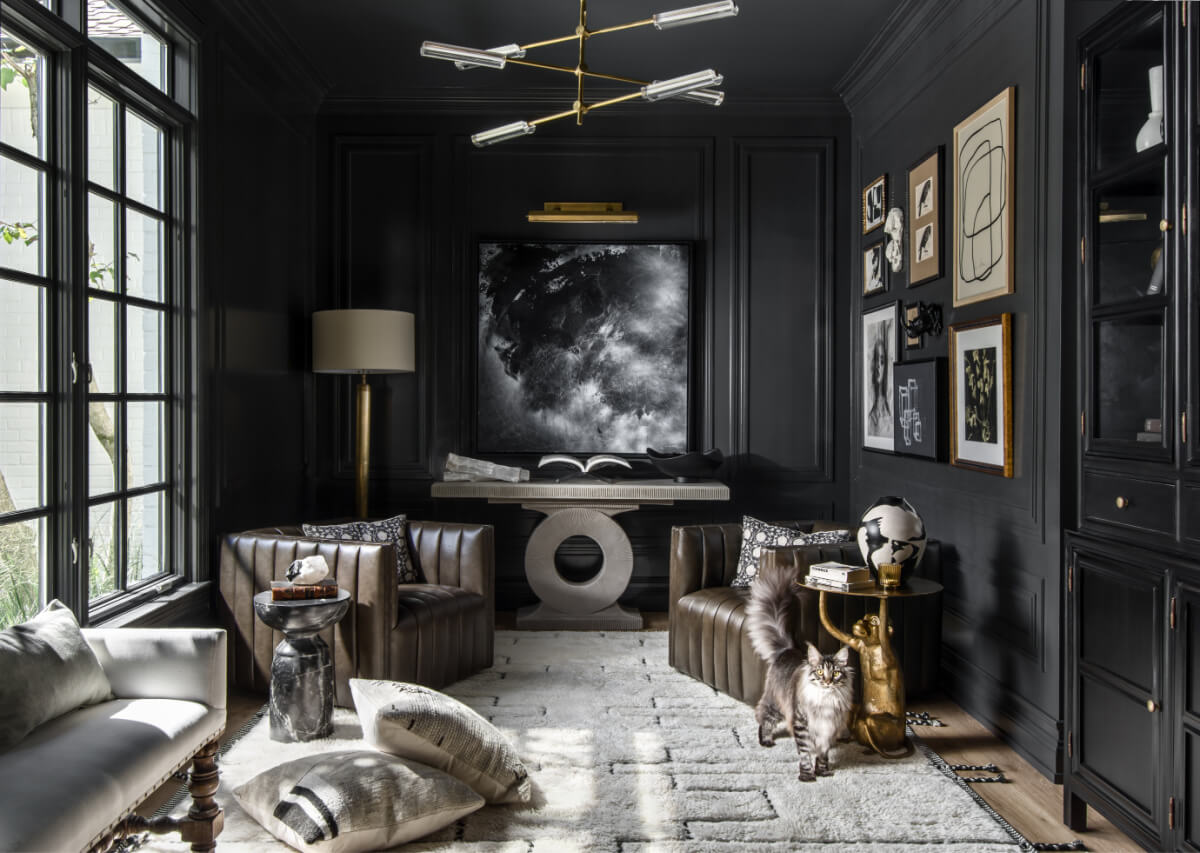
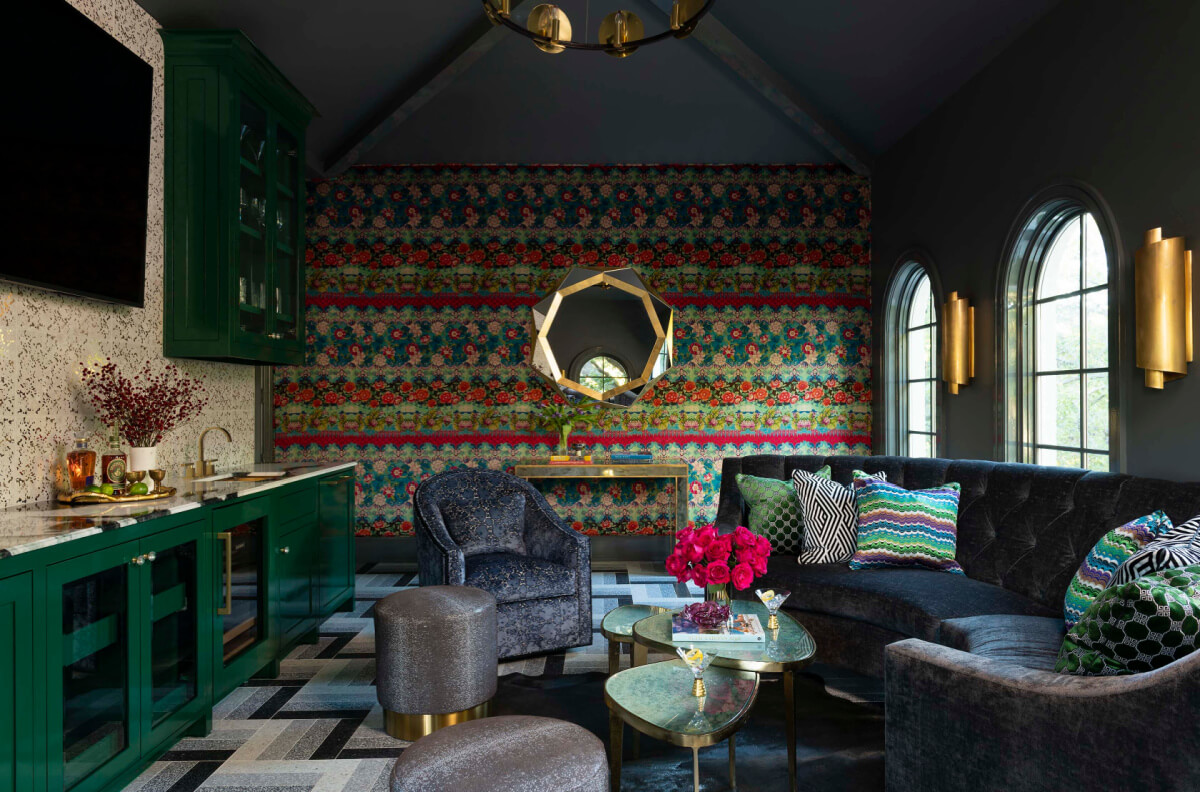
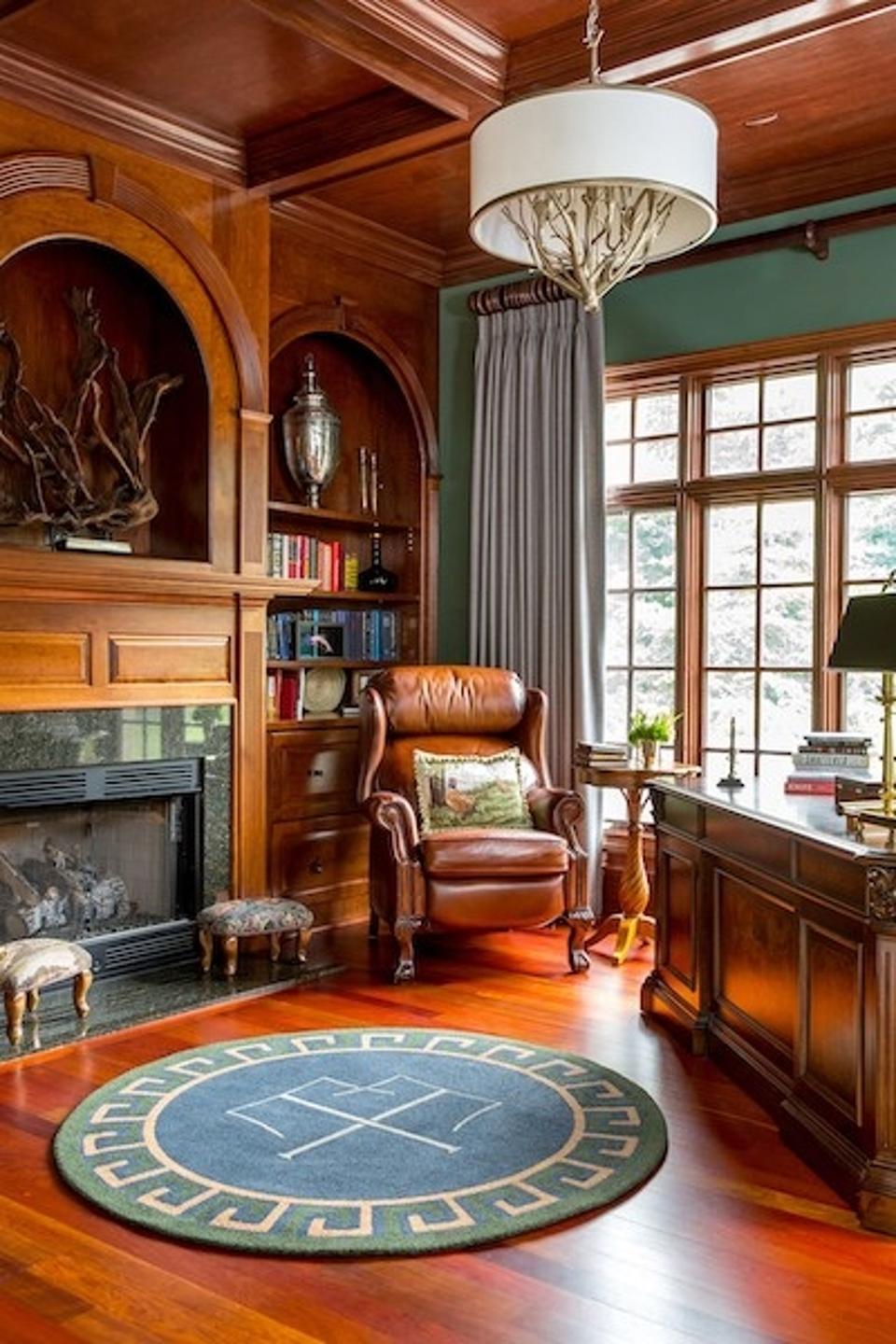
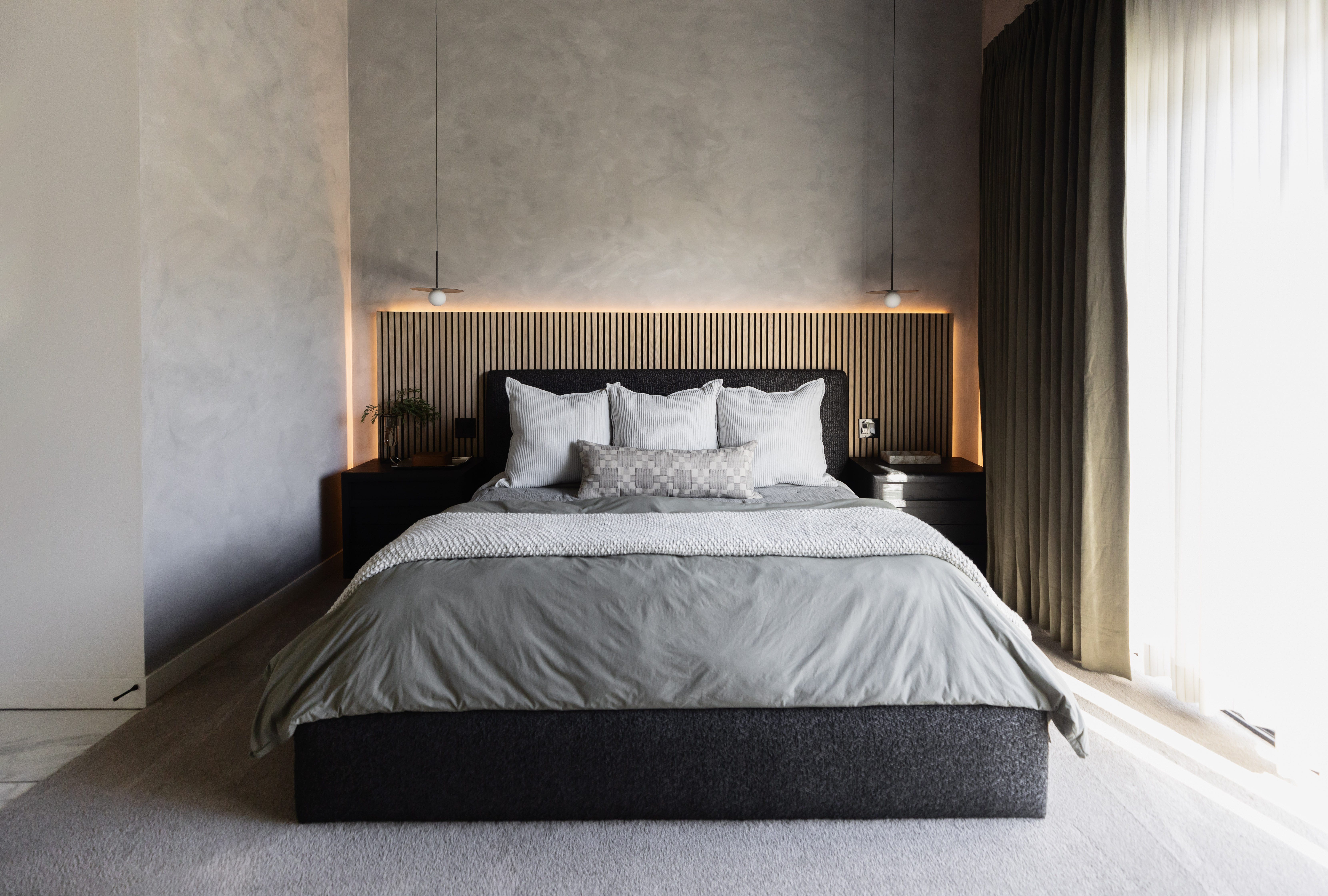
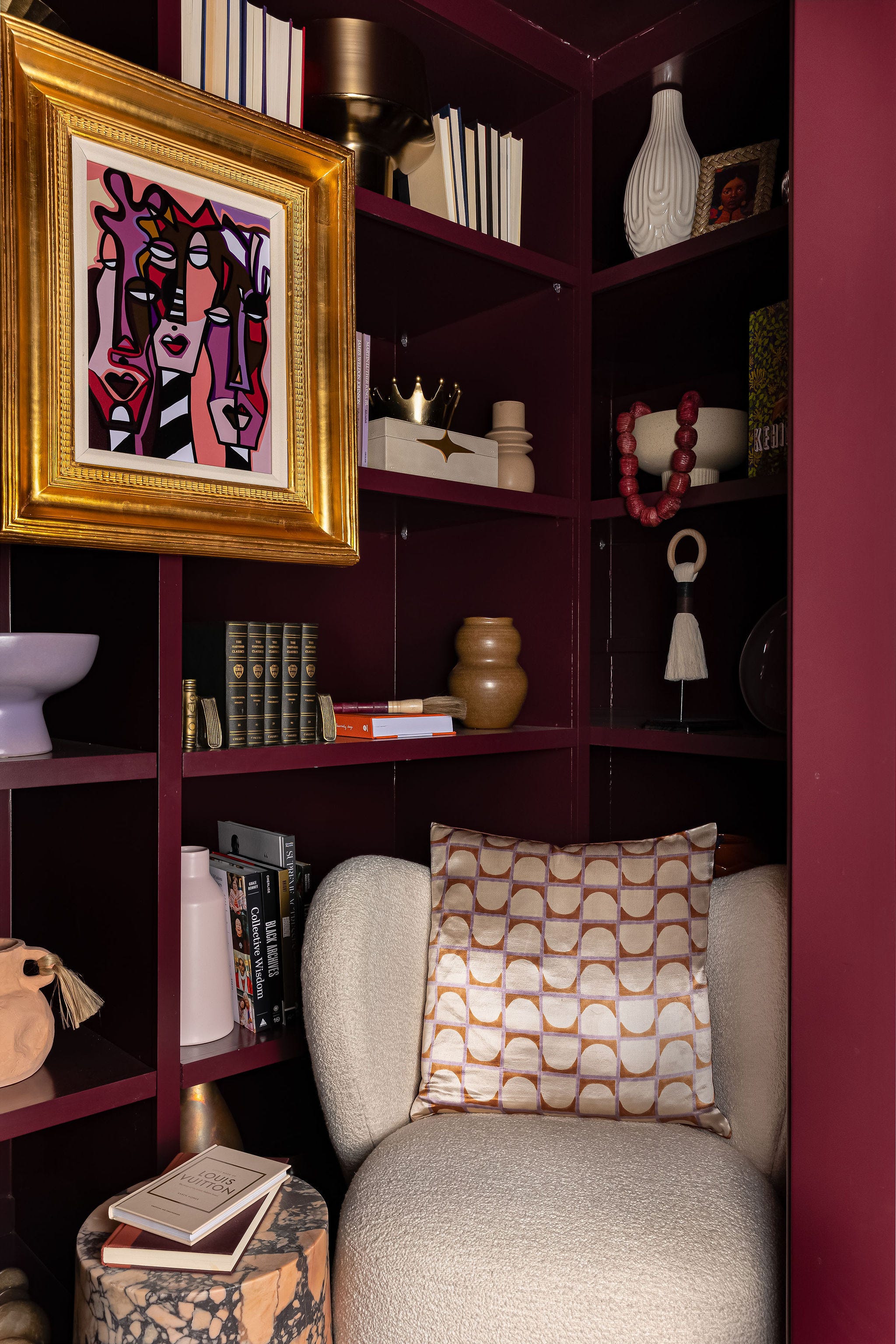
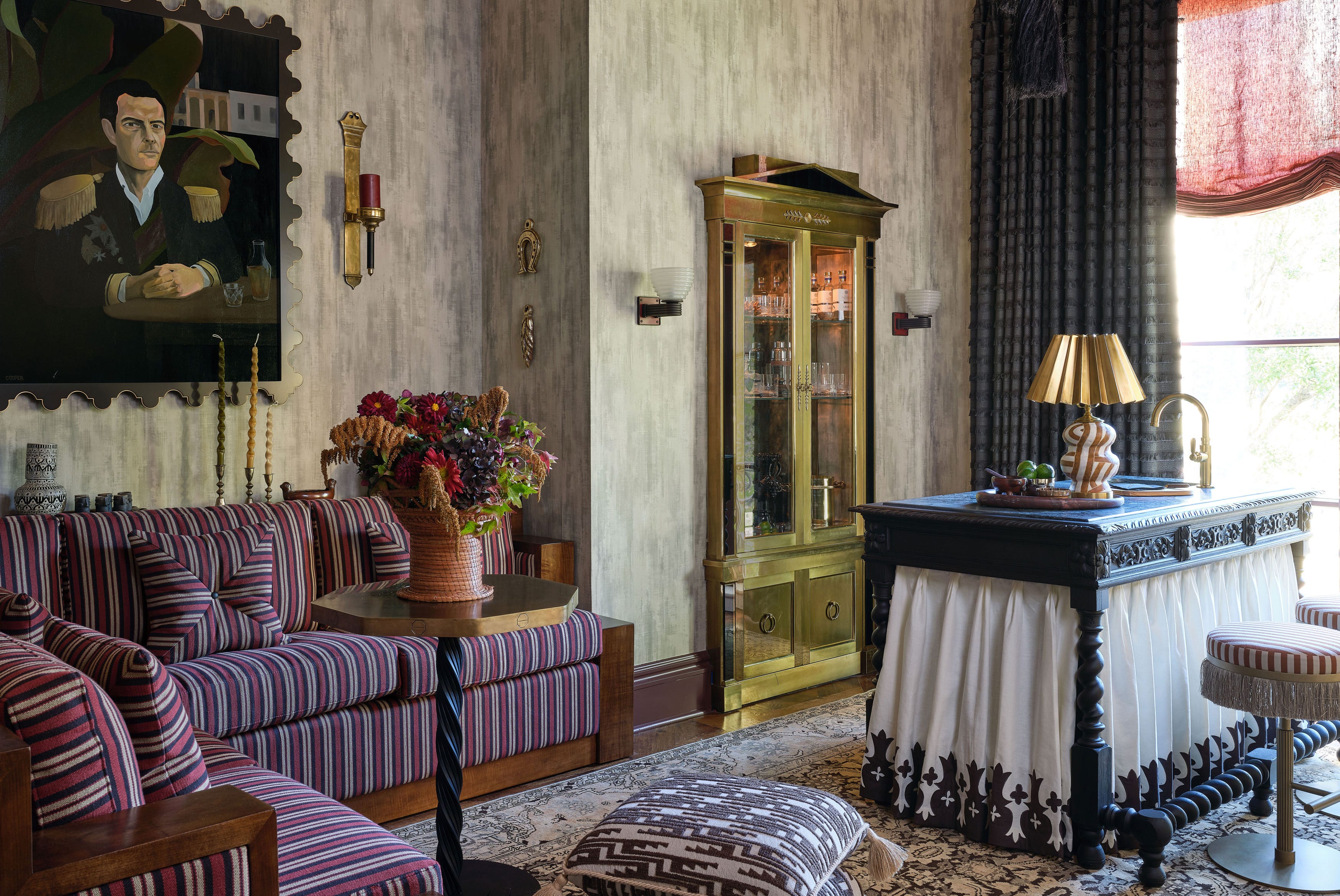
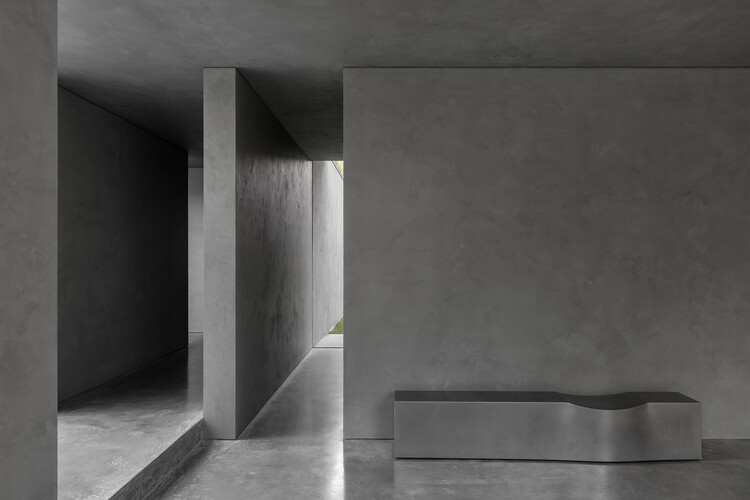
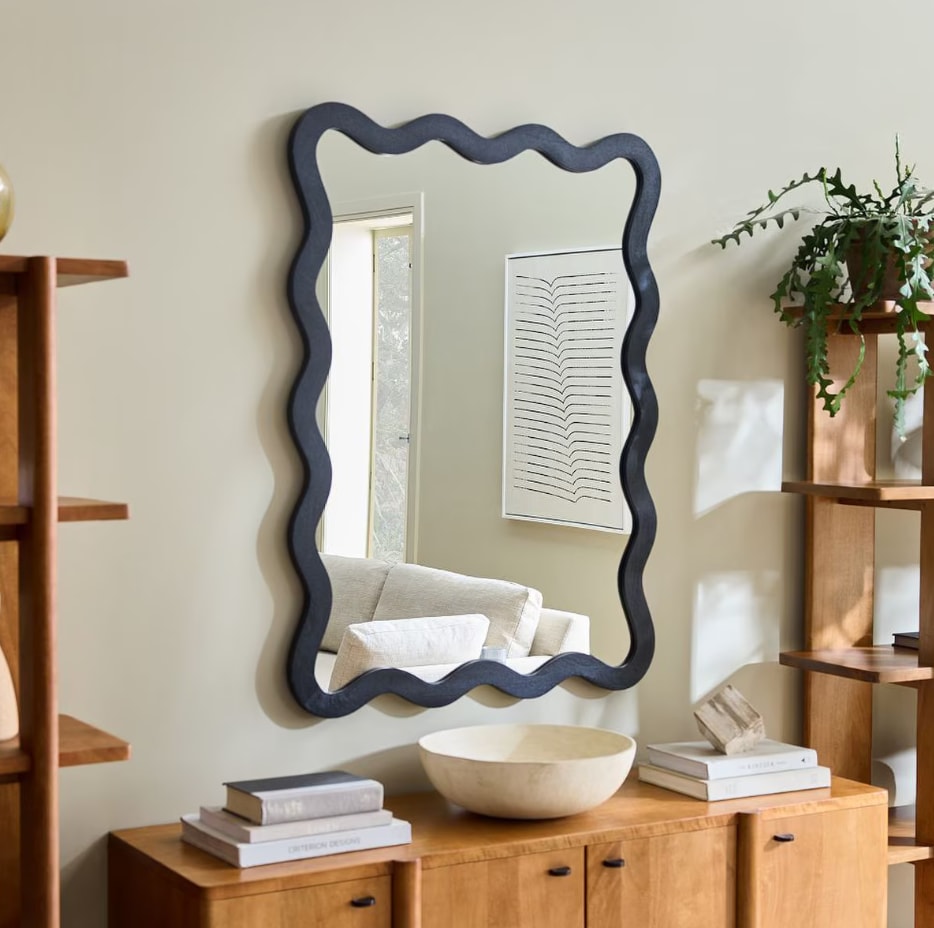
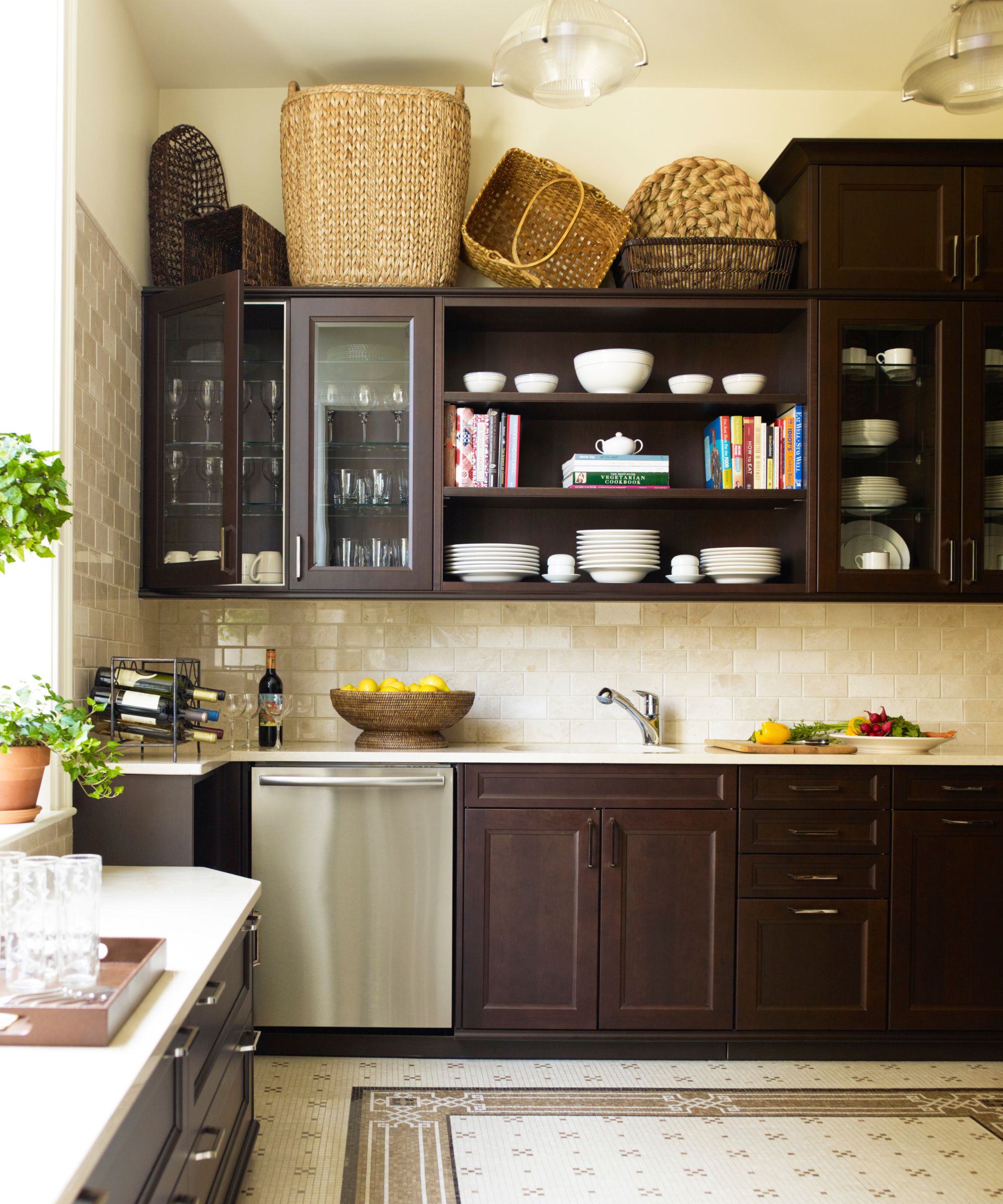
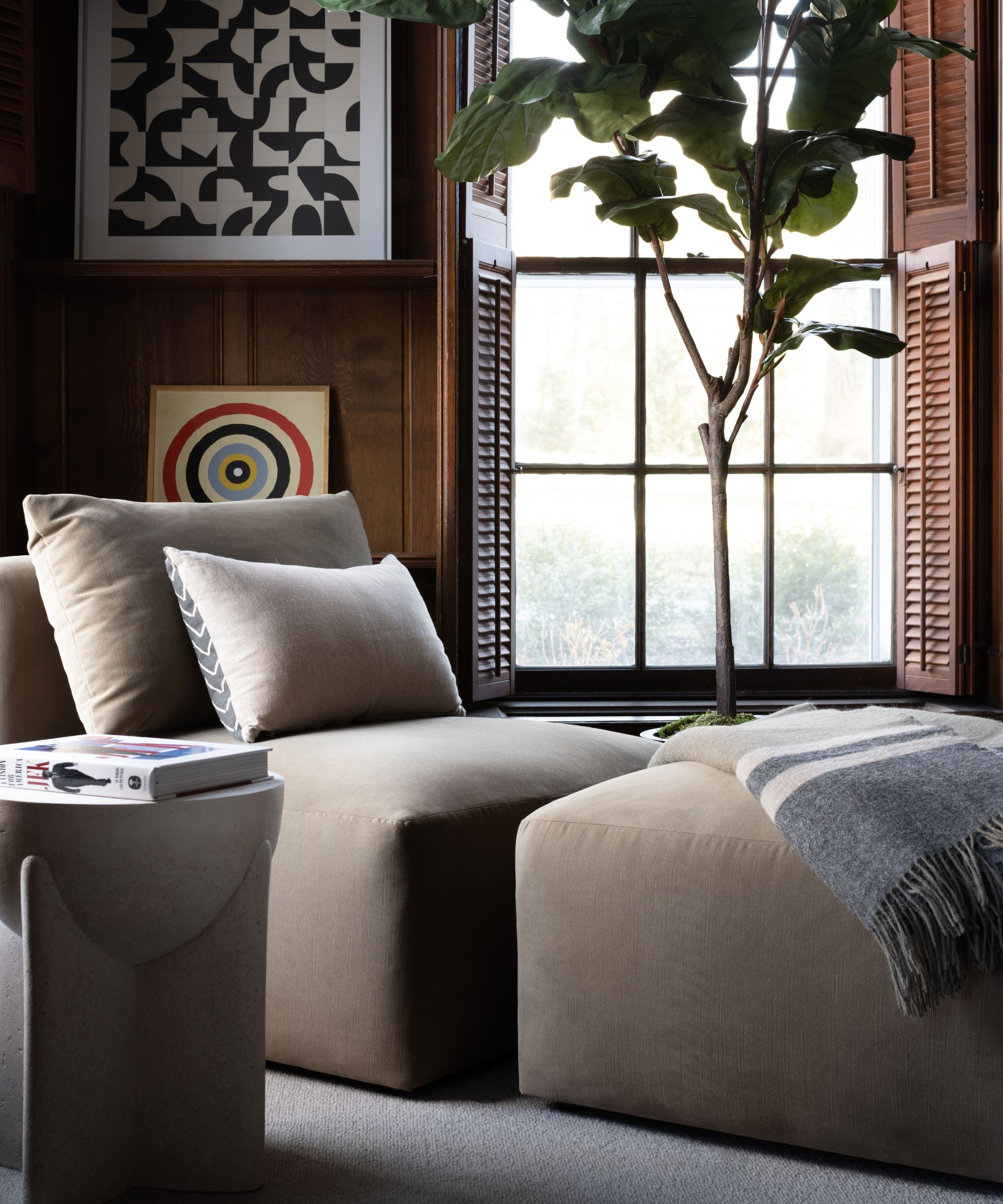
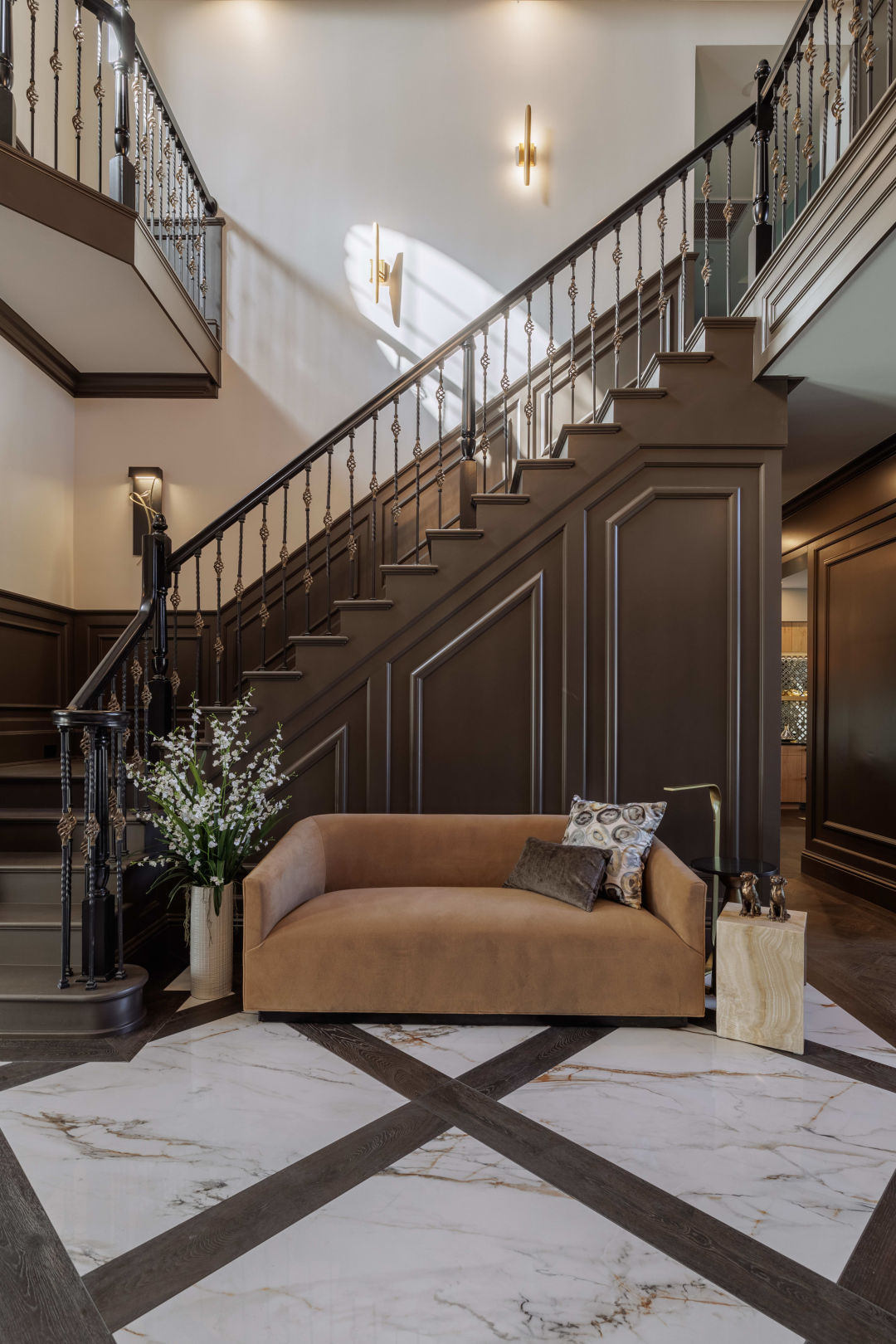
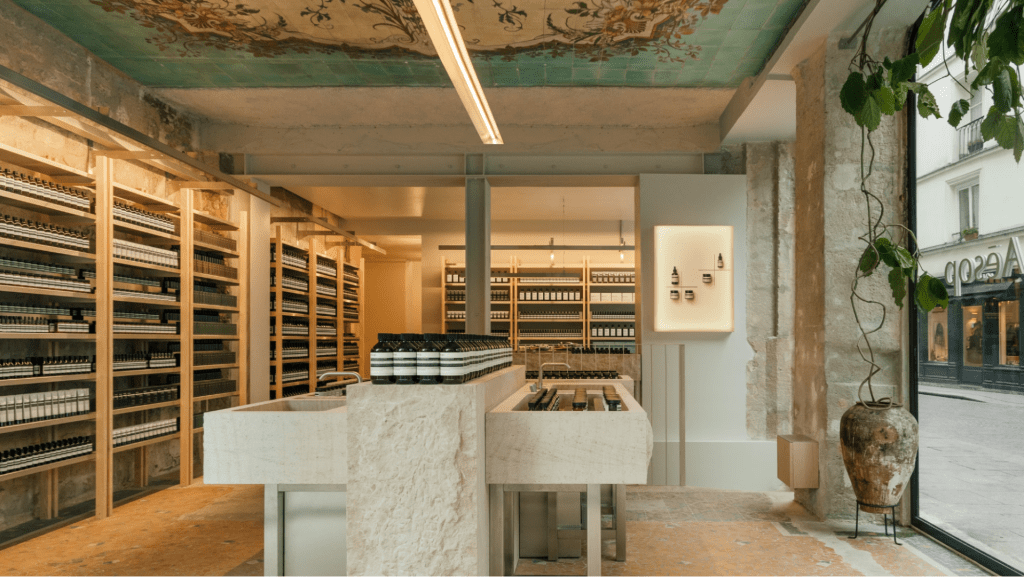
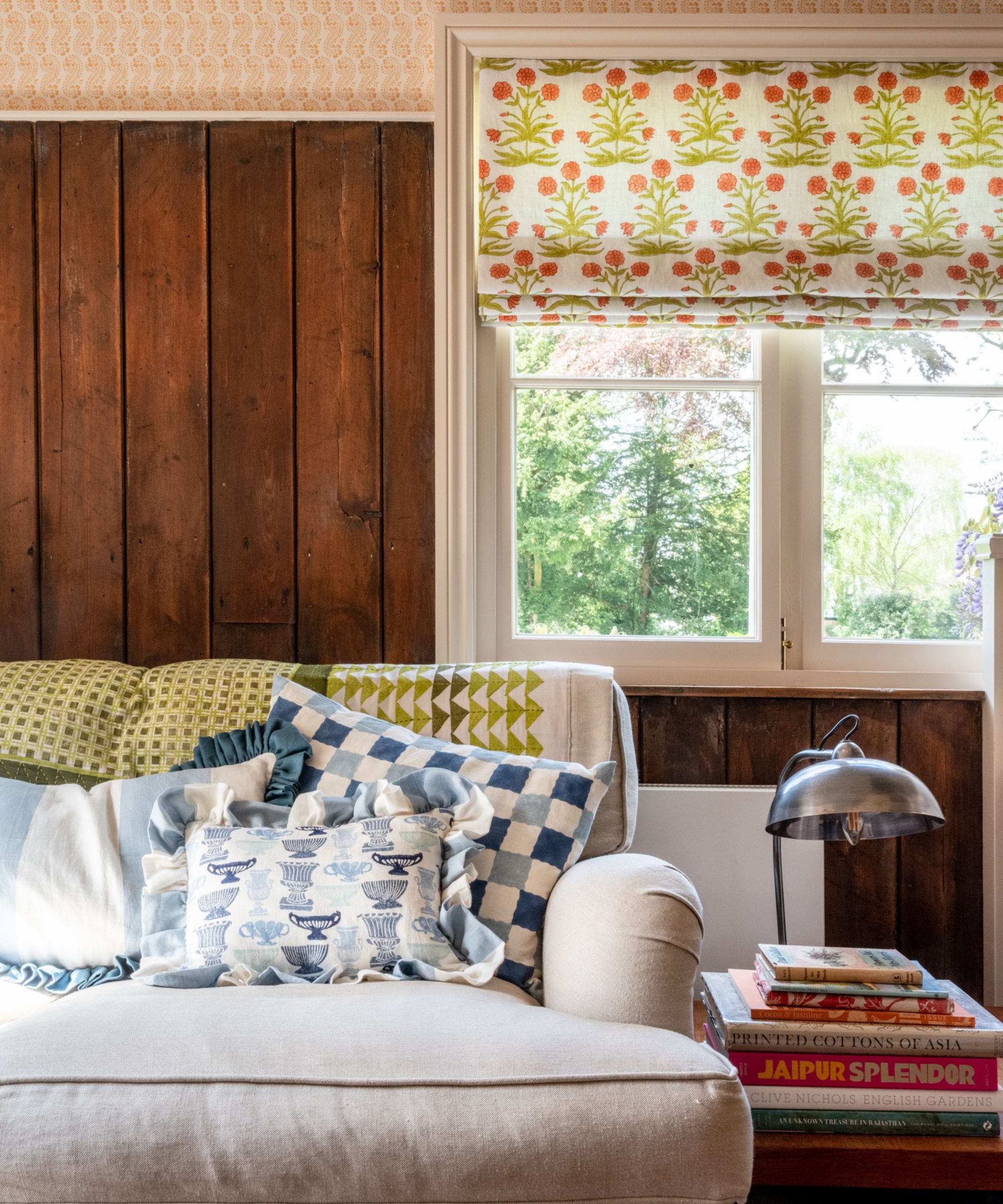
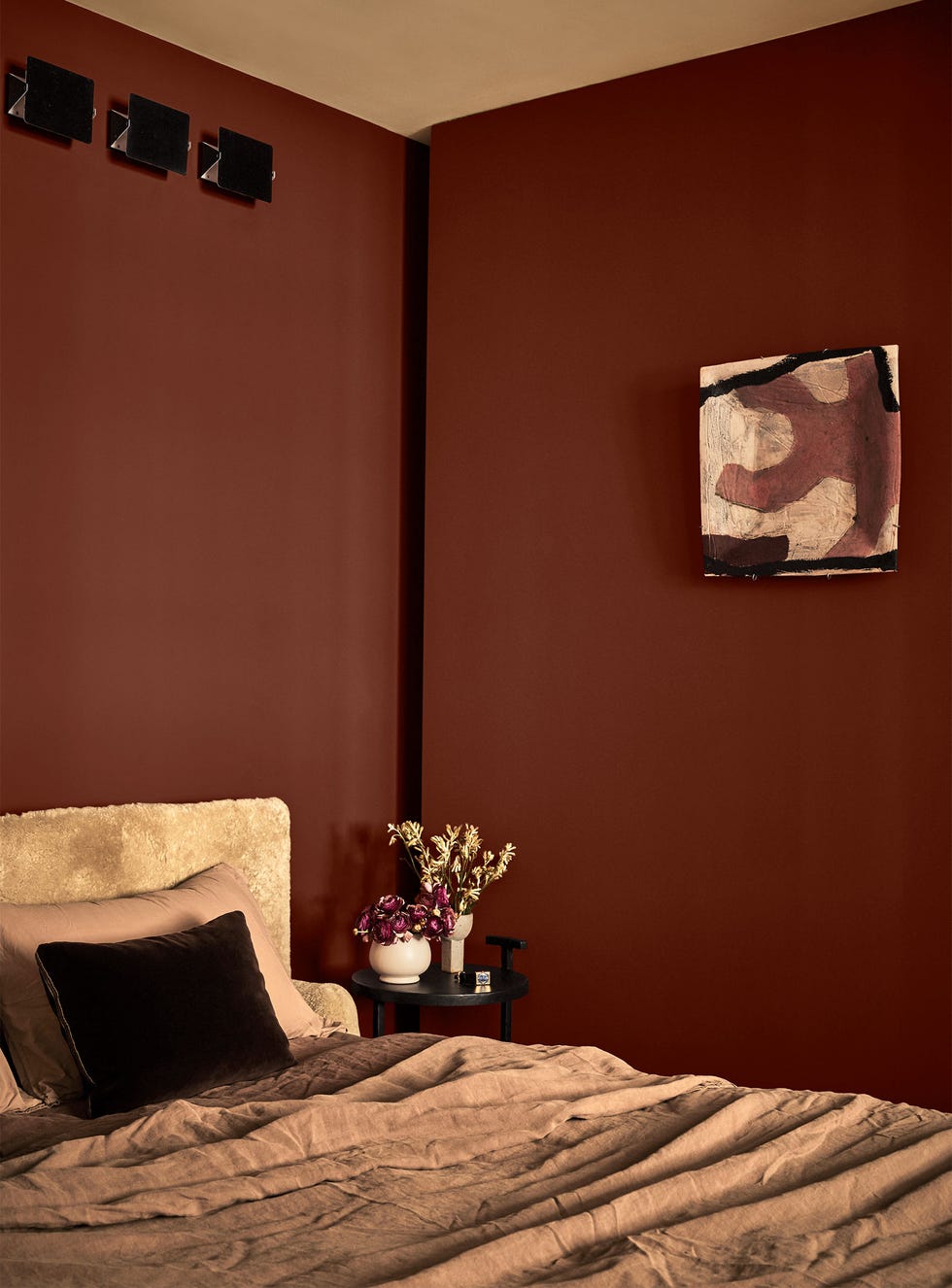
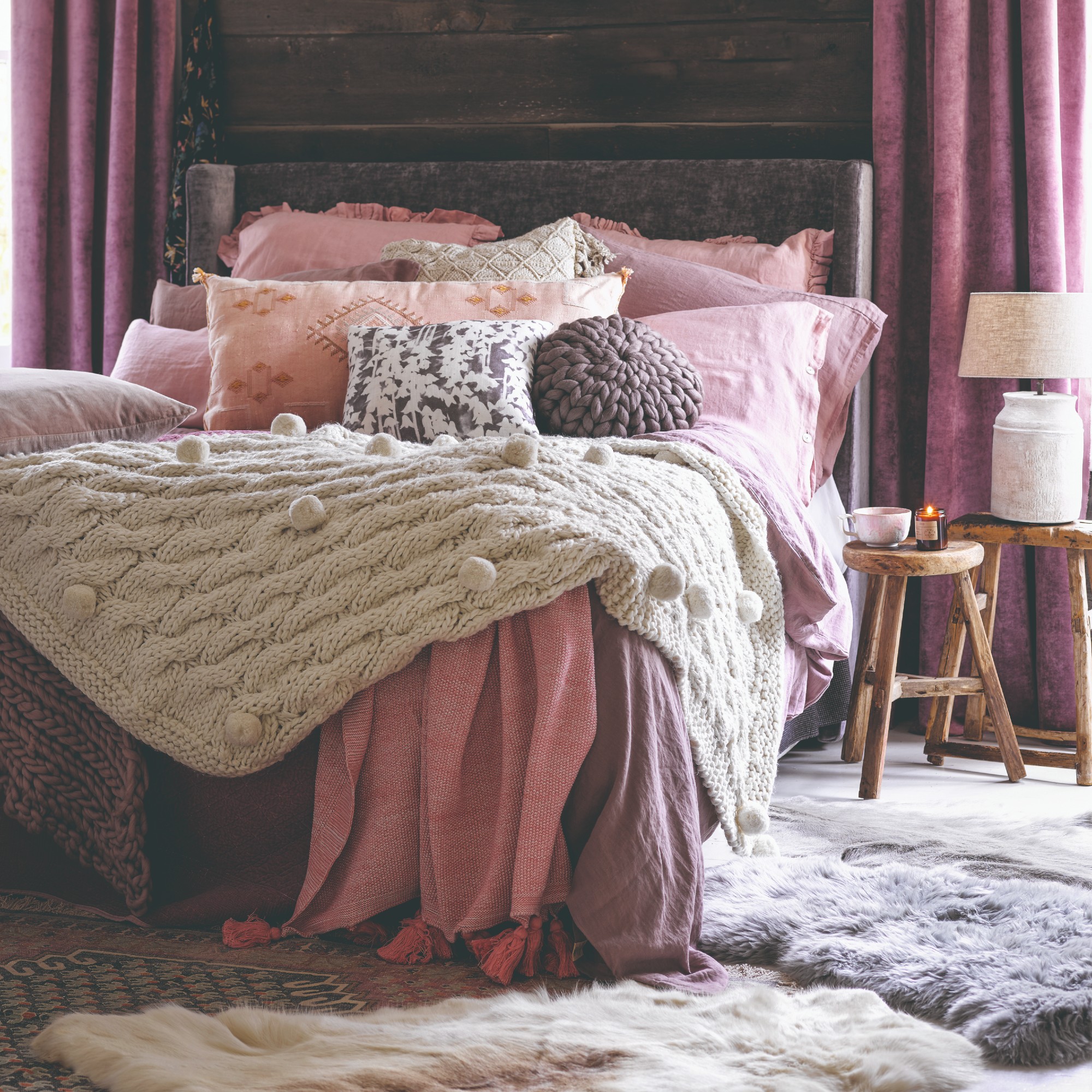
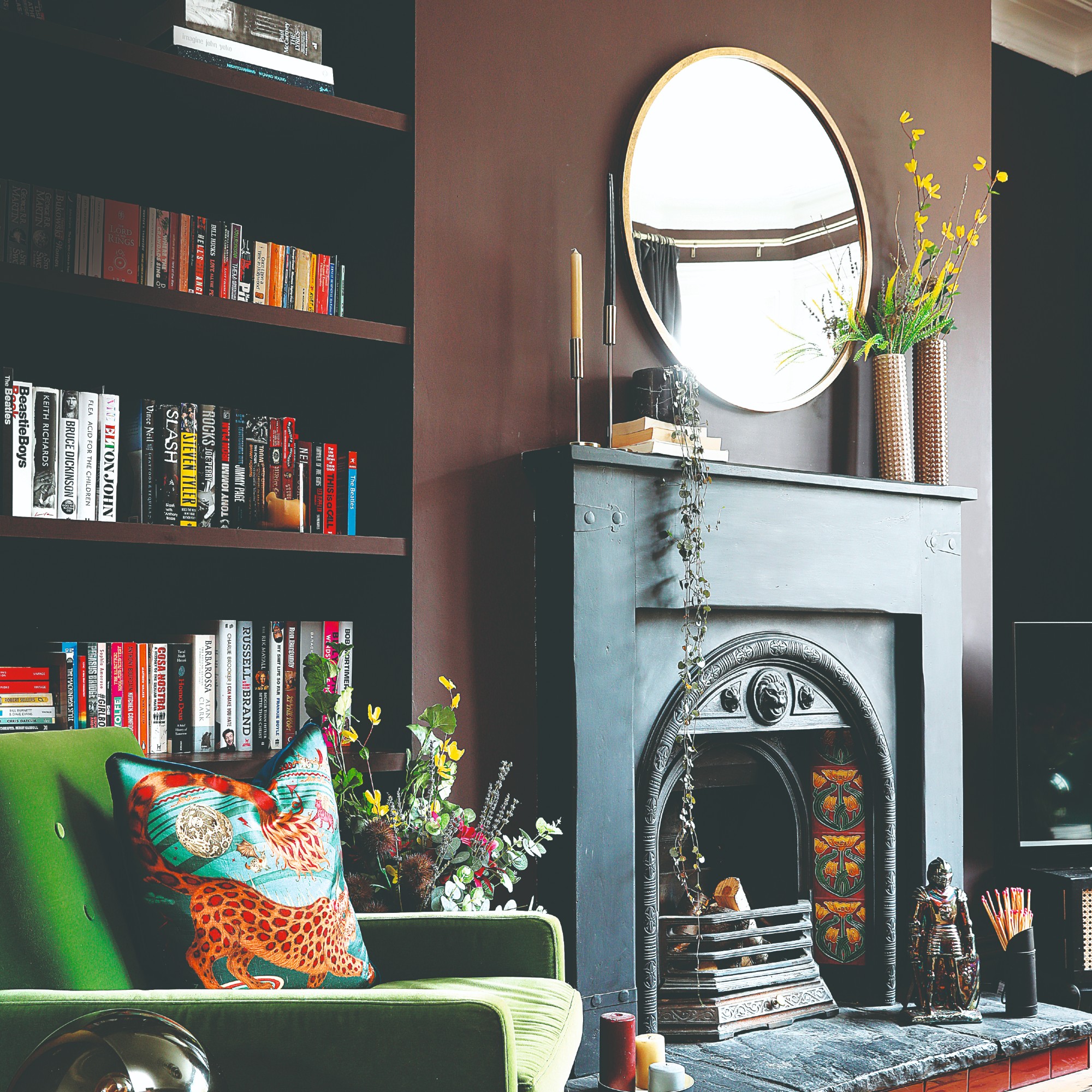
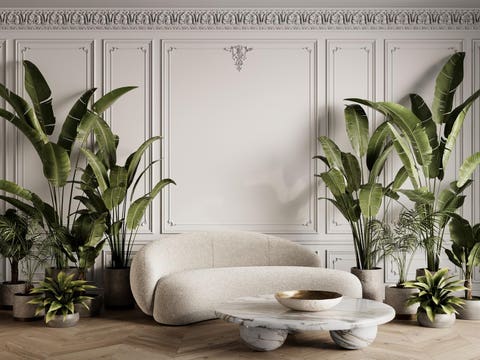
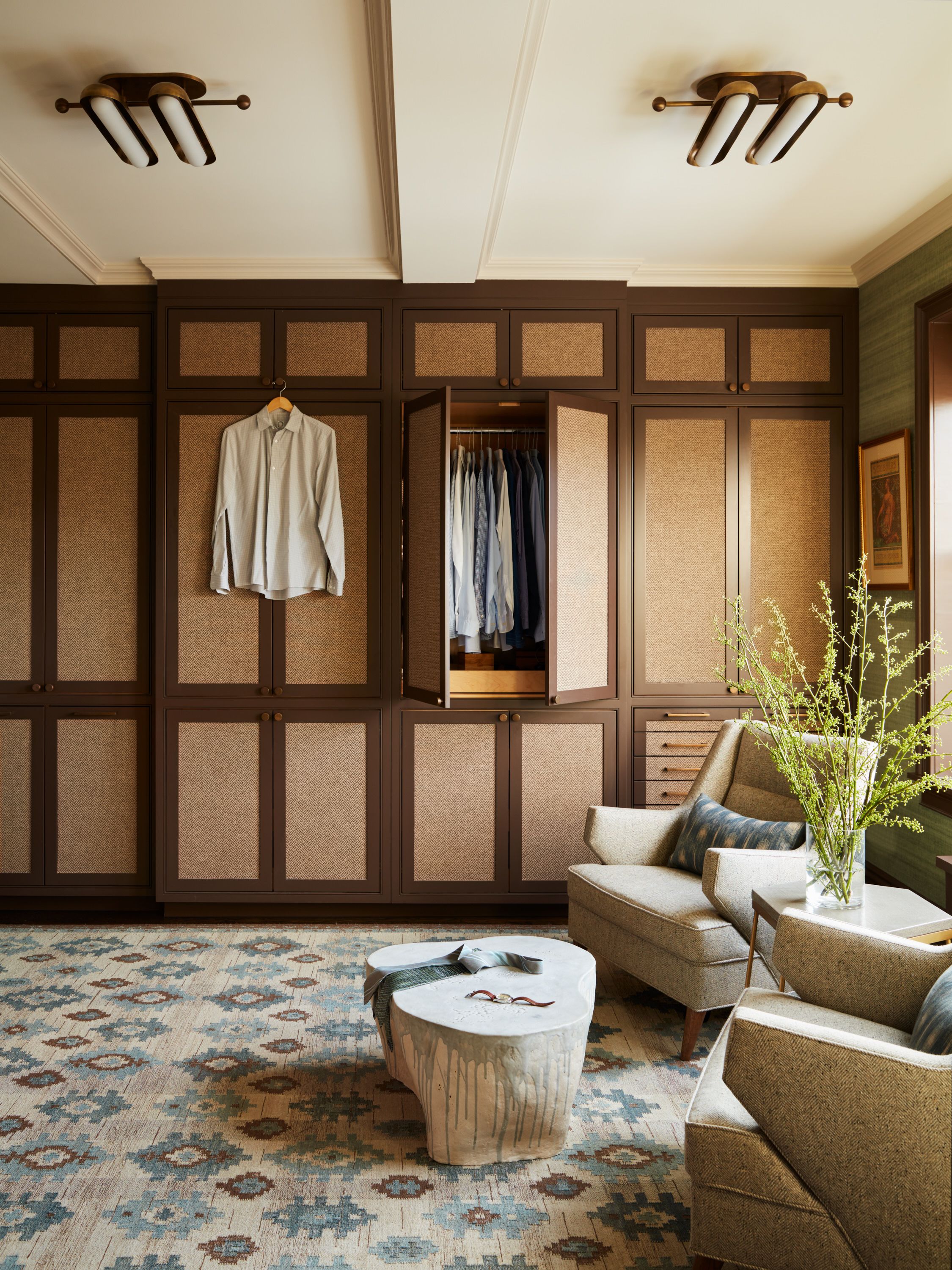
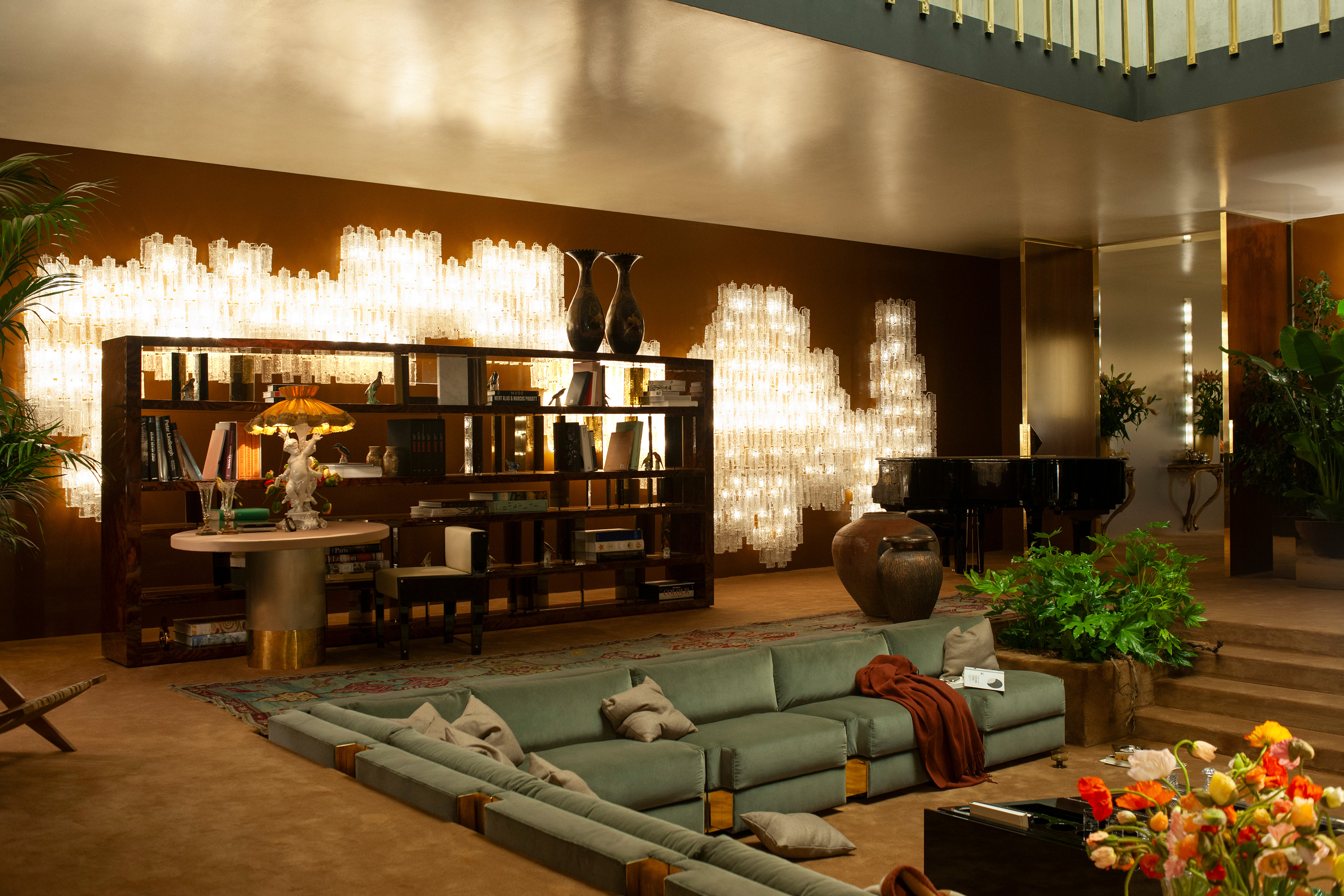
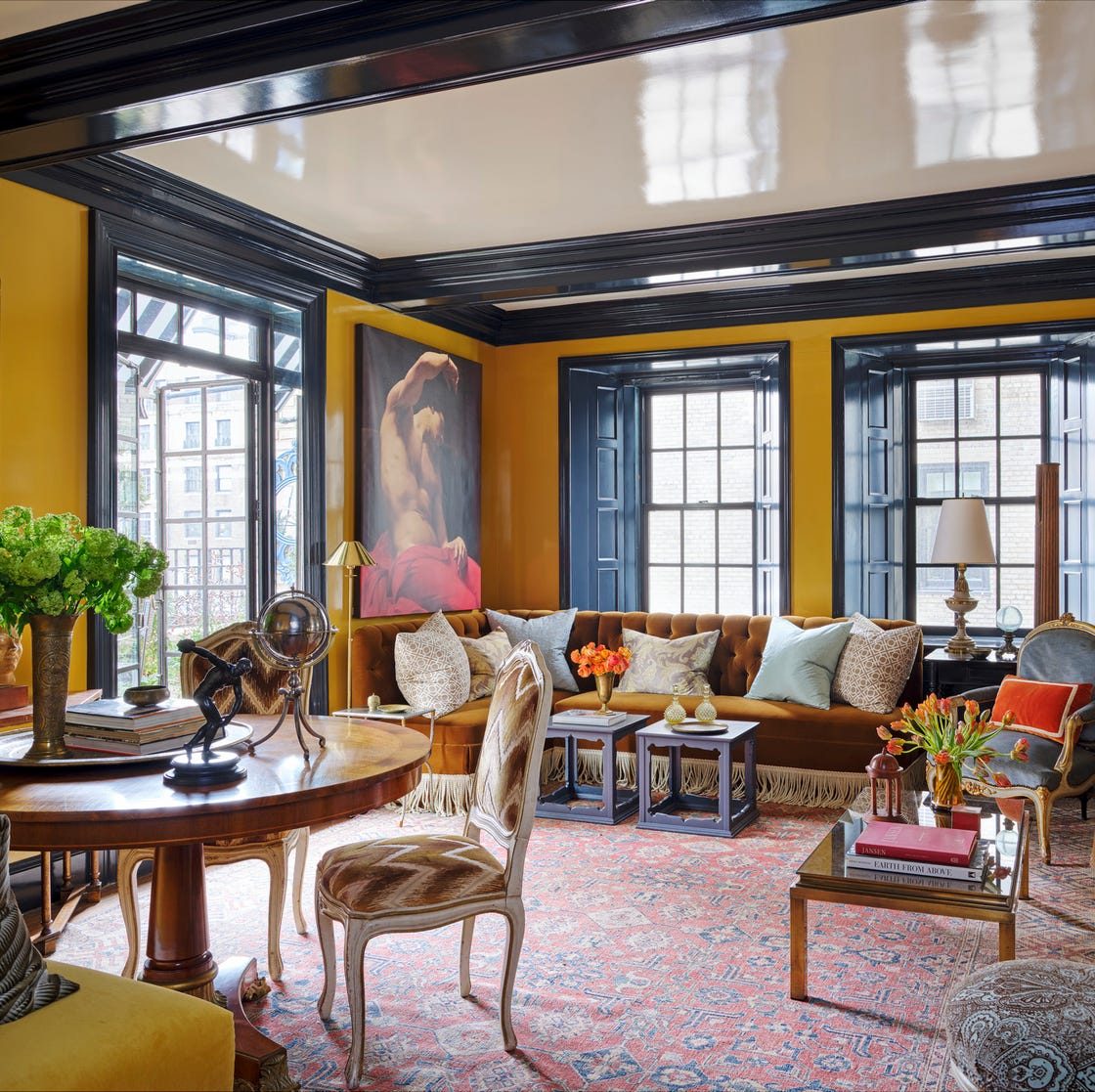
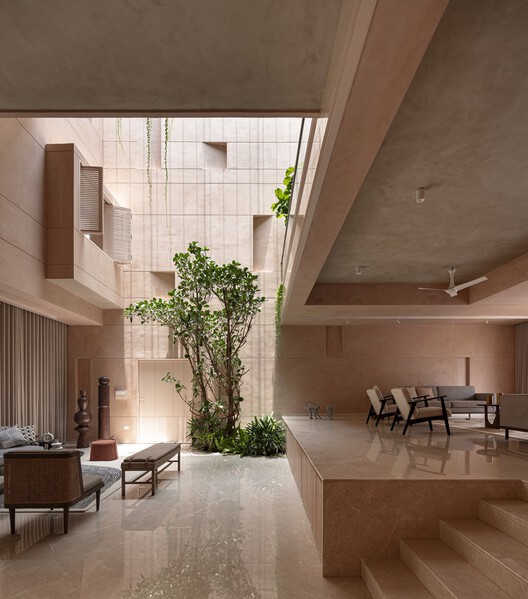
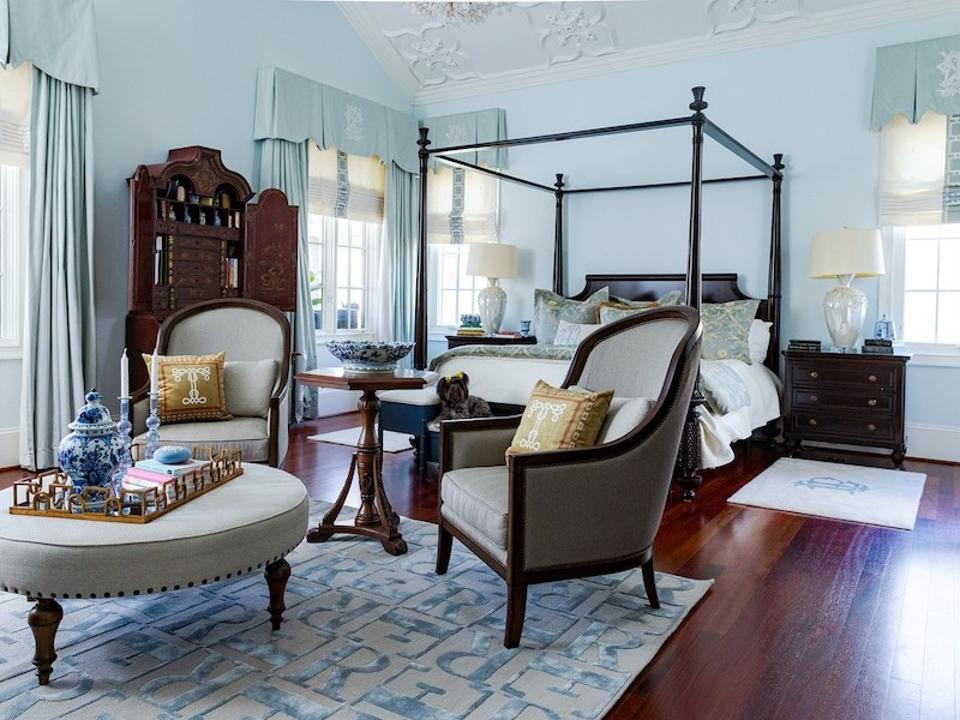
A significant trend emerging is "material drenching," a concept introduced by designer Jake Arnold. This involves decorating an entire room with a single material like wood, stone, plaster, or fabric, moving beyond the color-drenching trend of previous years. This approach adds dimension and an elevated aesthetic, drawing inspiration from historical paneled or plaster-clad rooms but with a brighter, lighter contemporary interpretation. Reflective materials, such as high-gloss paints and strategically placed mirrors, are also gaining traction to add energy and manipulate perception without making spaces feel confined. Furthermore, there is a growing demand for evocative and enveloping spaces where comfort and well-being are paramount. This translates into moodier interiors featuring dark wood cabinetry, plush textiles, and layered drapery, often incorporating bold colors and patterns reminiscent of 20th-century design luminaries like Sister Parish and Mario Buatta. Installations at Milan Design Week, such as Pierre-Yves Rochon's Villa Héritage and Dimoremilano's "La Prima Notte di Quiete" with Loro Piana, exemplify this trend with rich hues, luxurious materials, and inviting elements like conversation pits.
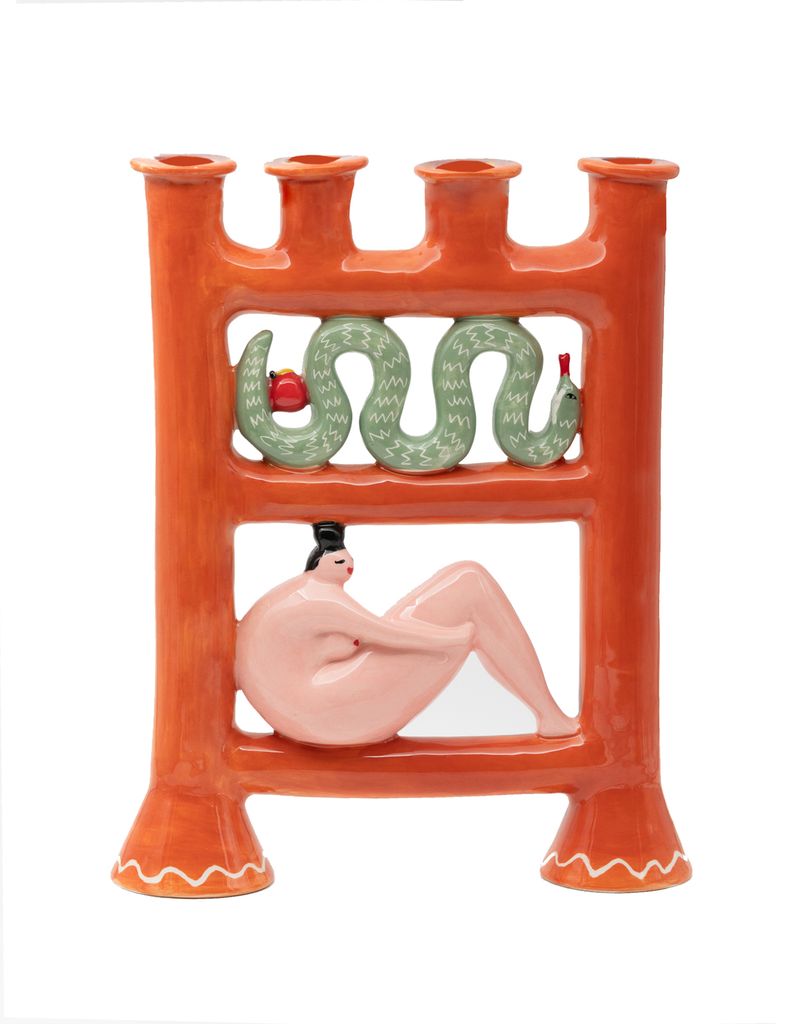
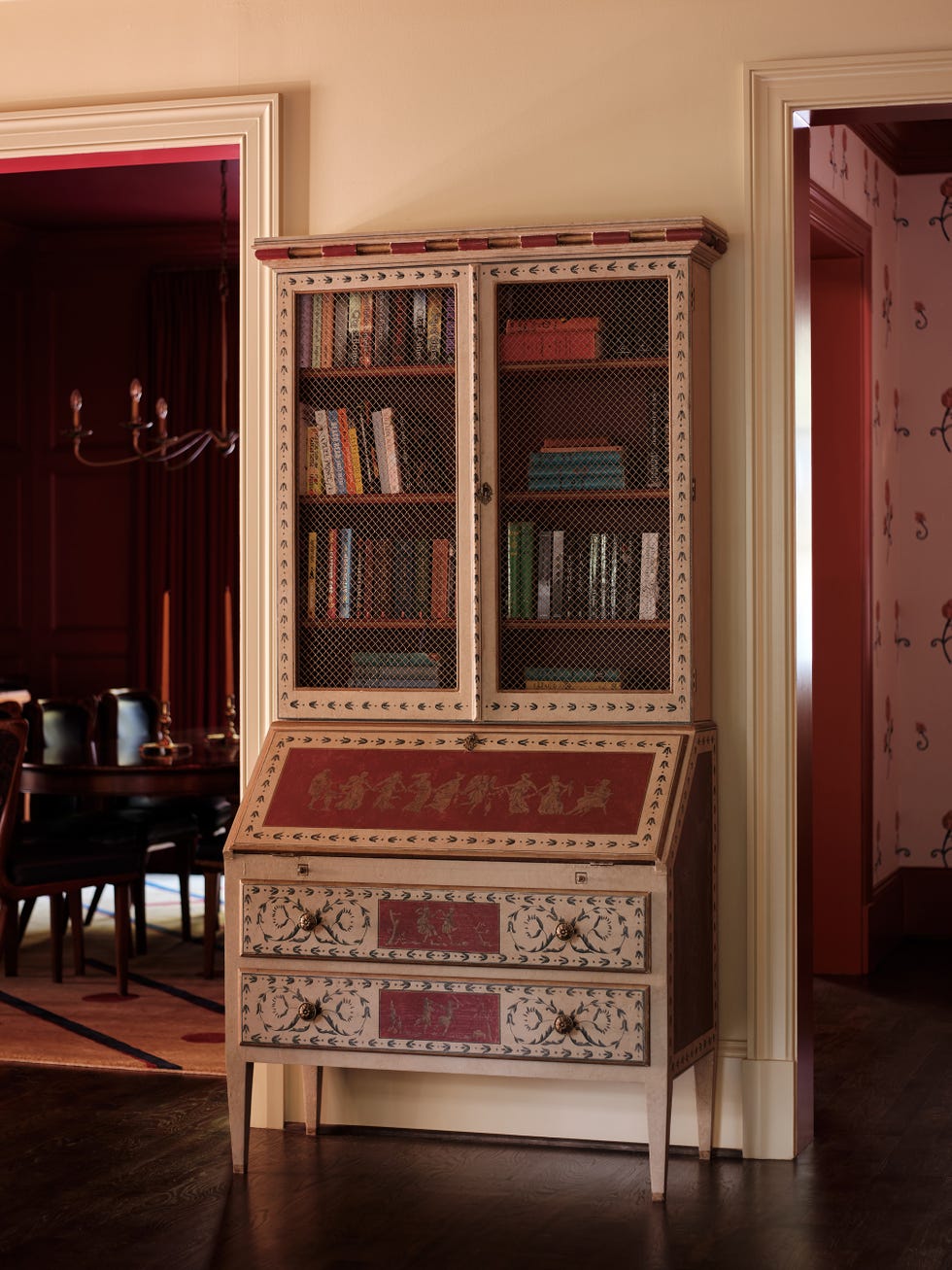
Craft-focused furnishings are also experiencing a significant revival, driven by increased consumer interest in quality, uniqueness, and sustainability, especially since the pandemic. The global market for arts and crafts is projected to reach $74.3 billion by 2033. Designers like Laura Lubin highlight the value of handcrafted pieces for their detail, timeless appeal, and ability to tell a story, reflecting a broader movement towards supporting artisans and embracing slow design. Examples include bronze furnishings at PAD Paris and Studio Lugo's work at Alcova Milano, which utilizes traditional Turkish techniques and materials. This emphasis on handmade items also caters to the desire for personalized spaces, with retailers increasingly featuring artisanal craftsmanship and connecting consumers to the makers behind the pieces.
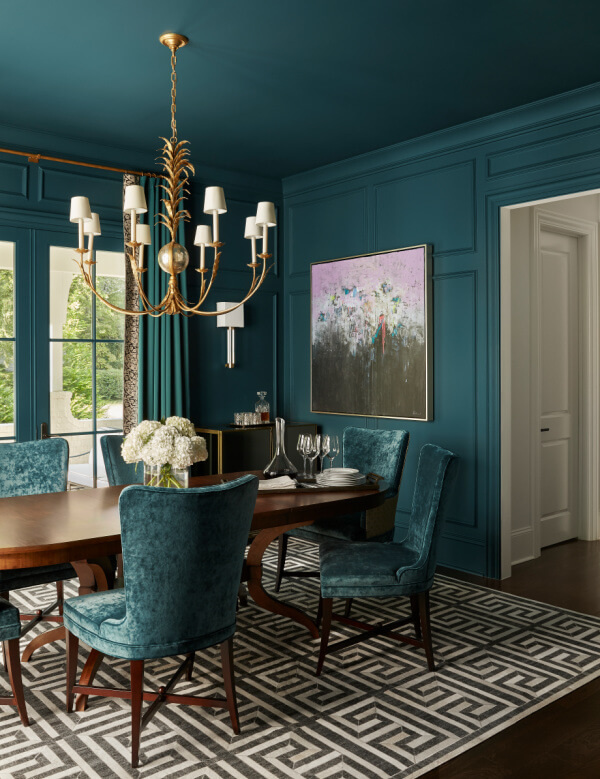
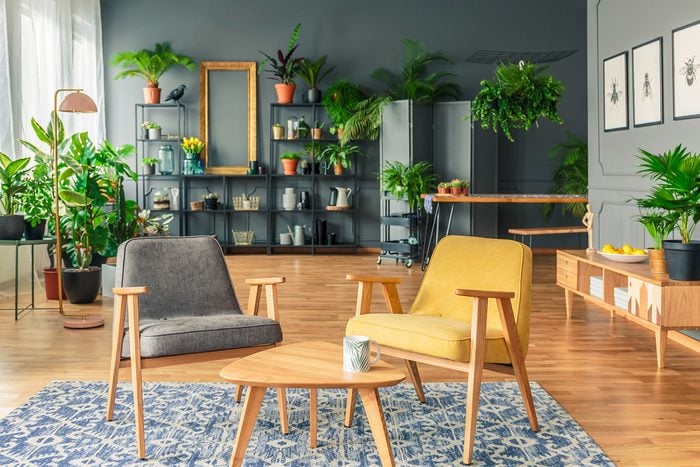
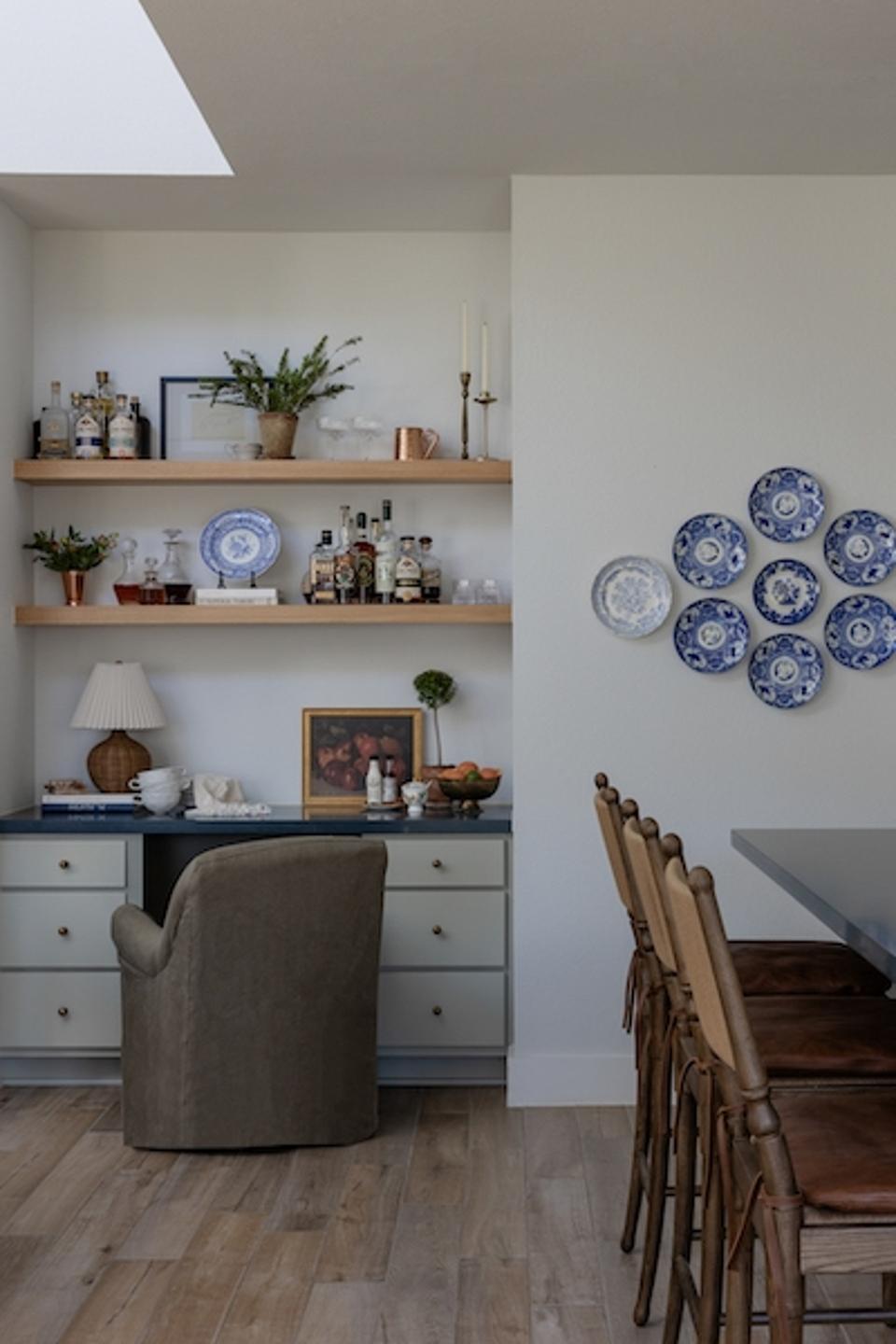
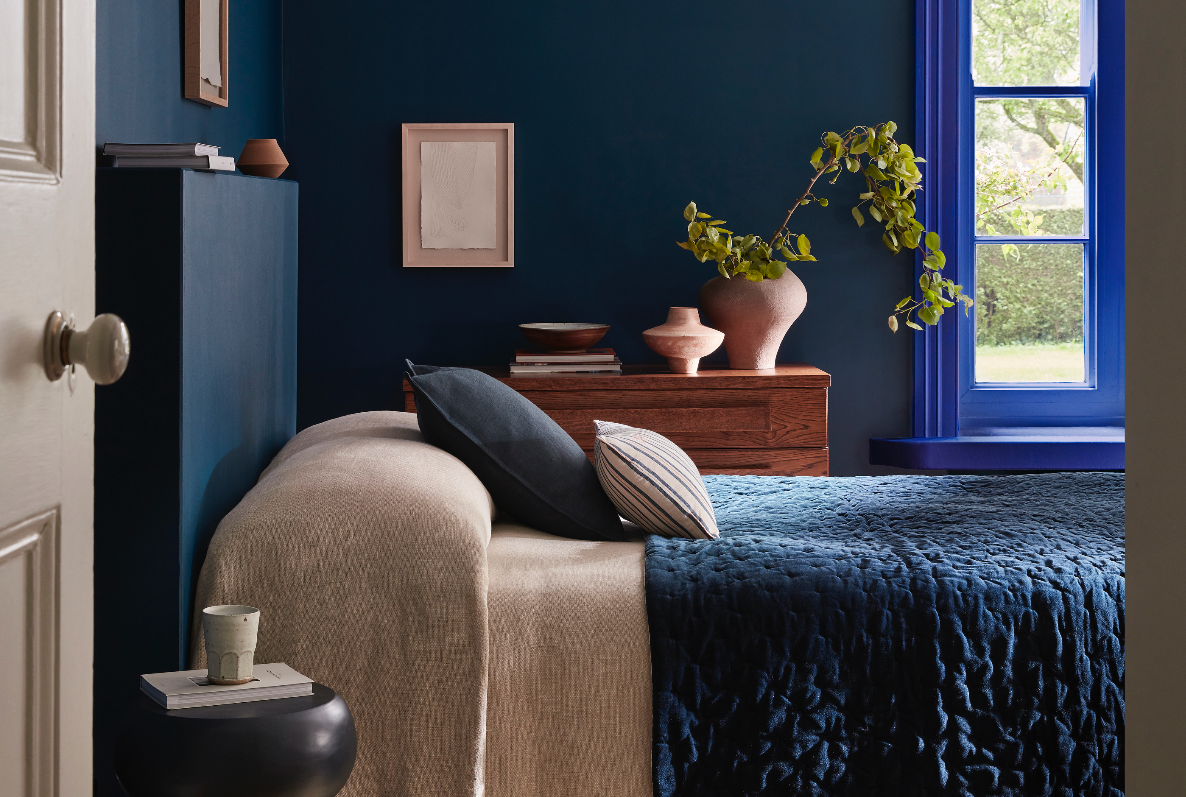
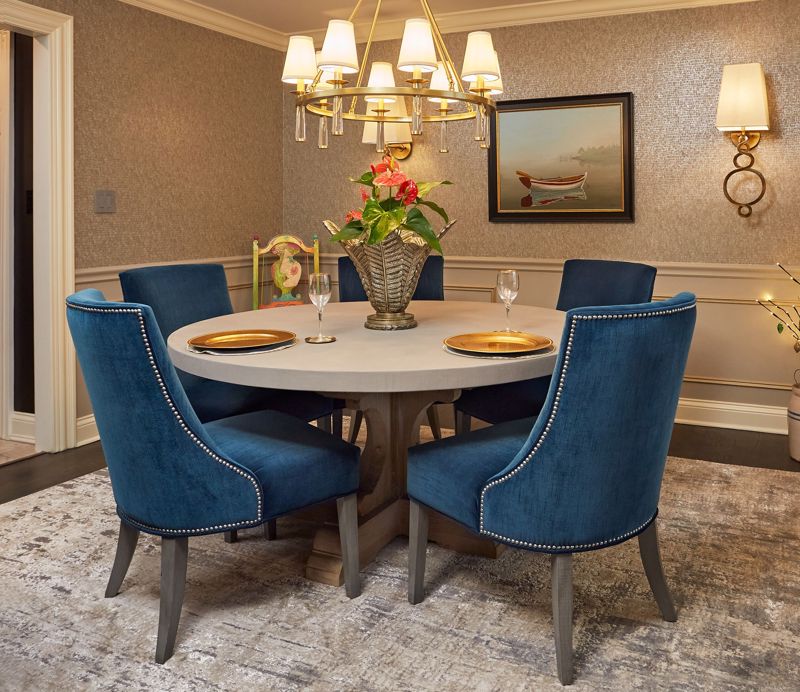
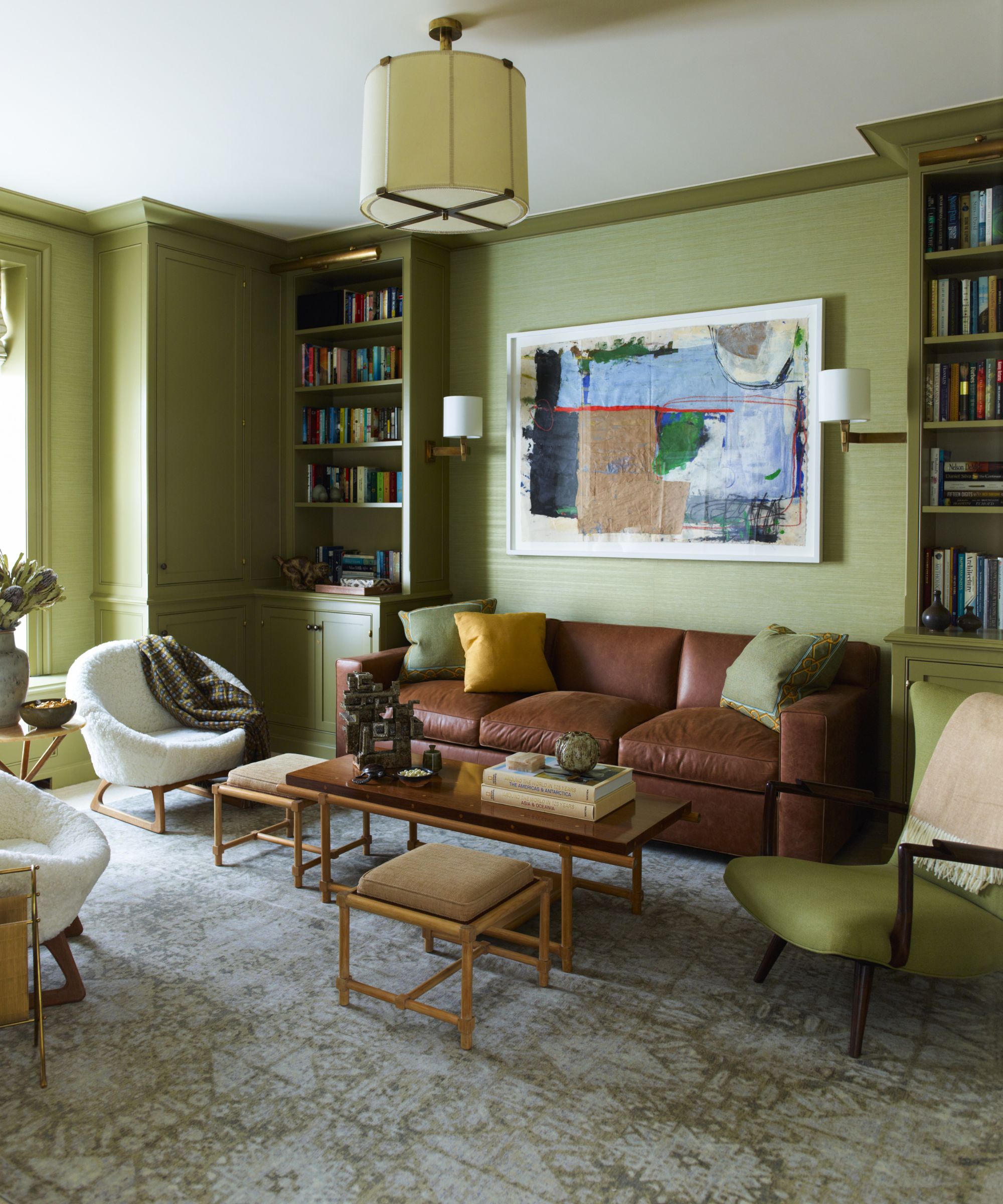
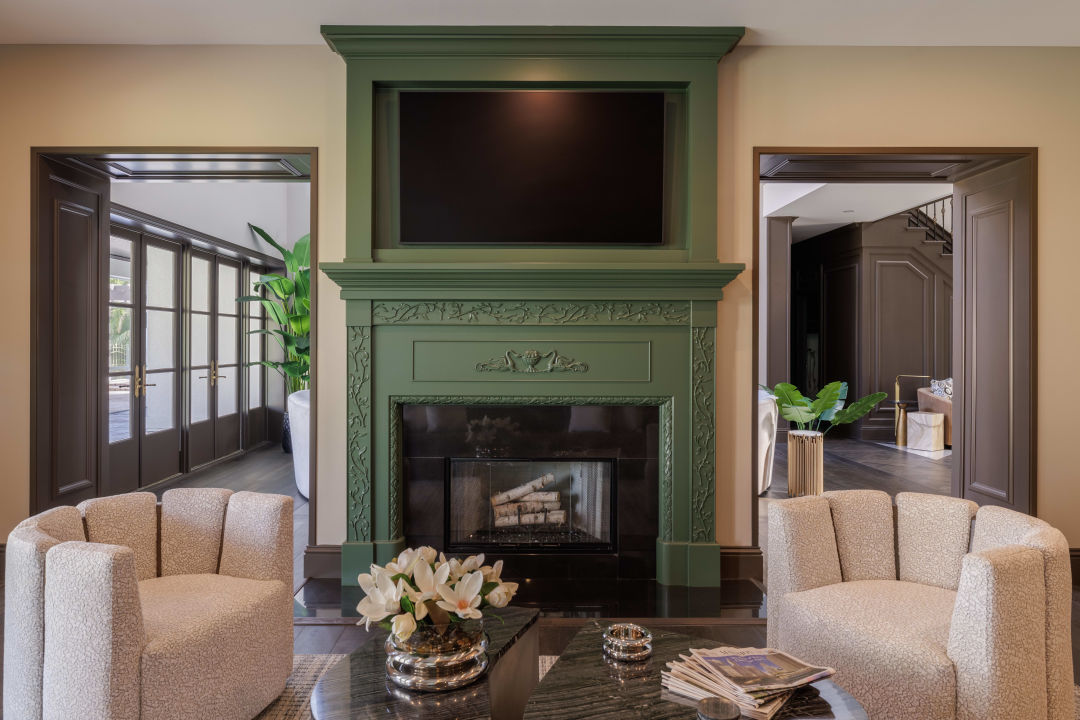
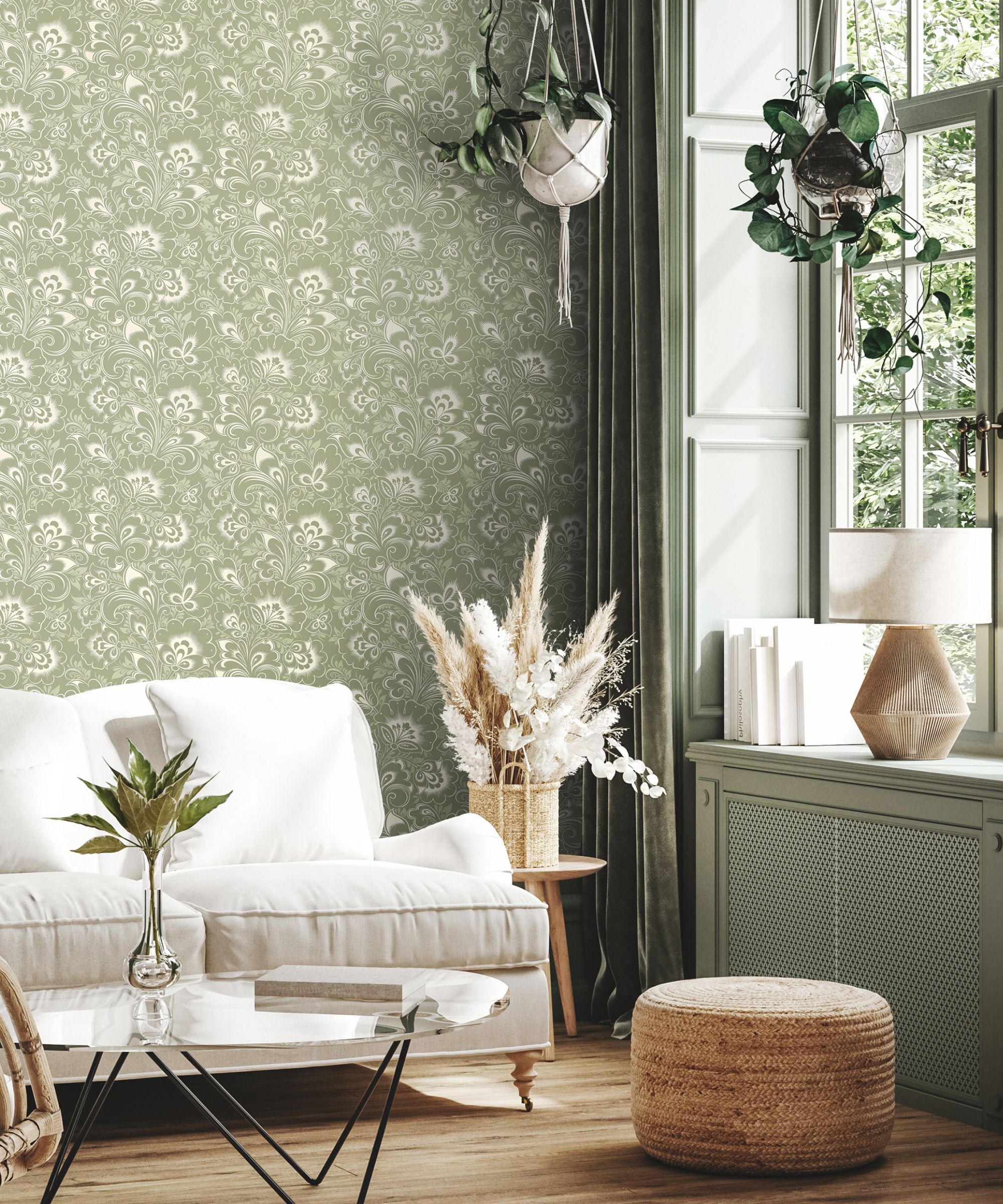
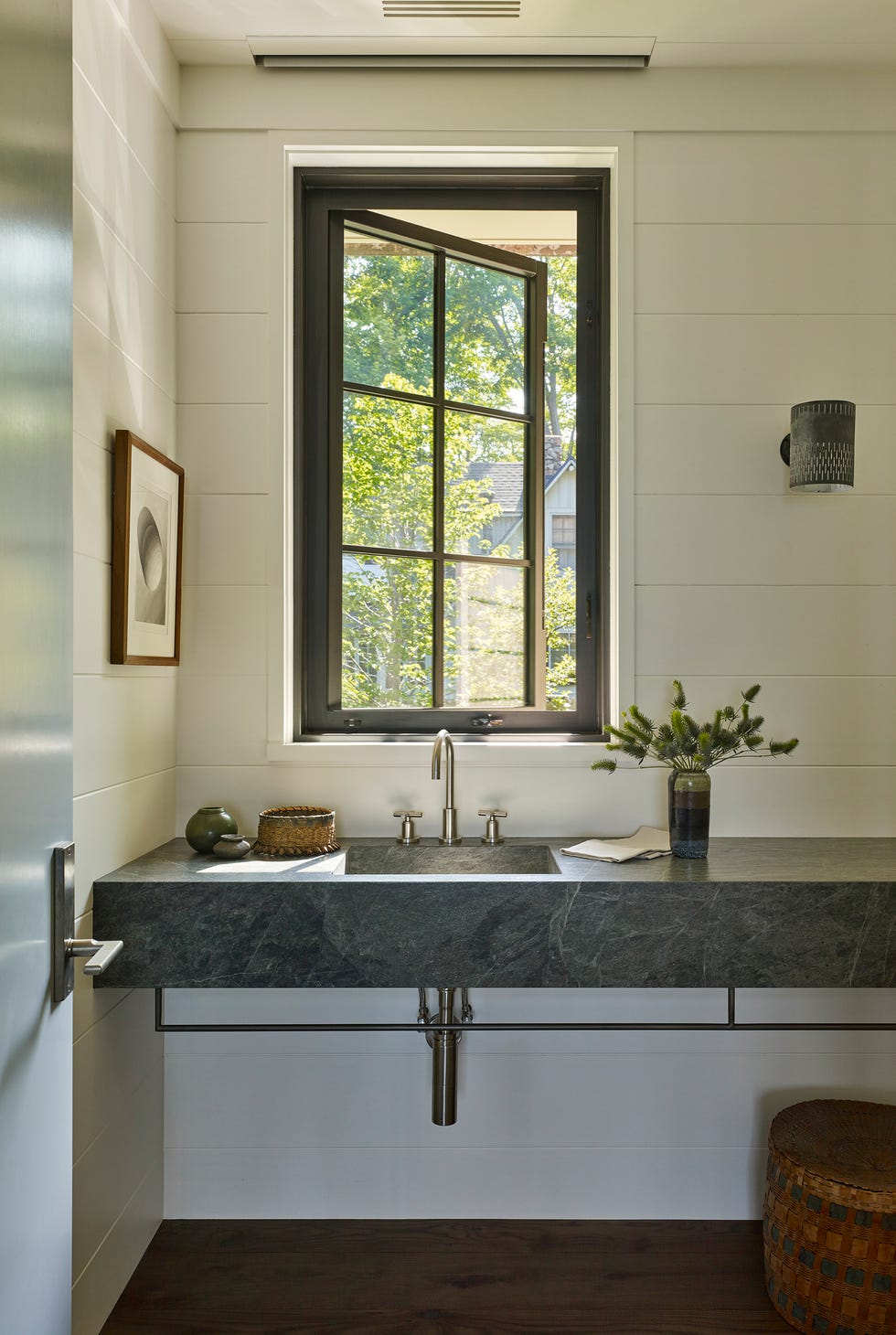
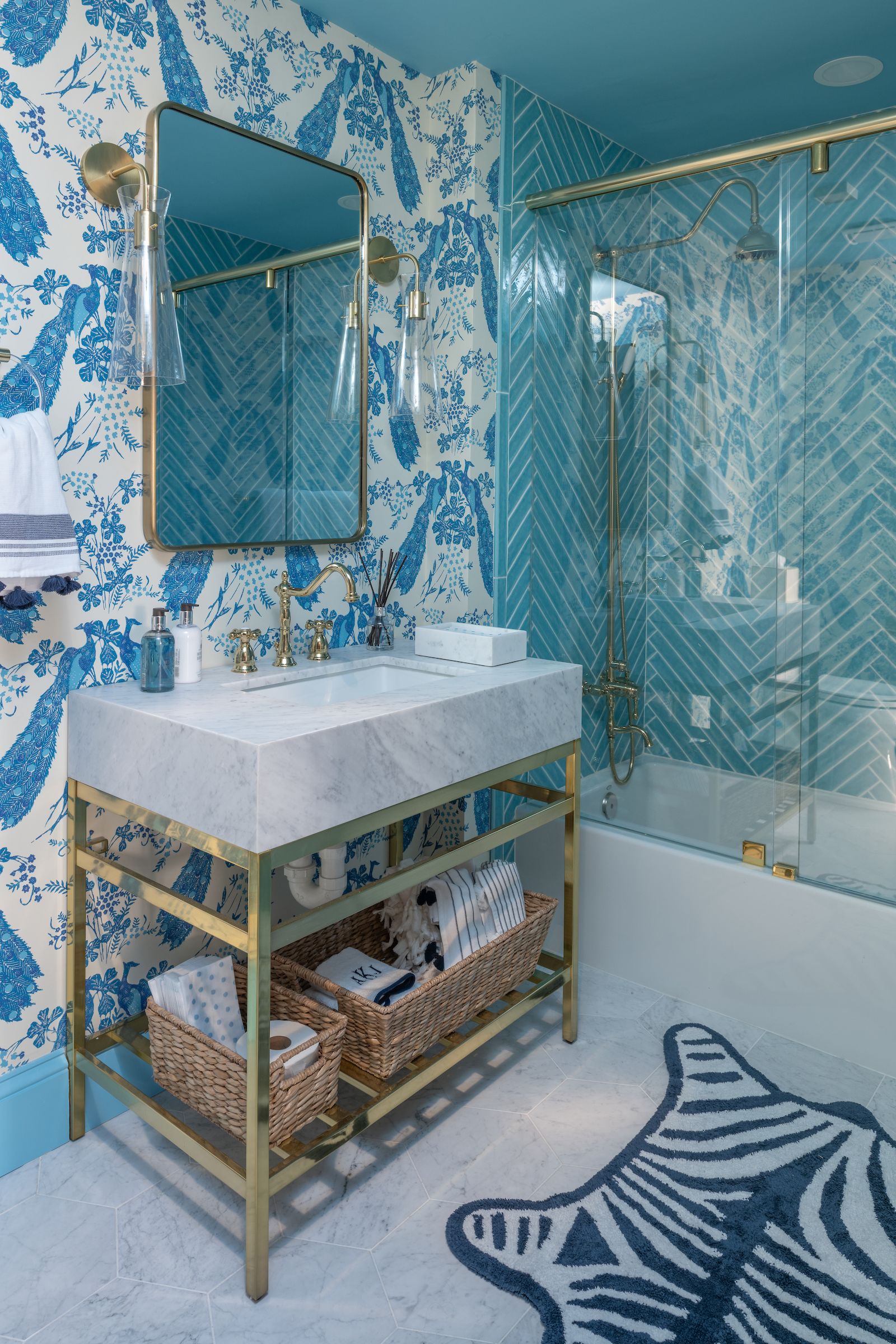
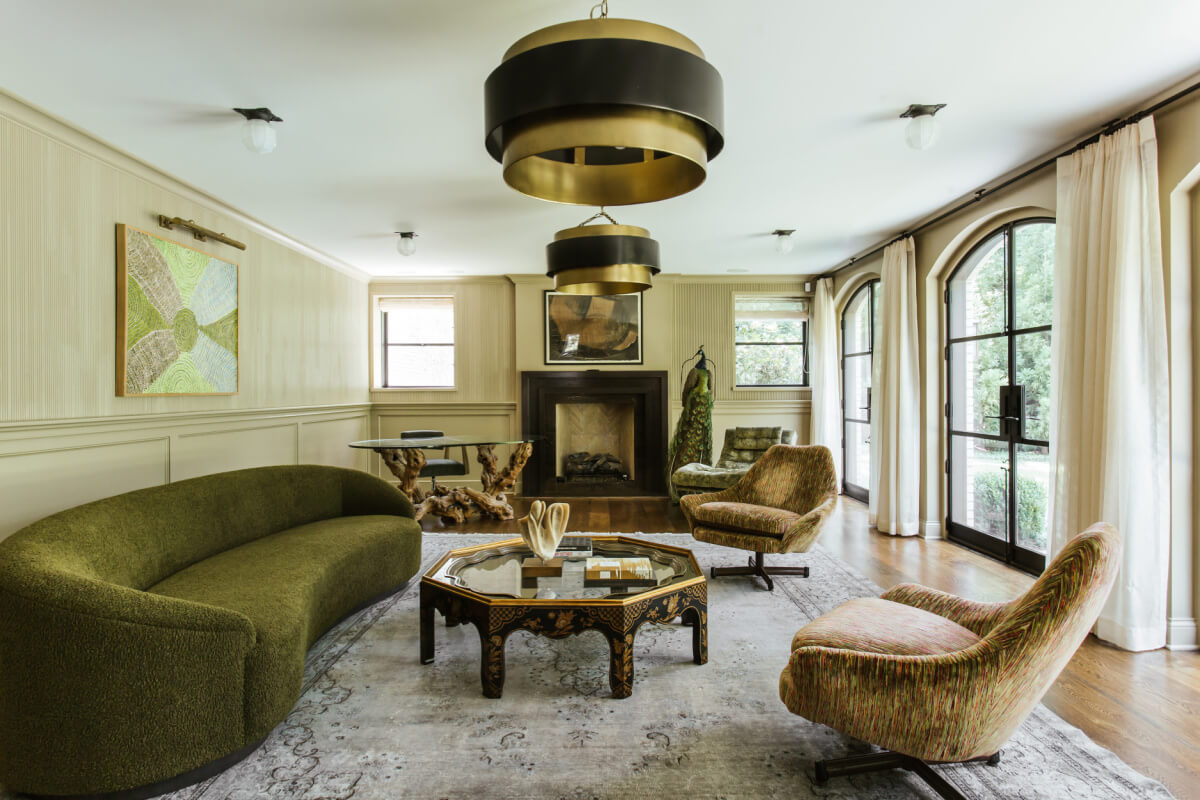
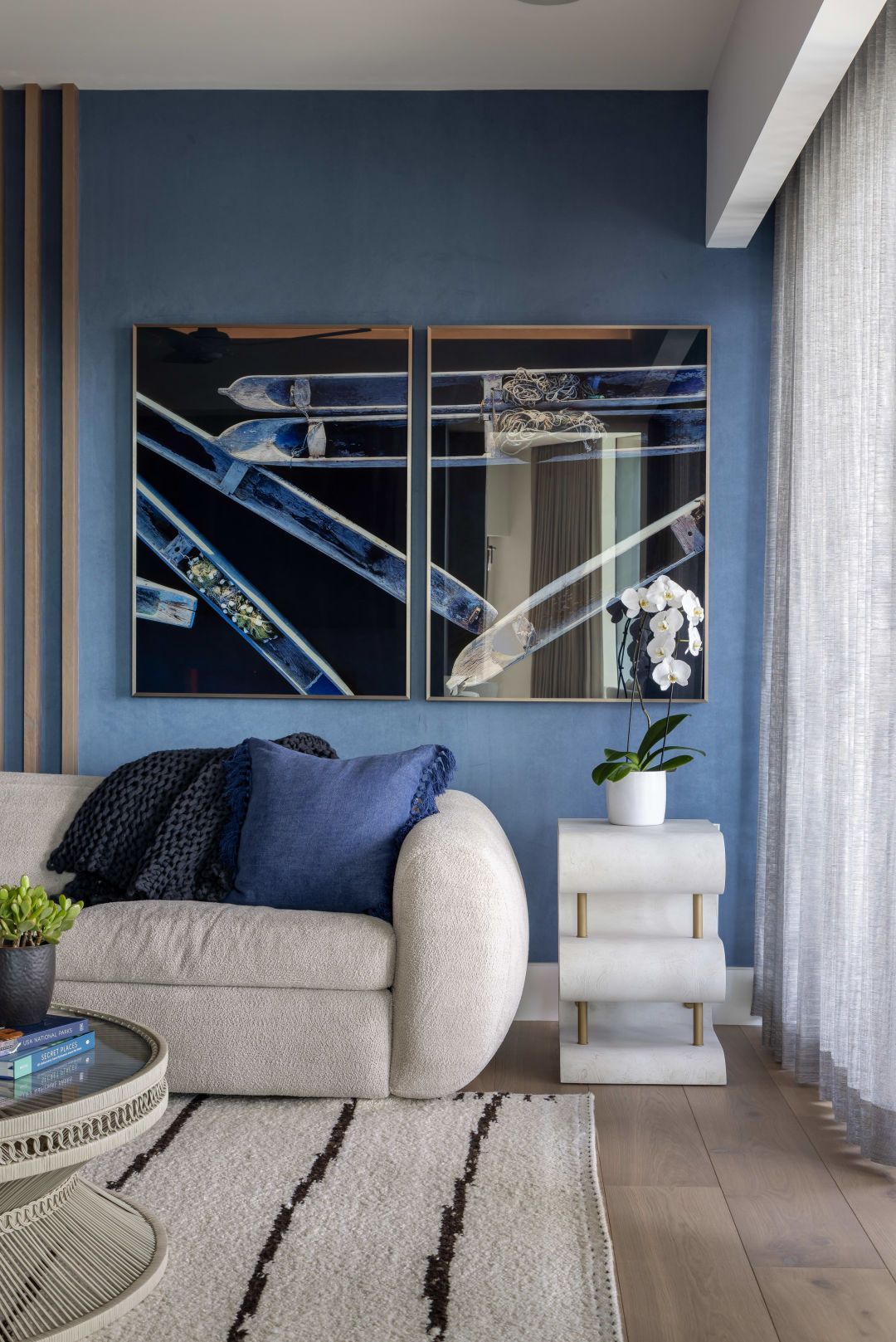
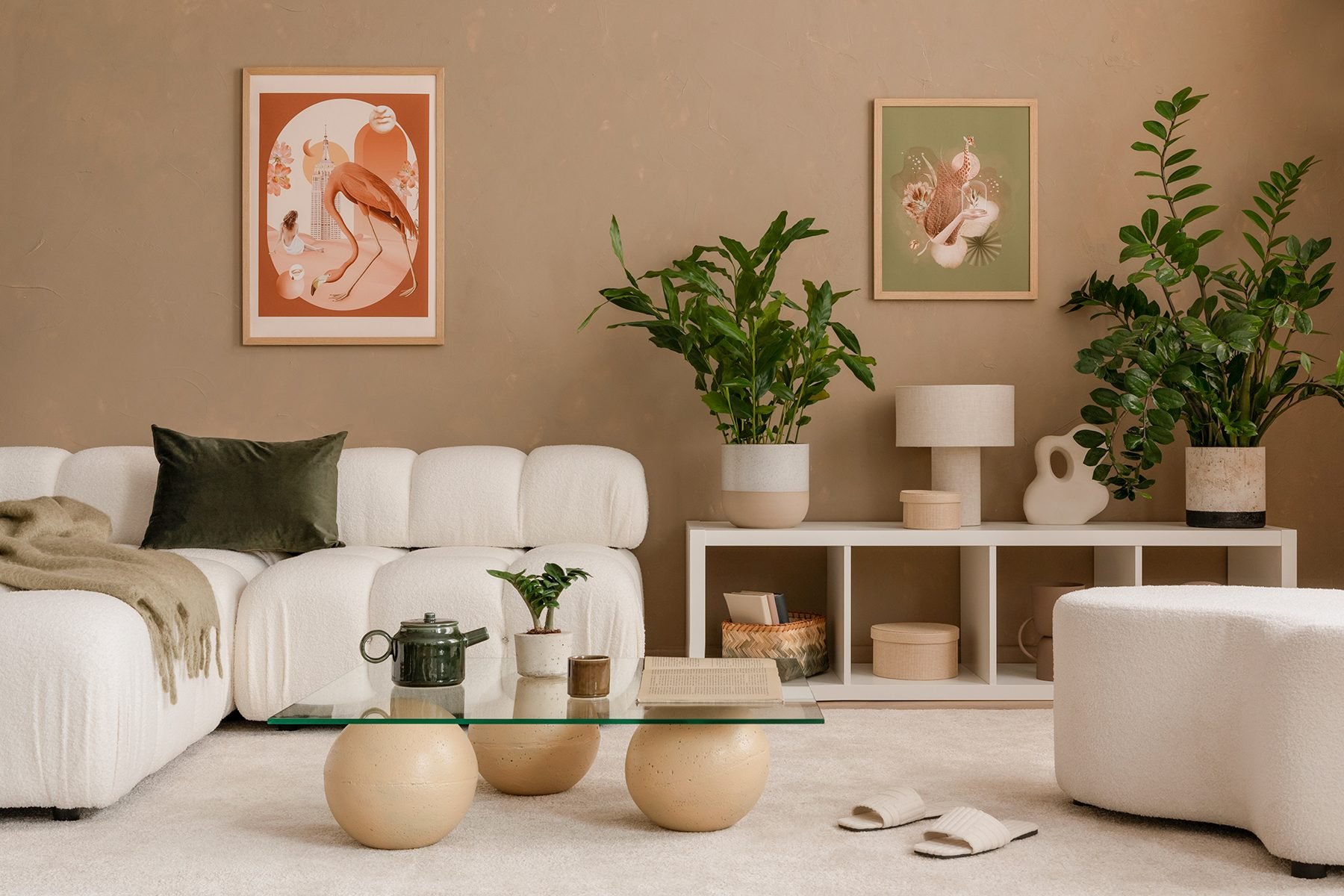
Color palettes for 2025 are expanding beyond earthy hues to embrace a full spectrum of nature-inspired greens and blues. Reports from the National Kitchen & Bath Association indicate a preference for colorful kitchens and bathrooms over traditional all-white designs, with designers observing a growing client interest in extending these shades throughout the home. This trend is linked to a desire to strengthen the connection between indoor spaces and the outdoors, providing a calming ambiance. Kathleen Walsh, a New York City-based designer, notes that project palettes are deeply rooted in the surrounding landscape, using softer foundation hues punctuated with vibrant accents. The integration of statement colors with natural materials is seen as a sophisticated approach.
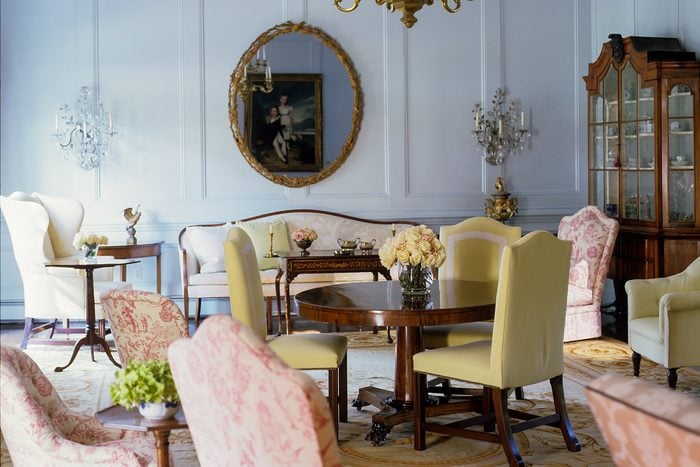
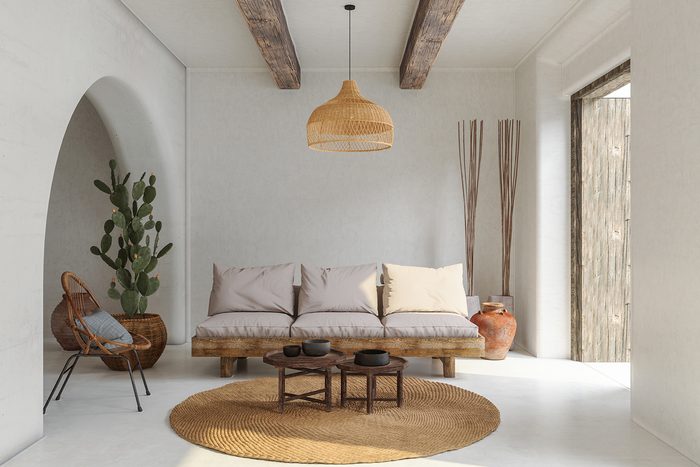
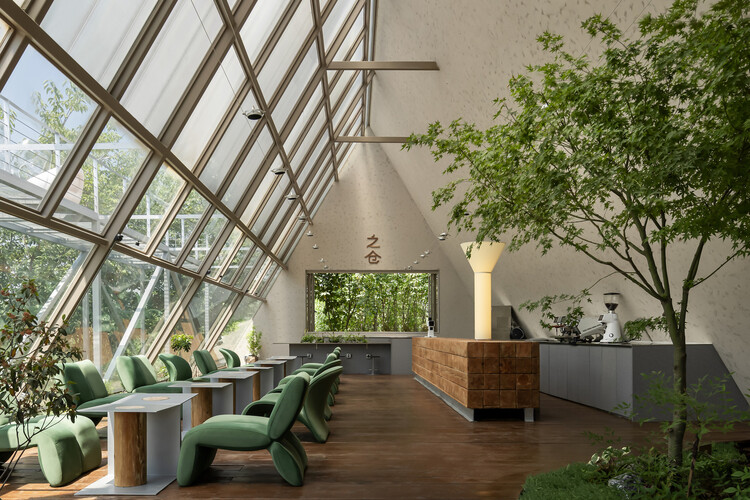
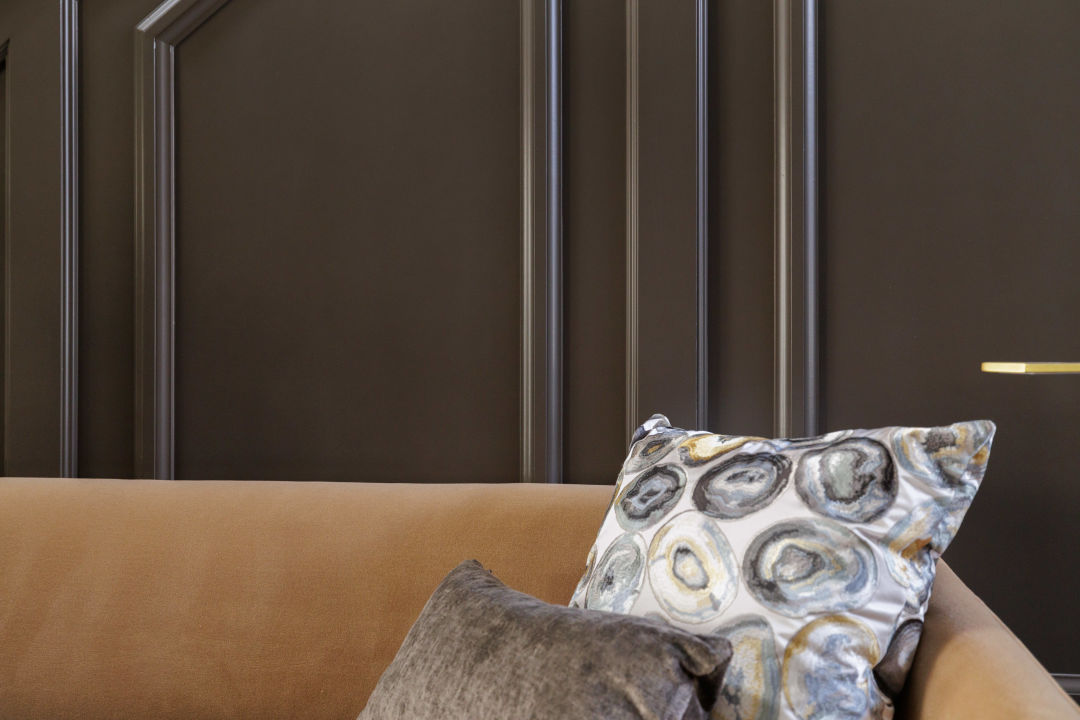
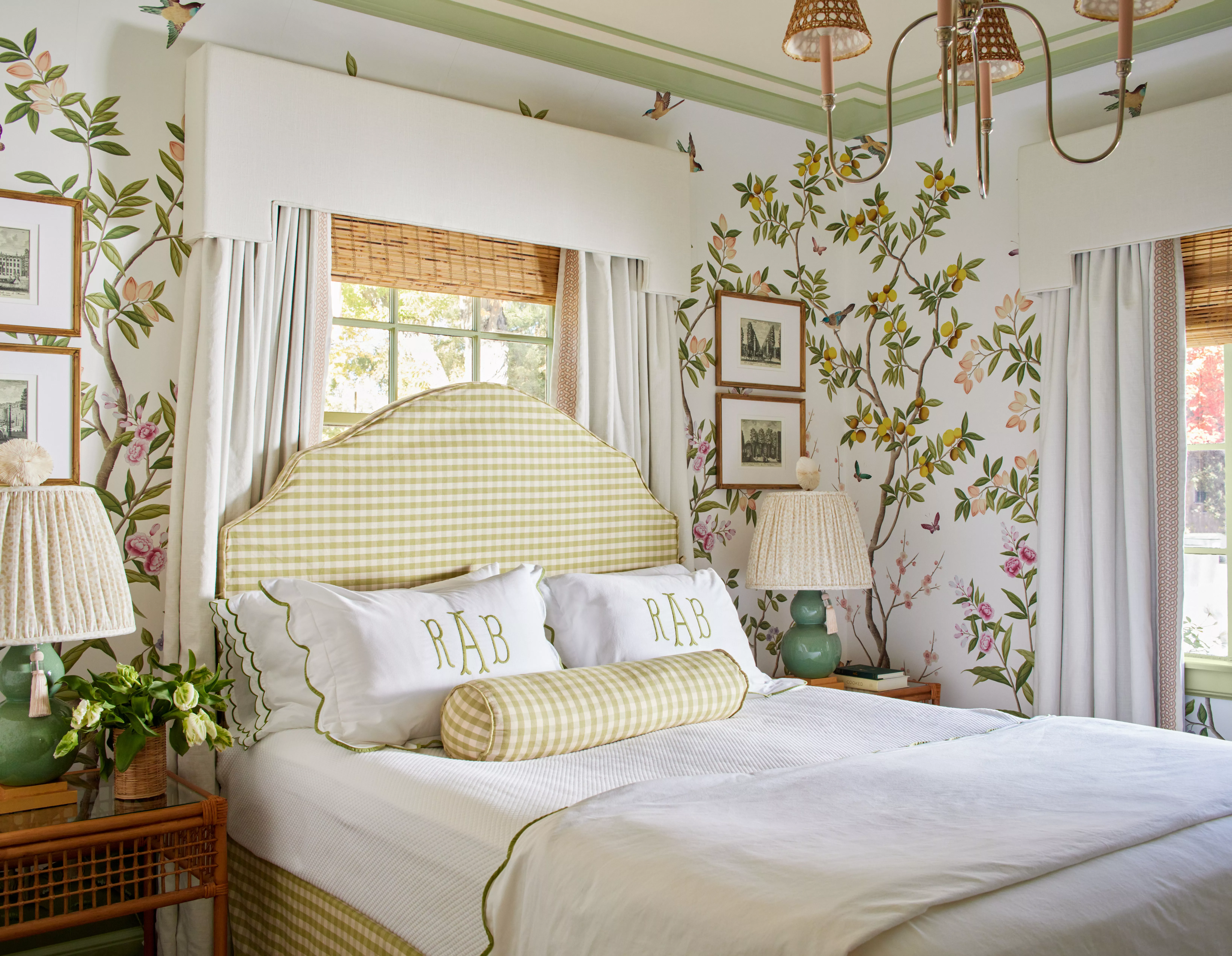
Sustainability and durability are central to interior design in 2025, with homeowners increasingly prioritizing natural, long-lasting materials for well-being. Clients are more conscious of material origins, seeking to avoid plastic-based products and opting for furniture designed to endure. Milan Design Week showcased a strong focus on sustainable materials, from cork used in Rockwell Group's "Casa Cork" exhibition to textiles made from mycelium and lighting from waste oyster shells. This trend also involves an appreciation for existing structures, with designers noting a shift towards working with and enhancing current conditions rather than always starting anew, partly influenced by rising construction costs. Finally, sumptuous textures are making a comeback, reflecting a return to romanticism in interiors. While contemporary designs use less chintz, there's a clear appetite for soft, billowing drapery, plush furniture, Venetian plaster, and Moroccan tadelakt, creating luxurious yet inviting spaces that offer tactile comfort and reflect homeowners' personalities and the history of their homes.
#InteriorDesignTrends #MilanDesignWeek #MaterialDrenching #Craftsmanship #SustainableDesign #NatureInspiredColors #LuxuryInteriors #HomeDecor #TexturalDesign #InteriorDesignTrends #MilanDesignWeek #MaterialDrenching #Craftsmanship #SustainableDesign #NatureInspiredColors #LuxuryInteriors #HomeDecor #TexturalDesign
0 comment in total
 No comments yet
You may also like
10 Interior Design Trends to Watch in 2025

Designers Predict These 7 Interior Design Trends Will Be Everywhere in 2025

These Are the Home Design Trends You Need to Know About in 2025
15 Trending Interior Design Styles That Will Dominate 2025

Design Forward: 4 Must-Know Interior Trends for 2025

Interior Design Trends of 2024

8 Interior Design Trends That Will Be Everywhere in 2025

The biggest home decor trends that interior experts say you’ll be championing in your home in 2025
Interior Designers Predict These Will Be The 15 Hottest Interior Design Trends In 2025

8 Interior Design Trends for 2025
11 Biggest Interior Trends Of 2025, Design Solutions & Reno Tips As Revealed By An Interior Designer

10 Interior Design Trends Going Away In 2025

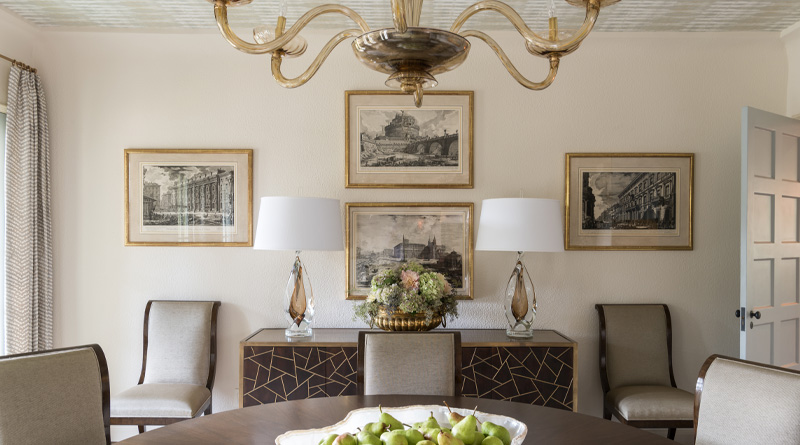
Five Interior Design Trends for 2025
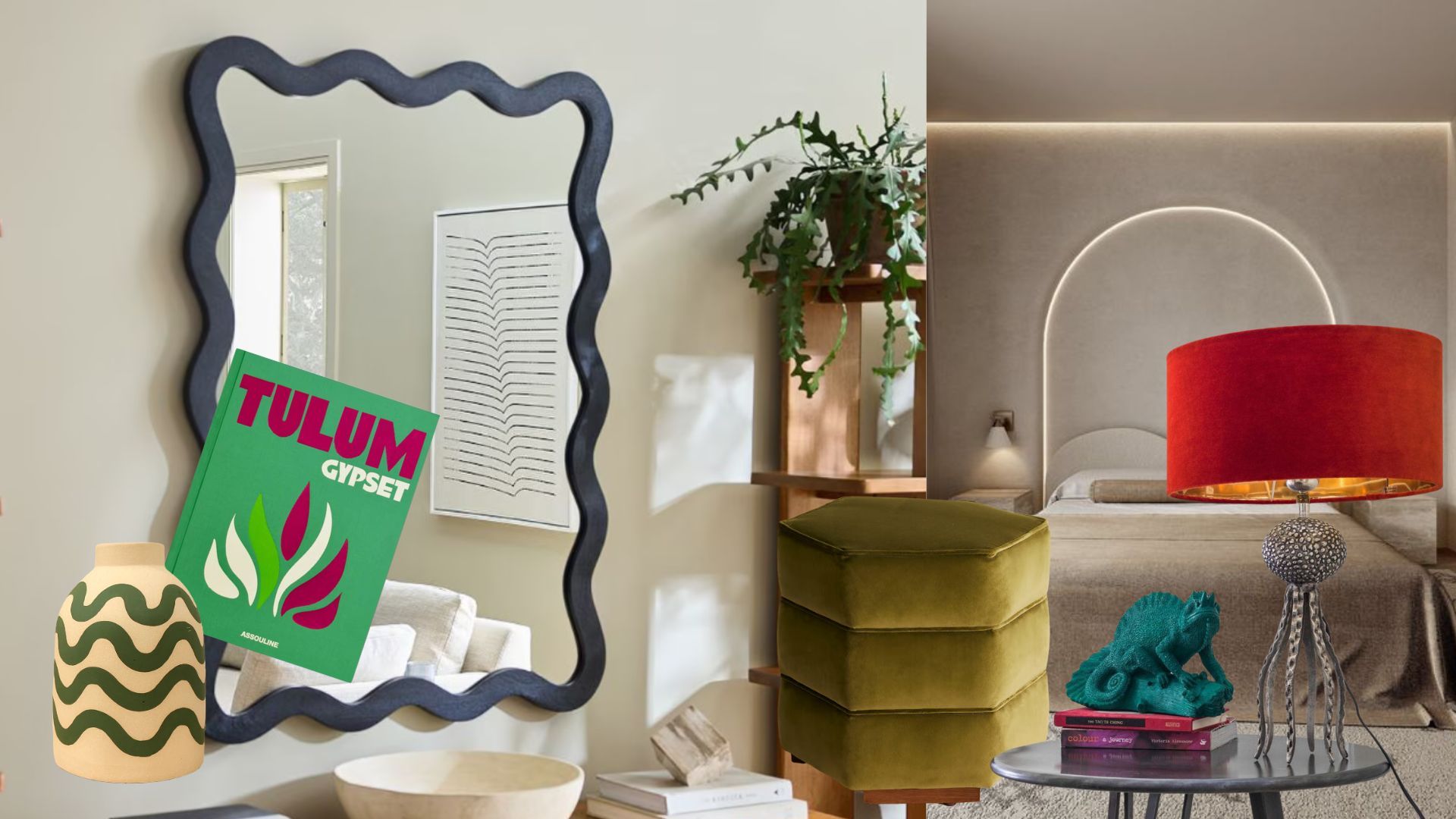
2025 Interiors trends according to an expert and the best pieces to shop now
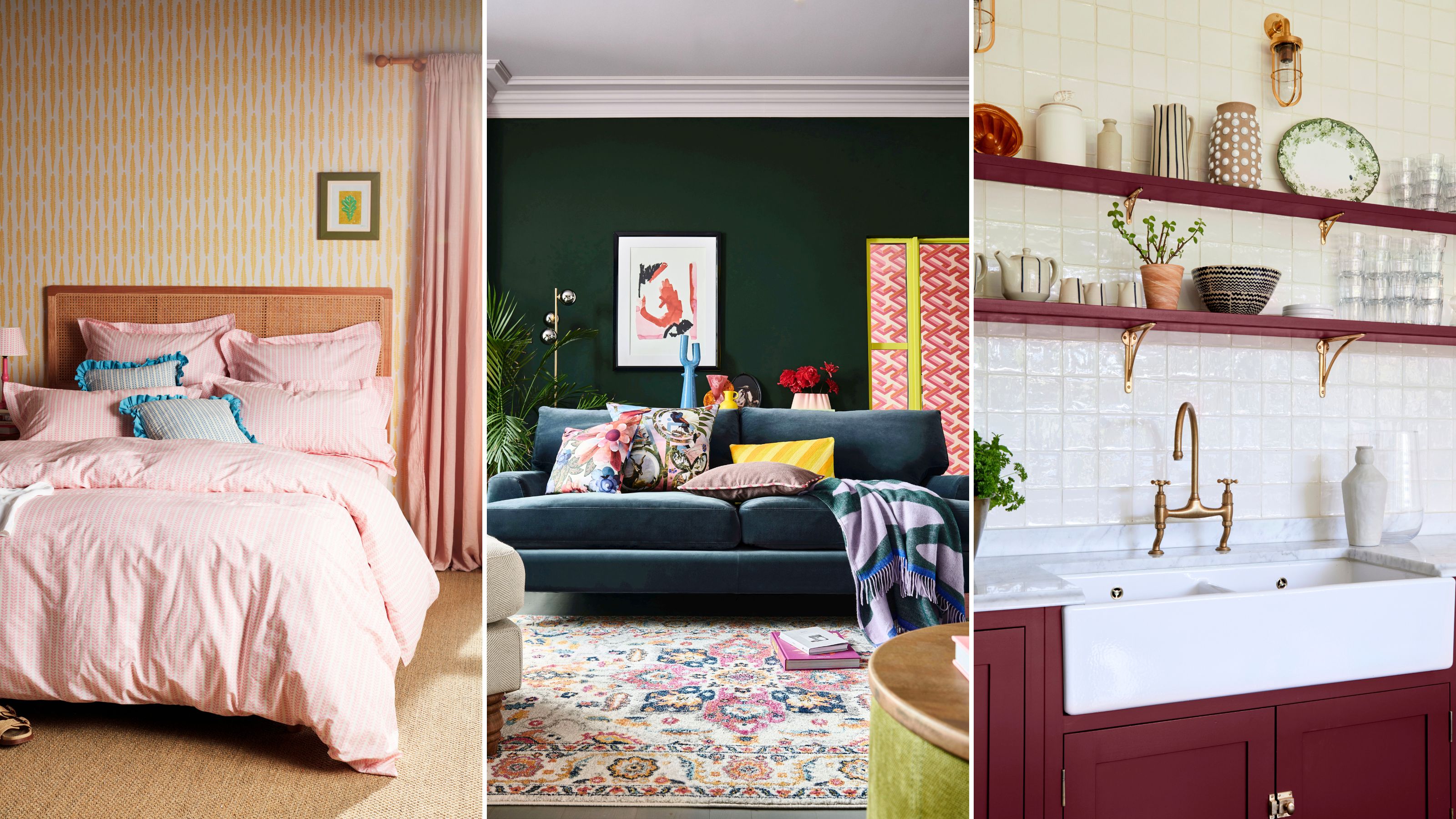
10 interior design trends for 2025 to level up your space

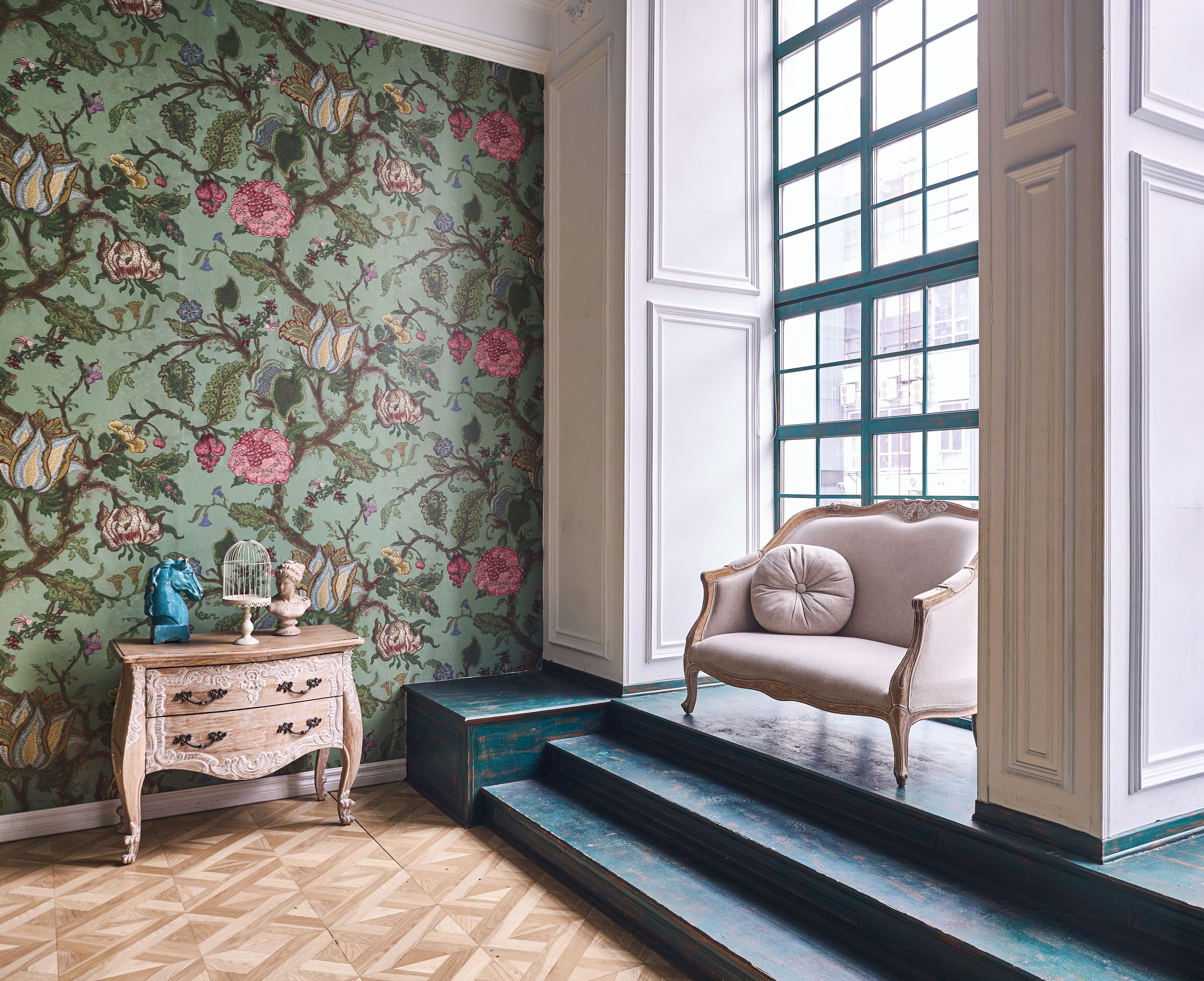
Interior Design Trends of 2025 Include a Refresh on Maximalism
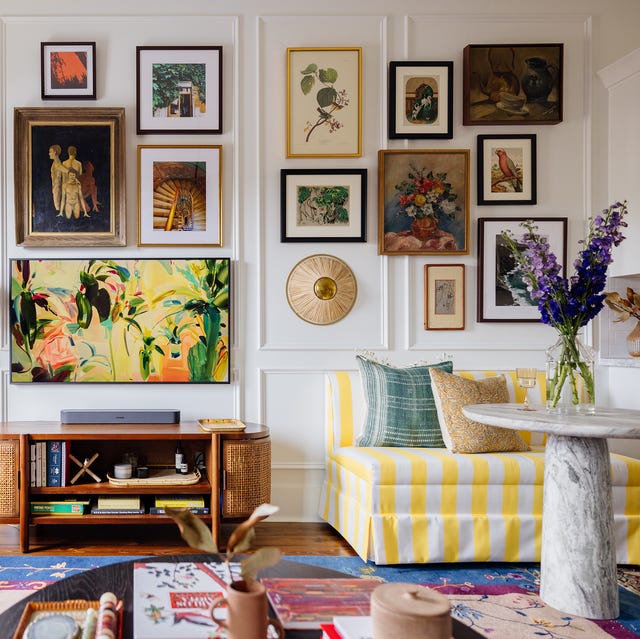
The Pros Have Spoken: These Interior Design Trends Will Define 2025

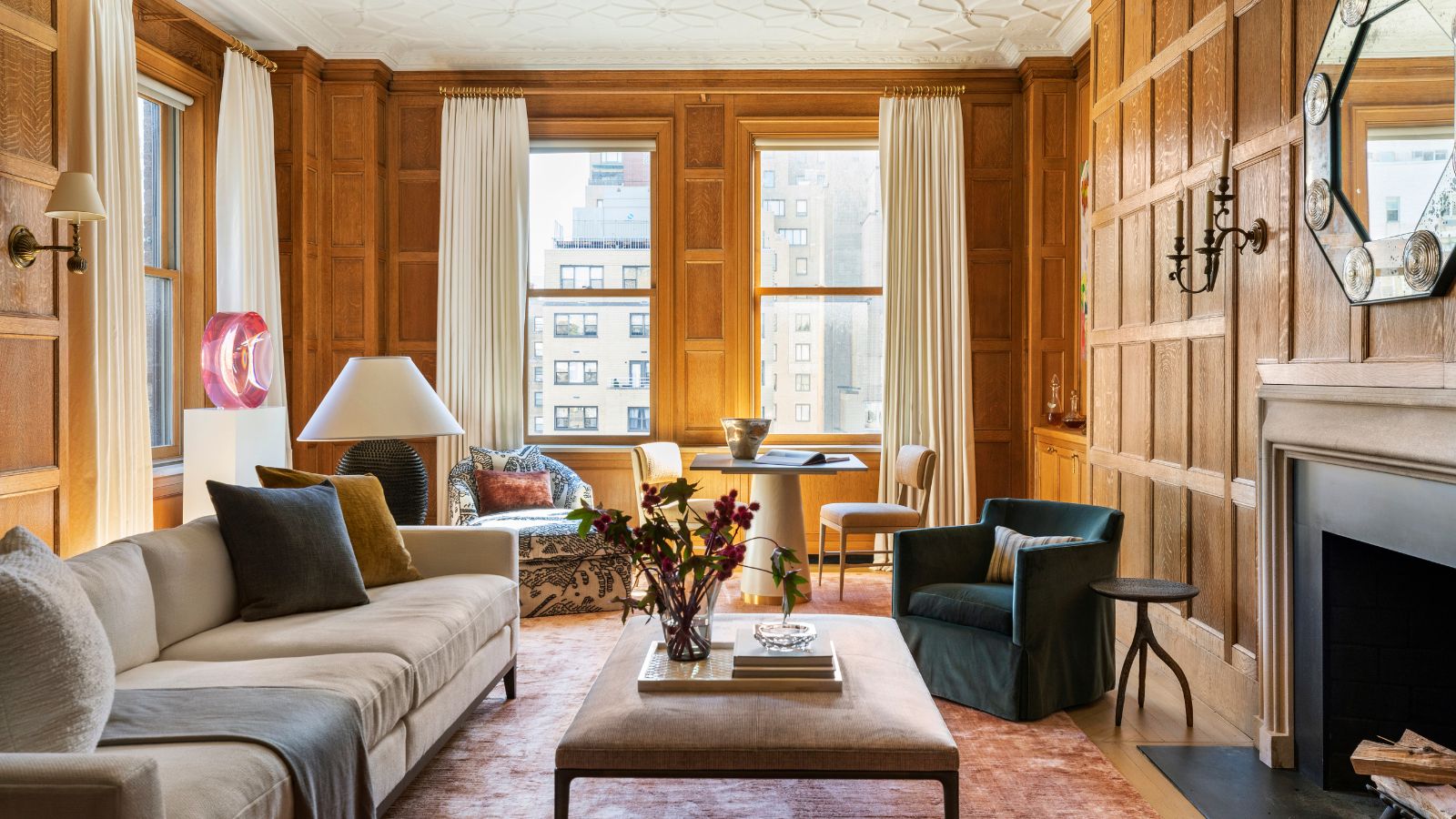
12 must-know interior design trends that will be defining our homes in 2025
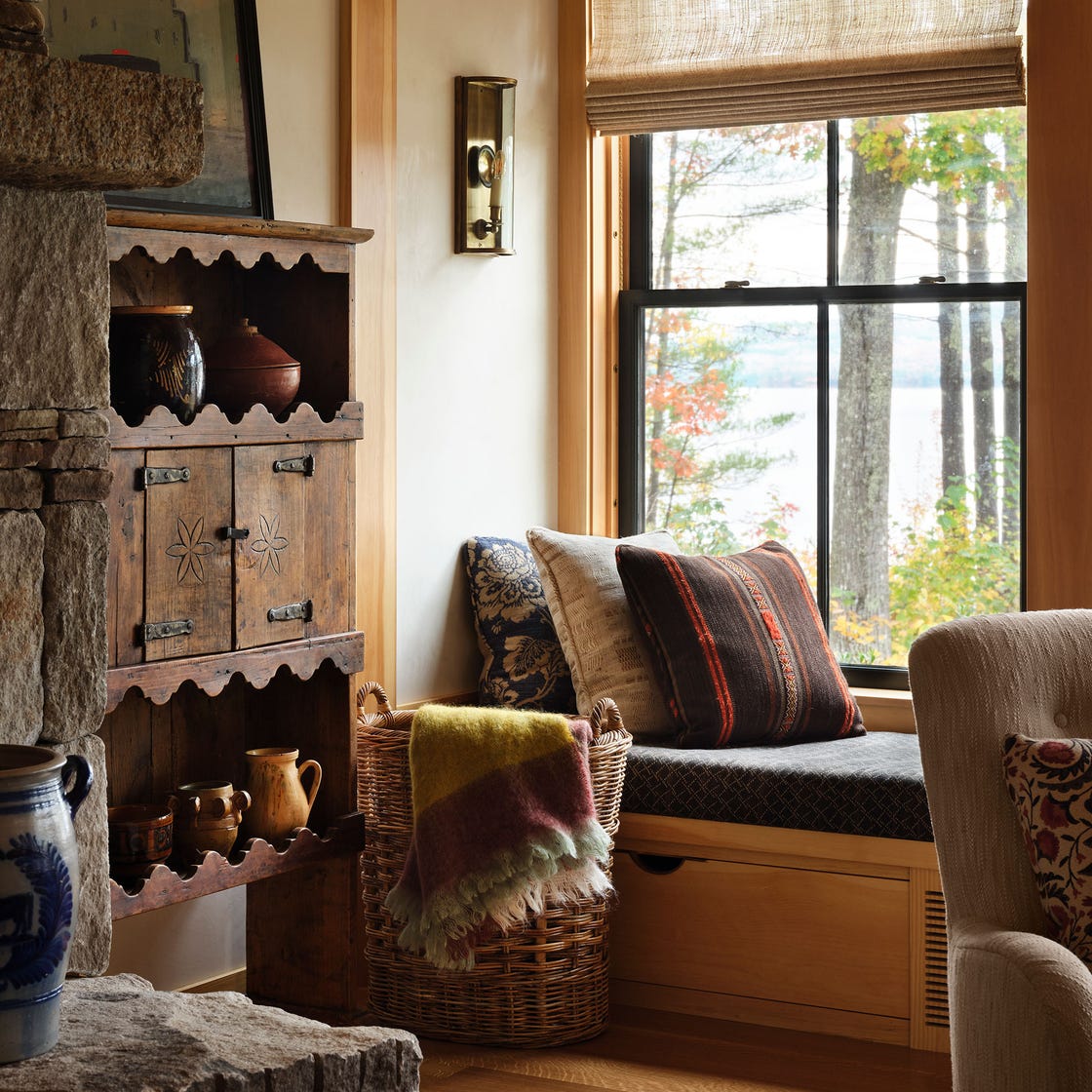
The Interior Design Trends Taking Over Fall 2025, According to Designers

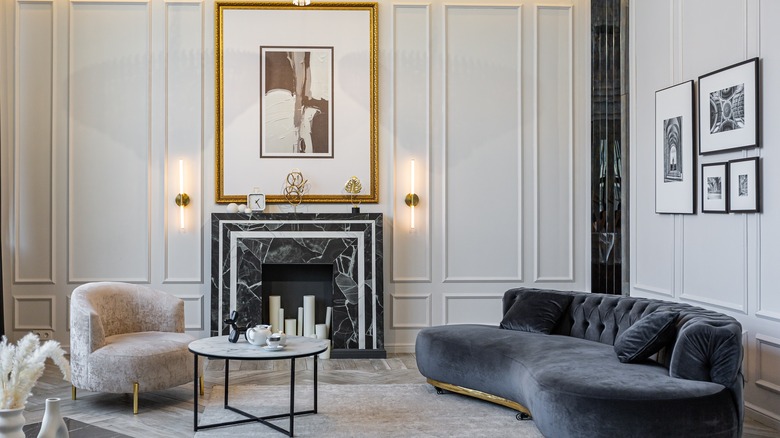
The Stunning Interior Design Trend That's Here To Stay In 2025