1/11
“It Instantly Becomes Tacky": 22 Home Design Trends That Are Mega-Popular For Reasons Many People Will Never Understand
Home design is a dynamic field where personal preferences frequently clash with prevailing trends. While individual expression is paramount in decorating a home, the aesthetic choices of one person might not resonate with another, leading to a wide array of opinions on popular decor. This article compiles a list of 22 contemporary home design trends that many individuals find objectionable or impractical, based on public feedback.
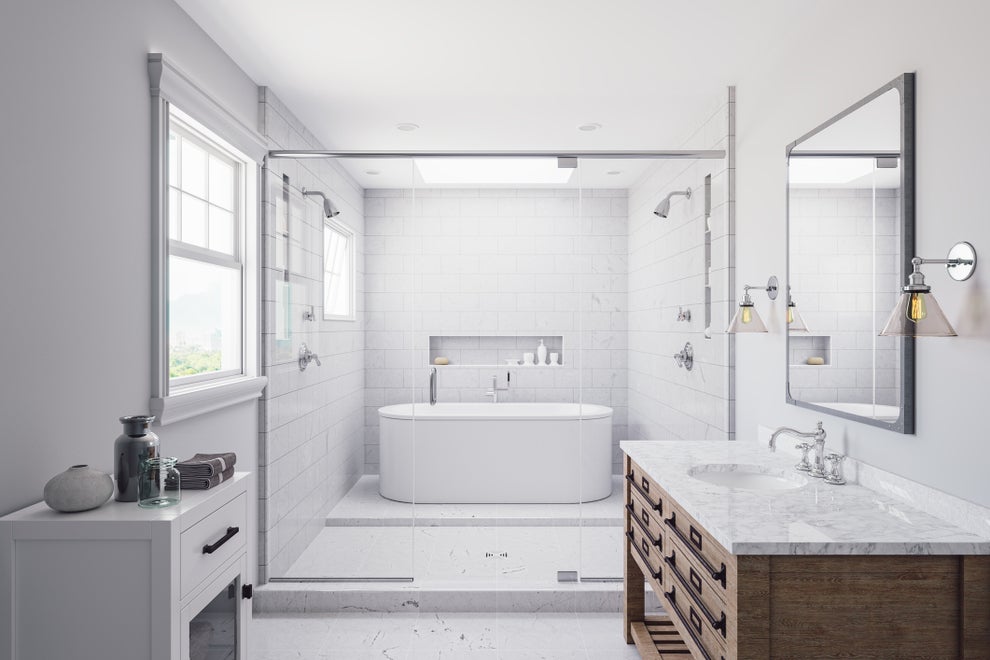
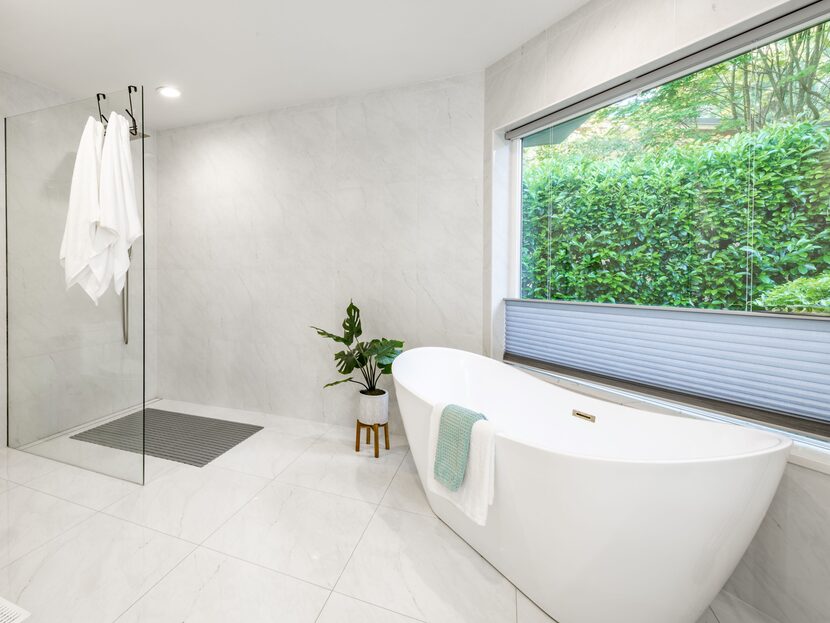
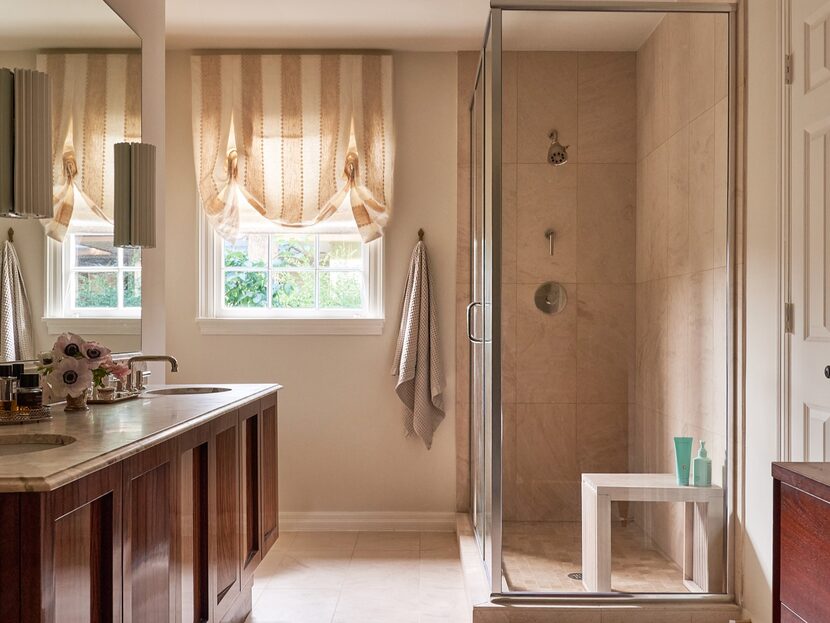
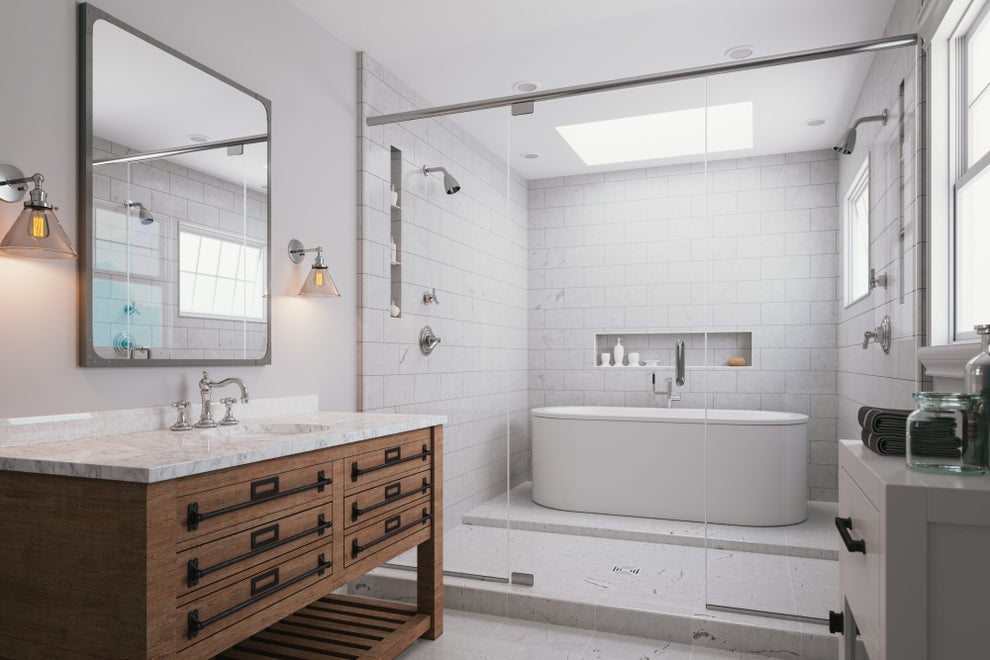
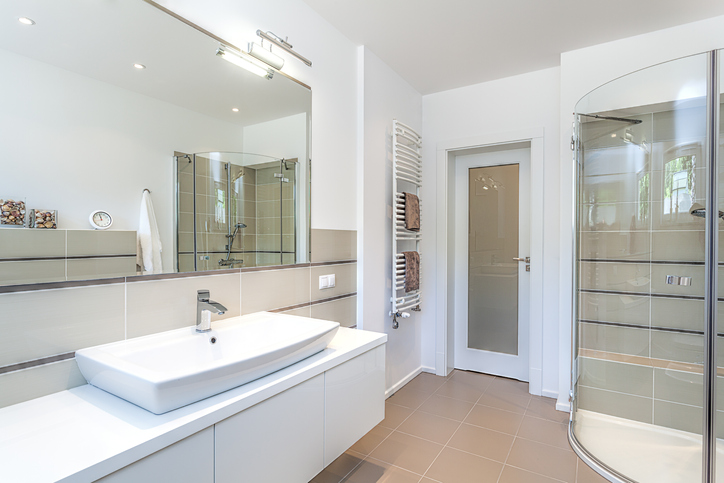
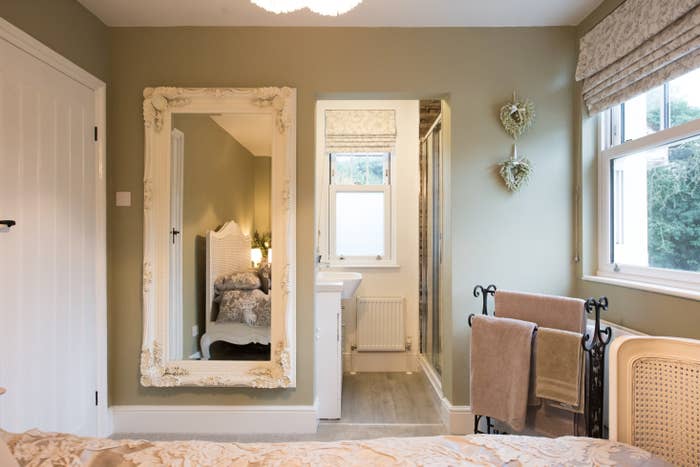
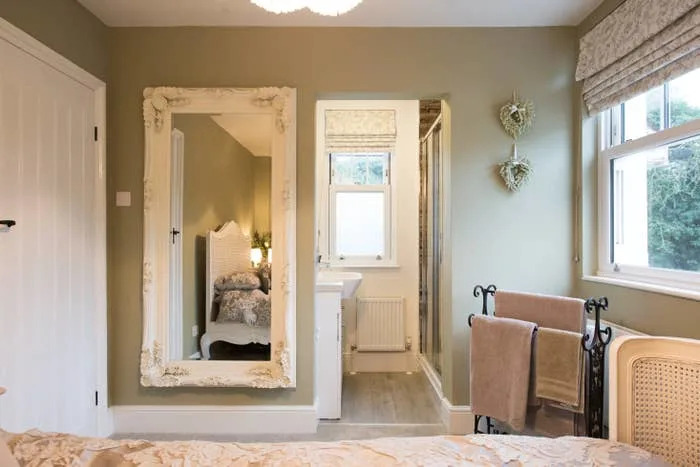
Among the most criticized trends are doorless bathrooms and showers, which raise concerns about privacy, hygiene, and water spillage. The absence of a door in a bathroom, especially when directly connected to a bedroom, can lead to issues such as odor and humidity affecting the sleeping area, and a general lack of personal space for occupants. Similarly, doorless showers often result in water splashing throughout the bathroom, requiring constant cleanup.
Another point of contention is the use of faux materials, particularly fake wood beams. While authentic exposed beams are appreciated for their historical and aesthetic value, artificial versions made from foam or other synthetic materials are often perceived as cheap and tacky, undermining the intended rustic or modern farmhouse look.
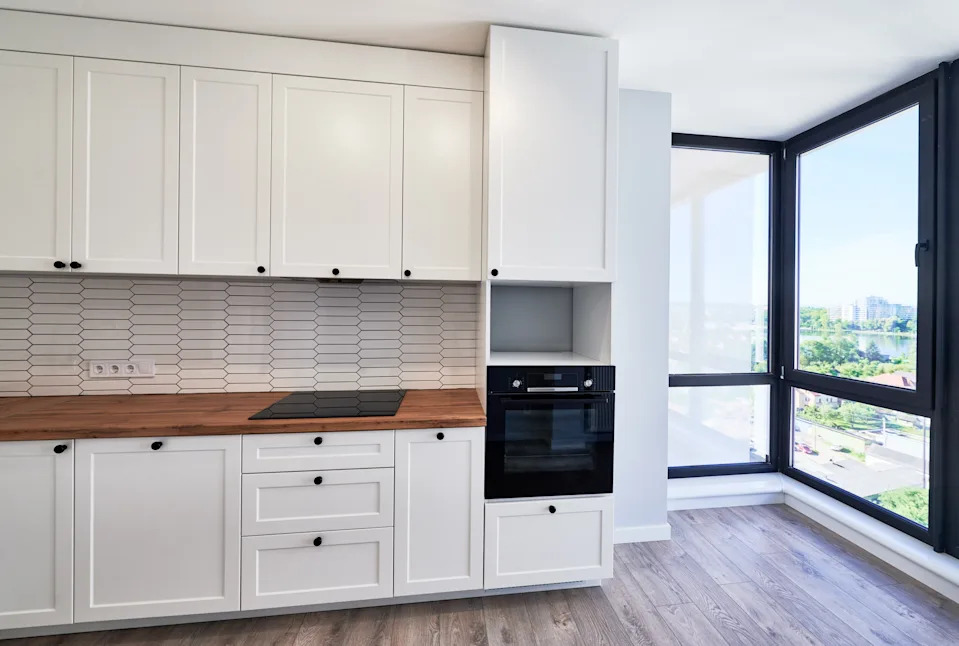
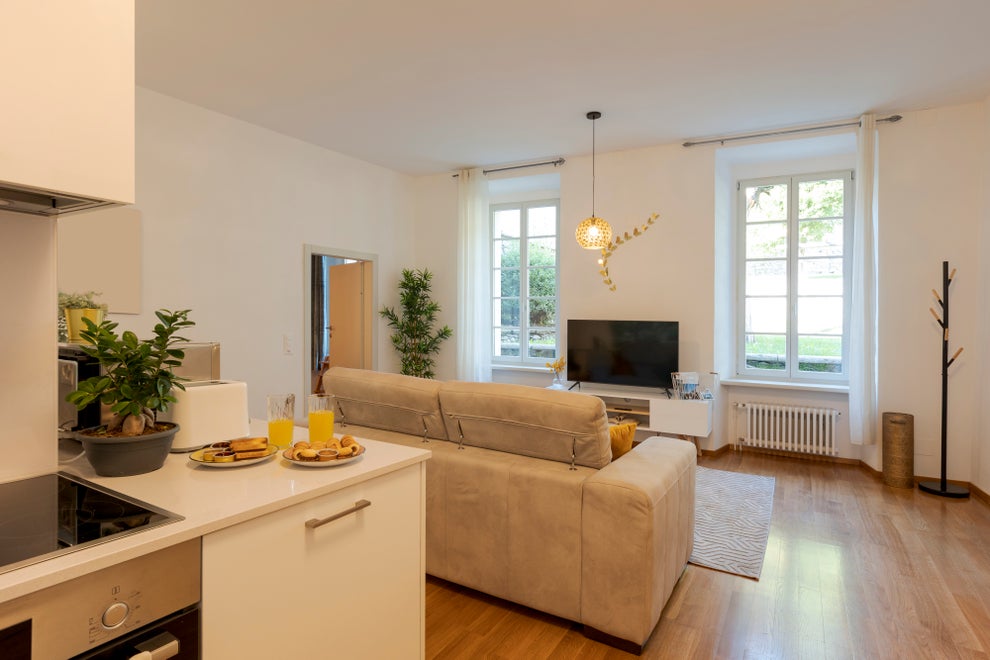
The trend of built-in appliances also draws criticism due to the difficulties it presents for maintenance and replacement. When appliances are integrated seamlessly into cabinetry, repairing or substituting them can become a costly and complicated endeavor, often requiring significant structural modifications to the kitchen.
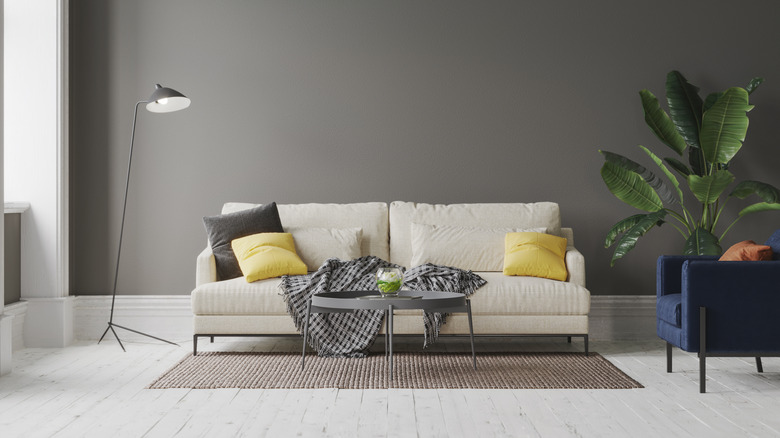
Color choices, specifically the widespread use of "agreeable gray," are frequently disliked. Many find this neutral shade to be uninspiring or even depressing, comparing it to "wet cardboard" and noting its difficulty to cover when repainting. This highlights a broader aversion to overly bland or generic color schemes that lack warmth and character.
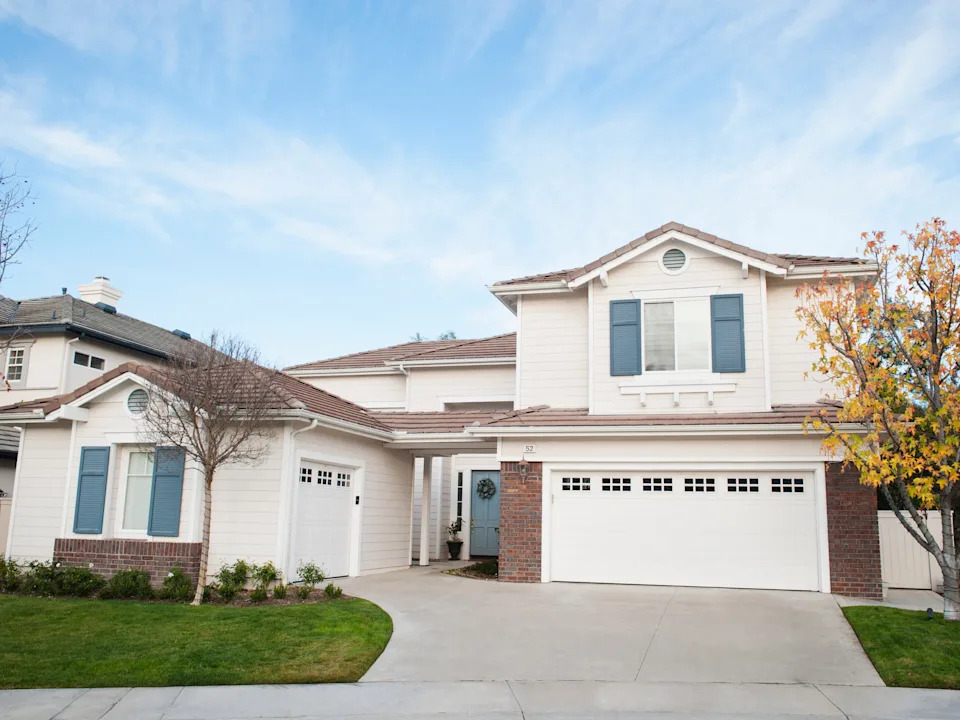
Urban planning and house construction trends also receive negative feedback. The practice of building excessively large houses on small lots is seen as detrimental, leading to minimal yard space, a lack of privacy due to close proximity to neighbors, and limited outdoor usability. Similarly, the design of homes where garages are the dominant visual feature at the front is criticized for its unappealing aesthetic, diminishing the overall curb appeal of residential areas.
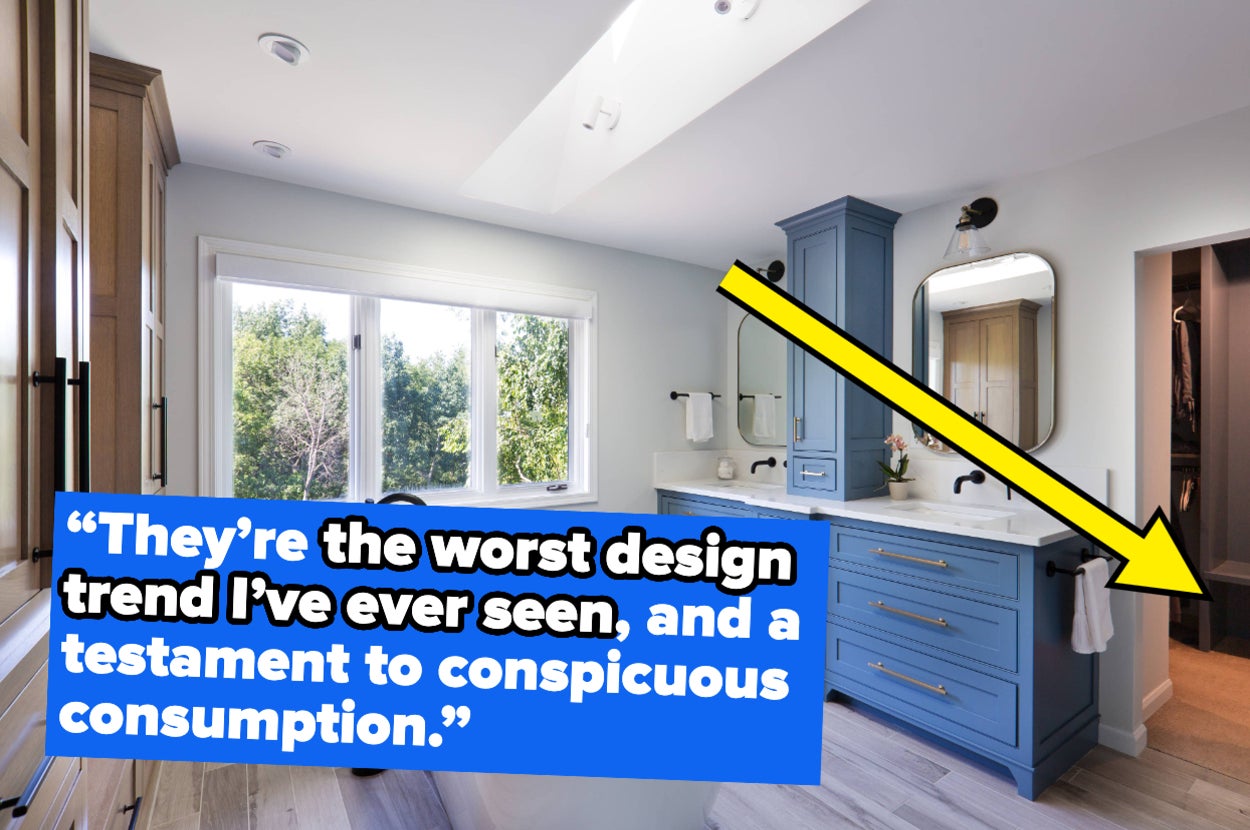
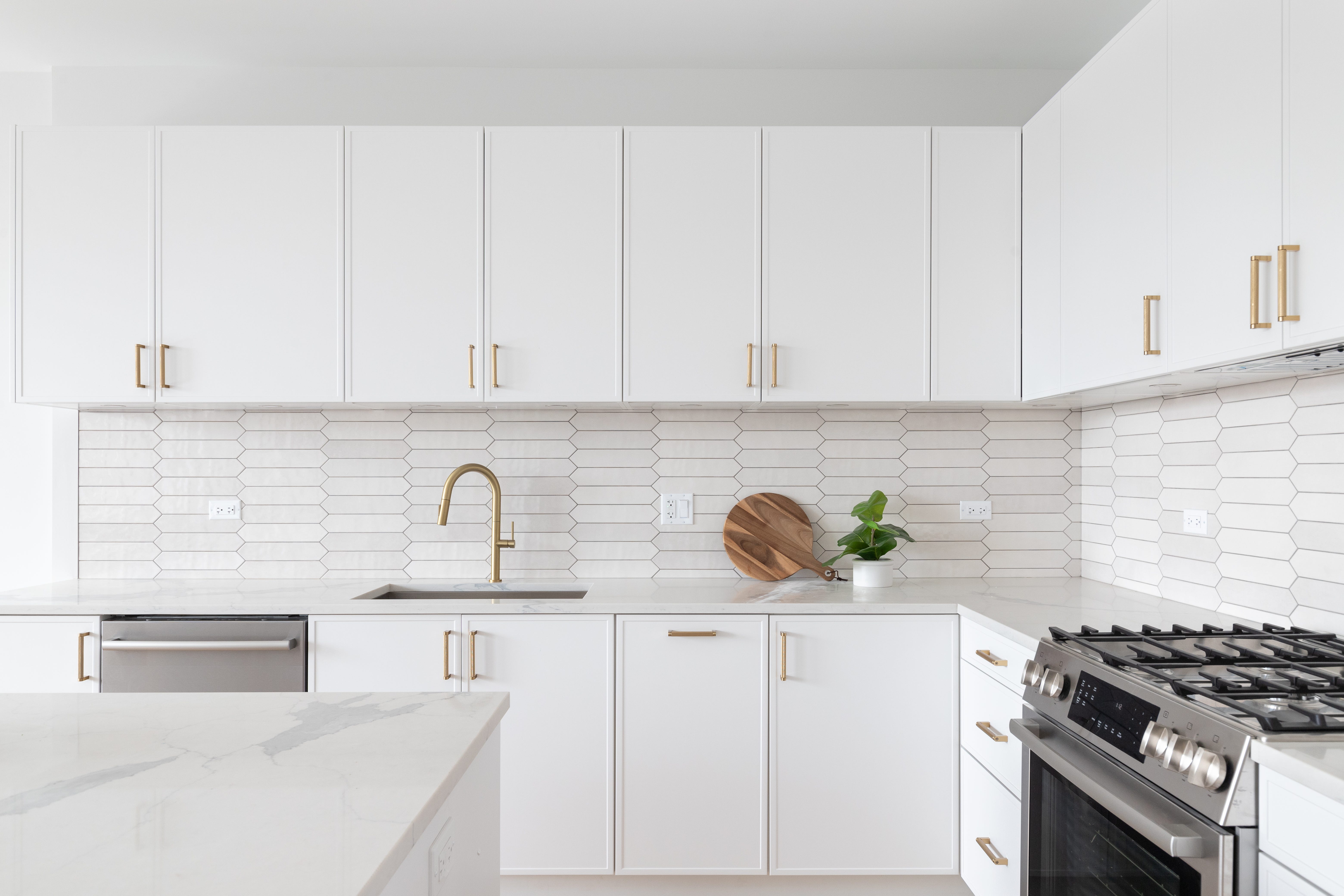
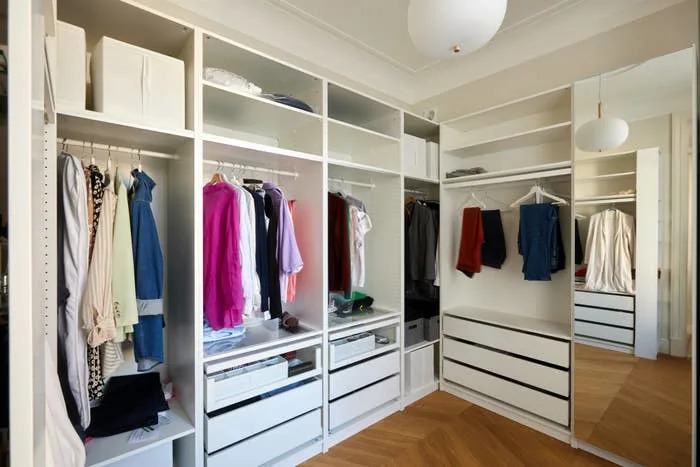
Interior layout choices are also under scrutiny. Large master bedrooms and bathrooms that disproportionately reduce the number of other rooms are deemed impractical for most households. Additionally, layouts that require walking through a bathroom to access a closet are considered inconvenient and lacking in privacy, especially when multiple people share the space. Two-tone kitchen cabinetry, particularly mismatched islands or upper and lower cabinets, is often viewed as a fleeting trend that will quickly become dated and necessitate expensive renovations.
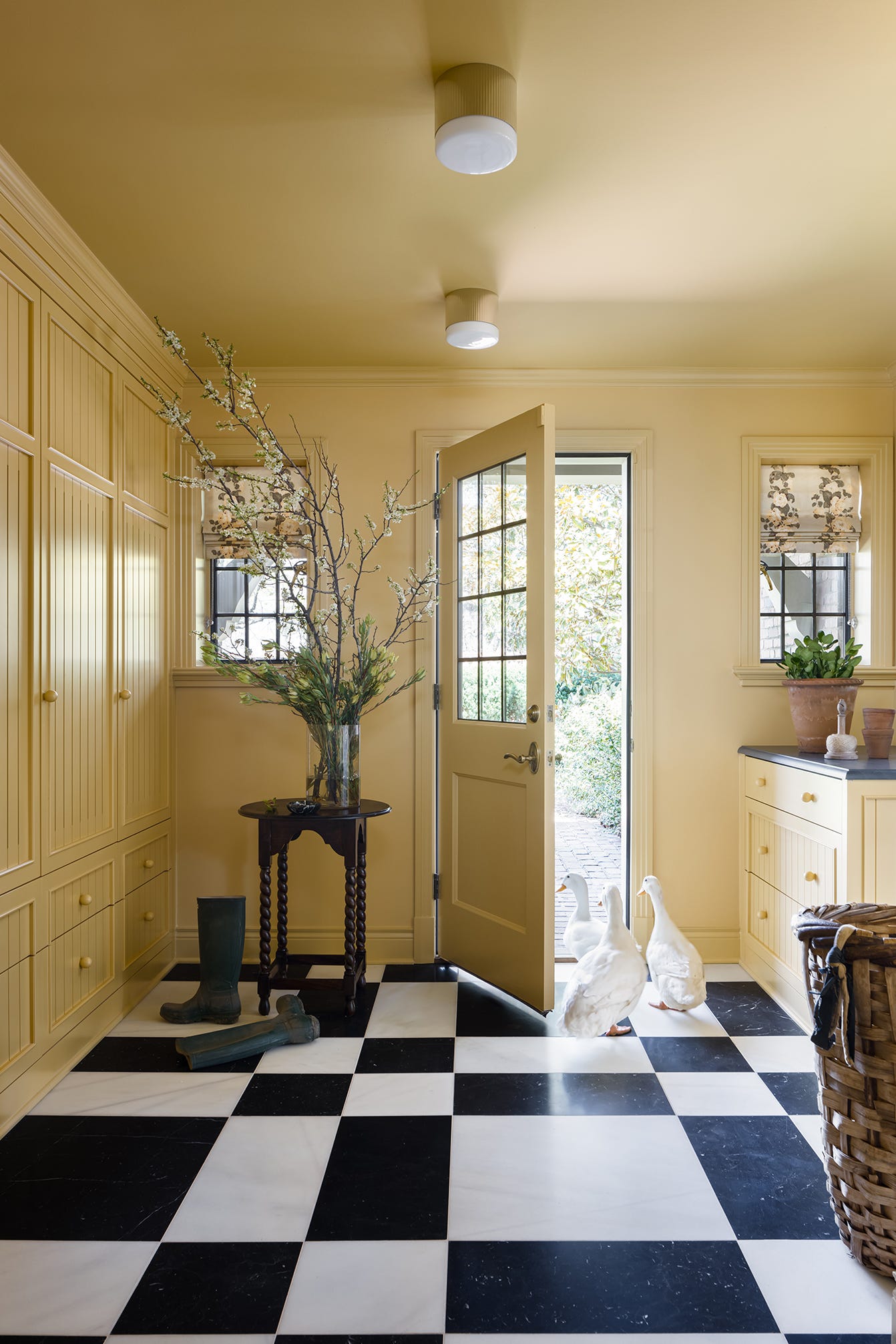
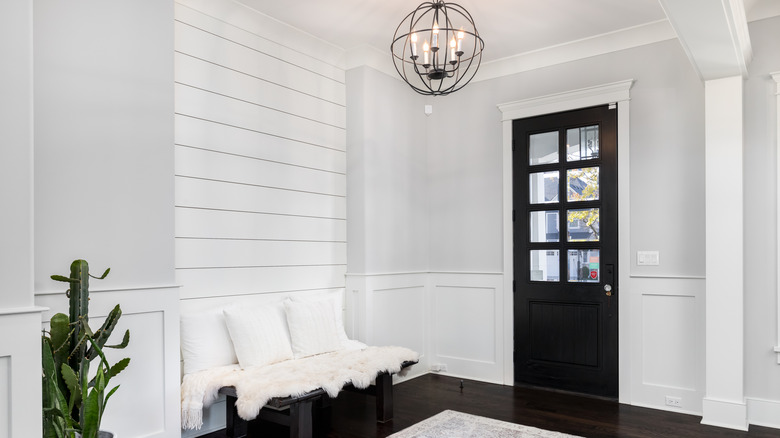
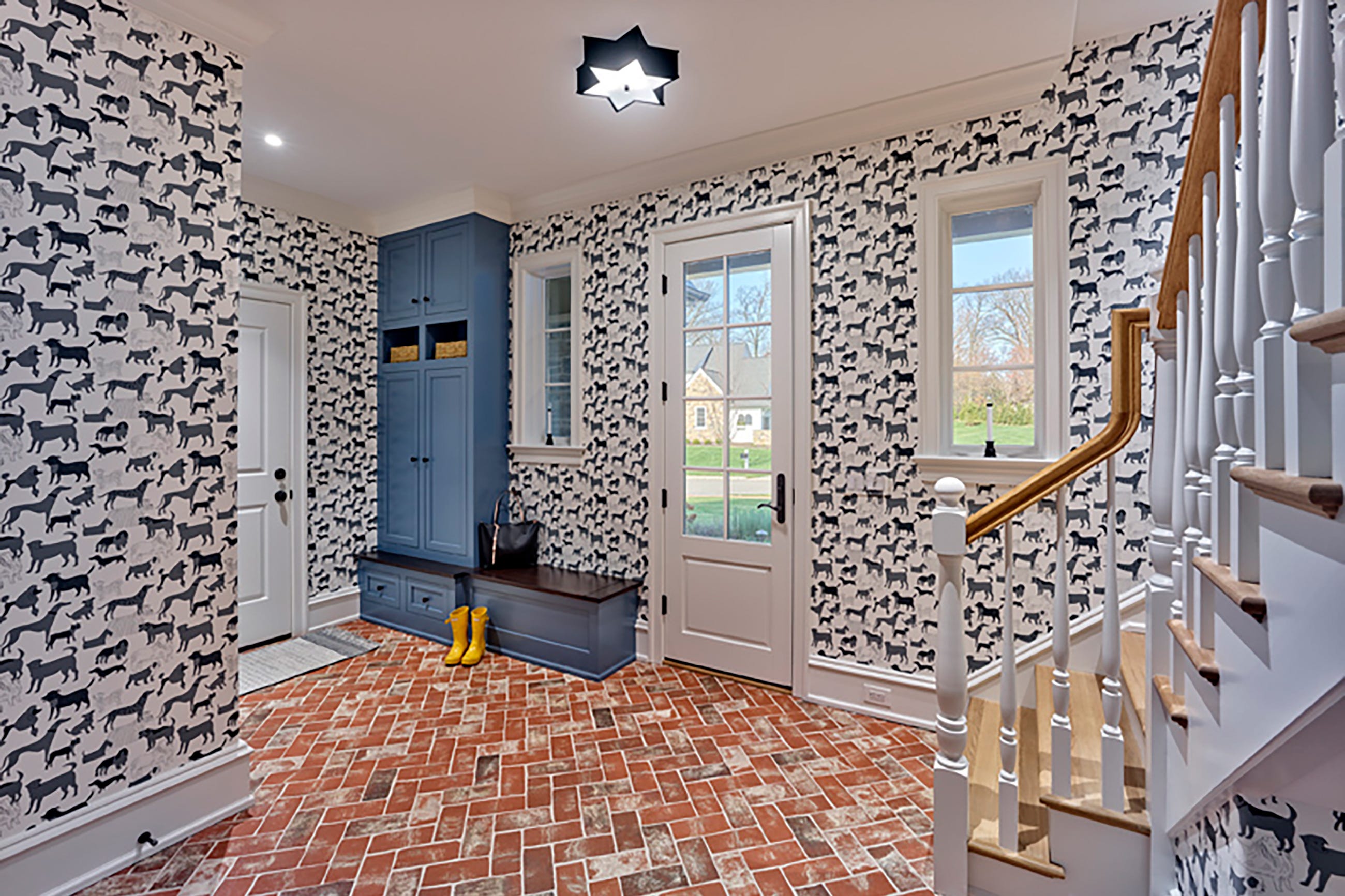
Functional aspects of design, such as vessel sinks (often referred to as "above-ground sinks") and freestanding bathtubs, are criticized for their impracticality. Vessel sinks can be awkward to use and clean, while freestanding bathtubs create hard-to-reach spaces that accumulate dirt and dust. The absence of mudrooms or functional entryways in new builds is also a concern, particularly in regions with varying climates where designated spaces for shedding outdoor gear are essential to keep main living areas clean.
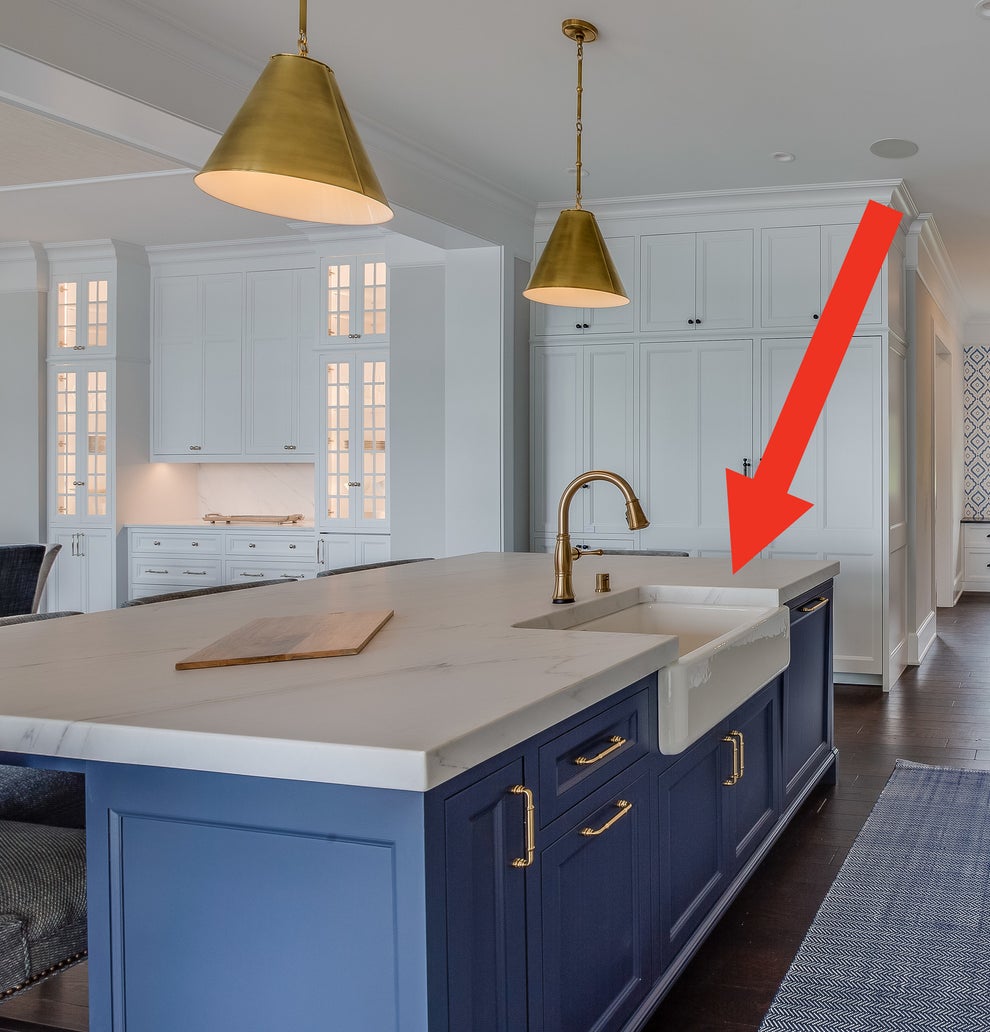
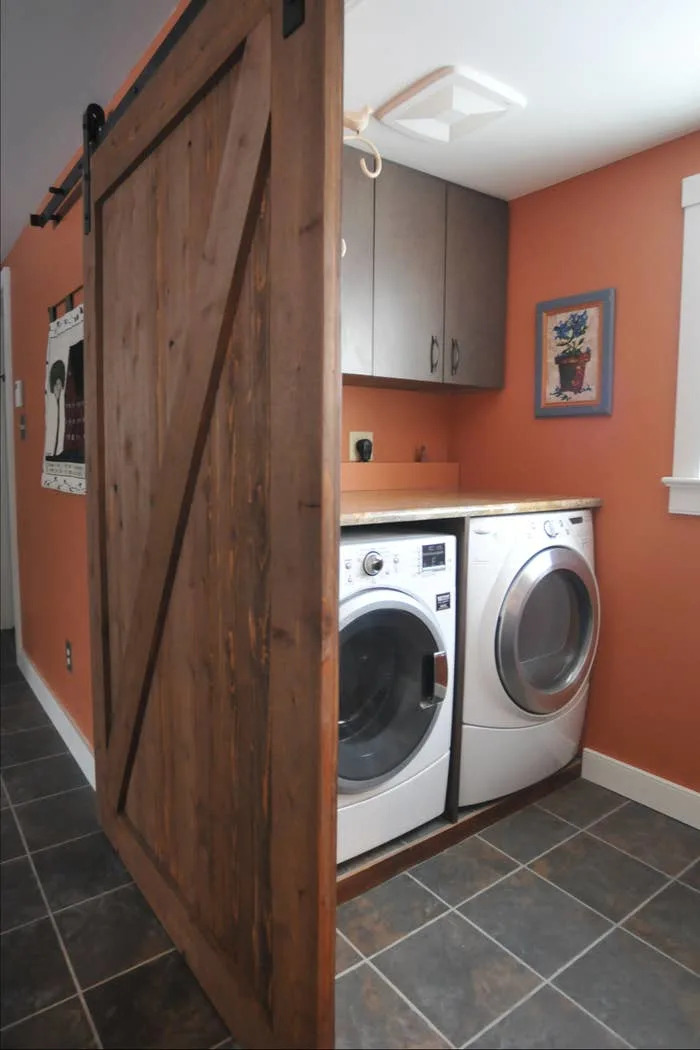
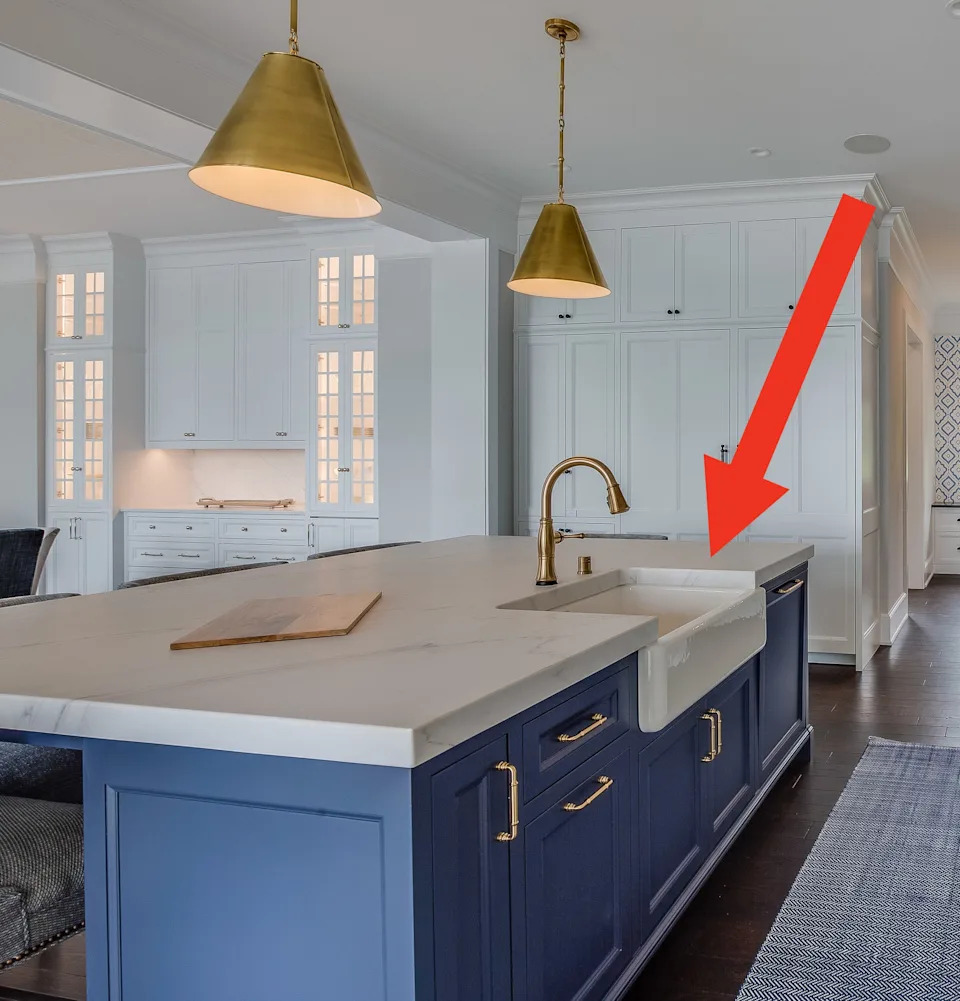
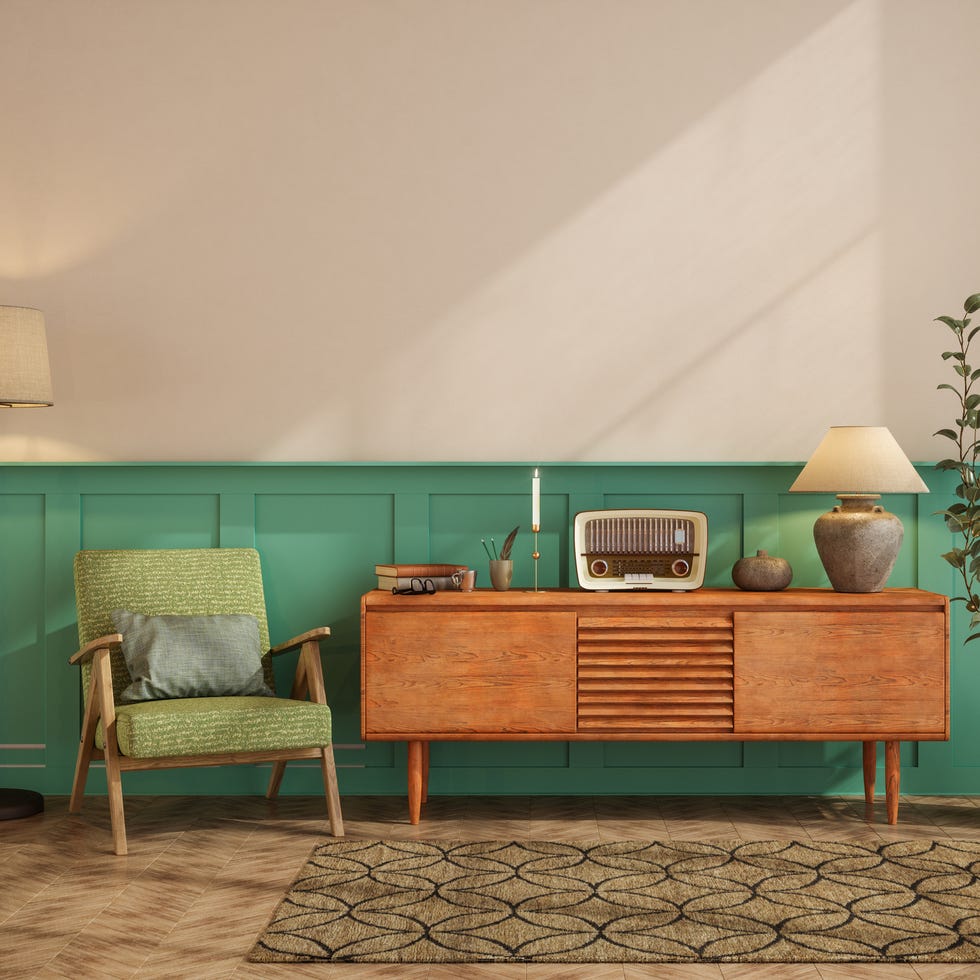
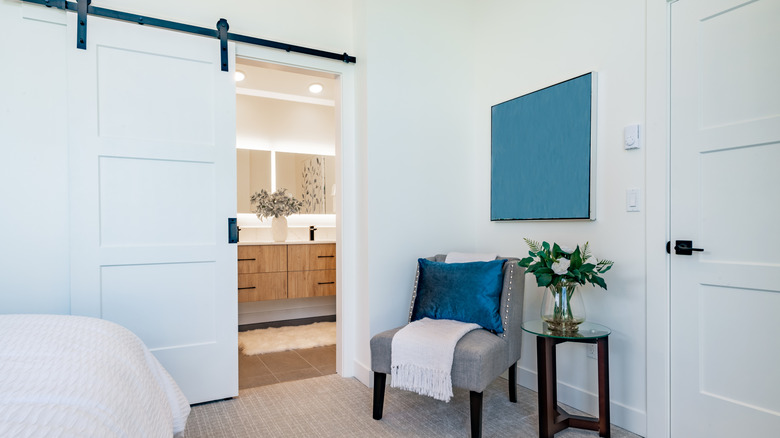
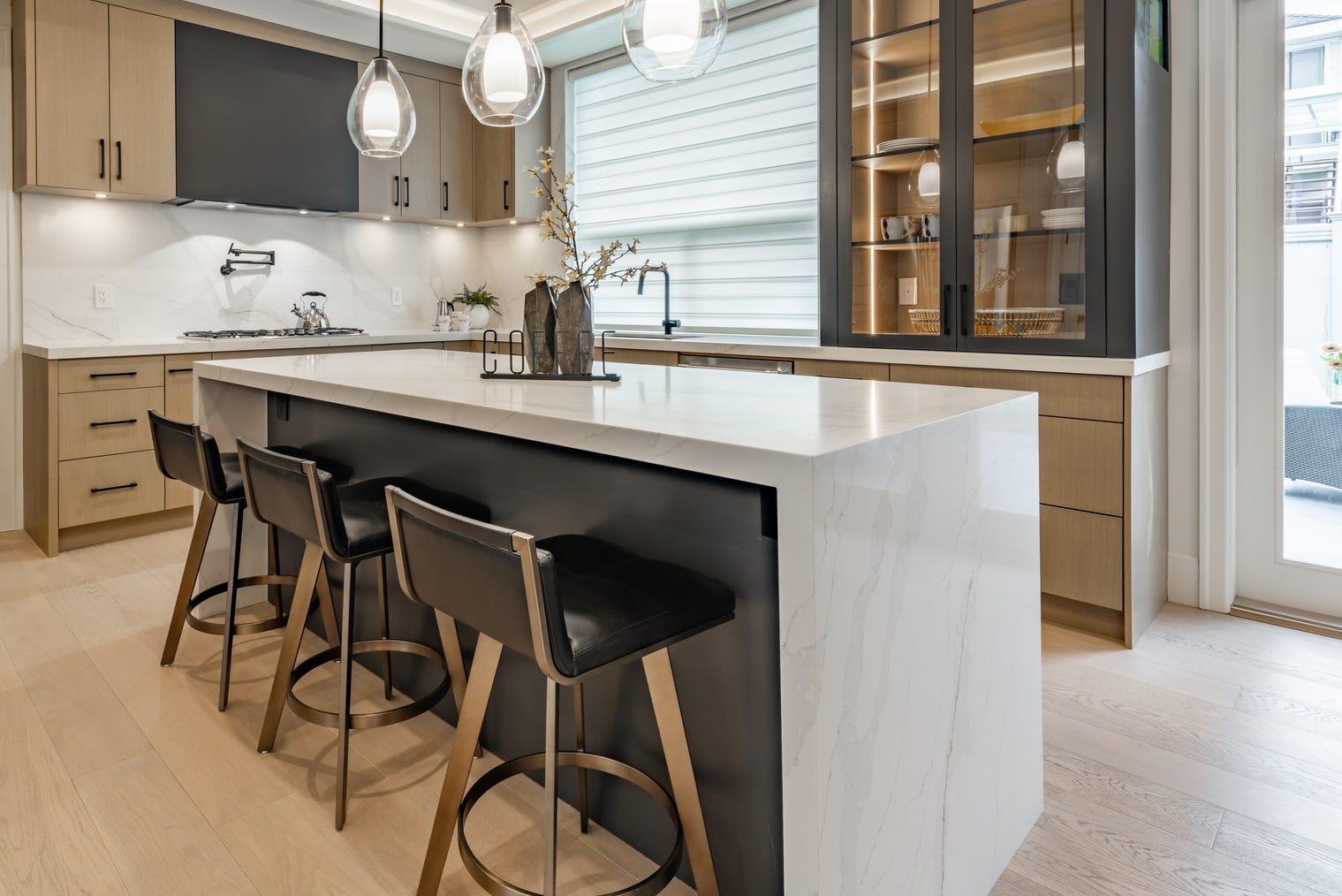
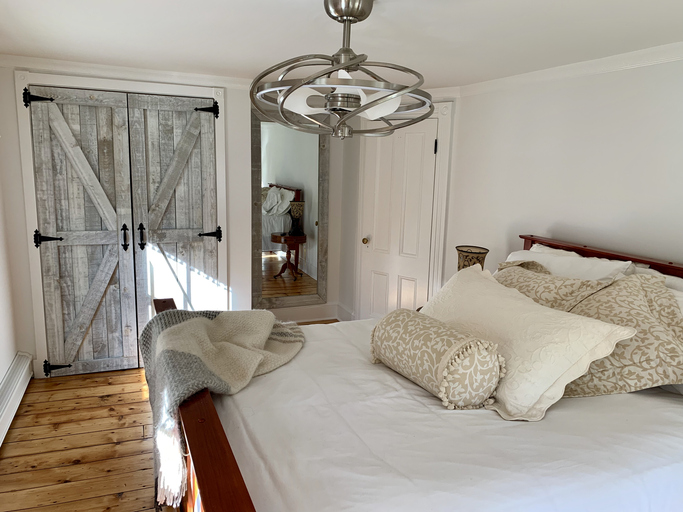
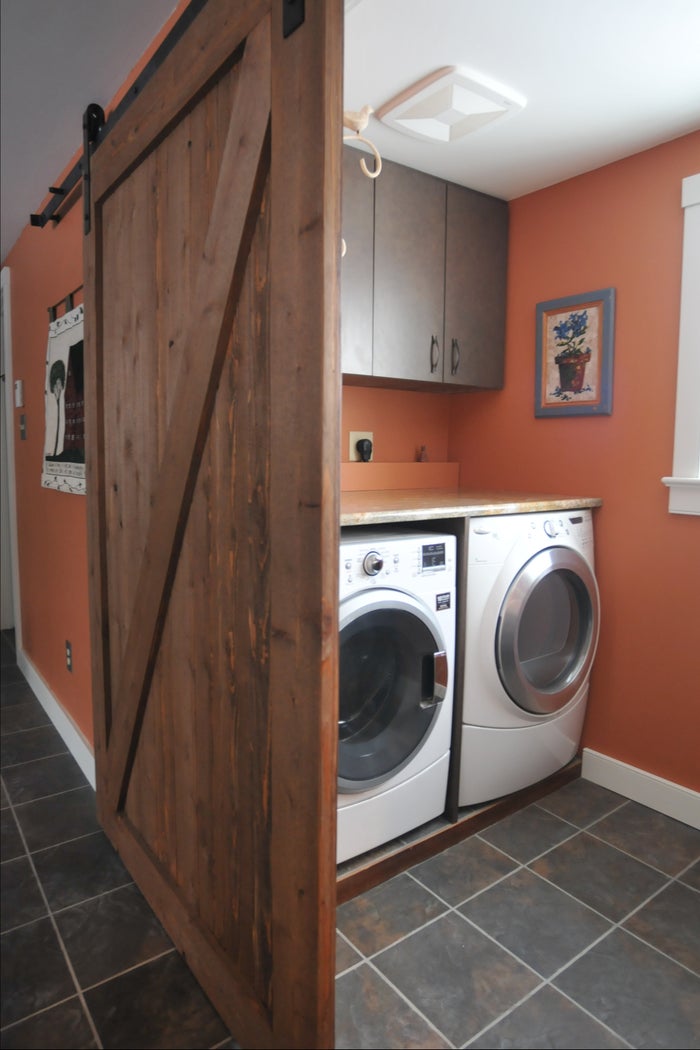
Kitchen island sinks are disliked for placing dirty dishes on prominent display, and pot fillers are questioned regarding water freshness and overall necessity. Lastly, the absence of stair banisters is deemed a significant safety hazard, and the widespread use of DIY paneling to mimic period properties is seen as an artificial and often poorly executed design choice. The popularity of barn doors is also criticized for their impracticality, lack of soundproofing, and tendency to appear tacky. Finally, the placement of bathrooms directly adjacent to kitchens or dining areas in new constructions raises hygiene and aesthetic concerns for many.
#HomeDesign #InteriorDecorating #HomeTrends #ArchitecturalDesign #Renovation #ResidentialLiving #PersonalAesthetics #HouseholdEfficiency #HomeDesign #InteriorDecorating #HomeTrends #ArchitecturalDesign #Renovation #ResidentialLiving #PersonalAesthetics #HouseholdEfficiency
0 comment in total
 No comments yet
You may also like
“It Instantly Becomes Tacky": 22 Home Design Trends That Are Mega-Popular For Reasons Many People Will Never Understand

People Are Defending The "Unpopular" Home Design Trends That Actually Make A Lot Of Sense In Their Own Homes

People Are Exposing The Home Decor Trends That'll "Completely Fade Out" Sooner Than You'd Think
People Are Getting Real About The "Infuriating" Home Design Trends That Should Stay In 2023

Designers Reveal the Surprising Home Trend That's Taking Over Right Now

8 Home Trends That Are Tragically DEAD to the Design World

People Are Getting Real About The "Infuriating" Home Design Trends That Should Stay In 2023
10 Horrifying Home Design Trends: 2022 Edition
"Frankly, It's Tacky": People Are Revealing Common Interior Design Trends They Can't Stand
"I Regretted It After Two Weeks": Homeowners Are Revealing The Popular Home Fads That Aren't Worth Trying Out
8 Tacky Home Trends That Designers Say Are TRAGICALLY Dead
These 20 Interior Design Trends Are Too Good to Overlook
"It's Already Very Dated": 34 Popular Home Design Trends That People Feel Reaaaally Strongly About
8 "Tacky" Home Trends That Are Tragically Dead to Designers in 2026

"Frankly, It's Tacky": People Are Revealing Common Home And Kitchen Design Trends They Can't Stand
The Home Trends Designers Want You to Ditch in the New Year

People Are Defending The "Unpopular" Home Design Trends That Actually Make A Lot Of Sense In Their Own Homes
7 home design trends to skip (and what to do instead)

13 Home Design Trends That Are Dating Your Home

Emerging home design trends to tap into now