1/2
People Are Getting Real About The "Infuriating" Home Design Trends That Should Stay In 2023
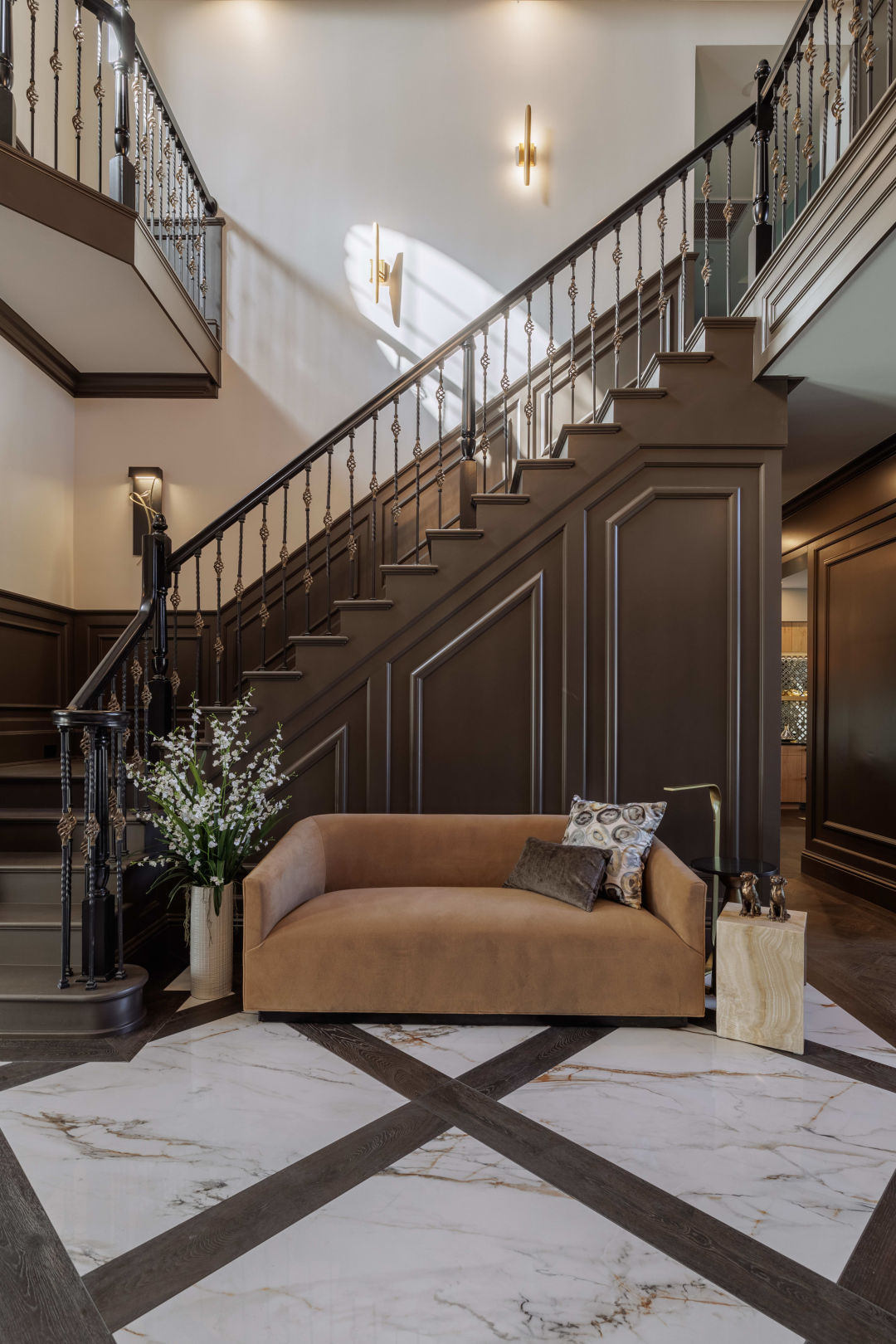
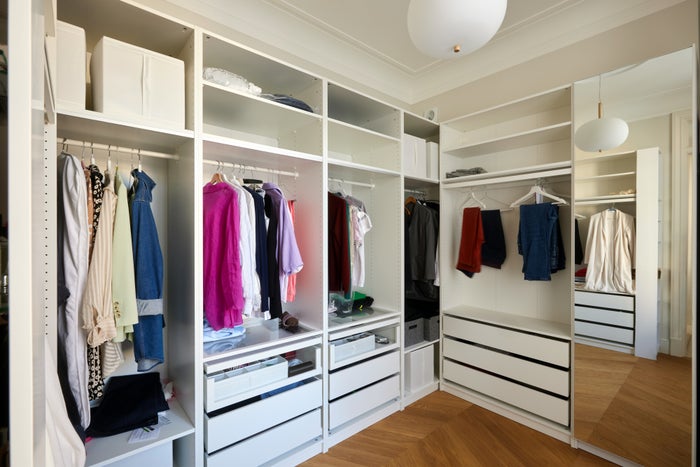
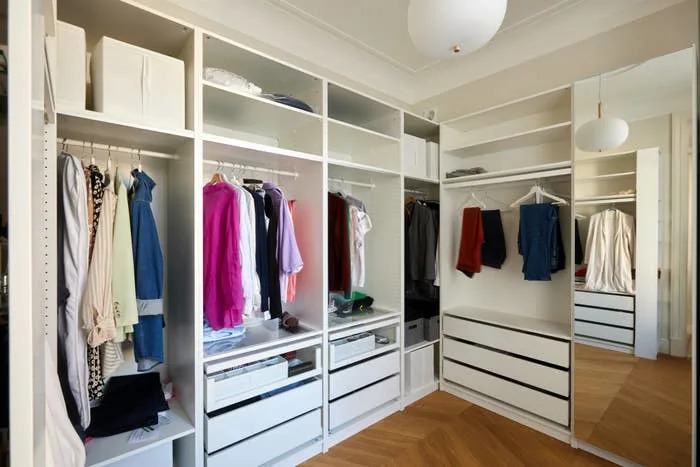
This article delves into a compilation of home design and decoration trends that have garnered significant public disapproval, drawing from reader comments and personal experiences. It highlights numerous design choices that, while popular, are seen as impractical, aesthetically displeasing, or functionally problematic by homeowners and potential buyers. The discussion begins with the issue of insufficient storage, with many new homes featuring large bedroom closets but lacking general storage space for items like holiday decorations or seasonal clothing, forcing residents to find creative or inconvenient solutions for their belongings.
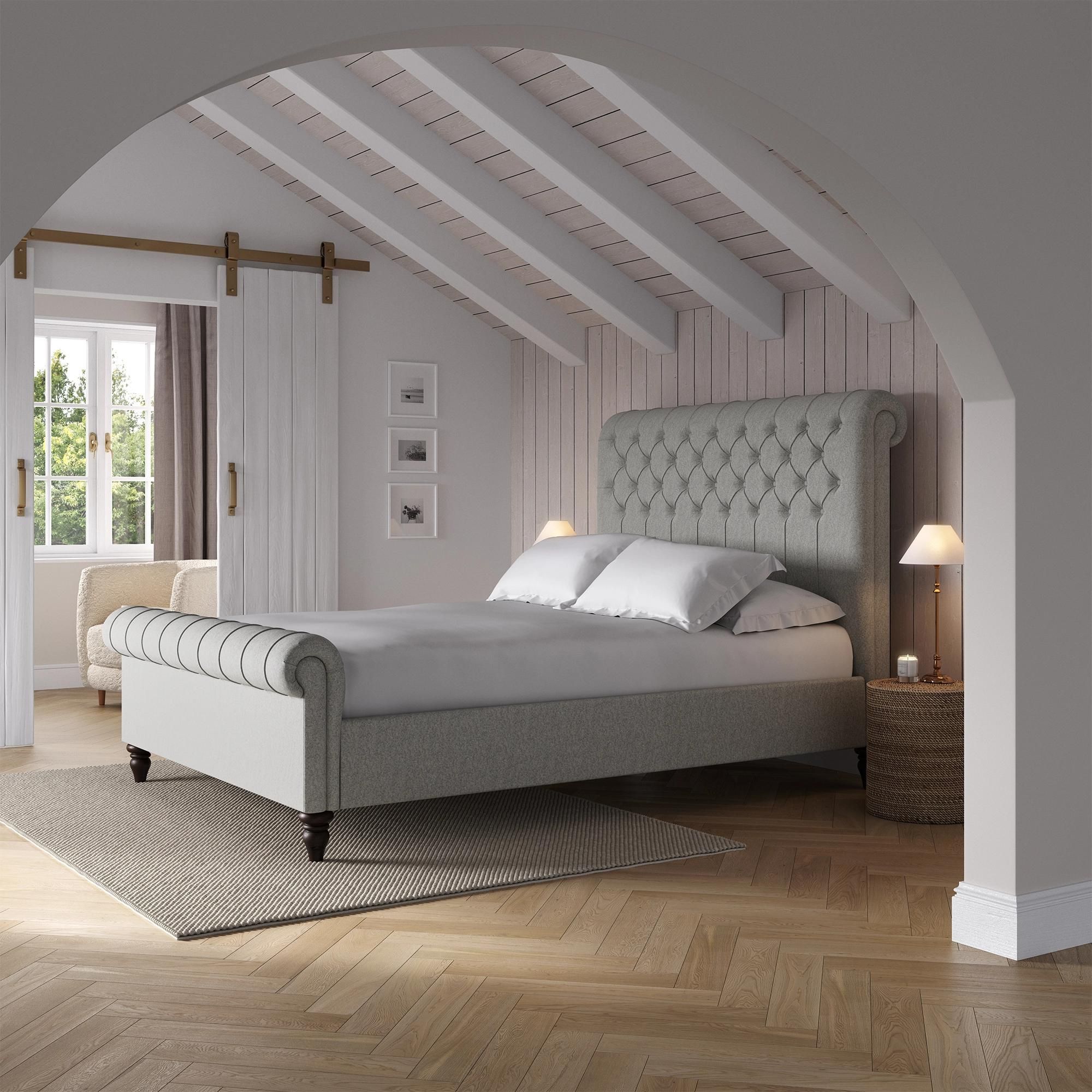
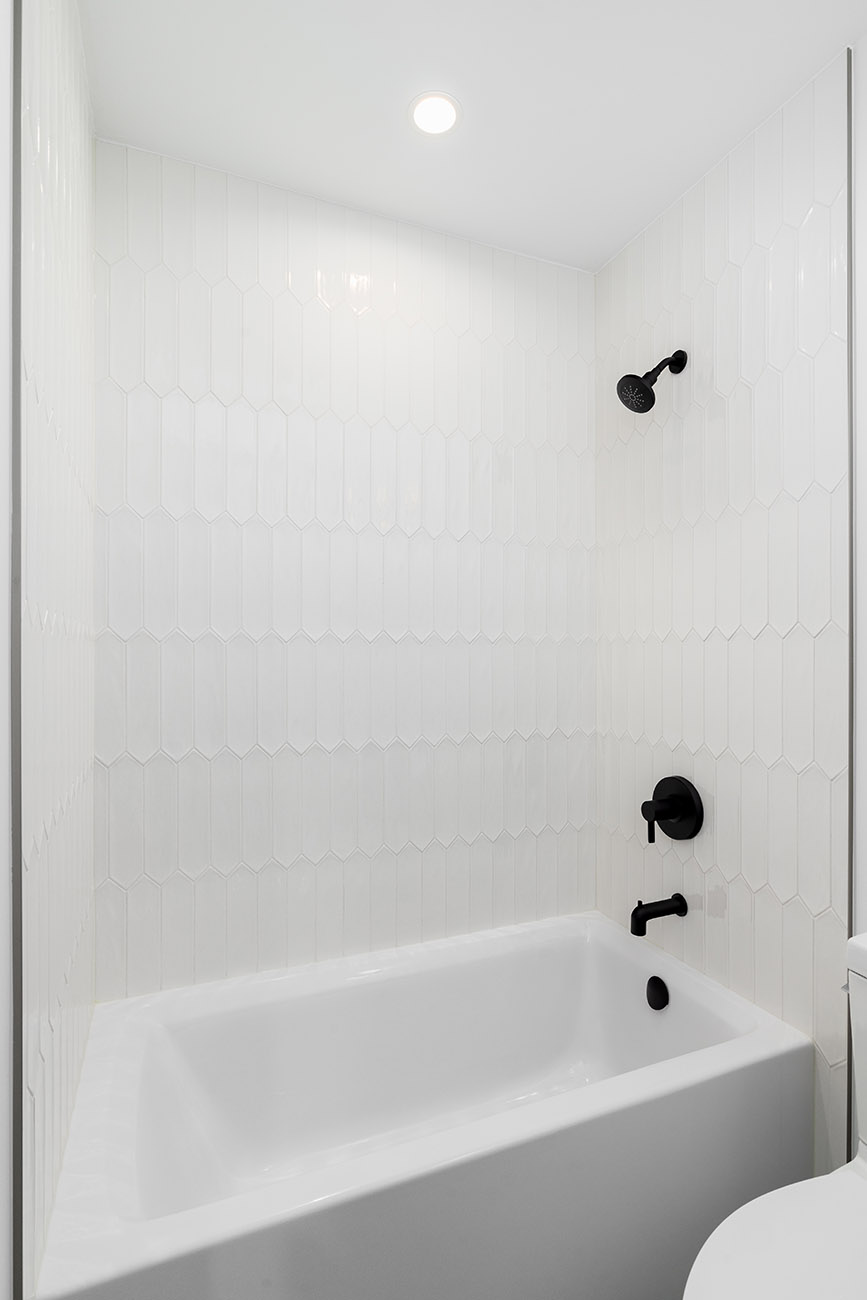
Another point of contention is the use of faux exposed beams in homes where they serve no structural purpose, particularly in new builds. Critics argue that these elements often look out of place and detract from the authentic architectural style of the house, indicating a superficial attempt at rustic charm. Bathroom designs also receive considerable scrutiny; many people dislike the trend of replacing bathtubs with overly large showers that feature multiple spray options, deeming them excessive and less versatile. Similarly, elevated washbowls in bathrooms are criticized for their propensity to cause splashes and for their resemblance to dental office sinks.
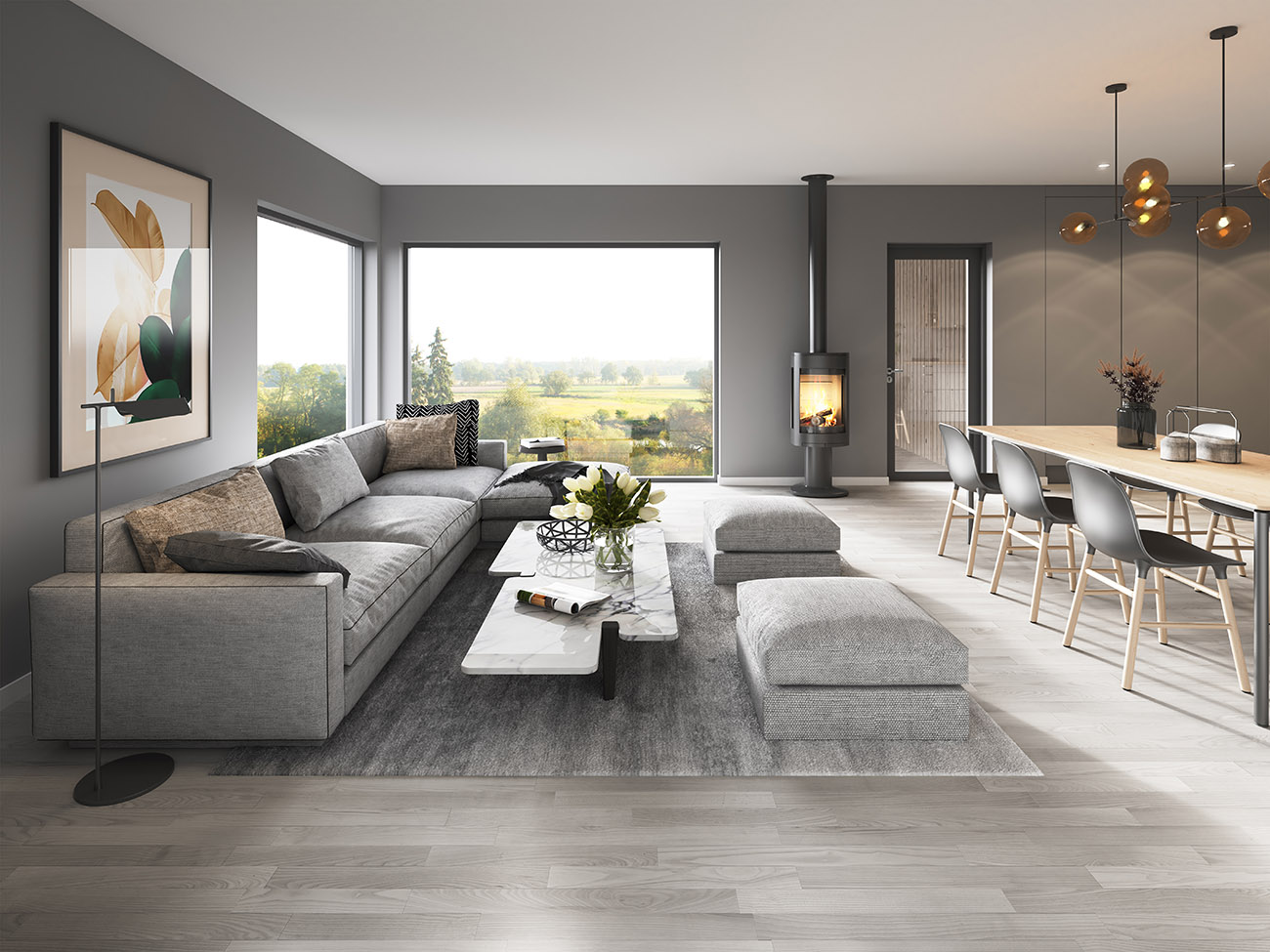
Exterior lighting choices, such as rows of can lights, are another area of complaint, with residents describing them as cheap and hotel-like, disrupting the residential aesthetic and potentially causing light pollution. Inside the home, the placement of microwaves in lower cabinets is a recurring grievance, as it necessitates bending or kneeling, making it inconvenient for daily use. The prevalence of weathered gray faux wood flooring is also highlighted as a trend likely to quickly become dated, lacking the timeless appeal of more traditional materials. Concerns are also raised about built-in or in-wall appliances, as non-standard sizes can lead to significant replacement challenges and costly kitchen renovations if they break down.
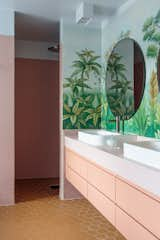
Further critiques target double sinks and mirrors in main bathrooms, especially when they occupy separate walls, as they are viewed as high-maintenance and unnecessary for households where individuals prefer privacy during their morning routines. A more fundamental issue in new construction is the practice of not installing flooring under cabinets, appliances, and even toilets, which complicates future replacements and can lead to damage. Kitchen design trends like cabinets extending all the way to the ceiling are also questioned for their impracticality, as upper shelving becomes difficult to access without a ladder, increasing renovation costs without proportional benefits.
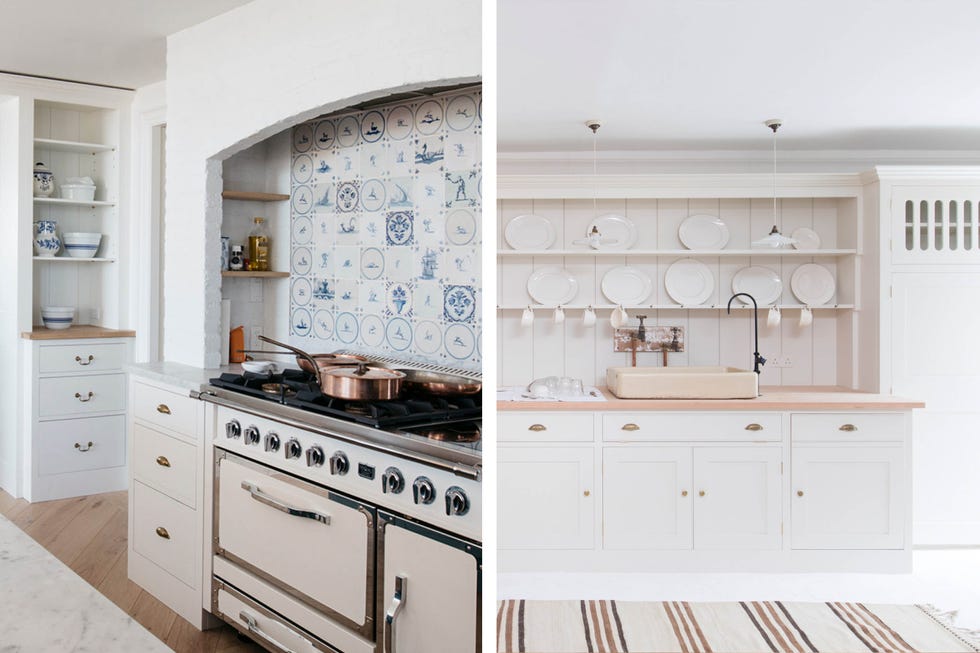
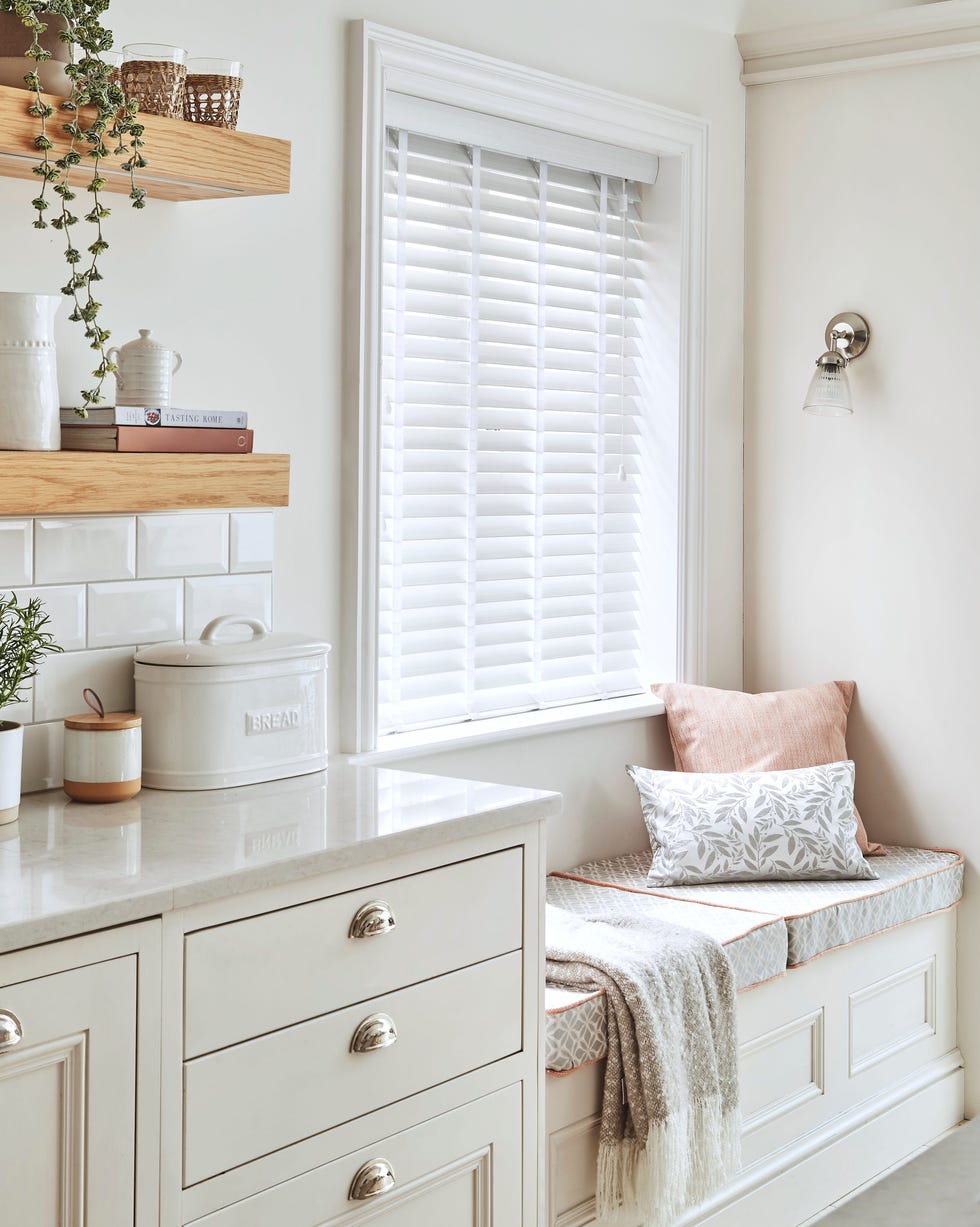
Open-plan living spaces, particularly those lacking defined entryways, are deemed unsuitable for colder climates where drafts can impact the entire house, and the absence of a hall closet often leads to visible clutter. Aesthetic complaints extend to non-functional fake shutters, which are often disproportionate to window sizes and simply placed flat against the exterior, giving an artificial appearance. The omission of medicine cabinets in bathrooms, especially half-baths, is seen as a glaring oversight, leaving no convenient place for essential toiletries and personal items. White kitchen cabinets, despite their popularity, are frequently criticized for being difficult to keep clean and showing dirt easily.
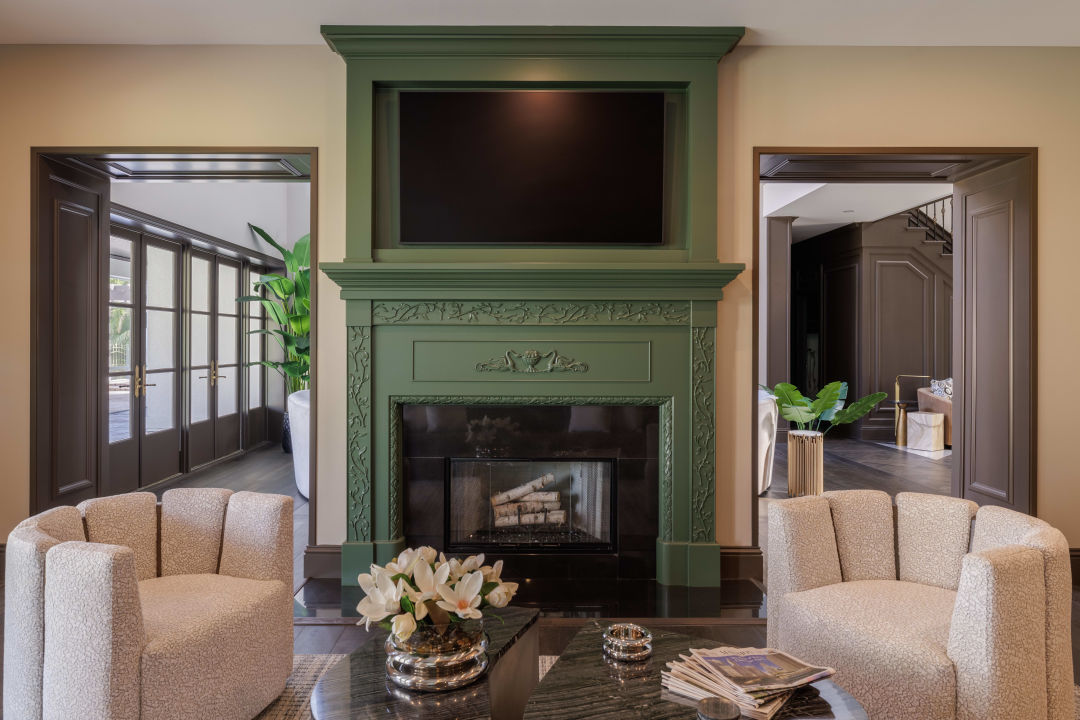
The article also touches upon the impending decline of poorly executed open floor plans, suggesting that only well-designed open concepts will endure. Walk-in closets accessible solely through bathrooms are cited as unhygienic due to humidity and other airborne contaminants, while the pervasive use of "agreeable gray" paint is noted for its monotonous effect and how many homeowners immediately repaint. Small, pre-built TV alcoves above fireplaces are another source of frustration, as they often accommodate only older, smaller TV models, failing to keep up with modern screen sizes. Waterfall countertops are deemed an unnecessary expense and an aesthetic overload, while winding pathways to front doors are seen as impractical for carrying items. The lack of skylights is also lamented by those who appreciate natural light and views.
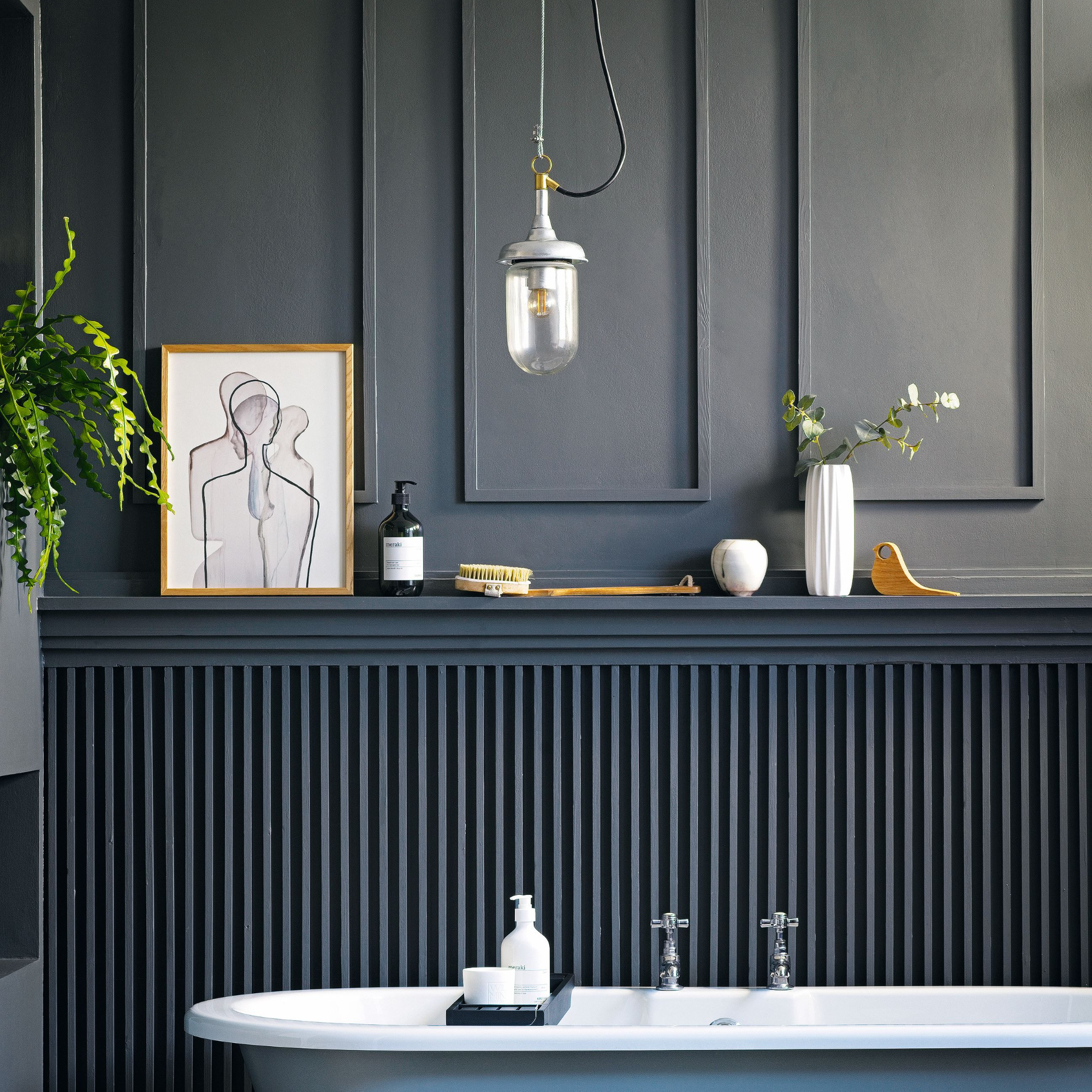
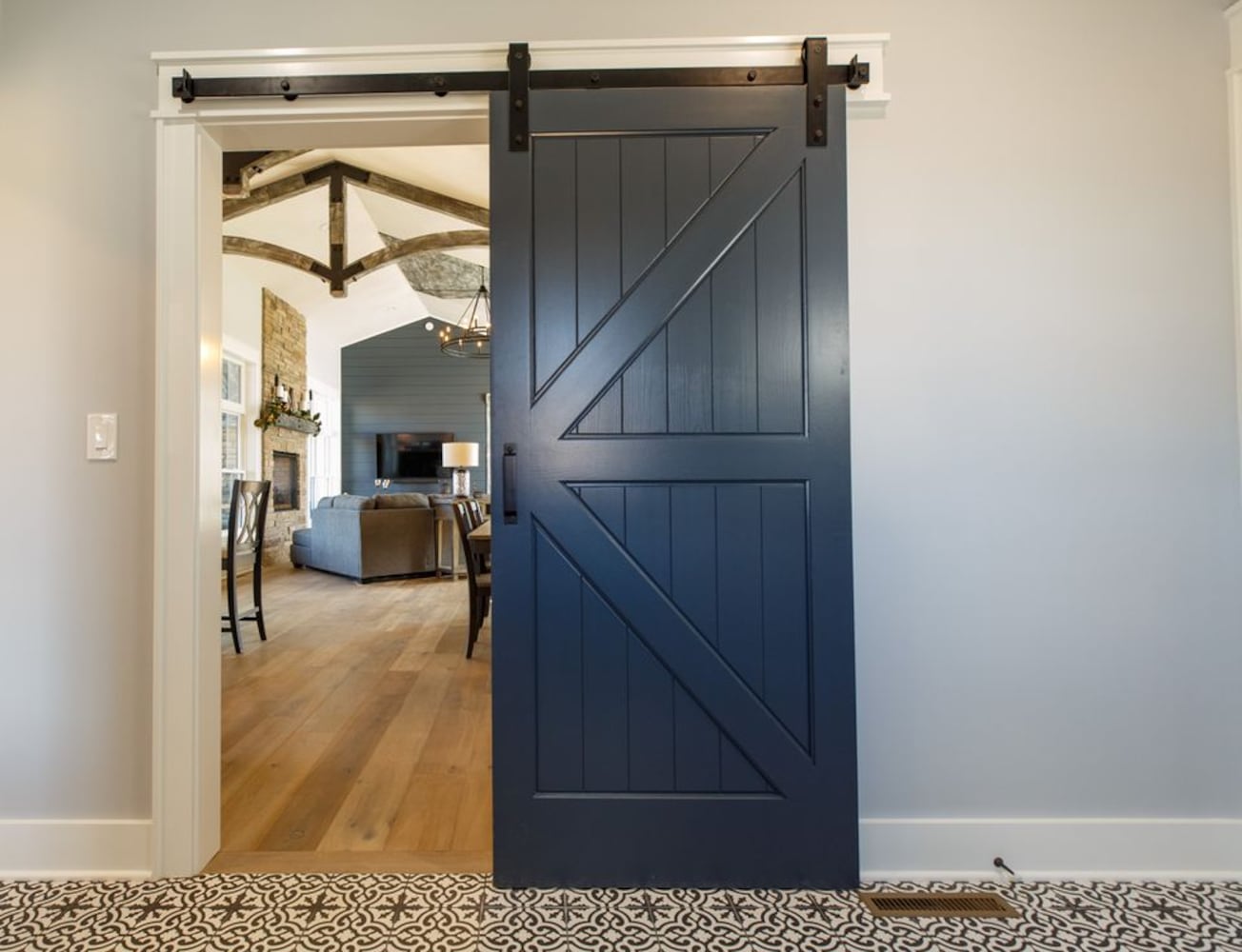
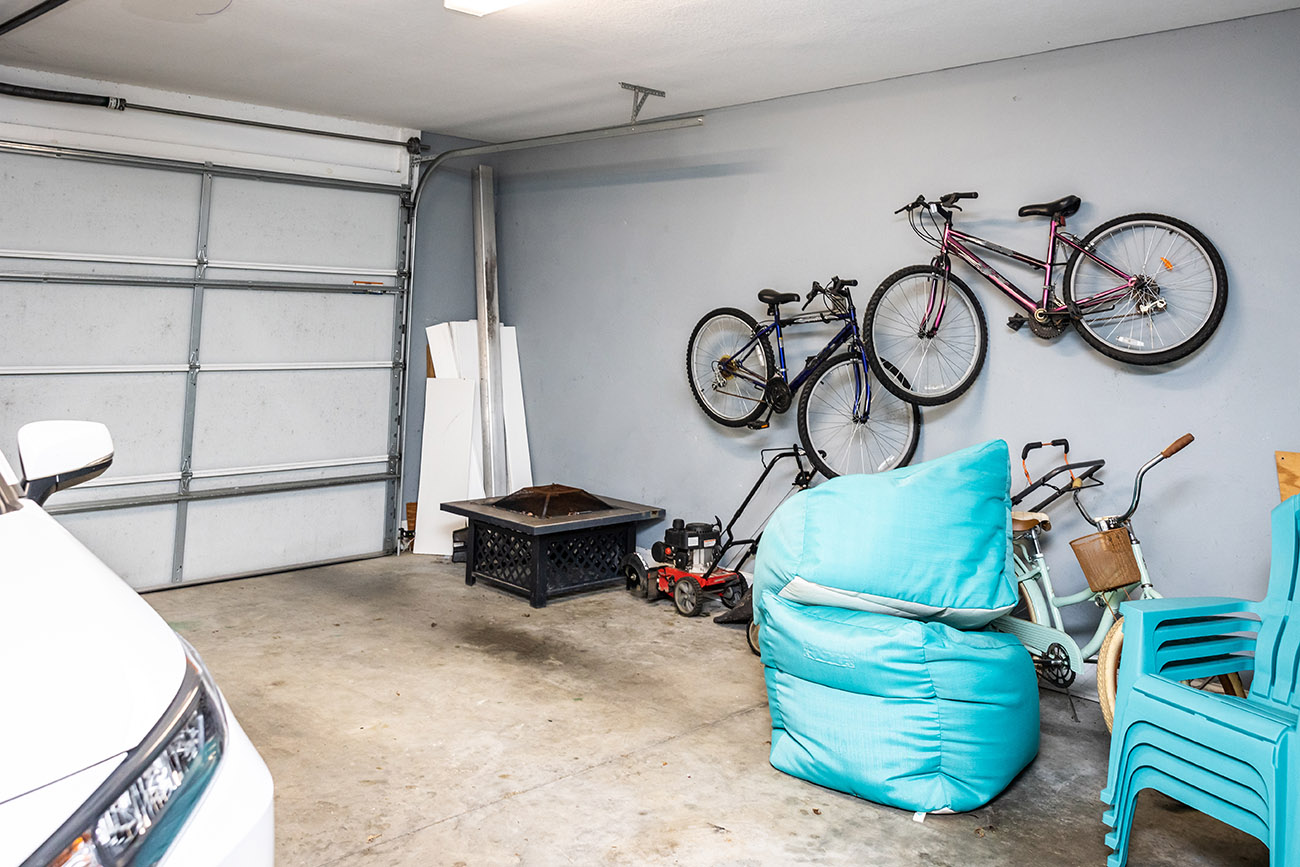
Finally, the trend of converting perfectly preserved older homes into "modern farmhouses" is decried for destroying historical character and often resulting in inconsistent, budget-constrained renovations. The increasing use of luxury vinyl plank flooring is criticized for its plastic appearance and for replacing genuine, high-quality materials. Narrow hallways are seen as a design flaw that hinders movement and furniture placement, while the transformation of historic homes into open-concept spaces is lamented for erasing original architectural details. The construction of oversized RV garages, particularly in Arizona, is highlighted as an eyesore and a symbol of excessive consumption. Showers without doors are deemed impractical in colder regions, and exposed wire frame or bare bulb light fixtures are criticized for their harsh appearance. Lastly, white vinyl fences are considered cheap-looking and prone to accumulating dirt, and sliding barn doors are singled out as a particularly disliked trend.
#HomeDesignTrends #InteriorDesign #HomeDecoration #ArchitecturalCritiques #RenovationFailures #PracticalHomeSolutions #ModernFarmhouse #OpenConceptHomes #BathroomDesign #HomeDesignTrends #InteriorDesign #HomeDecoration #ArchitecturalCritiques #RenovationFailures #PracticalHomeSolutions #ModernFarmhouse #OpenConceptHomes #BathroomDesign
0 comment in total
 No comments yet
You may also like
Bye 2022: Home Design Trends to Ditch in 2023

10 Horrifying Home Design Trends: 2023 Edition

These Are the Home Design Trends That Will Rule 2022

Bold, Personal Design Is In—These Are the Home Trends Everyone’s Talking About for 2026

These are the interior trends to leave behind in 2023, according to experts
8 interior trends predicted to be huge in 2023, according to designers
We Asked 3 Interior Designers What 2025 Trends They're Already Sick Of Seeing—Here's What They Said

Home decor trends leaving in 2022

7 Home Decor Trends to Look for in 2023 According to Interior Designers
3 "Timeless" Trends Designers Say Are Out—and Making Homes Look Dated in 2026
You’re About to See These 2023 Interior Design Trends All Over Your FYP
10 Horrifying Home Design Trends: 2024 Edition
People Are Getting Real About The "Infuriating" Home Design Trends That Should Stay In 2023

Interior Designers are Ditching These Home Trends in 2024
8 "Tacky" Home Trends That Are Tragically Dead to Designers in 2026

These Are the Home Design Trends You Need to Know About in 2025
Interior Design Trends to Know in 2023—And What’s on Its Way Out
Ready to Redecorate? 2025’s Top Design Trends Just Dropped

I asked interior designers what trends they are already sick of seeing in 2025
"It's Already Very Dated": 34 Popular Home Design Trends That People Feel Reaaaally Strongly About