1/15
These Are the Home Design Trends That Will Rule 2022
The year 2022 is anticipated to bring a fresh perspective to home aesthetics, with several interior design trends emerging or continuing their upward trajectory. Many of these trends reflect a growing desire for individuality and a departure from mass-produced items, as observed by industry experts like interior designer Andee Hess of Osmose Design and Jean Lin of Colony. They note a movement away from the homogenization of homes, with people increasingly seeking out unique and expressive elements for their living spaces.
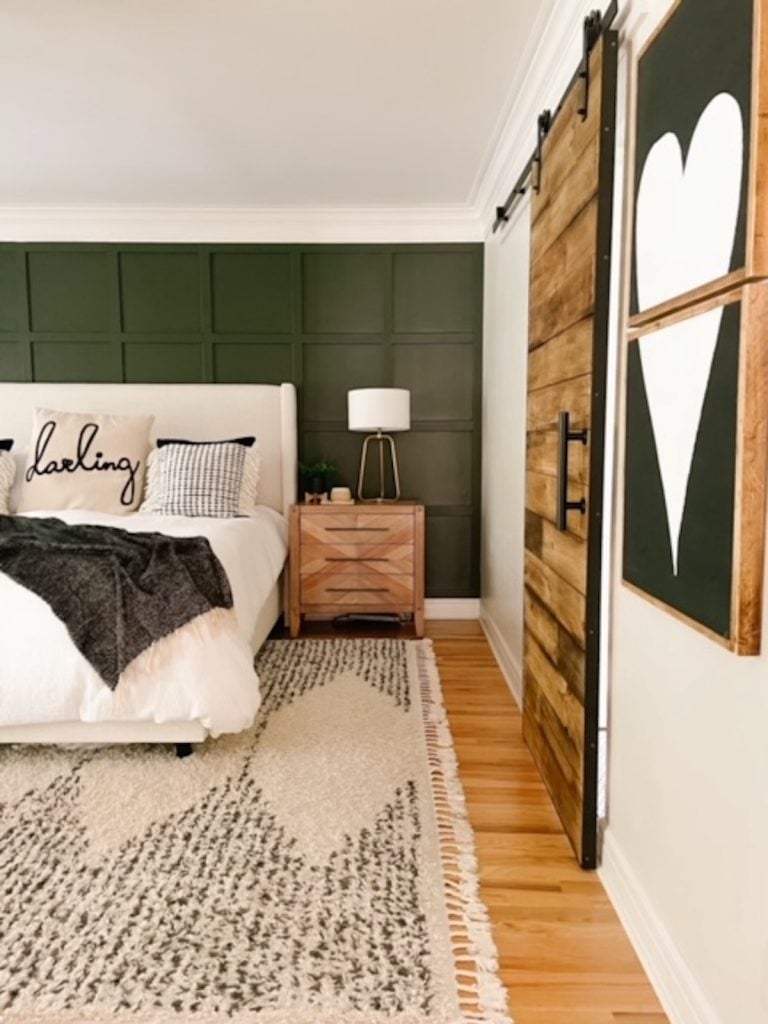
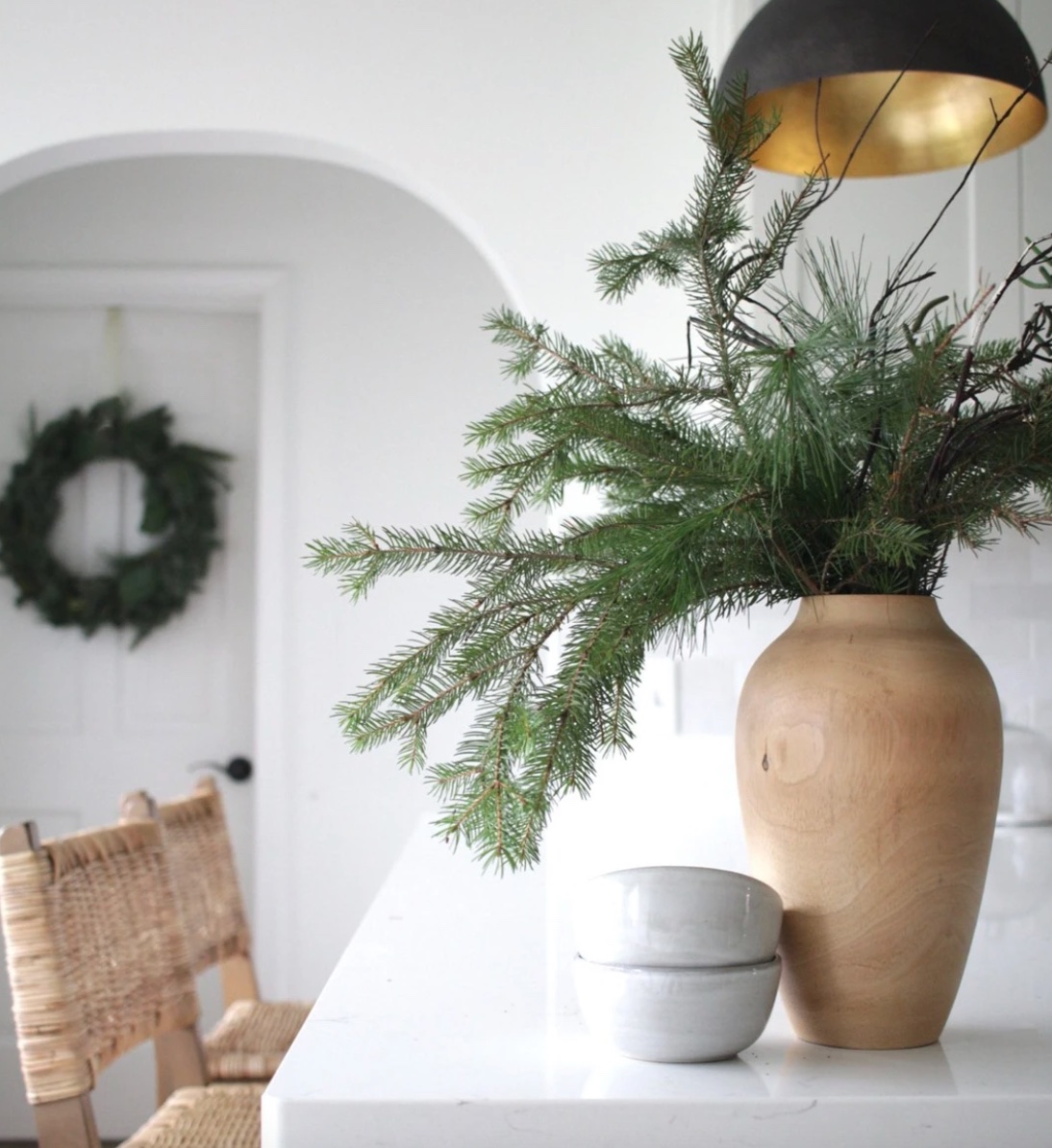
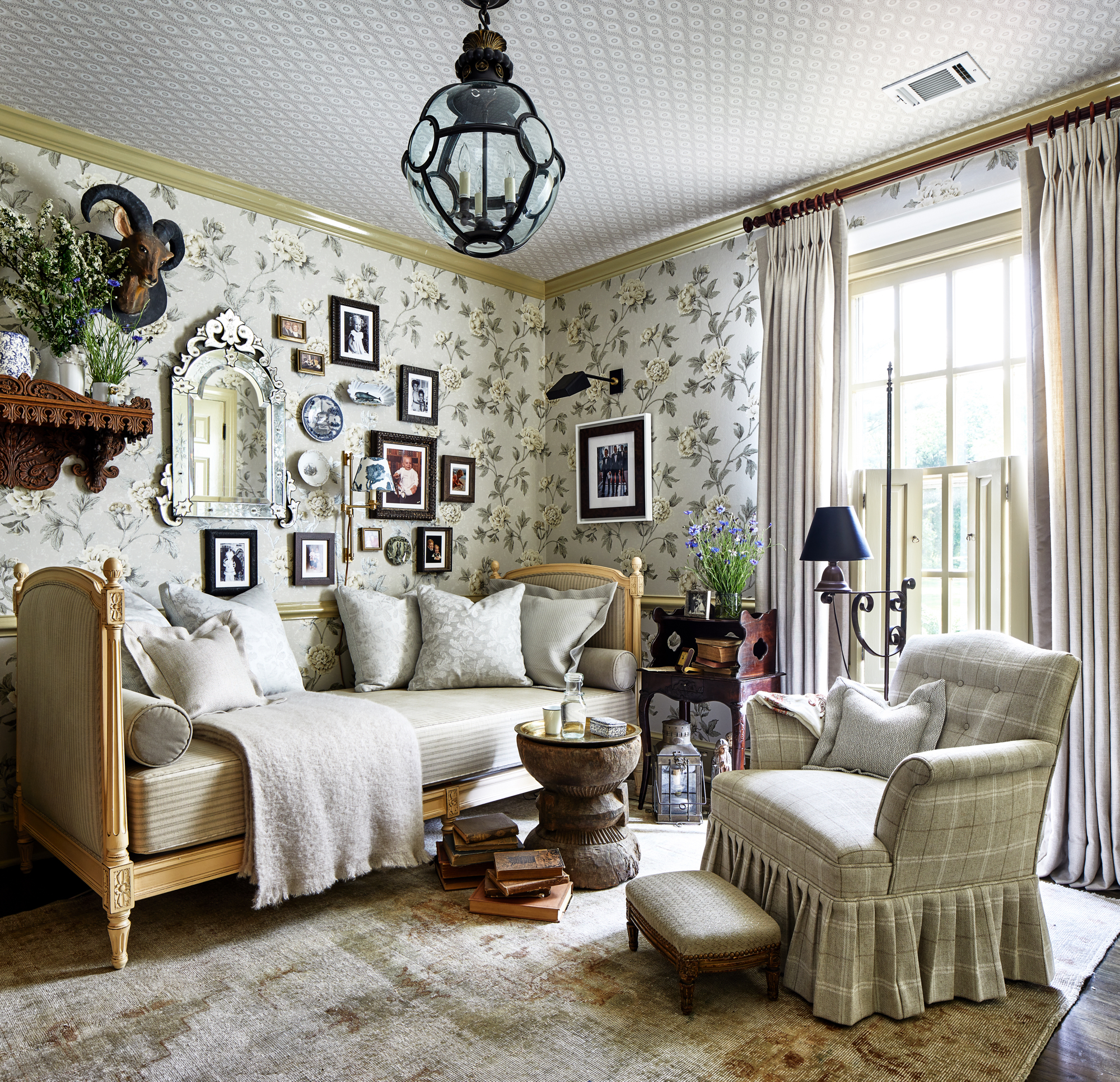
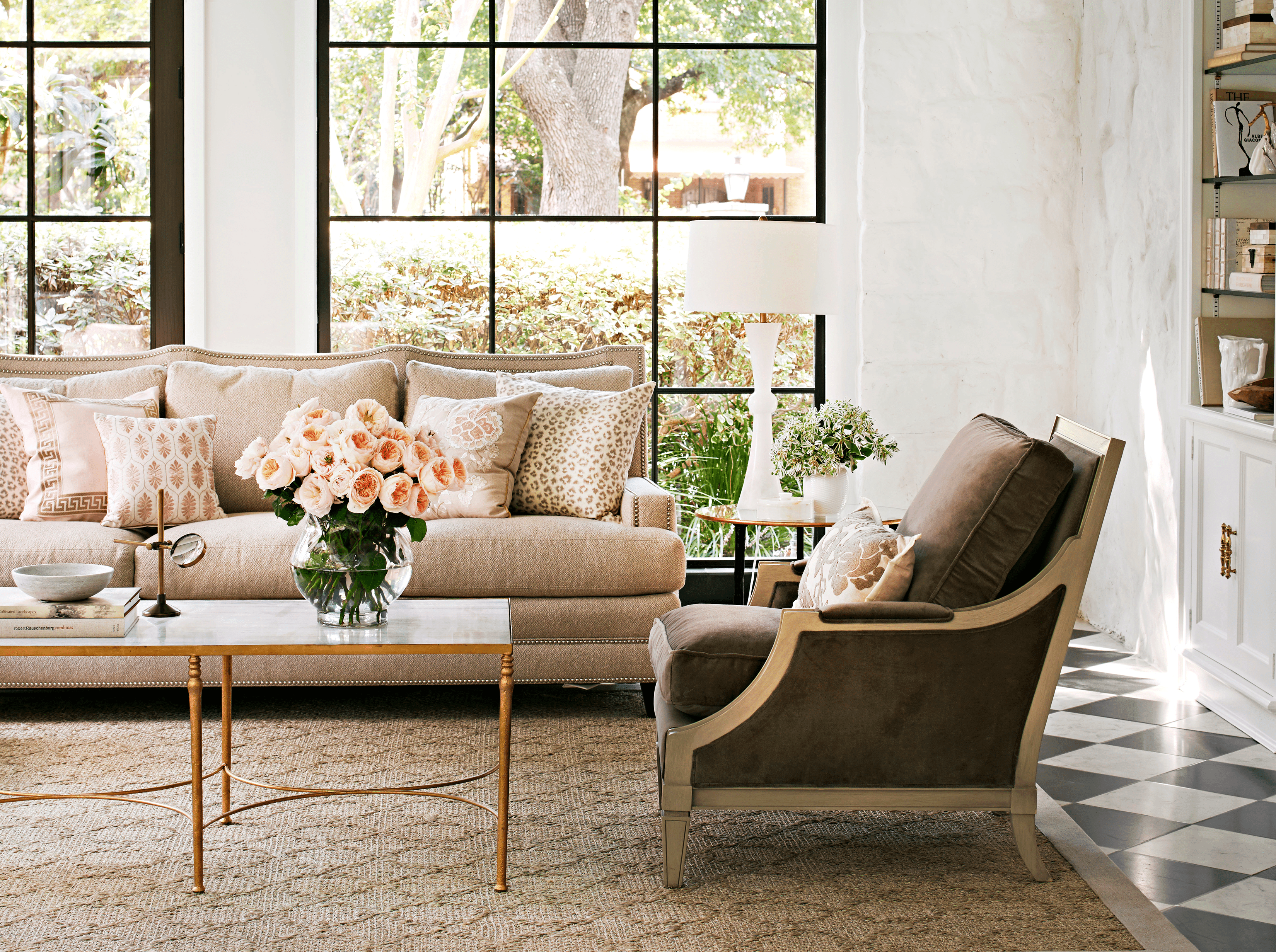
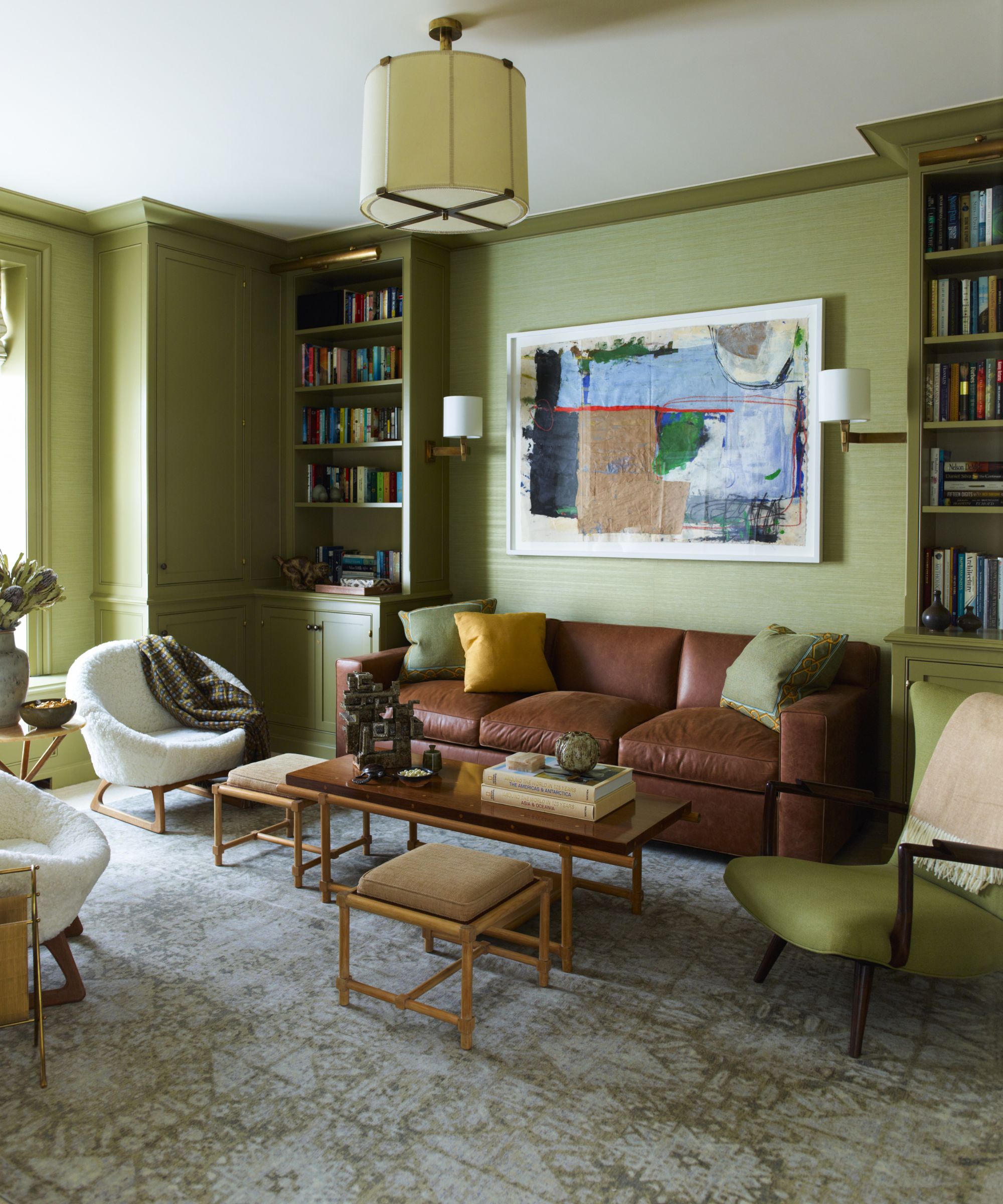
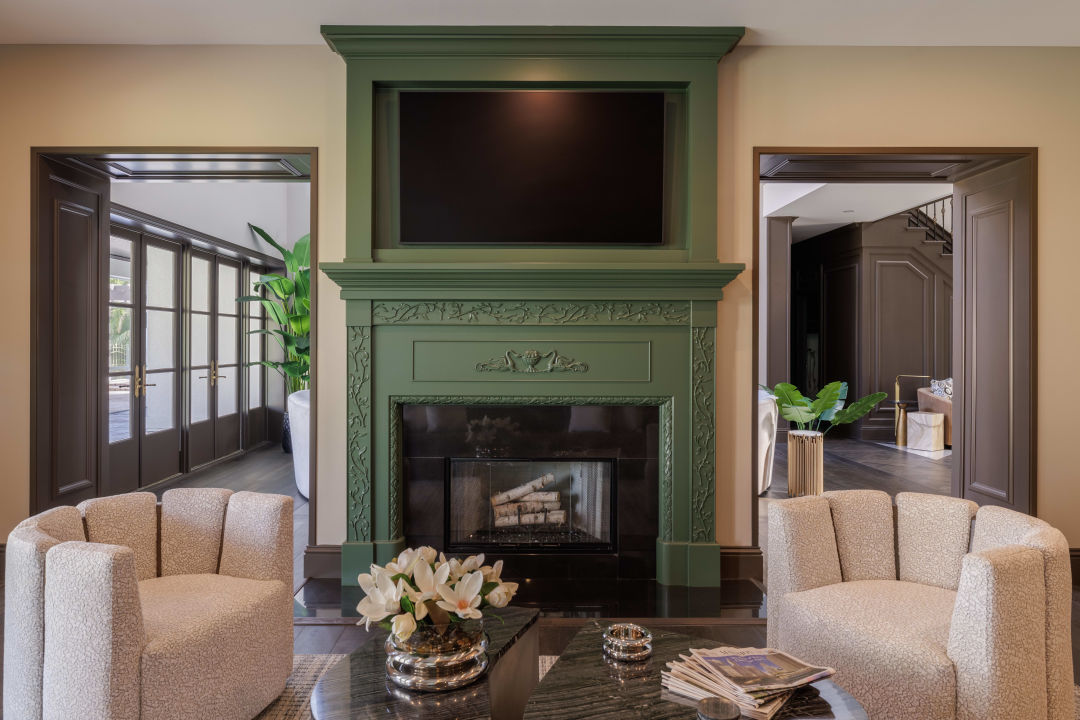
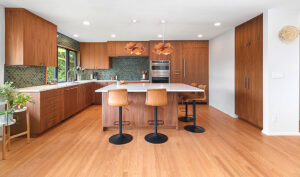
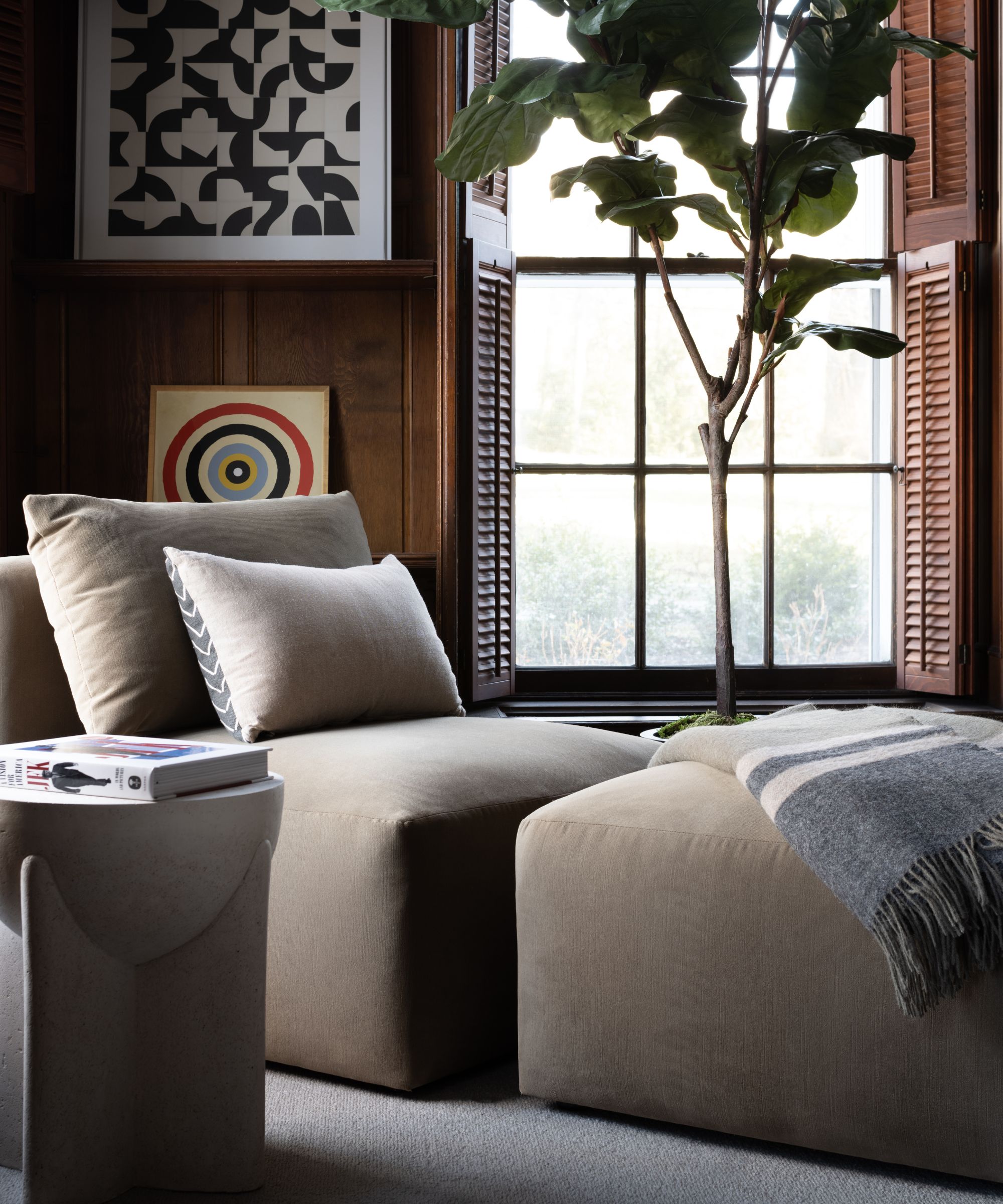
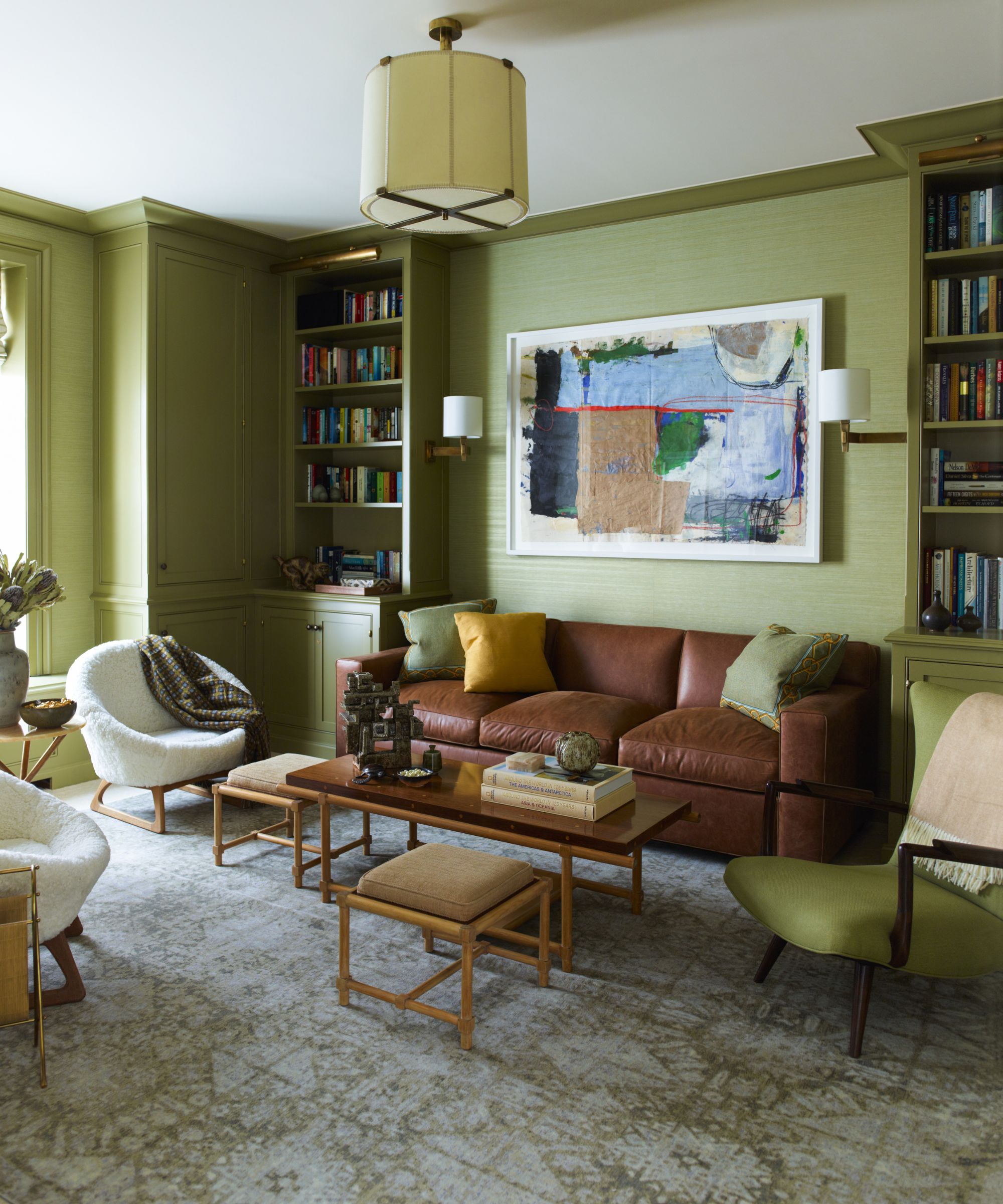
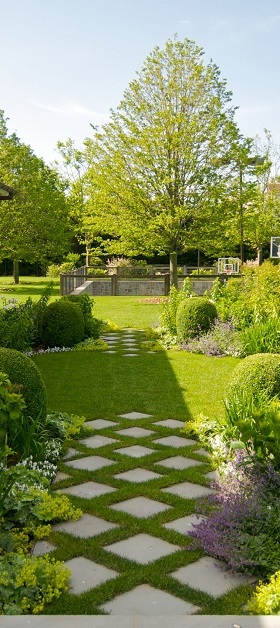
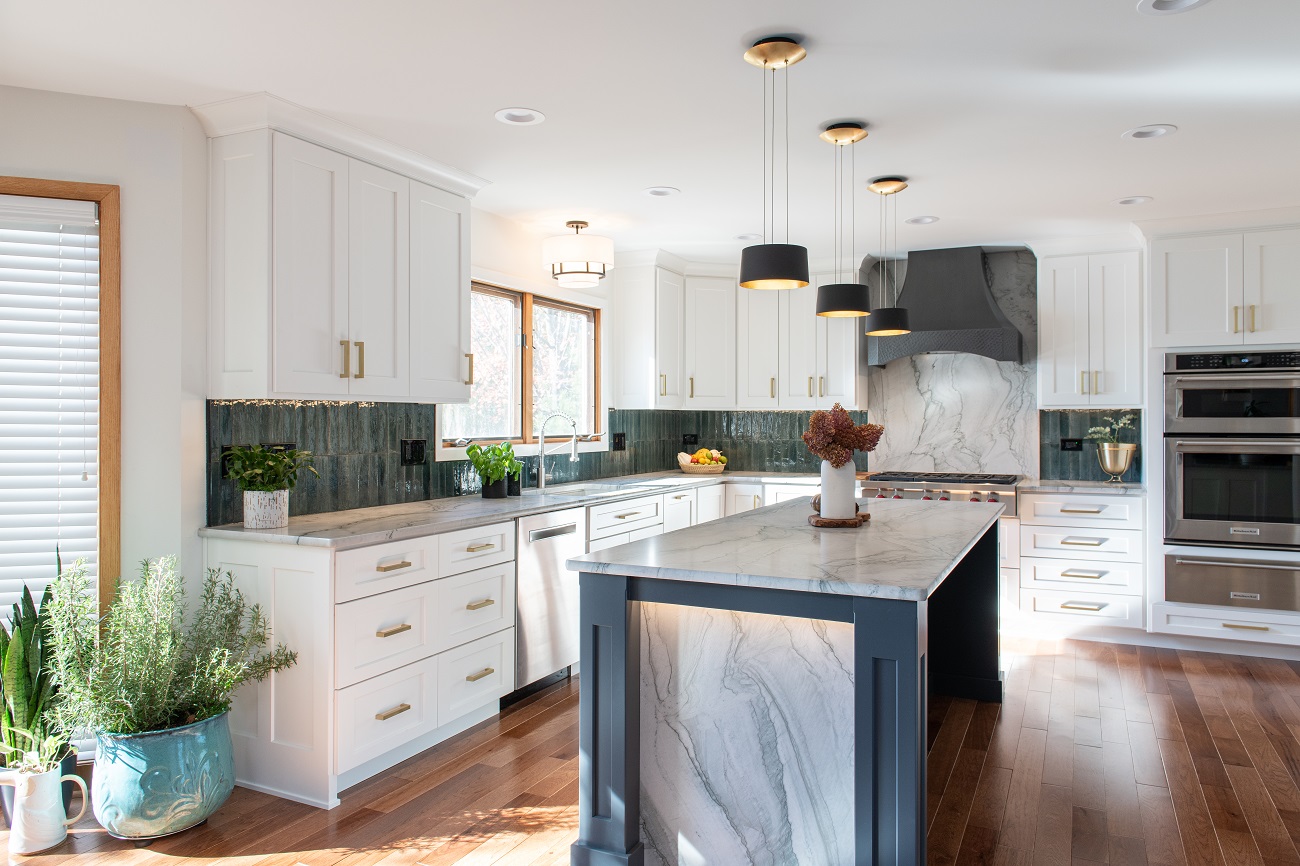
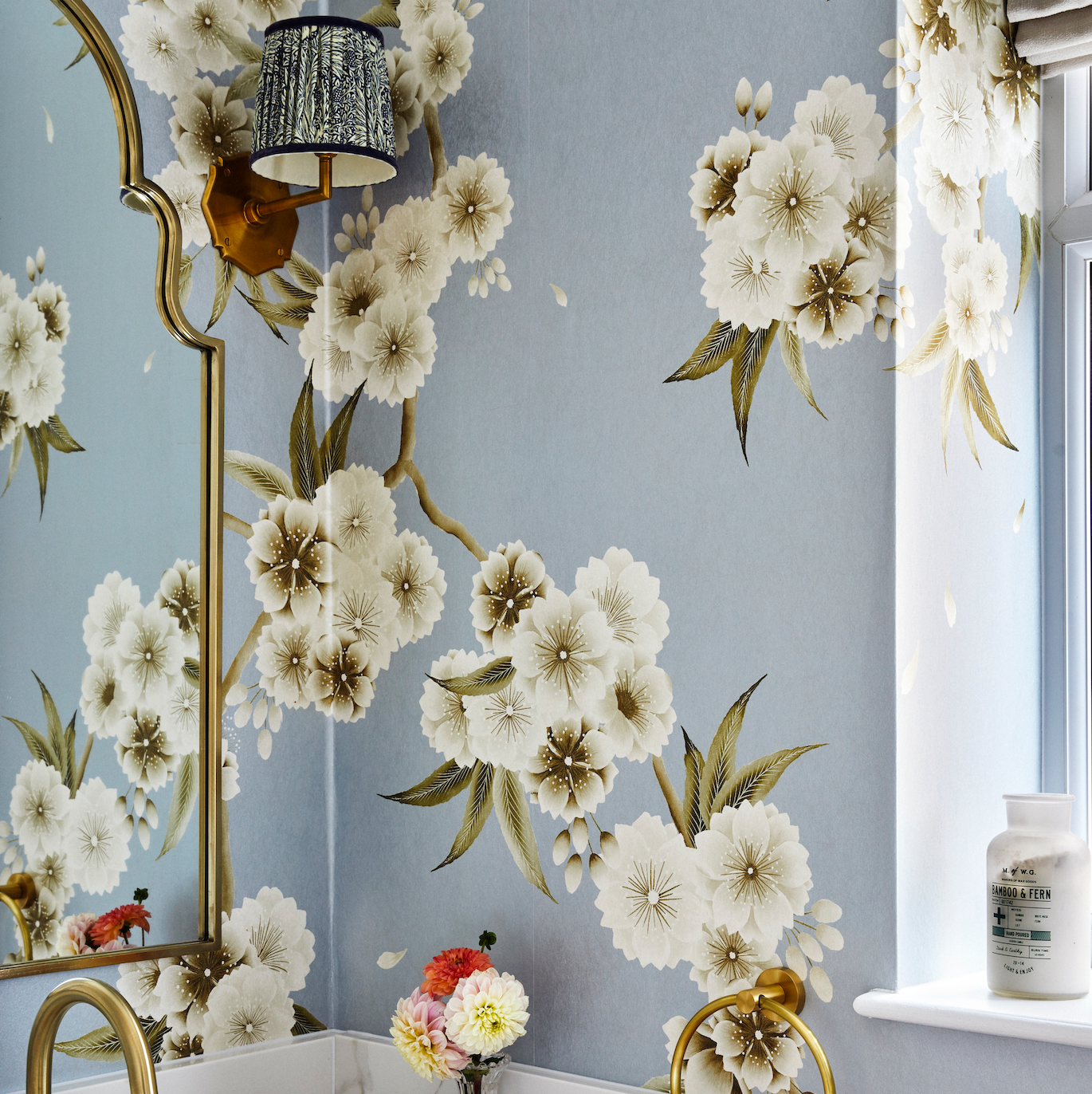
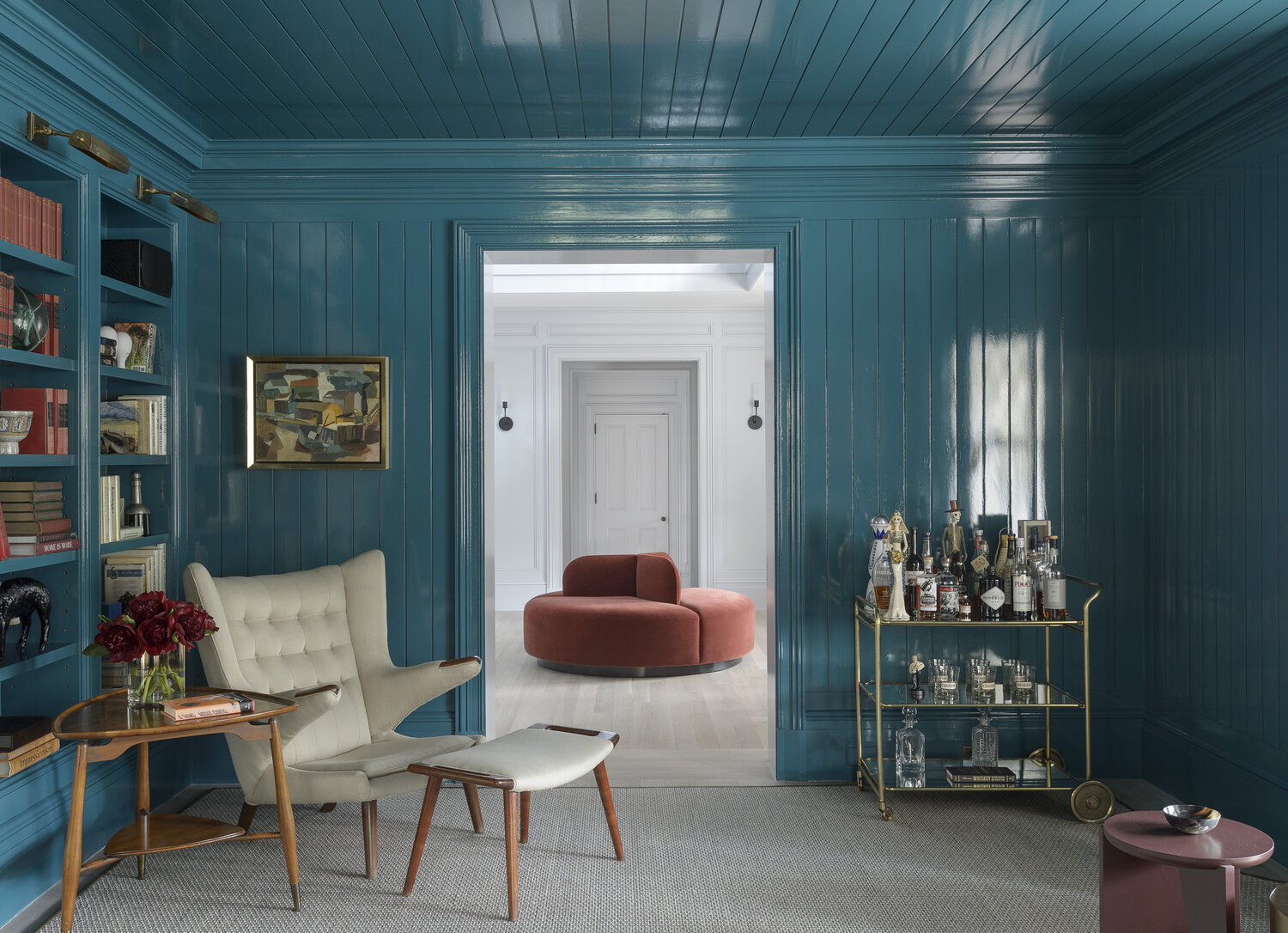
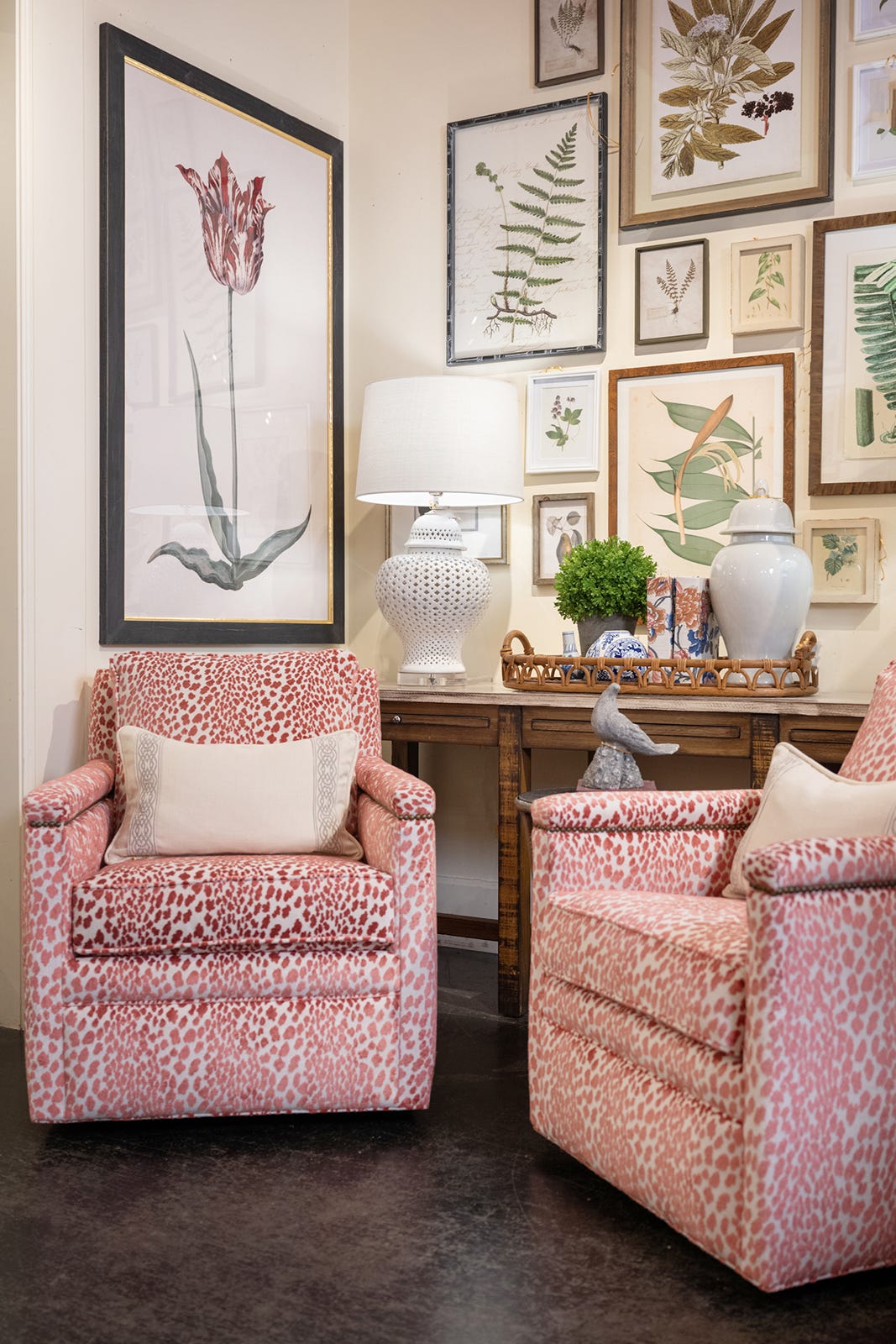
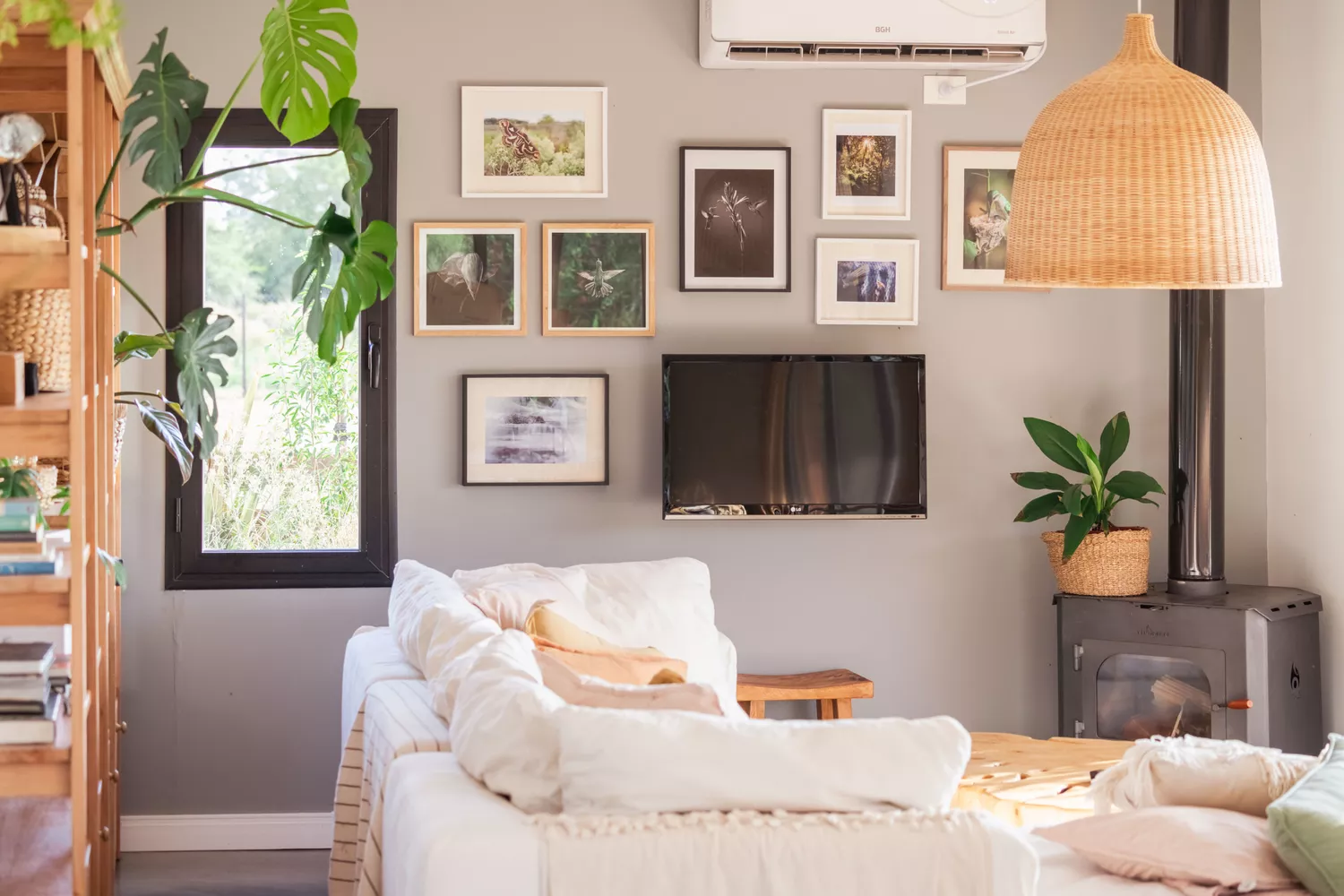
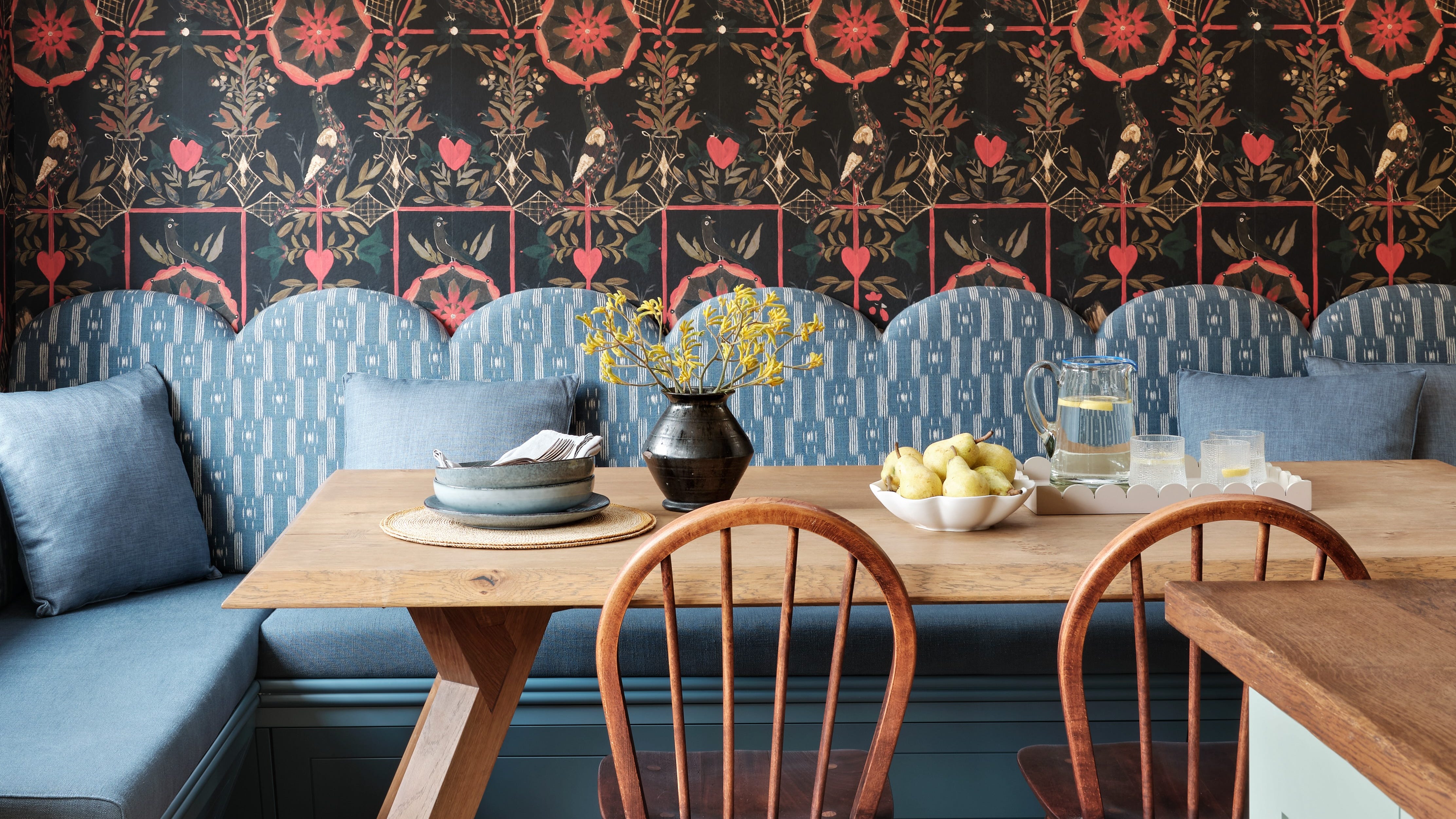
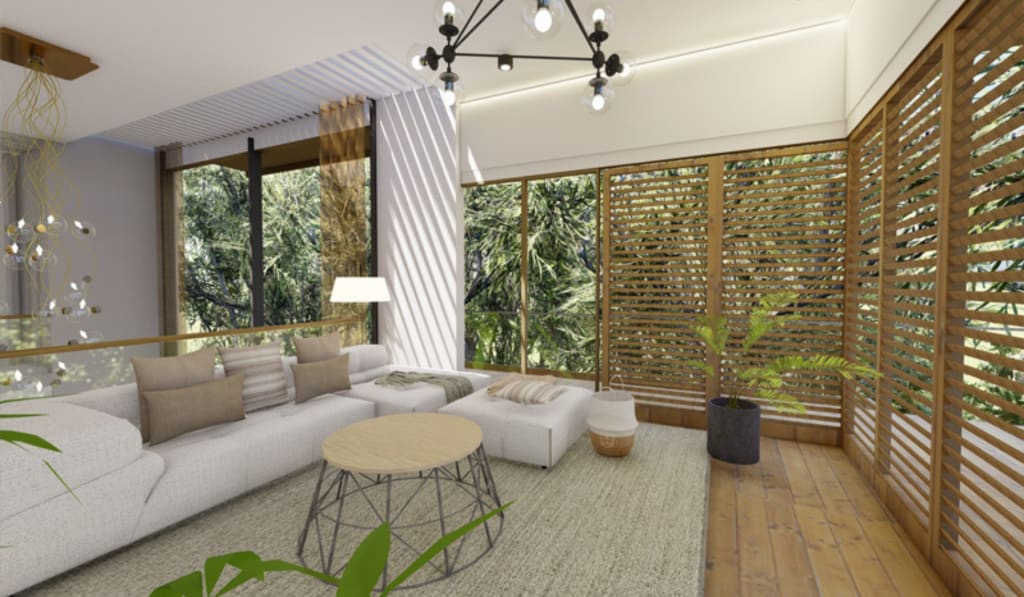
Biophilic design principles are expected to remain a dominant force, emphasizing the integration of nature into indoor environments. This trend, gaining momentum even before the recent shift to remote work, is supported by studies highlighting the benefits of plants on concentration, stress reduction, and indoor air quality. Pinterest data further corroborates this, showing a 150 percent increase in searches for "biophilic architecture," alongside significant jumps for terms like "biophilic design bedroom" and "floral ceiling." Beyond just plants, green-painted interiors and flora- and fauna-patterned wallpapers are also predicted to be popular, encouraging a palette of emerald and moss tones.
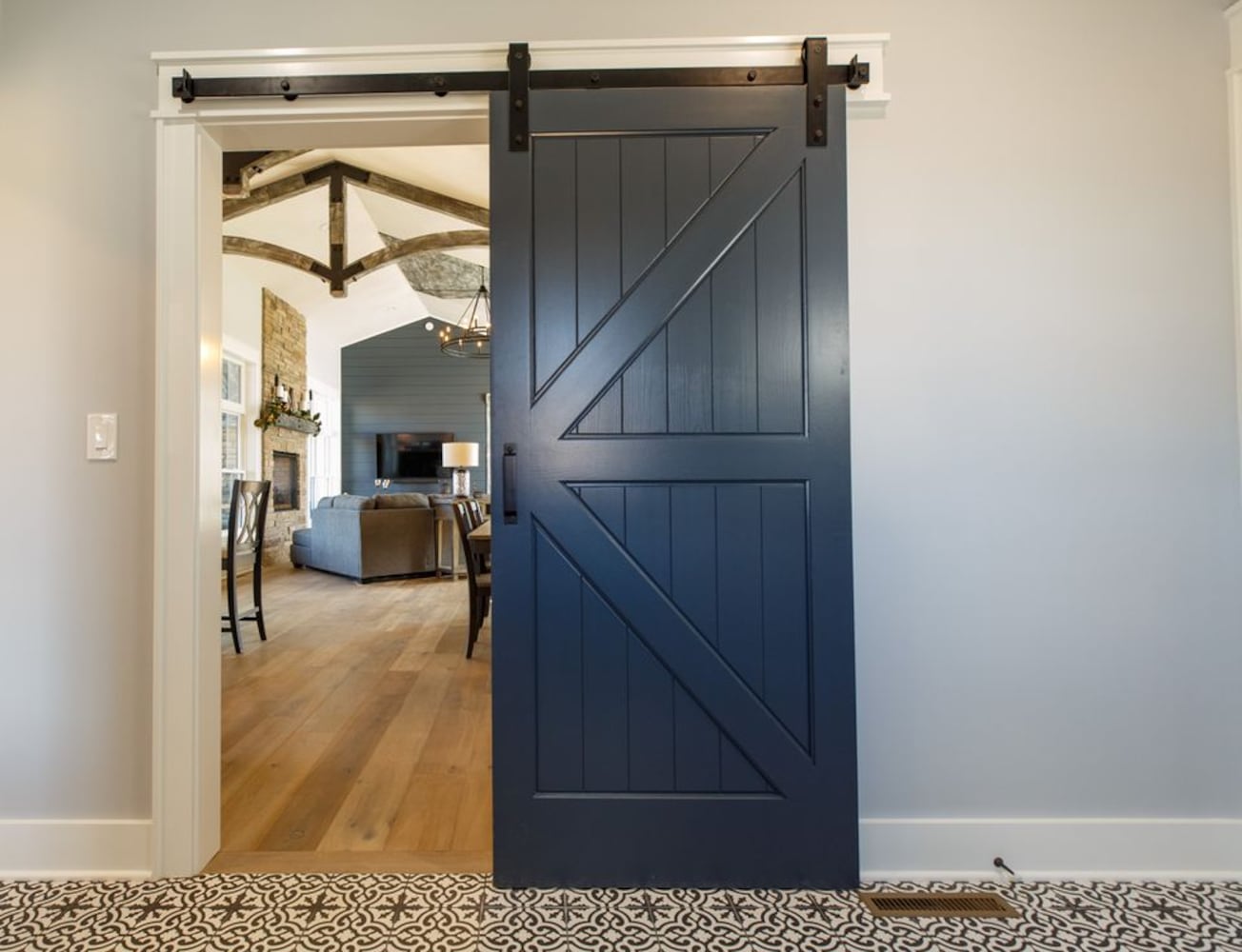
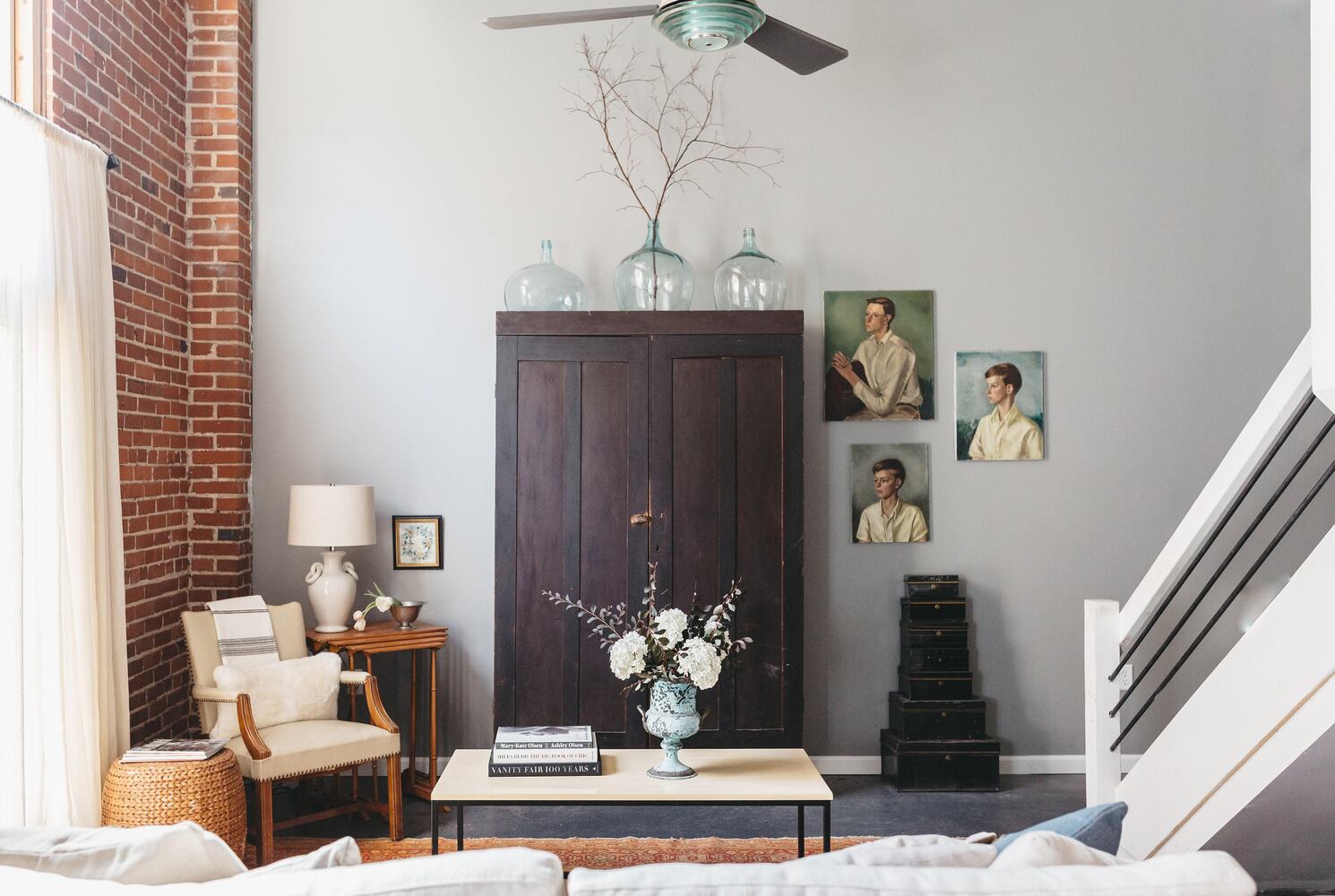
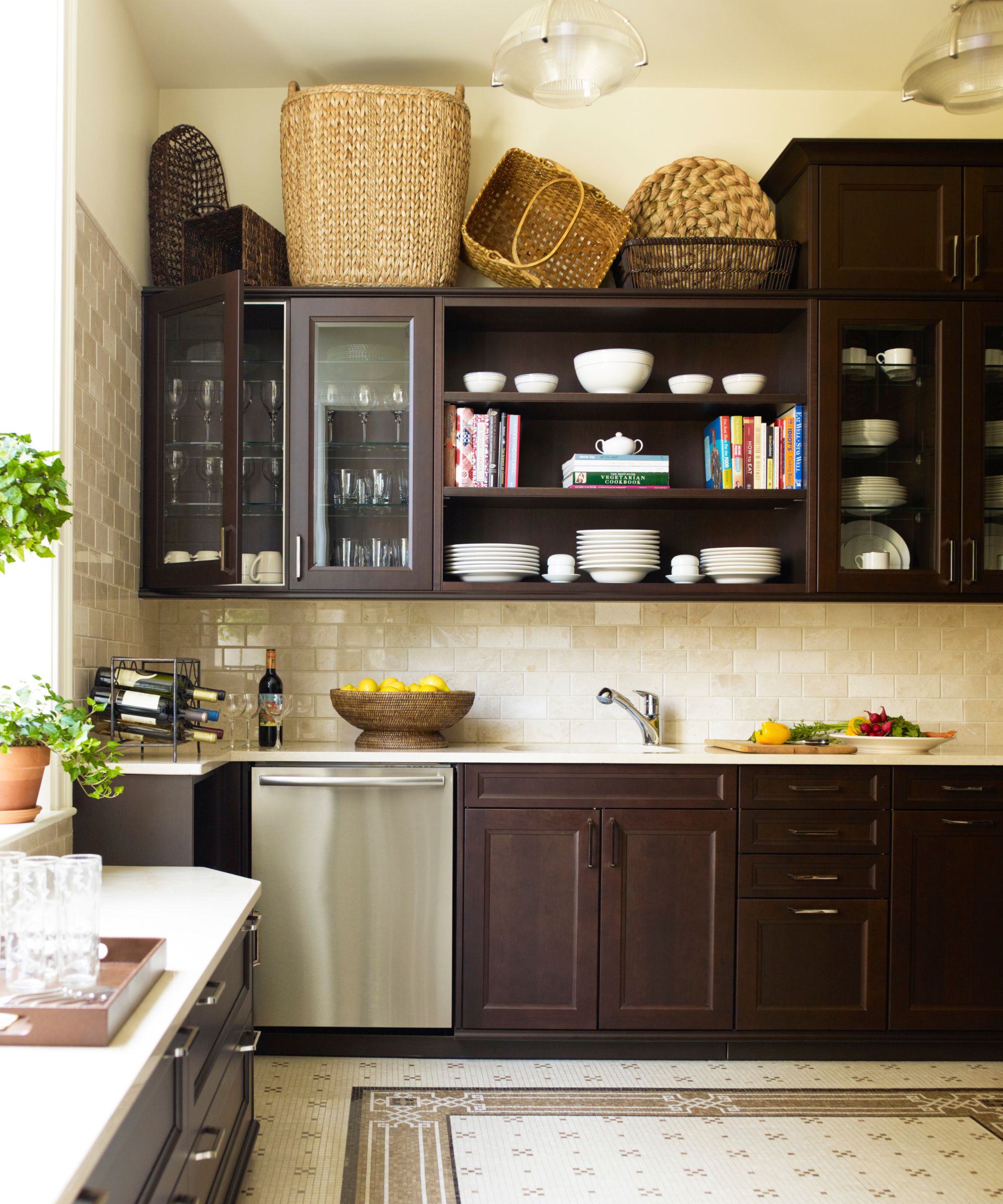
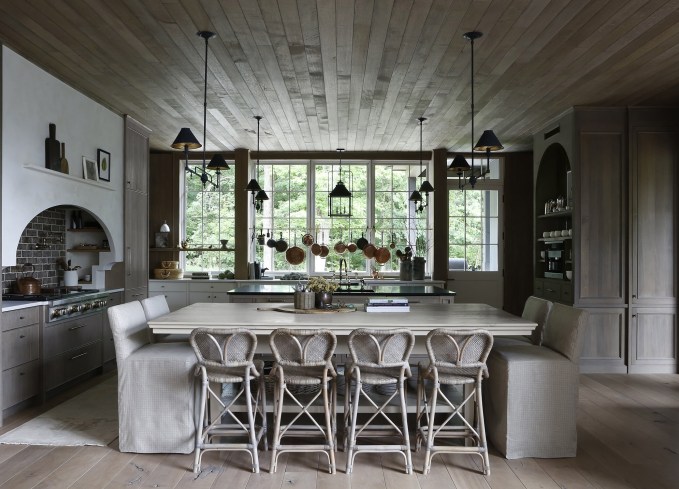
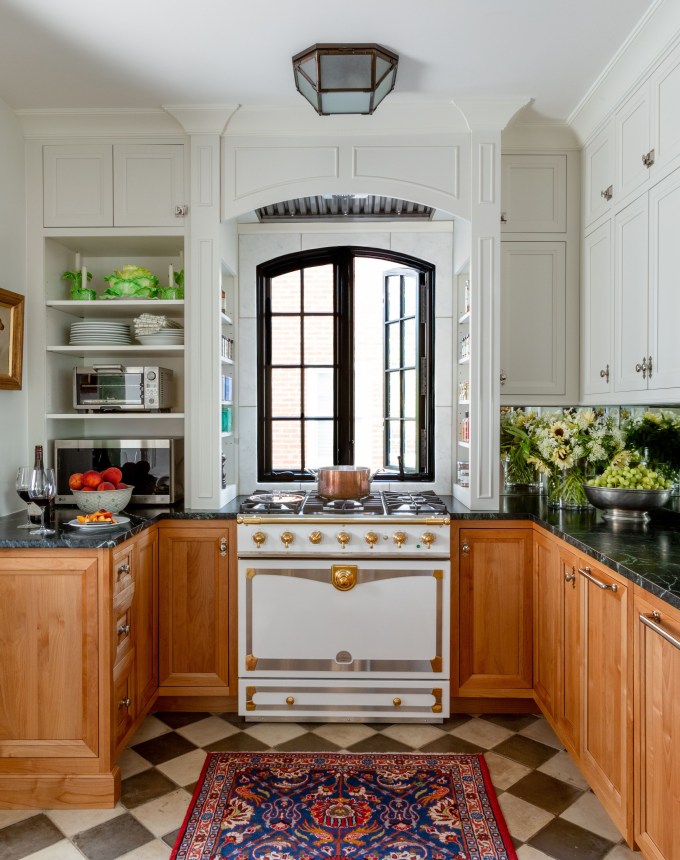
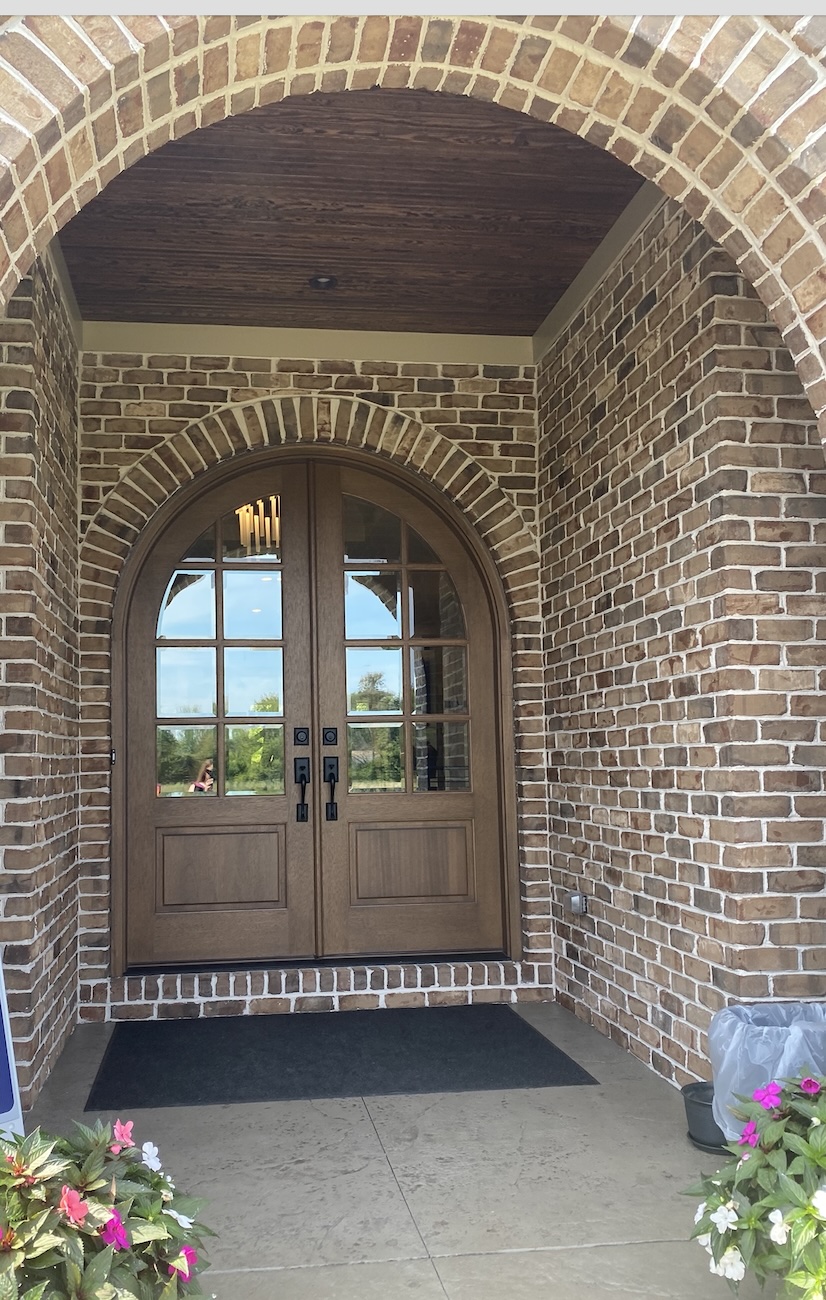
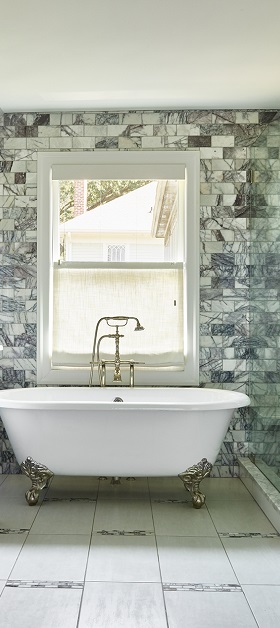
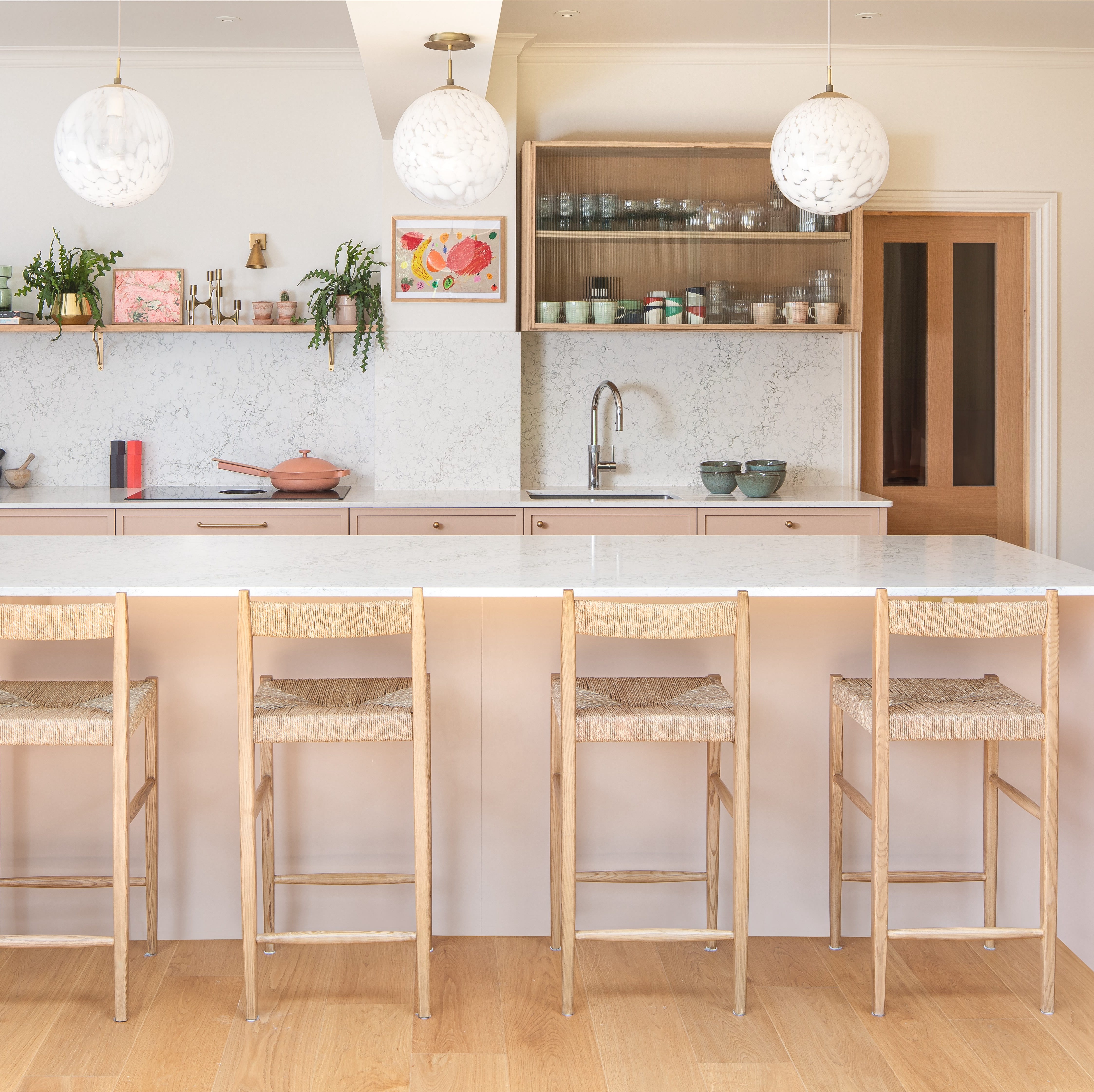
Sustainable and reclaimed materials will also see a surge in popularity. A survey by 1stDibs indicated that approximately 97 percent of interior designers expect sustainable materials to be paramount in 2022. Jean Lin suggests that the pandemic-induced rush for immediate utility will be replaced by a demand for timelessly chic and functional furnishings with longer lifespans. Designers Isabelle Dubern-Mallevays and Anna Zaoui of The Invisible Collection foresee reclaimed wood and stone becoming prominent in both architecture and interior design. This extends to construction methods, with firms like GRT Architects focusing on improving existing historic structures rather than new builds, reflecting a growing interest in adaptive reuse projects such as barn and warehouse conversions.
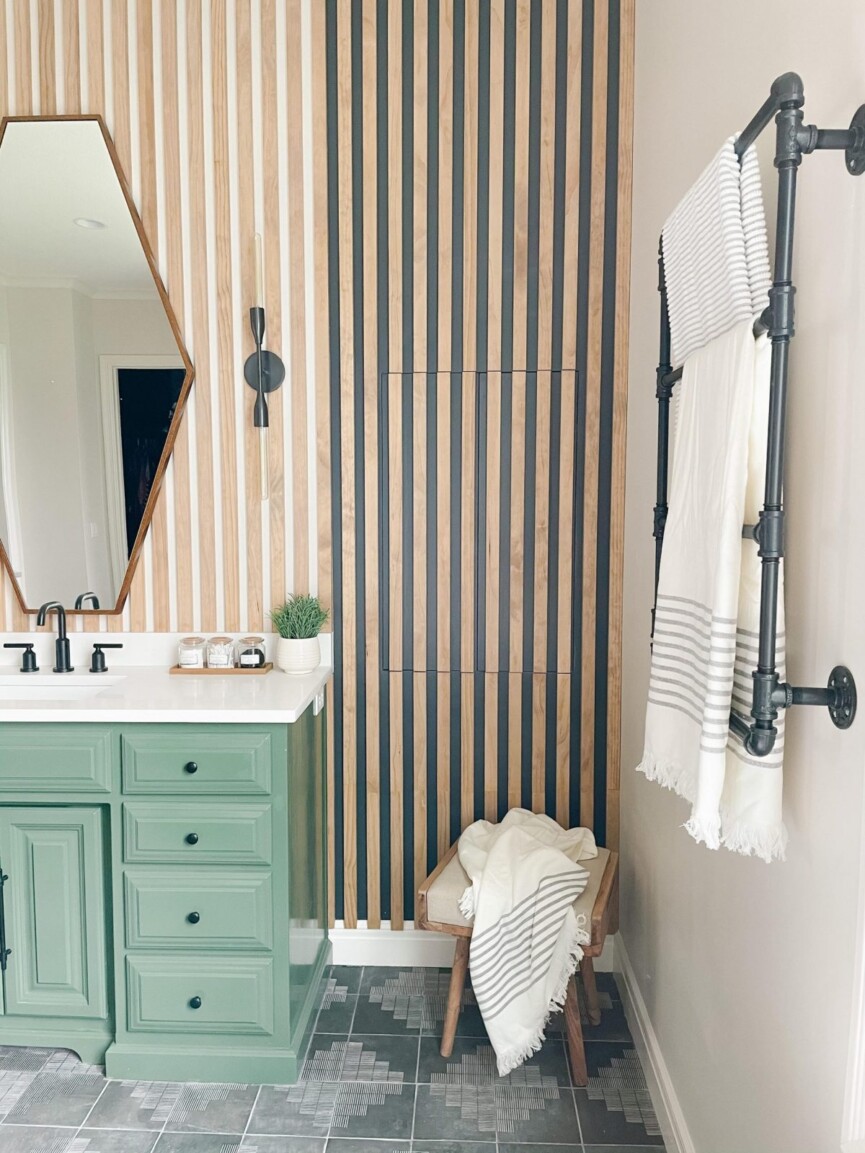
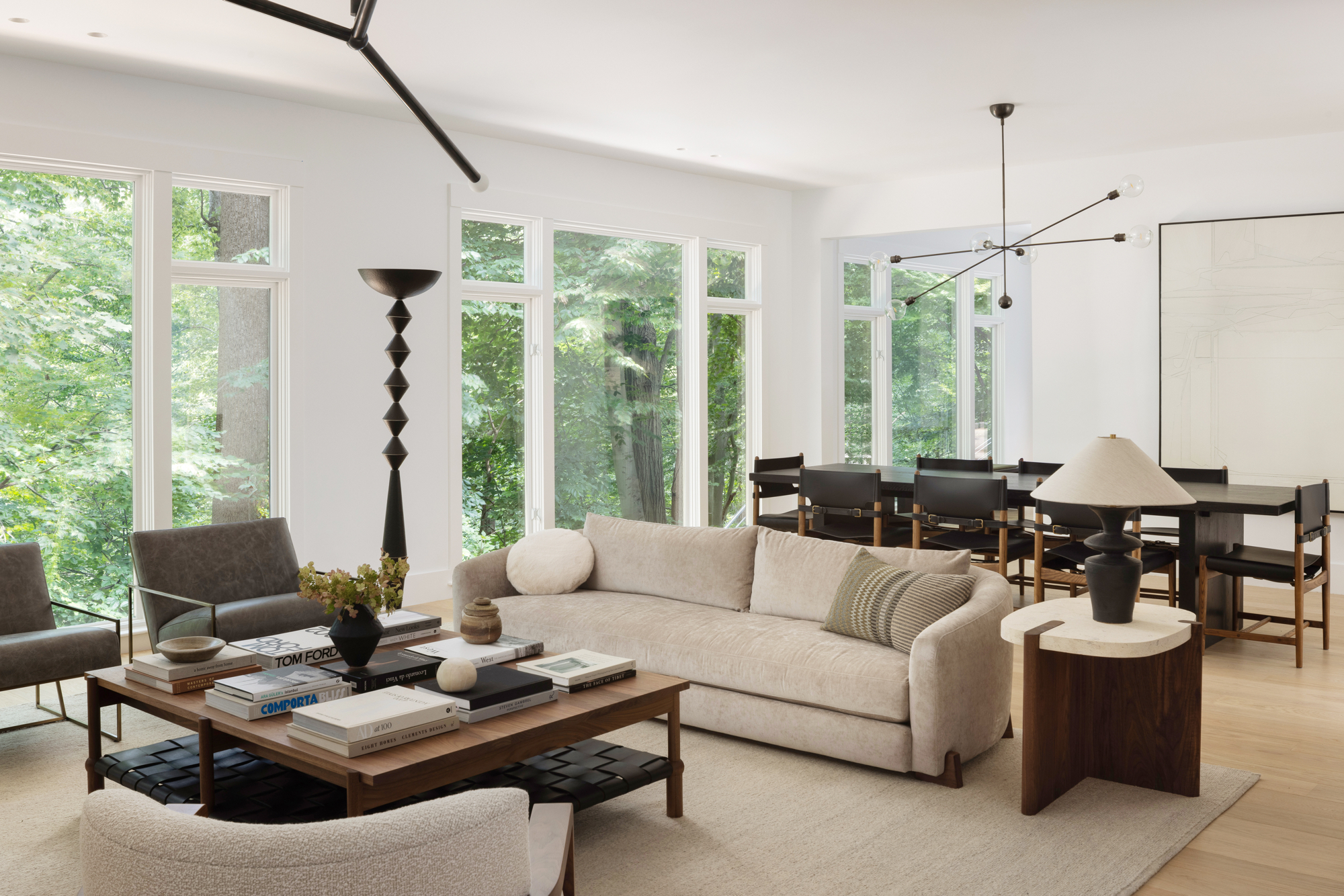
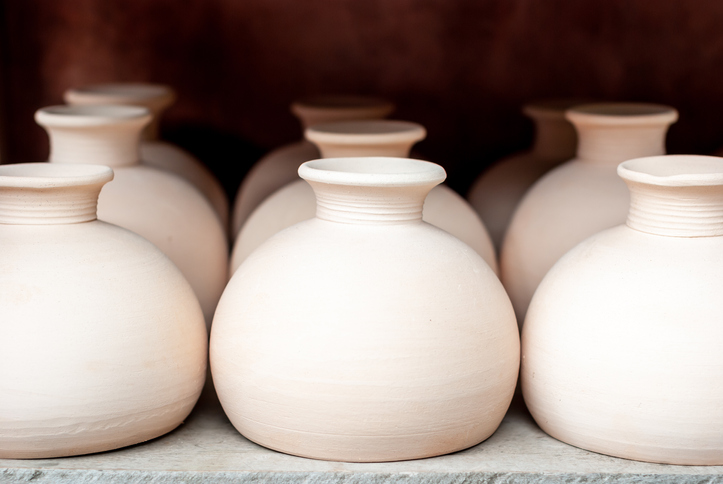
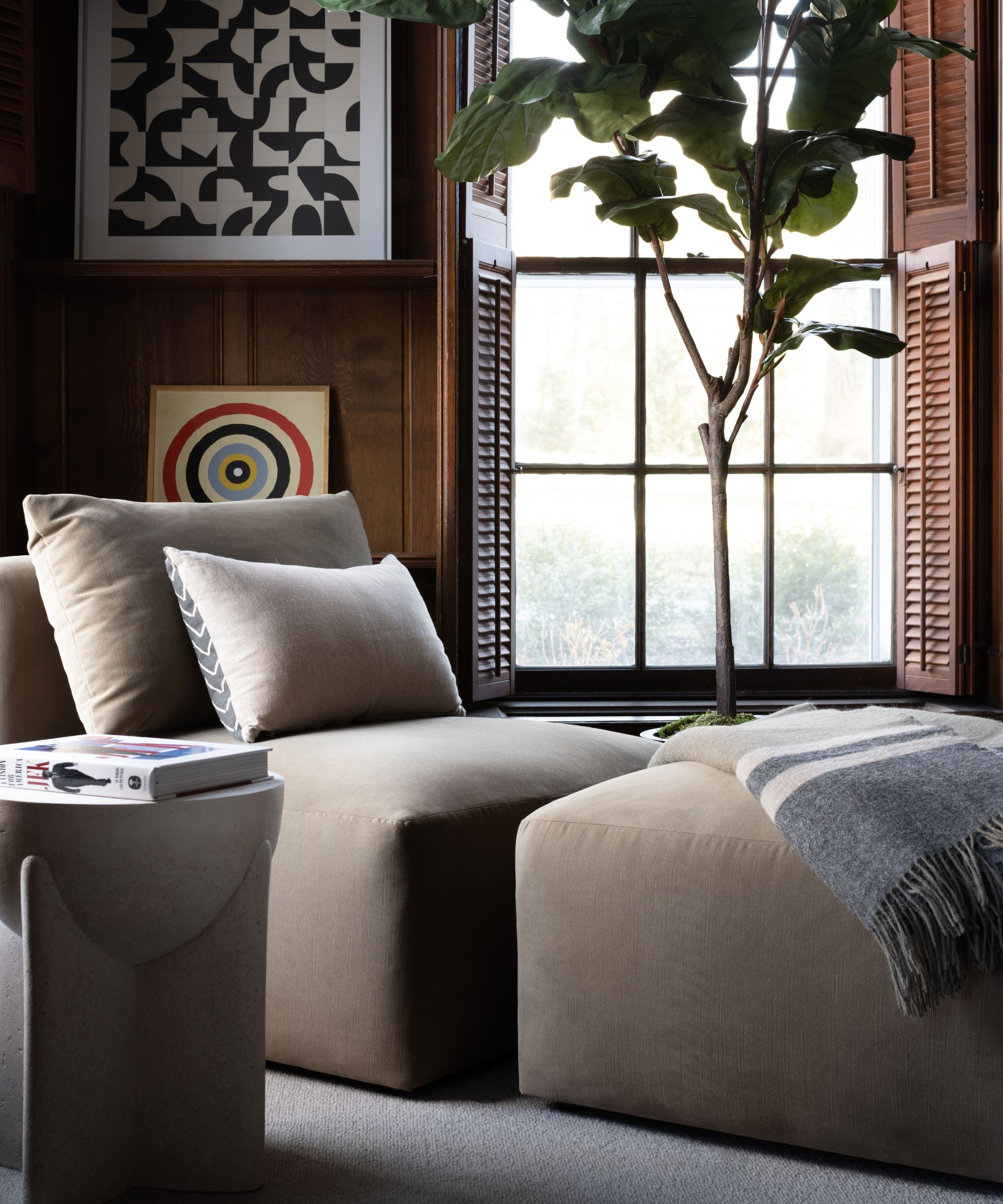
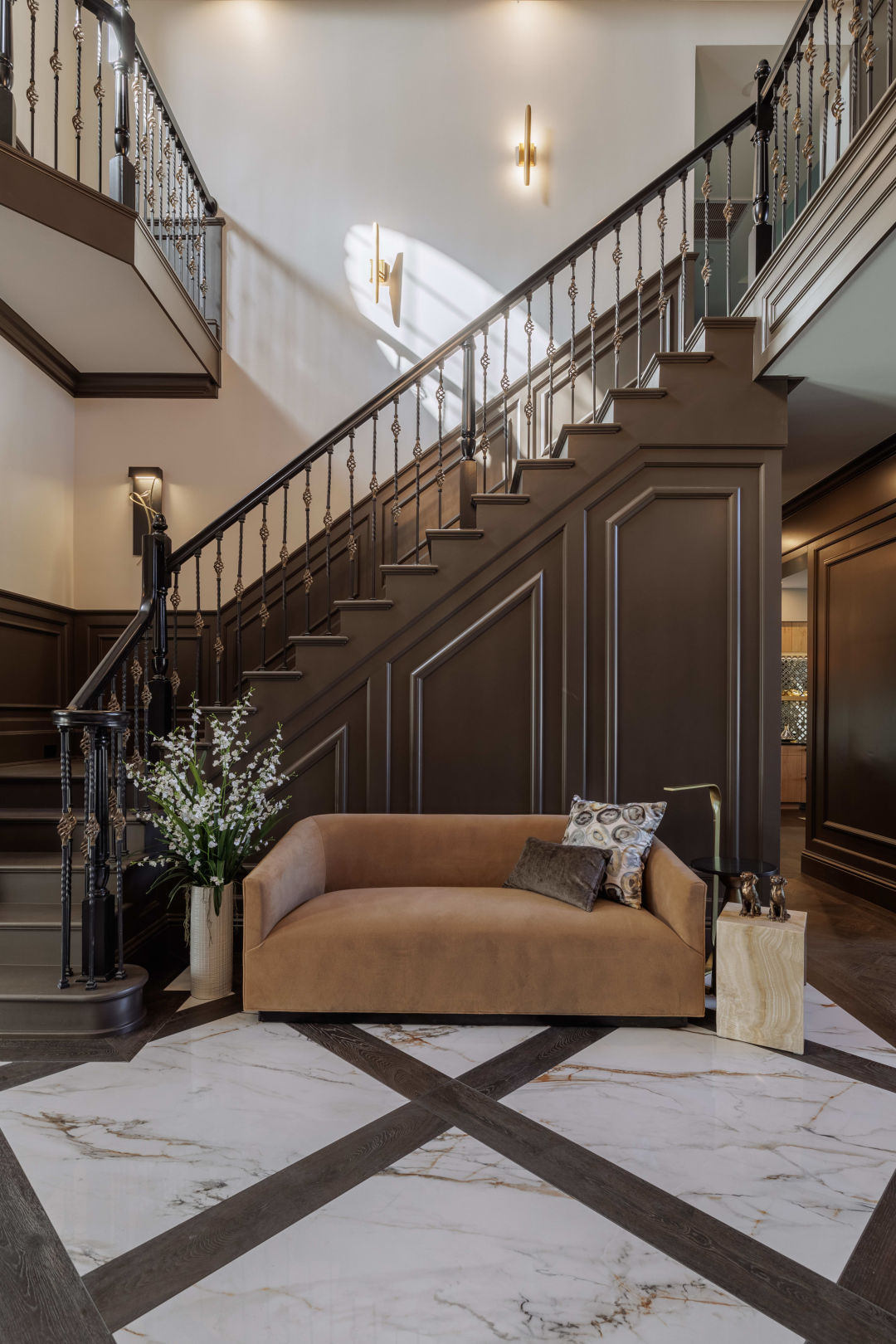
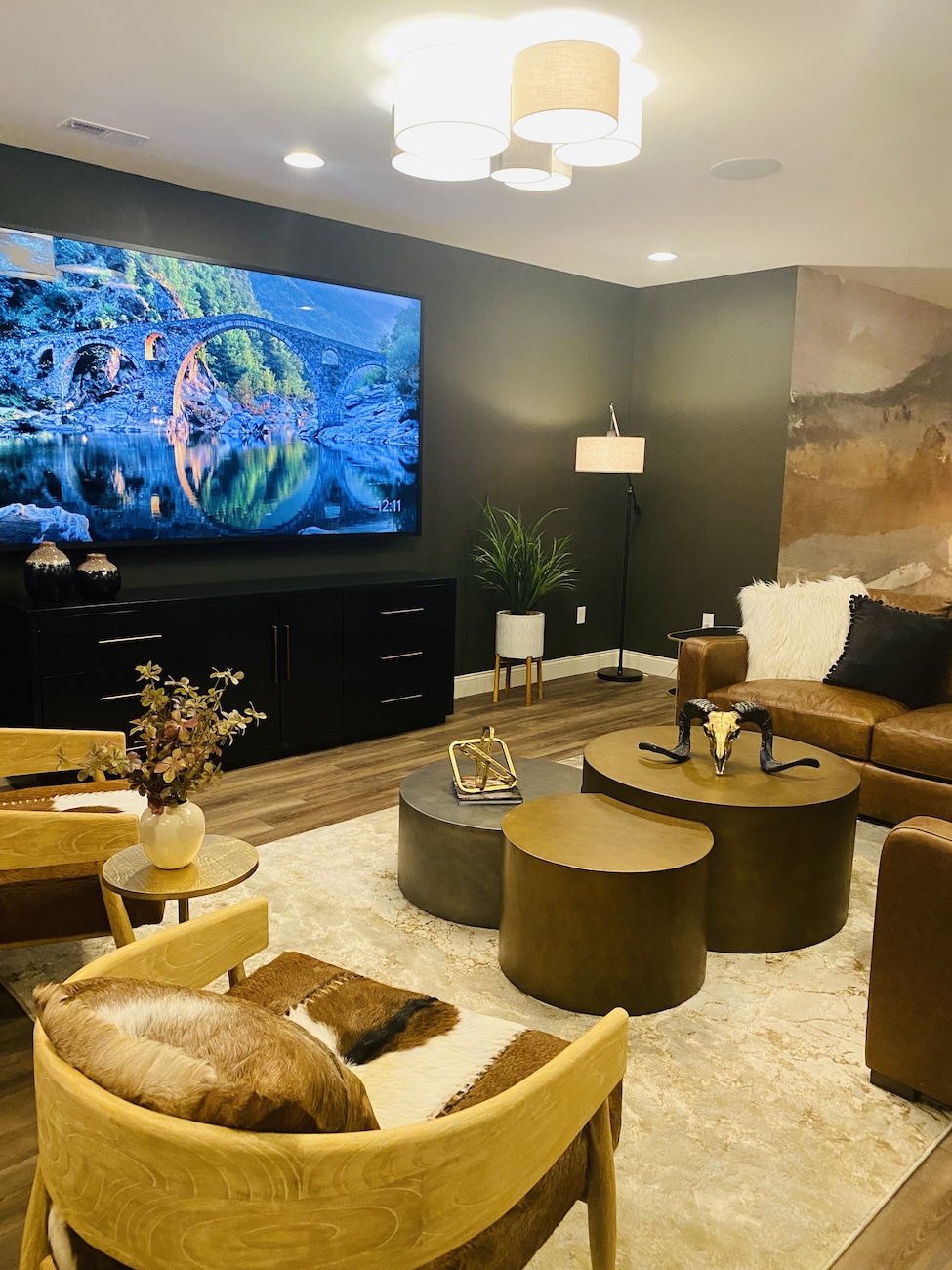
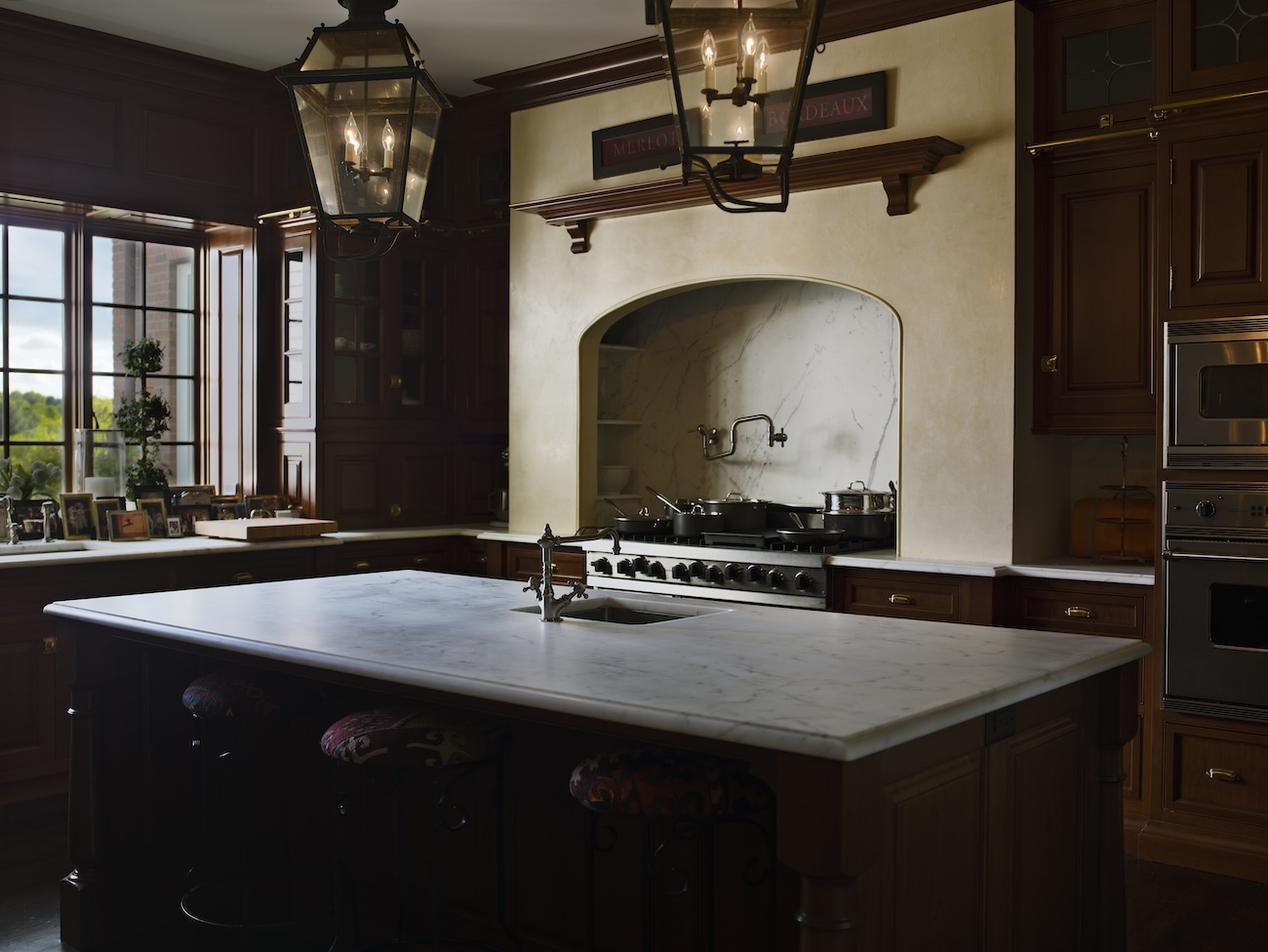
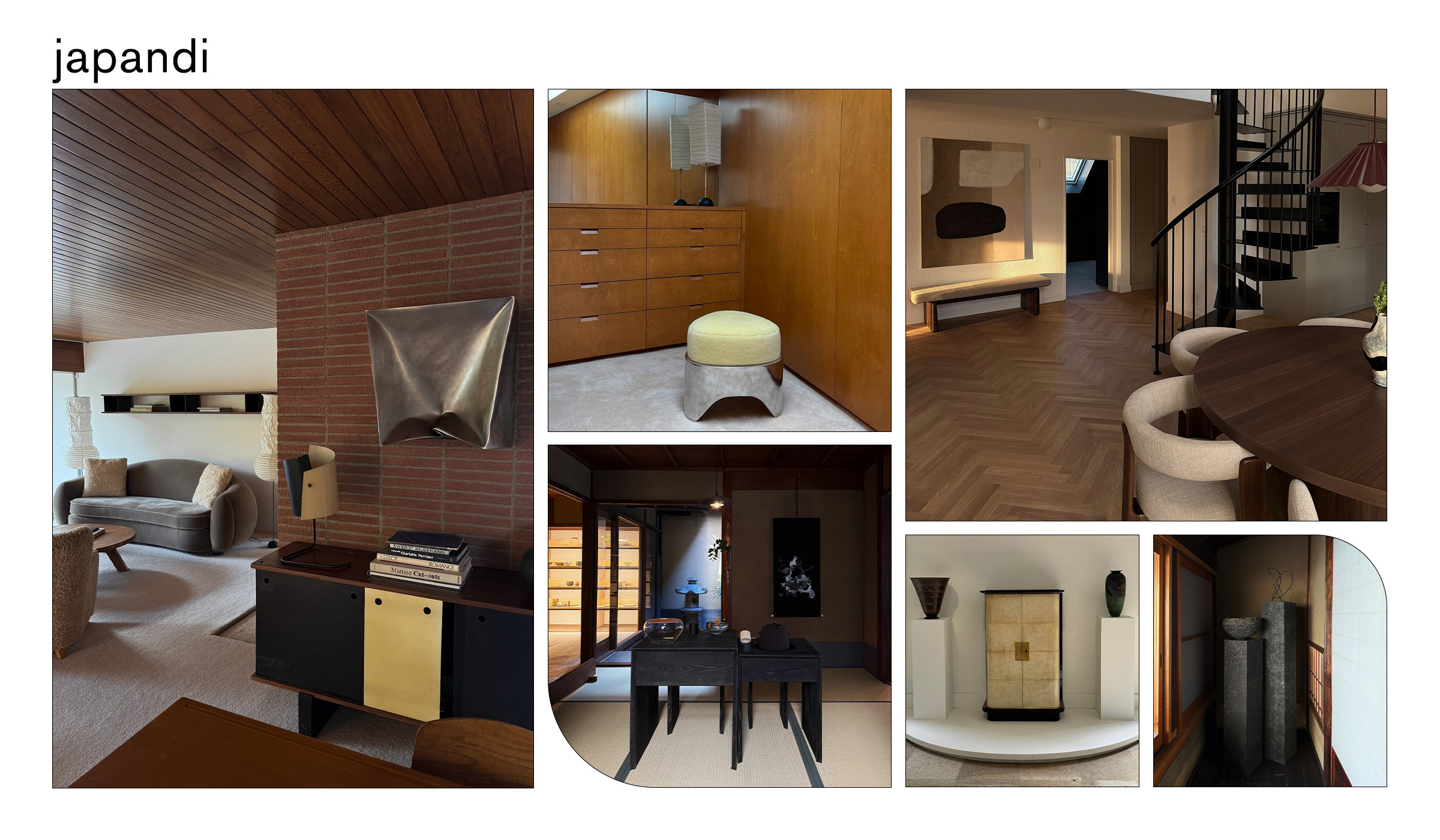
Tactile and earthy textures are set to be a key element, with materials like wood, plaster, bronze, and leather gaining traction. Frederick Tang, principal of Frederick Tang Architecture, anticipates a rise in finishes such as plaster, clay, and lime washes, with greater experimentation in textured applications like raked plaster and grainy stuccos. These durable and often water-resistant materials are expected to move from indoor applications to outdoor spaces and custom furniture.
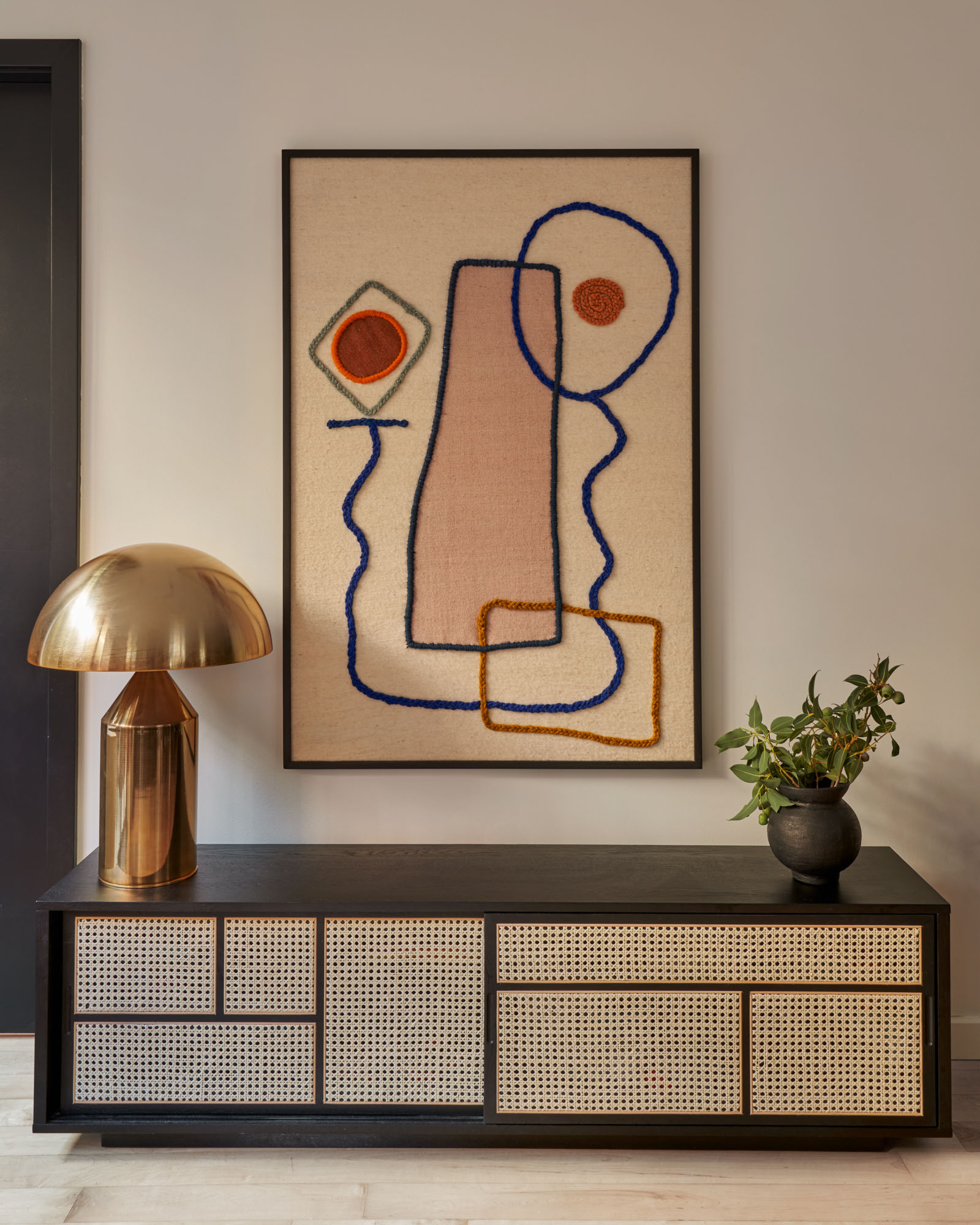
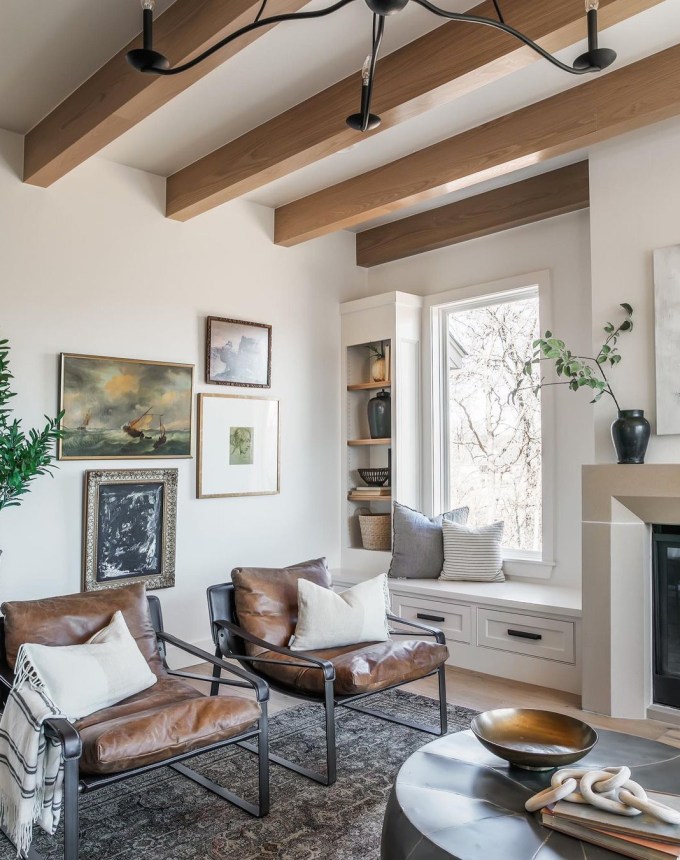
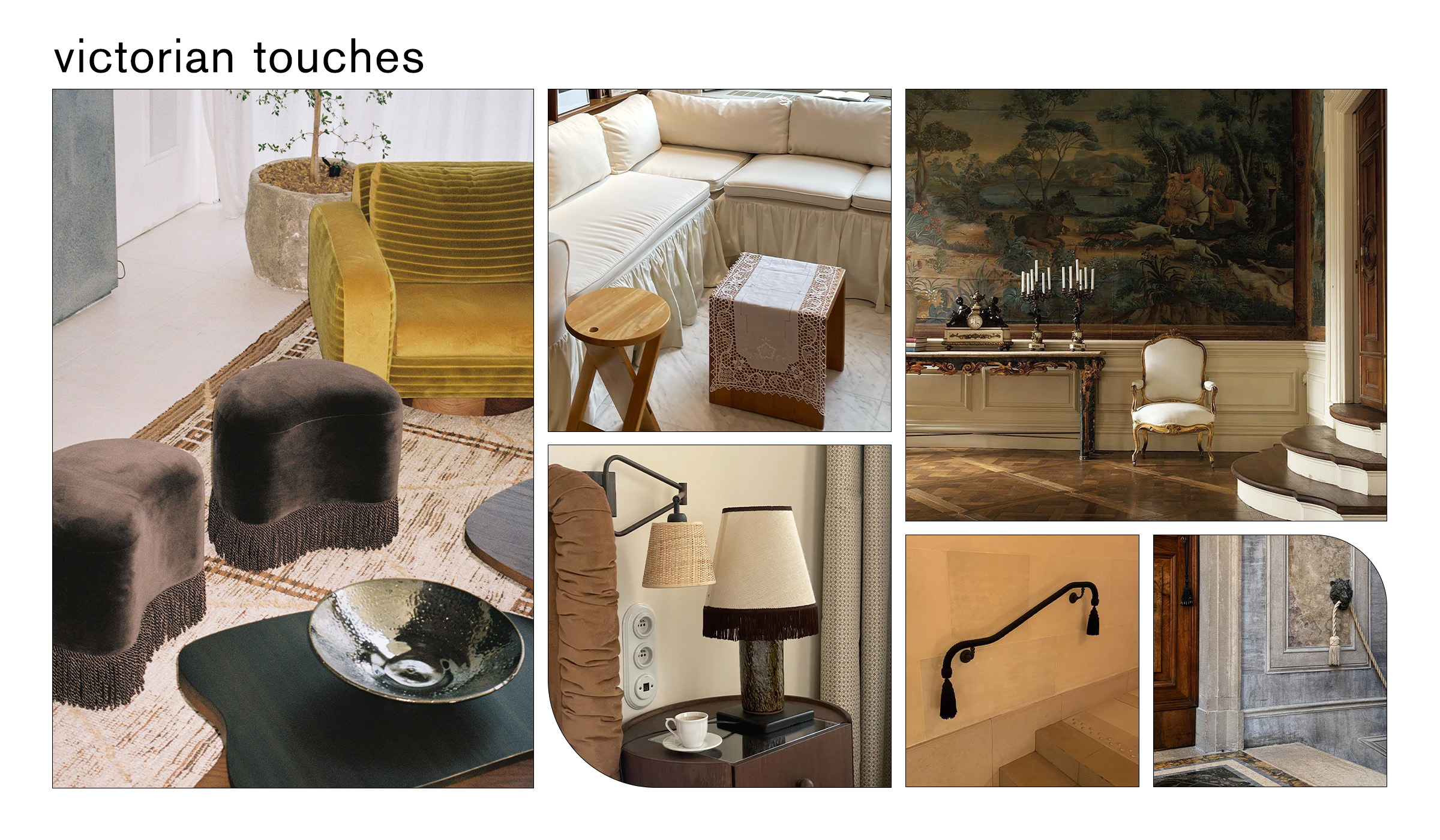
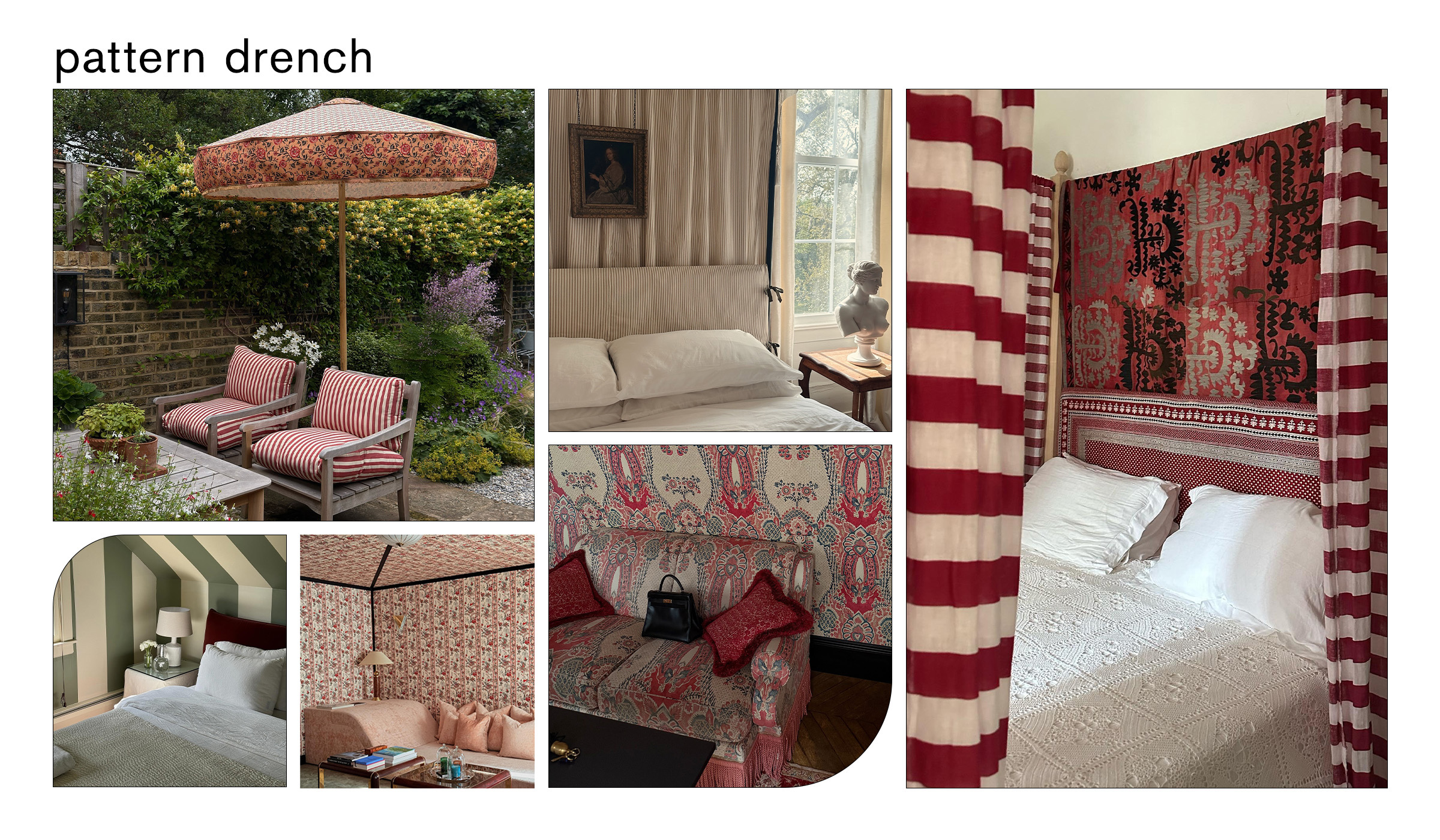
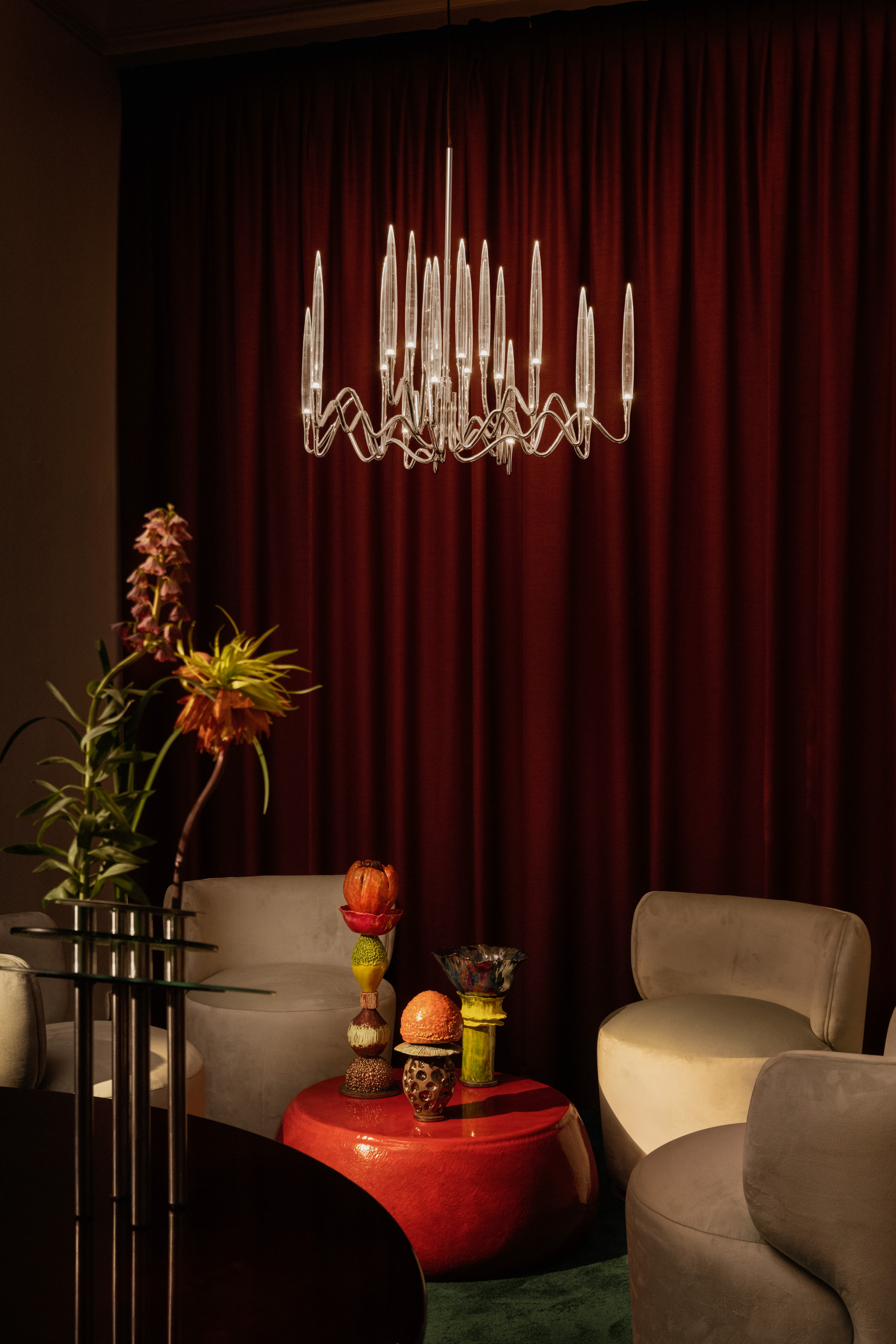
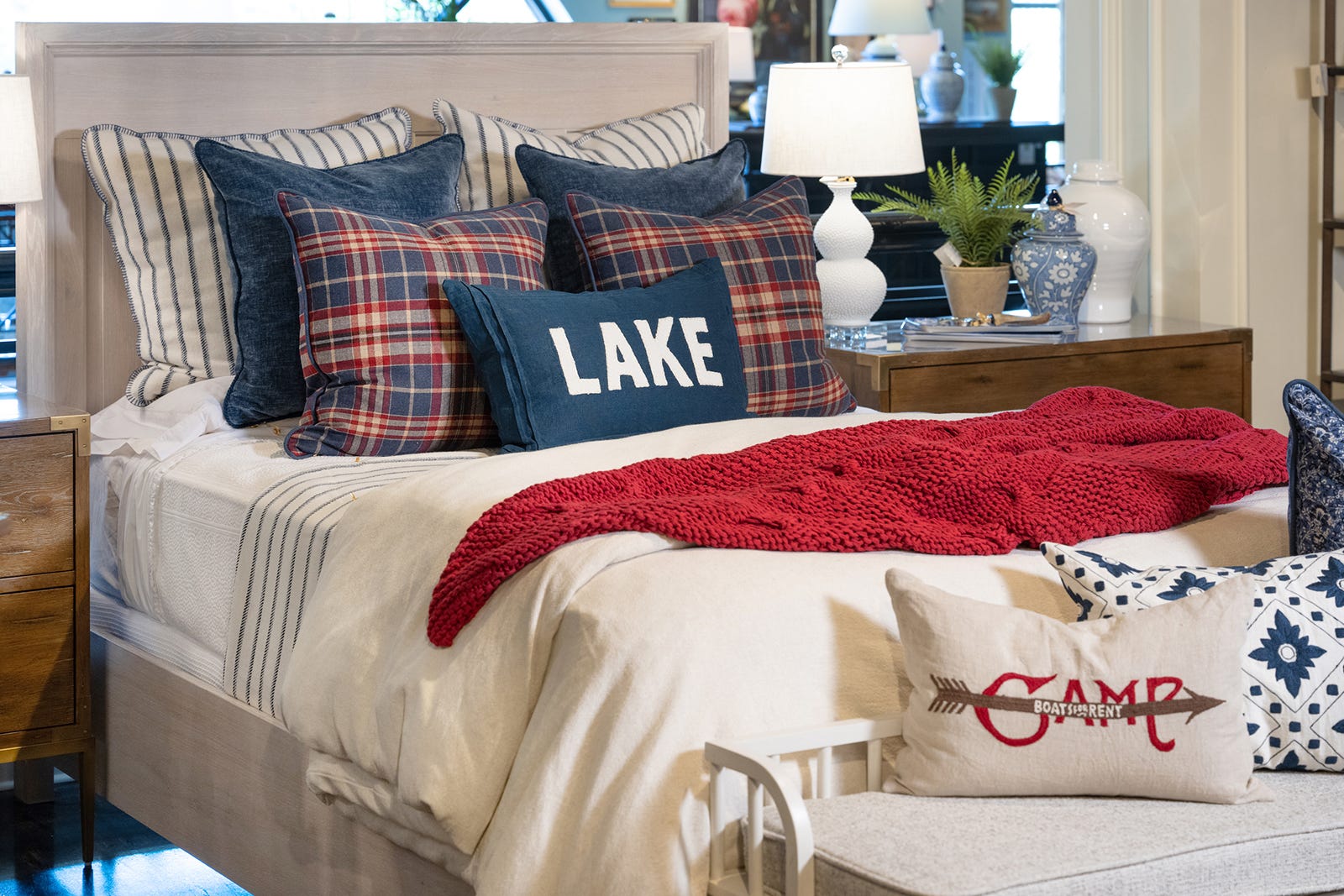
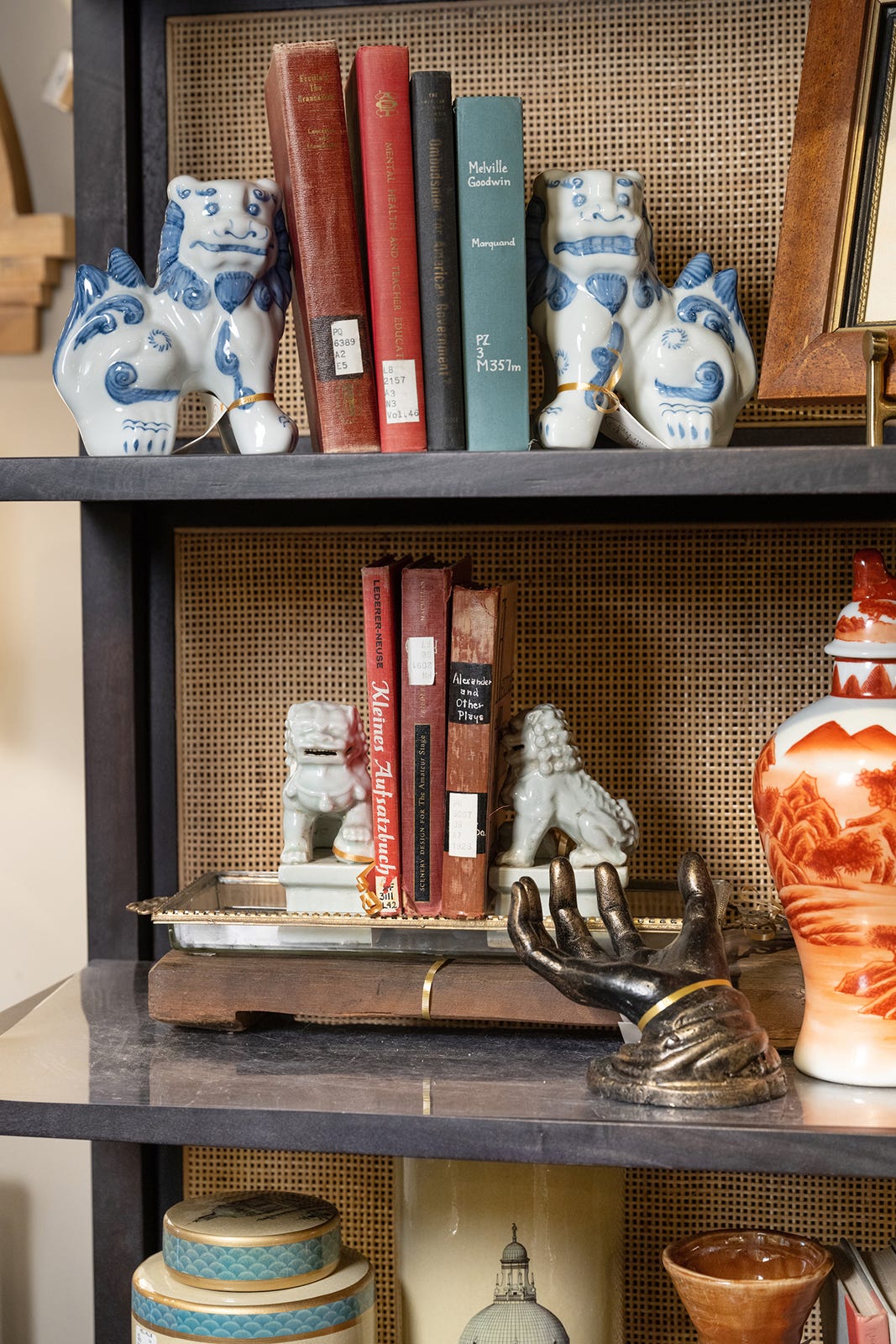
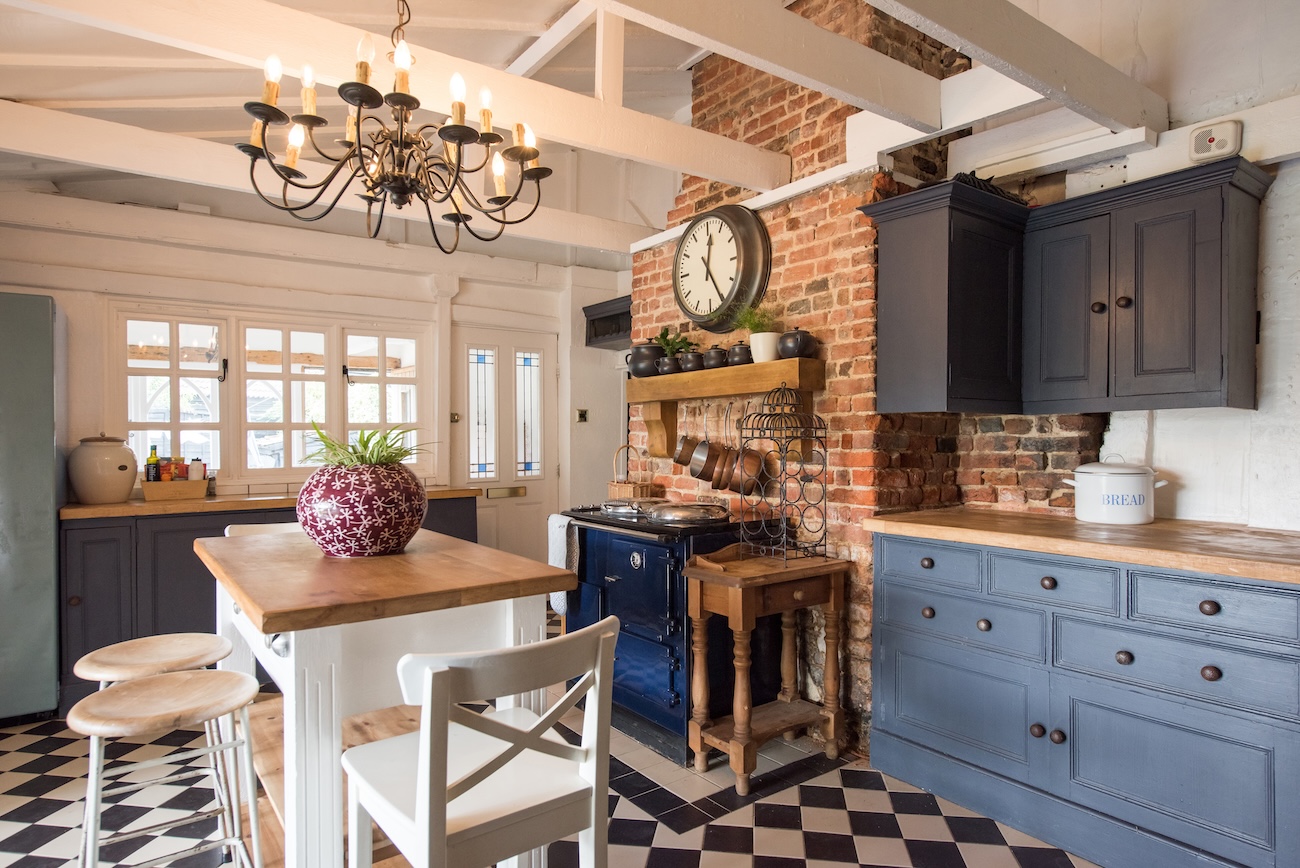
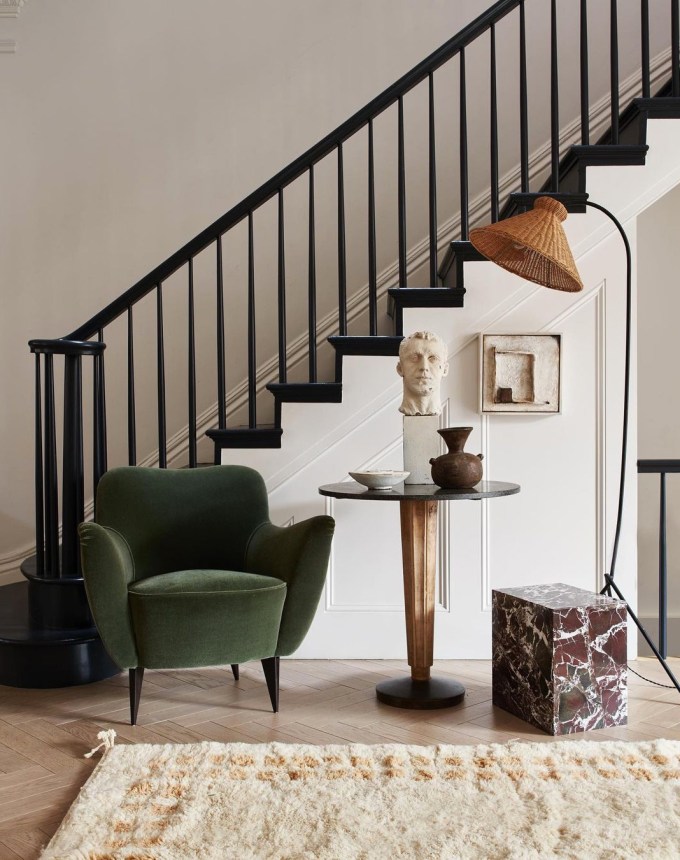
Furthermore, there is a renewed appreciation for craftsmanship, leading to a "Craft Revival." Consumers are increasingly looking for vintage, antique, and handcrafted items. Andee Hess and Makrai Crecelius of Osmose Design link this to people exploring hands-on activities during recent slowdowns, fostering a greater appreciation for the complexity of crafted pieces. Architects Nicko Elliott and Ksenia Kagner of Civilian Projects note a shift away from minimalist Scandinavian and Memphis-influenced designs towards intricately crafted and historic decorative forms. They predict a focus on spaces like vestibules, hallways, and libraries for displaying object collections, with furnishings such as throne-like chairs, consoles, sideboards, and generously scaled table lamps, candlesticks, quilts, rustic linens, and heavily textured ceramics. Frederick Tang also expects a move away from minimalist upholstery textures to more experimental edge details like ruffles, pleats, tassels, and ball fringes, which, when paired with bolder colors, offer a playful twist.
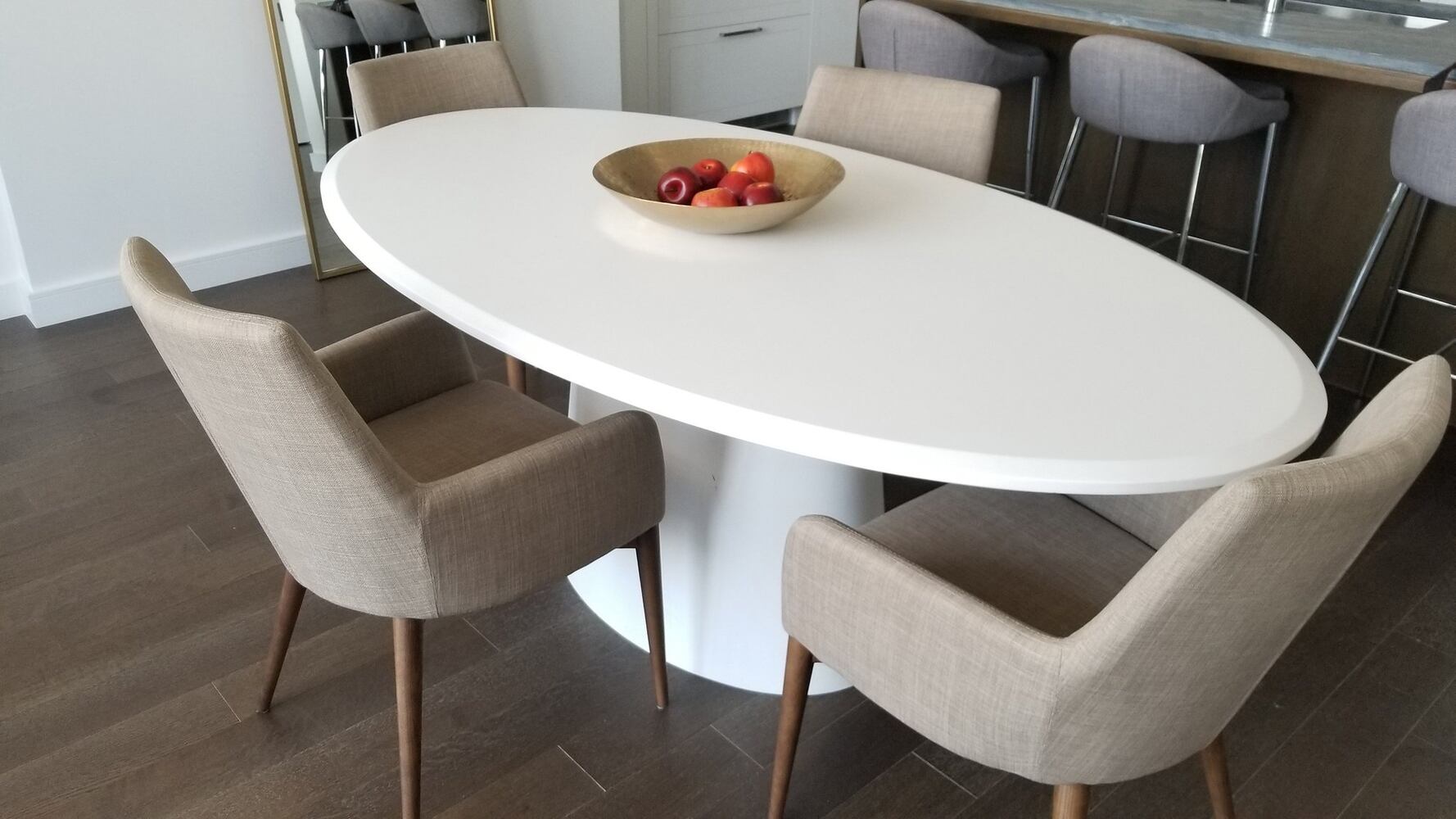
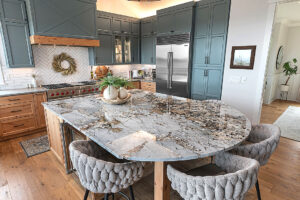
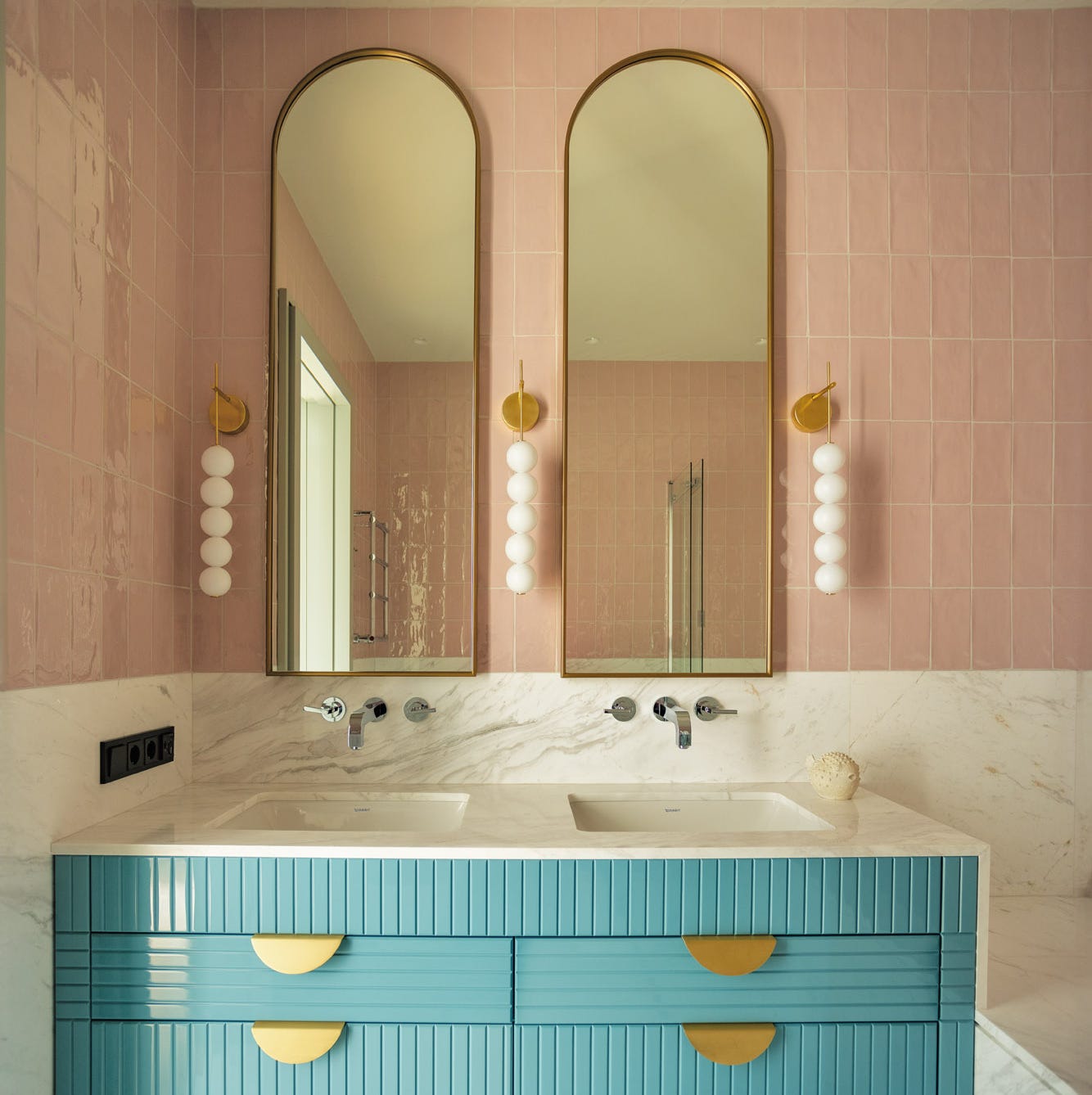
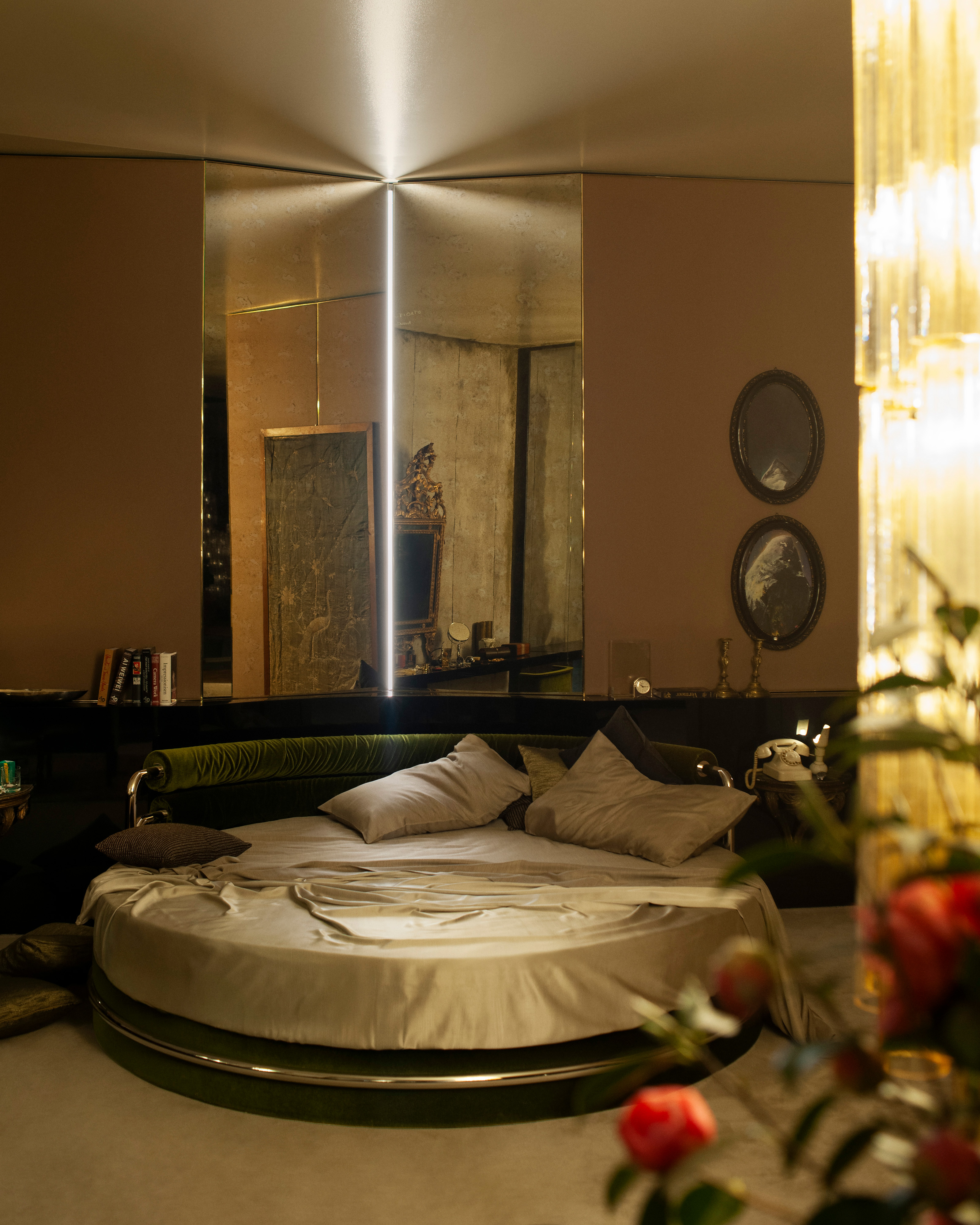
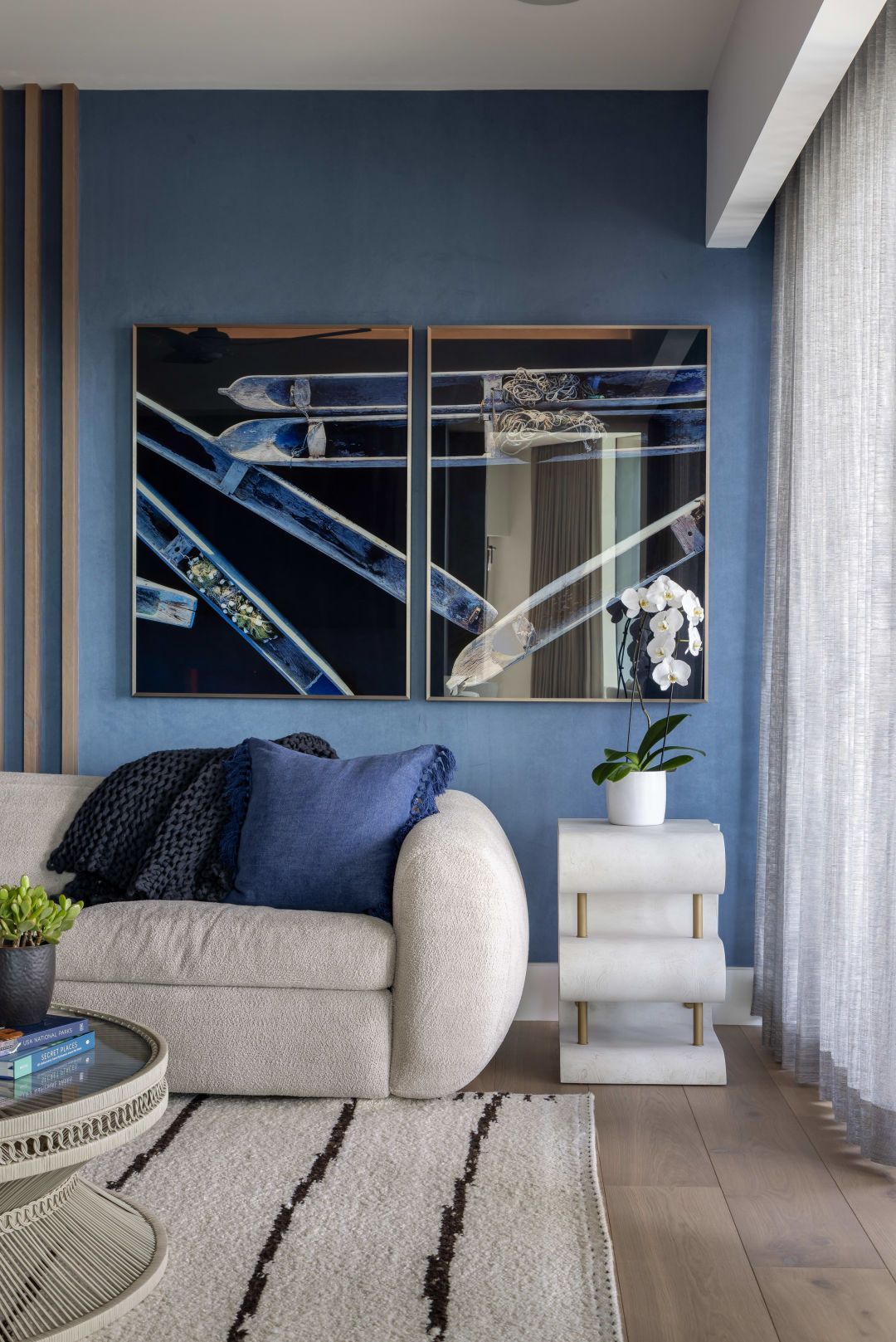
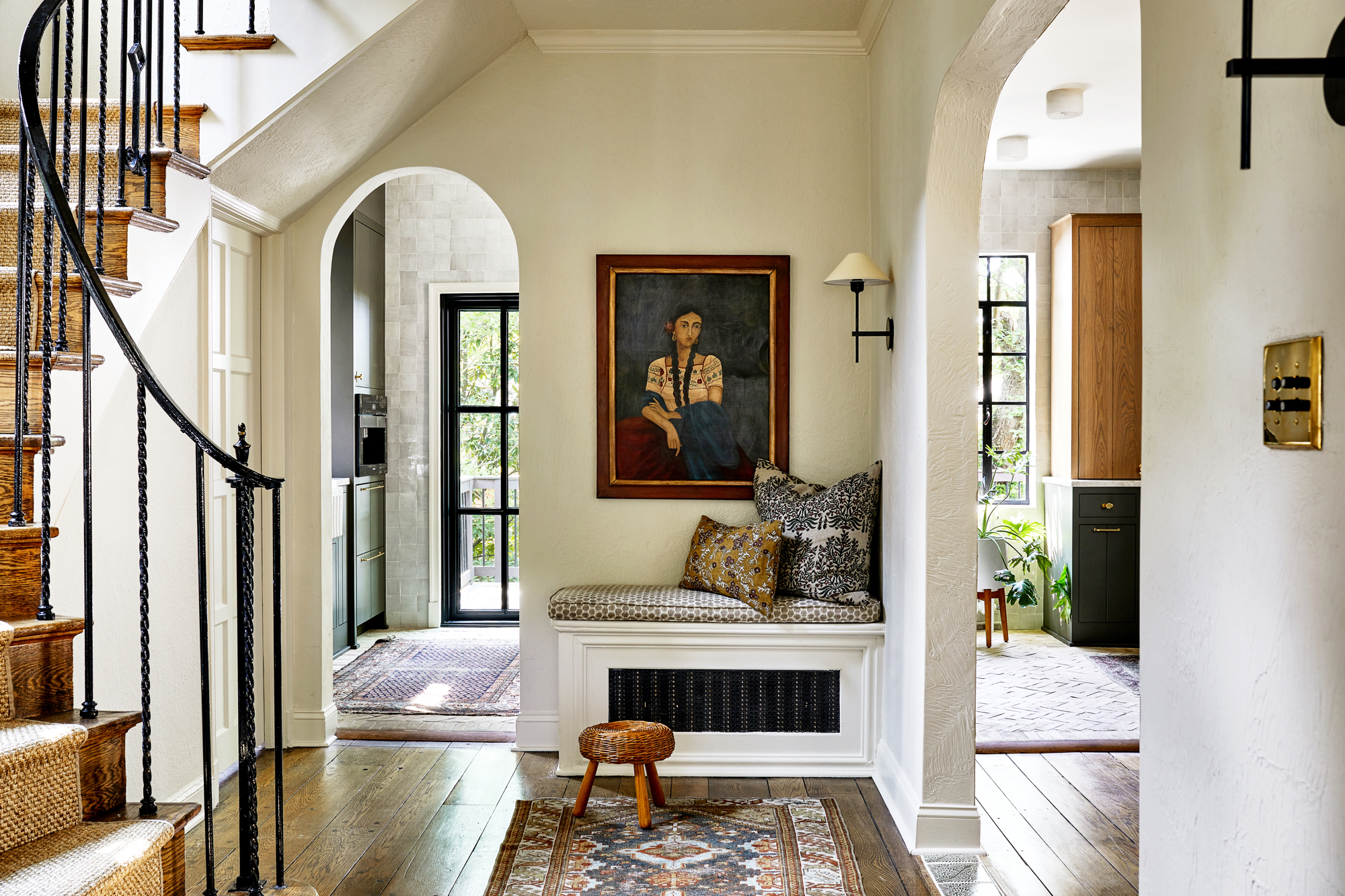
Finally, the concept of "Wavy Geometry" will continue to evolve, with rounded details expanding beyond furniture to millwork and stone backsplash detailing. Frederick Tang highlights the versatility of this motif across various settings. Curvilinear elements will become more prevalent throughout the home, from softened sofa corners to arched windows and circular structural details like waterfall corners on consoles and countertops. Less permanent options include drum tables and rounded area rugs. Pinterest data supports the growing interest in circular designs, showing significant increases in searches for "curved bar design" and "round pool decking ideas" across different generations. The article concludes by discussing the move towards multifunctional spaces and away from open-plan layouts, driven by the rise of hybrid work and multi-generational living, emphasizing the need for adaptable and distinct living and working areas.
#HomeDesignTrends #InteriorDesign #BiophilicDesign #SustainableMaterials #CraftRevival #EarthyTextures #WavyGeometry #MultifunctionalSpaces #HomeRenovation #HomeDesignTrends #InteriorDesign #BiophilicDesign #SustainableMaterials #CraftRevival #EarthyTextures #WavyGeometry #MultifunctionalSpaces #HomeRenovation
0 comment in total
 No comments yet
You may also like
Designers Predict: These Will Be the Biggest Home Décor Trends of 2022

12 must-know interior design trends that will be defining our homes in 2025
12 Must-Know Interior Design Trends That Have Defined Our Homes in 2025

8 Home Design Trends We're Leaving in 2024 (And What to Do Instead)

Home decor trends leaving in 2022
These Are the Home Design Trends You Need to Know About in 2025
Bold, Personal Design Is In—These Are the Home Trends Everyone’s Talking About for 2026

Renovating? The home design trends you’ll see everywhere in 2025

Home-Design Trends You’ll See Everywhere in 2024

Top Home Design Trends in 2025 for Modern Living

10 Hottest Home Design Trends to Watch for 2025
The Biggest Interior Design Trends for 2025

11 Home Design Trends That Are In or Out for 2025

2026 Home Design Trends to Watch
6 Trends Defining Home Décor in 2025

Style at Home: Top 2024 interior design trends making waves across the web
Bye 2022: Home Design Trends to Ditch in 2023

Mark Our Words, This Will Be The #1 Home Trend Of 2022
10 Home Design Trends Your Clients Will Love in 2024
10 Home Decor Trends You'll See Everywhere In 2025