1/14
8 "Tacky" Home Trends That Are Tragically Dead to Designers in 2026
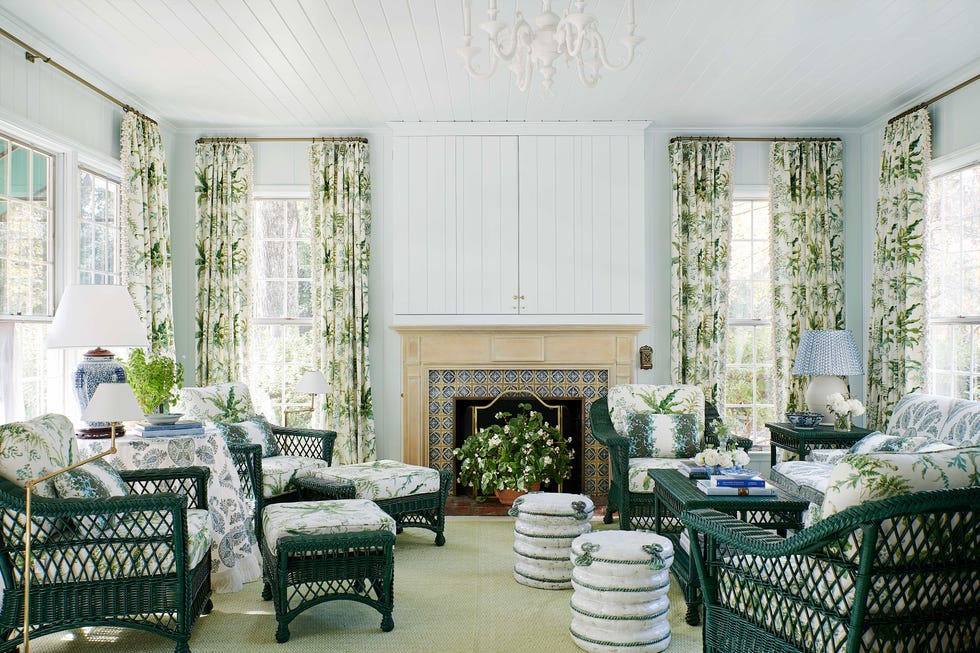
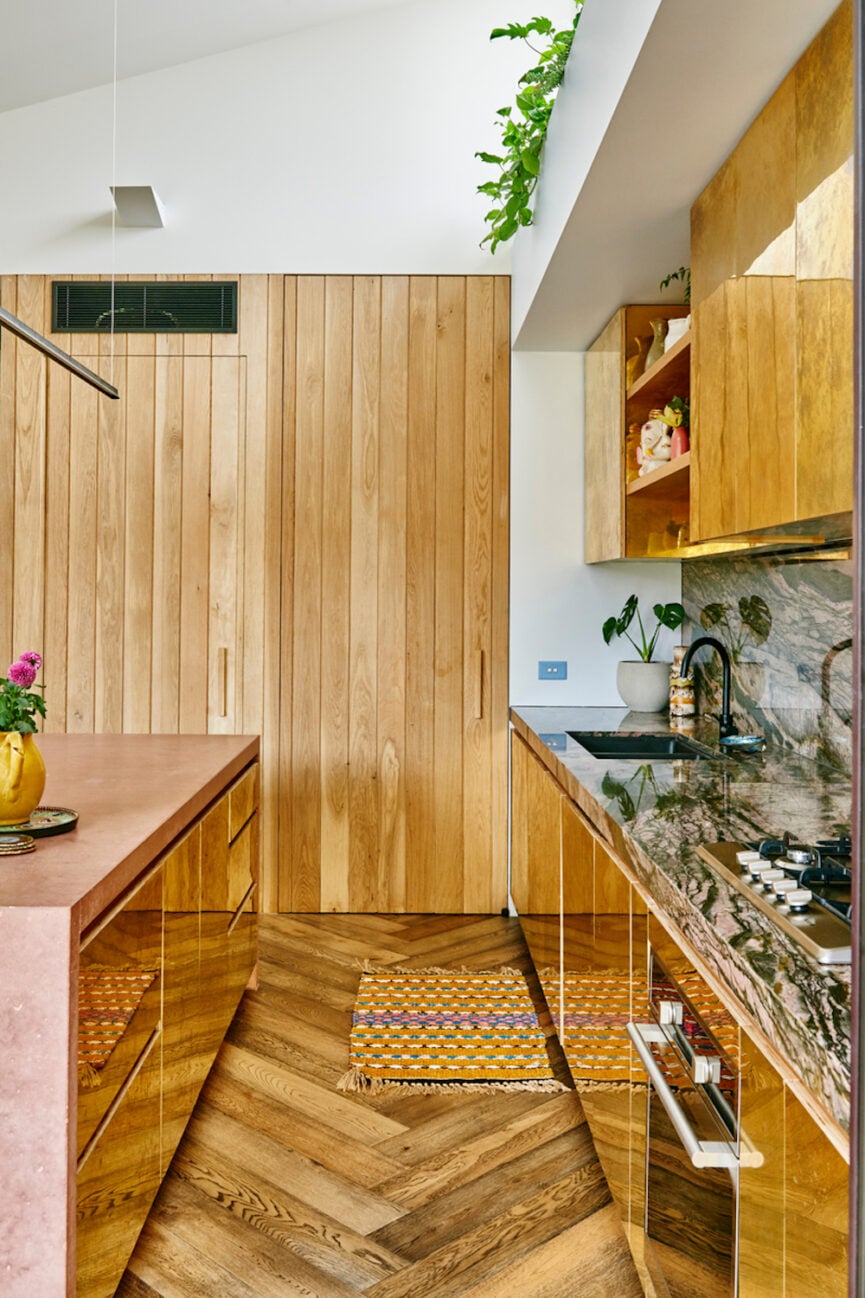
Interior design trends, much like fashion, are in a constant state of evolution. While some styles gracefully fade, others persist beyond their welcome, eventually becoming outdated or even cringe-worthy. Design trends often reflect broader shifts in culture, lifestyle, and economic conditions, yet many popular ideas seen on social media have already peaked. This article explores eight interior design trends that professional designers are ready to retire, along with timeless design principles that offer lasting appeal.
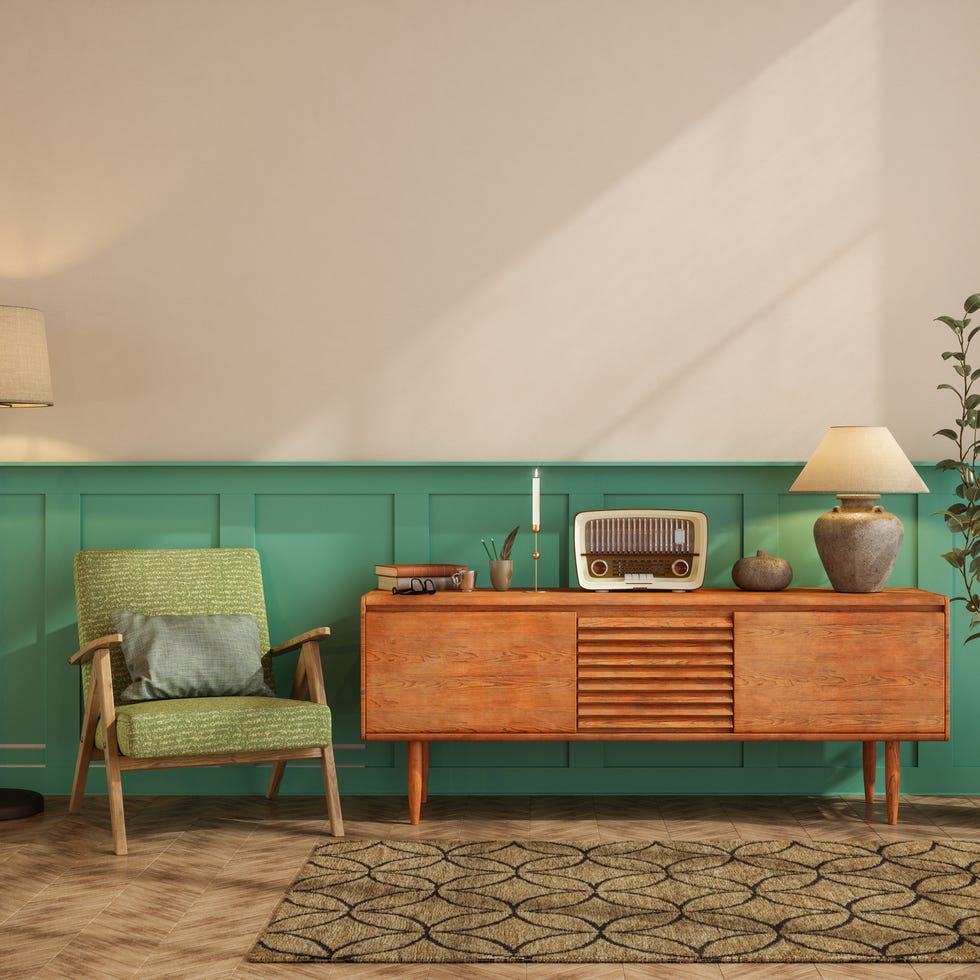
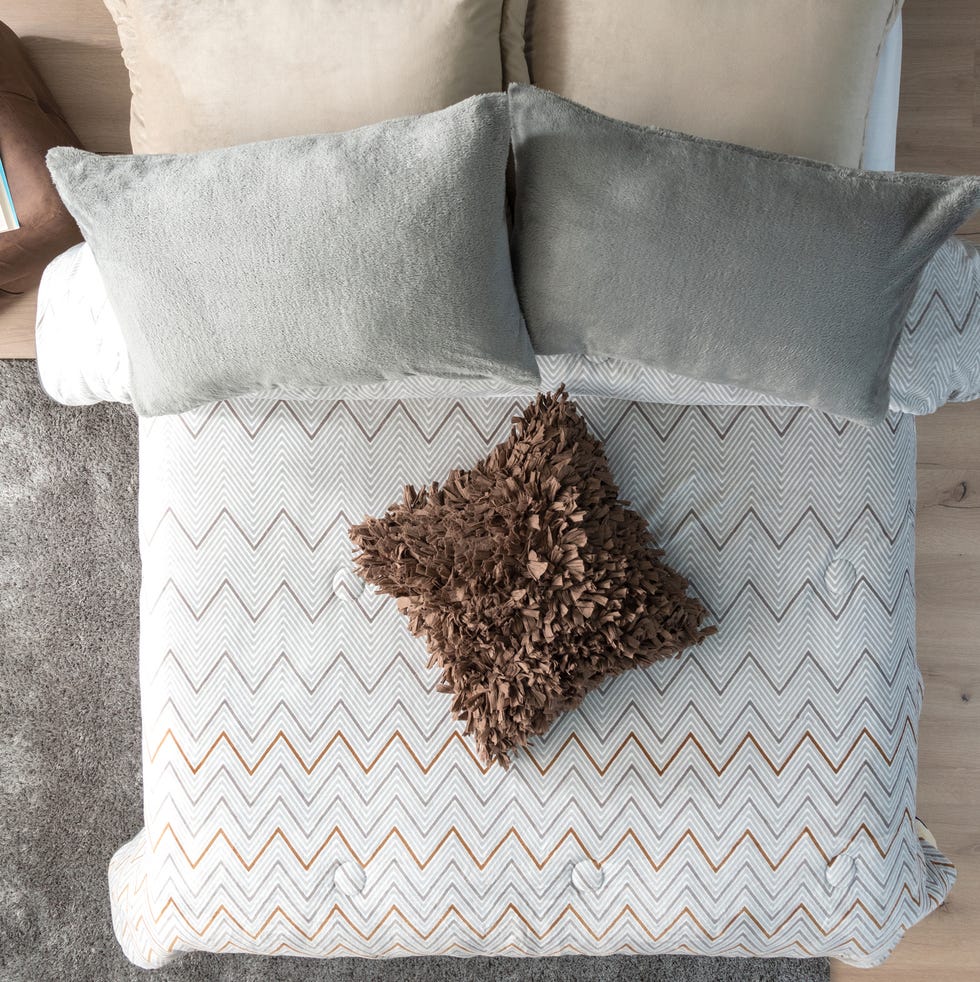
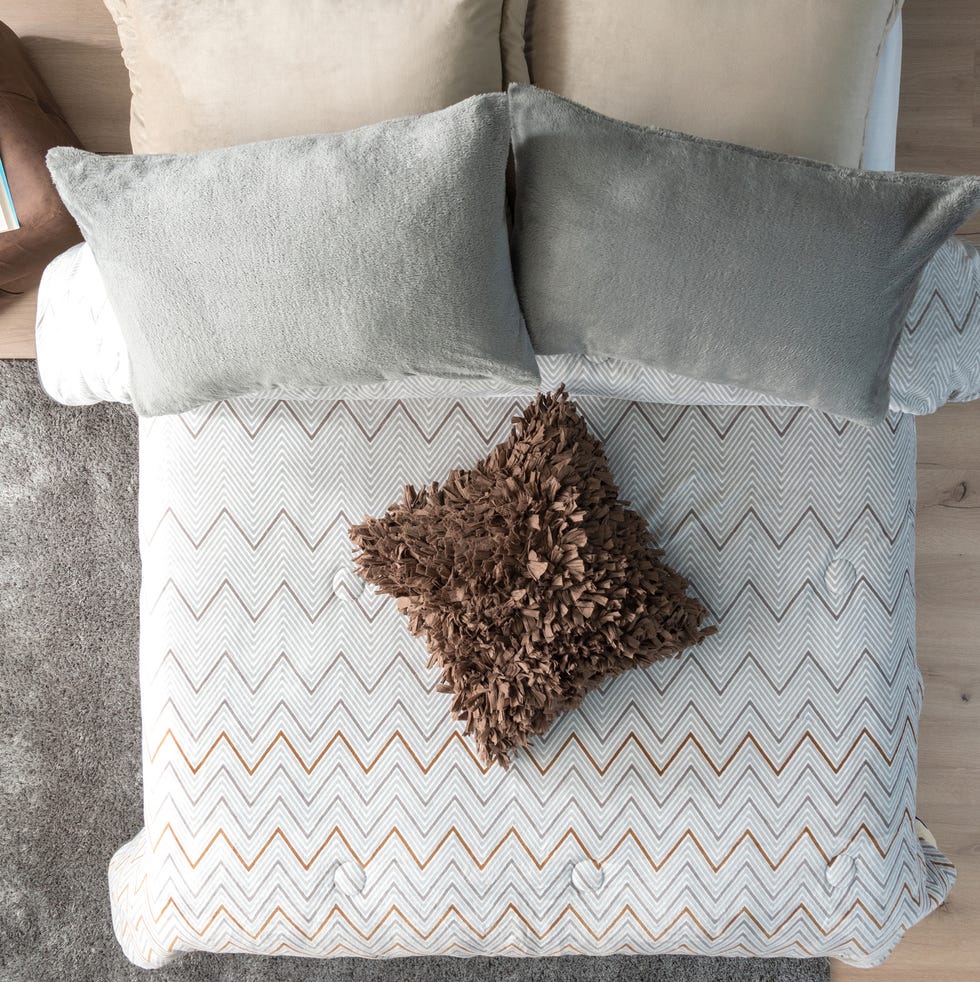
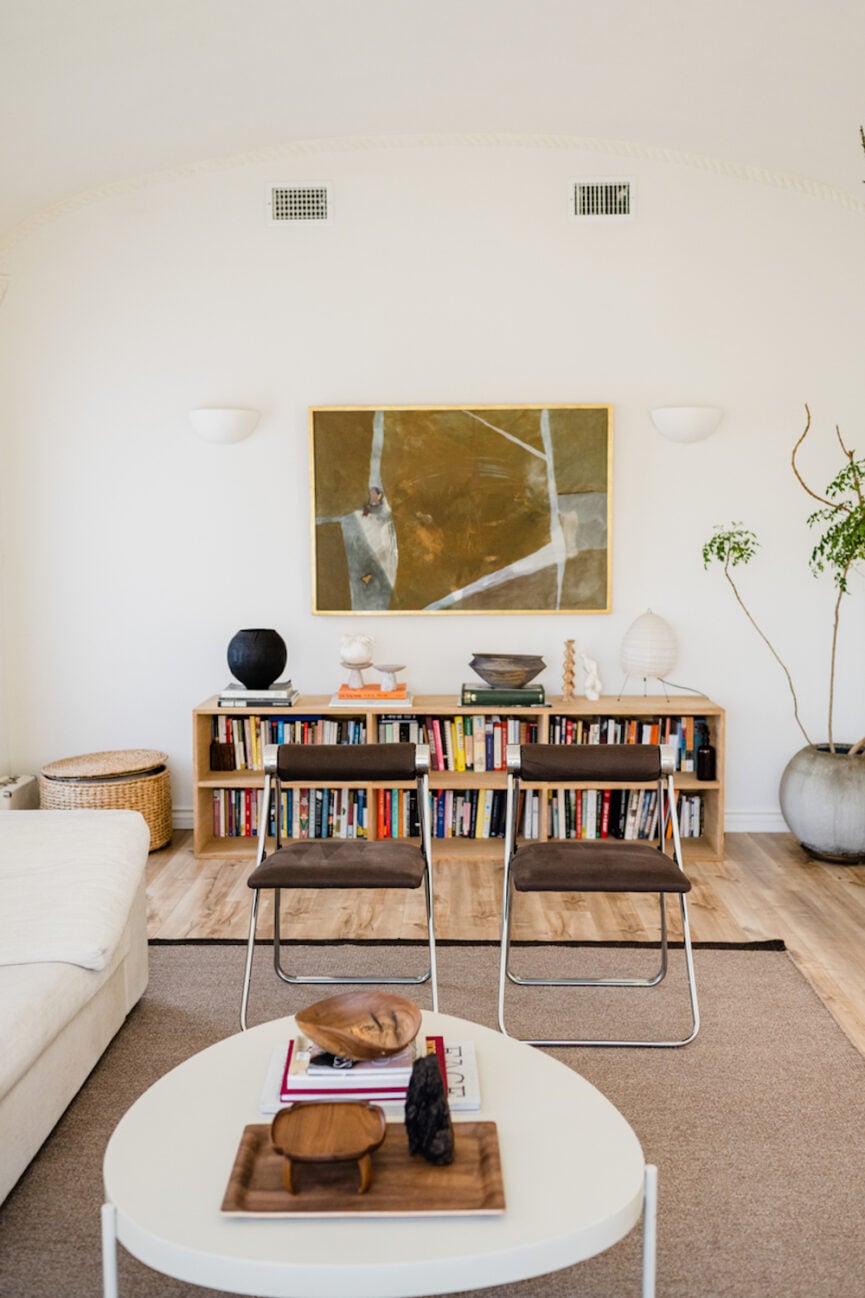
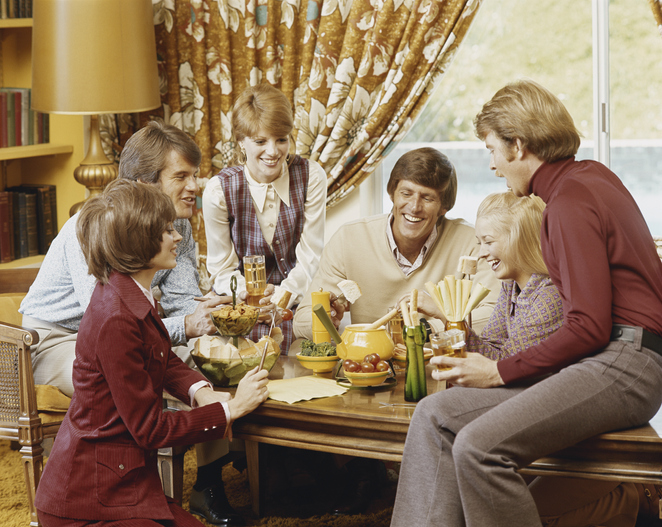
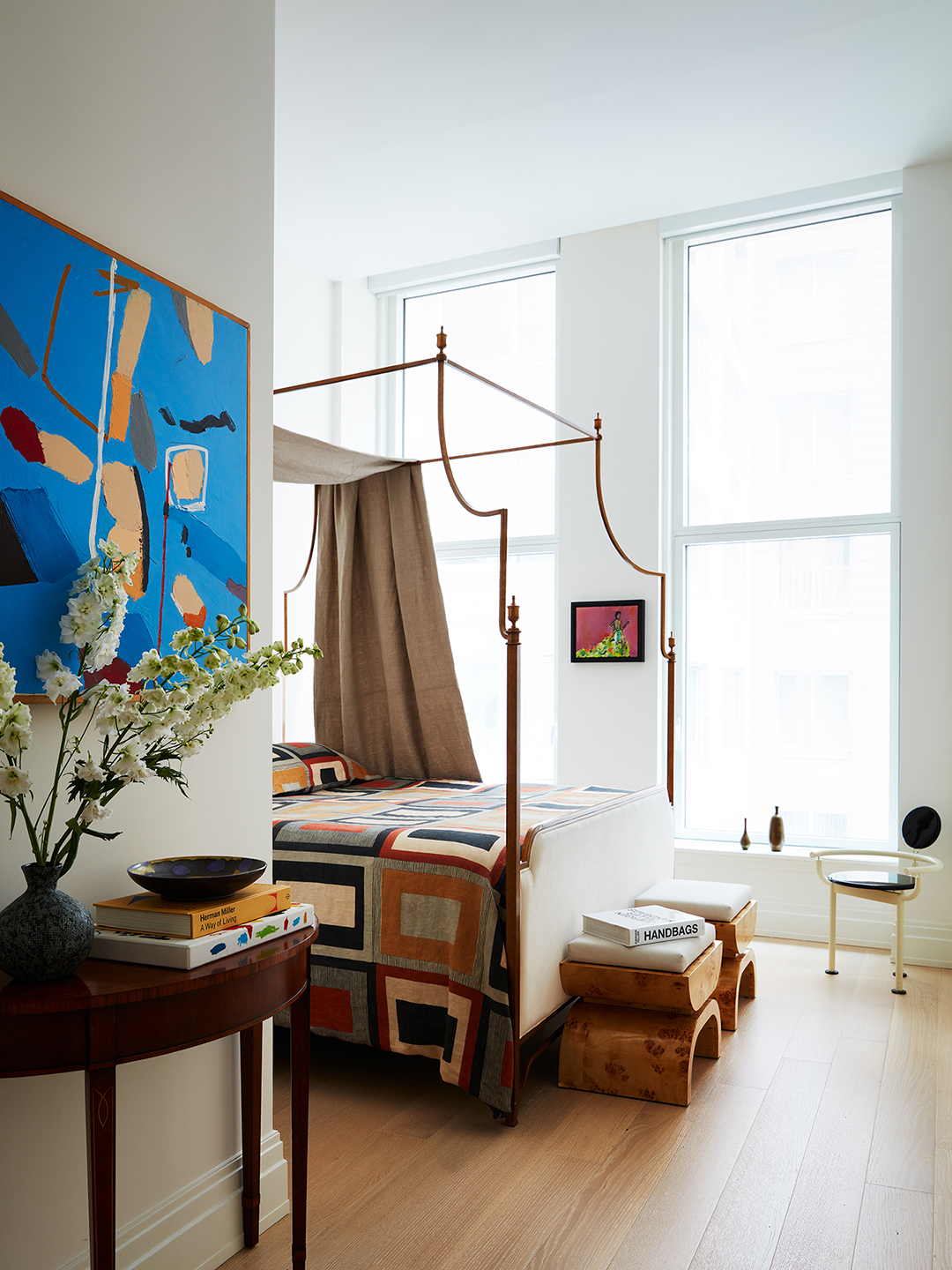
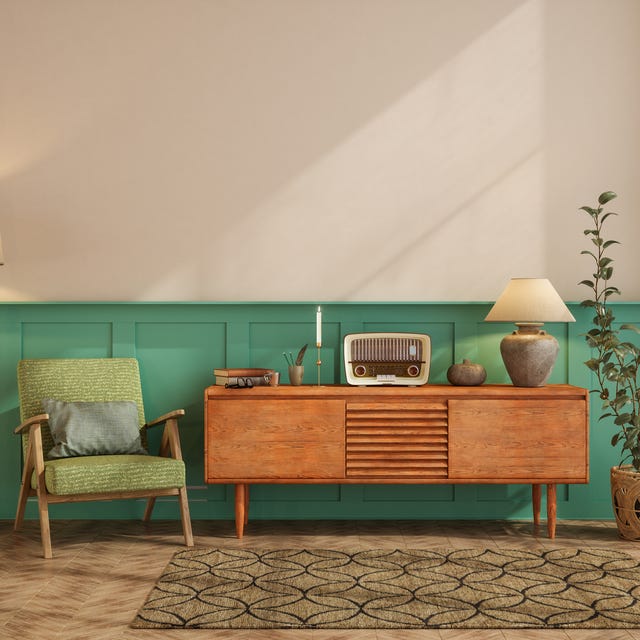
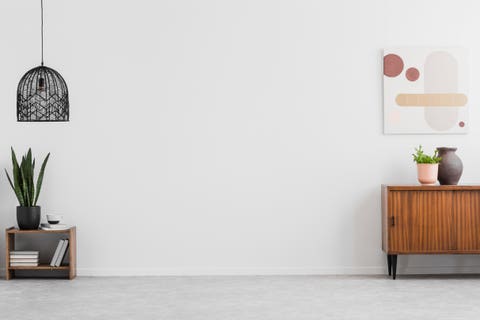
Designers express a desire to move past head-to-toe midcentury modern aesthetics, noting that while the style has its merits, its oversaturation in the market, from vintage finds to new collections, has made it feel dated. They advocate for incorporating midcentury modern pieces with other design styles, using warmer fabrics and textures to soften lines and create a more integrated look. Similarly, chevron-patterned upholstery is identified as a trend that has not aged well due to its bold, high-contrast nature, which can quickly tire the eye and limit its versatility in different design schemes.
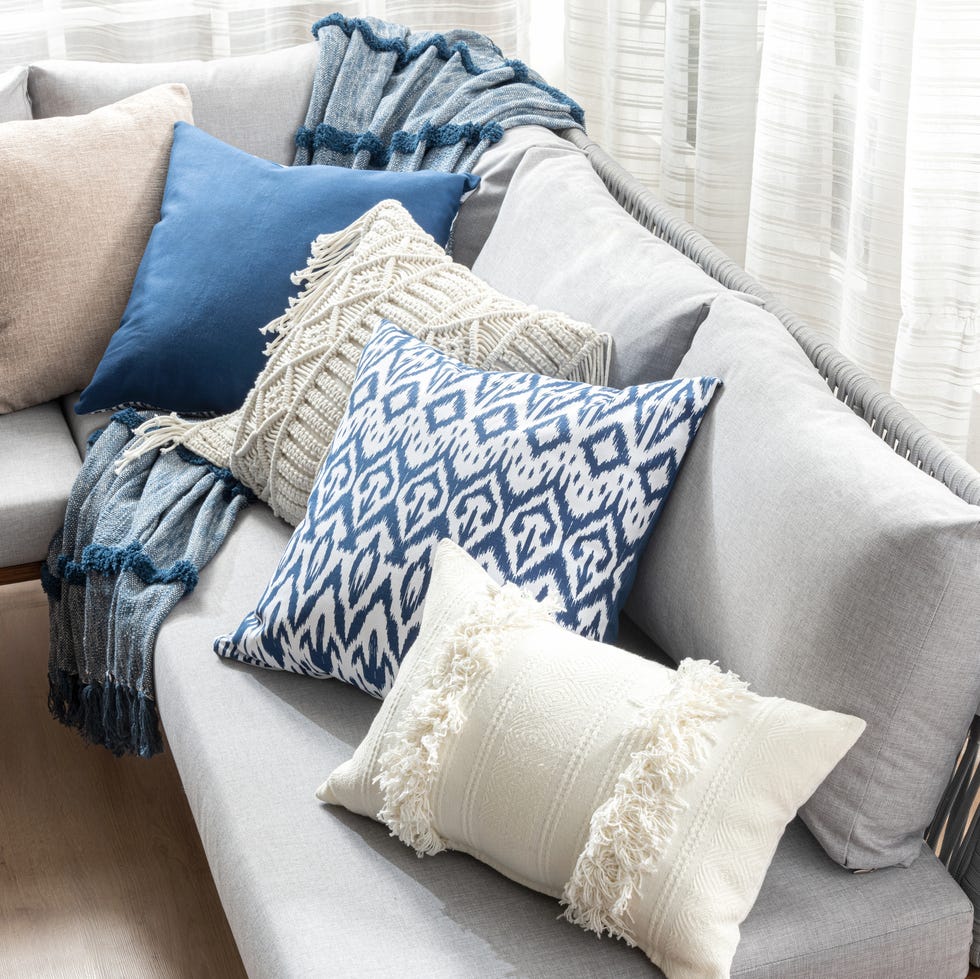
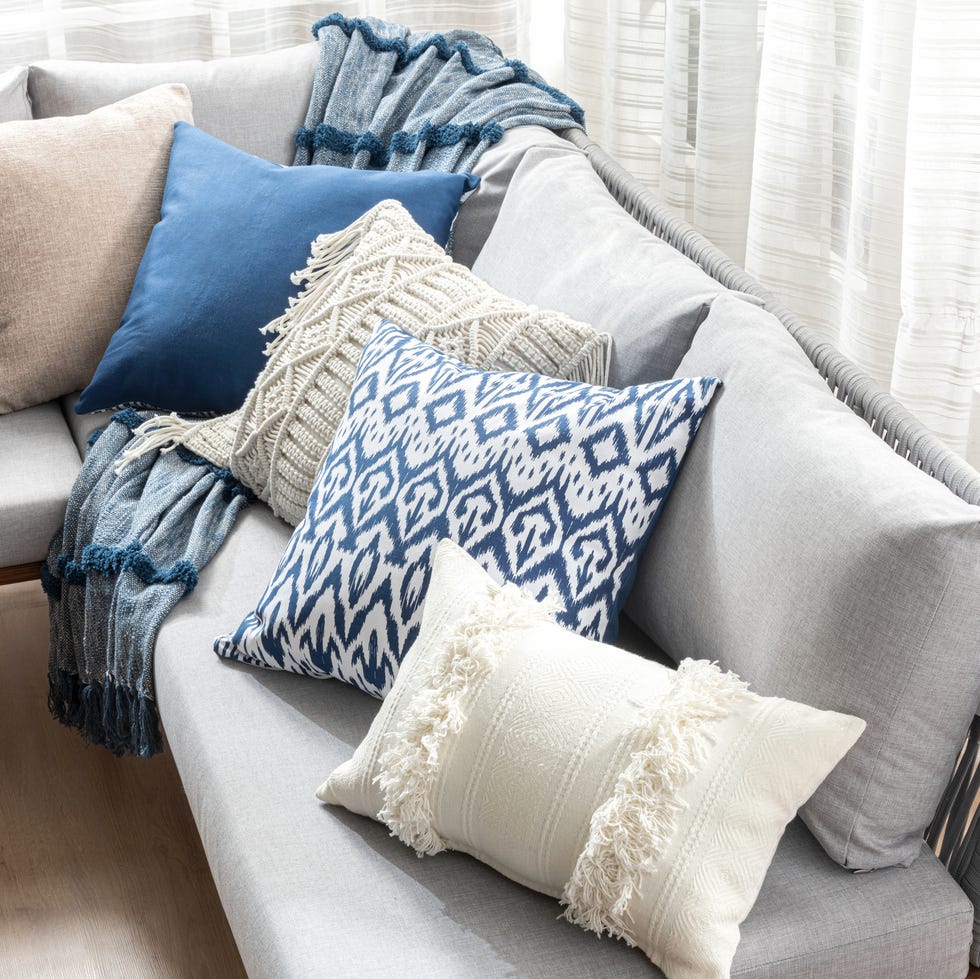
Ikat fabric, once enthusiastically embraced by designers for its intricate patterns, is now viewed as overly loud and chaotic, especially by those who have since adopted a more minimalist aesthetic. Another trend that designers regret is the use of Buddha-inspired furniture, particularly when cultural significance was not fully understood or respected, highlighting a shift towards more thoughtful and culturally sensitive design choices.
Low-quality chrome pieces, particularly knock-off versions of iconic furniture, are also on the list of regrettable trends. Designers emphasize the importance of integrity over fleeting trends, suggesting that the quality and authenticity of materials are paramount. Over-the-top glam furniture, characterized by excessive shine and ornamentation, is now considered dated. The preference has shifted towards understated elegance, featuring sleek lines, natural materials, and a more timeless appeal.
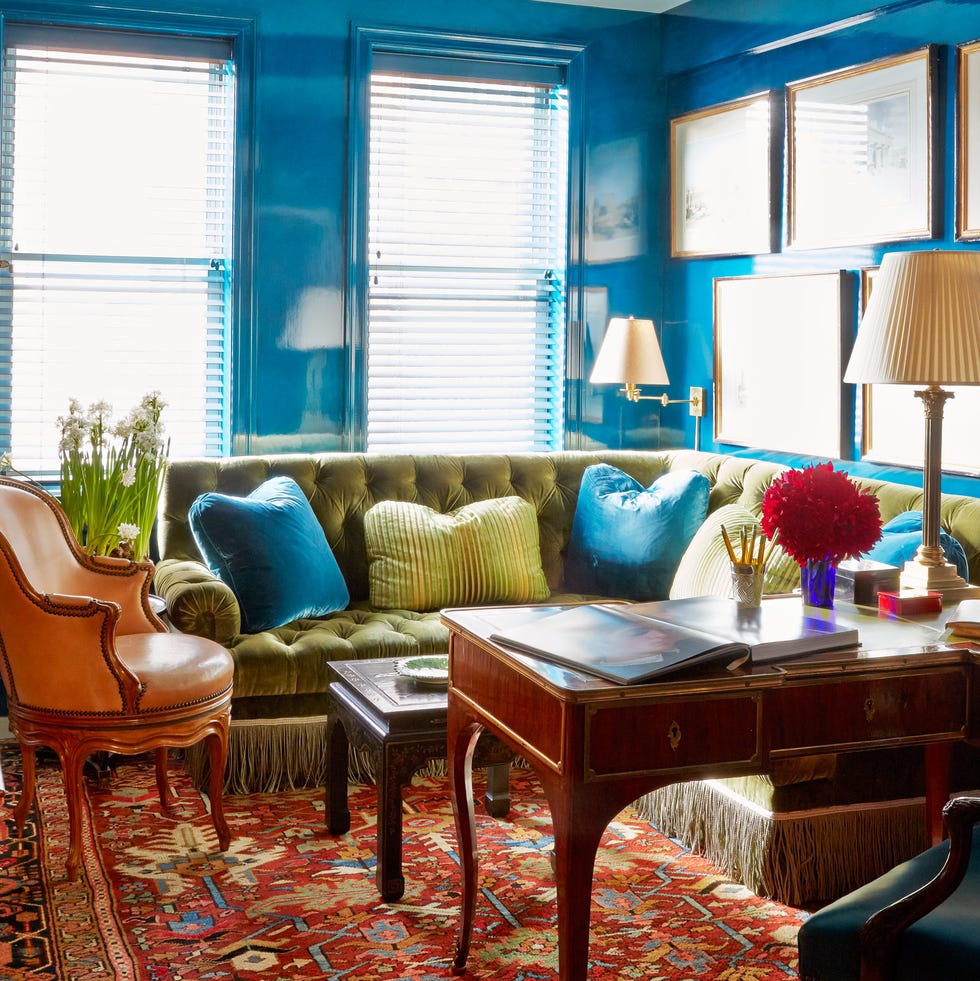
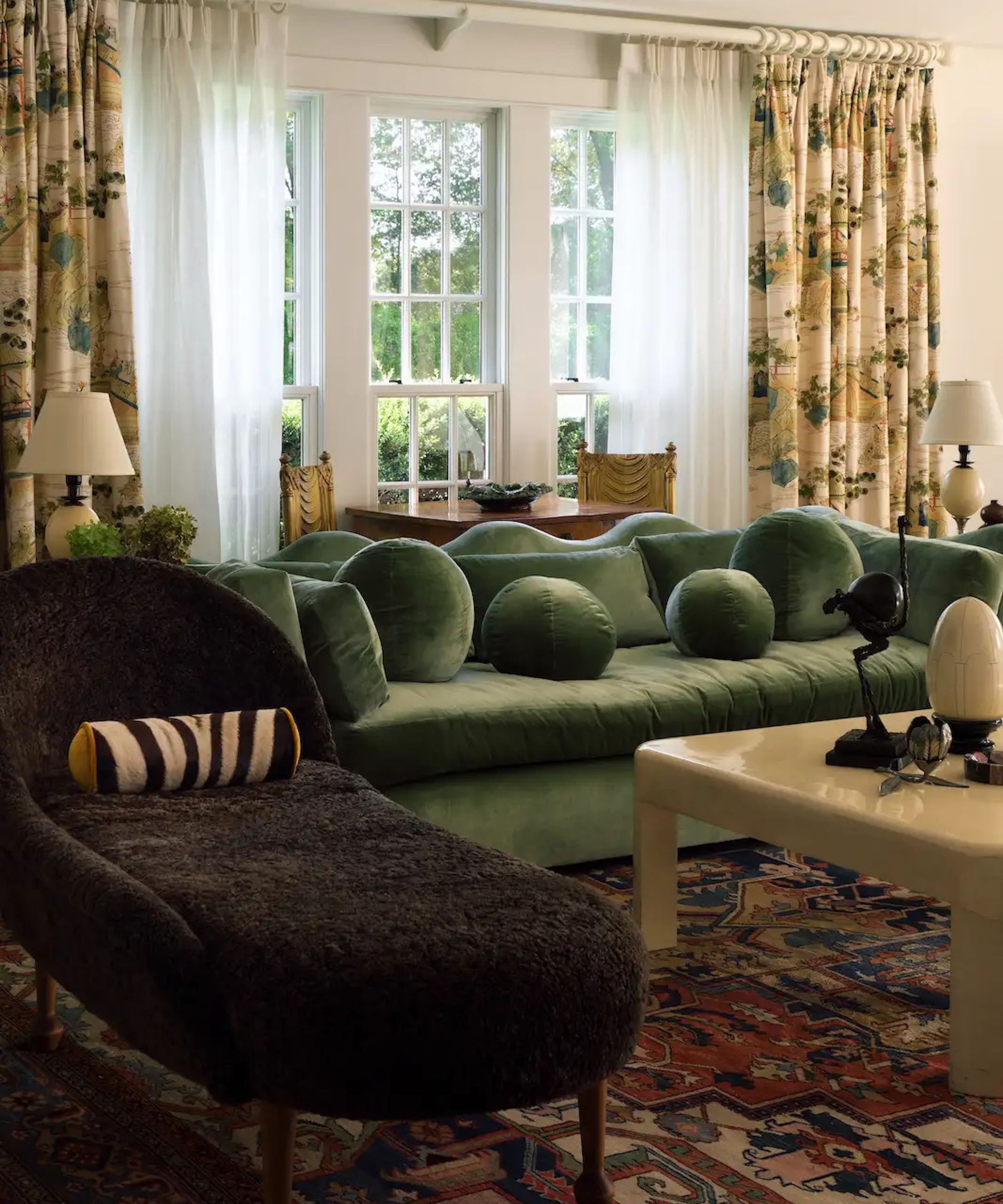
Jewel-toned velvet sofas, despite their initial popularity, are criticized for their practical drawbacks. Certain types of velvet, especially cotton, are prone to crushing and showing wear and stains easily, making them less suitable for high-traffic areas and reducing their longevity. Lastly, button-tufted Chesterfield seats, while classic in form, are deemed impractical due to the buttons snagging, collecting dirt and dust, and often compromising comfort. Designers suggest opting for non-tufted versions or reserving button-tufted pieces for less frequently used spaces.
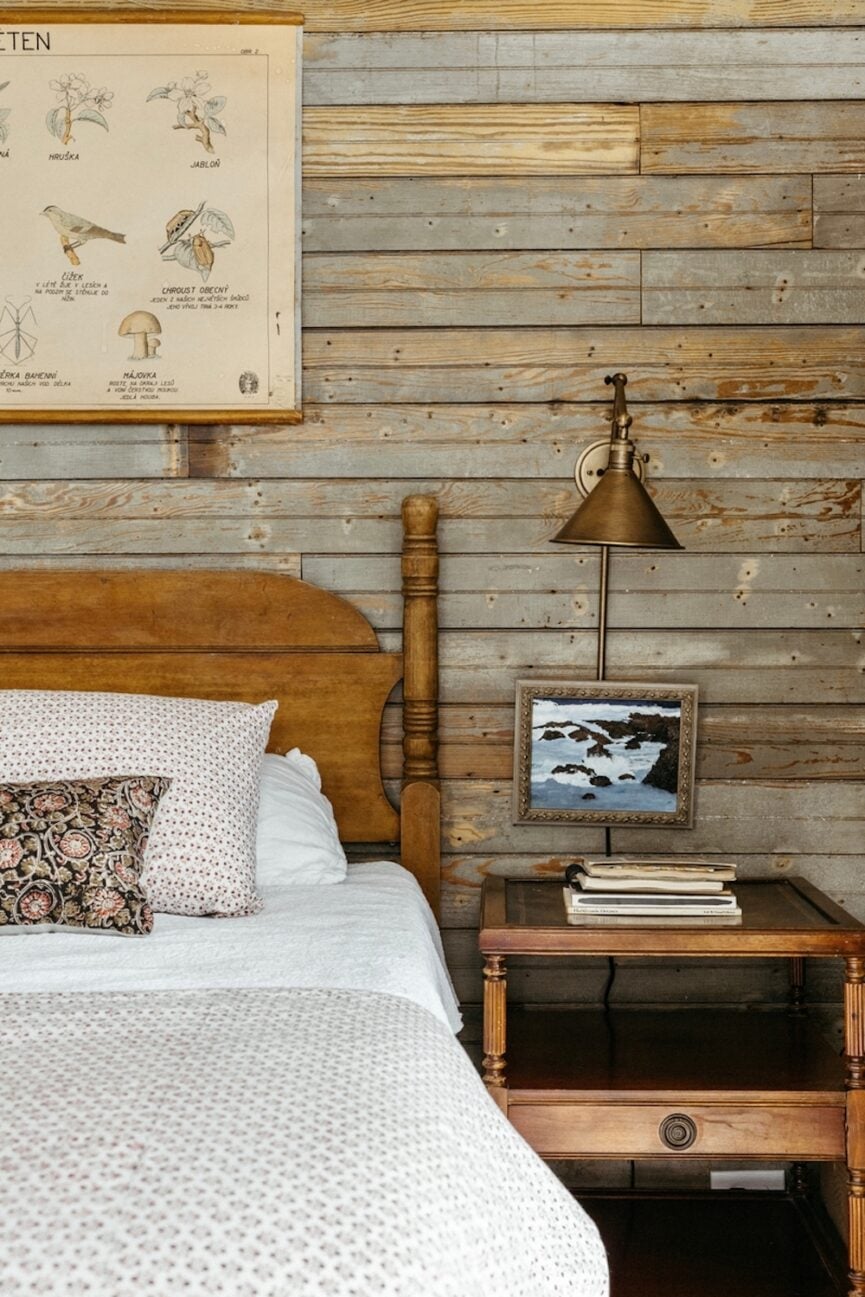
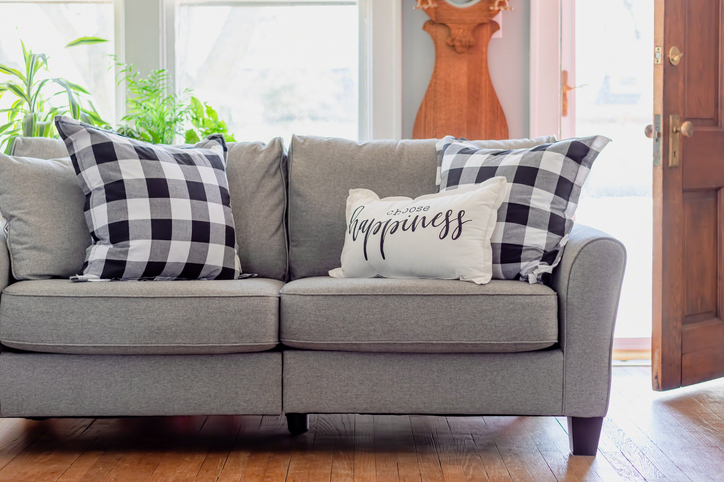
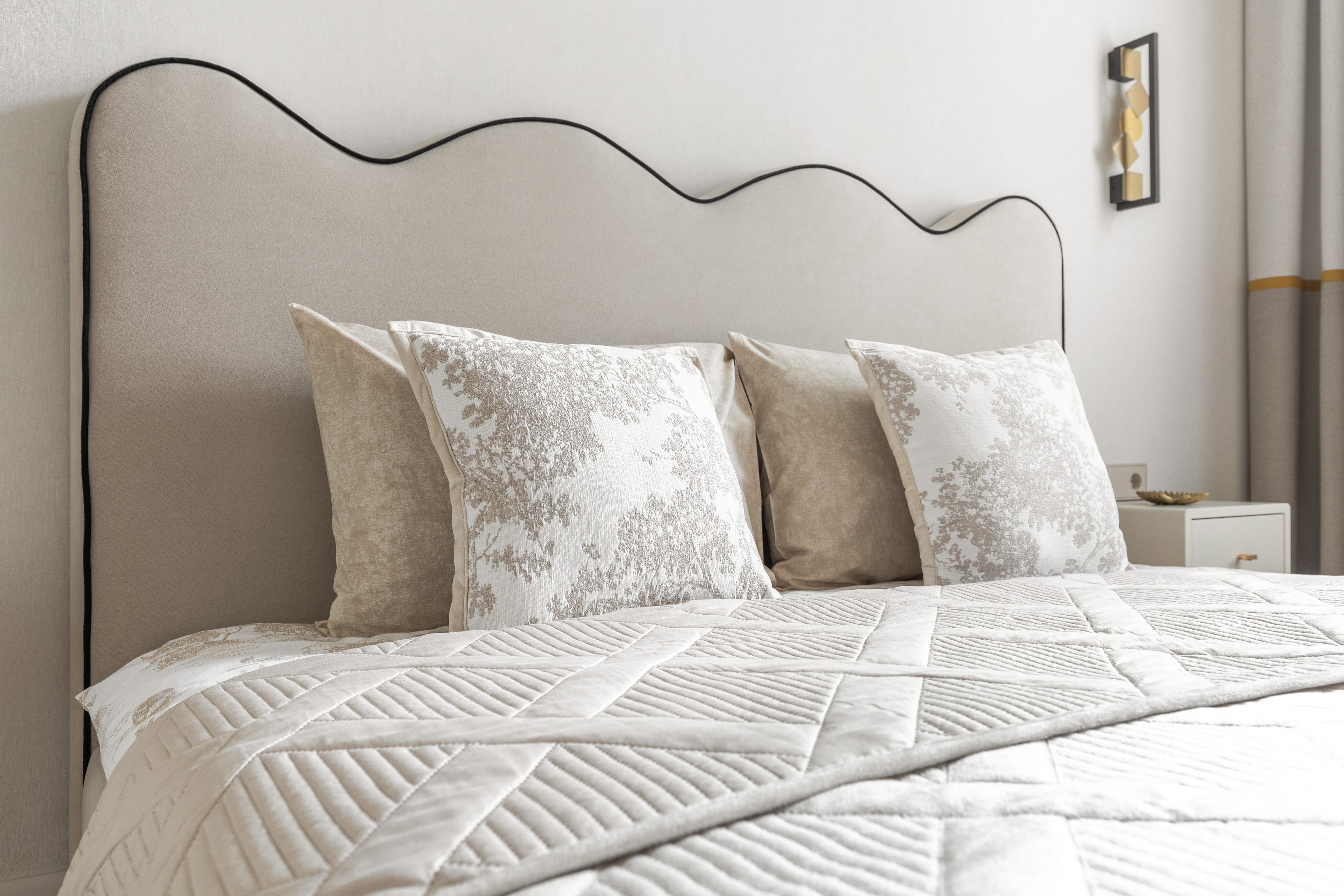
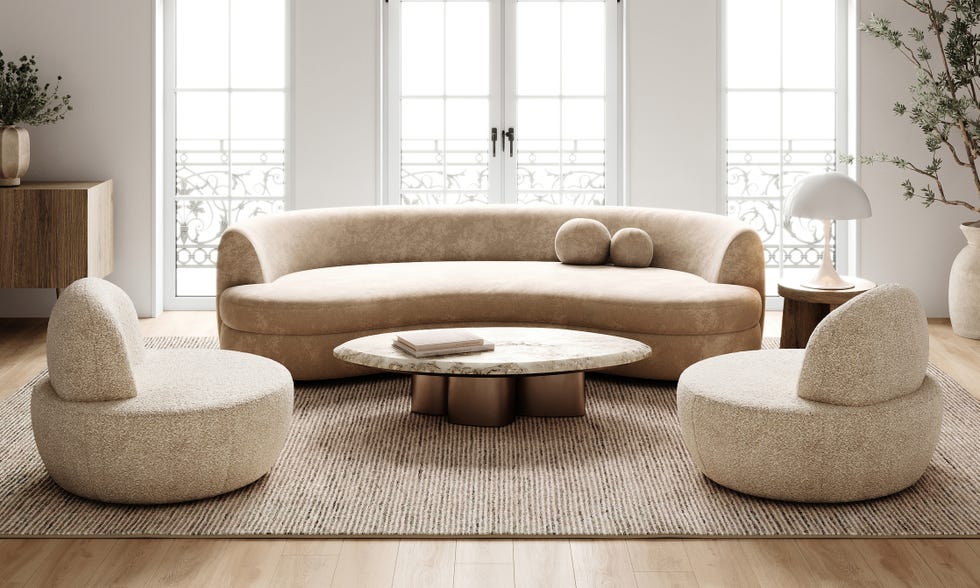
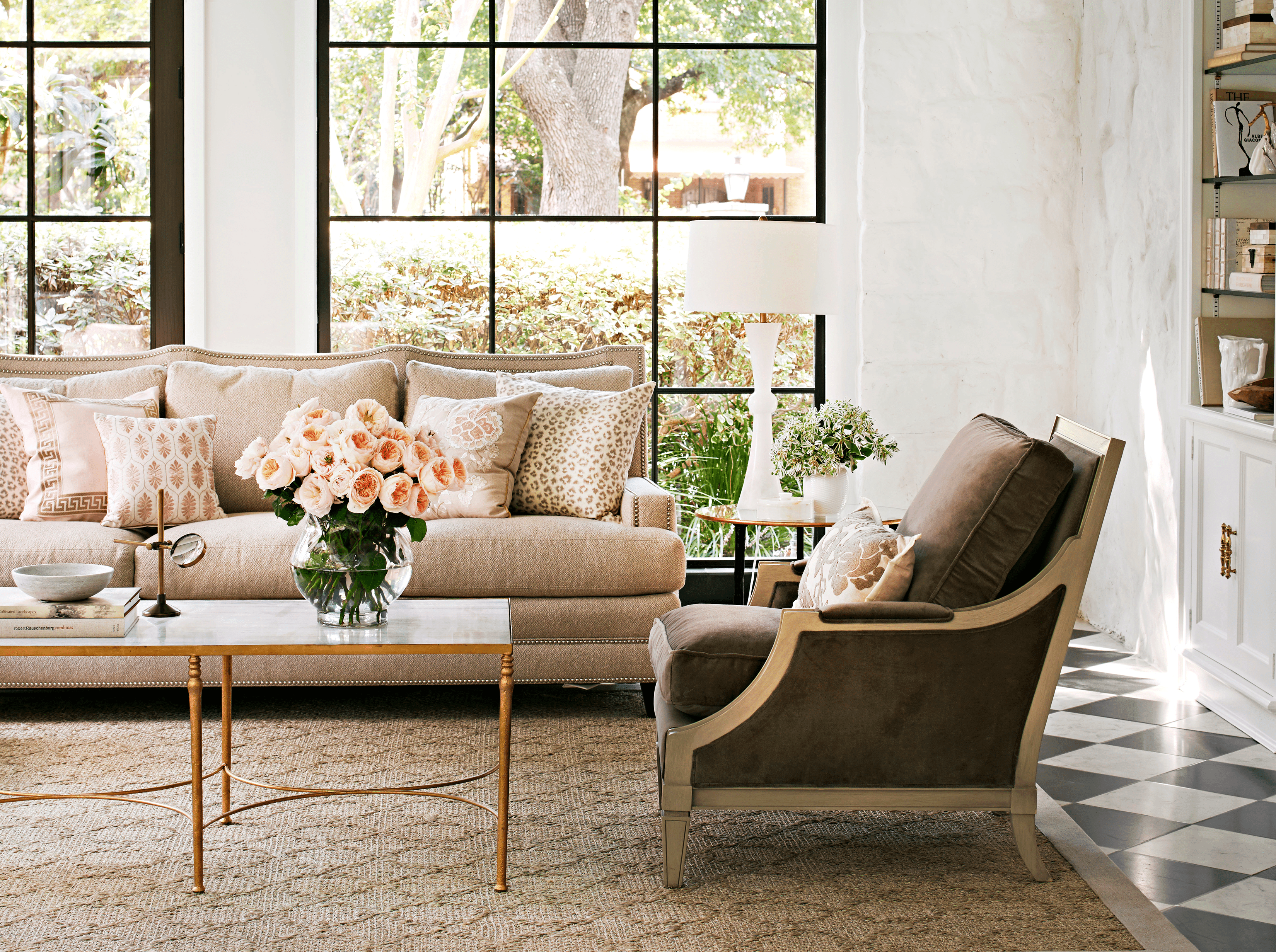
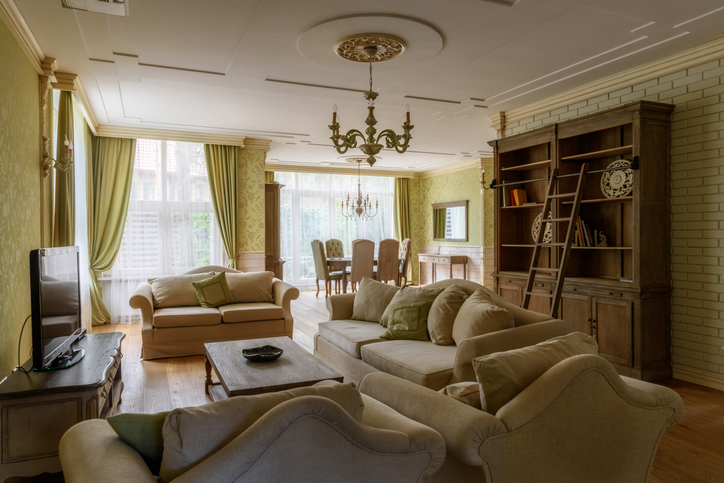
In contrast to these fleeting trends, several design elements are celebrated for their enduring appeal. Natural materials, such as linen slipcovered sofas, are valued for their ability to age gracefully, adding comfort and effortless elegance. Weathered wood furniture, with its natural patina, gains character over time and remains relevant across various eras. Neutral color palettes and fabrics are praised for their versatility, allowing for aesthetic evolution through accessories and decor without needing a complete overhaul. Quality antiques, with their craftsmanship and character, blend seamlessly with contemporary decor, bringing history and charm. Finally, Hans Wegner's dining chairs are highlighted for their timeless beauty, comfort, and sculptural form, embodying practical and stylish design that stands the test of time.
#InteriorDesignTrends #HomeDecor #TimelessDesign #MidcenturyModern #HomeStyling #DesignRegrets #FurnitureTrends #DecoratingTips #InteriorDesignTrends #HomeDecor #TimelessDesign #MidcenturyModern #HomeStyling #DesignRegrets #FurnitureTrends #DecoratingTips
0 comment in total
 No comments yet
You may also like
8 Tacky Home Trends That Designers Say Are TRAGICALLY Dead

Bye 2022: Home Design Trends to Ditch in 2023

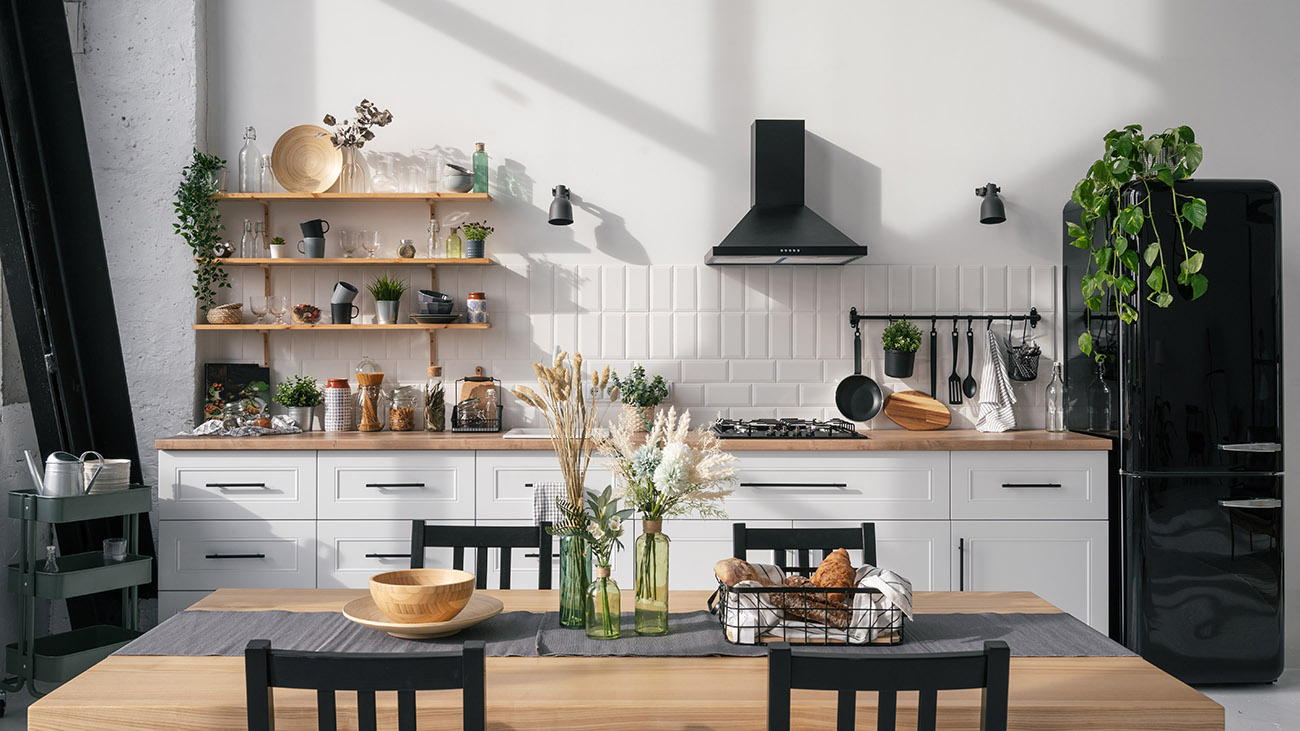
10 Horrifying Home Design Trends: 2024 Edition
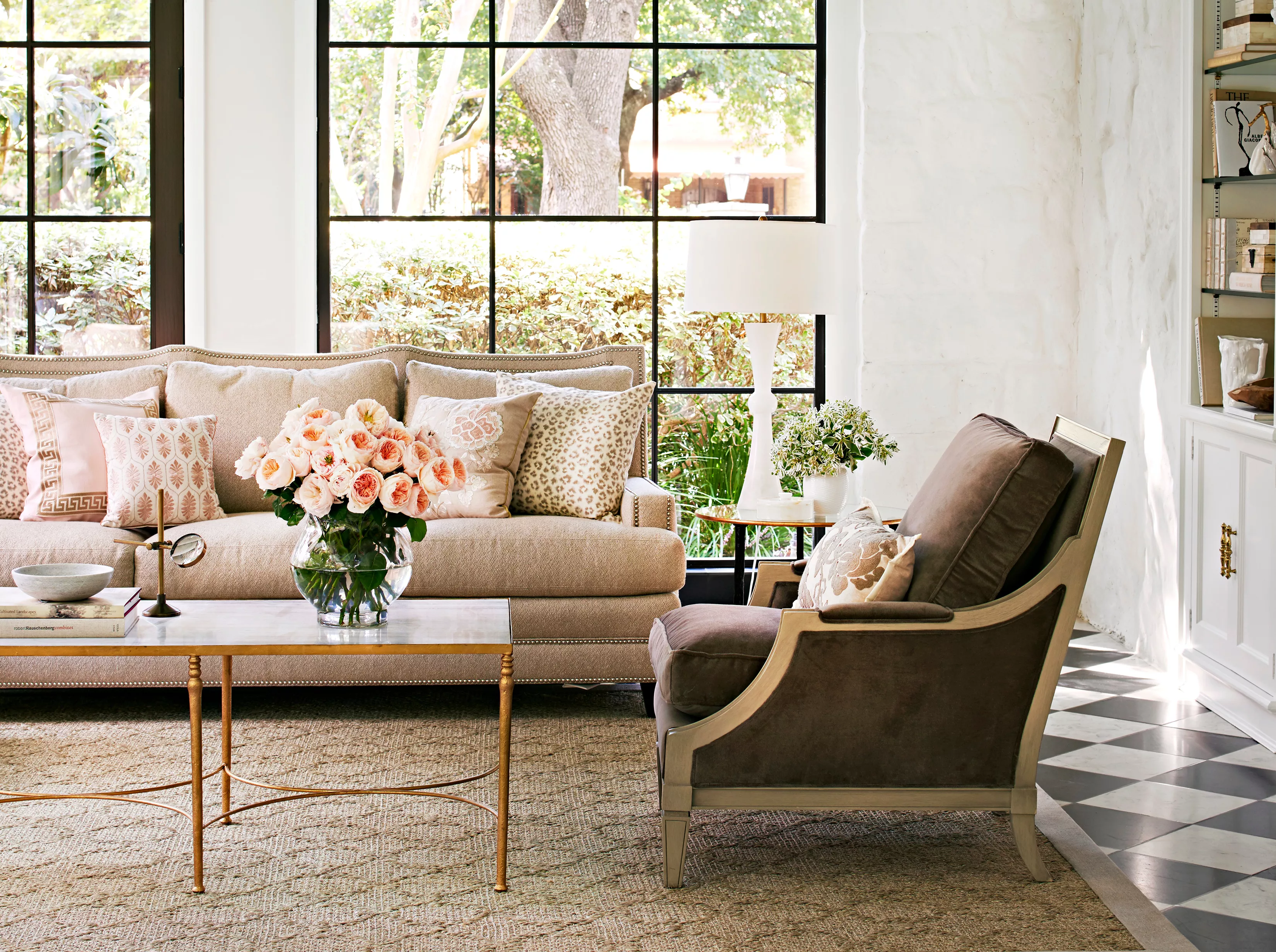
11 Home Design Trends That Are In or Out for 2025

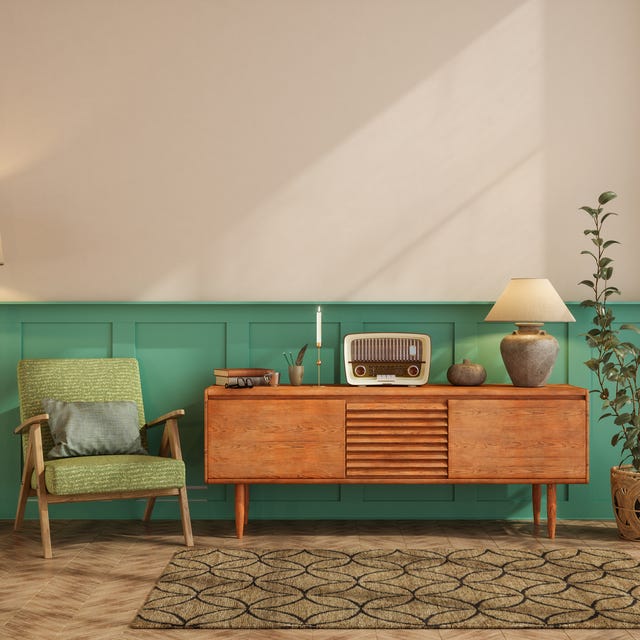
8 Home Trends That Are Tragically DEAD to the Design World
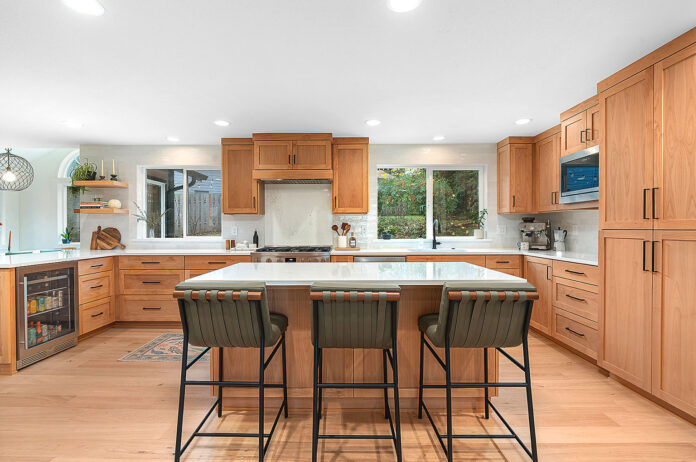
2026 Home Design Trends to Watch
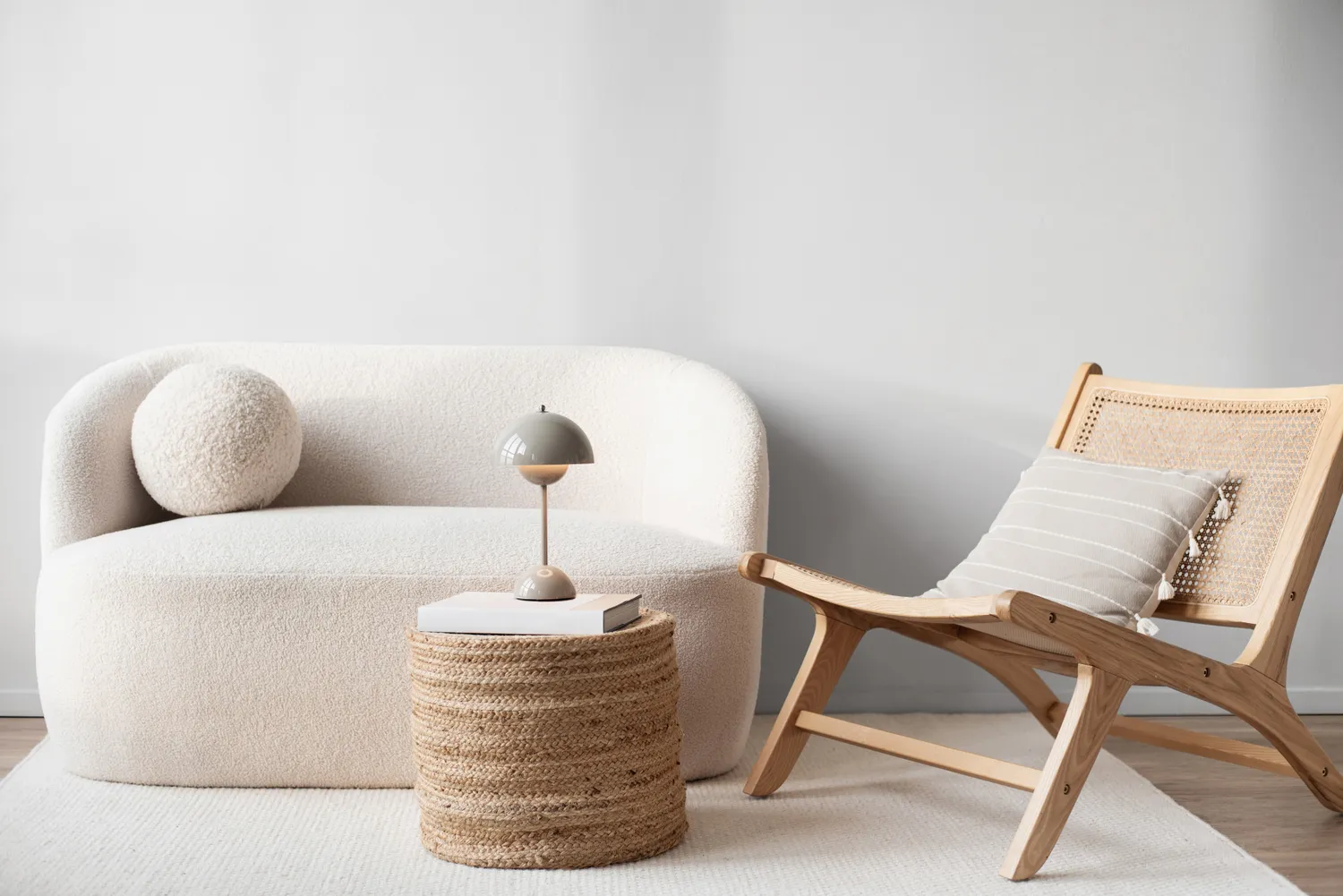
5 Home Renovation Trends That Interior Designers Are Ditching in 2026
10 Horrifying Home Design Trends: 2023 Edition
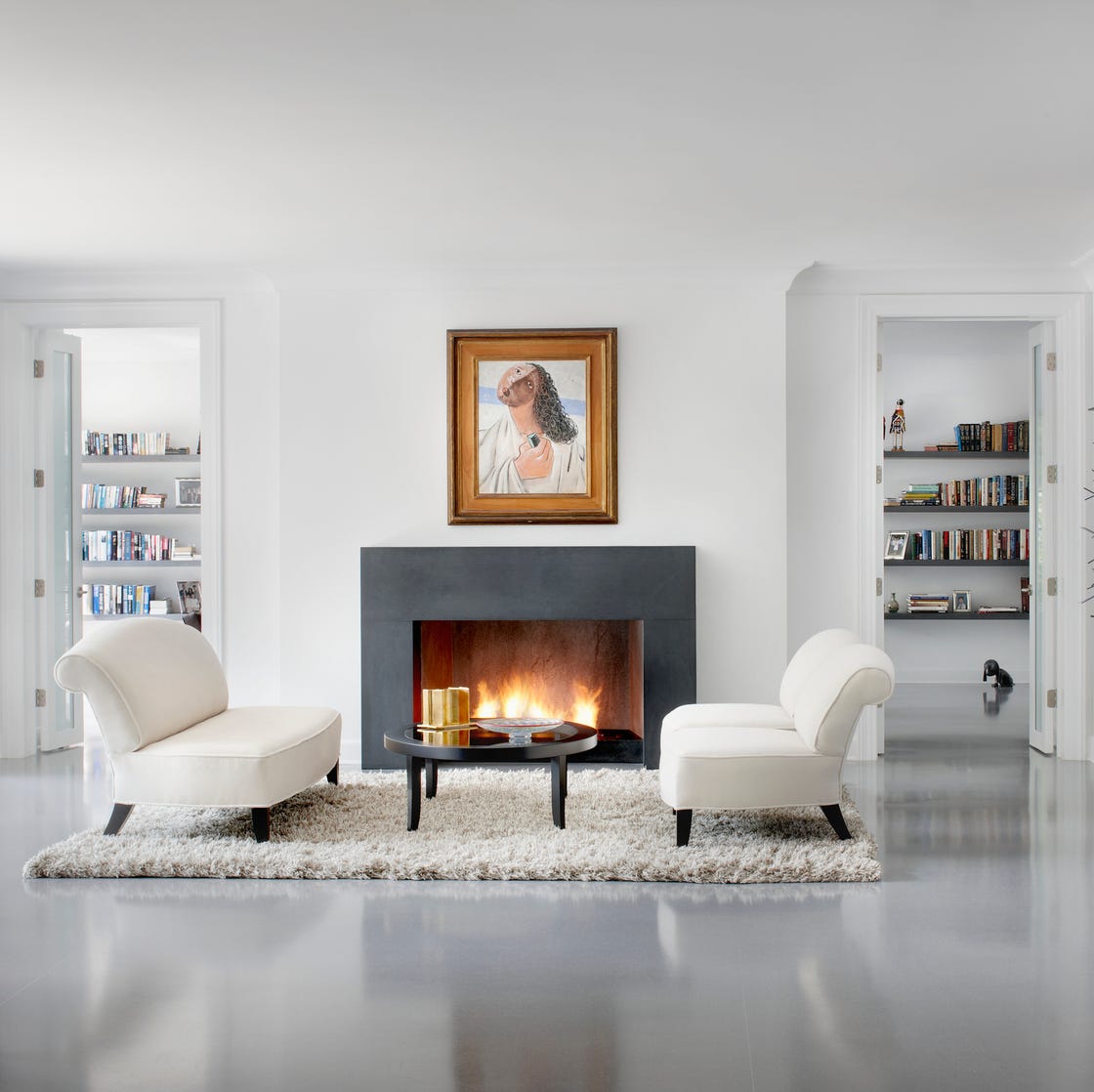
8 Decorating Trends Designers Wish Would Go Away in 2025

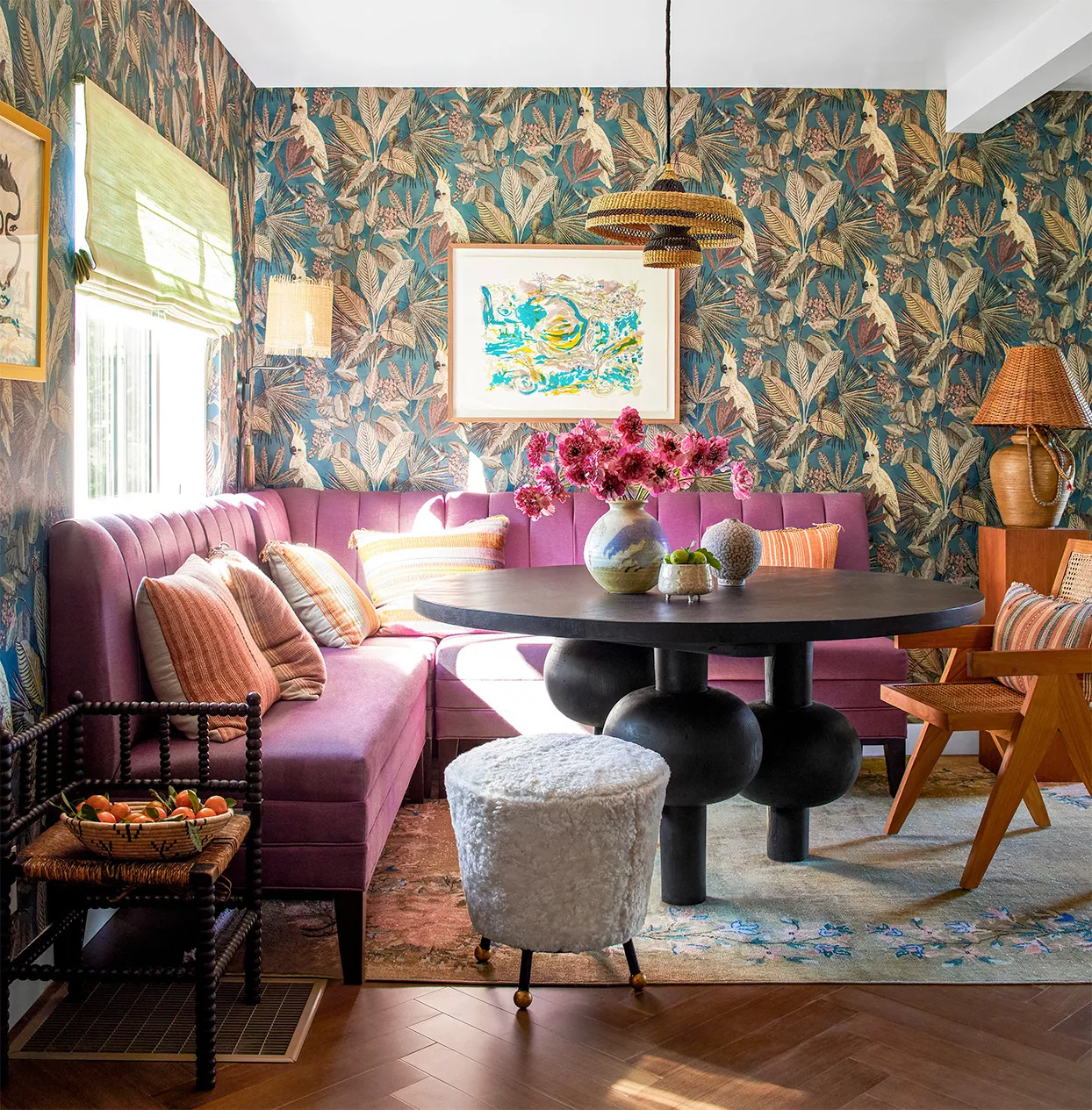
8 Home Design Trends We're Leaving in 2024 (And What to Do Instead)

5 Kitchen Design Trends Going Away In 2026

The Vintage Interior Trends Designers Predict Will Define Homes in 2026

3 "Timeless" Trends Designers Say Are Out—and Making Homes Look Dated in 2026

The Decorating Trends Designers Are Leaving Behind in 2026

These Trendy Home Additions Will Look "Dated" in 2026, According to Designers
10 Horrifying Home Design Trends: 2022 Edition
Interior Designers are Ditching These Home Trends in 2024
Designers Agree: These 15 Home Trends Are Officially Out in 2026

10 Interior Design Trends Going Away In 2025
People Are Getting Real About The "Infuriating" Home Design Trends That Should Stay In 2023