1/27
The Vintage Interior Trends Designers Predict Will Define Homes in 2026
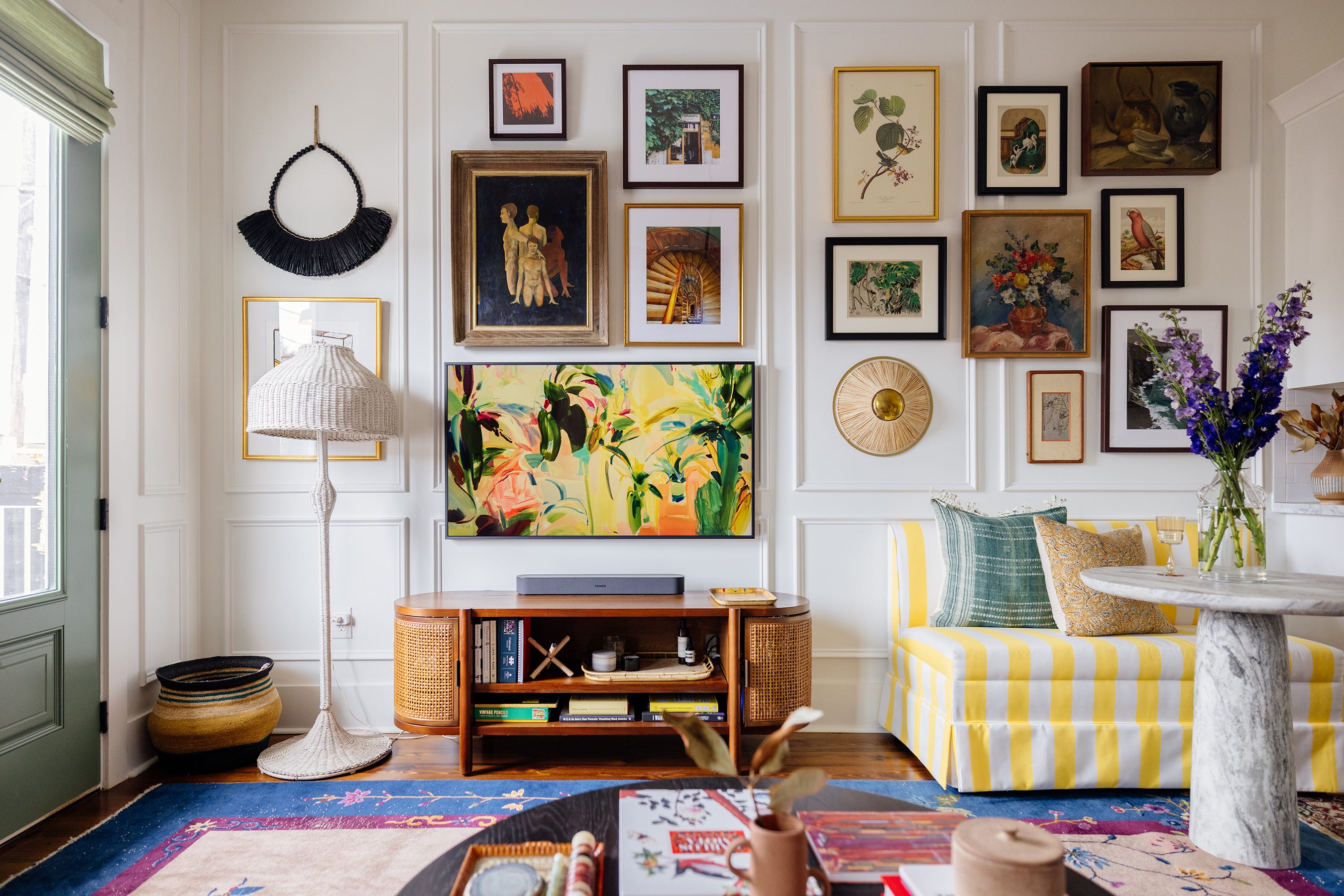
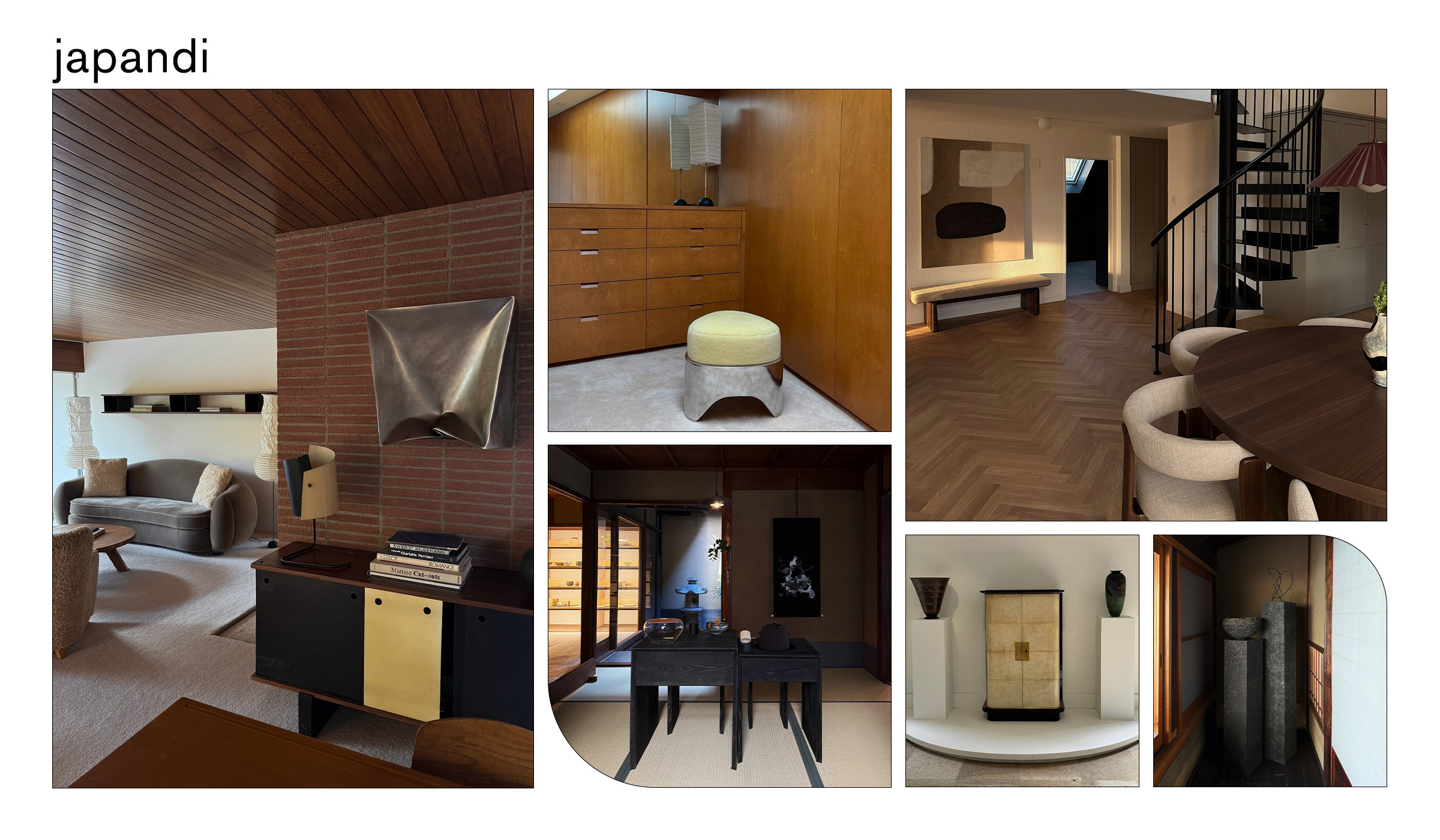
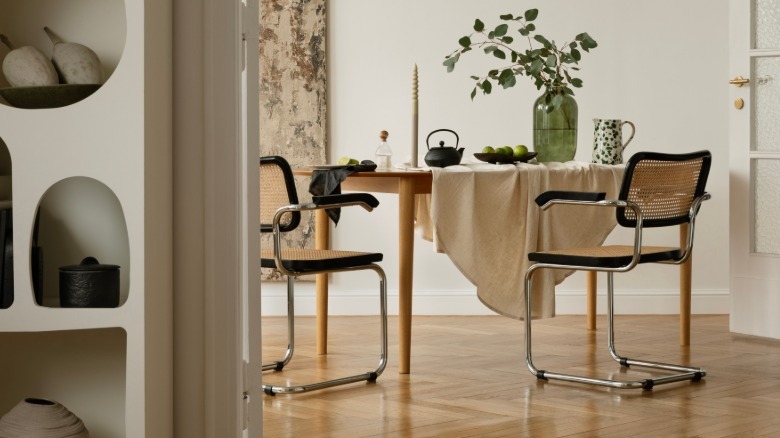
In 2026, interior design is witnessing a significant shift towards vintage trends, moving away from transient styles and mass-produced furniture. Designers are increasingly integrating antiques and found objects into their schemes to introduce depth, individuality, and a sense of history into homes. This growing preference for vintage pieces is reflected in market trends, with antiques and decorative collectibles experiencing strong demand. Experts note that consumers desire personalized and intentional interiors, a quality that vintage items provide through their unique craftsmanship and inherent narratives. This article explores seven vintage-led trends anticipated to shape interior design in 2026, encompassing expressive glass, nostalgic patterns, and curvaceous forms.
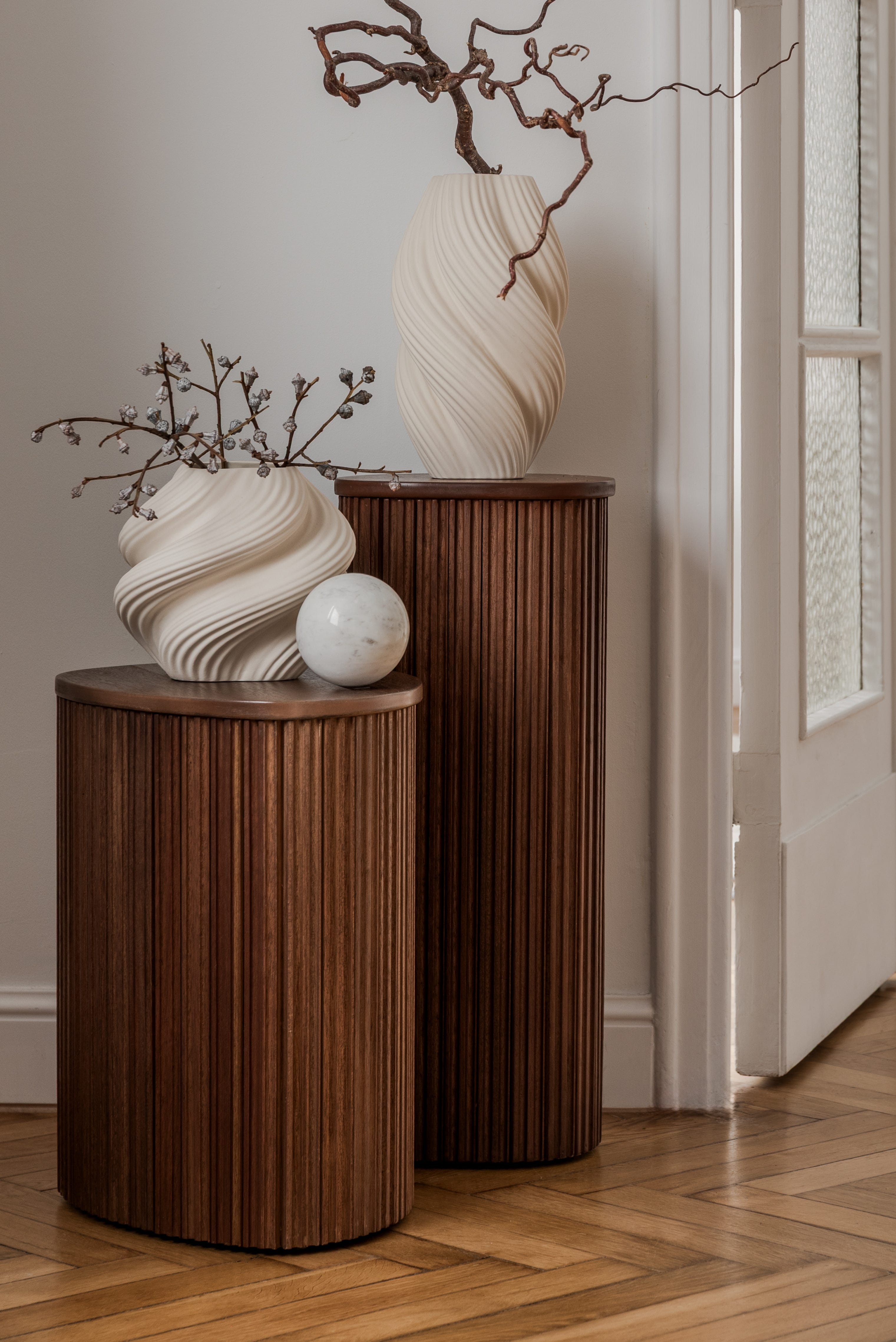
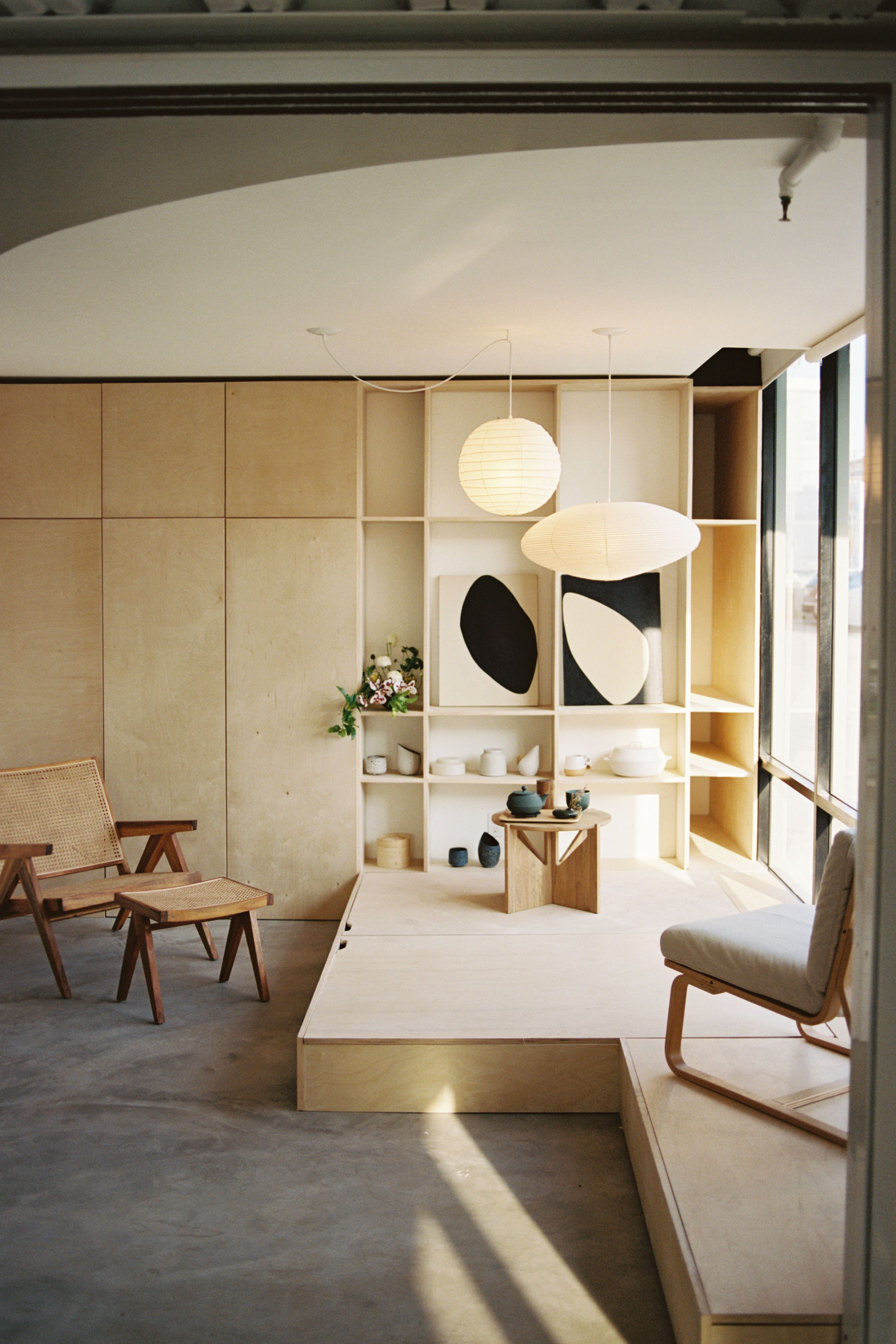
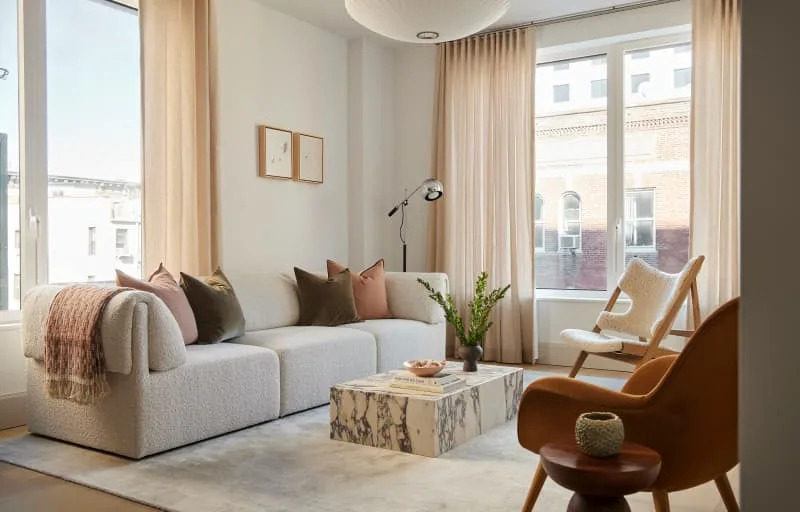
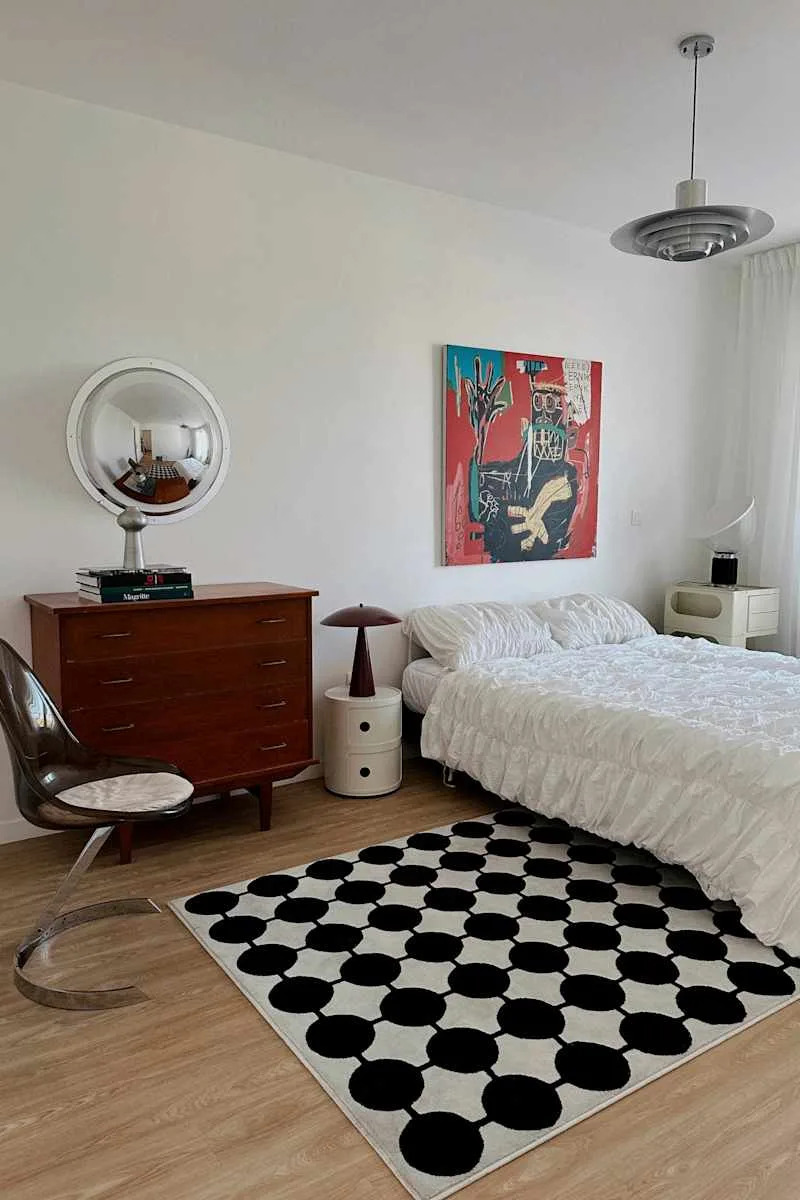
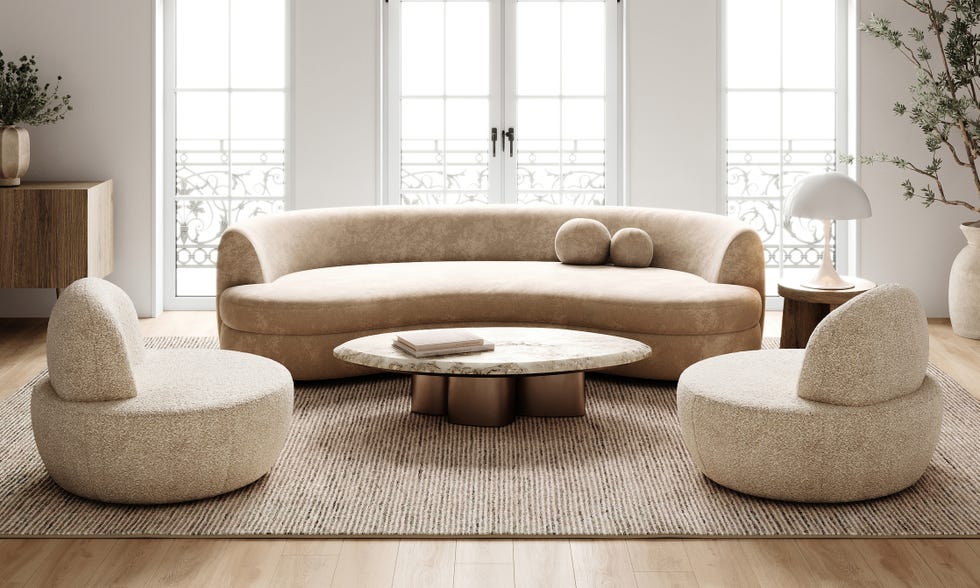
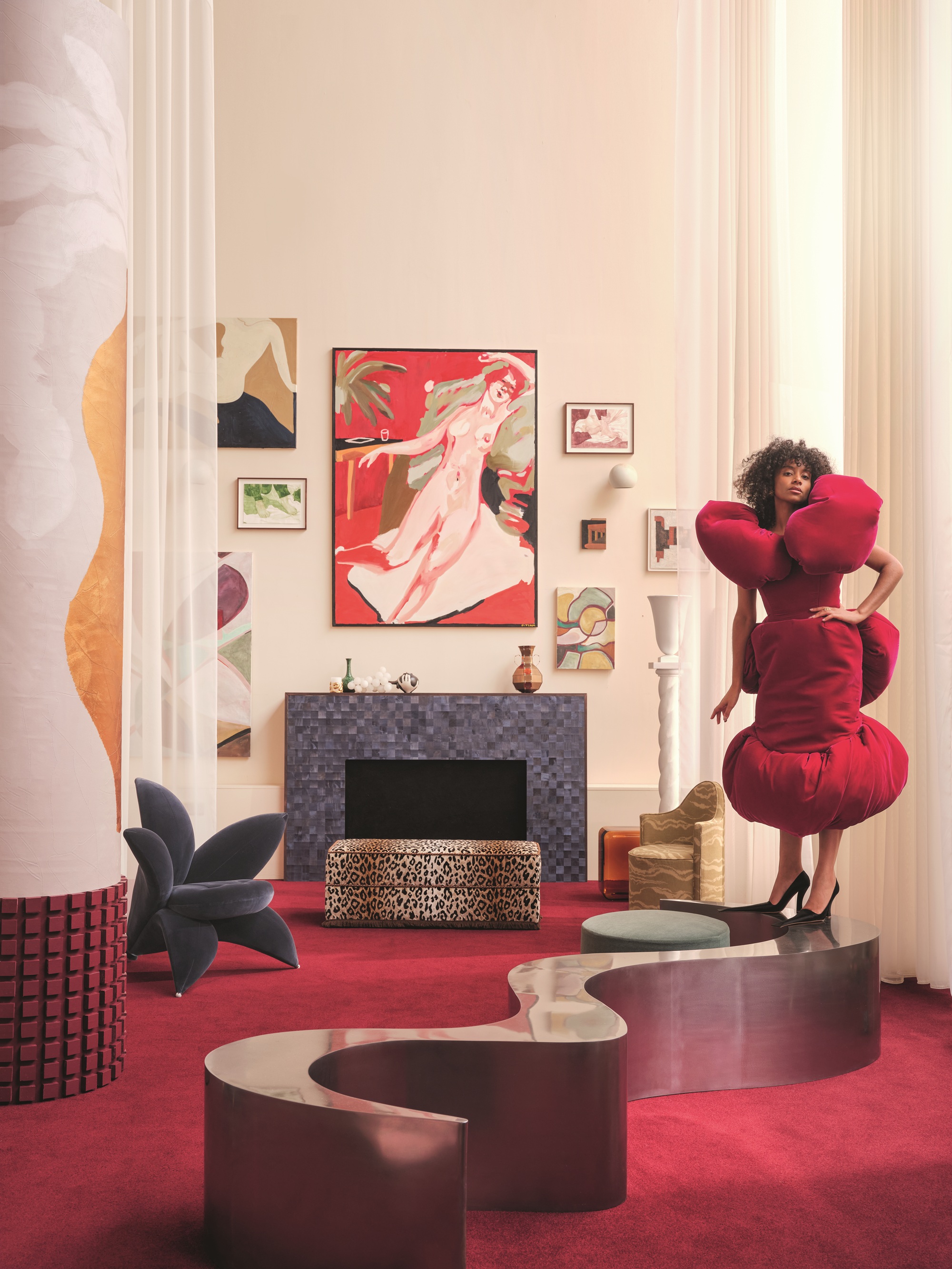
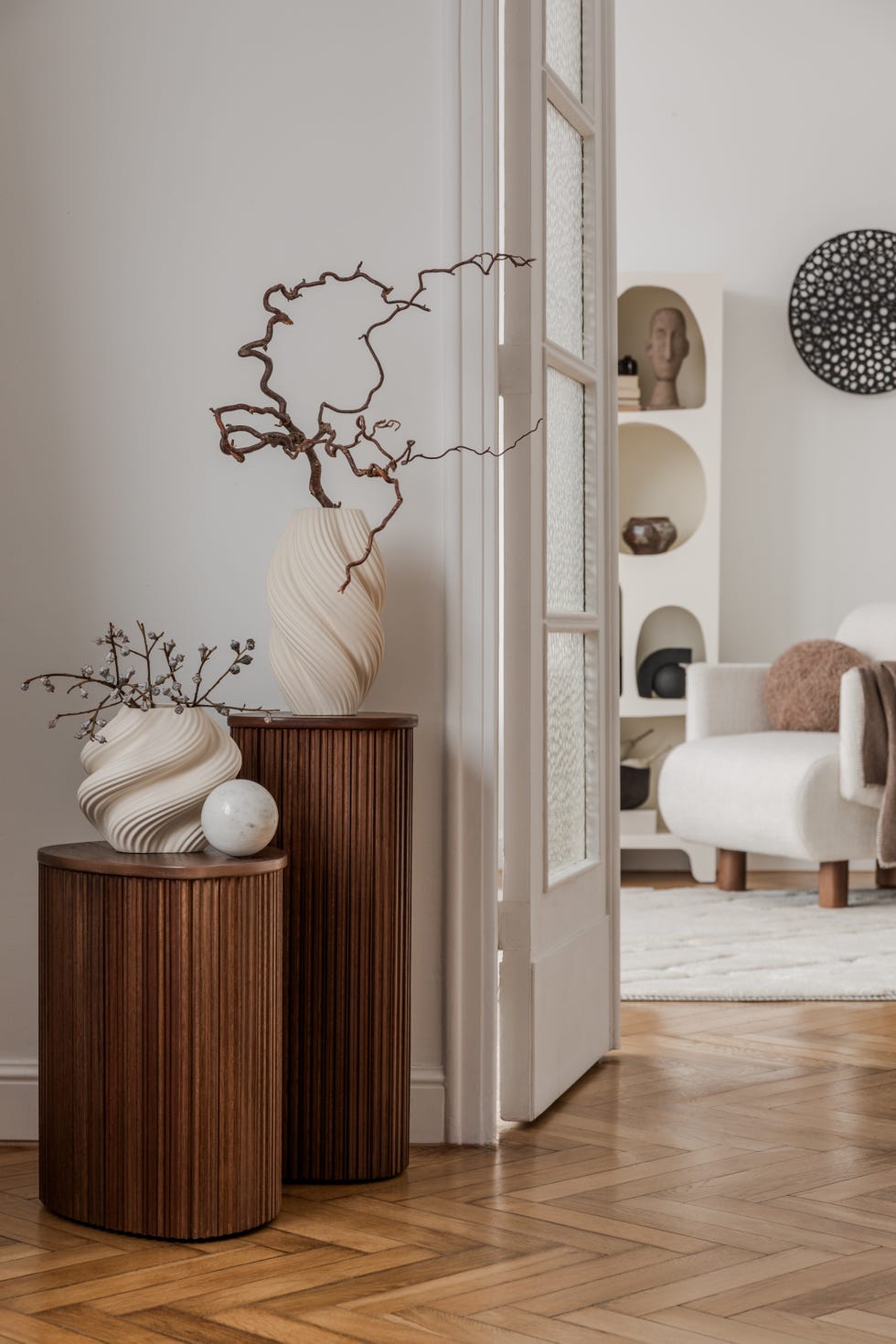
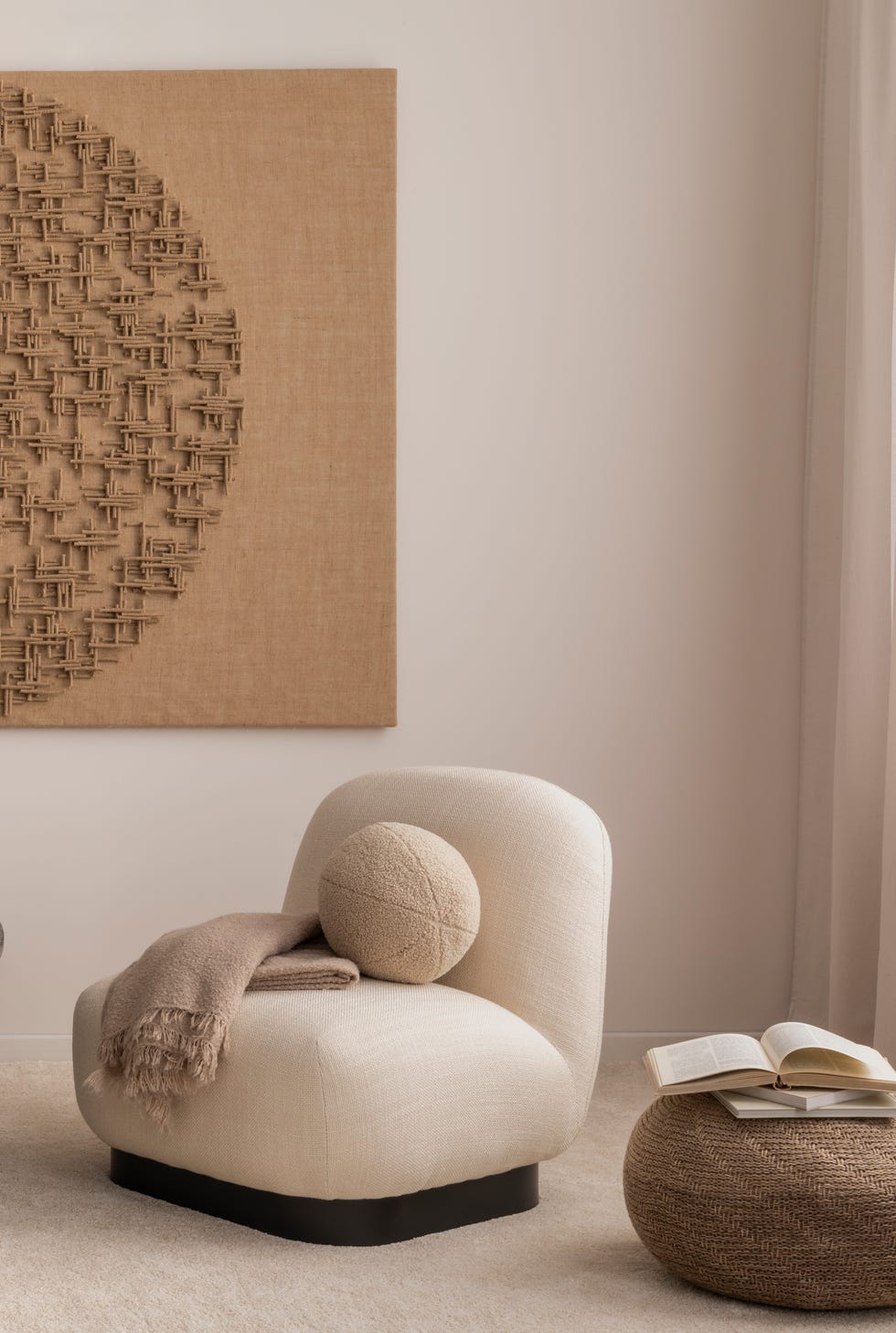
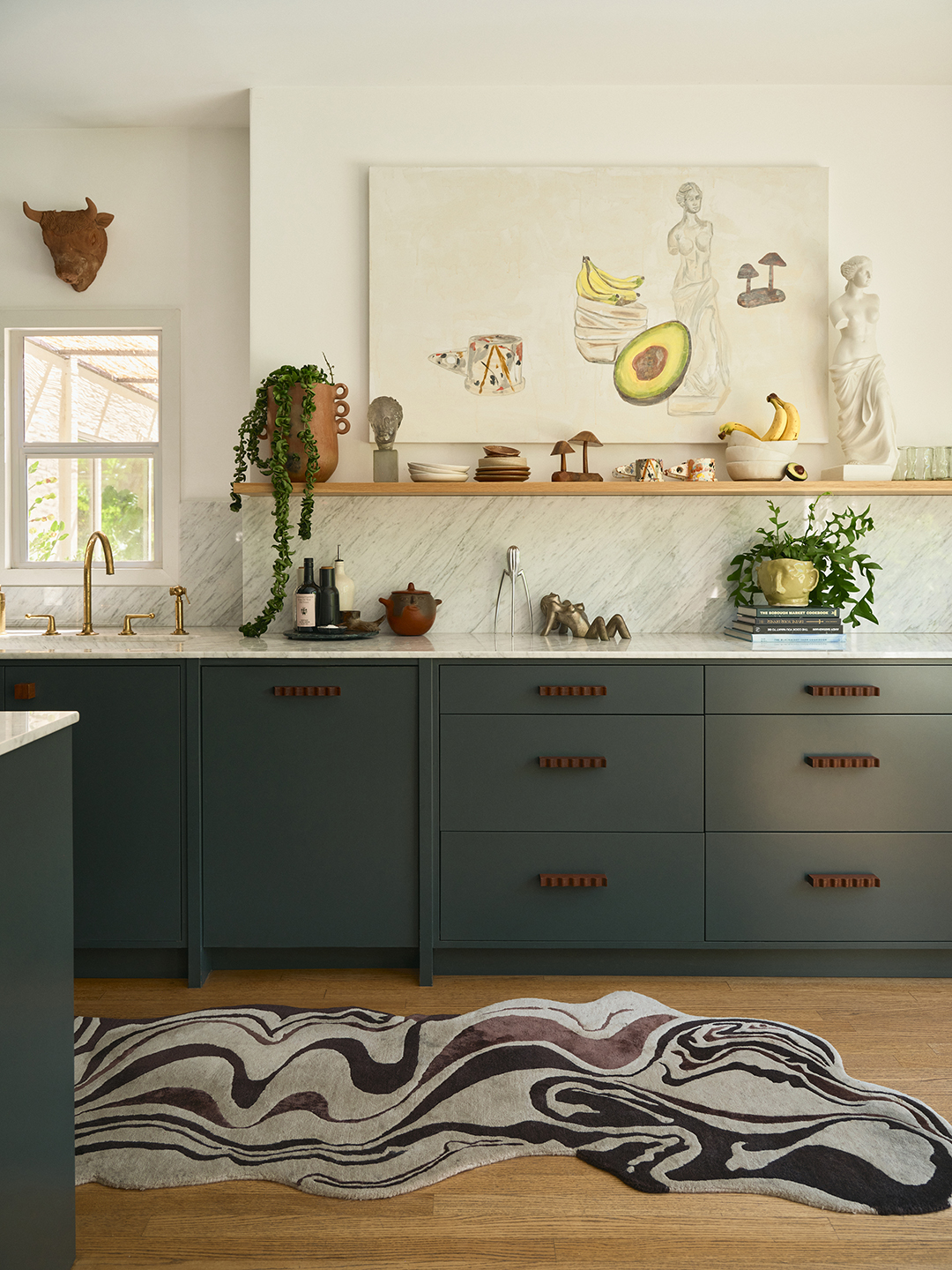

One prominent trend is the embrace of curvy and irregular silhouettes, which serve to soften spaces and offer a counterpoint to rigid minimalism. Rounded furniture, free-form mirrors, and biomorphic lighting are gaining popularity, with designers emphasizing the tactile and welcoming nature of these forms. Vintage mid-century and postmodern pieces, in particular, are driving this trend, as their fluid lines and organic shapes create a sense of comfort and ease within a room. Designers advise introducing these elements gradually to avoid overpowering the space, suggesting a single rounded armchair or a vintage ceramic piece to gently enhance the aesthetic.
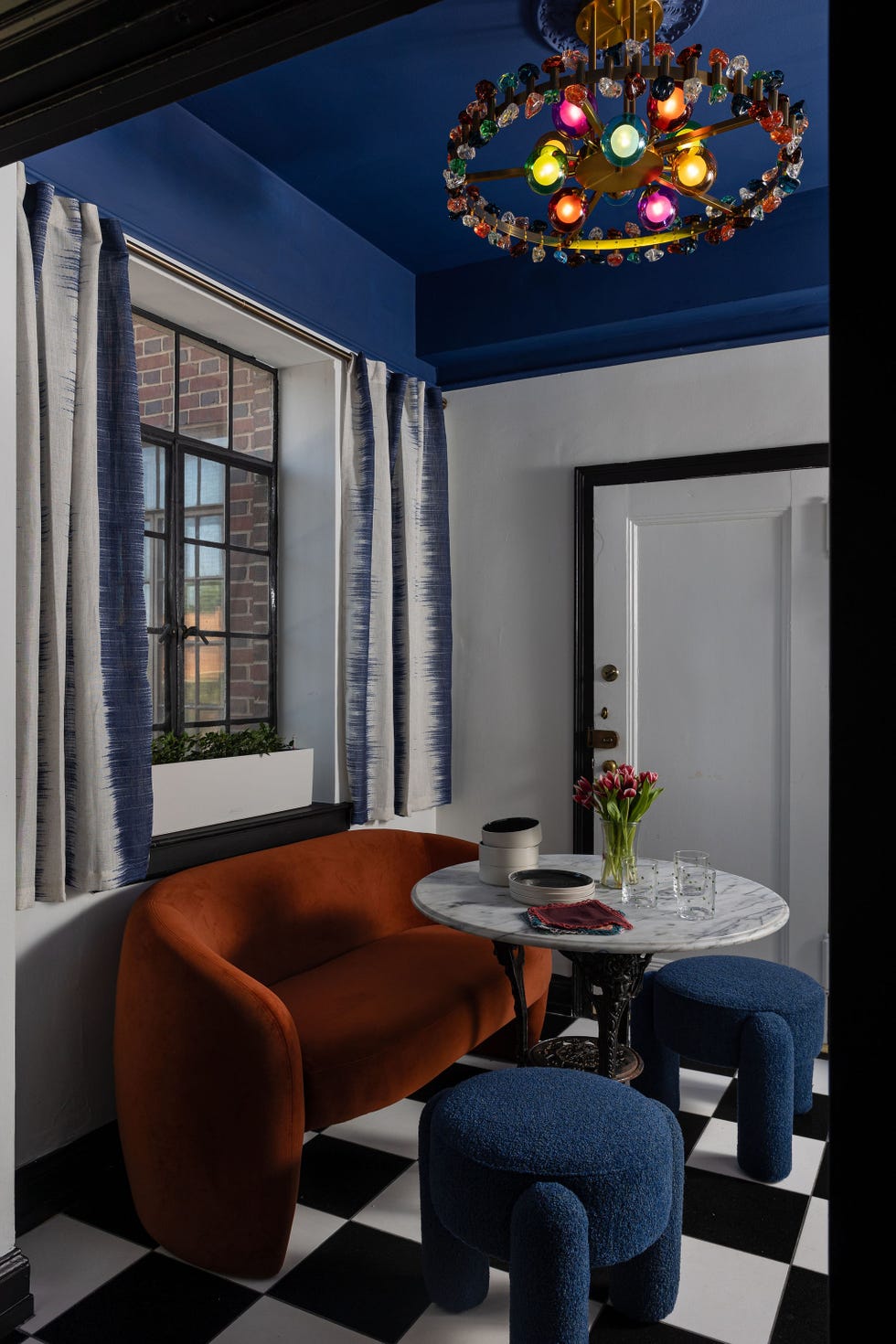
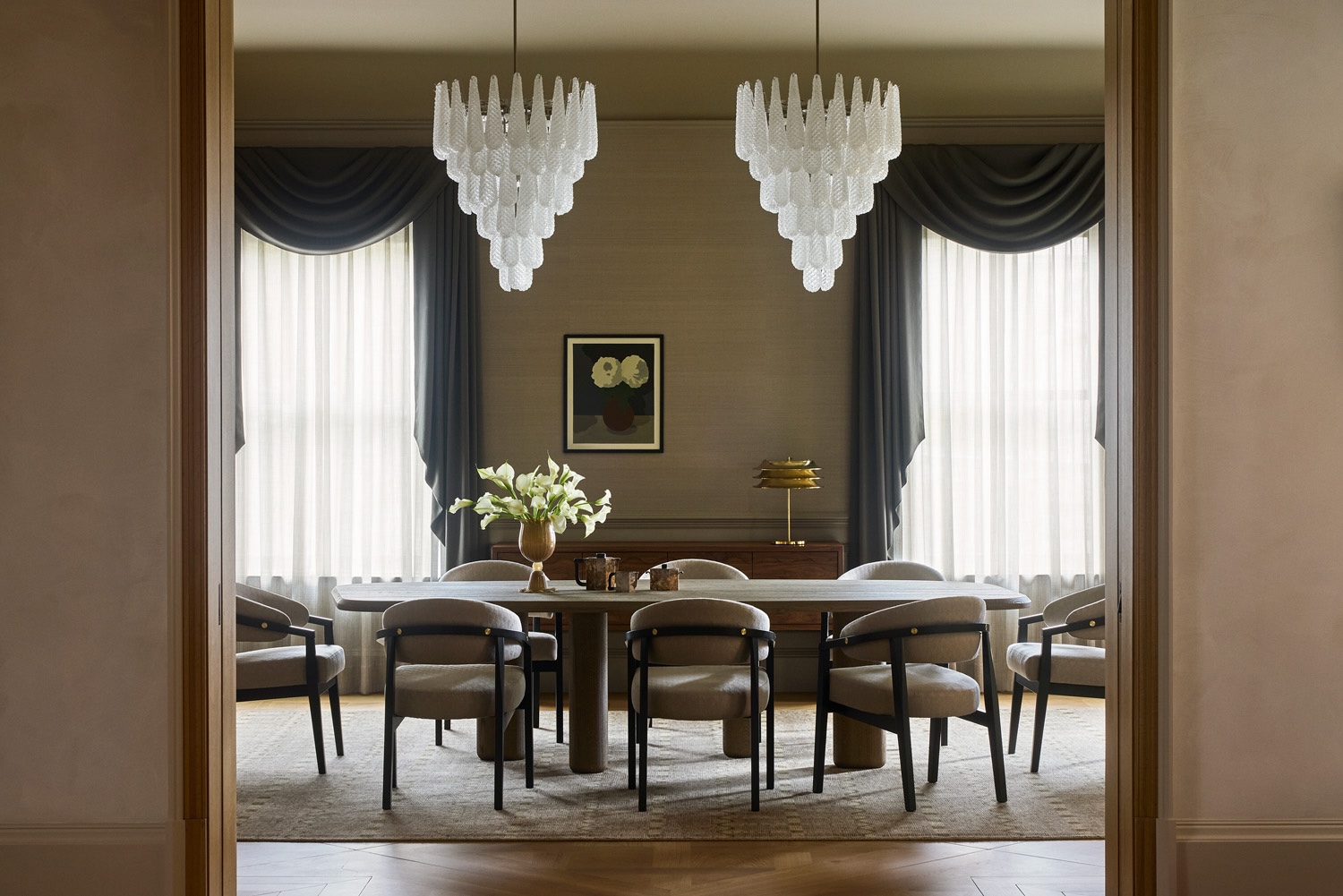
Another key trend centers on Murano glass, which is re-emerging as a focal point for both illumination and artistic display. Murano lighting, from gleaming pendants to colorful blown-glass clusters, is highly sought after for its unique combination of color, craftsmanship, and expressive form. Beyond lighting, Murano glassware, such as vases and sculptural objects, is being utilized to add vibrant, hand-shaped moments of personality to interiors.
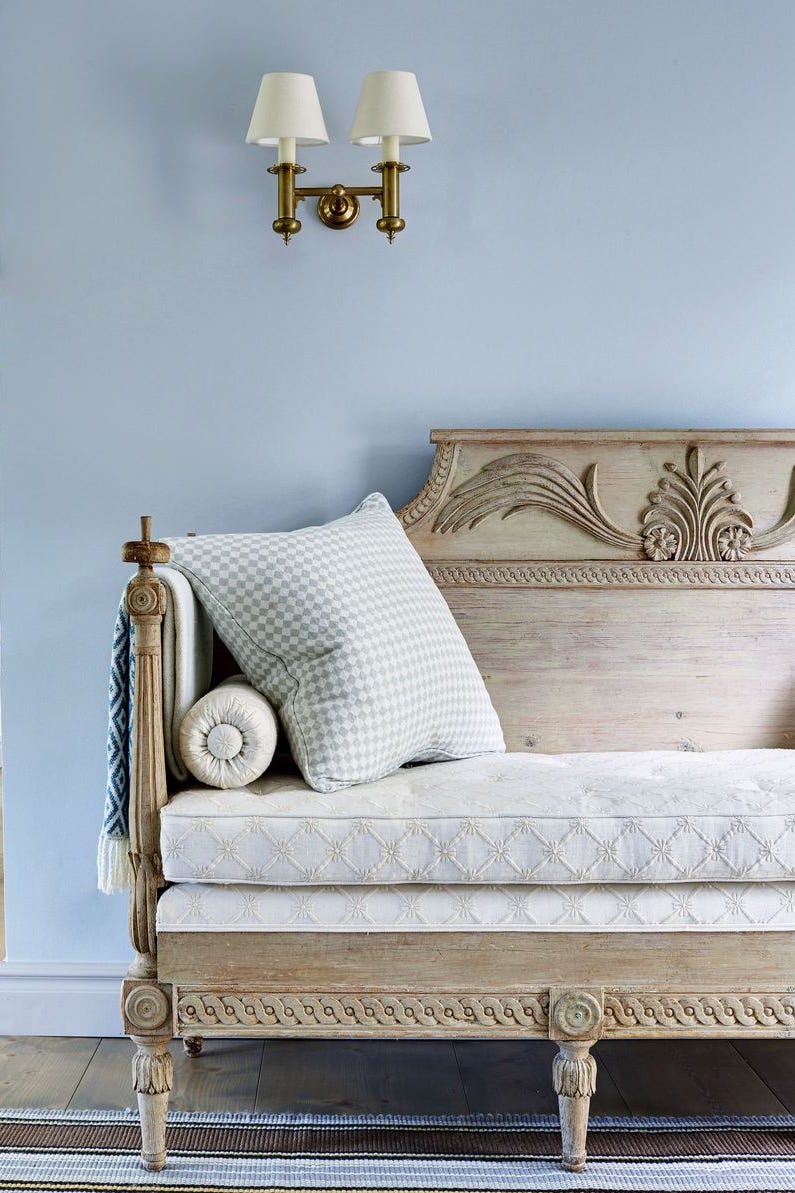
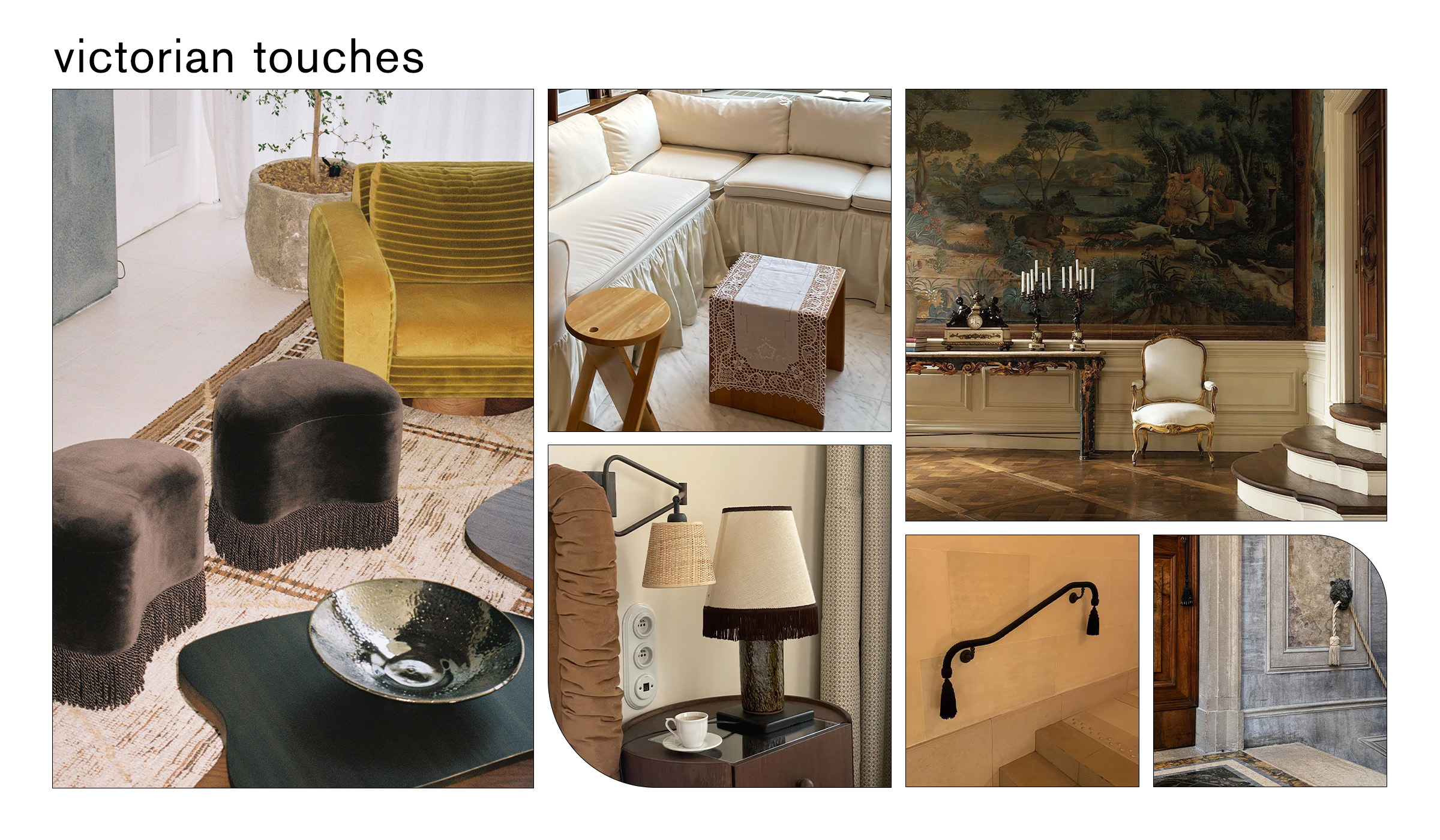
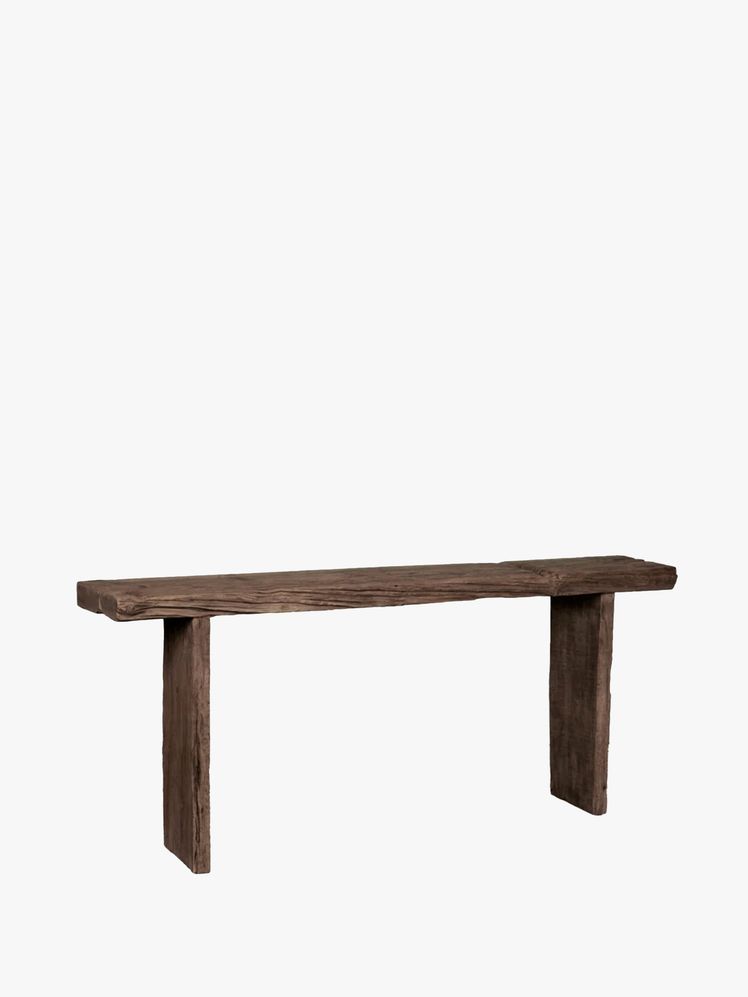
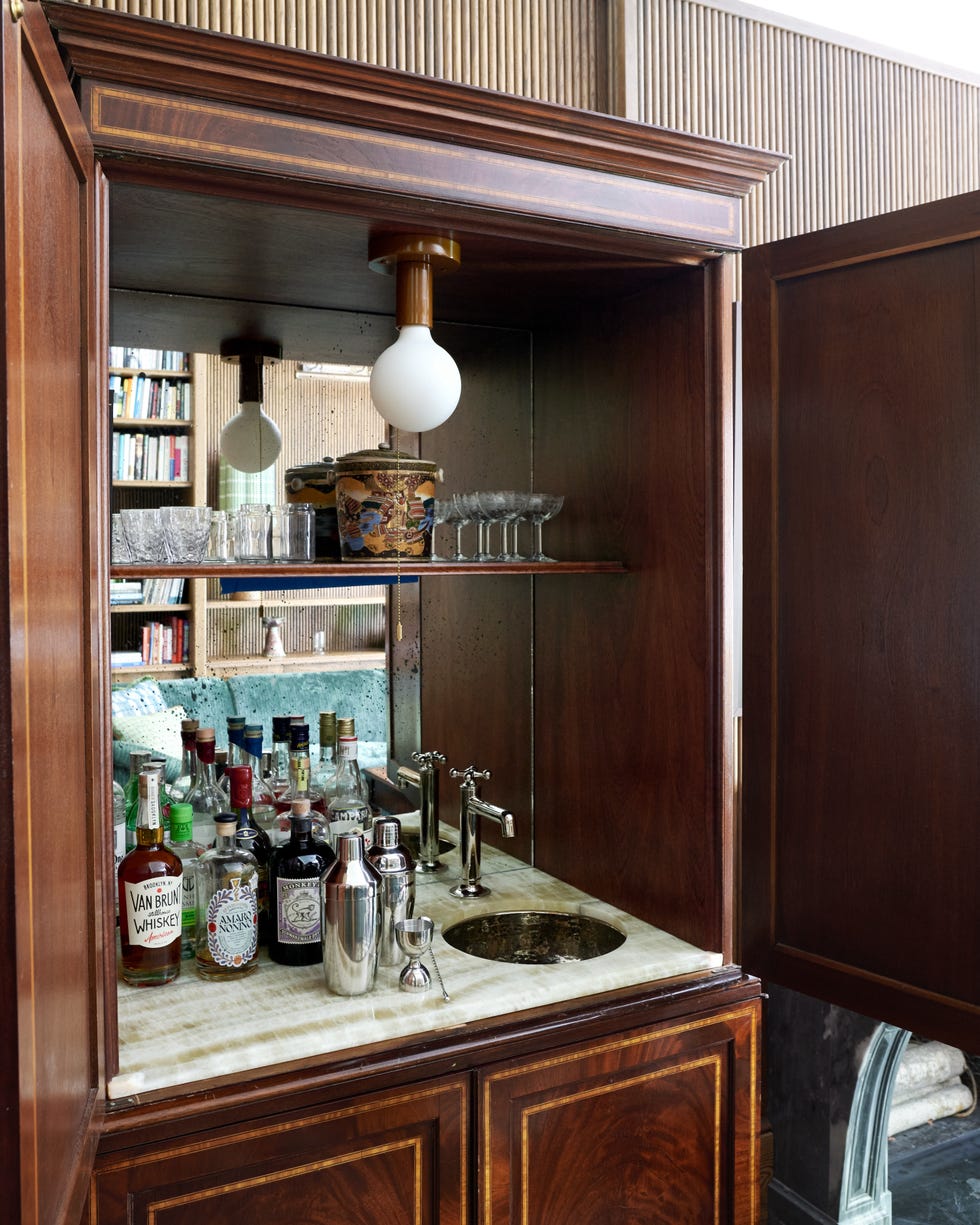
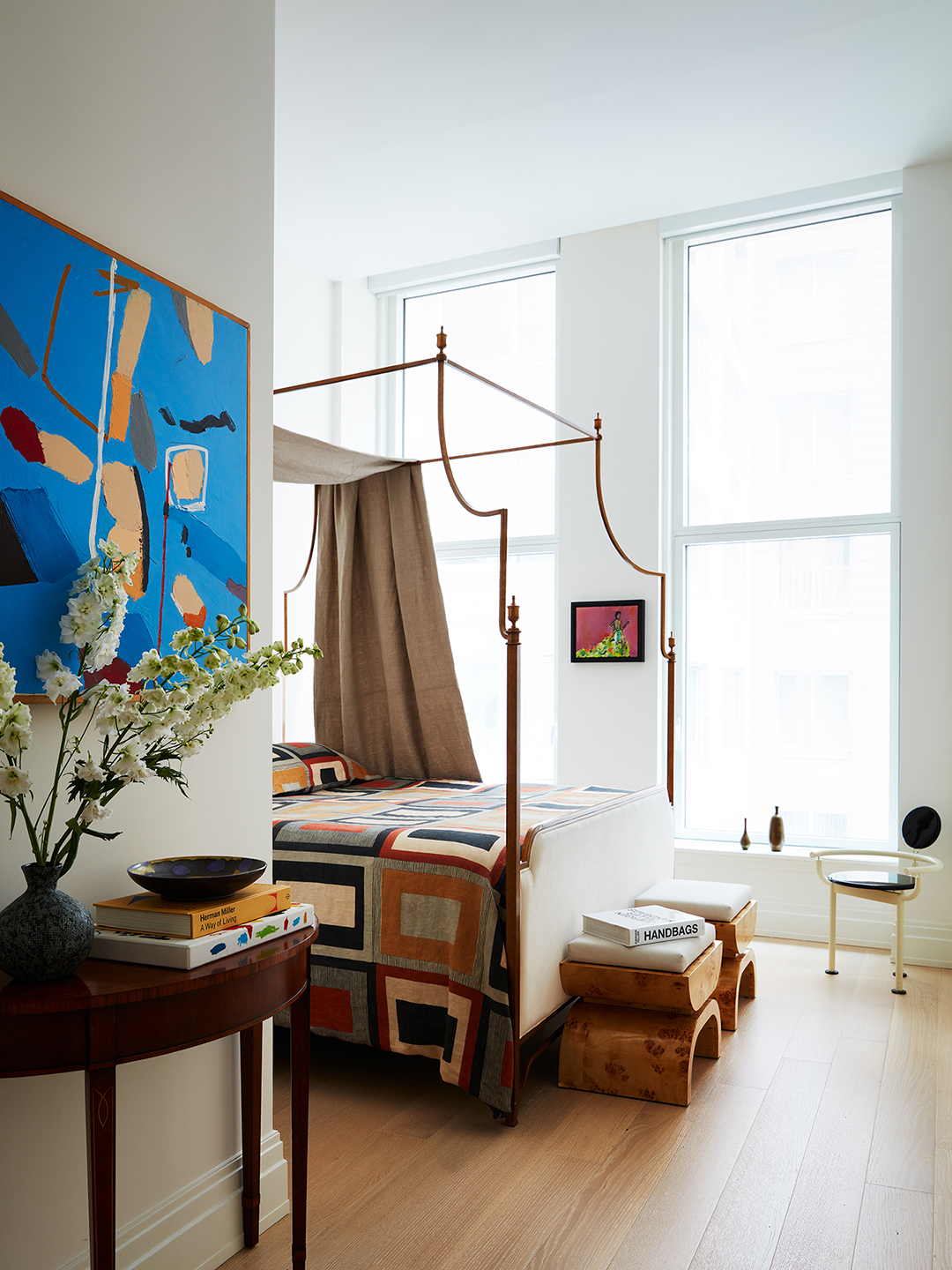
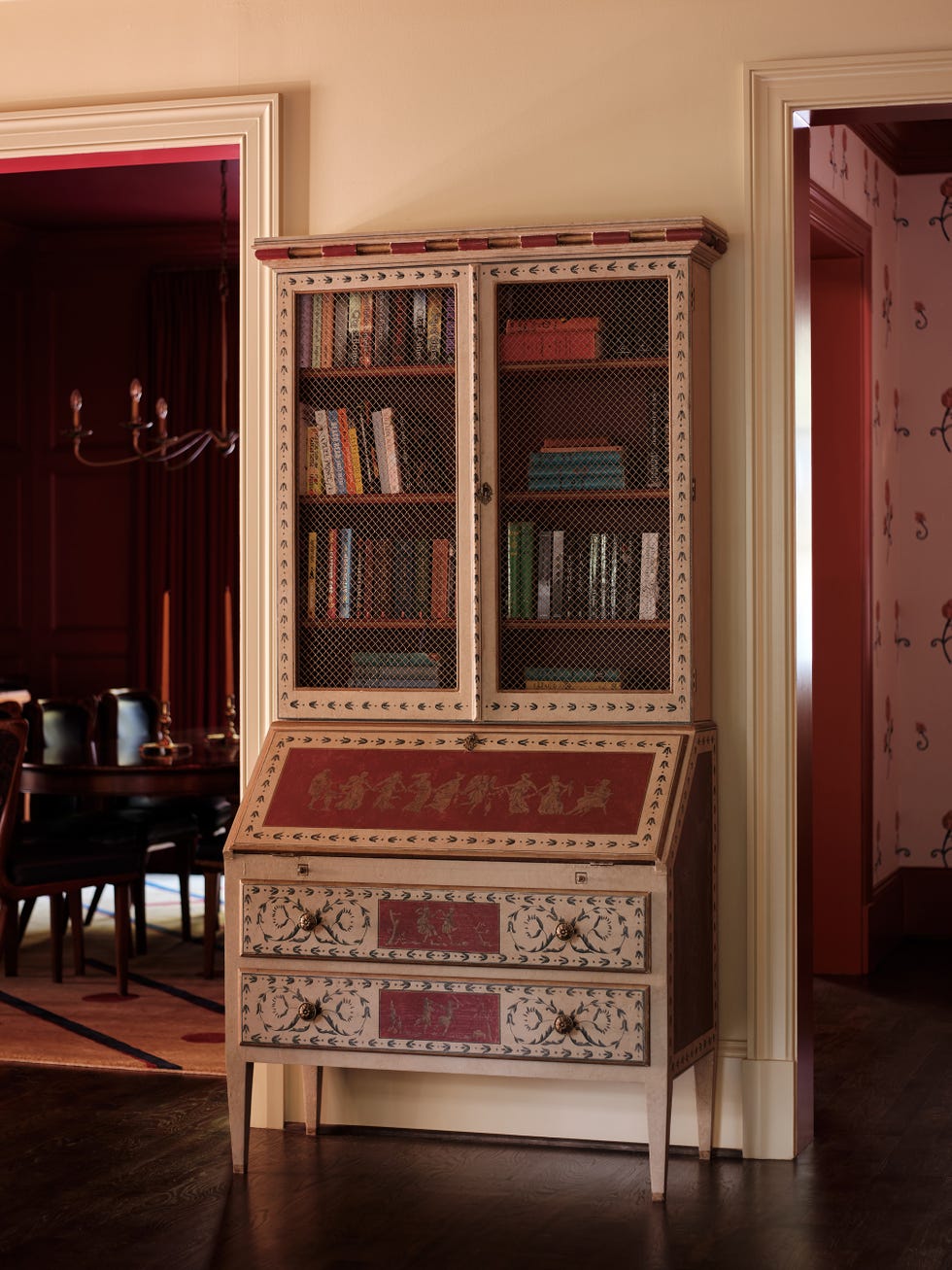
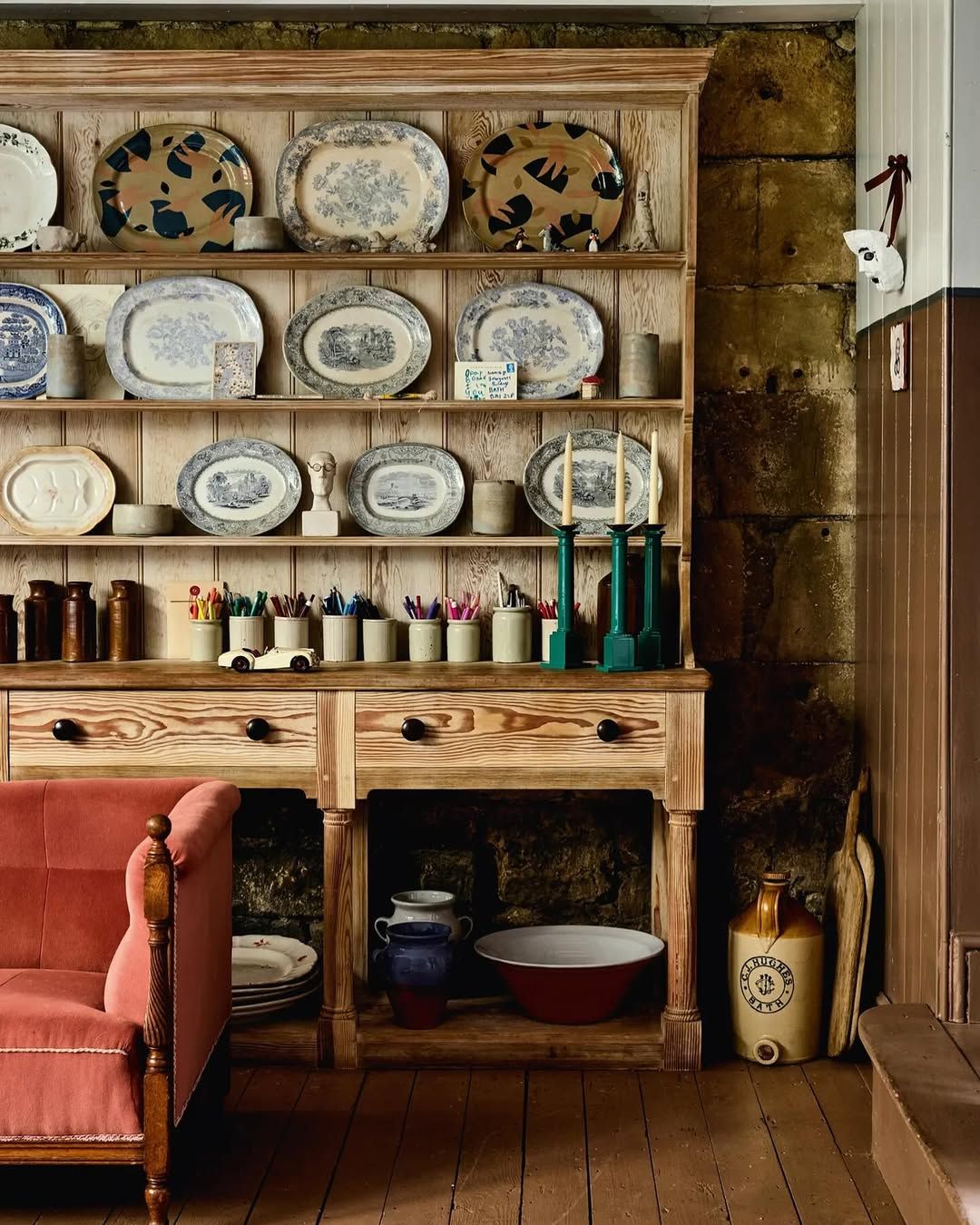
Pre-1920s antiques are also playing a crucial role in contemporary design. These pieces, characterized by hand-carved details, patinated woods, and architectural silhouettes, provide a sense of order and grounding within layered, maximalist schemes. Designers are using early antiques to anchor rooms, allowing their historical presence and time-worn finishes to balance more exuberant elements. The strategy involves centering a room around a significant antique, then building around it with bolder design choices, creating a harmonious contrast.
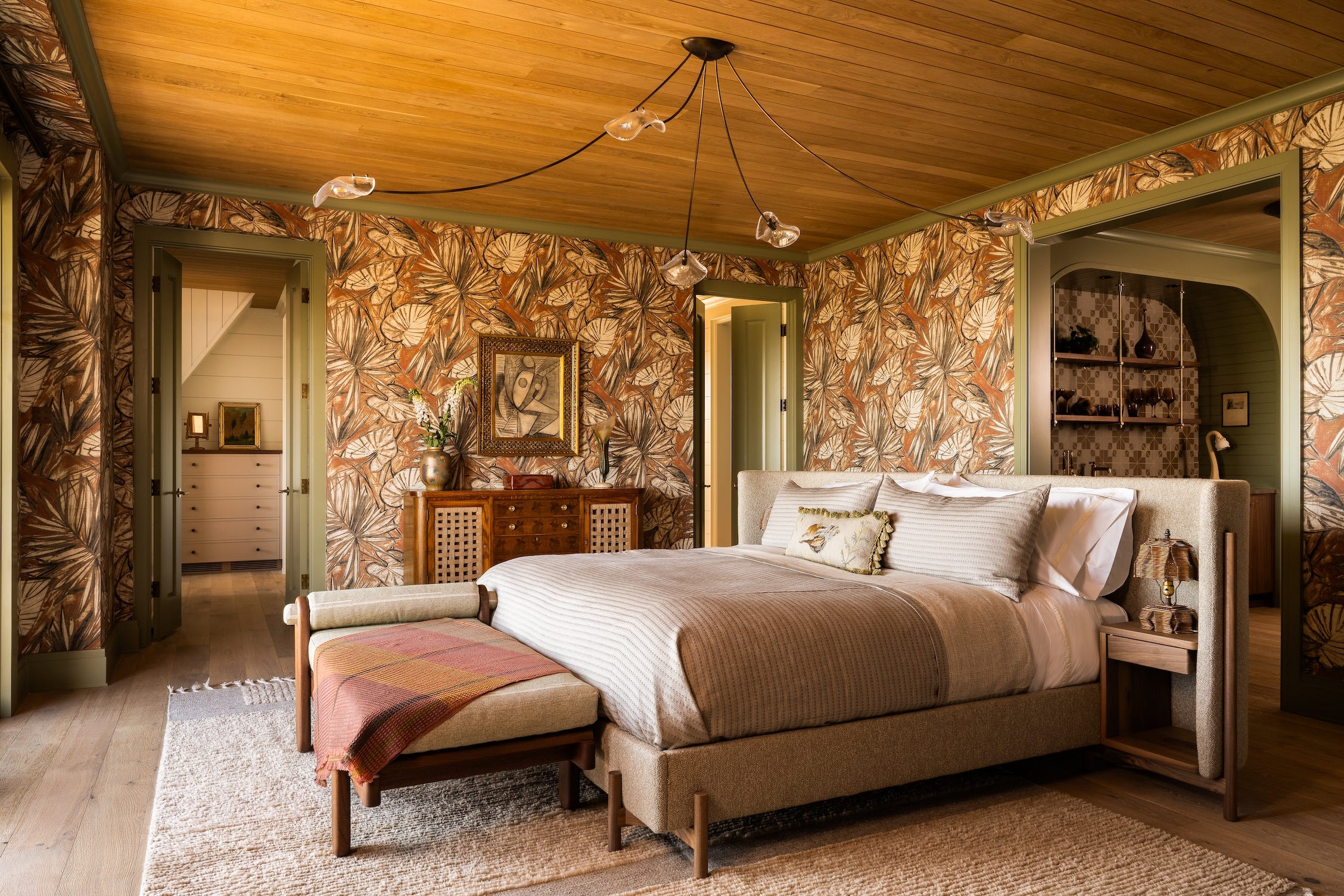
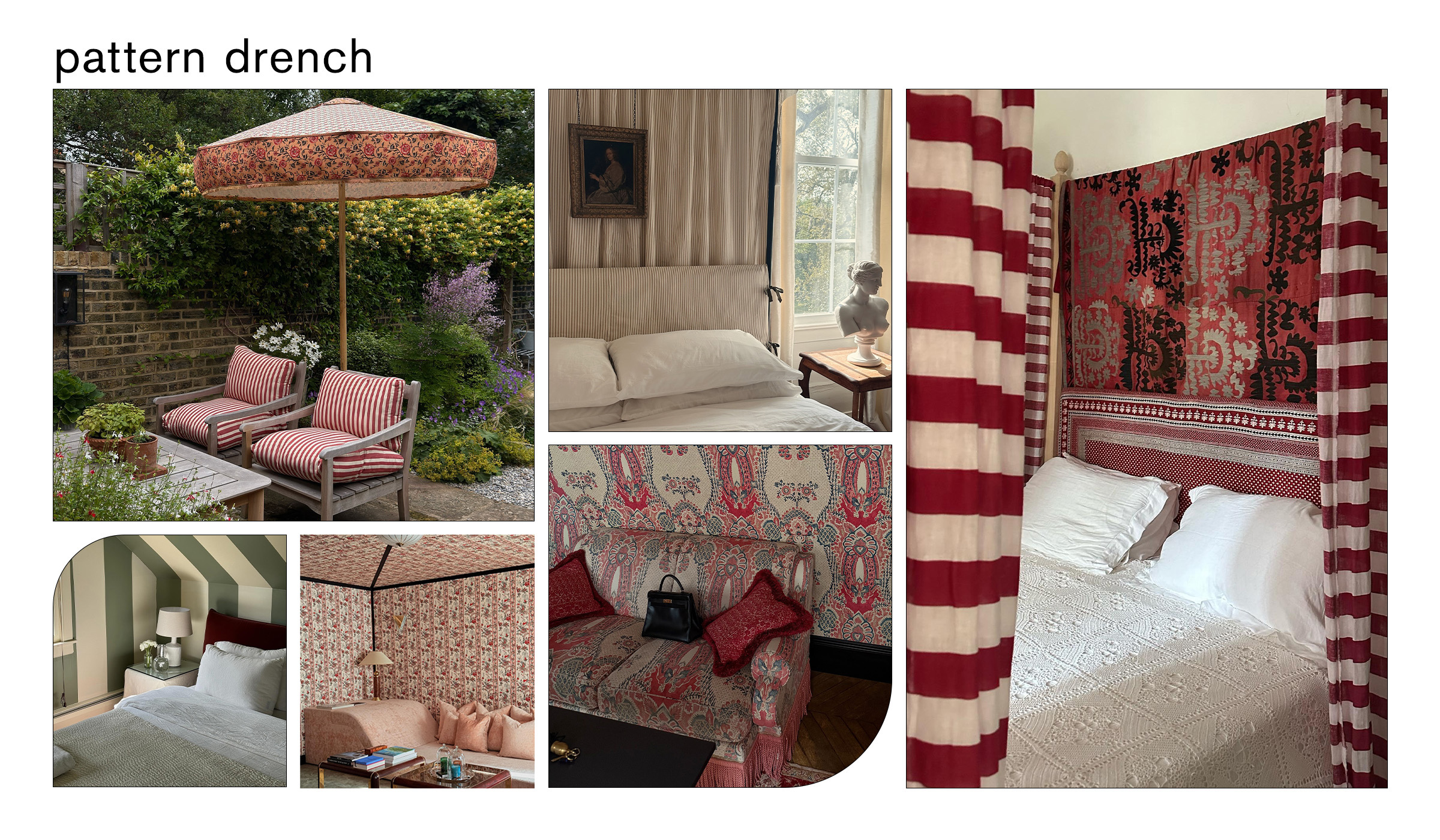
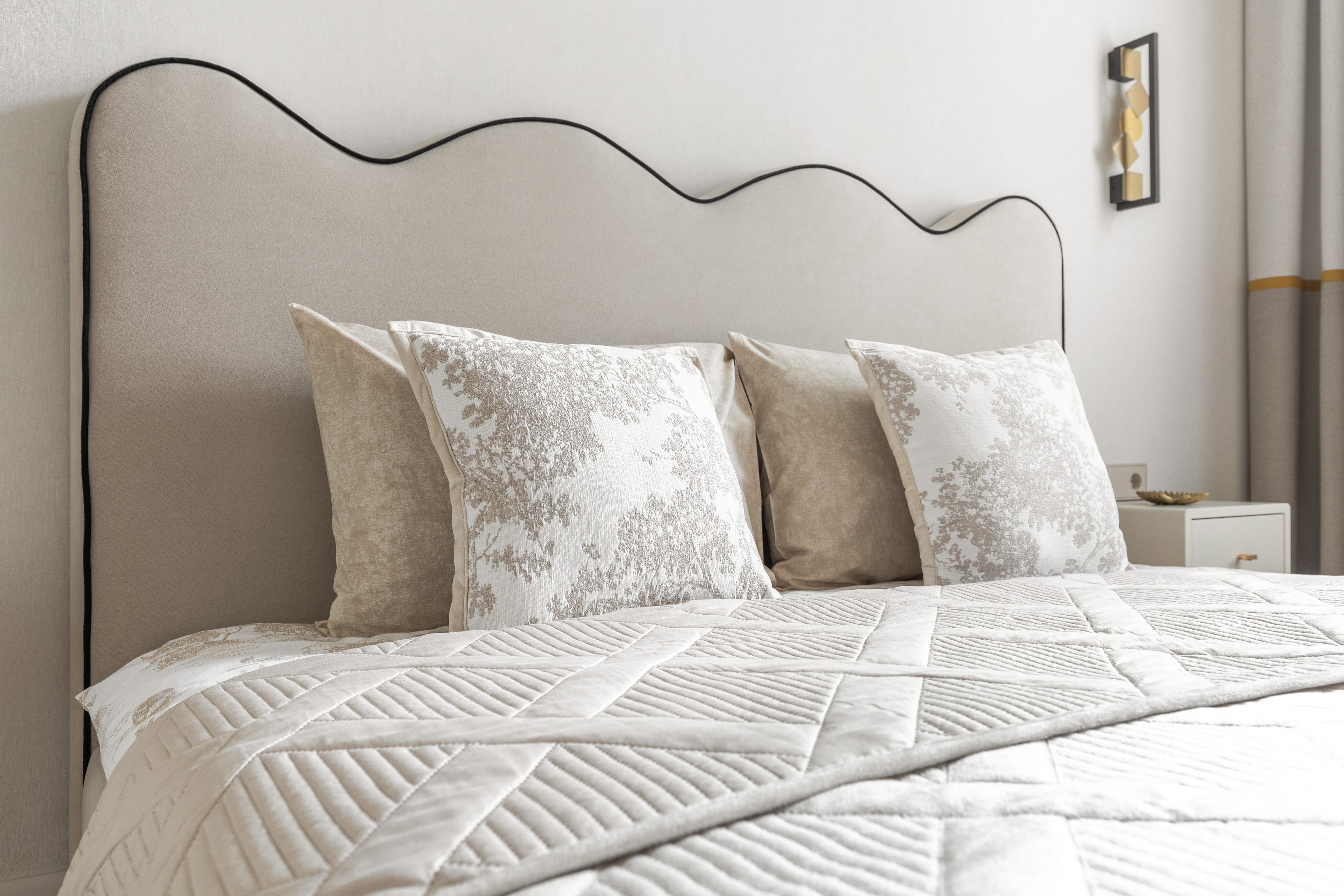
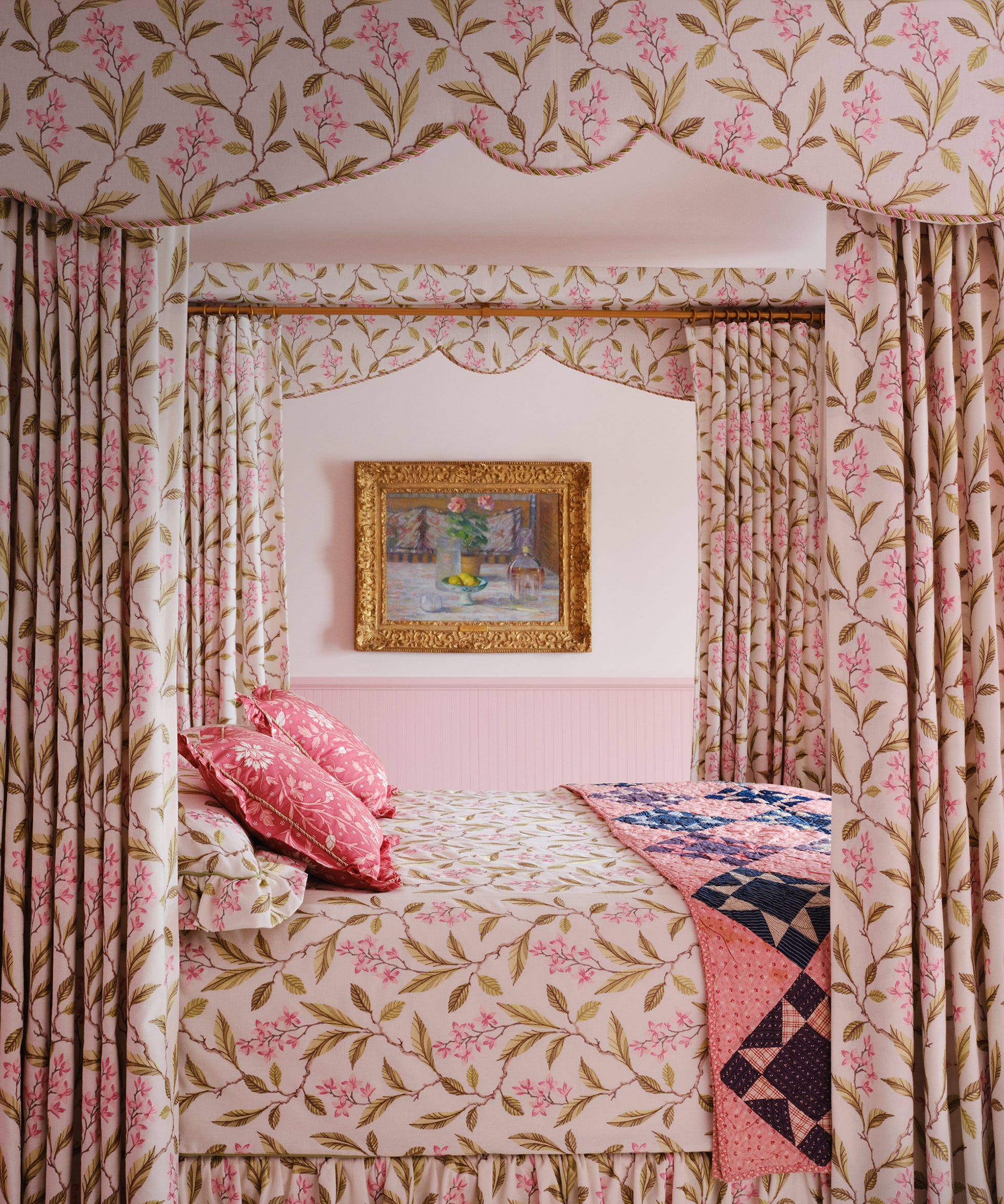
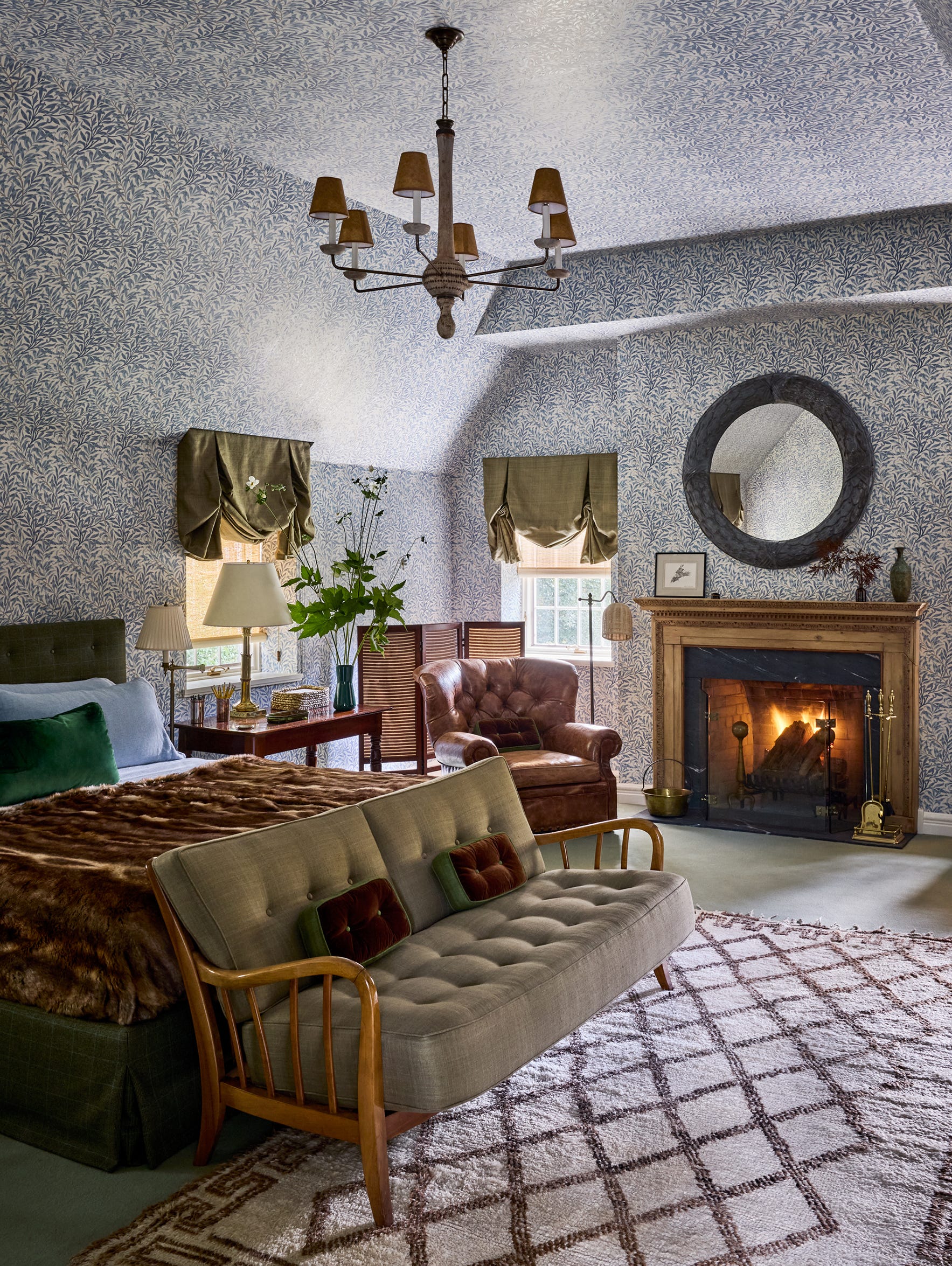
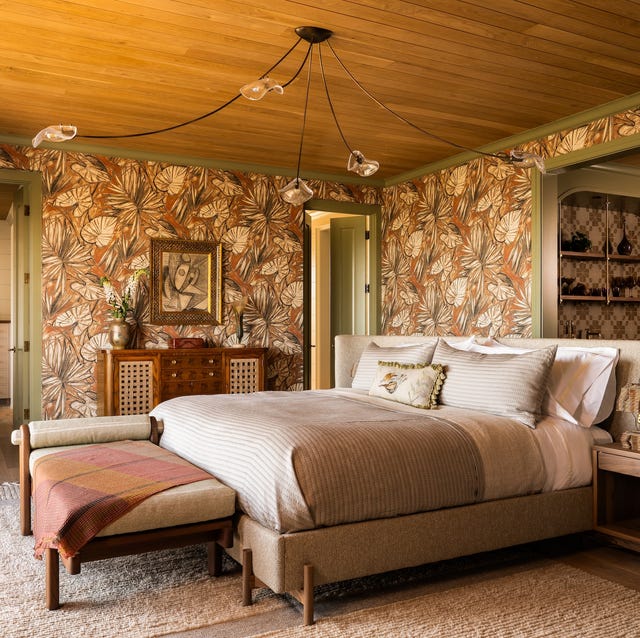
Floral and botanical motifs are making a comeback, distinguished by their nuance and artistry. Victorian florals, Arts & Crafts botanicals, and mid-century nature prints are popular choices, chosen for their ability to bring softness and a timeless quality to interiors. These patterns are thoughtfully layered across walls, ceilings, and textiles, often derived from archival sources and adapted for modern living. The approach is to treat these florals as artwork, using a single, considered application—such as a wallpapered alcove or an upholstered heirloom—to convey the room’s narrative.
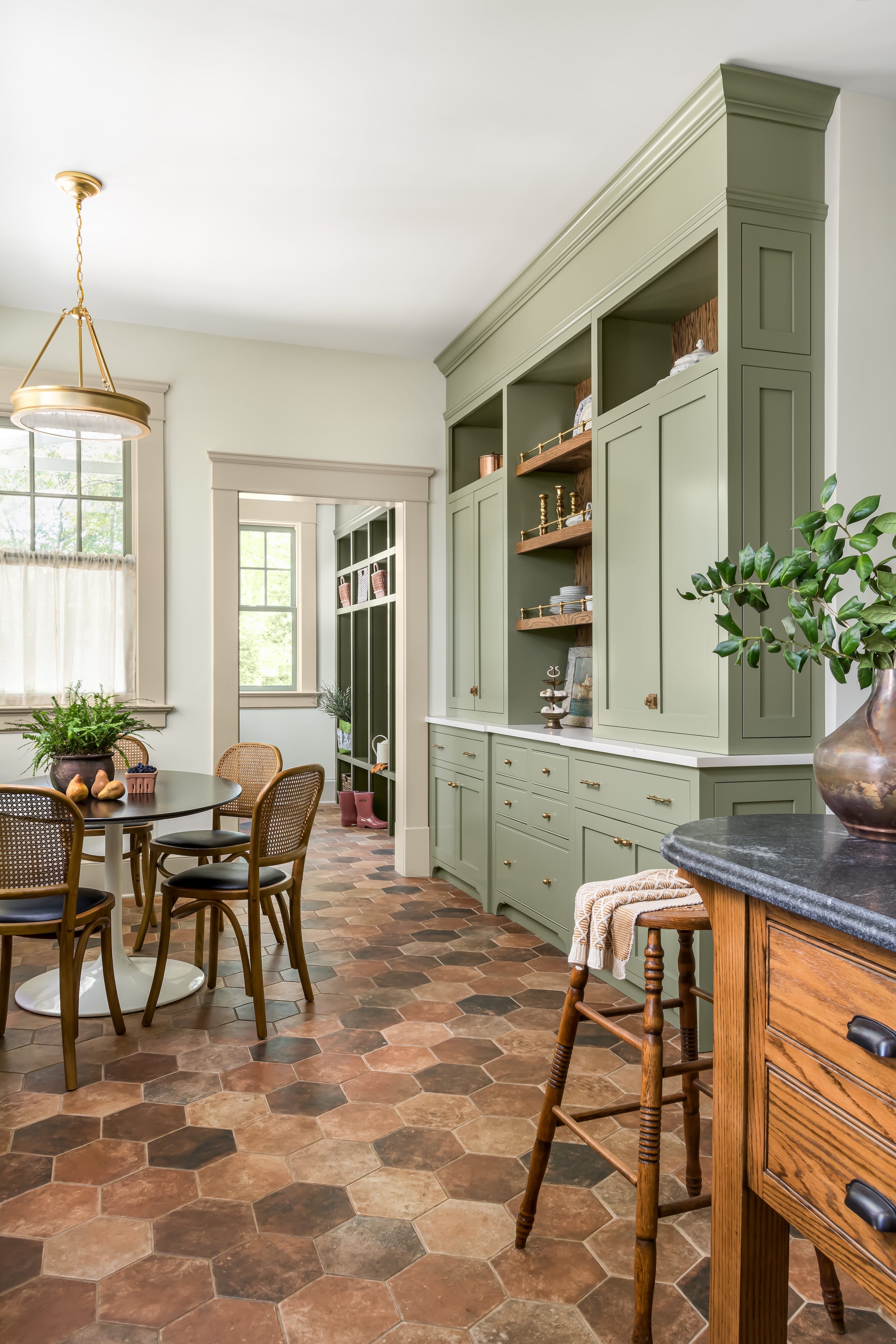
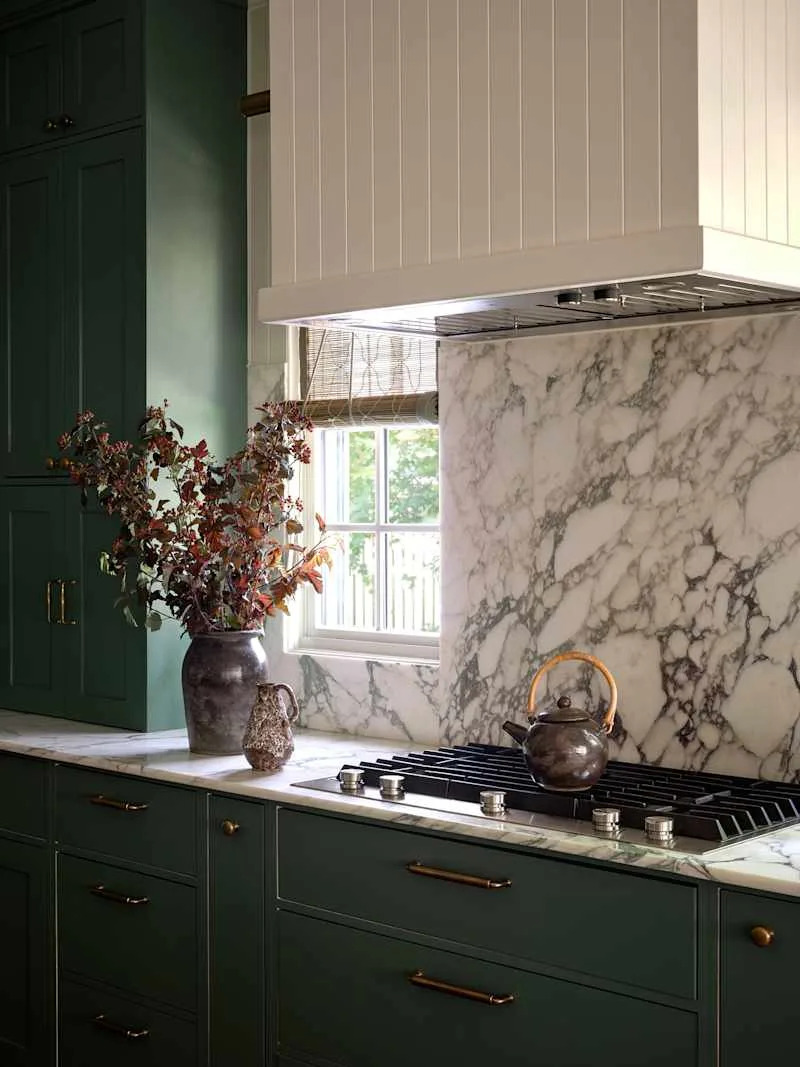
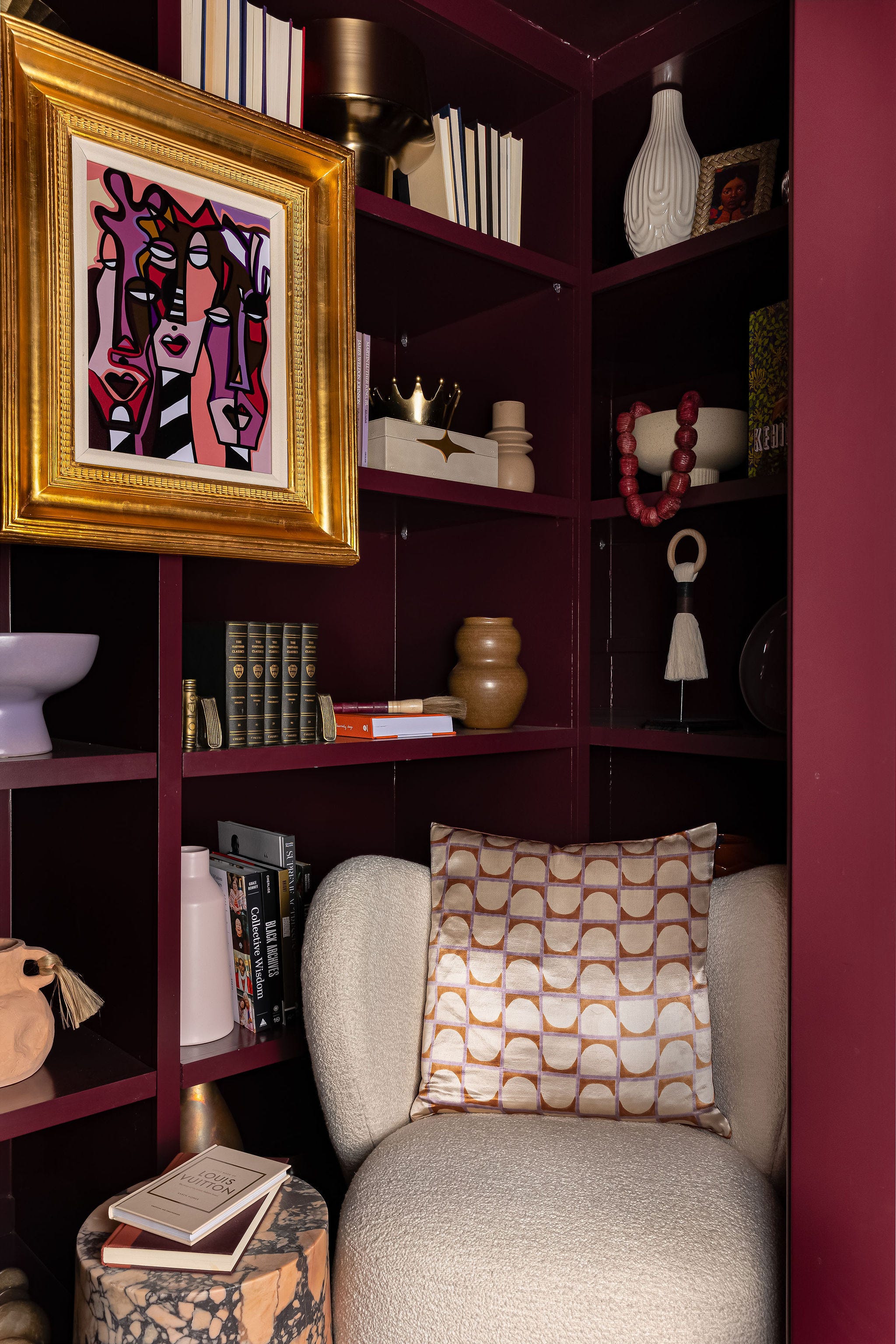
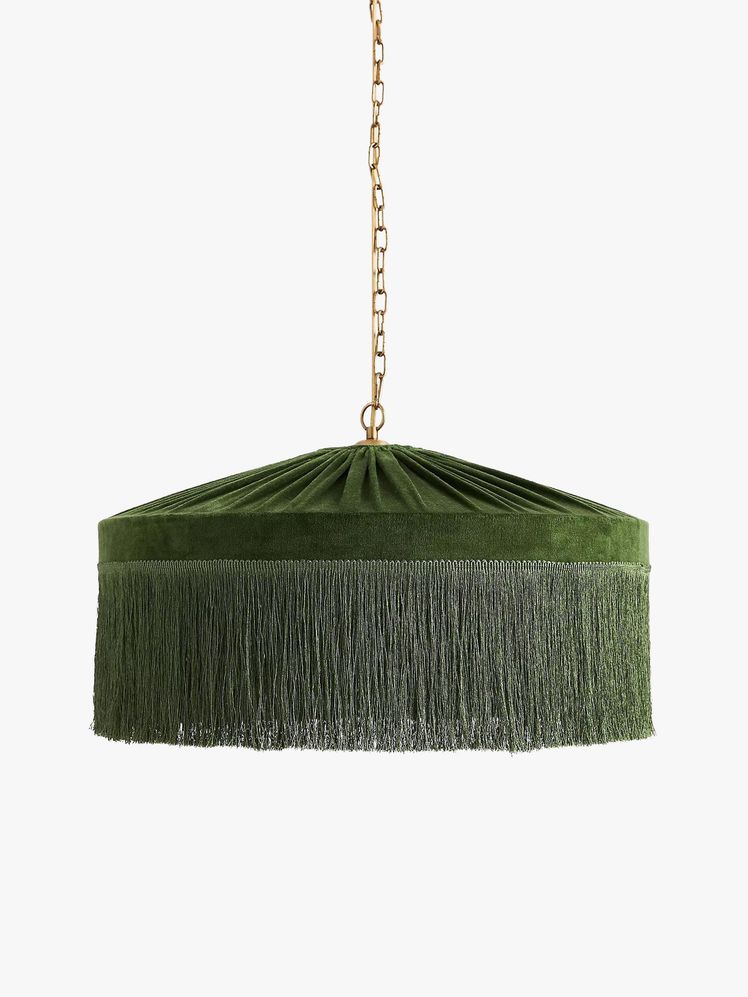
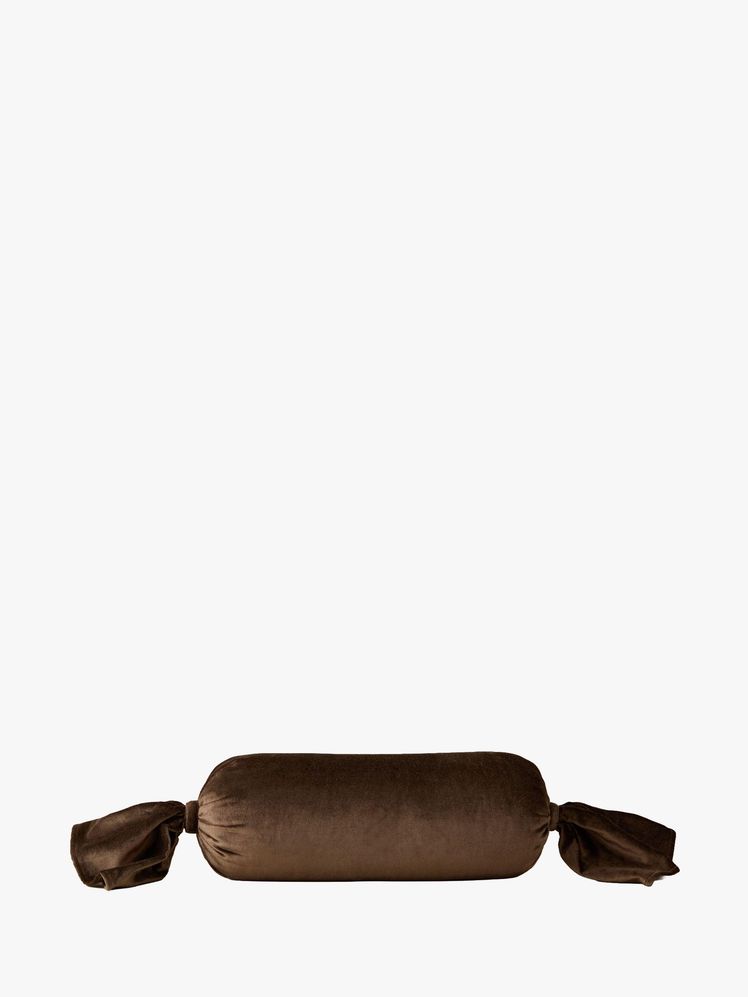
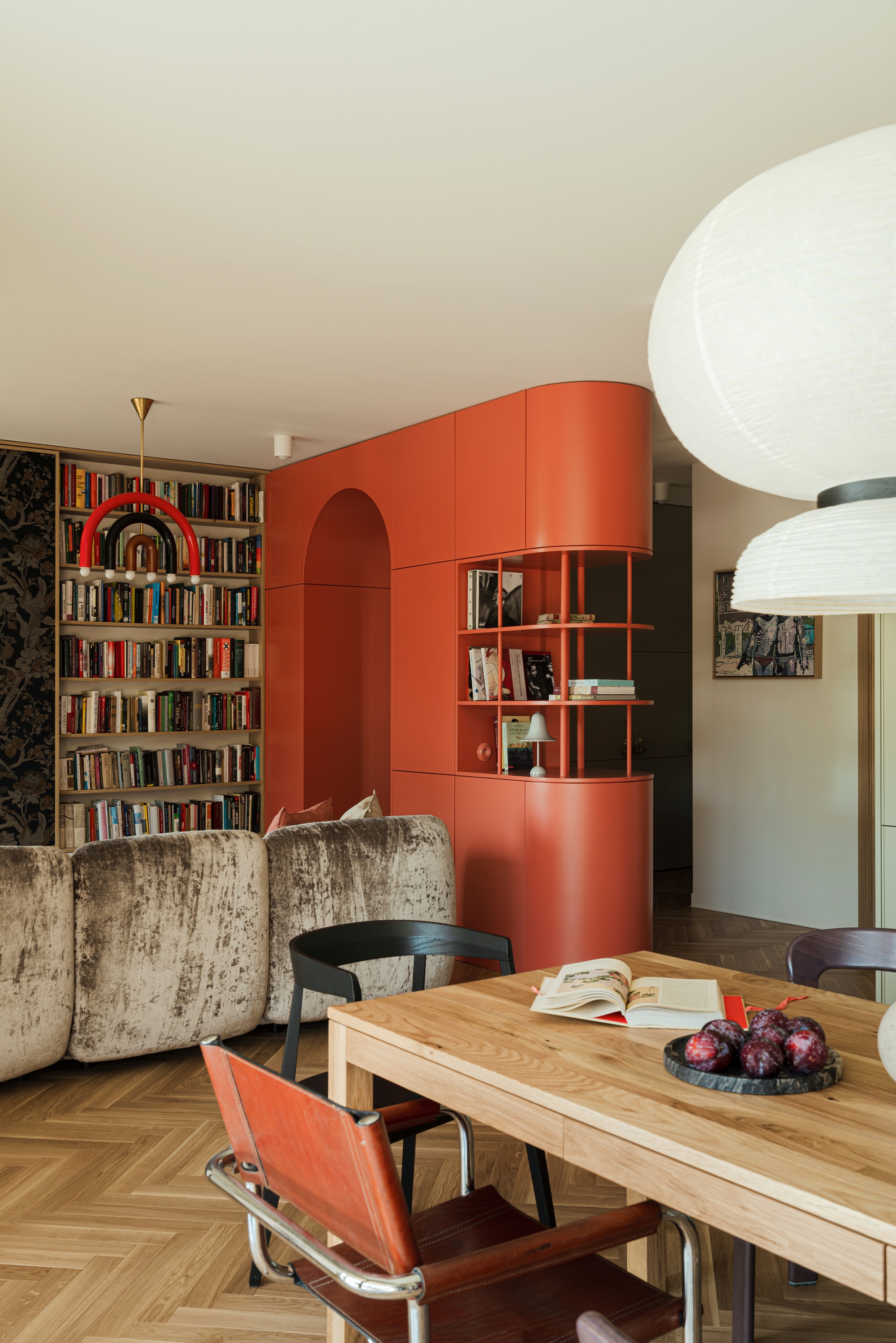
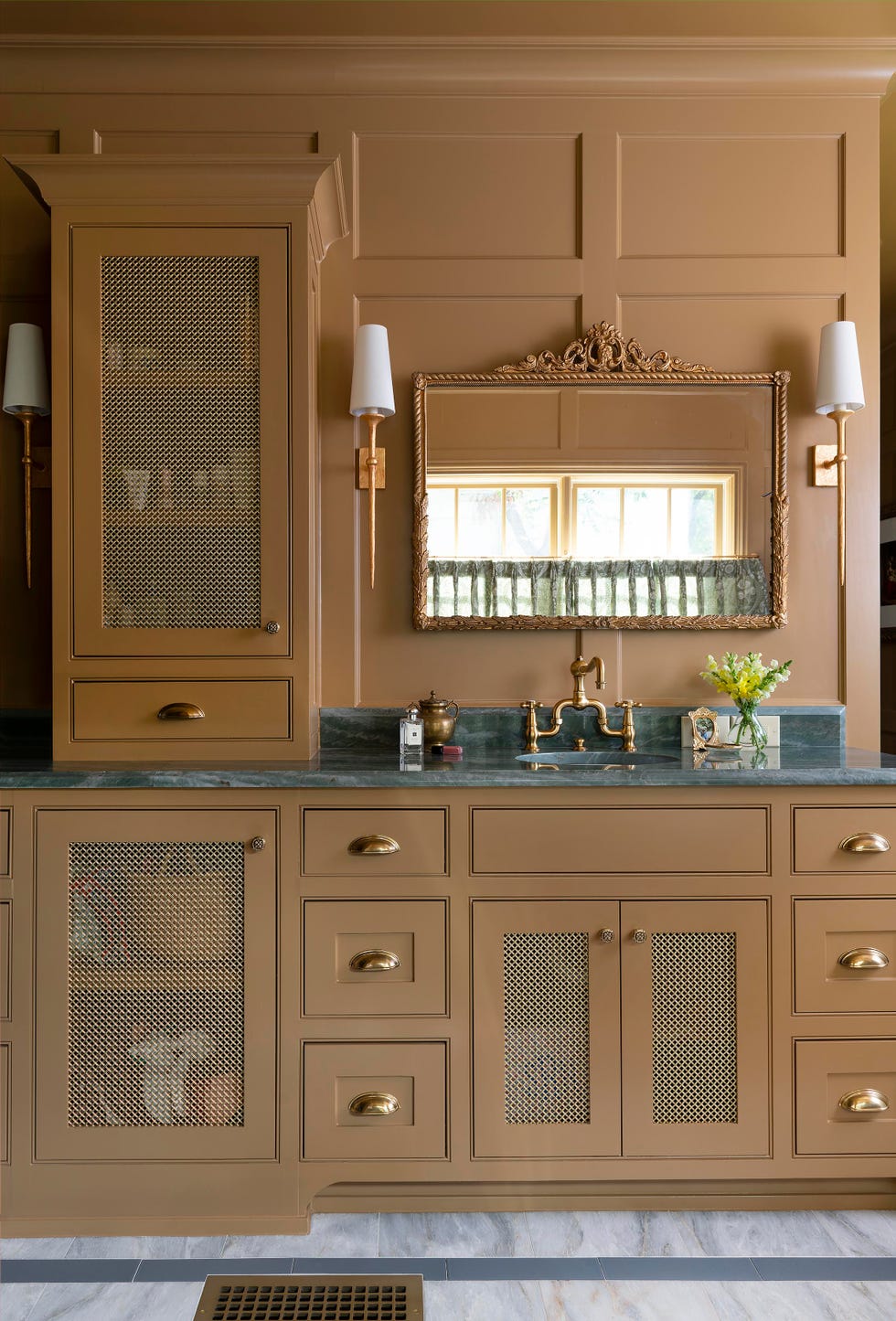
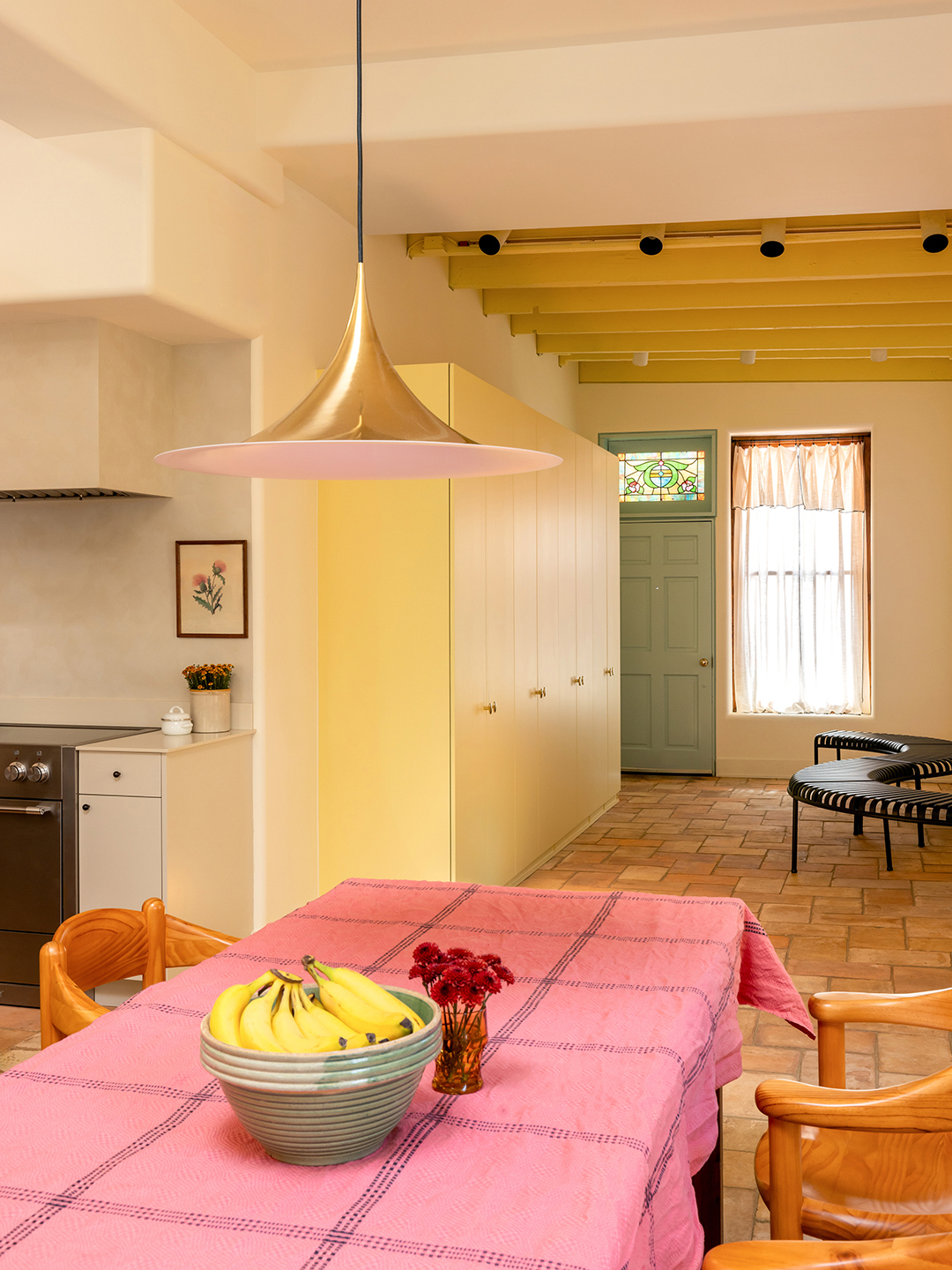
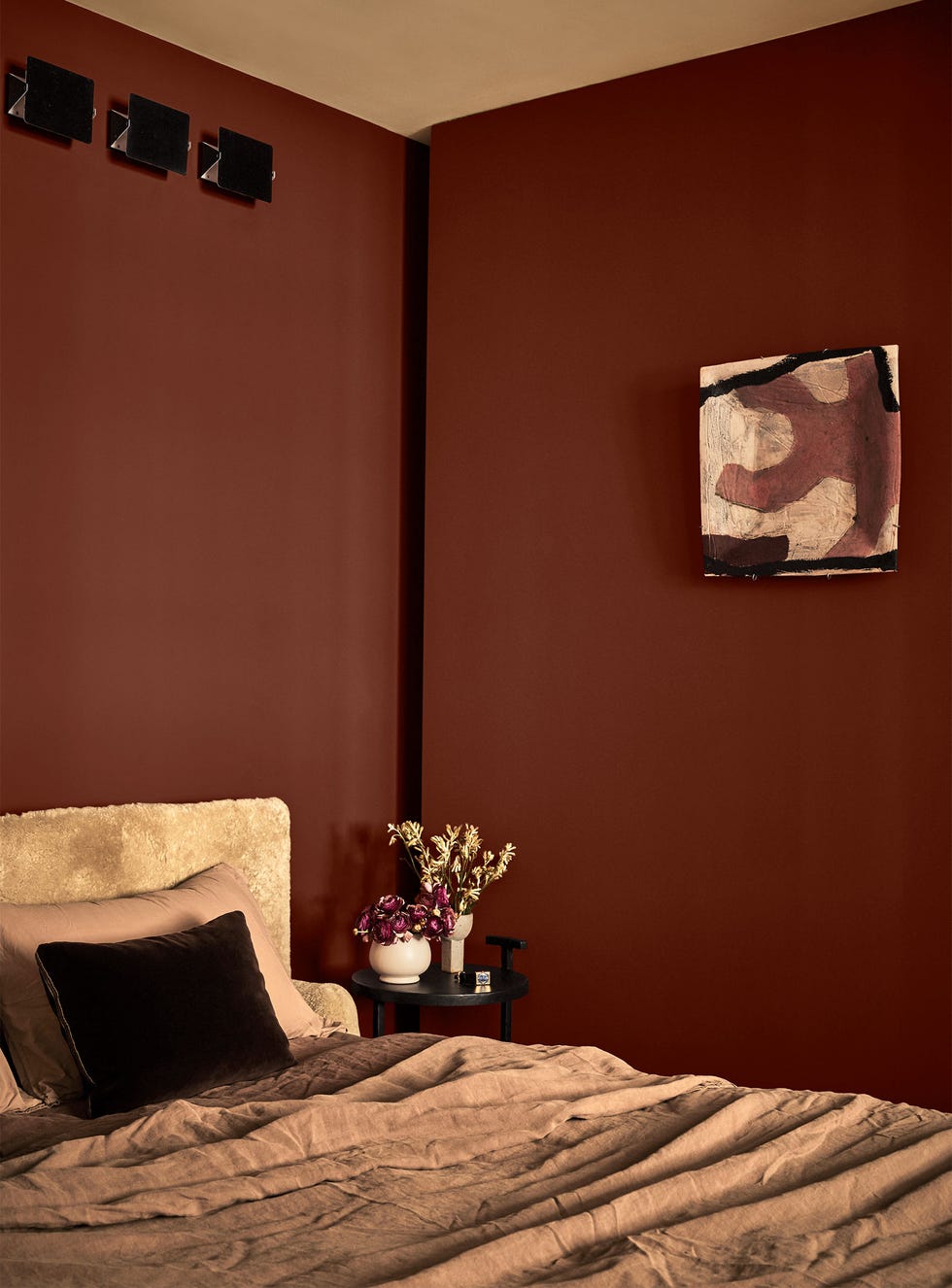
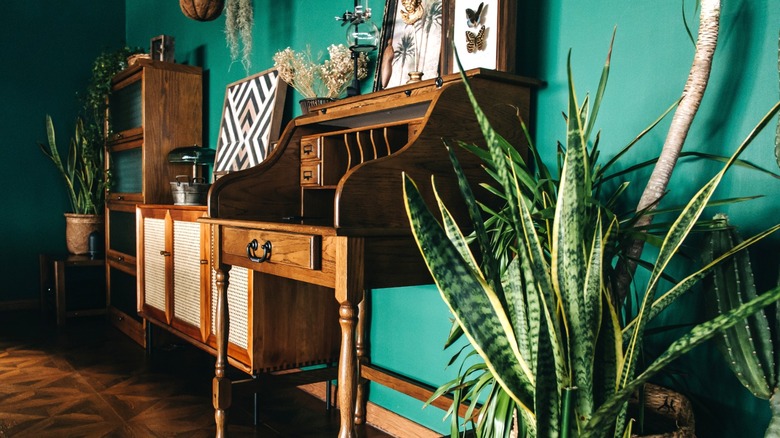
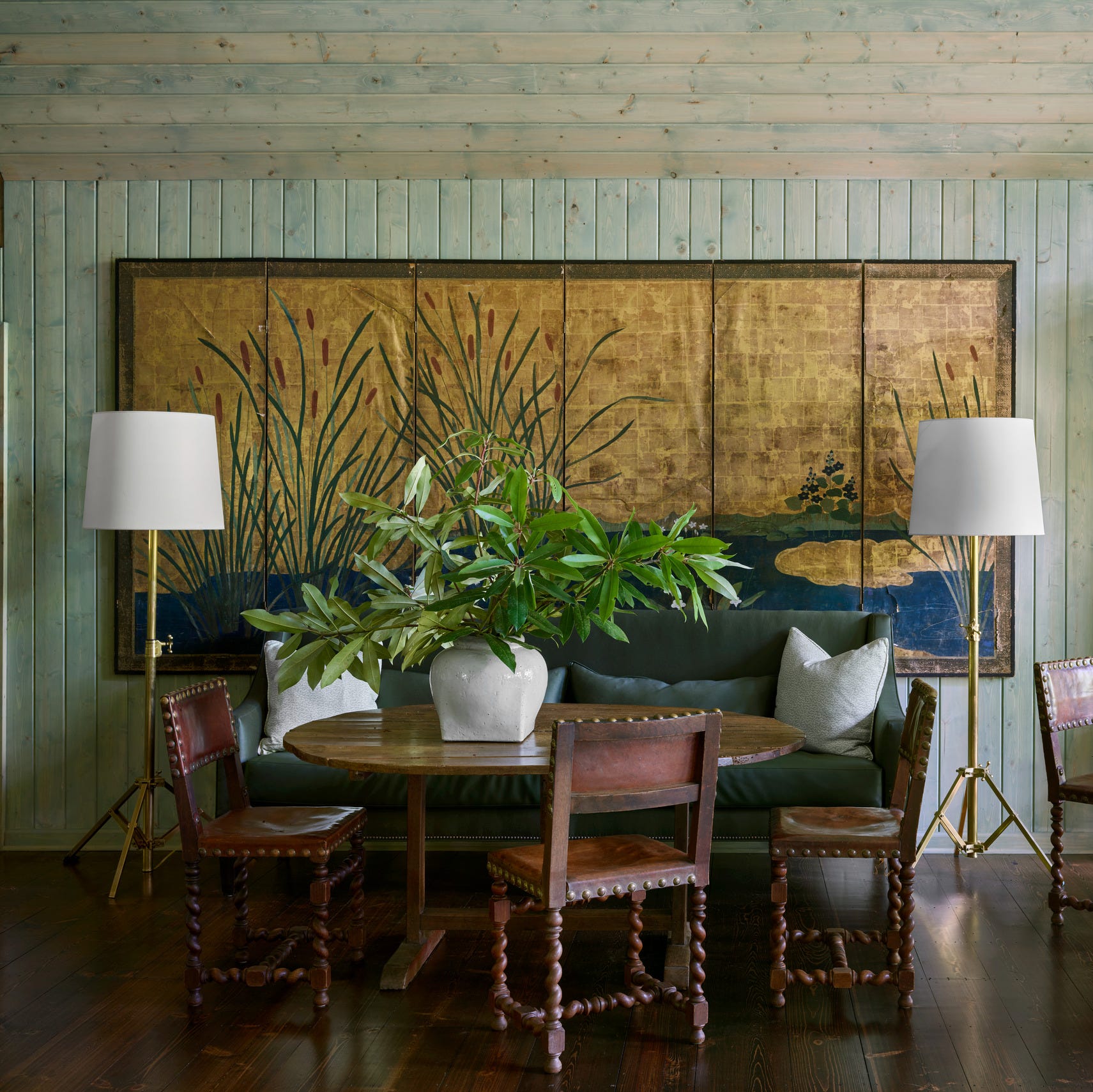
Color-drenching is evolving in 2026, with designers now applying this technique through a vintage lens. This involves utilizing historically inspired palettes, such as moody greens, burgundy, chocolate brown, and porcelain blues, and applying them cohesively across walls, woodwork, radiators, ceilings, and doors. This method creates a high-impact, enveloping effect, fostering a more considered and historically rooted aesthetic. Color-drenching also serves as a spatial tool, softening and blurring edges in awkwardly shaped rooms, contributing to a cocooning and established feel.
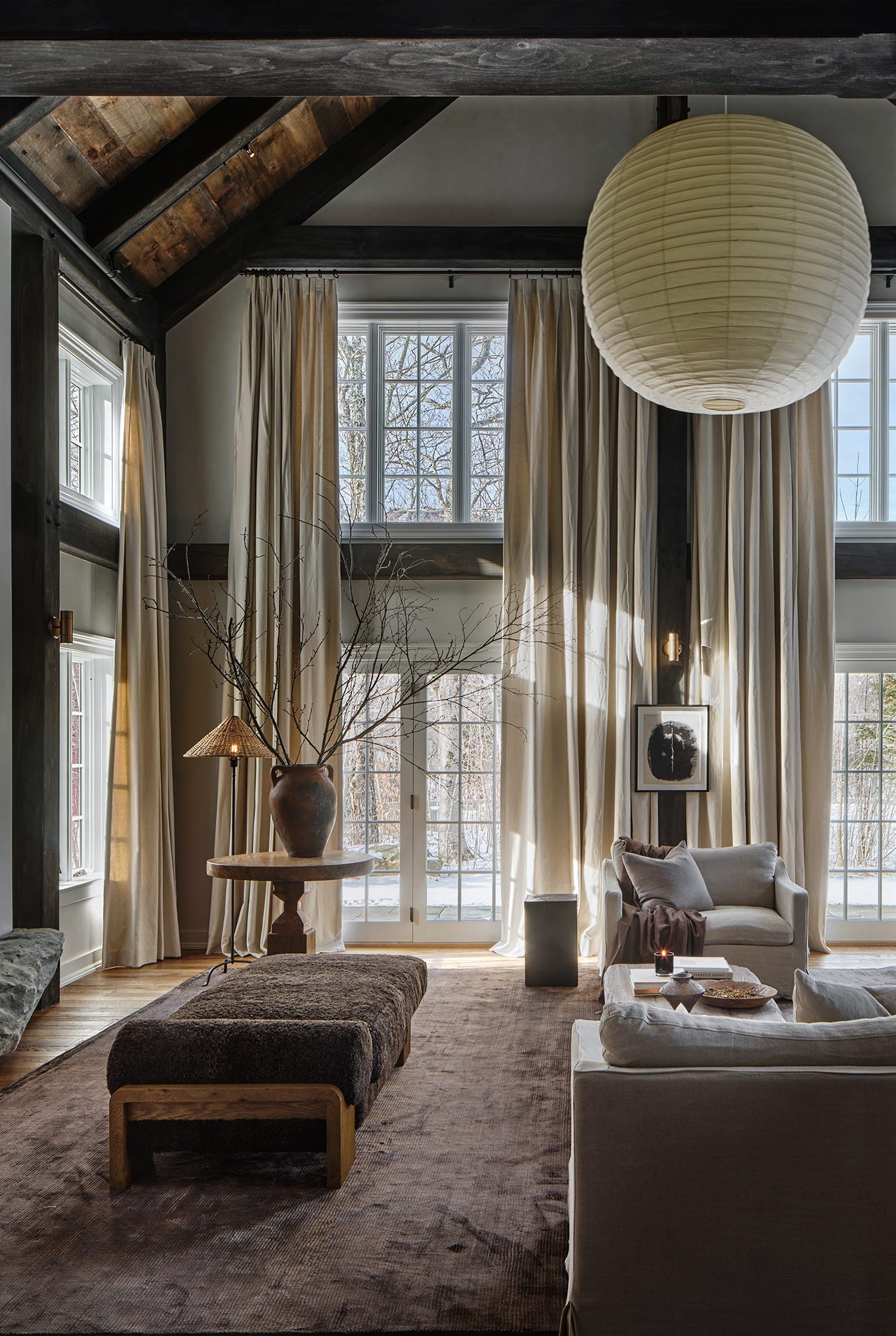
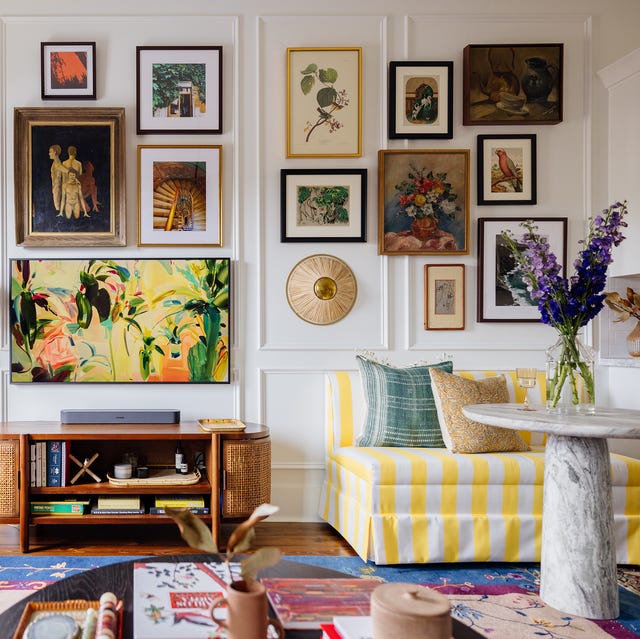
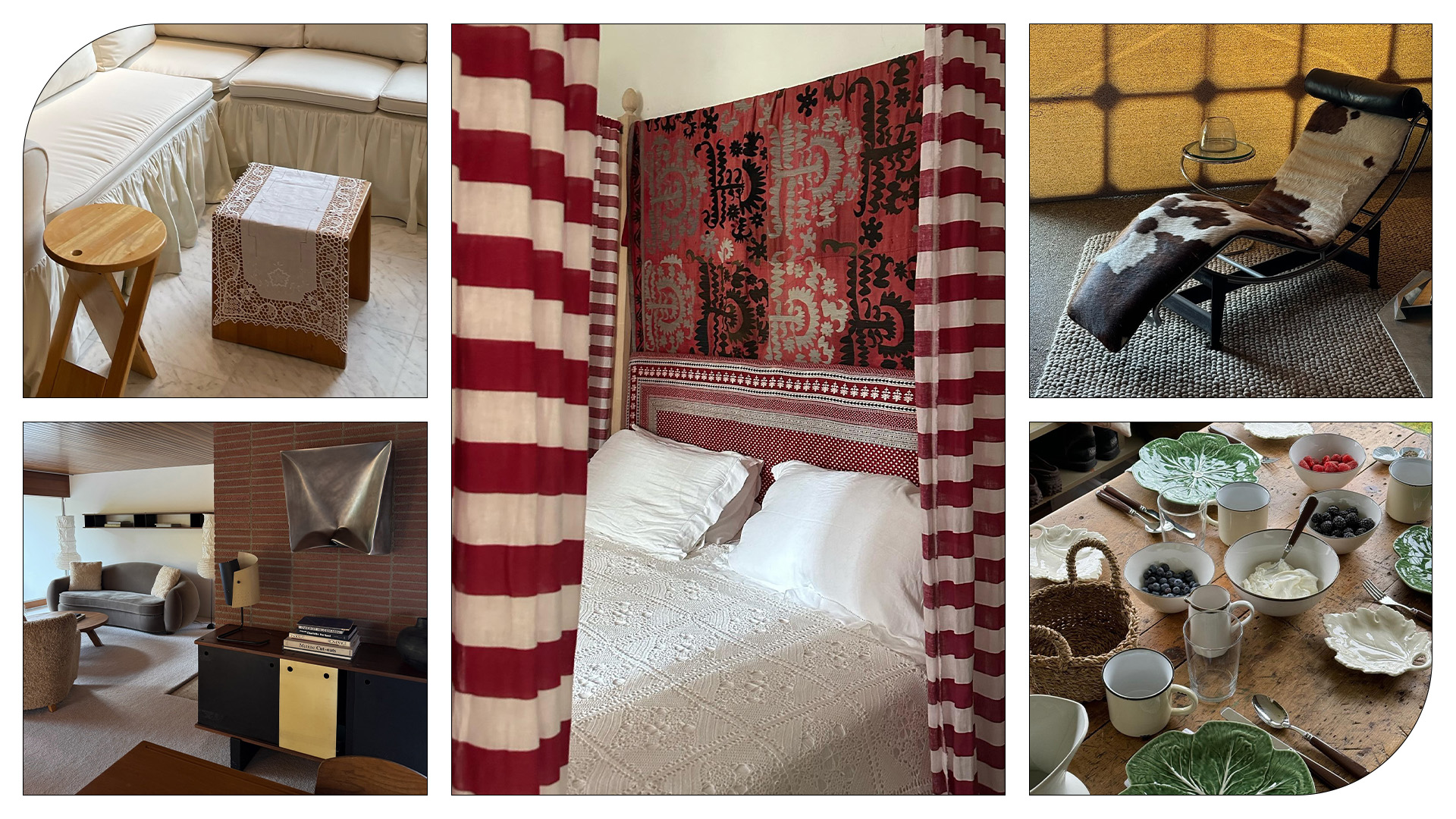
Skirted seating is another trend resurfacing, offering an intentionally relaxed and romantic alternative to rigid furniture. Reminiscent of 1940s interiors, skirted sofas and chairs balance structure with comfort, aligning with a broader desire for warmth and livability in homes. Skirted pieces temper hard edges, adding a personalized and cozy quality to upholstery. They also offer practical benefits, especially when used as washable covers. A single skirted piece can add a subtle touch, while multiple pieces can create a more decorative, chintzy interior when fabrics and proportions are coordinated.
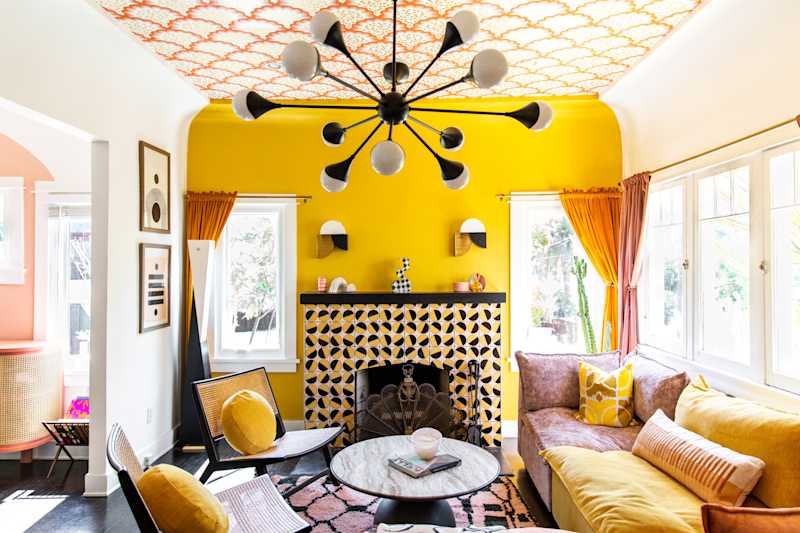
Finally, wallpapered ceilings are gaining traction, drawing the fifth wall into the overall design conversation. Applying vintage prints or archival patterns overhead creates an intimate and intriguing effect, particularly in rooms with architectural challenges. This immersive approach is central to contemporary design, with designers often extending wall coverings to the ceiling to enhance coziness. Historically scaled patterns, such as 18th- and 19th-century florals or Arts & Crafts motifs, are recommended for overhead applications to ensure a comfortable and unoverwhelming atmosphere.
The essence of decorating with vintage trends lies in flexibility and intuition. The goal is not to strictly replicate a past era but to thoughtfully mix and layer elements—combining sculptural glass with inherited furniture, blending patterns and textures, or allowing a unique piece to define a room’s character. This approach encourages a slow, mindful process of selection, allowing homes to evolve organically and reflect a distinct personal taste, prioritizing instinct over fleeting impulses. The overarching theme is to create interiors that feel considered and curated rather than merely assembled, fostering a sense of timeless elegance and personal connection.
#VintageInteriorTrends #HomeDesign2026 #CurvyFurniture #MuranoGlass #Pre1920sAntiques #FloralMotifs #ColorDrenching #SkirtedSeating #WallpaperedCeilings #InteriorDesign #VintageInteriorTrends #HomeDesign2026 #CurvyFurniture #MuranoGlass #Pre1920sAntiques #FloralMotifs #ColorDrenching #SkirtedSeating #WallpaperedCeilings #InteriorDesign
0 comment in total
 No comments yet
You may also like
Designers Are Calling It: These Interior Design Trends Will Be Everywhere in 2026

The Pros Have Spoken: These Interior Design Trends Will Define 2025

Designers Agree: These 15 Home Trends Are Officially Out in 2026
The Old-School Furniture Design Trend Making A Big Comeback In 2026

These Are the Most Popular Interior Styles of 2026, According to Designers
These Trendy Home Additions Will Look "Dated" in 2026, According to Designers

Bold, Personal Design Is In—These Are the Home Trends Everyone’s Talking About for 2026

The Decorating Trends Designers Are Leaving Behind in 2026

2026 Home Design Trends to Watch
6 Interior Design Trends That Are Making a Comeback in 2025, According to Designers
What’s Next for Our Homes? The 14 Defining Interior Design Trends That Will Shape the Way We Live in 2026

The Chic 2026 Interior Design Trends That Will Take Over Next Year
The Top Interior Design Trends Experts Predict for 2026
6 Trends Defining Home Décor in 2025

Designers Are Calling It: These Furniture Trends Will Be Everywhere in 2026

The Interior Design Trends Taking Over Fall 2025, According to Designers

5 Styles That Will Dominate Home Decor in 2026, According to Experts
The 11 Key Interior Design Trends Set to Define 2026
7 Vintage Home Decor Features That Designers Want to See EVERYWHERE in 2026
The Underrated 2026 Trend Interior Designers Swear By for Luxe Rooms