1/14
The 11 Key Interior Design Trends Set to Define 2026
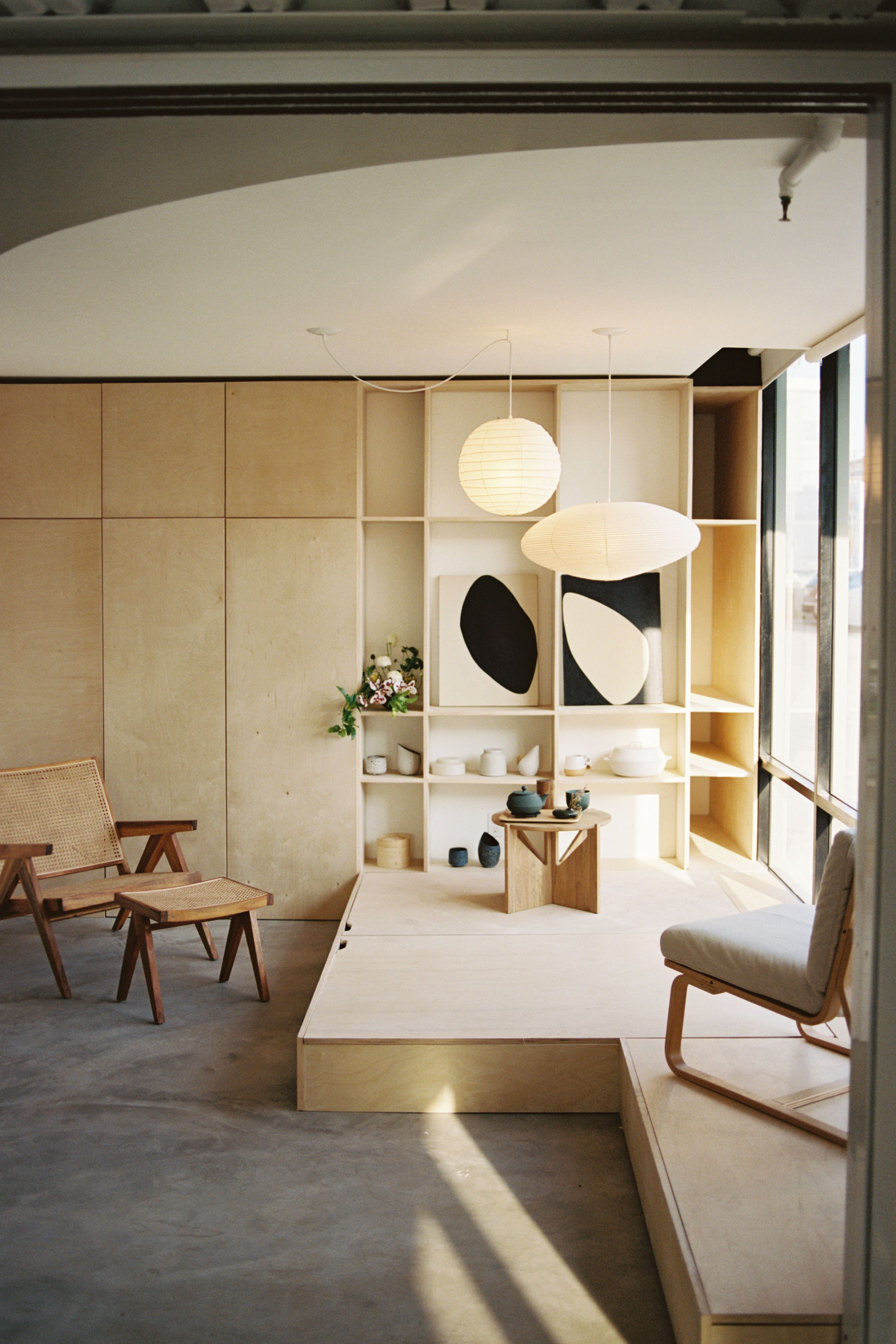

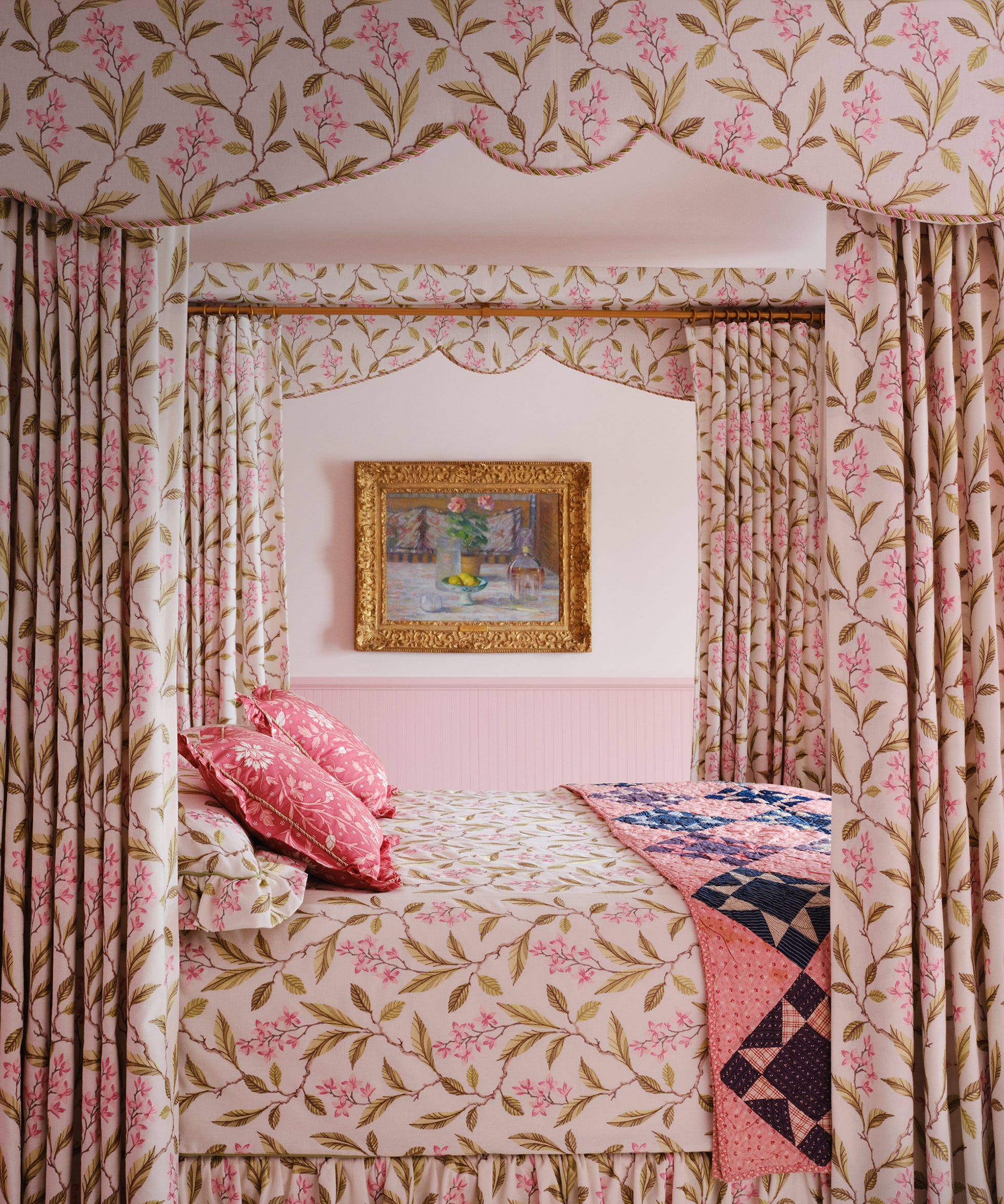
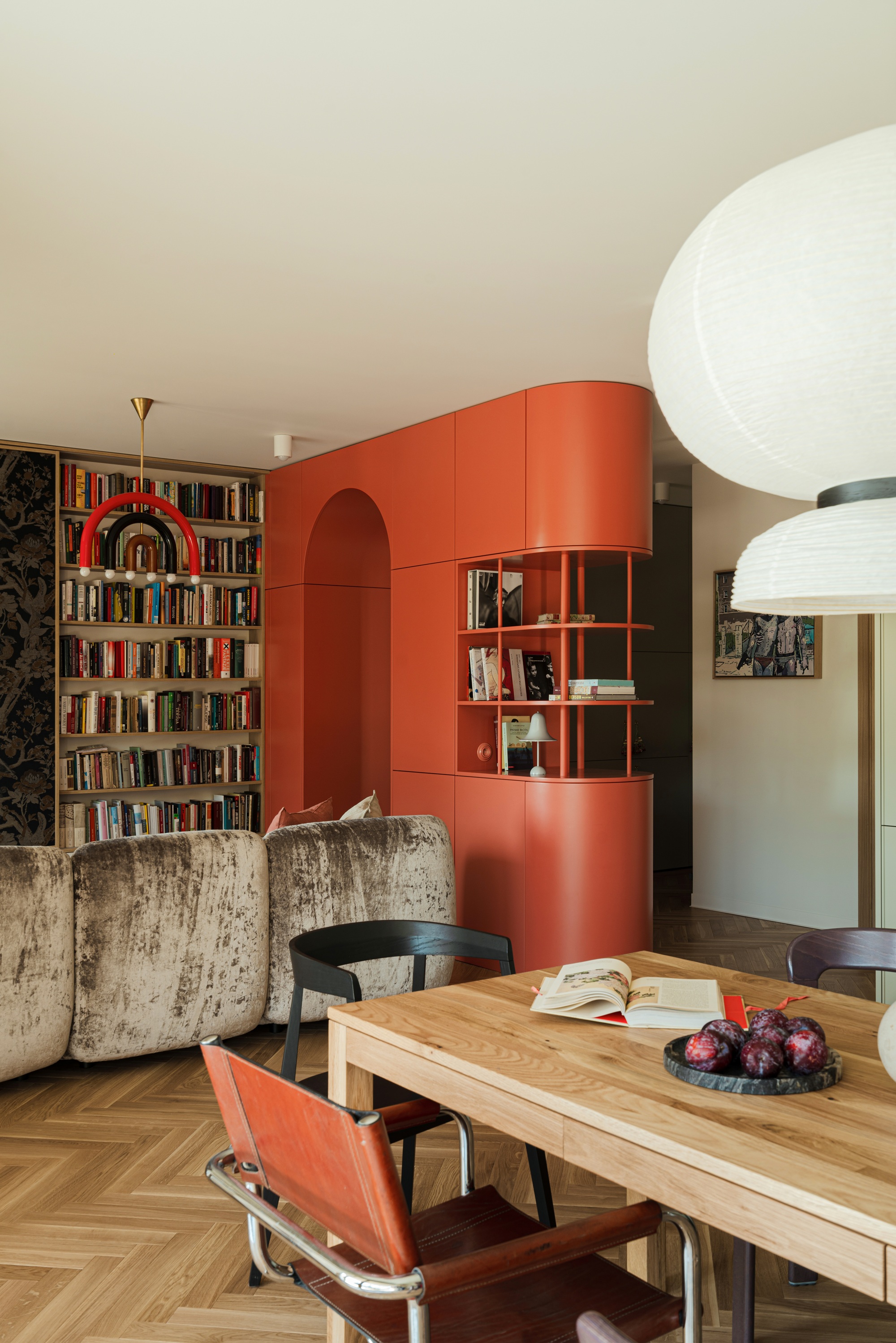
The interior design landscape for 2026 is poised to embrace a more authentic, lived-in aesthetic, reflecting cultural shifts towards comfort, sustainability, and personal expression. Rather than frequent, complete home overhauls, the focus is on incorporating elements that provide inspiration and align with how people desire to feel within their living spaces. This includes a move away from pristine, picture-perfect interiors towards those that appear gently aged and organically developed over time, responding to a world that often feels chaotic.
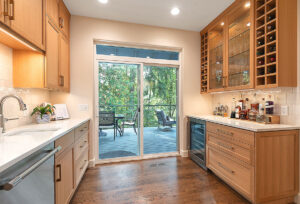
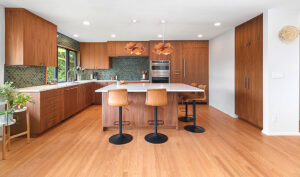
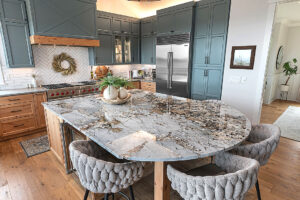
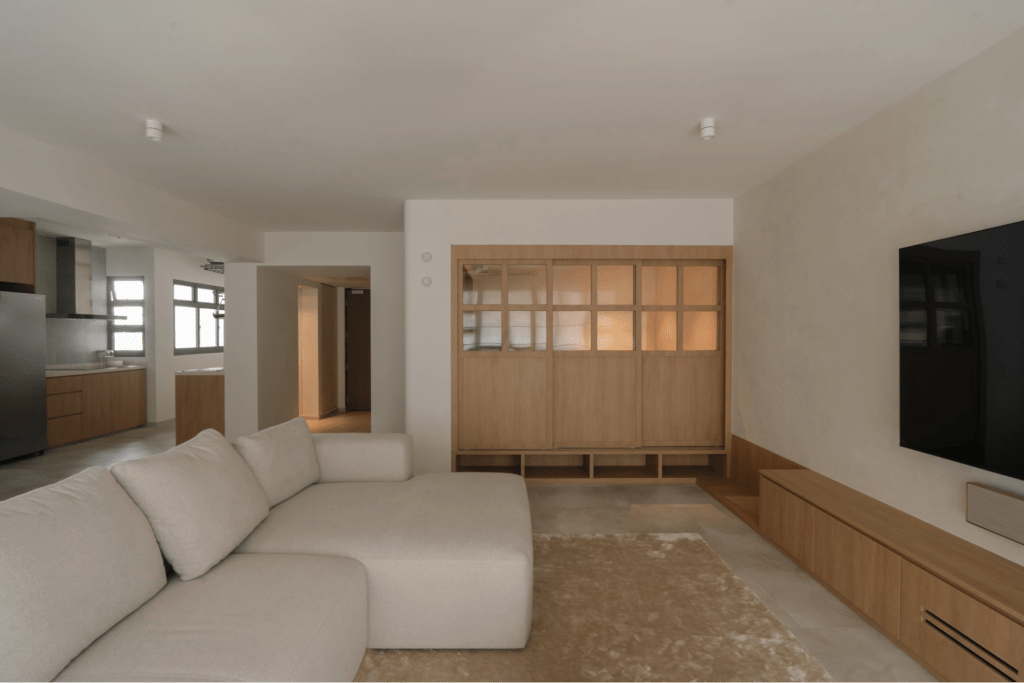
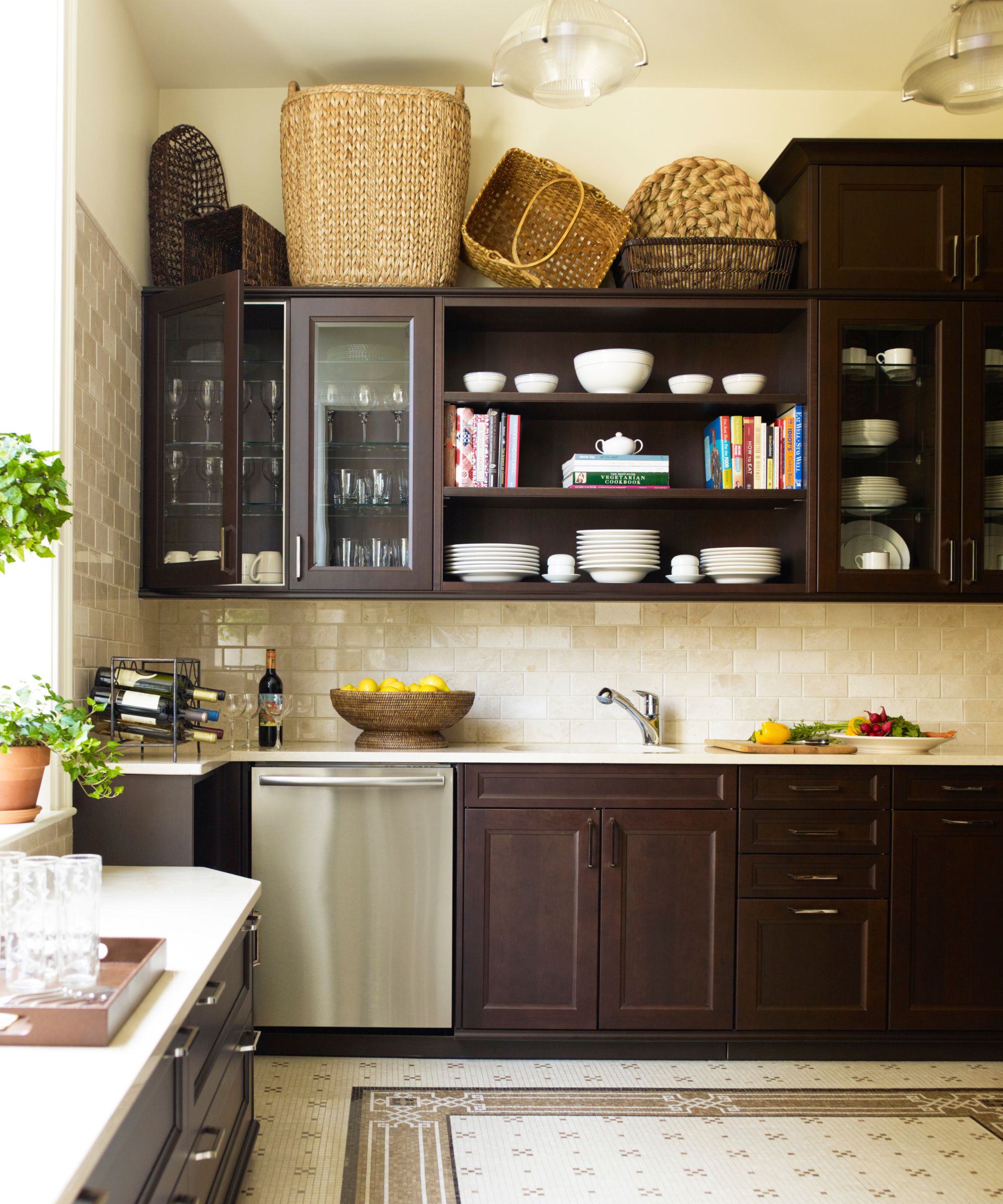
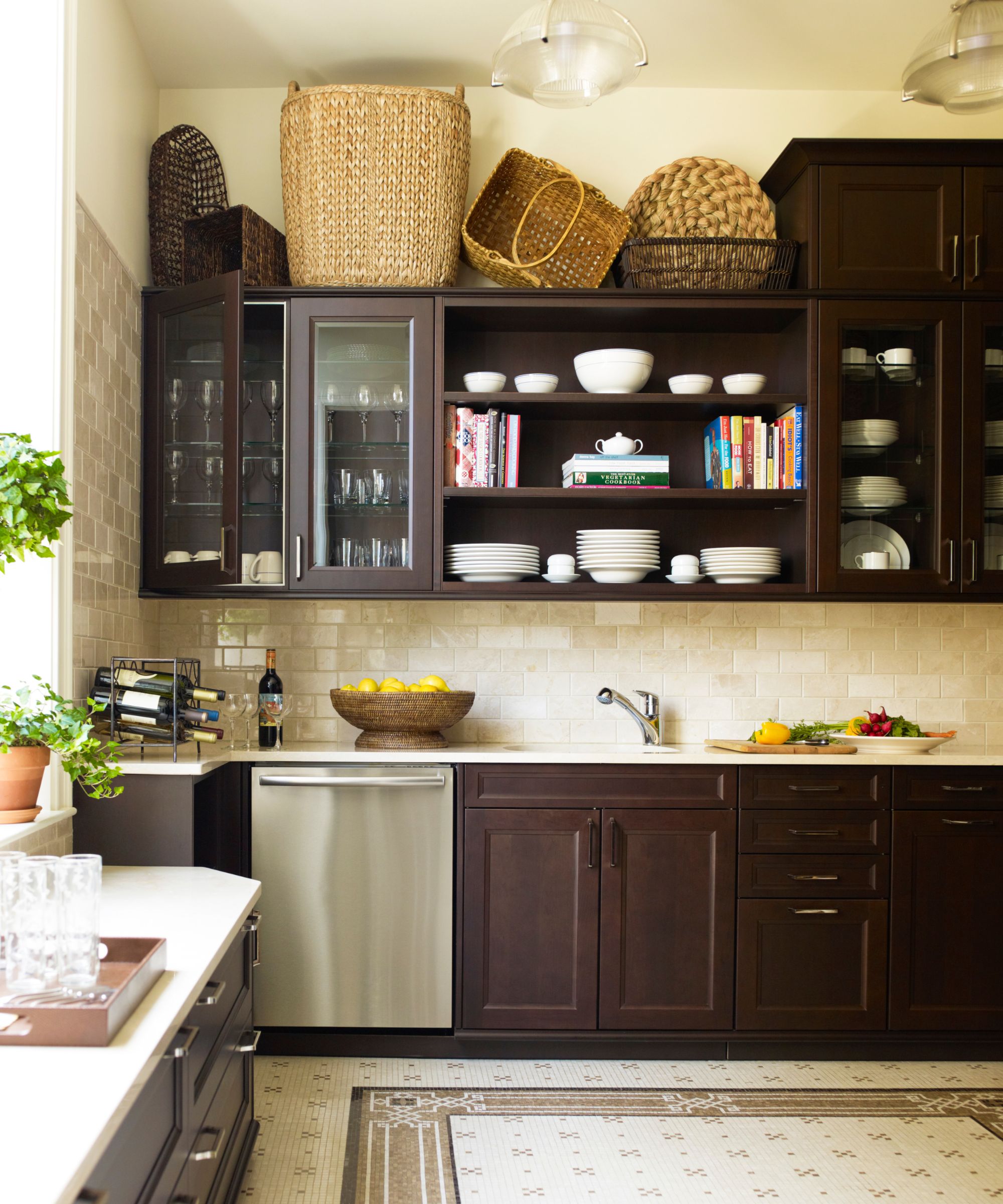
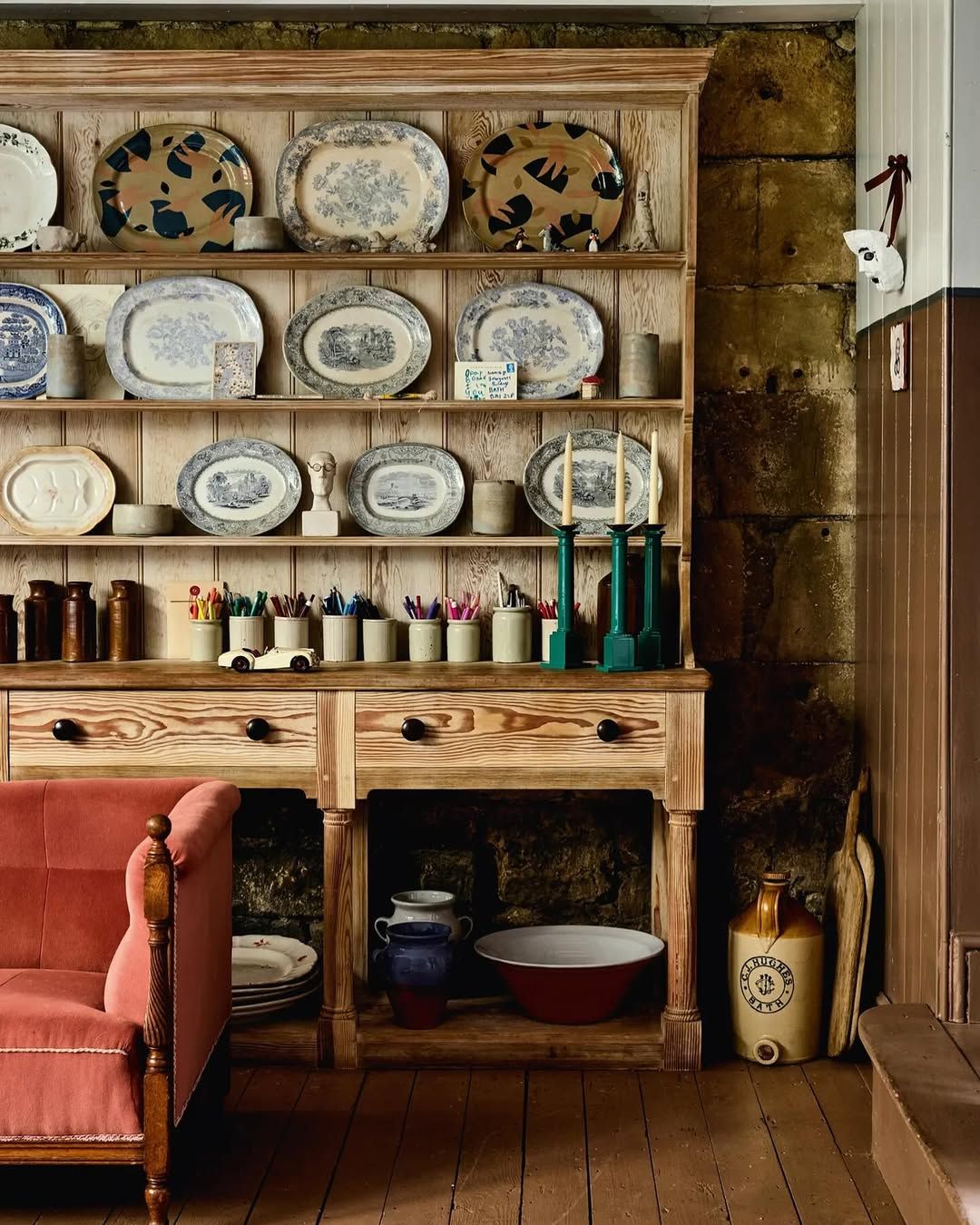
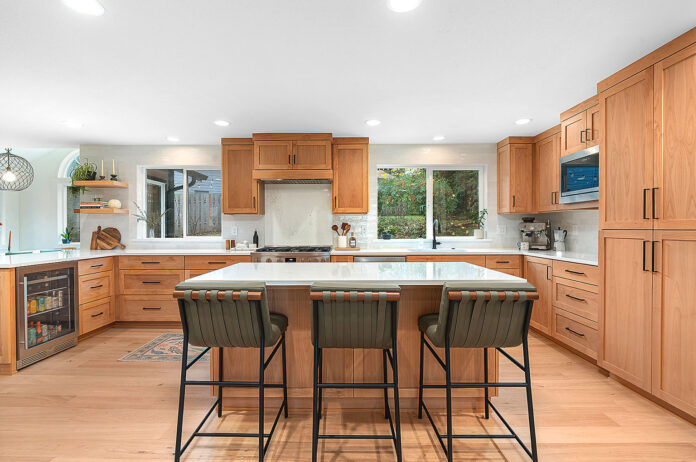
A significant trend involves the resurgence of natural, unfitted wood kitchens. The traditional fitted kitchen, a relatively modern invention, is giving way to individual, standalone furniture pieces. This approach allows for a more personalized and less uniform kitchen environment, emphasizing unique, well-proportioned furniture over standard units. Bespoke kitchens crafted from materials like oak, Douglas fir, and walnut, often with 'living finishes' that improve with age, are gaining popularity. The integration of wood with other natural materials such as stone (marble) and metals (stainless steel) creates a warm, inviting atmosphere.
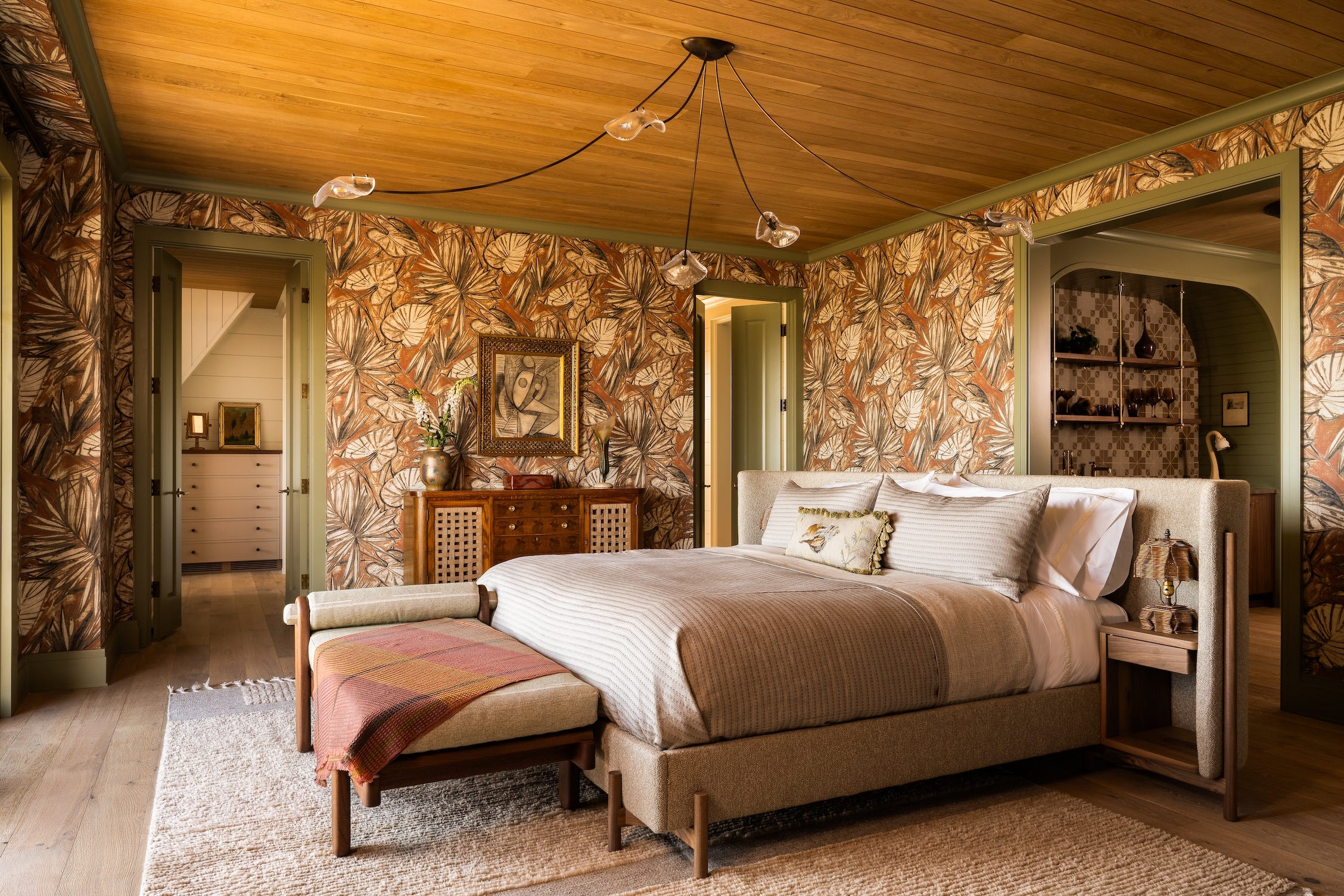
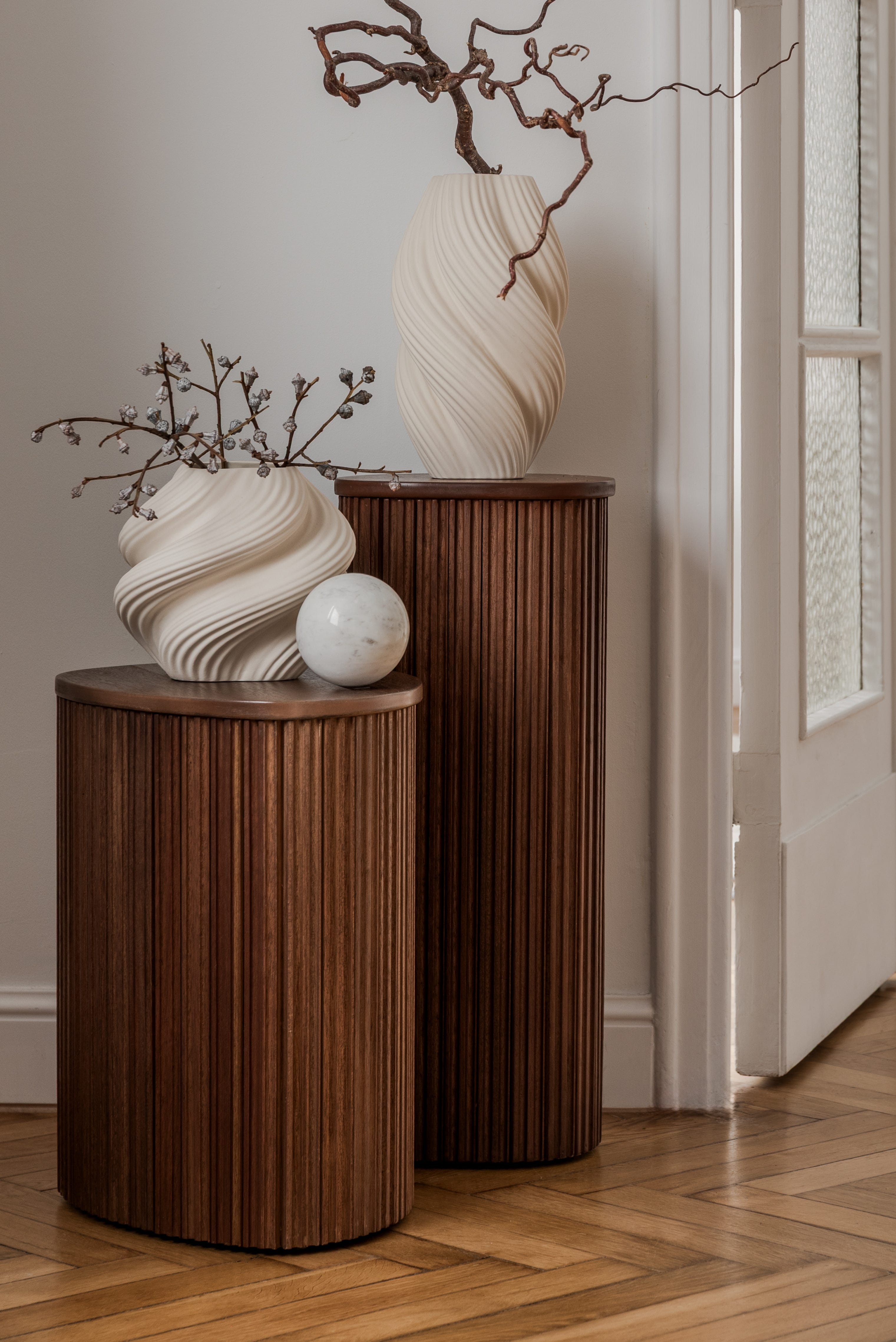
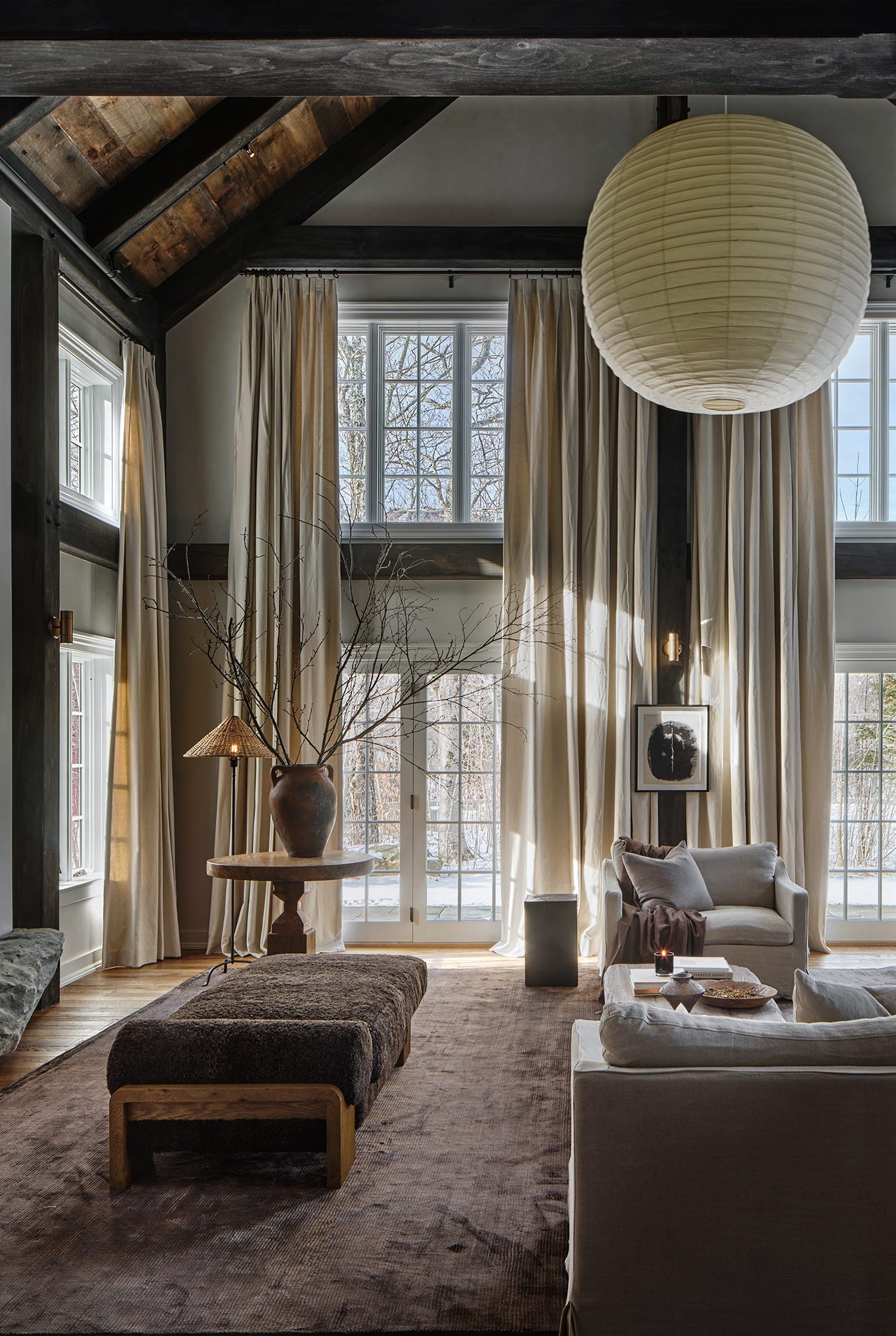
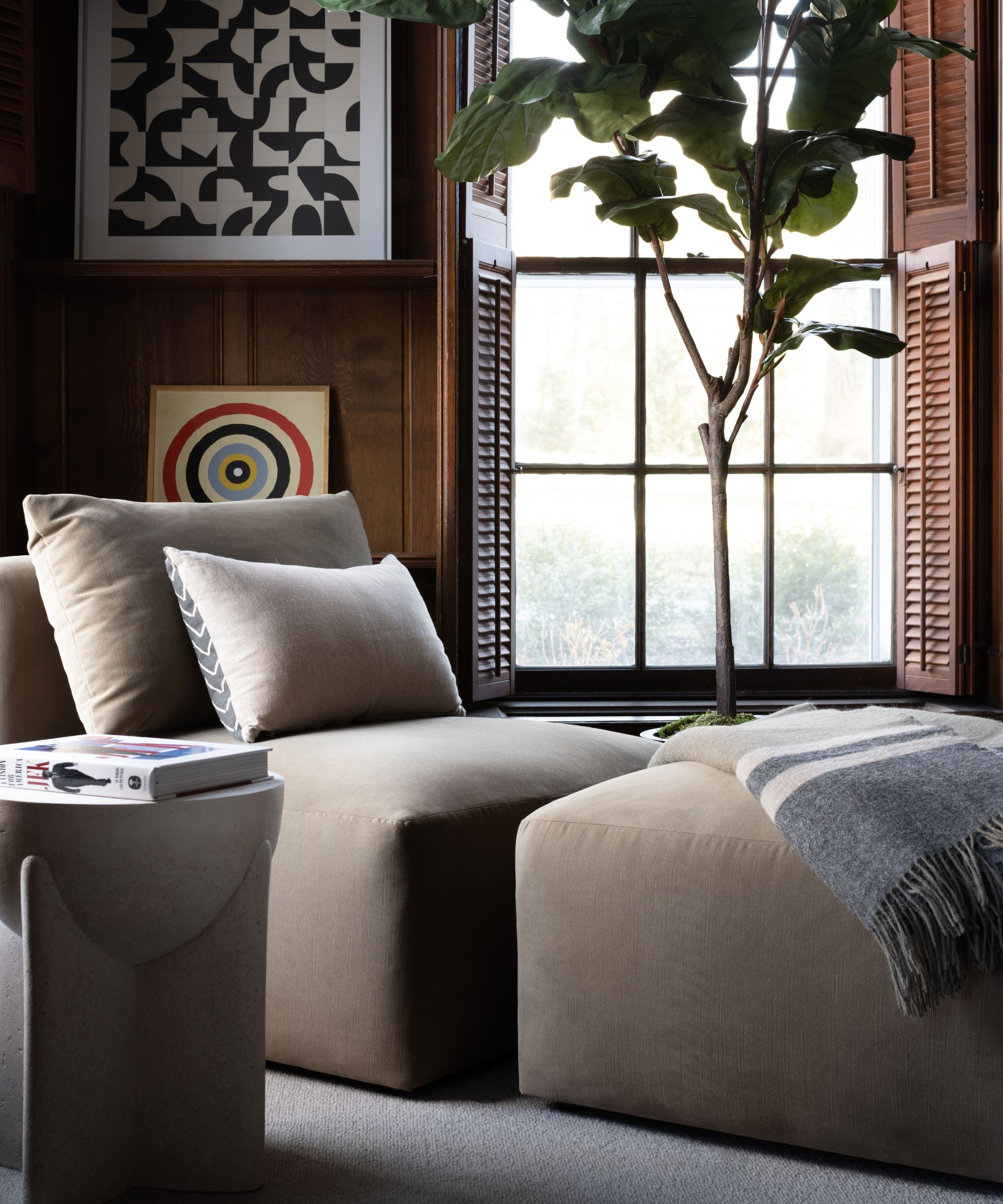
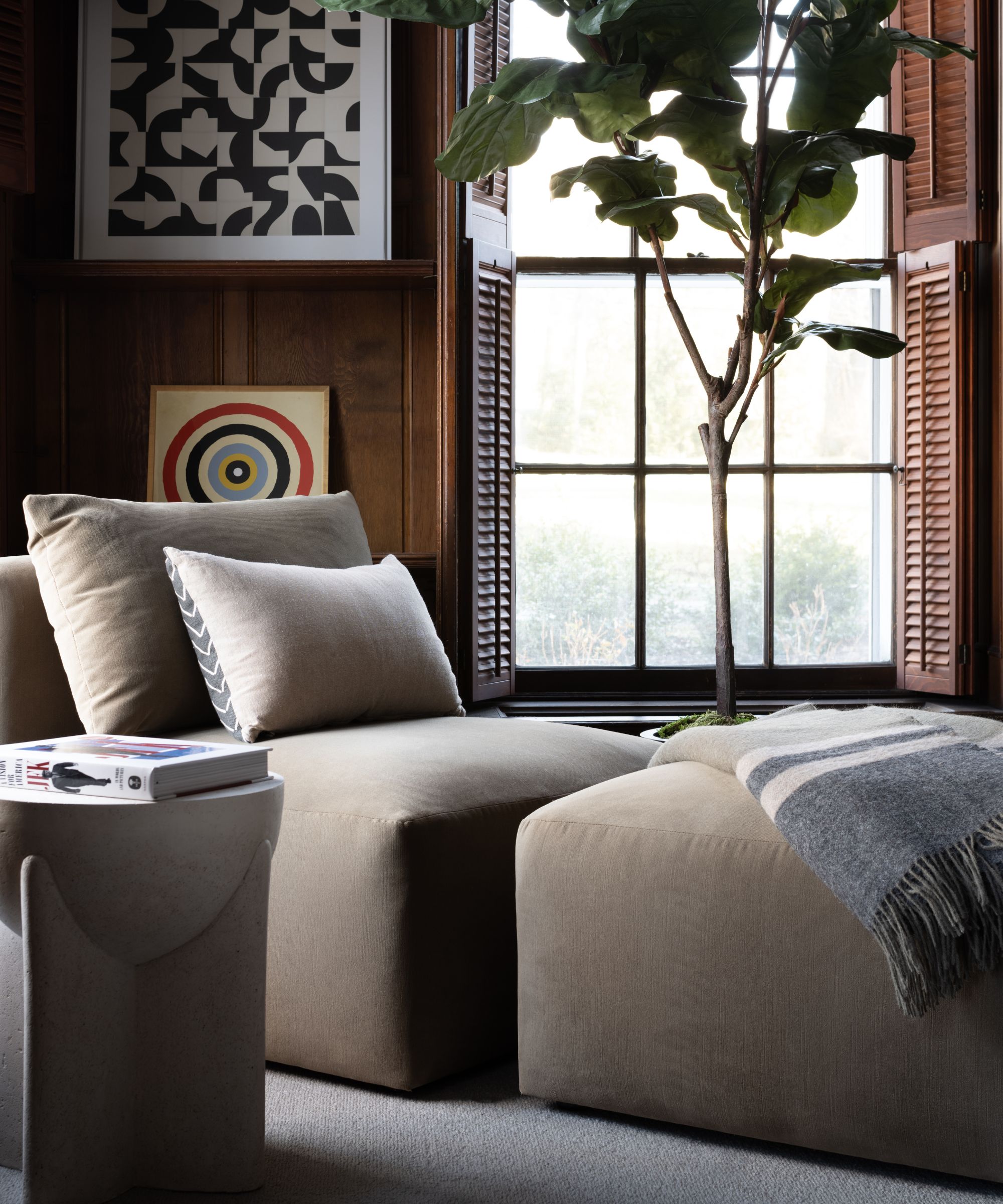
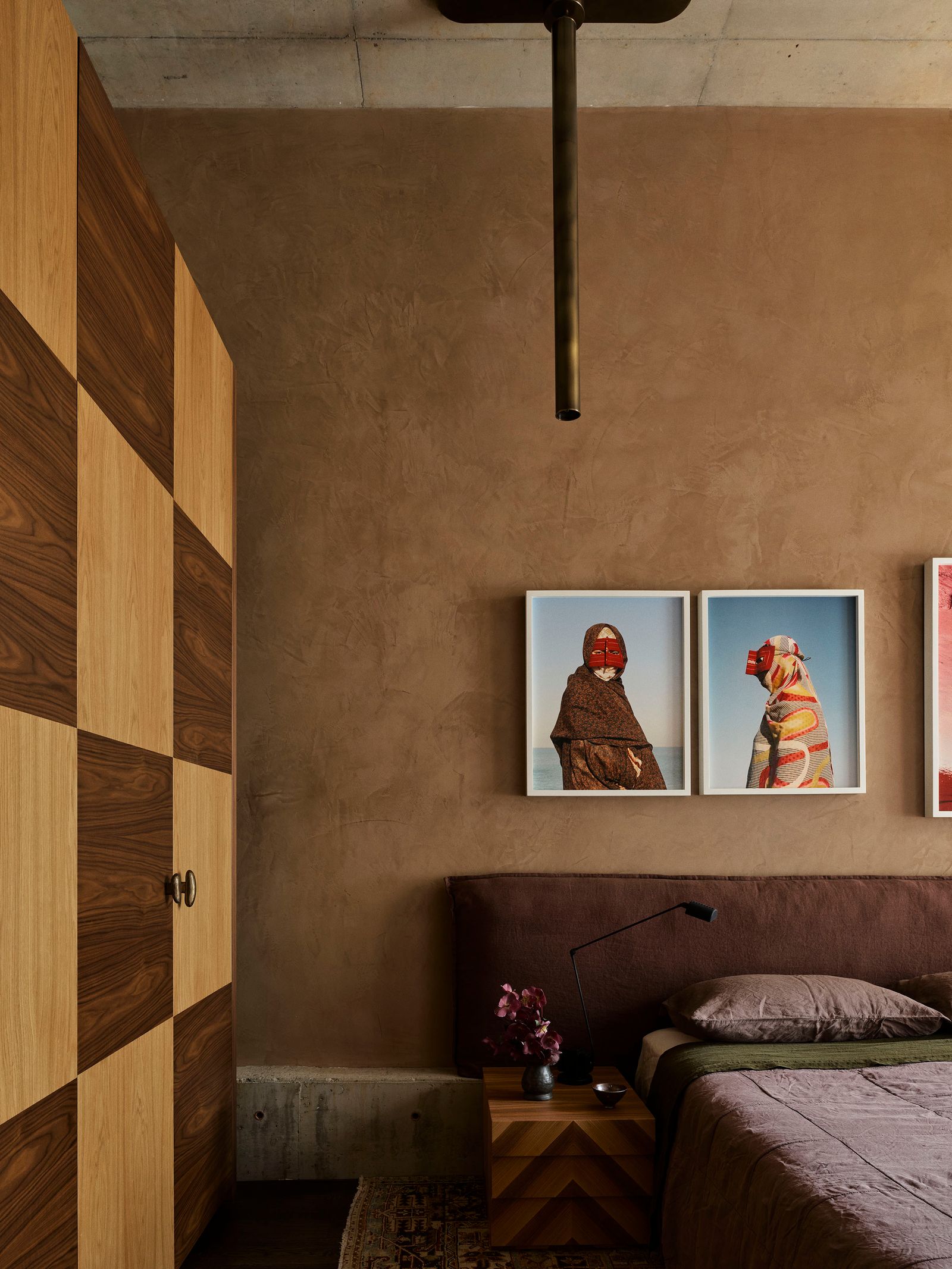
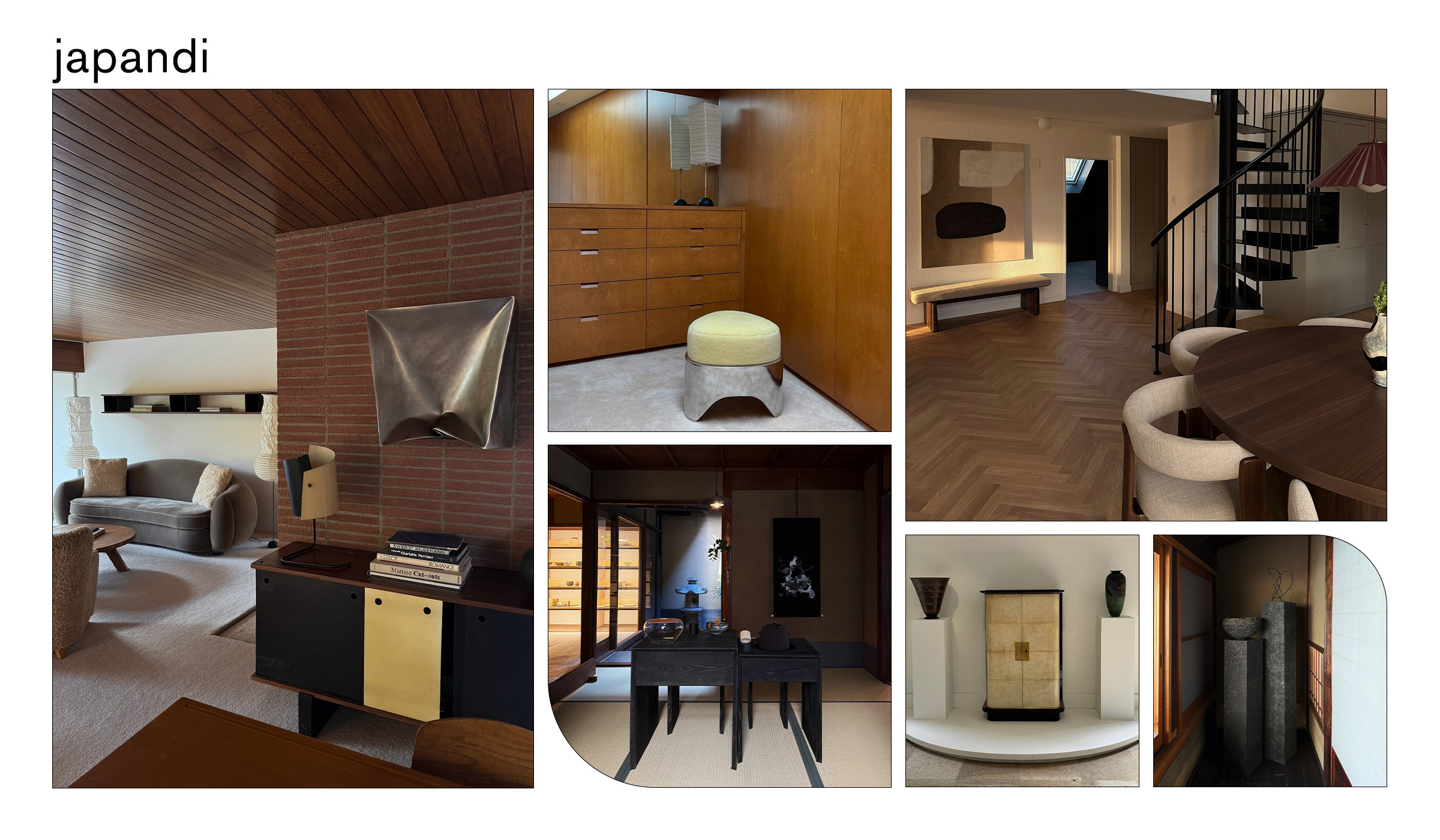
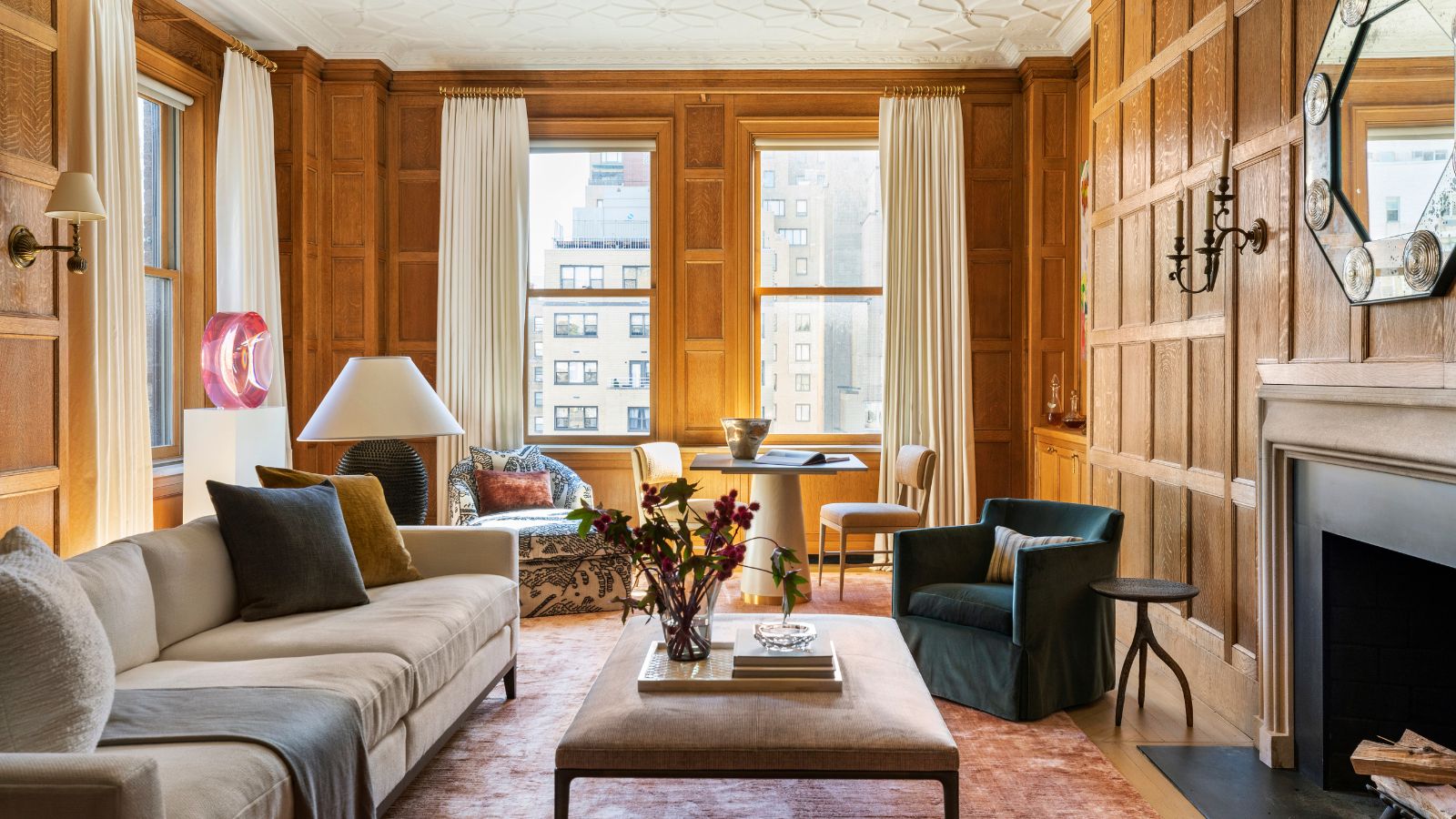
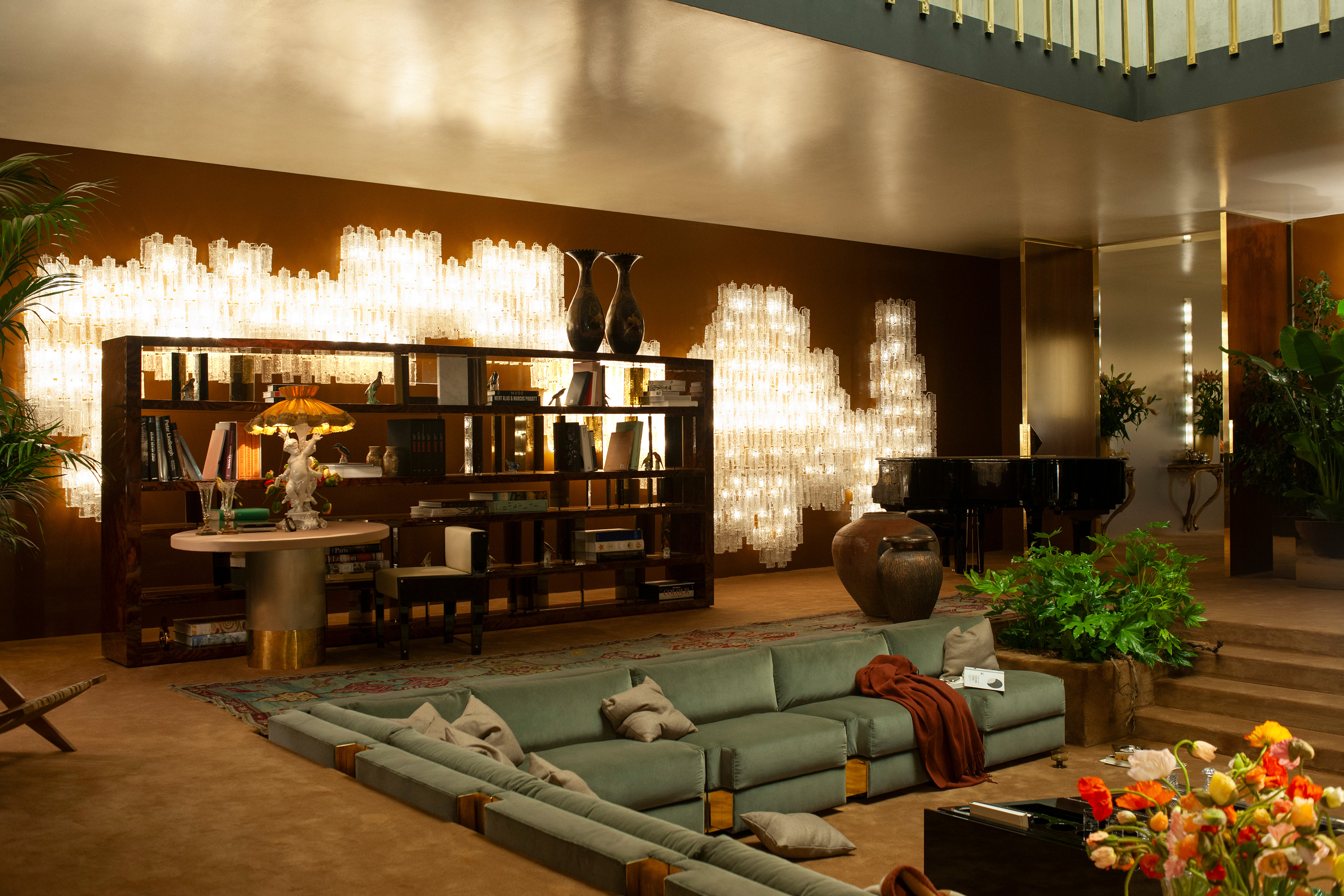
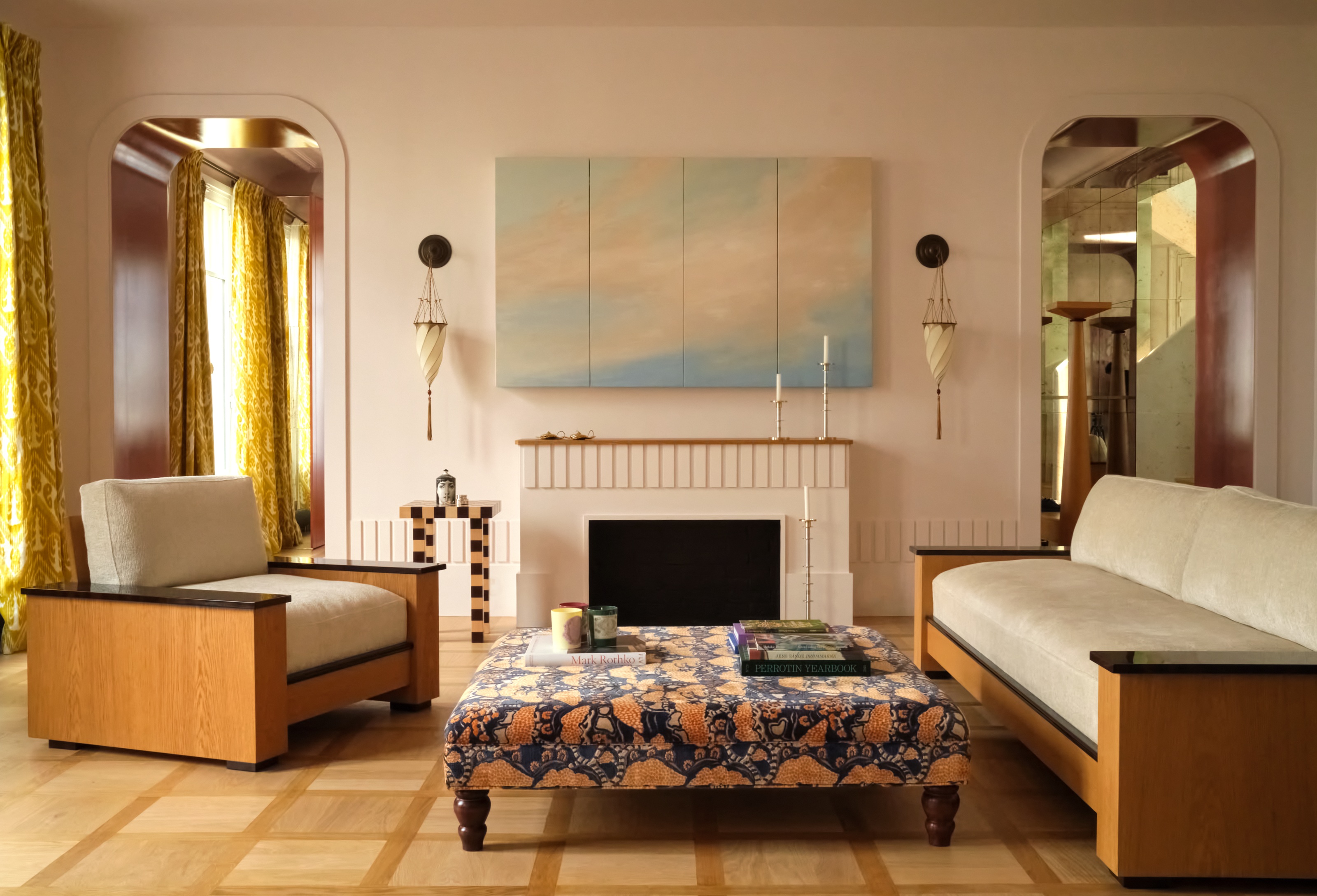
The broader appreciation for wood extends beyond the kitchen, with a notable return to darker-toned woods after a period dominated by lighter varieties. The emphasis is on wood with character, including reclaimed pieces, burl styles, deeper tones, and vintage items. This trend aligns with a desire for layered, personal, and well-loved interiors, evidenced by a significant increase in searches for 'burl wood furniture.' Chunky, vintage Brutalist furniture, known for its heft and patina, is also seeing renewed interest. Additionally, timber is being incorporated into bed designs, with sleigh-style beds offering both comfort and style through a juxtaposition of shape, softness, and wooden materials.
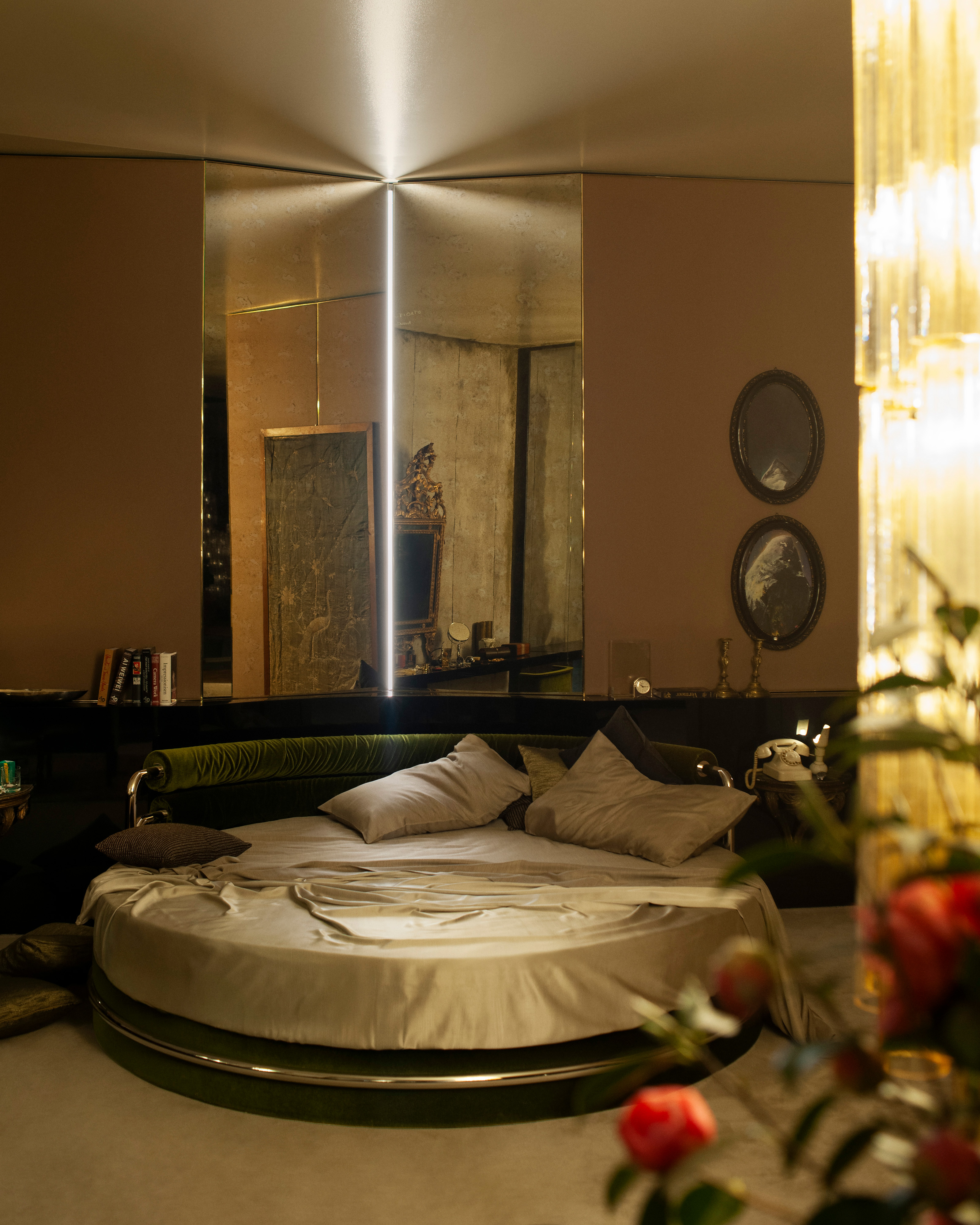
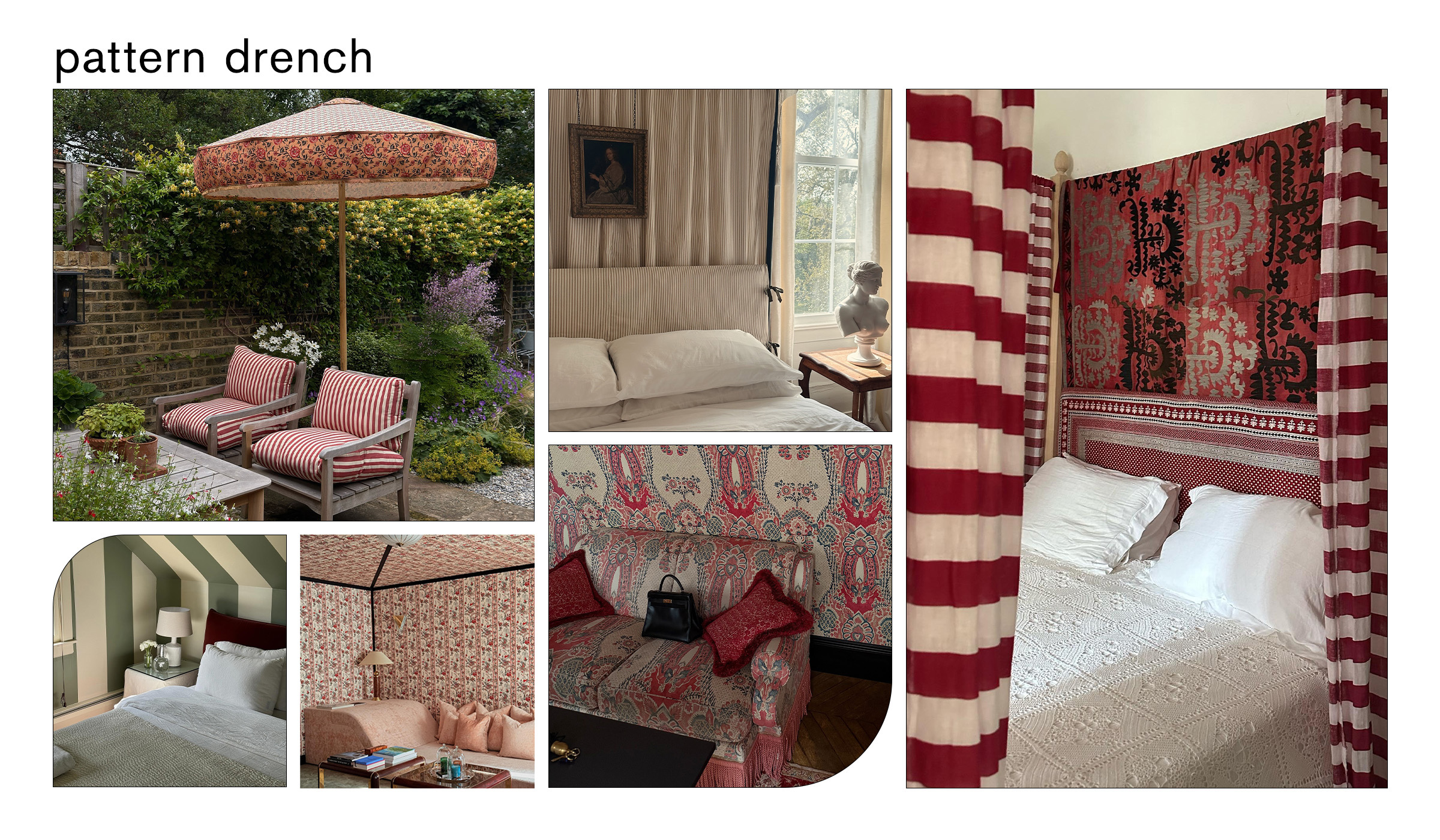
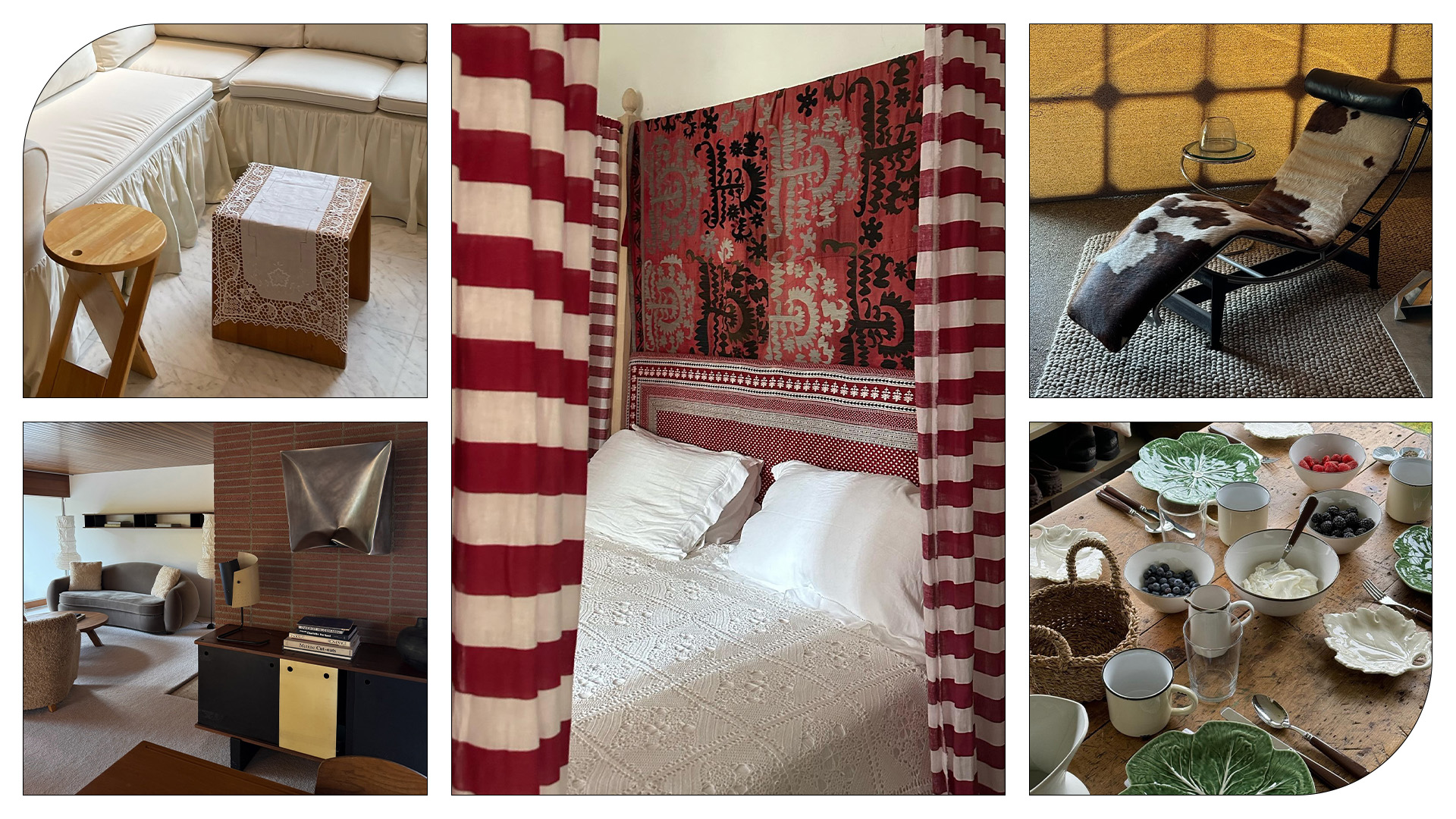
Textile wall hangings are another prominent trend, reflecting a growing interest in tactile art forms like tapestries. Both modern and antique textiles are finding their place in diverse interiors, contributing to the layering and warmth of a space. This trend is a response to a desire for coziness and creativity in an increasingly digital world, offering authentic and organic elements. Such textile art can be highly personal, with examples ranging from custom mohair tapestries to repurposed vintage fabrics, adding visual grounding and texture to rooms.
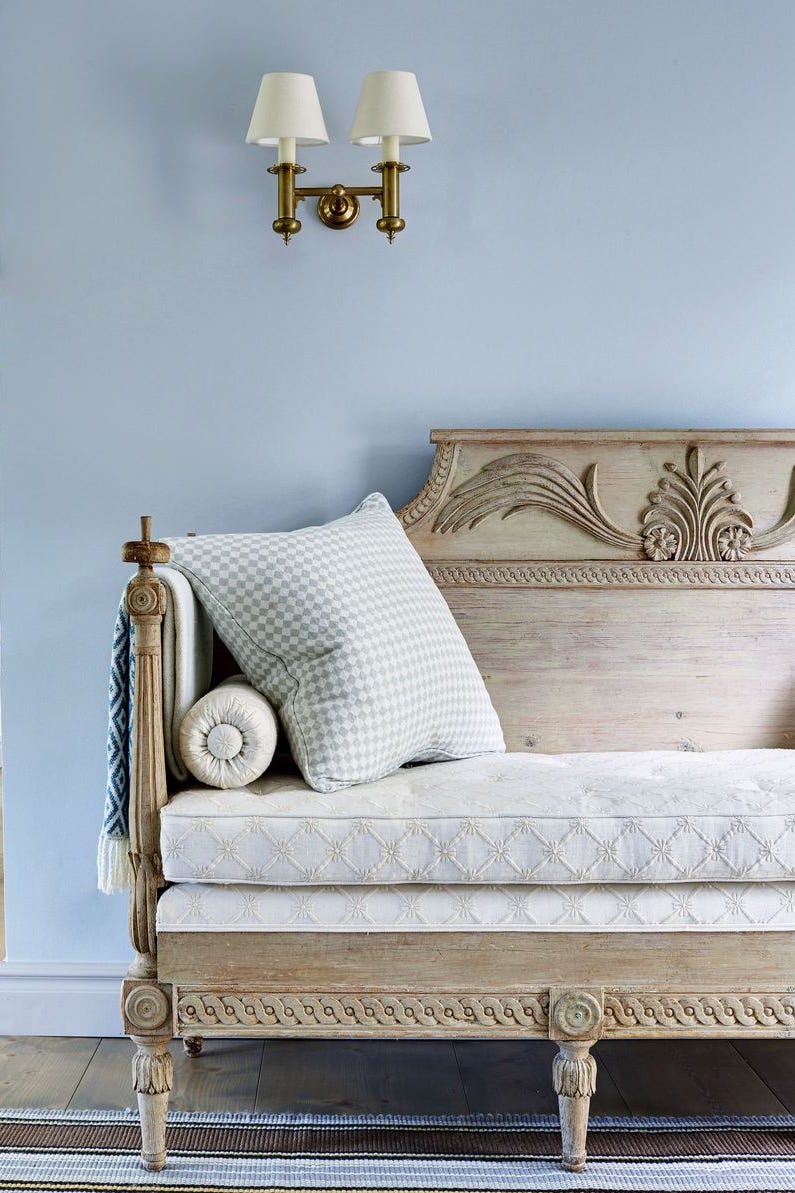
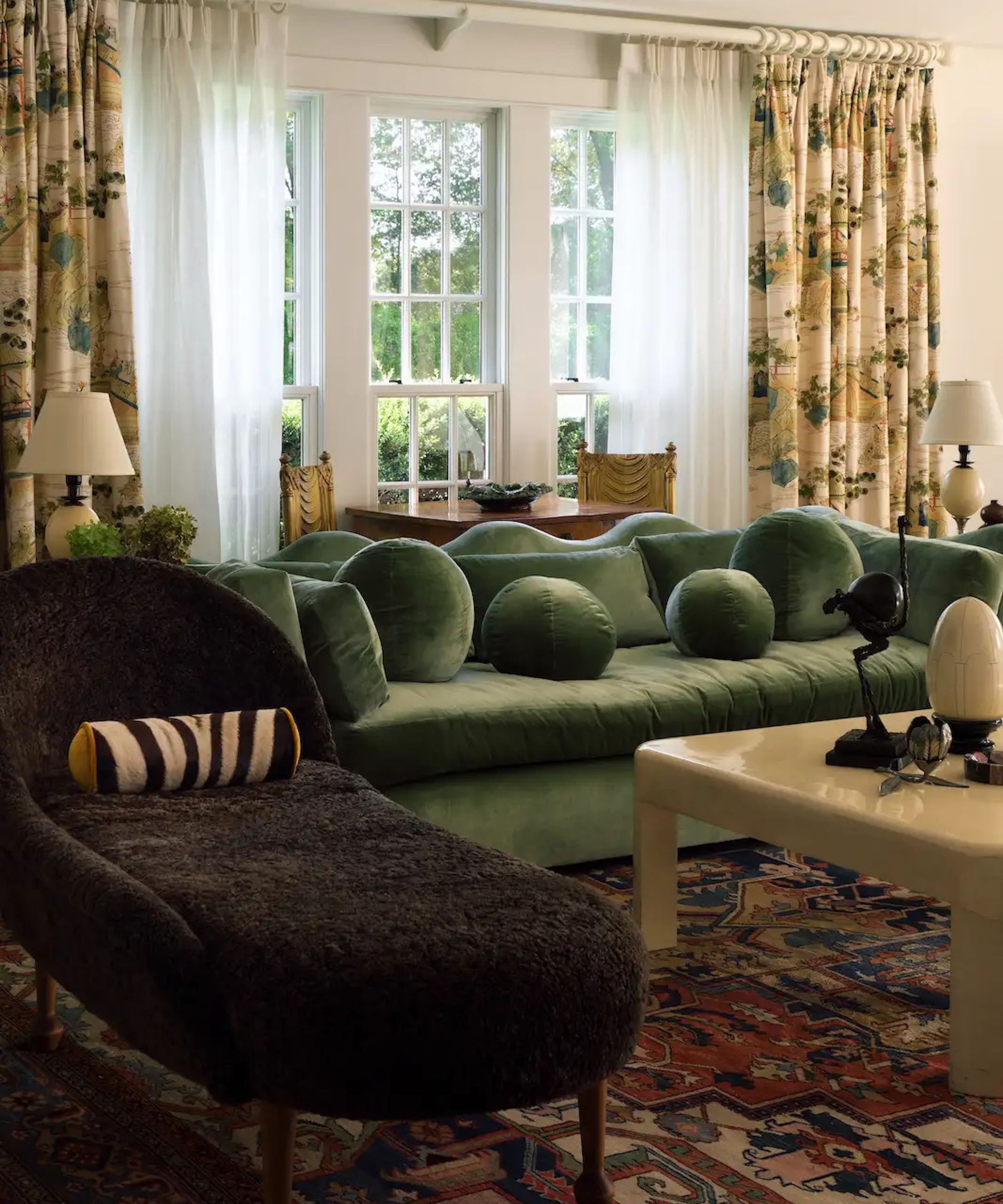
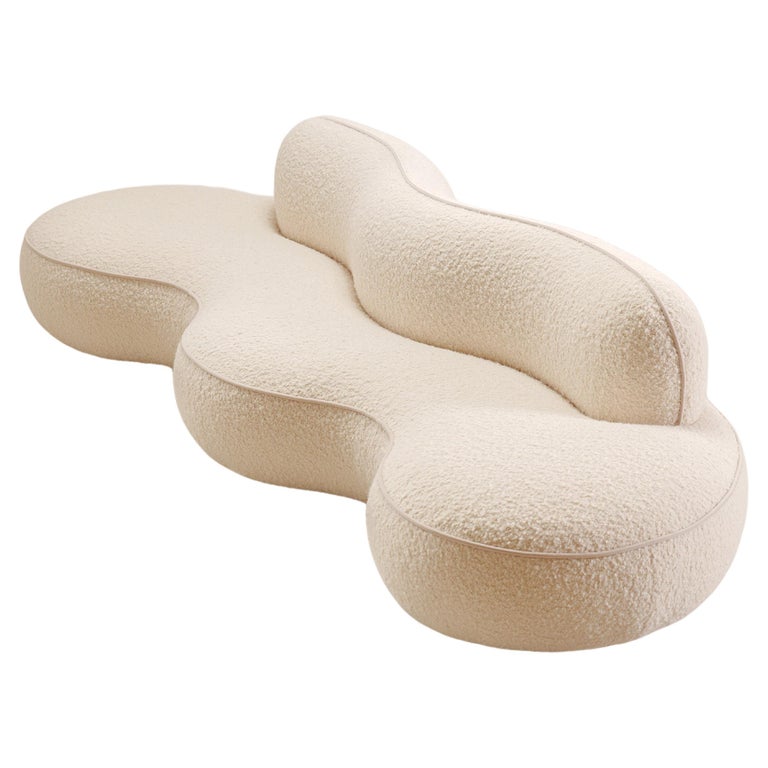
The 'occasional sofa' is emerging as a key piece of furniture for 2026. This non-essential, often smaller sofa is typically placed in secondary areas like hallways or bedrooms, prioritizing comfort and allowing for playful experimentation with shape and fabric without committing to a bold choice for a primary living room sofa. Many are opting for vintage or antique sofas, giving them a new life with fresh upholstery.
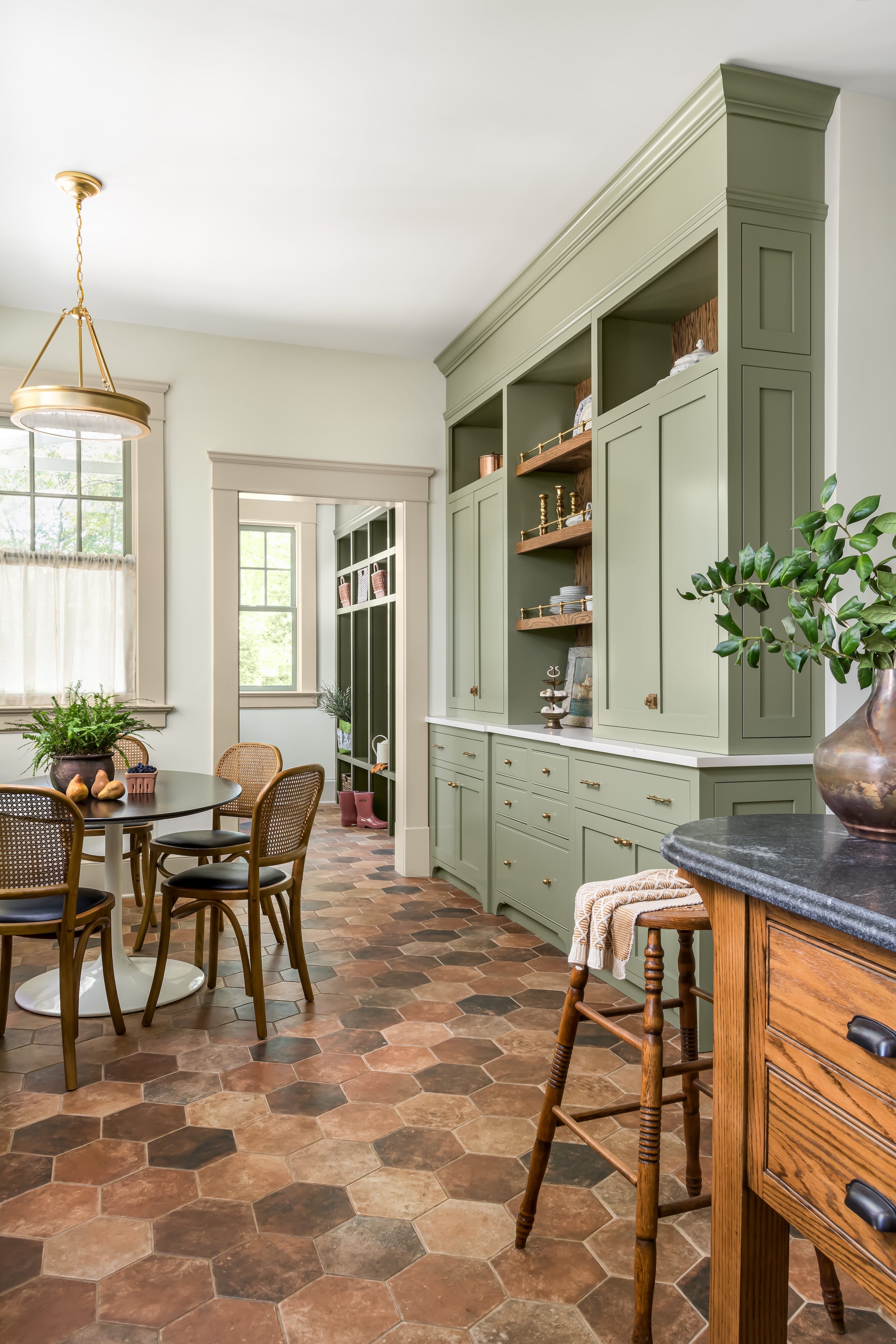
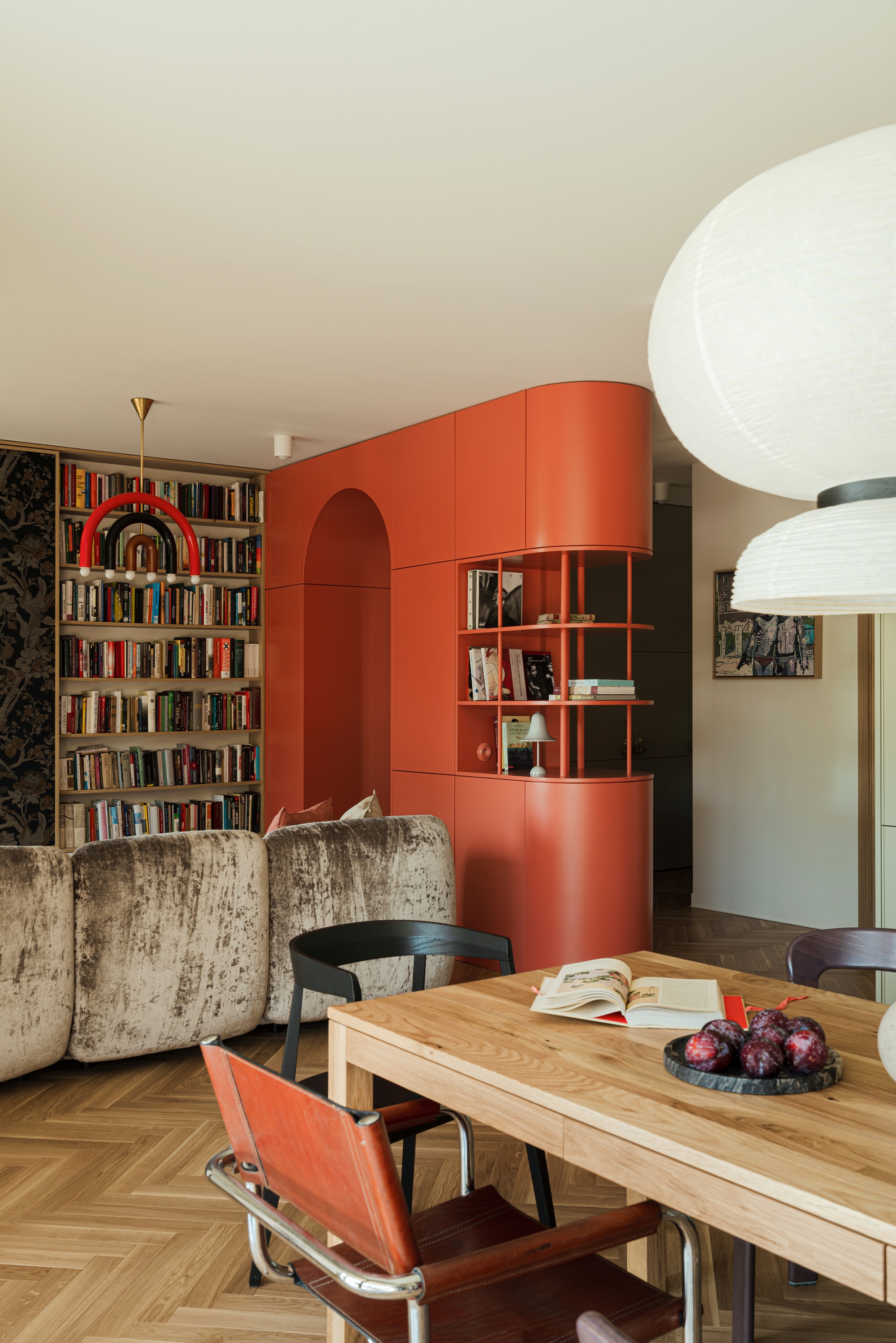
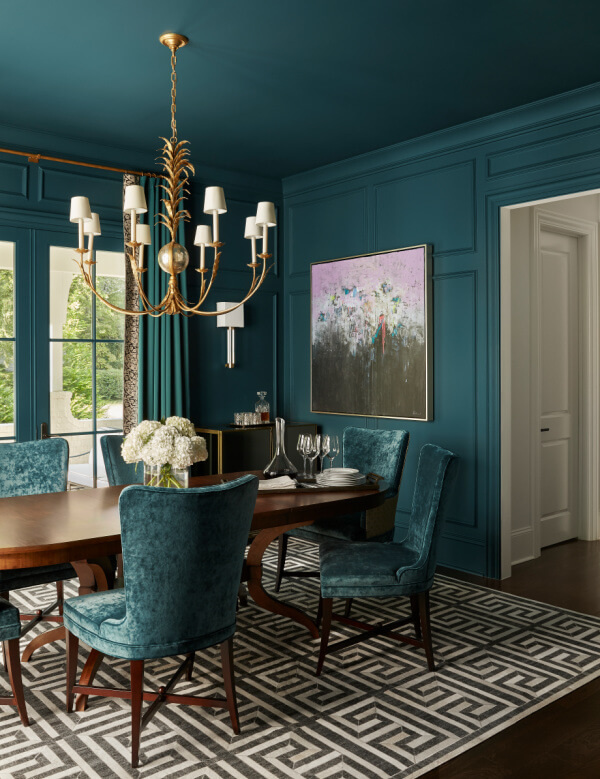
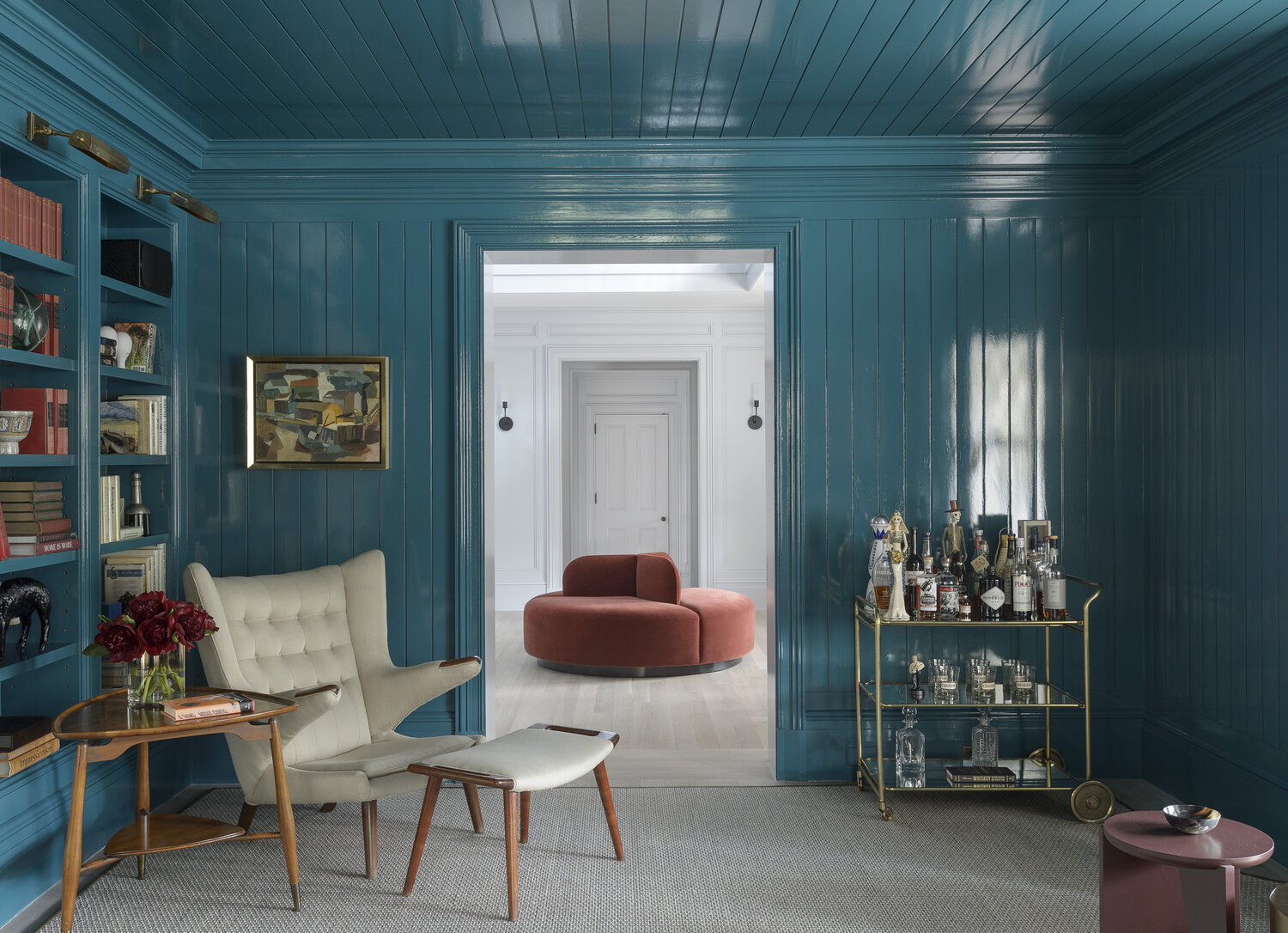
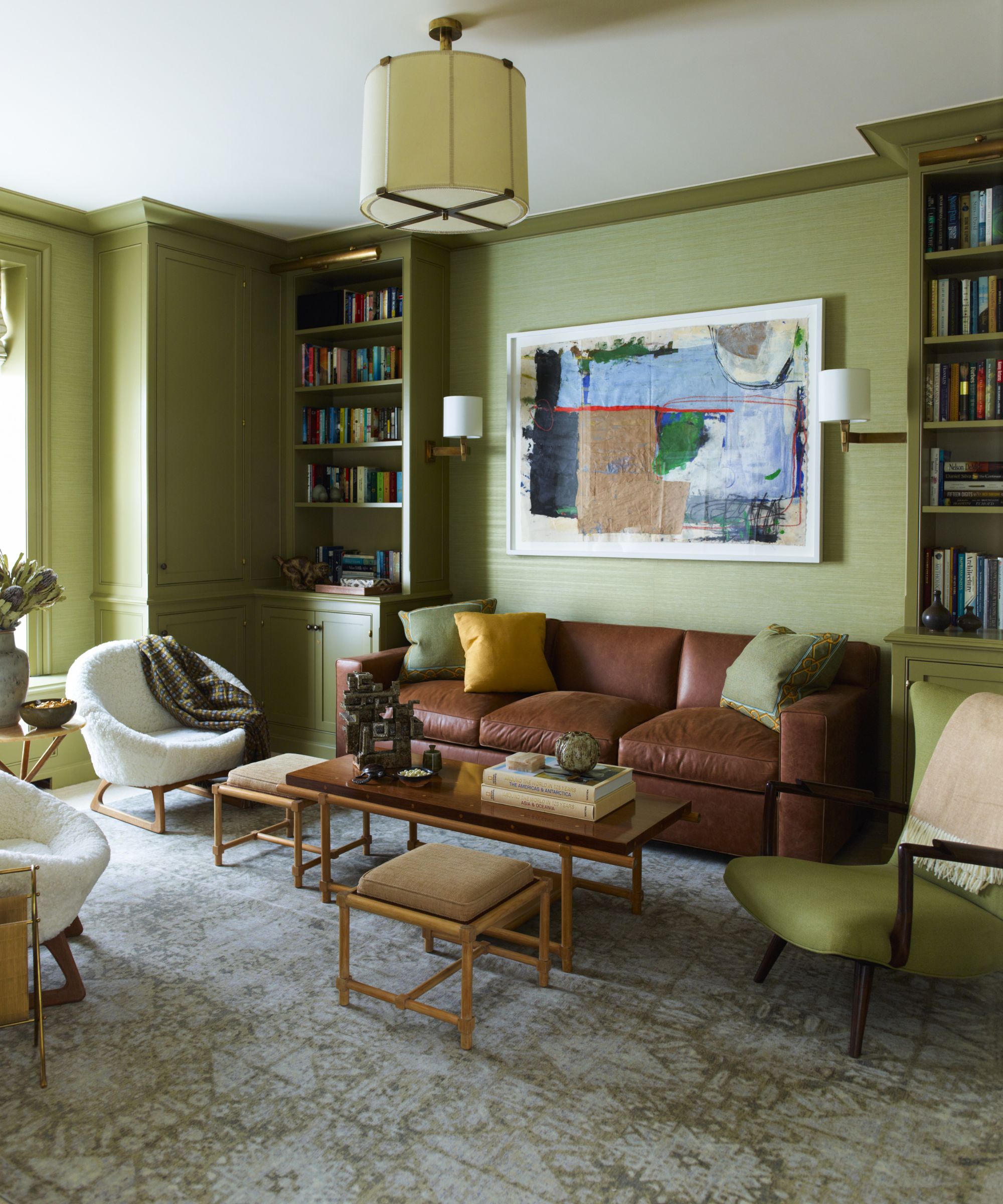
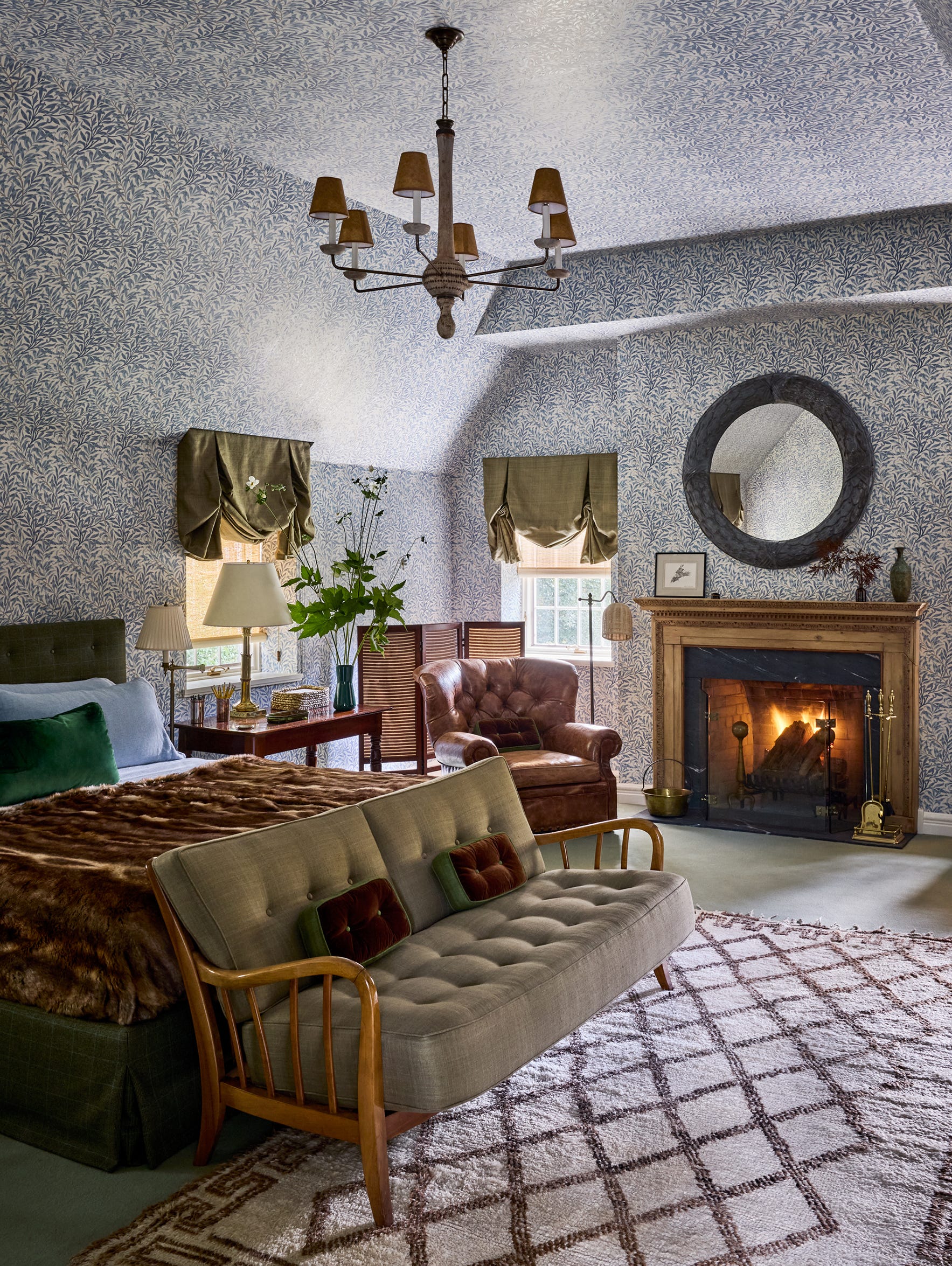
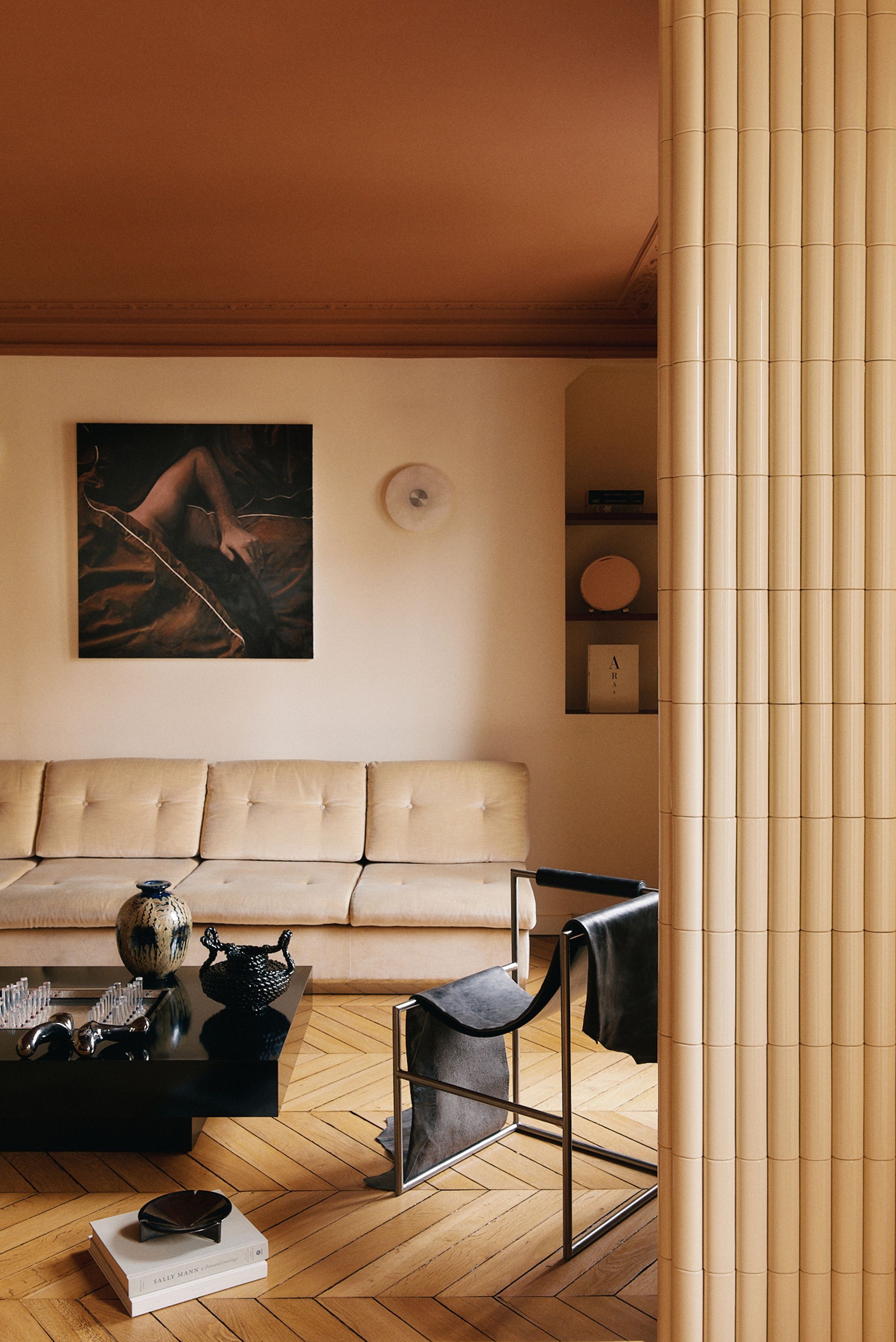
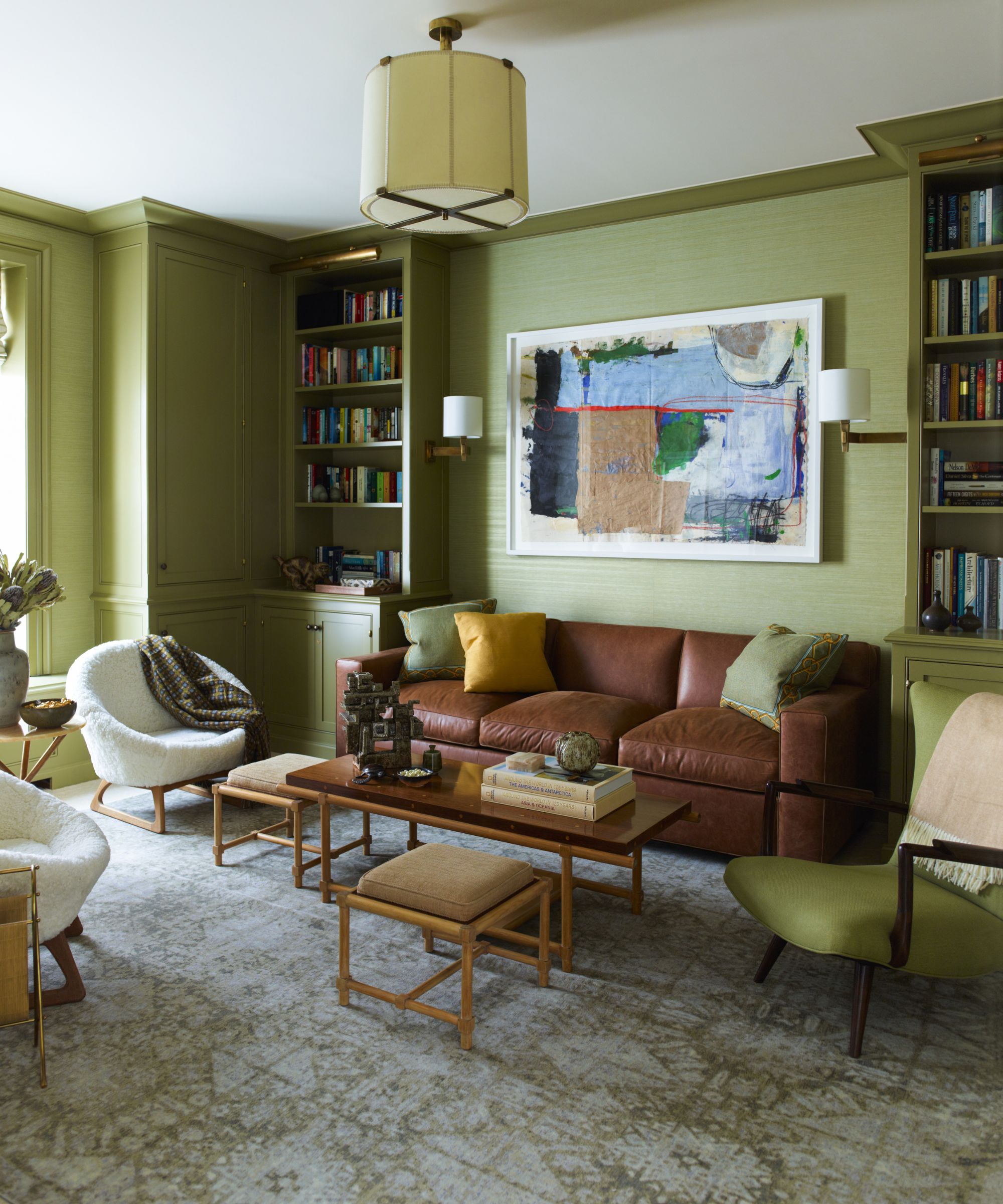
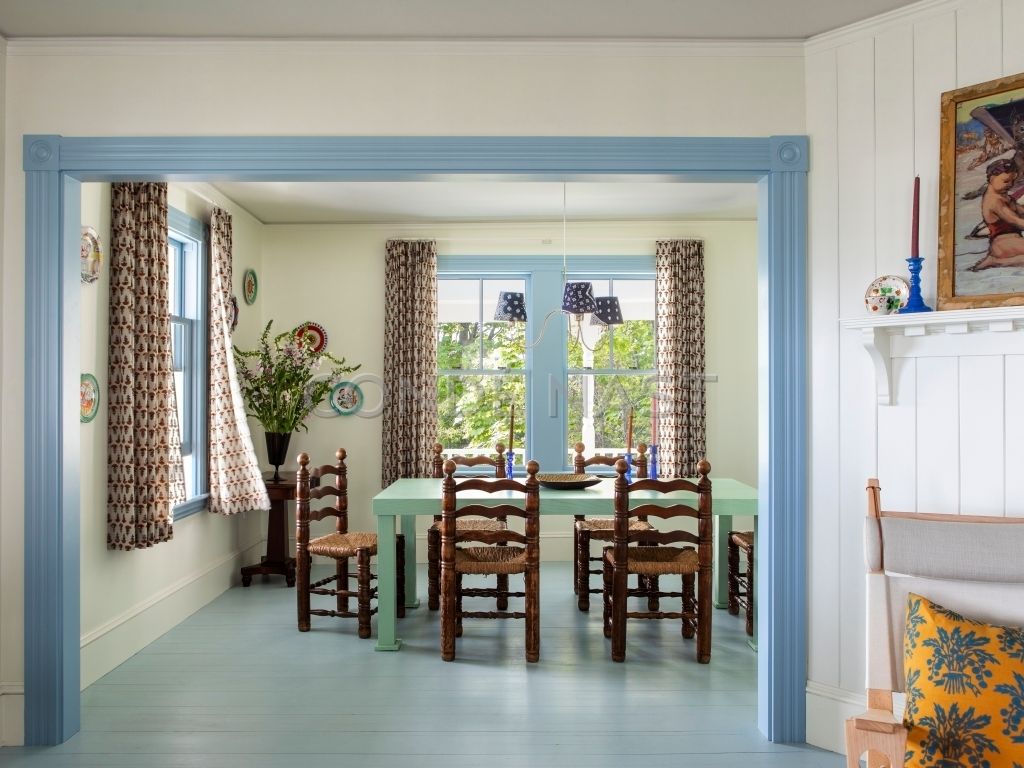
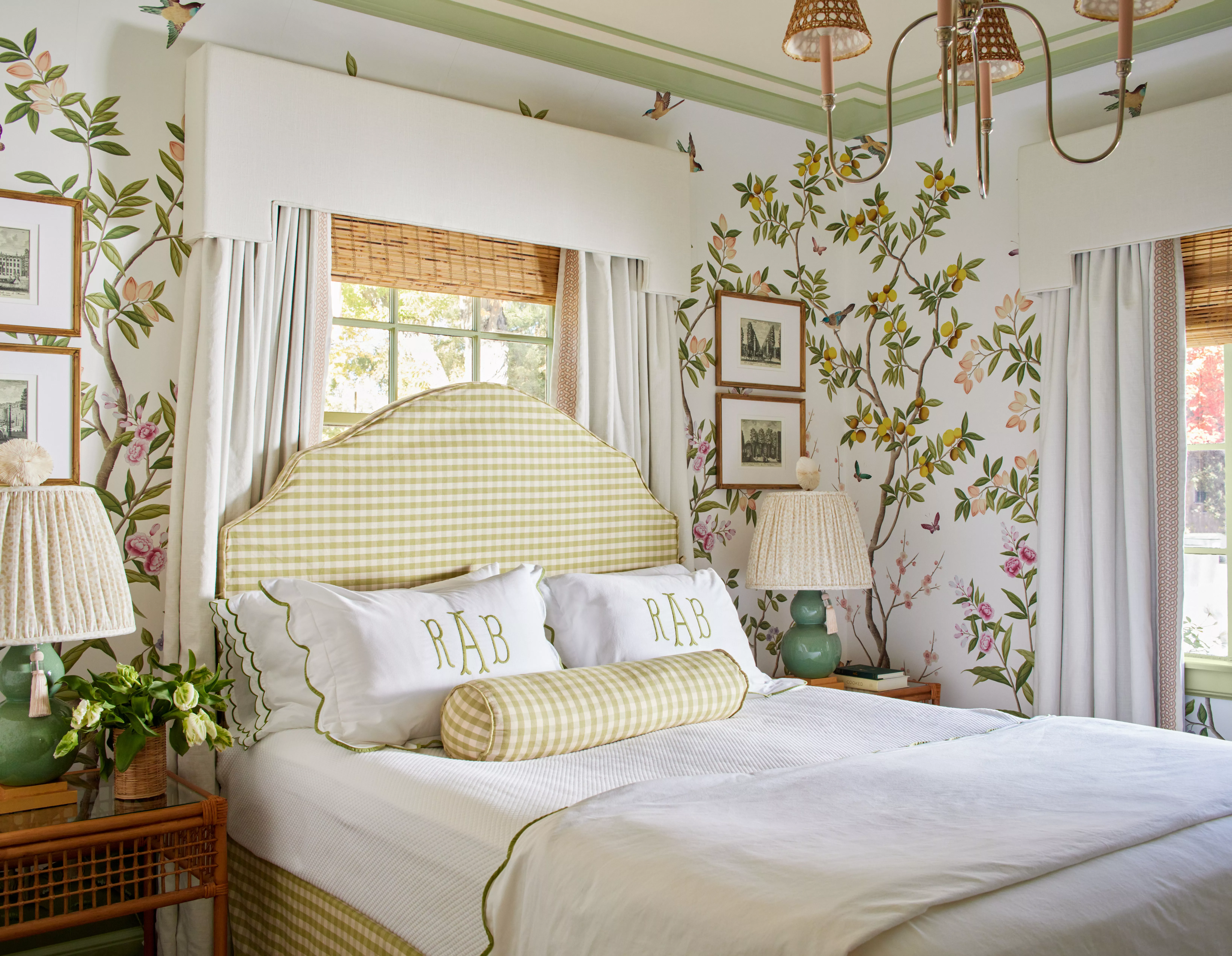
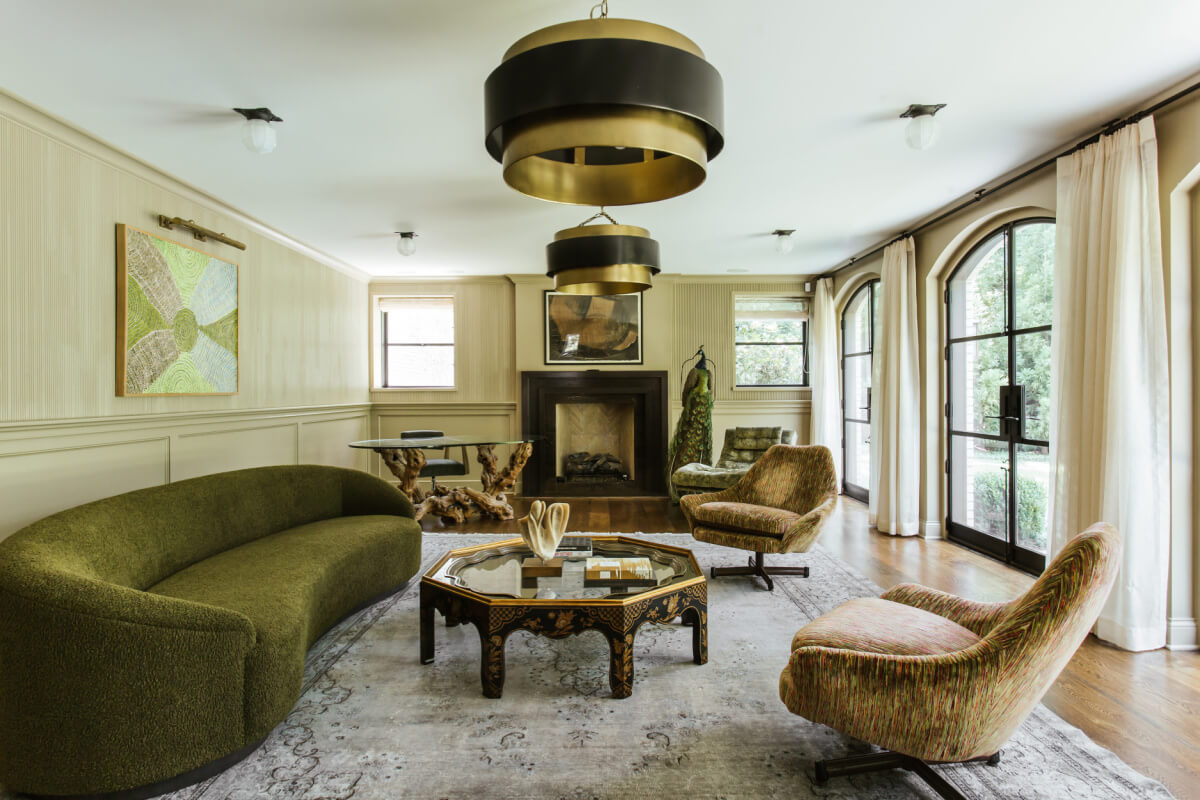
In terms of surfaces, a shift from checkerboard kitchen backsplashes to more painterly tile styles is underway. Hand-painted tiles that evoke a sense of nostalgia, softness, and homeliness are gaining favor, with bespoke floral and intricate designs adding character and fun to walls. Earthy paint colors are also trending, particularly dusty blues paired with richer tones like chocolate brown, as well as deep, muddy greens, caramels, and ochre. High-contrast color pairings on woodwork are used to create drama and highlight architectural details. Artichoke green, a calming biophilic shade, is also becoming a popular choice.
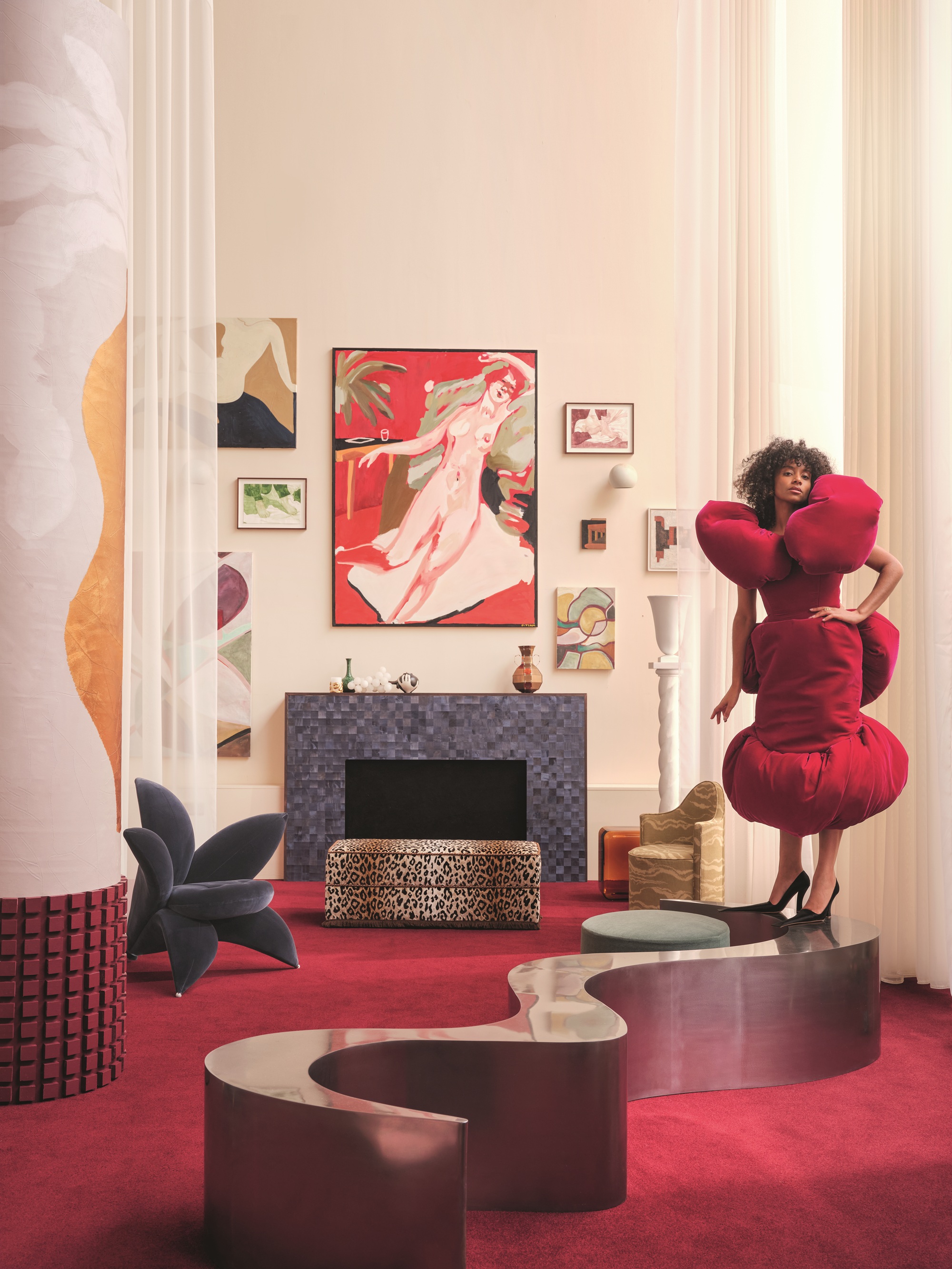
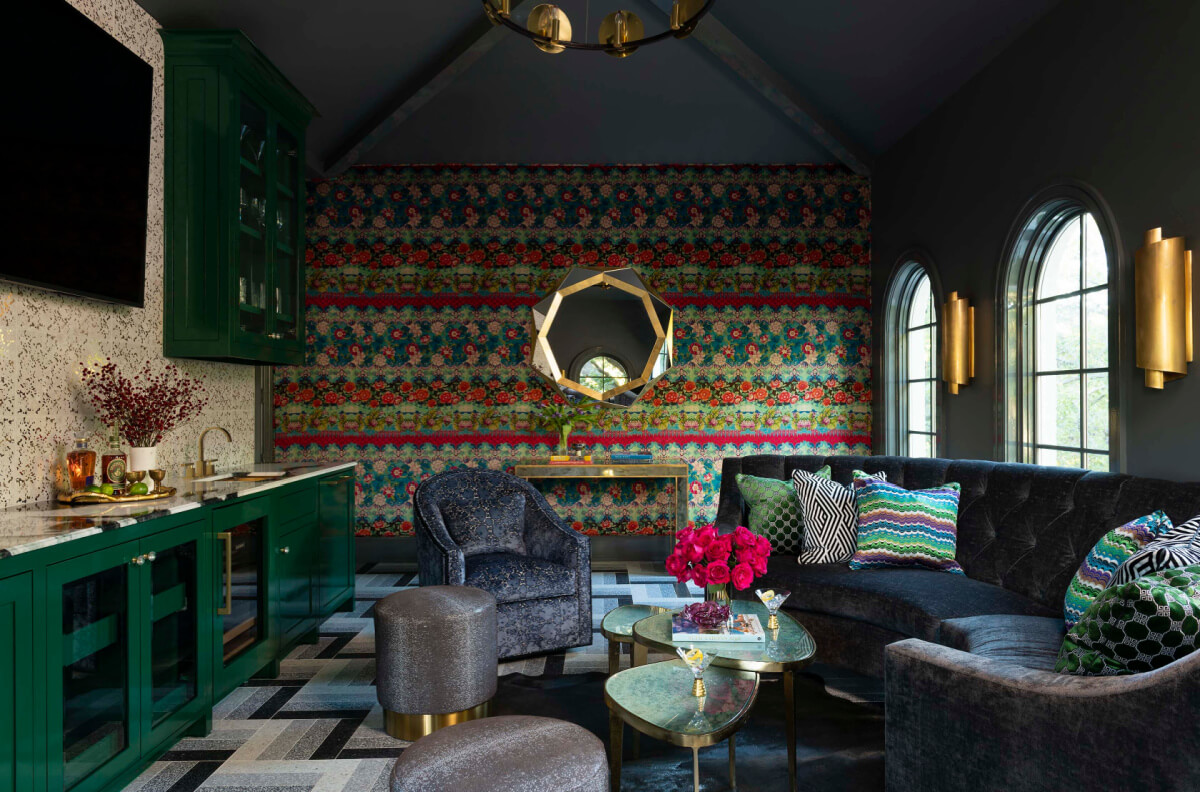
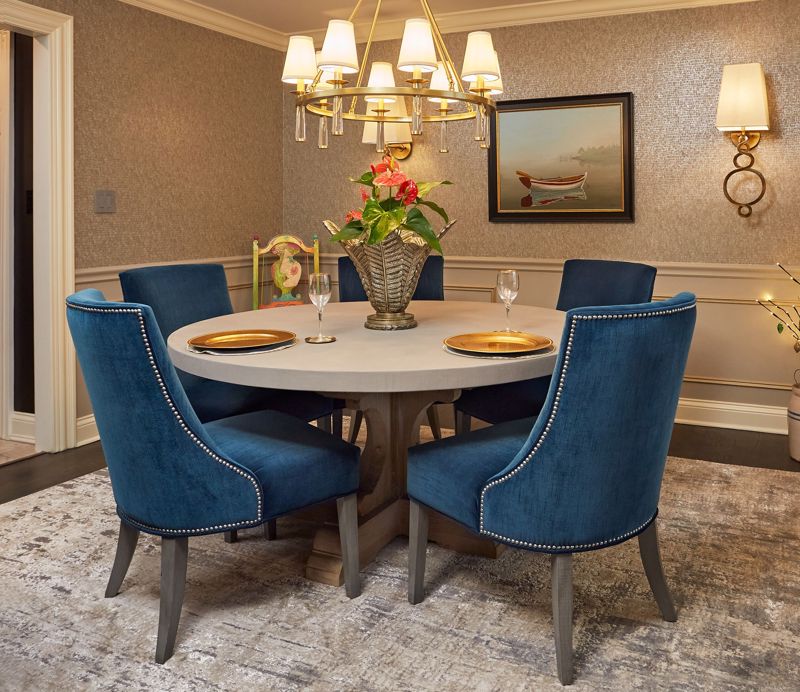
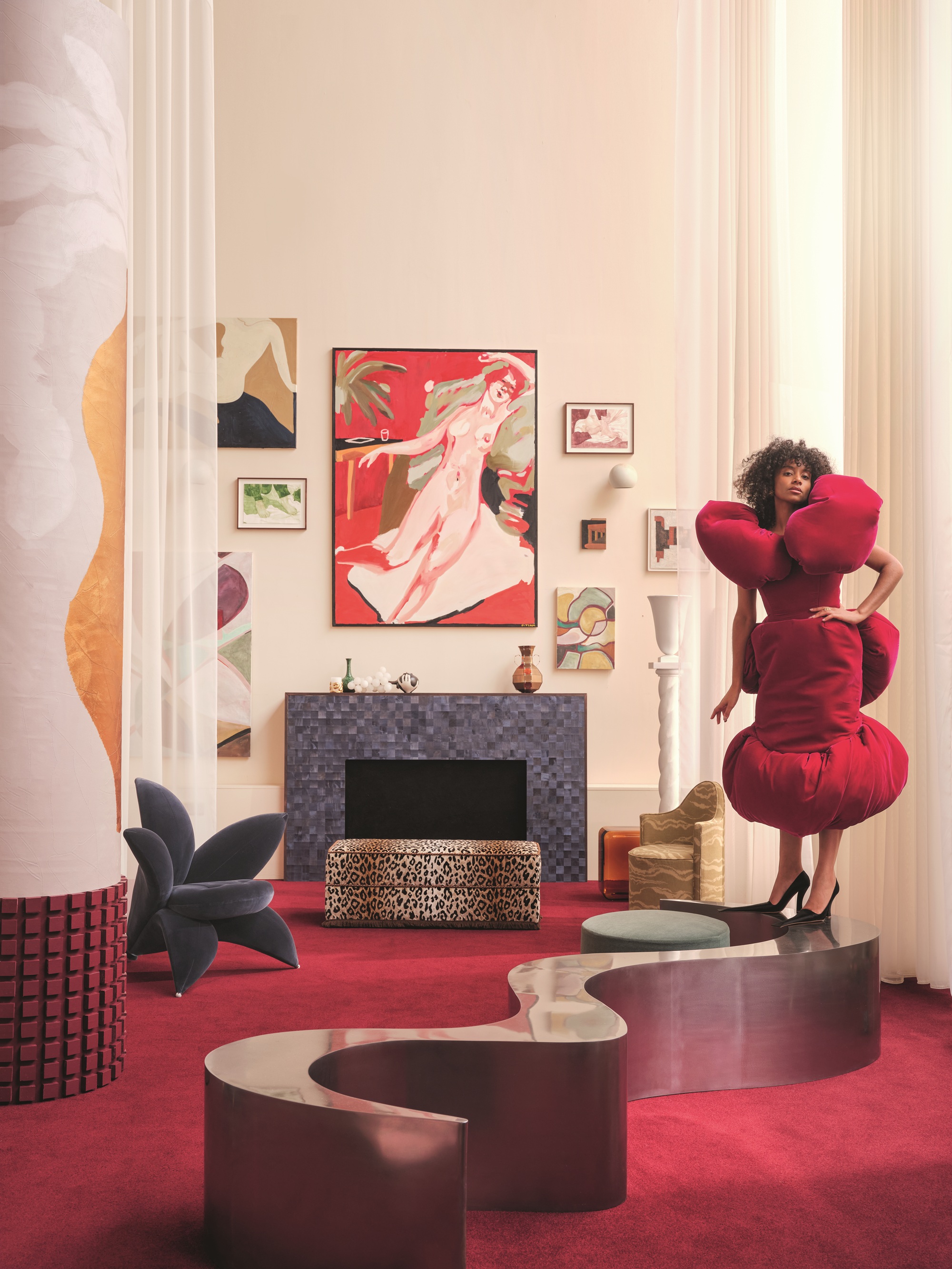
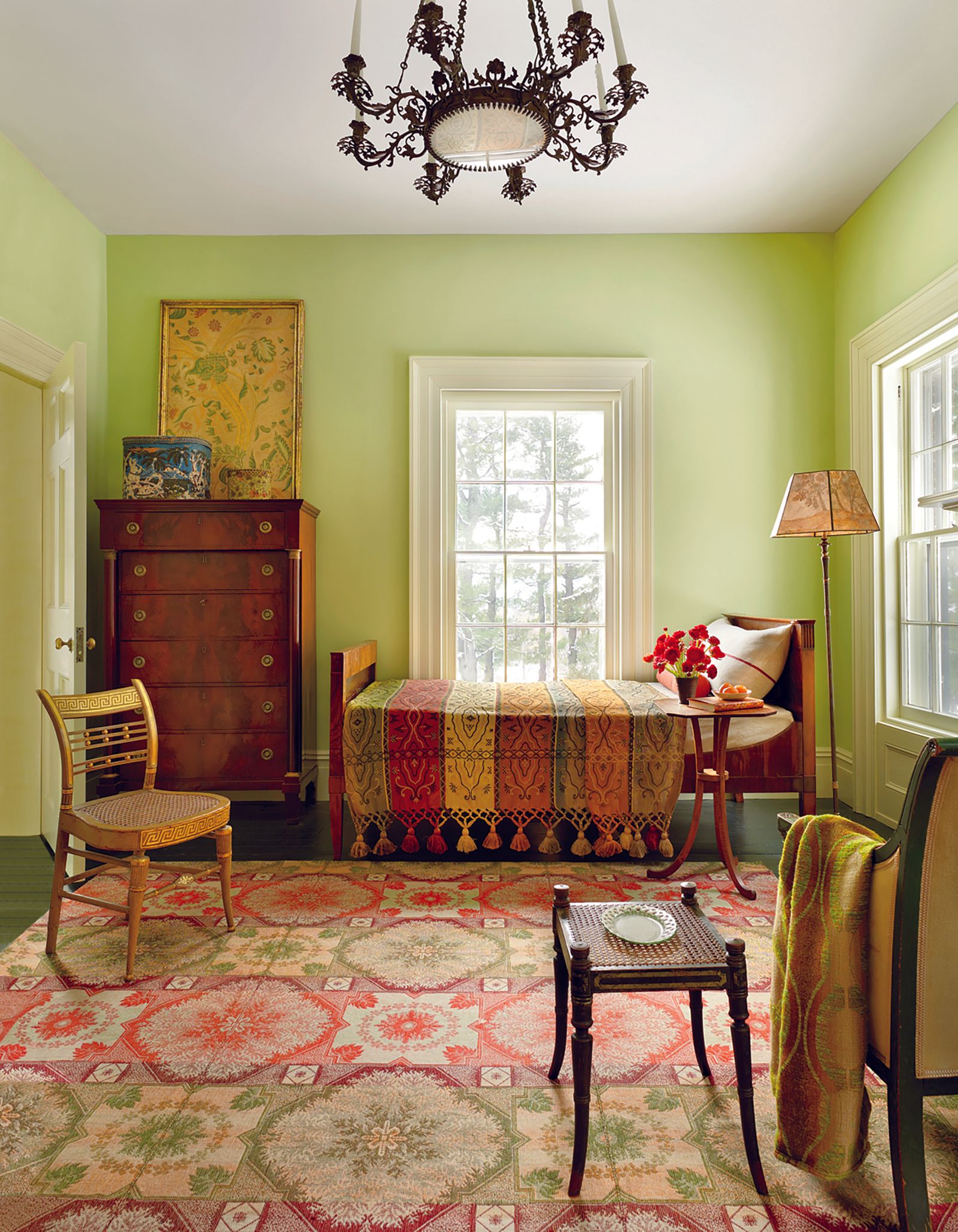
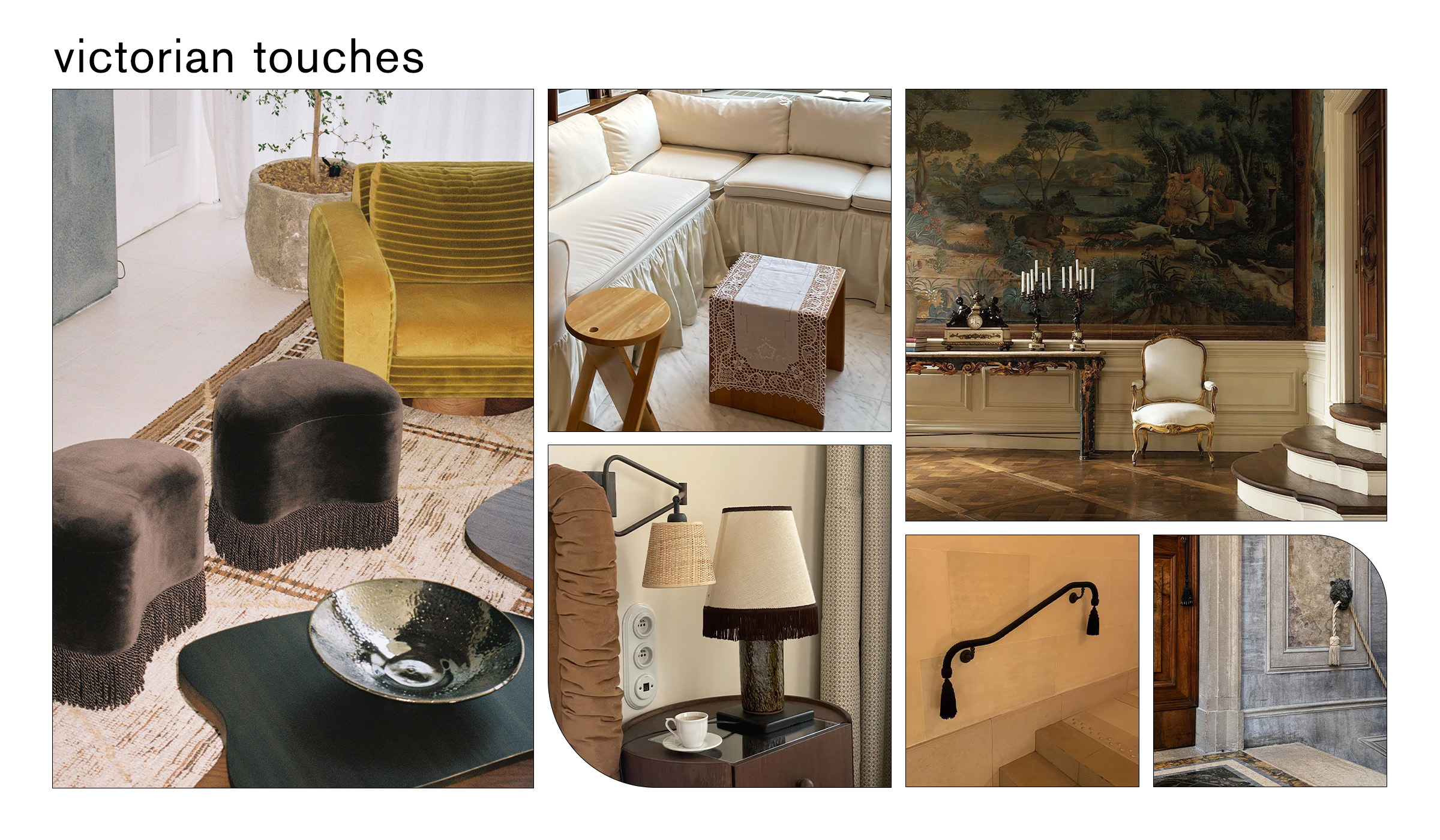
Metalwork is evolving beyond purely industrial or decorative roles, becoming a central, sculptural, and emotional material in furniture. The focus is on tactile metals that develop a patina over time, celebrating their living quality. The beauty of metal in interiors is enhanced by contrasting it with natural materials such as marble, linen, or timber, which soften its intensity and ground its presence. Decorative detailing, including fringing and tassels on upholstery and soft furnishings, provides an easy way to add luxury and intricate embellishment, moving away from overdone scalloped edges towards more opulent and playful accents. Finally, the accessibility of large-scale art is increasing through online marketplaces, allowing individuals to fill daunting empty walls with striking works at a more affordable price point. Freestanding showers, a reimagined historical element, are also becoming a key bathroom trend, creating visual focal points and offering greater flexibility in layout, particularly in rooms with ample natural light or high ceilings.
#InteriorDesignTrends #HomeDecor #LivedInInteriors #NaturalMaterials #WoodFurniture #TextileArt #SustainableDesign #EarthyTones #DecorativeDetailing #FreestandingShowers #LuxuryLiving #InteriorDesignTrends #HomeDecor #LivedInInteriors #NaturalMaterials #WoodFurniture #TextileArt #SustainableDesign #EarthyTones #DecorativeDetailing #FreestandingShowers #LuxuryLiving
0 comment in total
 No comments yet
You may also like
Designers Are Calling It: These Interior Design Trends Will Be Everywhere in 2026

2026 Home Design Trends to Watch
12 must-know interior design trends that will be defining our homes in 2025
8 Interior Design Trends That Will Be Everywhere in 2025

These Are the Most Popular Interior Styles of 2026, According to Designers
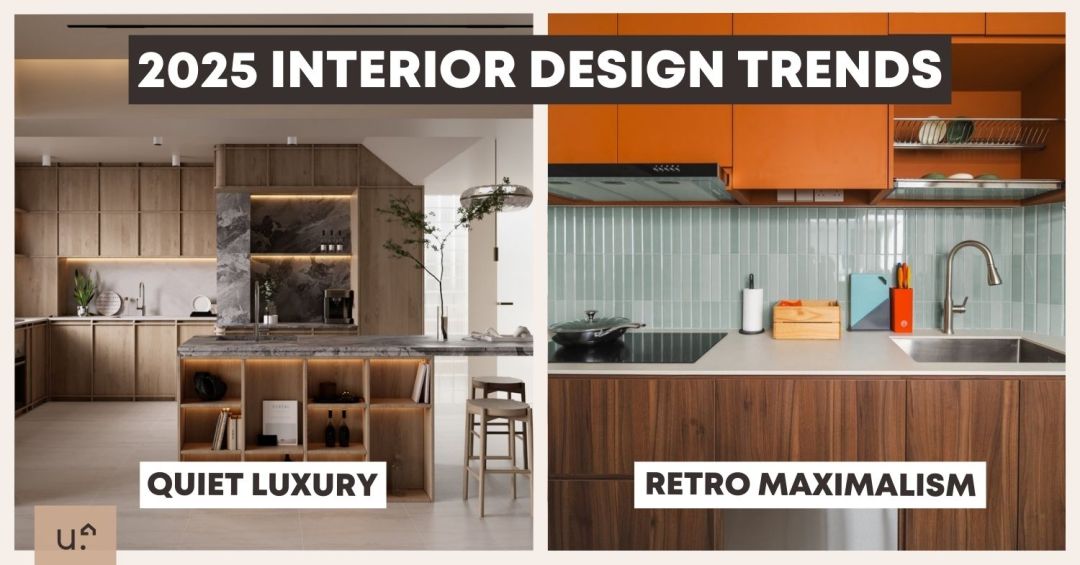
11 Biggest Interior Trends Of 2025, Design Solutions & Reno Tips As Revealed By An Interior Designer

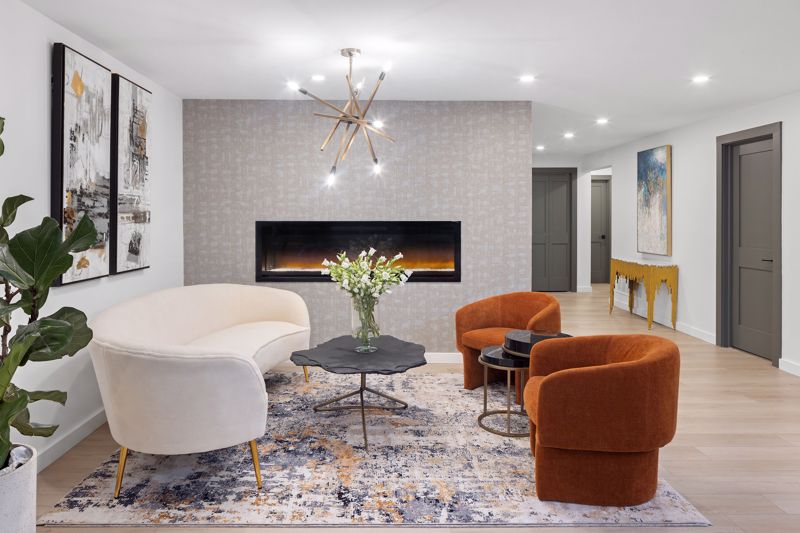
8 Interior Design Trends for 2025
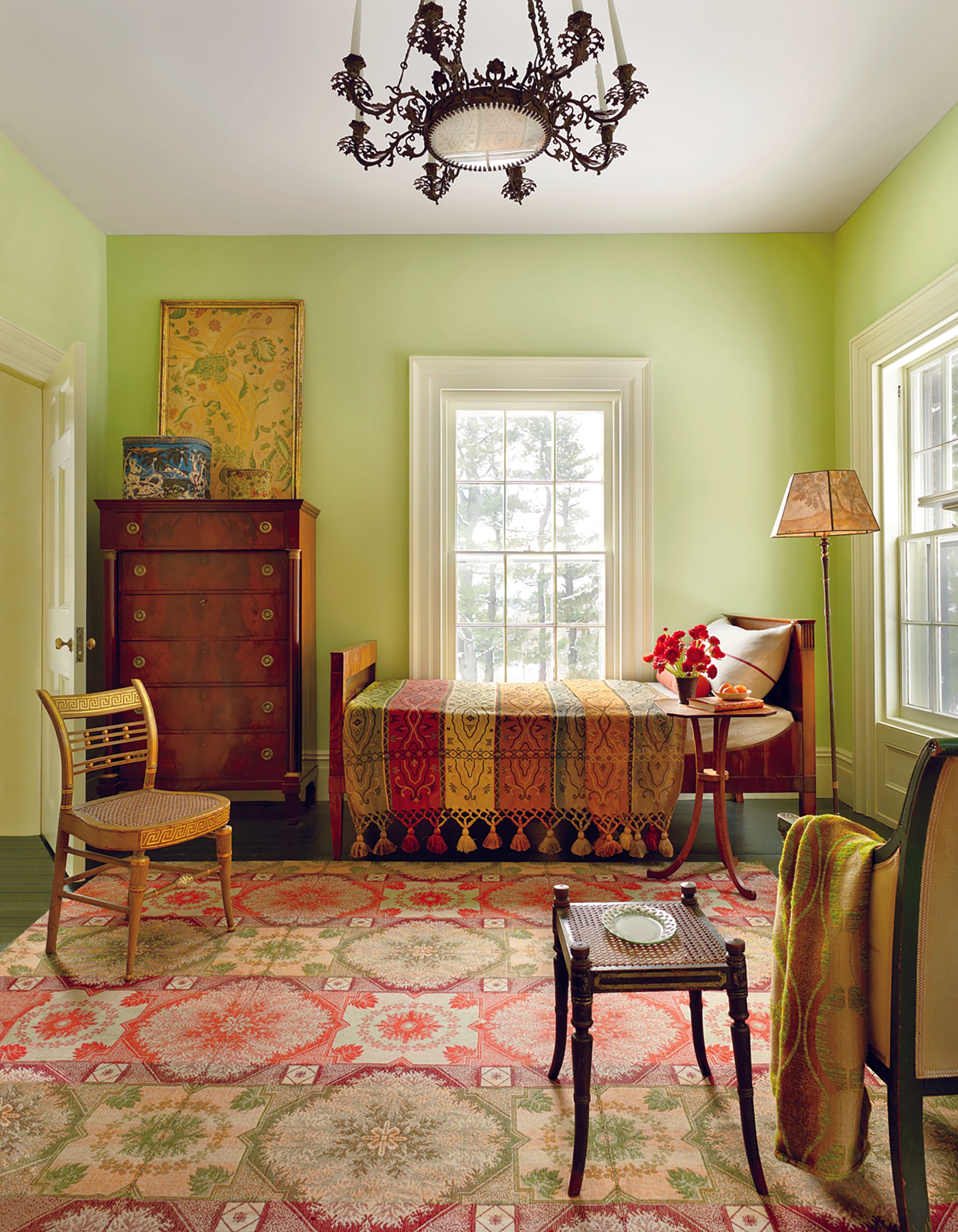
These Colors Will Be Everywhere in Interior Design in 2026
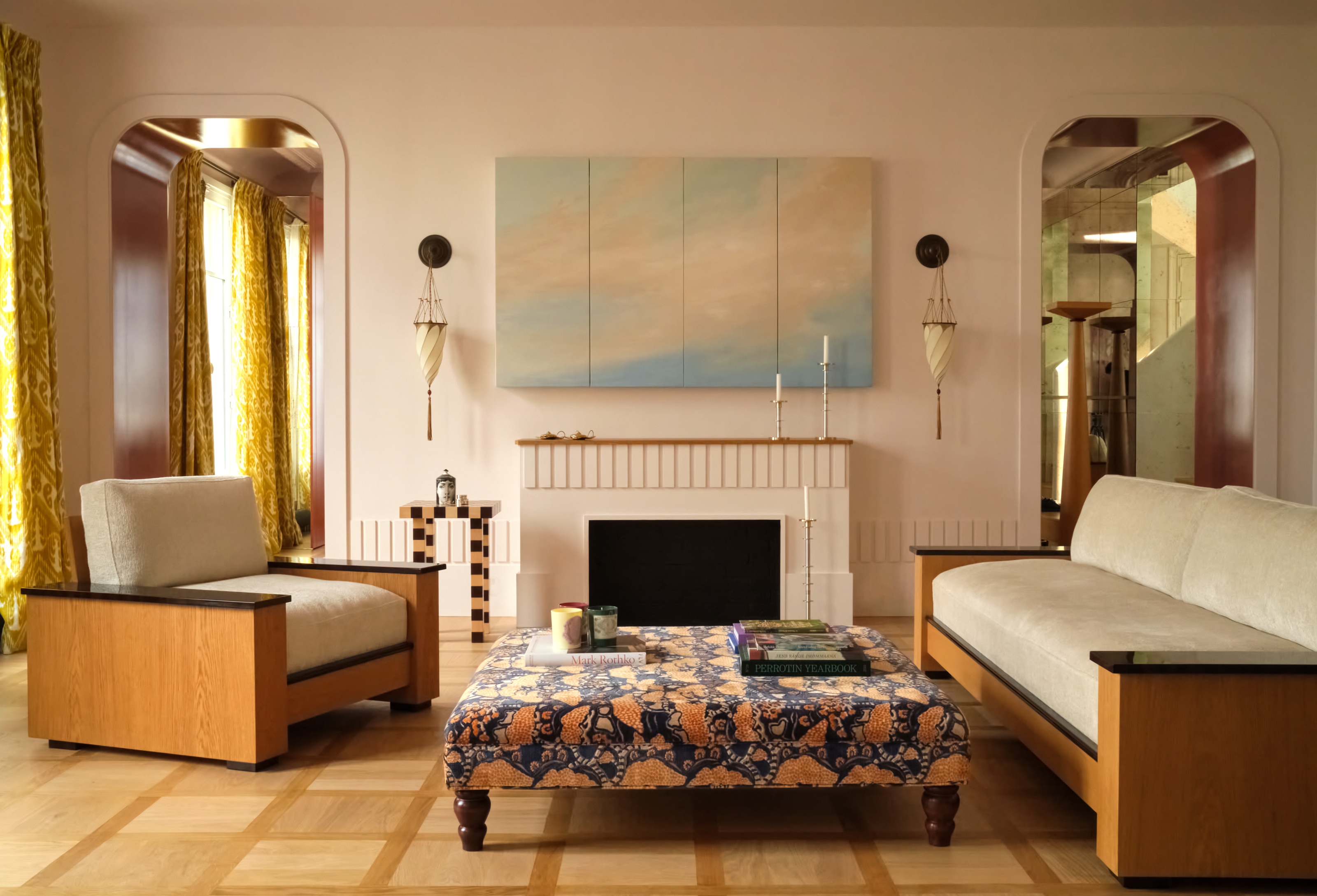
What’s Next for Our Homes? The 14 Defining Interior Design Trends That Will Shape the Way We Live in 2026

6 Interior Design Trends That Are Making a Comeback in 2025, According to Designers

The Chic 2026 Interior Design Trends That Will Take Over Next Year
Interior Design Trends of 2024

The Top Interior Design Trends Experts Predict for 2026
The Biggest Interior Design Trends for 2025

Interior Design Trends — The 16 Defining Ideas for Decorating Homes in 2025
6 Trends Defining Home Décor in 2025

10 Interior Design Trends to Watch in 2025

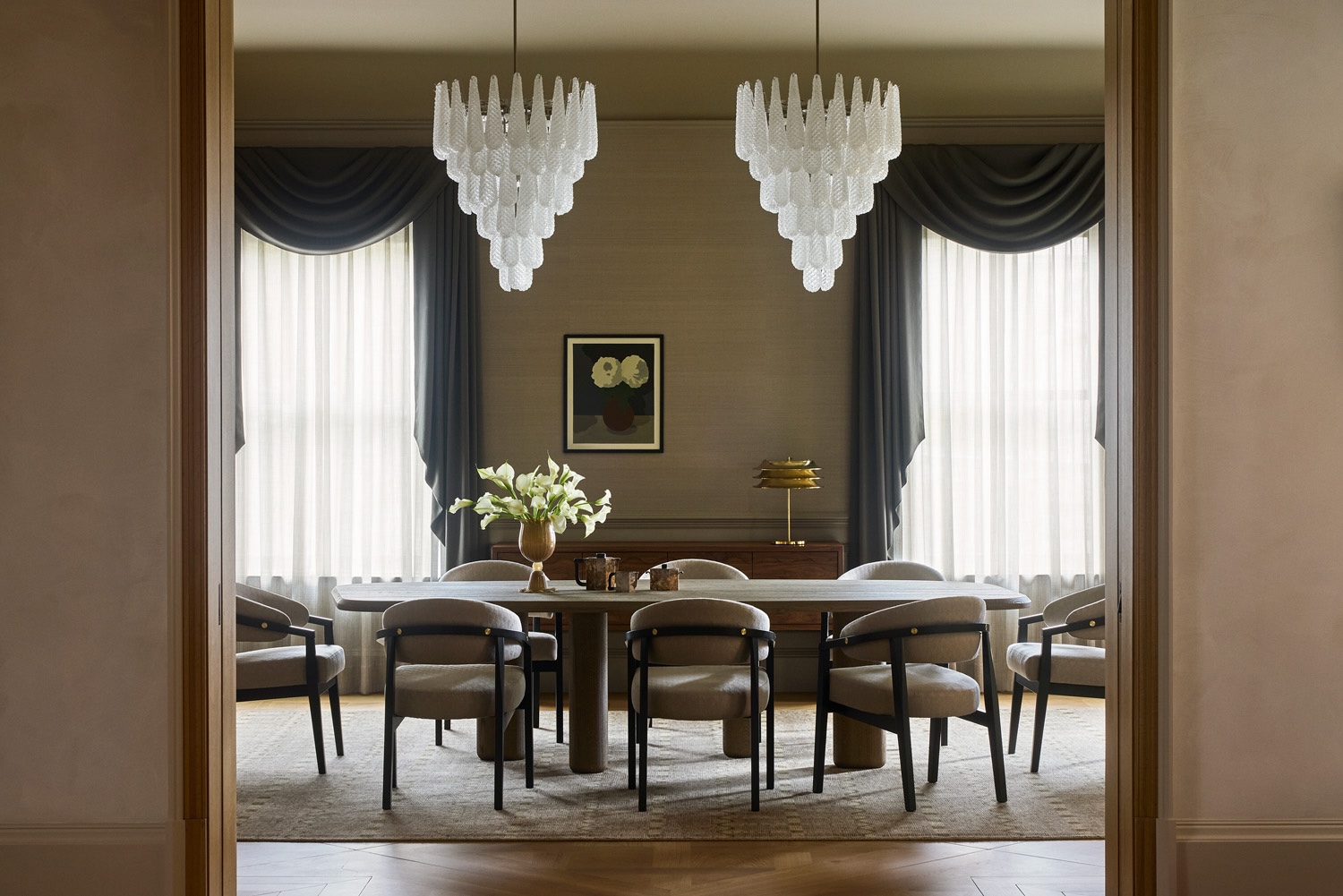
The Vintage Interior Trends Designers Predict Will Define Homes in 2026

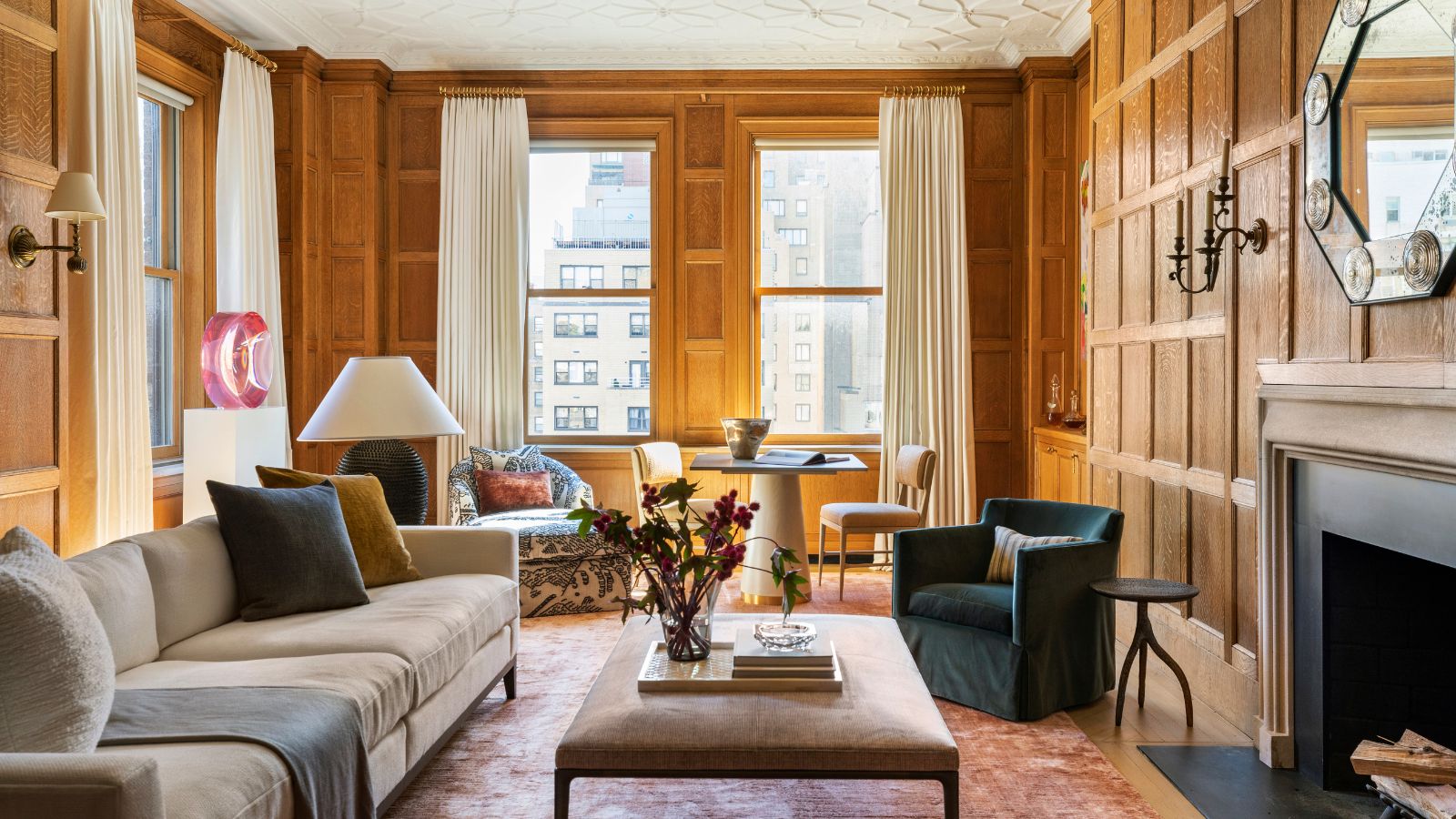
12 Must-Know Interior Design Trends That Have Defined Our Homes in 2025
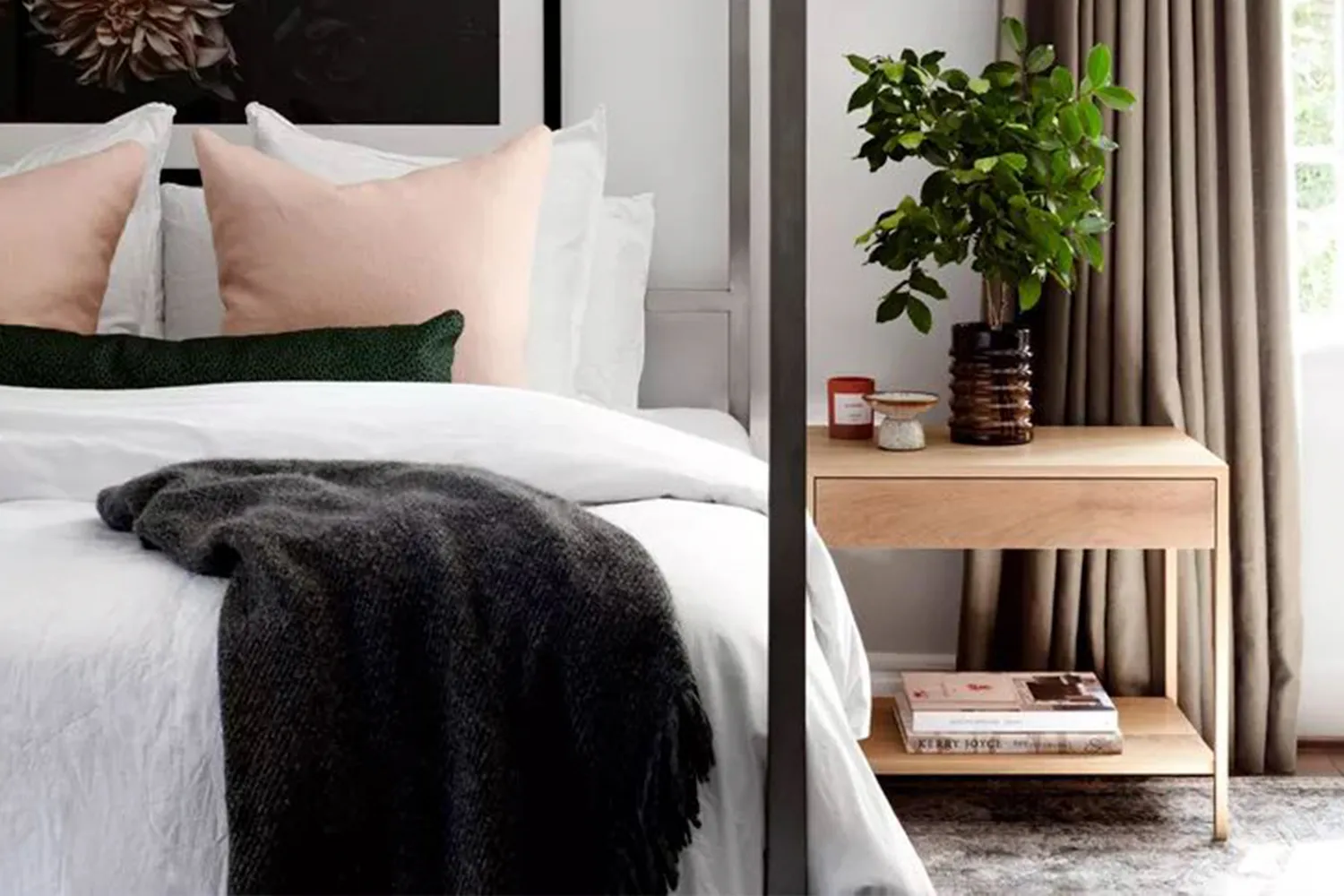
9 Bedroom Trends That Will Dominate 2026, According to Interior Designers