1/4
The Chic 2026 Interior Design Trends That Will Take Over Next Year
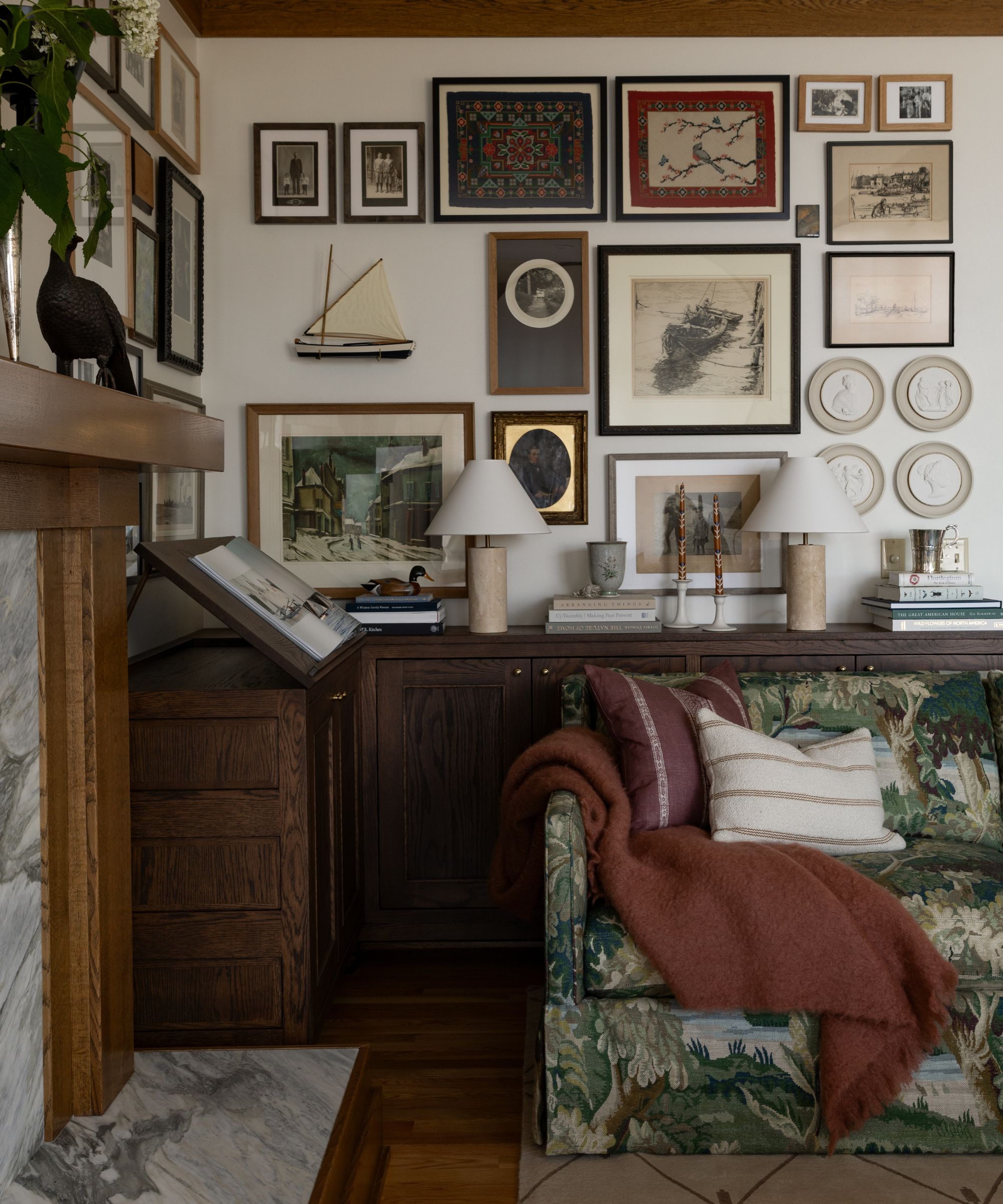
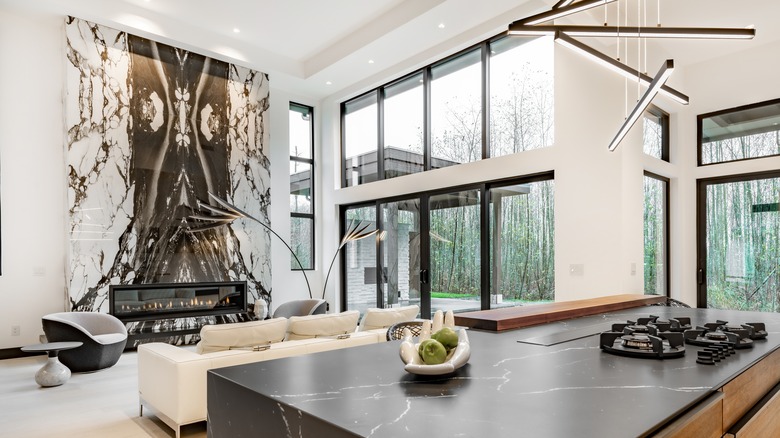
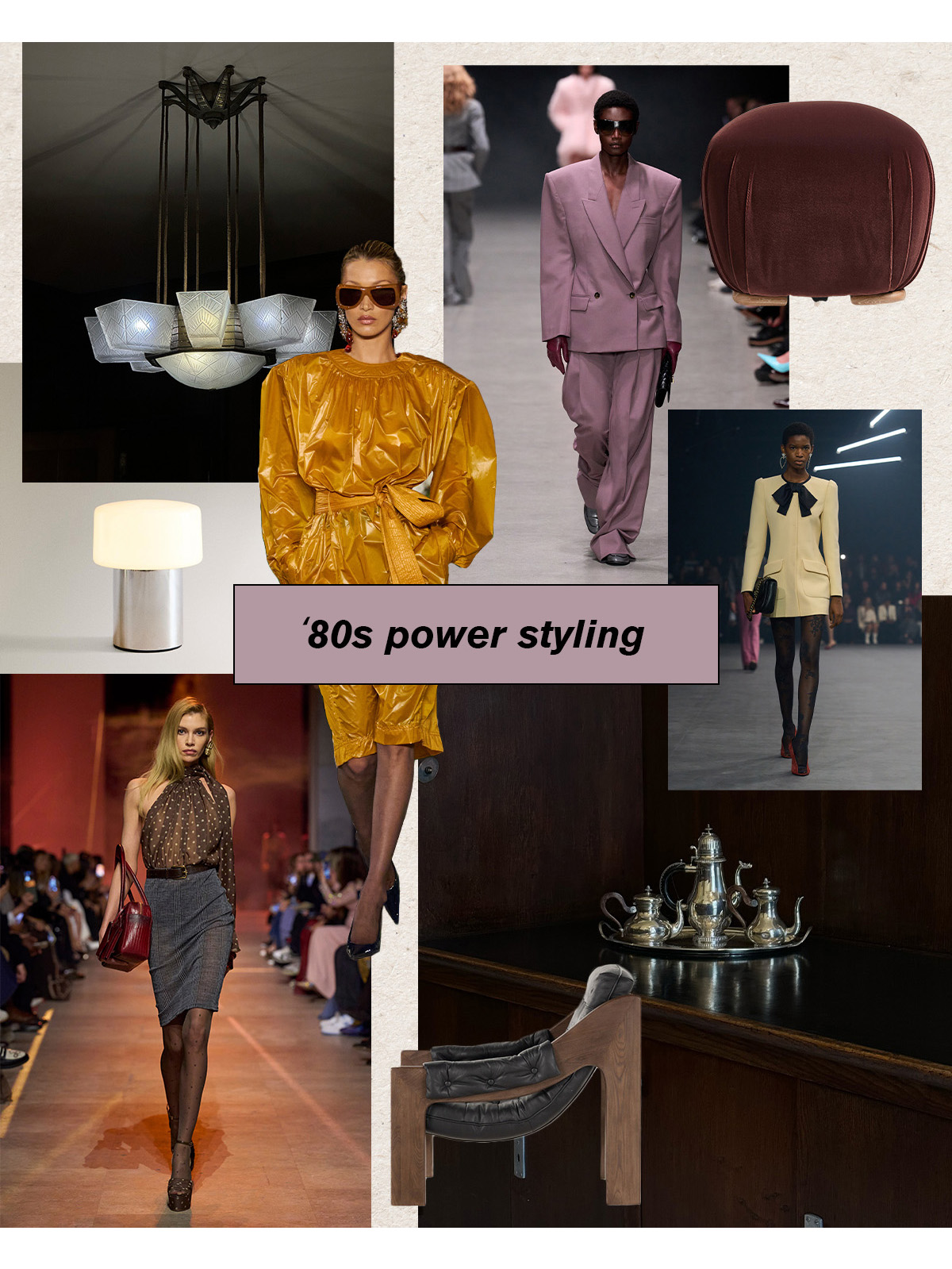
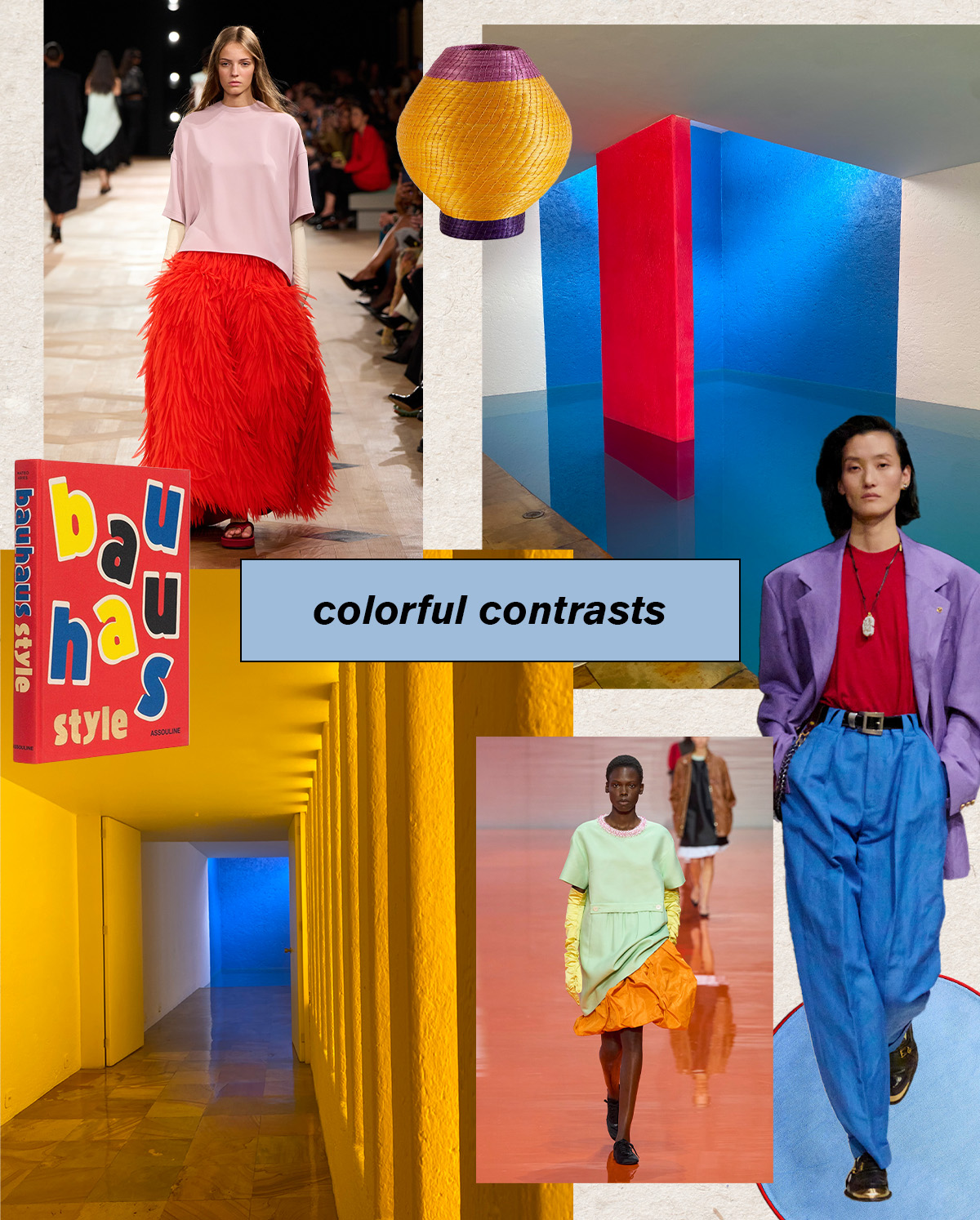
The interior design landscape for 2026 is poised for a significant shift, moving away from the minimalist aesthetic that has dominated for years and embracing a return to more traditional, layered, and tactile elements. This evolution is characterized not by entirely new inventions, but rather by the re-emergence and reinterpretation of design concepts that were prevalent before 2015.
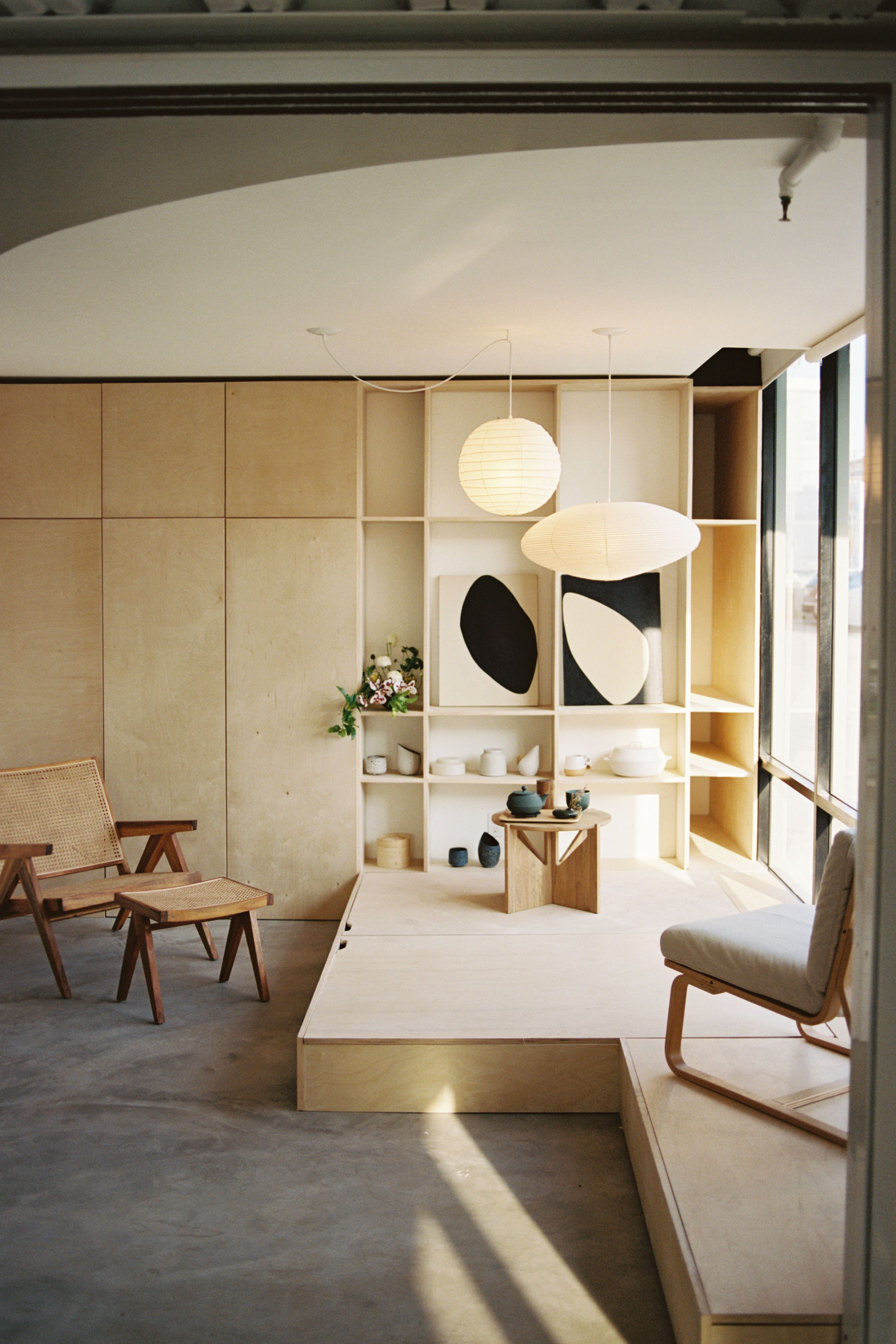
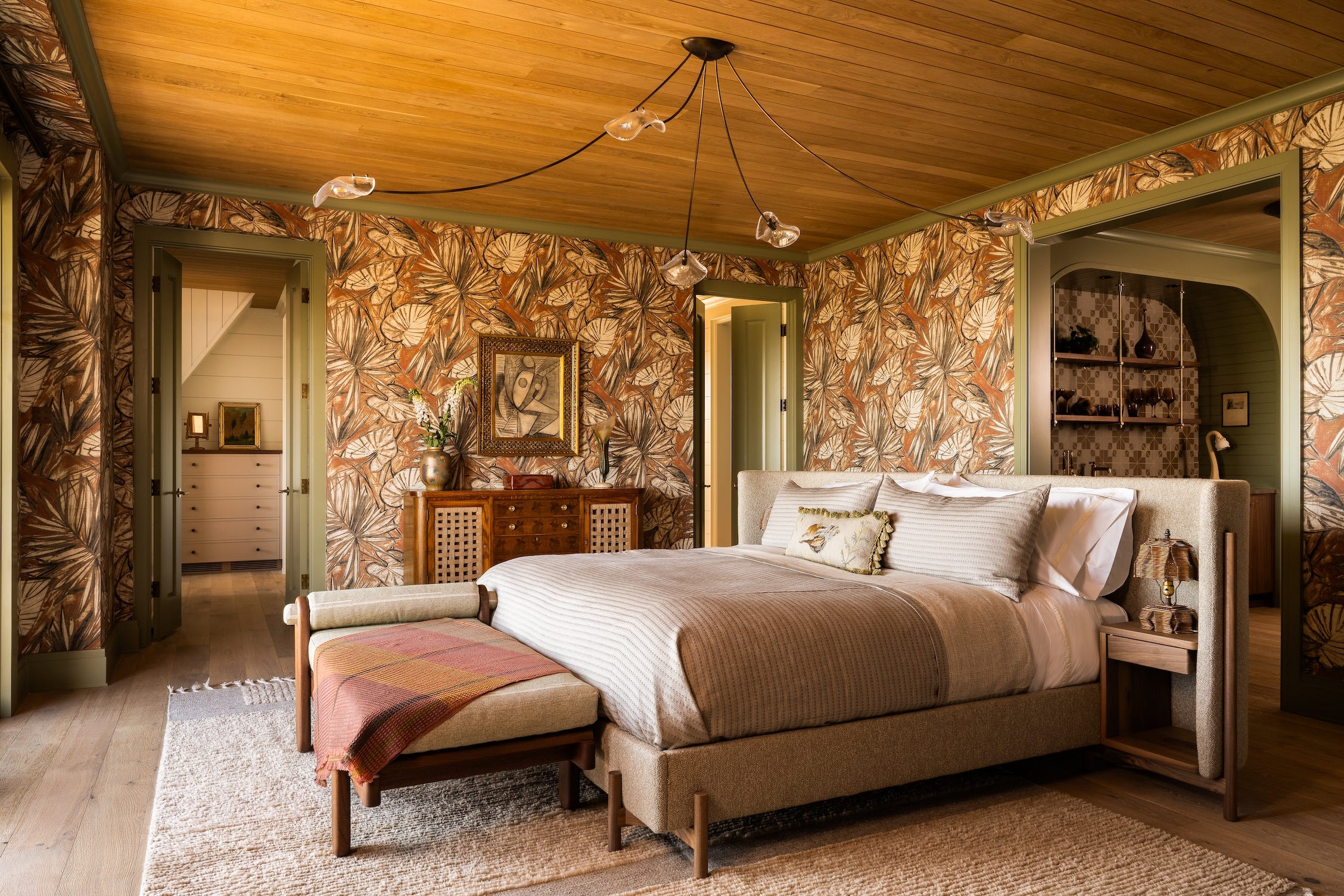
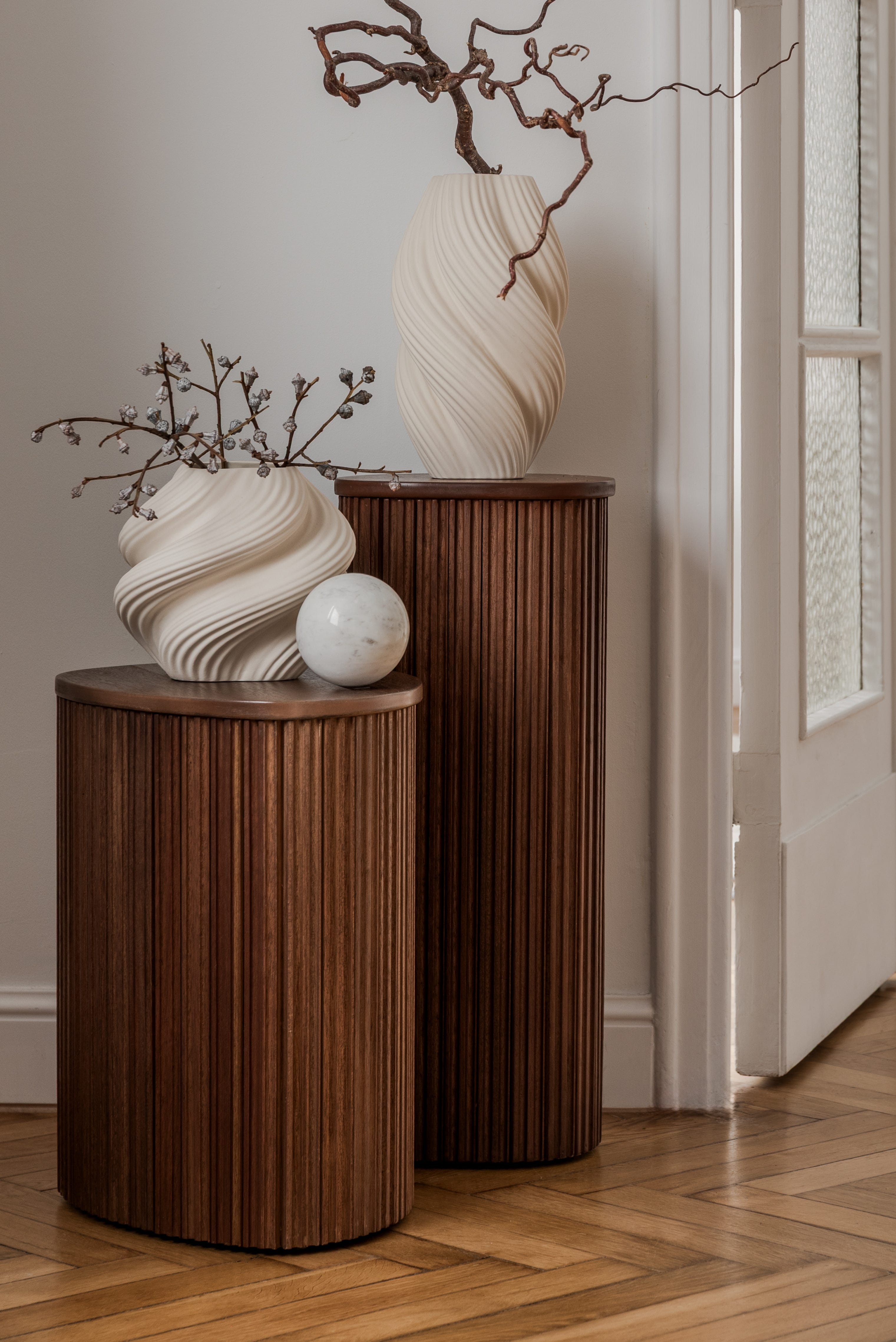
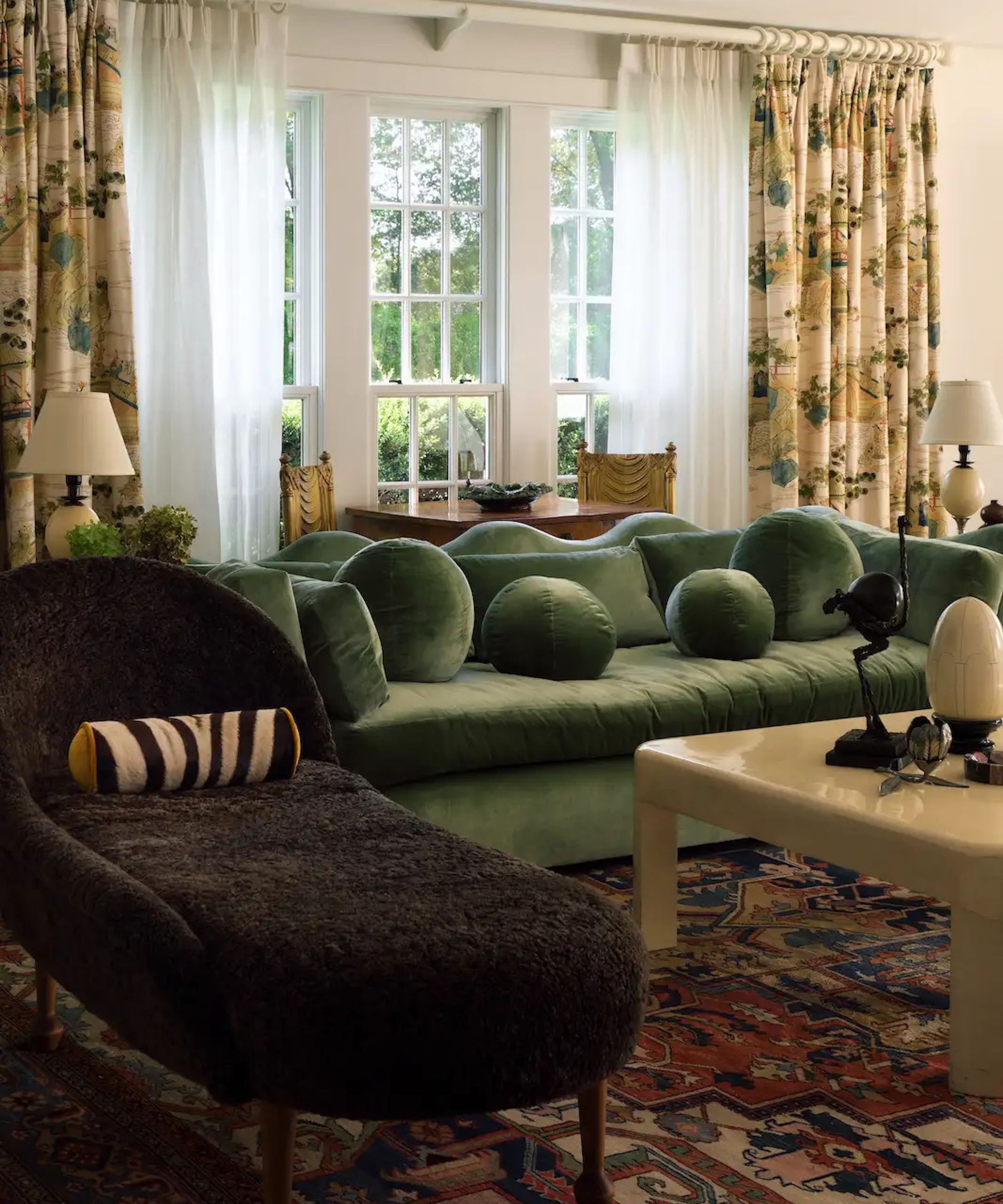
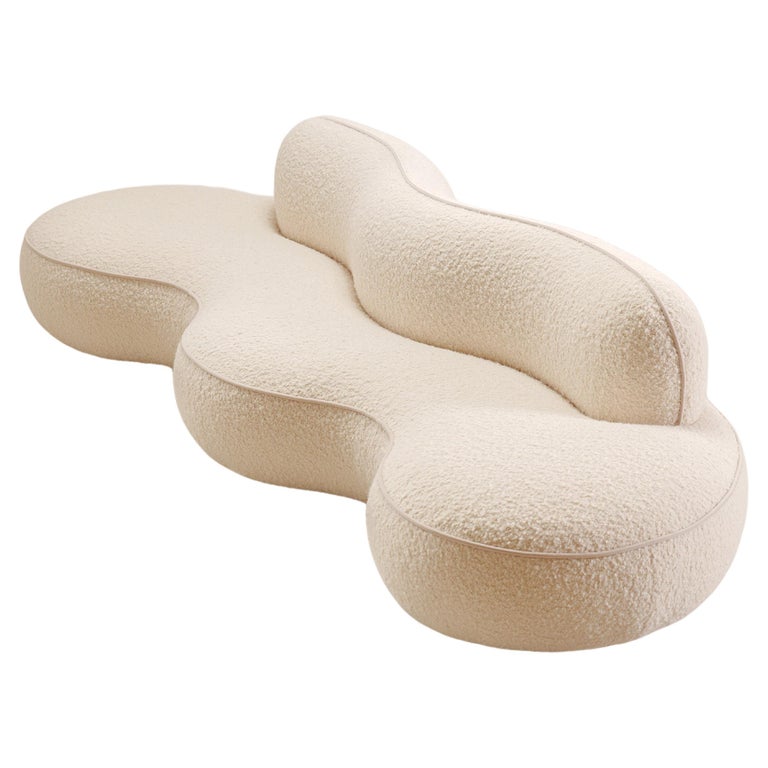
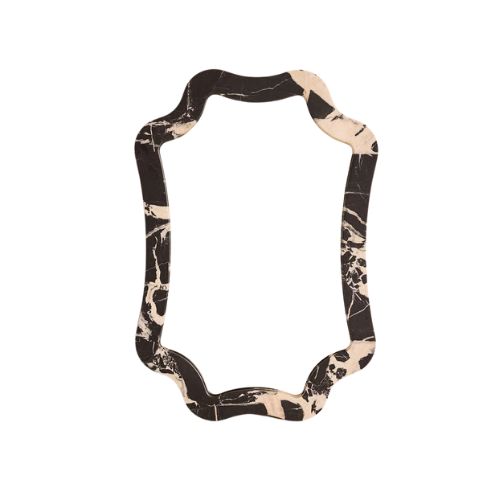
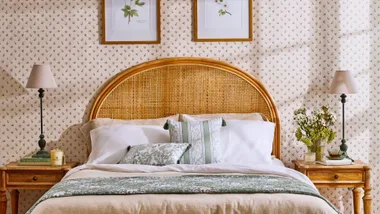
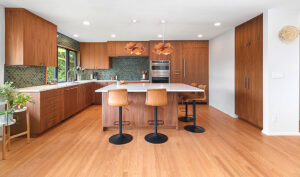
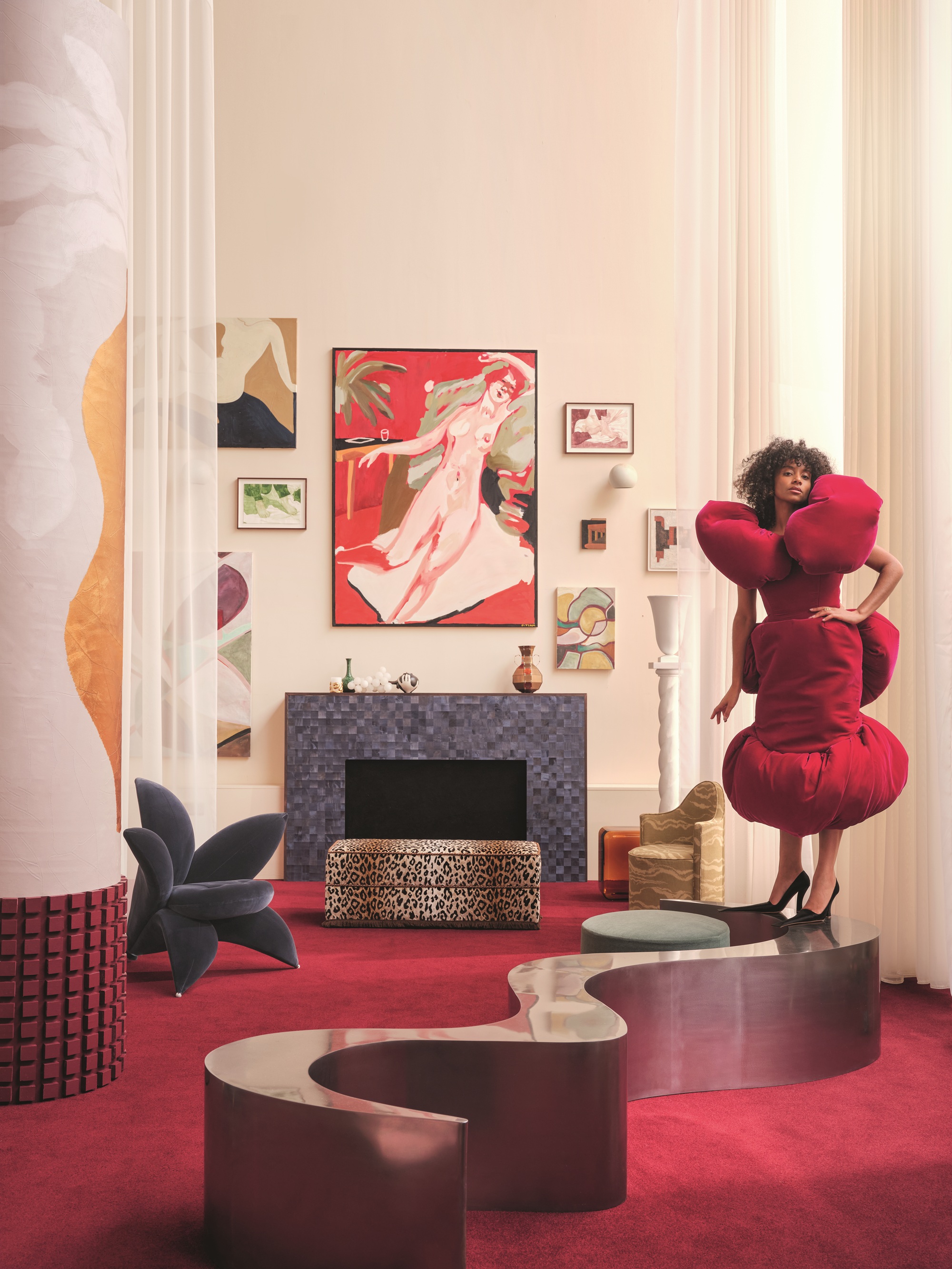
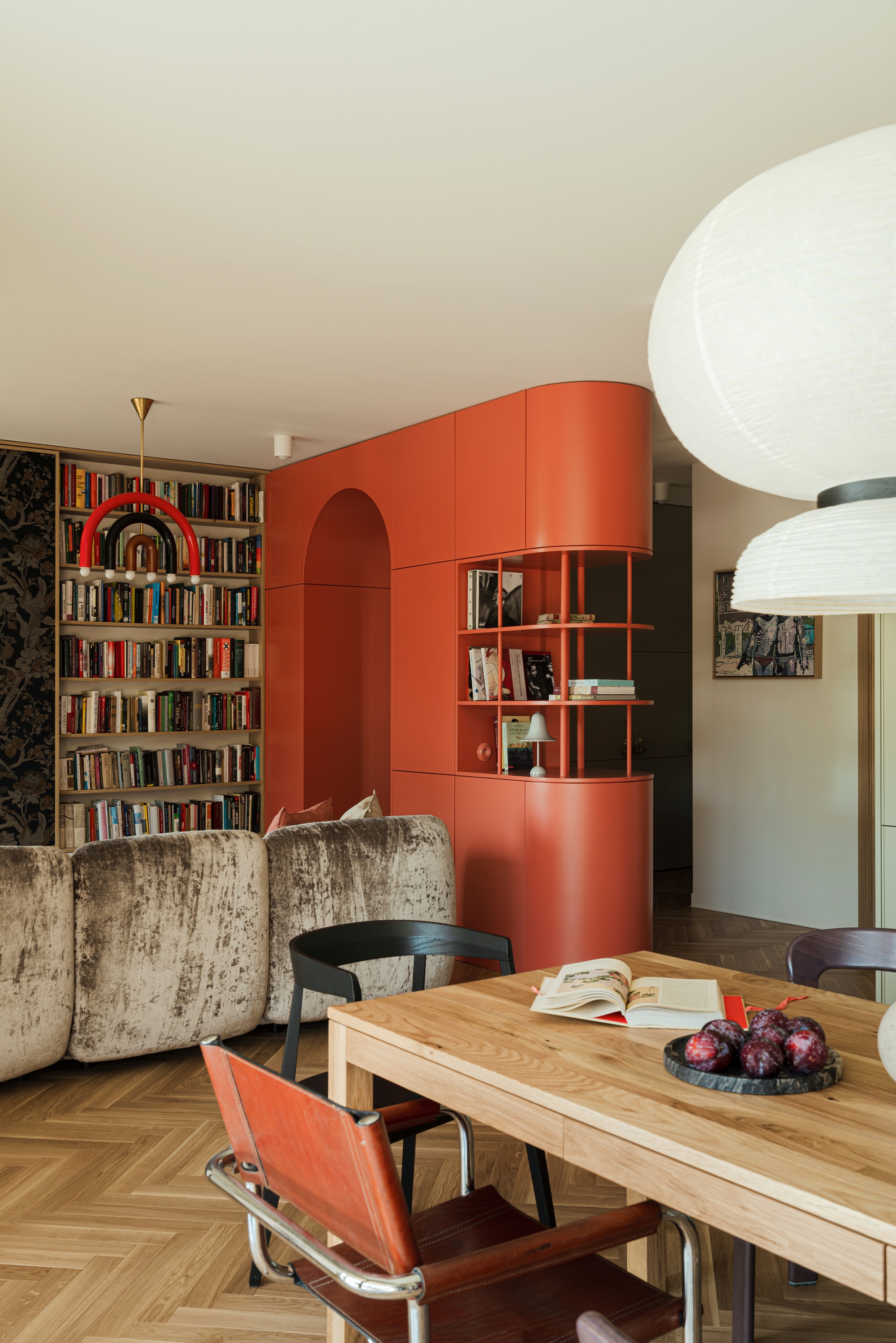
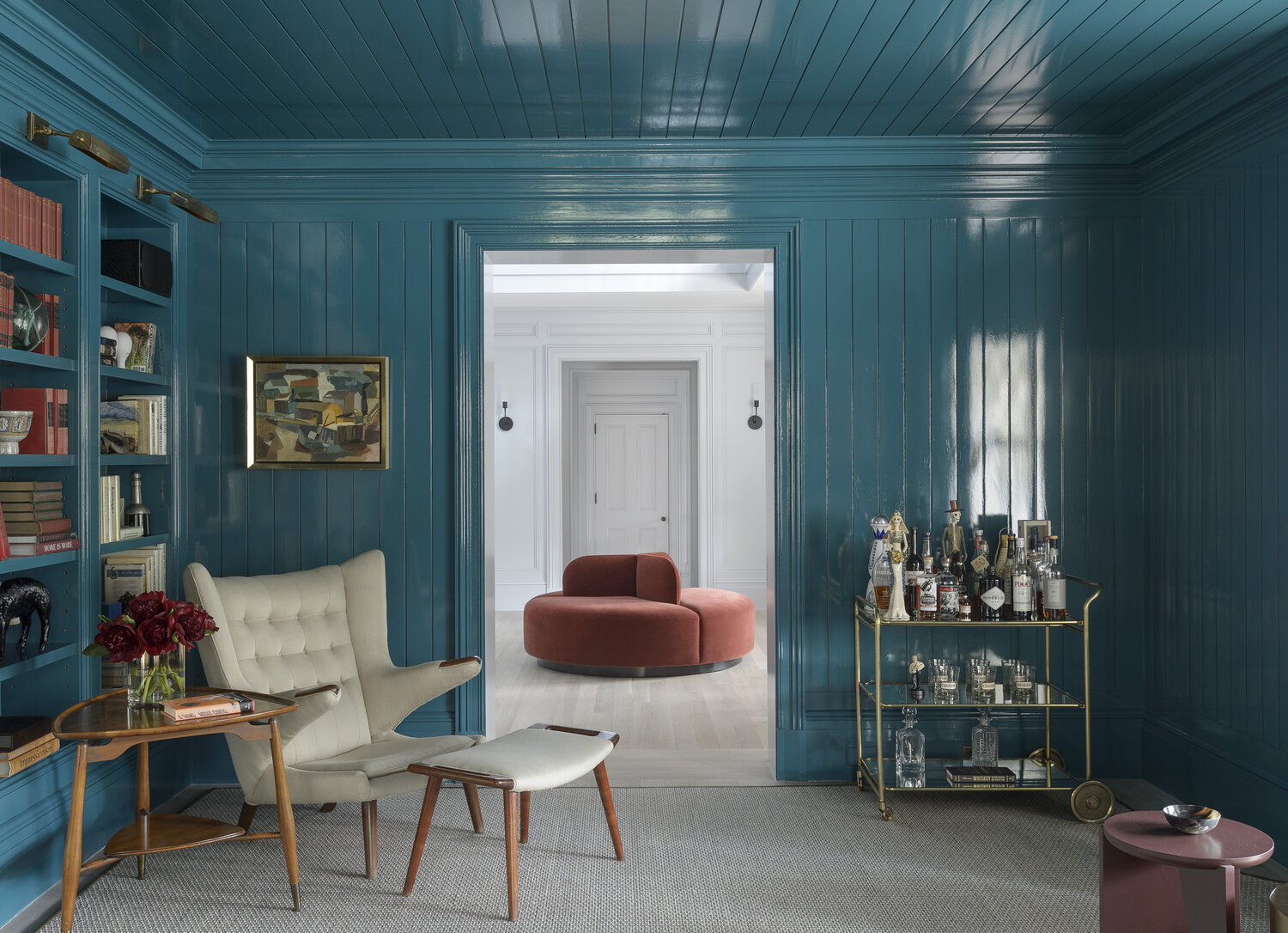
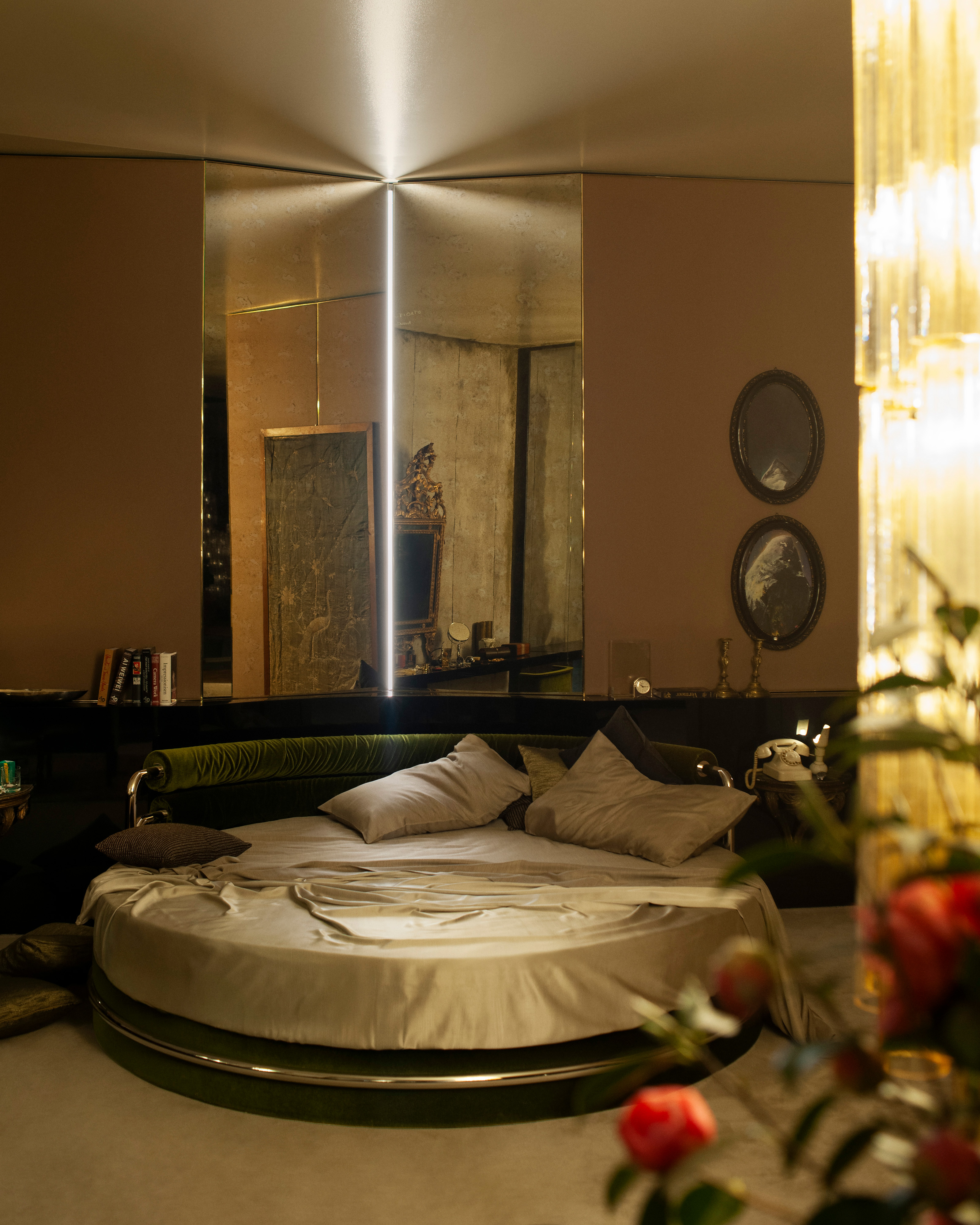
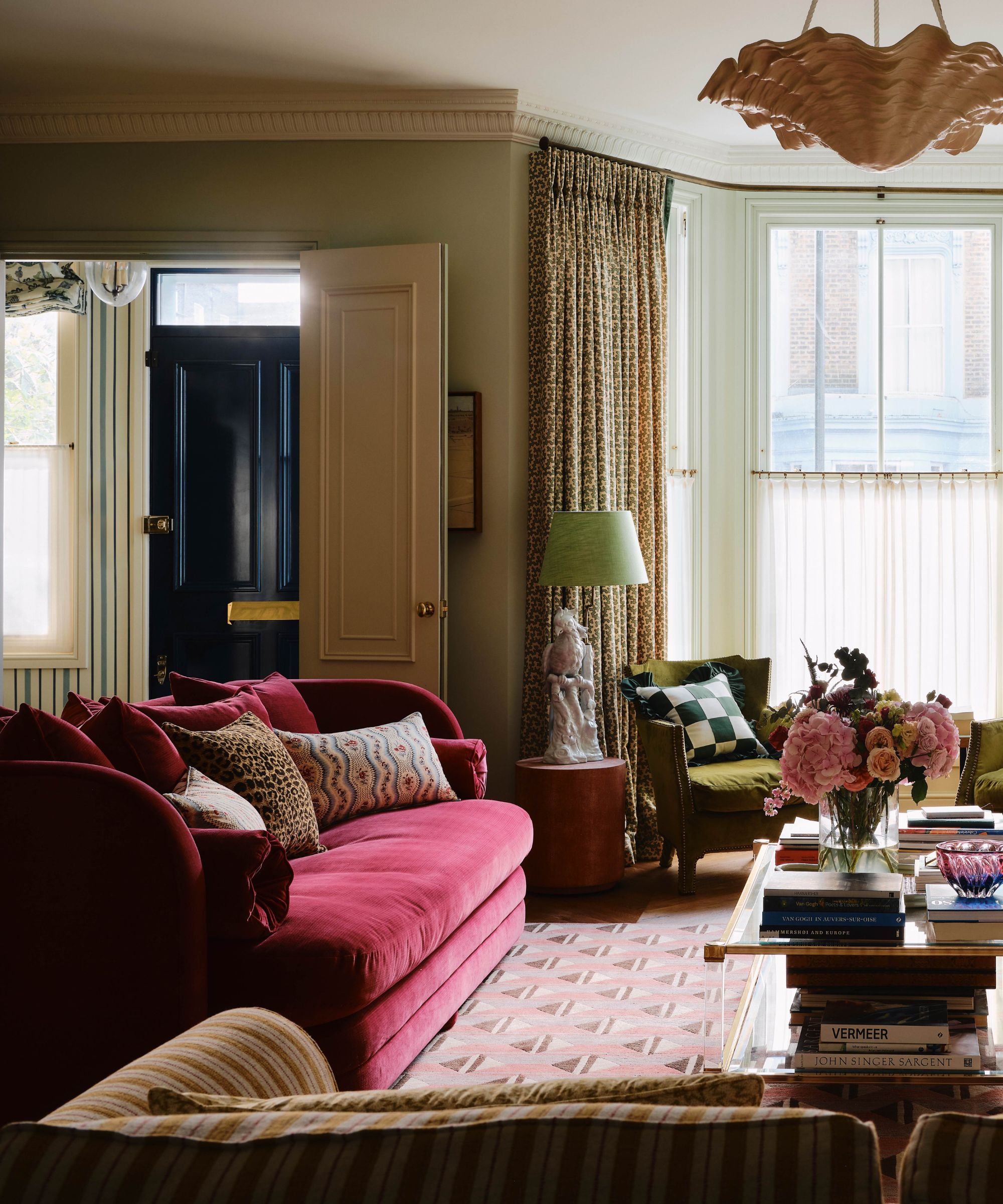
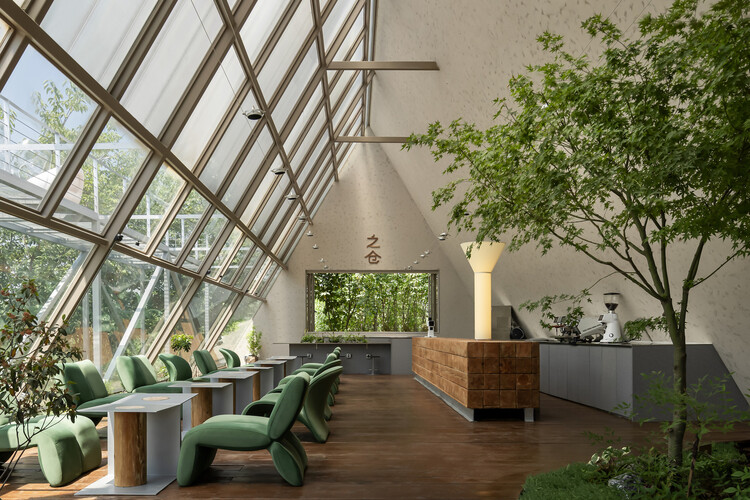
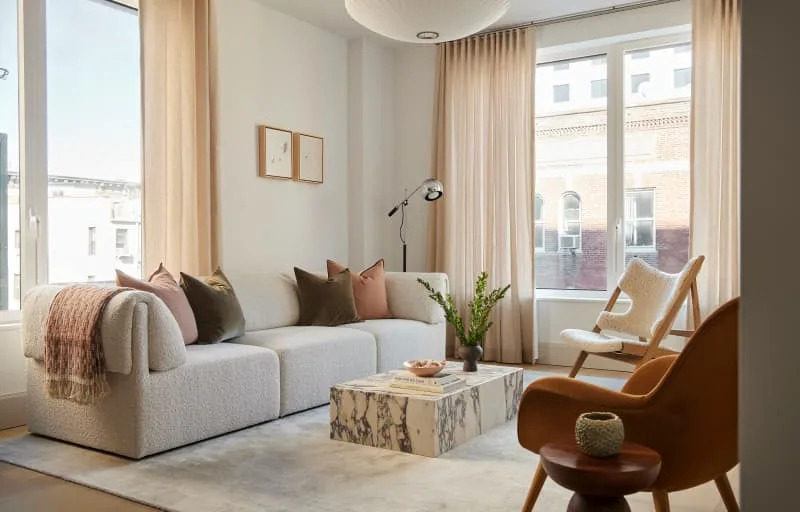
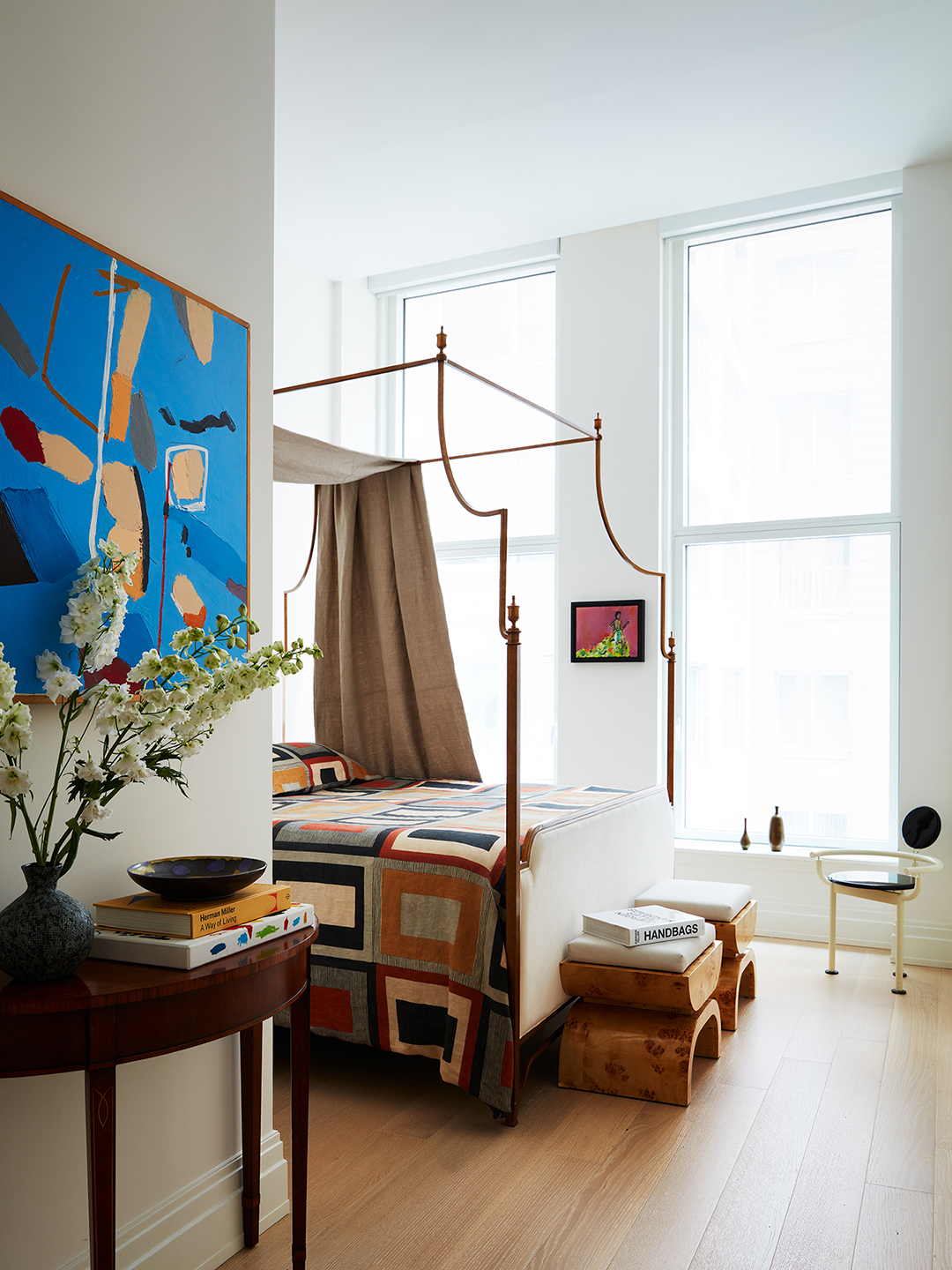
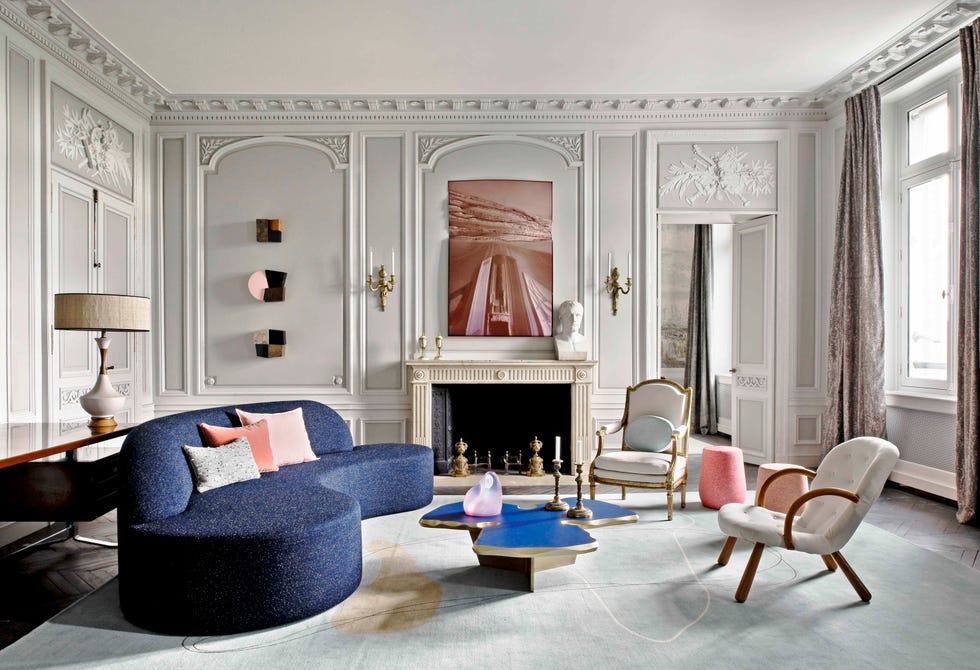
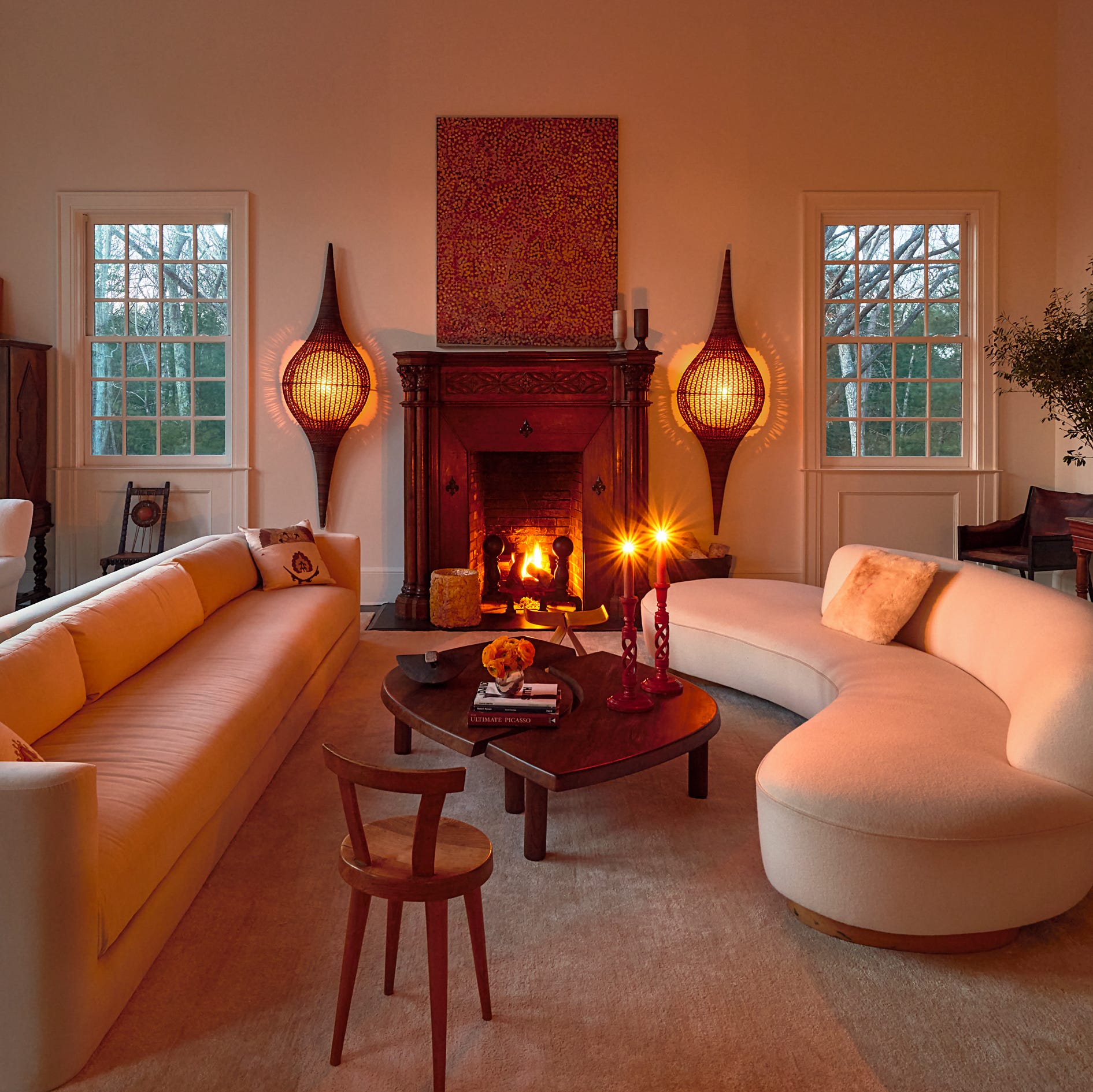
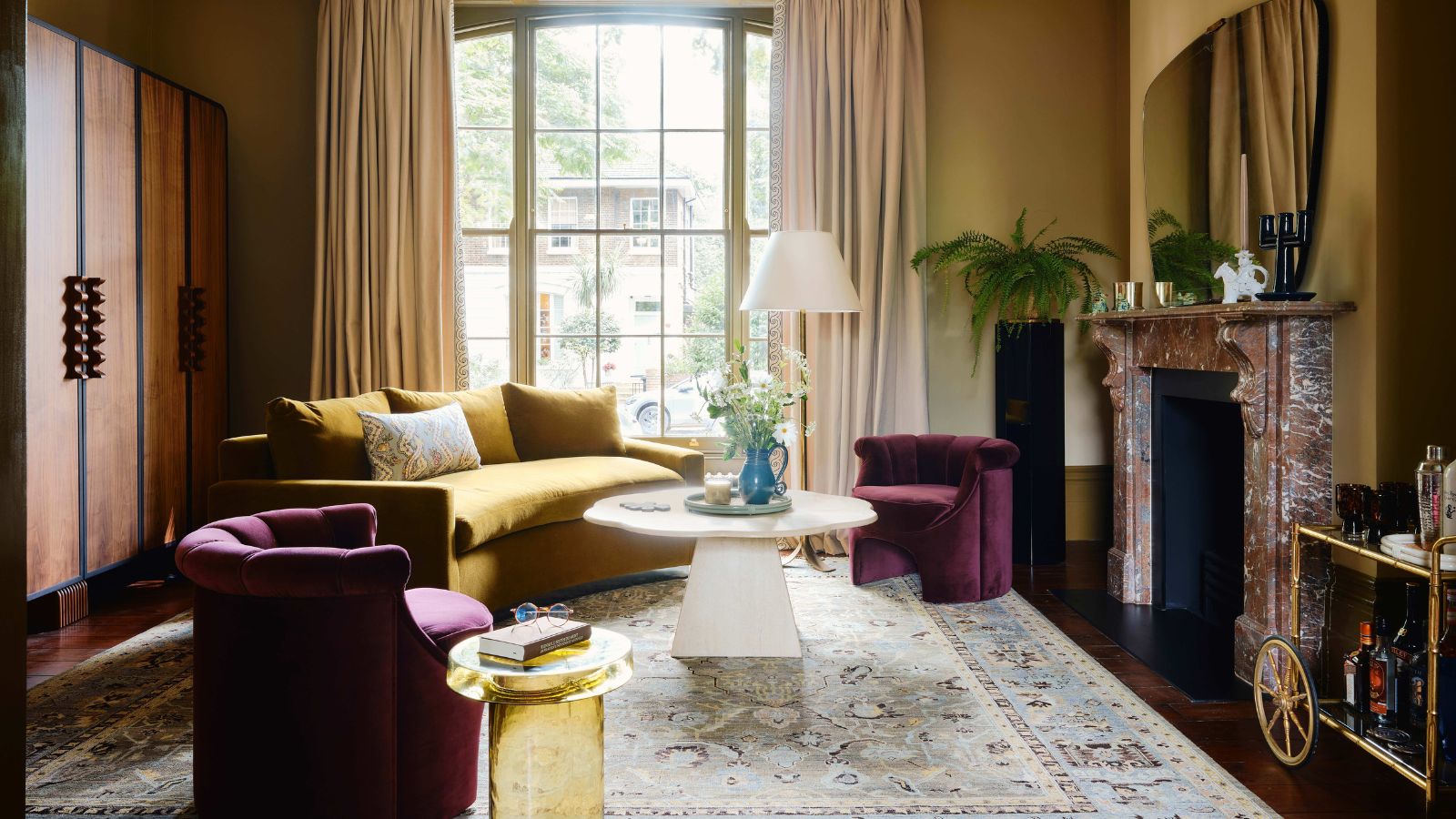
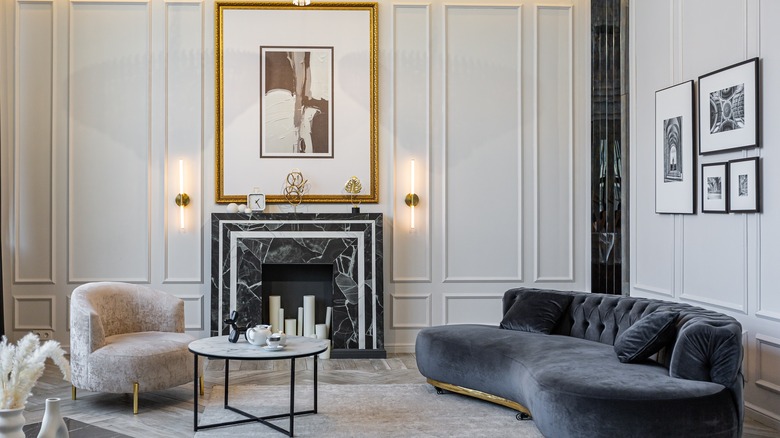
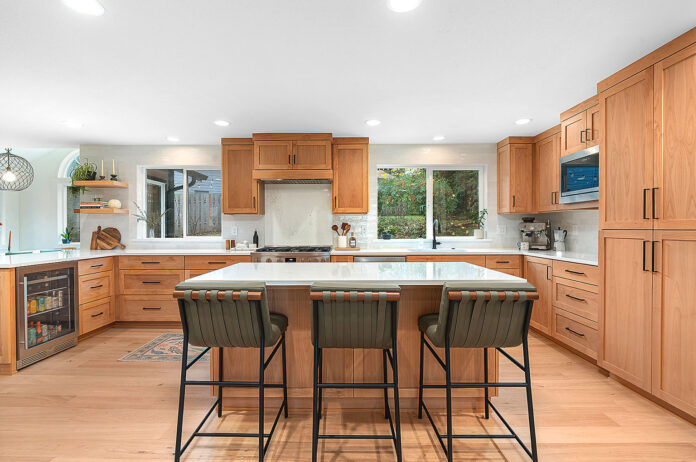
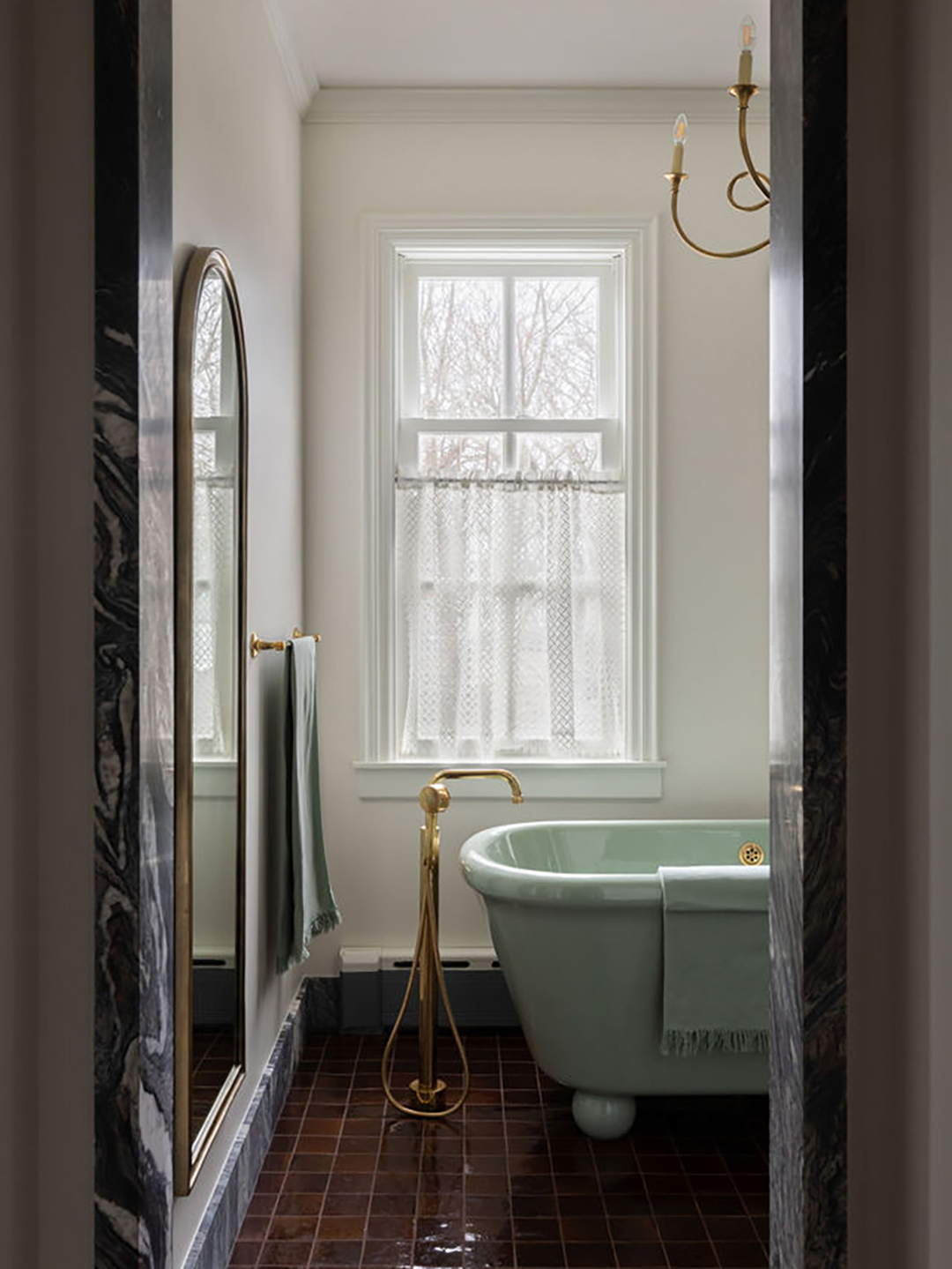
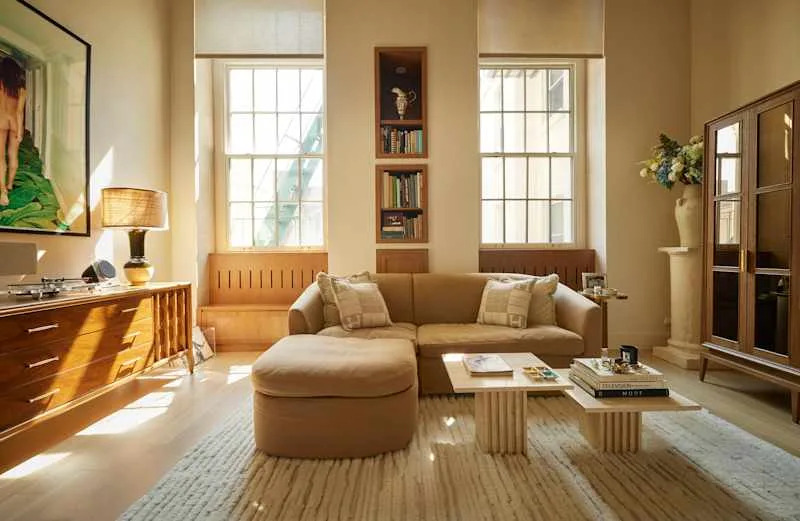
A prominent trend is the increasing demand for curves and architectural details within homes. Designers are observing a surge in requests for curved furniture, such as sofas and dining tables, as well as arched headboards and even kidney-shaped sectionals. This curvilinear movement extends beyond movable pieces to fixed architectural elements like kitchen islands and countertop profiles, which are seeing playful and creative edges such as 'double bullnose' or 'stepped edge' designs. Cabinetry is also moving away from flat or typical shaker doors, incorporating details like cane, fluting, and curved profiles. These curved elements are valued for their ability to soften visual lines, improve circulation in a space, and create more intimate, engaging environments that foster interaction, particularly in open-concept layouts. They break up the monotony of rectilinear architecture, transforming rigid spaces into welcoming ones.
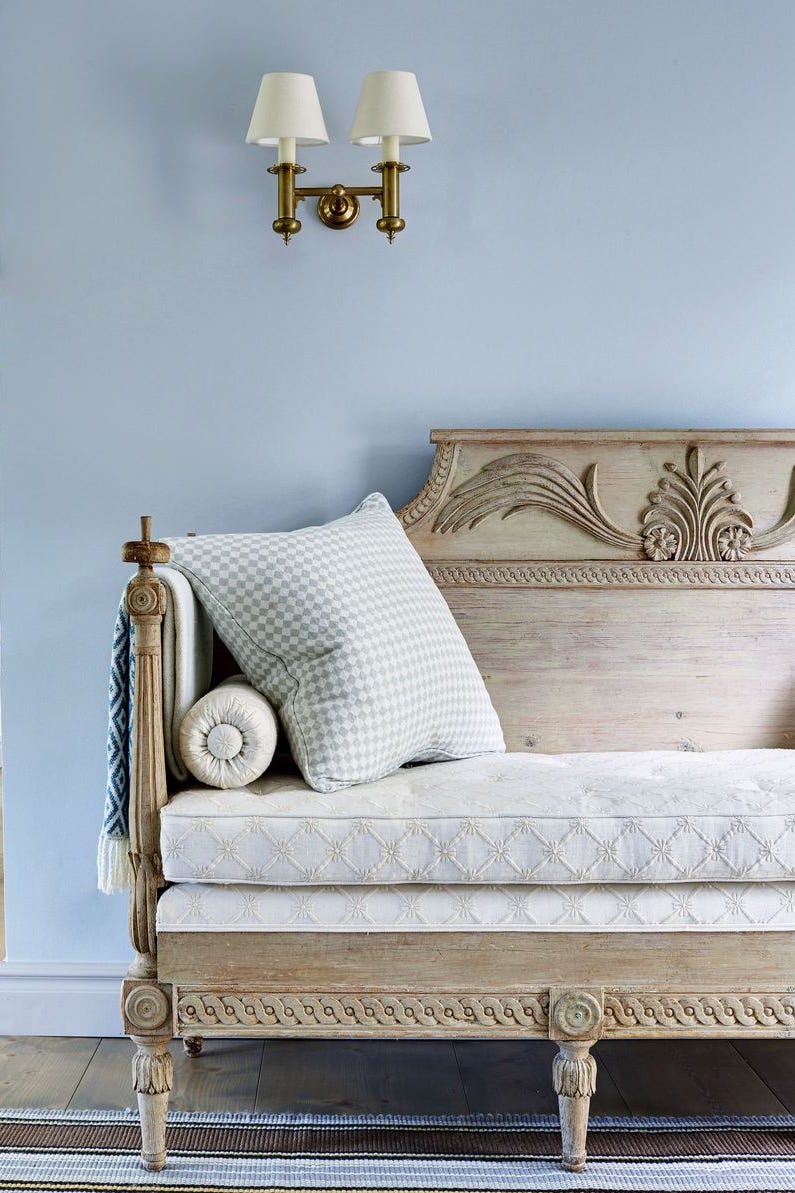
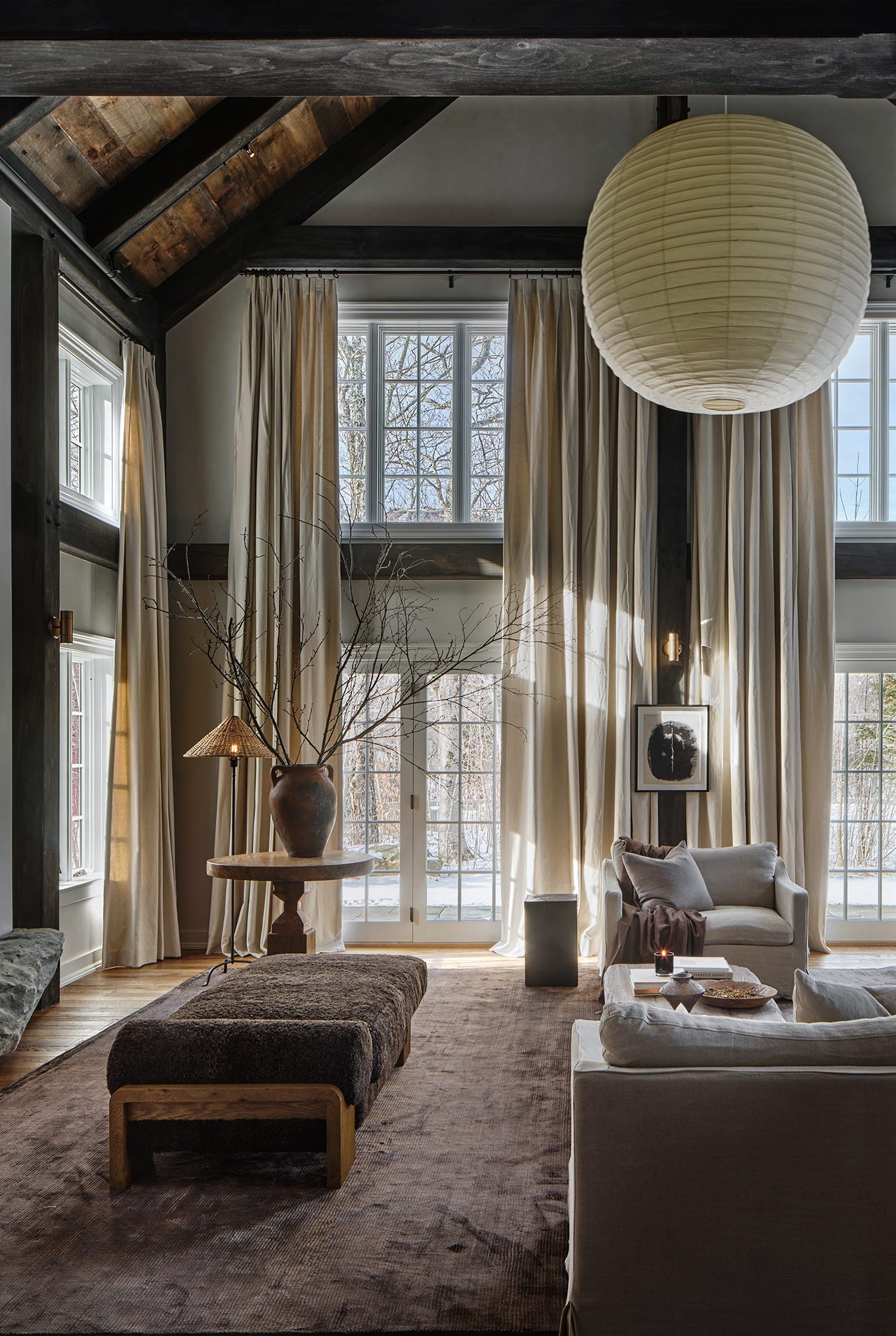
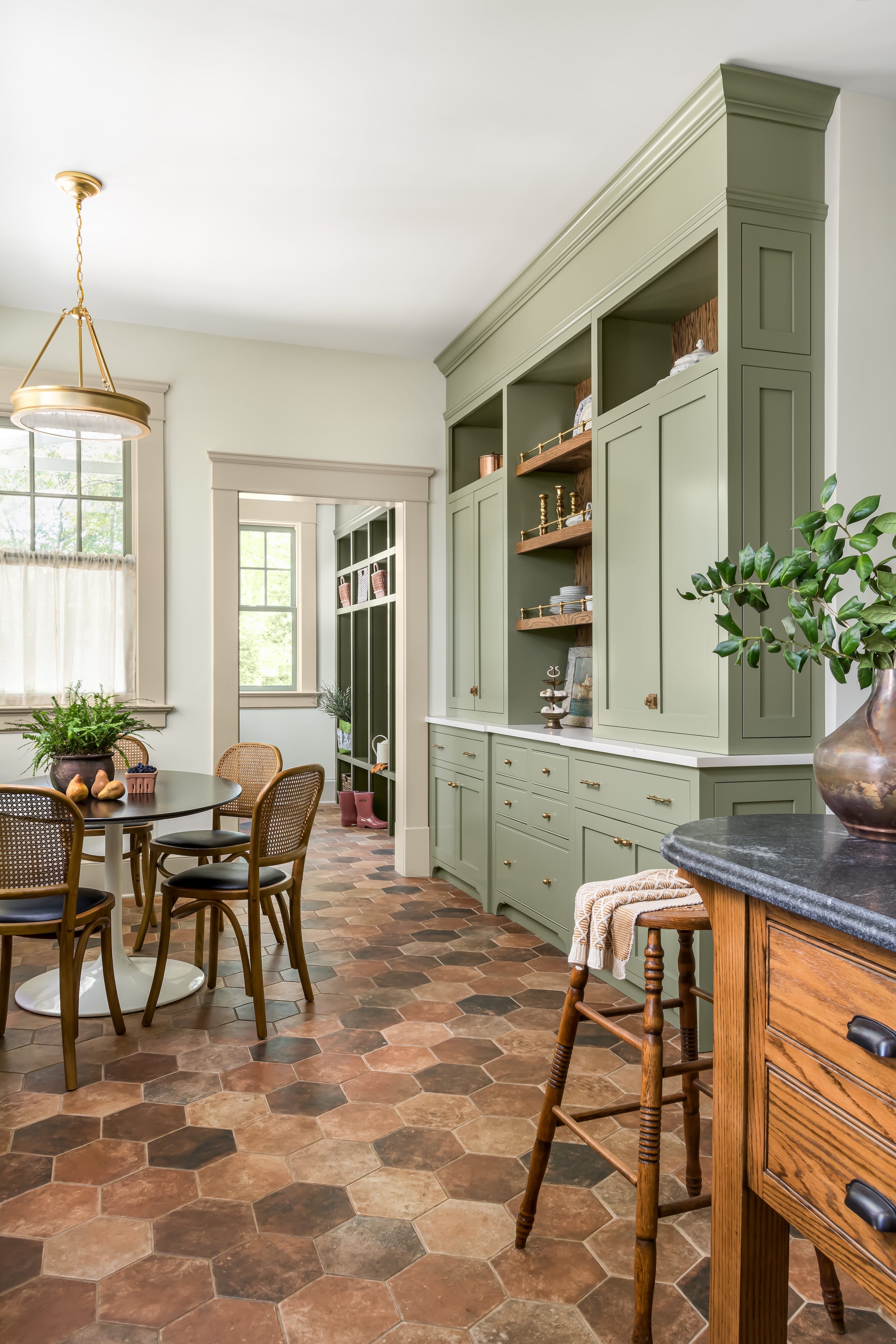
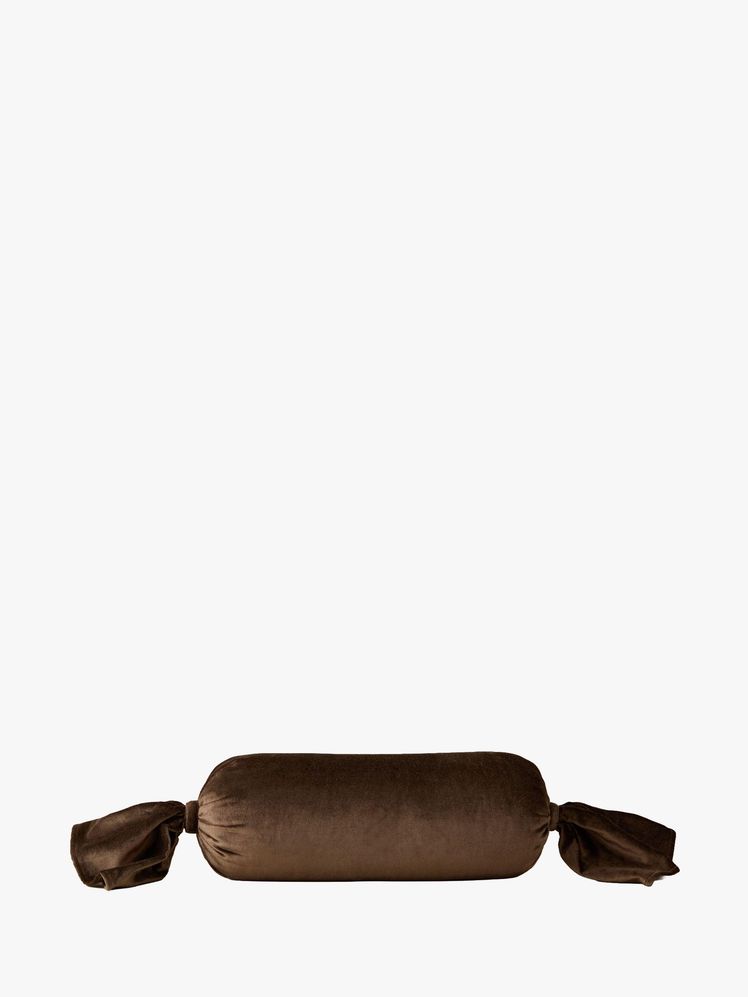
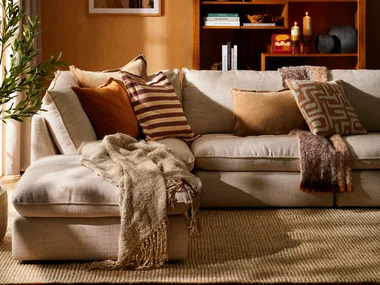
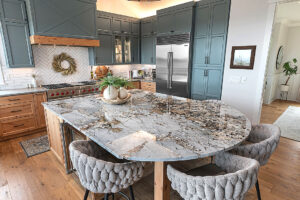
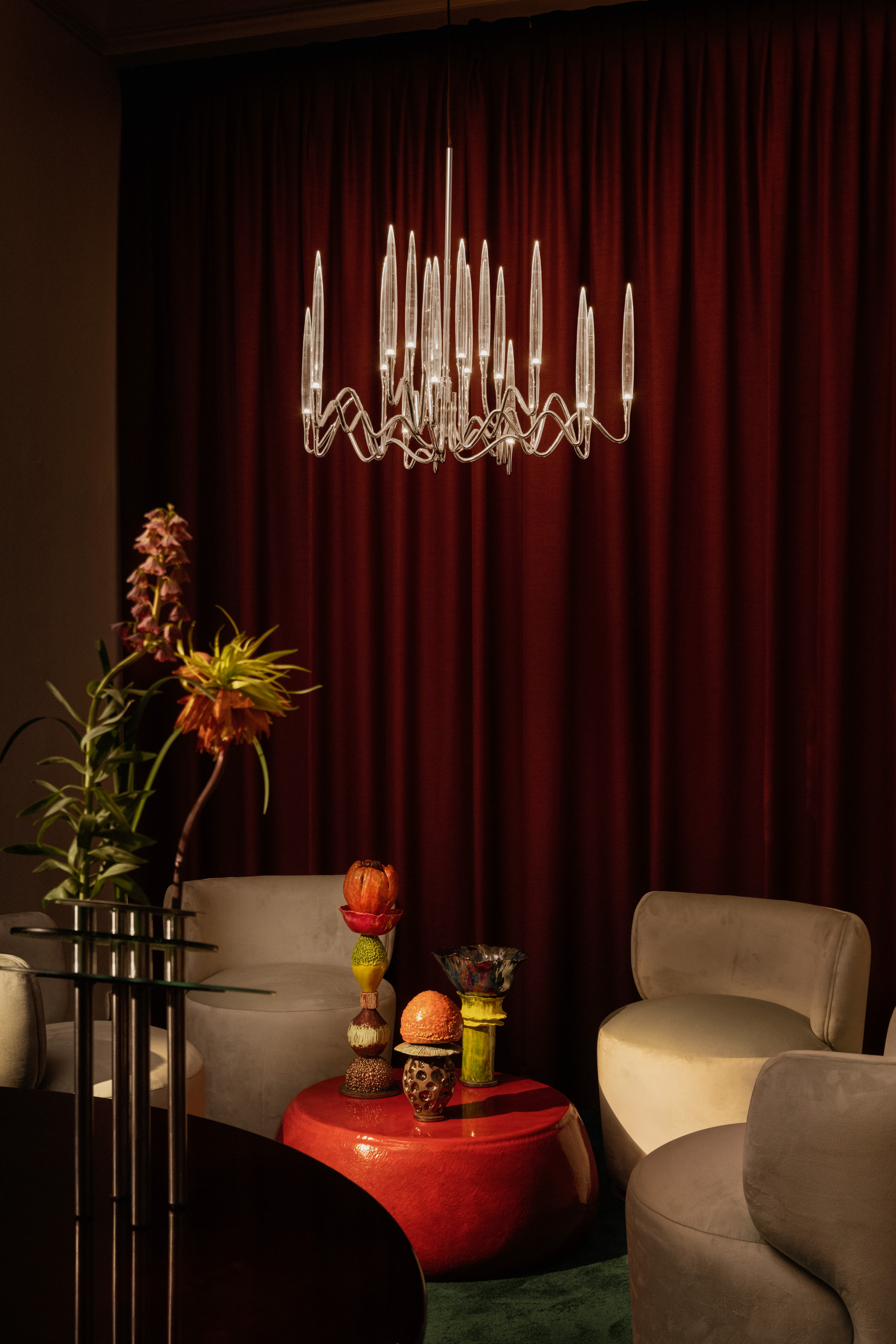
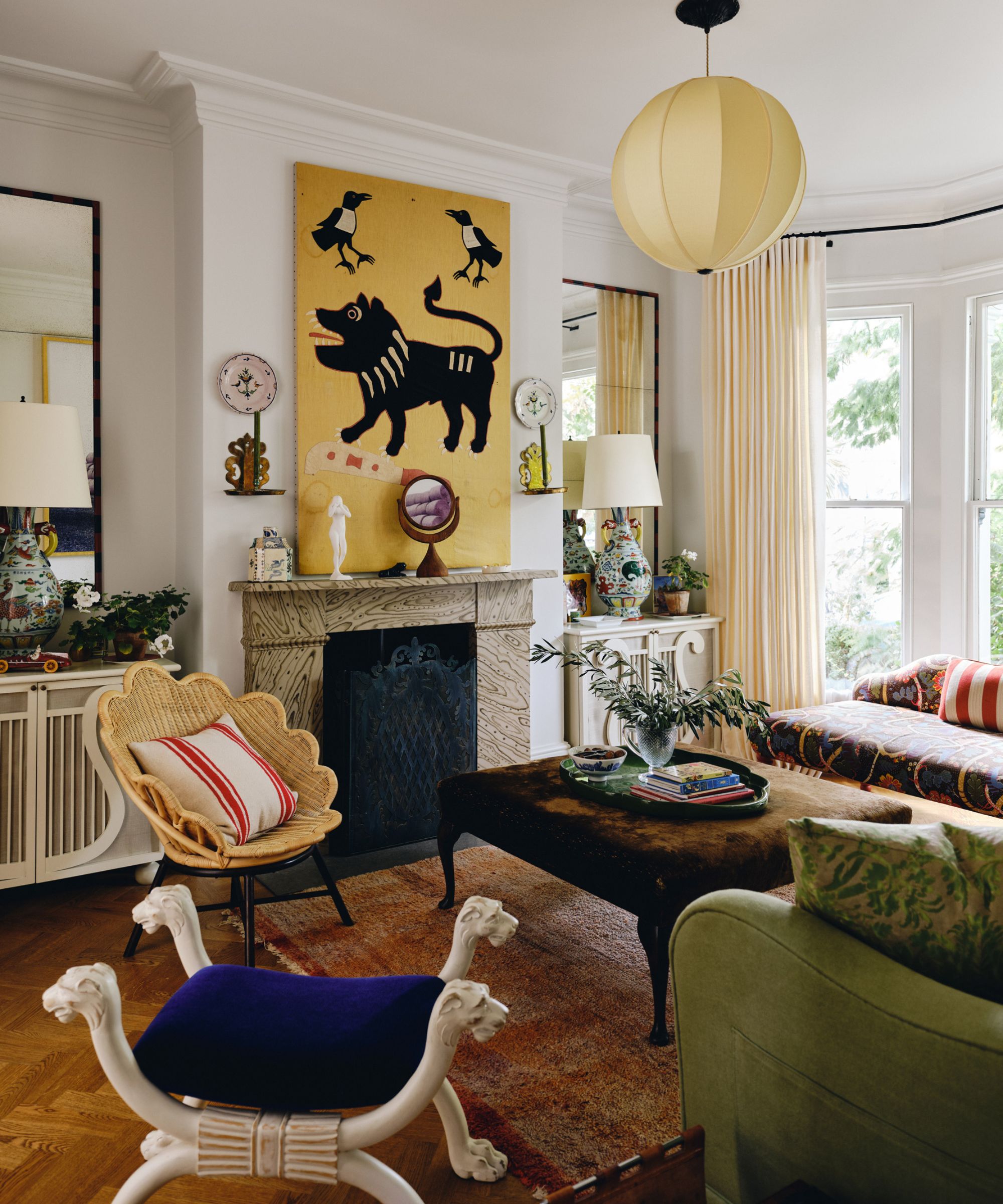
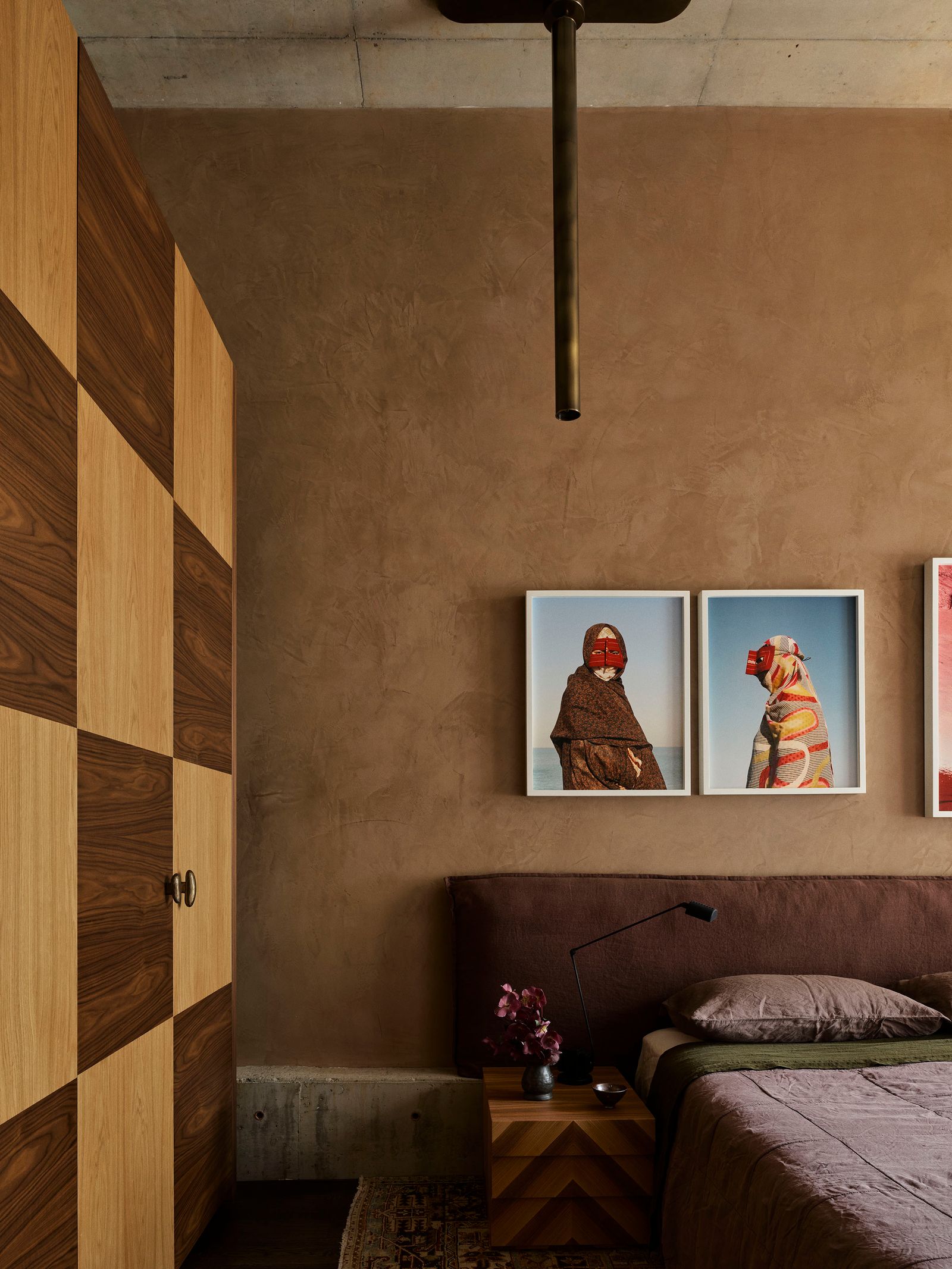
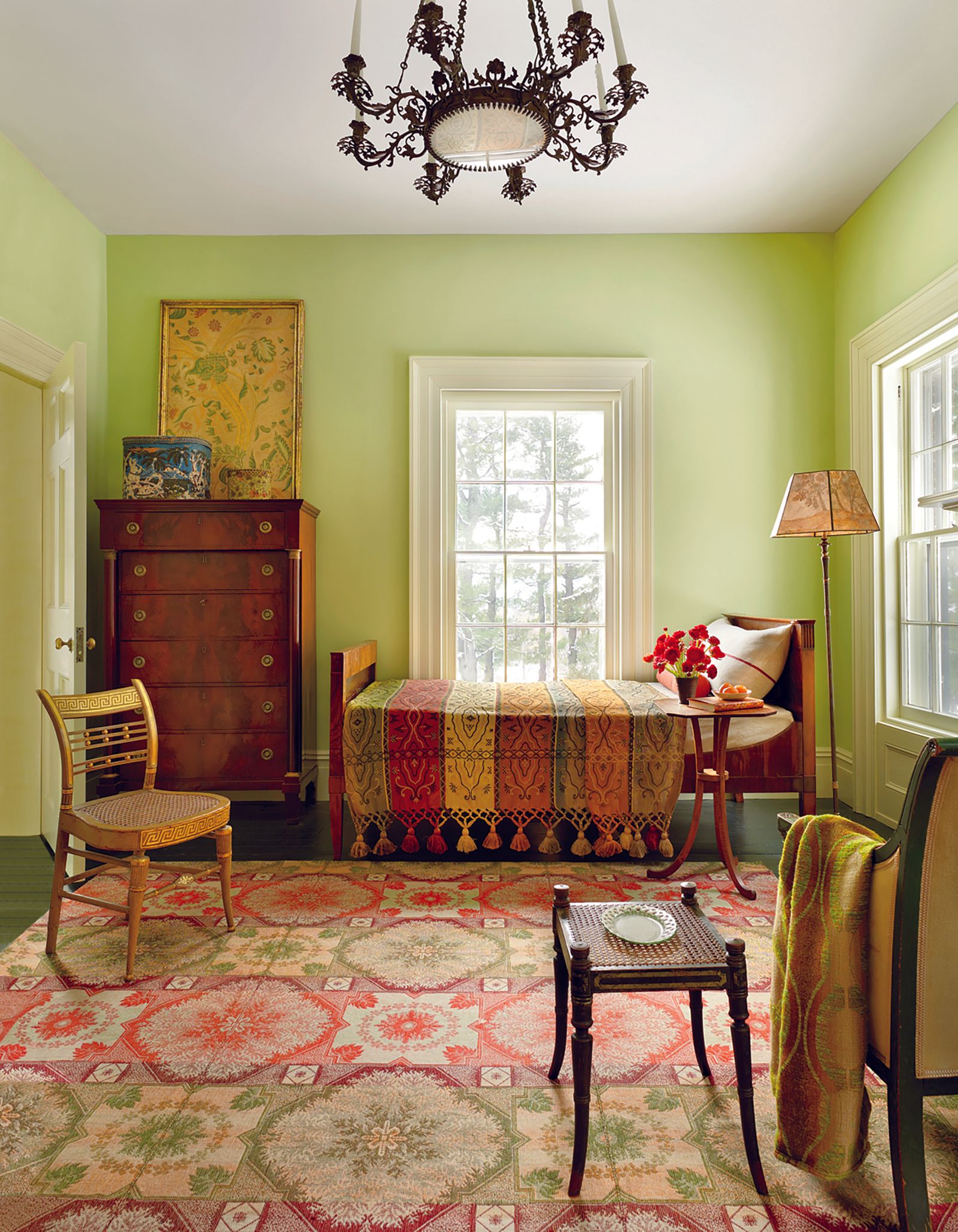
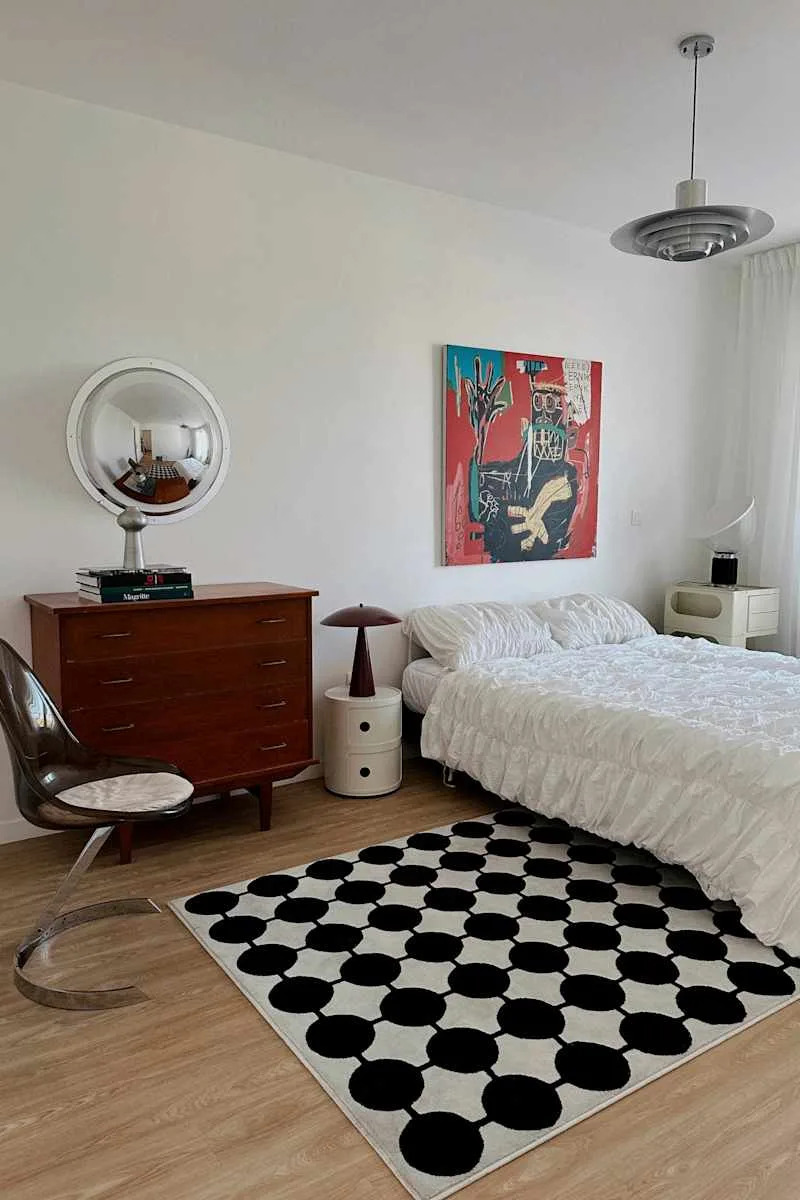
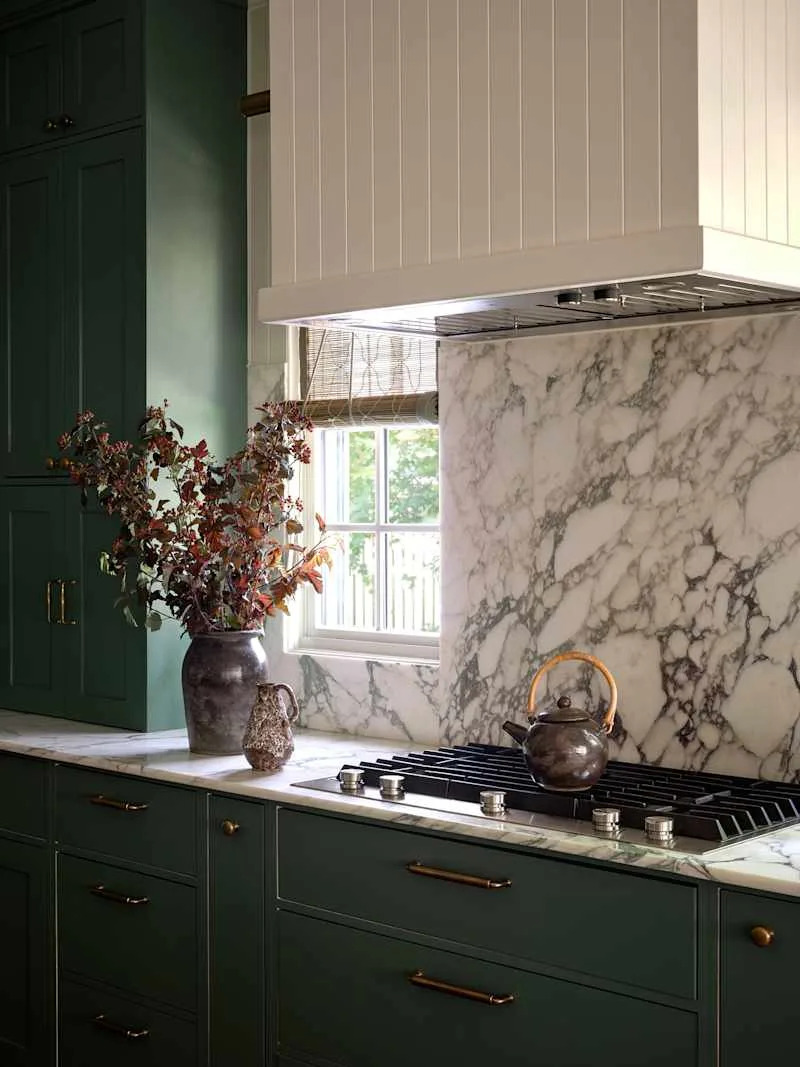
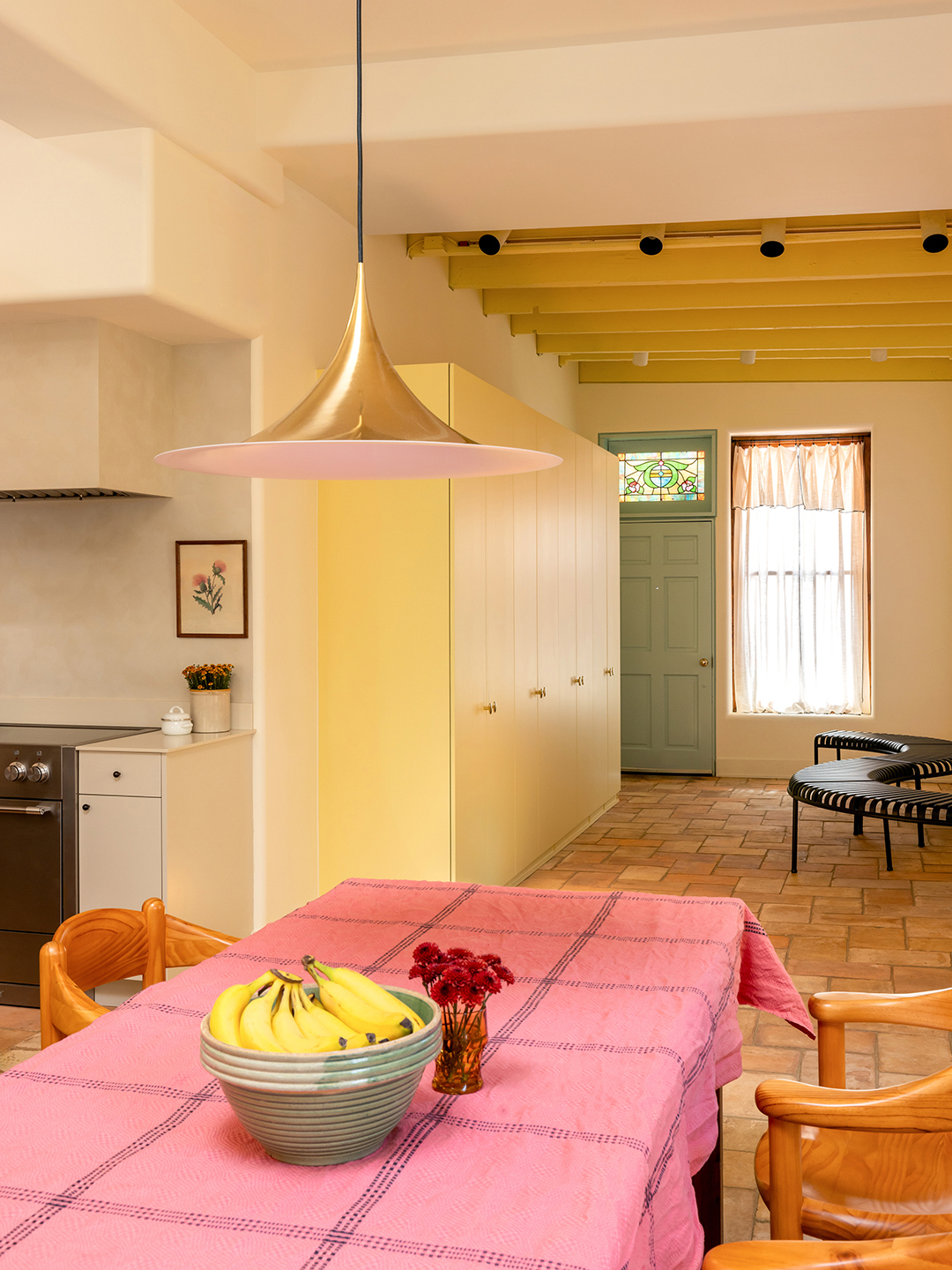
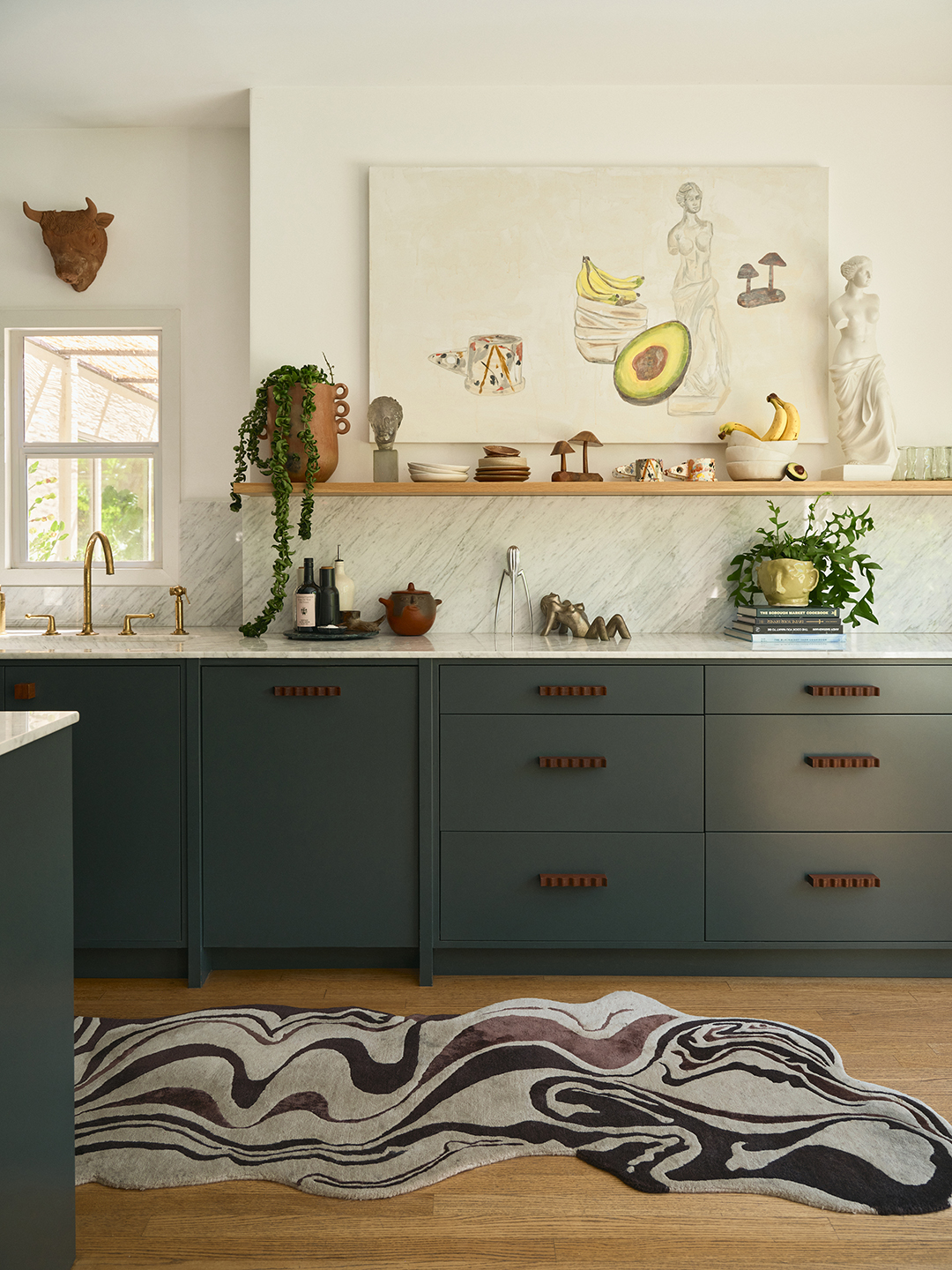
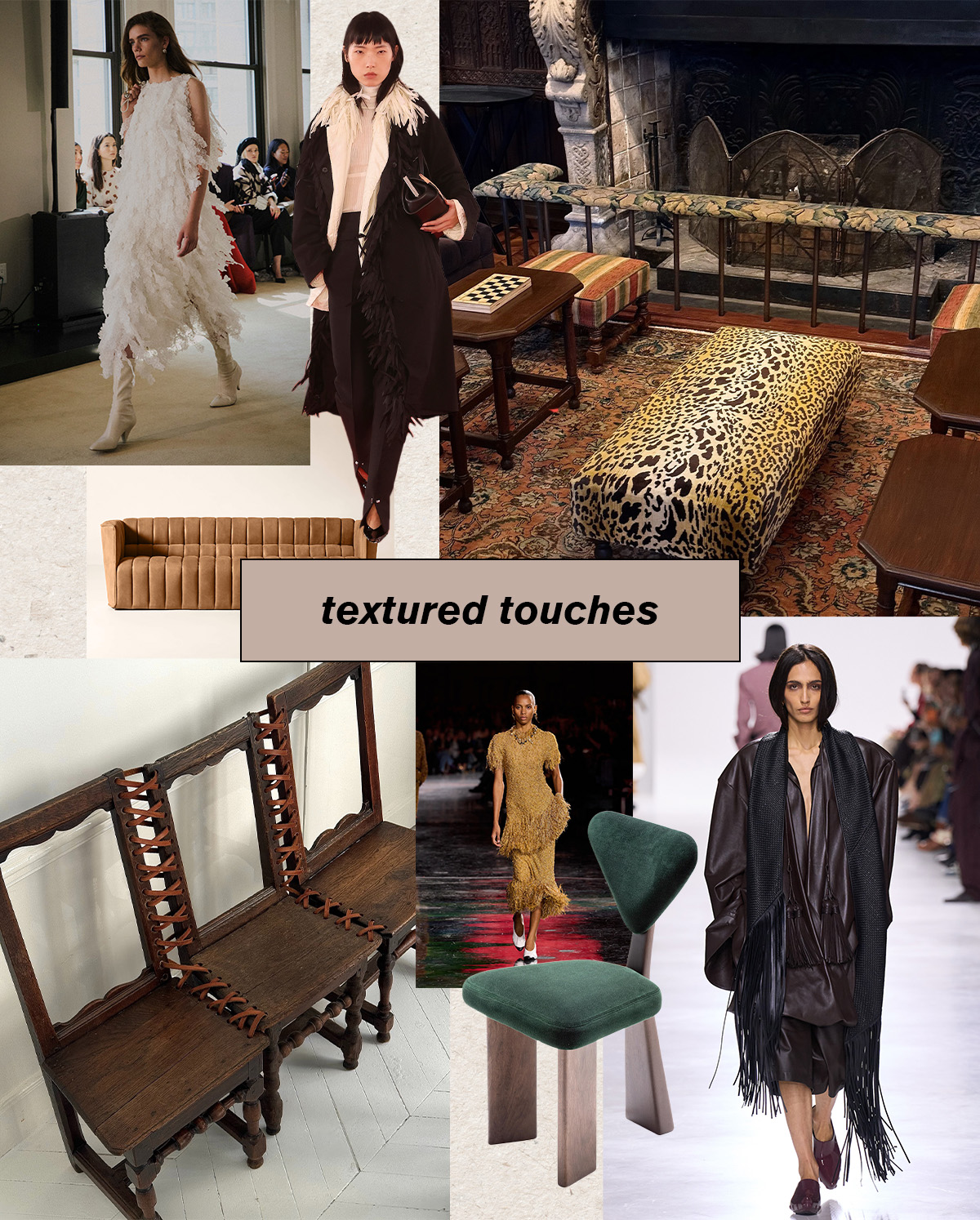
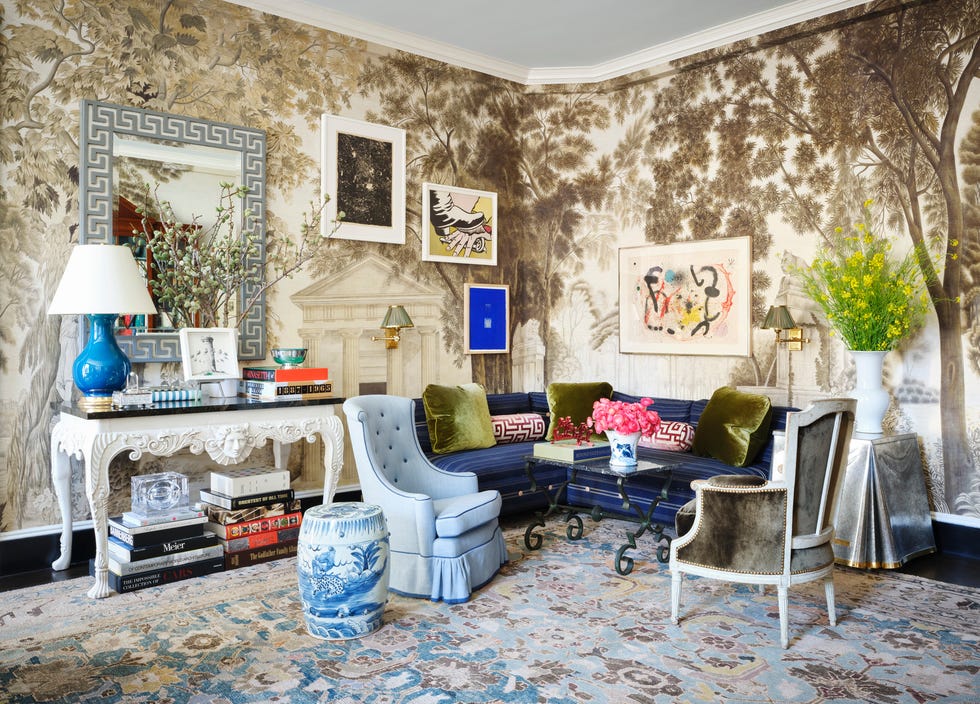
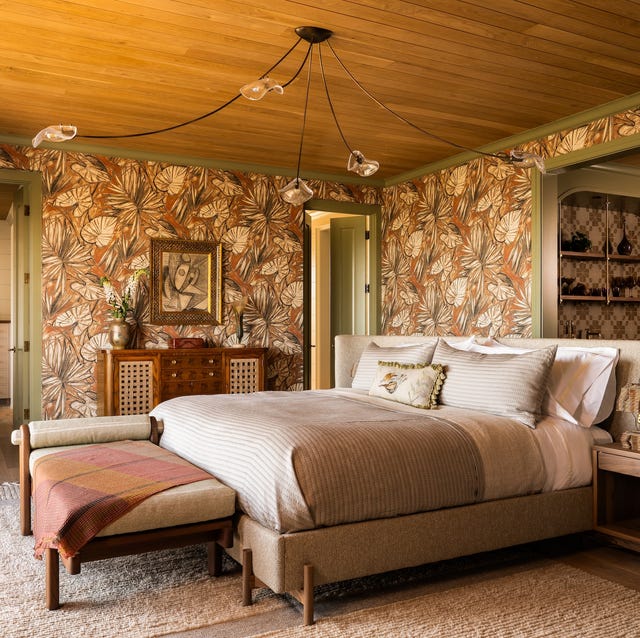
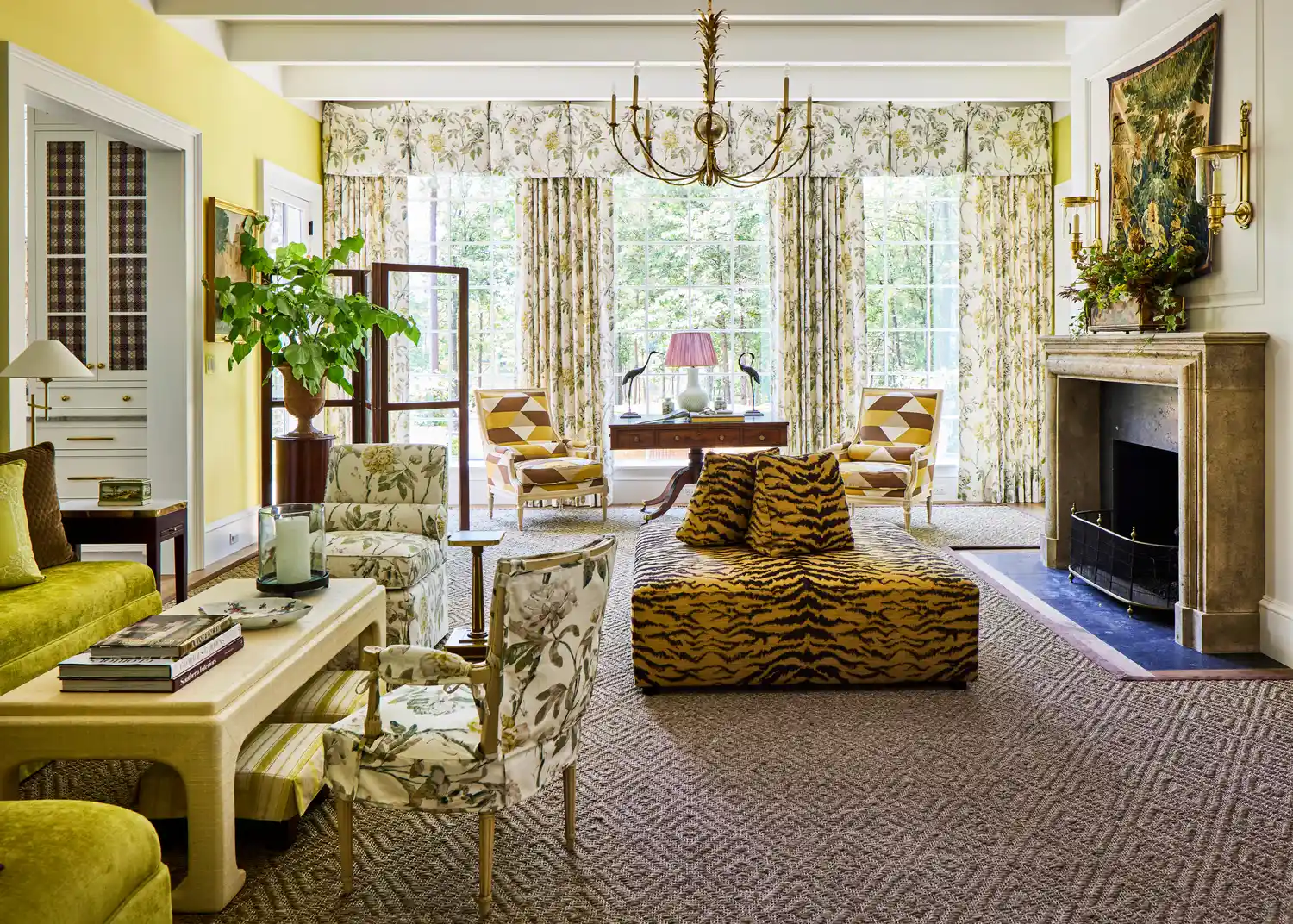
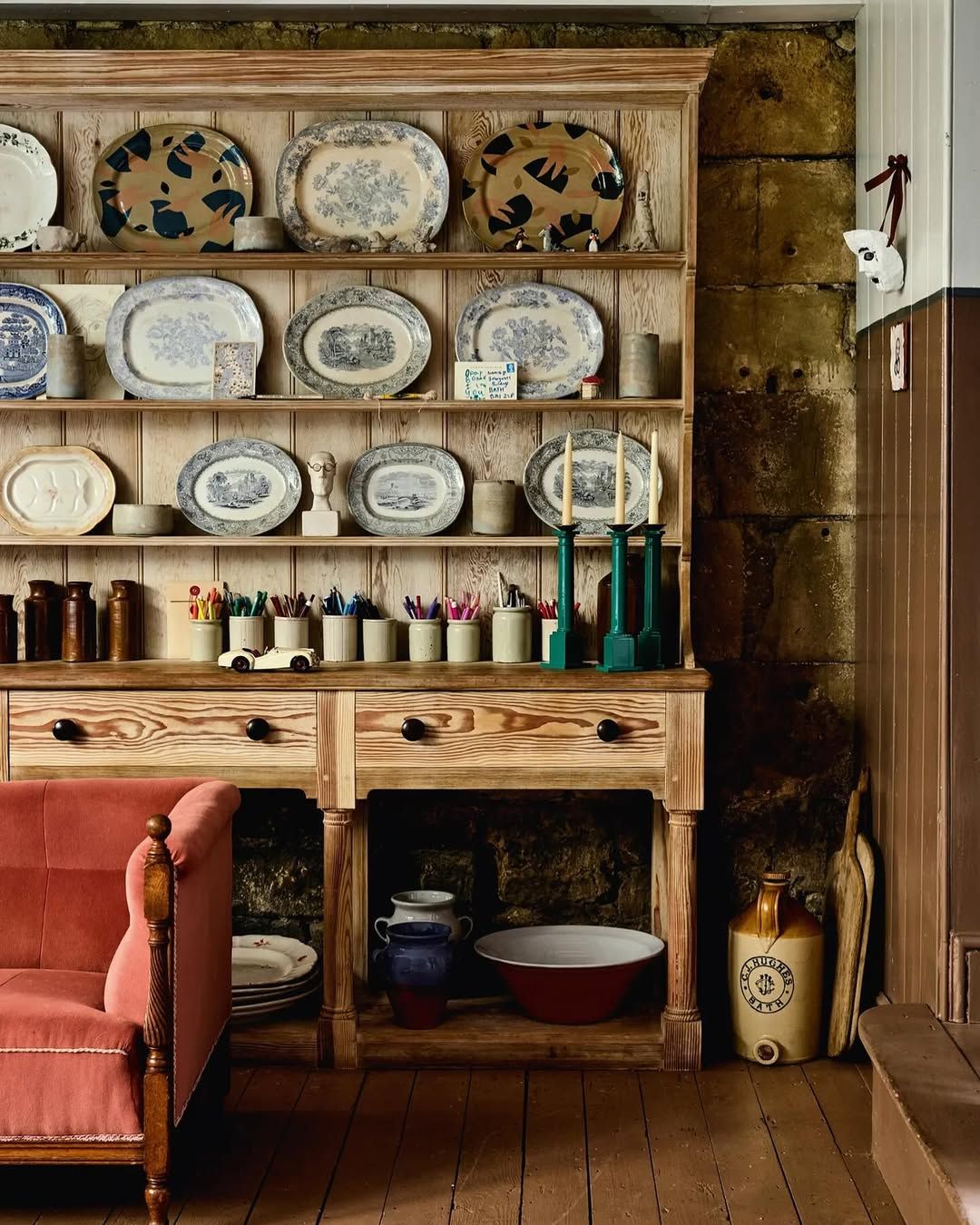
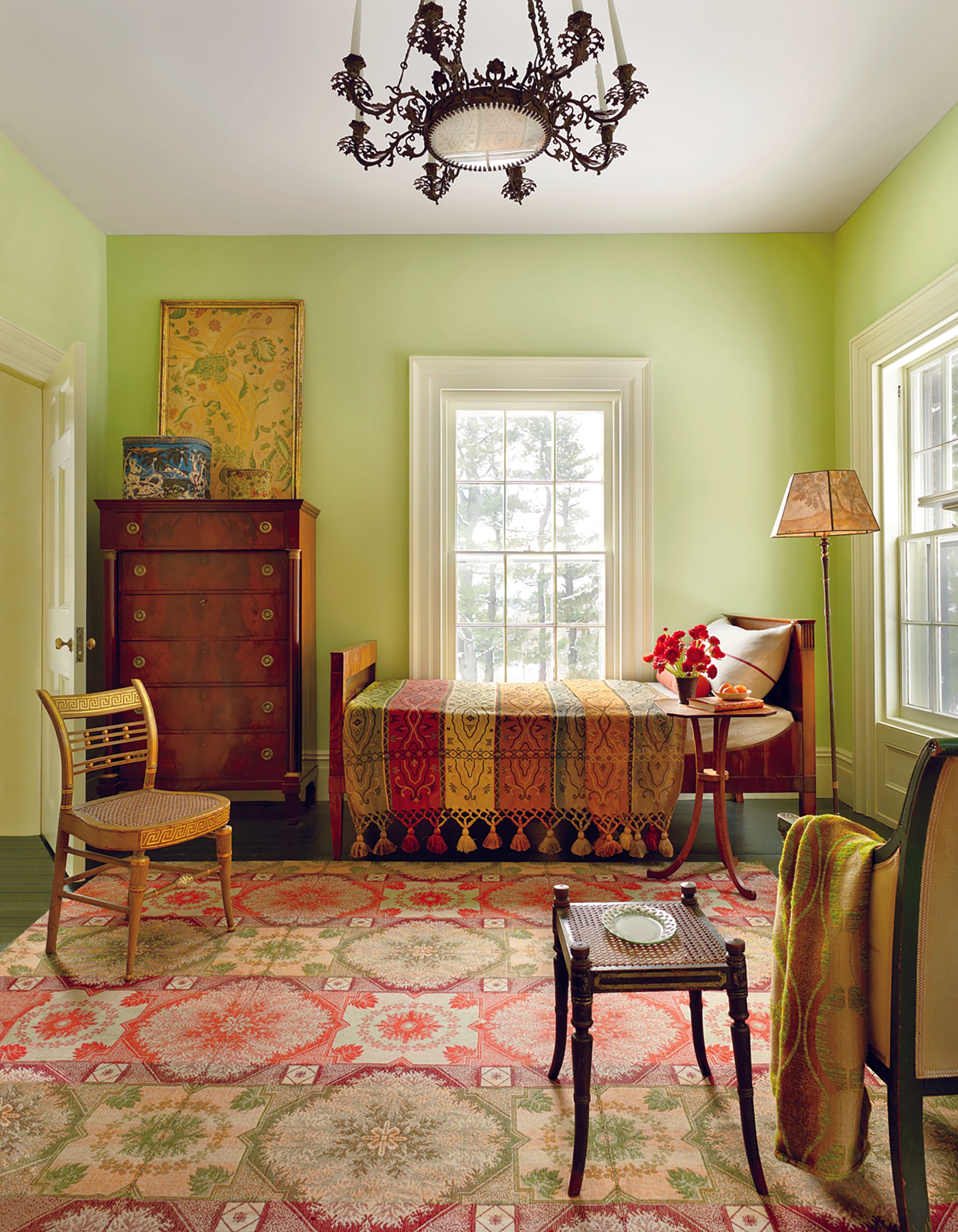
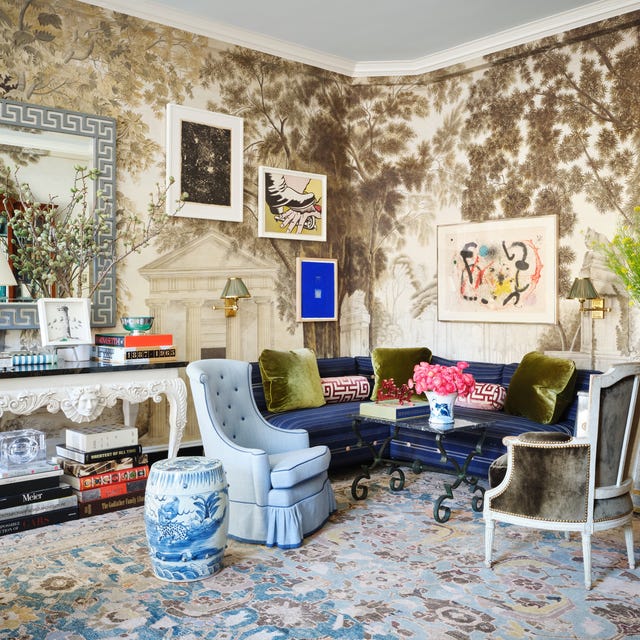
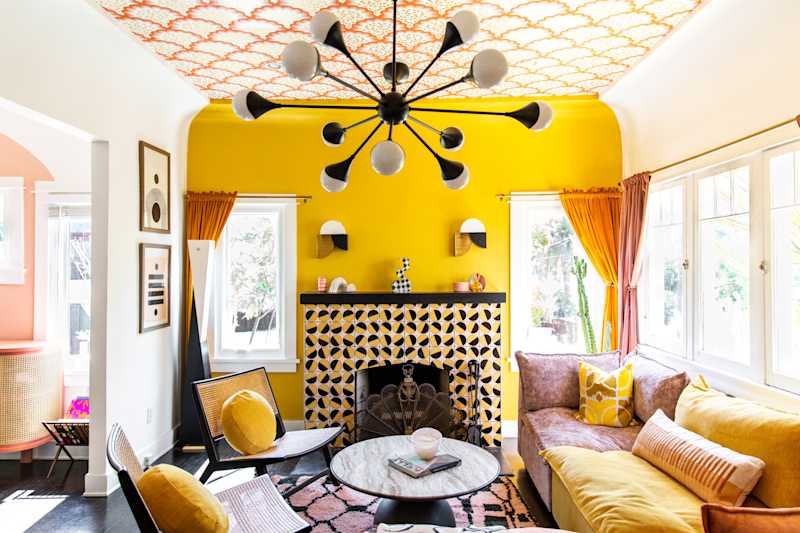
Another defining characteristic of 2026 design is the renewed emphasis on textures, patterns, and layering. The concept of "texture as luxury" is gaining traction, with homeowners and designers combining diverse materials like velvet, wool, rattan, and linen to create inviting and lived-in interiors. This layering isn't merely an accent; it's becoming a foundational approach, where high-pile rugs anchor spaces, bouclé chairs add warmth, and velvet upholstery introduces a sense of luxury. The strategic interplay between smooth and nubby, crisp and plush textures creates visual depth, even in rooms with otherwise simple color palettes. Pattern is also making a comeback, not in an overwhelming manner, but in a more considered and story-driven way. There's a notable increase in interest for patterned sofas and wall murals, indicating a desire for personalized spaces that tell a narrative. This trend extends to kitchens, where designers are intentionally mixing multiple types of marble or stone for backsplashes, countertops, and flooring, enhancing material depth and visual interest.
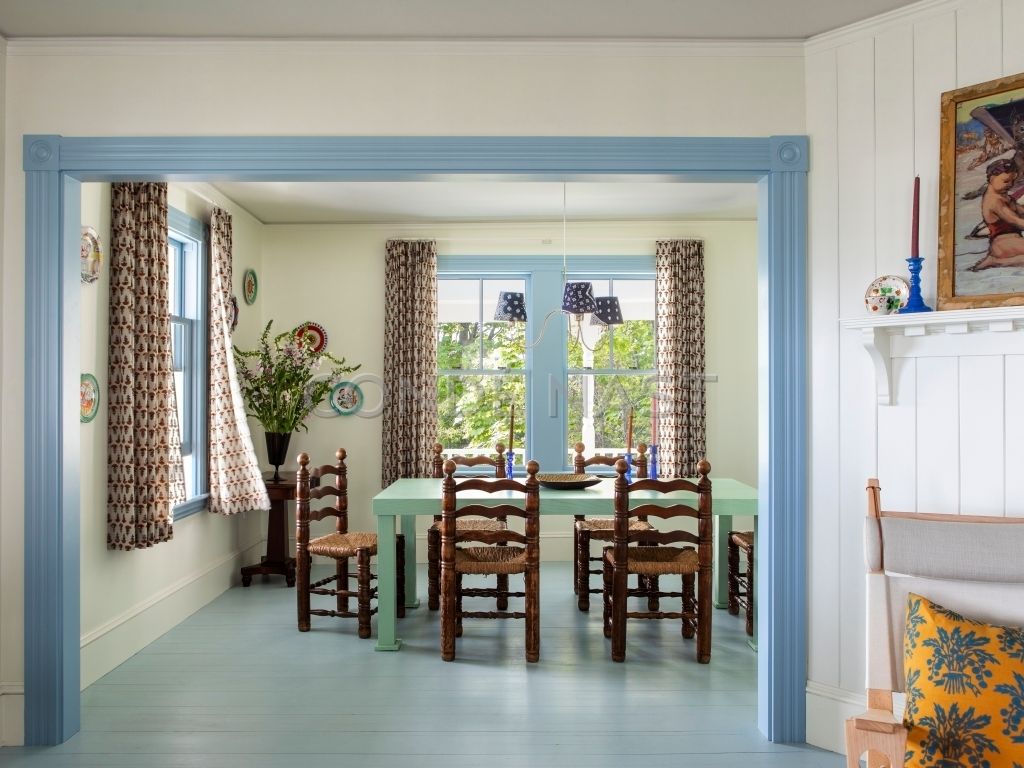
Finally, there's a growing appreciation for "dressed rooms," signifying a desire for more elaborate and detailed interiors. Homeowners are rediscovering the beauty of elements like chair rails, picture-frame molding, decorative toe kicks, and layered crown molding, especially in newer constructions that previously lacked architectural embellishments. These details redefine traditional interiors, giving rooms a more polished and complete appearance. Chair rails are being reimagined with cleaner profiles and paired with wainscoting, while crown molding is being scaled appropriately for ceiling heights and layered with other trim work to enhance proportion. Window treatments are becoming more substantial, often featuring layered combinations of blinds and drapery. This overall shift marks a deliberate departure from the sleek perfection of minimalism, advocating for interiors that are rich in detail, warmth, and character.
#InteriorDesignTrends #HomeDecor #ArchitecturalDetails #TexturalLayering #CurvedFurniture #PatternPlay #TraditionalRevival #HomeRenovation #LuxuryInteriors #InteriorDesignTrends #HomeDecor #ArchitecturalDetails #TexturalLayering #CurvedFurniture #PatternPlay #TraditionalRevival #HomeRenovation #LuxuryInteriors
0 comment in total
 No comments yet
You may also like
These Are the Most Popular Interior Styles of 2026, According to Designers
The decorating trends everyone will be talking about in 2026

Redecorating Your Living Room in 2026? These Are the Trends Designers Want to See You Use in the New Year

The Stunning Interior Design Trend That's Here To Stay In 2025

Designers Are Calling It: These Interior Design Trends Will Be Everywhere in 2026
2026 Home Design Trends to Watch
7 Living Room Trends Designers Expect To Take Over In 2026
The Decorating Trends Designers Are Leaving Behind in 2026

The 11 Key Interior Design Trends Set to Define 2026
6 Interior Design Trends That Are Making a Comeback in 2025, According to Designers

Interior Design Trends of 2024

Here's How the Spring 2026 Runway Trends Will Influence Interior Design

The Top Interior Design Trends Experts Predict for 2026
What’s Next for Our Homes? The 14 Defining Interior Design Trends That Will Shape the Way We Live in 2026

These Colors Will Be Everywhere in Interior Design in 2026
Designers Predict These 6 Living Room Trends Will Be Everywhere in 2026

The Vintage Interior Trends Designers Predict Will Define Homes in 2026
The Biggest Interior Design Trends for 2025

5 Styles That Will Dominate Home Decor in 2026, According to Experts
The Underrated 2026 Trend Interior Designers Swear By for Luxe Rooms