1/10
Redecorating Your Living Room in 2026? These Are the Trends Designers Want to See You Use in the New Year
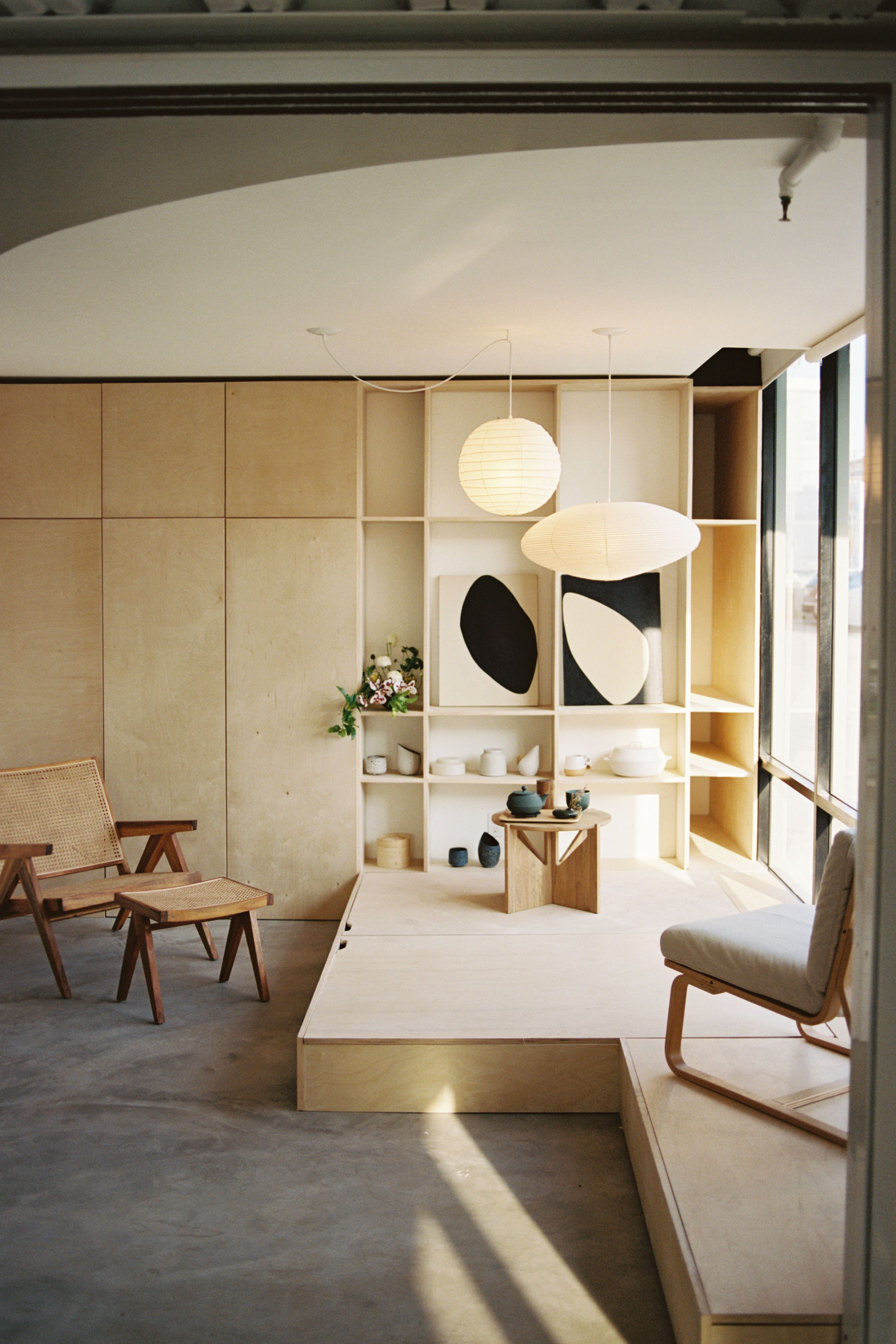
Designers are shifting focus from fleeting trends to comfort, character, and layered materials for living rooms in 2026. The emphasis is on curated yet lived-in spaces, embracing imperfection and bold decorating. This approach aims to create warm, expressive, and on-trend living environments through eleven key trends.
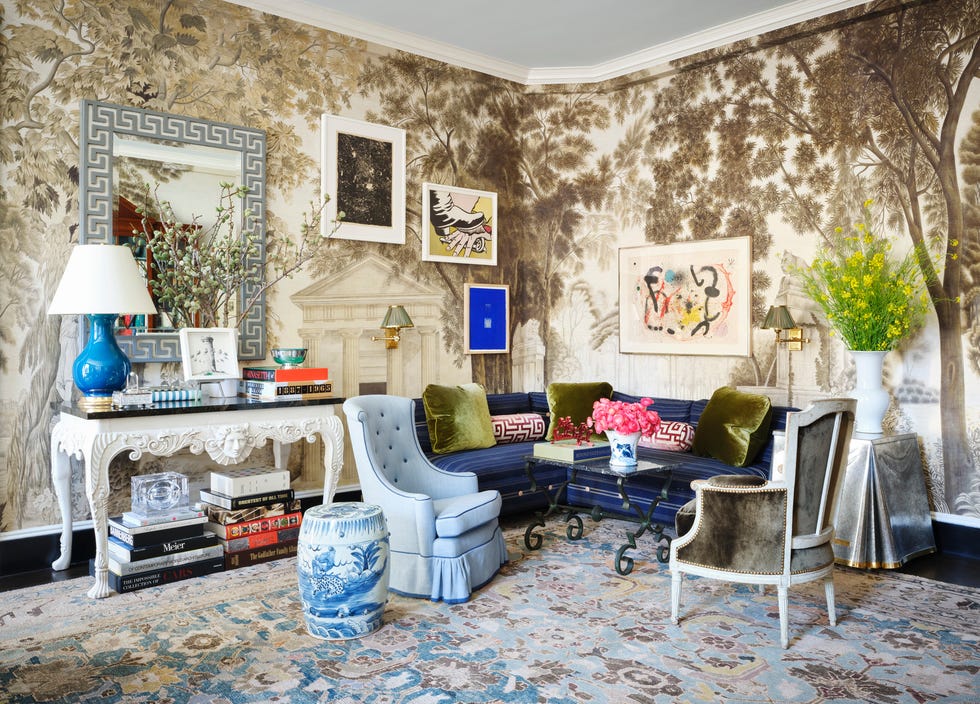
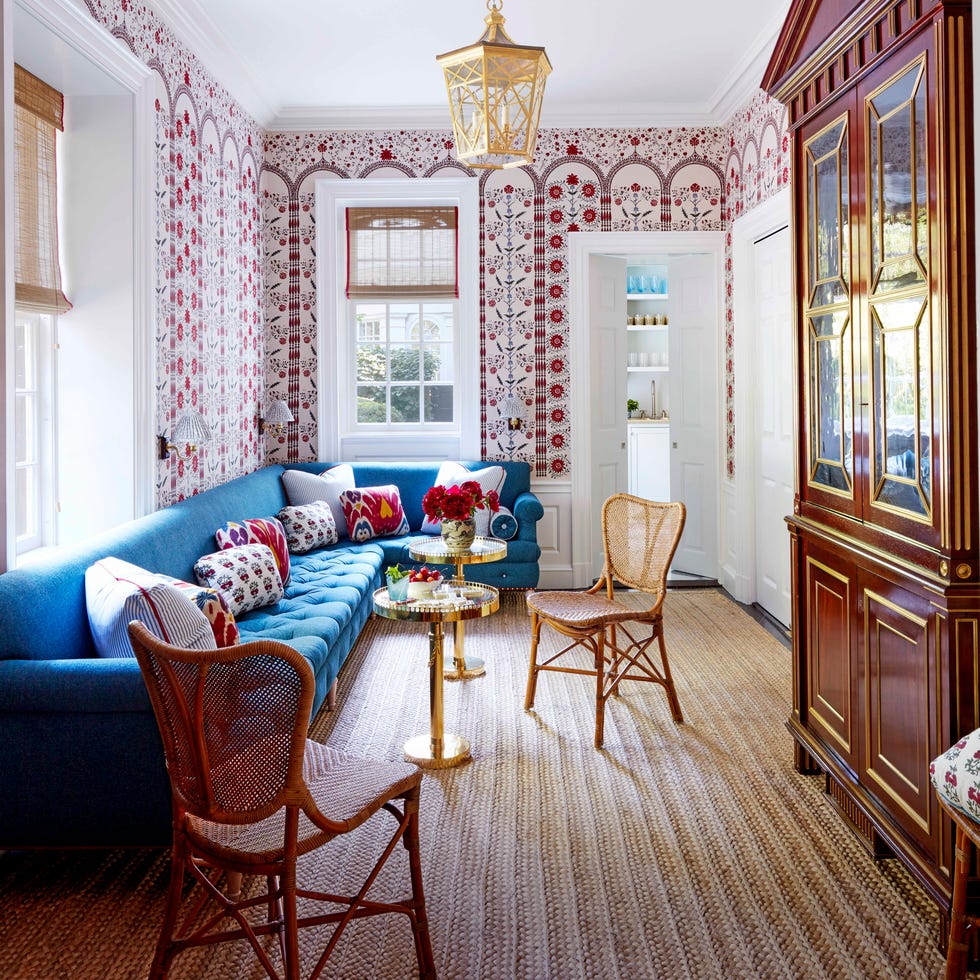
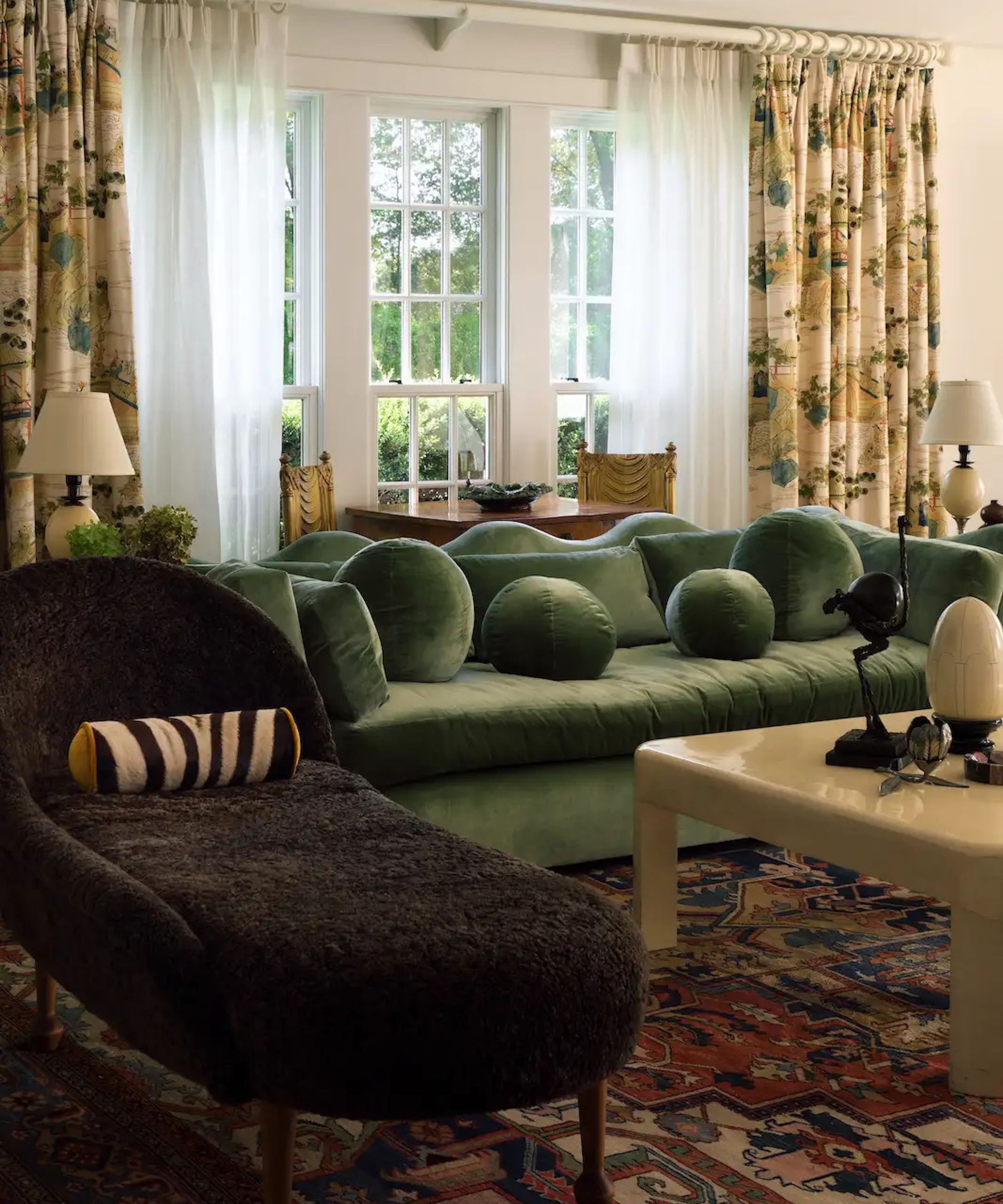
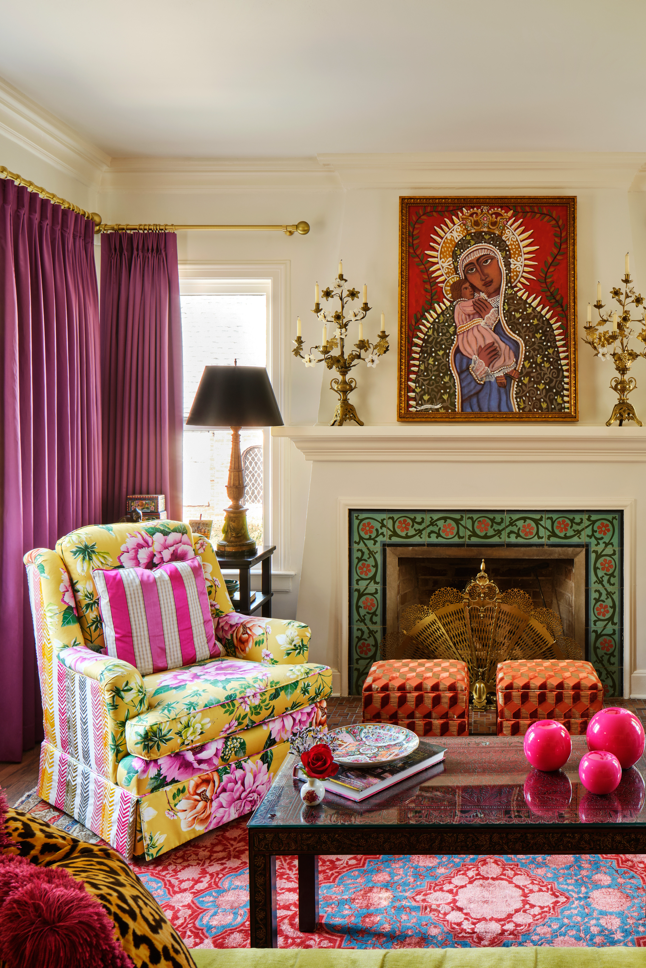
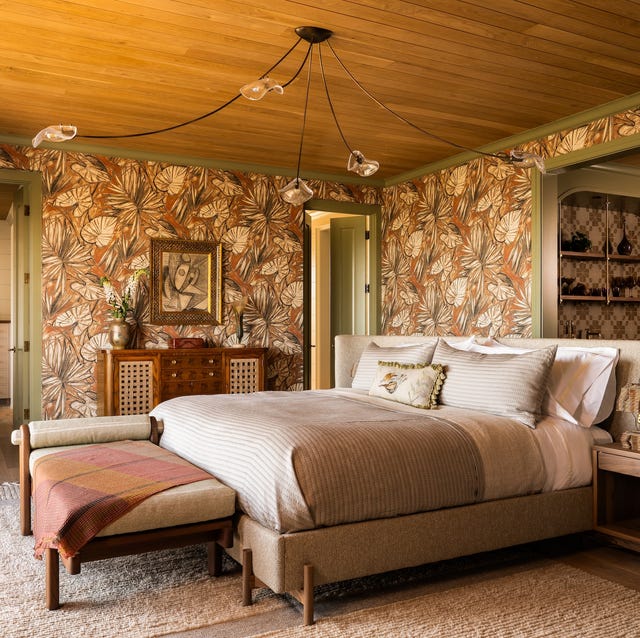
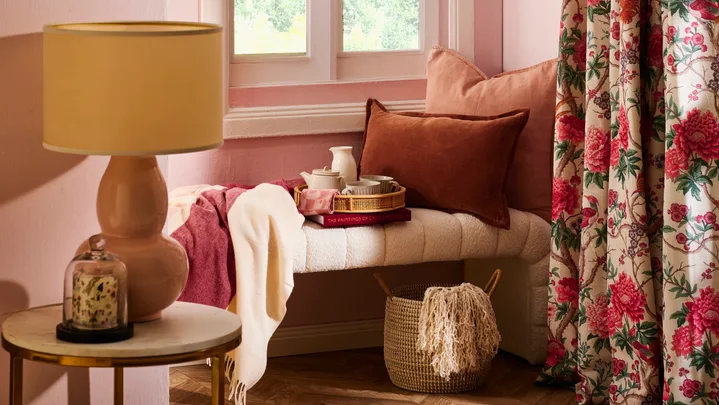
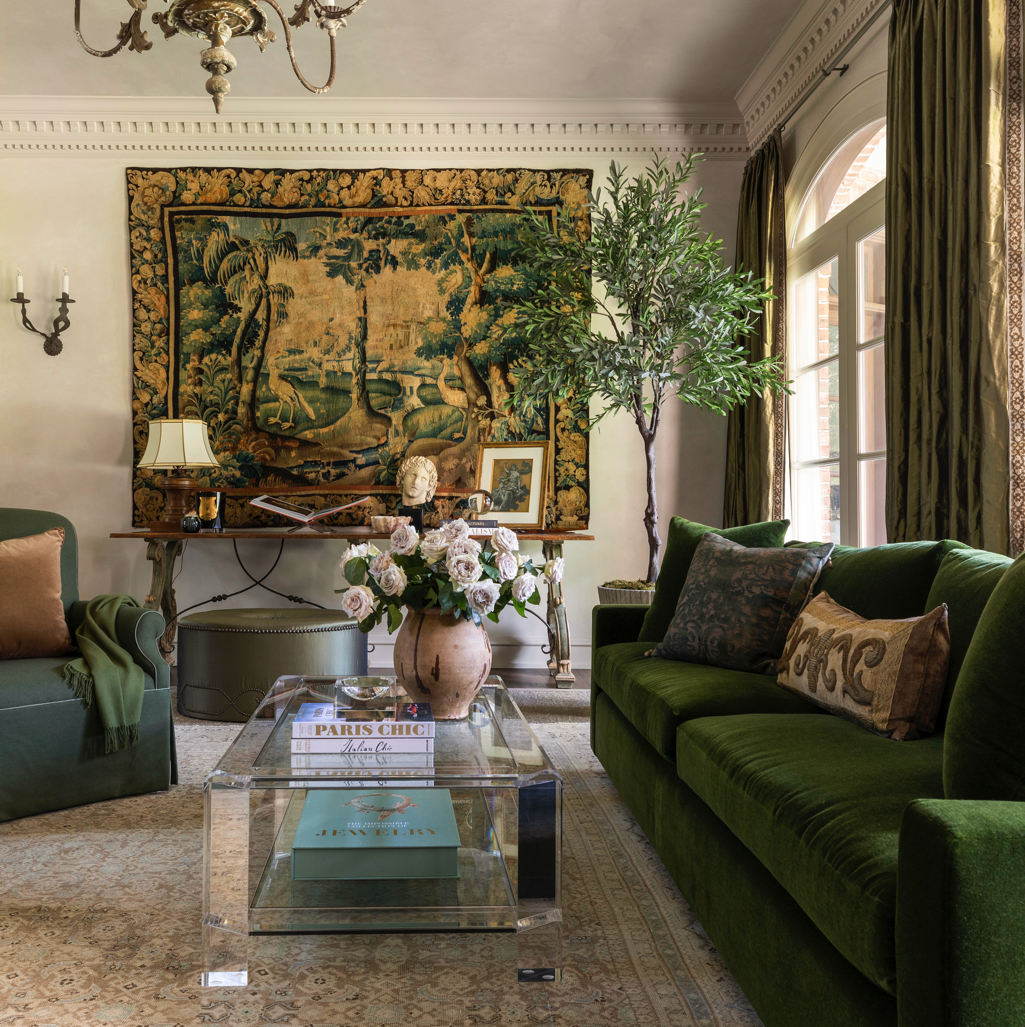
One prominent trend is tapestry print, moving beyond wall hangings to richly patterned textiles inspired by vintage designs. This offers a layered look that adds character, especially when featuring botanical patterns and earthy hues. These prints are versatile for accent pieces like throw pillows and armchairs, allowing visual interest without overwhelming the room.
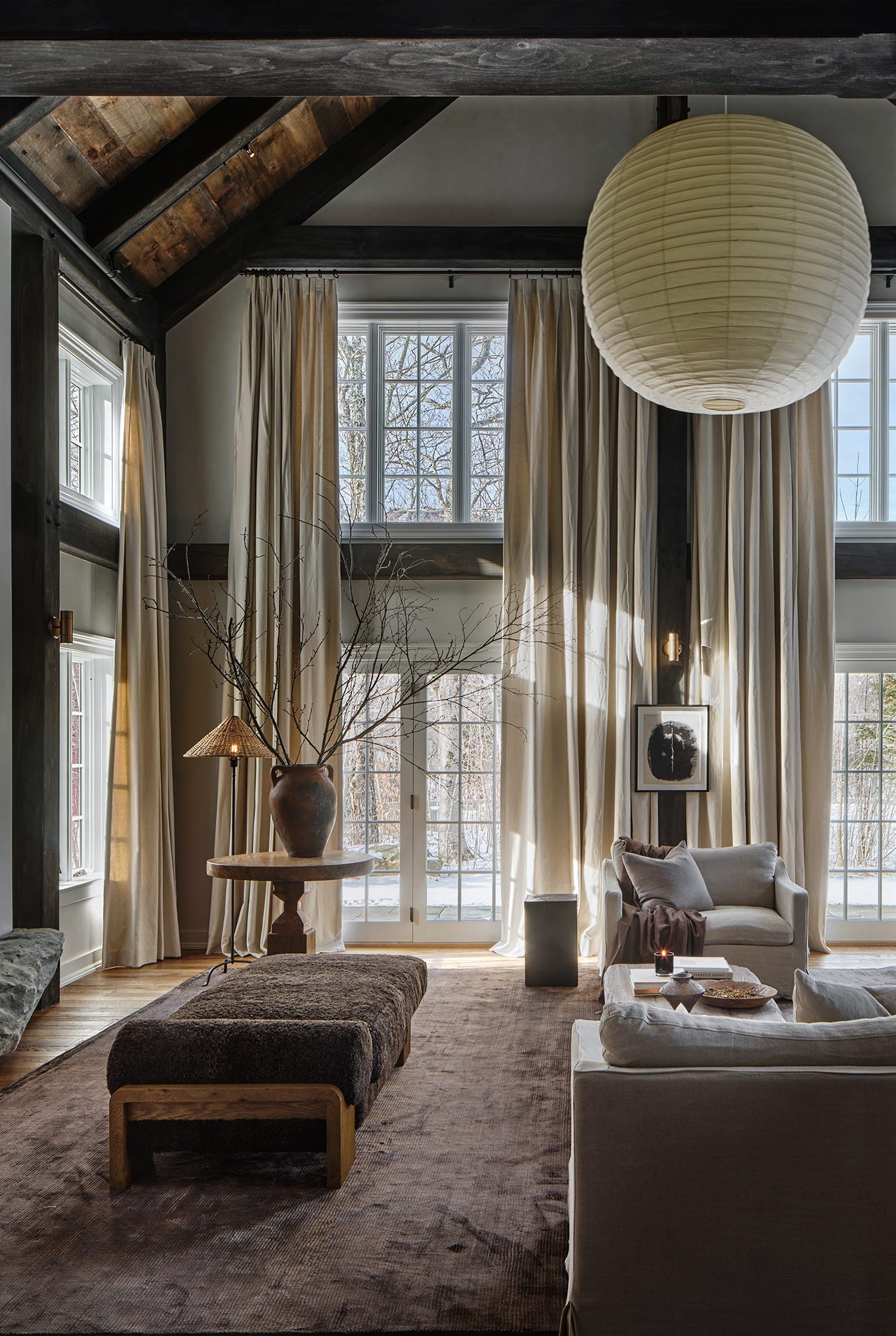
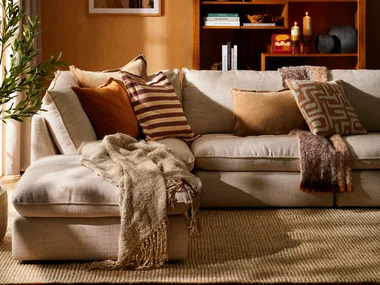
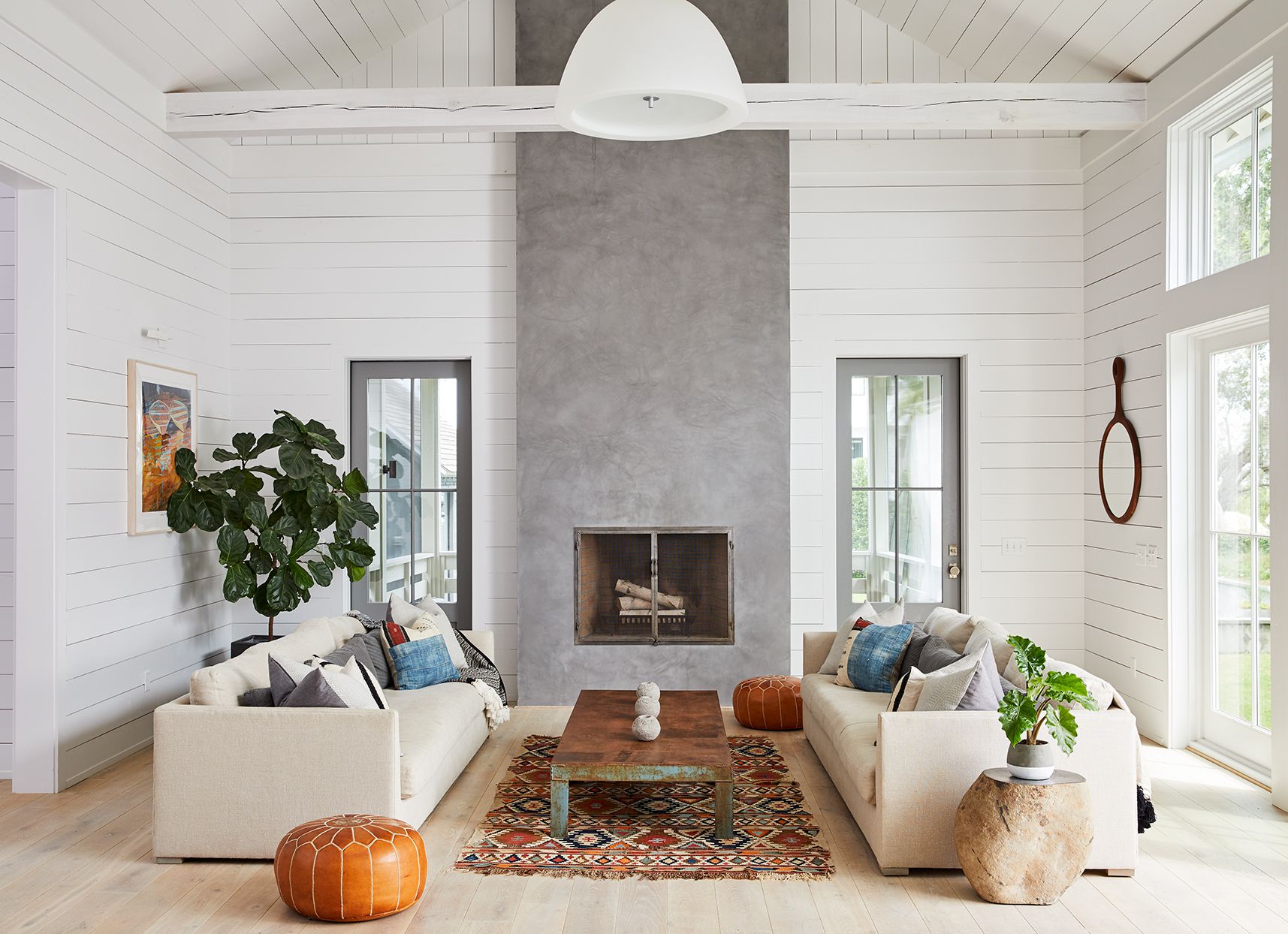
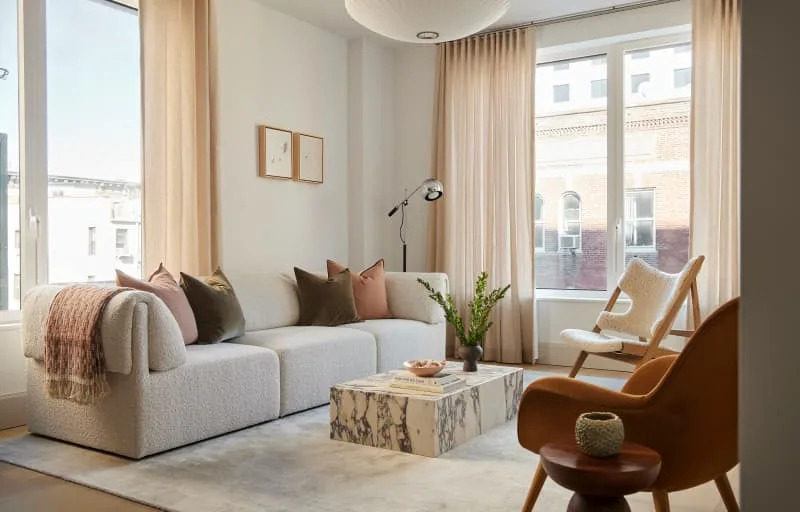
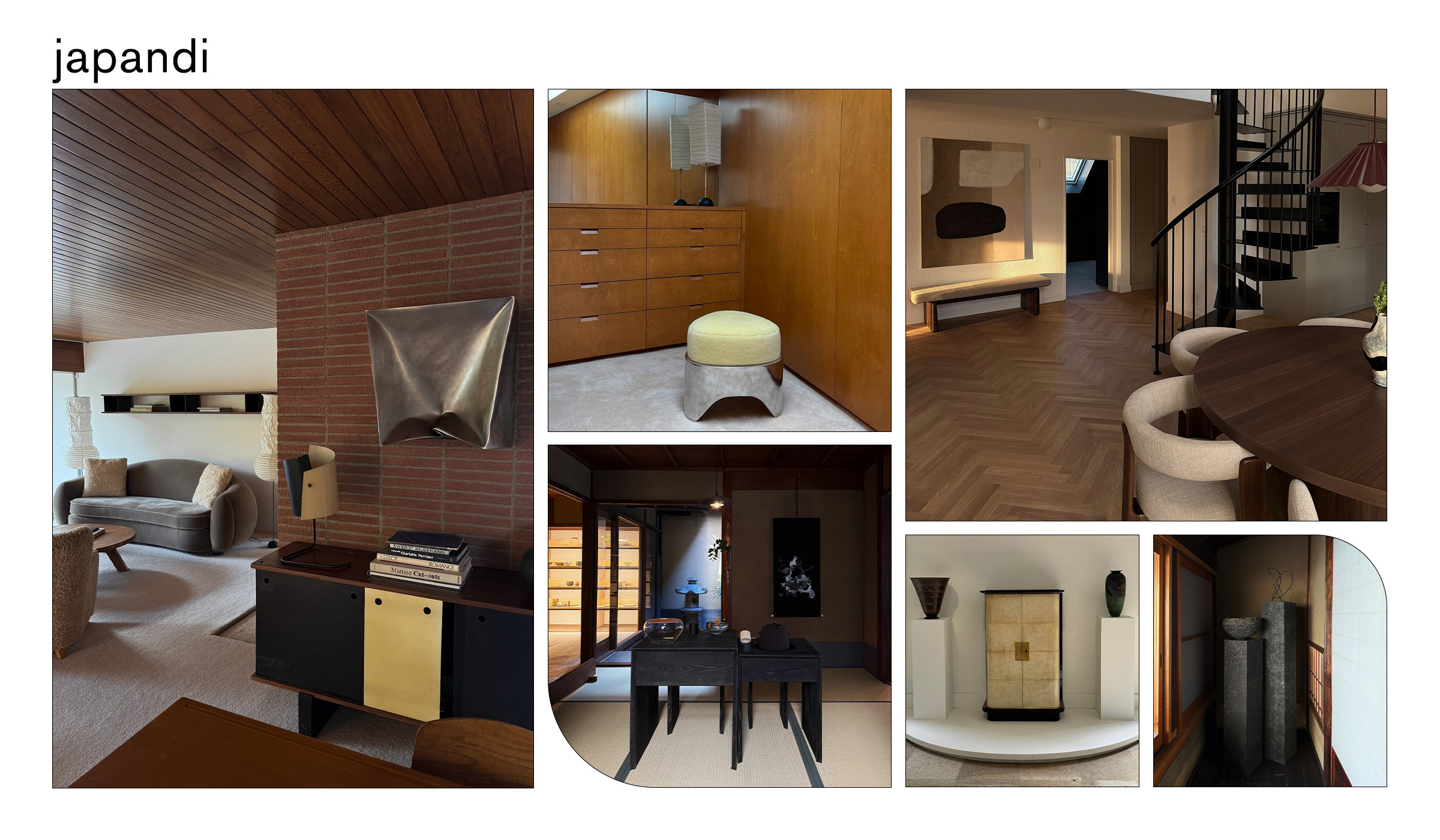
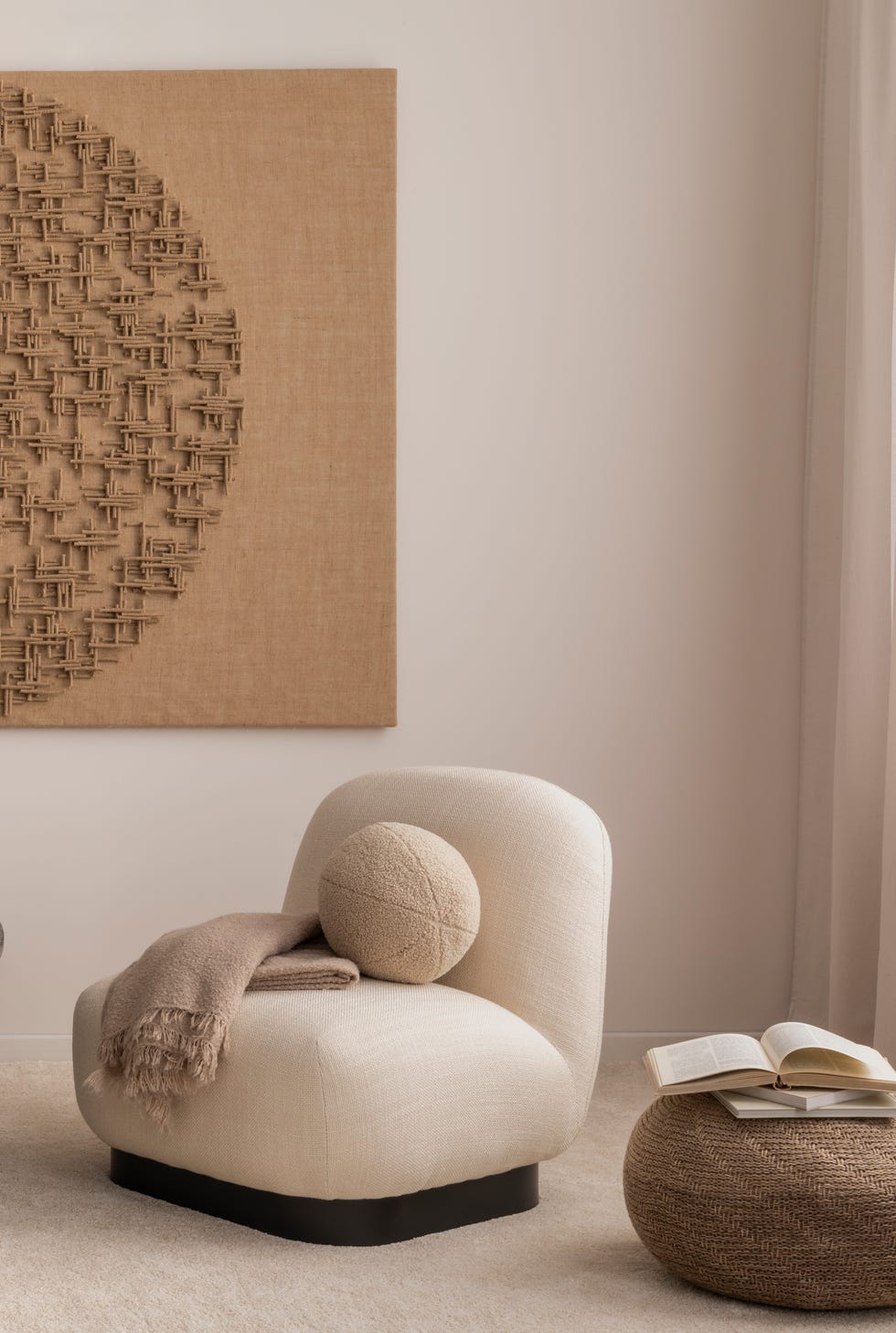
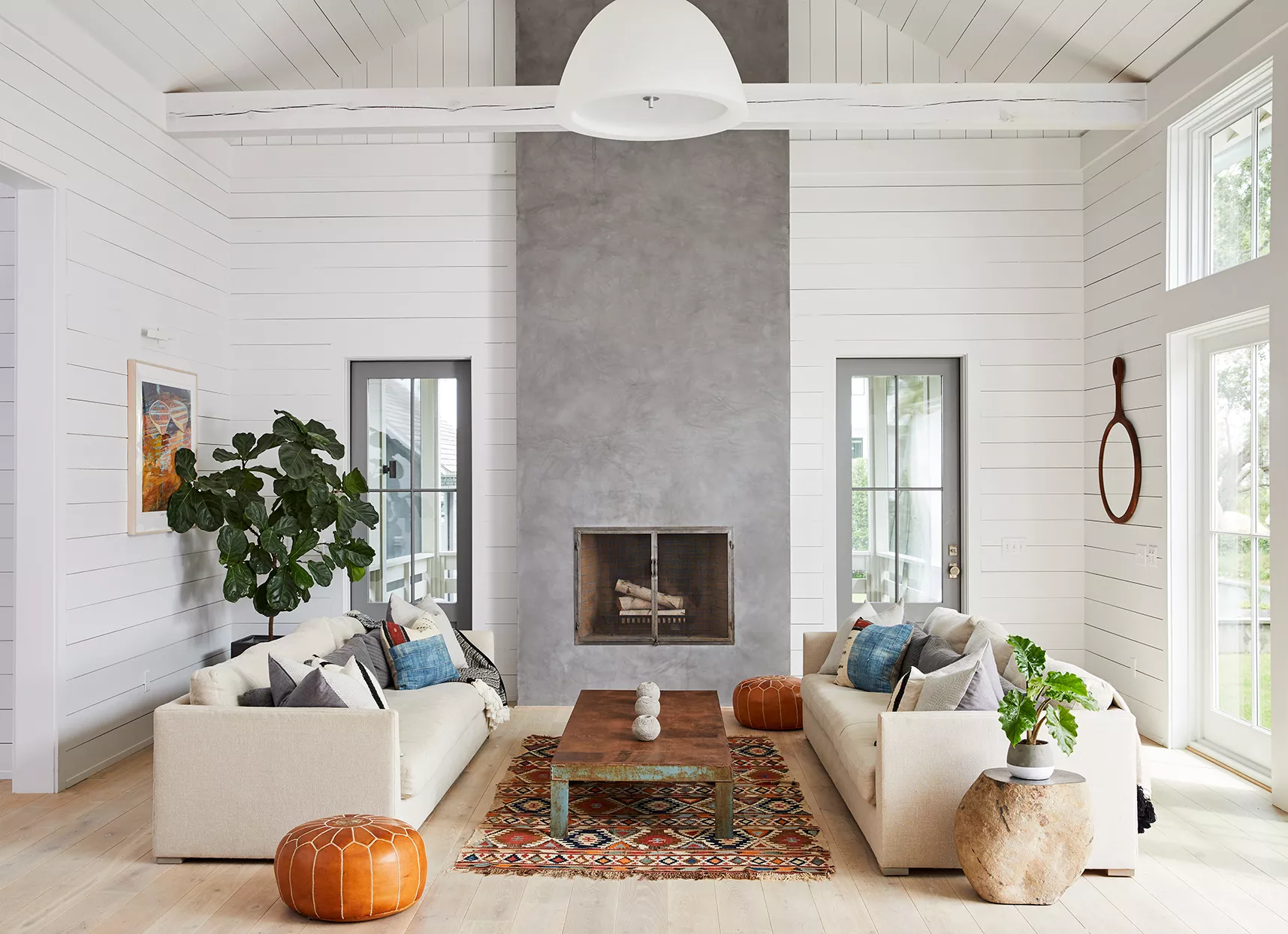
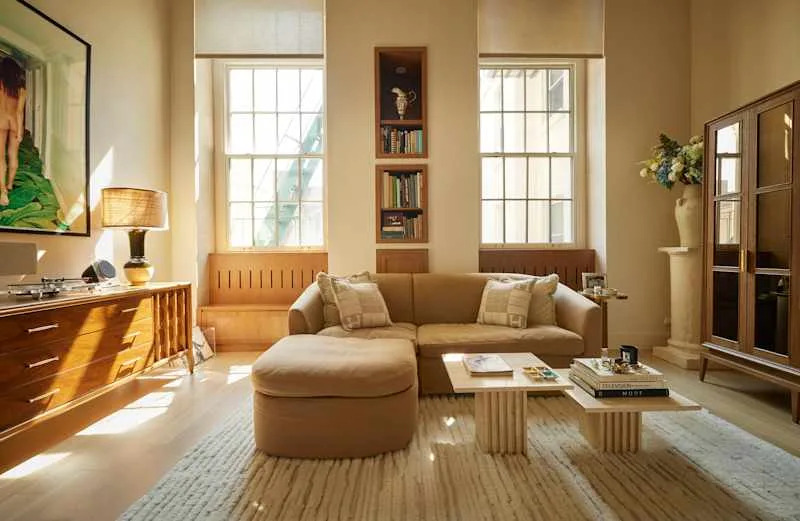
Texture-maxxing involves layering various materials to create depth and comfort. This includes plush upholstery, nubby weaves, tactile flooring, and soft accessories, engaging the senses and making spaces inviting. Rugs are crucial in this trend, adding warmth and defining zones in open-plan living areas when layered with carpets or hard floors. Additional plush accessories like cushions and throws contribute to a welcoming, lived-in feel.
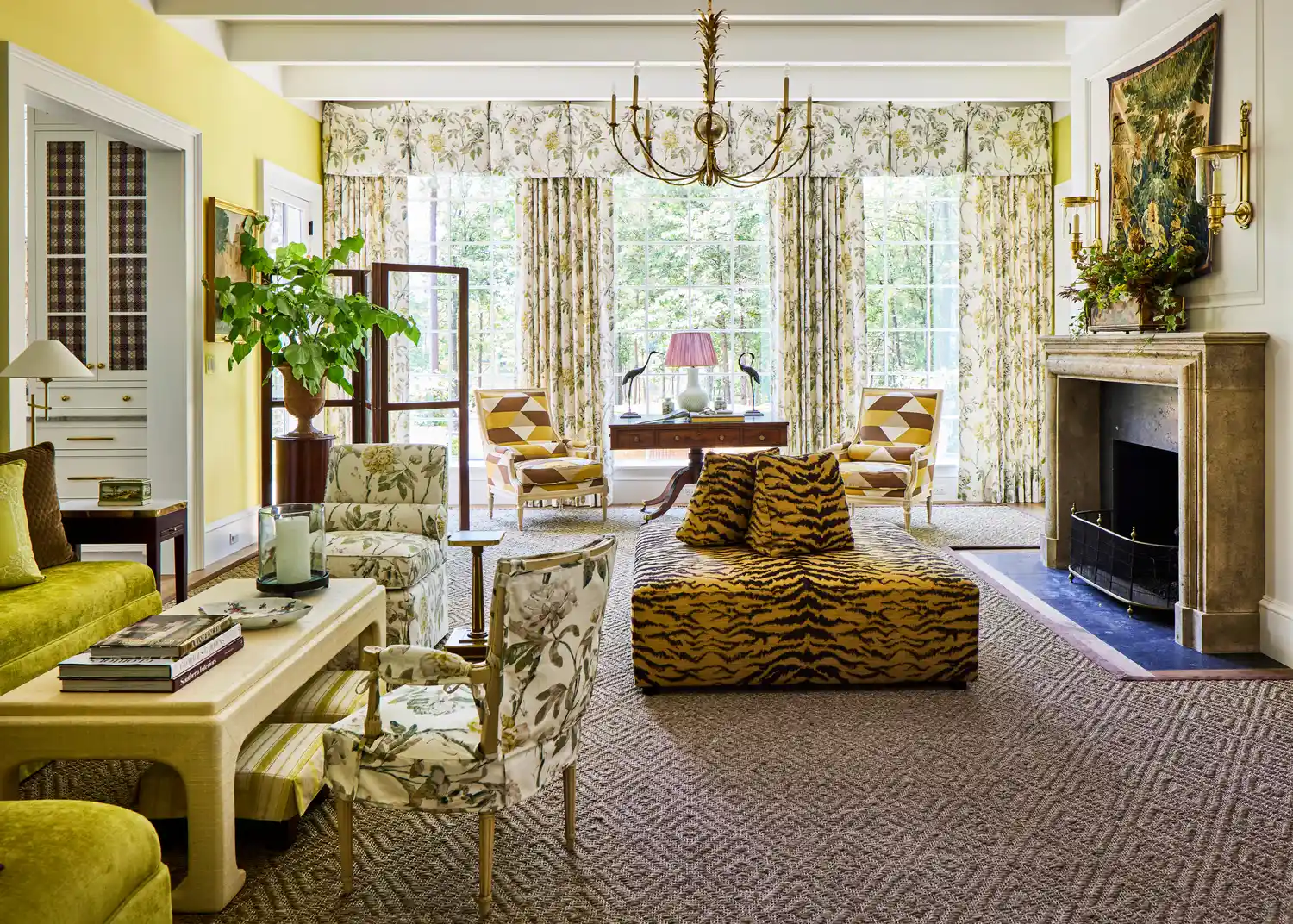
Leopard print is re-emerging as a versatile choice, adding depth, warmth, and an edge when used intentionally. Designers suggest treating it as a neutral with personality, incorporating it into soft furnishings, lampshades, and footstools. Pairing it with classic textures such as velvet, linen, or aged leather helps to ground the look, creating cohesion. Starting with smaller accents, like window treatments, and considering scale and tone, allows for an introduction to this bold pattern.
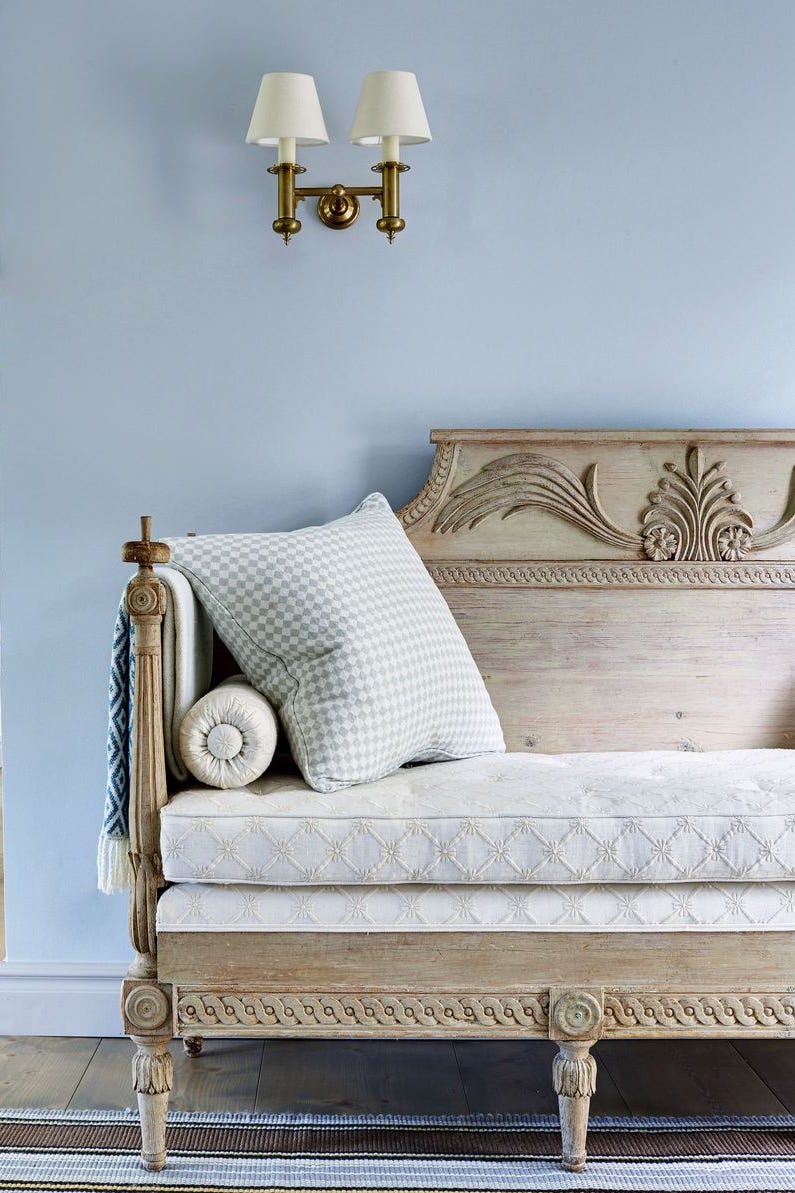
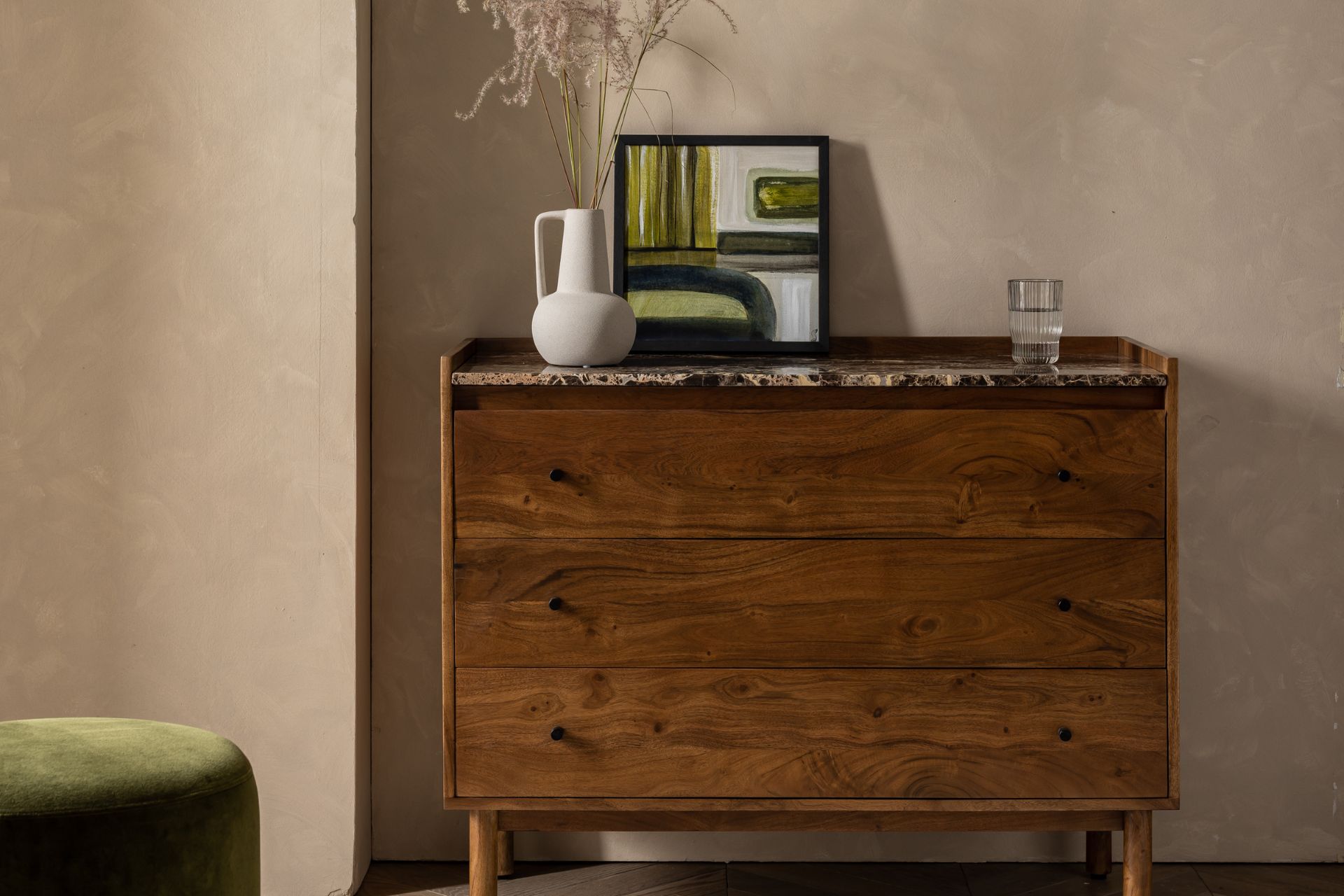
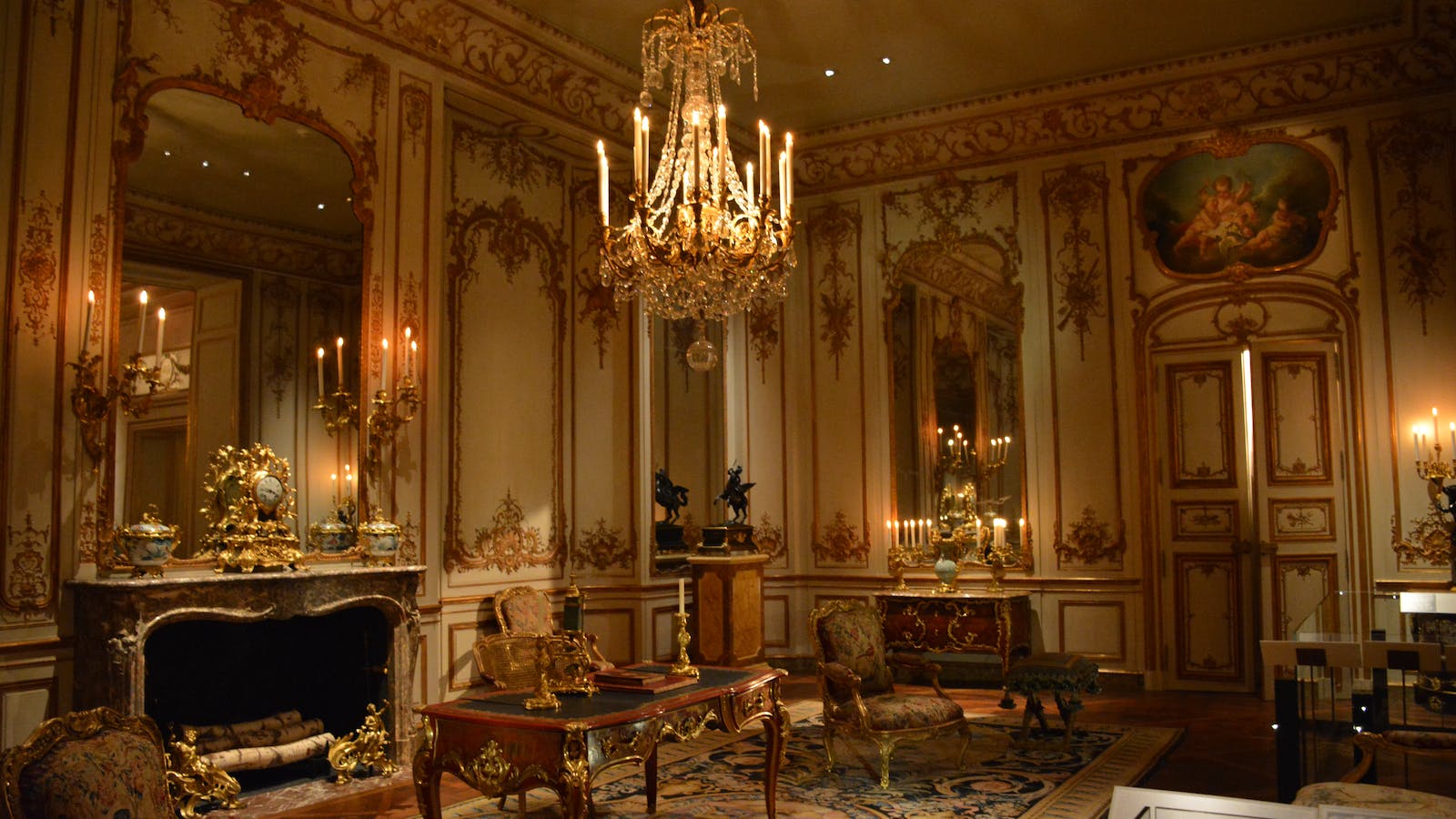
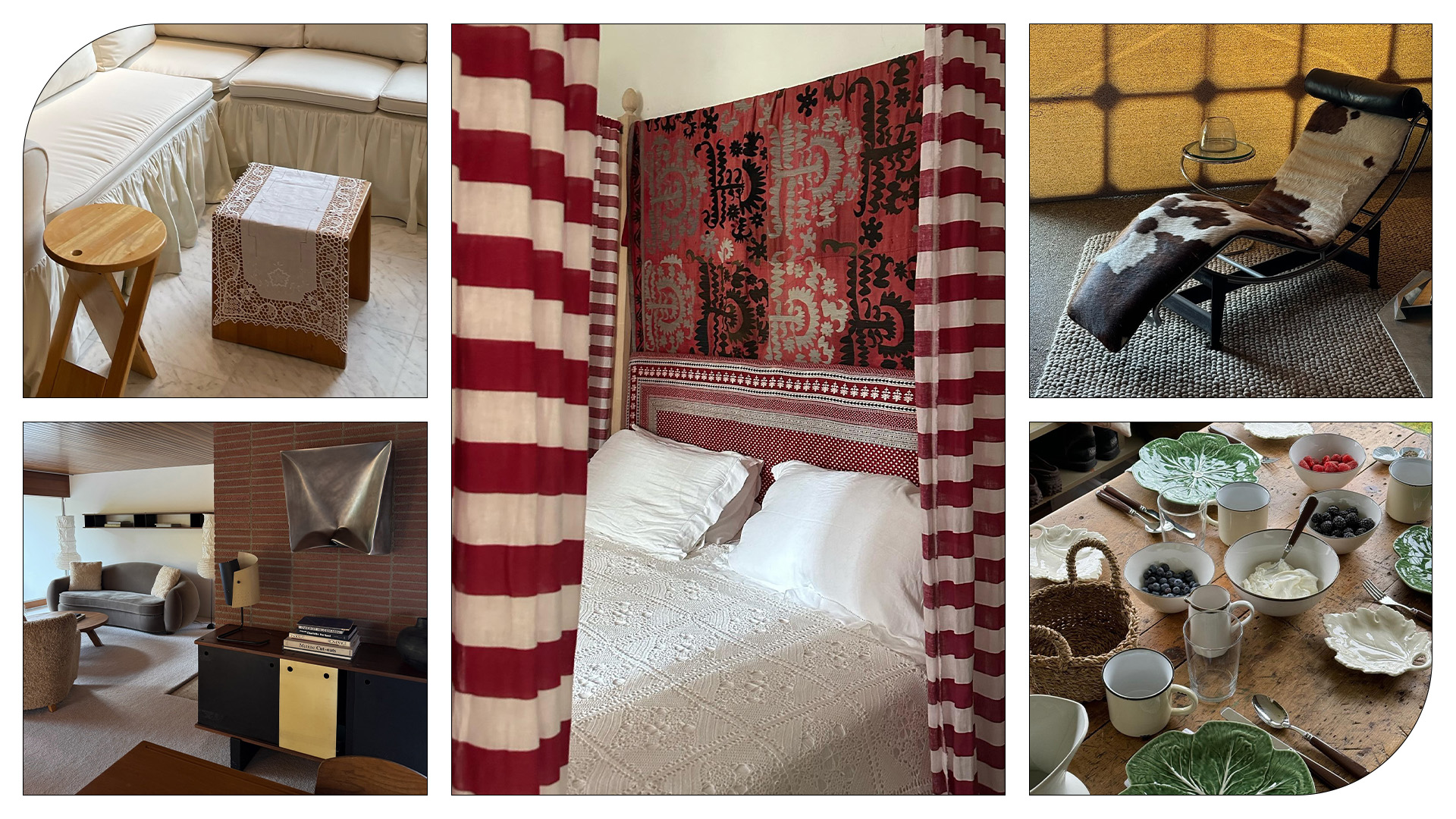
Layered antiques signify a move away from overly polished interiors toward collected homes. This trend embraces decorating with vintage items, recognizing that pre-loved pieces add instant depth and warmth that new items cannot replicate. Collecting a mix of small vintage objects, thrifted items, and larger antique furniture creates a storied feel. Materials like rough-hewn wood, burnished metals, distressed leather, and patinated finishes introduce texture and tone, resulting in layered and lived-in living rooms.
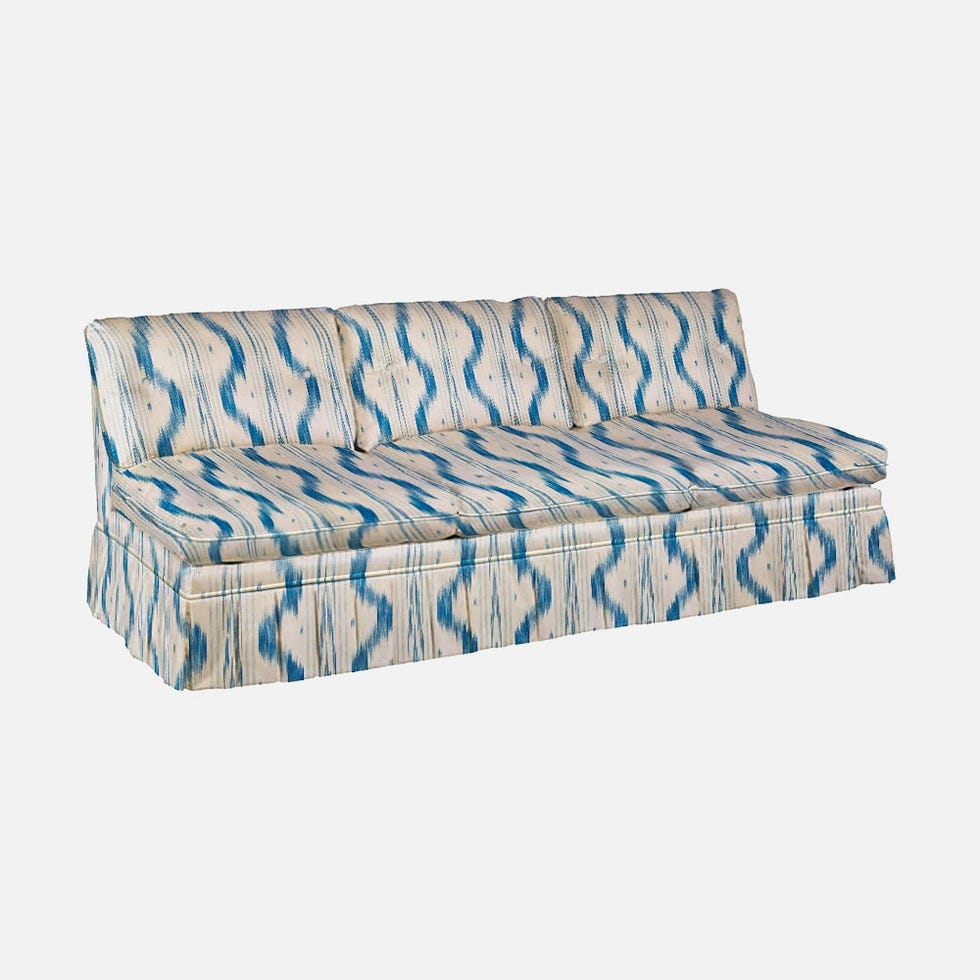
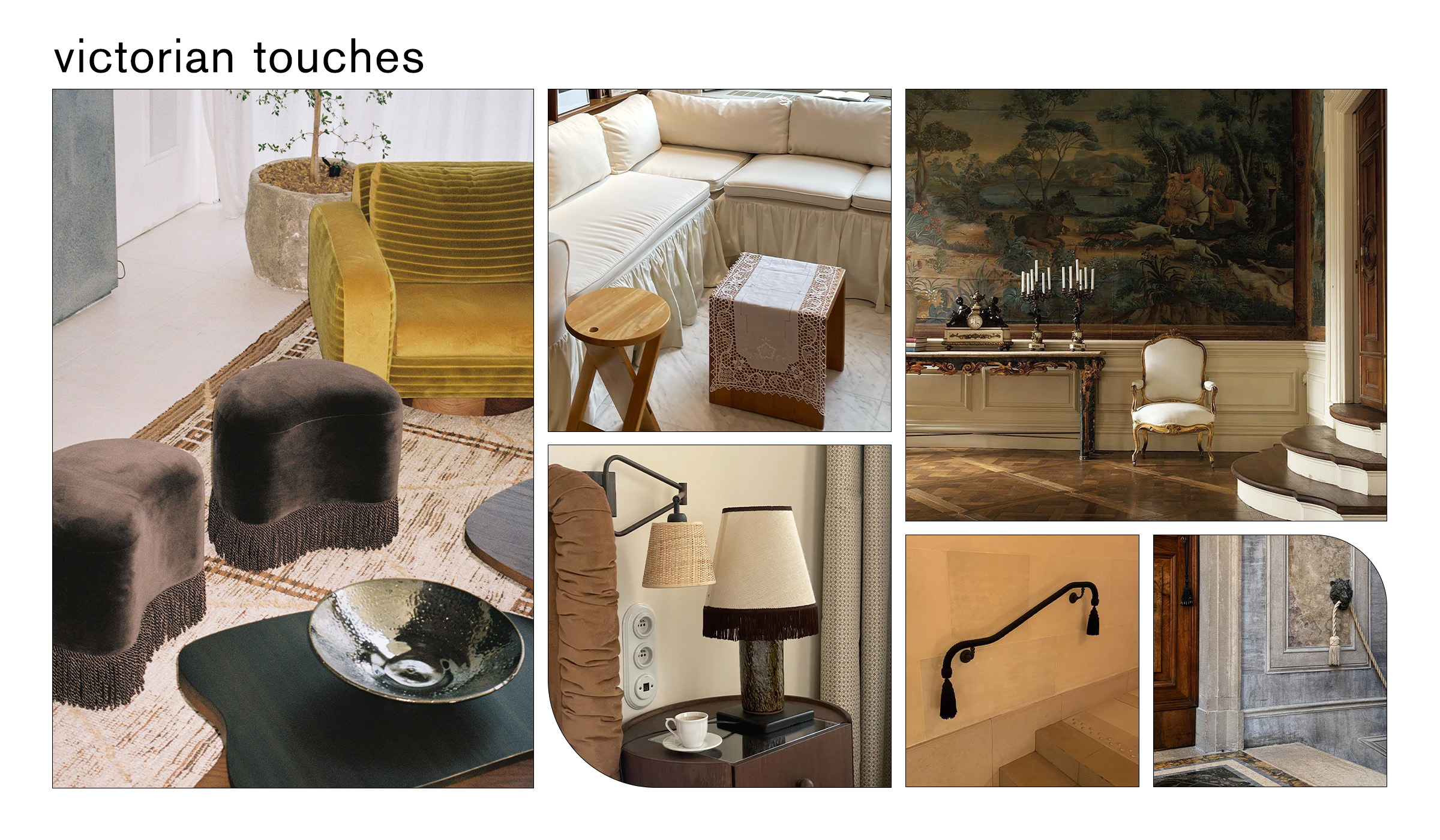
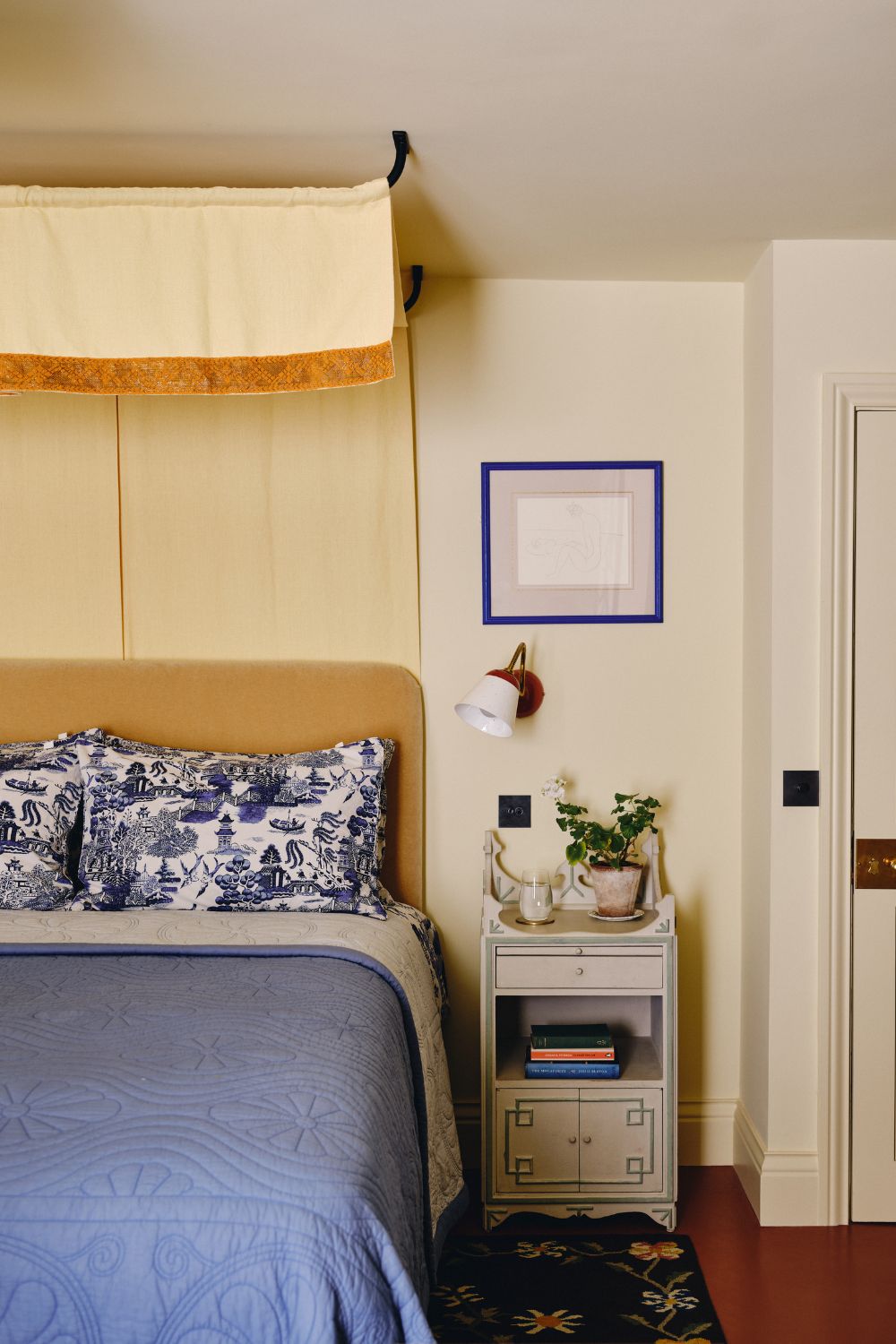
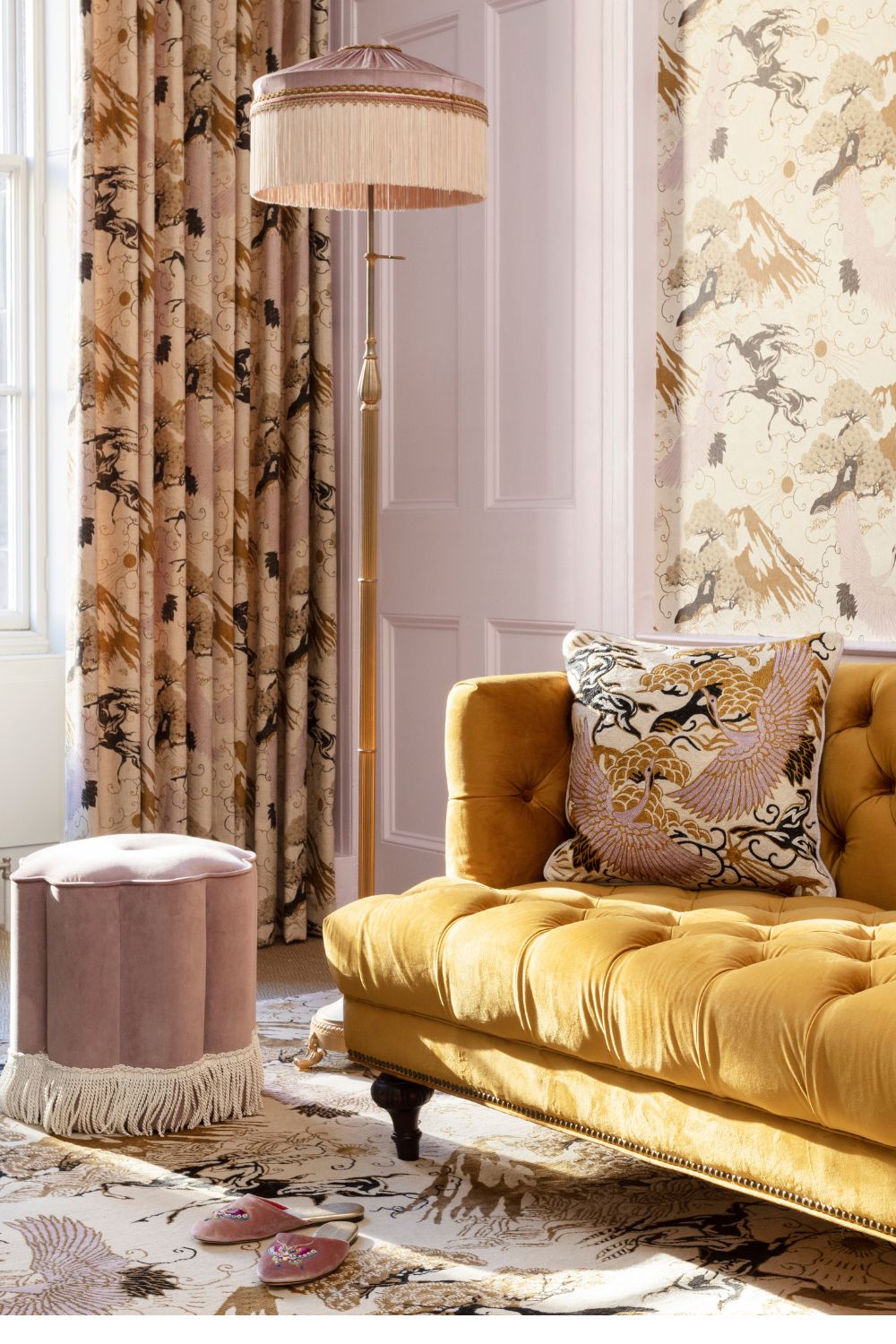
Statement trims are gaining importance as finishing details that elevate furniture and soft furnishings. Fringe, contrast piping, and decorative borders add visual and tactile interest, transforming pieces like chaises, ottomans, and sofas. These details introduce texture and movement, providing a 'wow factor' and lending depth to both classic and contemporary spaces.
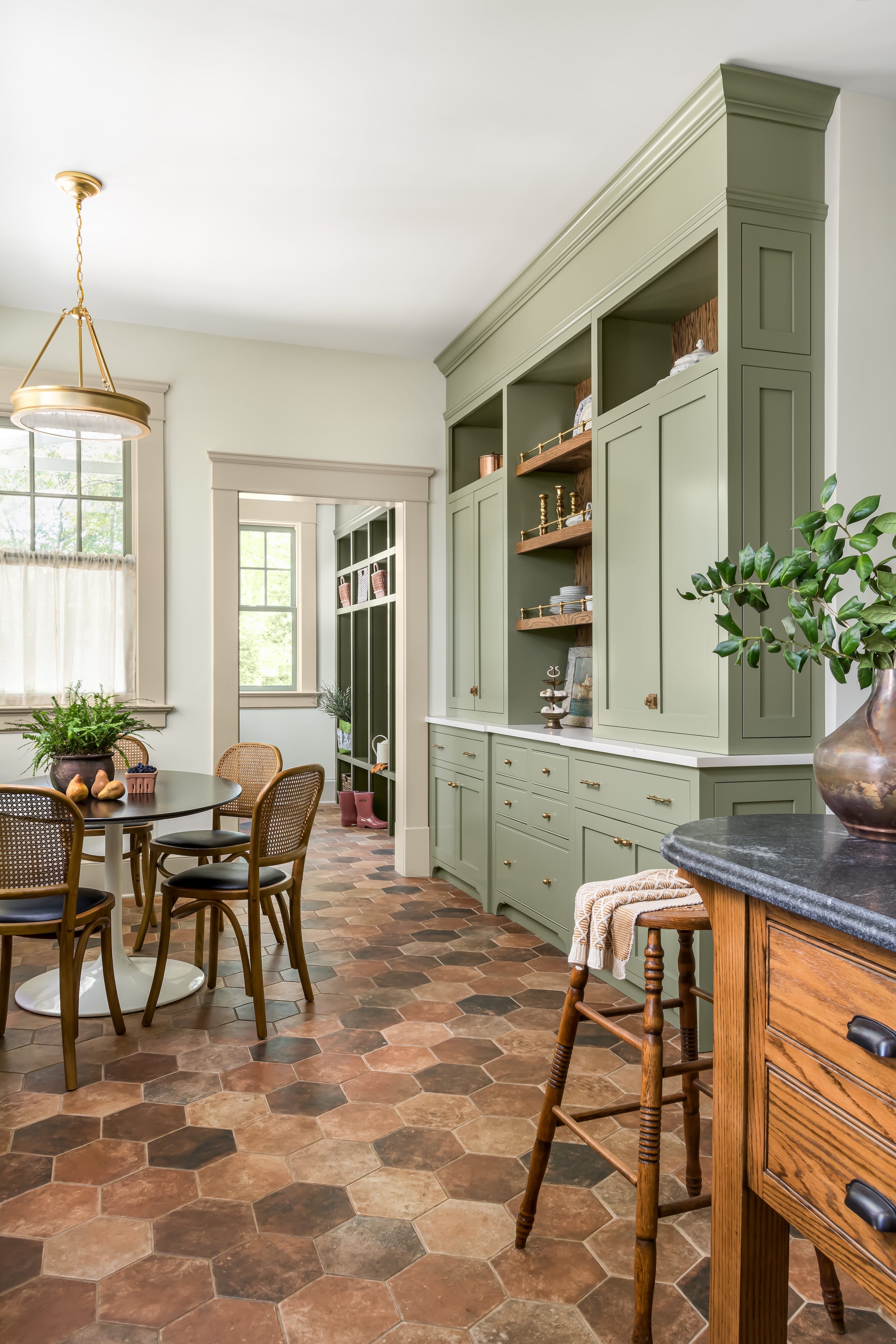
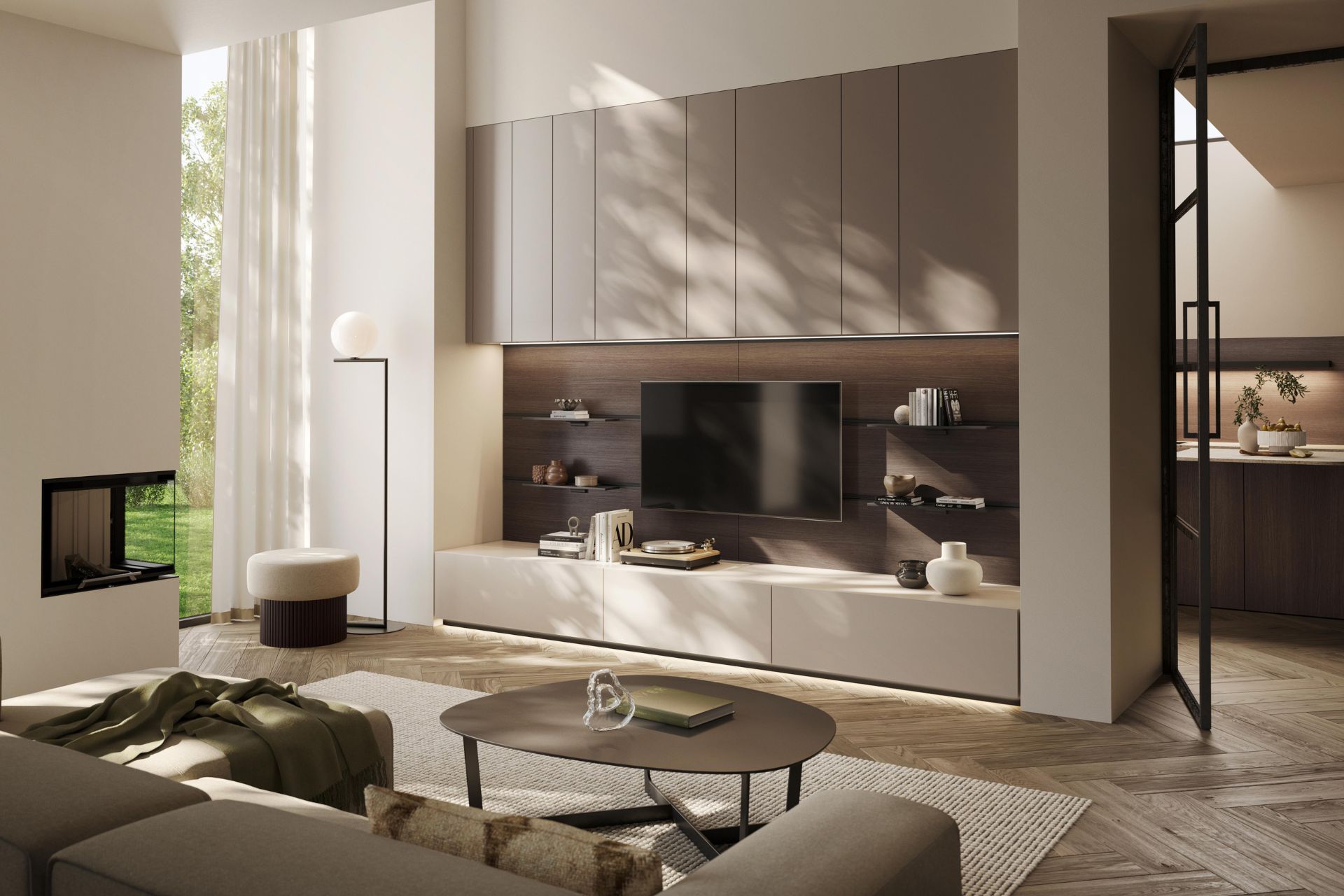
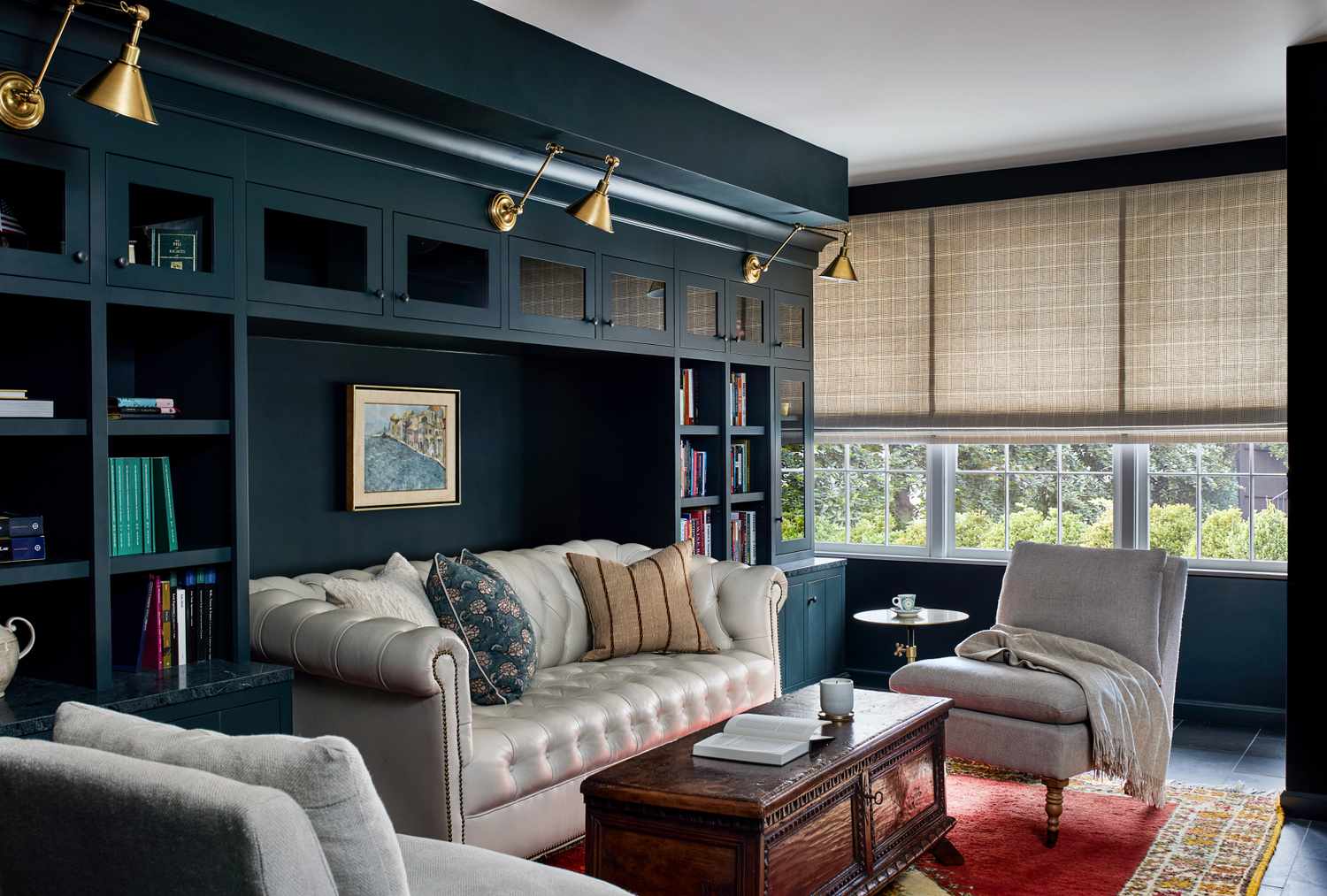
Extra-special cabinetry moves beyond functional storage to become a defining feature. Designers are using decorative millwork, statement trims, and fabric-lined panels to add softness and personality. This can involve incorporating features like pencil-pleat cafe curtains behind cabinet doors or using skirted drapes to conceal tech. For those without historic features, upgrading storage with statement hardware, cornicing, lighting, or fabric panels creates unique and personalized elements.
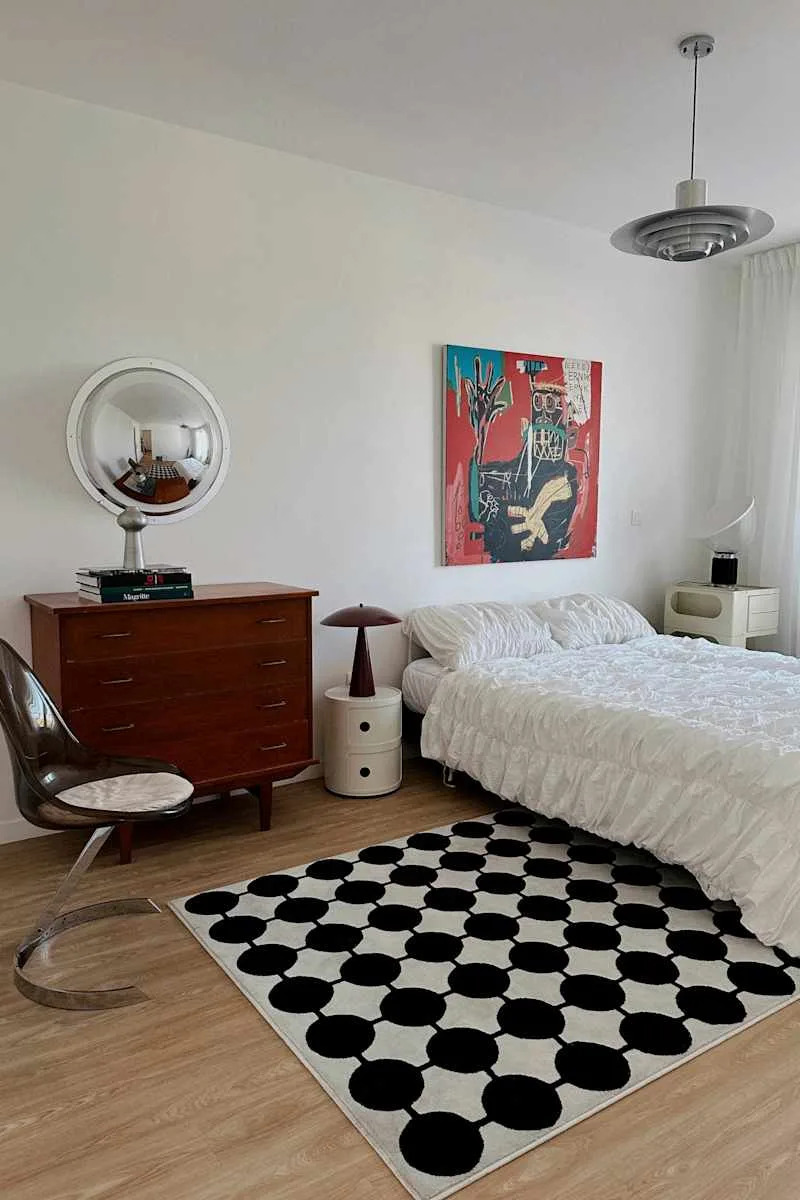
Mismatched furniture promotes interiors that feel personal and curated rather than uniformly coordinated. This trend involves combining disparate pieces, such as different side tables, mixed-pattern armchairs, or a variety of vintage and contemporary sofas. This approach encourages a sustainable decorating method by integrating inherited pieces, thrifted finds, and bespoke furniture, resulting in a cozy and collected aesthetic.
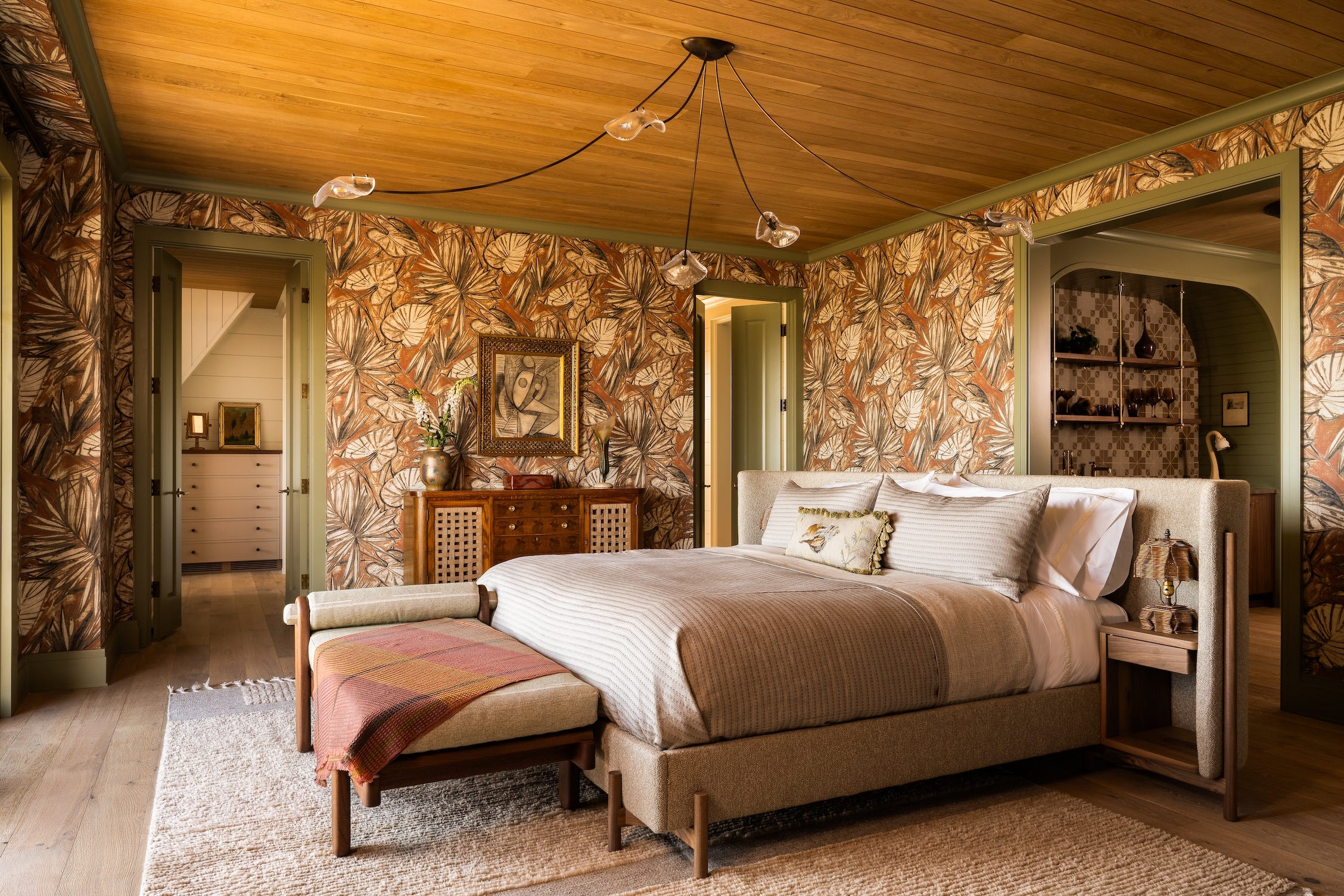
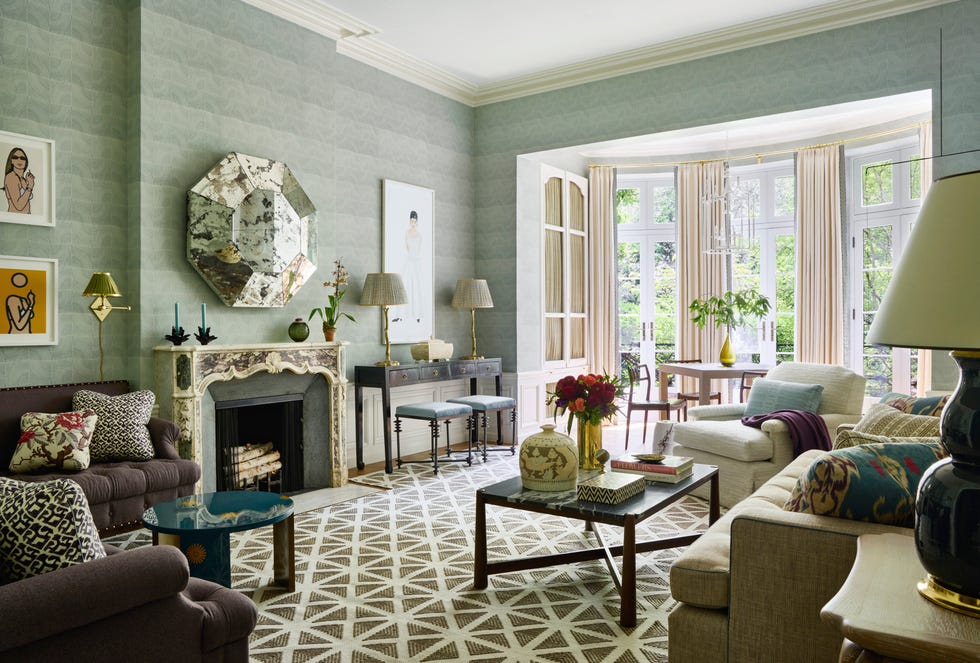
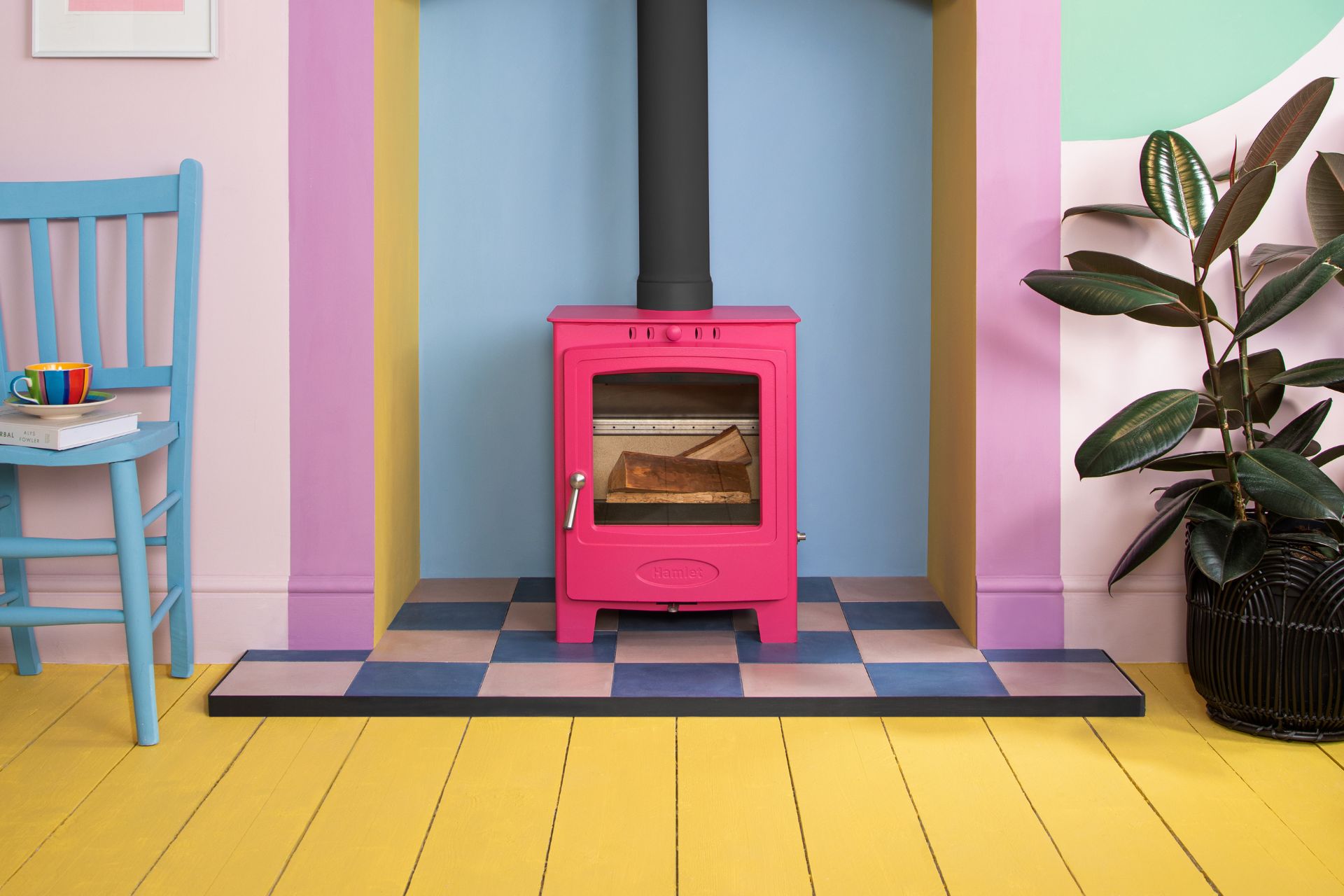
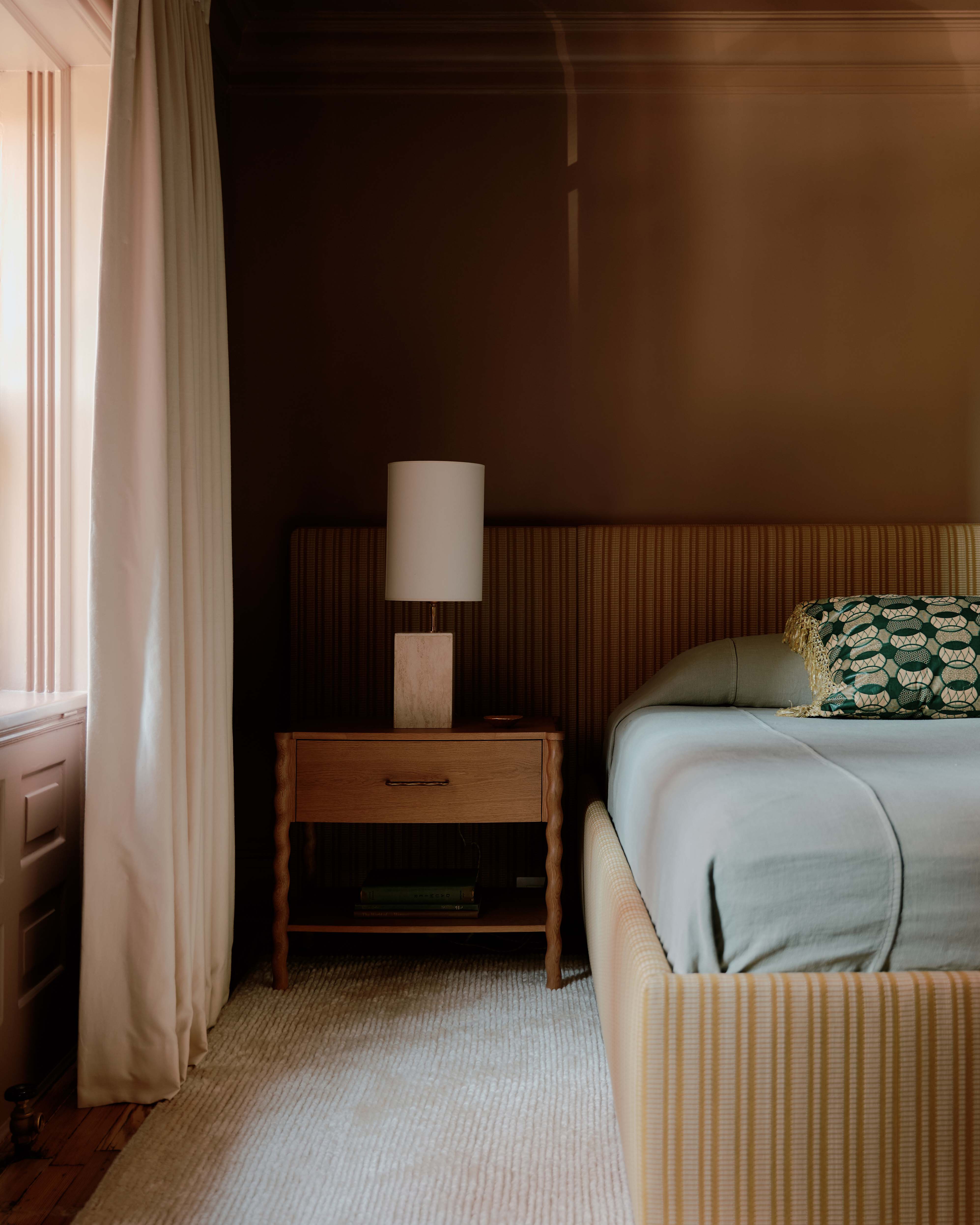
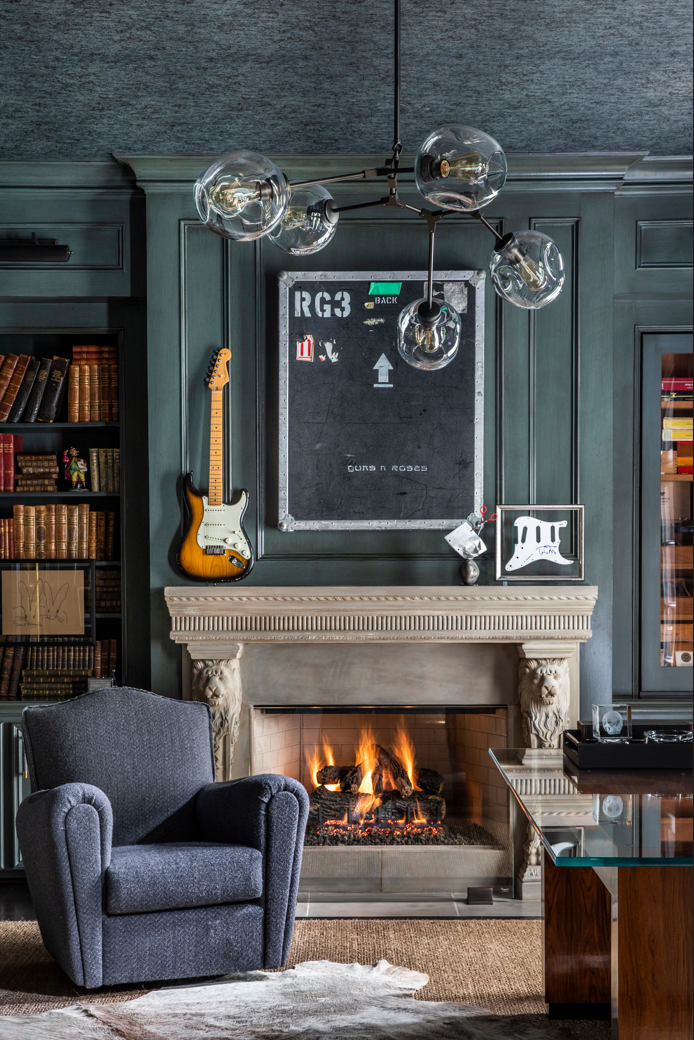
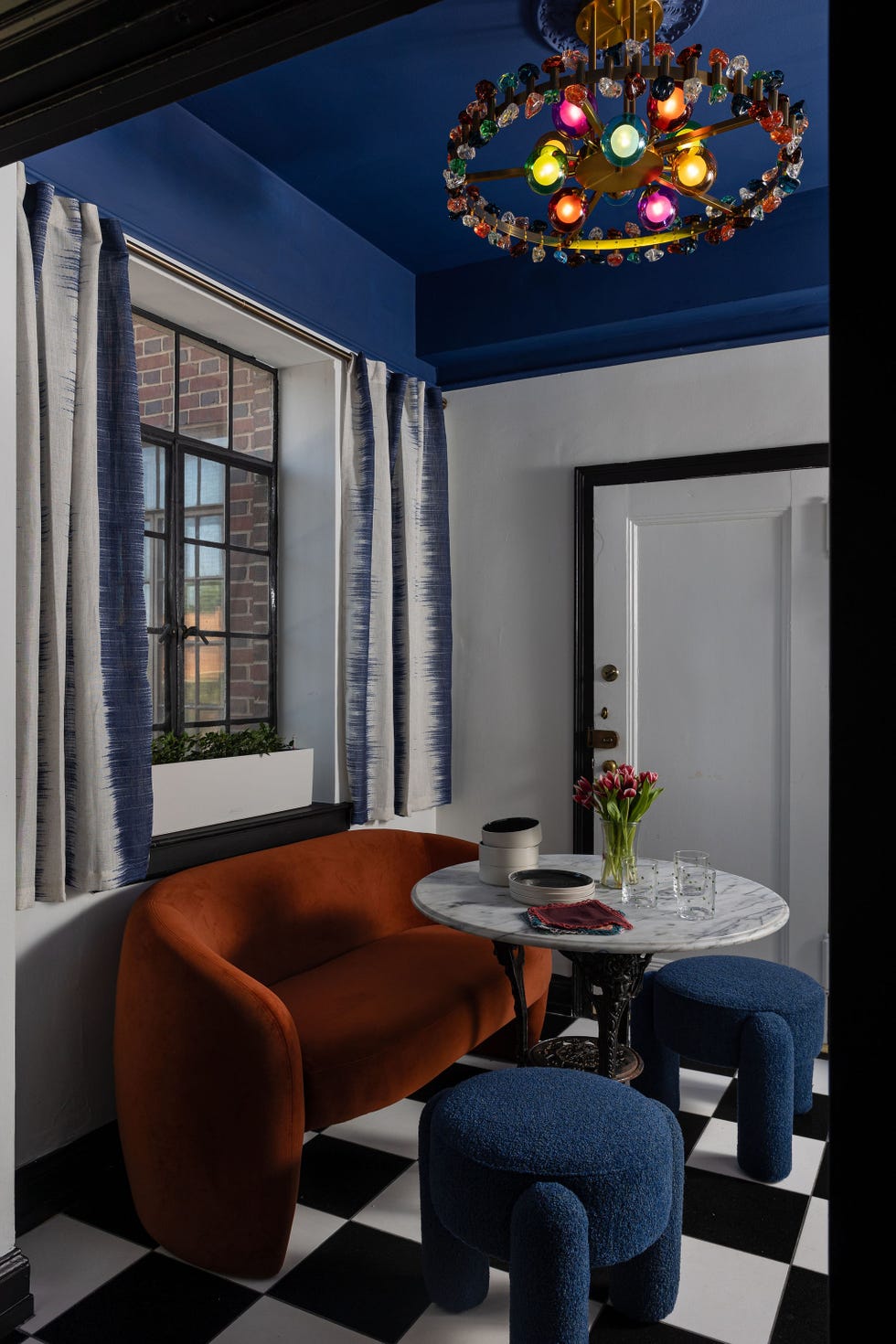
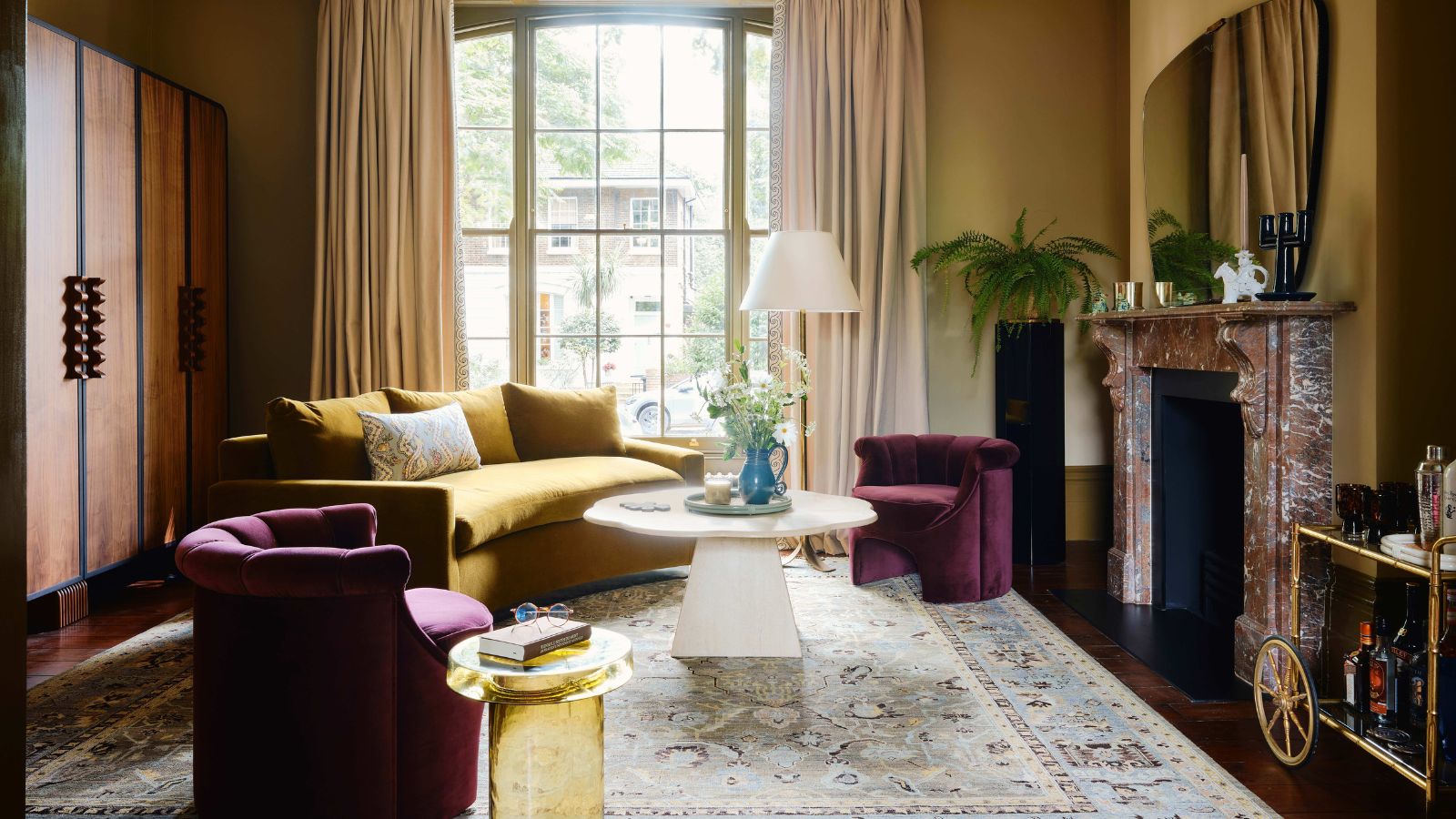
Moody color washing involves treating walls with deep, saturated hues to create warmth and intimacy. Earthy greens, chocolate browns, and plum tones replace sterile whites, extending across all walls and often onto the ceiling to create a cocooning effect. This approach makes living rooms feel intimate and inviting, complemented by sculptural furniture, layered textures, and oversized lighting.
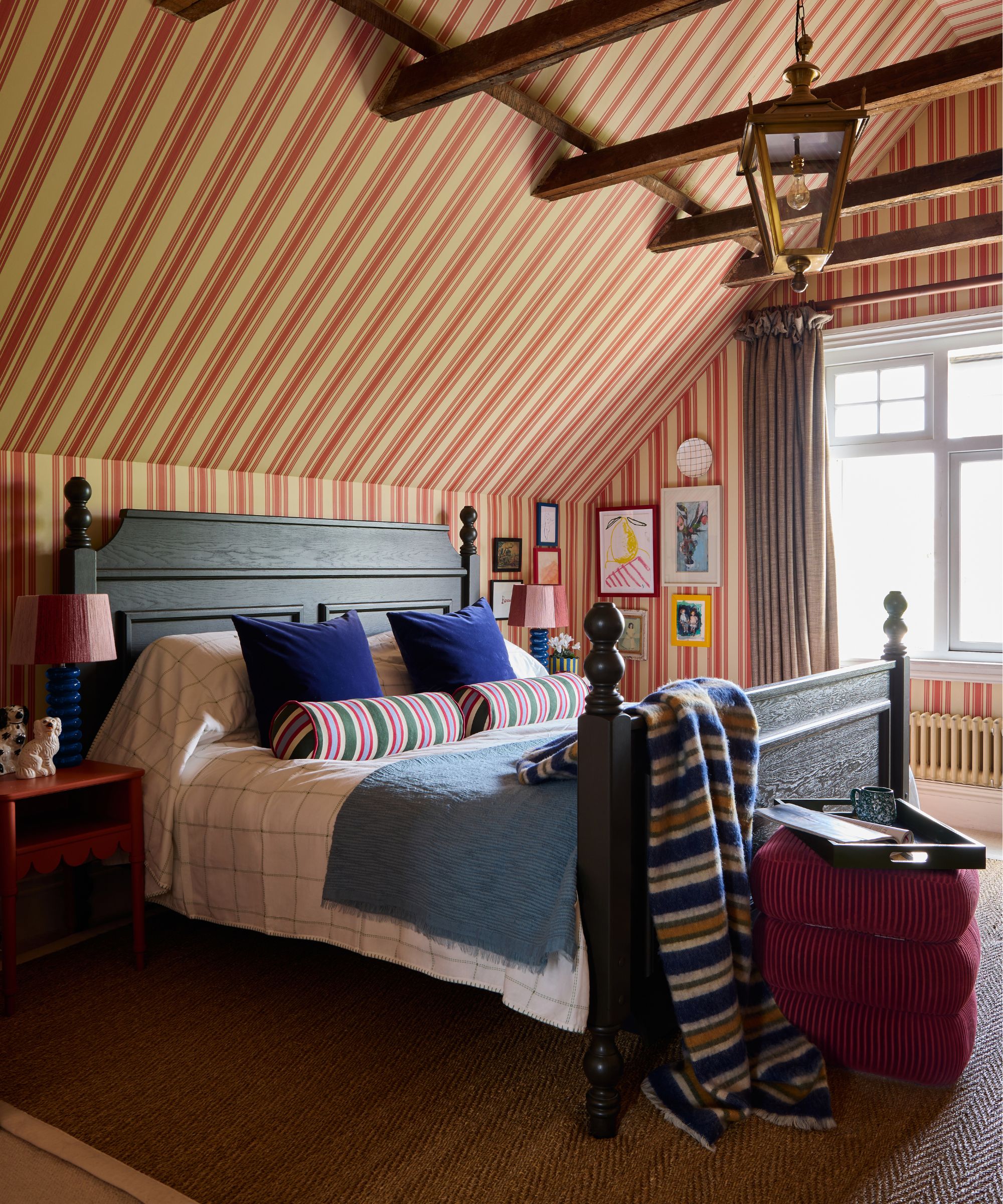
Color capping is introduced as a nuanced alternative to color drenching, using varying tones from the same color family to create a layered gradient that draws the eye upward. This technique adds dimension and subtly shifts the room's mood, particularly highlighting architectural features in older properties or adding dynamism to minimalist spaces. The ceiling becomes a key design element, treated with painted finishes, plaster, or wallpaper to complete the room.
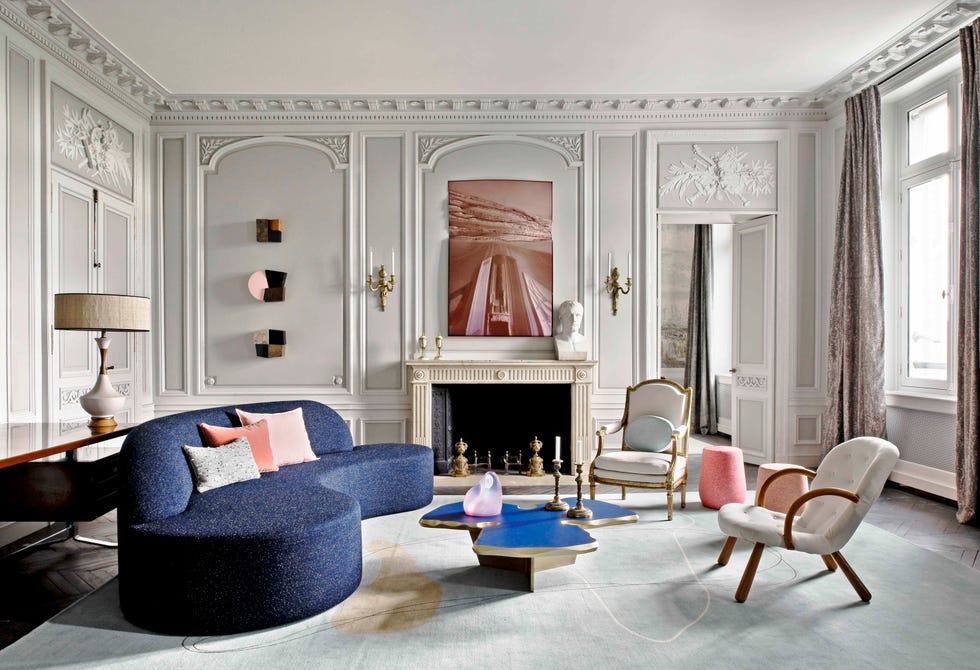
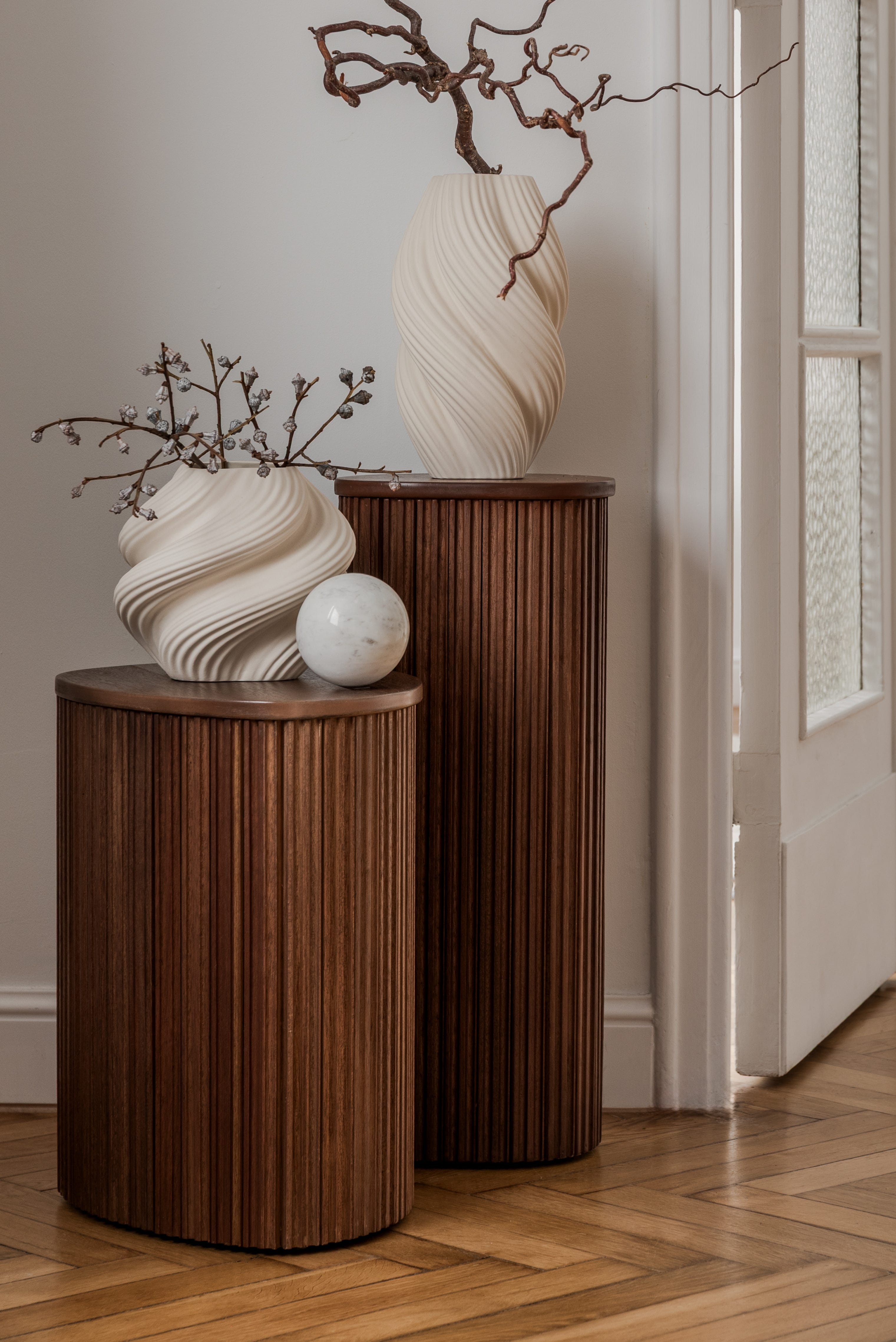
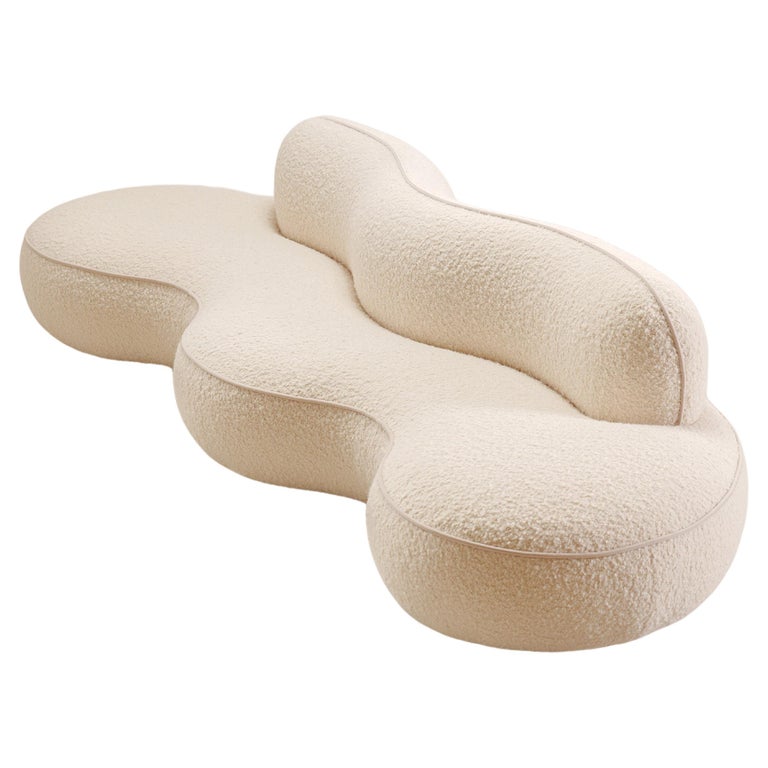
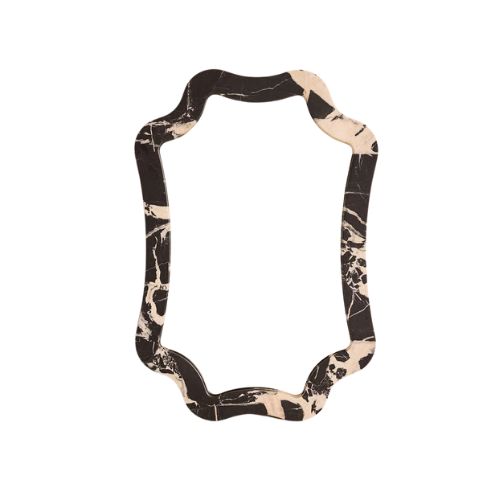
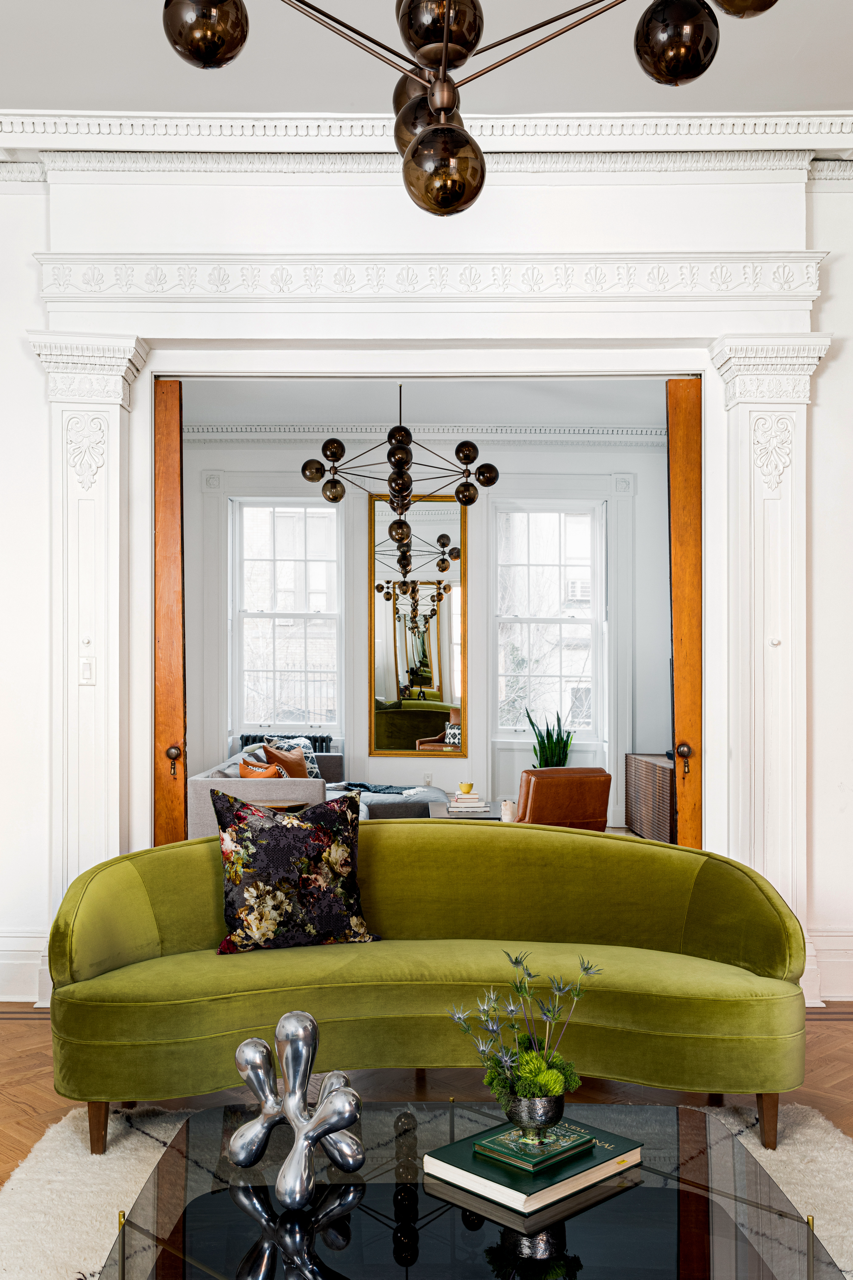
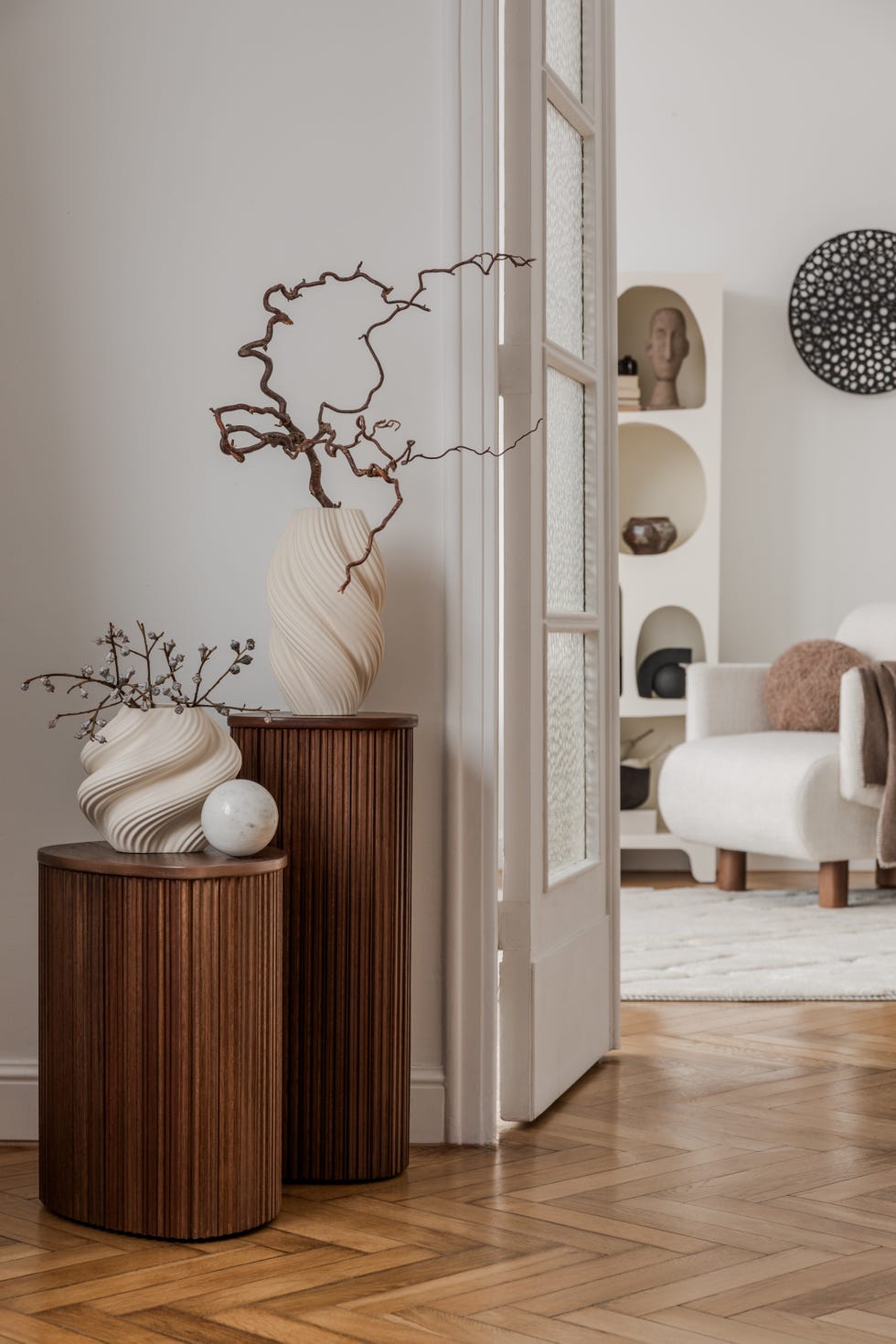
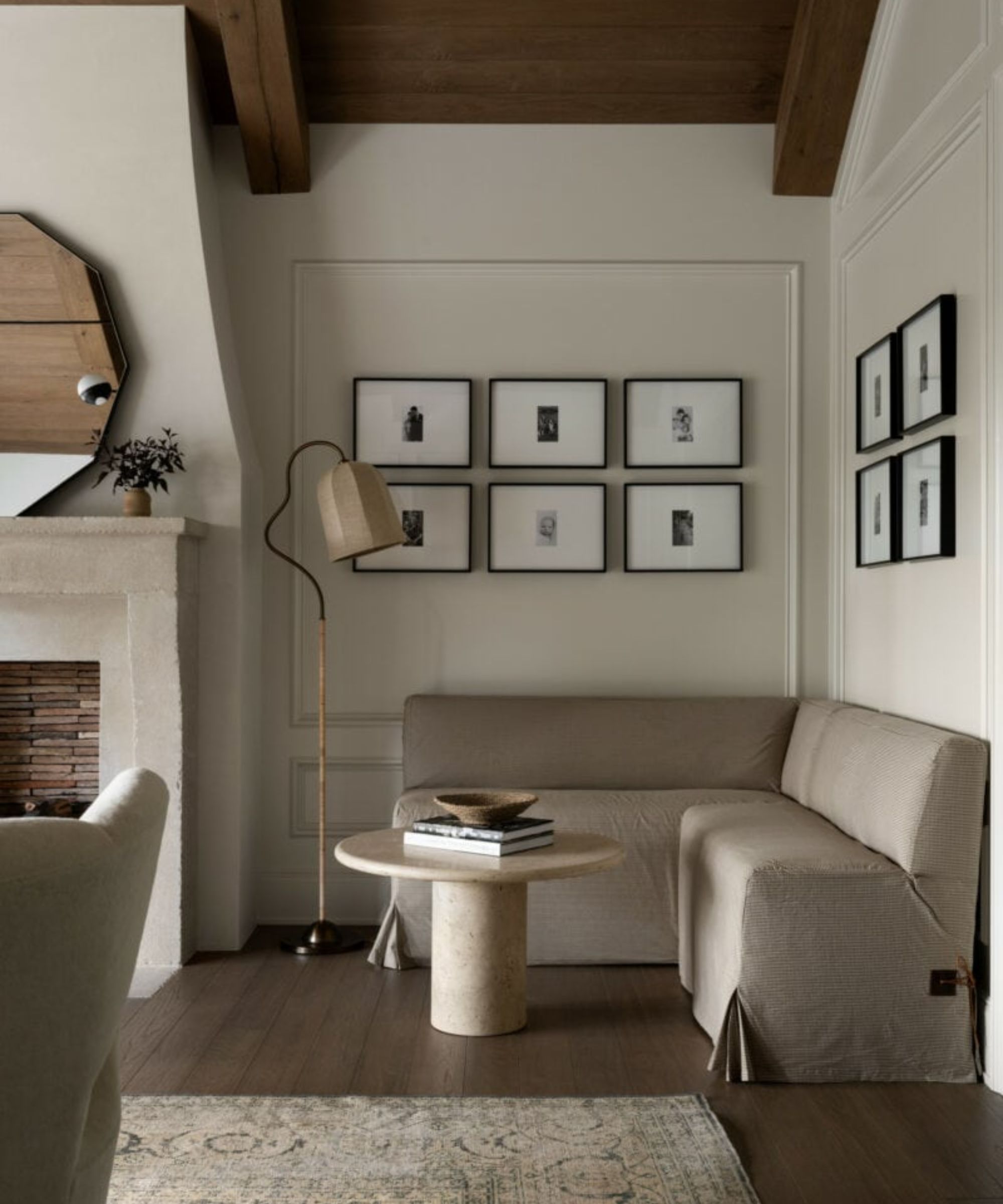
Curved lines in furniture continue to be a strong trend, softening spaces and promoting natural flow. Rounded sofas, sculptural chairs, and organic tables encourage conversation and create a welcoming atmosphere. This trend prioritizes comfort and intimacy, moving away from bulky sectionals toward more architectural and conversational pieces.
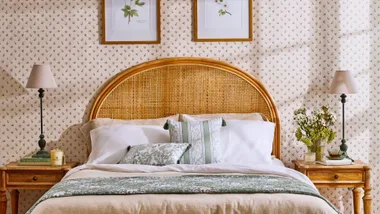
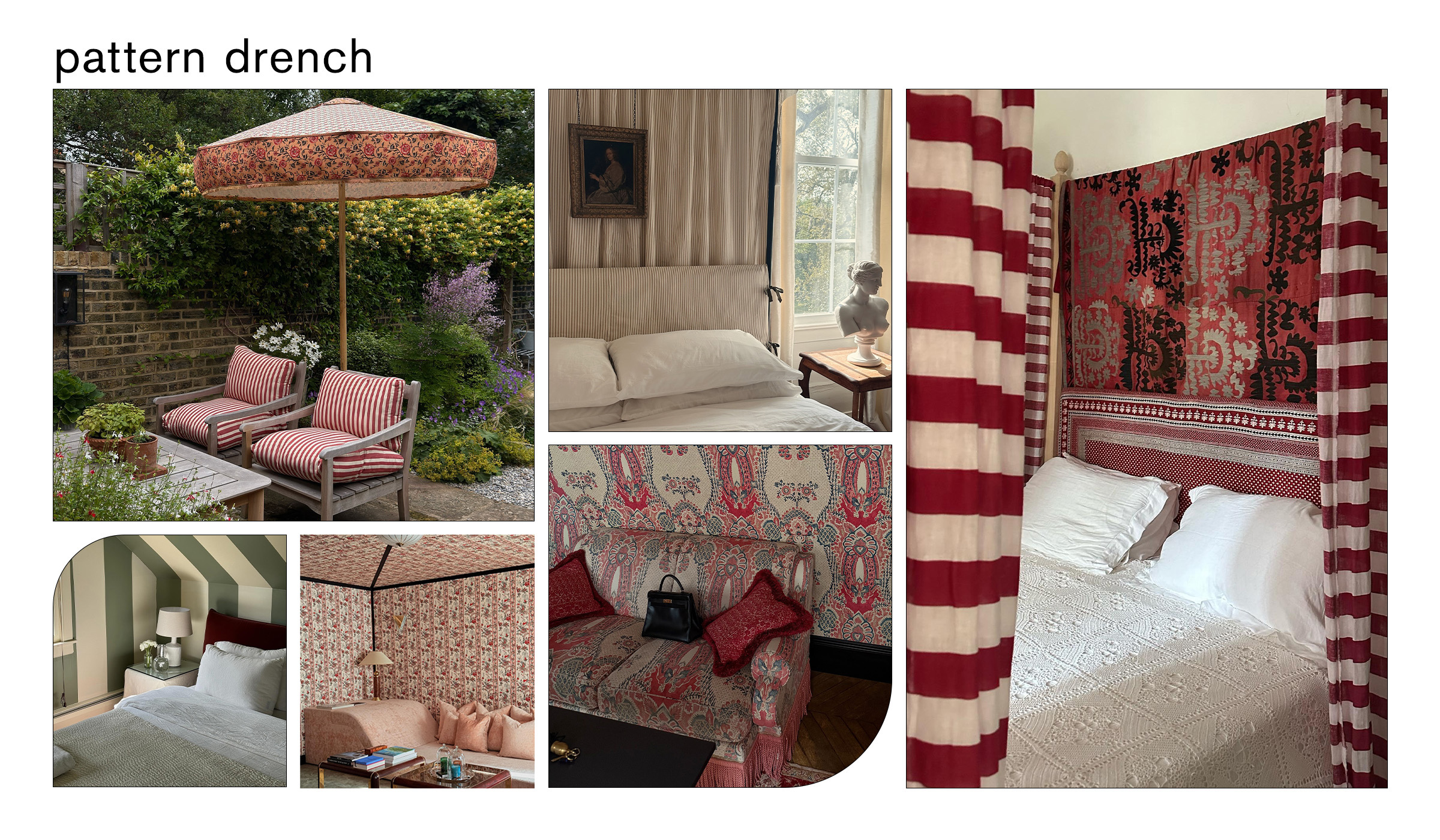
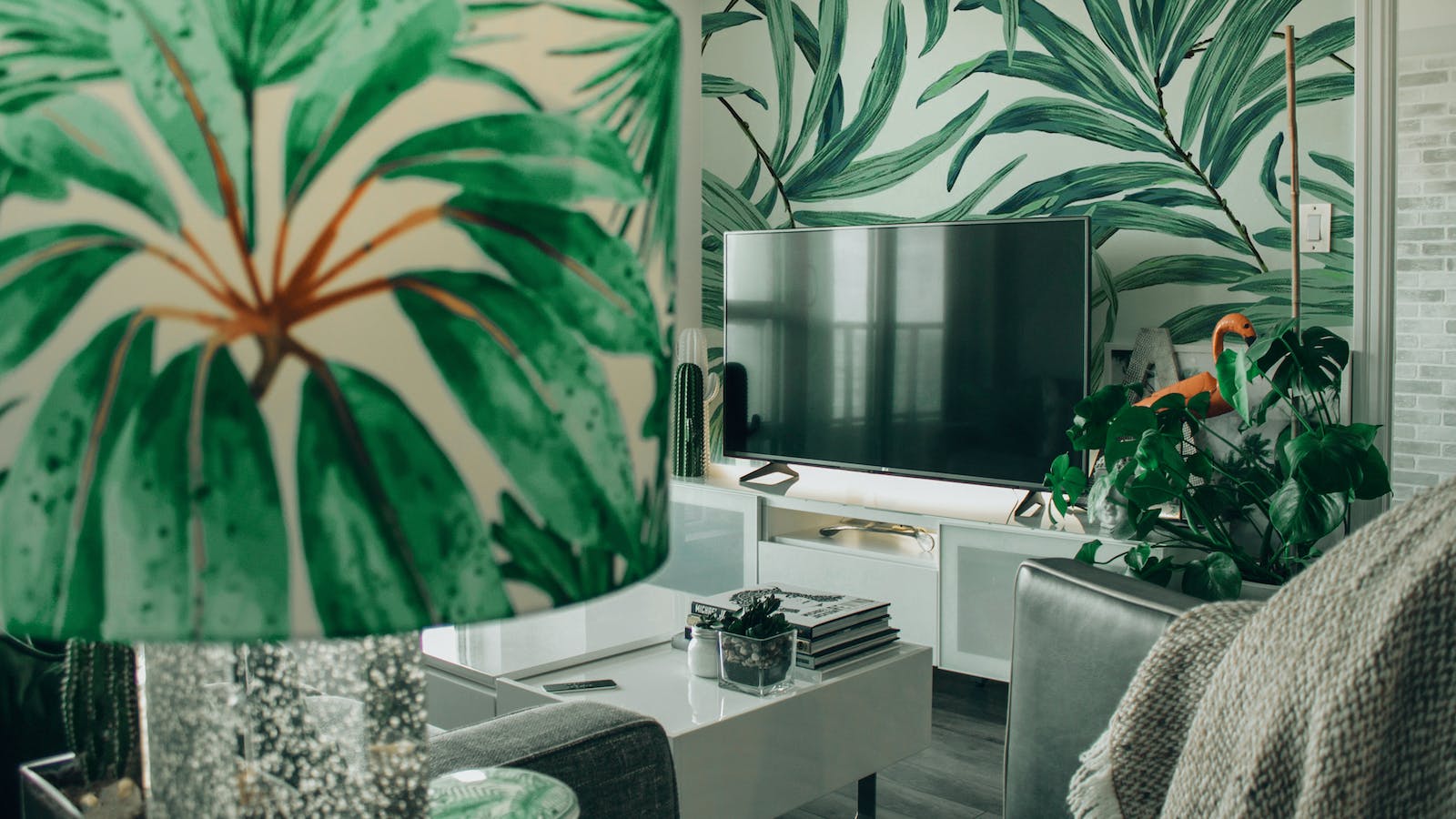
Finally, organic botanical prints maintain their vital place in living room design. Floral and botanical motifs are favored, reflecting their enduring appeal in maximalist and eclectic interiors. Softer, nature-inspired prints are layered thoughtfully, adding rhythm and personality. Designers encourage confidence in using these prints, suggesting 'pattern drenching' or 'clashing' by mixing them with textures and combining vintage and modern elements.
#LivingRoomTrends #InteriorDesign #HomeDecor #DecoratingTrends #TapestryPrint #TextureMaxxing #LeopardPrint #LayeredAntiques #StatementTrims #CabinetryDesign #MismatchedFurniture #ColorWashing #ColorCapping #CurvedFurniture #BotanicalPrints #LivingRoomTrends #InteriorDesign #HomeDecor #DecoratingTrends #TapestryPrint #TextureMaxxing #LeopardPrint #LayeredAntiques #StatementTrims #CabinetryDesign #MismatchedFurniture #ColorWashing #ColorCapping #CurvedFurniture #BotanicalPrints
0 comment in total
 No comments yet
You may also like
Designers Predict These 6 Living Room Trends Will Be Everywhere in 2026

Experts Predict These 6 Living Room Trends Will Be Huge in 2025
Designers Say These Are the Bedroom Trends Actually Worth Trying in 2026
The Biggest Living Room Trends for 2025, According to Interior Designers
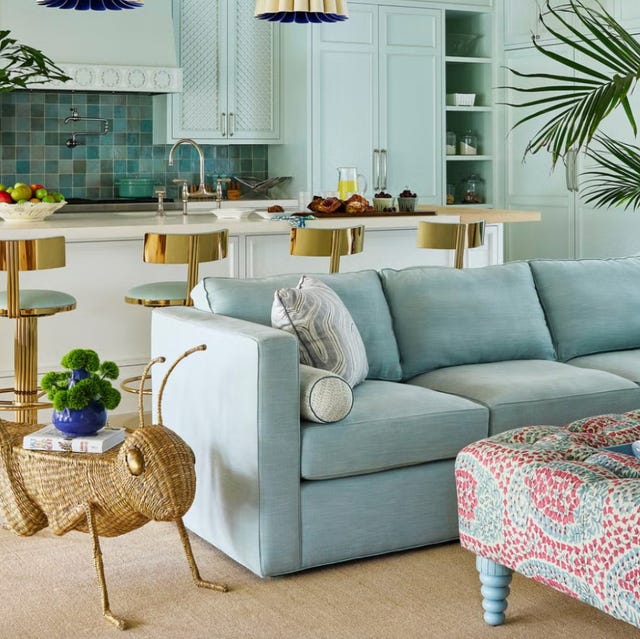
These Are the Most Popular Interior Styles of 2026, According to Designers
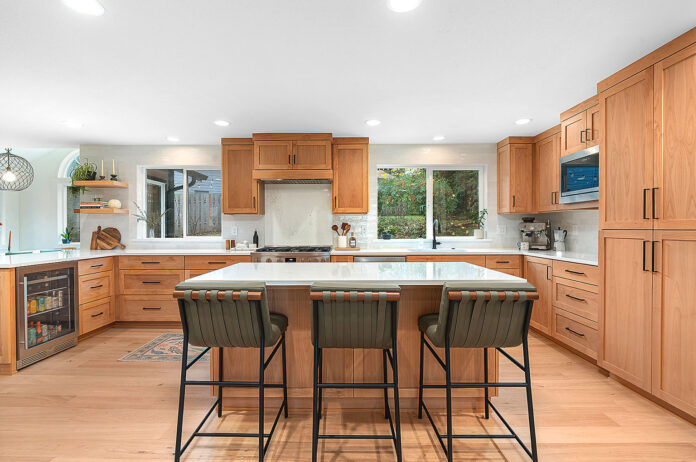
2026 Home Design Trends to Watch
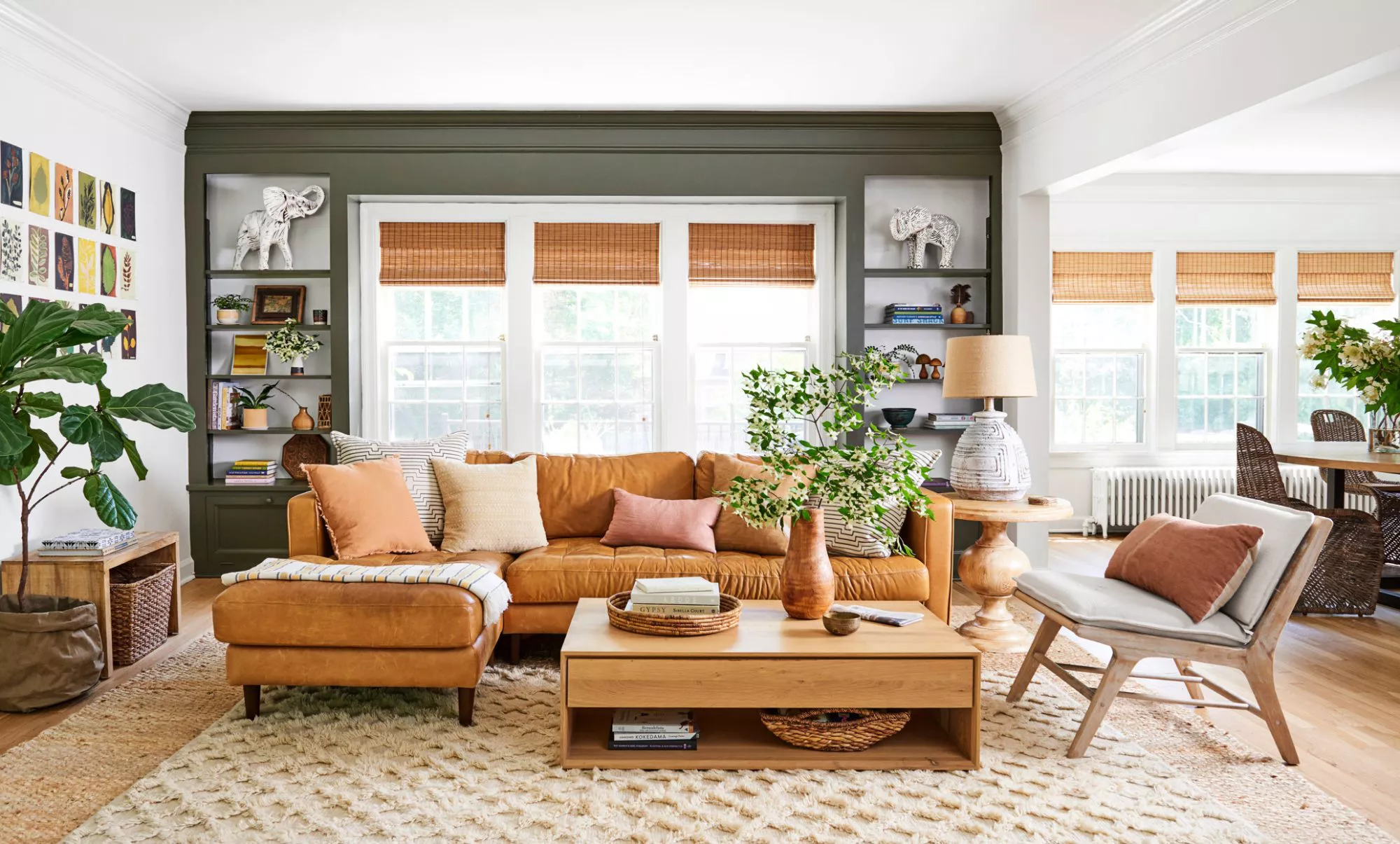
6 Living Room Design Trends to Watch for in 2024

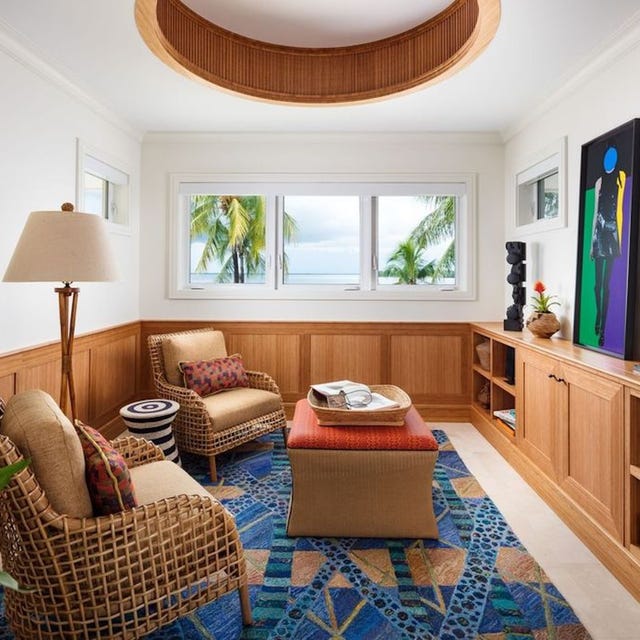
Designers Are Calling It: These Furniture Trends Will Be Everywhere in 2026

Designers Are Calling It: These Interior Design Trends Will Be Everywhere in 2026

6 Living Room Trends That Will Be Big in 2025, According to Designers
6 Trends Defining Home Décor in 2025

Elevate Your Space: Top Living Room Design Trends for 2025
7 Living Room Trends Designers Expect To Take Over In 2026
All The Living Room Trends To Look Out For In 2025
The Vintage Interior Trends Designers Predict Will Define Homes in 2026
Bye Bye Bland Bedrooms, Designers Are Predicting 2026 Trends Are All About Color, Cozy, and Character
The decorating trends everyone will be talking about in 2026
5 Styles That Will Dominate Home Decor in 2026, According to Experts
10 Living Room Design Trends You'll See Everywhere in 2025

It's Official: Designers Say These 6 Living Room Trends Are Going Out of Style in 2026