1/4
8 Decorating Trends Designers Wish Would Go Away in 2025
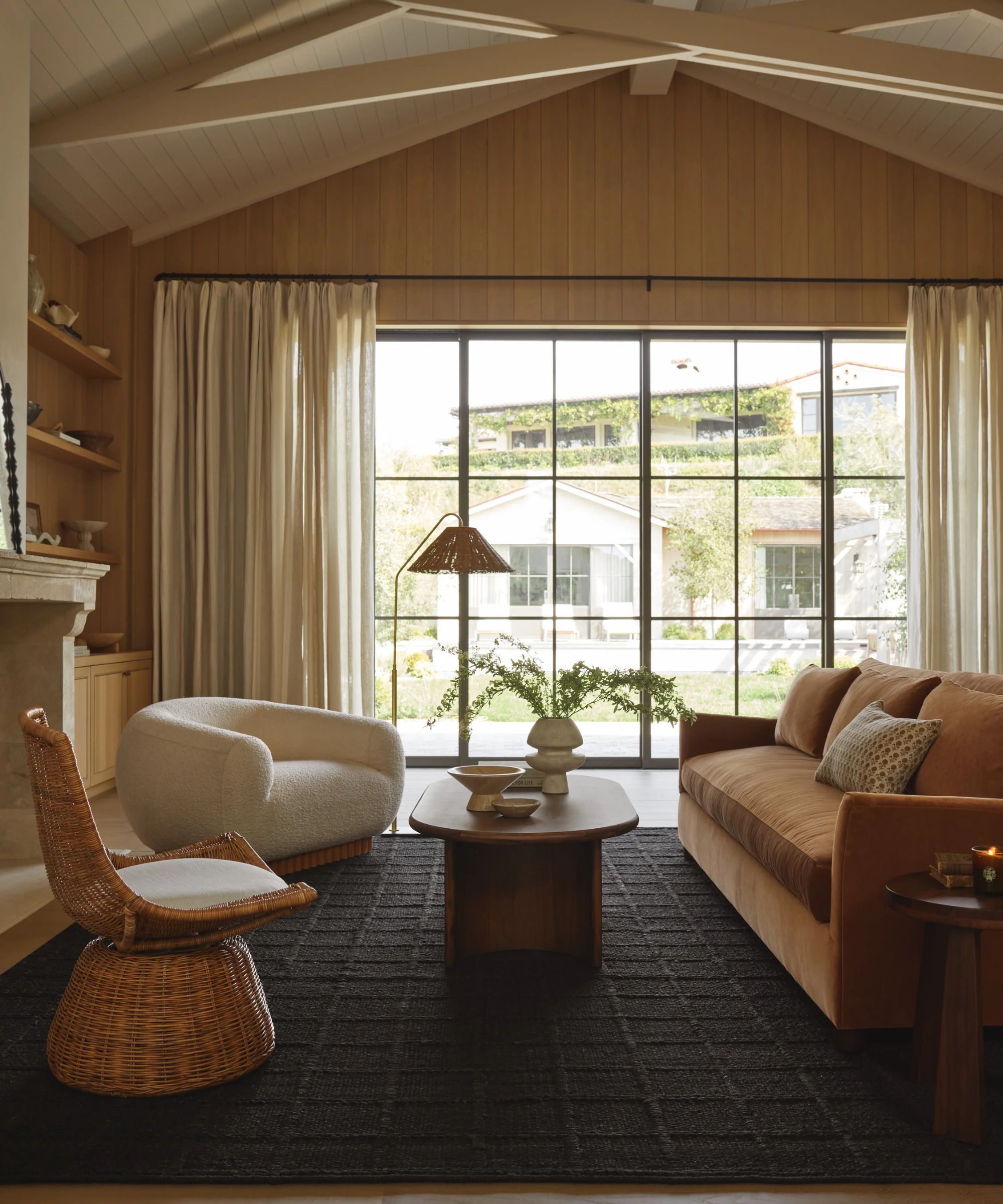
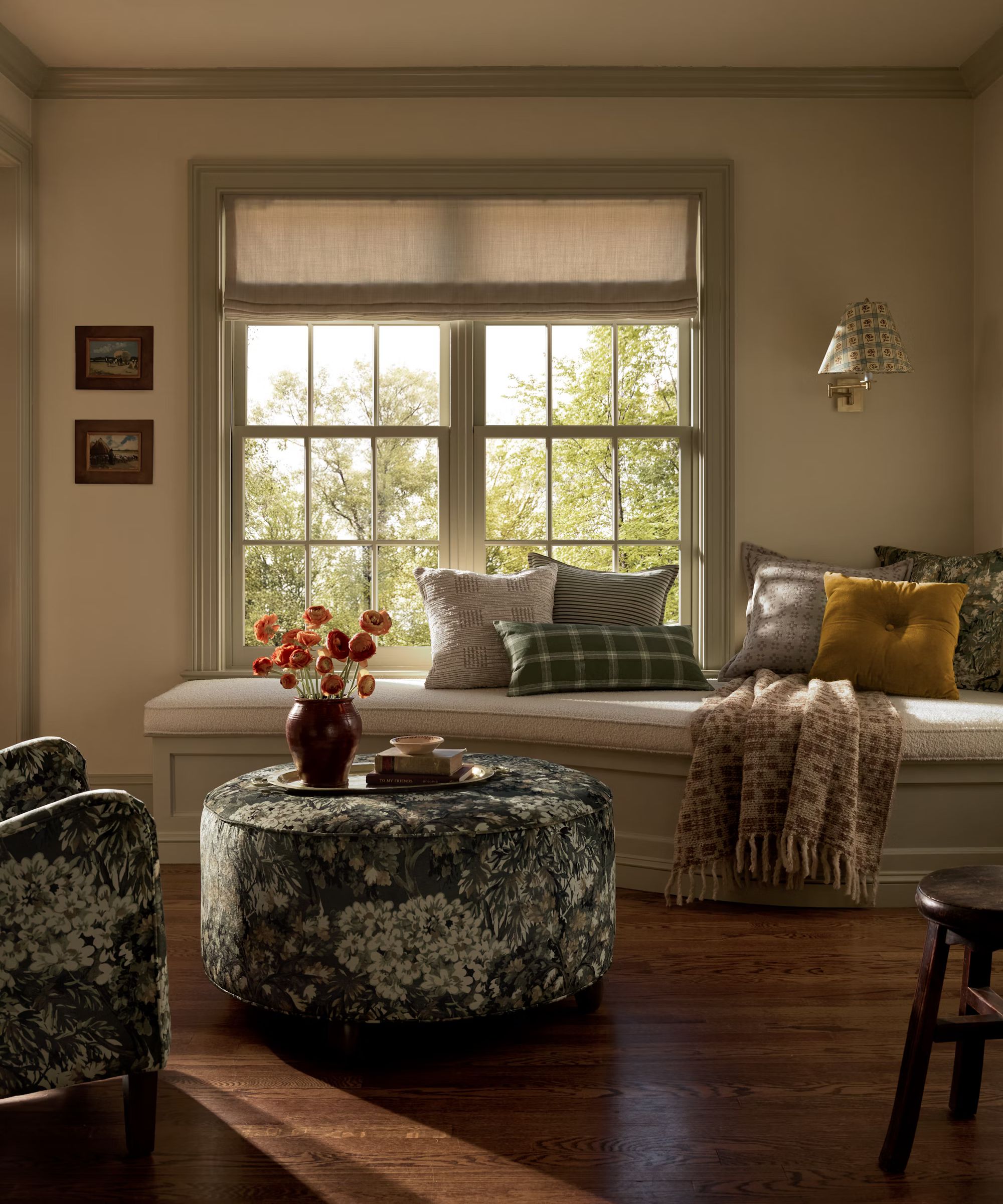
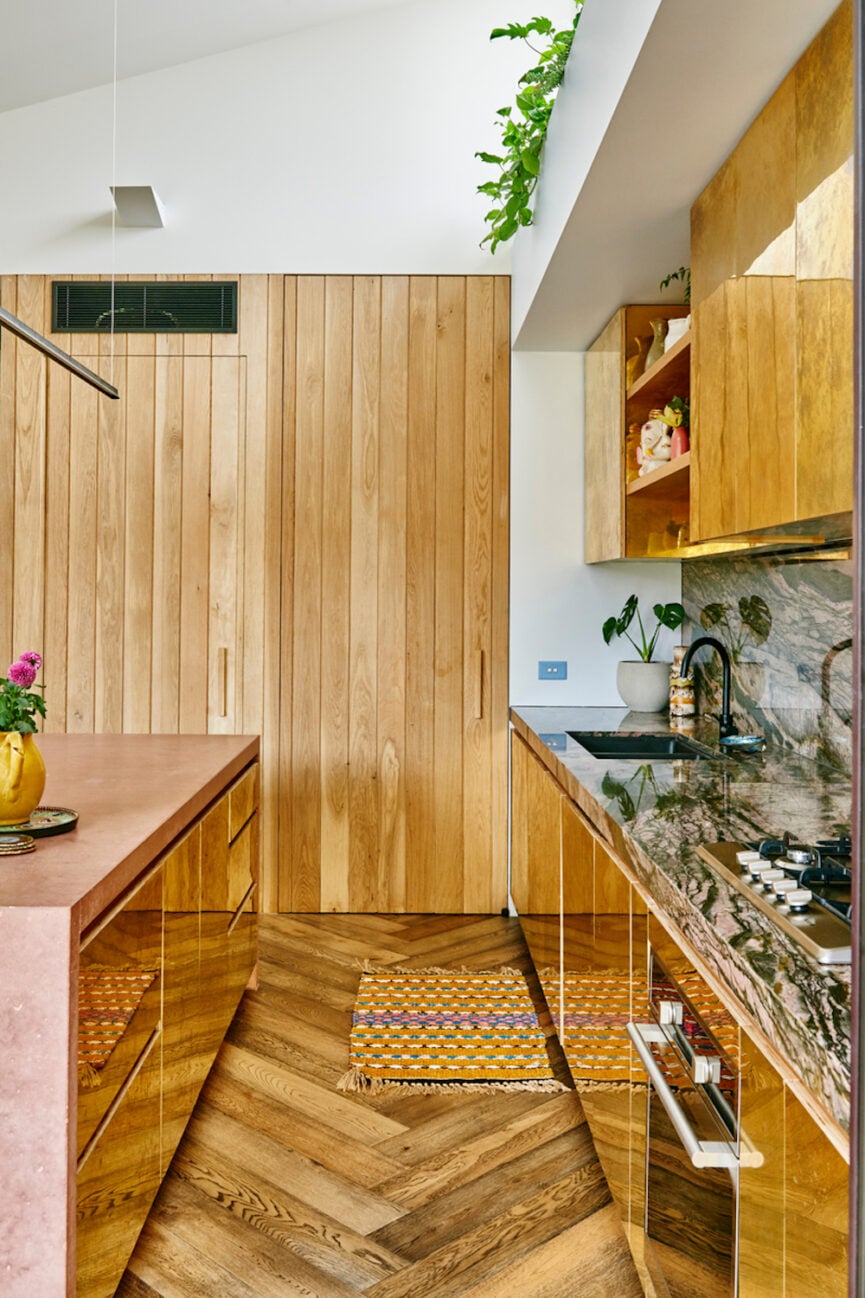
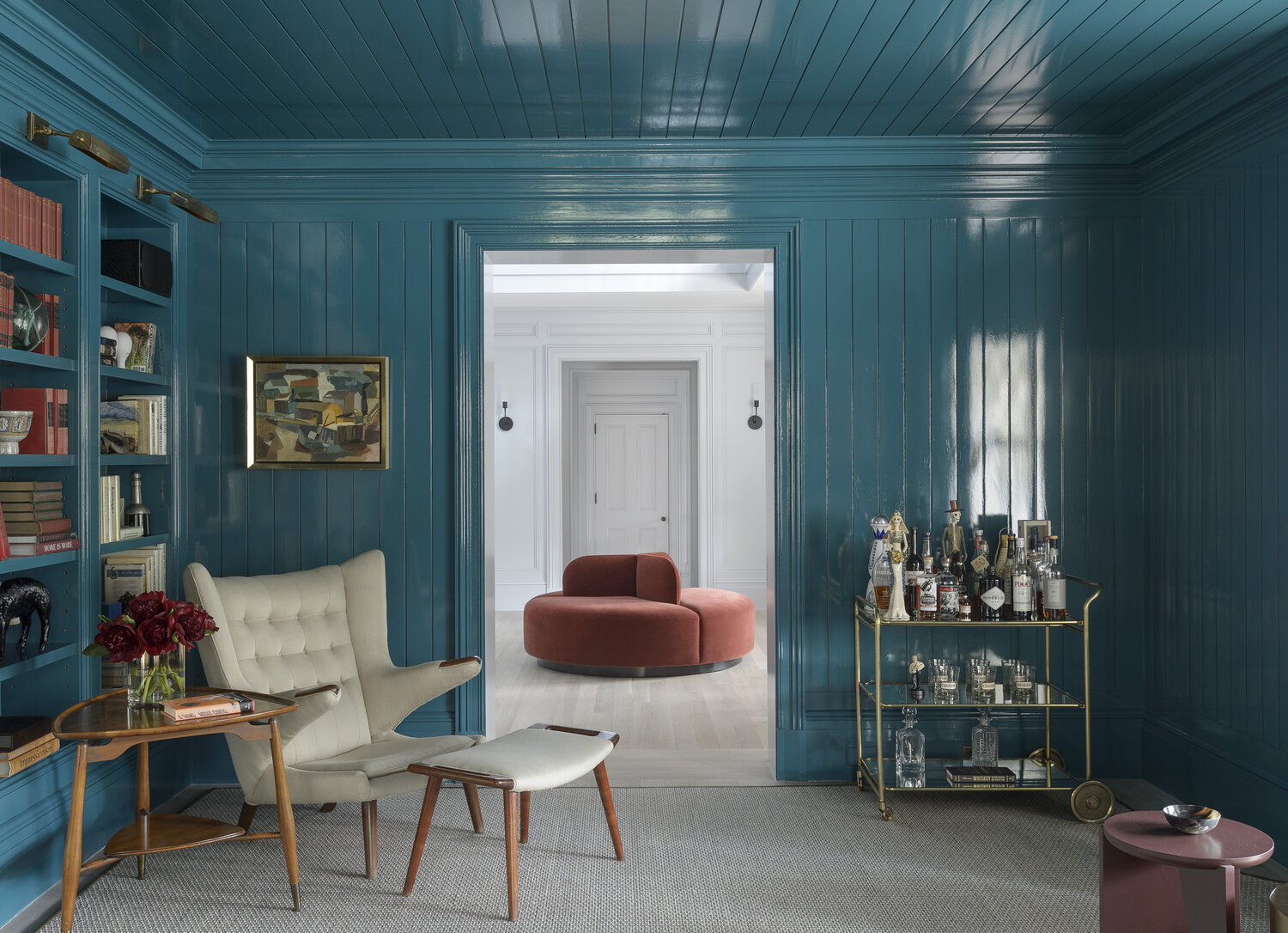
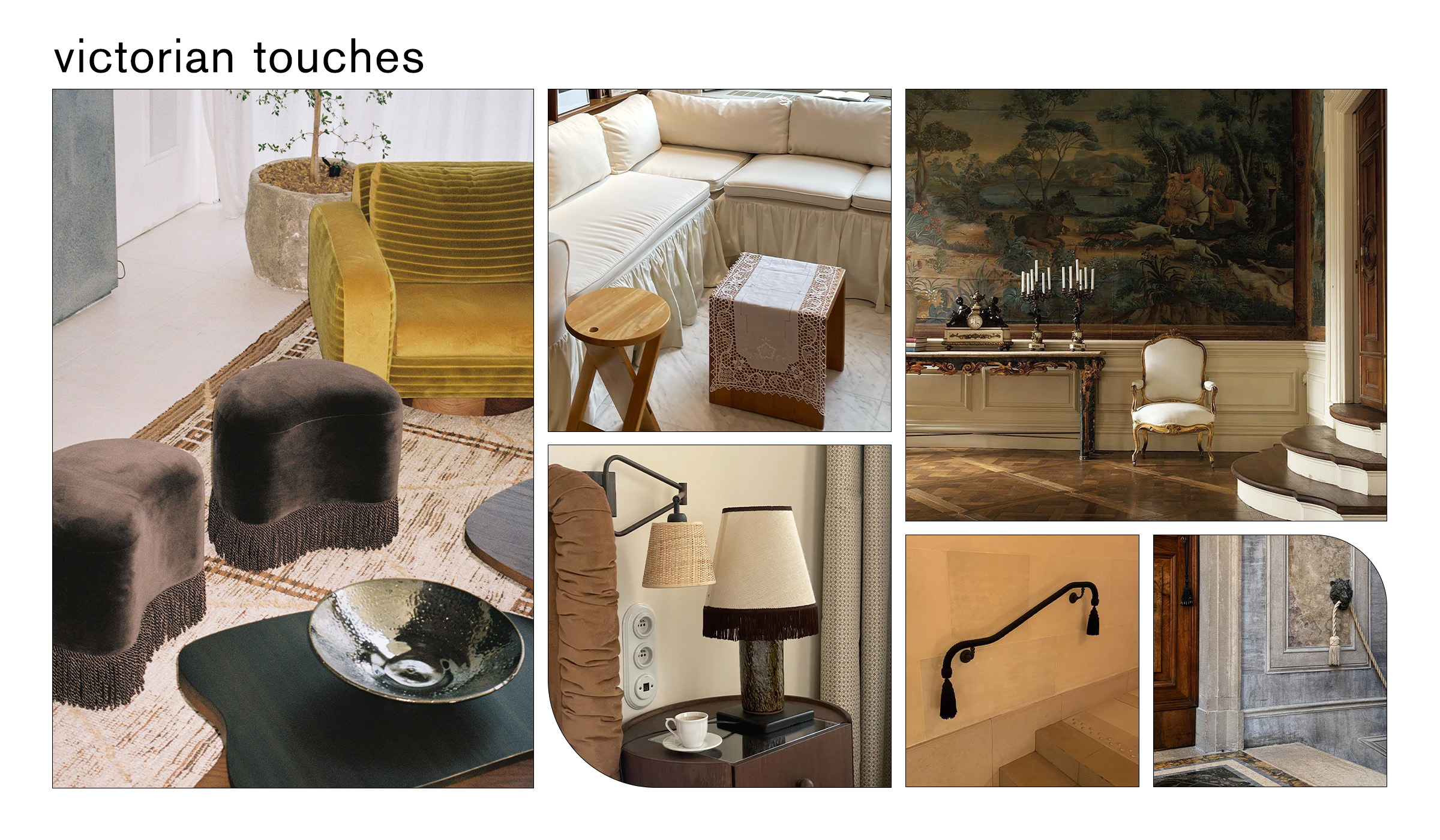
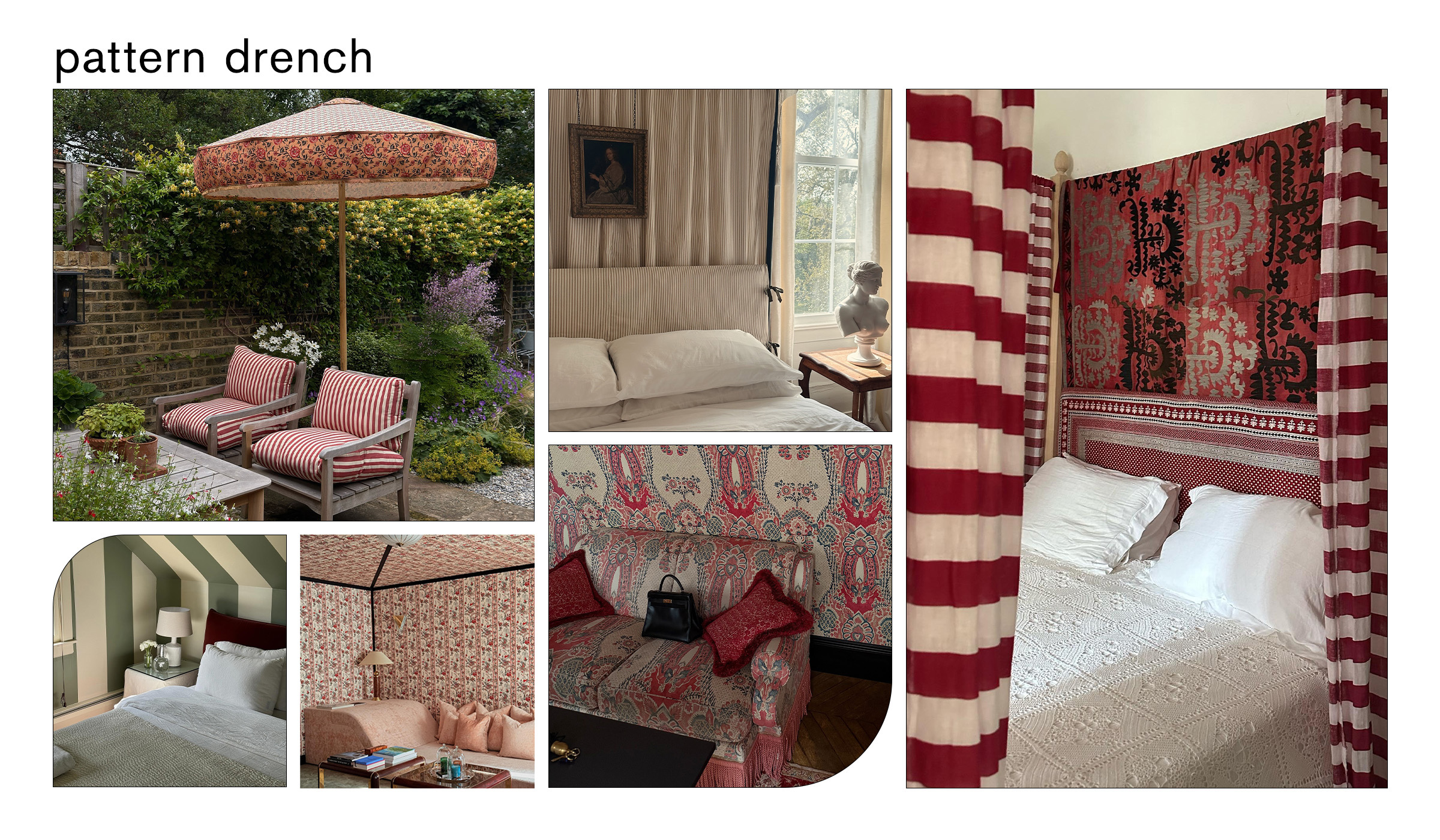
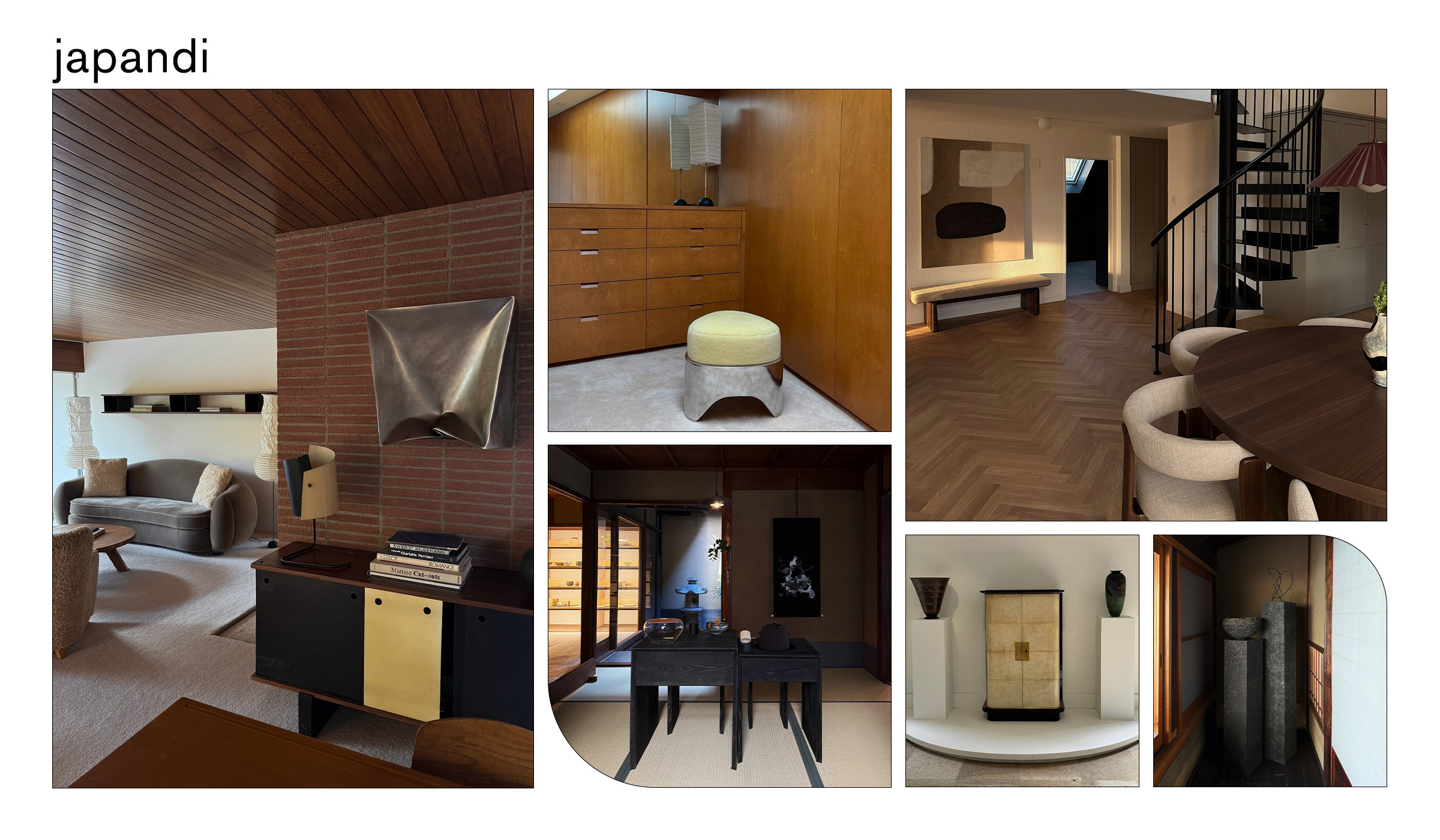
The upcoming year is anticipated to bring significant shifts in decorating trends, with concepts like color drenching, heightened texture, and elaborate ceilings gaining prominence. While fleeting trends such as Barbiecore and Japandi emerge and recede, the focus remains on creating timeless, unique homes. Engaging with the cultural zeitgeist and maintaining an open-minded approach to home design can contribute to a personalized living space. However, indiscriminately adopting every trend may result in a cluttered and uninspired interior, rather than a curated reflection of individual style.
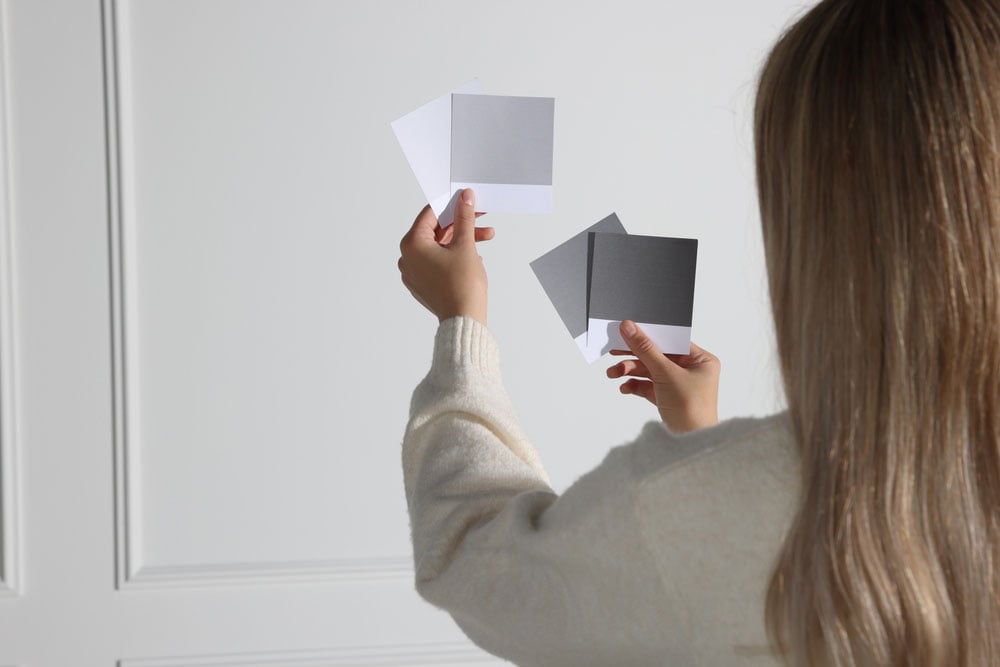
Several design professionals have voiced their desire to move past certain trends in 2025. "Dupe culture" is one such trend, criticized for promoting lower-quality imitations of original designs. This practice often compromises quality and ethical considerations, undermining the value of genuine innovation. Designers advocate for a shift toward sourcing vintage and antique pieces, which offer superior craftsmanship and deter excessive consumption. The concept of "fast design" and an over-reliance on "trending" colors are also highlighted as problematic. Rushing the design process can lead to transient or inexpensive-looking decor. A more patient approach to acquiring decor, where specific, well-chosen items are introduced gradually, is encouraged. Similarly, while color trends fluctuate rapidly, homeowners are advised to select colors that evoke personal well-being and resonate with their individual preferences, rather than adhering to transient fads.
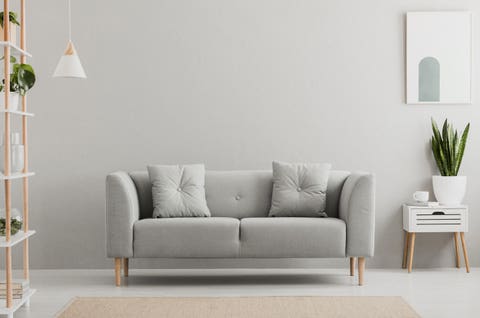
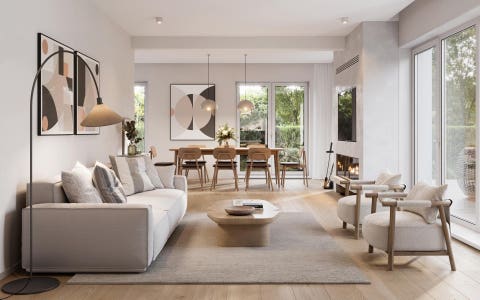
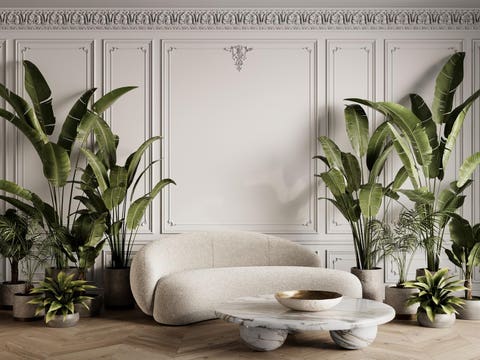
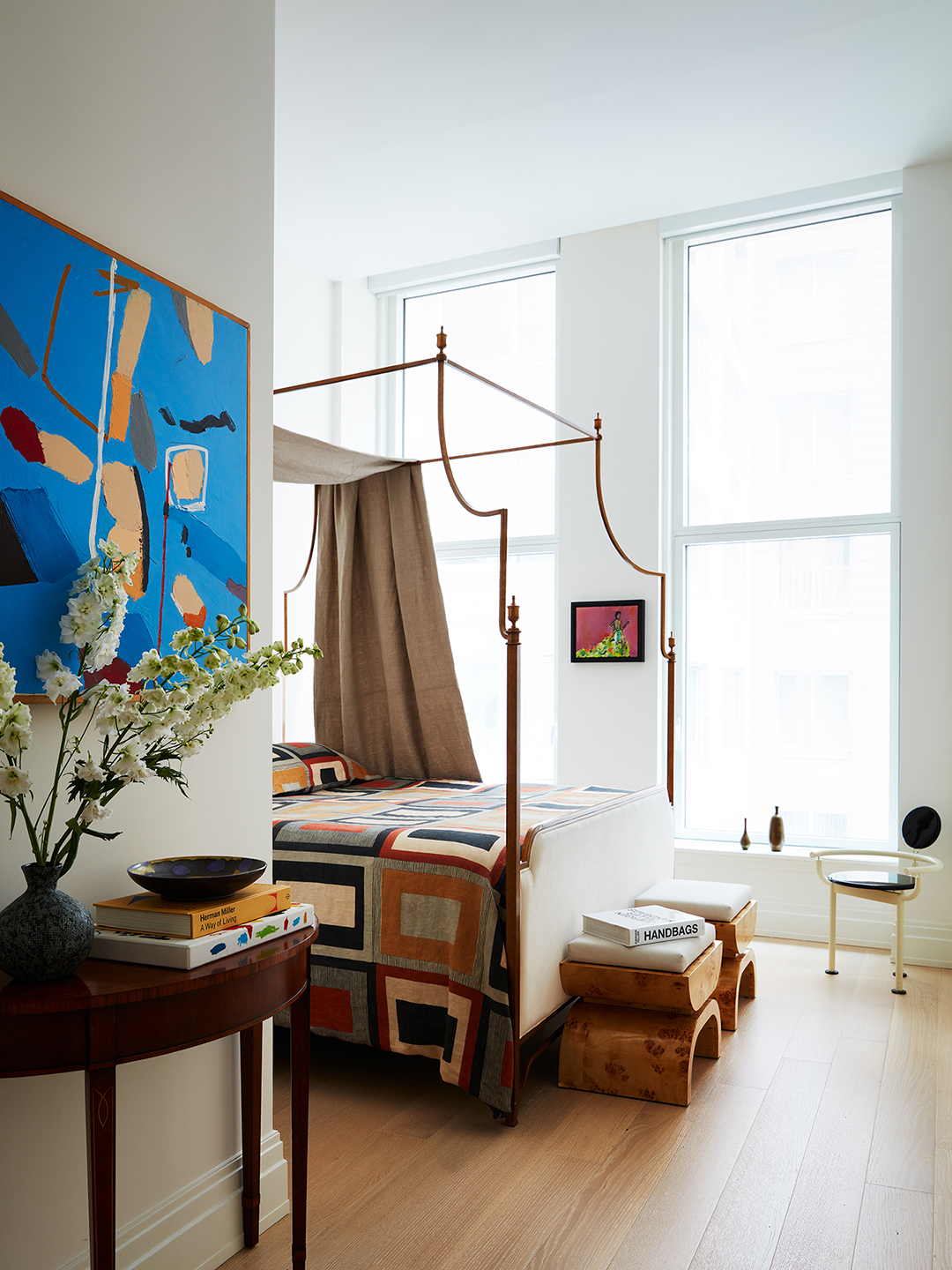
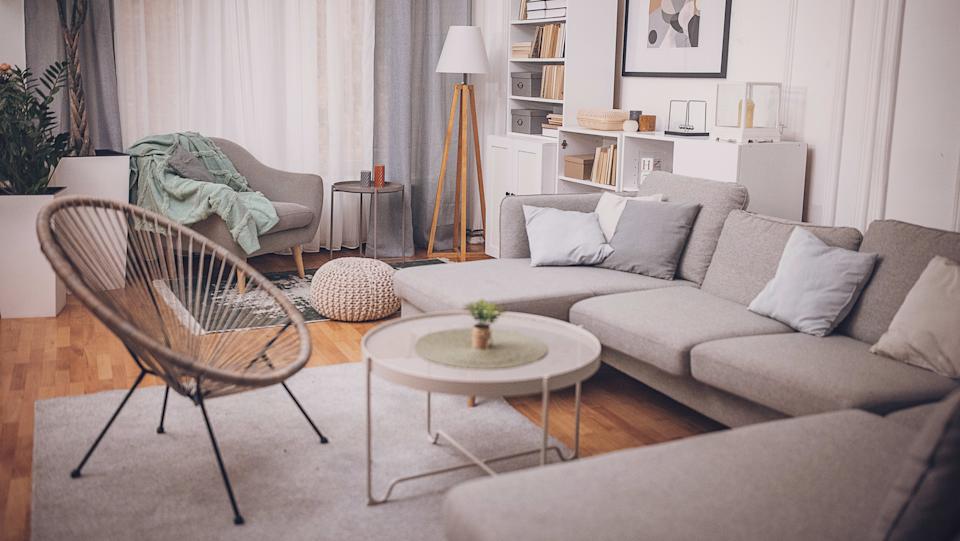
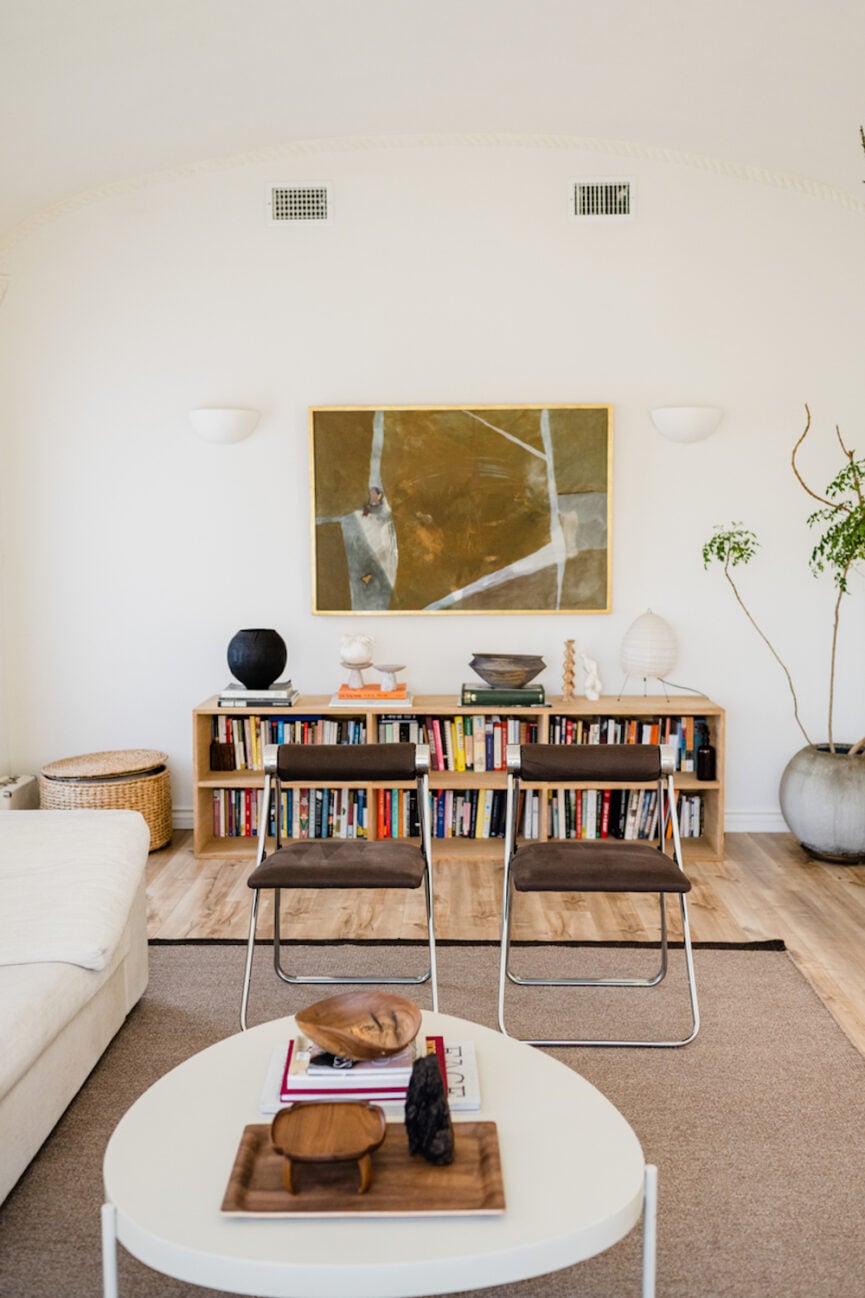
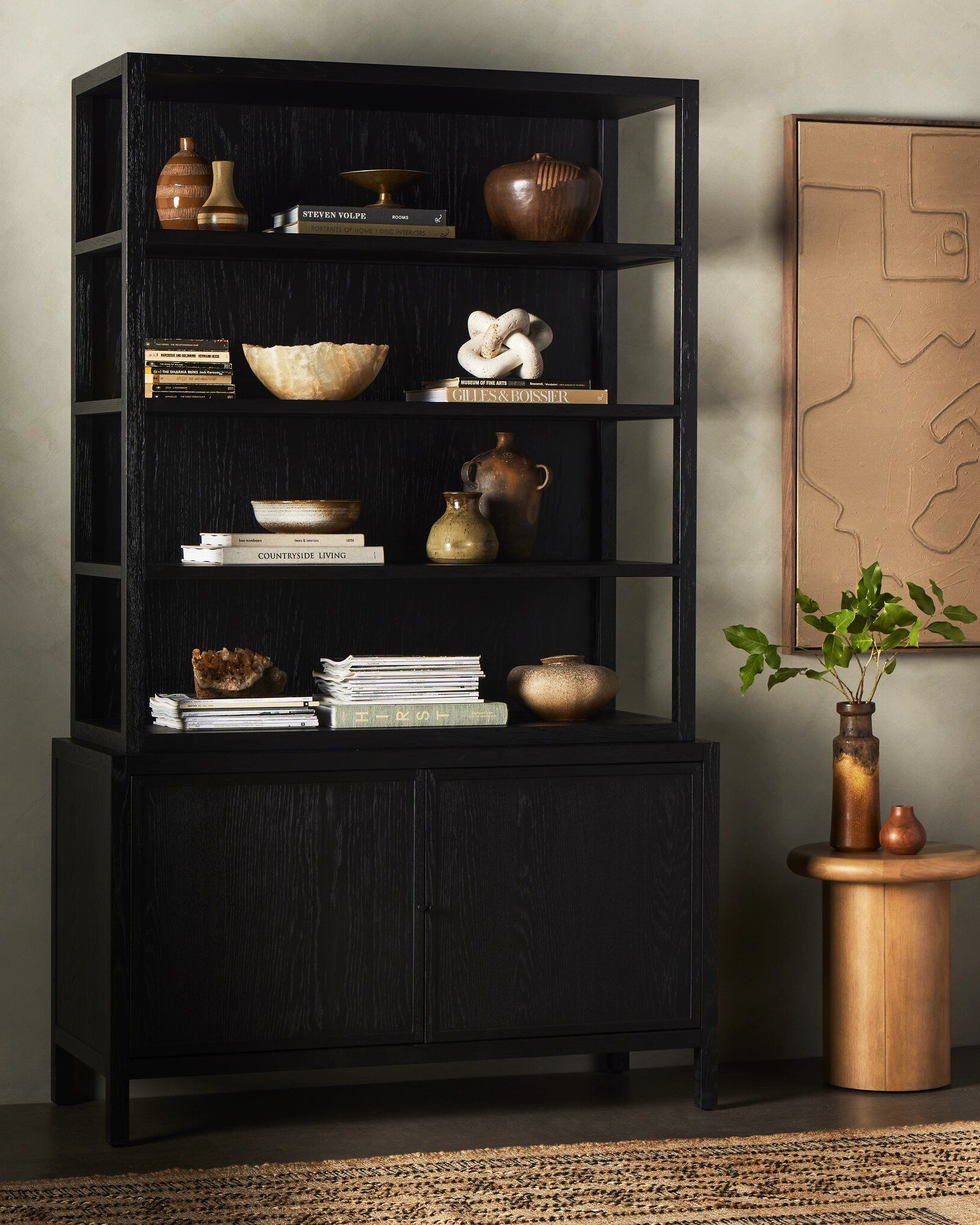
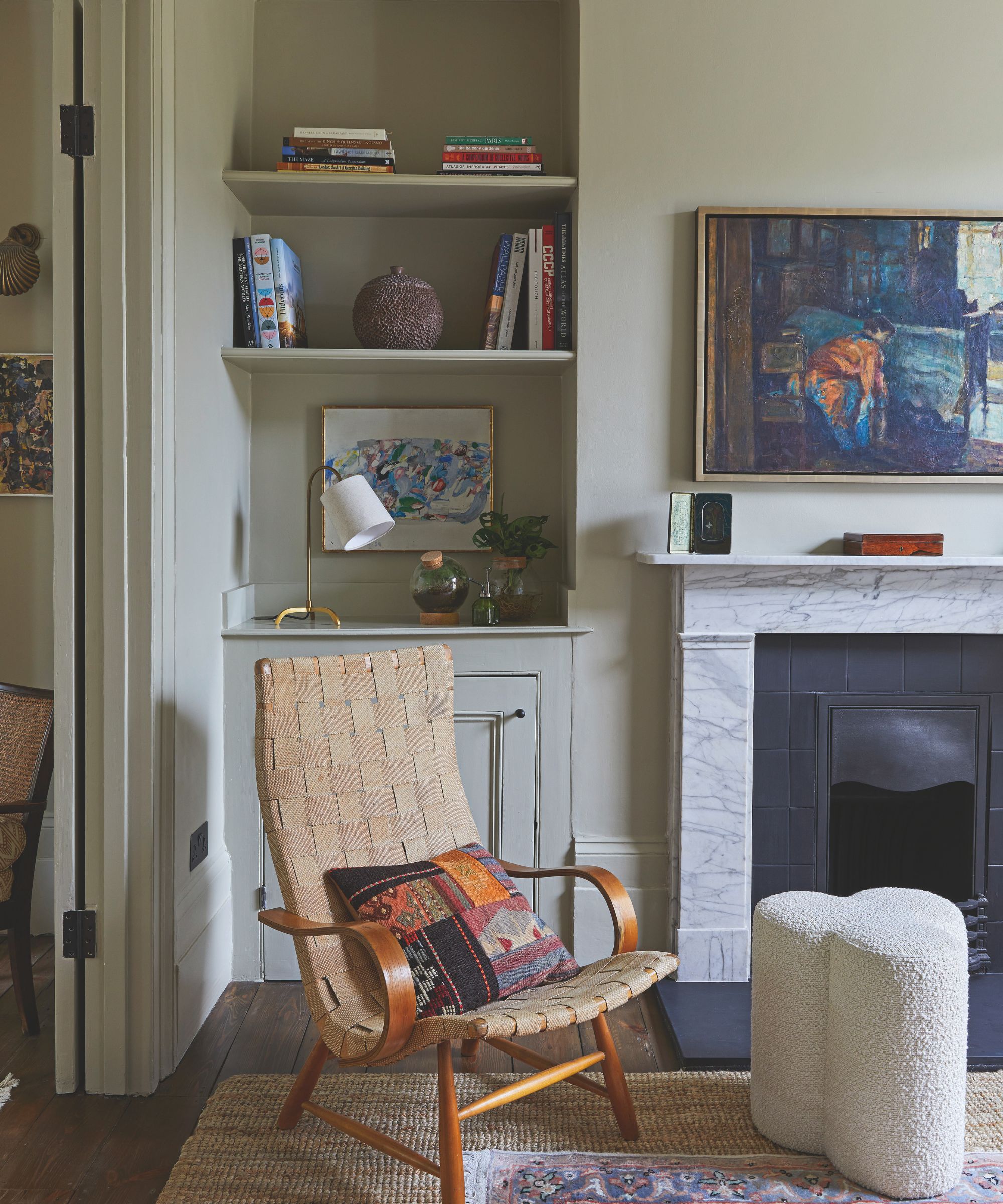
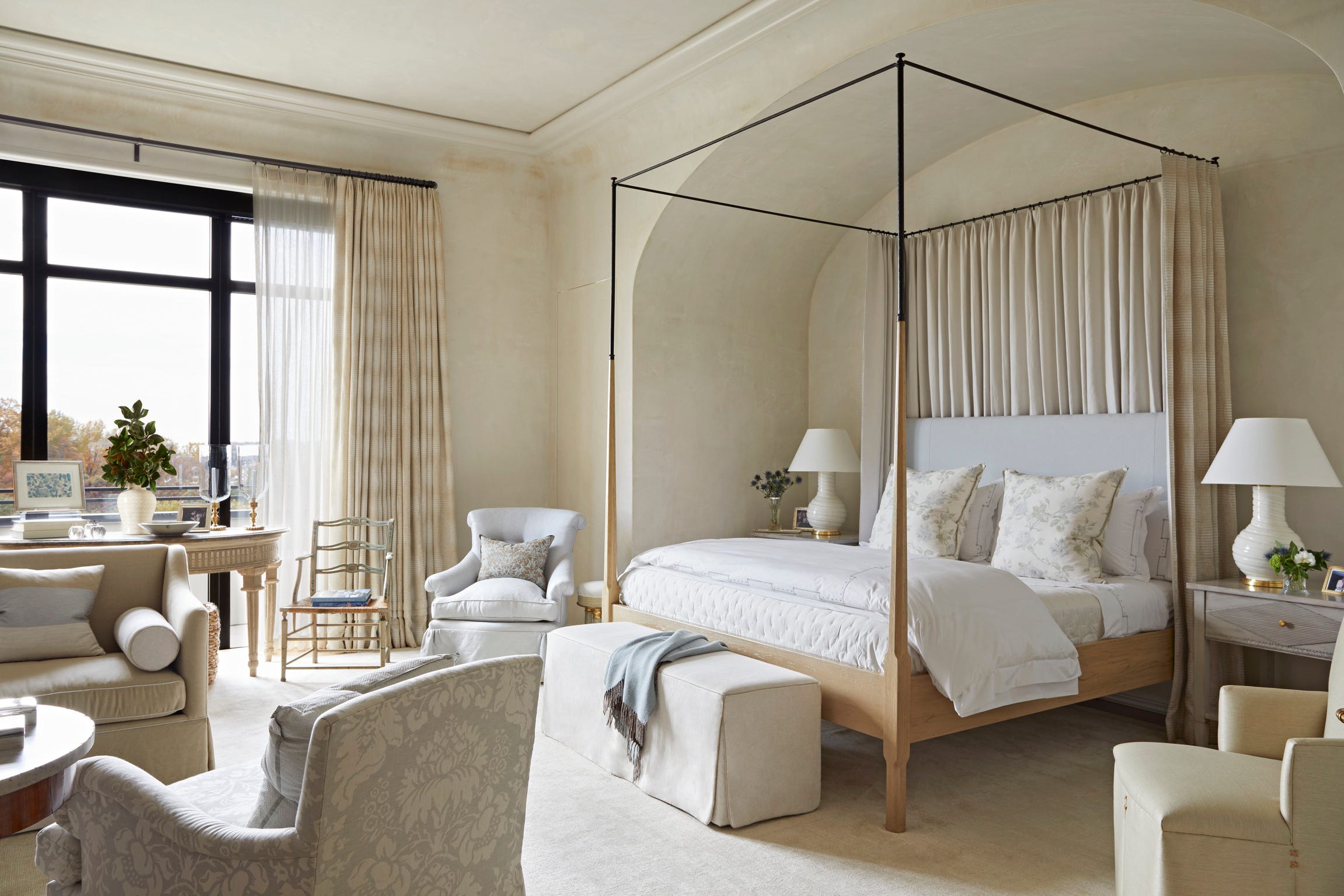
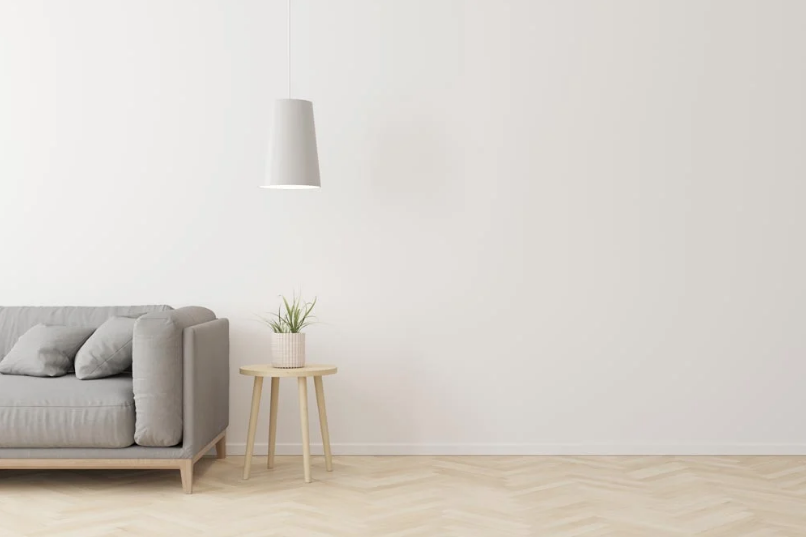
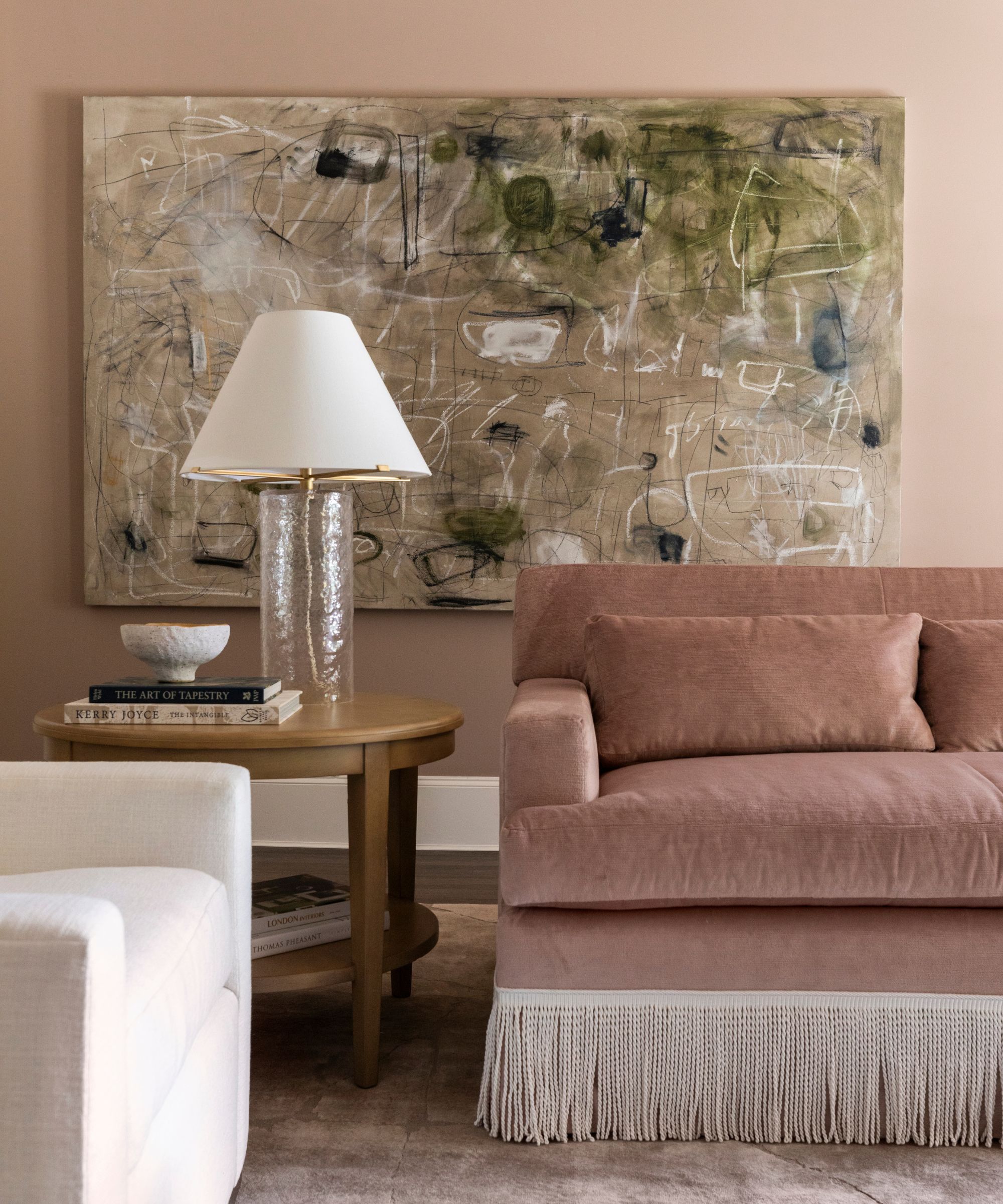
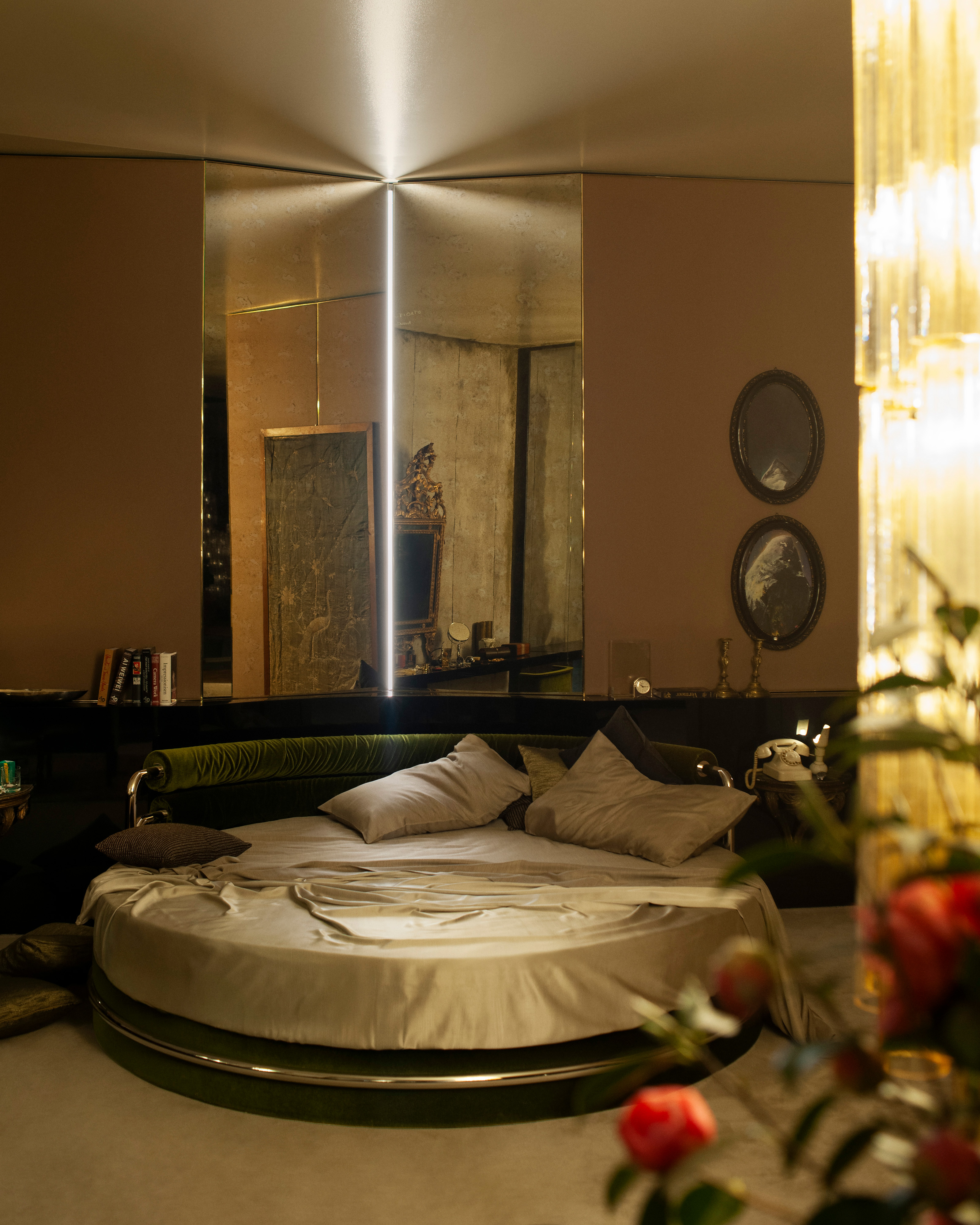
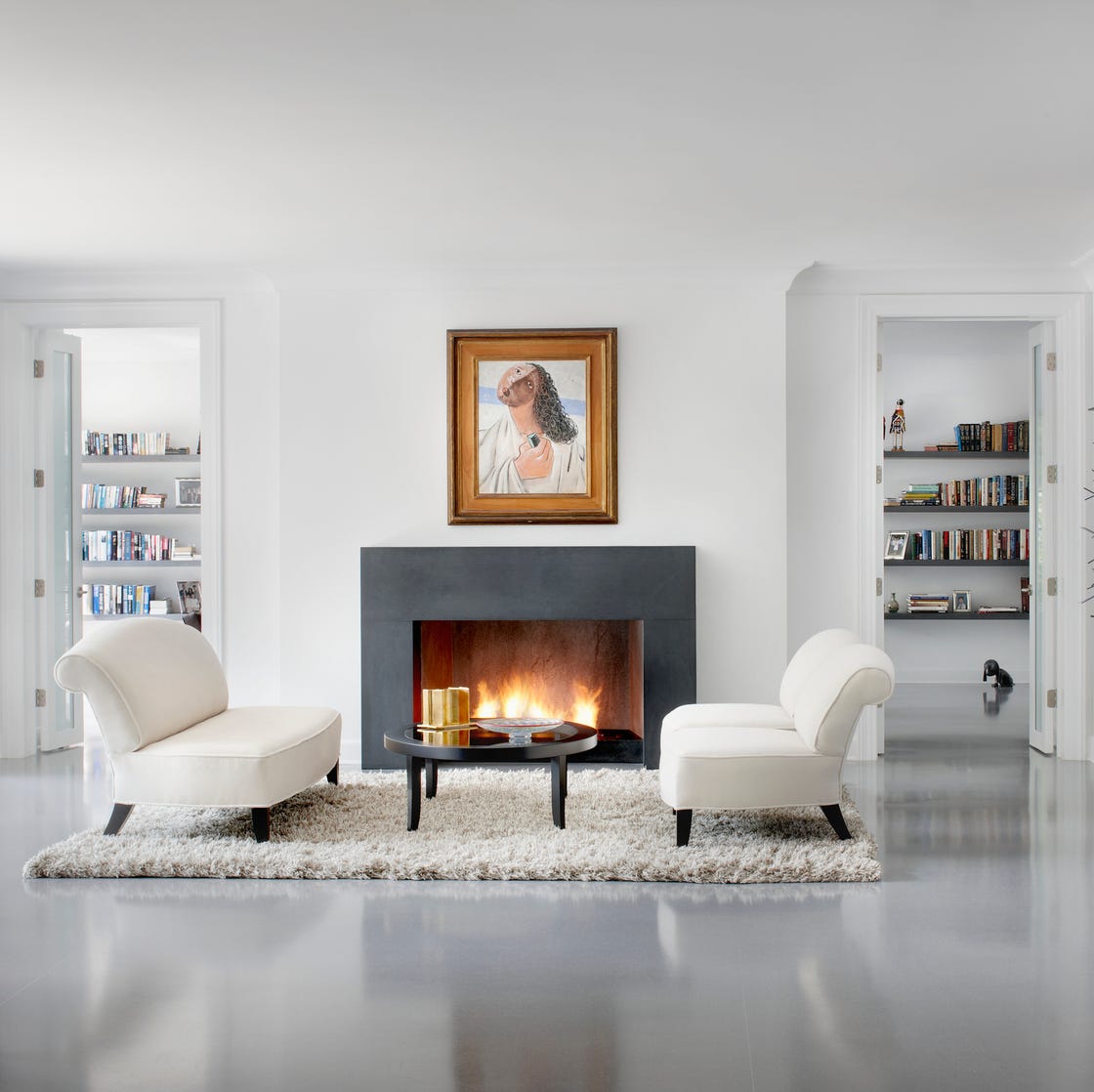
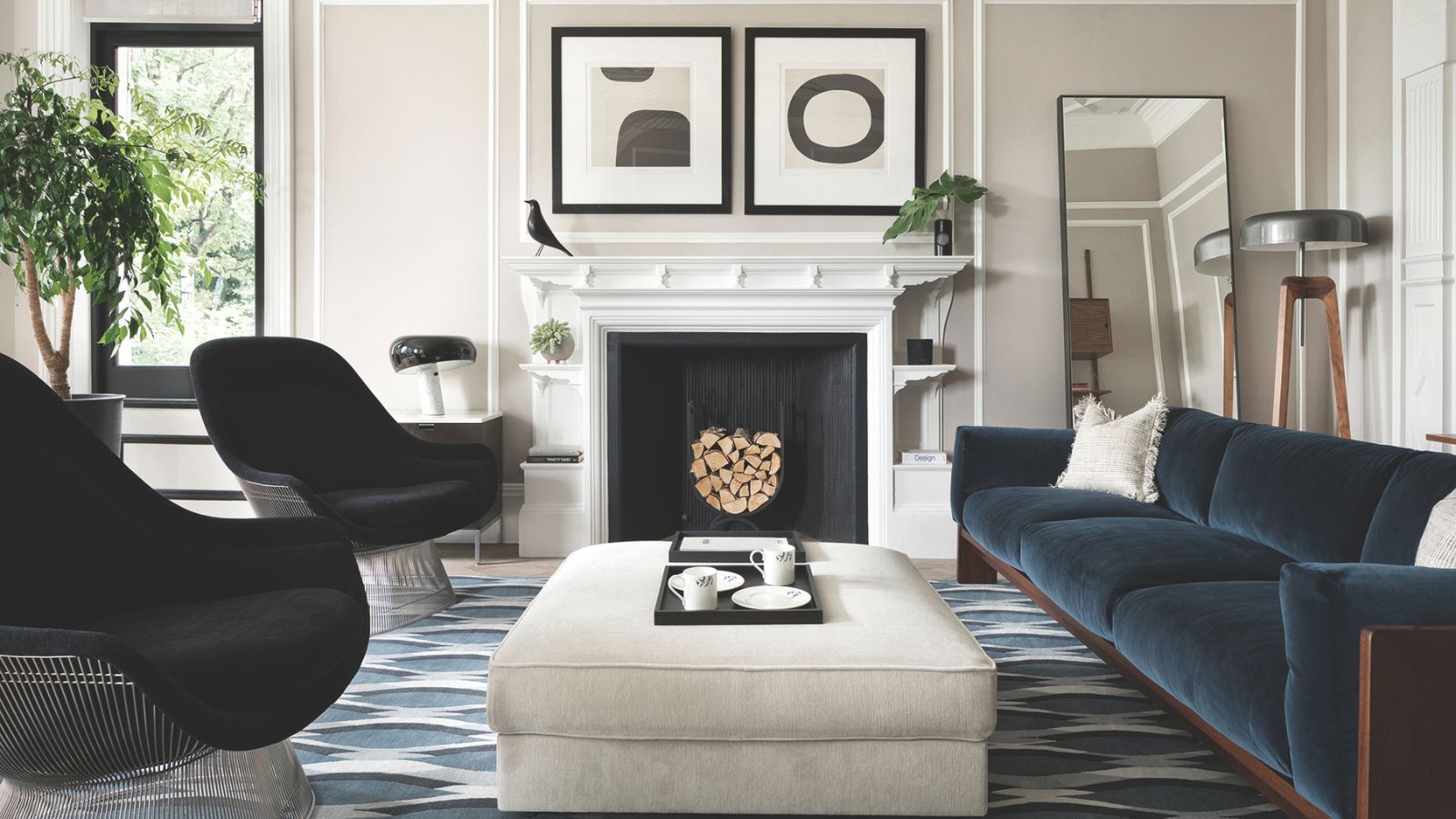
The "quiet luxury" trend, characterized by neutral, tone-on-tone interiors, has garnered significant social media attention for its understated elegance. However, designers express a desire for this trend to evolve, incorporating more style and color. While appreciating tone-on-tone aesthetics, some designers find the pervasive gray-on-gray interpretation of quiet luxury monotonous. They suggest that true luxury can be achieved by integrating a contrasting hue into a tonal space, grounding it with neutrals, and incorporating unexpected organic forms to introduce softness and visual interest.
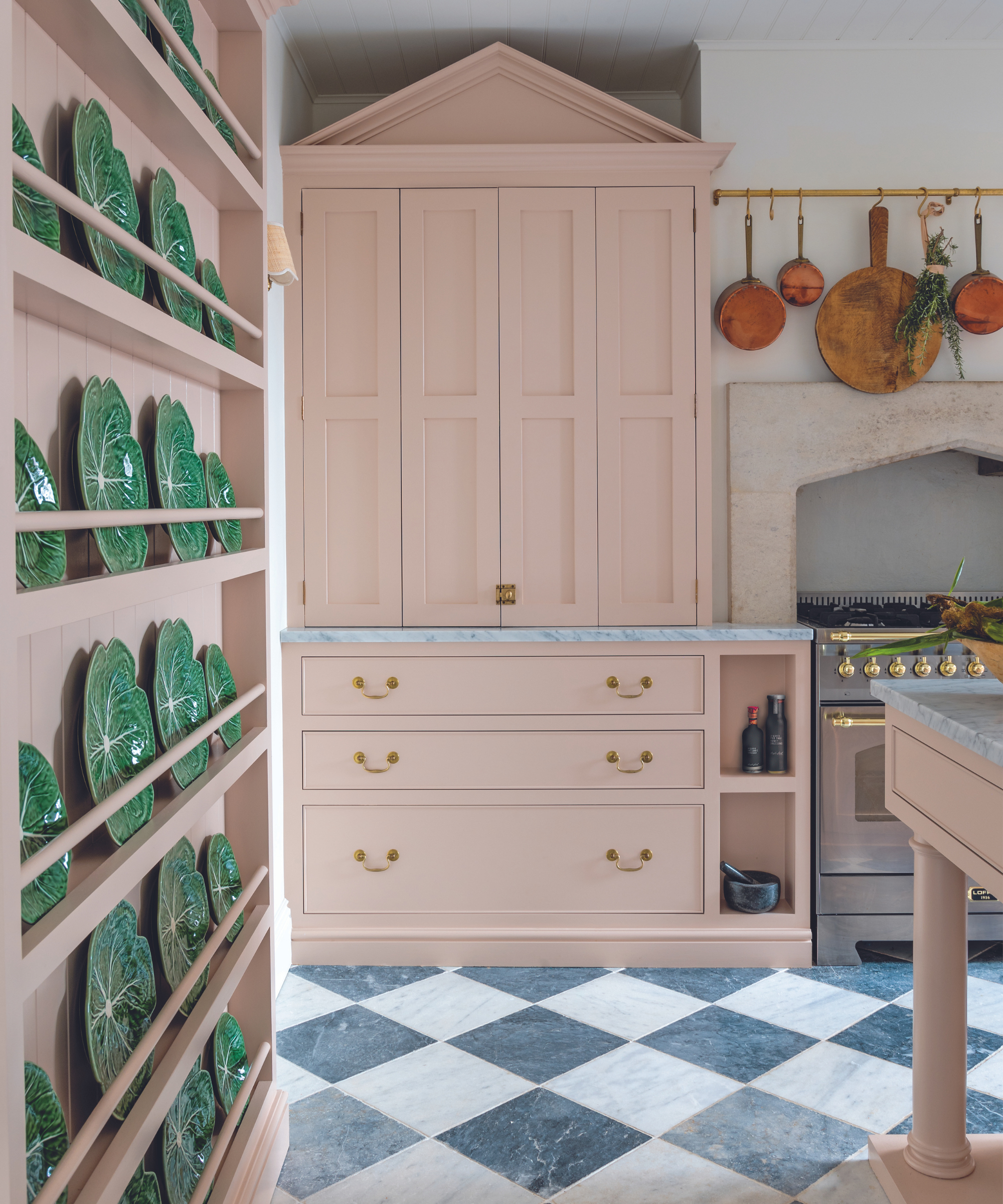
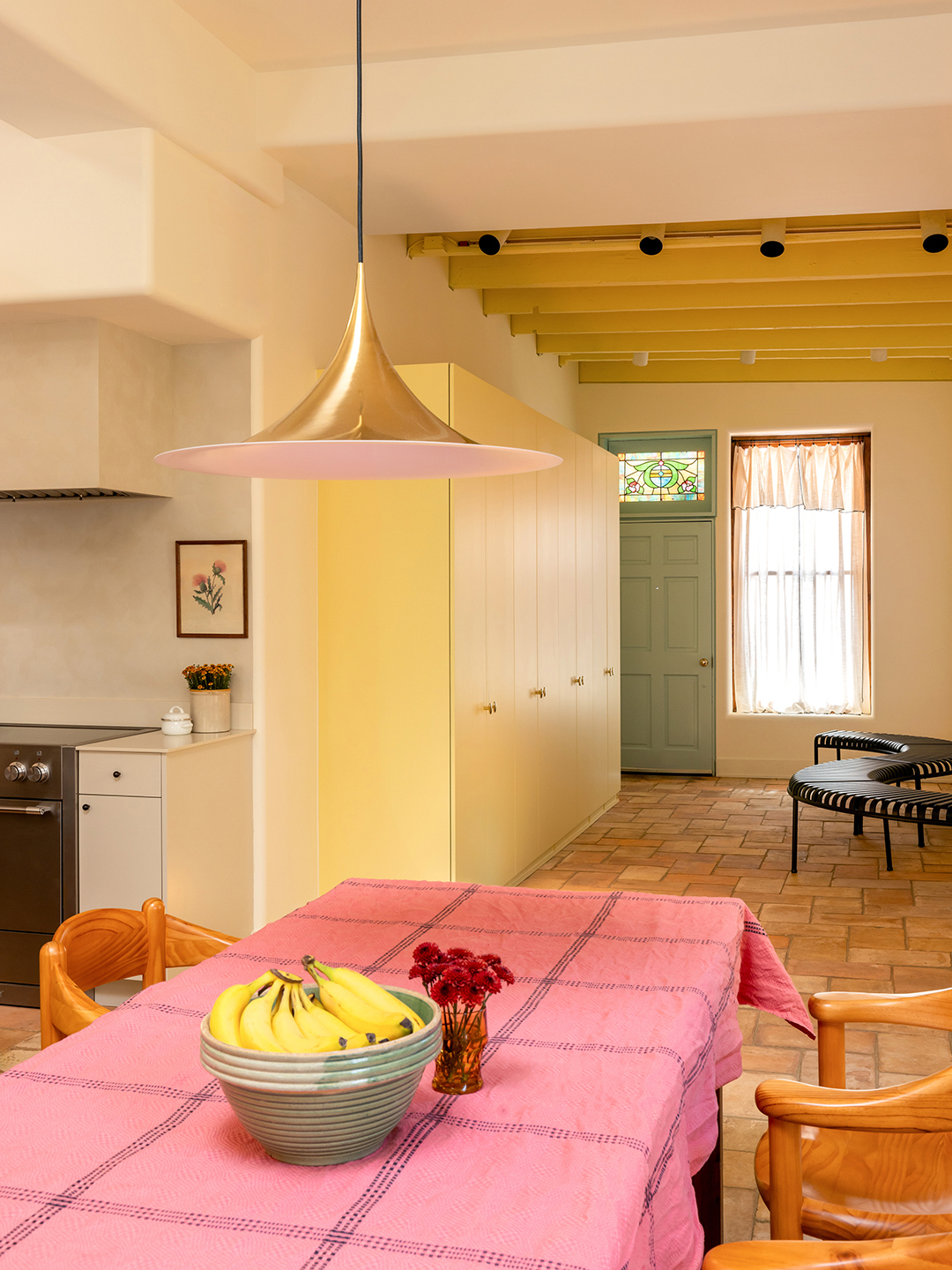
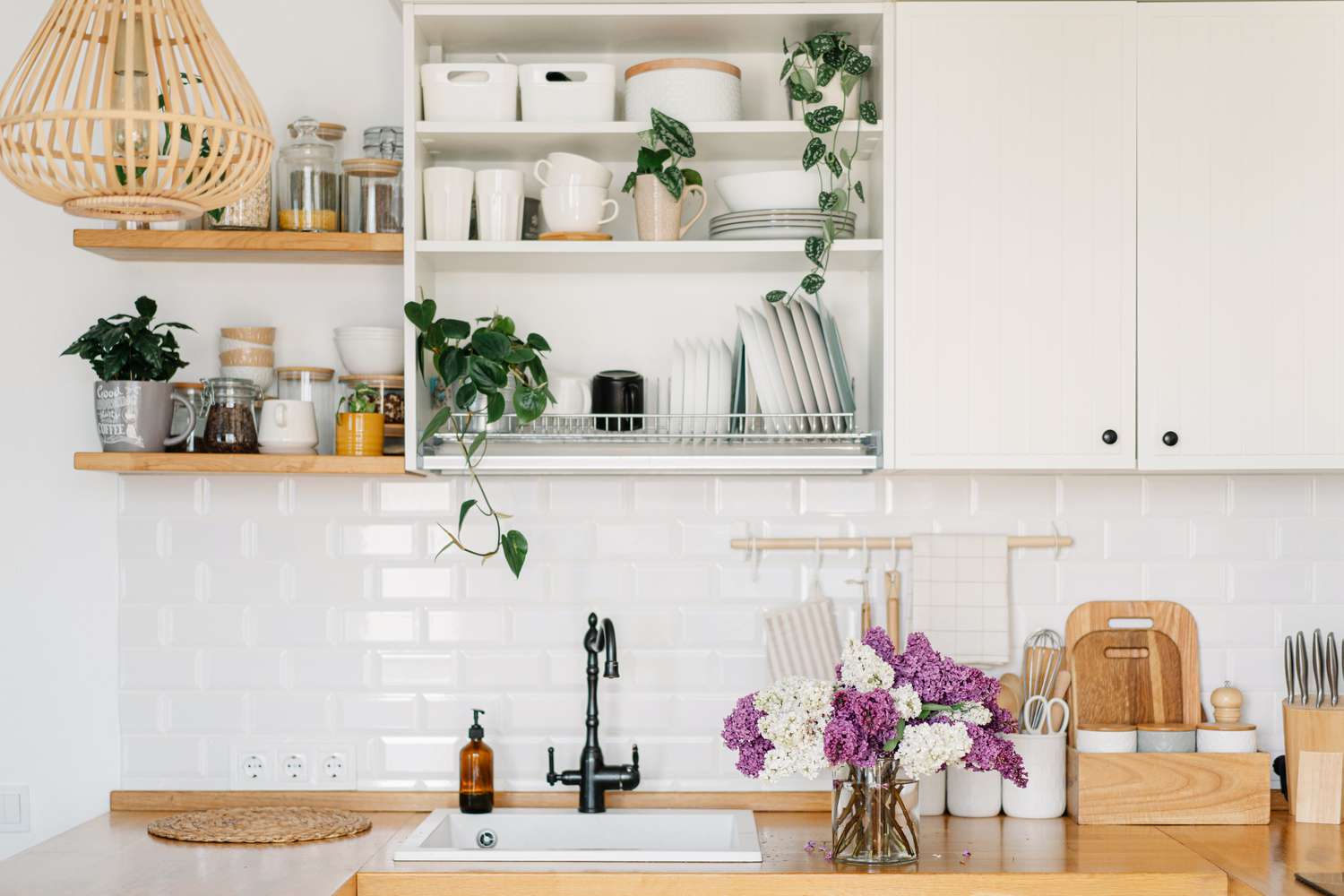
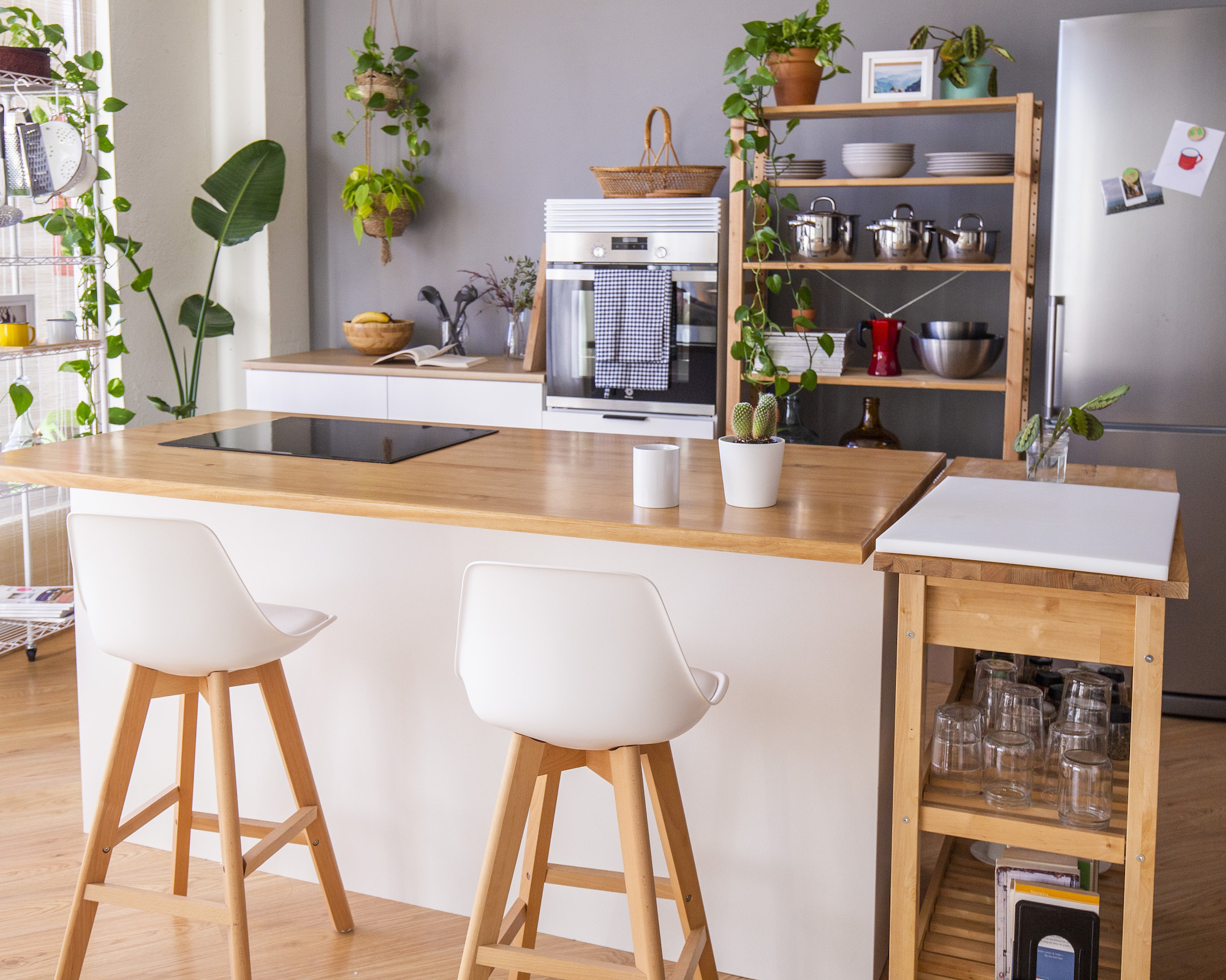
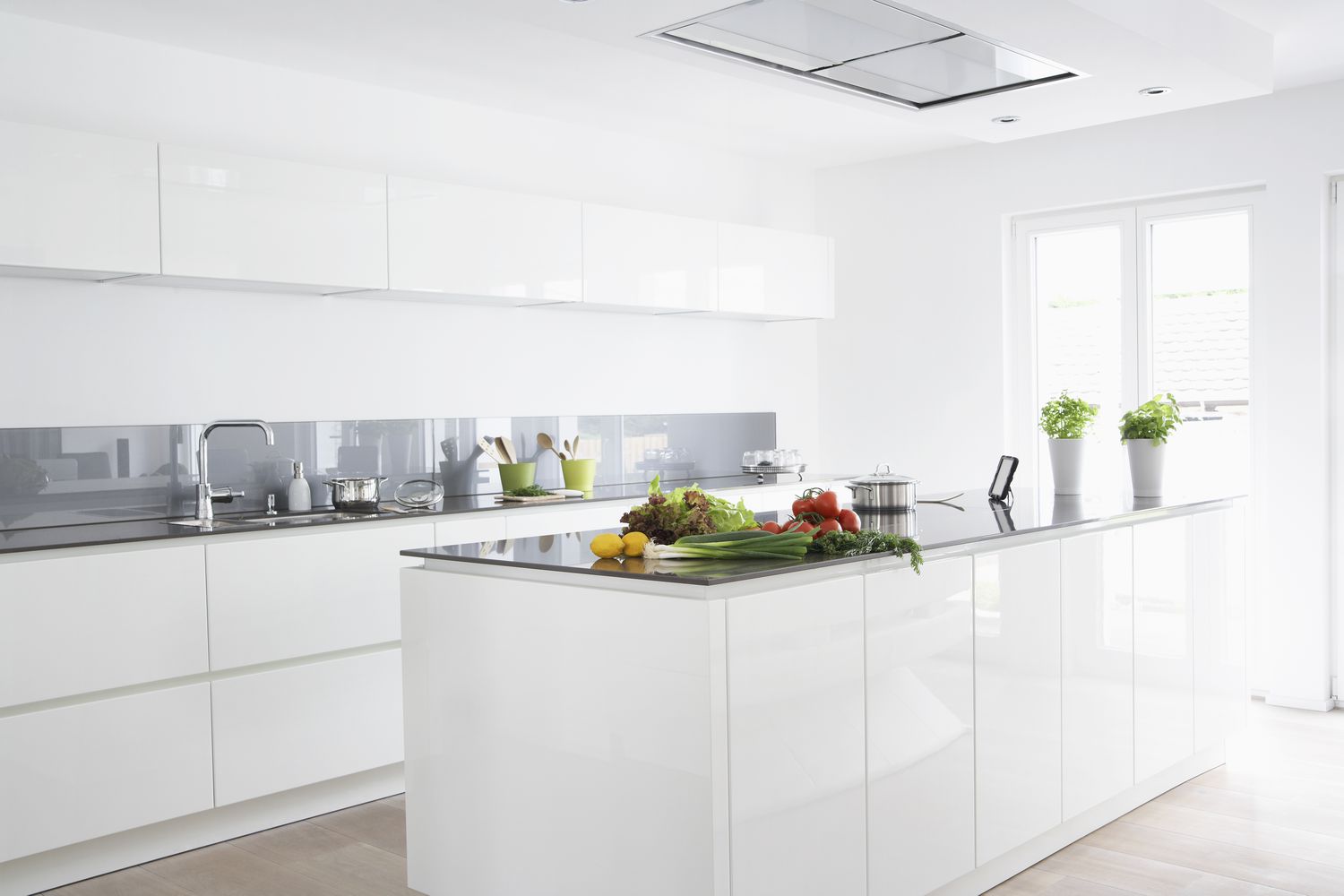
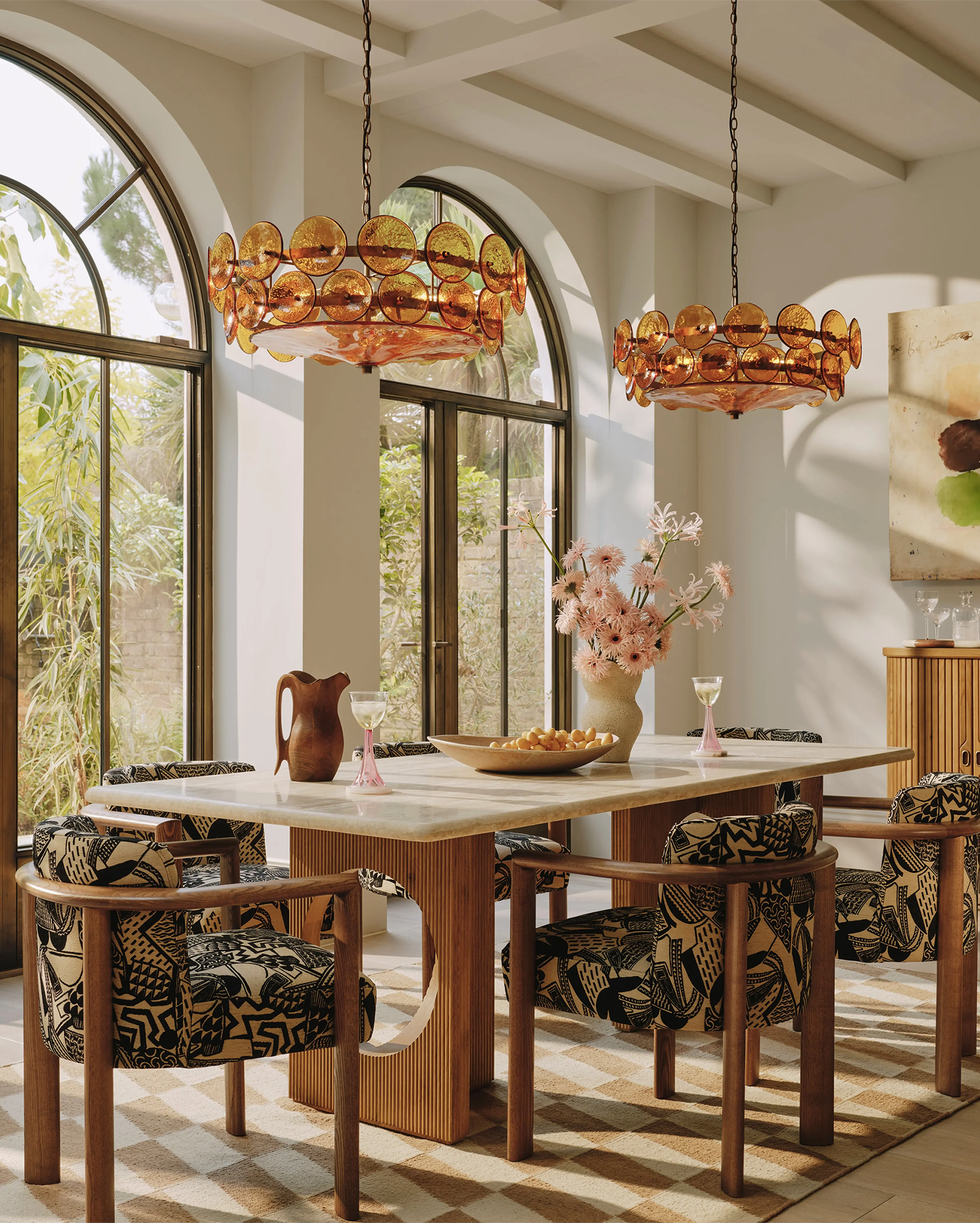
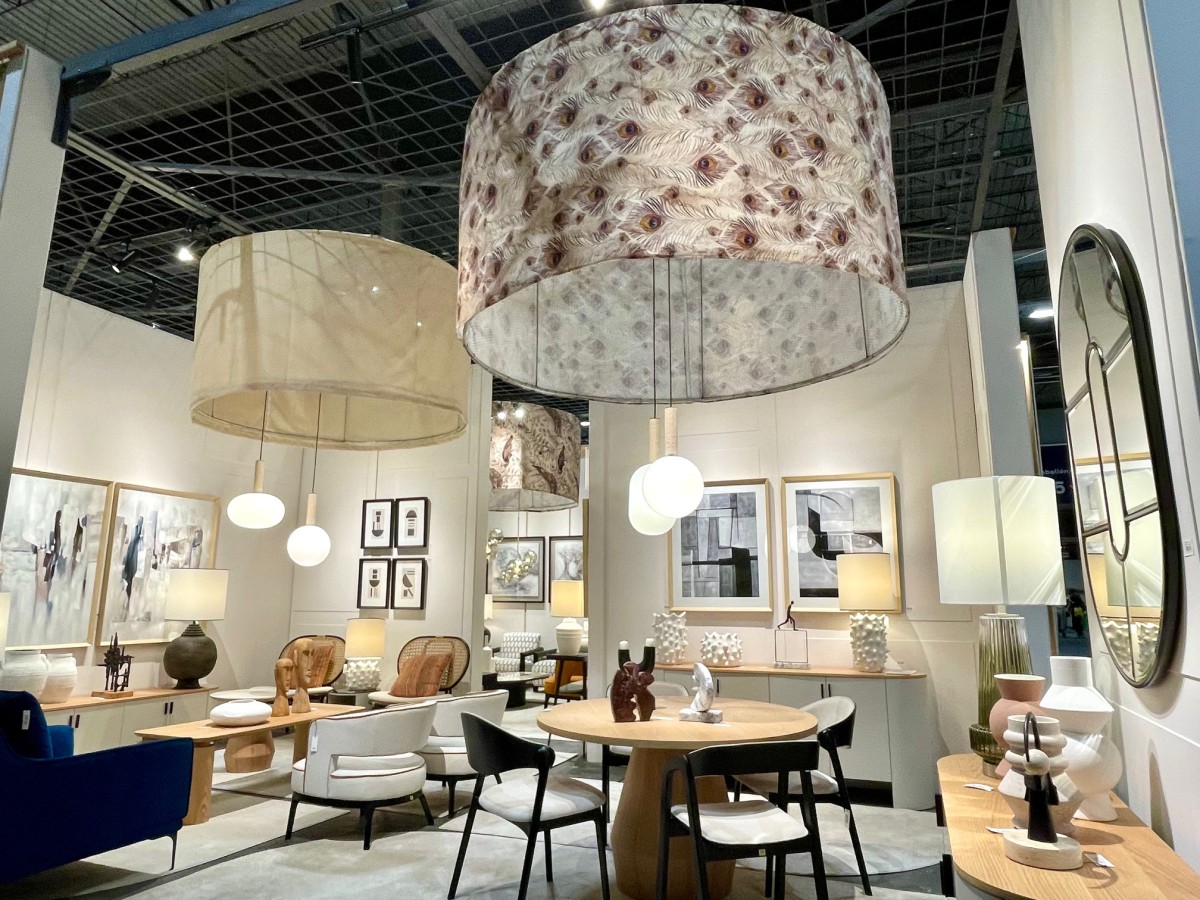
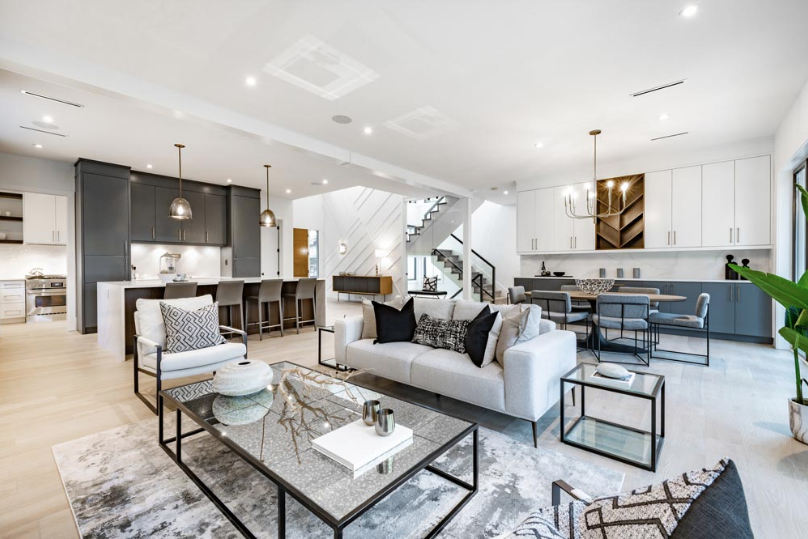
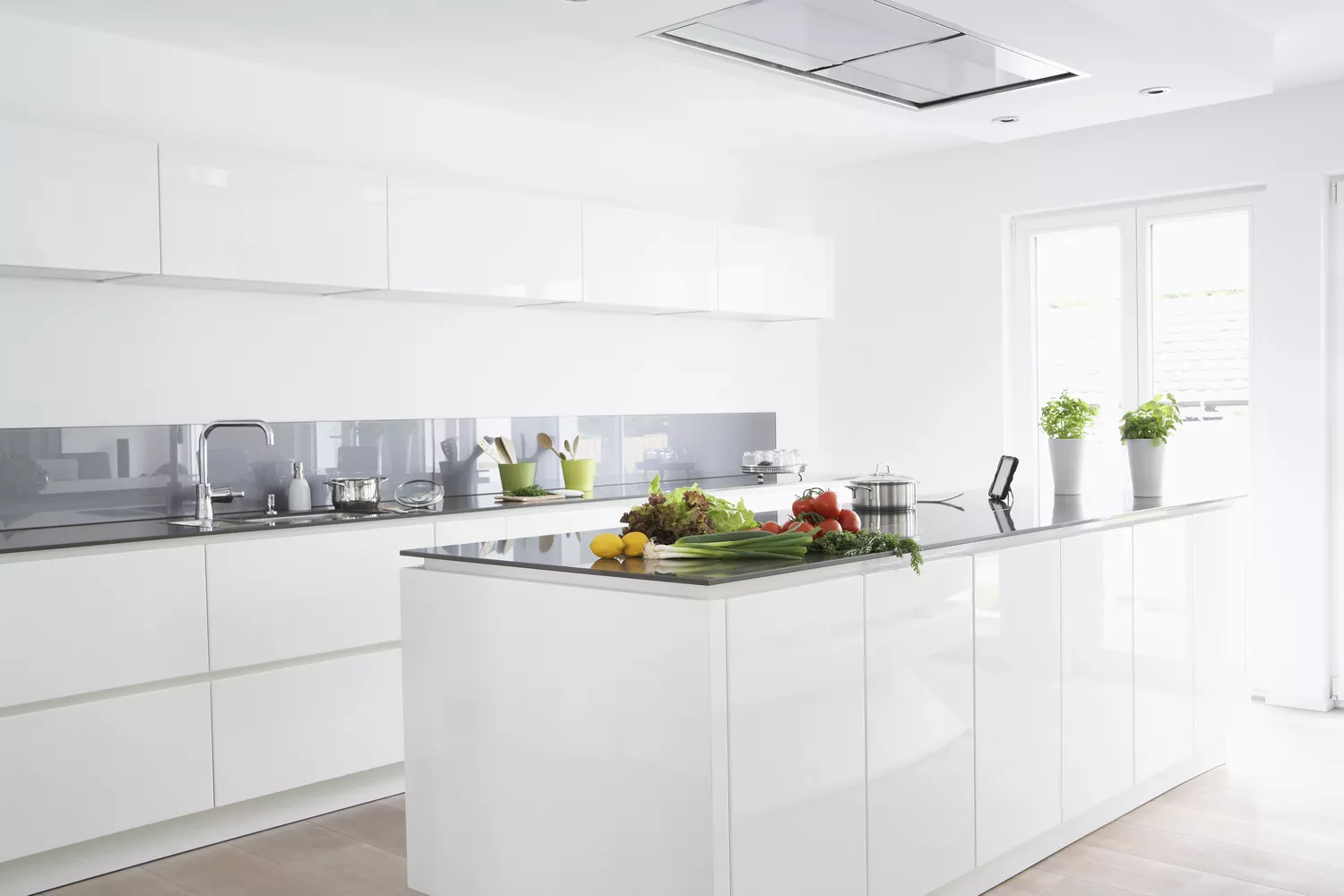
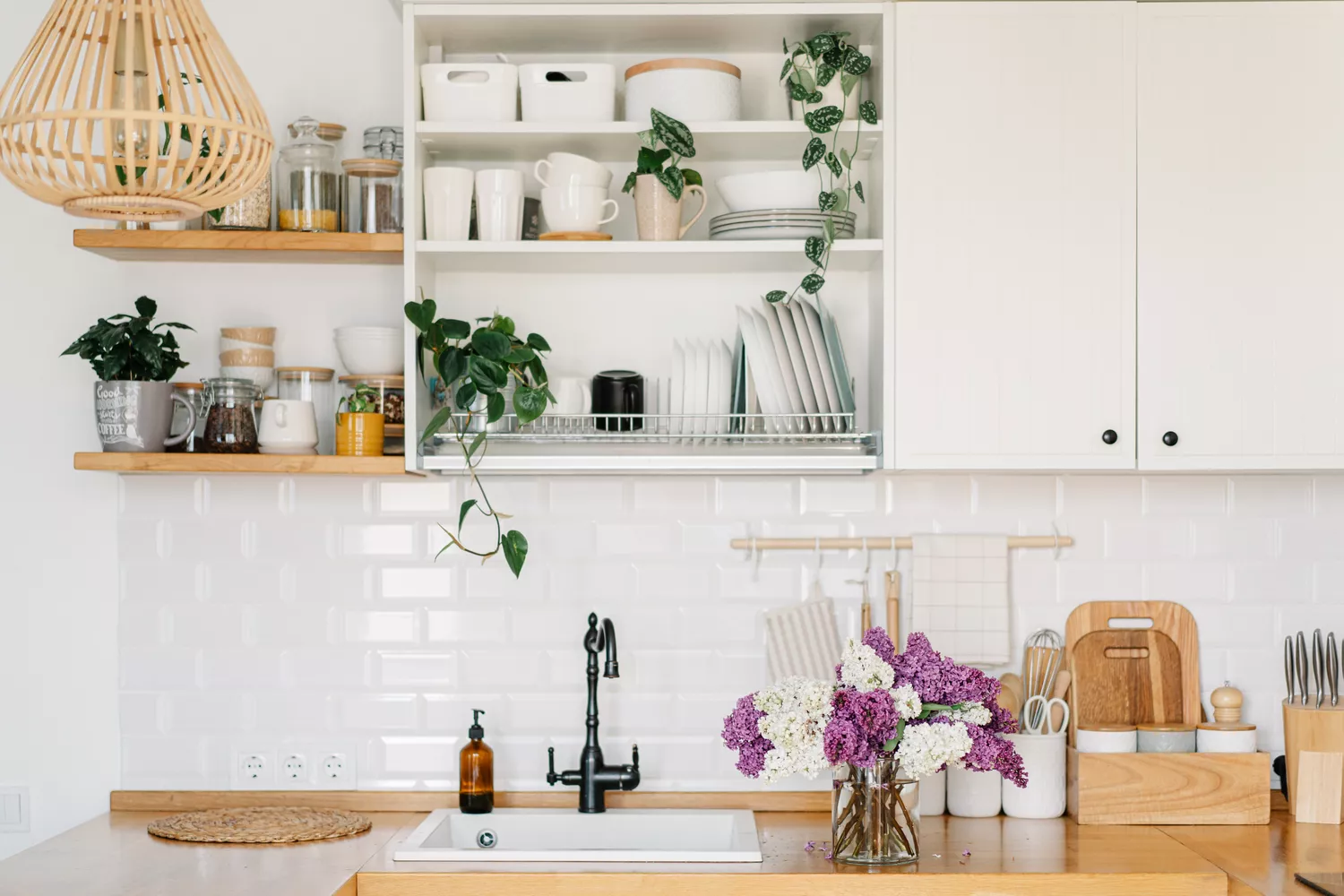
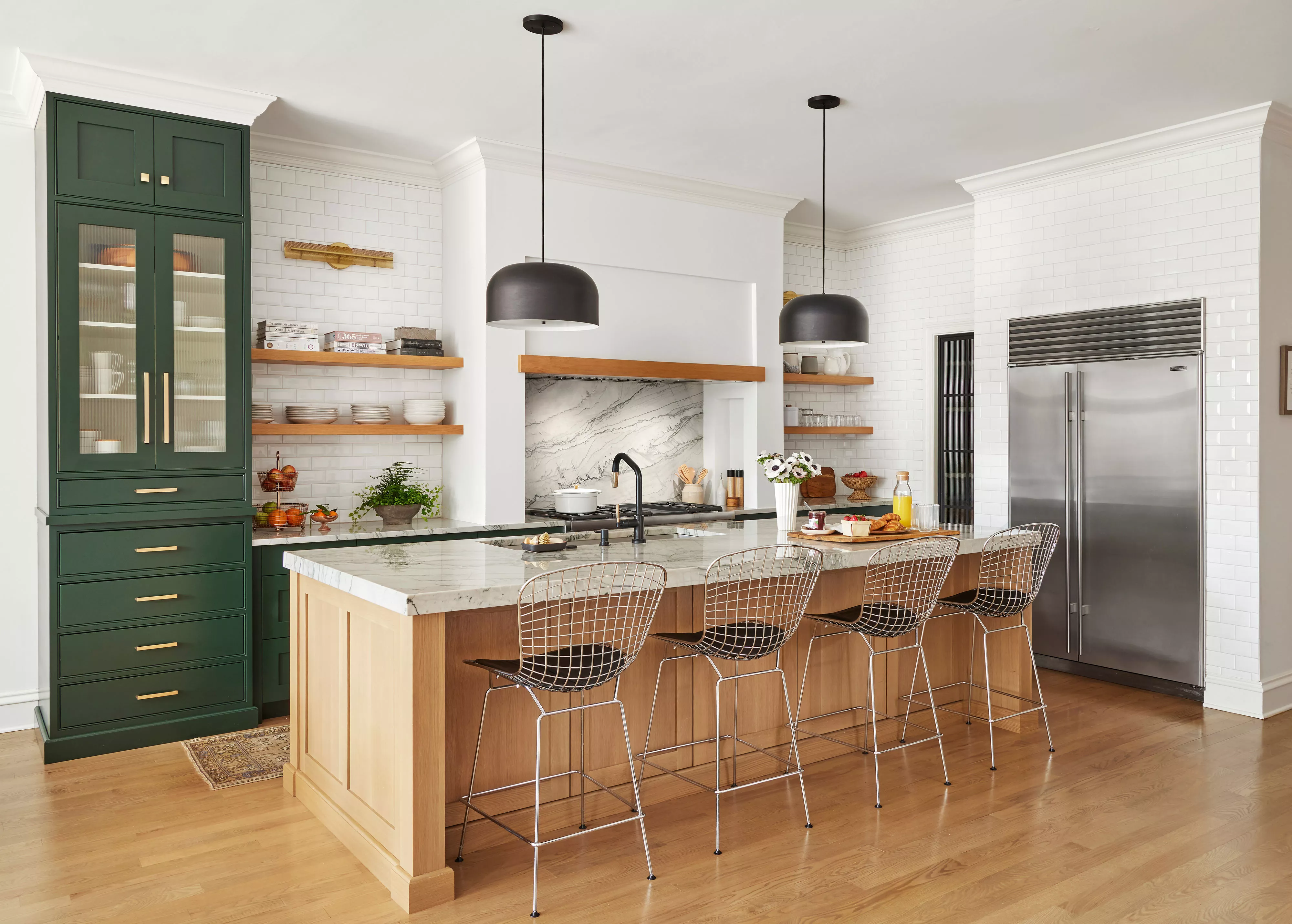
Another fixture in kitchen design, matching pendant lights over an island, is also facing scrutiny. This common feature can sometimes obstruct the view of other prominent kitchen elements, such as a stylish range and hood. Furthermore, if ceiling heights are not conducive, pendants can make a space feel smaller and more cluttered. Alternative lighting solutions, including architectural recessed lighting or decorative flush mounts, are recommended to provide illumination without overwhelming the space. The prevalence of "homogenous design," often observed through identical aesthetics on social media platforms, is another trend designers wish to see diminish. This uniformity can lead to uninspired and quickly tiresome interiors. Instead, a personalized design approach that prioritizes individual taste and lifestyle is advocated. For example, incorporating an antique dining table instead of a traditional island in a kitchen can enhance warmth and functionality, reflecting personal preferences over conventional choices.
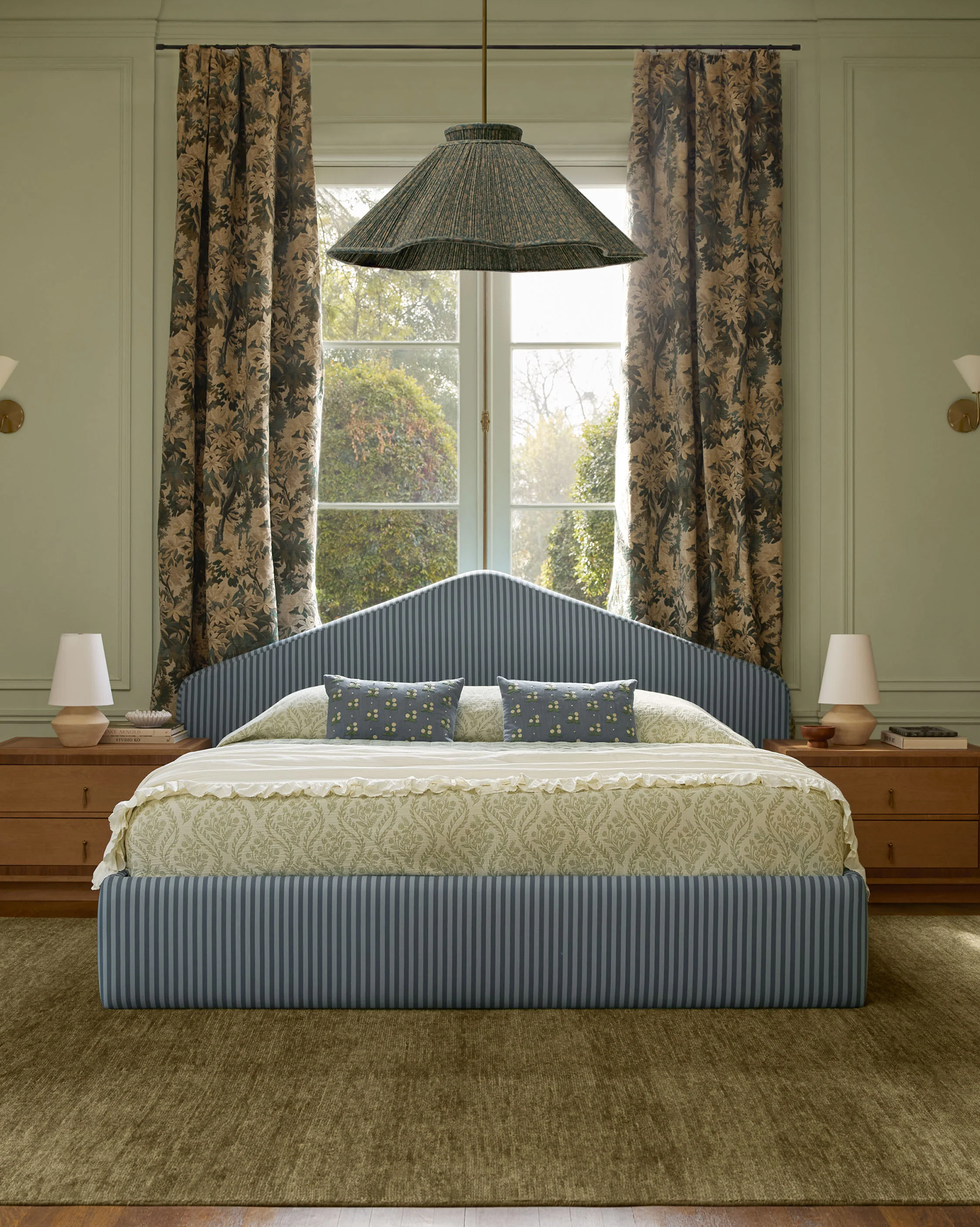
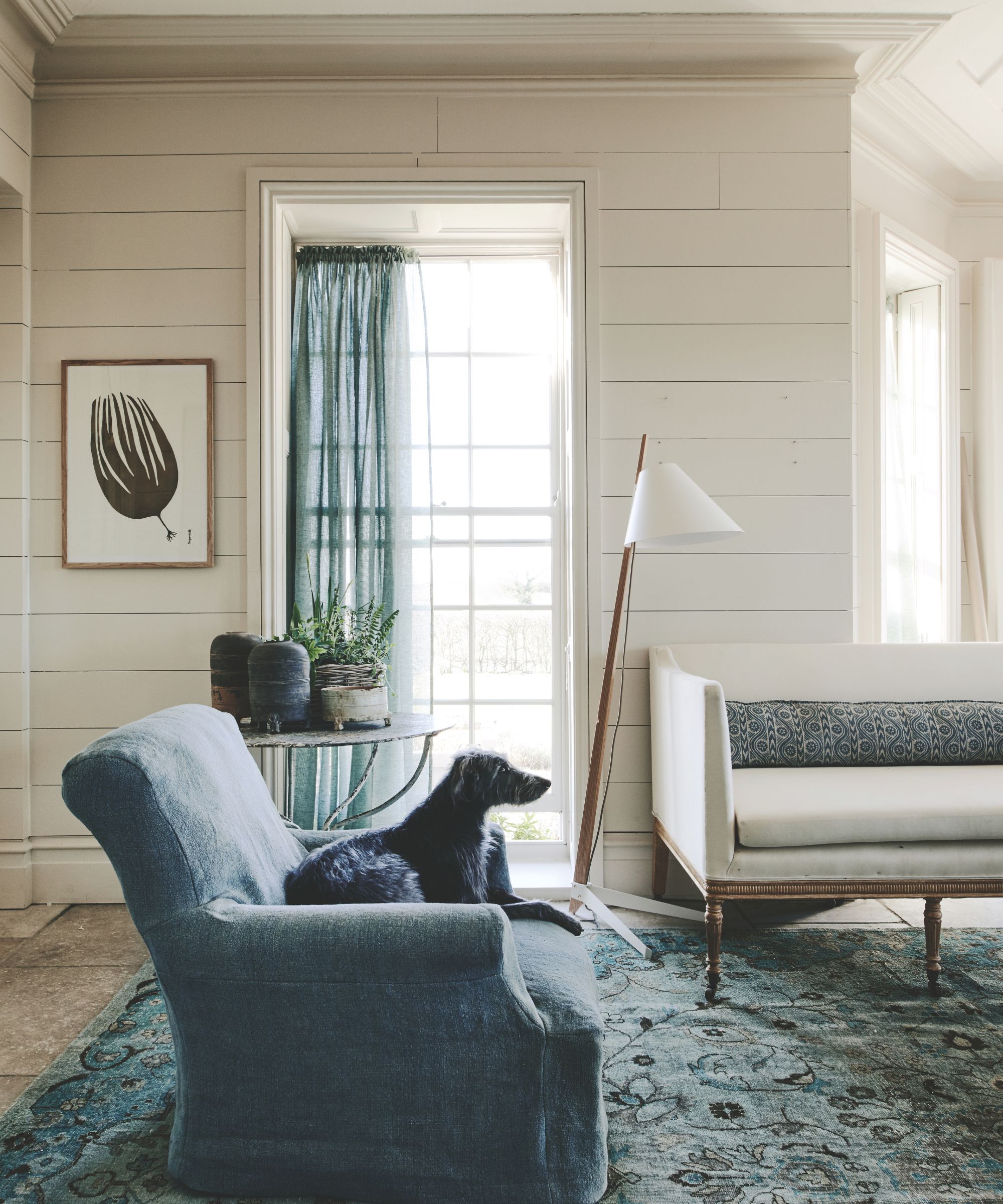
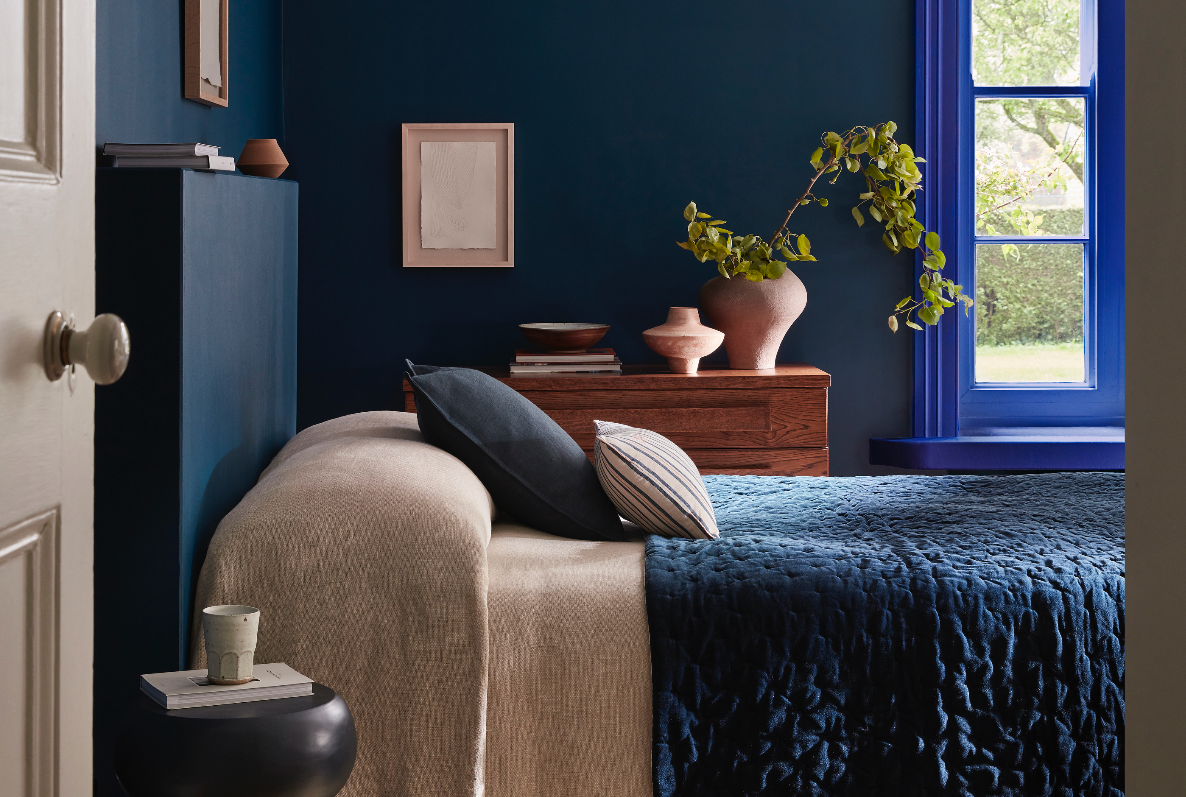
The ubiquitous blue and white color scheme, despite its classic appeal, is another trend that designers hope to see reevaluated. While acknowledging its timelessness, they suggest exploring alternative color combinations to achieve a fresh yet enduring look. Incorporating colors like green, considered a neutral, can complement blue effectively. For those seeking a cooler palette, lavender can be introduced to maintain a tonal harmony. Alternatively, a complete departure from blue and white in favor of warmer tones like yellows, pinks, and oranges is also encouraged. "Totally open floor plans," which have been popular for the past decade, are now being reconsidered. Designers argue that open concepts can make it challenging to create intimate spaces, often lacking the architectural definition needed for distinct areas. They propose incorporating wing walls or varied wall treatments to introduce separation and visual interest within open layouts, allowing for both openness and defined zones.
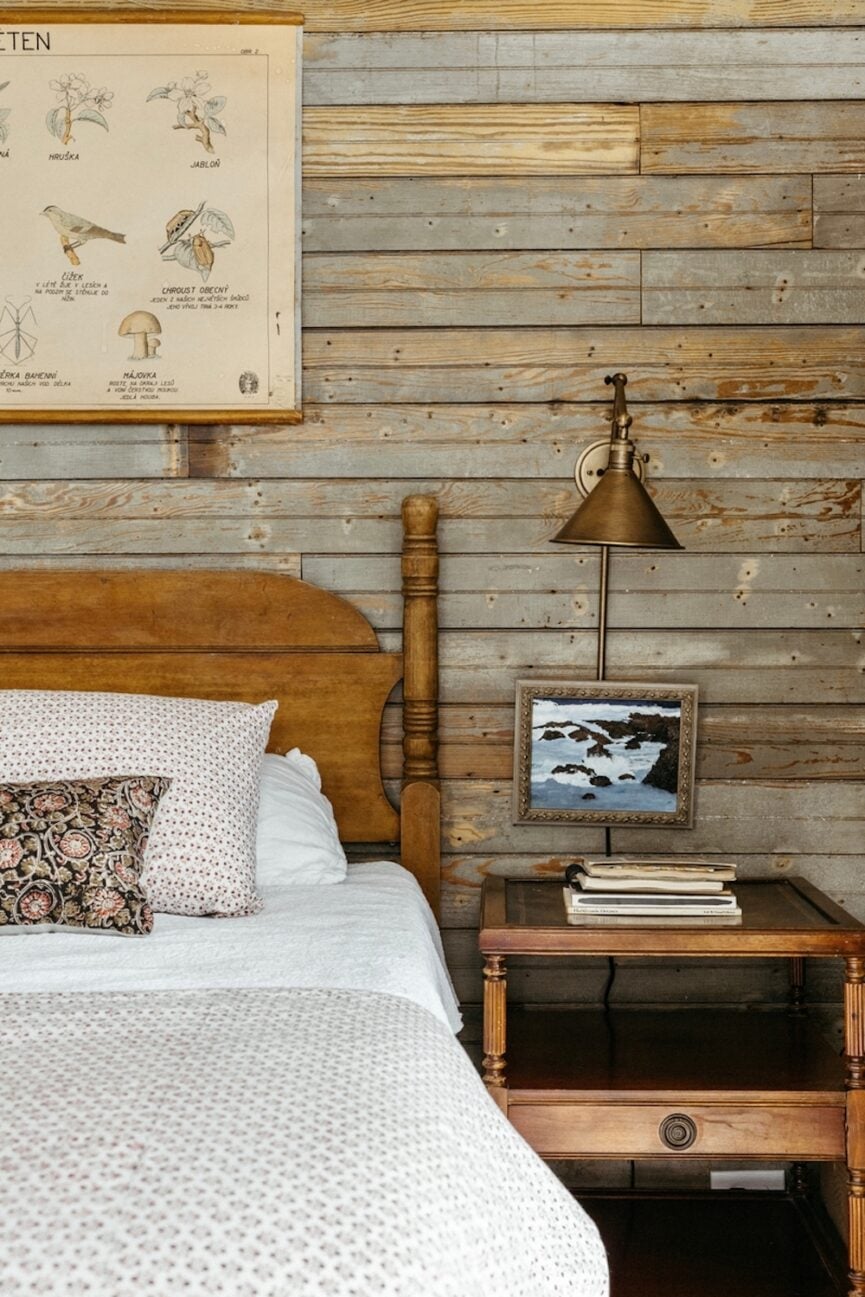
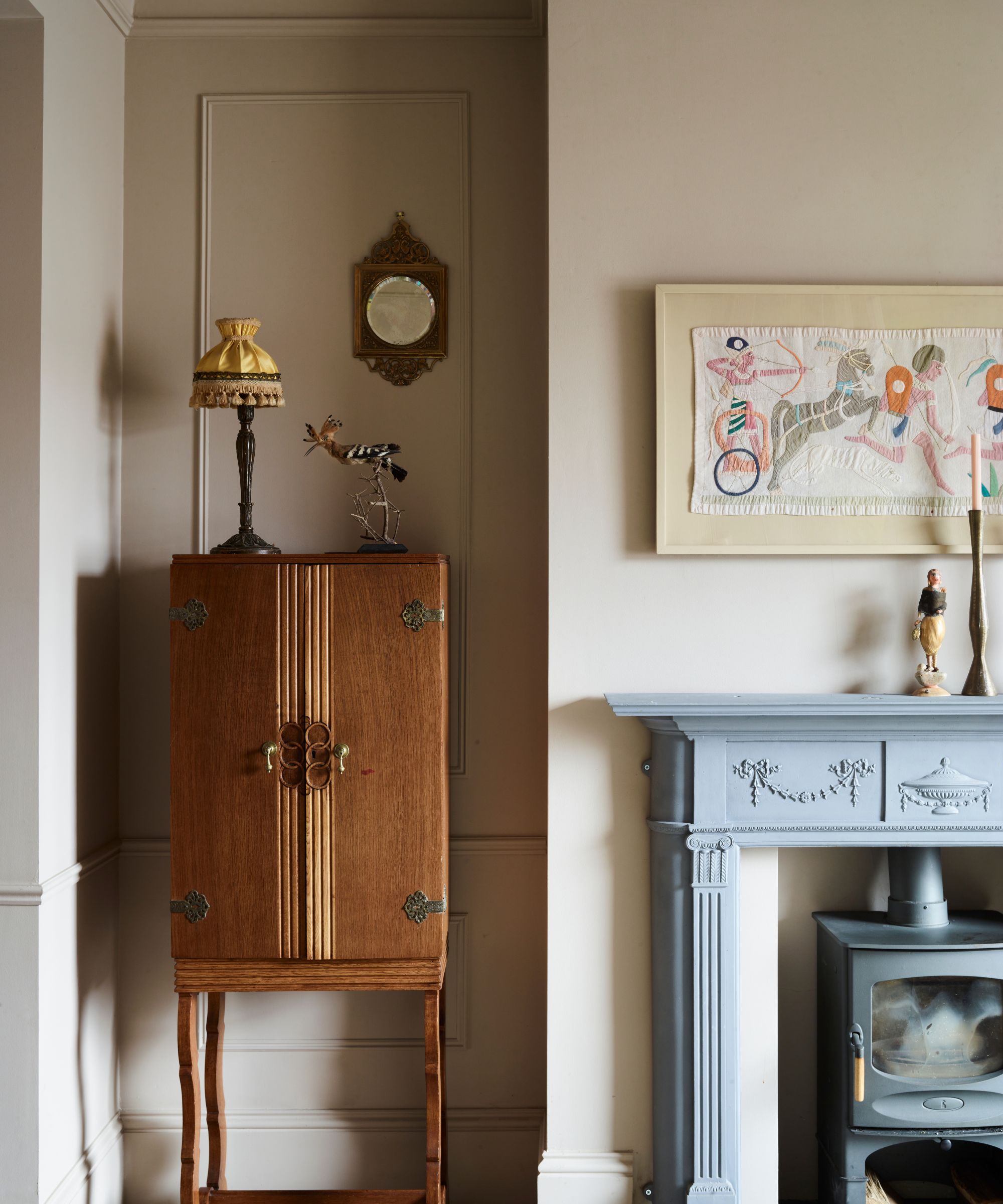
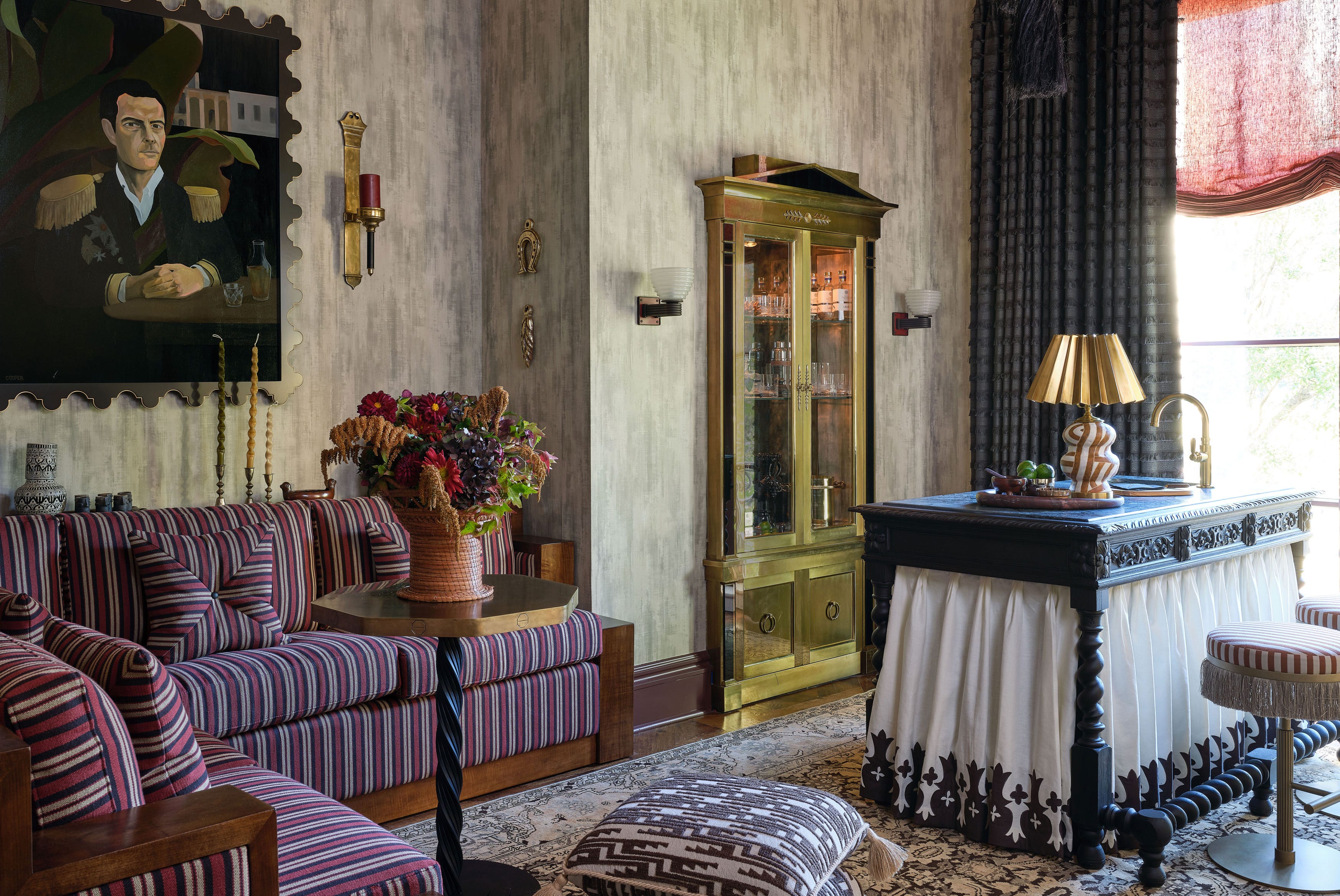
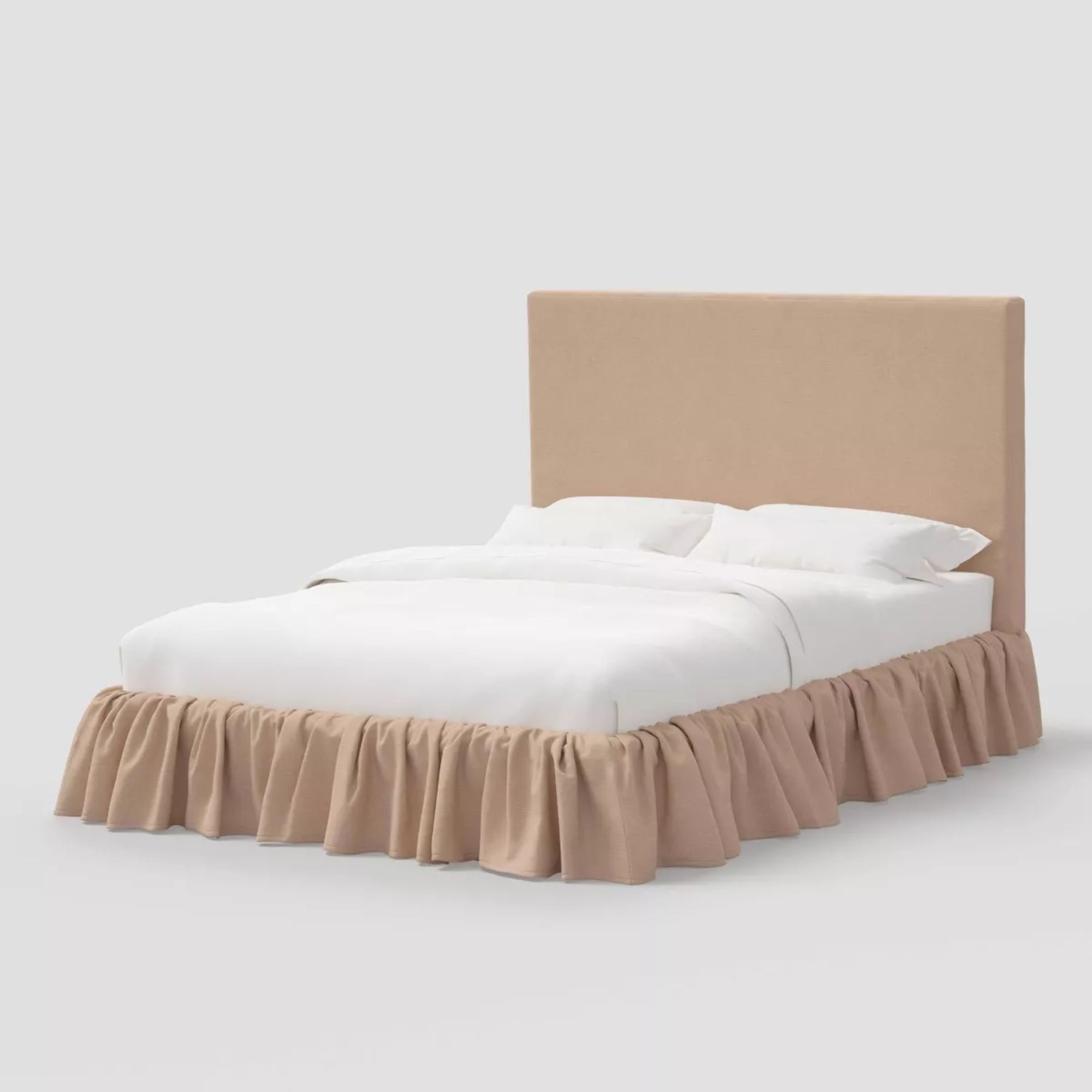
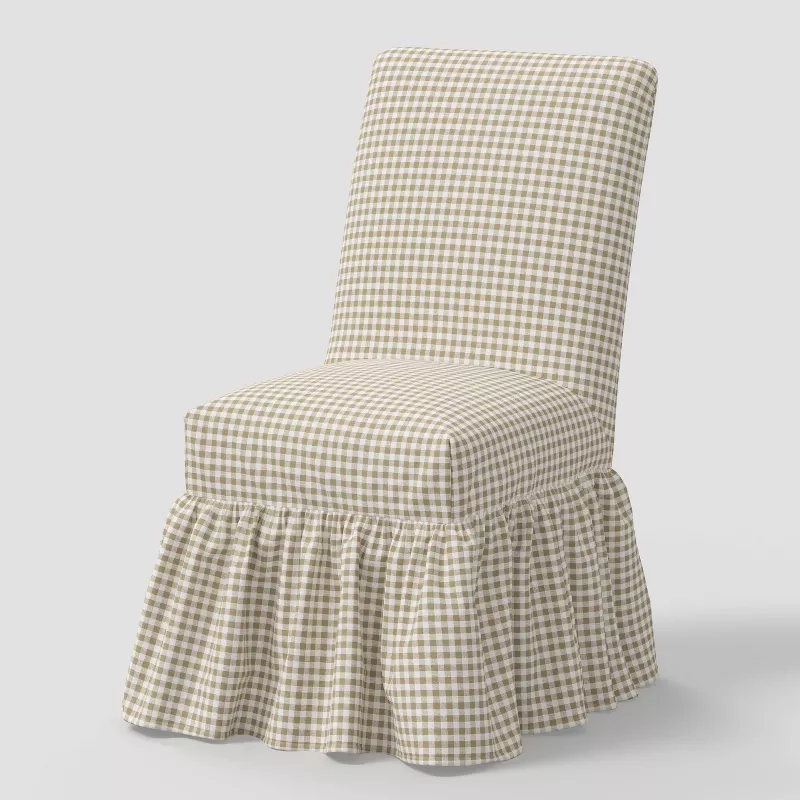
Finally, the widespread use of "scalloped everything" is seen as a trend that has reached saturation. While scallops can add a charming, British-inspired touch to various decor items, designers suggest seeking out other historical details to impart interest to furniture and fabrics. Emerging alternatives include bows, pleats, and marbled details, offering fresh ways to introduce decorative accents without resorting to an overused motif.
#decoratingTrends #interiorDesign #designTrends2025 #homeDecor #designerAdvice #quietLuxury #colorTrends #kitchenLighting #personalizedDesign #decoratingTrends #interiorDesign #designTrends2025 #homeDecor #designerAdvice #quietLuxury #colorTrends #kitchenLighting #personalizedDesign
0 comment in total
 No comments yet
You may also like
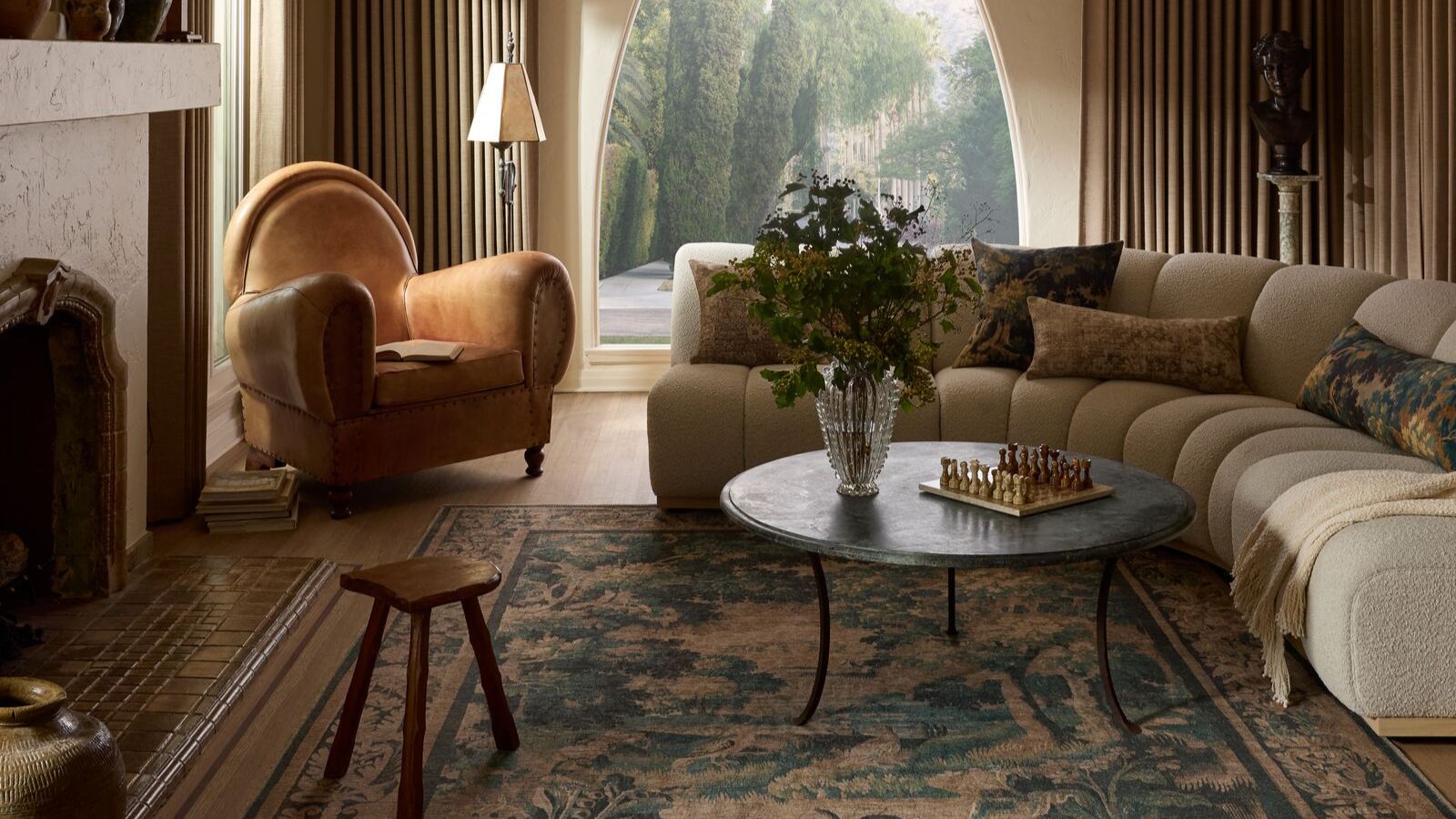
The decorating trends designers definitely want you to leave behind in 2025 – from fads to faux pas

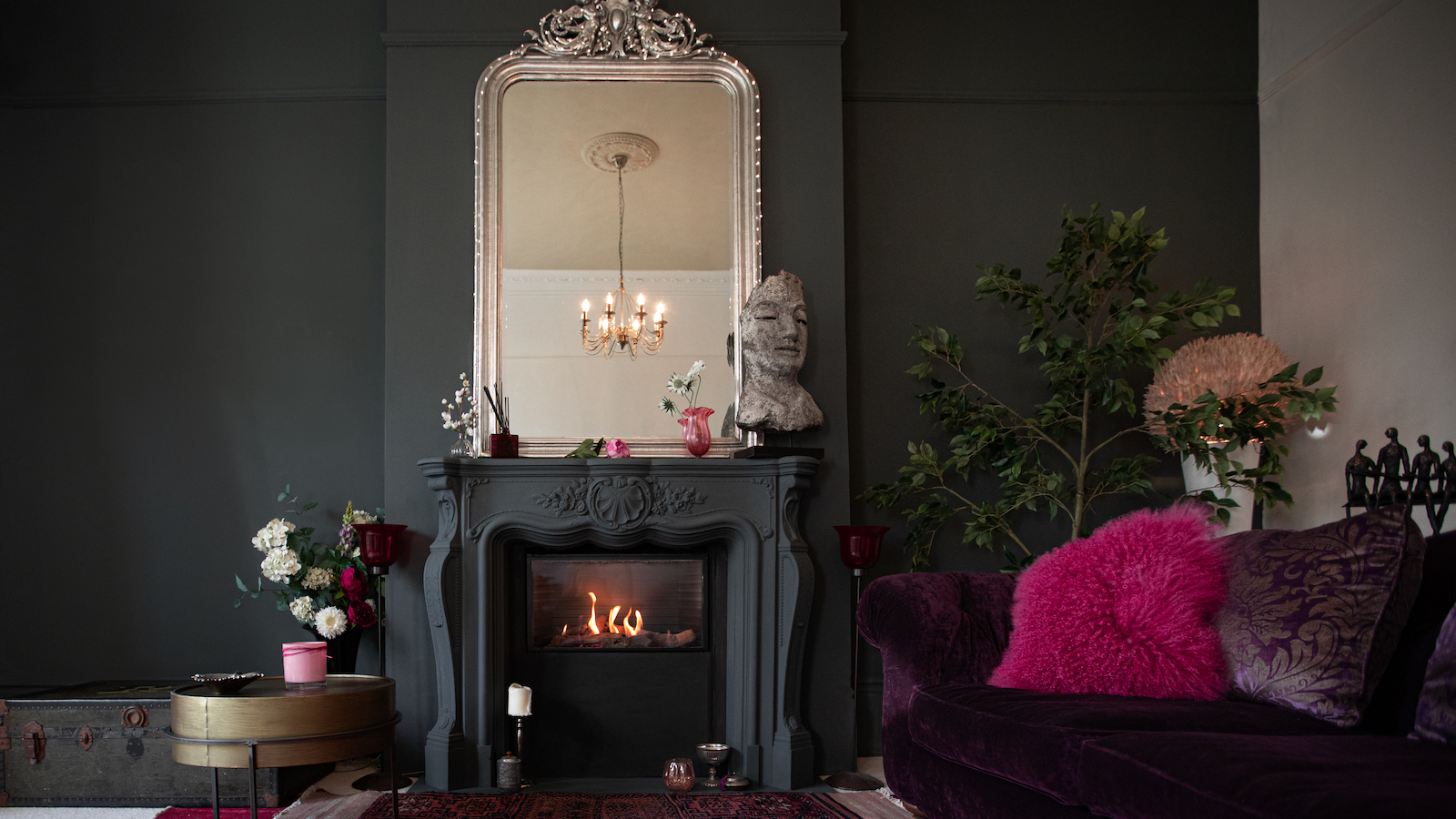
5 outdated home decor trends interior designers want you to kiss goodbye in 2024, and what to do instead

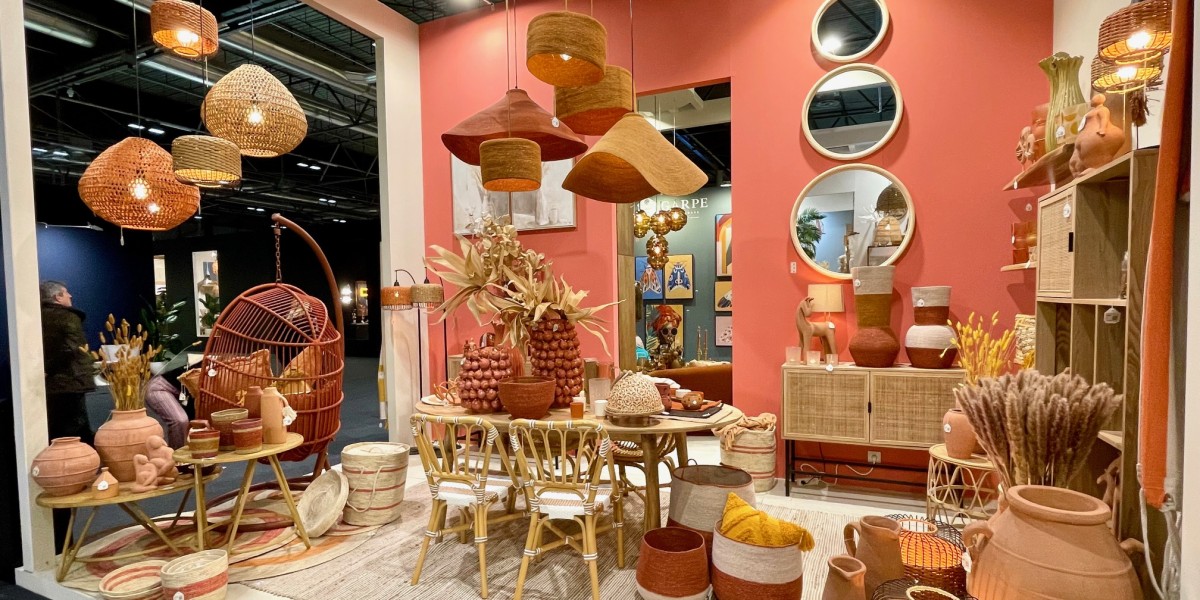
The 10 decoration trends to watch out for in 2025
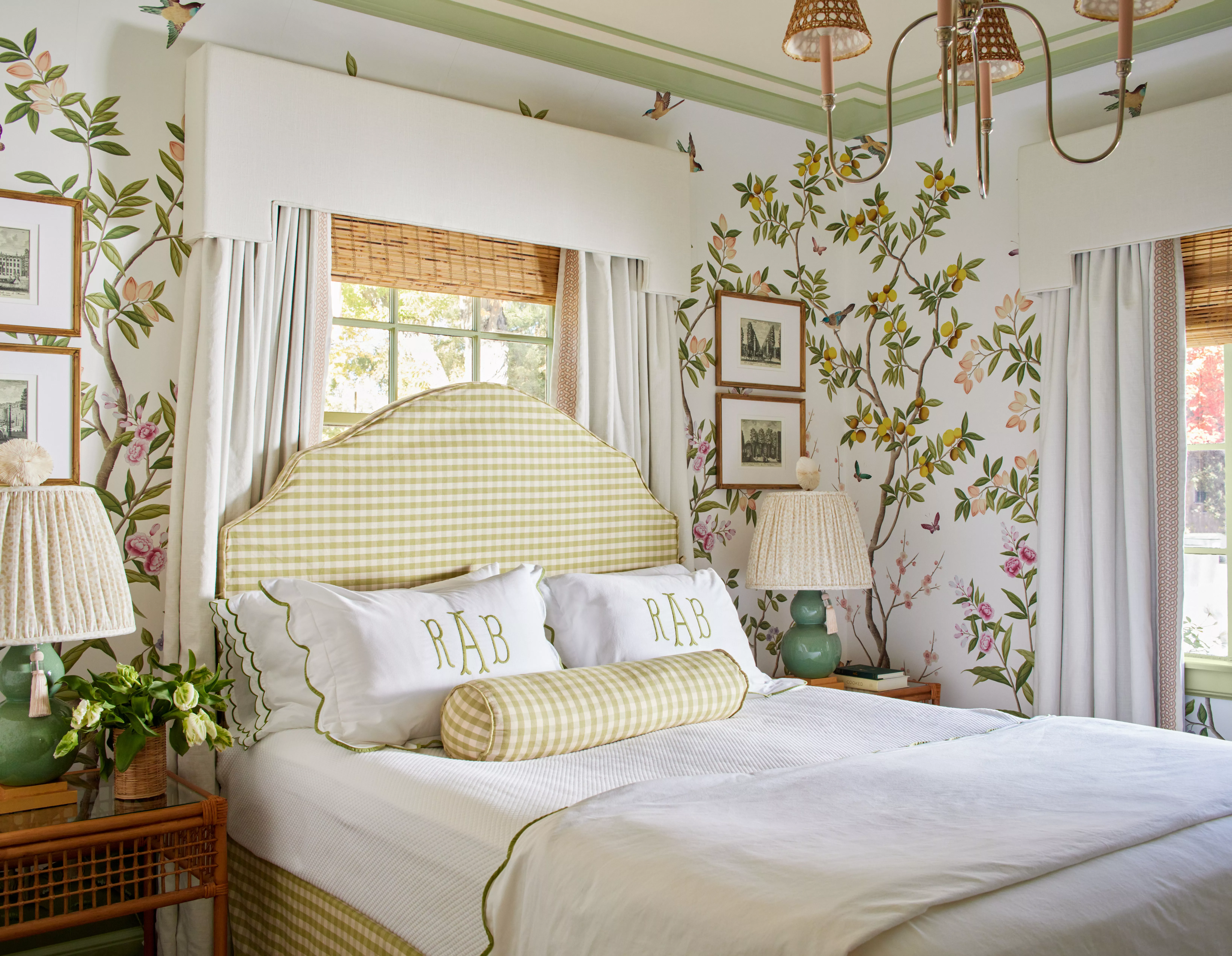
8 Interior Design Trends That Will Be Everywhere in 2025

10 Interior Design Trends Going Away In 2025

Interior Designers are Ditching These Home Trends in 2024
Designers Say These Trends Will Go Out of Style in 2025—Here Are Some to Try Instead

10 furniture trends that designers are loving for 2025
The Decorating Trends Designers Are Leaving Behind in 2026

5 Design Trends Interior Designers Can't Wait to Say Goodbye to in 2025

I asked interior designers what trends they are already sick of seeing in 2025
The Biggest Interior Design Trends for 2025

9 Home Décor Trends on Their Way Out in 2025, According to Interior Designers
Ready to Redecorate? 2025’s Top Design Trends Just Dropped

Designers Predict These 7 Interior Design Trends Will Be Everywhere in 2025
6 Trends Defining Home Décor in 2025

How to decorate in 2025: Skip these tired trends, interior designers say
Interior Designers Say These Decor Trends Will Be Everywhere in 2024
Sorry, But It’s Time to Retire These 5 Interior Design Trends in 2024

7 Interior Design Trends We're Saying Goodbye to in 2024