7 Interior Design Trends We're Saying Goodbye to in 2024
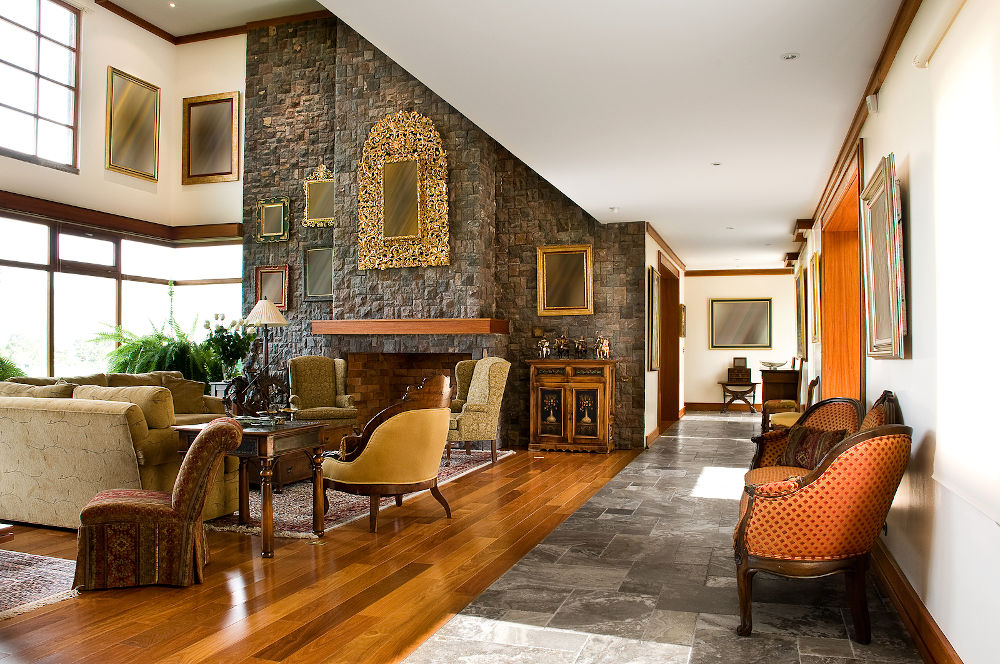
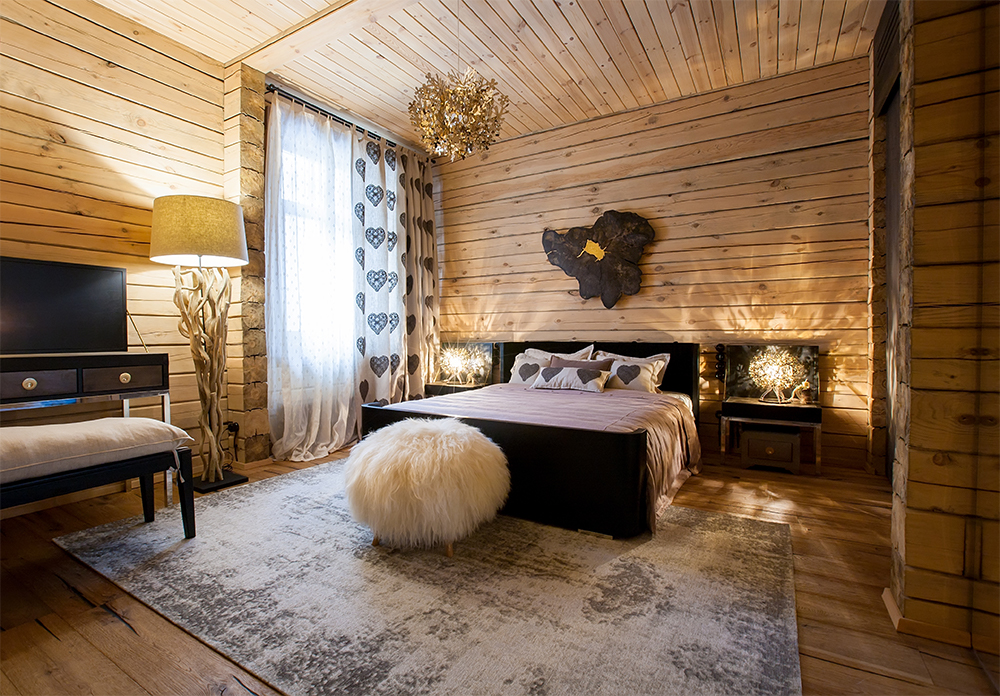
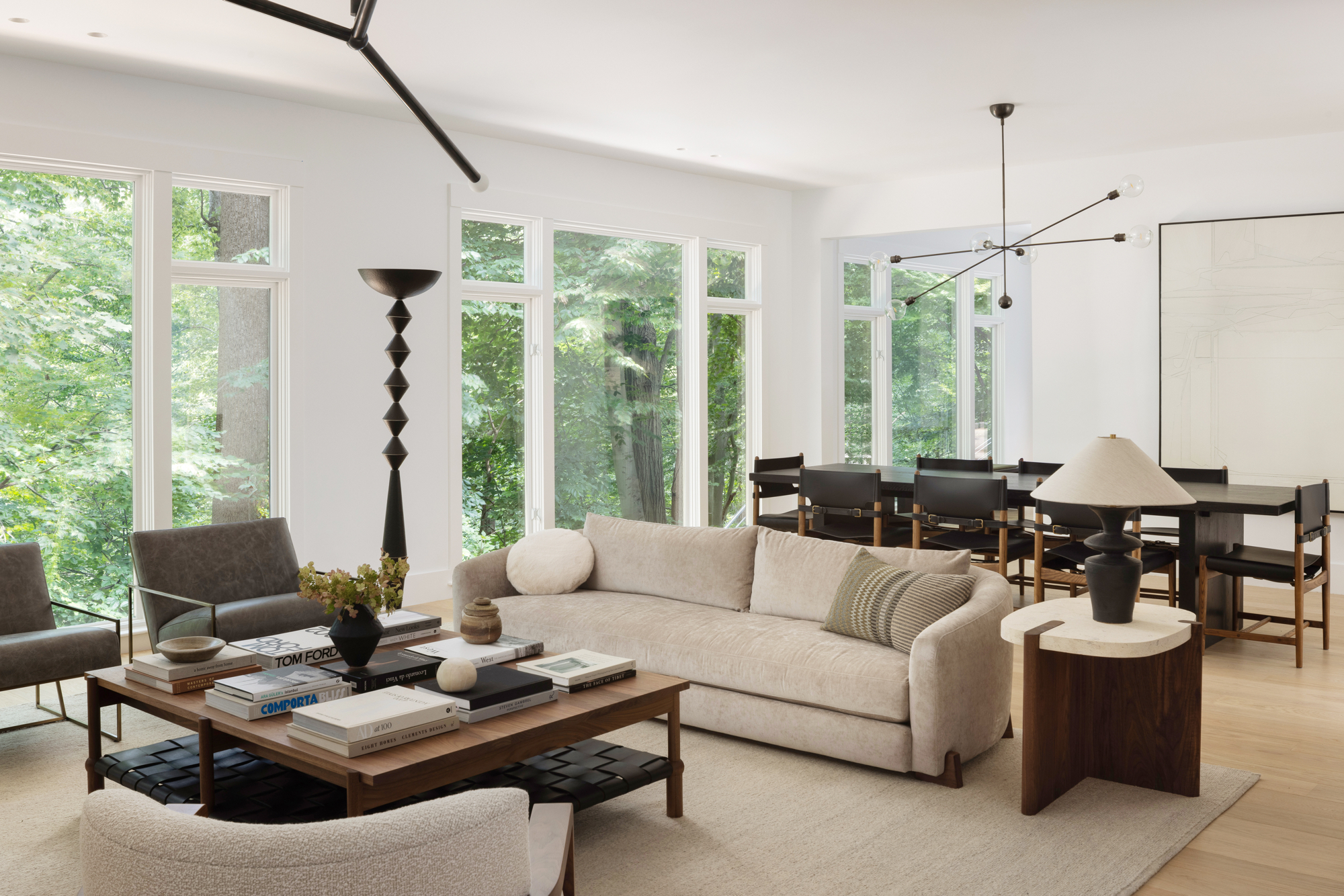
The interior design landscape for 2024 is set to undergo significant shifts, with several long-standing trends making way for fresh aesthetics and functional considerations. Experts, drawing on data from sources like Houzz and 1st Dibs, highlight a move away from certain styles that have dominated in recent years.
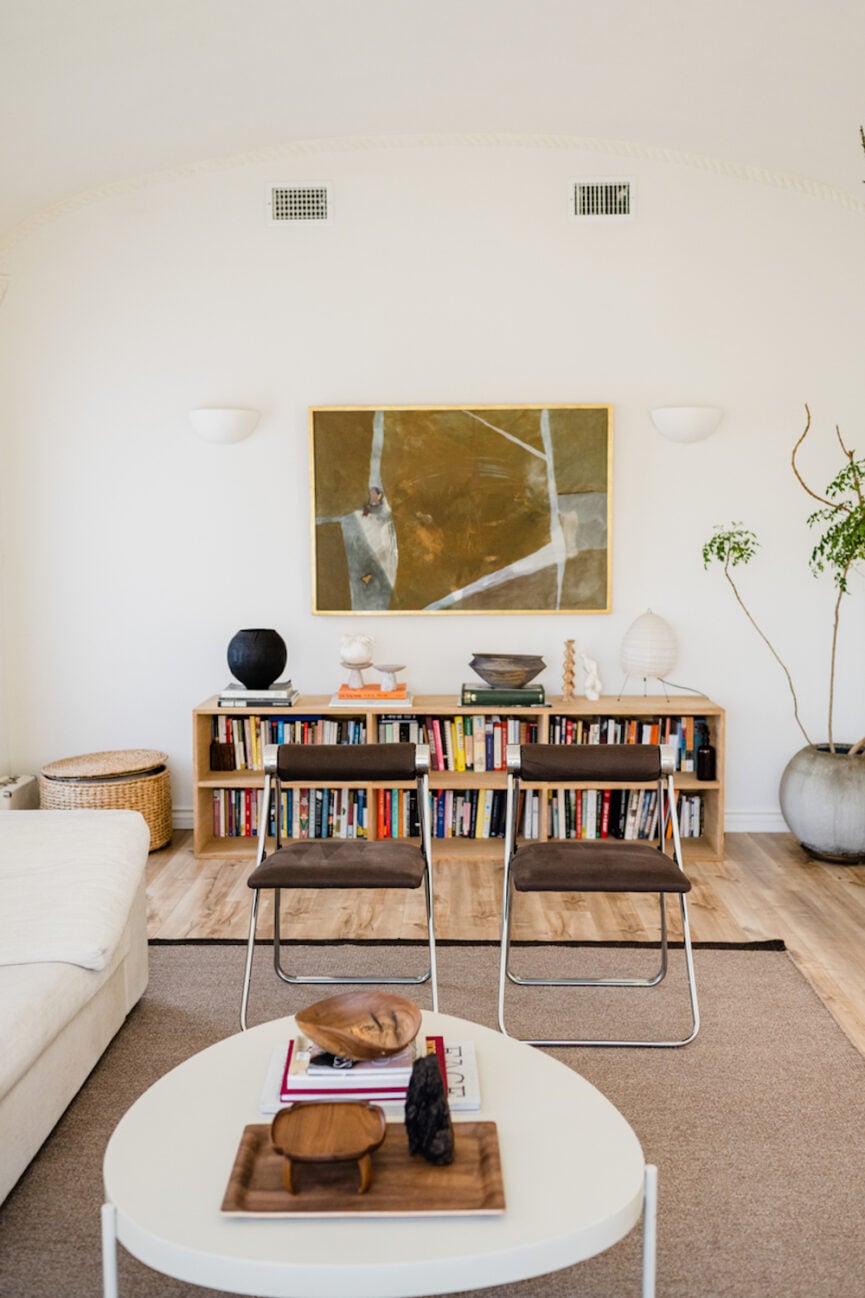
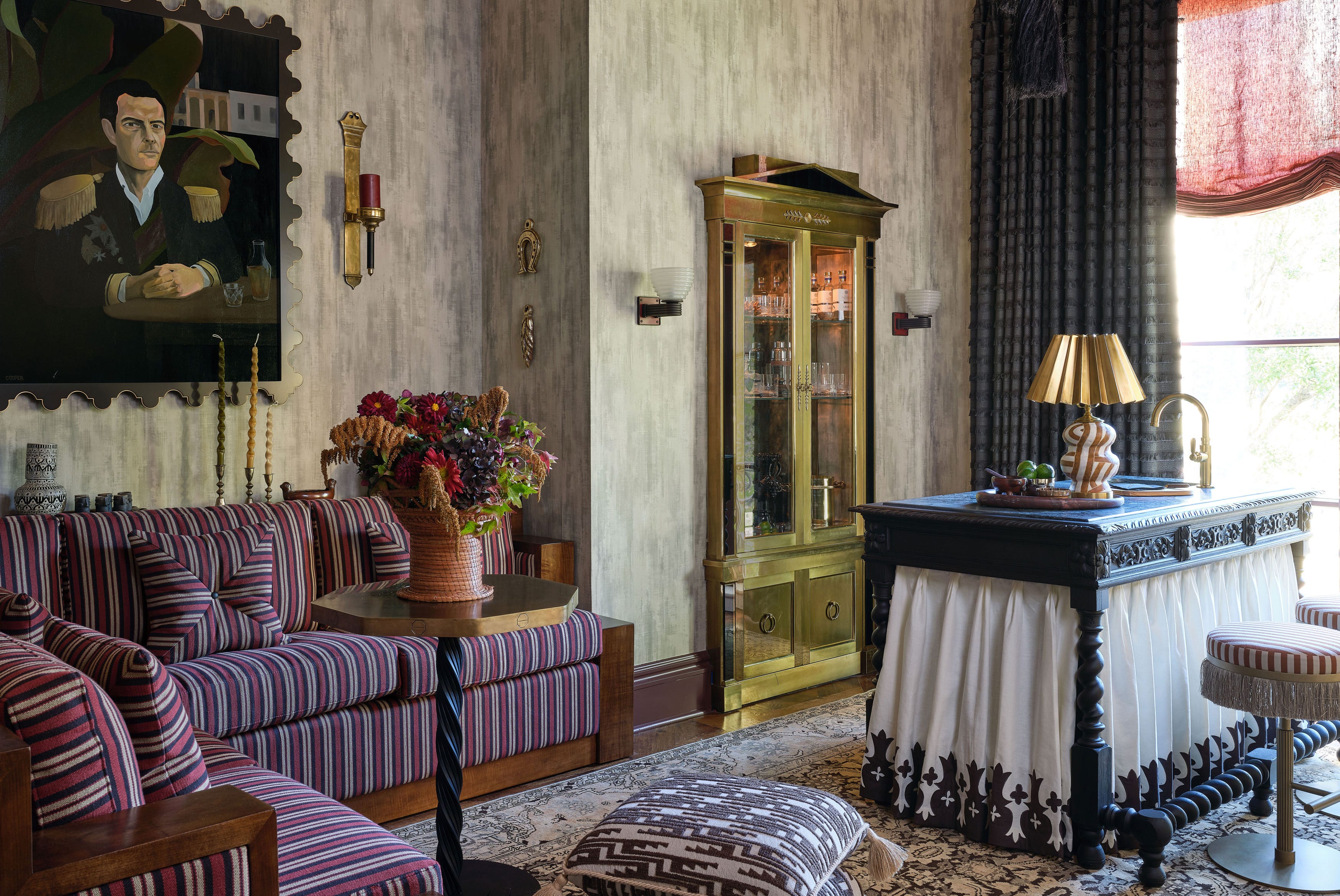
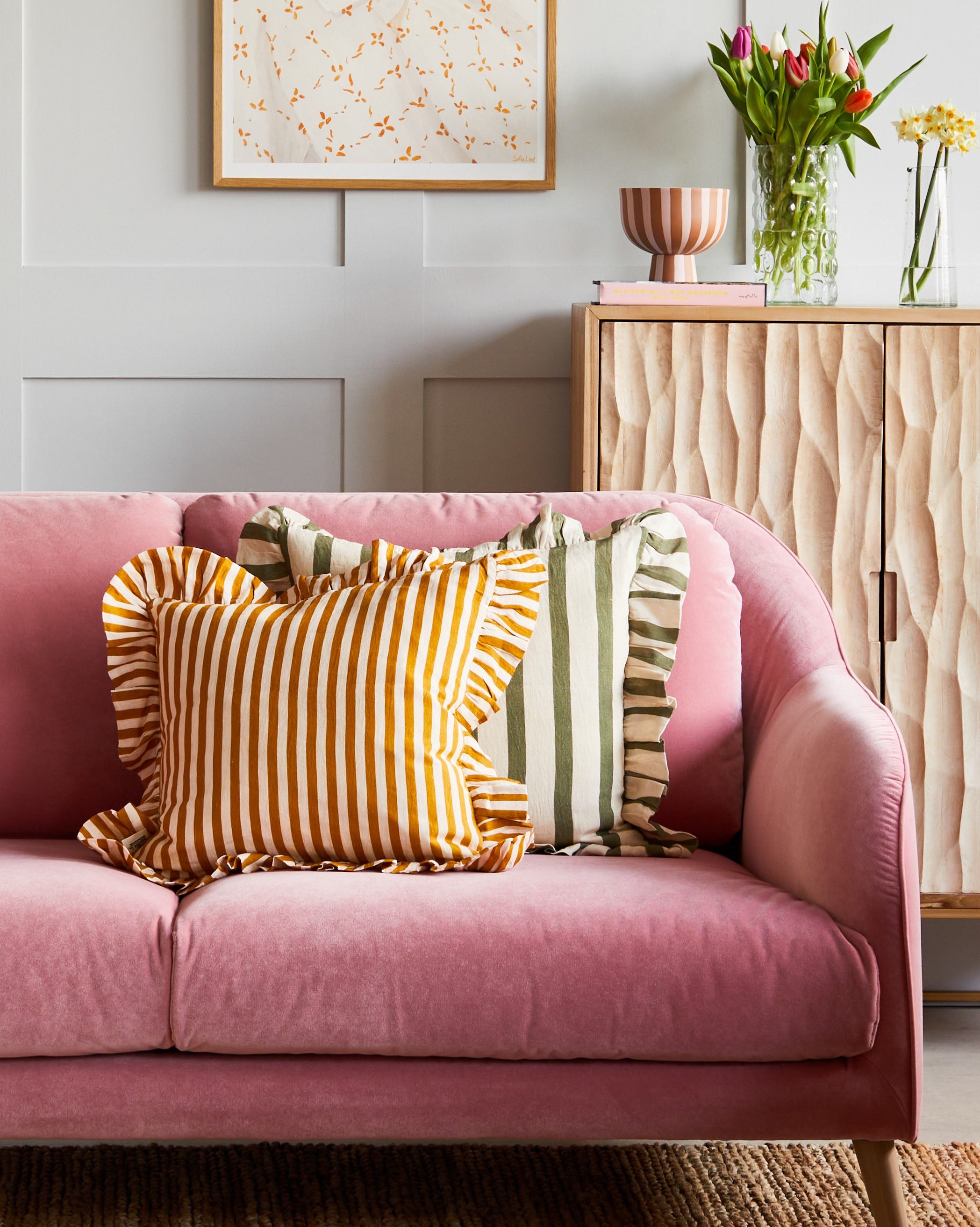
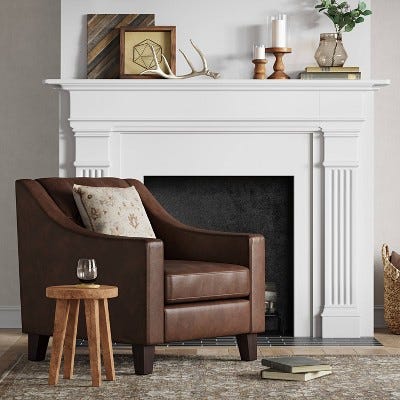
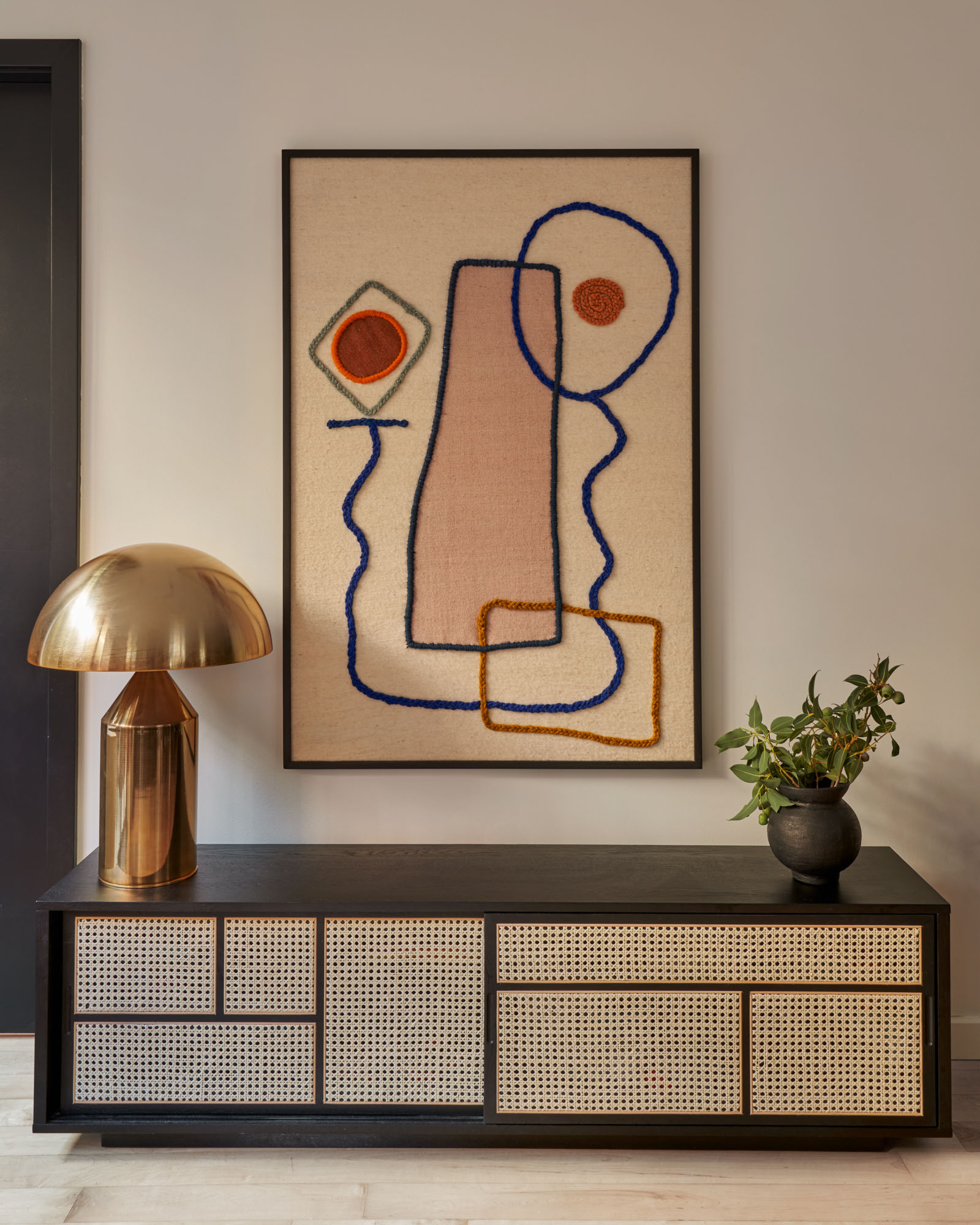
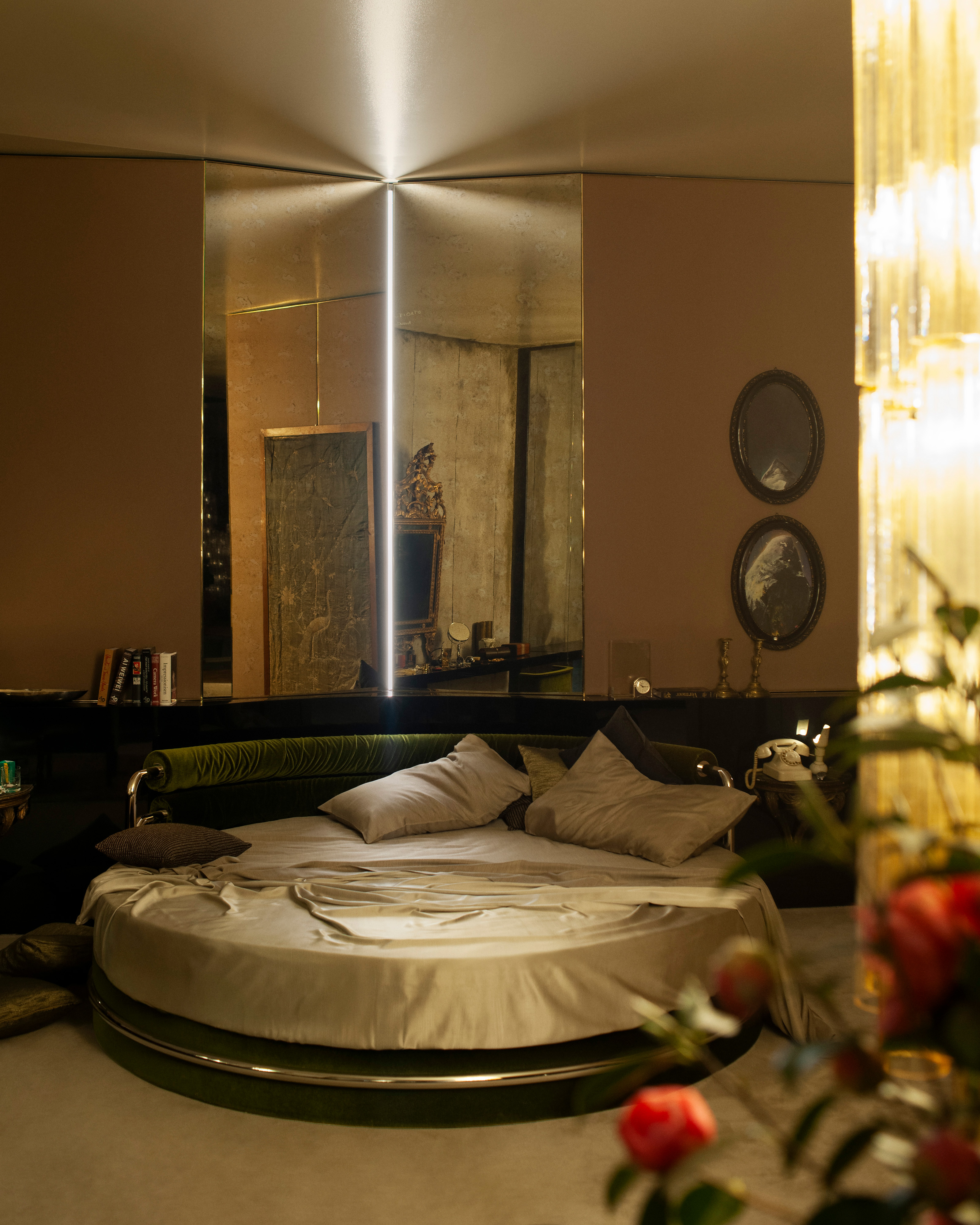
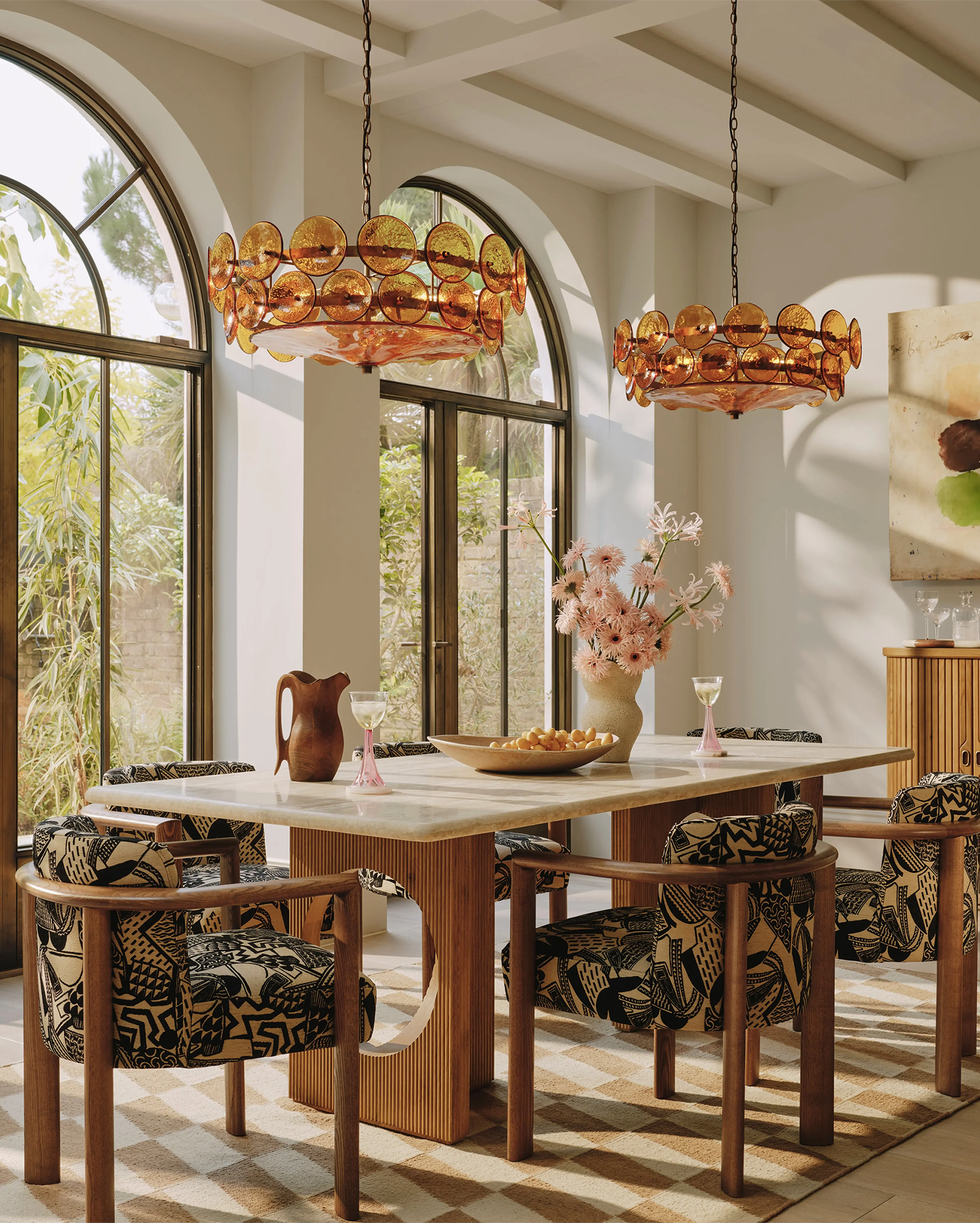
One prominent change is the evolution from the midcentury modernism of the 1960s to a more bohemian 1970s aesthetic. While 1960s styles, characterized by natural woods and neutral upholstery, have been prevalent, 2024 will see a resurgence of the vibrant, lush, and colorful qualities of the 1970s. This shift is evident in the growing interest in designers like Gubi and Gabriella Crespi, known for their rattan designs and Italian chic. The '70s revival encourages the incorporation of natural rattan, iconic furniture designs, a mix of bold florals and wavy patterns, and an overall eclectic feel.
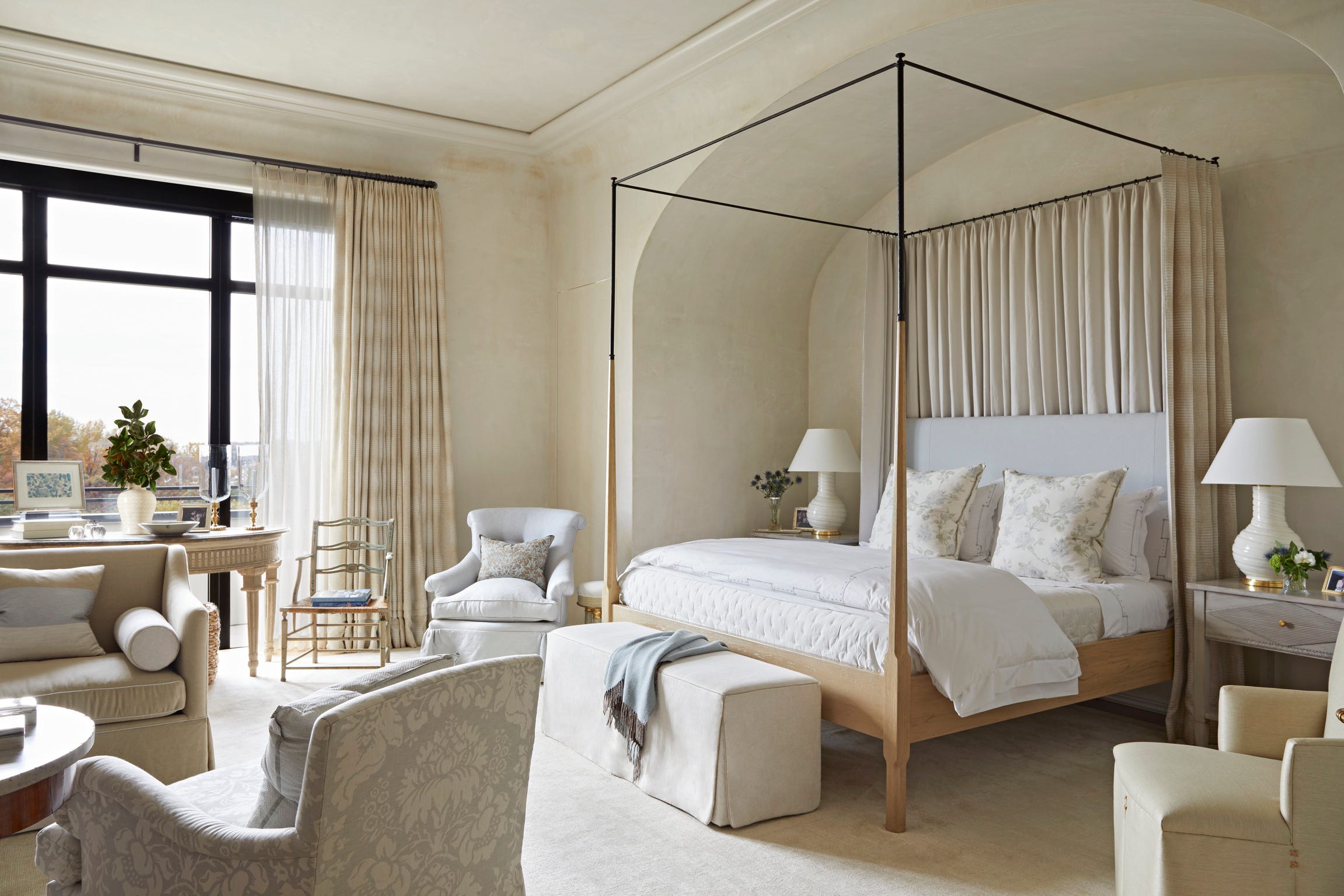
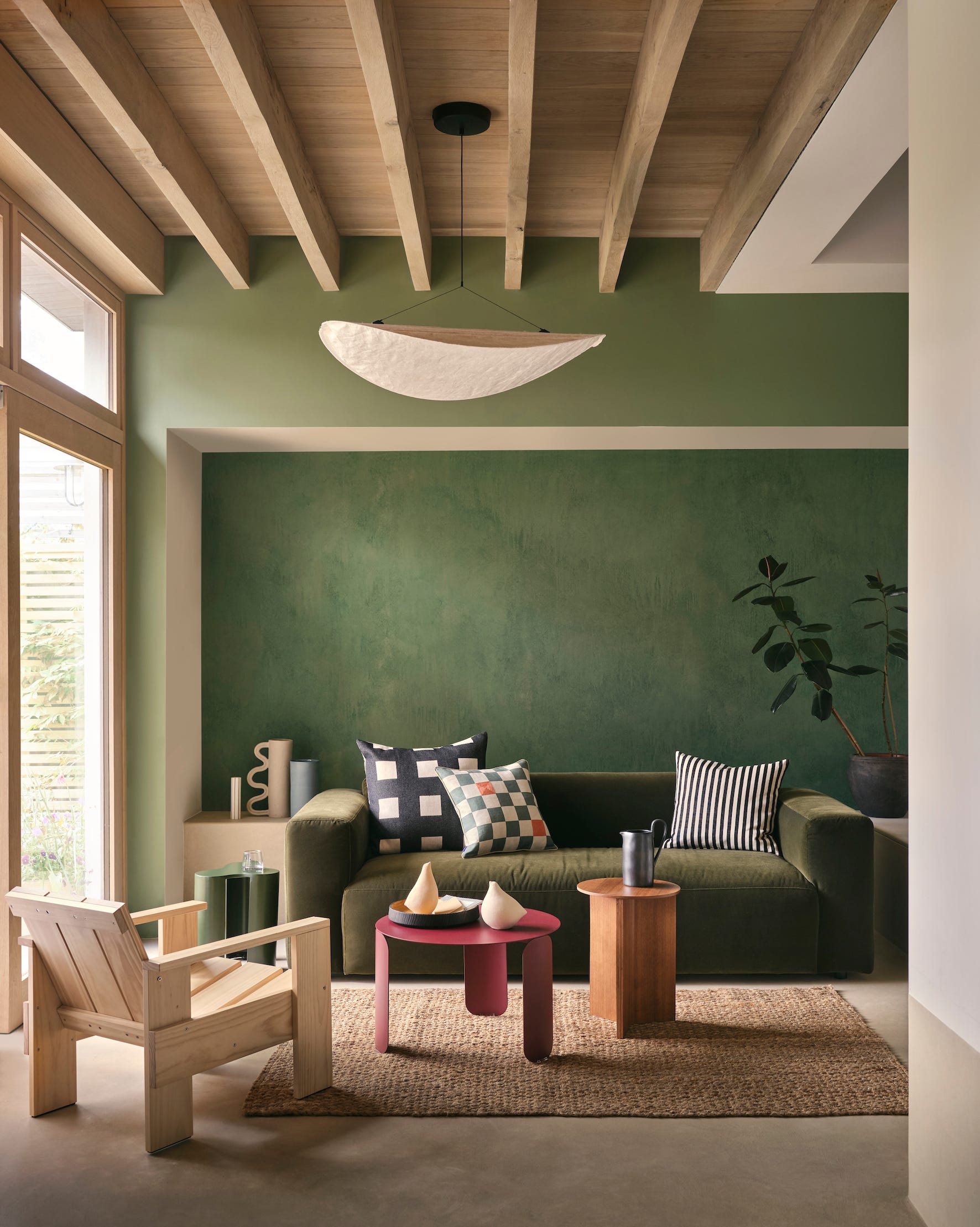
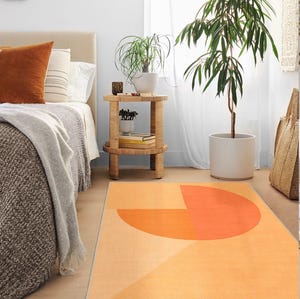
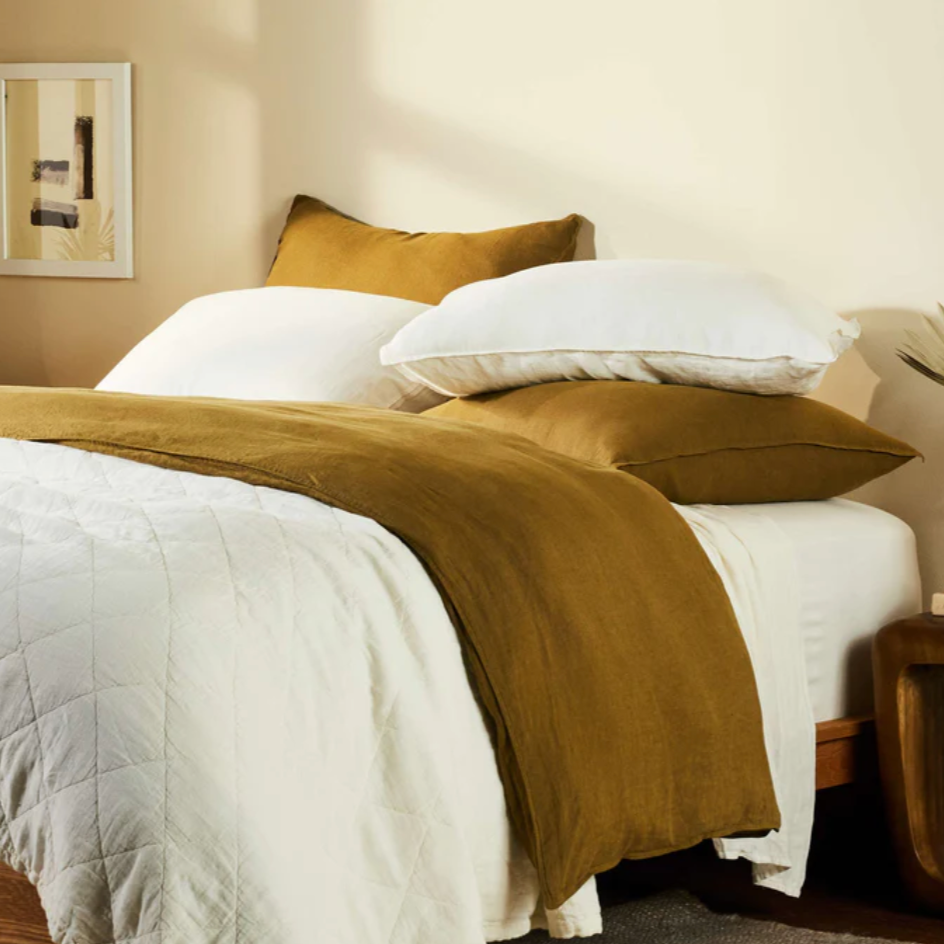
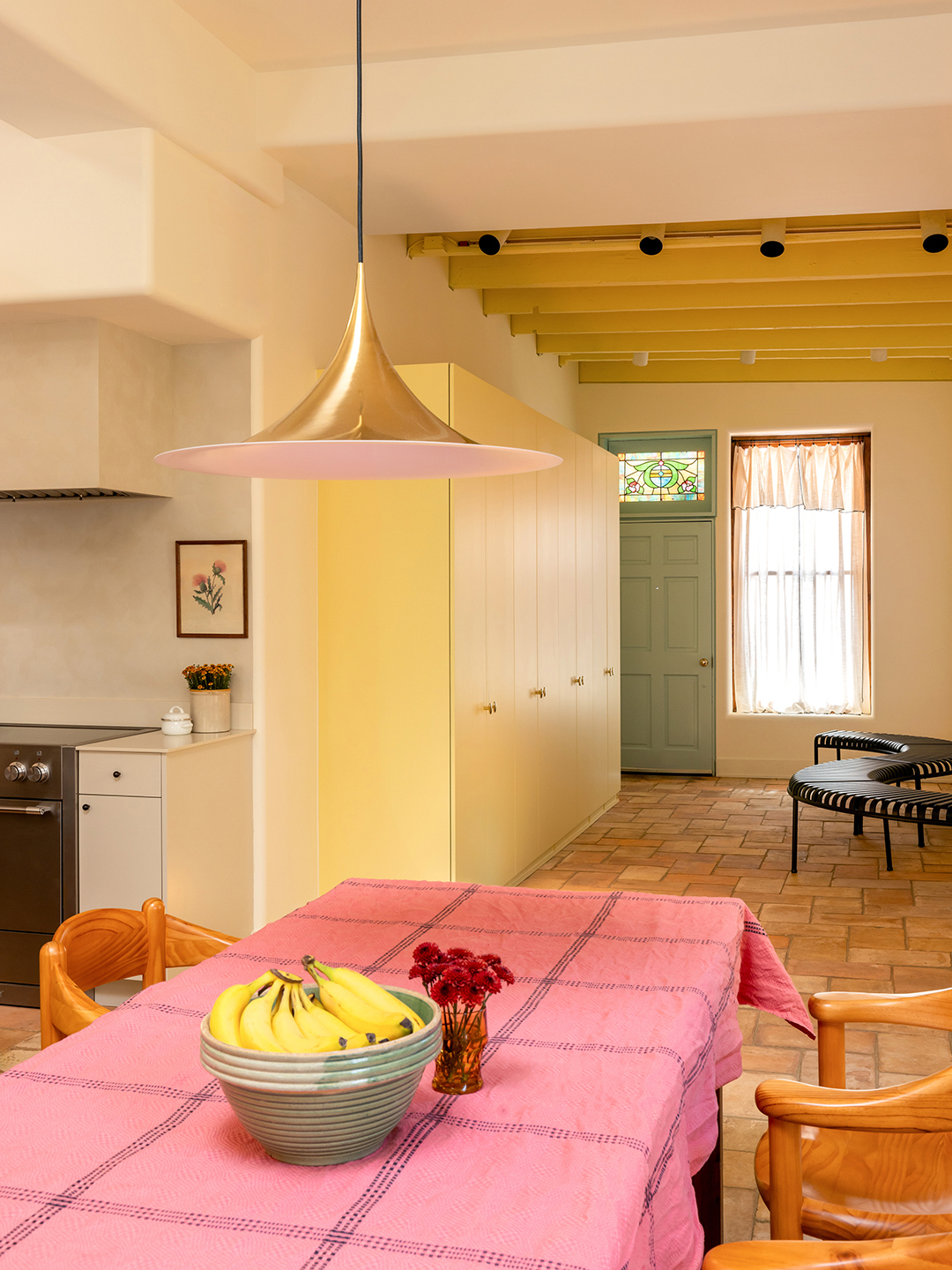
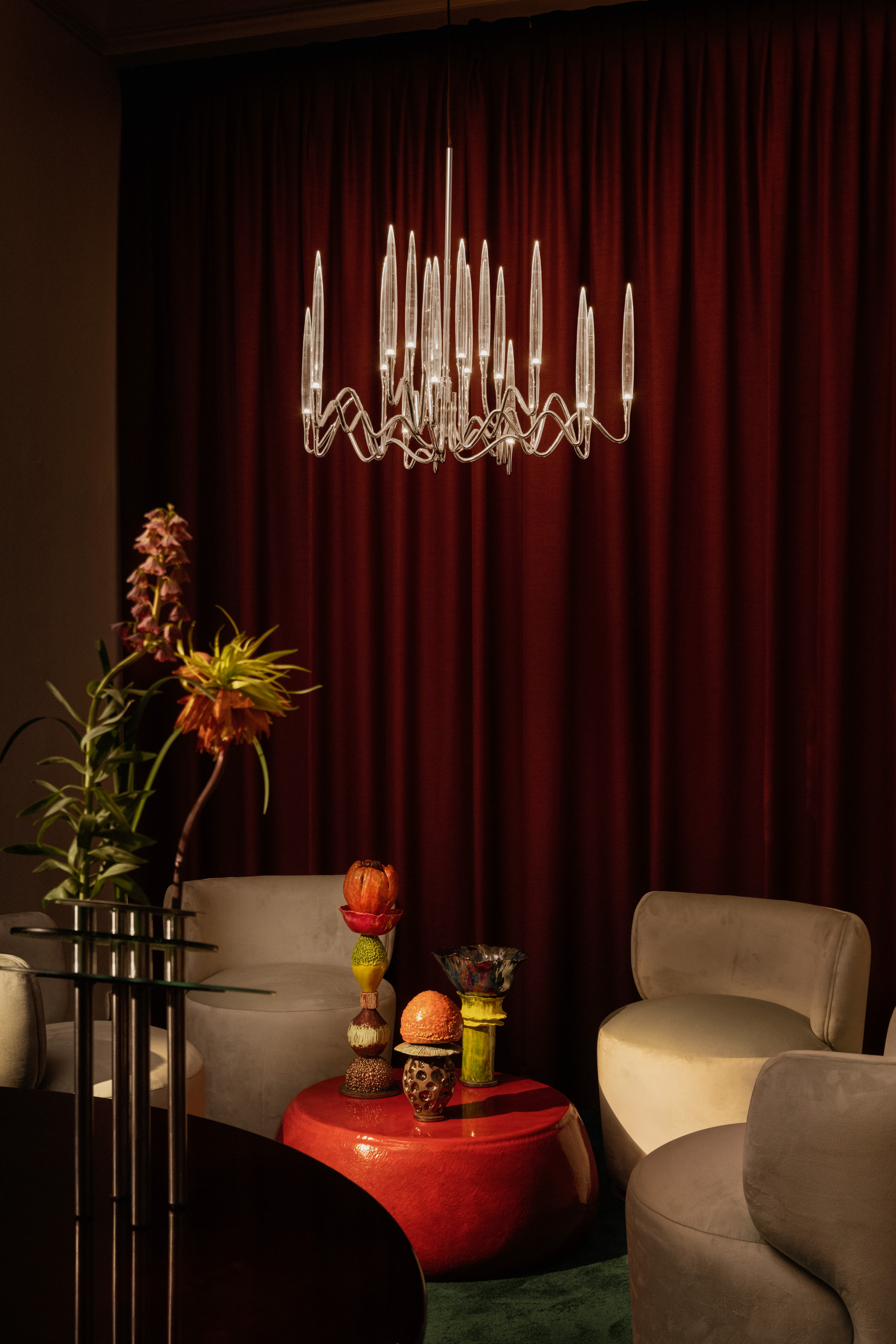
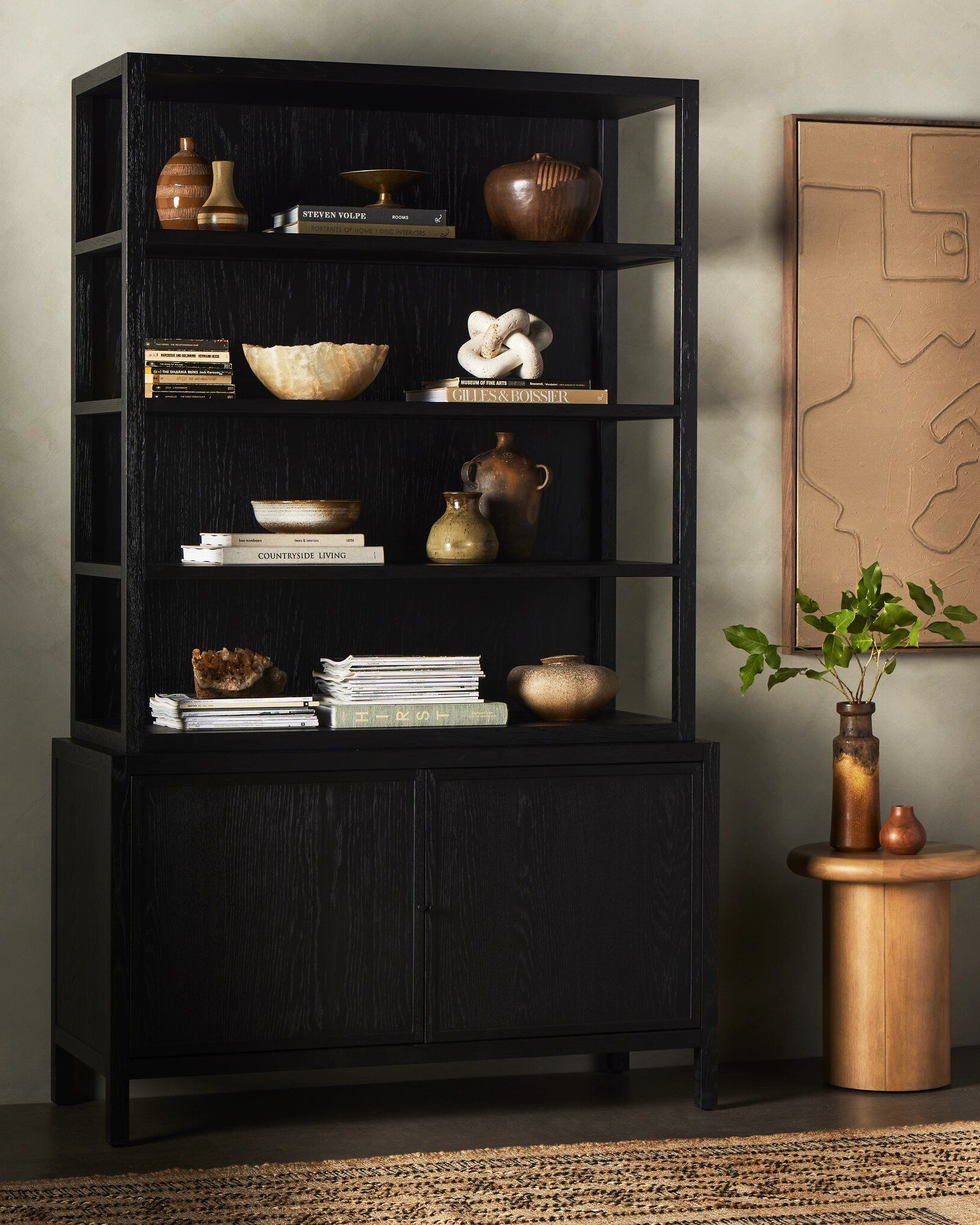
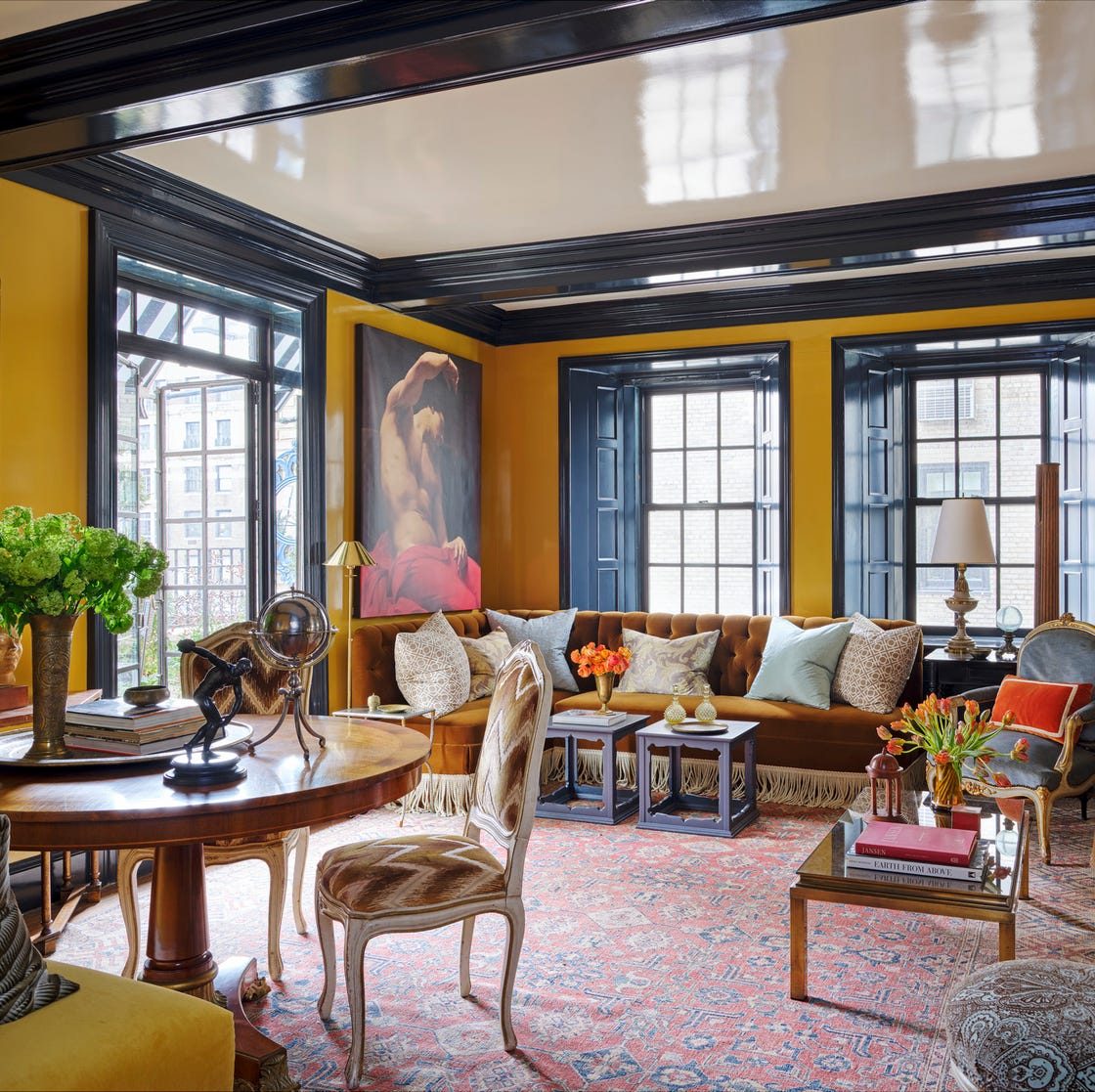
Color preferences are also evolving, with a departure from vibrant jewel tones in favor of rich, earthy shades. An autumnal palette featuring sage greens, earthy browns, burnt orange, mustard yellow, and tan shades is predicted to be popular. Sage green is expected to be a top color, followed closely by other warm, comforting tones like Jitney and Stirabout from Farrow & Ball. These warm clay tones are seen as nurturing and reassuring, creating harmonious spaces. This earthy palette coincidentally aligns with the 1970s aesthetic, suggesting that incorporating these colors, perhaps through velvety upholstery, layered textures, and retro patterns, can infuse homes with a nostalgic feel.
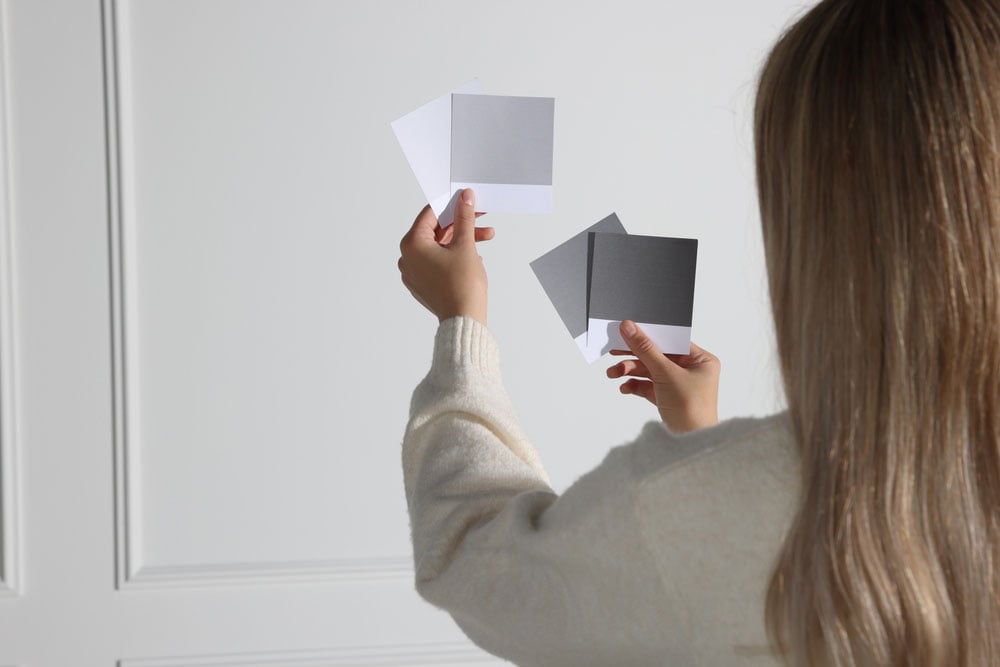
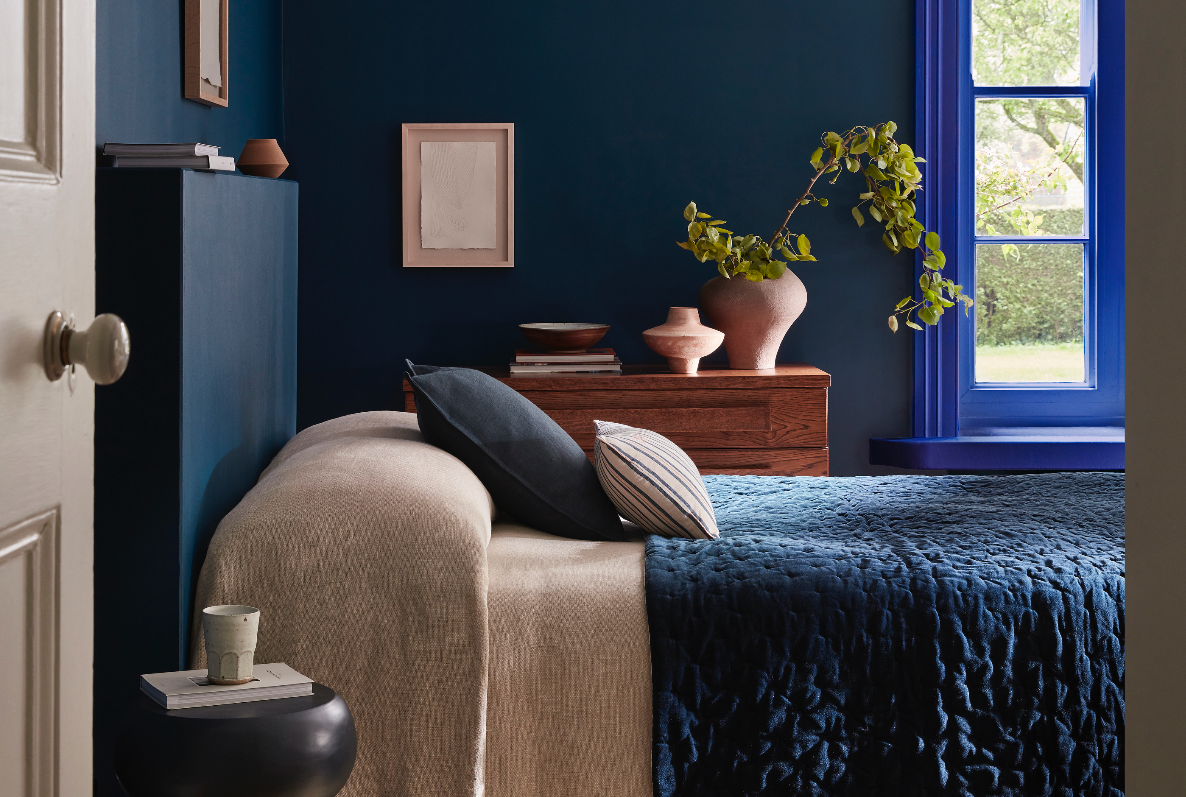
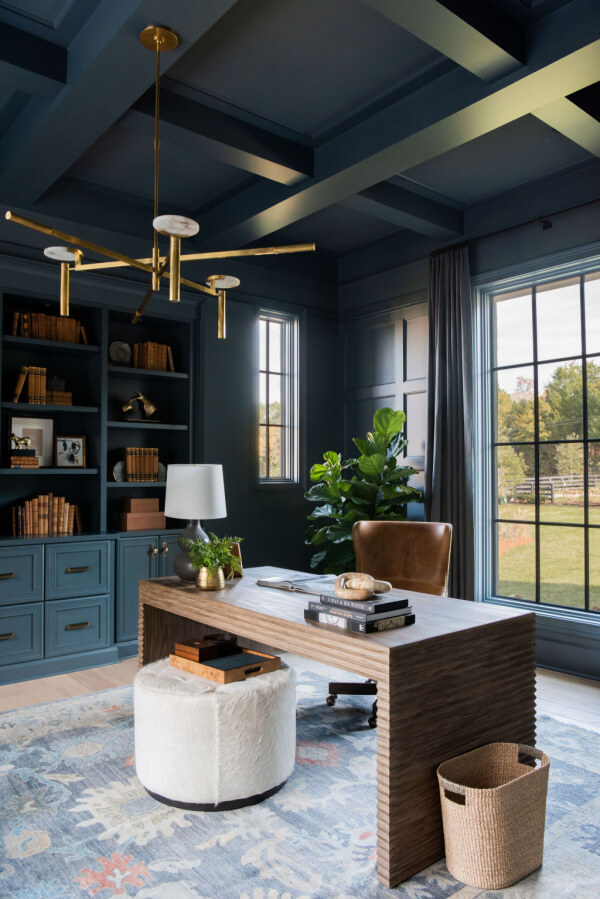
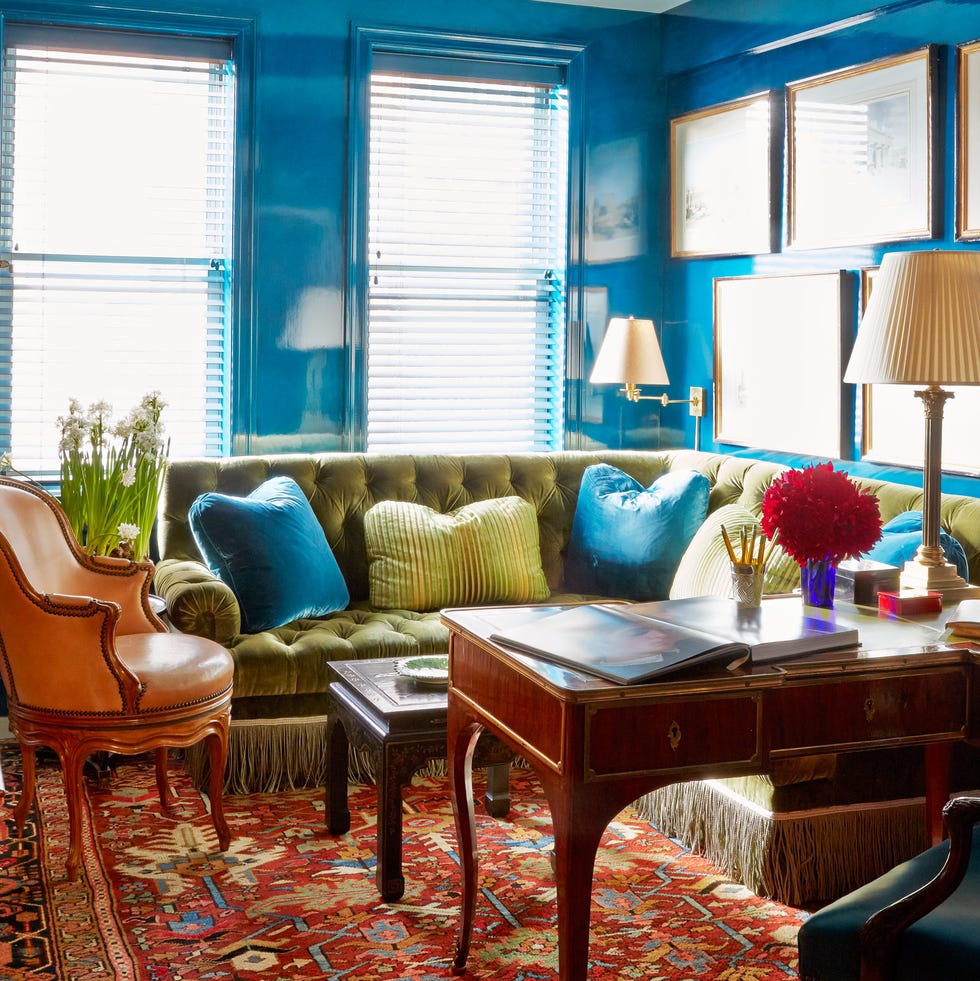
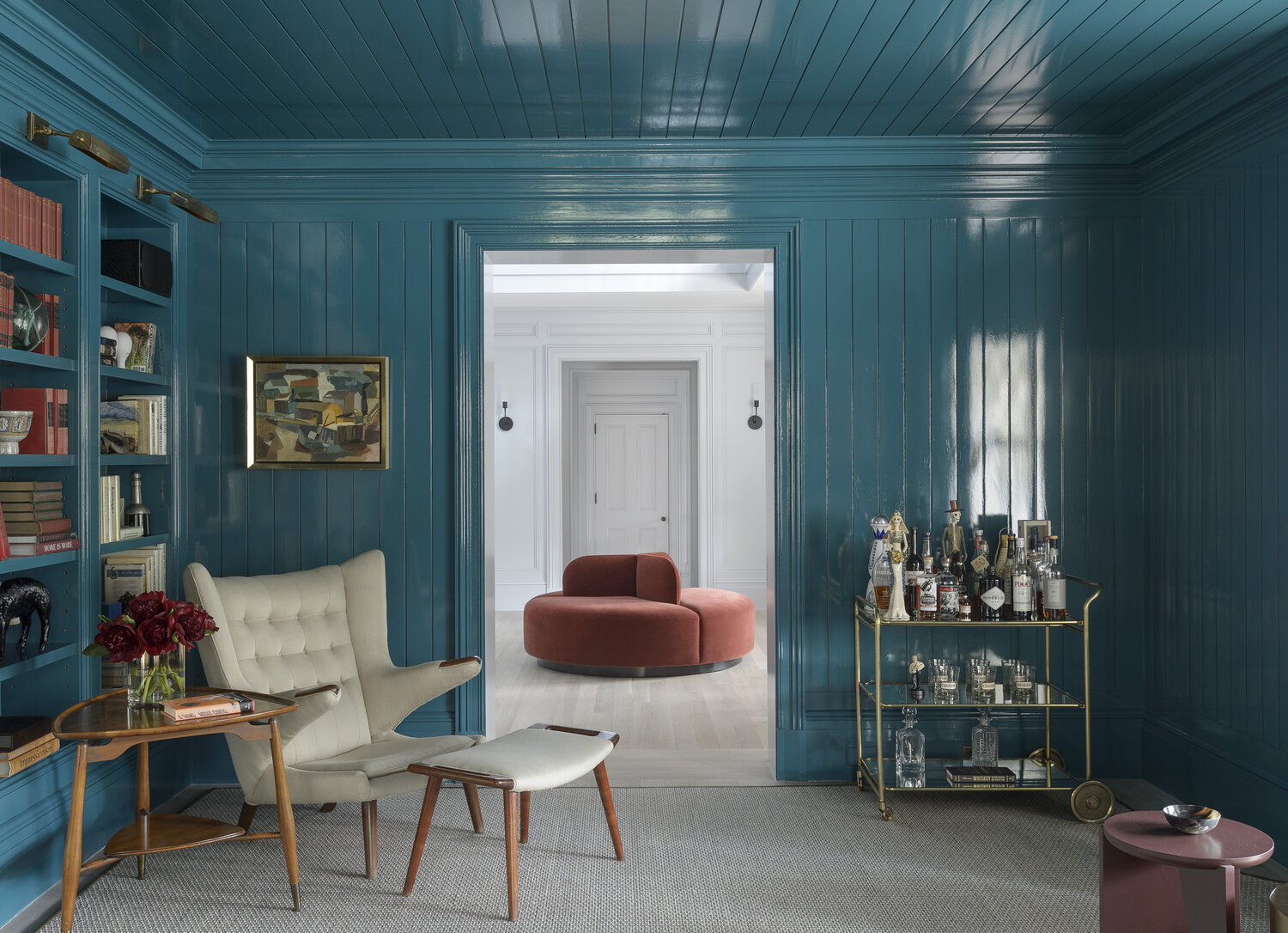
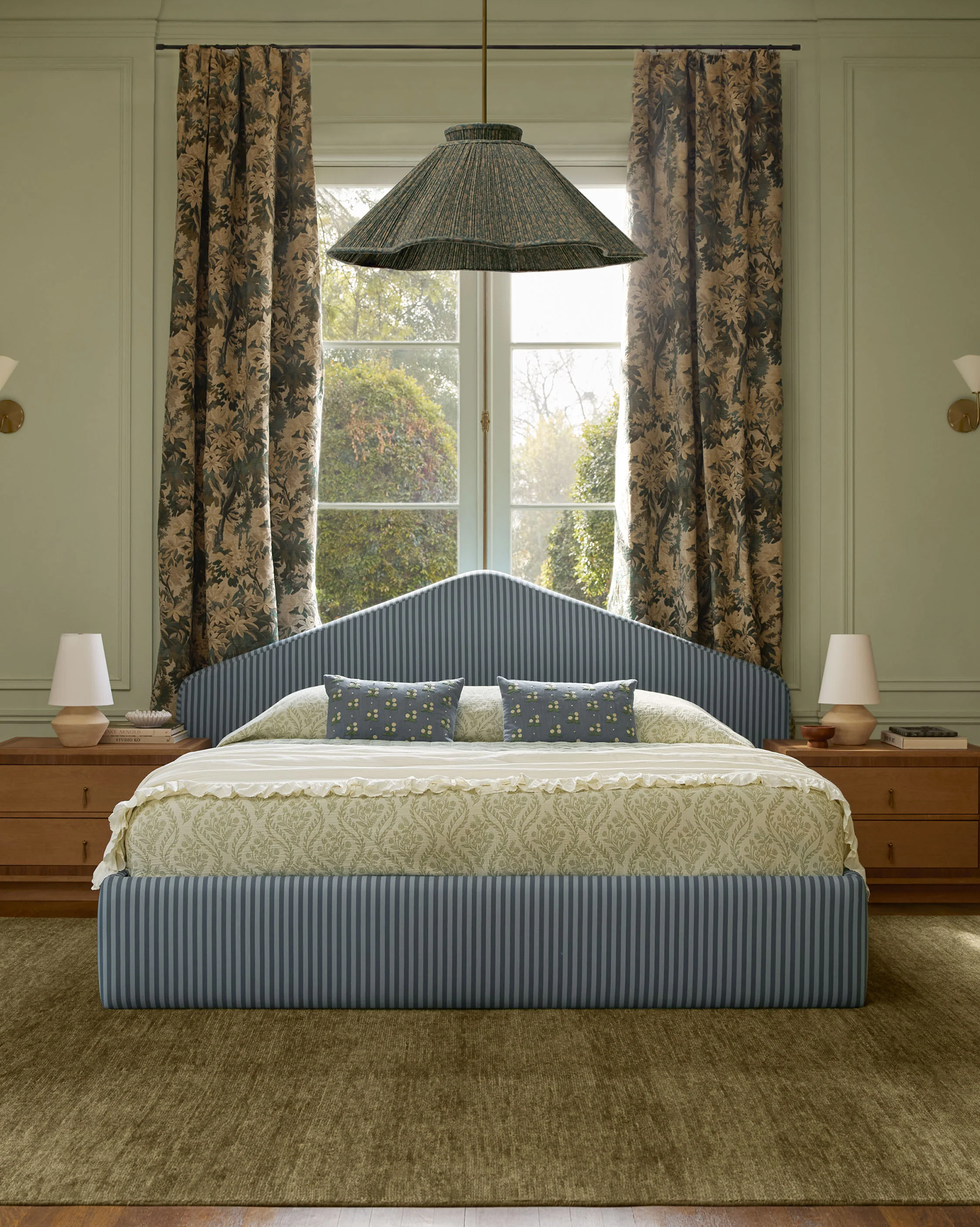
Blue is emerging as a dominant color, replacing lavender's previous popularity. Over half of the leading paint suppliers have chosen a shade of blue as their color of the year for 2024, ranging from bright and breezy pale blues, such as Sherwin William’s Upward, to uplifting mid-tone sky blues like C2’s Thermal. This trend is attributed to blue's psychological associations with serenity, relaxation, and trustworthiness, with studies showing its ability to lower heart rate and blood pressure. The prevalence of blue is expected to extend to decorative materials and housewares.
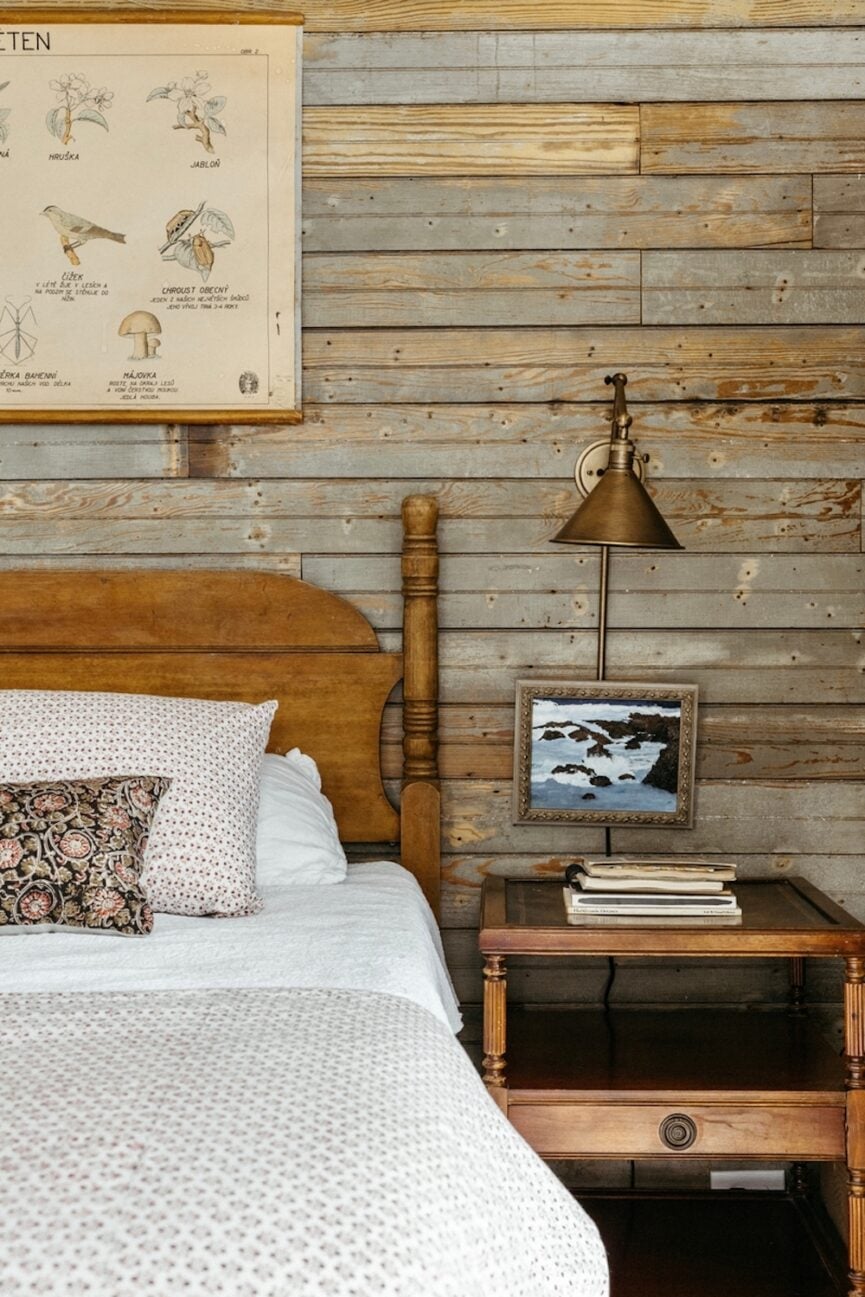
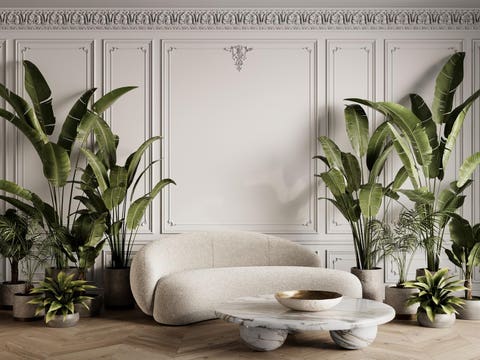
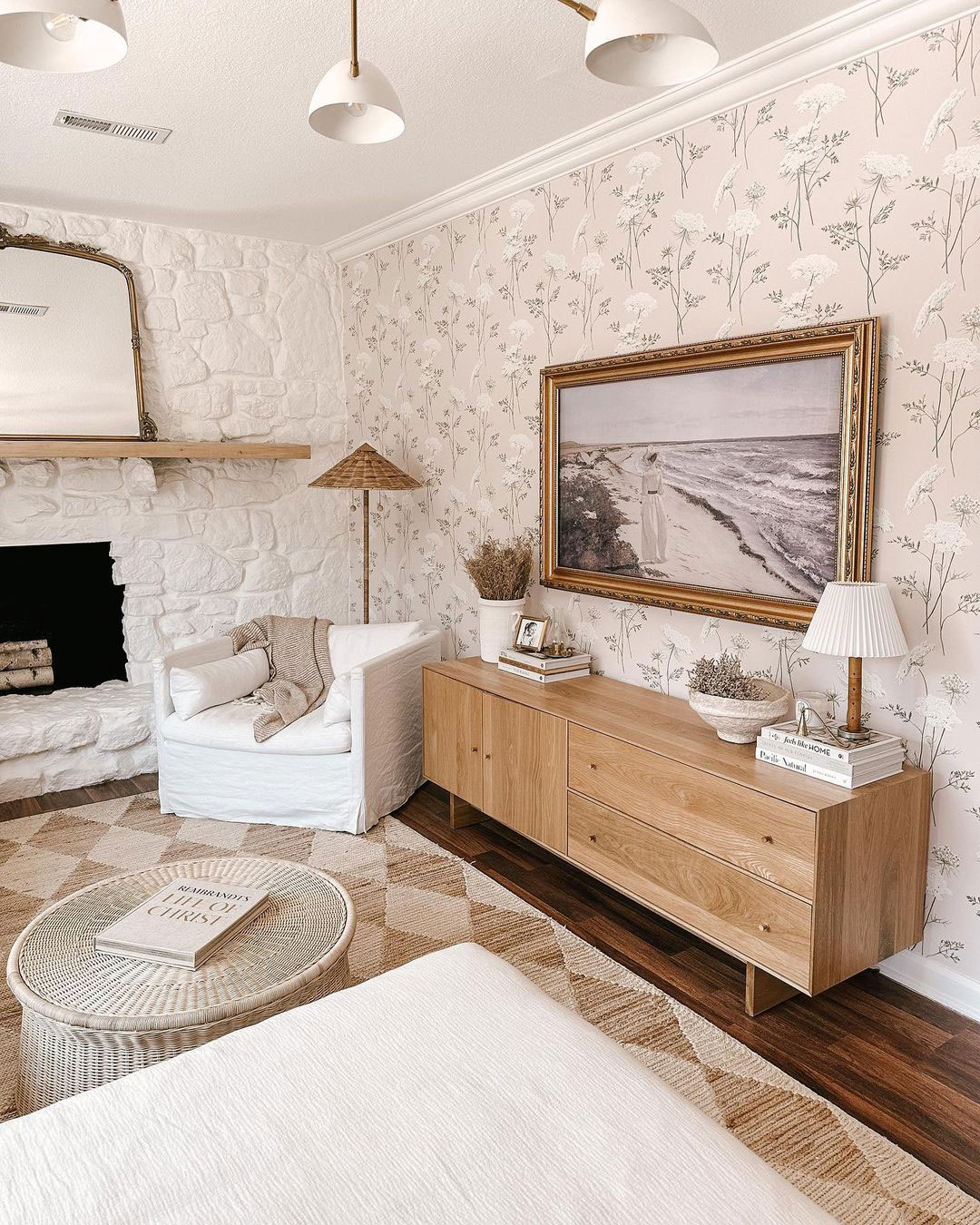
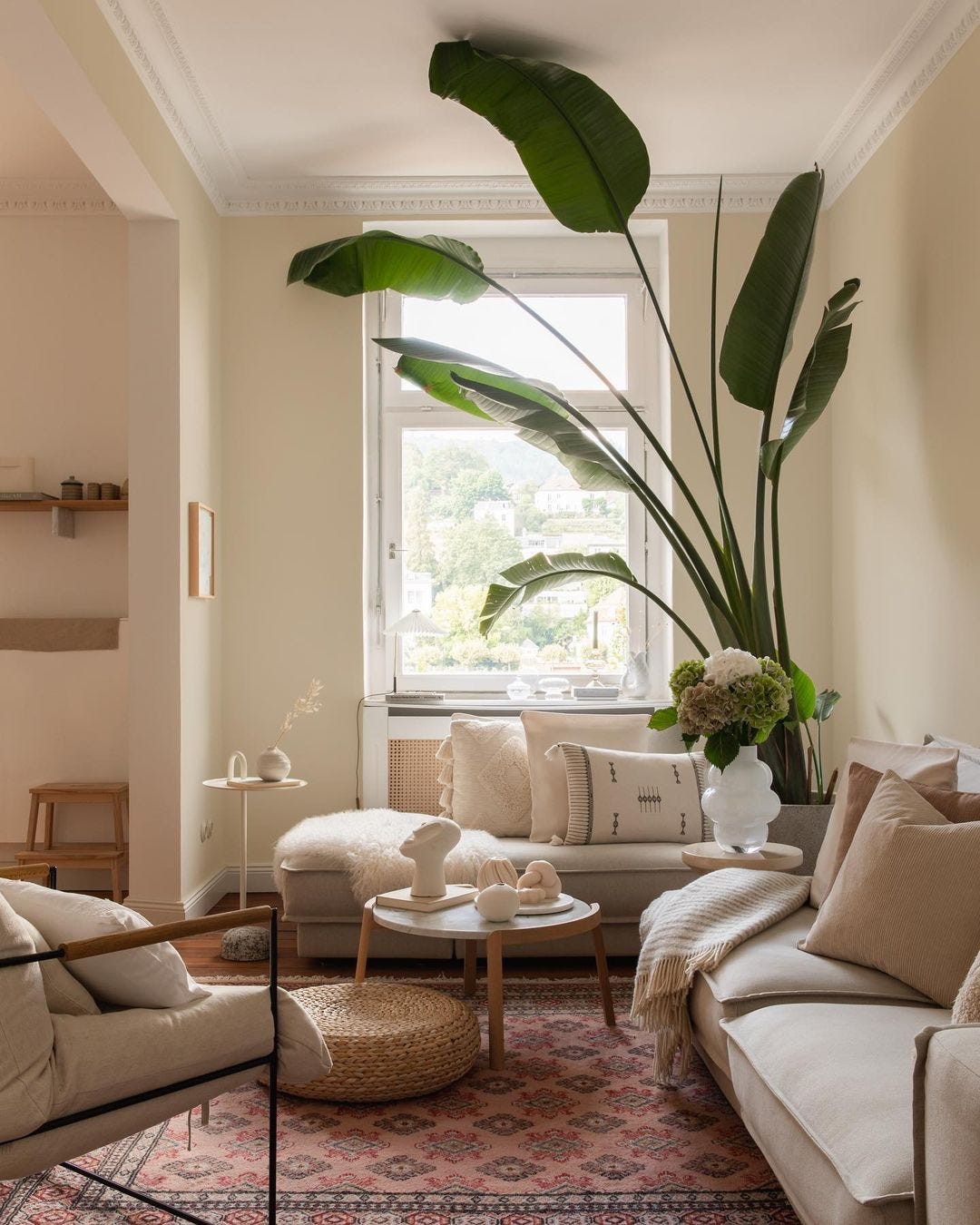
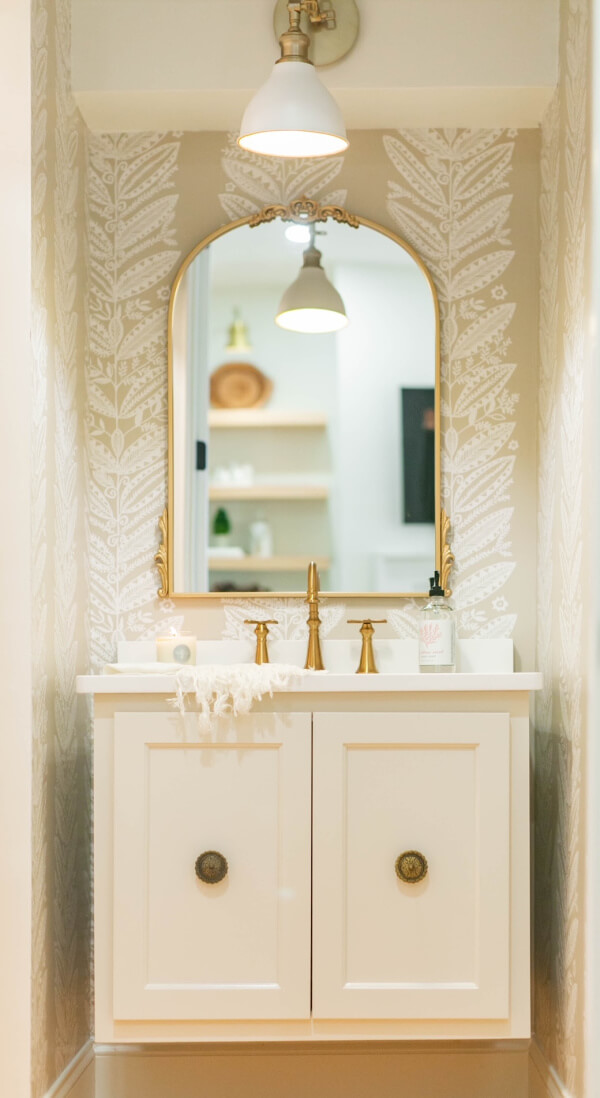
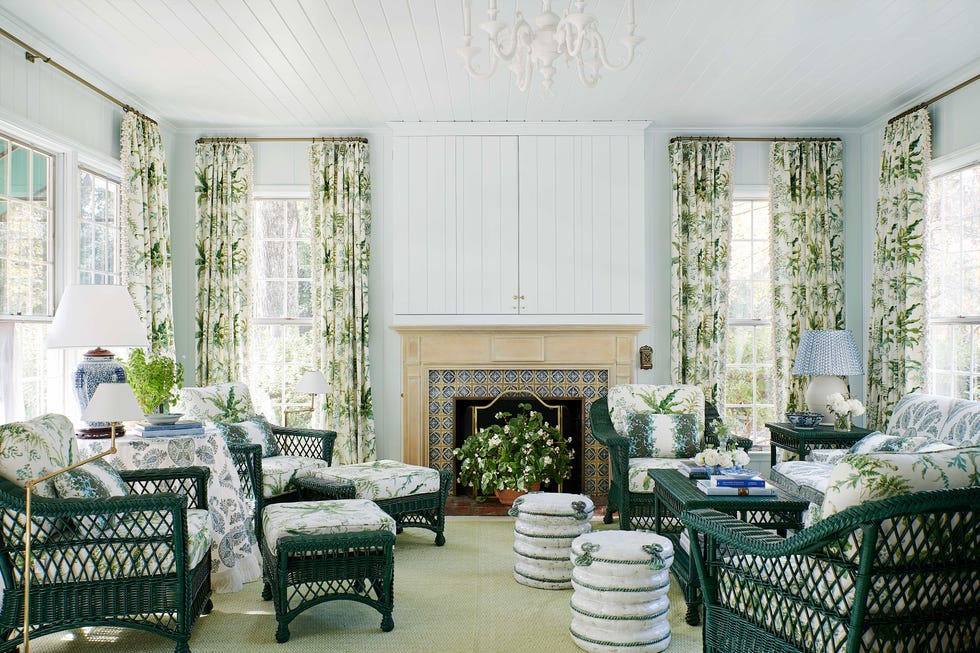
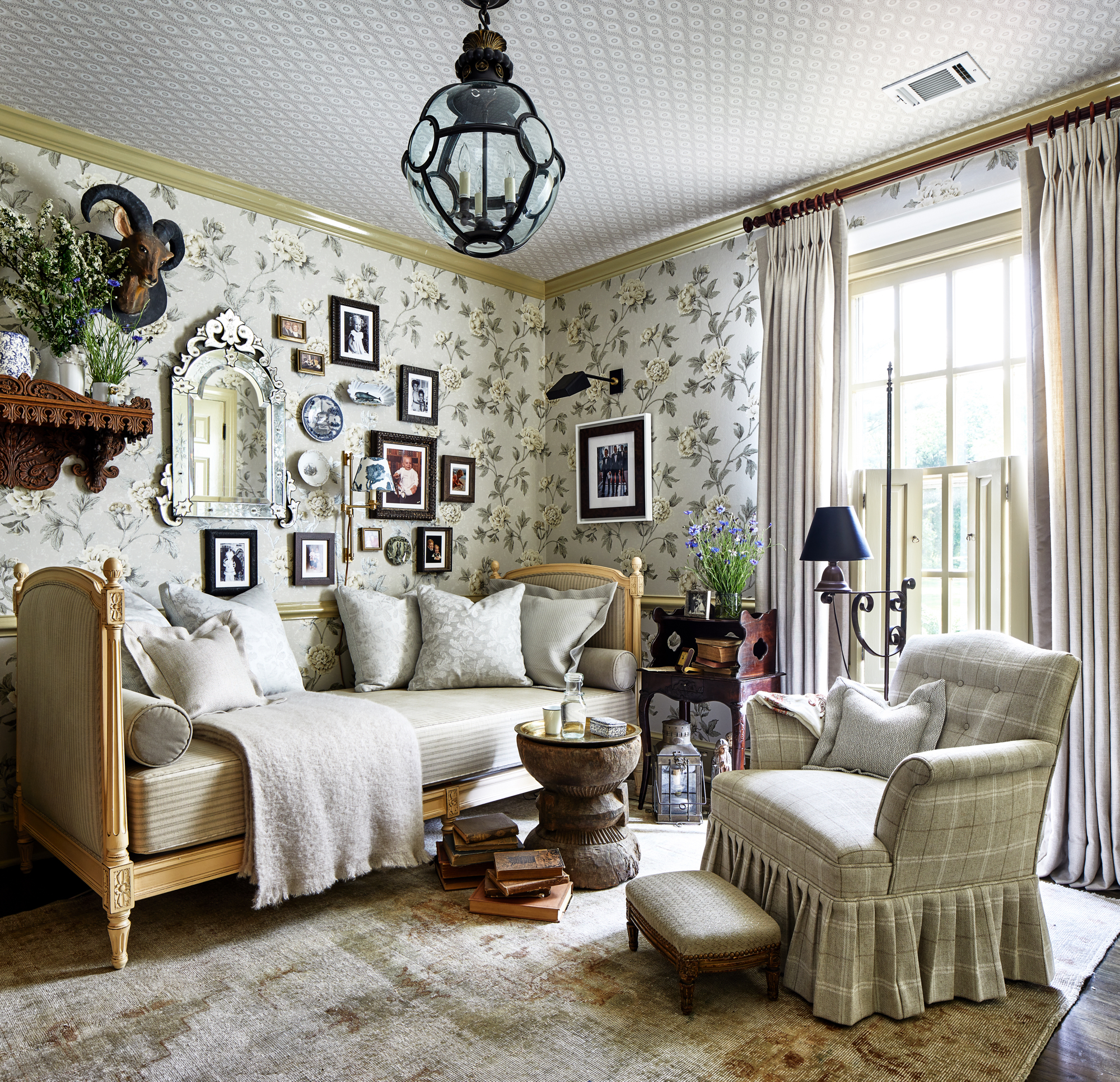
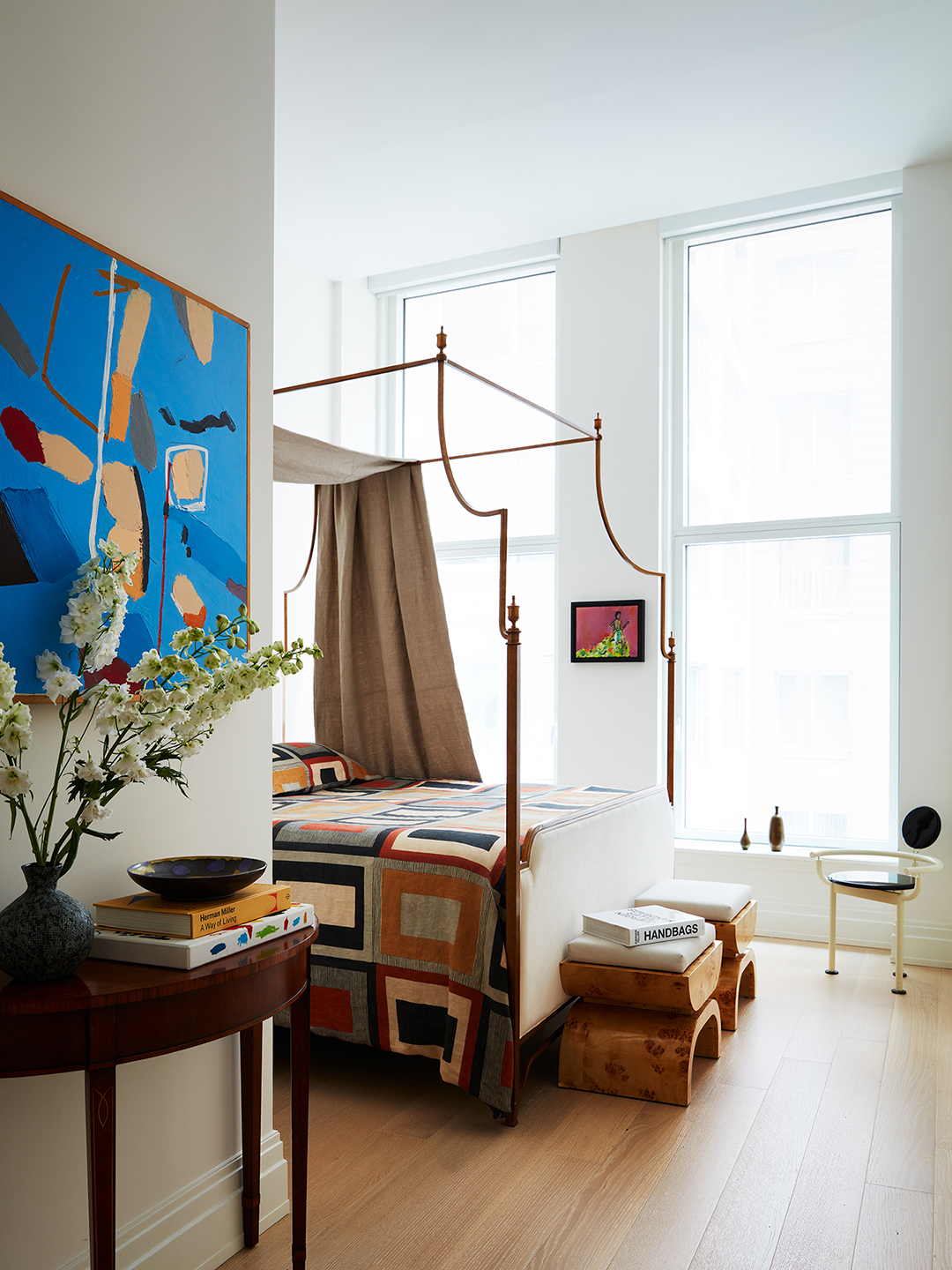
In terms of patterns, nature-inspired motifs, particularly florals, are anticipated to take precedence, while geometric shapes, gingham, and insect motifs are losing favor. This shift reflects a broader trend towards personalization, visual interest, and a nostalgia for simpler times, influenced by movements like Cottagecore and Biophilic design. These trends emphasize natural and sustainable materials, aligning with a growing concern for environmental impact and a desire to connect with the natural world. Designers are increasingly using sustainable, organic textiles featuring botanicals, flora, and fauna.
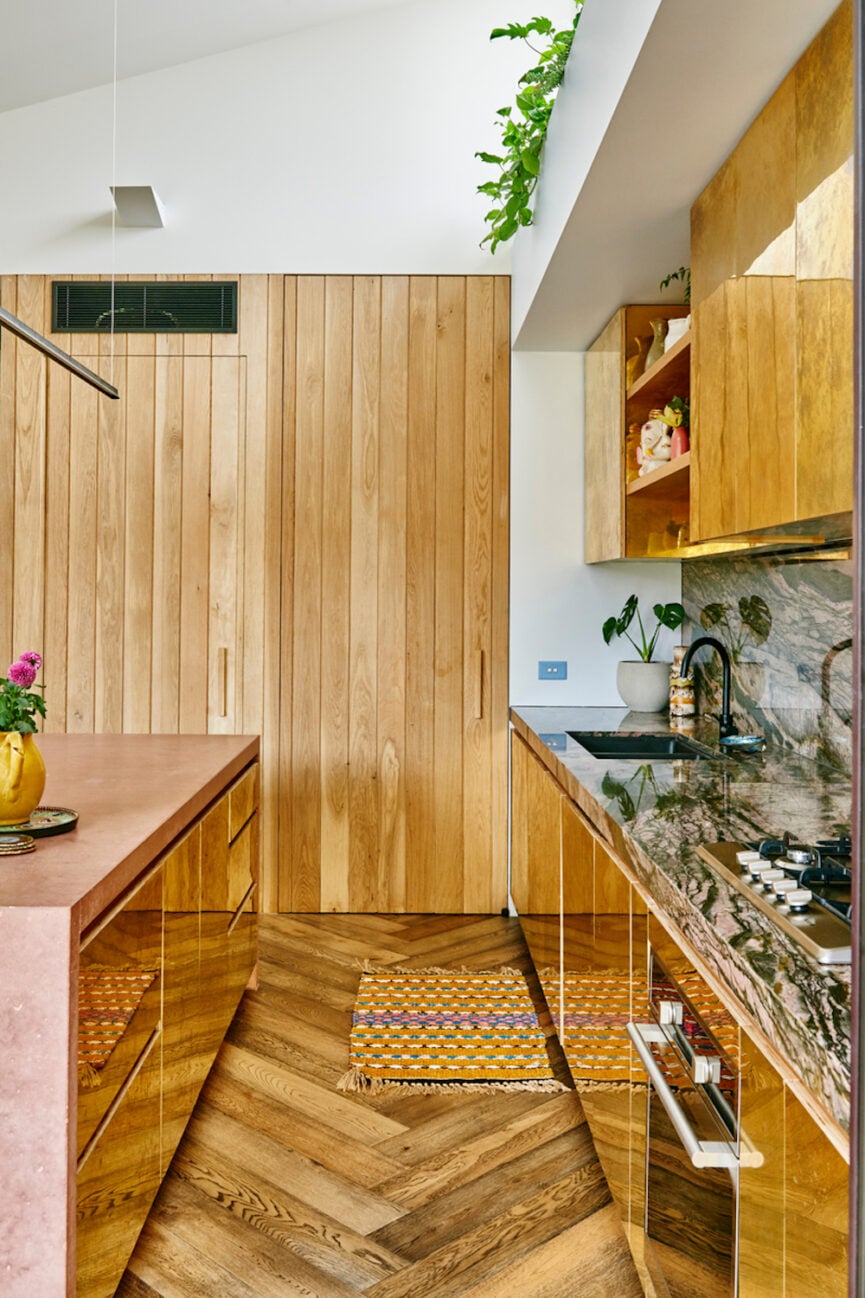
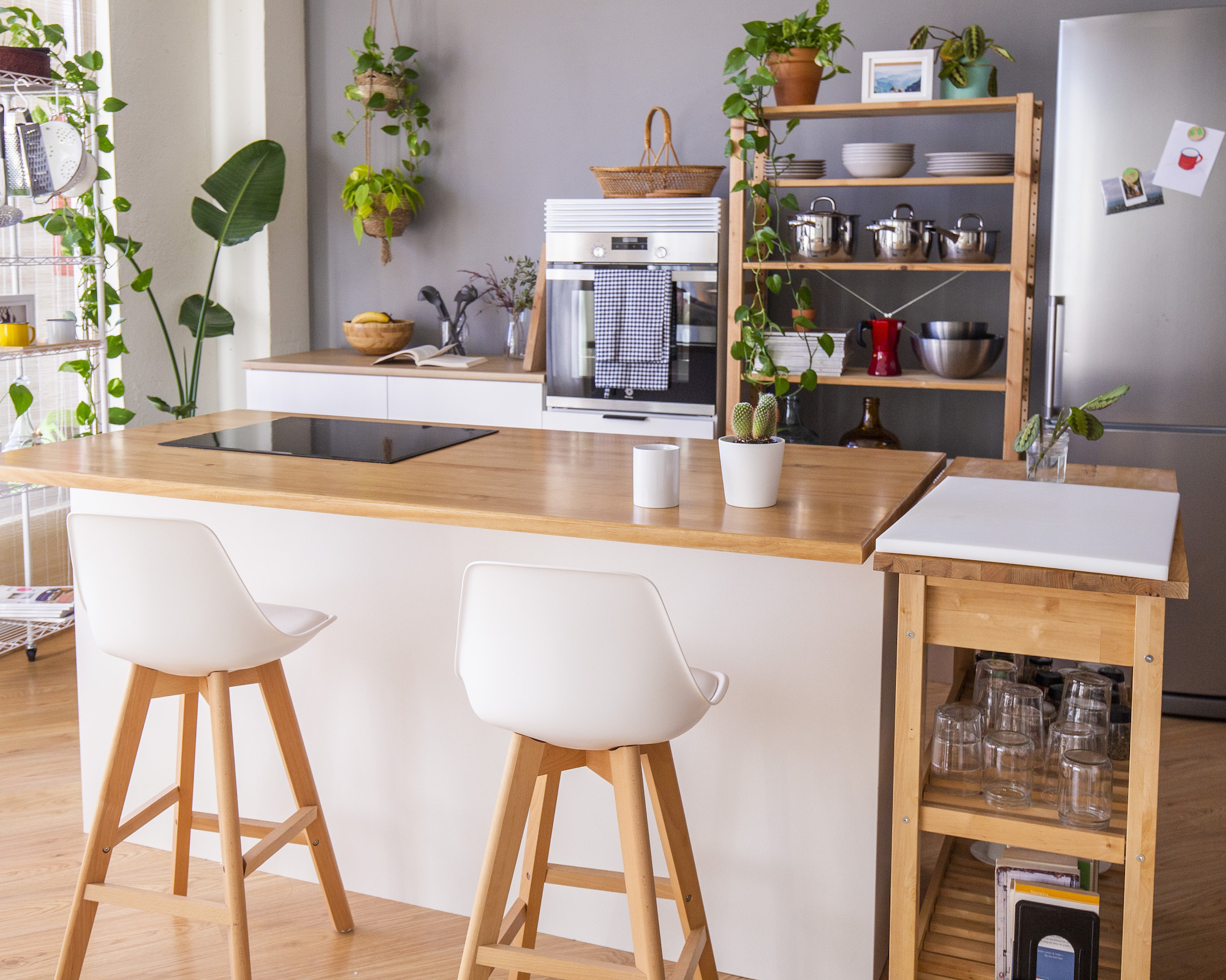
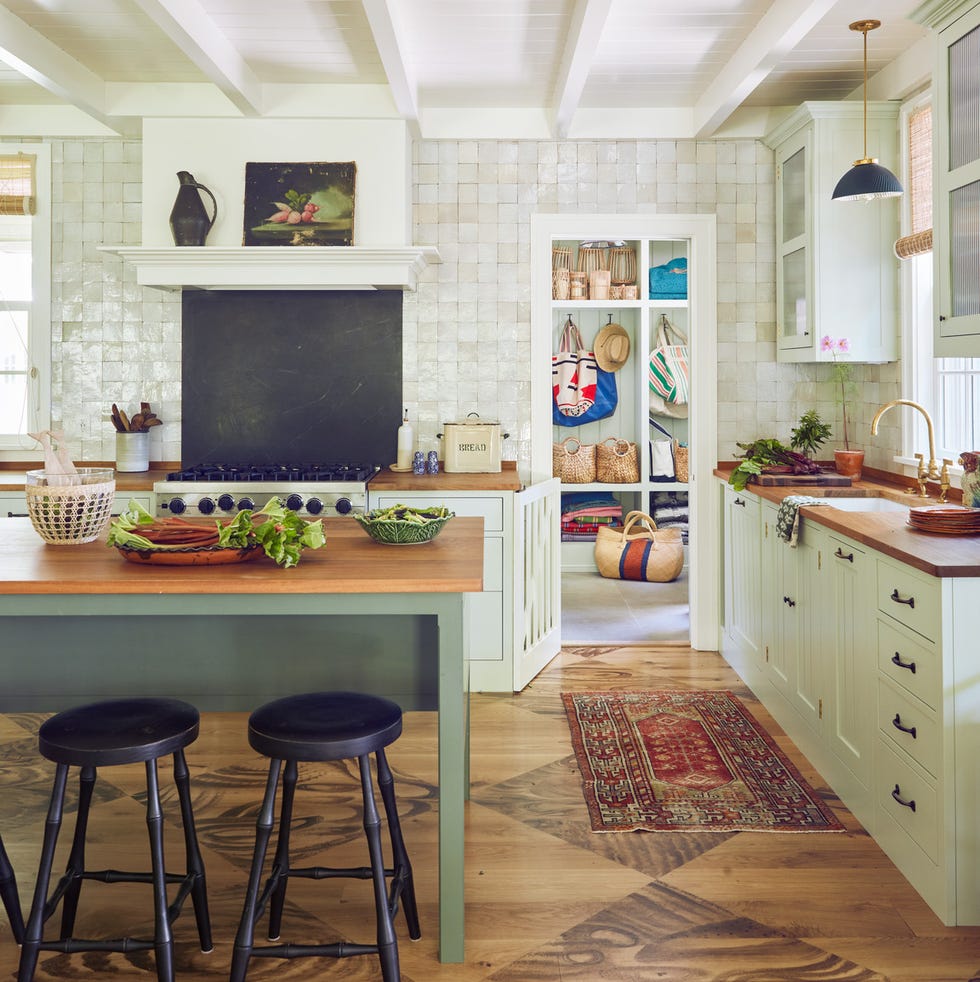
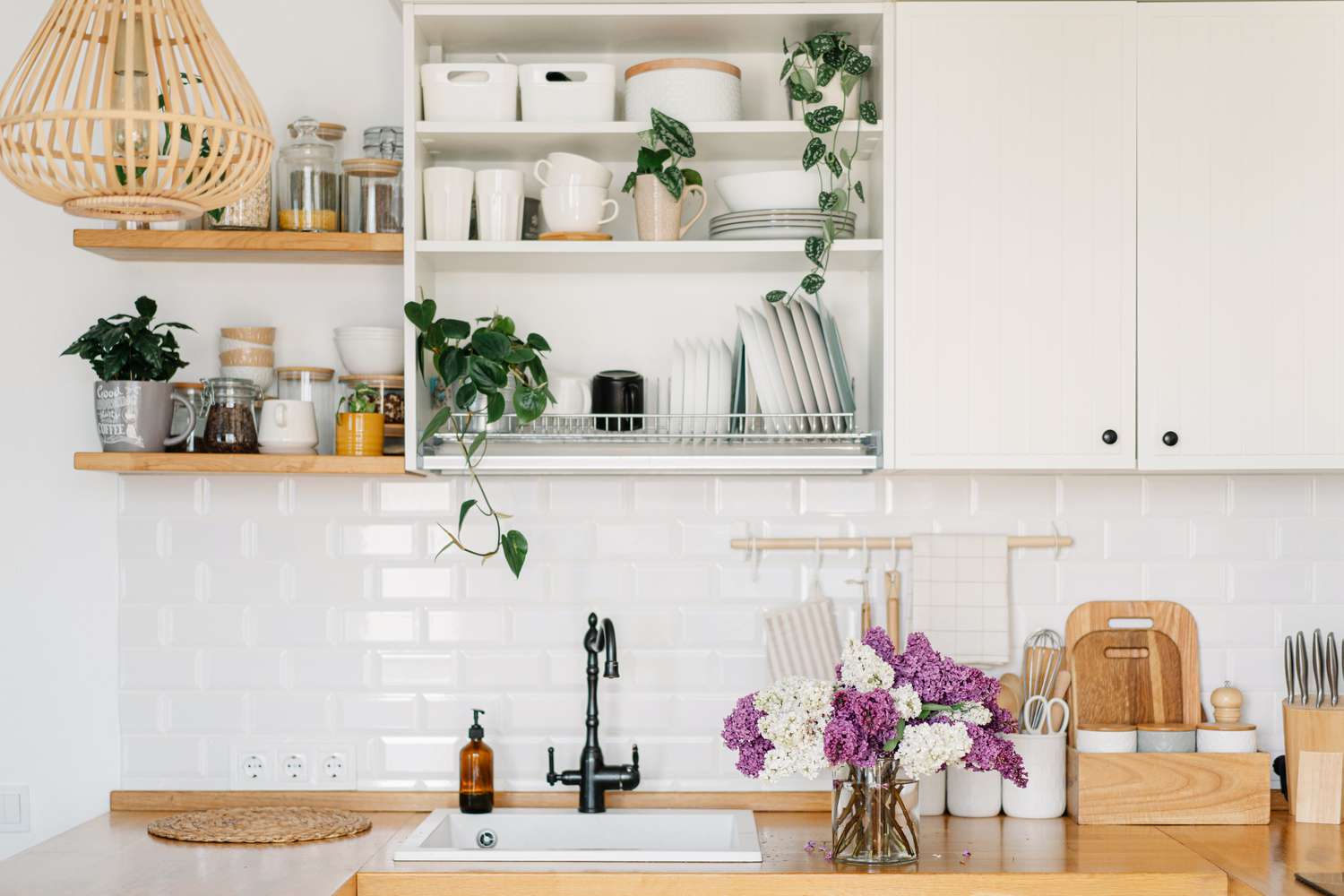
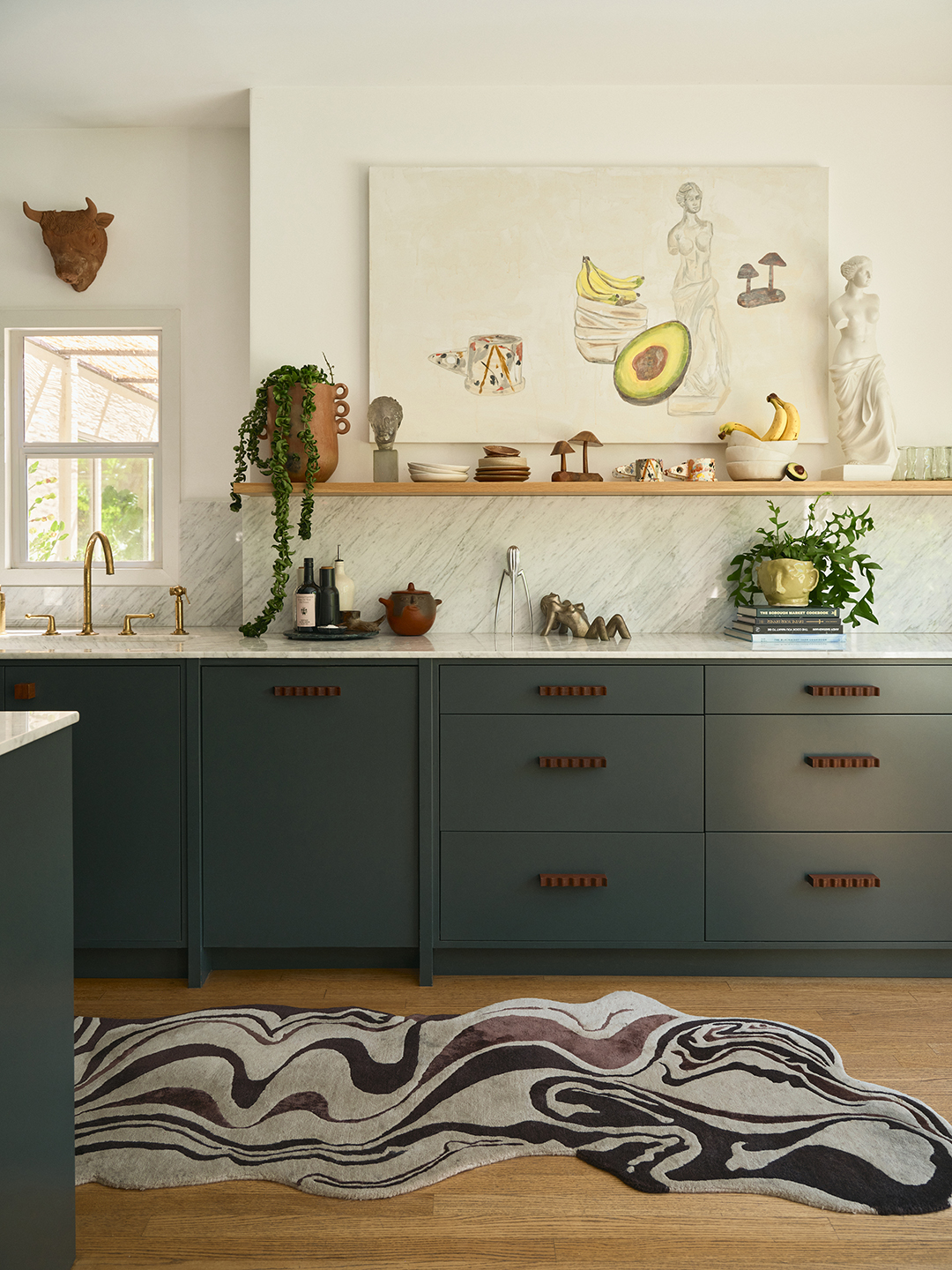
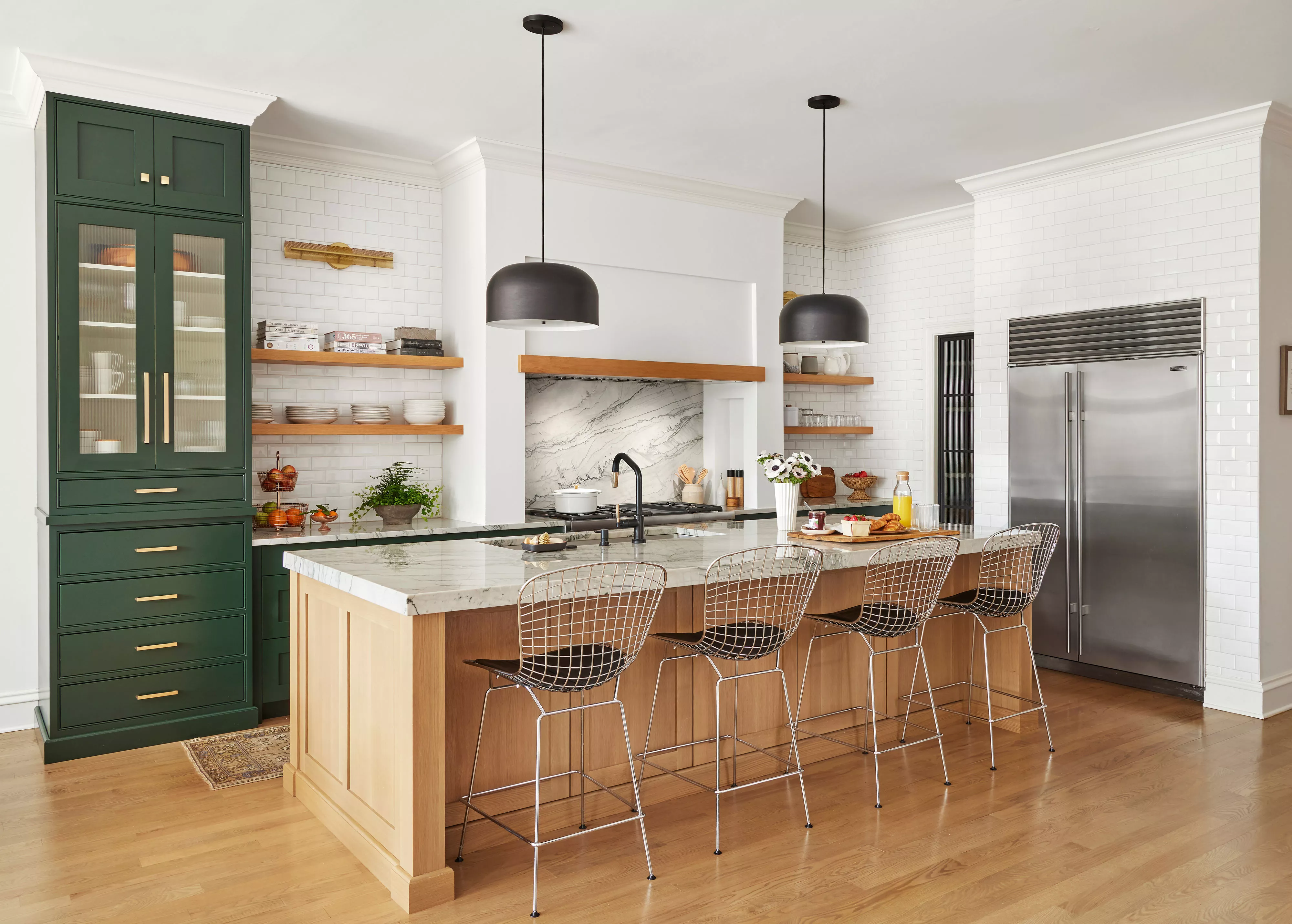
The demand for home offices is declining as companies implement return-to-office mandates, leading to a renewed focus on kitchen renovations. Houzz data indicates that kitchens will be the most requested room design in 2024, followed by living rooms. Specific kitchen features gaining popularity include appliance garages, which help declutter countertops by housing small appliances, and blending backsplashes. The latter involves installing a slab of stone or quartz behind the range or cooktop, often matching the countertops, to create a striking focal point and facilitate easy cleaning.
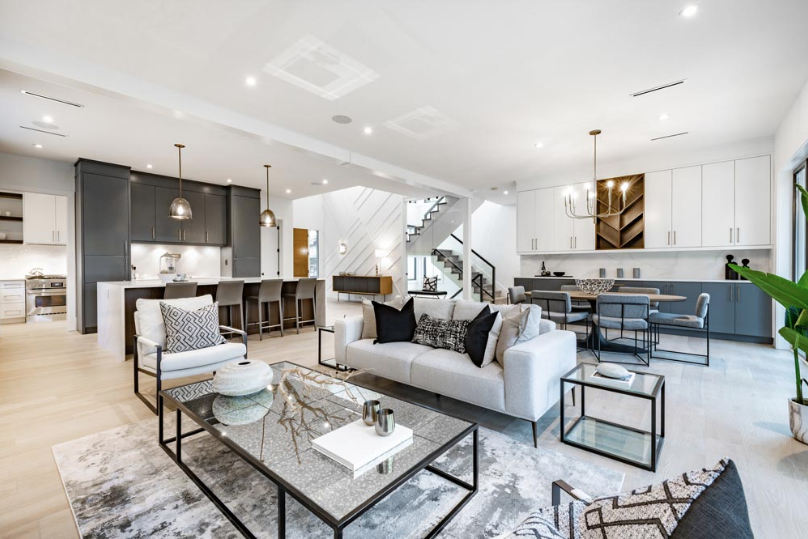
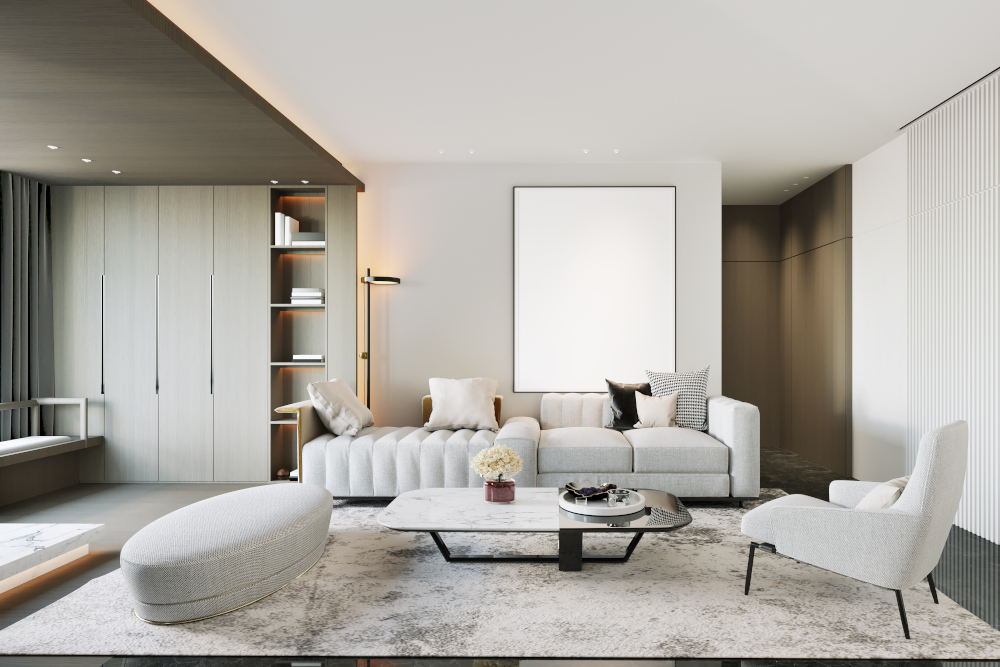
Functionality is driving changes in floor plans, with open-plan spaces giving way to broken-plan layouts and dedicated utility rooms. The experience of lockdowns highlighted the need for privacy, noise control, and the ability to contain mess, making broken-plan living more appealing. This has led to a surge in interest for mudrooms and utility rooms, which provide separate zones for household tasks and storage, preventing clutter in main living areas. Recommended features for these spaces include cabinets, hooks, cubbies, large utility sinks, pull-down faucets, and space-saving drying racks.
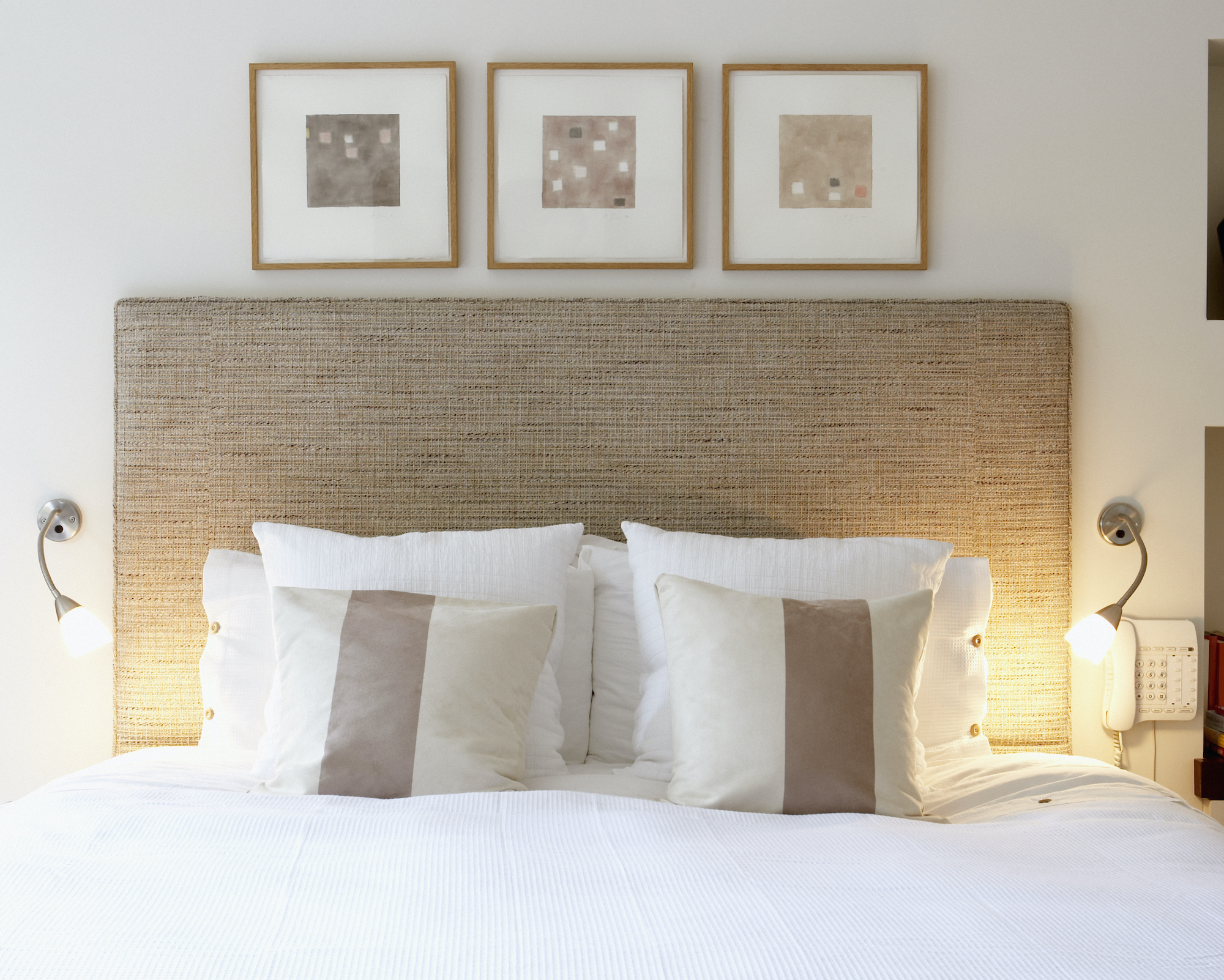
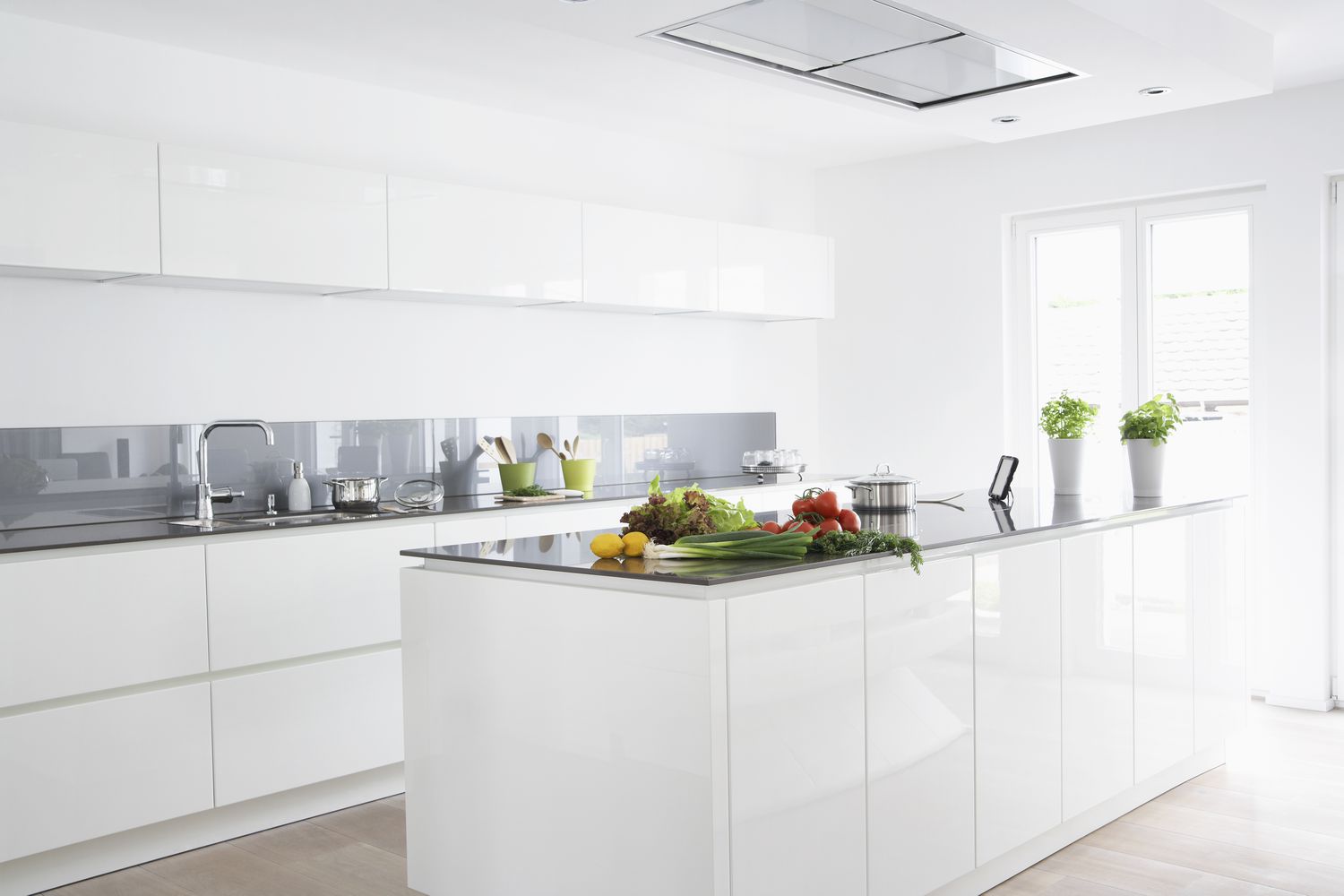
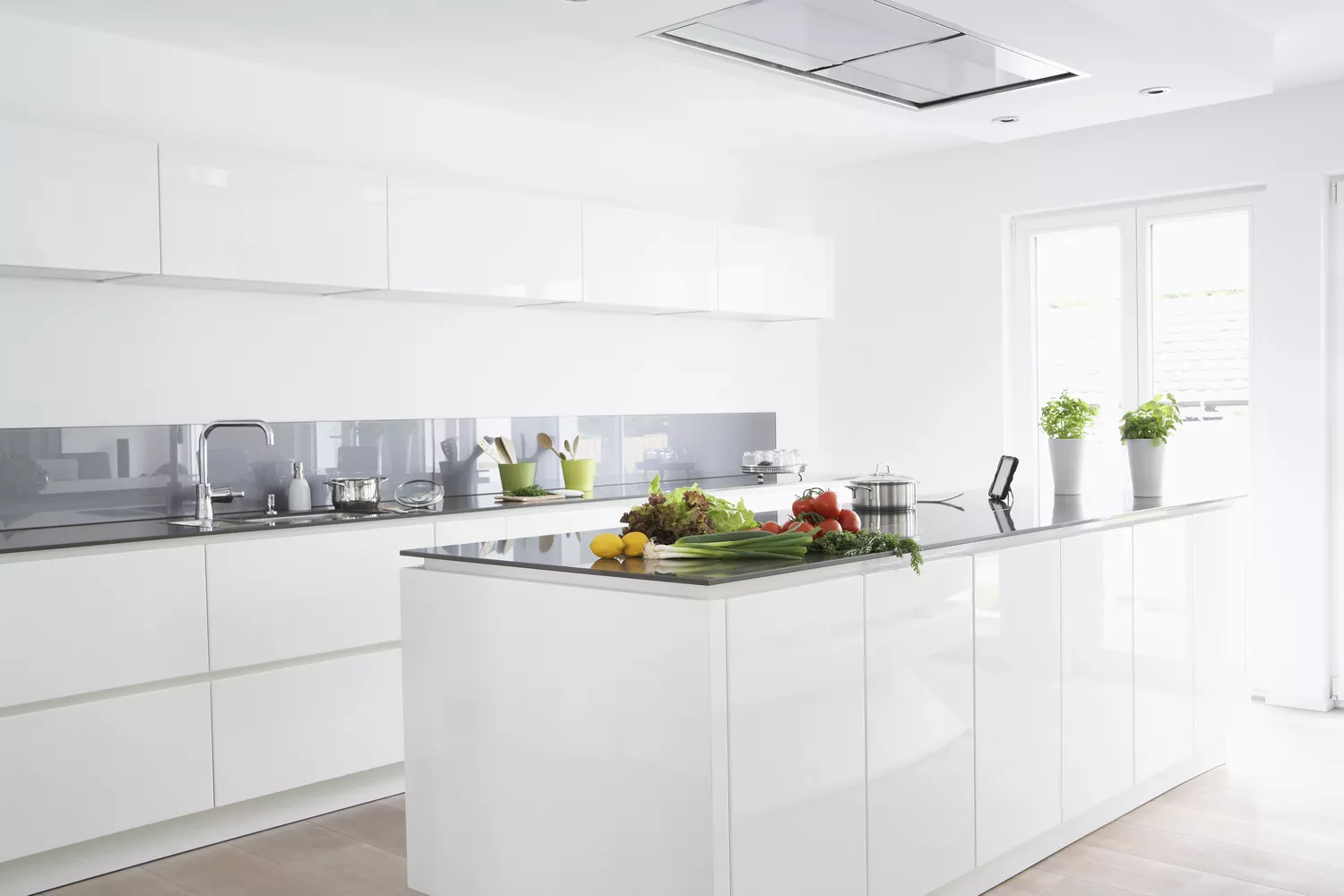
Finally, experimentation with paint finishes is becoming a key trend, moving beyond full gloss to incorporate matte finishes, or even a combination of both. Balancing ultra-matte dead flat finishes with full gloss creates depth and interest, altering how color and space are perceived. This technique can subtly accentuate architectural details without overwhelming the color scheme. Full gloss on cabinetry is particularly being utilized for statement schemes and highlighting accent pieces, especially on kitchen cupboards and islands, contrasting with flat matte walls.
#InteriorDesignTrends #HomeDecor #DesignForecast #70sBohemian #EarthyColors #BlueHues #NatureInspiredMotifs #KitchenRenovations #BrokenPlanLiving #PaintFinishes #InteriorDesignTrends #HomeDecor #DesignForecast #70sBohemian #EarthyColors #BlueHues #NatureInspiredMotifs #KitchenRenovations #BrokenPlanLiving #PaintFinishes
0 comment in total
 No comments yet
You may also like
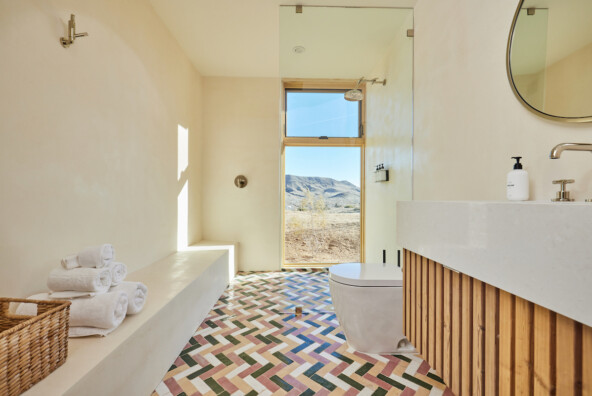
Interior Designers are Ditching These Home Trends in 2024
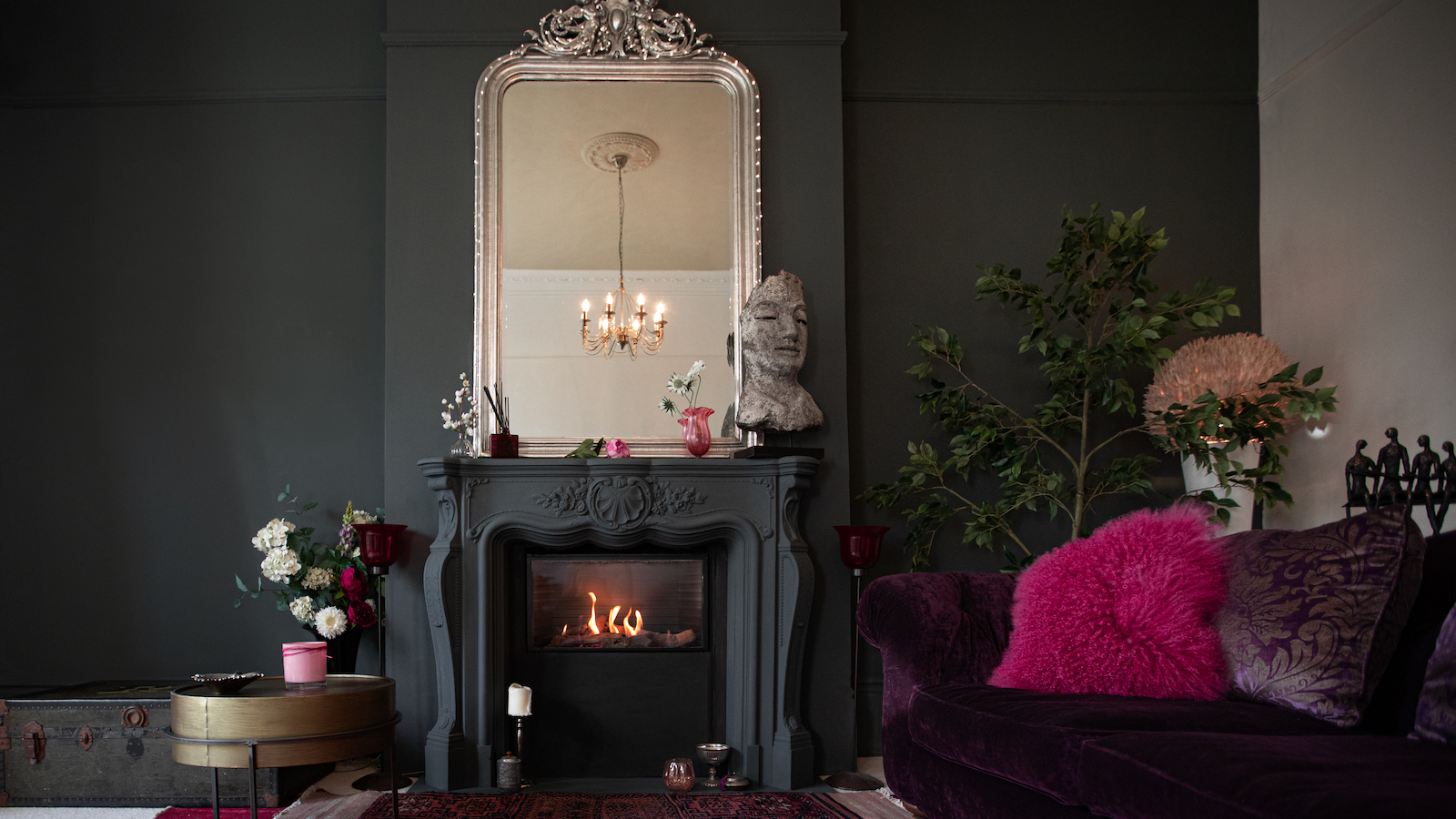
5 outdated home decor trends interior designers want you to kiss goodbye in 2024, and what to do instead

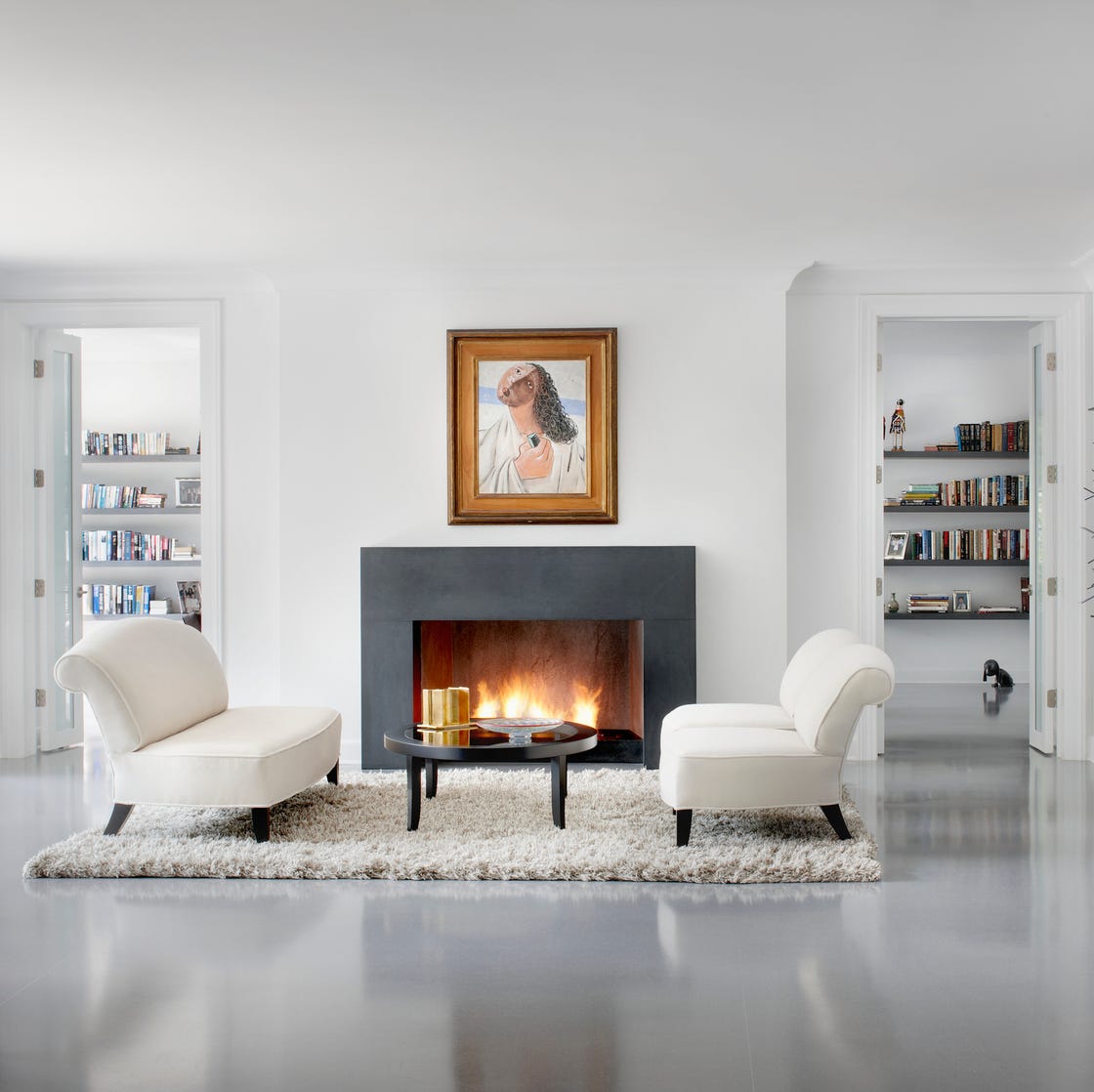
8 Decorating Trends Designers Wish Would Go Away in 2025

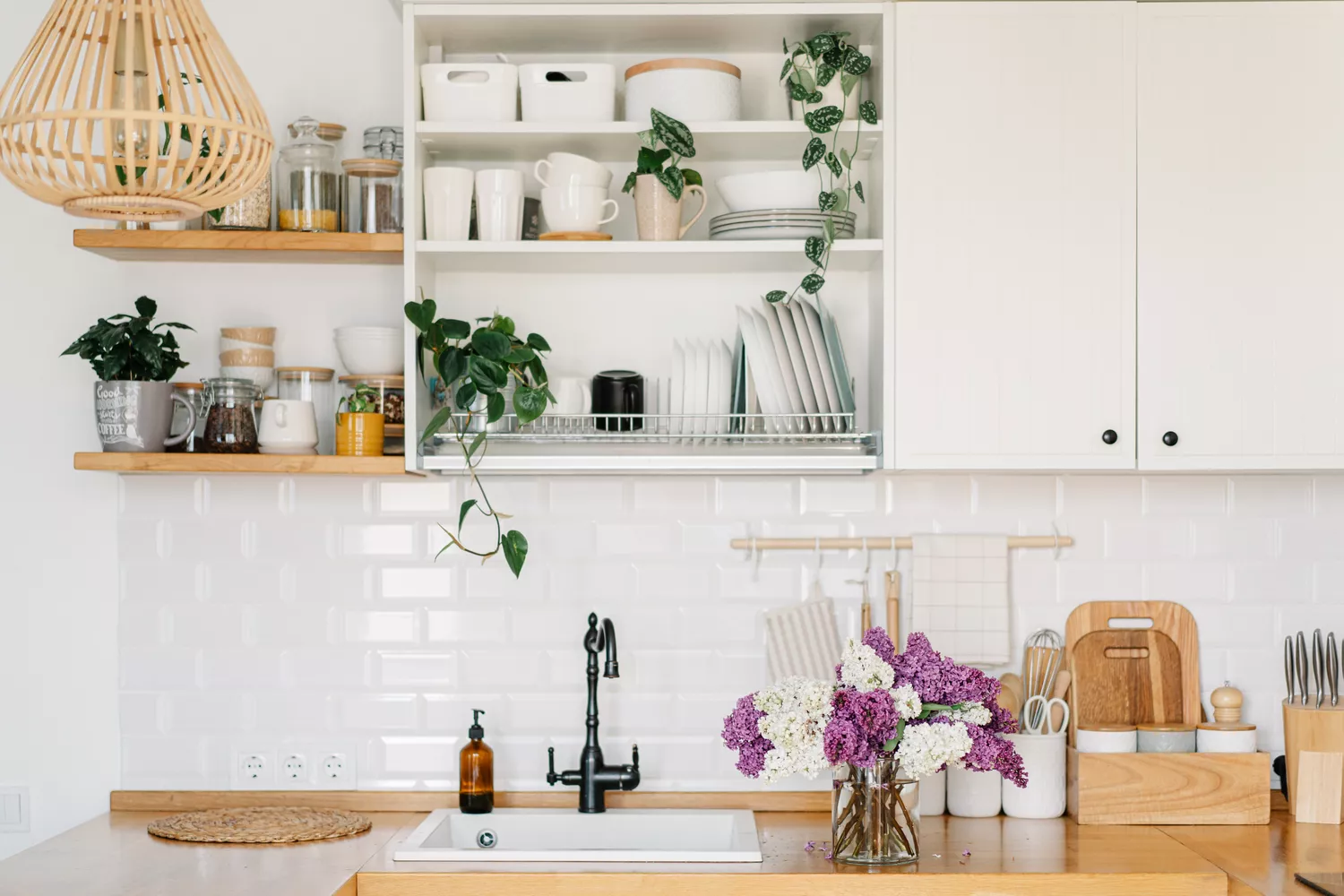
9 Home Décor Trends on Their Way Out in 2025, According to Interior Designers
Sorry, But It’s Time to Retire These 5 Interior Design Trends in 2024

Designers Predict These 7 Interior Design Trends Will Be Everywhere in 2025
5 Design Trends Interior Designers Can't Wait to Say Goodbye to in 2025

The Decorating Trends Designers Are Leaving Behind in 2026

10 Interior Design Trends Going Away In 2025

8 Home Design Trends We're Leaving in 2024 (And What to Do Instead)
Interior Designers Say These Decor Trends Will Be Everywhere in 2024
The Biggest Interior Design Trends for 2025

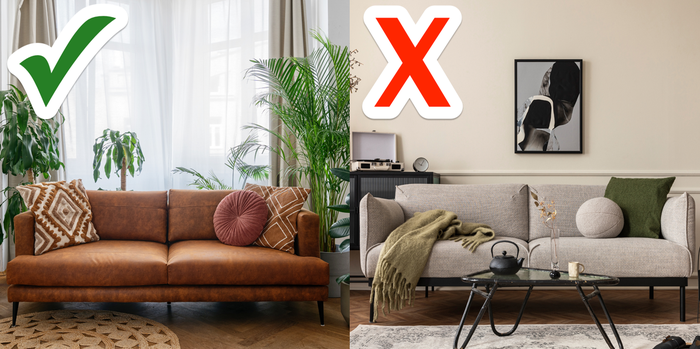
7 interior-design trends you'll see everywhere in 2024, and 5 that'll disappear
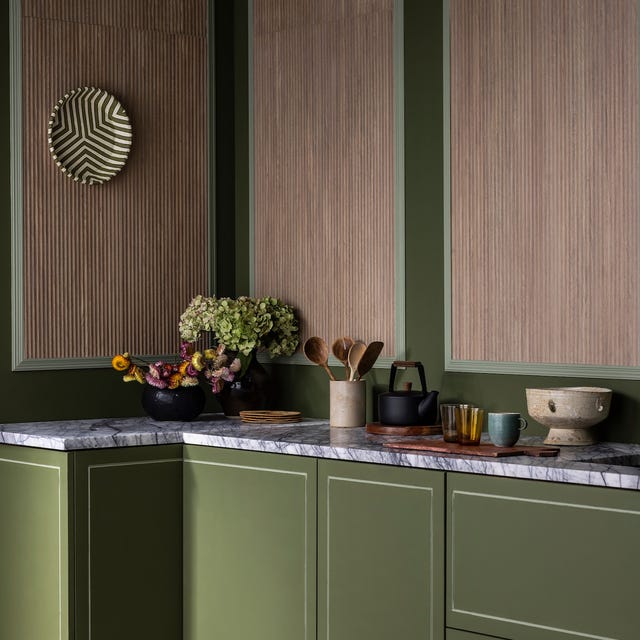
The new interior design trends: 24 looks for 2024

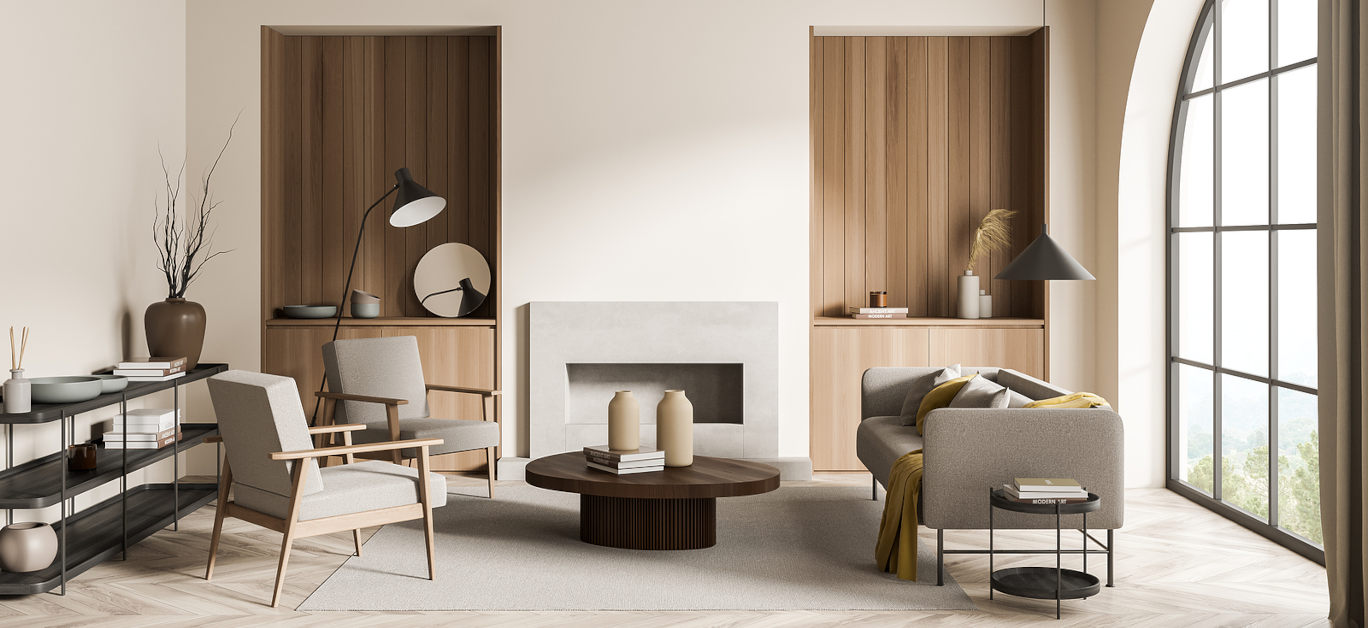
5 of the finest interior design styles that will define 2024

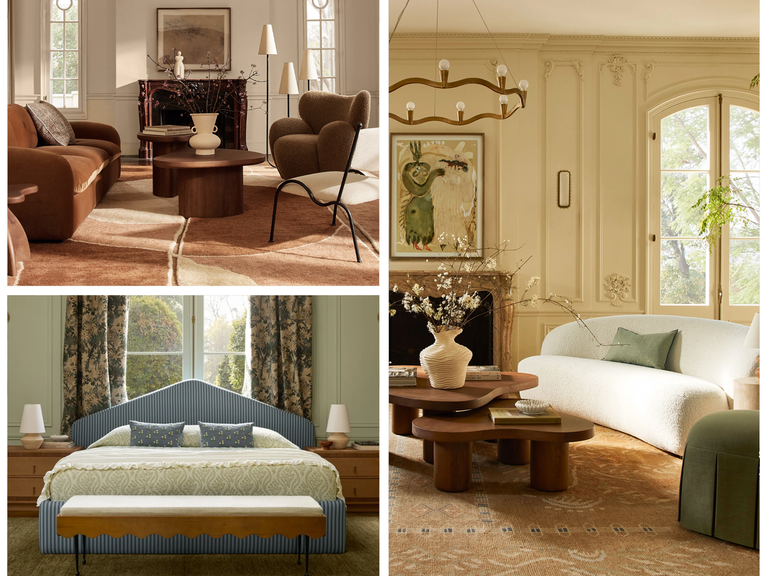
Ready to Redecorate? 2025’s Top Design Trends Just Dropped

Interior Design Trends of 2024

8 Interior Design Trends to Watch in 2024

Home-Design Trends You’ll See Everywhere in 2024

8 Home Renovation Trends We're Leaving Behind In 2024