7 interior-design trends you'll see everywhere in 2024, and 5 that'll disappear
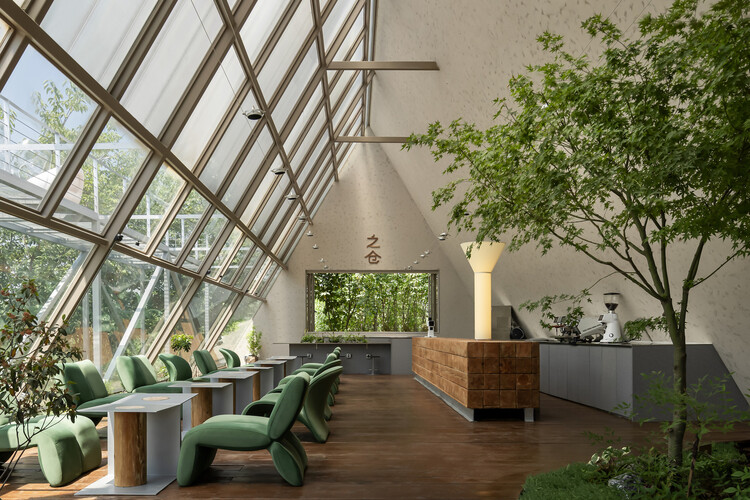
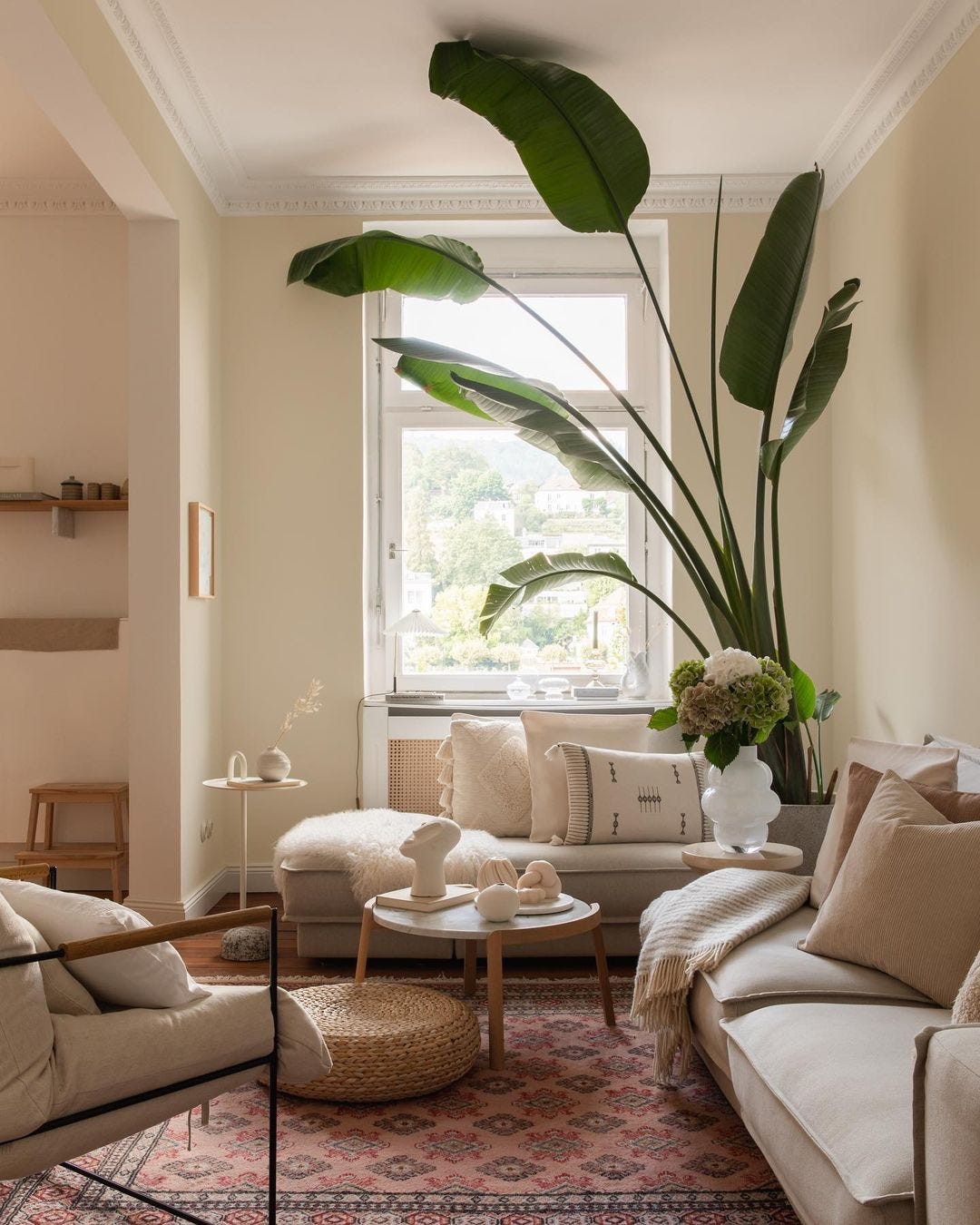
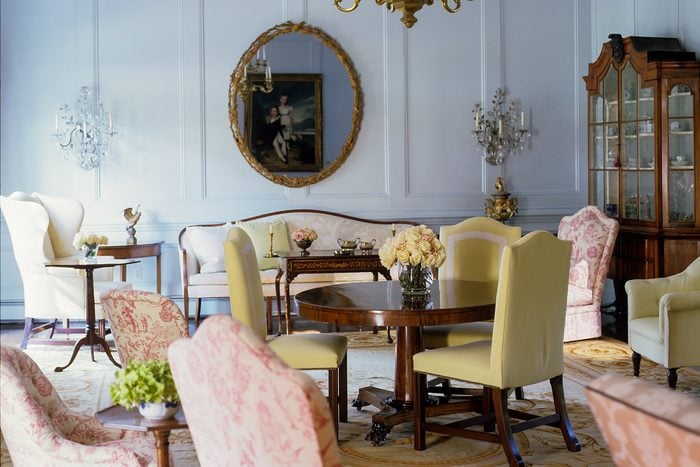
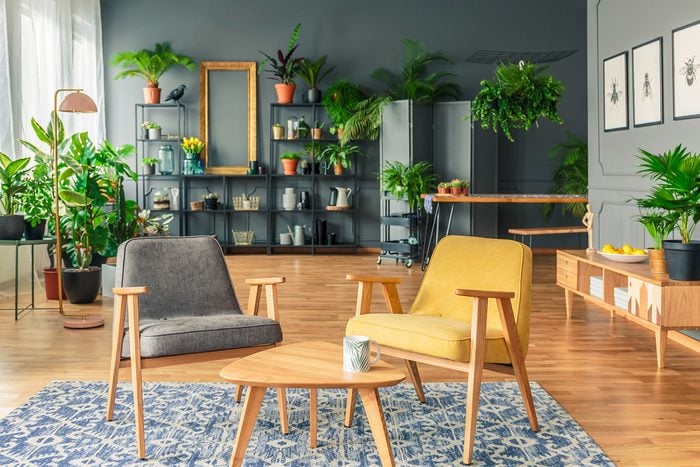
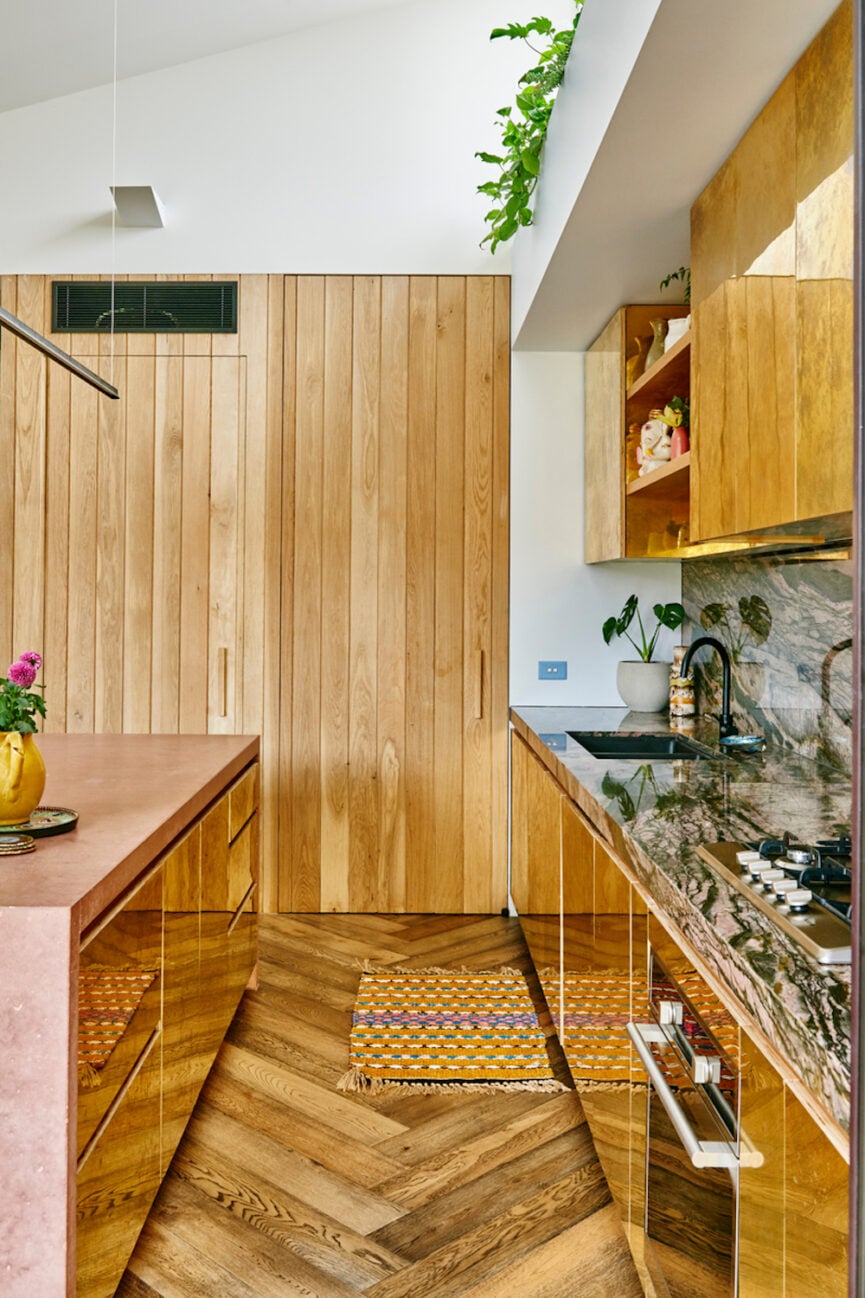
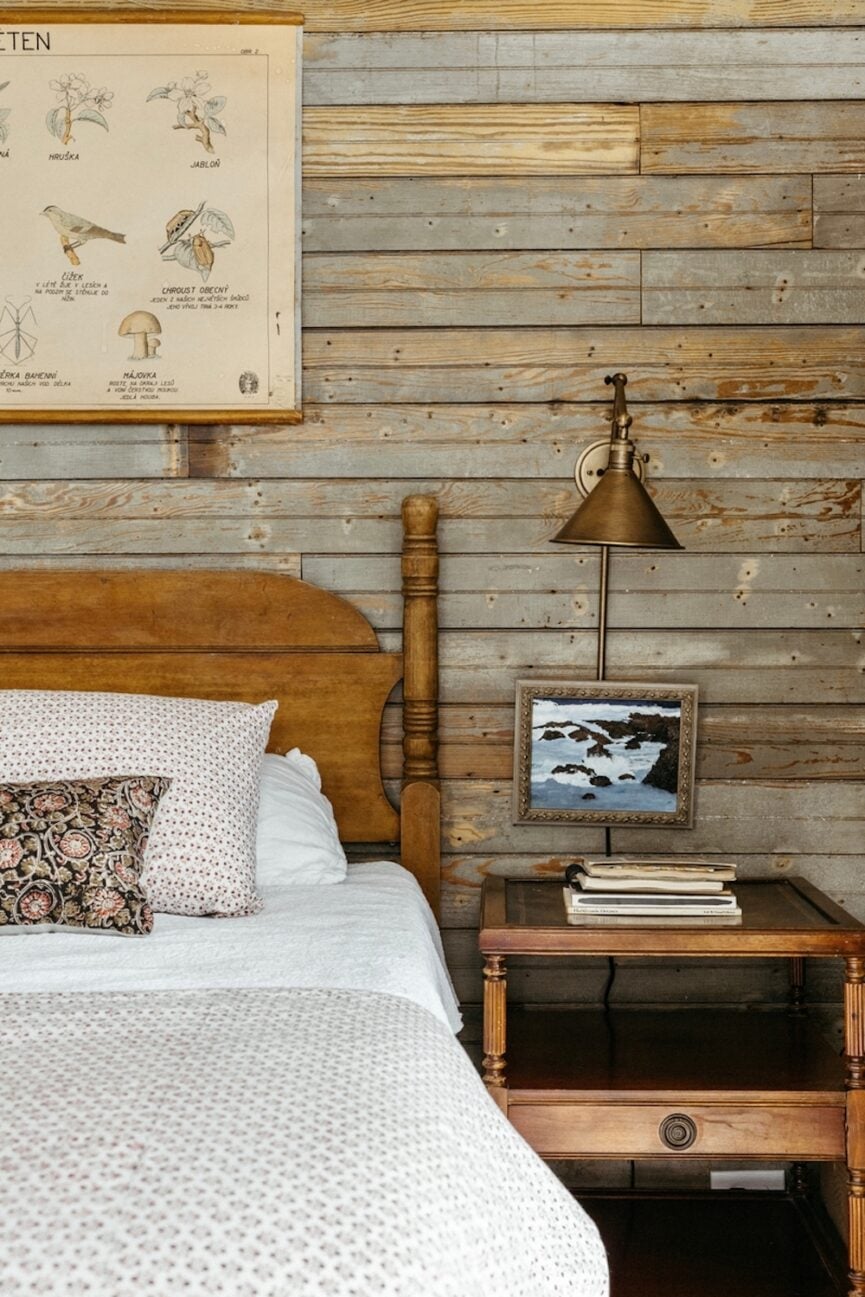
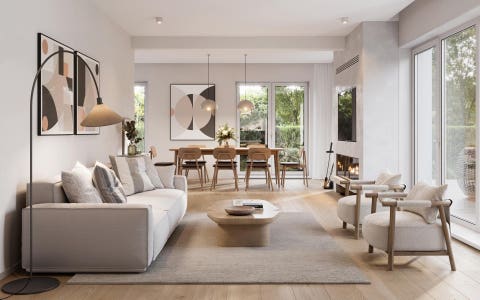
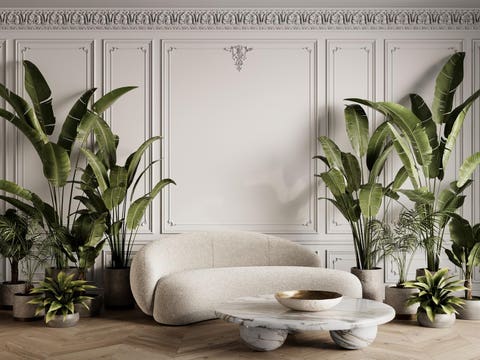
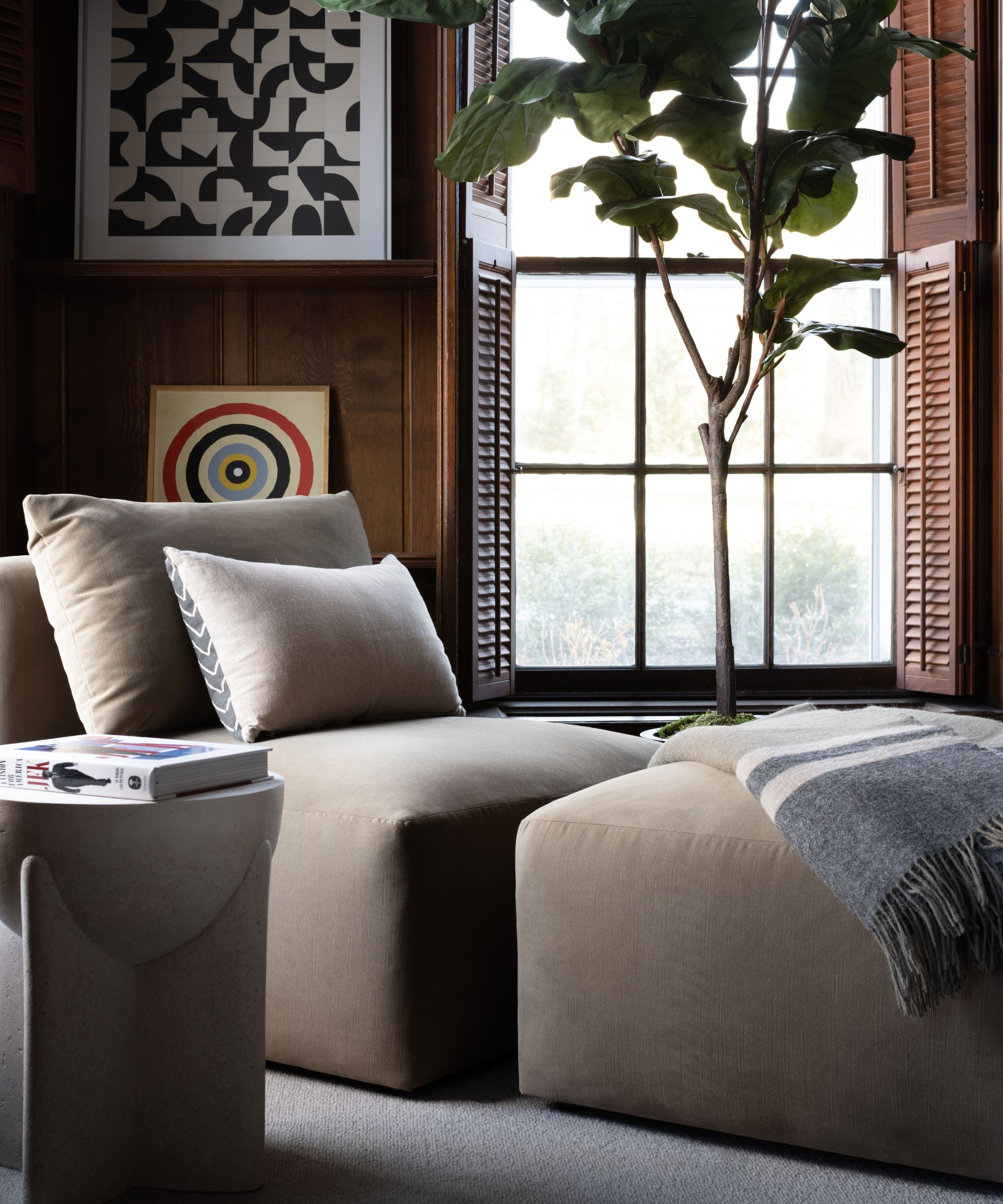
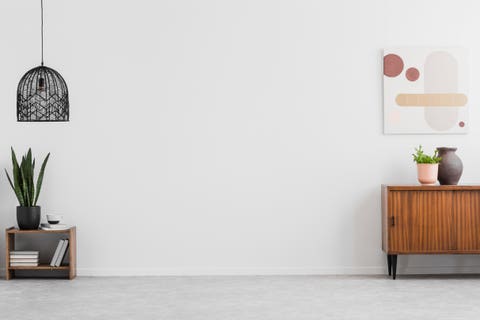
The interior design landscape is set for a significant shift in 2024, with several prominent trends emerging and others fading out. A major theme for the coming year is biophilic design, which emphasizes integrating natural elements into indoor spaces. This approach aims to foster a connection with nature by incorporating lush greenery, natural light, and organic materials, creating environments that evoke the feeling of being outdoors. Alice Moszczynski, an interior designer at Planner 5D, highlights that this style will bring comfort and a sense of homeliness.
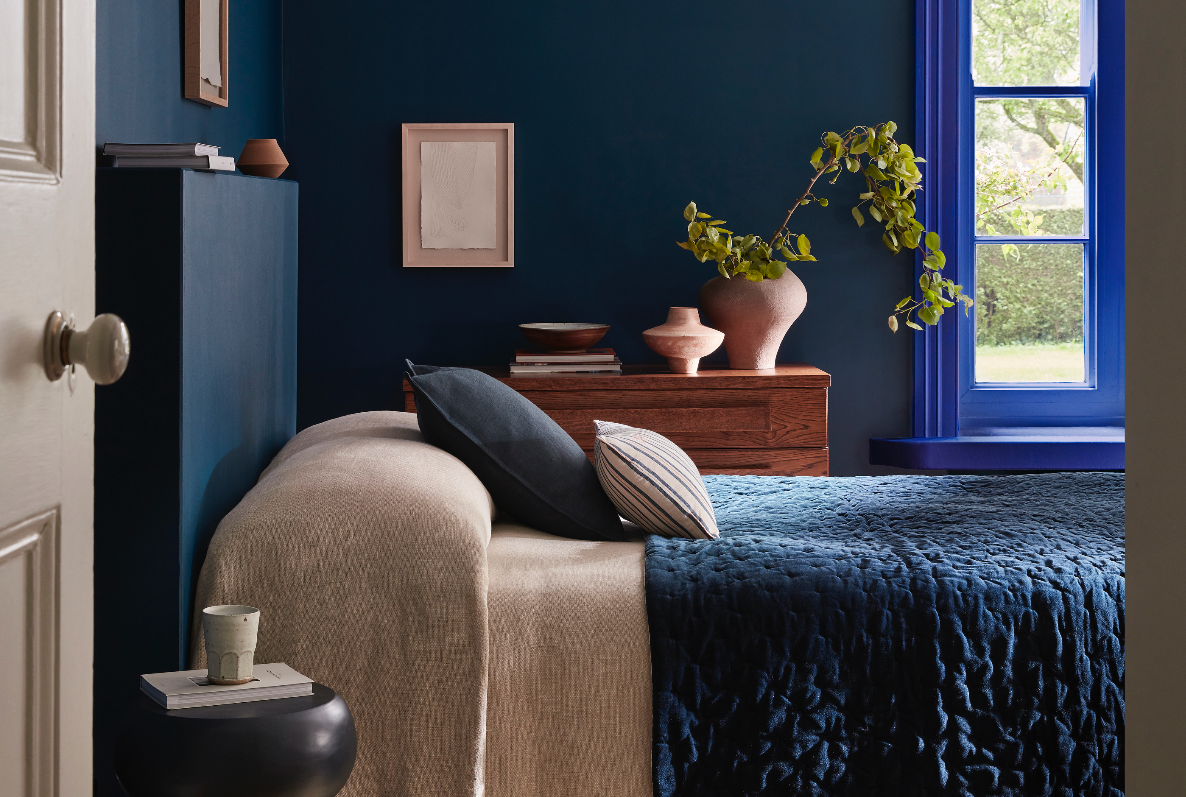
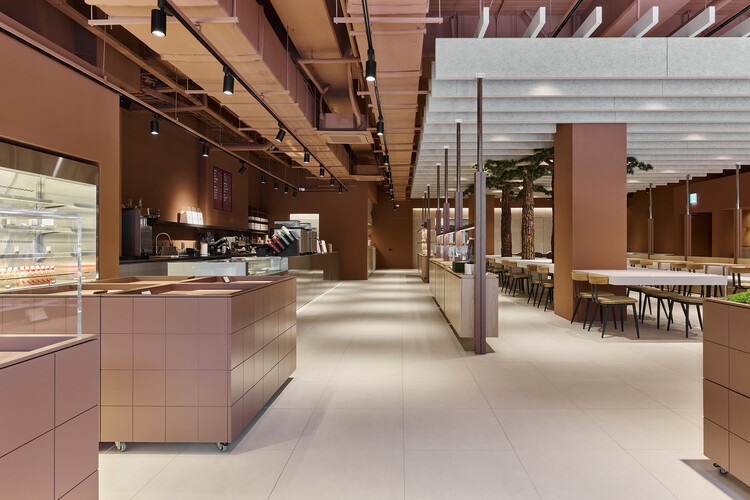
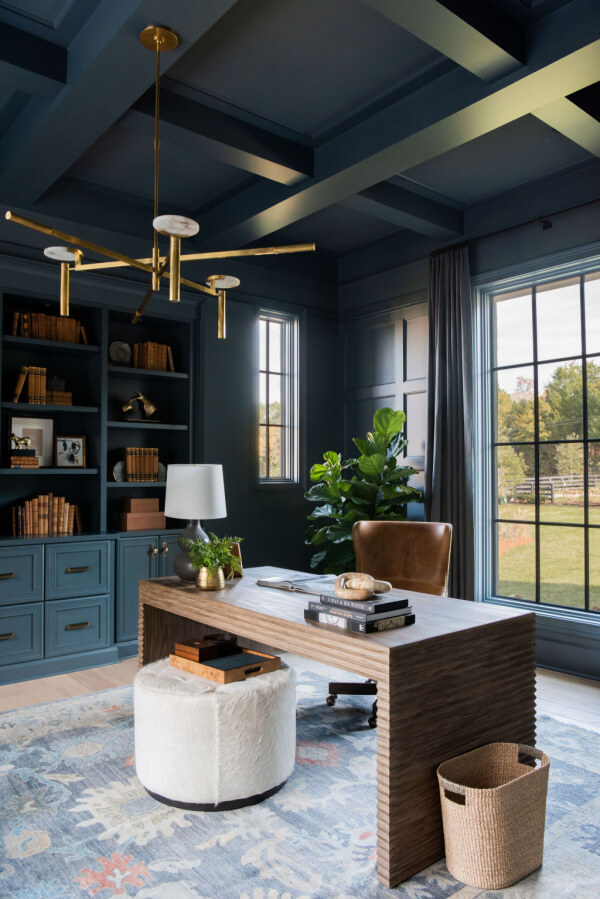
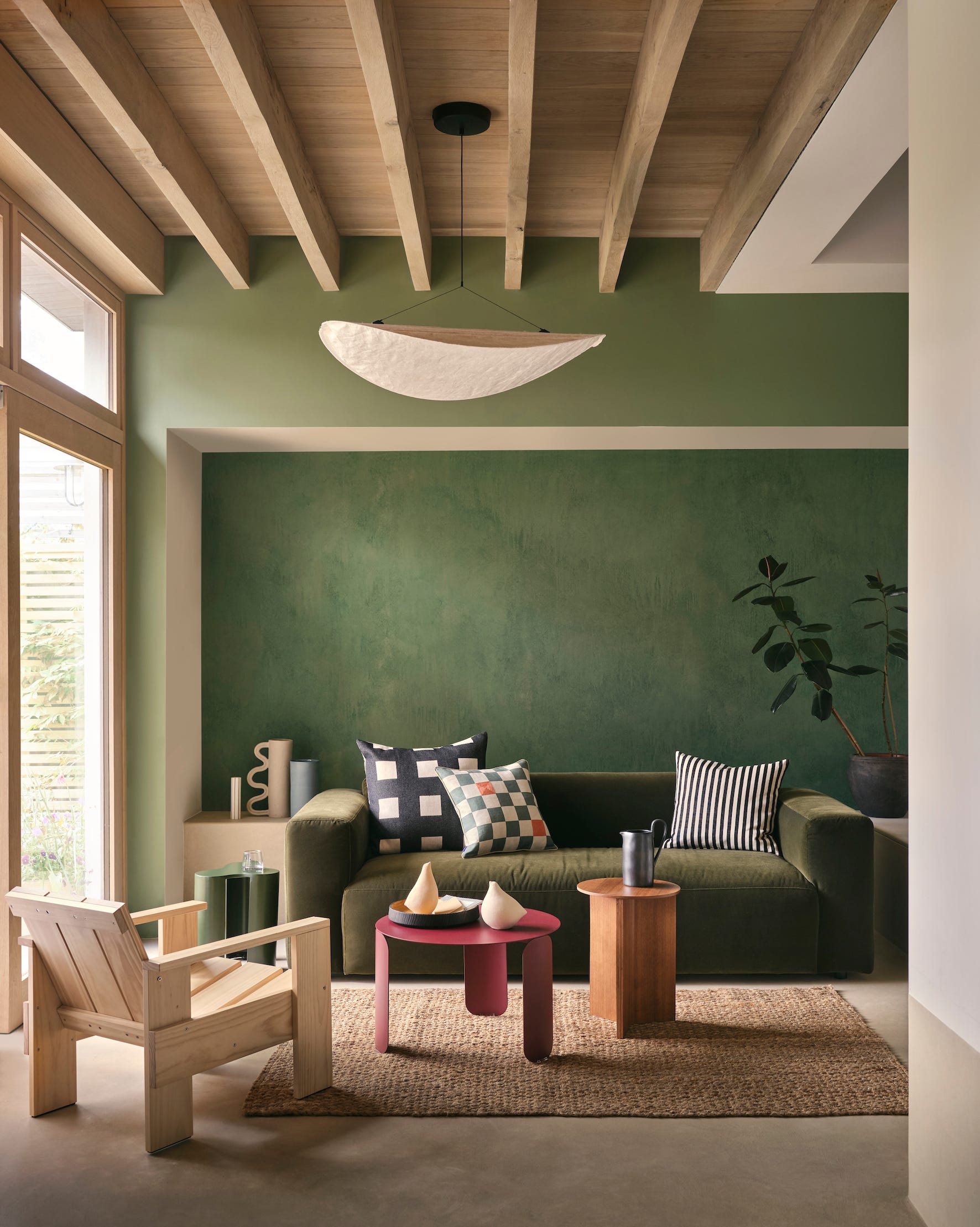
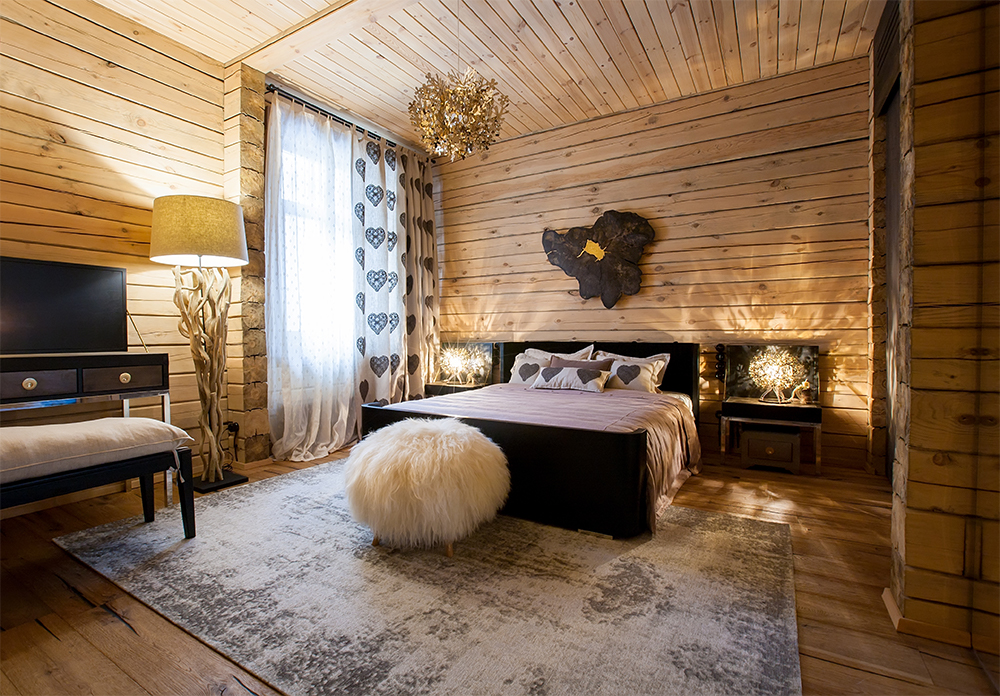
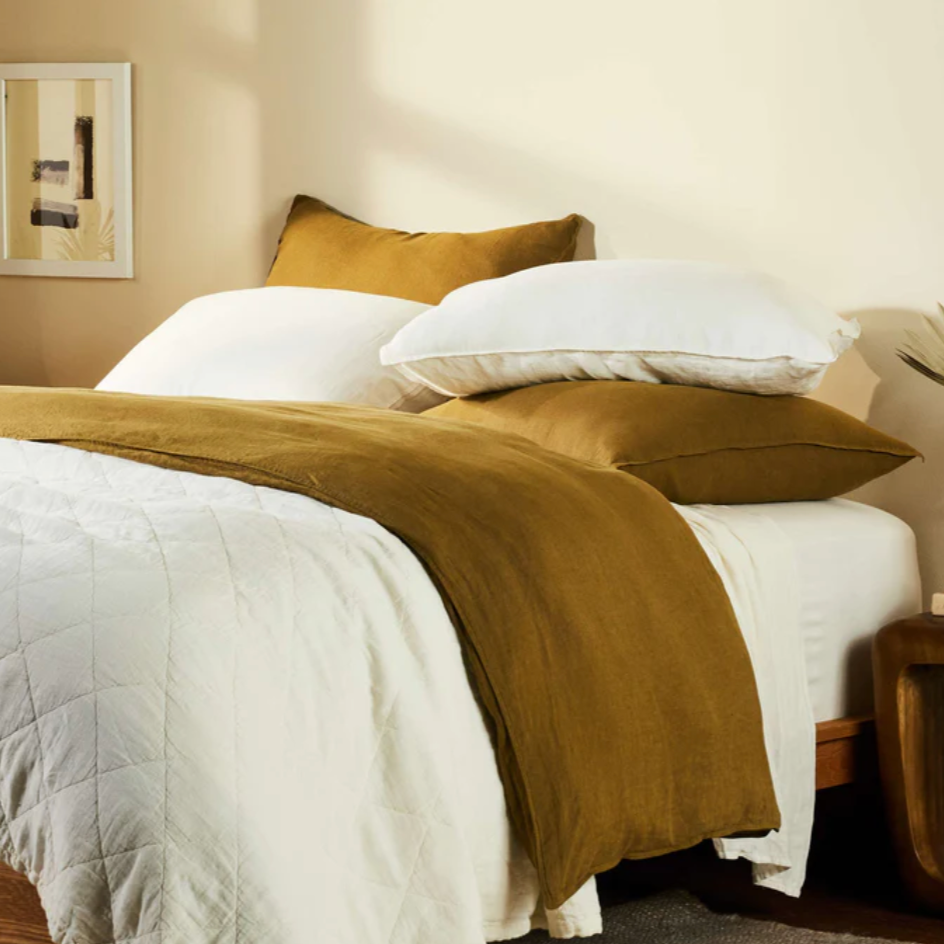
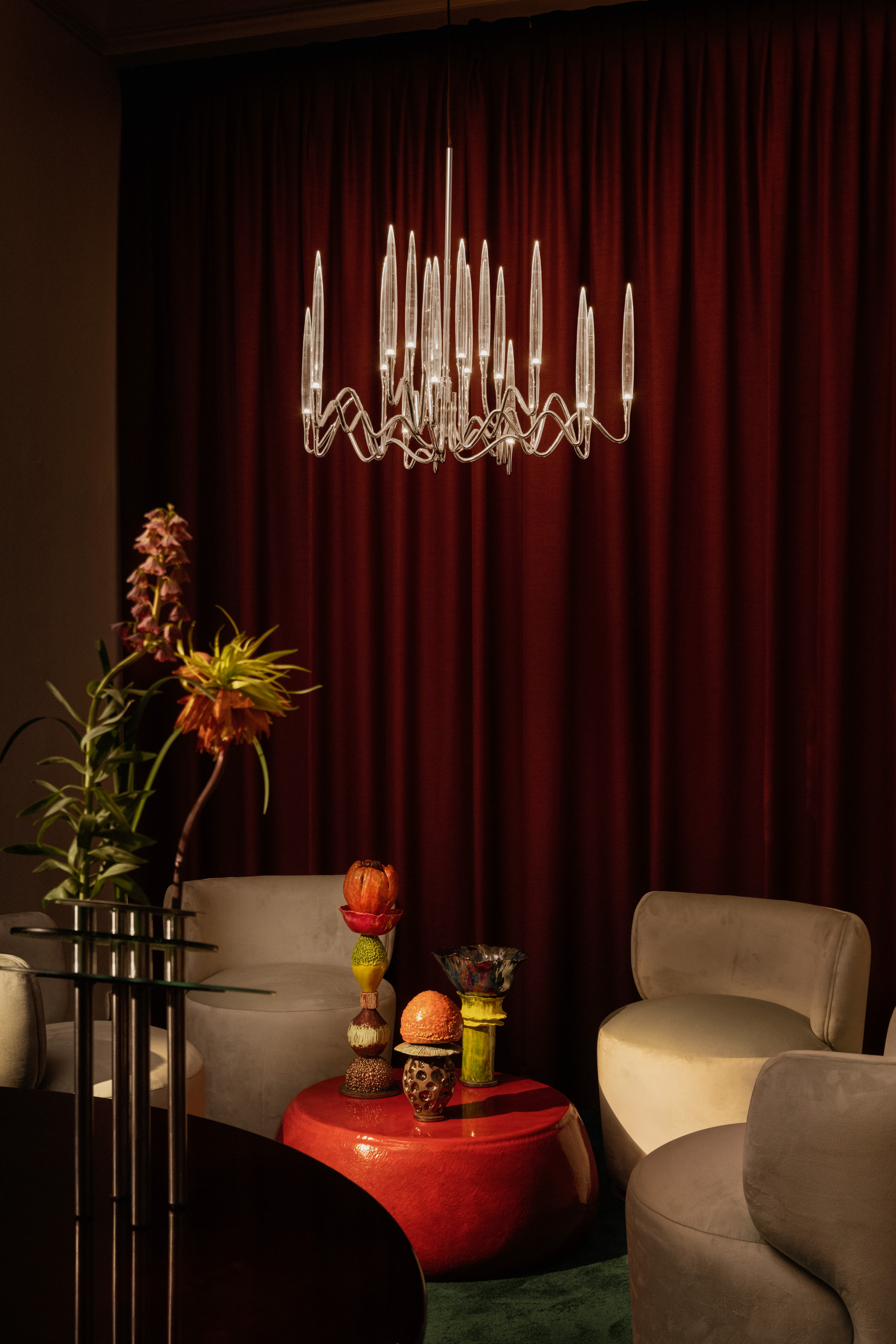
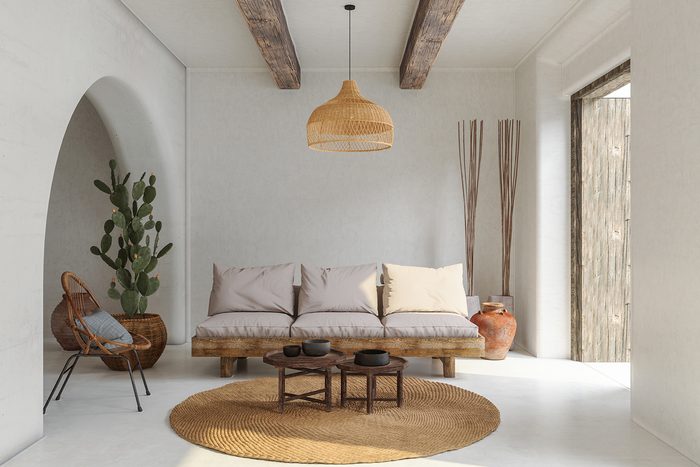
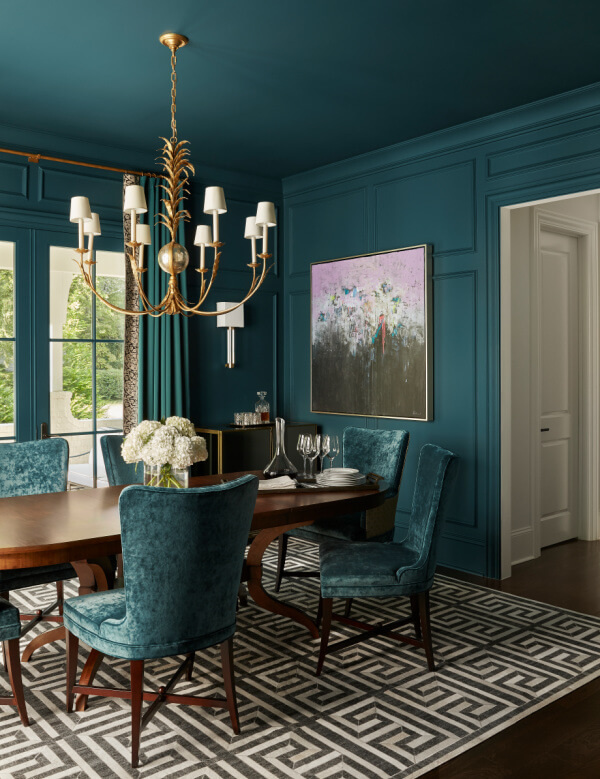
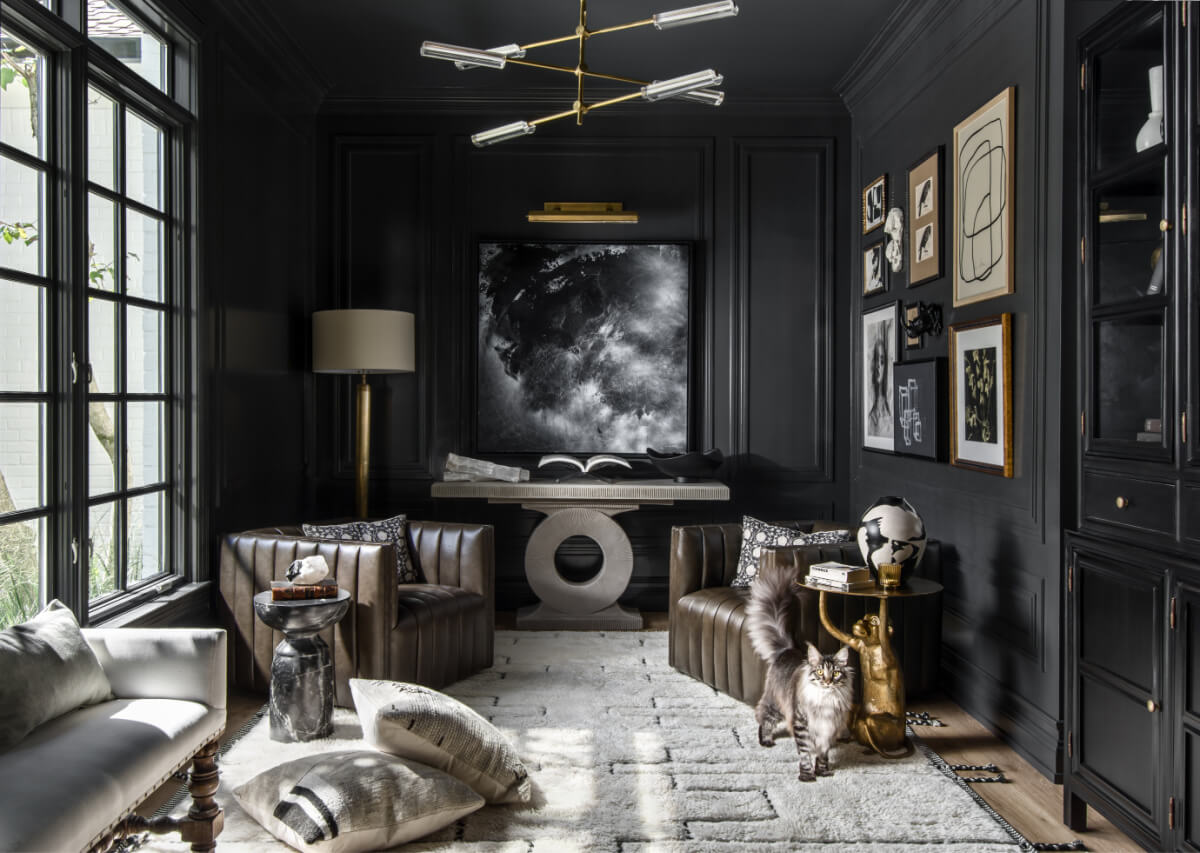
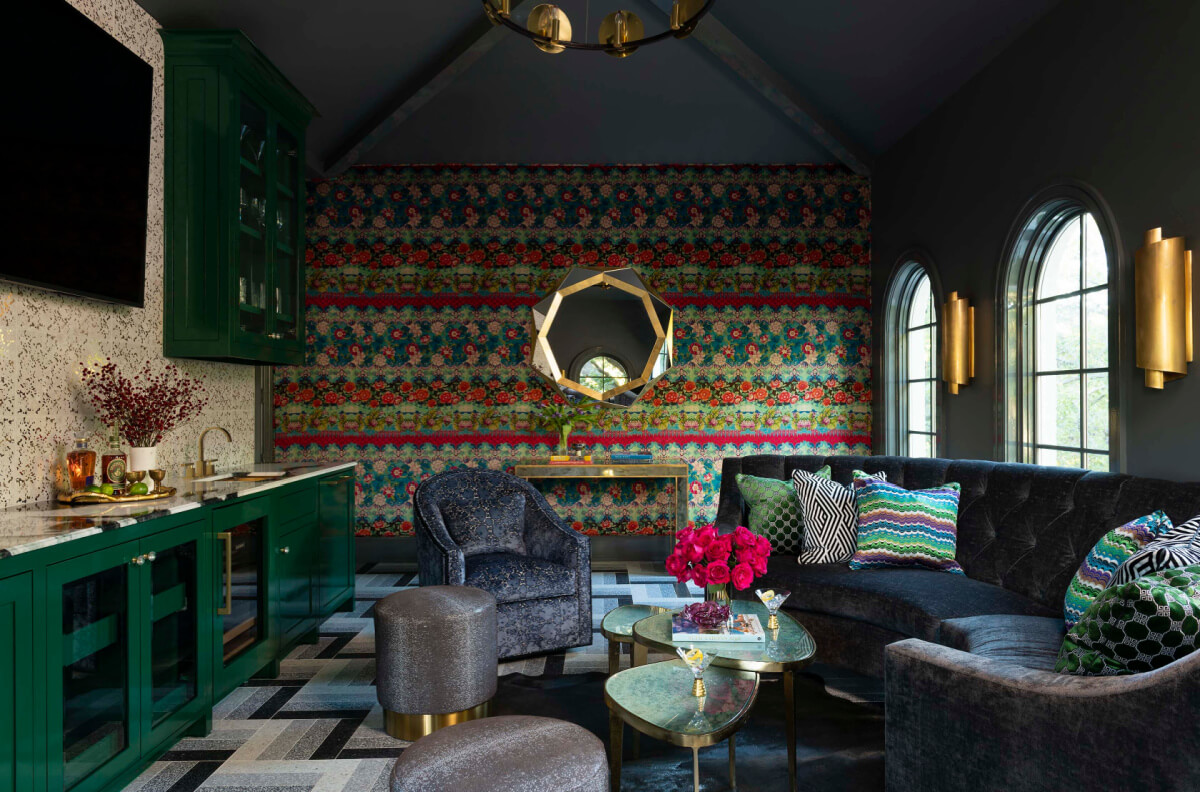
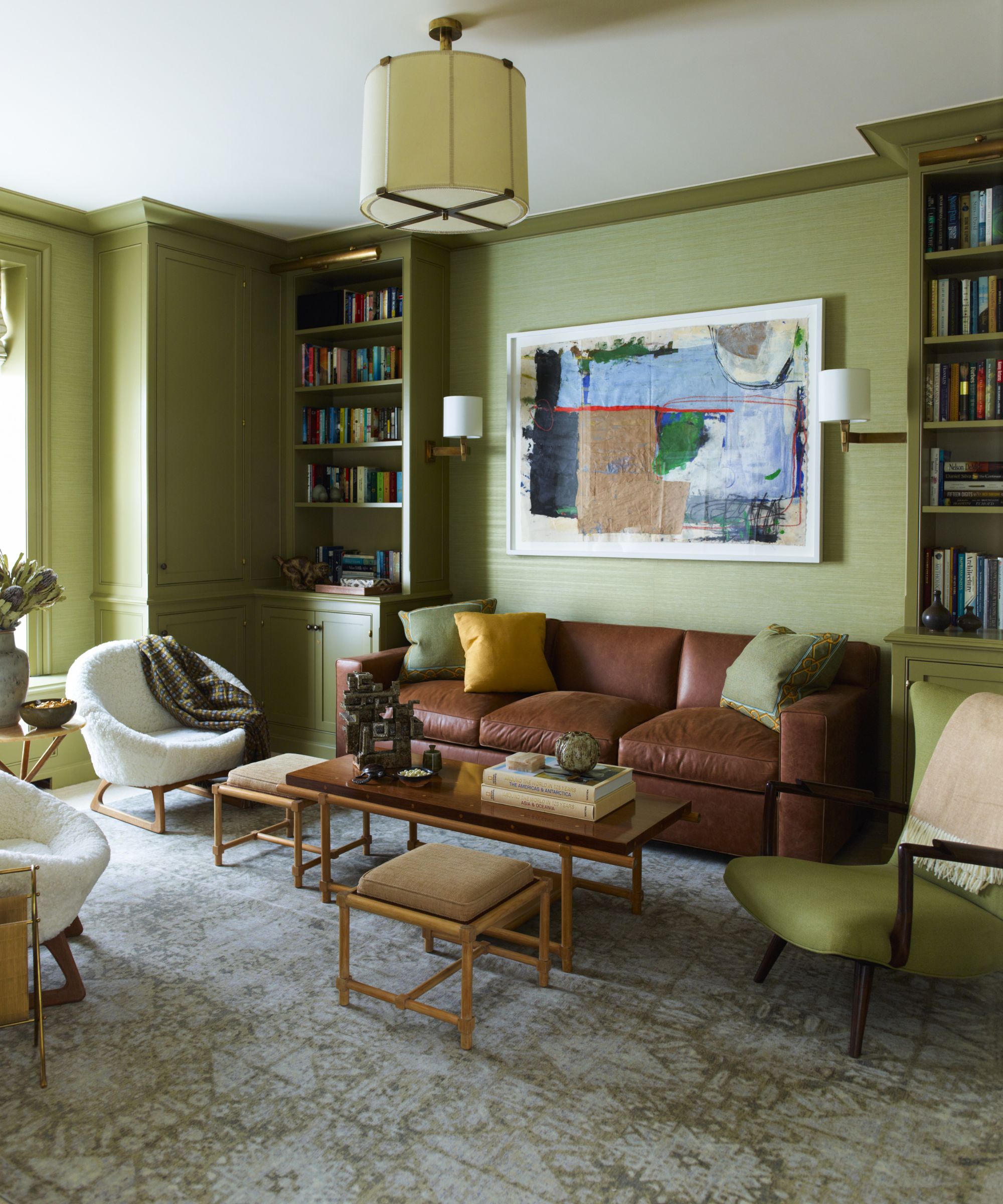
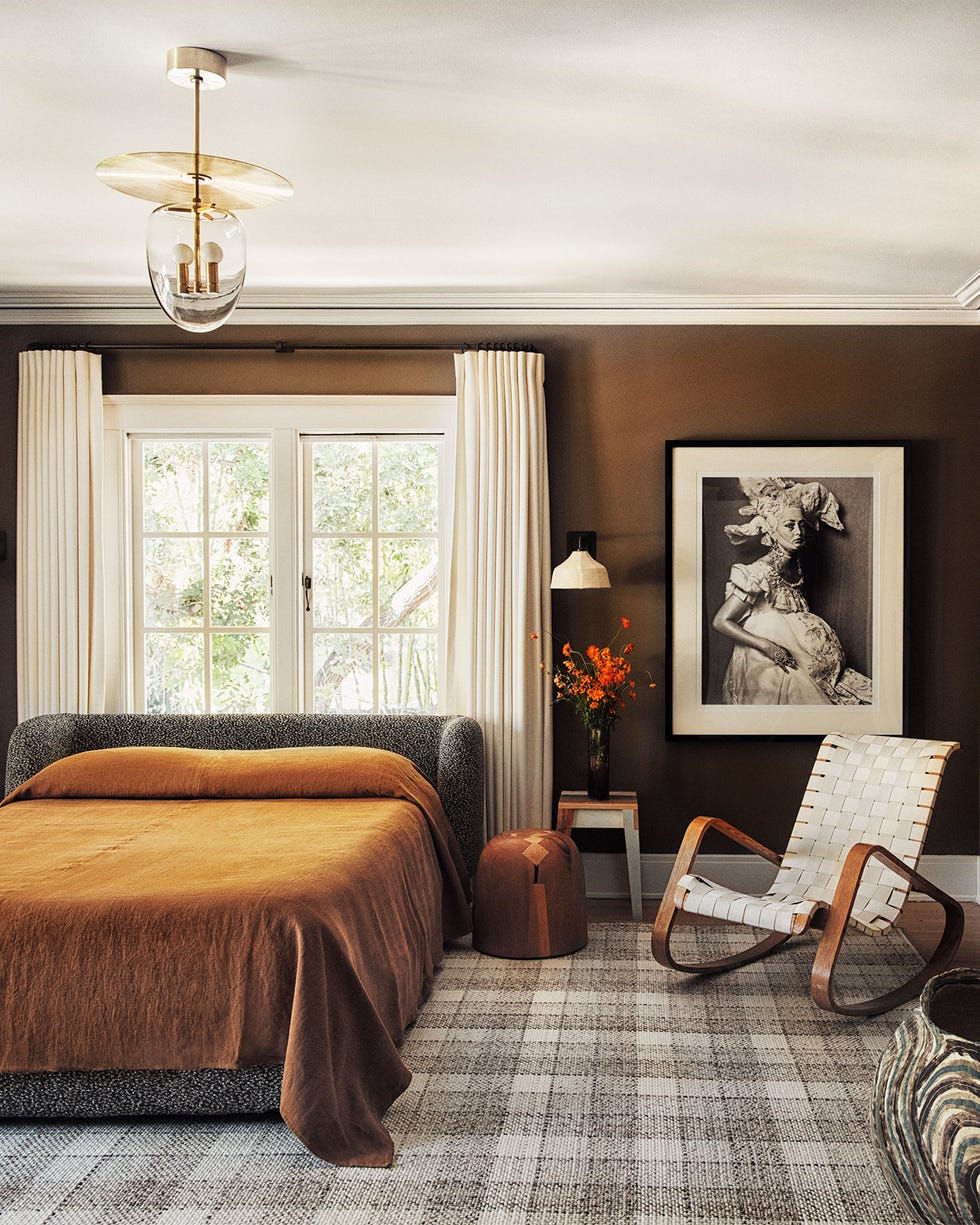
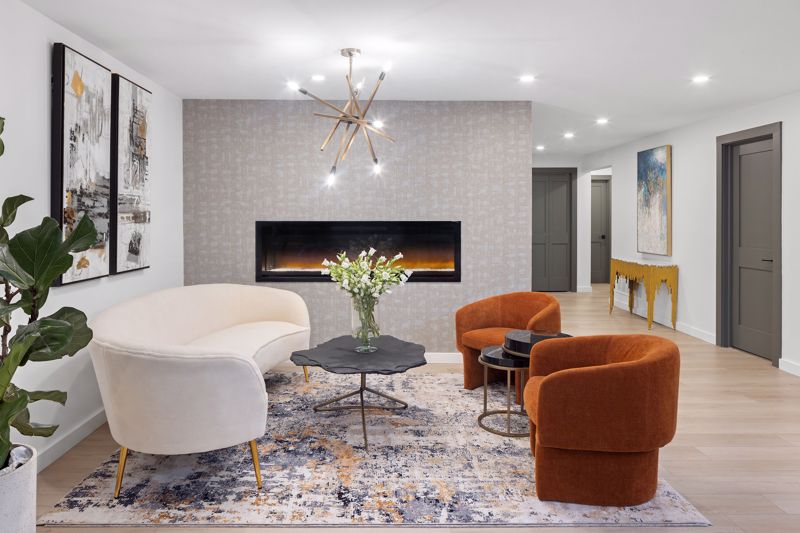
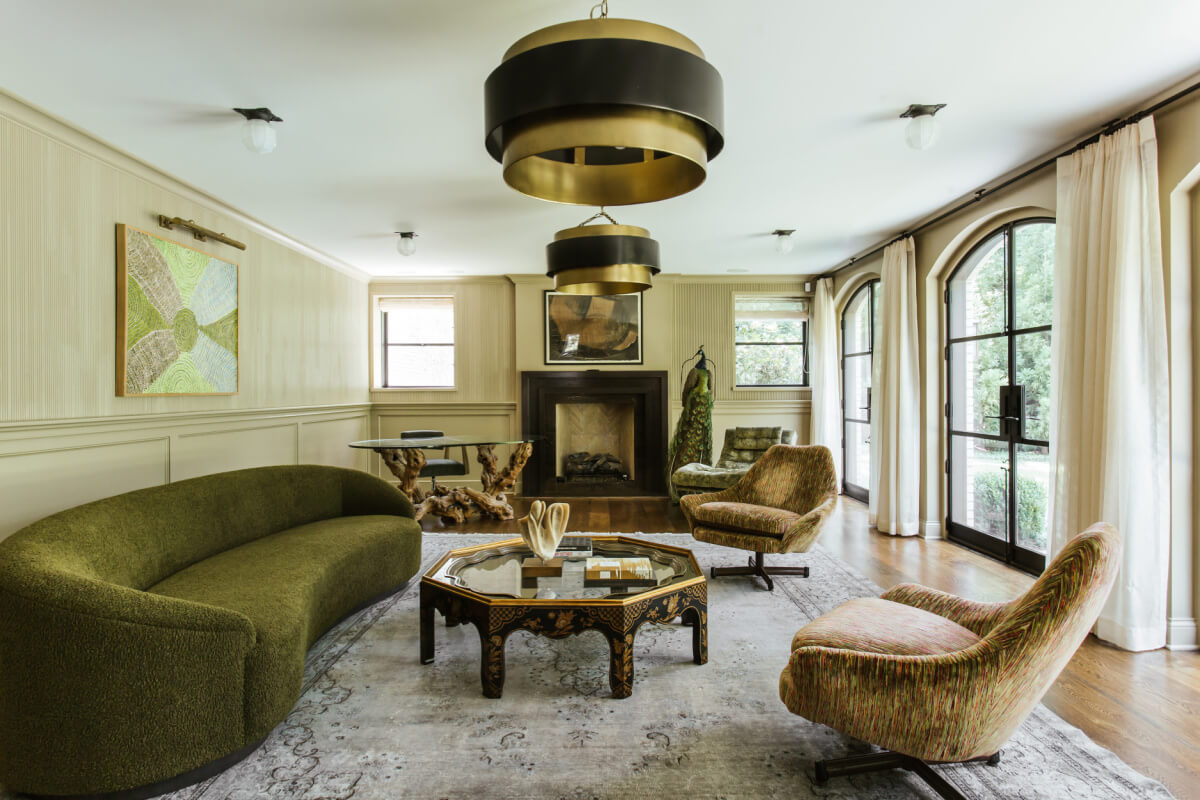
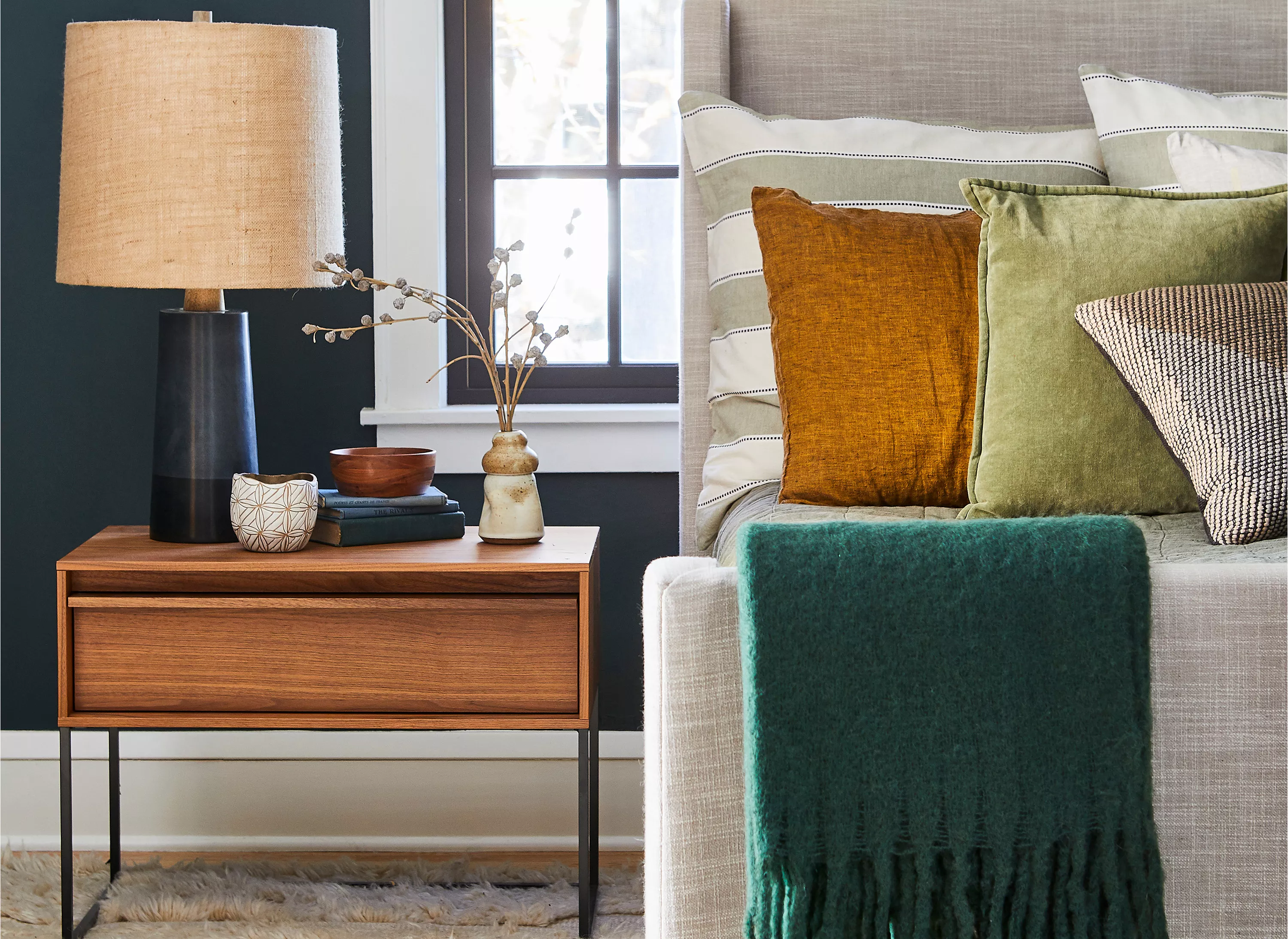
Warm tones are also expected to dominate, with earthy browns, rich terracottas, and deep oranges replacing cooler palettes. This shift reflects a desire for cozy and inviting atmospheres within homes. Complementing this, forest green is set to become a popular color choice, inspired by its use in popular home renovation shows. This trend caters to homeowners leaning towards dark and moody color schemes, offering a sophisticated and natural feel.
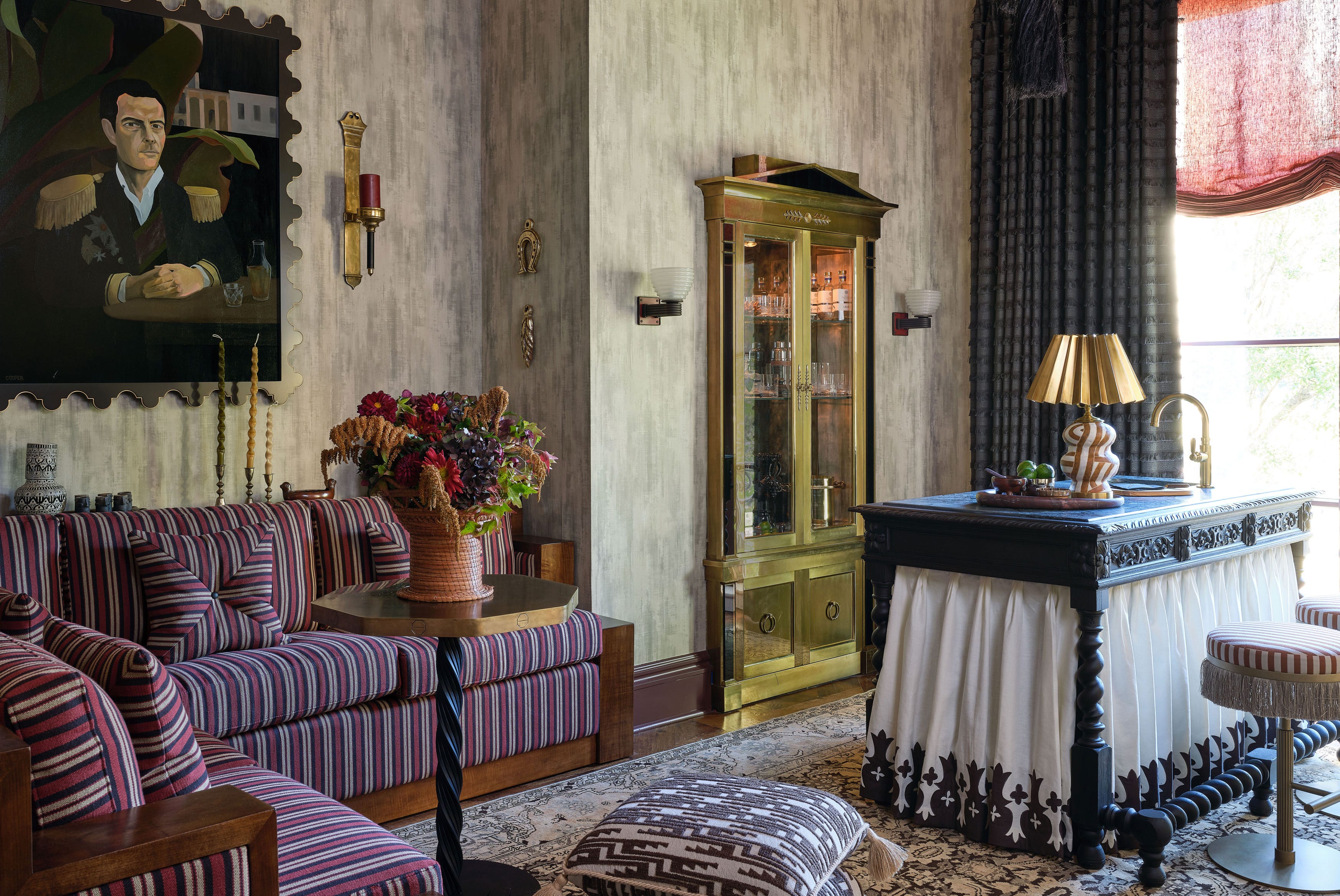
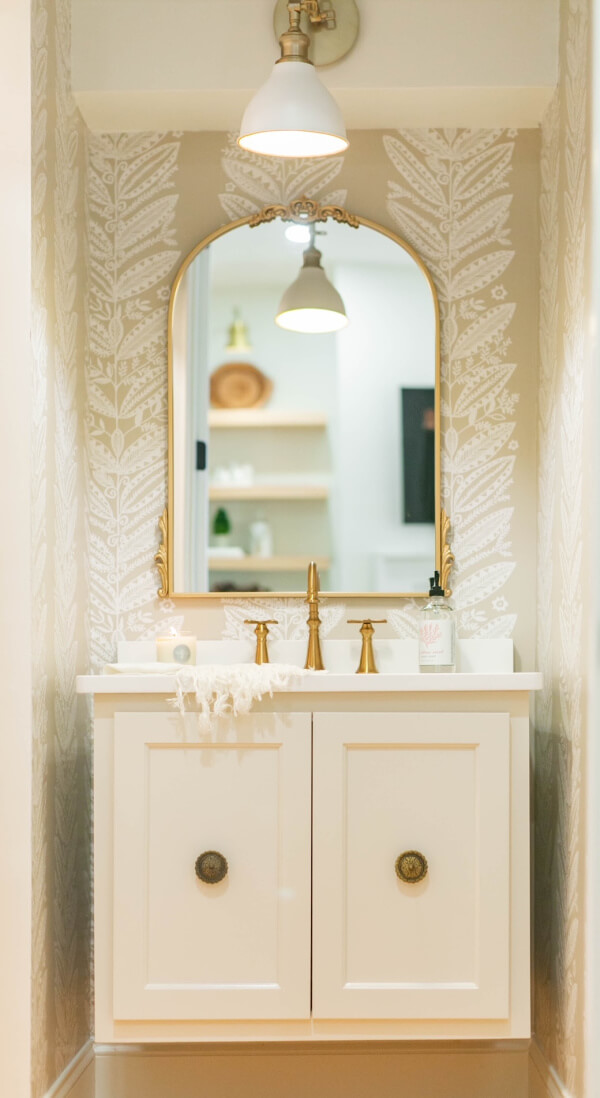
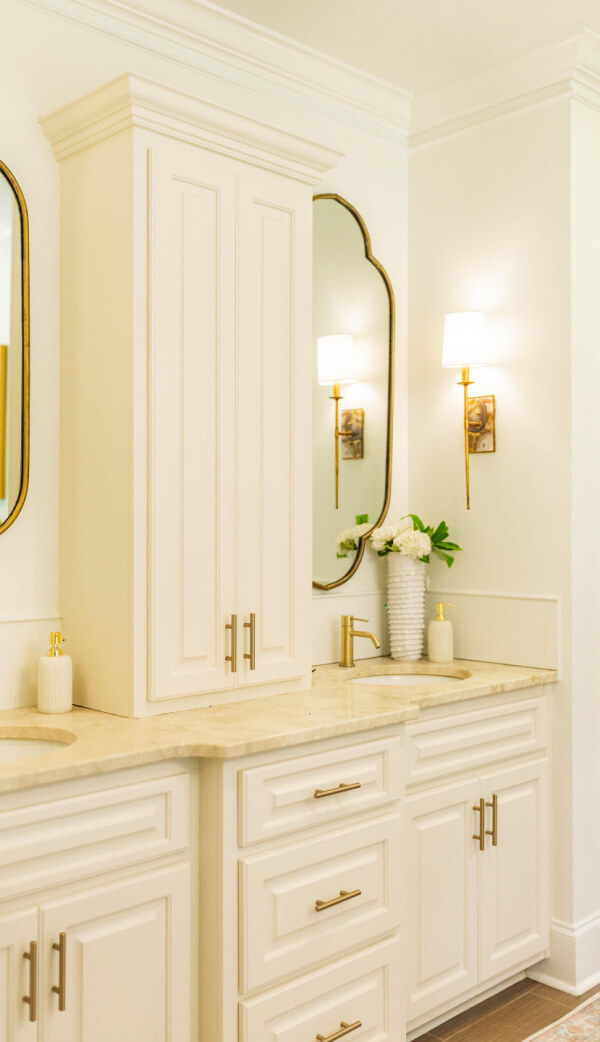
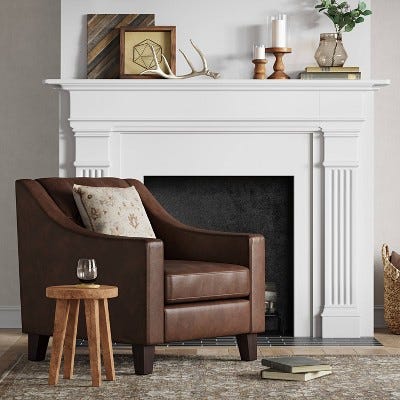
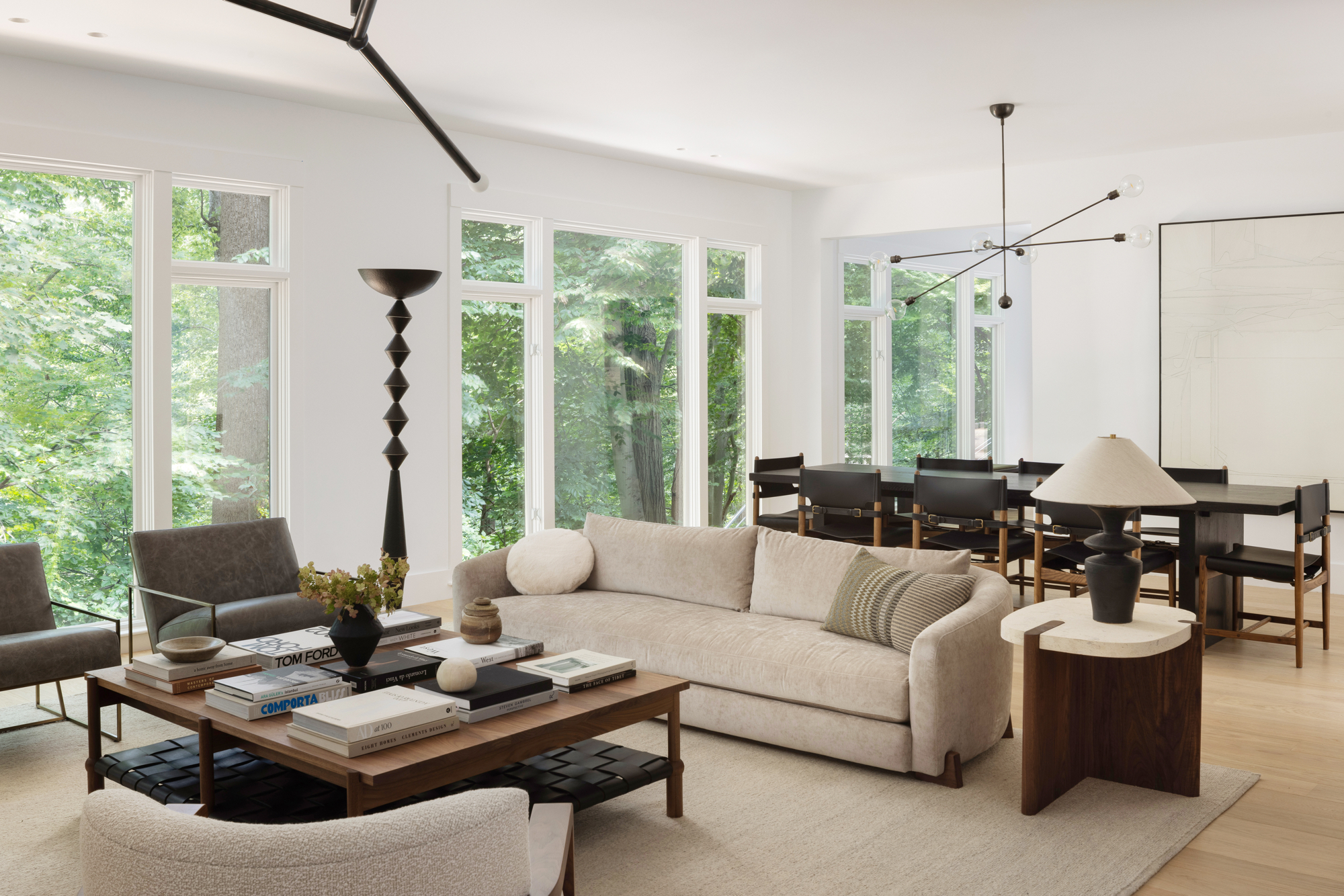
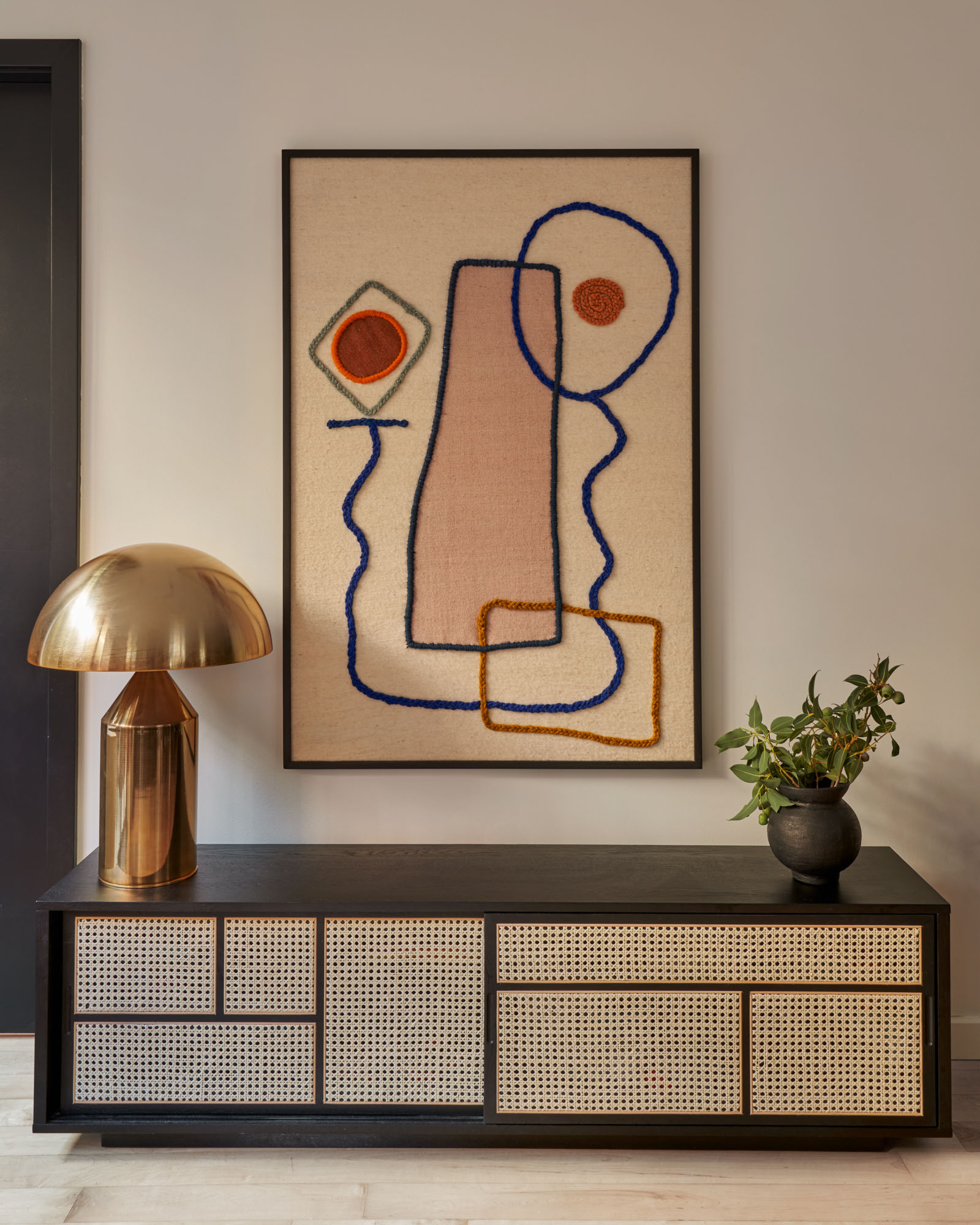
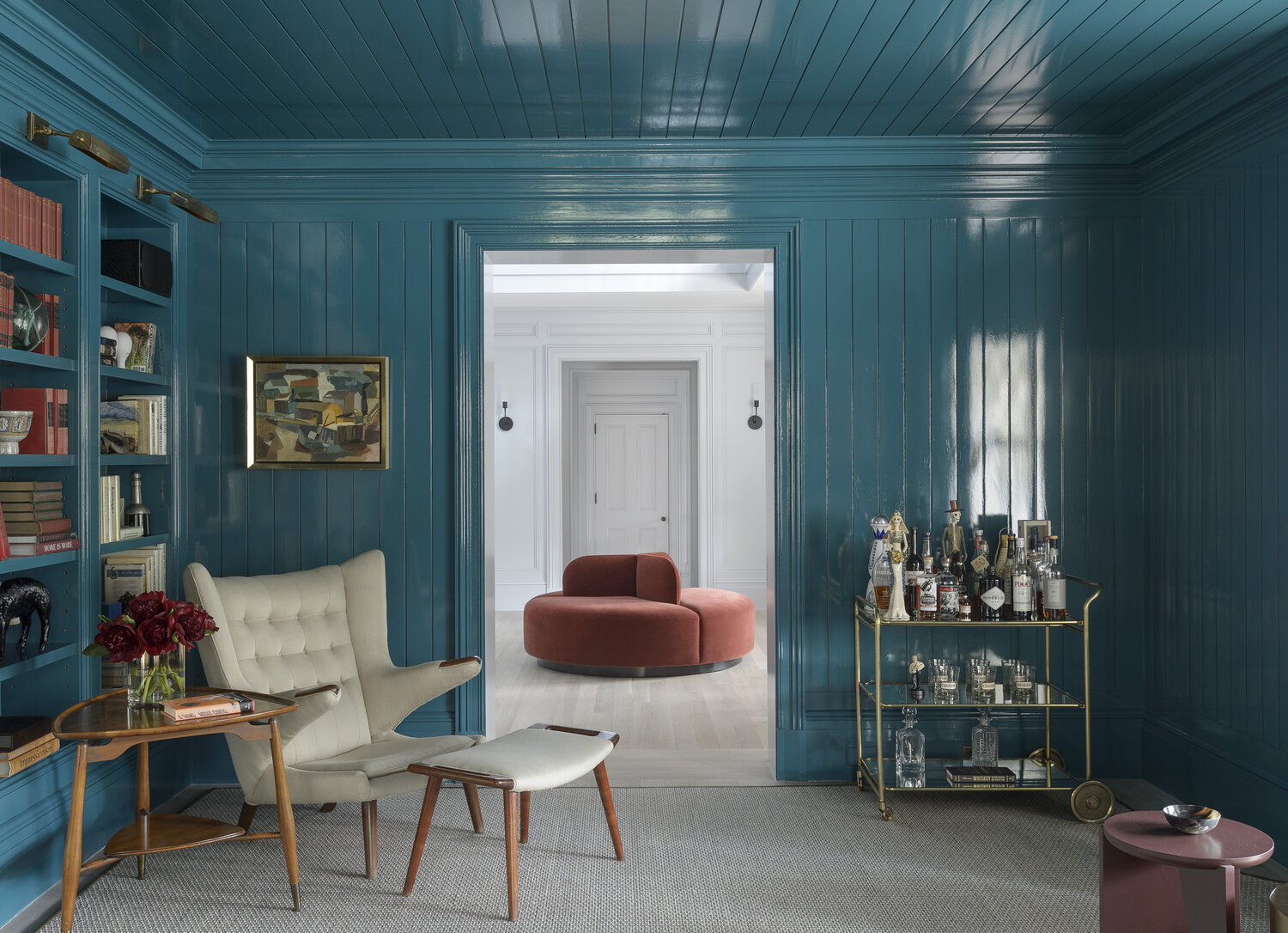
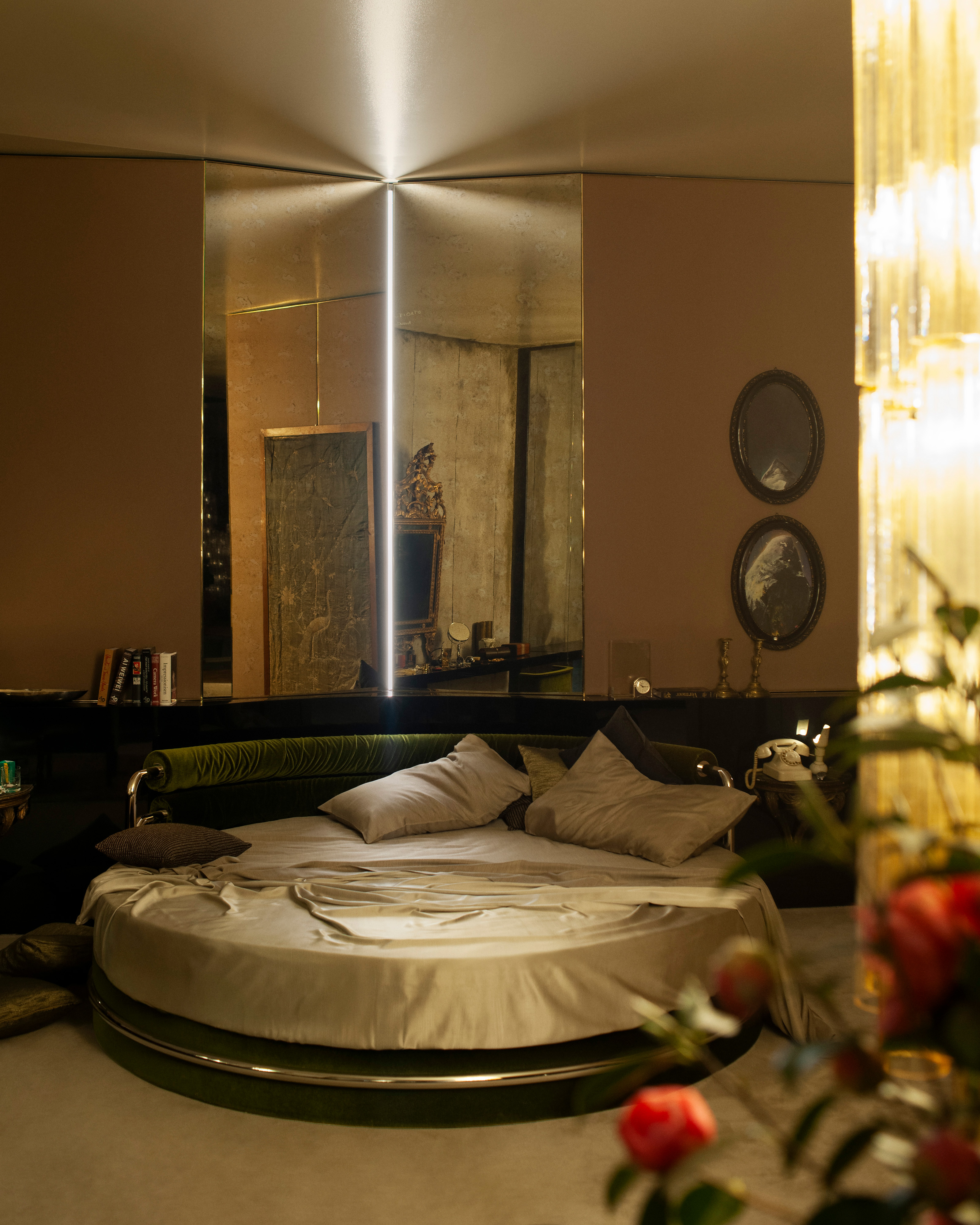
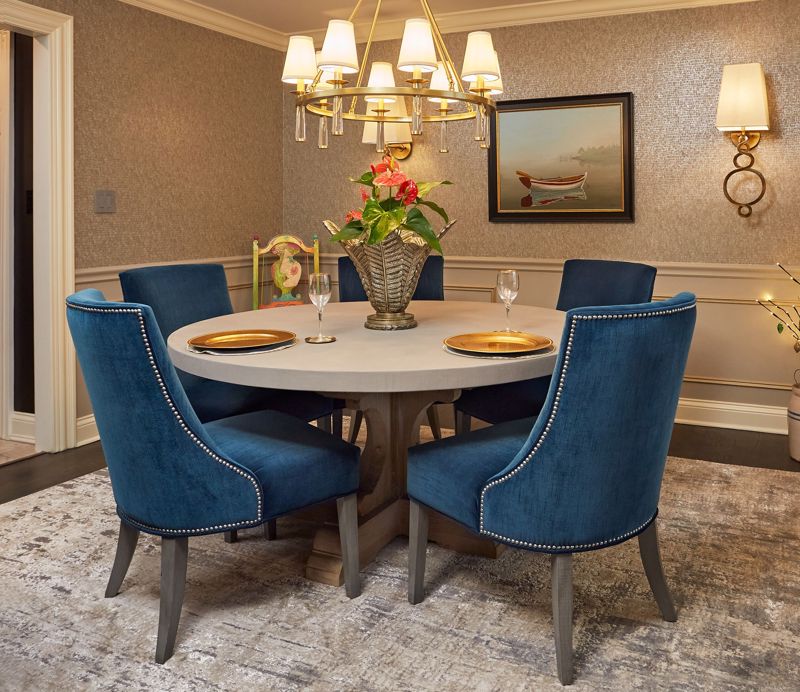
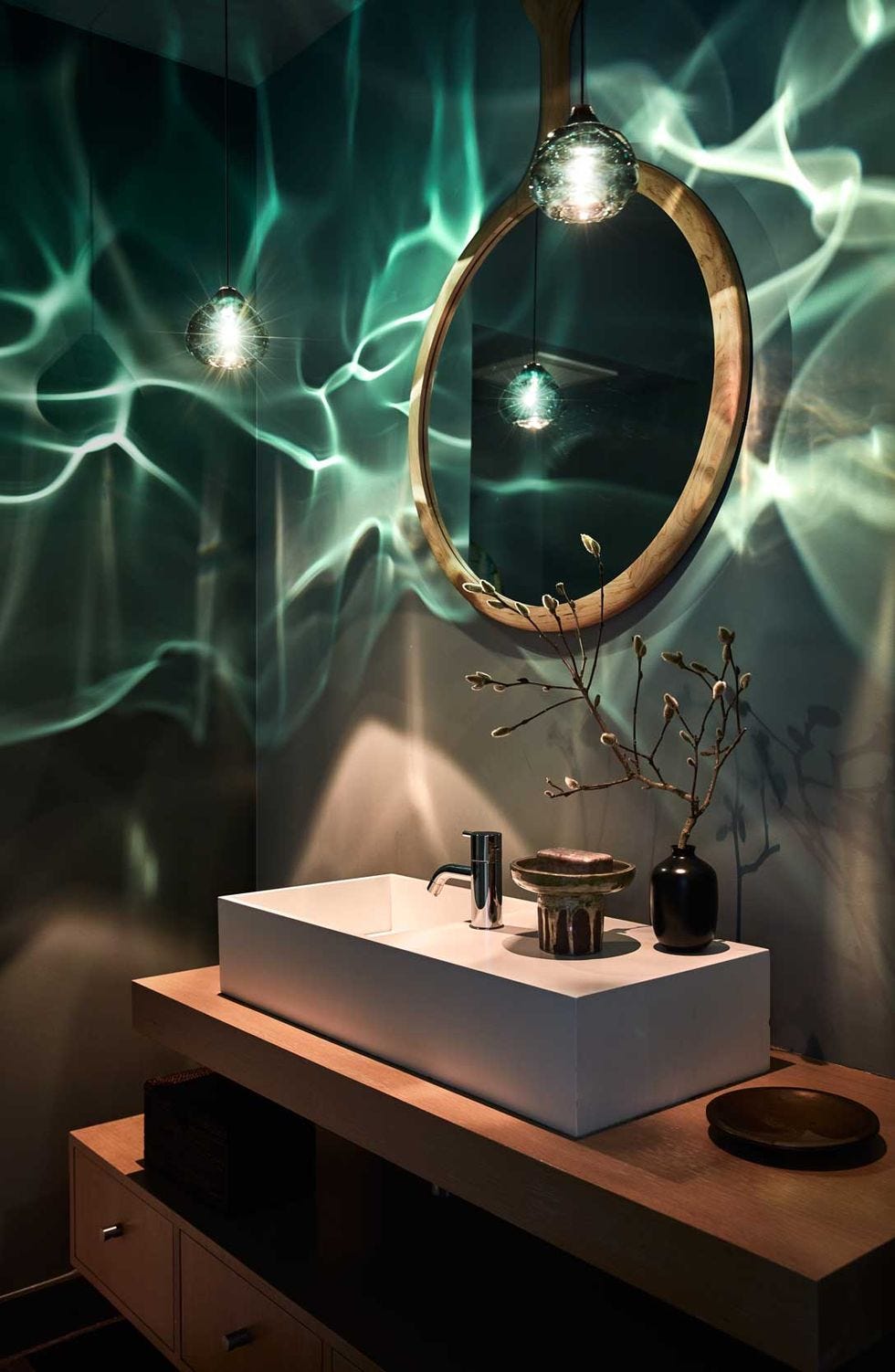
Curved accents and shapes will gain prominence, moving away from linear designs. Jennifer Verruto, CEO and founder of Blythe Interiors, notes that rounded furniture, like arched vanity mirrors and curved couches, introduces softness and an inviting quality, while also offering a versatile aesthetic that can blend with various design styles. Similarly, scalloped designs are making a comeback, appearing on furniture, upholstery, and even cabinetry, adding a unique decorative touch.
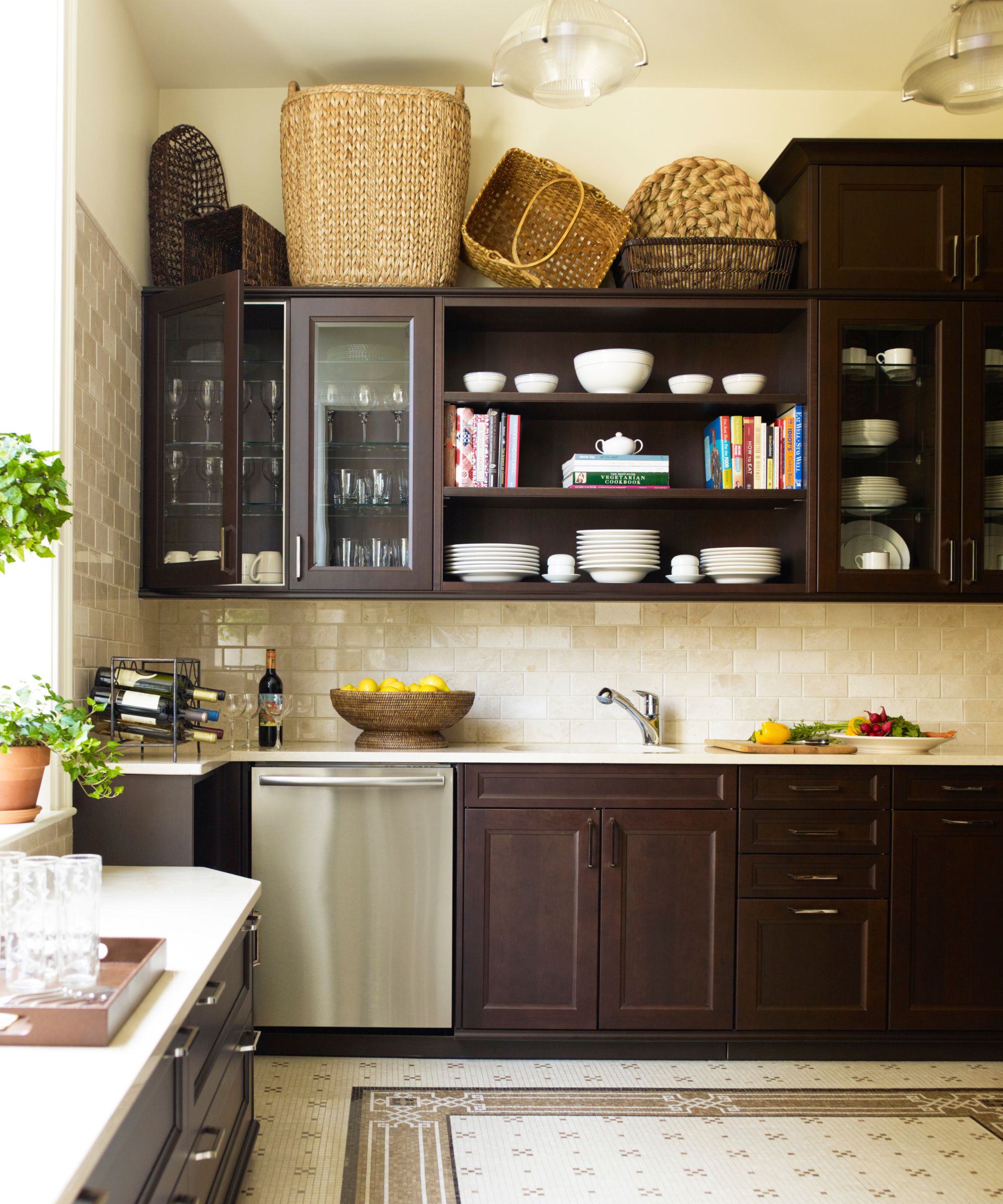
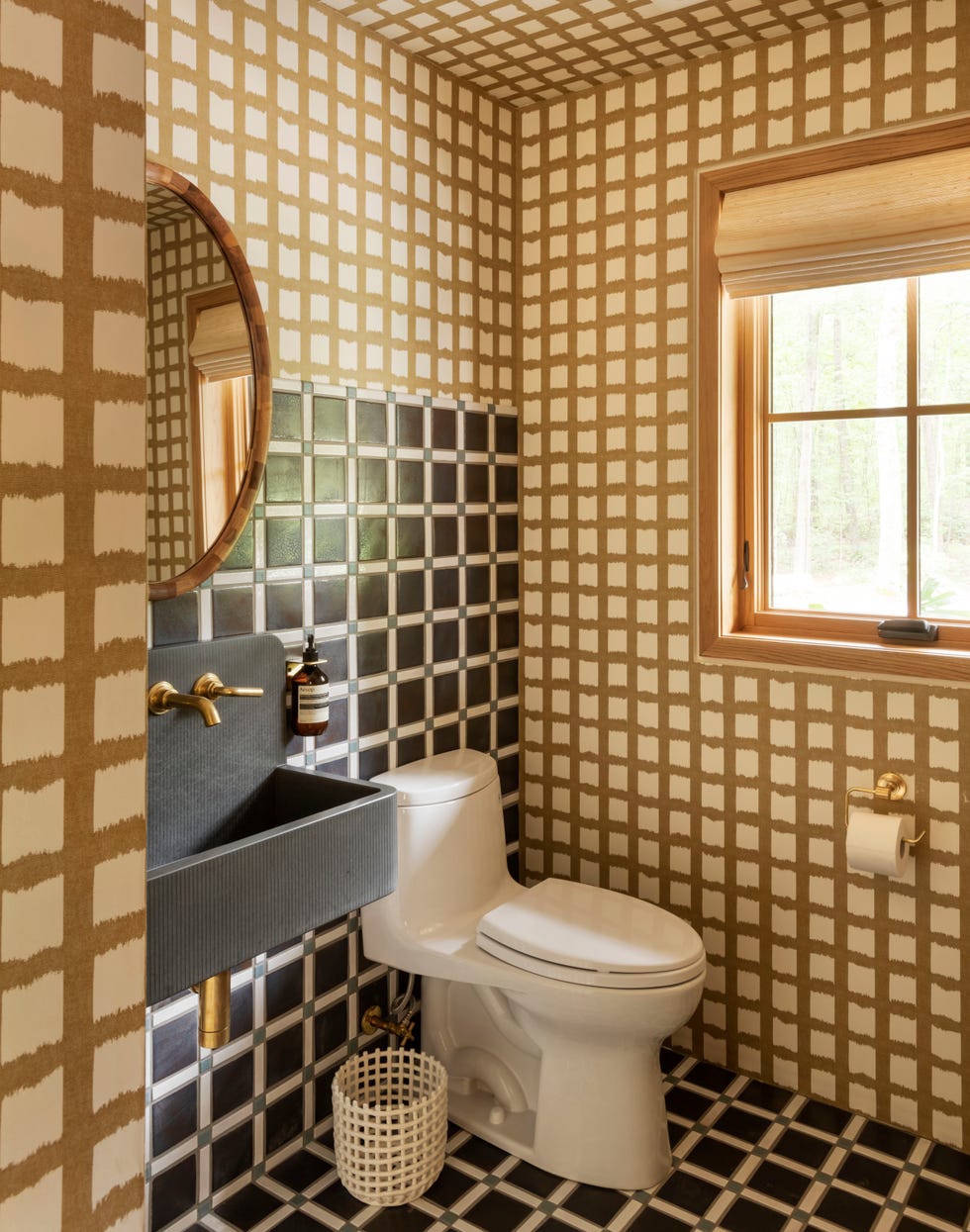
In terms of tiling, stacked tile patterns are predicted to be a fresh take on traditional subway tiles. This modern twist, whether arranged vertically or horizontally, offers a timeless yet contemporary look for backsplashes and other tiled surfaces. Additionally, fractal designs, characterized by geometric shapes that add dimension, are expected to feature in various home elements, including tables, cabinetry, accent pieces, and lighting, appealing to a scientific and structural aesthetic.
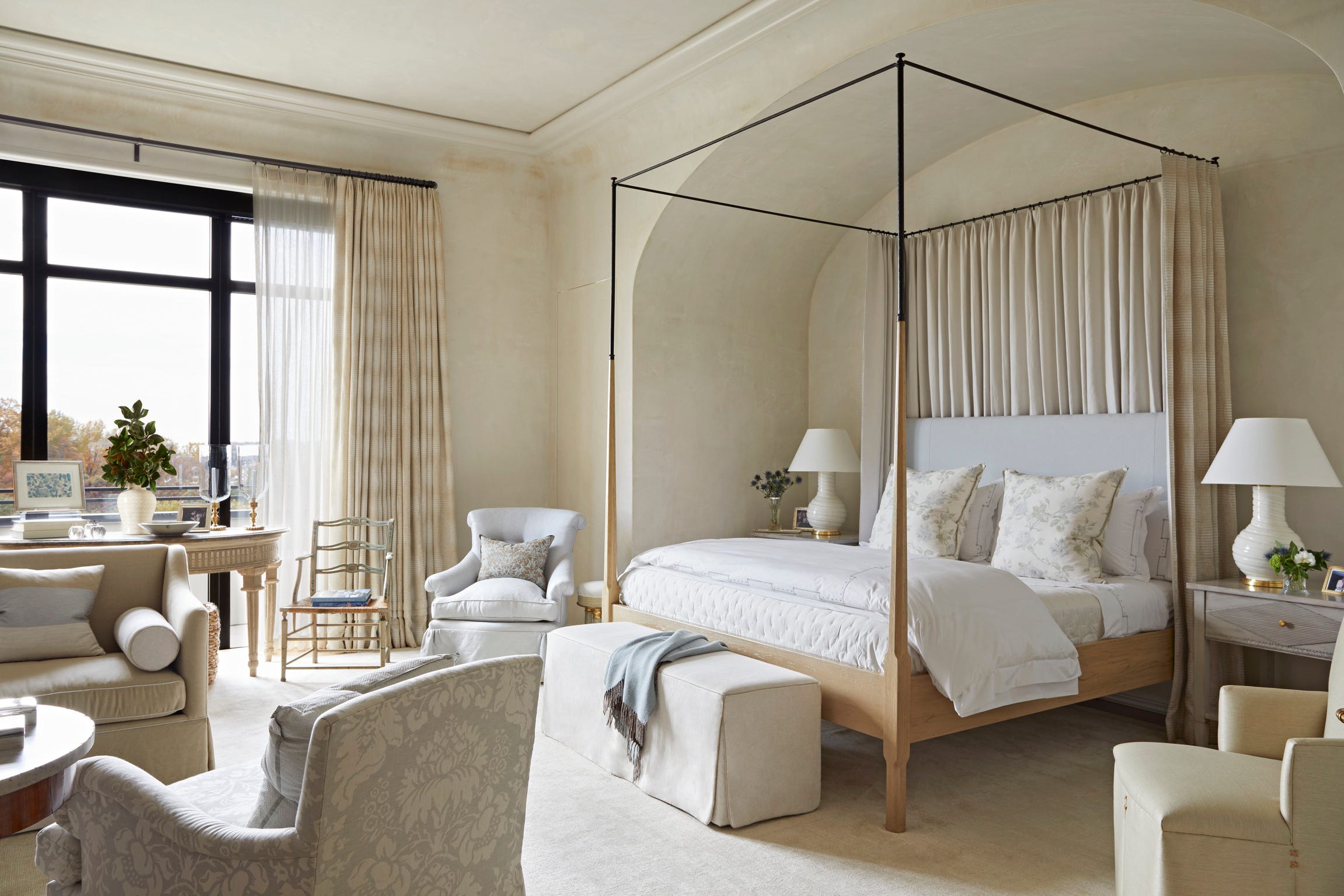
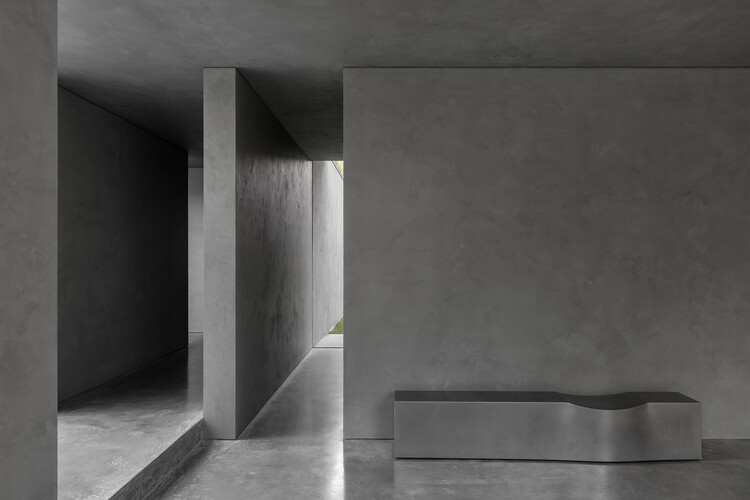
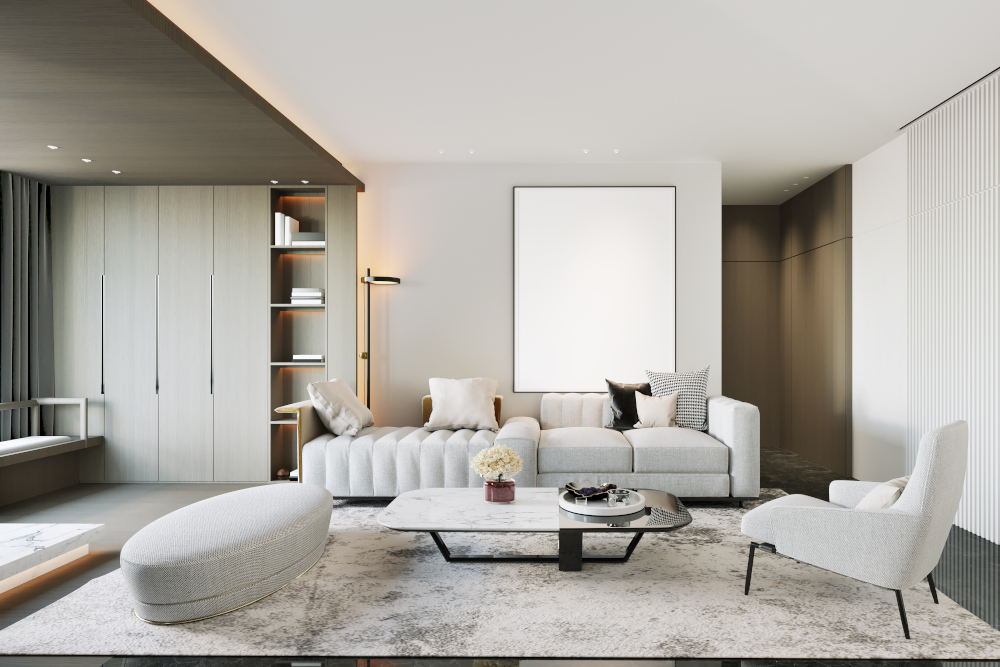
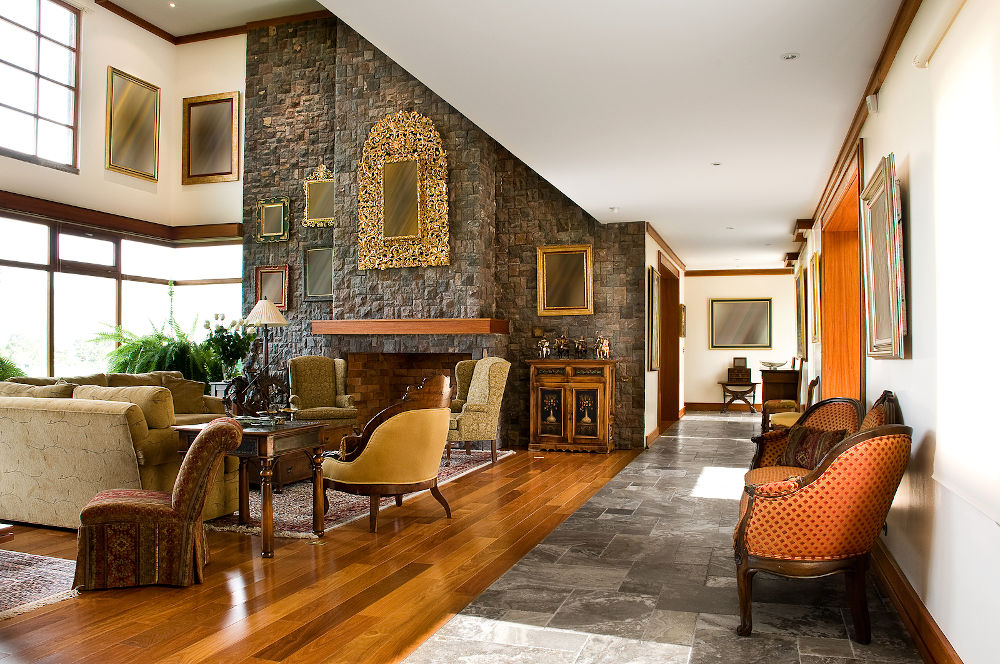
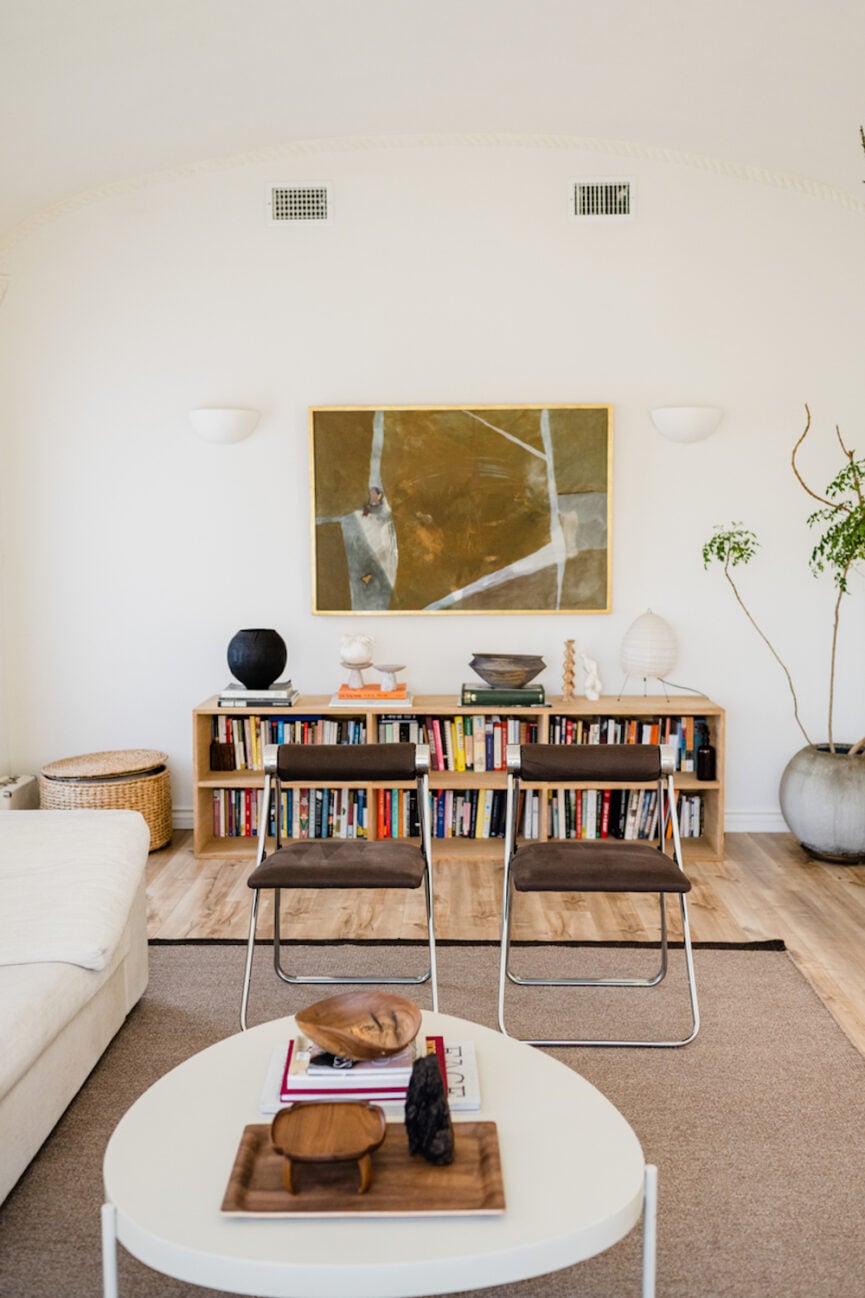
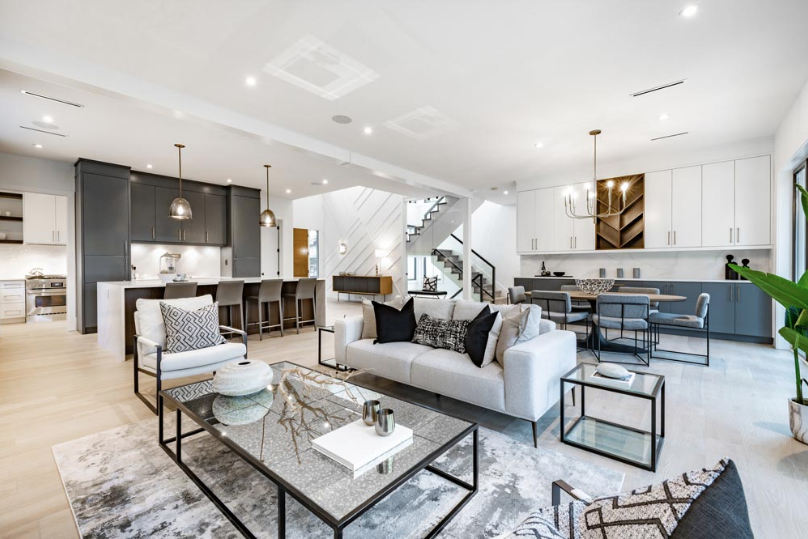
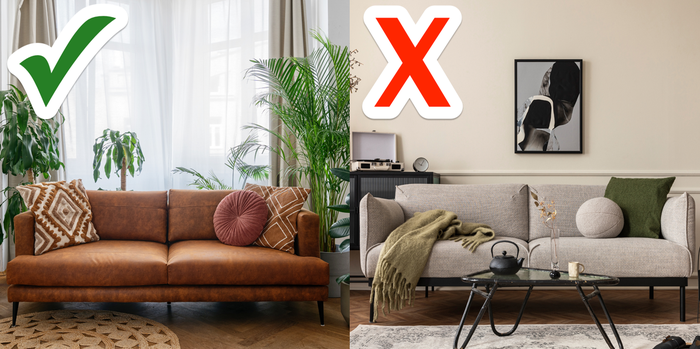
Conversely, several design trends are projected to decline in popularity. The industrial style, known for its concrete floors, exposed brick, and metal fixtures, is anticipated to recede as people seek softer and more comfortable environments. Ultra-minimalism, which can sometimes feel cold and impersonal due to its limited color palette and sparse furnishings, is also expected to fade, with a preference for warmth and personality emerging.
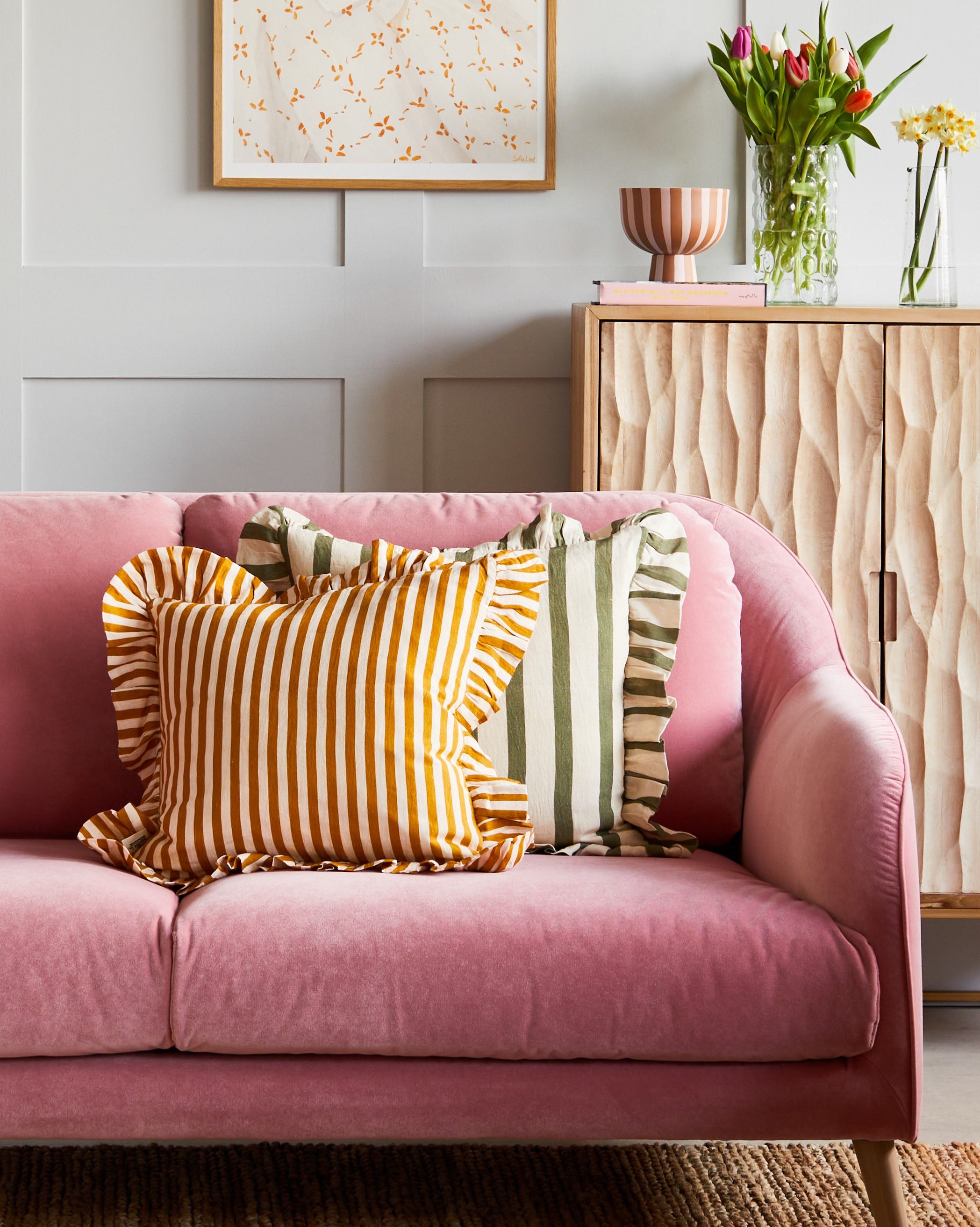
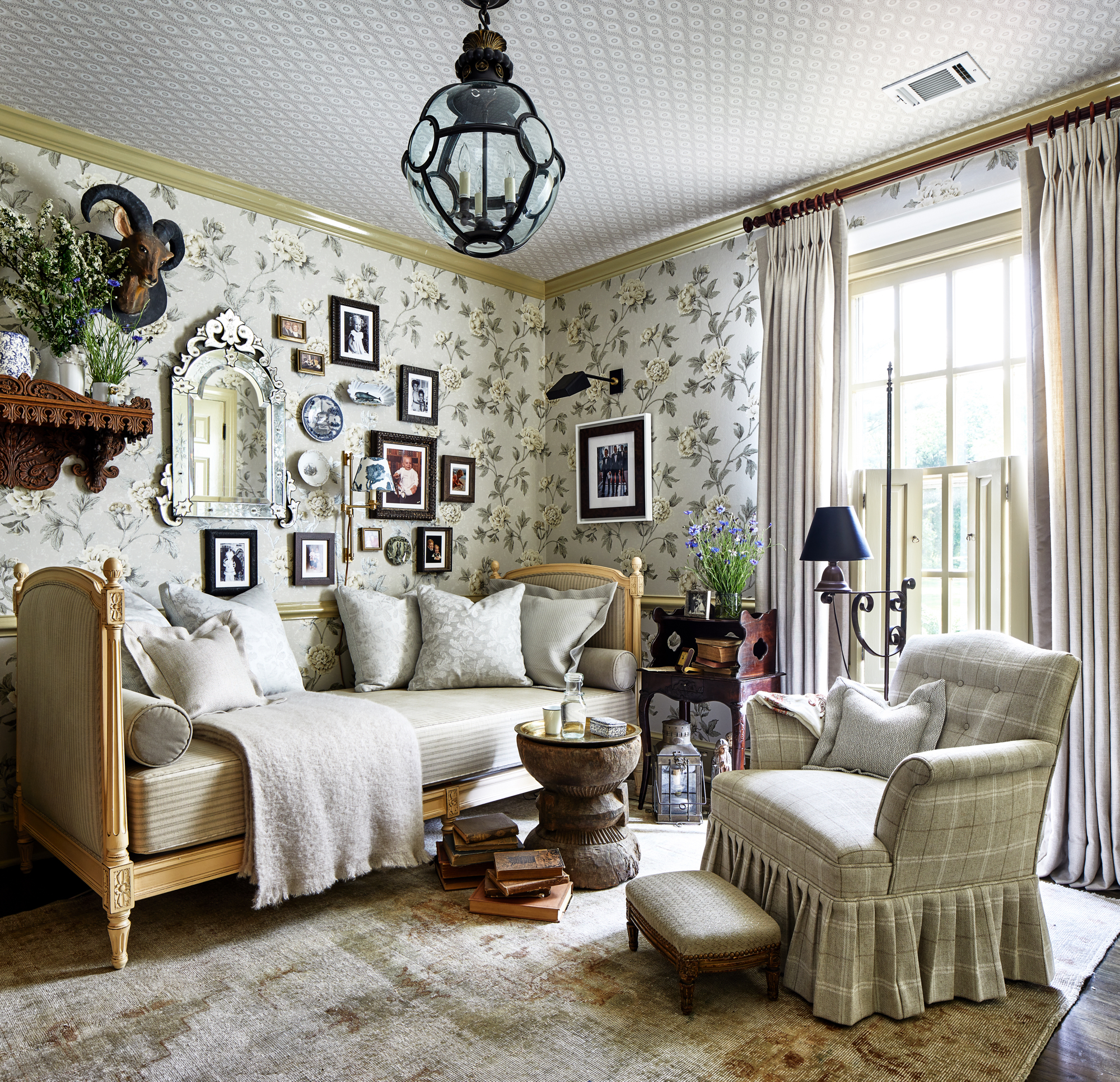
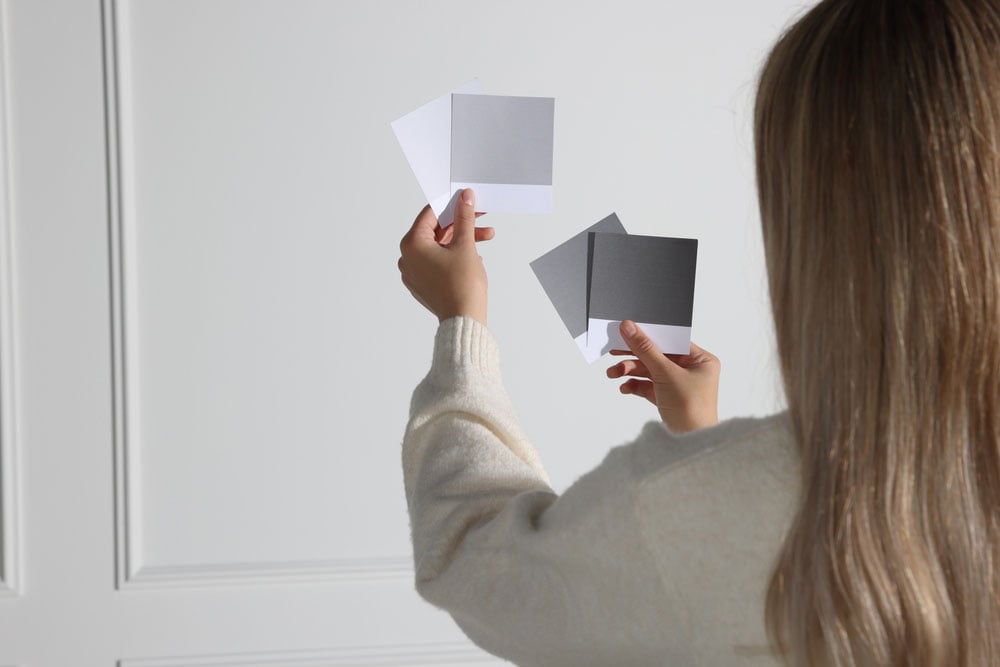
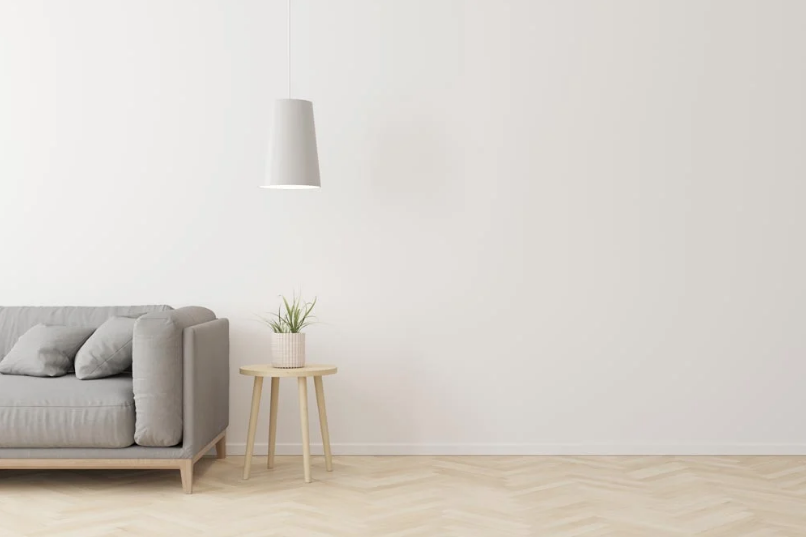
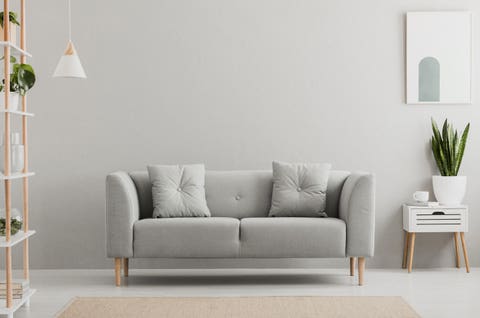
Fast furniture, characterized by its mass production and affordability, is losing favor due to increasing awareness of sustainability and environmental impact. Consumers are leaning towards investing in higher-quality, durable pieces with a smaller ecological footprint. The once ubiquitous color gray is also slated for disappearance, as it is perceived as overdone and is being replaced by bolder, more expressive color choices. Lastly, beige monochrome designs, while previously popular, are beginning to look dated, with a shift towards color-drenching, rich textures, and invigorating patterns like bold wallpaper.
#InteriorDesignTrends #BiophilicDesign #WarmTones #ForestGreen #CurvedFurniture #ScallopedDesigns #StackedTiles #FractalDesigns #SustainableFurniture #InteriorDesignTrends #BiophilicDesign #WarmTones #ForestGreen #CurvedFurniture #ScallopedDesigns #StackedTiles #FractalDesigns #SustainableFurniture
0 comment in total
 No comments yet
You may also like
Designers Predict These 7 Interior Design Trends Will Be Everywhere in 2025

5 of the finest interior design styles that will define 2024

Design Forward: 4 Must-Know Interior Trends for 2025


Tech-infused trends and how it's shaping interior design in 2024

Interior Design Trends of 2024

Interior Designers Say These Decor Trends Will Be Everywhere in 2024
8 Interior Design Trends for 2025
10 Interior Design Trends to Watch in 2025

8 Interior Design Trends to Watch in 2024
8 Interior Design Trends That Will Be Everywhere in 2025

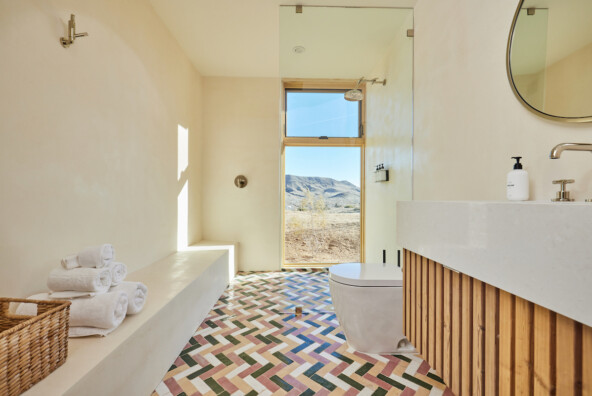
Interior Designers are Ditching These Home Trends in 2024
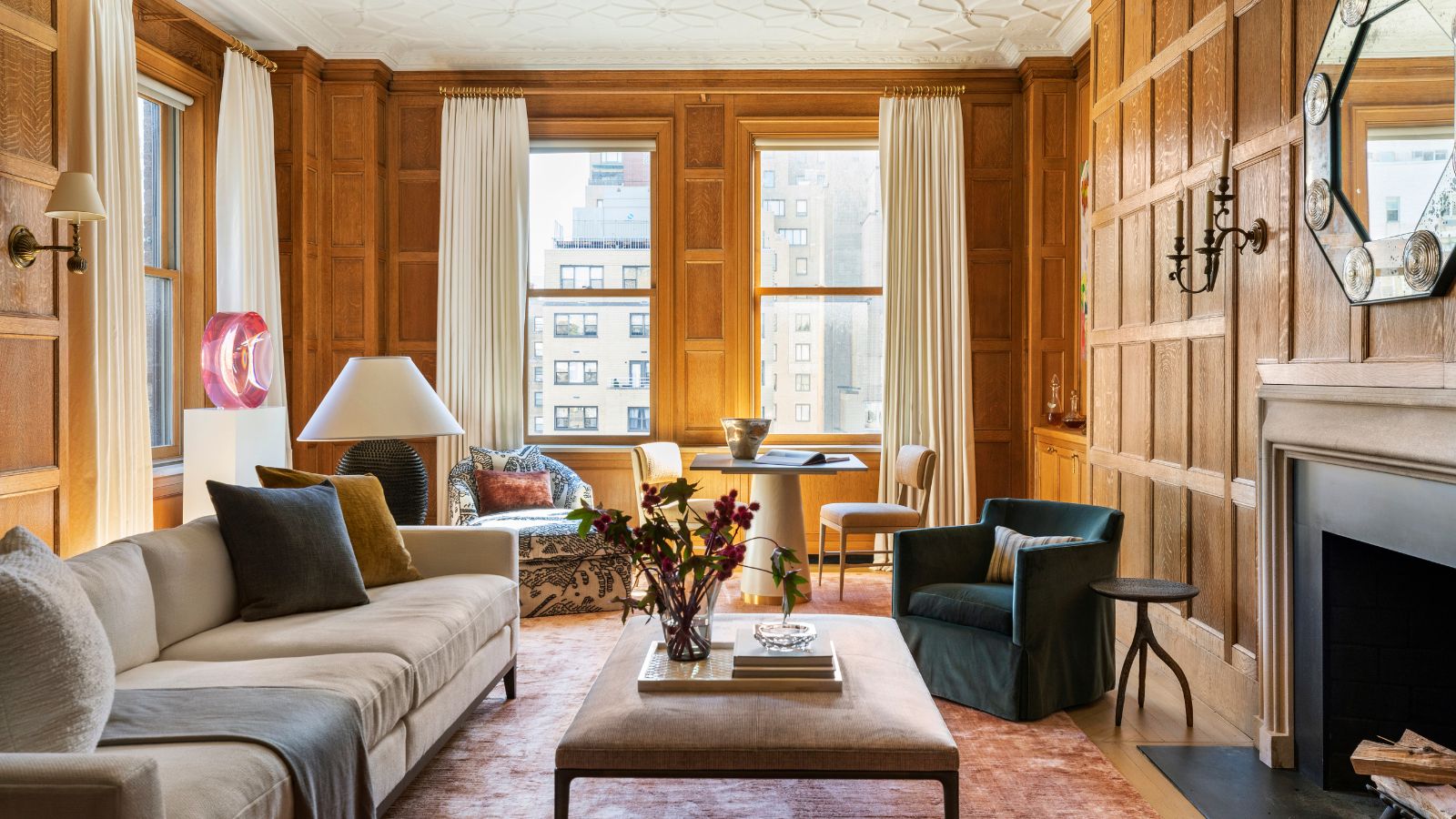
12 must-know interior design trends that will be defining our homes in 2025
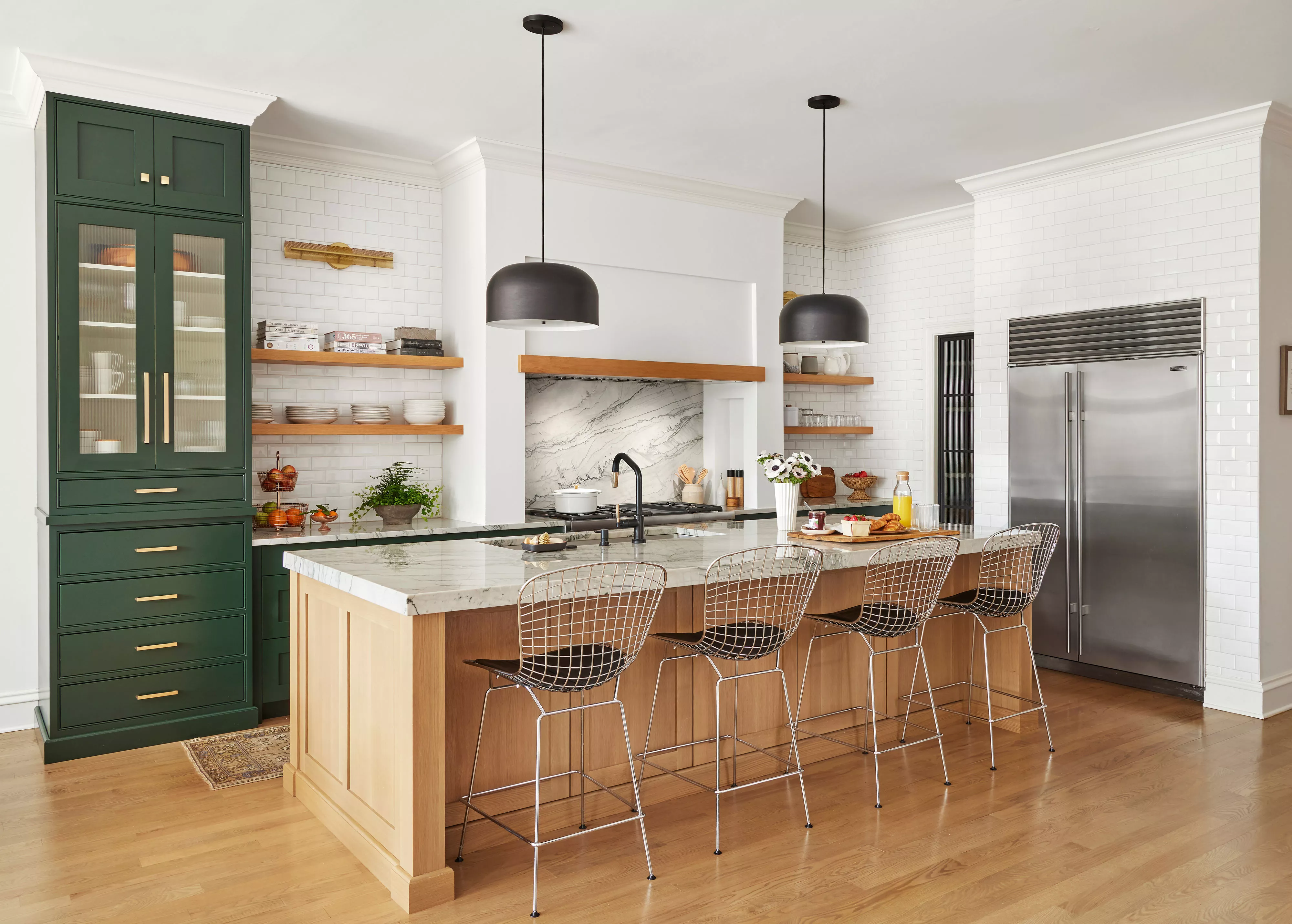
7 Interior Design Trends We're Saying Goodbye to in 2024
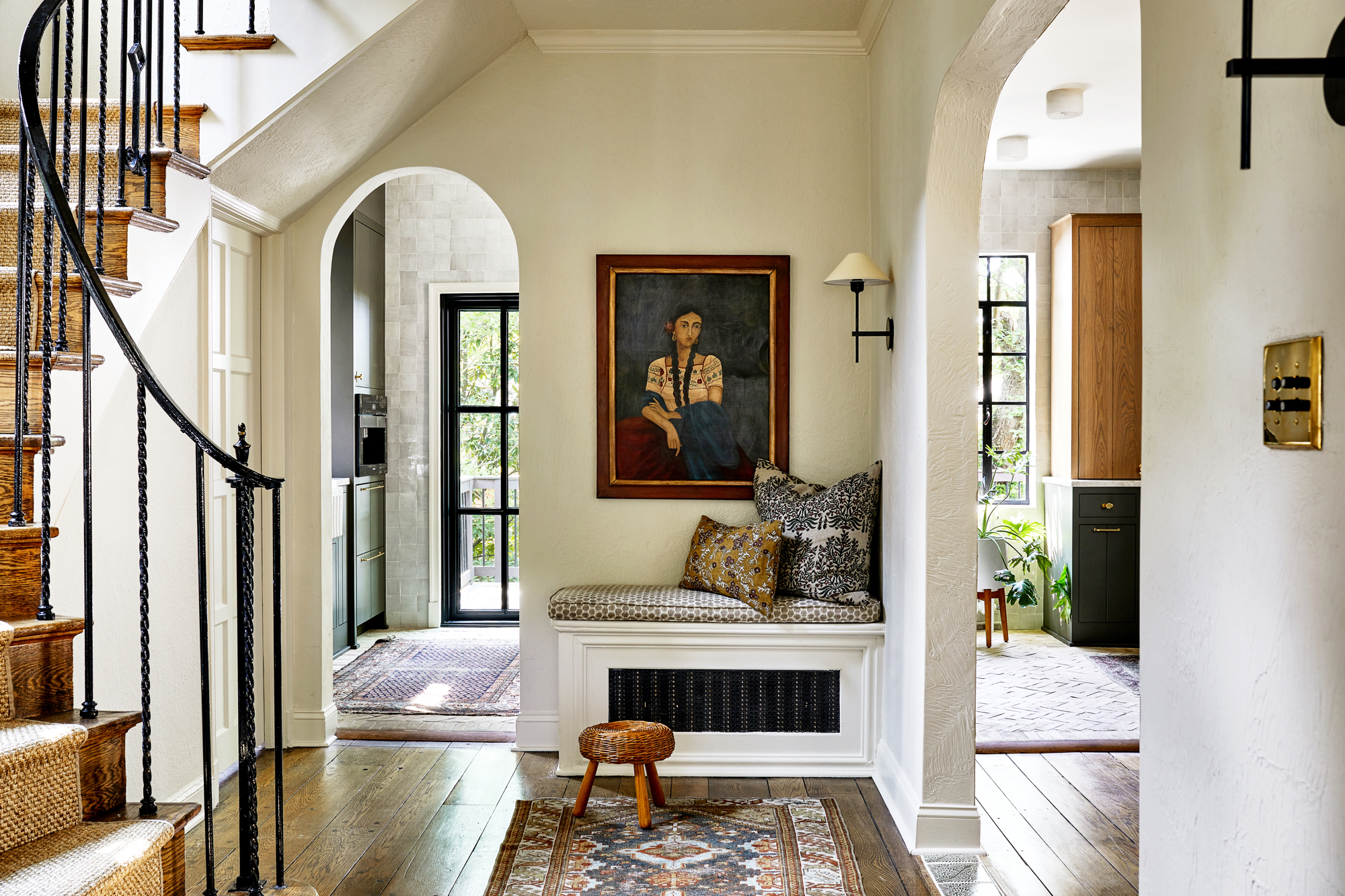
Home-Design Trends You’ll See Everywhere in 2024

Sorry, But It’s Time to Retire These 5 Interior Design Trends in 2024

You'll See These 8 Interior Design Trends Everywhere in 2025

The new interior design trends: 24 looks for 2024

The Biggest Interior Design Trends for 2025

10 Interior Design Trends Going Away In 2025

7 Fabric Trends Taking Over Interior Design in 2024