1/10
“It Instantly Becomes Tacky": 22 Home Design Trends That Are Mega-Popular For Reasons Many People Will Never Understand
This article explores 22 home design trends that, despite their popularity, are often perceived as impractical, aesthetically questionable, or outright problematic by many individuals. The piece compiles insights from various people who shared their least favorite design choices, highlighting the subjective nature of home aesthetics.
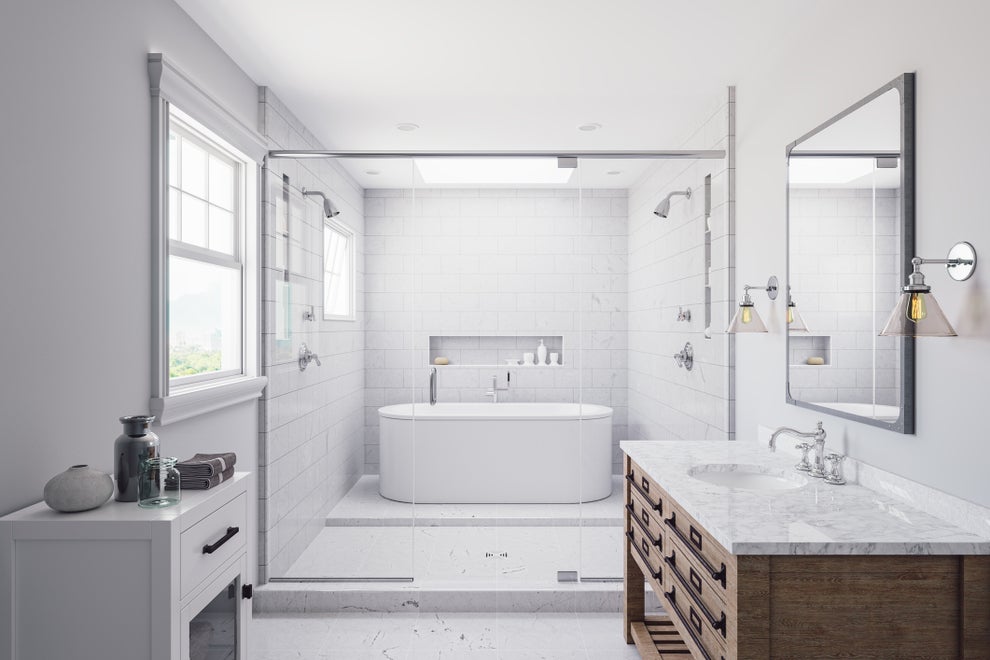
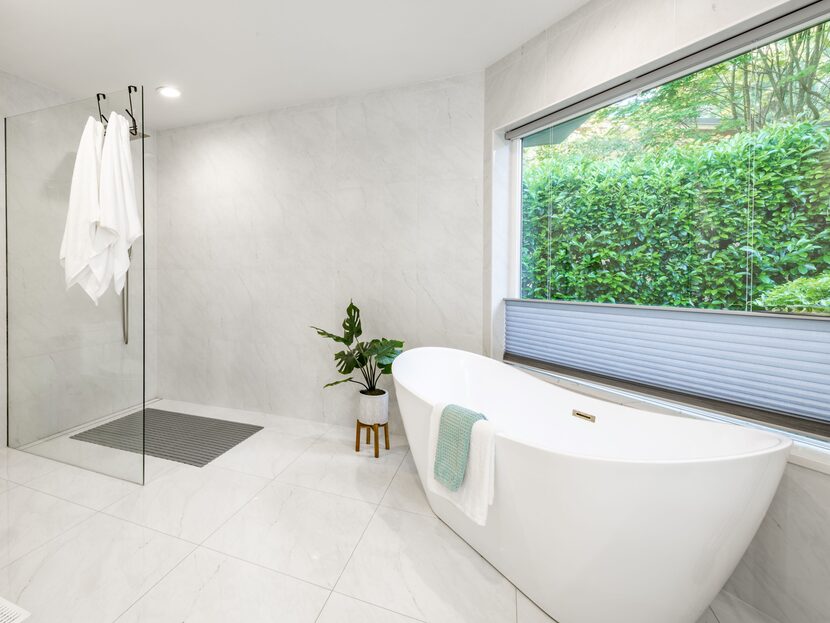
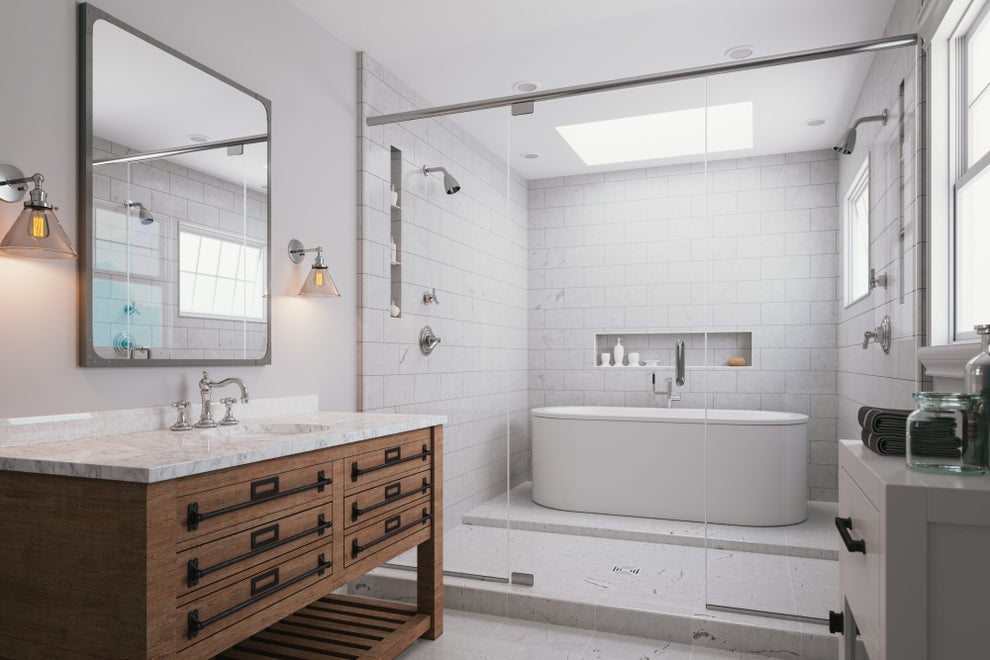
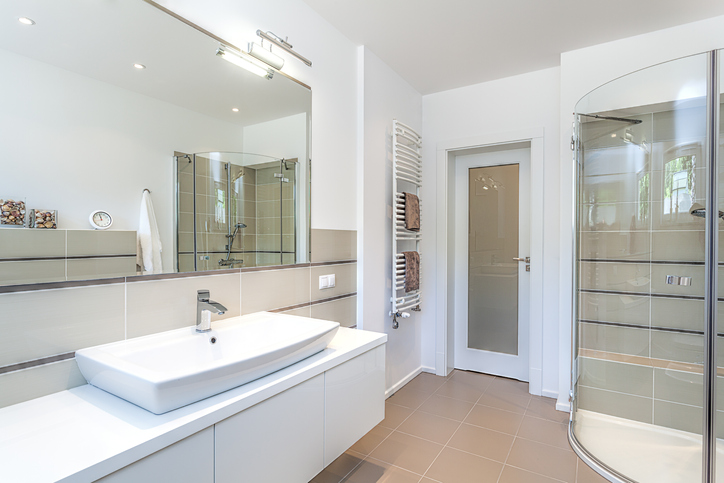
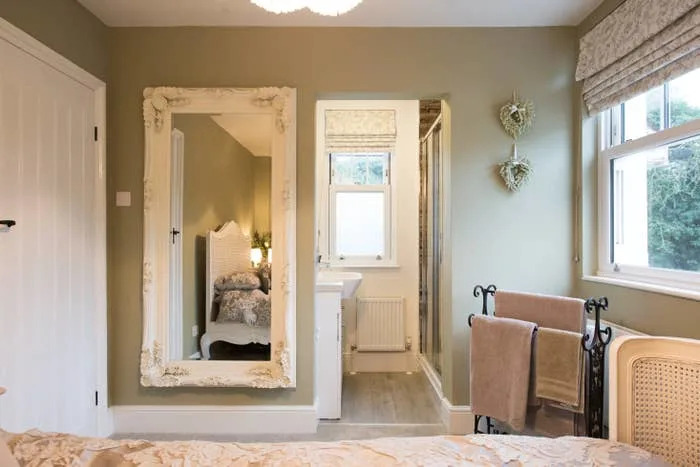
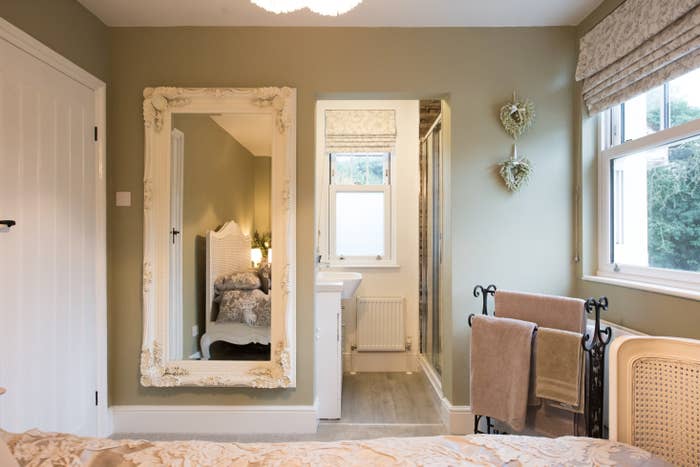
One significant point of contention revolves around the absence of doors in certain areas of the home, particularly doorless bathrooms, especially when located within bedrooms. Critics argue that this design choice compromises privacy, contributes to hygiene concerns due to the potential spread of moisture and odors, and necessitates inconvenient arrangements for occupants. Similarly, doorless showers are criticized for causing the entire bathroom to become wet after each use, leading to additional cleaning and potential slip hazards.
The use of faux materials is another trend that draws significant disapproval. Specifically, the application of faux wood beams made of materials like foam is cited as a cheap imitation that fails to achieve the desired rustic or modern farmhouse aesthetic and can even be considered an eyesore. This reflects a broader distaste for design elements that lack authenticity and are implemented purely for superficial appeal.
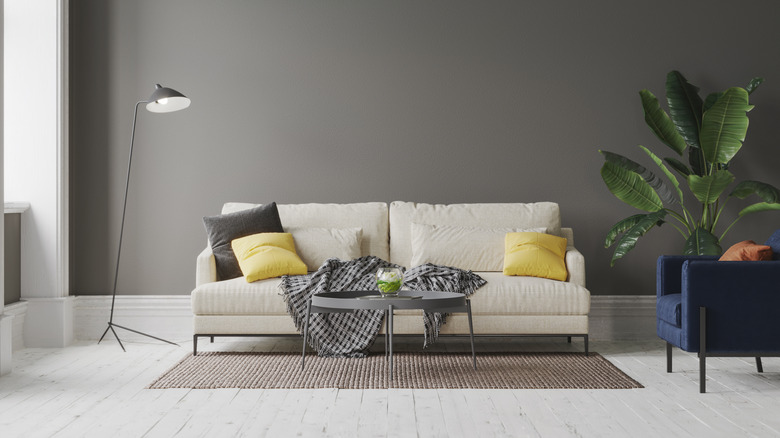
Paint choices also come under scrutiny, with 'agreeable gray' being singled out for its perceived blandness and unsuitability in certain lighting conditions. Many individuals find this color to appear dull or lifeless, contrasting with its widespread promotion as a versatile neutral, and note that it can be difficult to cover up with subsequent paint applications.
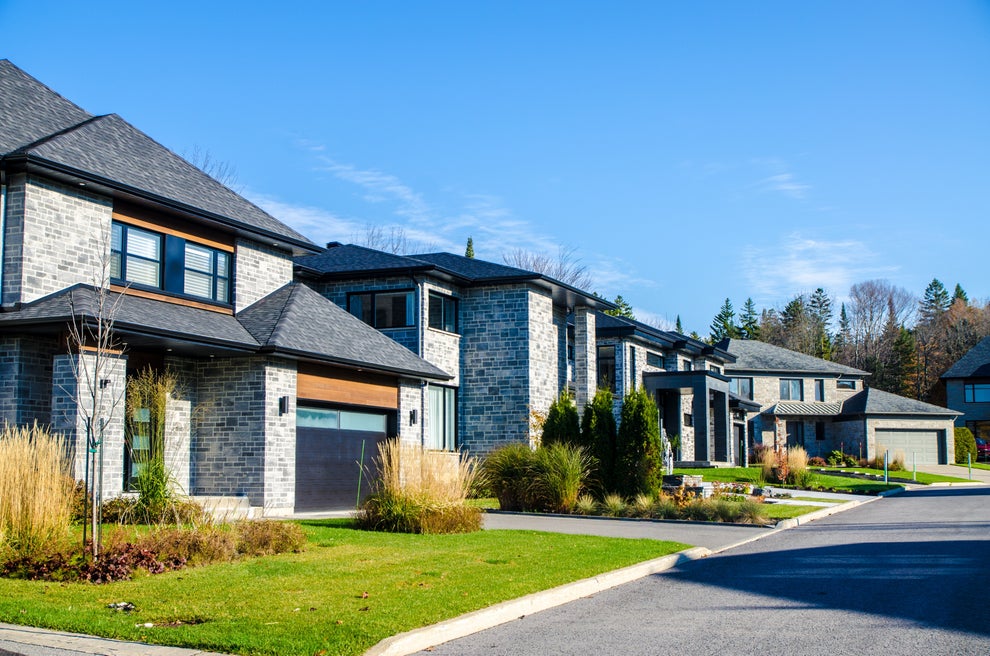
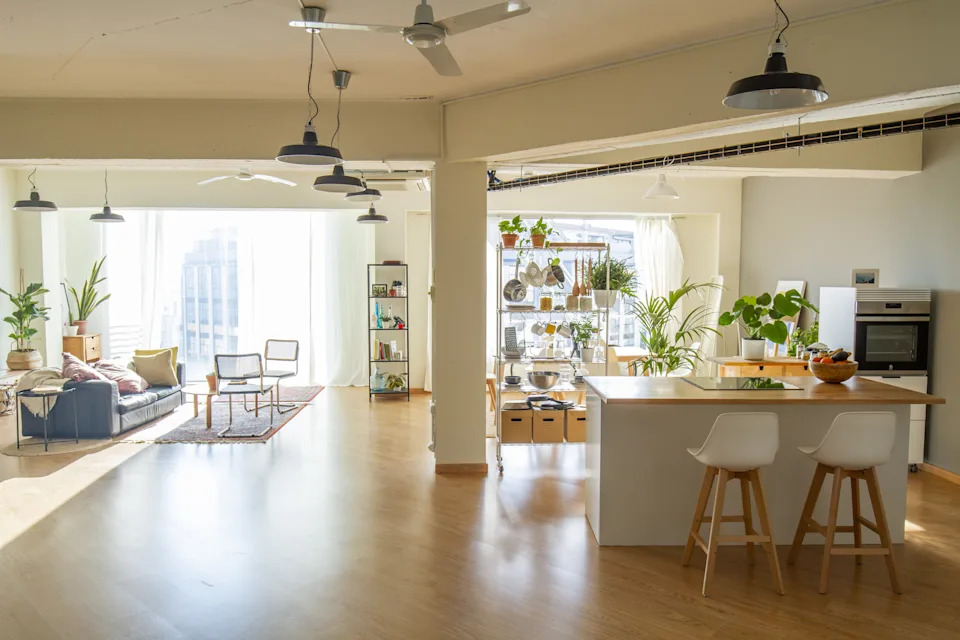
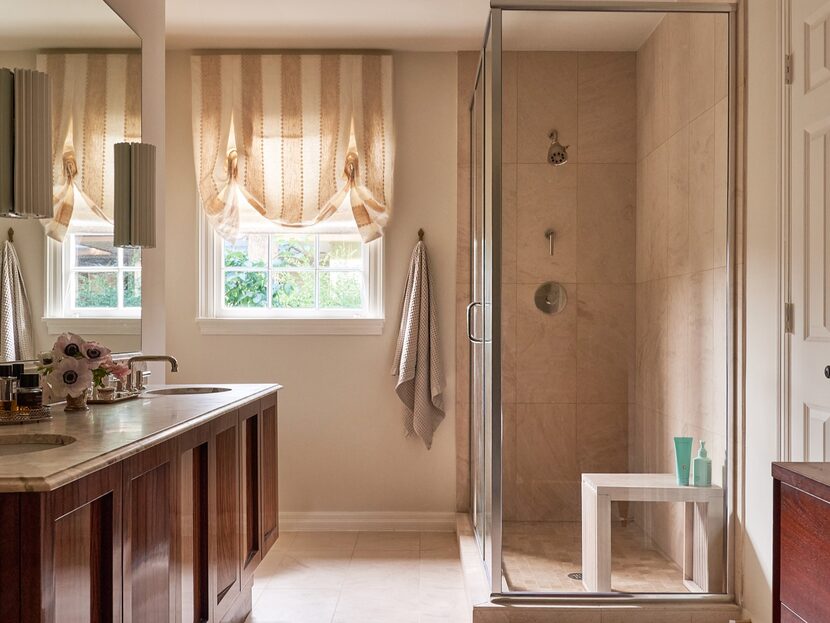
Architectural and spatial planning issues are frequently mentioned. The practice of building large houses on small lots, resulting in minimal outdoor space and close proximity to neighbors, is criticized for sacrificing functionality and privacy for the sake of interior square footage. An imbalance in room sizing is also highlighted, particularly the trend of oversized master bedrooms and bathrooms that come at the expense of other necessary rooms or overall living space. Critics argue that such large private spaces are often underutilized for social gatherings, making their extensive size unnecessary.
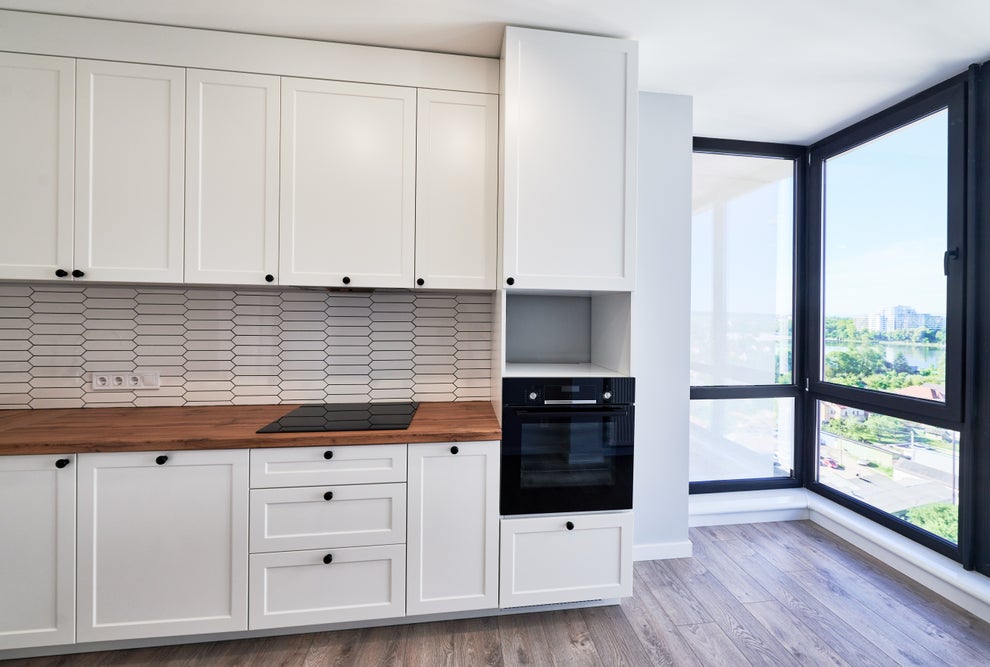
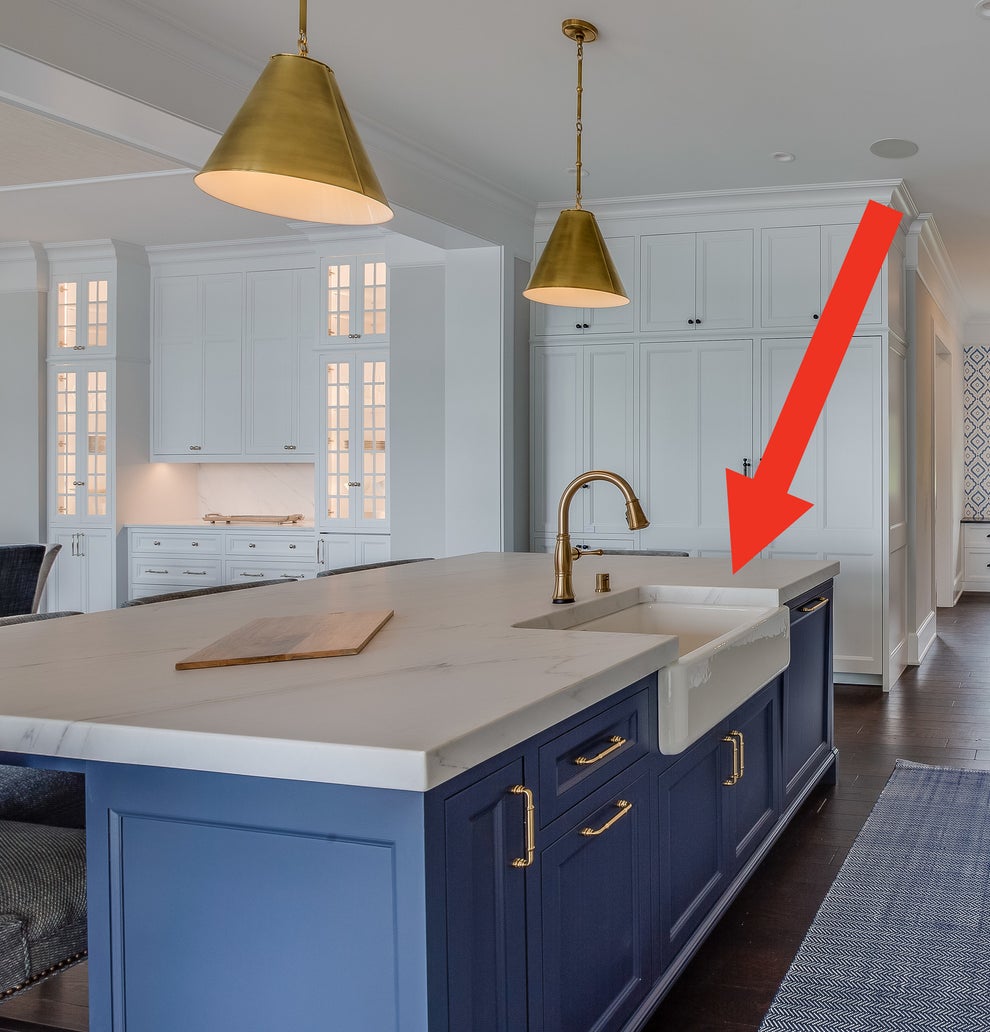
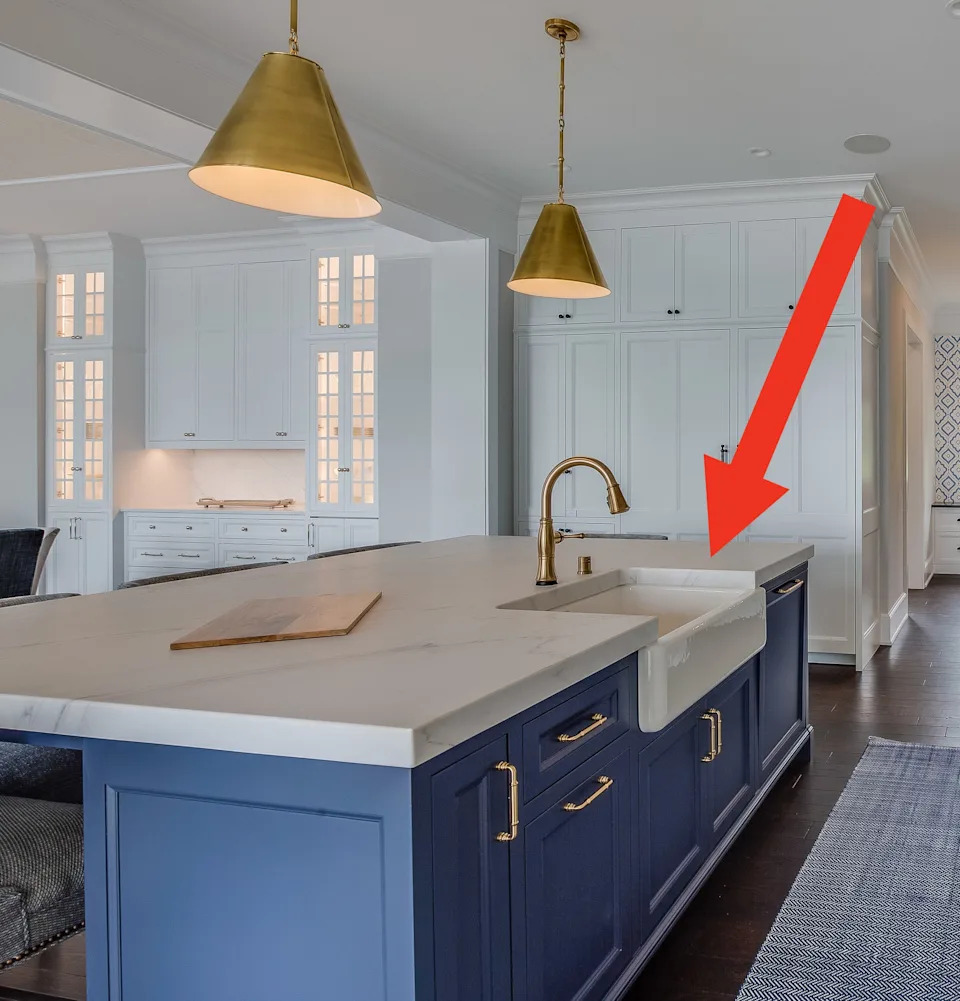
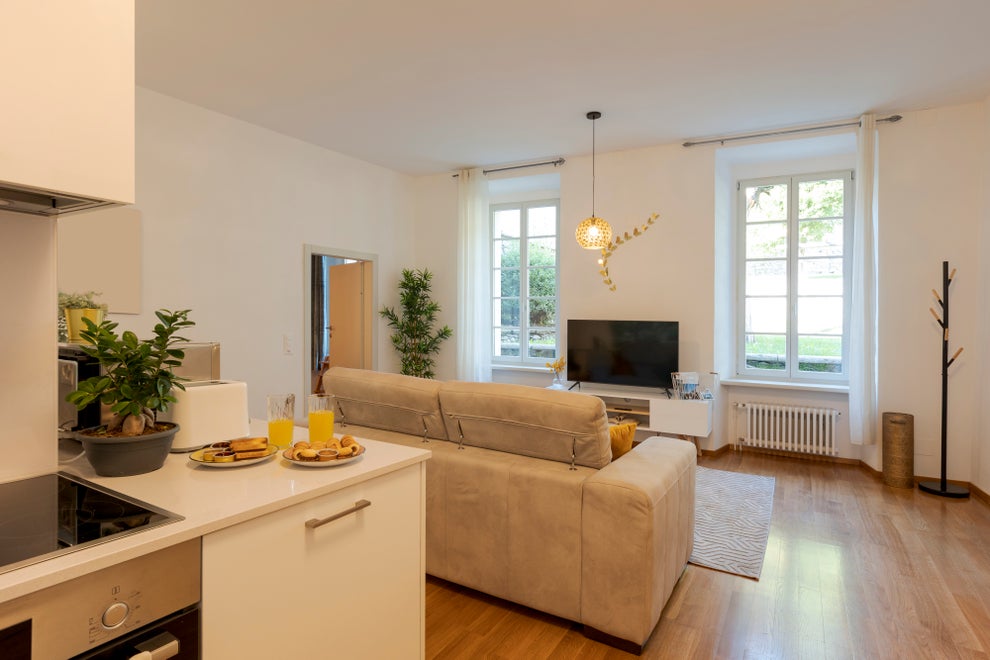
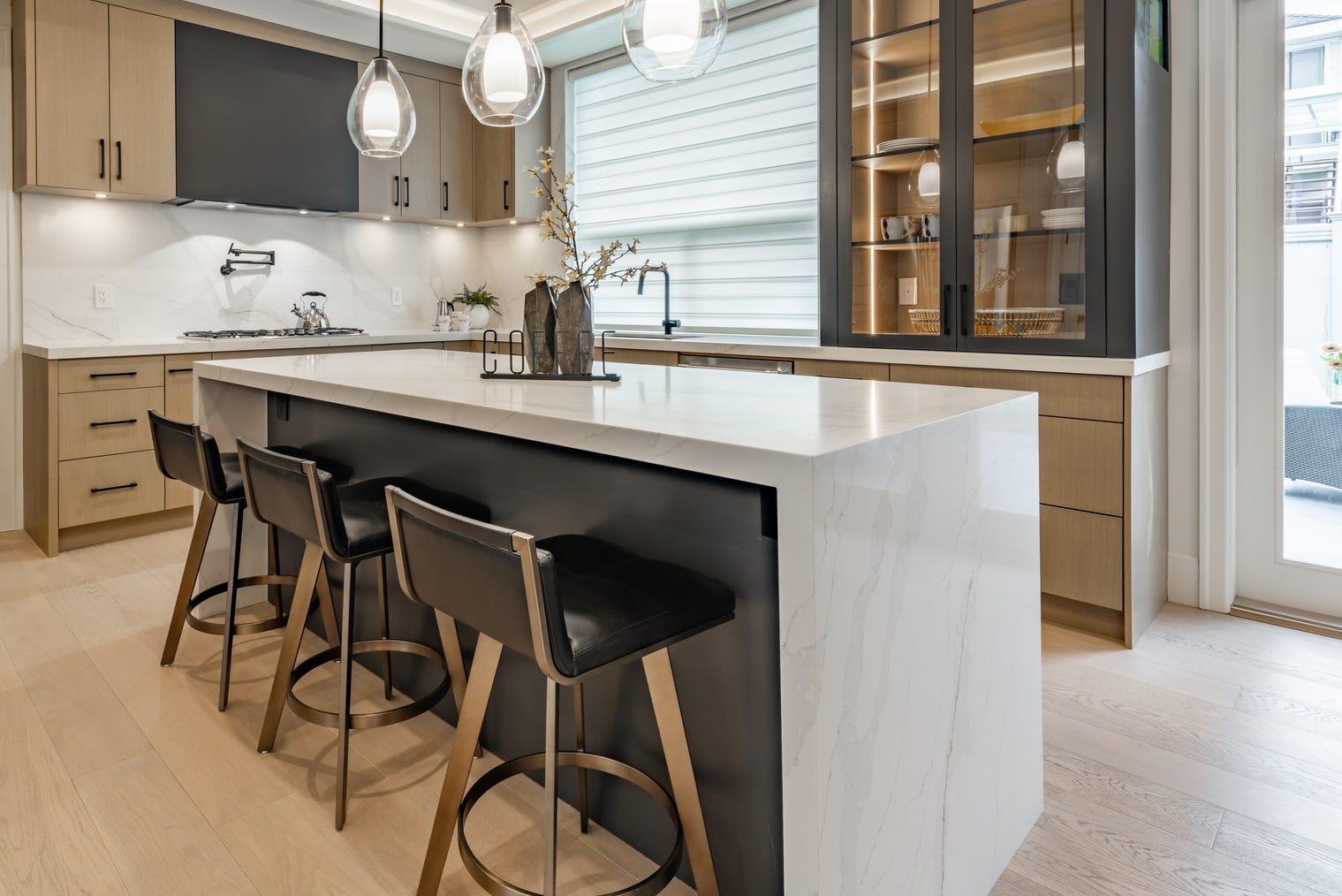
Kitchen design trends are a major source of frustration. Two-toned kitchen cabinetry is seen as a fleeting fad that can quickly become dated, potentially requiring future homeowners to undertake costly renovations to achieve a more cohesive look. The placement of kitchen sinks in center islands is deemed impractical, as it leaves dirty dishes and drying items constantly on display, detracting from the kitchen's aesthetic and cleanliness. Furthermore, pot fillers are questioned for their utility and the potential for stagnant water in their pipes.
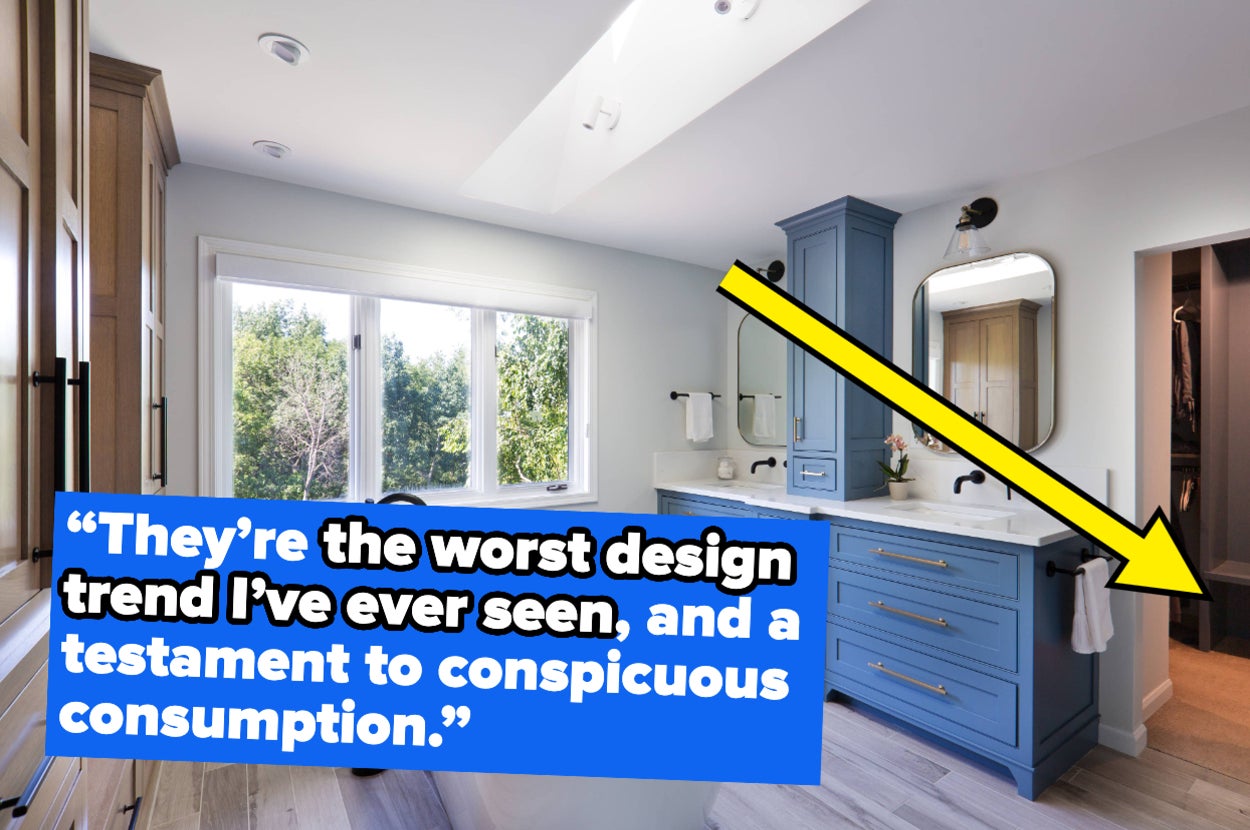
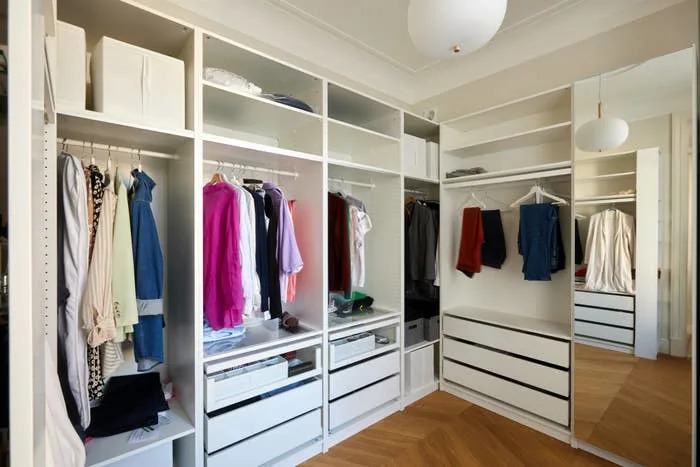
Safety and accessibility concerns also emerge as key criticisms. The absence of stair banisters is identified as a significant safety hazard and a potential liability. Similarly, the design of homes requiring occupants to walk through a bathroom to access a closet is viewed as inconvenient and unhygienic. Above-ground sinks, or bowl sinks set on top of vanities, are often seen as bulky and difficult to clean around.
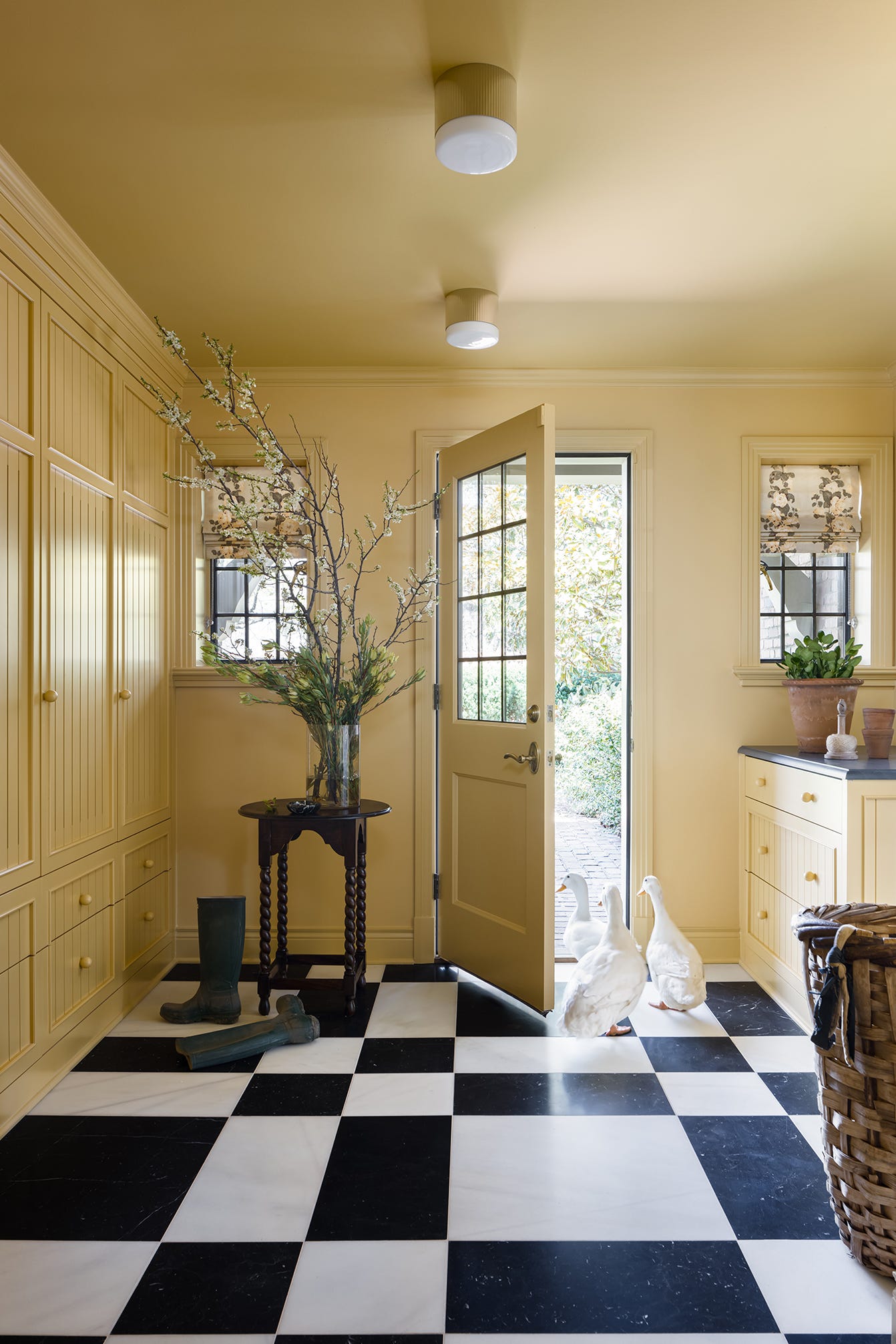
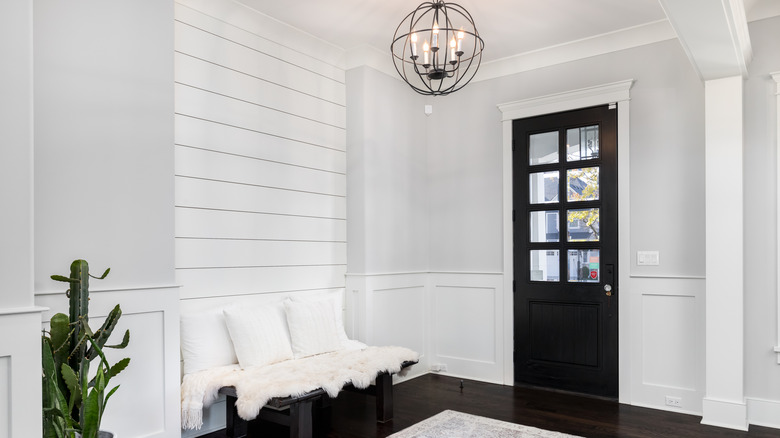
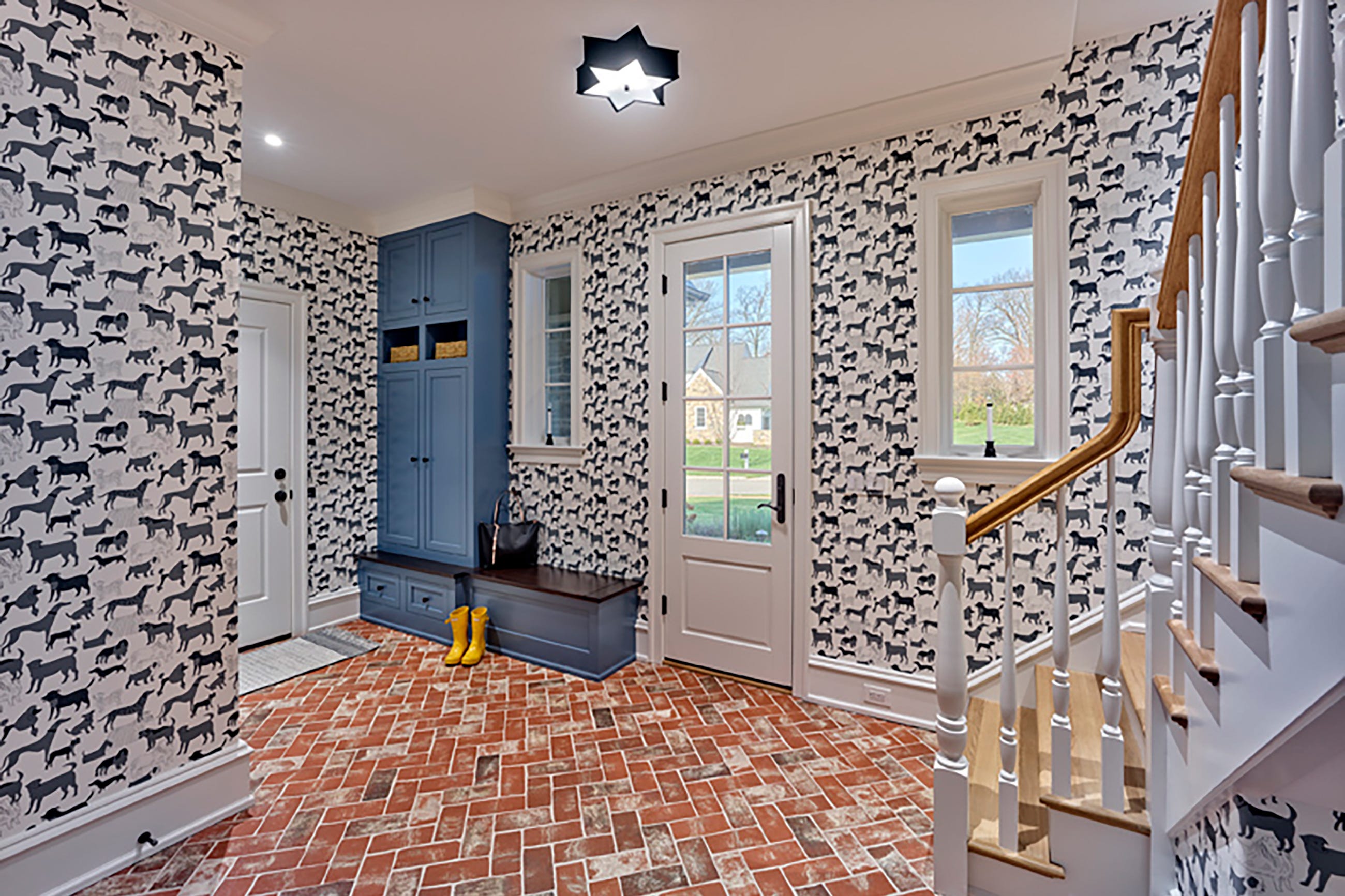
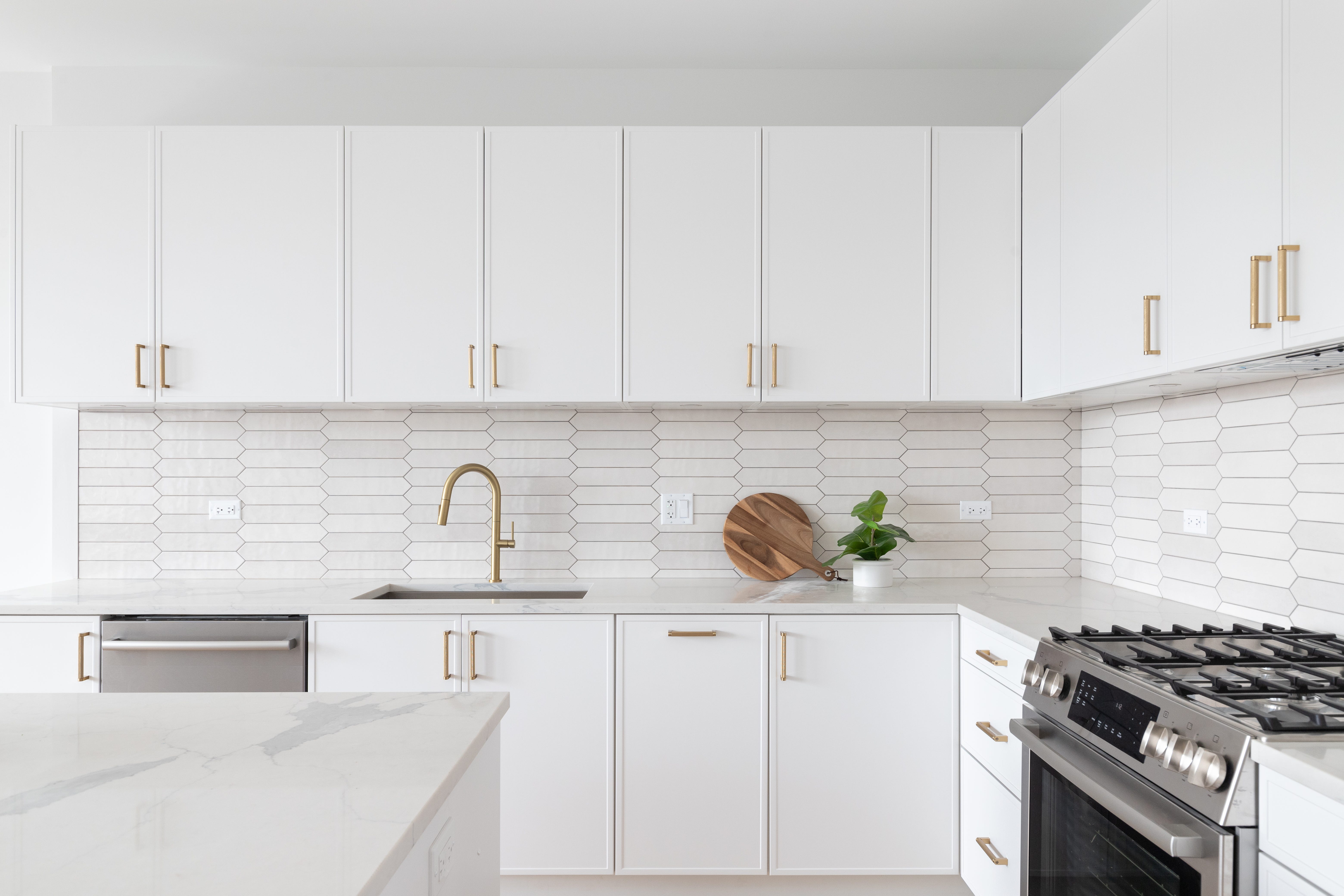
Functionality and practicality are central themes in the critiques. The lack of mudrooms or small entryways in favor of larger living spaces is problematic, especially in regions with varying weather, as it leads to dirt and wetness being tracked directly into main living areas. Kitchen cabinets that extend to the ceiling are deemed wasteful, as the top shelves are often out of reach for most people, making them purely decorative or storage for seldom-used items. Fake balconies, which consist of sliding glass doors leading to nowhere, are described as a pointless architectural feature.
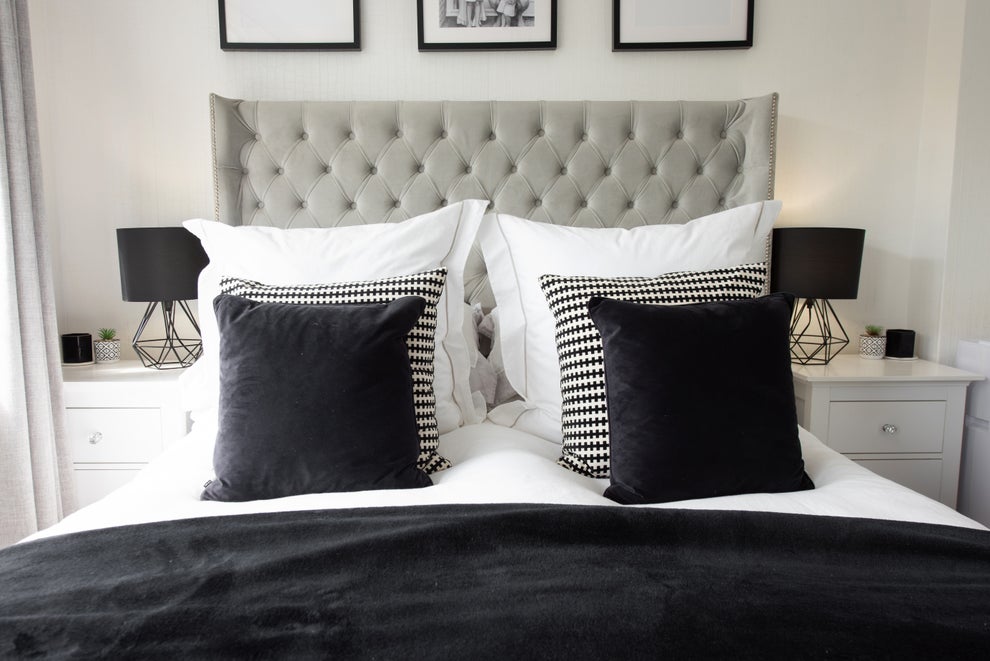
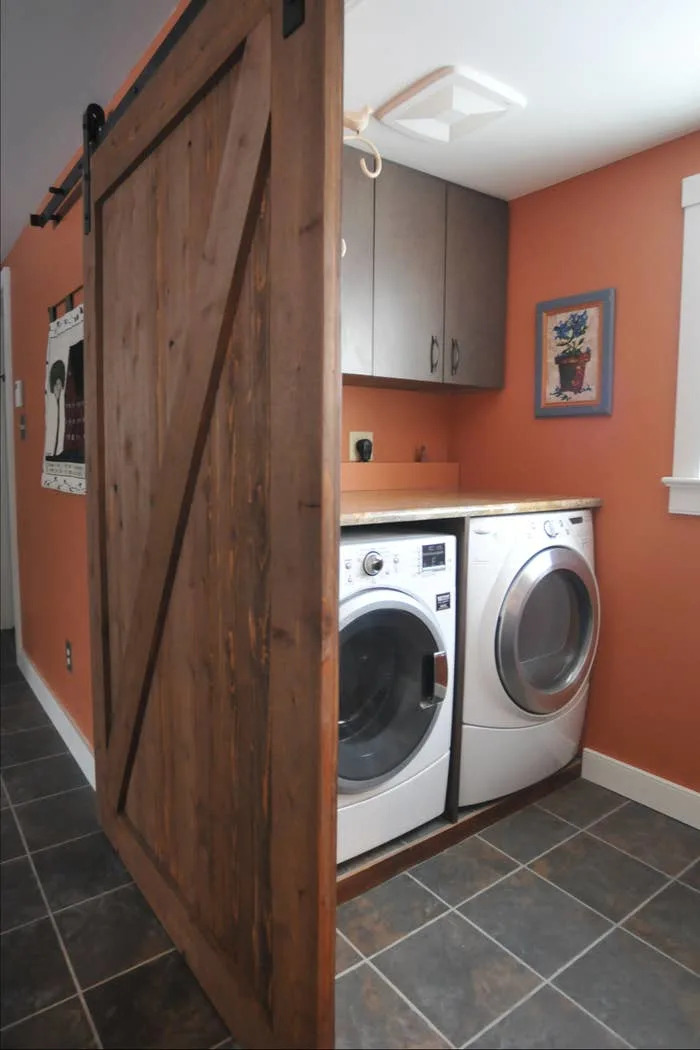
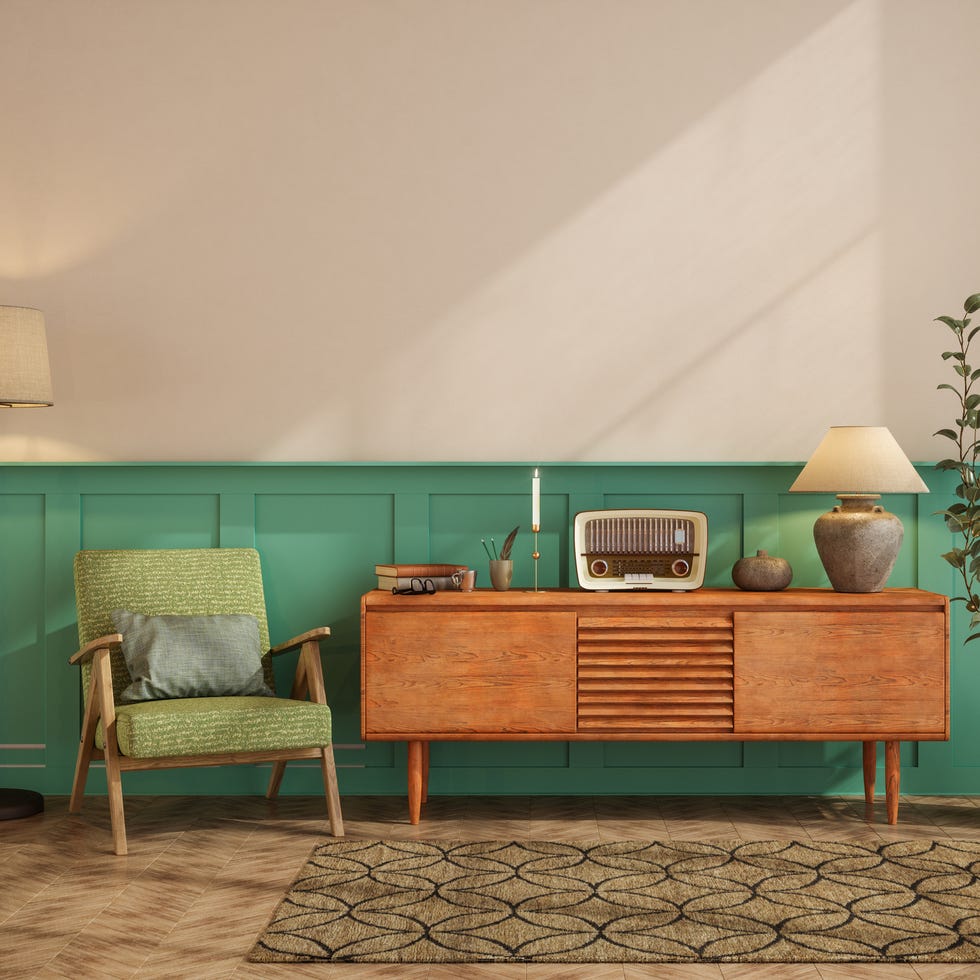
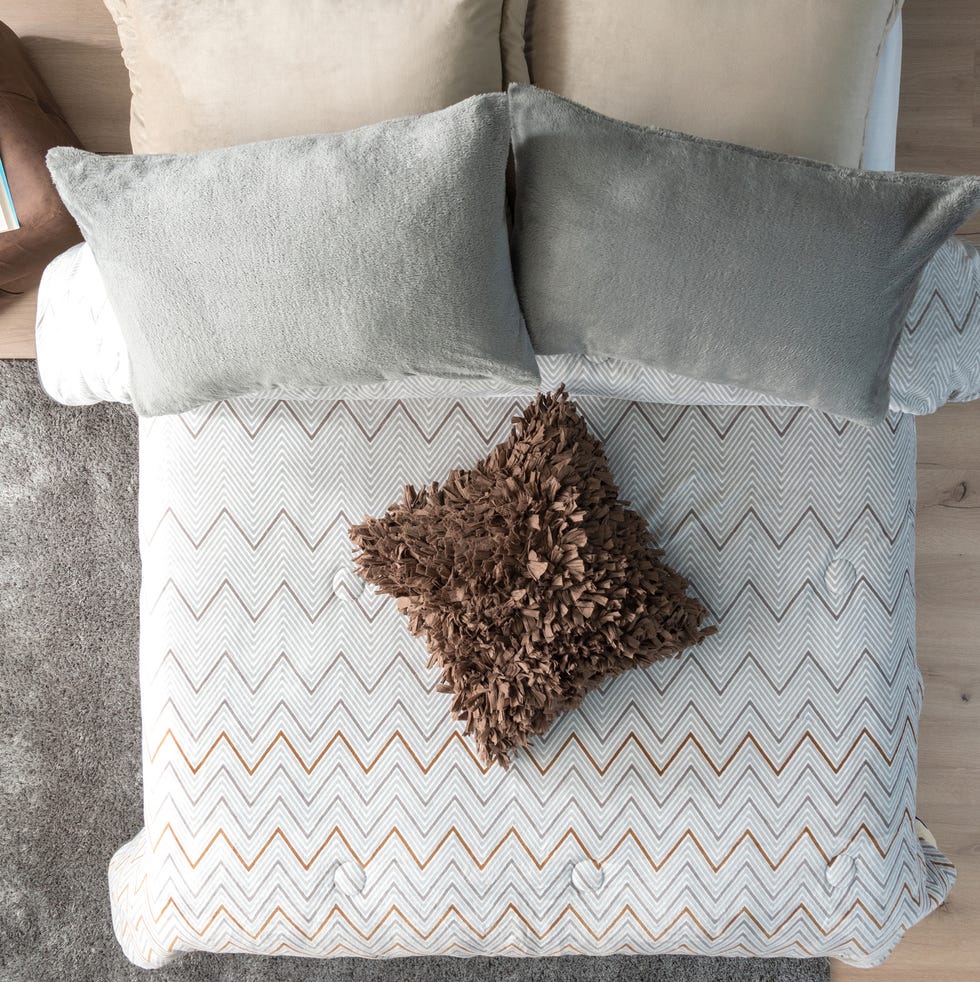
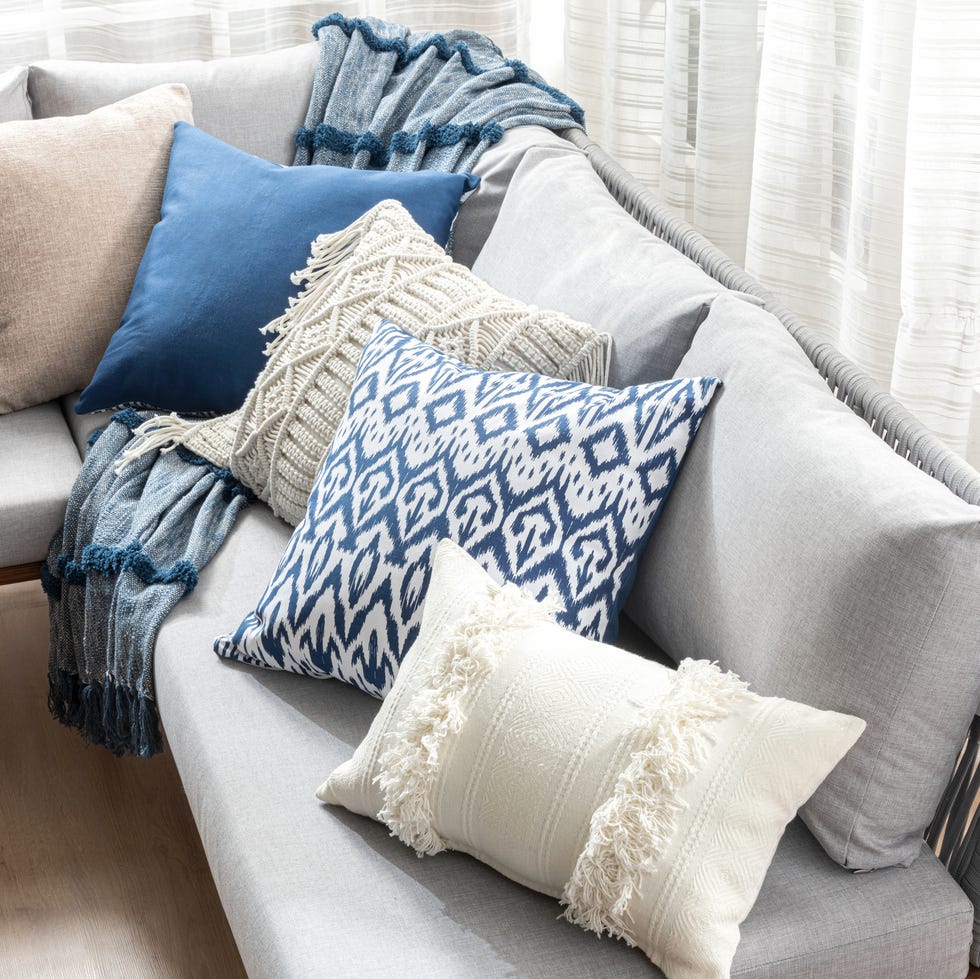
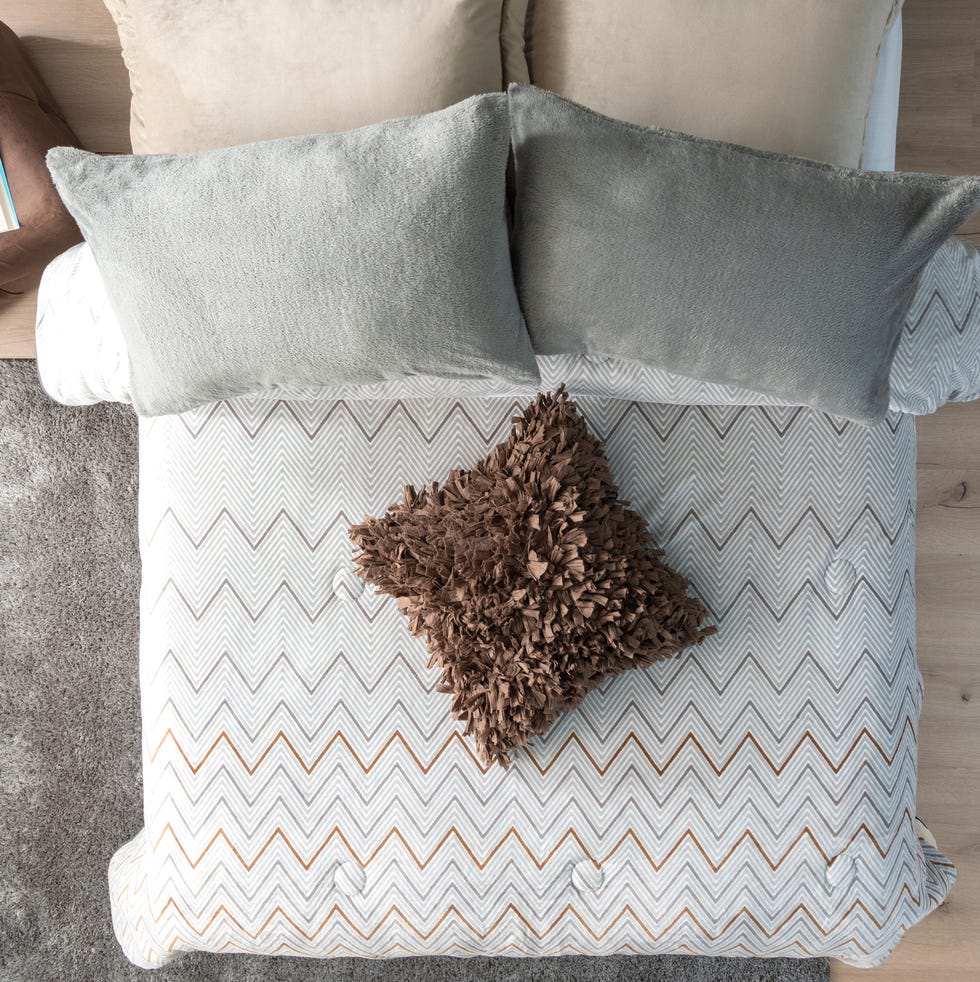
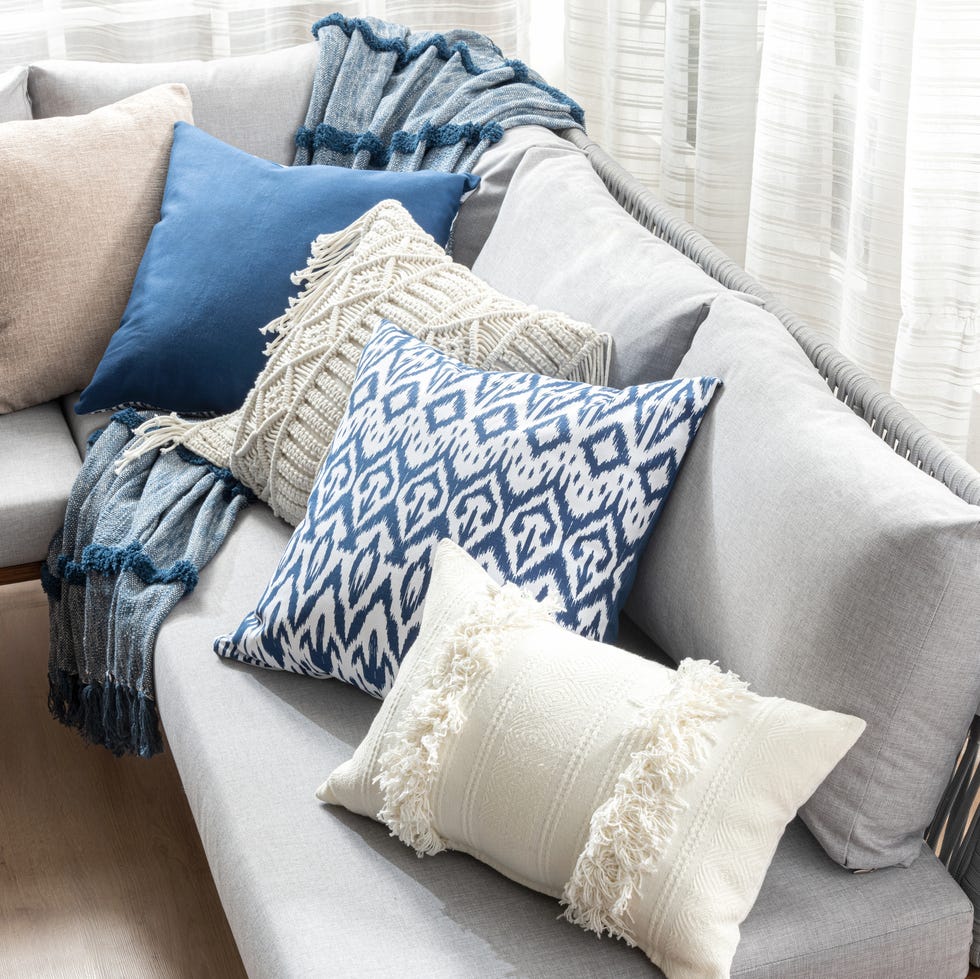
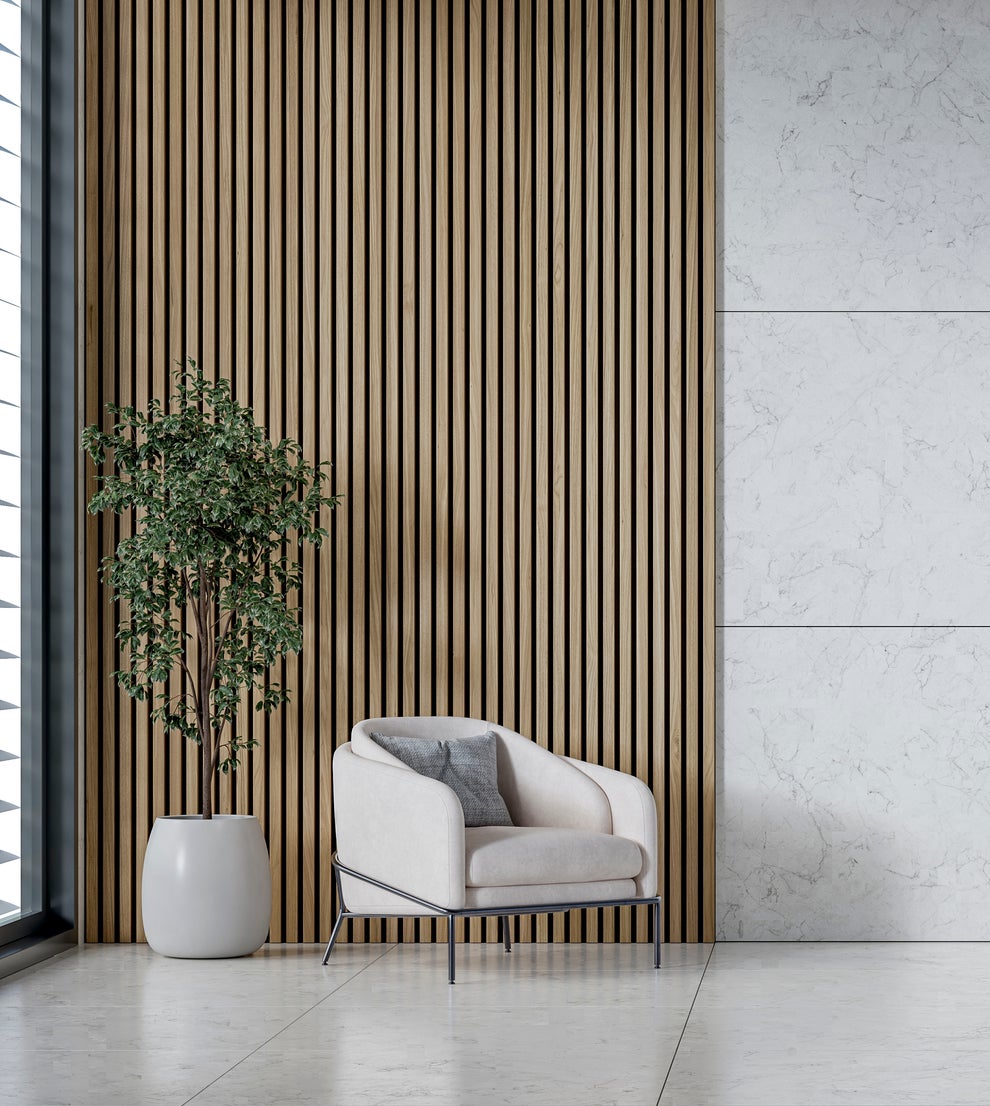
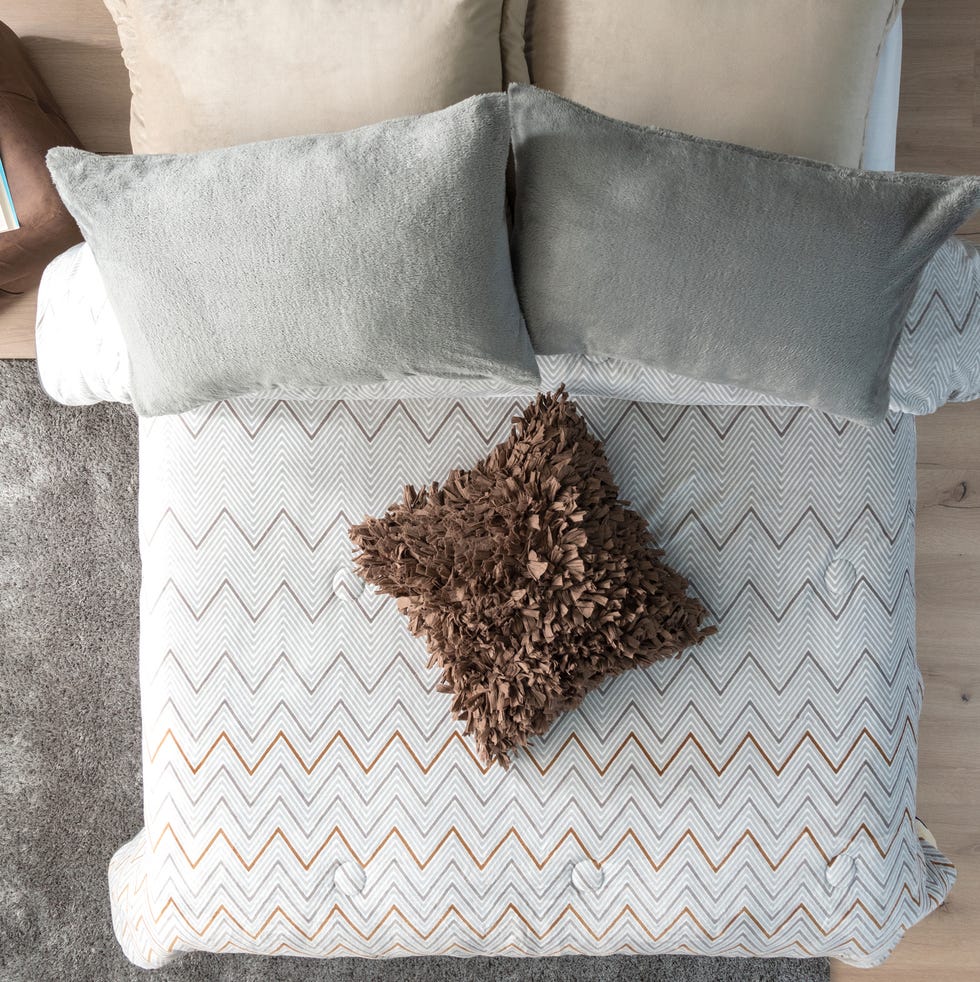
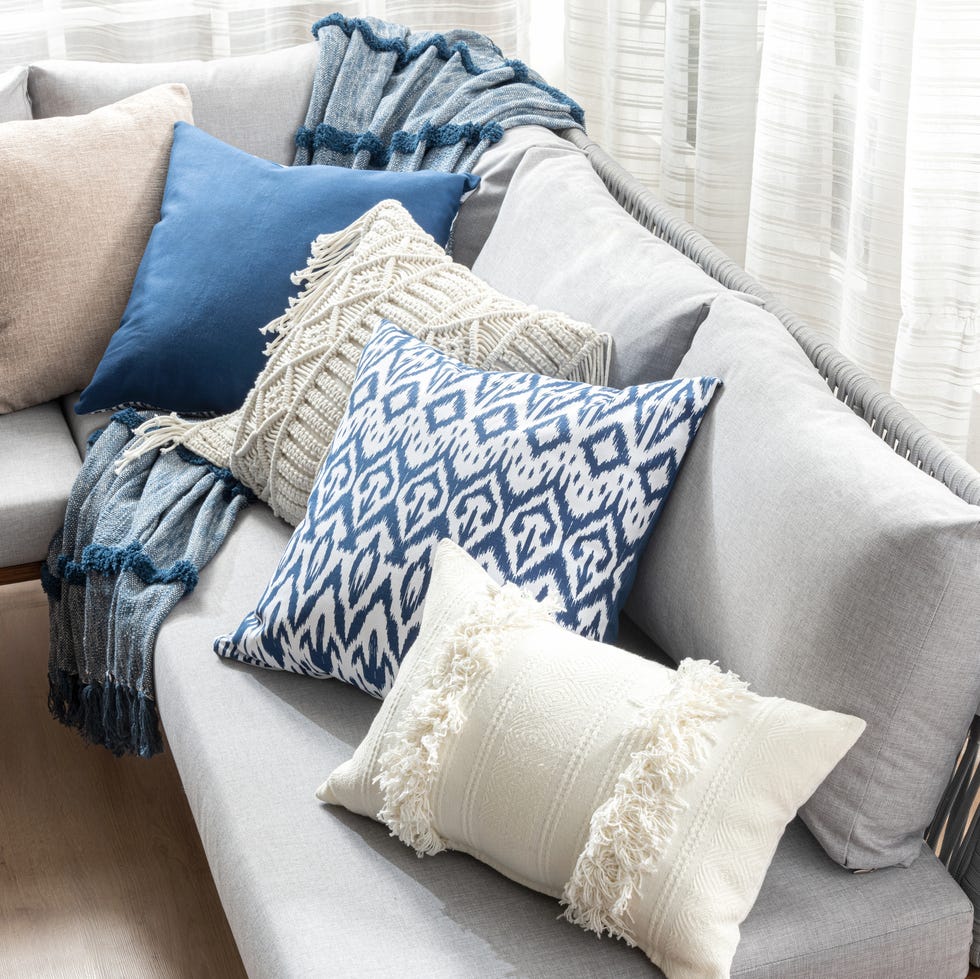
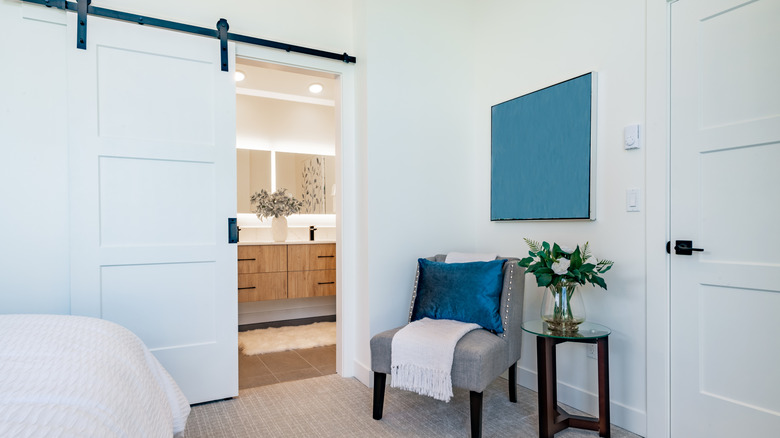
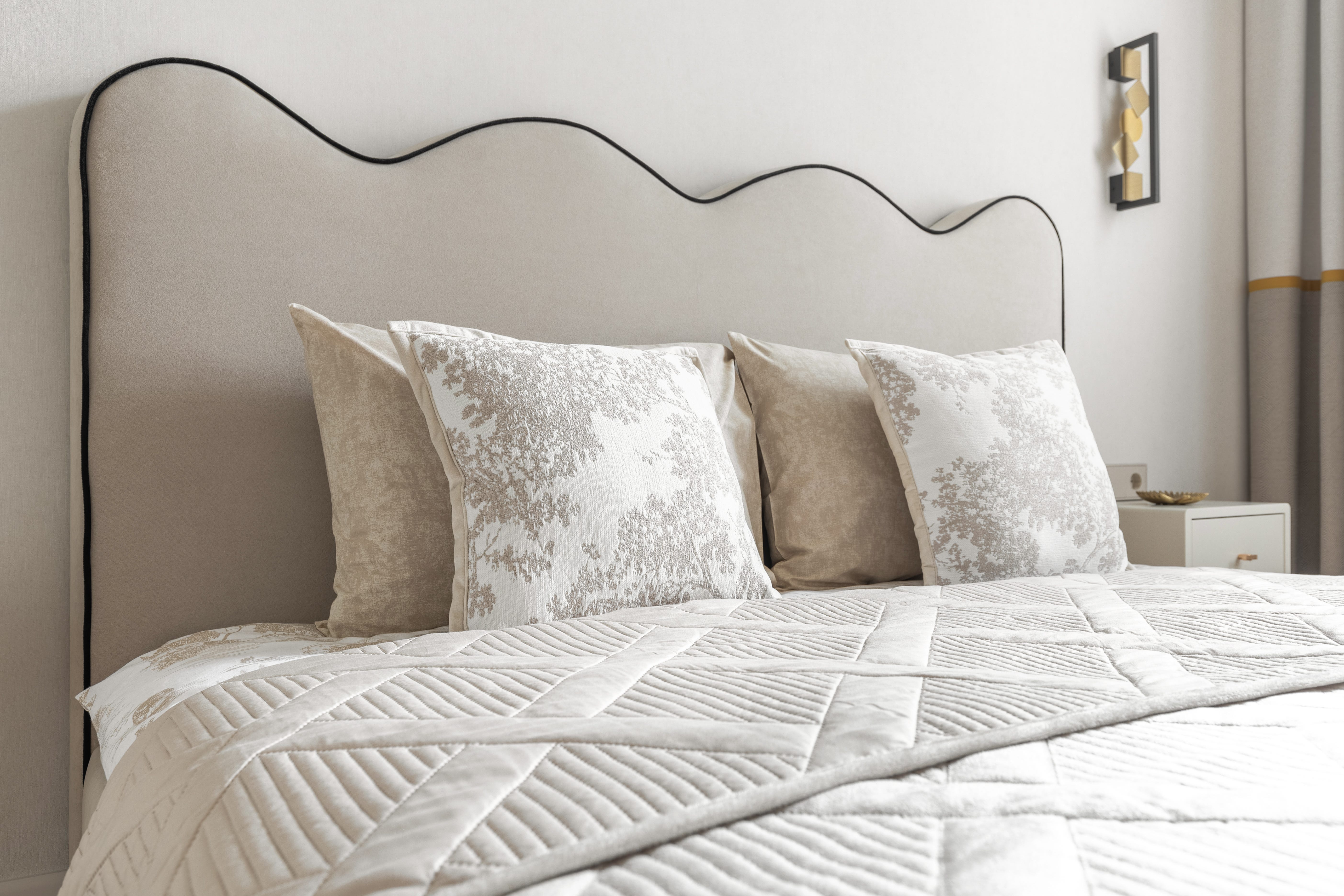
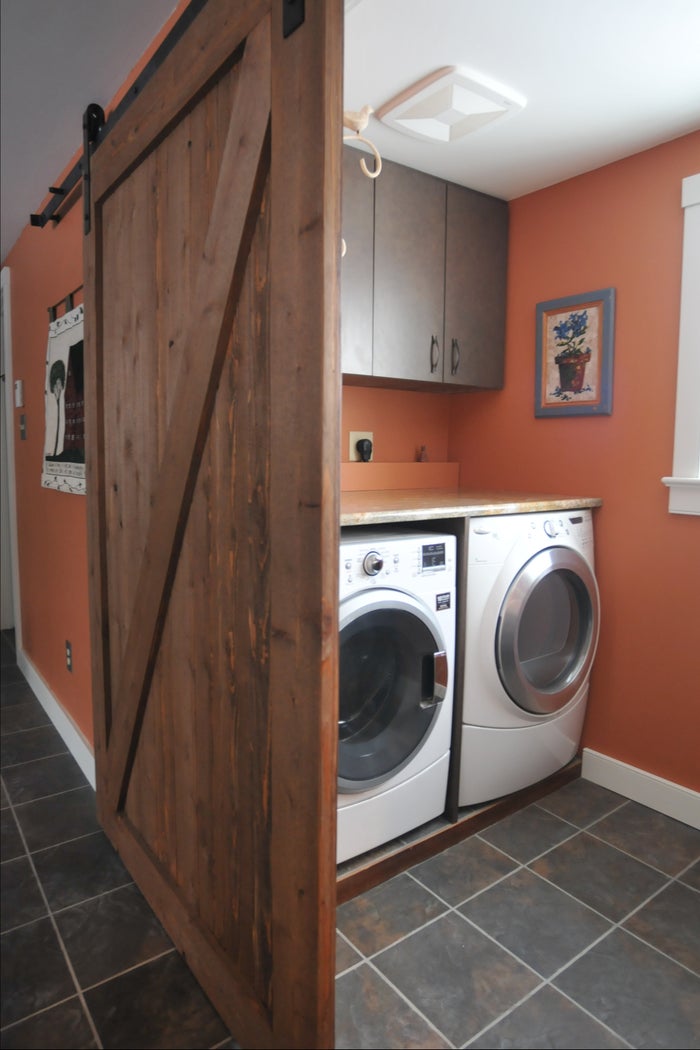
Finally, decorative trends like excessive pillows on beds are considered impractical due to the constant need for rearrangement. The increasing use of DIY paneling to mimic period properties is seen as an inauthentic attempt at historical design. Barn doors, despite their popularity, are often associated with a tacky aesthetic, even in luxurious homes. The placement of bathrooms near kitchens or dining areas is also widely disliked due to its perceived lack of hygiene and comfort.
#HomeDesignTrends #InteriorDecor #ArchitecturalCriticism #ResidentialDesign #HomeAesthetics #KitchenDesign #BathroomDesign #HomeImprovement #HomeDesignTrends #InteriorDecor #ArchitecturalCriticism #ResidentialDesign #HomeAesthetics #KitchenDesign #BathroomDesign #HomeImprovement
0 comment in total
 No comments yet
You may also like
“It Instantly Becomes Tacky": 22 Home Design Trends That Are Mega-Popular For Reasons Many People Will Never Understand

People Are Defending The "Unpopular" Home Design Trends That Actually Make A Lot Of Sense In Their Own Homes
People Are Exposing The Home Decor Trends That'll "Completely Fade Out" Sooner Than You'd Think
People Are Getting Real About The "Infuriating" Home Design Trends That Should Stay In 2023

Designers Reveal the Surprising Home Trend That's Taking Over Right Now

8 Home Trends That Are Tragically DEAD to the Design World

People Are Getting Real About The "Infuriating" Home Design Trends That Should Stay In 2023
10 Horrifying Home Design Trends: 2022 Edition
"Frankly, It's Tacky": People Are Revealing Common Interior Design Trends They Can't Stand
"I Regretted It After Two Weeks": Homeowners Are Revealing The Popular Home Fads That Aren't Worth Trying Out
8 Tacky Home Trends That Designers Say Are TRAGICALLY Dead
These 20 Interior Design Trends Are Too Good to Overlook
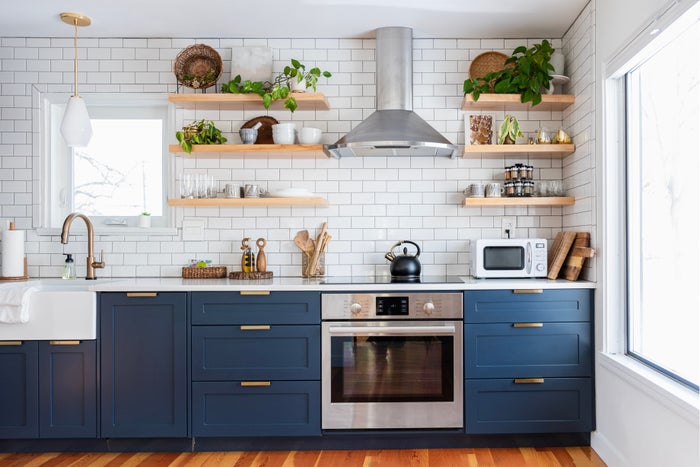
"It's Already Very Dated": 34 Popular Home Design Trends That People Feel Reaaaally Strongly About
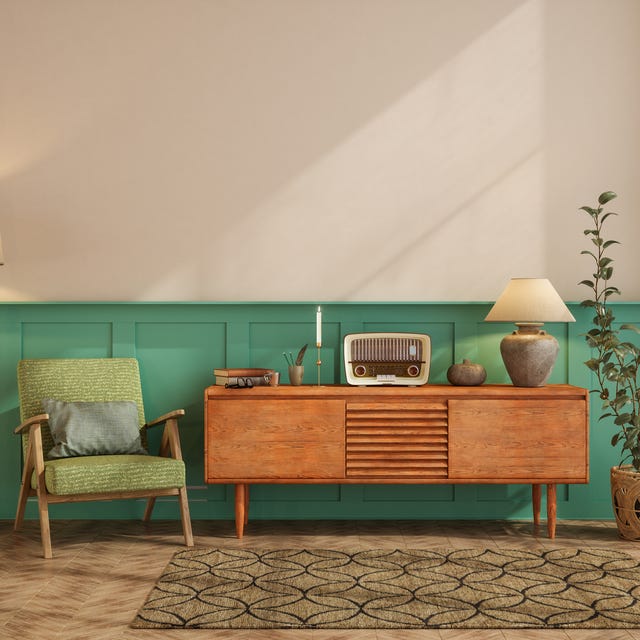
8 "Tacky" Home Trends That Are Tragically Dead to Designers in 2026

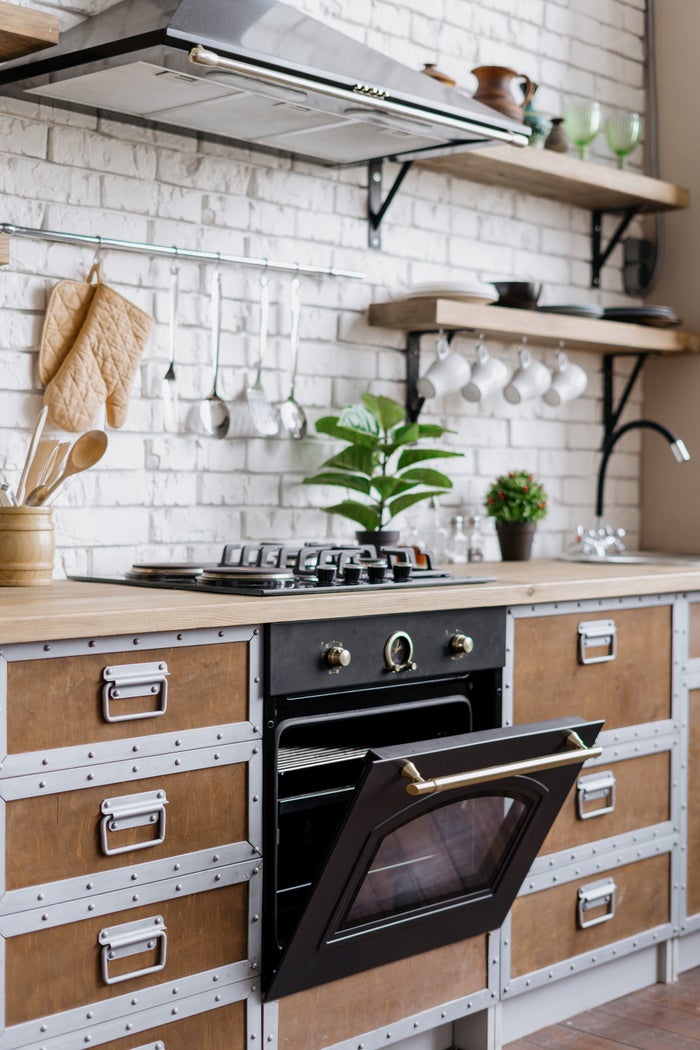
"Frankly, It's Tacky": People Are Revealing Common Home And Kitchen Design Trends They Can't Stand
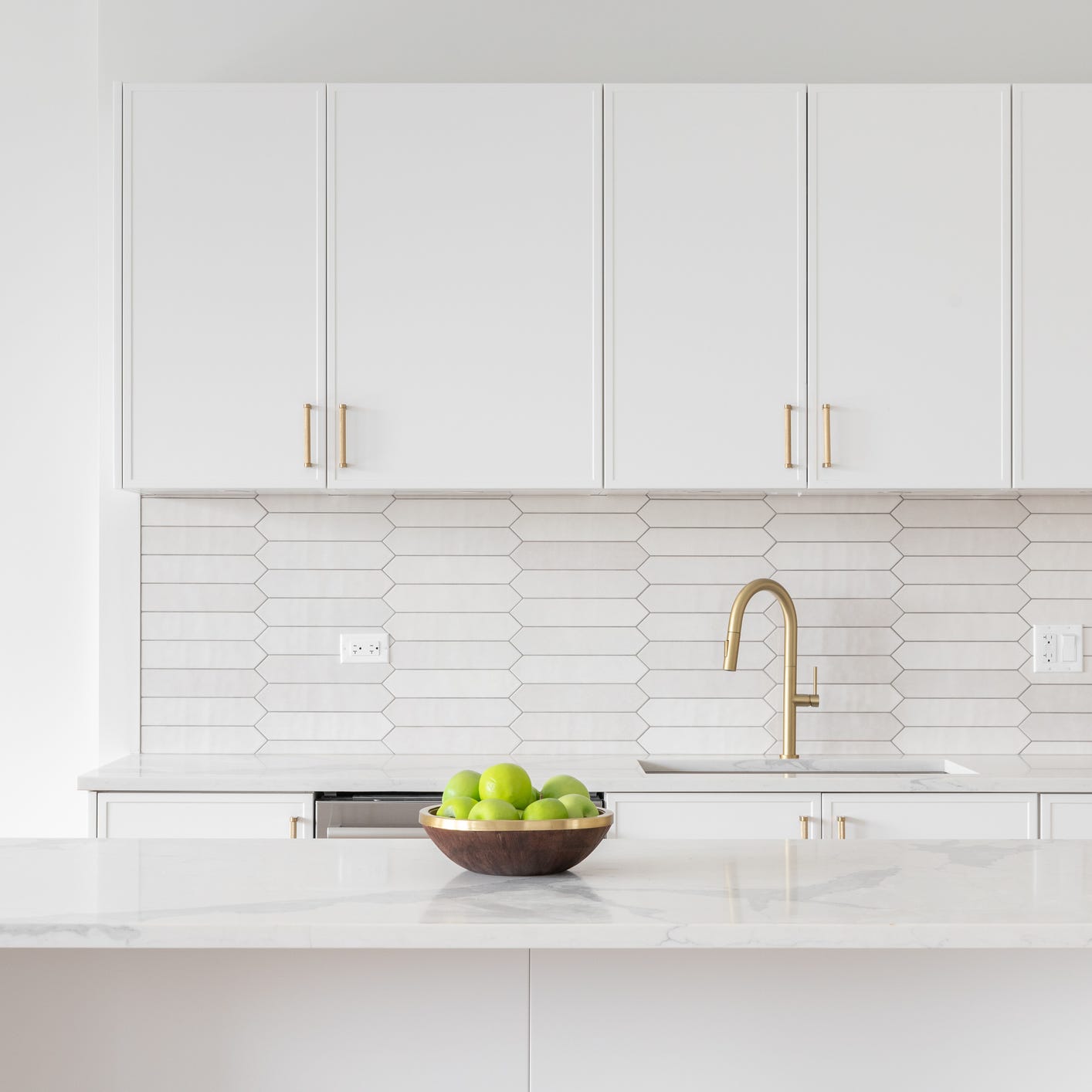
The Home Trends Designers Want You to Ditch in the New Year

People Are Defending The "Unpopular" Home Design Trends That Actually Make A Lot Of Sense In Their Own Homes
7 home design trends to skip (and what to do instead)

13 Home Design Trends That Are Dating Your Home

Emerging home design trends to tap into now