1/5
The Design Industry’s Coolest Trend Is Hiding in Plain Sight
The interior design world is currently embracing a unique and whimsical trend: hidden doorways. This design element, once associated with haunted houses, is being recontextualized as a sophisticated feature that offers both aesthetic appeal and practical benefits. Unlike traditional design approaches that emphasize bold statements through dopamine decor, color-drenched spaces, or intricate patterns, hidden doorways introduce an element of surprise and privacy, allowing homeowners to create a sense of intrigue and functionality within their living spaces.
Clara Jung, principal of Banner Day Interiors, highlights the fantastical aspect of hidden doorways, emphasizing the universal appeal of whimsy and surprise in design. She notes that this trend allows designers to channel fun and unexpected joy into a home. Jenn Feldman, a Los Angeles designer, echoes this sentiment, referring to hidden doors as a 'wink in the room.' Beyond their playful nature, Feldman underscores the practical advantages, particularly in terms of privacy and maintaining visual flow in a home. In an era where personalization is a key design trend, these secret passages enable homeowners to achieve an efficient living environment without compromising on beauty. They are especially useful for concealing utilitarian spaces or storage areas that might otherwise detract from a room's overall aesthetic.
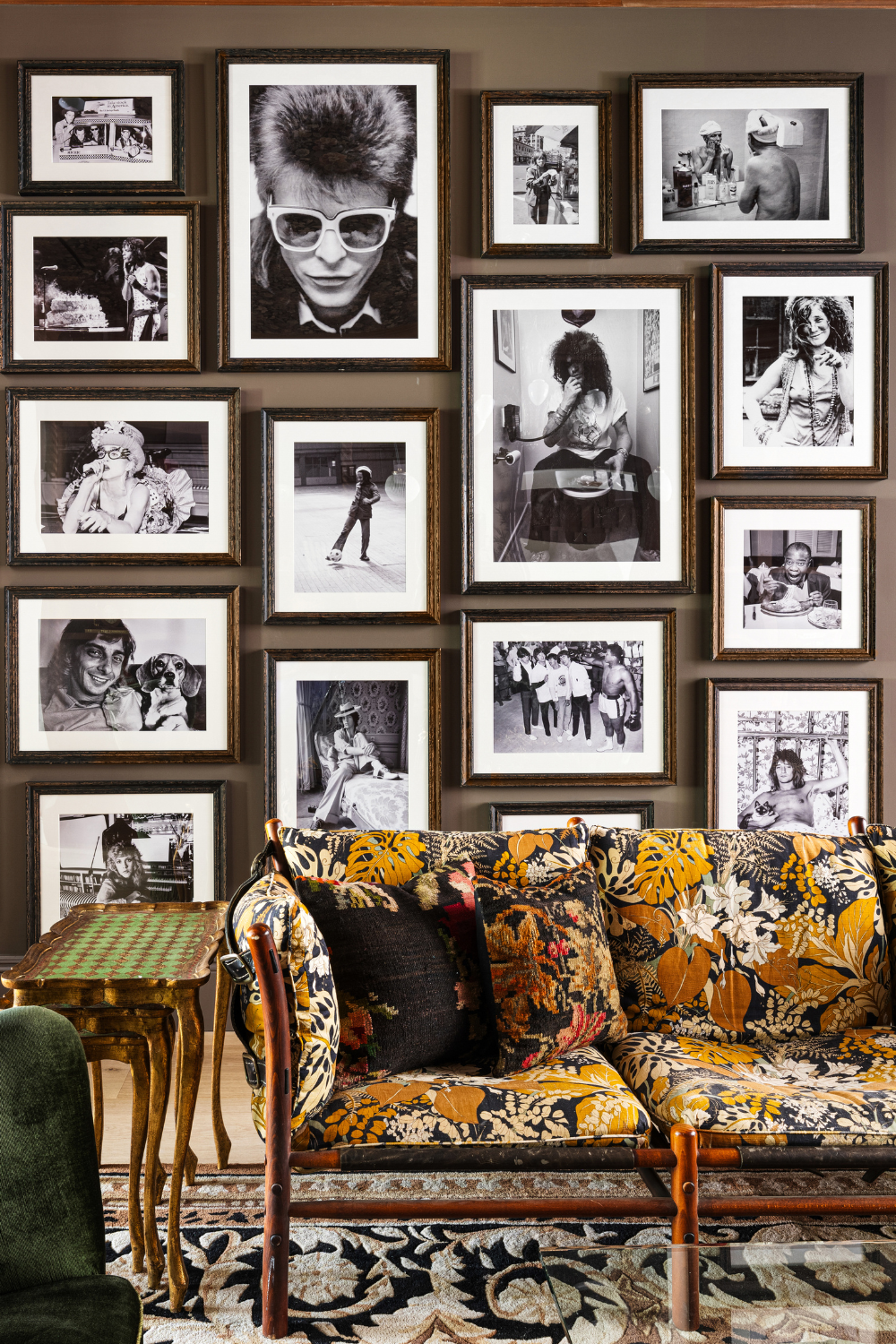
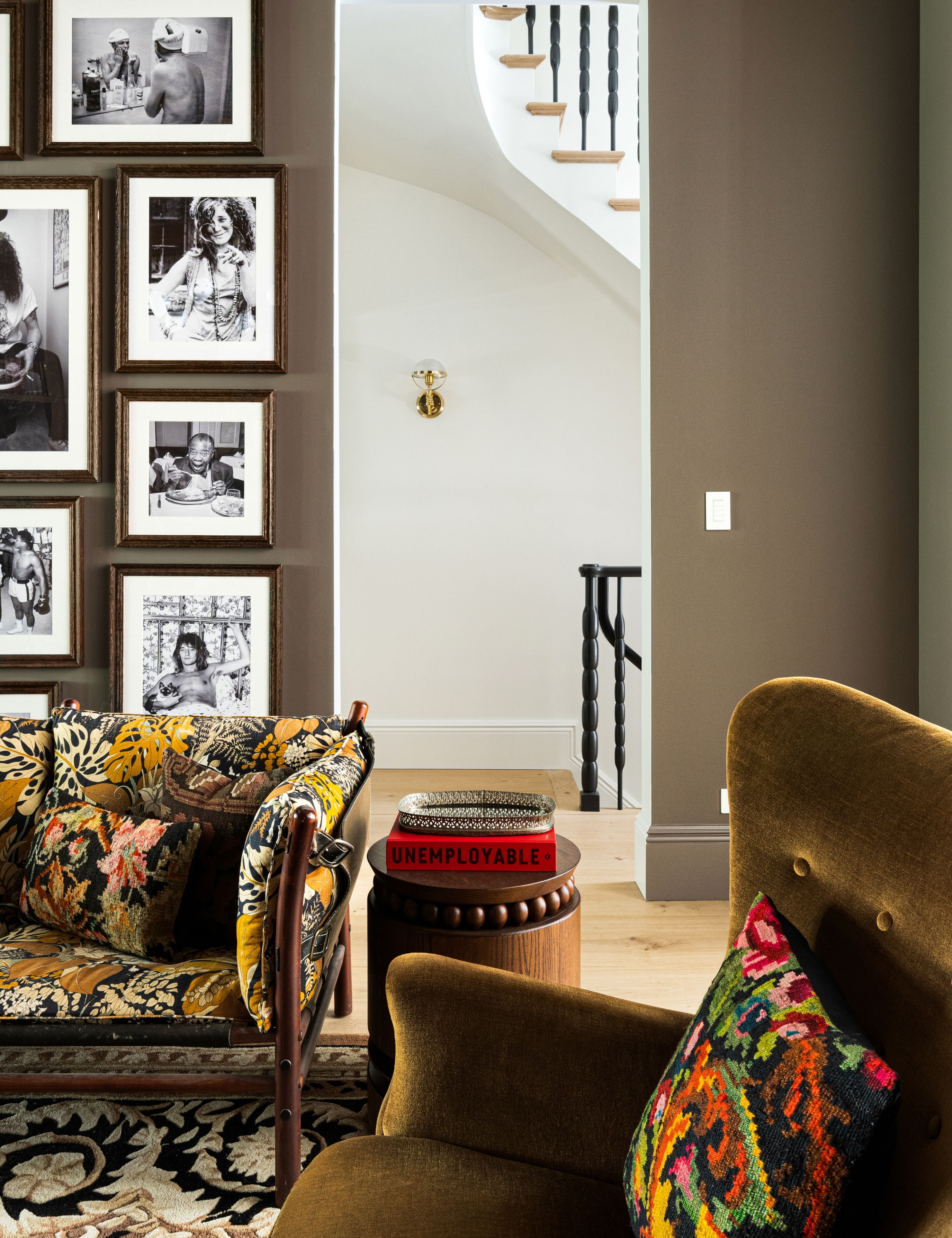
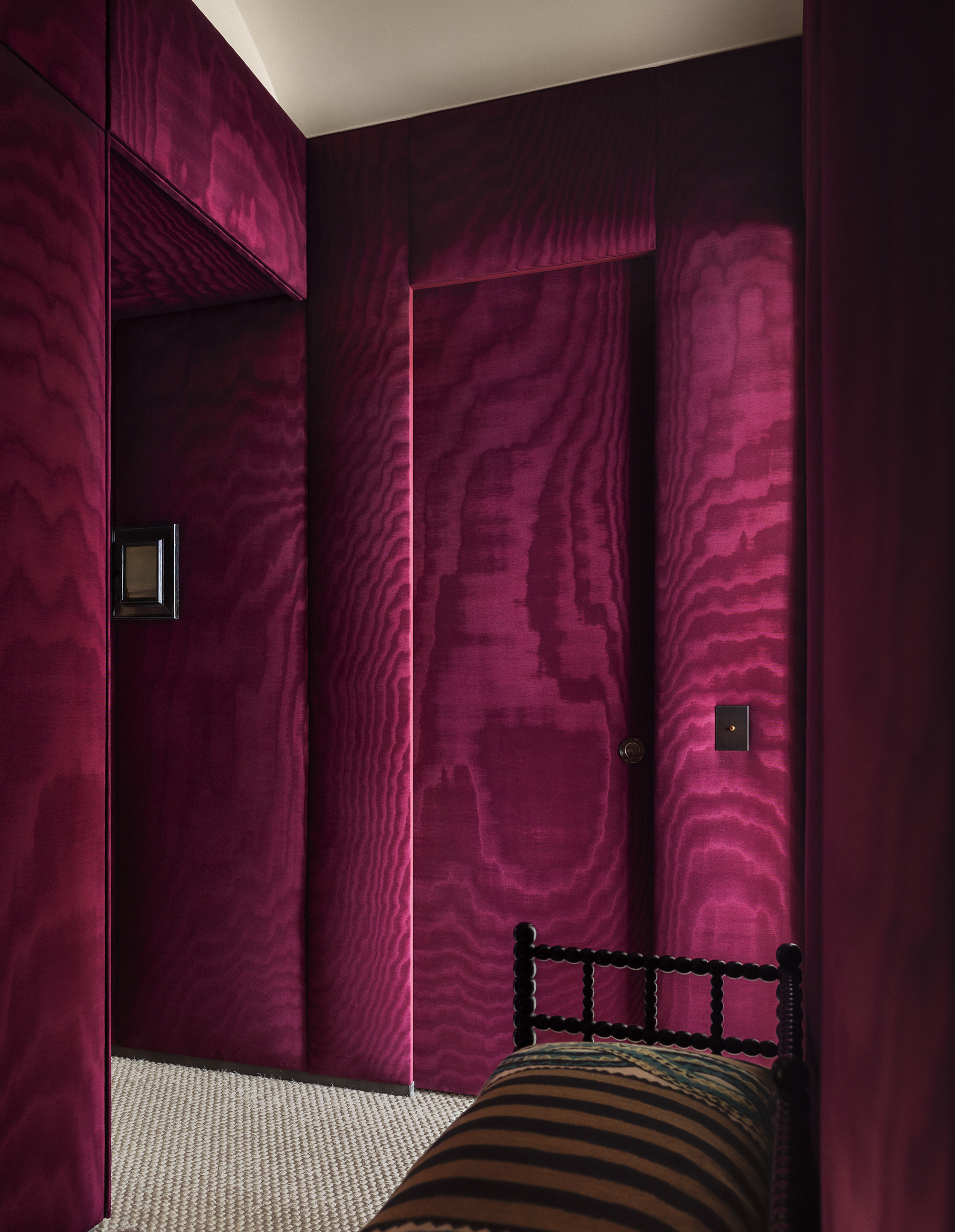
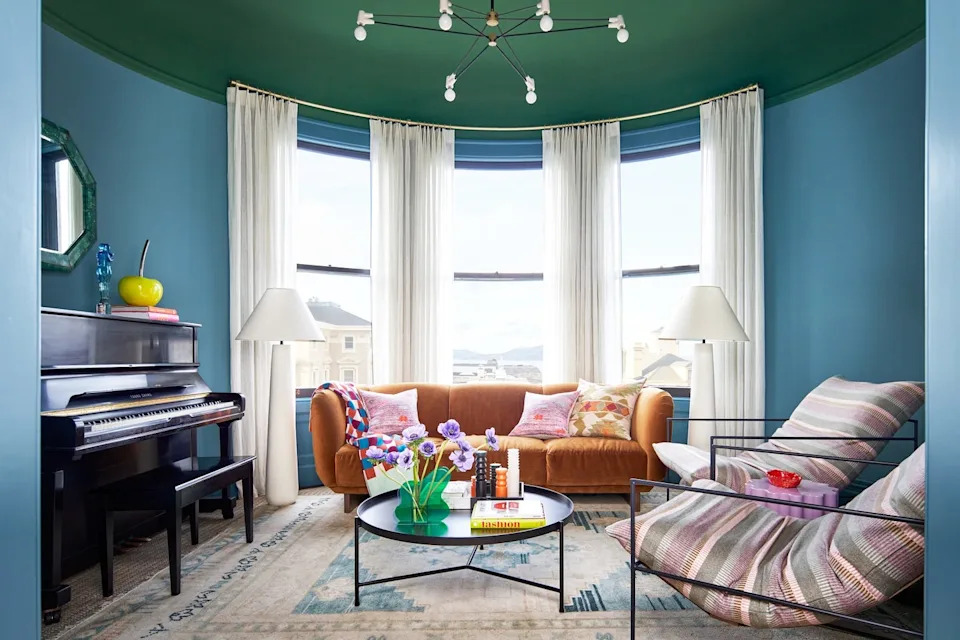
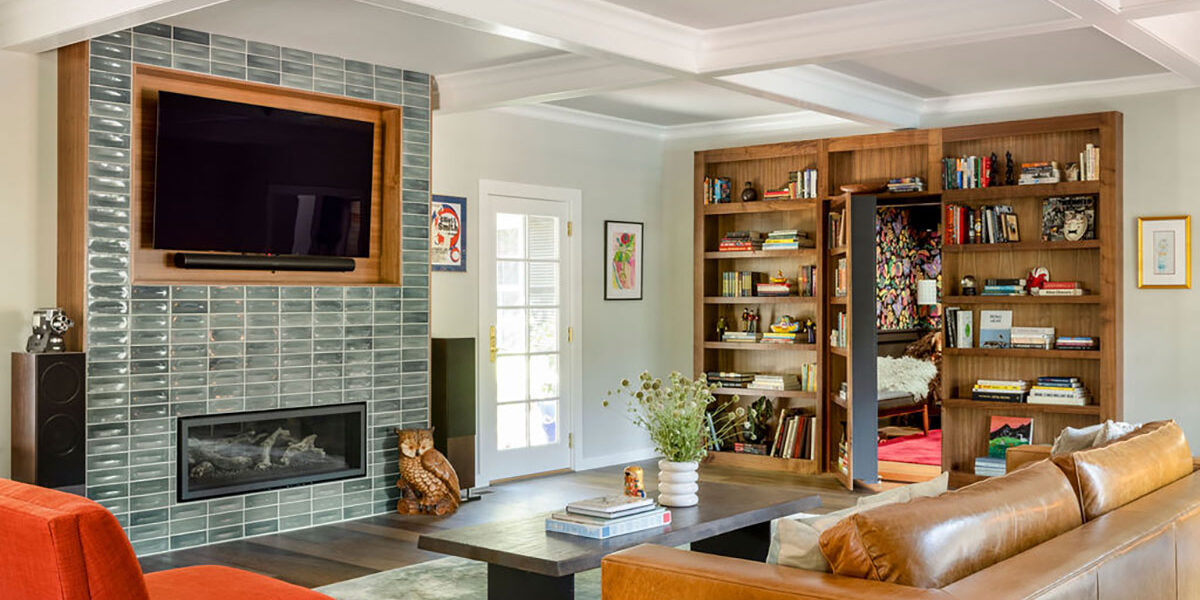
Feldman implemented this trend in her own dining room to address a lack of symmetry and a significant need for closed storage. To preserve the room's formal and regal ambiance, she opted for a custom jib door, which is flush-mounted into the wall to create a seamless, barely-there appearance. While custom jib doors offer a tailored look, readily available bookcase doors can be purchased from retailers like Wayfair and Home Depot, providing accessible options for those looking to integrate this trend into their homes. Jung also utilized a hidden library door in a client's living room, transforming a previously unused open space into a functional and magical listening room tailored to the clients' audiophile interests. This secret room was designed with psychedelic wallpaper, captivating art, and a dedicated seating area, creating a 'jewel-box moment' within the property.
Regardless of the specific use, the element of surprise is paramount to the success of a hidden doorway. Jung advises strategic placement in discreet areas that align with both function and design. For instance, a hidden bookcase in a hallway or a cabinet door leading to a secondary butler's pantry are ideal locations, as placing a hidden door where a conventional door would typically be expected diminishes its novelty. Additionally, practical considerations such as measurements and the door's inswing are crucial. Since most hidden doors swing inward, it is important to ensure that the functionality of the hidden room is not compromised. While professional installation is recommended due to the complexity of integrating jib doors, homeowners can actively collaborate with designers on wall treatments, paneling, cabinetry, or wallpaper to effectively camouflage the area. Coordinating millwork and hardware from the outset is also vital to achieve a seamless result, as retrofitting often falls short of the desired integration. Ultimately, the destination behind the hidden door is left to the homeowner's imagination, adding to the allure and personalized charm of this design trend.
#DesignTrend #InteriorDesign #HiddenDoorways #HomeDecor #ArchitecturalDesign #ResidentialDesign #SpaceOptimization #DesignTrend #InteriorDesign #HiddenDoorways #HomeDecor #ArchitecturalDesign #ResidentialDesign #SpaceOptimization
0 comment in total
 No comments yet
You may also like
Designers Reveal the Surprising Home Trend That's Taking Over Right Now

Designers Are Ditching "Flat Painted Walls" for THIS Unexpected Trend

Meet Marbling, Design’s Prettiest Trend
The One Design Trend You Should Try, Designers Say (and It's Not Color Drenching)

The unexpected 'microtrends' that designers say are actually timeless
Industrial Design Gives Any Space An Artful Edge

2025 Design Trends We're Loving
New Talent: Seven Innovative Design Studios to Watch
Surprise: 1990s Design Trends Are Coming Back
Designers Reveal the Bold Design Trend That's Taking Over Homes

This 400-Year-Old Pattern Is the Emerging Trend That Designers Are Using to Bring 'Rhythm' to Their Projects

Designers Are Ditching the "Rule of Threes" for THESE Genius Styling Alternatives
Interior Designers and Stylists Can’t Get Enough of This New Target Line

The Fall 2025 Décor Trends Designers Say Are Already Everywhere

Bye-Bye, Accent Walls! Designers Say THIS Is Now the Hottest Decorating Feature

Ready to Redecorate? 2025’s Top Design Trends Just Dropped
This Designer’s Take on a Once-Dated Trend Proves…
Interior Design Reveals the 2023 Rising Giants
These Are The Top Design Trends Worth Trying

One of India’s oldest design firms gets a fresh burst of life