1/24
New Talent: Seven Innovative Design Studios to Watch
This article highlights seven innovative design studios from across the globe, showcasing their unique approaches to architecture and design. These emerging practitioners are recognized for transcending traditional disciplinary boundaries, from product design blending technology with furniture to architectural firms challenging physical space limitations through virtual installations.
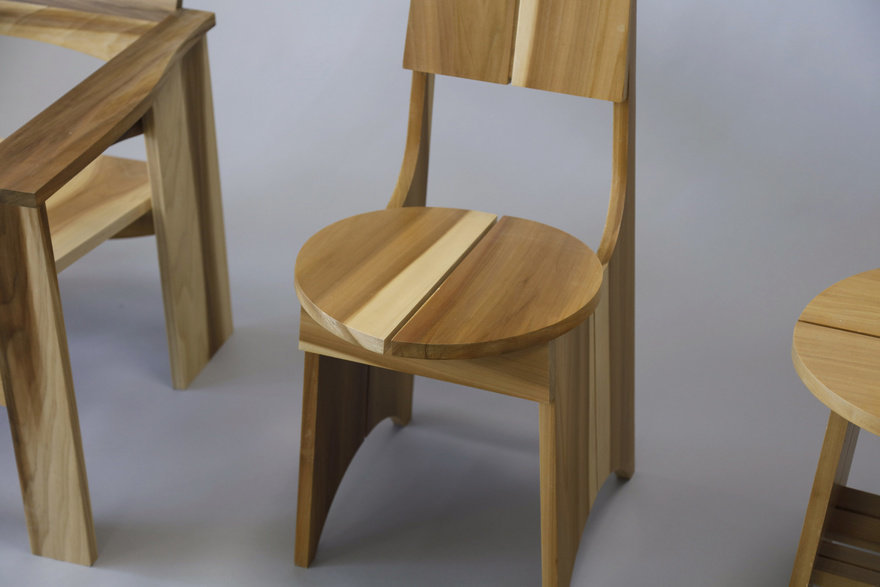
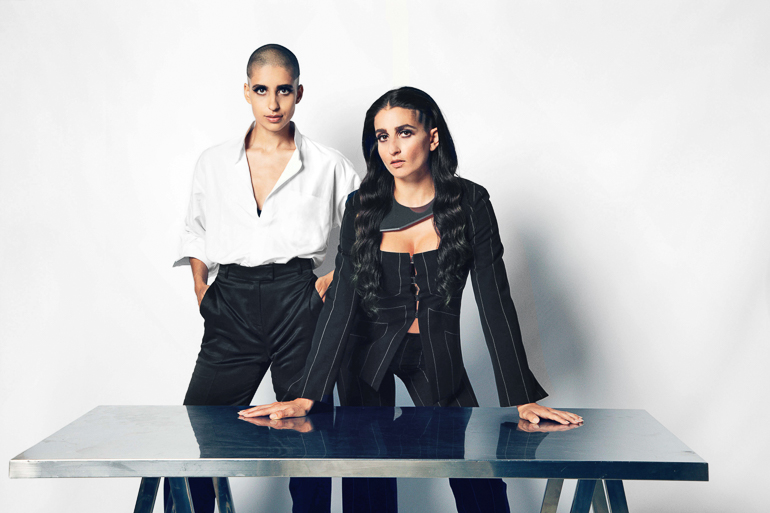
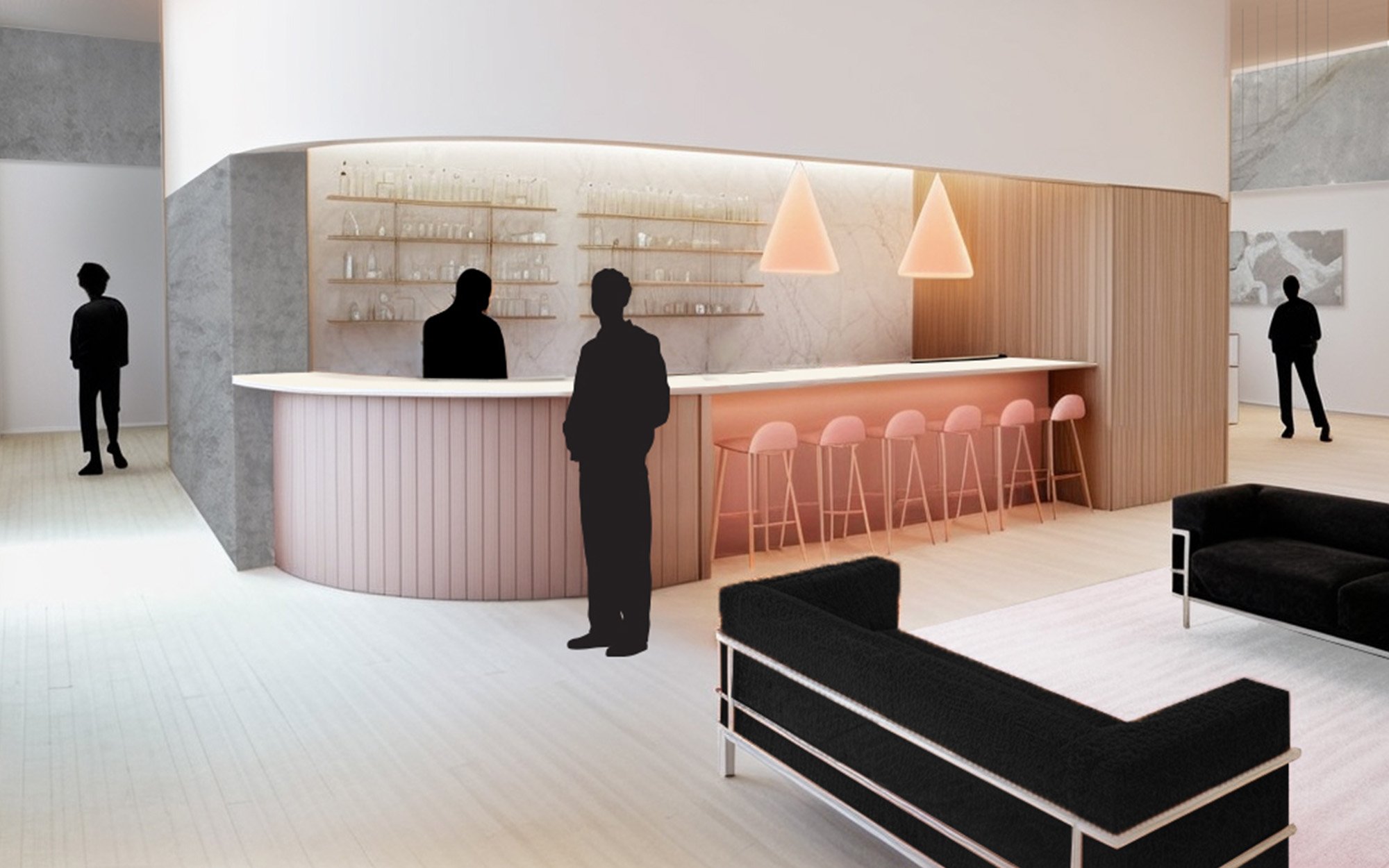
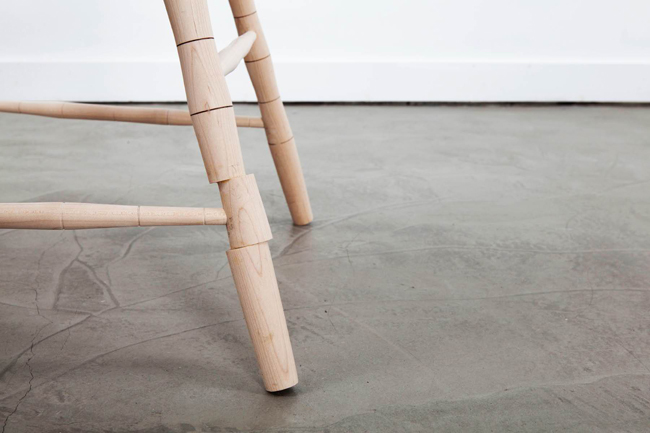
Norman Kelley, based in Chicago and New York, is featured for its sly and conceptual approach, often playing with visual expectations. Their "Wrong Chairs" exhibit, for instance, exaggerated elements of the iconic Windsor chair, making them appear "wrong" yet fully functional. Principals Carrie Norman and Thomas Kelley emphasize a rigorous playfulness in their work, valuing impact and gratification over overwhelming designs. Despite being geographically separated, they maintain constant collaboration, blurring the lines between academic and professional practice. Their work extends to residential rehabs and commercial projects, such as their first retail space for Aesop in Chicago, where they utilized reclaimed common brick, and a subsequent project in New York's Tribeca district, using ombré paint to reflect the neighborhood's character. Homeowner Sam Vinz, who commissioned Norman Kelley for a residential project, praises their ability to refresh existing concepts in an accessible manner.
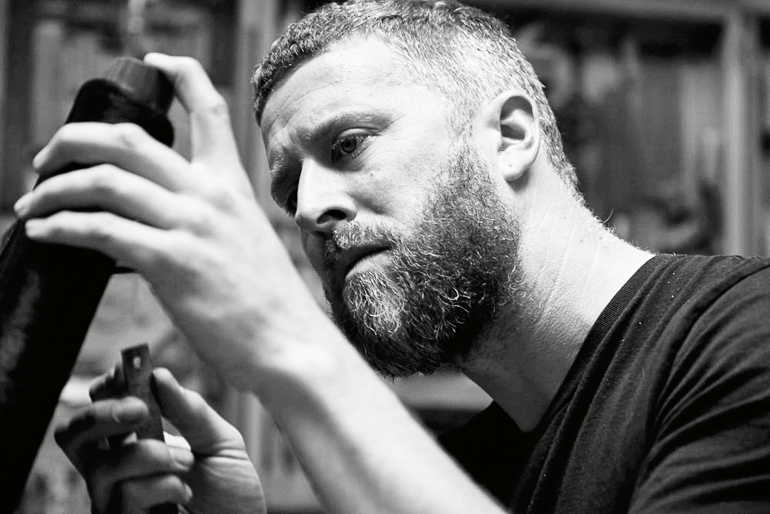
San Francisco-based Branch Creative, led by Nick Cronan and Josh Morenstein, specializes in making technology discreet or "invisible." Their product, Plume, replaces traditional Wi-Fi routers with hexagonal pods that blend into home decor, providing efficient wireless connectivity. Both Cronan and Morenstein bring extensive industrial design experience, having worked for notable companies like fuseproject and Ammunition. They ventured into developing futuristic devices, including the modular Google Ara phone and Athos exercise clothing that provides real-time muscle activity feedback, which they refined to be seamless and intuitive. Despite their focus on technology, they are passionate about furniture design, creating pieces for Council's Drift collection that combine classic forms with subtle illusions, emphasizing longevity and sophistication.
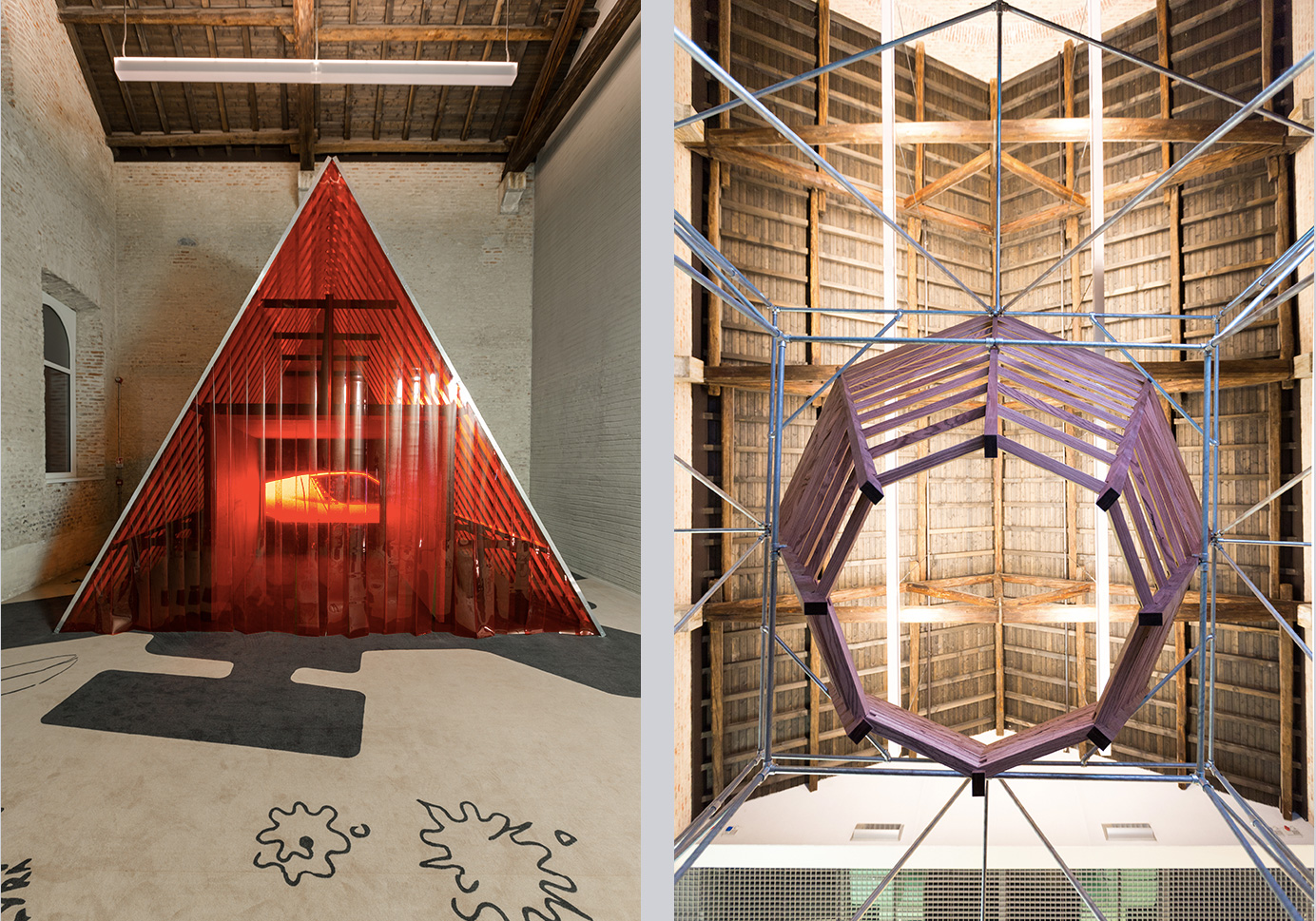
SIBLING, a young Melbourne-based firm, is recognized for its experimental and participatory approach to design. The five directors—Amelia Borg, Nicholas Braun, Jane Caught, Qianyi Lim, and Timothy Moore—engage in a wide array of projects, including exhibitions, commercial fit-outs, and residential designs. They actively initiate their own research projects, such as the ON/OFF exhibition, which explored the digital and physical worlds by creating a space that blocked smartphone reception. These conceptual investigations inform their commercial work, exemplified by the DUST retail space that integrated a digital commercial platform into a physical setting. SIBLING's freedom from established practice allows them to design a business model that is unique to their founders' processes, clients, and community.
Refik Anadol, a media artist based in Los Angeles, explores the intersection of architecture and digital art. Inspired by the Walt Disney Concert Hall, Anadol created large-scale video artworks that transform architectural facades into dynamic canvases. His collaboration with Gehry Technologies and the Los Angeles Philharmonic resulted in immersive experiences like "Visions of America: Amériques," where real-time custom software projected images responsive to music and conductor movements. Anadol's work also extends to public art commissions, such as "Virtual Depictions: San Francisco" for 350 Mission, which uses Twitter data to generate animations on a large LED display, exploring how public art interacts with public data. He envisions a "post-digital architectural future" where media architecture transcends traditional screens and VR.
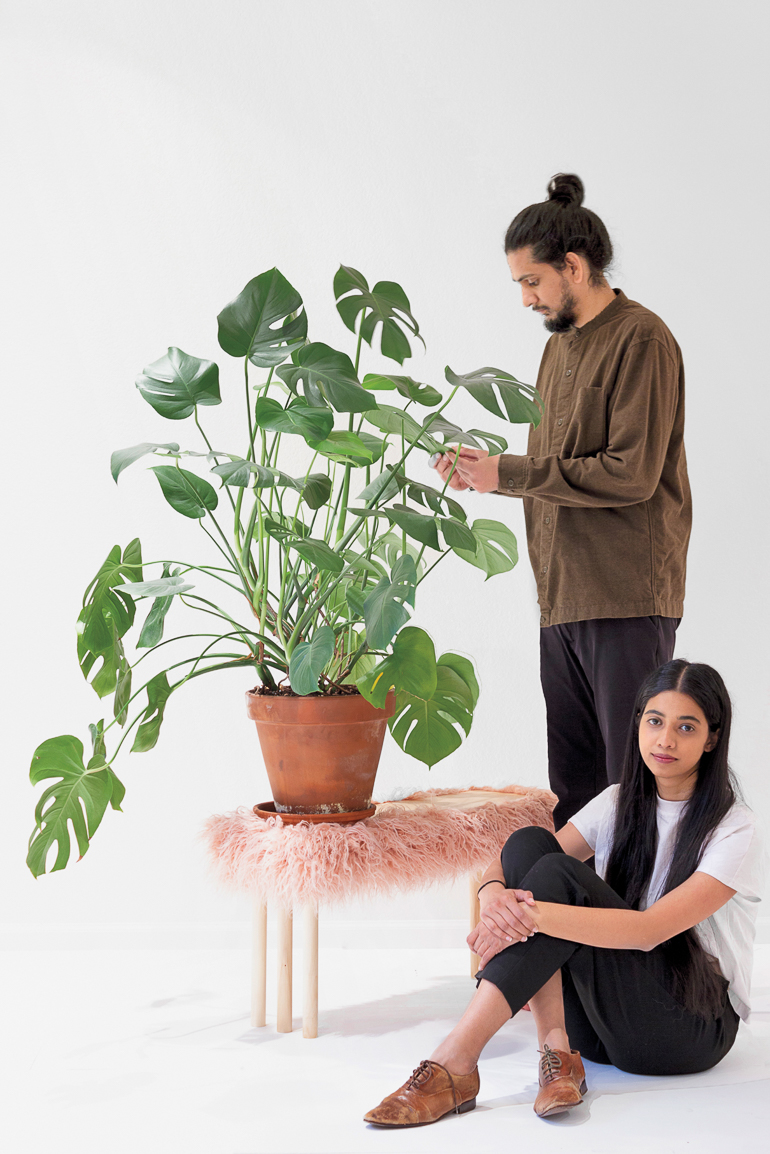
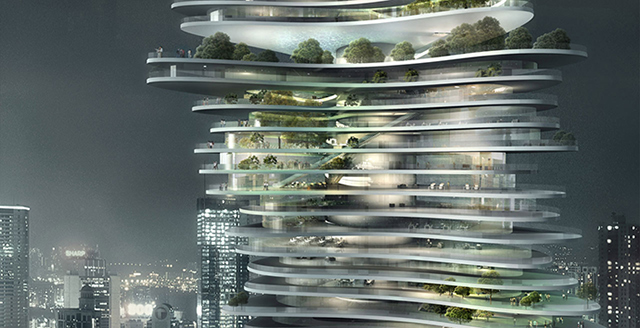
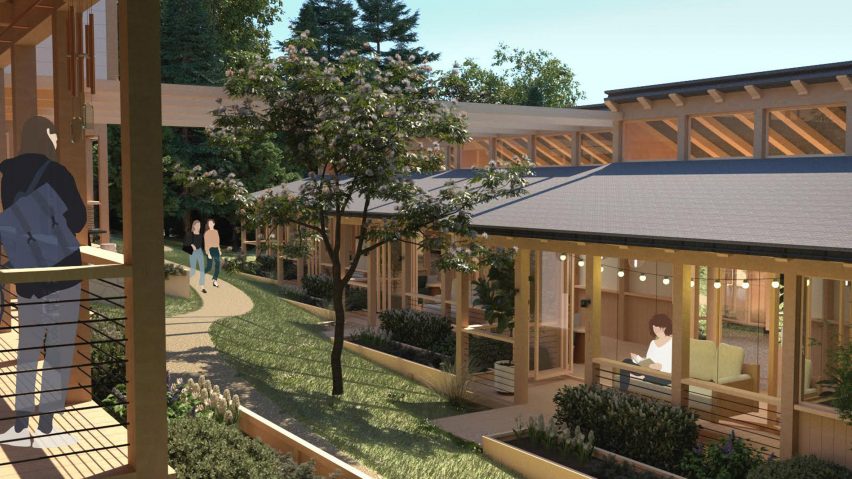
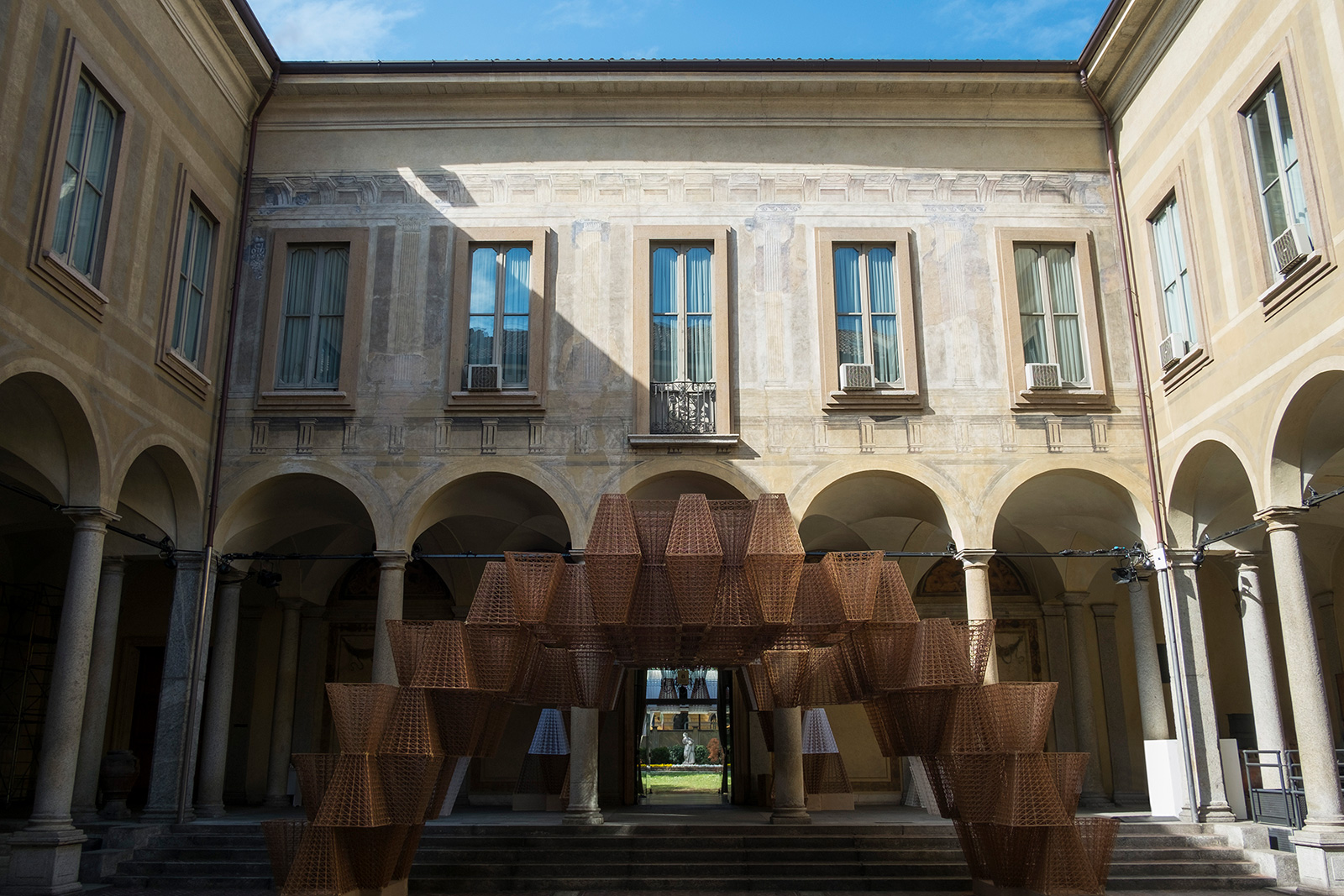
Tropical Space, from Ho Chi Minh City, focuses on eco-friendly and avant-garde architecture that utilizes simple building materials. Founders Nguyen Hai Long and Tran Thi Ngu Ngon specialize in designing porous homes that "breathe" in tropical climates, moving away from conventional closed-off modern Vietnamese housing. Their projects, such as the Terra Cotta Studio and the two-story Termitary House, showcase innovative facades made from traditional red baked bricks, providing both graphic appeal and natural ventilation. They also design custom furniture from recycled materials, emphasizing simplicity and cost-effectiveness while fostering social interaction within living spaces.
APRDELESP, a Mexico City-based architecture office, distinguishes itself through a multidisciplinary approach that integrates commercial ventures with design practice. Founders Rodrigo Escandón and Guillermo González operate a variety of "subspaces" including a restaurant, a café that doubles as a furniture showroom, an art gallery, and a print shop. This model allows them to experiment with how space is used and to circumvent traditional design practices. They view these ventures not merely as revenue streams but as experimental projects to foster new thinking and better conditions for their design work. Their unconventional approach to client engagement and public relations emphasizes dynamic interaction over formal style, resulting in a design methodology that documents the full lifespan of a project through casual snapshots and detailed drawings of everyday objects.
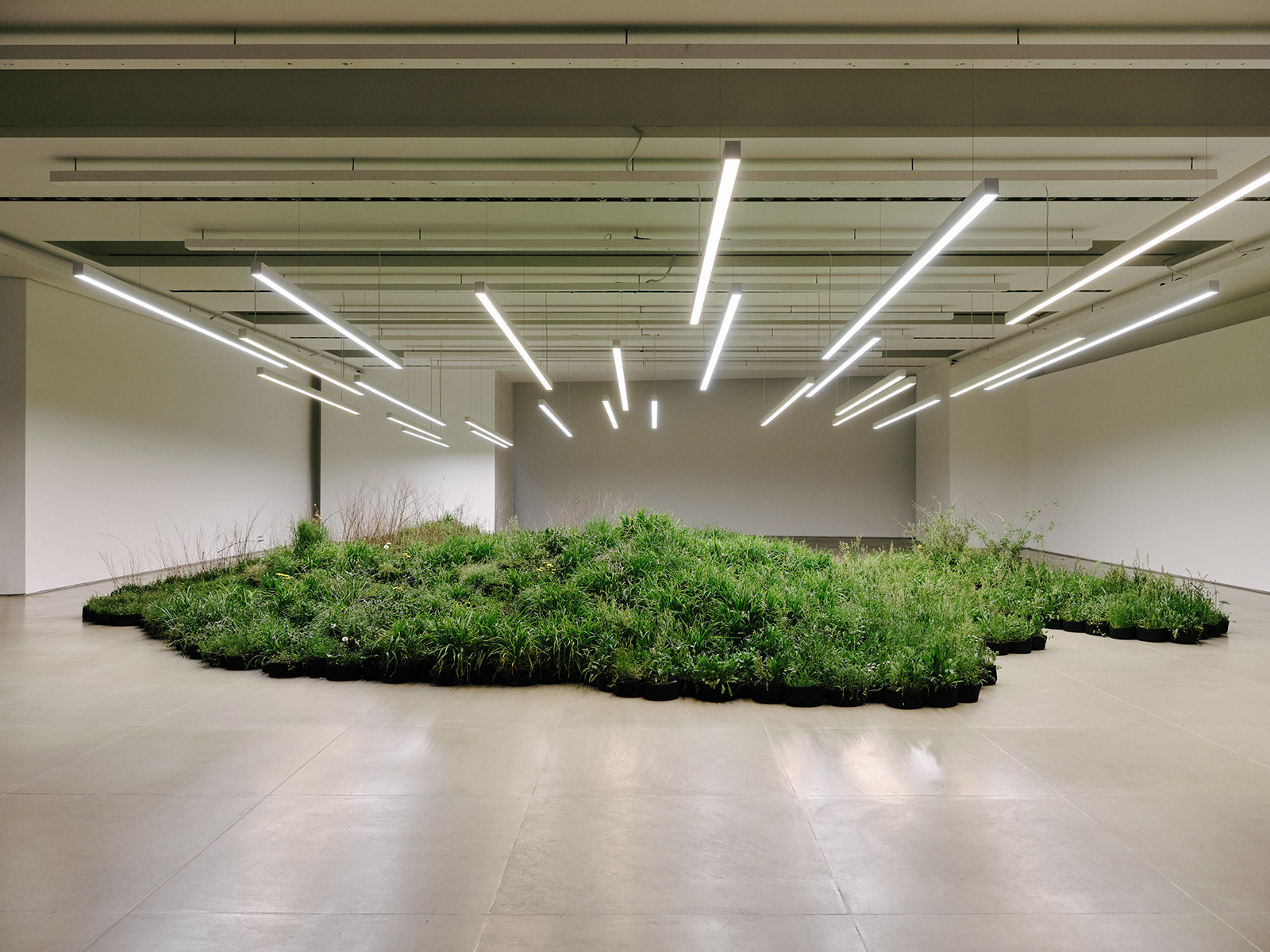
LCLA, led by Colombian architect Luis Callejas with bases in Oslo and Medellín, integrates landscape, cartography, and botany into architecture. Callejas, who gained prominence through public competitions and his work on the Aquatic Center in Medellín, challenges conventional architectural typologies by blending natural elements with built structures. His conceptual motif of the "island" highlights the potential for unique developments within contained environments. Callejas advocates for cultivating atmospheres rather than prescriptive sequences, using evocative collages as a key representational tool. His work, like "The River That Is Not" study for the Medellín River, proposes integrated strategies for hydrologic remediation and public engagement, demonstrating a political resonance in his designs. His current projects explore topographical sites in the Andes and Norwegian mountains, applying large-scale thinking to residential jobs.
#ArchitecturalInnovation #DesignStudios #ProductDesign #SustainableArchitecture #MediaArt #UrbanPlanning #InteriorDesign #ExperimentalDesign #EmergingTalent #ArchitecturalInnovation #DesignStudios #ProductDesign #SustainableArchitecture #MediaArt #UrbanPlanning #InteriorDesign #ExperimentalDesign #EmergingTalent
0 comment in total
 No comments yet
You may also like
Latinx-Owned Interior Design Studios That Should Be On Your Radar Right Now

The Design Industry’s Coolest Trend Is Hiding in Plain Sight
Material Innovation At Its Best: Explore Design Standouts

6 designers pick their favorite projects
West Dean College spotlights ten interior design student projects
Interior Design Masters and 7 more shows to watch for homes inspiration


Architectural Design Studios
Milan Design Week: the 7 best fashion installations
These Are The Top Design Trends Worth Trying


Seven of St. Louis’ Top Designers

15 Rising Stars of Product Design
14 Buzzworthy Lights From New York Design Week
Meet SWFL's Bright Young Design Talent

Best Industrial Design Student Work Spotted in 2022

7 innovative ideas in architectural design


Future100 Interior Design Undergraduate Winners
10 Rising Young Product Designers Seen at IMM 2020

Top Five In-House Design Teams To Follow On Instagram
Nine design projects from The New School's Parsons School of Design students
The top 7 sustainable interior design creators