1/21
These Are The Top Design Trends Worth Trying
The article presents an overview of the top home design trends for 2020, as identified by various renowned designers and architects. It highlights both emerging trends and those that are considered outdated, offering insights into evolving aesthetic preferences and functional considerations in interior and landscape design.
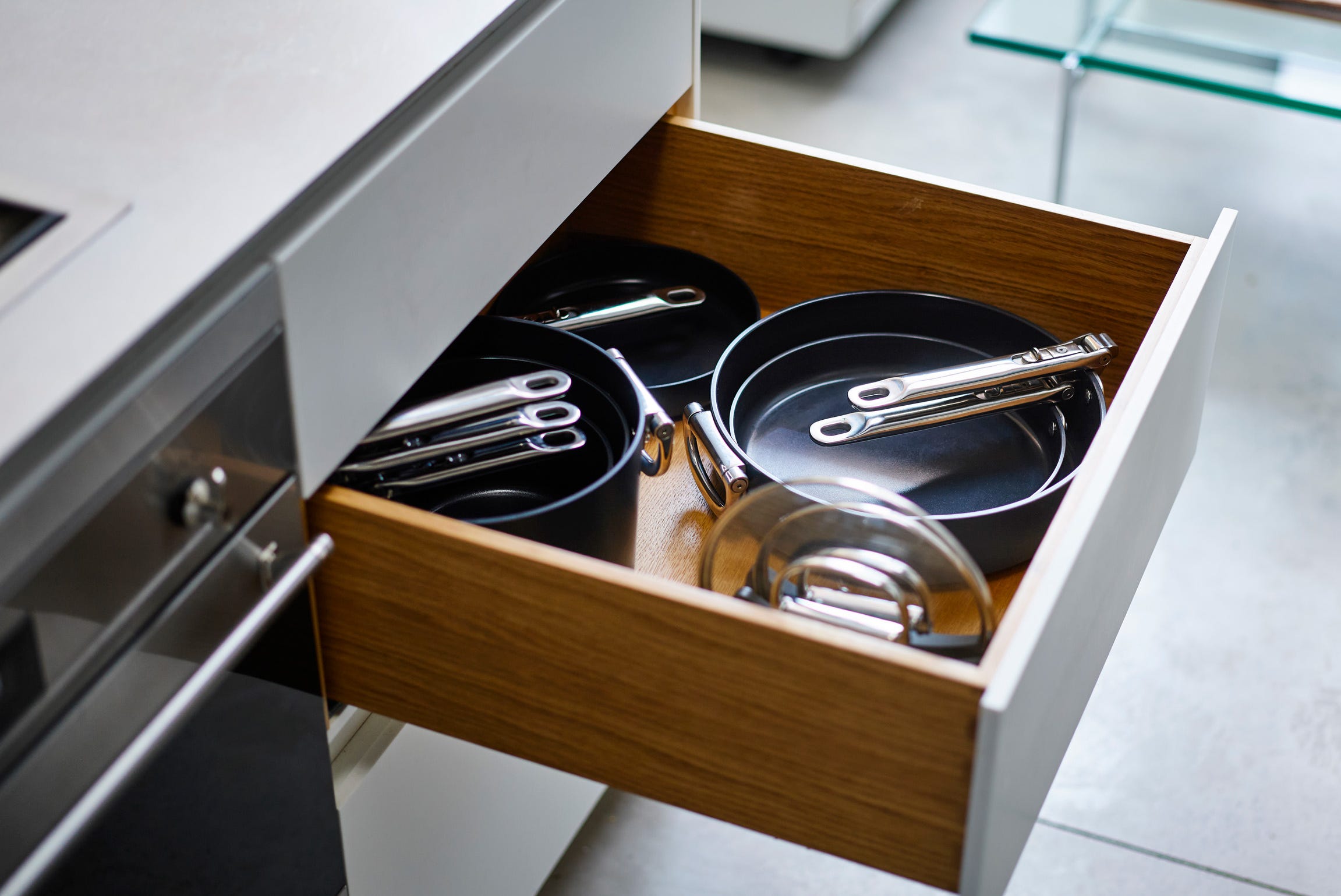
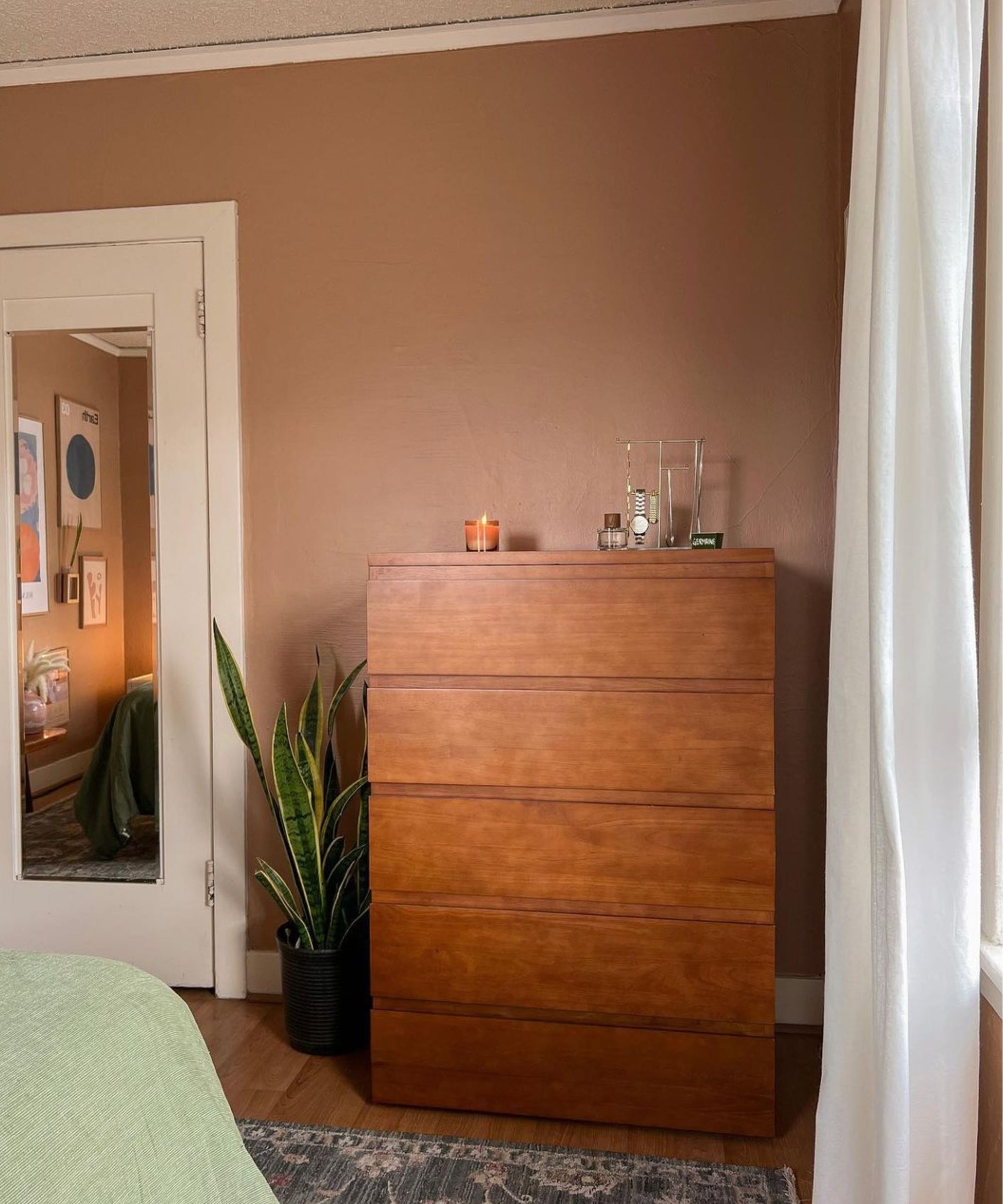
Integrated hardware is emphasized as a contemporary trend, favored for its minimalist, seamless, and sleek appearance. This approach often features vertical lines that emulate molding, contributing to a calming and ordered visual effect. Conversely, oversized pulls and handles, including old-style refrigerator handles on cabinetry and clunky painted hardware, are seen as dated and are being replaced by more streamlined, integrated options.
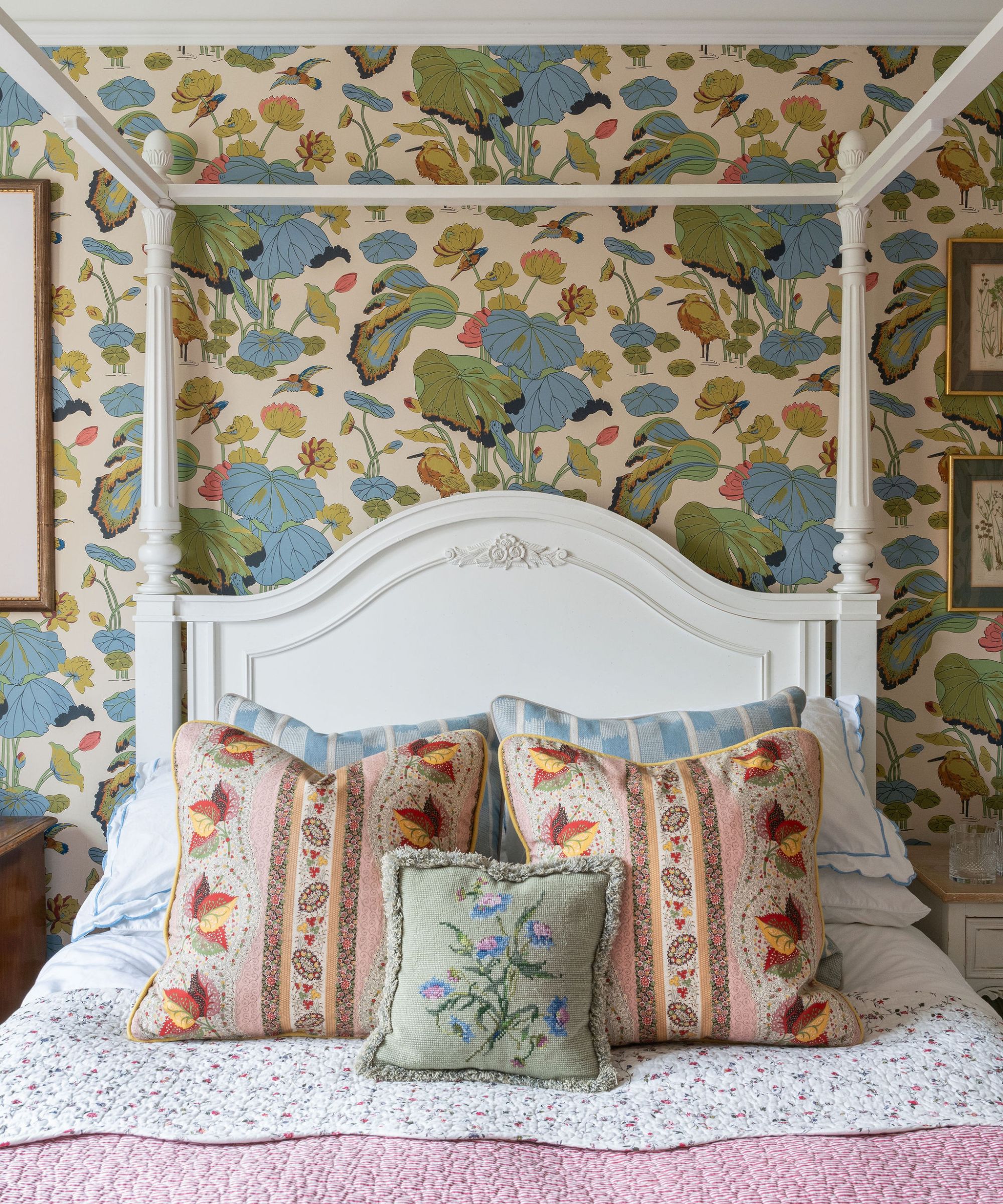
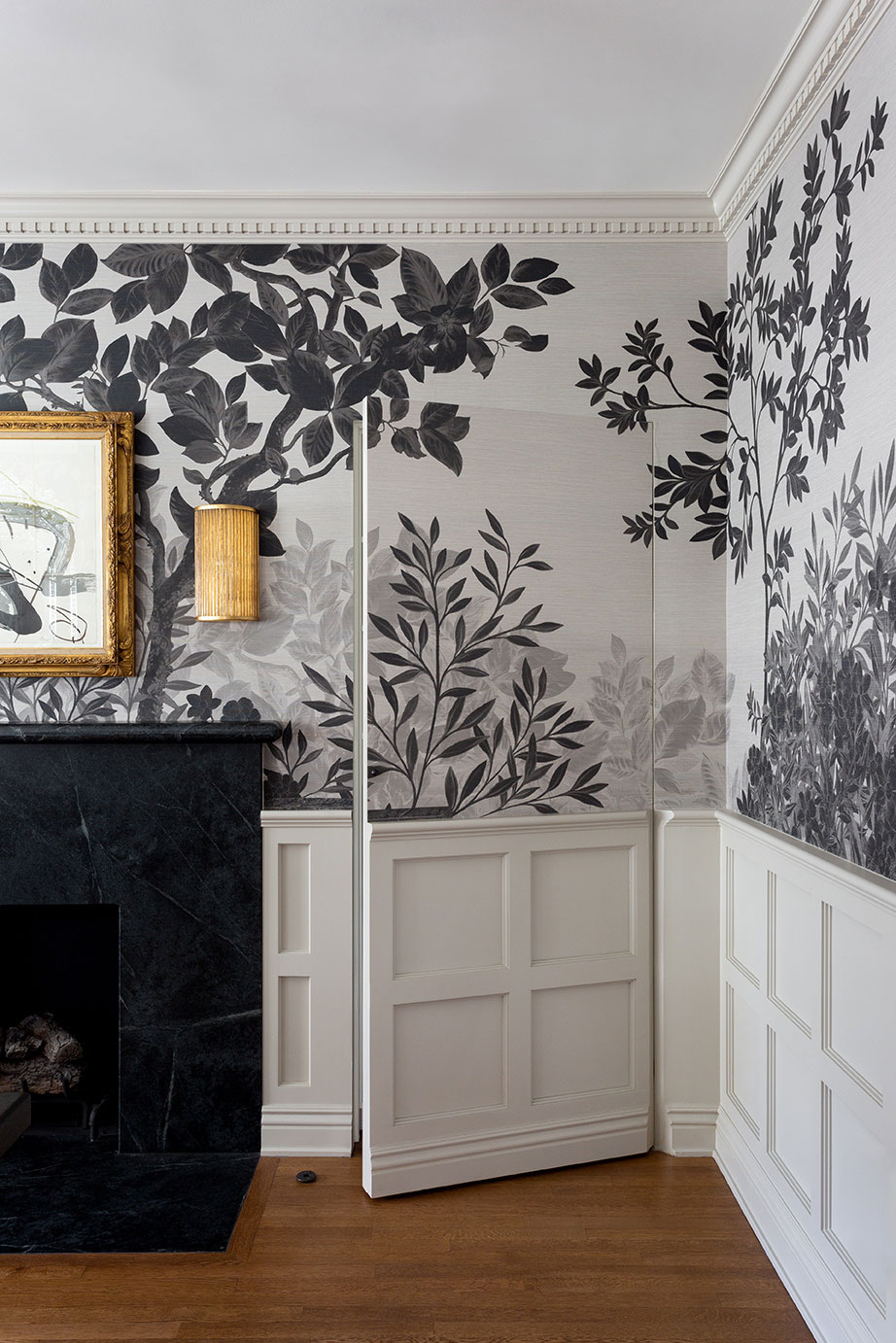
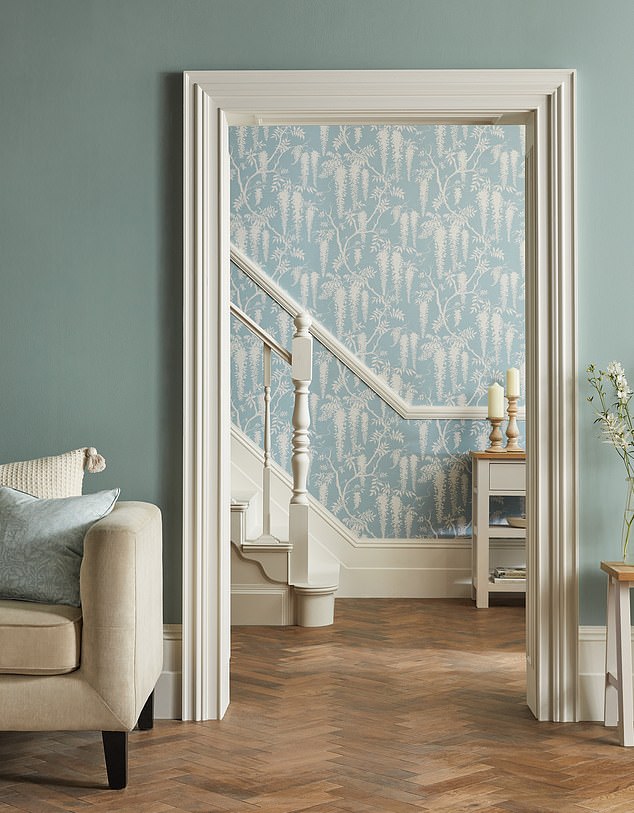
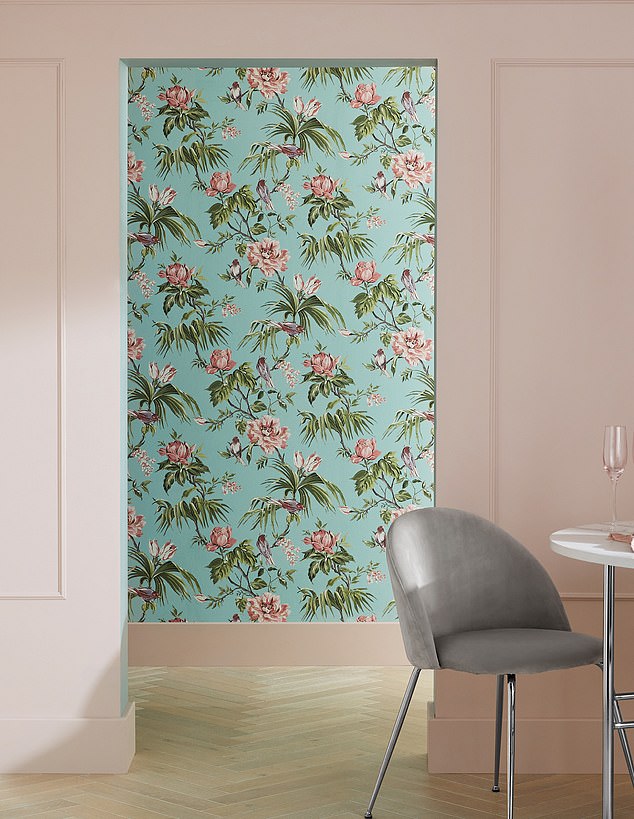
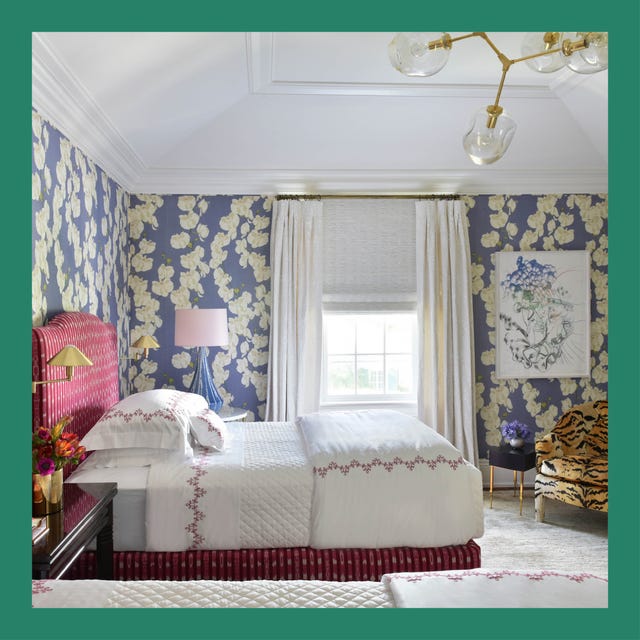
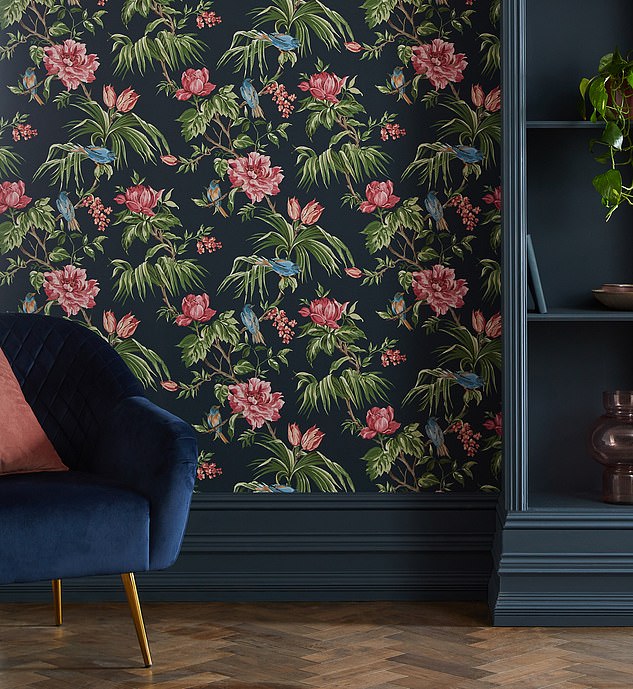
Floral wallpaper is experiencing a resurgence, with clients gravitating towards fresh interpretations of floral patterns, such as Raoul Textiles’ Celeste linen used to upholster walls. This trend replaces the 1970s geometric prints, which are currently out of favor, giving way to more feminine chintz and granny-chic British florals reminiscent of Mario Buatta's style.
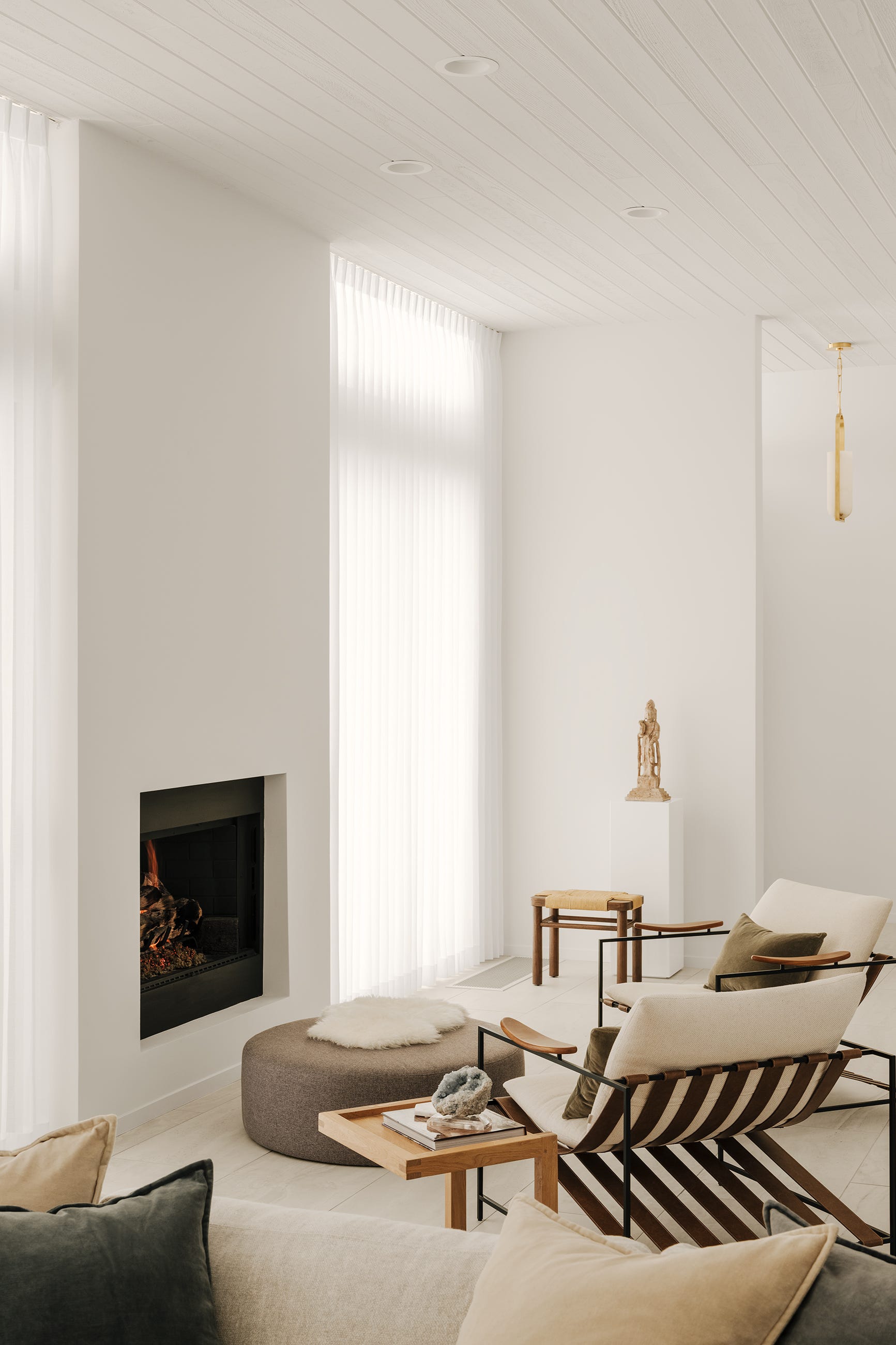
Environmentally-friendly fireplaces are gaining popularity due to their ease of installation and lack of ventilation requirements. These models can be integrated into built-in furniture or used as decorative stand-alone pieces, offering a more cost-effective and eco-conscious alternative to conventional wood-burning and gas fireplaces, which require more maintenance and contribute to CO2 emissions.
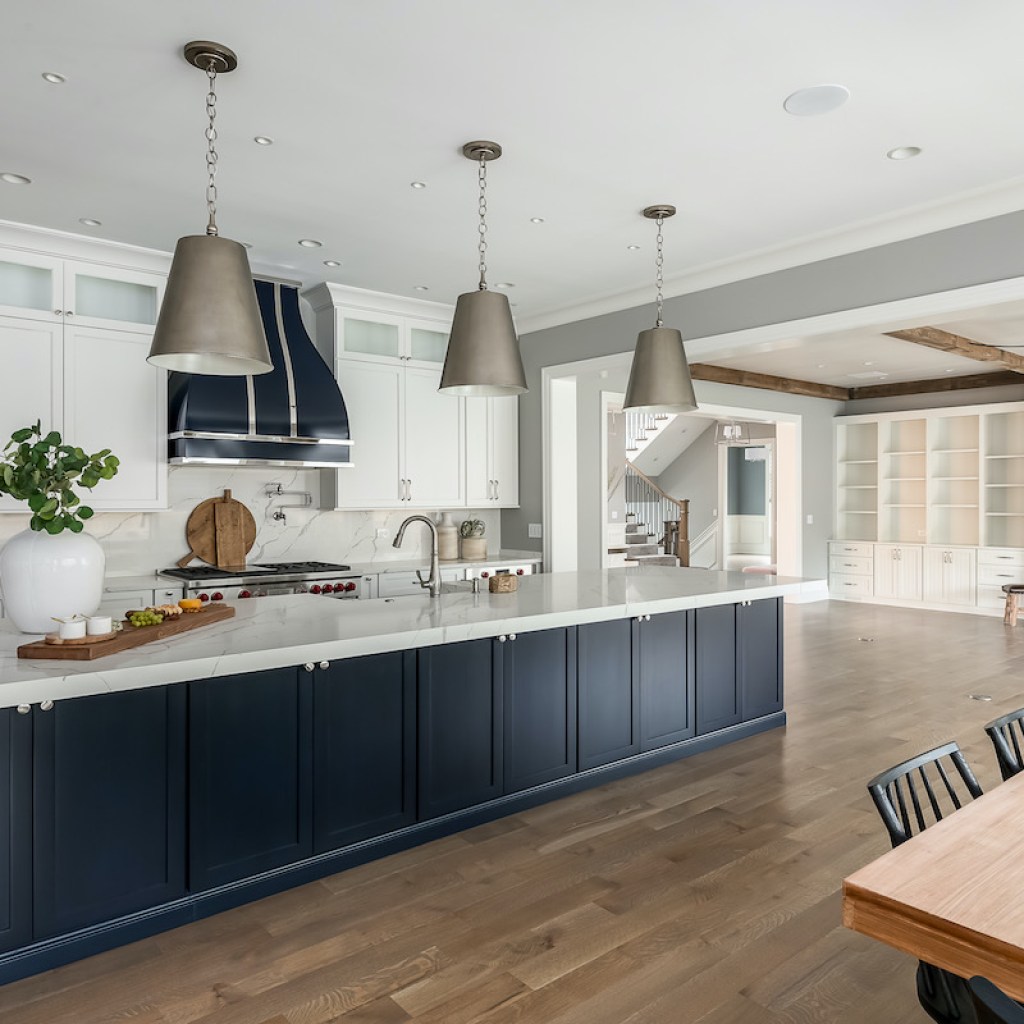
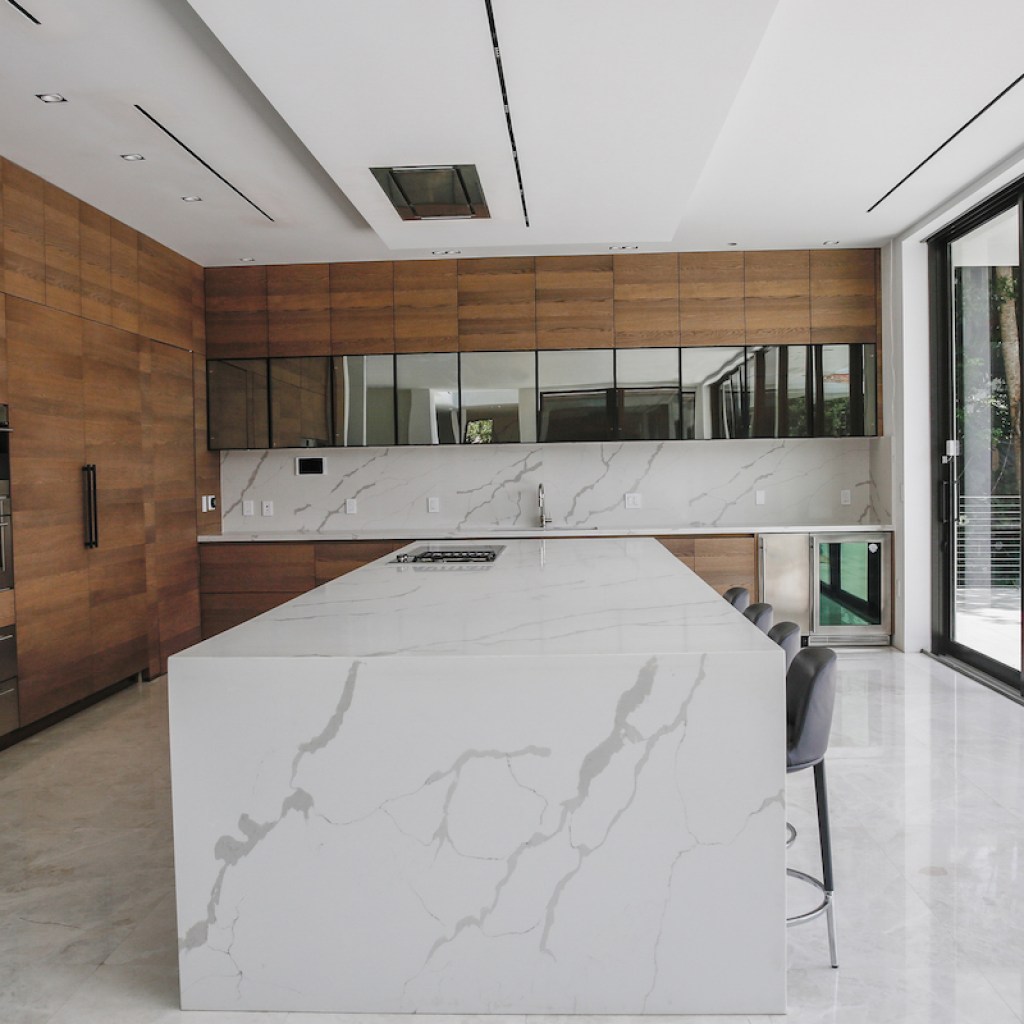
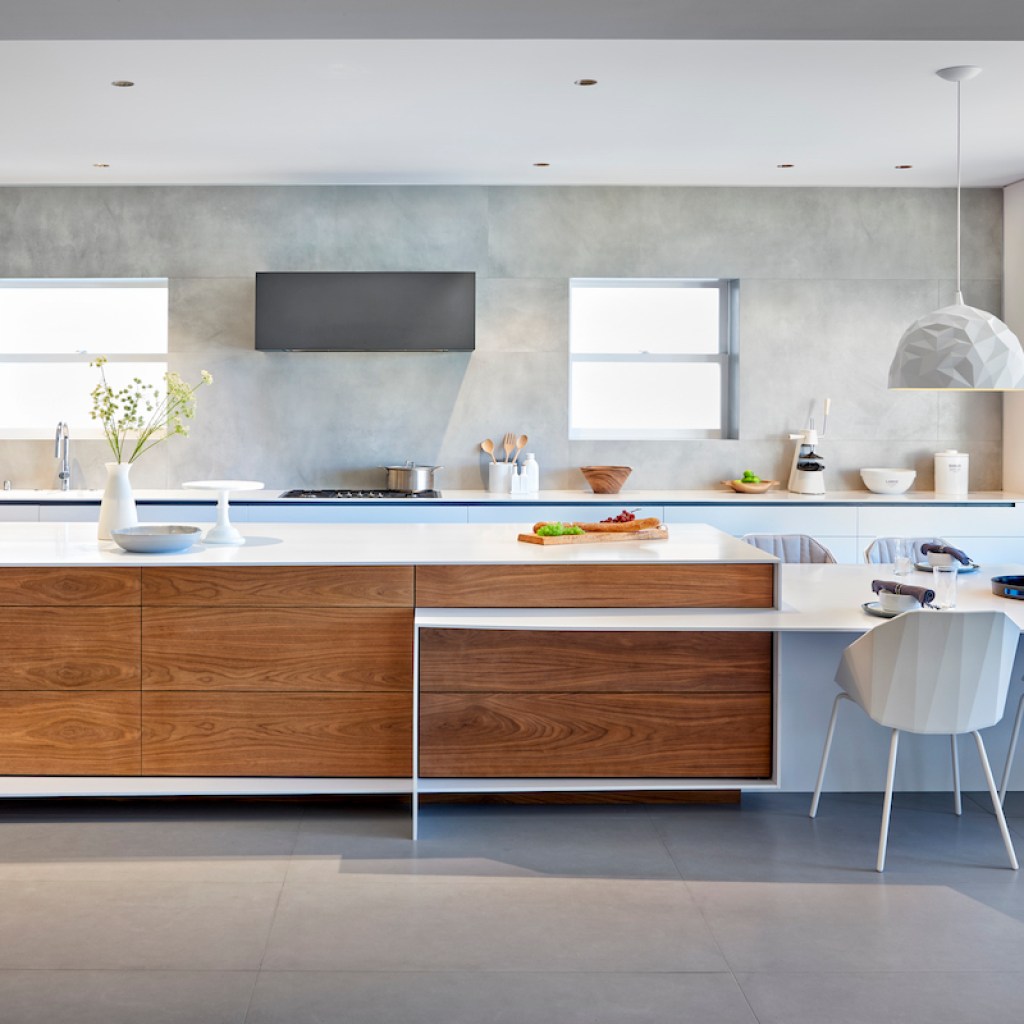
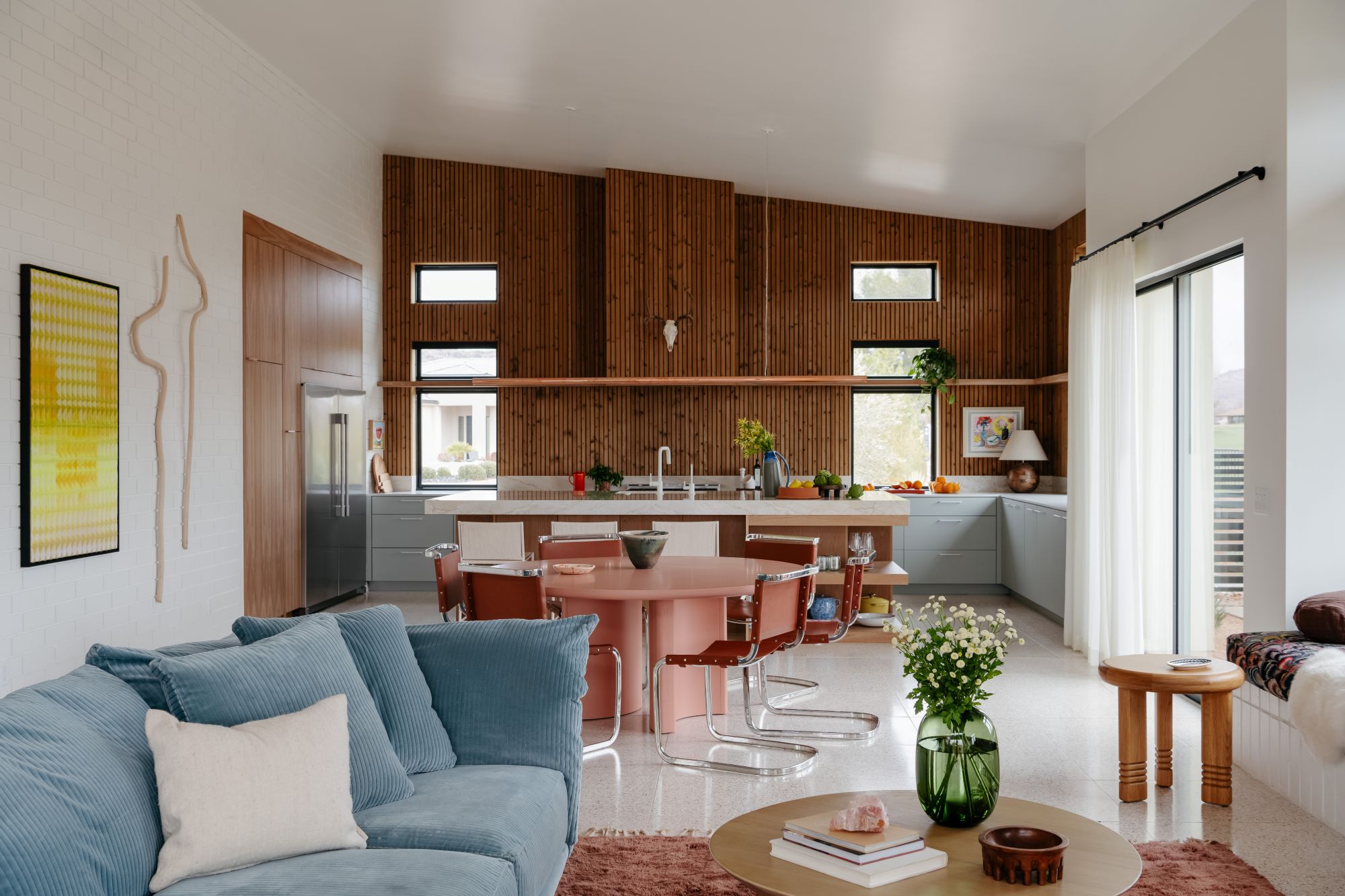
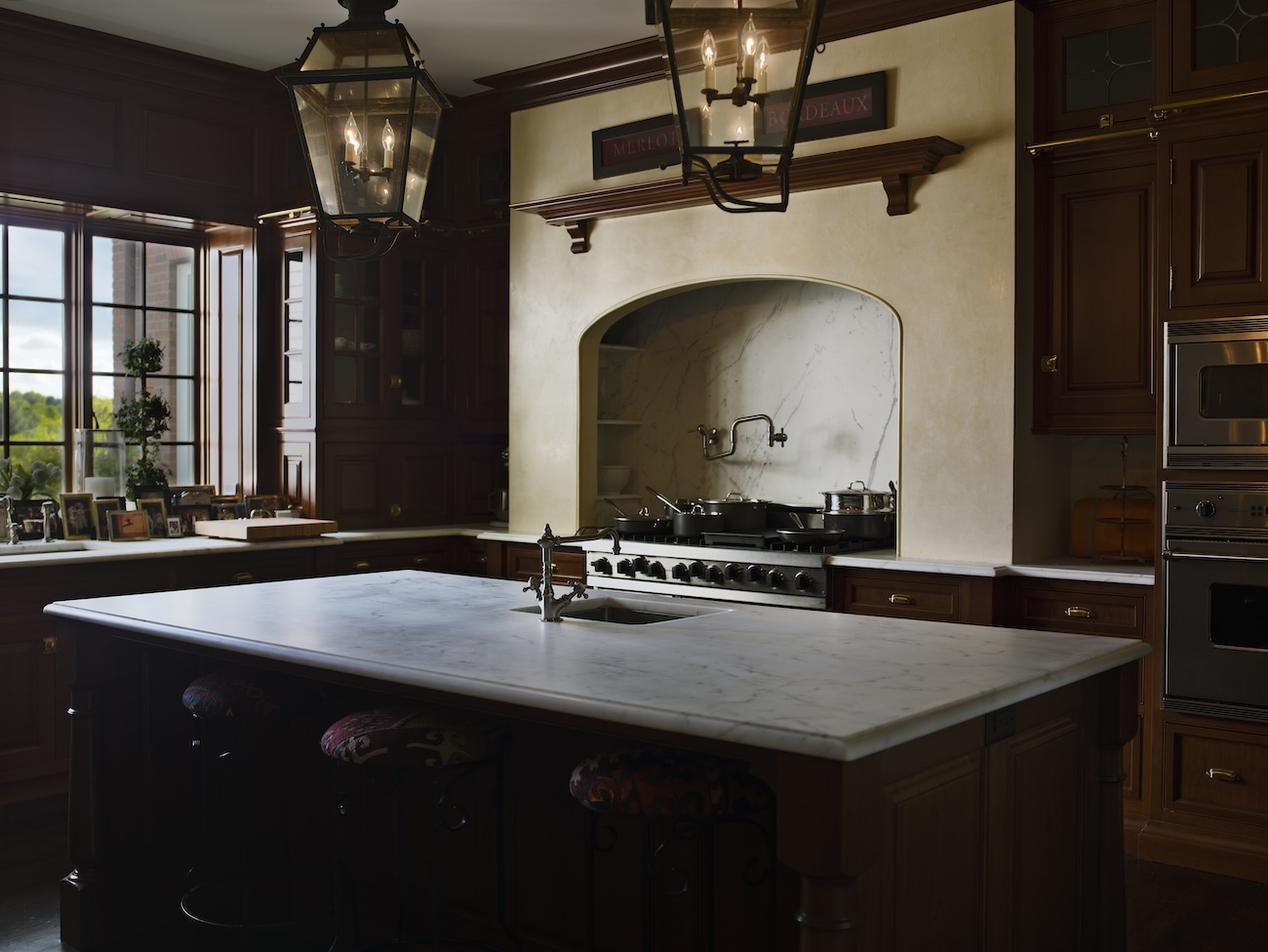
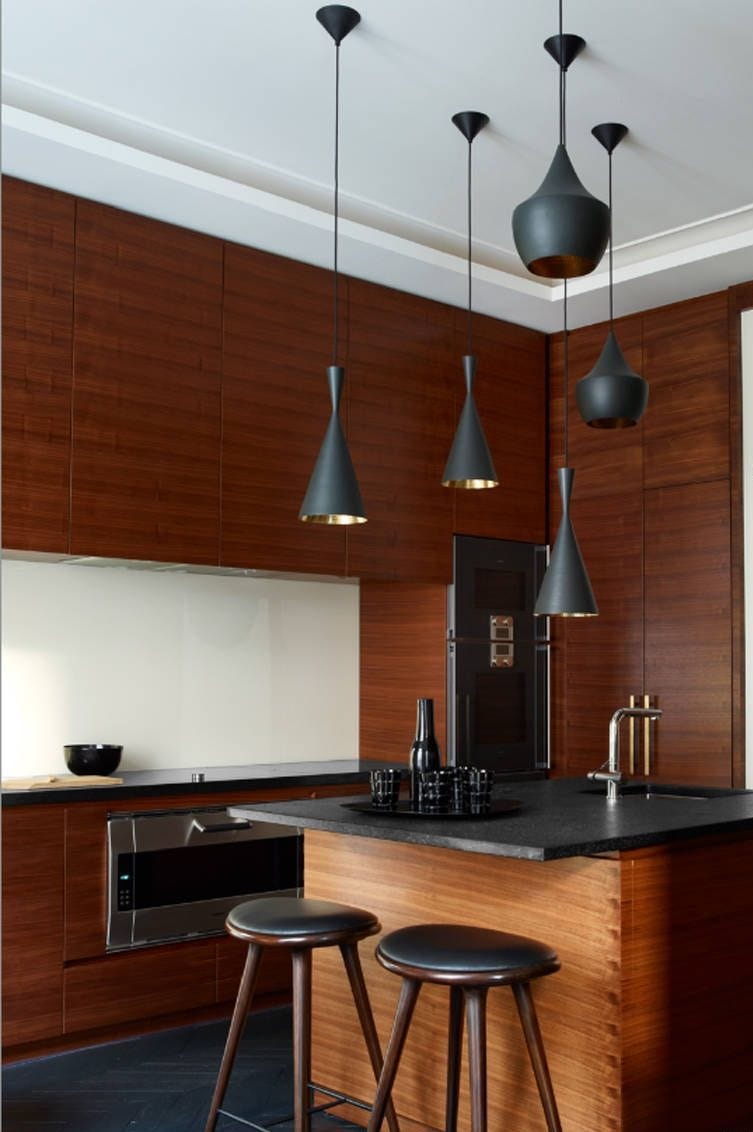
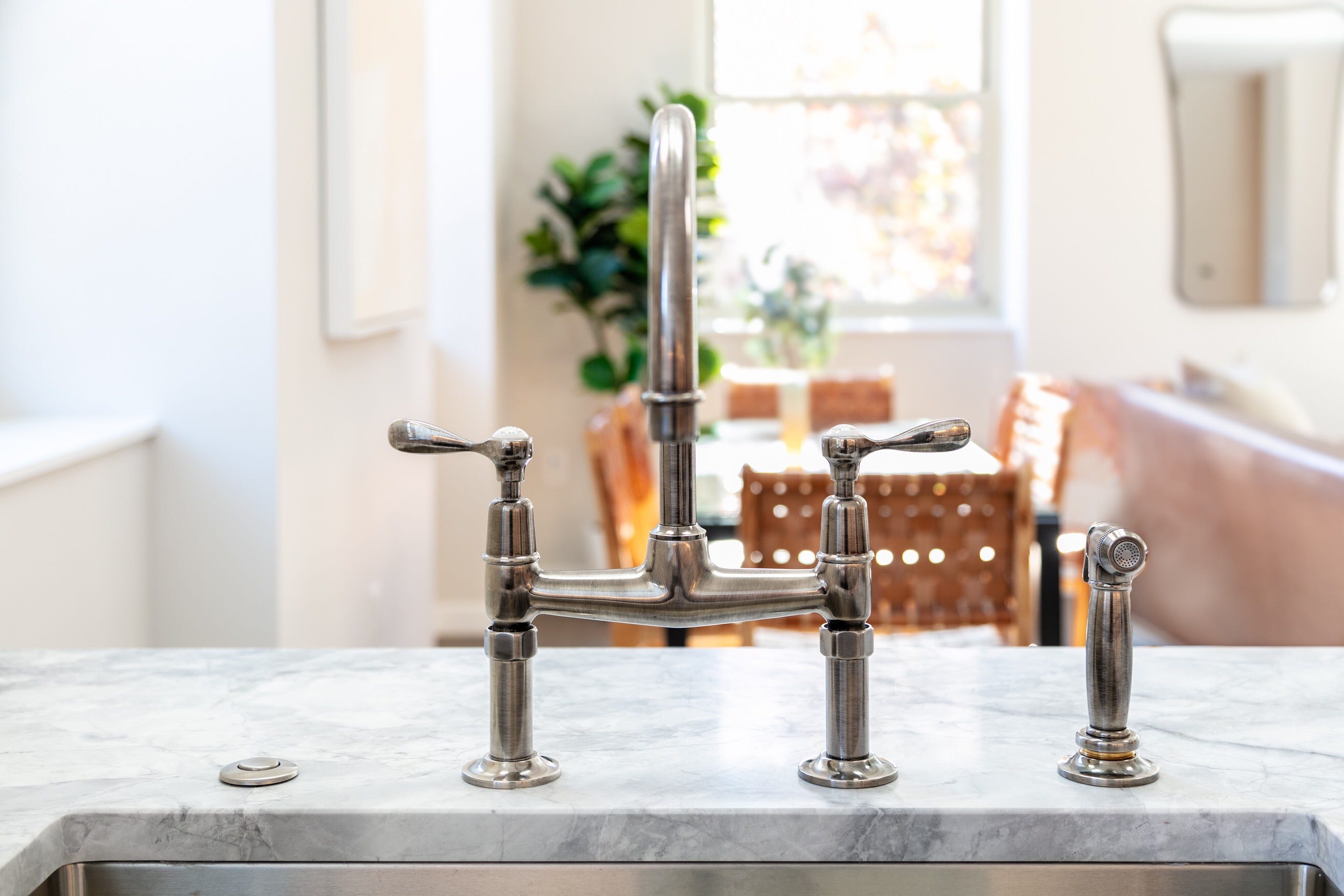
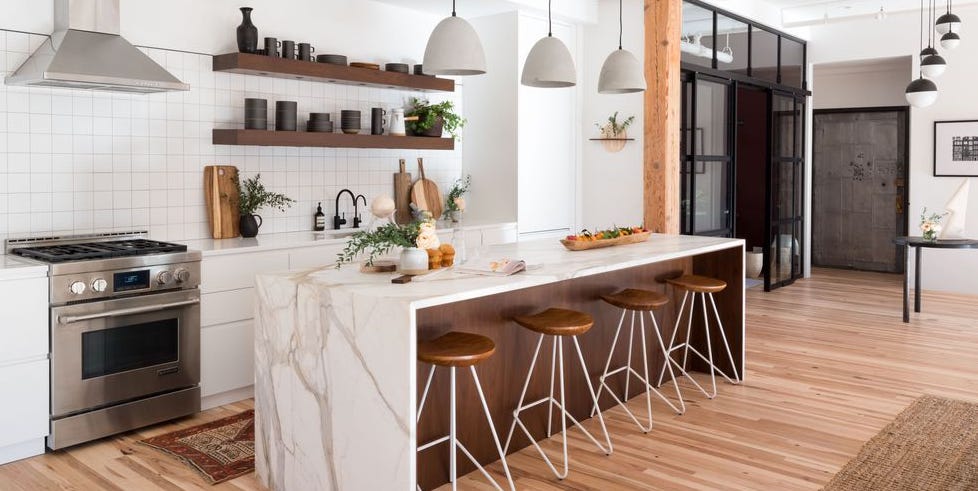
Kitchen island design is also evolving, with a focus on cantilevered eat-in areas. These designs often feature natural stone countertops that extend to dining table height, providing more comfortable and child-friendly seating options compared to traditional islands with counter-height stools. Grandmillennial style, which blends traditional design elements like chinoiserie, scallops, natural fiber rugs, and topiaries with a contemporary edge through modern art and clean-lined furniture, is currently in vogue. This trend marks a departure from the monochromatic grey palettes that dominated the late 2010s, with a preference for warmer-toned palettes and rich accent colors.
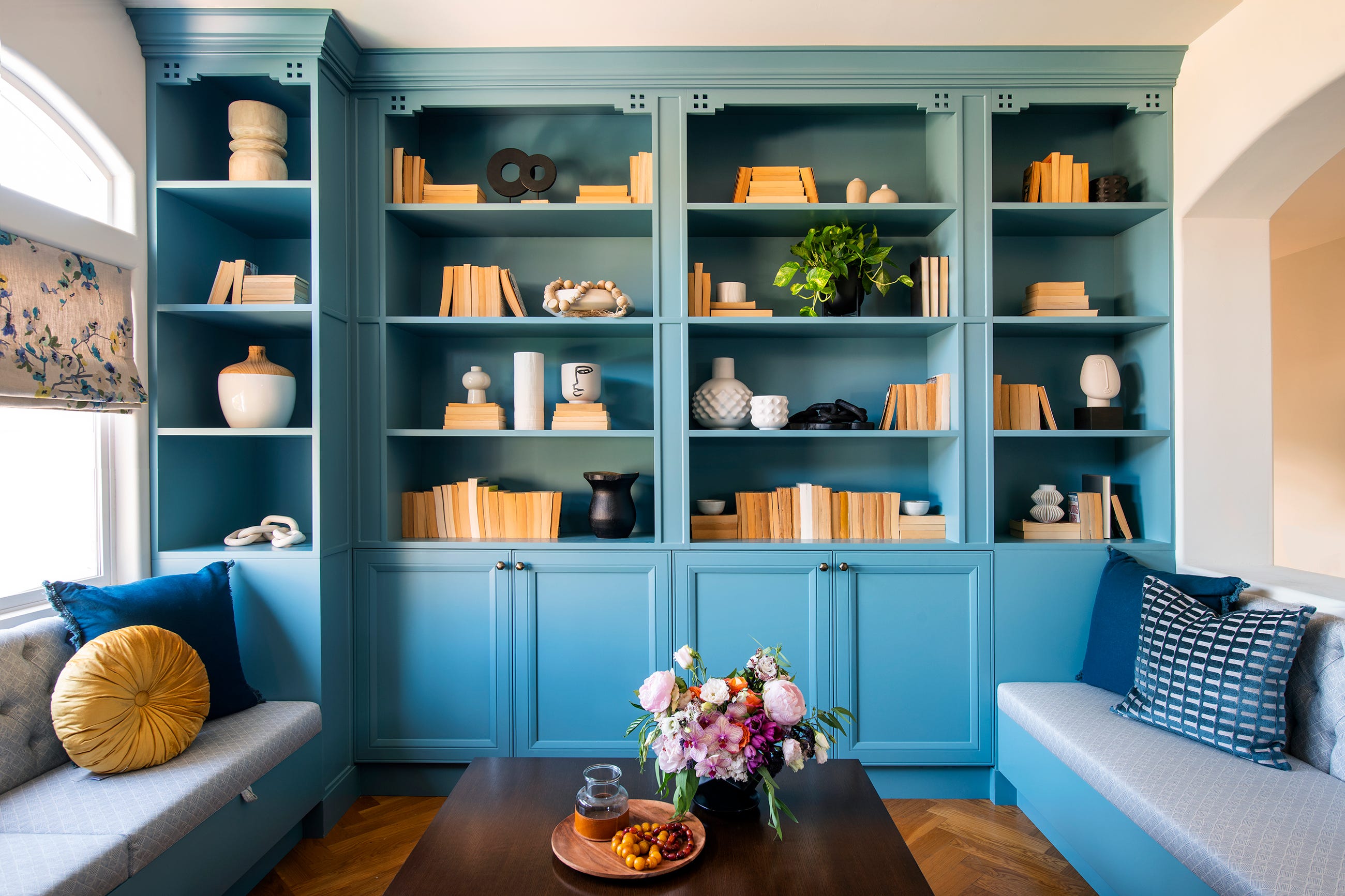
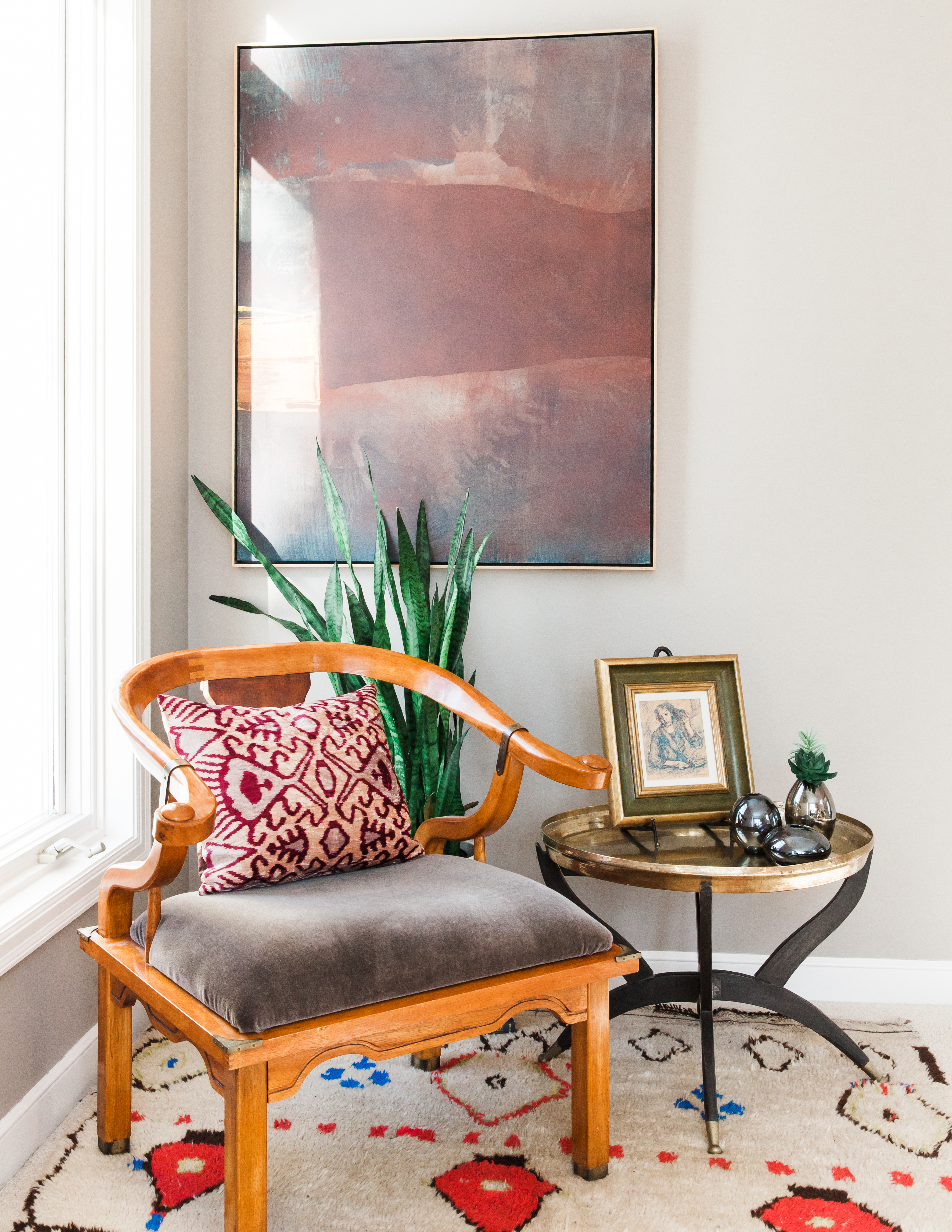
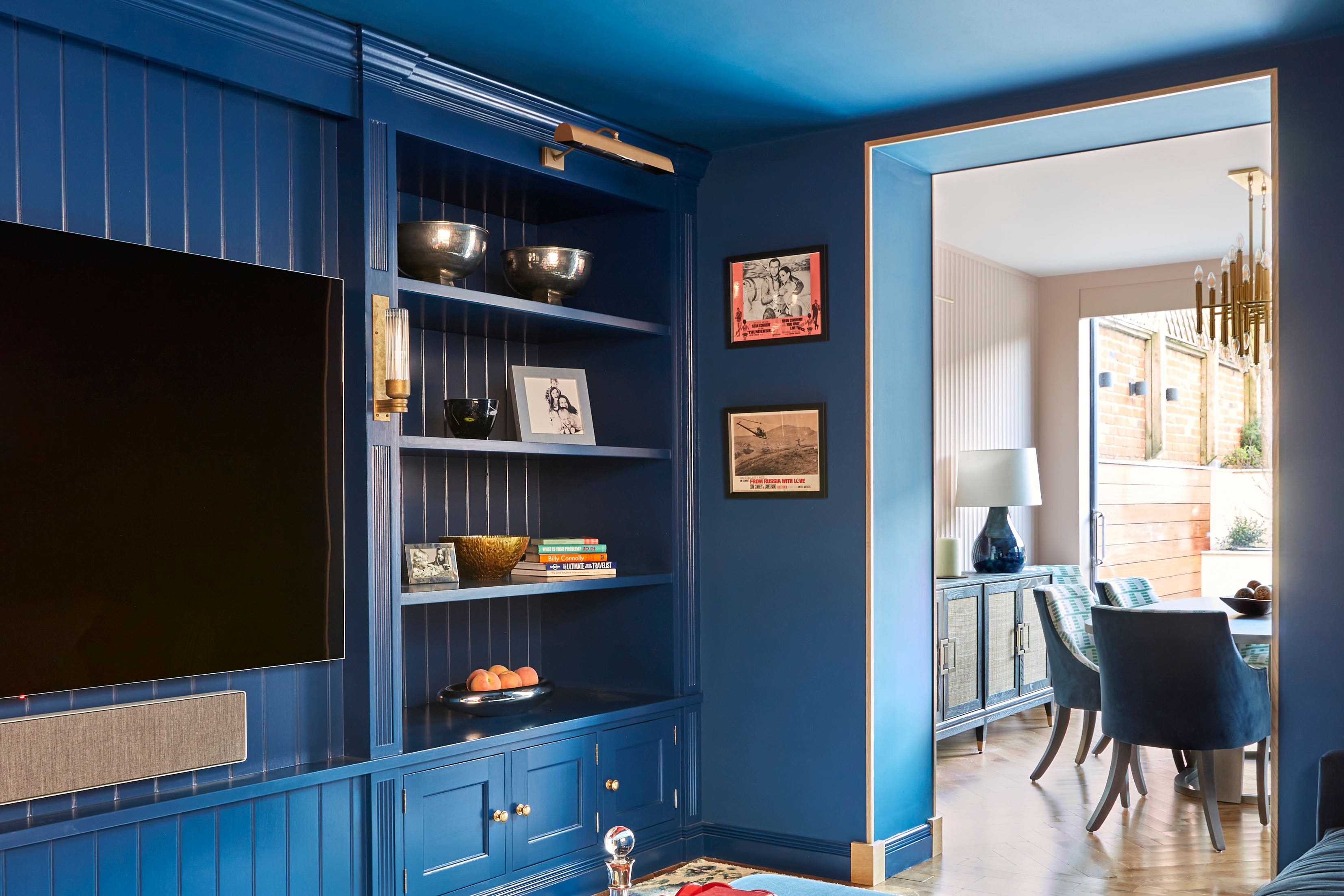
Bold monochromatics, using colors such as Cobalt Blue, Kelly Green, or Aubergine, are favored for their personality and elegance, contrasting with pale monochromatic rooms that are perceived as too safe and lacking excitement. Layering old and new pieces, including locally made souvenirs from travels, is encouraged to create a personalized and authentic home aesthetic. This move away from the pursuit of perfection embraces worn pieces with patina, making living spaces more comfortable and less precious.
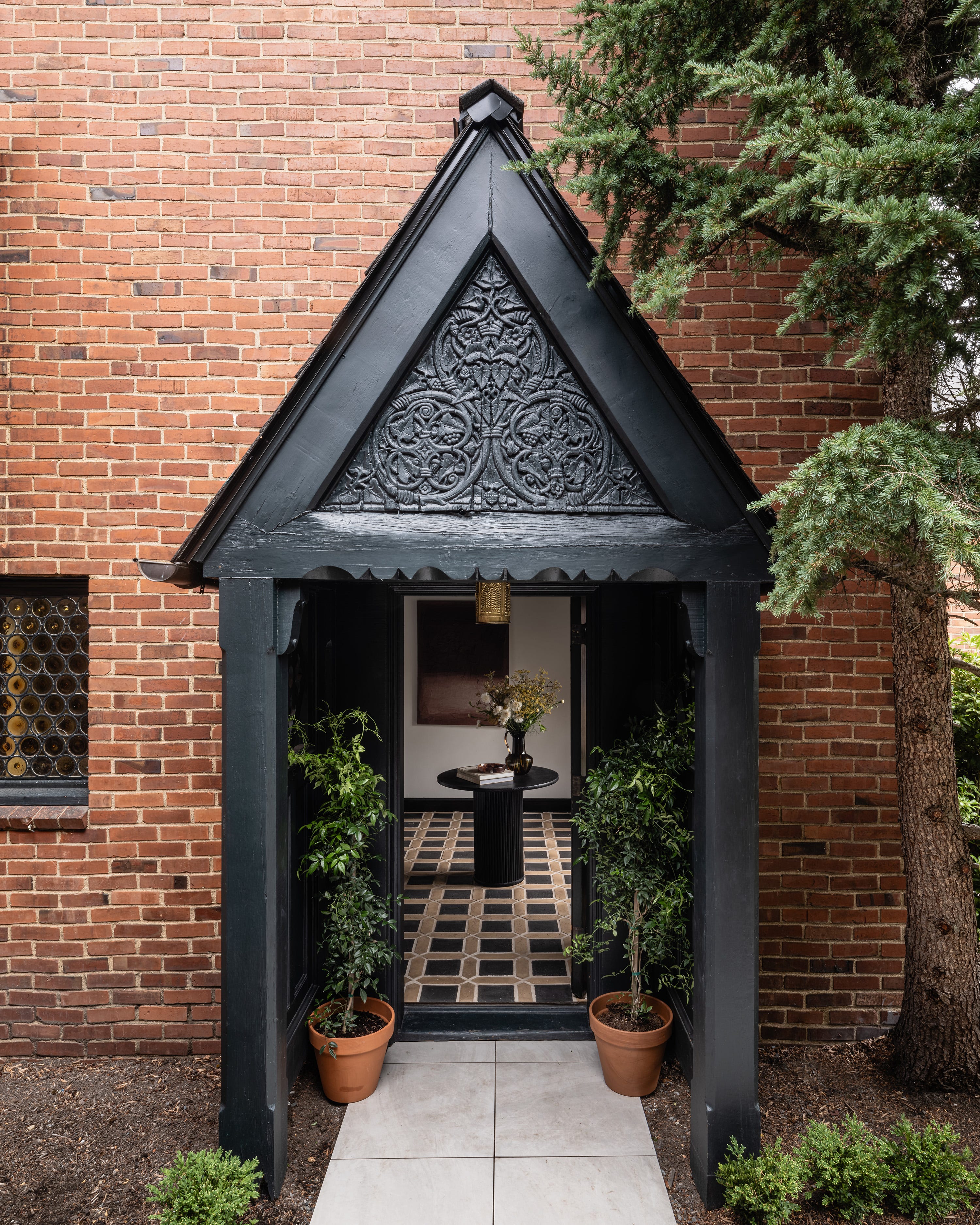
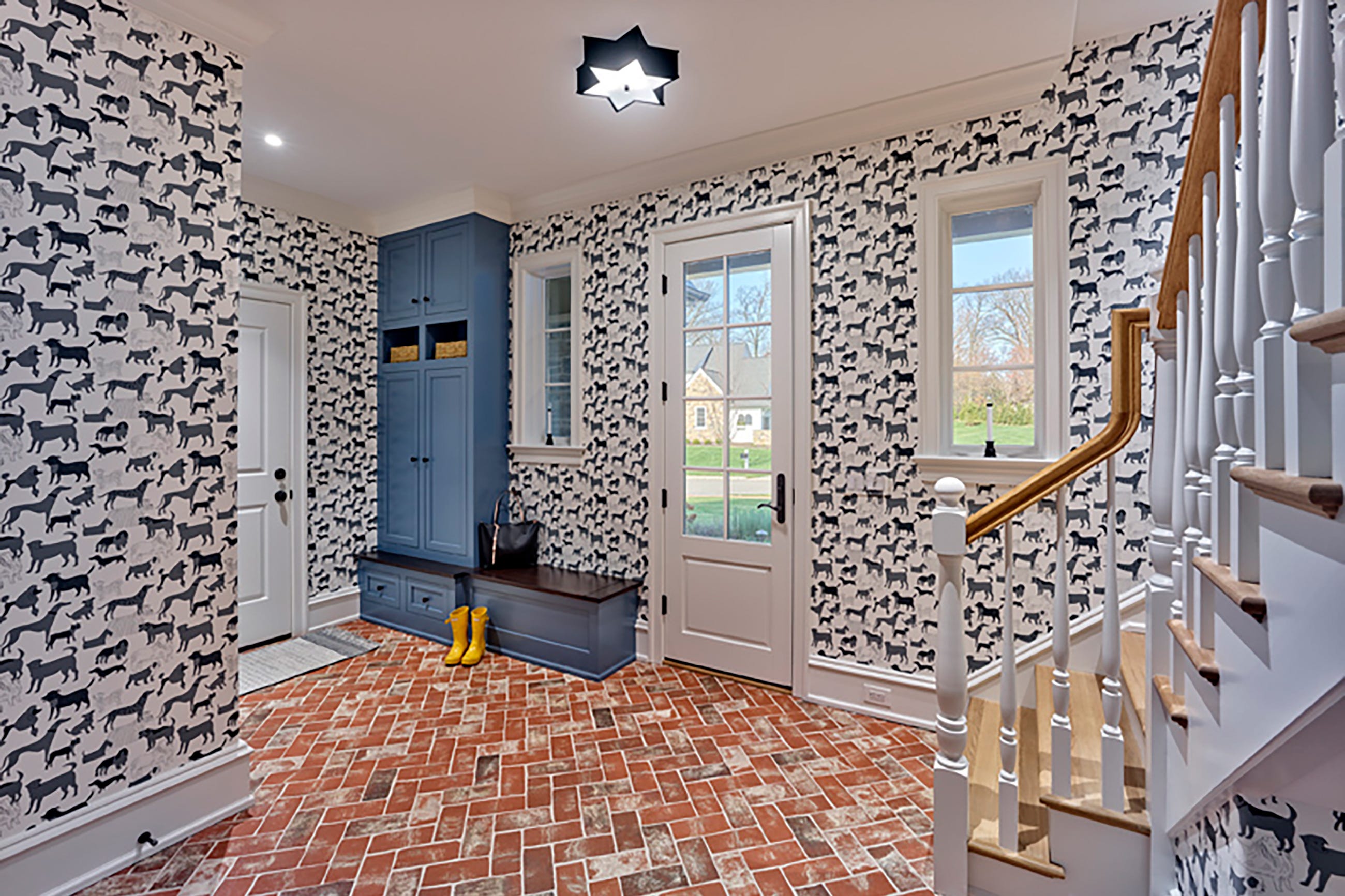
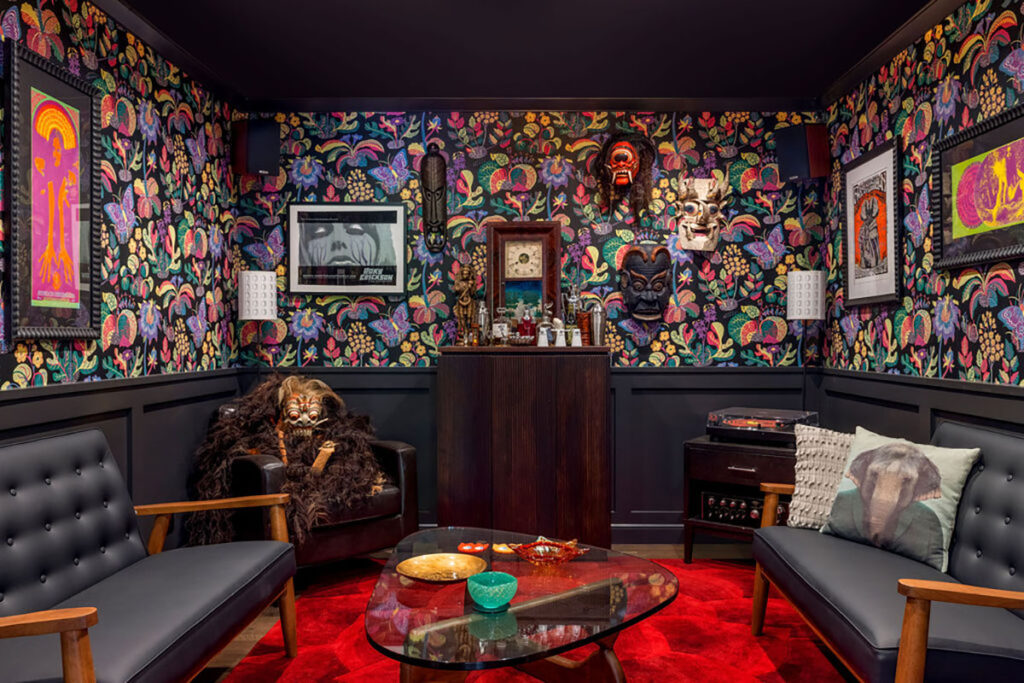
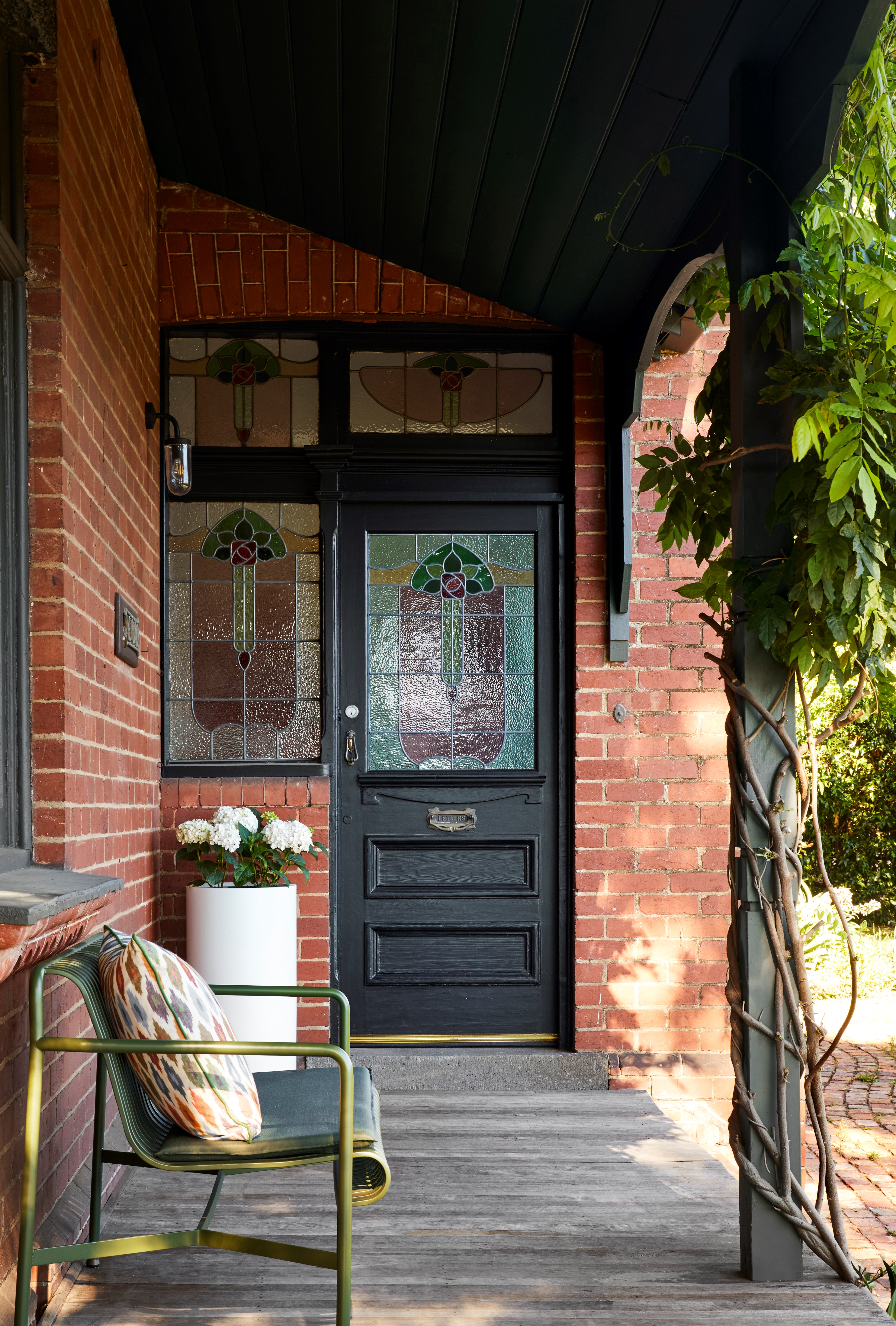
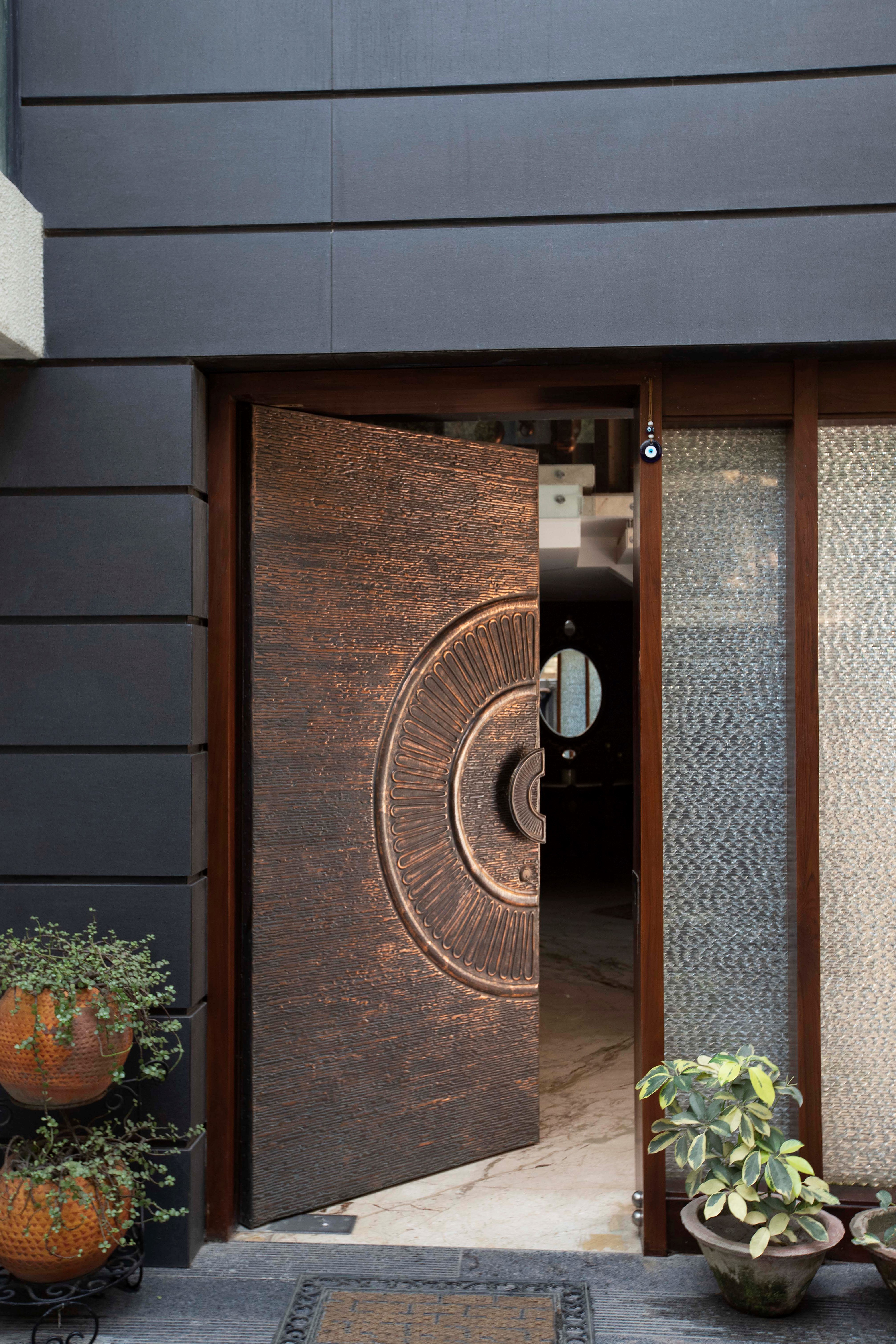
Dark painted interior doors, paired with elegant hardware, are gaining traction for adding warmth and character, transforming a standard element into an artistic focal point. This trend signals a shift from standard white doors and trim. Single print drama, where a room is covered floor-to-ceiling in the same print, is celebrated for its overtly glamorous and timelessly chic appeal, inspired by design icons like Gloria Vanderbilt and Lee Radziwill. This style contrasts with industrial design, which is seen as cold and uninviting, with a preference for nurturing and enveloping spaces.
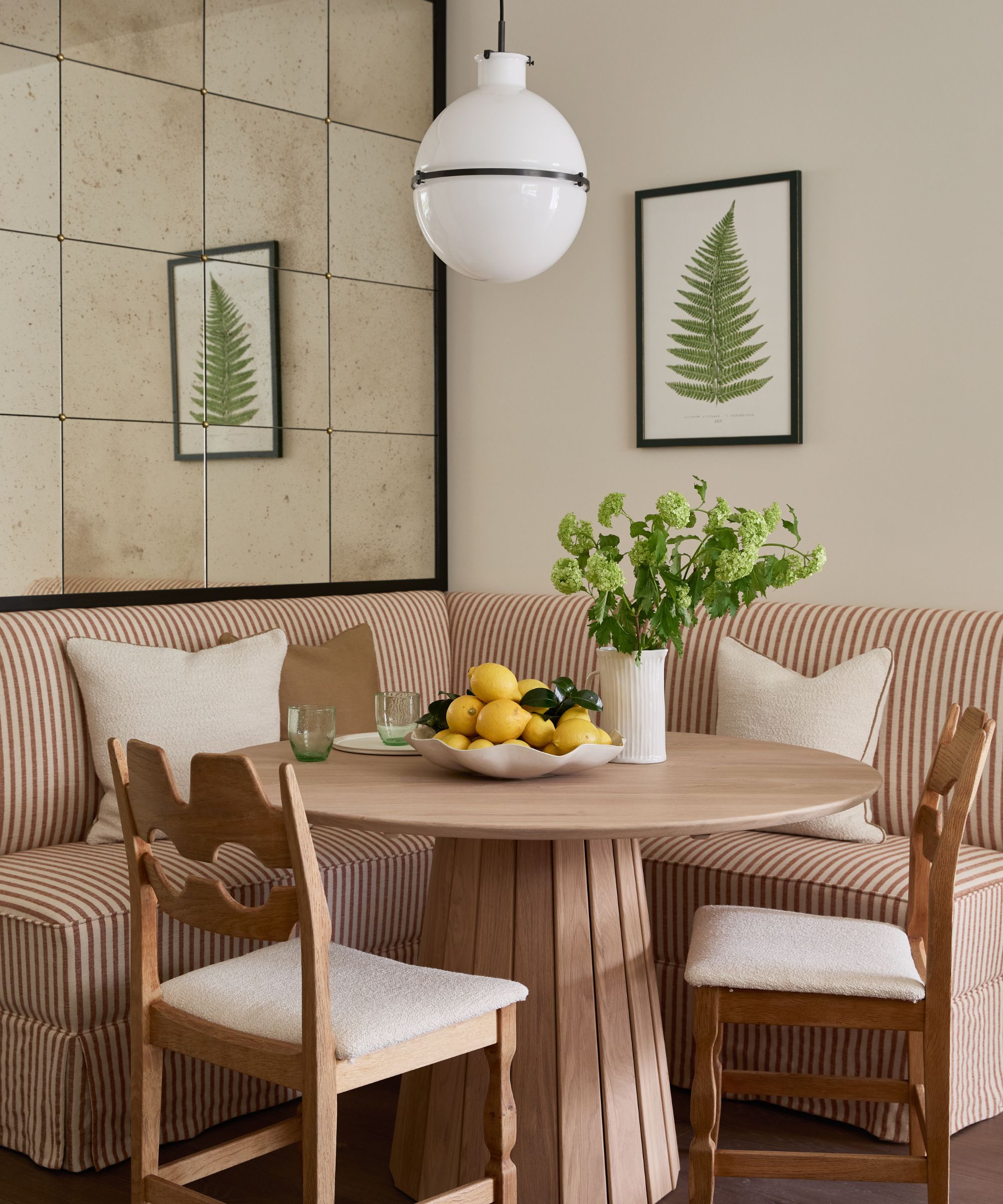
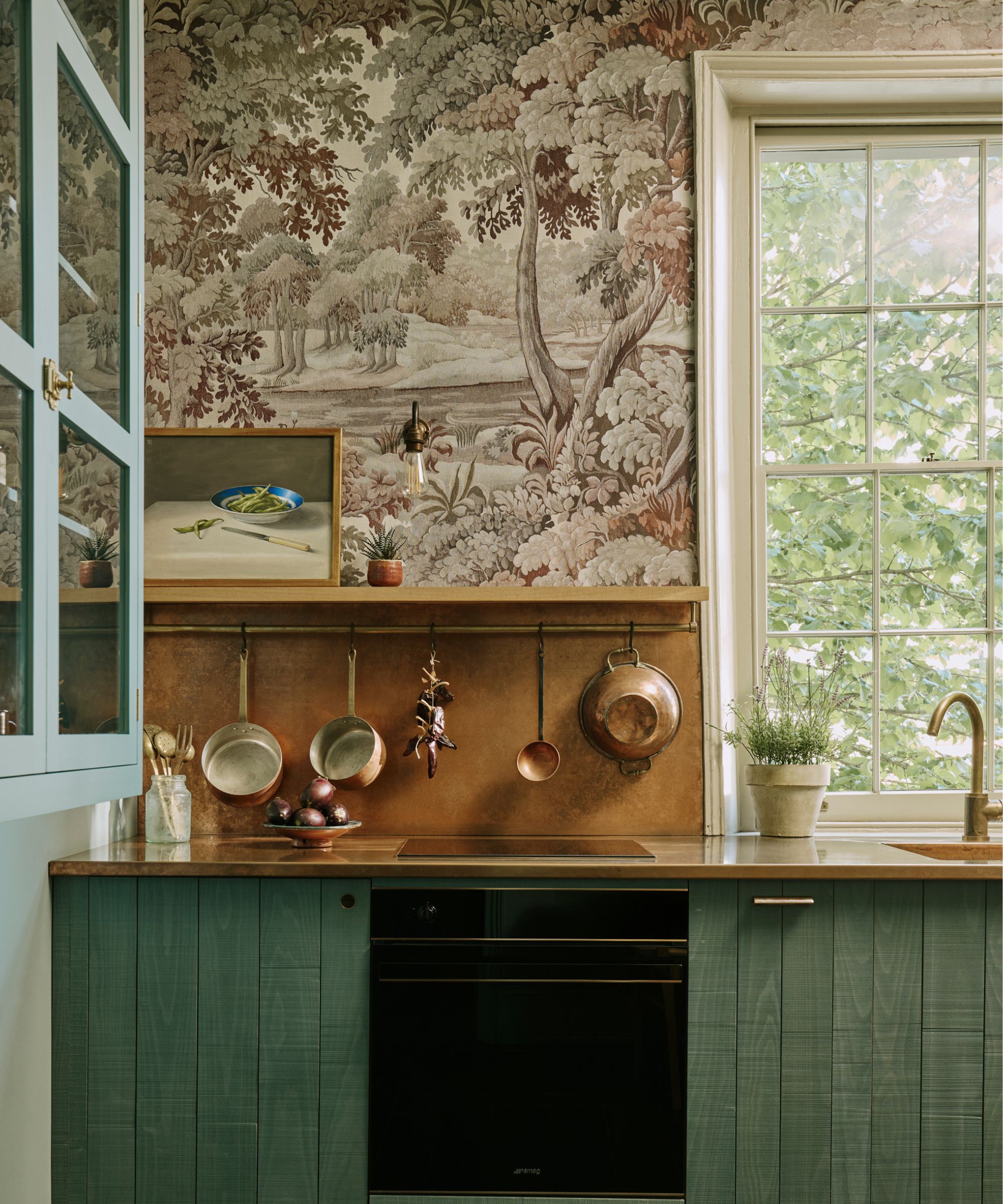
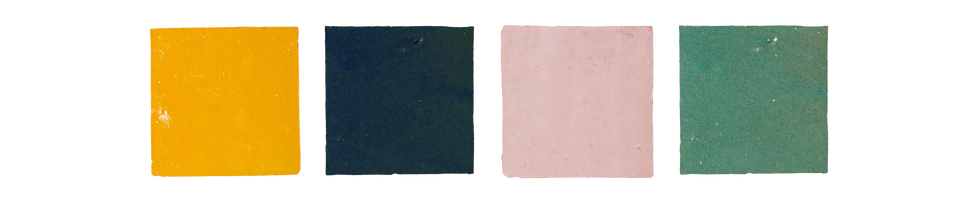
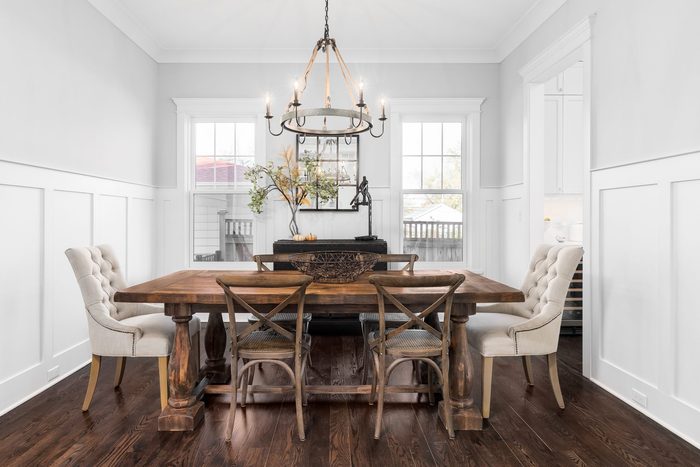
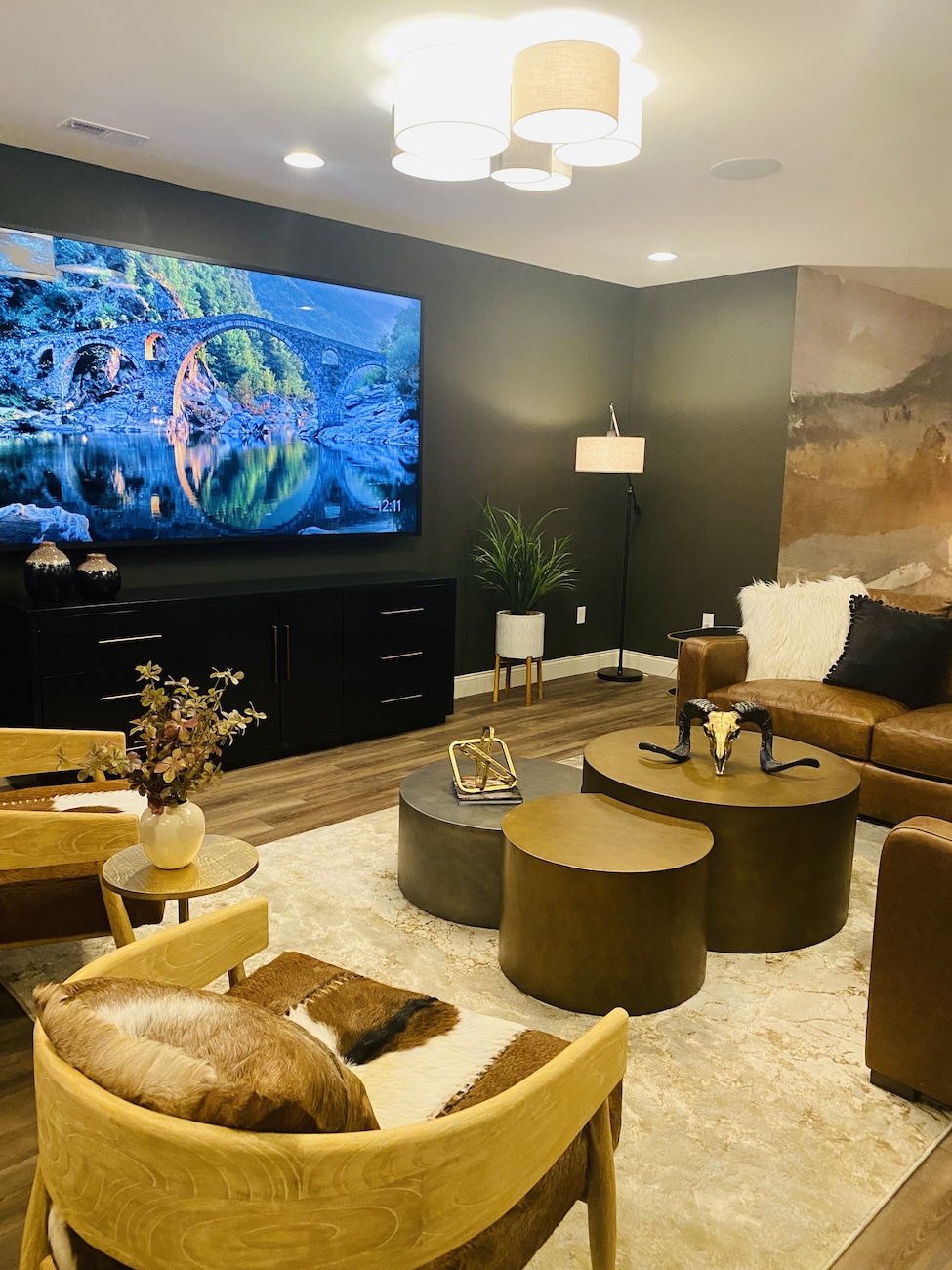
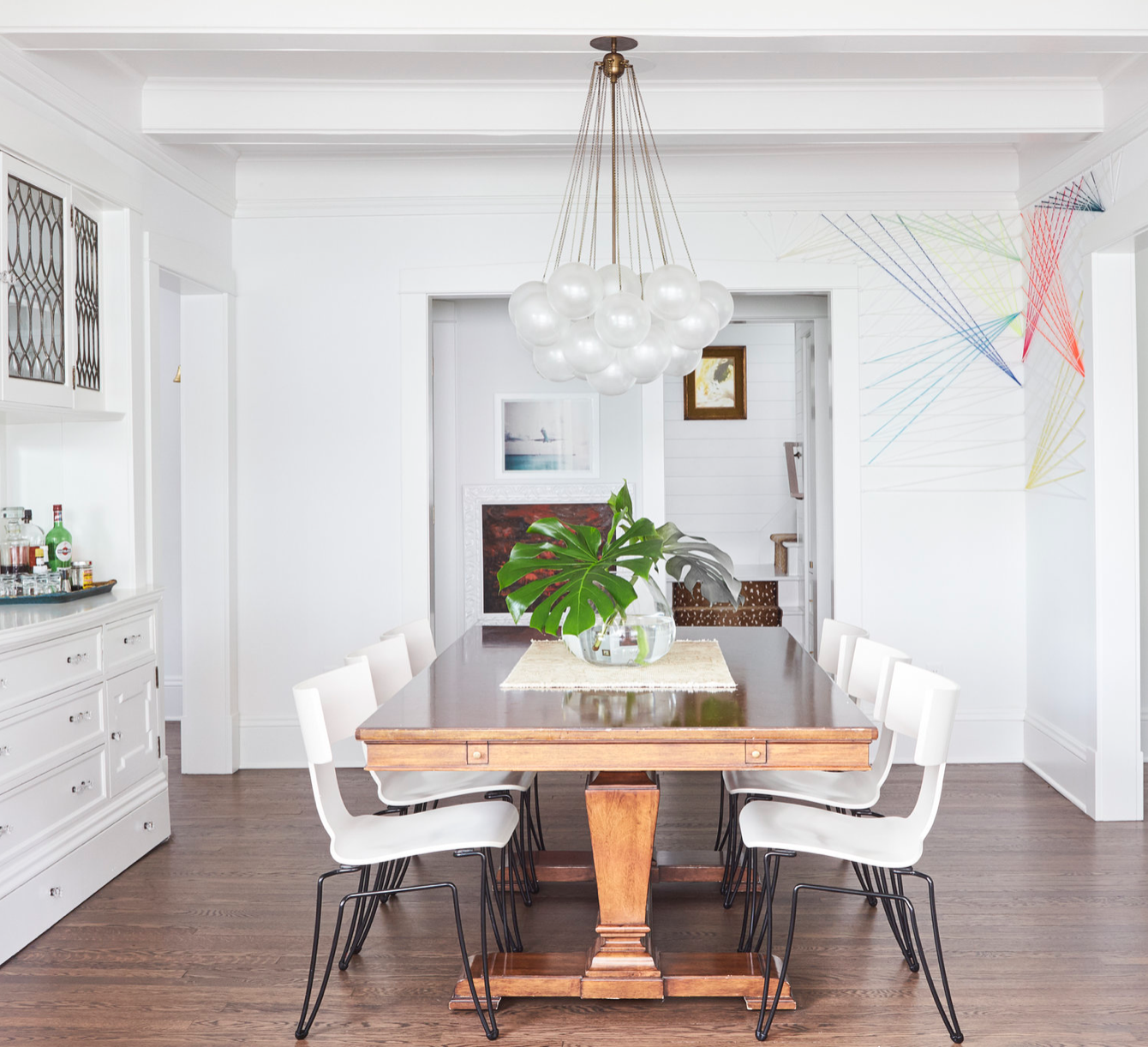
Antiqued landscape tapestries, particularly Belgian verdure tapestries, are highlighted as focal points that bring outdoor colors and textures indoors. This trend replaces the traditional dining table in the kitchen with more comfortable upholstered chairs and lower tables, conducive to relaxed socializing. Earth tones, such as chocolate brown, wine, olive green, and yellow ochre, are replacing cool tones, offering warmth and saturated color to create layered spaces with personality.
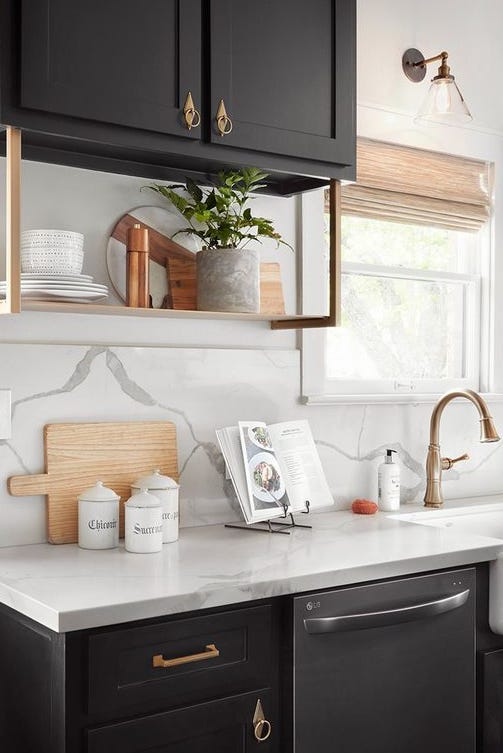
Fun and experimental bathroom designs, incorporating vibrant colors, unique materials, and wallpapers, are encouraged, while open shelving in kitchens is becoming less popular due to practical concerns about tidiness. Washing a room in a single paint color, including walls, ceiling, and trim, is favored for creating a chic and enveloping feel, replacing accent walls. Performance fabrics are essential for their durability and fashionable aesthetic, making all rooms functional for families, in contrast to outdated granite countertops, which are being supplanted by more durable and low-maintenance quartz.
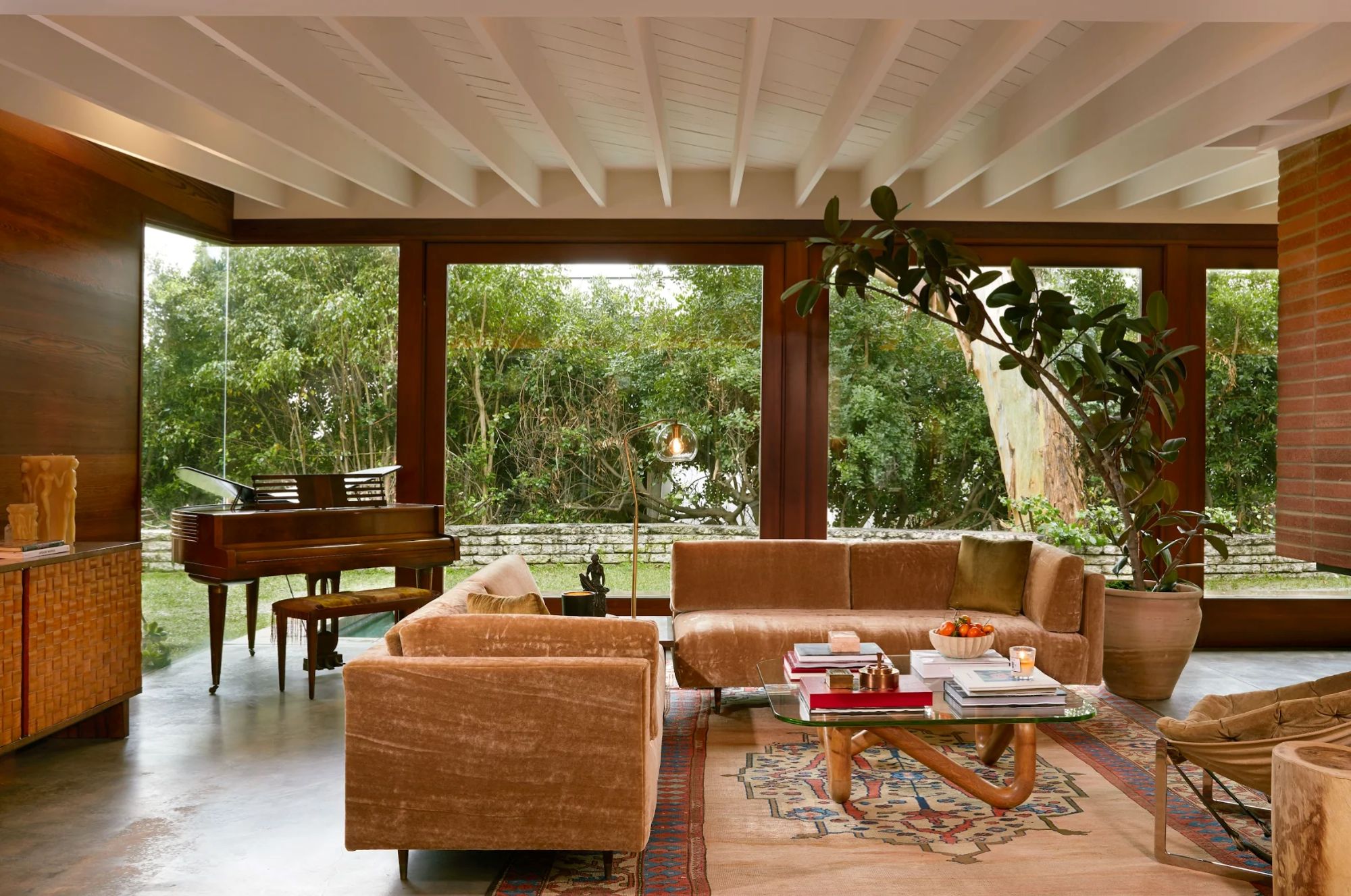
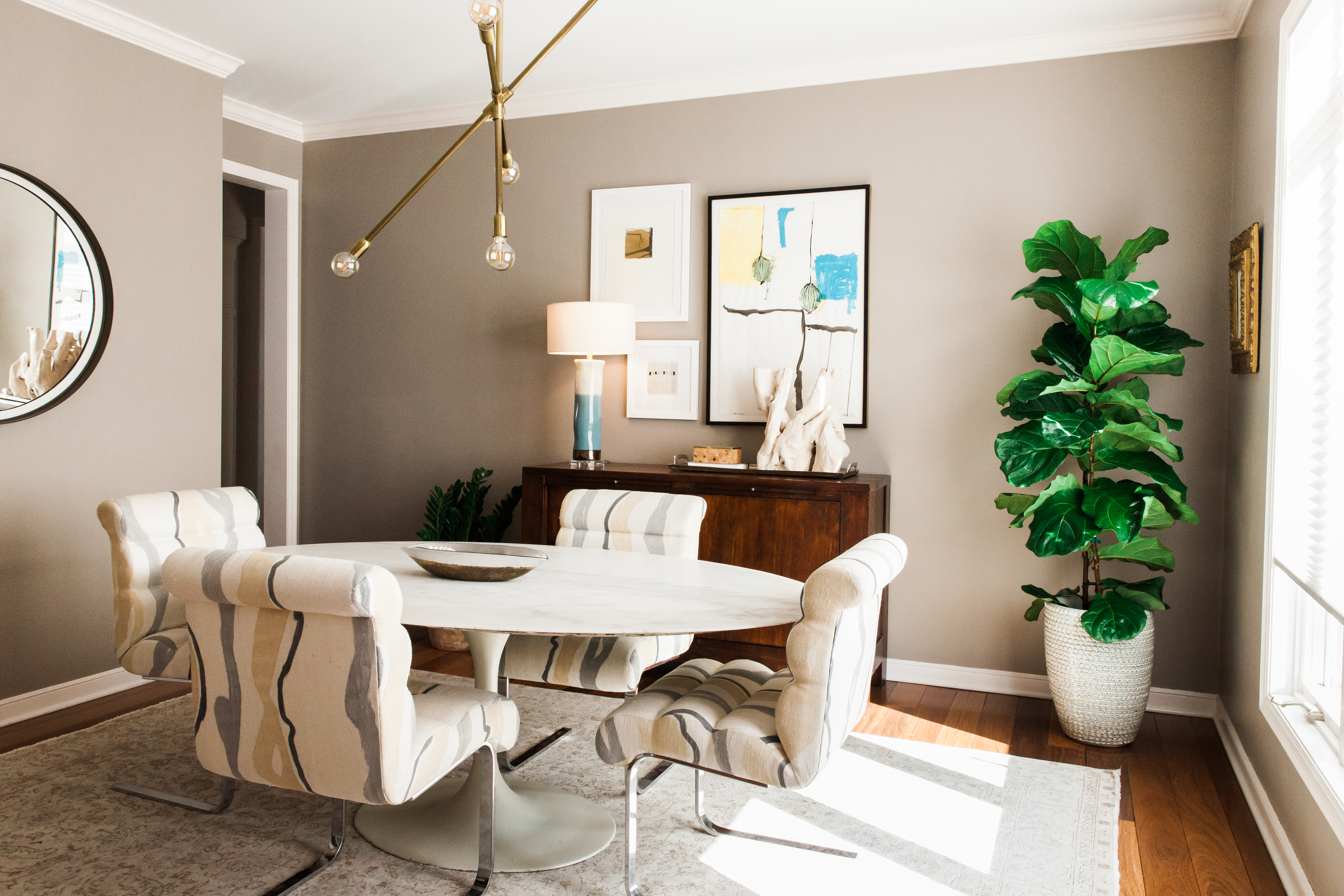
Monochromatic palettes are out, with a shift towards bolder interiors that embrace color and pattern. Classicism, featuring busts and Grecian details, adds perspective to contemporary designs, moving away from mirrored furniture. Real indoor plants are preferred for adding personality and natural character, unlike faux plants that can appear artificial and accumulate dust. Furniture with European-inspired details, such as sloping arms and metal legs, is trending, replacing dated mosaic tiles with sleek alternatives like slab backsplashes and wide-cut marble.
Quality bedding, including a good bed, mattress, and sheets, is emphasized as a worthwhile investment for comfort. Over-the-range microwaves are considered impractical for main kitchen focal points, with a preference for tucked-away but accessible microwave spaces. Rattan and wicker furniture are experiencing a resurgence, balancing modern and traditional styles, while subway tiles are seen as overused, making way for new and exciting tiles with diverse colors, textures, and organic shapes.
Upholstered walls are preferred for making a statement, offering a more dramatic alternative to tall headboards. Karate chopped pillows are considered outdated. Biophilic design, which connects indoor spaces with nature, is gaining importance for its health, environmental, and economic benefits. This trend discourages temporary void shopping for furniture, advocating for patience and thoughtful, permanent design choices for sustainability.
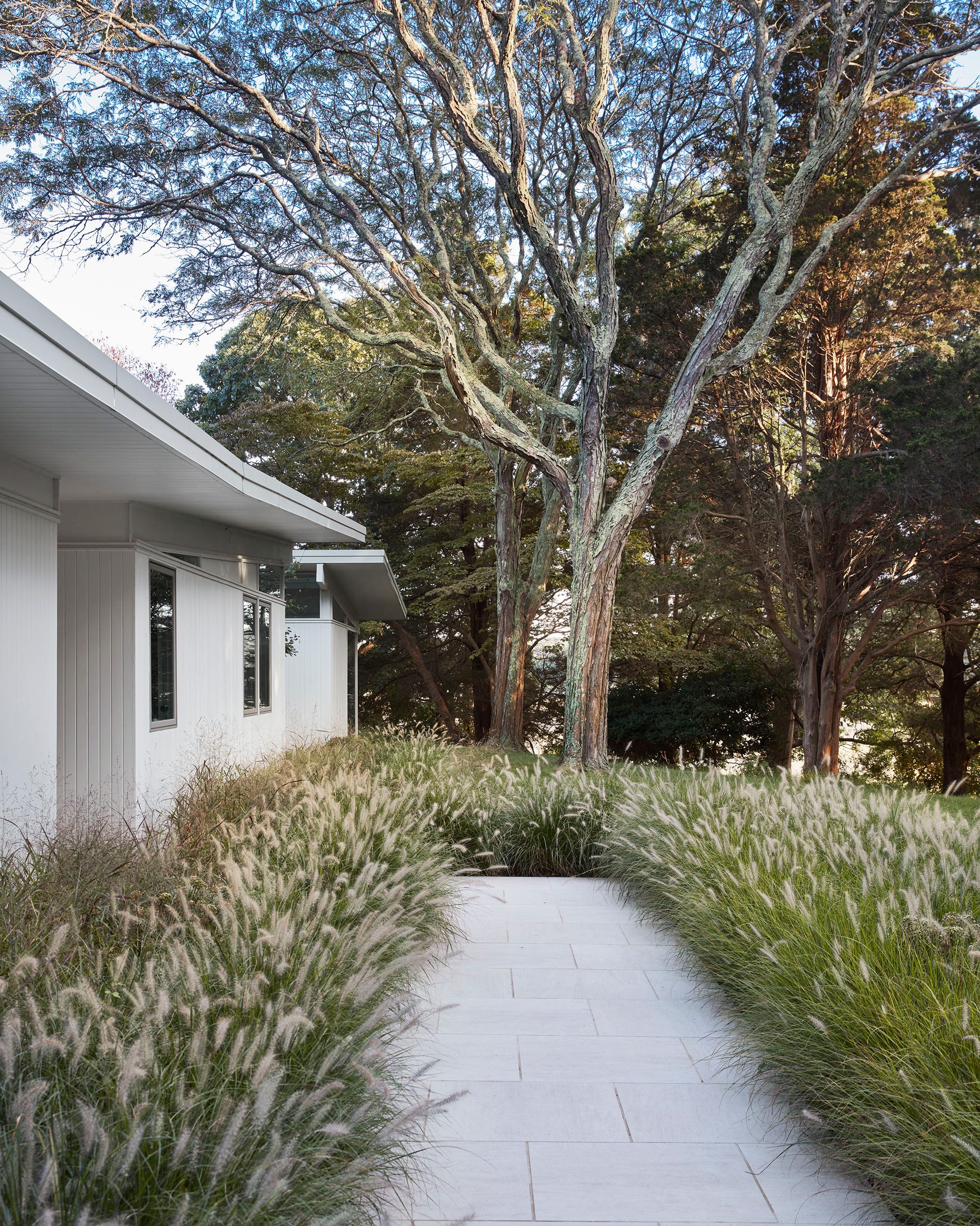
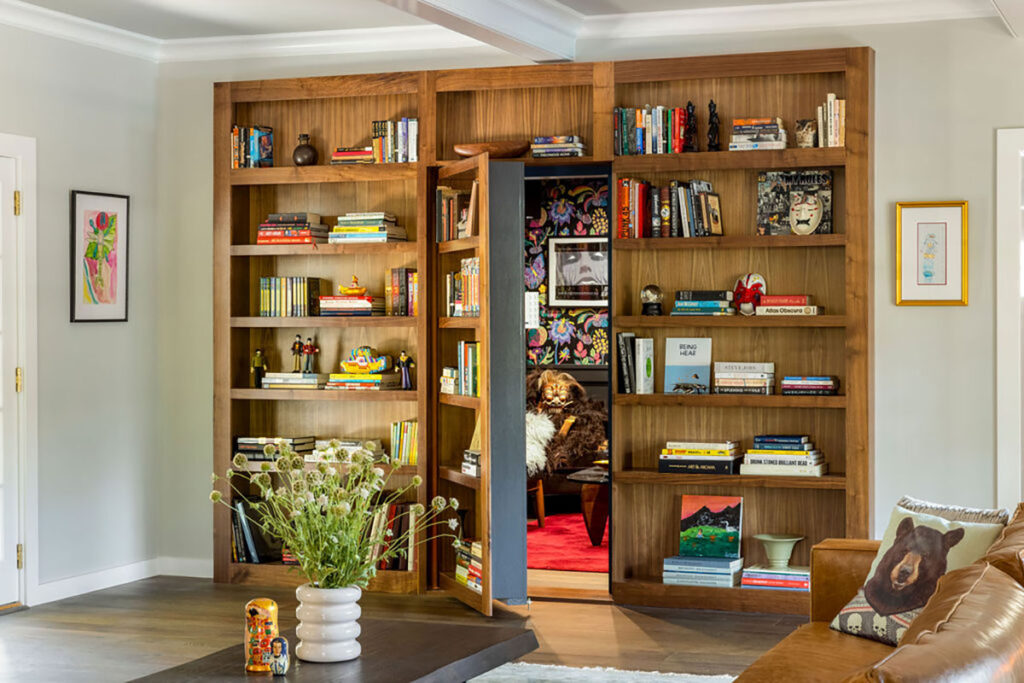
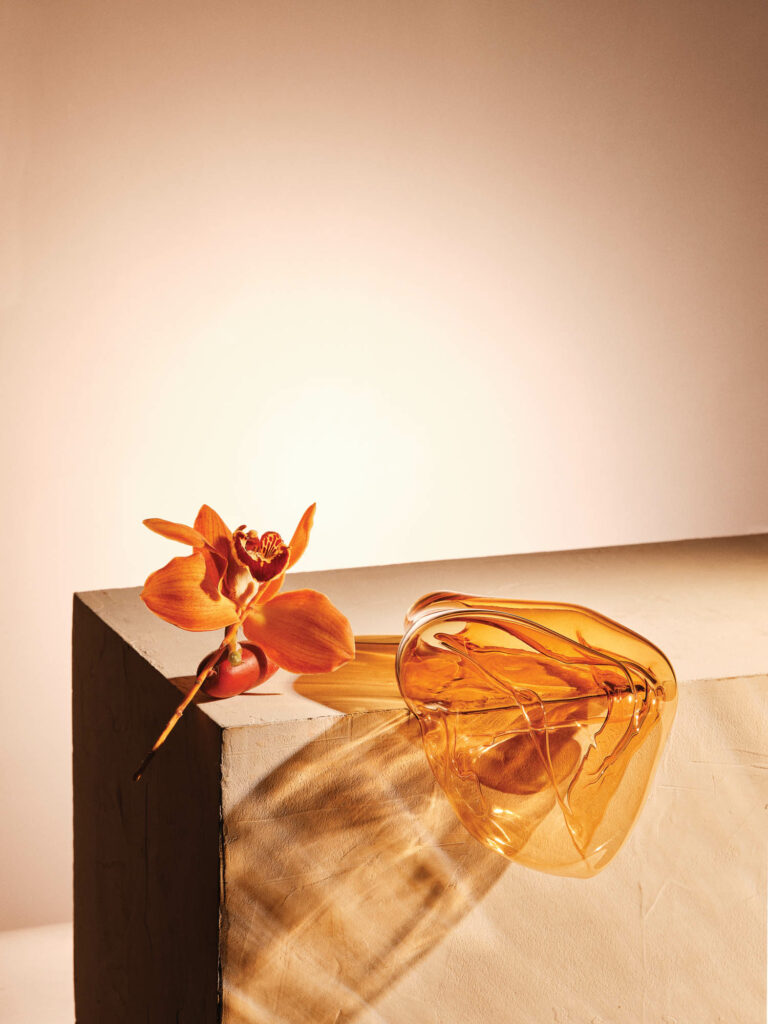
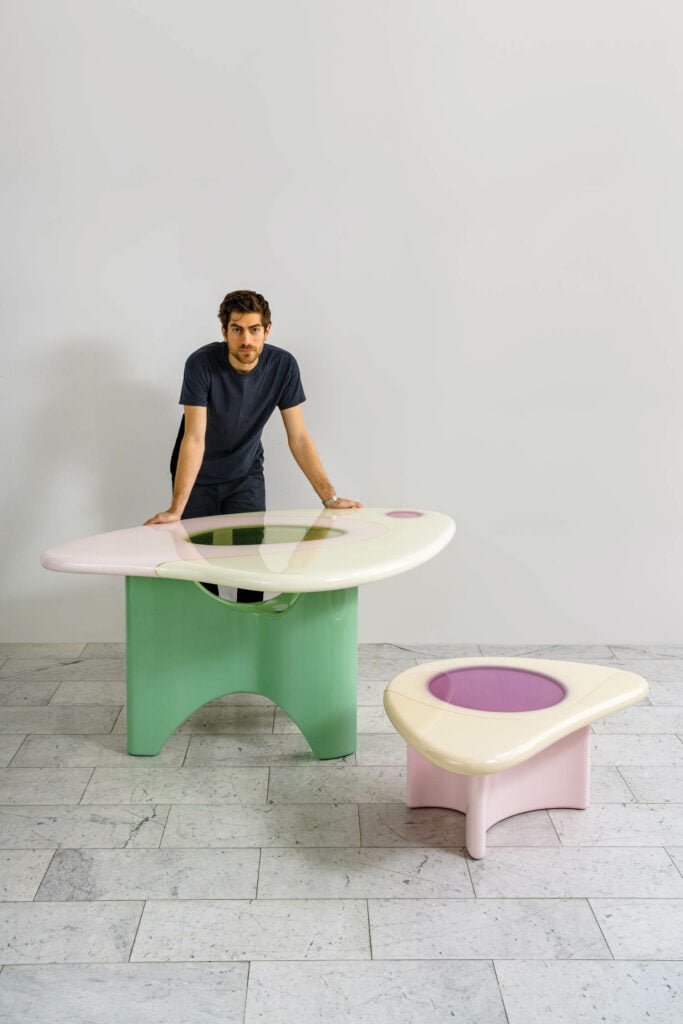
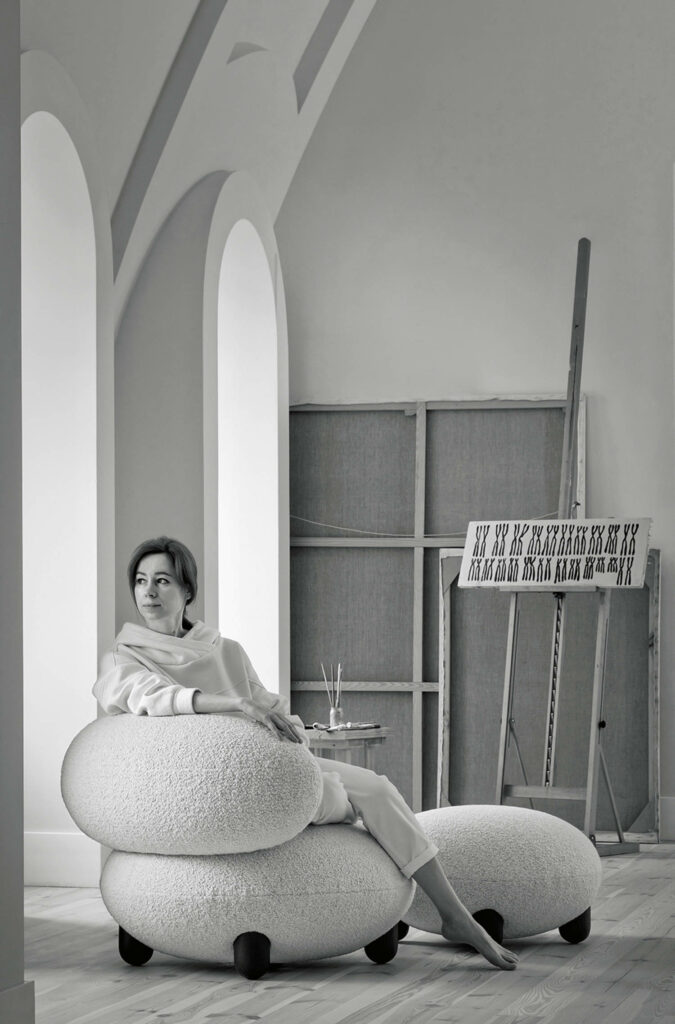
Multi-functional spaces, where areas like closets and home offices are combined and can be discreetly hidden, are becoming popular for optimizing unused space. This is a departure from formal separation of spaces, as clients seek fluid living areas and often convert underutilized rooms into new dressing spaces. Finally, fire bowls are emerging as functional art pieces in landscape design, replacing dated and impractical resin fire coffee tables. Terrazzo flooring, with its endless color and pattern combinations, is re-emerging as a stylish alternative to cold, flat concrete floors. Faux marble, made from porcelain and man-made materials, is gaining favor for kitchen countertops due to its low maintenance, offering a practical alternative to real marble which requires significant upkeep and is prone to staining and etching. Neotenic furniture and accessories, characterized by chunky, organic shapes, add a playful touch to spaces, signaling the decline of arches as a prominent design element. Classic interiors, emphasizing timeless taste and comfort, are making a comeback, moving away from the sterile all-white kitchen trend. Furniture with rounded edges, inspired by the 80s, is becoming popular for its fun and modern appeal, while uncomfortable metal-framed furniture, associated with glamorous but less practical designs, is on its way out.
#HomeDesignTrends #InteriorDesign #HomeDecoration #KitchenDesign #FurnitureTrends #ColorPalettes #EcoFriendlyDesign #GrandmillennialStyle #BiophilicDesign #HomeDesignTrends #InteriorDesign #HomeDecoration #KitchenDesign #FurnitureTrends #ColorPalettes #EcoFriendlyDesign #GrandmillennialStyle #BiophilicDesign
0 comment in total
 No comments yet
You may also like
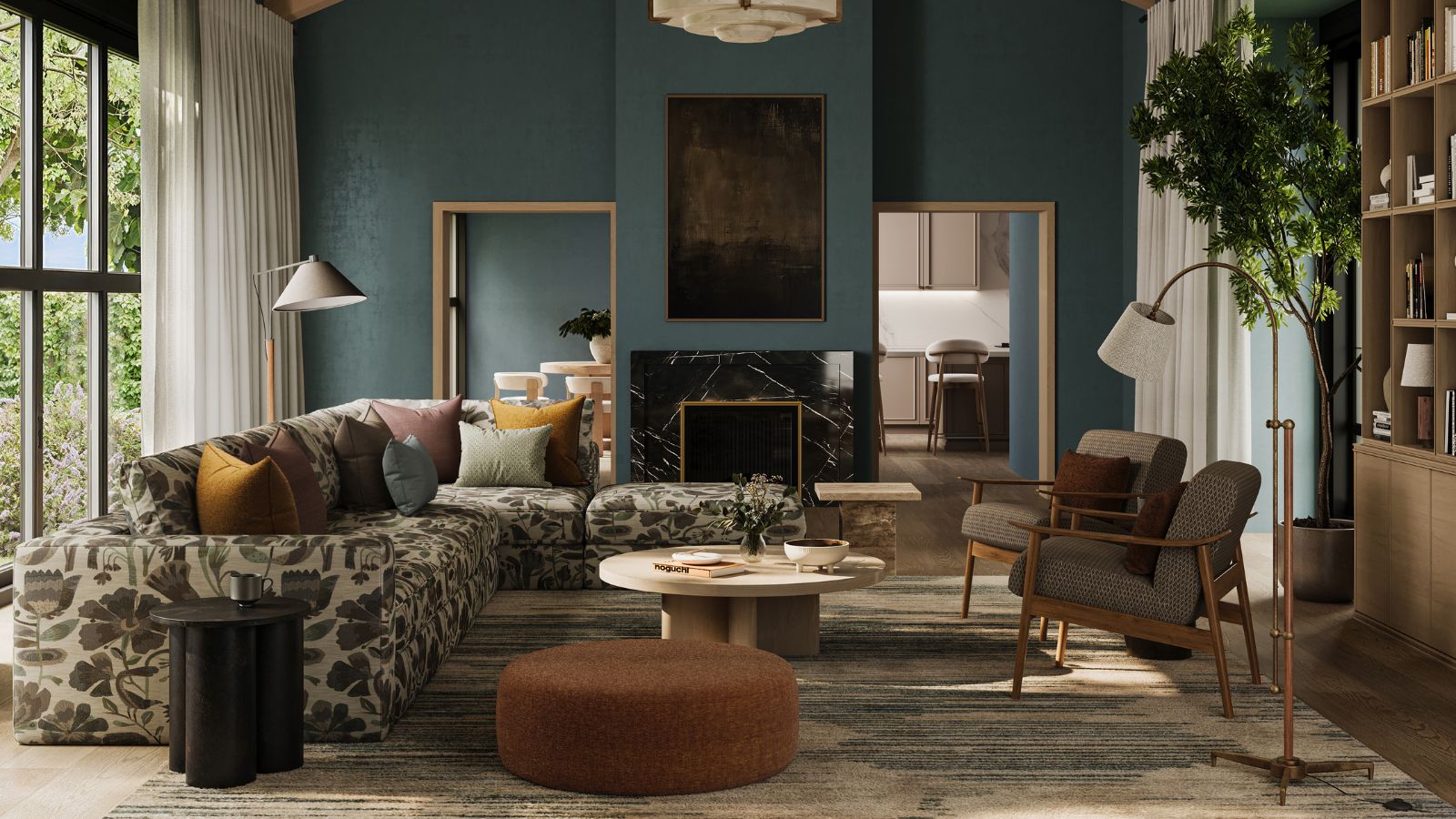
These are the biggest pattern trends designers are using in 2025 and beyond

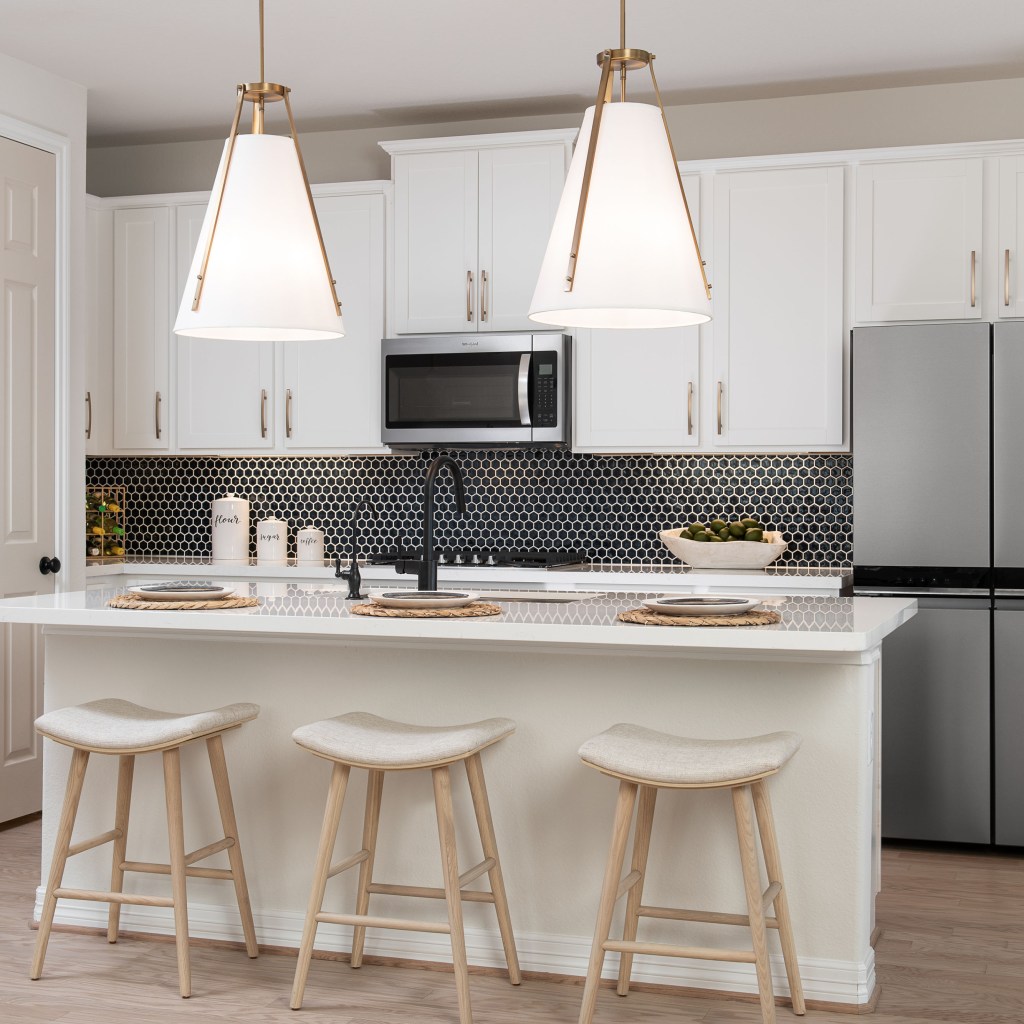
These are the kitchen trends designers say will elevate your design
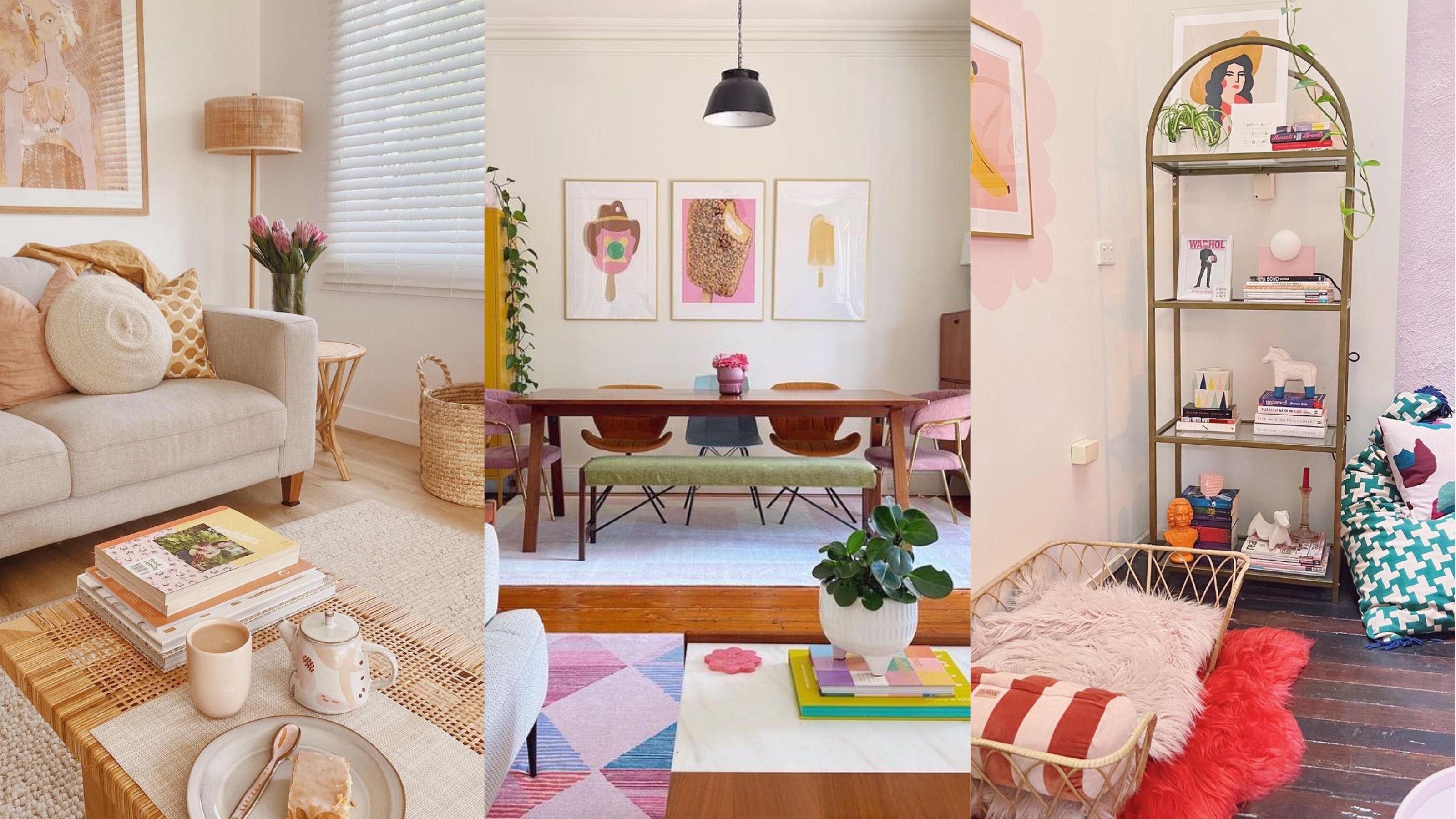
Top interior design trends 2020

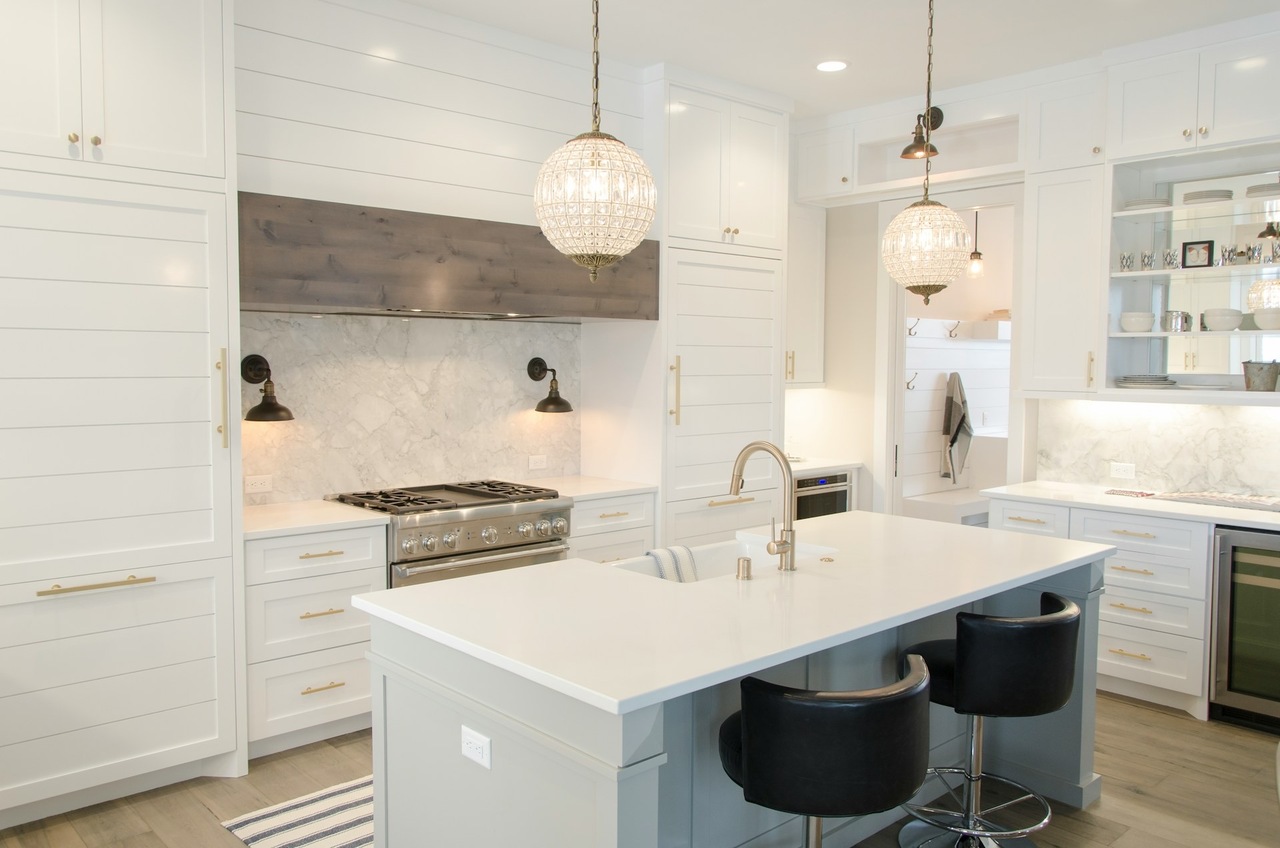
Modern Elegance: Top Trends In Interior Design You Need to Know

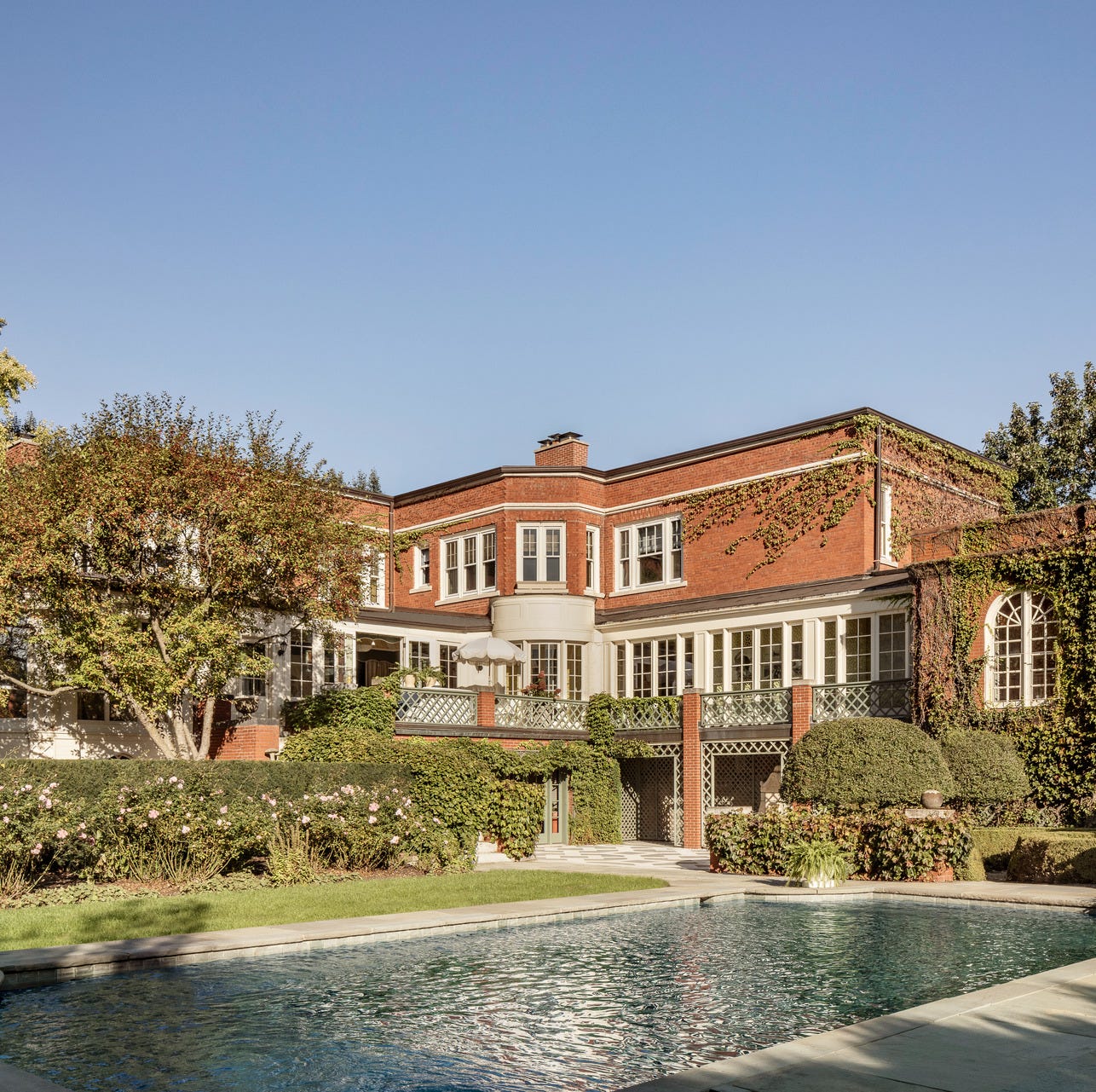
6 "Essential" Architecture Trends Design Lovers Need to Know
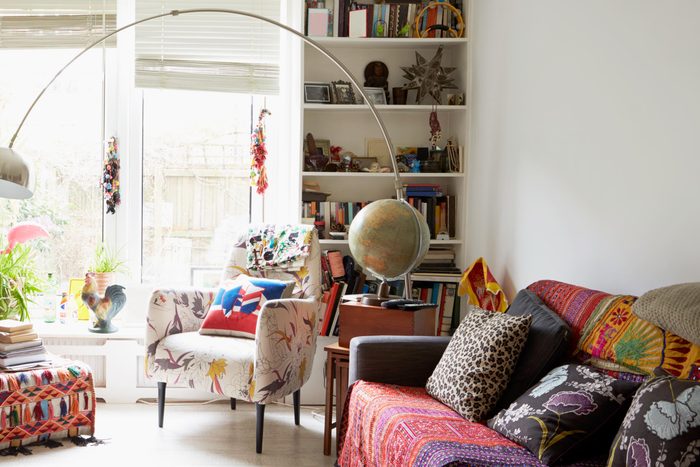
8 Most Popular Interior Design Styles You Should Know

Emerging home design trends to tap into now
Material Innovation At Its Best: Explore Design Standouts

These 20 Interior Design Trends Are Too Good to Overlook

The One Design Trend You Should Try, Designers Say (and It's Not Color Drenching)

Stay ahead of this season's hottest interior design trends with Next
Top Designers Reveal the Biggest Kitchen Design Trends of the Year
2025 Design Trends We're Loving
'Good design holds up' – 16 mid-century modern ideas that prove this design style will always be trending
10 Hottest Home Design Trends to Watch for 2025
11 Front Door Trends That Set the Tone for a Classy Home — Materials, Colors and Styles Architects Love Now

The Top 10 Kitchen Trends of 2024, According to Experts

The Design Industry’s Coolest Trend Is Hiding in Plain Sight
Design Trends: Retro Revival

2008 Design Trends