Modern Elegance: Top Trends In Interior Design You Need to Know
The field of interior design is in constant flux, with new trends emerging annually, making it challenging for individuals to stay current and make informed design decisions. Despite this, keeping abreast of the latest trends is essential for creating a home that is both fresh and inviting. Modern interior design emphasizes a blend of sophistication and simplicity, aiming to create spaces that are simultaneously luxurious and comfortable. Understanding current trends is crucial, whether undertaking a full renovation or simply refreshing specific areas of a home, as it enables better choices that enhance a space's aesthetic and feel.
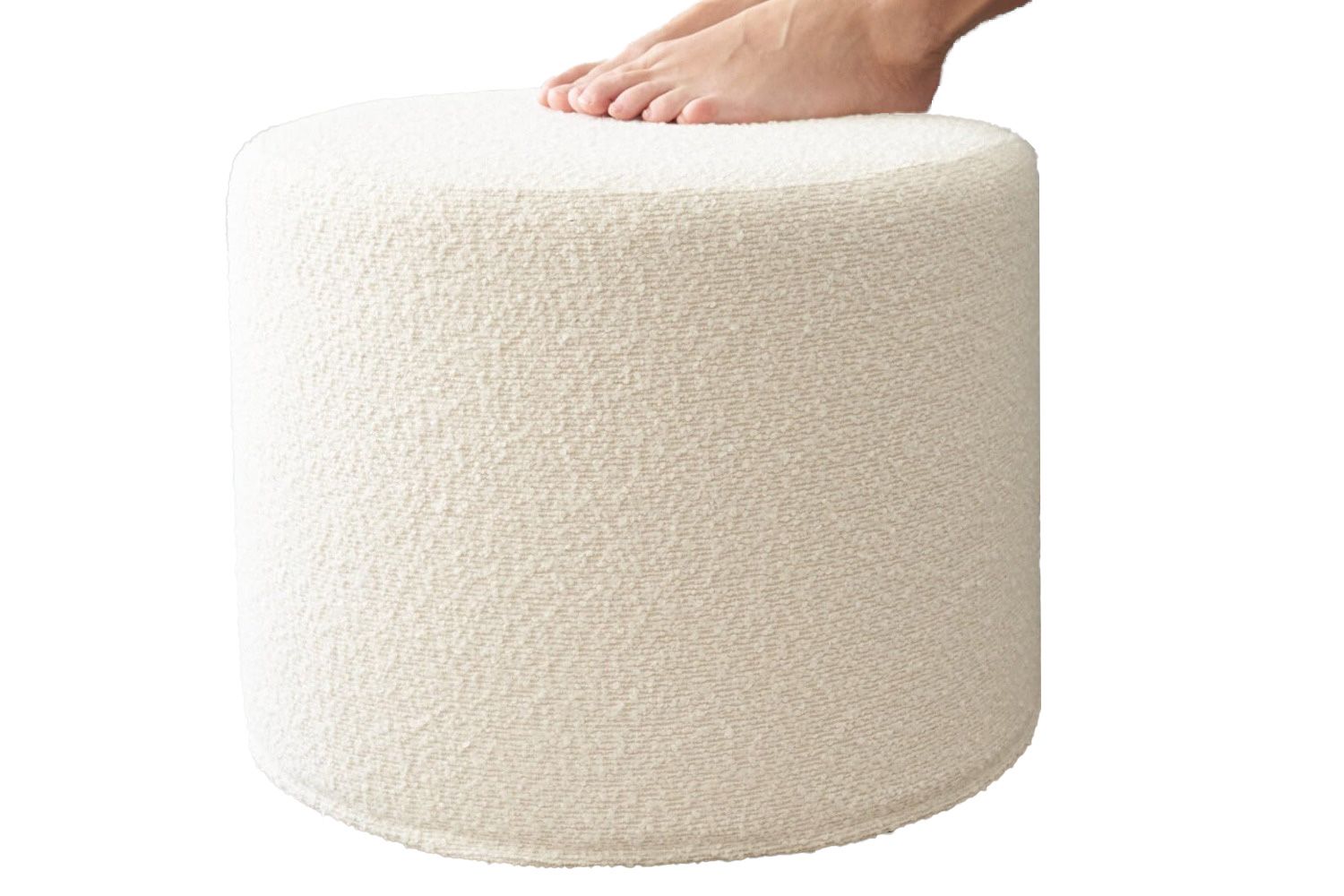
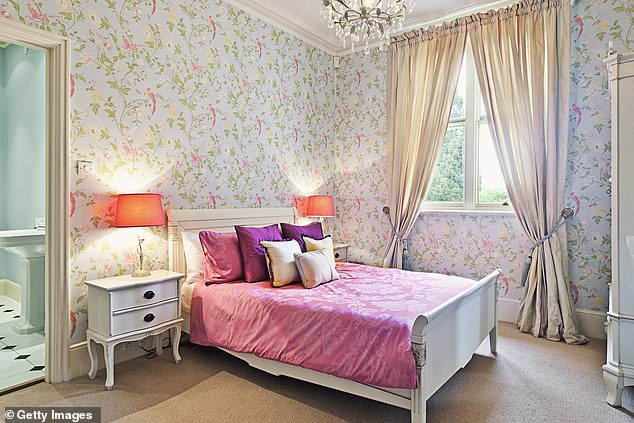
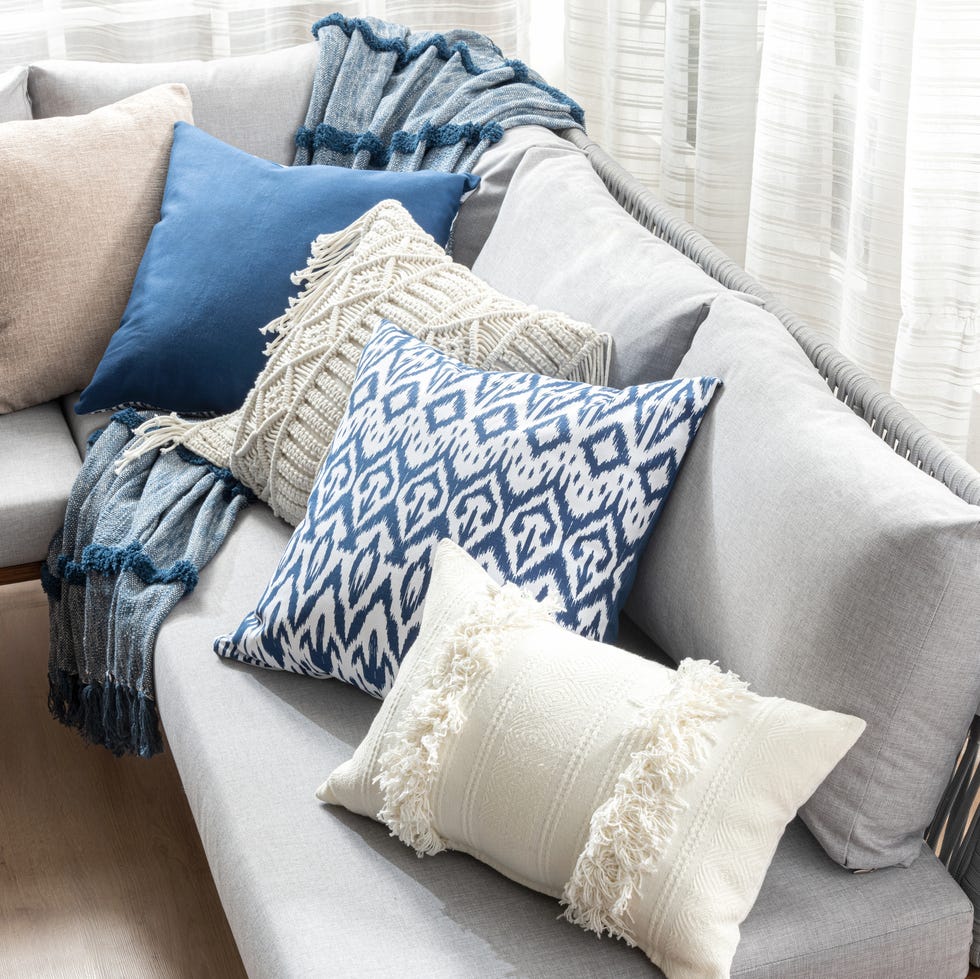
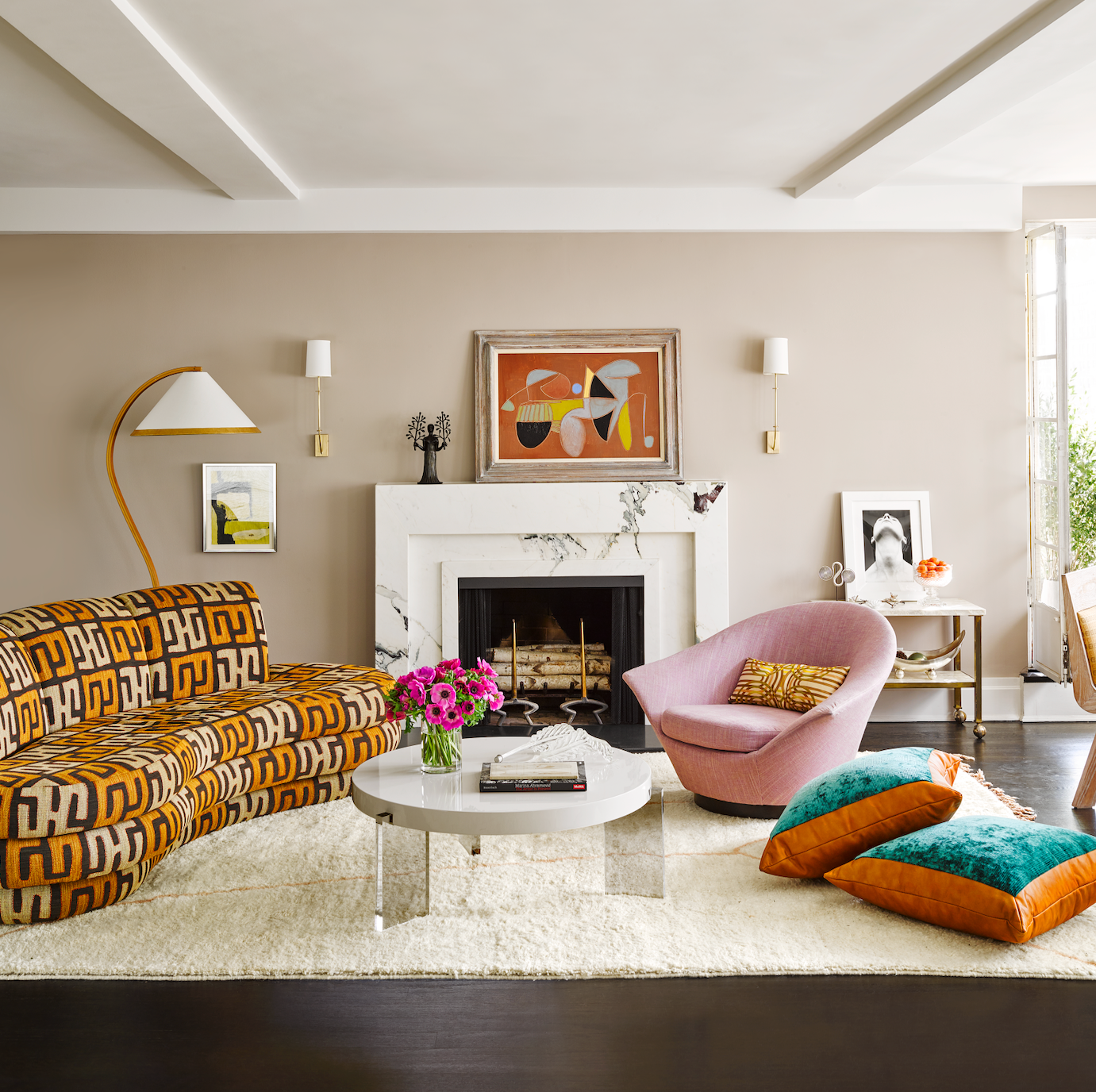
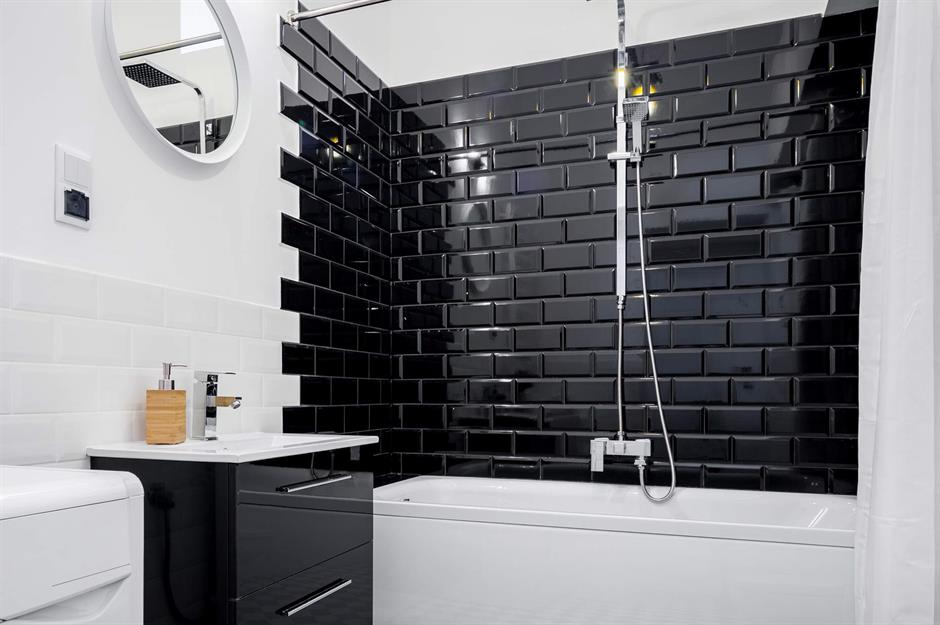
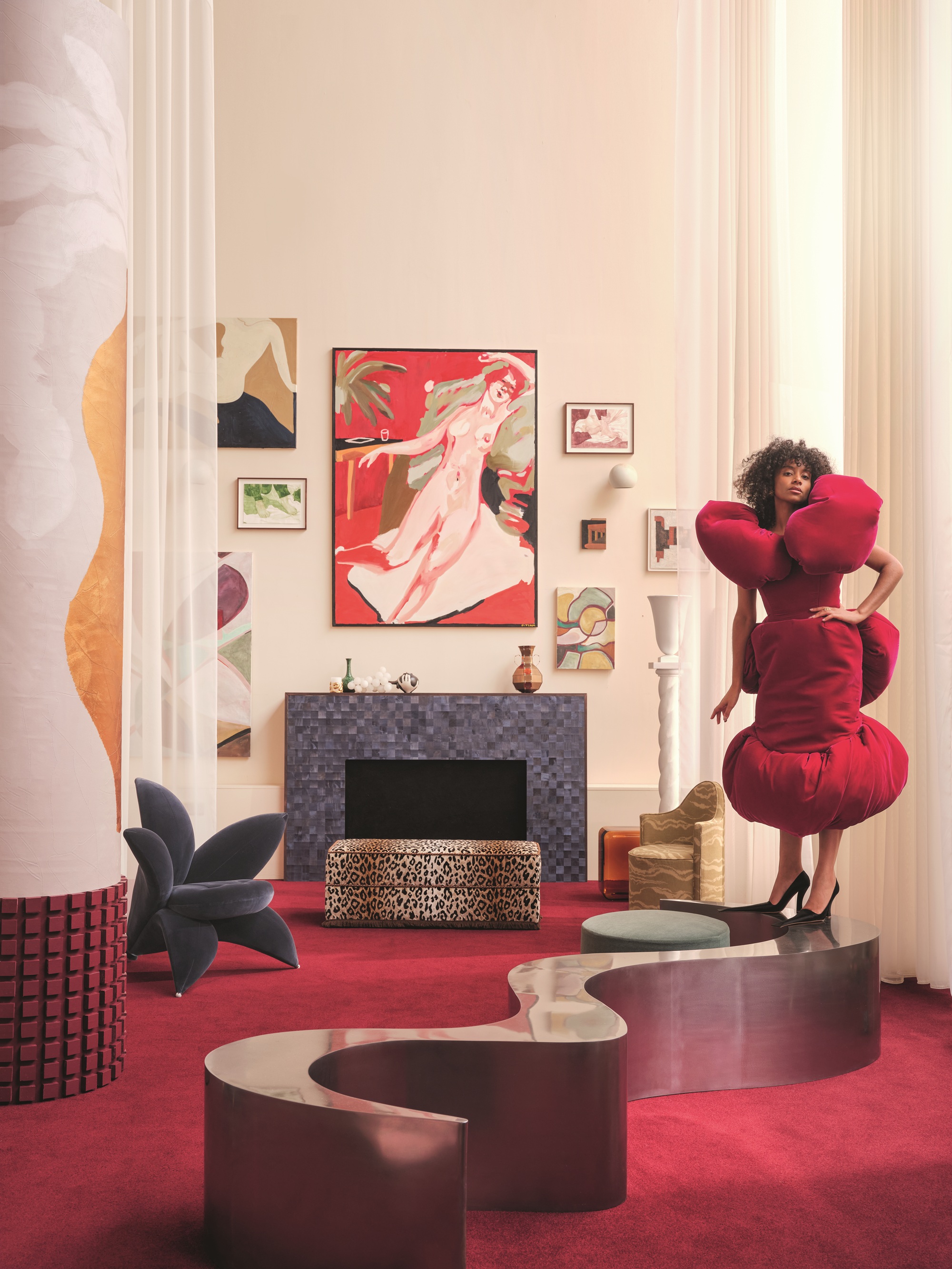
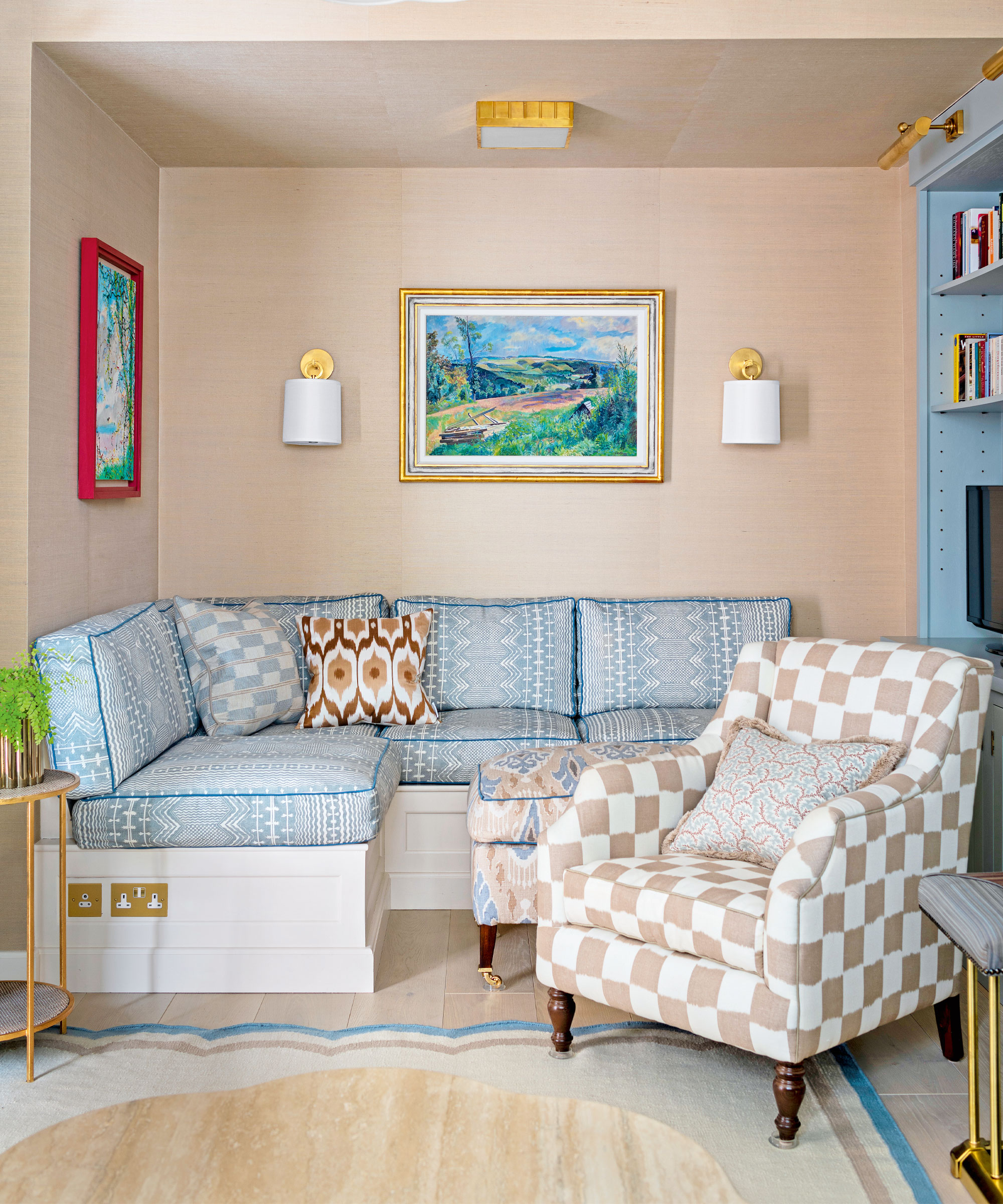
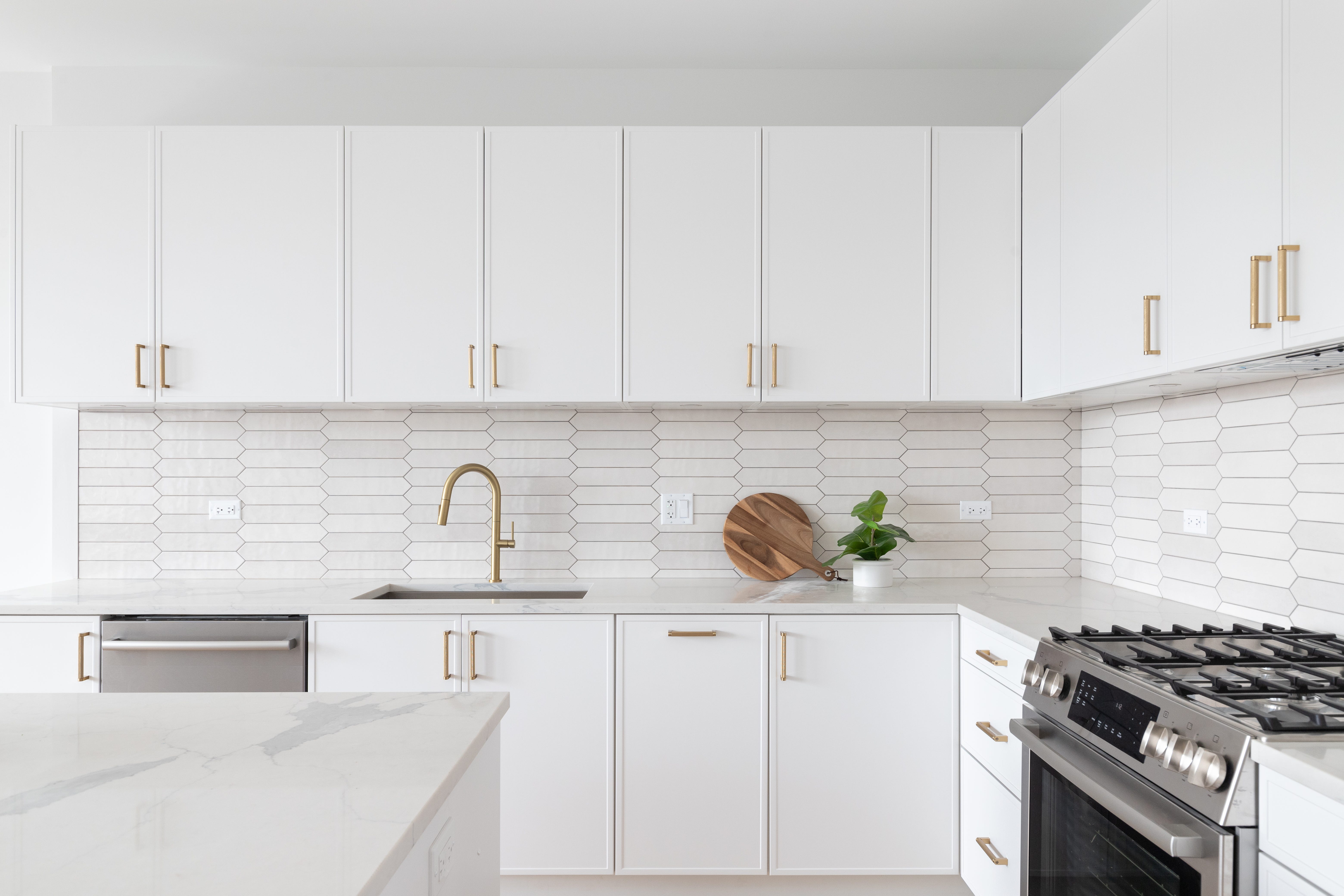
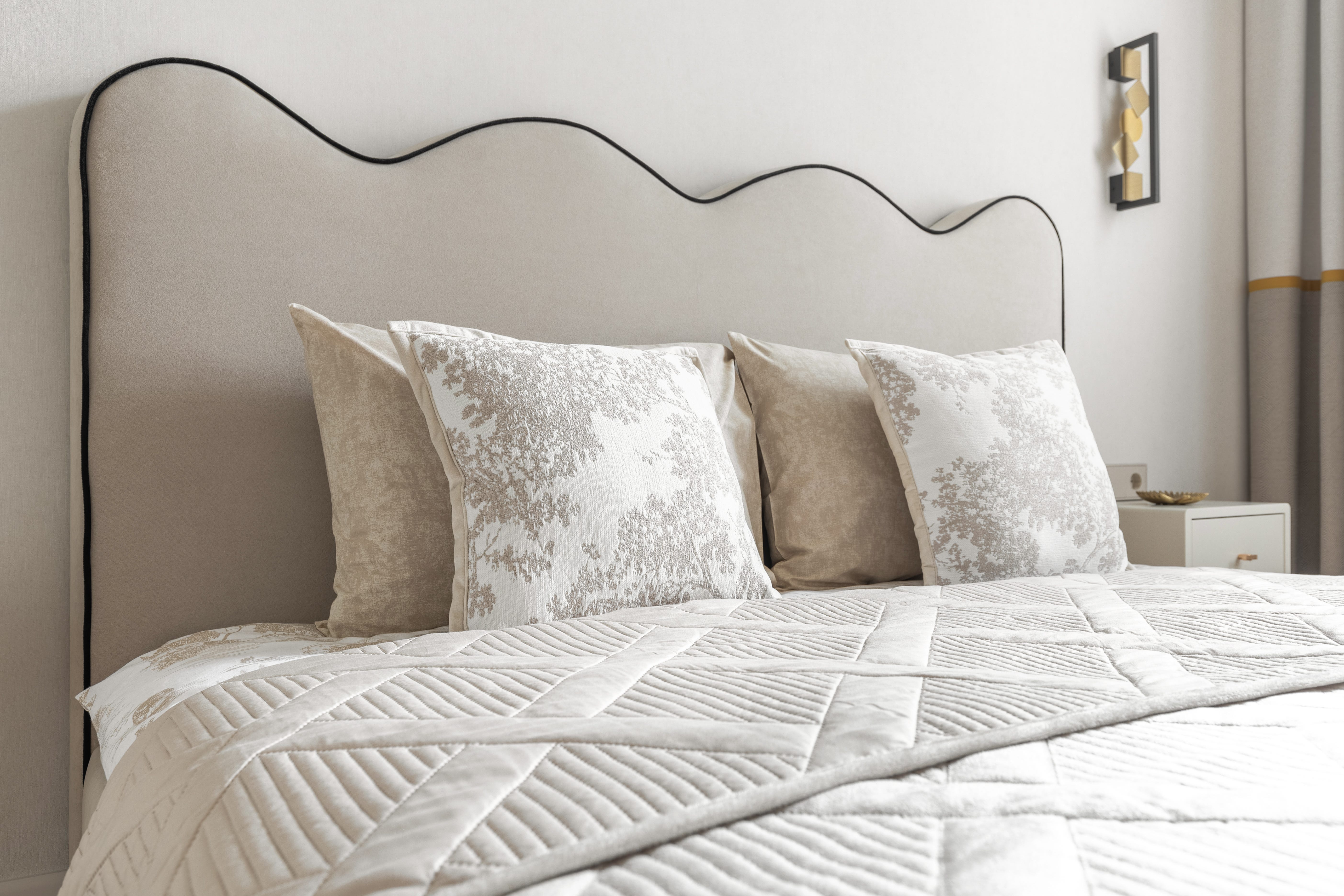
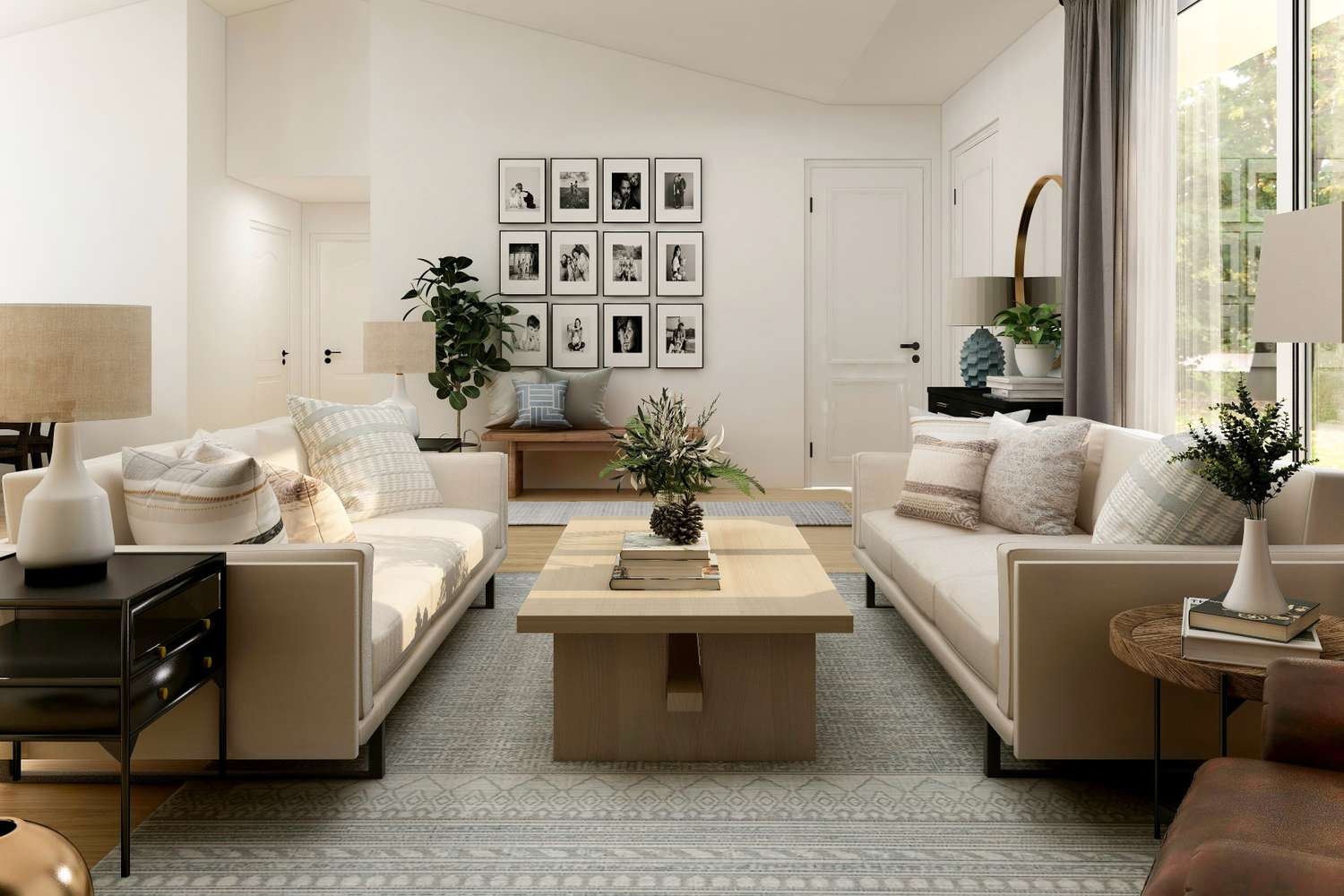
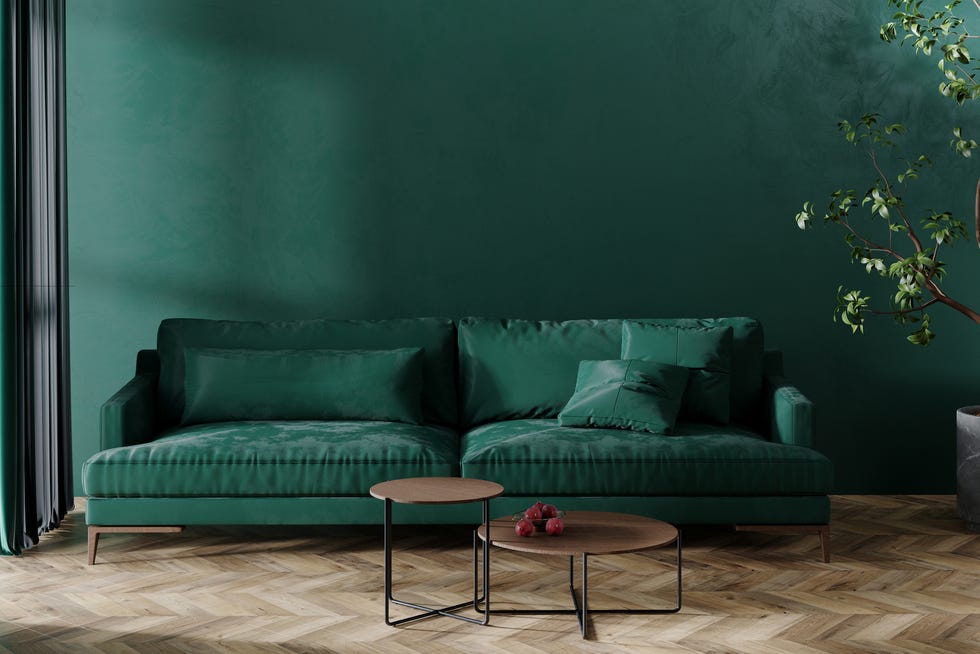
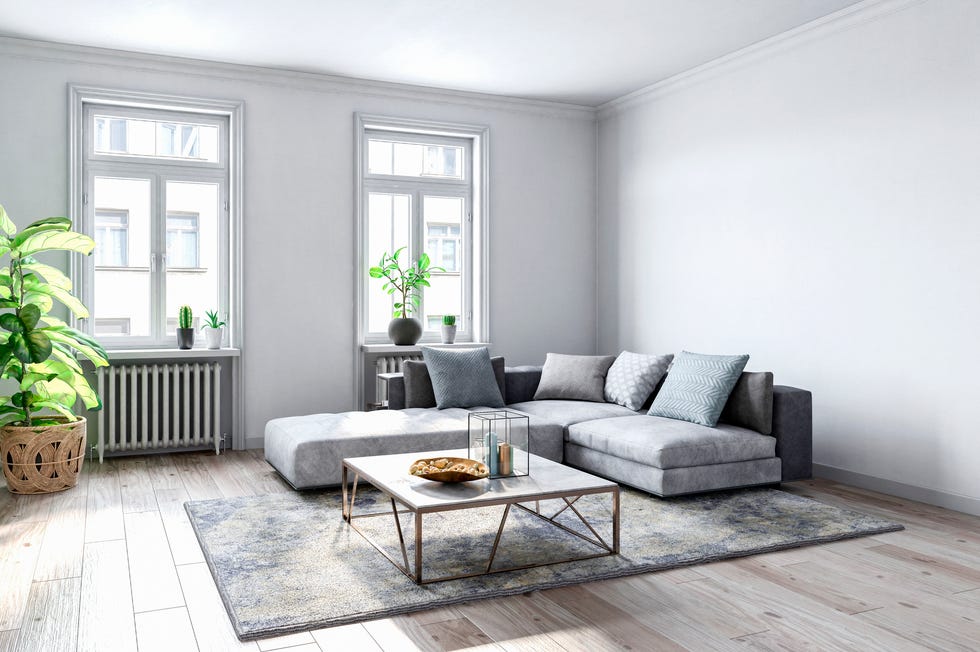
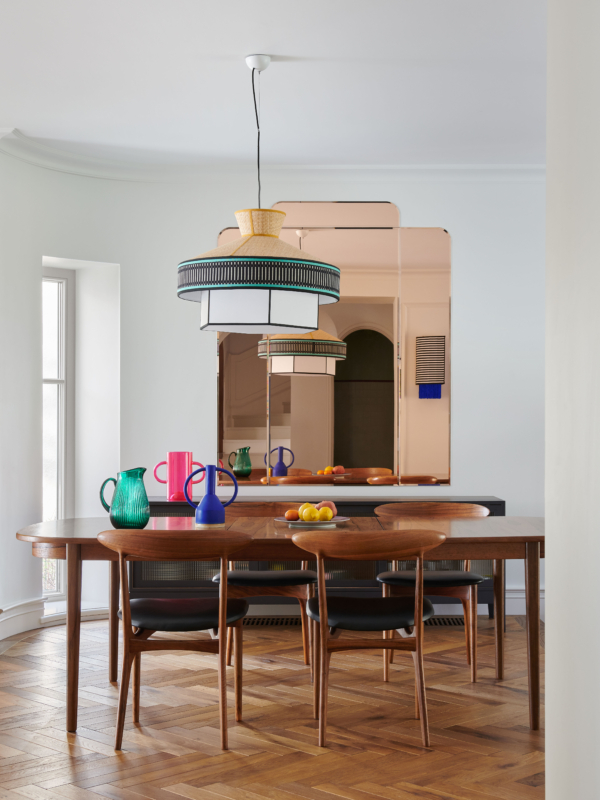
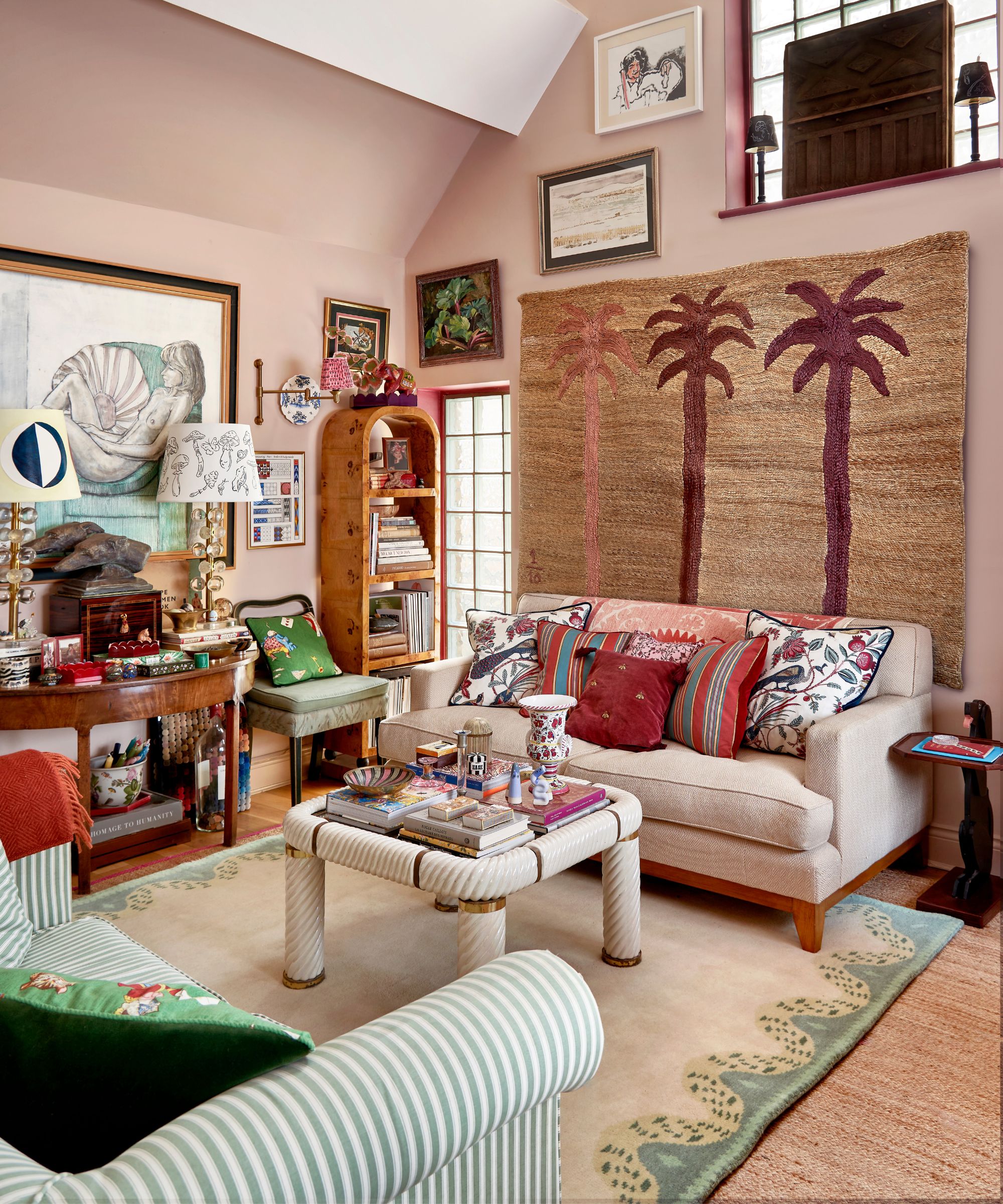
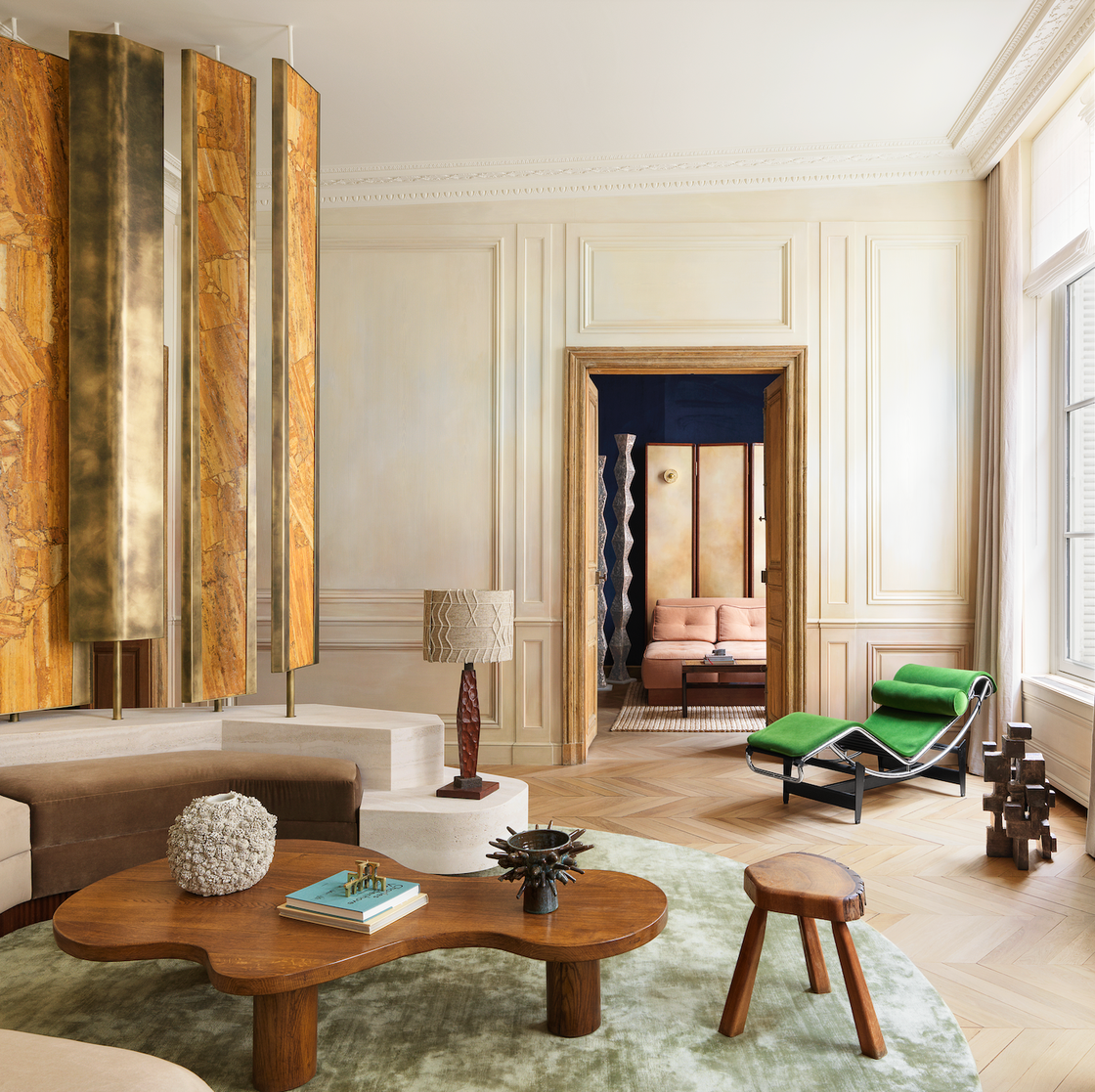
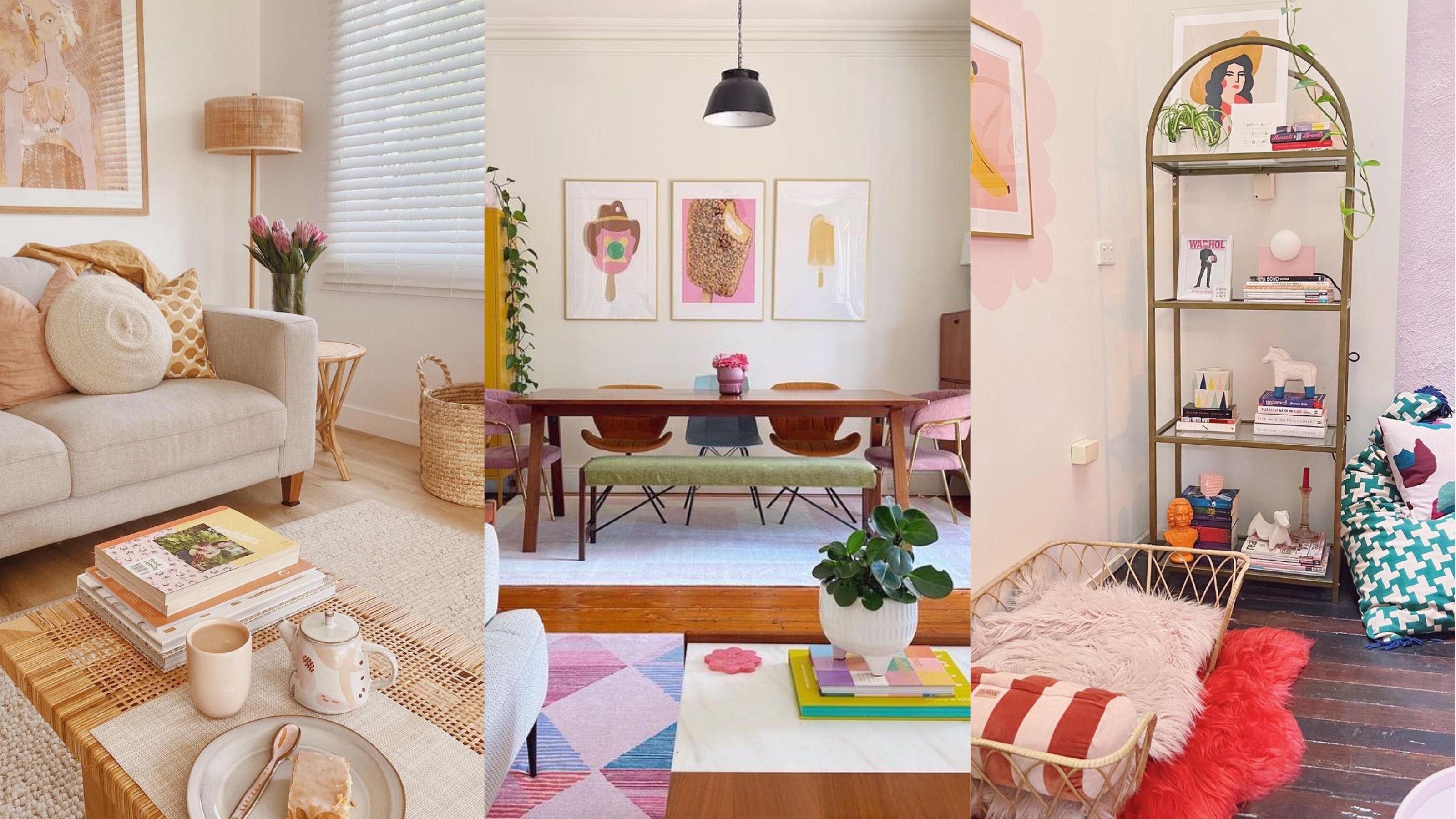
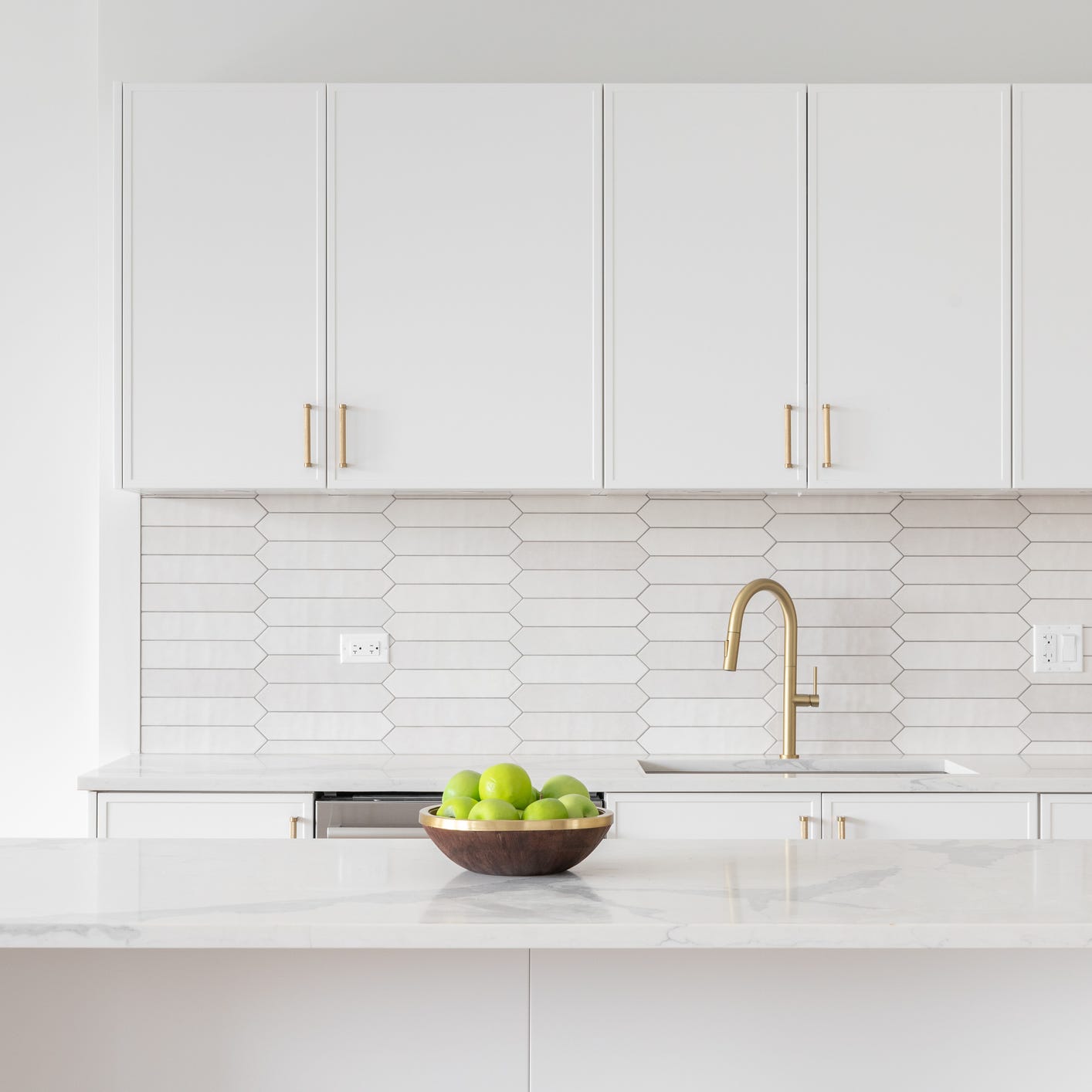
Several key trends define contemporary interior design. Minimalism, characterized by clean lines, uncluttered spaces, and a focus on functionality, remains a dominant force. This approach fosters a serene, open, and airy environment, often incorporating simple DIY decorations. In contrast, maximalist design embraces bold colors, patterns, and eclectic decor, serving as a platform for personal expression and visual storytelling. This style encourages creativity and experimentation, allowing for the creation of unique and stimulating spaces.
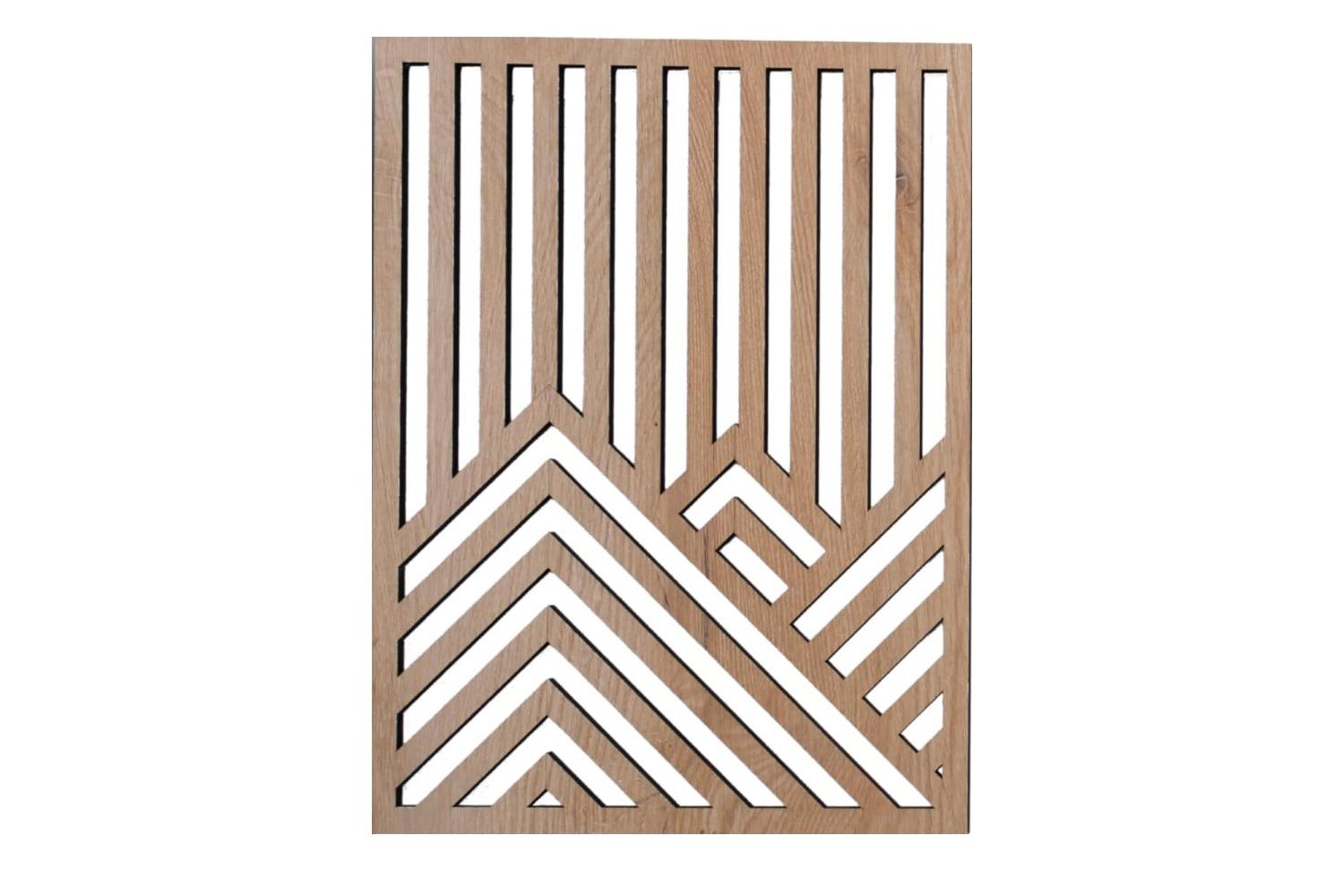
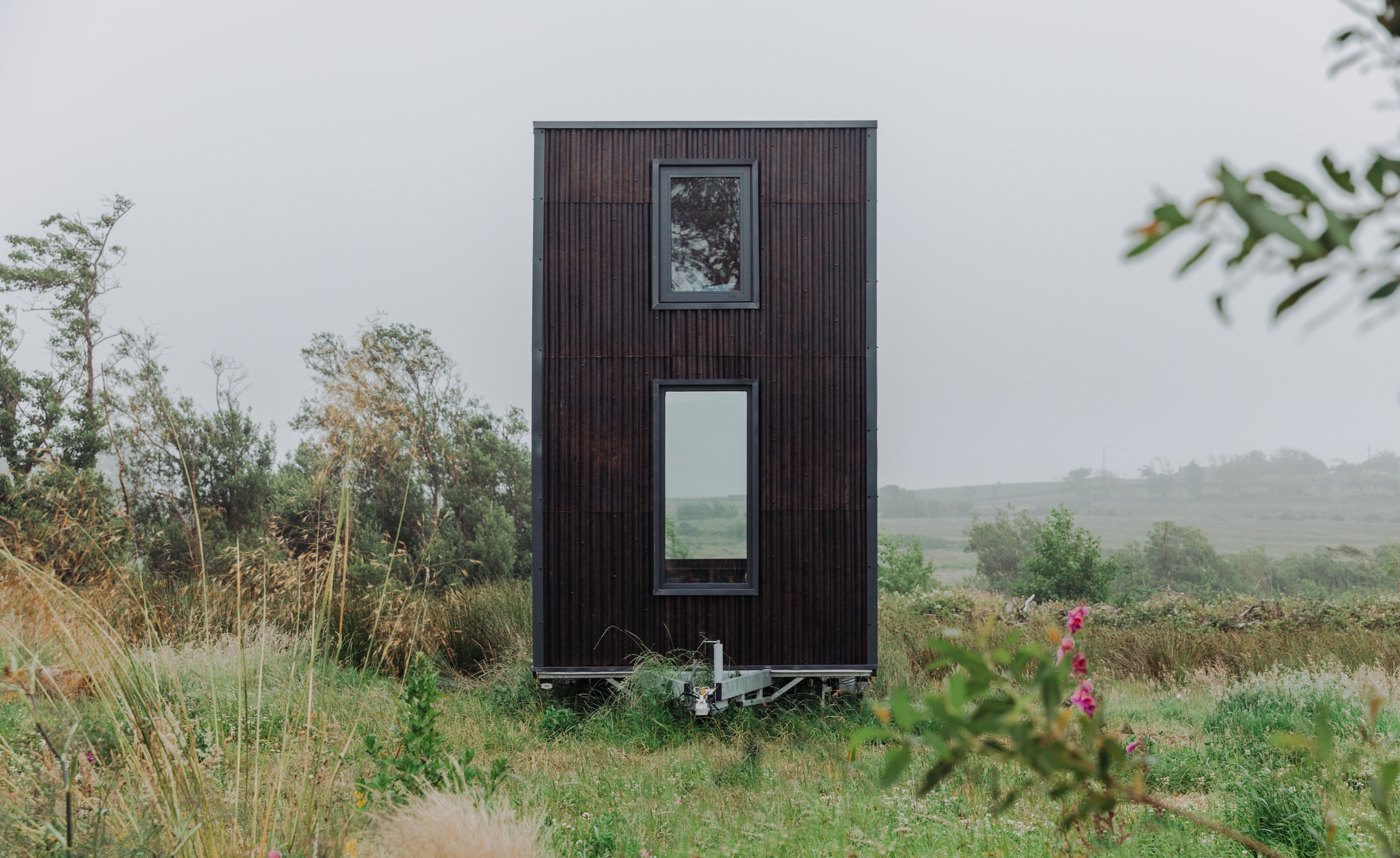
Another significant trend is the increasing adoption of sustainable and eco-friendly materials. As environmental awareness grows, reclaimed wood, recycled metal, and other biodegradable materials are becoming popular choices. Incorporating these materials not only adds style but also demonstrates environmental consciousness by reducing a home's carbon footprint. Smart home integration, while not traditionally a design trend, is increasingly influencing interior aesthetics. Modern homes often feature voice-activated assistants, automated lighting, and temperature control, seamlessly blending technology with various design styles, including maximalism, to enhance both style and functionality.
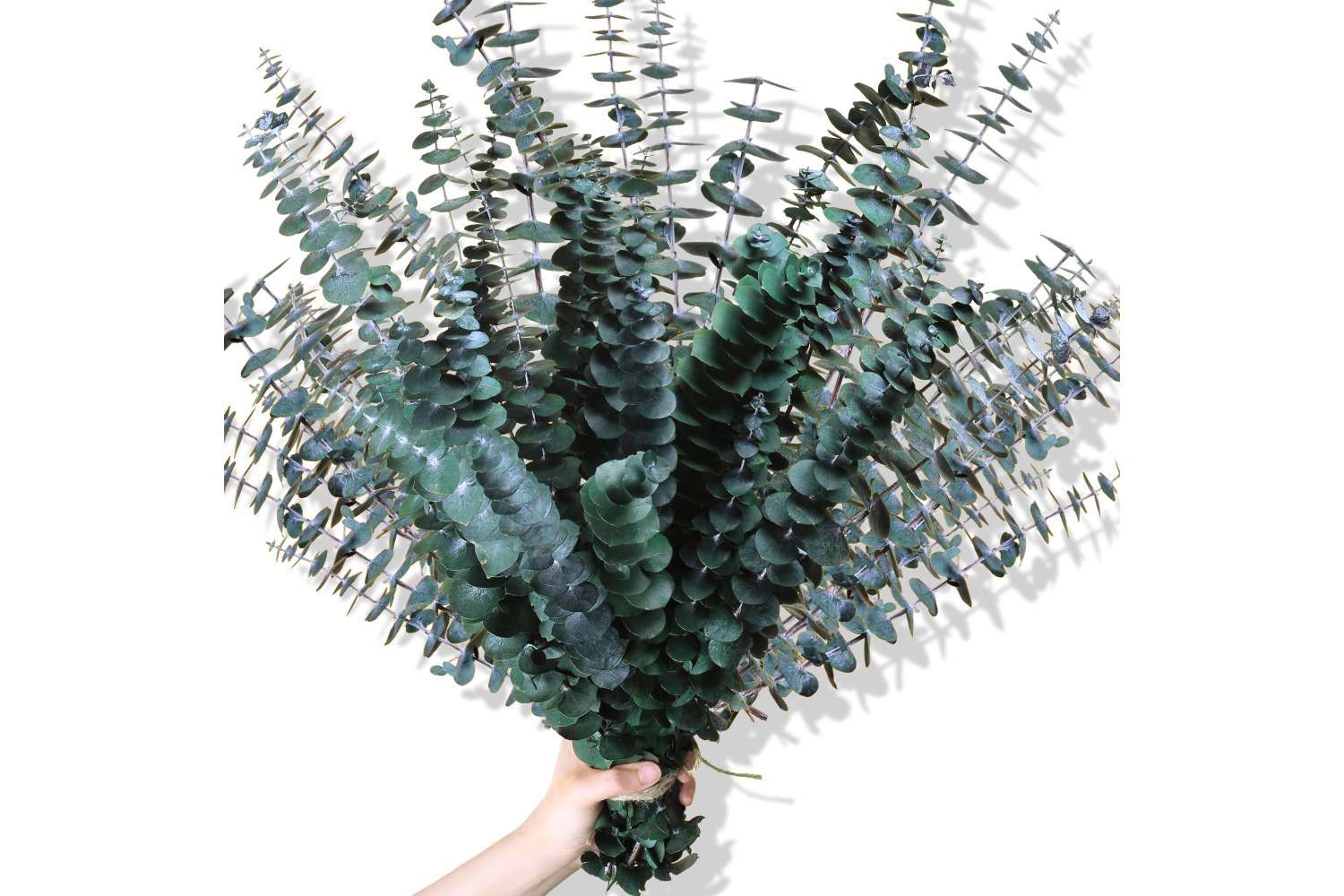
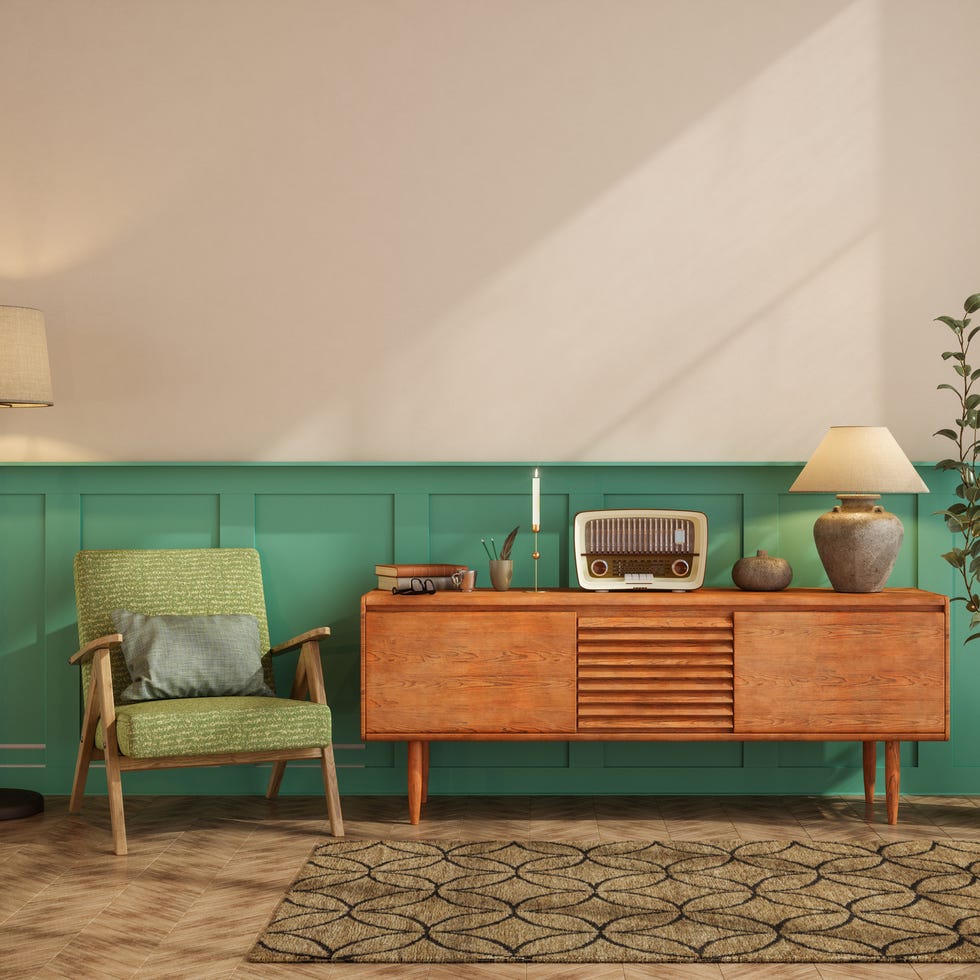
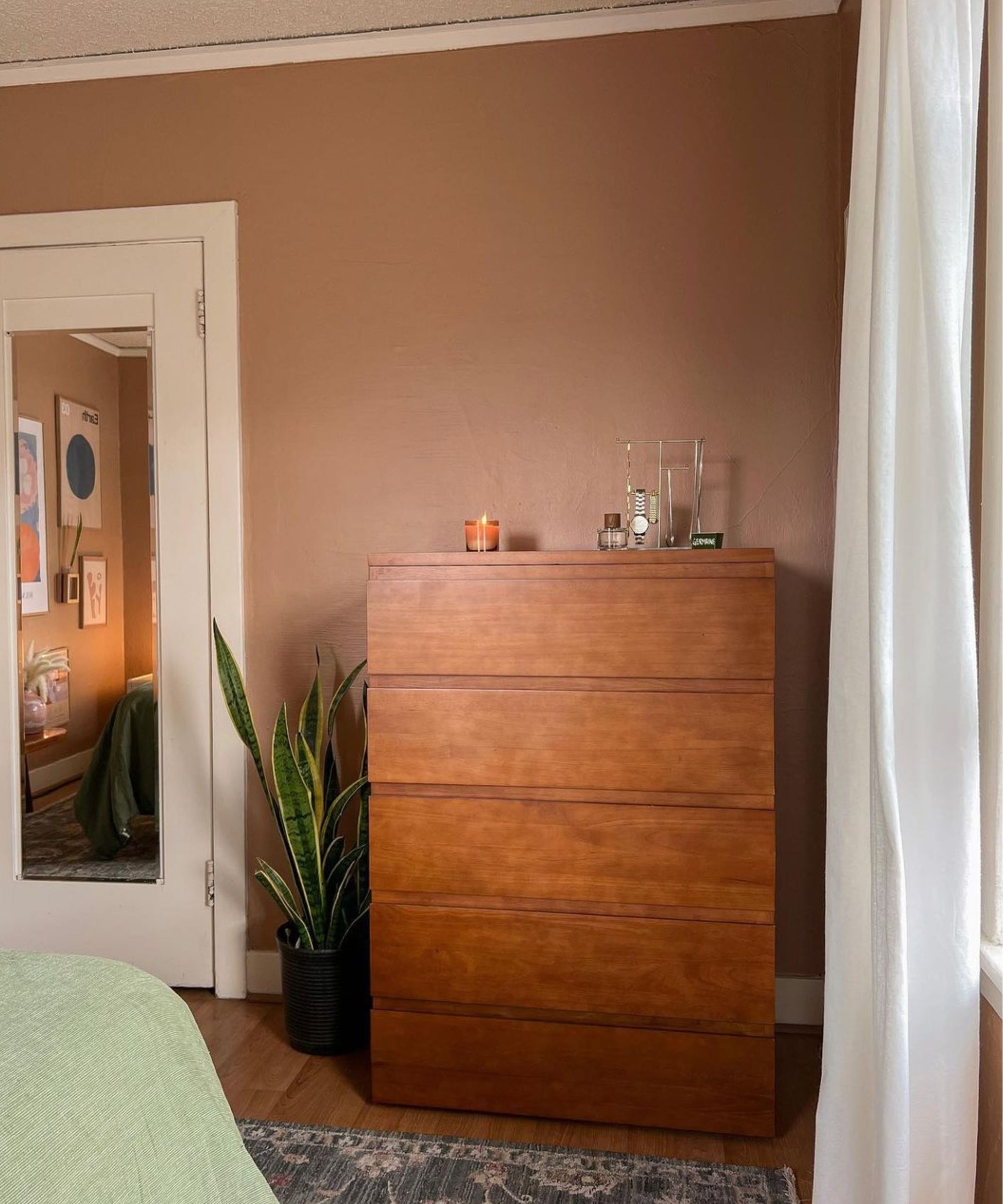
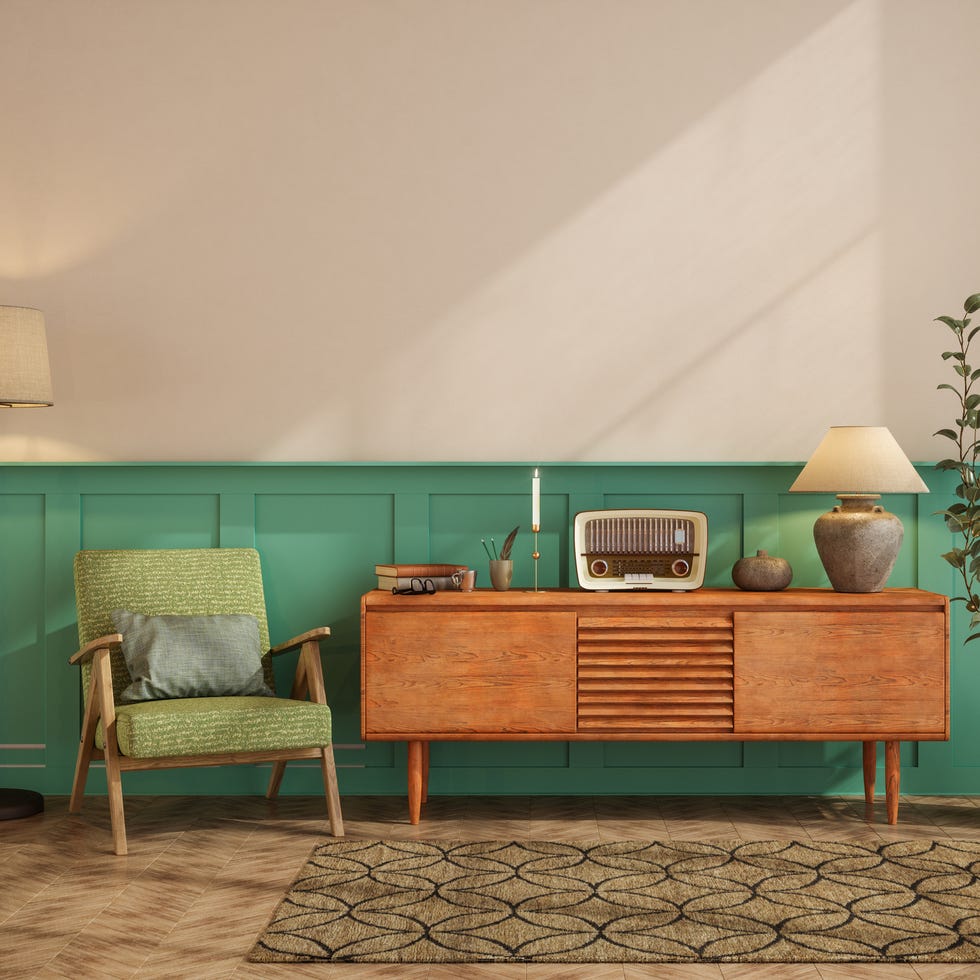
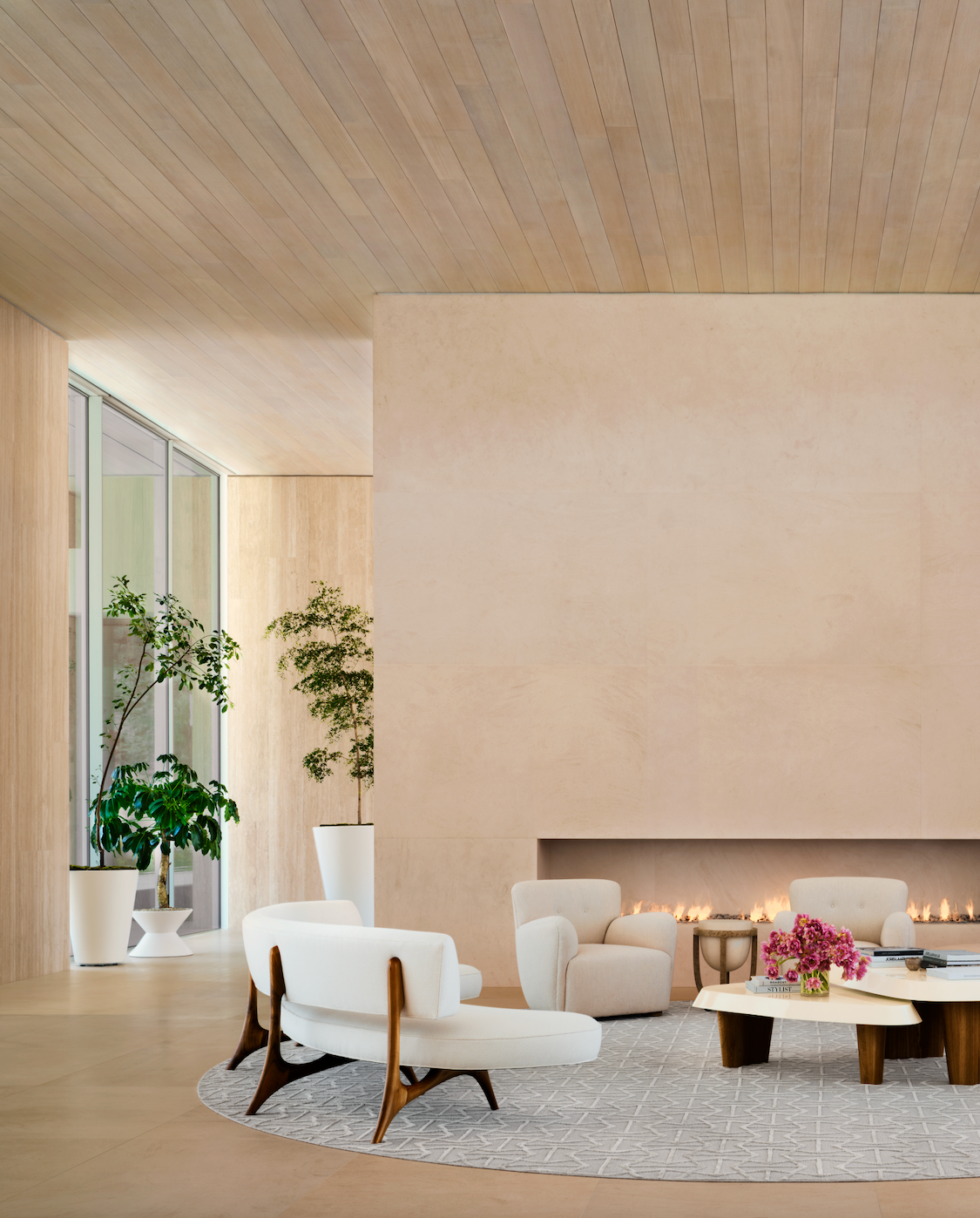
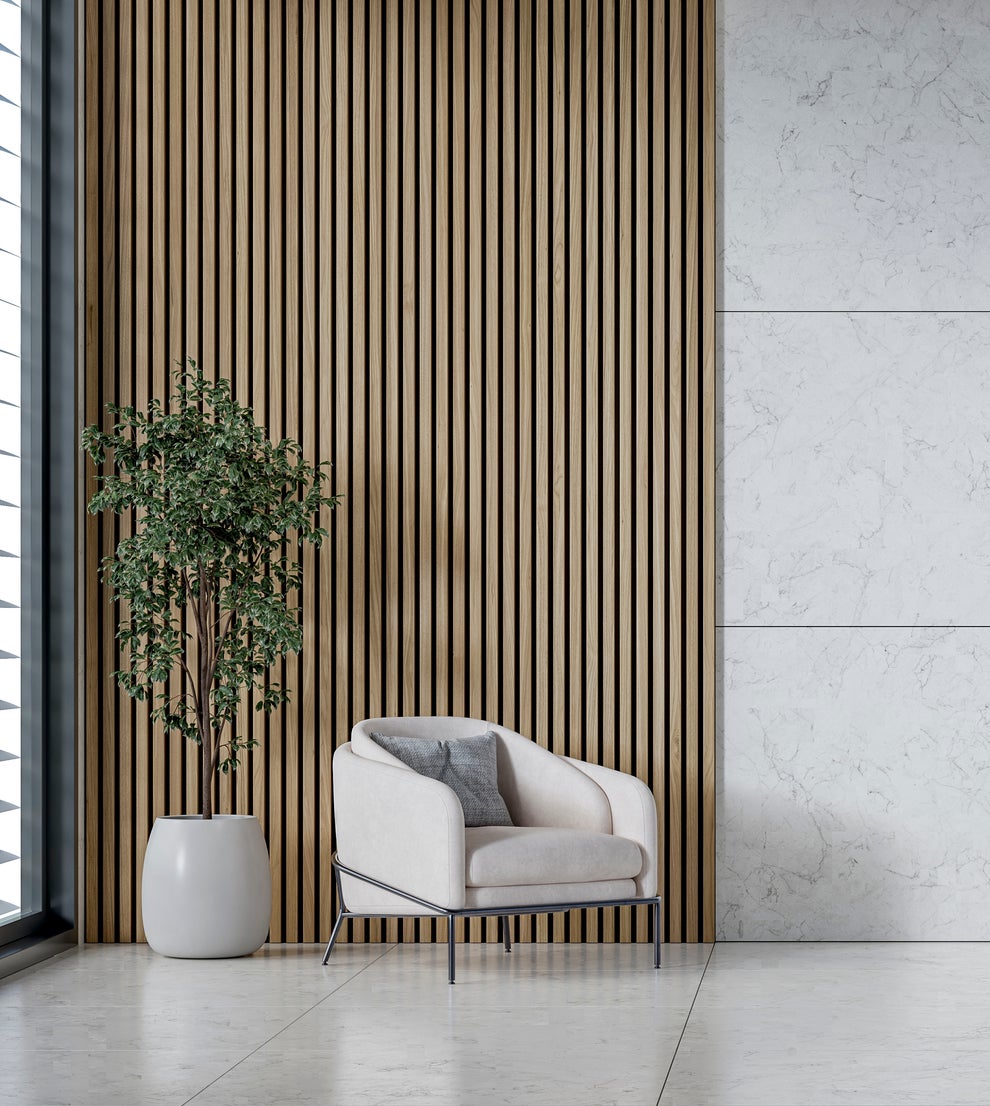
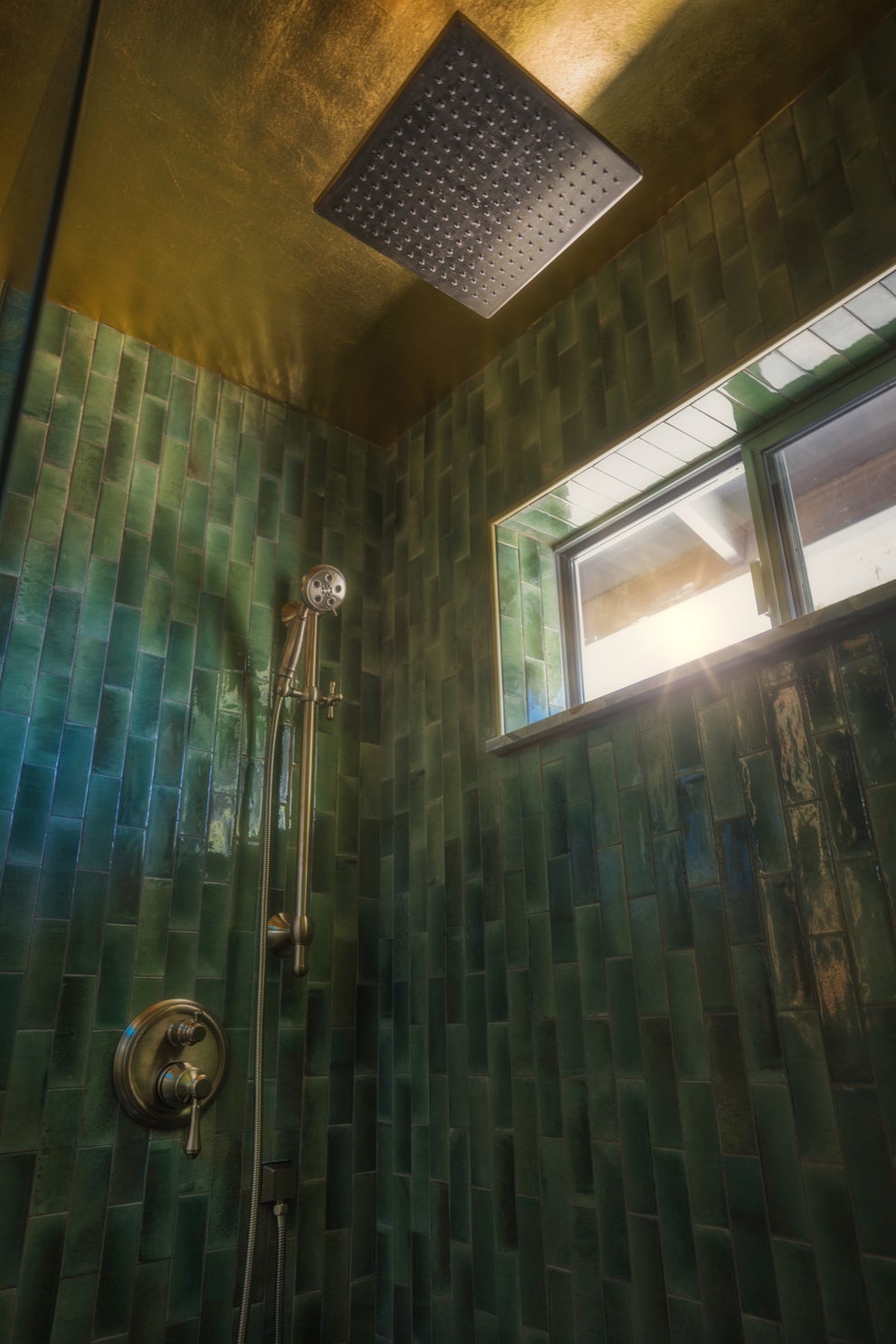
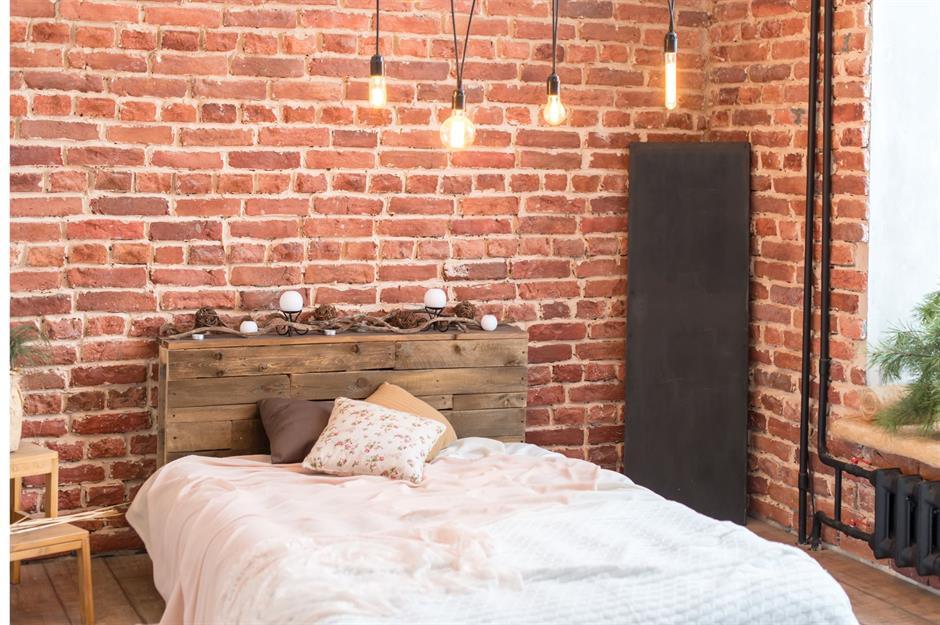
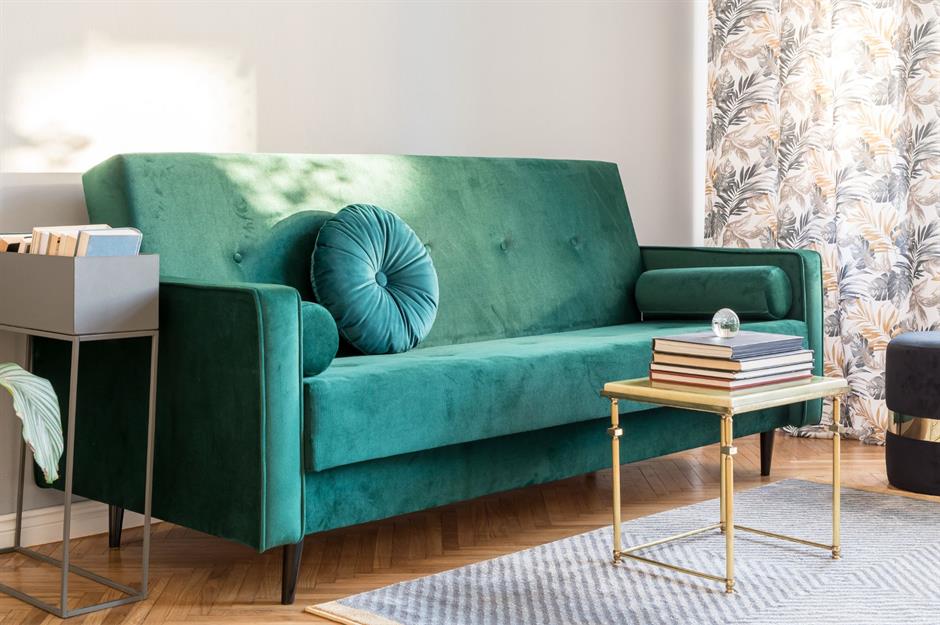
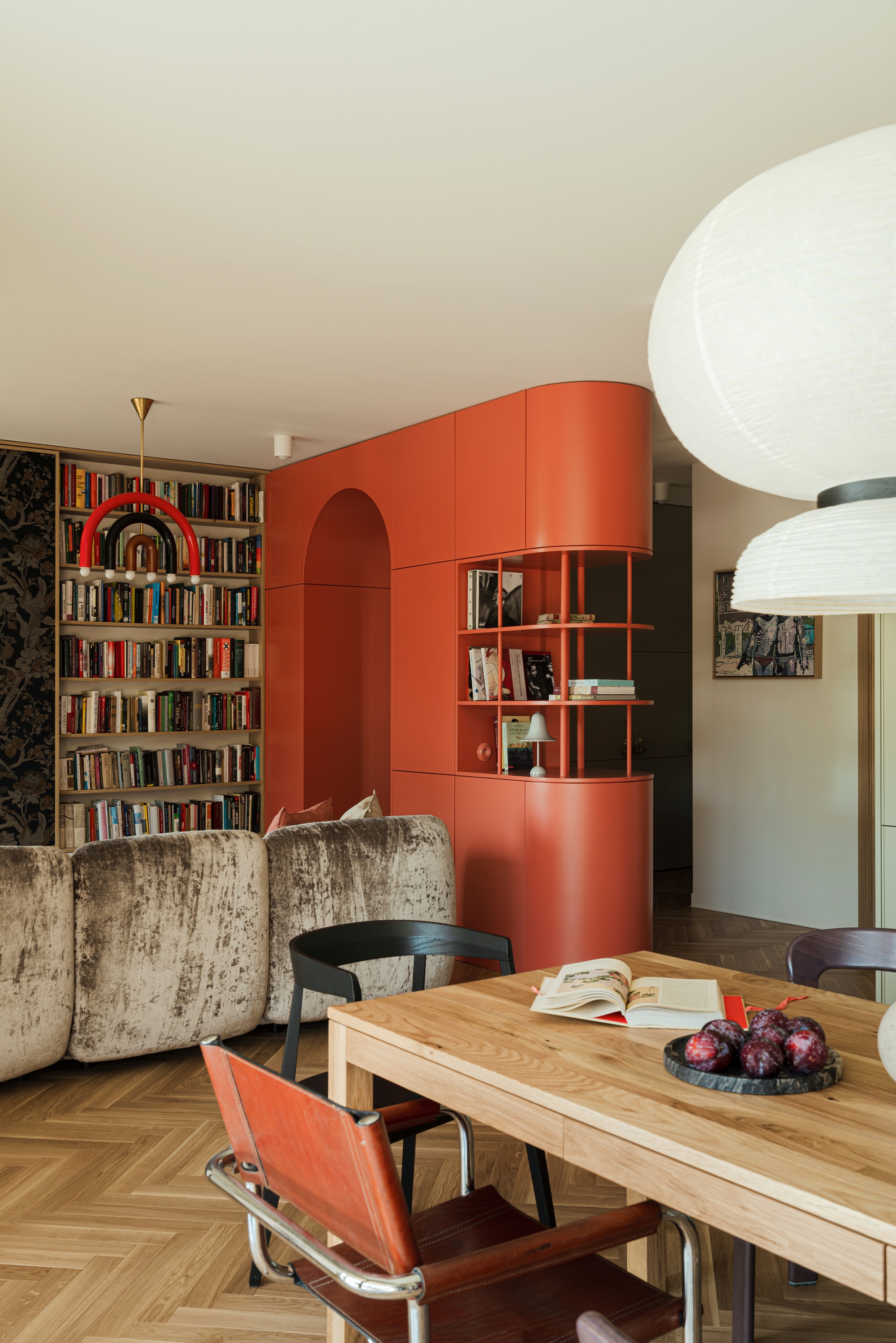
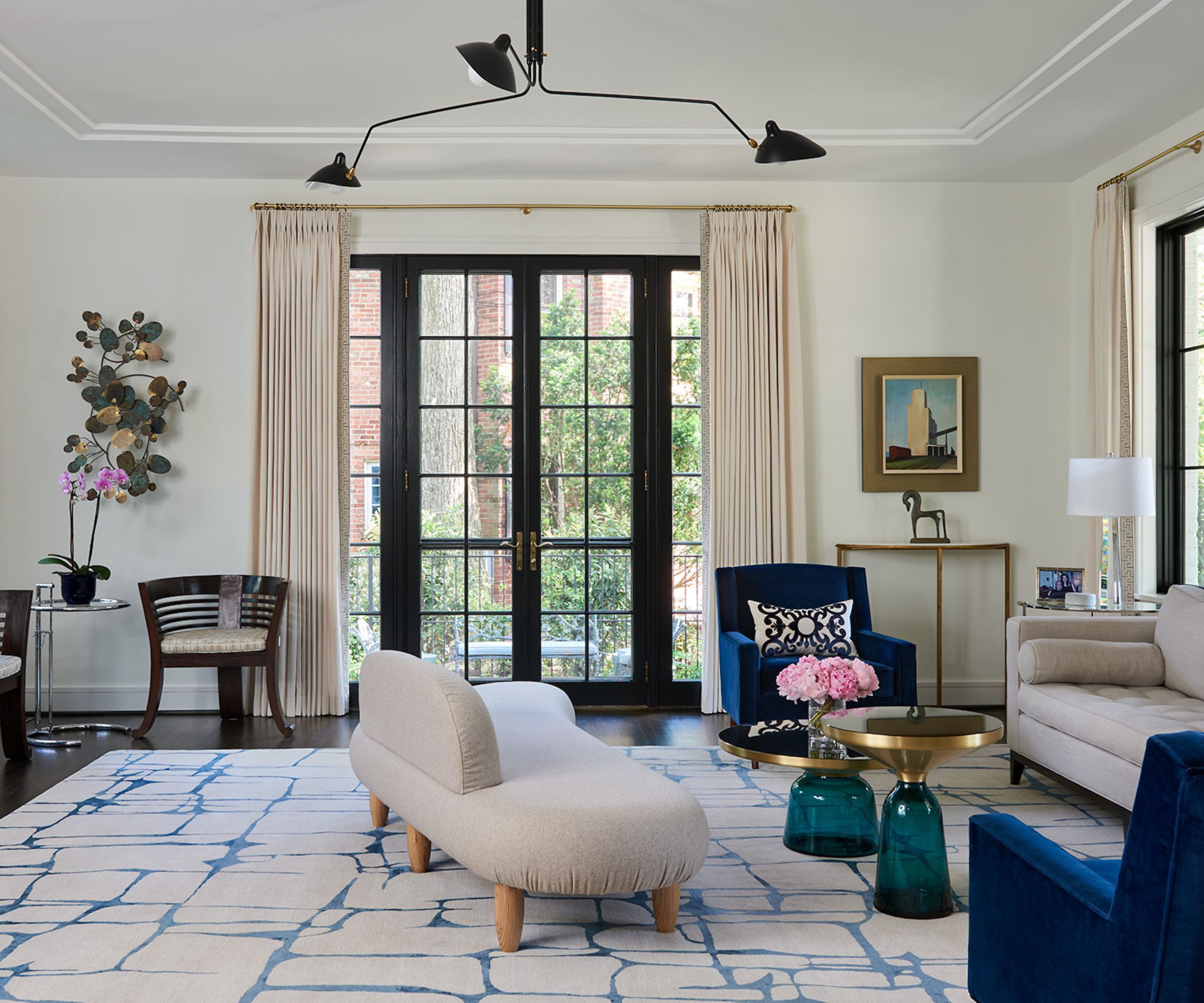
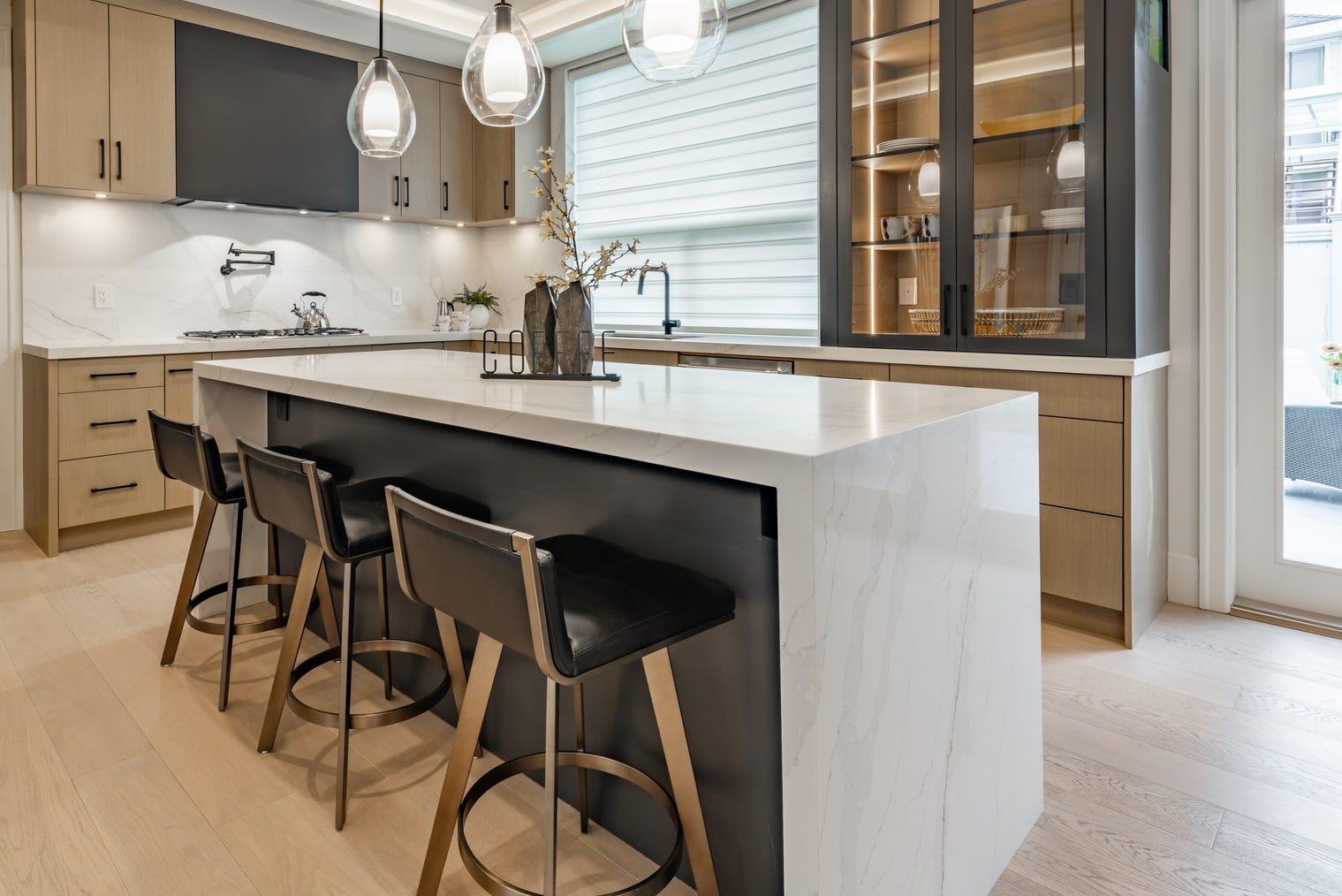
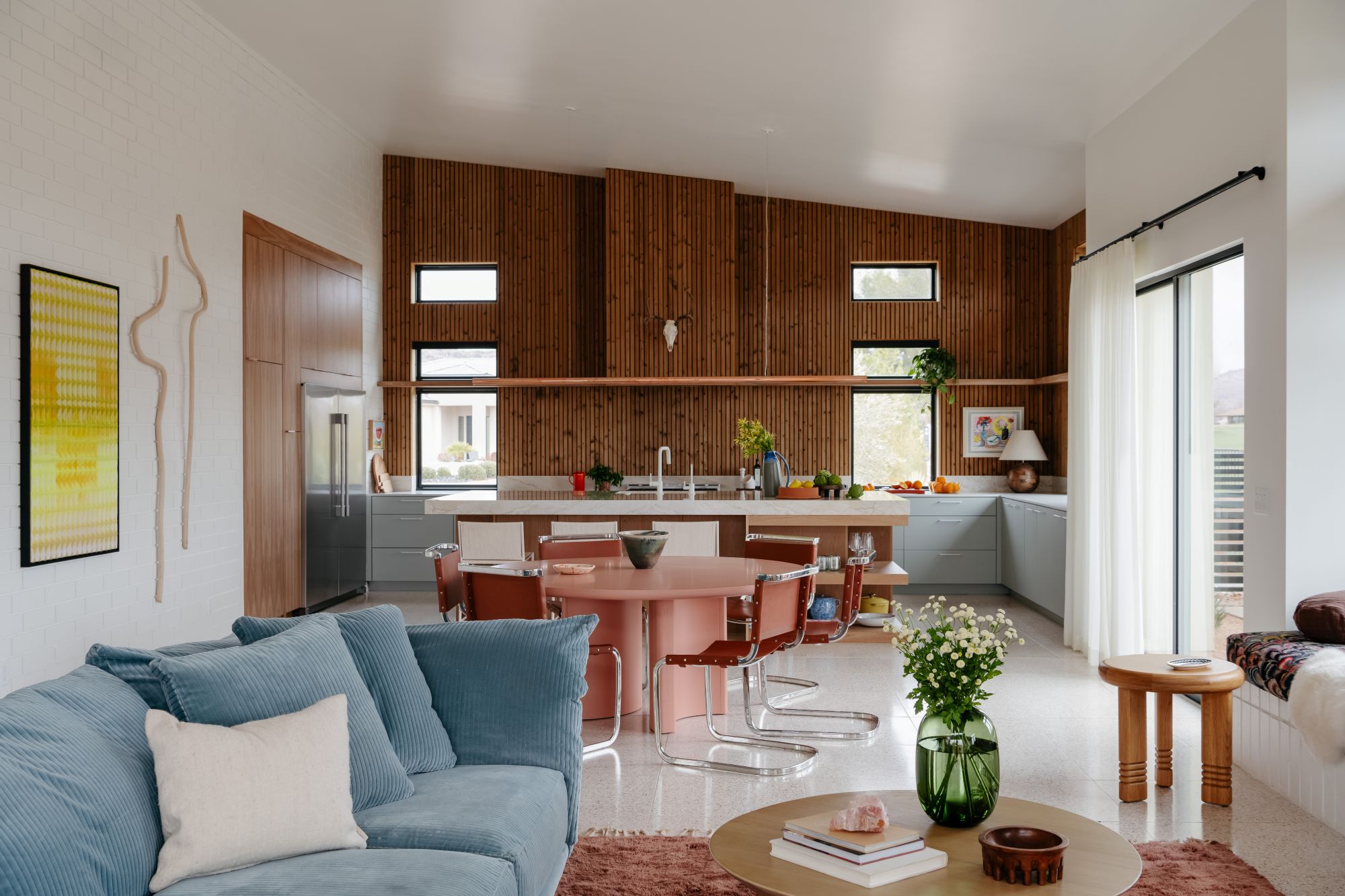
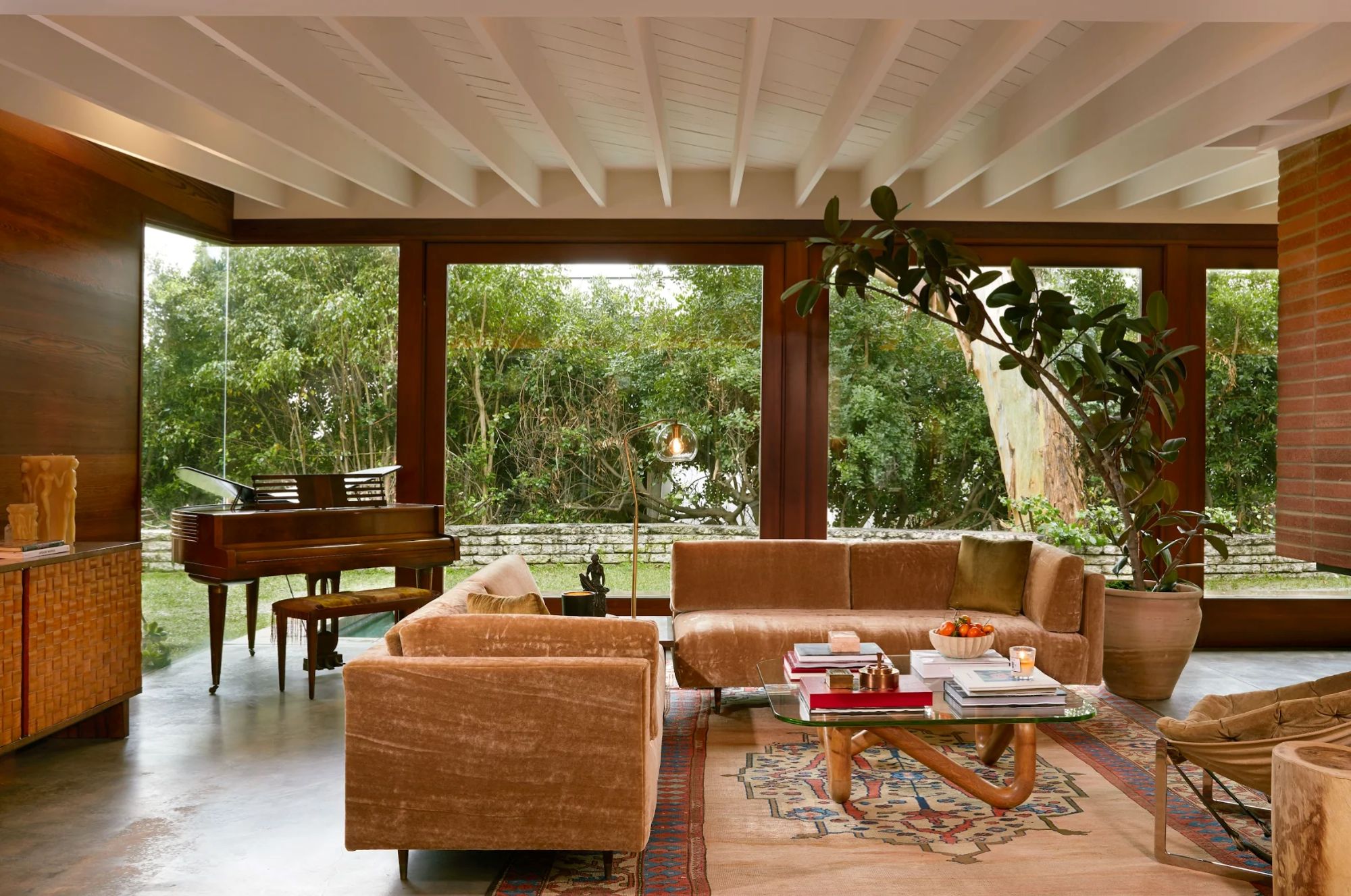
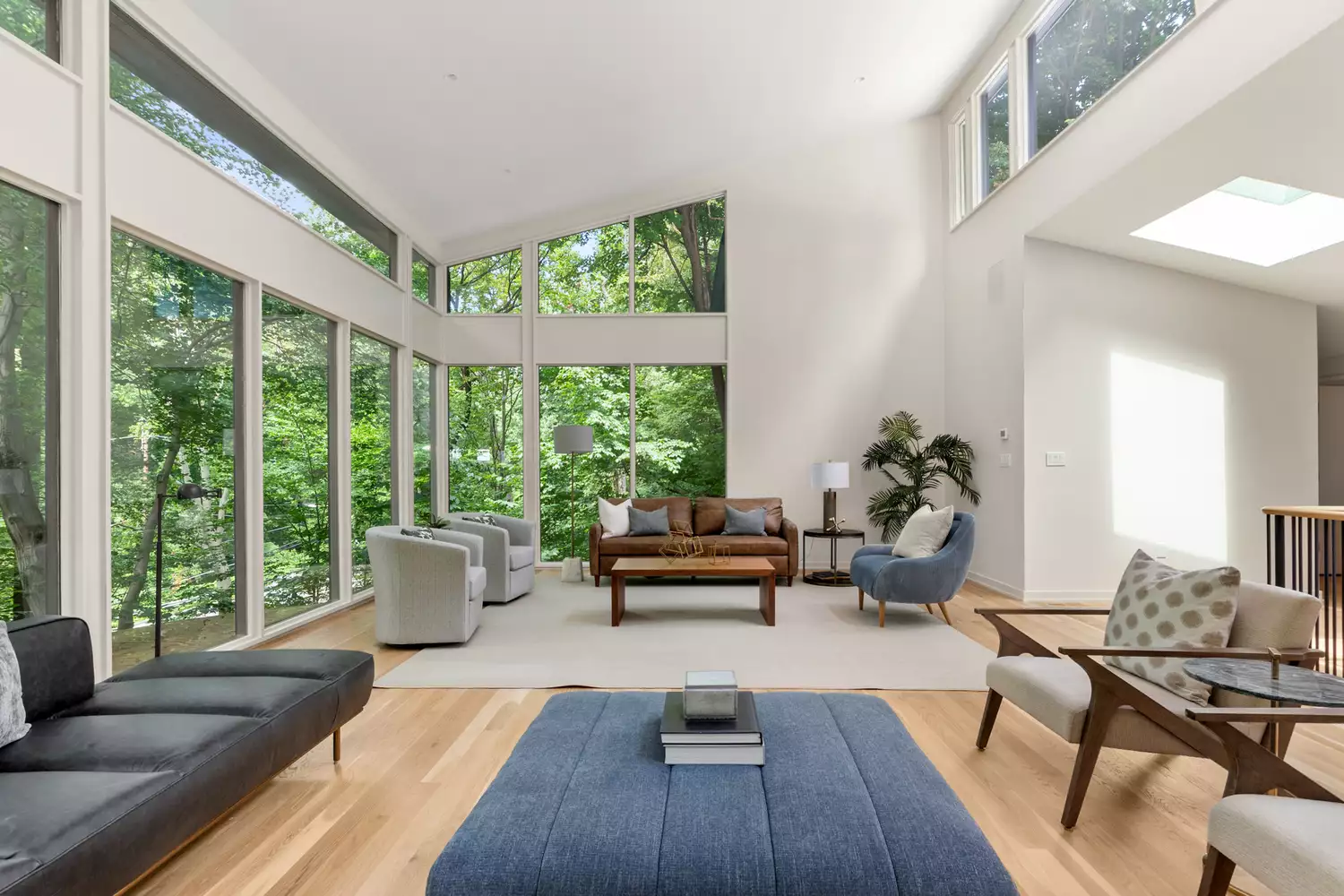
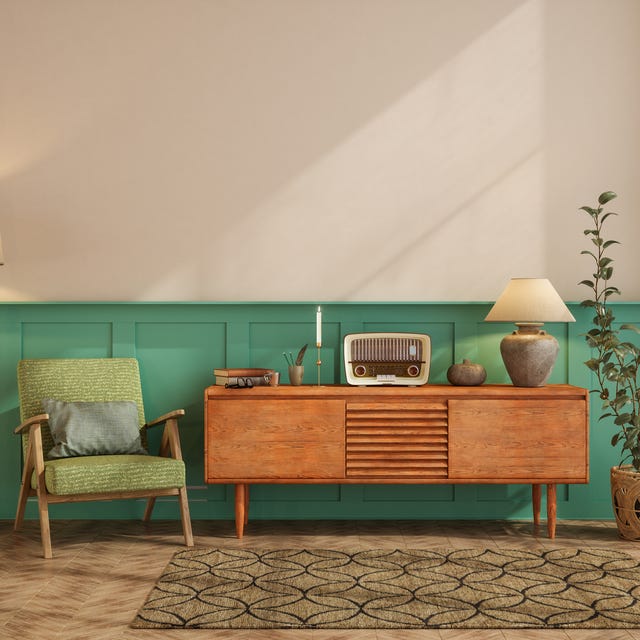
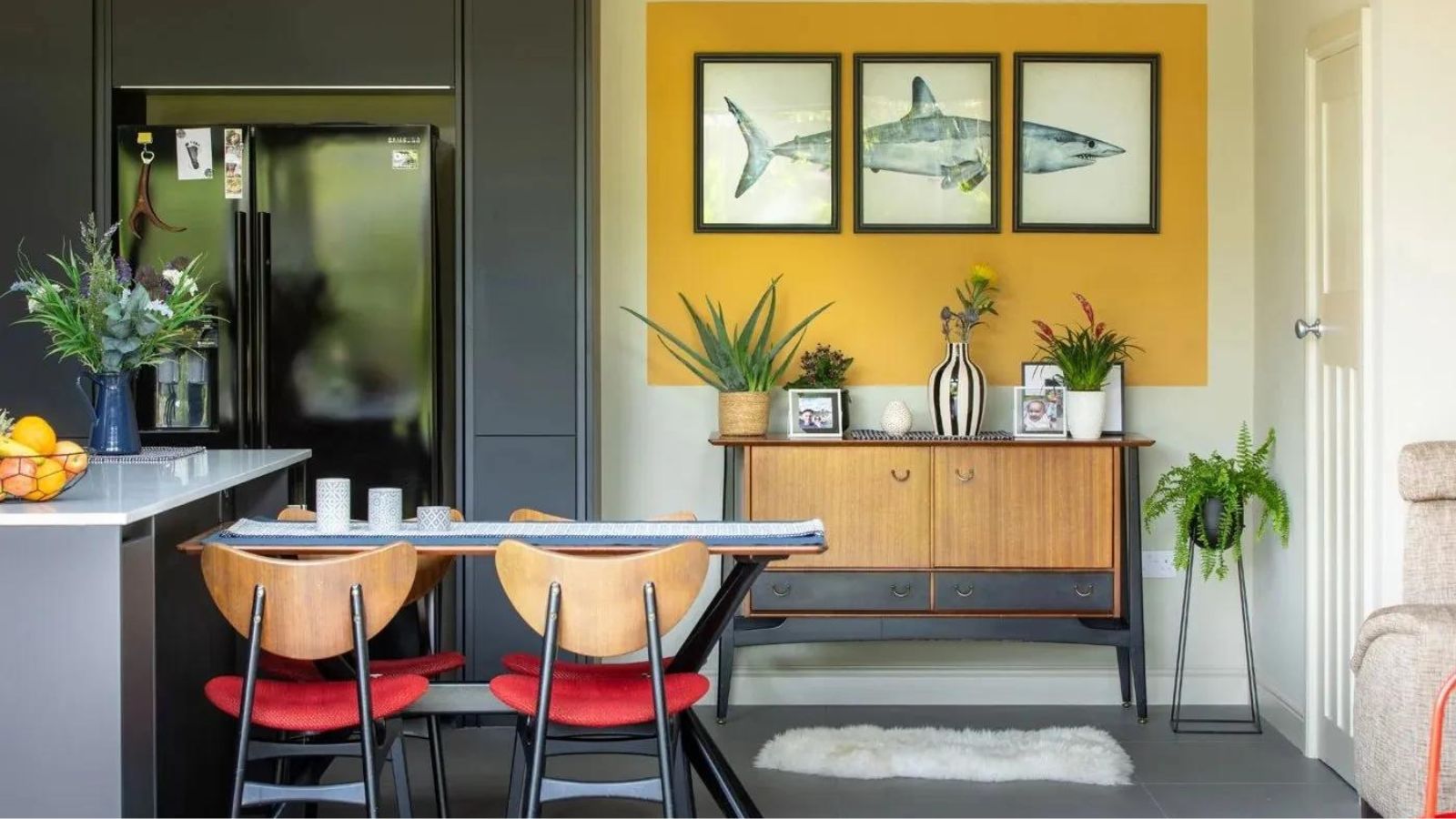
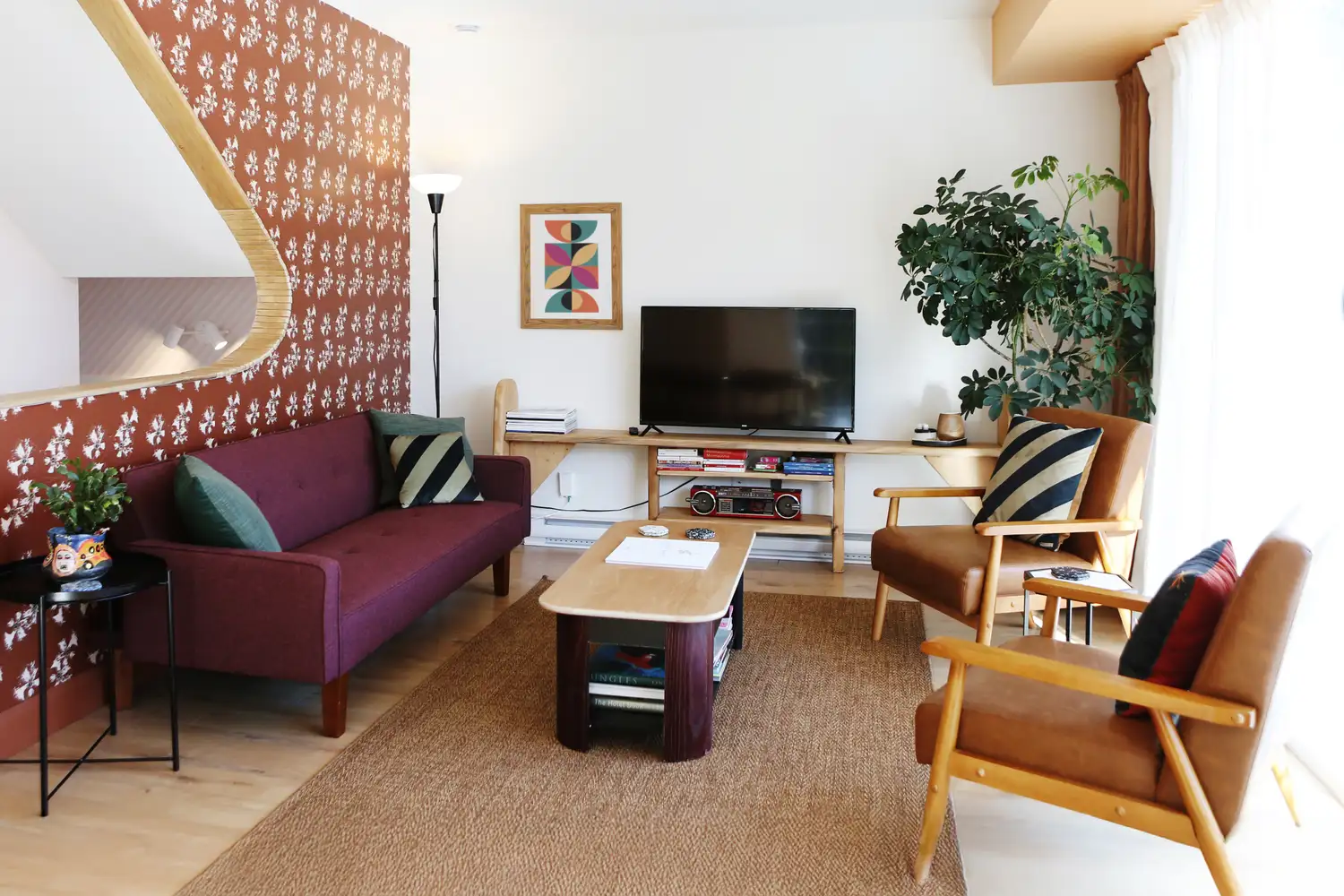
Open-concept living continues to be popular, especially in urban environments where space optimization is critical. This design removes internal barriers to create more spacious and interconnected areas, promoting better social interaction and flexible space utilization. Biophilic design focuses on integrating nature indoors through elements like plants, natural light, and organic materials, aiming to create calming and refreshing environments that improve well-being. The industrial style draws inspiration from old factories, featuring raw elements such as exposed brick, metal fixtures, and distressed wood to add character and an edgy touch to interiors. Lastly, mid-century modern design maintains its timeless appeal with clean lines, simple forms, and organic shapes, bringing a sense of nostalgia and sophistication to any space through its distinctive furniture and decor. These diverse trends offer numerous possibilities for homeowners to create stylish and functional living spaces.
#InteriorDesignTrends #MinimalistDesign #MaximalistDesign #SustainableMaterials #SmartHomeIntegration #OpenConceptLiving #BiophilicDesign #IndustrialStyle #MidCenturyModern #InteriorDesignTrends #MinimalistDesign #MaximalistDesign #SustainableMaterials #SmartHomeIntegration #OpenConceptLiving #BiophilicDesign #IndustrialStyle #MidCenturyModern
0 comment in total
 No comments yet
You may also like
Designers Say These 4 Decor Trends Are Super Outdated—Update Your Home With These 8 Finds Instead

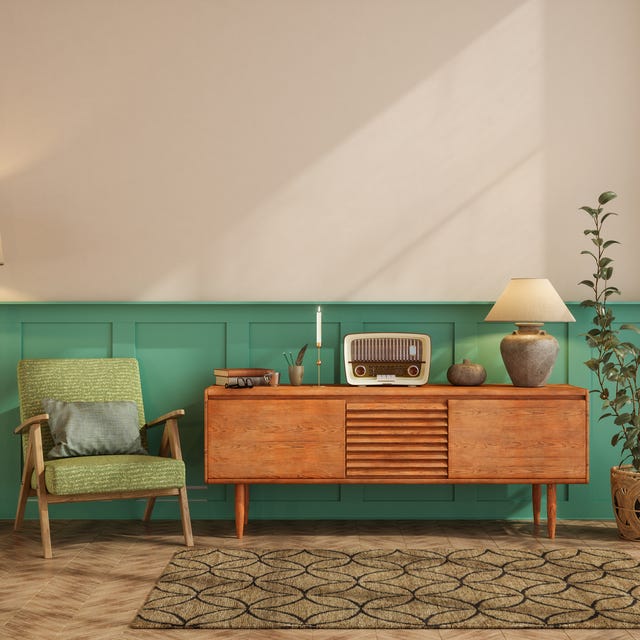
8 Home Trends That Are Tragically DEAD to the Design World

What’s Next for Our Homes? The 14 Defining Interior Design Trends That Will Shape the Way We Live in 2026

We Asked Designers If Matching Furniture Looks Outdated, and They All Agreed

Expert reveals the interior design trends that will make your home look dated
Looking to Redo Your Living Room? Start with These Designer-Approved Ideas

Is Midcentury Modern Decor Finally Out of Style in 2025? What Designers Really Think
The #1 Home Trend You Should Avoid, According to Designers

8 "Tacky" Home Trends That Are Tragically Dead to Designers in 2026
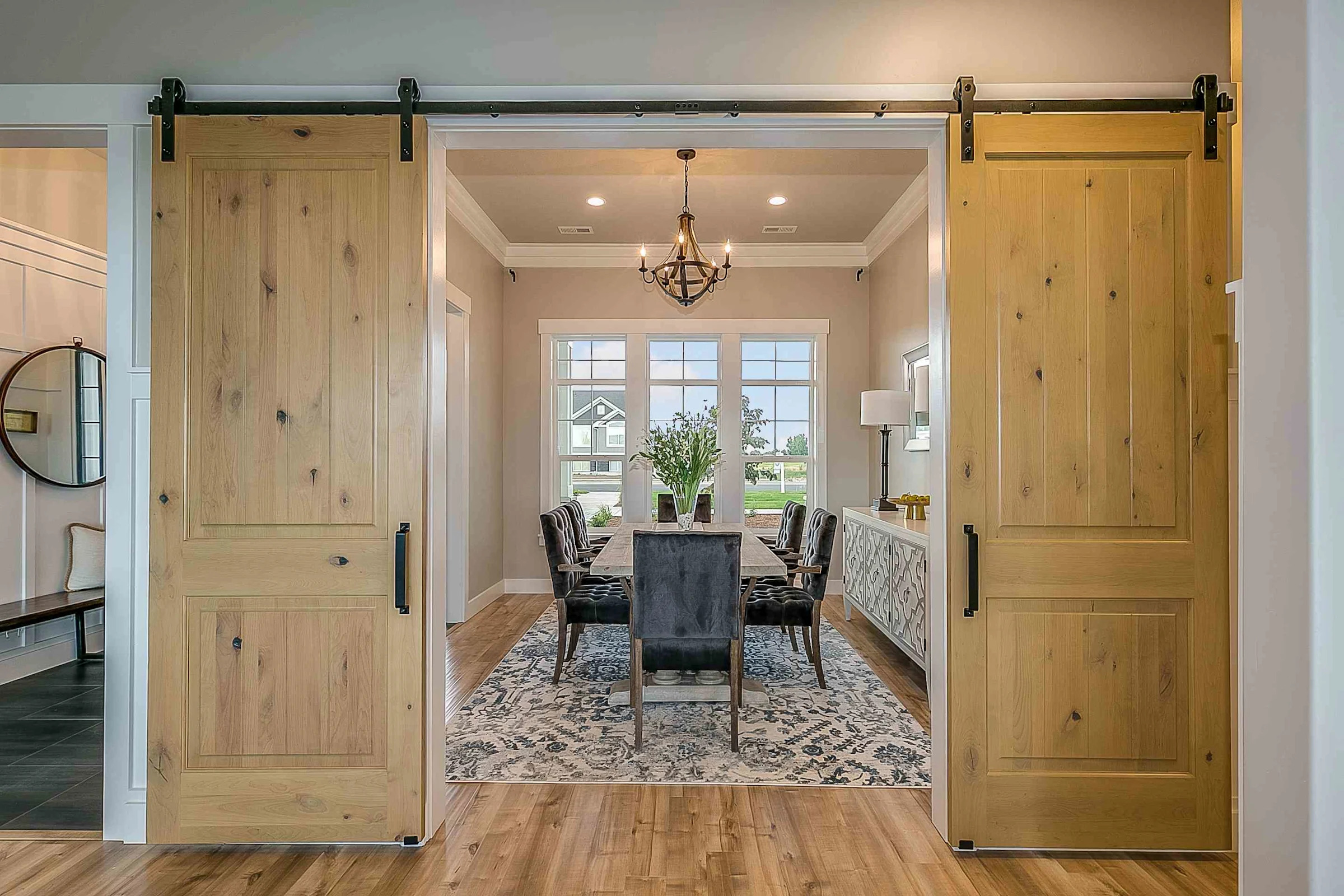
6 Dated Home Decor Pieces You Need to Throw Out ASAP, According to Designers
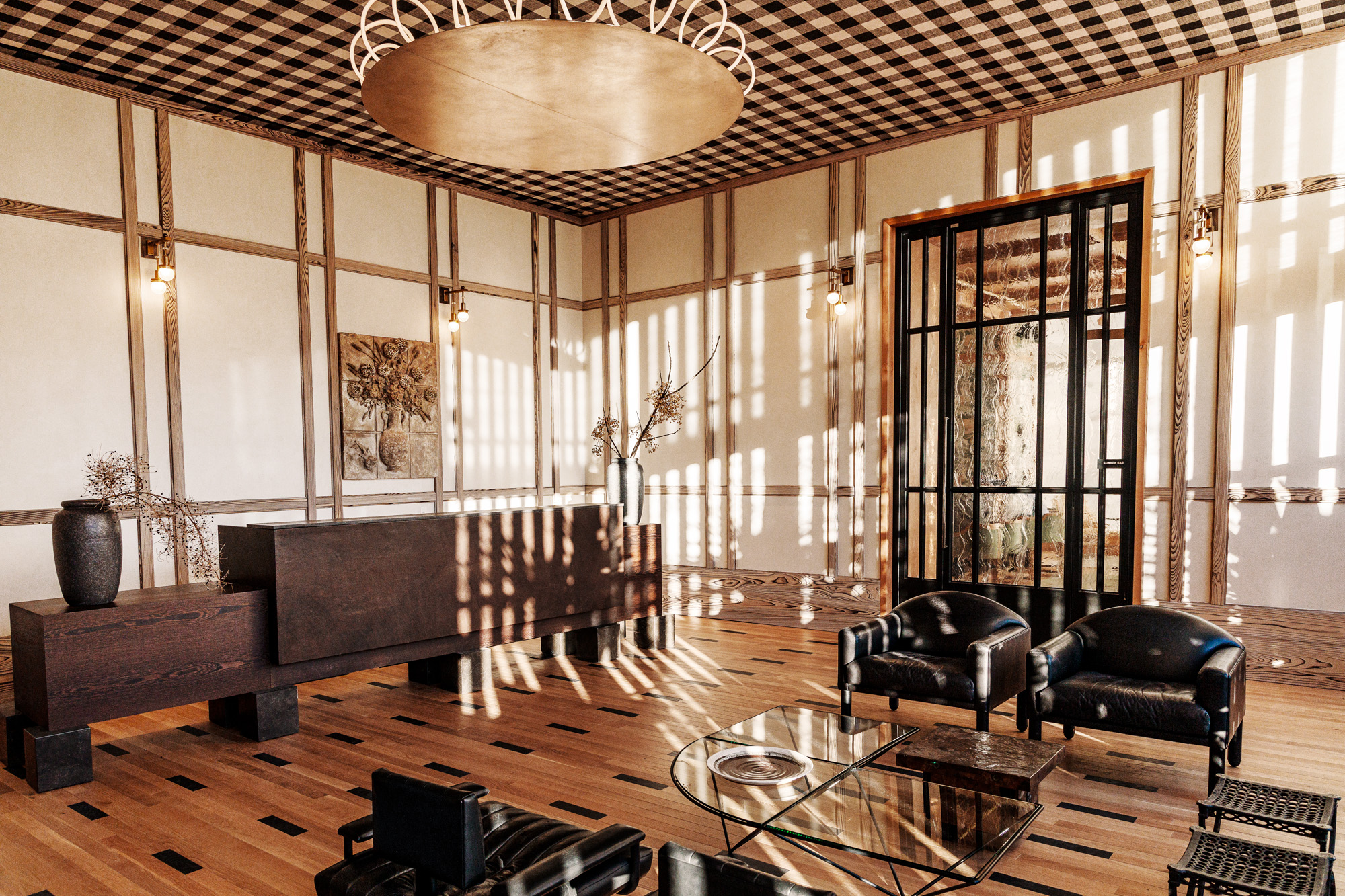
Year in review: top 10 design stories of 2022, selected by Wallpaper* design editor Rosa Bertoli

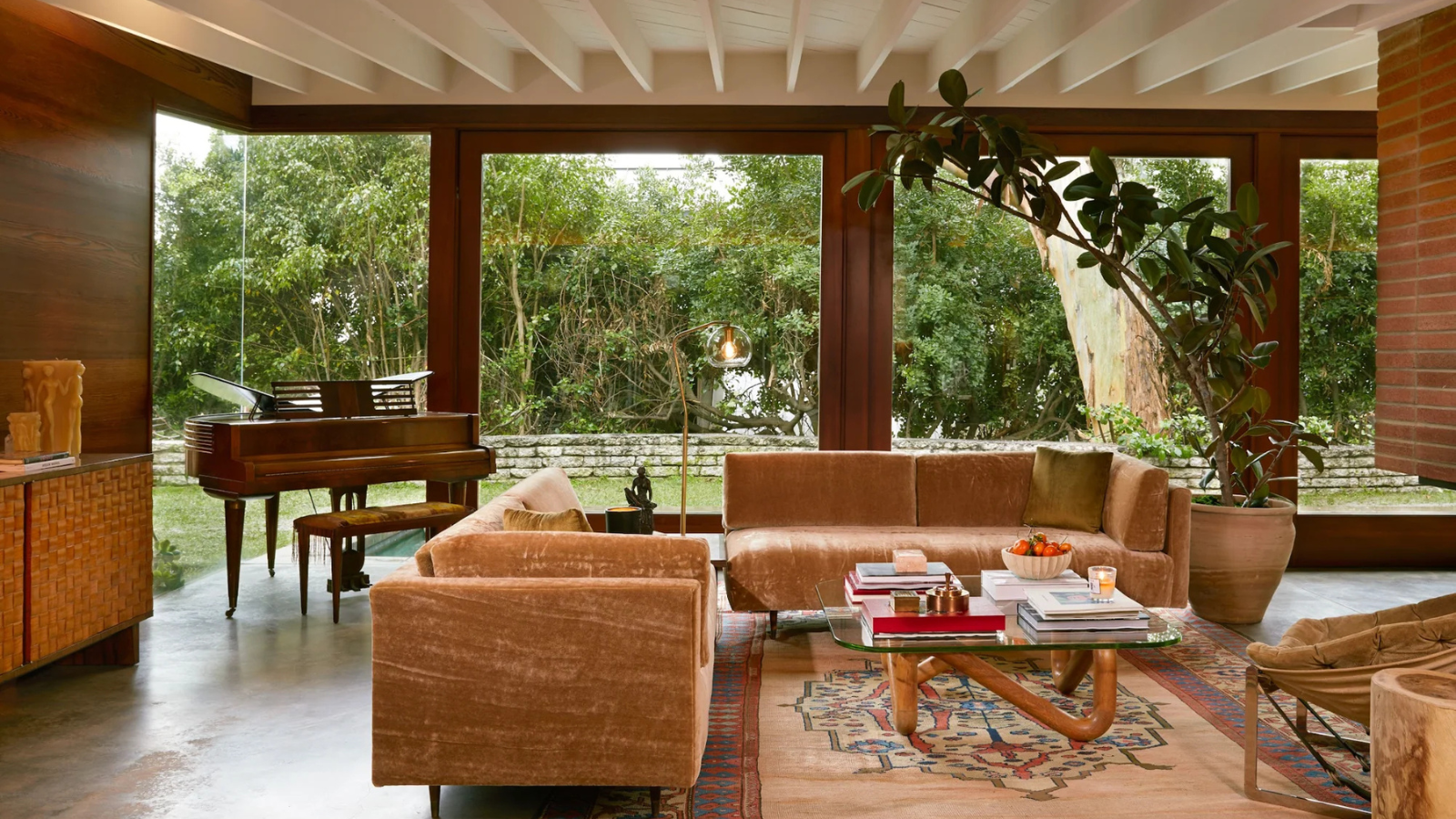
'Good design holds up' – 16 mid-century modern ideas that prove this design style will always be trending

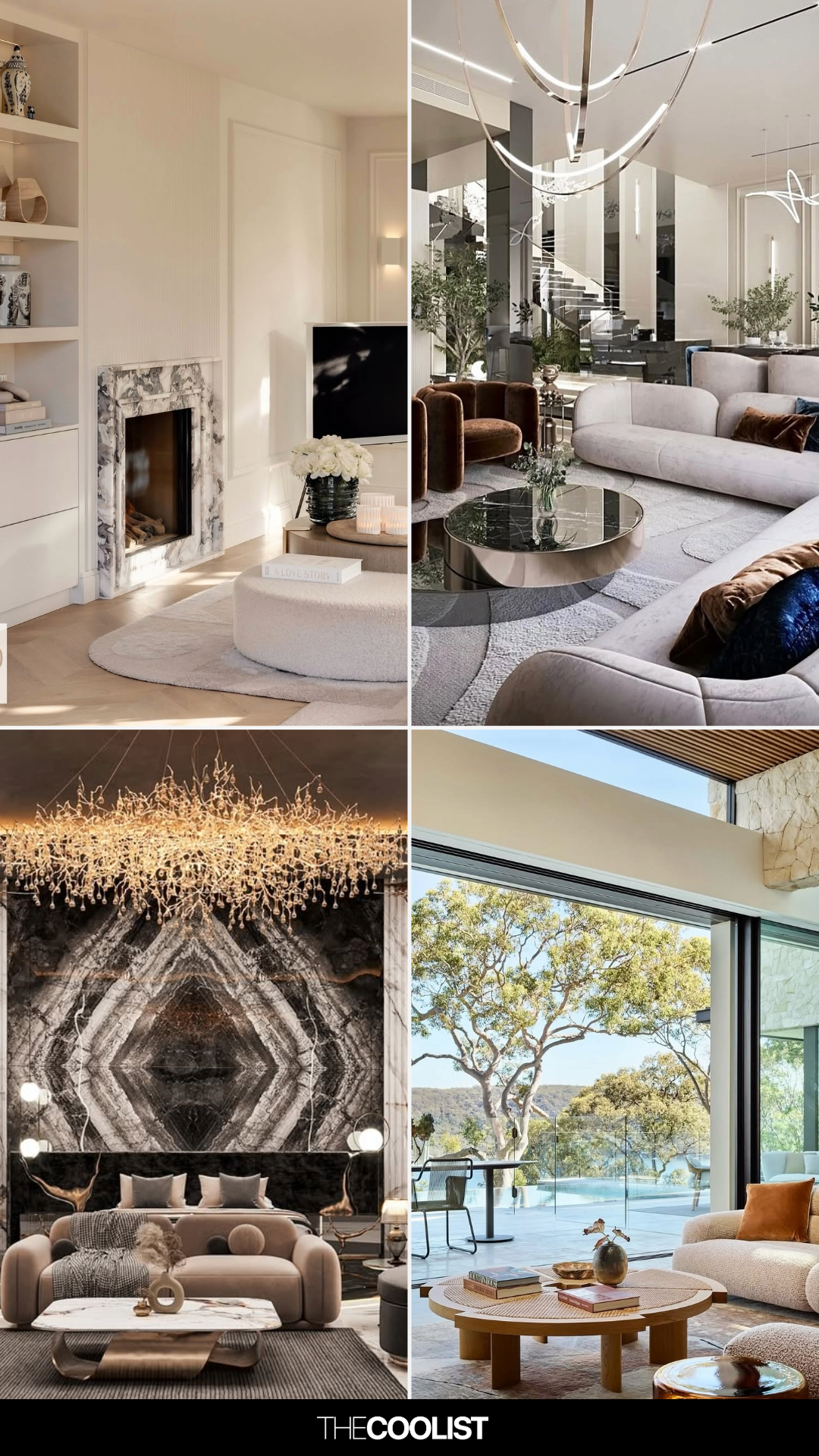
25 Modern Contemporary Living Room Ideas Trending Hard in 2025 (For Good Reason)


People Are Exposing The Home Decor Trends That'll "Completely Fade Out" Sooner Than You'd Think

Should you follow interior design trends? Do they create a stylish home or one that will date fast?
What's making a home look dated in 2025? Interior designers share the design icks that they say are aging your interiors
Top interior design trends 2020

30 of the worst modern home trends that WILL go out of fashion | loveproperty.com

The Home Trends Designers Want You to Ditch in the New Year

We Asked Designers If Midcentury Modern Is Out of Style—and Their Answer Might Surprise You