1/8
Designers Are Ditching "Flat Painted Walls" for THIS Unexpected Trend
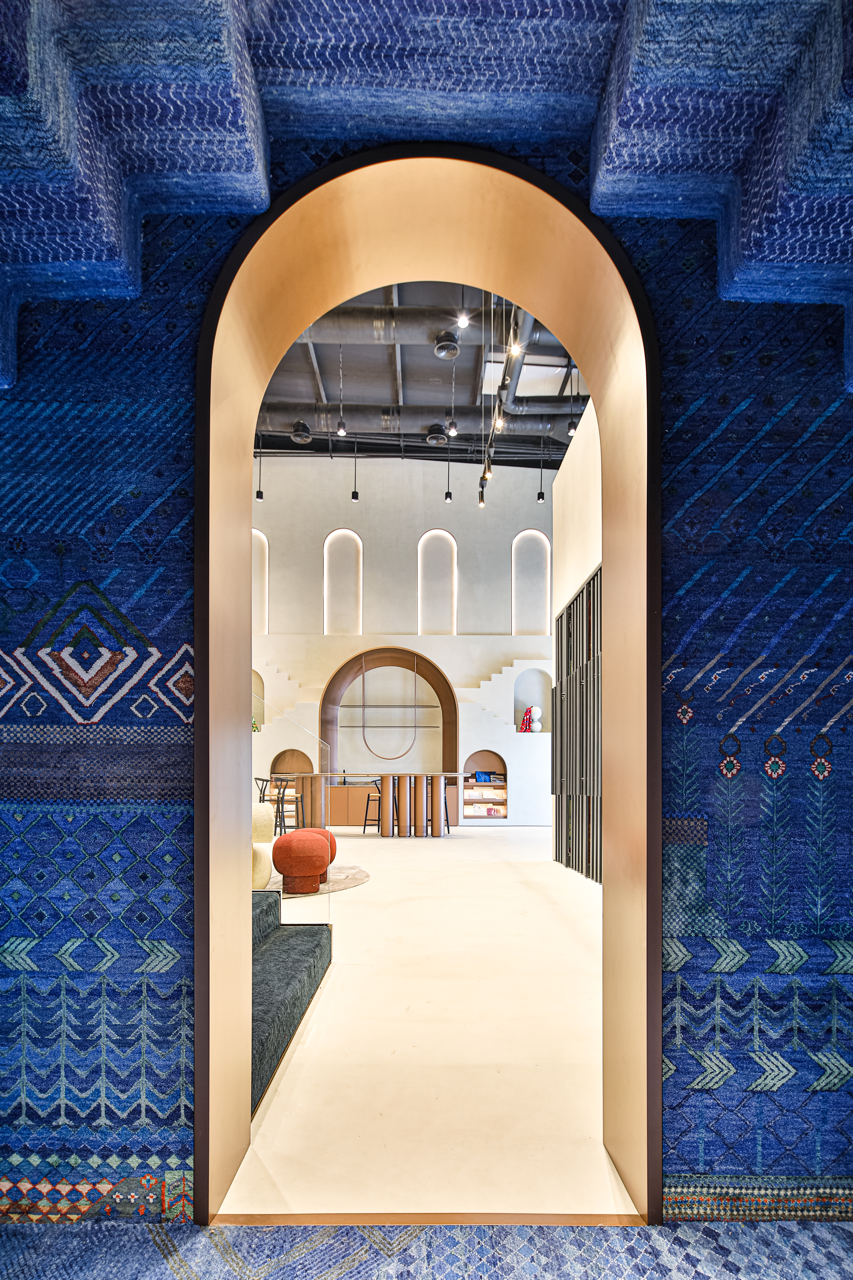
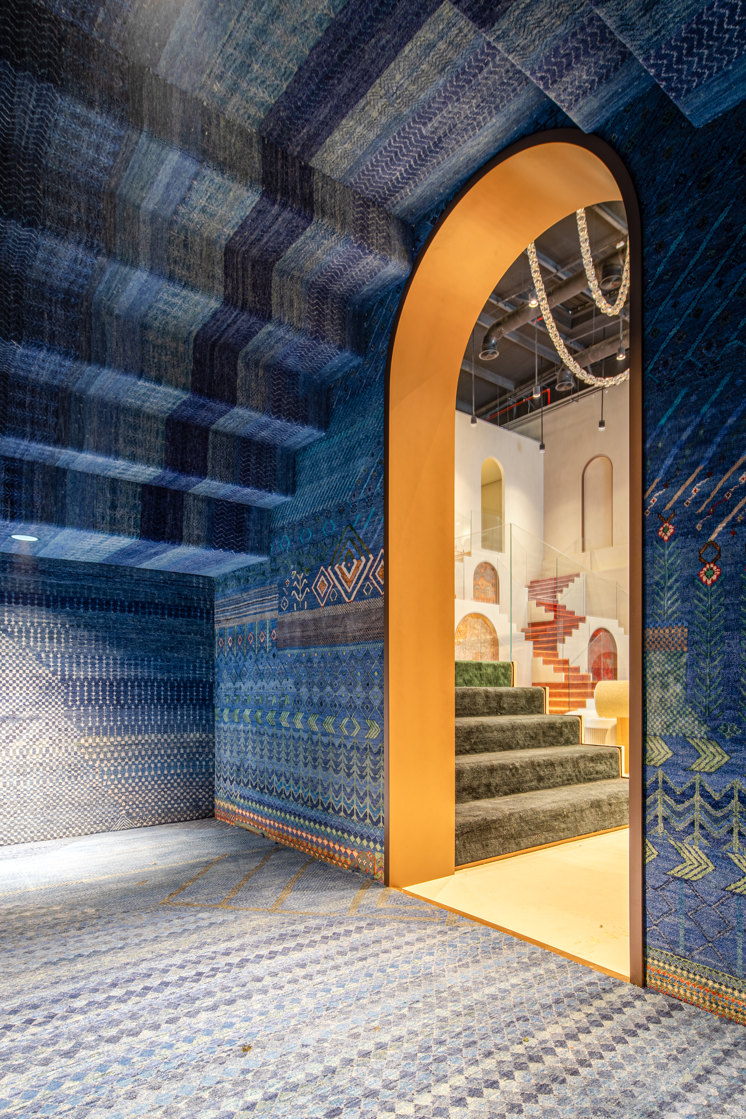
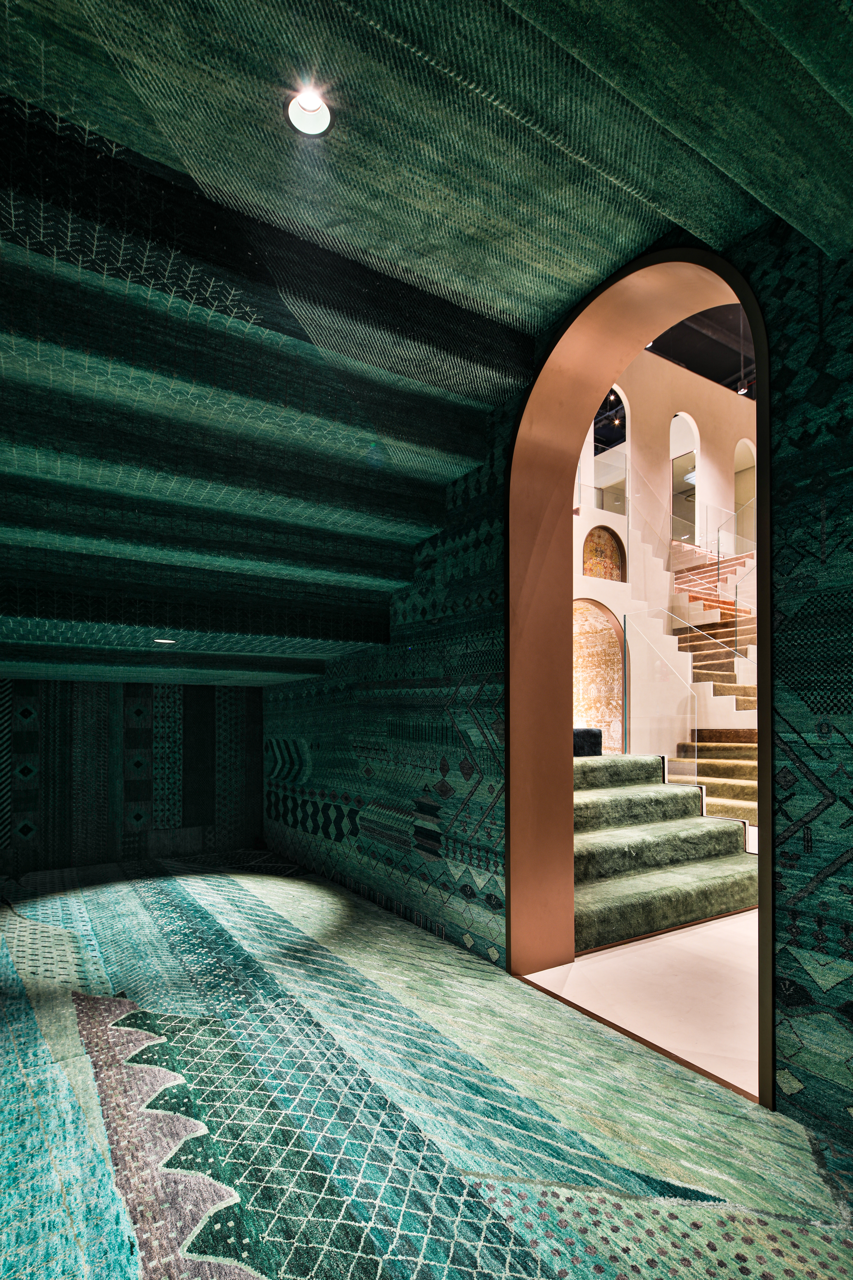
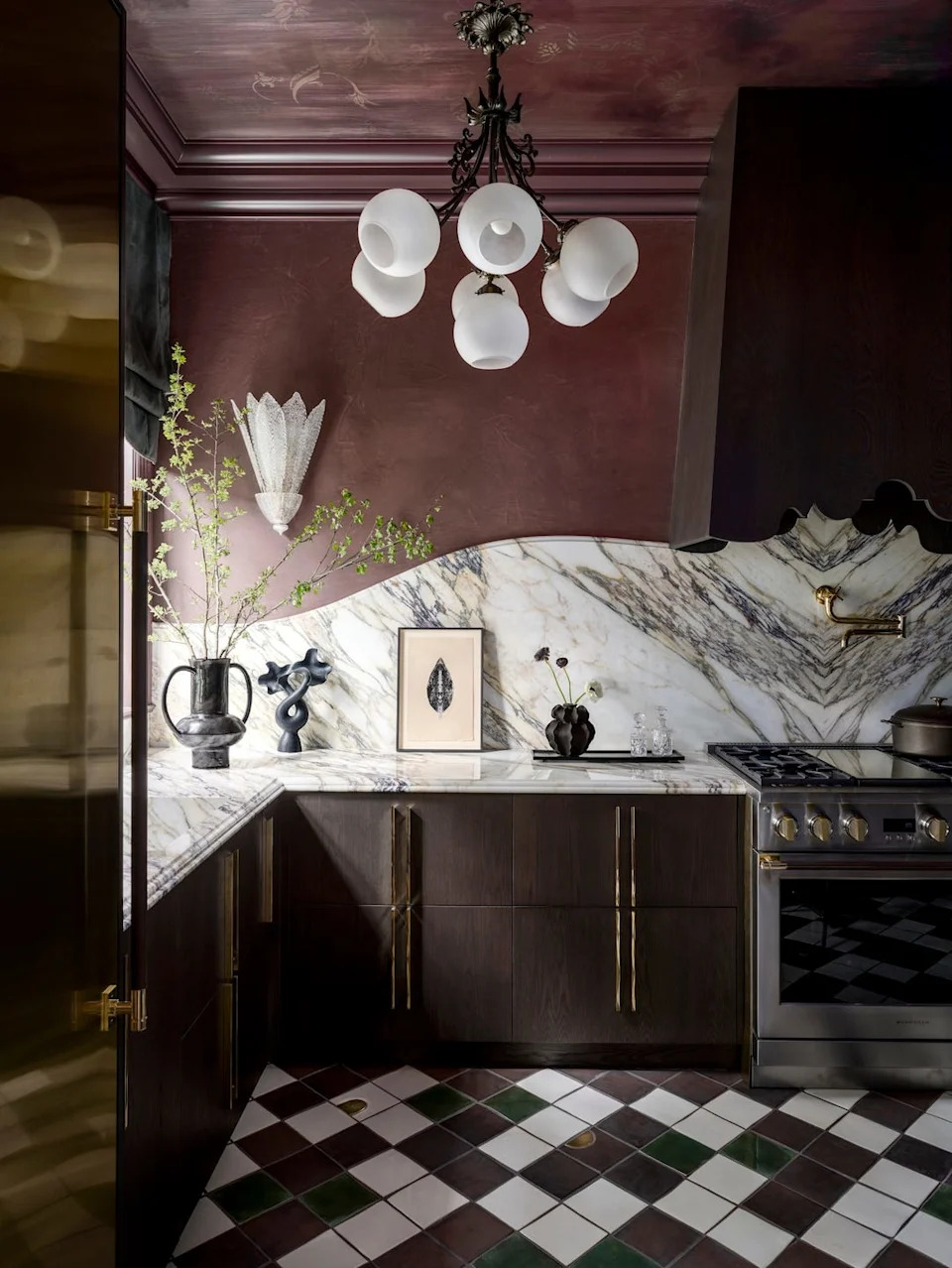
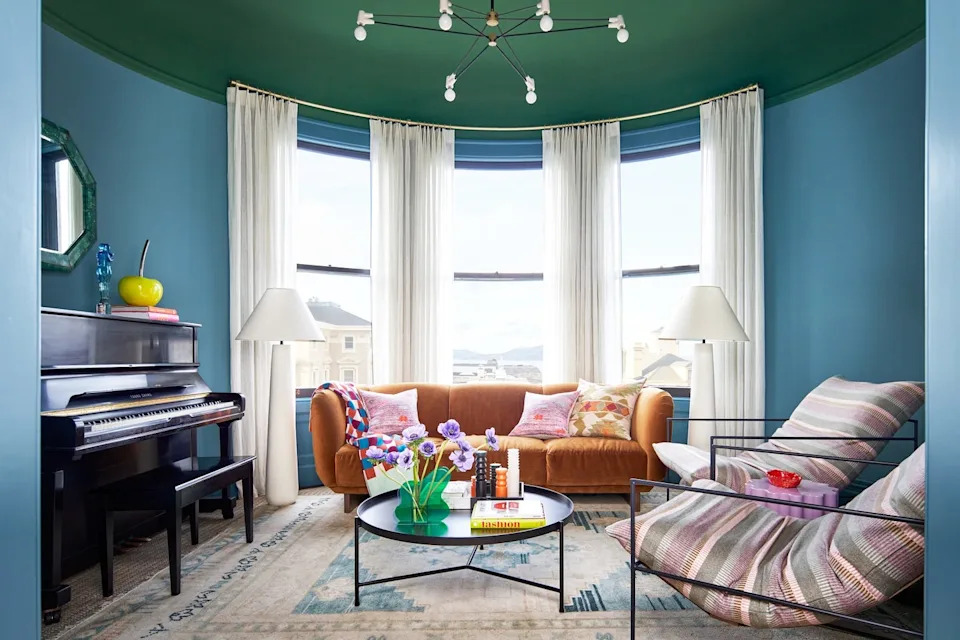
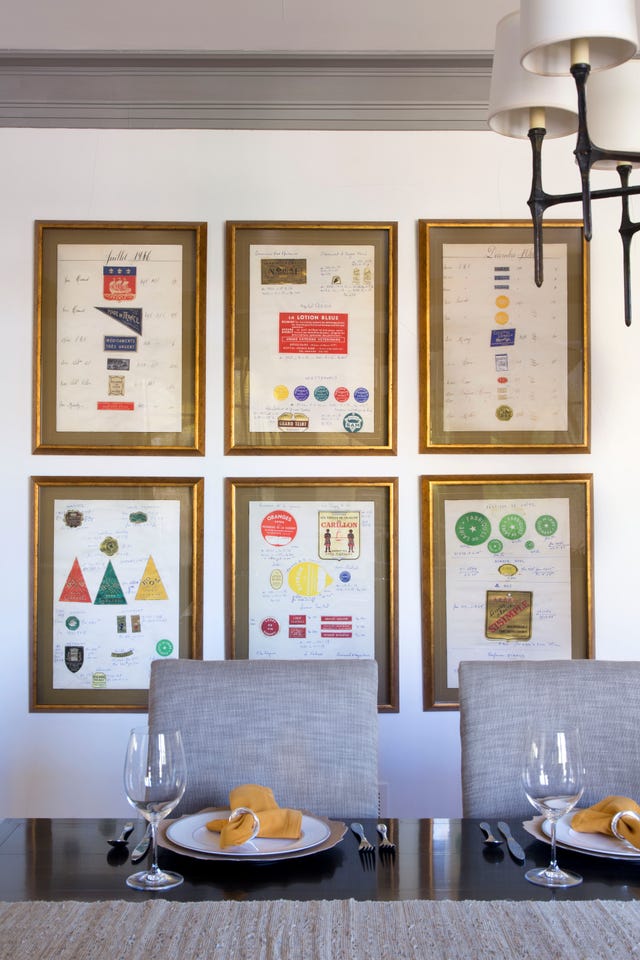
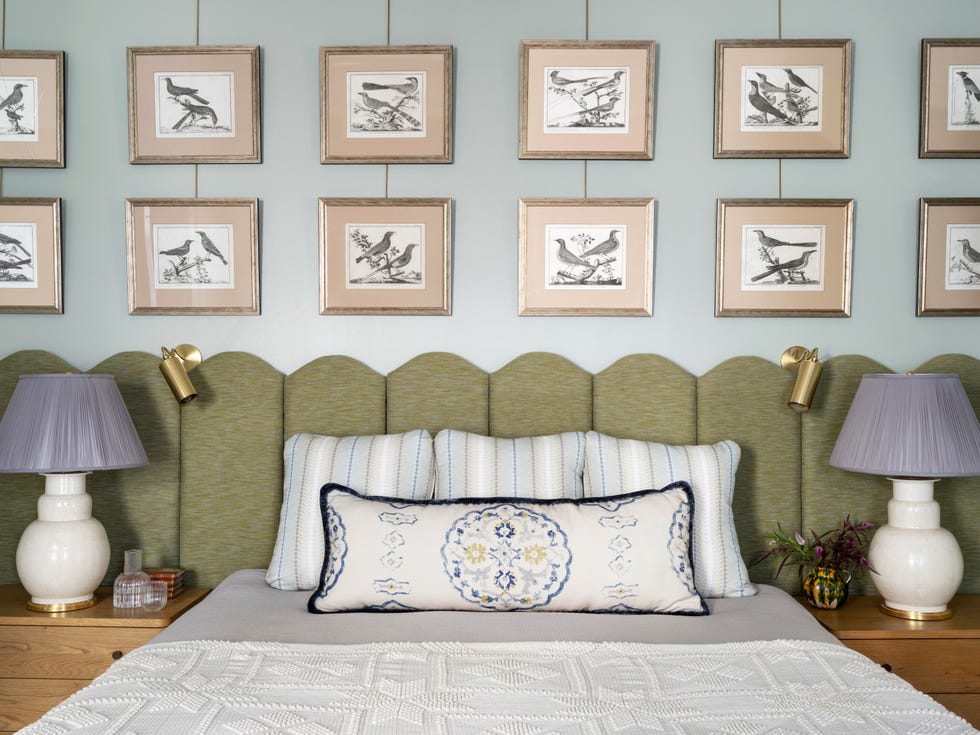
The article highlights a growing trend among interior designers and clients to move away from plain, flat-painted walls towards more textured finishes. Sondra Ganz of Studio Ganz notes that many clients are requesting walls with more visual interest, finding traditional painted walls to be boring. Textured walls offer a more transportive and bespoke feel, though they typically involve a longer-term commitment and may influence decor choices more significantly than a simple paint color.
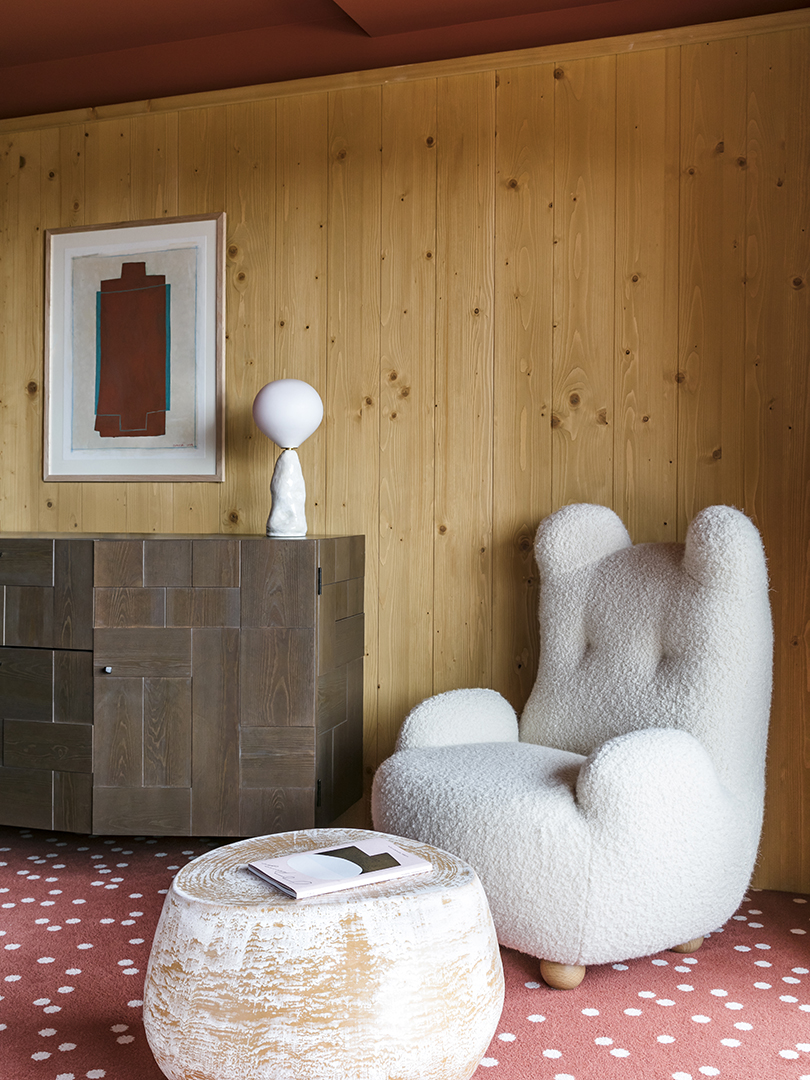
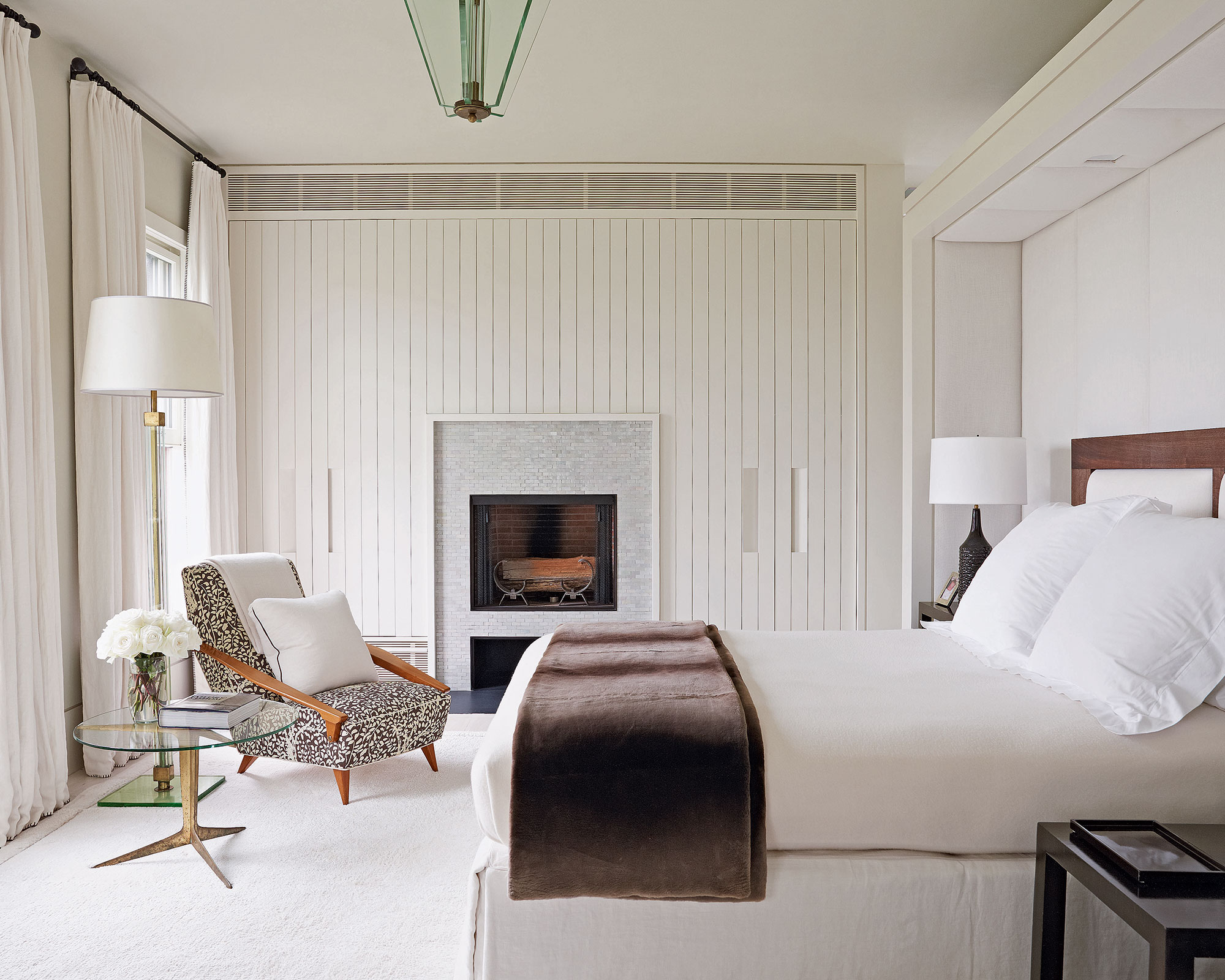
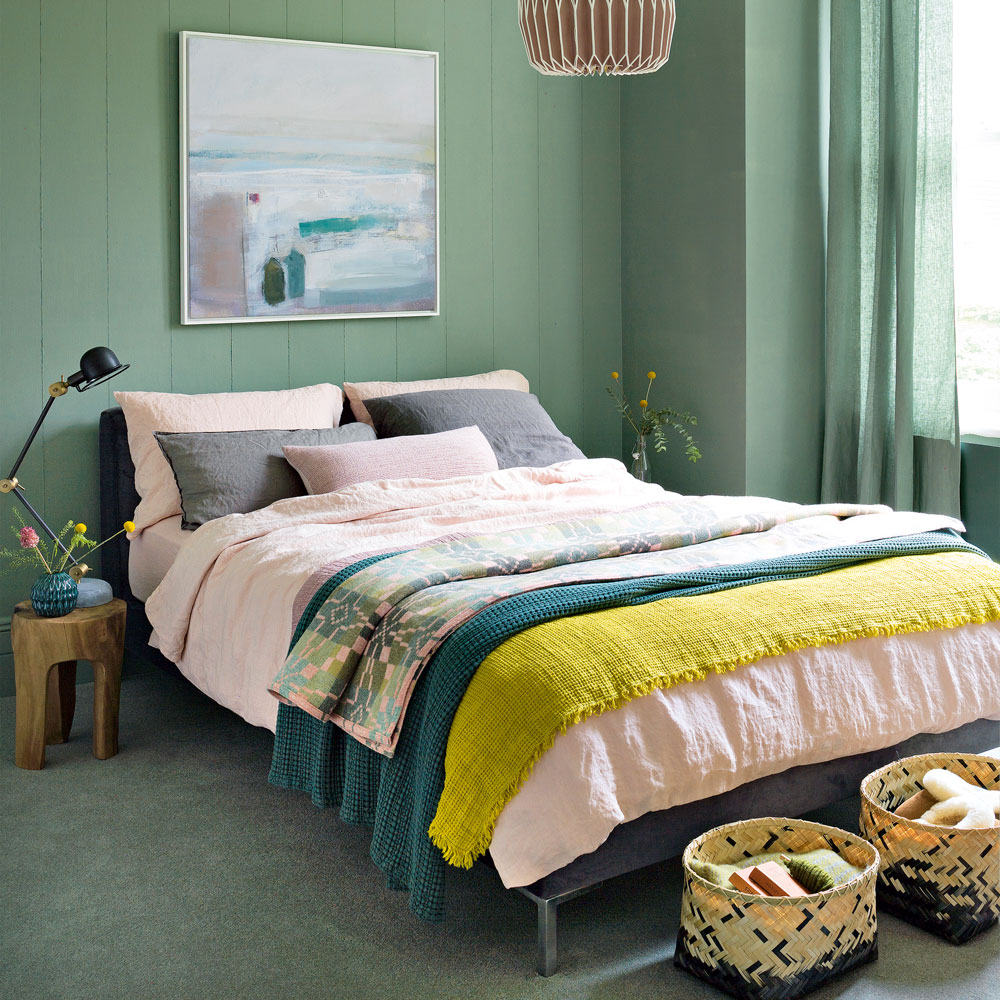
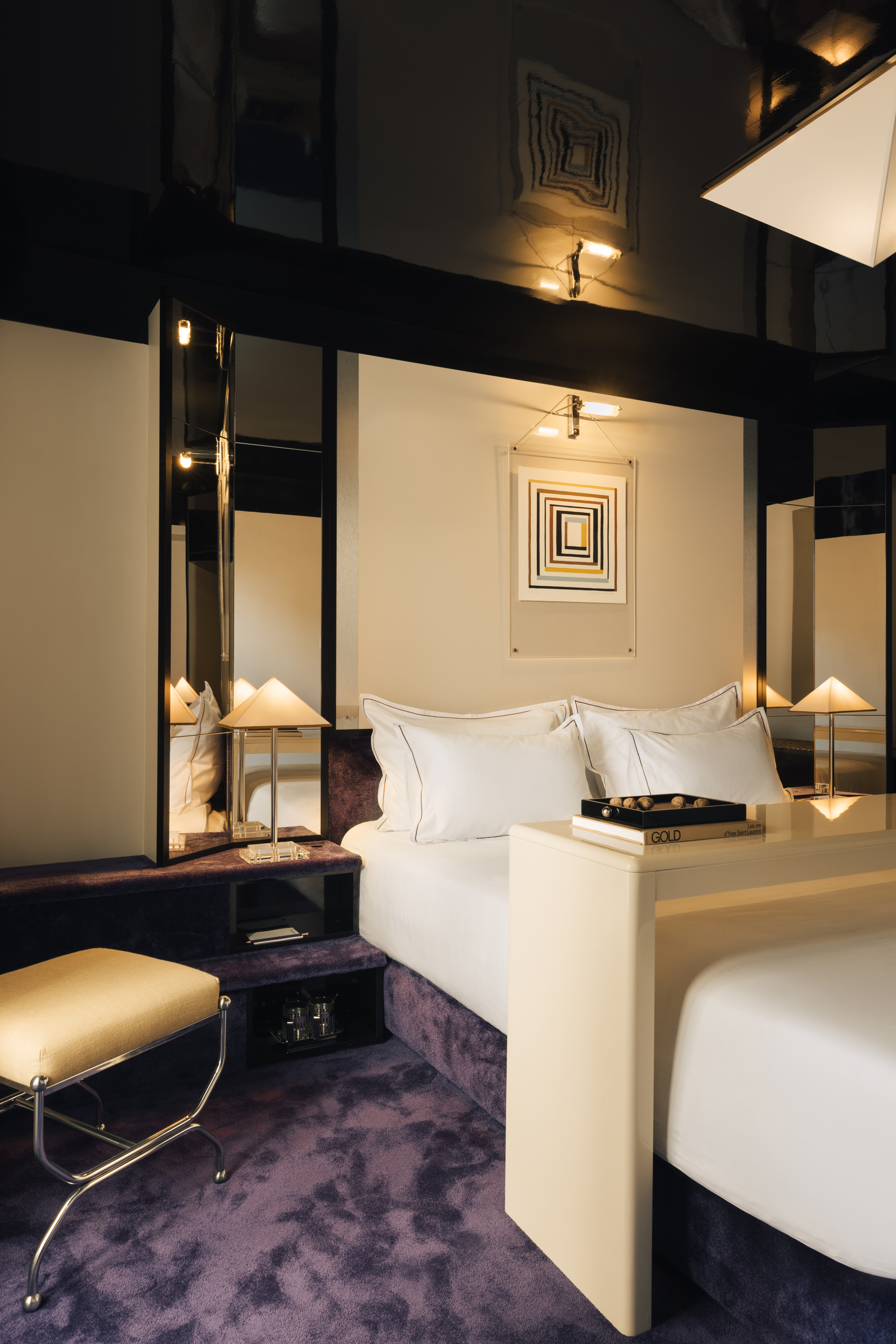
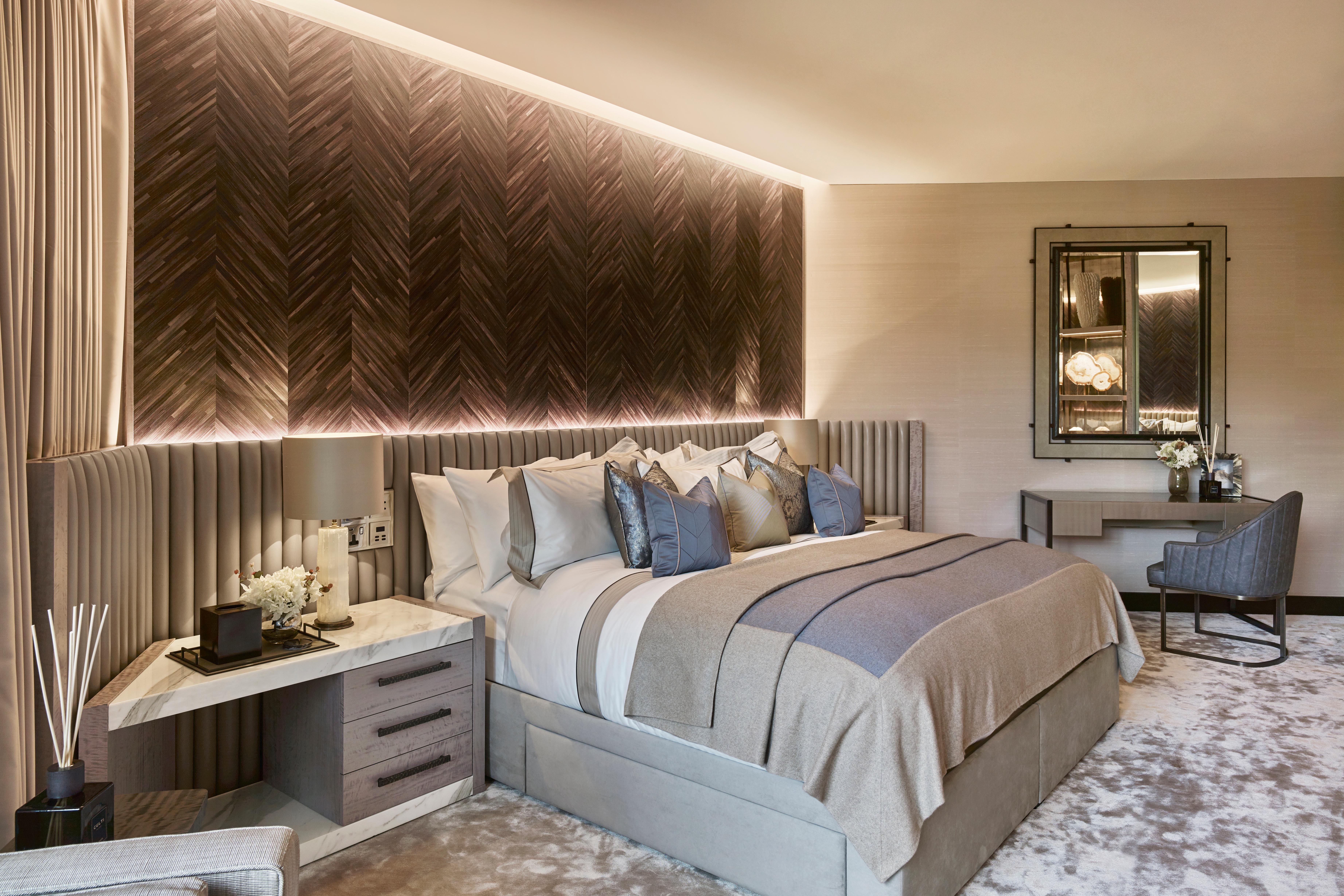
Several creative and daring designers shared their approaches to incorporating texture into wall designs. Becky Shea, an interior designer, advocates for bringing the outdoors in by using reeded wood paneling. In one bedroom, she installed reeded walnut paneling that extends behind the bed and onto the ceiling, creating a warm, enveloping effect. This method adds depth and visual interest without relying on traditional wallcoverings, resulting in an elevated and timeless space.
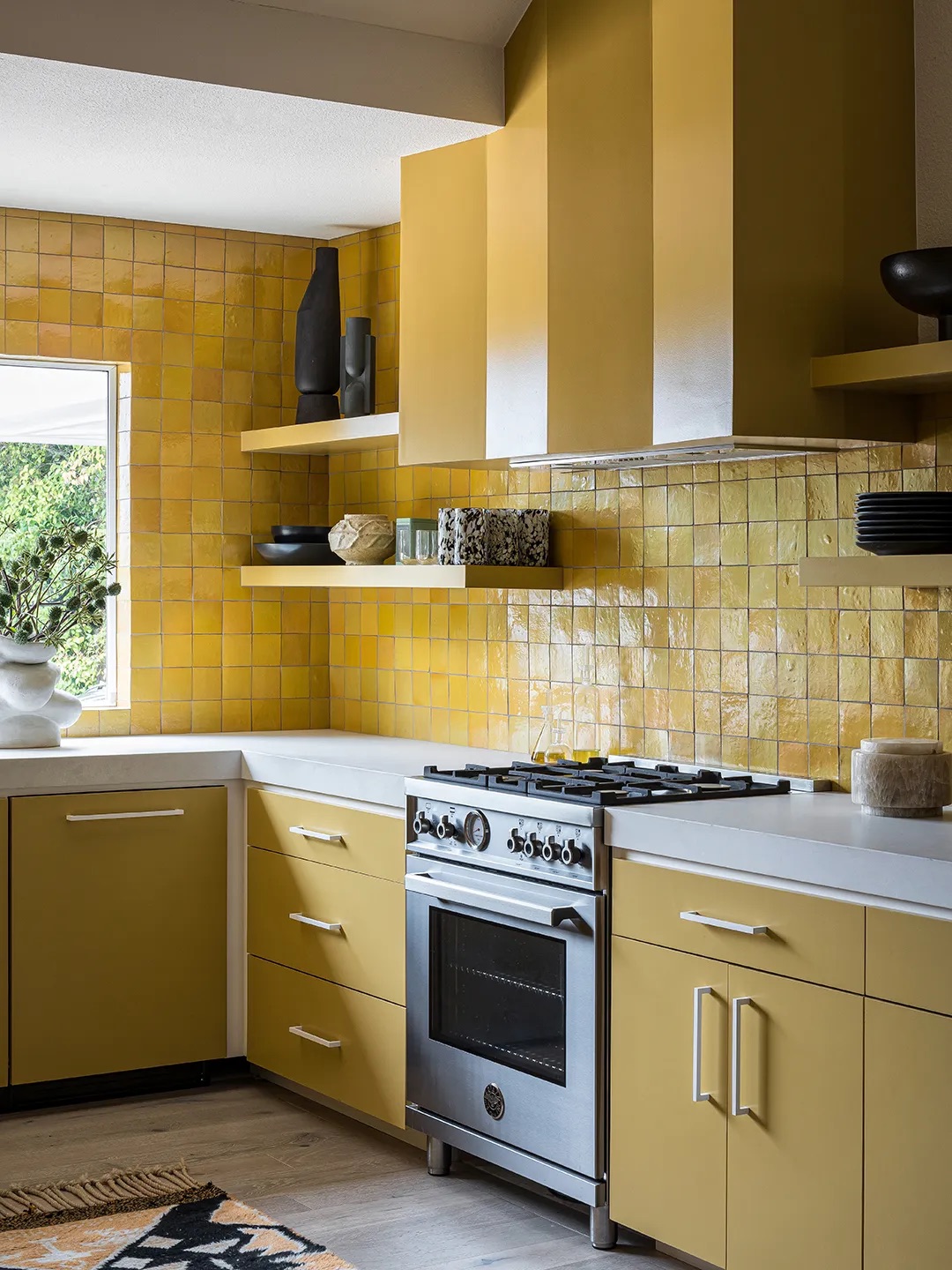
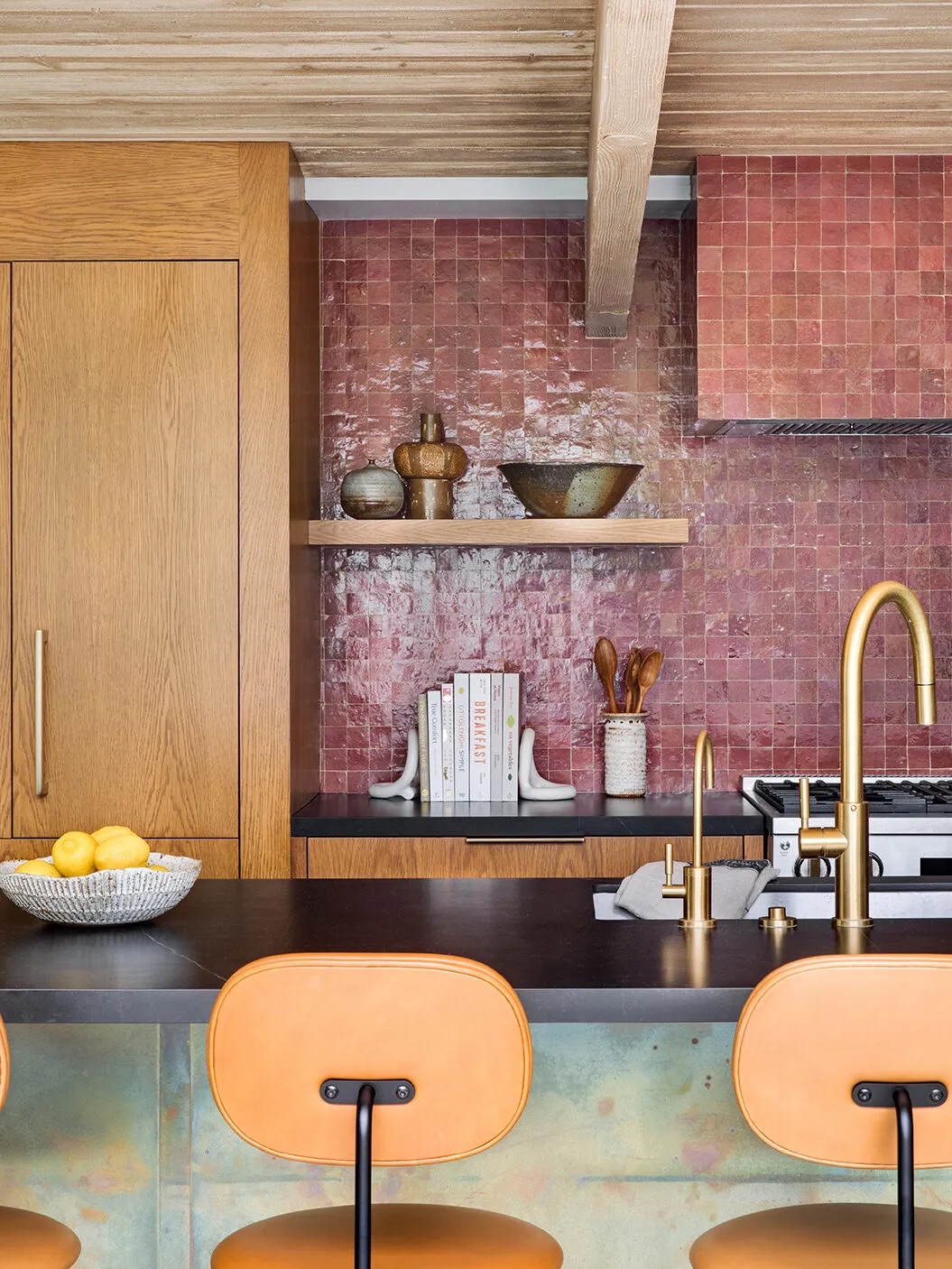
Rachael Gowdridge introduced a unique method for uniform tiled walls, moving beyond typical high-gloss drama. She designed bespoke tiles inspired by a 19th-century yew tree sprig, using a repeat pattern to add whimsy. The bright white base of the tiles keeps the room feeling fresh, and extending the tiling to a monolithic basin shelf simplifies finishes and adds playfulness, especially effective in small spaces.
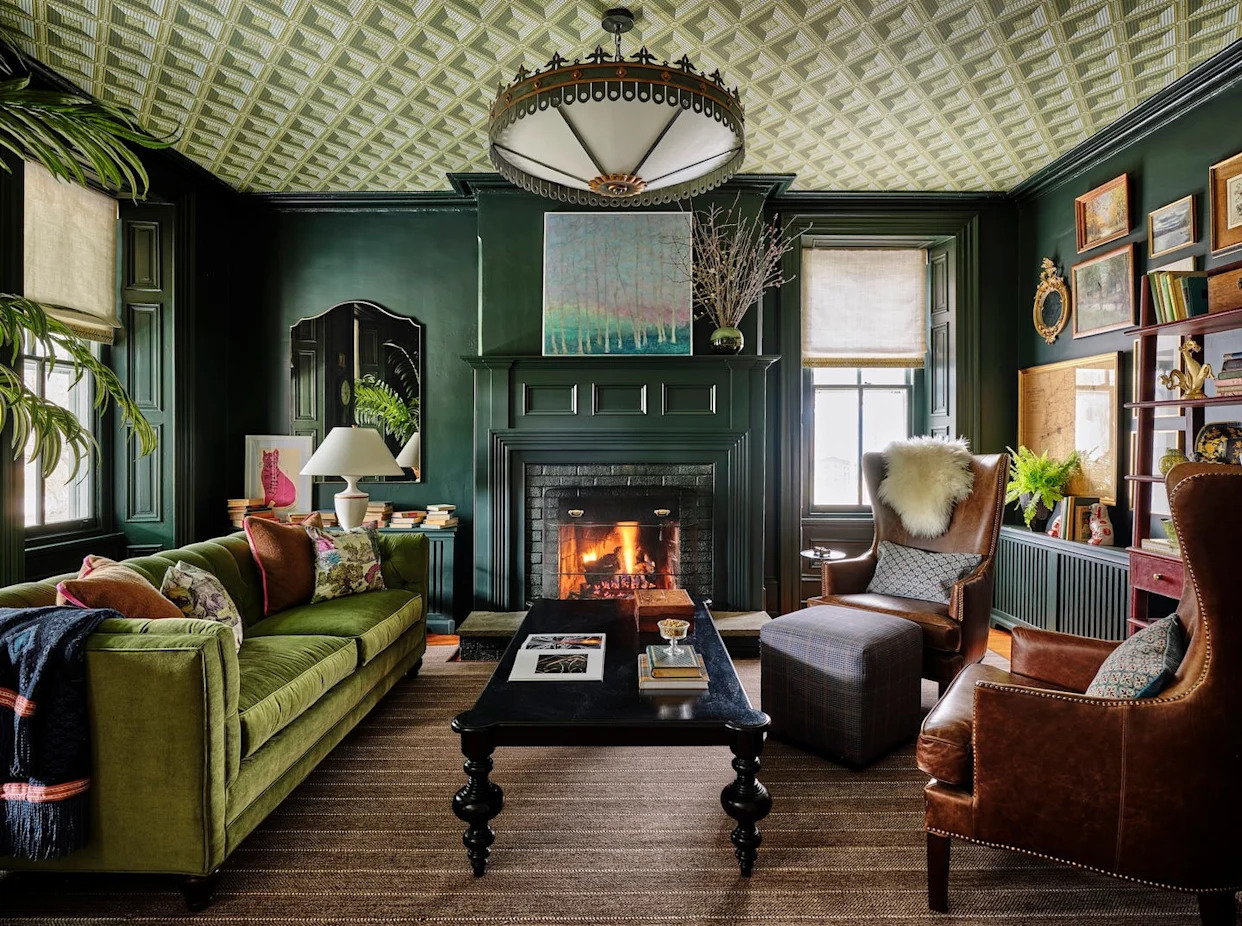
Grasscloth is presented as a middle ground between paint and wallpaper, offering the solidity of paint with the dimension of wallpaper. Gowdridge utilized a rich green grasscloth to create a lived-in, layered feel in a room. She explained that grasscloth's natural variations in tone and weave instantly make walls more sophisticated, adding a tactile quality that softens the space and provides warmth without overwhelming the eye.
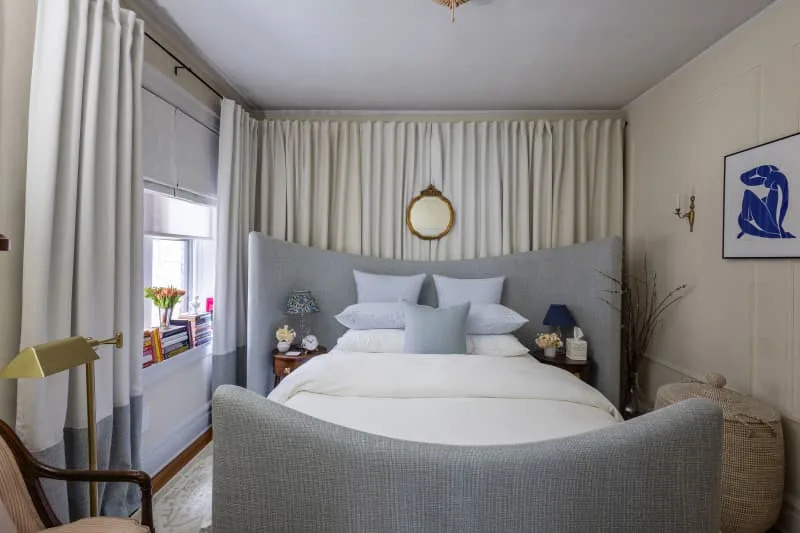
Fabric folding screens, or room dividers, are suggested as a cost-effective way to add texture and define spaces. Marty Dykas used a fabric-covered custom screen to separate a dressing area from a bedroom and serve as a headboard, enhancing the visual appeal of a highly visible flat. The silky-smooth fabric of the screen contributes significant texture.
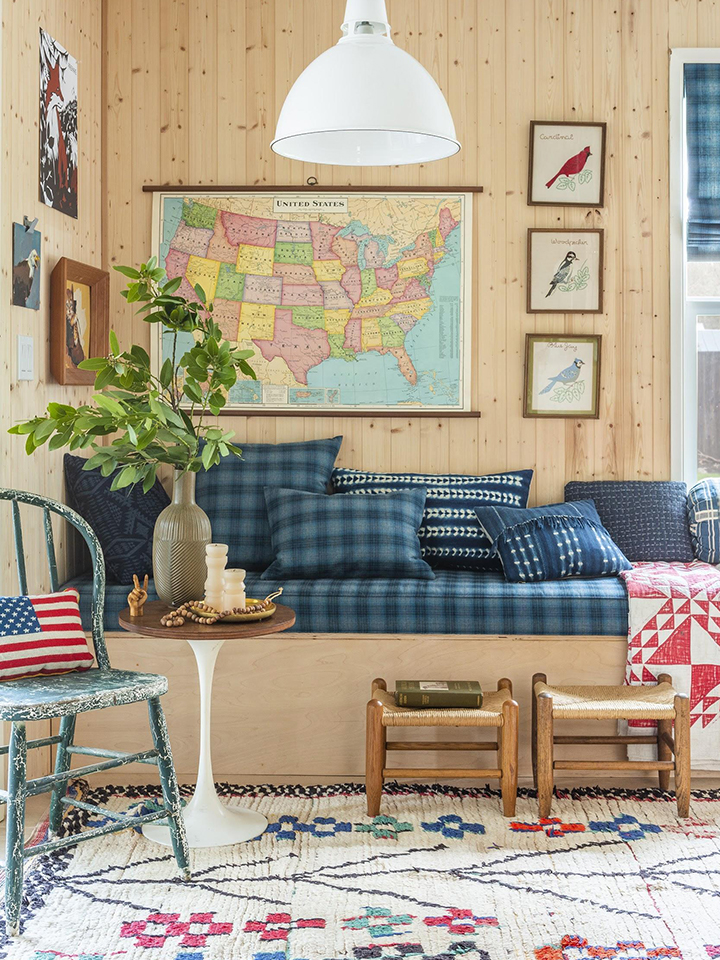
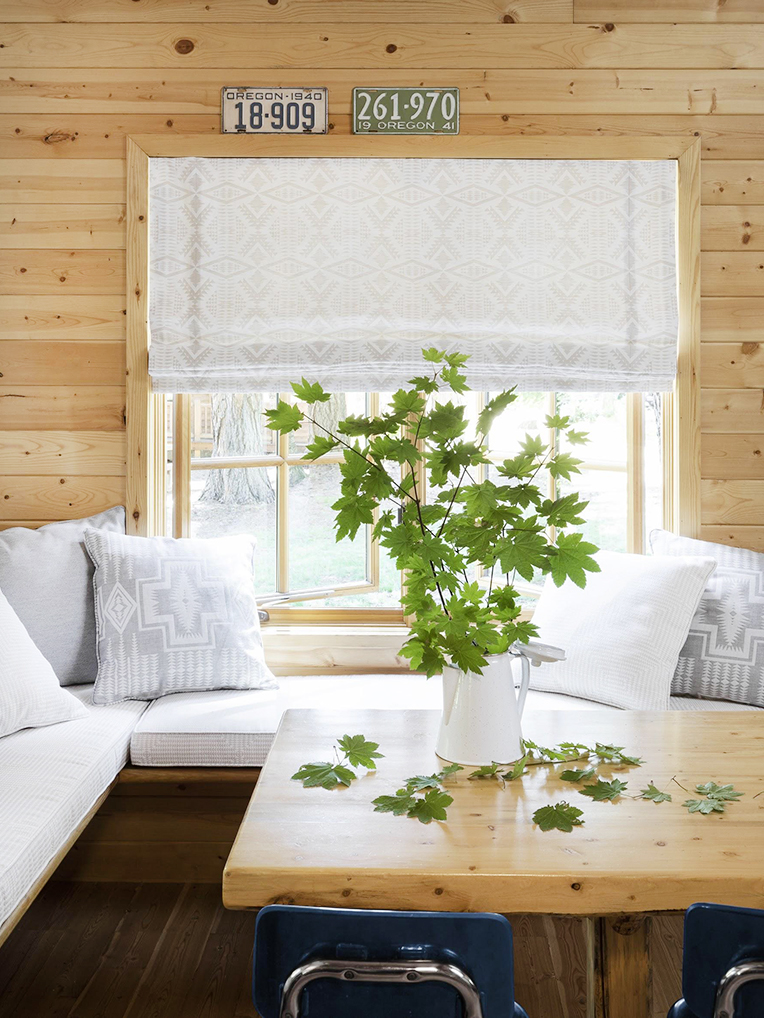
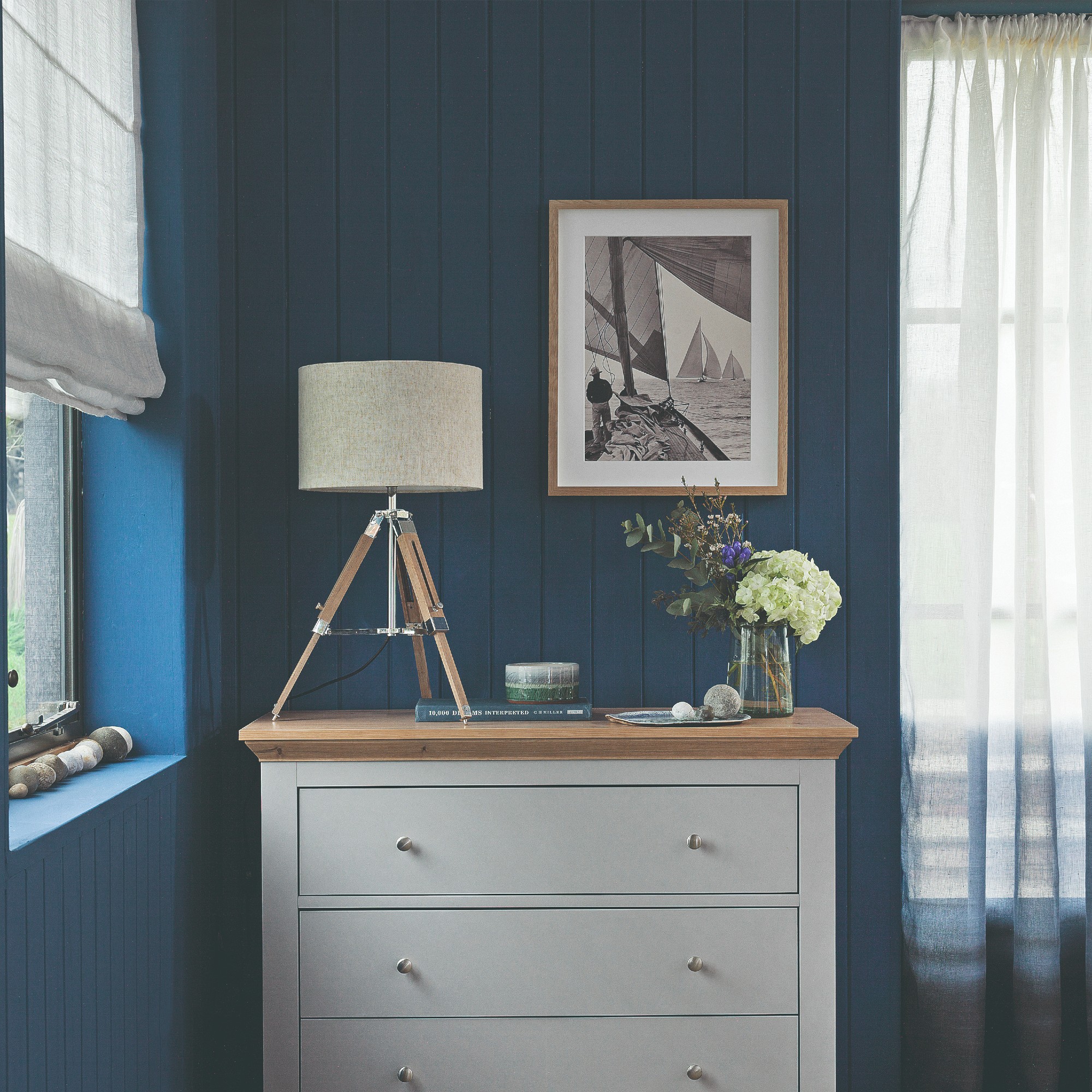
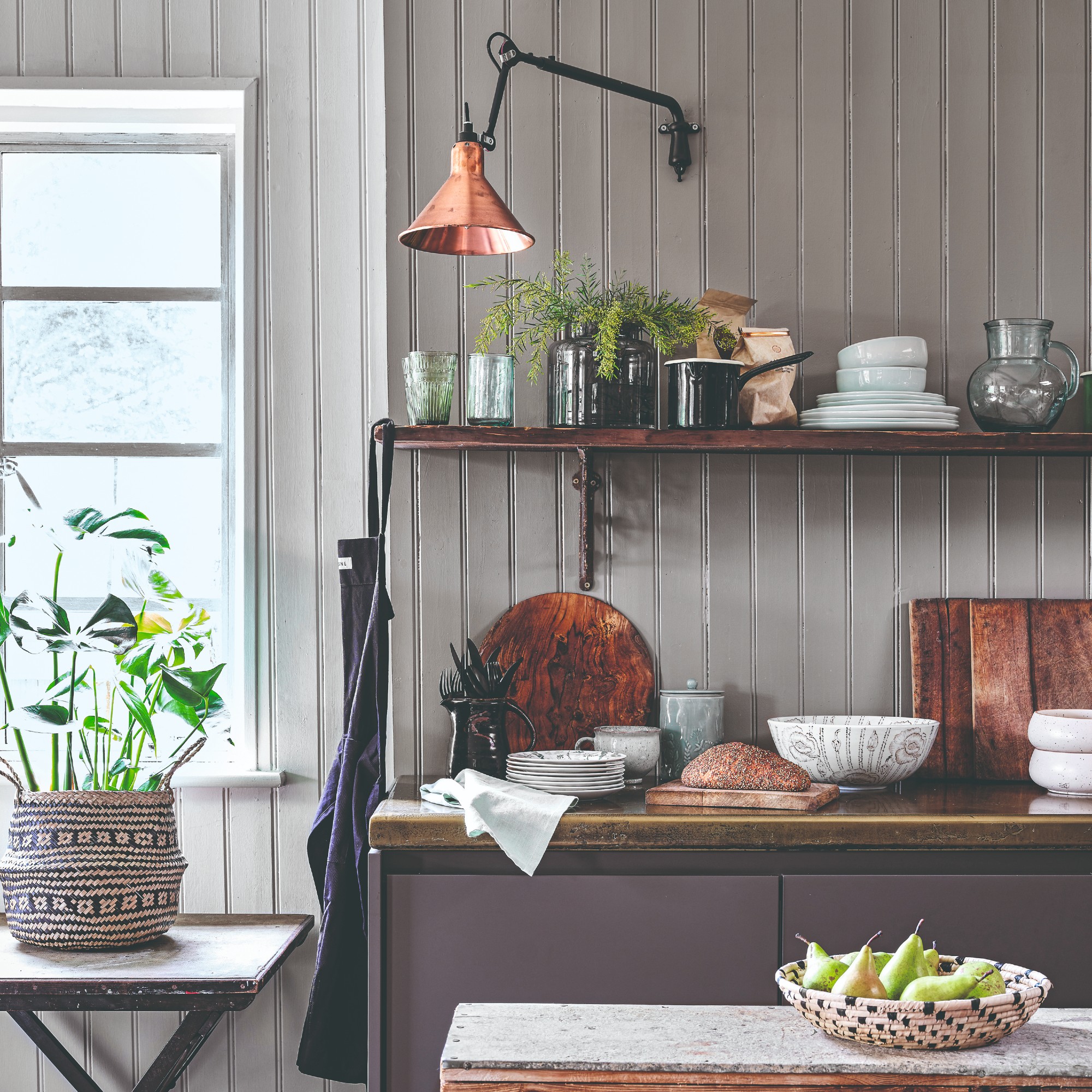
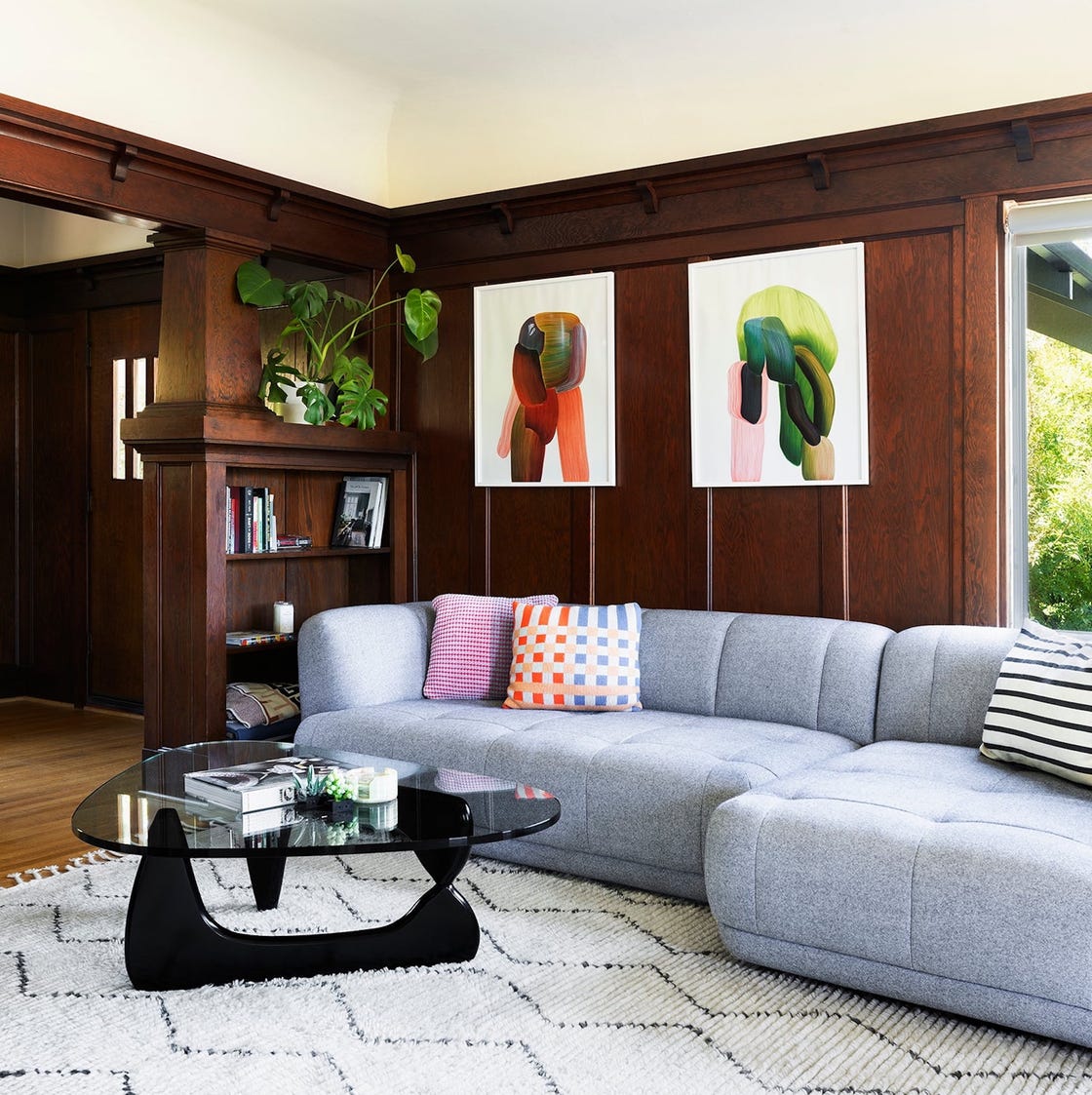
Andy Barlow, head of interior design at Thesis Architecture, embraced original wood paneling in a family home built in 1914. This preserved architectural element served as a key design feature, influencing the decision to keep the kitchen light and bright to balance the darker, cozy wood tones on the main floor, ensuring the original character of the house was maintained.
Exposed painted brick is another textural element discussed. Anshu Bangia, co-founder of Bangia Agostinho Architecture DPC, uncovered existing brick walls in a historic Brooklyn kitchen during renovation. Repaired and incorporated into the new design, the painted brick added texture and depth, acting as a light, airy backdrop in the open kitchen and along the stair hall, connecting all levels vertically.
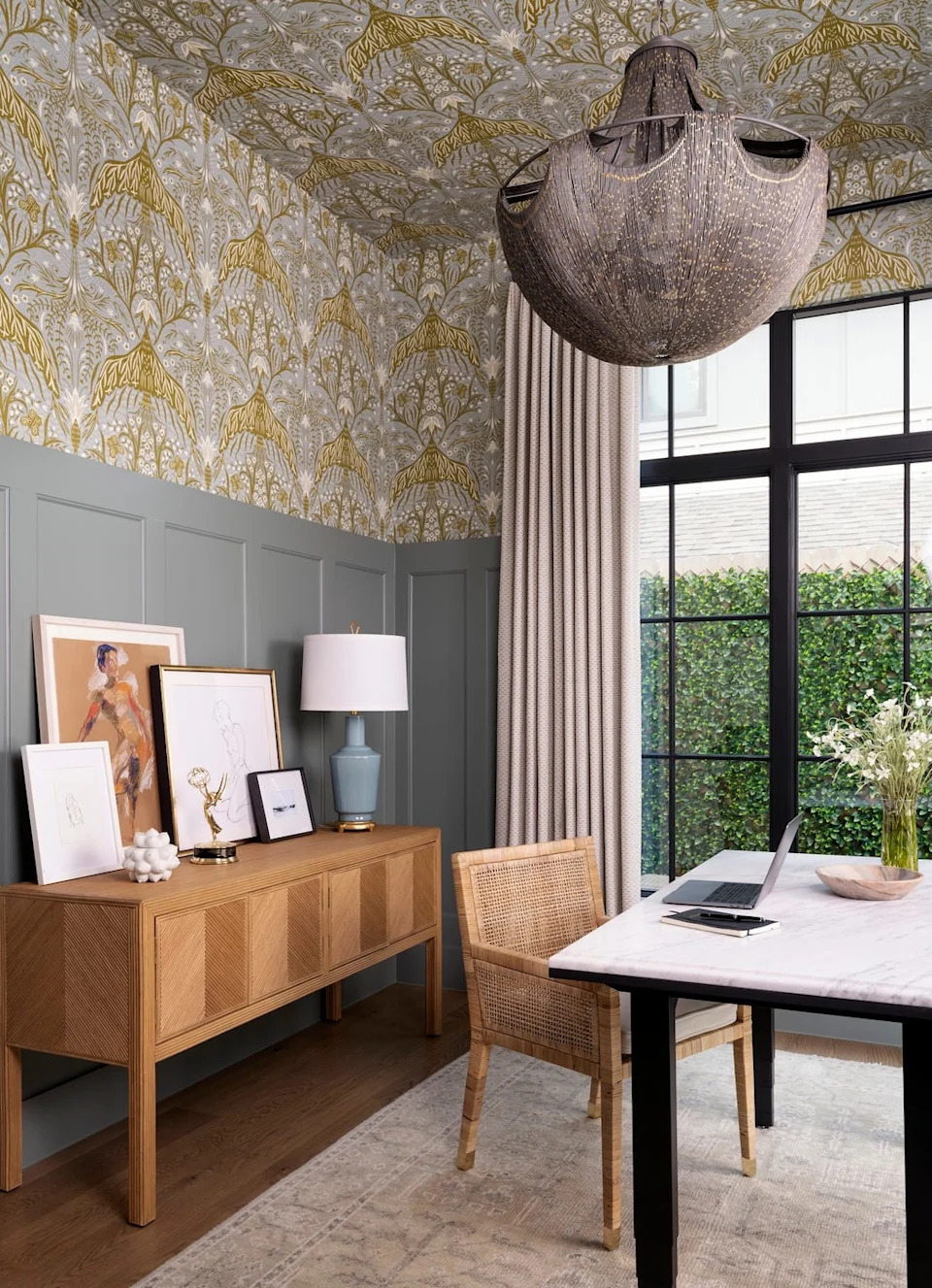
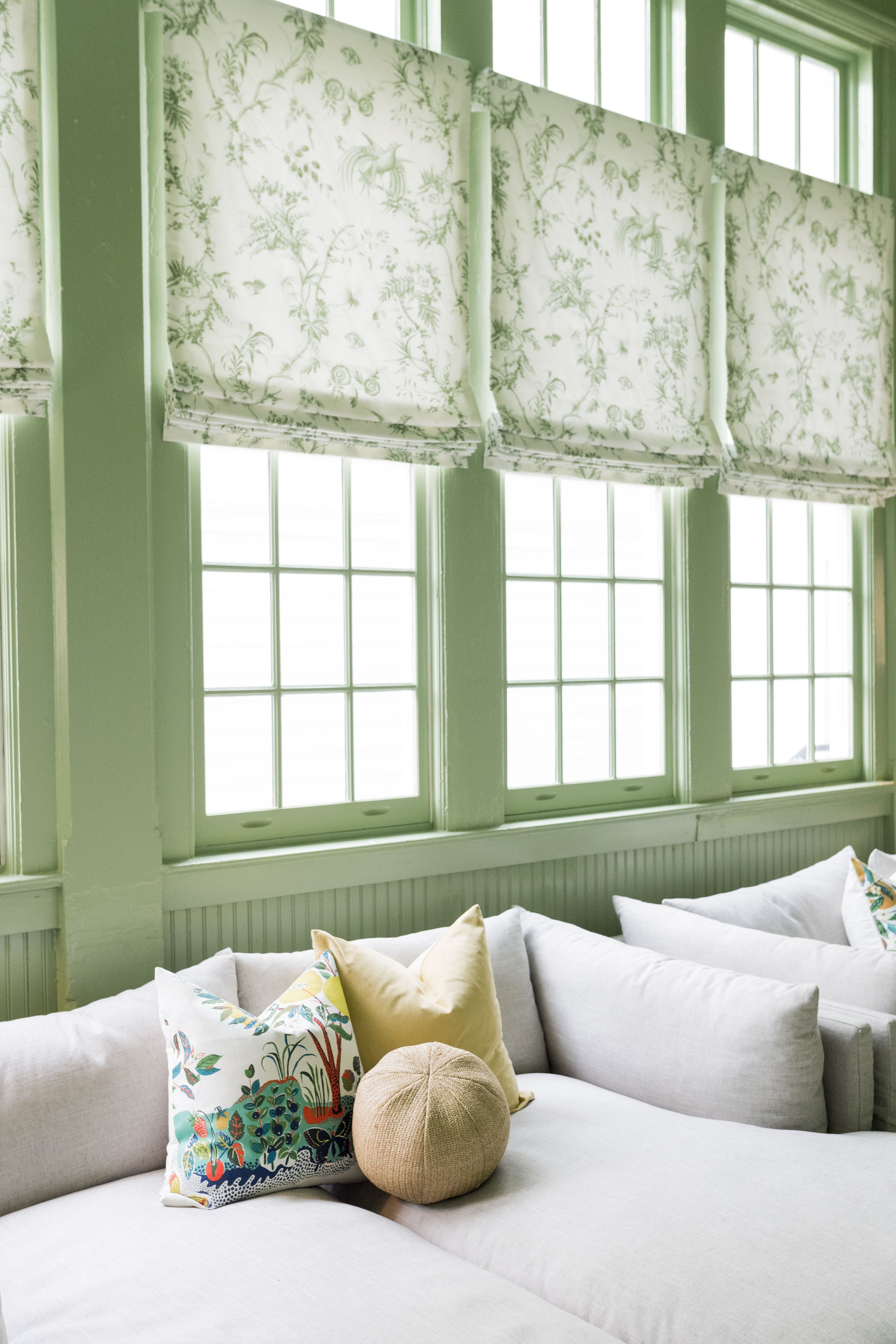
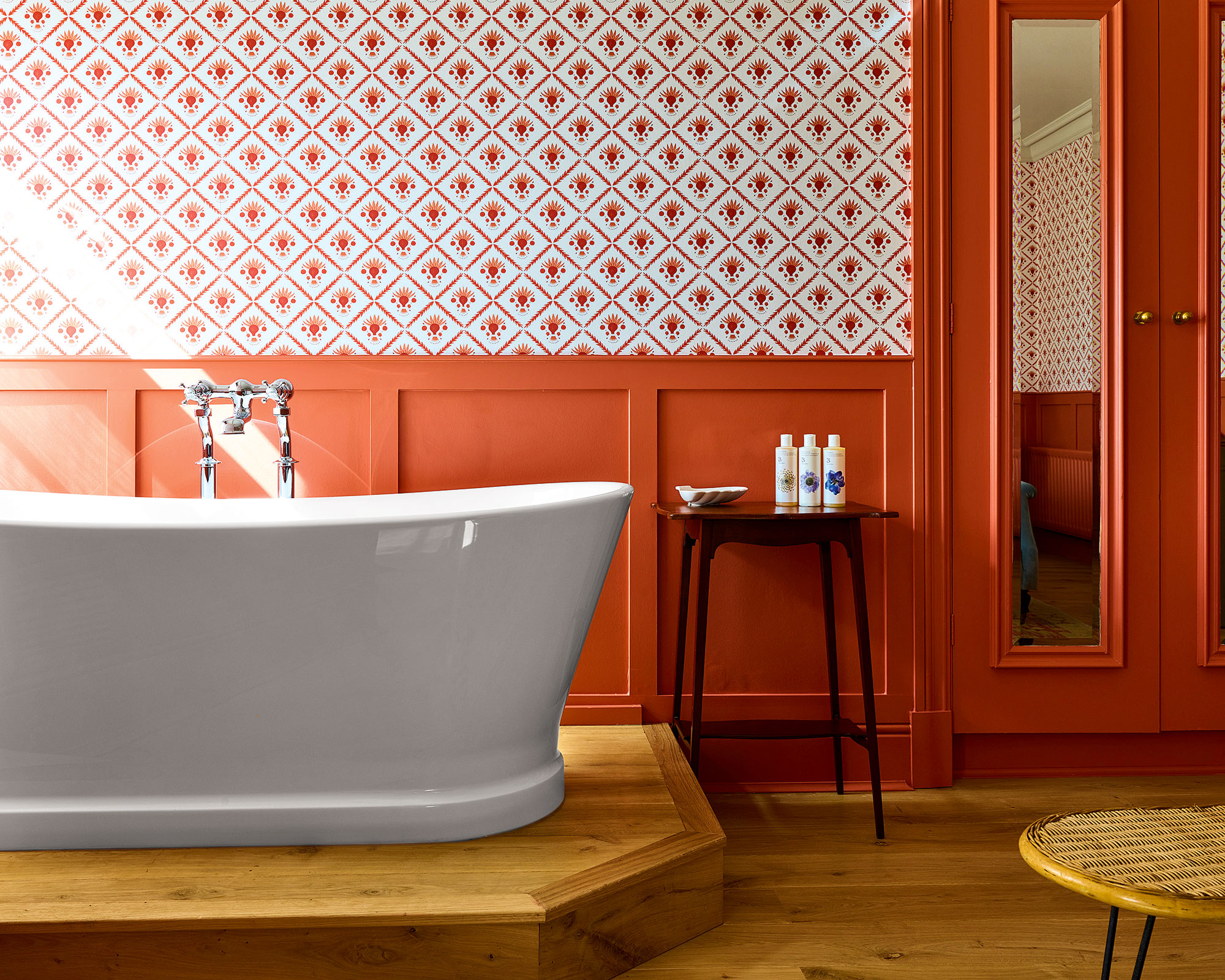
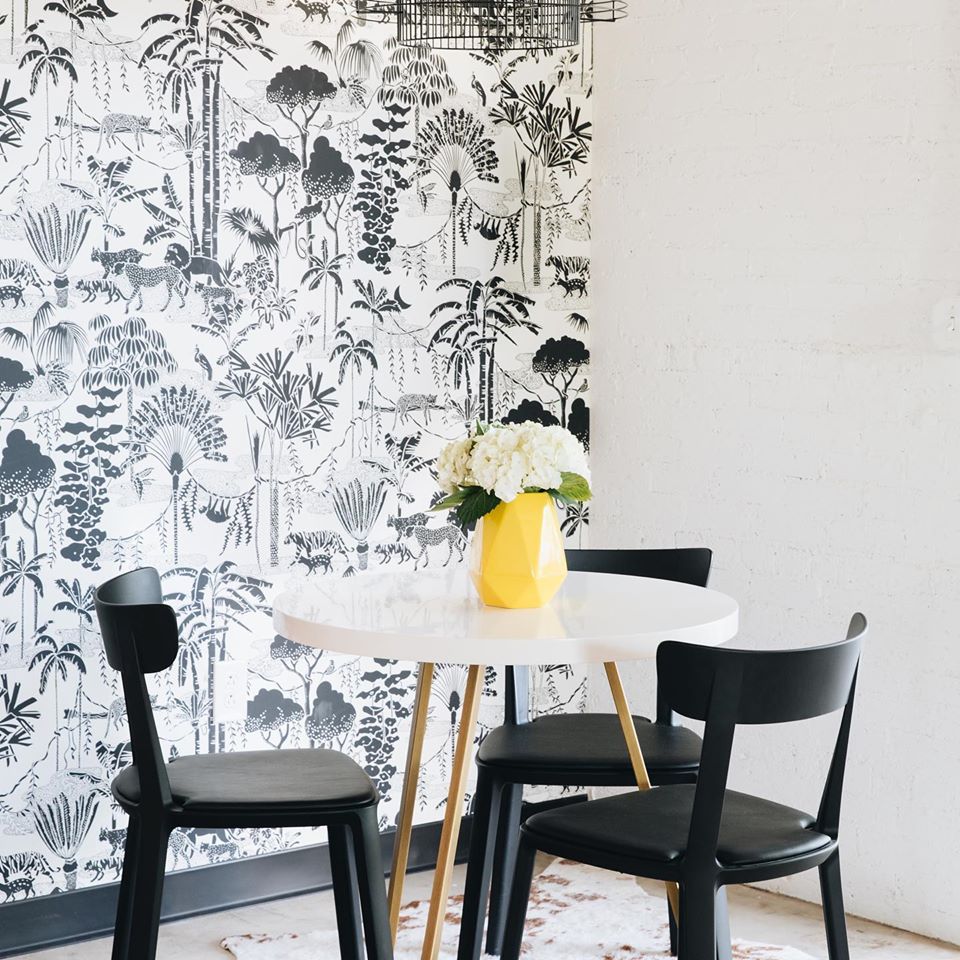
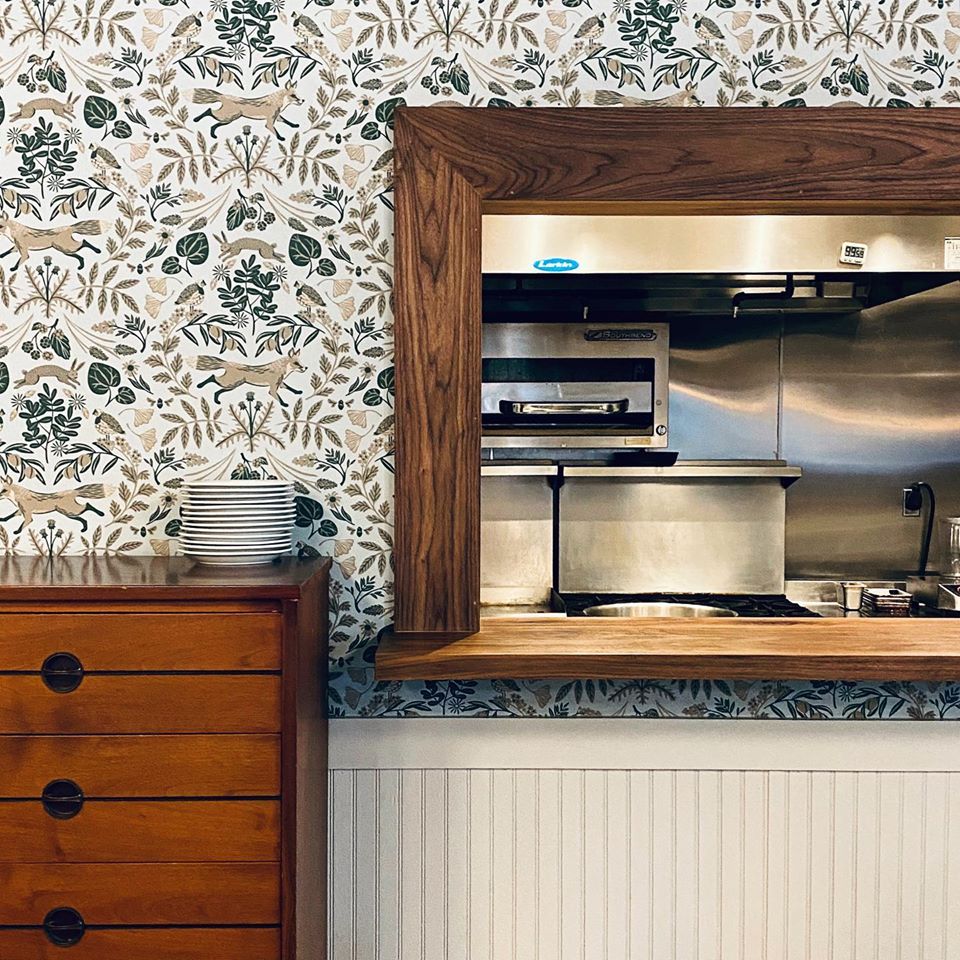
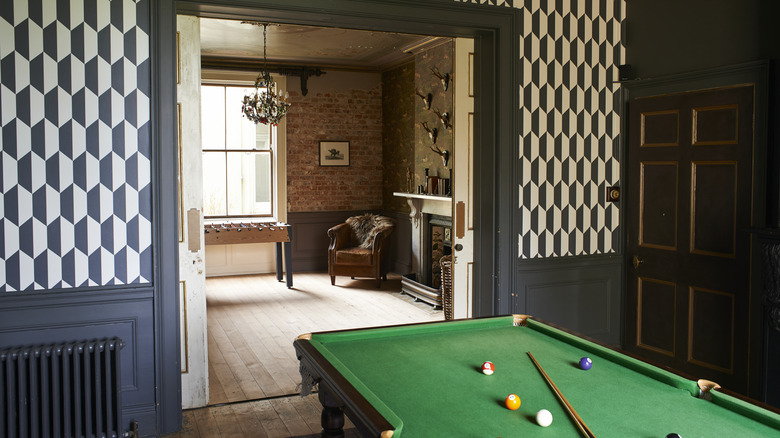
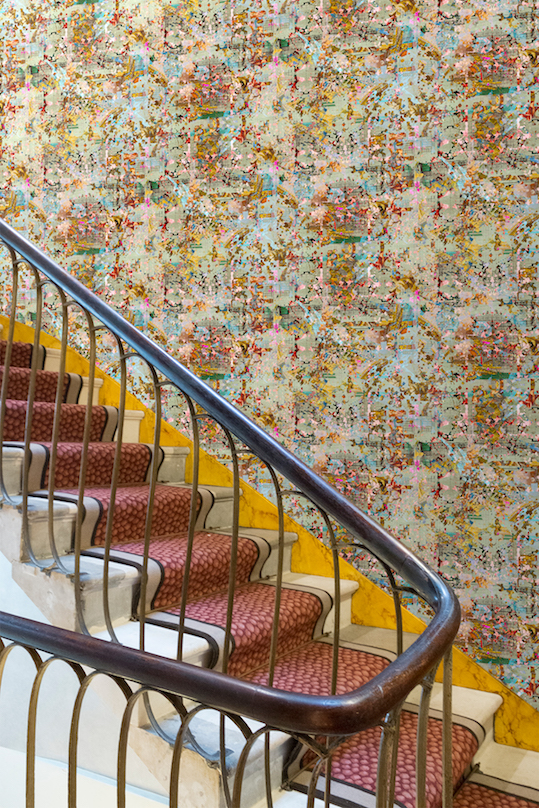
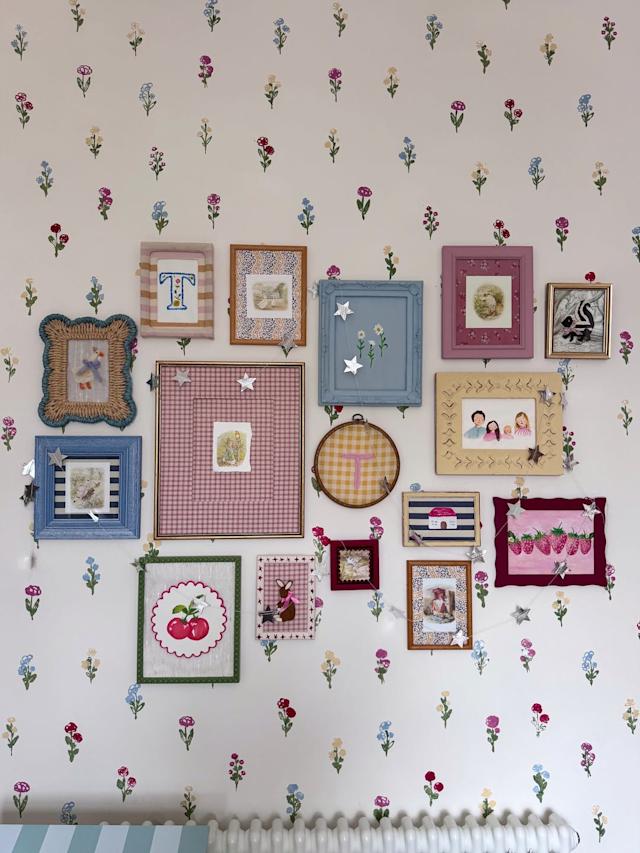
Patterned wallpaper remains a classic choice for adding personality and depth to walls. Miranda Cullen, a Colorado-based designer, frequently uses wallpaper in her projects. She noted that patterned wallpaper can highlight architectural features, add personality, or enhance a color palette. For example, in a breakfast nook, a subtle blue patterned wallpaper softened sharp architectural lines and created a cheerful backdrop, proving wallpaper's ability to add refined character without being overwhelming.
#InteriorDesign #WallDecor #TexturedWalls #HomeRenovation #DesignTrends #Wallpaper #WoodPaneling #TileDesign #Grasscloth #InteriorDesign #WallDecor #TexturedWalls #HomeRenovation #DesignTrends #Wallpaper #WoodPaneling #TileDesign #Grasscloth
0 comment in total
 No comments yet
You may also like
This Surprising NEW Trend Is Replacing Accent Walls
Designers Reveal the Surprising Home Trend That's Taking Over Right Now

28 wall panelling ideas to add depth and character to any room in your home
The Interior Design Trend That’s Replacing Outdated Accent Walls

Bye-Bye, Accent Walls! Designers Say THIS Is Now the Hottest Decorating Feature
Designers Are Betting on This Wall Treatment as the New Shiplap

Designers Have Spoken: Grid Walls Are the New Gallery Walls

16 Accent Wall Ideas That You'll Start Seeing Everywhere In 2025
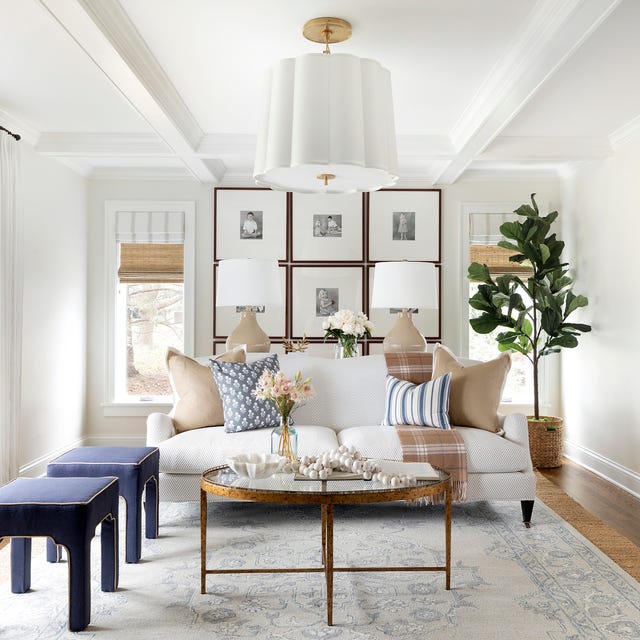
Designers Have Spoken: Grid Walls Are the New Gallery Walls

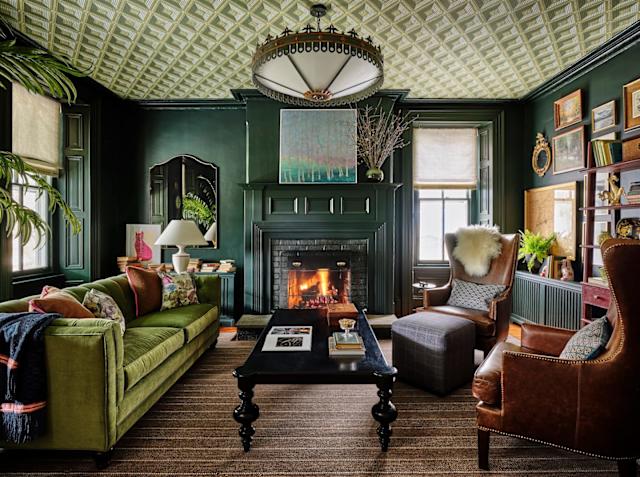
Bye-Bye, Accent Walls! Designers Say THIS Is Now the Hottest Decorating Feature
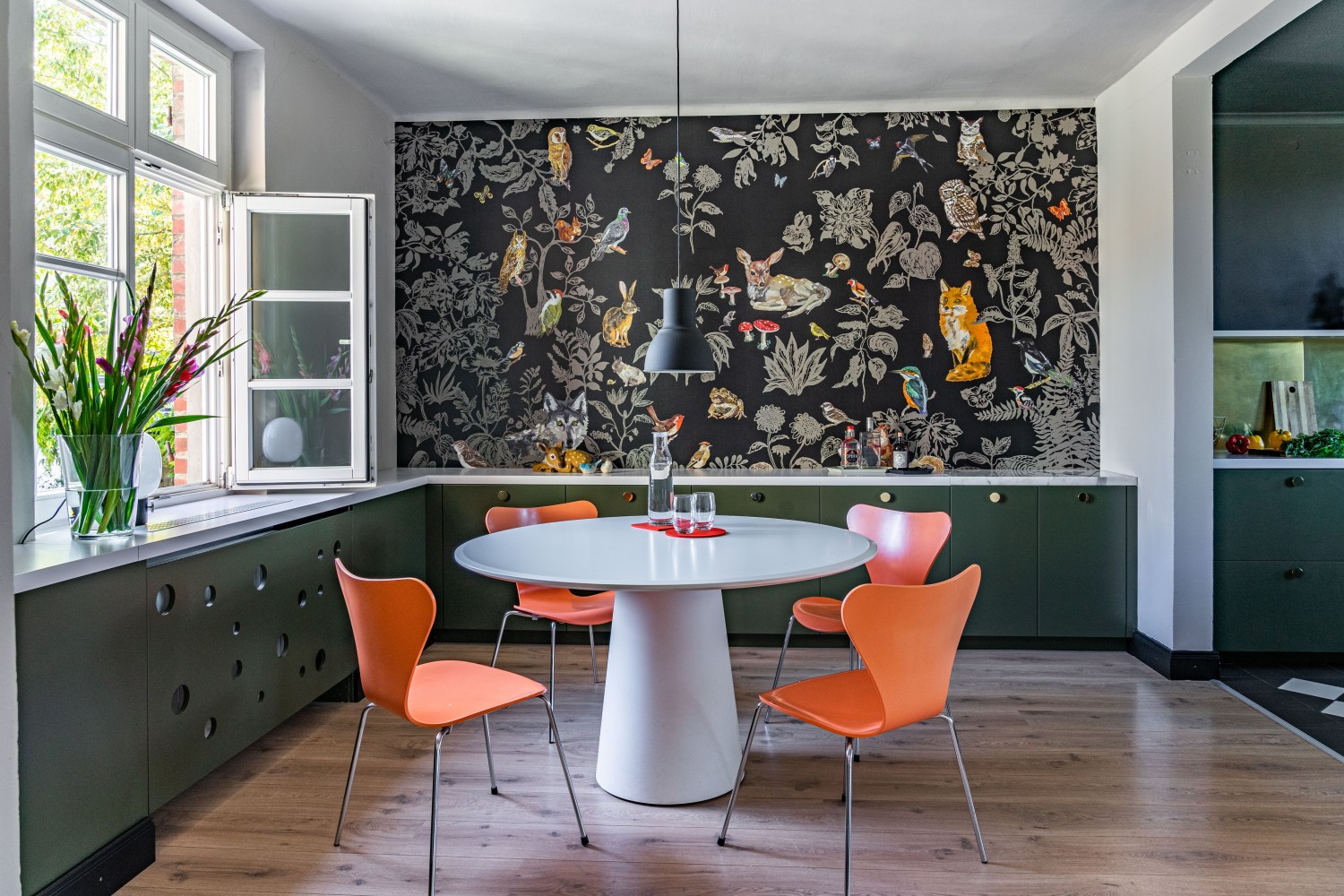
The writing is on the wall(paper) for this rising interior design trend
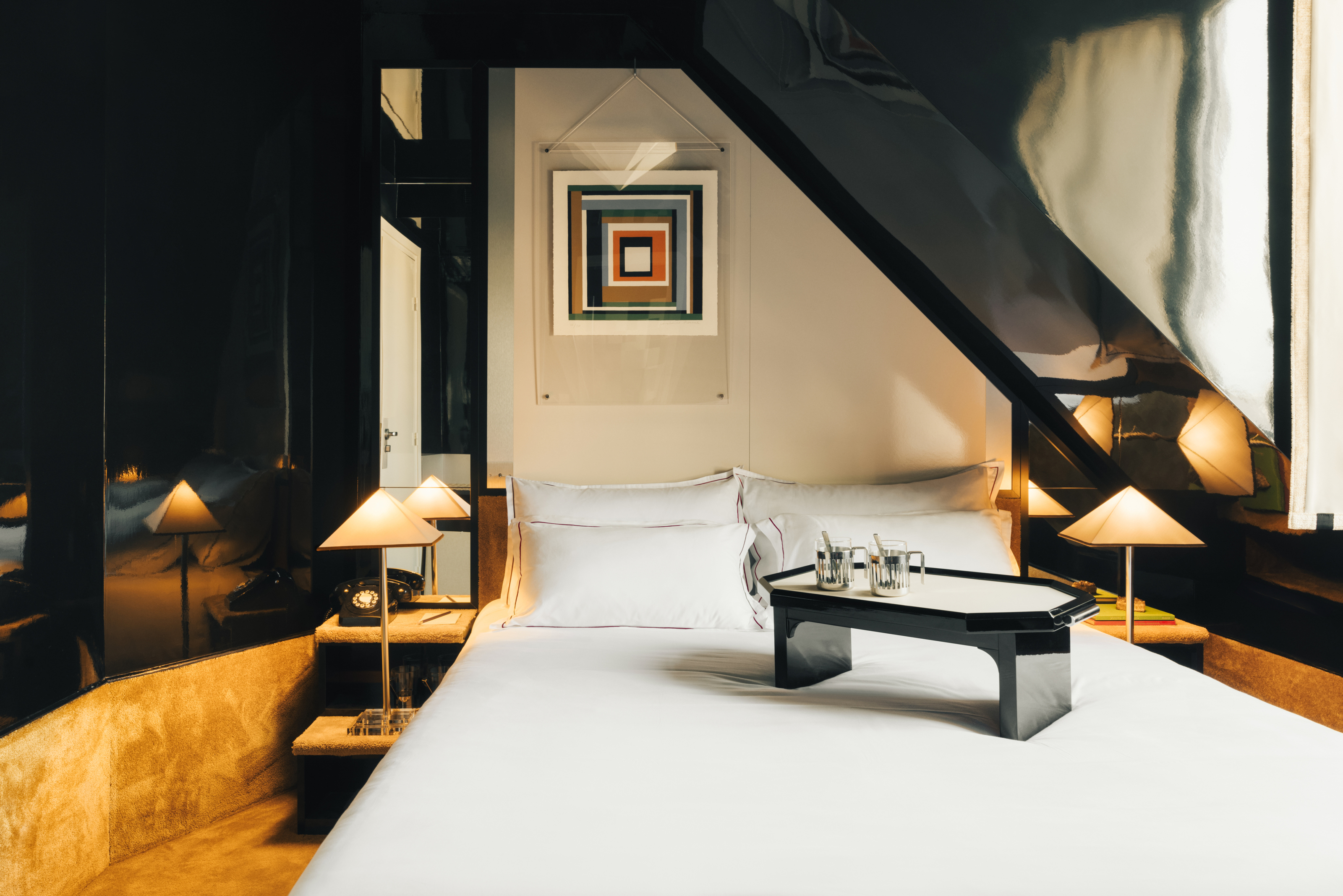
This Outdated Paint Trend is now Predicted to Return — Designers Love its "Fun, Eye-Catching Glamor"

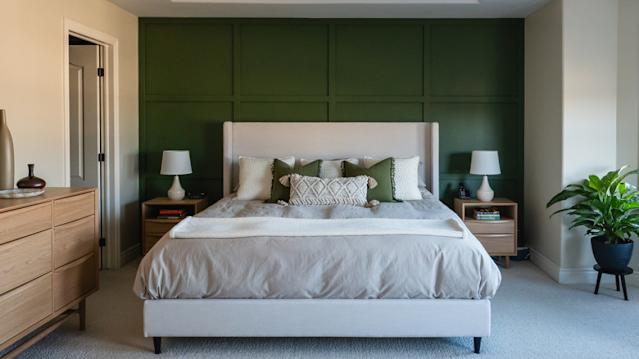
Forget Single Painted Accent Walls: This Stunning Trend Is Taking Over
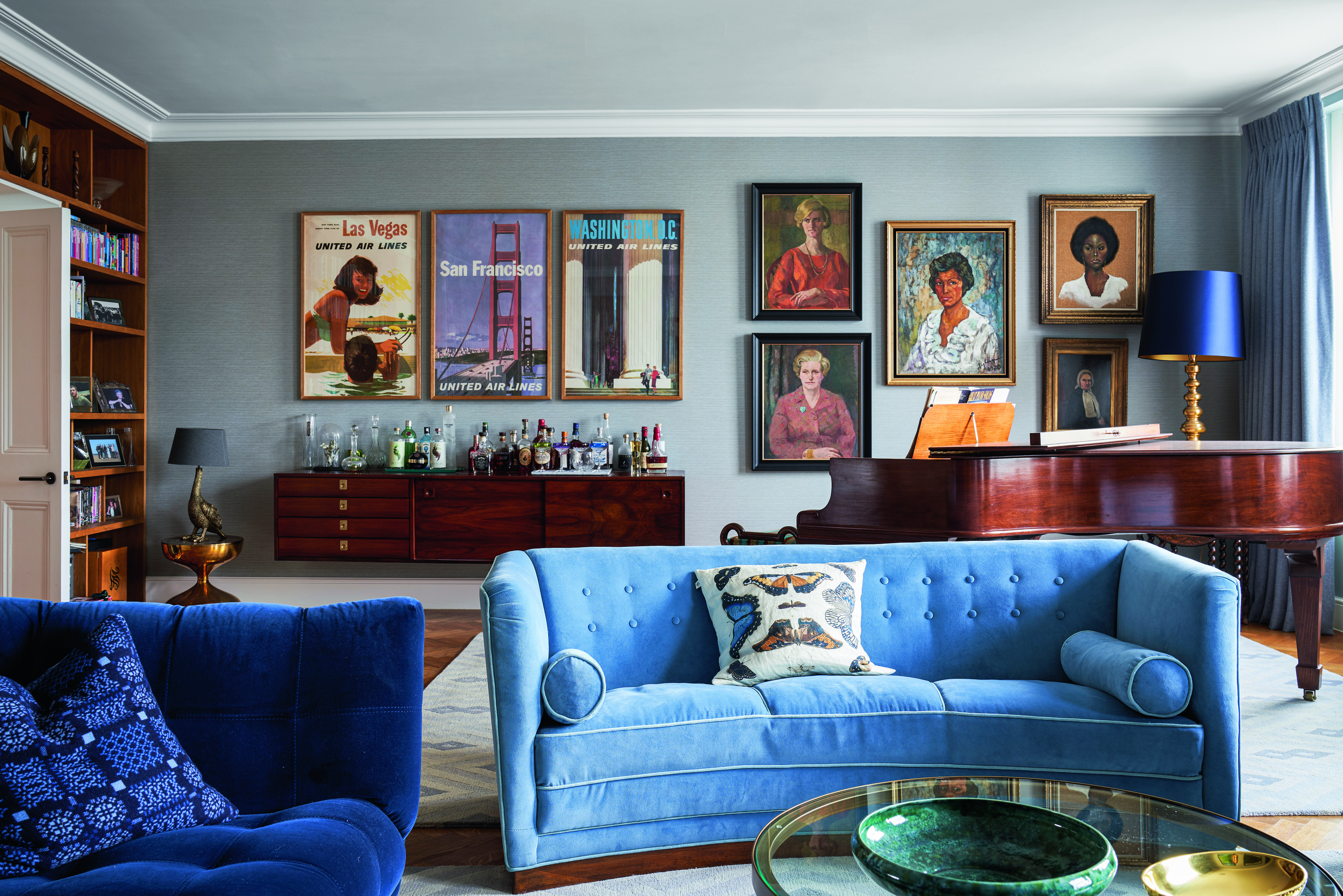
4 outdated wall decor trends designers are leaving behind – and the one that they're choosing instead
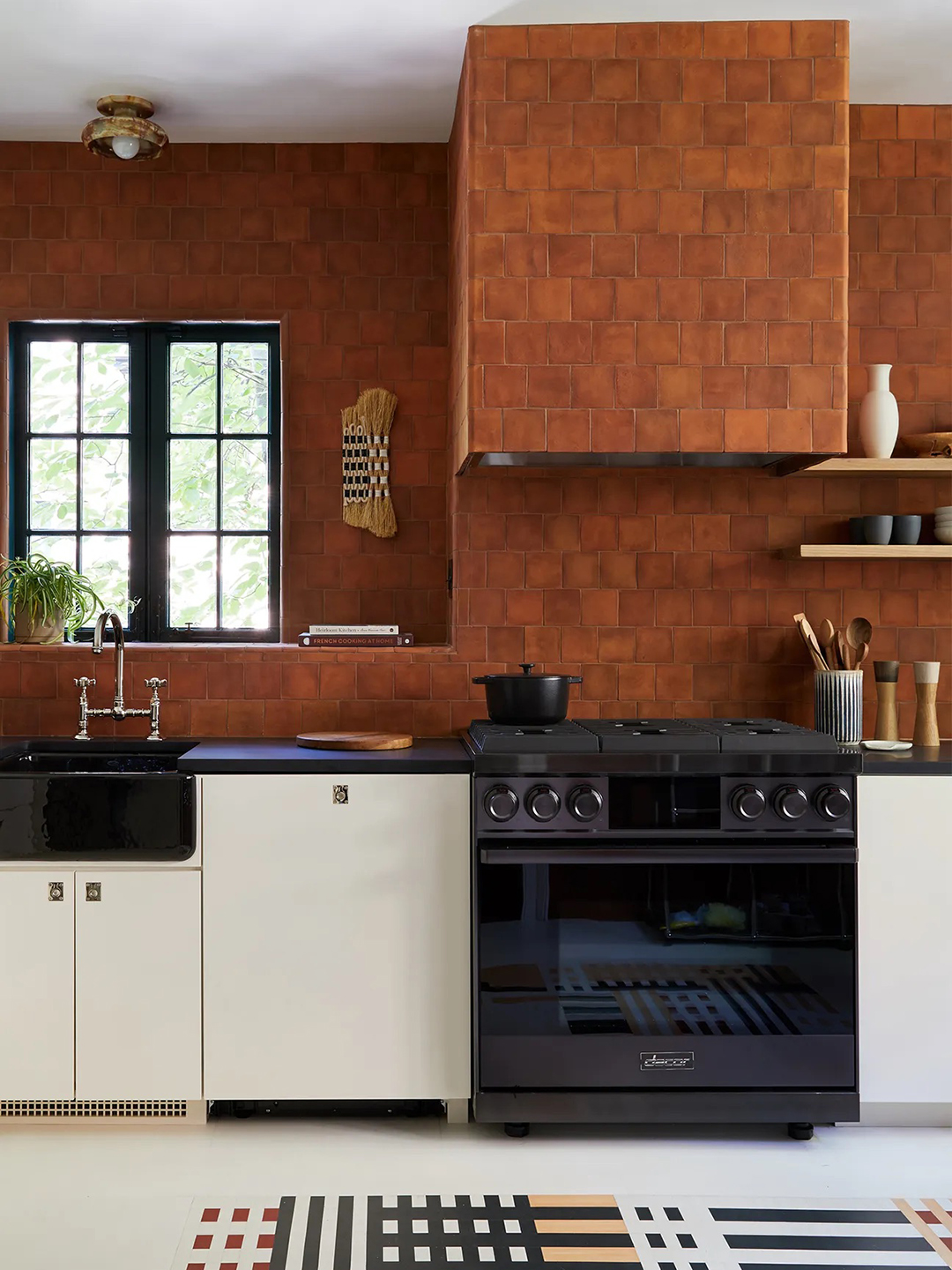
67% of Renovators Are Abandoning Standard Backsplashes for This Maximalist Look

Forget painting your walls grey, it’s time to sparkle
Designers Have Spoken: Grid Walls Are the New Gallery Walls
Wall paneling ideas – 18 ways to add decorative cladding and moulding

"Near-Black" Wall Paints are The Most Dramatic Way to Decorate — Here's How Designers are Using Them
There's a New Type of Gallery Wall Going Viral—And Designers Definitely Approve