1/9
Broken dreams: Has COVID called time on open-plan kitchen designs?
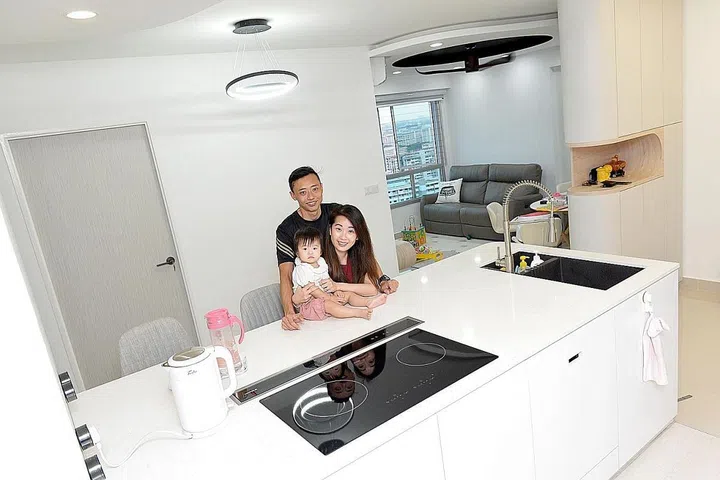
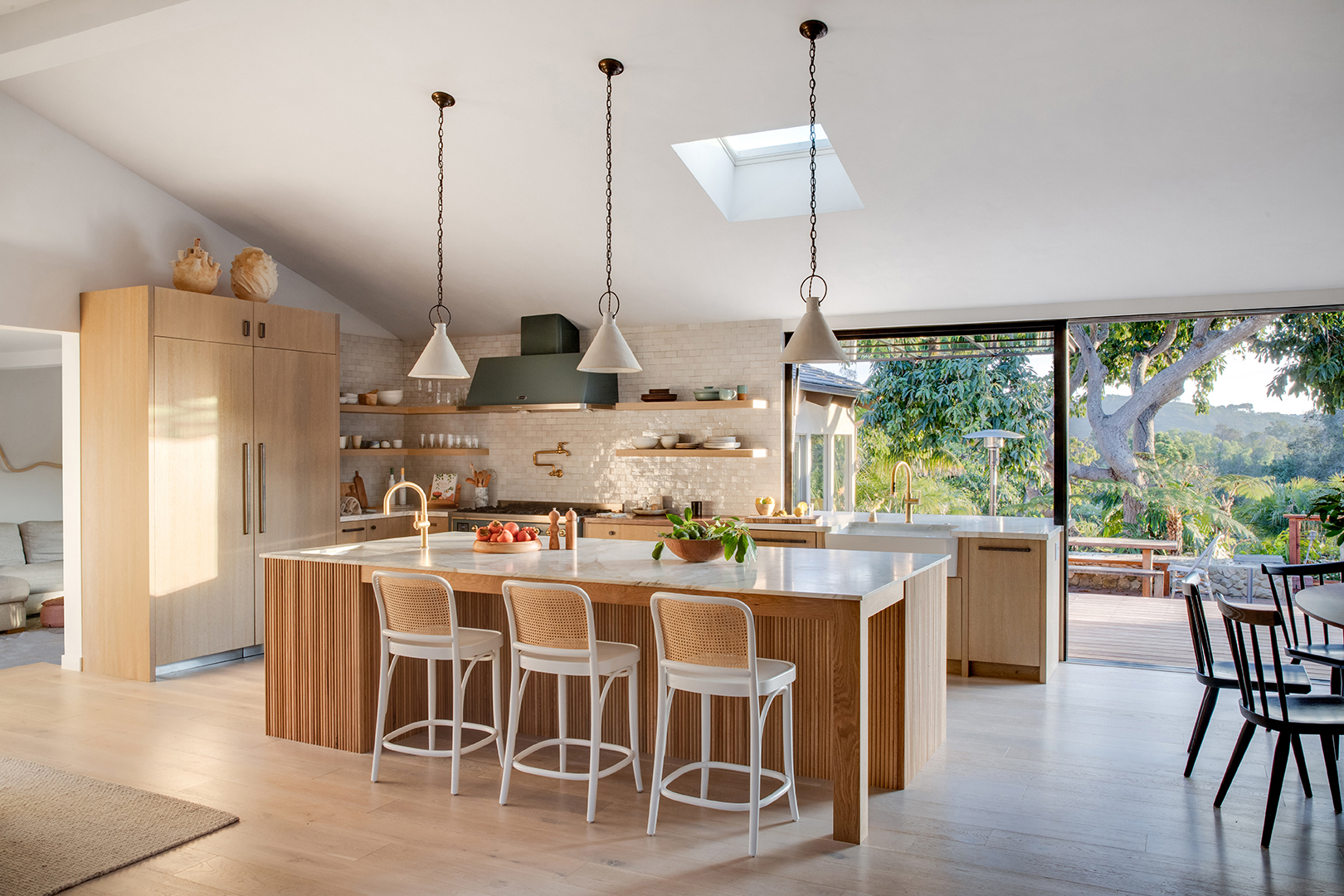
The COVID-19 pandemic has significantly altered individuals' relationships with their homes, particularly impacting the functionality and design preferences for kitchens. Historically a central, multifunctional space, the kitchen's role expanded dramatically to accommodate additional activities such as homeschooling and remote work, leading to an increased demand for more defined zones within the home. This shift has propelled the concept of 'broken-plan' kitchen design into wider recognition, moving away from purely open-plan layouts.
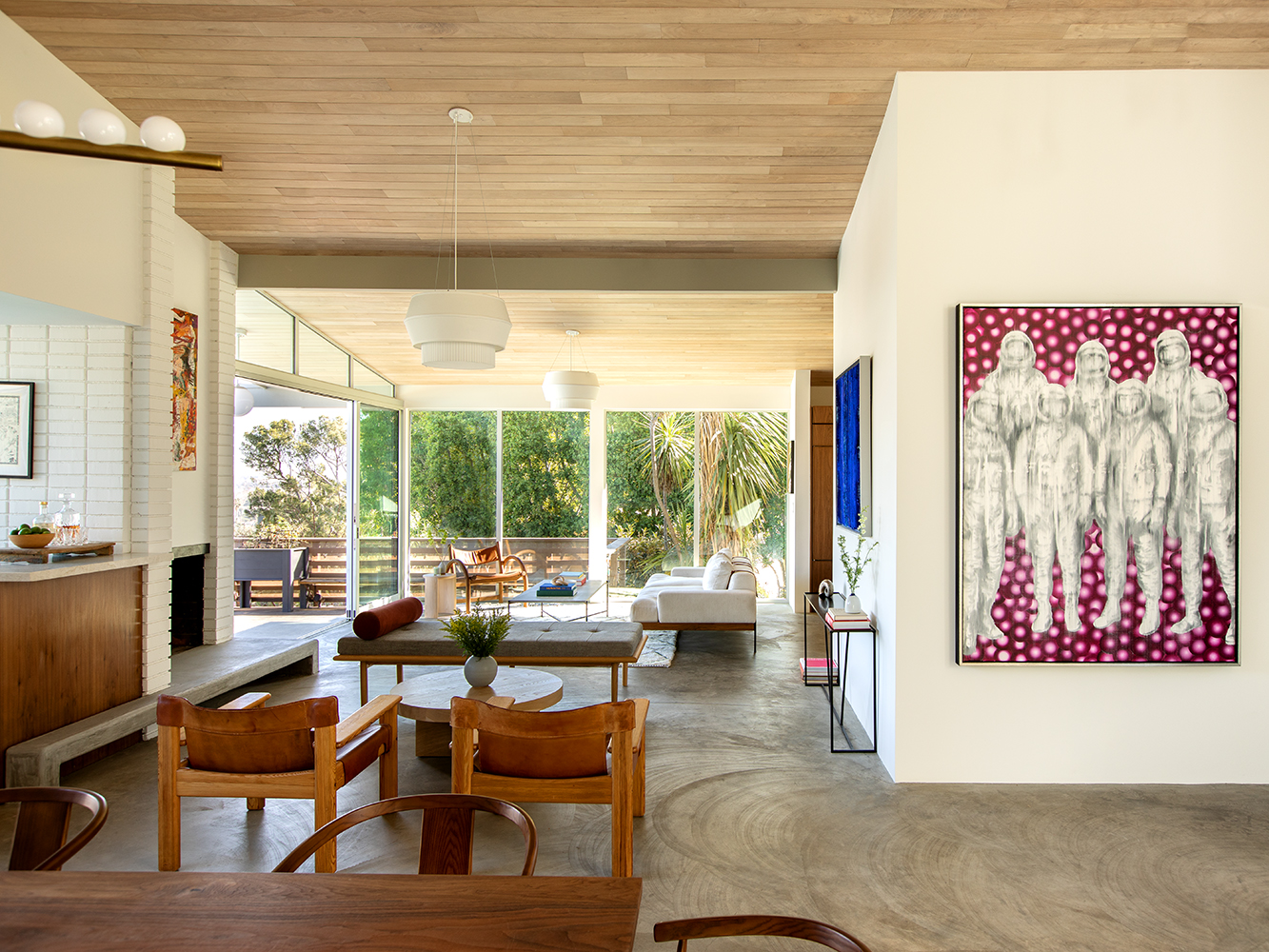
Broken-plan design emphasizes creating distinct areas within a larger open space, allowing for privacy and dedicated functionality. Industry experts, like Richard Turner from Pronorm and Tony McCarthy from Crown Imperial, note a growing consumer desire for more structured spaces for activities such as working, dining, or children's play, while still retaining the overall spaciousness and light of open-plan living. Homeowners are seeking solutions that provide both definition and versatility, future-proofing their homes for evolving family needs.
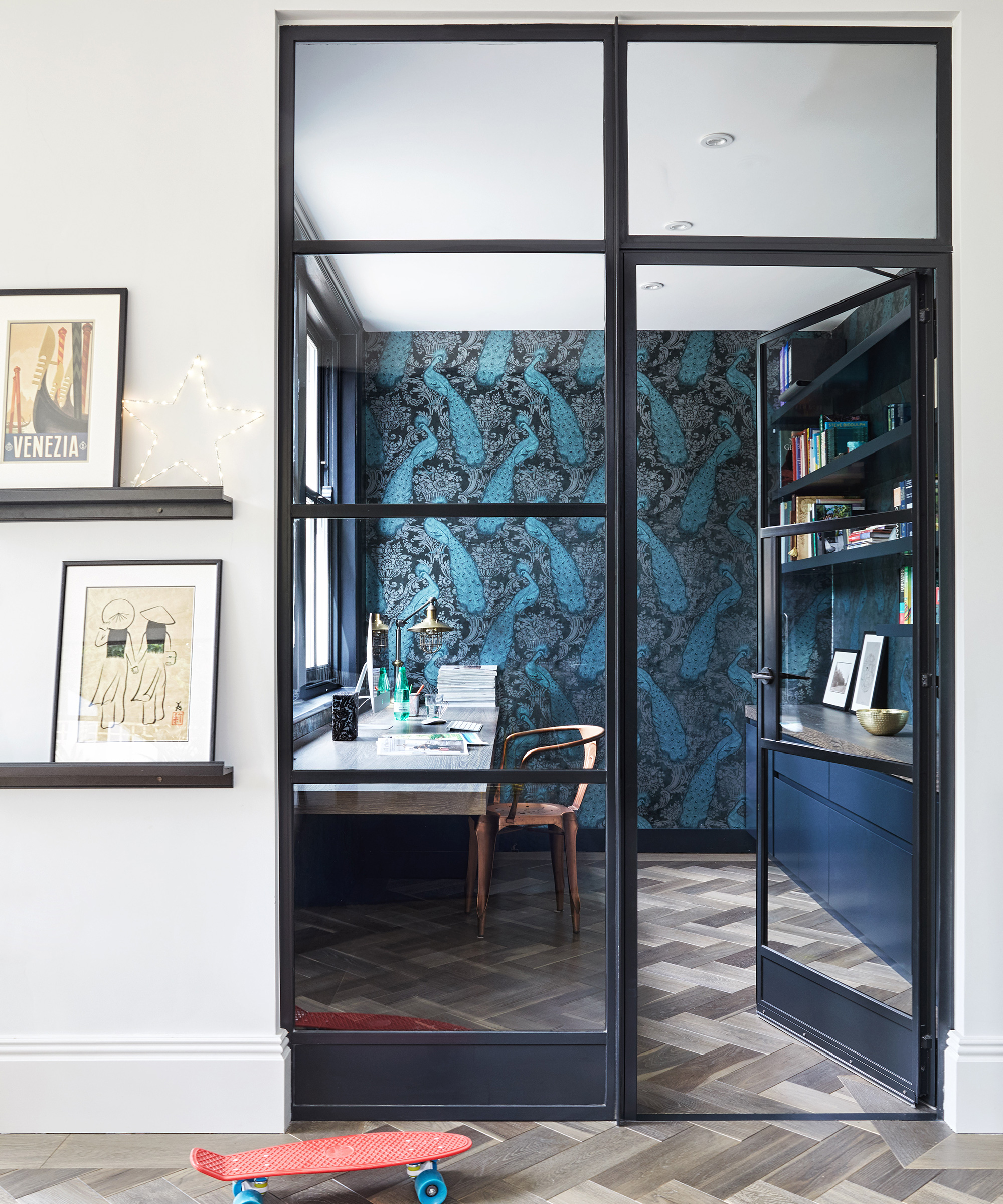
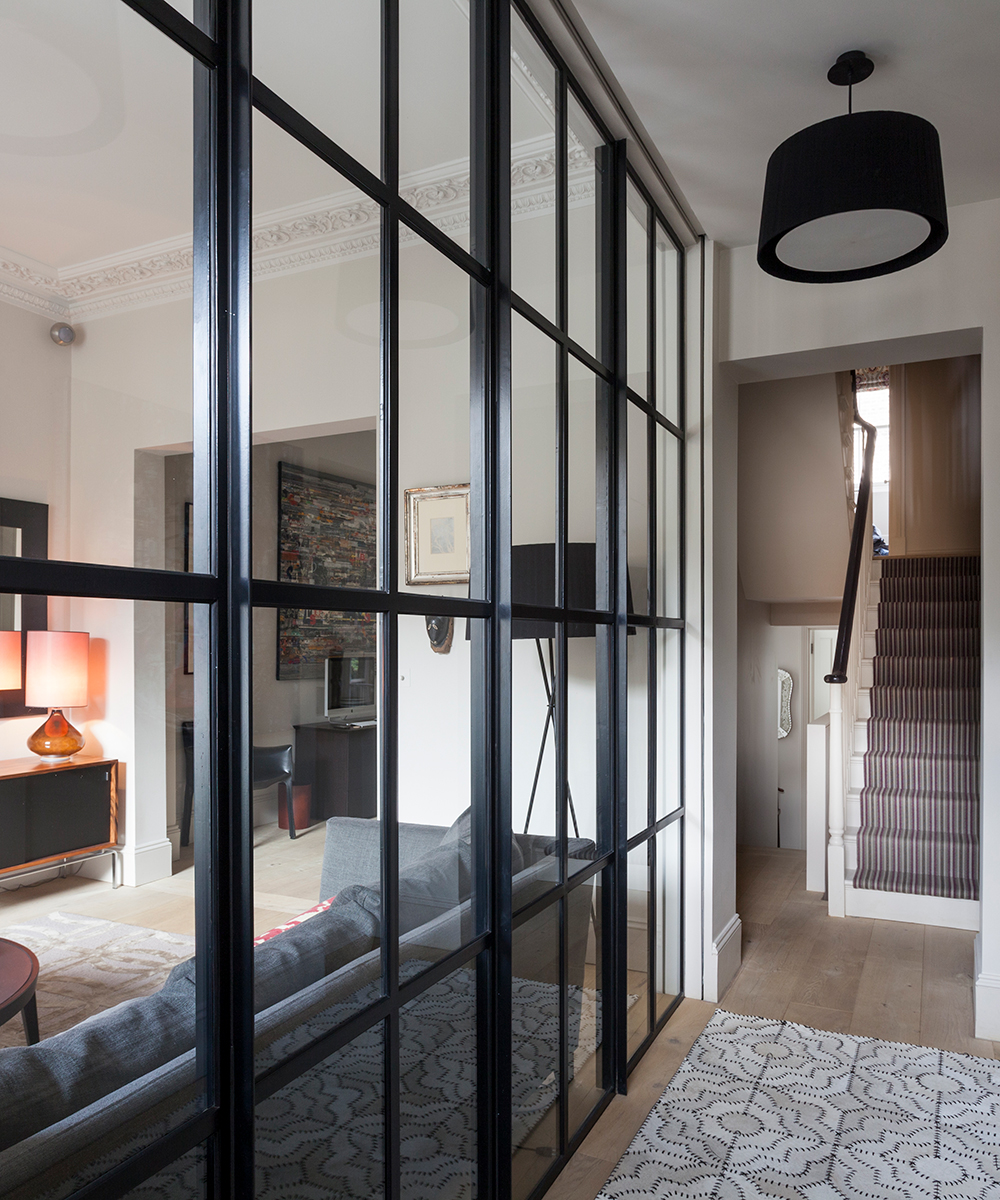
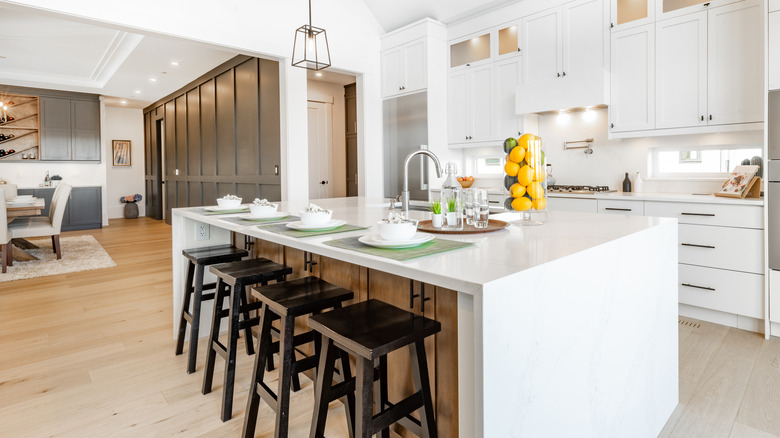
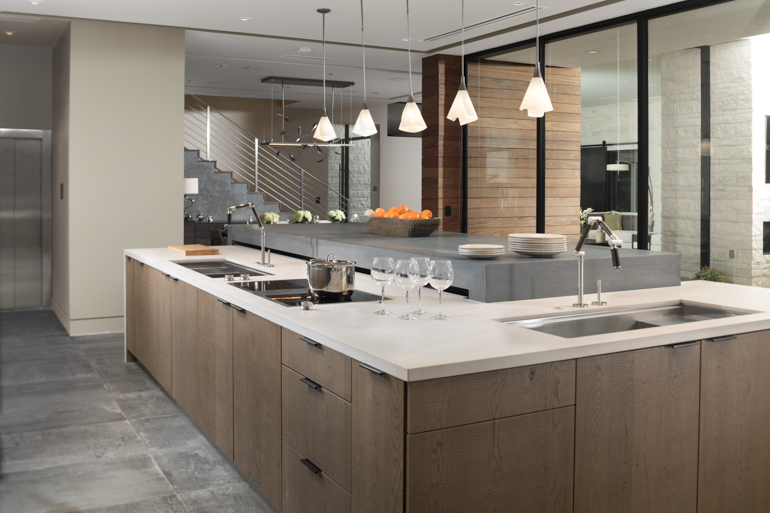
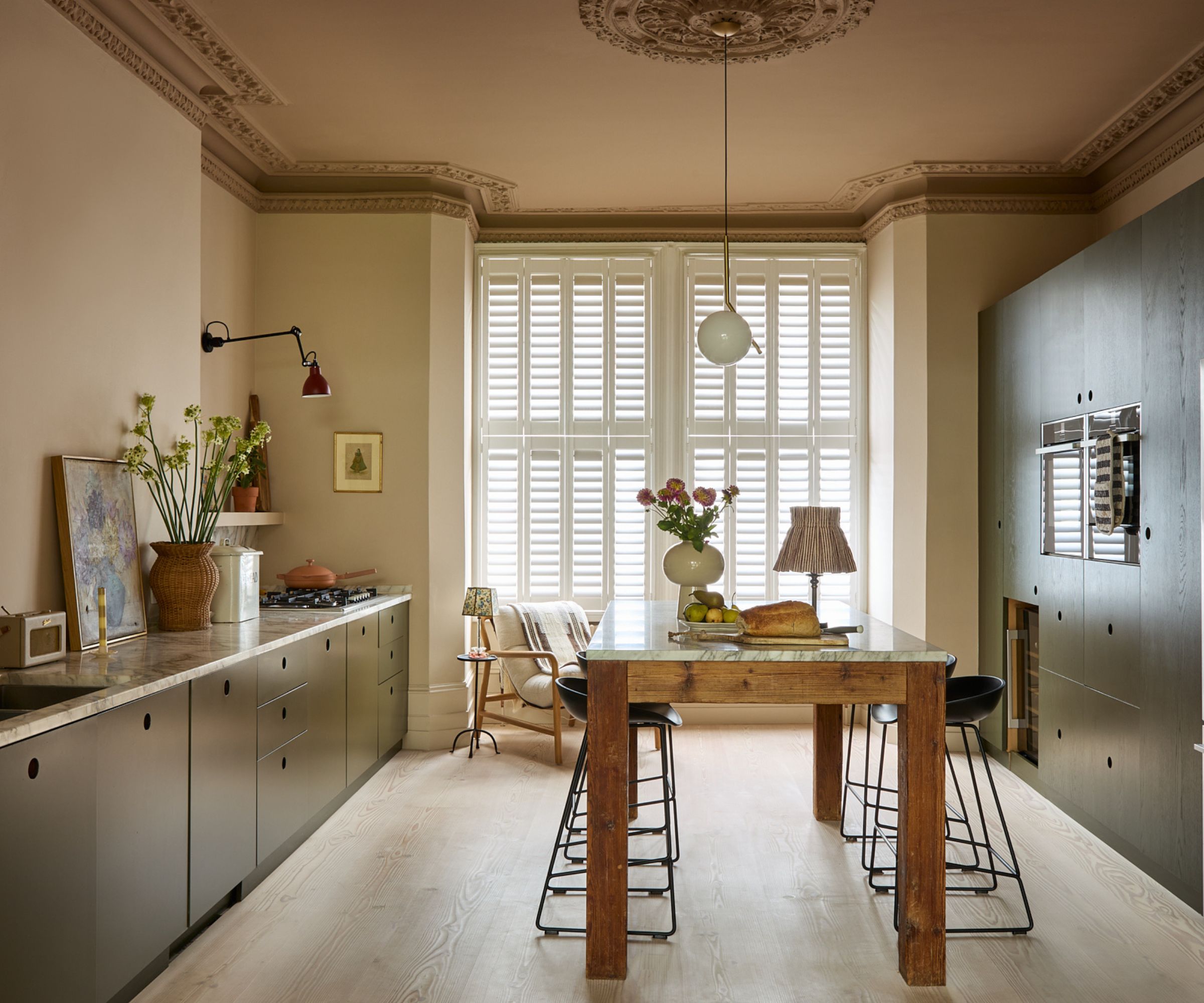
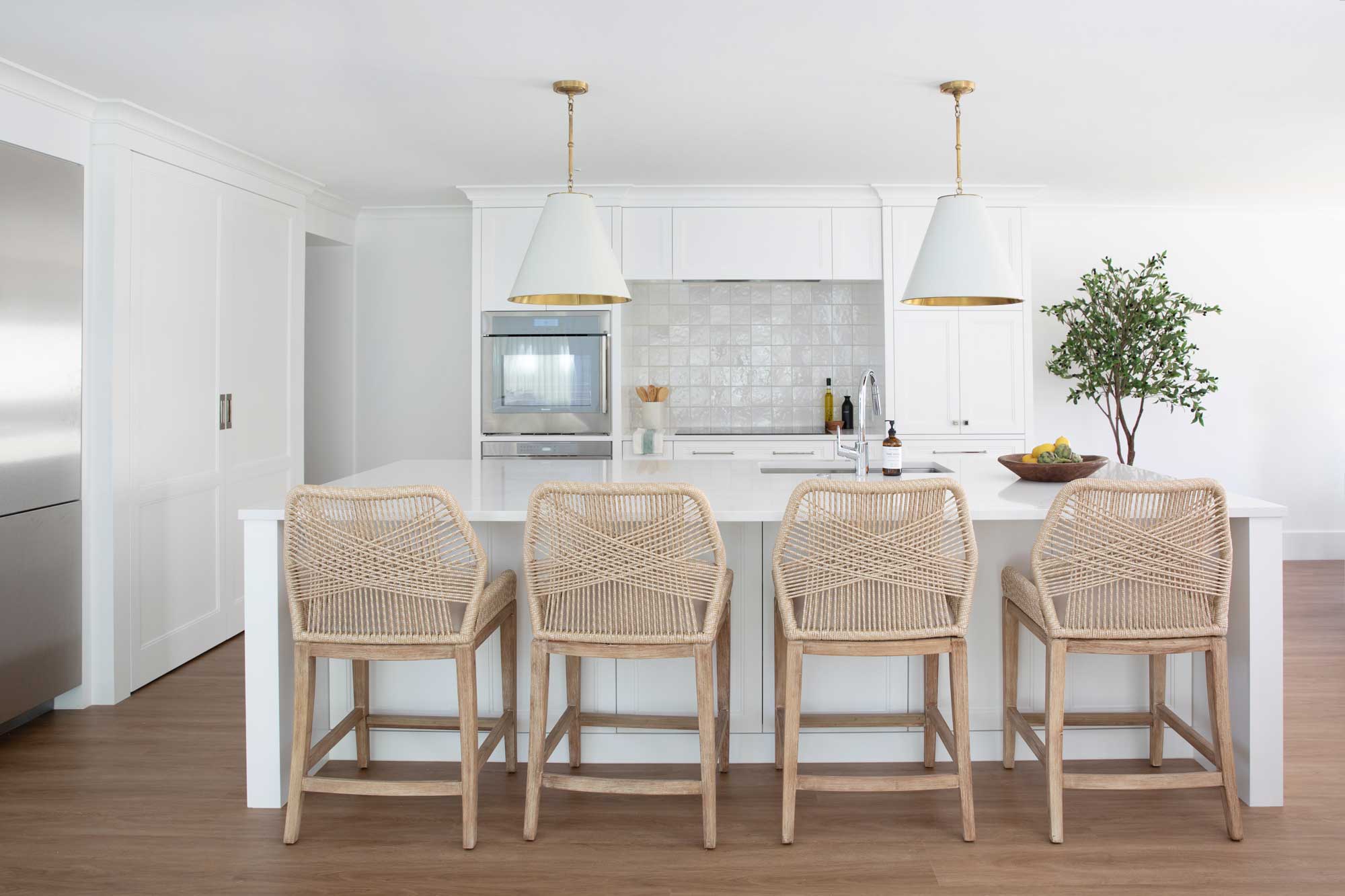
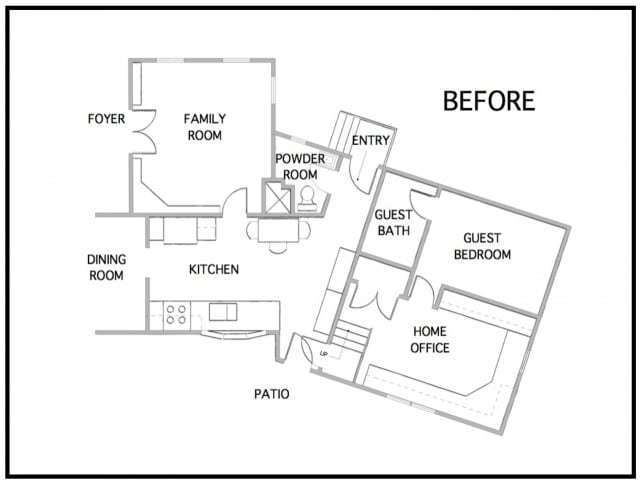
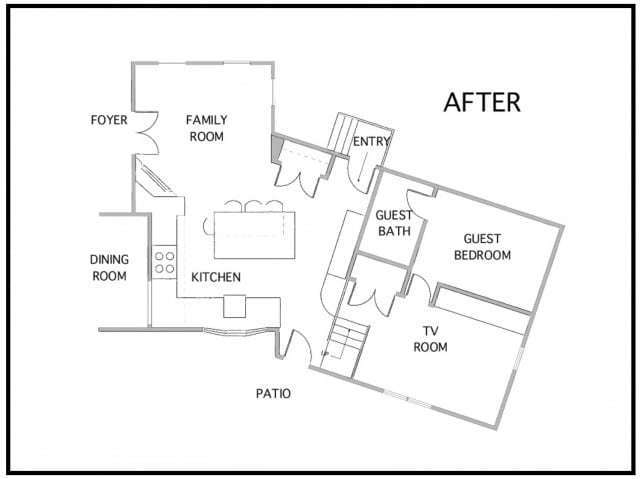
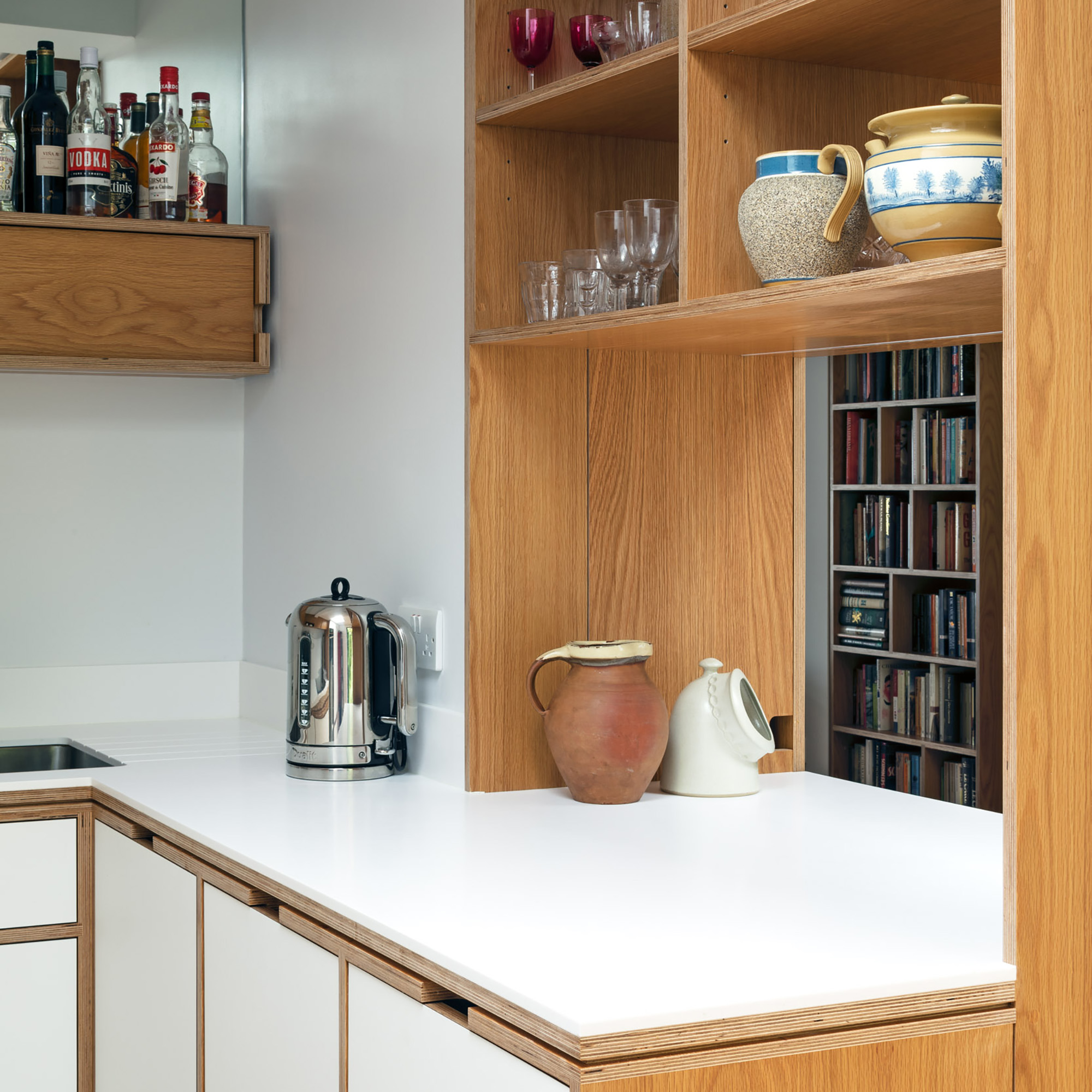
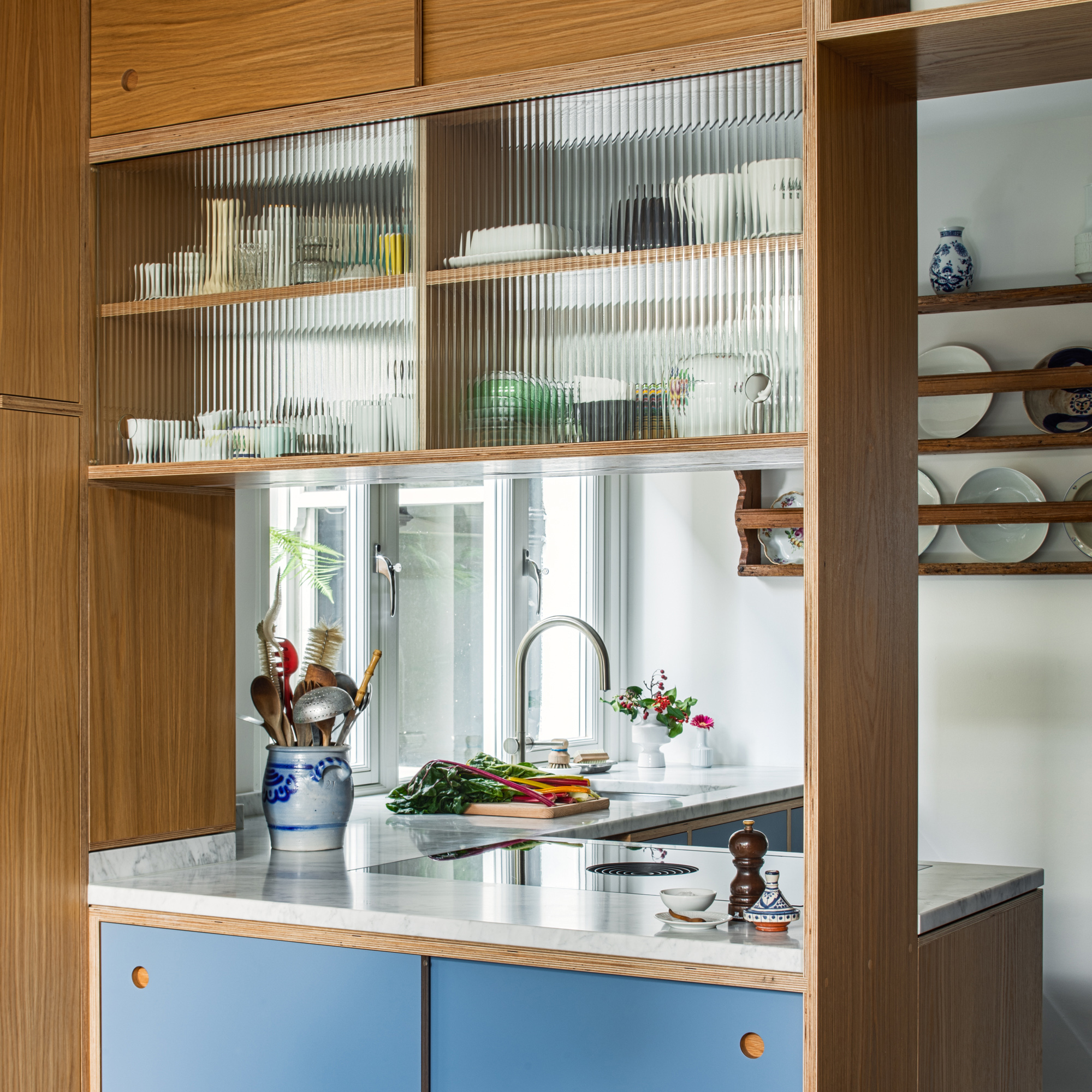
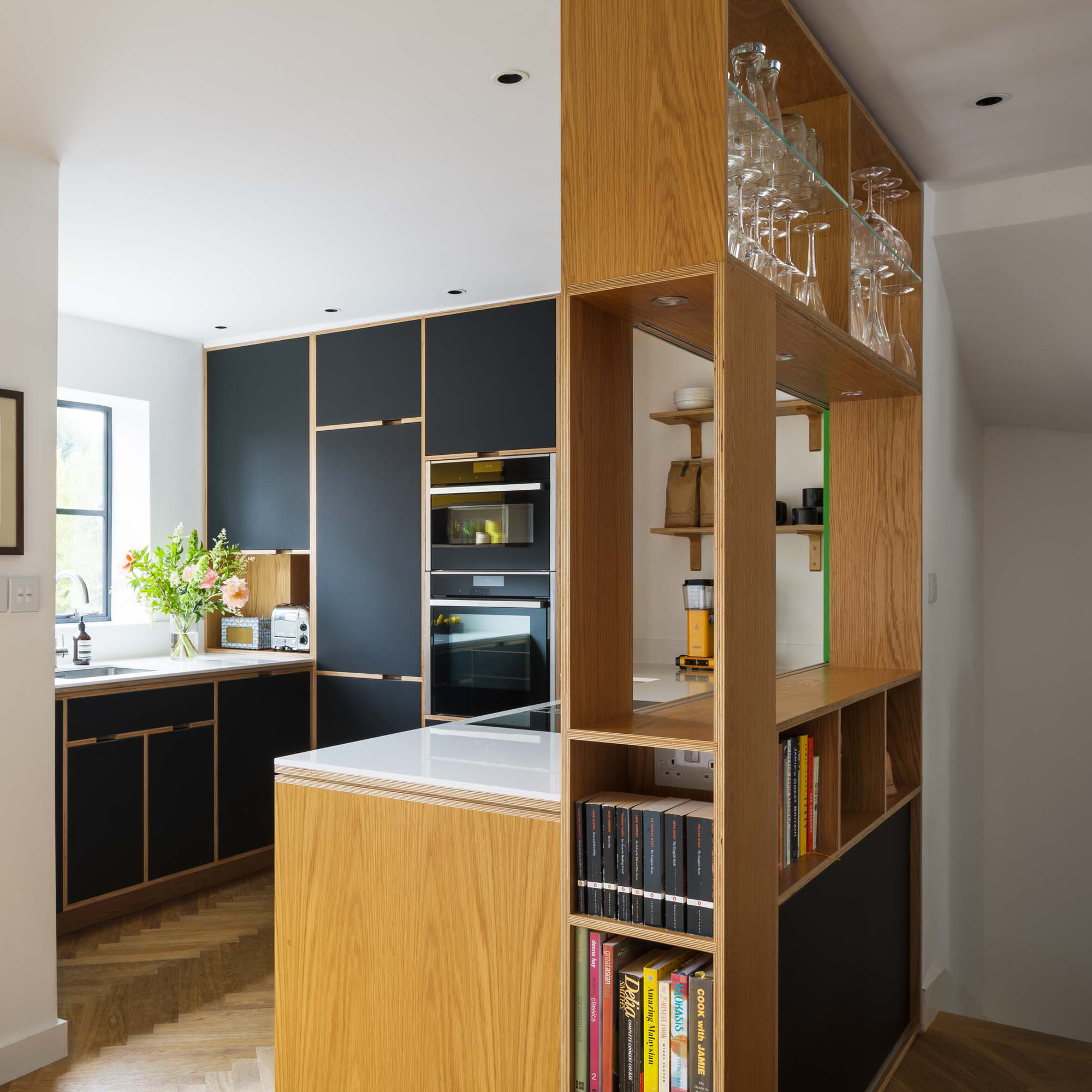
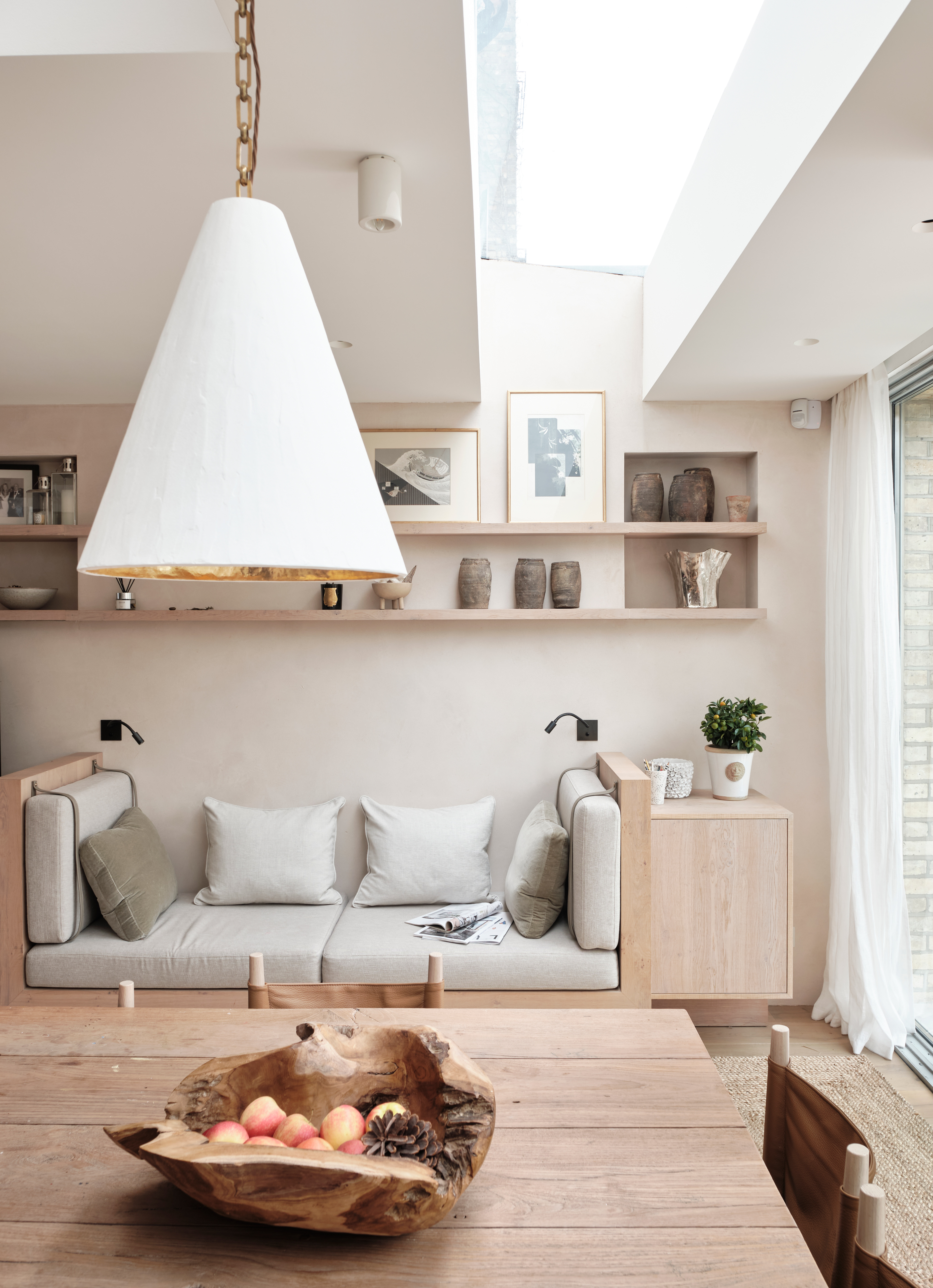
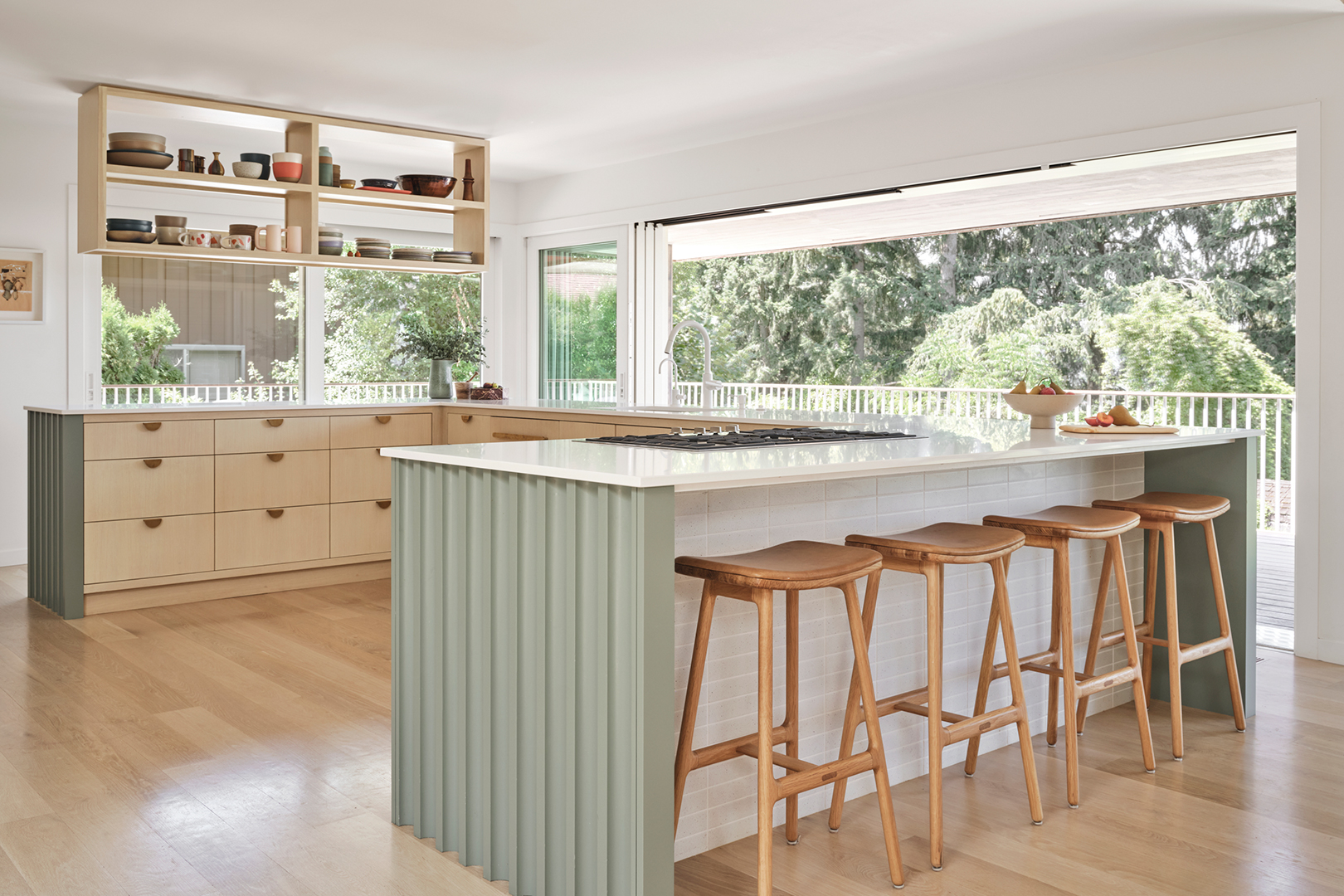
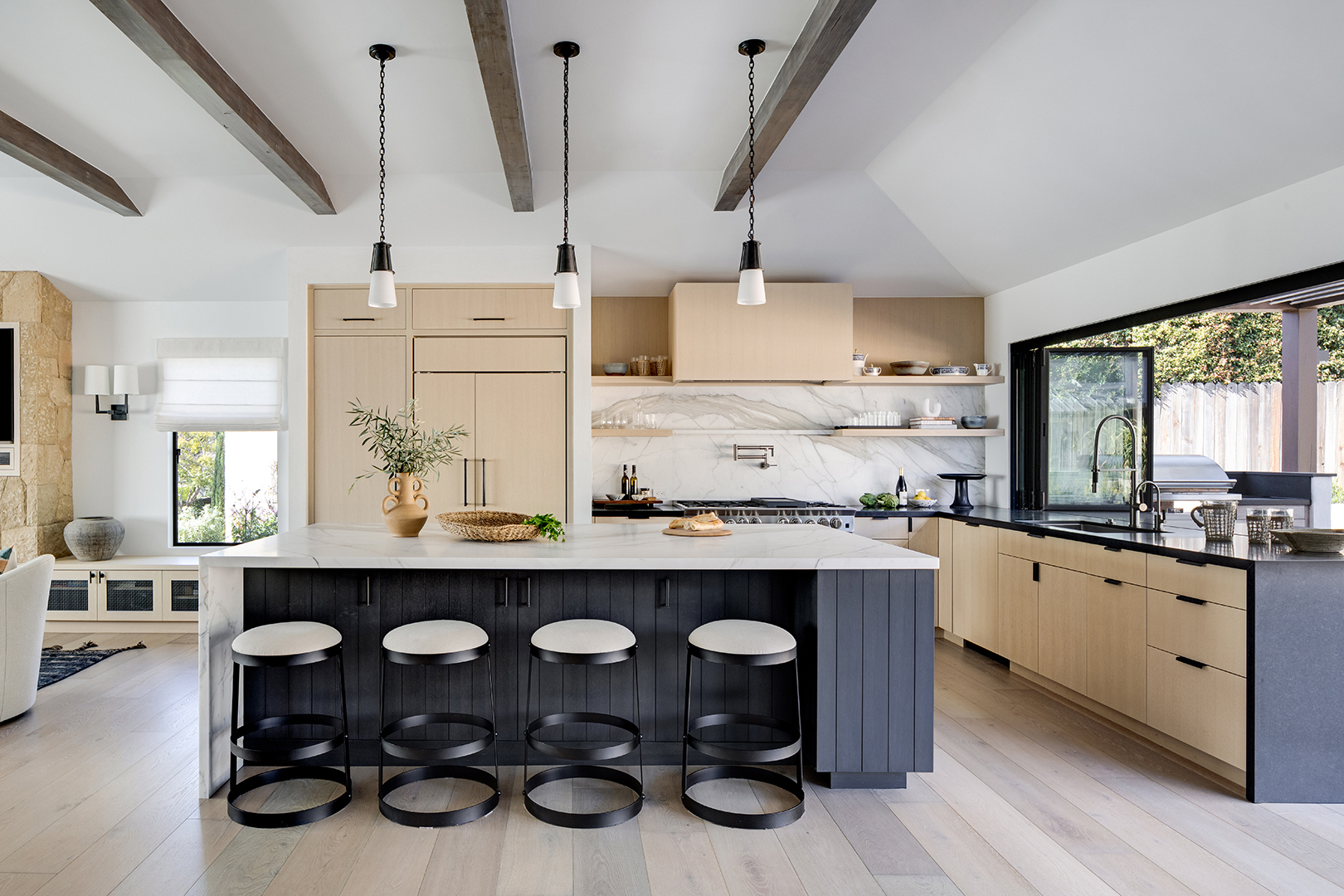
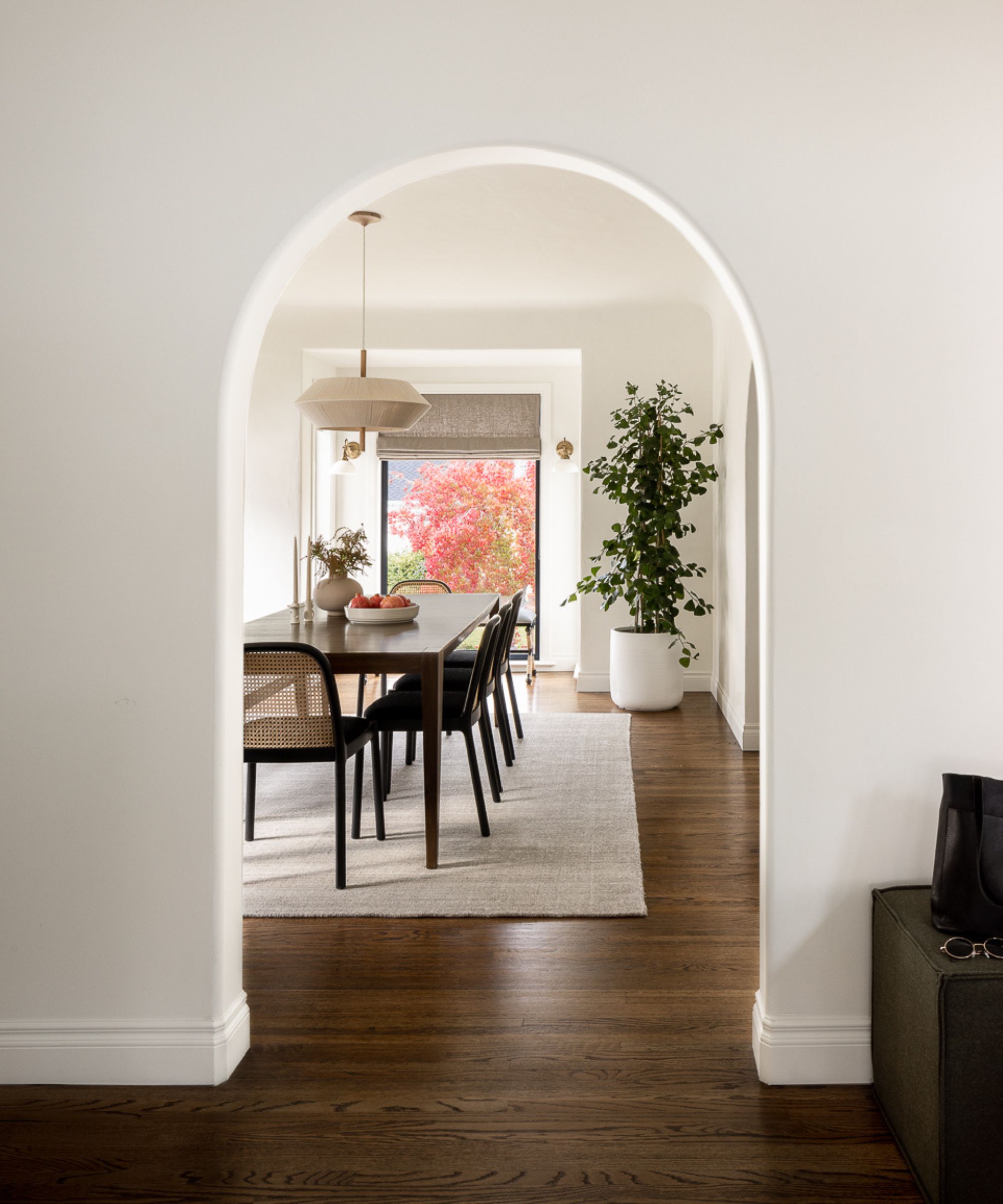
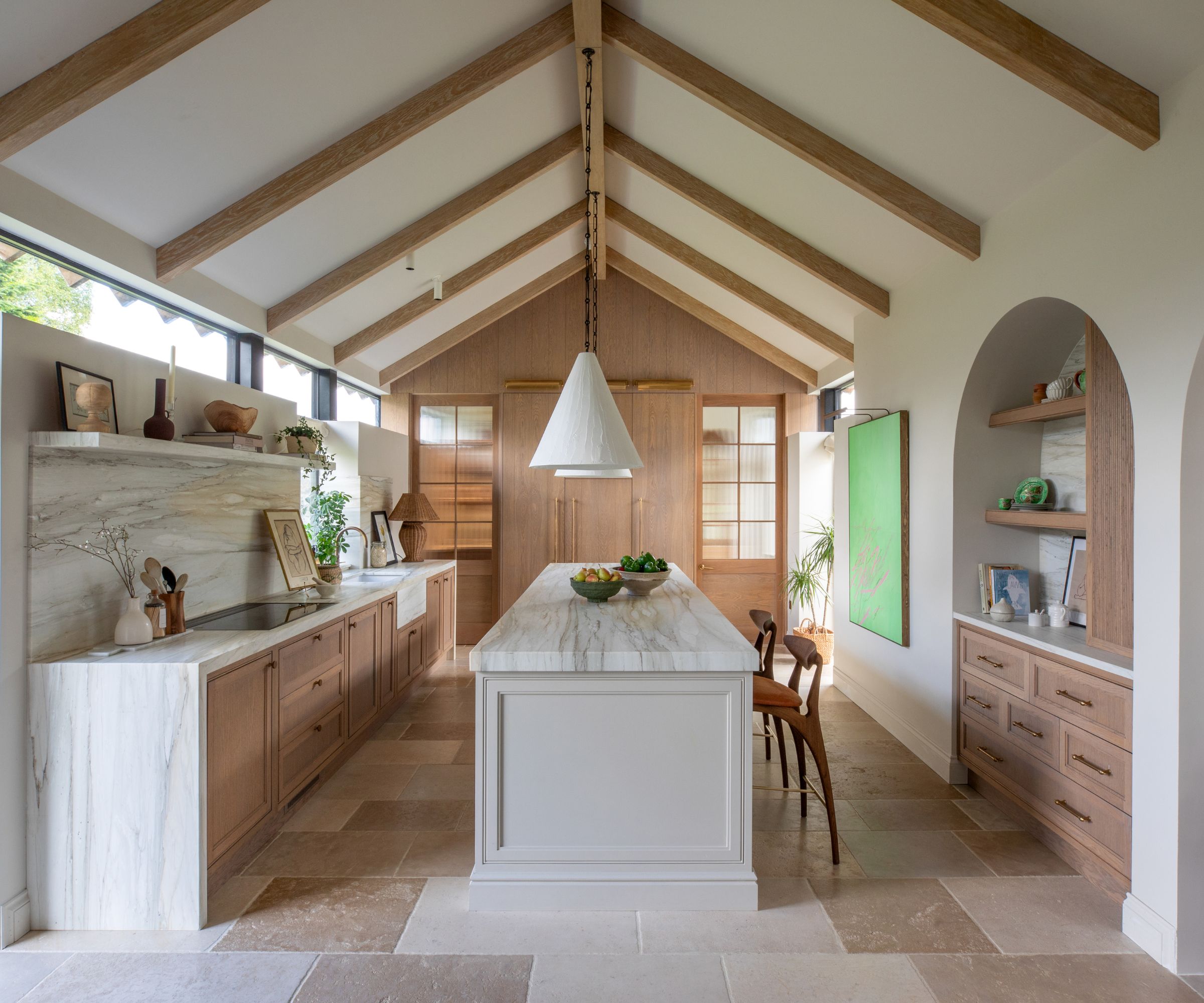
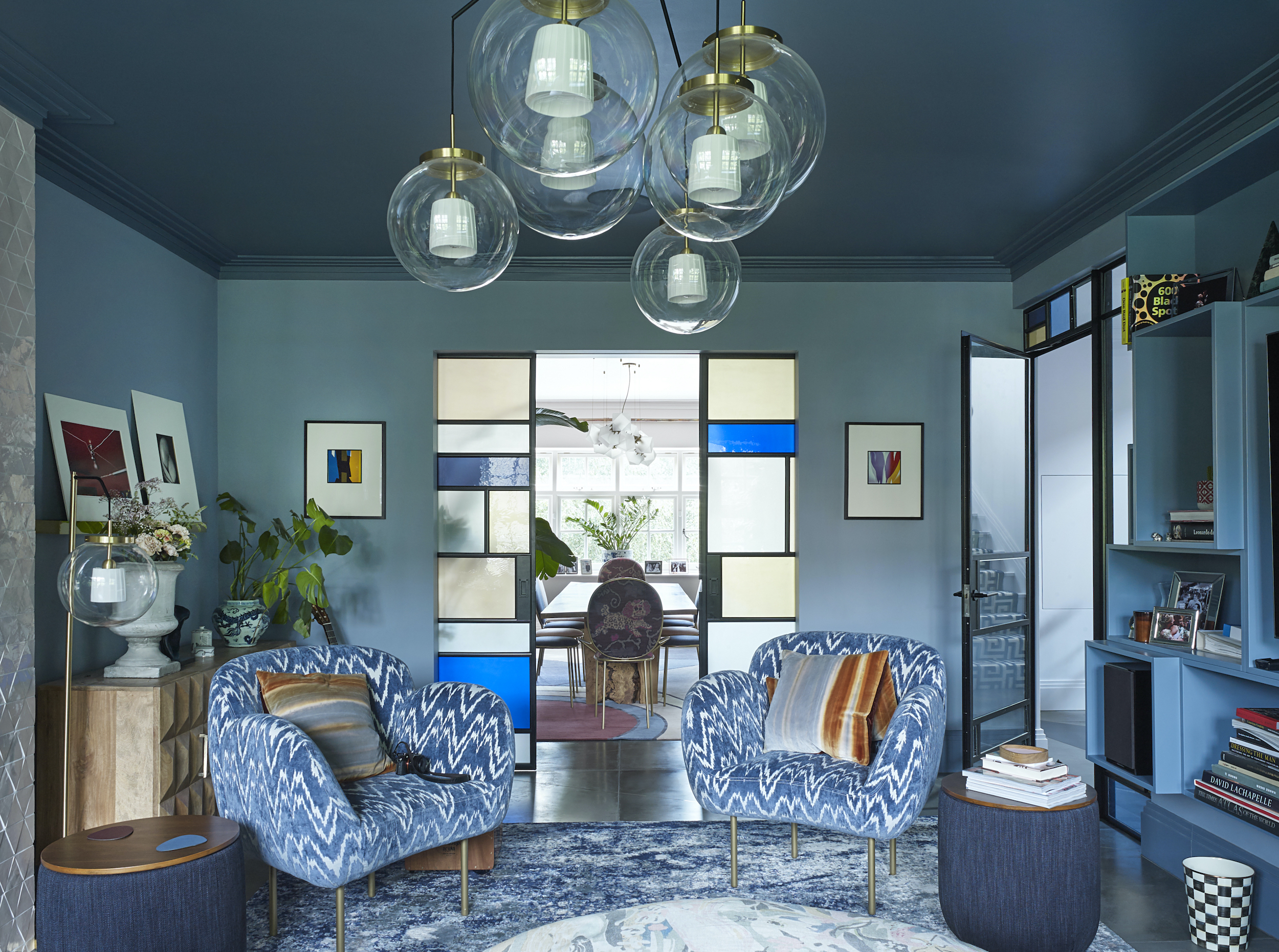
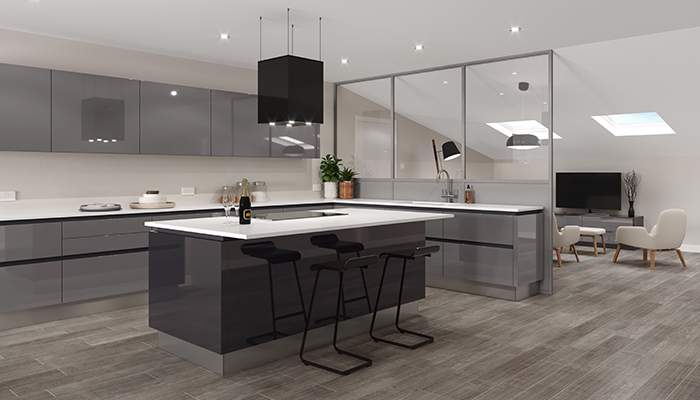
To achieve this balance, various design elements are becoming popular. Half walls, open shelving, and strategic dividers are frequently used to delineate areas without fully enclosing them. Glass panels are also highly favored, as they allow light to flow freely while physically separating different zones and offering a degree of sound insulation. Fabiana Scavolini, CEO of Scavolini, highlights the effectiveness of glazing in carving up large spaces. Breakfast bars and kitchen islands are integral to broken-plan layouts, serving as natural visual and physical boundaries between cooking, dining, and living areas.
The rise of remote work during the pandemic is identified as a primary driver behind the shift towards broken-plan kitchens. There is a strong and continued demand for integrated home office or work-from-home areas within kitchen designs. Mark Mills, MD at Mereway Kitchens, points out that the lockdowns heightened expectations for kitchens to be truly multifunctional, capable of supporting cooking, relaxing, dining, and working simultaneously. This trend is expected to persist, with manufacturers anticipating a stronger focus on zonal kitchen designs that support a better work-life balance for families.
Richard Turner of Pronorm further emphasizes the ongoing need for flexible areas with ample storage for work-related items in post-pandemic interior design. The current period is seen as an exciting time for kitchen design, particularly for the evolution of broken-plan concepts, as consumers increasingly prioritize adaptable and purposeful spaces within their homes.
#Kitchens #Features #BrokenPlan #OpenPlan #CrownImperial #Scavolini #Rotpunkt #MerewayKitchens #Eggersmann #LochannaKitchens #Schmidt #Pronorm #Kitchens #Features #BrokenPlan #OpenPlan #CrownImperial #Scavolini #Rotpunkt #MerewayKitchens #Eggersmann #LochannaKitchens #Schmidt #Pronorm
0 comment in total
 No comments yet
You may also like
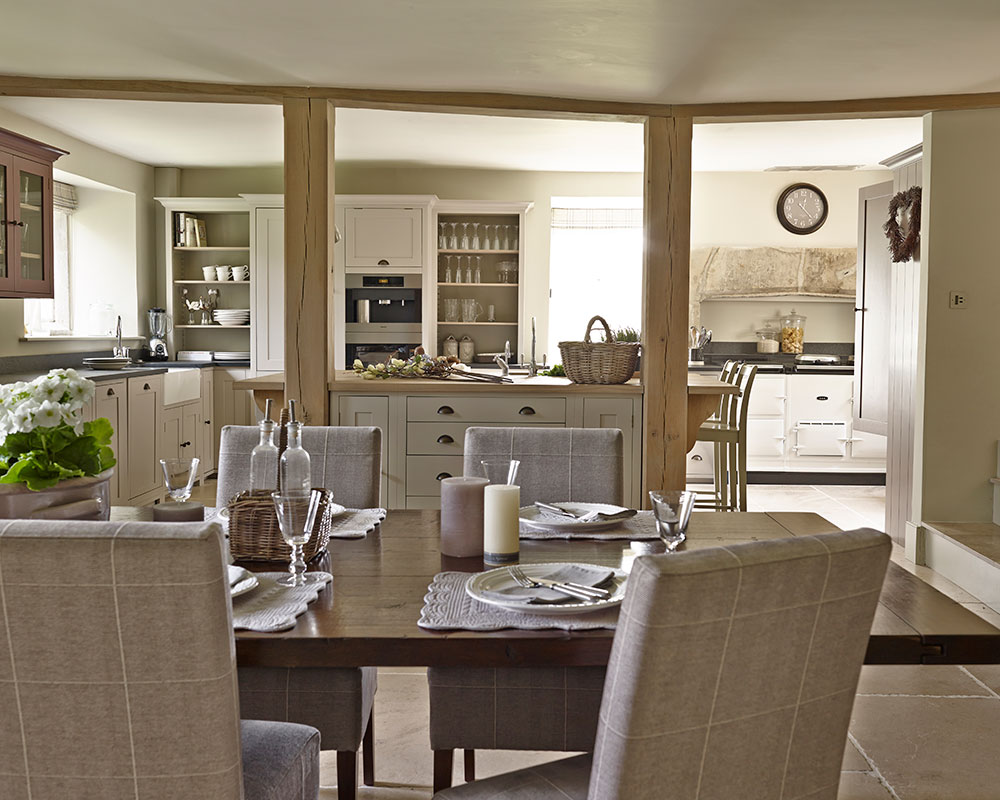
Have broken-plan kitchens replaced open-plan? This is how to get on board with the new trend

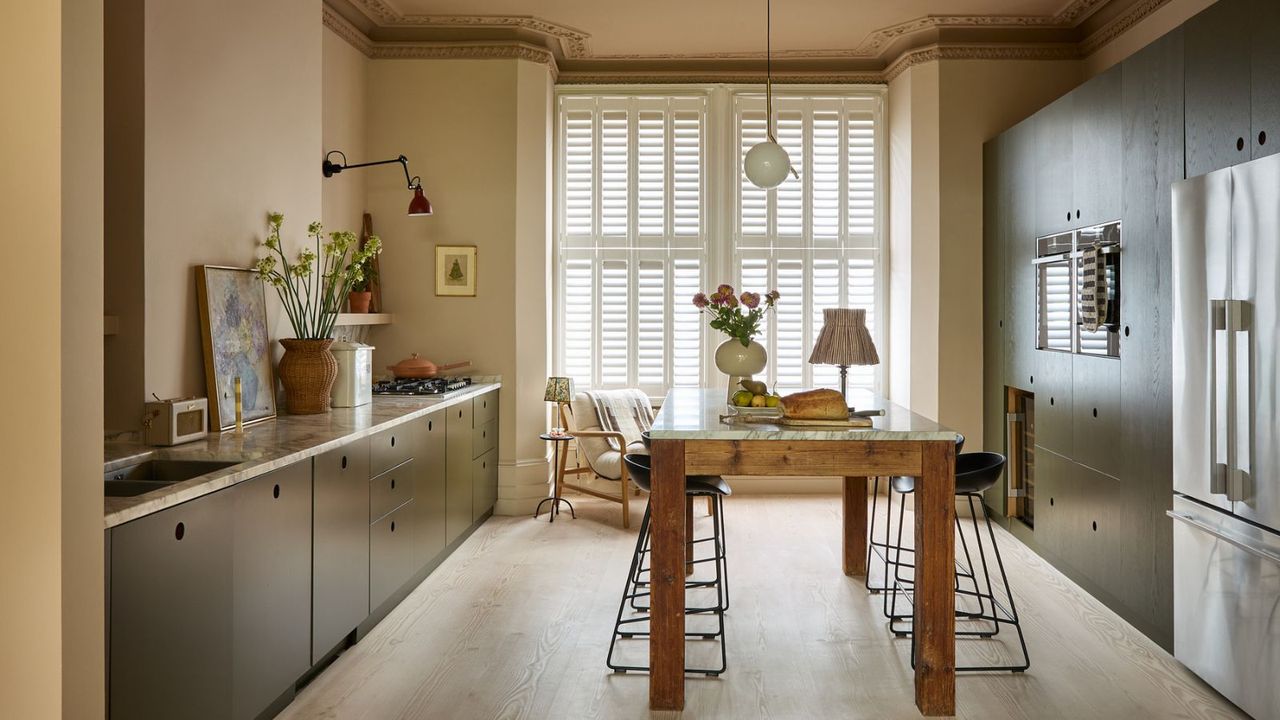
These 3 Layouts Are Making Your Kitchen Look Dated – Why Designers Say They Don’t Want to See Them in 2026
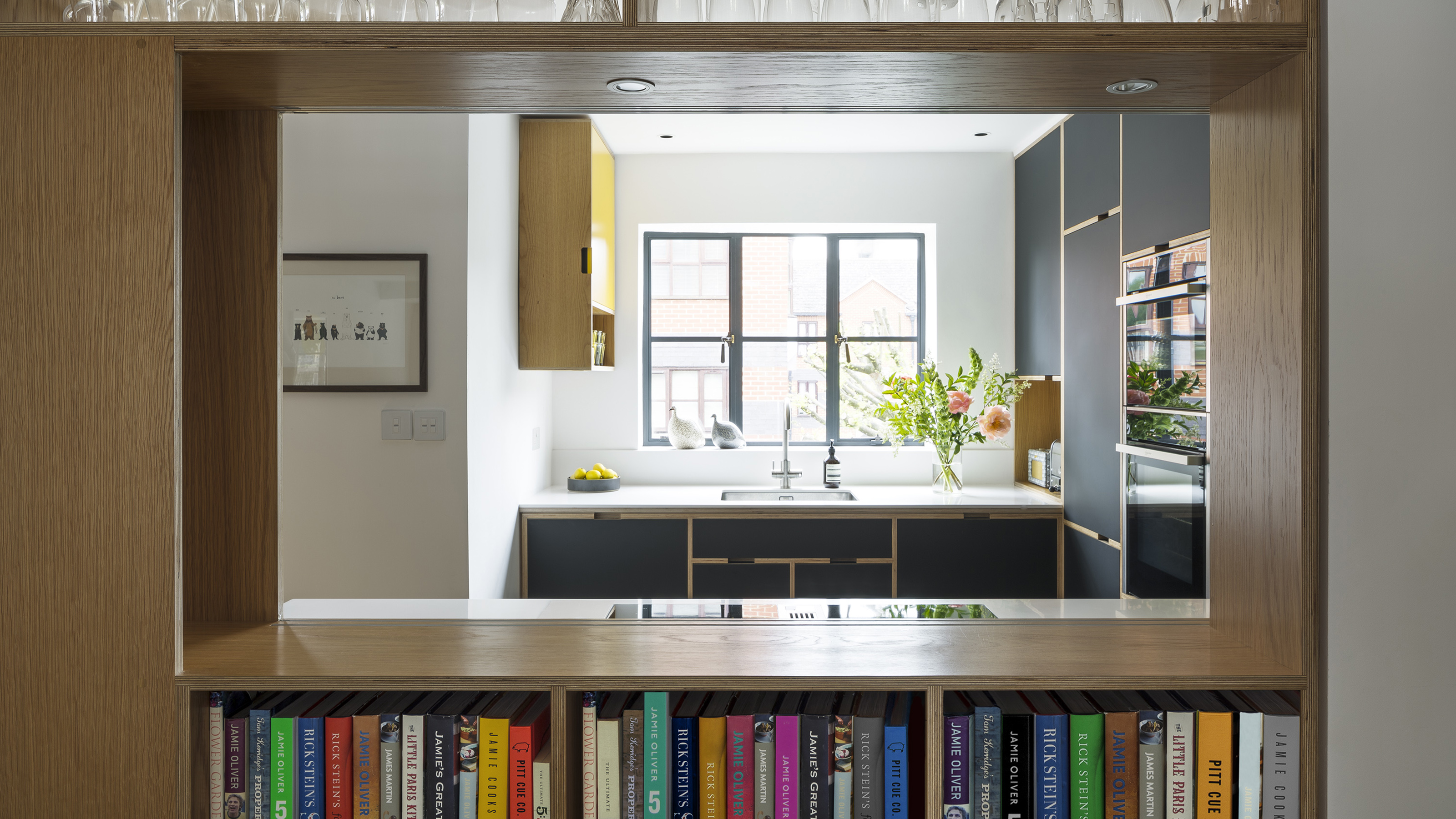
Kitchen hatches are back, but not how you know them – this is how they're working for open plan kitchens in 2026
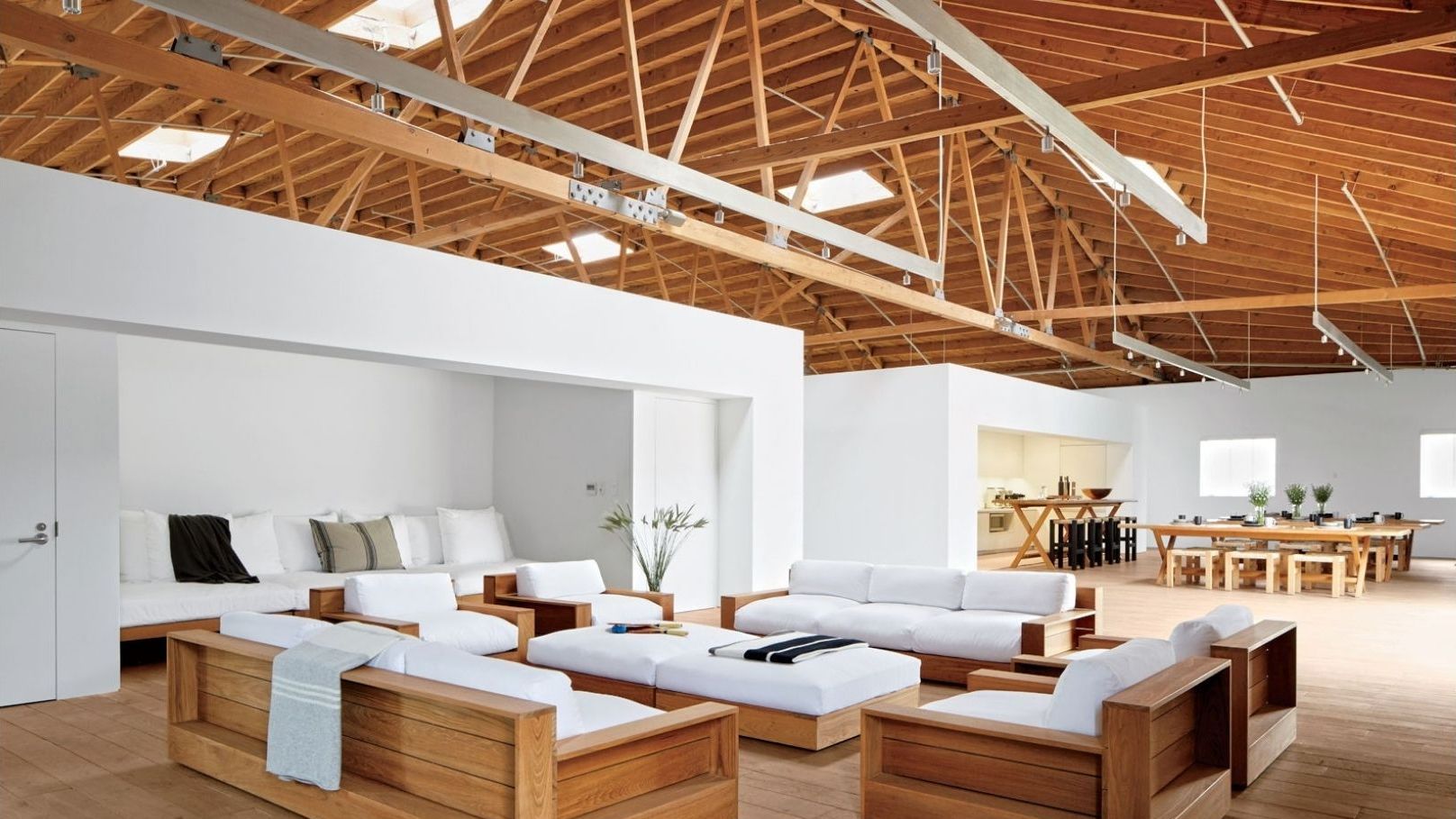
Is the open floor plan really dead?

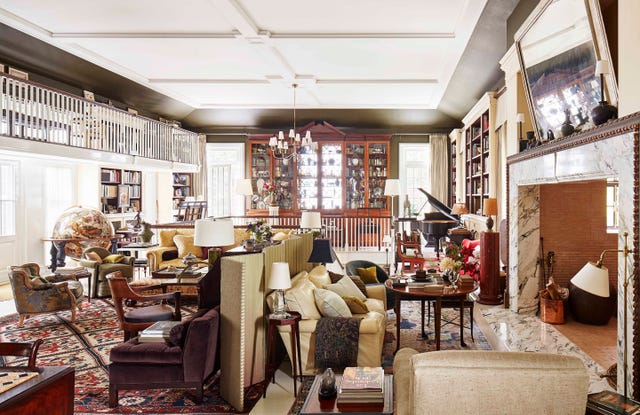
Will The Pandemic Be The Death Of The Open Floor Plan?
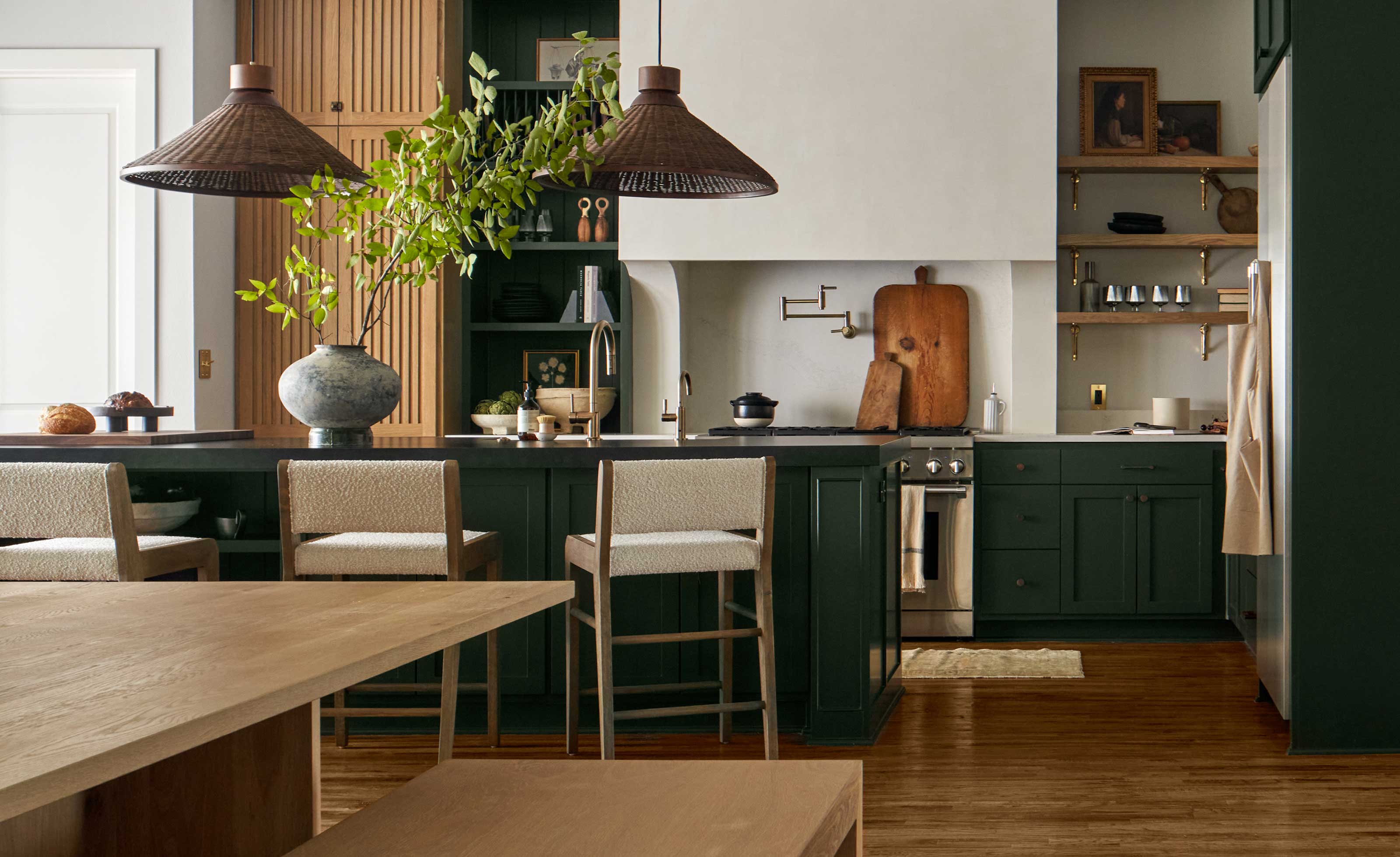
Open vs closed kitchens – which floorplan is really better for the modern kitchen?


The End of Open-Plan Everything

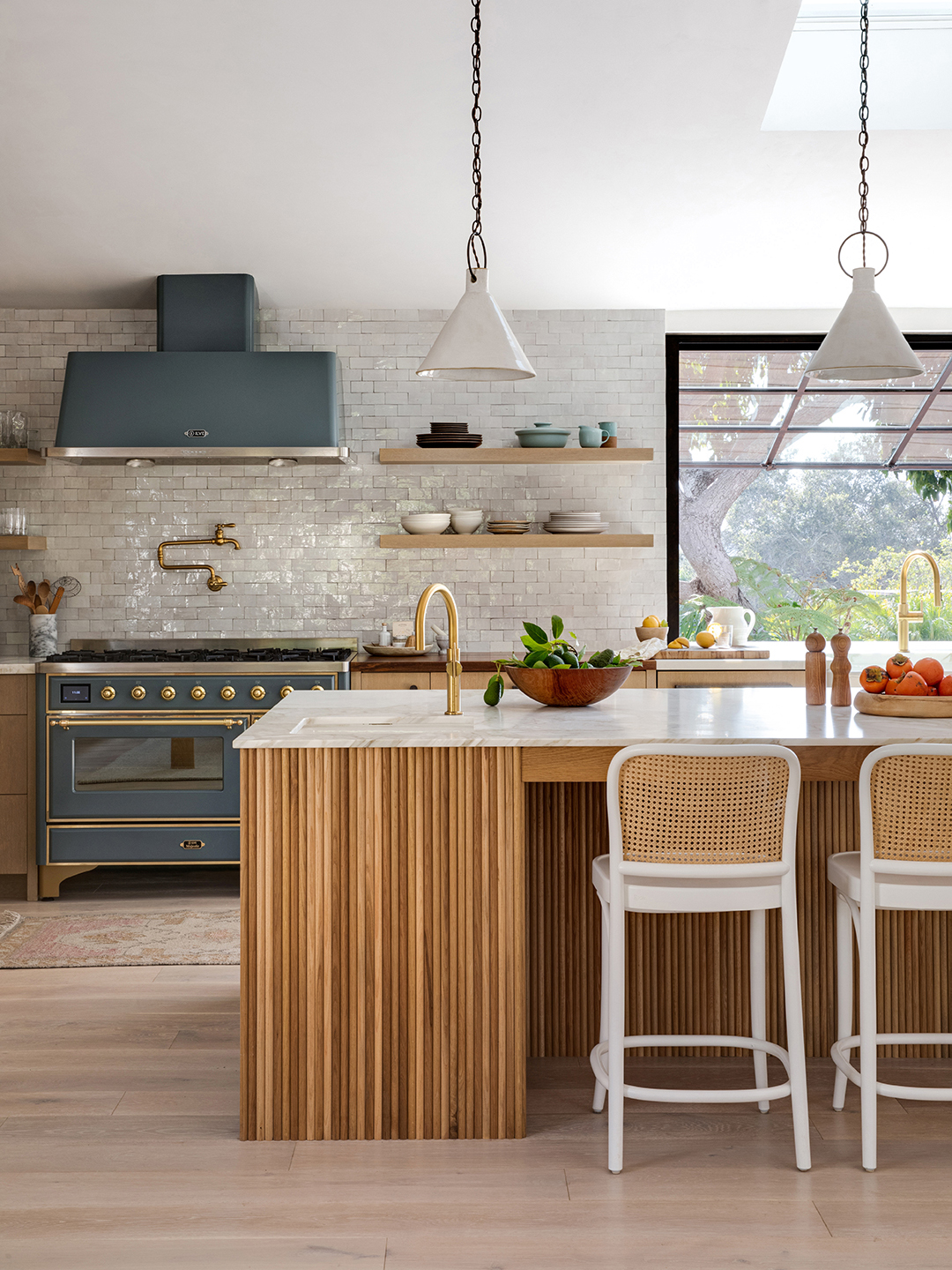
This Ever-Popular Kitchen Layout Is Back (Again)

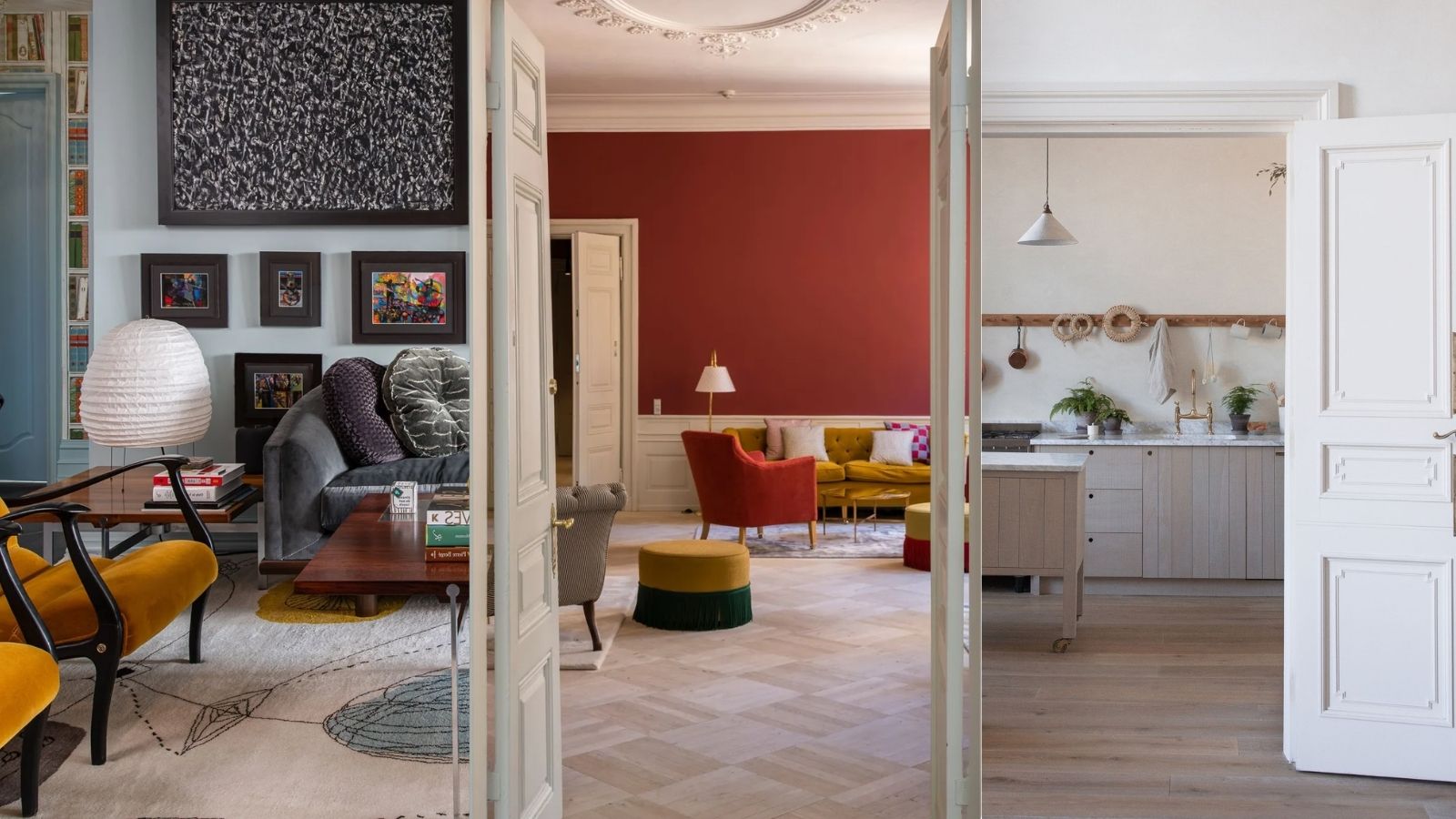
Are closed layouts back on trend? Designers weigh in on why we are over open plan
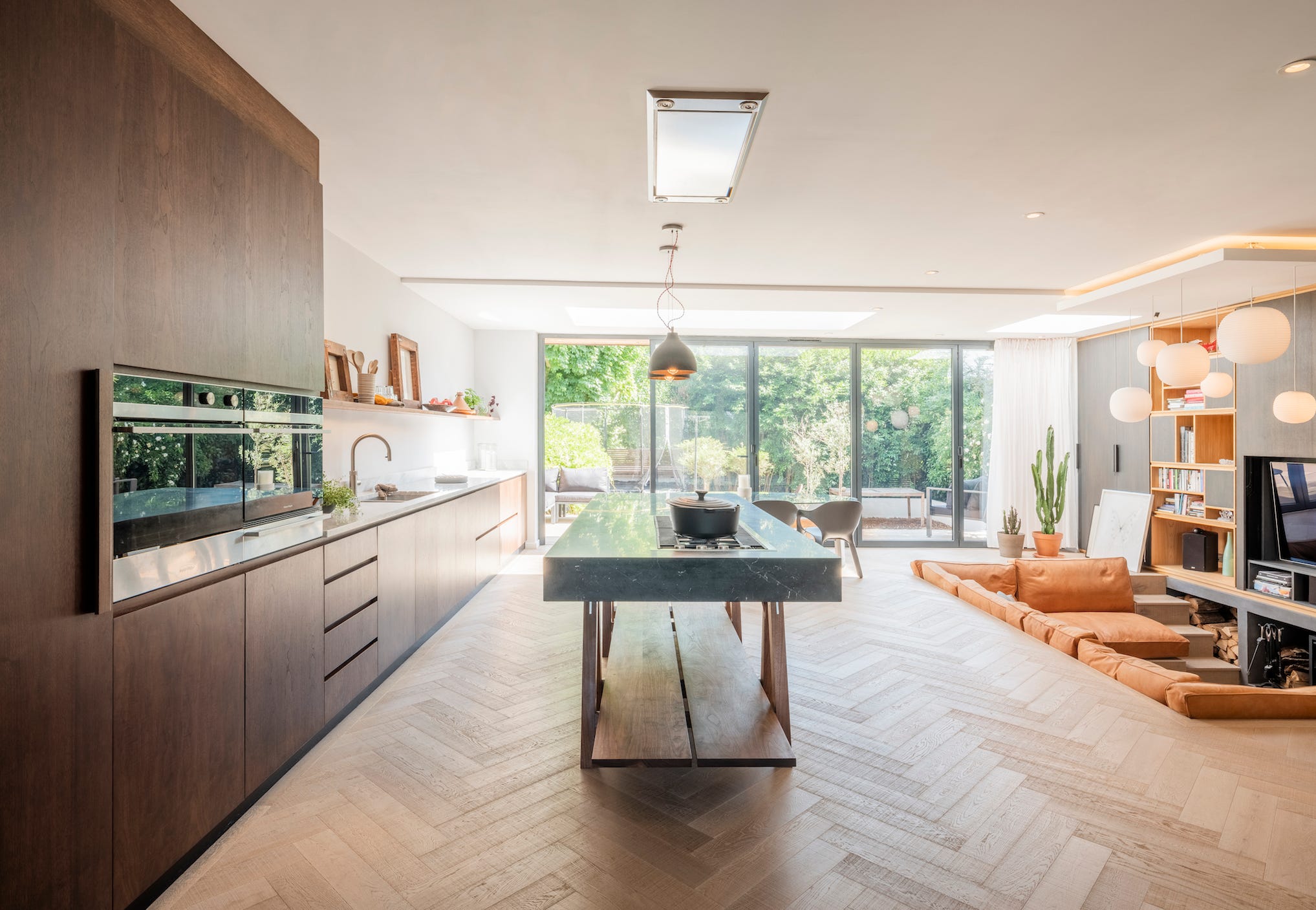
Broken-plan living: the evolution of open-plan layouts and zoning kitchen spaces

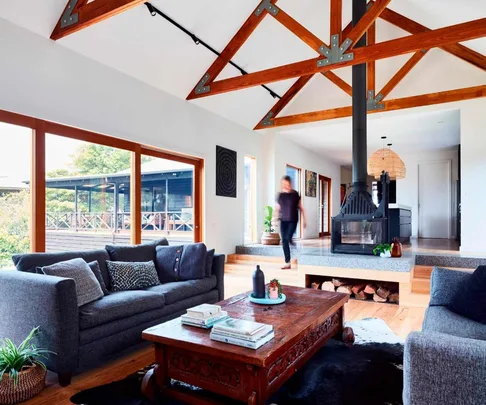
Is open-plan living dead? Here's what the design experts say

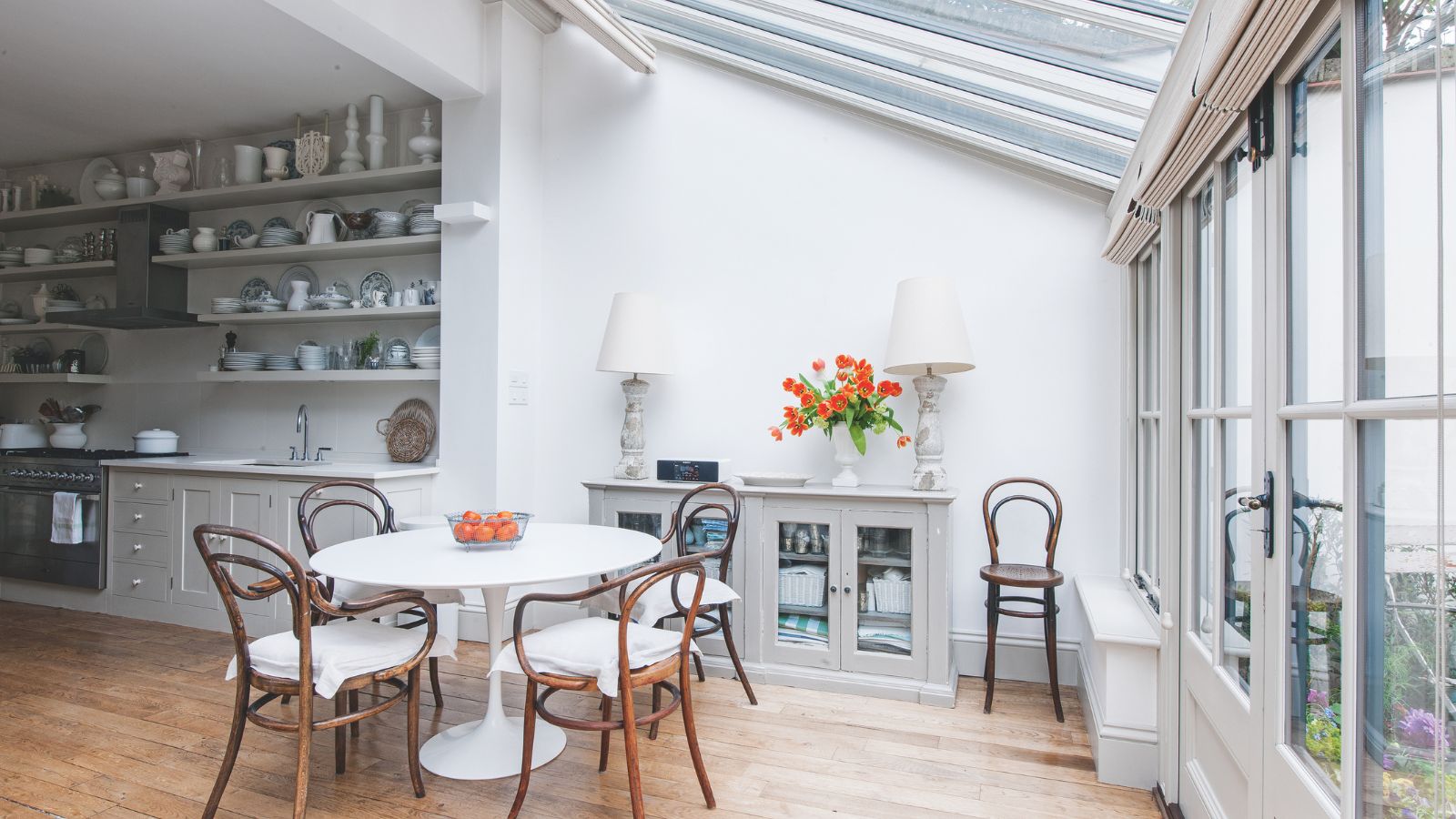
Is open plan going out of style? Experts weigh on whether this once-loved layout is starting to date
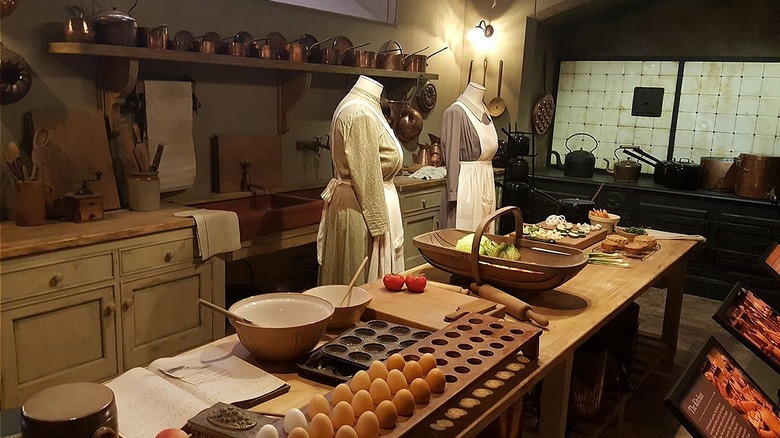
The Kitchen Design Trend Bringing Downton Abbey Back To Life
Are Open Kitchen Shelves Still in Style? This Interior Designer Told Us to Ditch Them — Here's Why
4 homeowners share their experiences with open-concept kitchens
Open plan living is over. Here’s why we all want walls again
The 2021 Kitchen Design Trends Transforming the Home

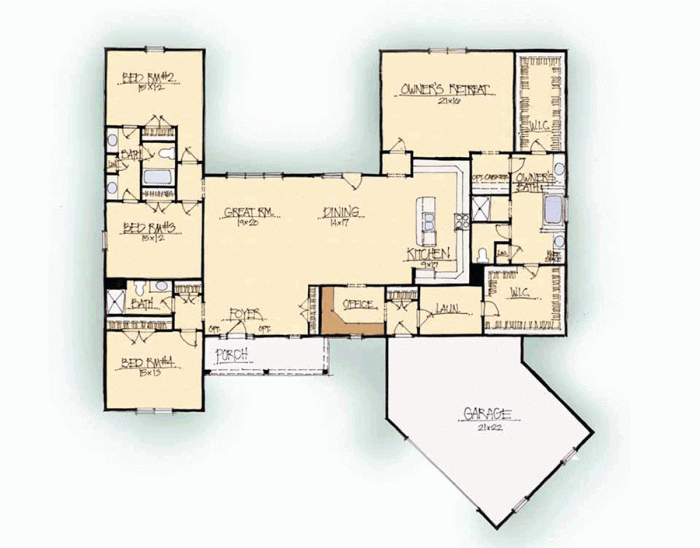
The Open-Plan Kitchen: Is It Right for You?
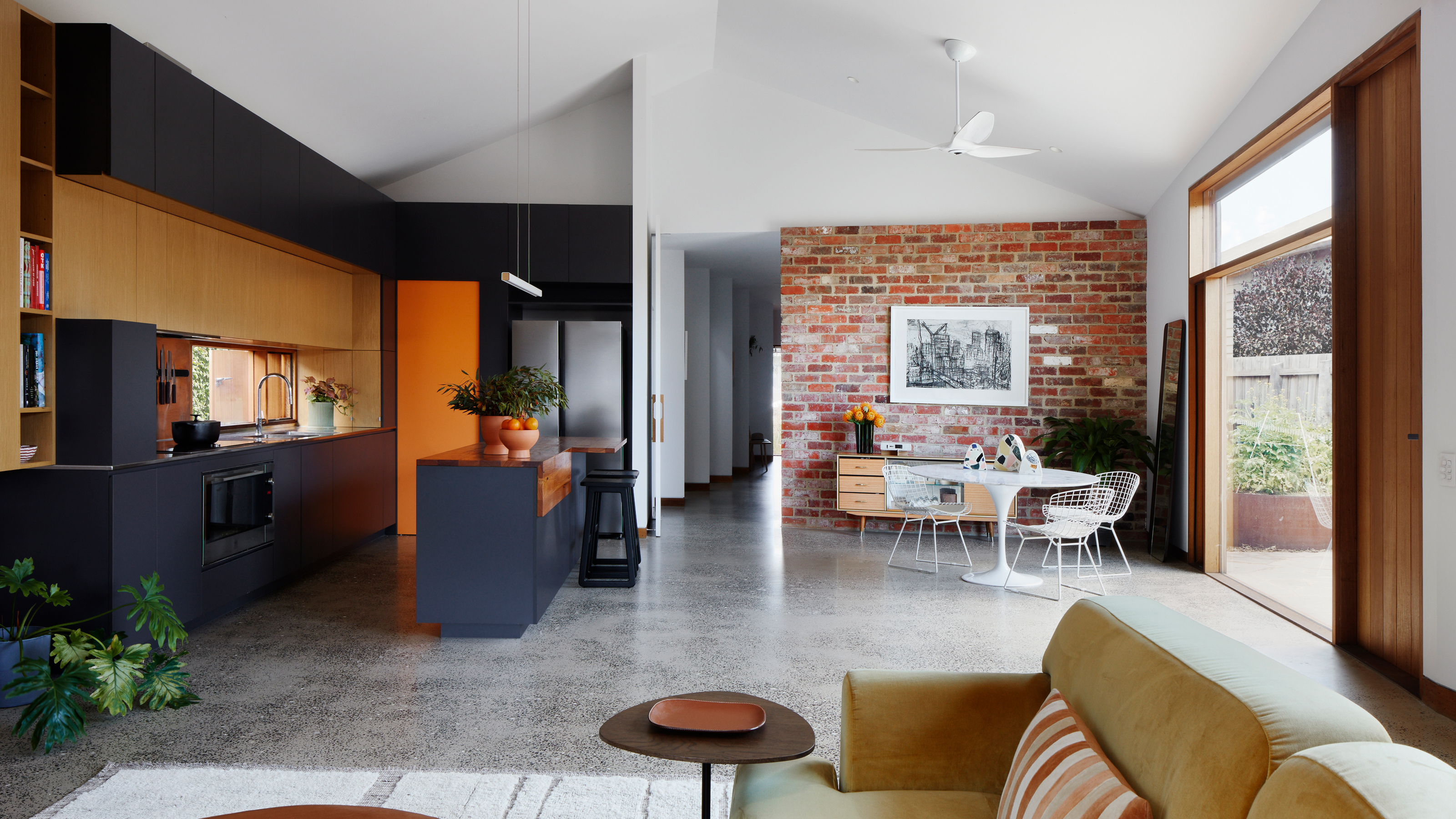
Are Open Concept Floor Plans Still in Style? Here's Why Designers are Opting Against This Once-Loved Layout
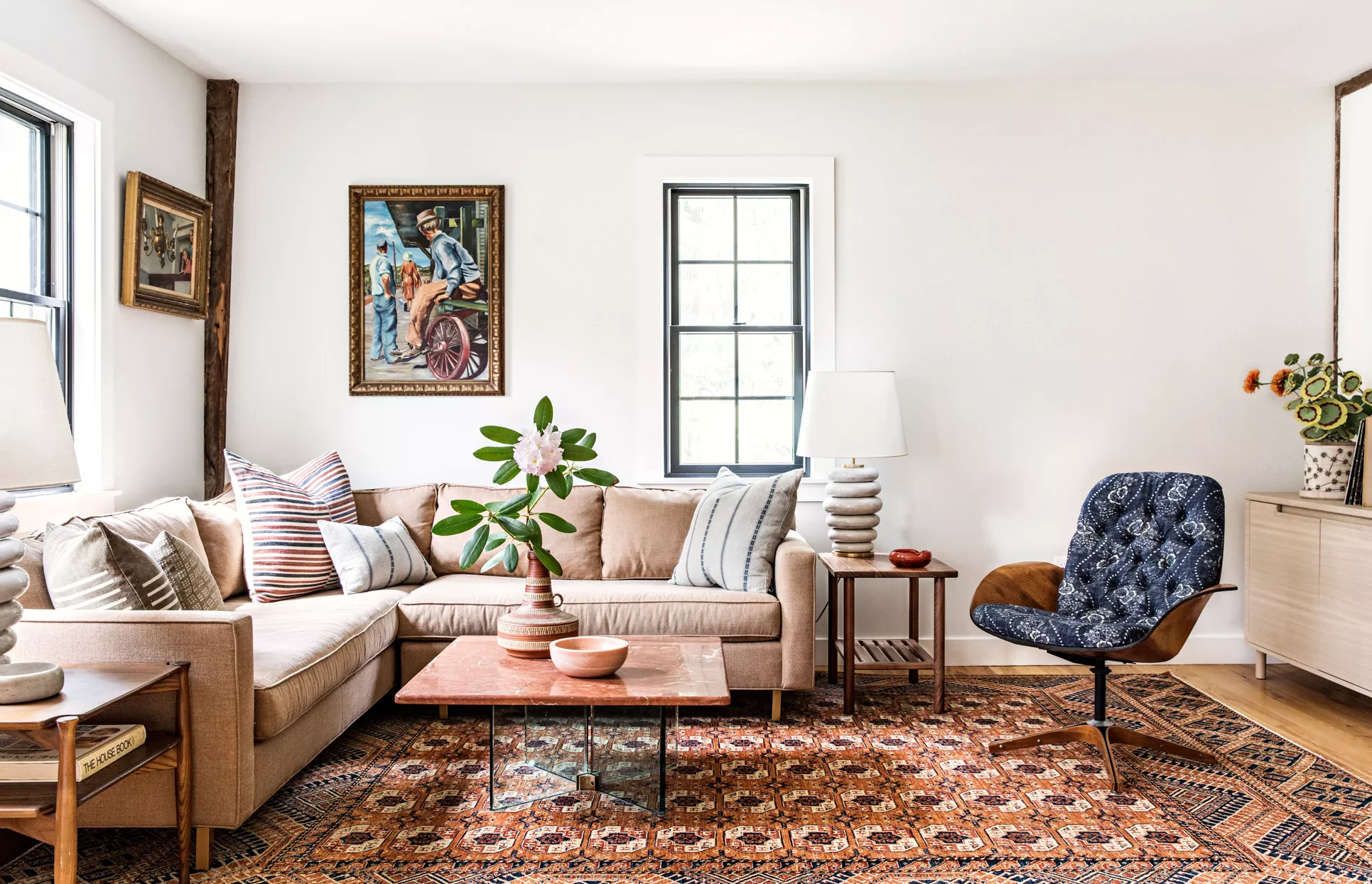
Goodbye, Open Concept—People are Adding Walls in Their Homes