1/5
This Controversial Home Layout Has DIVIDED the Design World
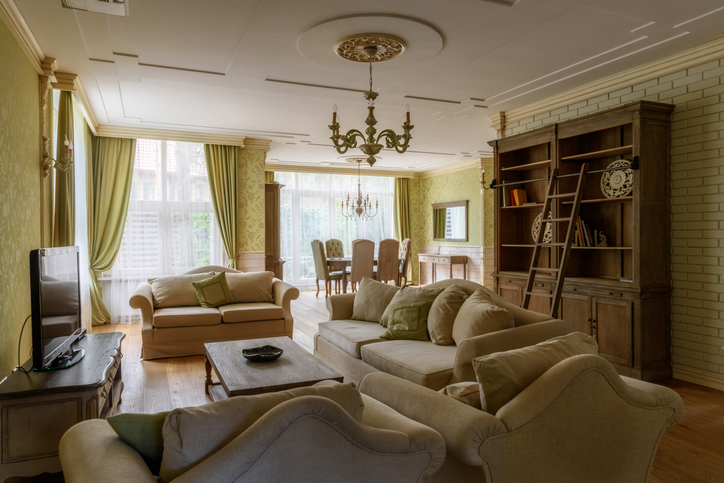
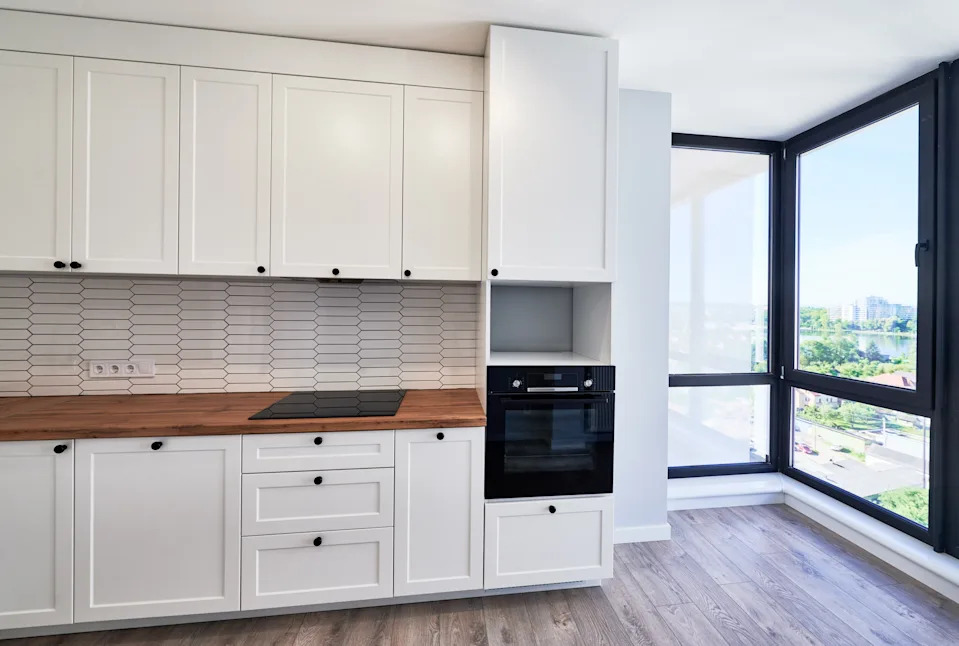
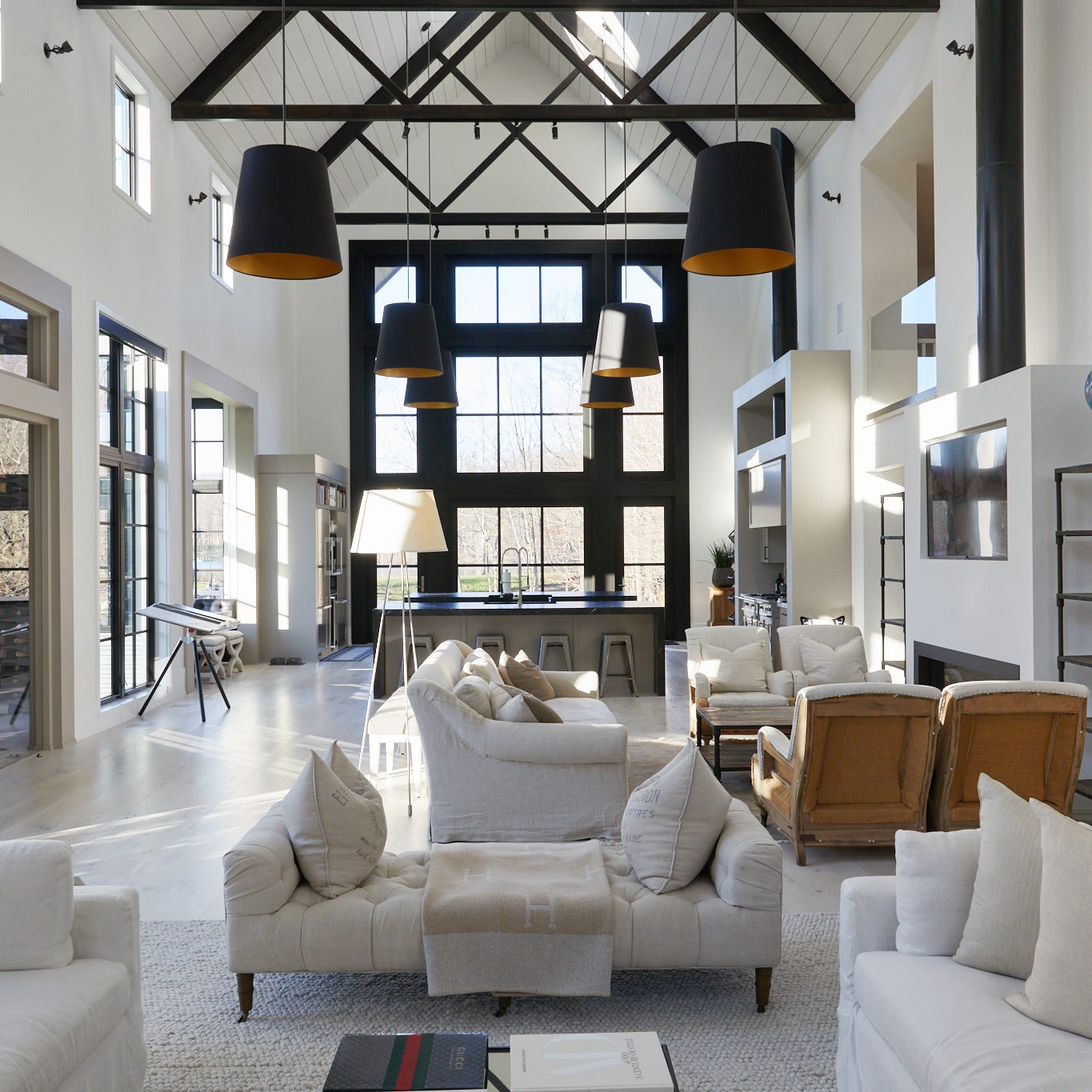
The article explores the ongoing debate within the interior design community regarding the relevance of open-concept living spaces. It features insights from several designers, some of whom express a growing dissatisfaction with open-plan layouts, while others continue to champion their benefits.
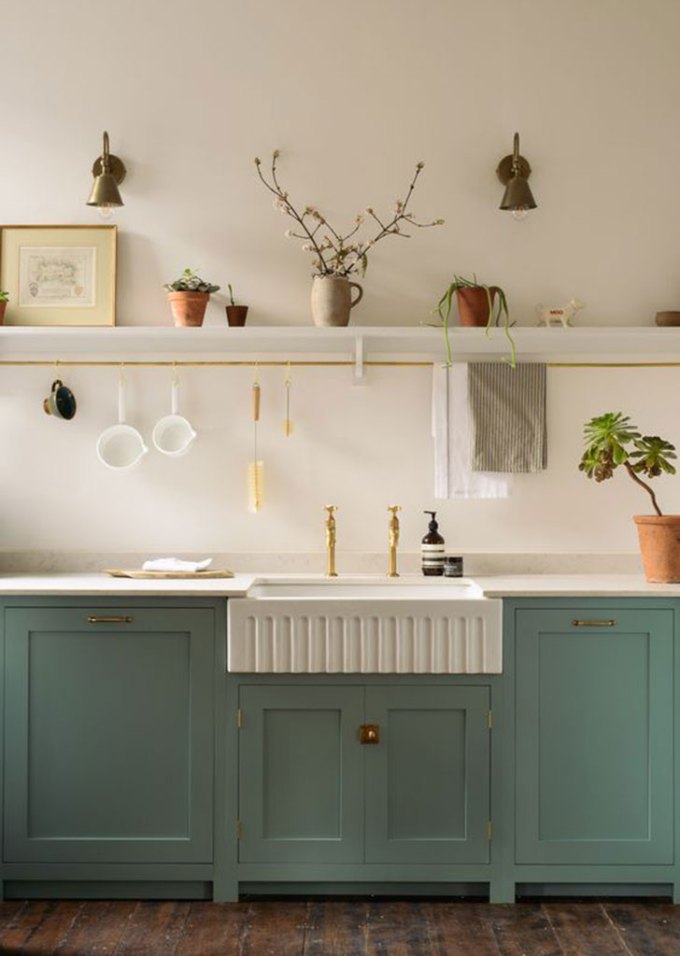
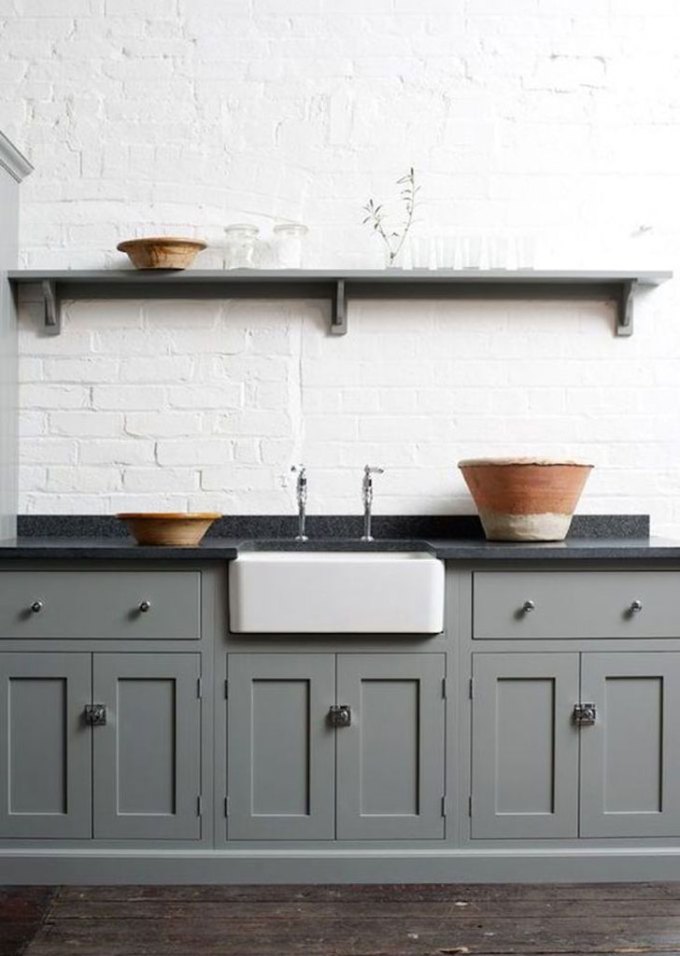
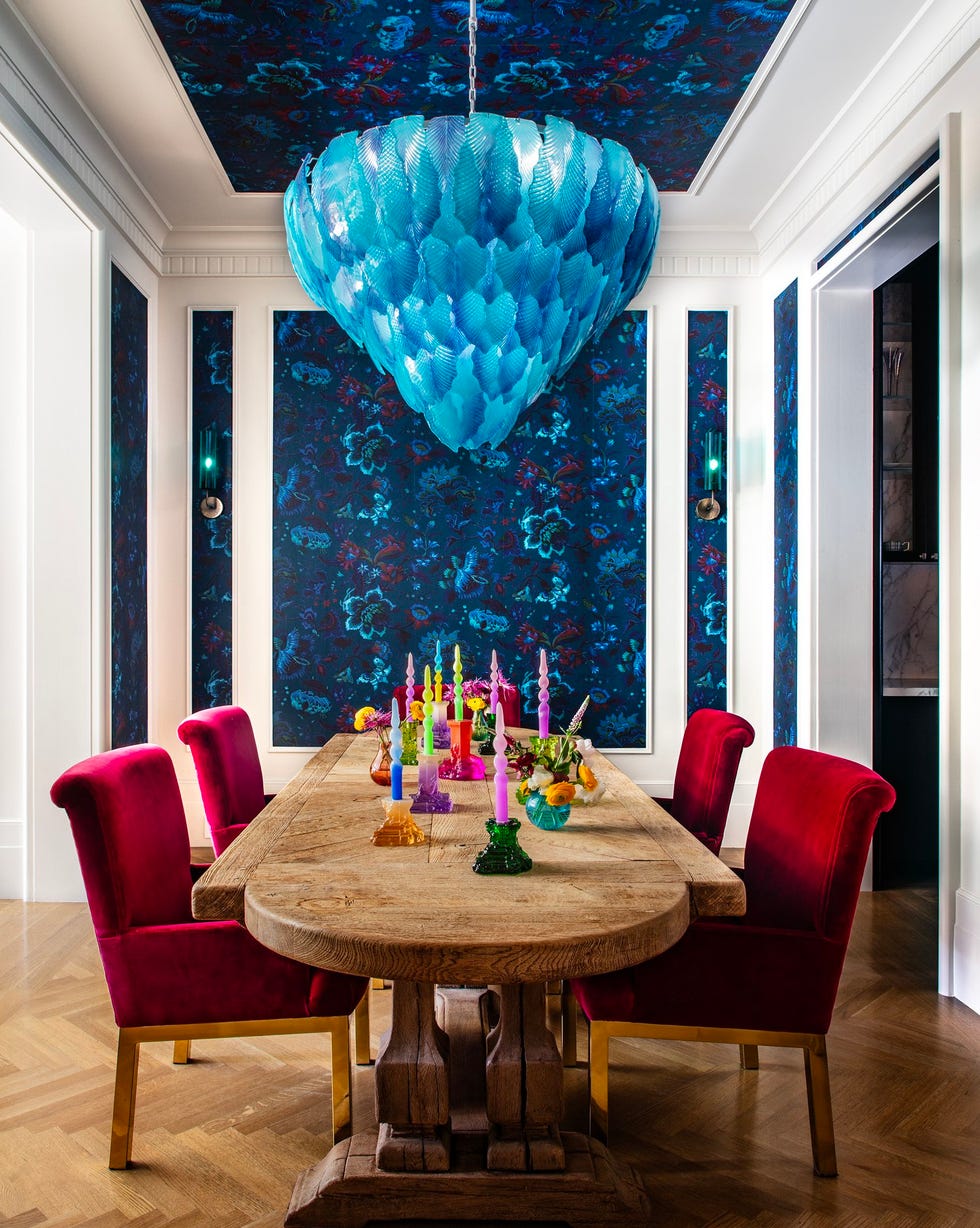
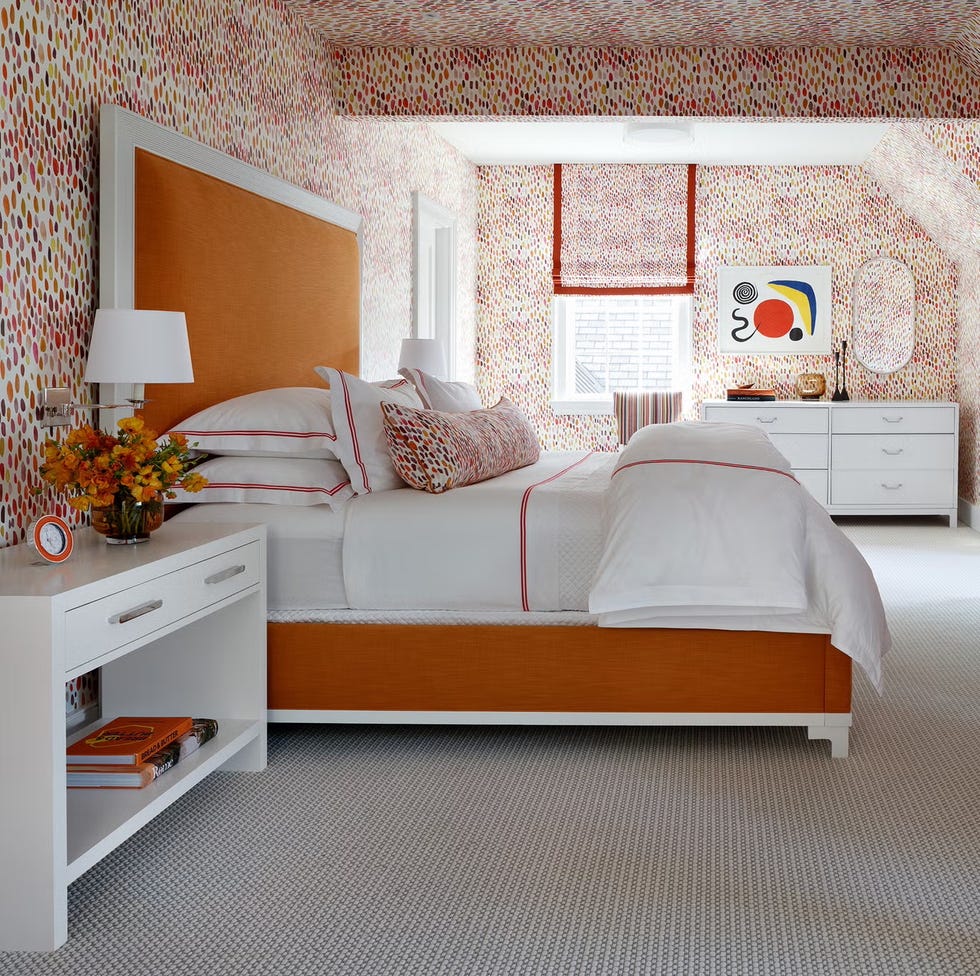
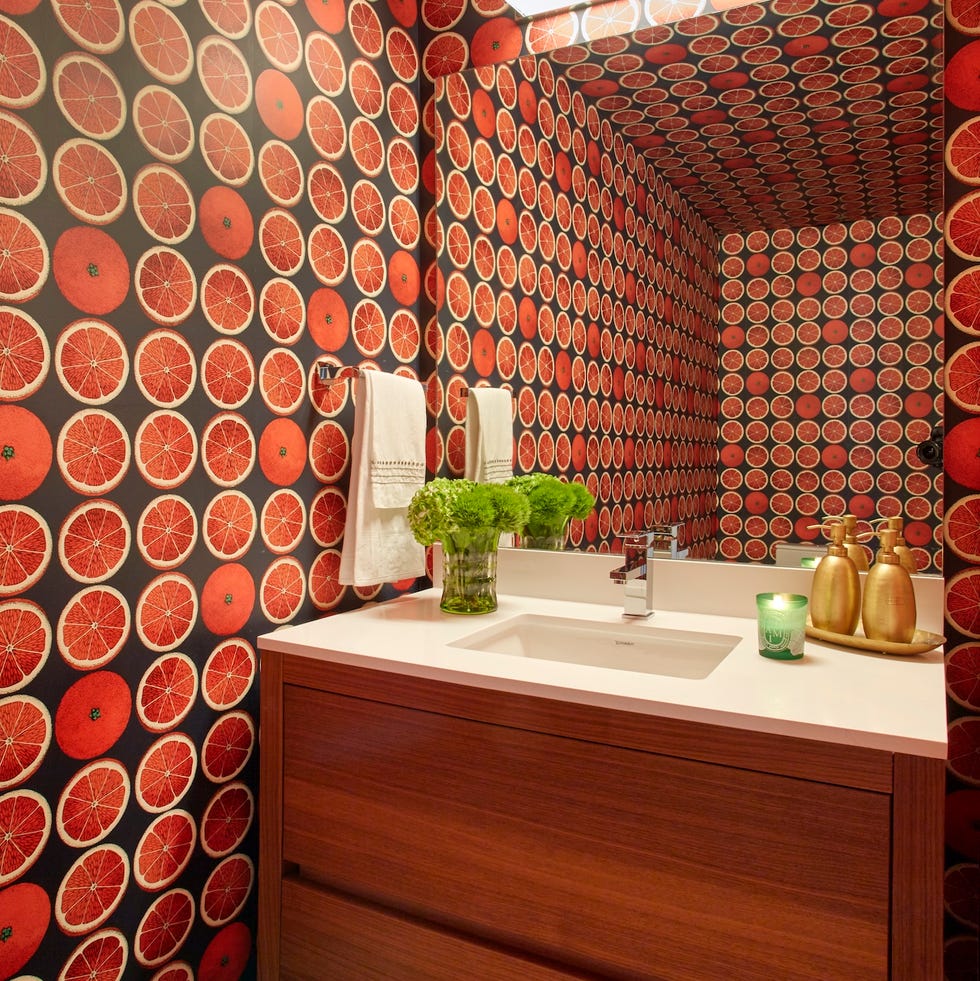
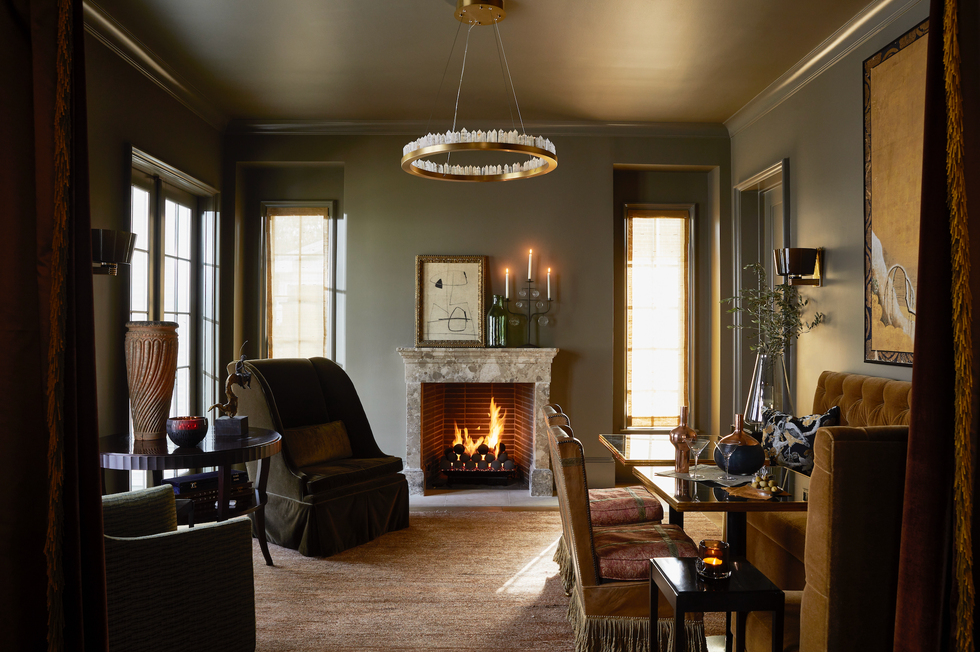
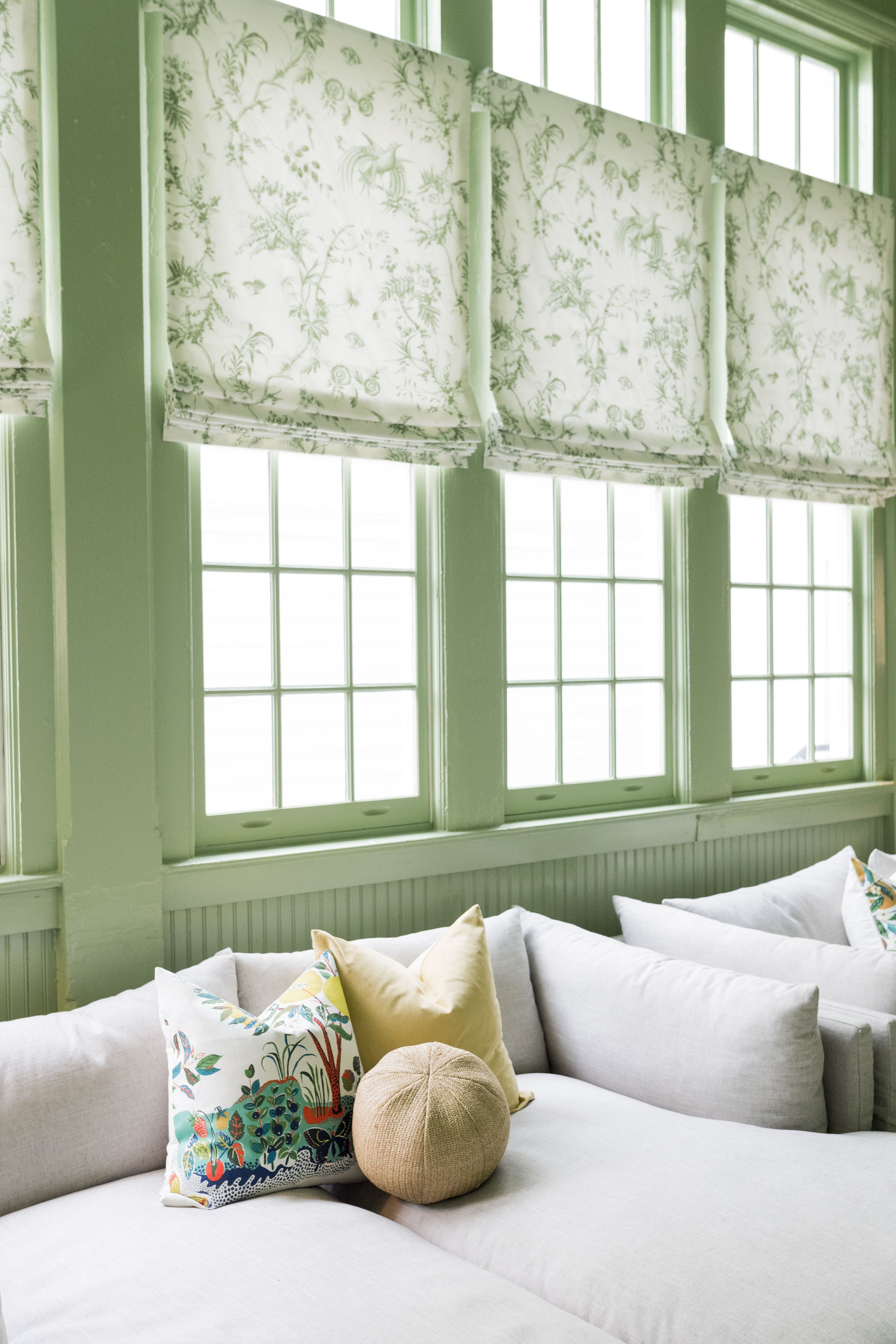
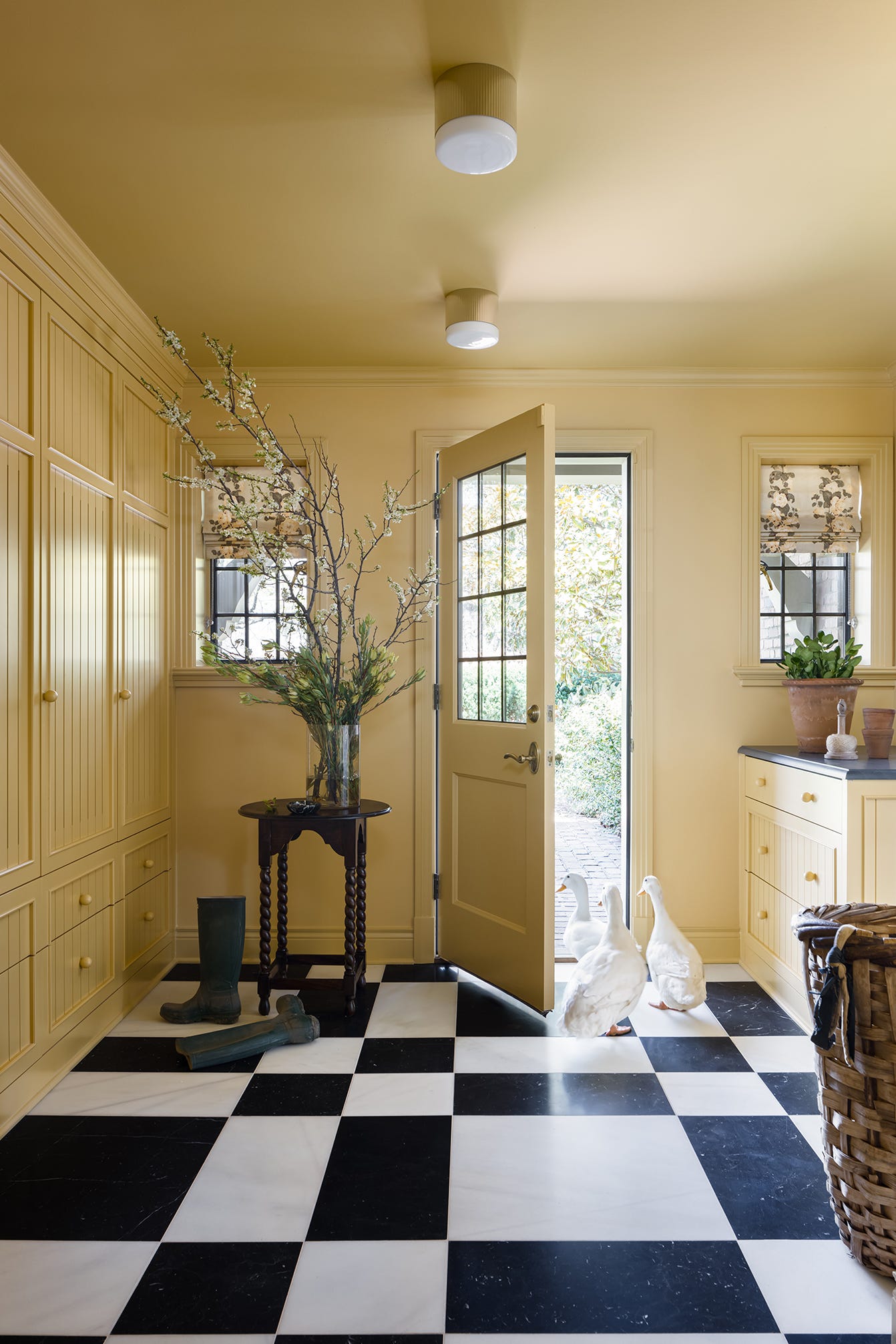
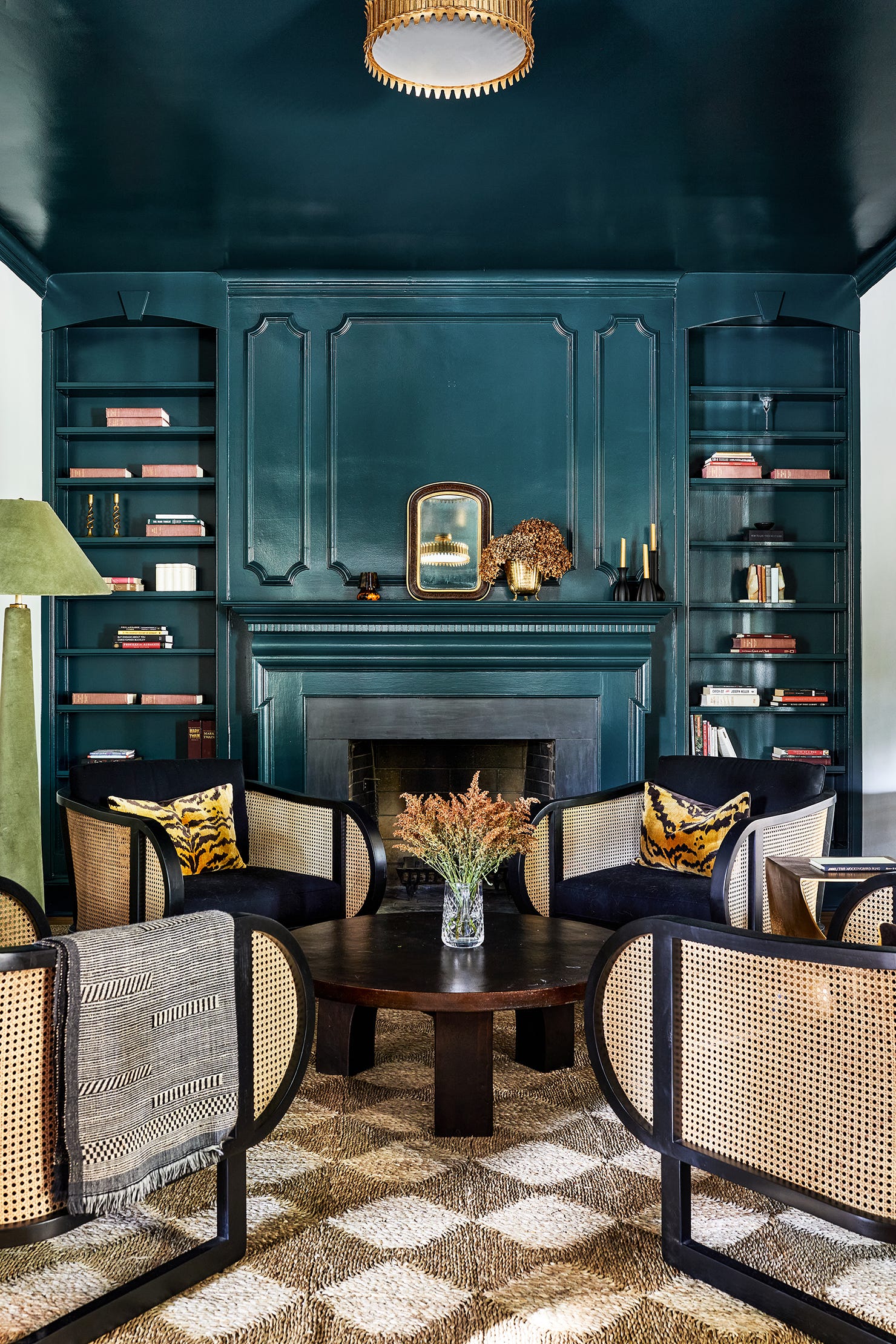
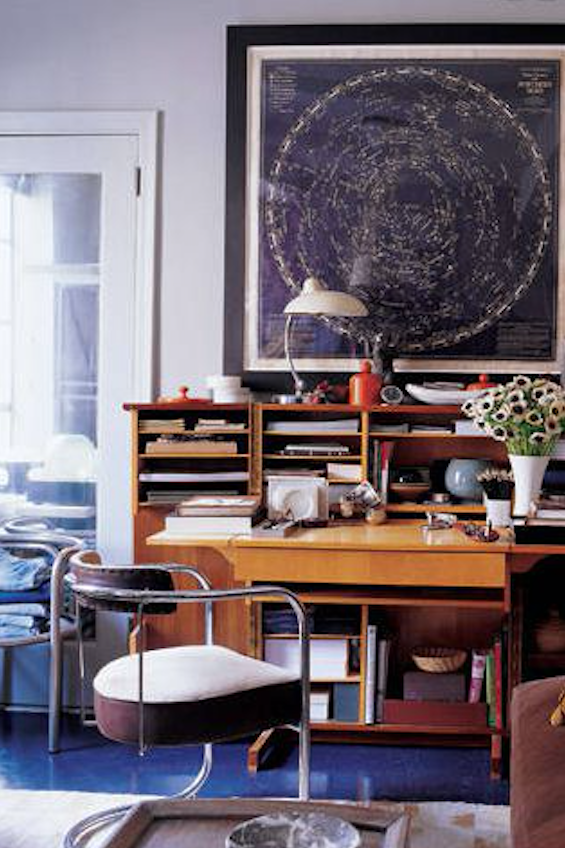
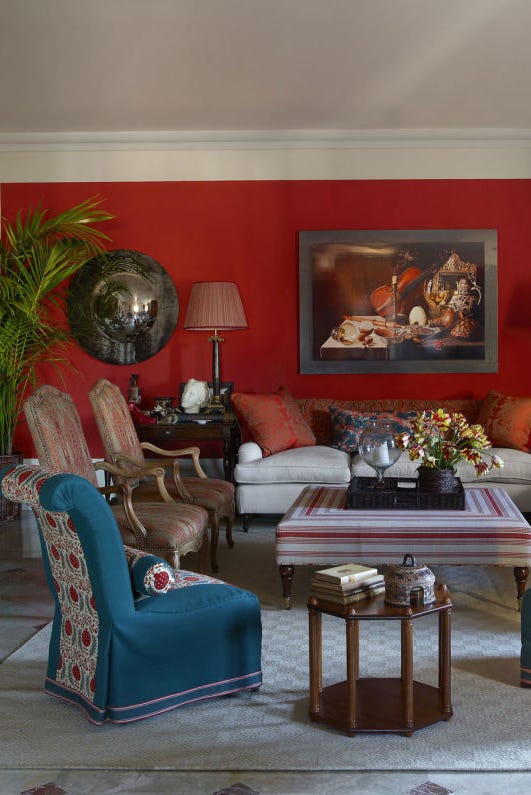
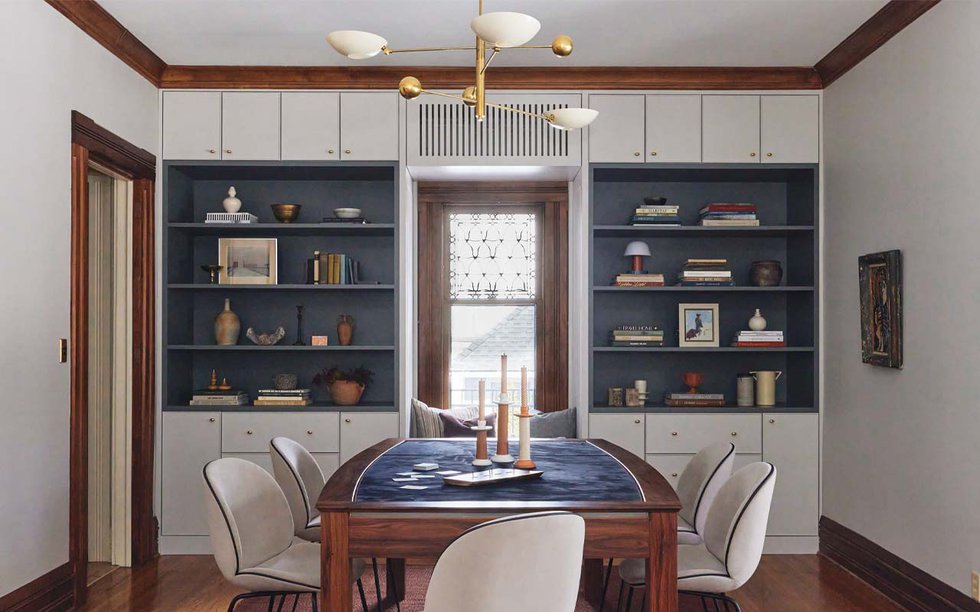
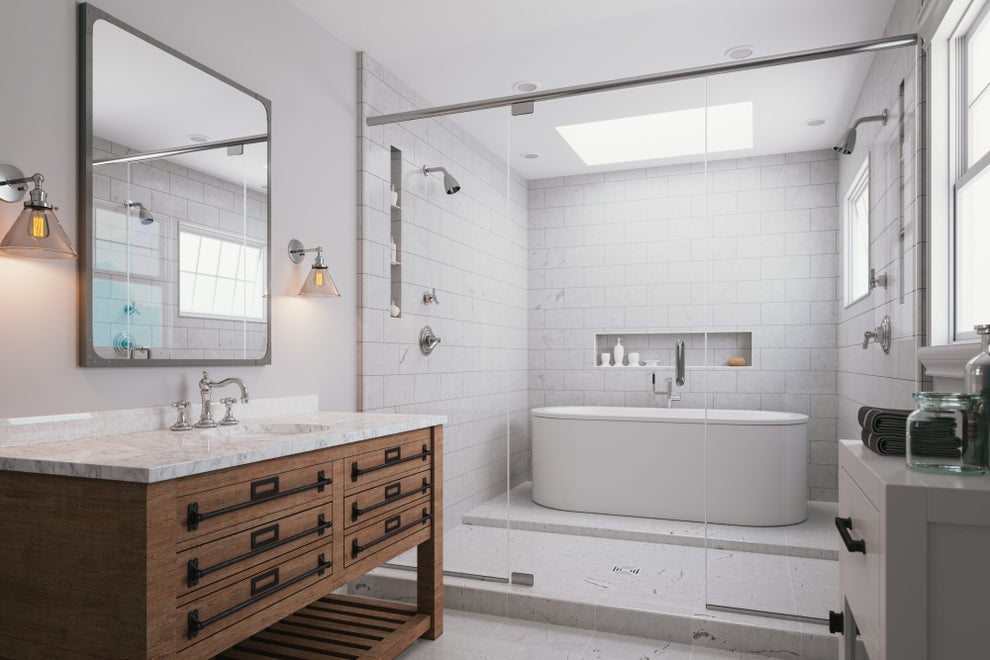
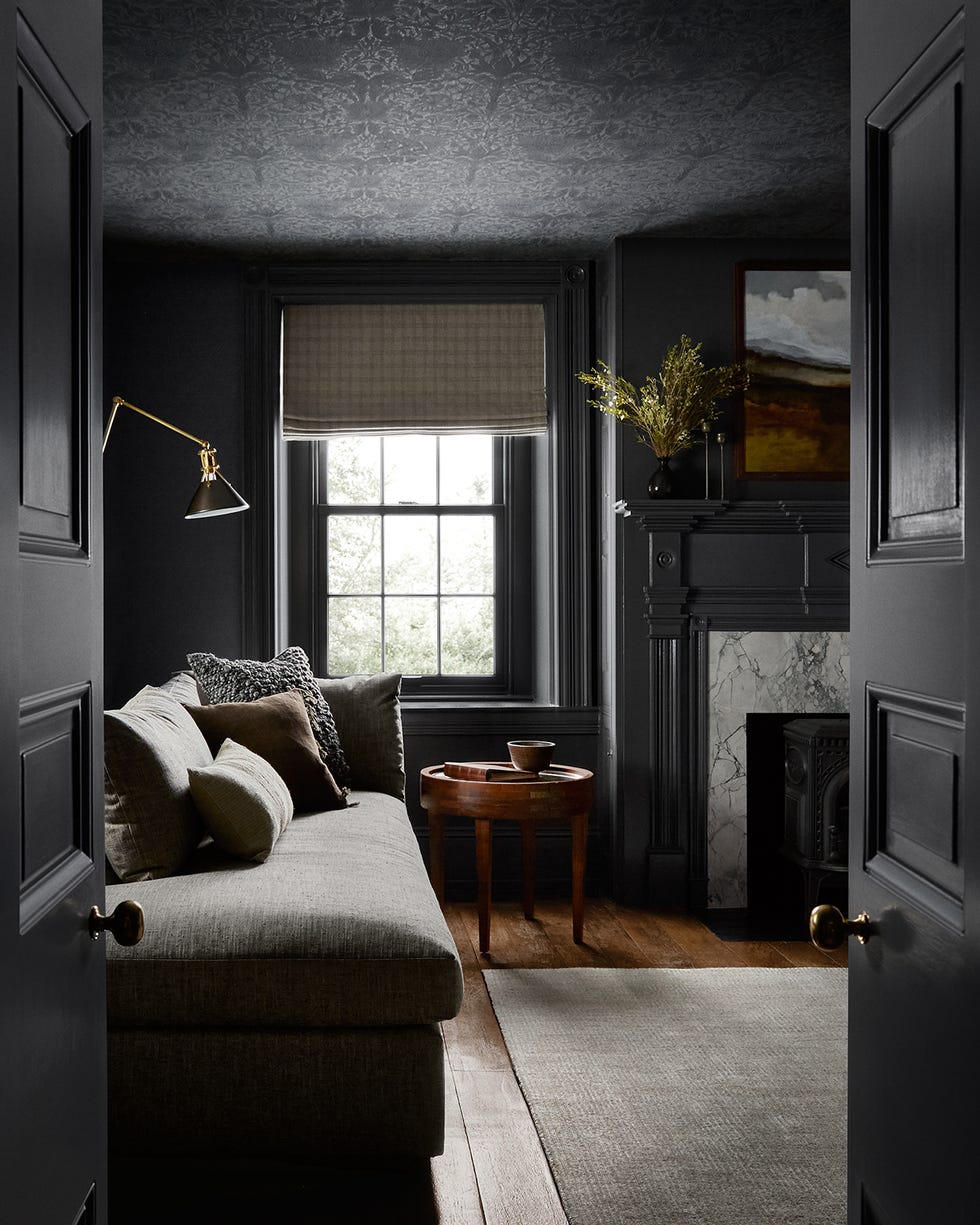
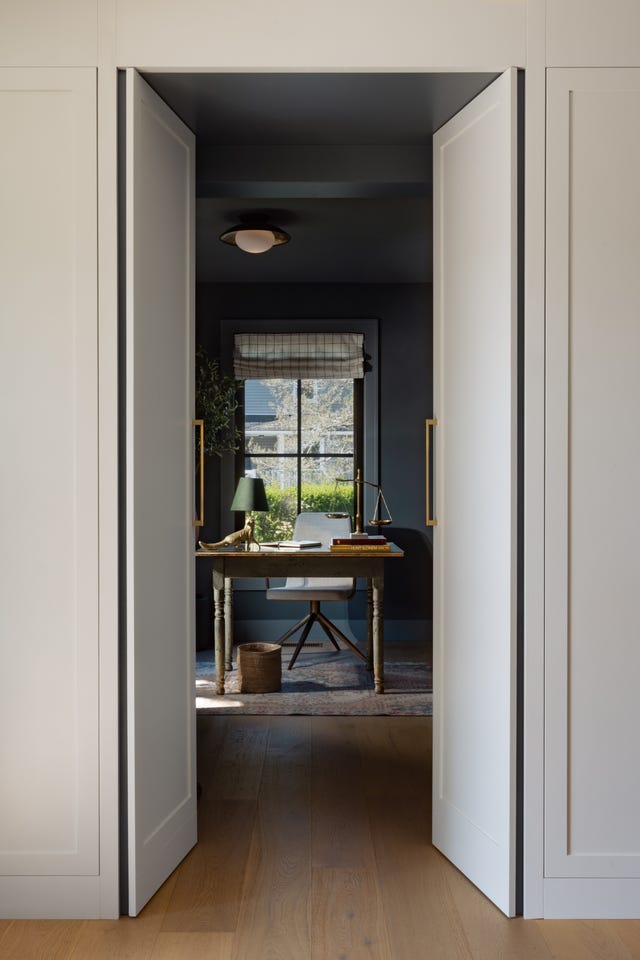
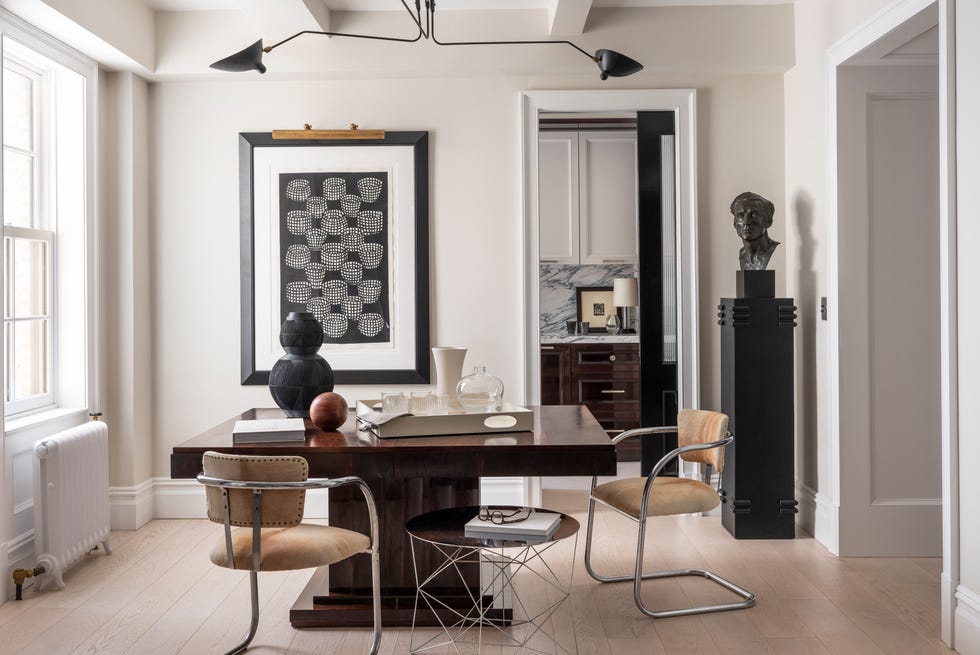
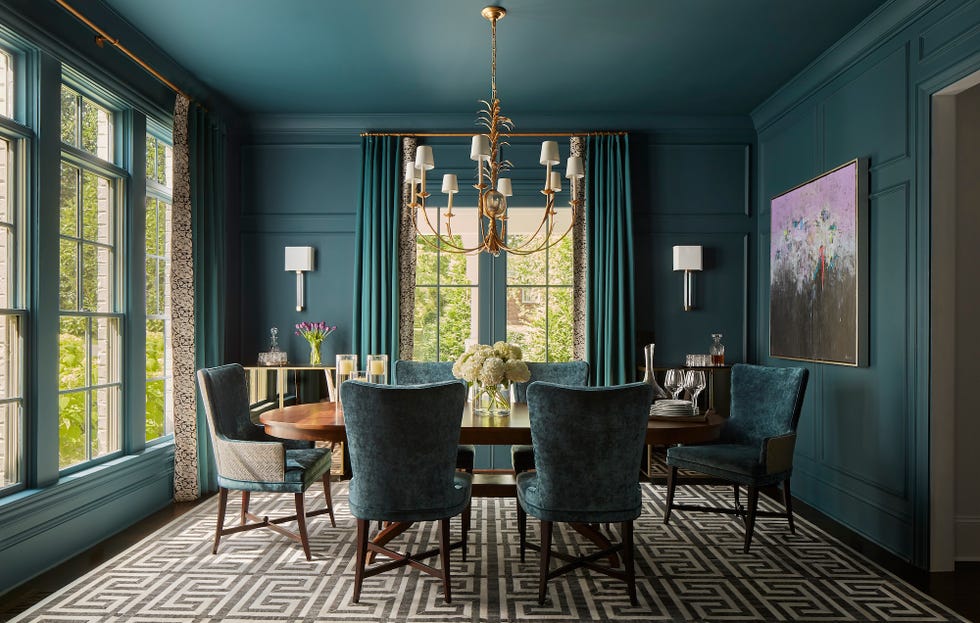
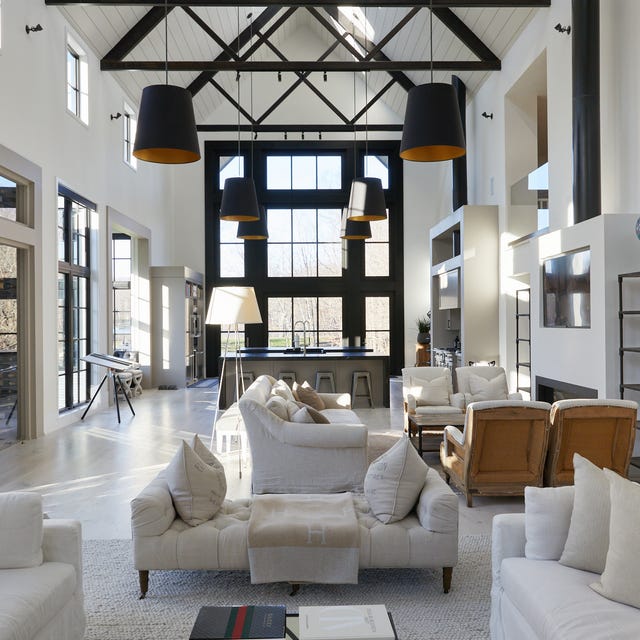
Brad Ramsey, a Nashville-based designer and 2024 Next Wave winner, notes a fatigue with homes featuring a single large room encompassing living, dining, sitting areas, and kitchen. He argues that while the desire for togetherness is understandable, such designs often strip a home of its character and intimacy. Ramsey emphasizes that while he is not entirely against open concepts, he believes they need careful execution to prevent a loss of coziness. He suggests incorporating intimate, connective moments within larger layouts and advocates for closed-concept spaces, comparing a home's design to a wardrobe, where different rooms can offer varied moods and functions, from cozy family rooms to more formal sitting areas or vibrant powder rooms. This approach allows for greater creative freedom with color, texture, and pattern in individual spaces without needing to ensure they harmonize with adjacent rooms.
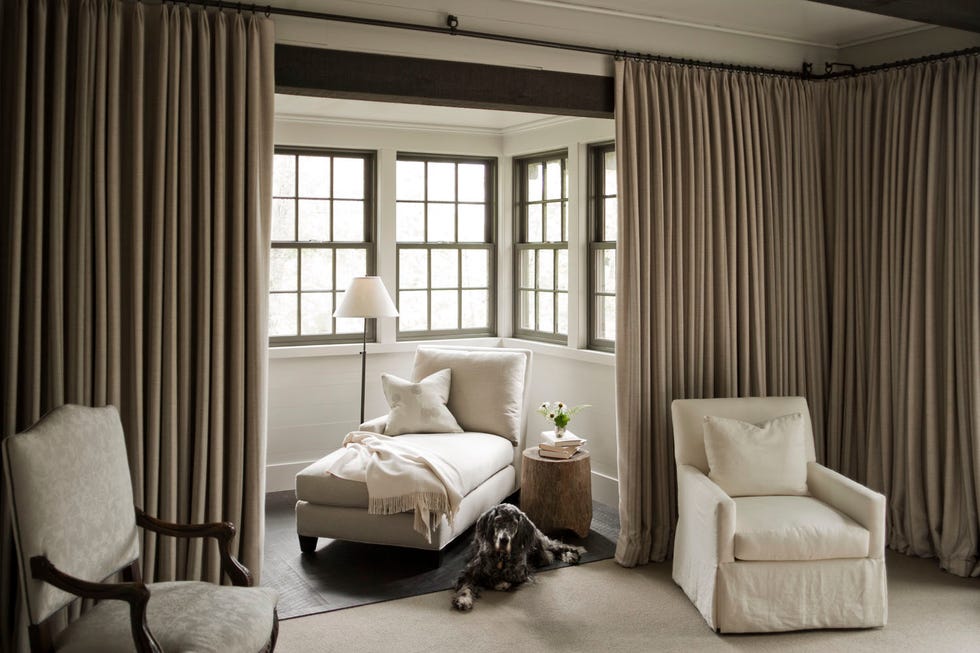
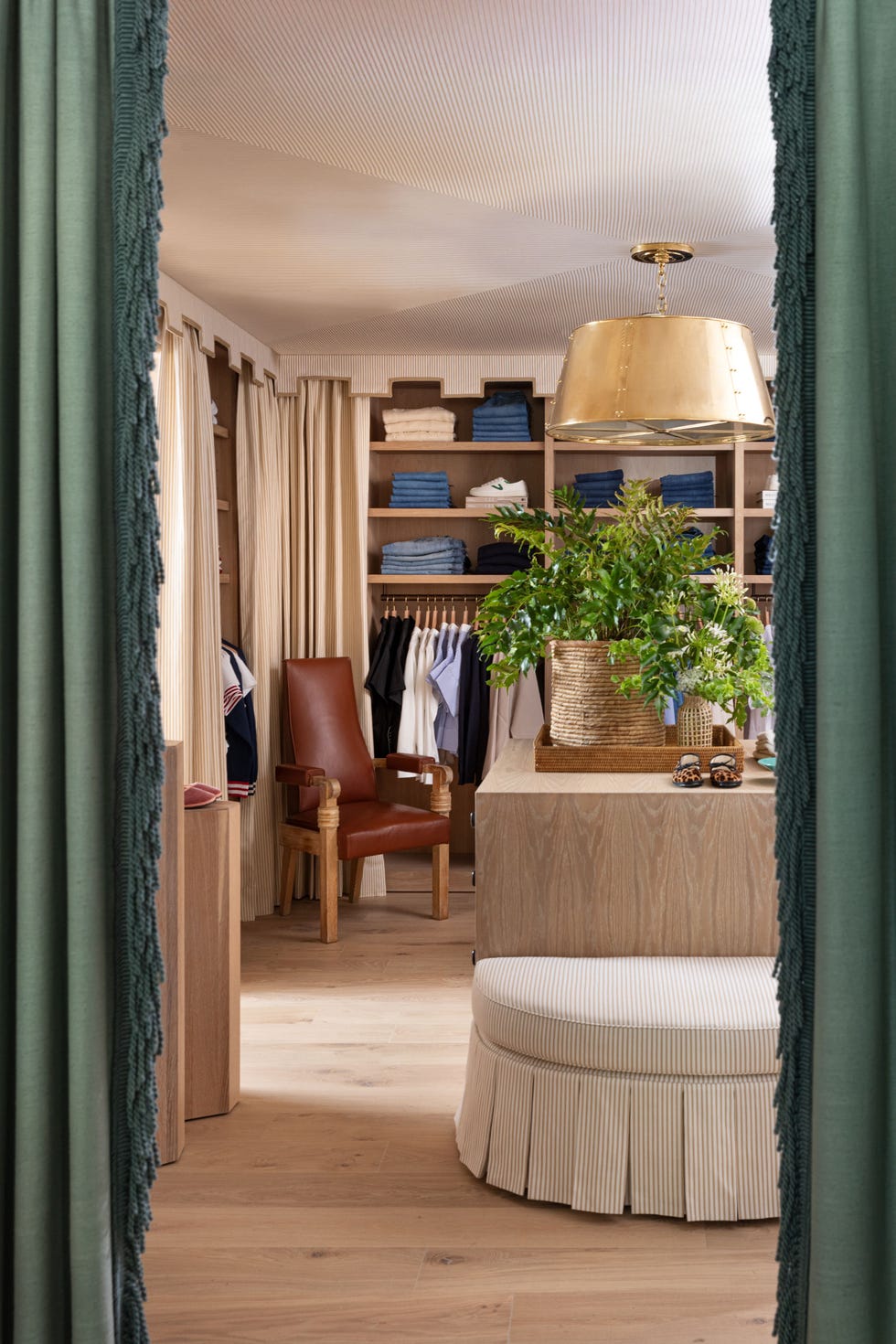
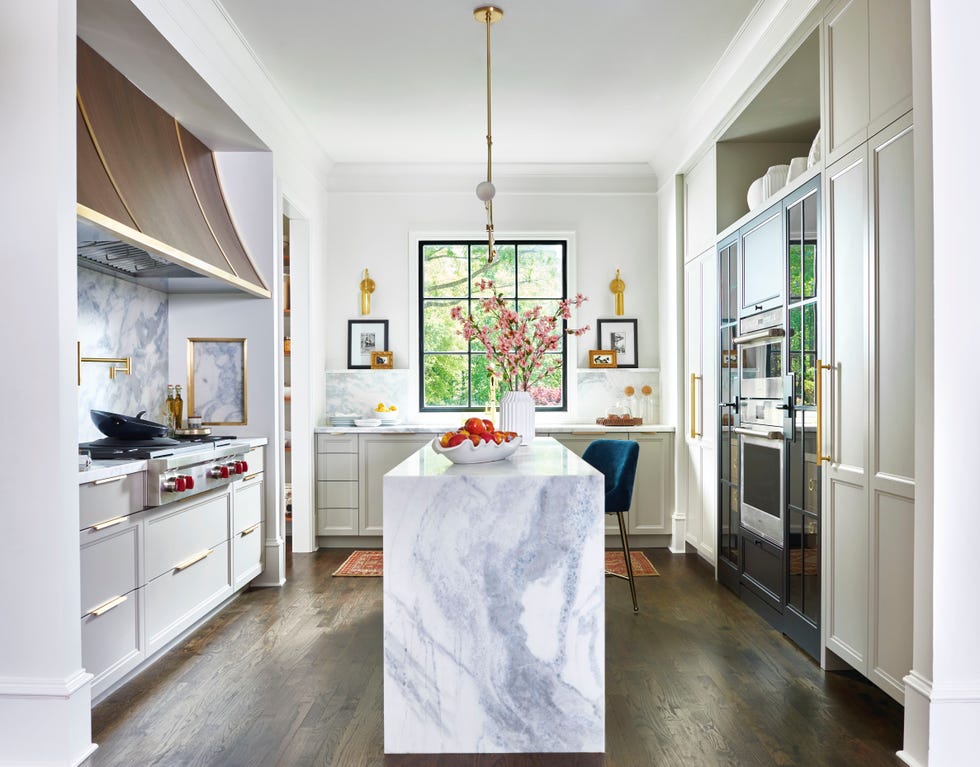
Jerel Lake, an Atlanta-based designer, echoes Ramsey's sentiment, expressing a preference for the compartmentalized nature of older homes. He dislikes the idea of performing kitchen tasks like washing dishes in the same visual space as the dining area. Lake posits that closed-concept living fosters more focused engagement among family and friends by minimizing distractions often present in open-style homes. He highlights the design flexibility of separate rooms, where a kitchen can feature moody finishes, and a living room can adopt a light and fresh palette independently.
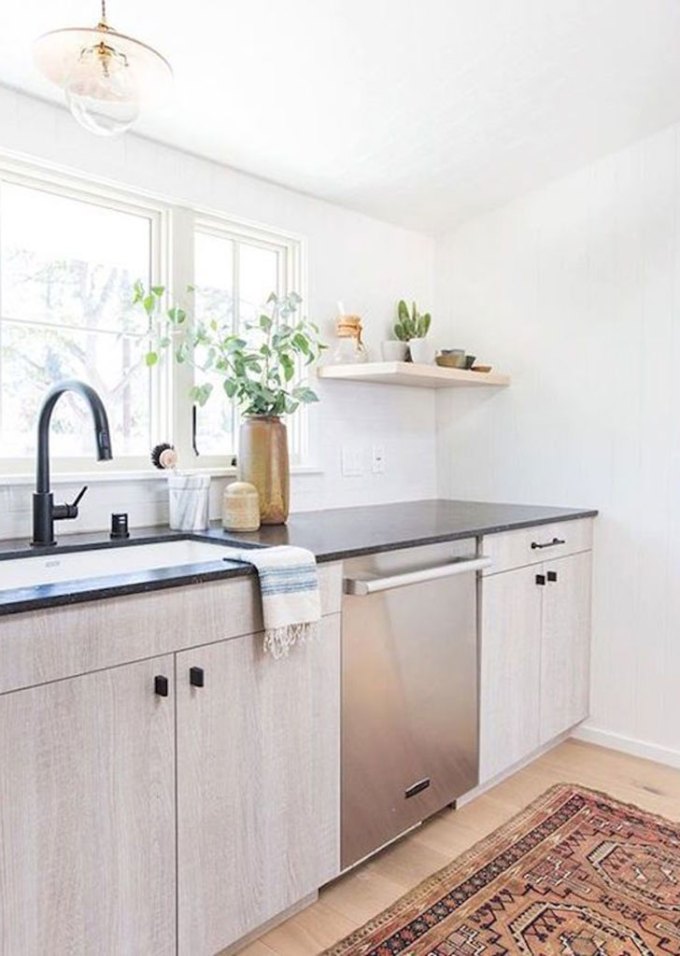
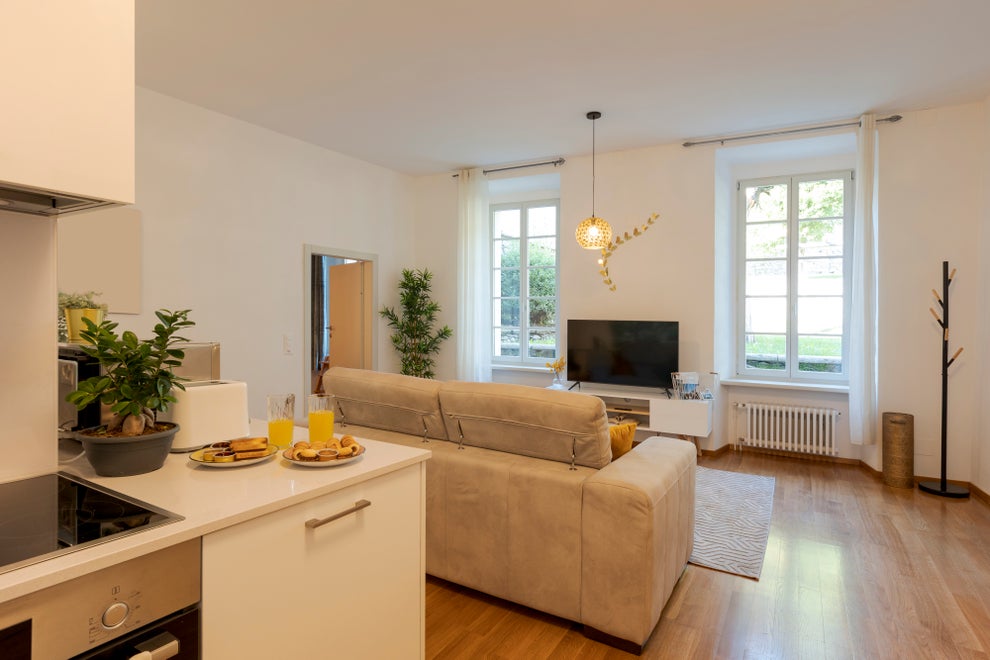
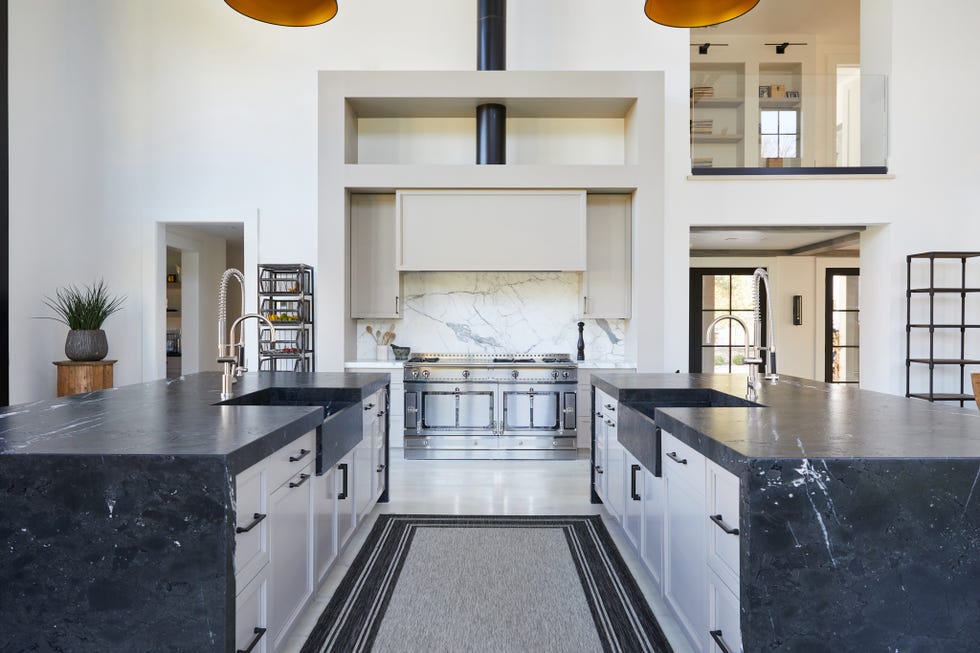
Conversely, some designers maintain that open-concept layouts remain valuable. Los Angeles-based designer Amber Lewis suggests that open concepts are ideal for those who frequently entertain guests, preventing overcrowding in smaller, separate rooms. Vince Falotico, managing partner at Brooks & Falotico in New Canaan, Connecticut, supports open concepts when they align with a client's lifestyle and are executed effectively. He points out their practical advantages, such as maximizing natural light and offering seamless views, especially in properties with scenic surroundings.
Shea McGee, a designer from Salt Lake City, offers a more balanced perspective, allowing clients to choose based on their preferences but acknowledging the benefits of open floor plans. She notes that families and frequent entertainers often gravitate towards open layouts because they enable simultaneous activities like watching TV, supervising children, and cooking. The article concludes by emphasizing that the choice between open- and closed-concept living ultimately depends on the homeowner's lifestyle and specific needs. It raises the question of timelessness, observing that closed-concept designs have a long history, while open concepts are a more recent trend. For those seeking a classic aesthetic, designating separate rooms for the kitchen, living room, and dining area remains a safe and enduring choice.
#OpenConceptLiving #InteriorDesignTrends #HomeLayout #DesignPhilosophy #ResidentialArchitecture #SpacePlanning #DesignerInsights #FamilyLiving #OpenConceptLiving #InteriorDesignTrends #HomeLayout #DesignPhilosophy #ResidentialArchitecture #SpacePlanning #DesignerInsights #FamilyLiving
0 comment in total
 No comments yet
You may also like
The Controversial Kitchen Trend the Design World Is Buzzing Over

Interior designer says having family photo 'shrines' in your house is tacky

“It Instantly Becomes Tacky": 22 Home Design Trends That Are Mega-Popular For Reasons Many People Will Never Understand

Why Designers Are Ditching Traditional Layouts for "Broken Floor Plans"
The Controversial “Wallpaper Box” Trend is DIVIDING the Design Community


The 2020 A-List: 125 of the Best Interior Designers in the World

Interior designer says that having family photo 'shrines' in the house is poor taste
"Frankly, It's Tacky": People Are Revealing Common Home And Kitchen Design Trends They Can't Stand
The Design World Is DIVIDED on This Controversial Curtain Styling Trend
This Controversial Tile Trend Is Dividing Homeowners on Reddit. Designers Weigh In
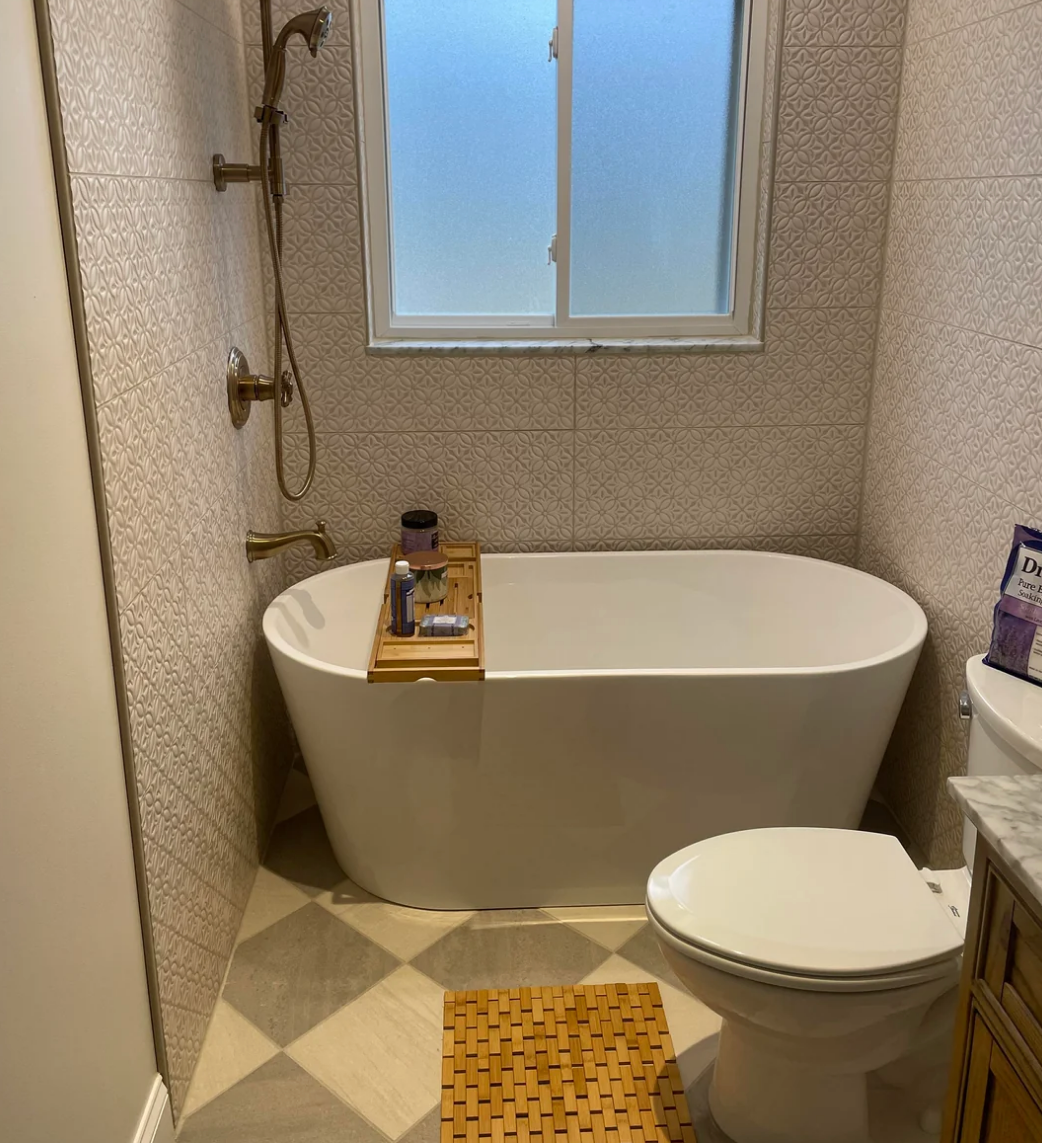
"It's A Huge Fire Hazard": People Are Calling Out The Modern Home Design Trends They Secretly Hate, And It's Jarring

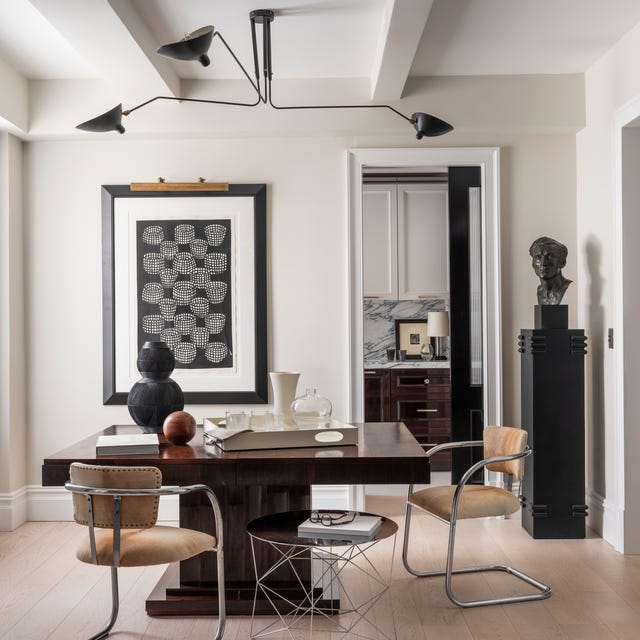
Designers Agree: Open Concept Is Out, Tradition Is In

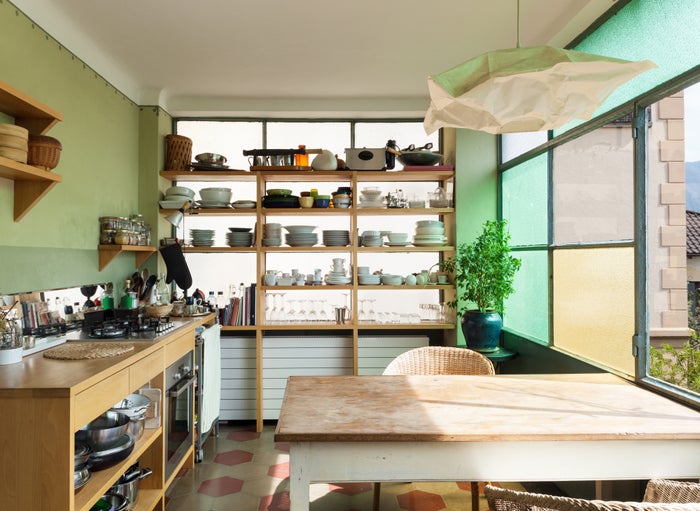
People Are Sharing Why These Universally Despised Design Trends Work Quite Well In Their Homes
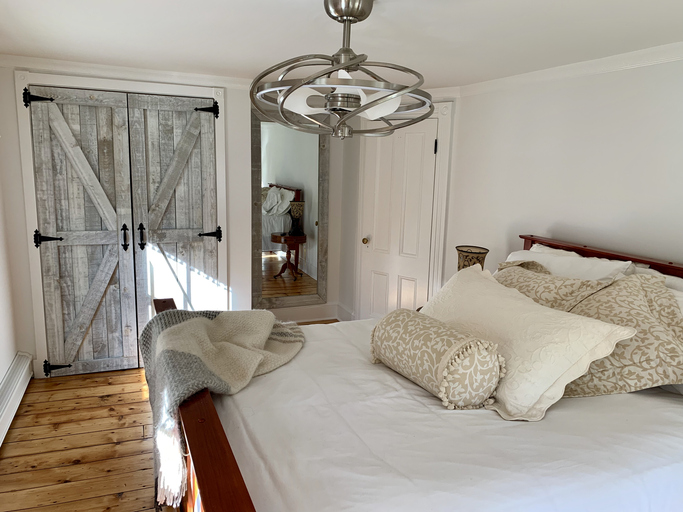
10 Horrifying Home Design Trends: 2022 Edition
21 Home Design Fails That Are As Upsetting As They Are Impractical
Is It Time to Shut the Door on Open-Concept Living?
Designers Reveal the Surprising Home Trend That's Taking Over Right Now
Home & Design | Conversation Piece
Why do the ultra-rich have tacky interiors?
Interior Designers NEVER Overlook This Surprising Space