1/5
The Design World Is DIVIDED on This Controversial Curtain Styling Trend

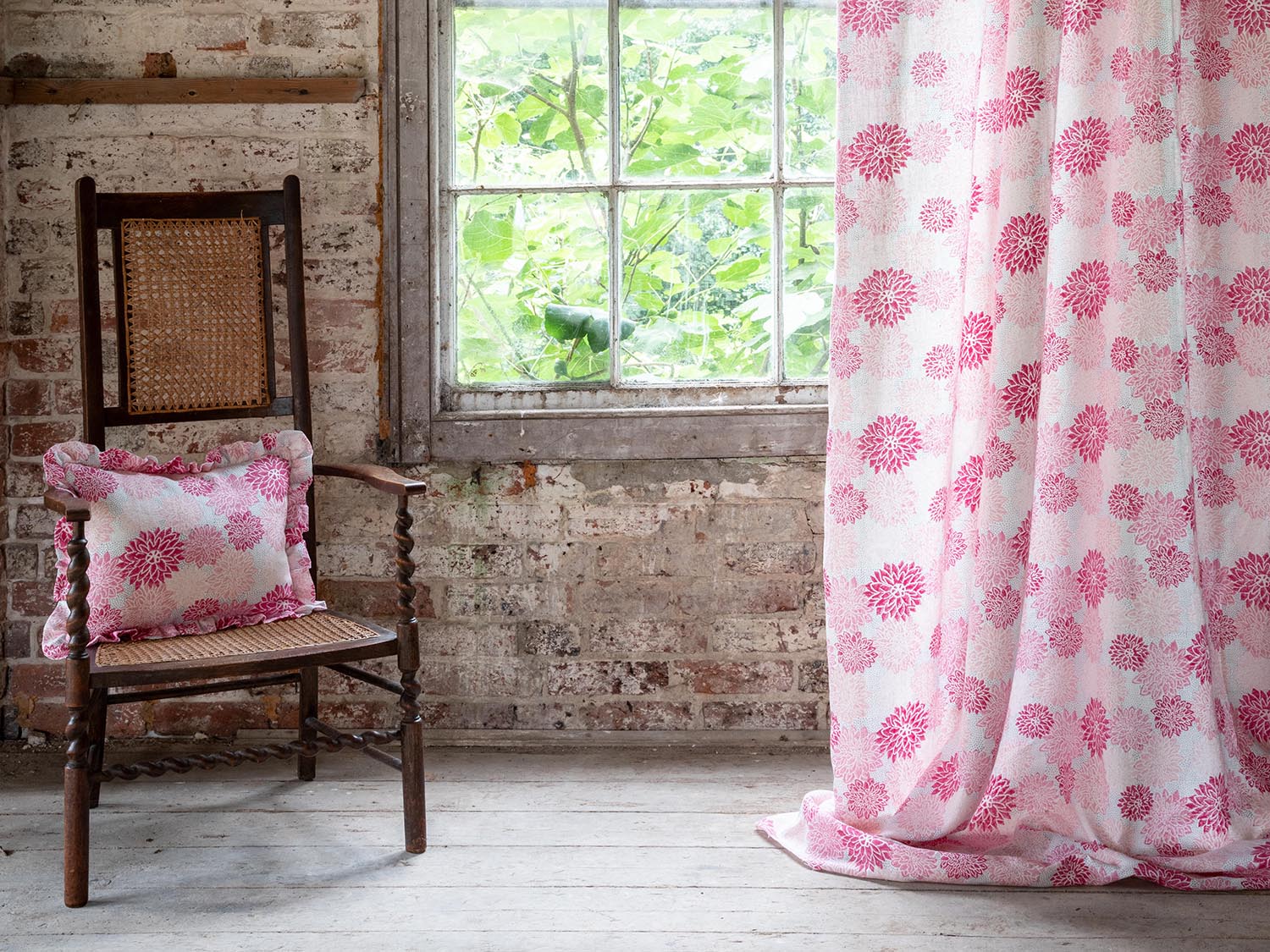
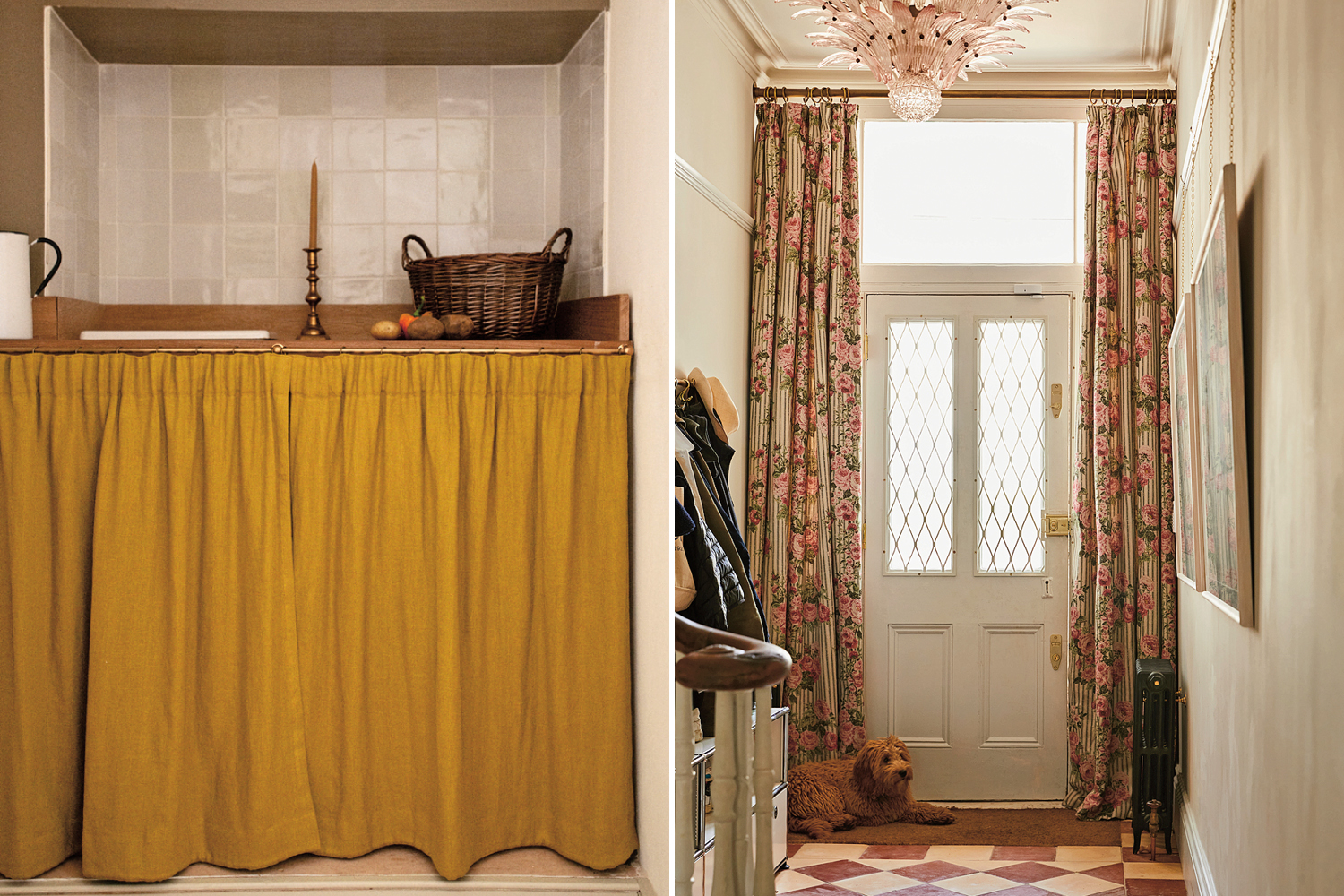
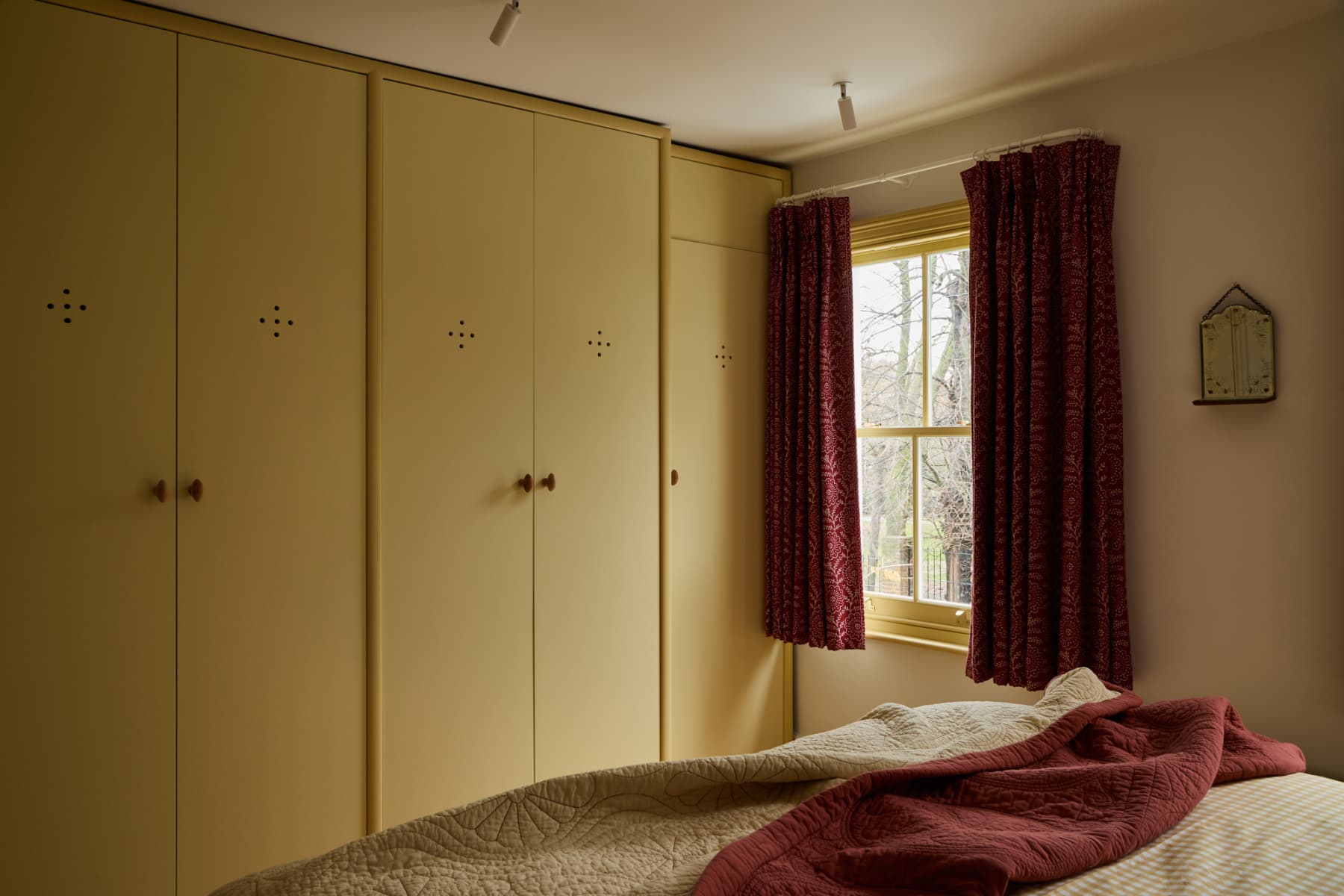
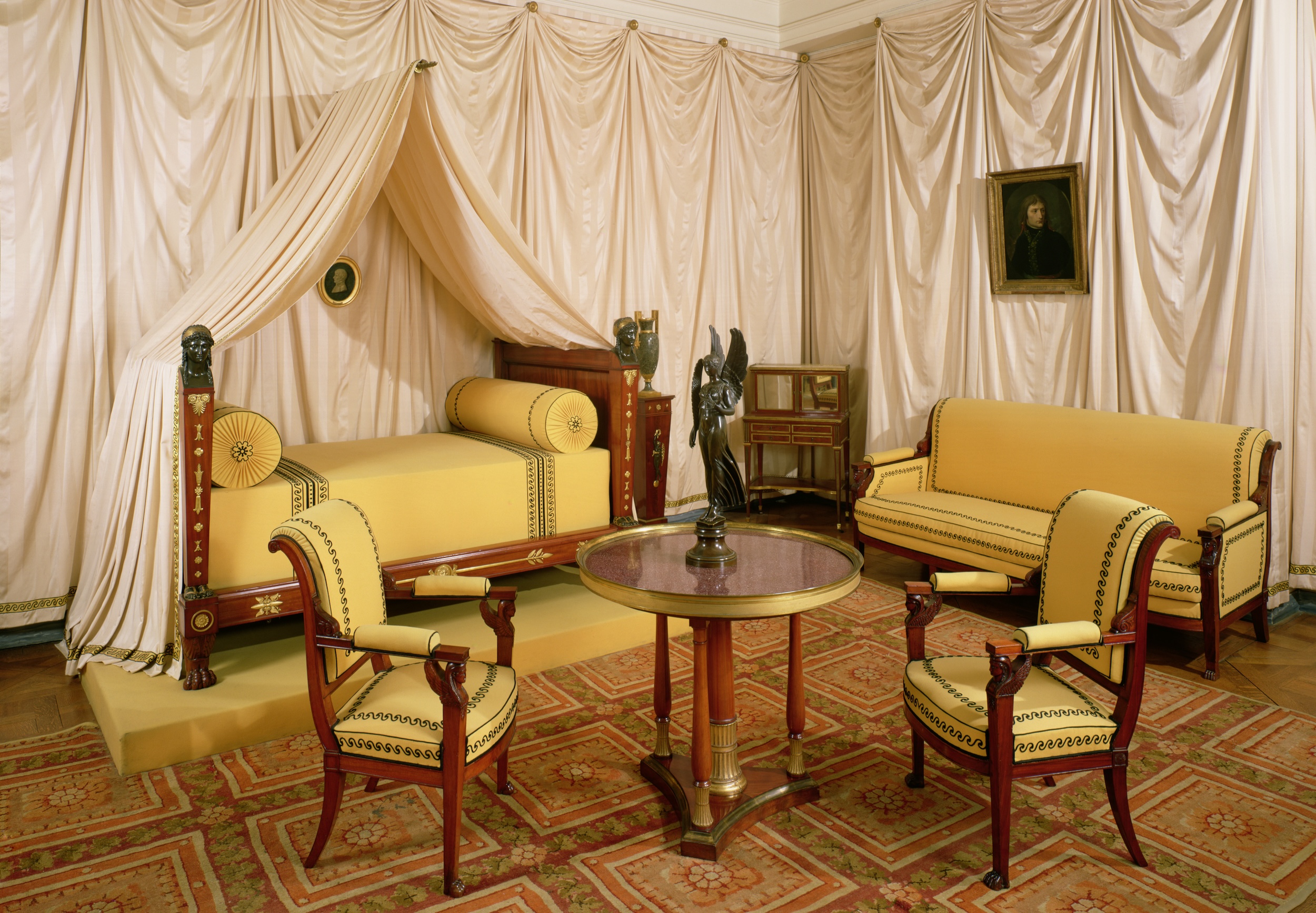

The concept of using curtains instead of traditional doors to delineate spaces within a home has emerged as a divisive yet stylish trend in interior design. This approach offers a departure from both rigid traditionalism and the open-plan layouts that are gradually losing favor, providing a middle ground for homeowners seeking both separation and fluidity.
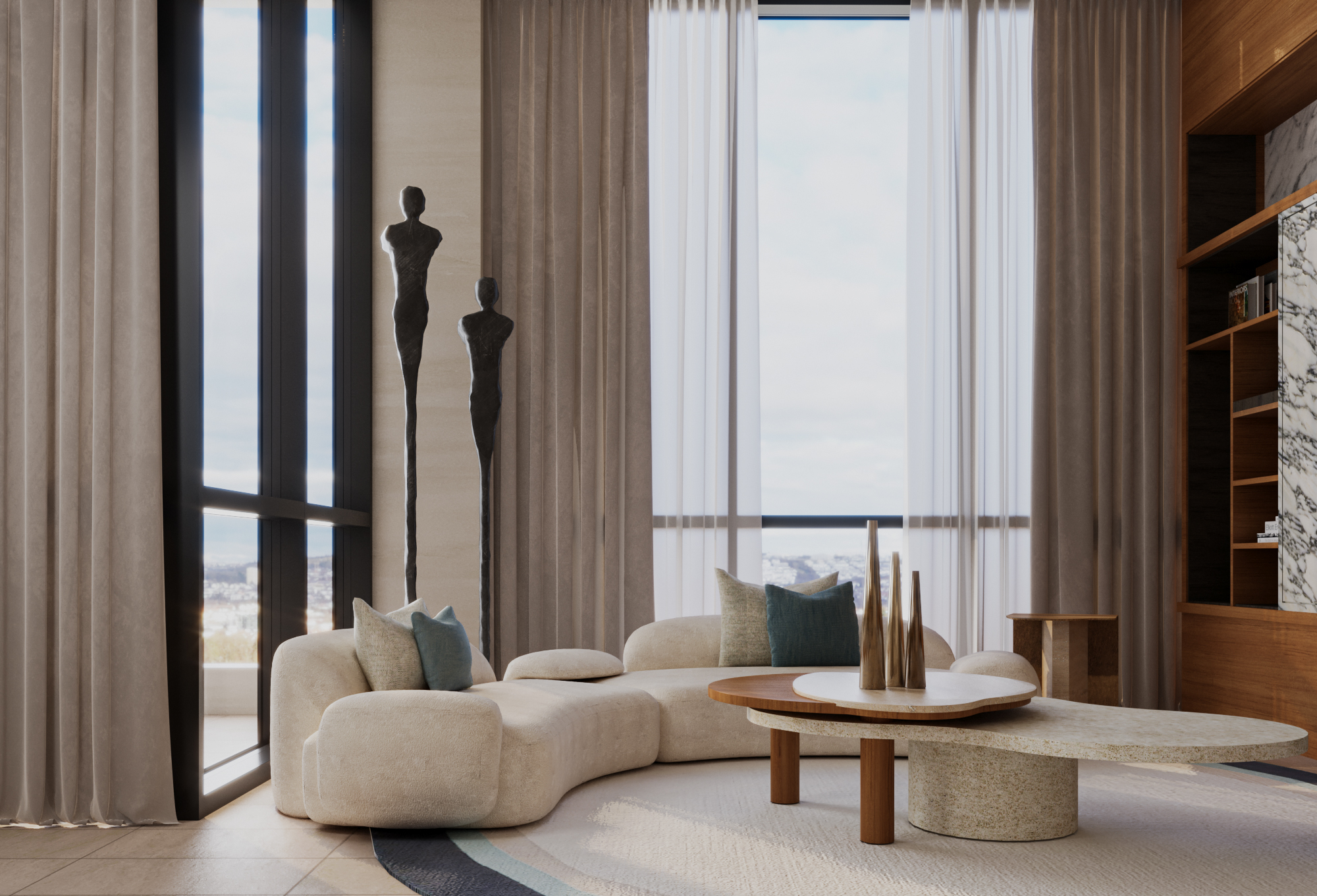
Proponents of curtain doors, such as Lauren Saab of Saab Studios and MK Bokyin Smith of Smith Interior Design, highlight several benefits. Saab emphasizes the softness and texture curtains bring to a space, allowing for a gentler transition between rooms compared to solid doors. She notes that curtains can offer separation when needed without creating a complete shut-off, making movement between areas feel more relaxed and less formal. Smith echoes this sentiment, stating that curtain doors are a deliberate design choice for her firm, contributing to definition, softness, texture, and warmth within an interior. Unlike doors, they are not rigid or permanent, preserving flow while fostering intimacy.
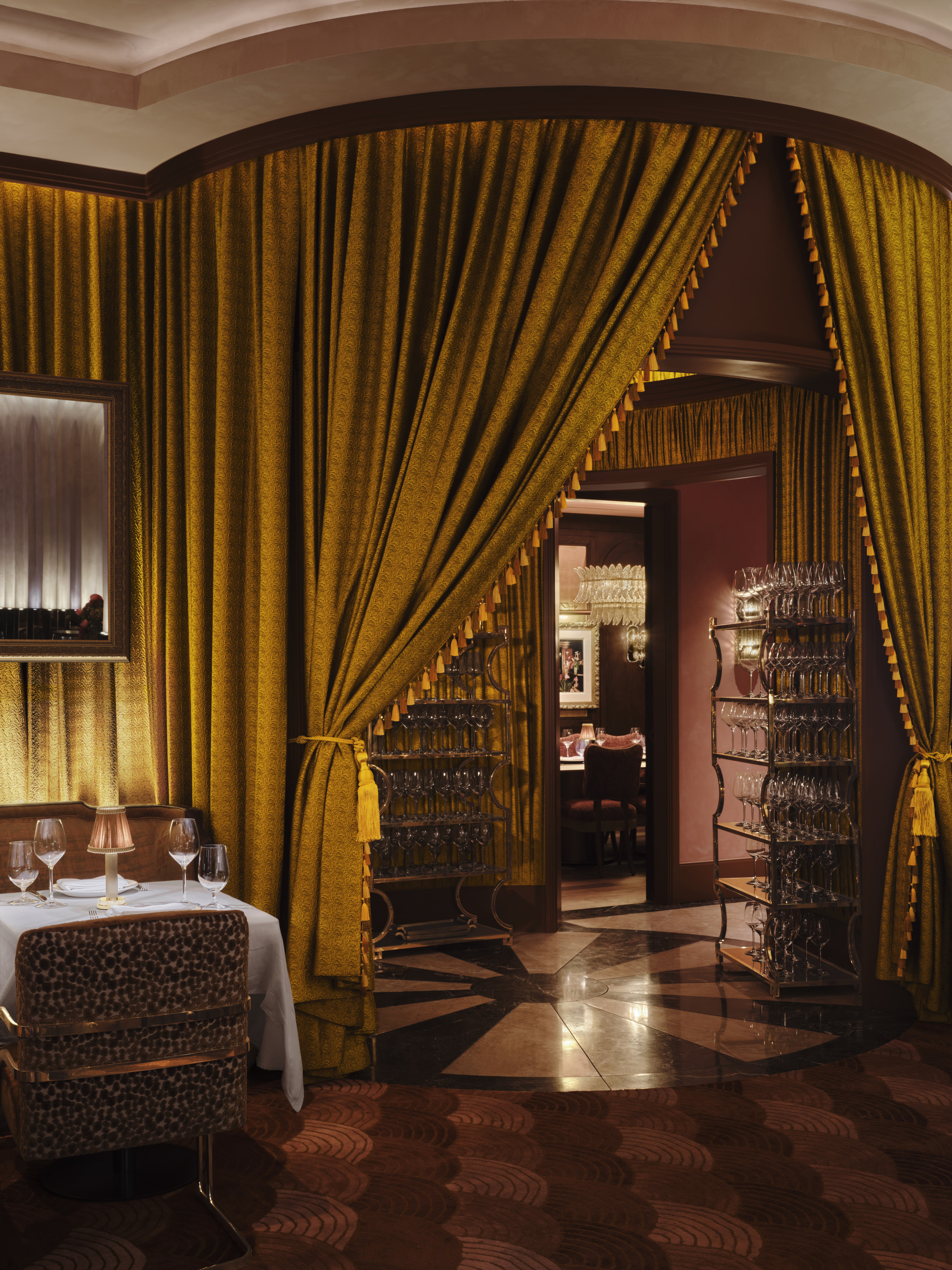
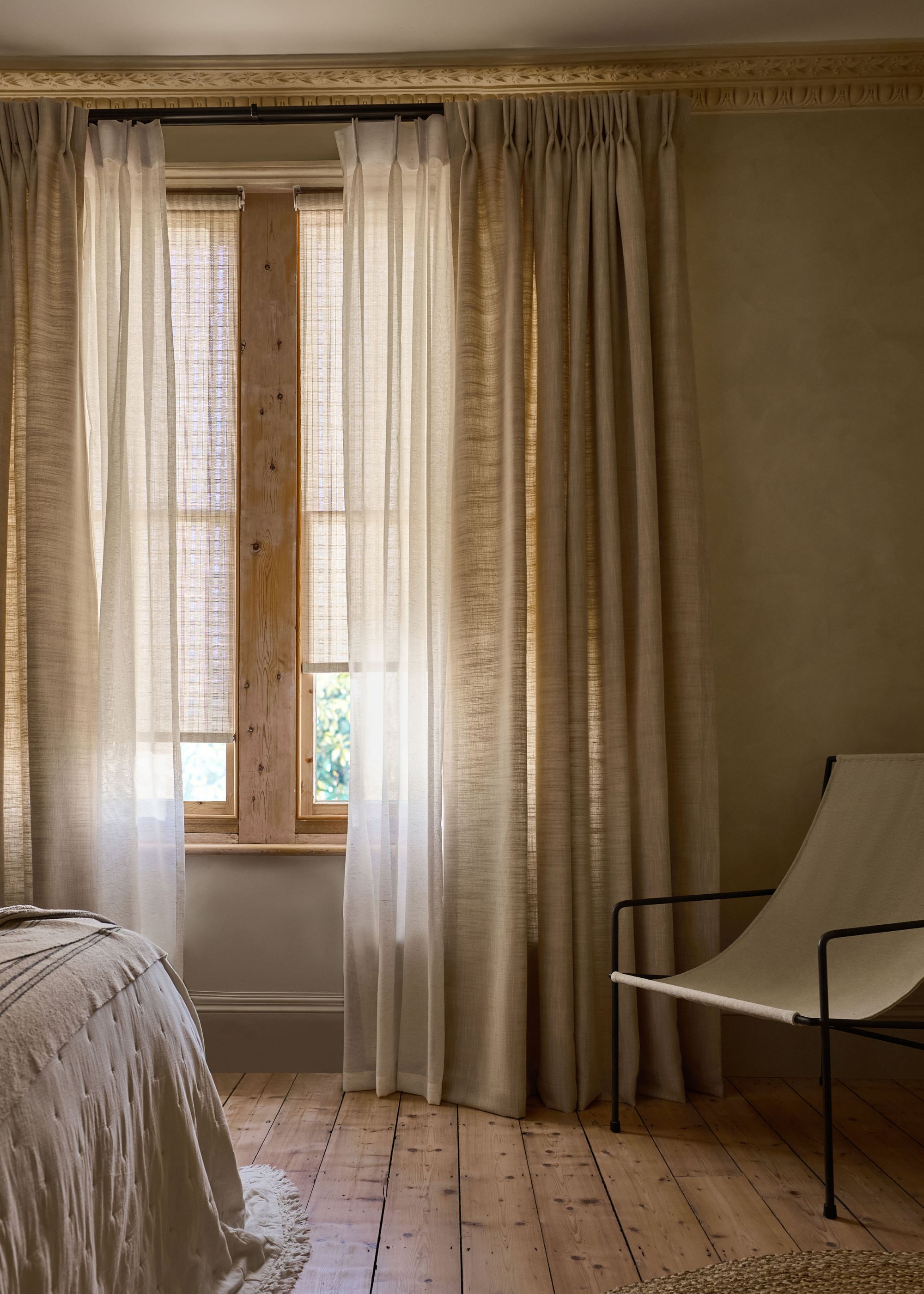
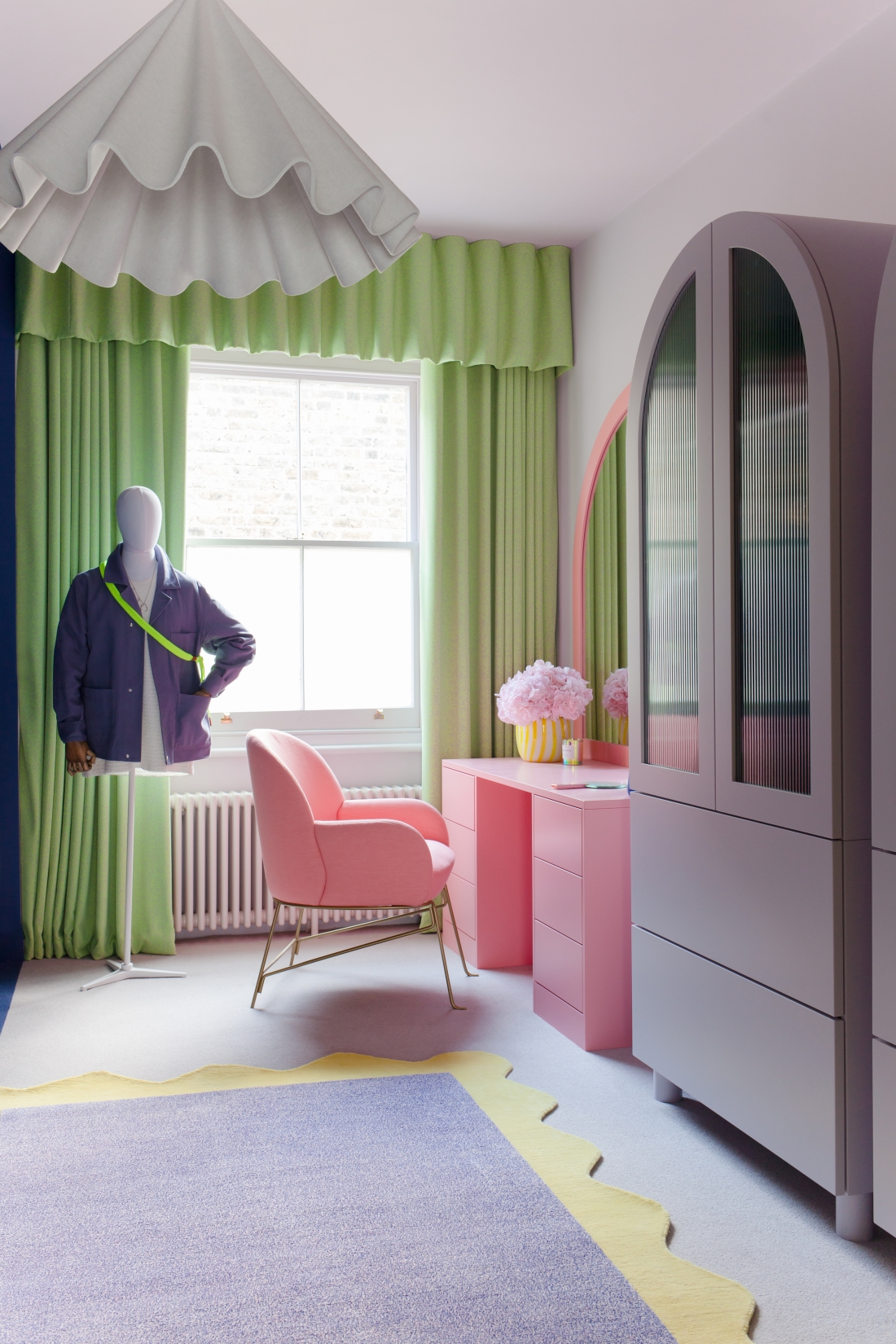
The versatility of curtain doors is another key advantage. Designers can choose from a wide array of fabrics, colors, and textures, ranging from deep jewel-toned velvets to soft neutral linens, to match specific aesthetic goals and create varied moods. This flexibility allows for significant personalization, enabling the curtains to actively shape the space rather than merely serve as functional barriers. However, Saab cautions against using flimsy fabrics, advising that substantial materials are crucial to ensure the curtain doors appear intentional and add personality without looking like an afterthought or weighing down the room.
Conversely, some design professionals, including Sara Swabb of Storie Collective, express reservations about the trend. Swabb believes that while curtain doors can possess a whimsical quality, they often compromise a home’s architectural integrity. She prefers to layer spaces with lasting materials and meaningful details, advocating for timeless elements over what she perceives as trend-driven fabric overlays. Swabb argues that natural materials age gracefully and gain character over time, a quality she finds lacking in fabric doors, which she feels rarely age as well. This perspective underscores a preference for enduring structural elements that contribute to a home's long-term design value rather than temporary, decorative solutions.
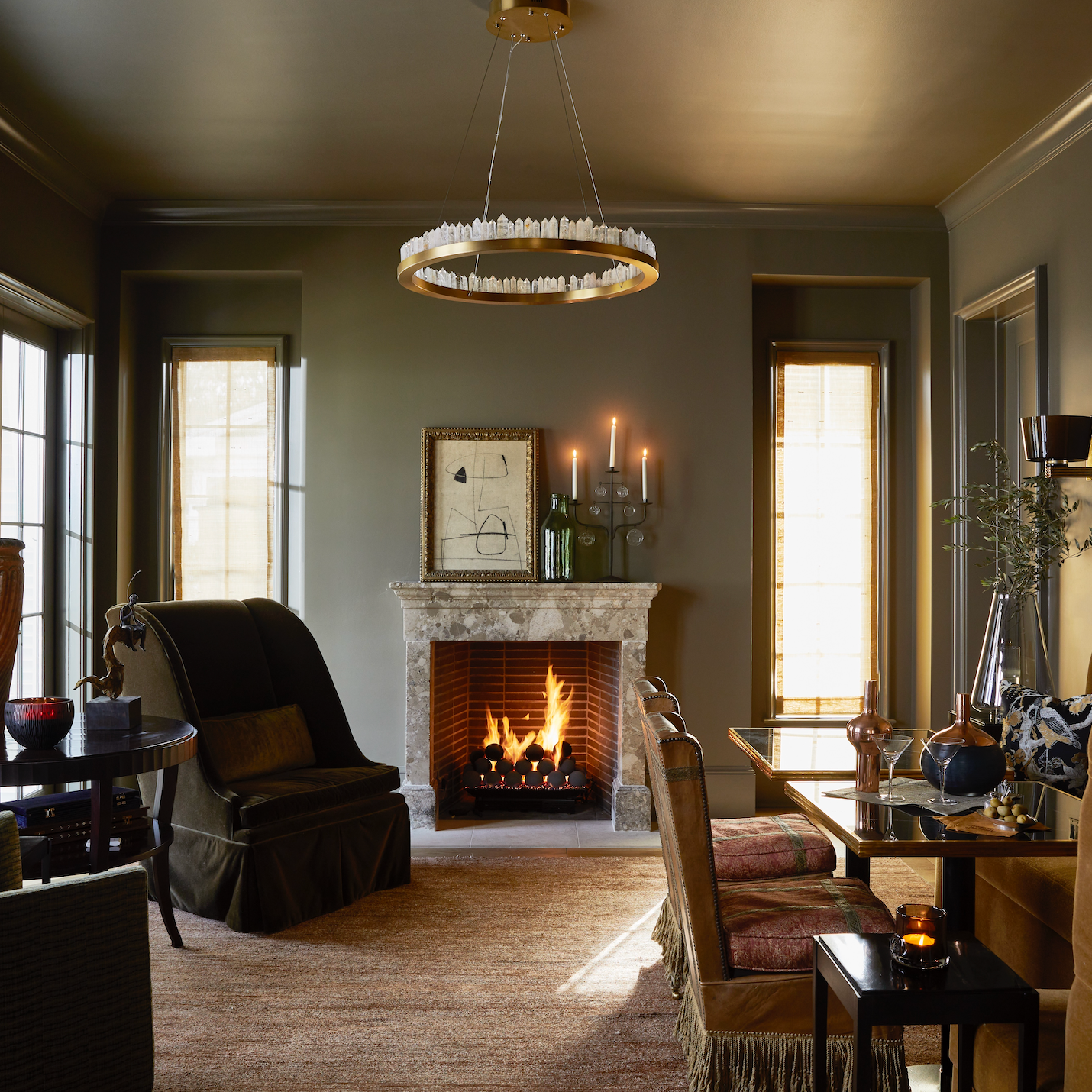
This trend is observed in various settings, from residential primary suites where curtains section off reading nooks to commercial spaces like clothing retailer Tuckernuck’s Madison Avenue store, where fringed curtain doors subtly divide garment sections while maintaining an inviting atmosphere. The discussion surrounding curtain doors highlights a broader ongoing debate in interior design regarding the balance between functionality, aesthetics, and permanence, with designers weighing the benefits of flexibility and softness against concerns about architectural coherence and material longevity. The choice ultimately depends on individual preferences and the specific design goals for a given space.
#CurtainDoors #InteriorDesignTrends #HomeDecor #RoomSeparation #DesignDebate #ArchitecturalIntegrity #FabricDecor #ModernLiving #FlexibleSpaces #CurtainDoors #InteriorDesignTrends #HomeDecor #RoomSeparation #DesignDebate #ArchitecturalIntegrity #FabricDecor #ModernLiving #FlexibleSpaces
0 comment in total
 No comments yet
You may also like
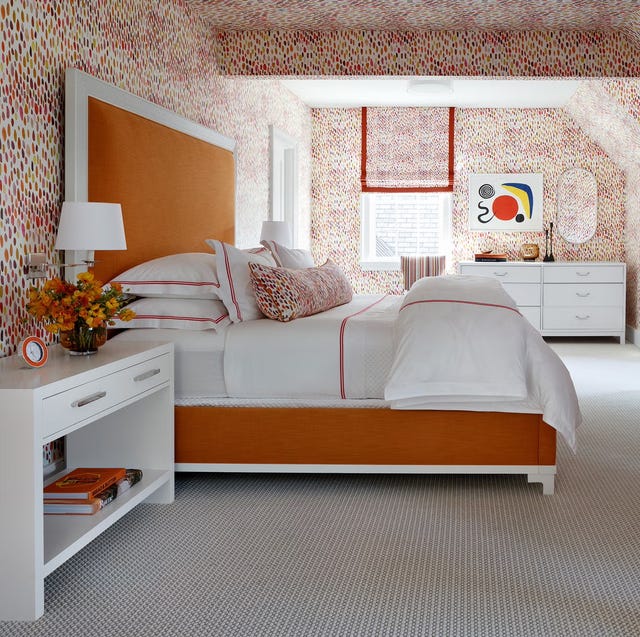
The Controversial “Wallpaper Box” Trend is DIVIDING the Design Community

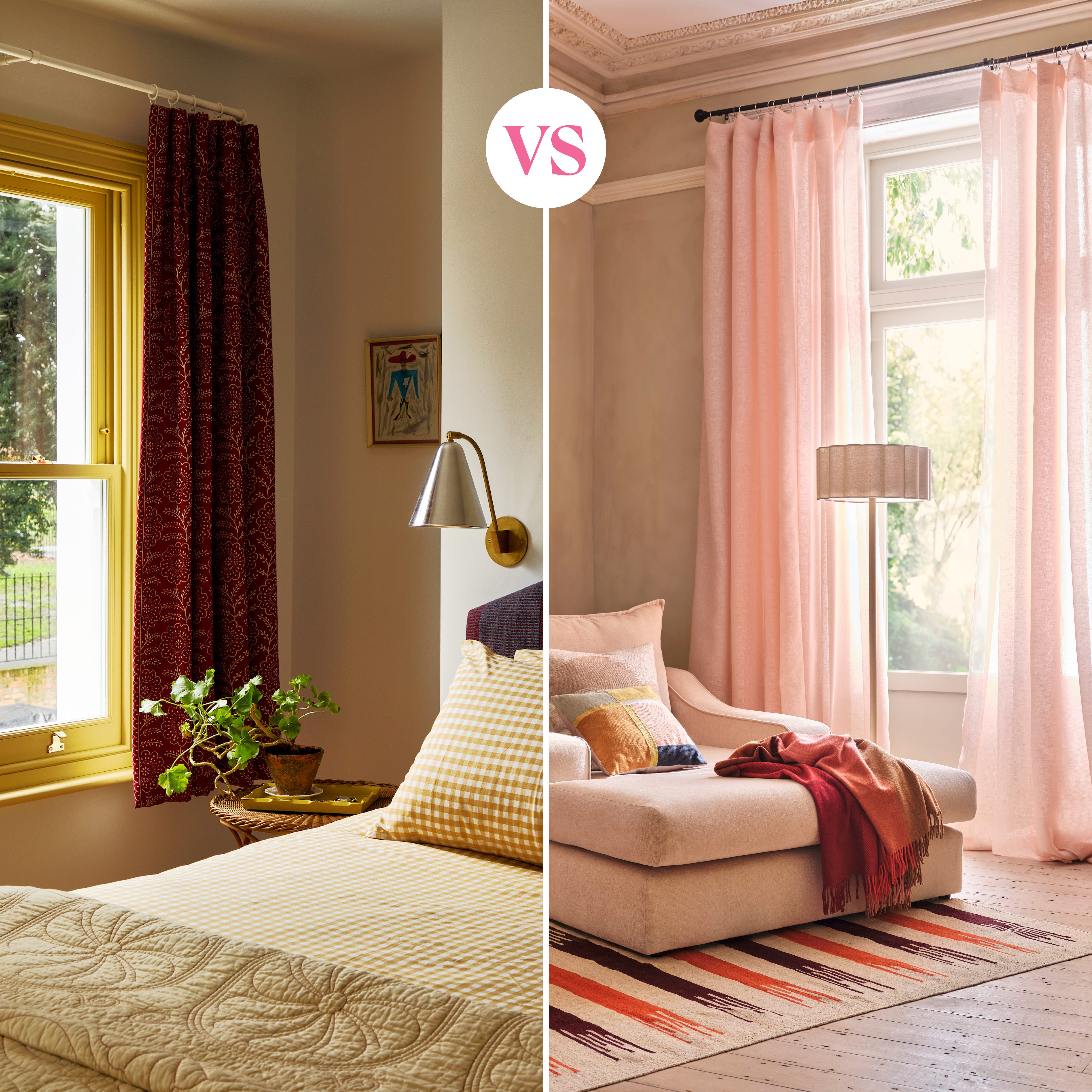
Style Debate: Could Short Curtains Be The Next Big Interior Design Trend?
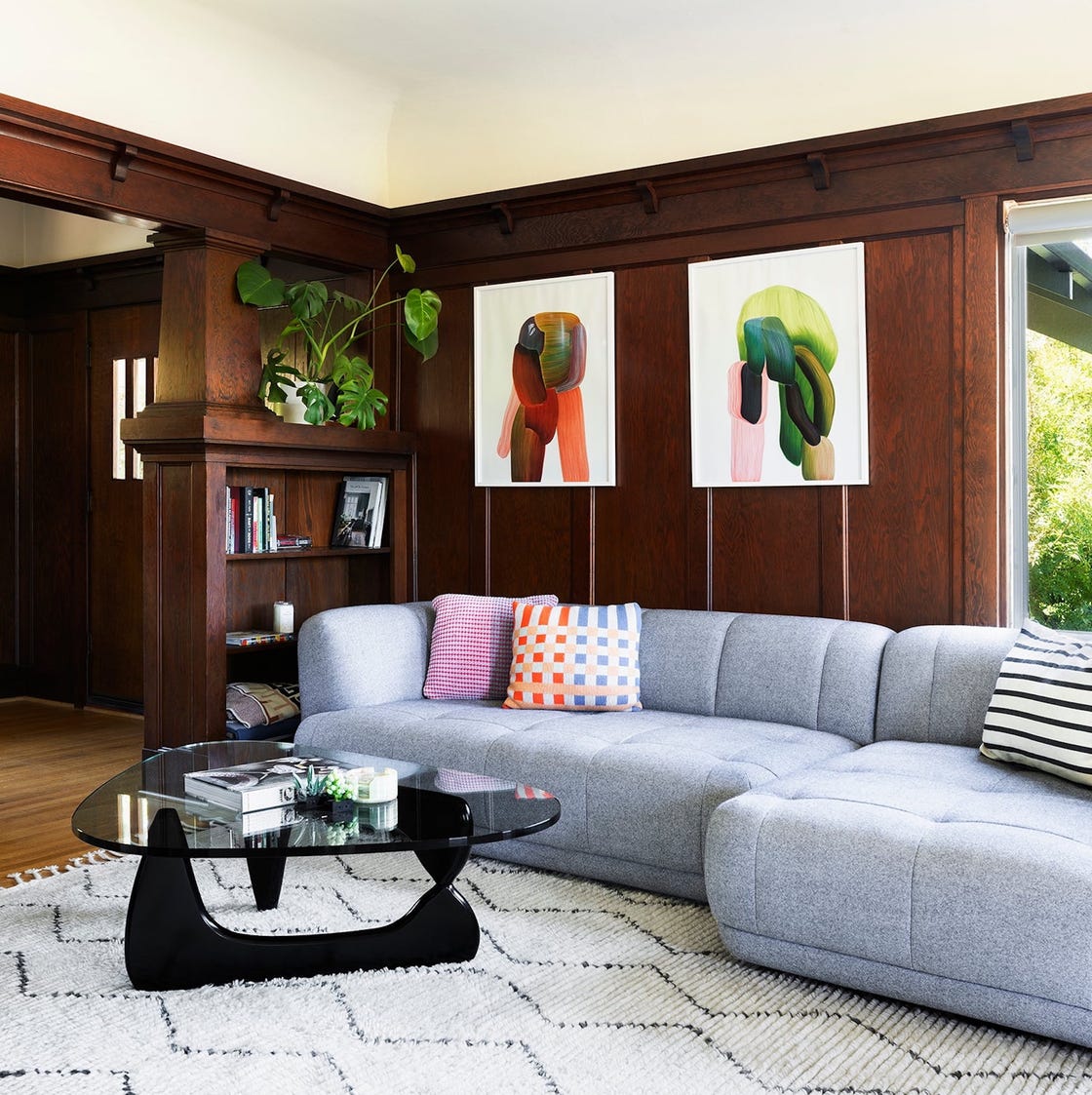
Designers Are Ditching "Flat Painted Walls" for THIS Unexpected Trend

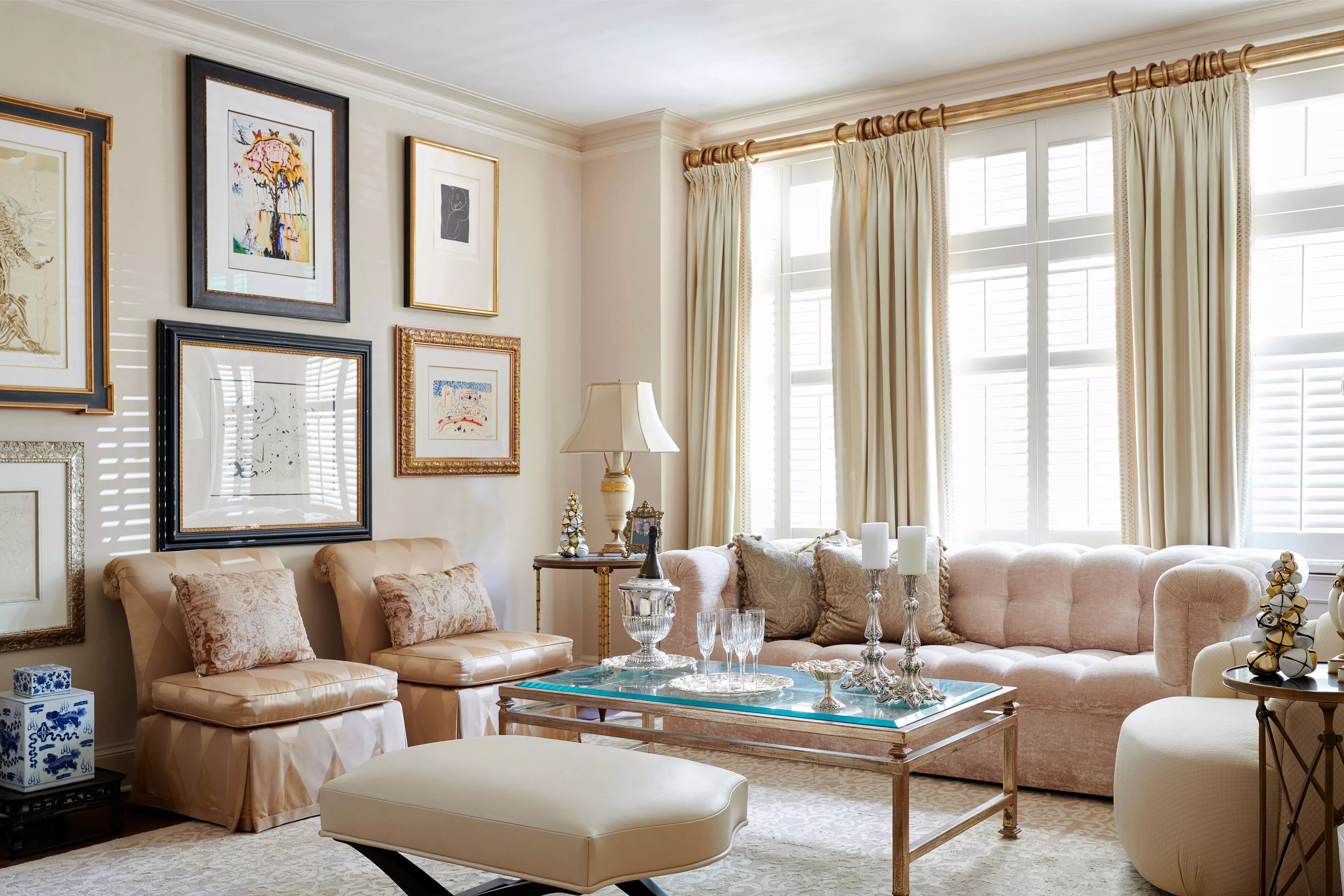
Designers Say to Ditch These 6 Curtain Styles for an Instant Room Upgrade
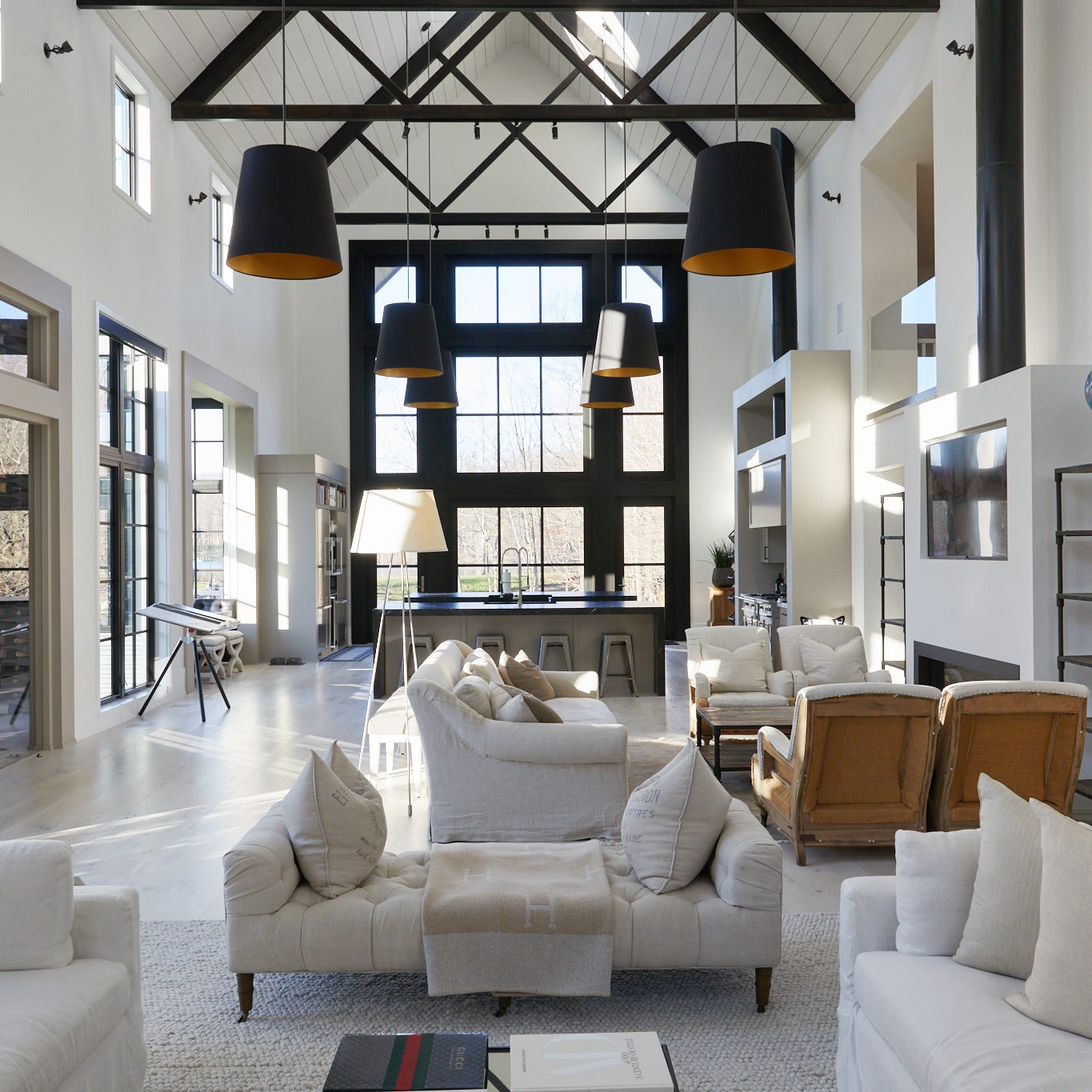
This Controversial Home Layout Has DIVIDED the Design World
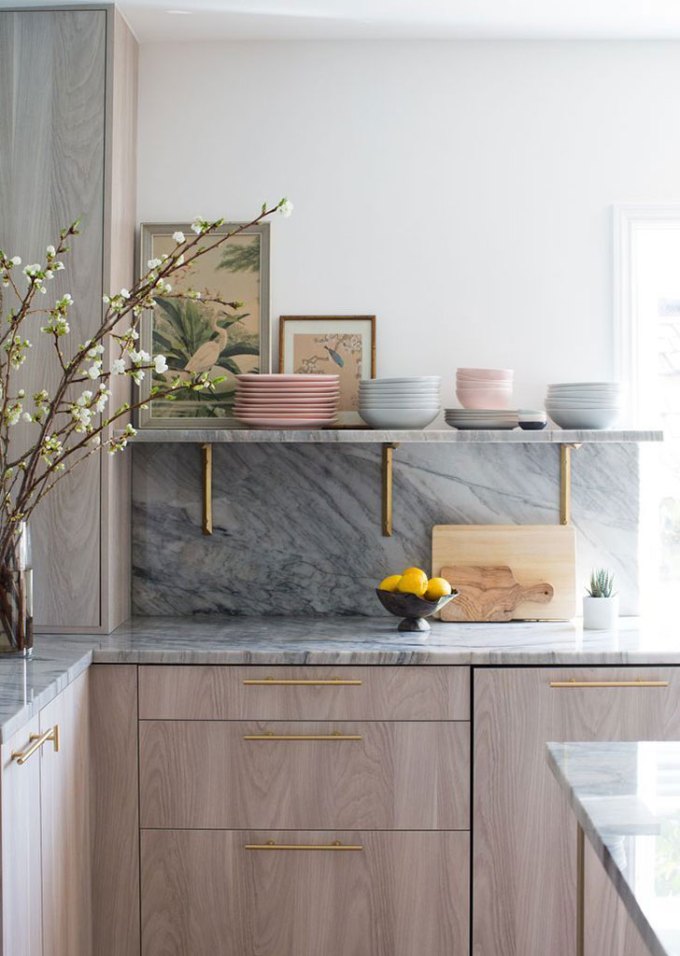
The Controversial Kitchen Trend the Design World Is Buzzing Over
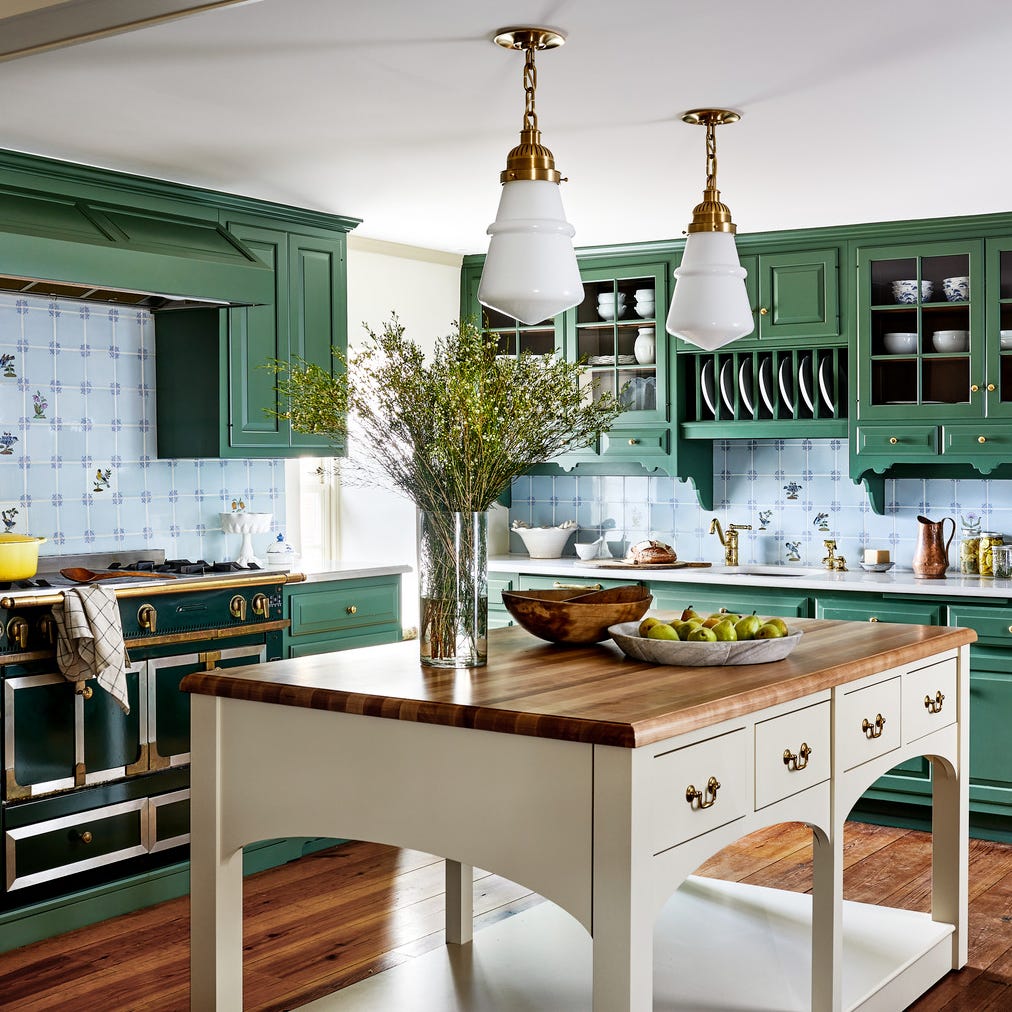
This Controversial Tile Trend Is Dividing Homeowners on Reddit. Designers Weigh In
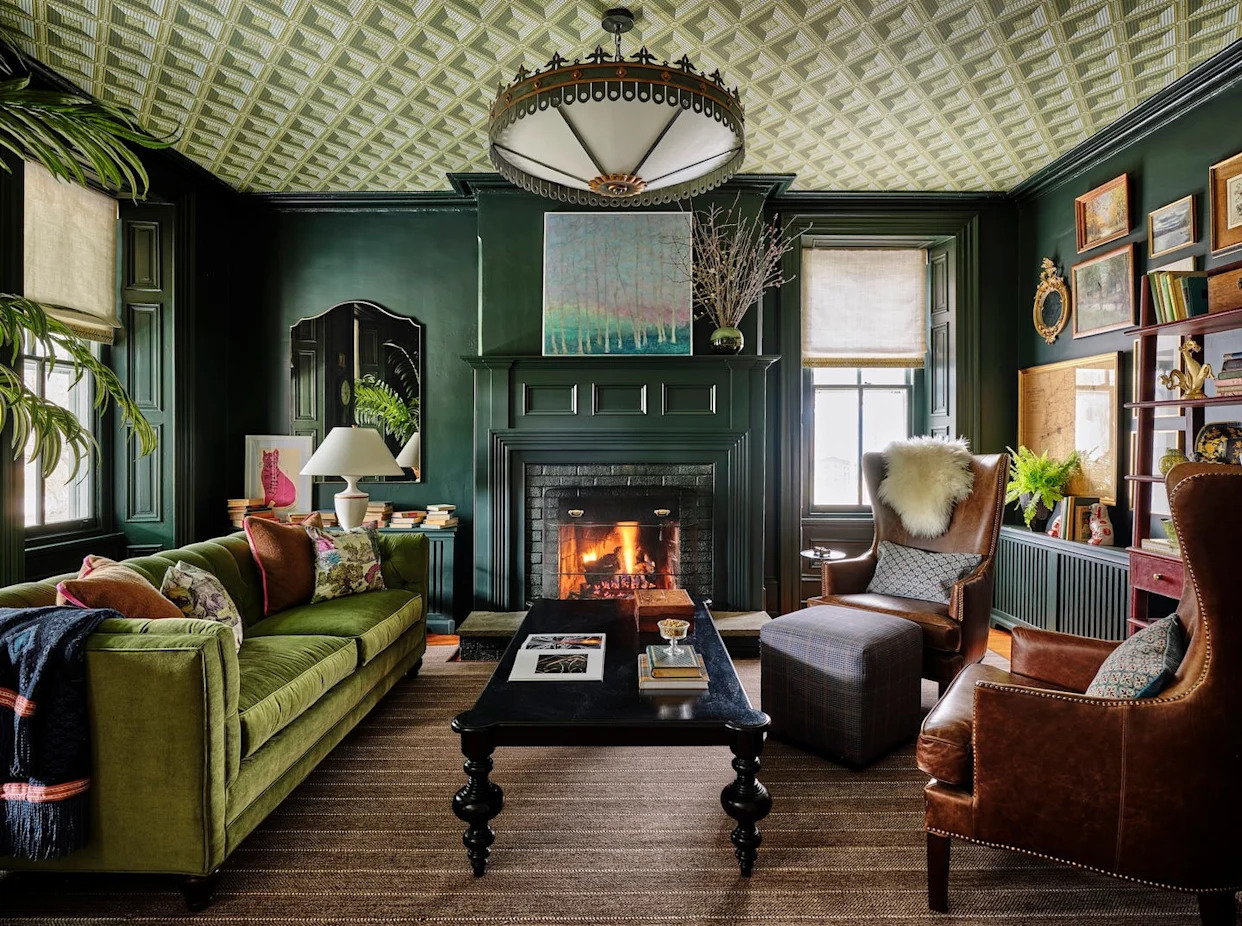
Bye-Bye, Accent Walls! Designers Say THIS Is Now the Hottest Decorating Feature

An easy add-on to your curtains makes rooms look expensive - designers explain

This Throwback Trend Is Coming Back in Style—and Designers Have Mixed Opinions

Are Curtains Out of Style? Of Course Not, but Some Designs Will Date Your Space Faster — Here's What to Know

Window blinds, shutters and curtains: top trends for 2017
Reddit Is Freaking Out Over This Tablecloth Debate—Here's What Design Experts Say
Bye-bye blinds — how curtains became cool again
Why curtains are the year's biggest – and most unexpected – interior design trend

How to Hang Curtains the Way an Interior Designer Would — To Balance, Blur Lines, and Bring Impact to a Room
Design Talk: Miles Redd Discusses the Sheer Appeal of Unlined Curtains

Suddenly, Short Curtains Have Got My Attention in the 'Long vs Short Curtain' Debate

No More of These, Please — 4 Outdated Window Treatments Designers Don't Want to See You Using Anymore
Wainscoting: the bold update to a traditional design element