1/4
Style Debate: Could Short Curtains Be The Next Big Interior Design Trend?
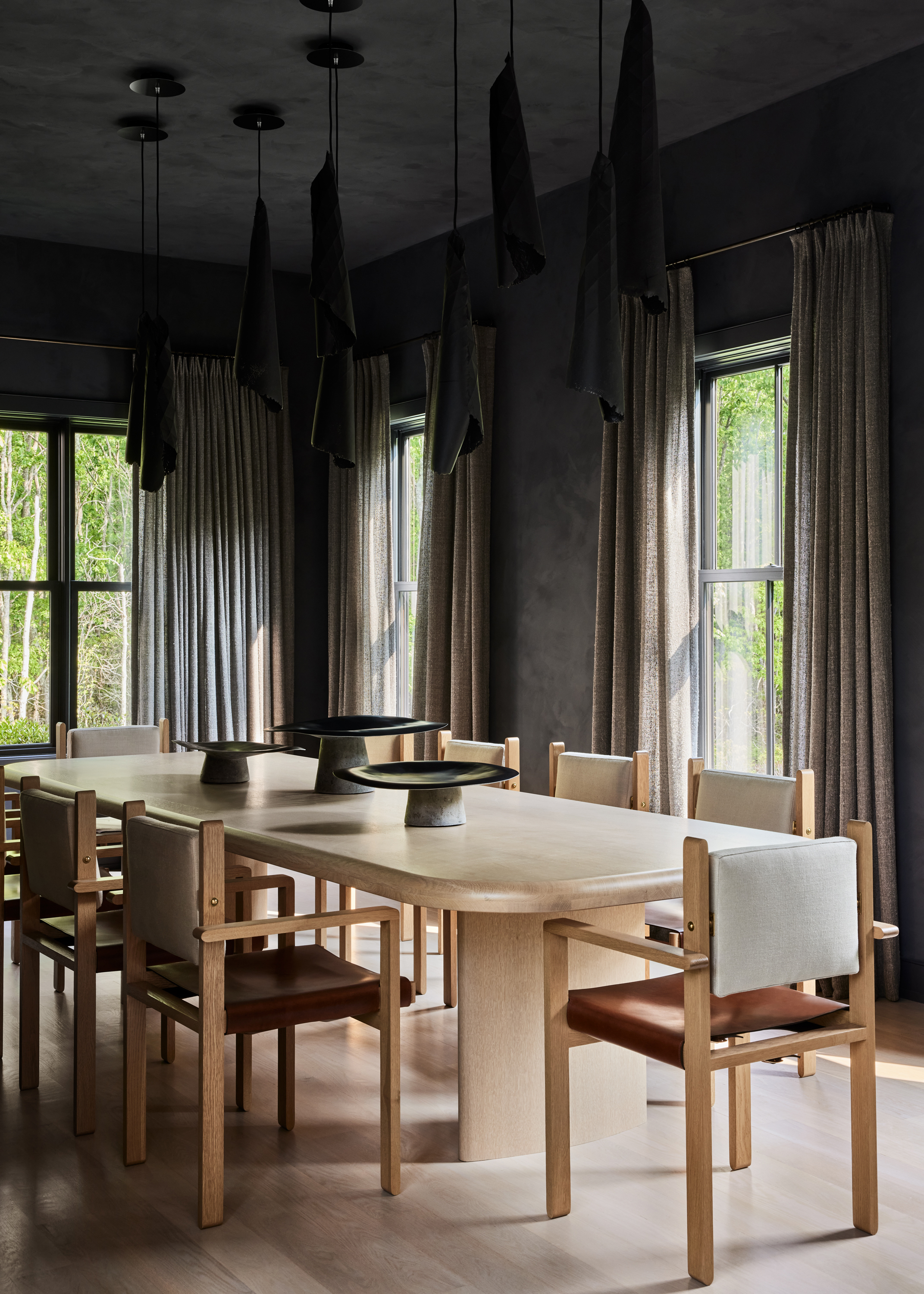
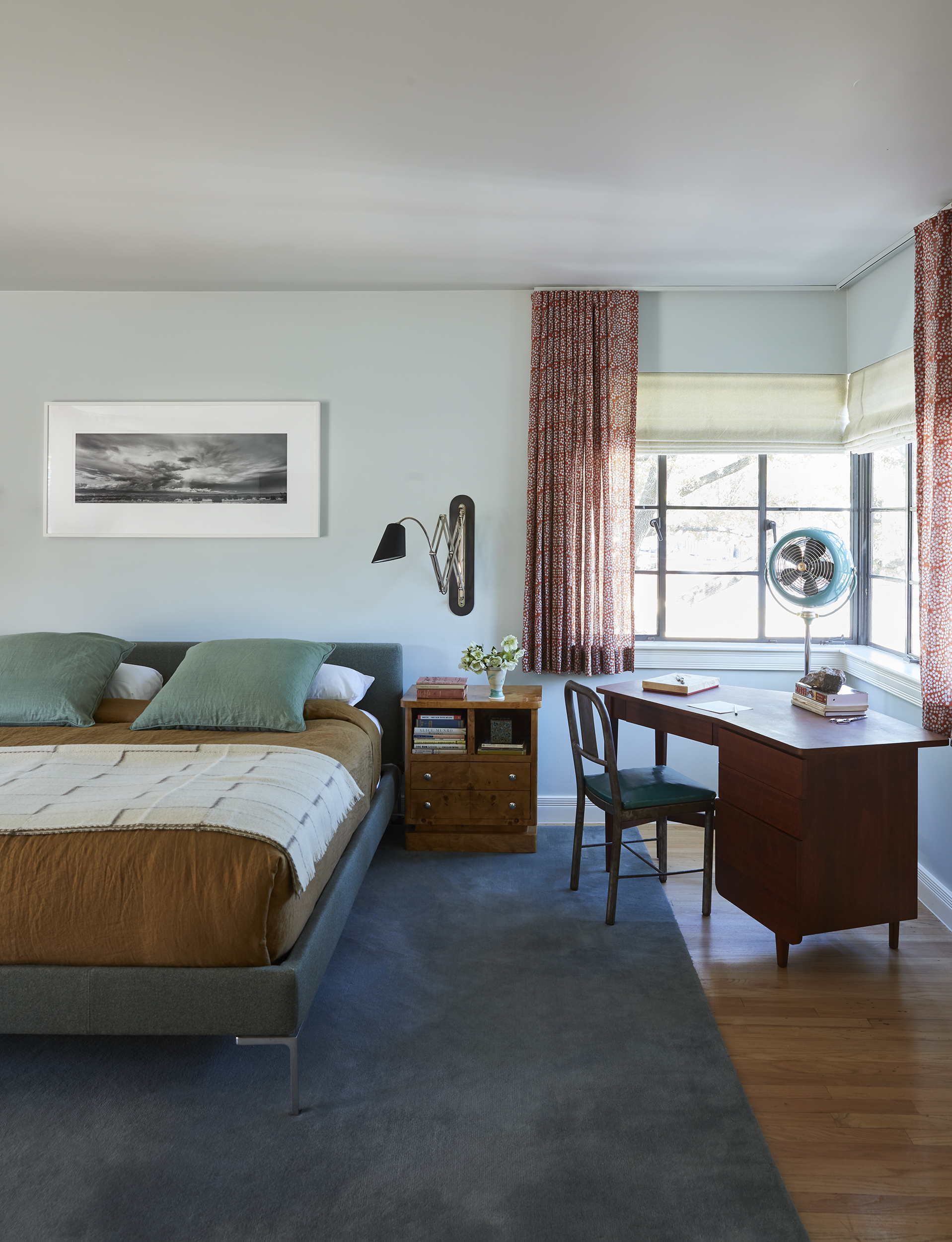
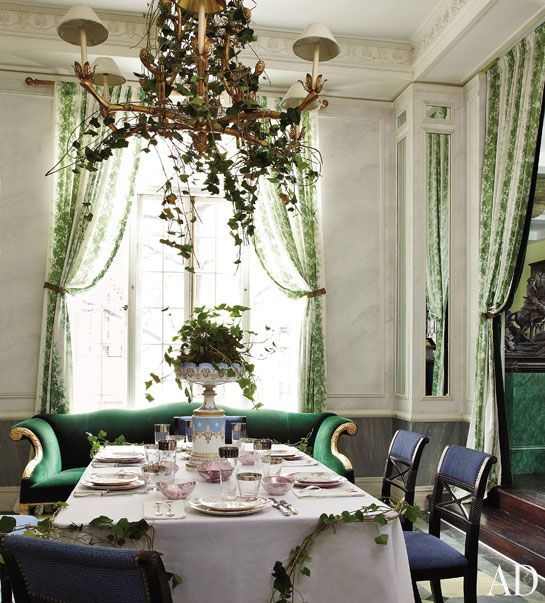
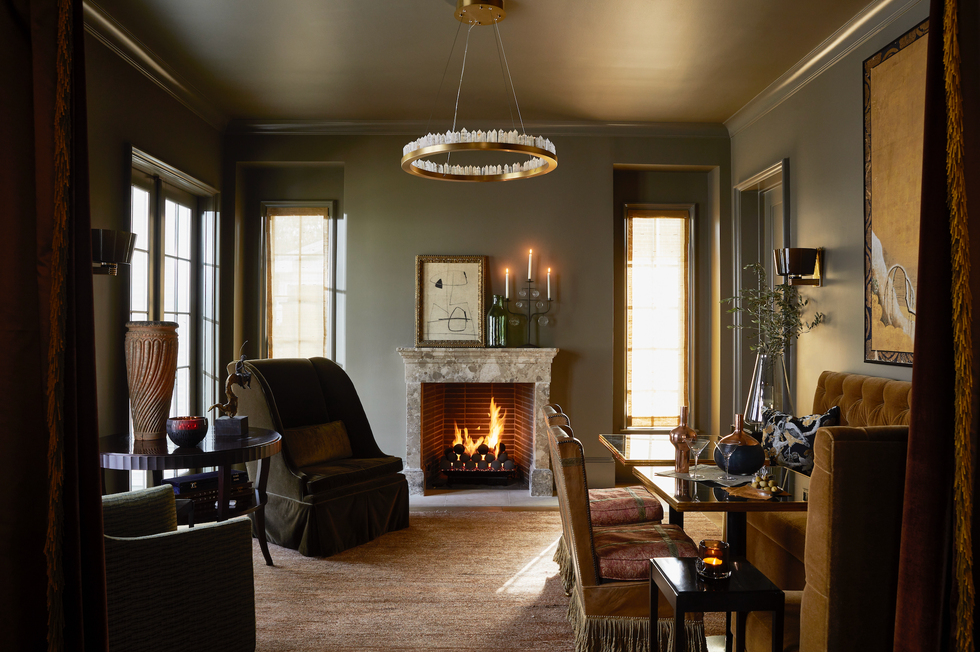

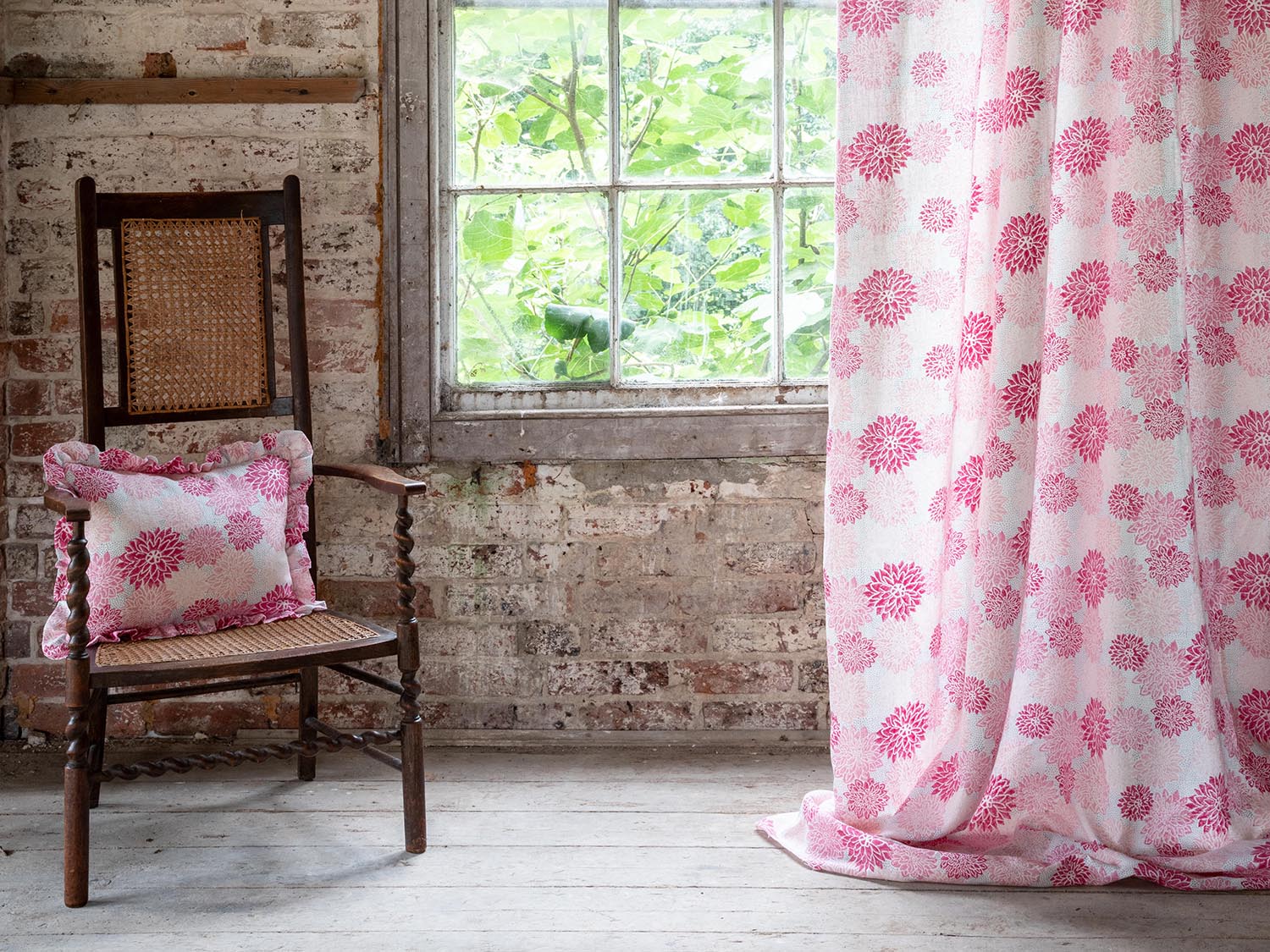
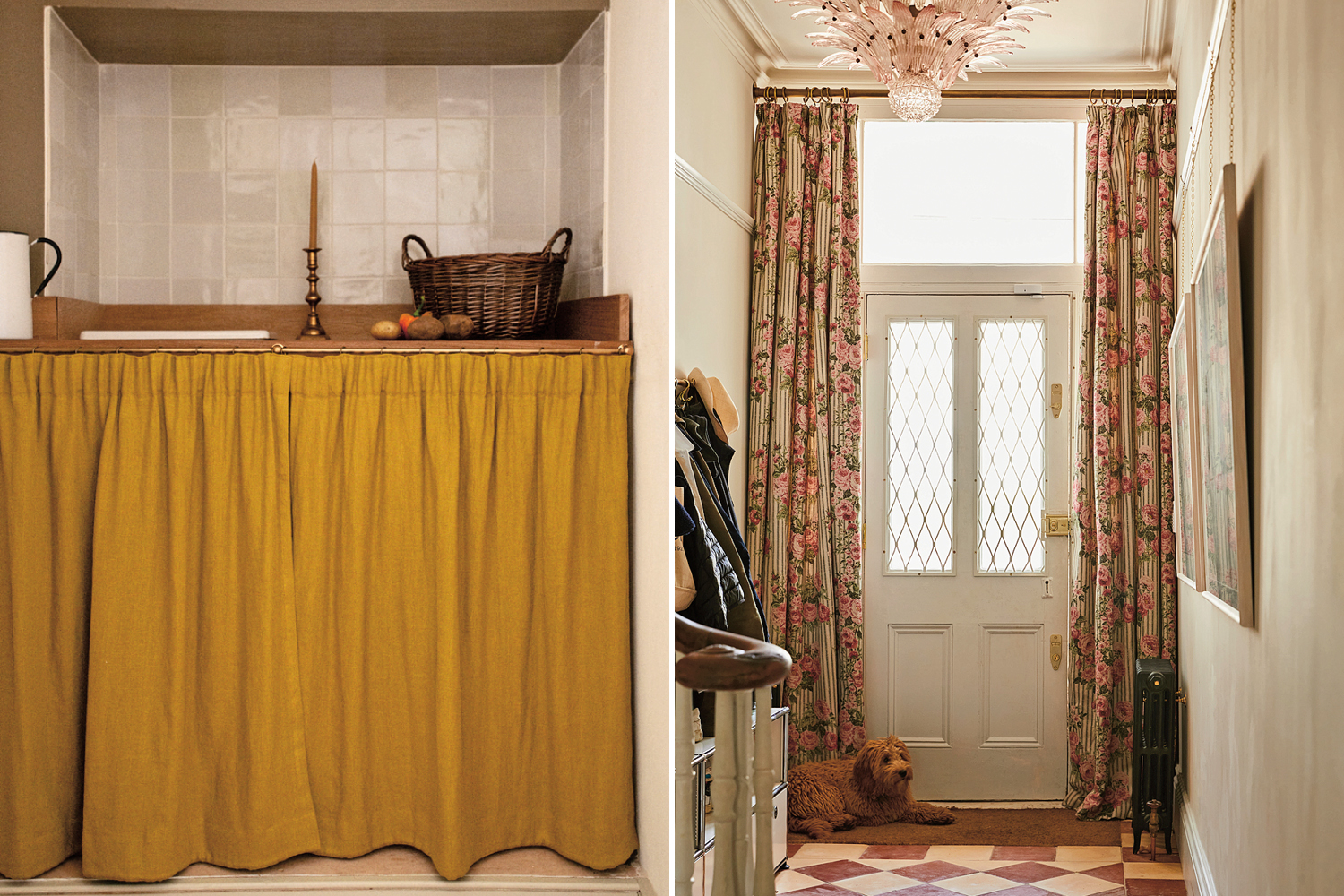
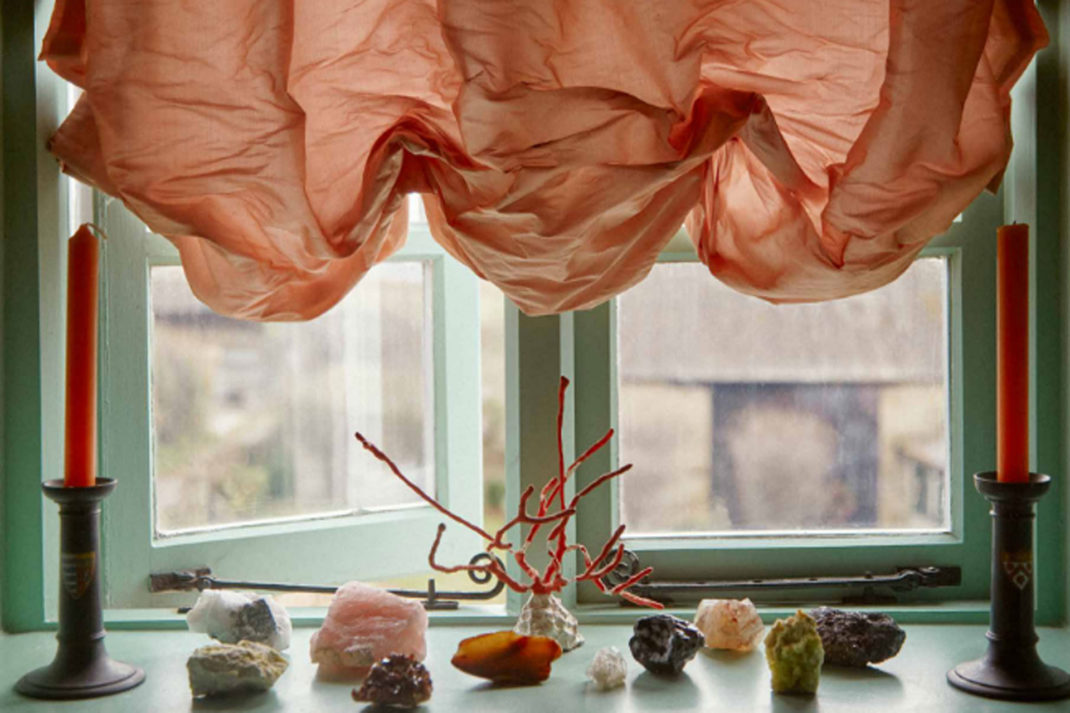
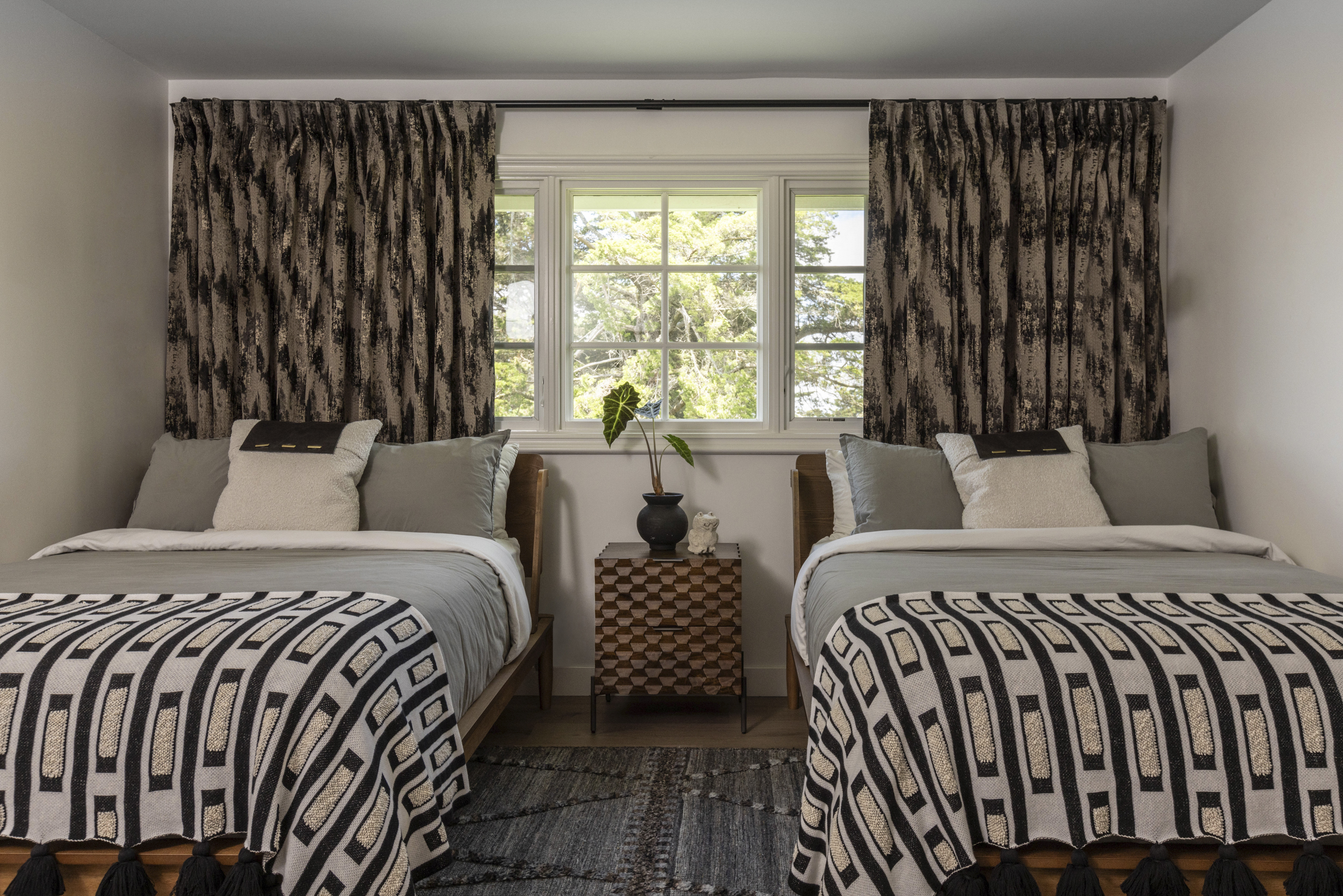
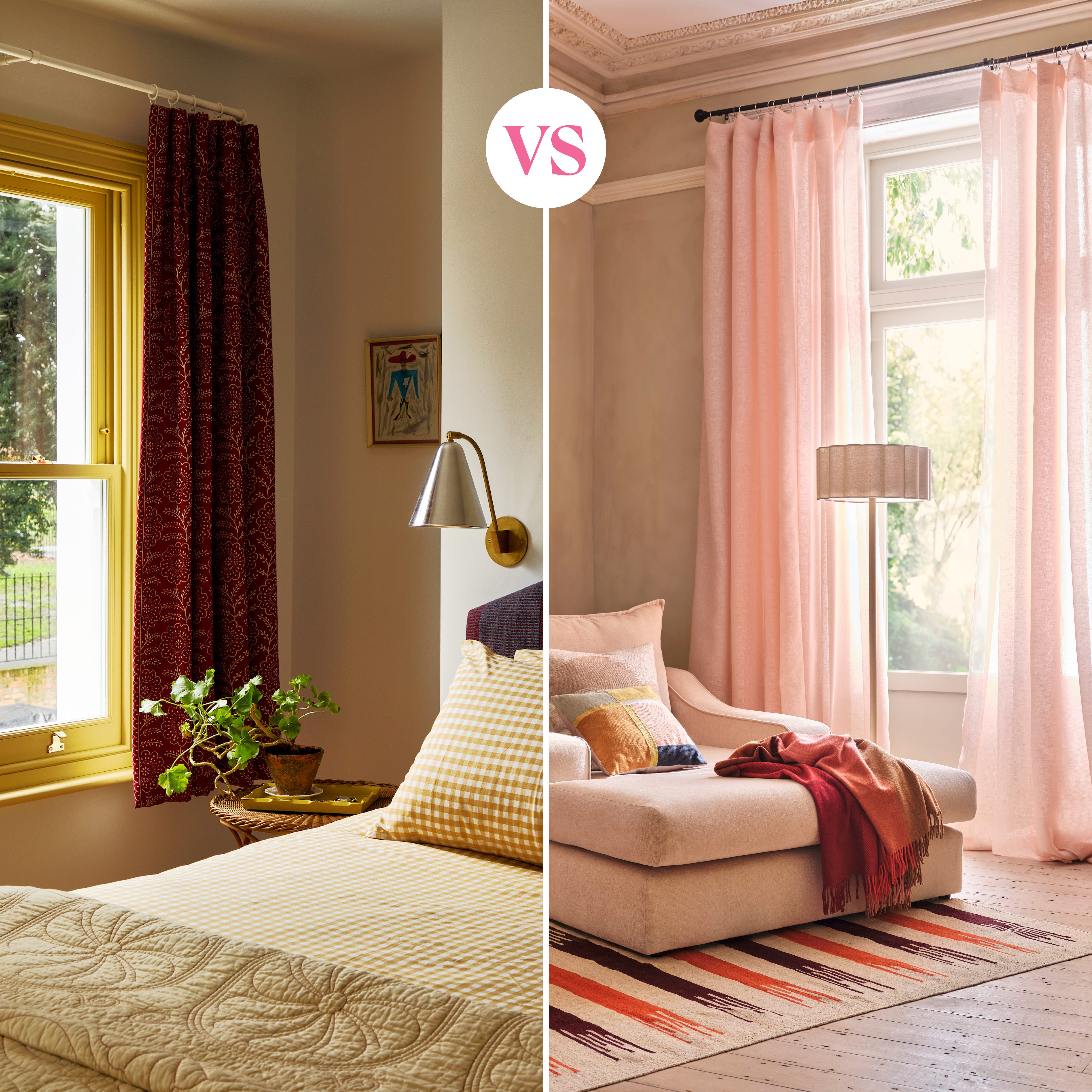
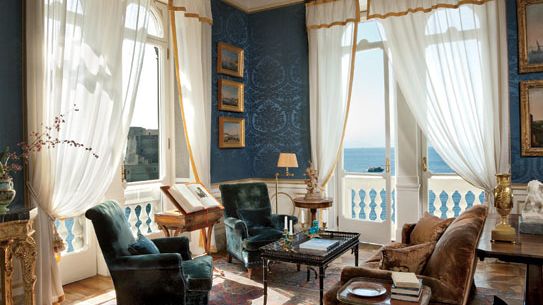
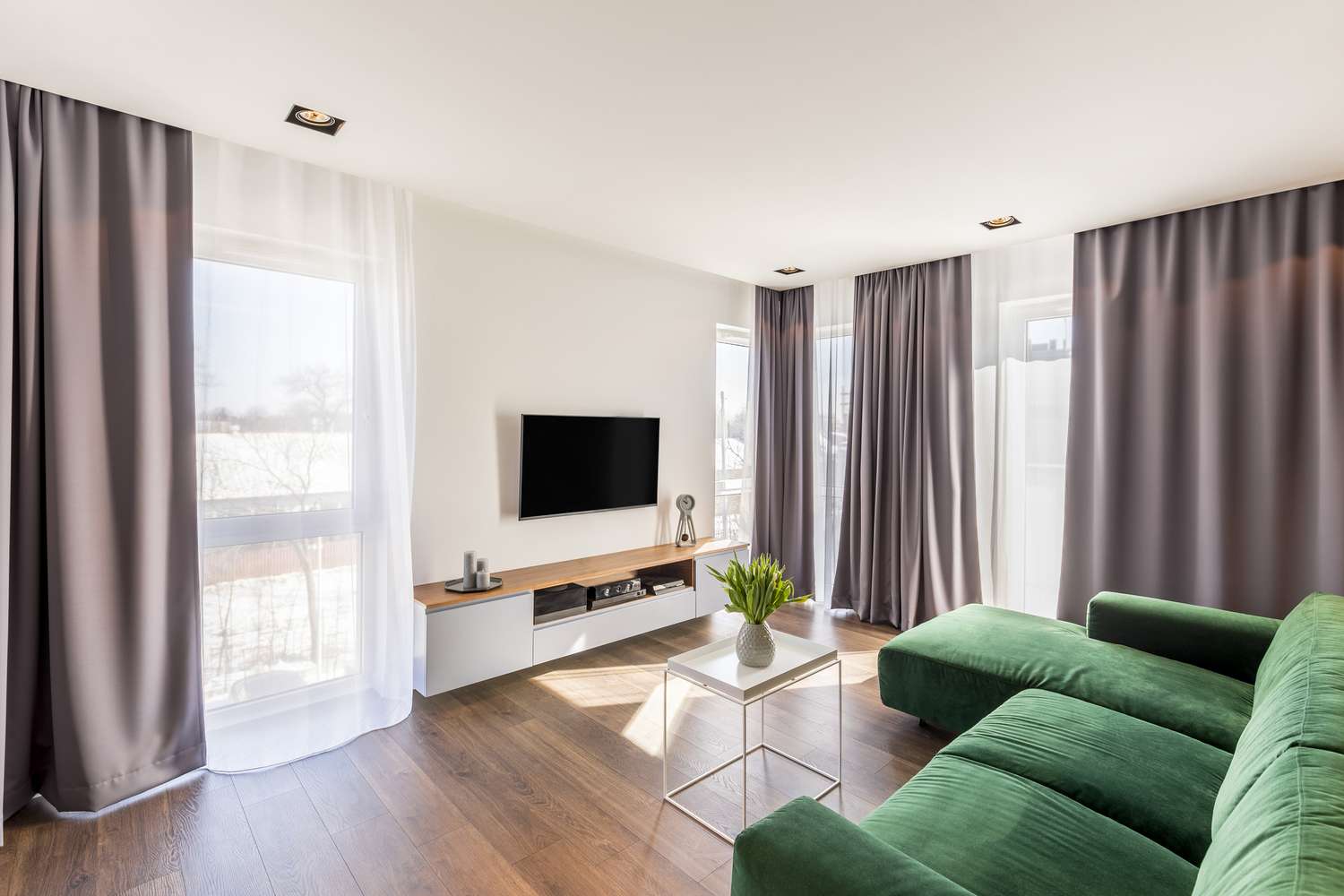
Traditionally, interior design has dictated that curtains should gracefully "kiss the floor," a standard that has largely persisted since the 1990s when shorter curtains fell out of vogue, deemed old-fashioned. However, recent sightings in homes of influential creatives, such as the founders of the Danish fashion brand Ganni, Sophie Rowell of Cote de Folk, and Reath Design, suggest a potential resurgence of short curtains. This trend, possibly influenced by the cottagecore aesthetic, challenges the long-held design principle.
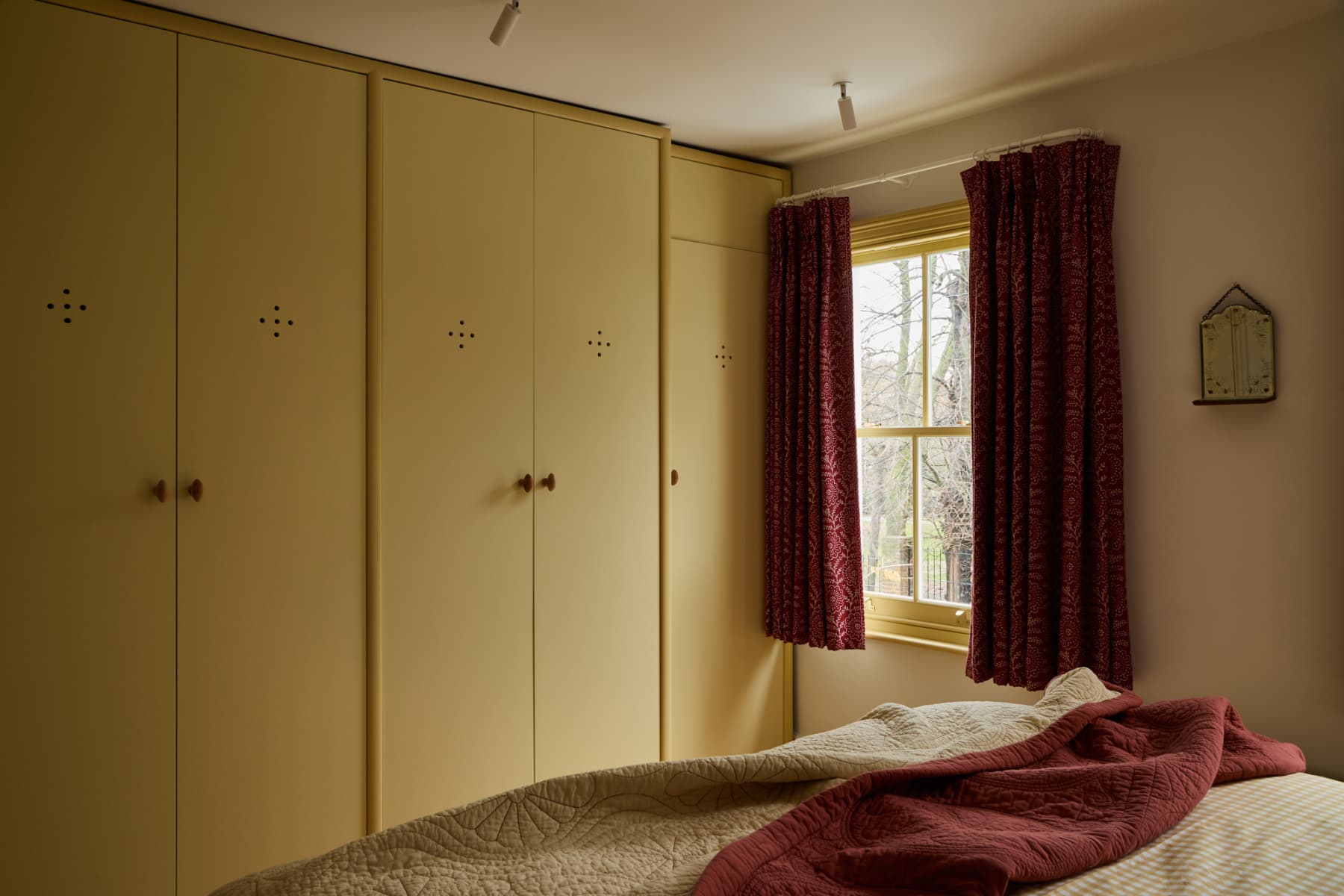
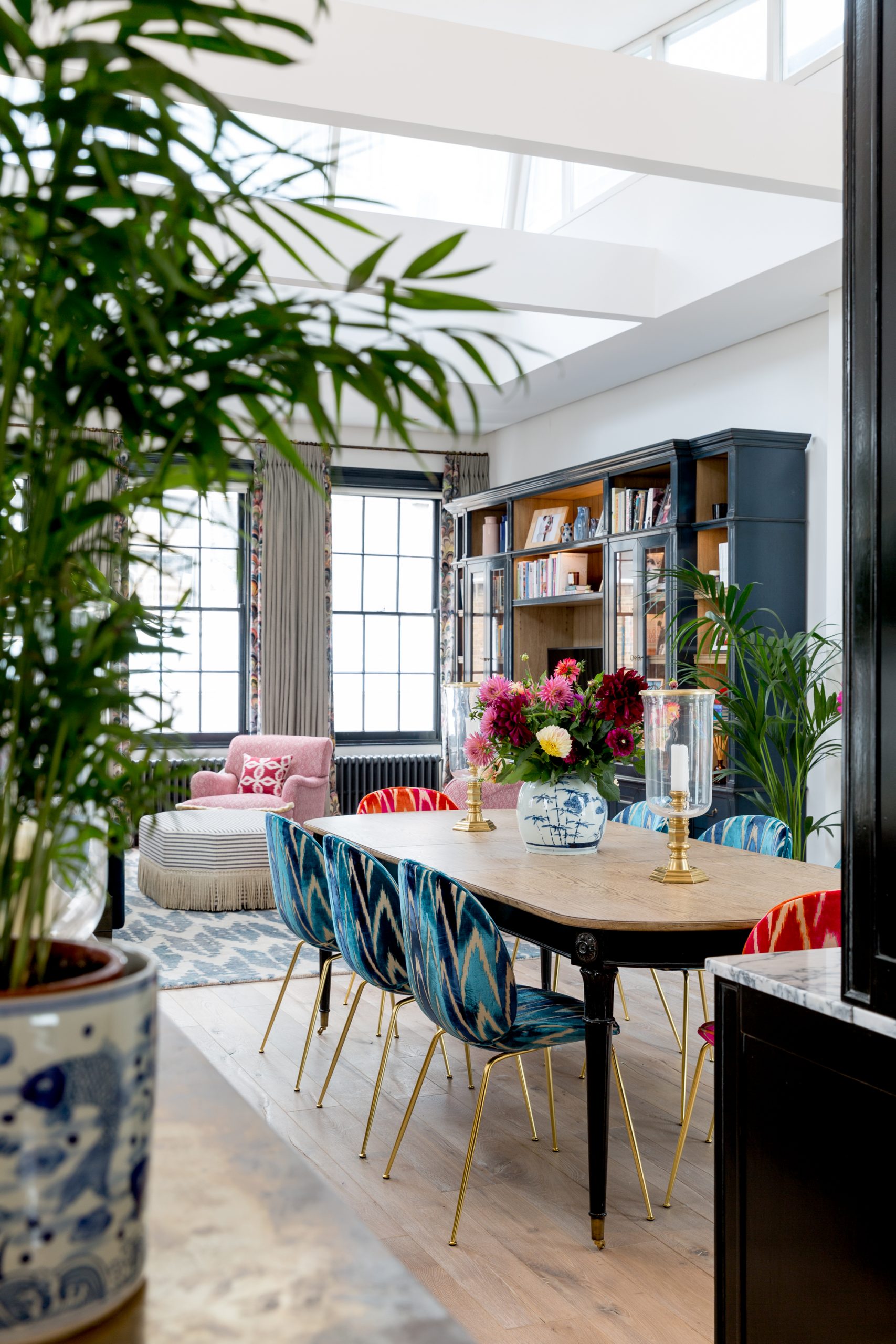
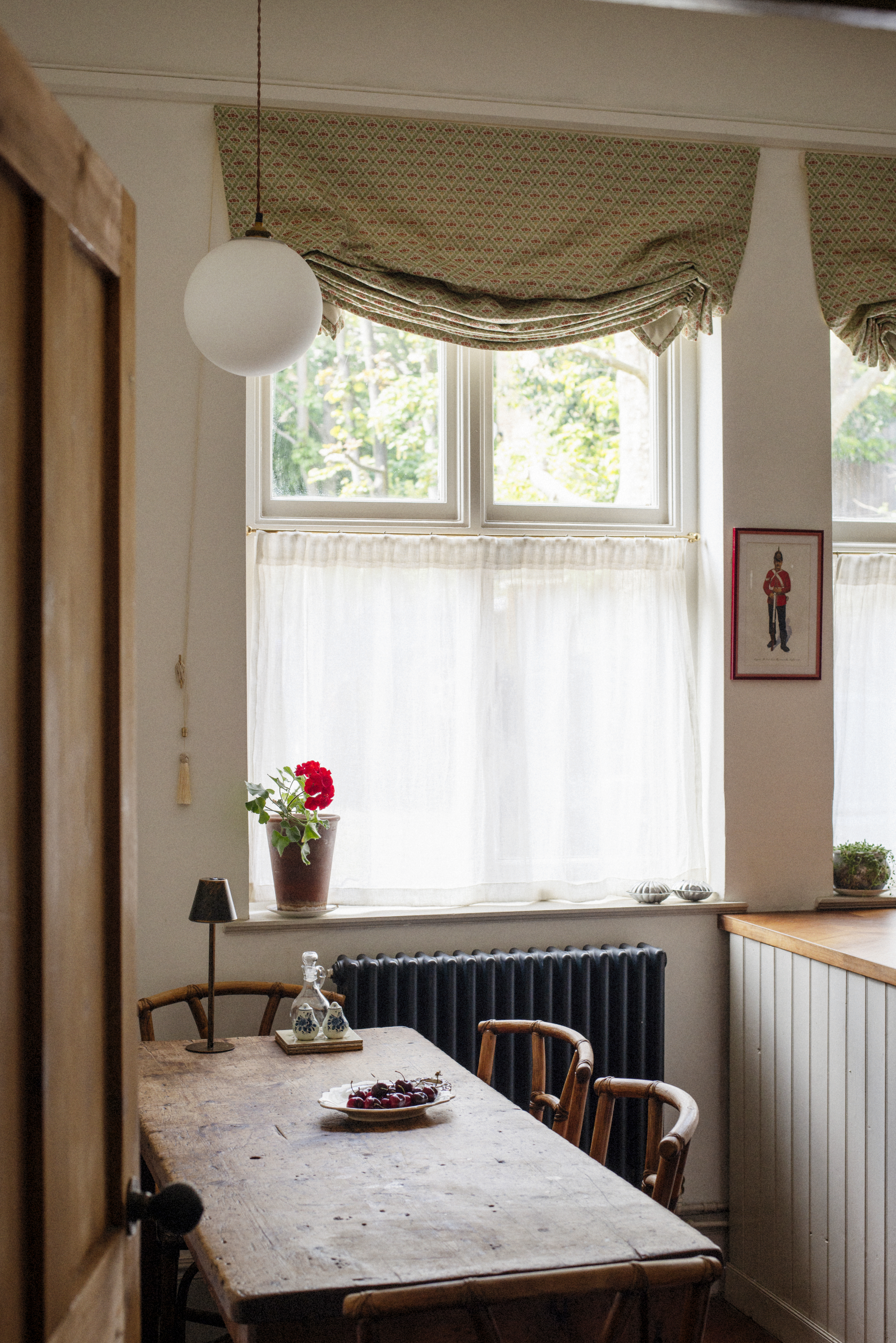
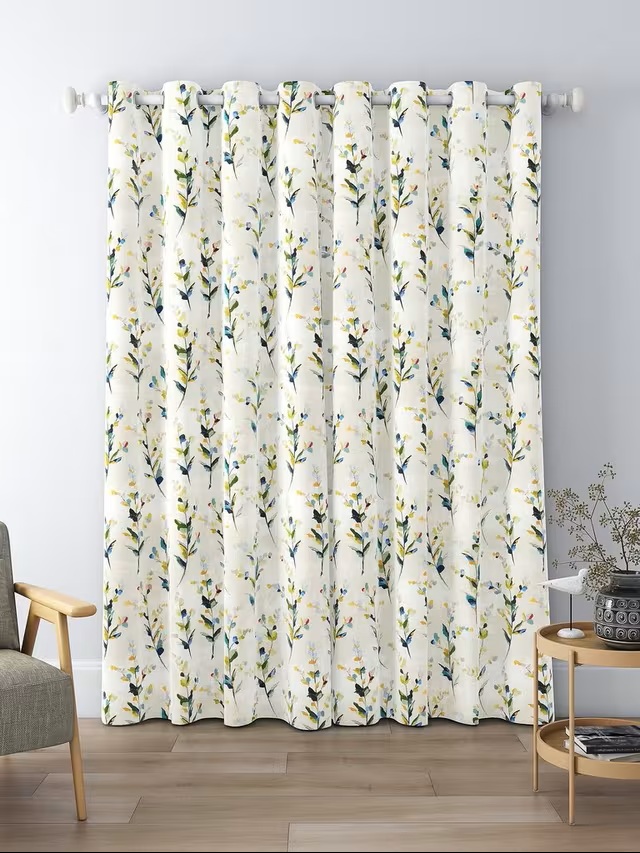
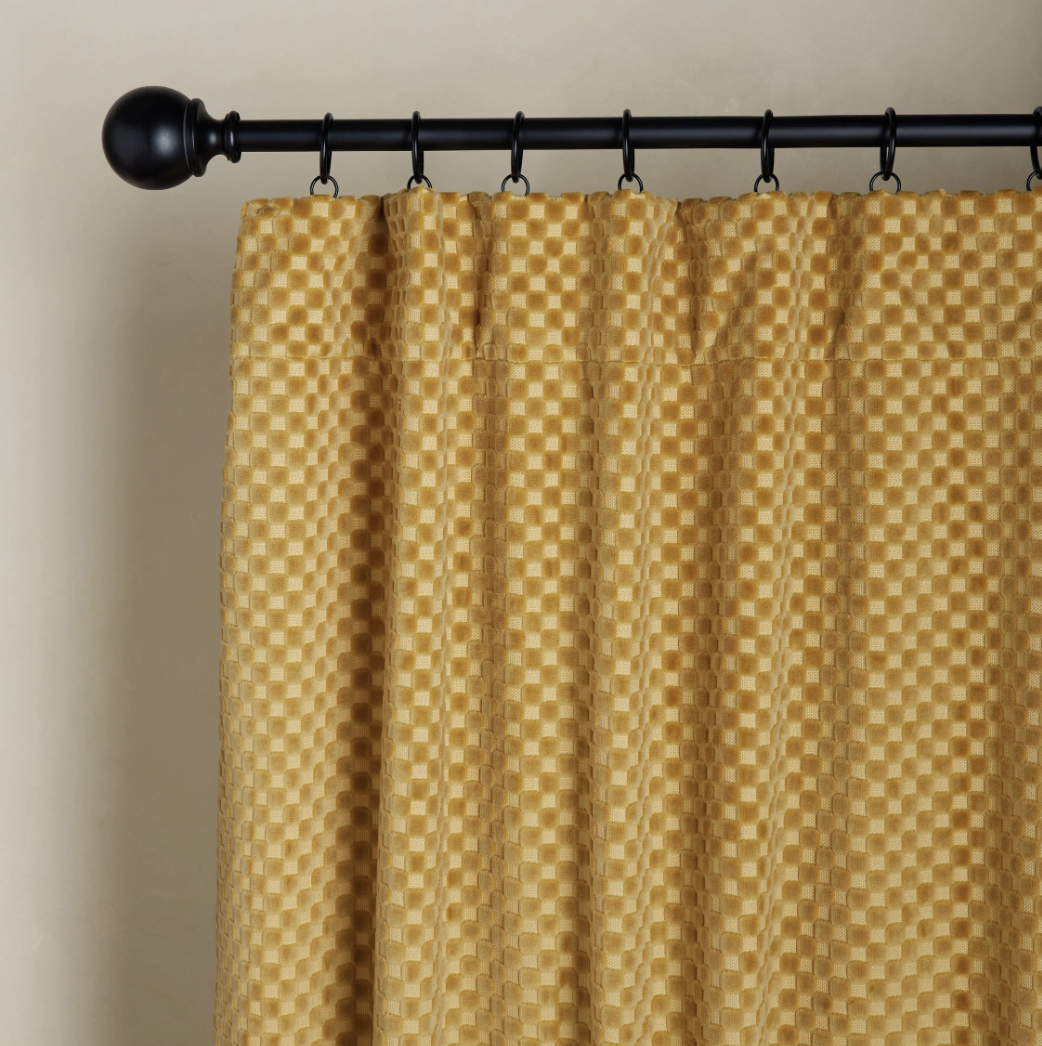
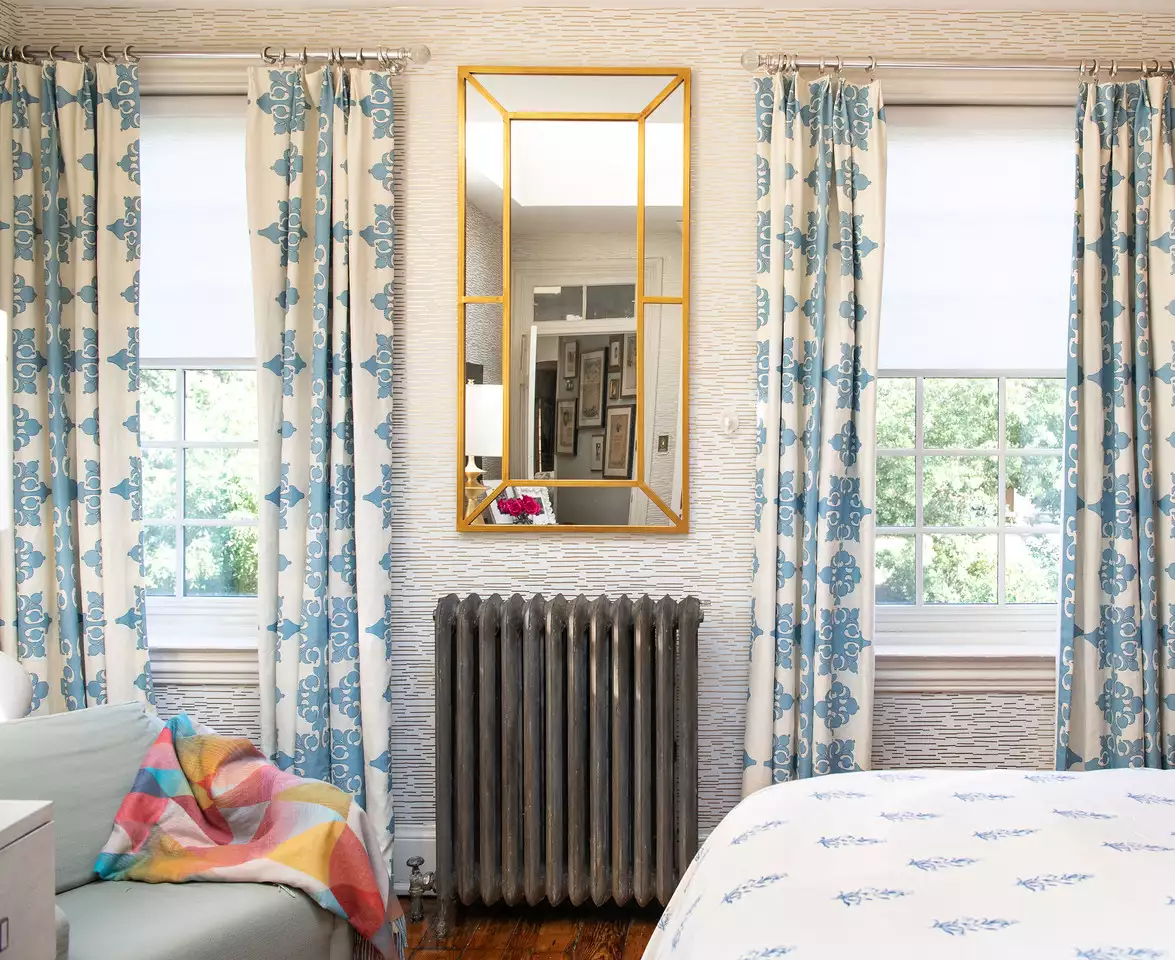
Interior designer Sophie Rowell of Cote de Folk is a proponent of shorter curtains, advocating for their use when appropriate for the space. She highlights practical benefits, such as accommodating radiators beneath windows, and aesthetic advantages, noting their playful nature. Additionally, shorter curtains require less fabric, making it feasible to use more luxurious or expensive materials without exceeding budget, as demonstrated in a client's room with Décor Barbares fabric. Rowell advises that the key to successfully incorporating short curtains lies in precise measurement; they should extend slightly beyond the windowsill to avoid looking "skimpy" or disproportionate.
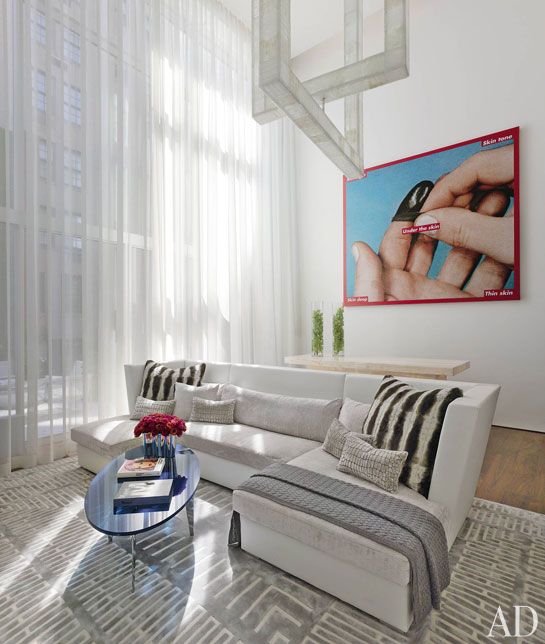
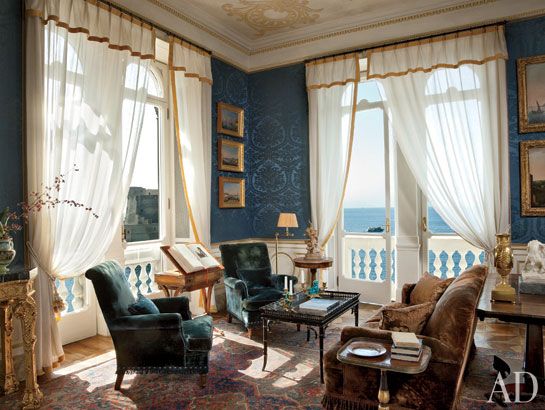
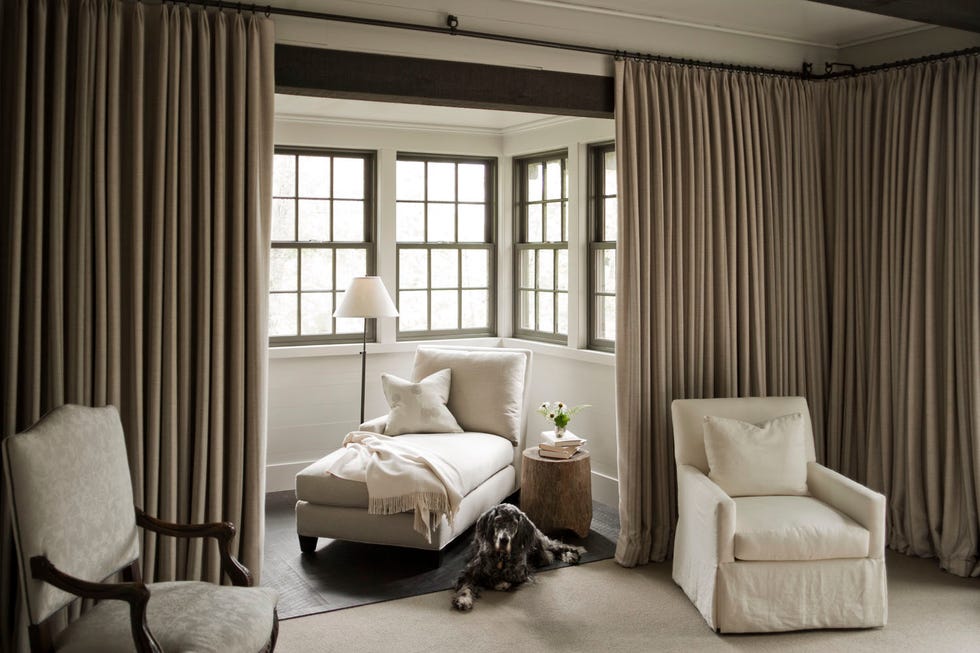
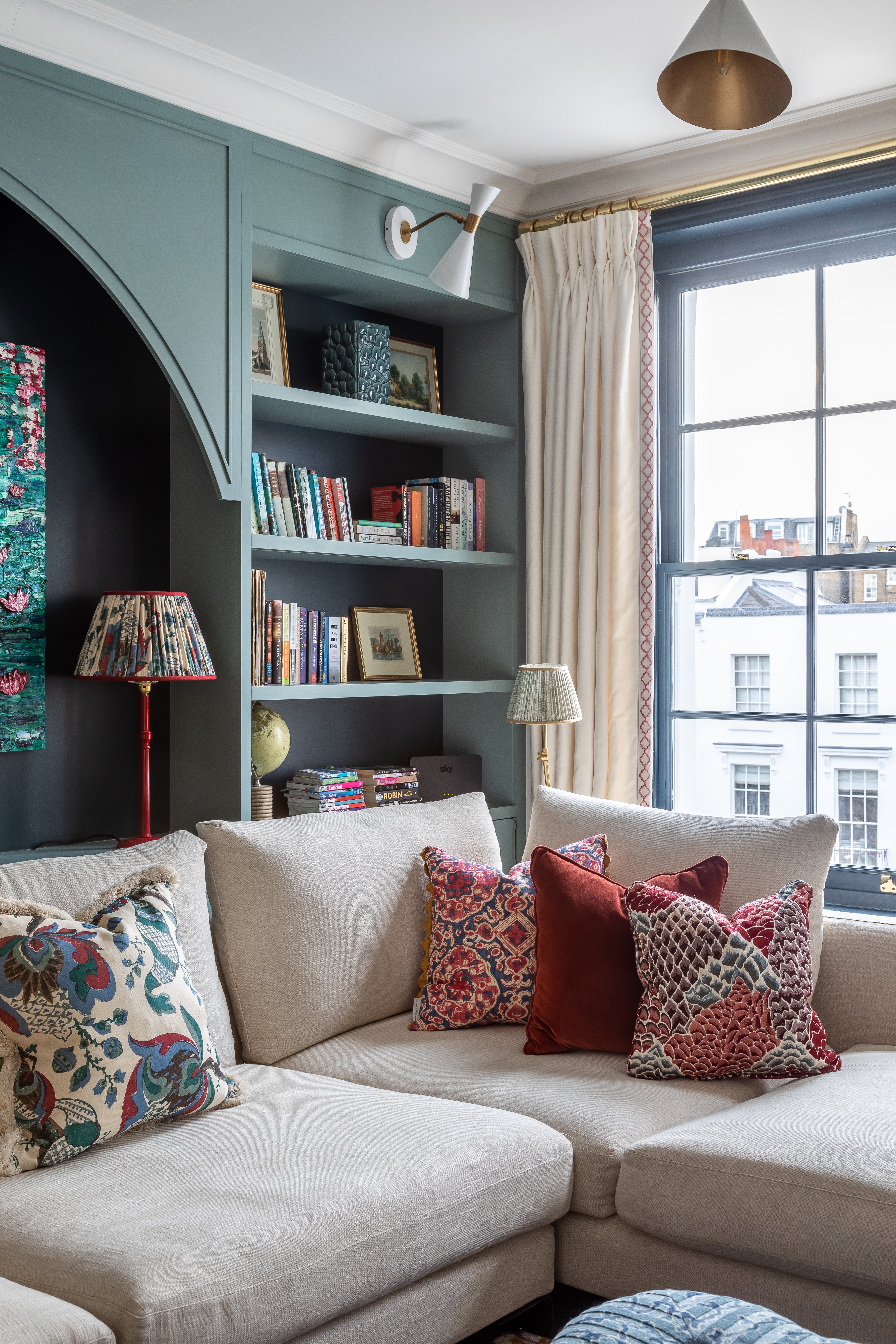
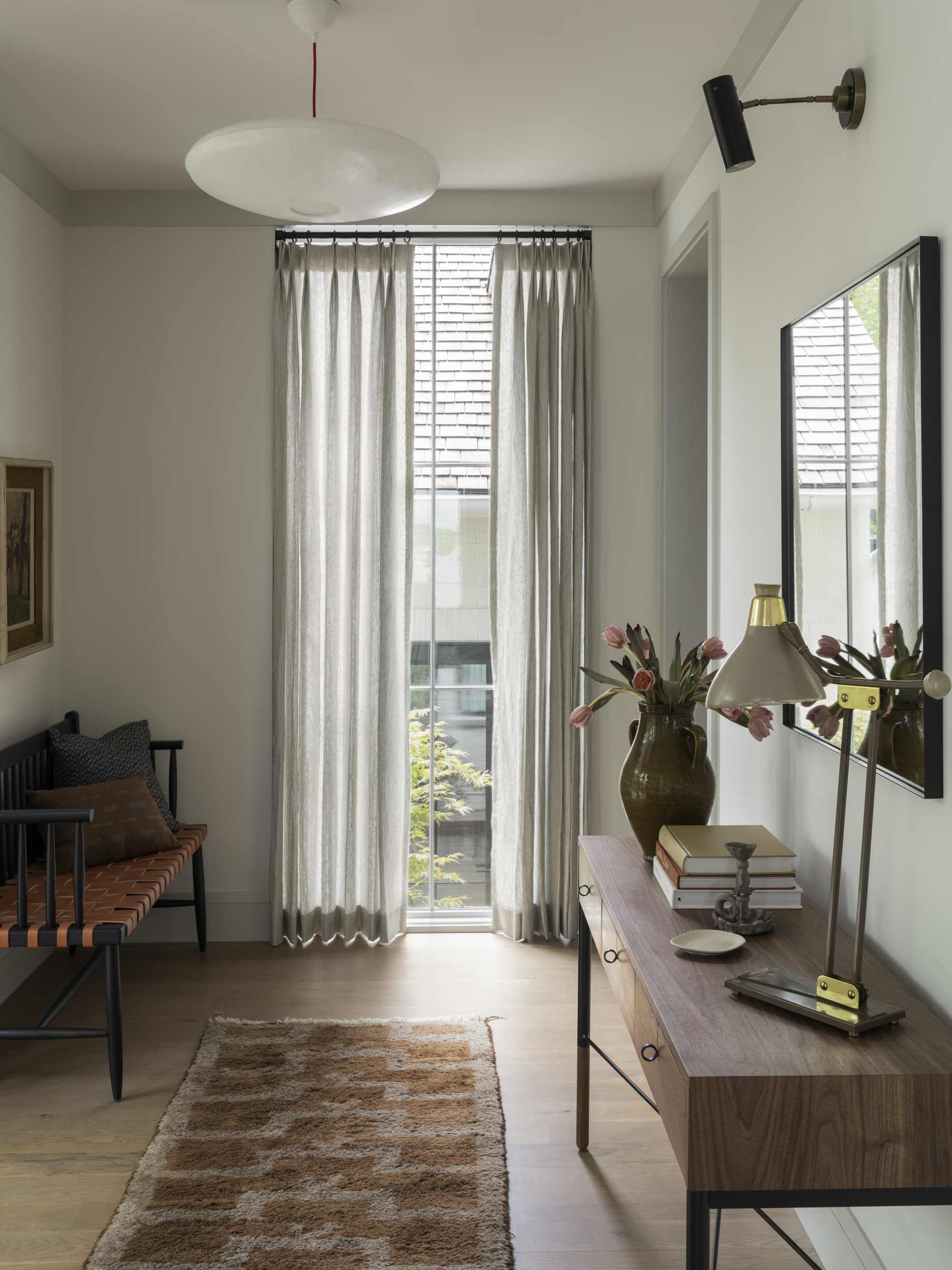
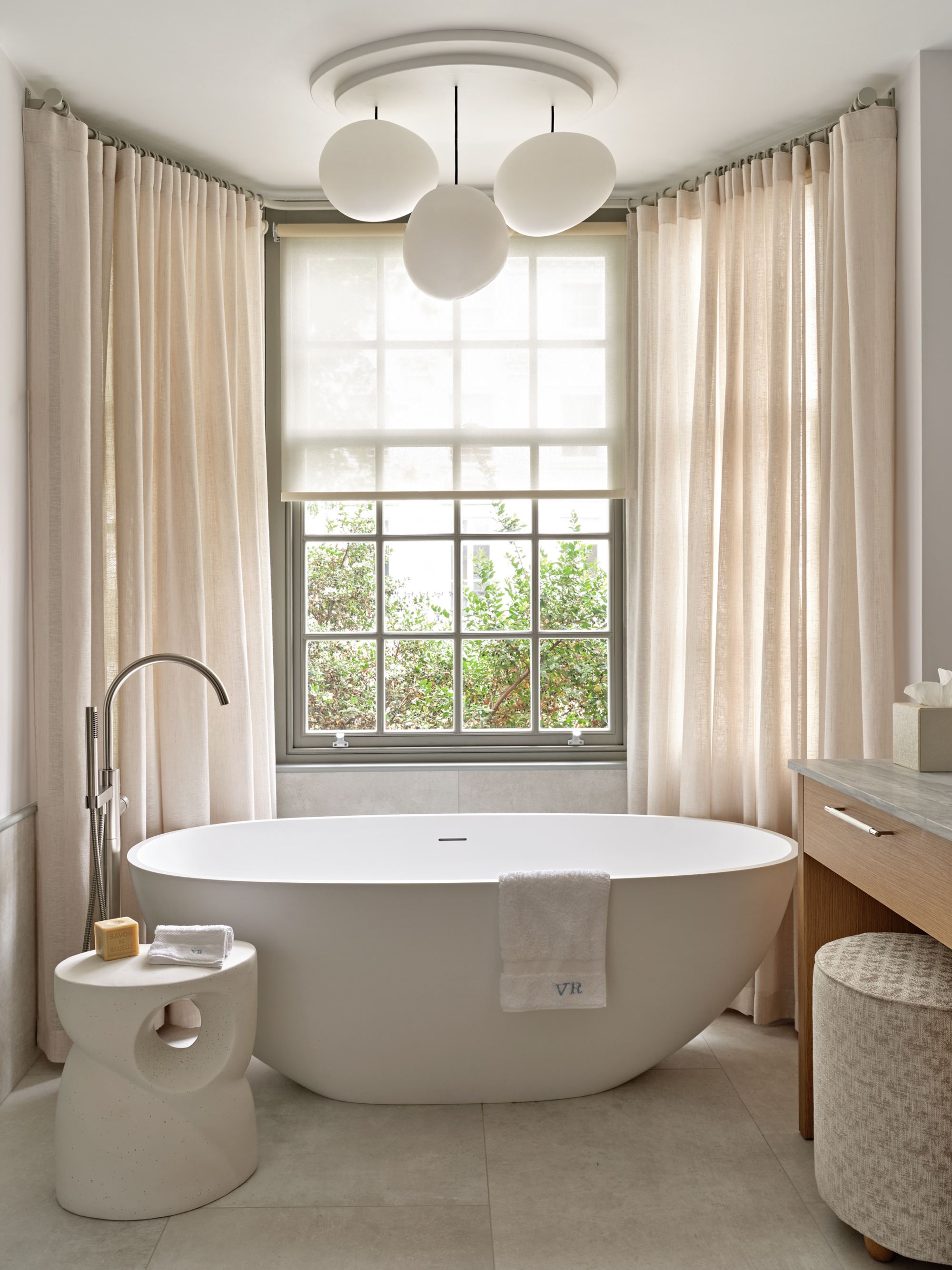
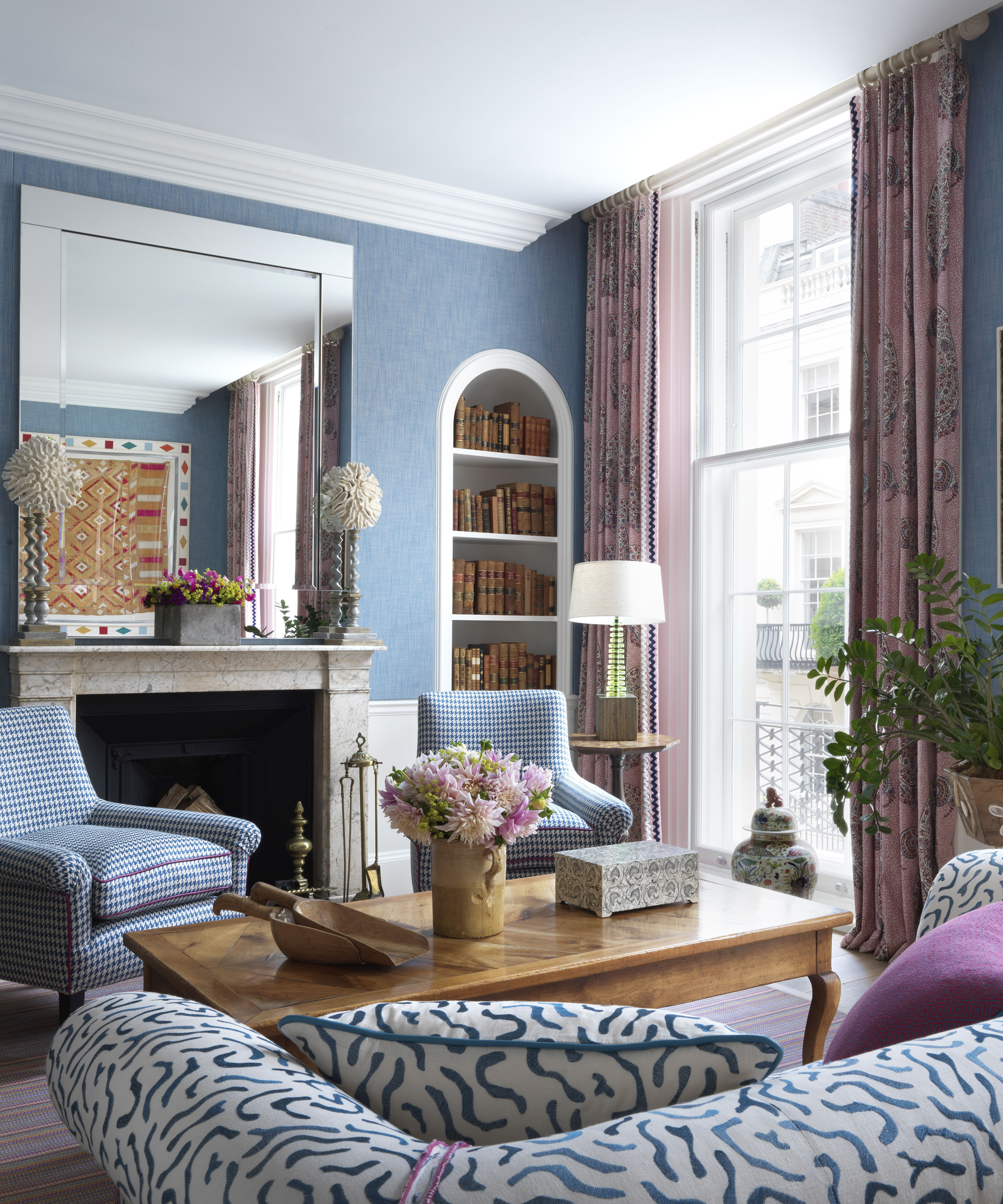
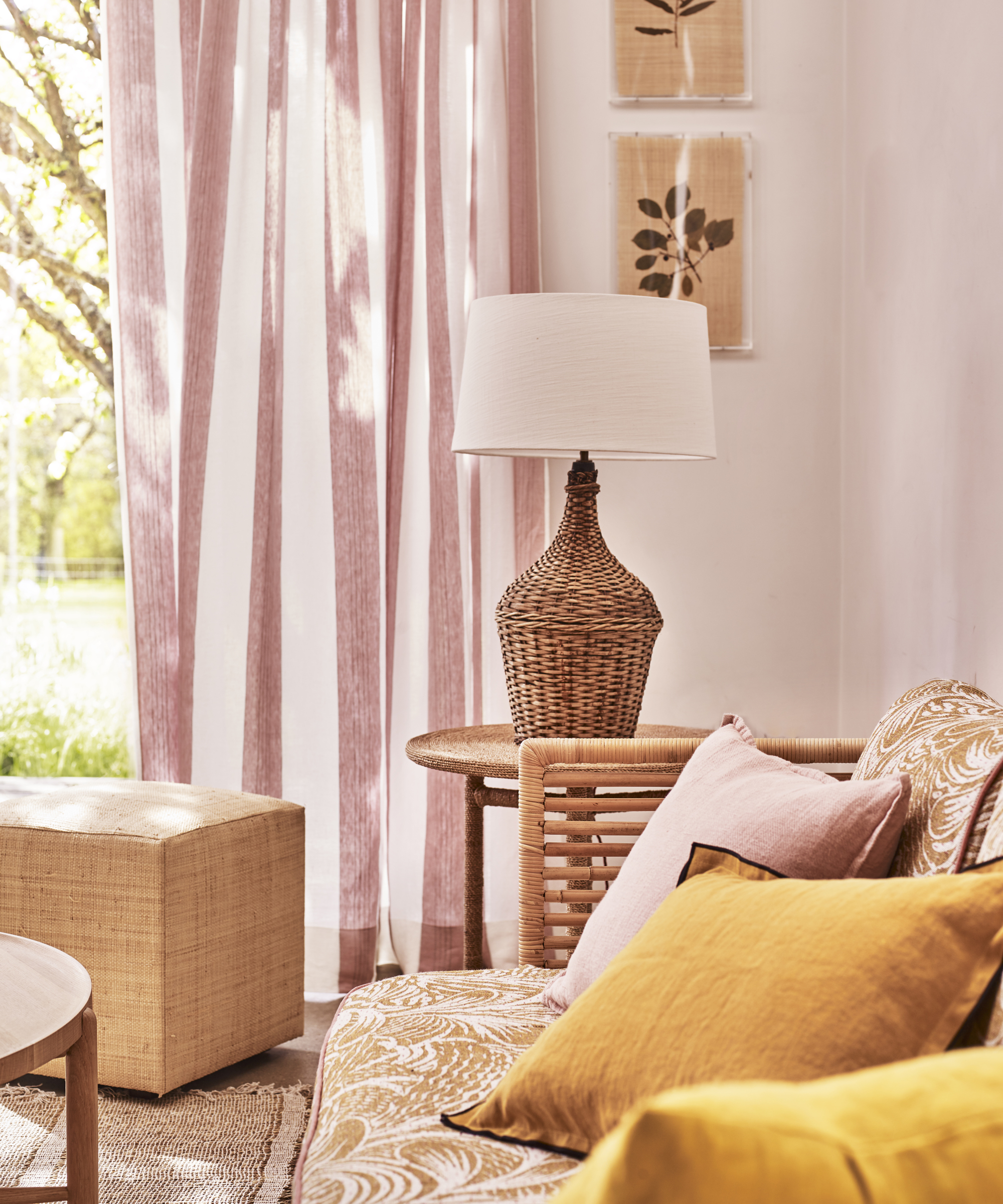
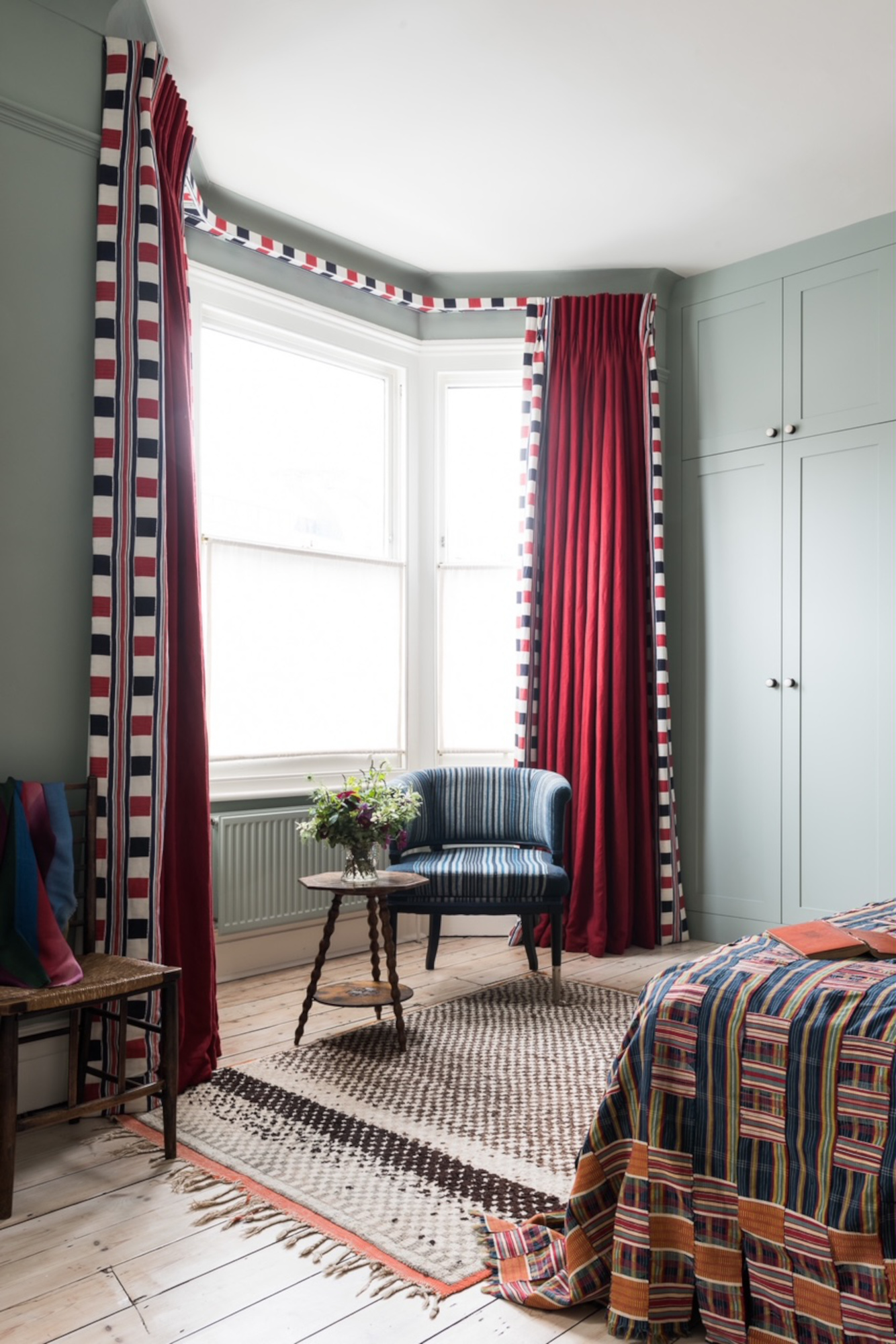
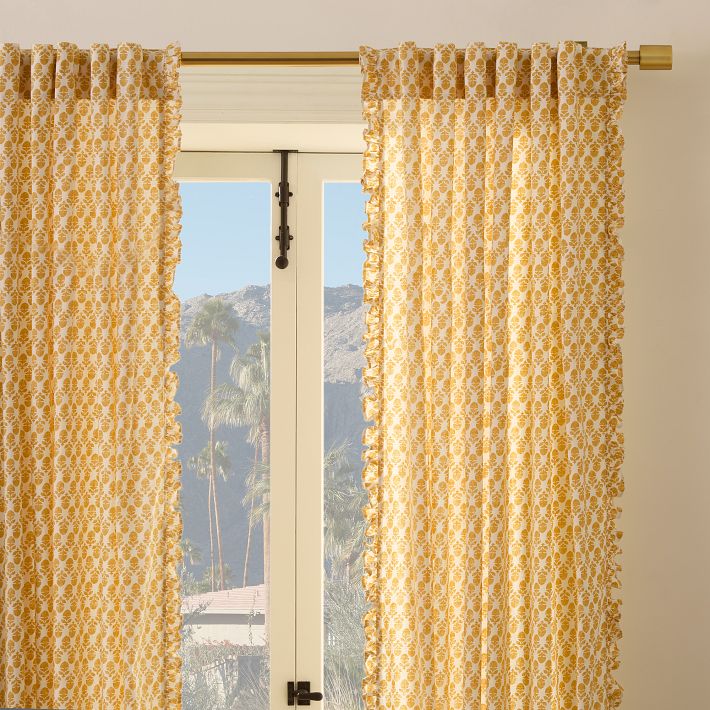
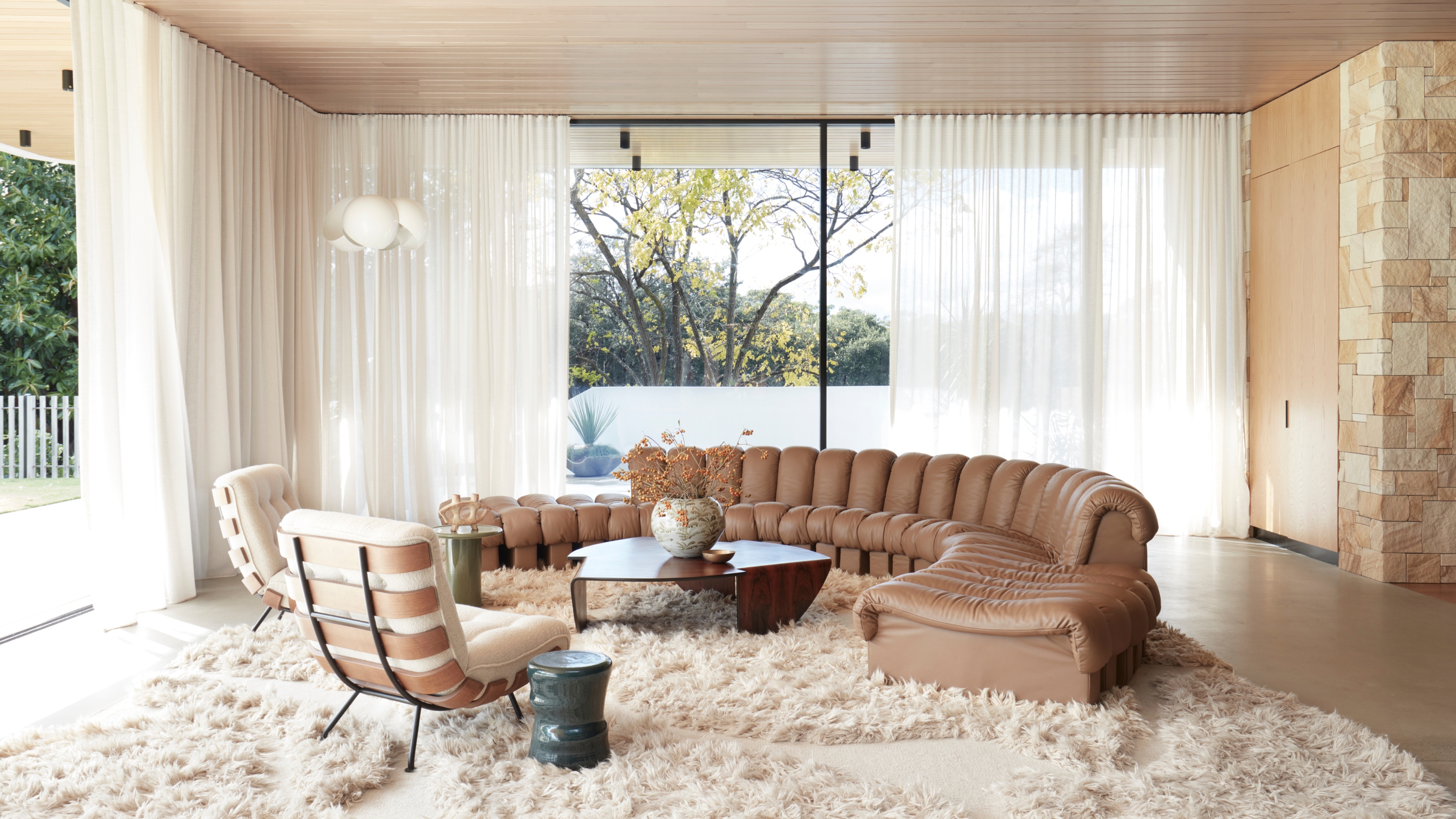
Conversely, Rebecca Constable of Rebecca Constable Design firmly favors traditional long curtains. She argues that long curtains contribute to a room's perceived height and do not create the horizontal line that shorter curtains do, which she believes can visually cut off the space. While long curtains require more fabric, she points out that affordable options are available from retailers like The Pure Edit, Zara Home, and La Redoute. Olivia Caplan of Olivia Caplan Design shares this sentiment, expressing a strong aversion to short curtains. She believes they disrupt the visual flow of a room, creating a muddled appearance, and advocates for curtains that gently touch the floor to enhance elegance and height. Caplan also suggests positioning curtain poles as high as possible to maximize the illusion of height.
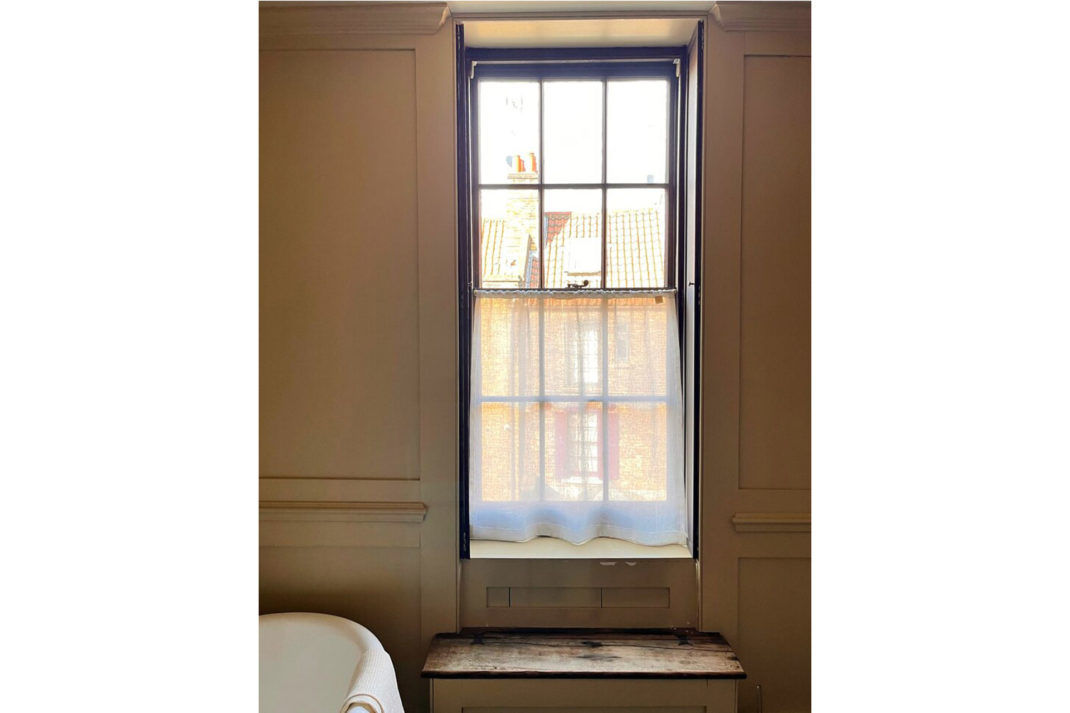
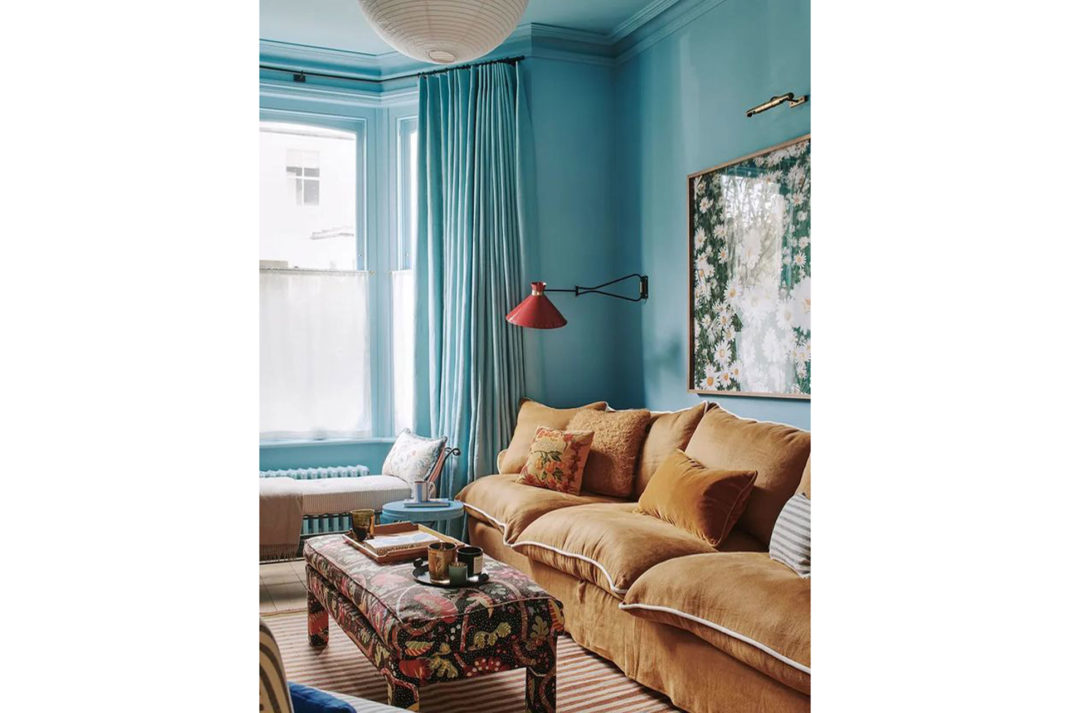
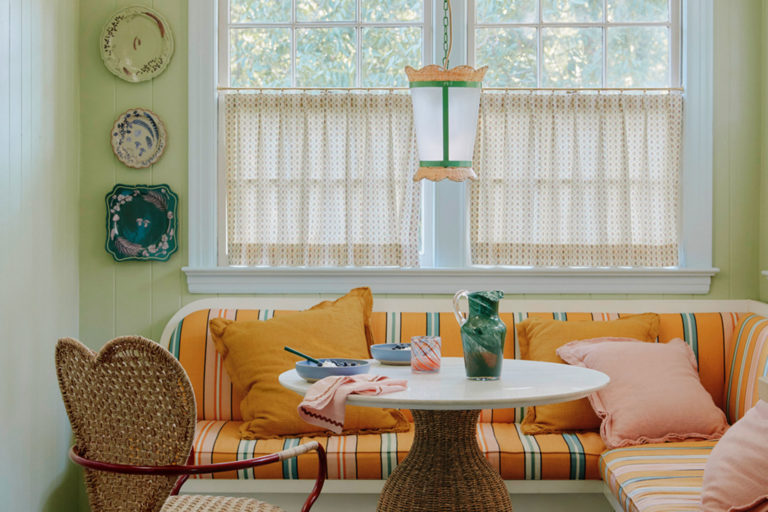
For situations where short curtains are a practical necessity, such as bay windows with built-in seating or in children's rooms where avoiding yanking is important, designers offer alternatives. Caplan recommends cafe curtains or blinds, particularly relaxed Roman blinds, for their organic feel and movement. Constable concurs that Roman blinds can be a stylish and practical solution where full-length curtains are not viable. Both designers emphasize that if short curtains must be used, they should be intentional in design, with playful fabrics and dimensions that complement the window's shape, rather than appearing as an afterthought. This ongoing debate reflects a broader discussion within interior design about balancing traditional aesthetics with contemporary trends and practical considerations, challenging designers and homeowners to reconsider long-standing rules.
#InteriorDesign #CurtainTrends #HomeDecor #WindowTreatments #DesignDebate #Cottagecore #ModernInteriors #DecoratingTips #HomeStyling #InteriorDesign #CurtainTrends #HomeDecor #WindowTreatments #DesignDebate #Cottagecore #ModernInteriors #DecoratingTips #HomeStyling
0 comment in total
 No comments yet
You may also like
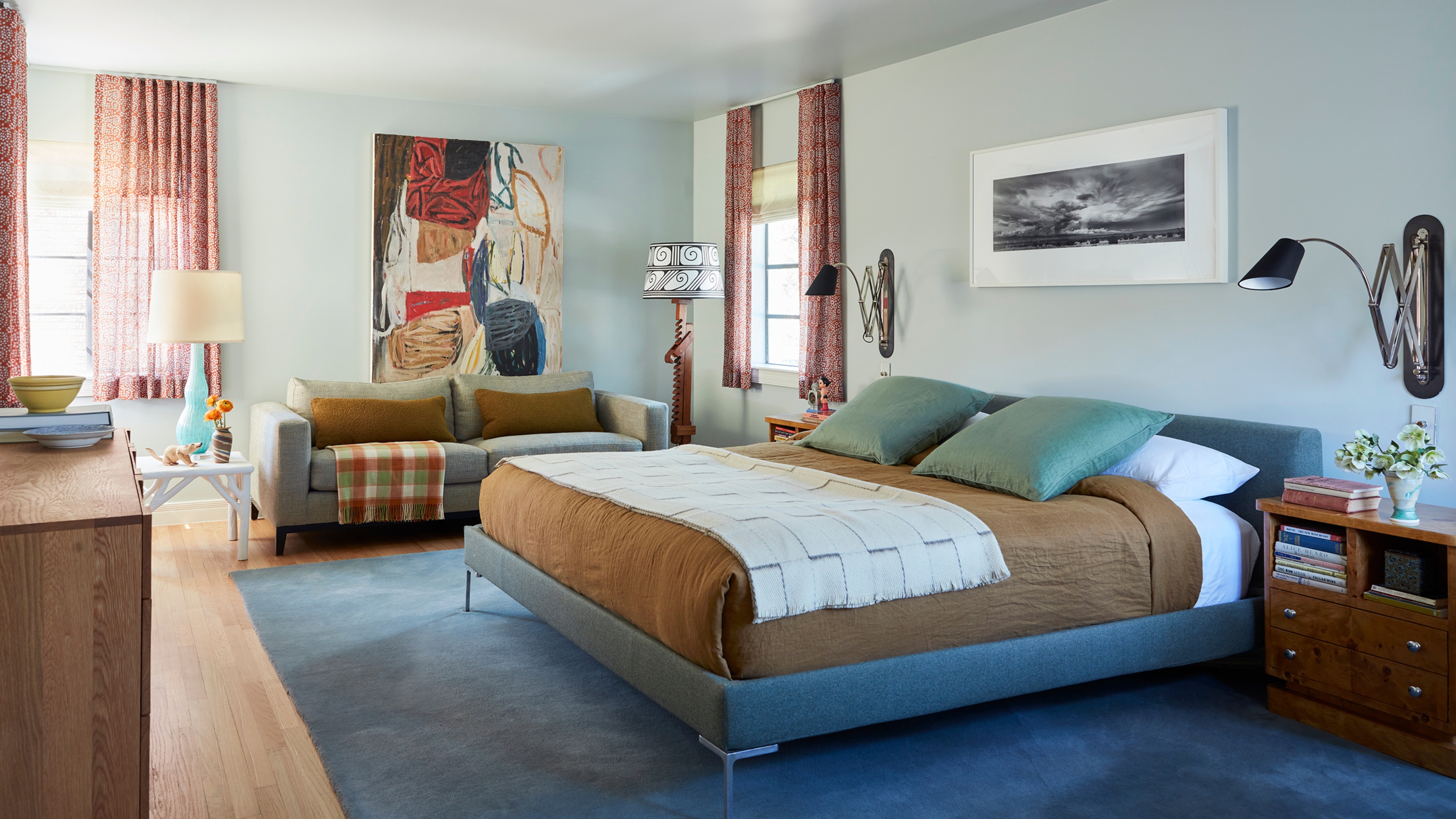
Suddenly, Short Curtains Have Got My Attention in the 'Long vs Short Curtain' Debate

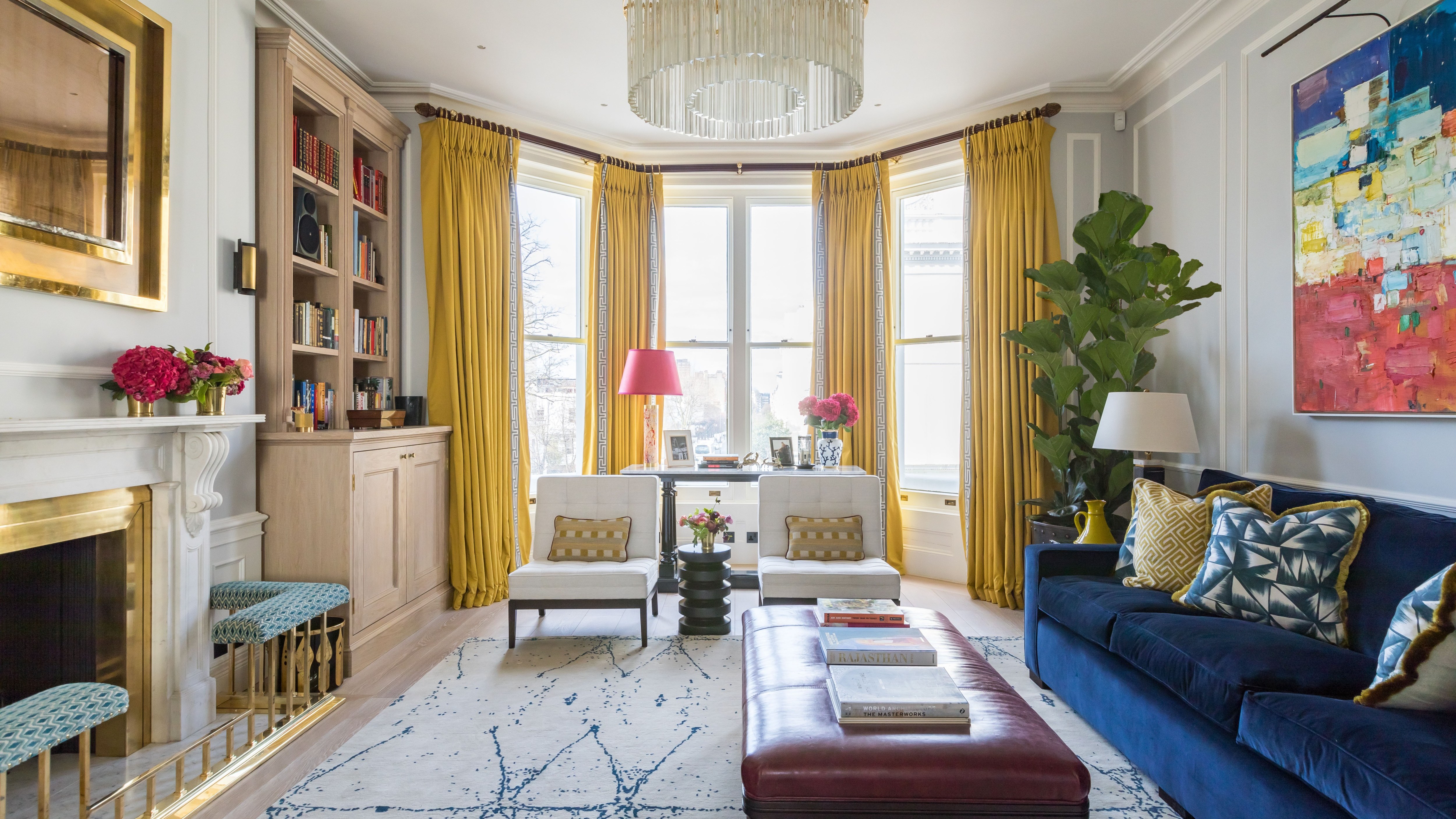
Bye-bye blinds — how curtains became cool again
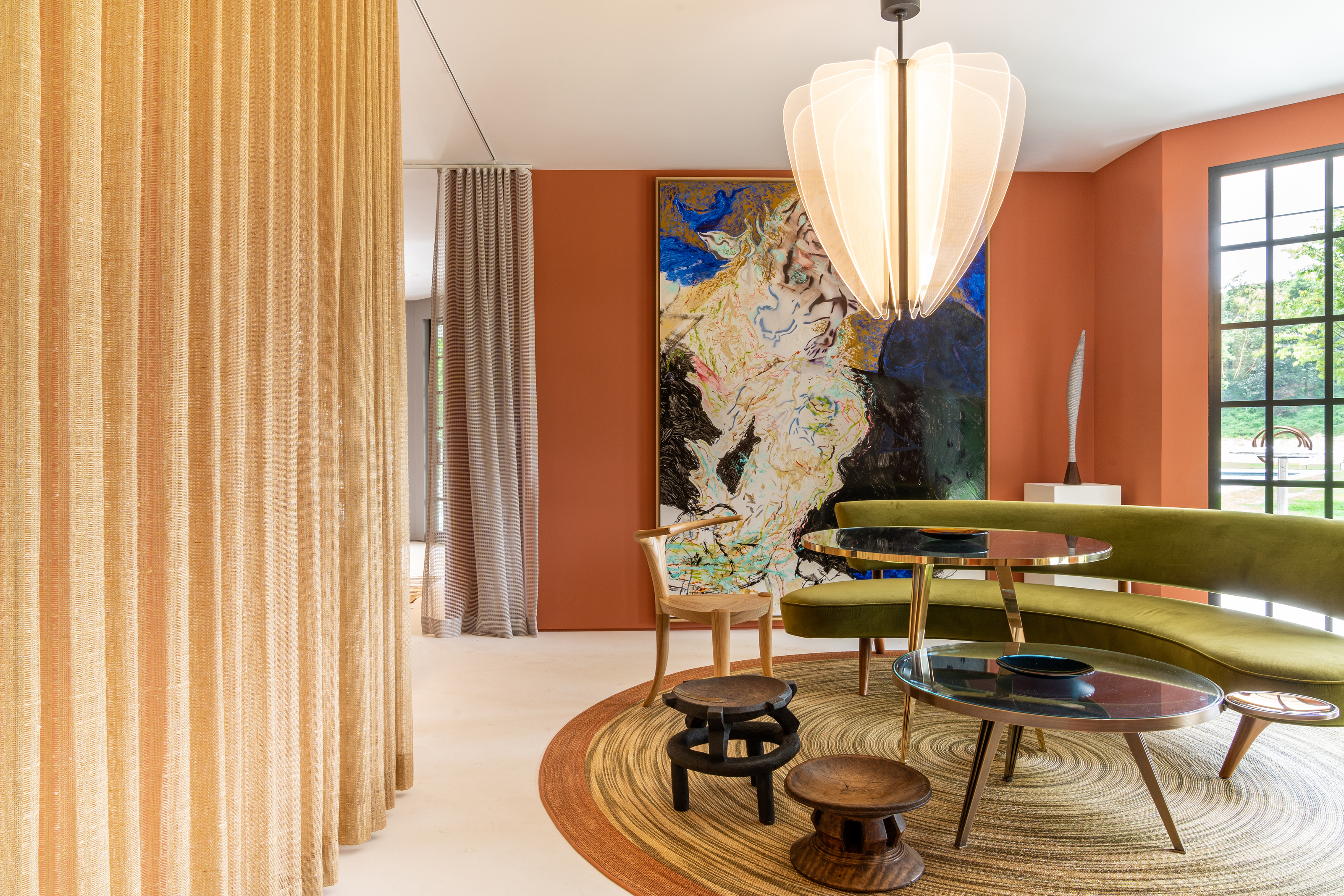
How do you divide a room with curtains? Designers on embracing this 'soft architecture' trend

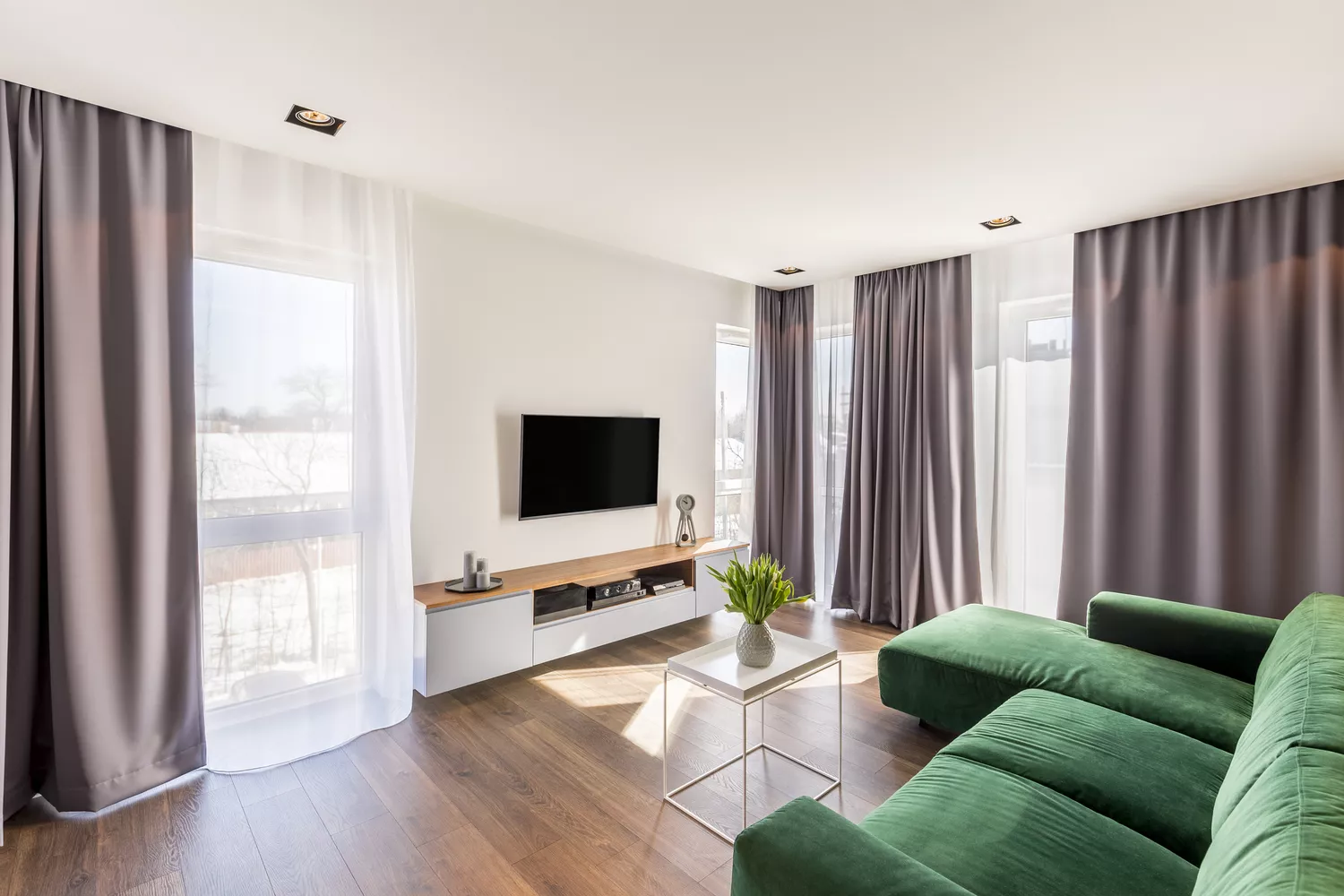
6 Outdated Curtain Trends Designers Want You to Avoid

Design Talk: Miles Redd Discusses the Sheer Appeal of Unlined Curtains

Are Curtains Out of Style? Of Course Not, but Some Designs Will Date Your Space Faster — Here's What to Know
10 Window Treatment Trends to Freshen Up Every Room in Your Home

Interiors Microtrend: Cafe Curtains
The Design World Is DIVIDED on This Controversial Curtain Styling Trend

The Bold Curtain Trend That'll Be Taking Over In 2025
The Curtain Trends Designers Say to Look Out for in 2026
Curtain trends for 2023 – the colors, patterns and looks designers predict will be big
Designers Say to Ditch These 6 Curtain Styles for an Instant Room Upgrade
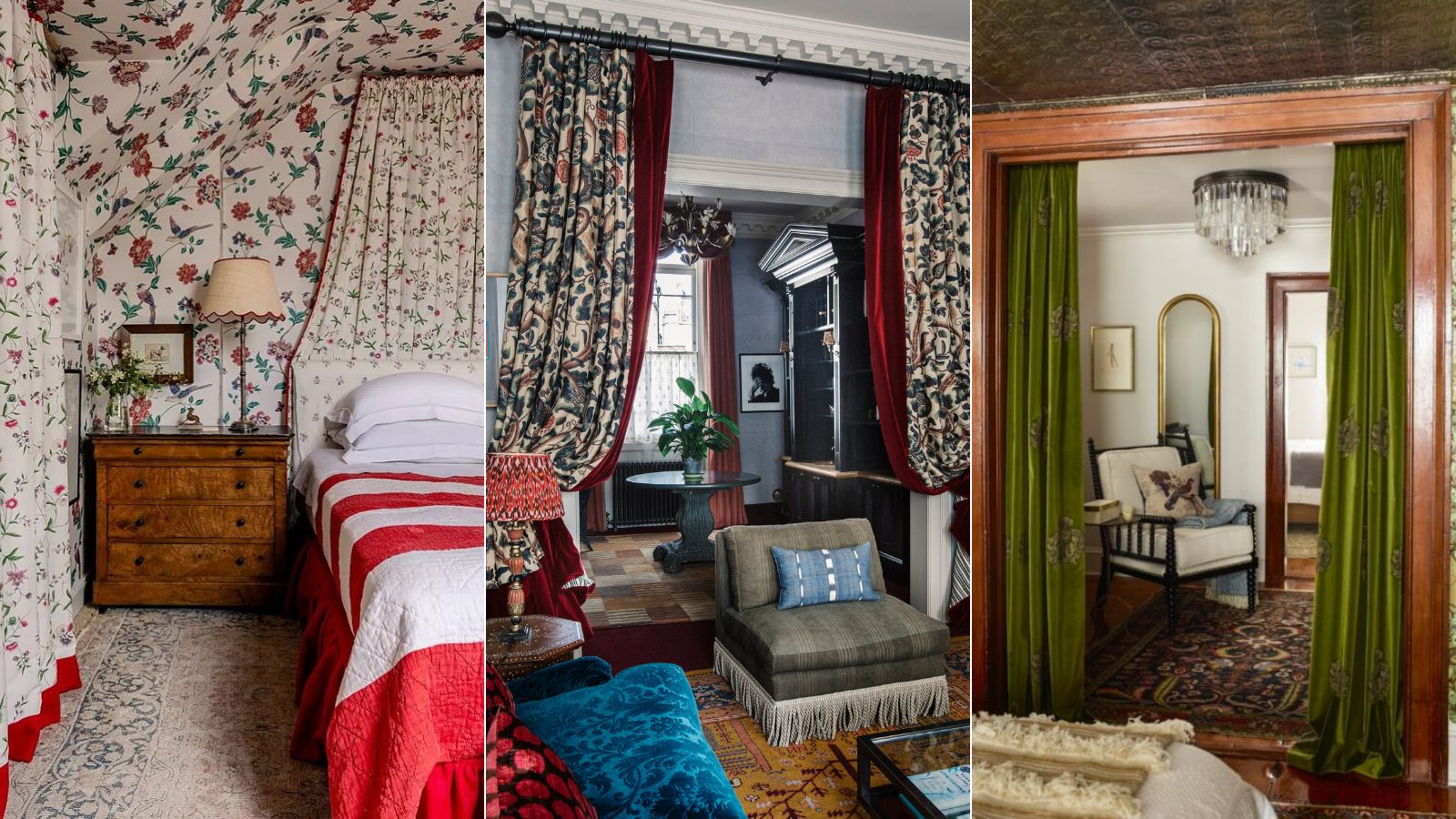
Should you ever replace doors with curtains? I say yes, and asked designers when to make the switch


Why curtains are the year's biggest – and most unexpected – interior design trend

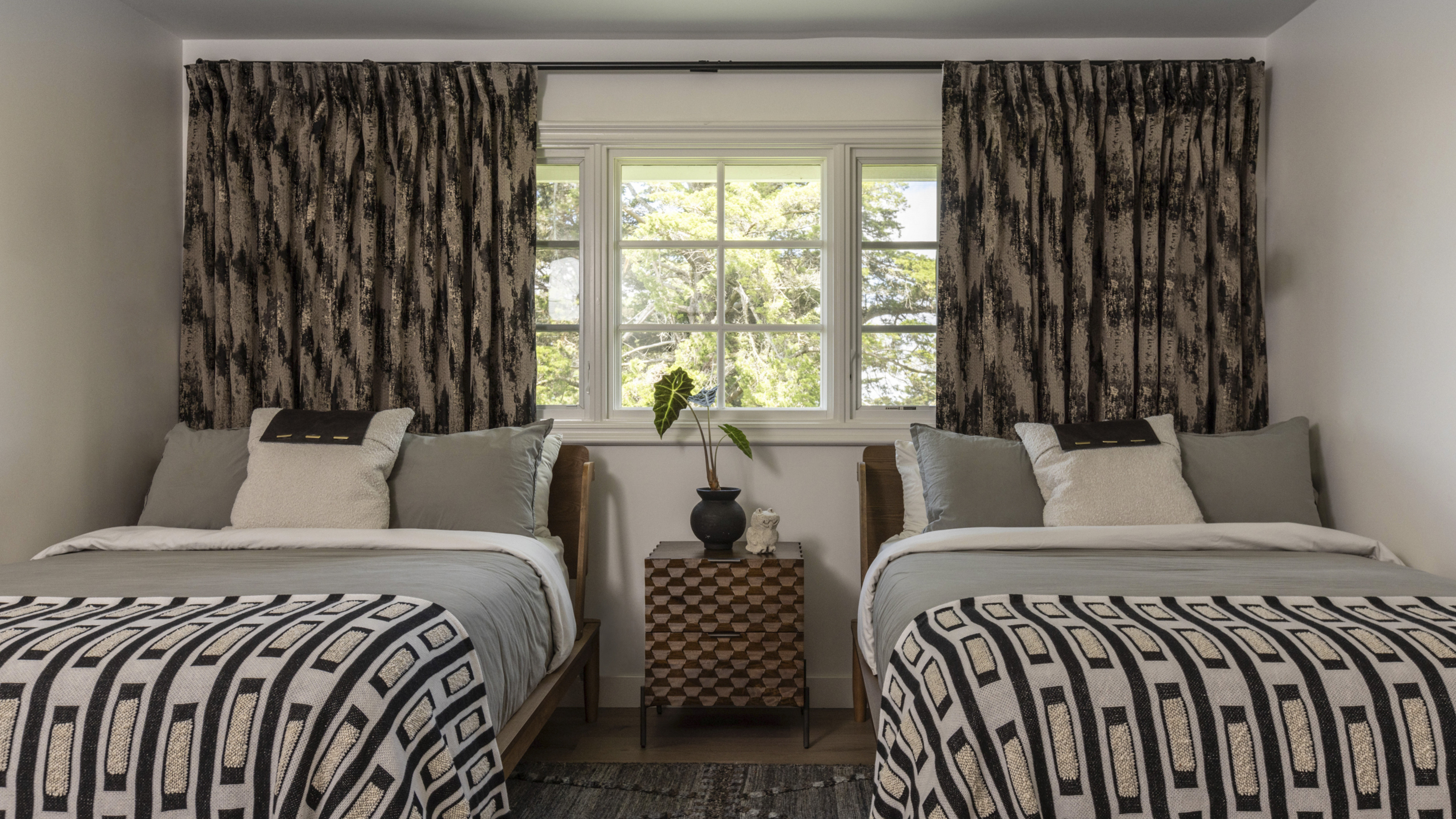
The biggest curtain trends to follow in 2025 – 8 key looks to shop that will instantly elevate your rooms
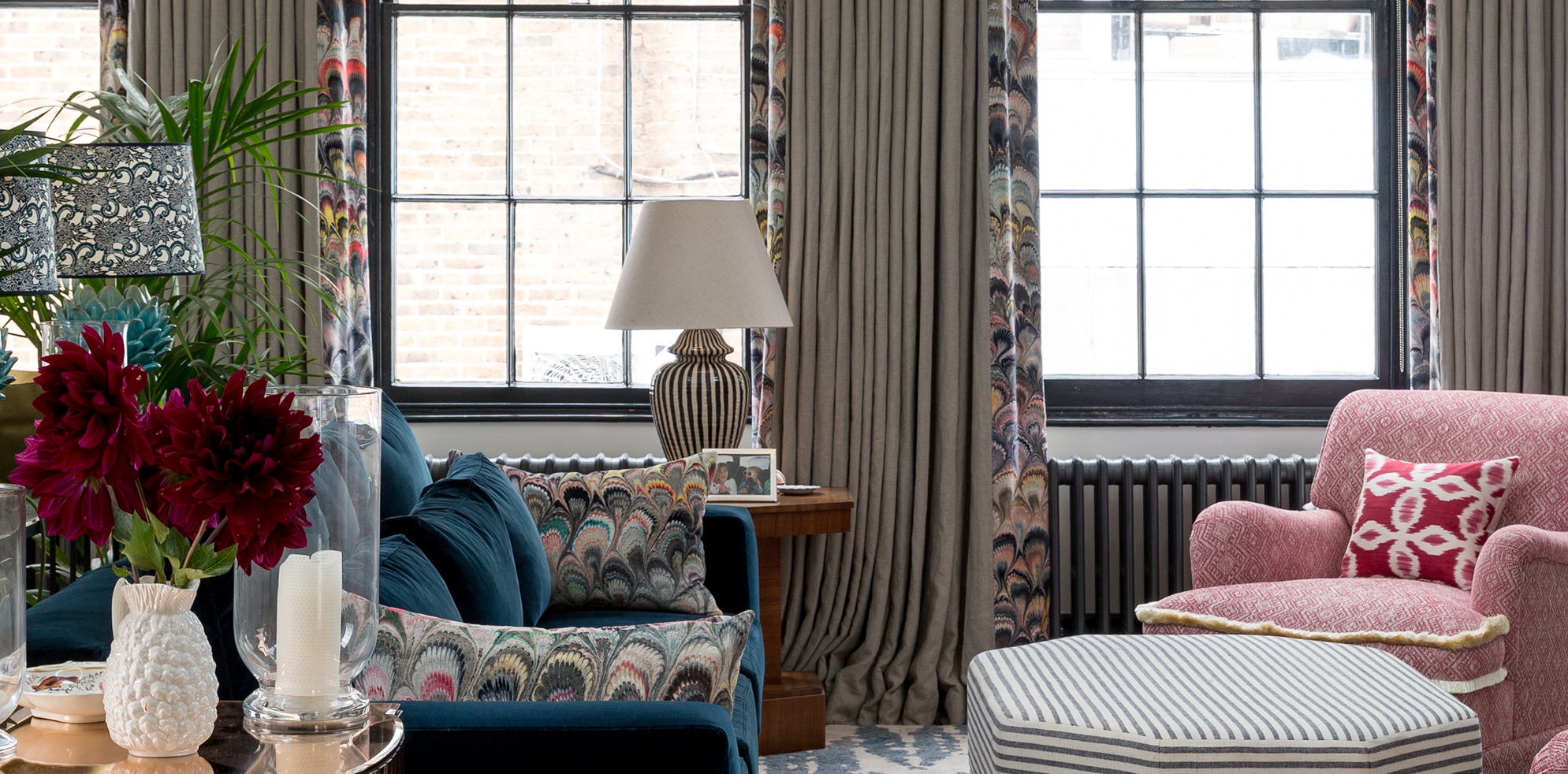
An easy add-on to your curtains makes rooms look expensive - designers explain

Window blinds, shutters and curtains: top trends for 2017

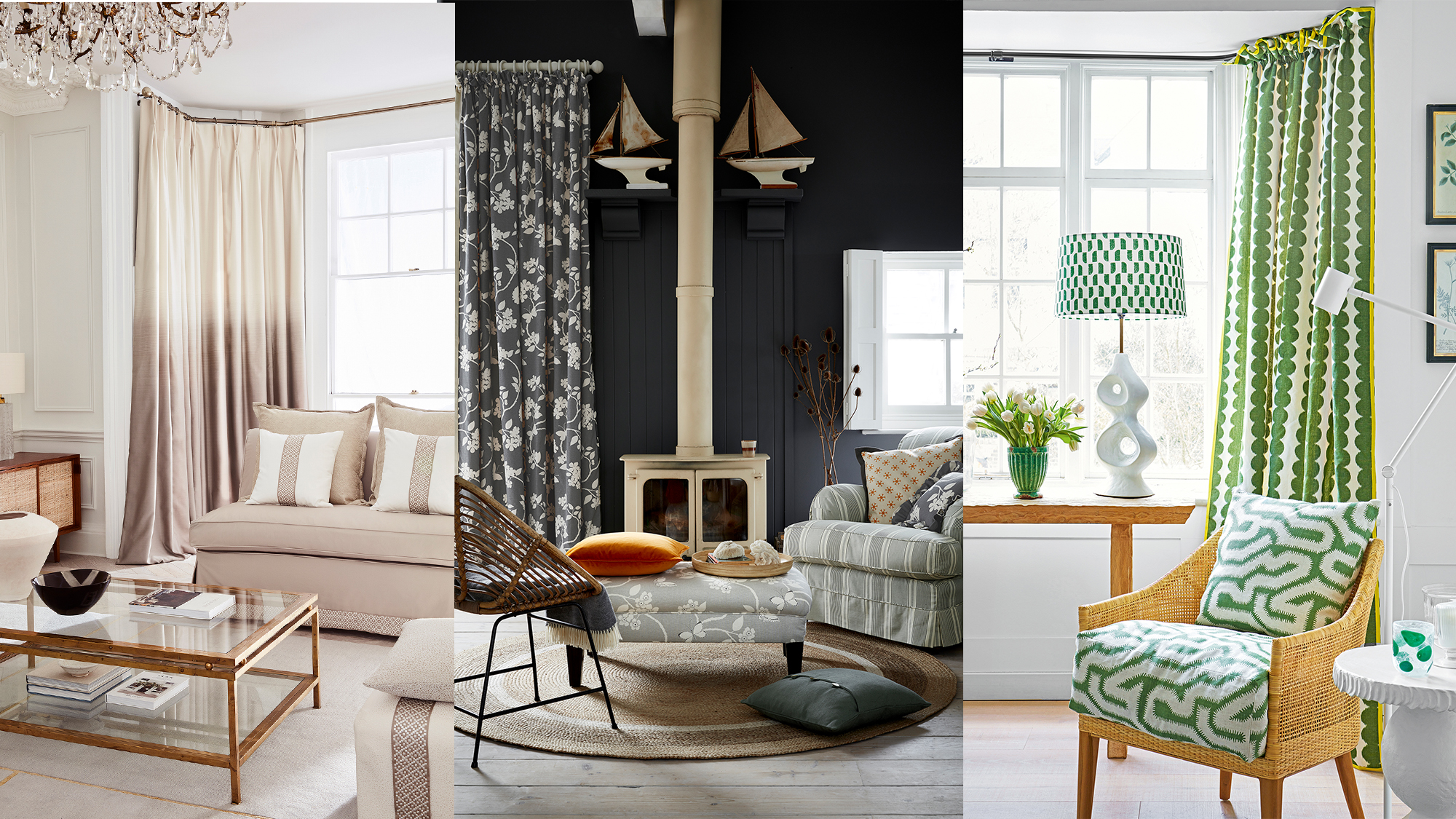
Living room curtain ideas – 17 tips for stylish drapery
6 Curtain Styles That Are So Outdated, According to Designers