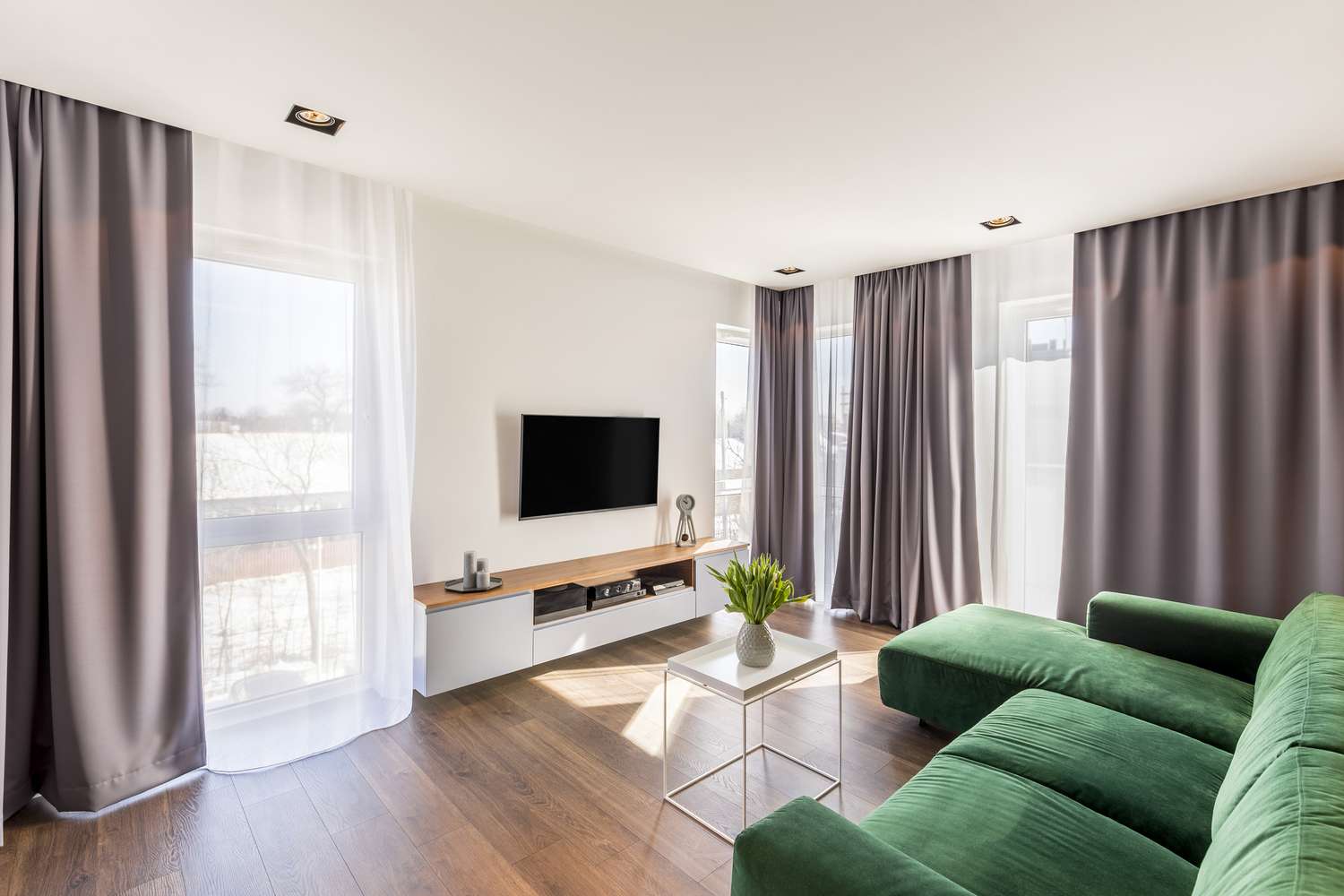
6 Curtain Styles That Are So Outdated, According to Designers
Window treatments are an important element in home interior design, influencing a room's overall style through fabric, hardware, and patterns. Designers emphasize the importance of updating curtain styles to prevent a space from appearing outdated. Several curtain styles are identified as currently out of vogue by interior design experts Cortney McClure, Danielle Chiprut, and Candace Plotz.
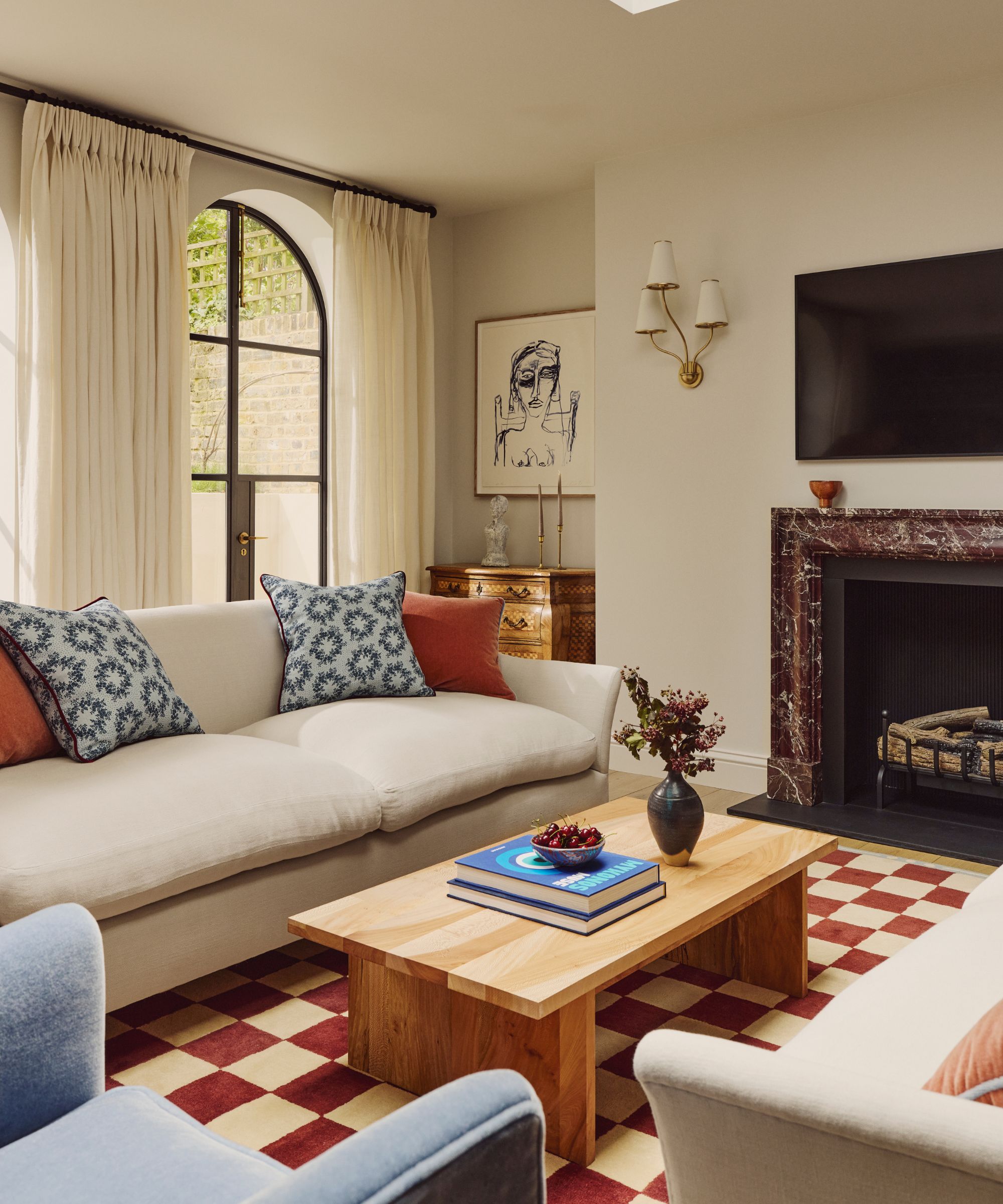
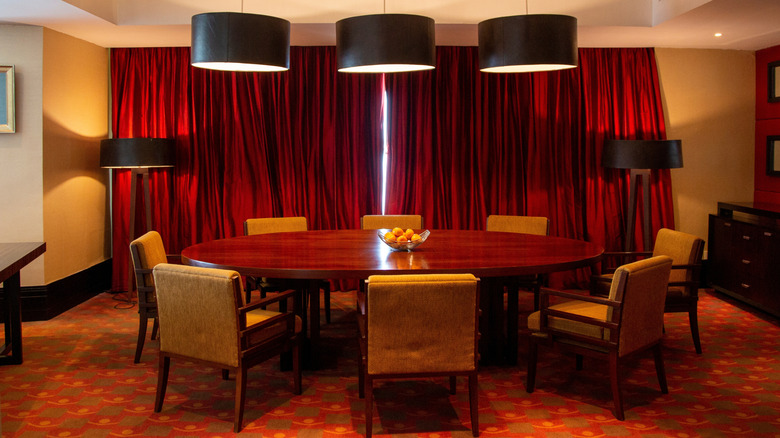
Grommet-style curtains, characterized by metal rings sliding over a rod, are deemed outdated for most spaces due to their mass-produced appearance, lacking refinement. While acceptable for casual settings like playrooms or kids' bedrooms, designers recommend more tailored header styles such as pleated tops, inverted box pleats, or ripple folds. These alternative styles contribute to a more sophisticated and softer ambiance in a room.
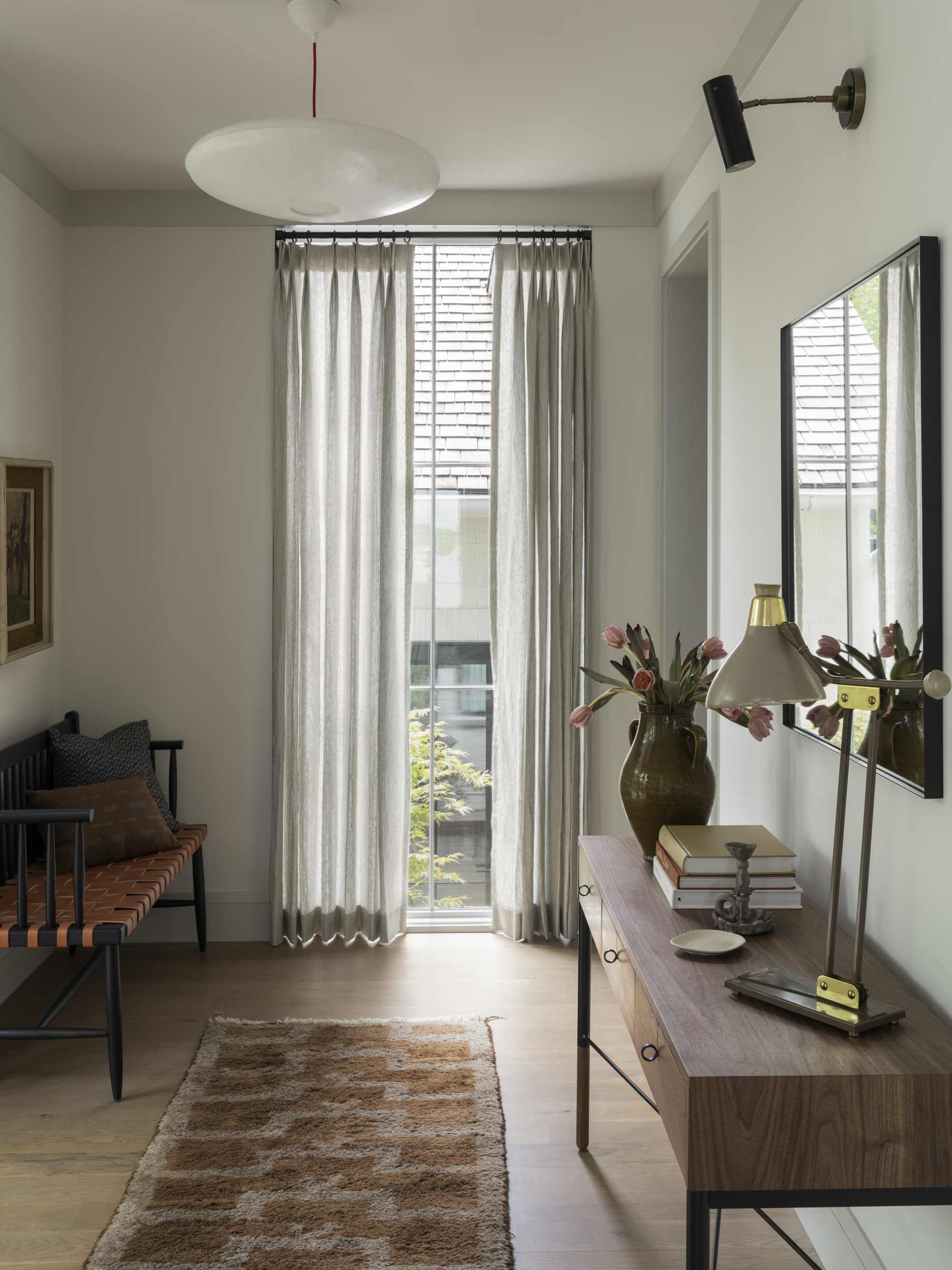
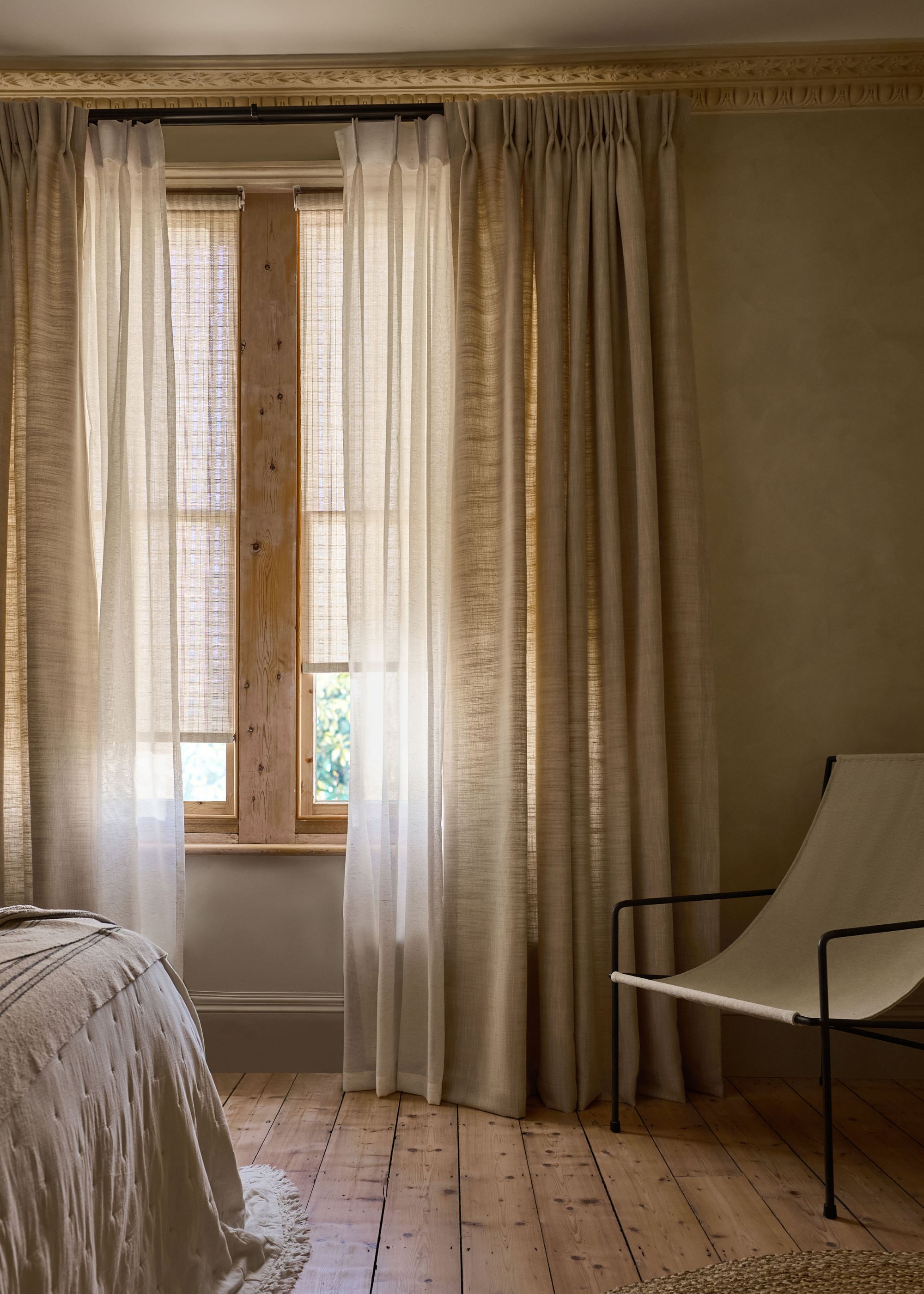
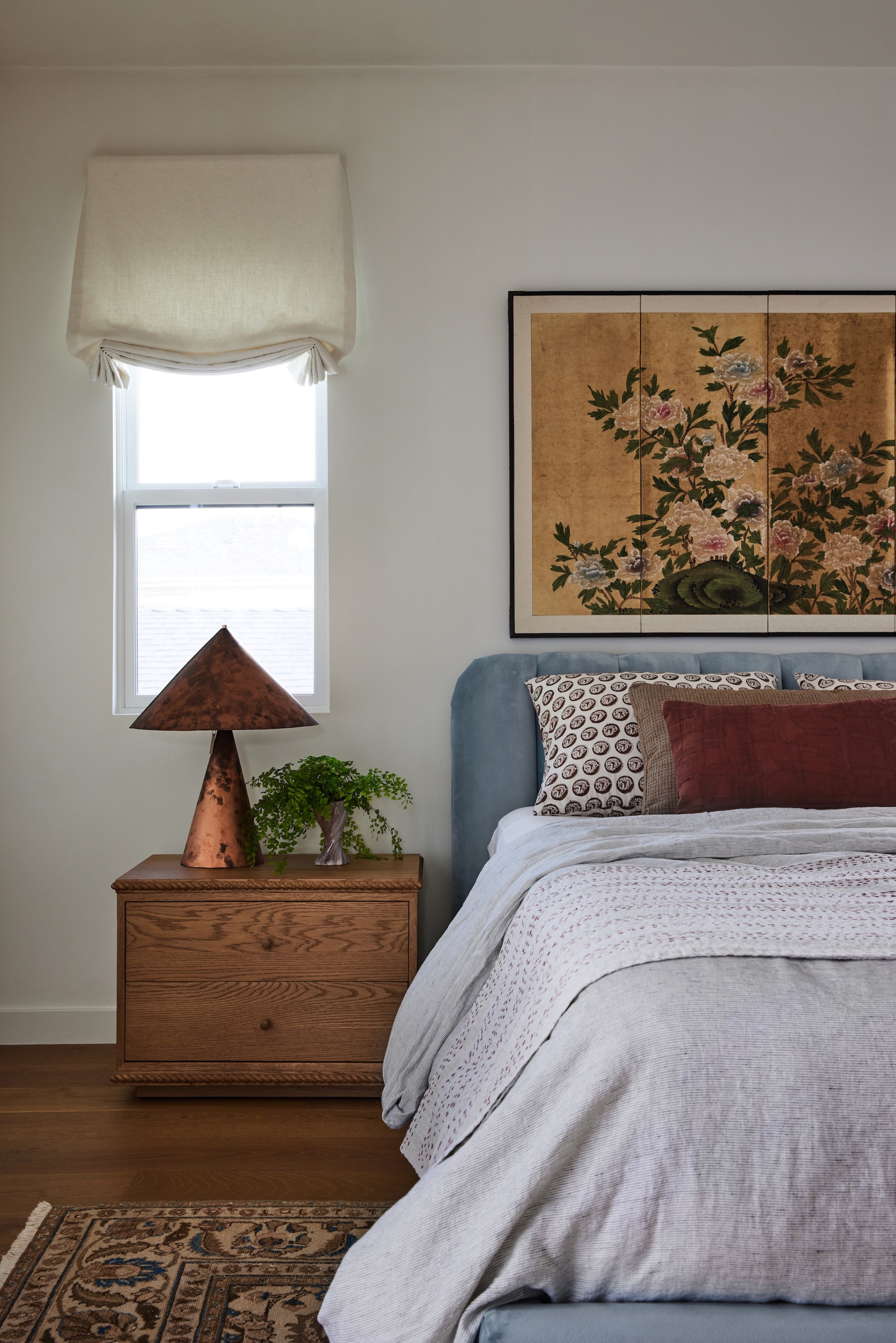
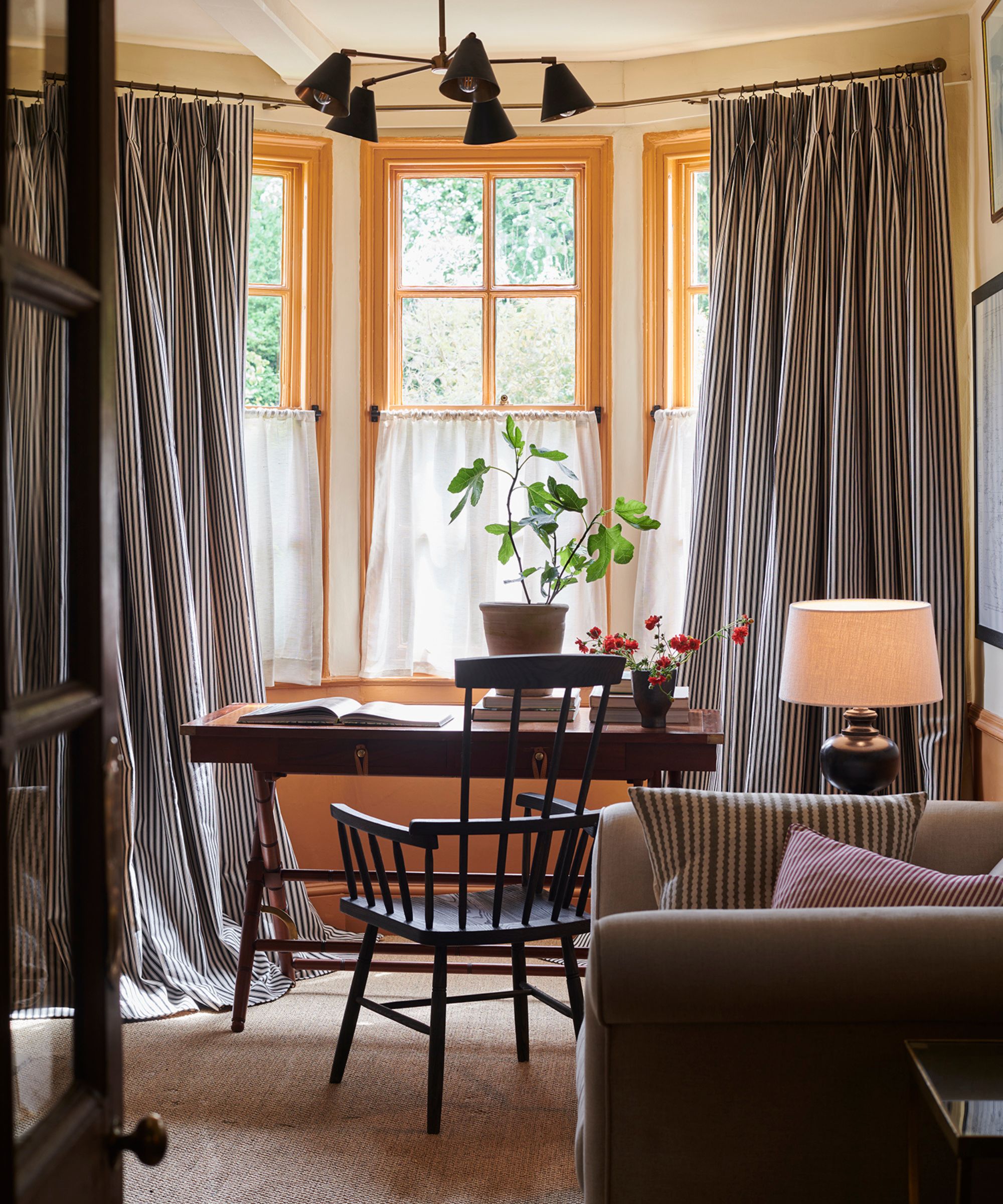
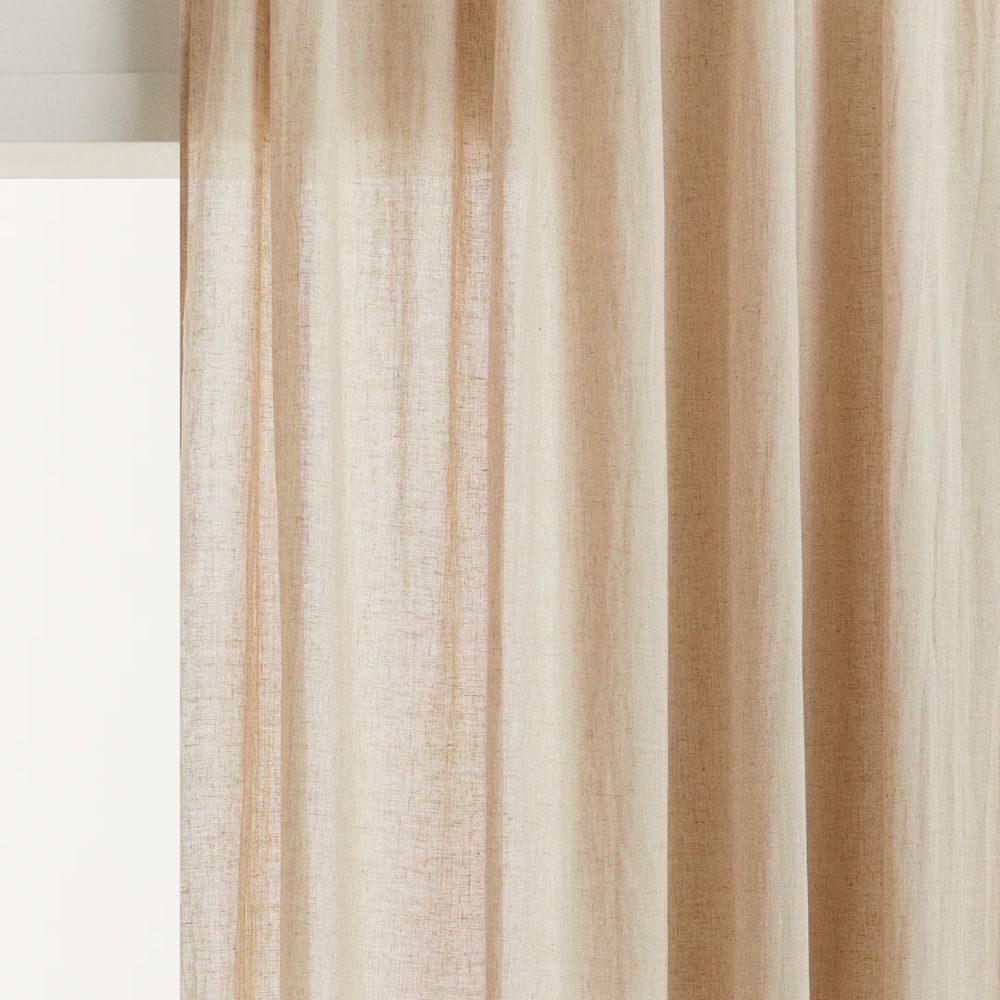
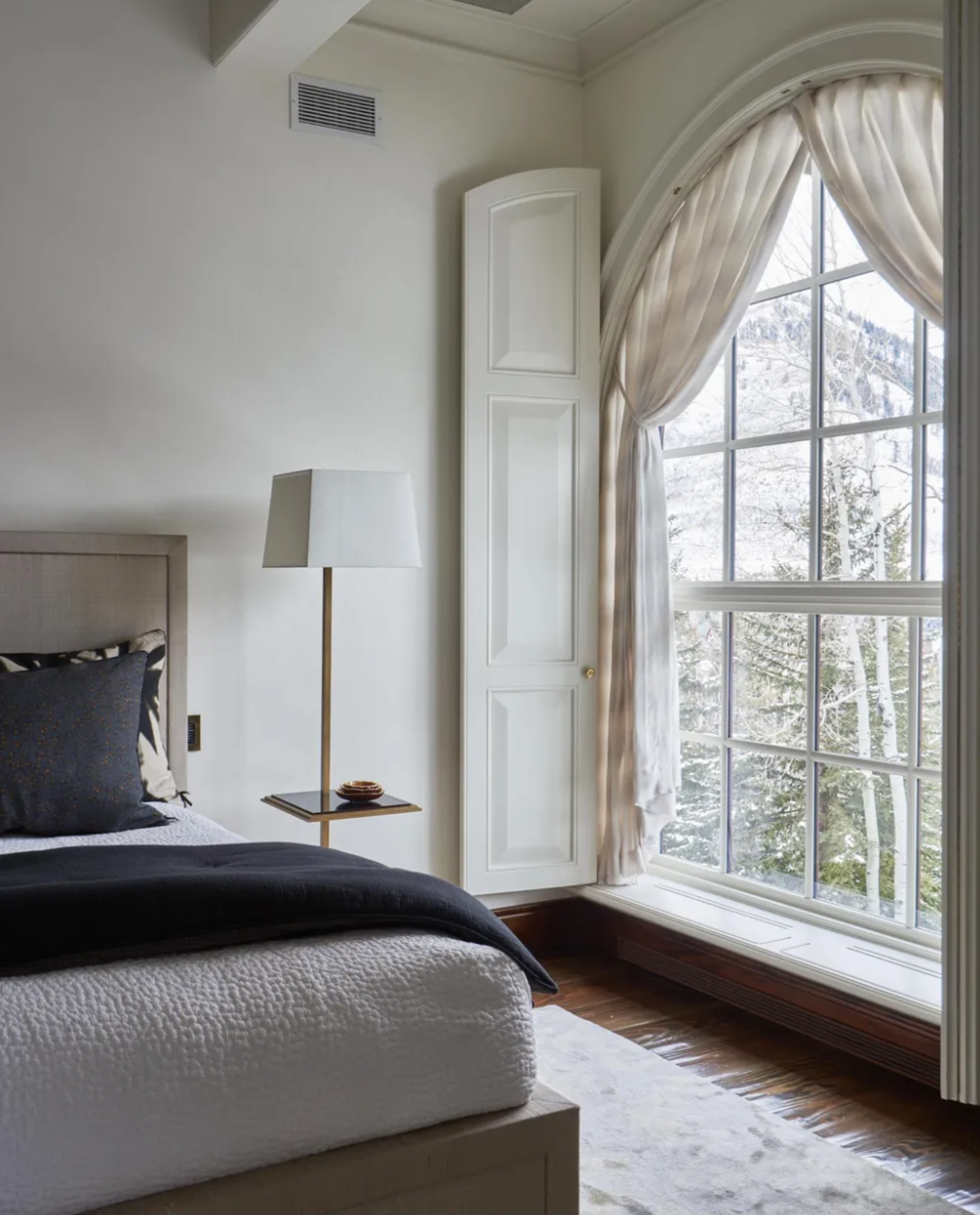
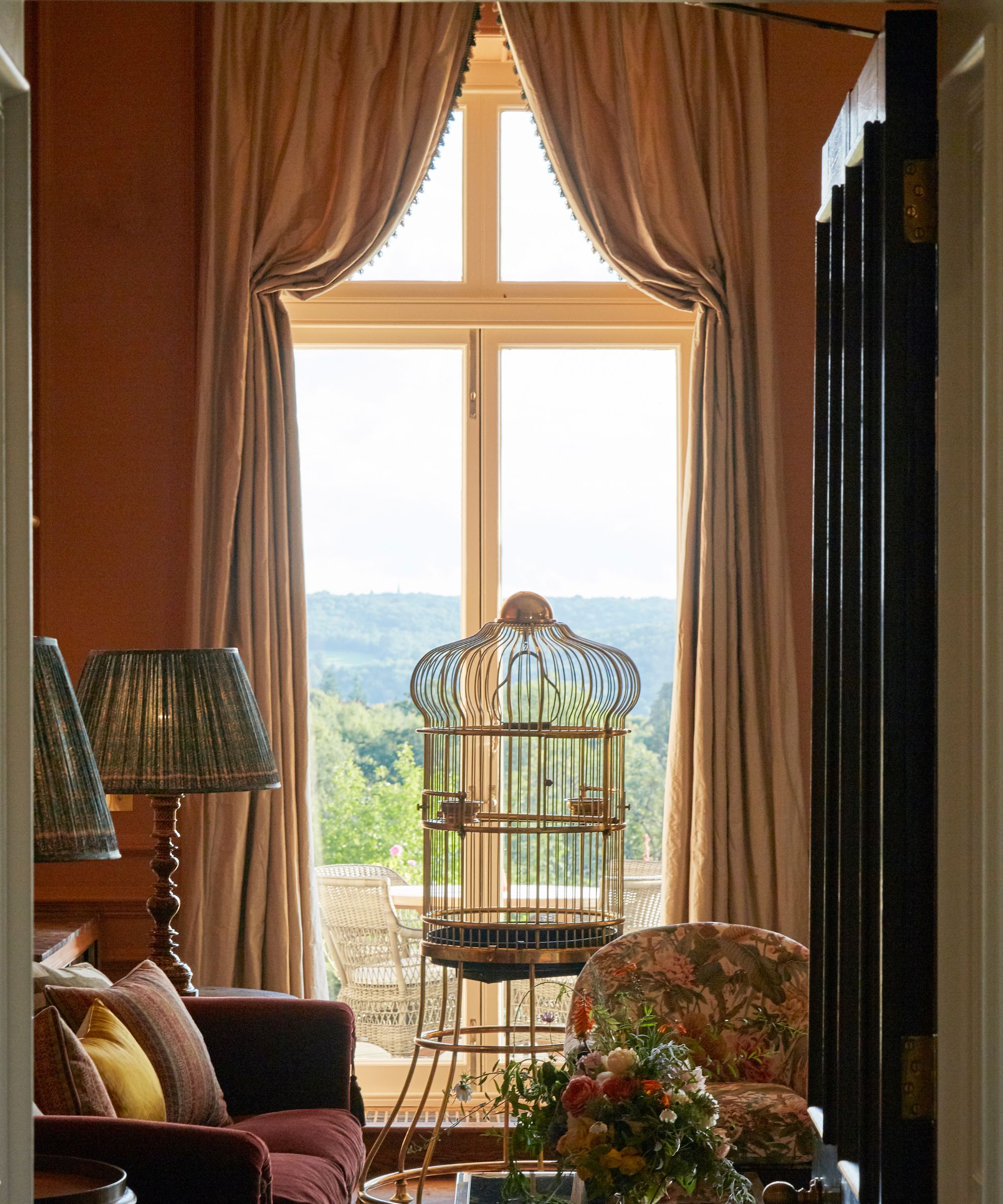
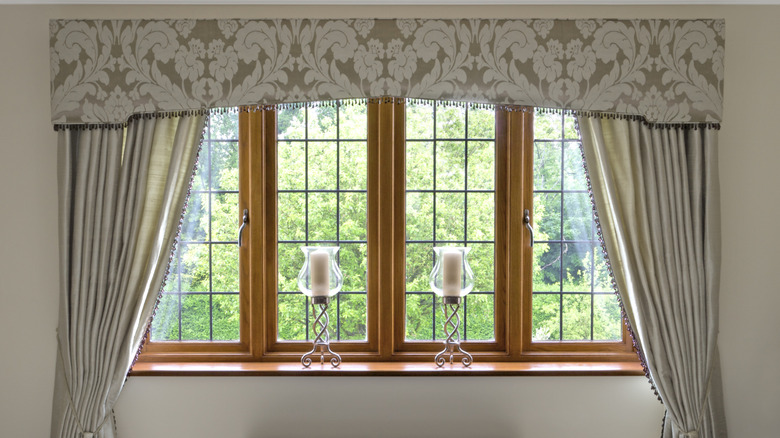
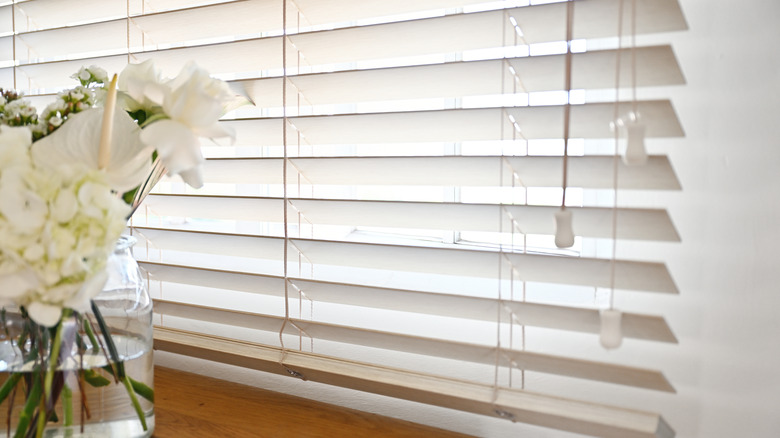
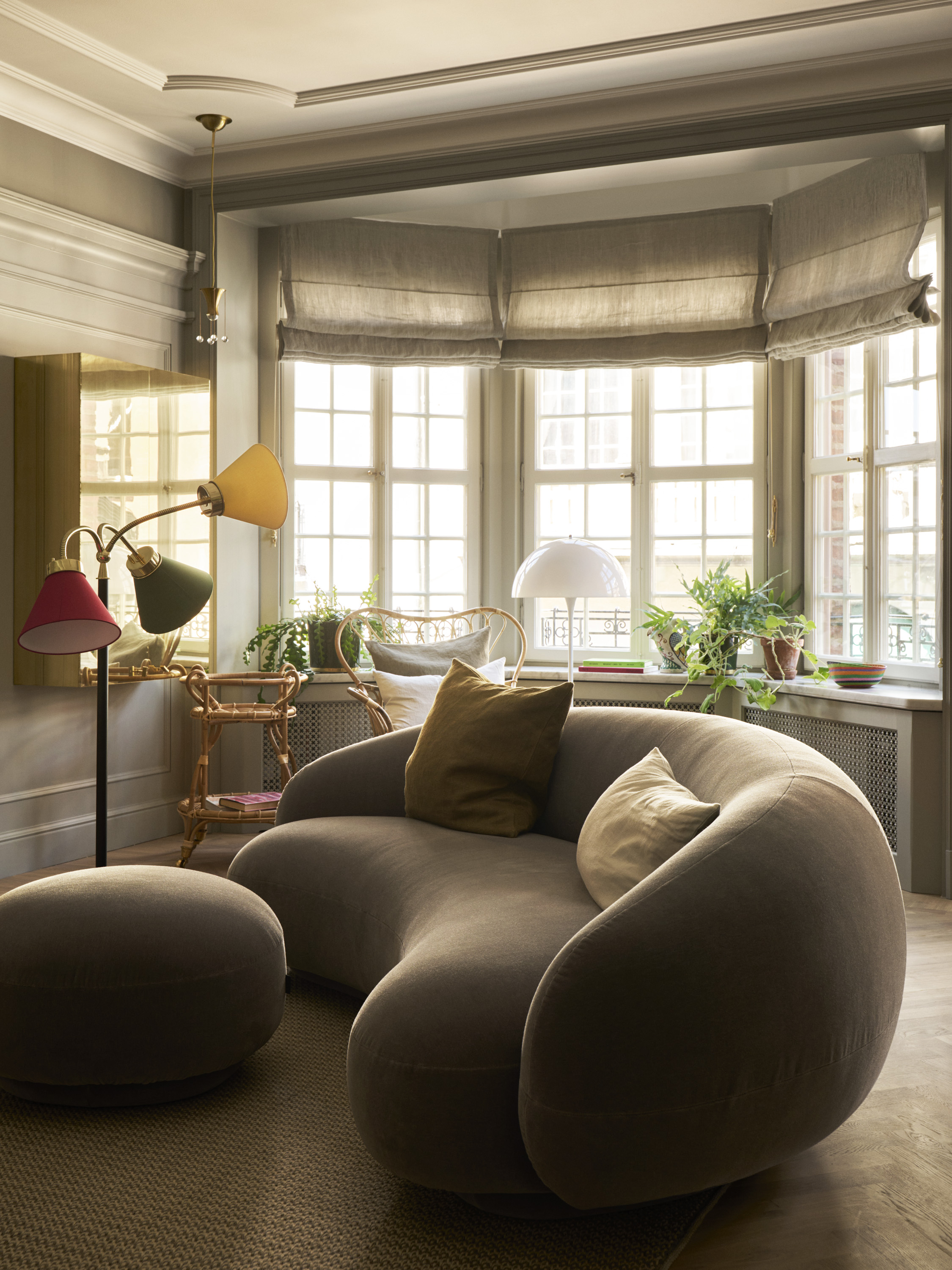
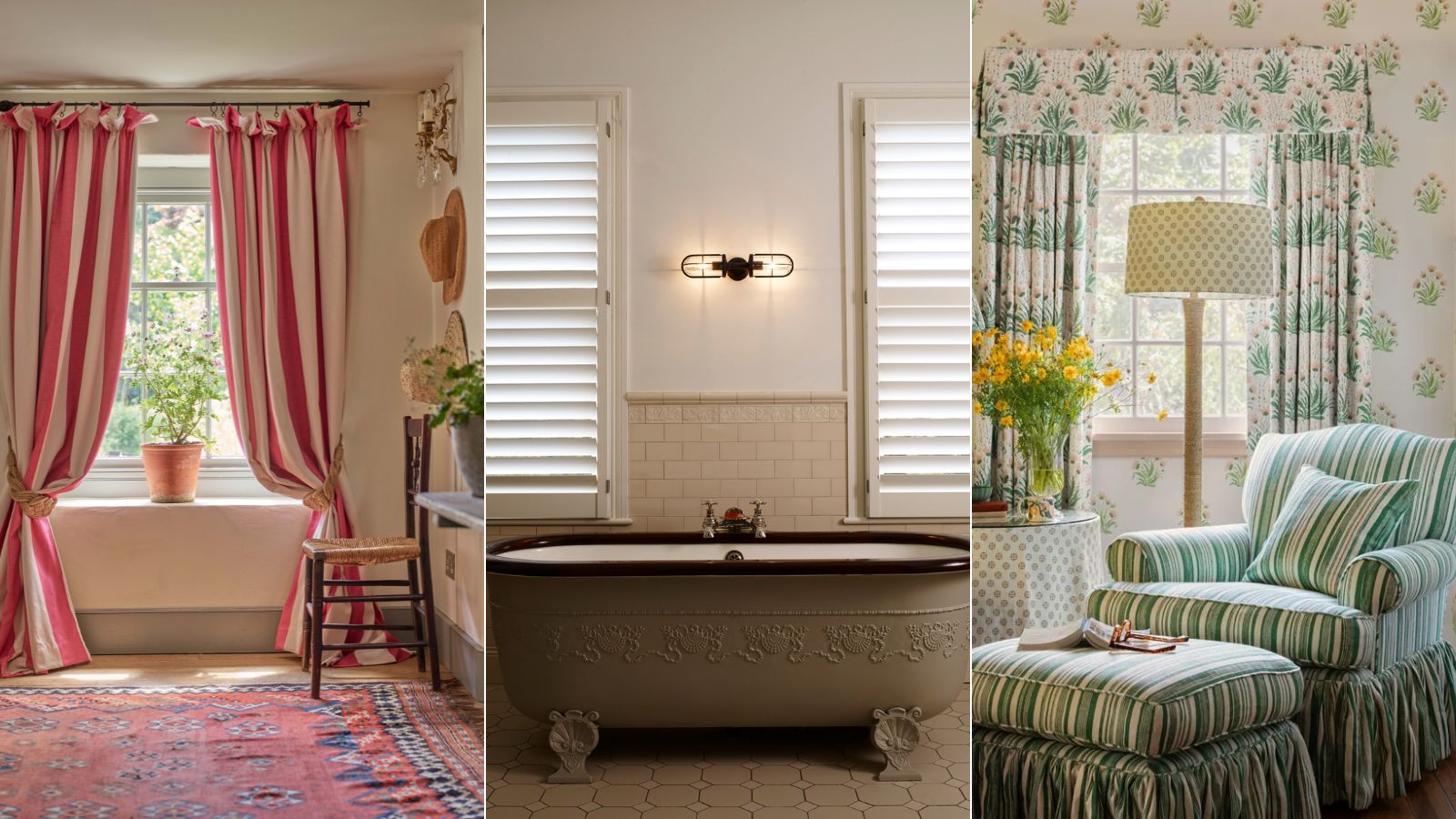
Ornate valances, previously common in traditional homes, are now considered dated and can create a heavy aesthetic that conflicts with modern preferences for light and airy interiors. Instead, designers suggest pinch pleat or tailored pleat window treatments made from natural fabrics like linen or velvet. These options provide elegance and sophistication without being overly formal. Layering curtains with woven wood shades or sheer panels is also recommended to add texture and depth while maintaining a modern, balanced look.
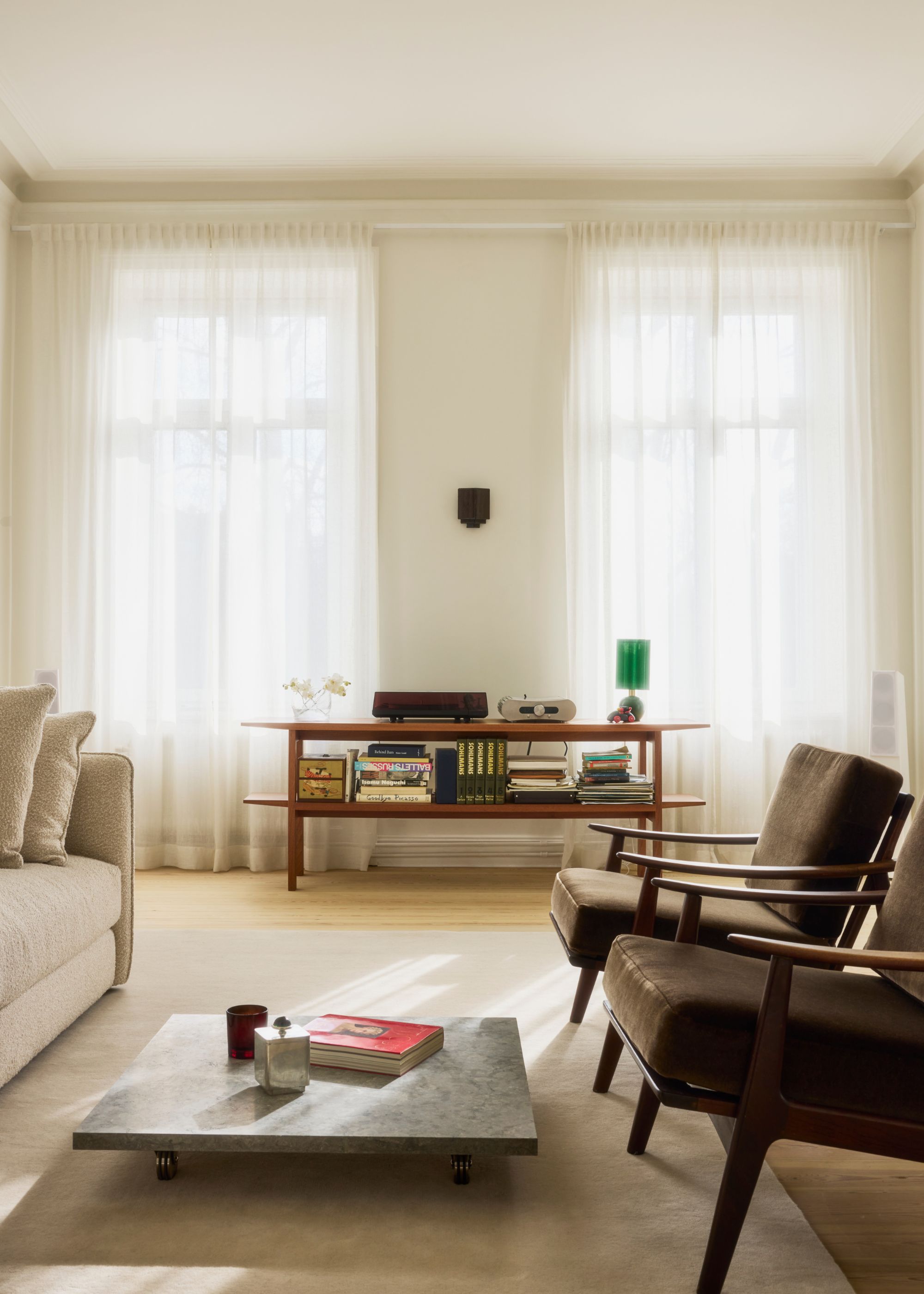
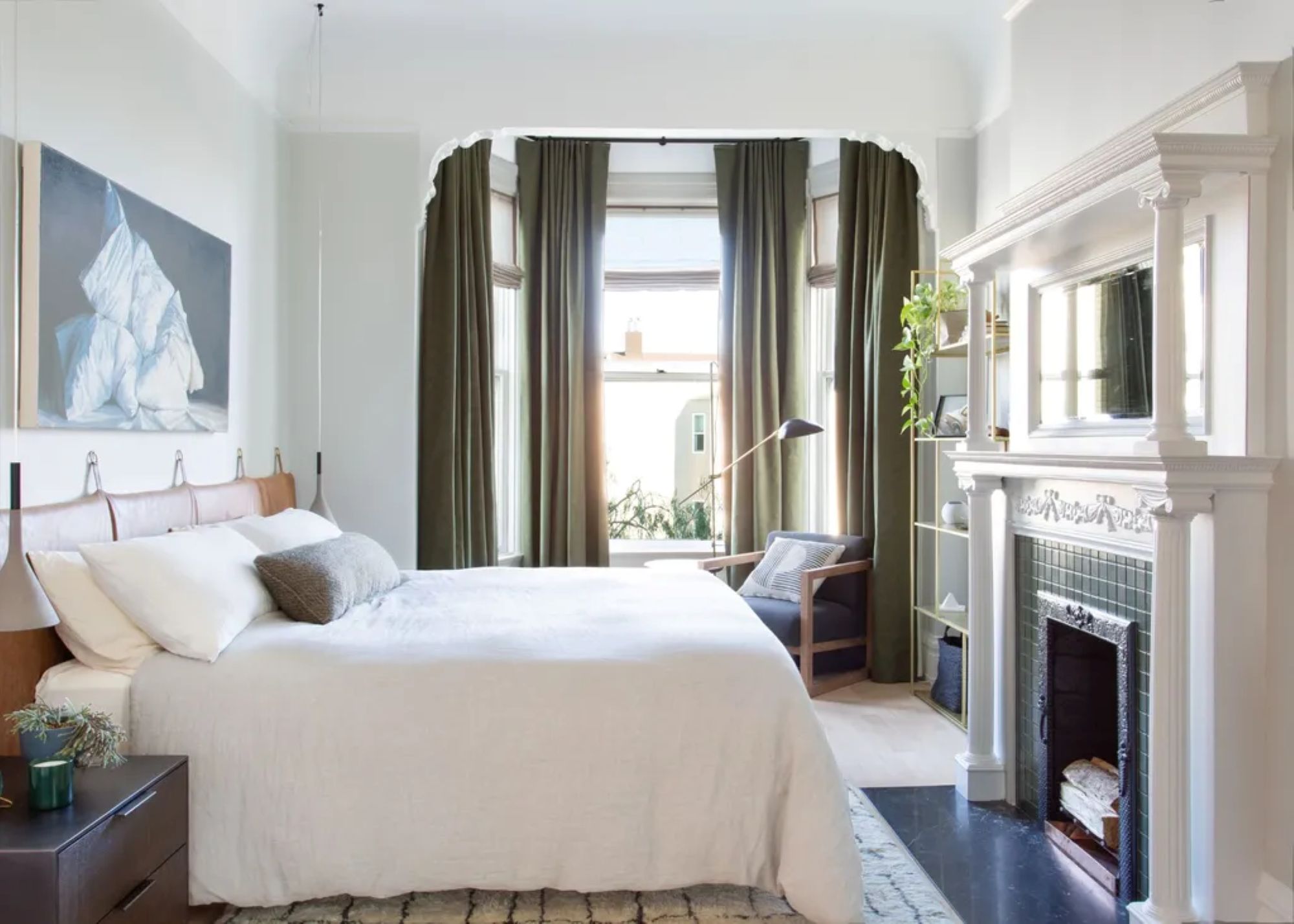
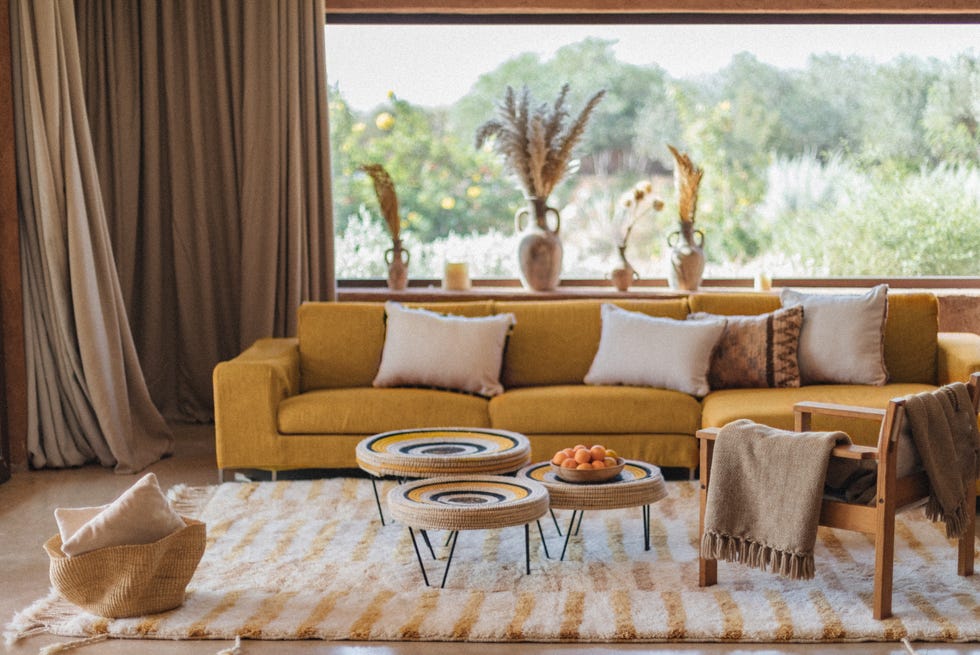
Short curtains that do not reach the floor create an imbalanced and unfinished appearance in a room. To achieve a polished look, it is crucial for drapery to either graze or puddle slightly on the floor. Custom drapery is highly recommended to ensure precise measurements and a perfect fit, as ready-made panels often fall short in achieving the desired aesthetic and quality. Custom options offer superior craftsmanship and elevate the room's overall design.
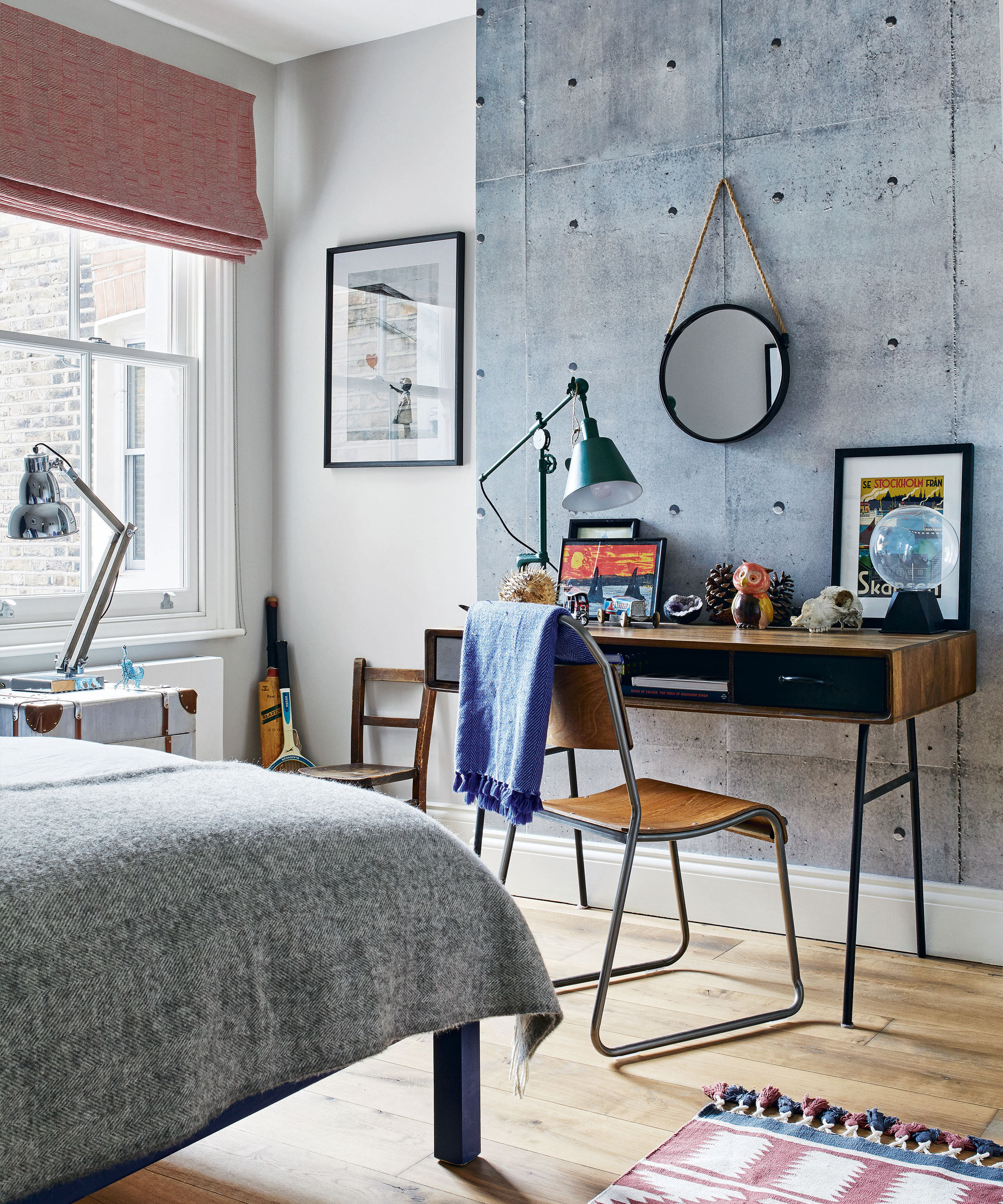
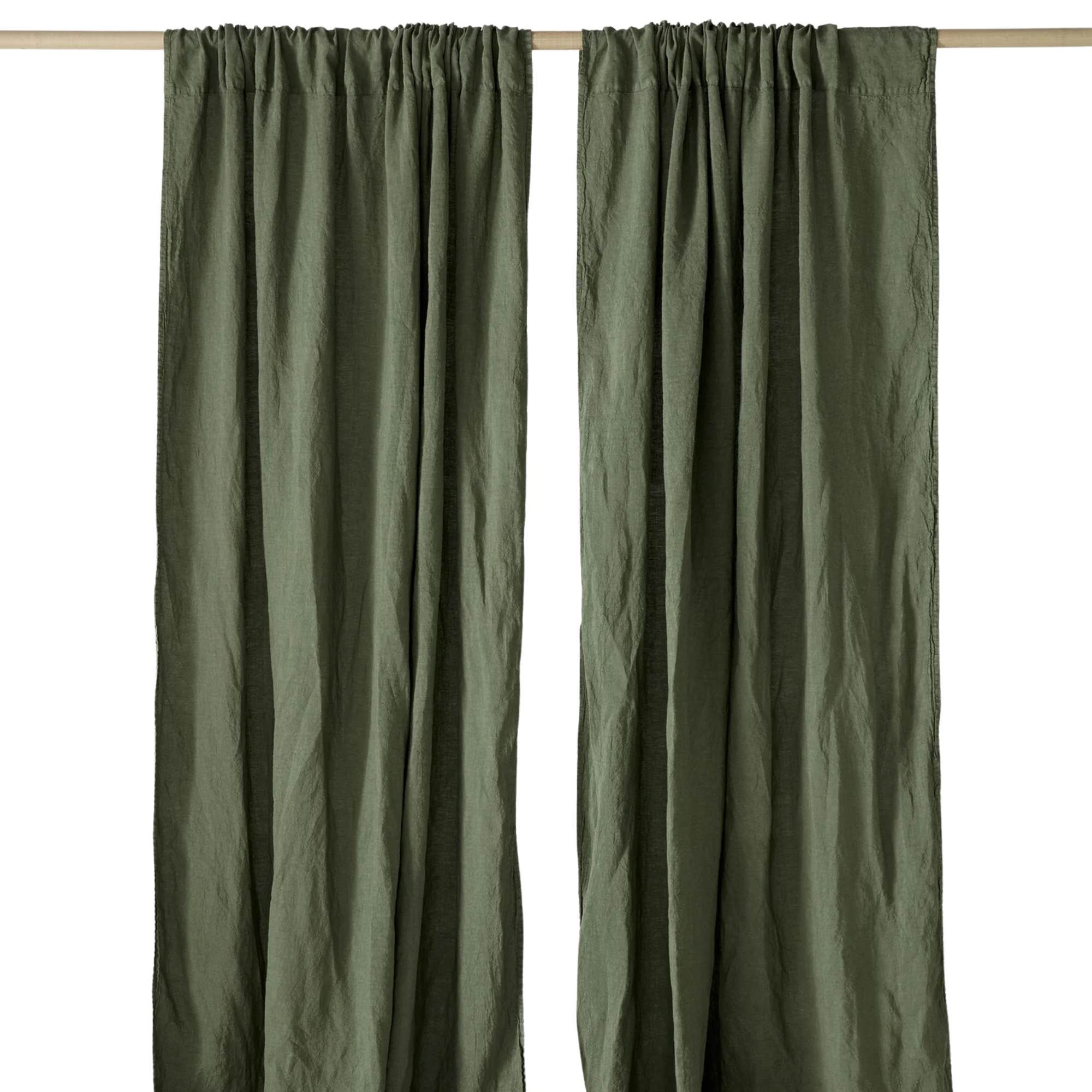
Exposed curtain hardware, while suitable for industrial or urban settings, is generally advised against in most contemporary designs. The current trend is to conceal or minimize hardware to allow the drapery itself to be the focal point. Options like rod-pocket drapes or pleated panels with adjustable back tabs can effectively hide the hardware, ensuring the curtains take center stage and contribute to a cleaner, more streamlined look.
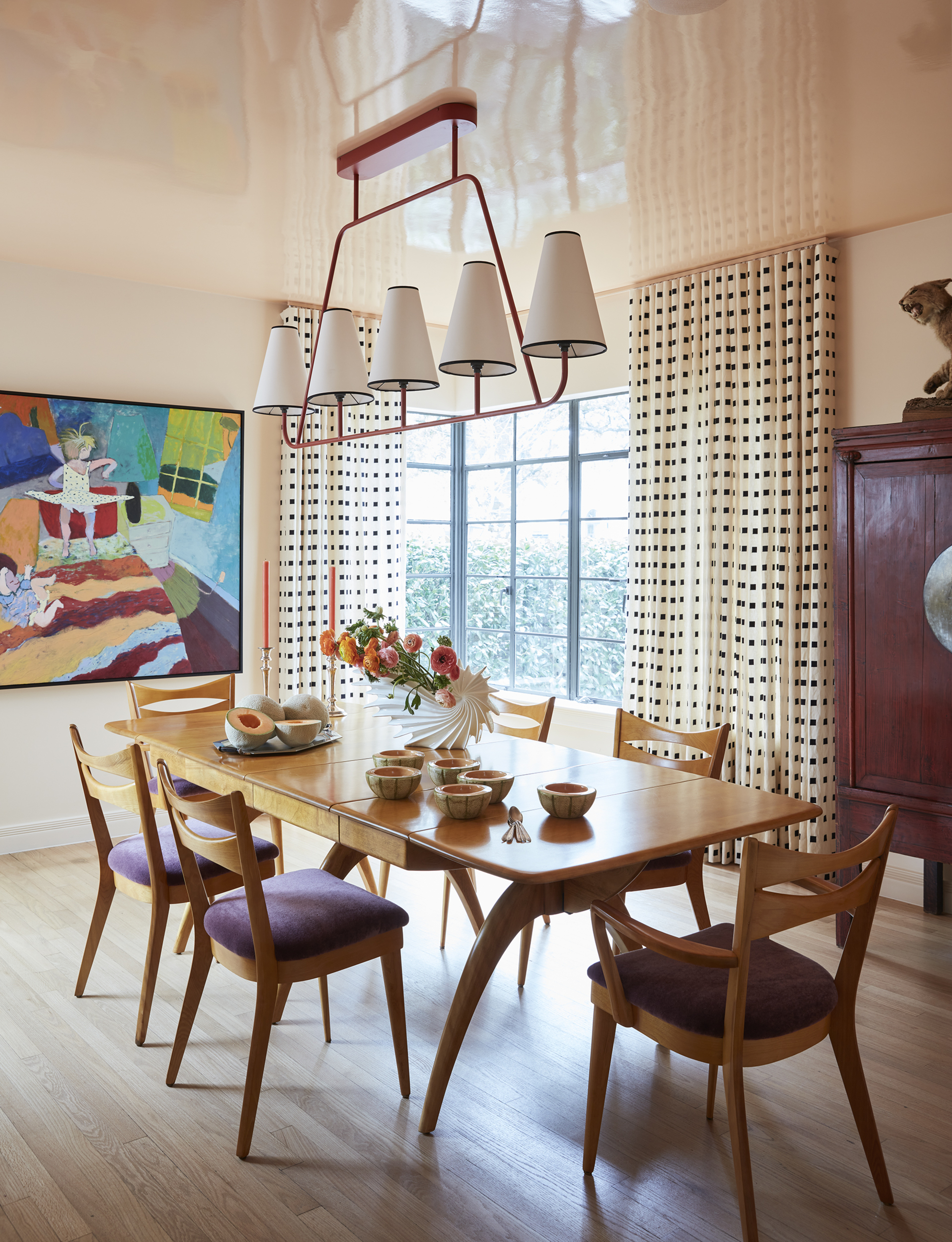
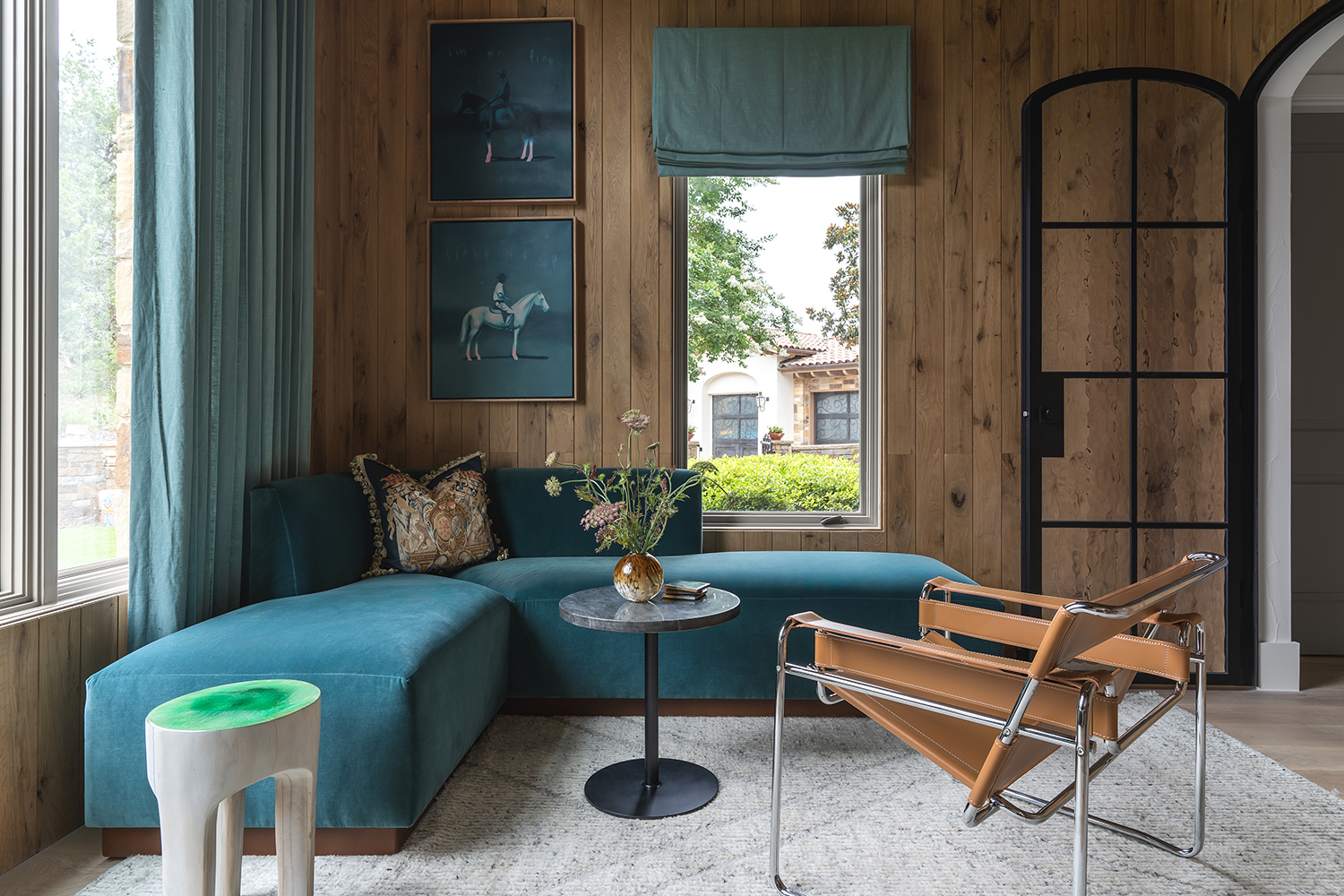
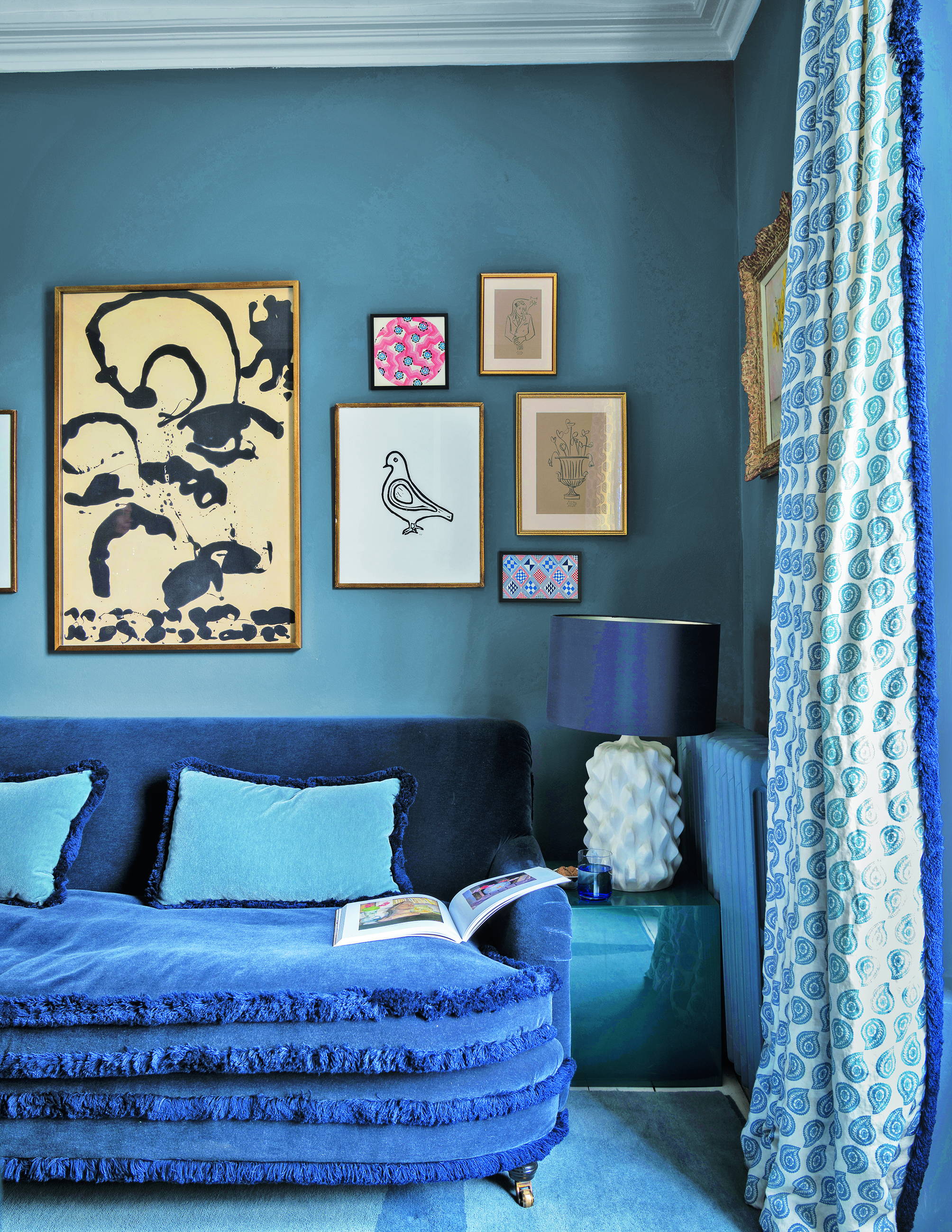
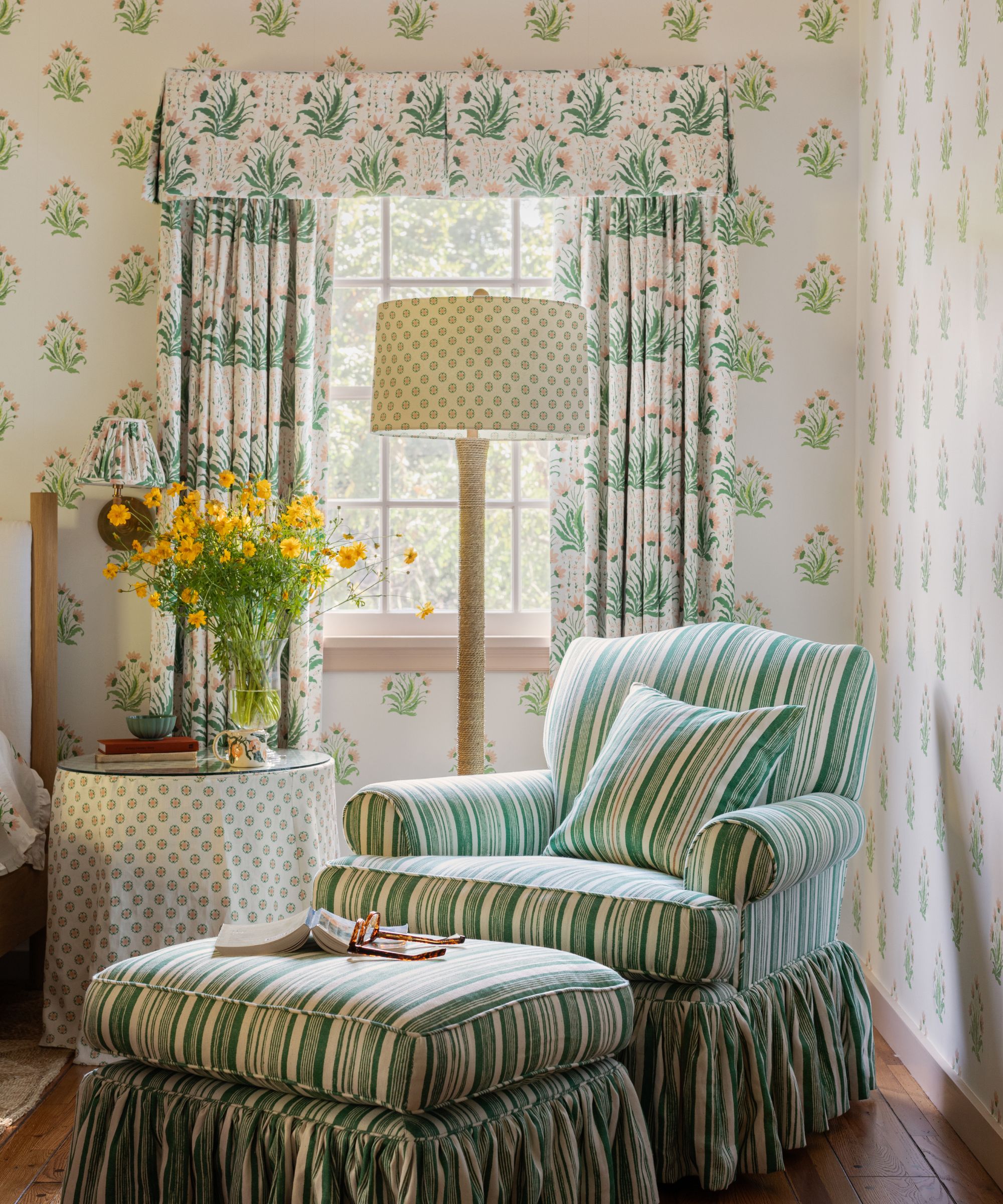
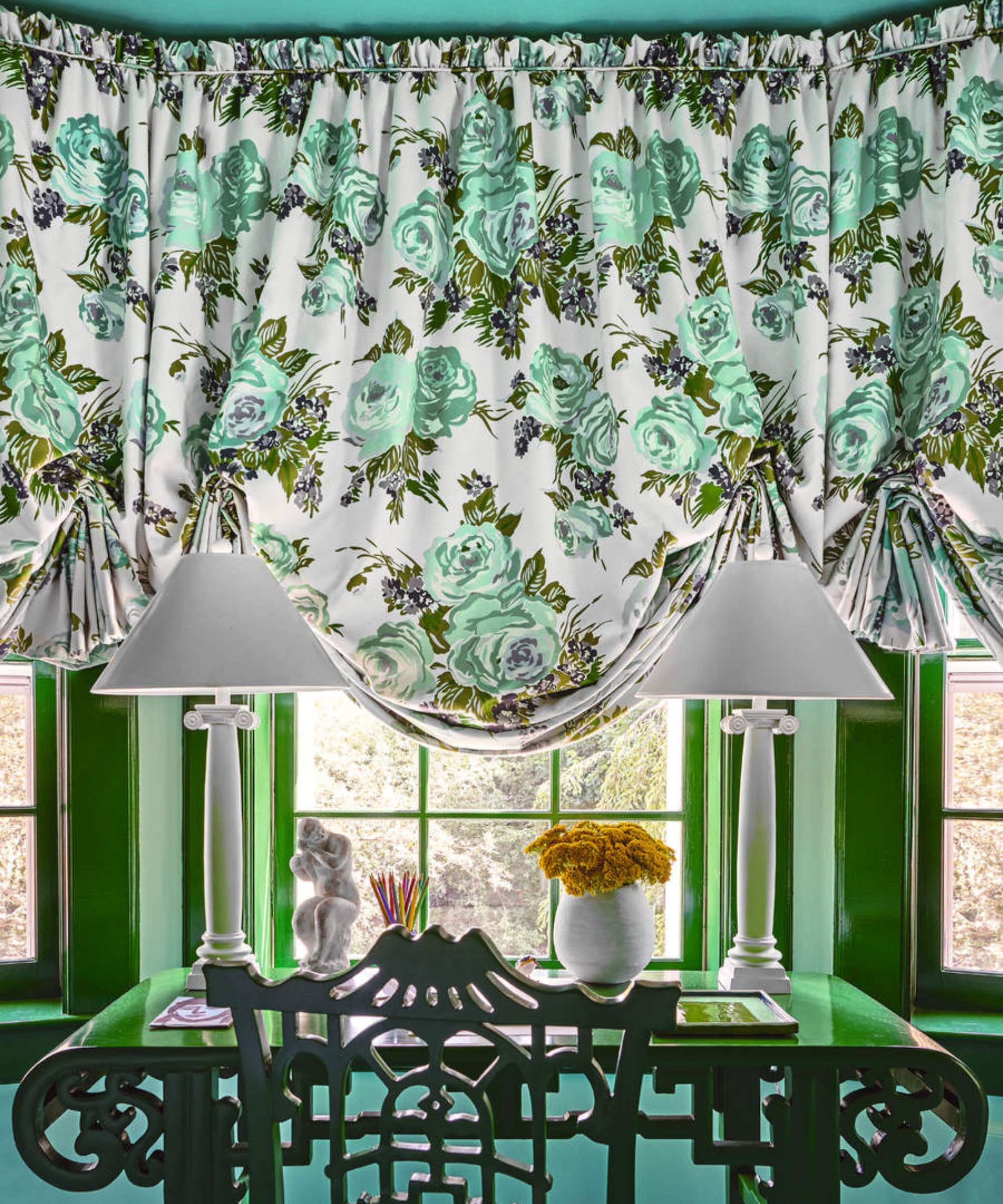
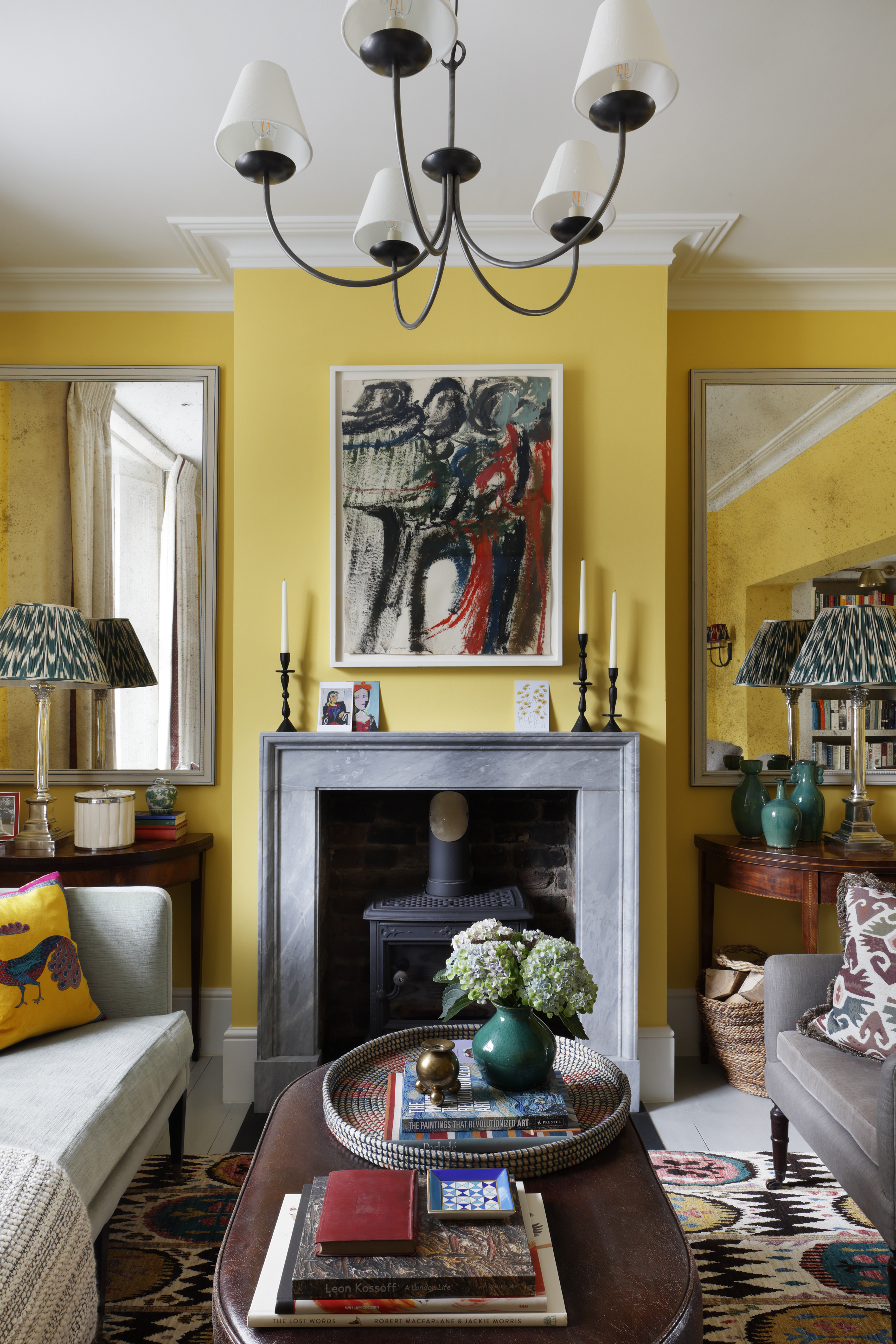
While neutral-toned curtains are a safe choice, designers encourage embracing bolder patterns, textures, and trims to create a more integrated and impactful design. Incorporating vibrant colors, unique textures, and prints can enhance the overall livability of a room, tying together various design elements like wallpaper and paint. Curtains should complement the room's aesthetic, adding softness, color, or pattern without competing with other decor.
Finally, the absence of trim or layers on curtains can result in a flat and uninspired look. Custom trims, whether contrasting in color or featuring subtle fringes, can transform drapes from purely functional to striking decorative elements, significantly elevating a room's design. Layering different window treatments, such as sheer panels with blackout curtains or woven shades, adds depth, texture, and dimension to windows. A consistent piece of advice from designers is the importance of meticulous measurement before purchasing curtains to ensure a perfect fit and desired aesthetic outcome.
#HomeDecor #InteriorDesign #CurtainStyles #WindowTreatments #DesignTrends #DecoratingTips #ModernHome #HomeDecor #InteriorDesign #CurtainStyles #WindowTreatments #DesignTrends #DecoratingTips #ModernHome
0 comment in total
 No comments yet
You may also like
Are Curtains Out of Style? Of Course Not, but Some Designs Will Date Your Space Faster — Here's What to Know

5 outdated wall decor trends designers warn to avoid – plus what we should be doing instead

6 Outdated Tile Choices That Interior Designers Aren't Using Anymore — And What They Say to Try Instead
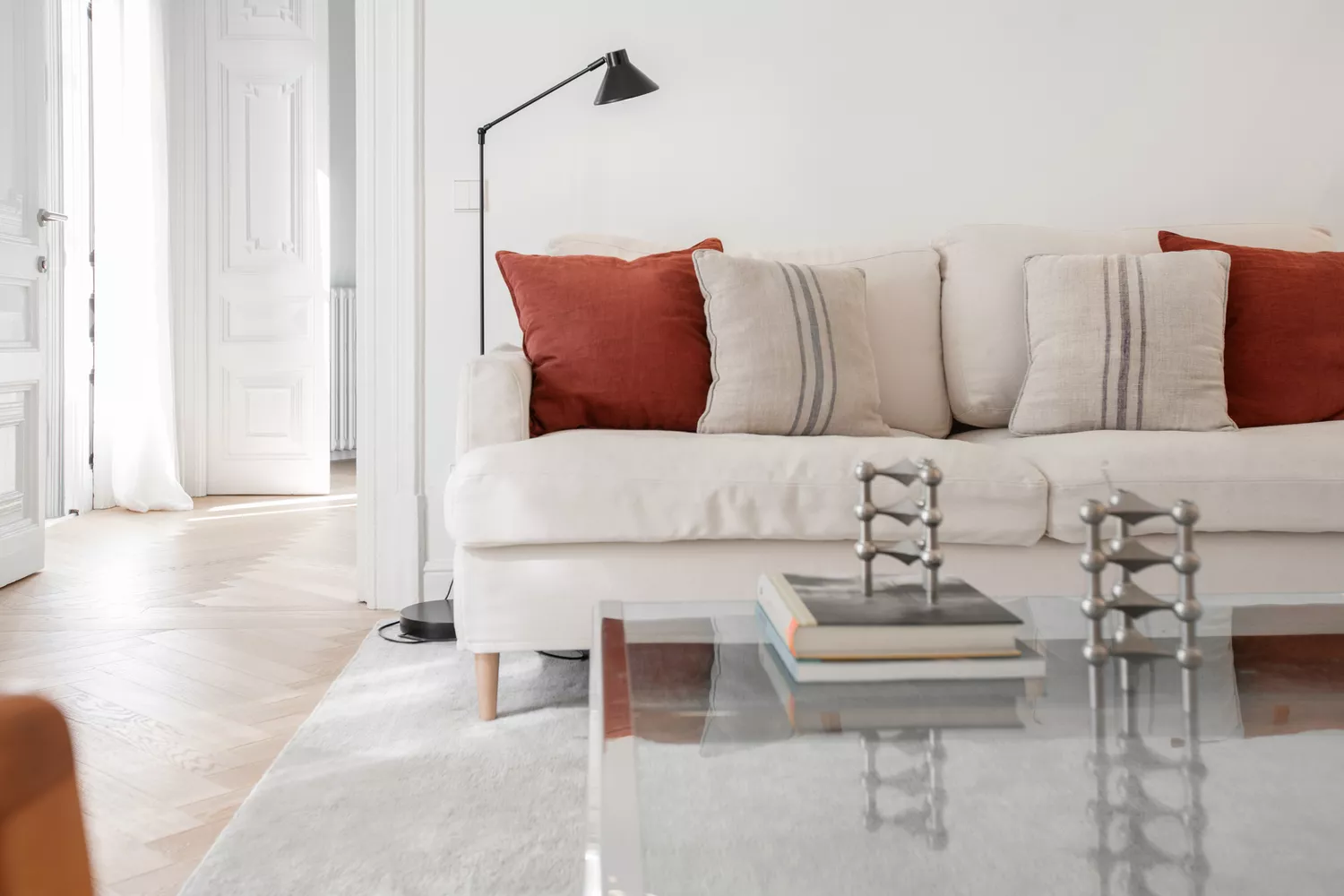
6 Couch Styles That Are So Outdated, According to Designers

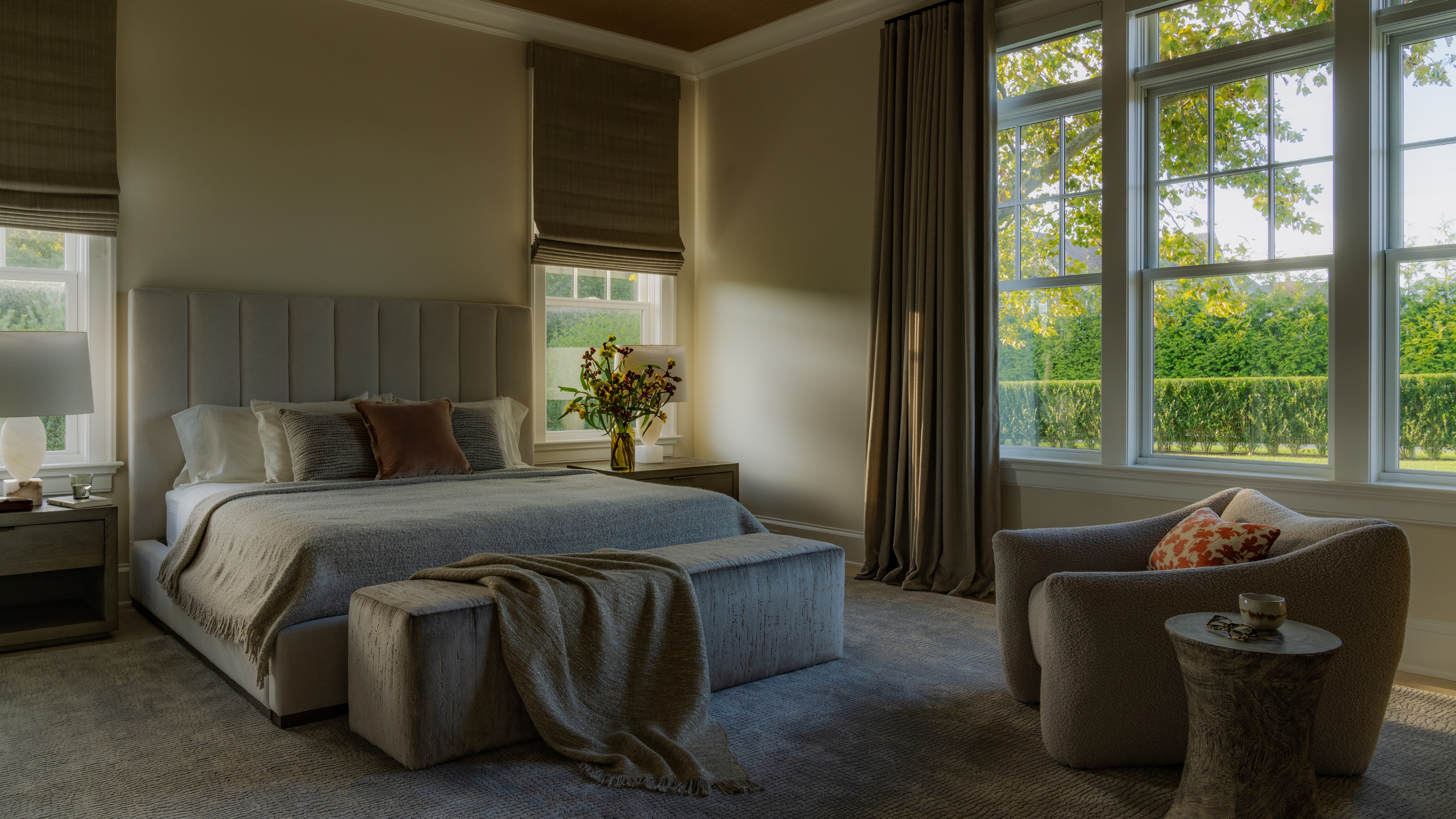
No More of These, Please — 4 Outdated Window Treatments Designers Don't Want to See You Using Anymore
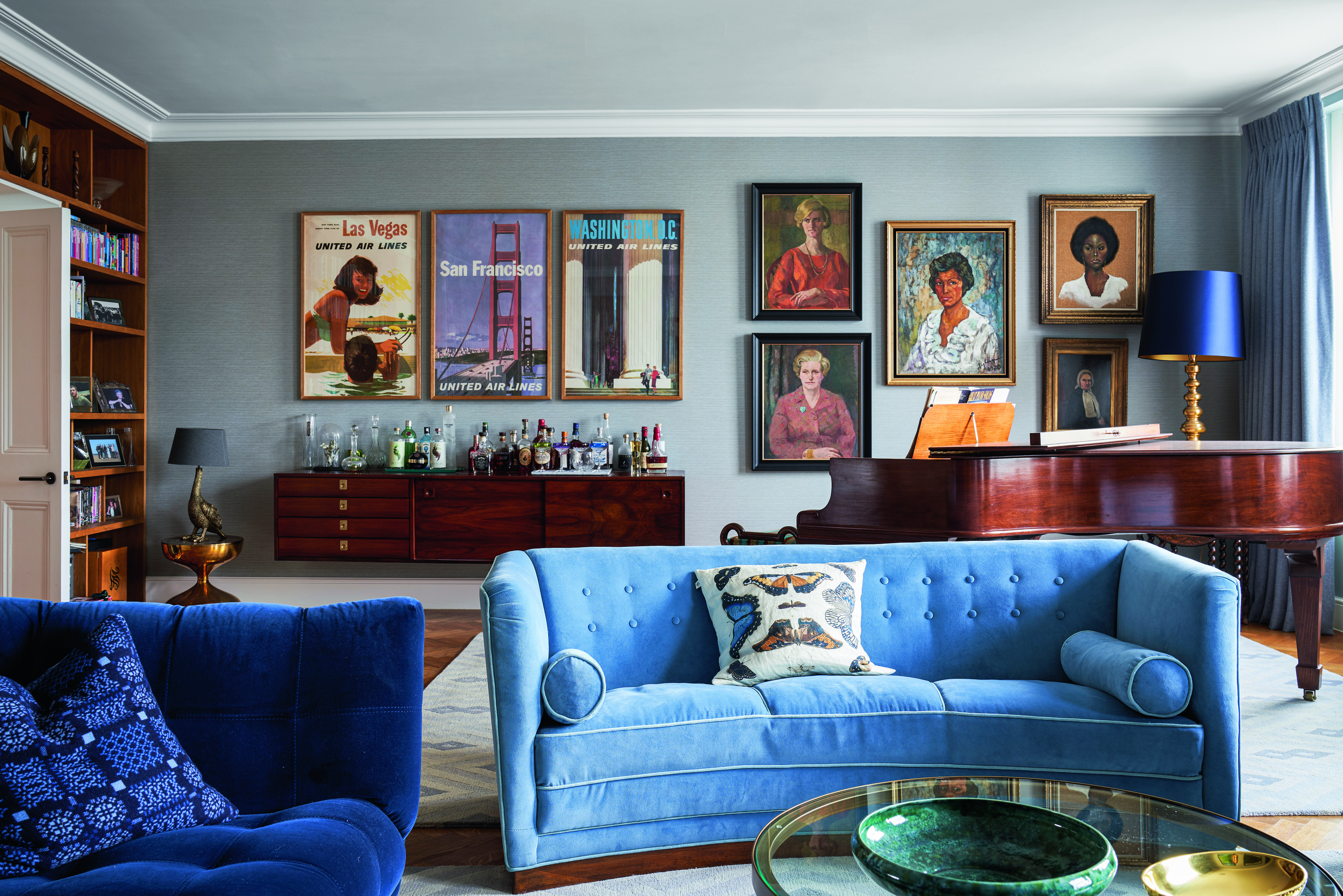
4 outdated wall decor trends designers are leaving behind – and the one that they're choosing instead
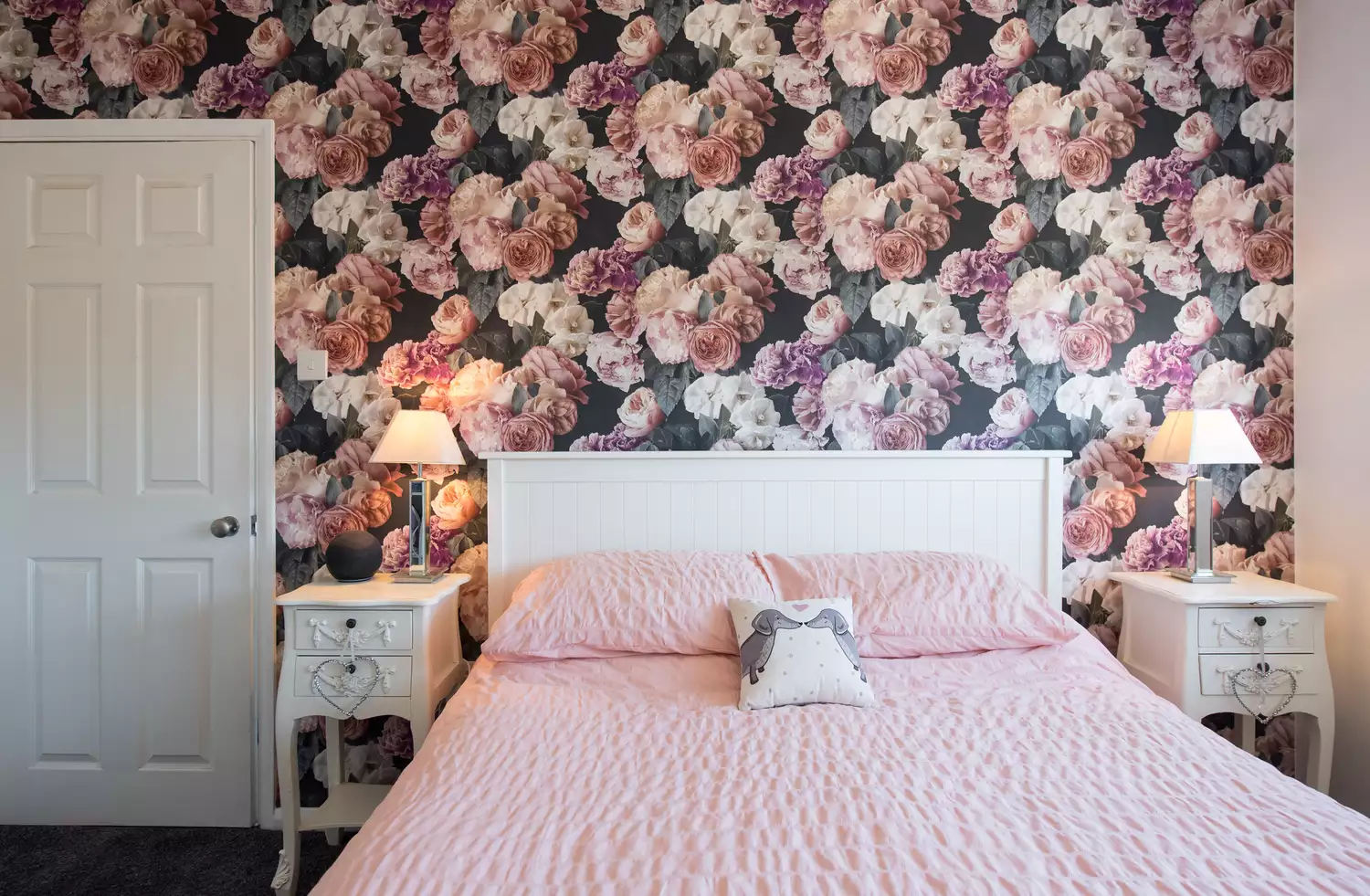
6 Wallpaper Trends That Are So Outdated, According to Designers
These are the dated window treatments interior designers are encouraging you to avoid in 2024
5 trends that look good right now but interior designers warn they won't last
6 Outdated Curtain Trends Designers Want You to Avoid
6 Rug Styles That Are Everywhere Right Now, According to Designers

Once-Popular Window Treatments That Are Now Dating Your Home
6 Curtain Styles Designers Say Are Outdated (and What to Use Instead!)

Are window shutters out of style? Interior designers weigh in
Outdated bathroom trends – 6 overdone looks that designers like to avoid, and here's why you should too
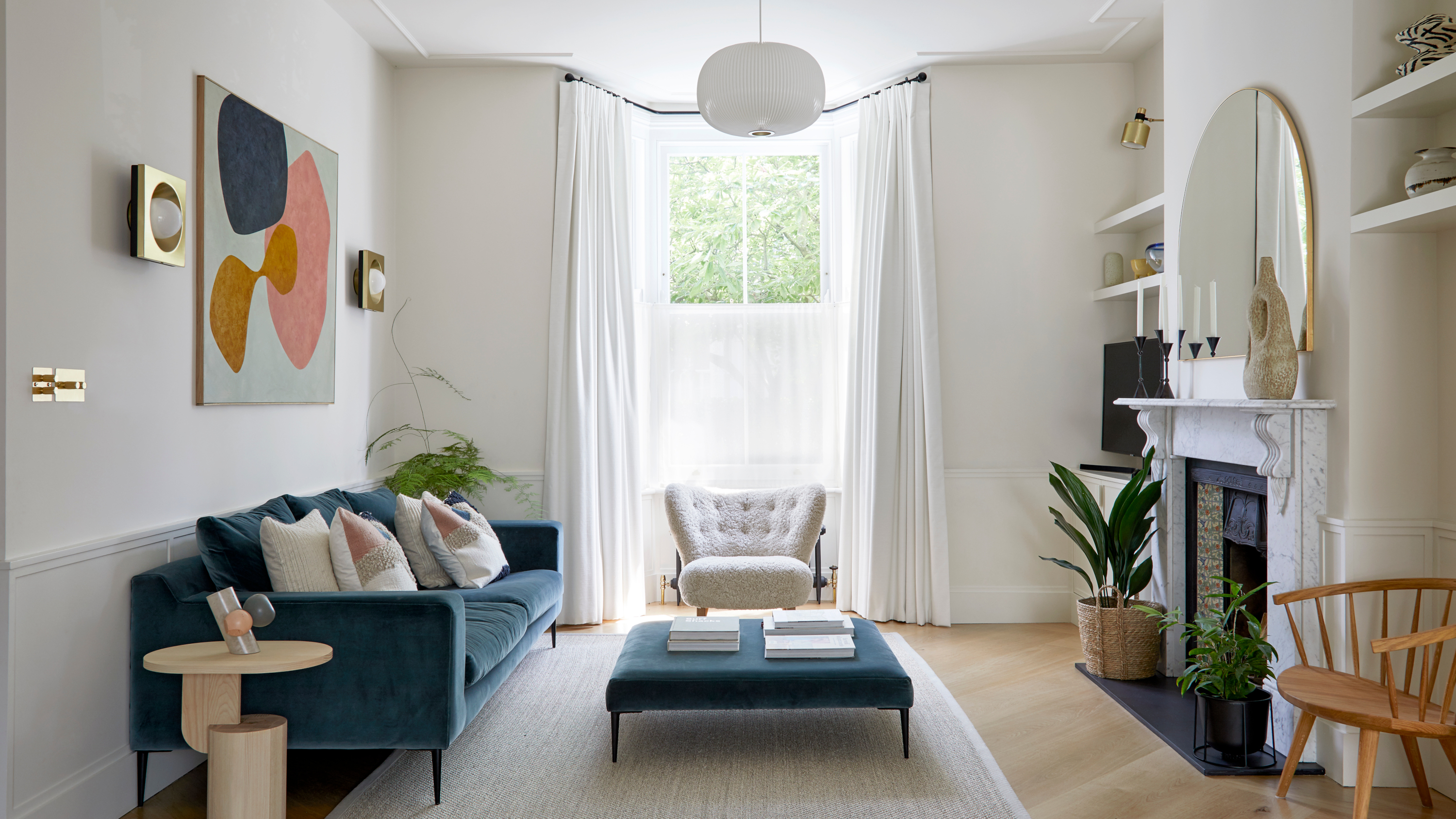
4 Outdated Colors Designers say you Should Steer Clear of When Decorating a Living Room
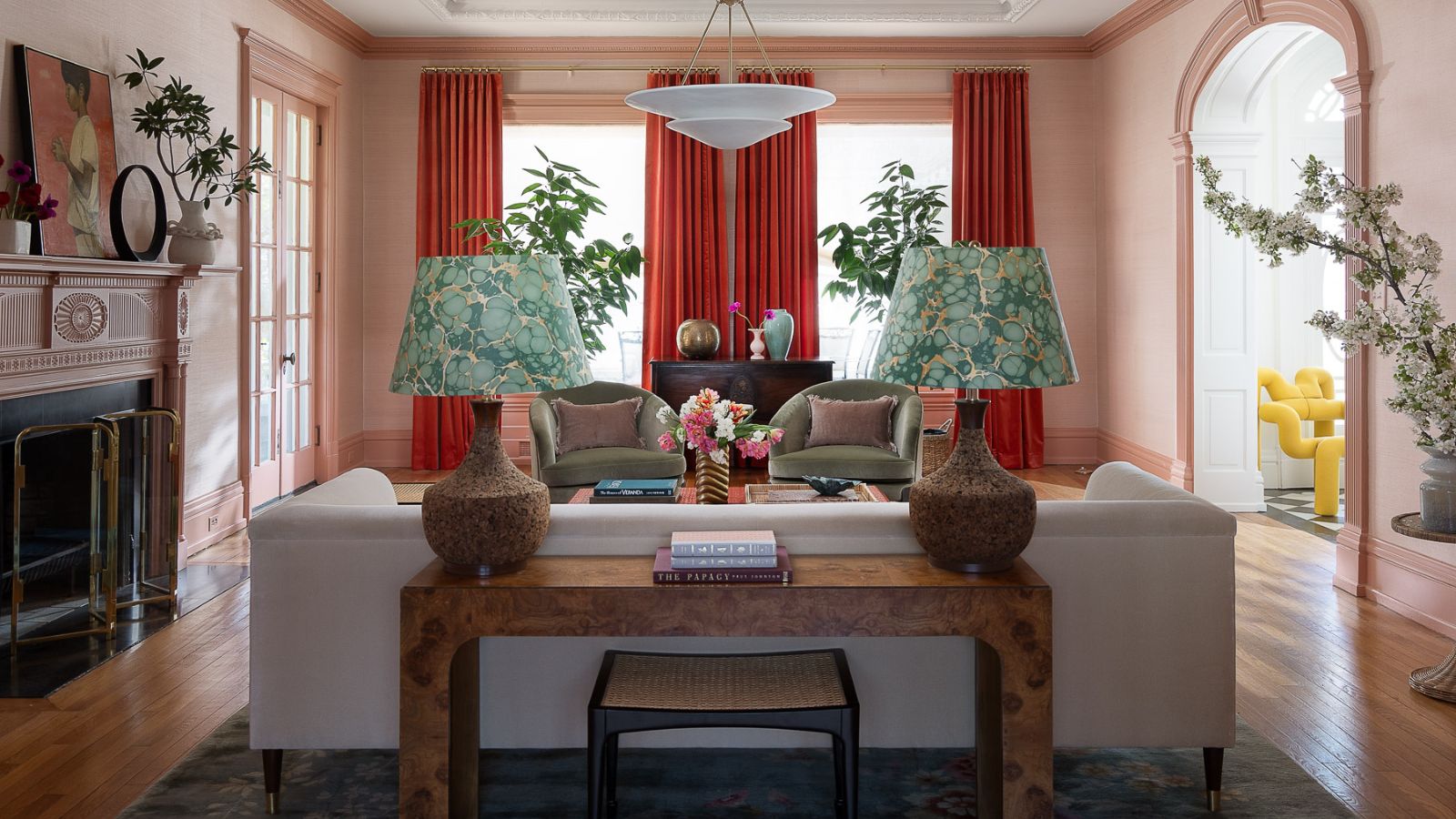
Designers say these are the curtain colors going out of style in 2025 – but are your drapes on outdated the list?
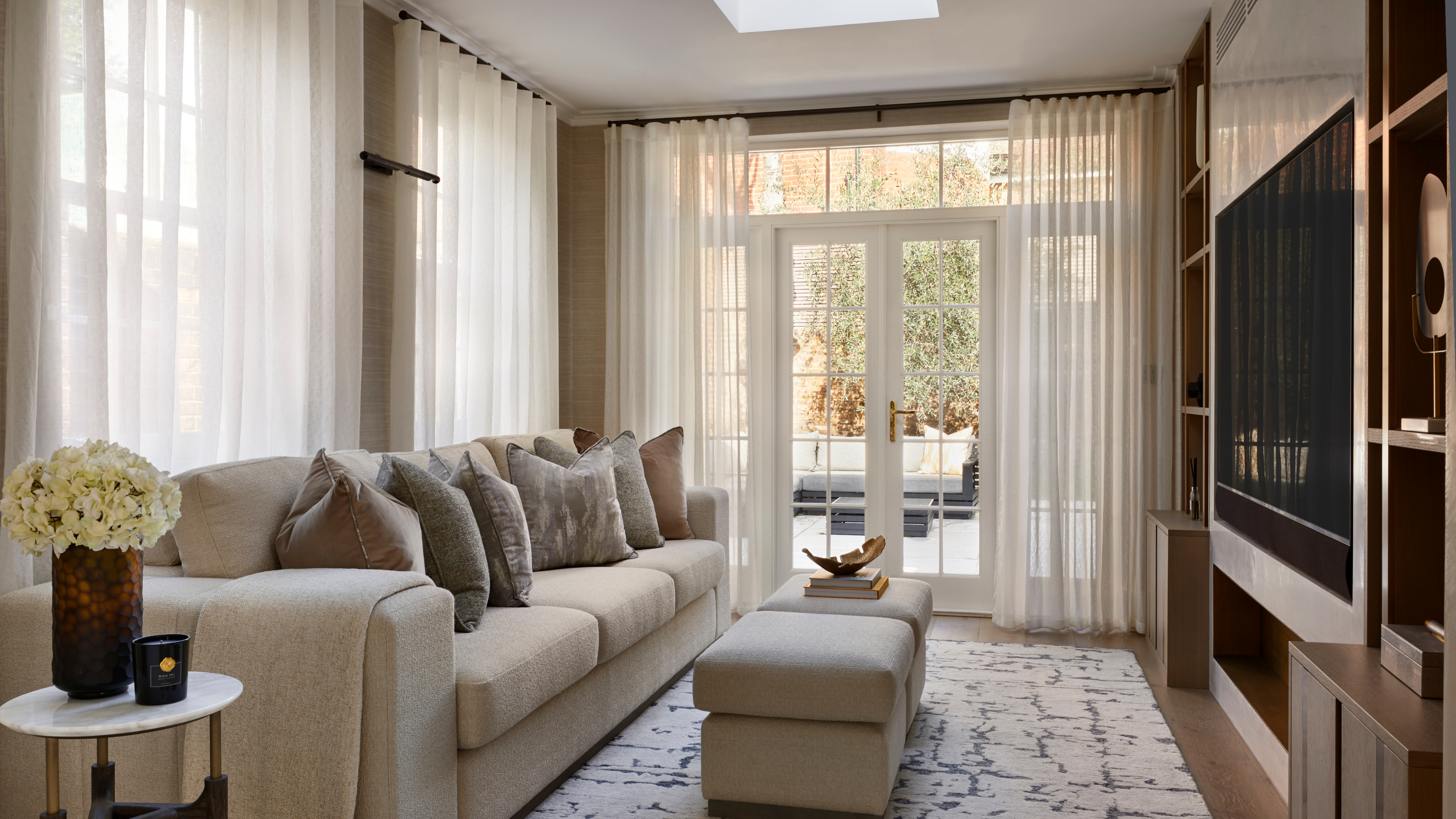
5 Curtain Colors Designers Say Are Officially Out of Style in 2025 Projects, and What They're Replacing Them With
8 Home Trends That Are Tragically DEAD to the Design World

6 Outdated Window Treatments Interior Designers Are Tired of Seeing