1/6
How do you divide a room with curtains? Designers on embracing this 'soft architecture' trend

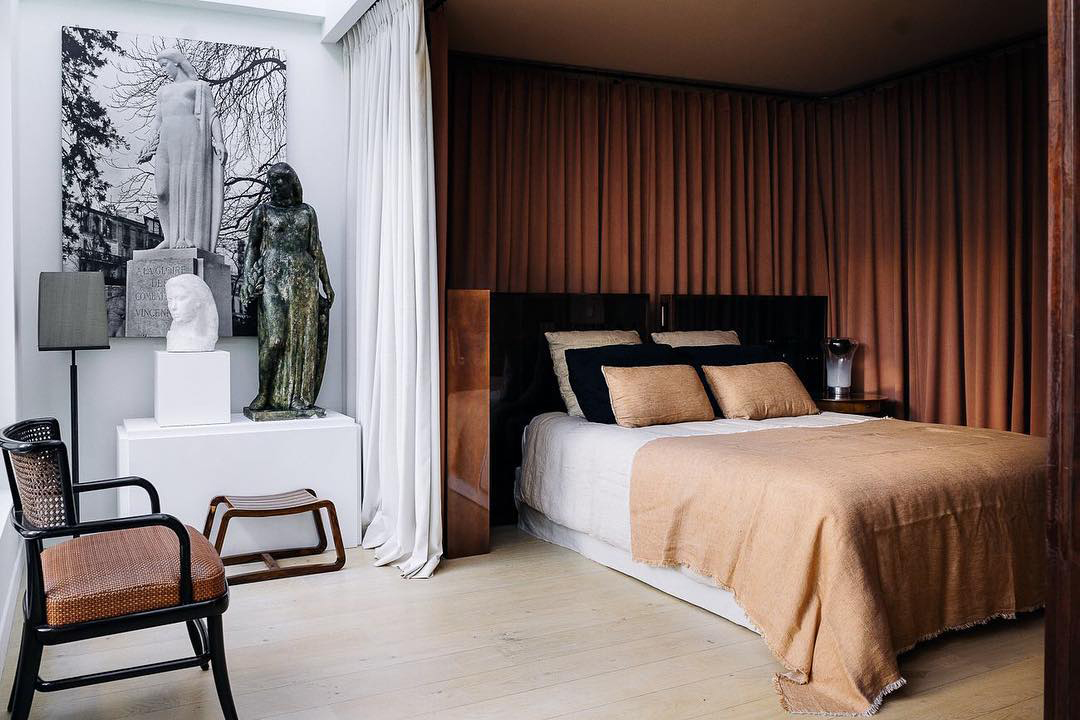
The article discusses the growing trend of using curtains as room dividers in both commercial and residential spaces. This approach, referred to as 'soft architecture,' offers a flexible solution for managing open-concept living by creating temporary, intimate zones without the permanence of solid walls. The trend originated in modern office environments to balance open workspaces with the need for private areas, and it has since been adopted in homes to offer similar benefits.
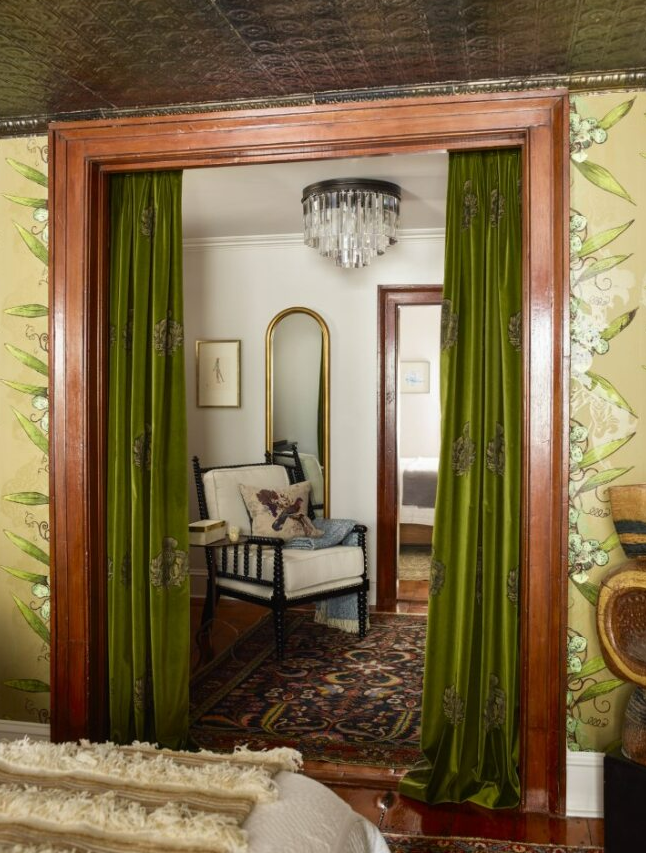
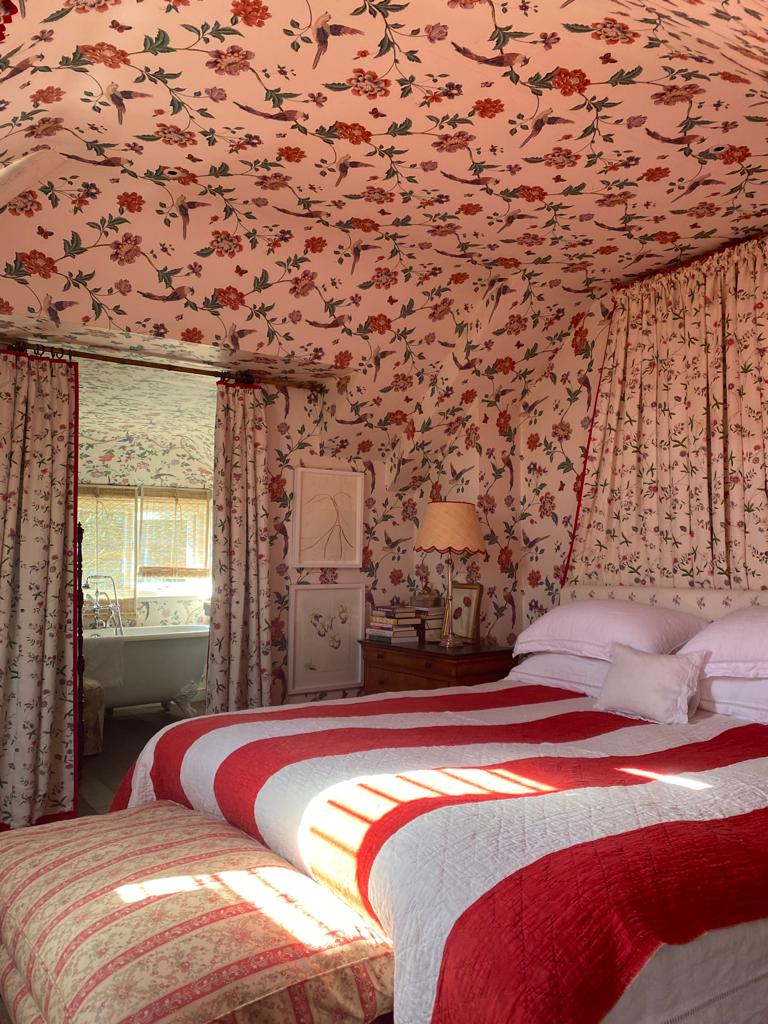
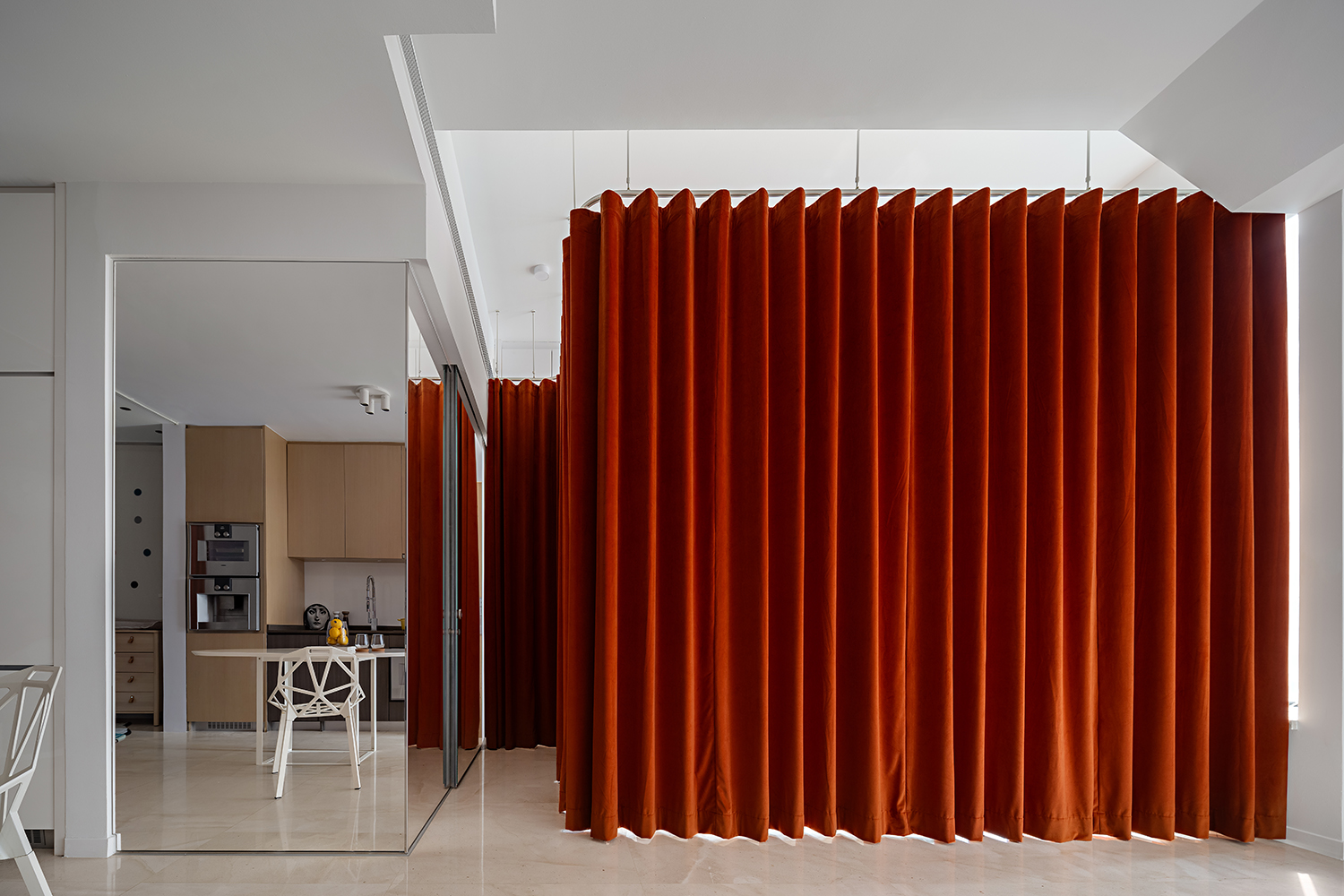
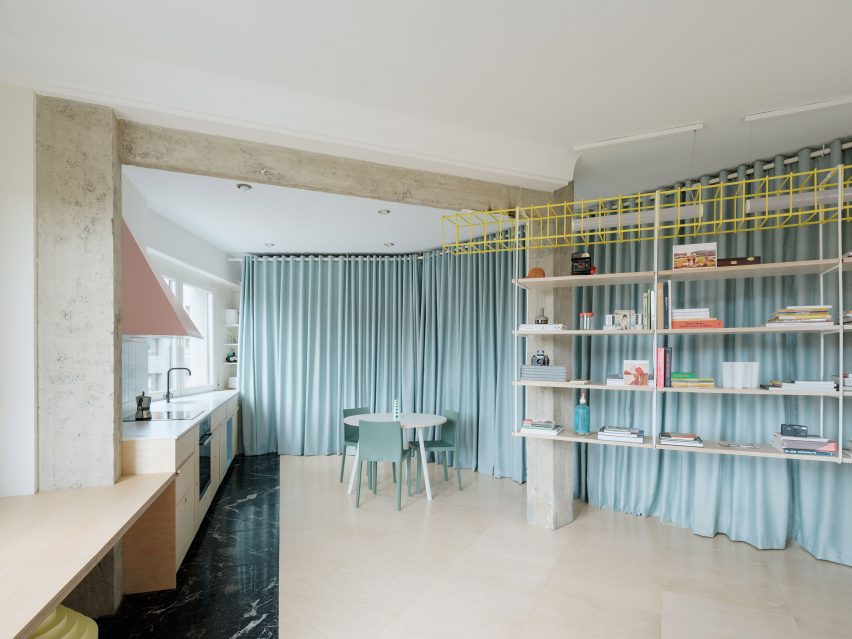
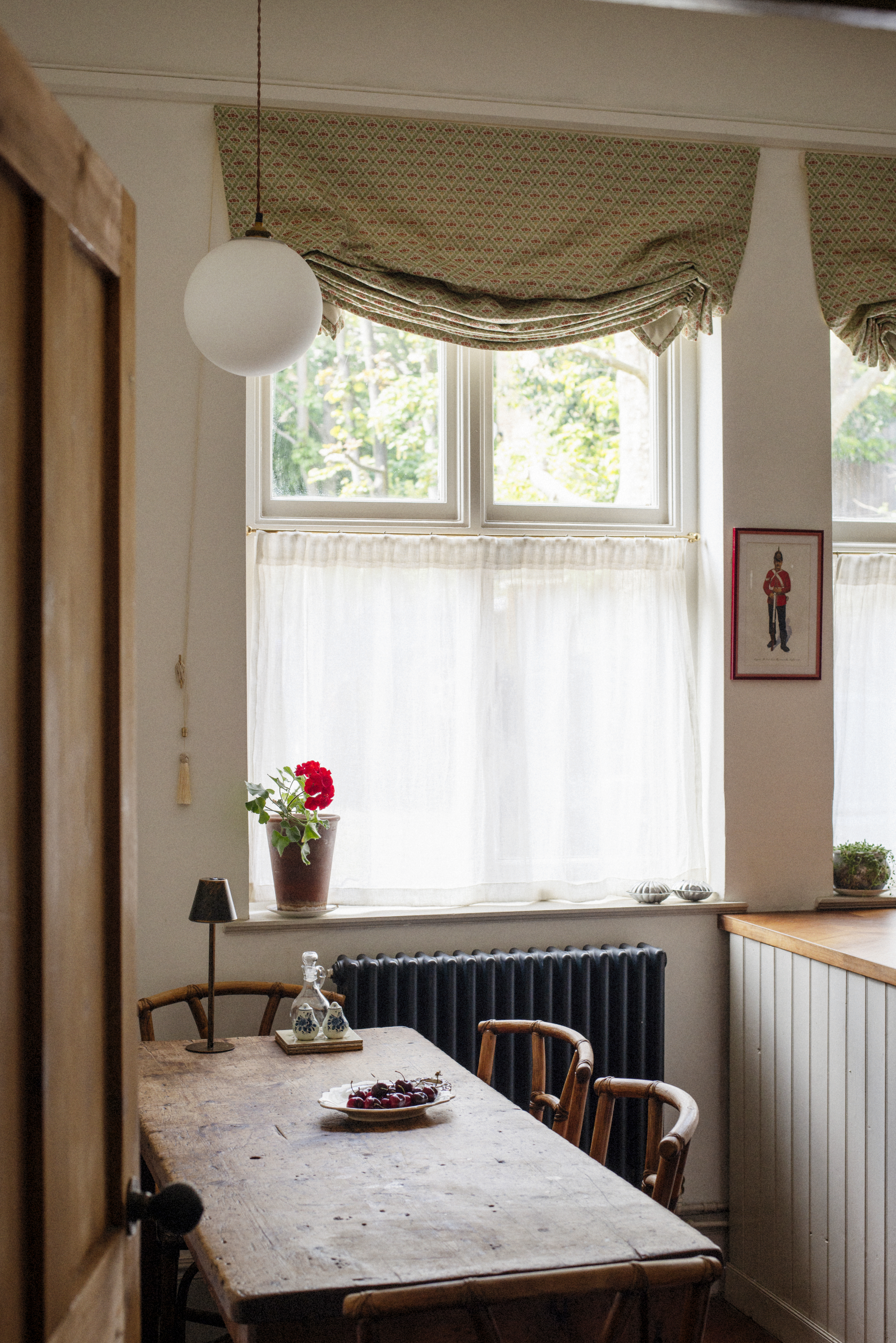
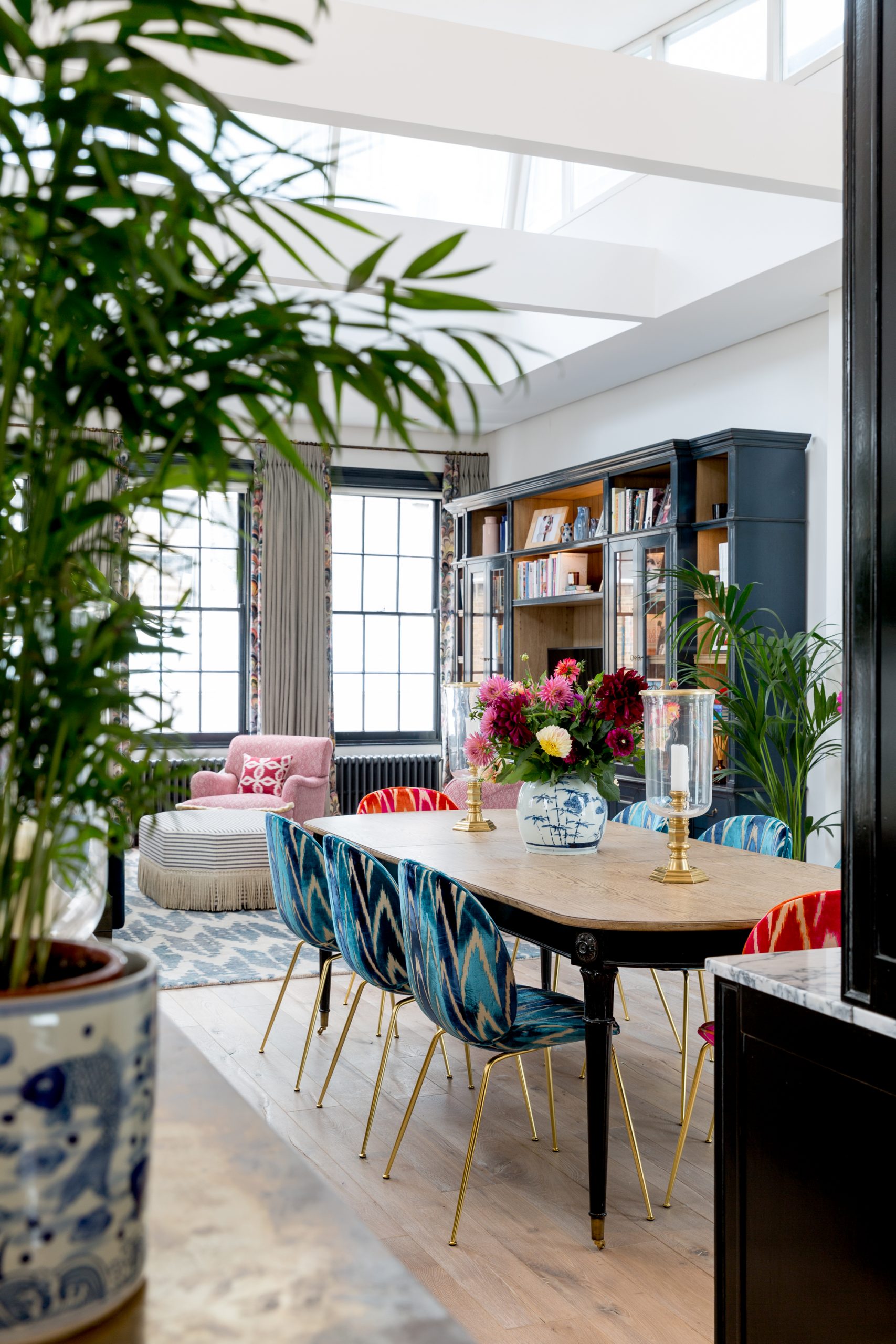
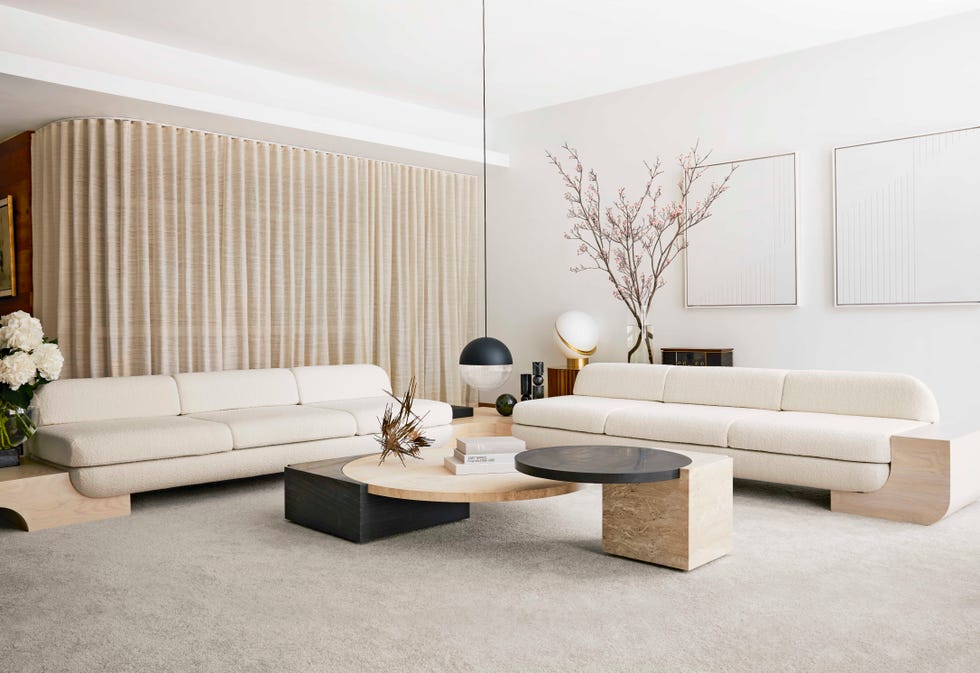
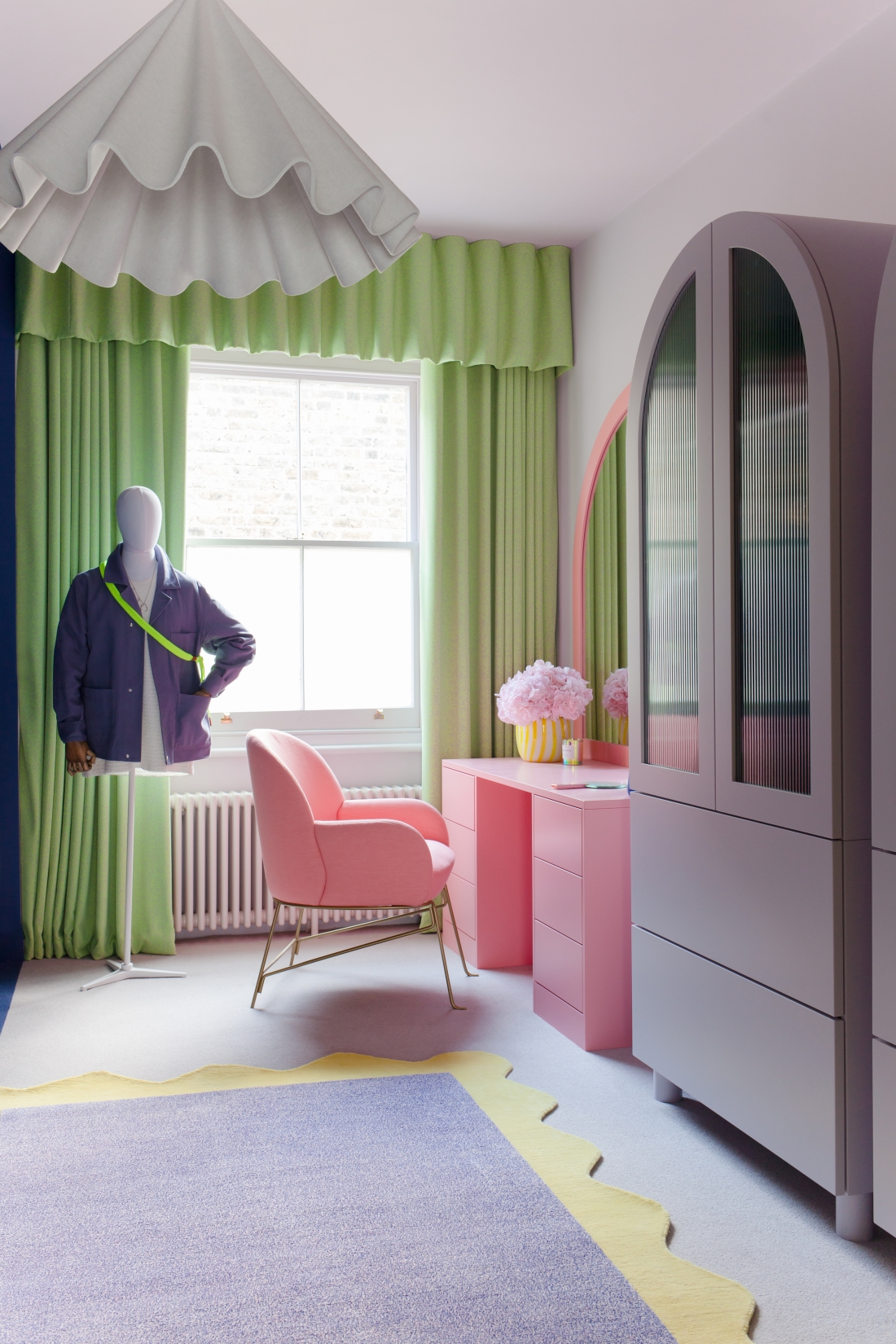
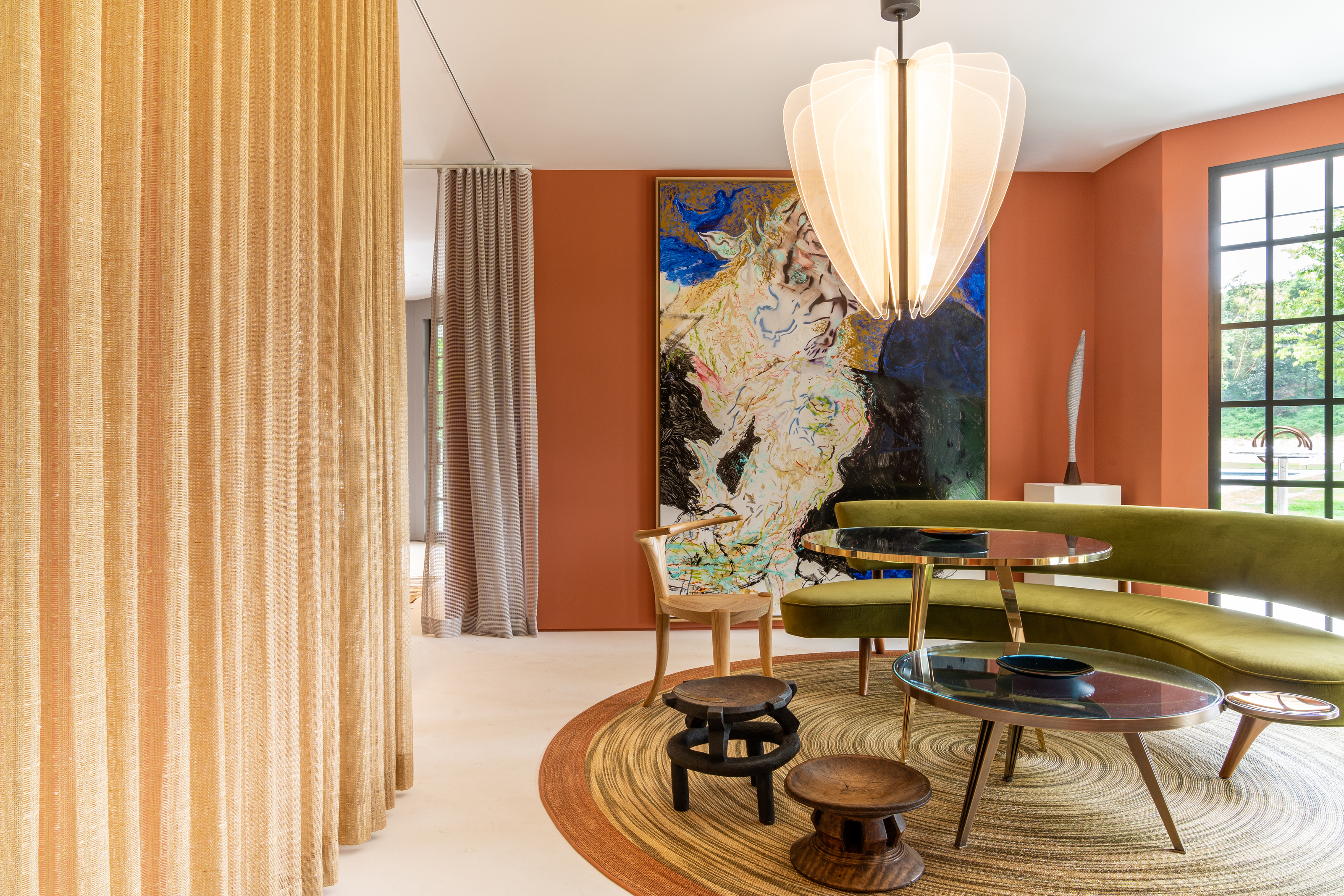
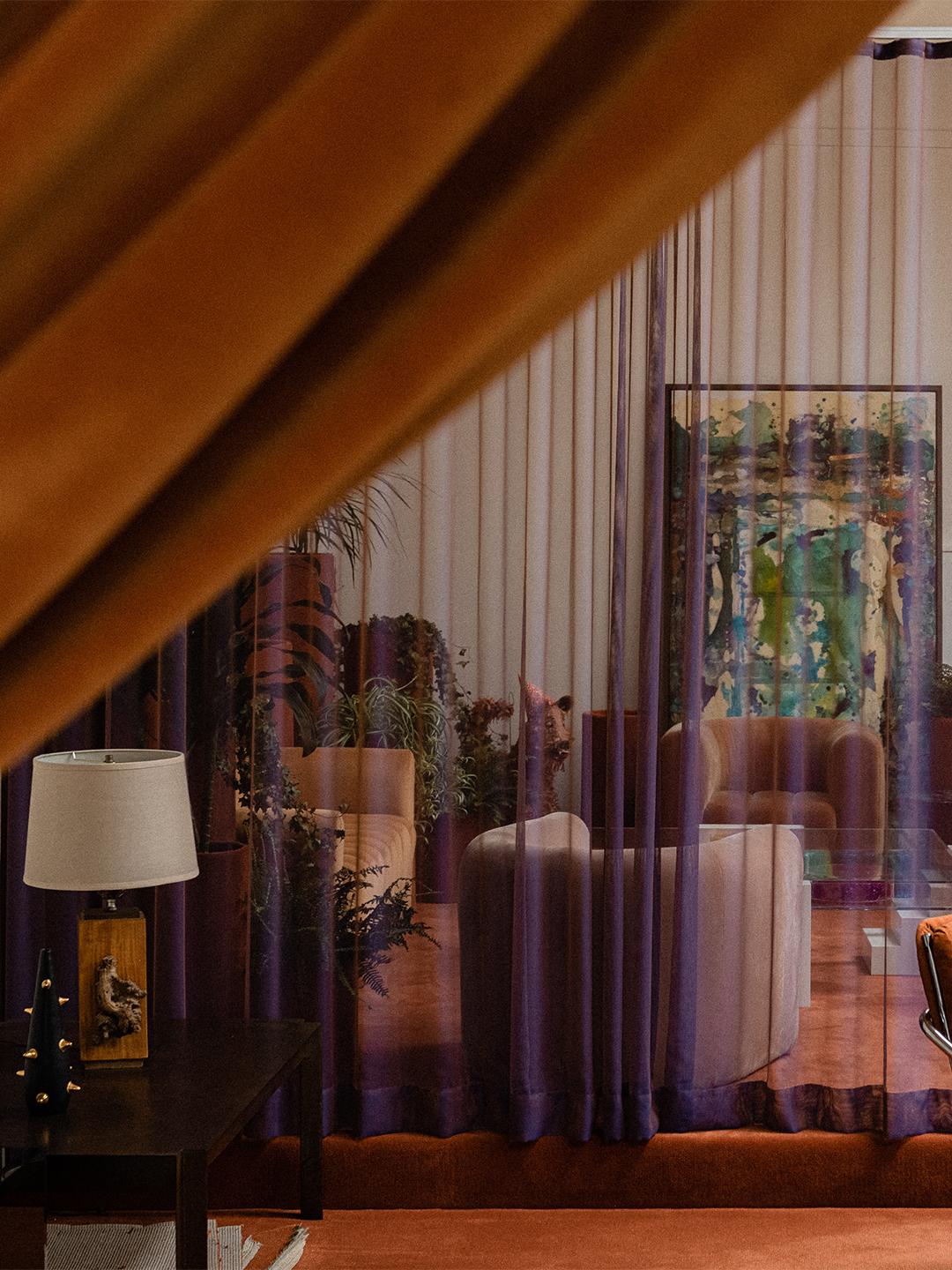
One effective method for integrating curtain room dividers is to link them with existing window treatments. This ensures a cohesive design, preventing the divider from appearing out of place. By matching the curtain fabric and style to window coverings, the divider becomes a natural extension of the room's aesthetic. An example cited is an apartment where a curtain divides the kitchen and living space, mirroring the window curtains to create a harmonious look and frame a decorative glass screen.
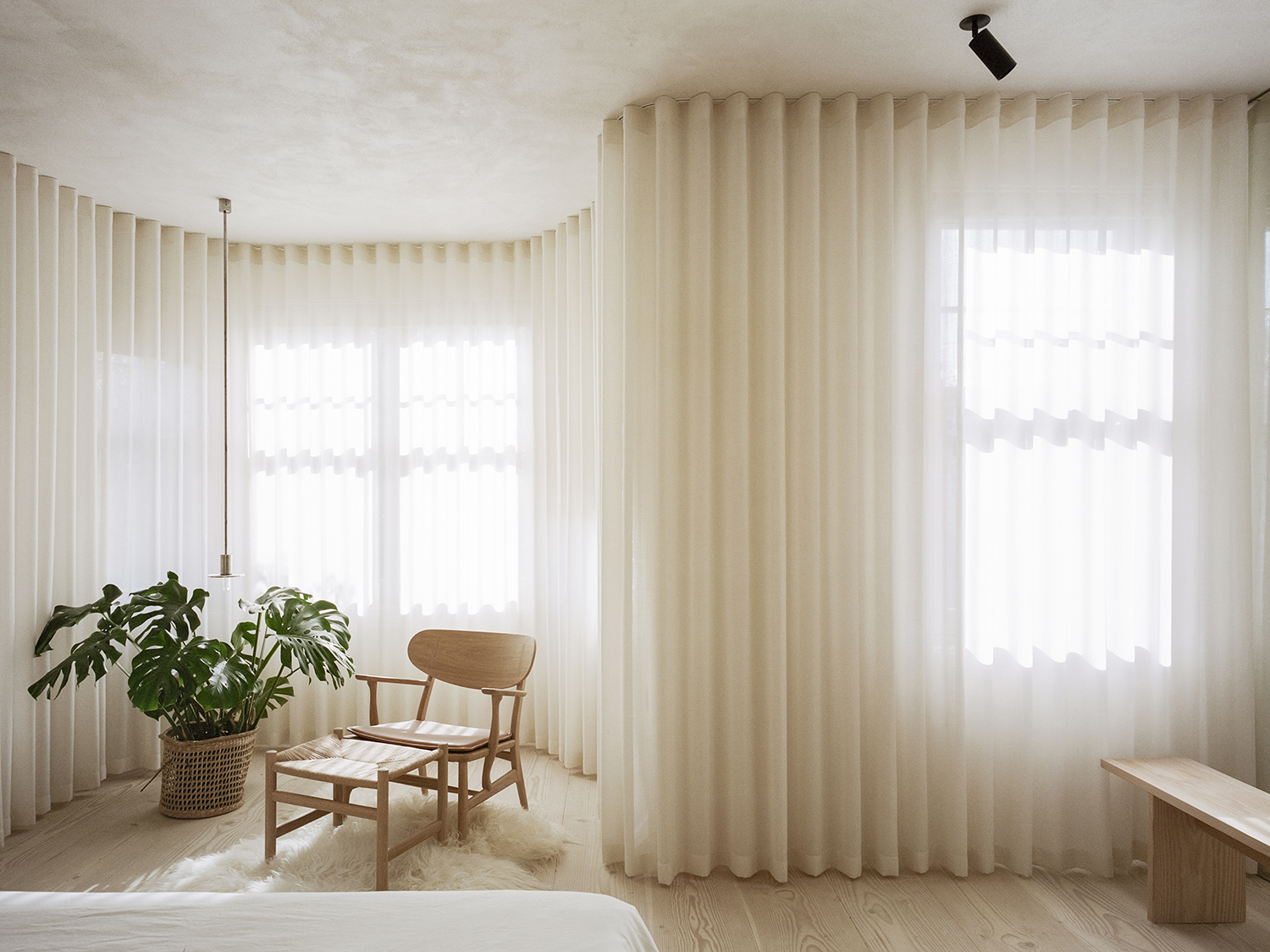
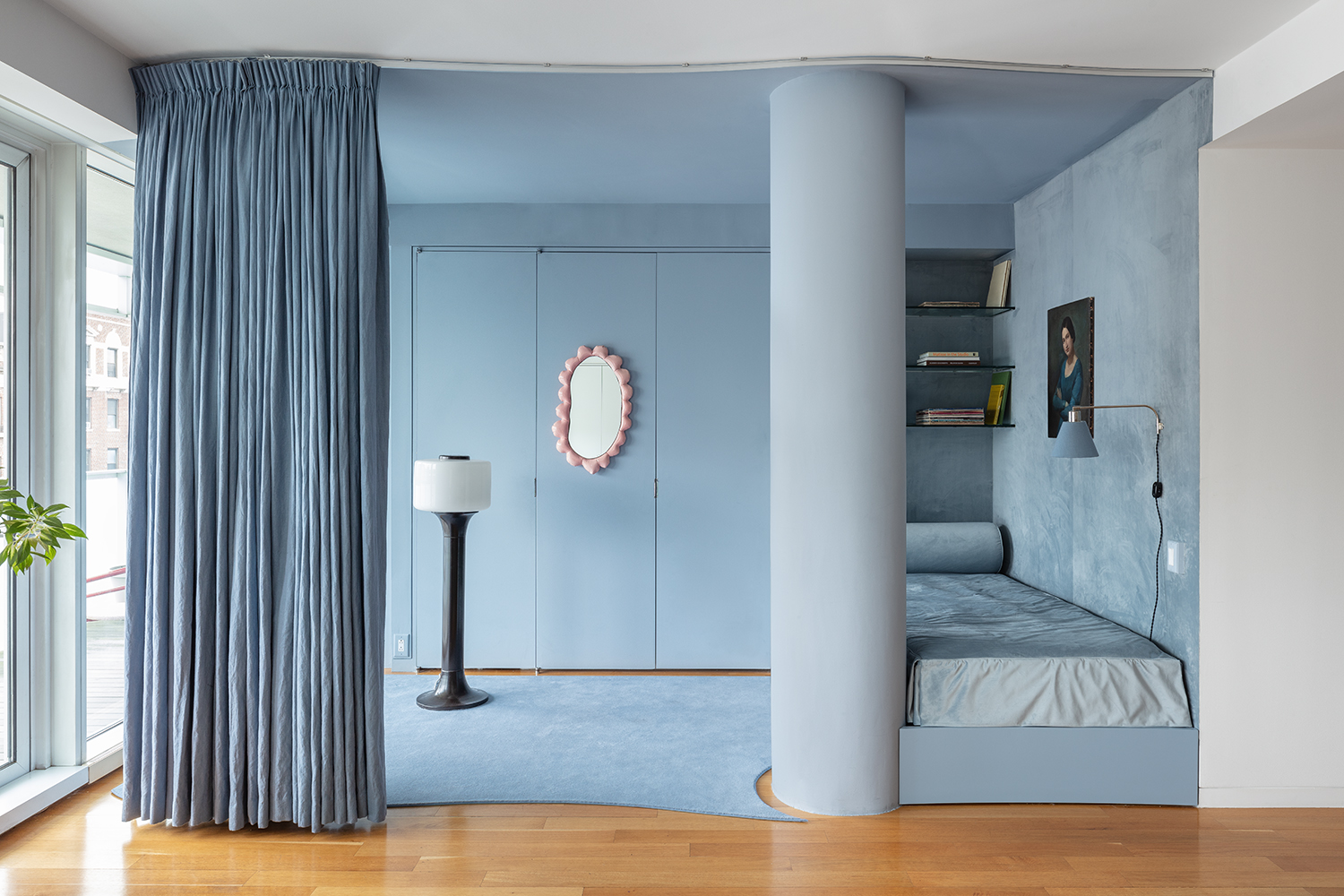
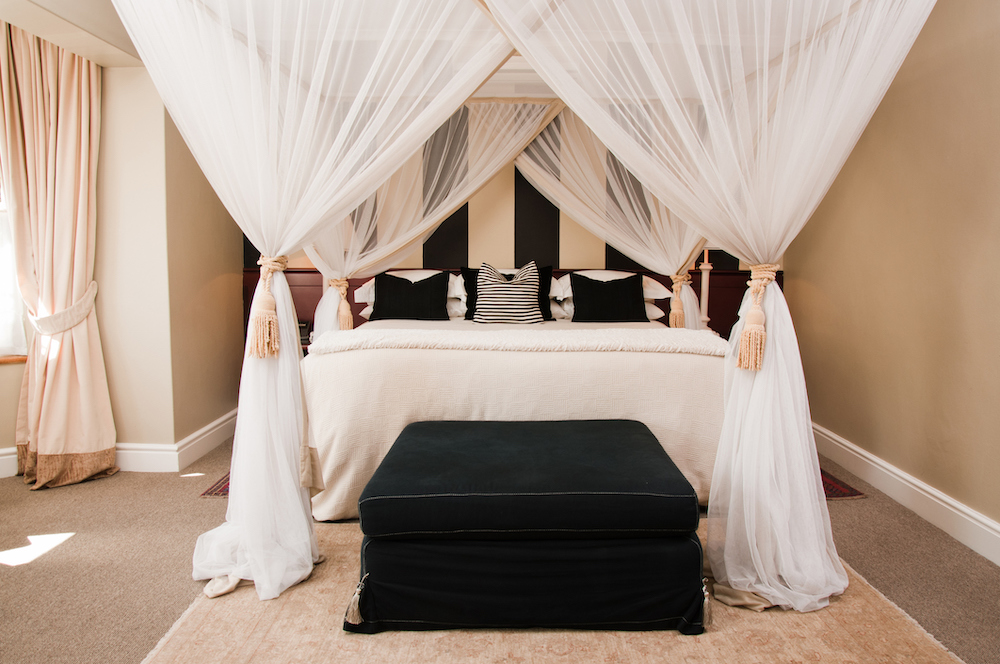
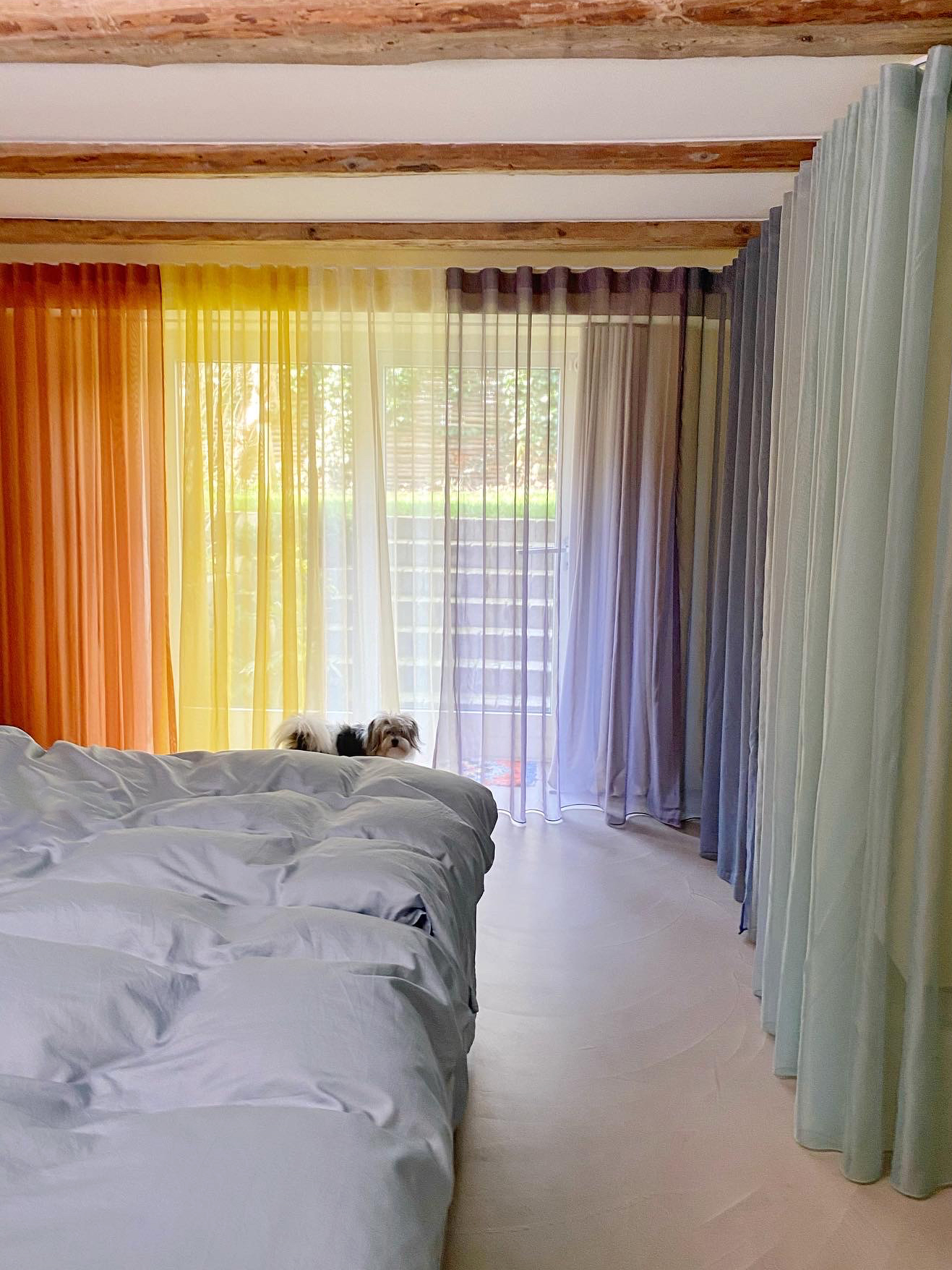
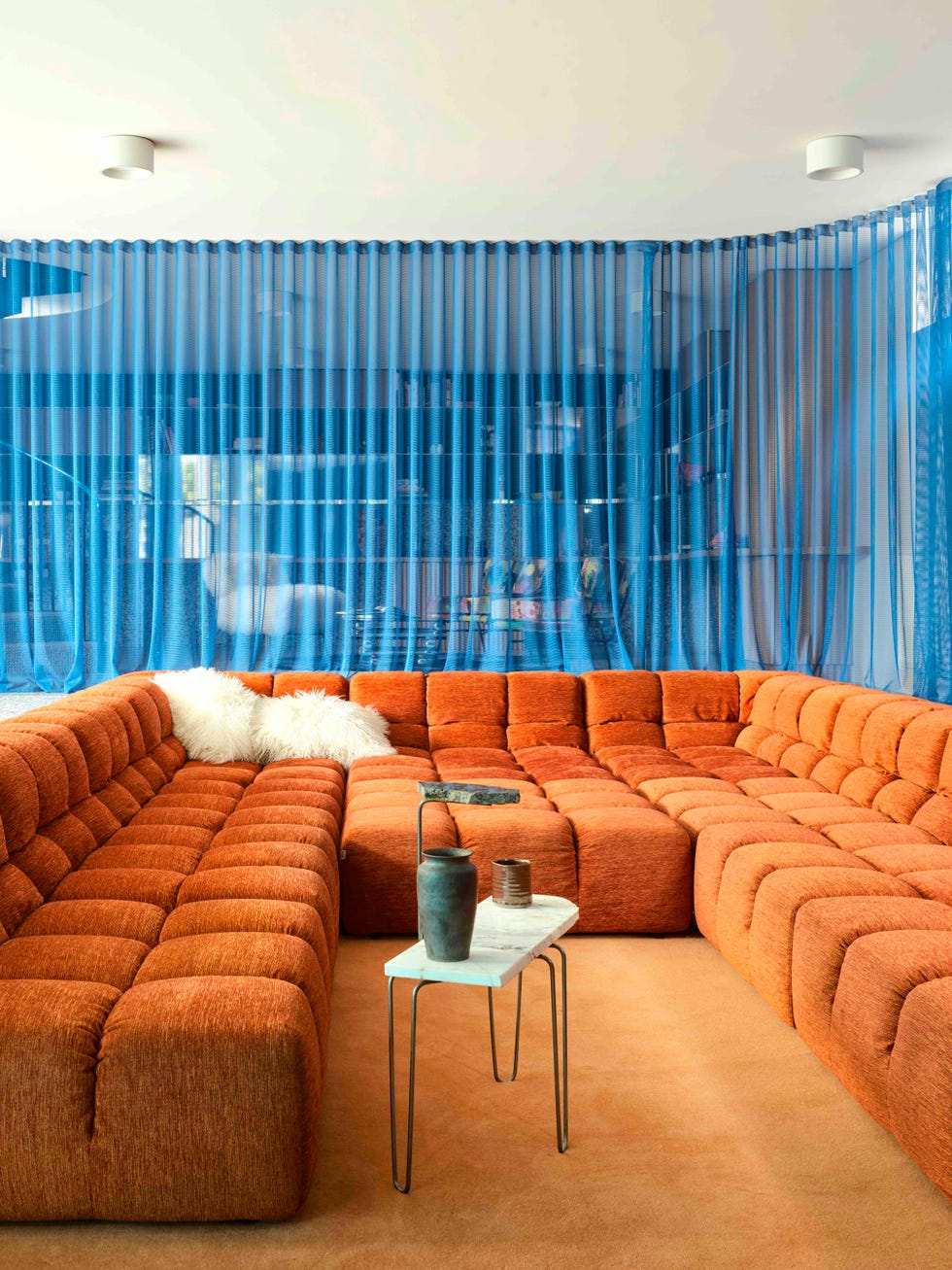
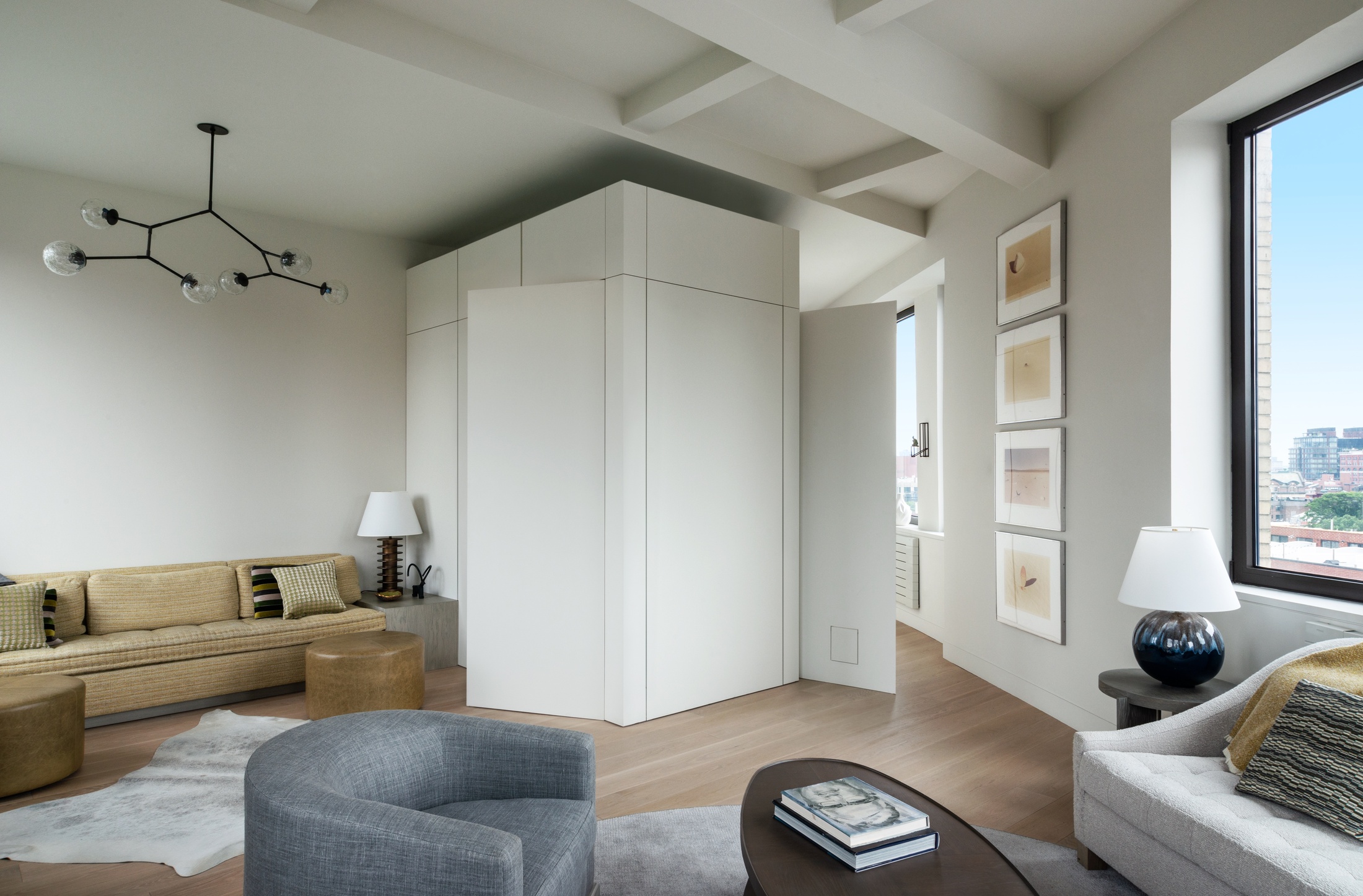
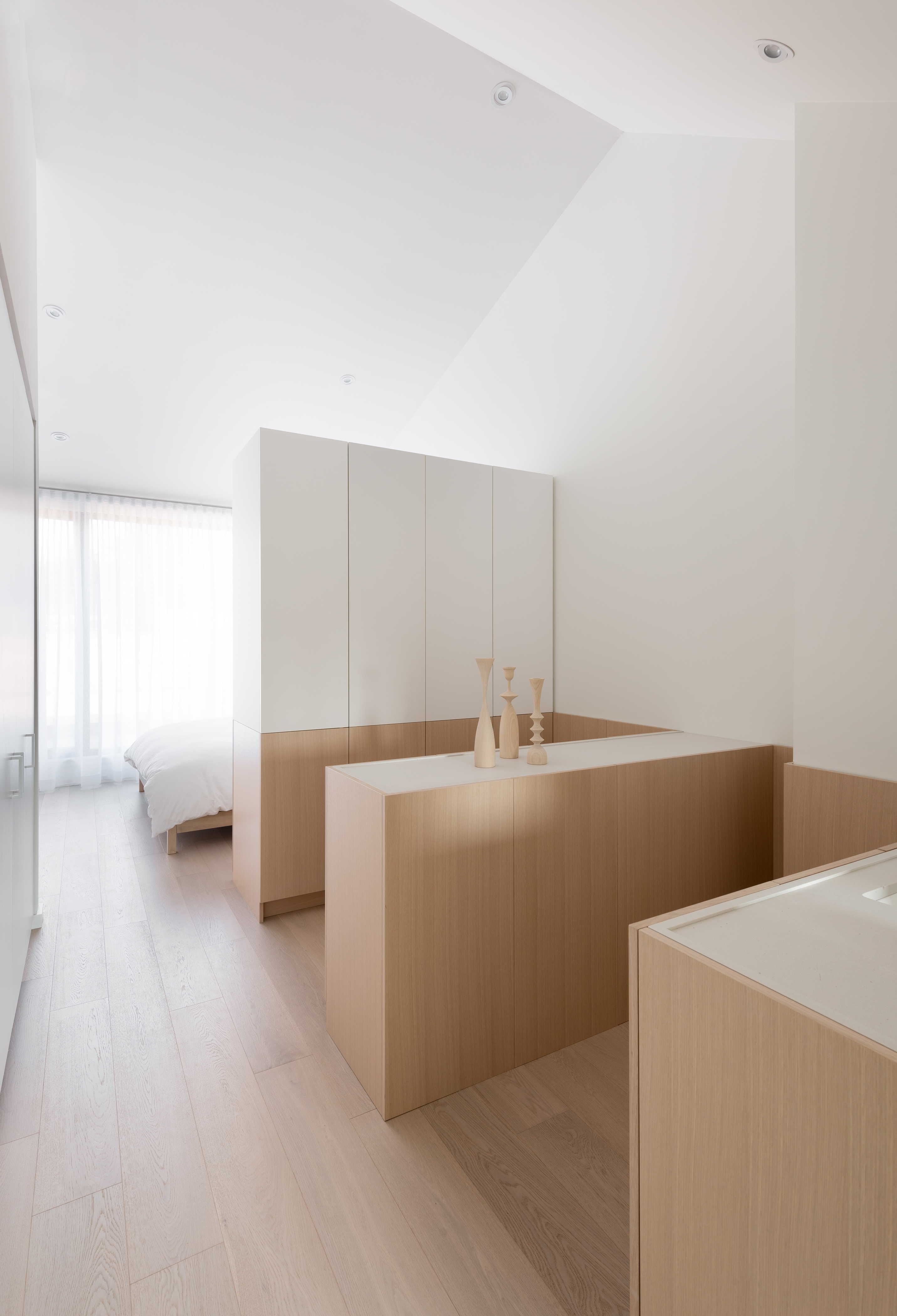
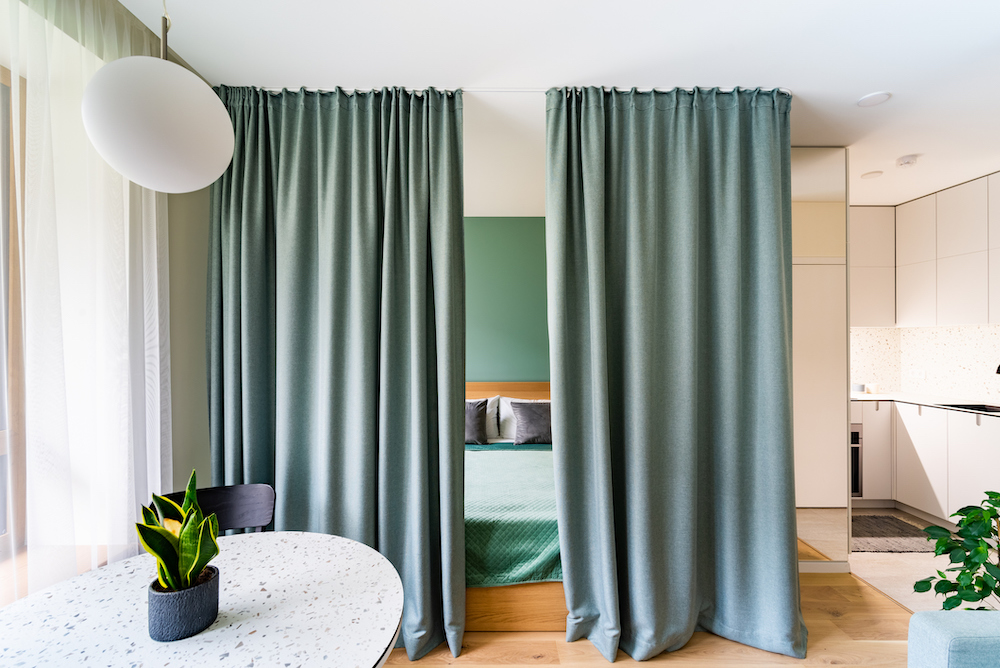
Curtains are also highly beneficial in studio apartments or other open living arrangements where defining public and private areas can be challenging. They offer a soft division that can be easily opened or closed, providing privacy for sleeping quarters or storage areas. This flexibility allows for the transformation of a small, open space into distinct zones, enhancing both functionality and comfort. Studio AC, a Canadian architectural firm, used full-height sheers in a loft-style apartment to conceal a bed box, offering privacy and acoustic dampening while maintaining an open feel when desired.
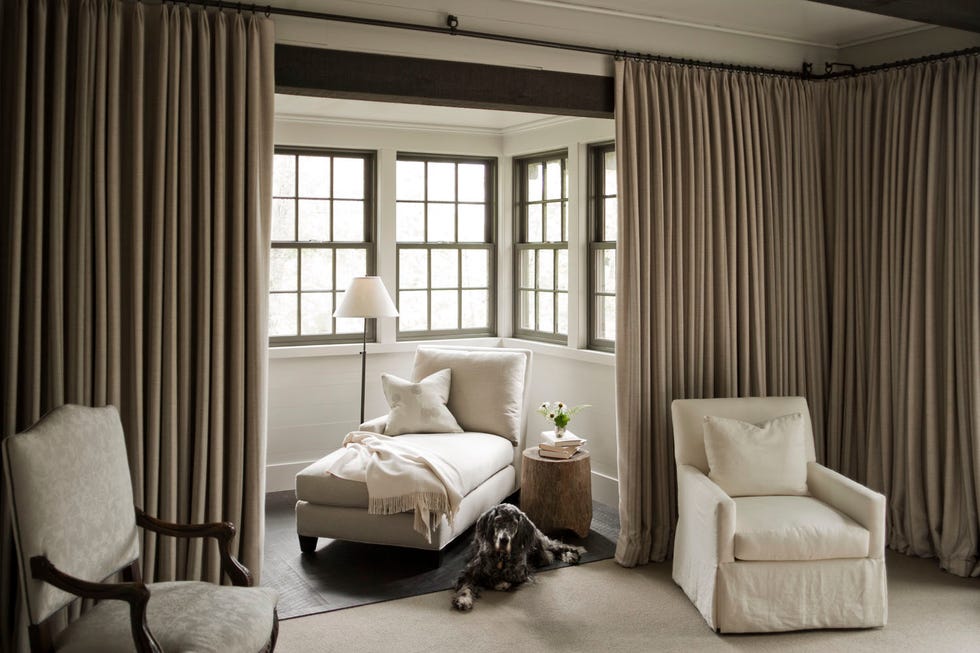
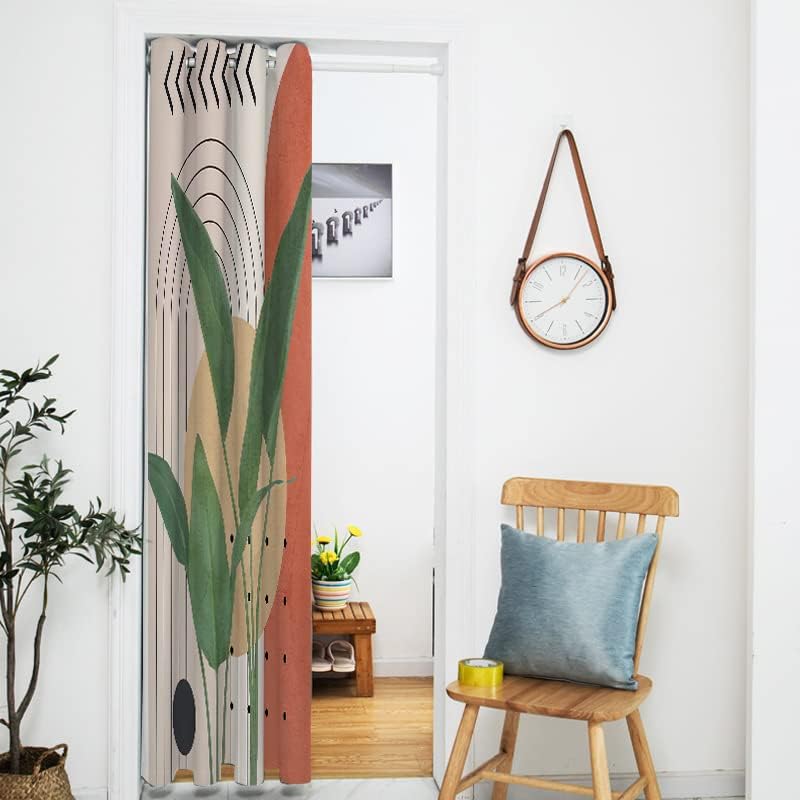
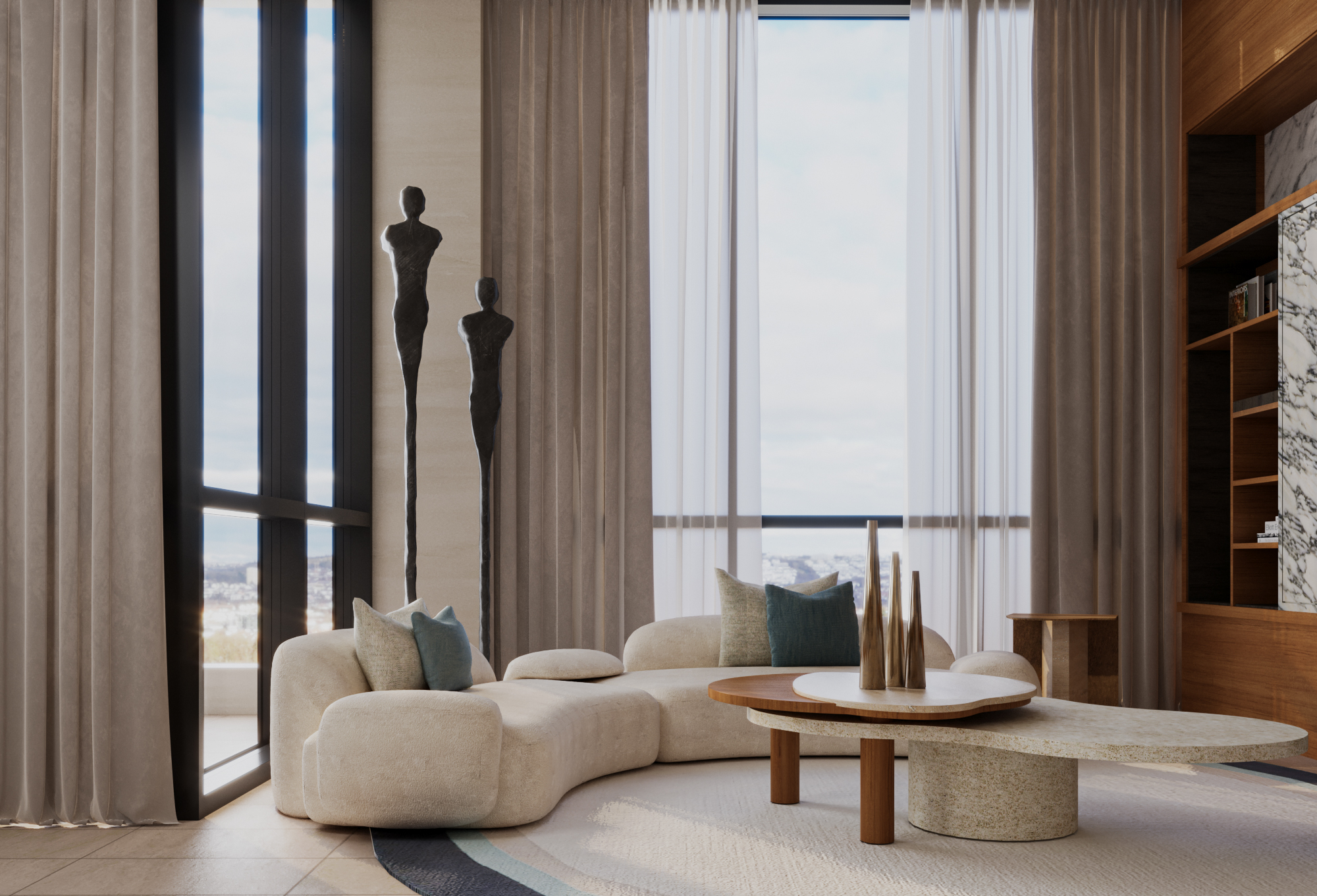
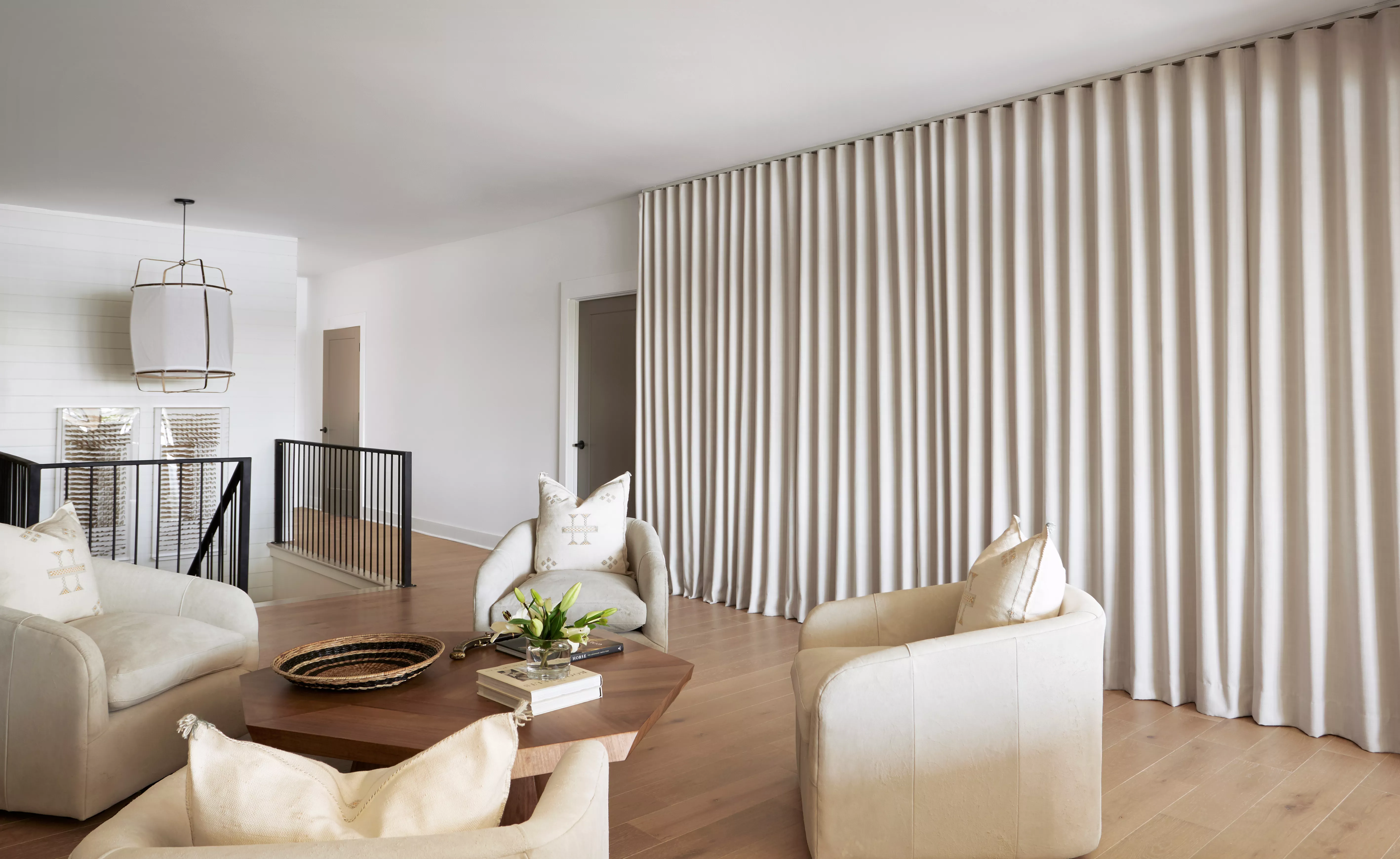
For a sleek and modern look, recessed curtain tracks are recommended. These tracks are installed into the ceiling, minimizing their visual impact when the curtains are not in use. This method allows curtains to serve as a spatial element rather than merely a decorative one, providing a visual boundary without creating a complete auditory barrier. This technique is particularly effective in spaces that require adaptable visual separation without permanent structural changes.
Curtains can also be combined with solid room dividers, such as glass doors, to enhance privacy and acoustic insulation. While glass dividers maintain an open aesthetic, they often lack the privacy and sound dampening of solid walls. Adding curtains to these dividers provides the flexibility to create concealed spaces when needed, balancing openness with intimacy. Point Supreme, an Athens-based architectural firm, utilized curtains alongside sliding glass doors in a studio apartment to achieve this dual benefit.
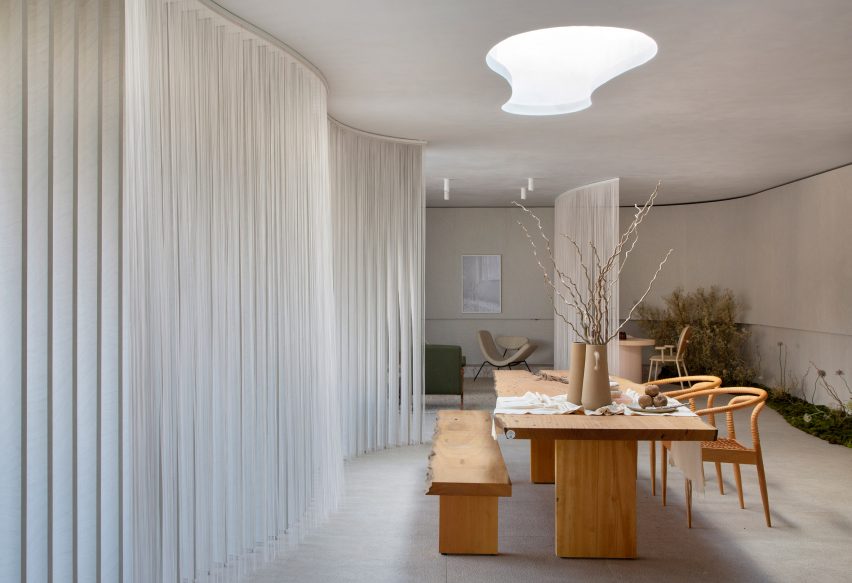
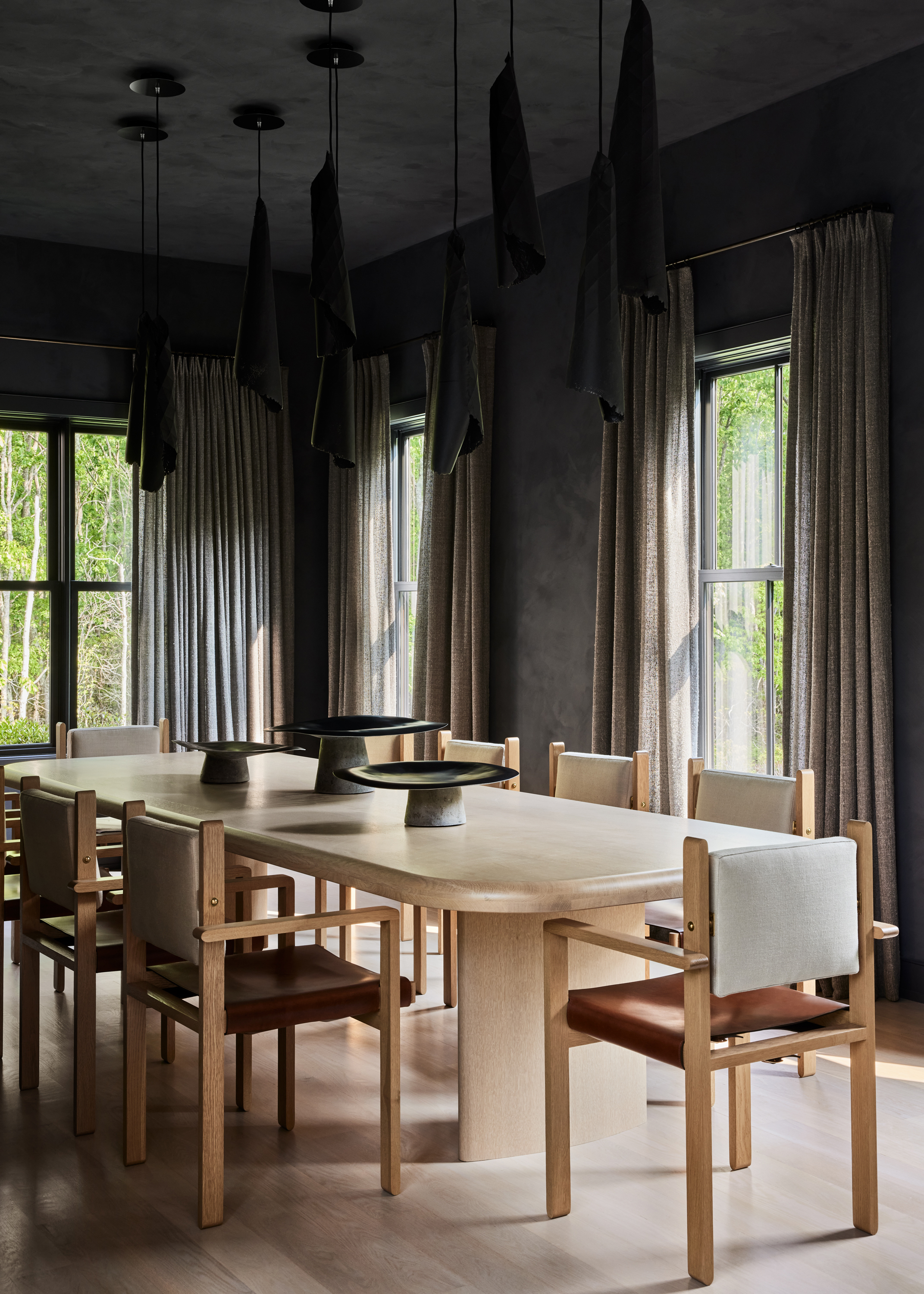
Furthermore, curtains can be employed to create temporary rooms or enhance the ambiance of specific areas, such as a dining room. In an open-concept ground floor, track-mounted sheers can encircle a dining area, creating a magical and intimate atmosphere for events like dinner parties while also offering privacy for the kitchen area. This temporary division allows for versatile use of space, adapting to different occasions and needs.
#InteriorDesign #RoomDividers #Curtains #HomeDecor #OpenPlanLiving #SpacePlanning #SoftArchitecture #DesignTrends #InteriorDesign #RoomDividers #Curtains #HomeDecor #OpenPlanLiving #SpacePlanning #SoftArchitecture #DesignTrends
0 comment in total
 No comments yet
You may also like
Should you ever replace doors with curtains? I say yes, and asked designers when to make the switch

Bye-bye blinds — how curtains became cool again
Are Curtains Out of Style? Of Course Not, but Some Designs Will Date Your Space Faster — Here's What to Know
28 Clever Divider Screen Ideas That Stylish Homeowners Are Using for Instant Style + Function
6 New Ways Designers Are Using Curtains — Fill Awkward Corners, Soften Spaces, Create Privacy Zones
Style Debate: Could Short Curtains Be The Next Big Interior Design Trend?

Curtain Walls Are Proof That Draperies Aren't Just for Windows Anymore

Design Talk: Miles Redd Discusses the Sheer Appeal of Unlined Curtains

The Design World Is DIVIDED on This Controversial Curtain Styling Trend
6 Curtain Styles That Are So Outdated, According to Designers

Why You Should Be Extending Your Drapes Beyond the Window Frame
How to Hang Curtains the Way an Interior Designer Would — To Balance, Blur Lines, and Bring Impact to a Room
You Probably Already Have This Genius Space Divider Alternative in Your Home, So It's Time to Use It!
An easy add-on to your curtains makes rooms look expensive - designers explain
Suddenly, Short Curtains Have Got My Attention in the 'Long vs Short Curtain' Debate

The New Trick Designers are Using To Zone Rooms and Create Privacy Is Both Beautiful and Functional
Ten interiors that use innovative room dividers instead of walls

11 Decorative Places to Hang Curtains Other Than Your Windows

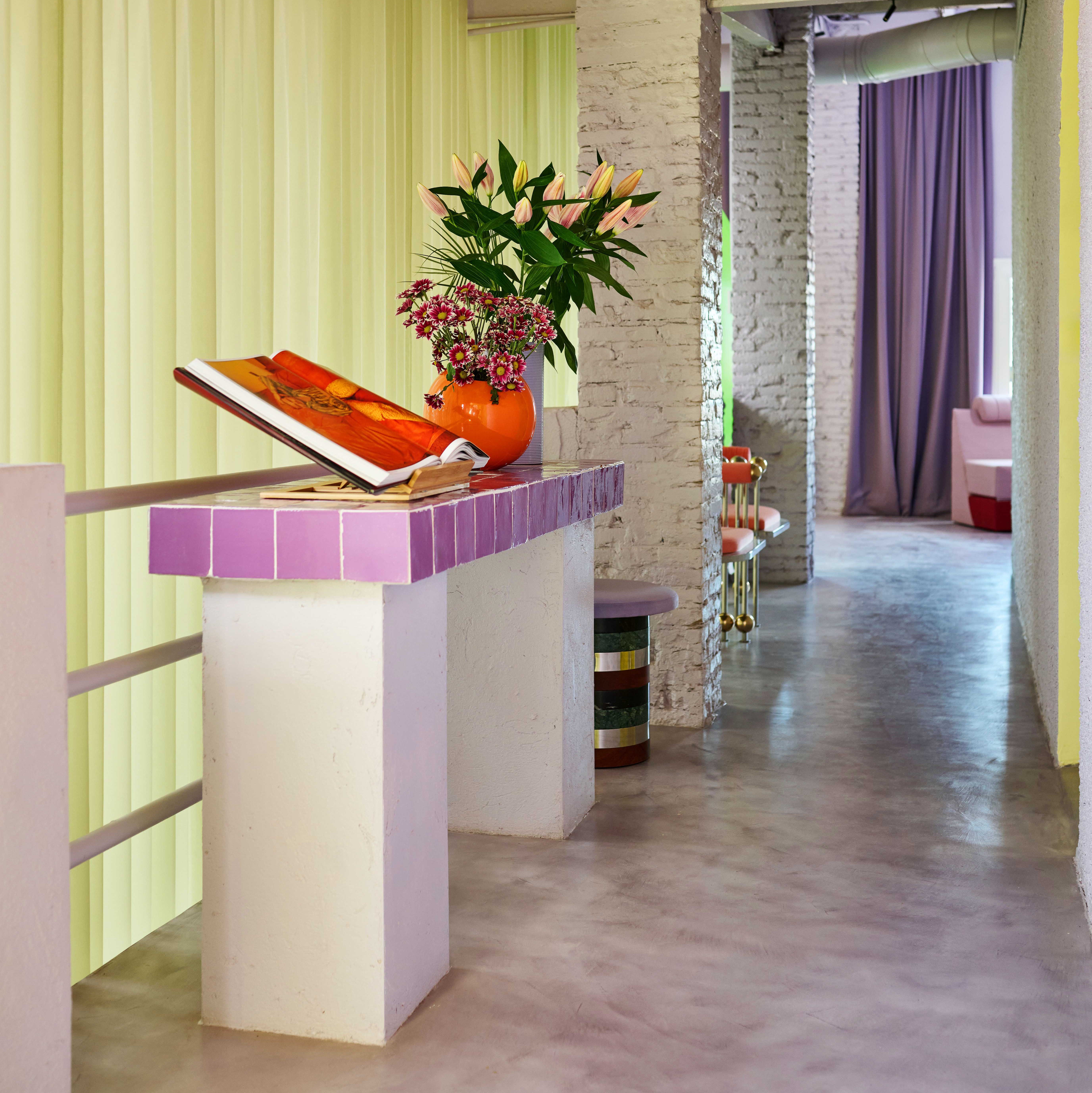
Steal ideas from these homes that use curtains for more than just window dressing

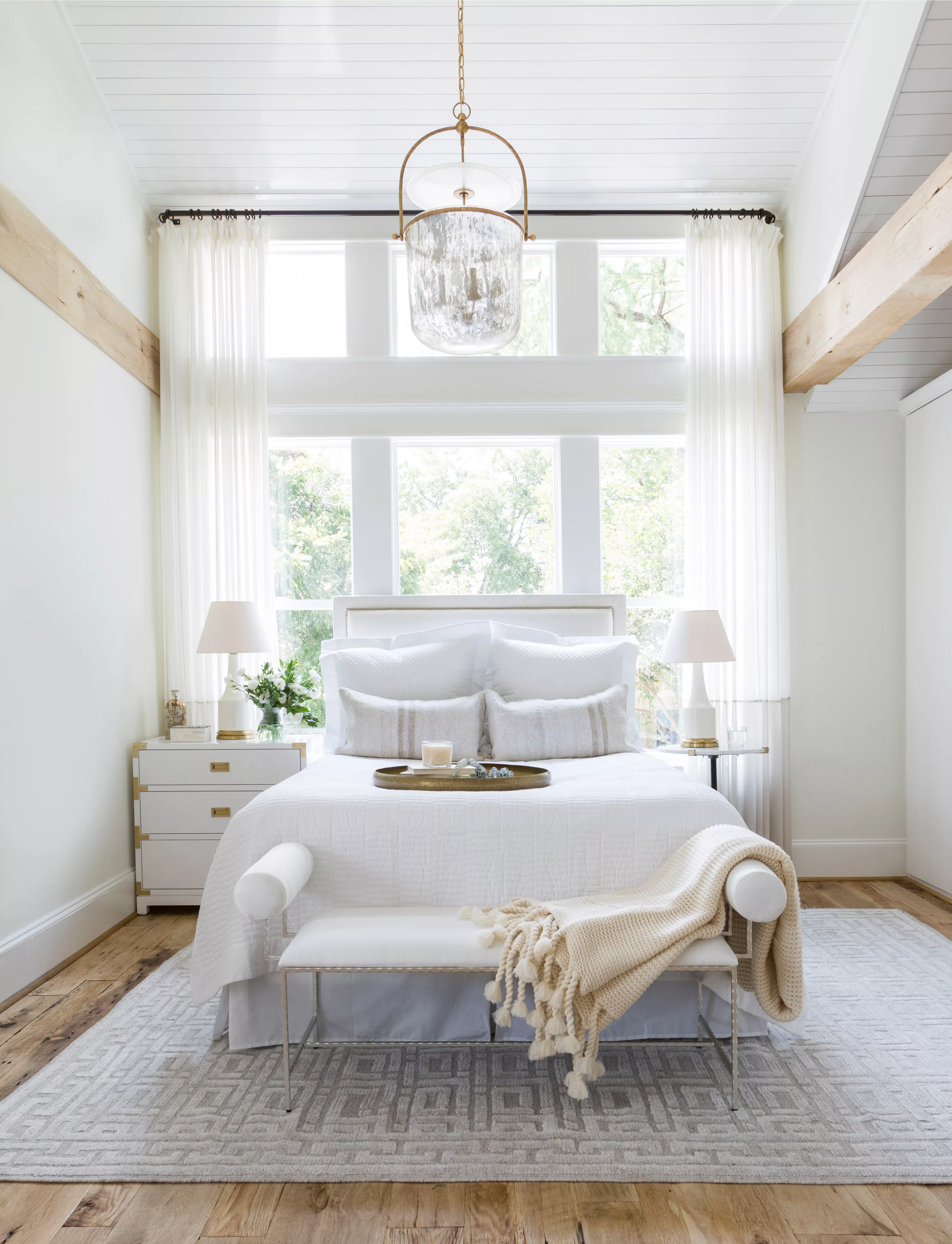
19 Bedroom Curtain Ideas to Elevate Your Space