1/8
Why curtains are the year's biggest – and most unexpected – interior design trend
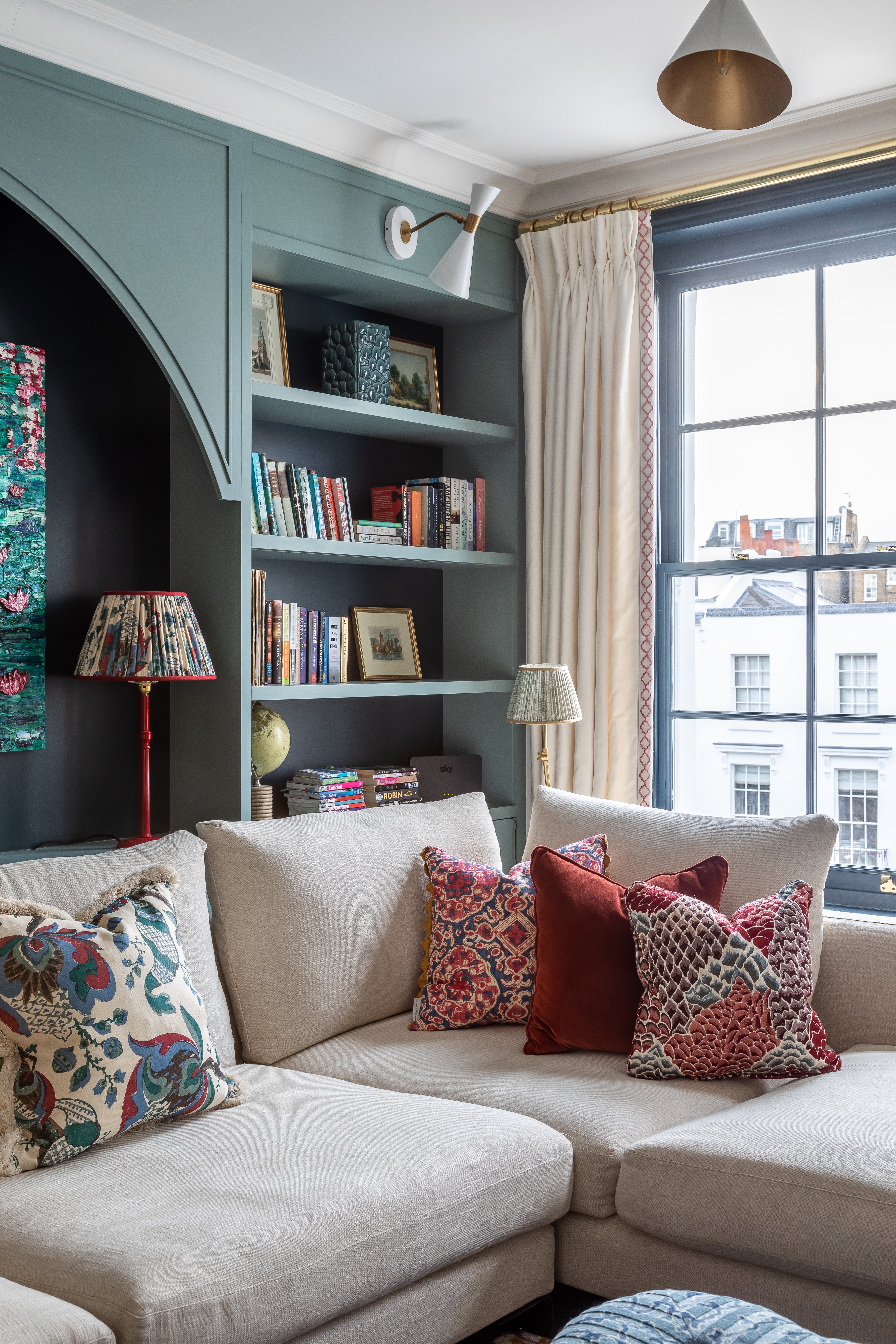

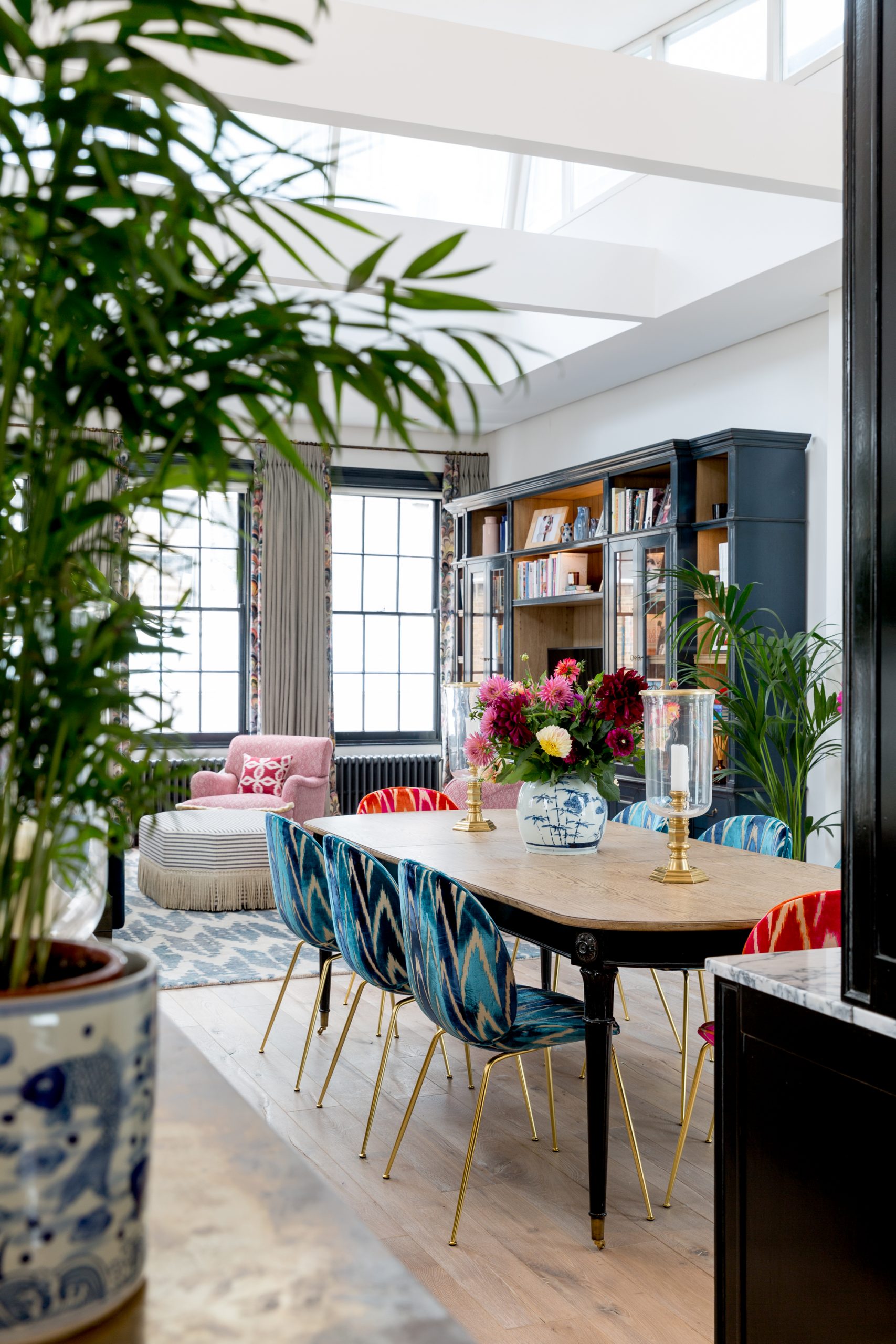
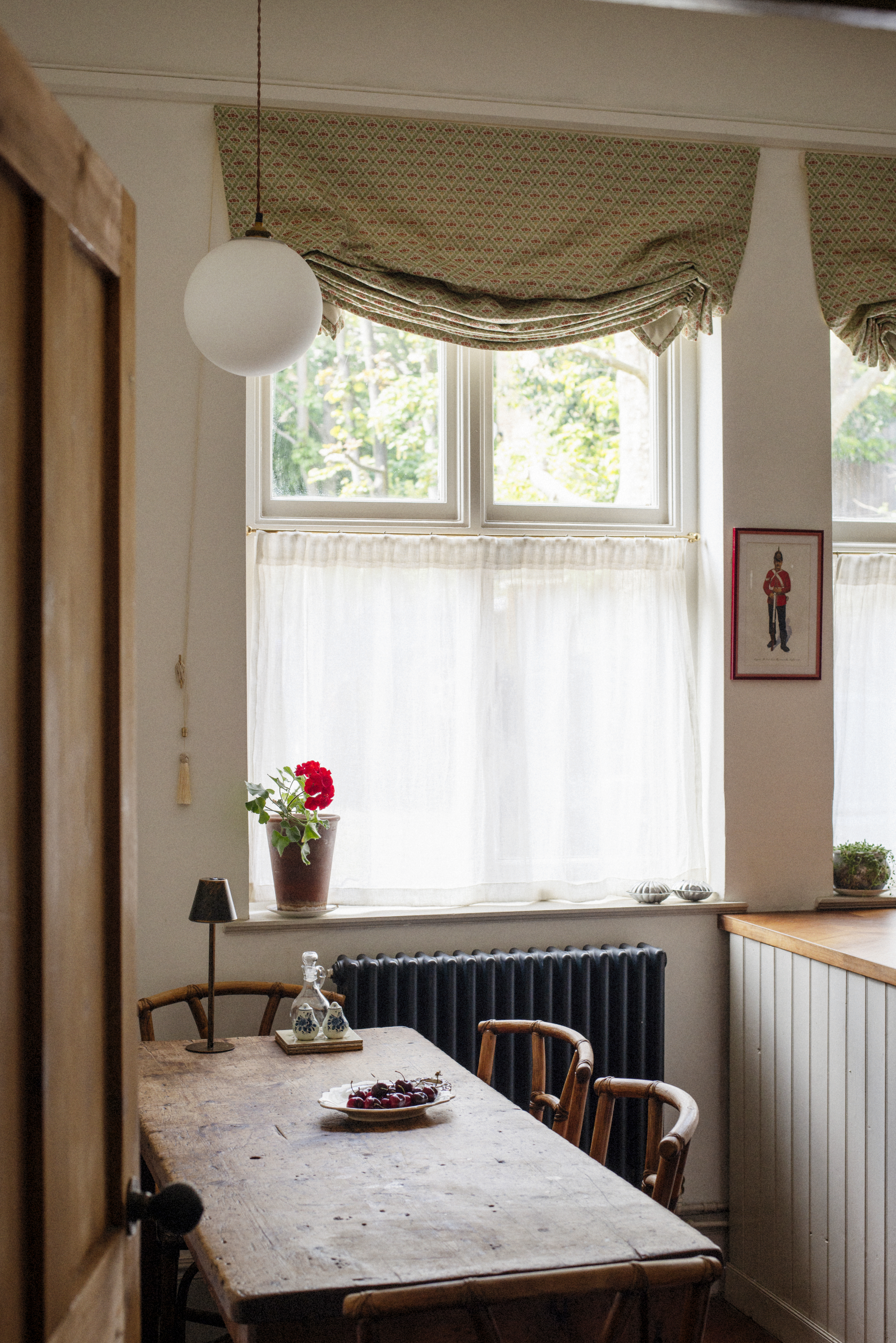
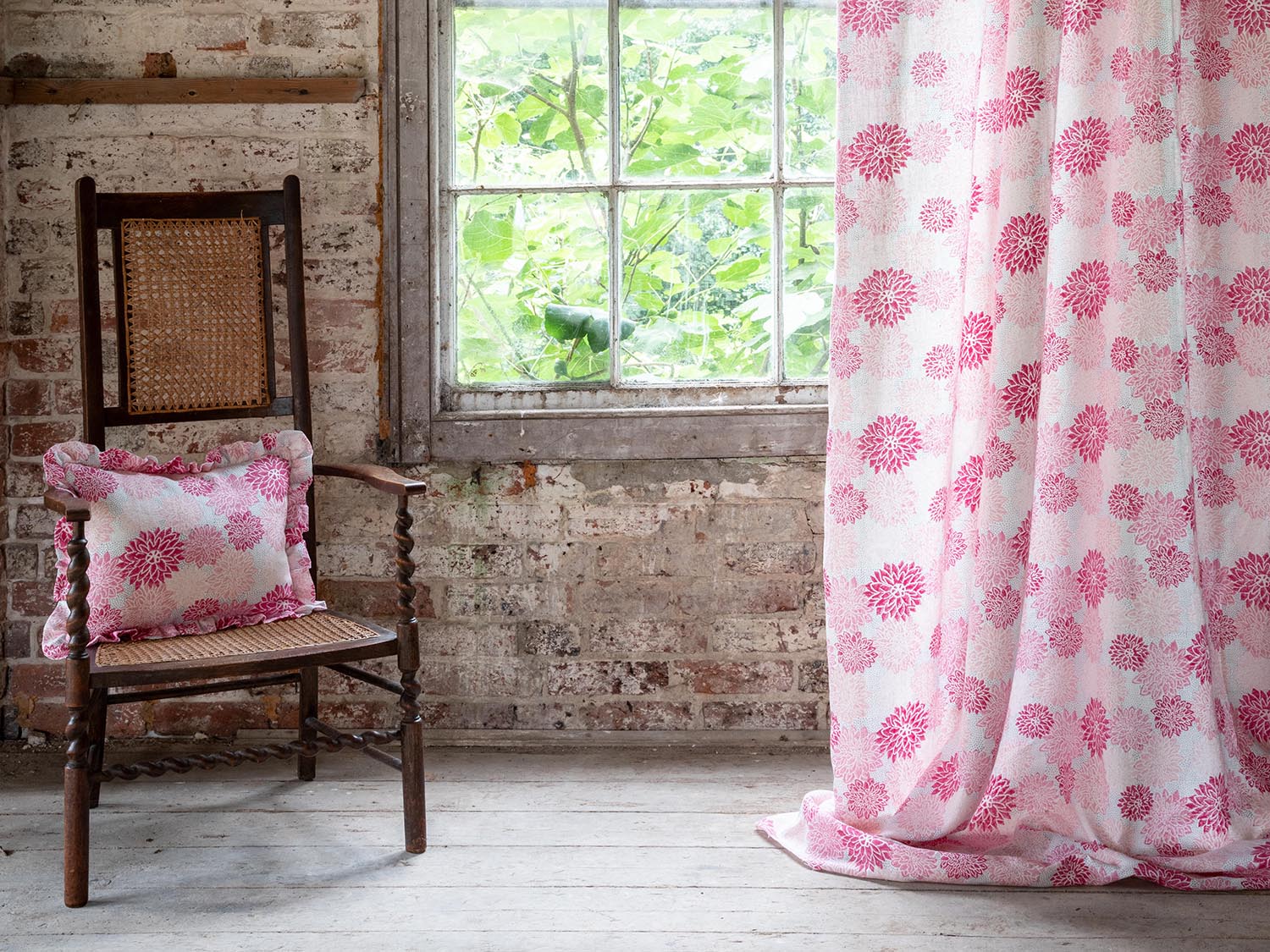
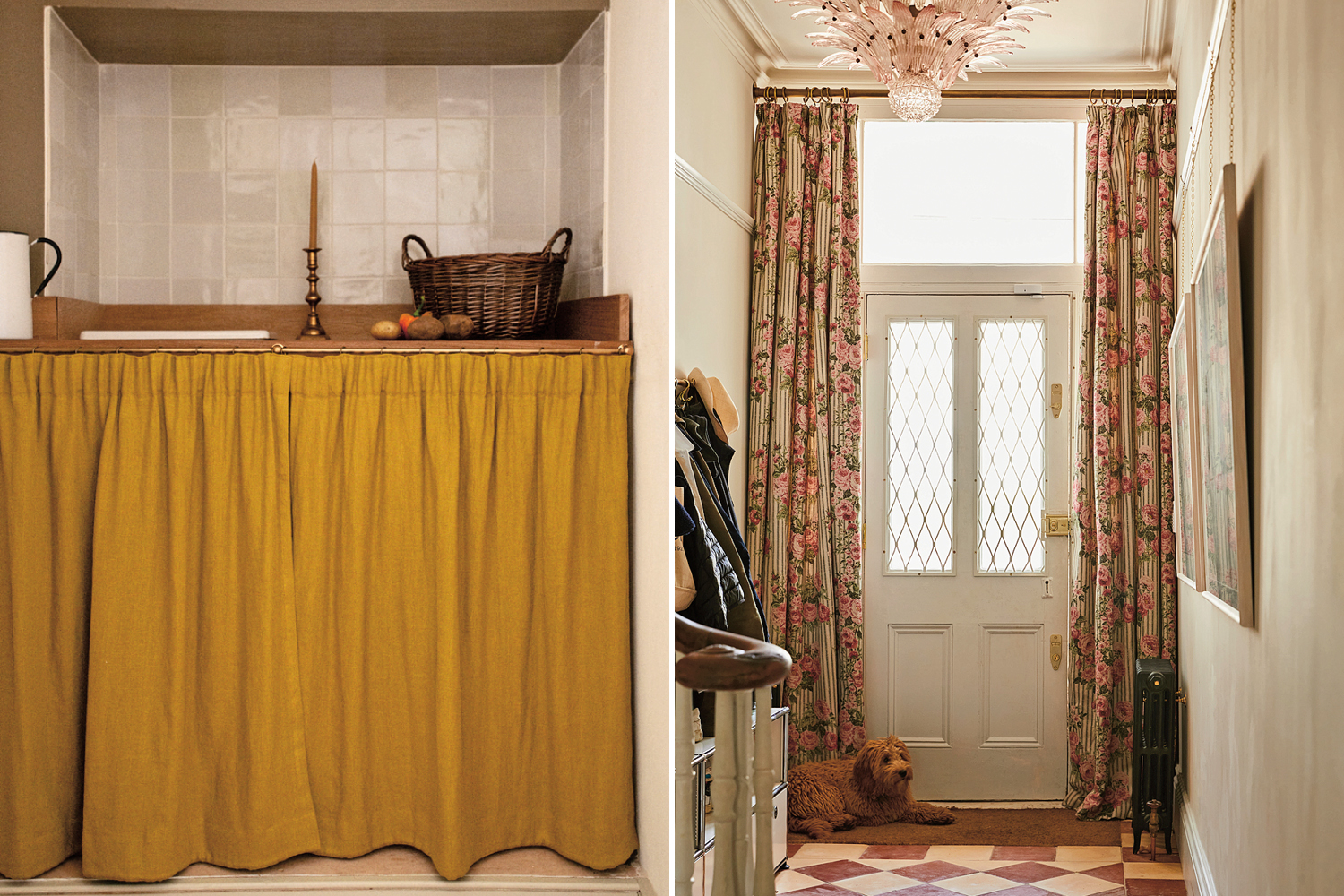
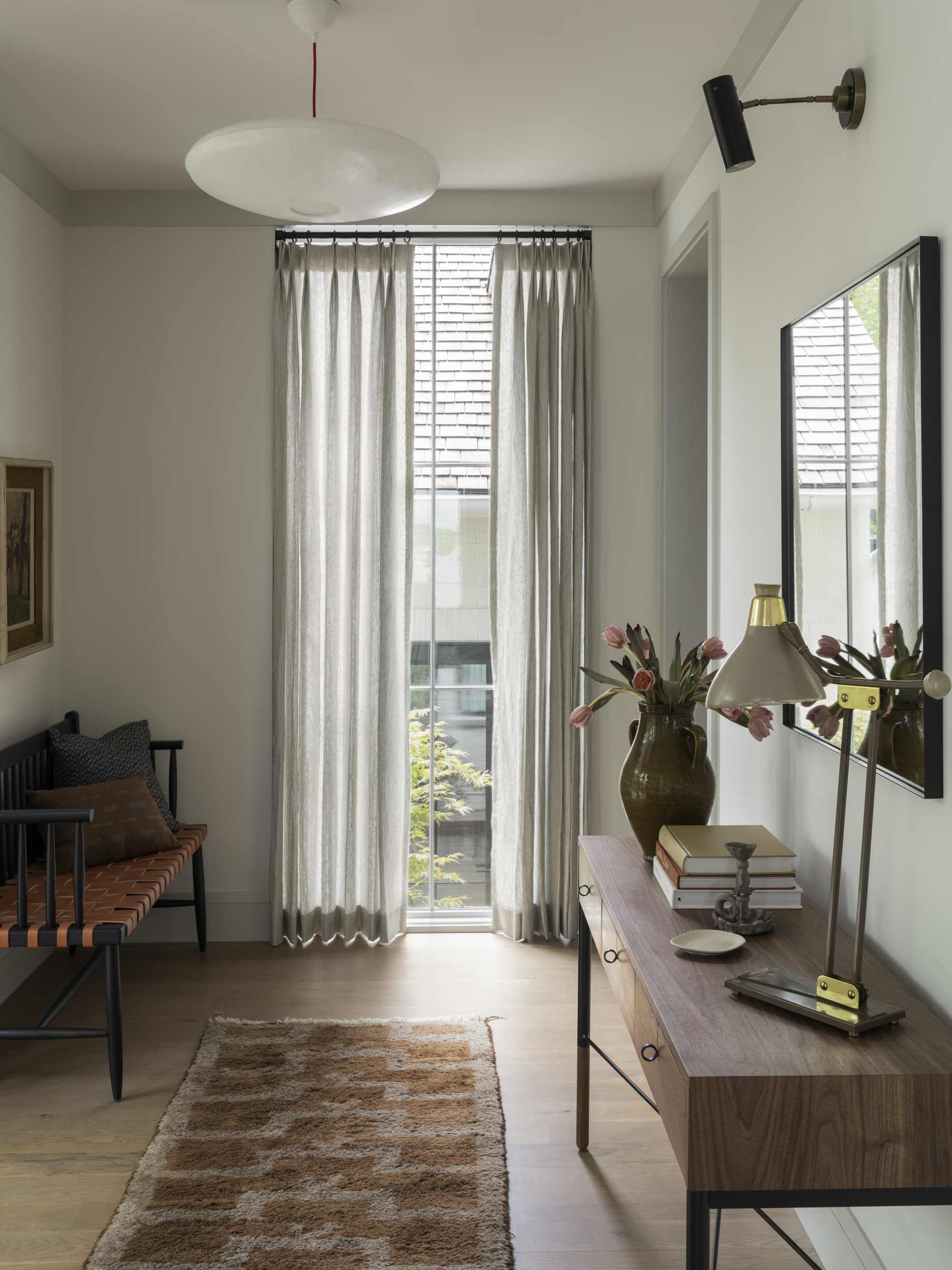
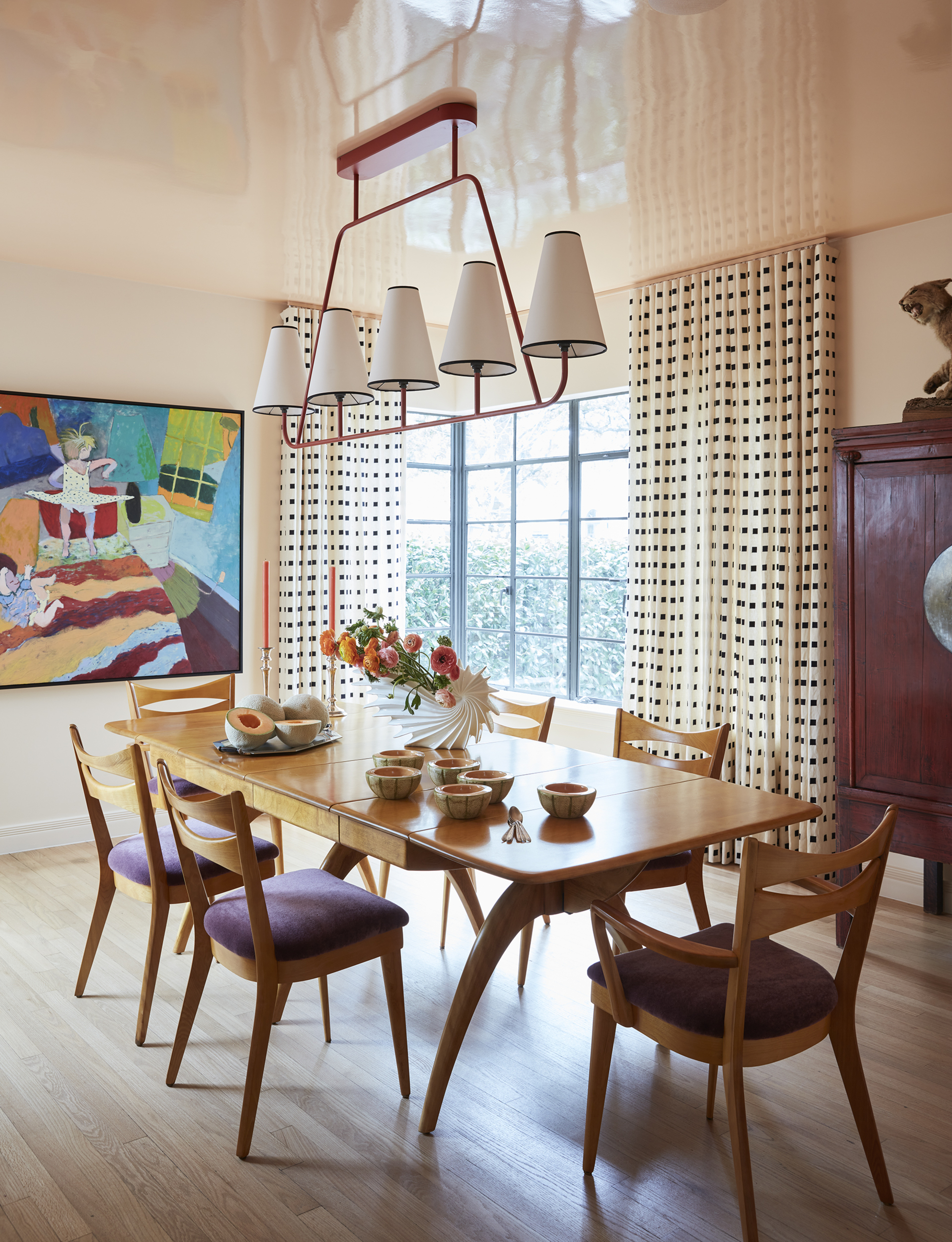
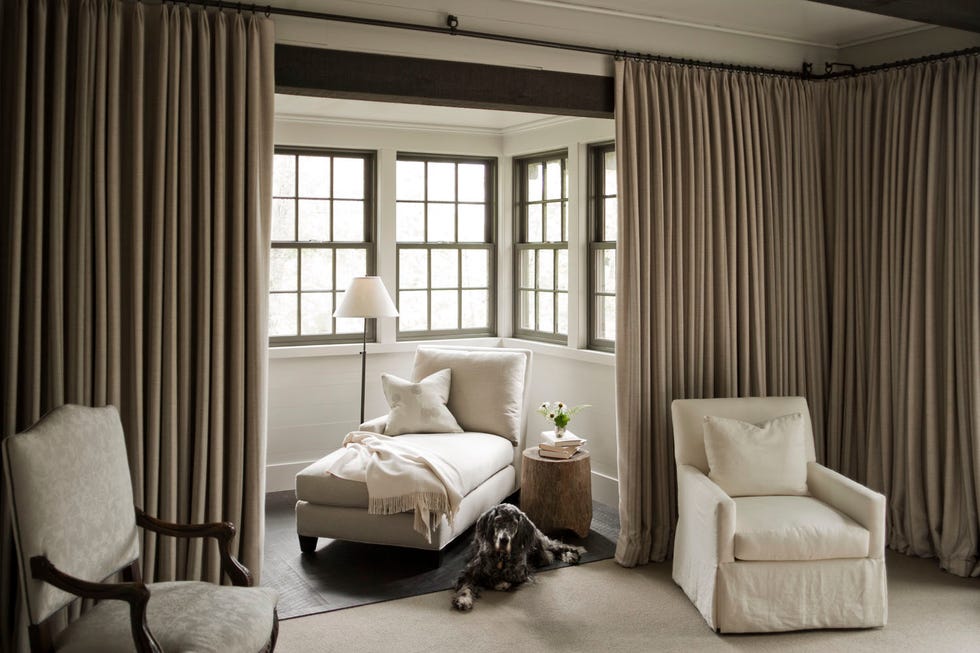
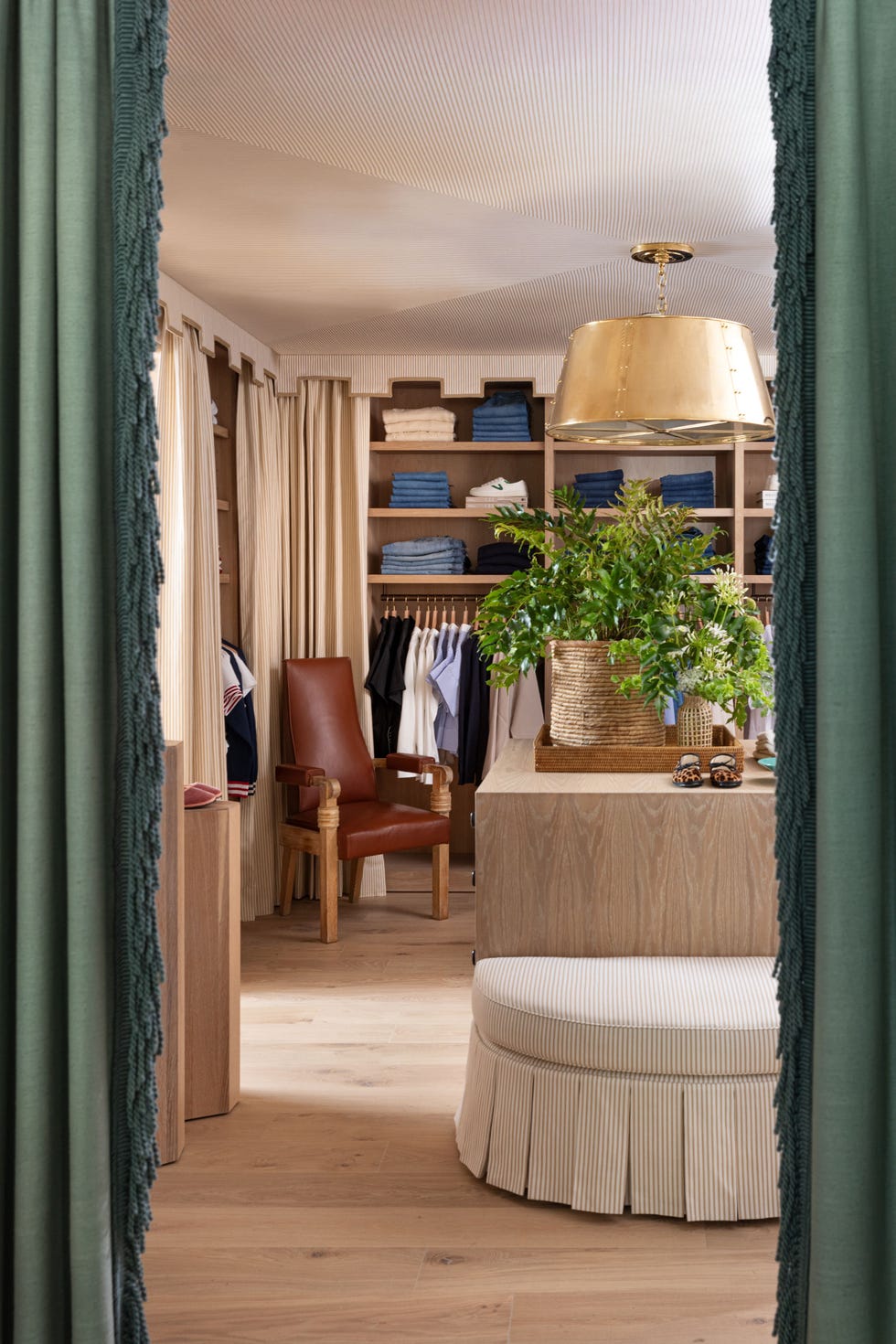
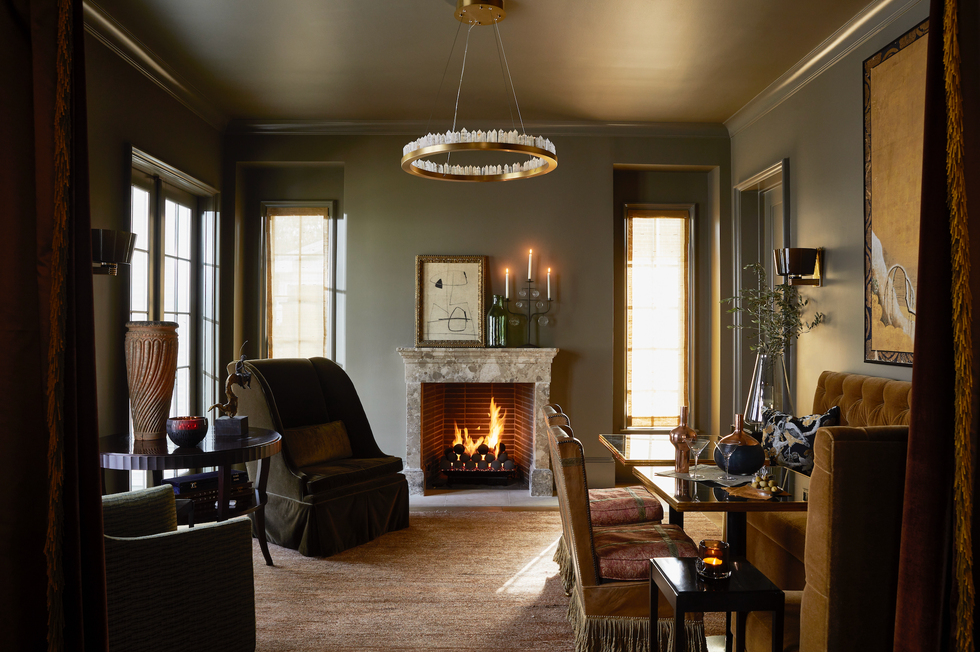
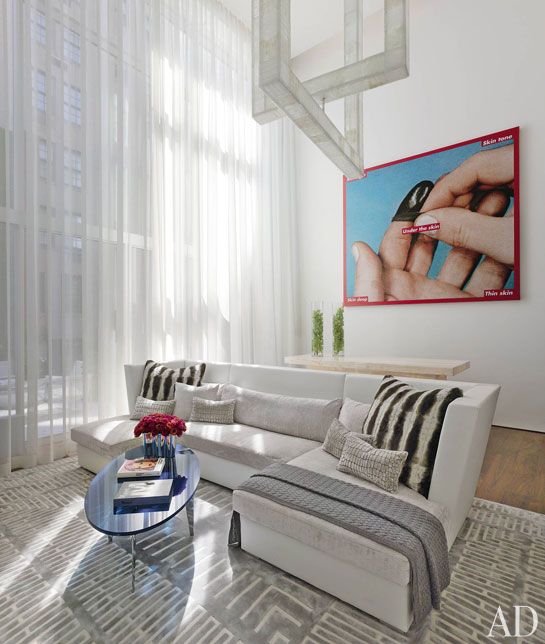
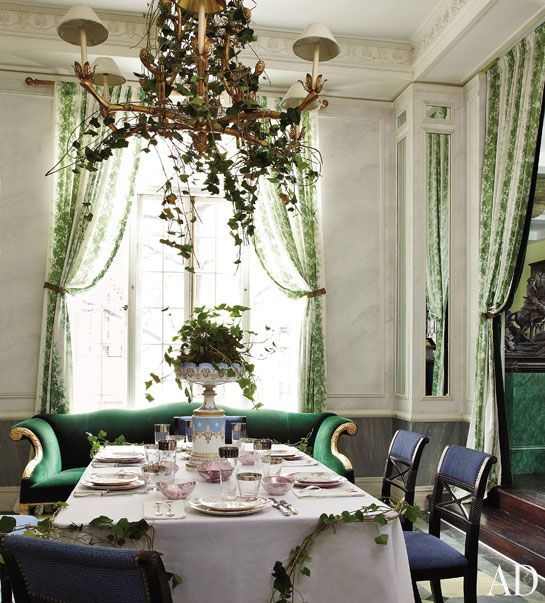
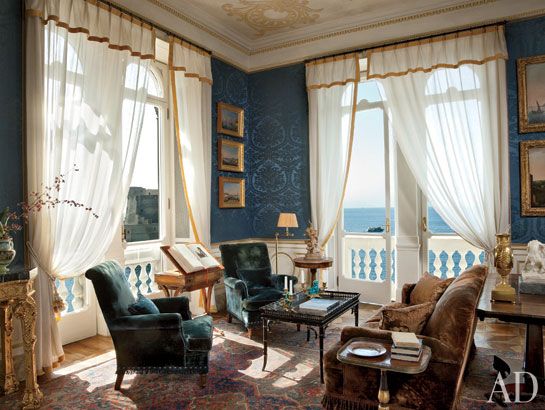
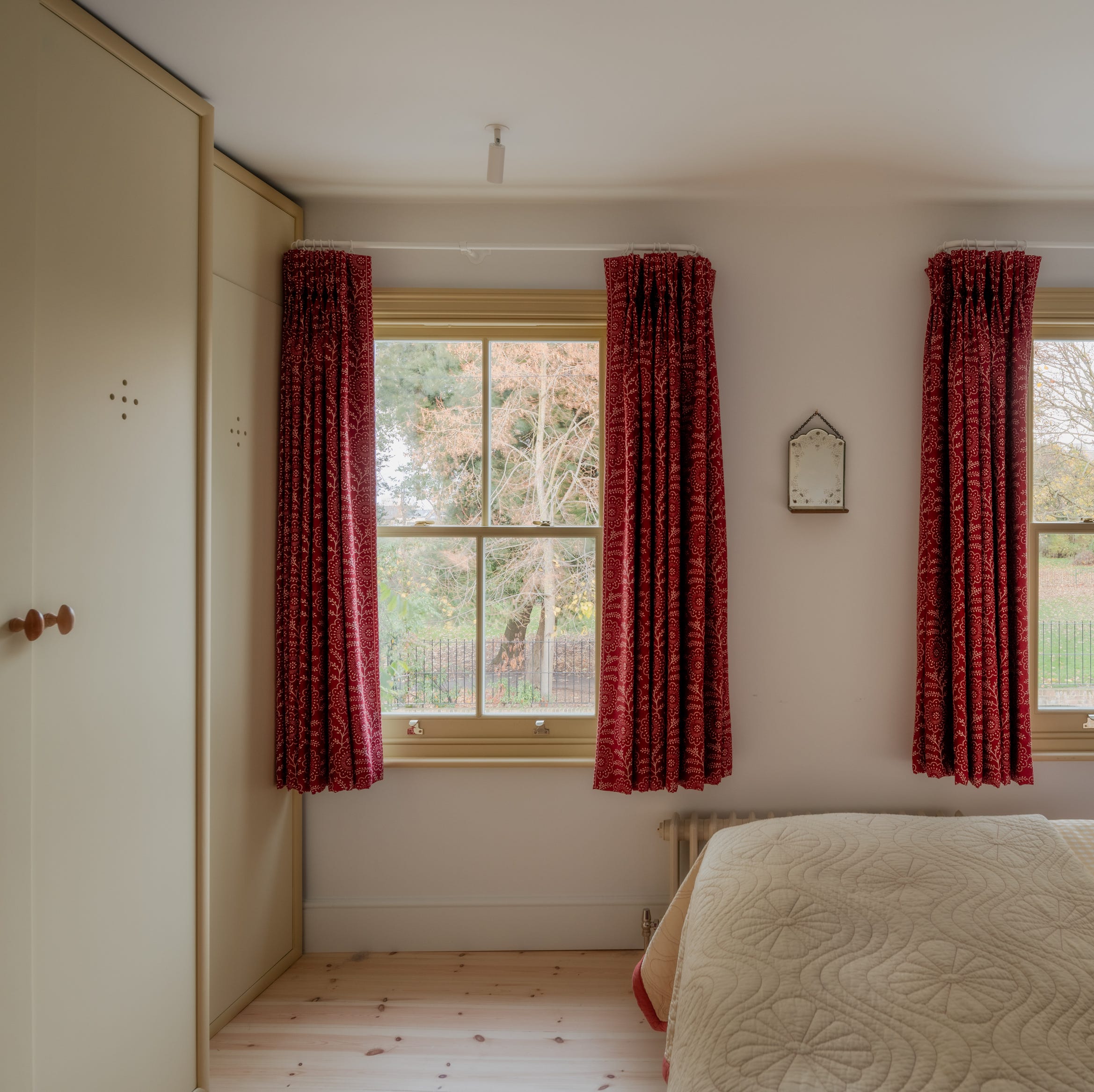
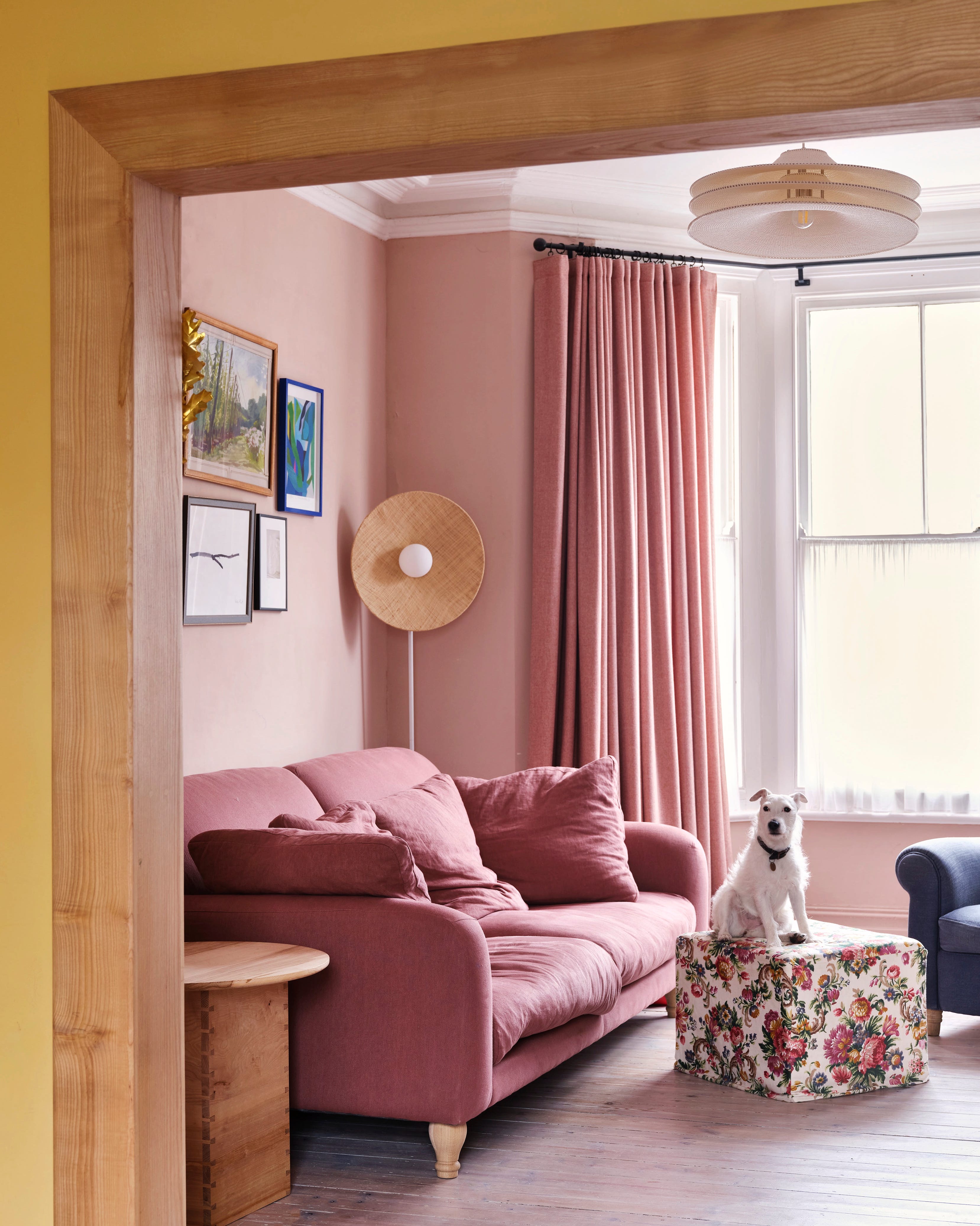
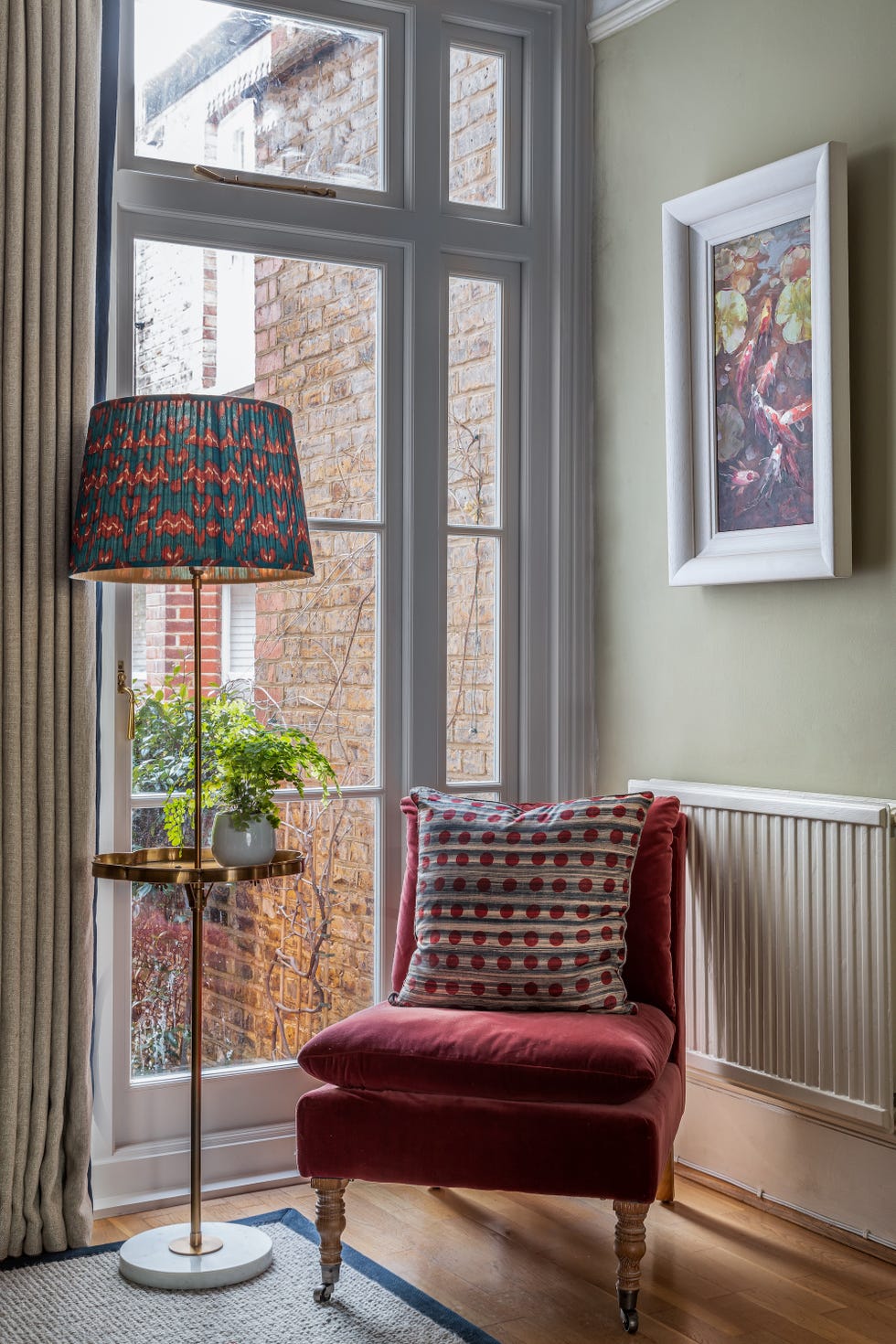
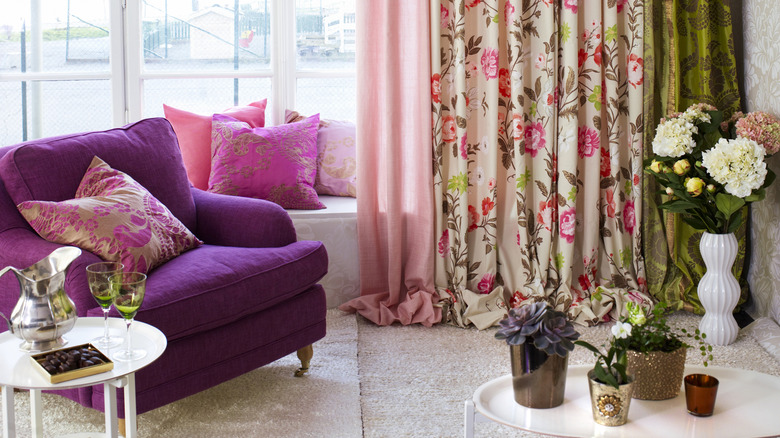
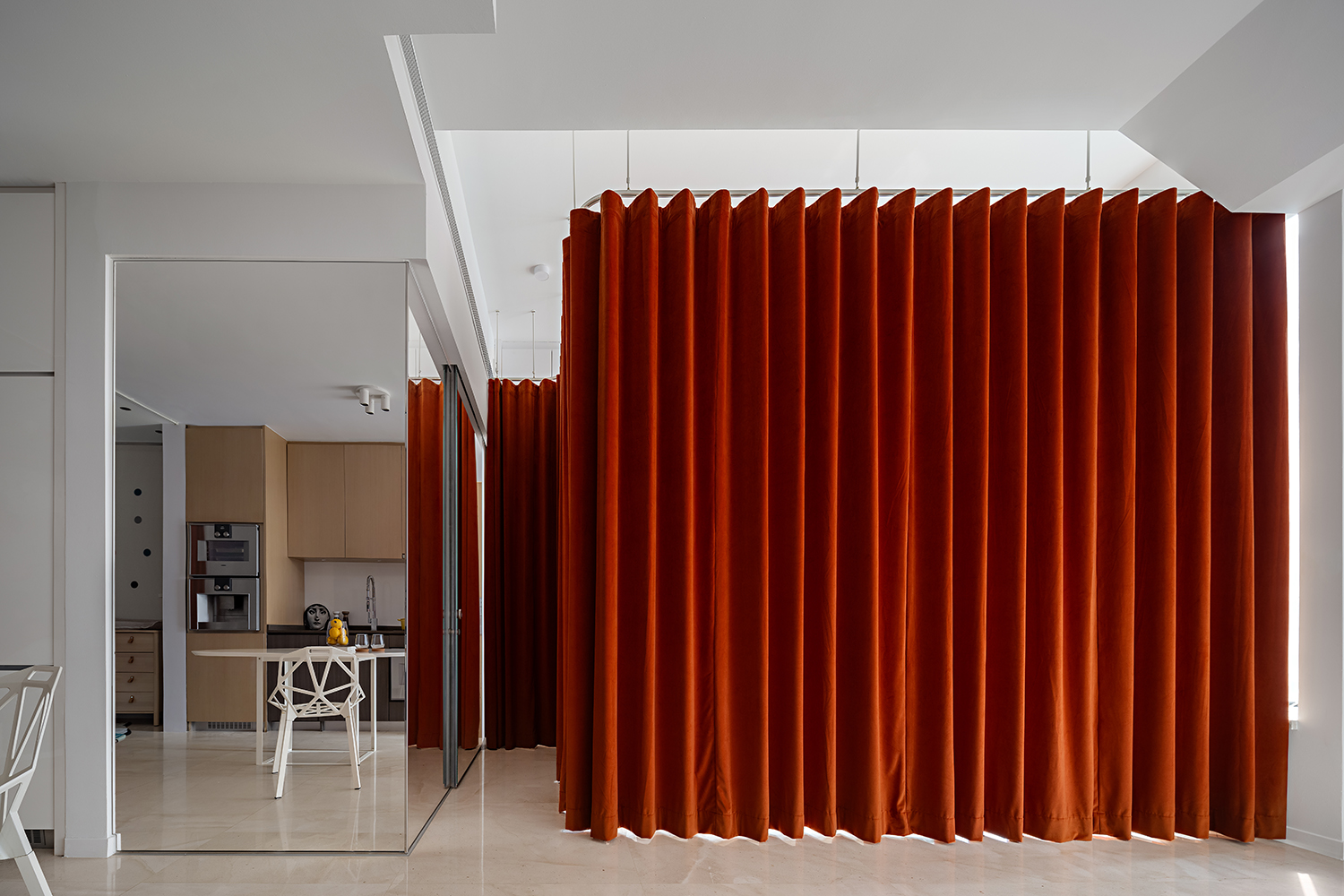
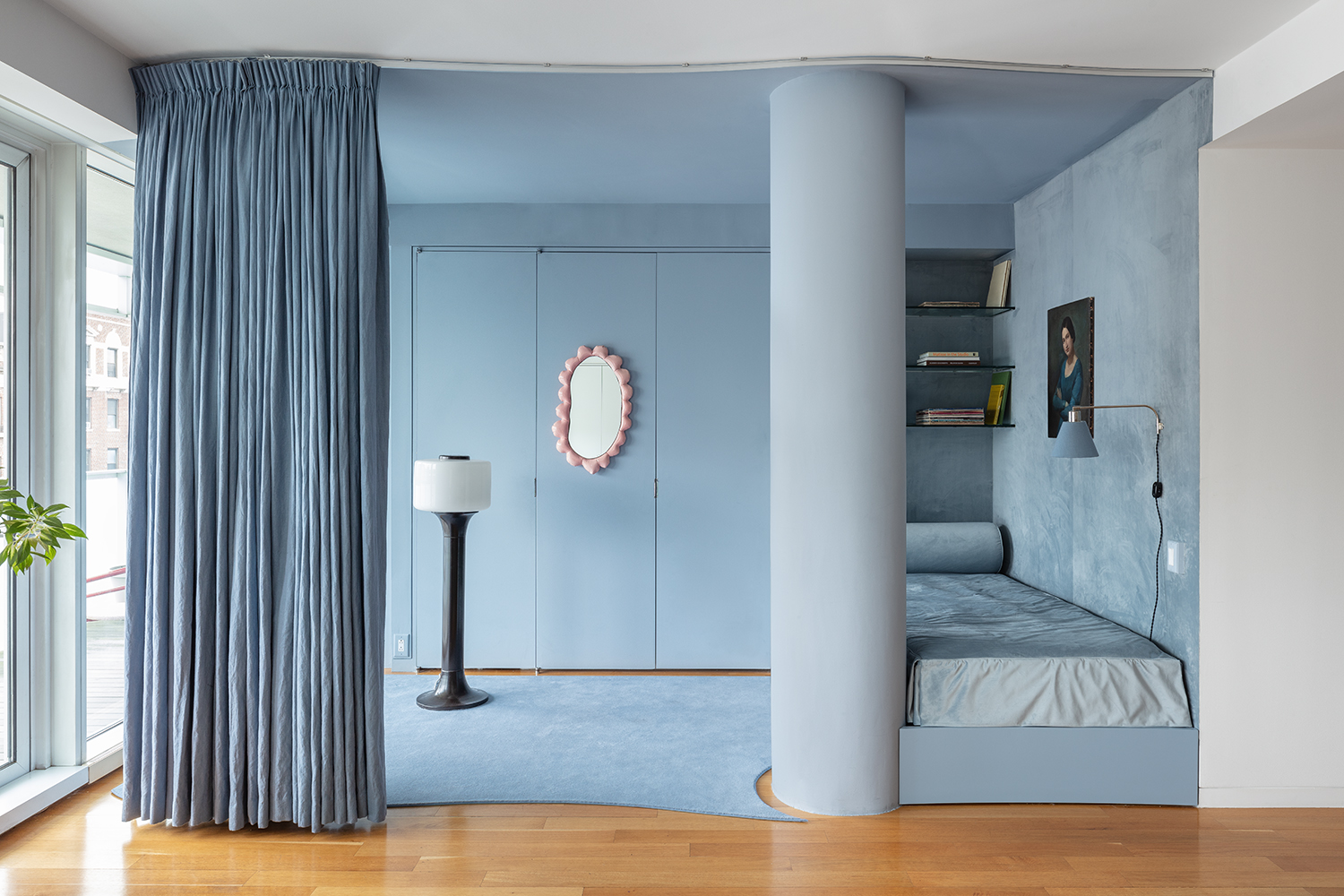

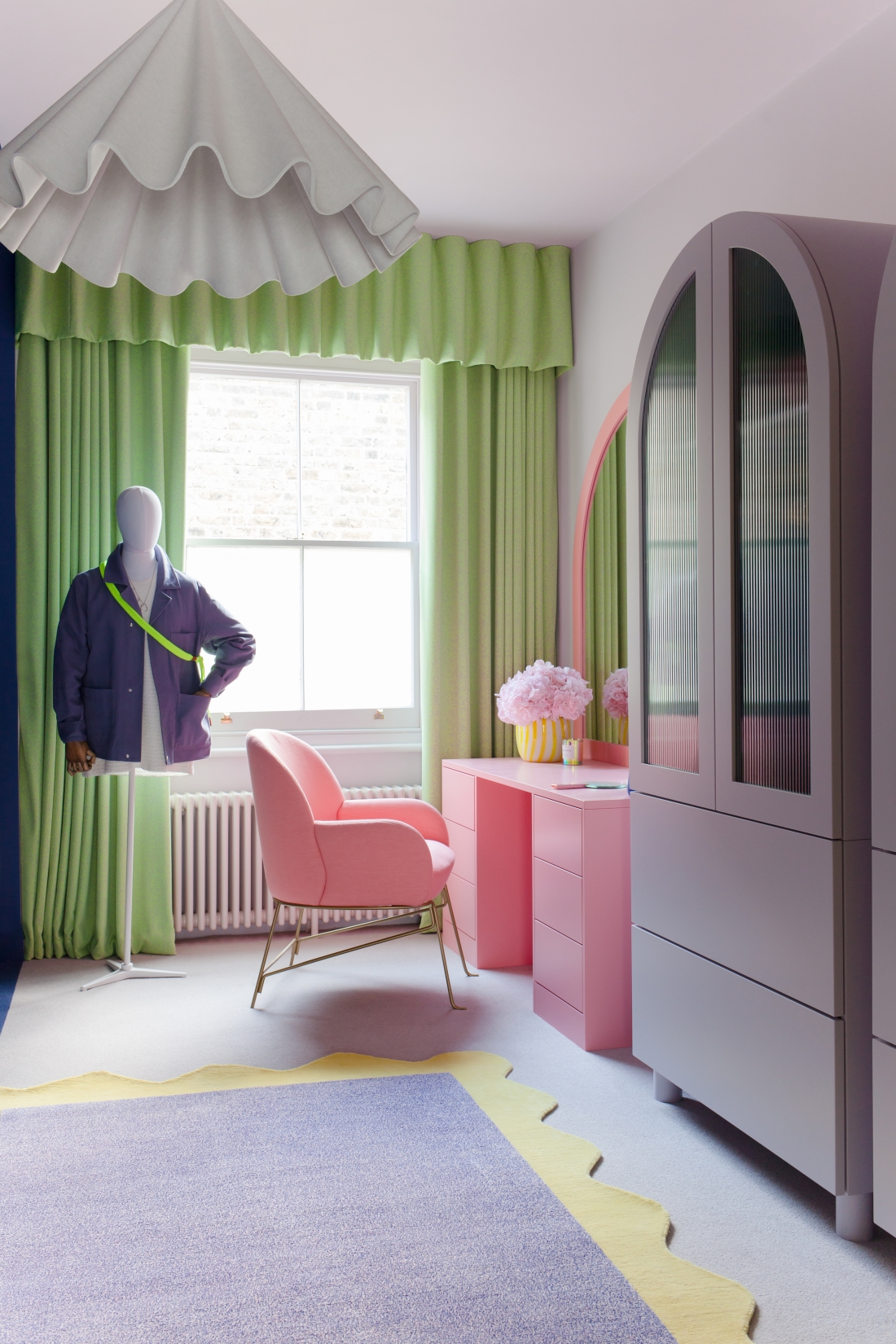
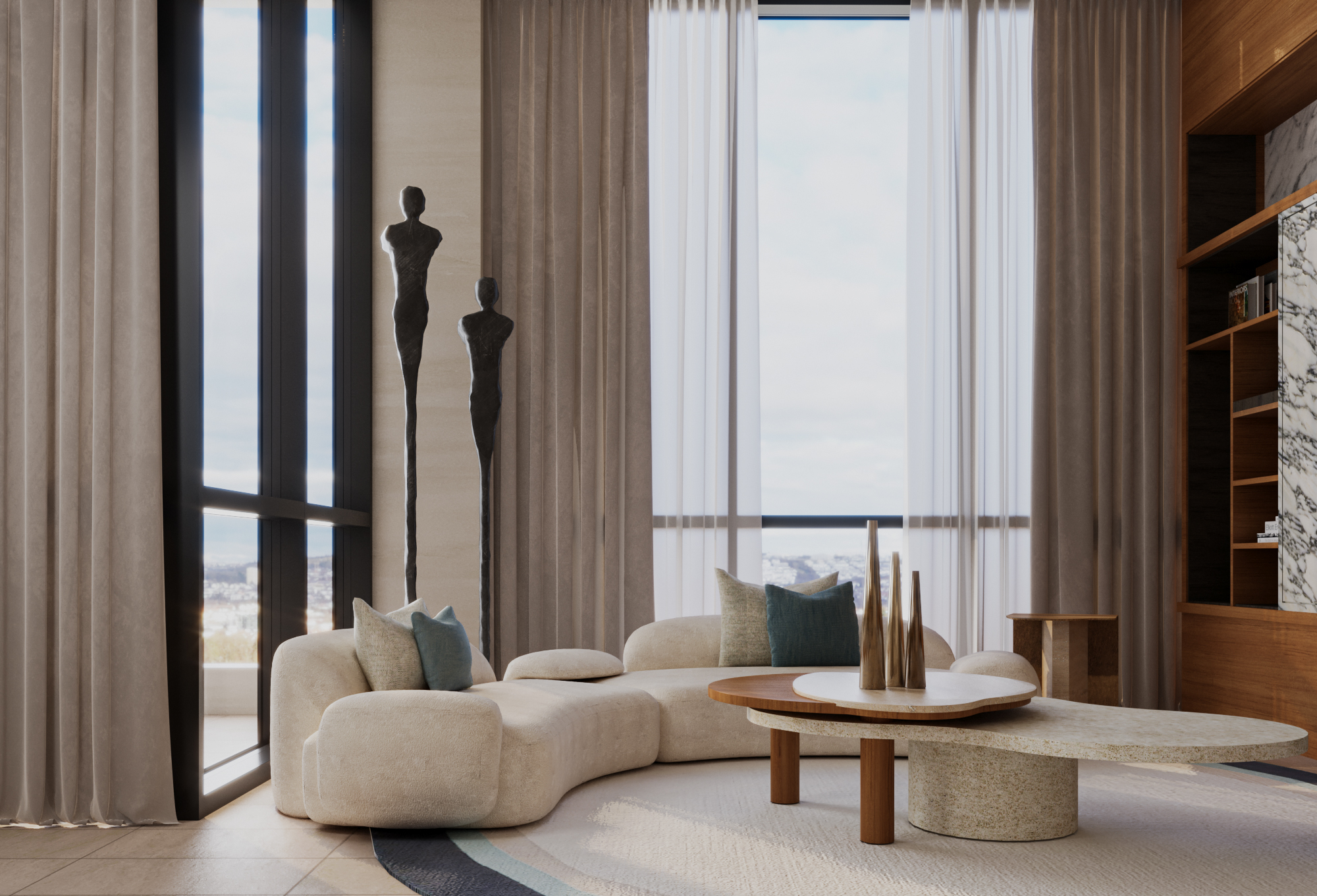
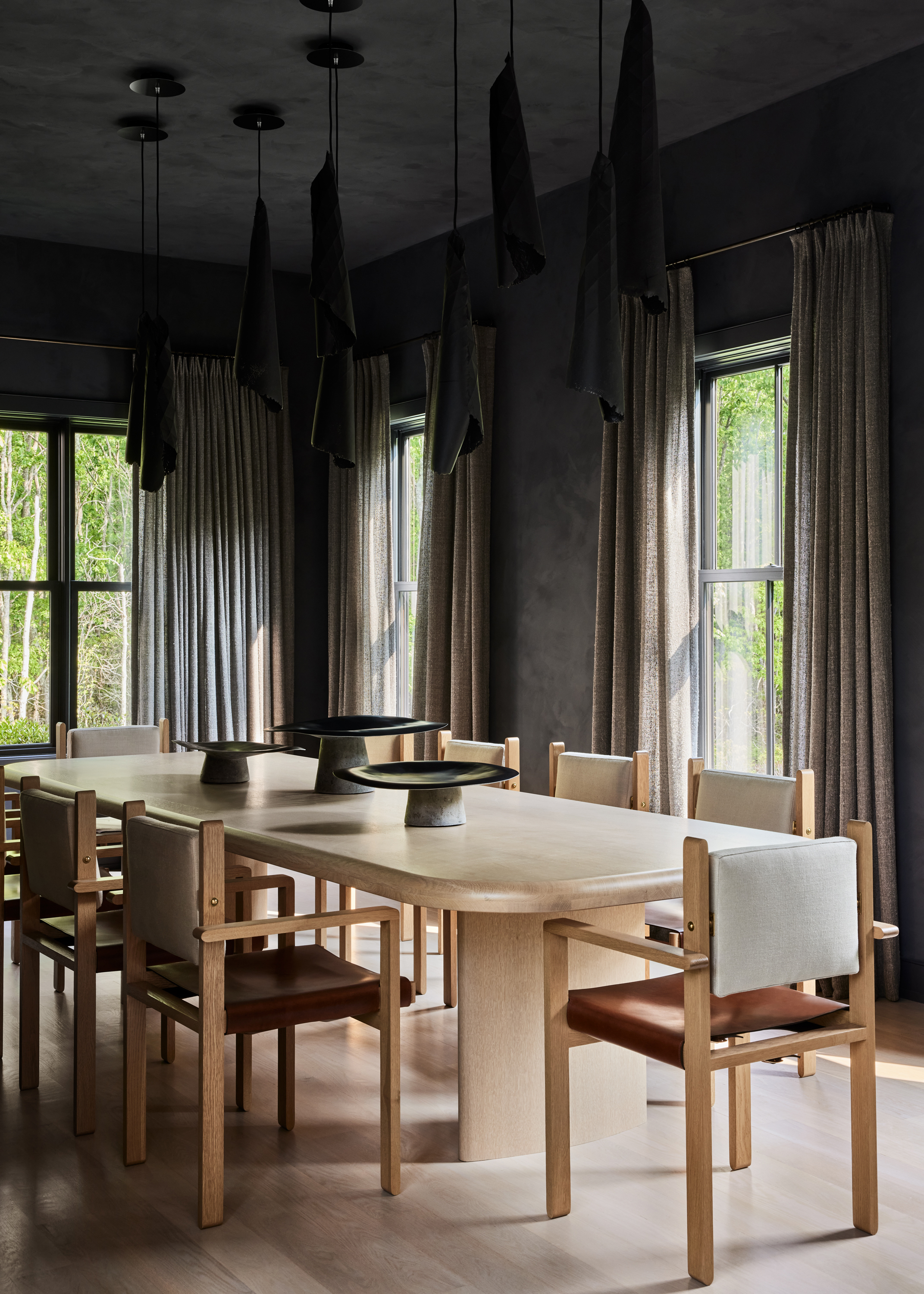
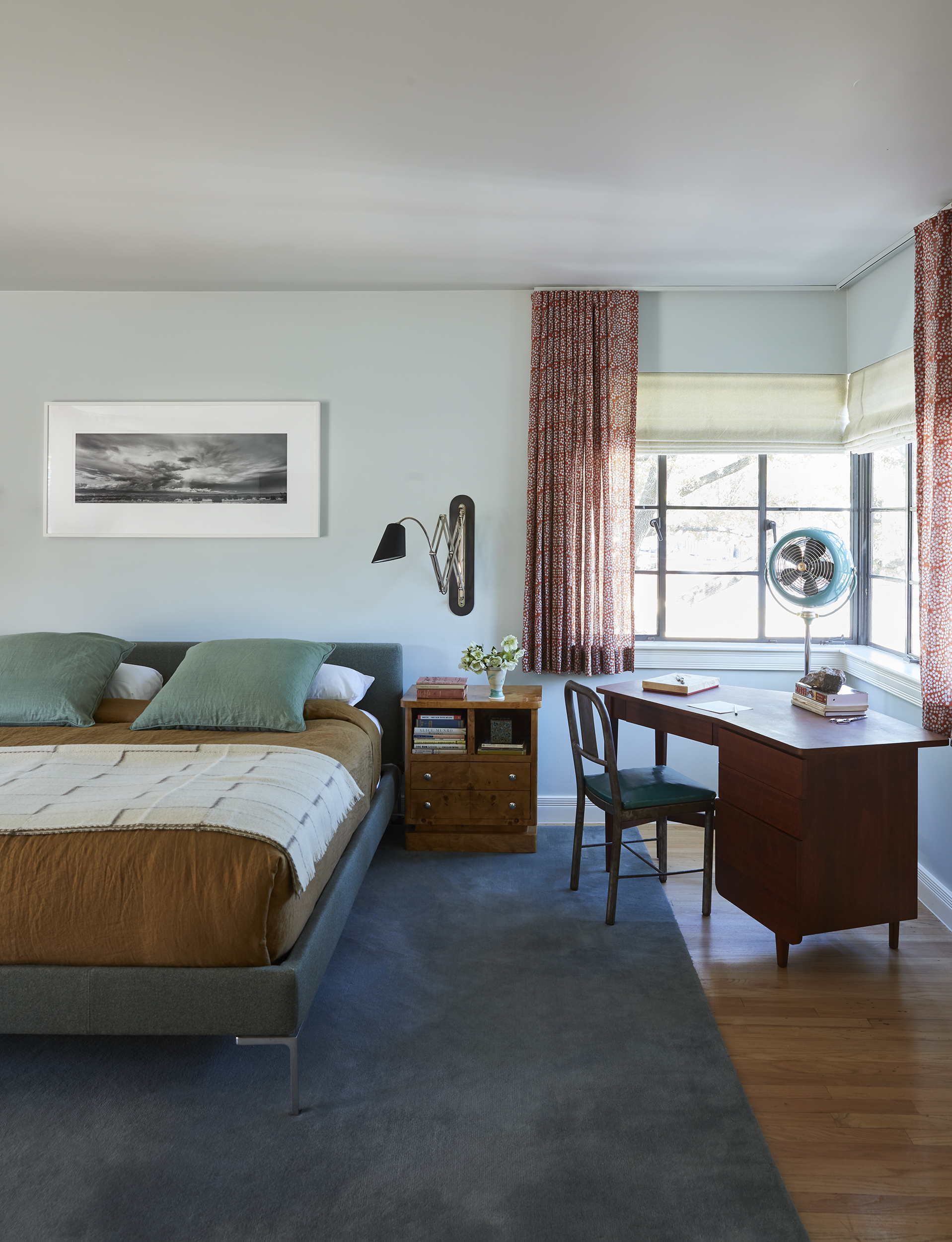
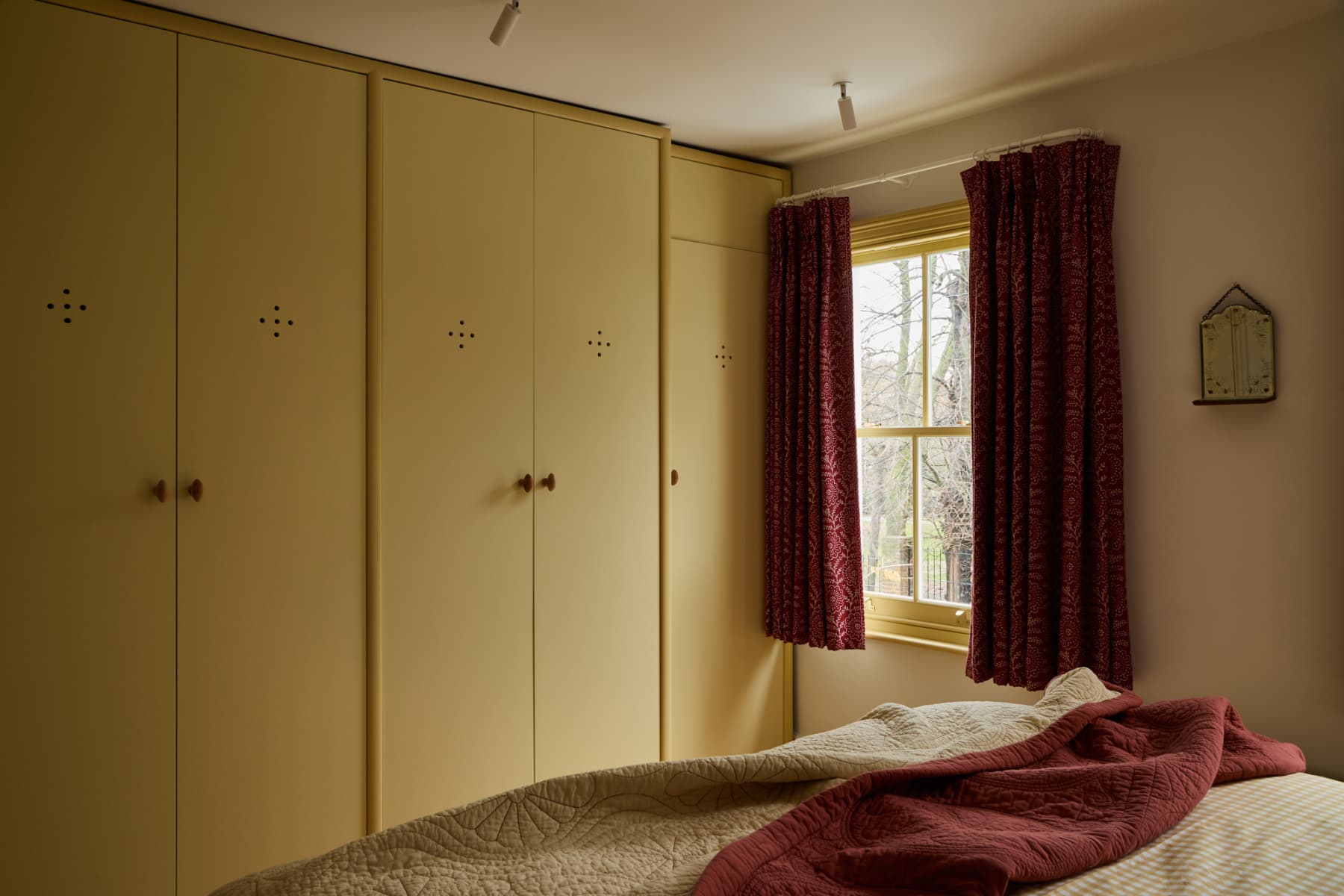
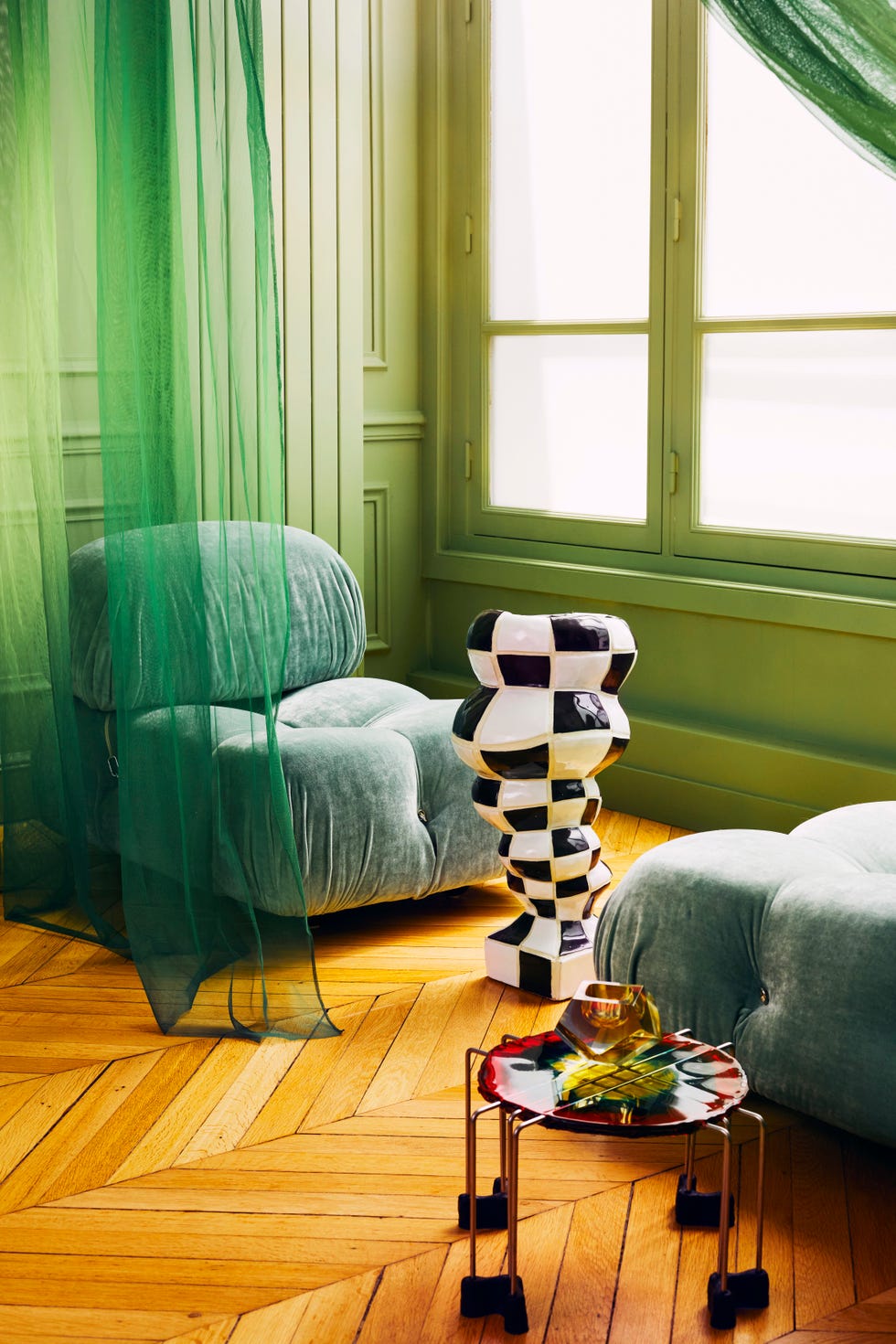
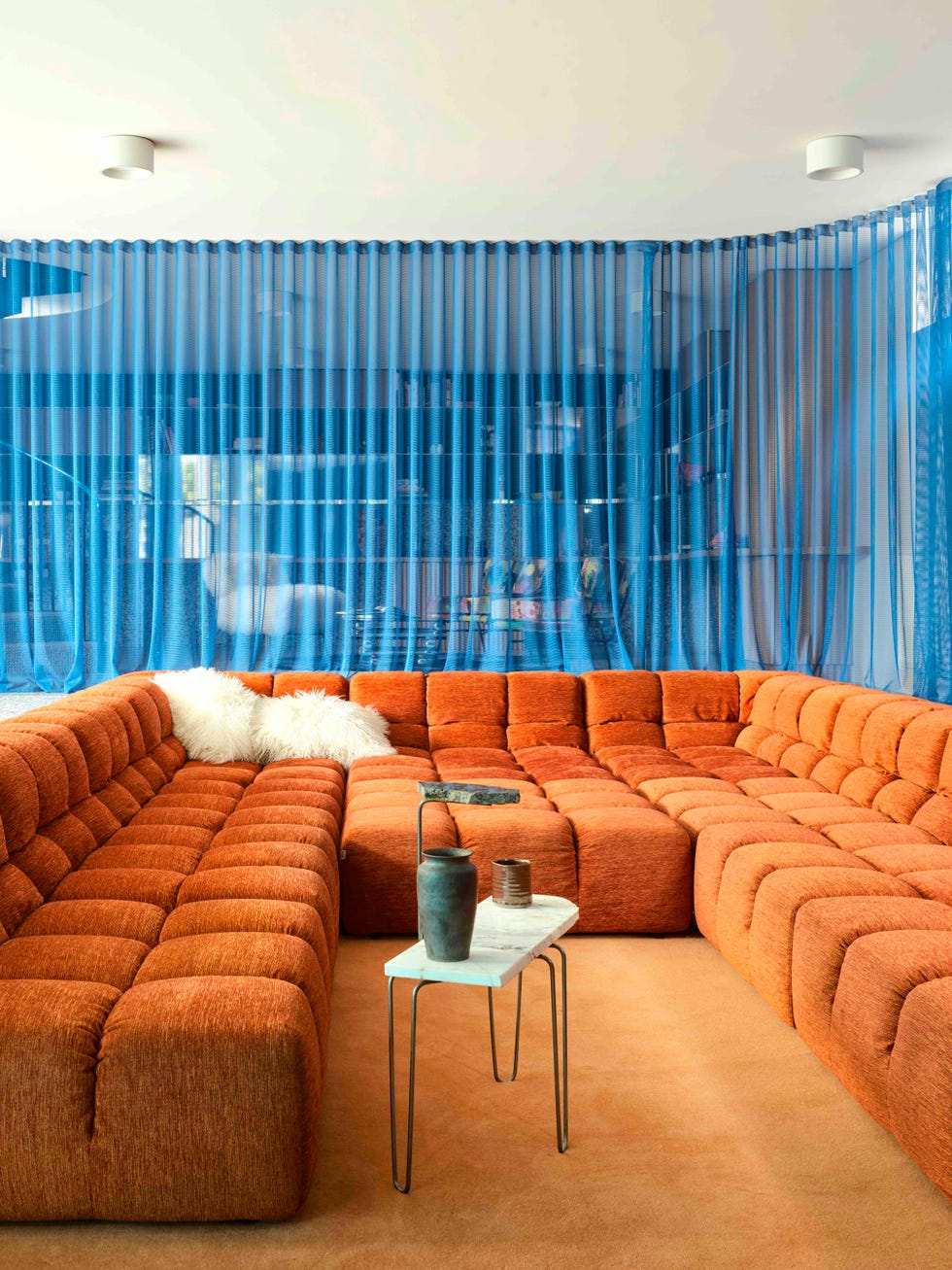
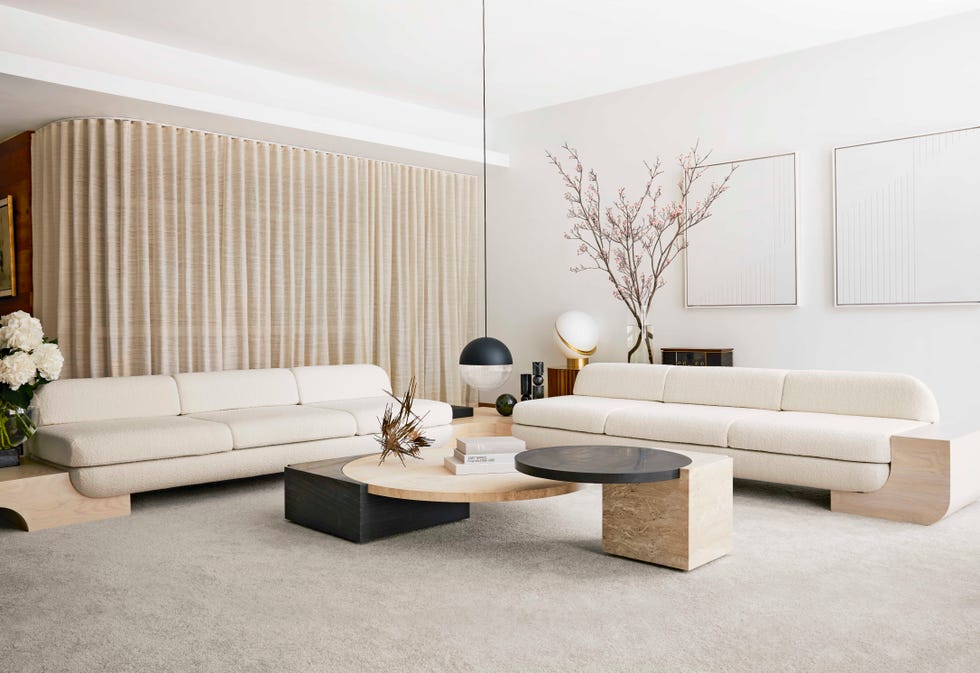
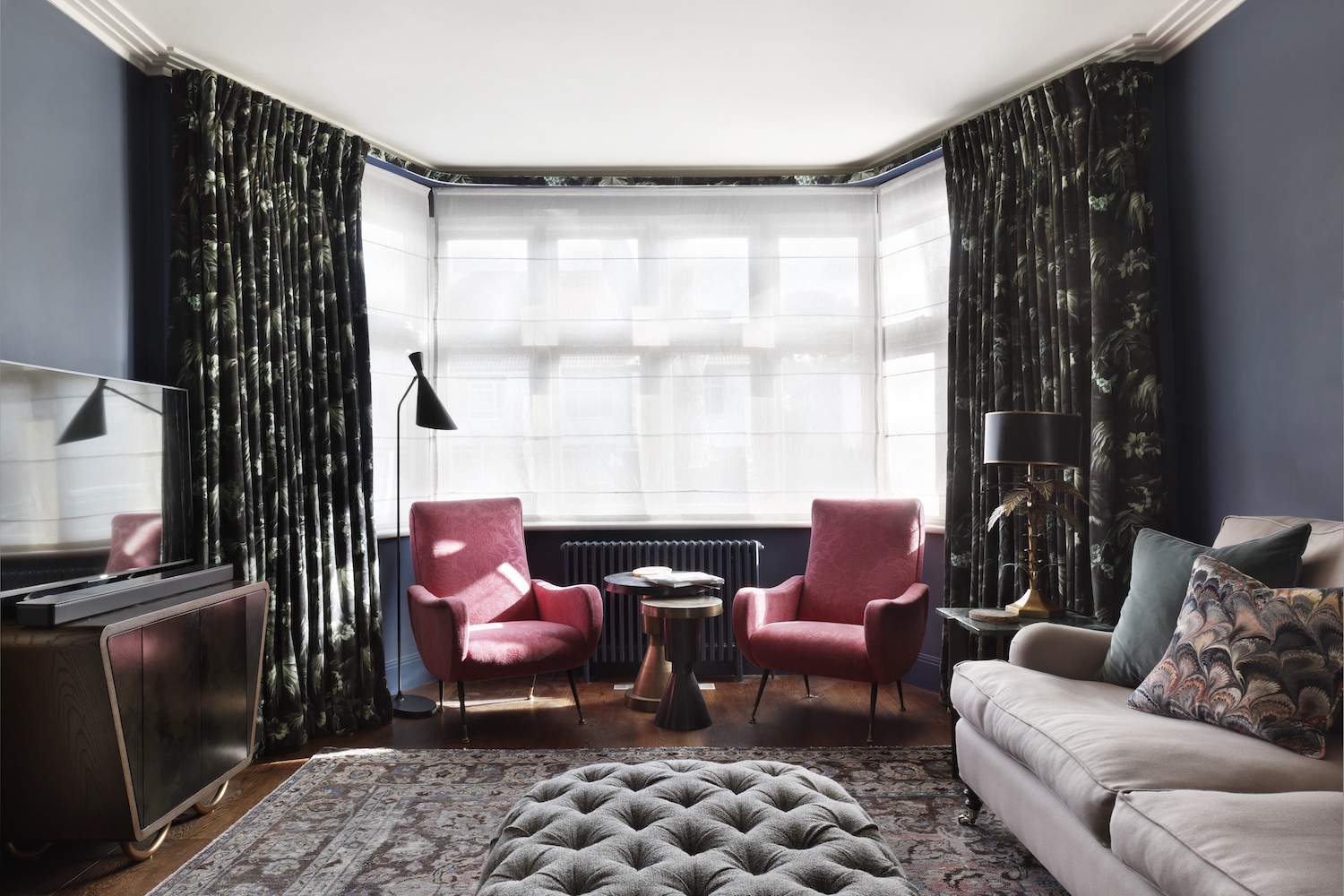
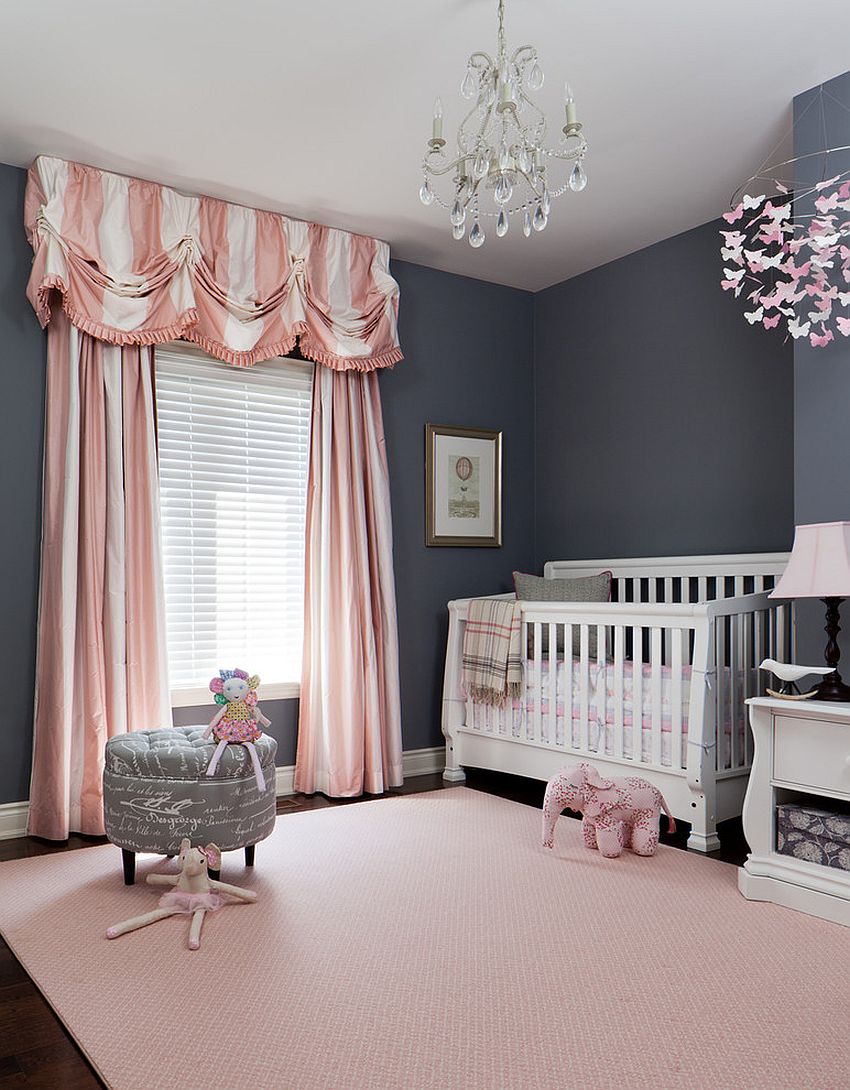
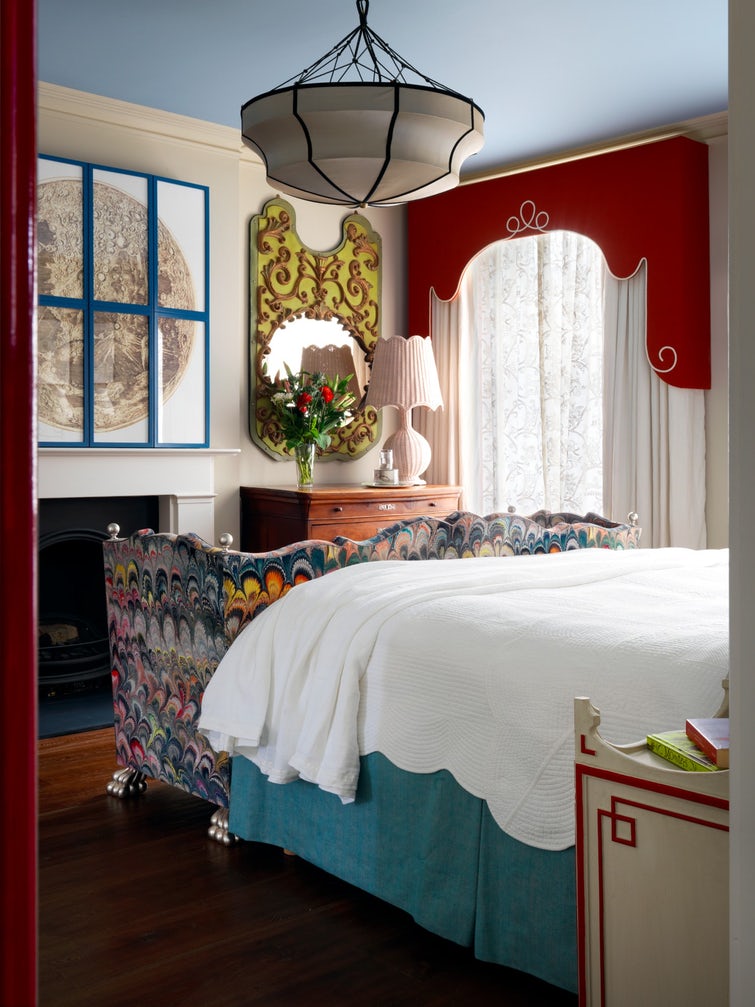
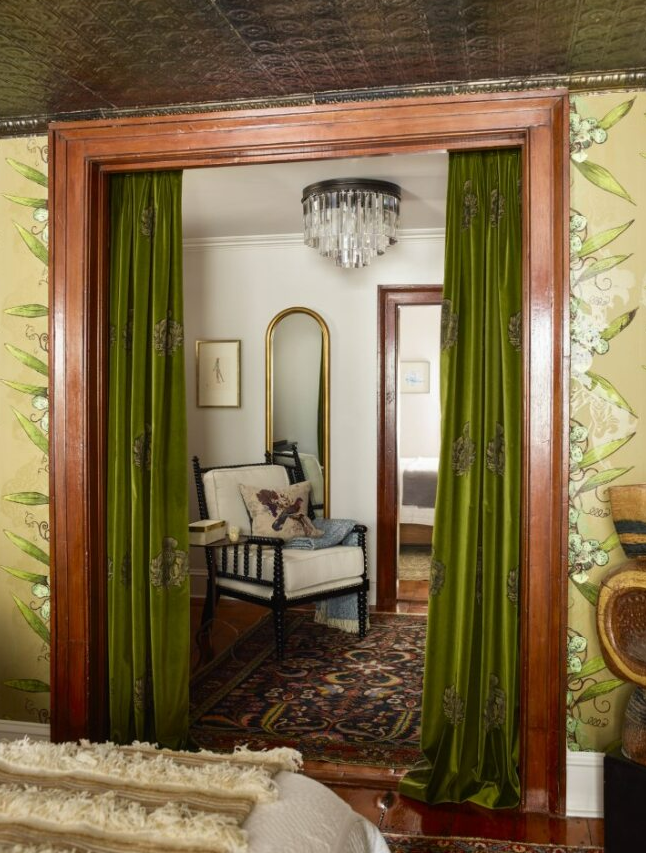
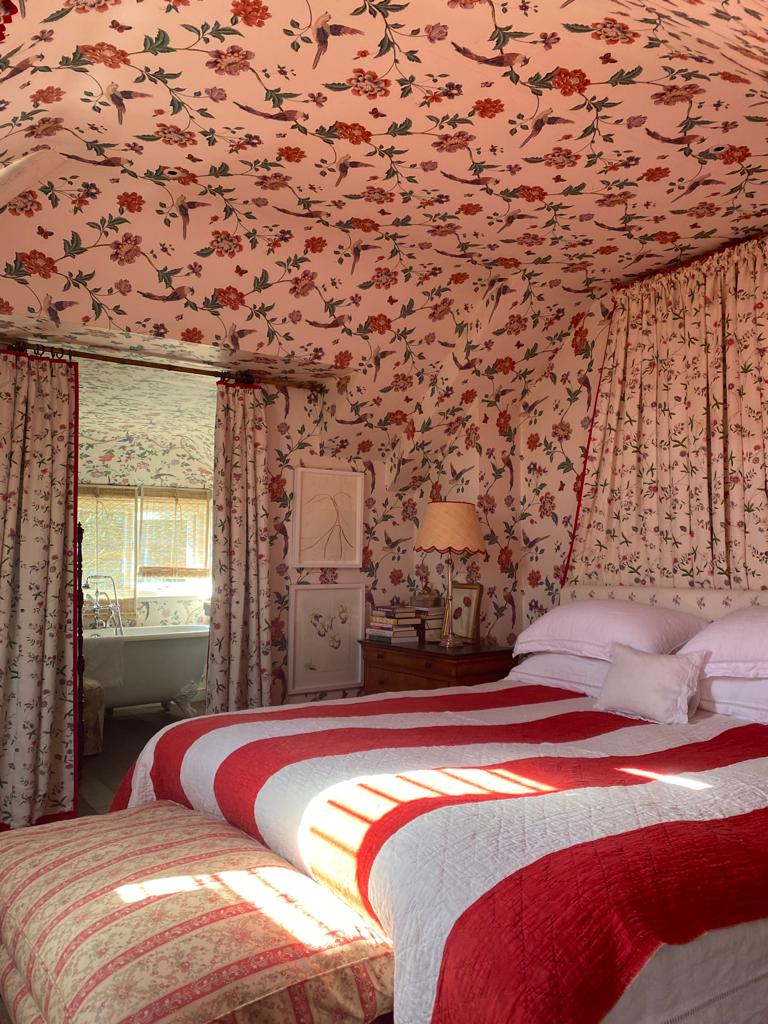
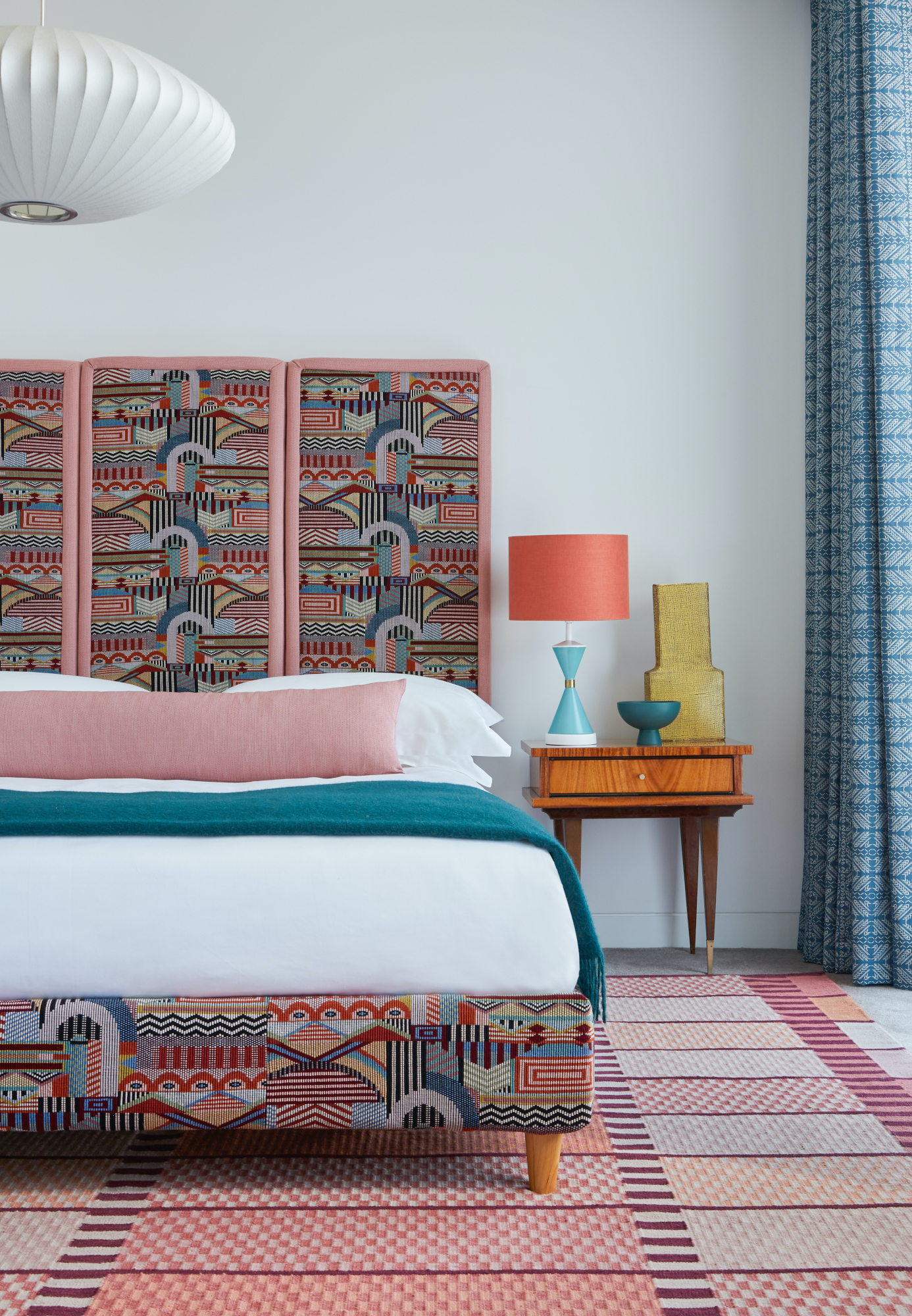
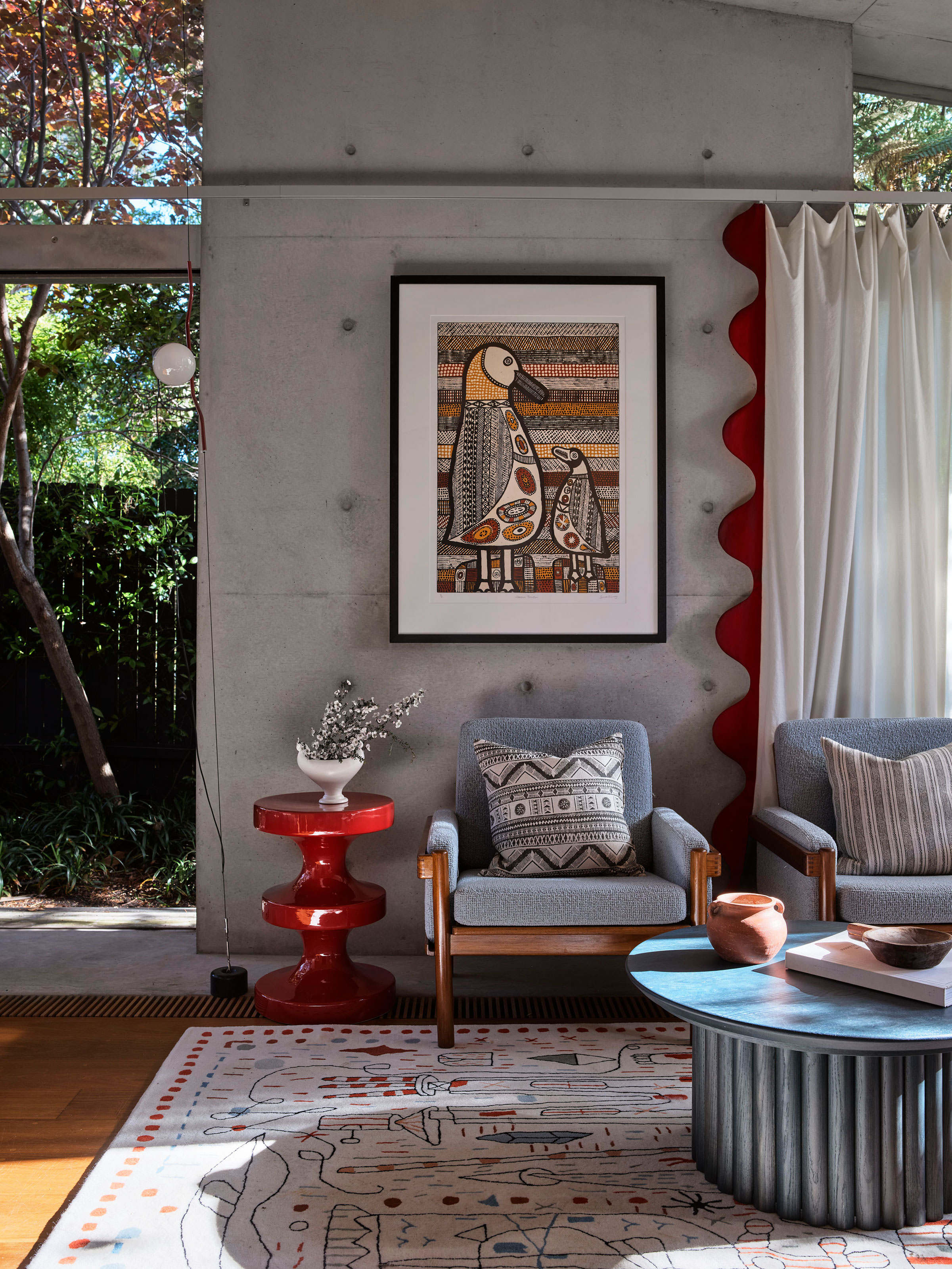
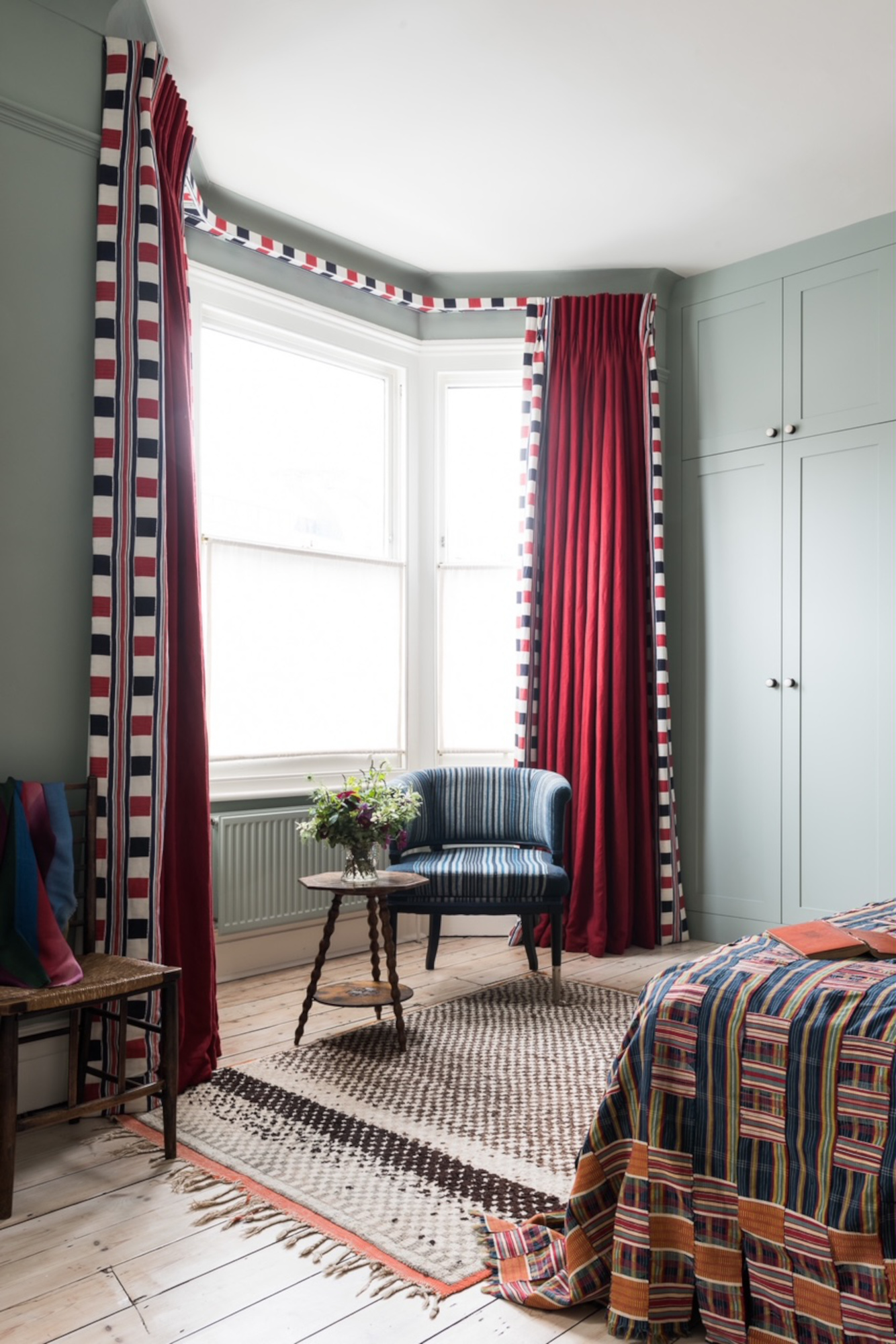
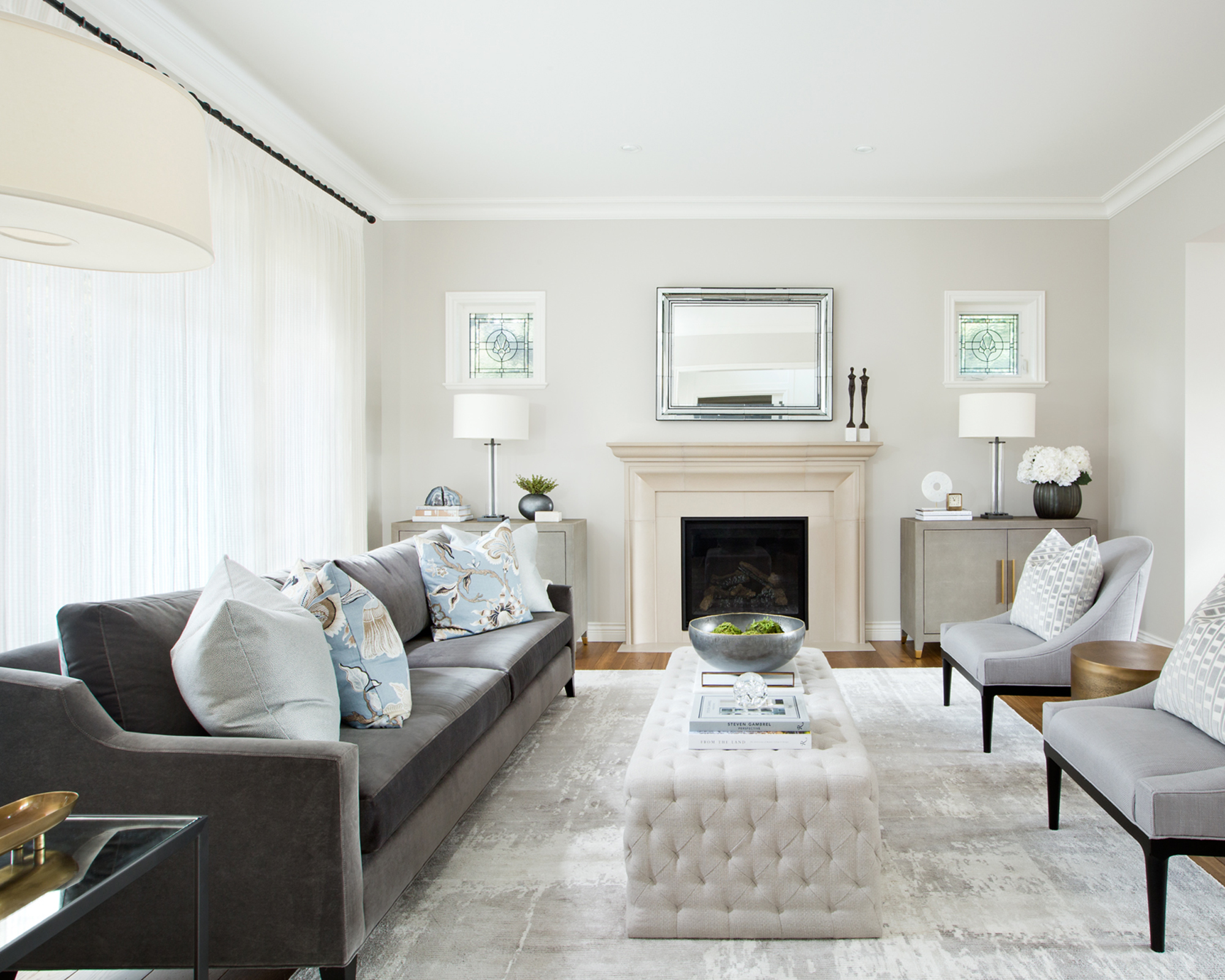
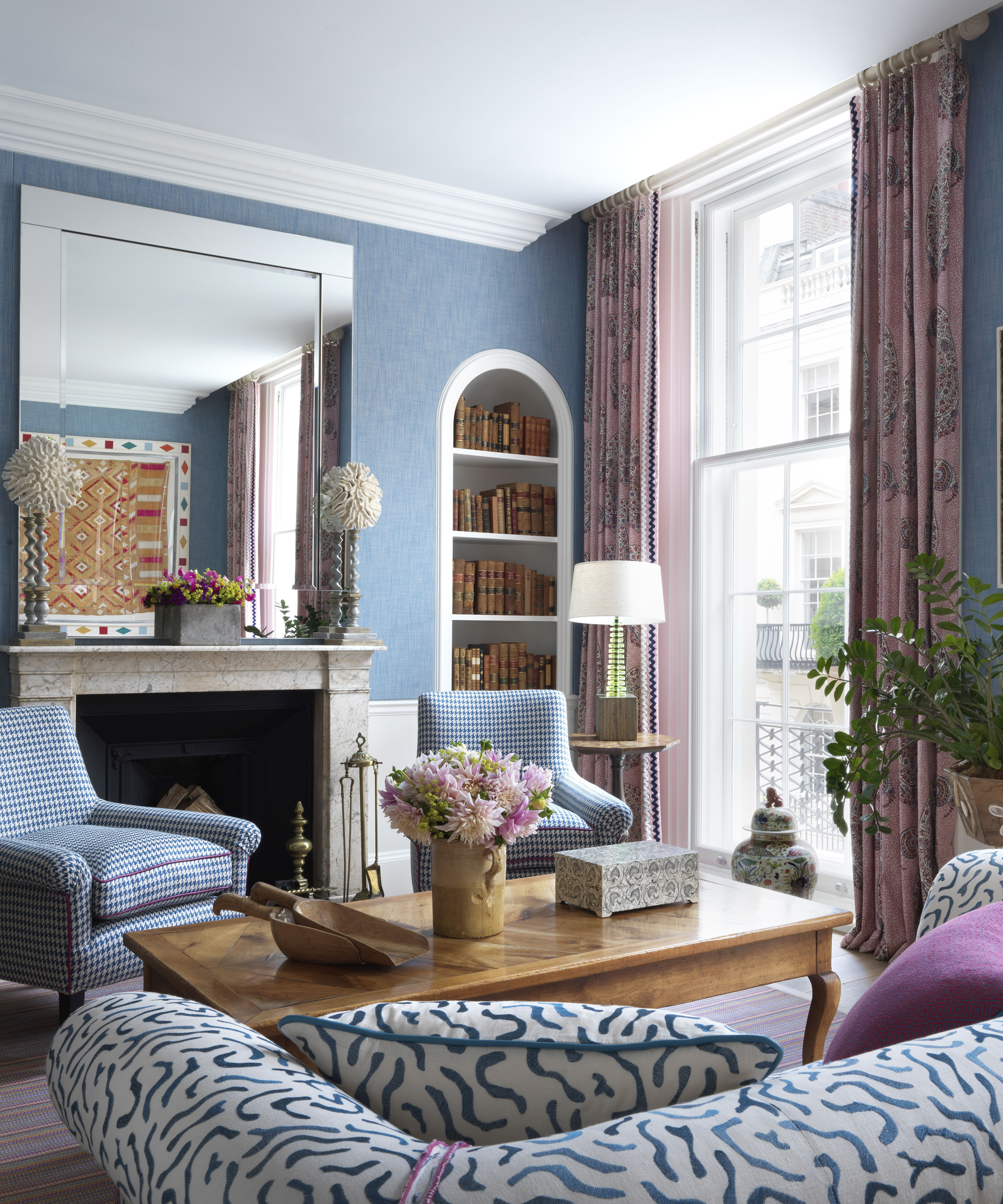
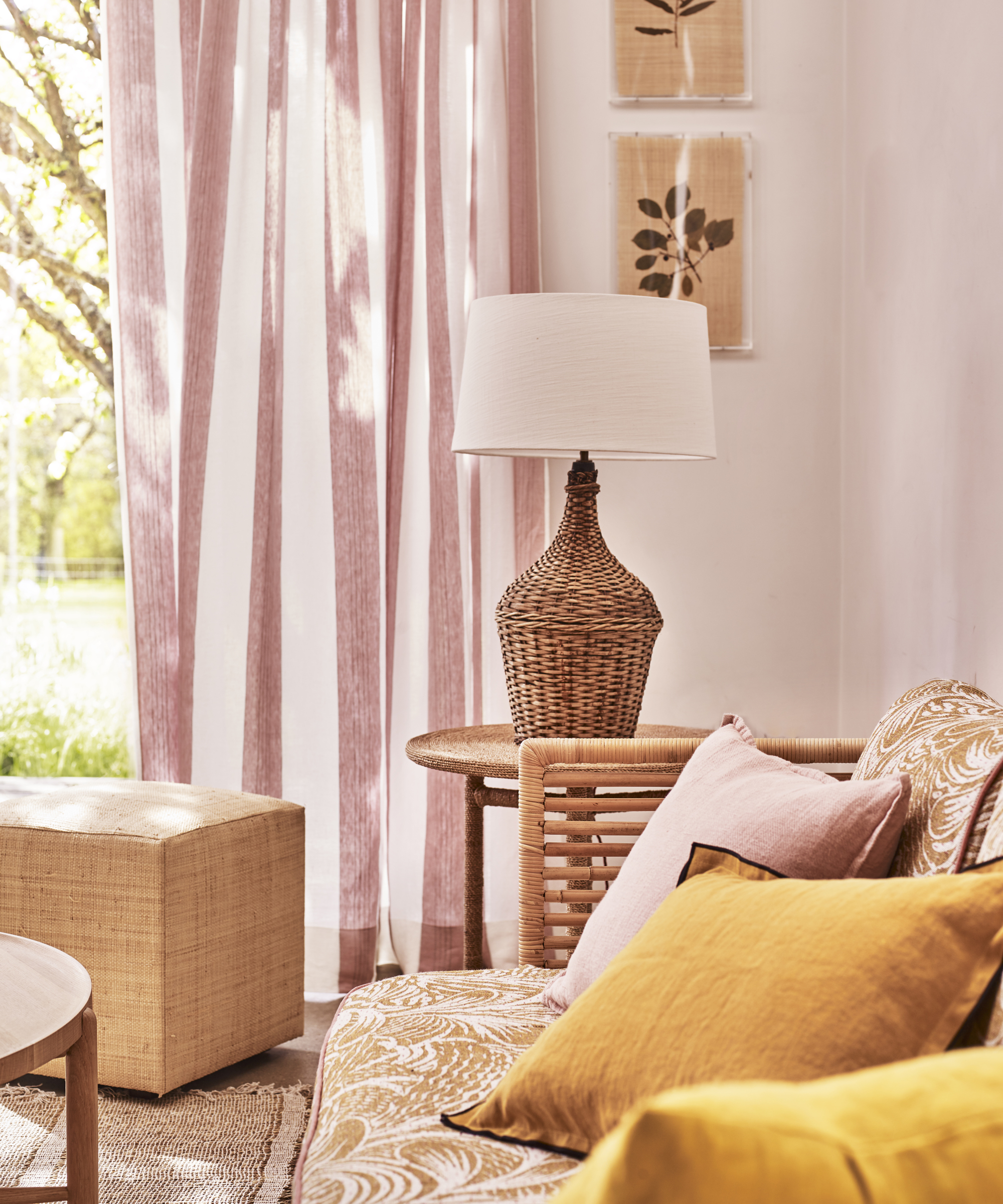
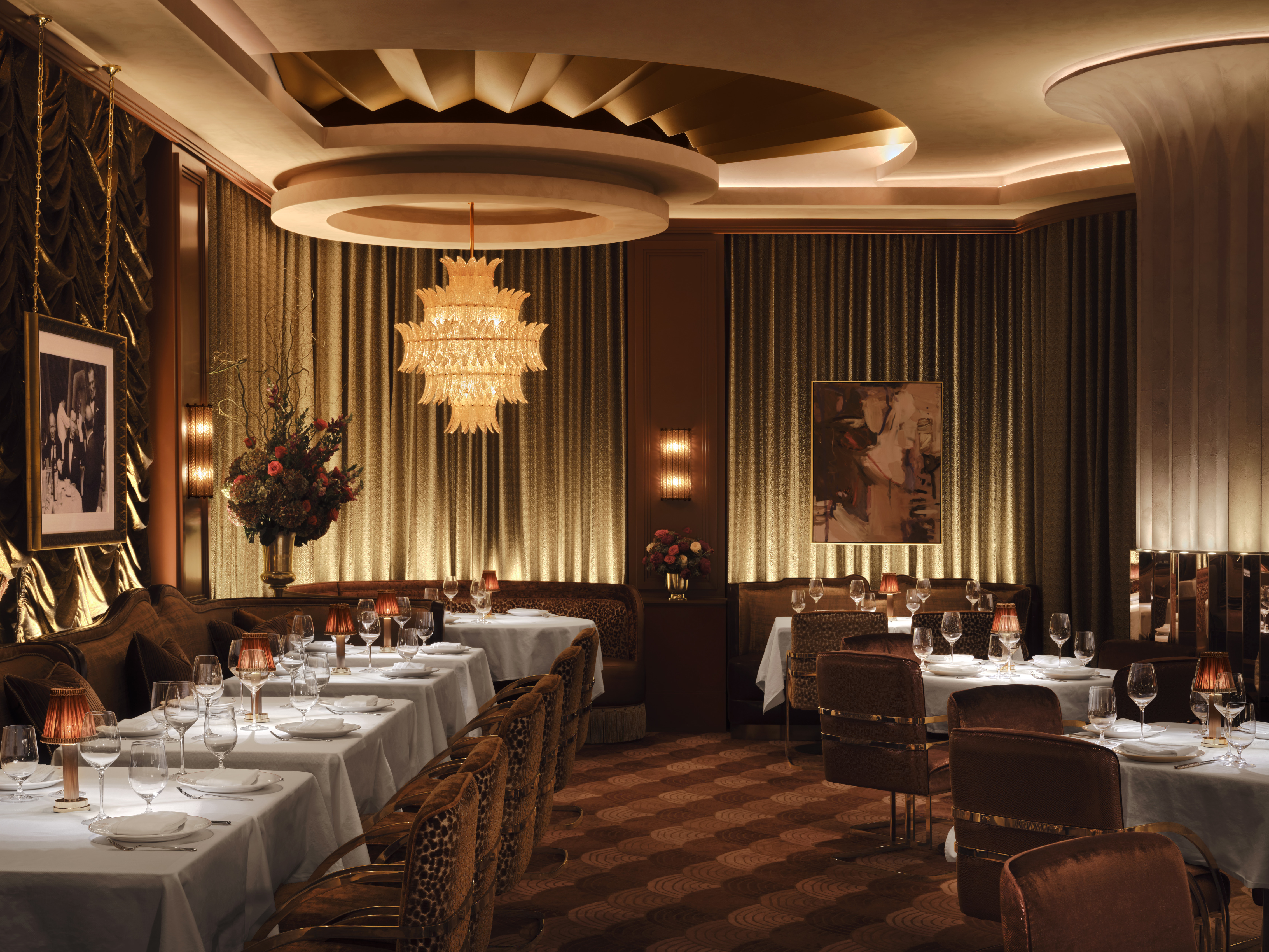
Curtains are experiencing a significant resurgence in interior design, moving beyond their traditional role as window treatments to encompass entire rooms. This trend is evident in various high-end establishments, such as the Ra Ra Room in Phoenix, People’s in Manhattan, The Nines in NoHo, and WSA in the Financial District, all featuring extensive use of drapery. Even high-fashion brands like Valentino and boutique hotels like Civilian are incorporating curtains as a central design element.
This widespread adoption of drapery is driven by a confluence of factors, including a lean towards maximalism and fashion-forward interiors. Beyond aesthetics, curtains provide a unique blend of comfort, privacy, and improved acoustic performance. The design director at Gensler, Siobhan Barry, likens the drapes to garments, emphasizing their ability to elevate a space into a realm of fantasy. Ryan Mahoney, creative director at Workstead, highlights how covering an entire room with drapery can unify a space, injecting a sense of mystery and playfulness while also acoustically enhancing the environment.
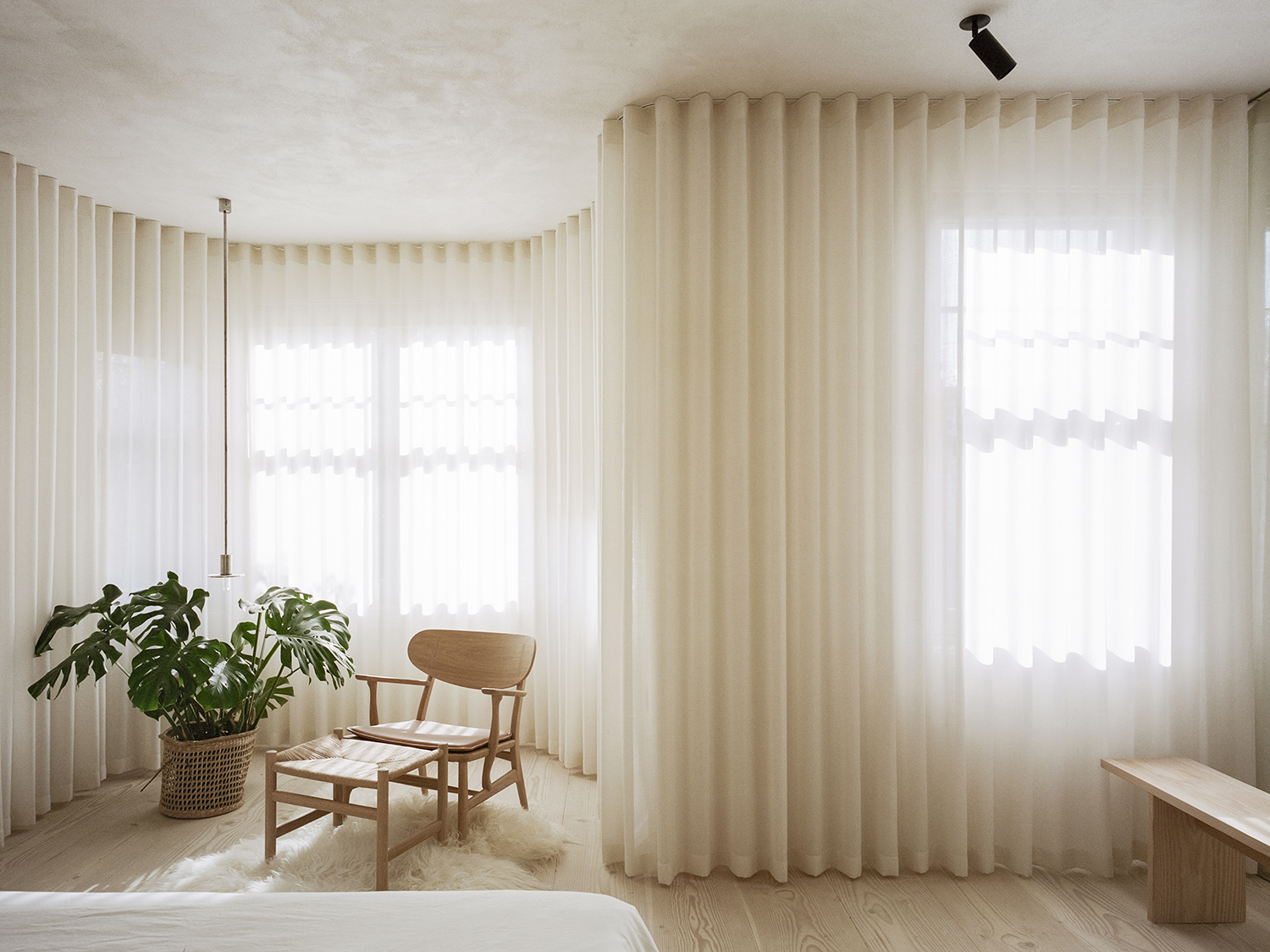
The historical context of drapery use in interiors is also noteworthy. Napoleon I famously used tent-like drapes in his battlefield campaigns and chateaux, a style later mimicked by decorators. The Viennese modernist Adolf Loos designed a bedroom entirely swathed in white drapes in 1903, which was described as an "architecture of pleasure" or "architecture of the womb." Later, designers like Billy Baldwin and Halston incorporated extensive drapery in their projects, reflecting evolving design sensibilities.
Psychologically, draped fabrics contribute to a sense of comfort and relaxation. Environmental psychologist Dr. Sally Augustin explains that humans associate curving lines, both two and three-dimensional, with comfort, while straight lines are linked to efficiency. In an increasingly anxious world, environments with softer textures and colors offer a reprieve, allowing individuals to feel revitalized. Artist and designer Monica Curiel also explores the psychological weight of textiles, connecting drapery to notions of nostalgia, care, innocence, and curiosity, often inspired by her matrilineal heritage.
Drapery also manipulates the perception of space, offering both a soft aesthetic and a practical device for privacy. Designer Adam Charlap Hyman uses draperies to create walls that appear soft and to suggest spaces beyond, while also providing a means to create convenient deceptions or make legitimate walls seem more impermanent. This aligns with Loos's practice of using curtains to mediate between private and public spaces and to enhance the theatricality of interiors, a concept further explored by theorist Beatriz Colomina.
The association of curtains with performance is another compelling aspect. British designer Lee Broom's 'Overture' wallcovering, created with Calico, features a trompe l'oeil drapery effect, drawing inspiration from his background in acting and the transformative power of set design. Rachel Cope, Calico’s creative director, notes that this emotive quality helps animate rooms, satisfying a desire for interiors that narrate, ground, and inspire. The pervasive influence of social media also plays a role, with people seeking spaces that act as backdrops for their digital presence, effectively turning interiors into stage-like settings for self-expression and performance.
#InteriorDesign #CurtainTrends #MaximalistInteriors #ArtDeco #ArchitecturalHistory #EnvironmentalPsychology #TextileArt #SpacePerception #TheatricalInteriors #InteriorDesign #CurtainTrends #MaximalistInteriors #ArtDeco #ArchitecturalHistory #EnvironmentalPsychology #TextileArt #SpacePerception #TheatricalInteriors
0 comment in total
 No comments yet
You may also like
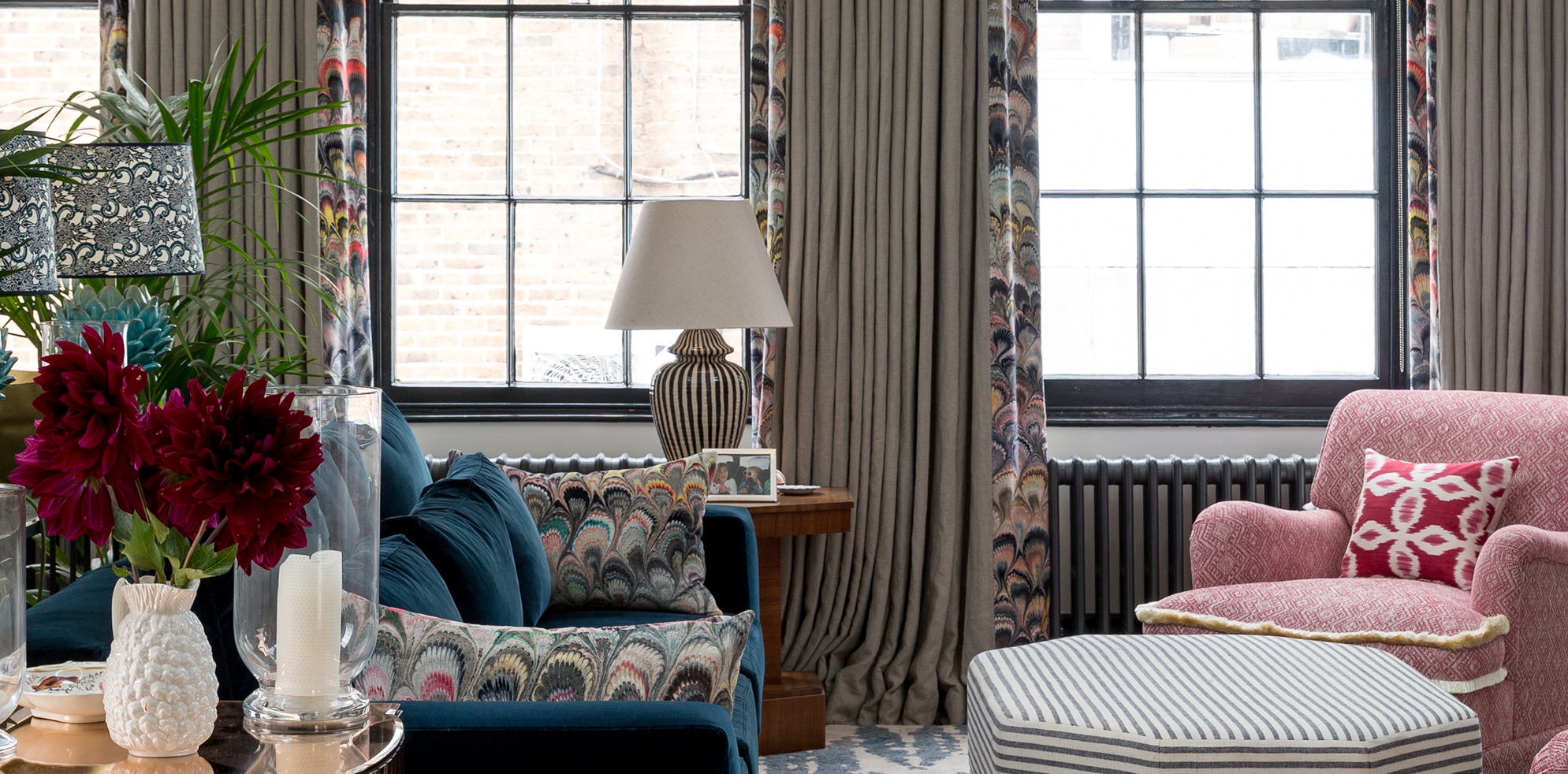
An easy add-on to your curtains makes rooms look expensive - designers explain

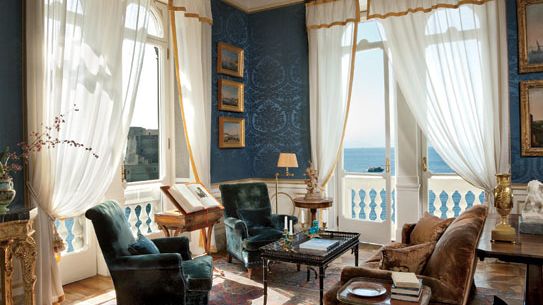
Design Talk: Miles Redd Discusses the Sheer Appeal of Unlined Curtains

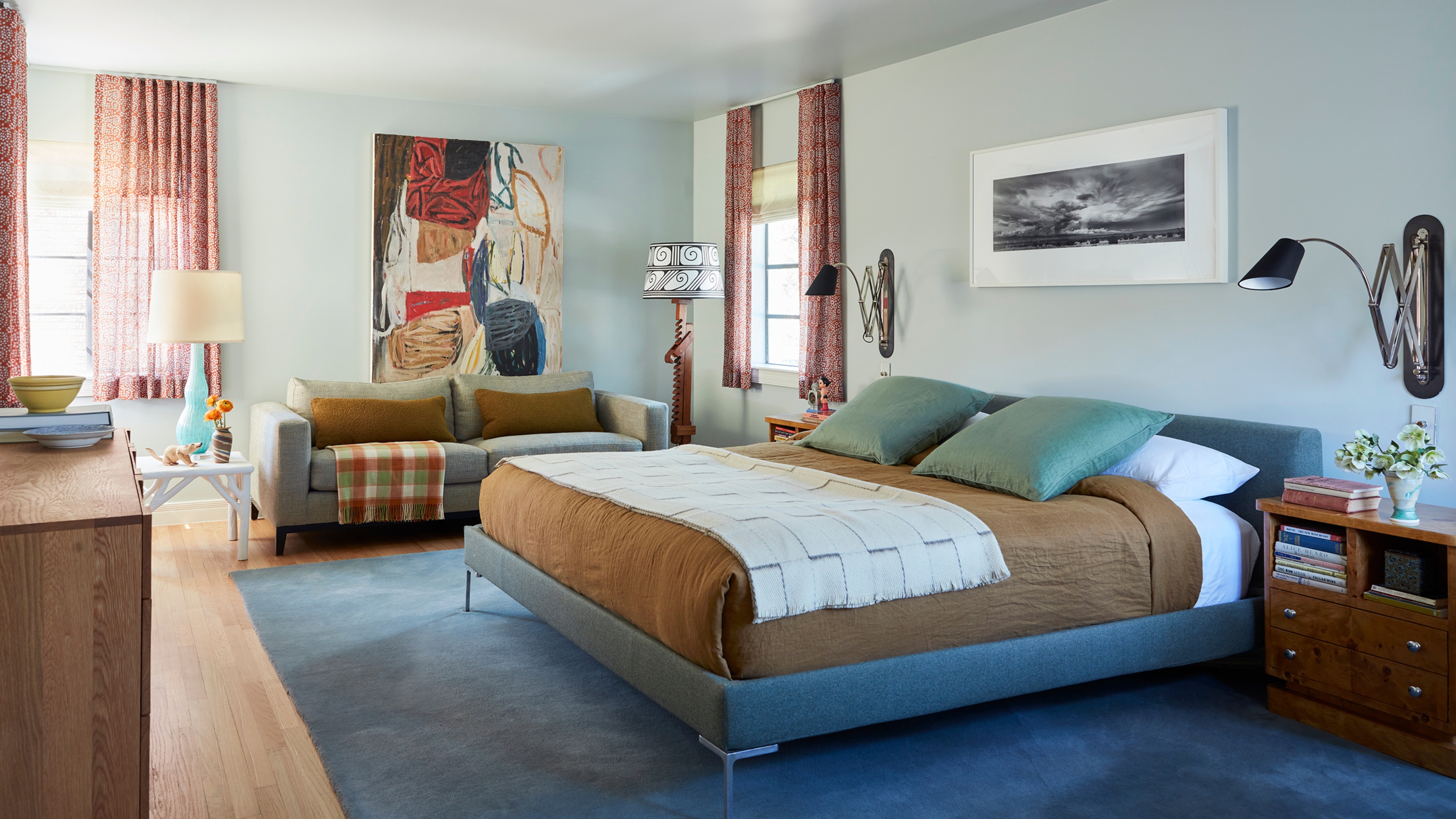
Suddenly, Short Curtains Have Got My Attention in the 'Long vs Short Curtain' Debate

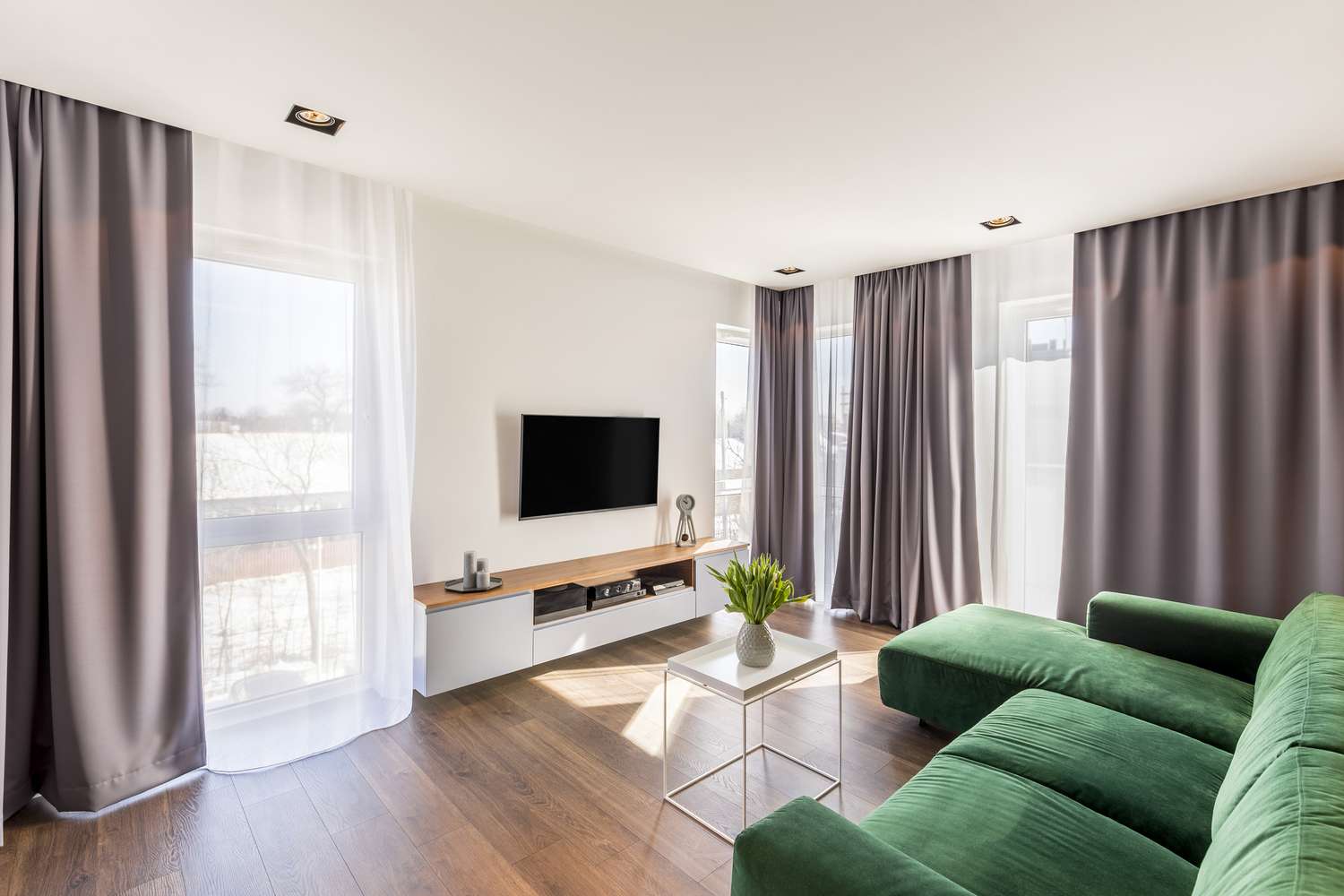
6 Curtain Styles That Are So Outdated, According to Designers

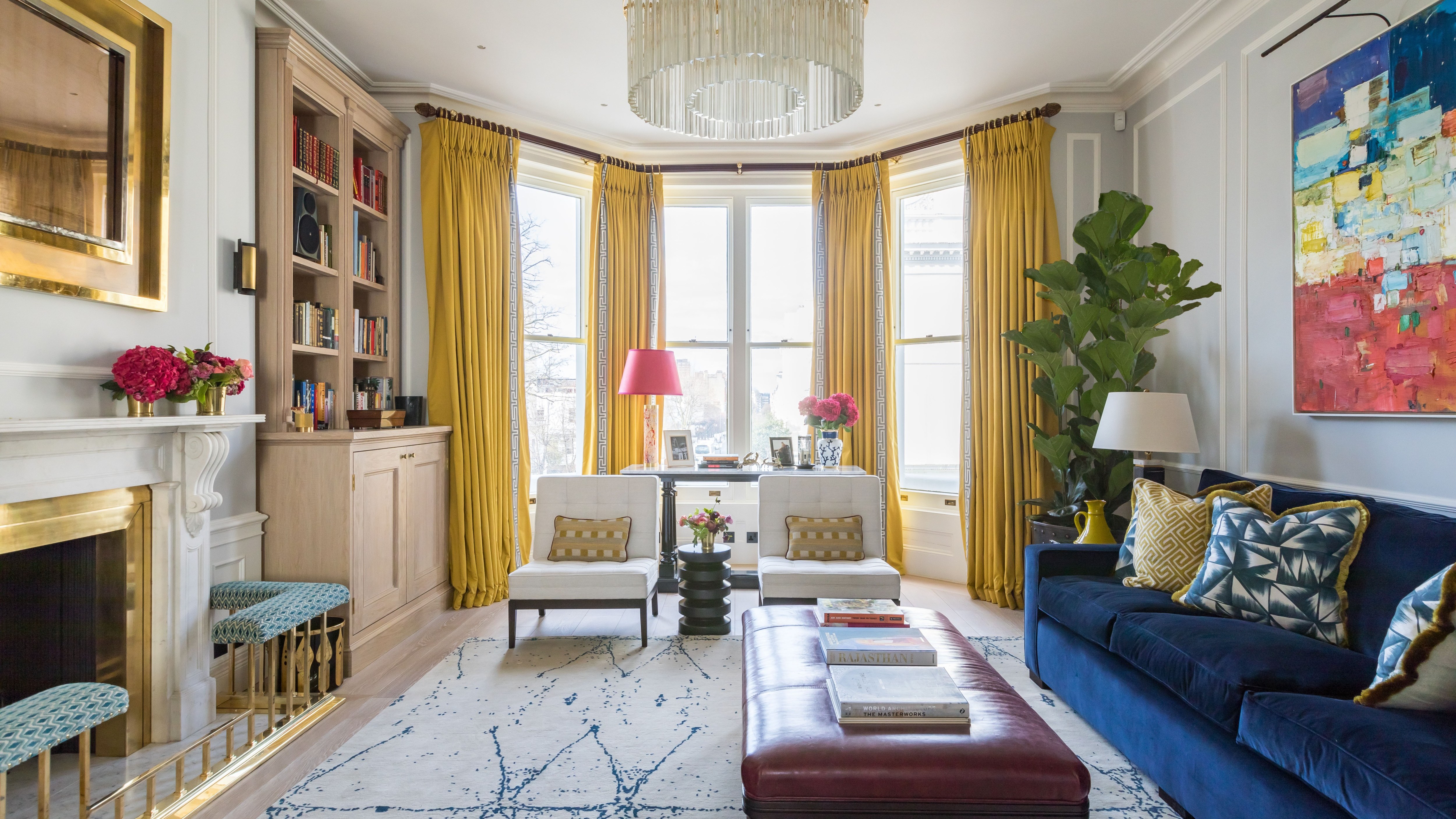
Bye-bye blinds — how curtains became cool again
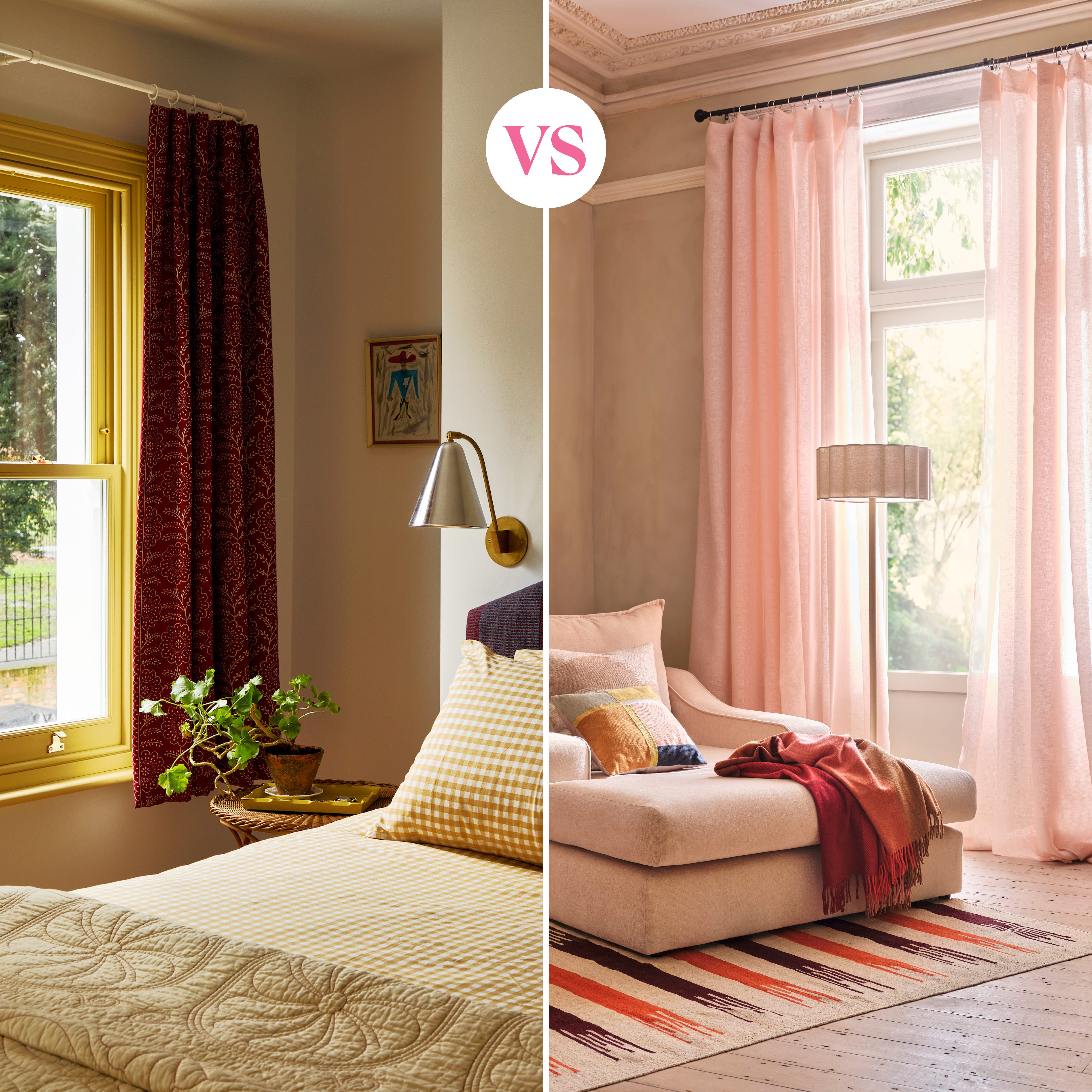
Style Debate: Could Short Curtains Be The Next Big Interior Design Trend?

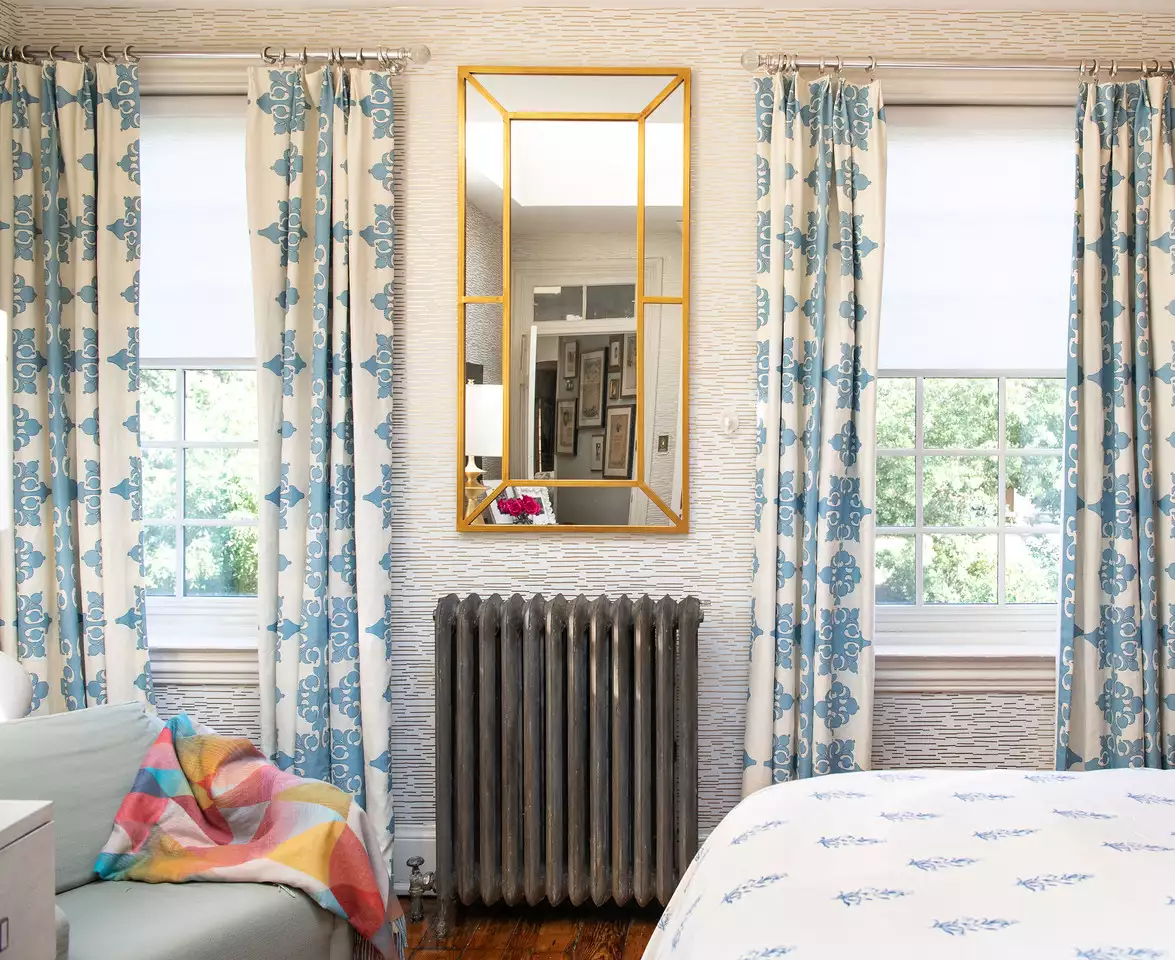
10 Window Treatment Trends to Freshen Up Every Room in Your Home


Window blinds, shutters and curtains: top trends for 2017

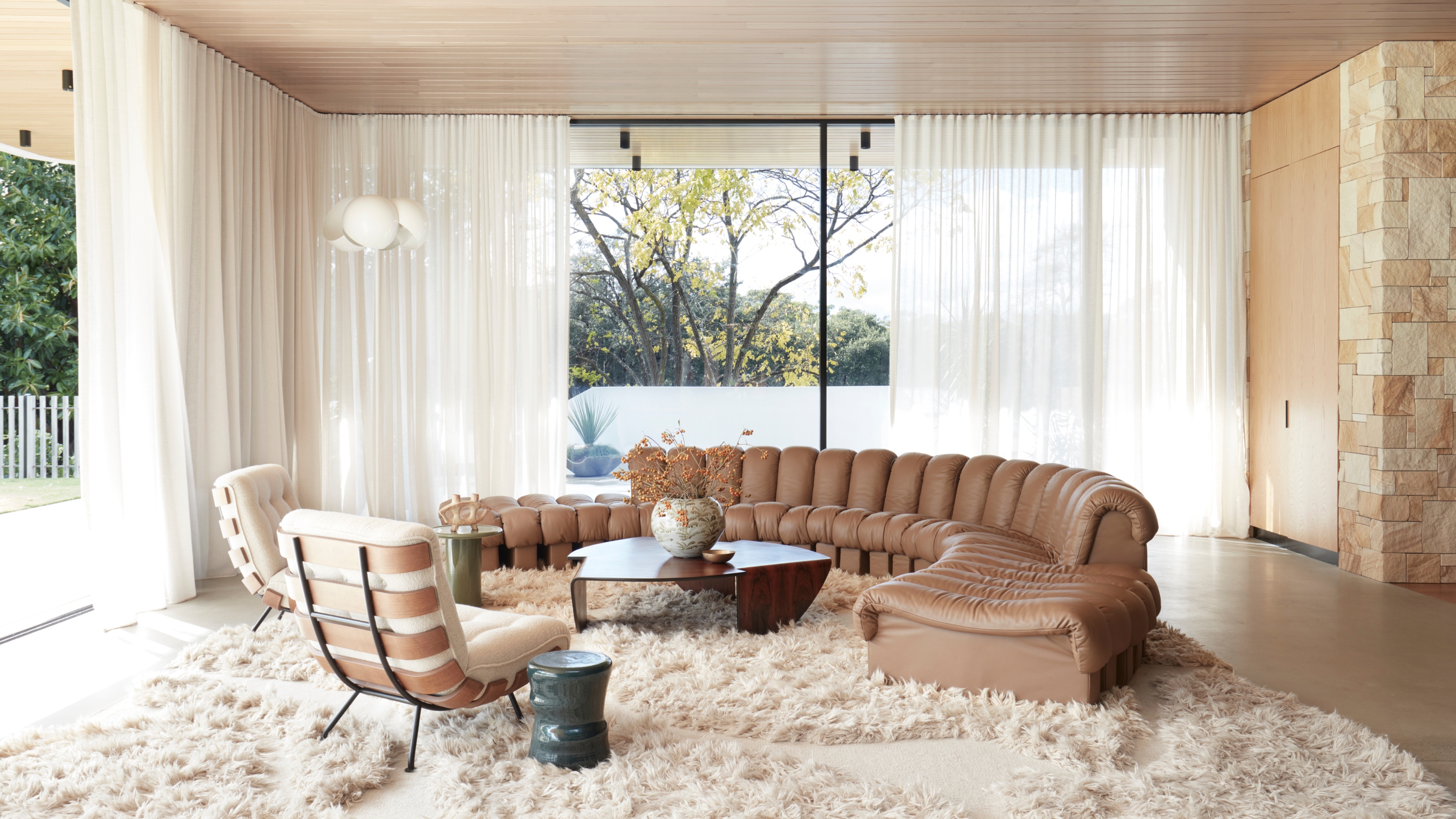
Are Curtains Out of Style? Of Course Not, but Some Designs Will Date Your Space Faster — Here's What to Know
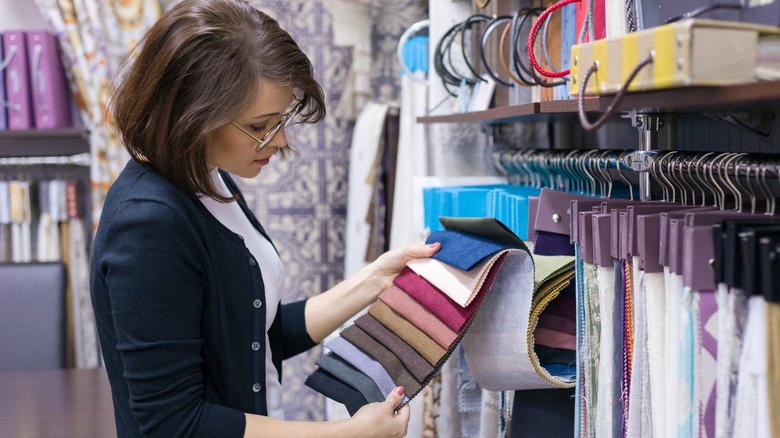
The Bold Curtain Trend That'll Be Taking Over In 2025
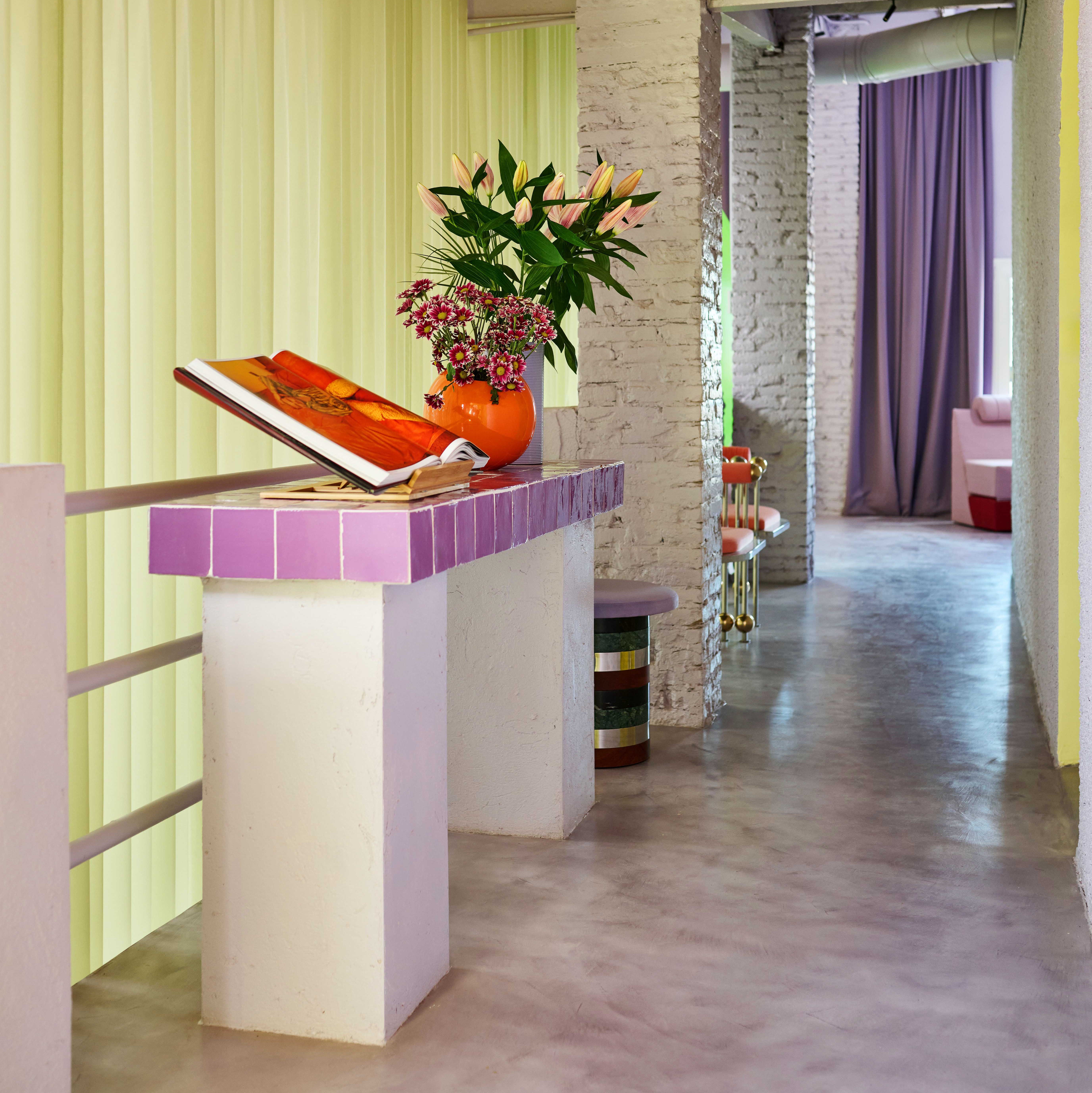
Steal ideas from these homes that use curtains for more than just window dressing

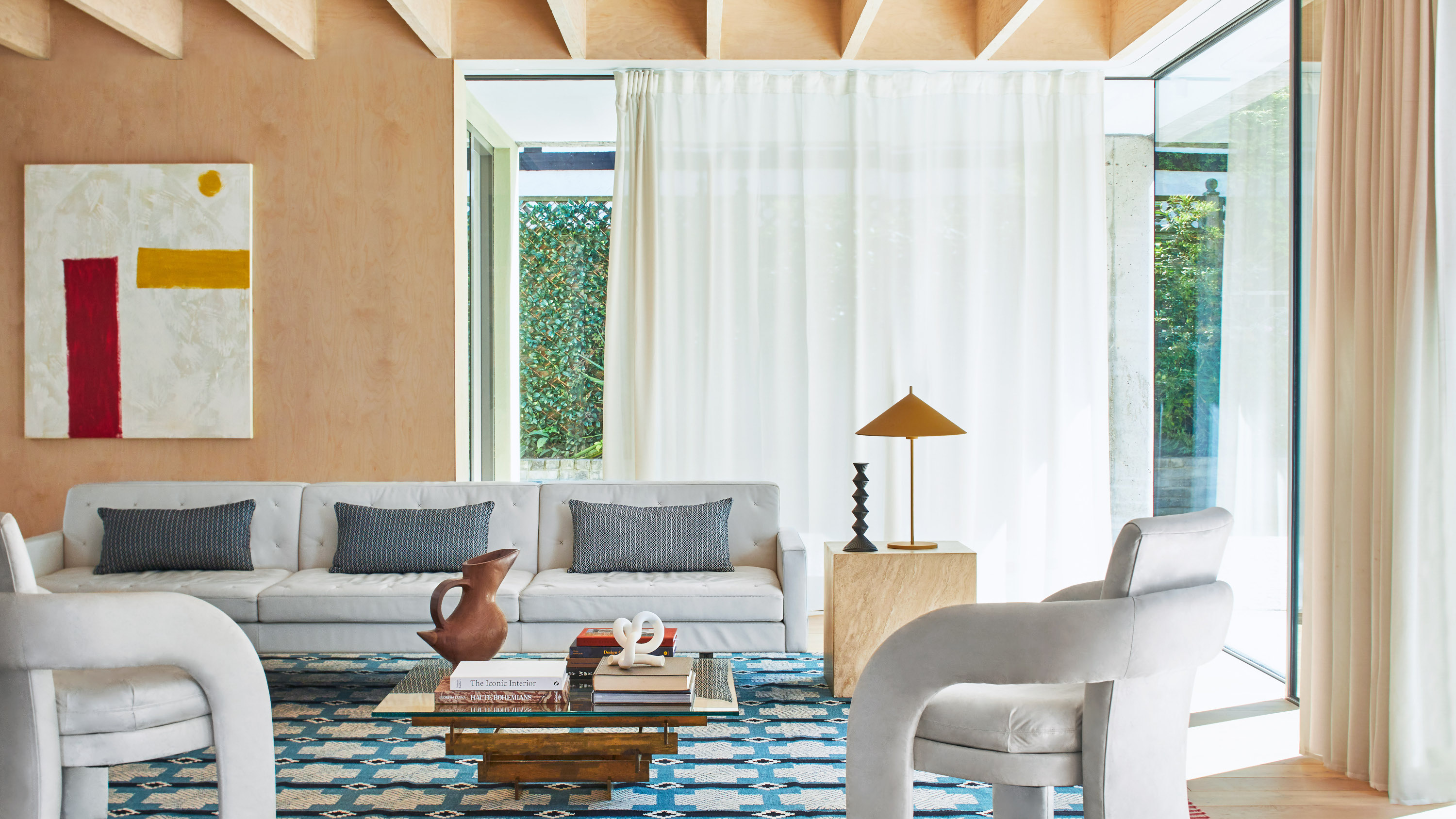
Curtain trends for 2023 – the colors, patterns and looks designers predict will be big
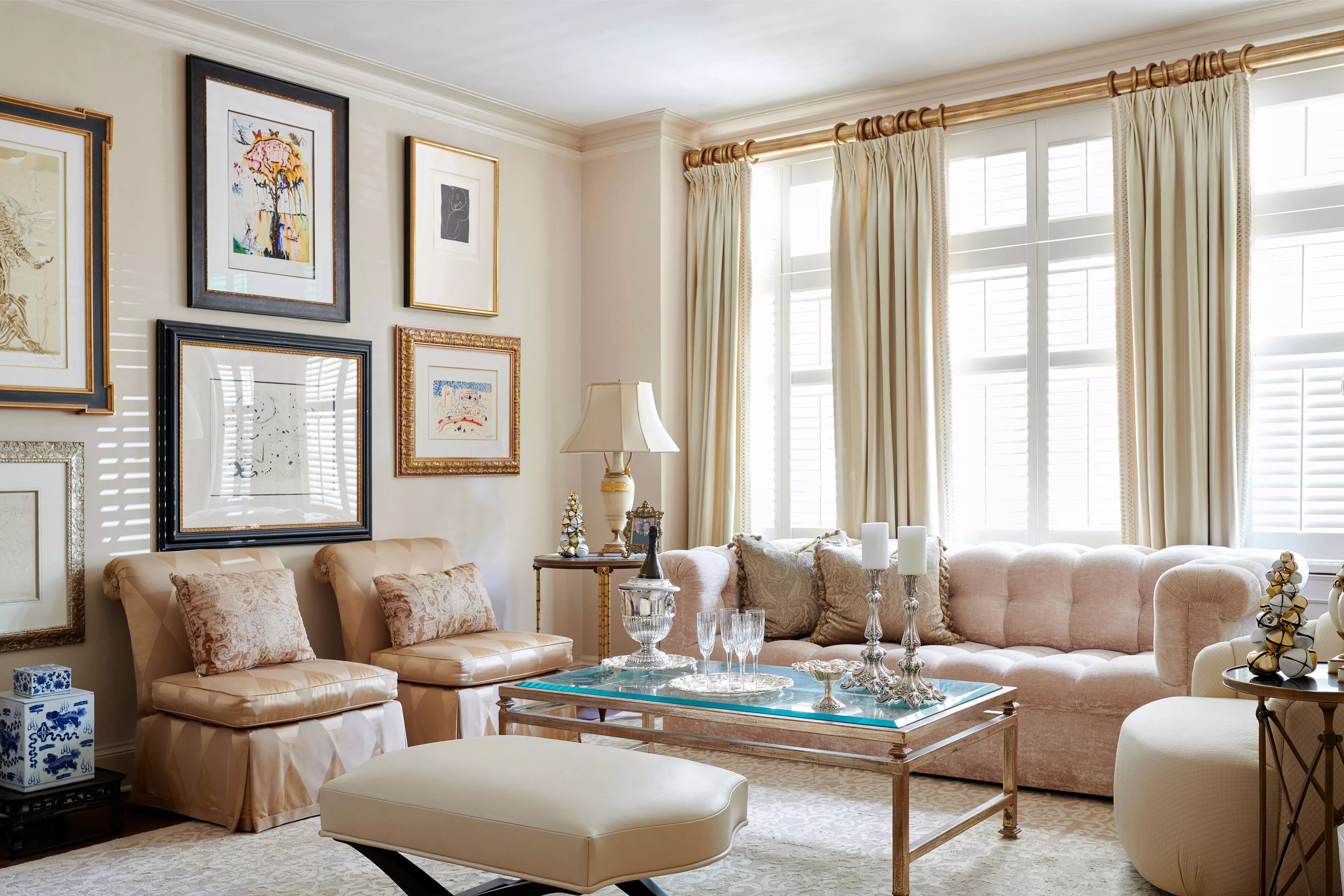
Designers Say to Ditch These 6 Curtain Styles for an Instant Room Upgrade
6 New Ways Designers Are Using Curtains — Fill Awkward Corners, Soften Spaces, Create Privacy Zones
13 curtain ideas and styles to help you pick the best drapes for your room
Living room curtain ideas – 17 tips for stylish drapery

The Design World Is DIVIDED on This Controversial Curtain Styling Trend
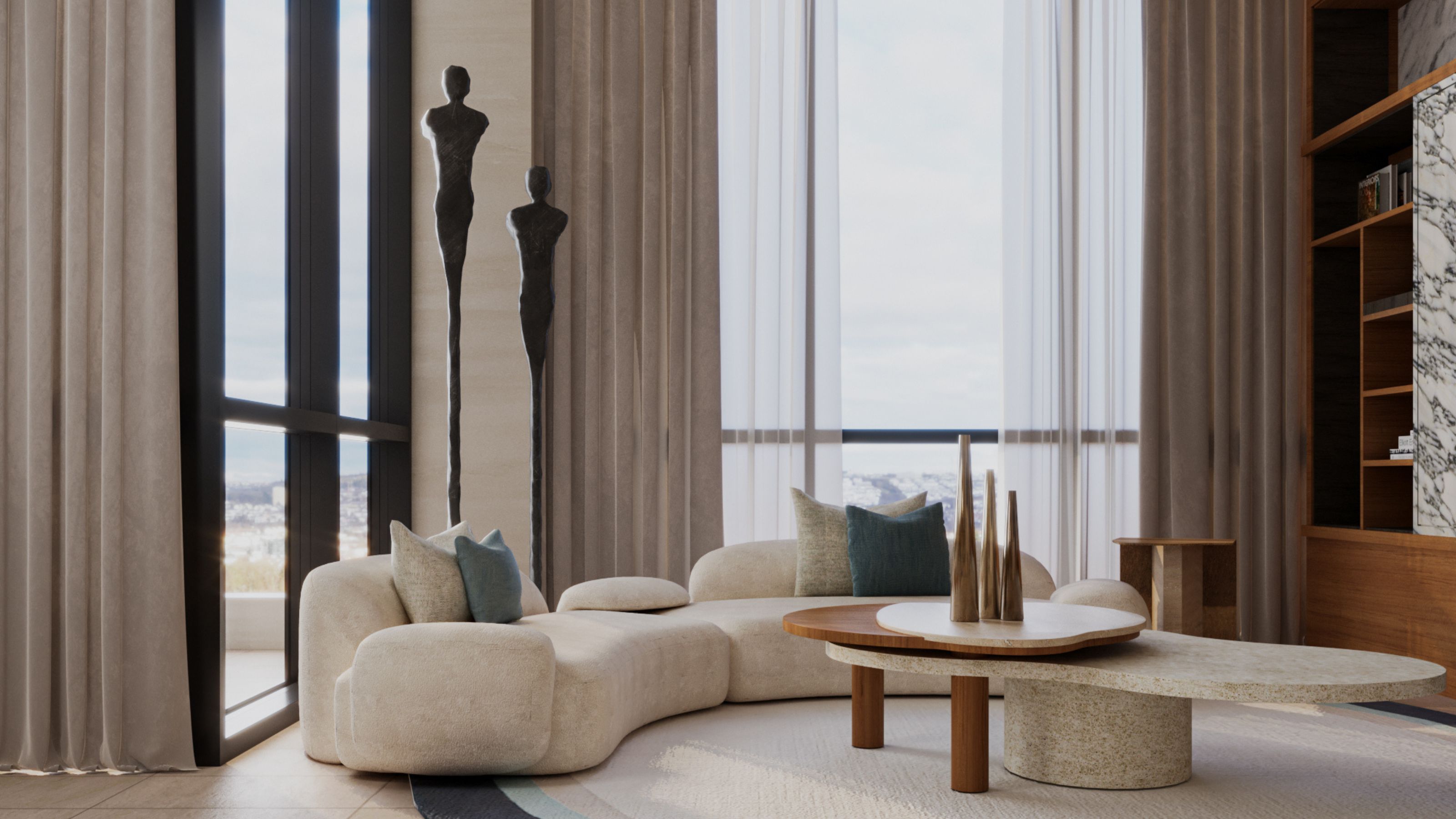
How to Hang Curtains the Way an Interior Designer Would — To Balance, Blur Lines, and Bring Impact to a Room
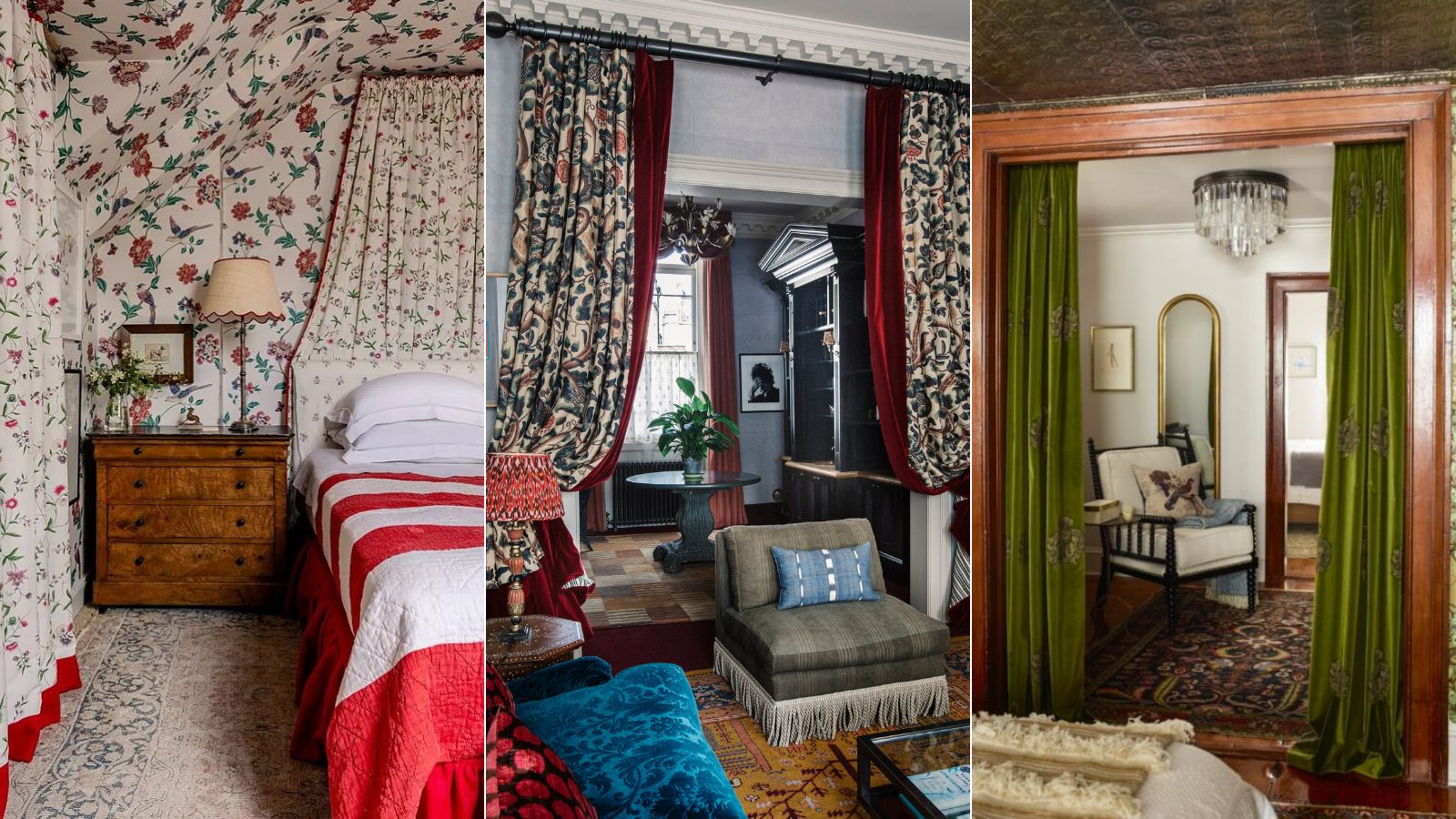
Should you ever replace doors with curtains? I say yes, and asked designers when to make the switch
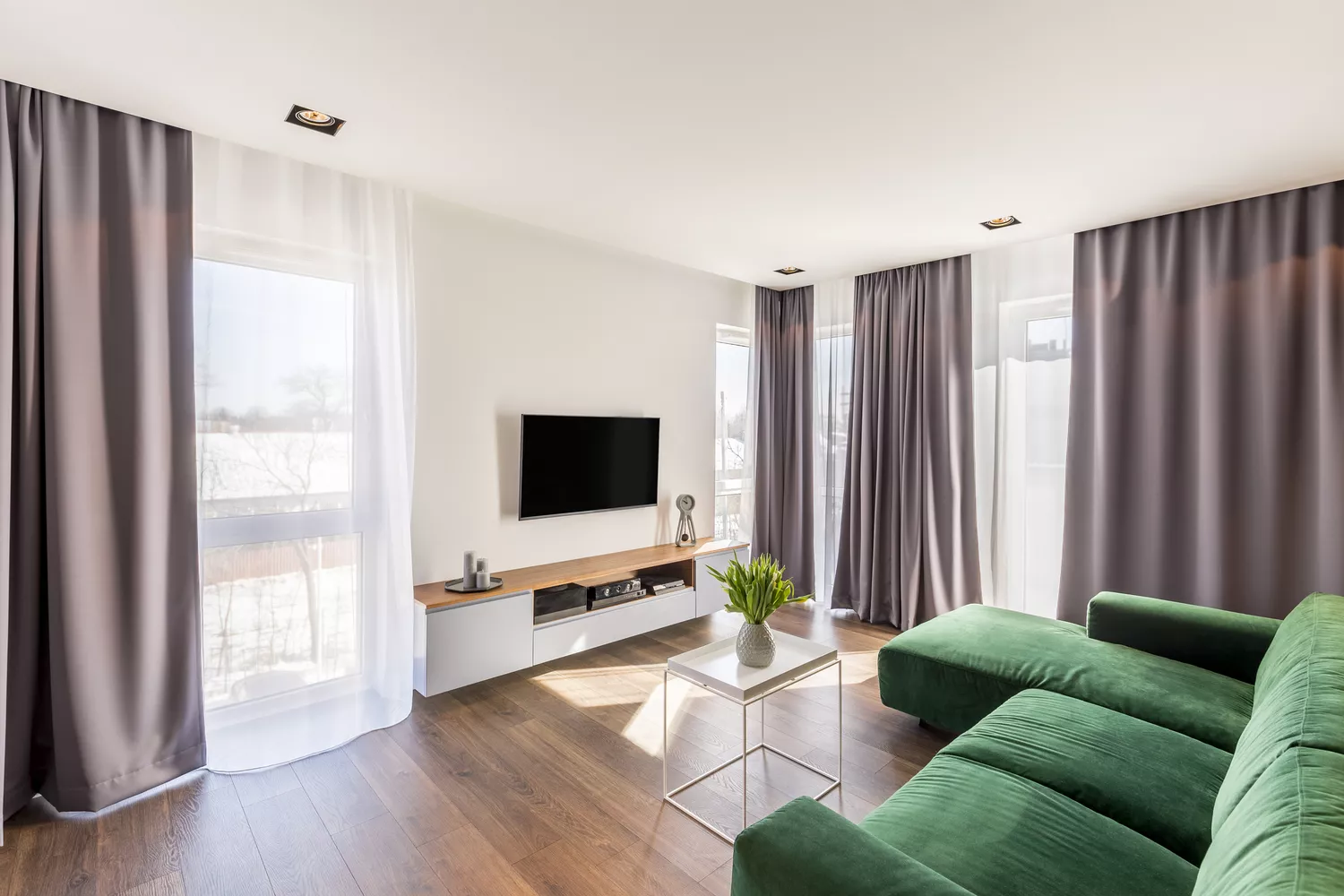
6 Outdated Curtain Trends Designers Want You to Avoid