1/7
6 New Ways Designers Are Using Curtains — Fill Awkward Corners, Soften Spaces, Create Privacy Zones
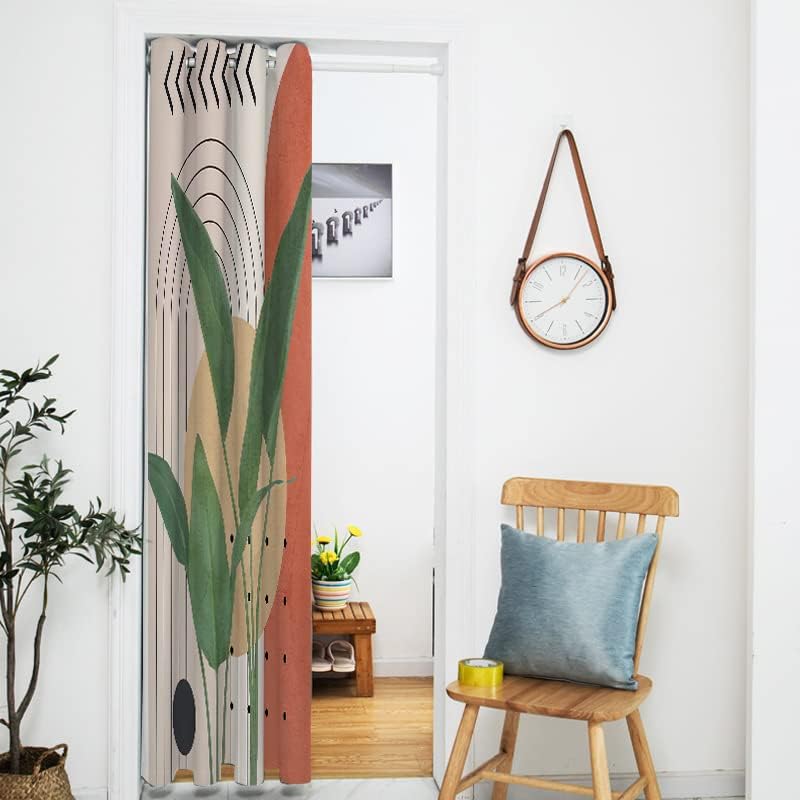
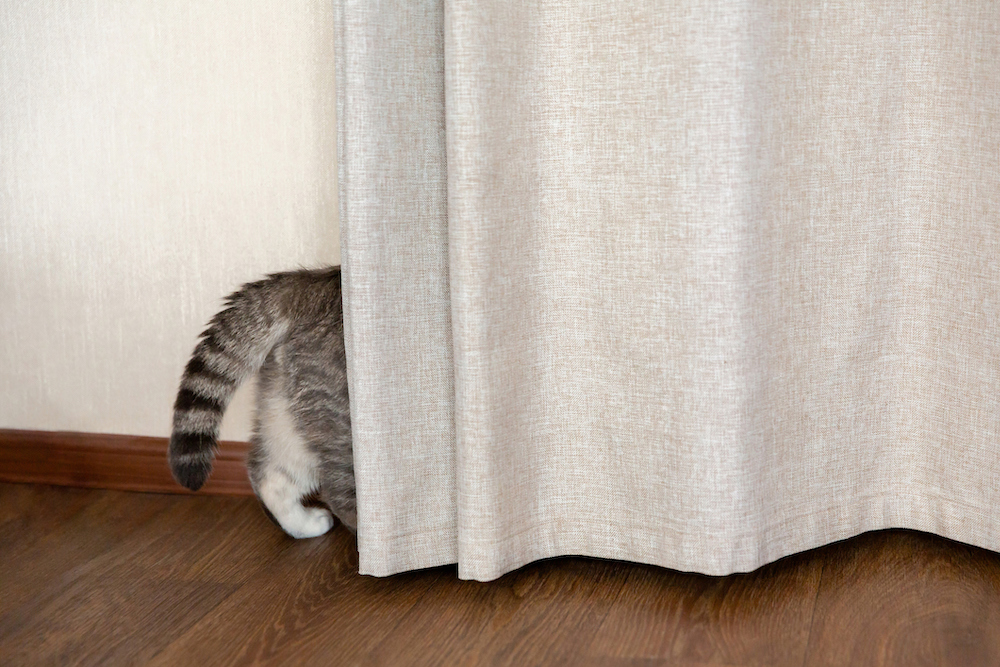
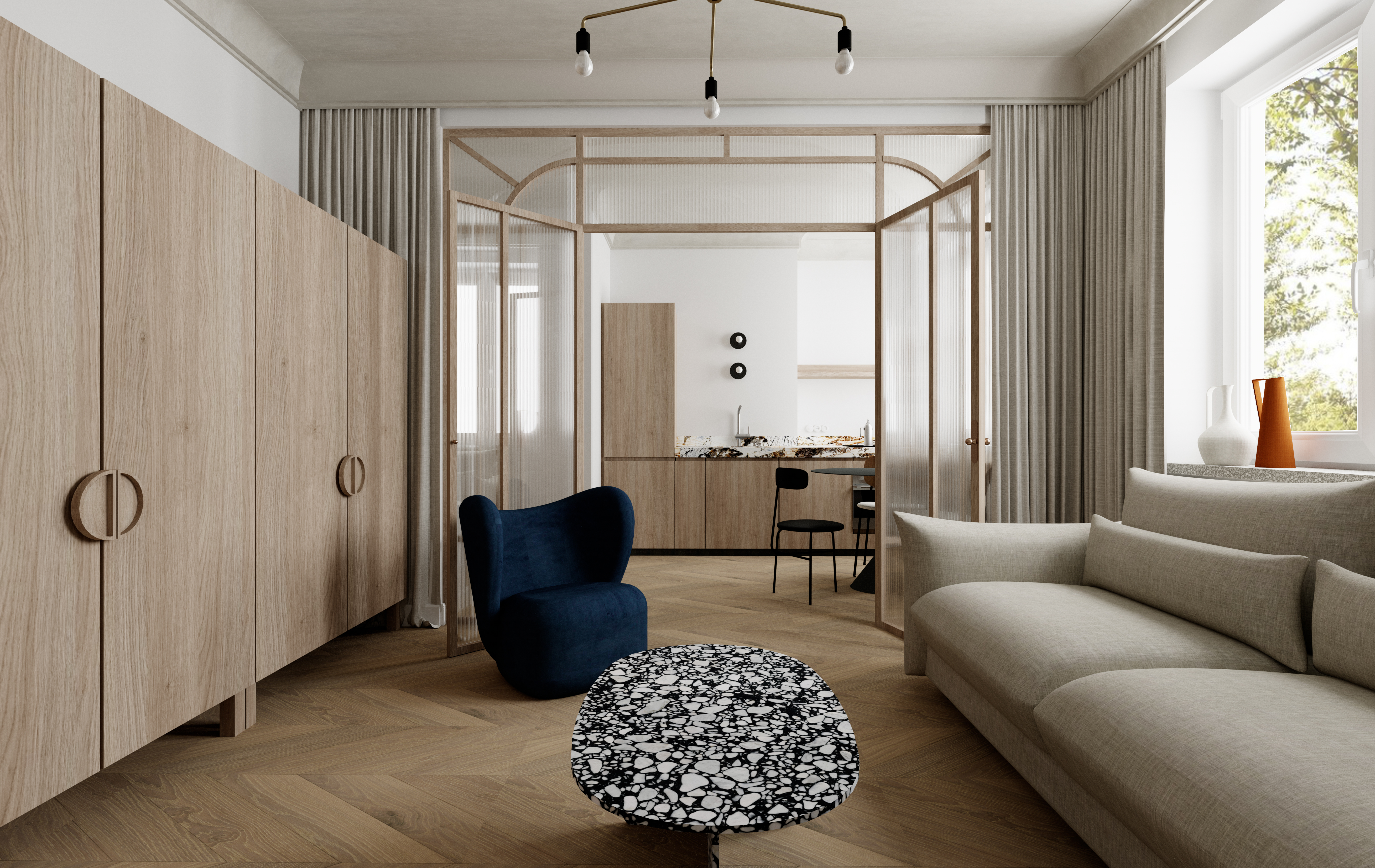
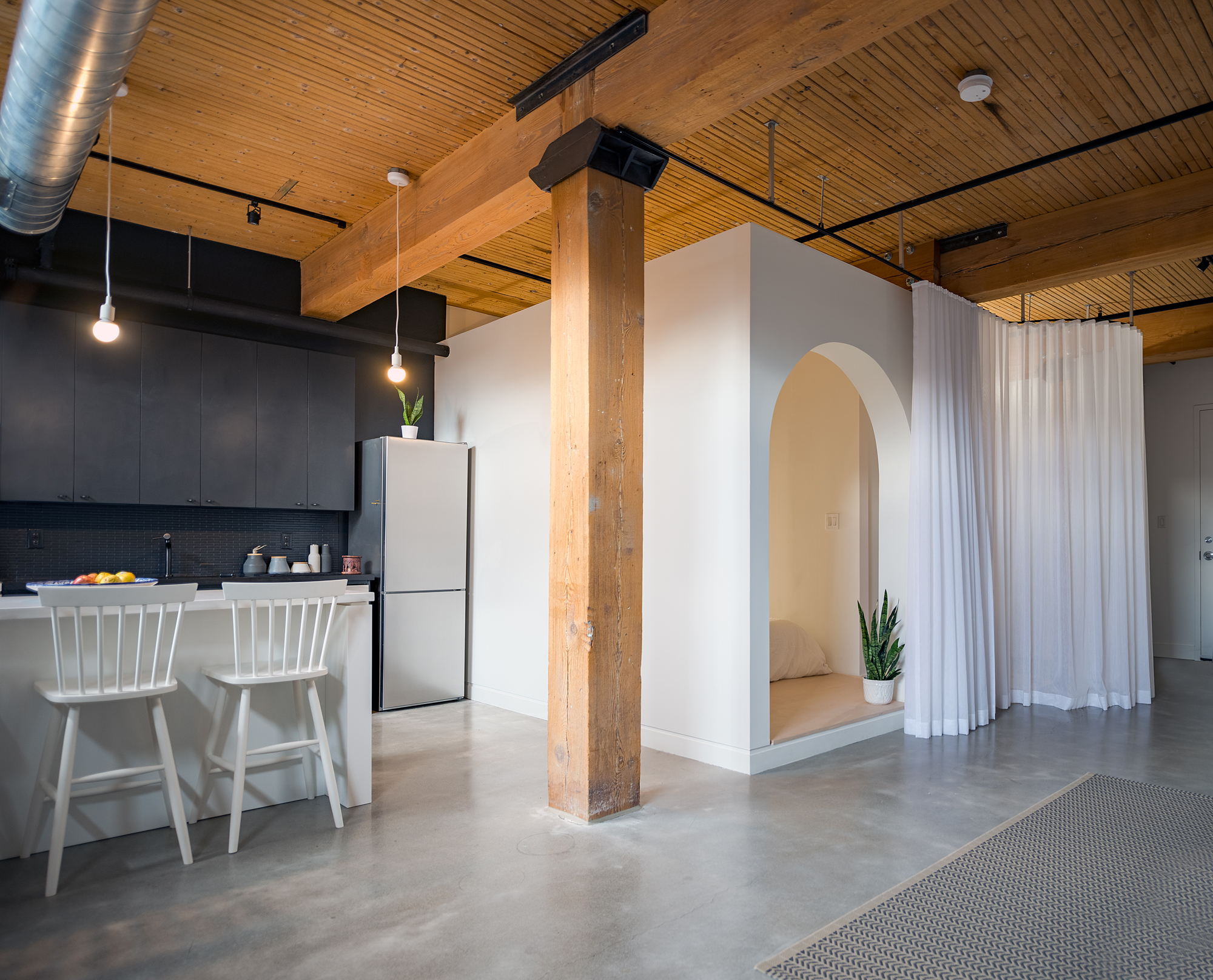
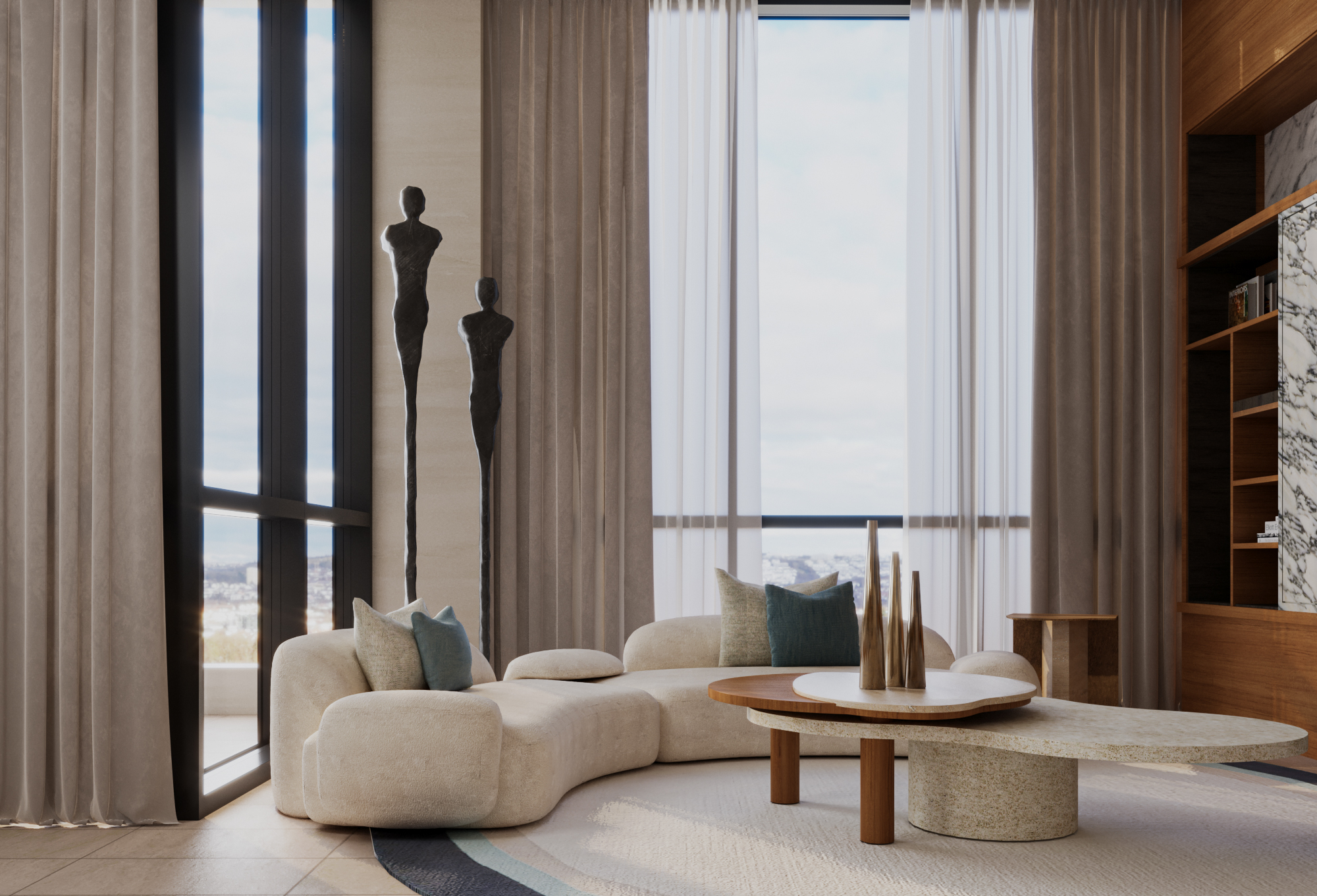
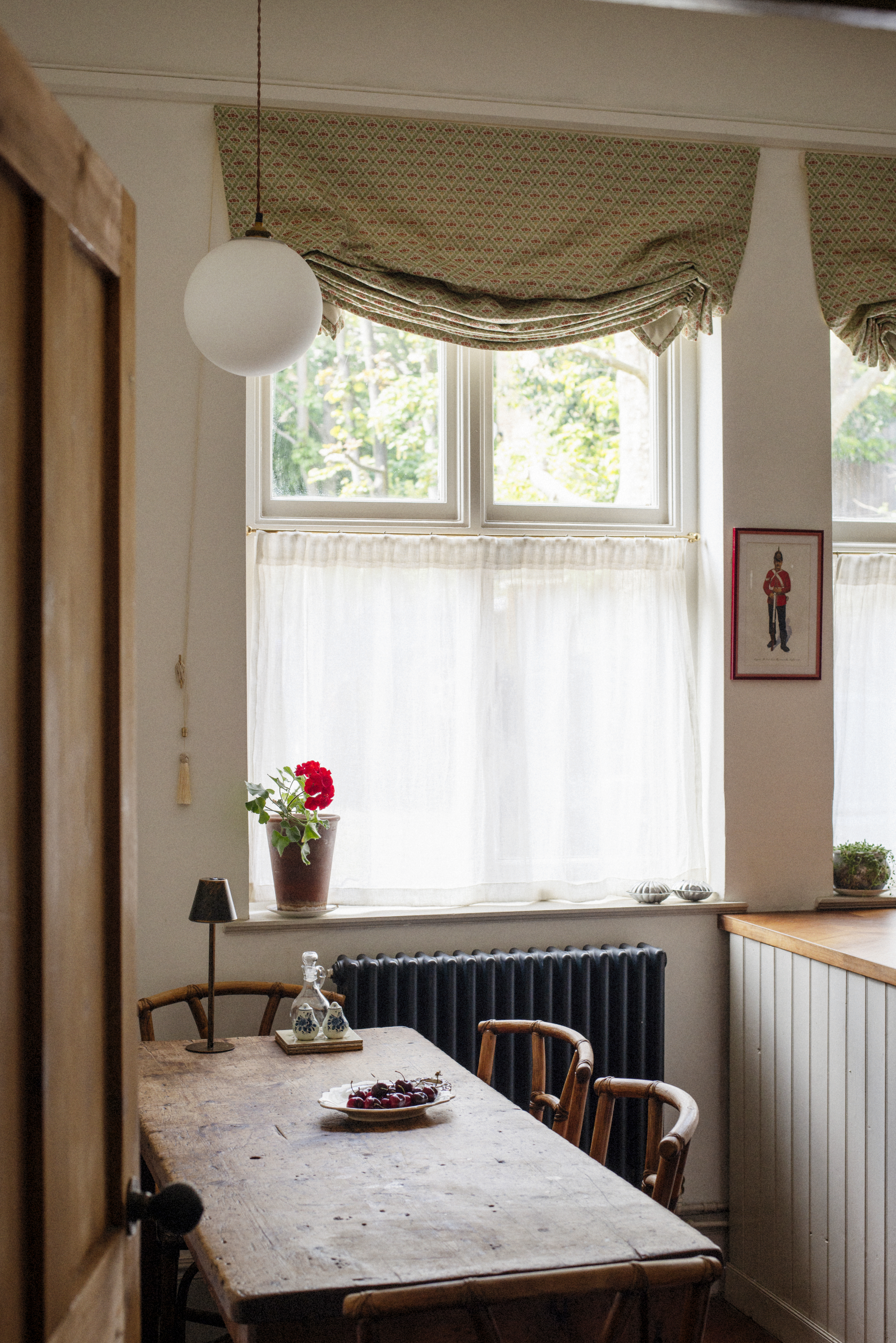
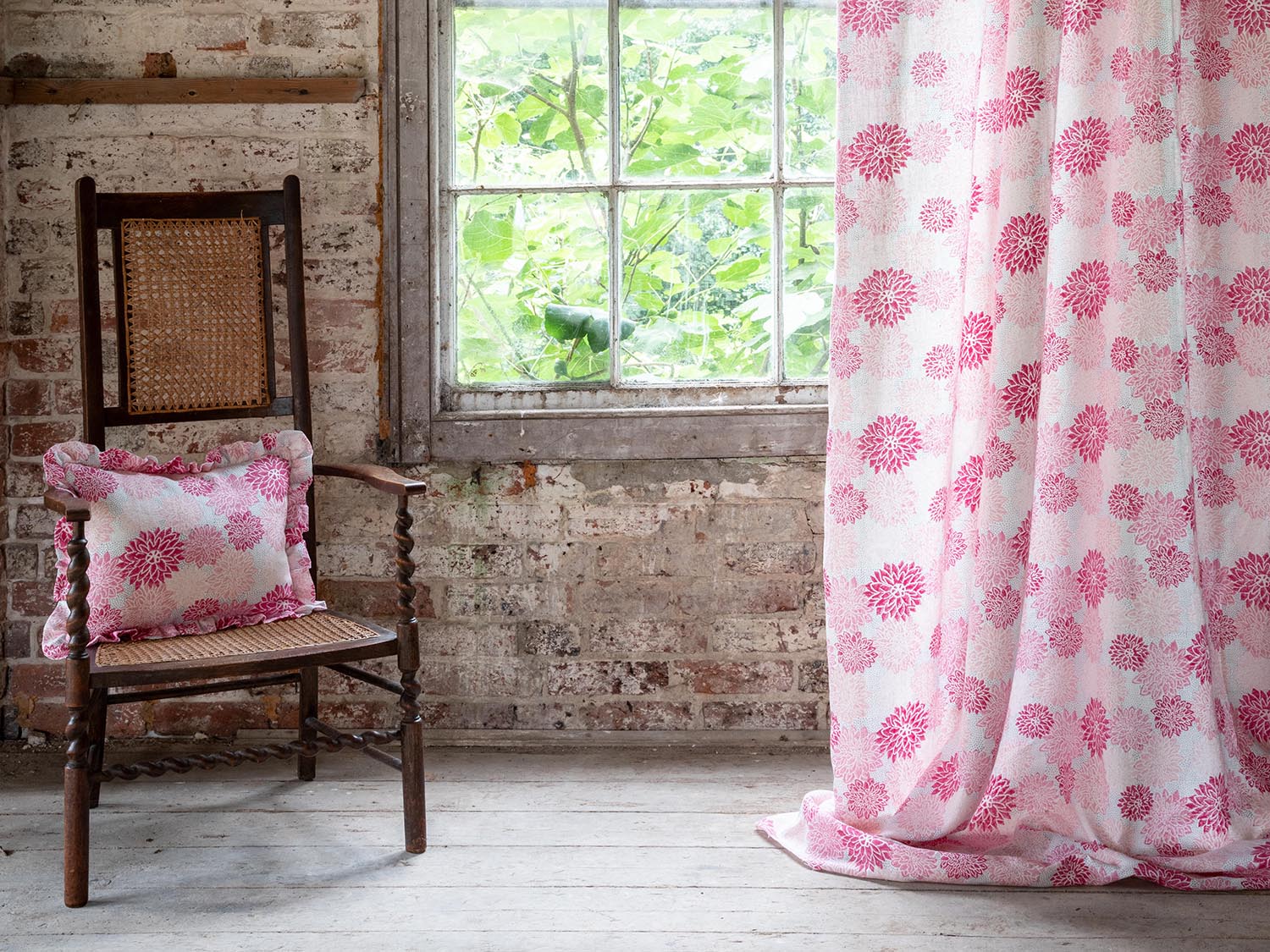
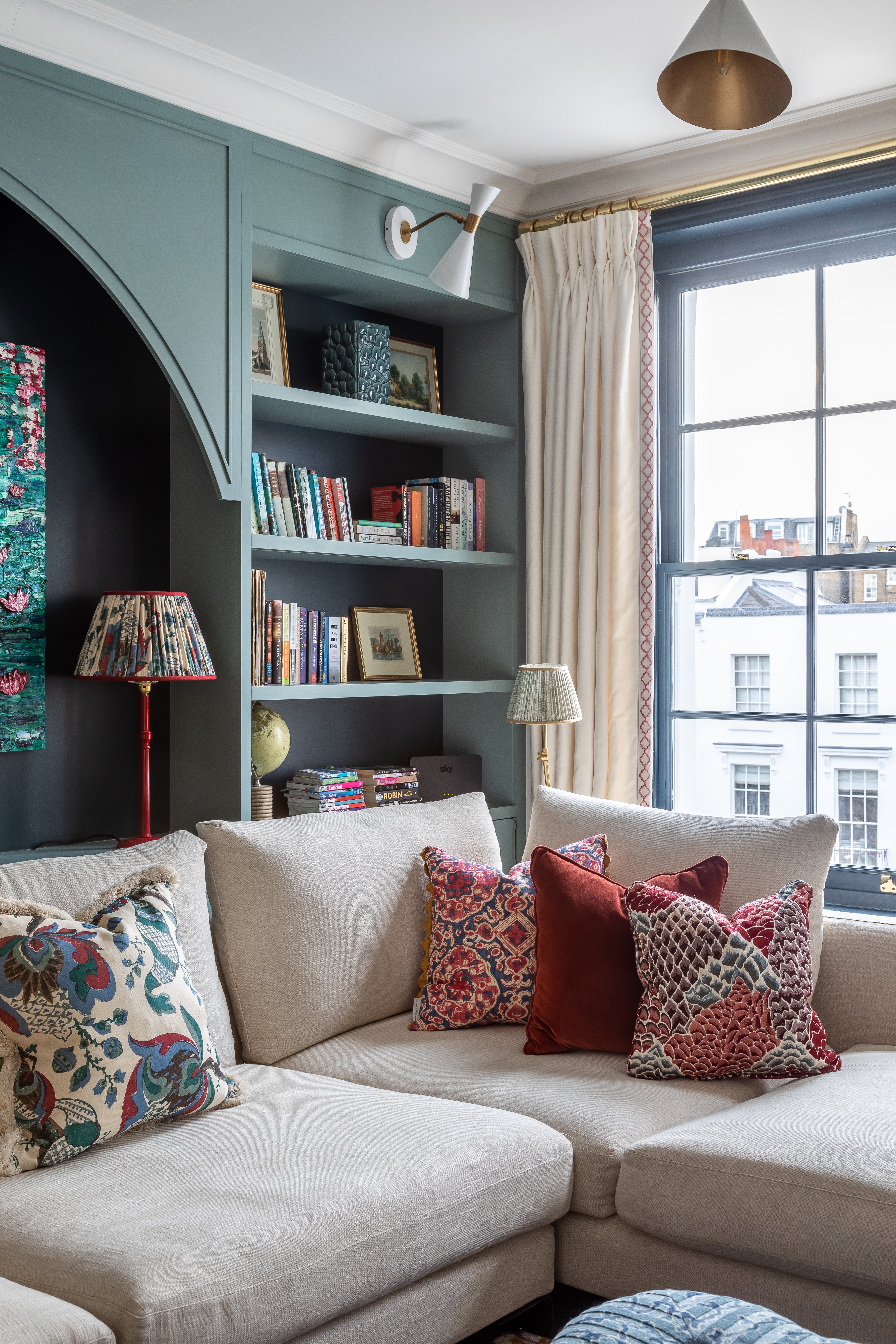
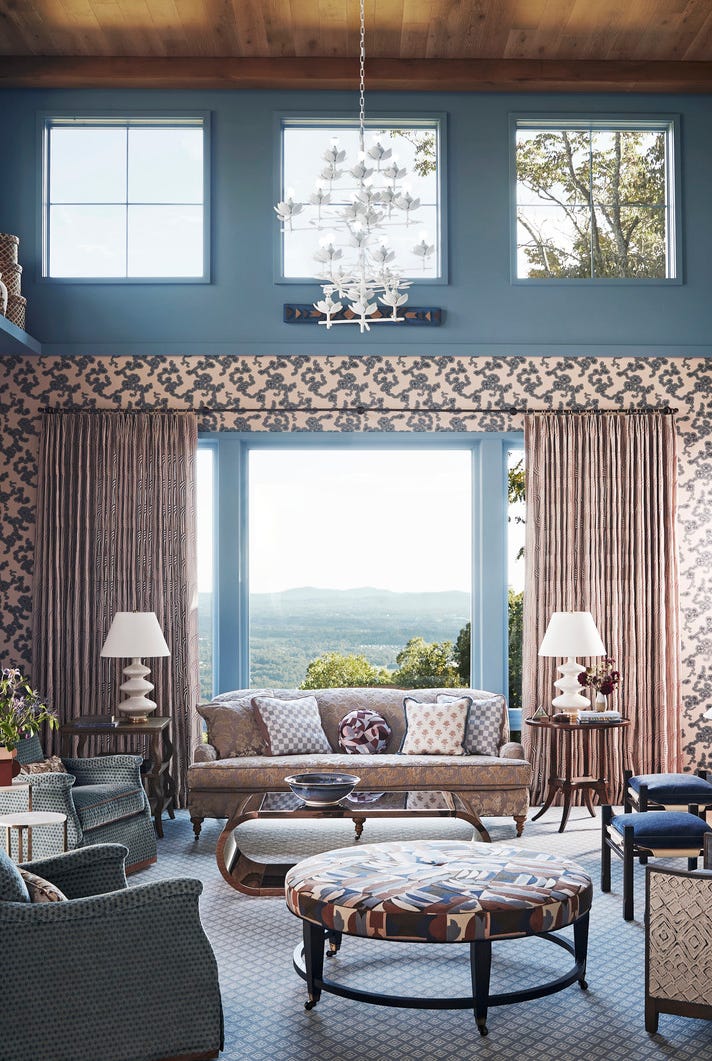
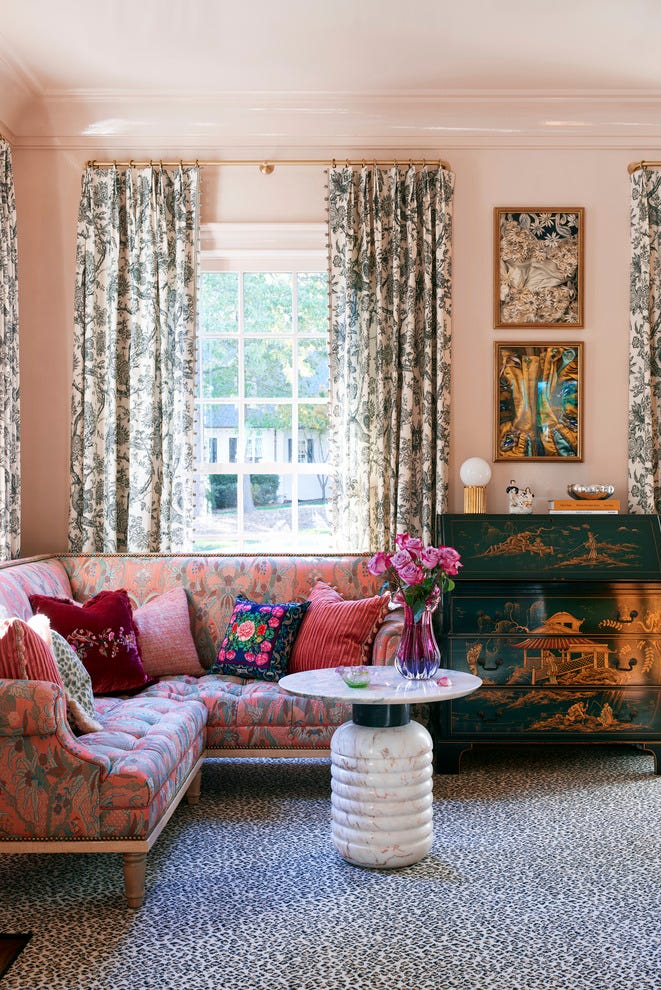
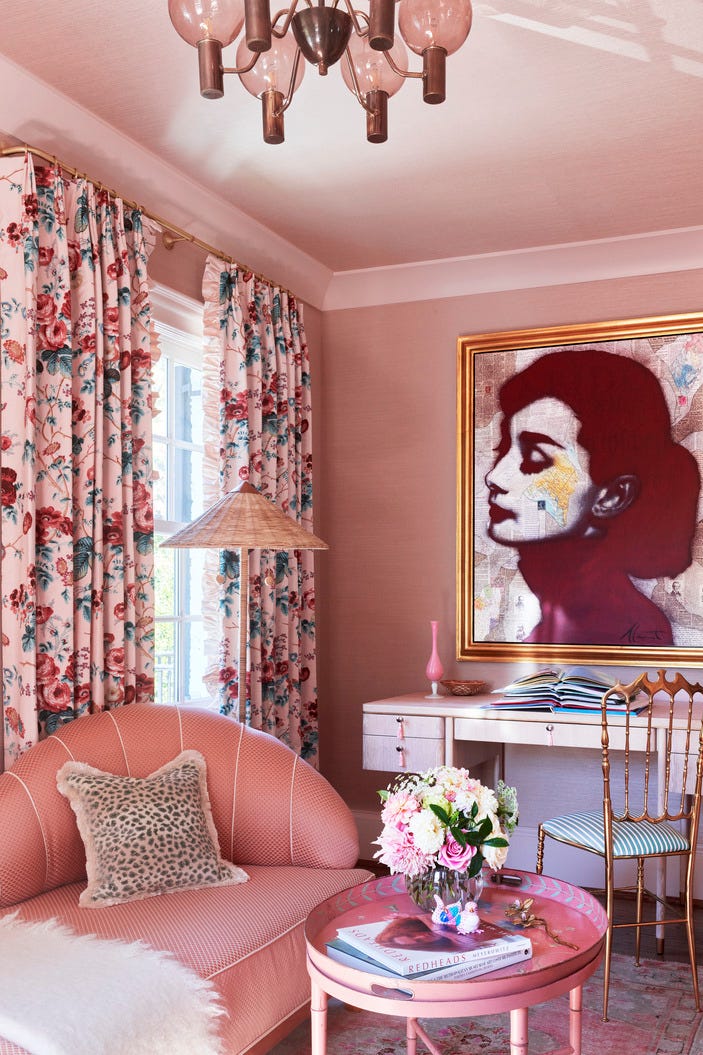
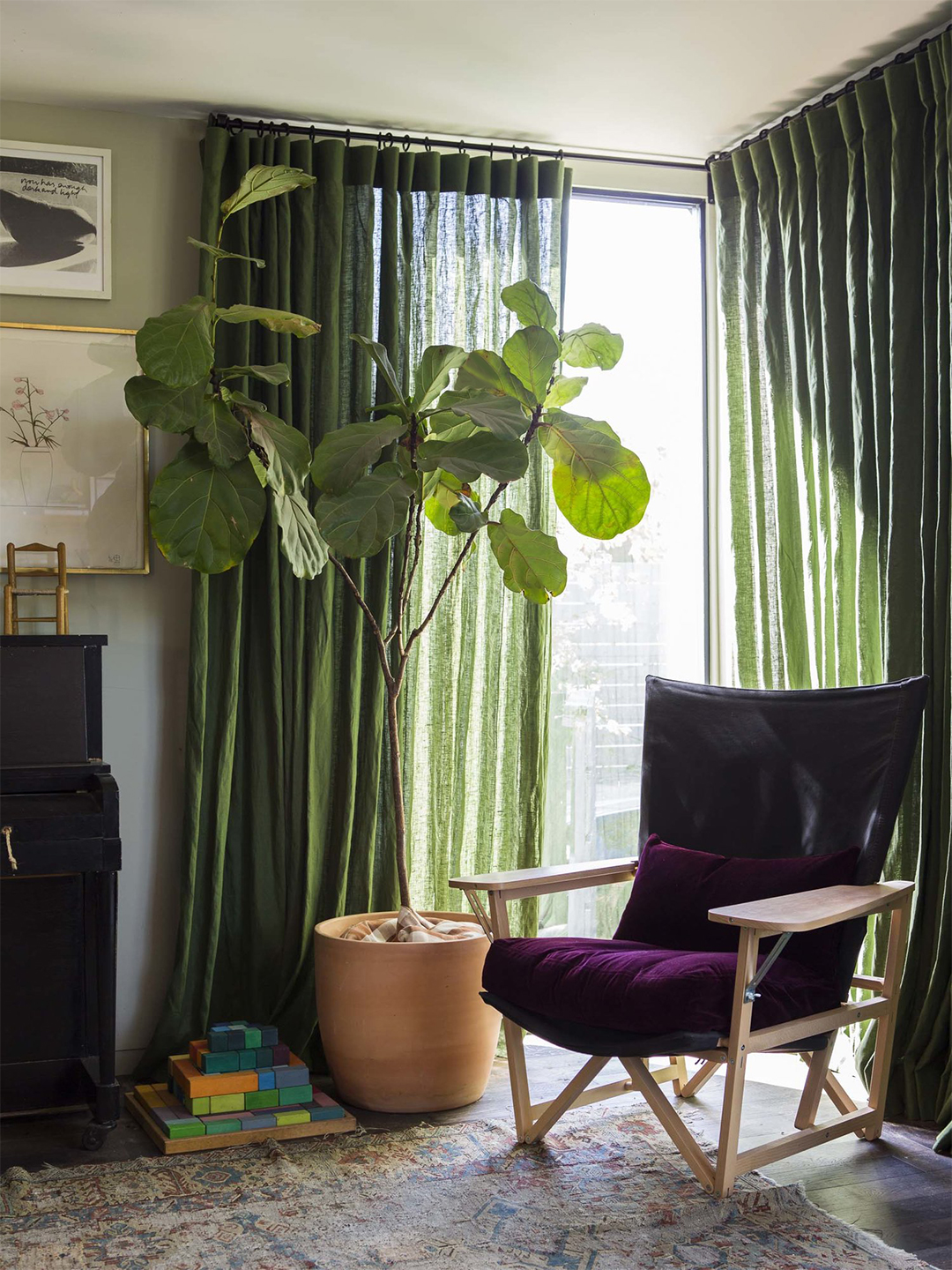
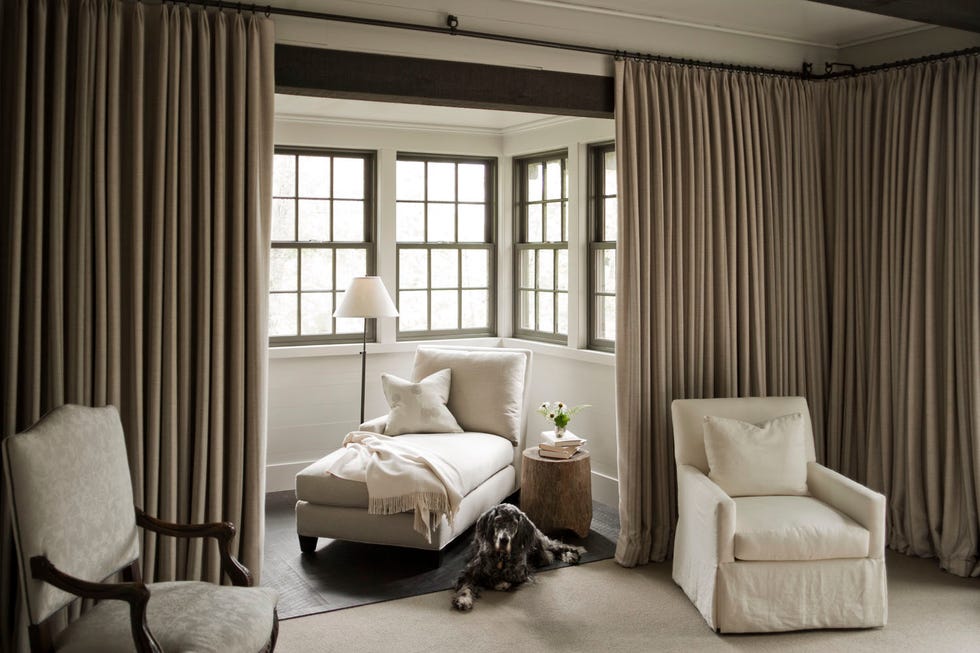
Curtains are evolving beyond their traditional role as window treatments, becoming versatile design elements that can transform interior spaces. Modern designers are embracing curtains as flexible architectural features, capable of softening rigid contemporary layouts, adding drama, and defining distinct zones within open-plan living areas. This approach is gaining traction as a significant interior design trend, offering an alternative to more permanent and costly renovations like partition walls or hinged doors.
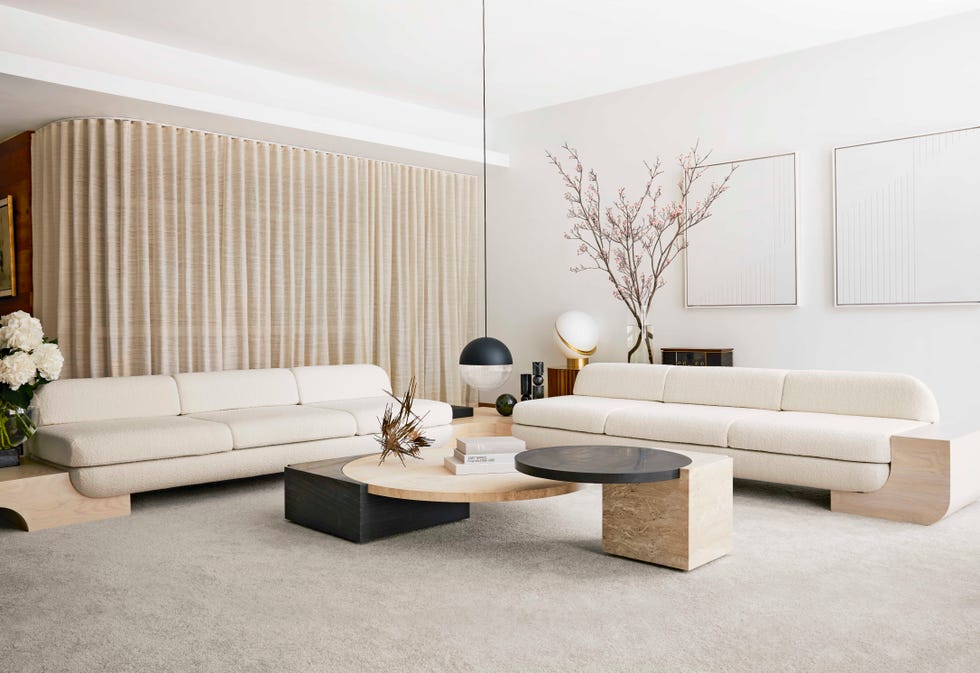

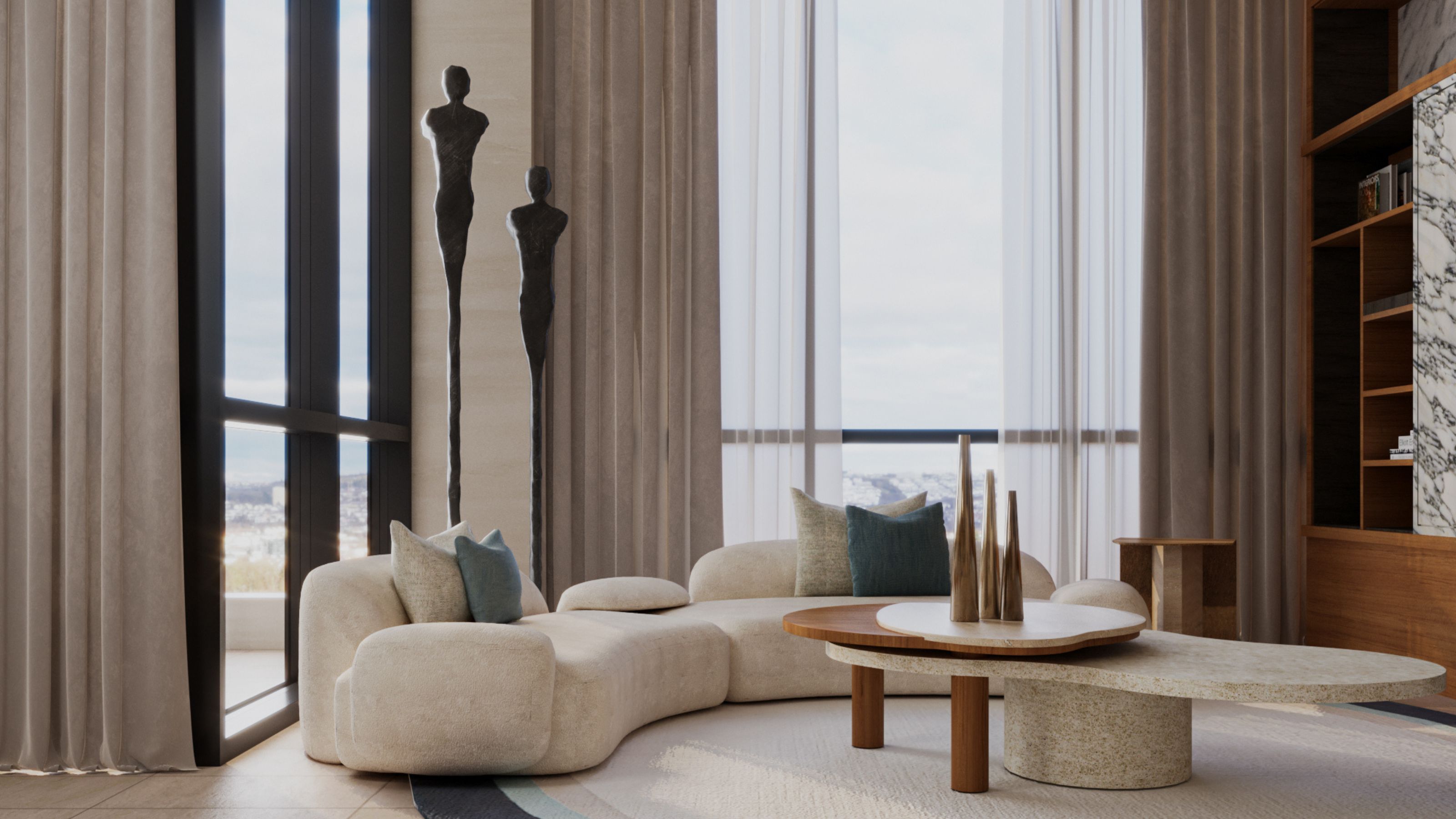
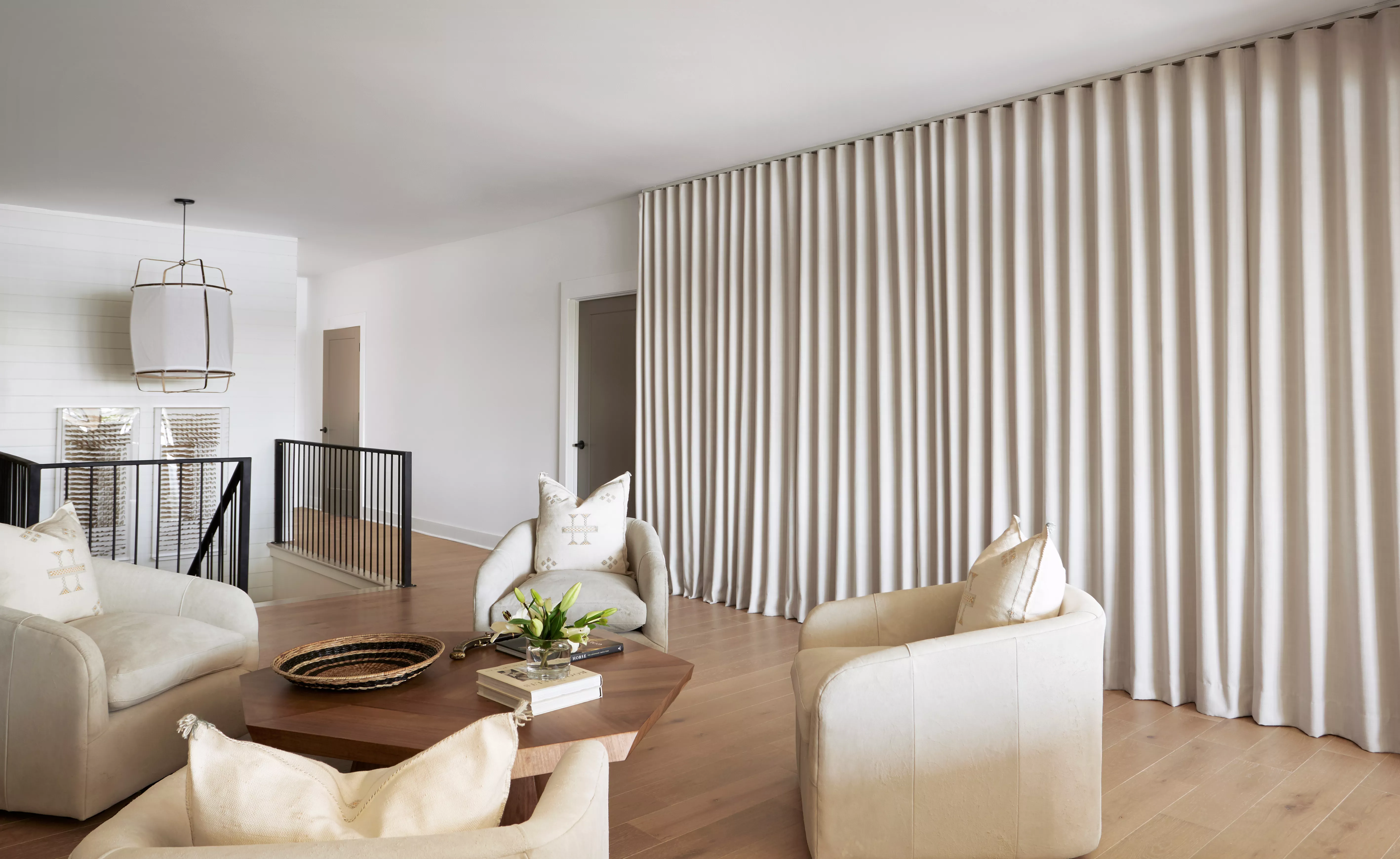
Adam Charlap Hyman, Principal at Charlap Hyman & Herrero, highlights the appeal of using soft materials like curtains to define space, noting the impermanent nature that aligns with current design sensibilities. Advanced track systems, including S-wave and curved options, allow for easy installation and manipulation, creating flowing forms that can adapt to various spatial needs. Joyce Li of Design Pair emphasizes that curtains used as space dividers contribute to a softer ambiance and introduce warmth, with the extensive range of fabric colors and textures further enhancing their versatility. This method provides a softer aesthetic compared to fixed walls and offers numerous decorative possibilities through patterns, colors, and folds.
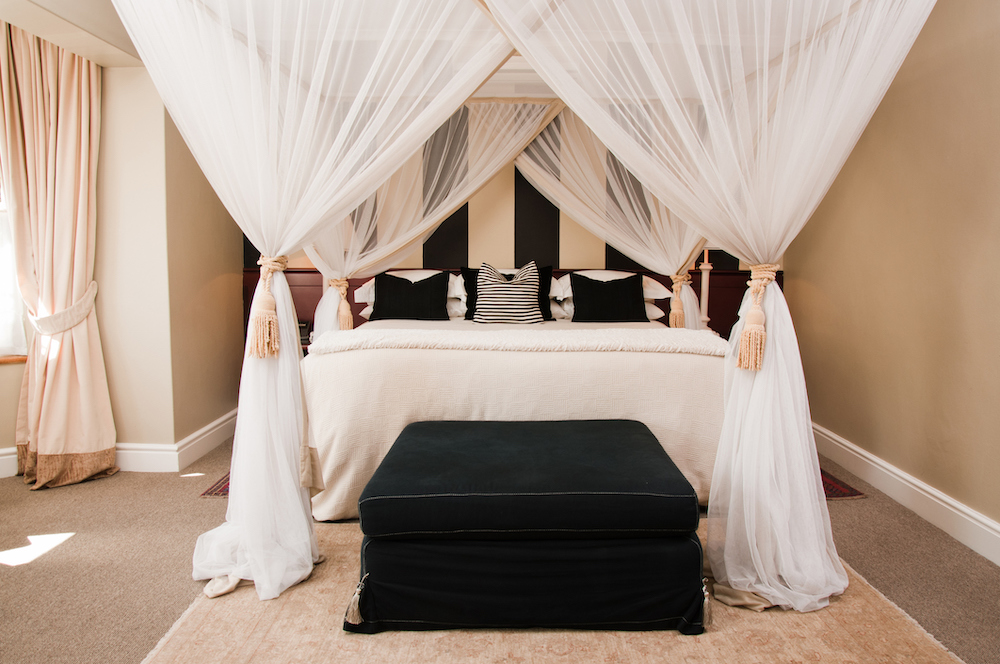
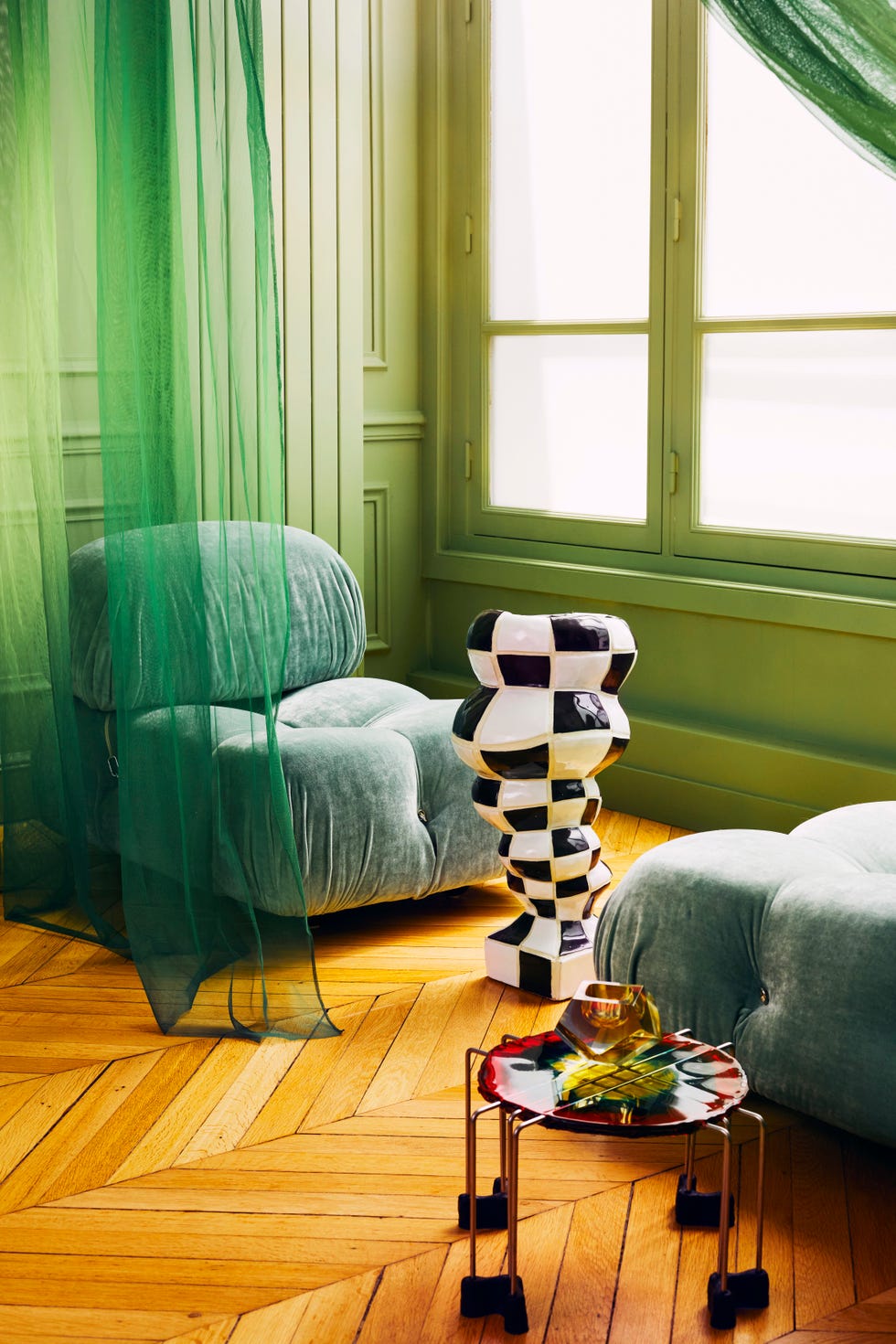
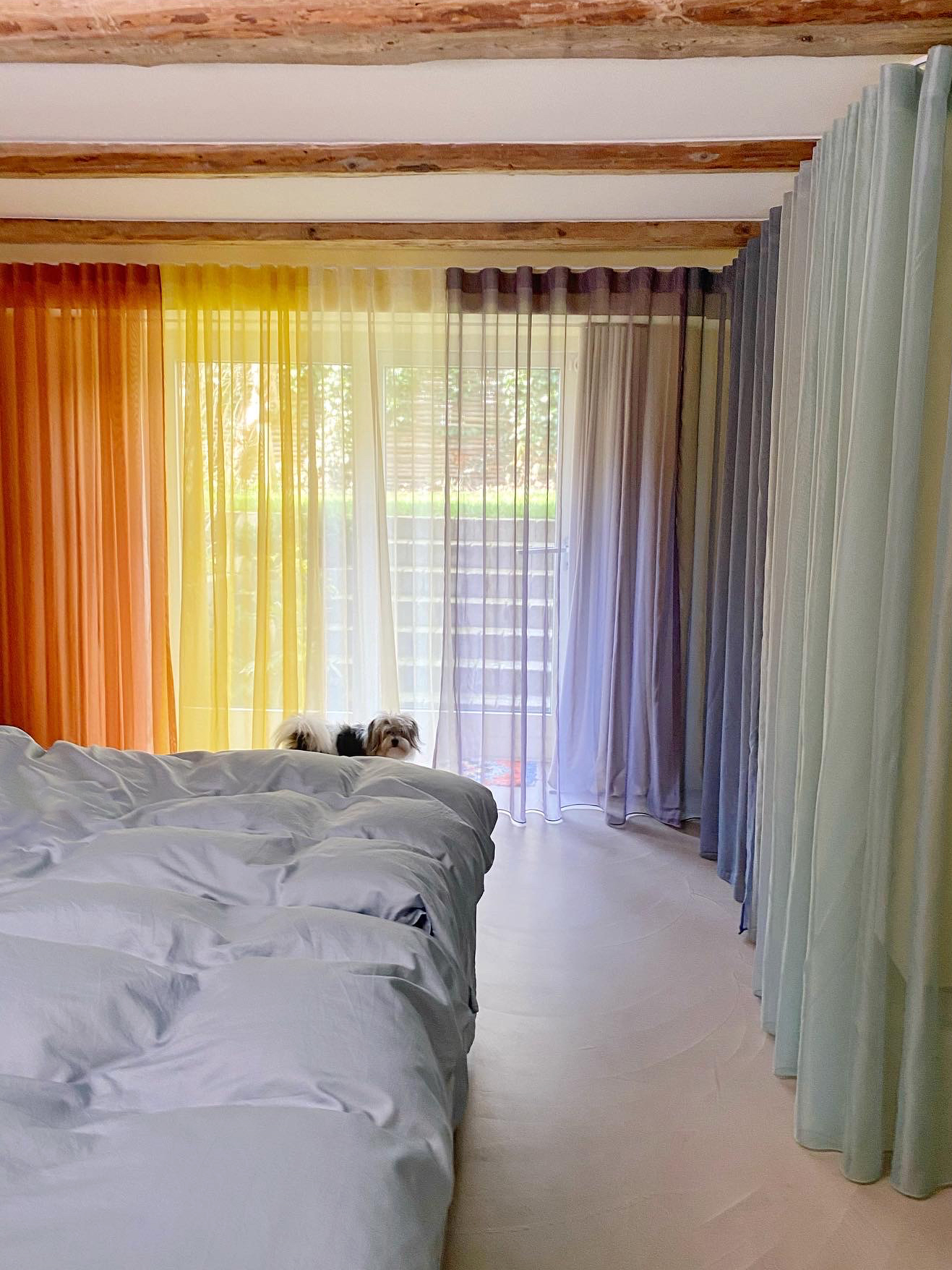
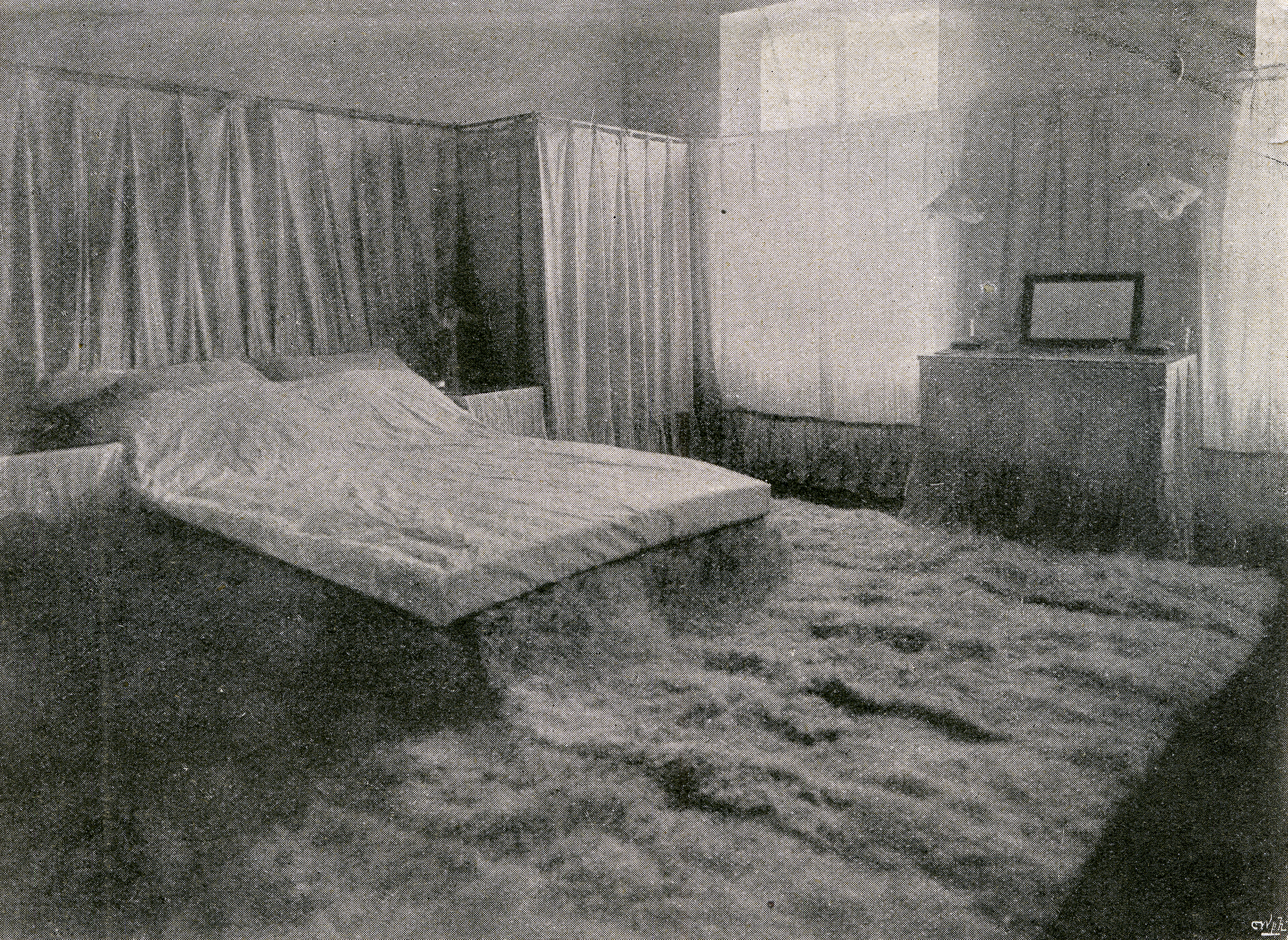
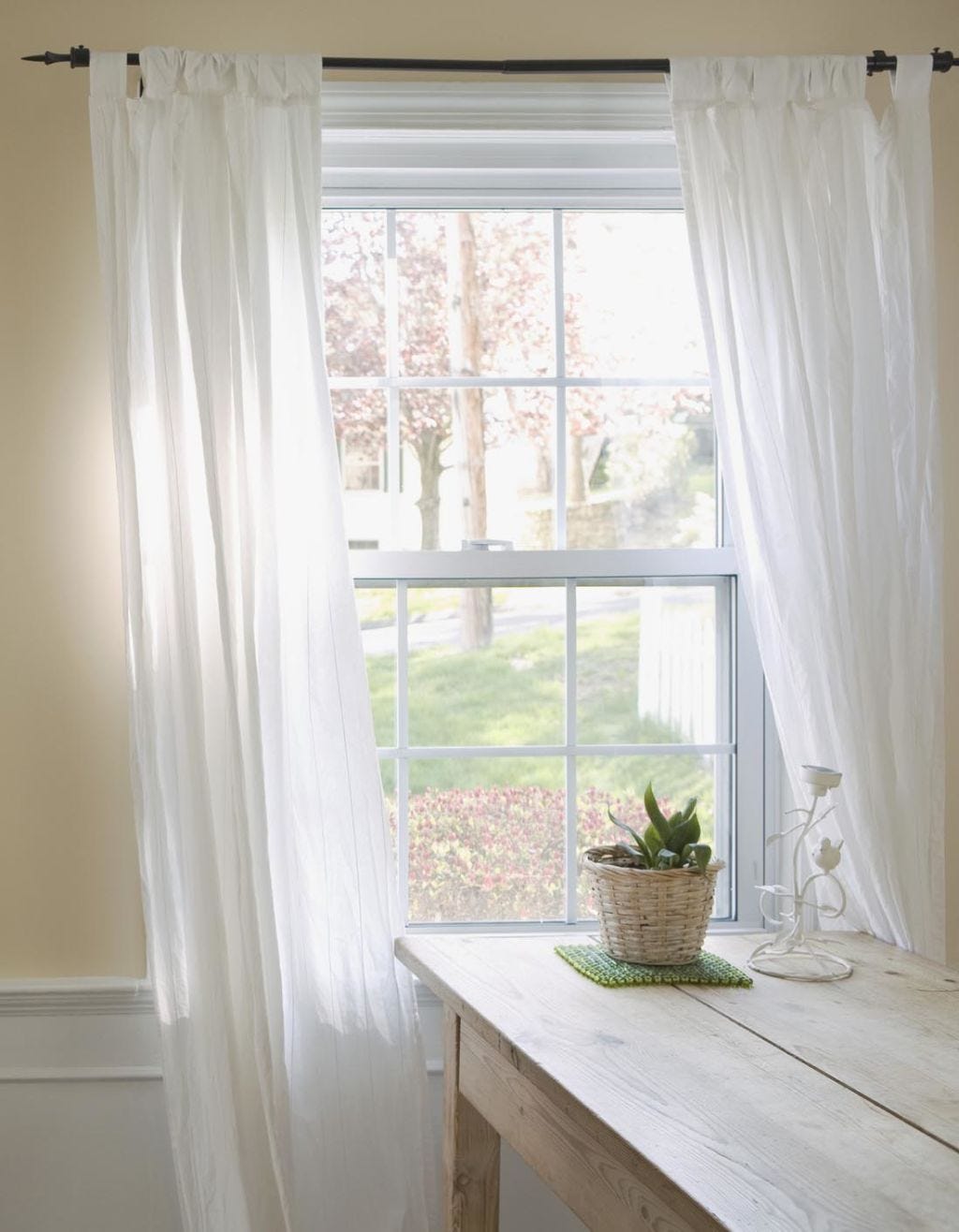
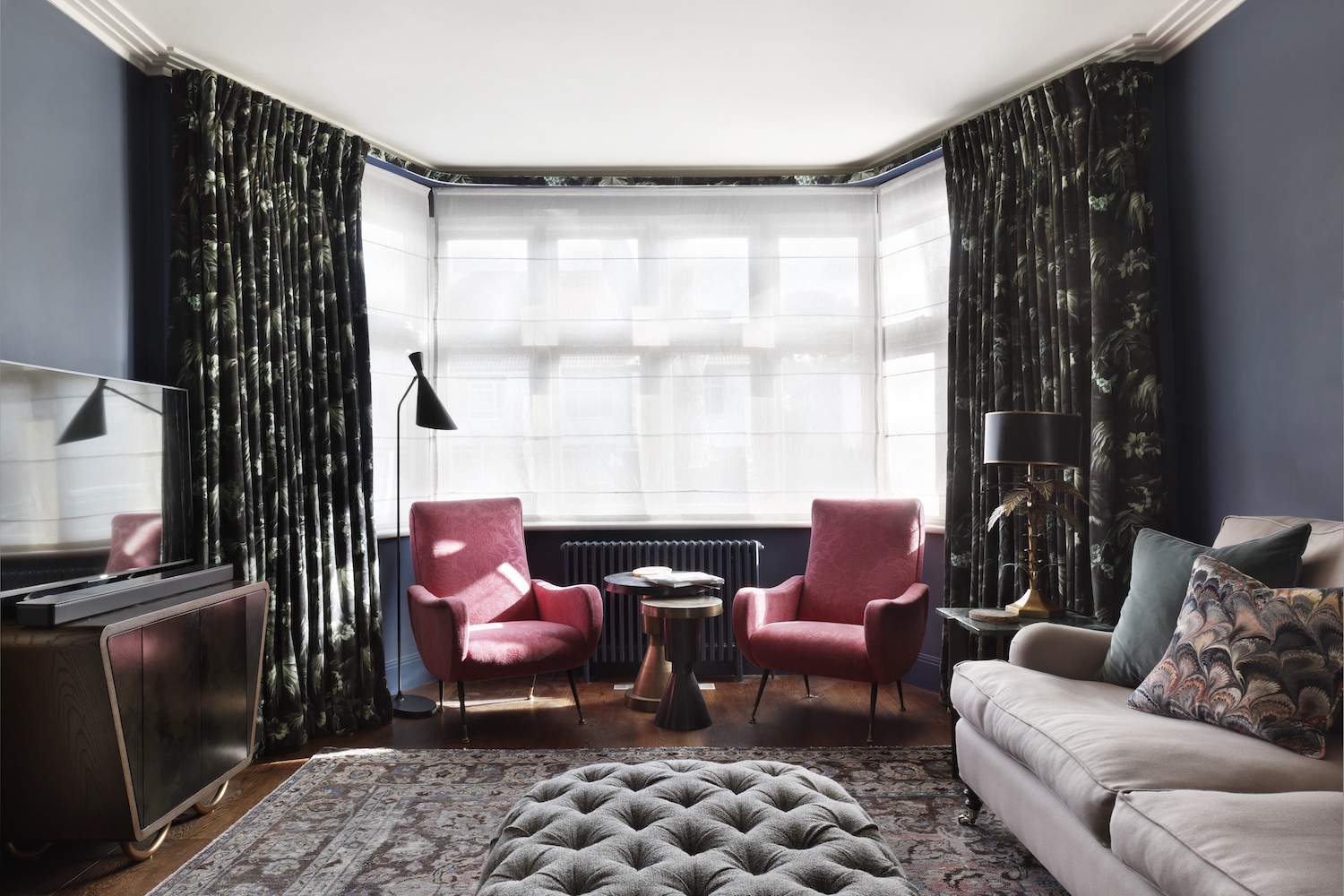
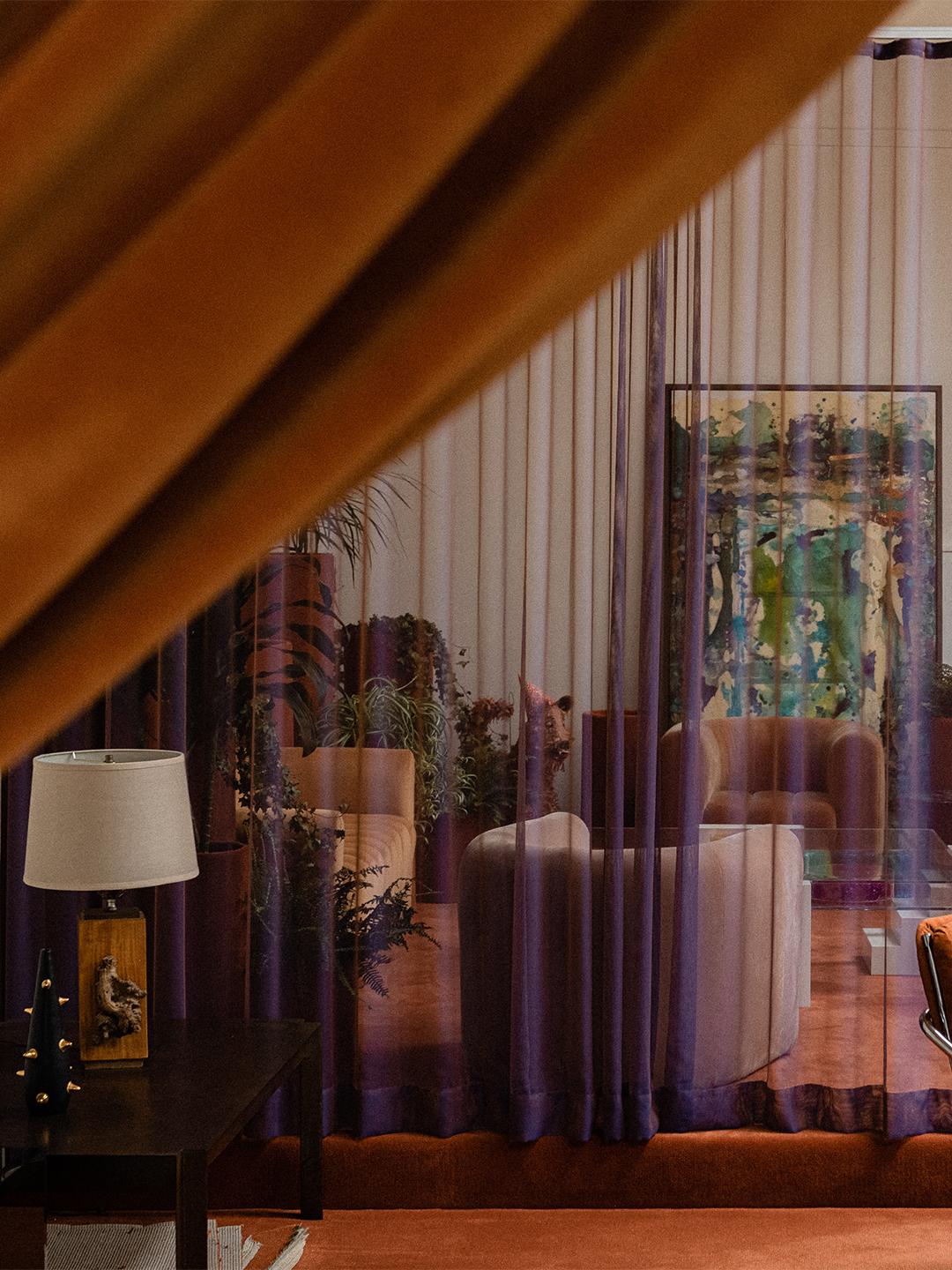
One innovative application involves using sheer curtains to soften light and create an ethereal atmosphere, particularly in bedrooms. Ben Ridley, Founder of Architecture for London, describes how translucent Kvadrat fabric on an S-wave track system can soften angular lines and filter incoming light. This technique also serves a practical purpose by obscuring undesirable views, such as those facing service areas, while creating an illusion of continuous space with elements like full-height mirrors.
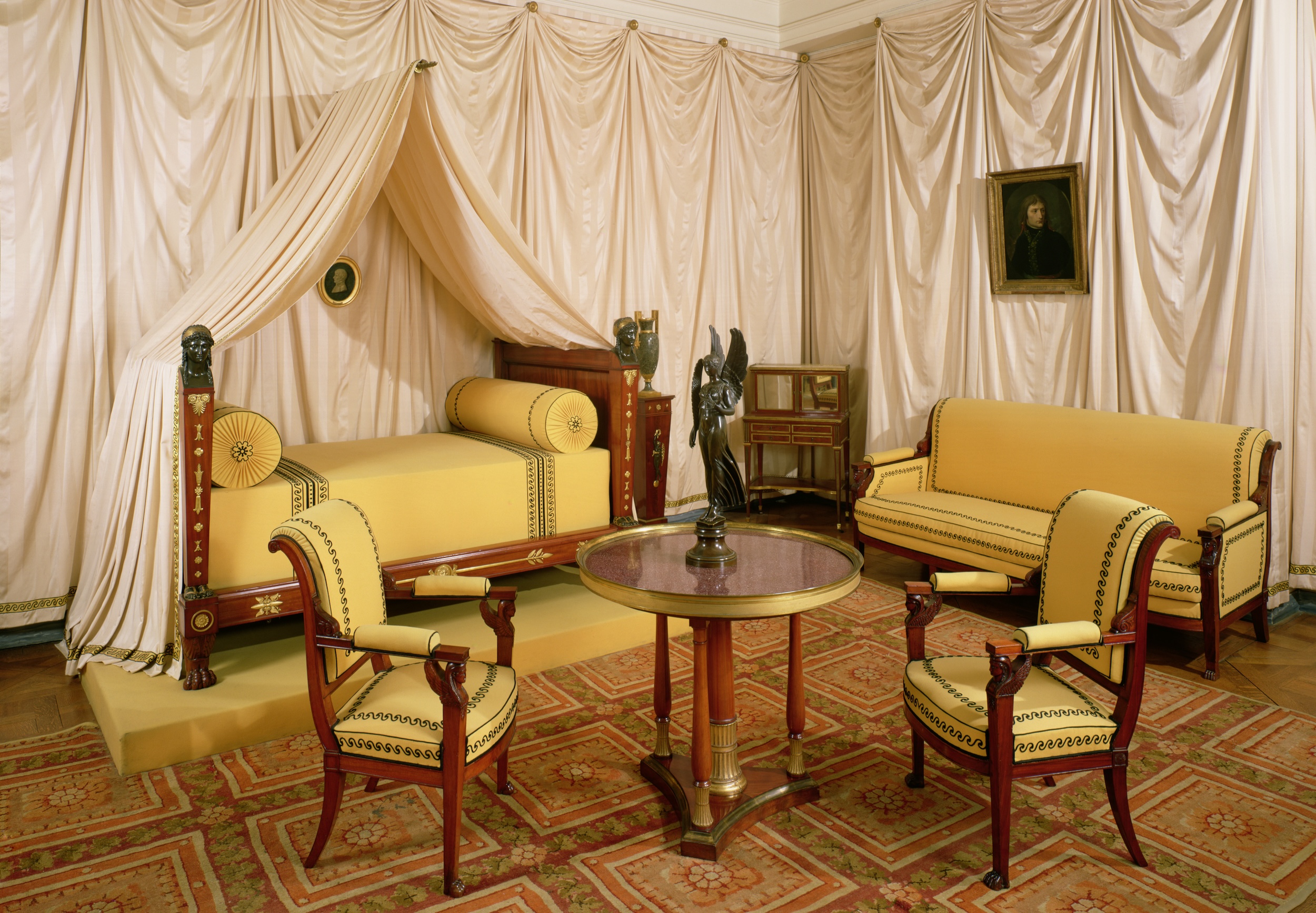
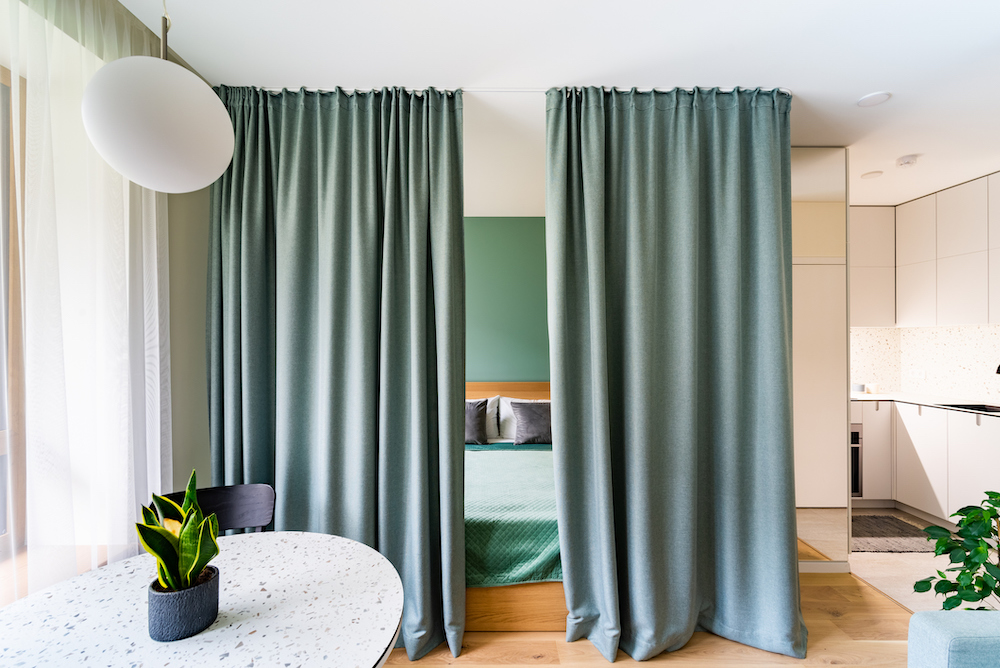
Curtains can also strategically hide or reveal bed areas, offering a theatrical and flexible solution for multi-functional spaces, as demonstrated by Design Pair in a Singapore studio. For such applications, Joyce Li recommends using two layers of fabric to ensure a finished appearance from both sides, unlike single-sided window treatments. This flexibility allows for dynamic changes in atmosphere, adapting to different situations by being fully open, closed, or partially drawn, and enabling easy aesthetic updates simply by changing the fabric.

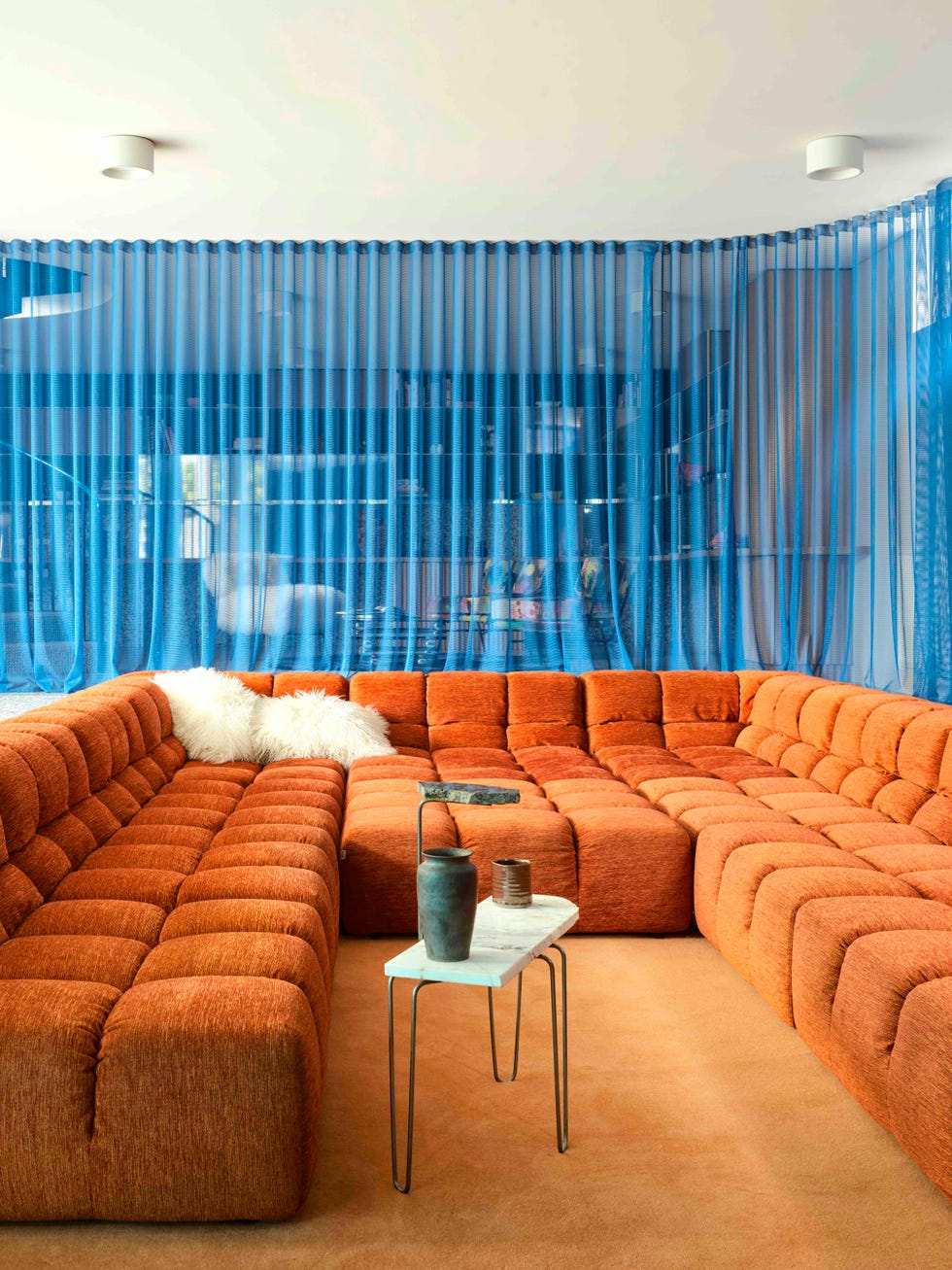
In dual-purpose living spaces, curtains can unify the area with a monochromatic color scheme. Charlap Hyman & Herrero used a soft blue curtain to blur lines in a living space, allowing a niche to transition seamlessly from a sitting area to a guest room. This approach also cleverly addresses architectural challenges, such as concealing an awkwardly placed column, by bending the track system to accommodate the space. The accessibility and affordability of modern curtain tracks make this a practical and customizable design solution.
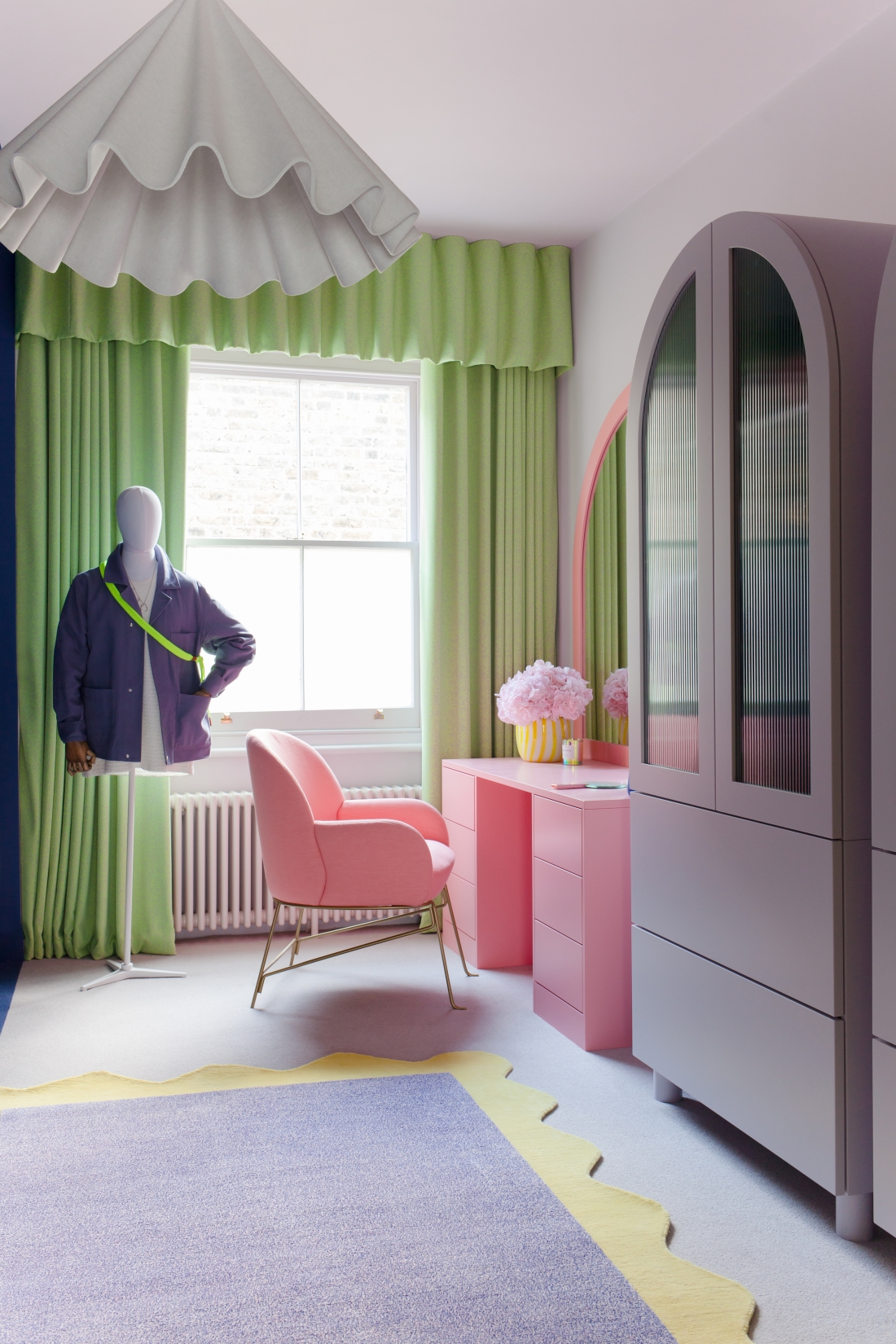
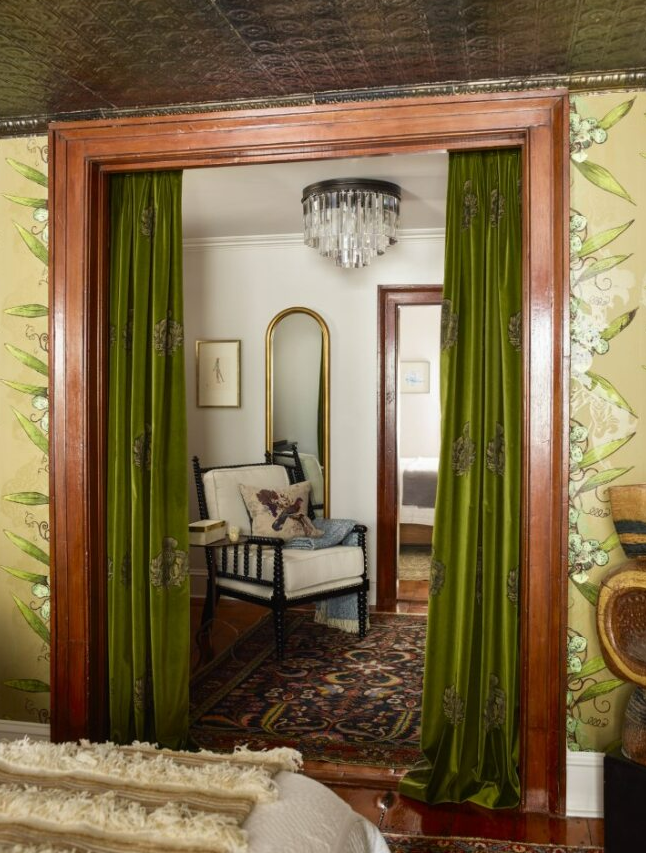
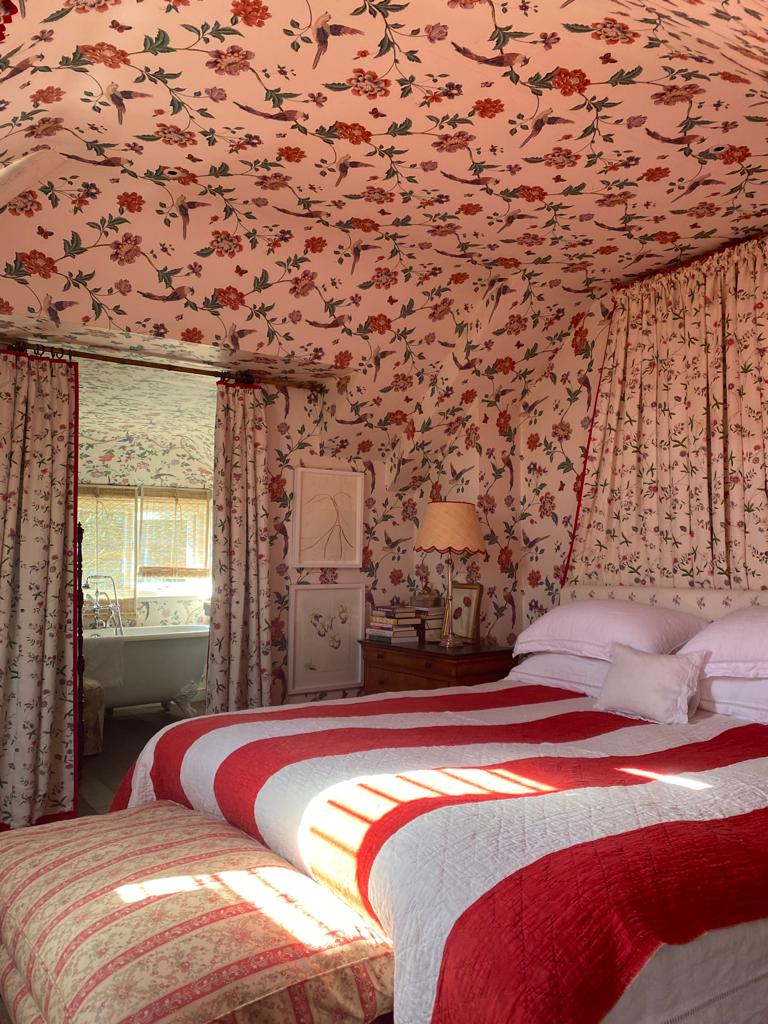
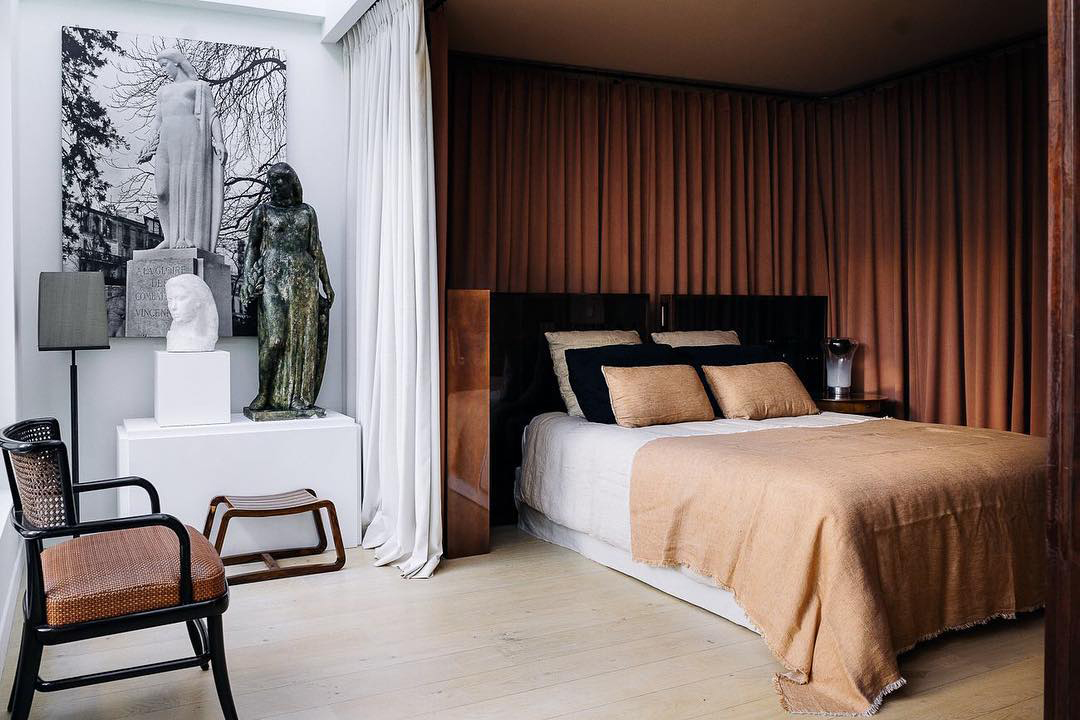
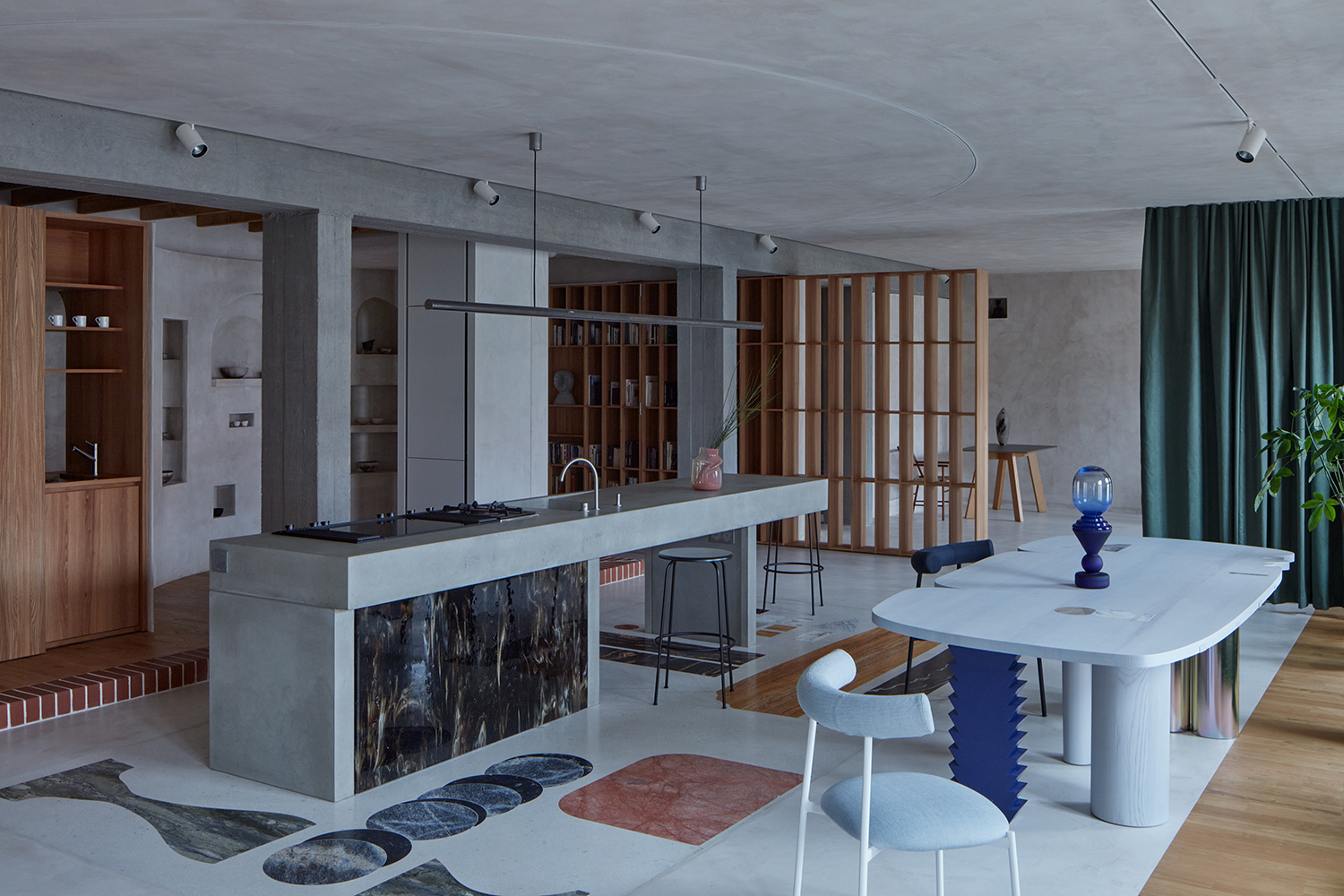
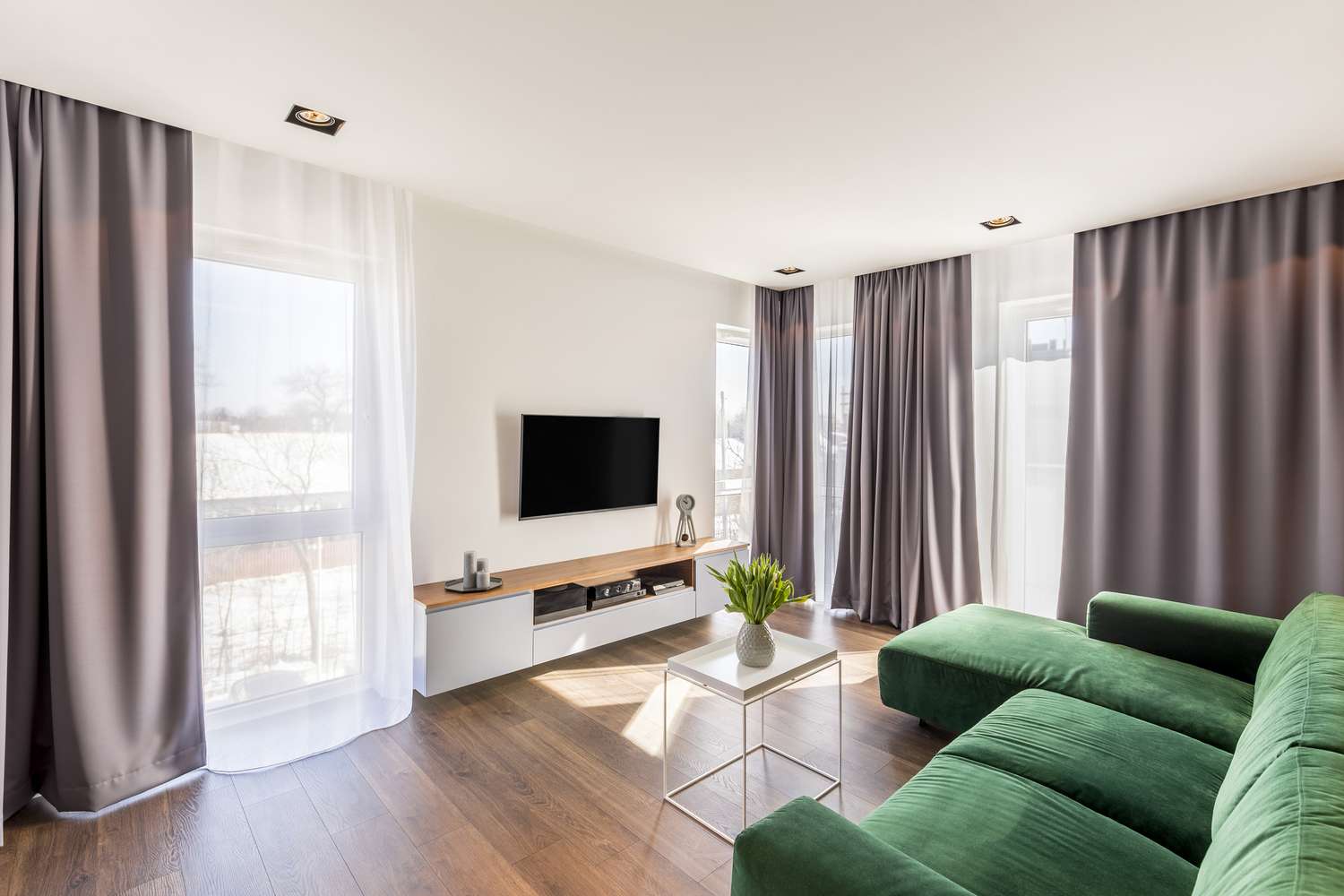
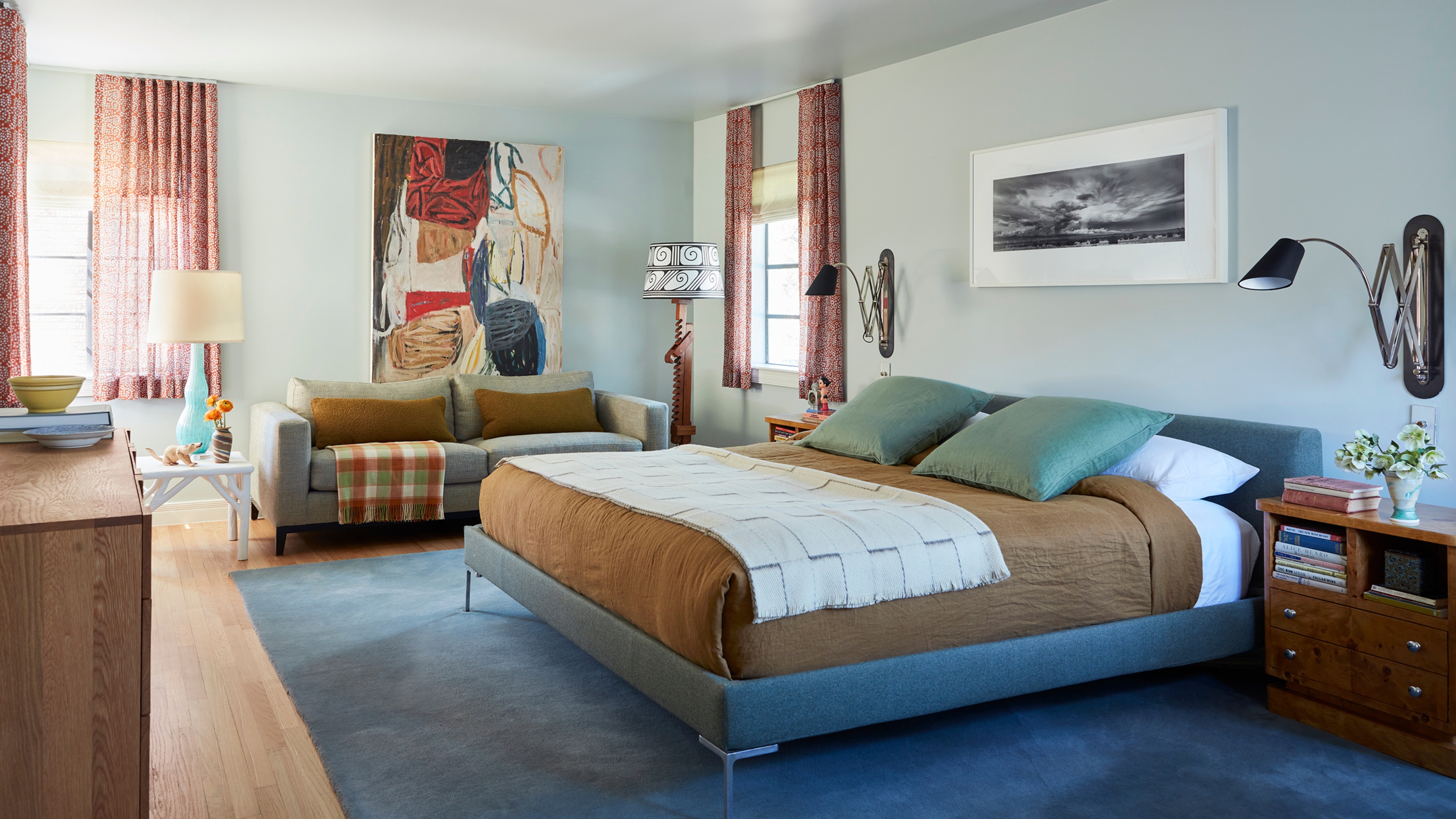
Furthermore, curtains can create visual balance by contrasting with solid architectural elements. Objektor architekti used a green fabric partition in a Prague apartment to provide a lighter counterpoint to heavy concrete surfaces, introducing movement and creating new perspectives. This also establishes compositional harmony when paired with fixed elements of similar dimensions and visual weight. Curtains are also being used as dramatic headboards, particularly with lower bed frames, where wall-to-wall drapery draws the eye upward and adds a bold backdrop. Darren Jett of JETT Projects suggests enhancing this effect by floating artwork in front of the curtains using transparent fishing wire, creating a memorable visual trick. This method is also cost-effective, with various fabric options and DIY potential.
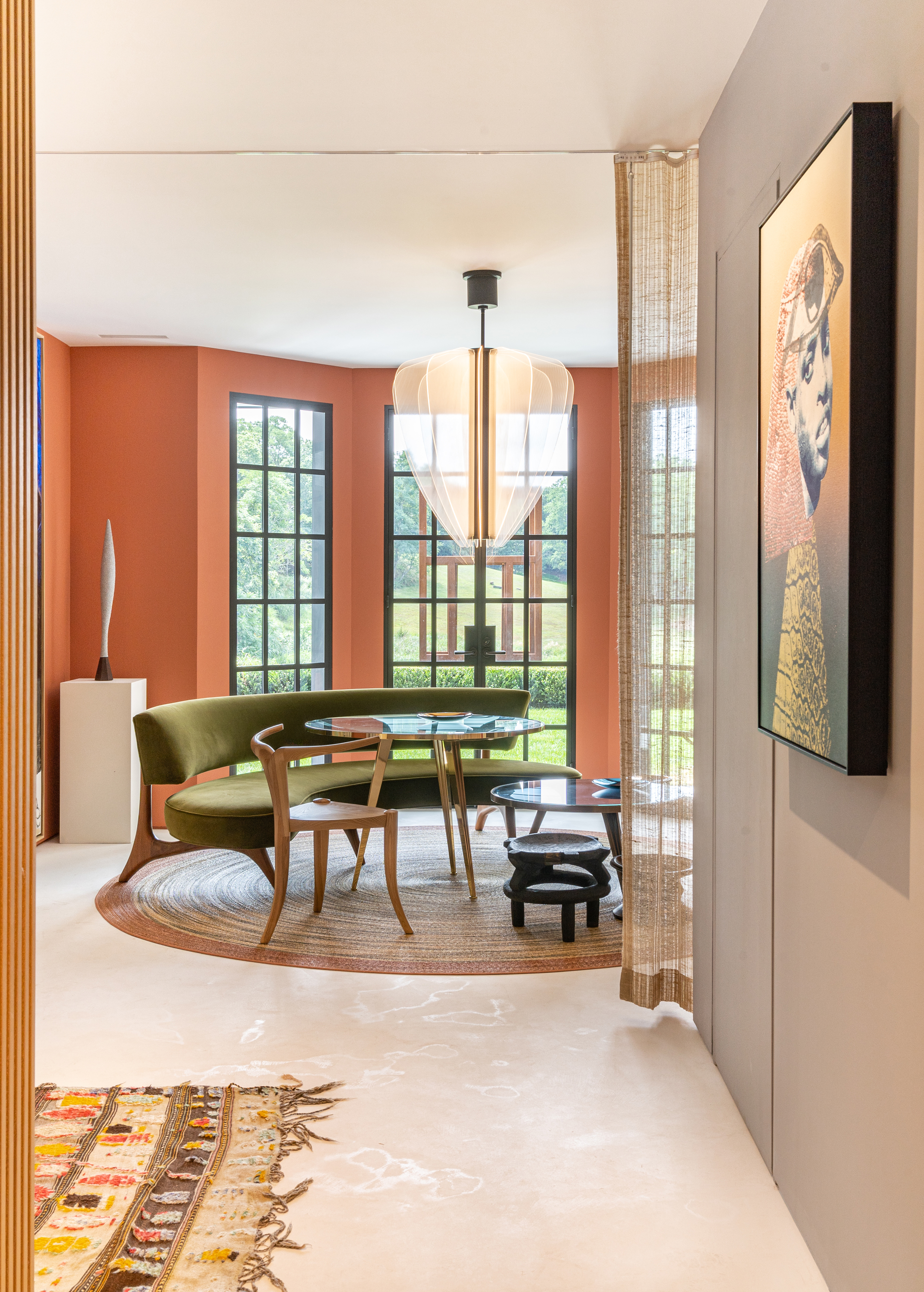
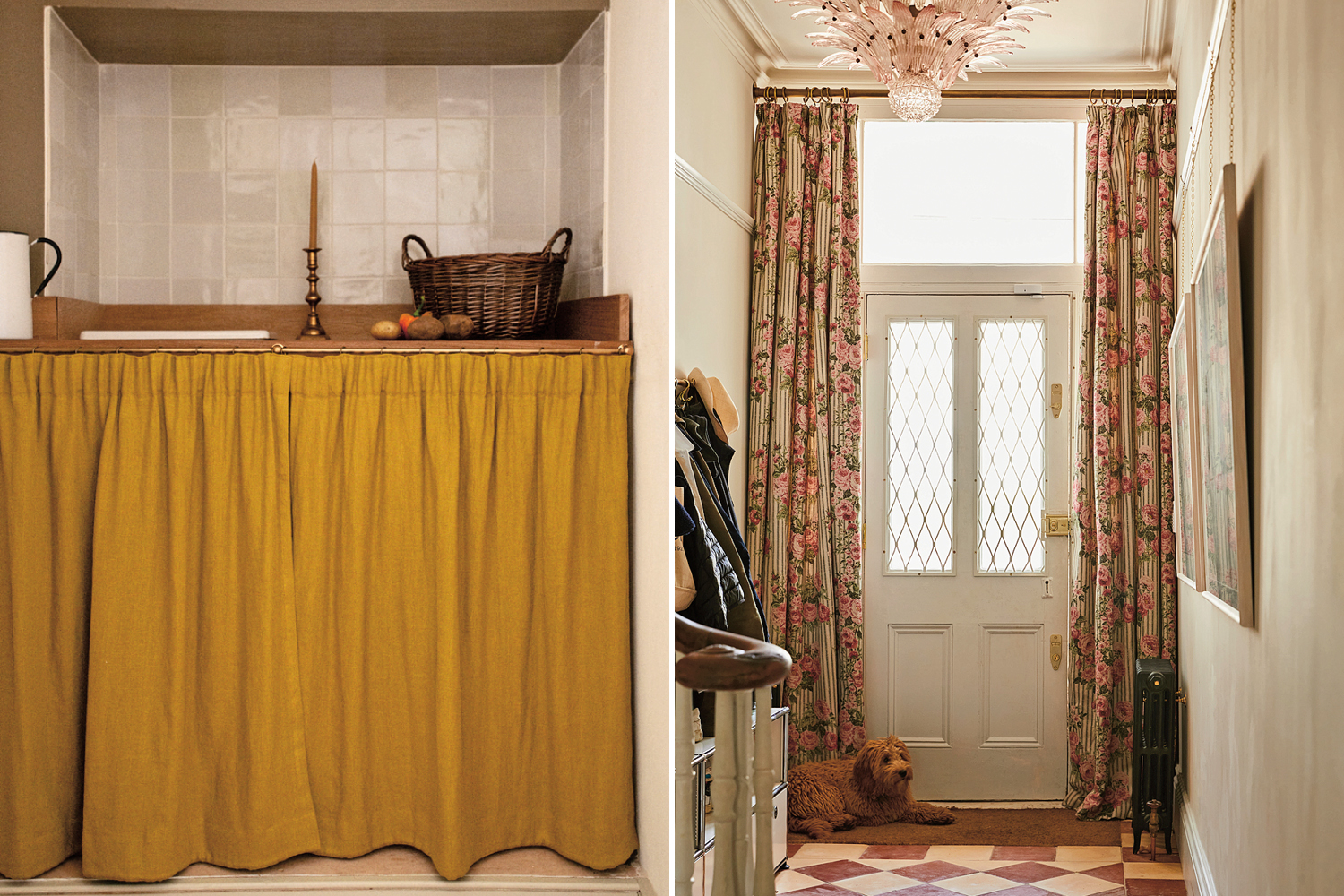
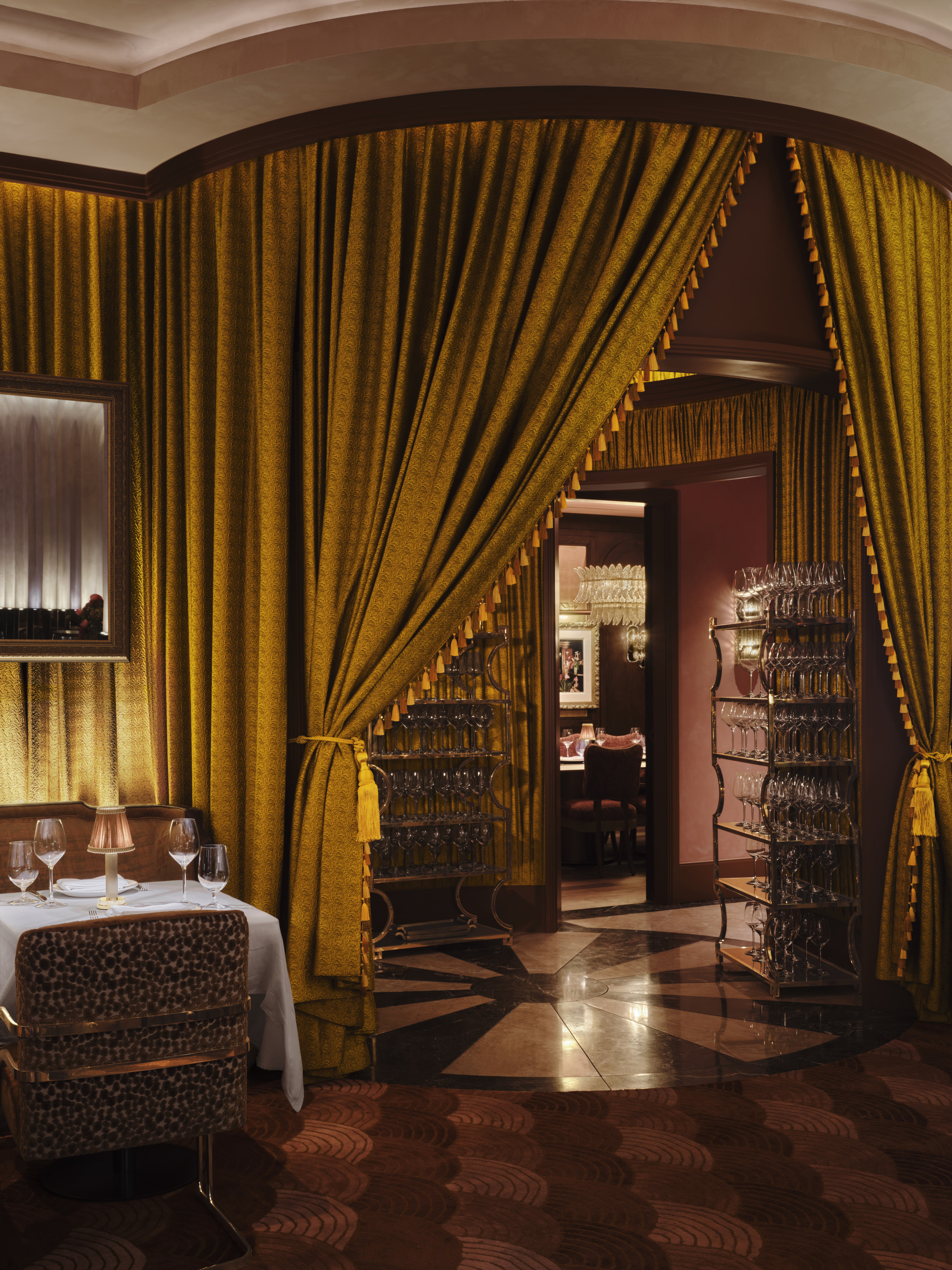
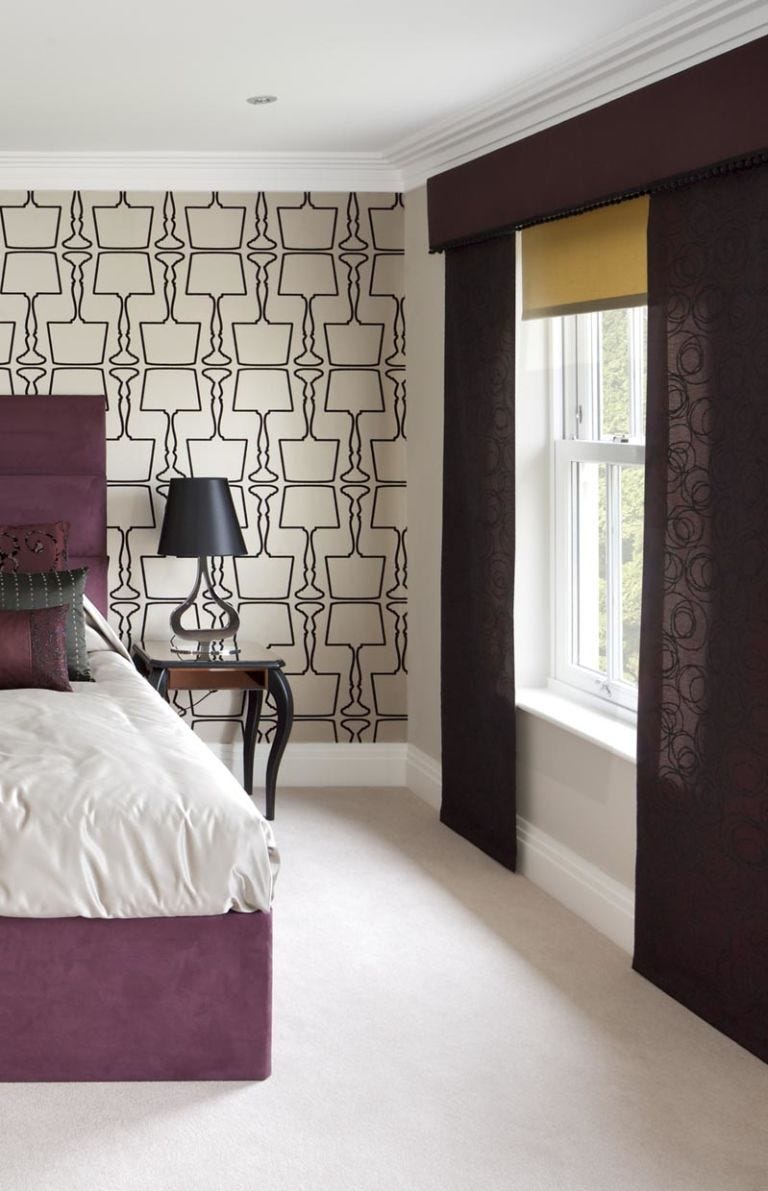
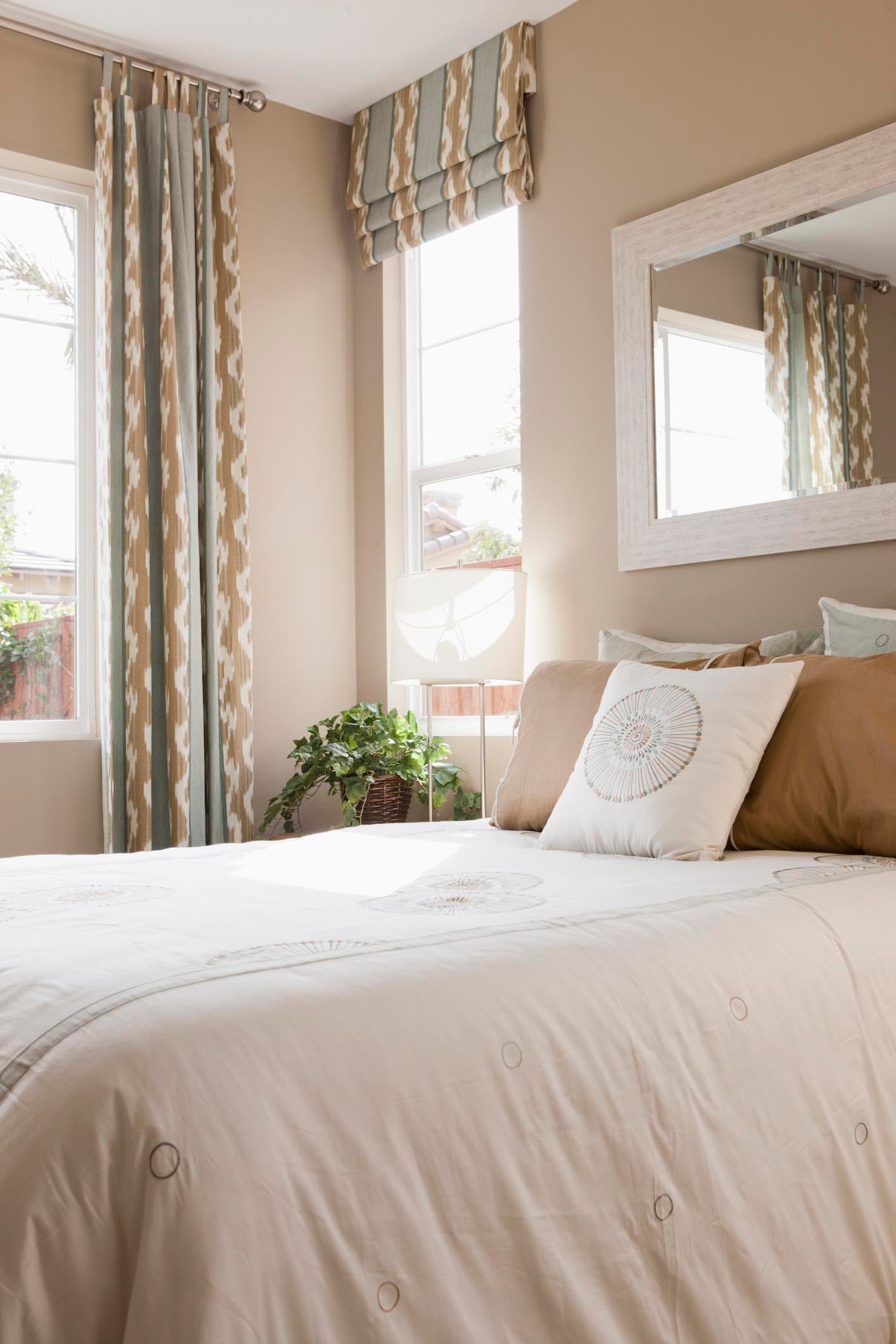
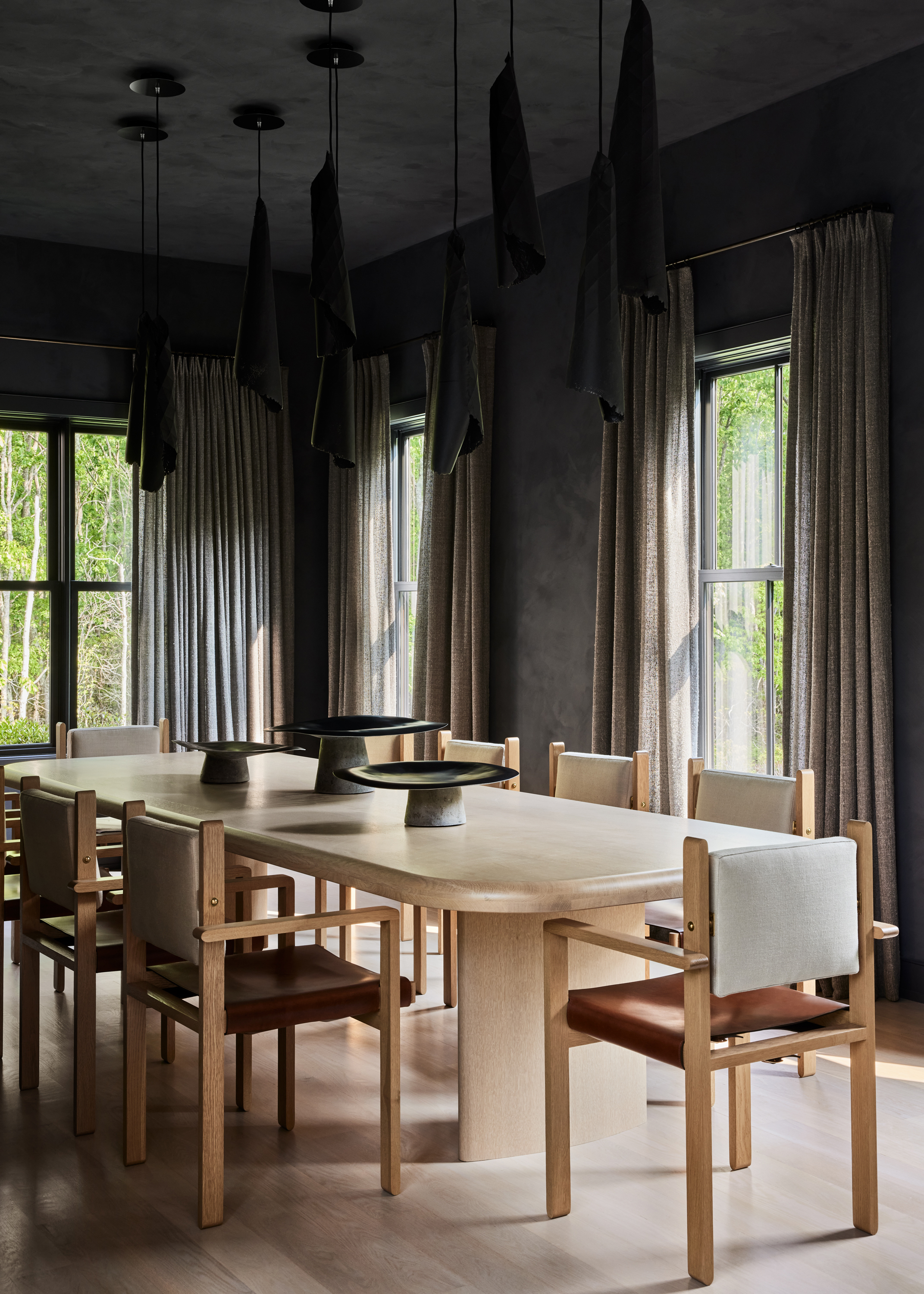
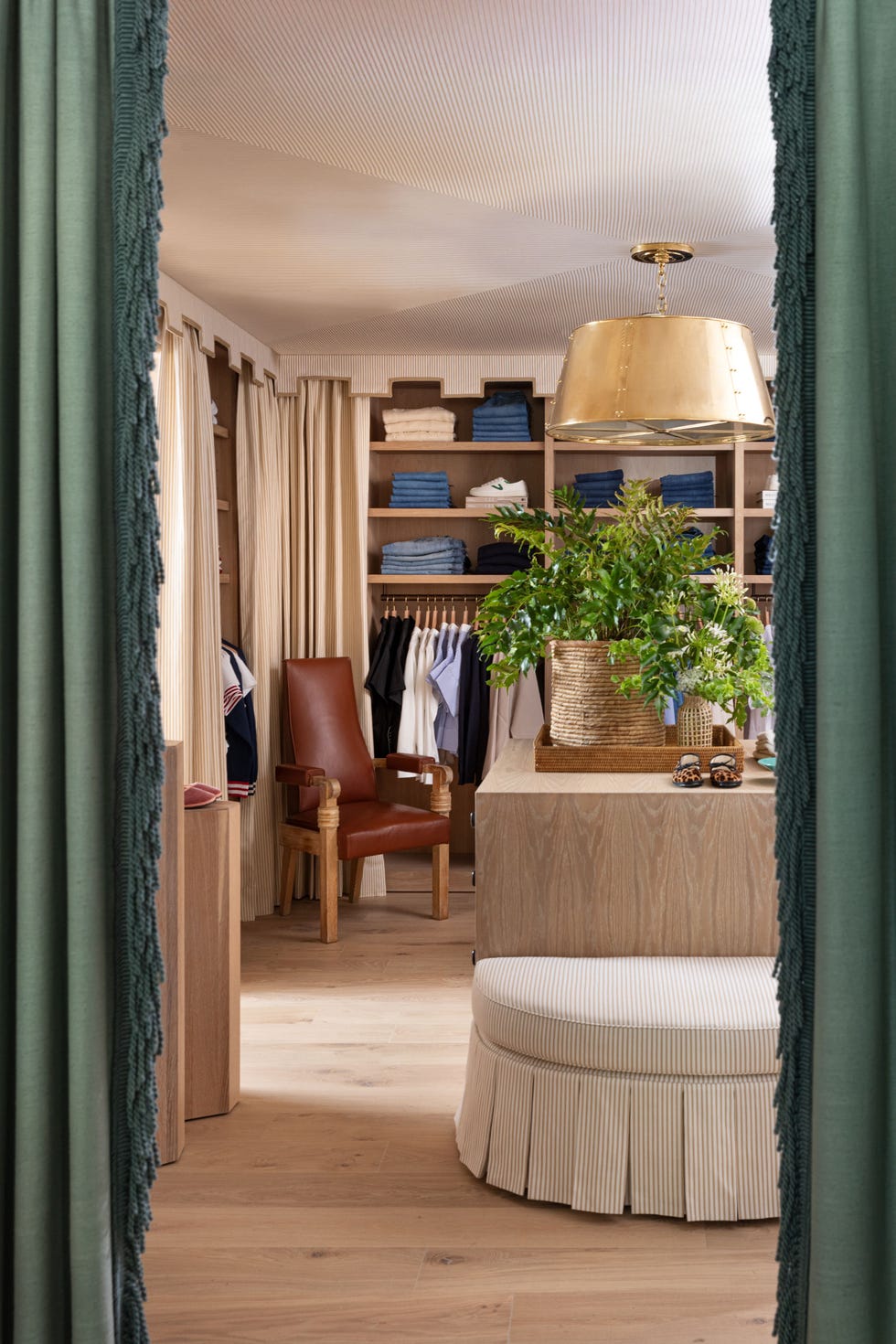
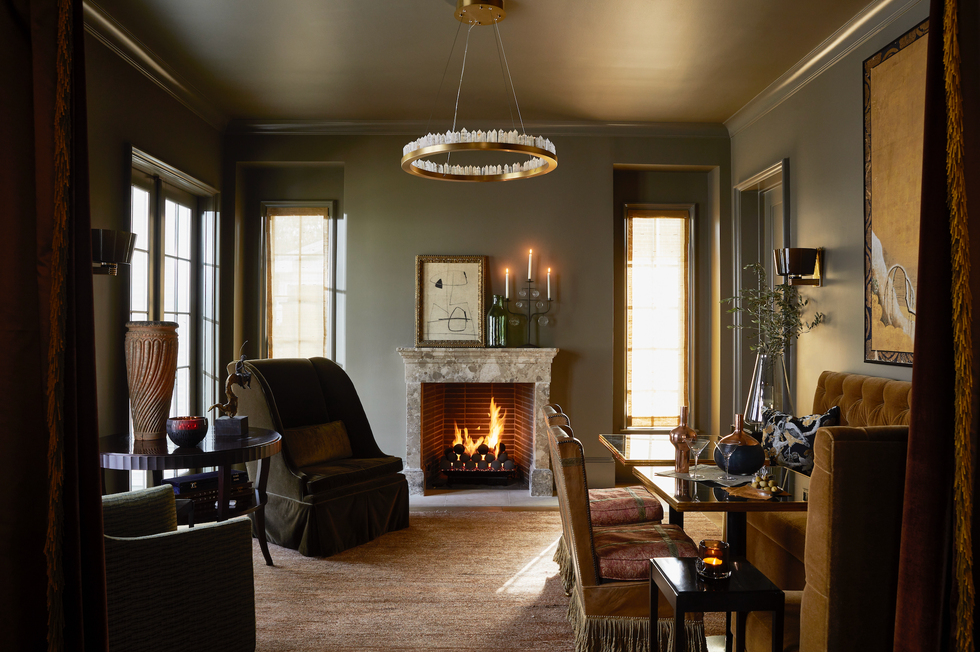
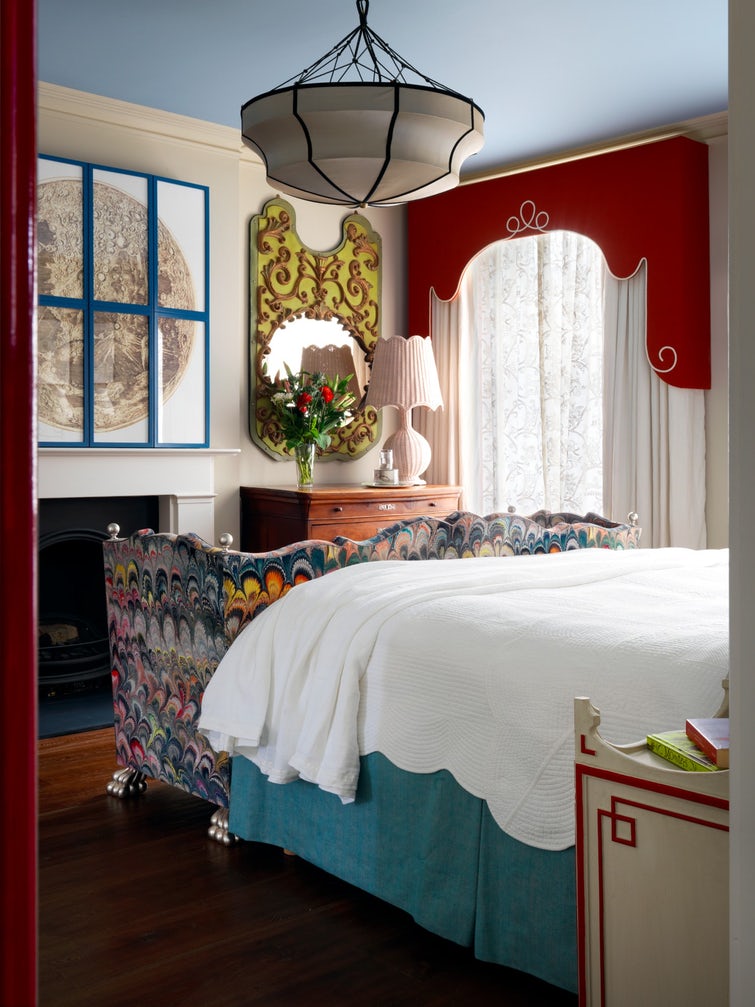
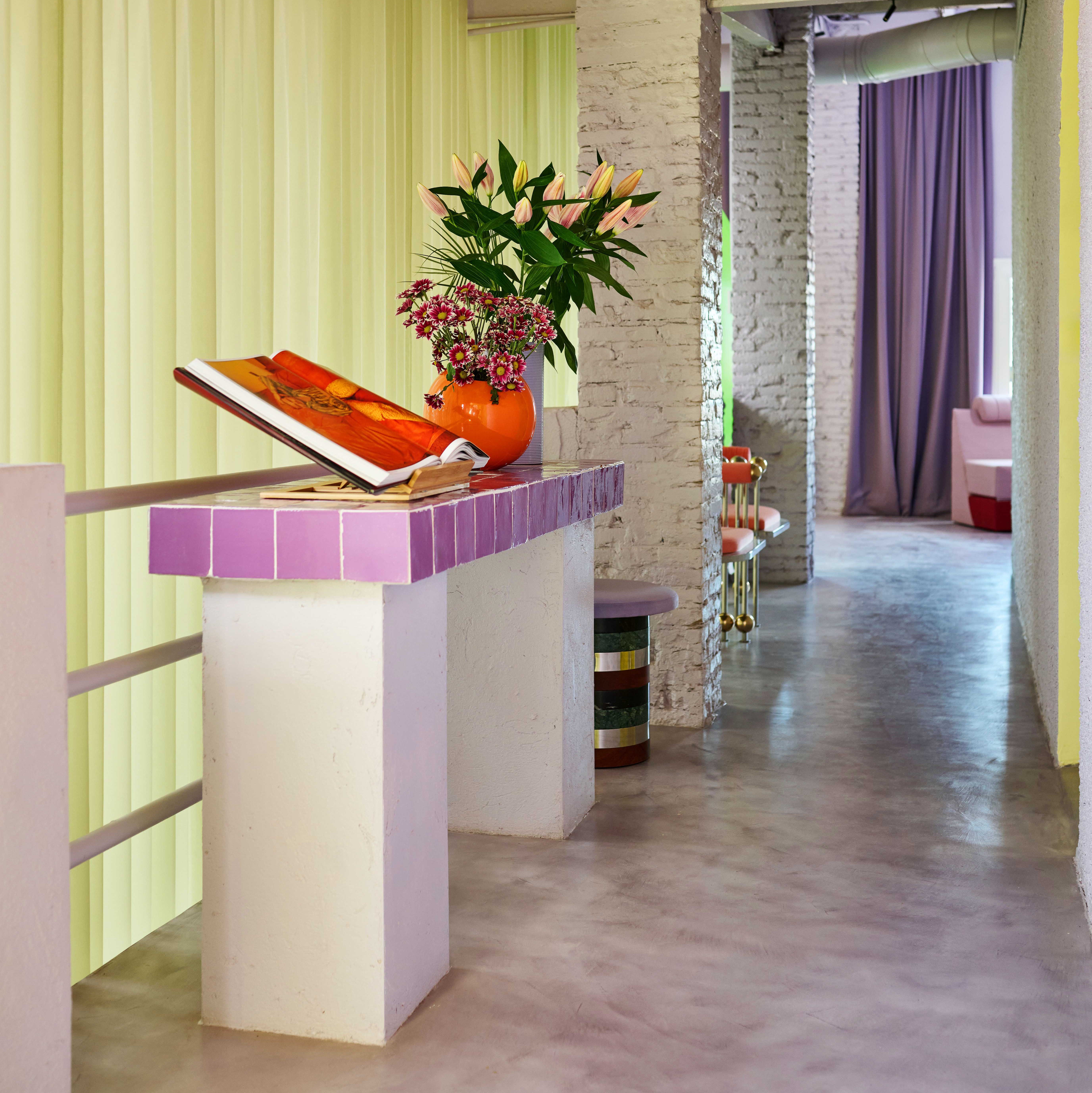
Finally, curtains are effective in addressing awkward architectural areas, providing both style and functionality. Timothy Godbold utilized curtains with a bespoke wooden cornice in a Hamptons home to smooth over a challenging corner, integrating a dash of style. Curtains offer an elegant, non-static solution that can conceal smaller areas or elements, contributing to a sense of organization. The curved, rounded curtains in a lounge bar nook, for instance, provide an aesthetic juxtaposition to geometric lines, with their organically shaped support frame complementing a postmodern design theme.
#InteriorDesign #CurtainApplications #SpaceZoning #RoomDividers #HomeDecor #ArchitecturalSoftening #MonochromaticDesign #FlexibleInteriors #InteriorDesign #CurtainApplications #SpaceZoning #RoomDividers #HomeDecor #ArchitecturalSoftening #MonochromaticDesign #FlexibleInteriors
0 comment in total
 No comments yet
You may also like
11 Decorative Places to Hang Curtains Other Than Your Windows
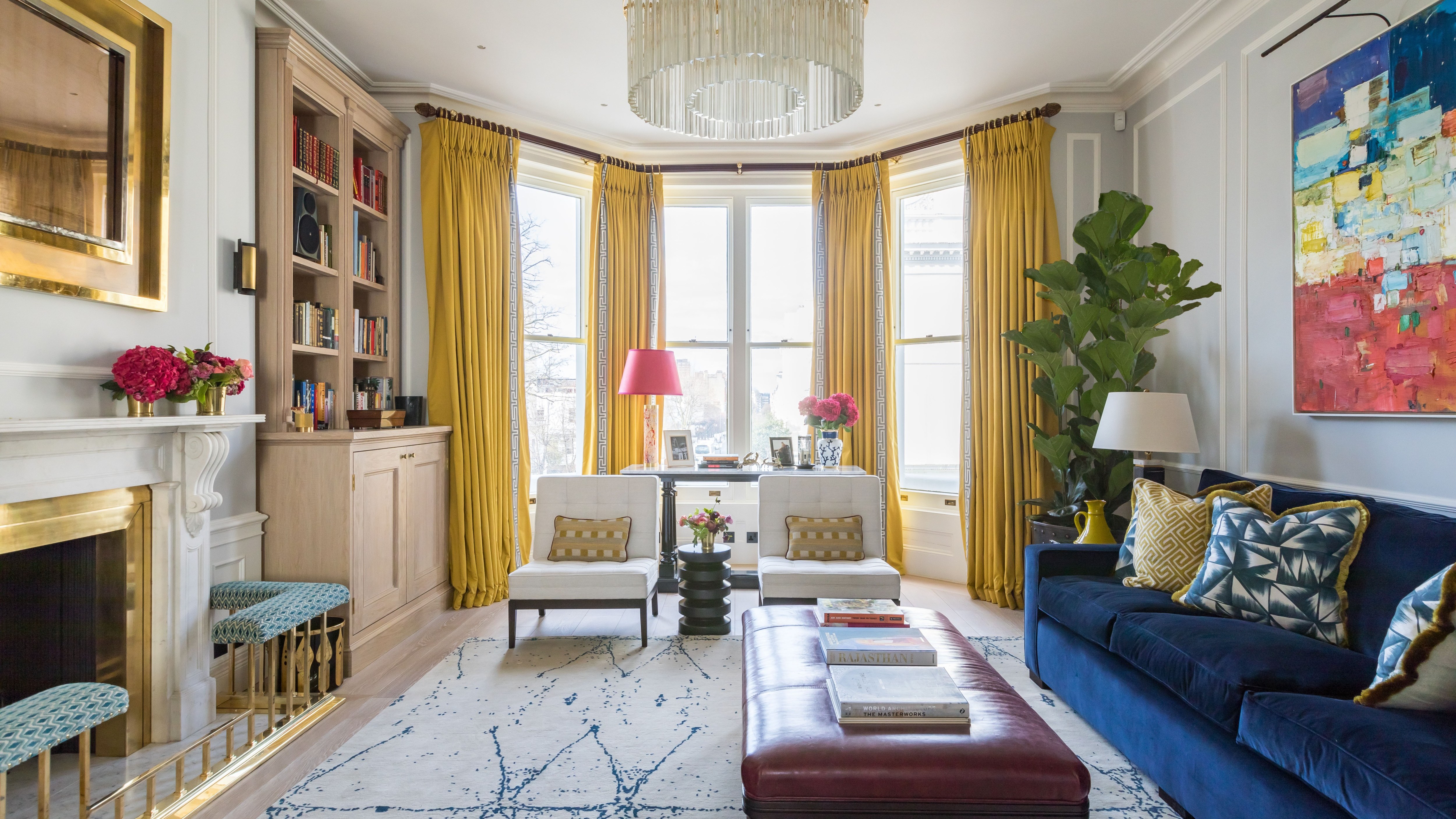
Bye-bye blinds — how curtains became cool again
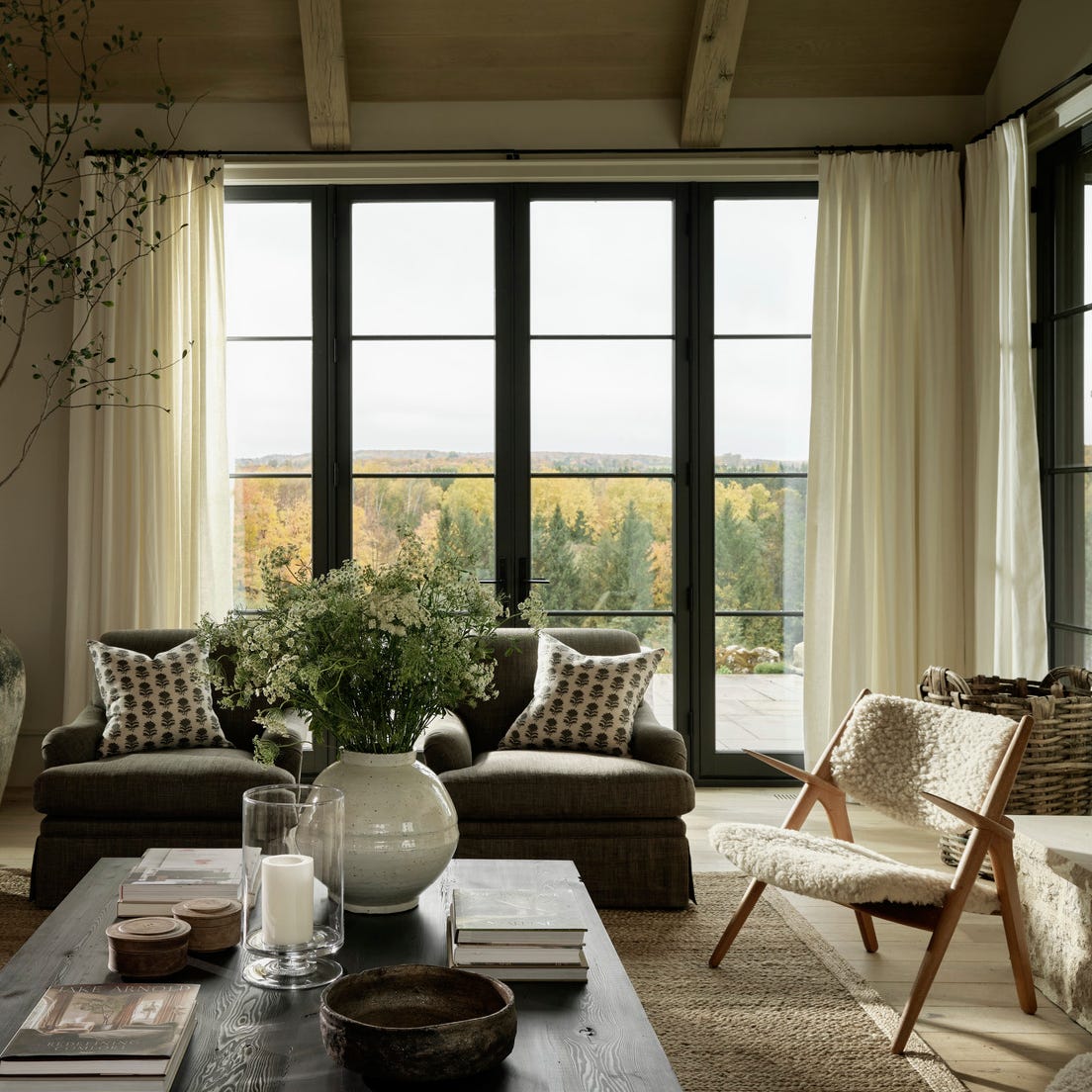
39 Versatile Living Room Curtain Ideas That Instantly Complete the Space

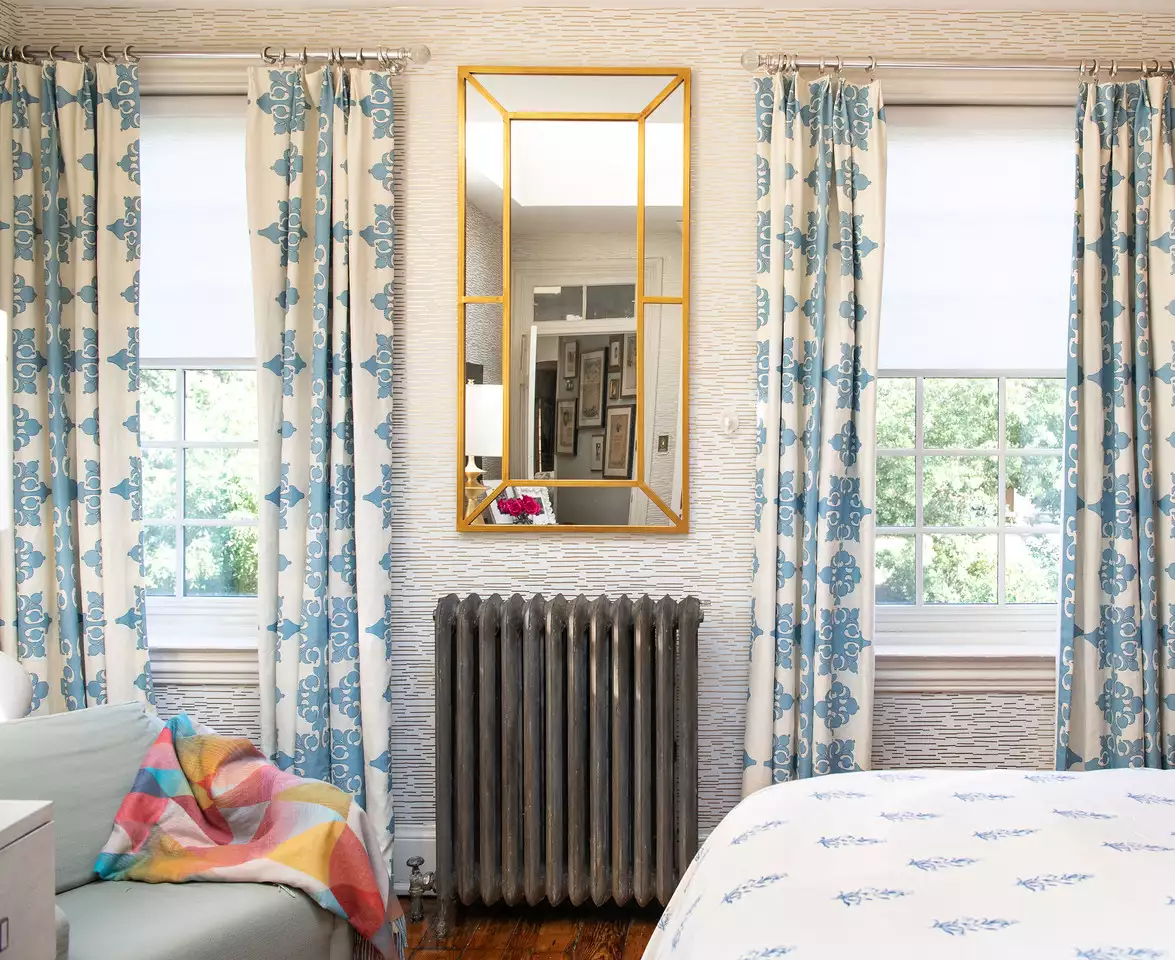
10 Window Treatment Trends to Freshen Up Every Room in Your Home

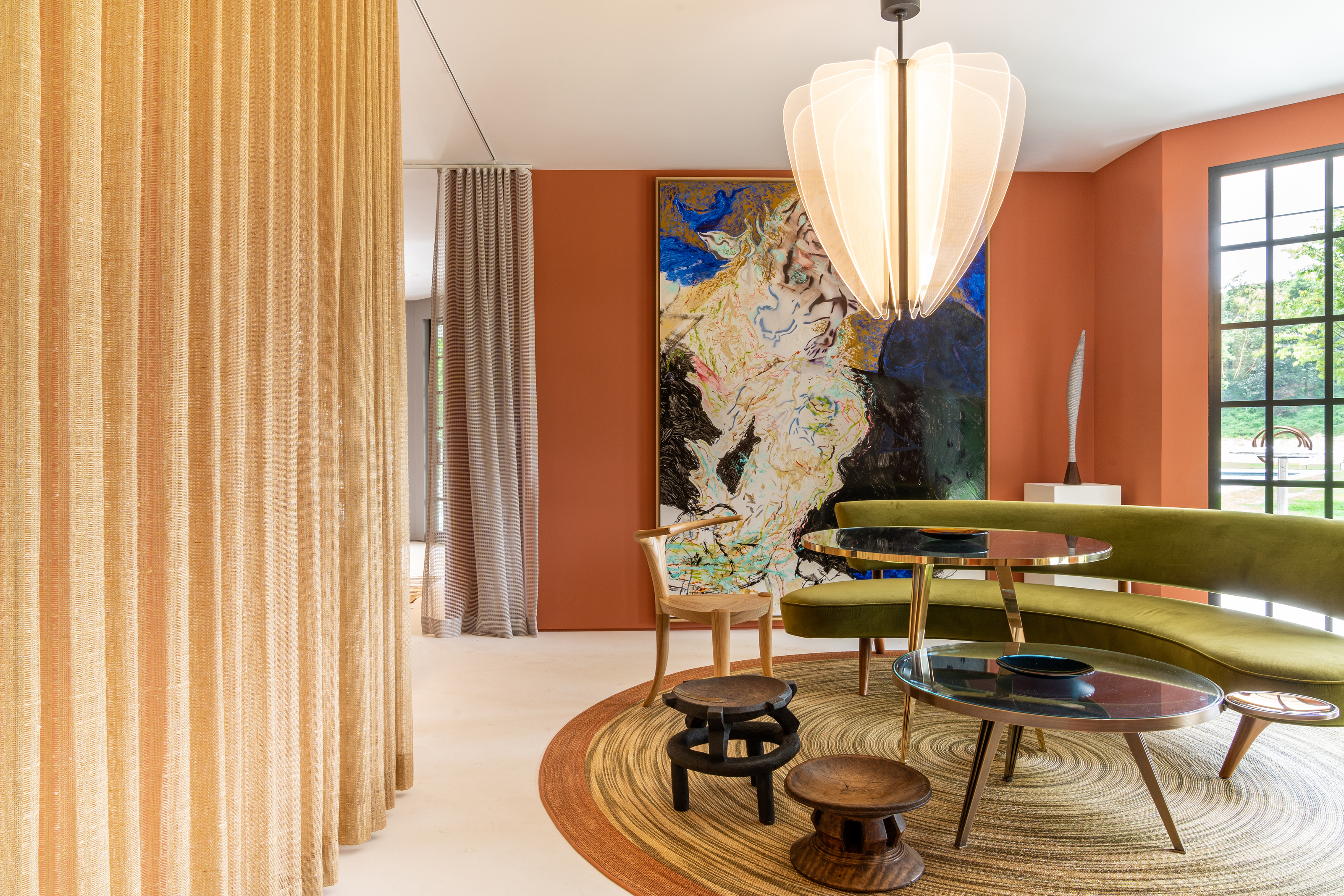
How do you divide a room with curtains? Designers on embracing this 'soft architecture' trend
Steal ideas from these homes that use curtains for more than just window dressing

6 Curtain Styles That Are So Outdated, According to Designers

Suddenly, Short Curtains Have Got My Attention in the 'Long vs Short Curtain' Debate

How to Hang Curtains the Way an Interior Designer Would — To Balance, Blur Lines, and Bring Impact to a Room
Curtain Walls Are Proof That Draperies Aren't Just for Windows Anymore

Why You Should Be Extending Your Drapes Beyond the Window Frame
The Design World Is DIVIDED on This Controversial Curtain Styling Trend
Designers Say to Ditch These 6 Curtain Styles for an Instant Room Upgrade
Should you ever replace doors with curtains? I say yes, and asked designers when to make the switch

Why curtains are the year's biggest – and most unexpected – interior design trend

13 curtain ideas and styles to help you pick the best drapes for your room
The New Trick Designers are Using To Zone Rooms and Create Privacy Is Both Beautiful and Functional
An easy add-on to your curtains makes rooms look expensive - designers explain
13 Professional Tricks to Make Your Windows Look Bigger
Is There A Difference Between Curtains And Drapes?