Is There A Difference Between Curtains And Drapes?
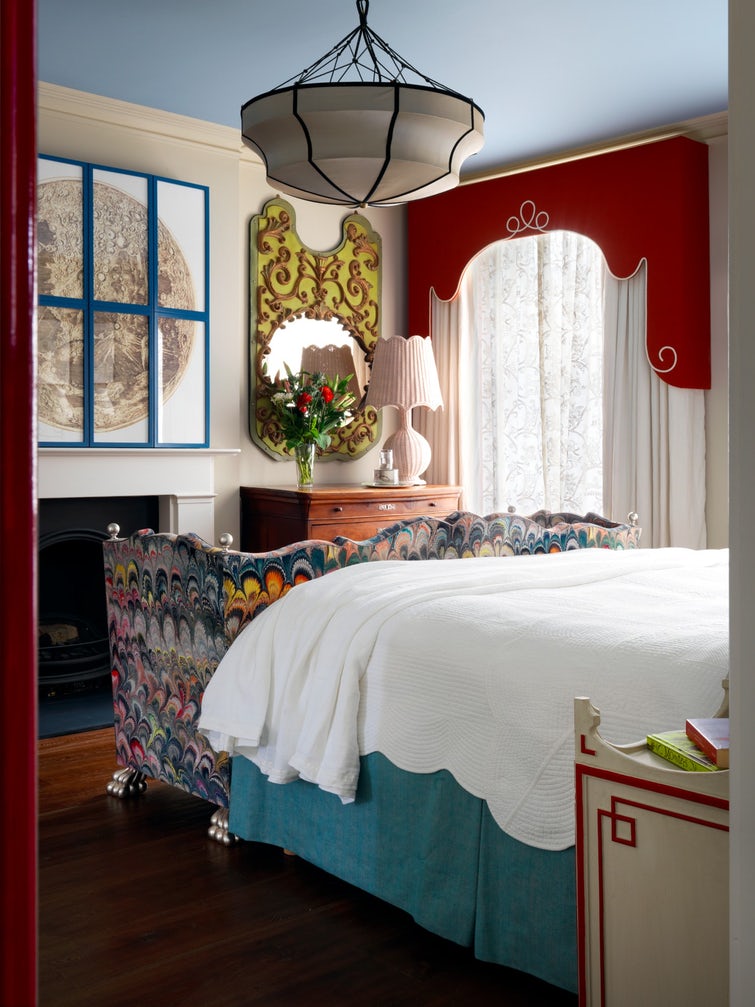
Window treatments like curtains and drapes are essential elements that complete a room, adding softness, introducing pattern or texture, and providing privacy. While the terms are often used interchangeably, there are subtle differences between curtains and drapes, primarily in their style and function. Understanding these distinctions helps in choosing the right window treatment for different spaces in a home.
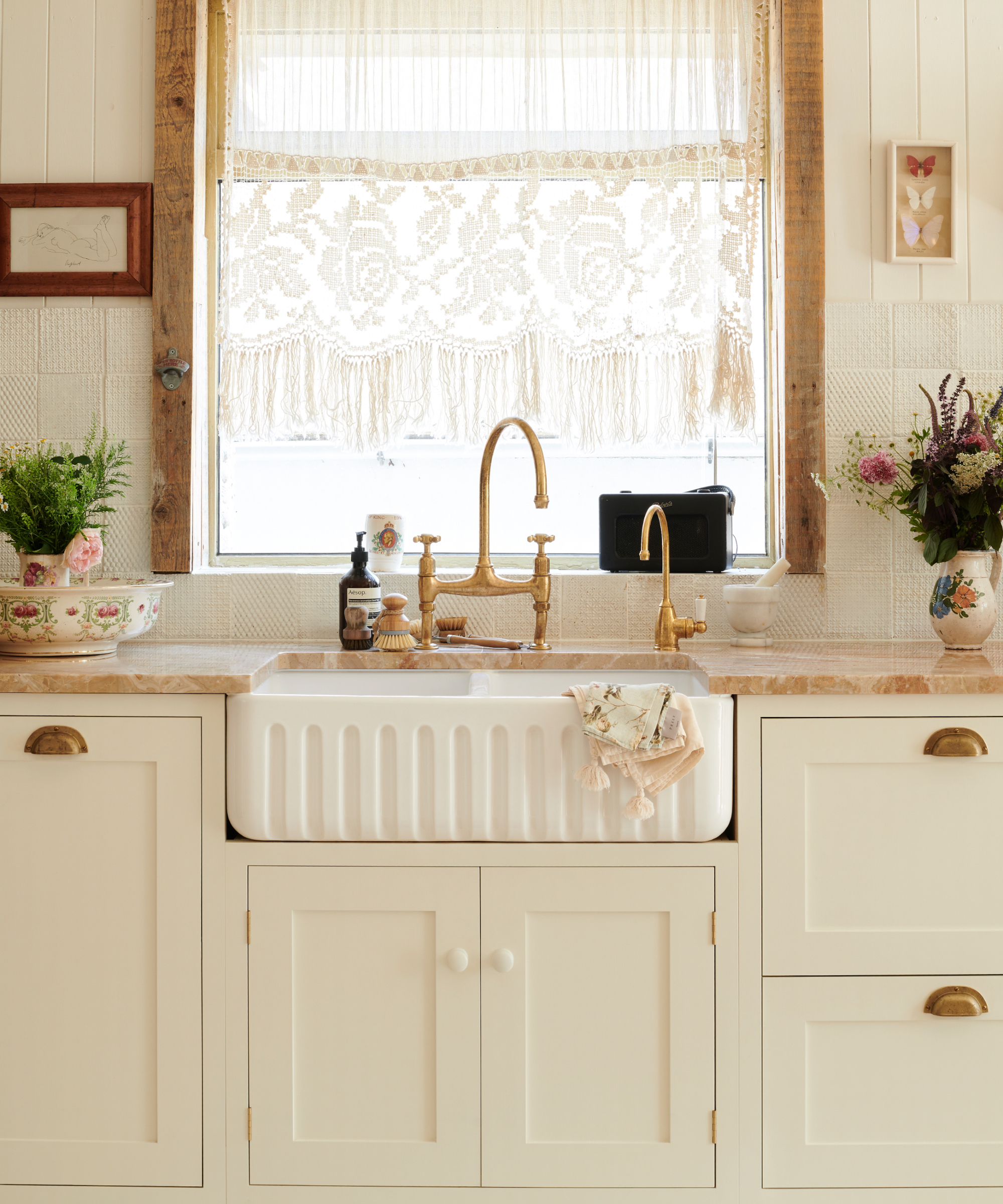
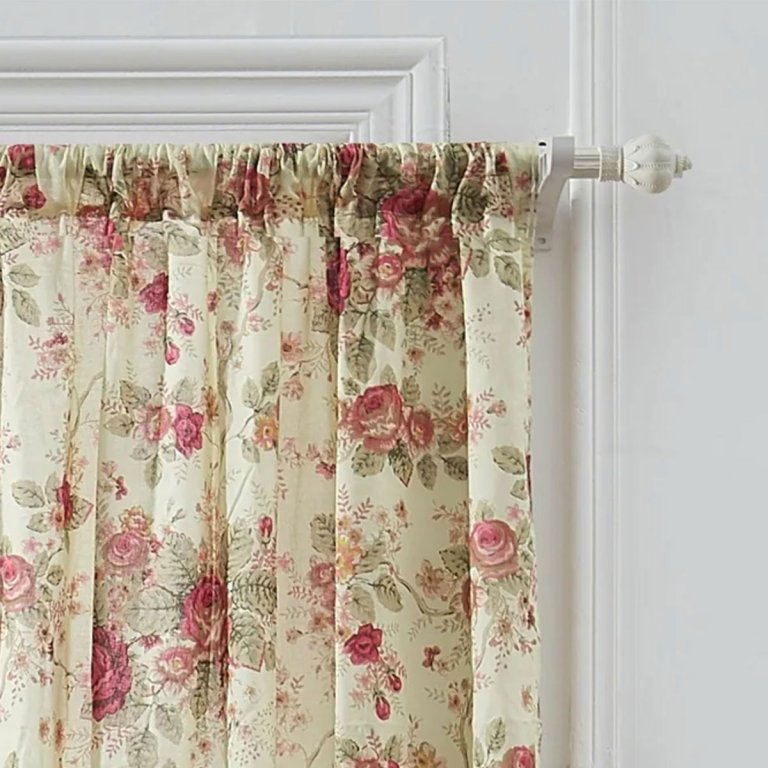
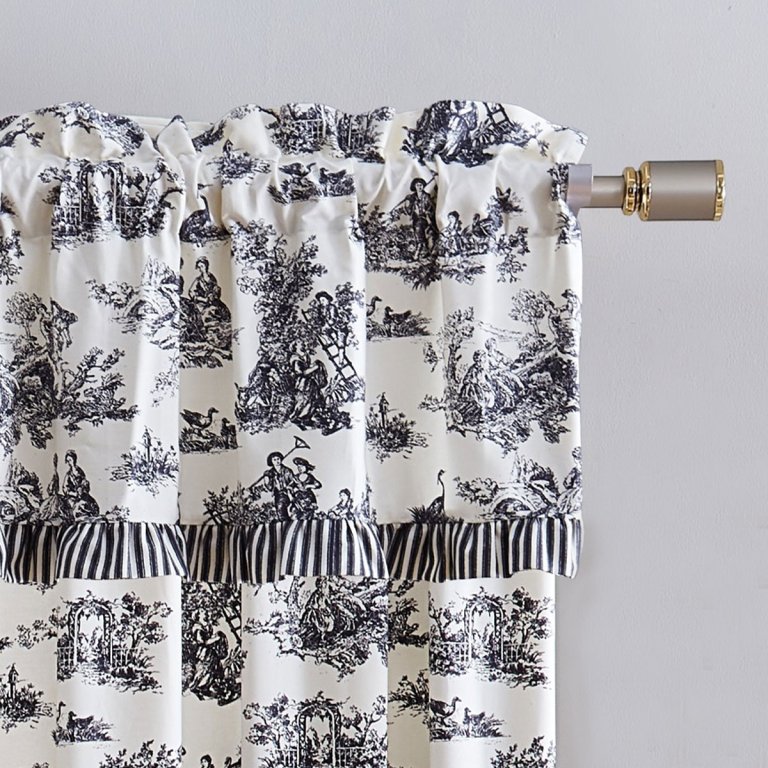
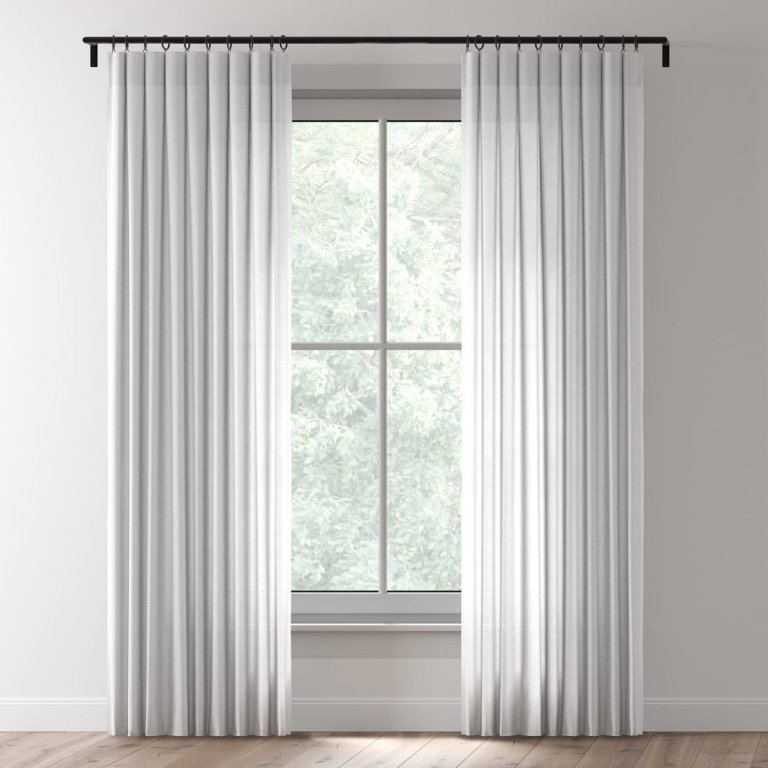
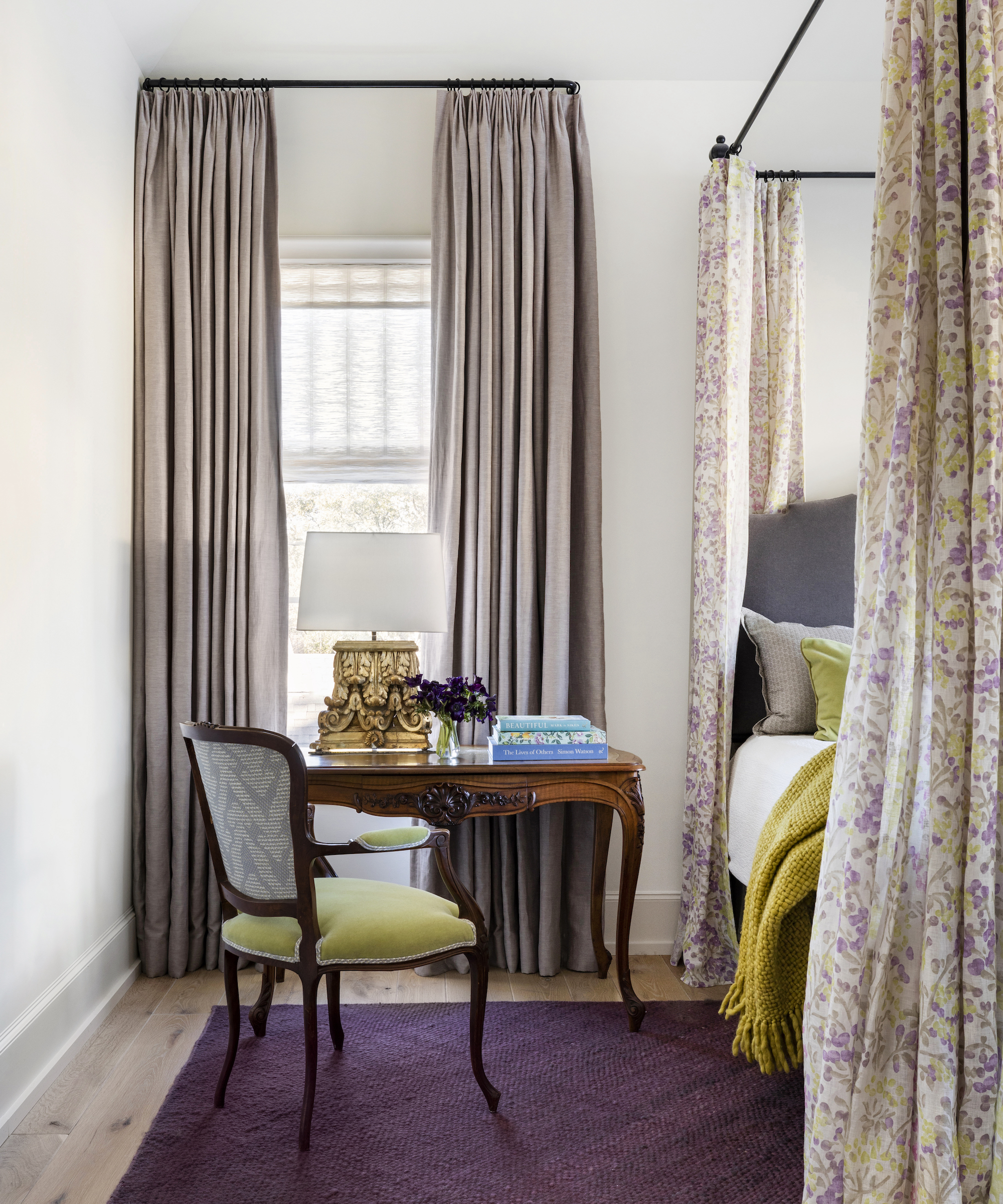
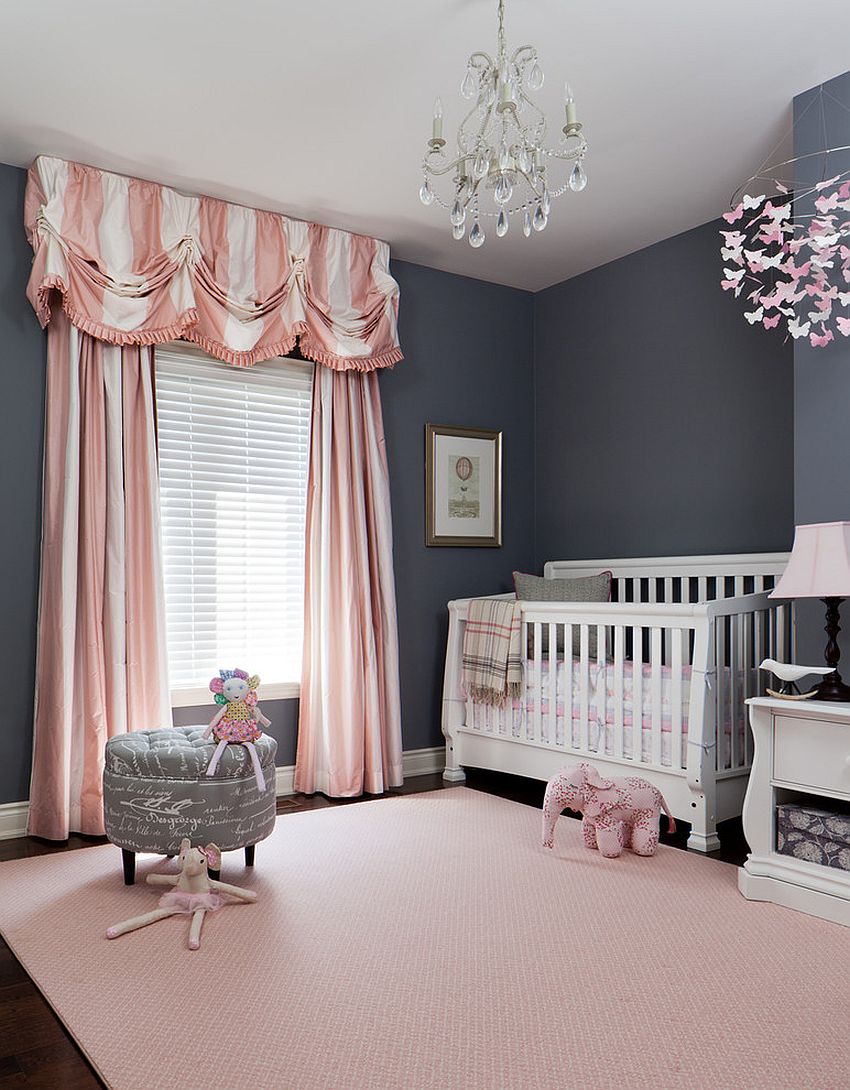
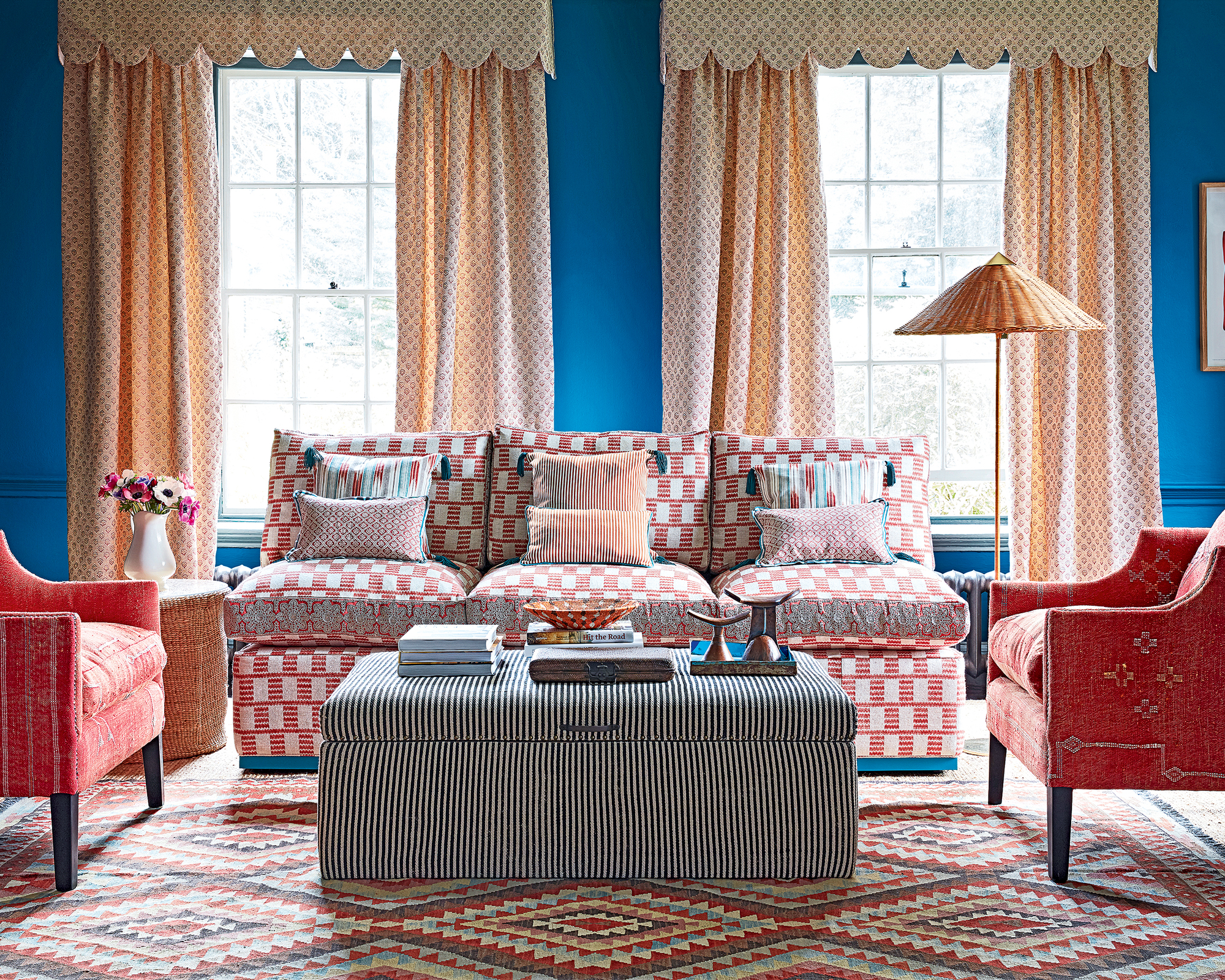
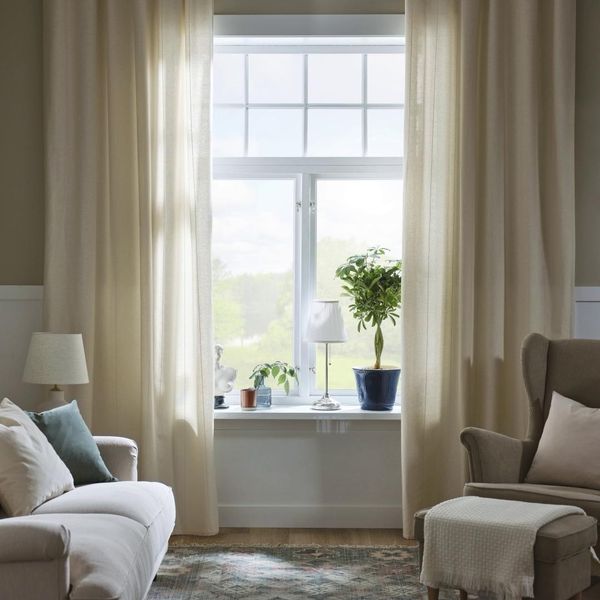
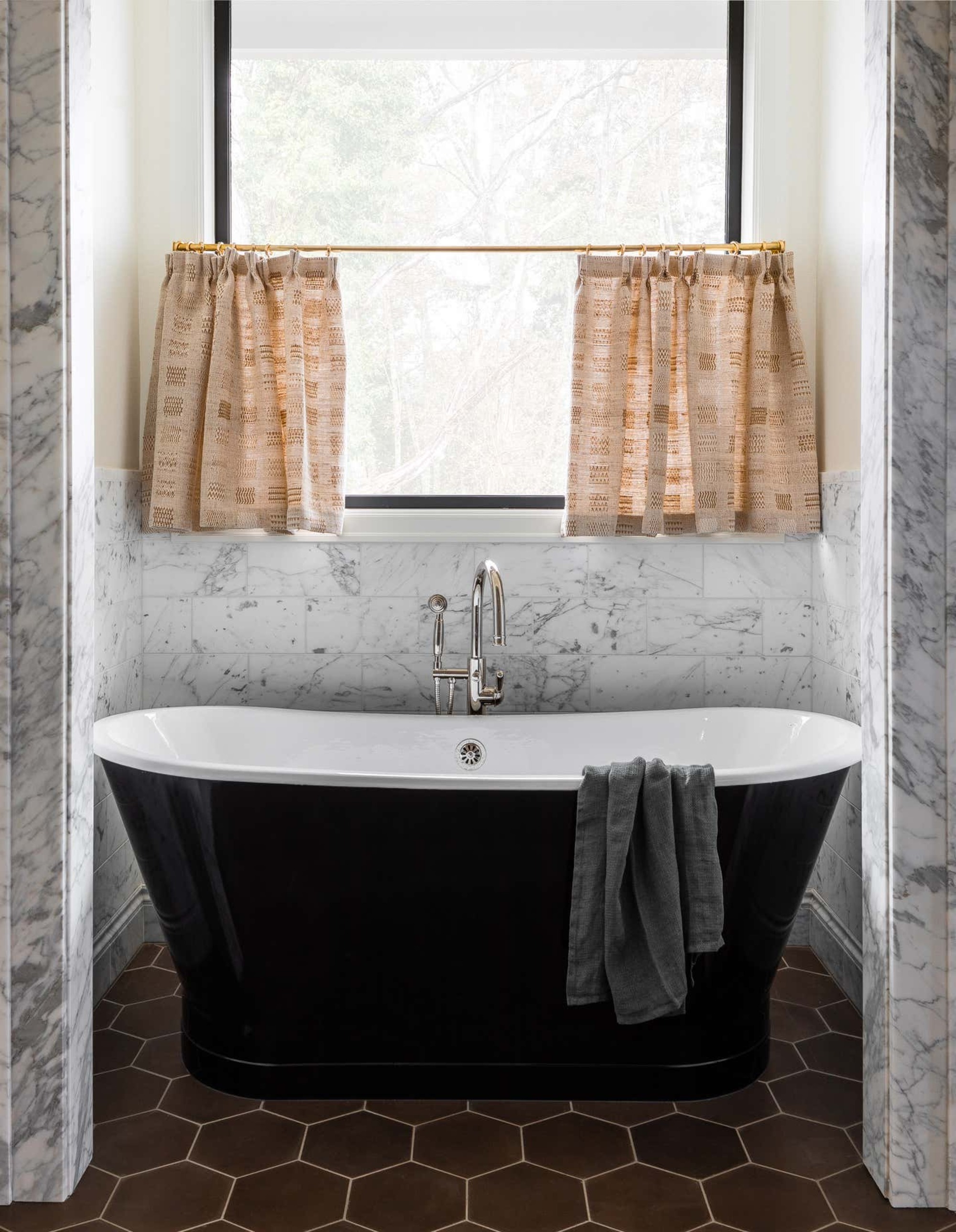
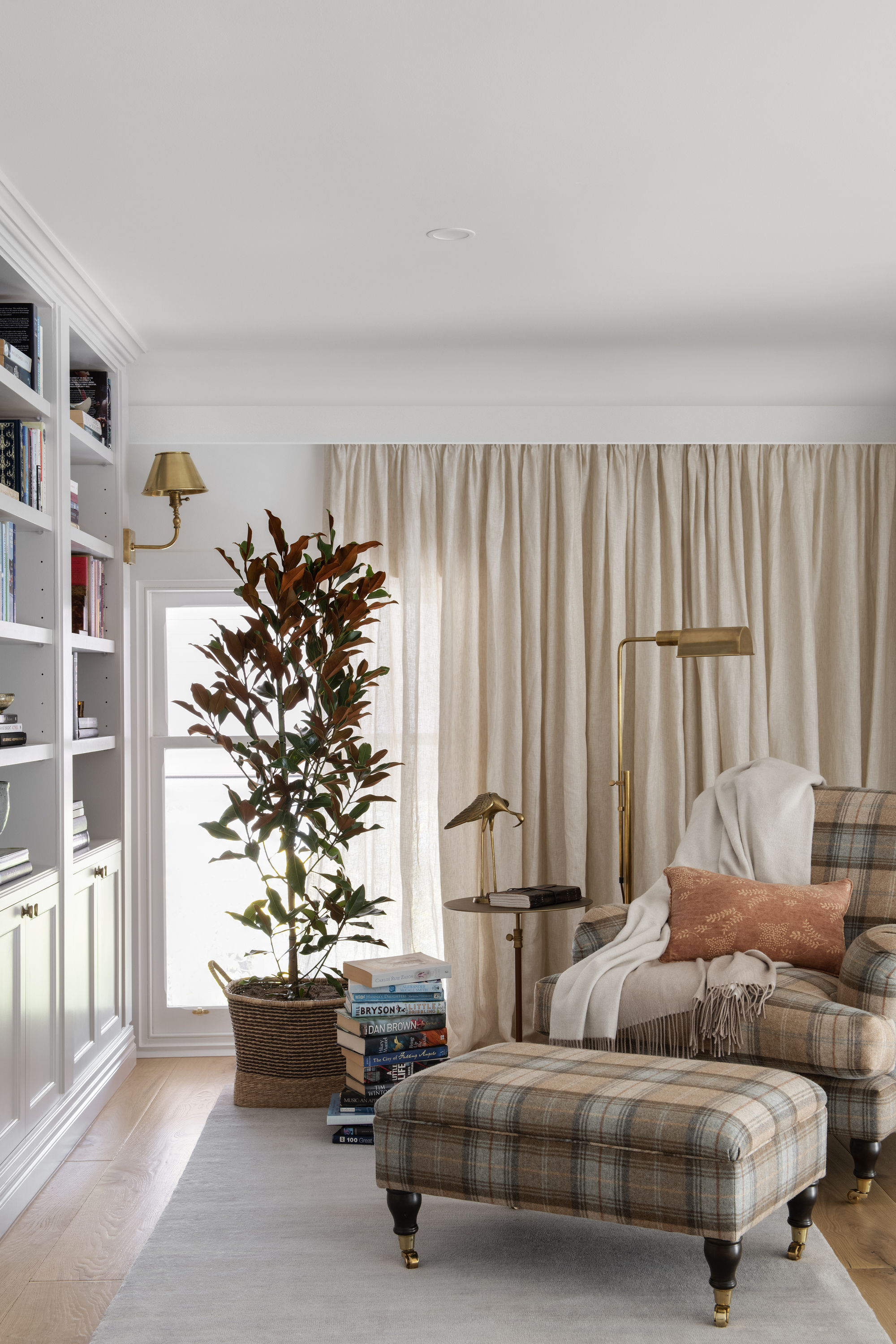
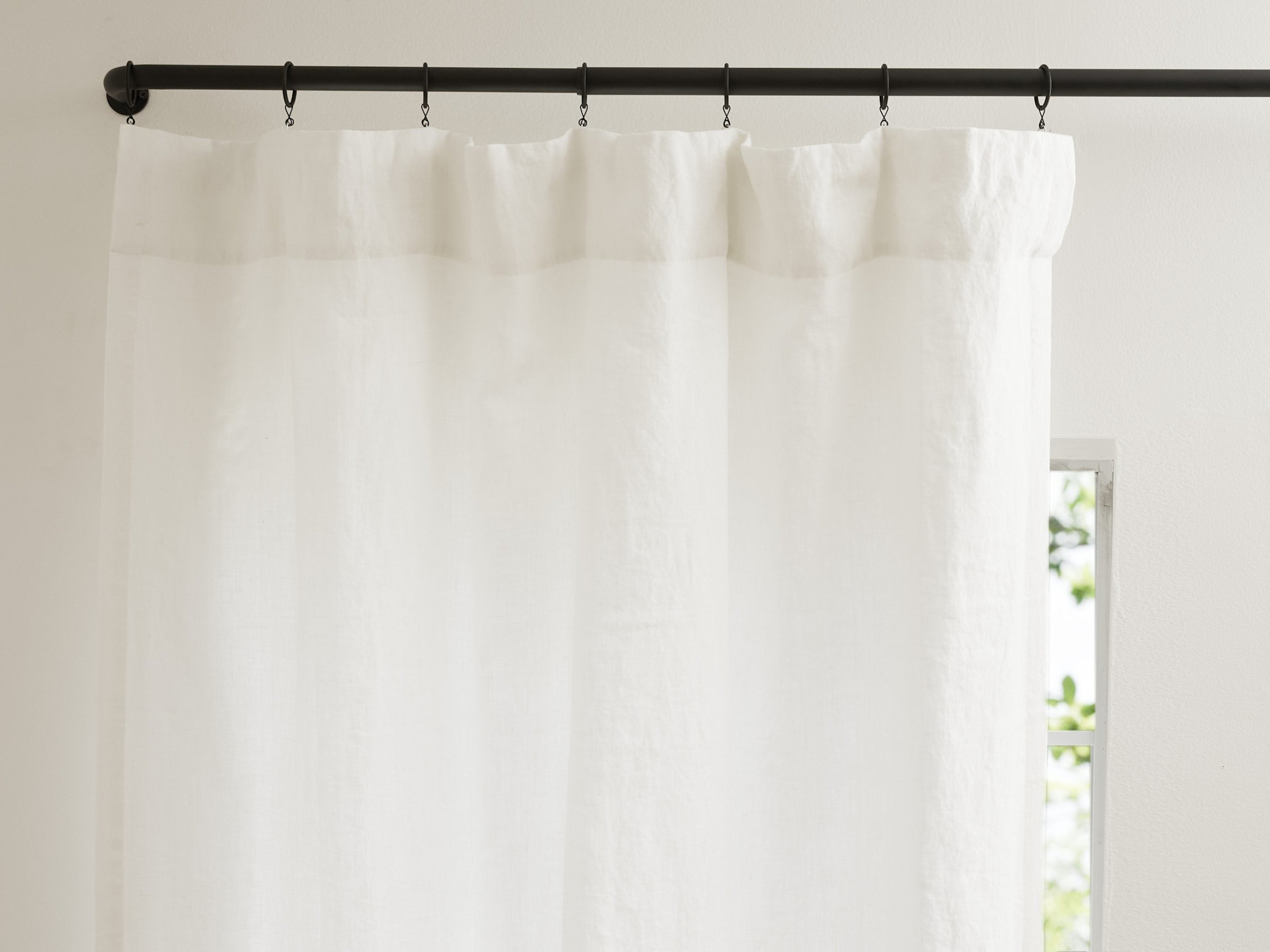
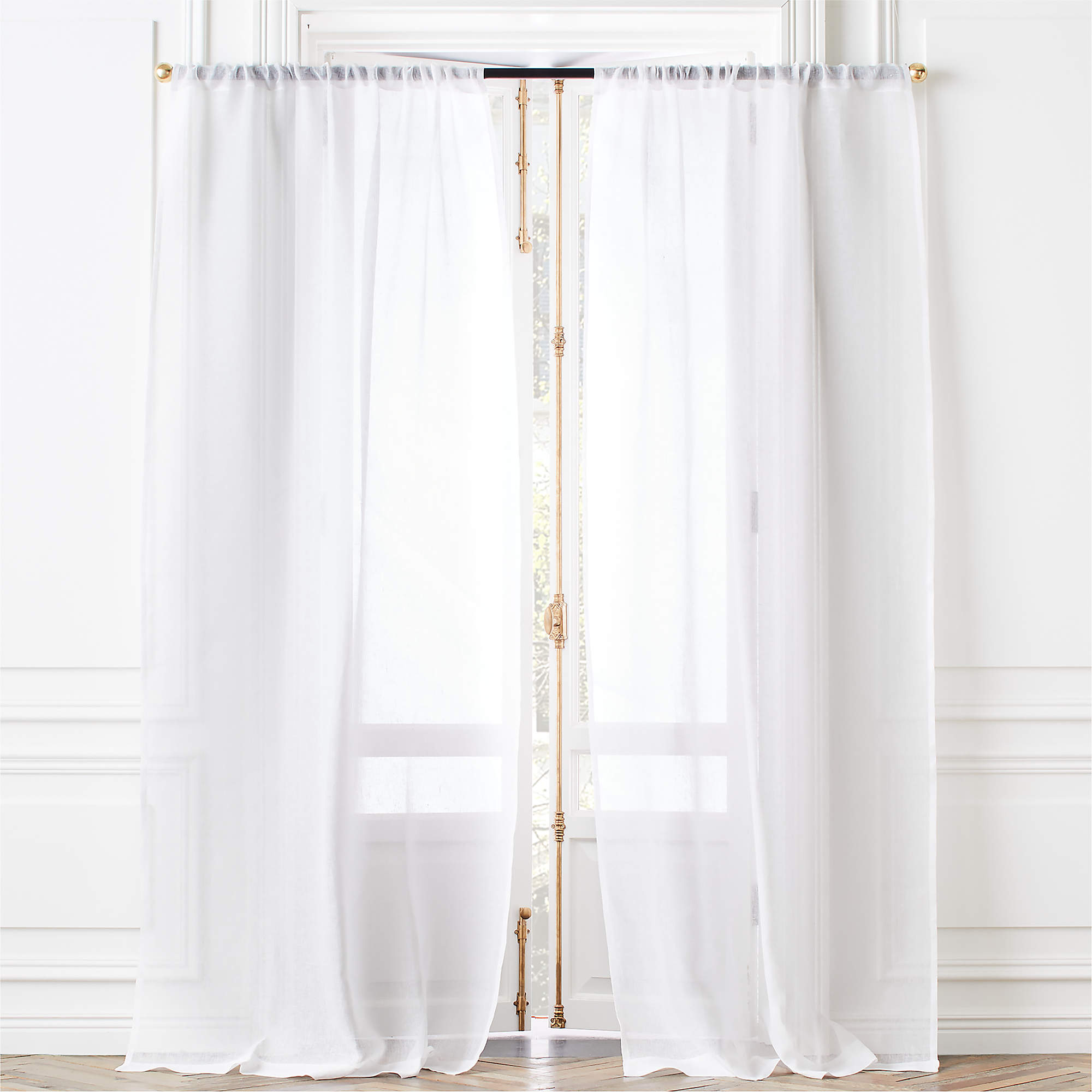
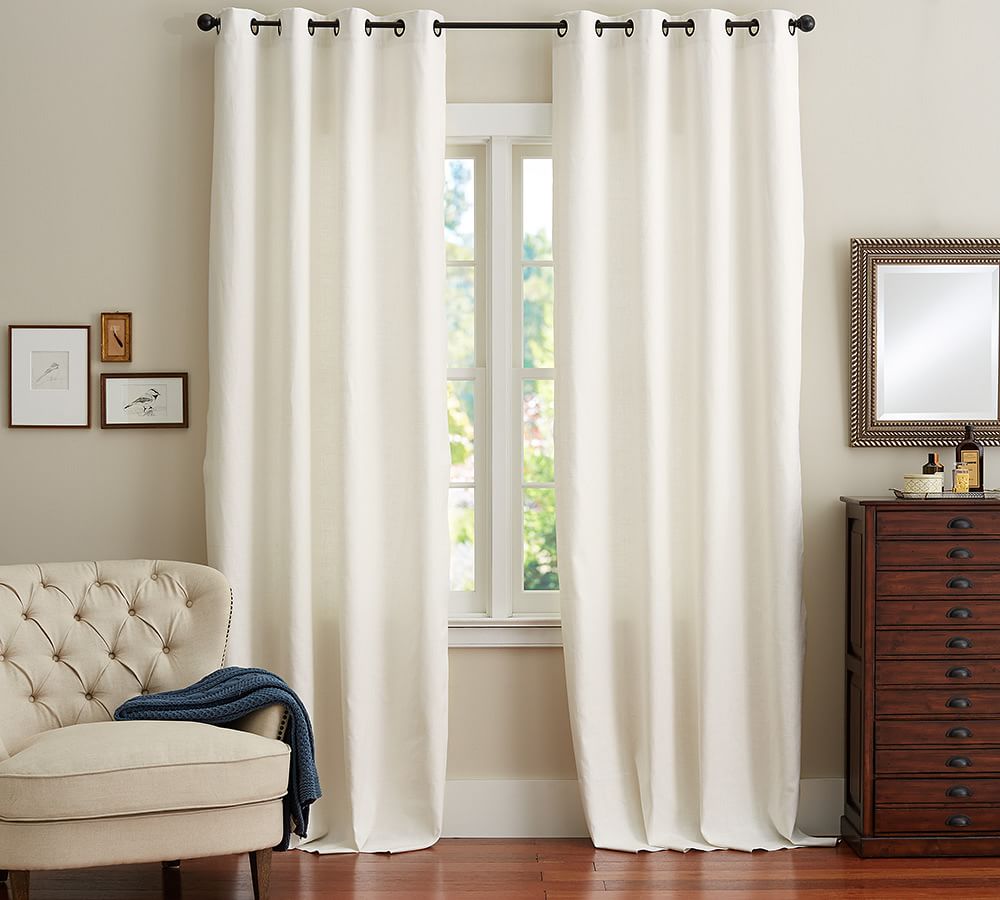
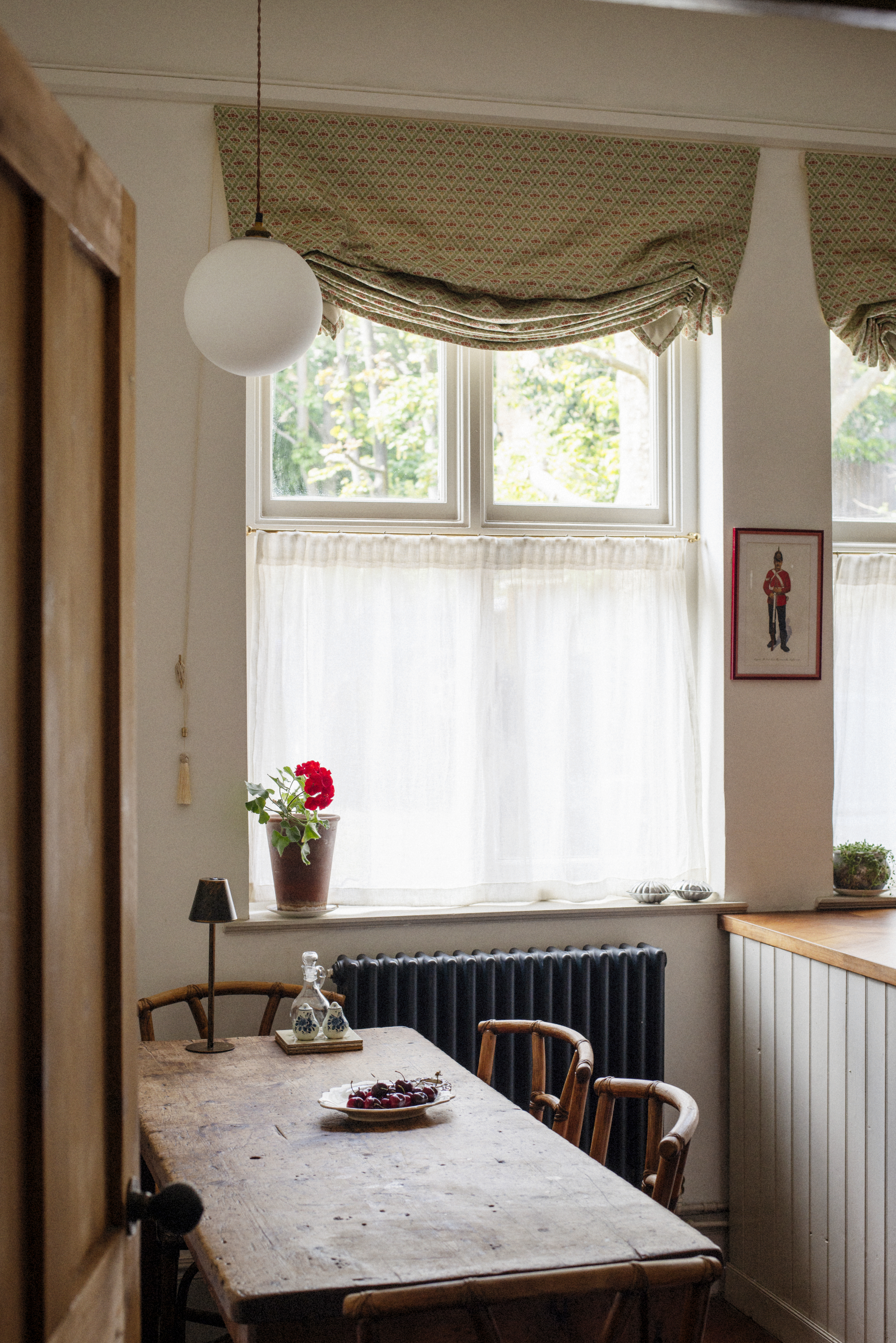
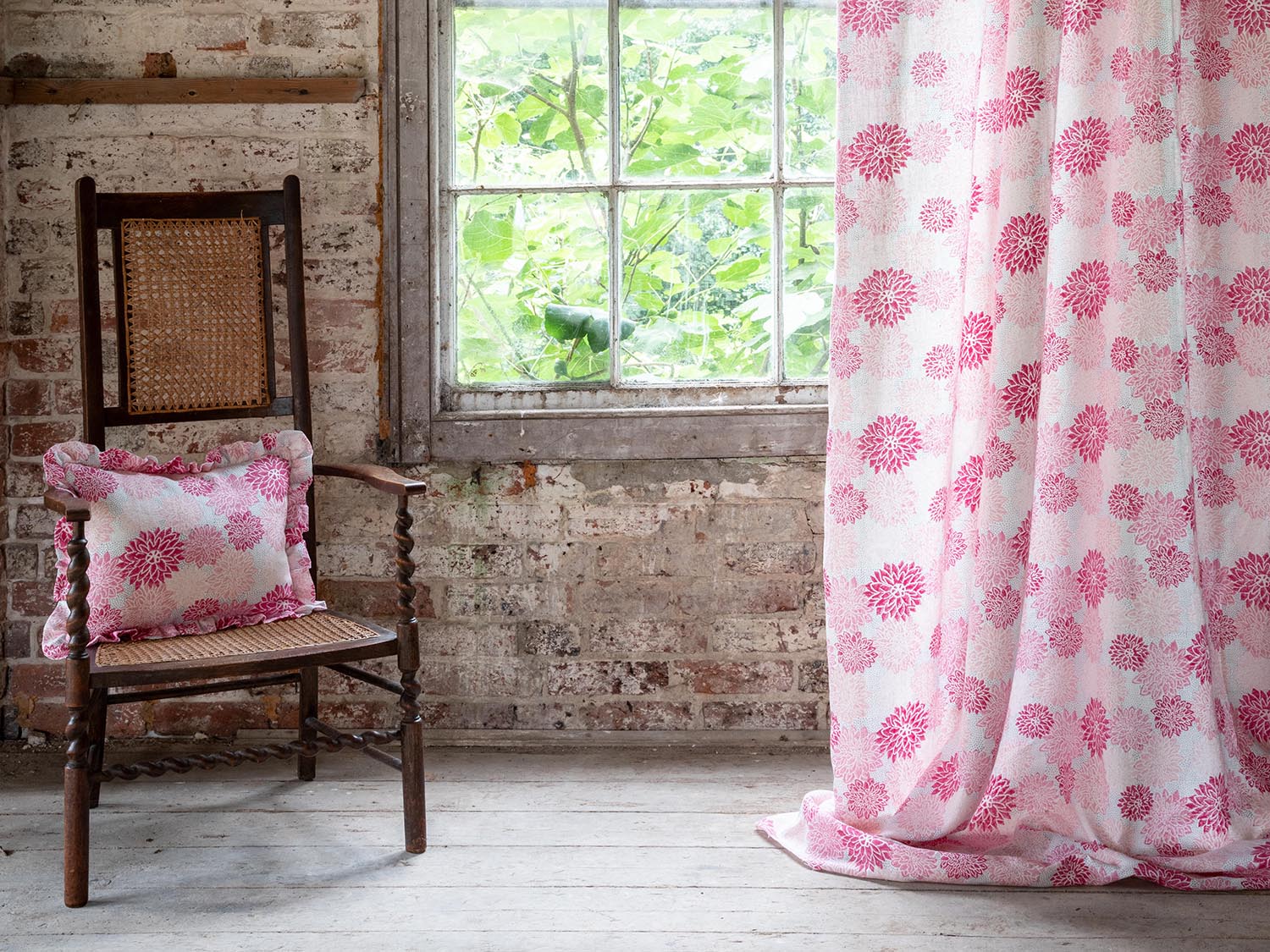
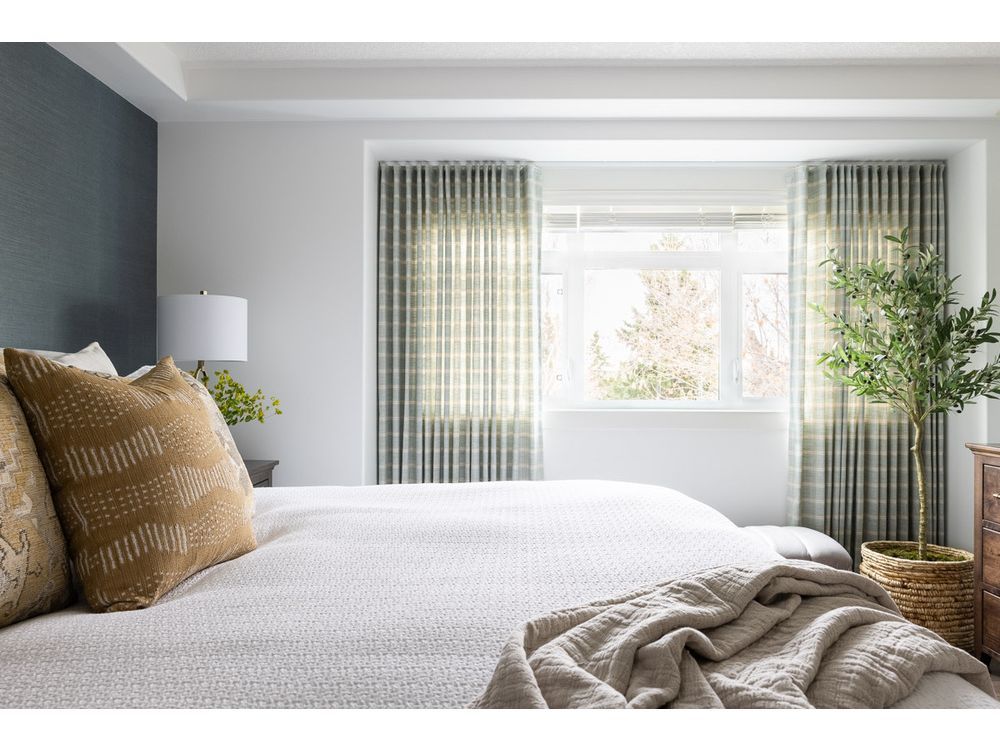
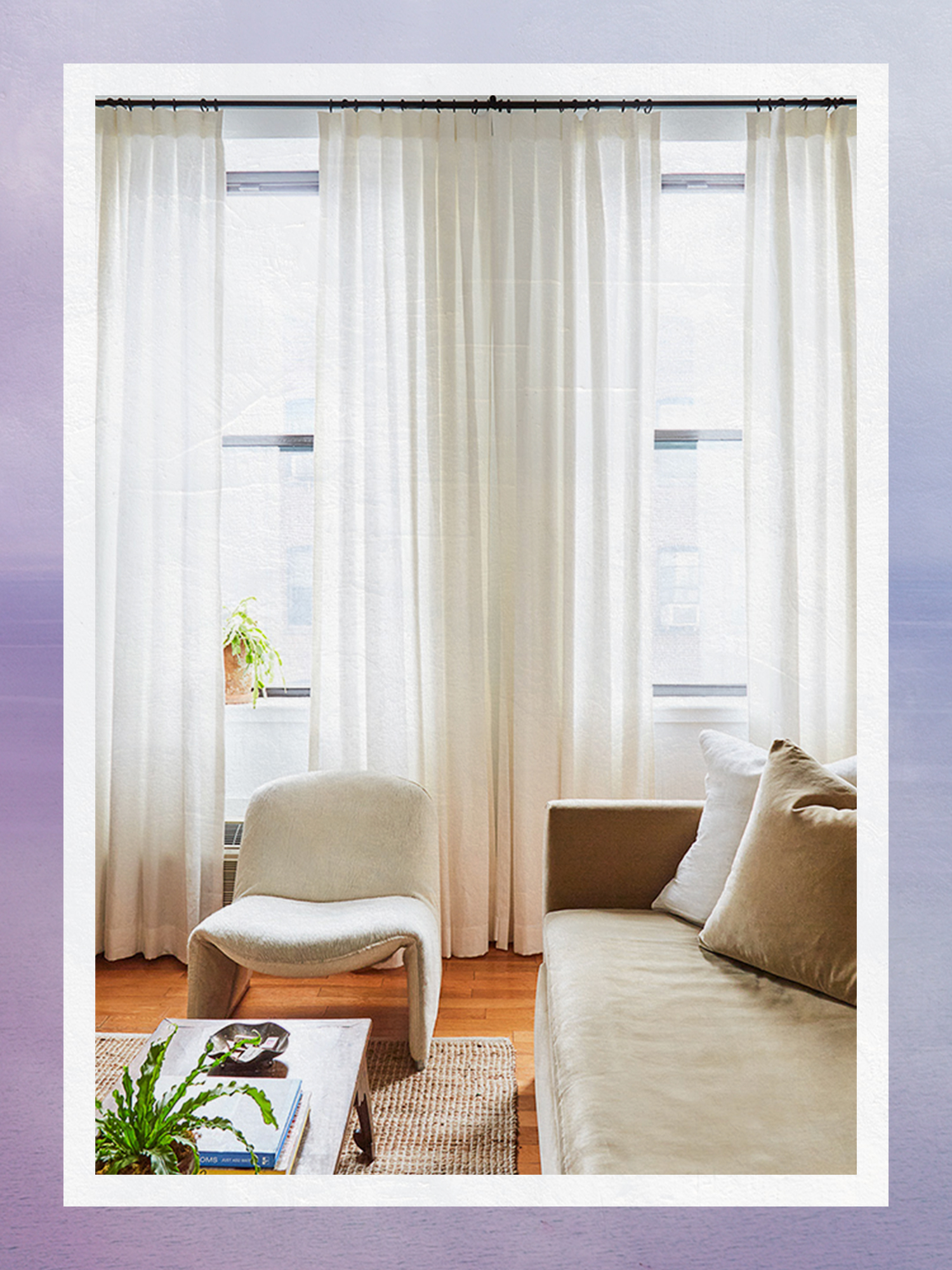
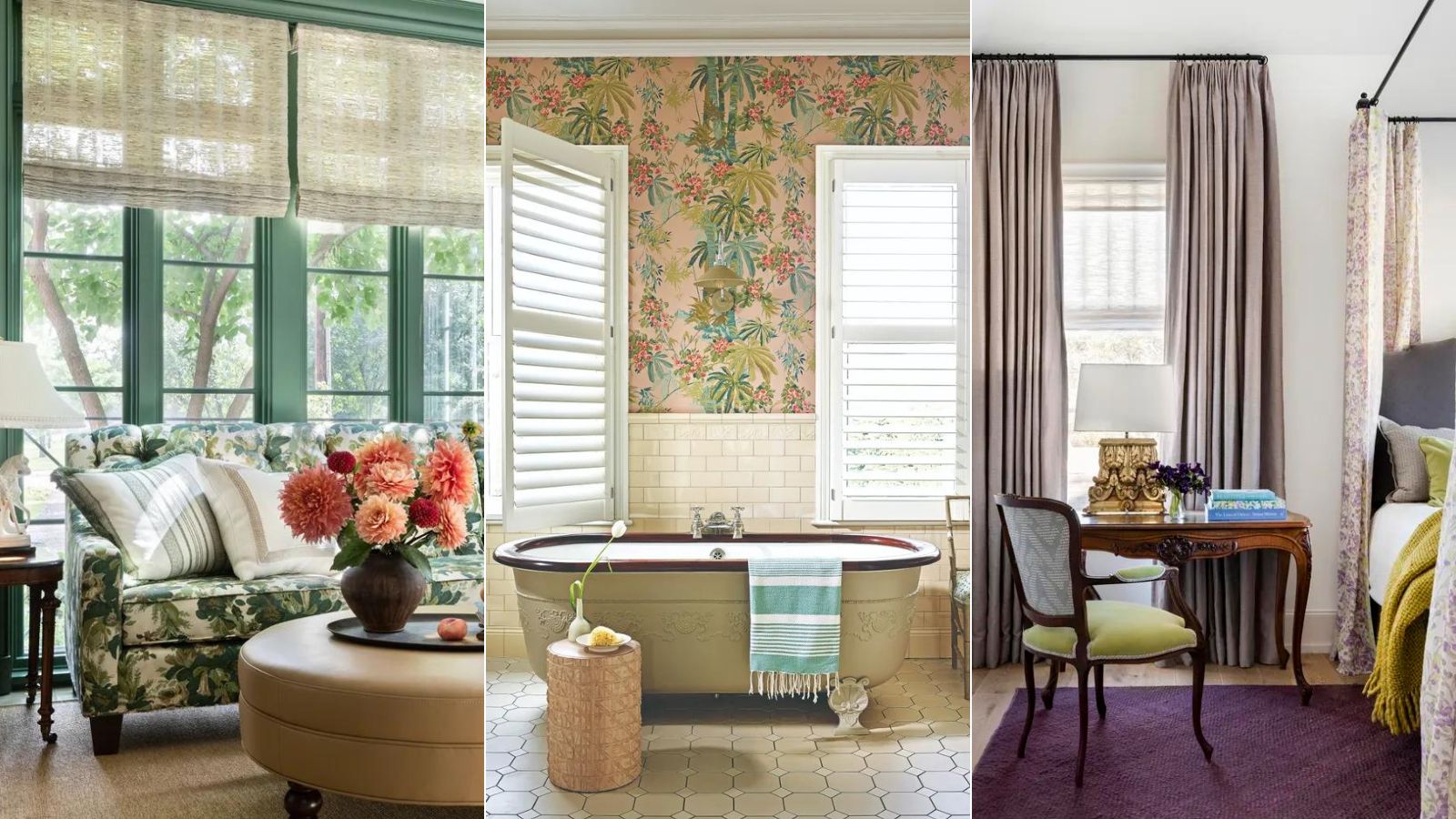
Curtains are typically made from lighter-weight fabrics such as light cottons, linens, buffalo check, gingham, or ticking stripes, giving them a more casual and relaxed feel. They are suitable for spaces designed to be comfortable and unfussy, like a den or family room. Curtains are often chosen for rooms where the goal is to invite plenty of natural light, especially those made from sheer or lighter materials that allow sunshine to stream through. While most curtains are light-filtering, blackout curtains, which are heavily lined, are also available for bedrooms and nurseries where complete light blockage is desired.
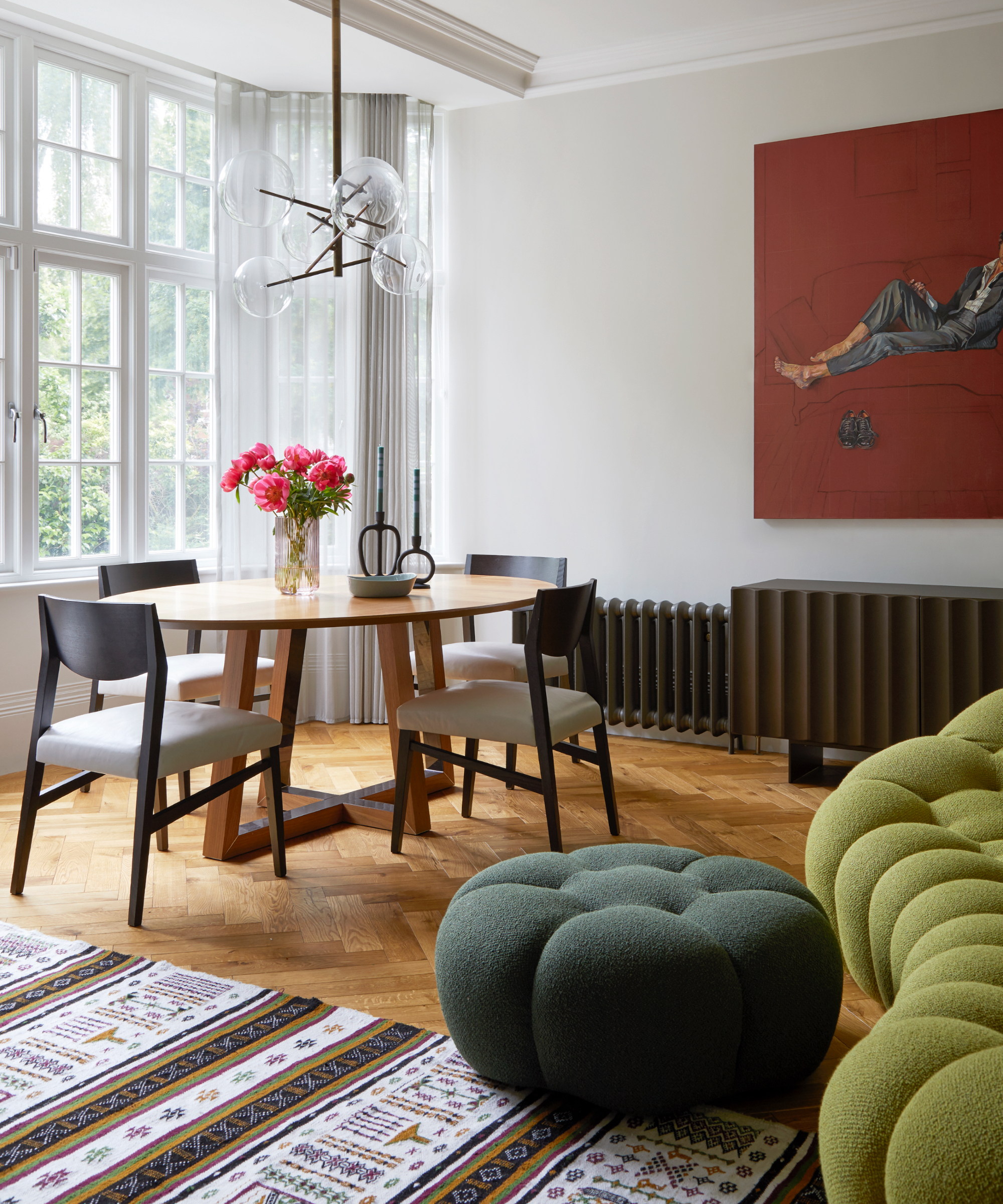
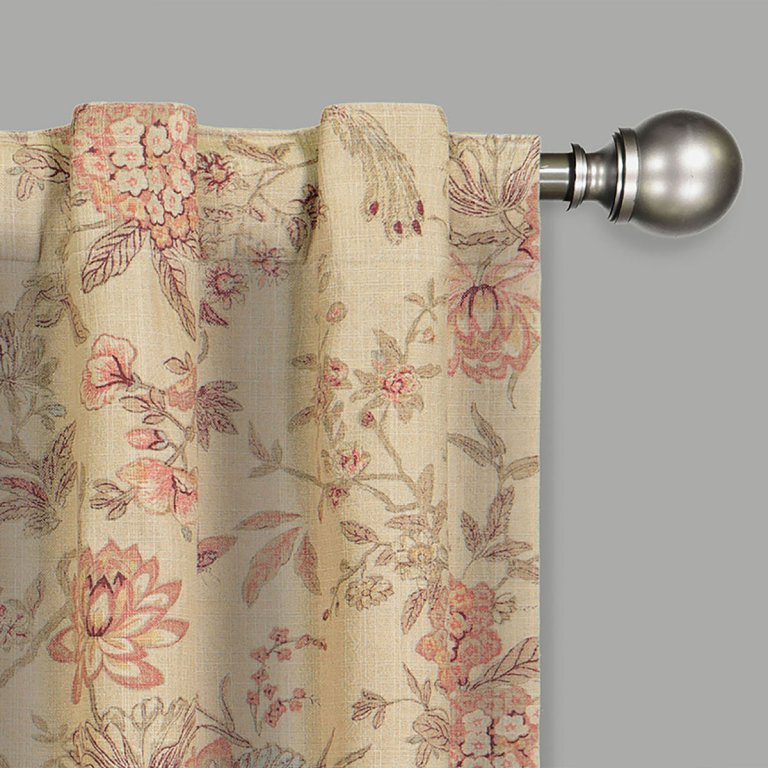
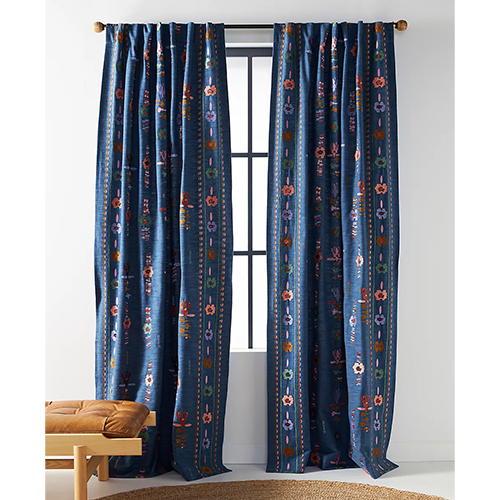
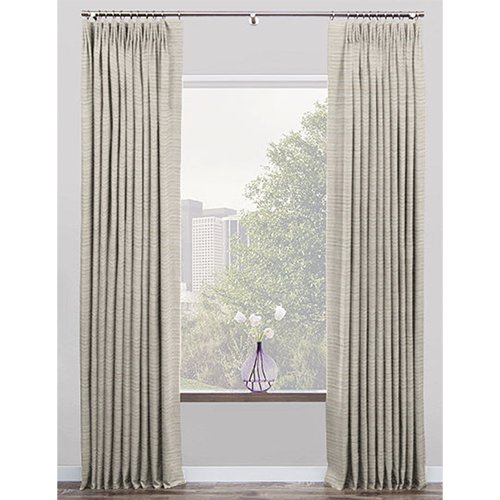
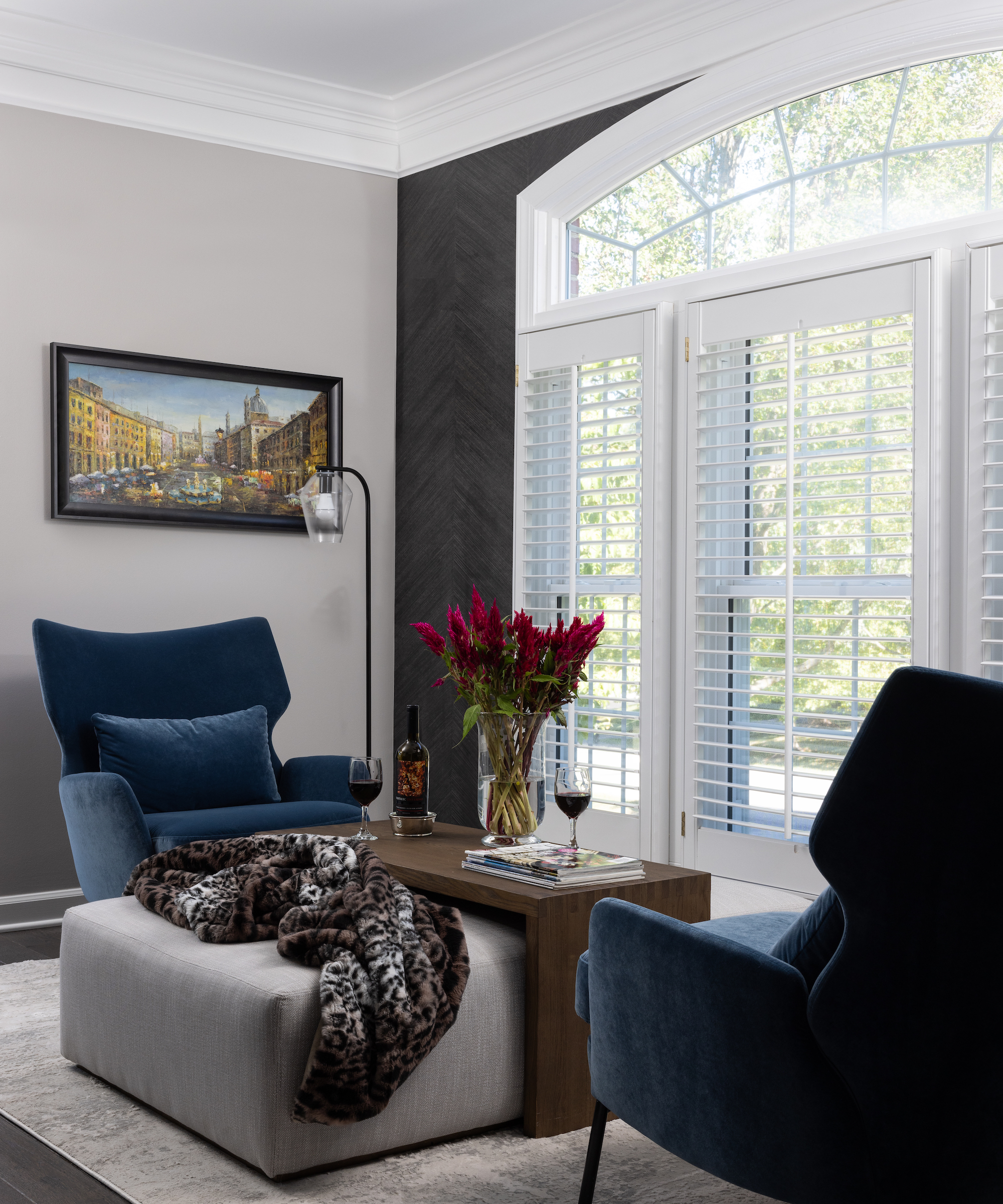
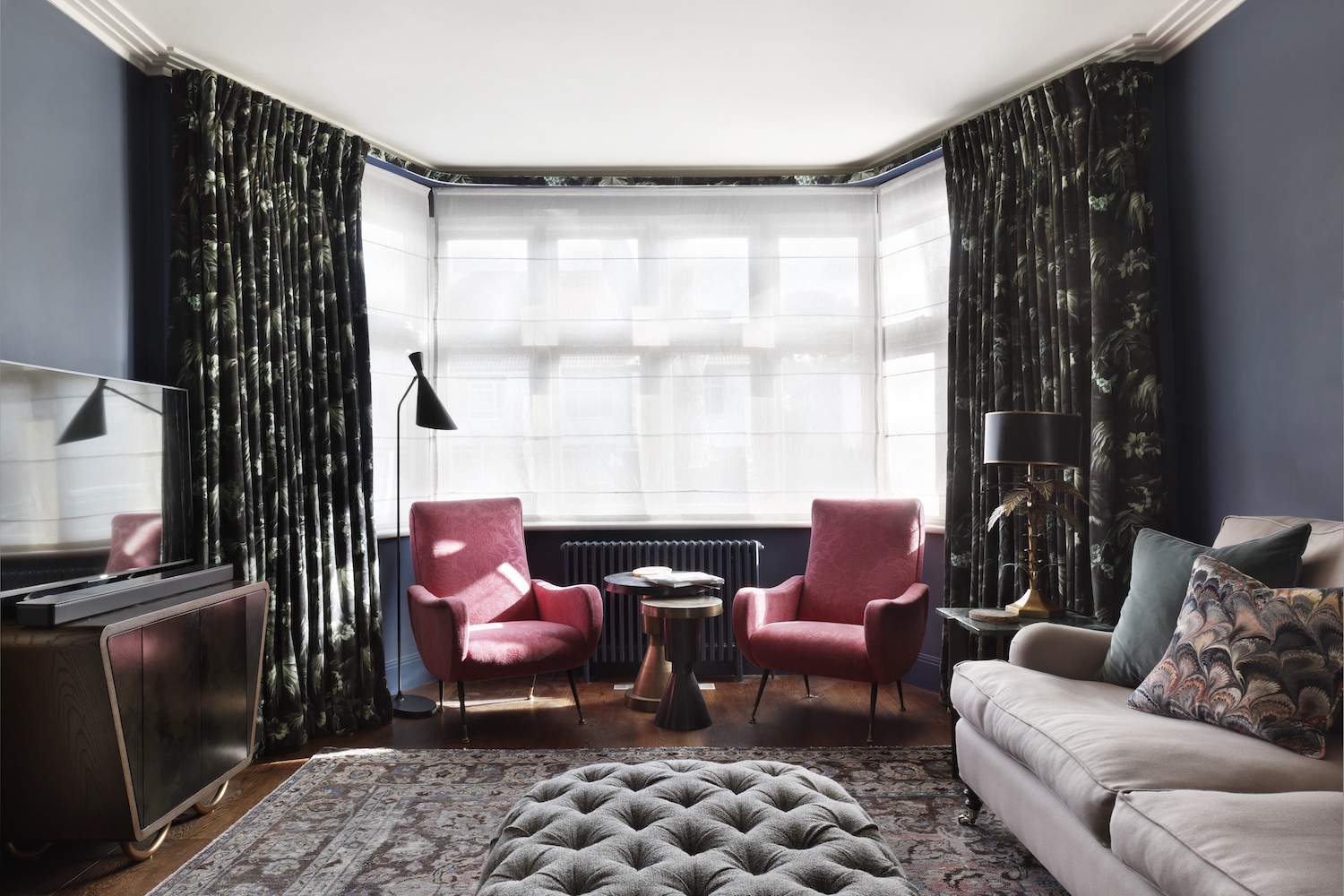
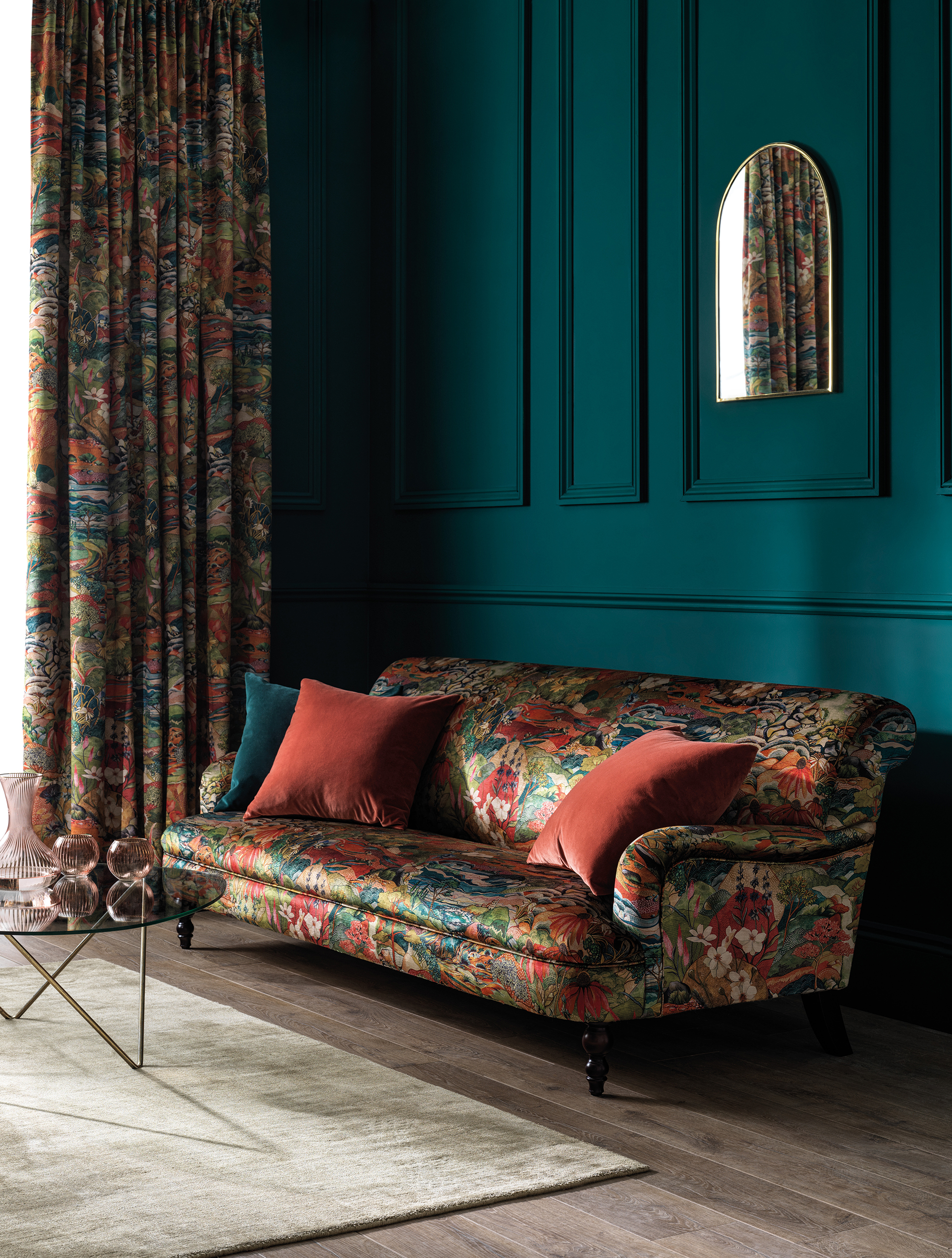
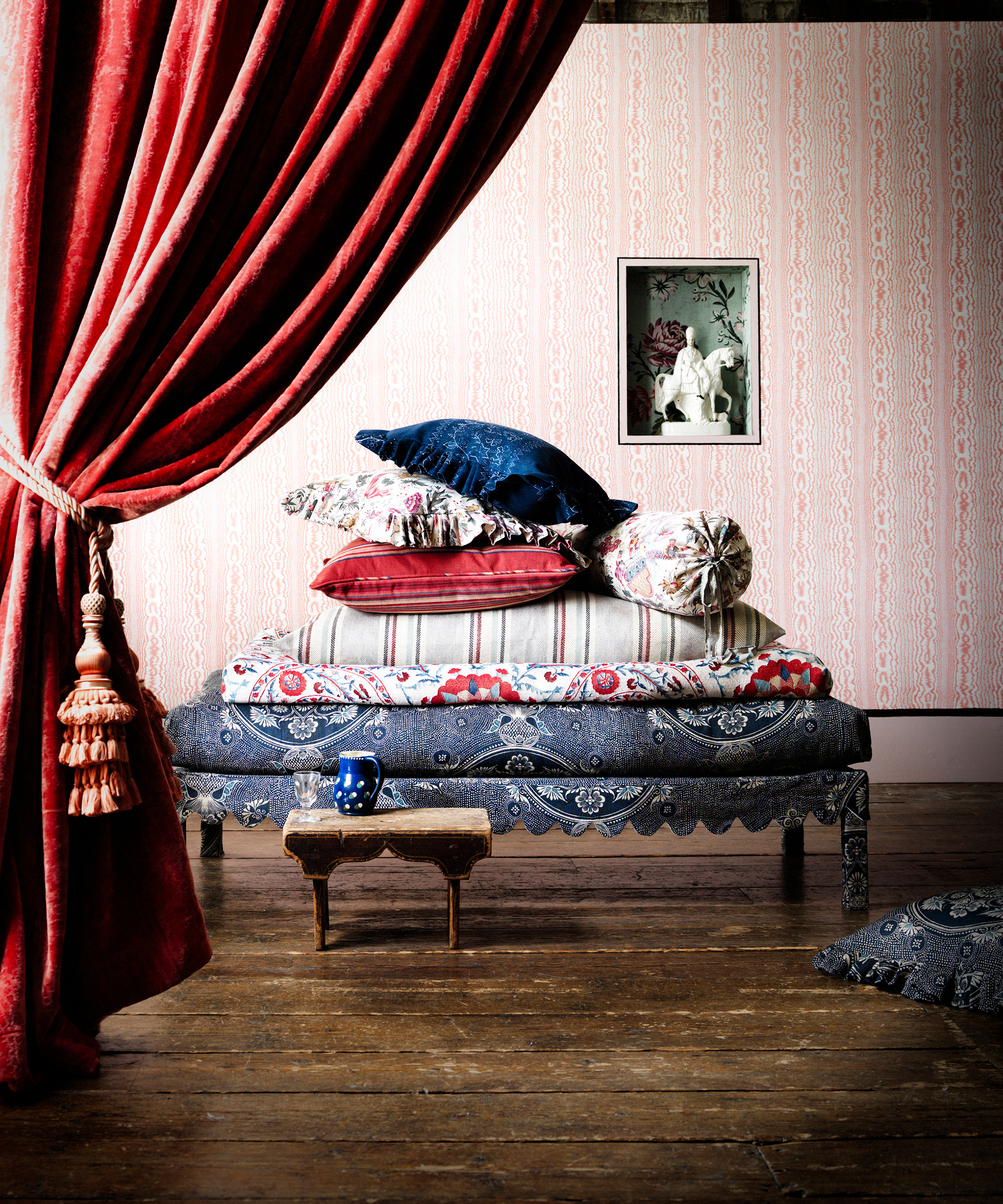
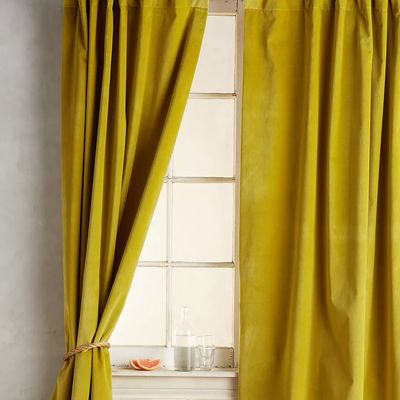
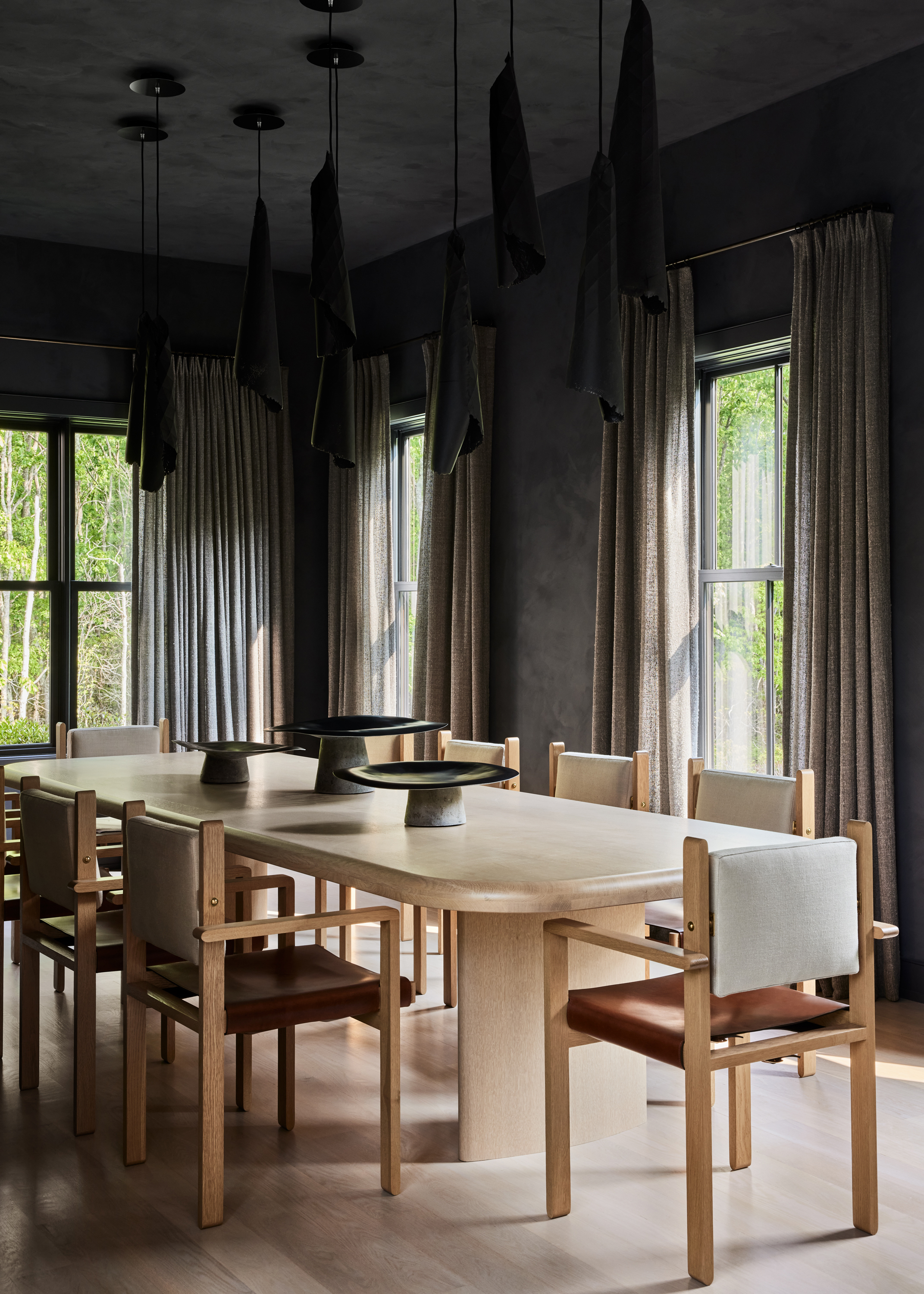
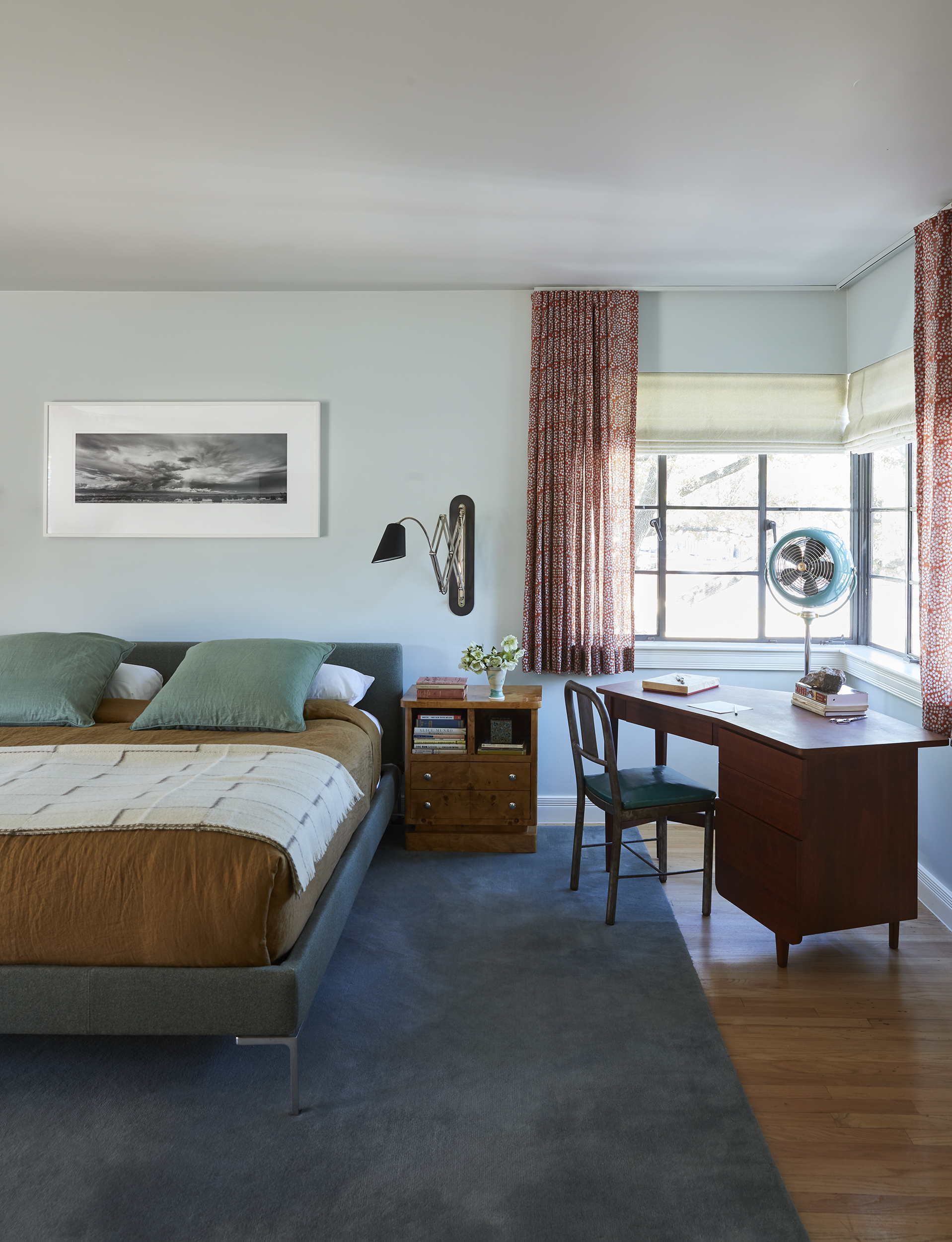
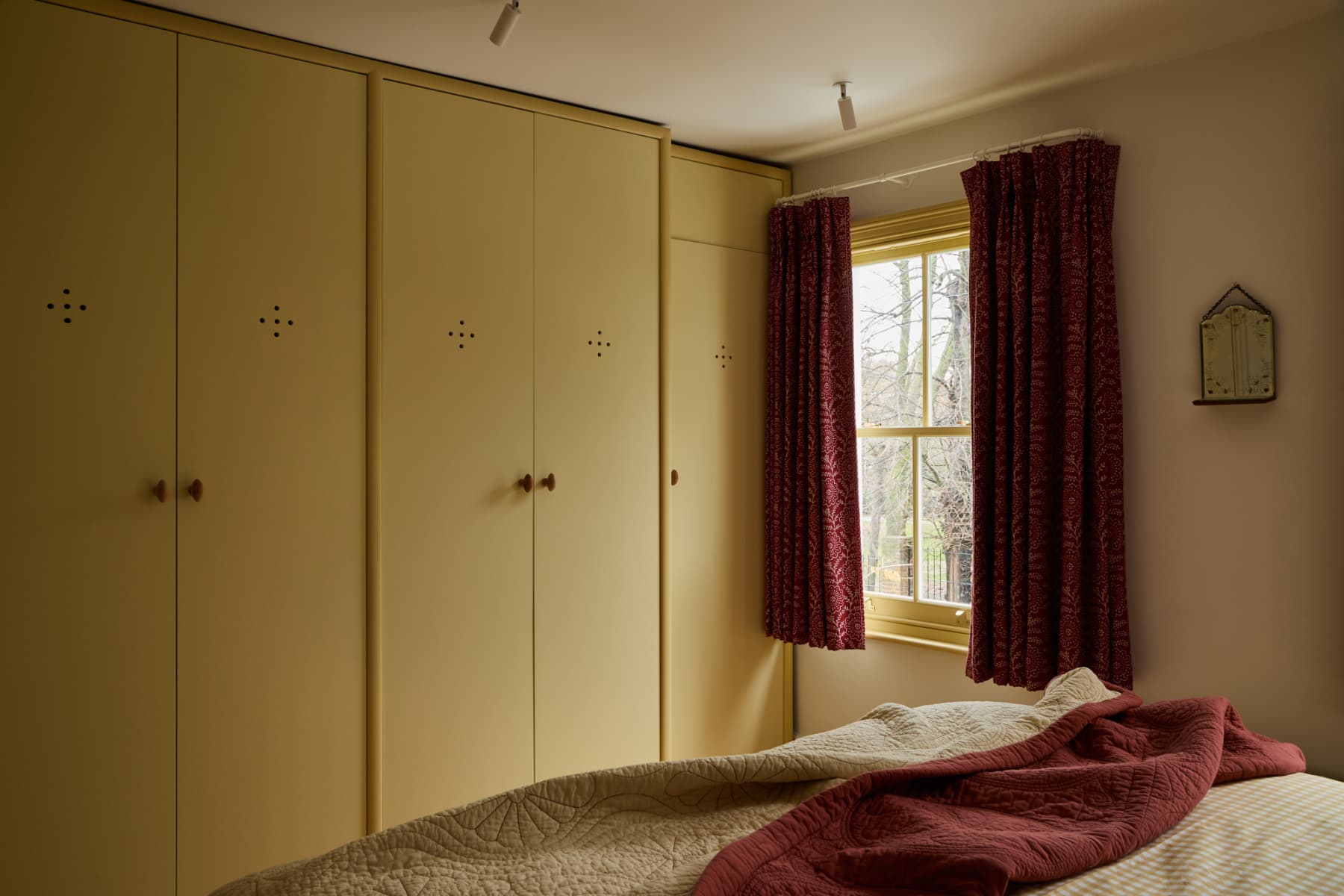
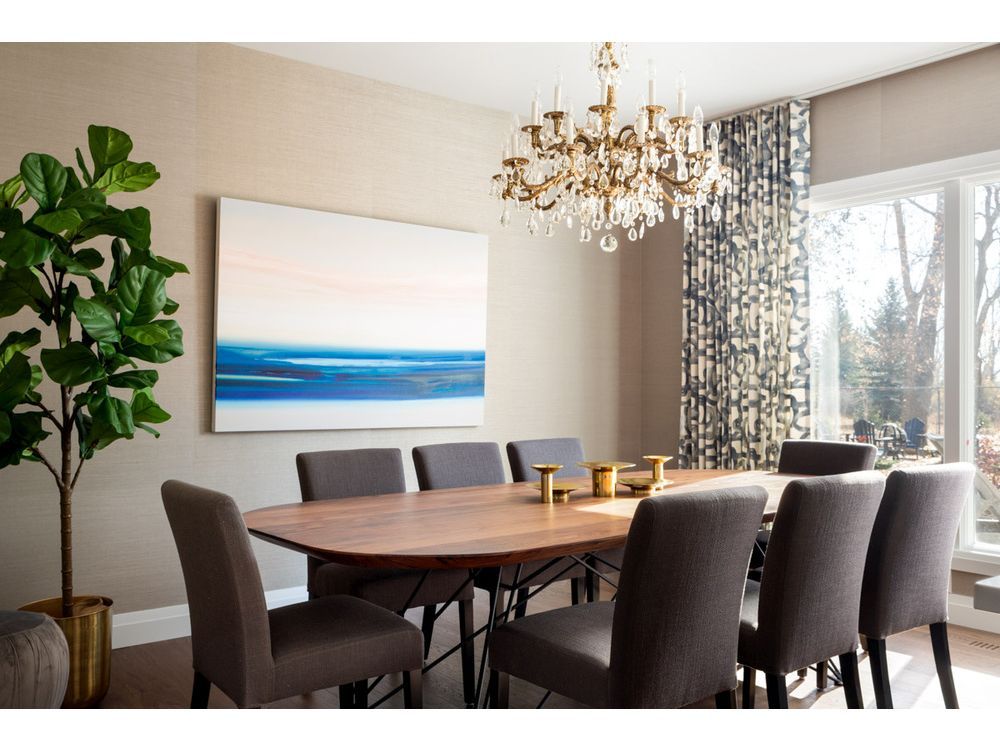
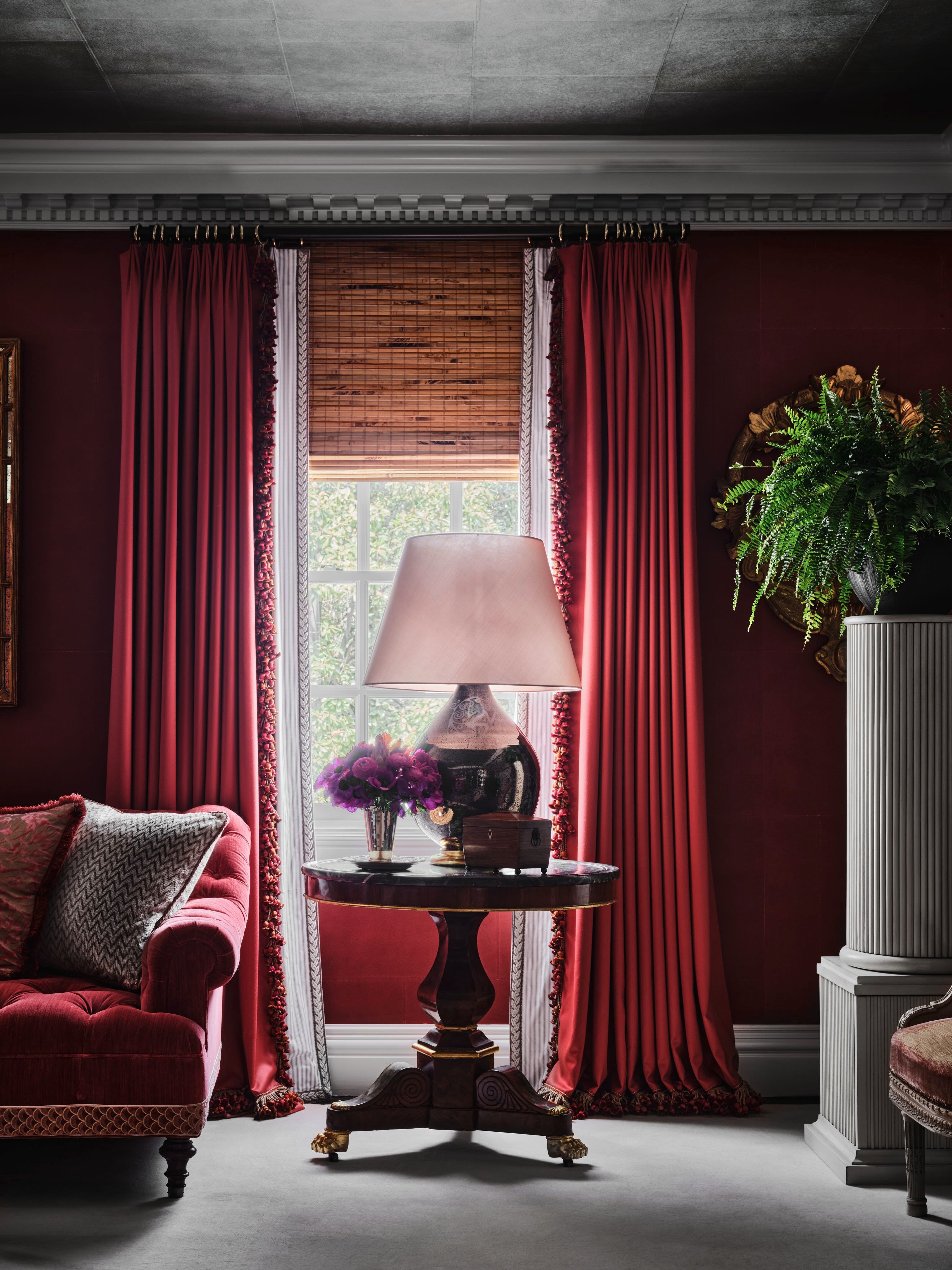
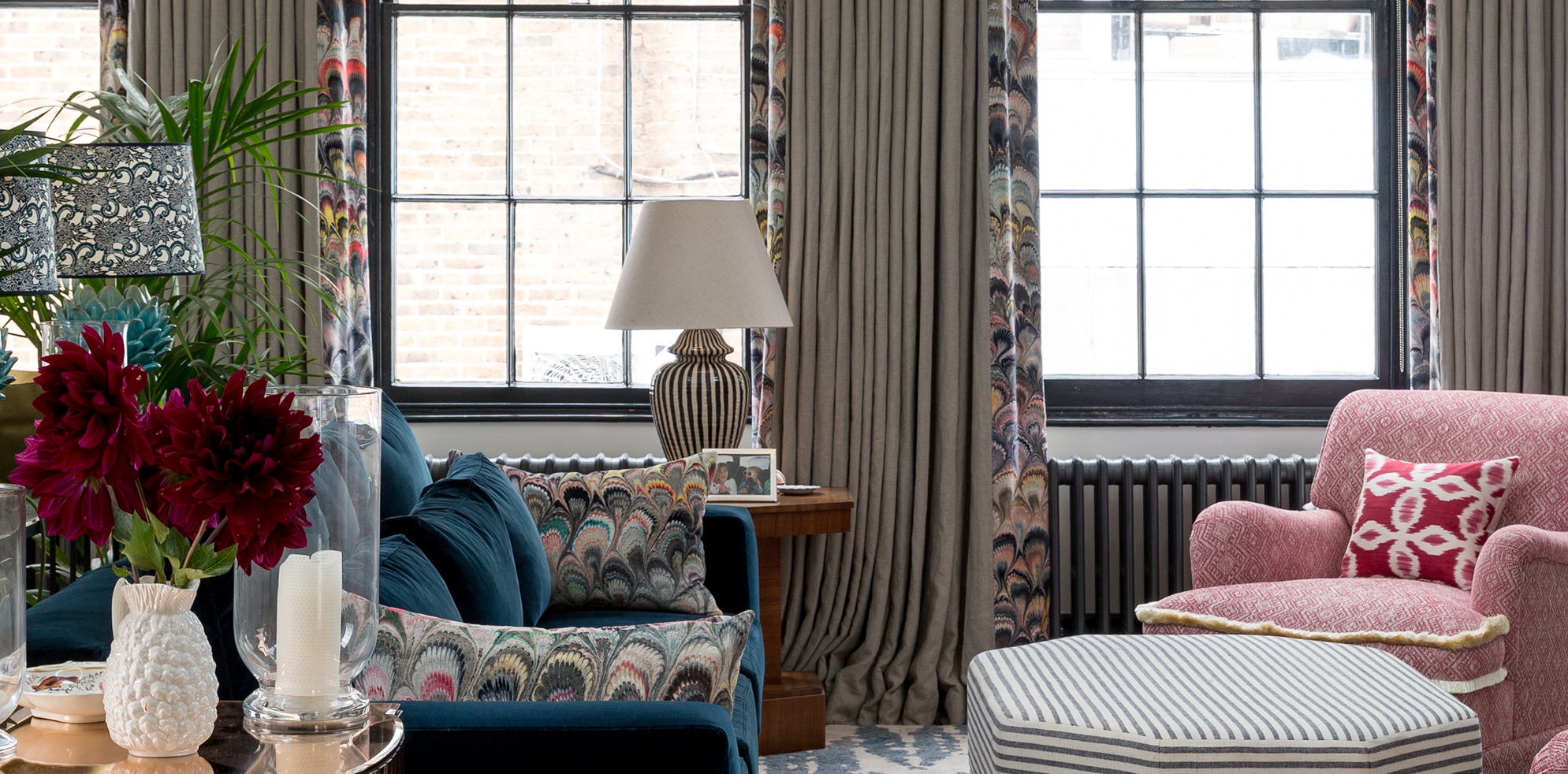
Drapes, on the other hand, are generally crafted from heavier, more luxurious fabrics like silk, velvet, wool, or damask, lending a sense of formality and sophistication to a room. These are often preferred for more formal spaces such as sitting rooms or dining rooms, which are frequently reserved for special occasions. Due to their heavier materials, drapes are more effective at blocking light consistently, making them ideal for creating a cozier, moodier atmosphere or protecting furniture from constant sun exposure in rooms like a den or library. Both curtains and drapes contribute to privacy, with sheer curtains offering minimal privacy and heavier drapes providing maximum privacy, though this comes at the expense of natural light when closed.
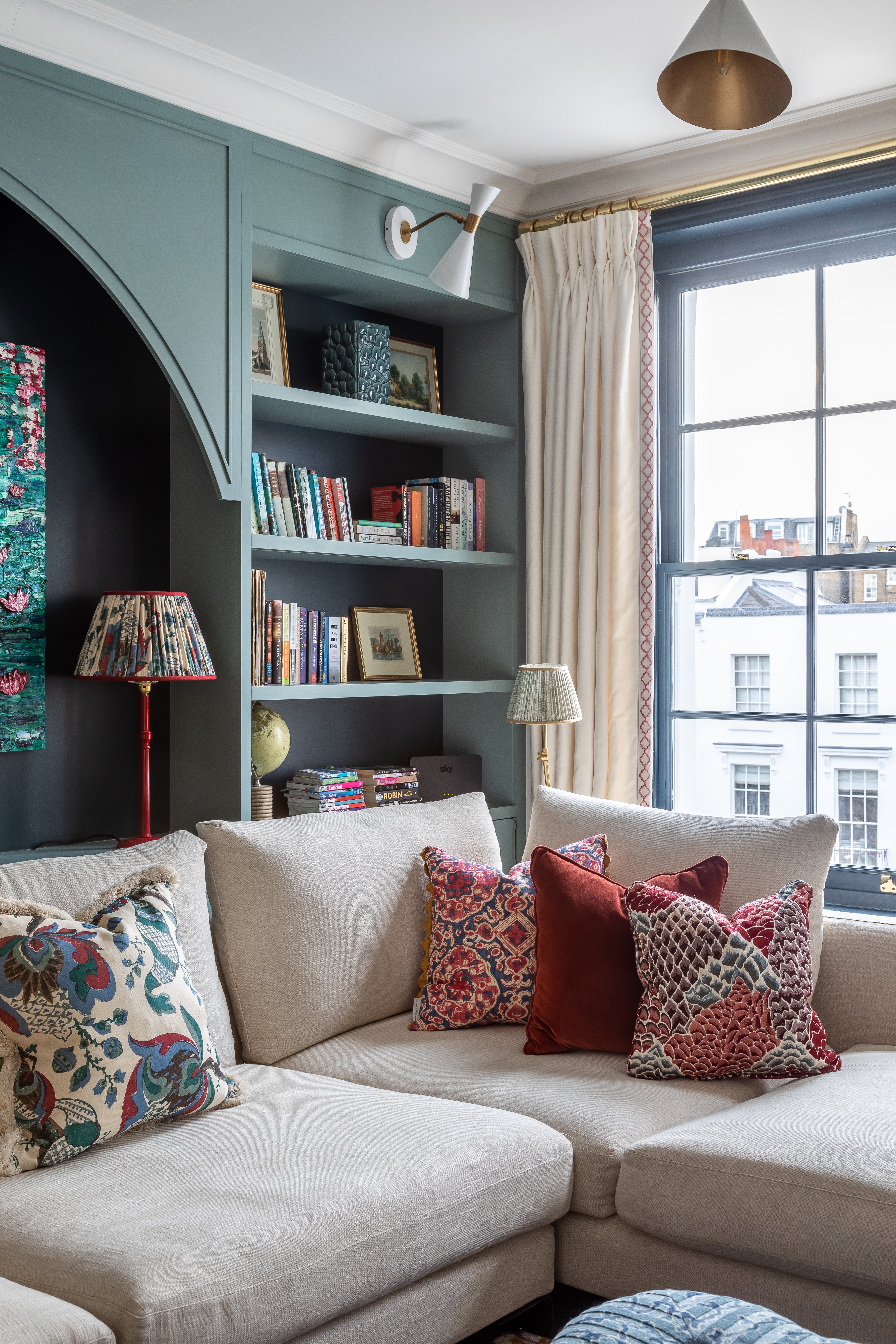
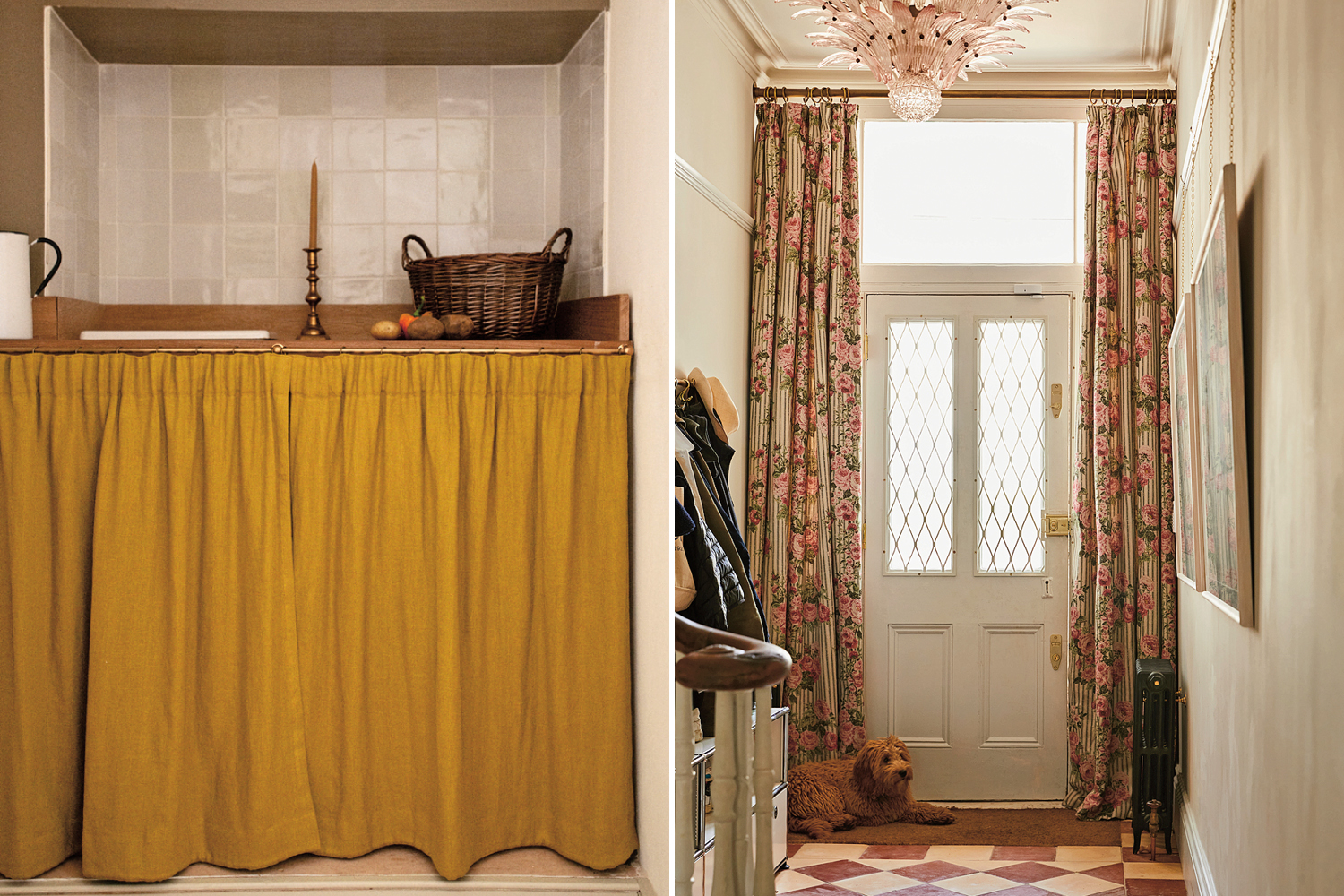
When selecting between curtains and drapes, it's crucial to consider the intended function and desired aesthetic of the space. Sarah Stephen, Director of Merchandising at Ballard Designs, emphasizes that factors like formality versus relaxation, and the extent of privacy and light control, should guide the decision. A common mistake to avoid when installing any window treatment is hanging them too low or too short. Professionals recommend installing curtains and drapes just below the ceiling (4-6 inches above the window frame) to create an illusion of taller ceilings. The length should be measured from this higher point, with curtains typically grazing the floor and drapes either grazing the floor or puddling slightly for a more dramatic effect. Doubling up on panels can also enhance the overall impact of the window treatment.
#HomeDecor #InteriorDesign #WindowTreatments #Curtains #Drapes #HomeStyling #DecoratingTips #FabricSelection #Privacy #HomeDecor #InteriorDesign #WindowTreatments #Curtains #Drapes #HomeStyling #DecoratingTips #FabricSelection #Privacy
0 comment in total
 No comments yet
You may also like
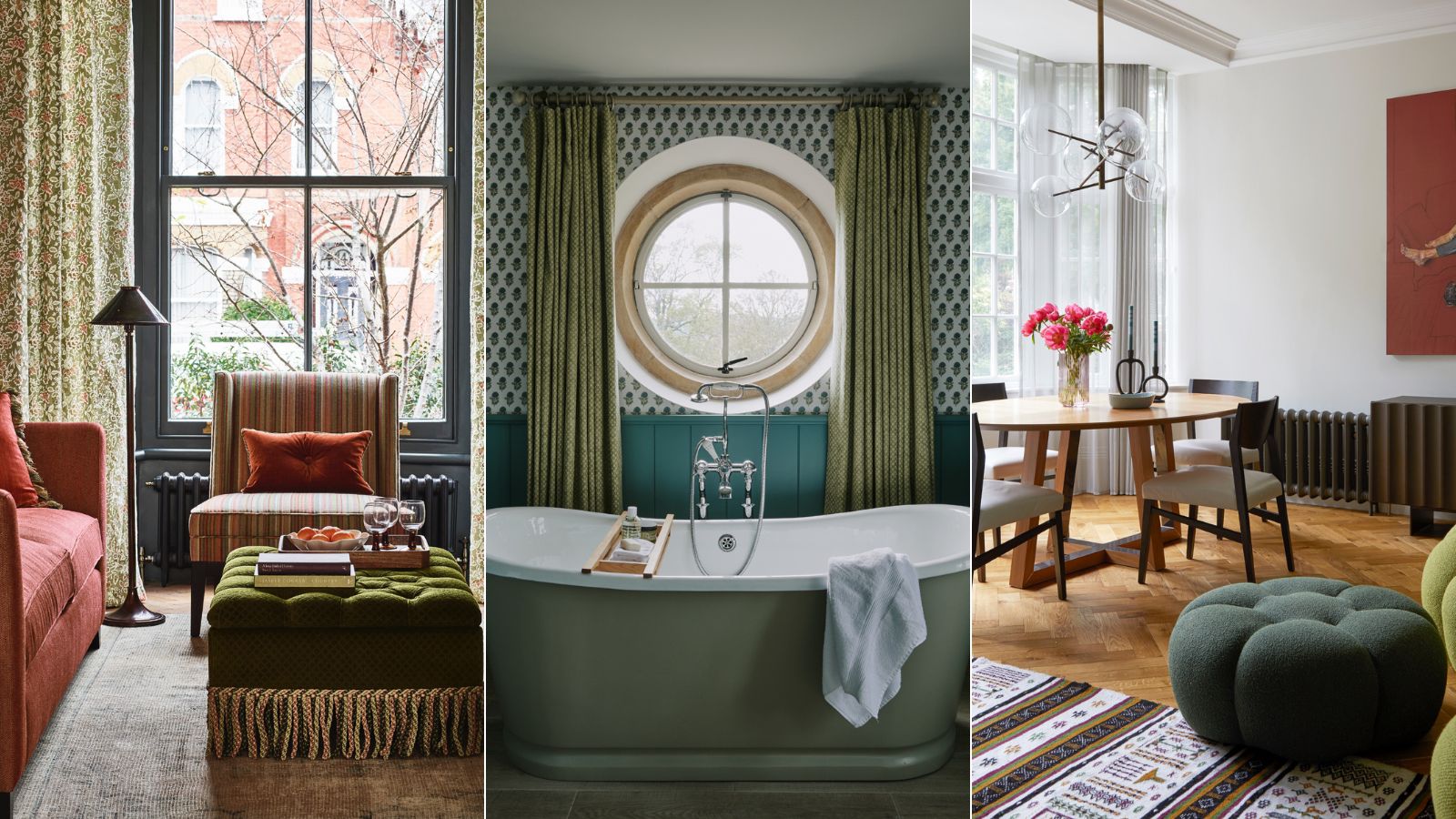
Should you choose drapes or blinds? We asked interior designers which window treatment is best

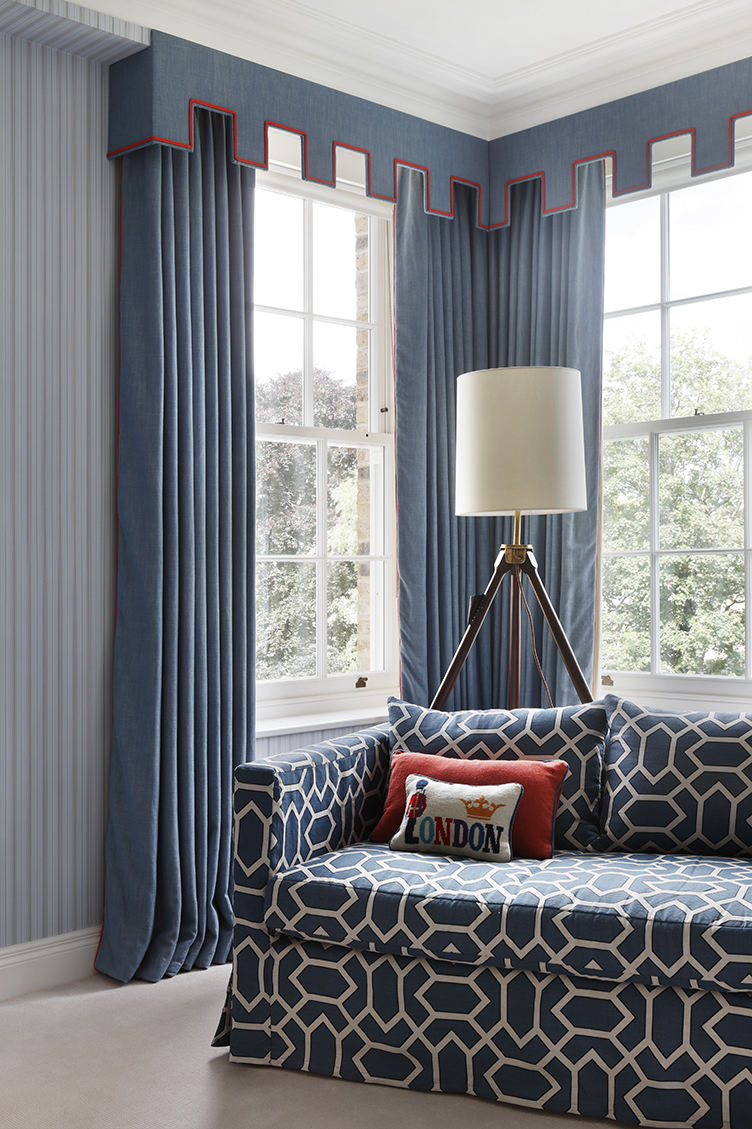
13 curtain ideas and styles to help you pick the best drapes for your room


5 finishing touches that will elevate your curtains and make them look a hundred times better

Designers Say to Ditch These 6 Curtain Styles for an Instant Room Upgrade

With These Dramatic Drapes, Curtains Will No Longer Be an Afterthought

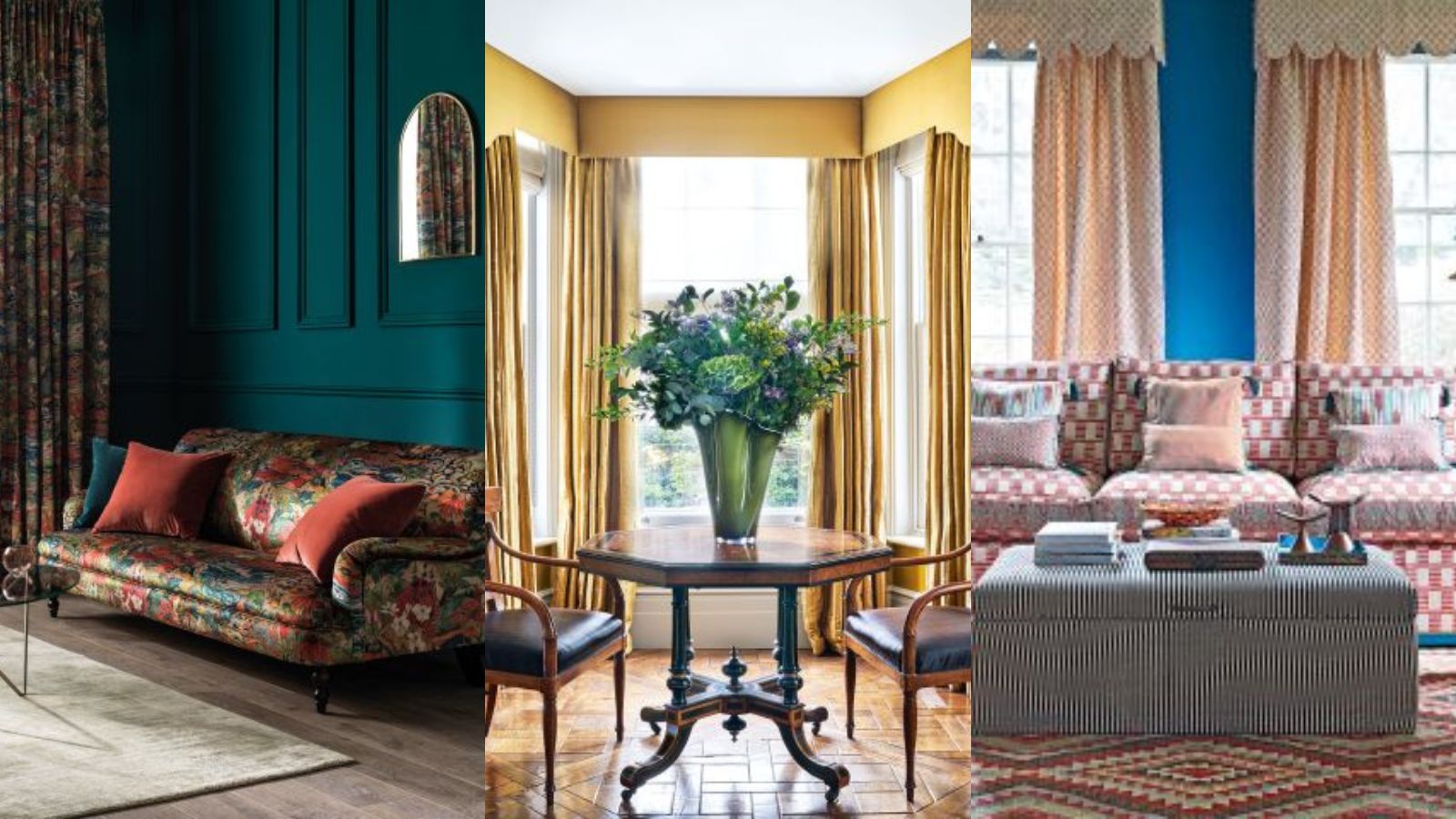
Curtain tricks – 5 ways this interior designer creates drama with drapes
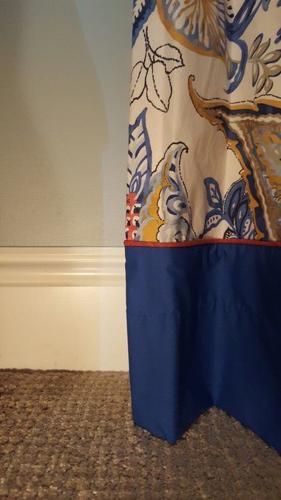
Drapery dilemma: the pros and cons of custom versus ready-made curtains


Drapery adds the finishing touches of drama, function and personality

Everhem’s Cofounder Says the Best Curtains Are a Supporting Act, Not the Headliner

When to Choose Drapery, Curtains, or Blinds, According to Experts

Suddenly, Short Curtains Have Got My Attention in the 'Long vs Short Curtain' Debate


These Brilliant Window Treatment Ideas Will Infuse Luxe Style into Every Room
Curtain Walls Are Proof That Draperies Aren't Just for Windows Anymore


The Very Best Window Curtains
Best curtains to shop now: From blackout to linen and top tips for installation

Why curtains are the year's biggest – and most unexpected – interior design trend

Shutters vs blinds – what you need to know to dress windows beautifully and practically
An easy add-on to your curtains makes rooms look expensive - designers explain

Bye-bye blinds — how curtains became cool again

Wolf Drapery: Don’t Overlook Drapes as Window Treatment Differentiator