When to Choose Drapery, Curtains, or Blinds, According to Experts
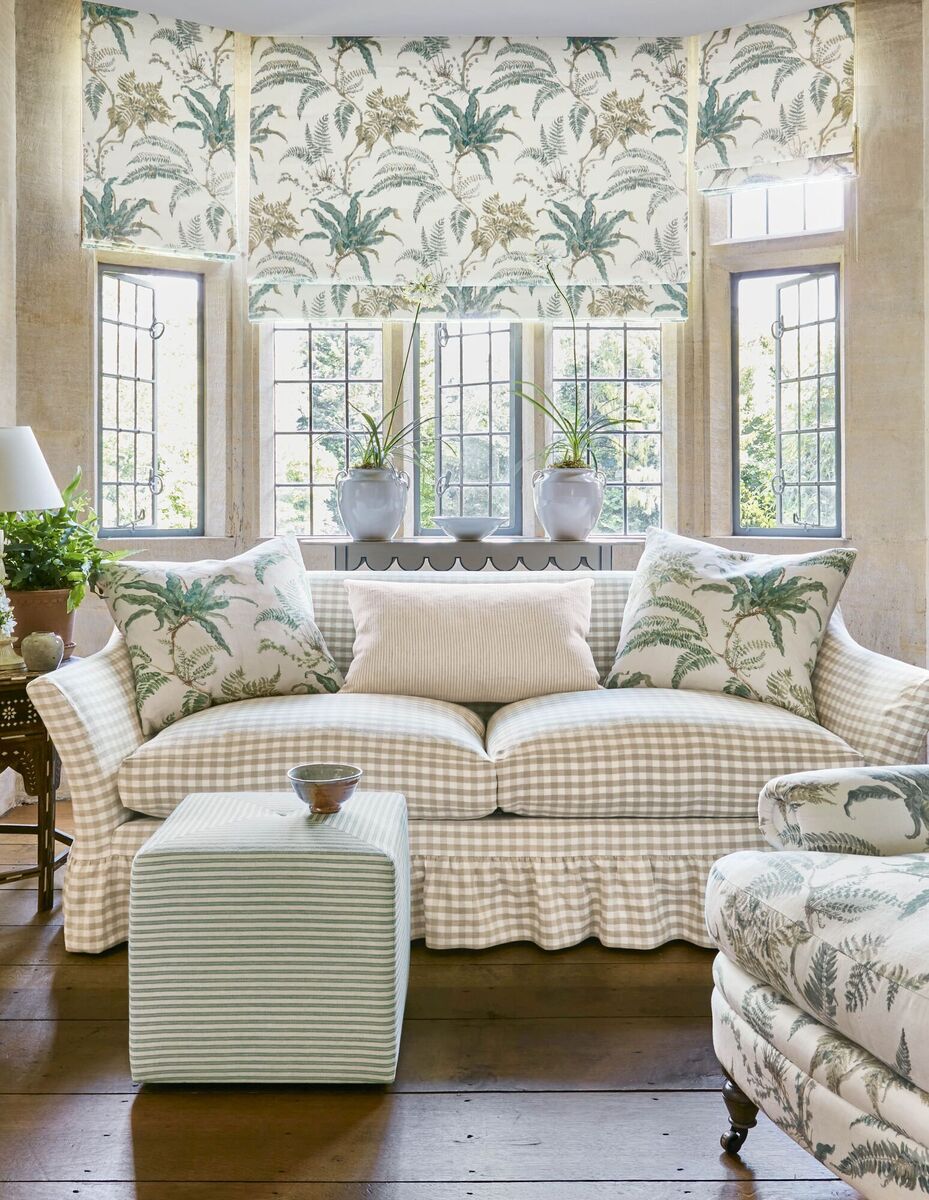
The selection of appropriate window treatments can significantly influence a home's interior design and functionality. This guide differentiates between blinds, curtains, and drapery, offering insights into their unique characteristics, benefits, and optimal placement within a home. John Weinstock, executive vice president of Graber Blinds, highlights that the primary distinction among these options lies in "light control and aesthetic." Blinds typically offer the most versatile light control due to their adjustable slats, making them suitable for various settings. They can also be combined with drapery to enhance the window's appearance and functionality.
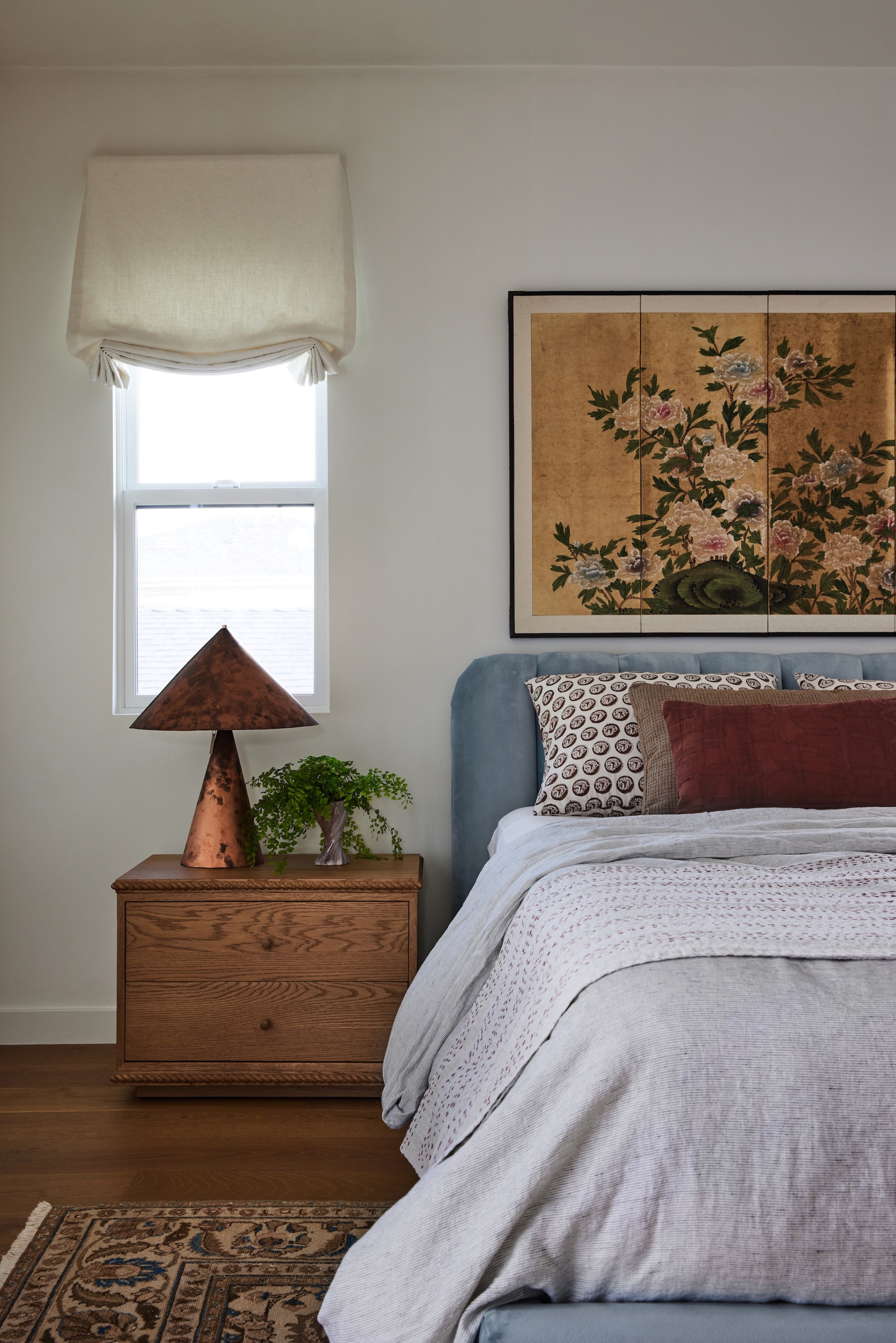
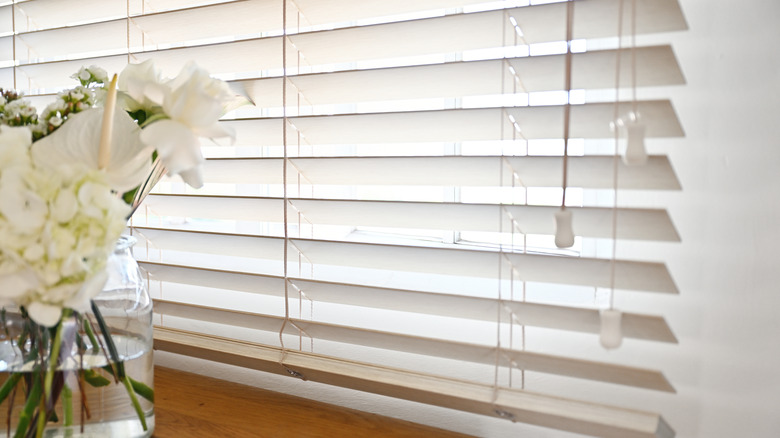
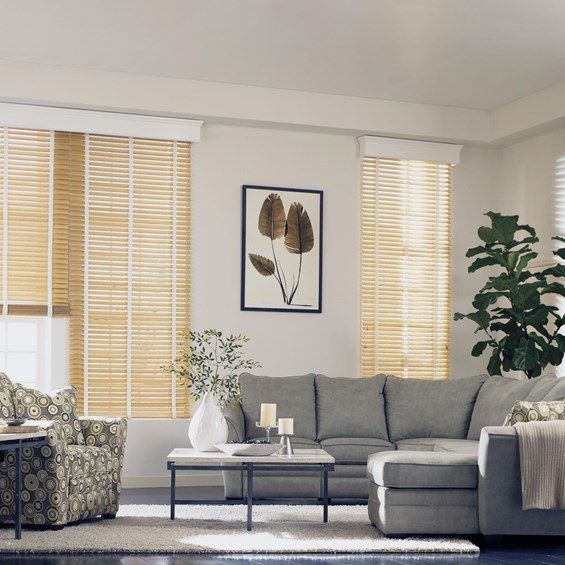
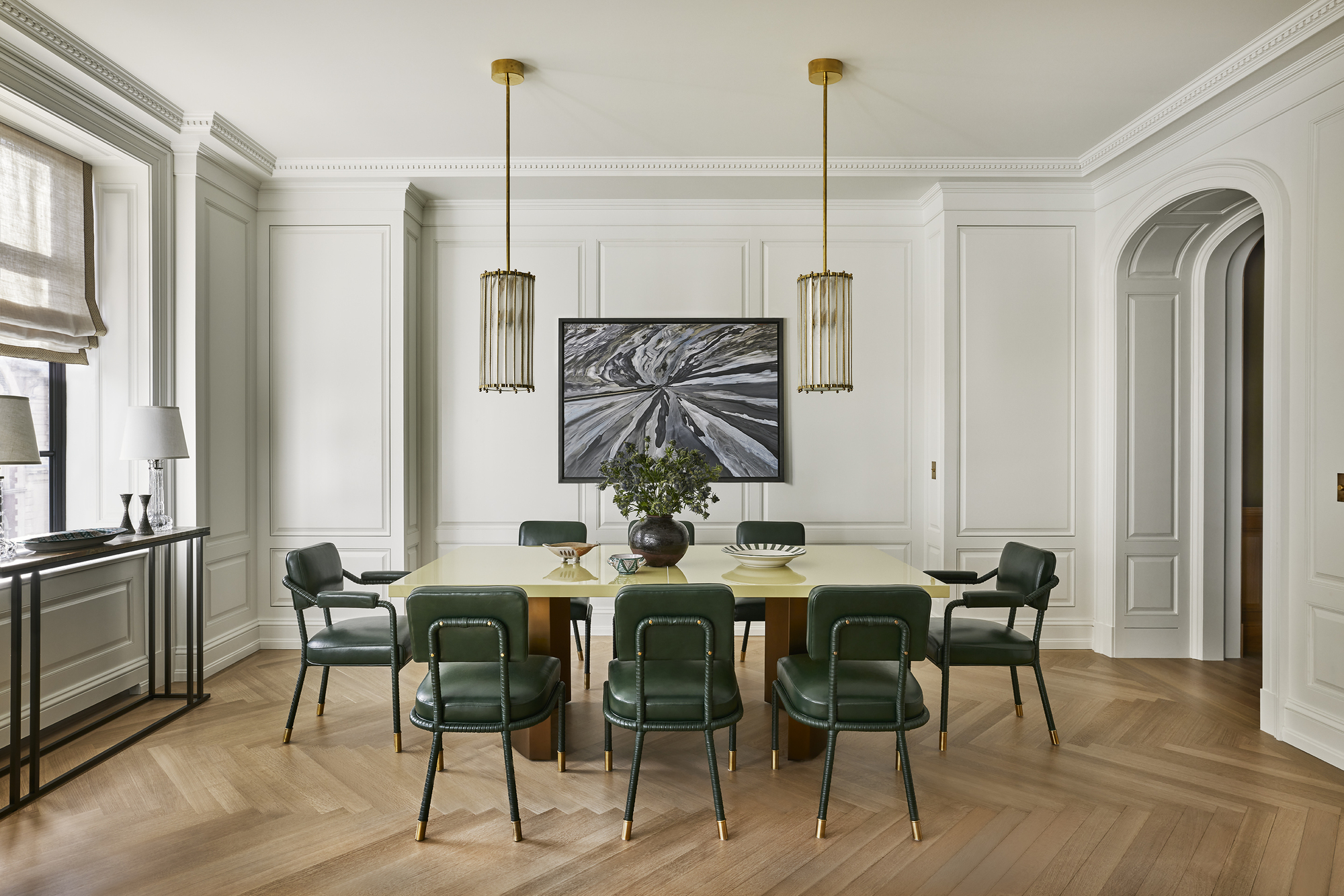
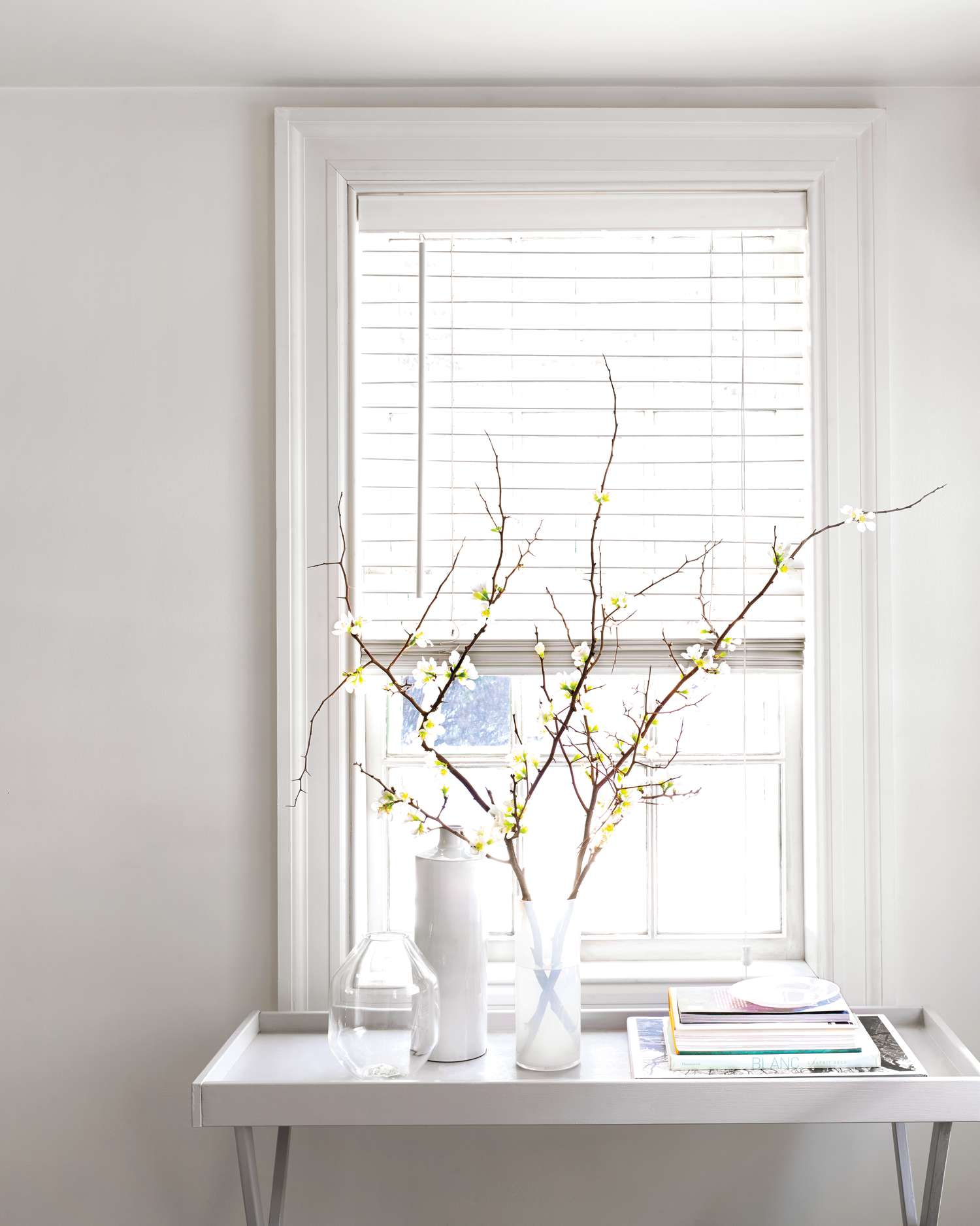
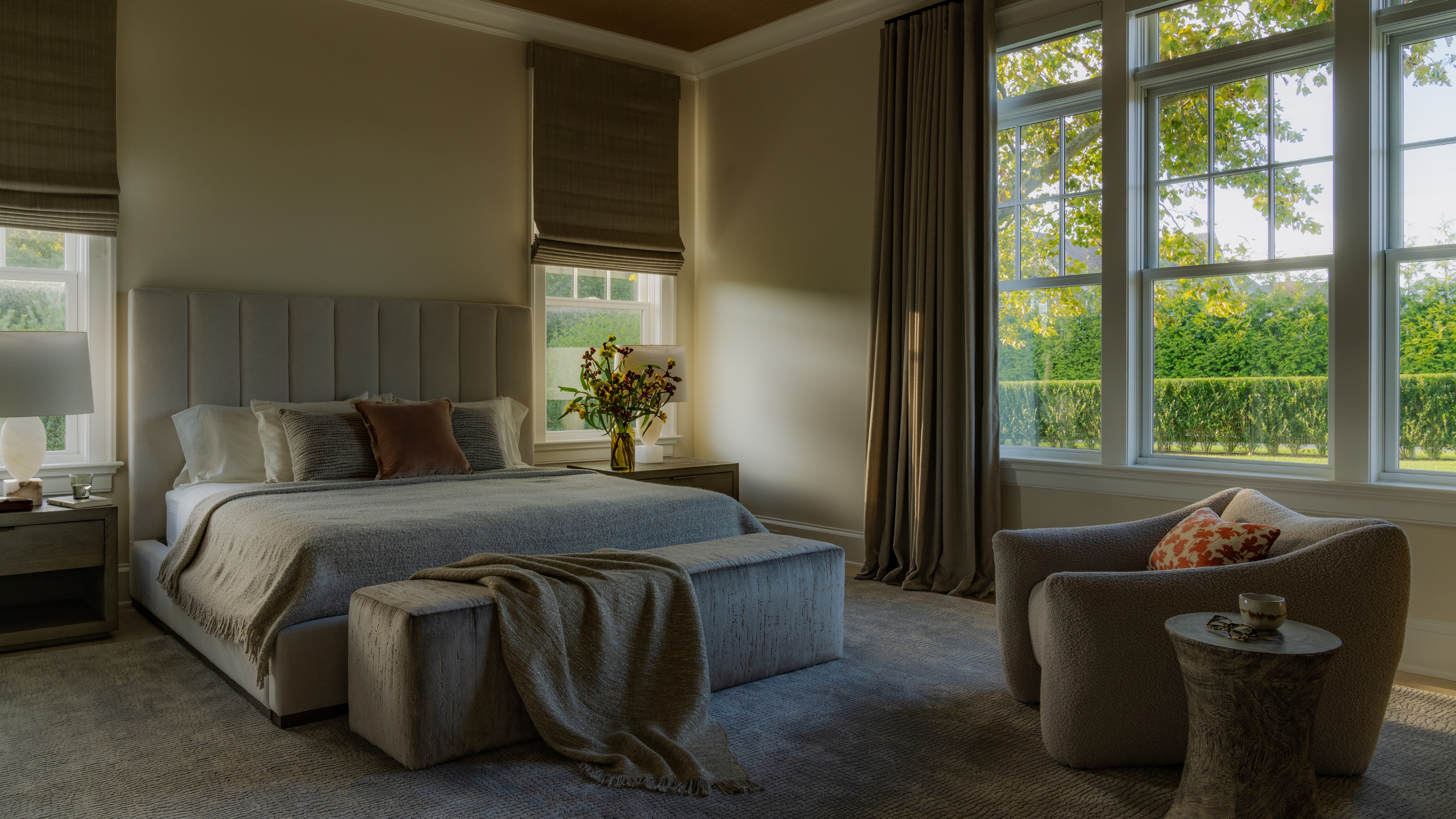
Blinds are characterized as hard window coverings, typically composed of slats or vanes that operate vertically or horizontally. Keith Miller of Miller Interior Design notes that blinds provide effective control over privacy and daylight glare. Their operation, whether manual or motorized, allows for instant adjustments to light and privacy levels. However, a limitation of blinds is their inability to completely block light, and their cords can pose safety concerns. For rooms requiring total darkness, pairing blinds with drapery is recommended.
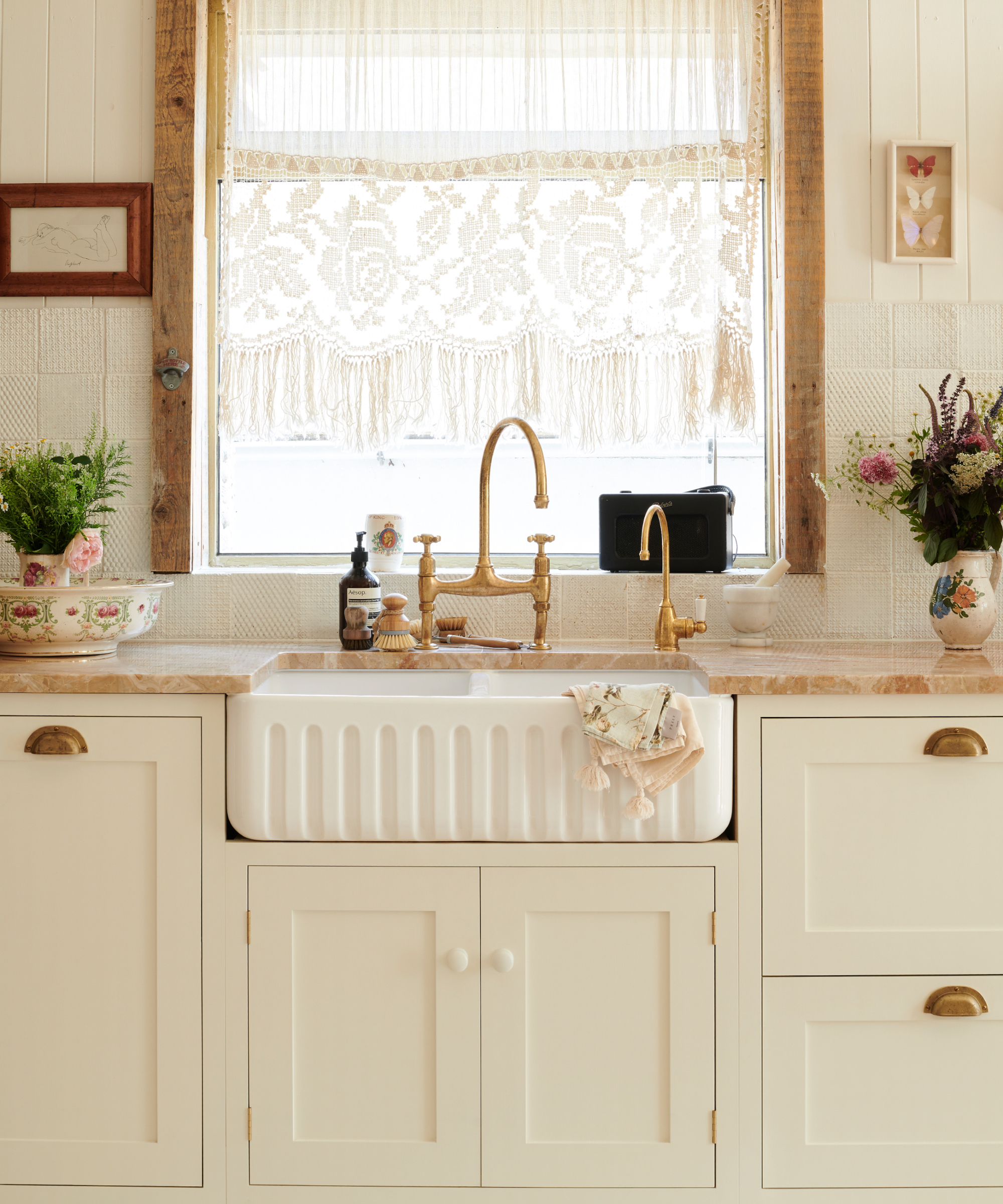
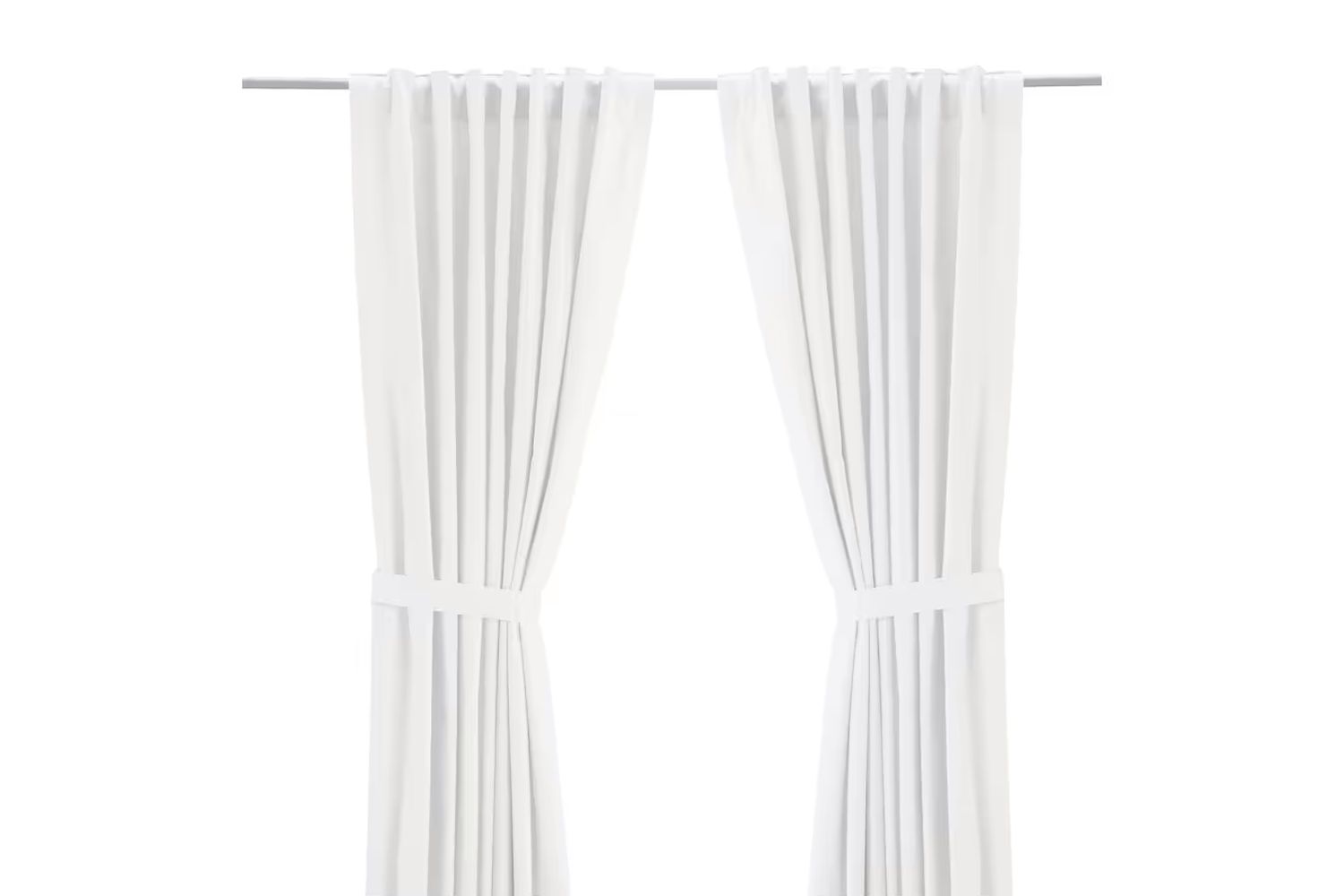
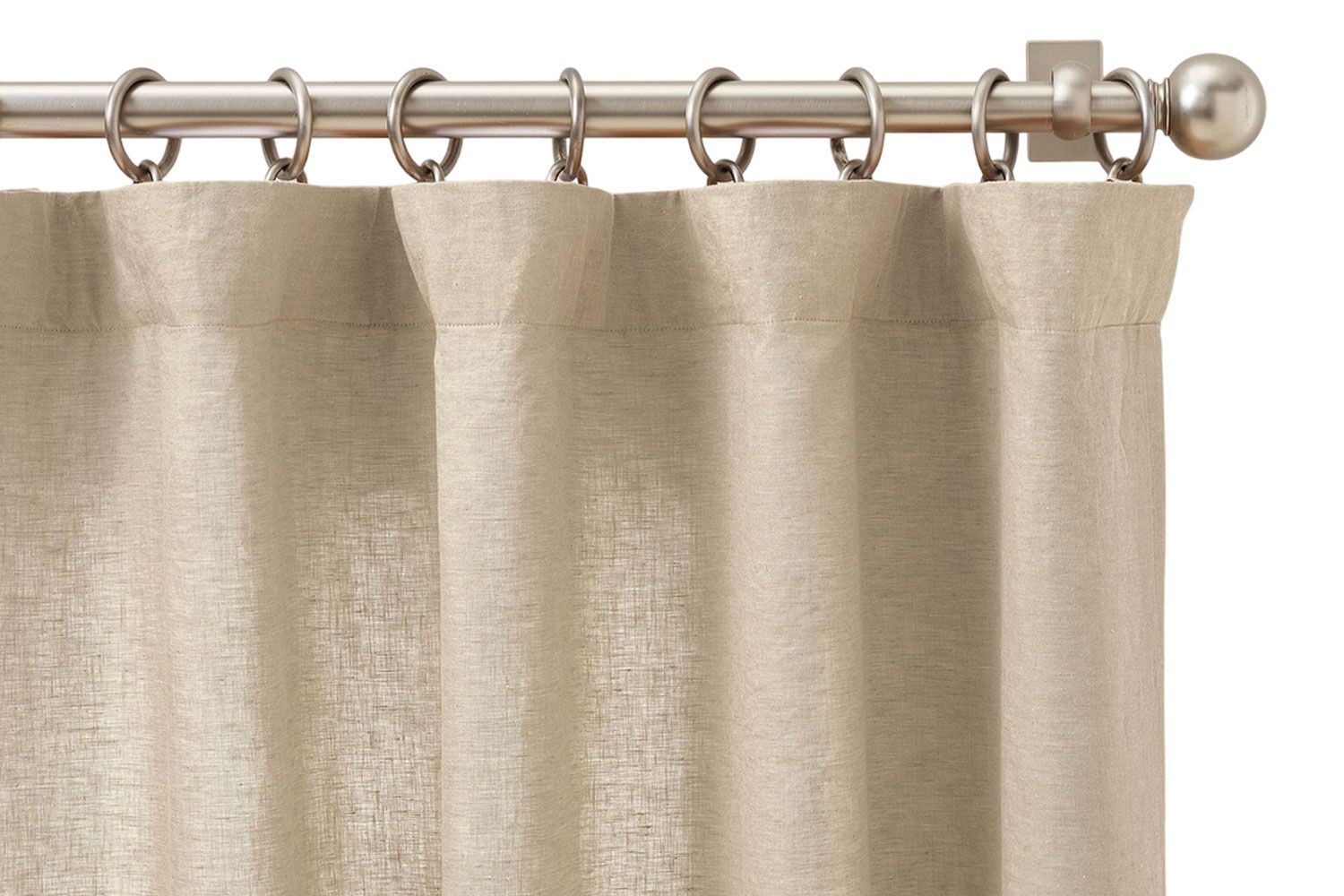
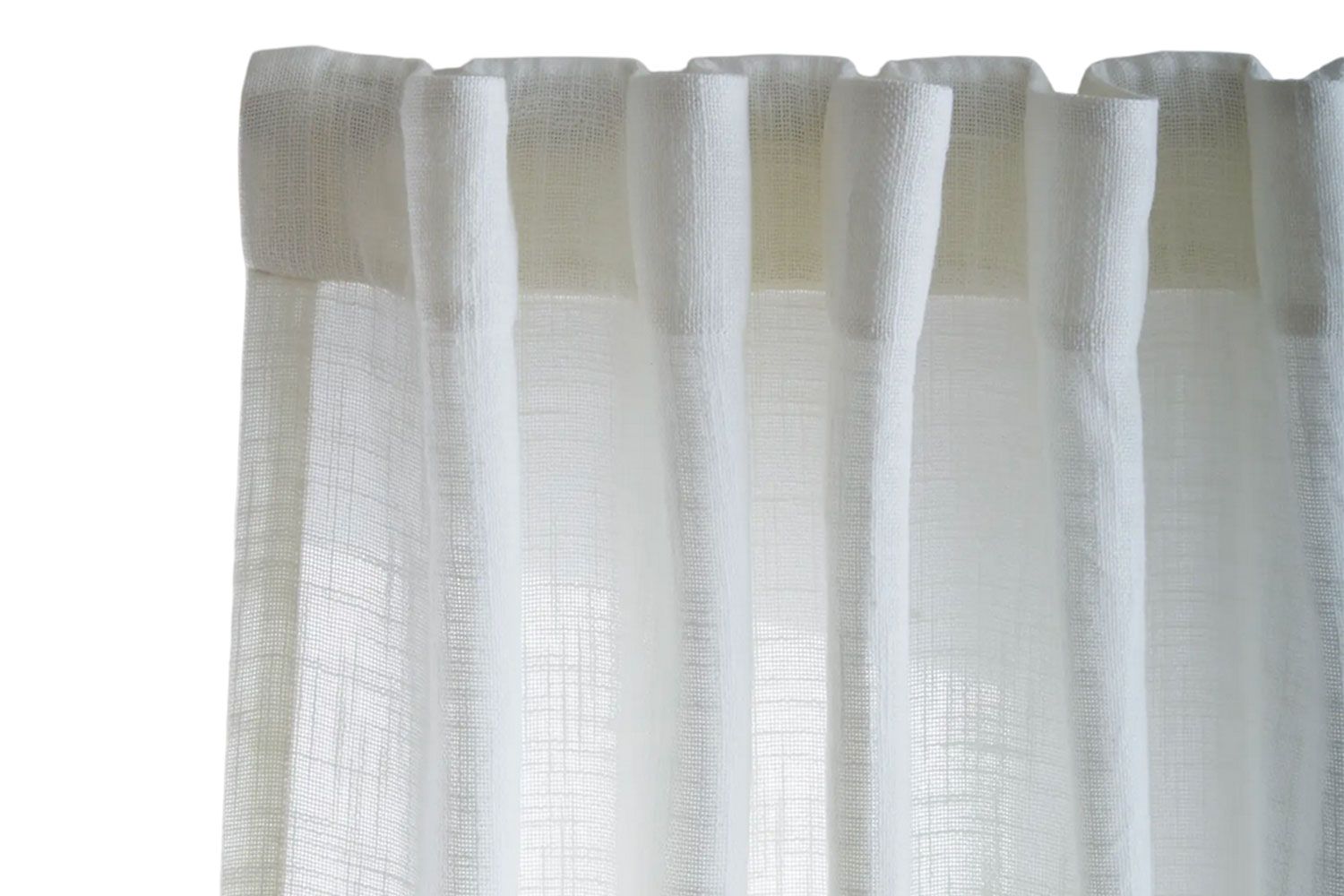
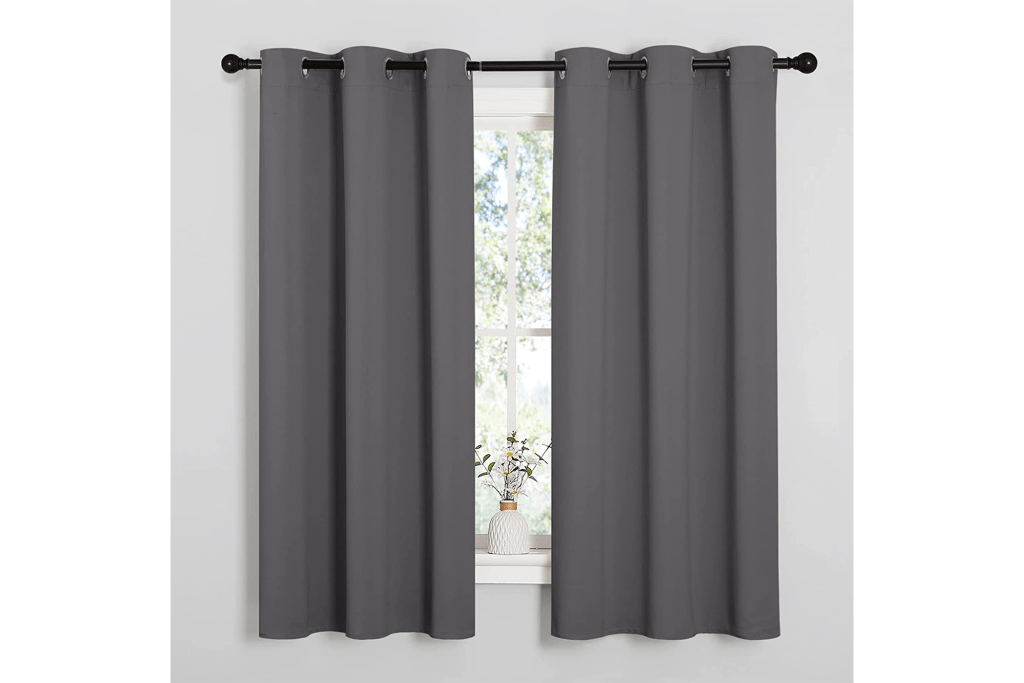
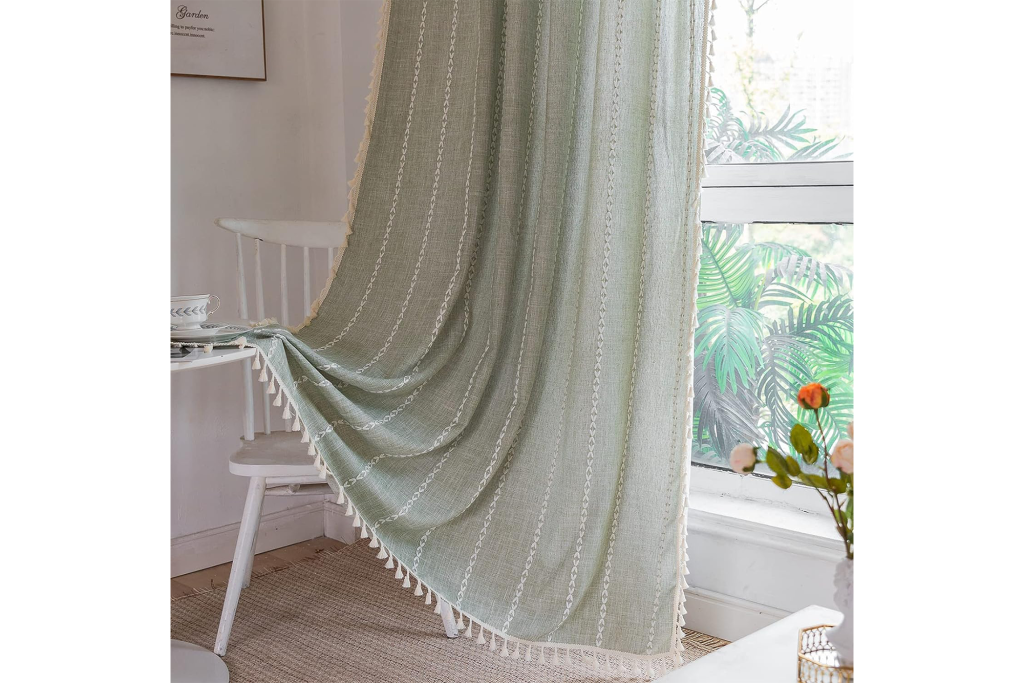

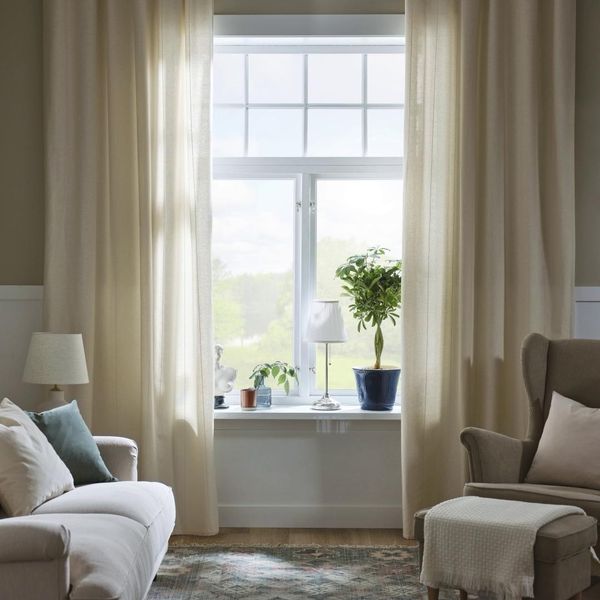
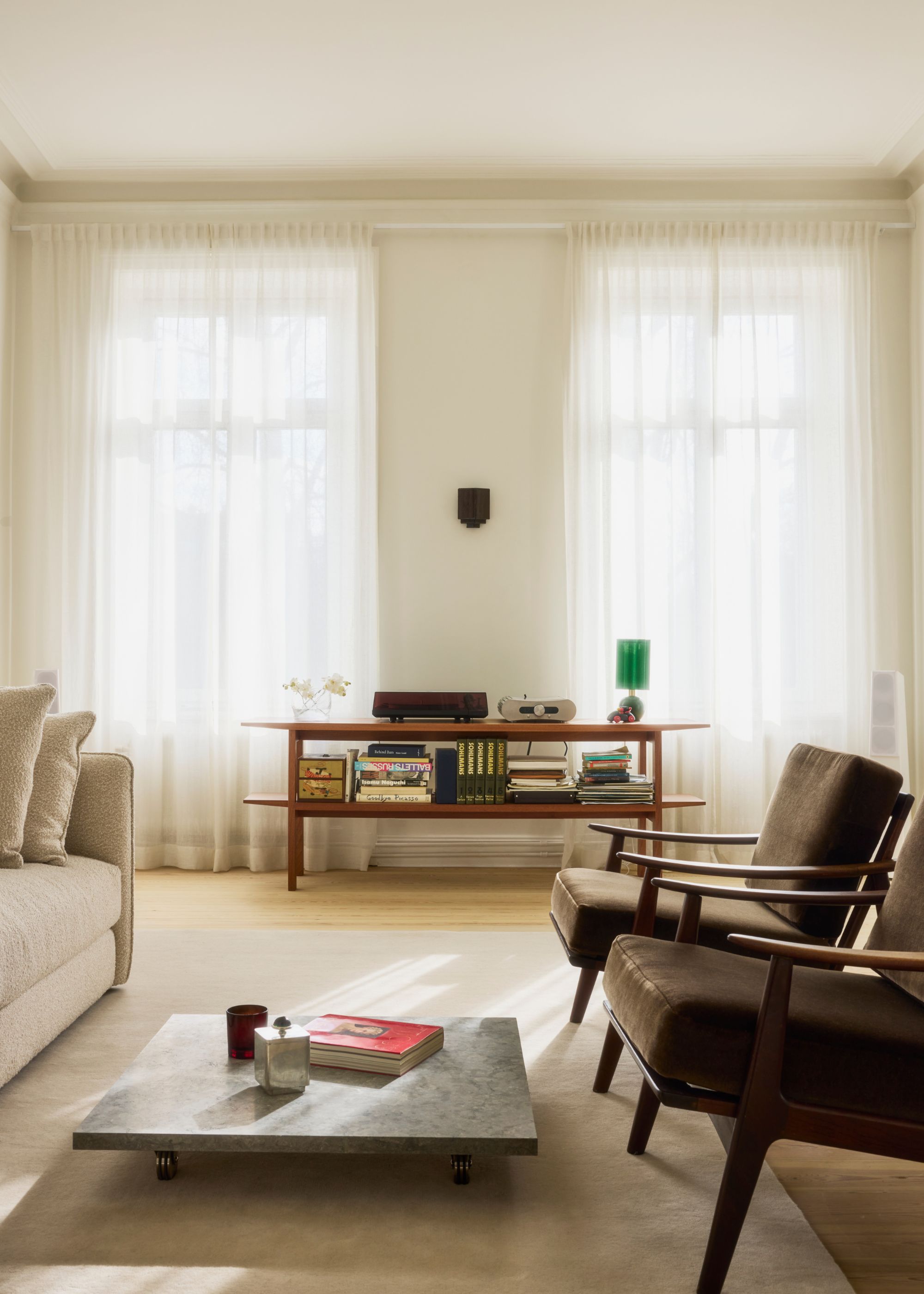
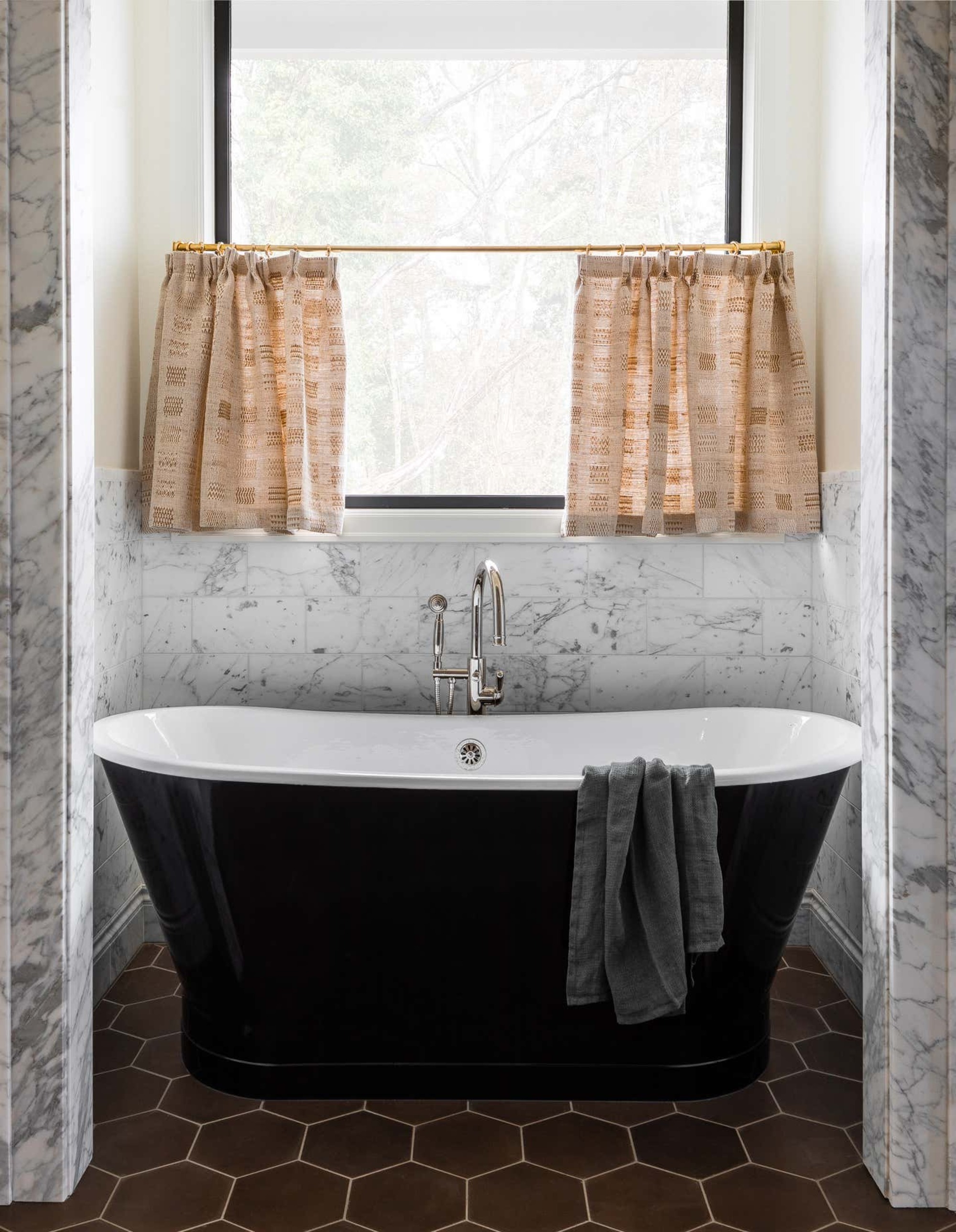
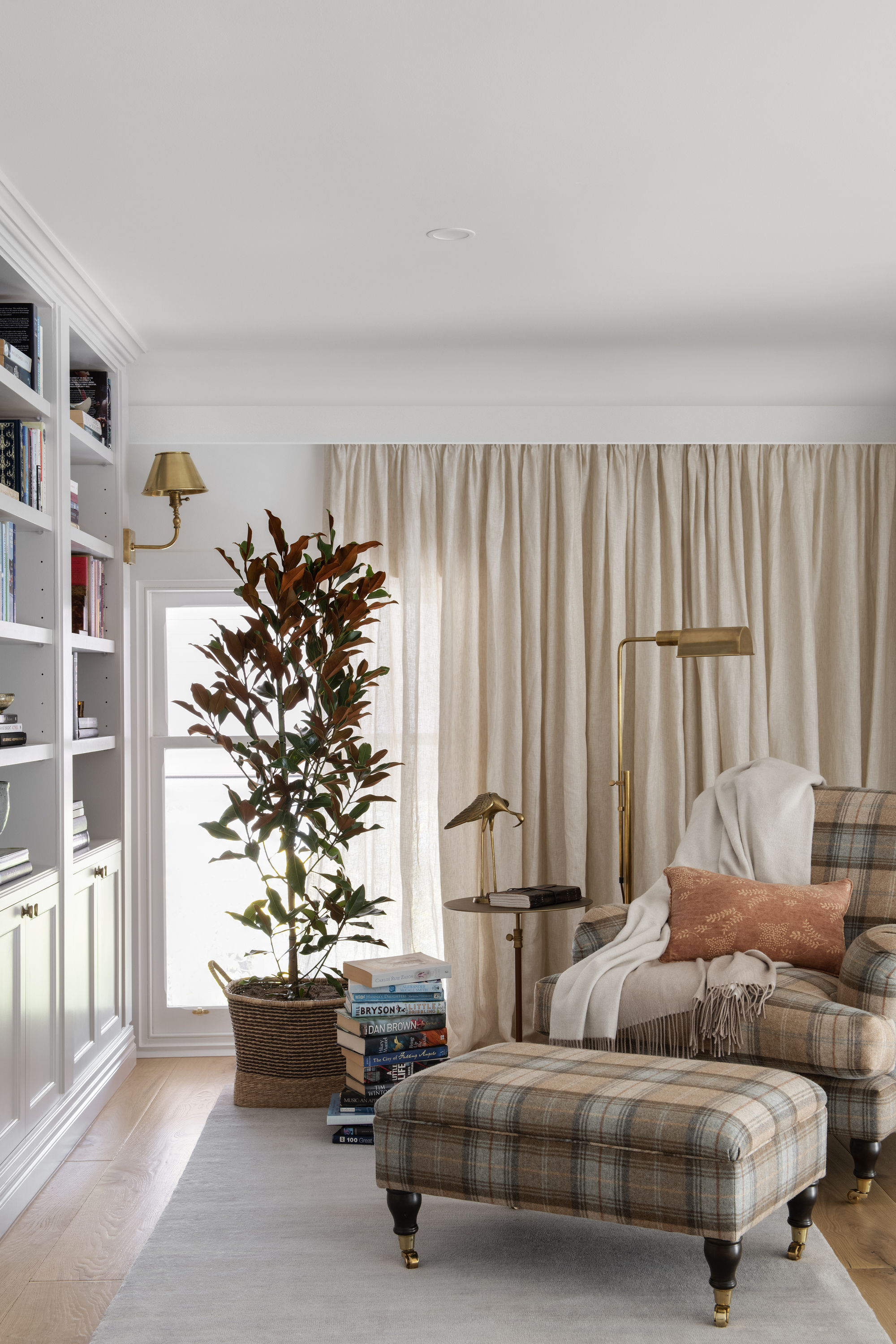
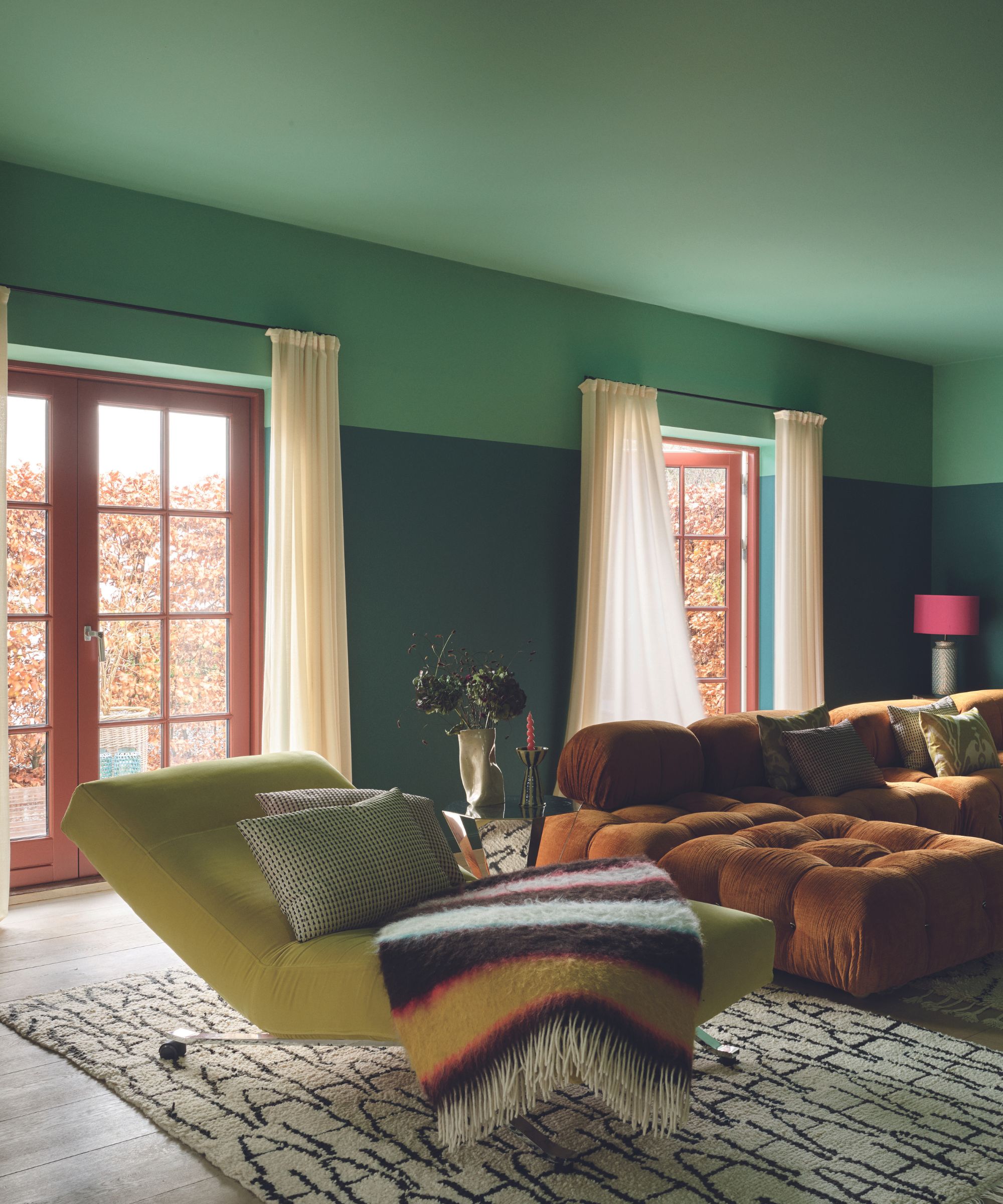
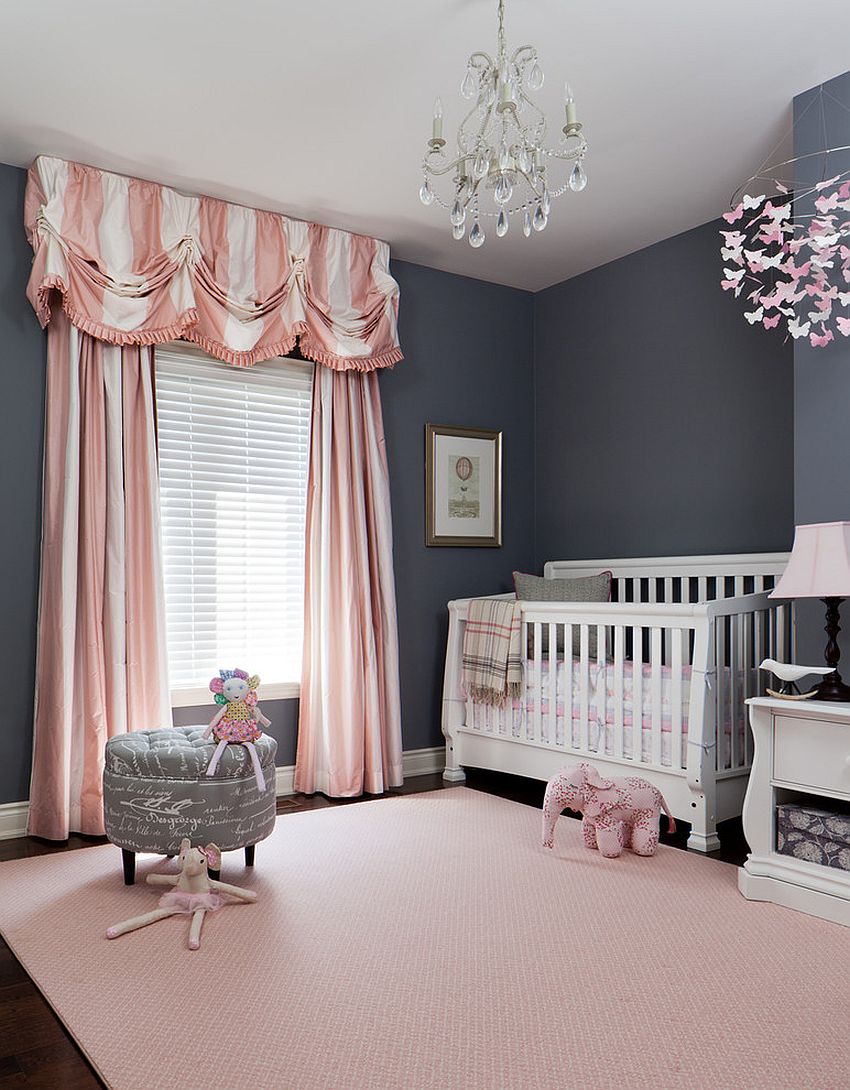
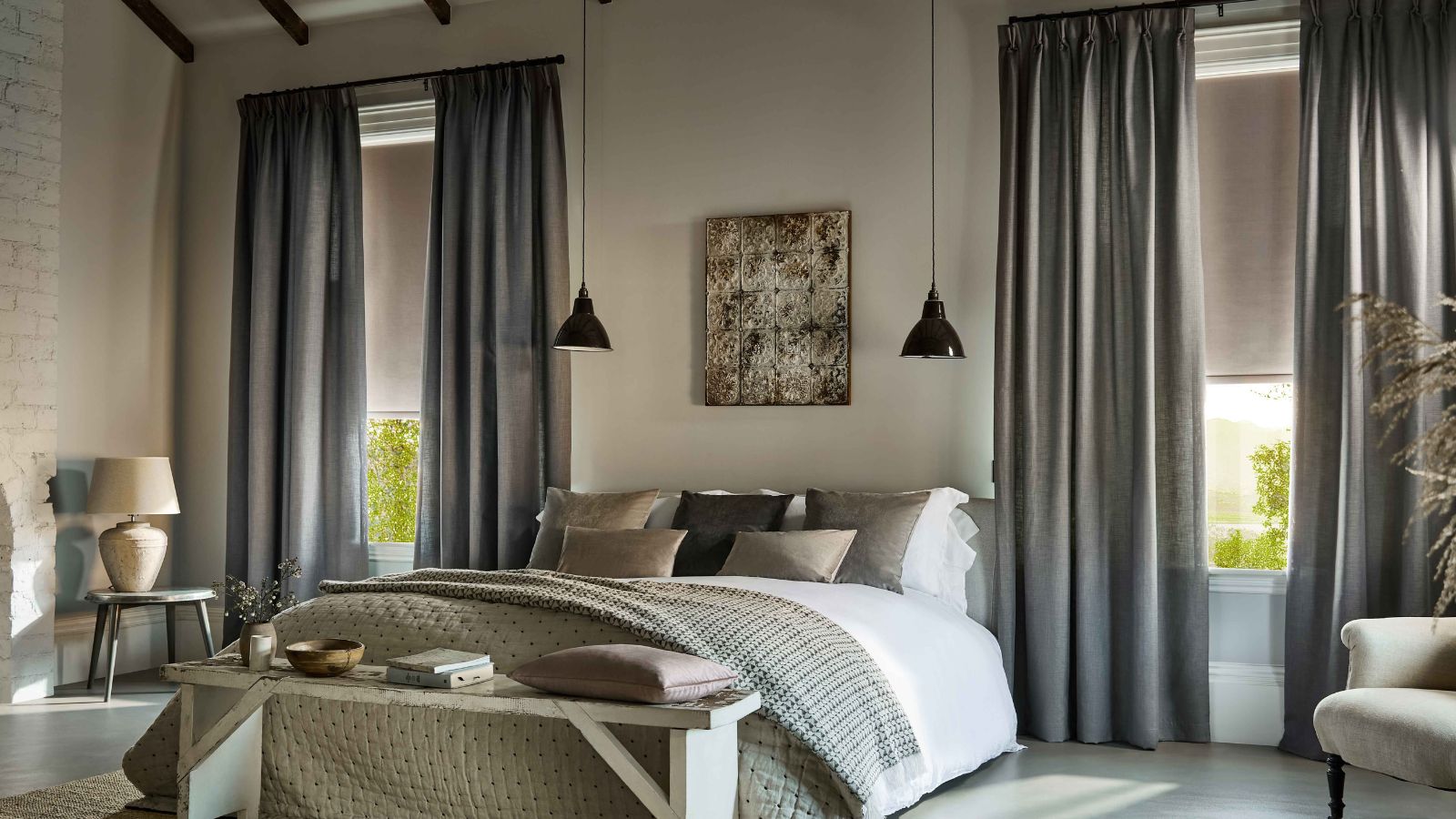
Curtains, in contrast, are soft window coverings made from lightweight or translucent fabrics. Their primary purpose is to filter sunlight and reduce drafts. Miller emphasizes the versatility of curtains, which can be adapted for various aesthetic purposes, from short café curtains to full-length installations. A key disadvantage of curtains is their limited light-blocking capability due to their lightweight nature. To overcome this, curtains can be layered with blinds or shades to create a more comprehensive window solution.
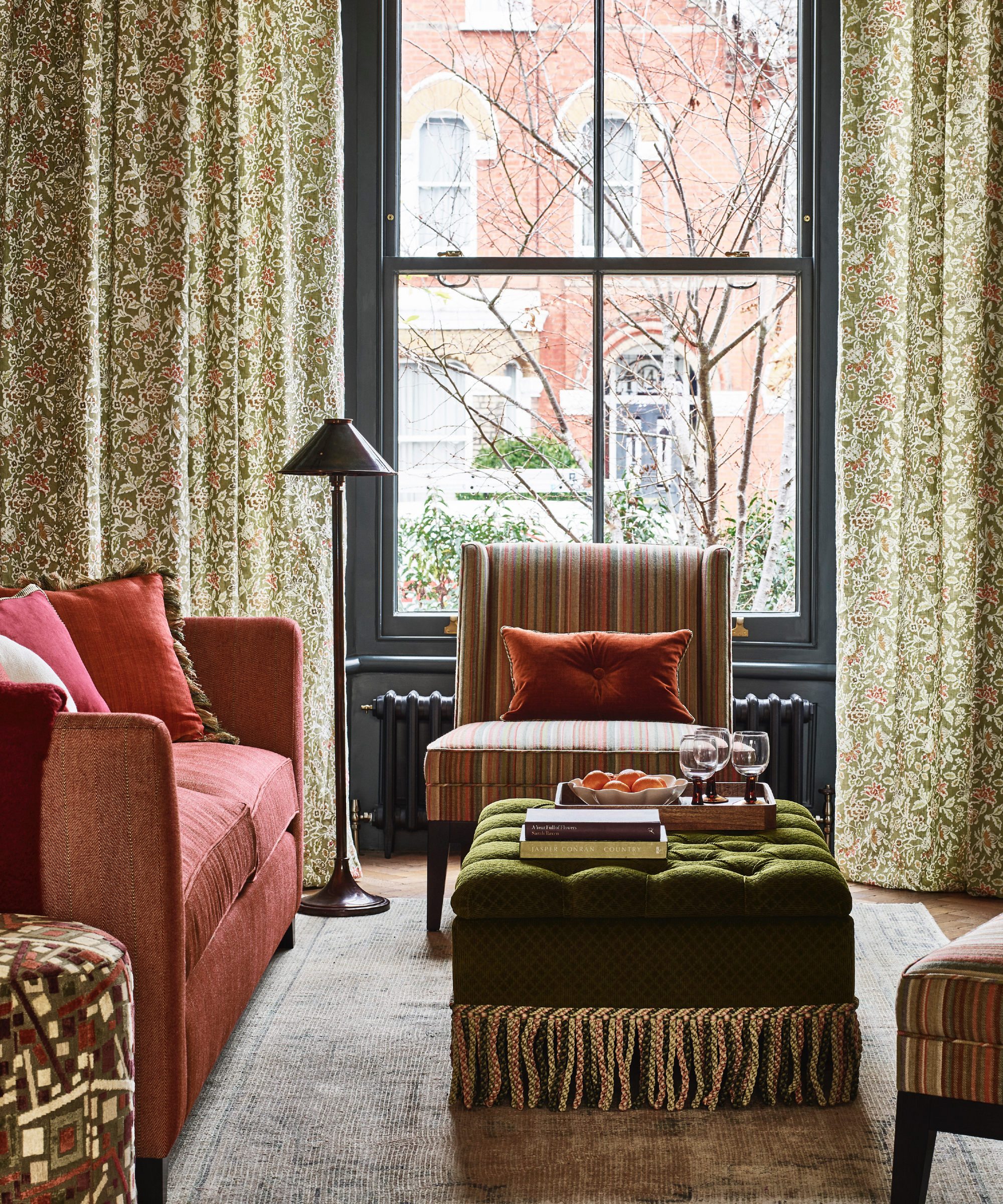
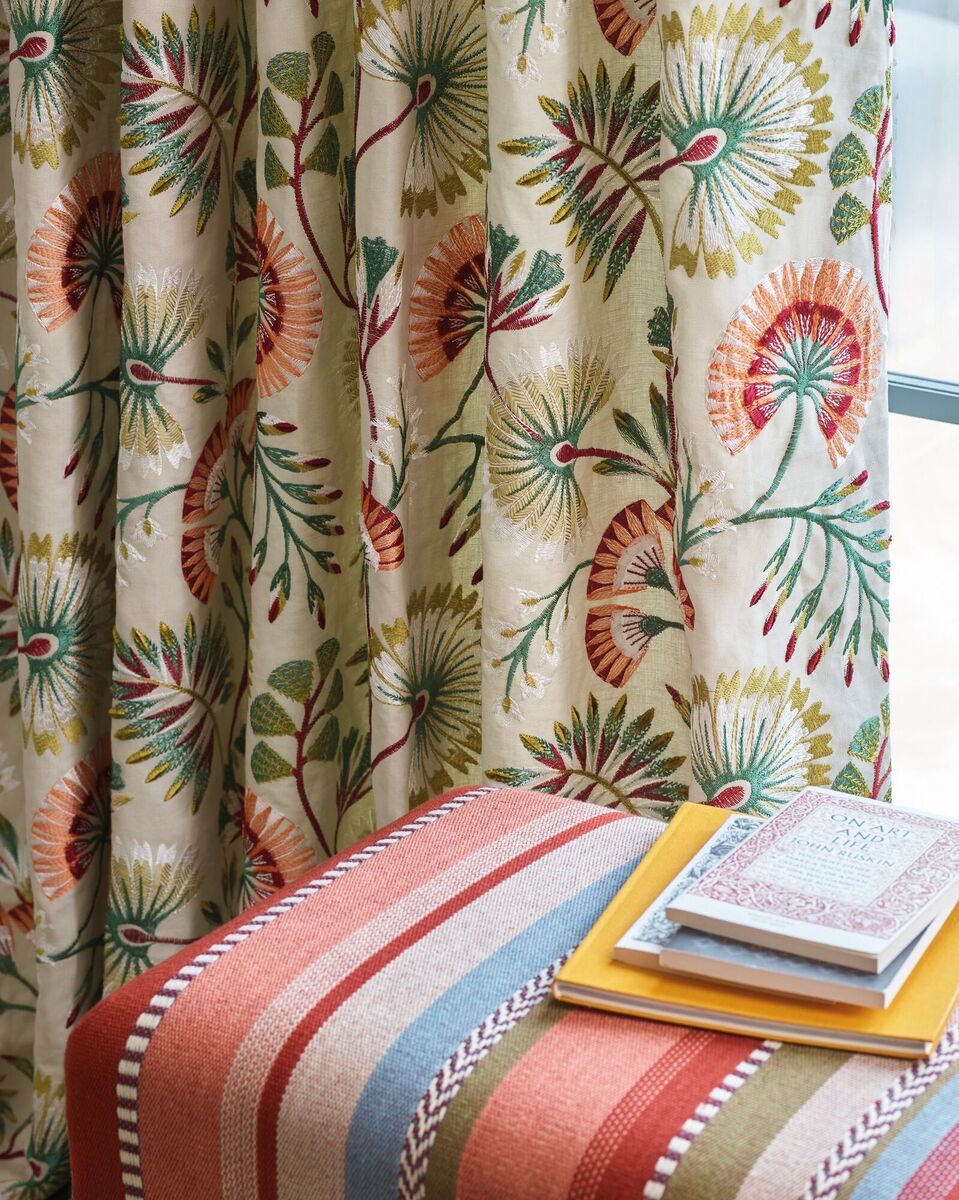
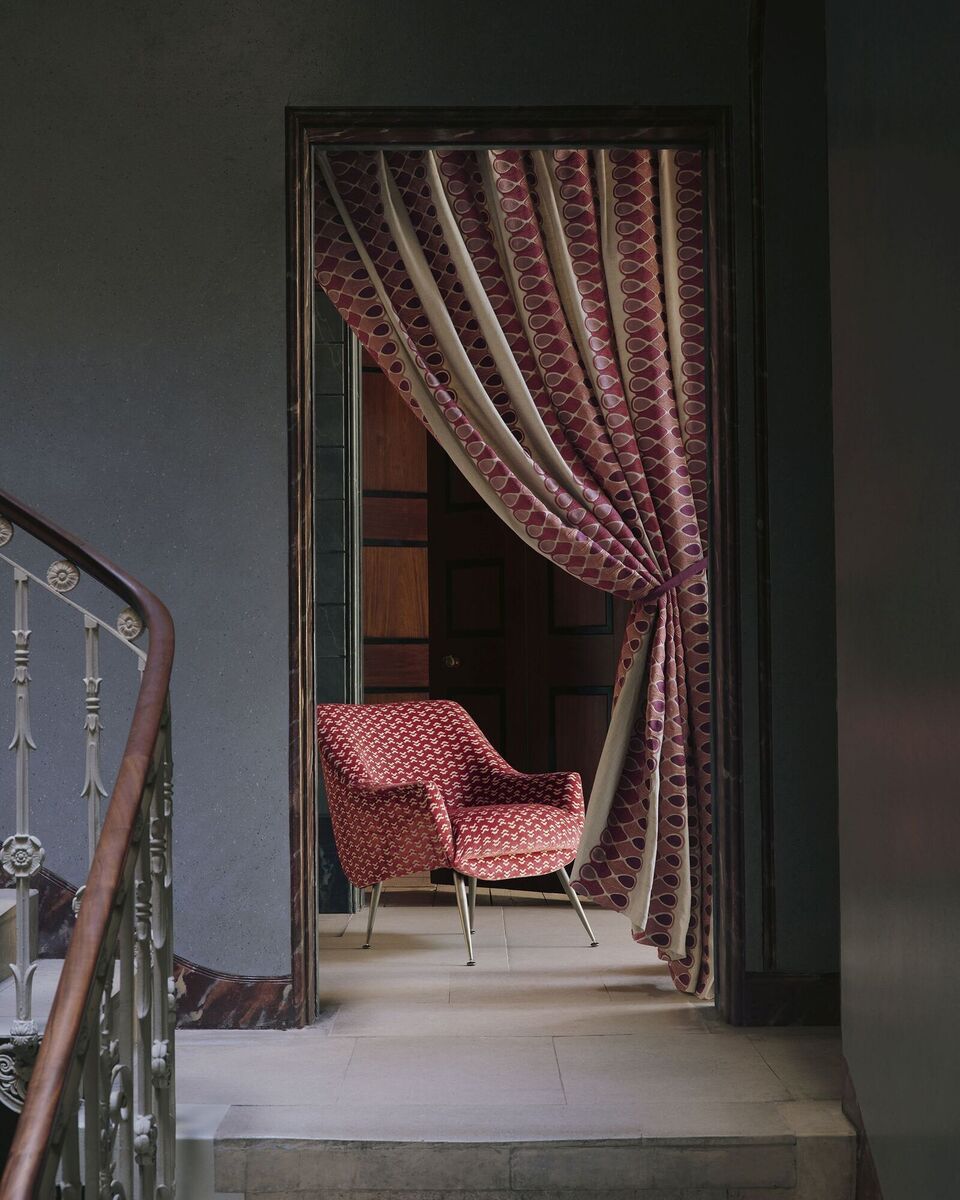
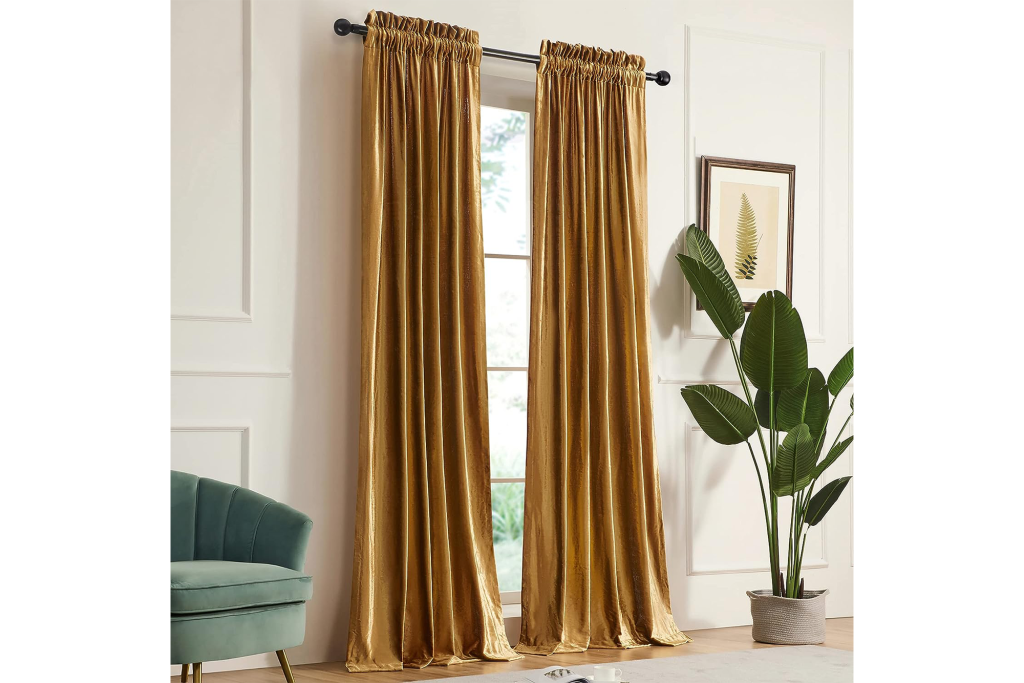
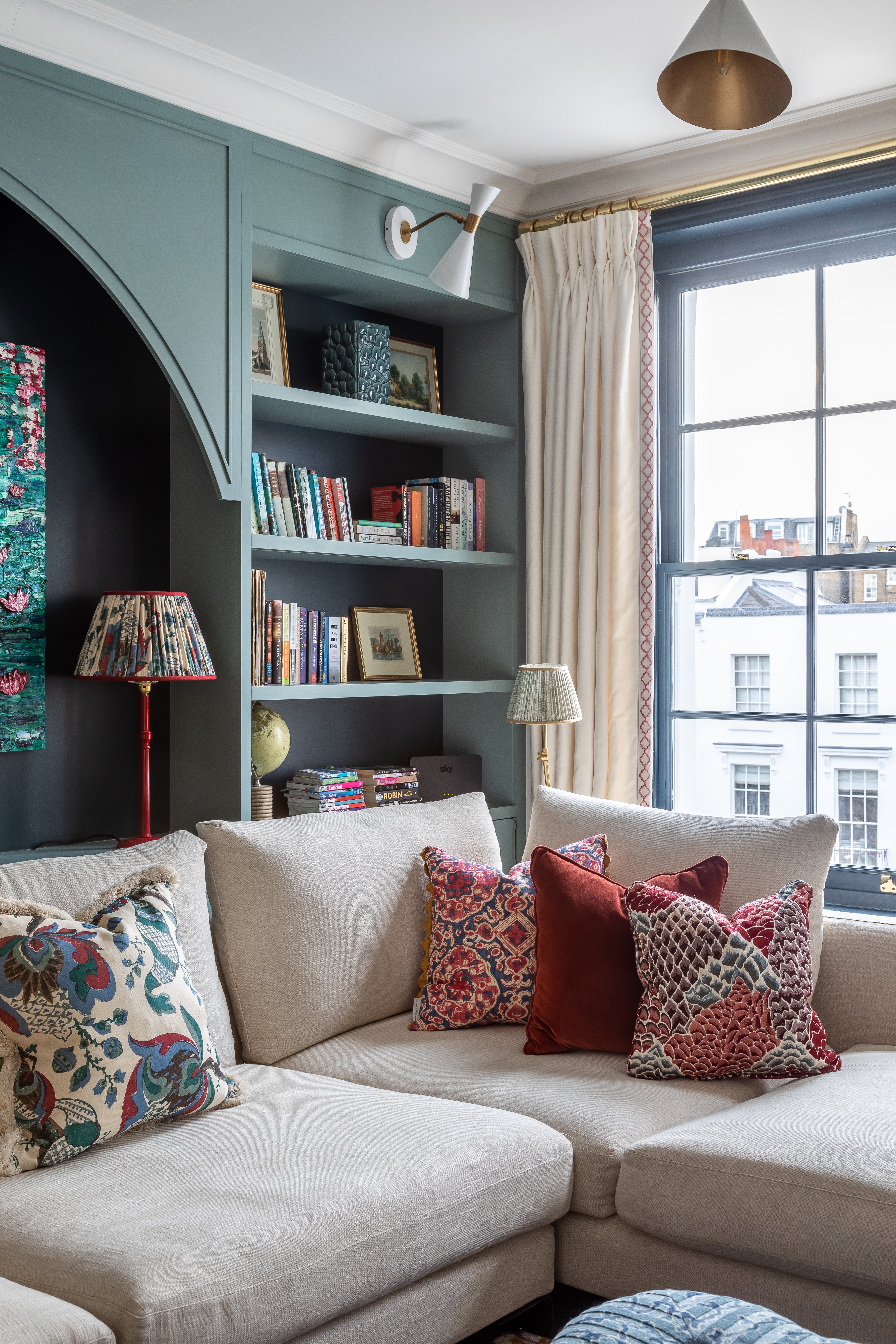
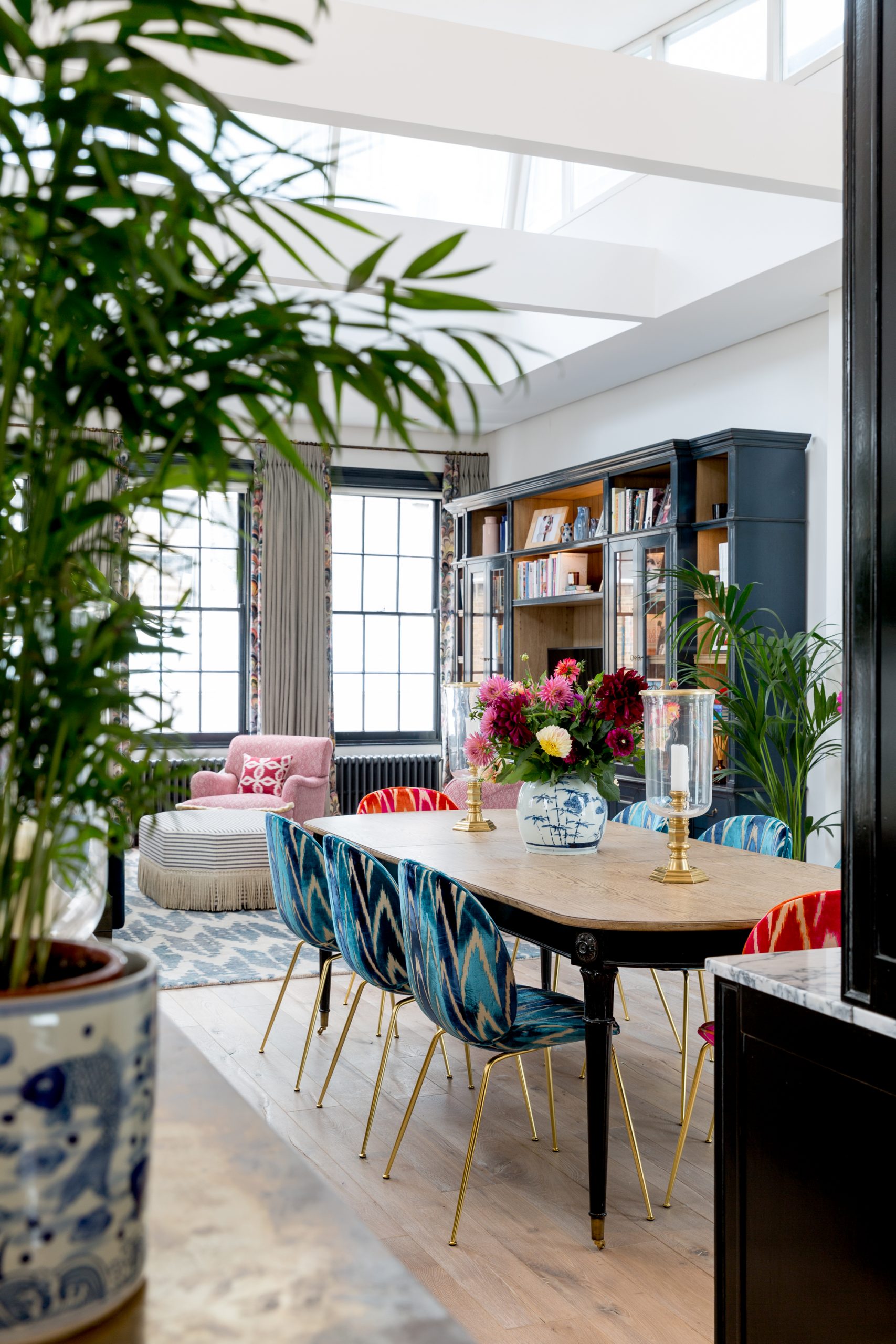
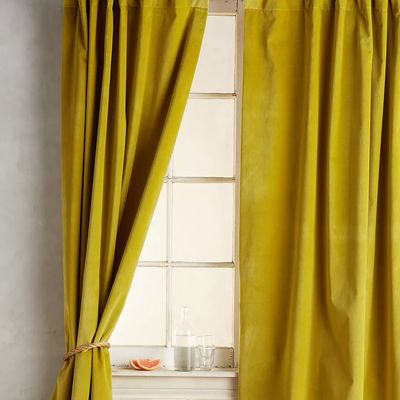
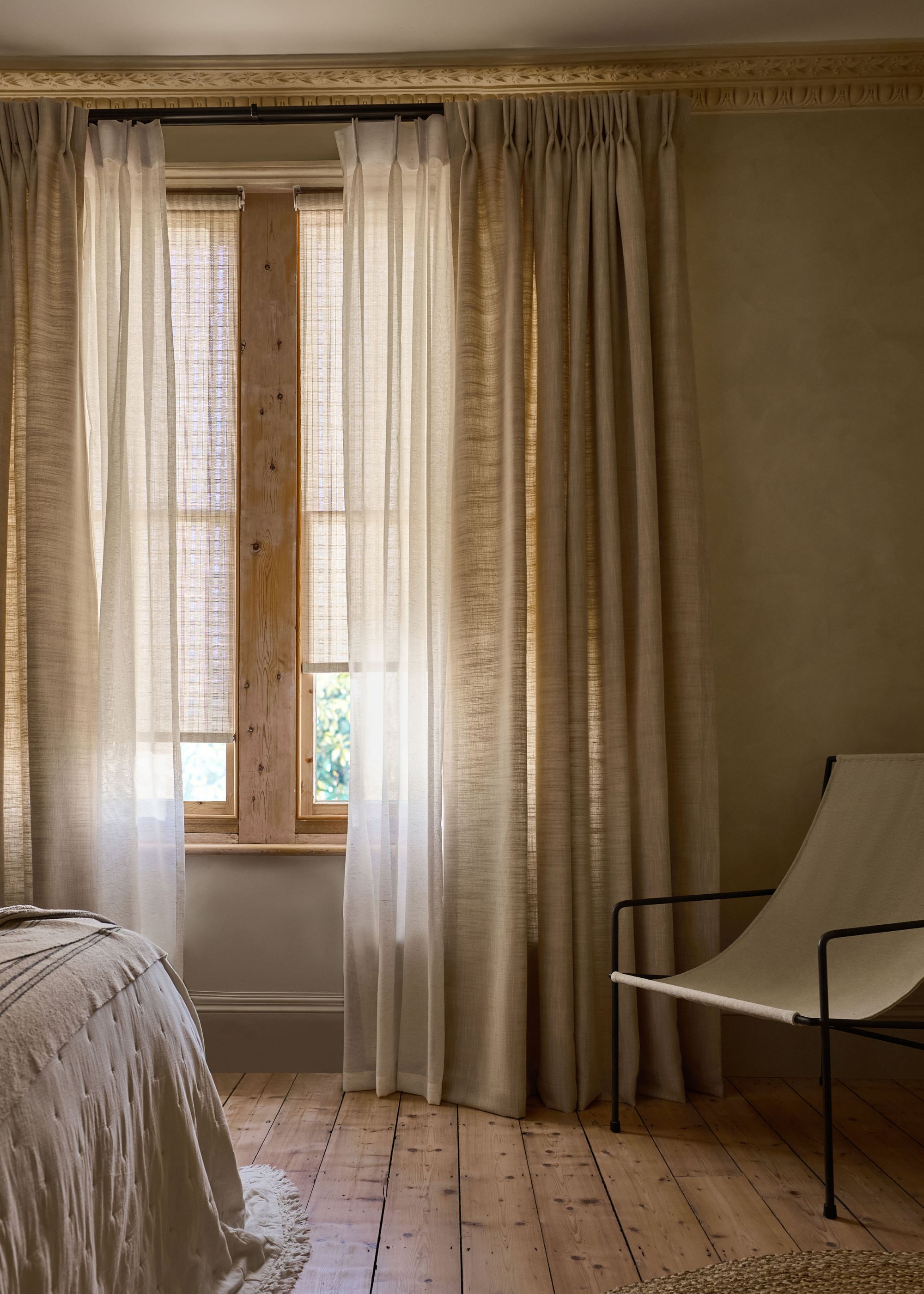
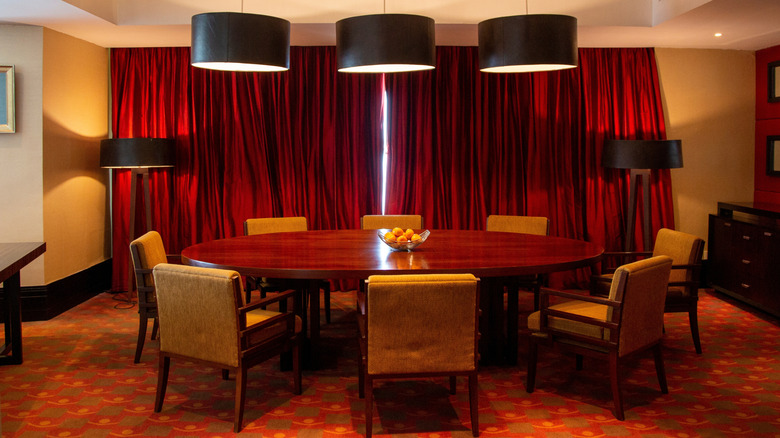
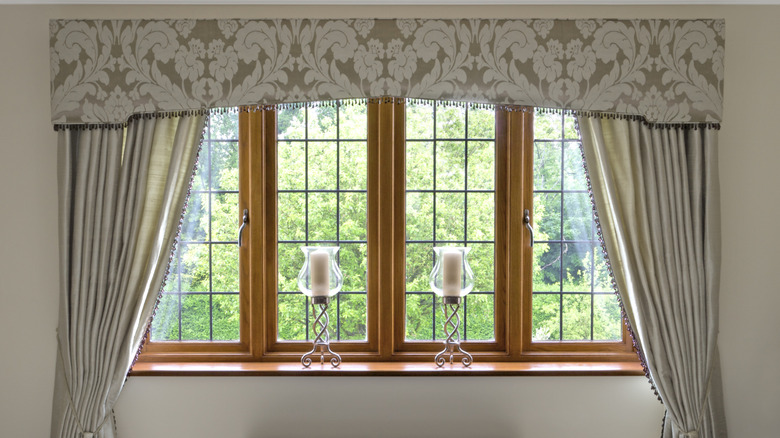
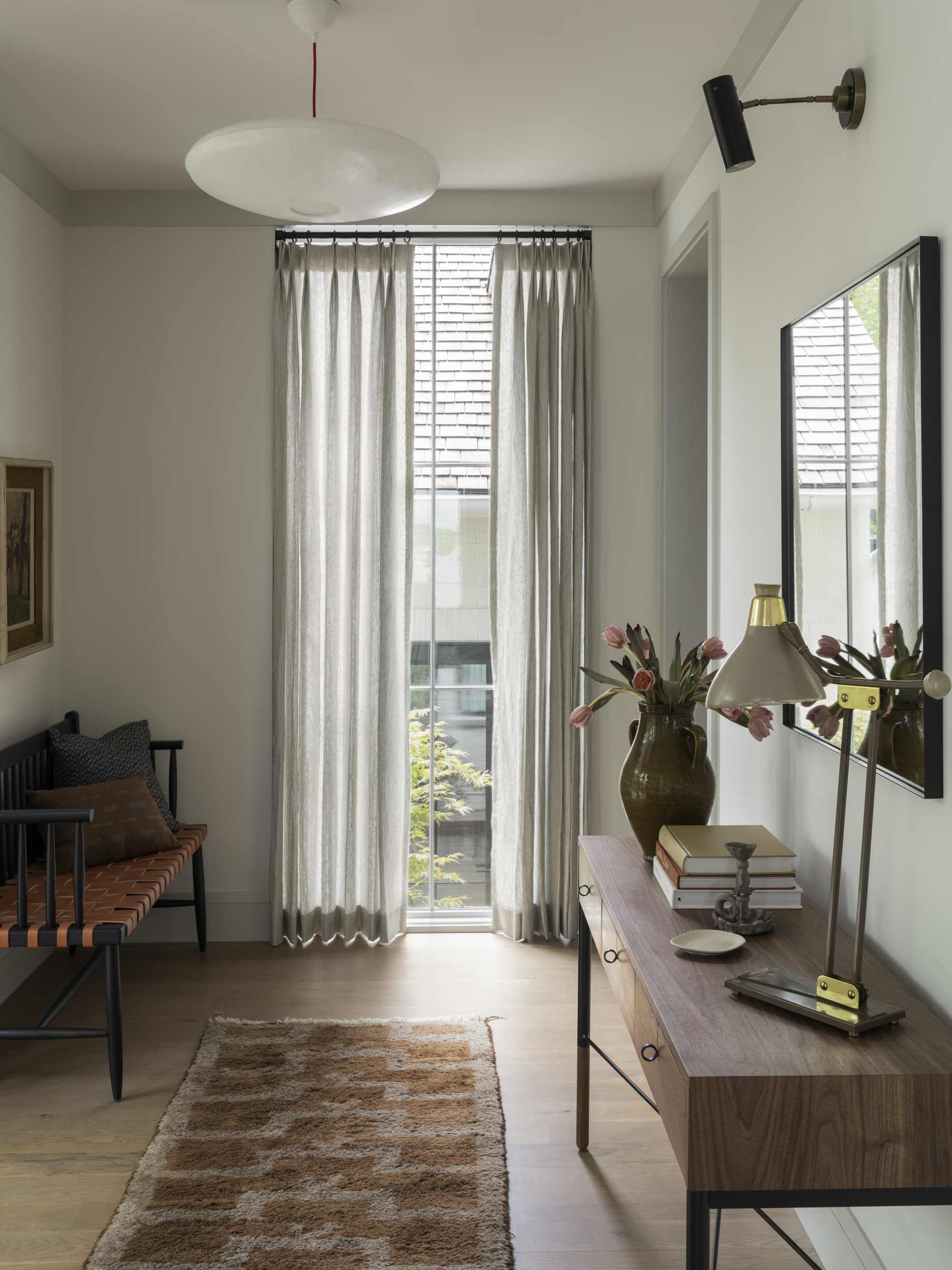
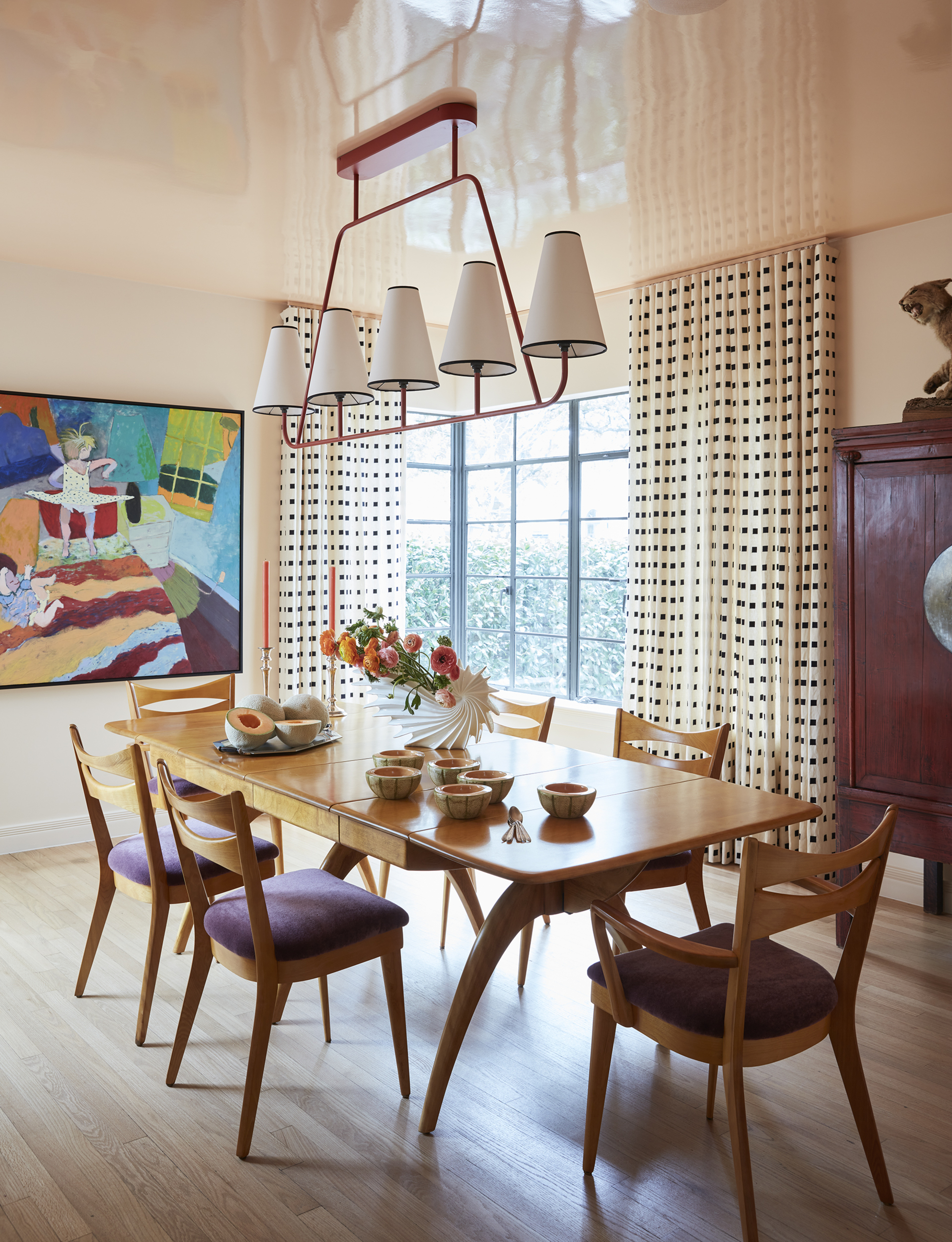
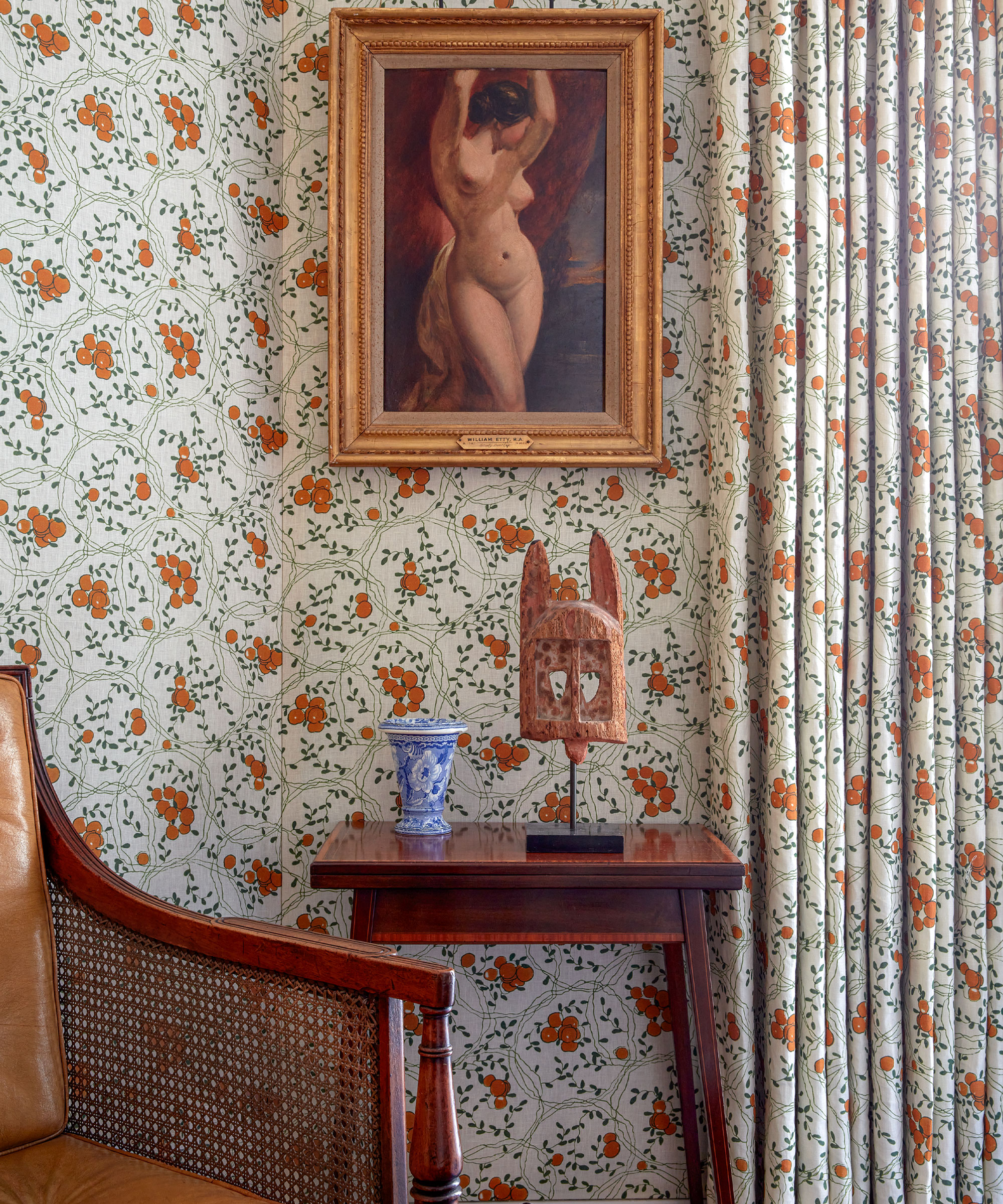
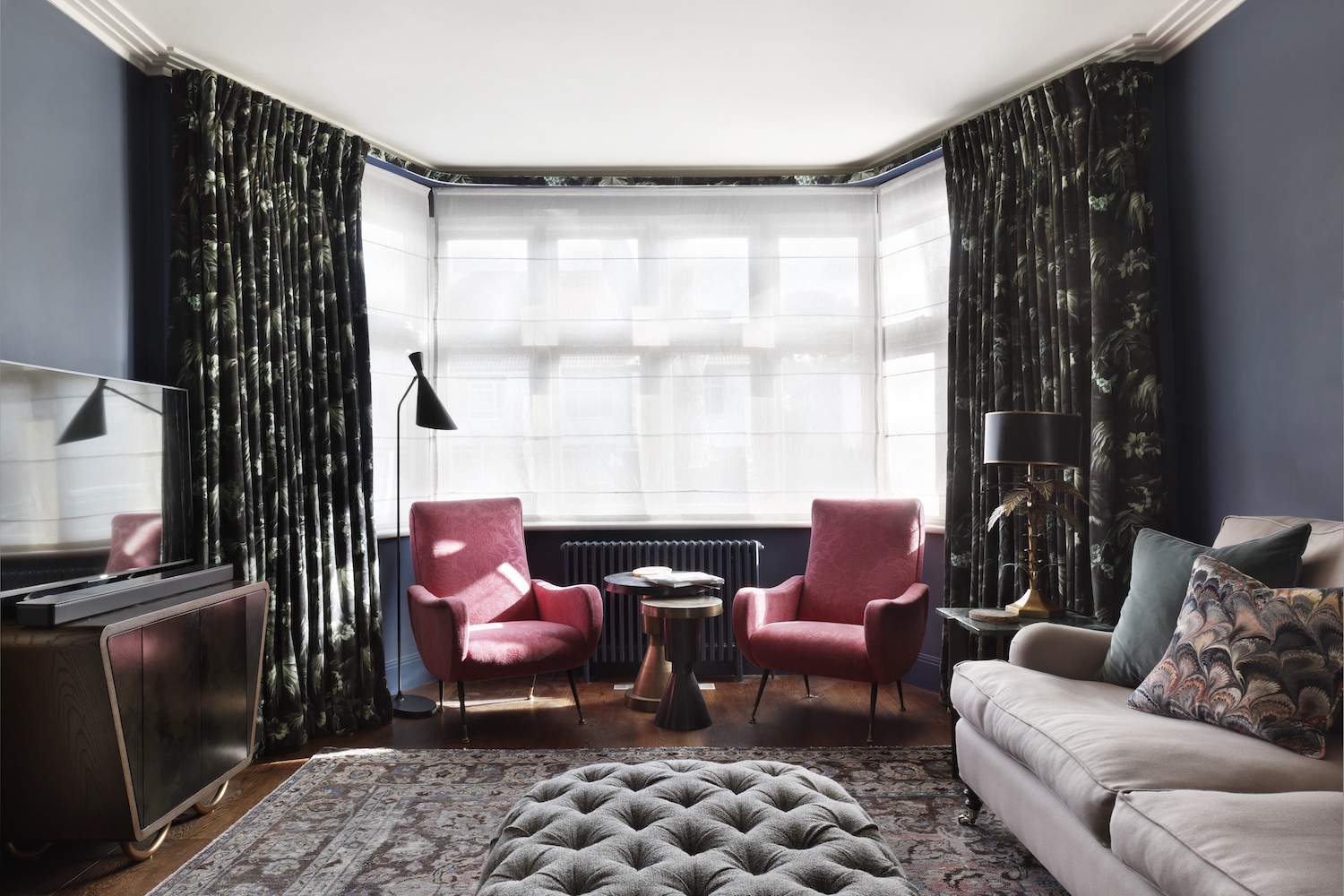
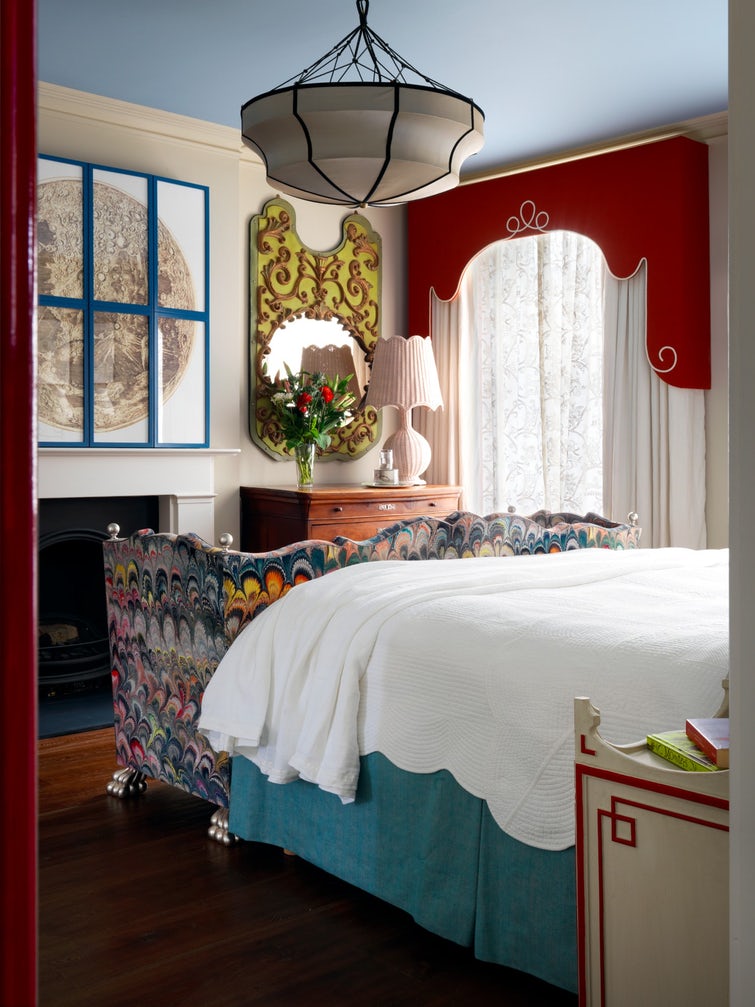
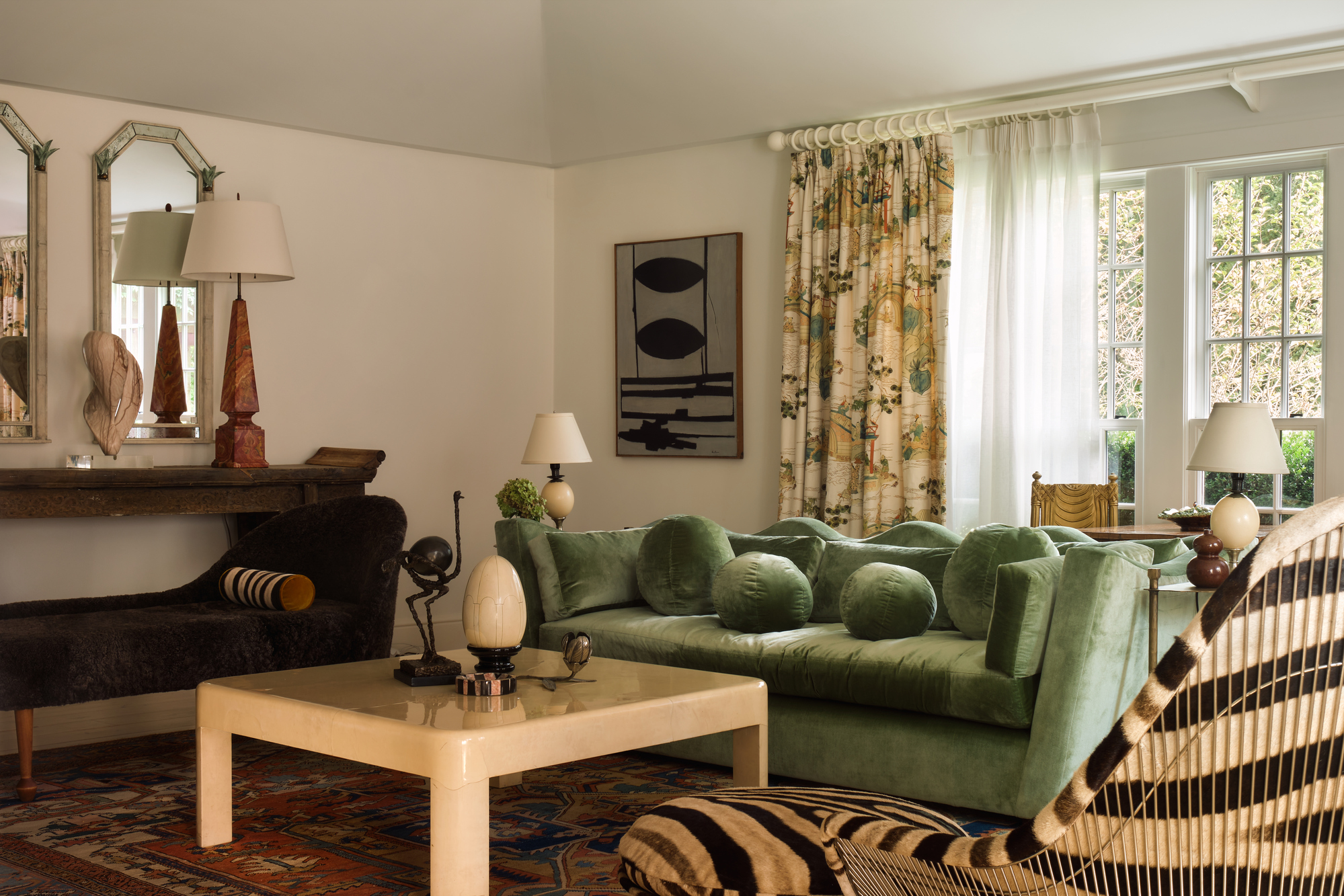
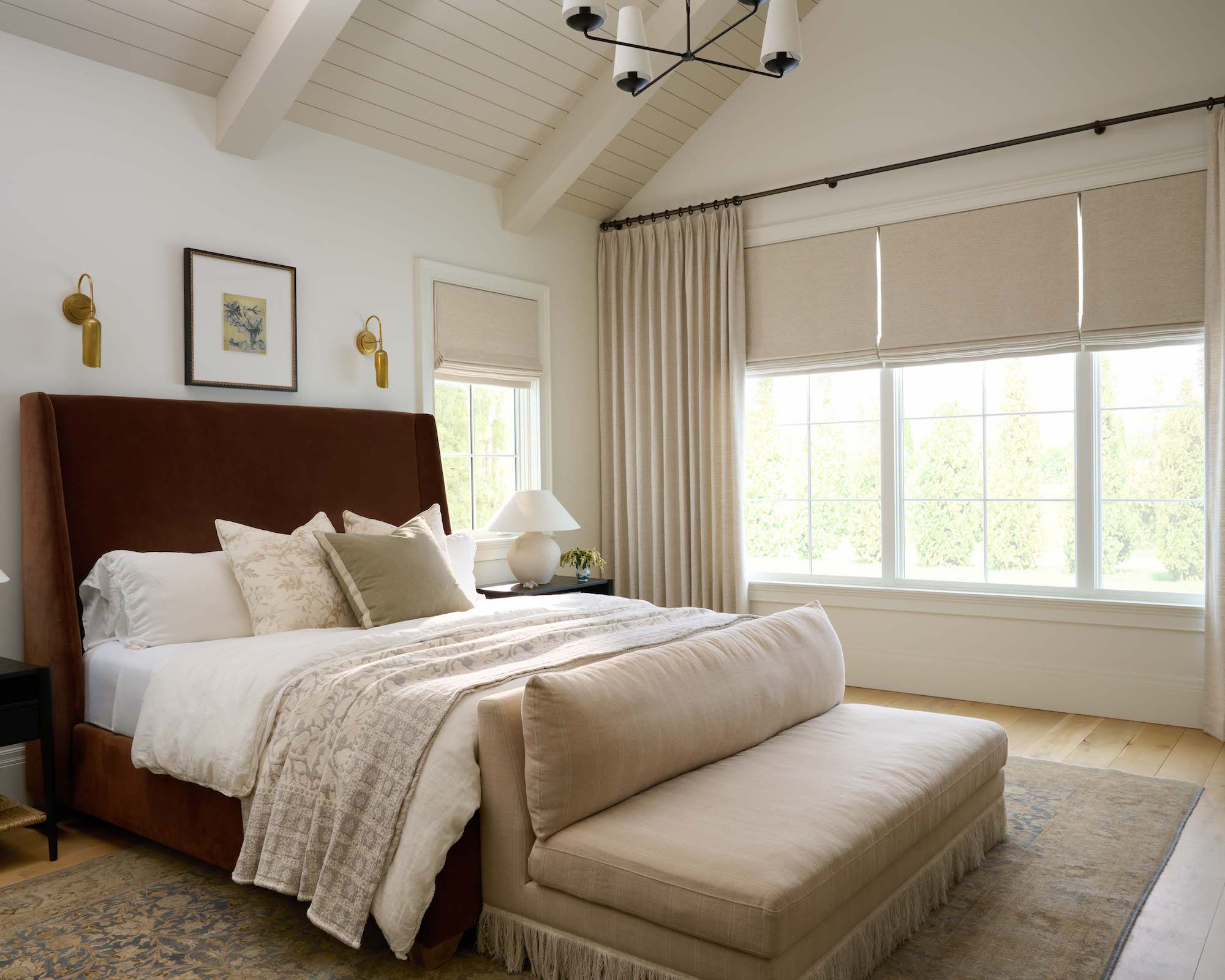
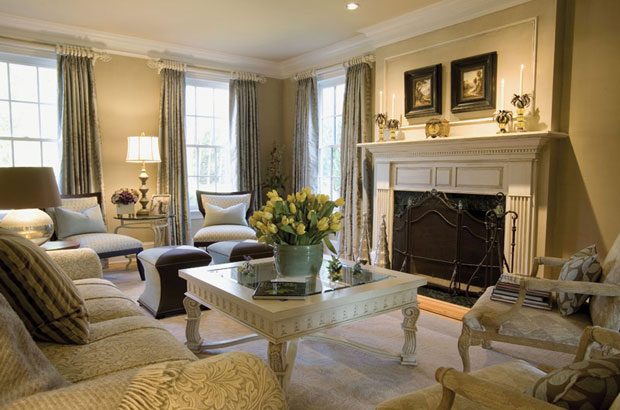
Conversely, drapery, also a soft window treatment, is distinguished by its use of heavier, more formal fabrics such as damask, silk, or velvet. These fabric panels are often lined to provide superior light and temperature control. Weinstock describes drapery as adding a sophisticated dimension to windows, available in a wide array of colors, patterns, and textures. Drapery excels at completely blocking light and offering insulation against temperature fluctuations, making it ideal for privacy and thermal regulation. Miller points out that drapery can significantly enhance a room's finished look, particularly in formal settings. However, the installation and customization of drapery can be complex, often requiring professional expertise due to specific dimensional, architectural, and functional considerations.
In terms of placement, blinds are considered suitable for almost any space due to their sophisticated appearance and effective light control, especially in areas where maintaining clean lines and balance is desired. Drapery is best suited for formal areas like living rooms and bedrooms, where their elegant and romantic appeal can complement the surrounding architecture and furnishings. Curtains, owing to their lightweight material, are ideal for informal spaces such as kitchens and children's rooms, where they can soften the ambiance and add an attractive decorative touch. The choice between these window treatments ultimately depends on the desired level of light control, privacy, insulation, and the overall aesthetic goal for each room.
#WindowTreatments #HomeDecor #InteriorDesign #Blinds #Curtains #Drapery #LightControl #RoomAesthetics #HomeImprovement #WindowTreatments #HomeDecor #InteriorDesign #Blinds #Curtains #Drapery #LightControl #RoomAesthetics #HomeImprovement
0 comment in total
 No comments yet
You may also like
Should you choose drapes or blinds? We asked interior designers which window treatment is best

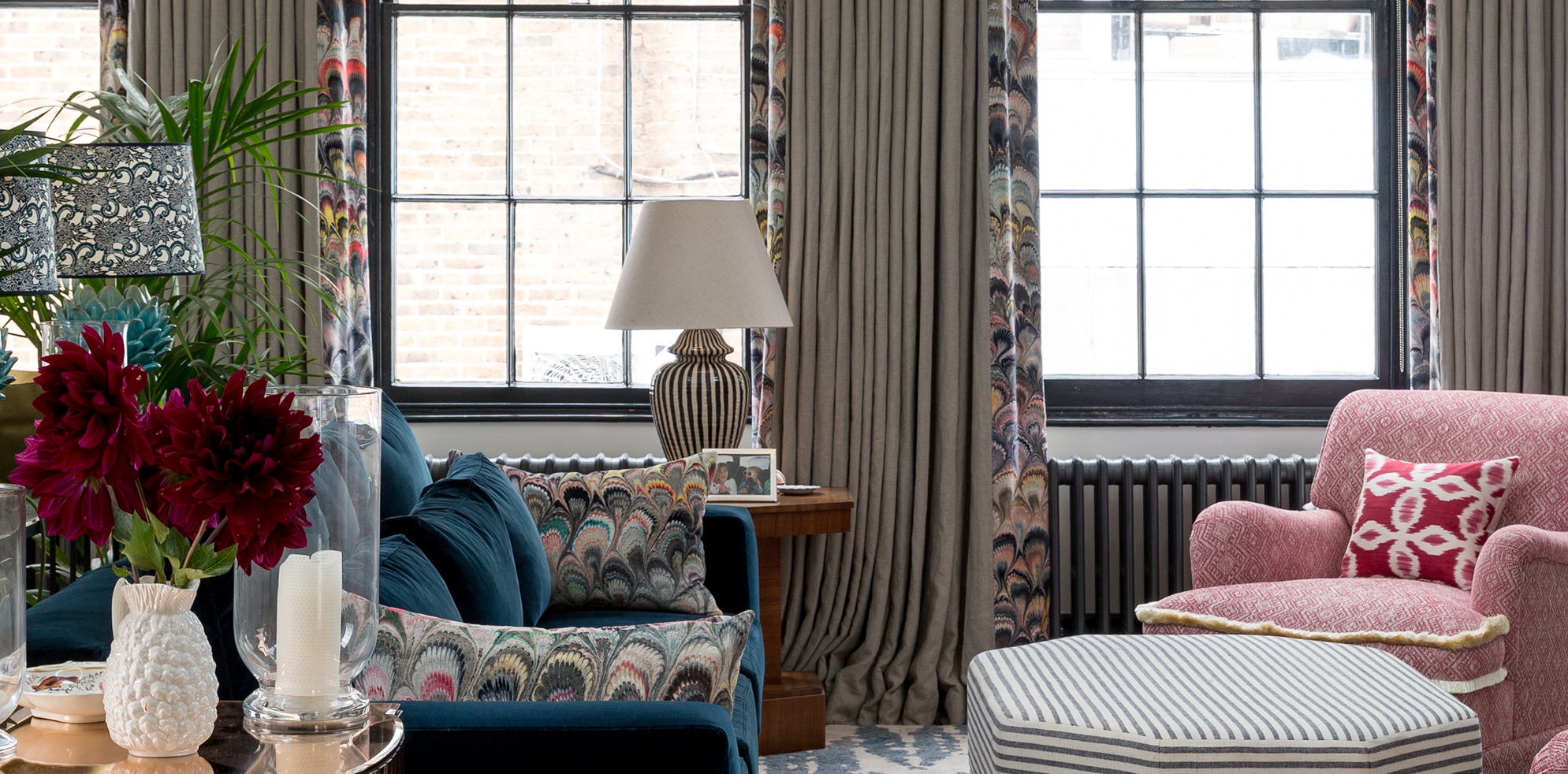
An easy add-on to your curtains makes rooms look expensive - designers explain

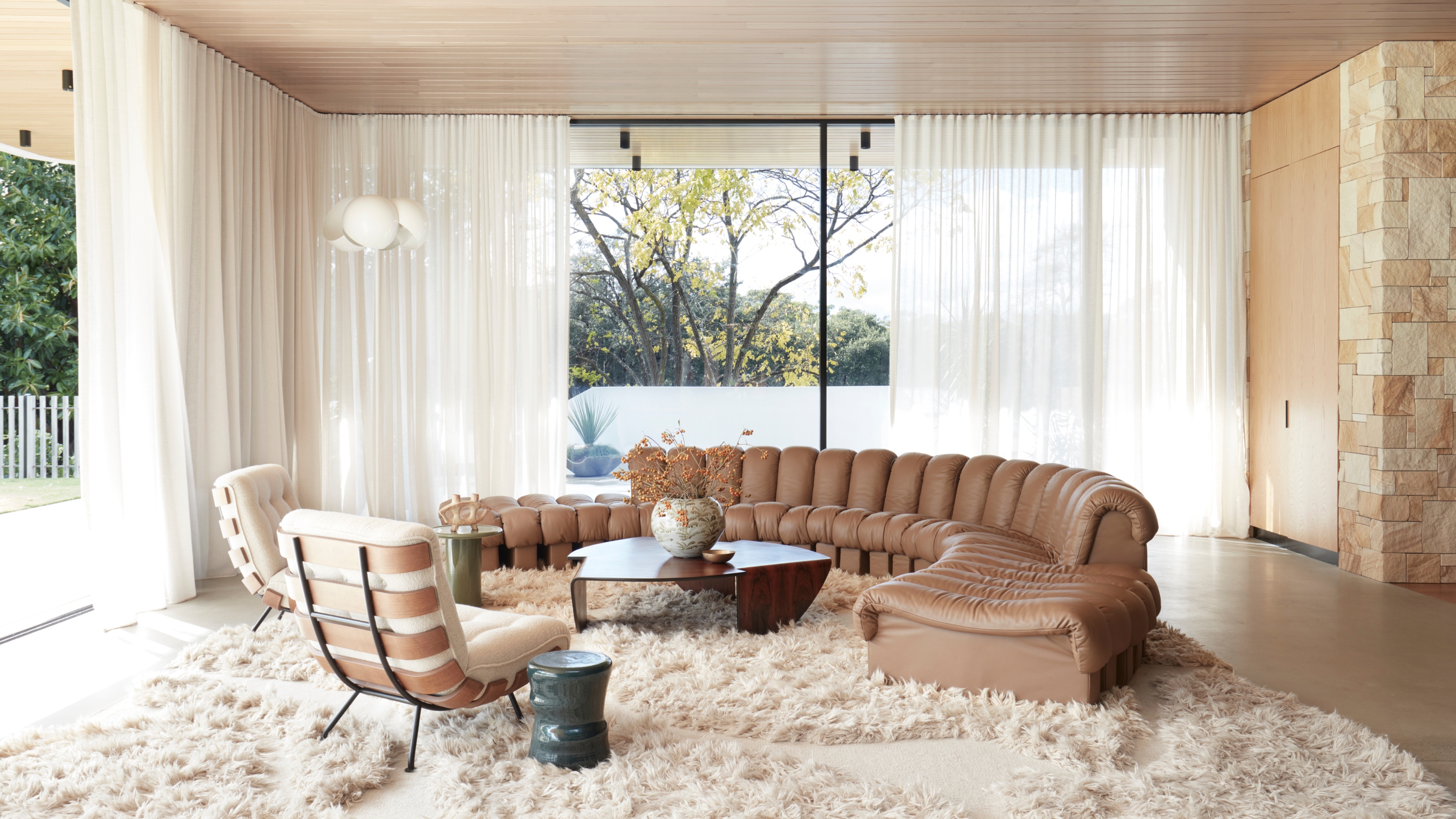
Are Curtains Out of Style? Of Course Not, but Some Designs Will Date Your Space Faster — Here's What to Know
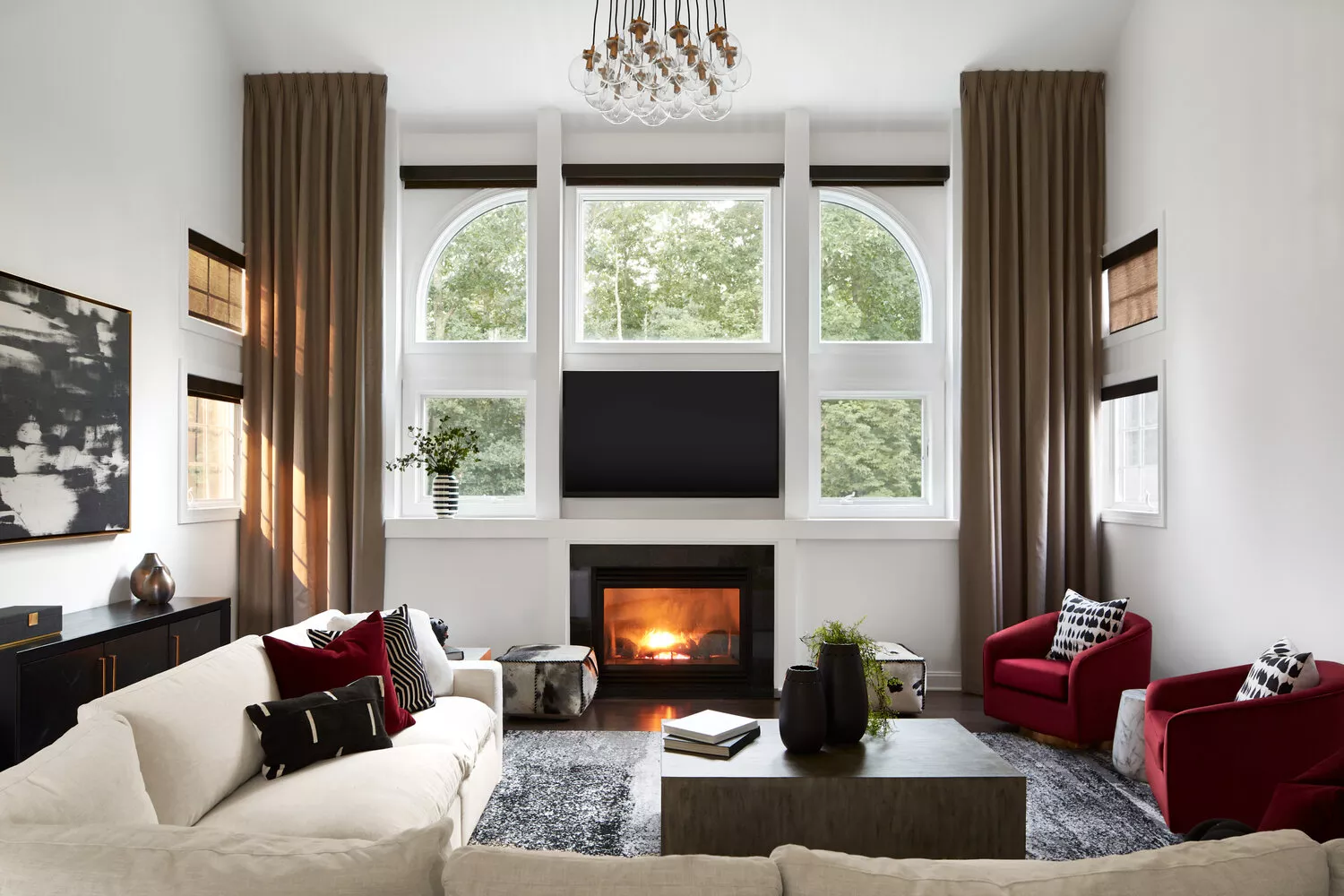
How to Choose Curtains for Your Home the Right Way

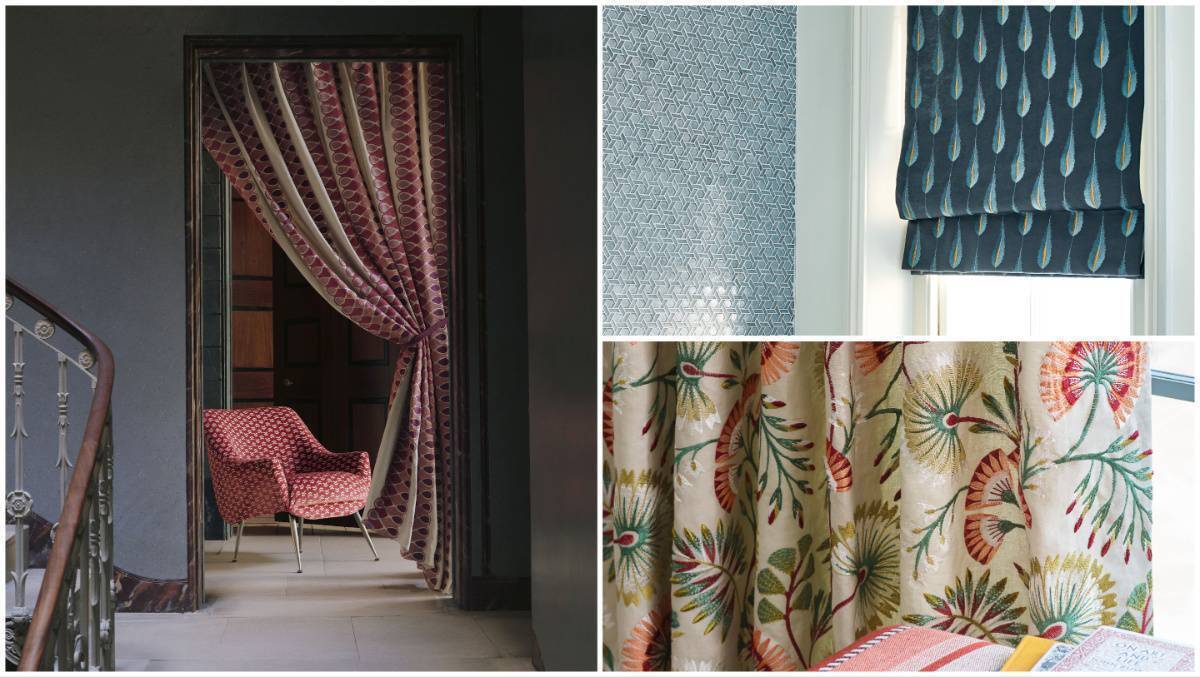
Curtain call: How to choose window treatments

The Very Best Window Curtains

Is There A Difference Between Curtains And Drapes?
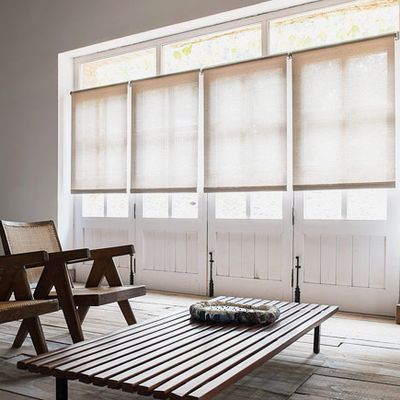
The Best Window Curtains and Shades, According to Interior Designers
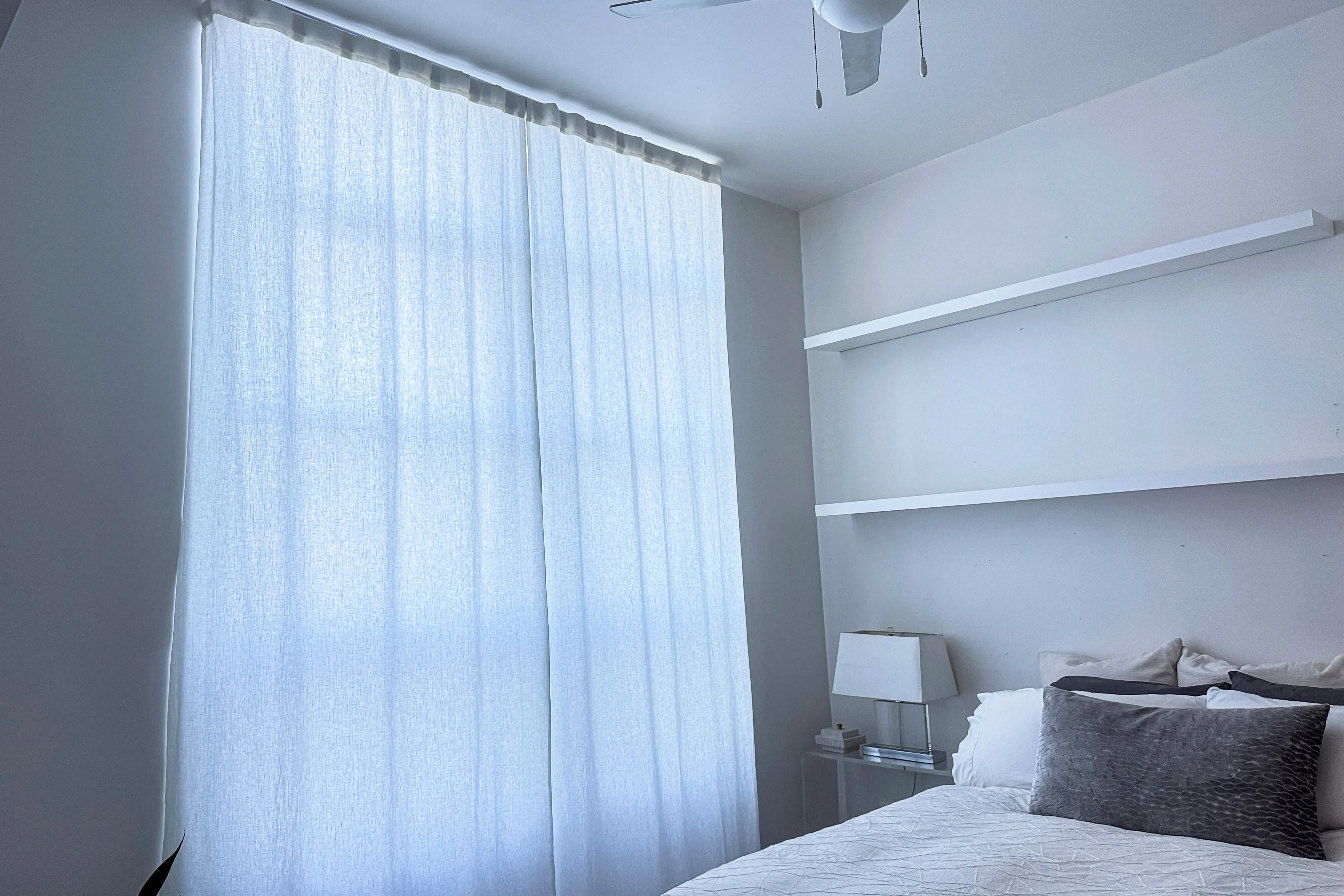
The Best Curtains for Every Style and Light Level, Tested by BHG


How to Hang Drapery (Published 2023)

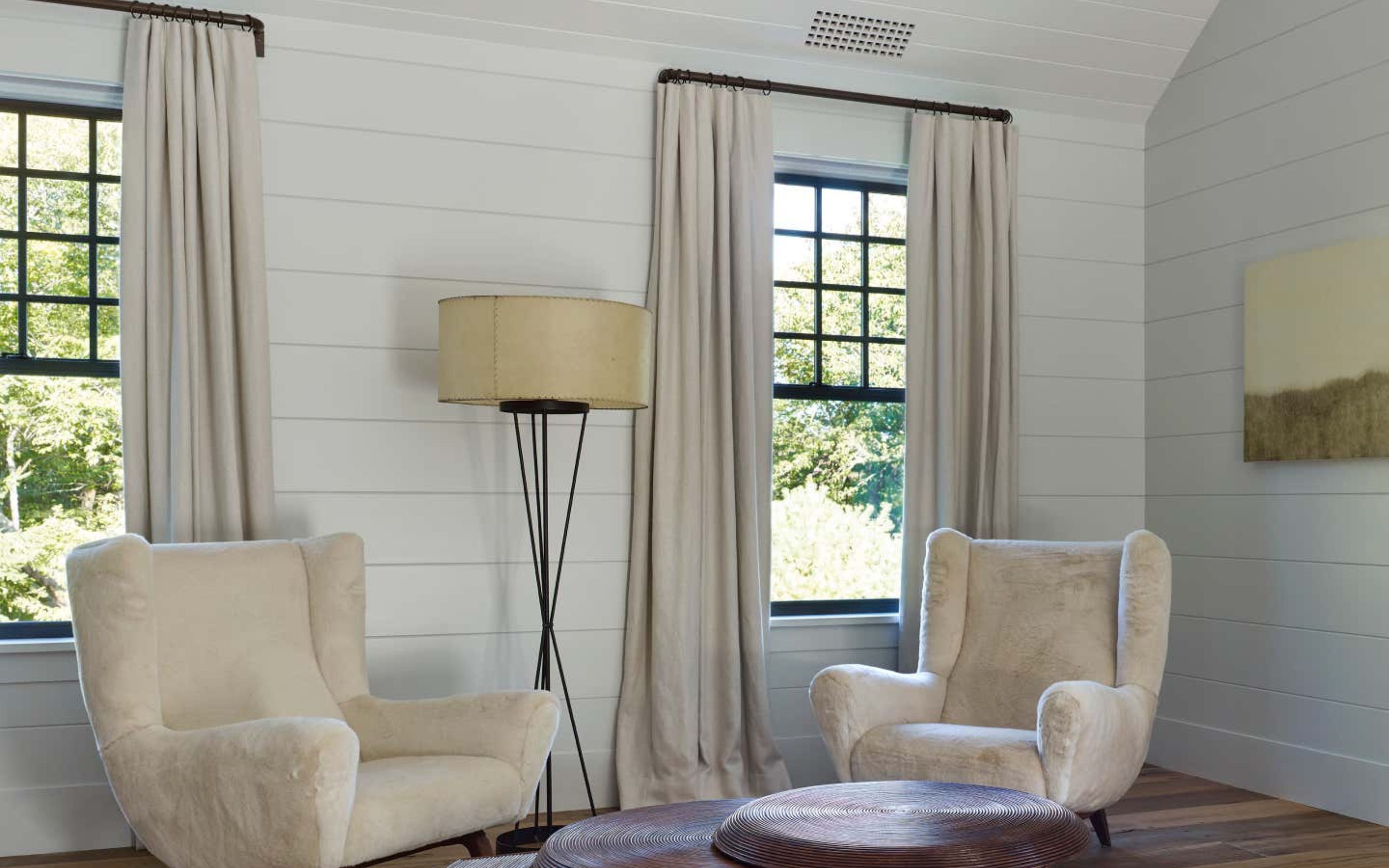
5 finishing touches that will elevate your curtains and make them look a hundred times better
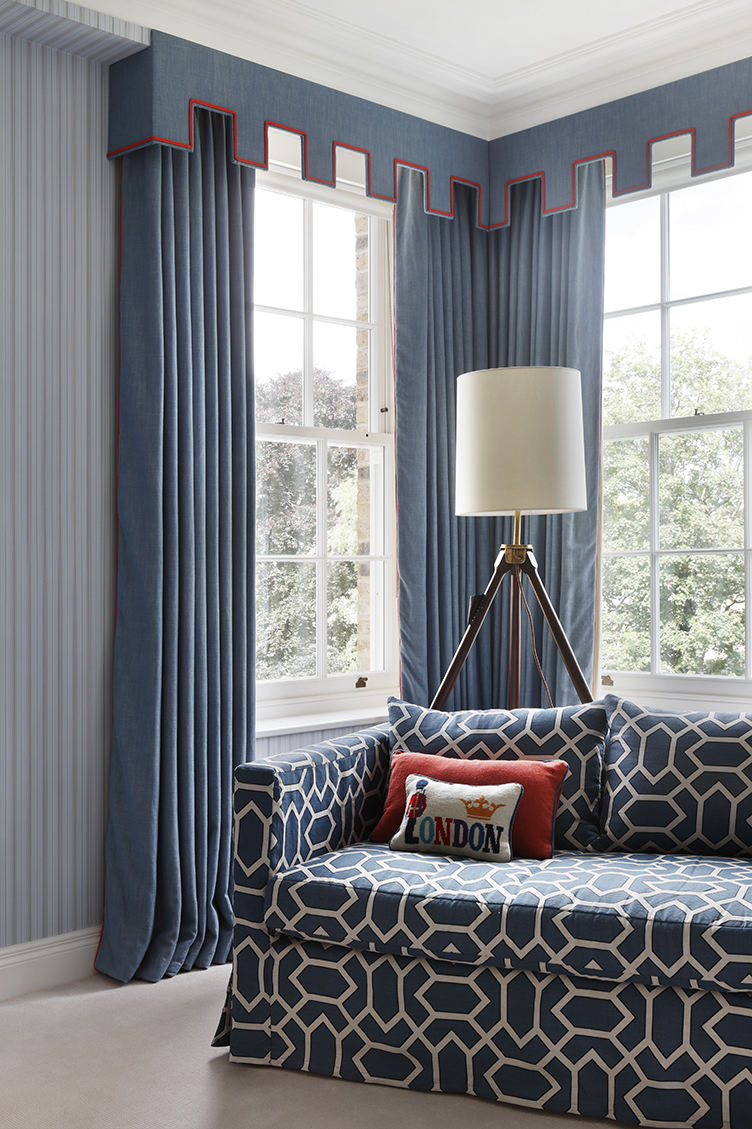
13 curtain ideas and styles to help you pick the best drapes for your room
Curtain Call: Choosing Window Treatments
No More of These, Please — 4 Outdated Window Treatments Designers Don't Want to See You Using Anymore
Do curtains need to match? Interior designers share whether it's best to clash or compliment
"Should All My Window Treatments Match?" Here's How Designers Decide, and Make It Work Either Way
The 7 best places to buy curtains, with interior designer tips

Once-Popular Window Treatments That Are Now Dating Your Home

Window blinds, shutters and curtains: top trends for 2017

7 Window Treatment Mistakes You Might Be Making