1/9
Shutters vs blinds – what you need to know to dress windows beautifully and practically
This article explores the ongoing debate between shutters and blinds as window treatments, offering insights from interior design professionals to help homeowners make informed decisions. Both options provide aesthetic appeal and practical benefits, including light control, privacy, and style enhancement. The discussion delves into several key aspects to consider when choosing between them: textural appeal, budget implications, ease of installation, overall style results, and maintenance needs.
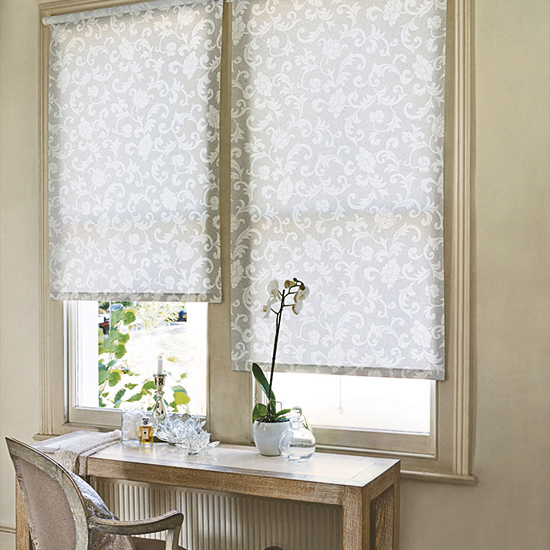
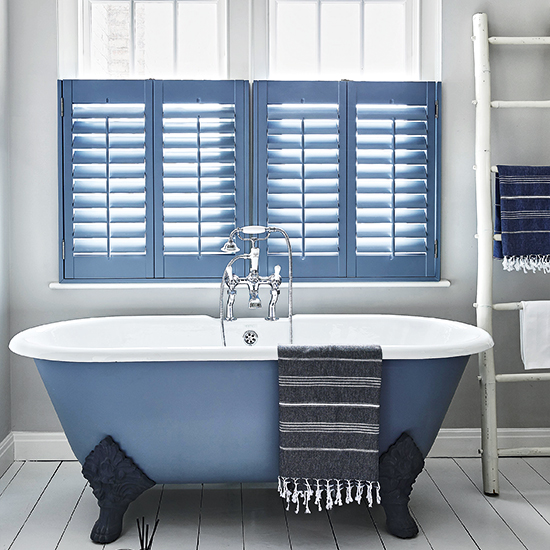
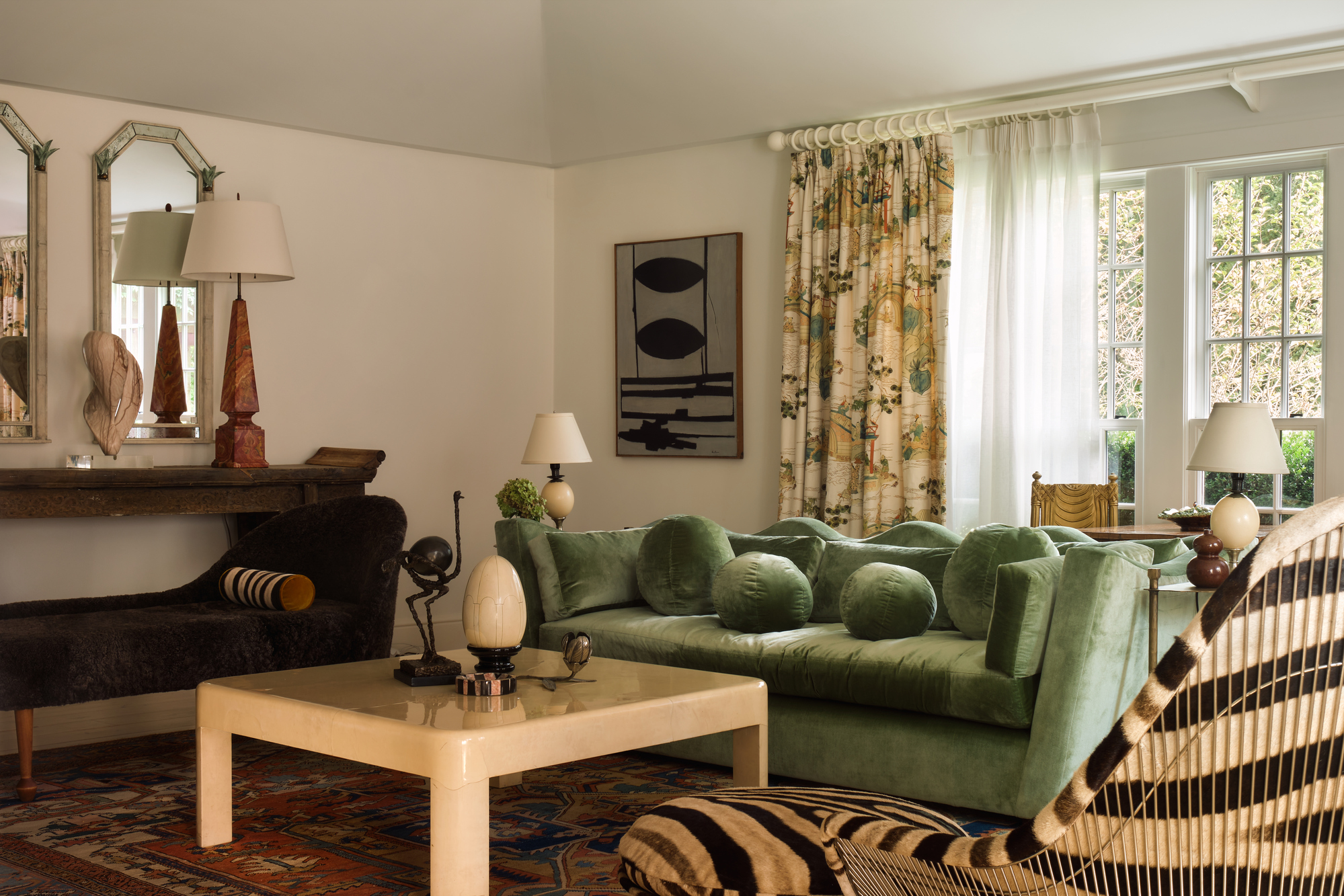
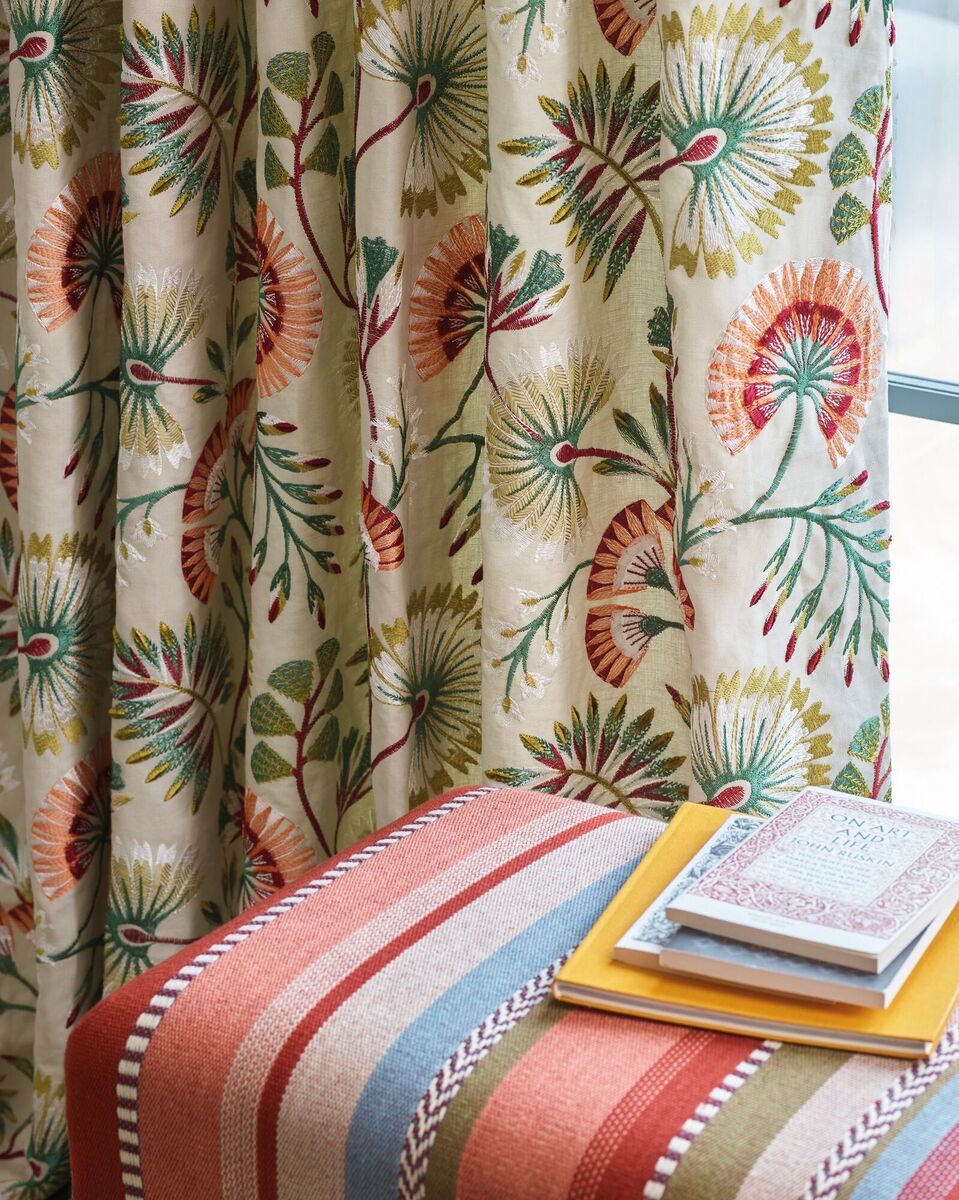
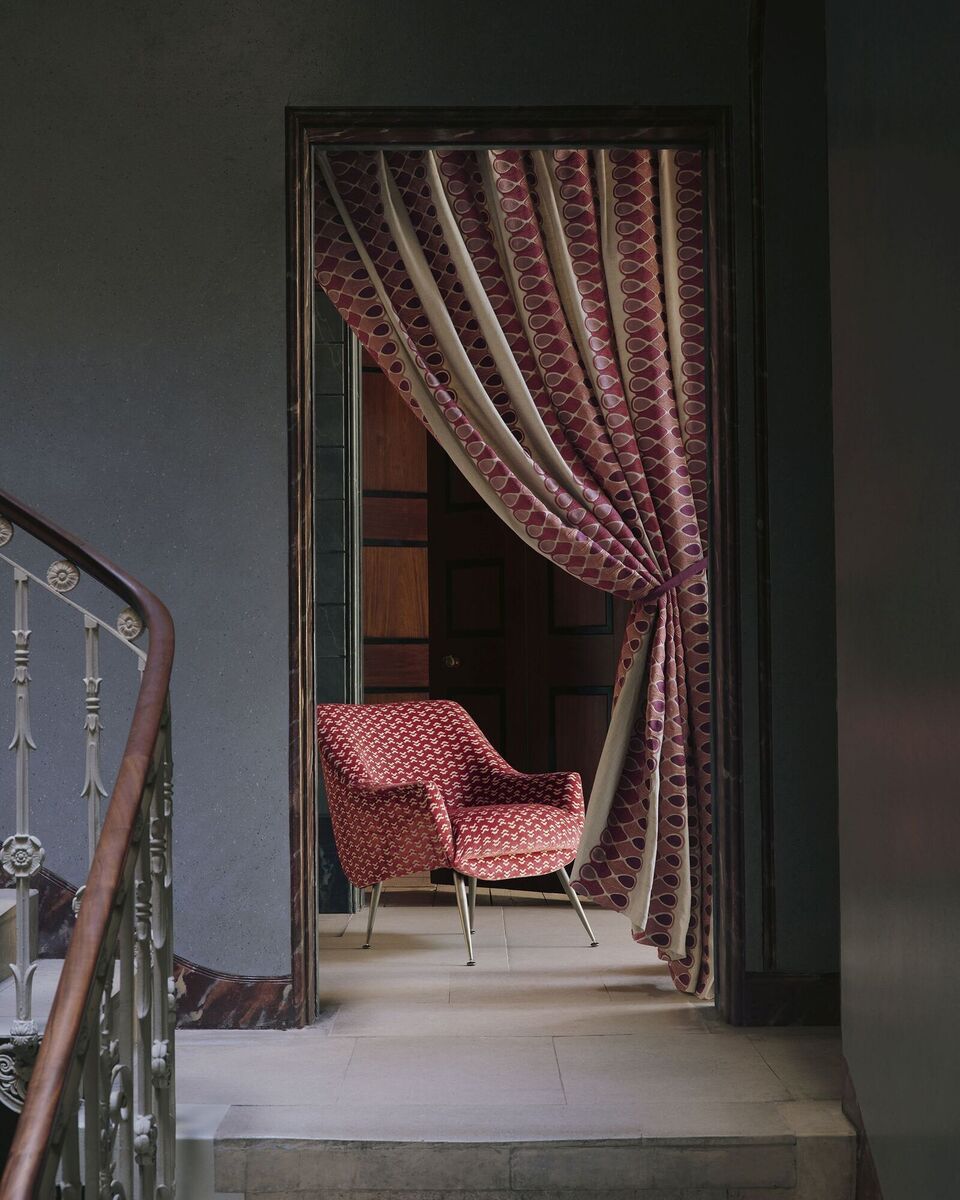
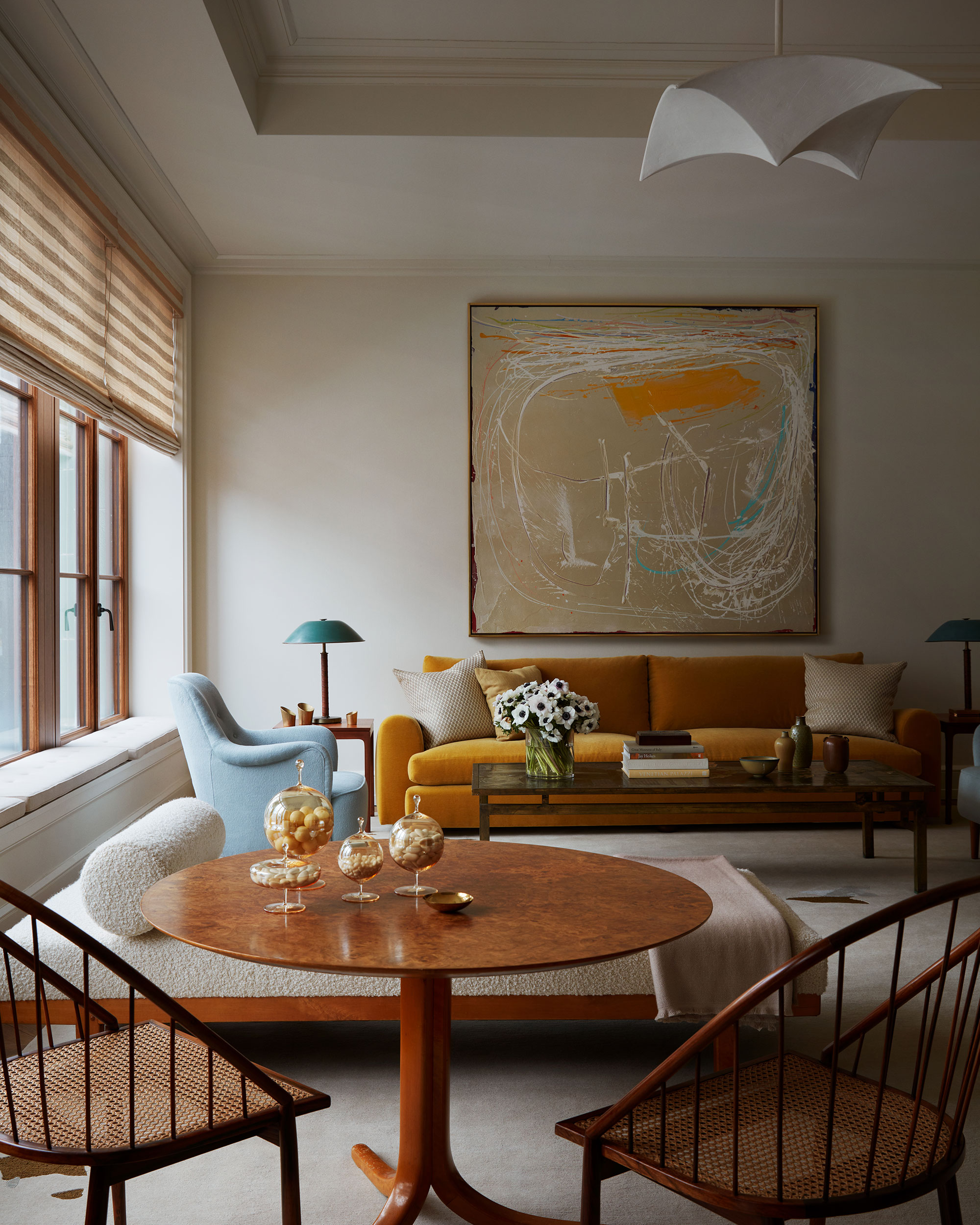
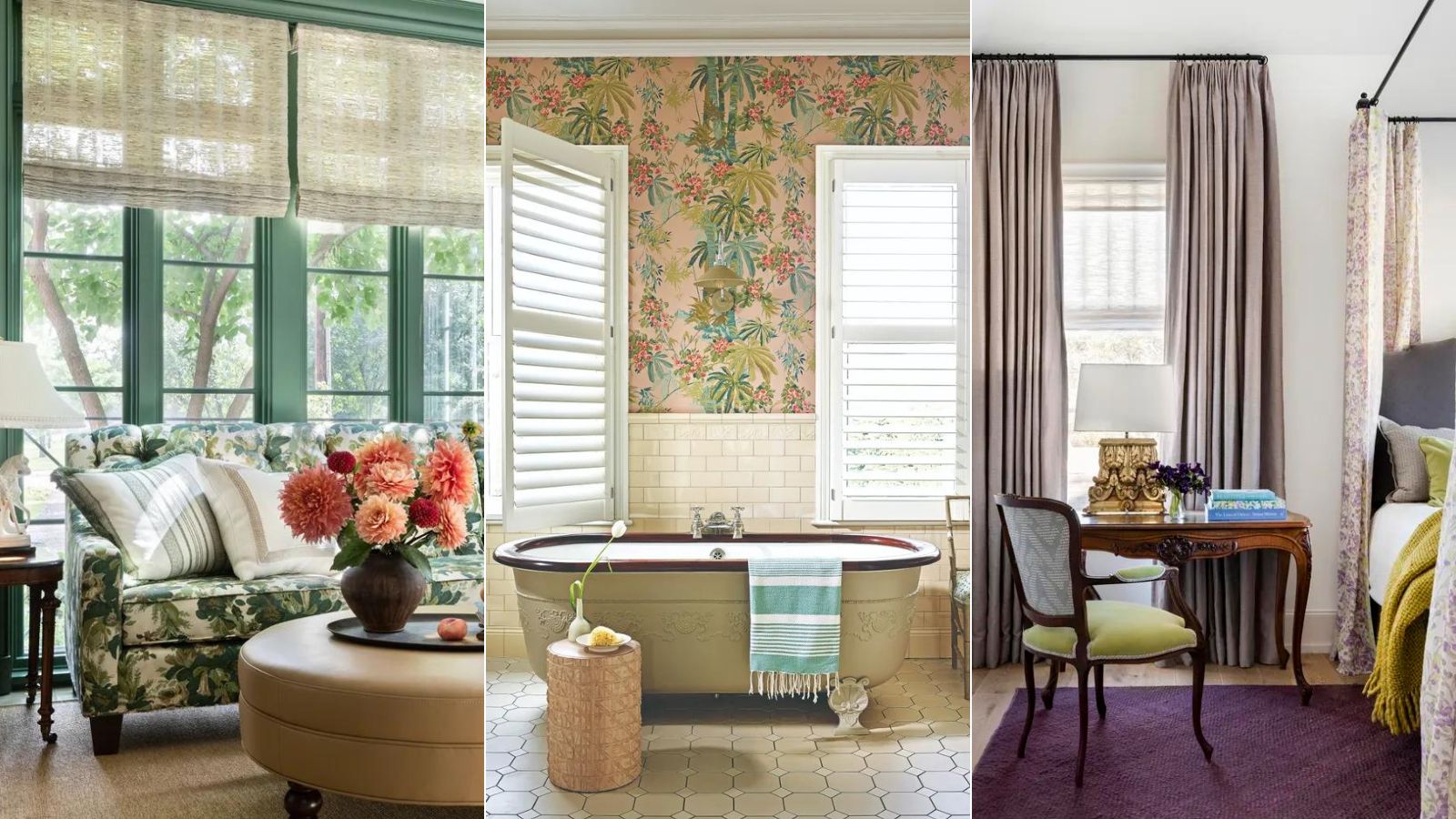
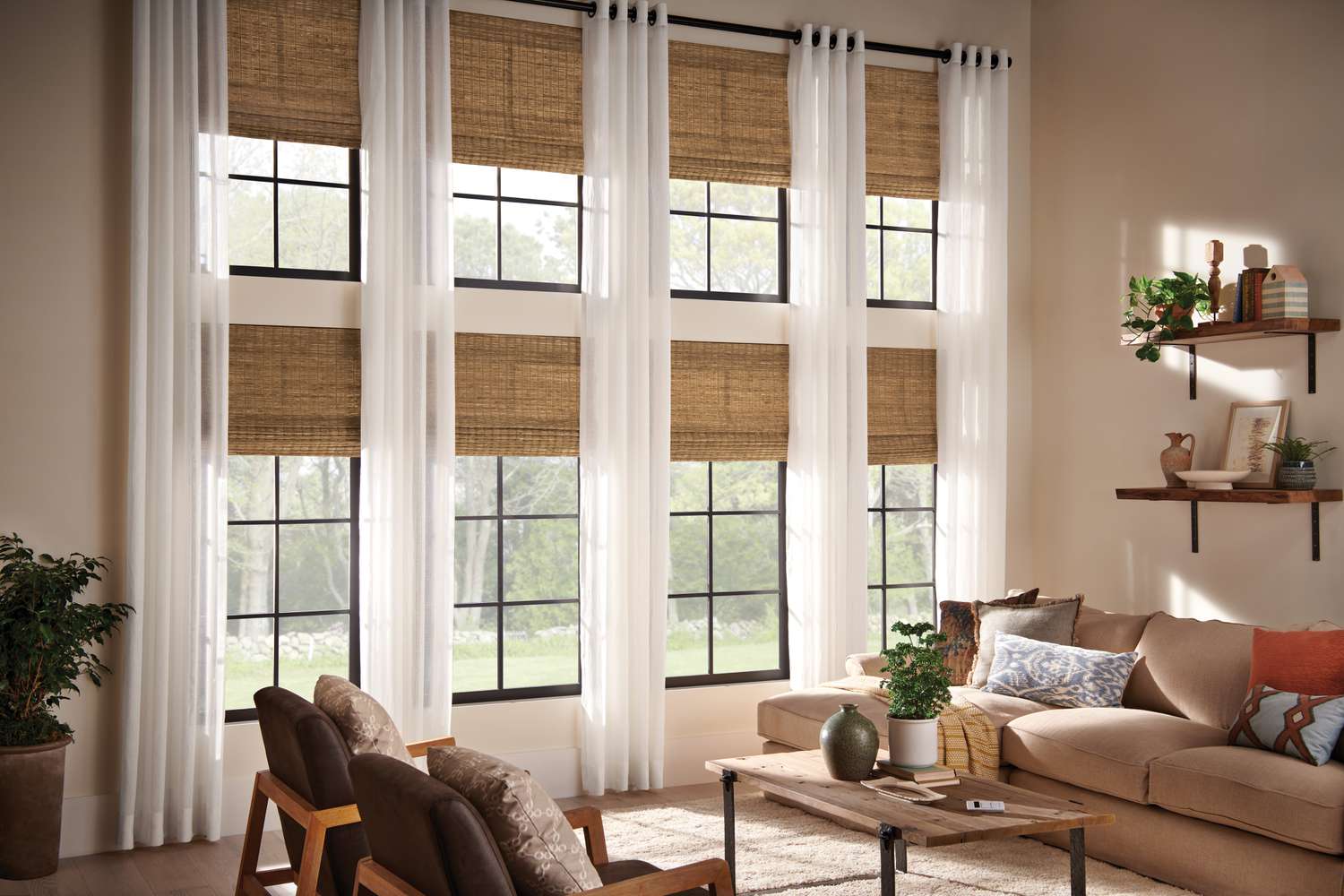
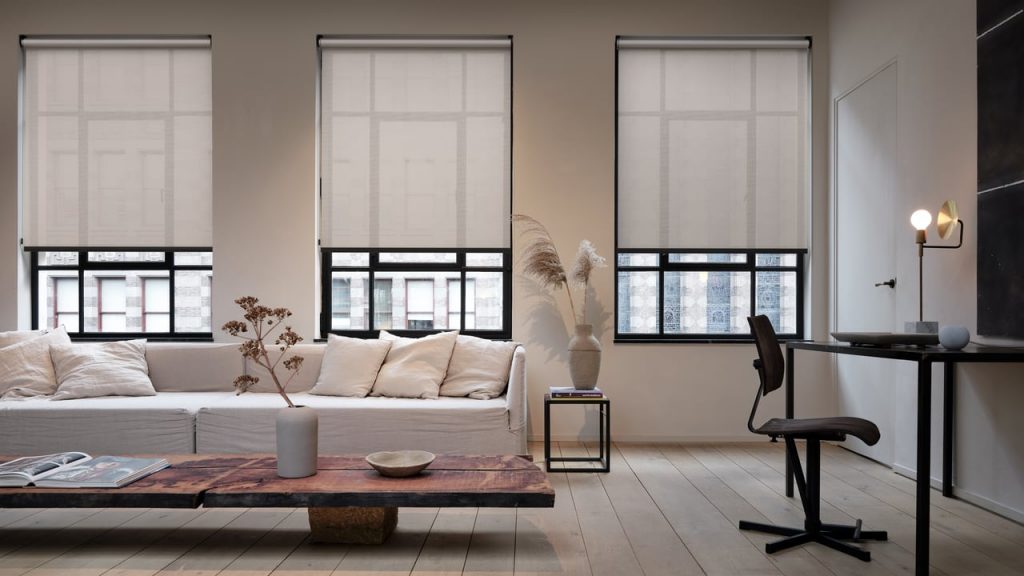
Regarding textural appeal, some designers advocate for blinds, particularly grass shades, over shutters. They suggest that blinds offer a softer aesthetic and allow for greater layering with drapes, introducing more texture and fabric into a room. Shutters, conversely, are sometimes perceived as colder and limiting in terms of design flexibility, as they don't easily accommodate additional fabric layers.
Budget is a significant factor. While both shutters and blinds come in various materials, the cost typically differs. Vinyl composite shutters are generally less expensive than wood, but shutters as a category are often pricier than blinds. However, shutters are presented as an investment that can add value to a home, with a potential return on investment as high as 75%. Blinds, including aluminum, wood, and faux wood varieties, are considerably more budget-friendly, especially aluminum options.
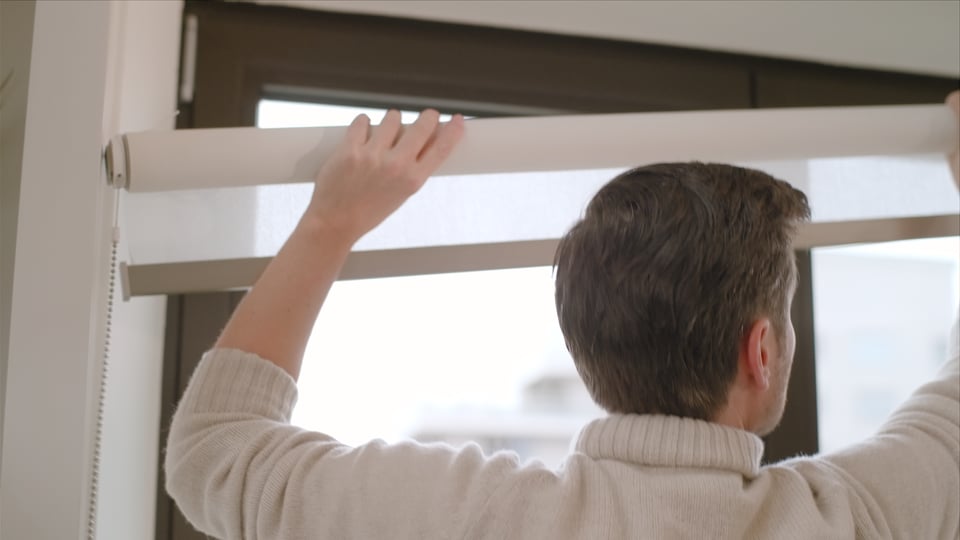
Installation ease is another point of comparison. Plantation shutters require precise measurements and specialized tools for proper fitting, making them more complex to install. Blinds, on the other hand, are typically easier to install due to pre-drilled holes and minimal tool requirements.
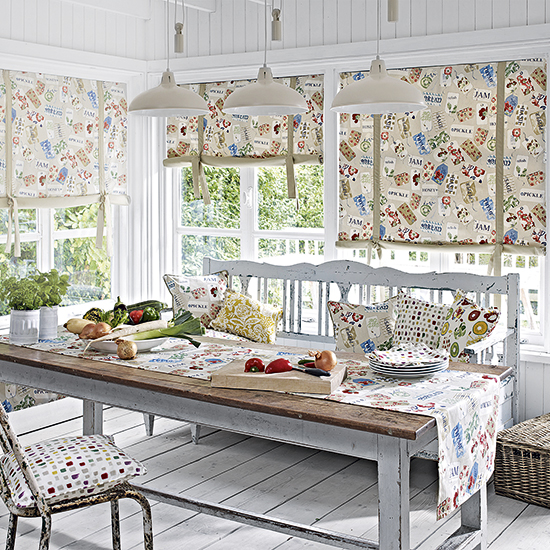
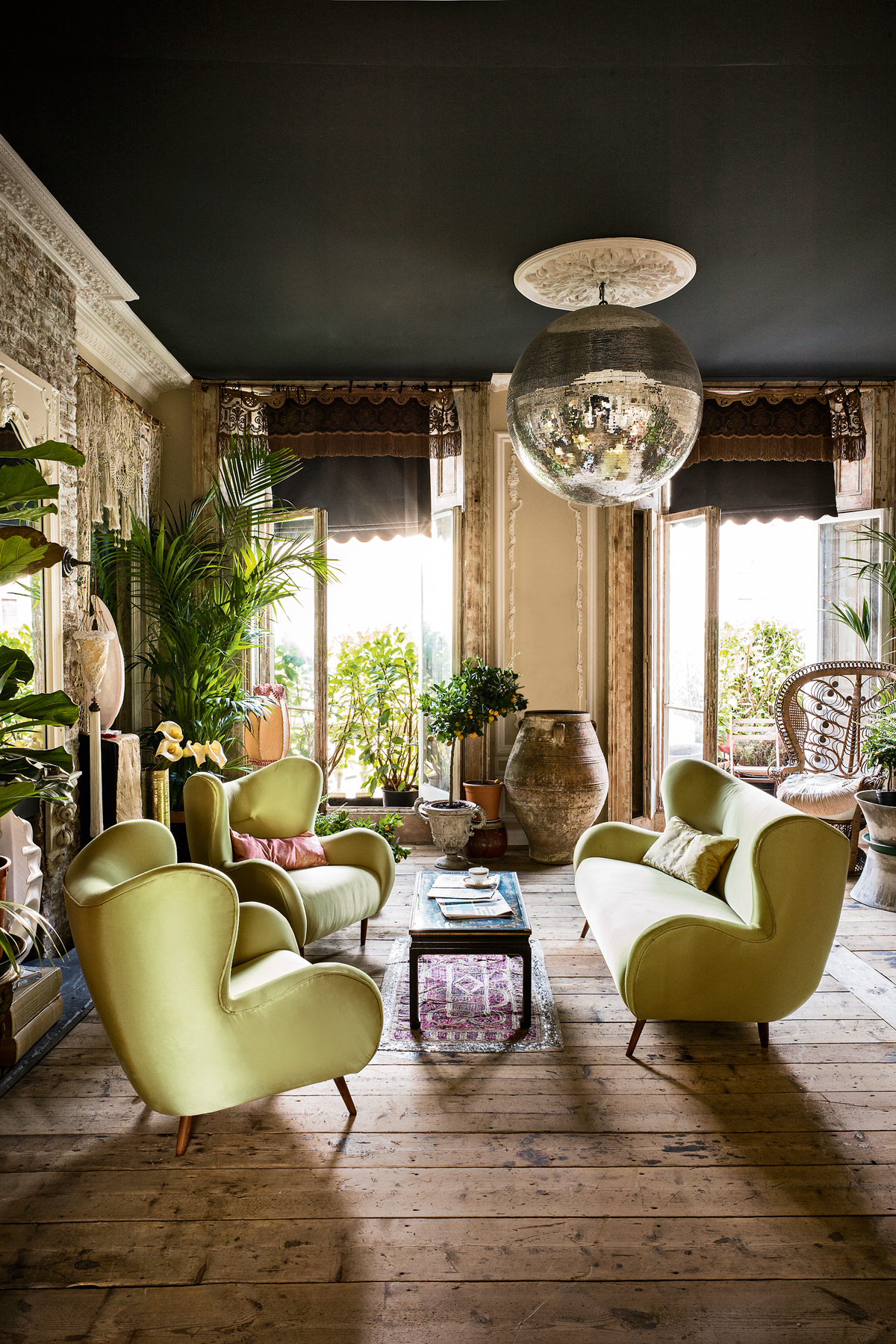
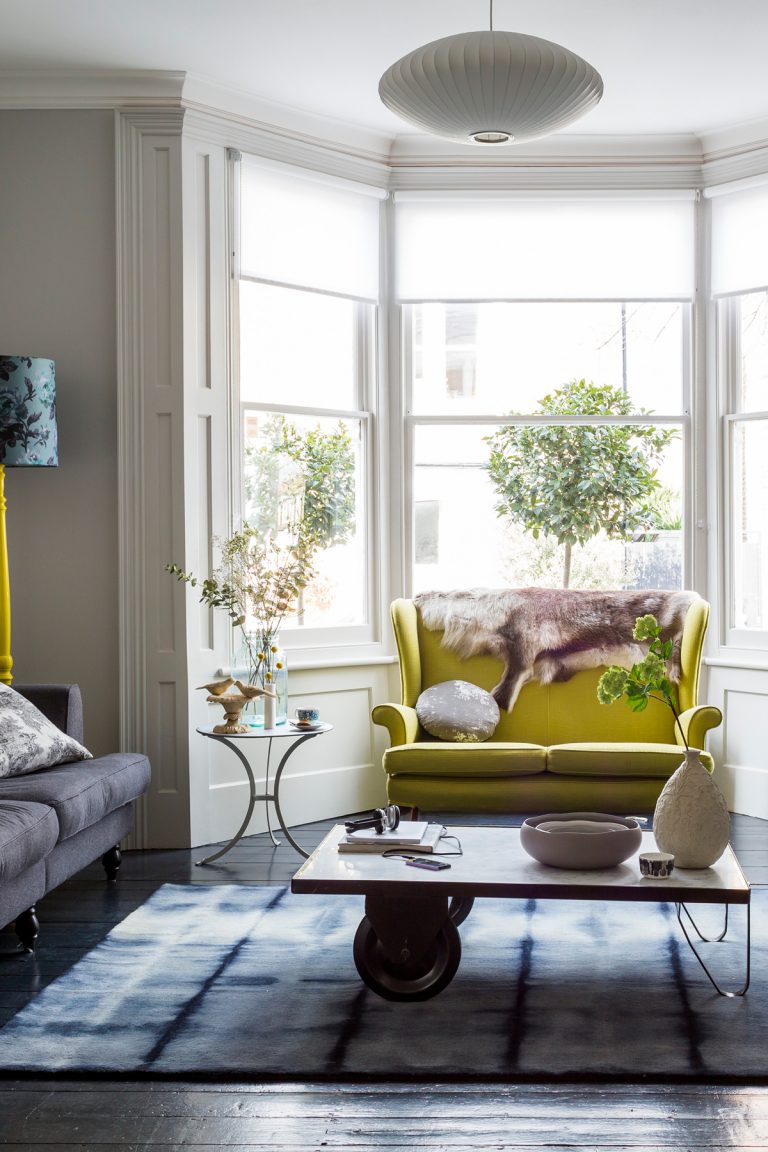
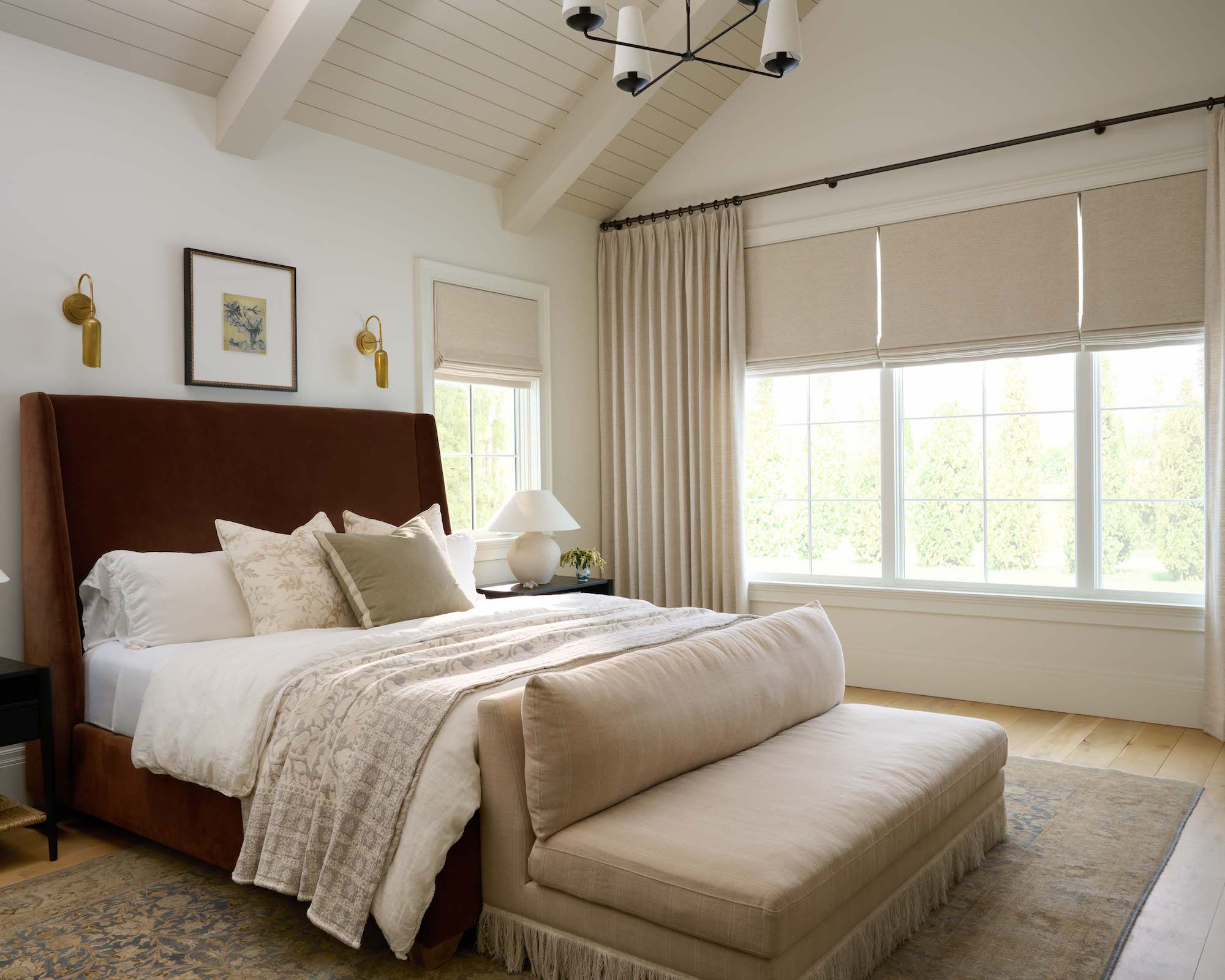
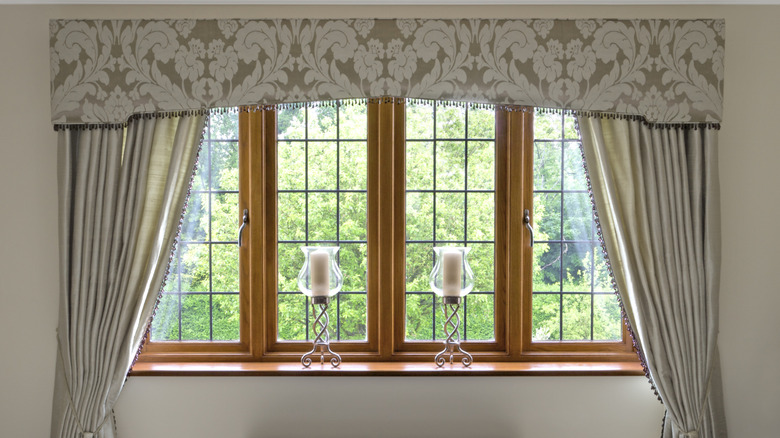
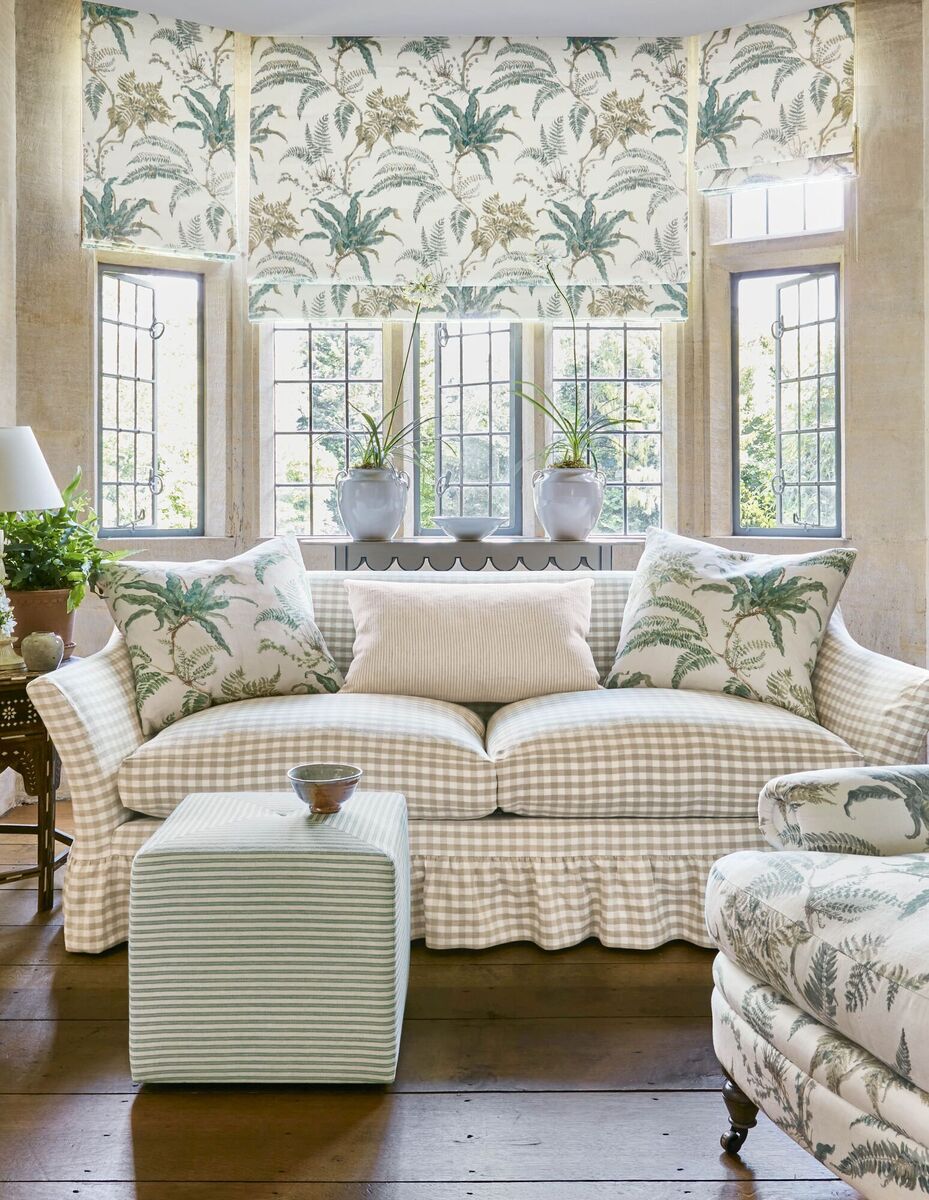
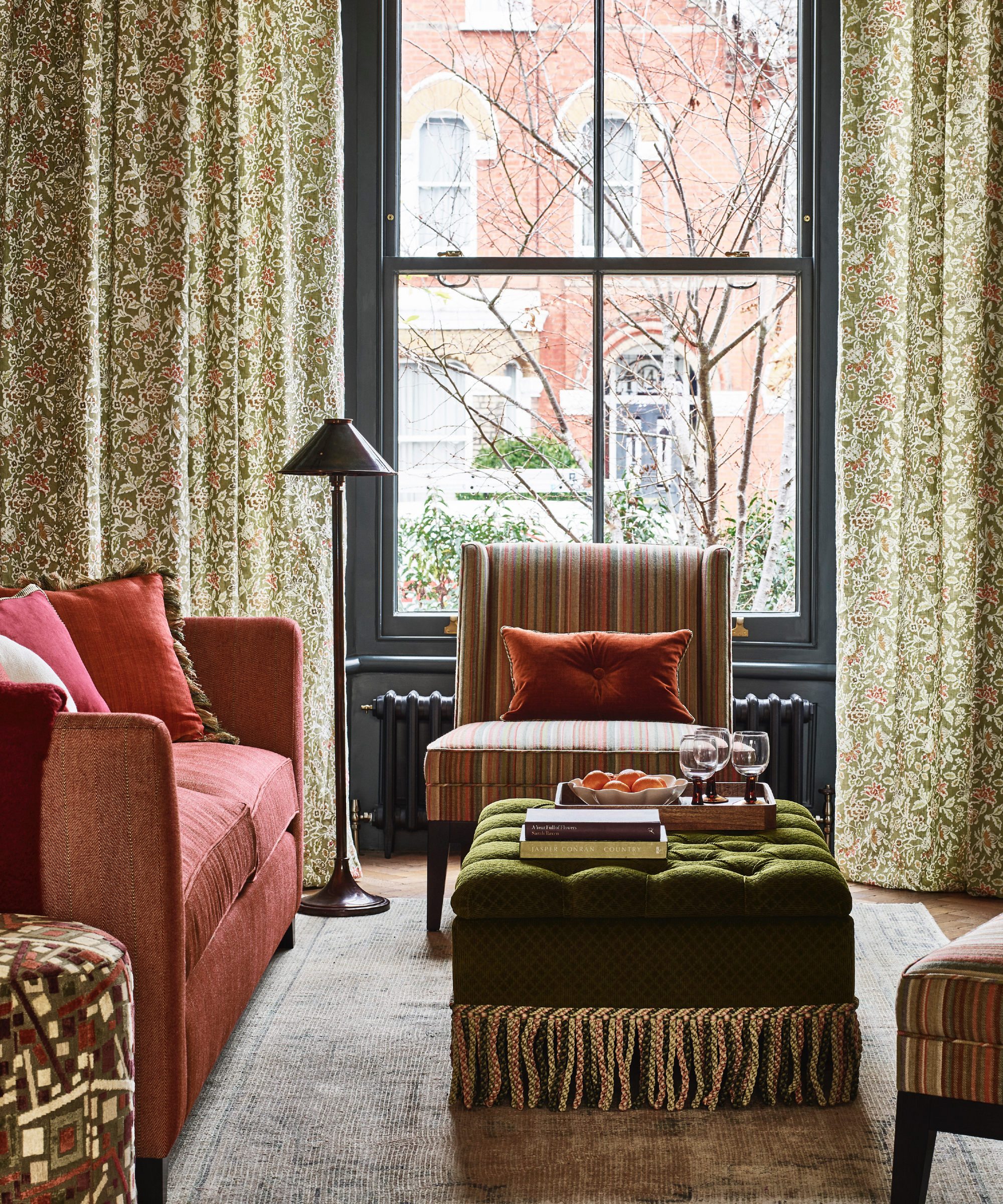
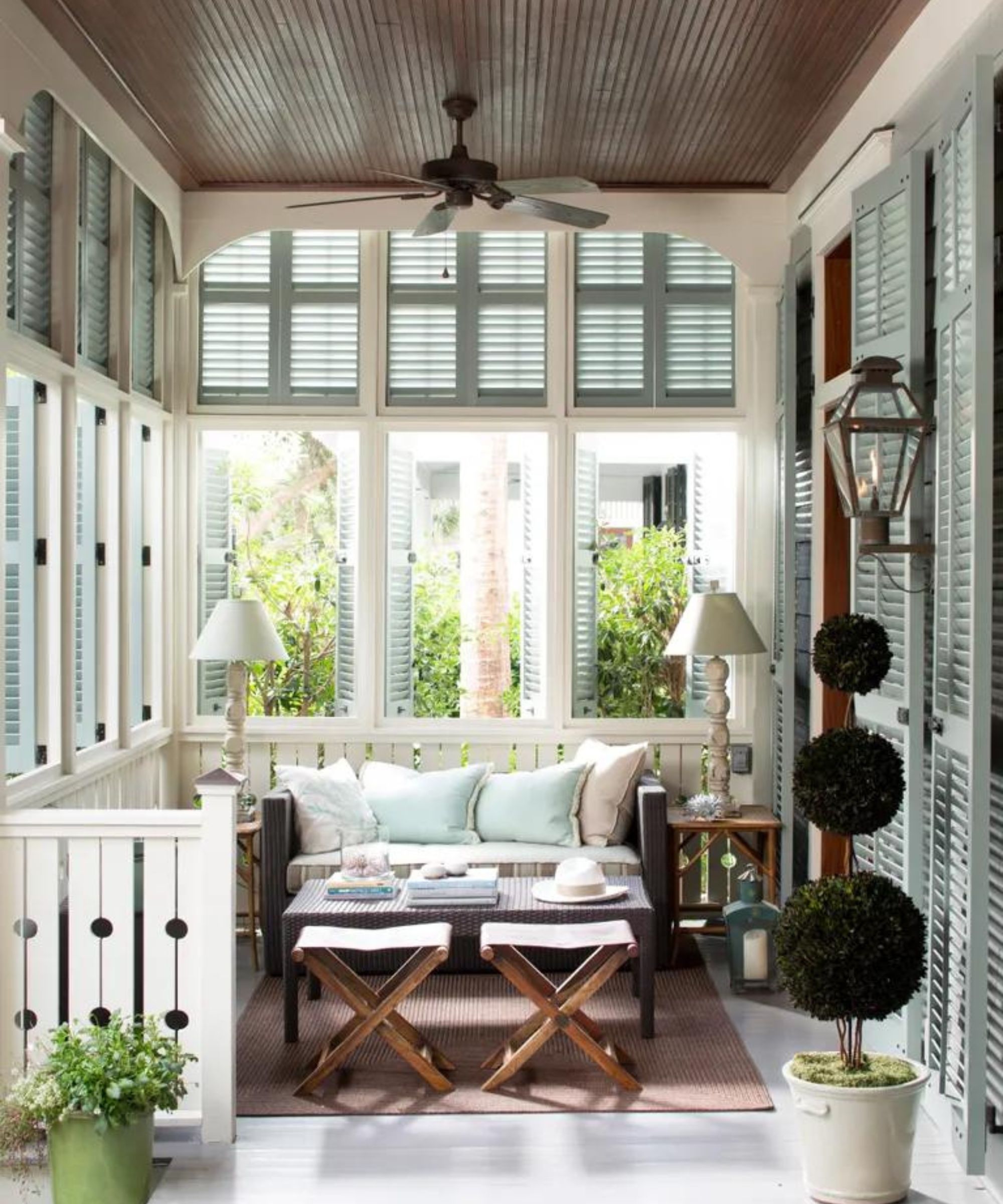
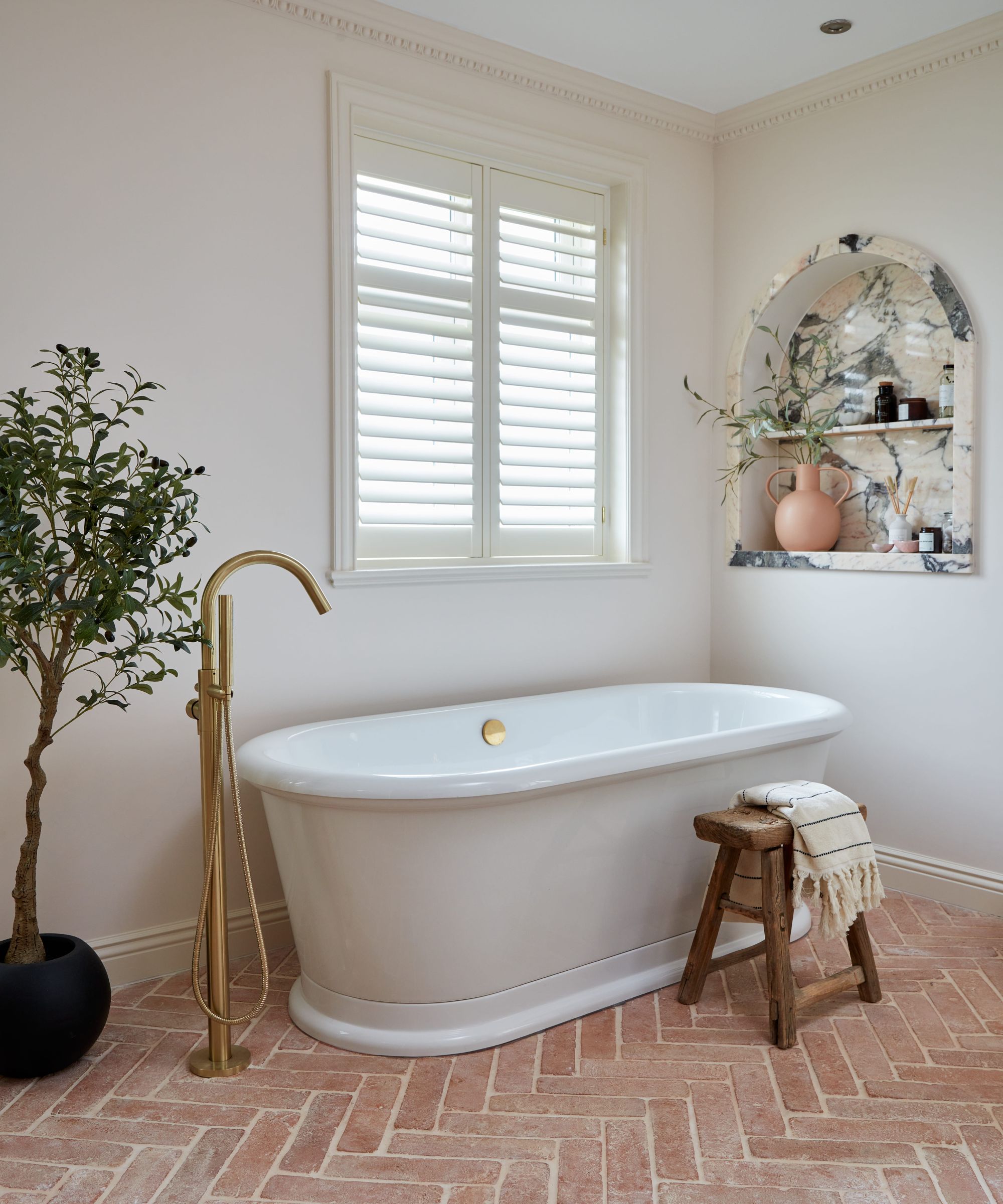
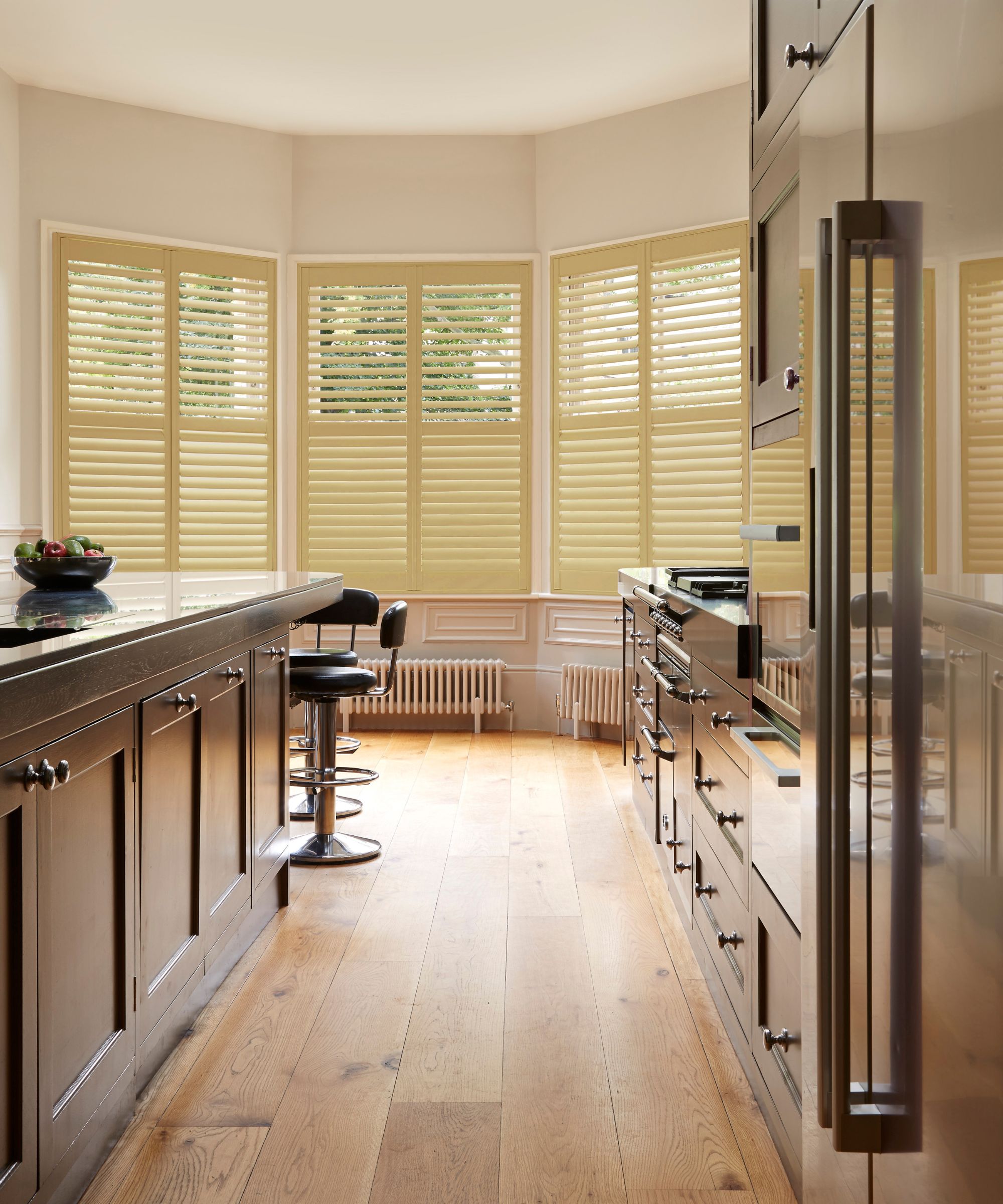
From a style perspective, wood shutters can impart a rich, warm tone, similar to wood flooring. The slat size of both shutters and blinds influences the aesthetic, with larger slats generally lending a more modern look. Blinds offer the advantage of layering with drapery side panels, valances, and cornice treatments, allowing for added pattern, softness, and visual interest without affecting functionality. This layering capability is often seen as a significant design benefit of blinds.
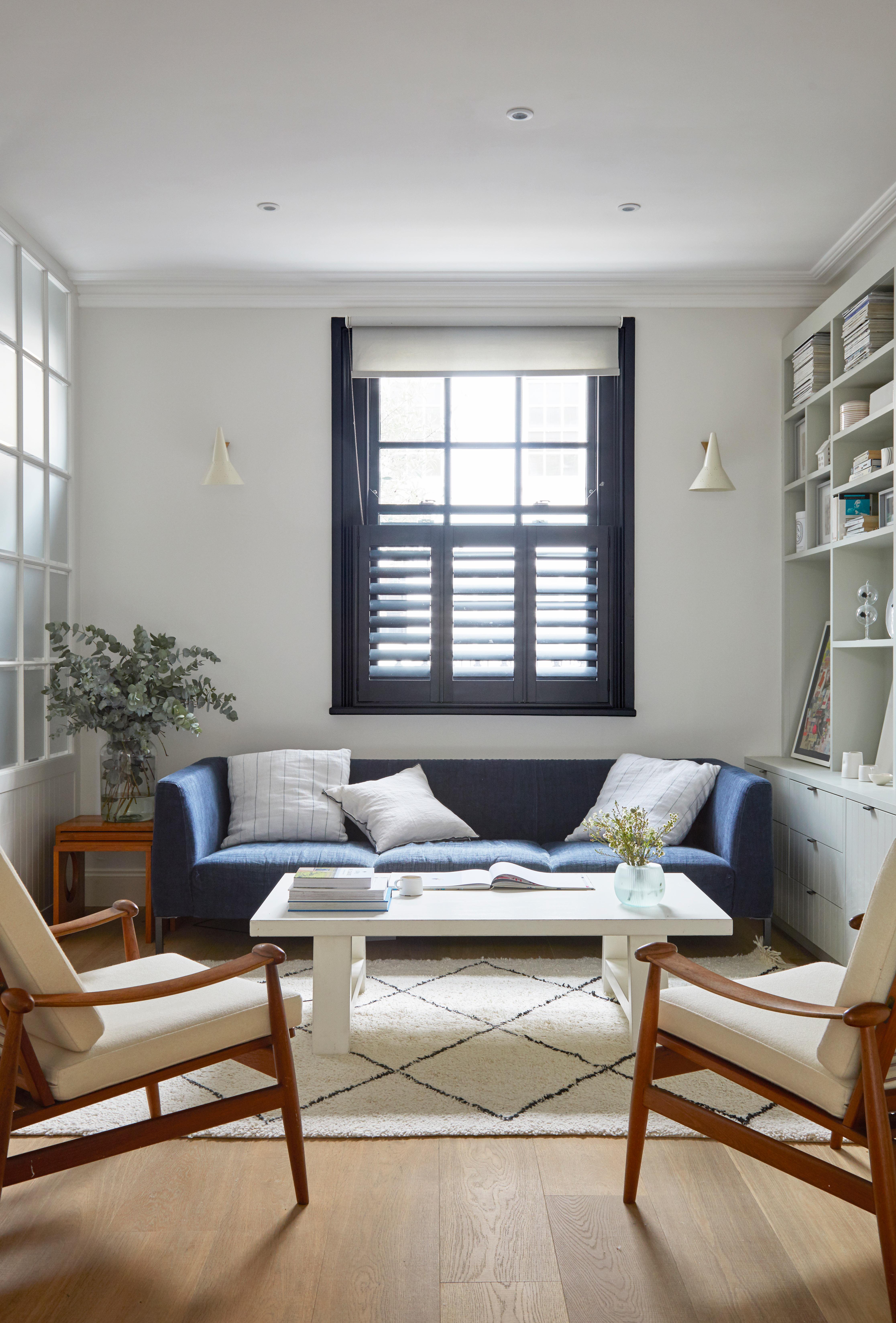
Maintenance is also considered, with experts noting that shutters are generally easier to clean and maintain than blinds, especially those with thin slats, which tend to accumulate more dust. Shutters can be wiped down easily, making them a preferred choice for some due to their low-maintenance nature.
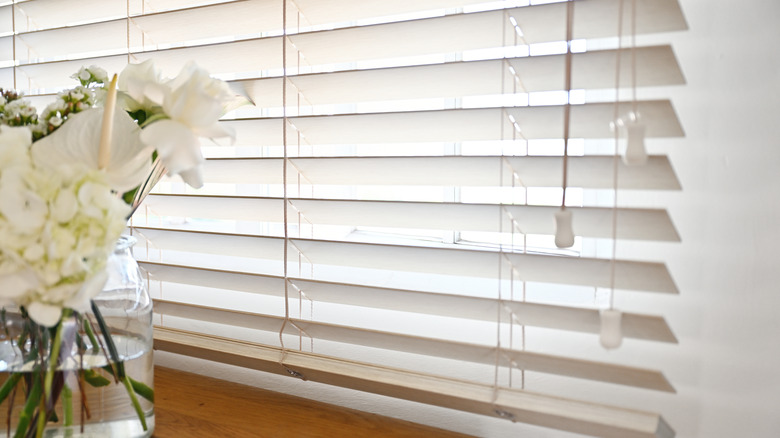
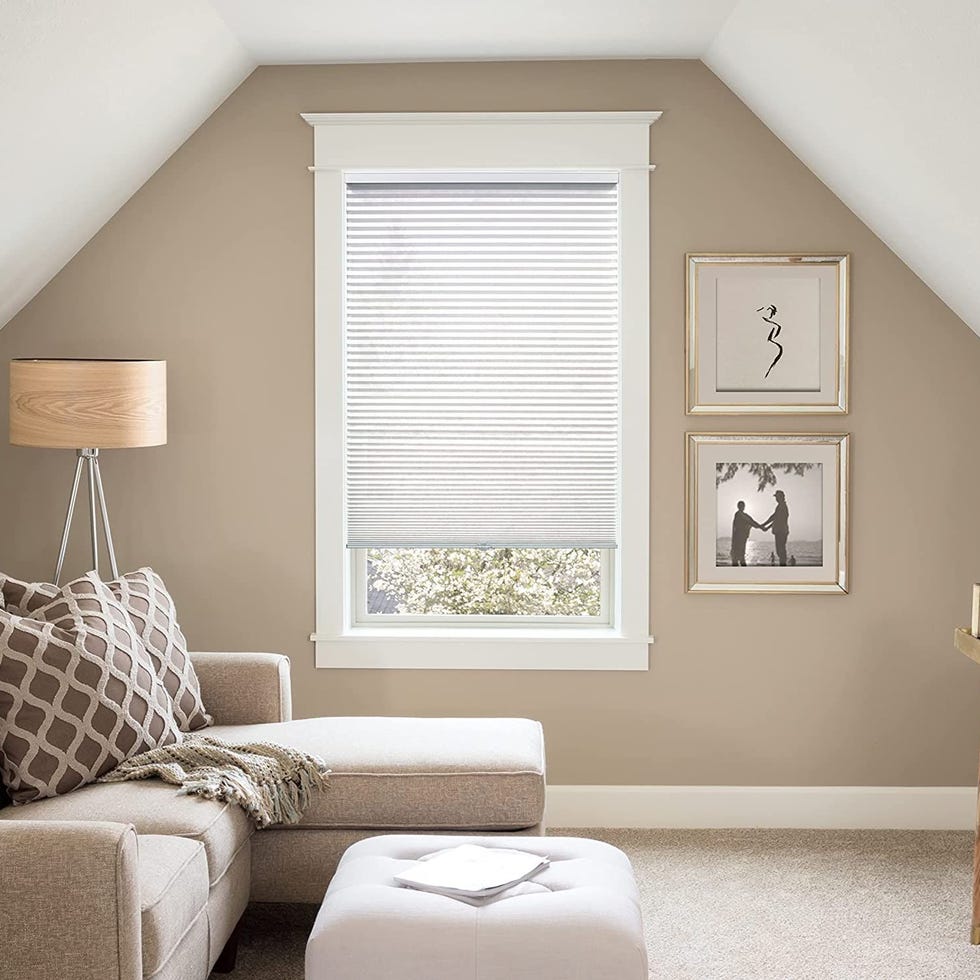
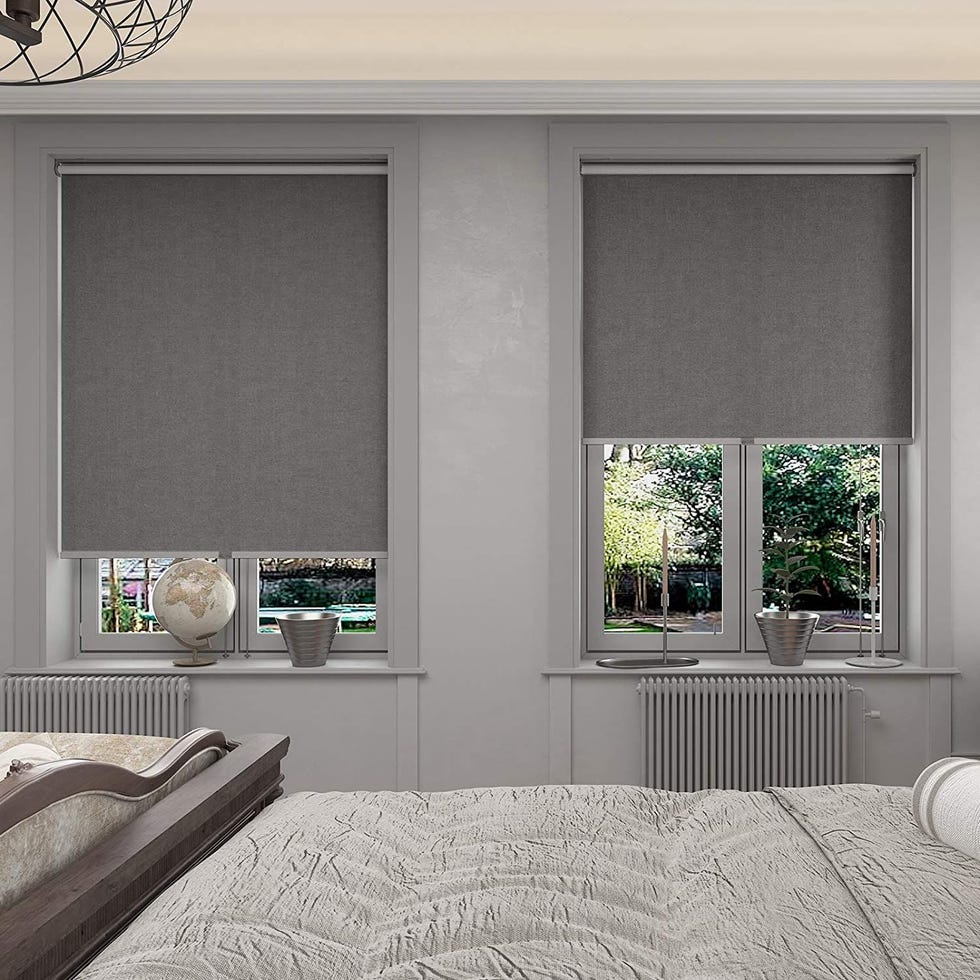
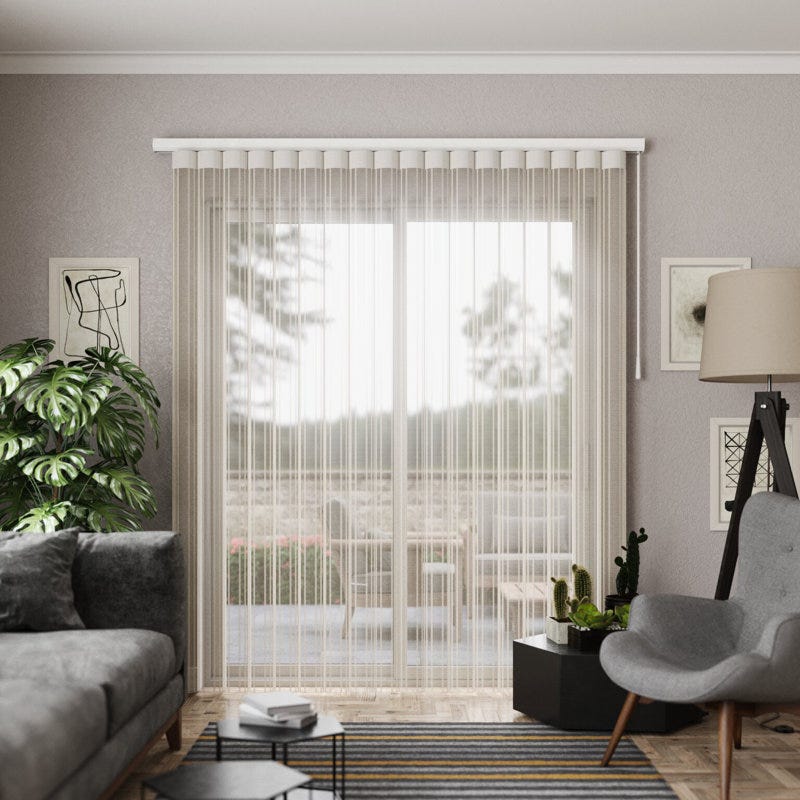
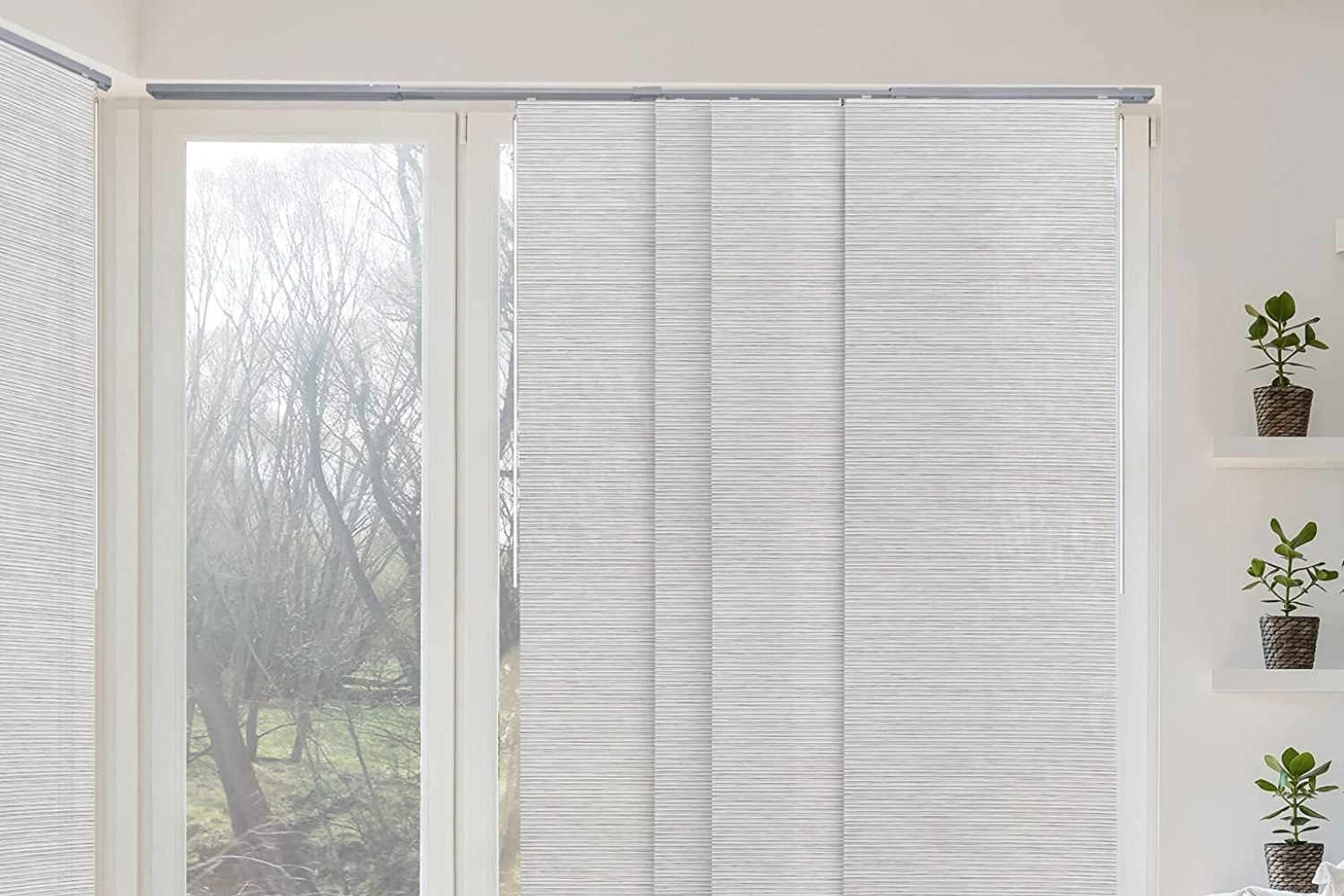
Finally, the article addresses light and privacy control. Shutters are effective for light management and privacy, but their thicker slats can occupy more visual space. Blinds offer similar light adjustability, but their thinner slats tend to 'disappear,' providing a less obstructed view of the outdoors. Blinds can also be fully raised or lowered, offering a degree of flexibility not always present with shutters. Moreover, mini blinds are noted for offering better light blocking due to their curved and overlapping louvers. For those who enjoy frequently updating their decor, blinds are presented as a more adaptable and easier-to-change option compared to shutters.
#ShuttersVsBlinds #WindowTreatments #InteriorDesign #HomeDecor #LightControl #Privacy #HomeImprovement #BudgetFriendly #MaintenanceTips #ShuttersVsBlinds #WindowTreatments #InteriorDesign #HomeDecor #LightControl #Privacy #HomeImprovement #BudgetFriendly #MaintenanceTips
0 comment in total
 No comments yet
You may also like
Stylish shutters and blinds for sunny rooms
Curtain call: How to choose window treatments
10 Contemporary Window Treatments for Sliding Glass Doors

There Are No Knotted Strings to Battle Against With the Best Blinds and Shades

15 living room window treatments – stylish curtains, blinds and shutters to update your space
Why You Should Upgrade Your Window Blinds Right Now

20 Window Treatment Ideas to Suit Every Room

Are window shutters out of style? Interior designers weigh in
"Should All My Window Treatments Match?" Here's How Designers Decide, and Make It Work Either Way
6 Window Treatment Mistakes Designers Are Tired of Seeing
Curtain Ideas for Large Windows — 7 Ways to Balance Privacy, Light, and Style in Your Home
How to dress a window without curtains – 5 designer tips for embracing a more minimalist look
When to Choose Drapery, Curtains, or Blinds, According to Experts
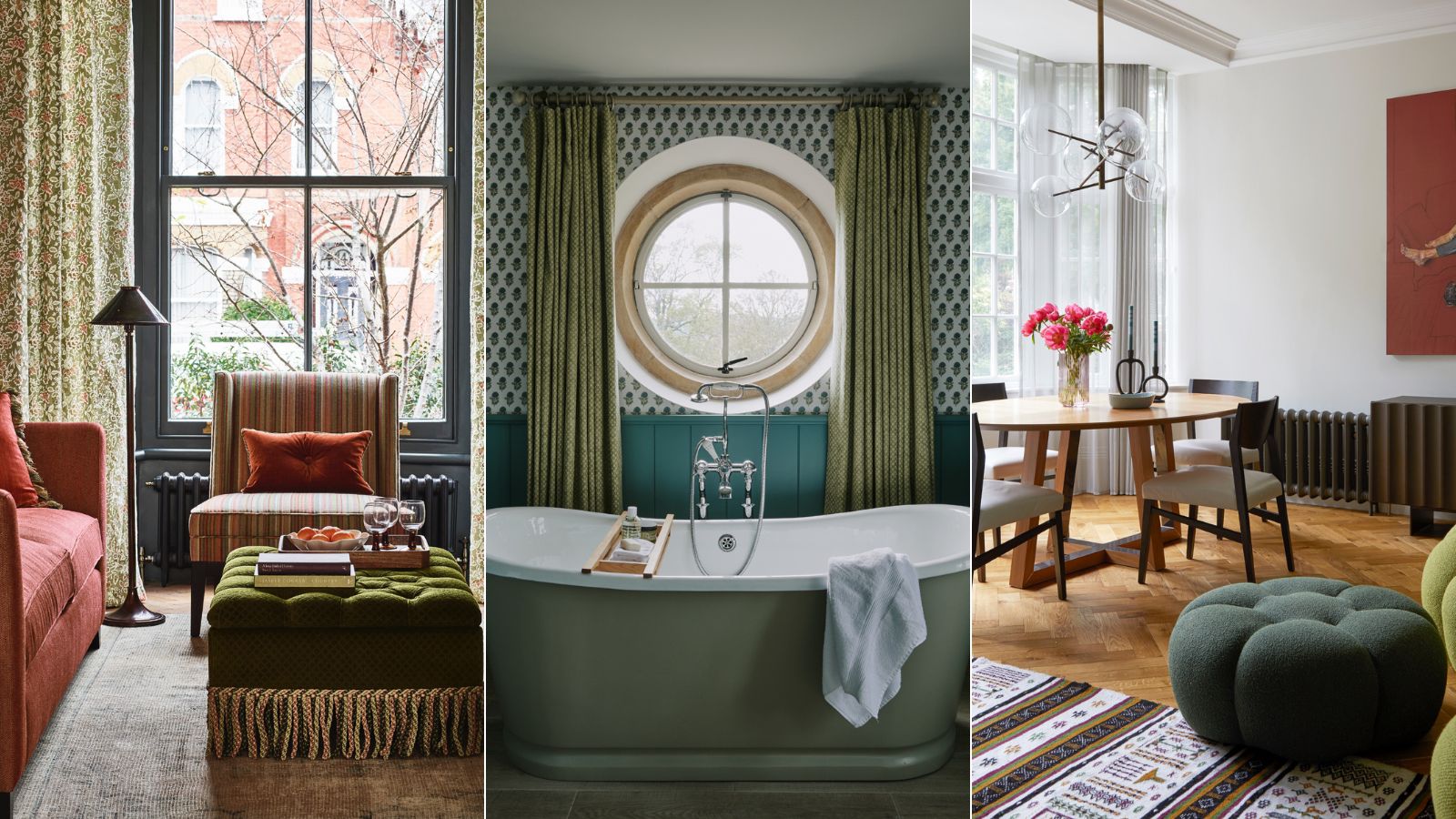
Should you choose drapes or blinds? We asked interior designers which window treatment is best

Window blinds, shutters and curtains: top trends for 2017
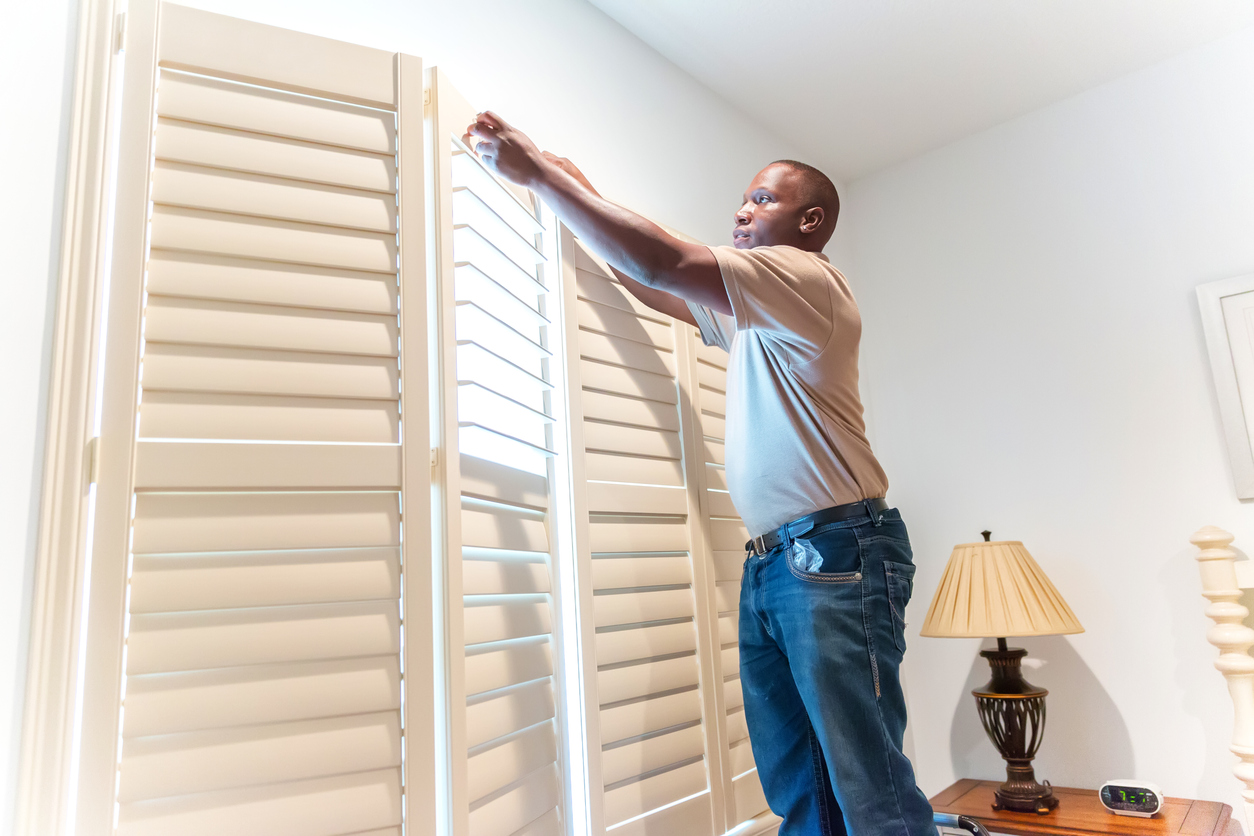
The Best Window Treatments for Sliding Doors

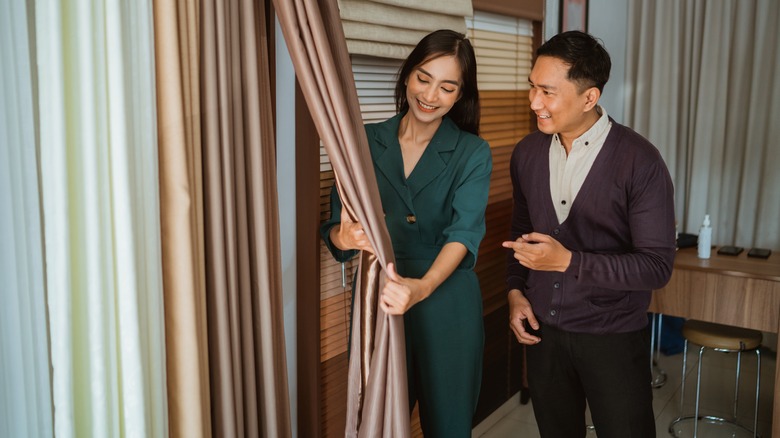
Once-Popular Window Treatments That Are Now Dating Your Home
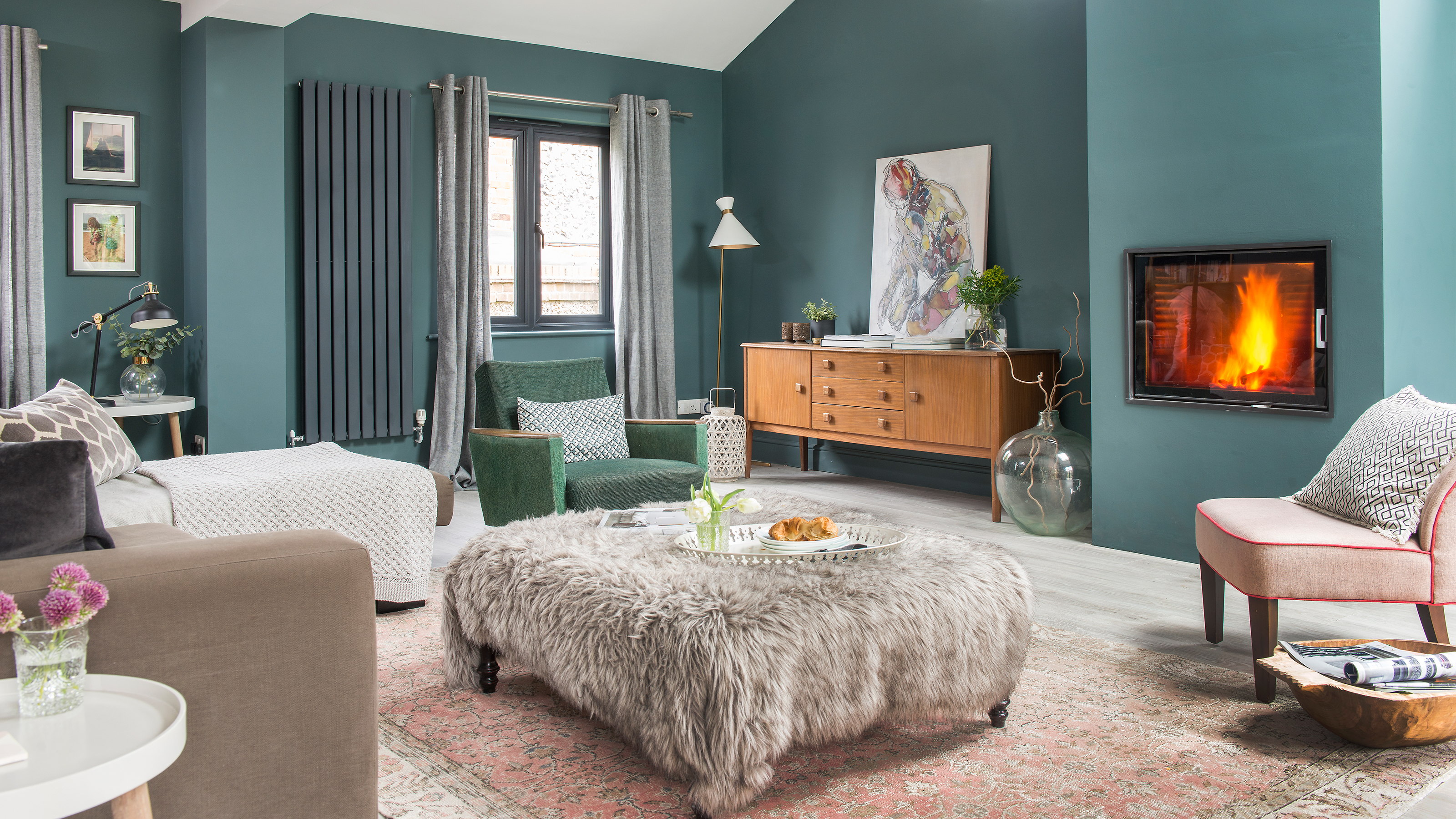
How to dress a window - three design experts explain how to plan the perfect window dressing

Smart Blinds: Window Covering in the Matter Standard

11 Blinds To Make Your Windows The Coolest On The Block