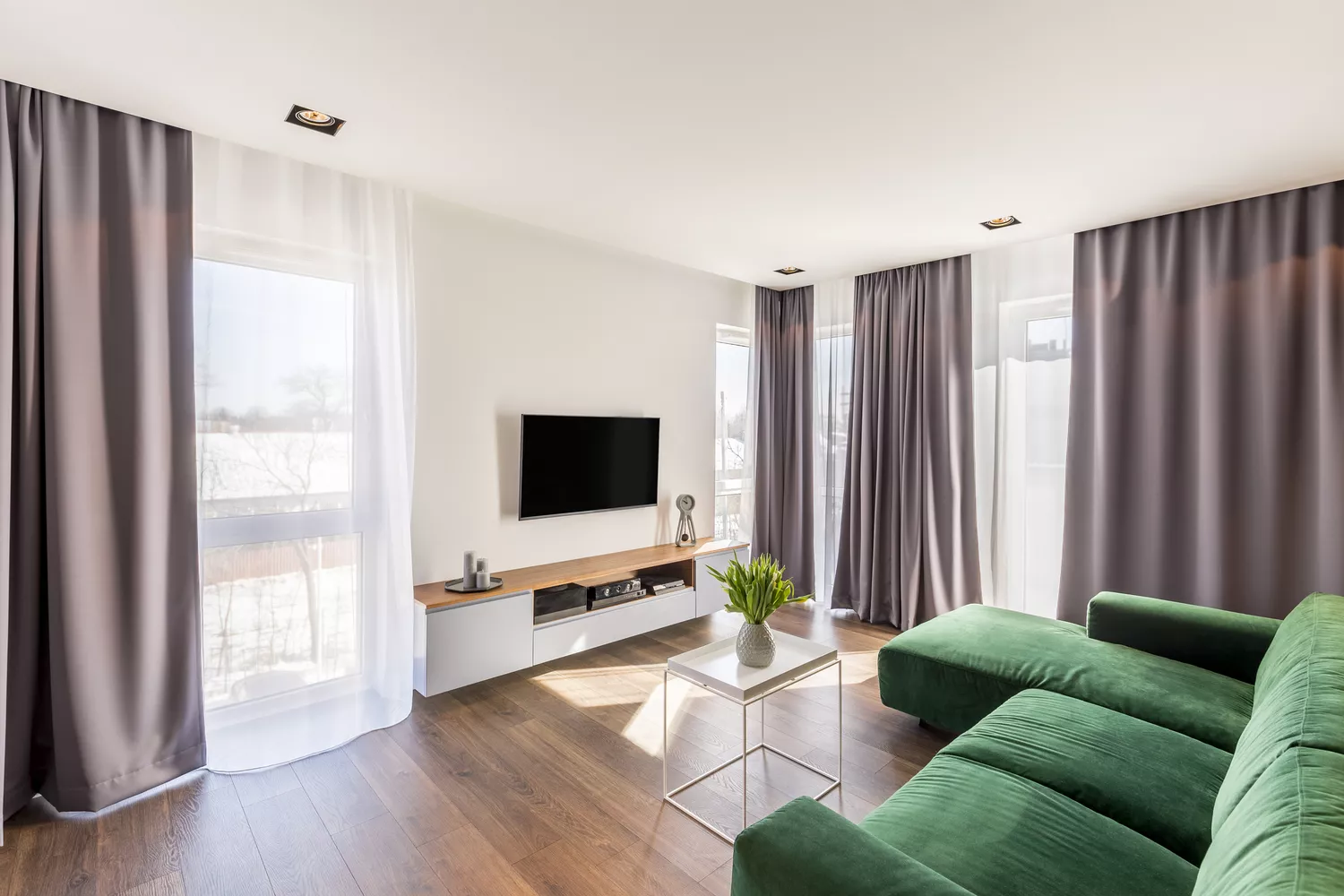
6 Outdated Curtain Trends Designers Want You to Avoid
Curtains significantly impact a room's style, yet they are often overlooked when refreshing home interiors. Using outdated curtain styles can detract from a home's overall aesthetic. Interior designers advise against several trends to maintain a contemporary and timeless look. These experts recommend specific approaches to window treatments to enhance a room's livability and softness.
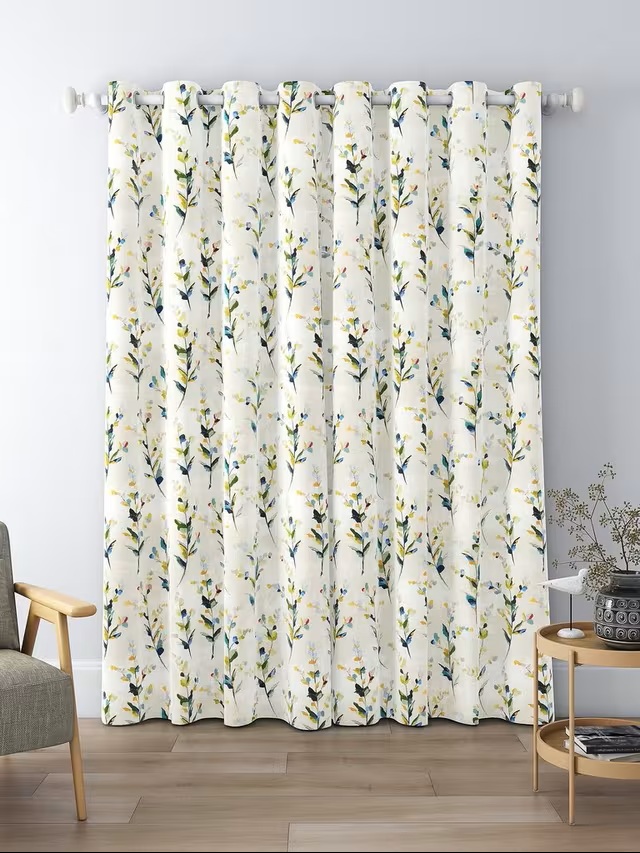
Grommet-style curtains, characterized by metal rings that slide over a curtain rod, are considered outdated for most spaces. While functional, their mass-produced appearance lacks refinement. Designers suggest opting for more tailored header styles, such as pleated tops, inverted box pleats, or ripple folds. These alternatives can dramatically alter a room's ambiance, adding a sense of elegance and sophistication suitable for various interior designs, excluding highly casual spaces like playrooms.
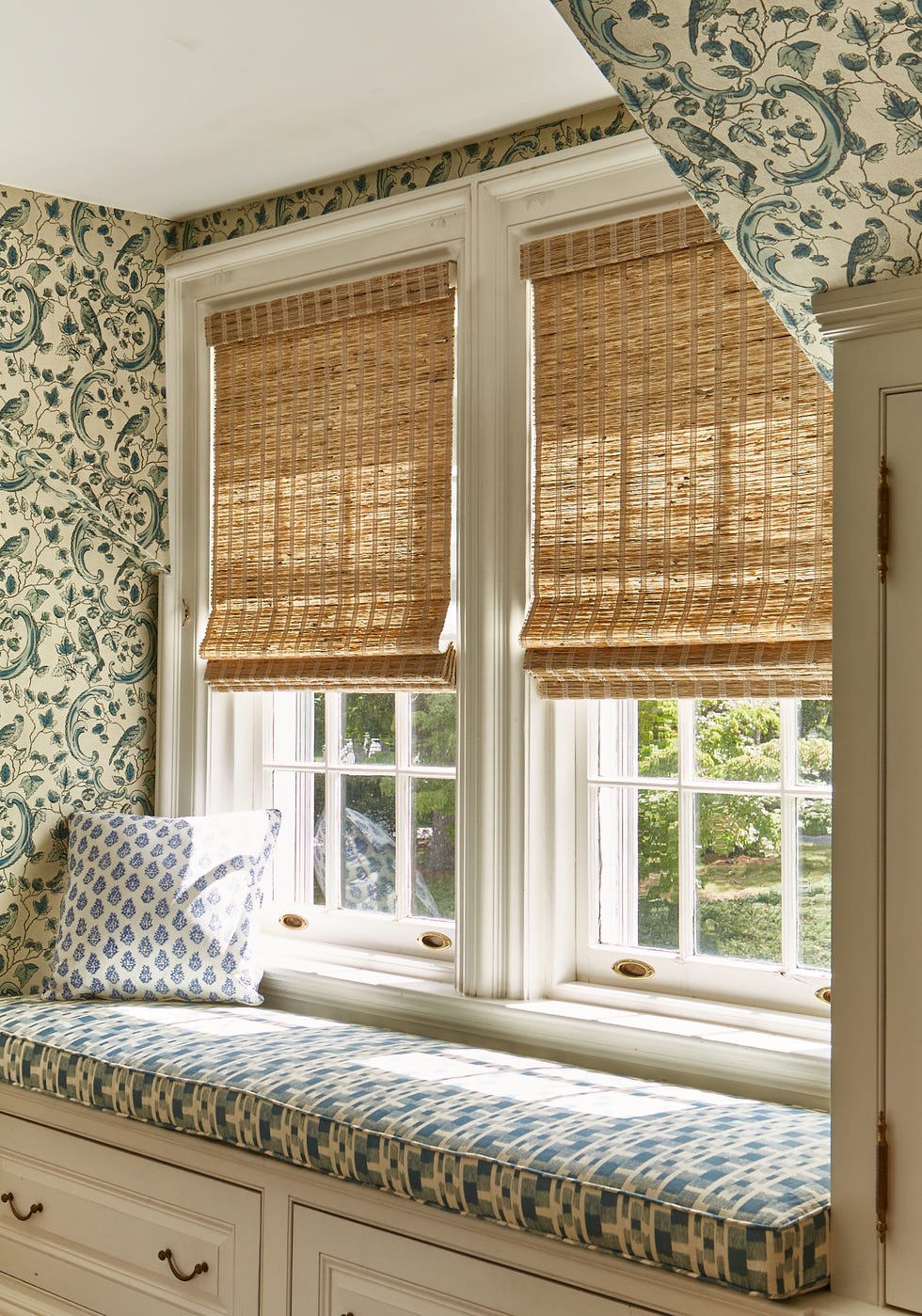
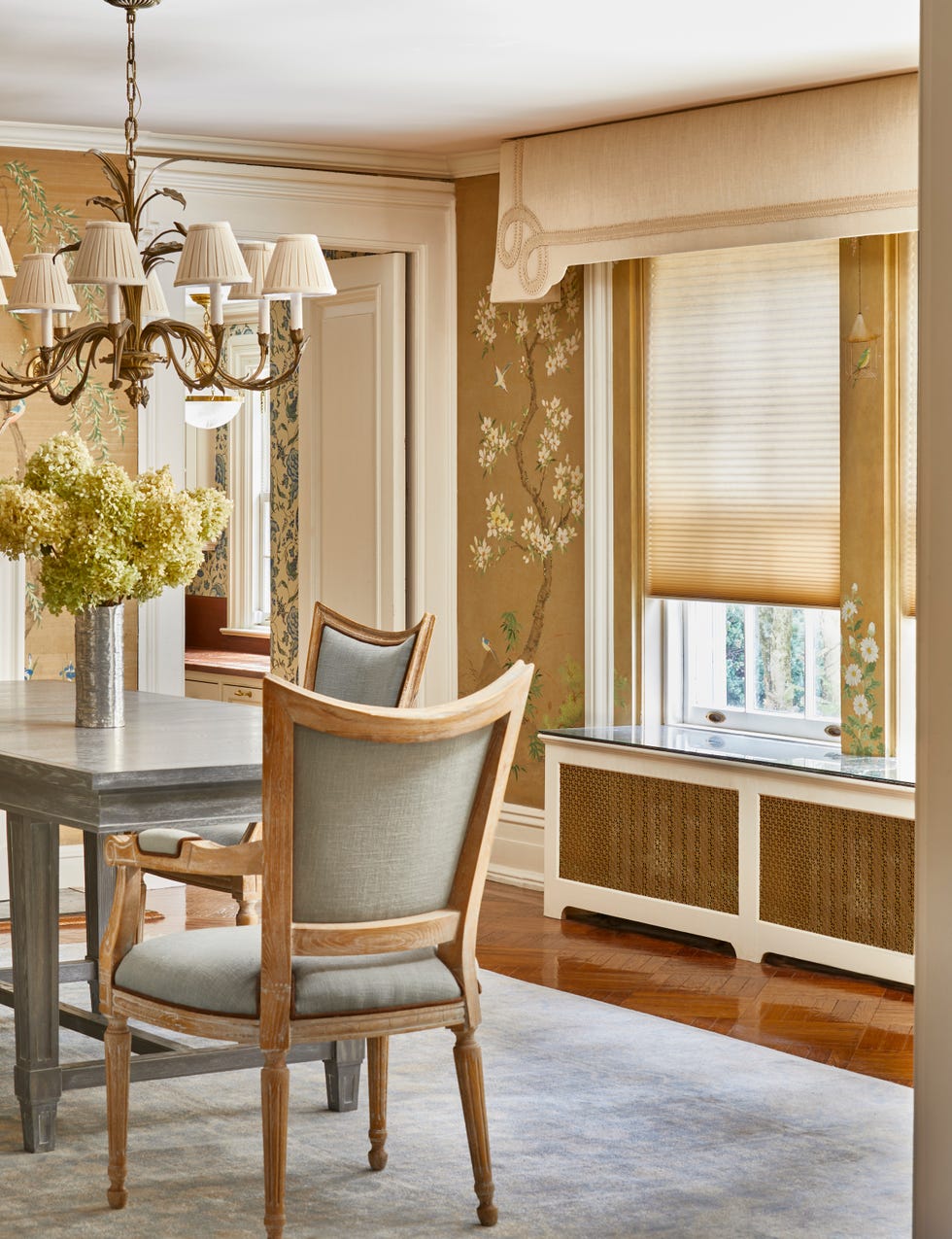
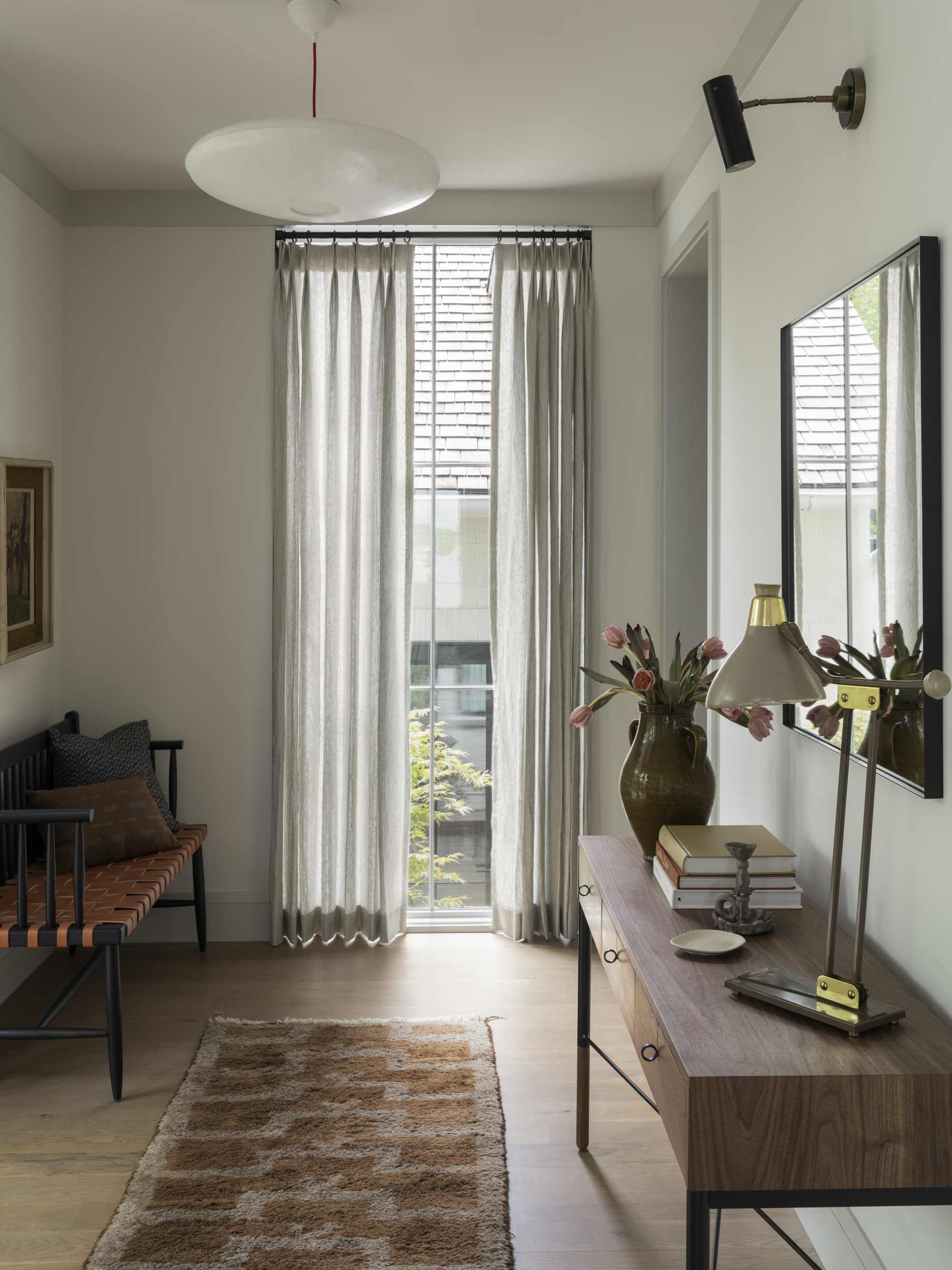
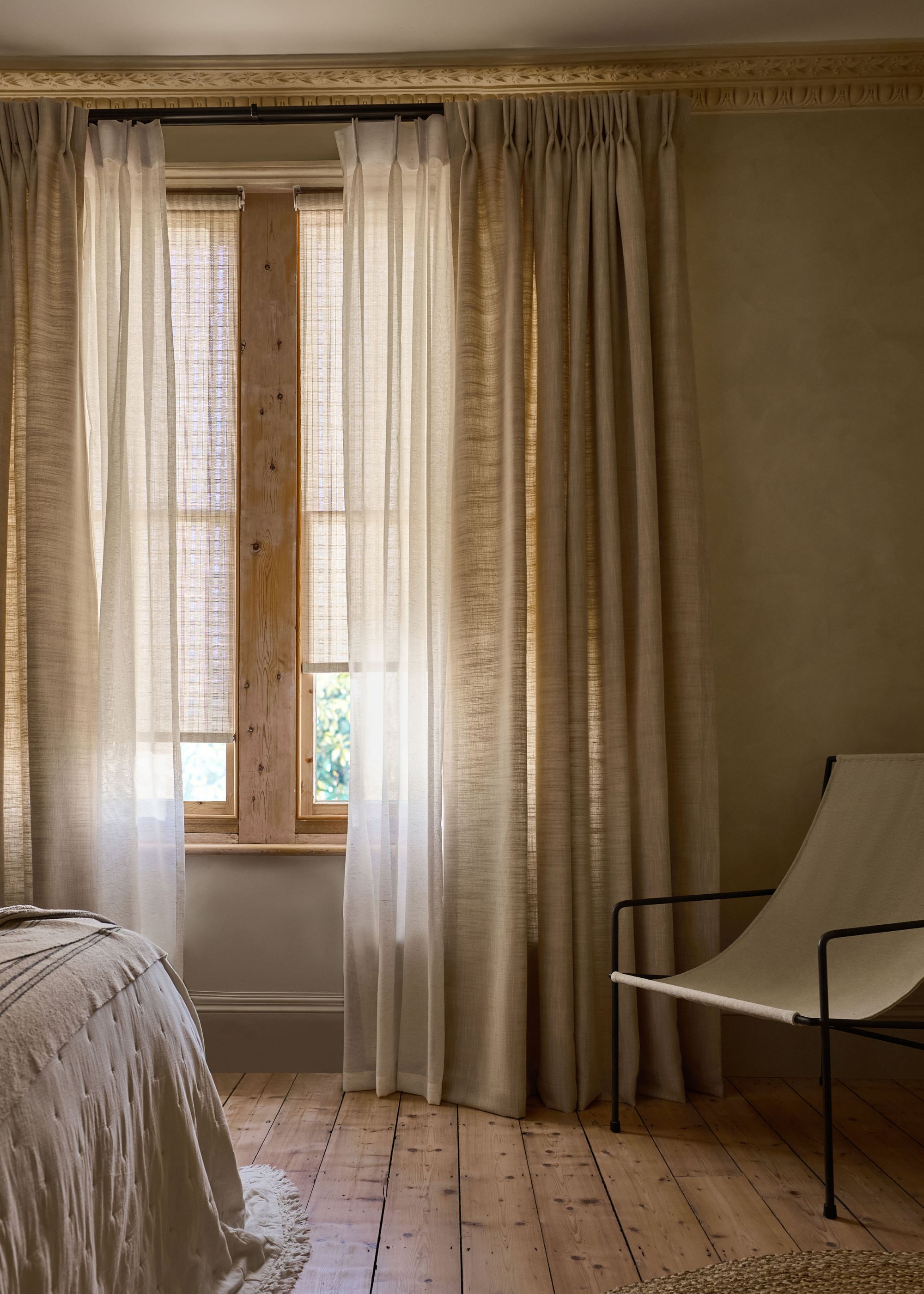
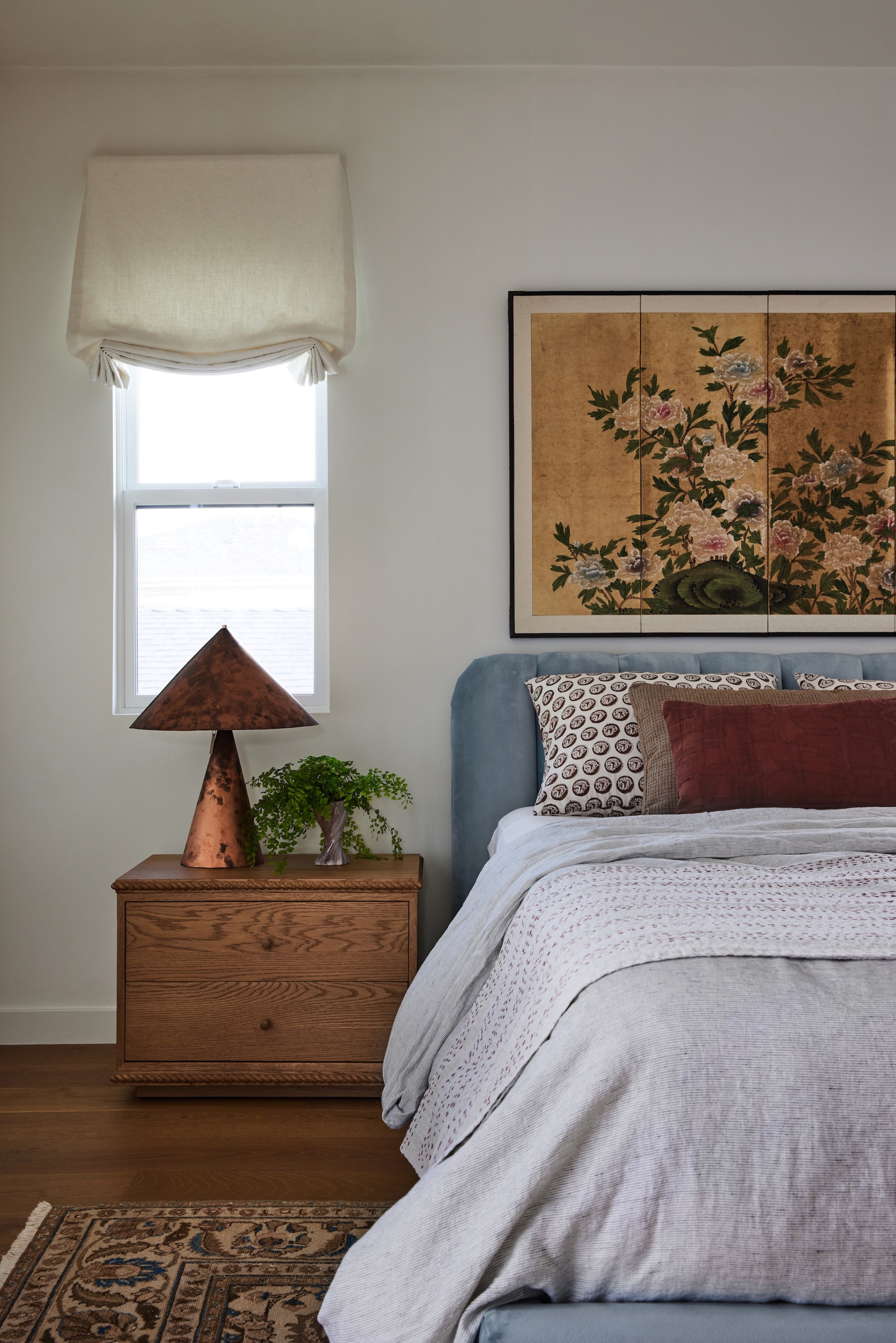
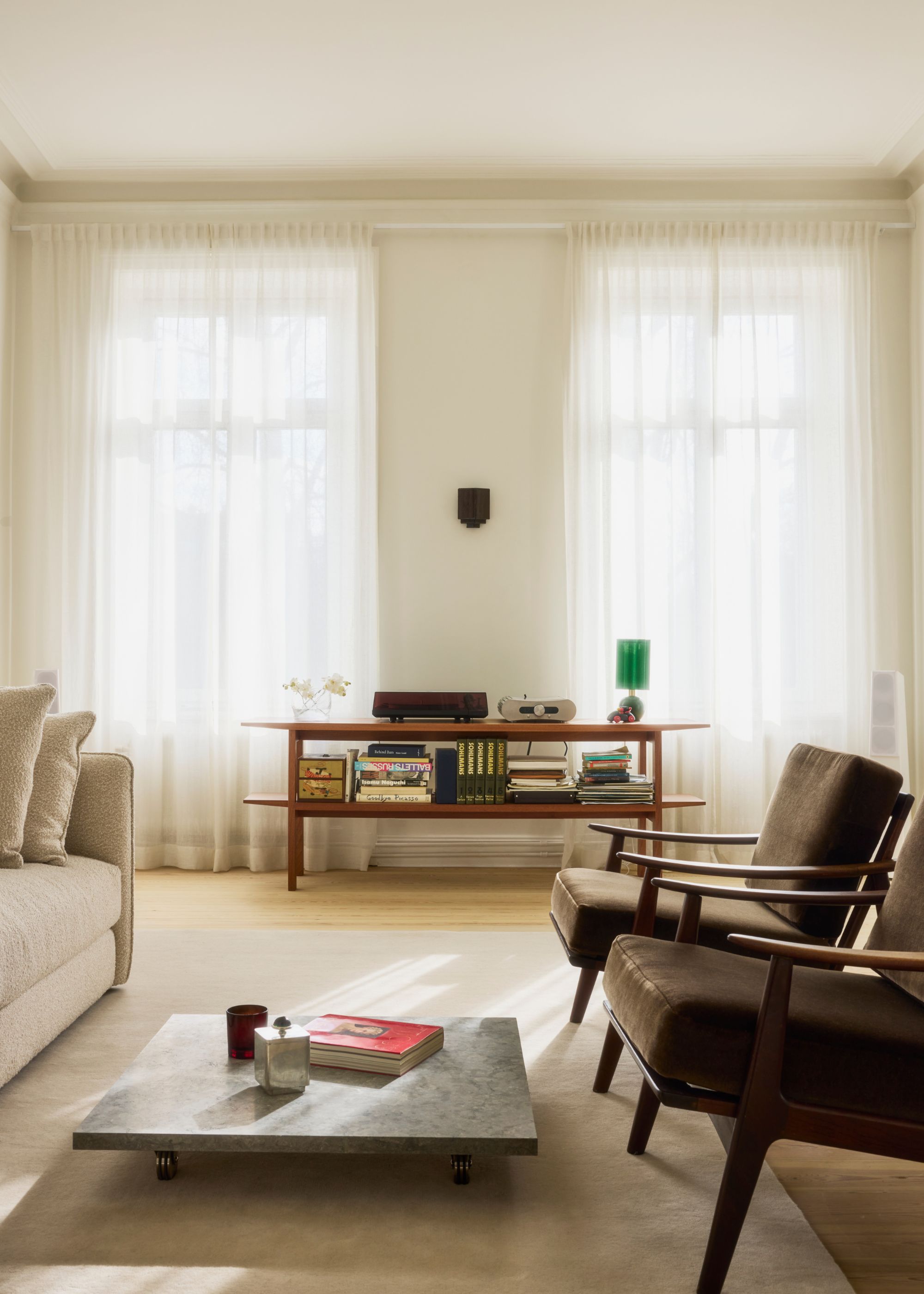
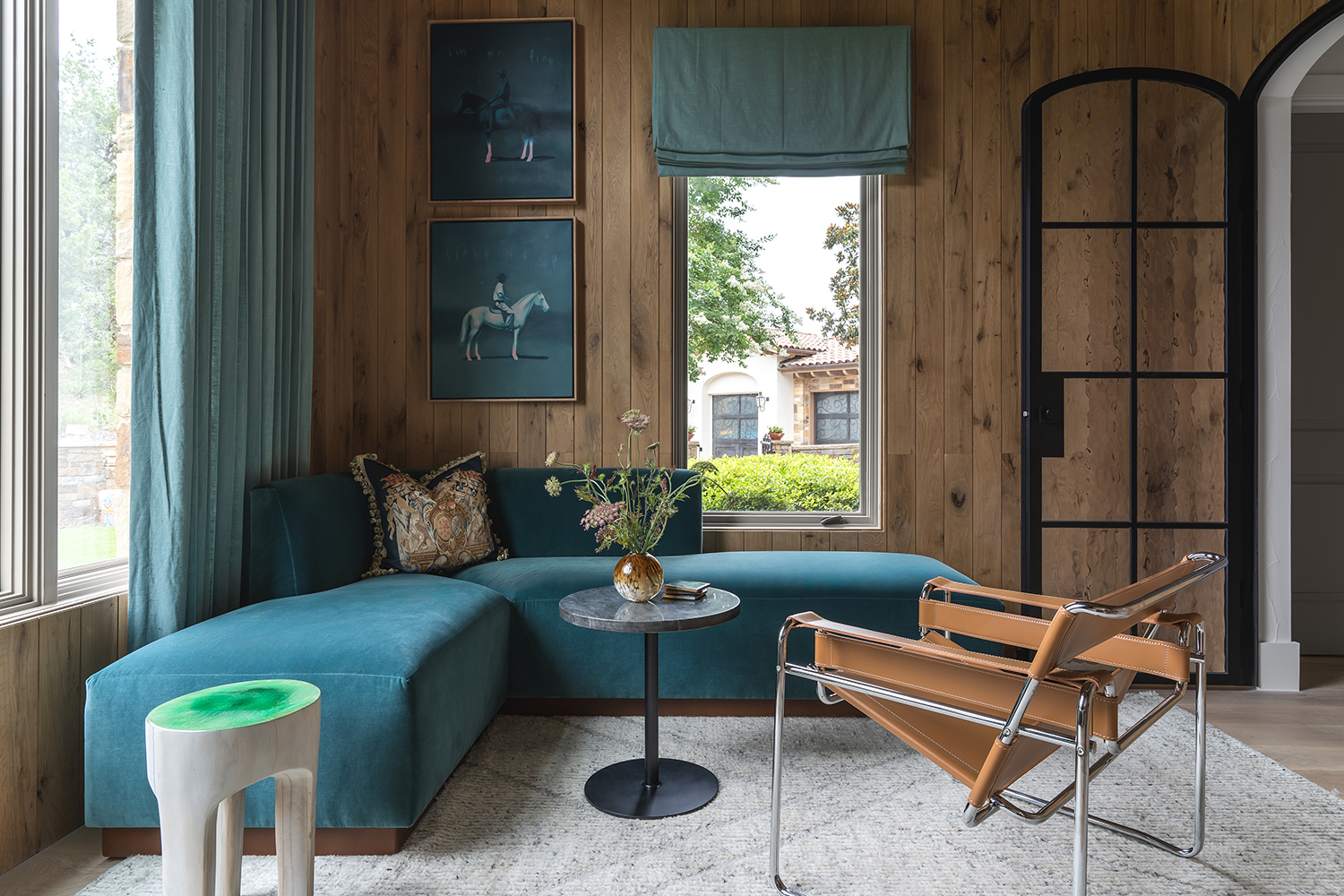
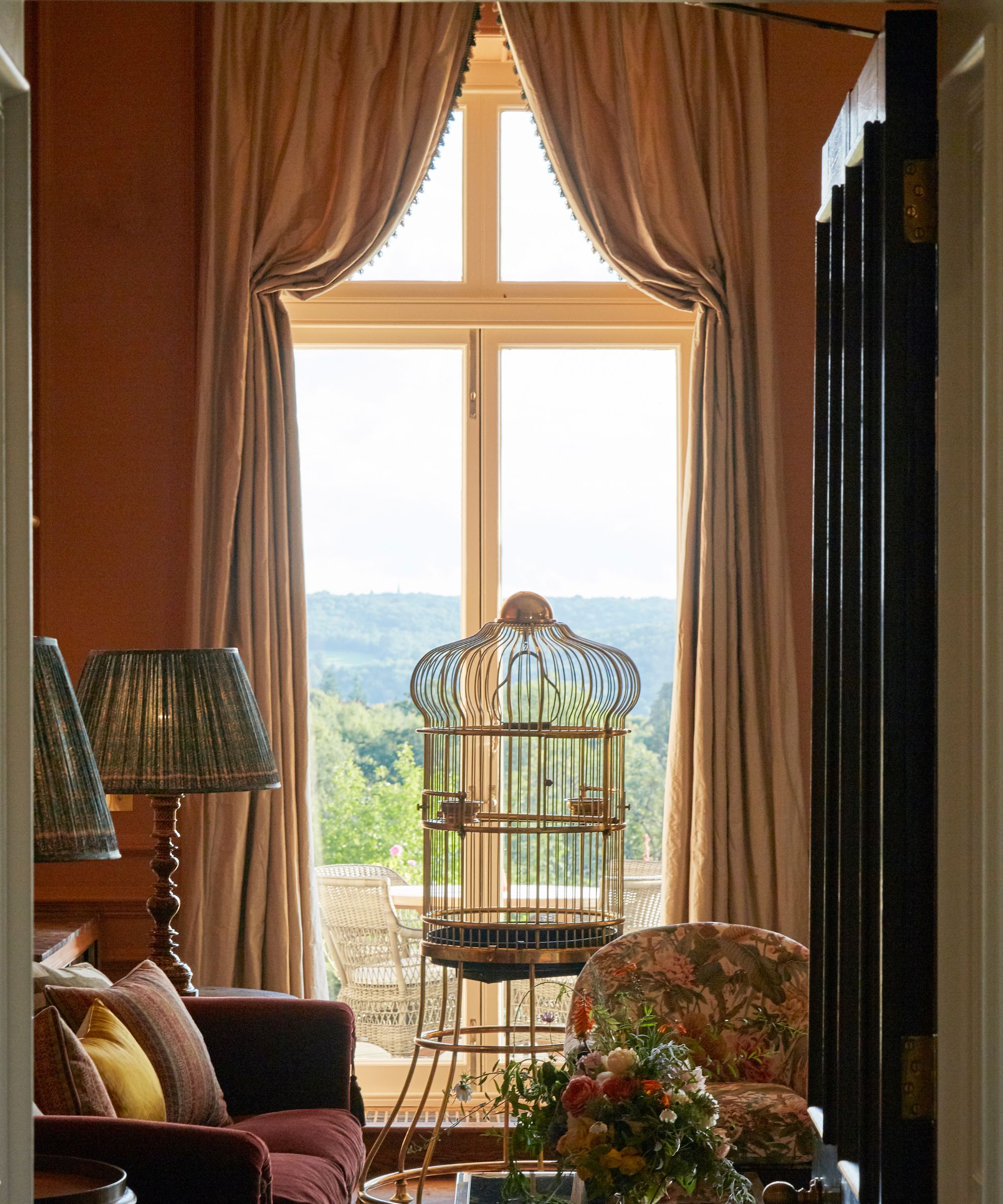
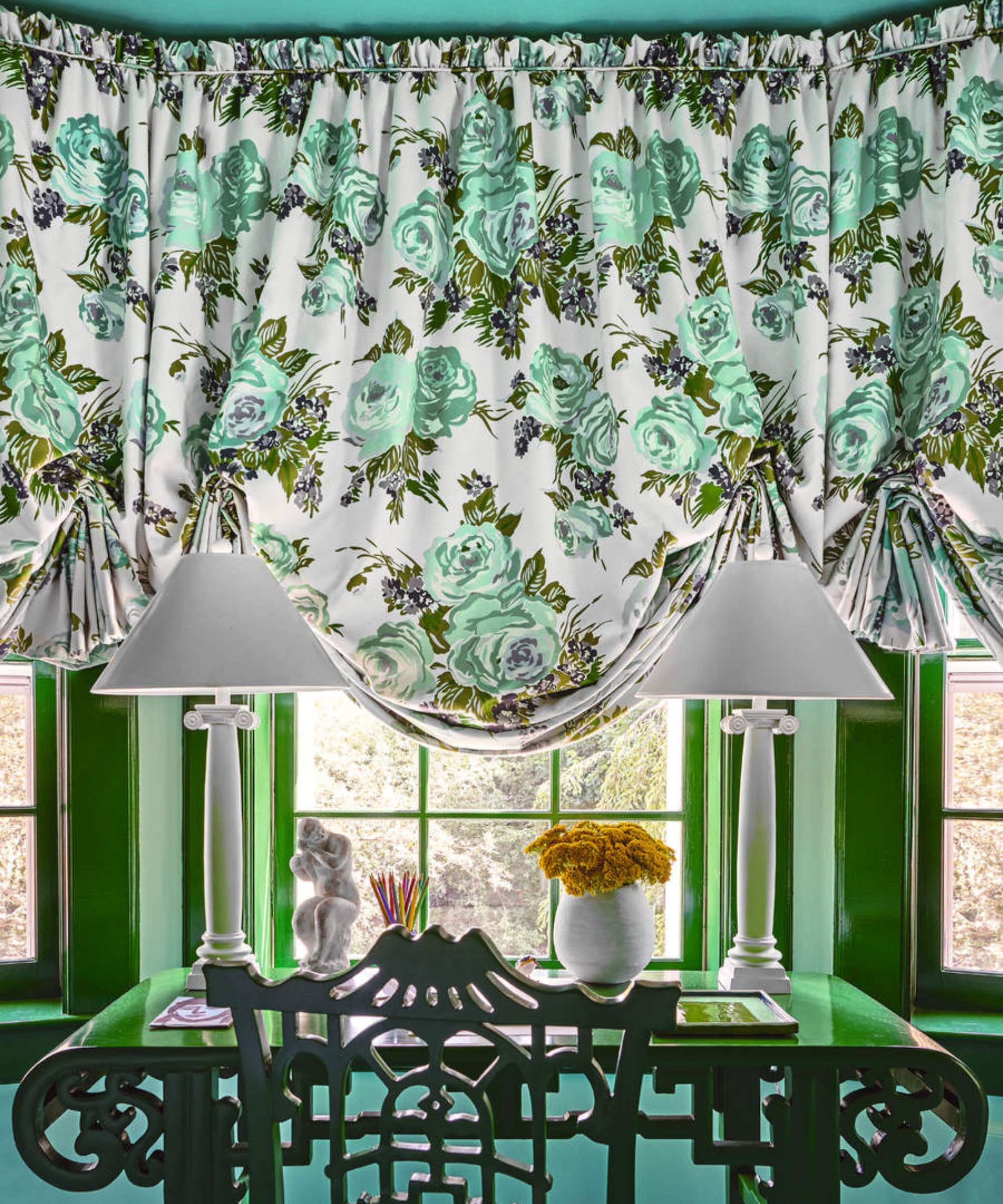
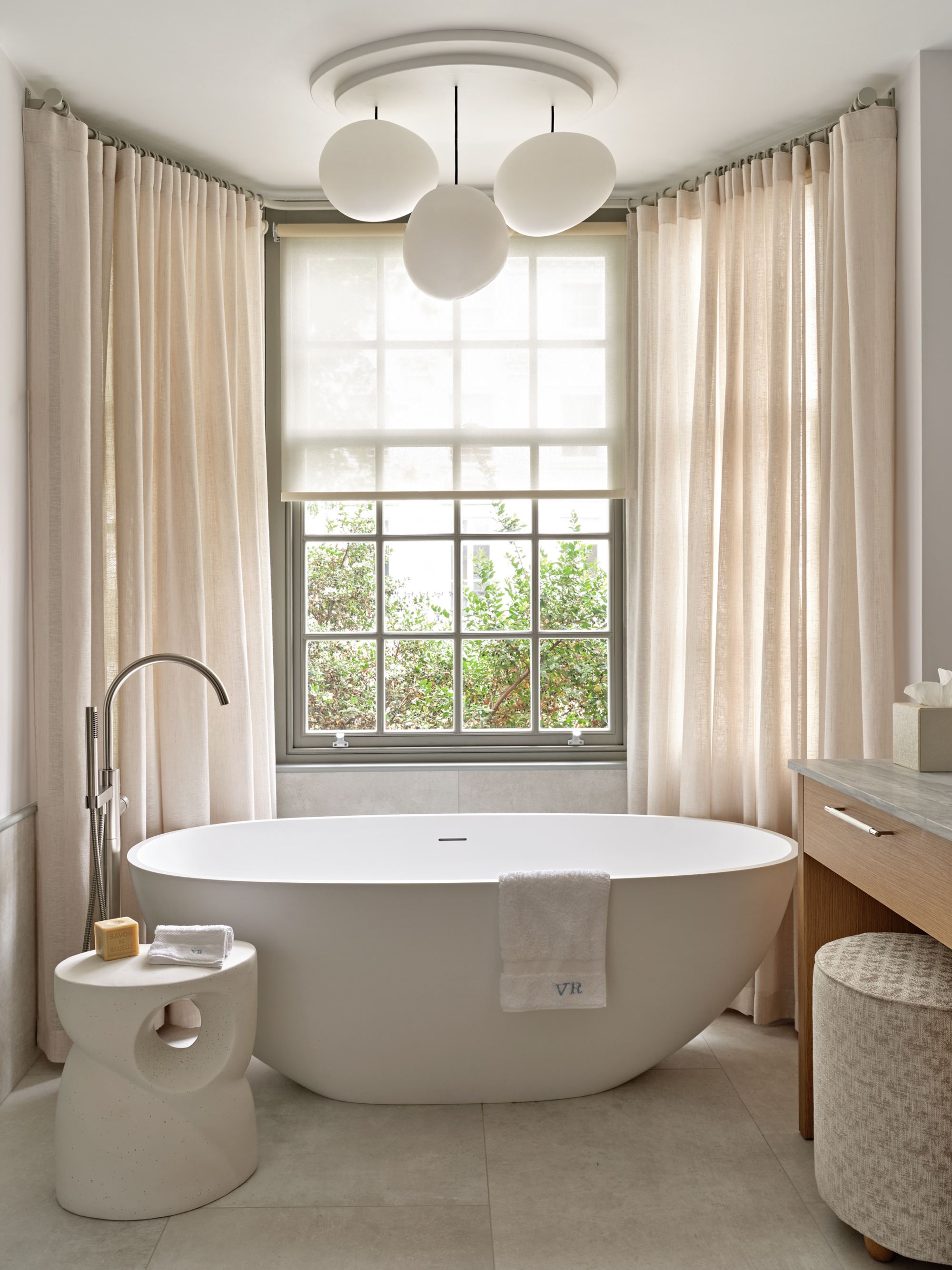
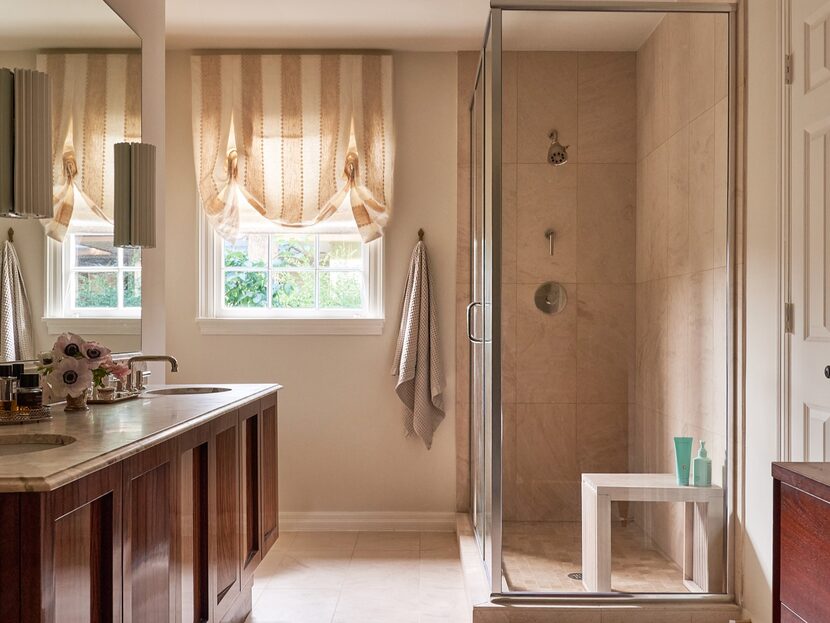
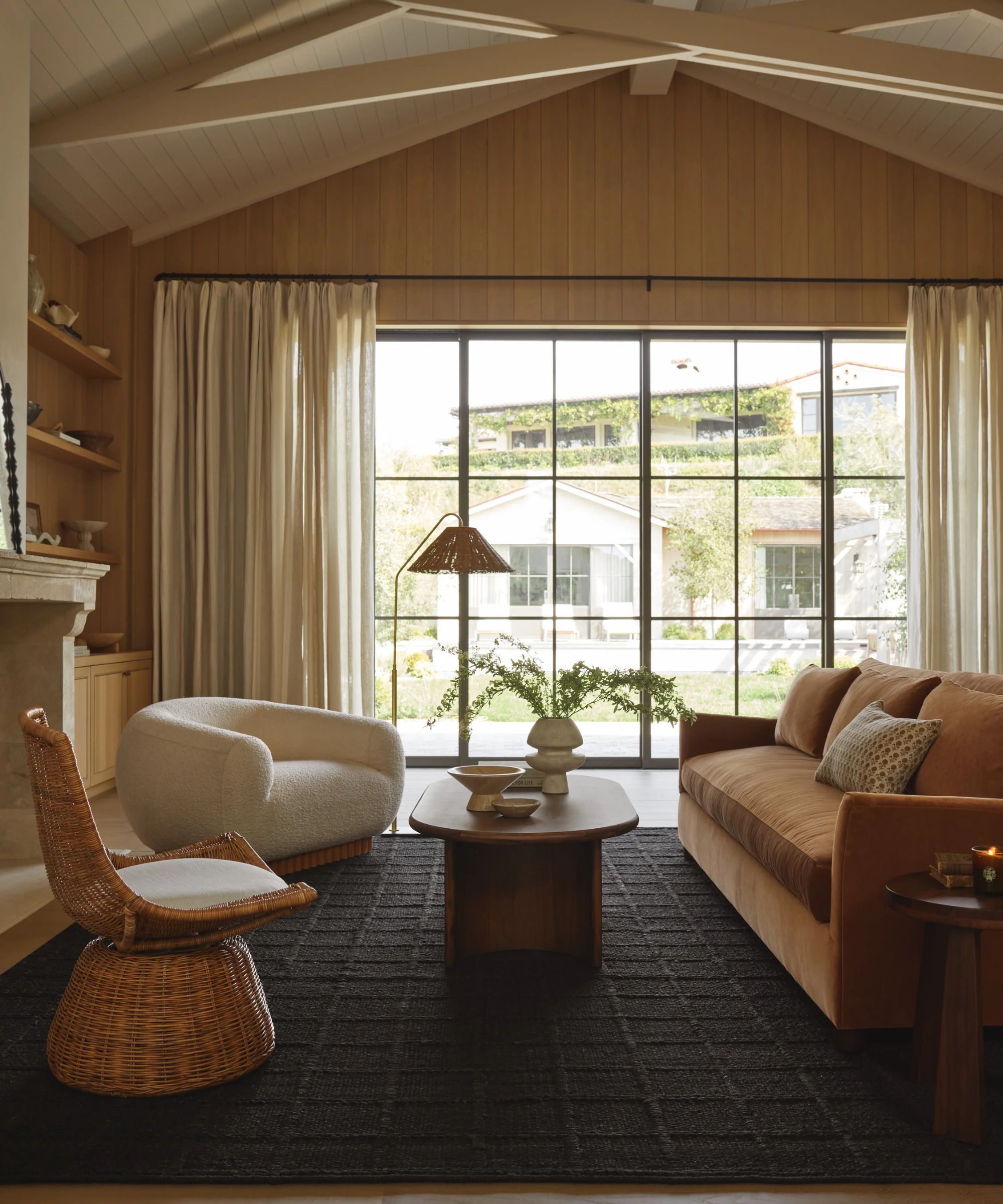
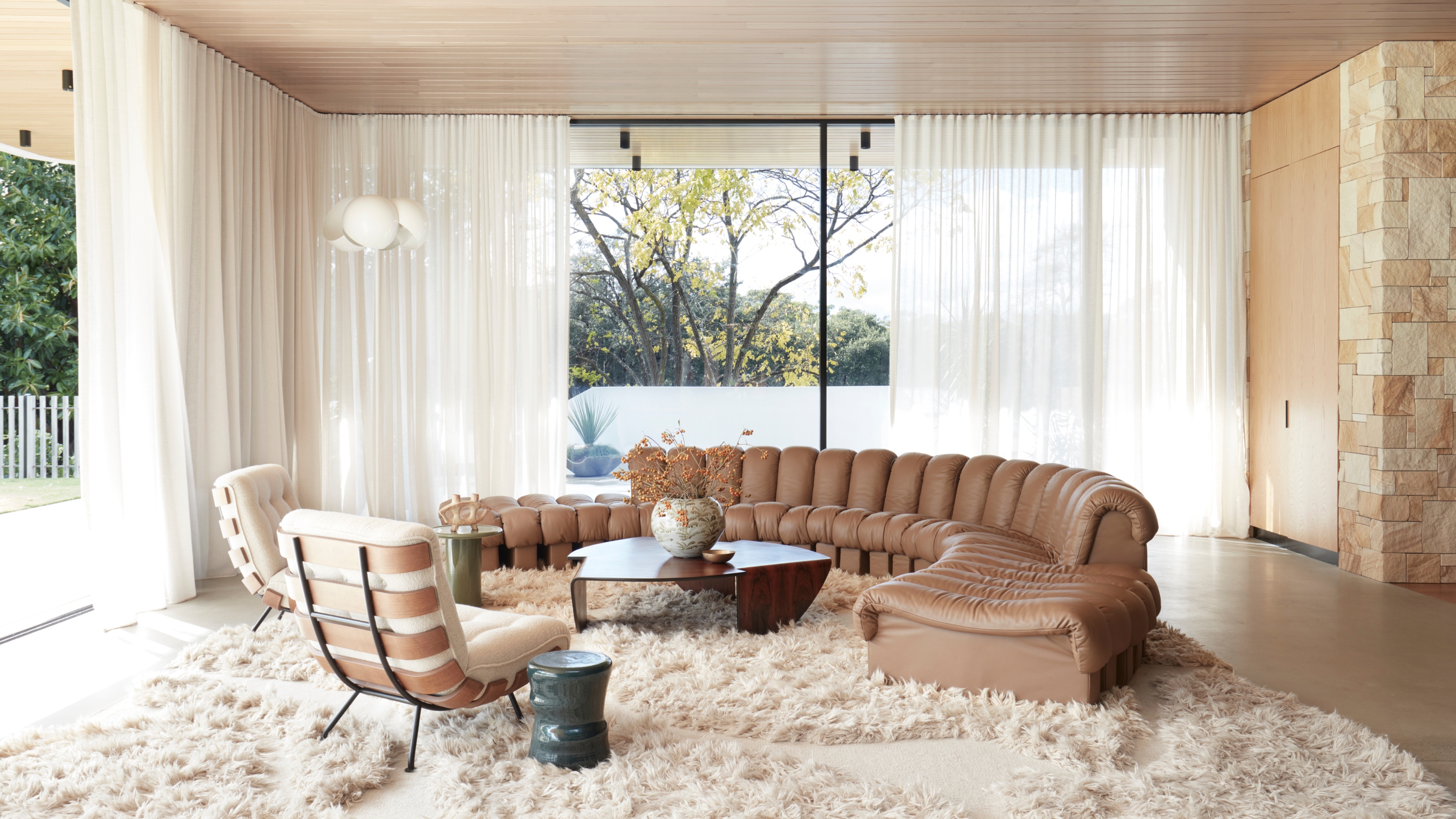
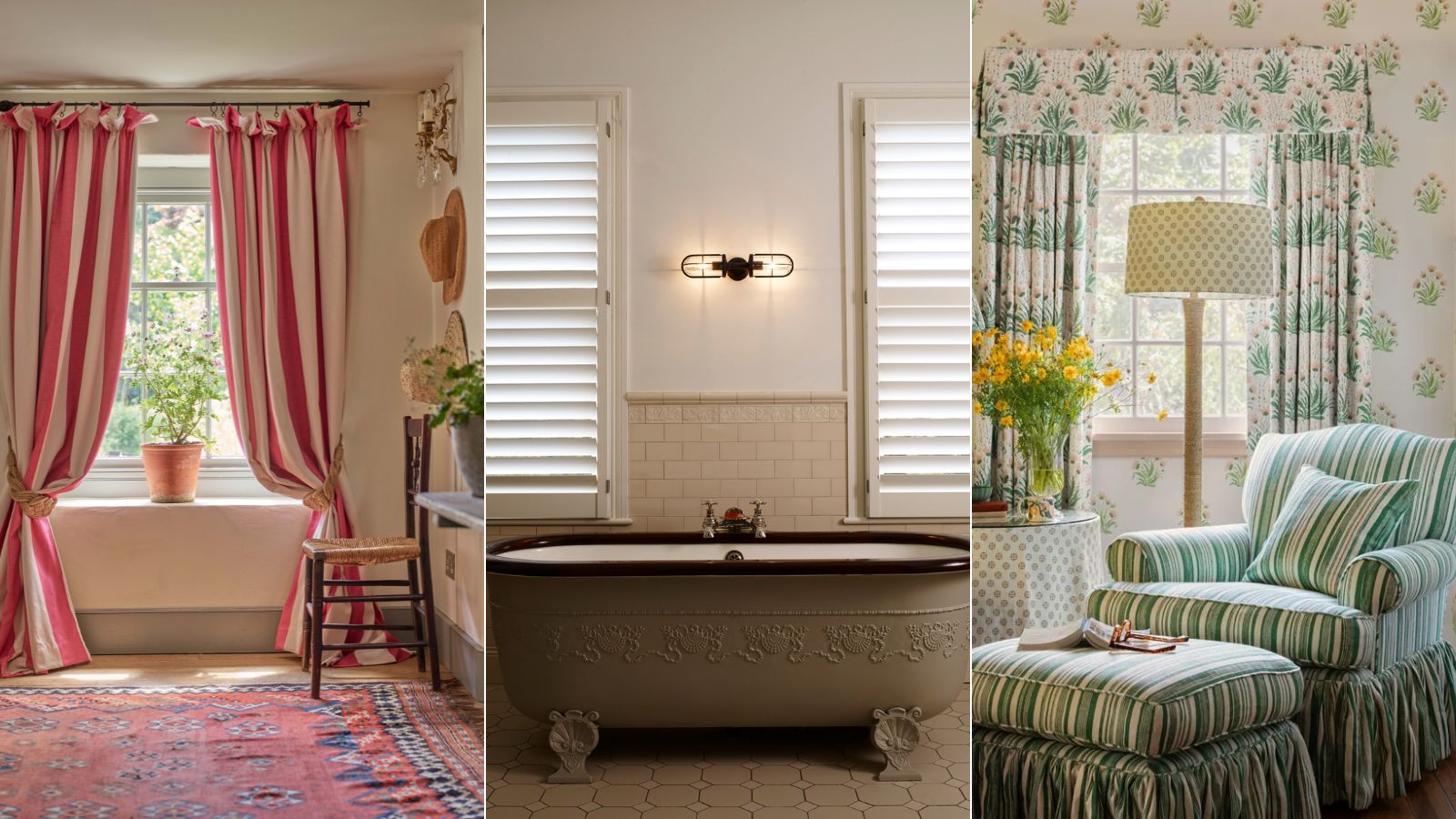
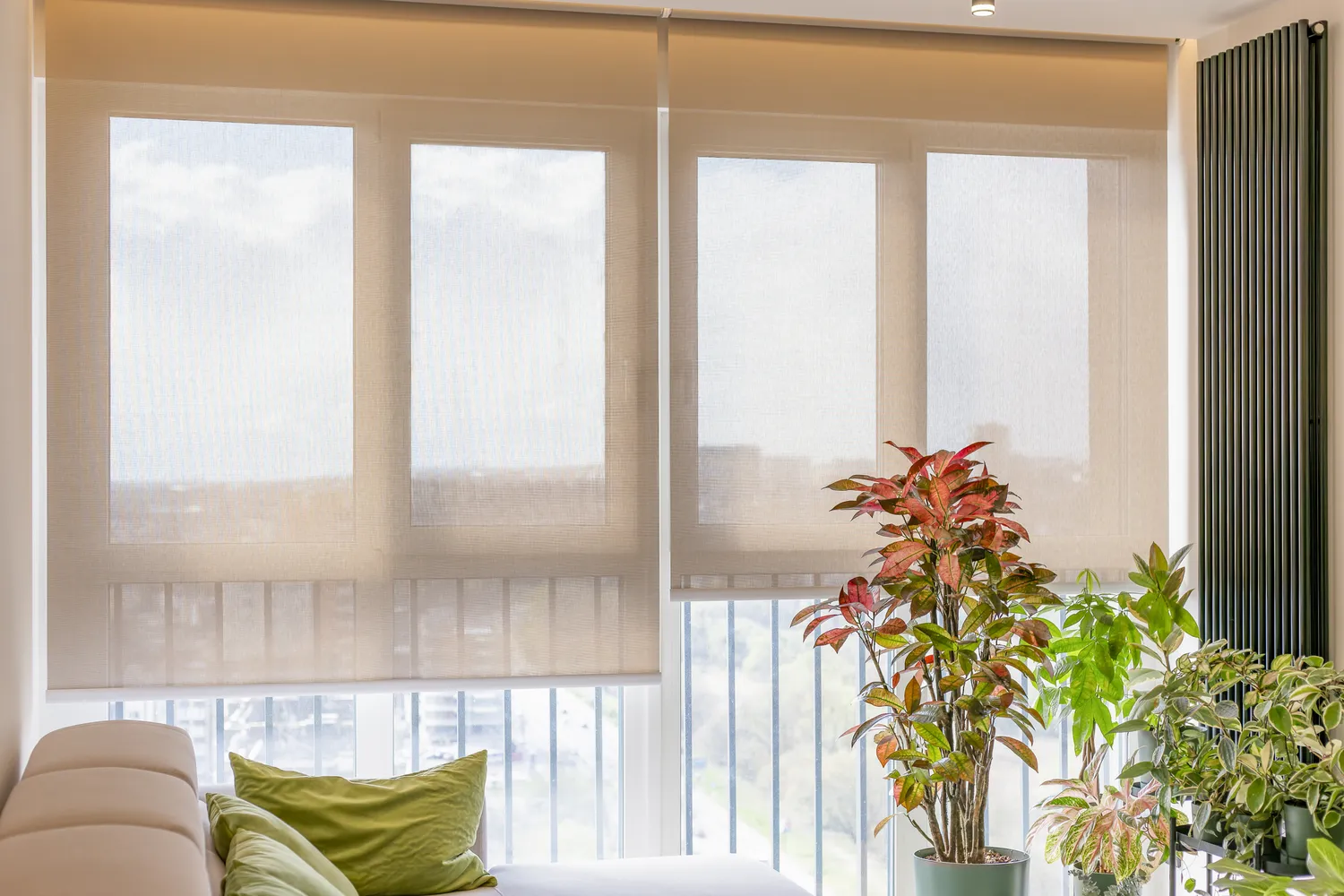
Ornate valances, once a staple in traditional homes, are now viewed as heavy and dated, clashing with the modern preference for light and airy interiors. Instead, designers propose pinch pleat or tailor pleat window treatments crafted from soft, natural fabrics like linen or velvet. These materials add elegance without the weight of traditional valances. Layering curtains with woven wood shades or sheer panels is also suggested to introduce texture and dimension while maintaining a modern sensibility.
Curtains that are too short create an imbalanced and unfinished look. Designers emphasize the importance of custom drapery to ensure precise measurements and a perfect fit. Ready-made panels often fail to provide the ideal length, resulting in an aesthetically displeasing appearance. Custom window treatments not only elevate the aesthetic but also offer superior quality and craftsmanship compared to mass-produced options.
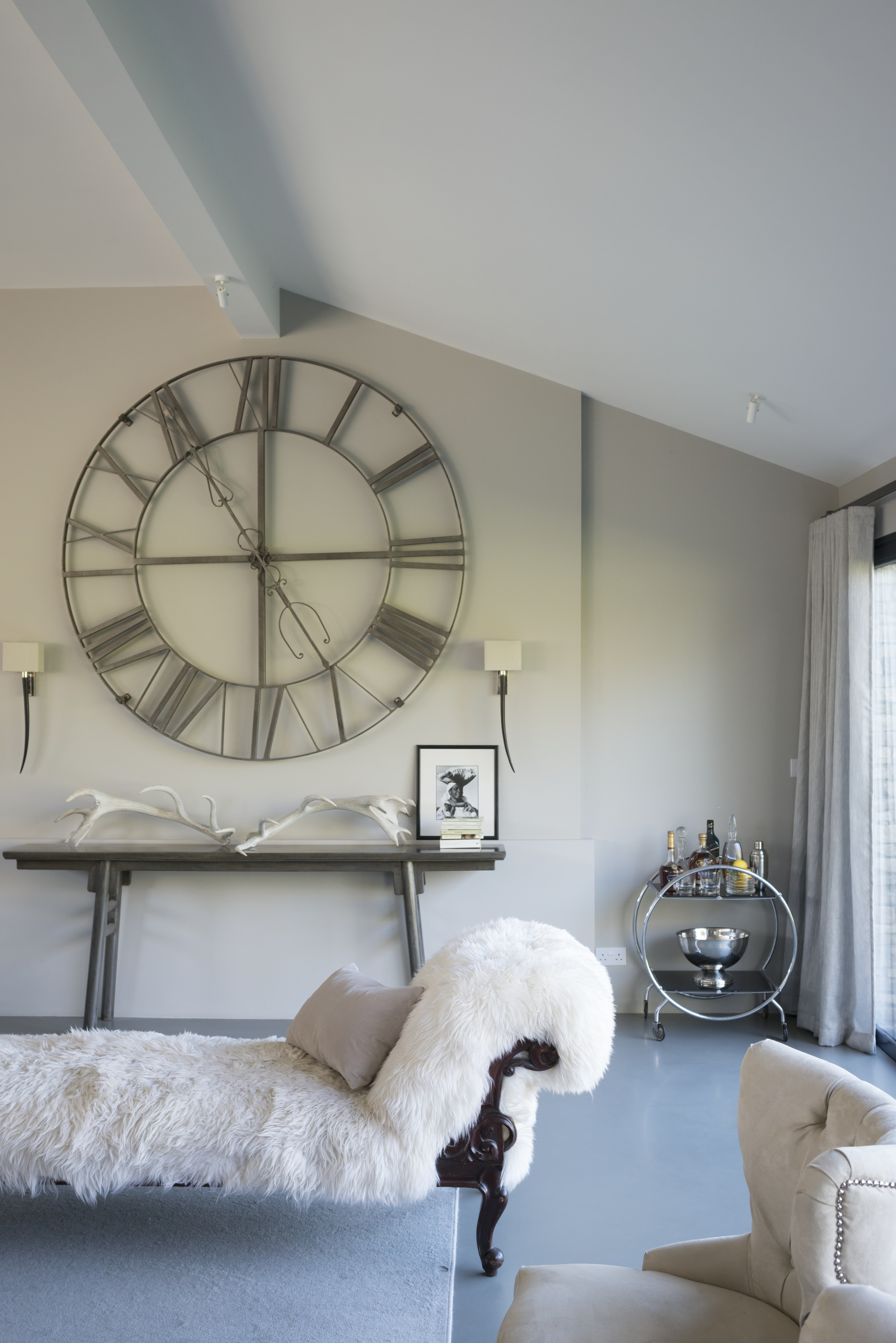
Exposed curtain hardware, unless part of a specific industrial or urban design, is generally advised against. The goal is to minimize visible hardware so that the drapery itself becomes the focal point. Options like rod-pocket drapes or pleated panels with adjustable back tabs allow the hardware to recede, letting the curtains shine. This approach ensures that the window treatment's design elements receive the primary attention.
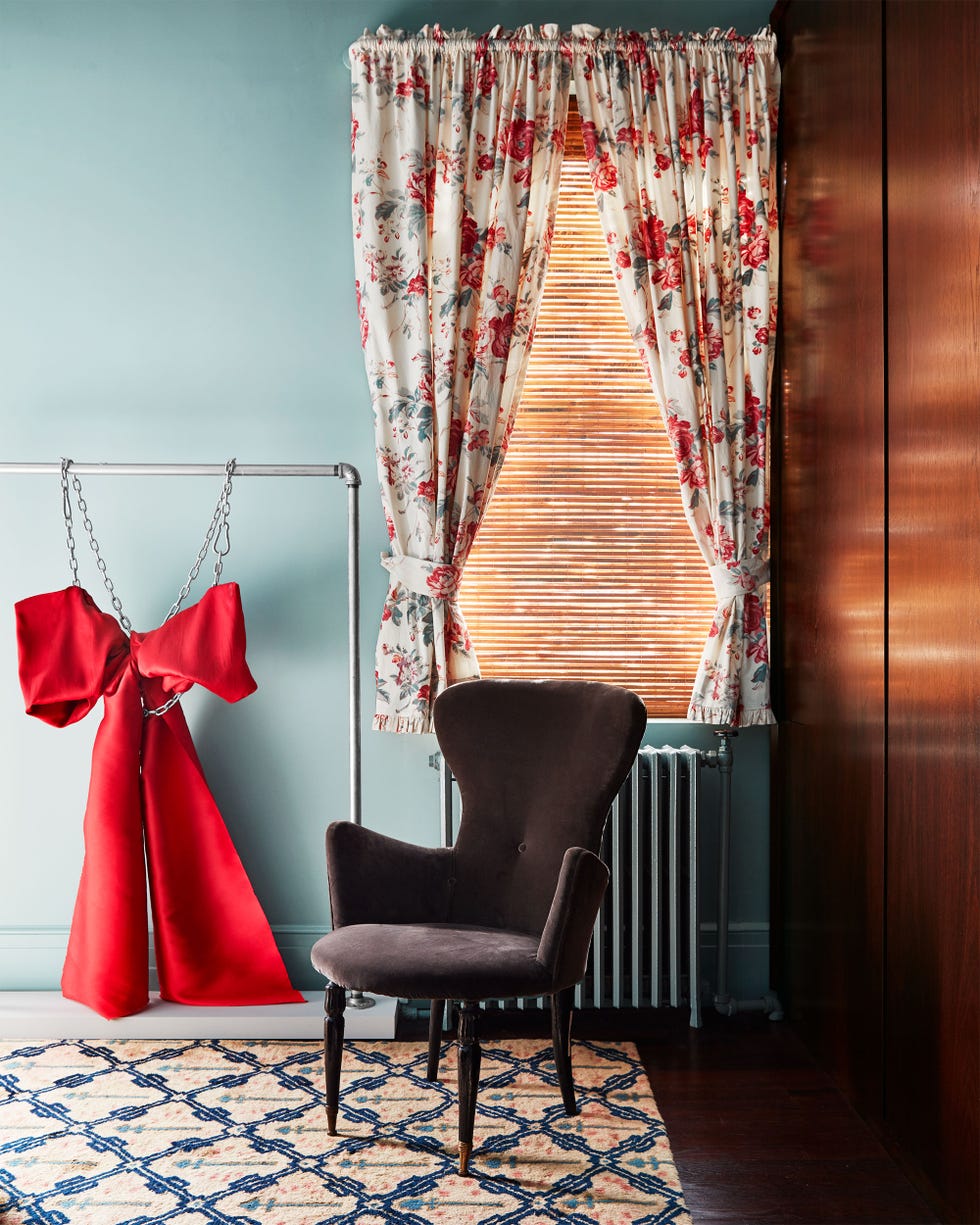
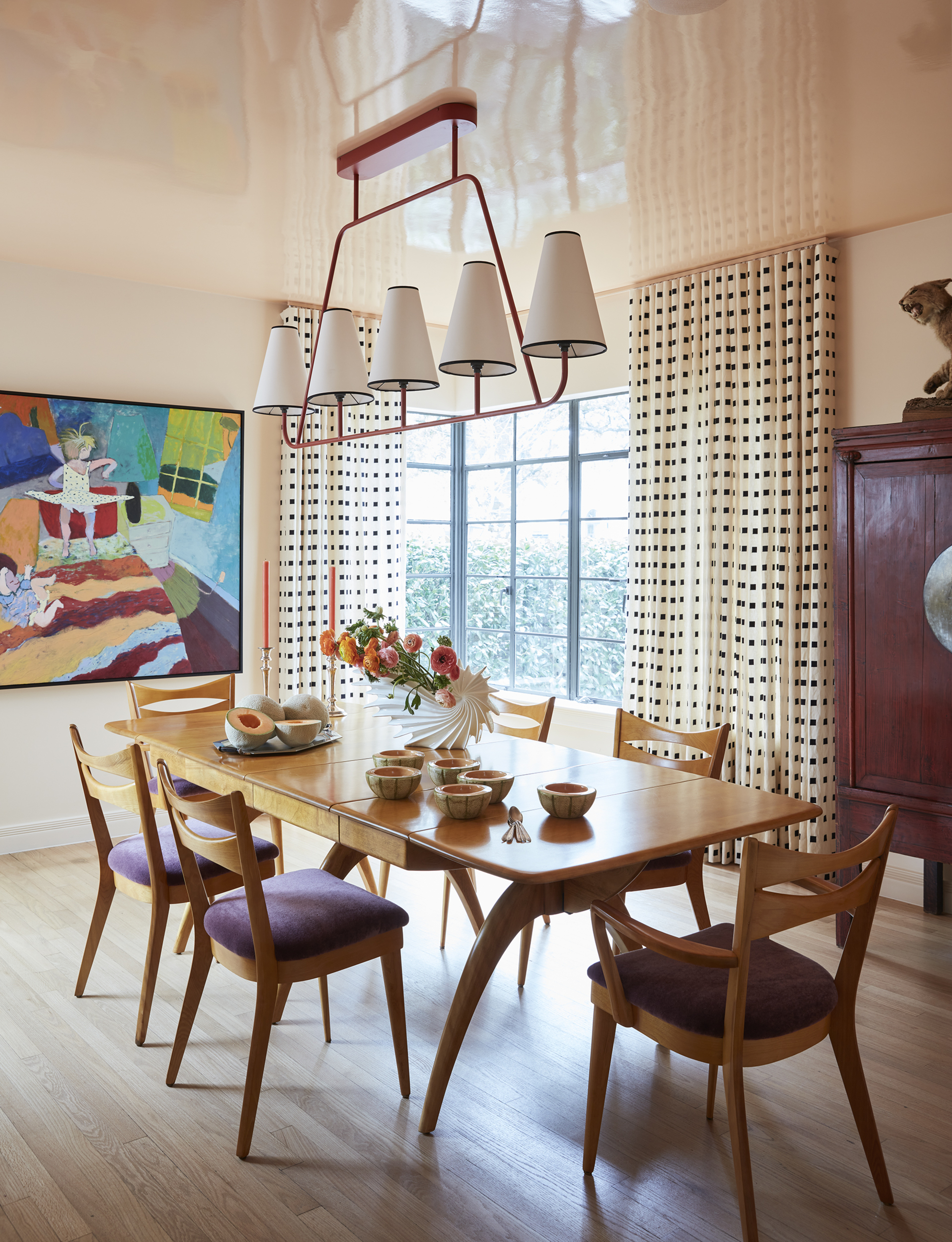
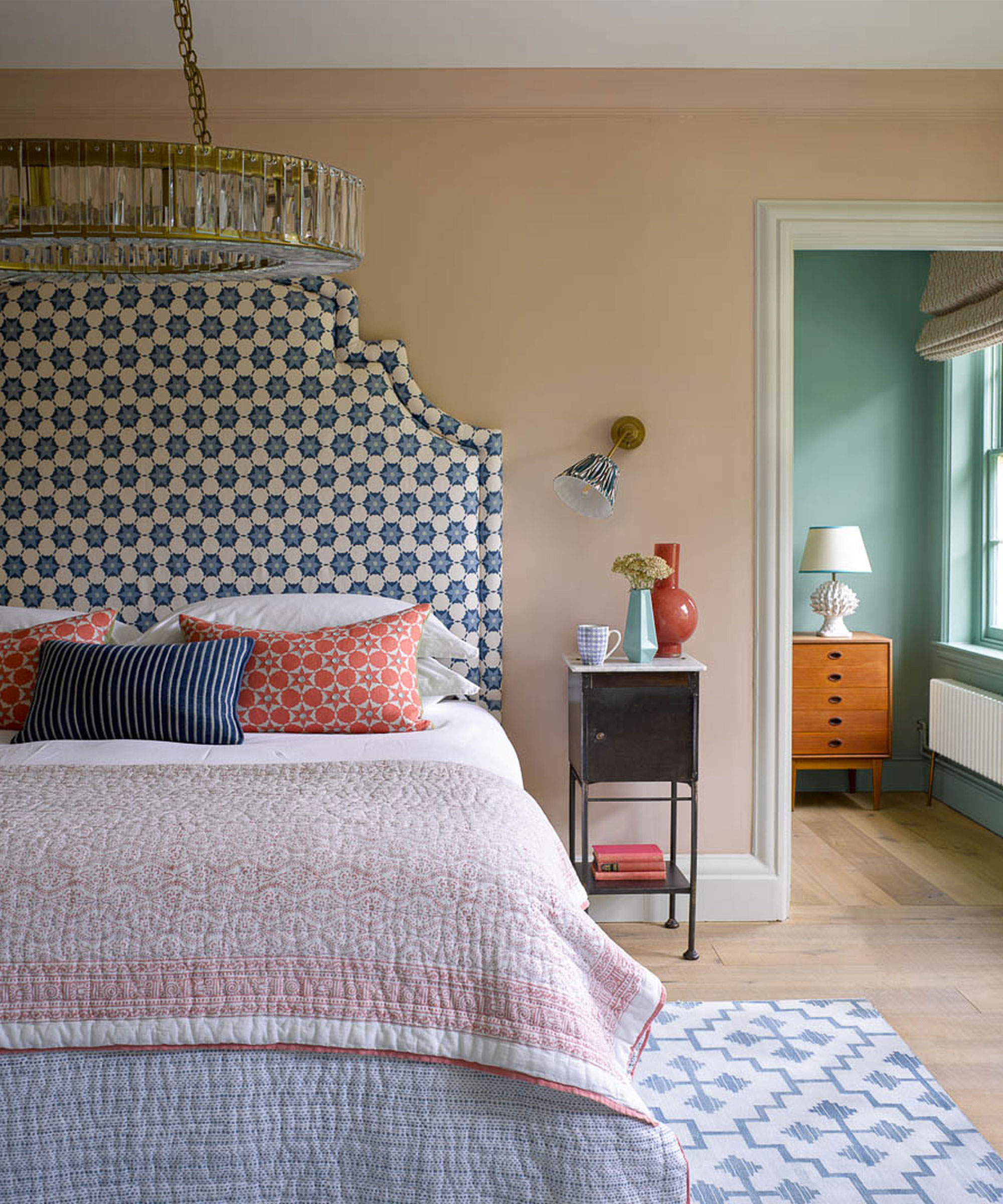
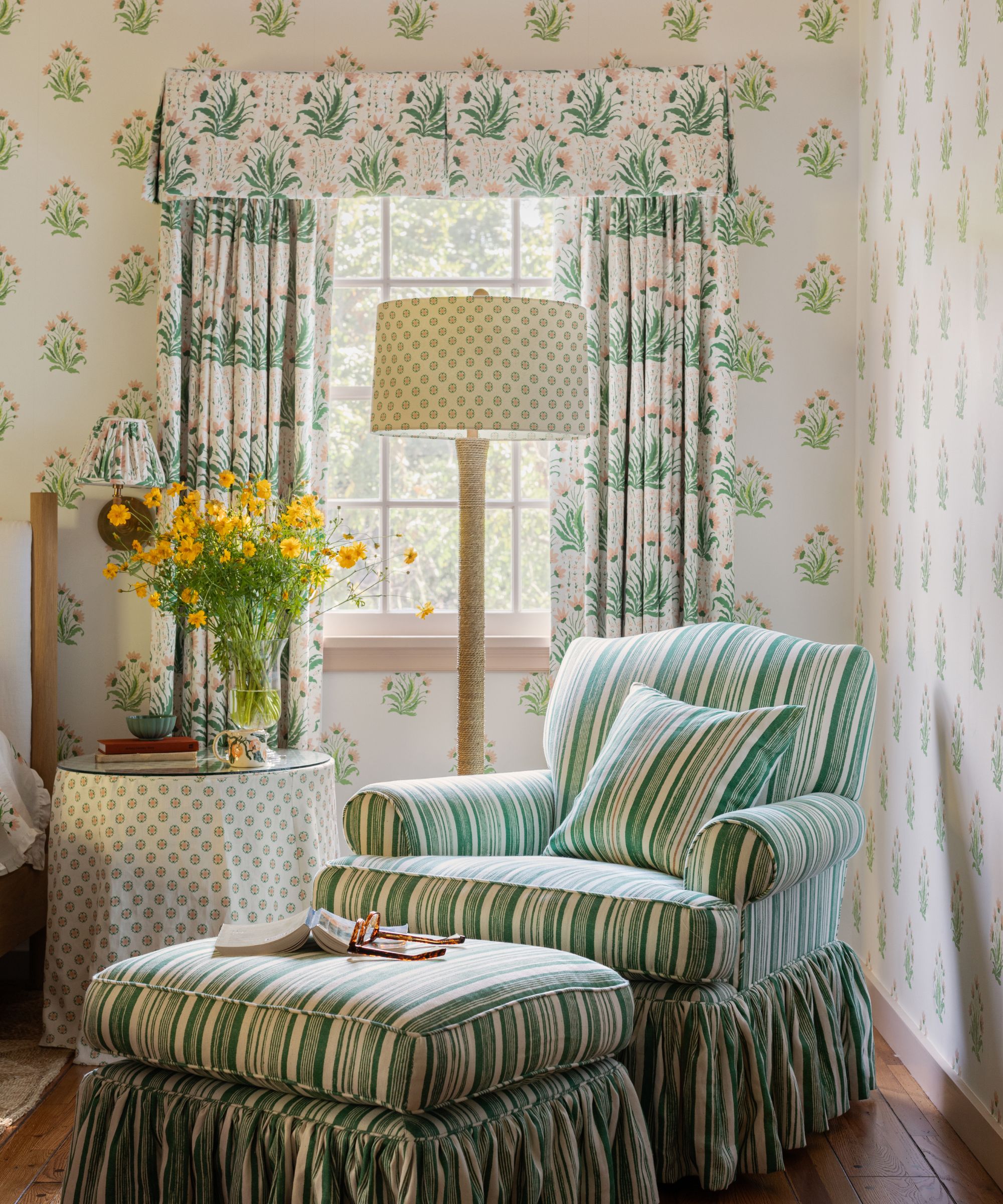
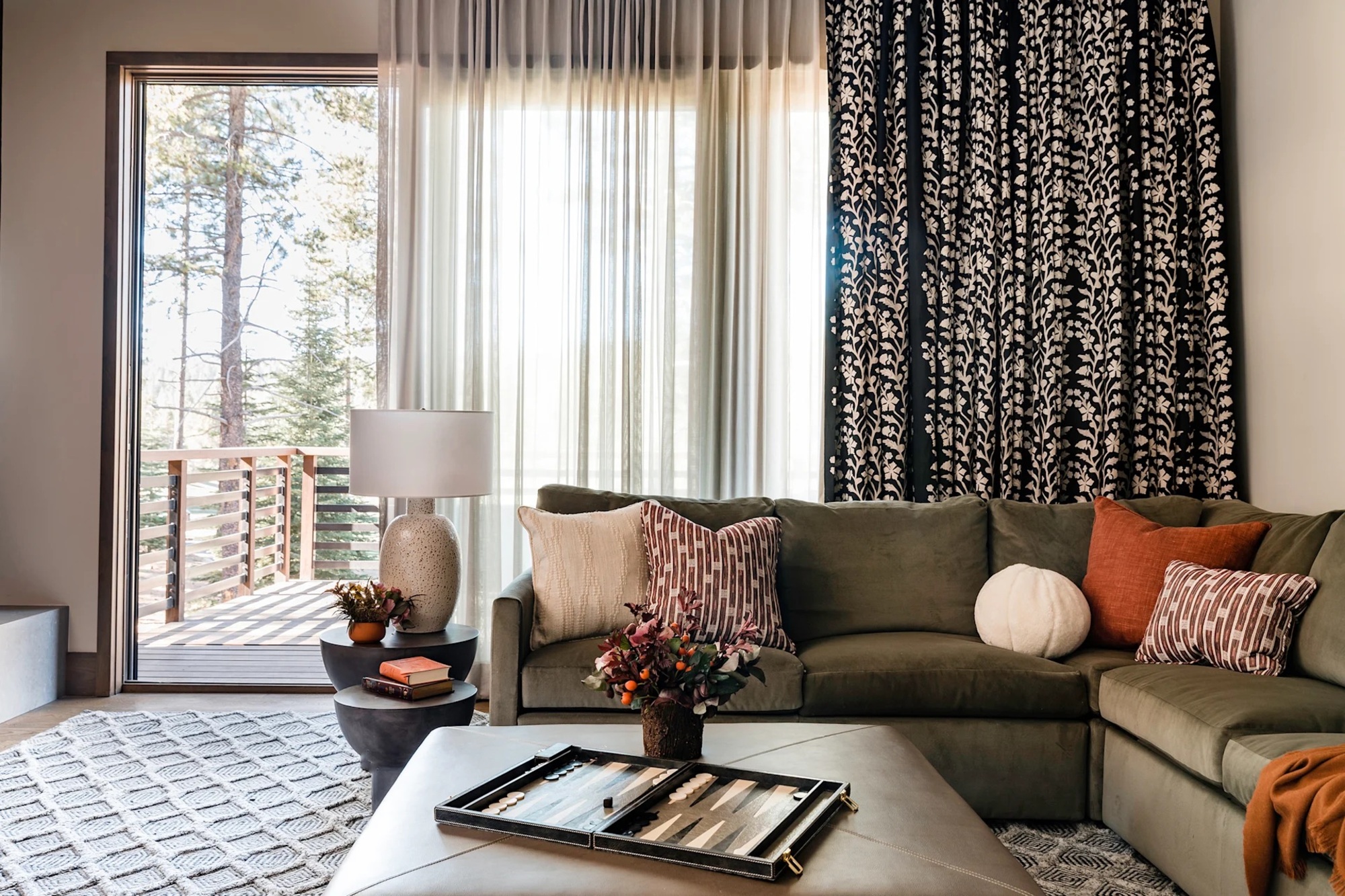
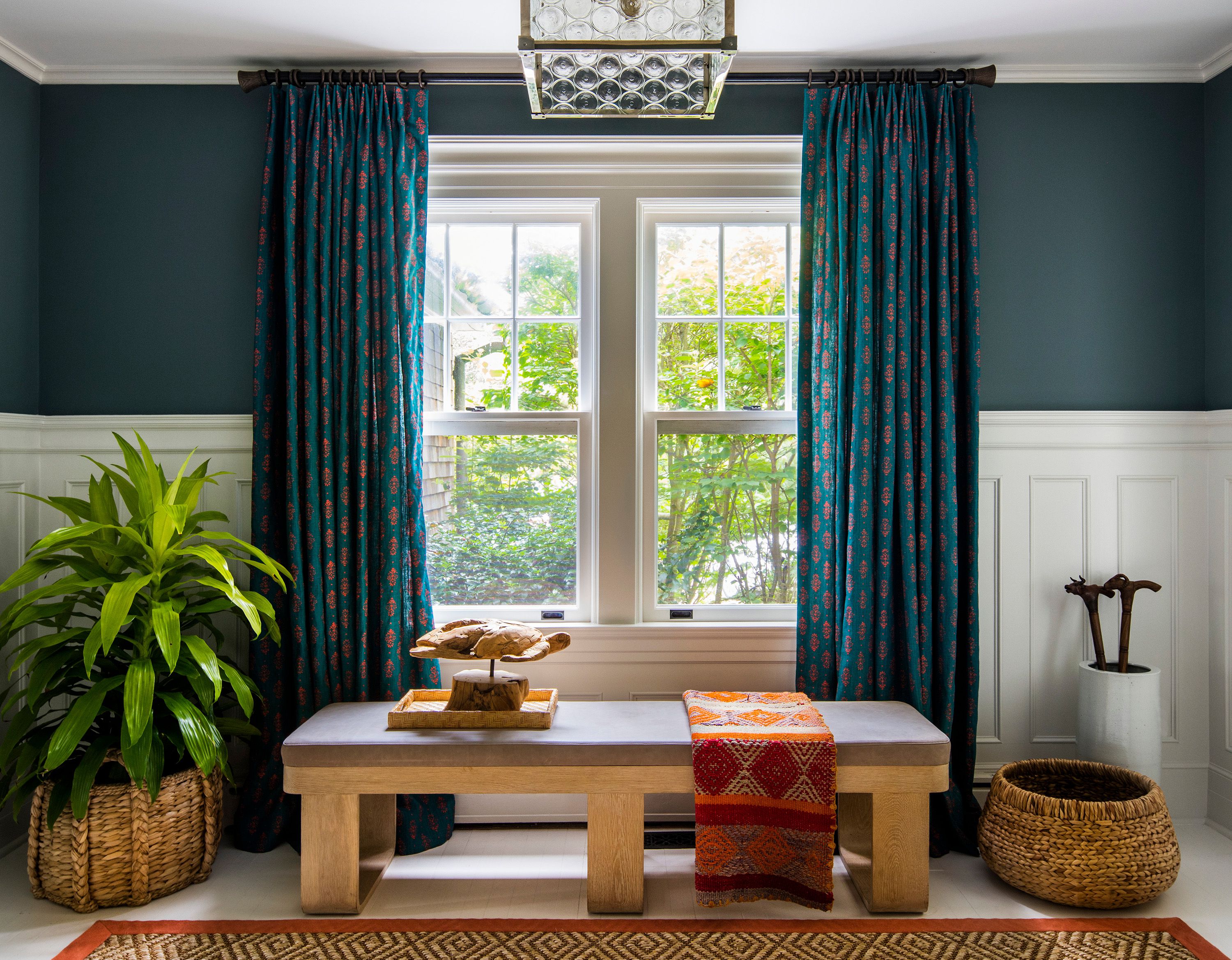
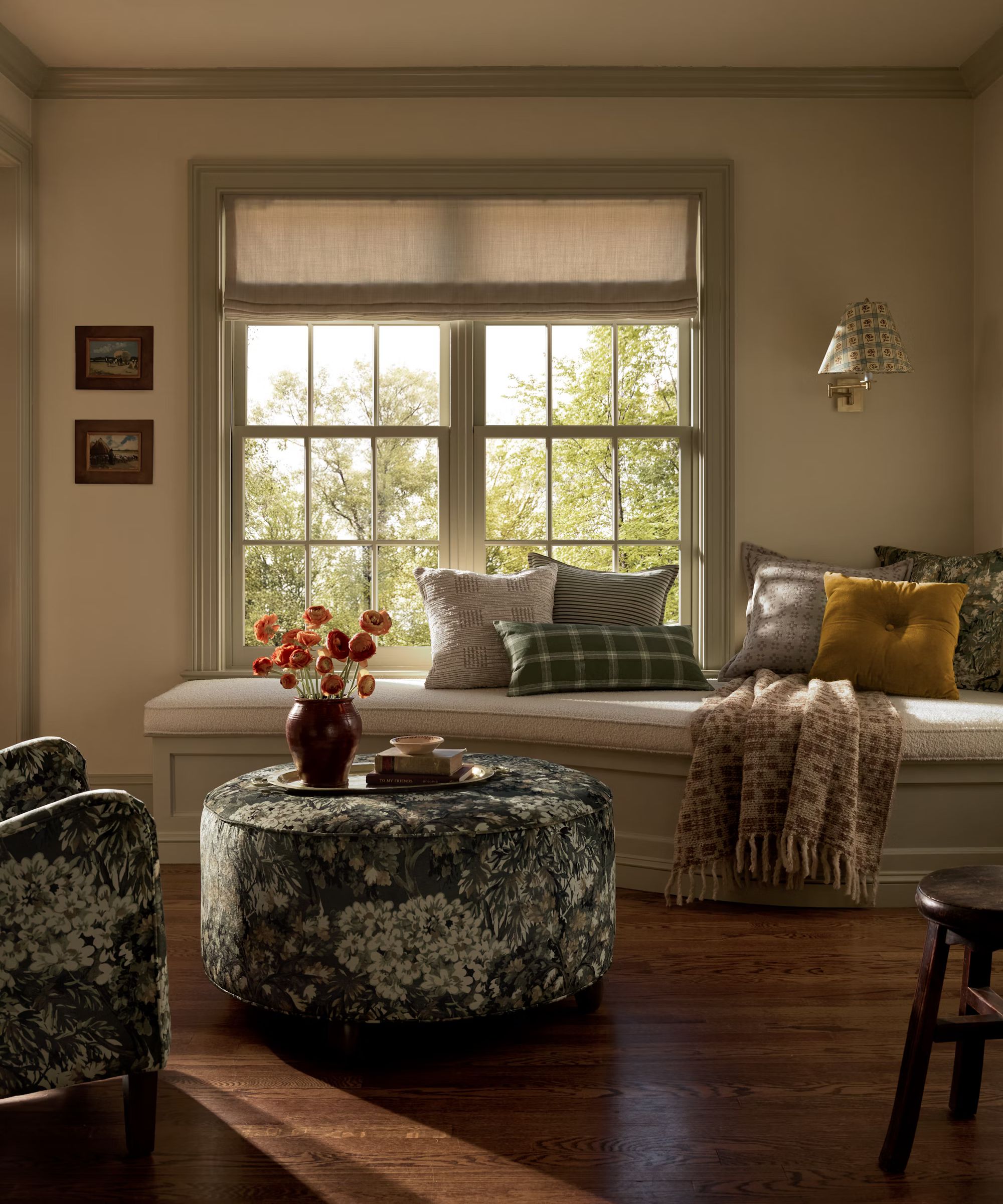
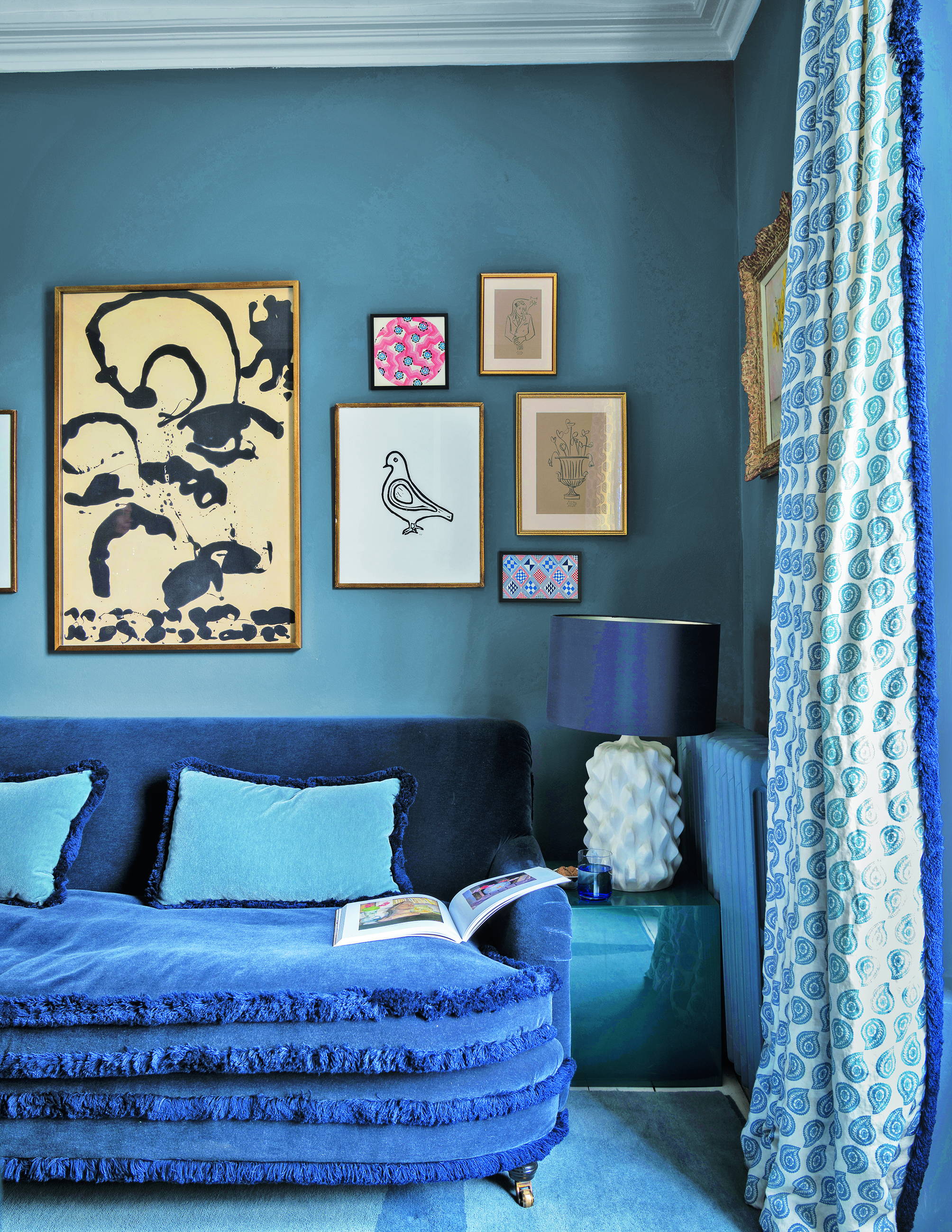
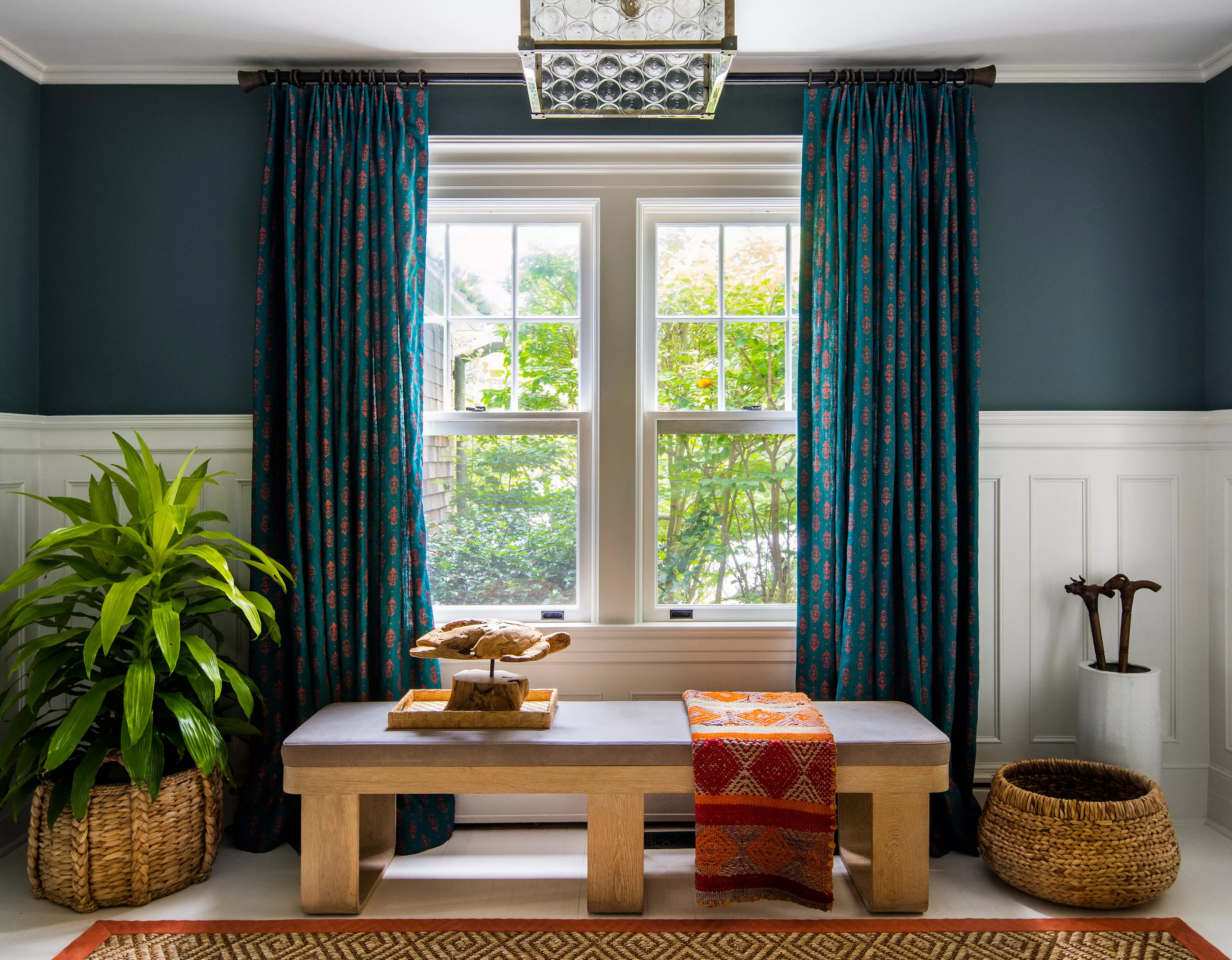
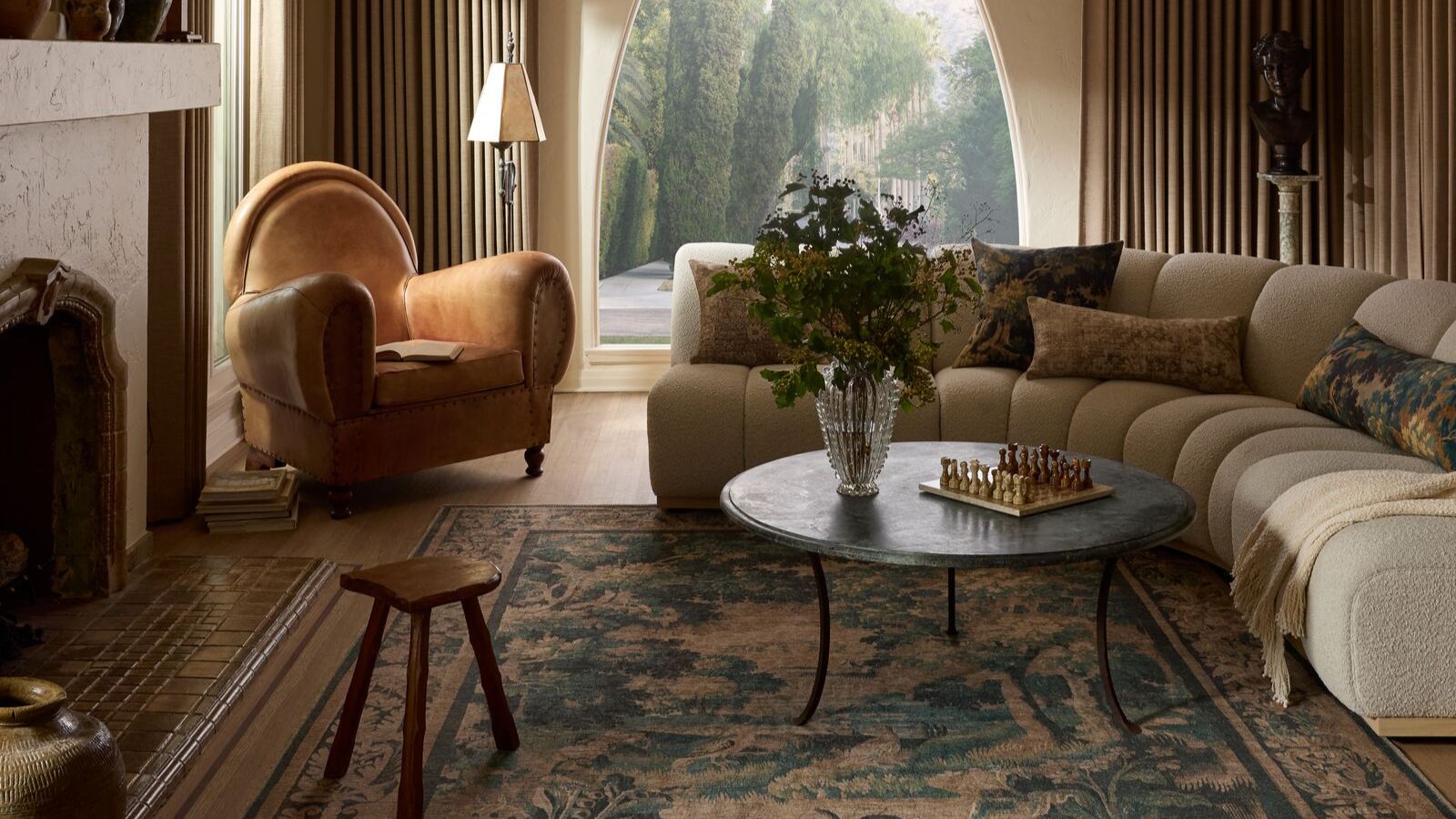
While neutral-toned curtains are a safe choice, designers encourage embracing bolder patterns, textures, and trims to create cohesive and impactful interiors. They advocate for drapery fabric choices that complement wallpapers, wall paints, and other decorative elements. Although neutral colors will always have a place for casual luxury and calm aesthetics, incorporating pops of color, texture, and print can significantly enhance a room's overall livability and visual interest. Designers advise selecting fabrics and styles that harmonize with the room's overarching aesthetic, ensuring curtains enhance rather than compete with the decor.
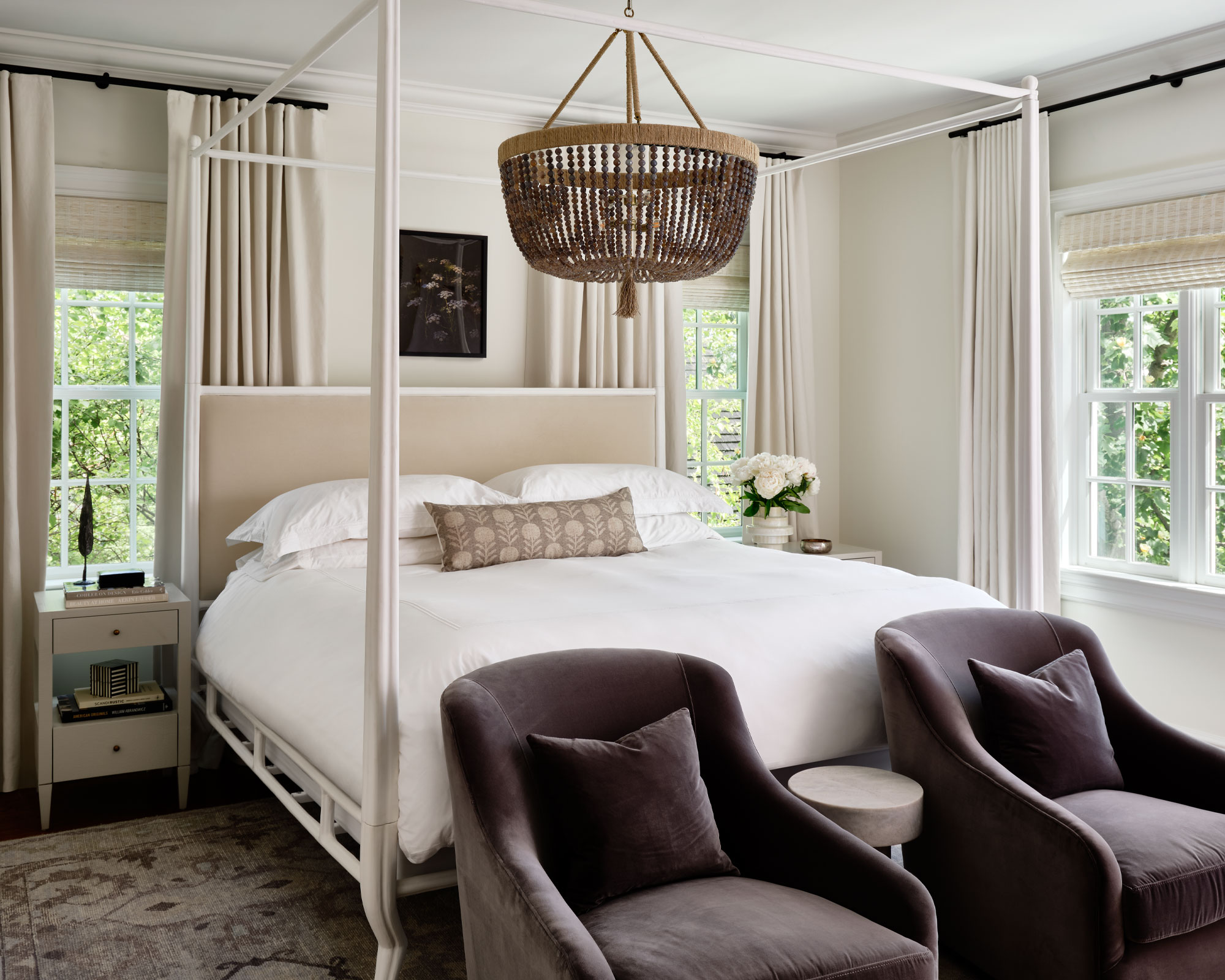
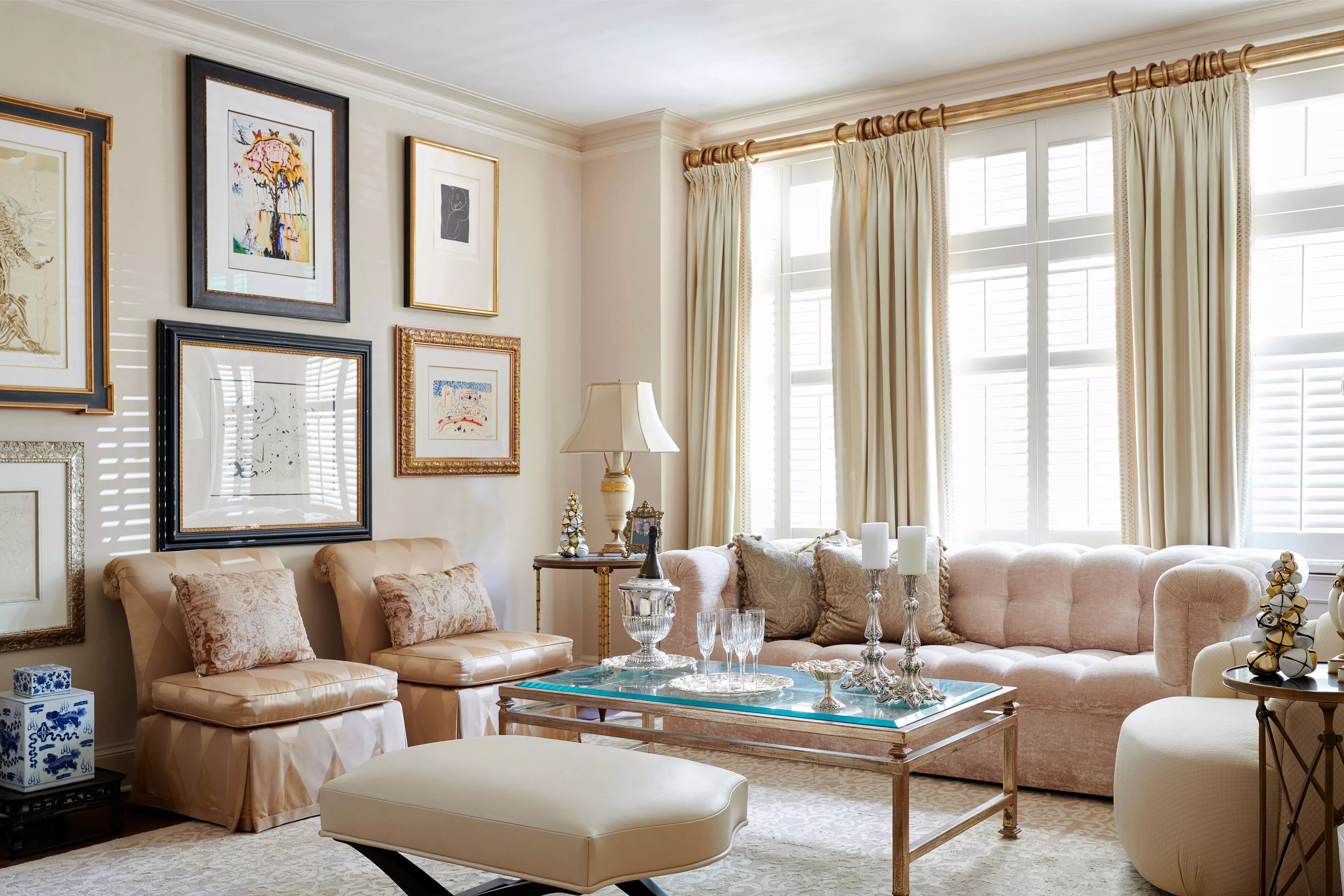
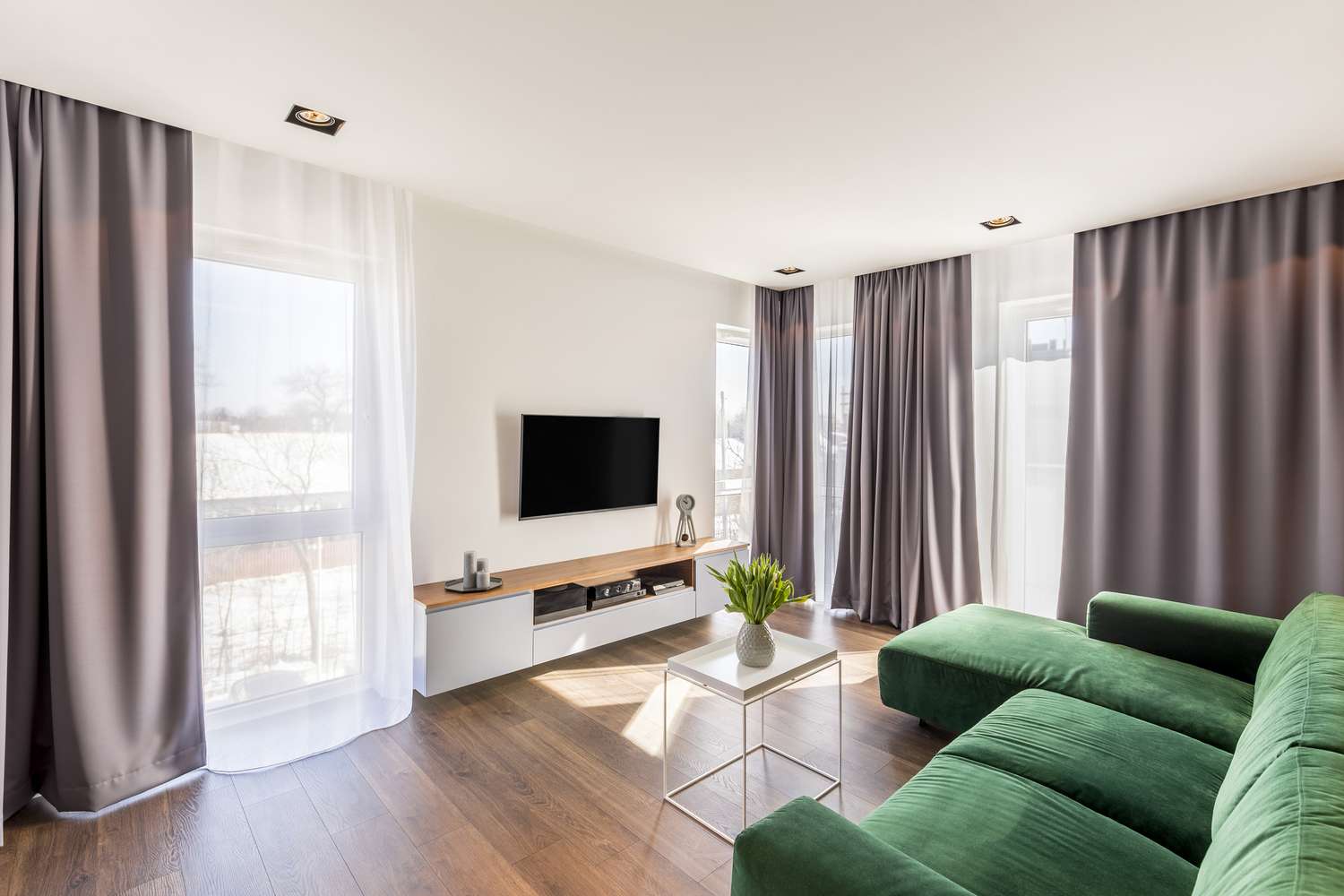
Finally, the absence of trim or layers on curtains is another outdated trend. Trimming, whether a contrasting hue or a subtle fringe, adds a custom, tailored look and introduces unexpected texture and color, elevating a room's design. Layering, such as pairing sheer panels with blackout curtains or adding woven shades underneath, brings depth and dimension to window treatments. Across all recommendations, designers unanimously stress the critical importance of accurate measurement before purchasing curtains to achieve the desired effect.
#OutdatedCurtainTrends #WindowTreatments #InteriorDesign #HomeDecor #CurtainStyles #DesignTips #CustomDrapery #ModernHome #OutdatedCurtainTrends #WindowTreatments #InteriorDesign #HomeDecor #CurtainStyles #DesignTips #CustomDrapery #ModernHome
0 comment in total
 No comments yet
You may also like
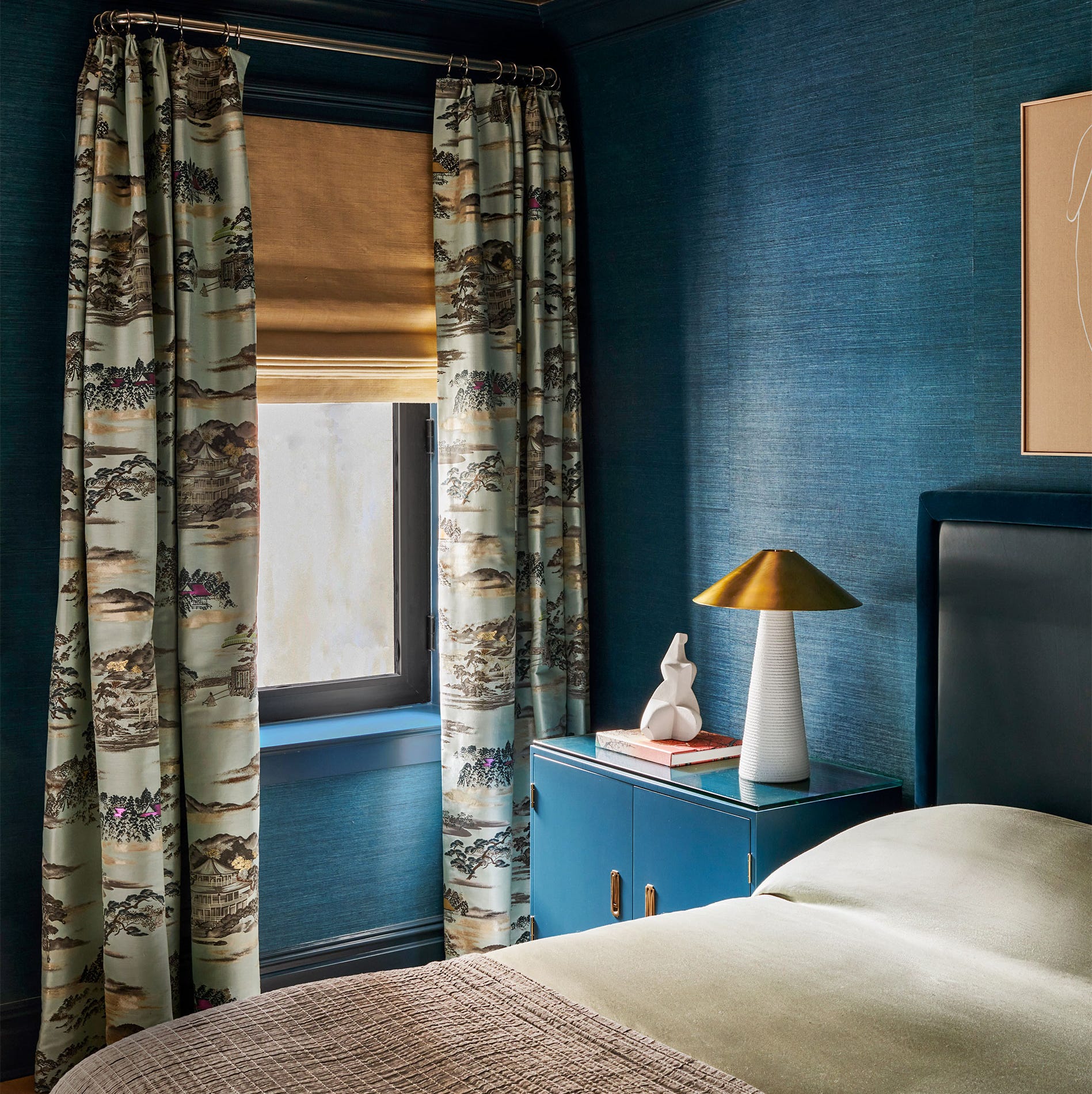
Why You Should Never Skip Curtains, According to Top Designers

5 trends that look good right now but interior designers warn they won't last
Outdated bathroom trends – 6 overdone looks that designers like to avoid, and here's why you should too

6 Window Treatment Trends That Are Going Out of Style (and What to Do Instead)

5 outdated wall decor trends designers warn to avoid – plus what we should be doing instead
5 outdated lighting trends designers say to avoid – and the designs and techniques to use, instead
Designers Say to Ditch These 6 Curtain Styles for an Instant Room Upgrade
The decorating trends designers definitely want you to leave behind in 2025 – from fads to faux pas
Are Curtains Out of Style? Of Course Not, but Some Designs Will Date Your Space Faster — Here's What to Know

6 Curtain Styles That Are So Outdated, According to Designers

These are the dated window treatments interior designers are encouraging you to avoid in 2024
6 Outdated Kitchen Trends Designers Say You Need to Avoid in 2025 — And What to Do Instead
6 Curtain Styles Designers Say Are Outdated (and What to Use Instead!)
9 CONTROVERSIAL Decor Choices Designers Secretly Wish You’d Stop Making

The Curtain Trends Designers Say to Look Out for in 2026

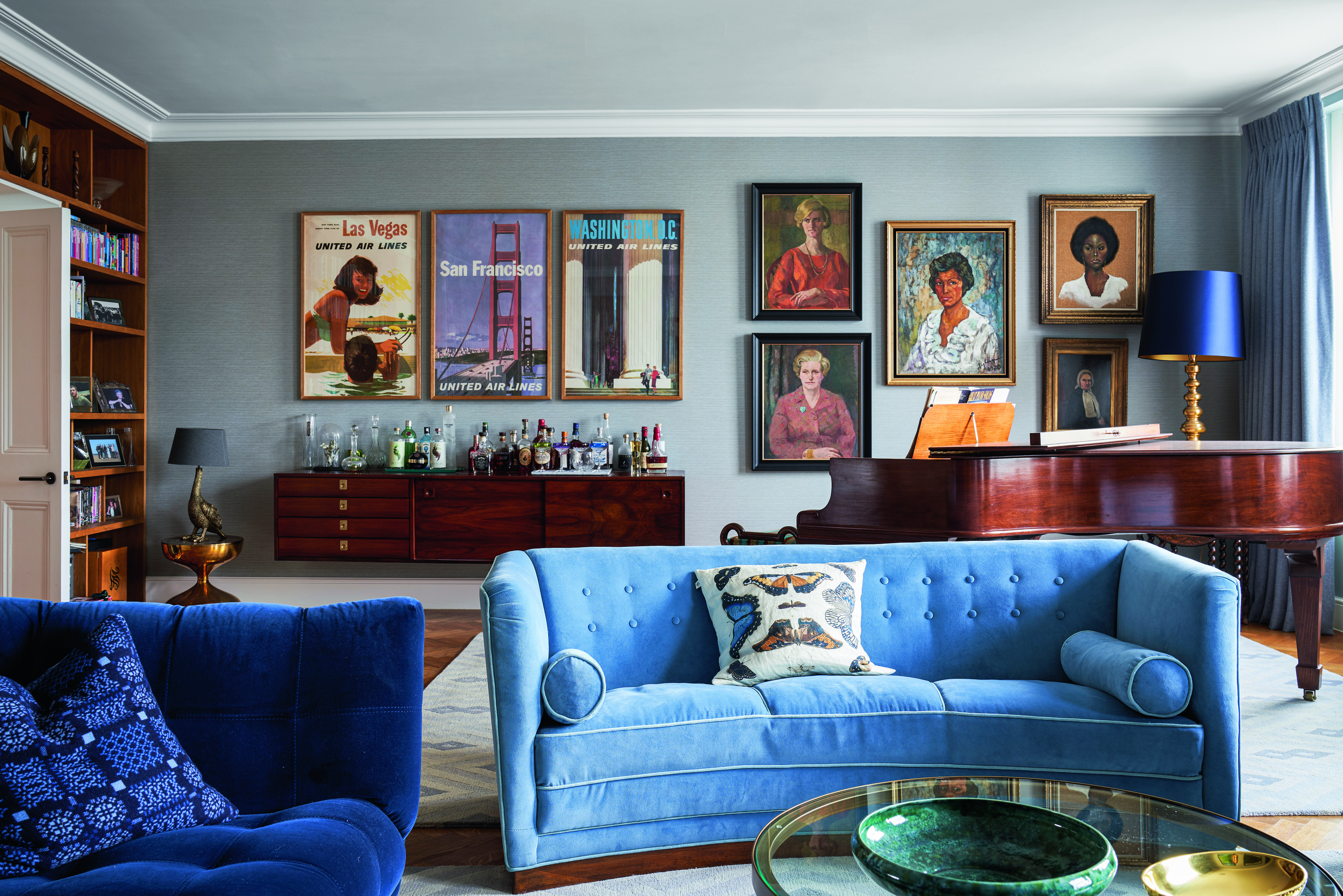
4 outdated wall decor trends designers are leaving behind – and the one that they're choosing instead
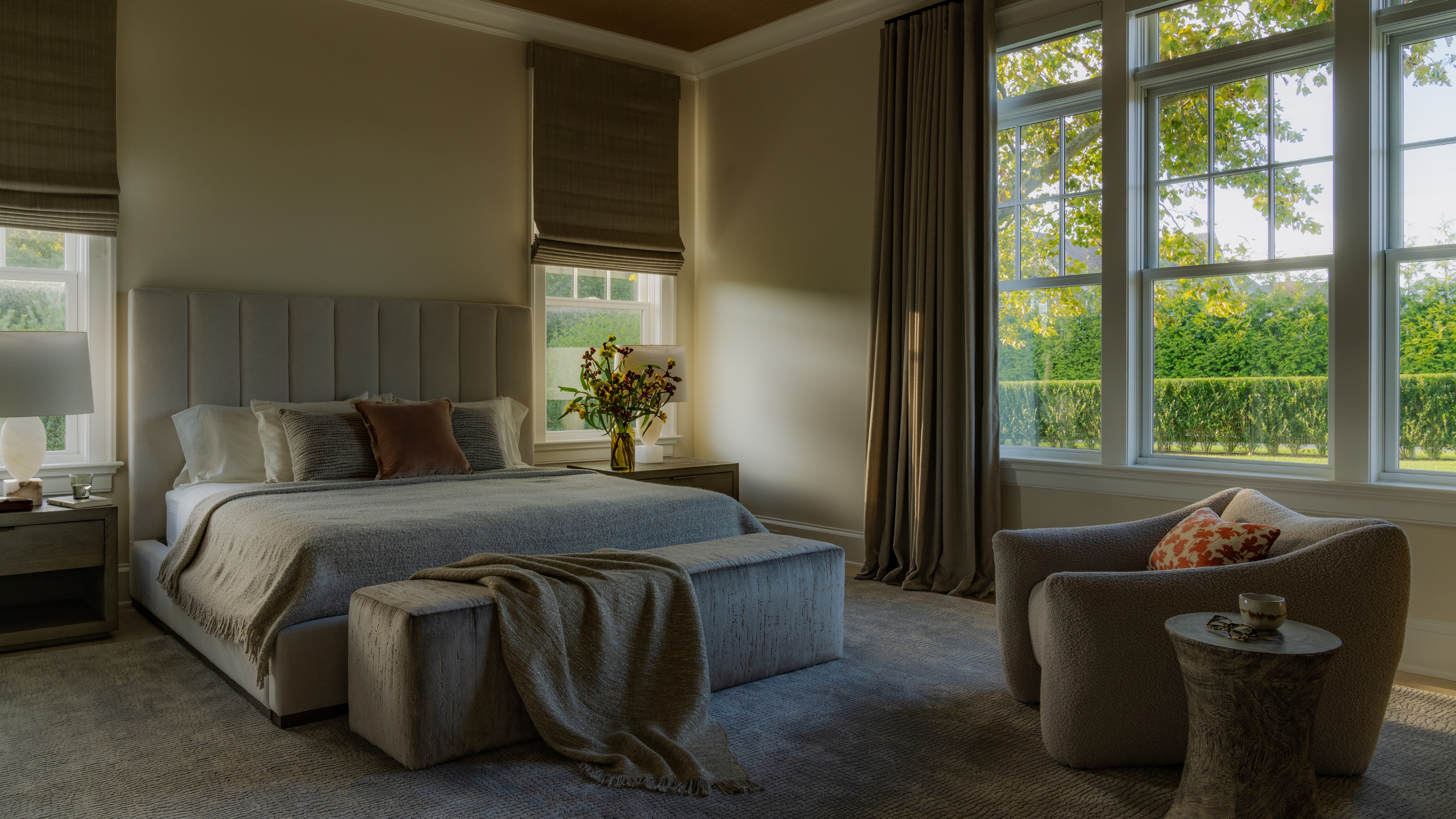
No More of These, Please — 4 Outdated Window Treatments Designers Don't Want to See You Using Anymore
The #1 Home Trend You Should Avoid, According to Designers

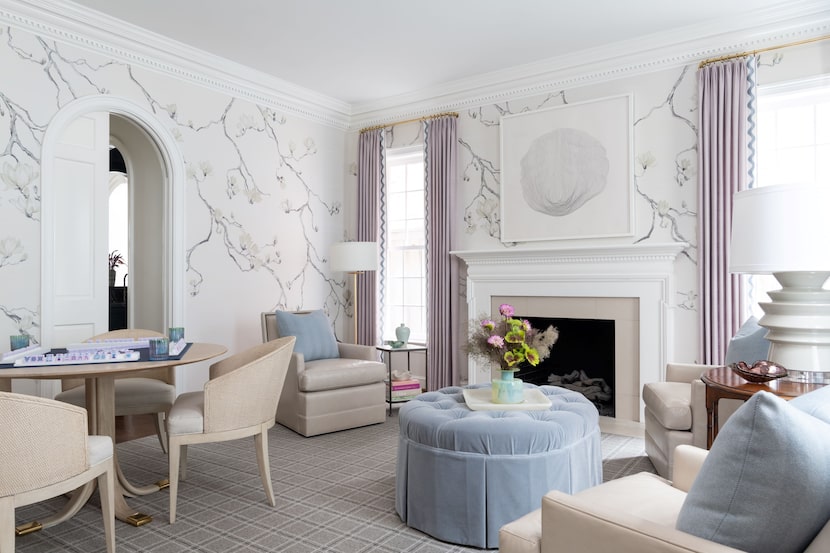
7 home design trends to skip (and what to do instead)

6 Outdated Window Treatments Interior Designers Are Tired of Seeing