1/6
5 outdated lighting trends designers say to avoid – and the designs and techniques to use, instead
Effective interior lighting is crucial for both illuminating a room and enhancing its aesthetic with carefully chosen shapes, colors, and materials. Achieving the right balance between form and function is paramount in lighting design. This guide outlines five outdated lighting trends that designers recommend avoiding, alongside contemporary solutions to create a well-lit and stylish living space.


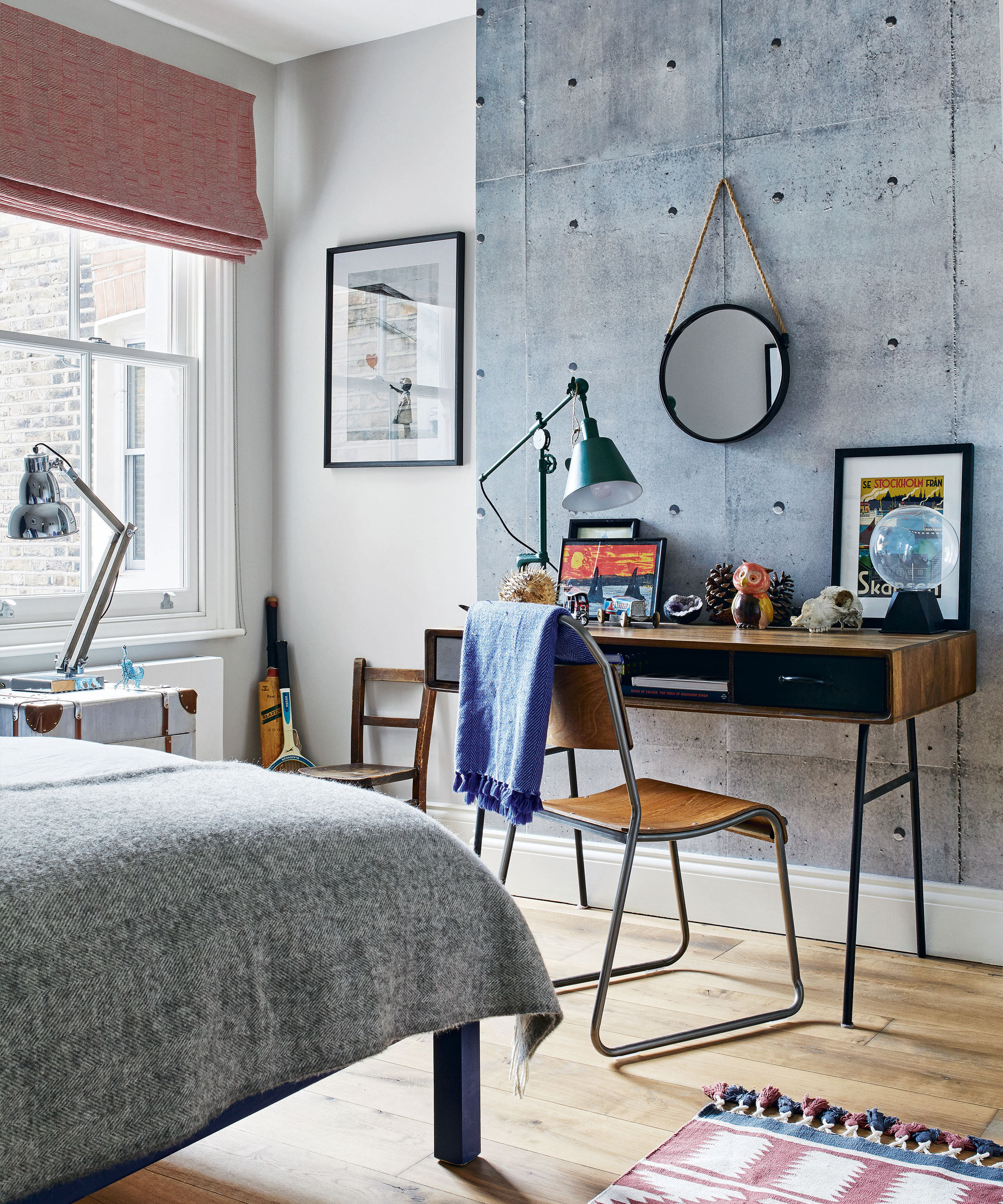
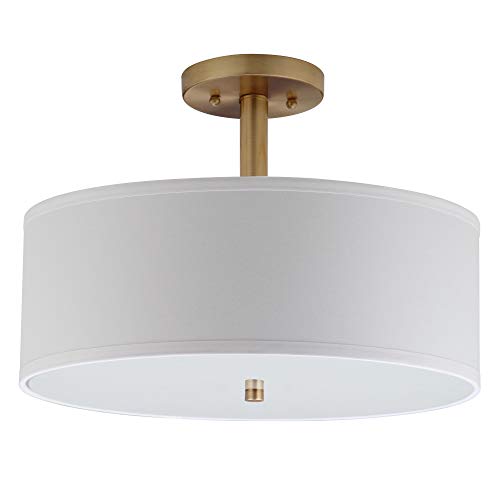
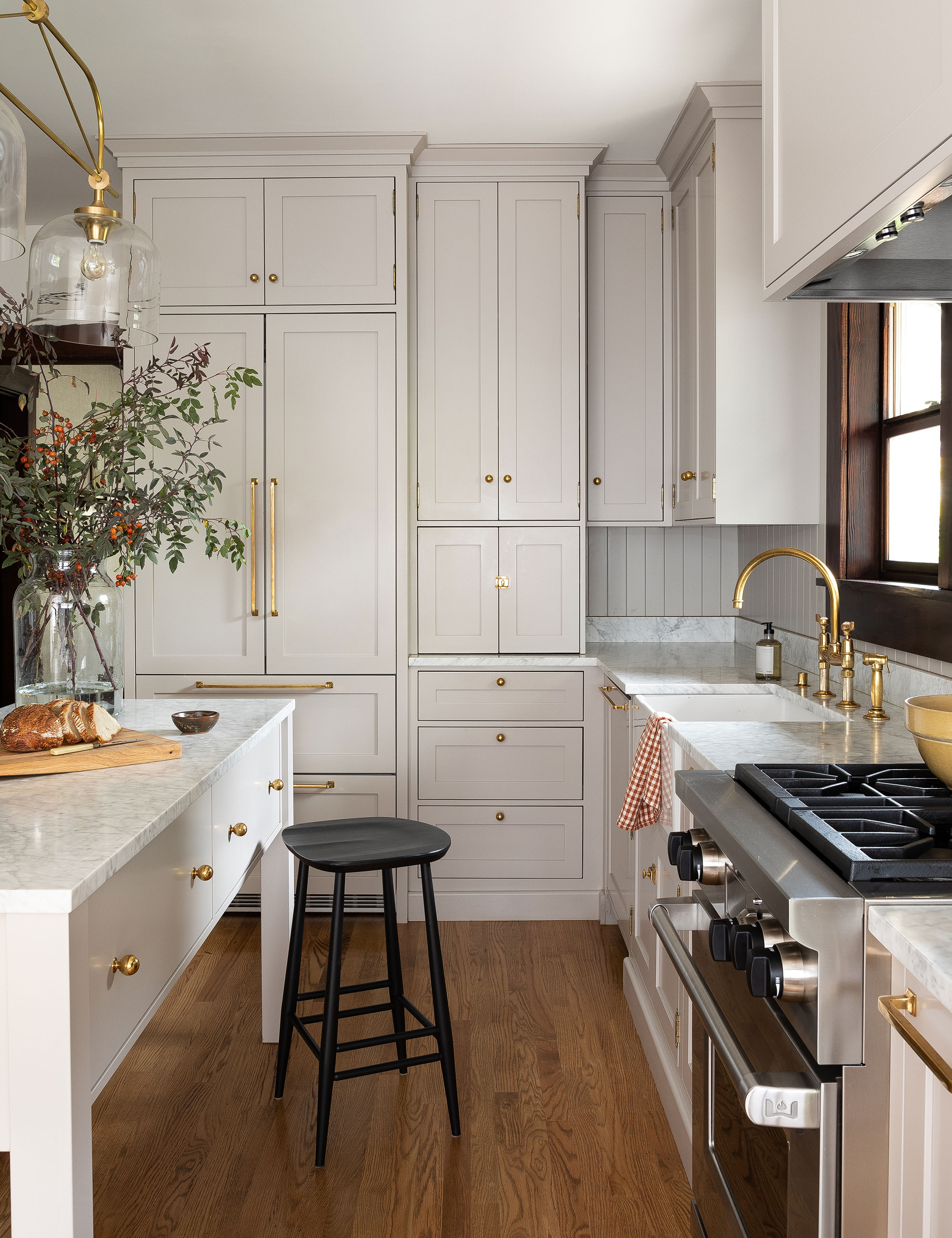
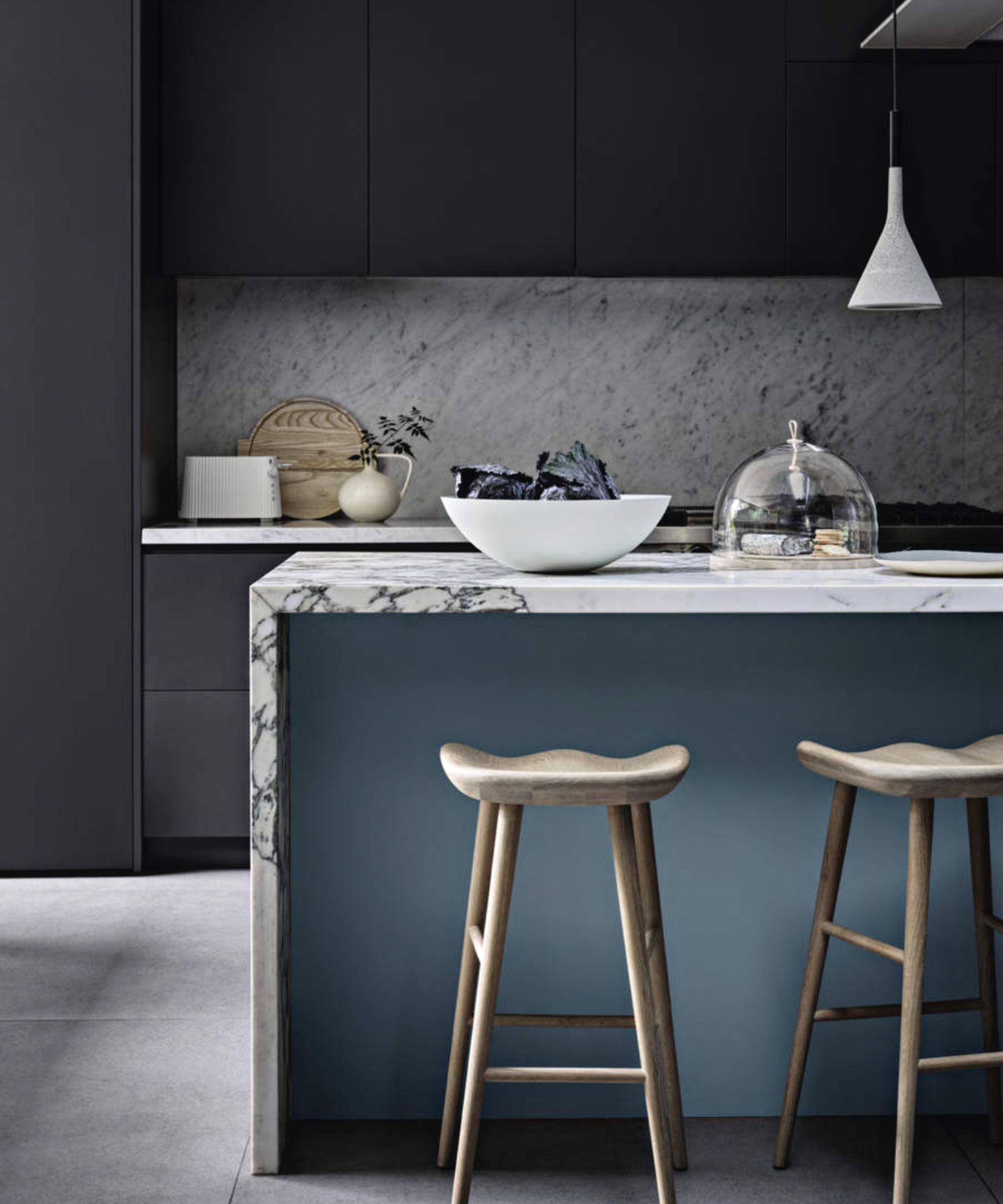
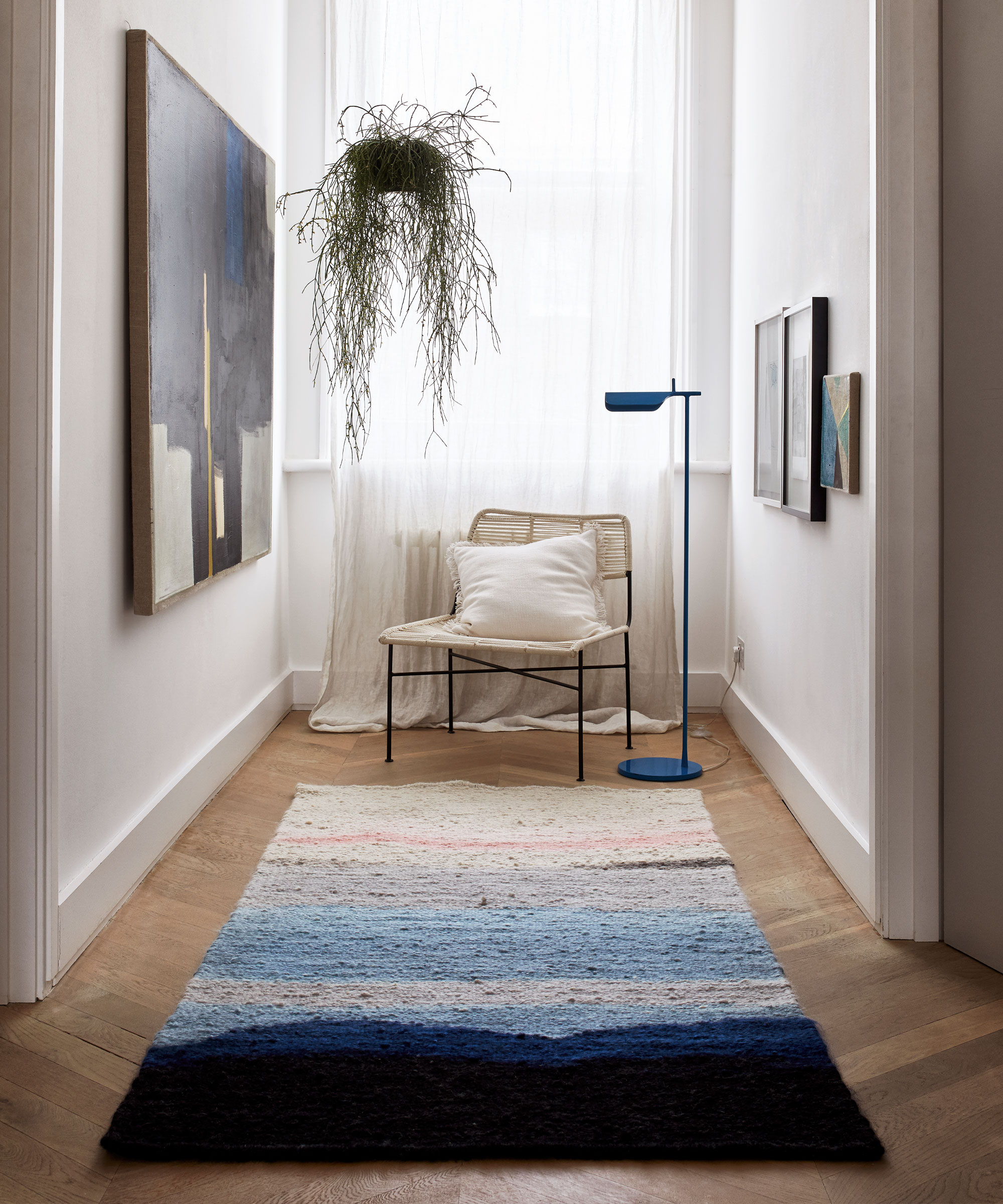
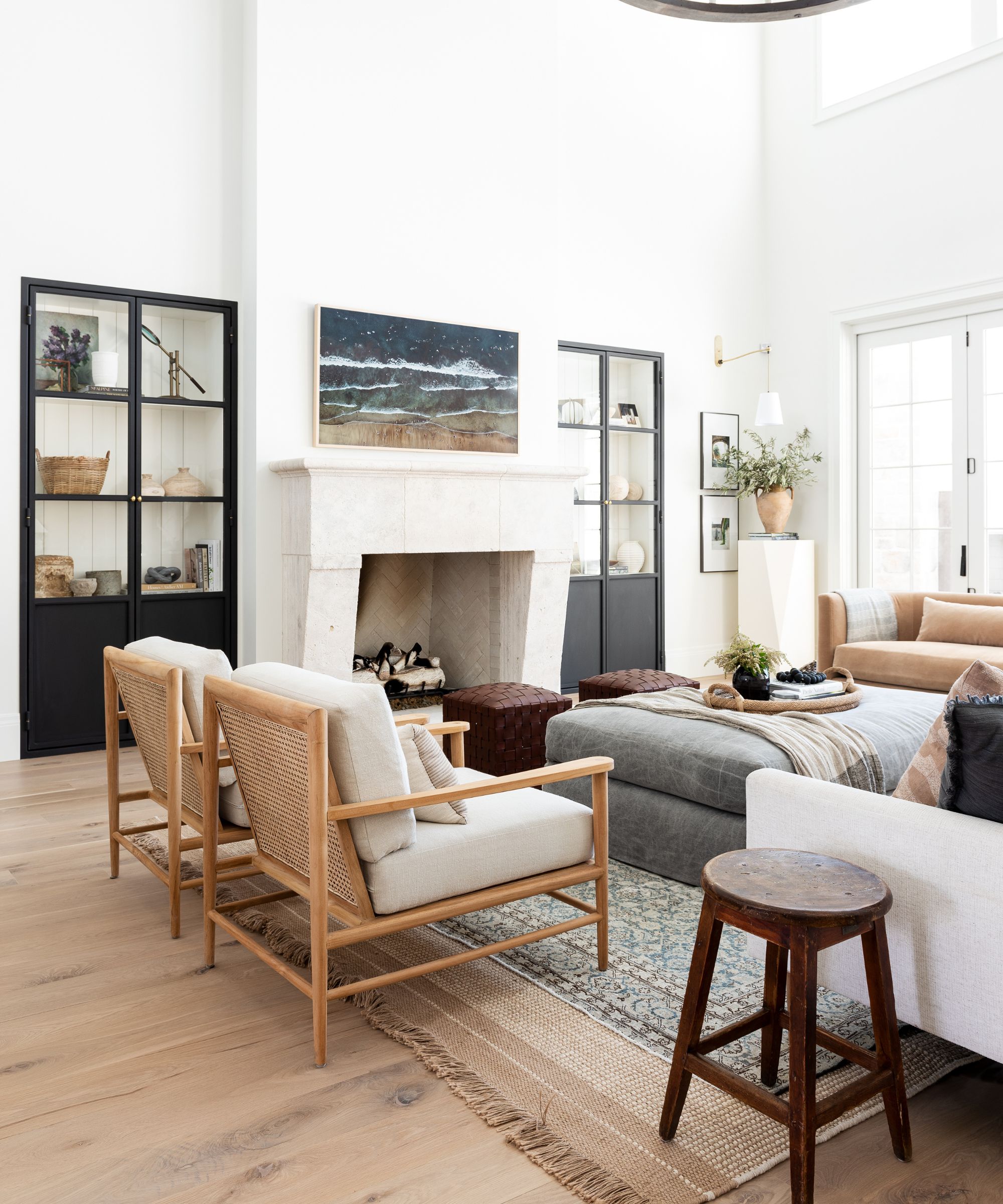
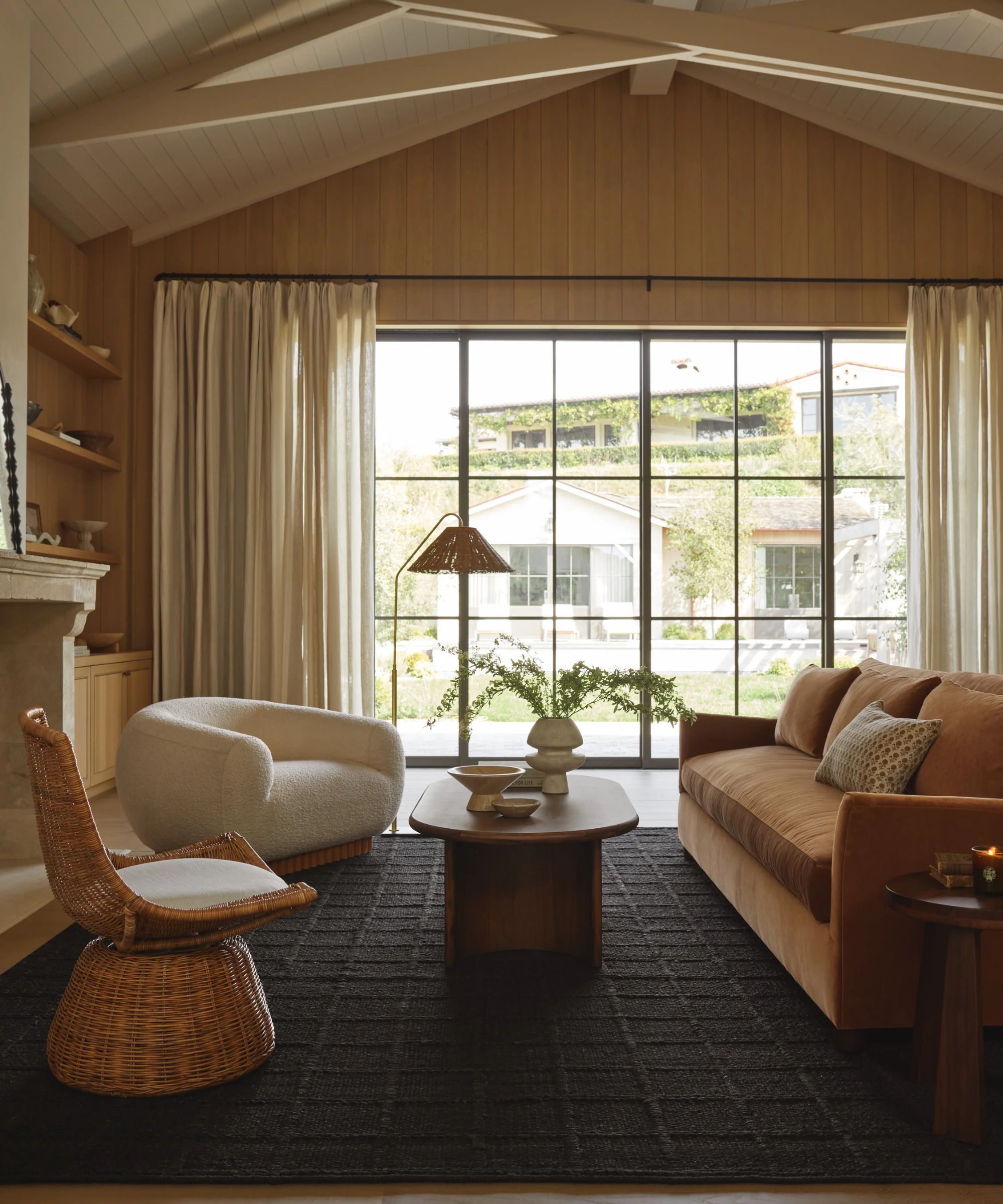
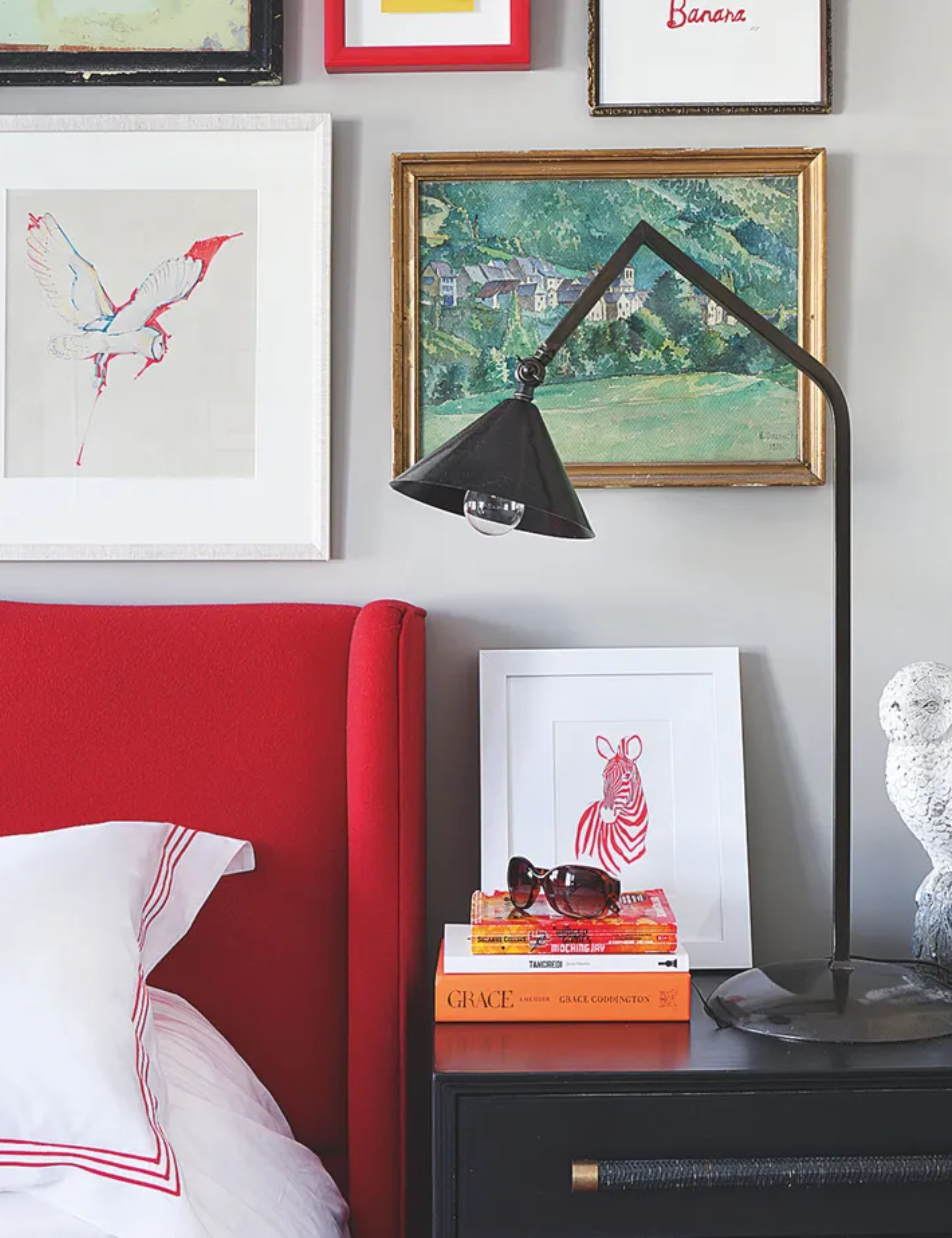
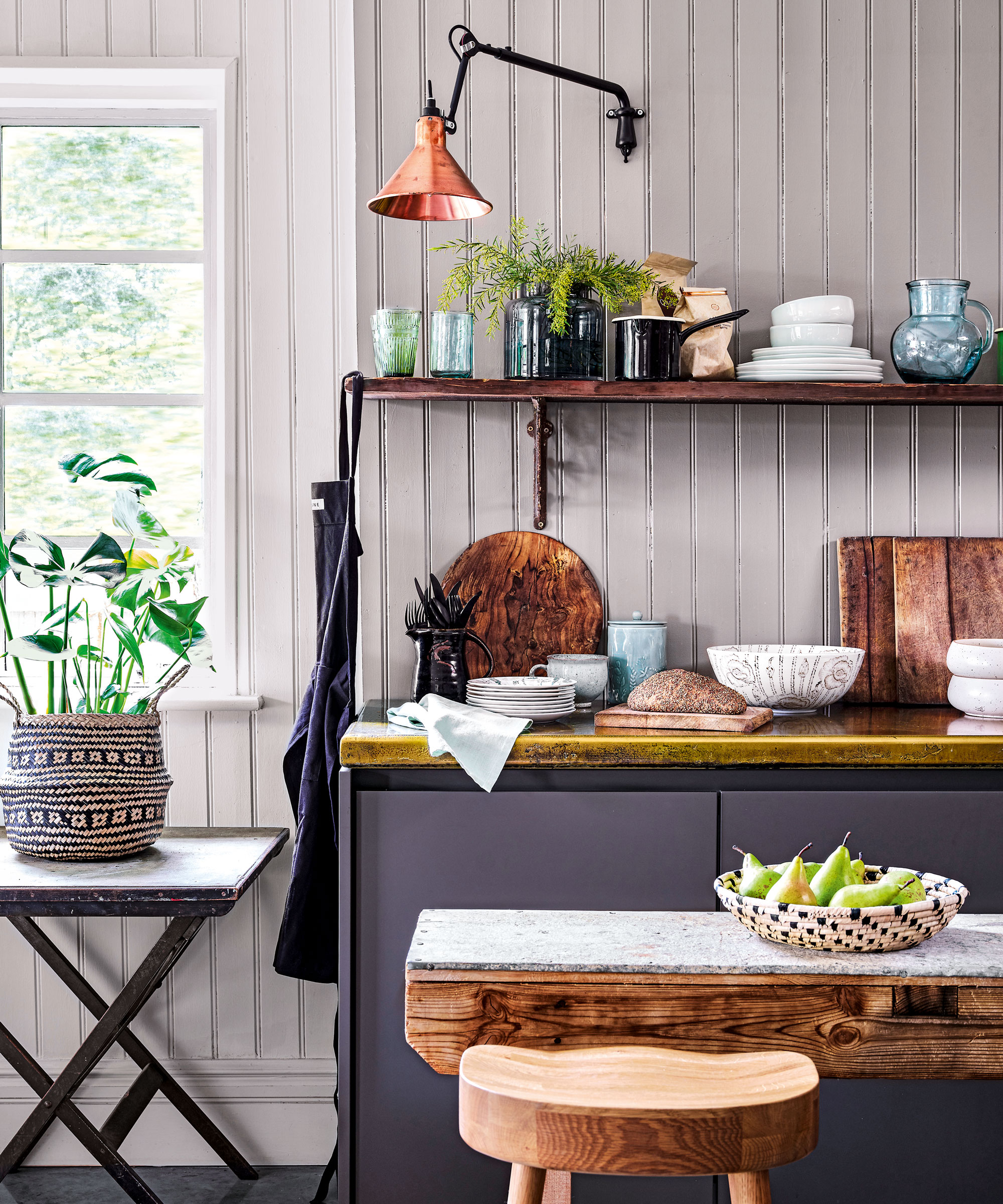
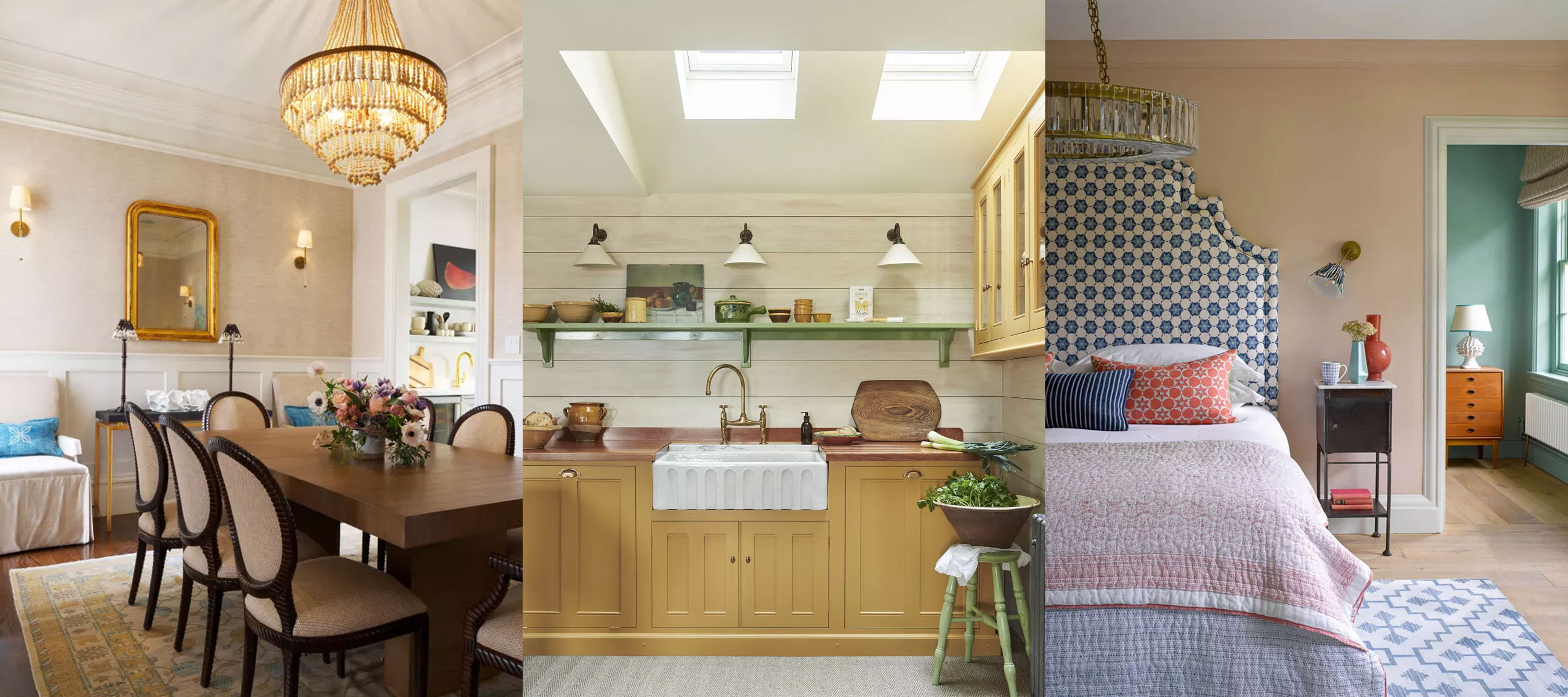
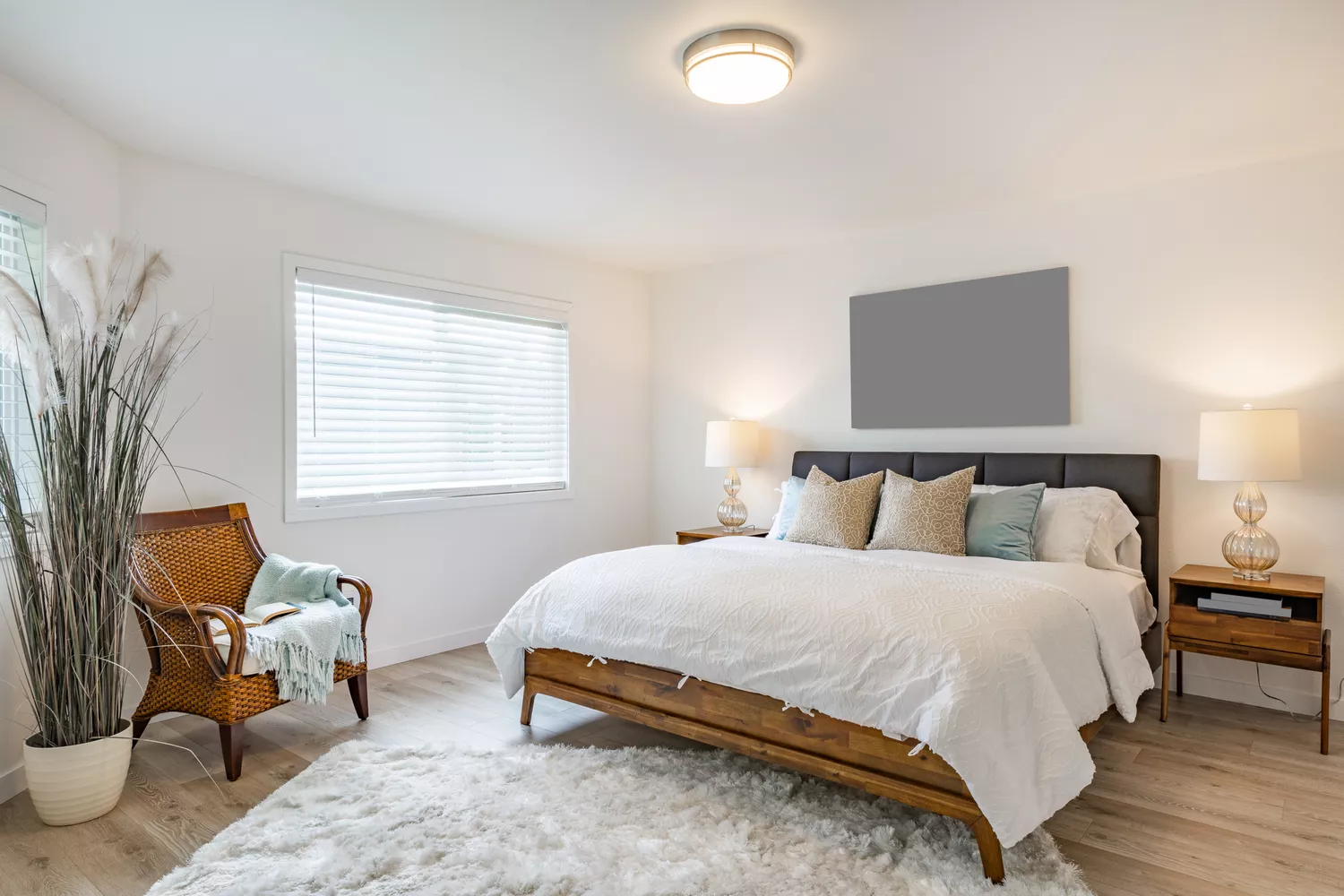
One significant outdated trend is the absence of layered lighting. Relying solely on a single overhead light fails to provide the versatility needed for different moods and tasks. A modern approach involves combining overhead fixtures, accent lighting, and task lighting. For instance, in a bedroom, bright overhead lights are necessary for preparation, while cozy lamps create a softer, more soothing atmosphere for relaxation. Layering light sources, including table lamps, floor lamps, and wall lights, is essential to casting a warm and inviting glow throughout a room.
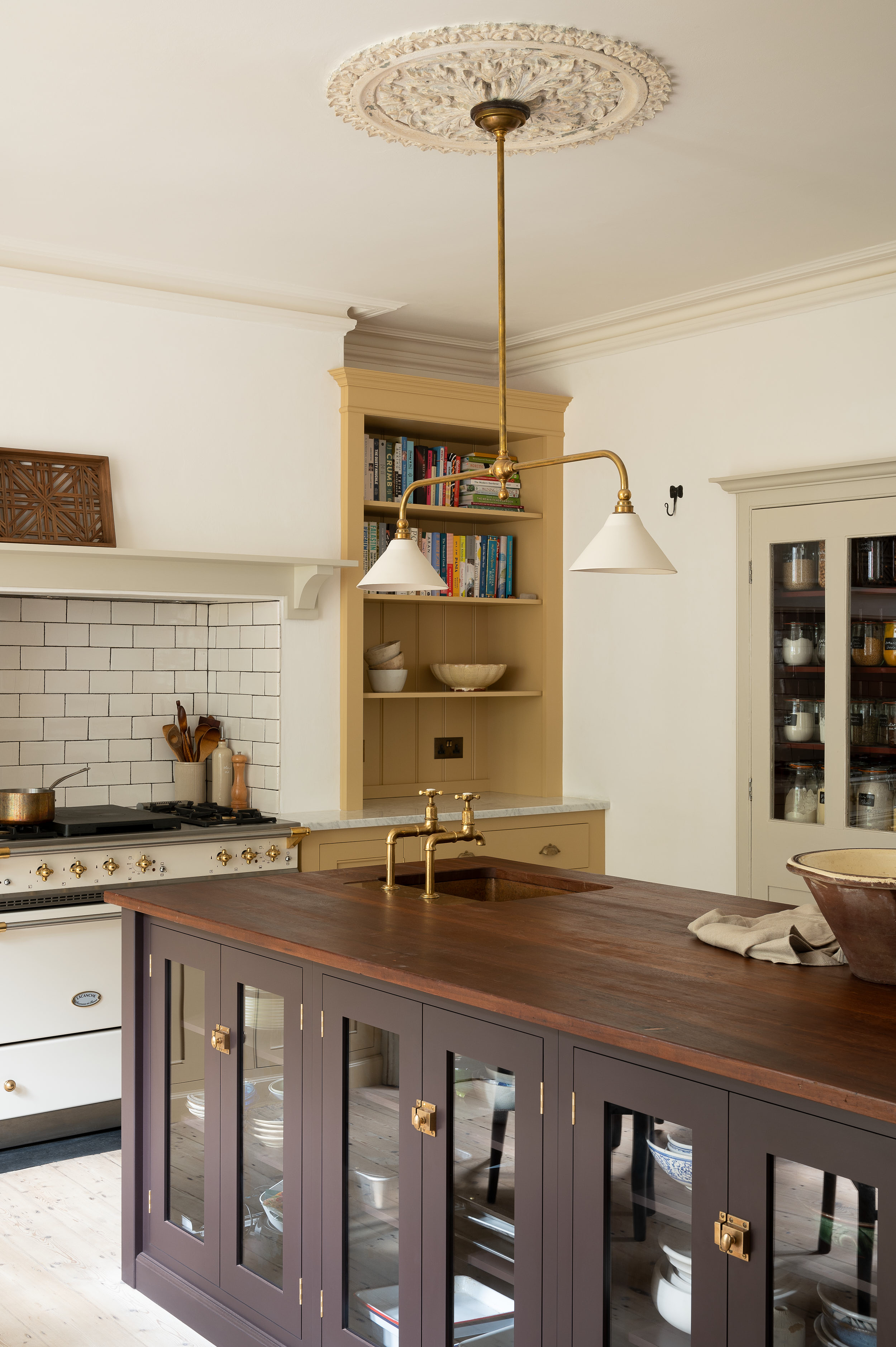
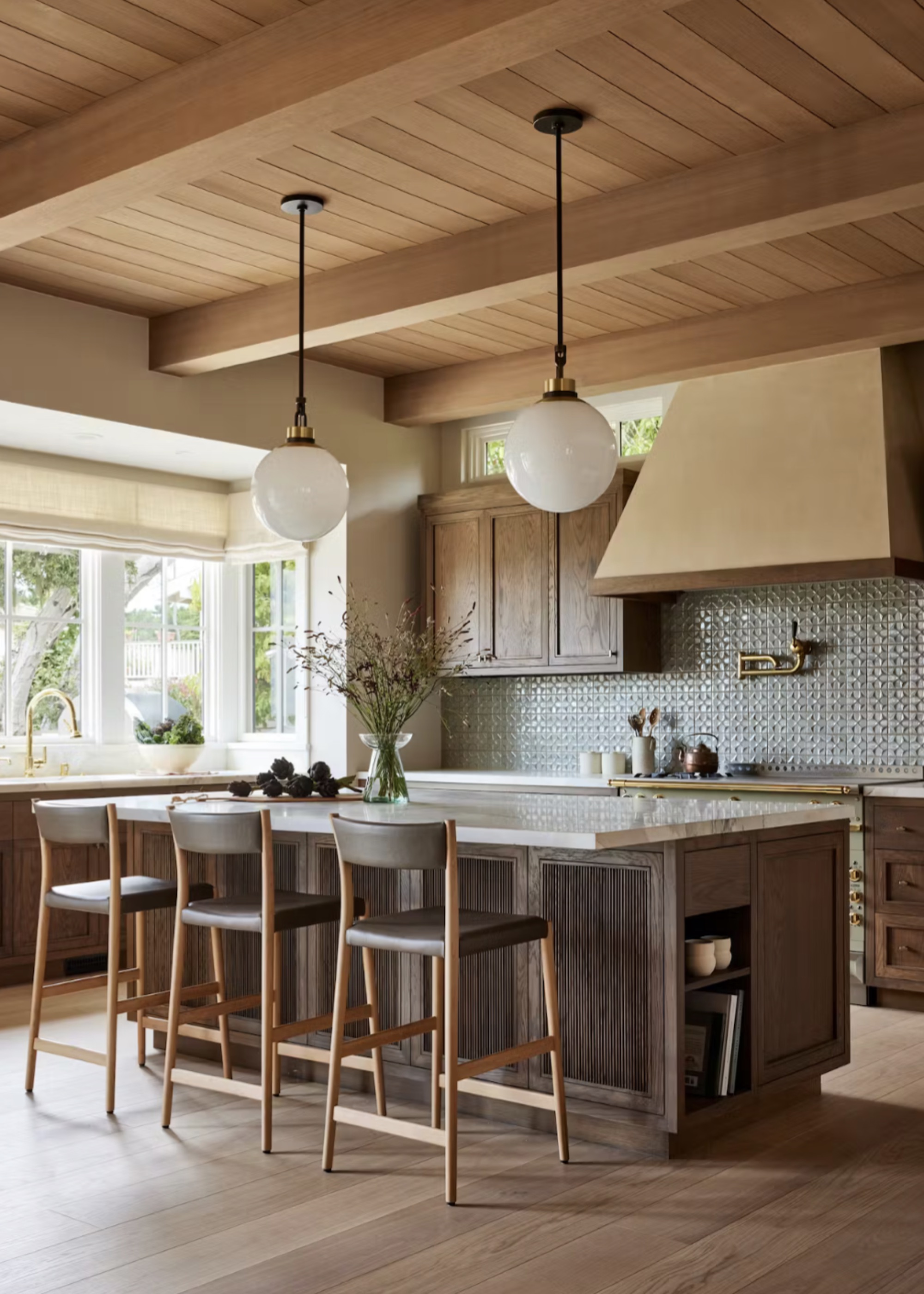
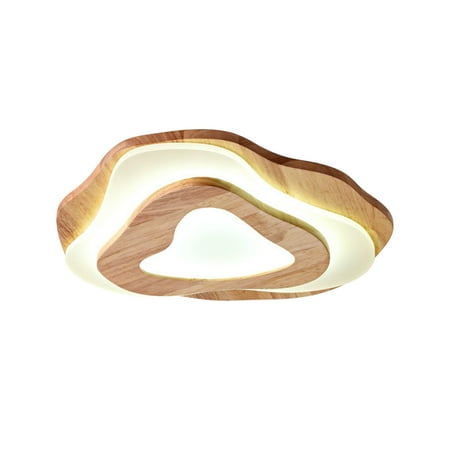
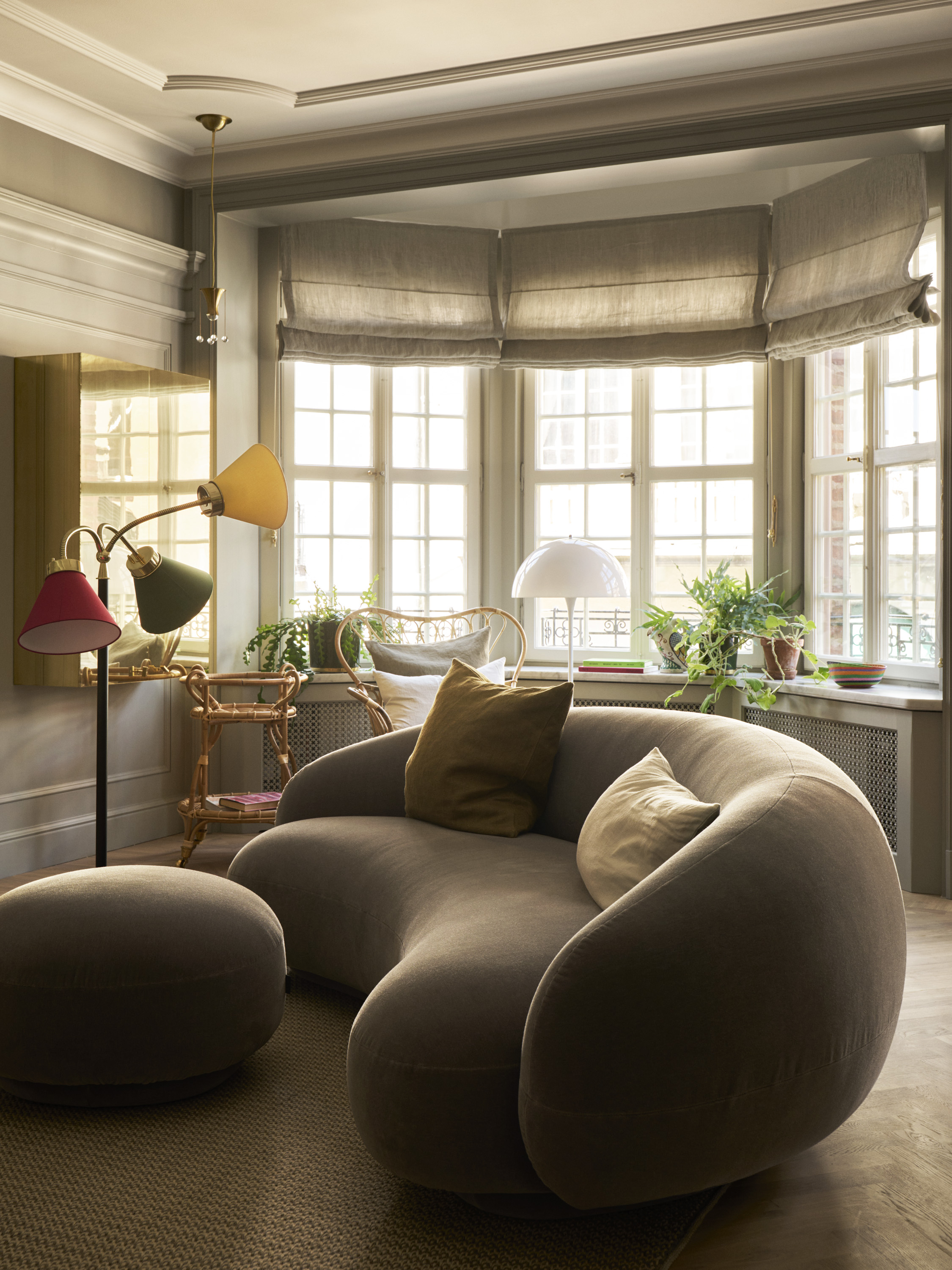
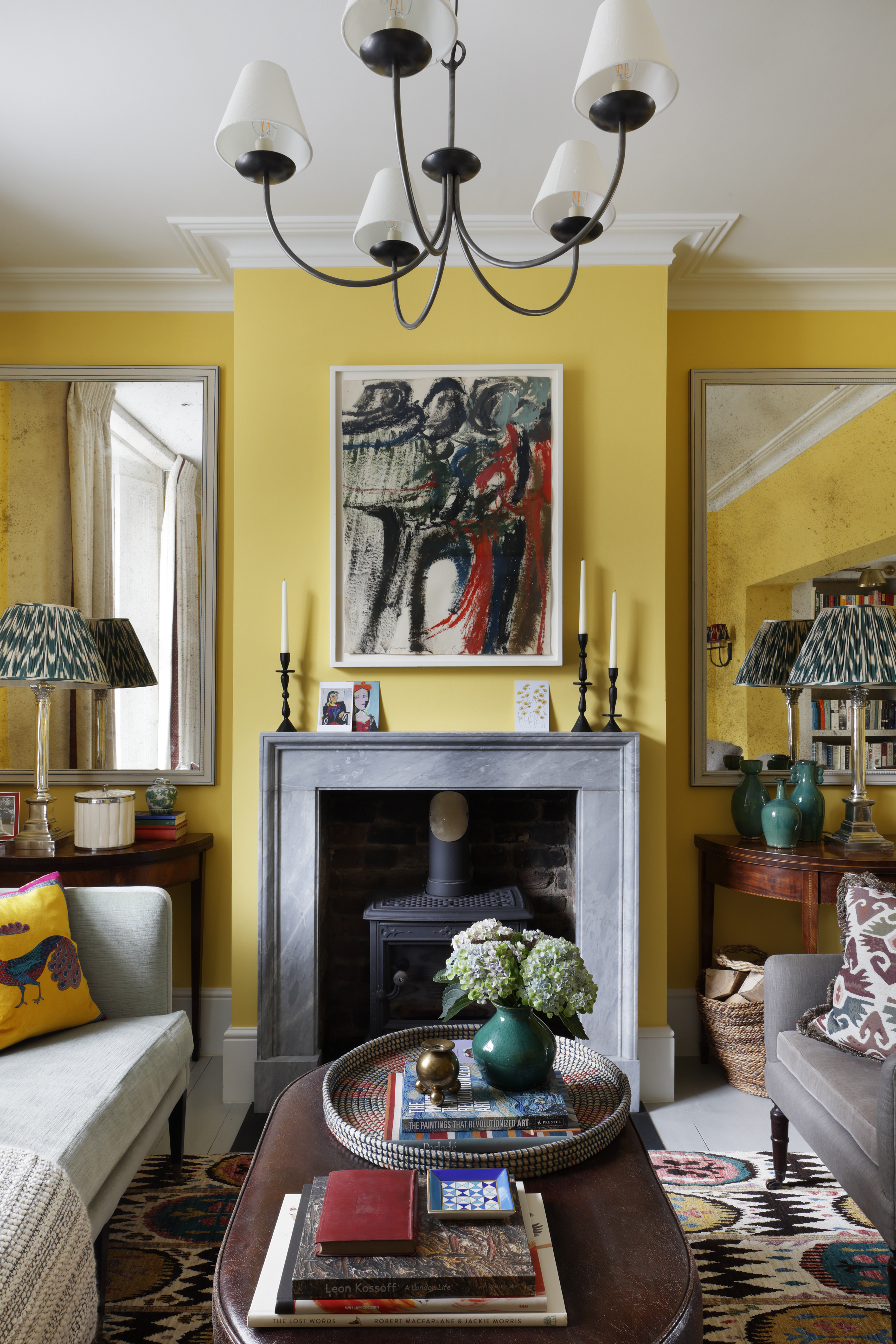
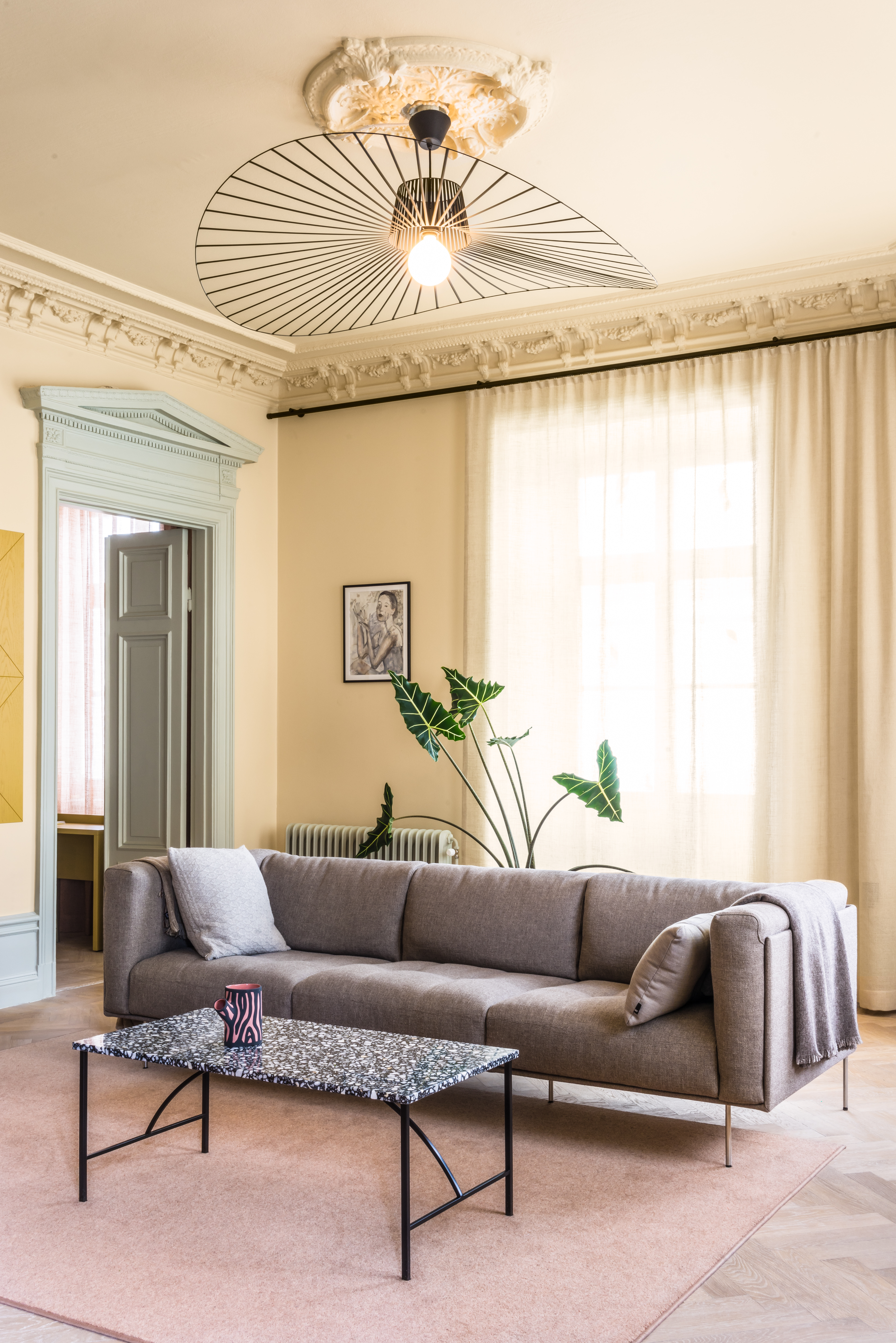
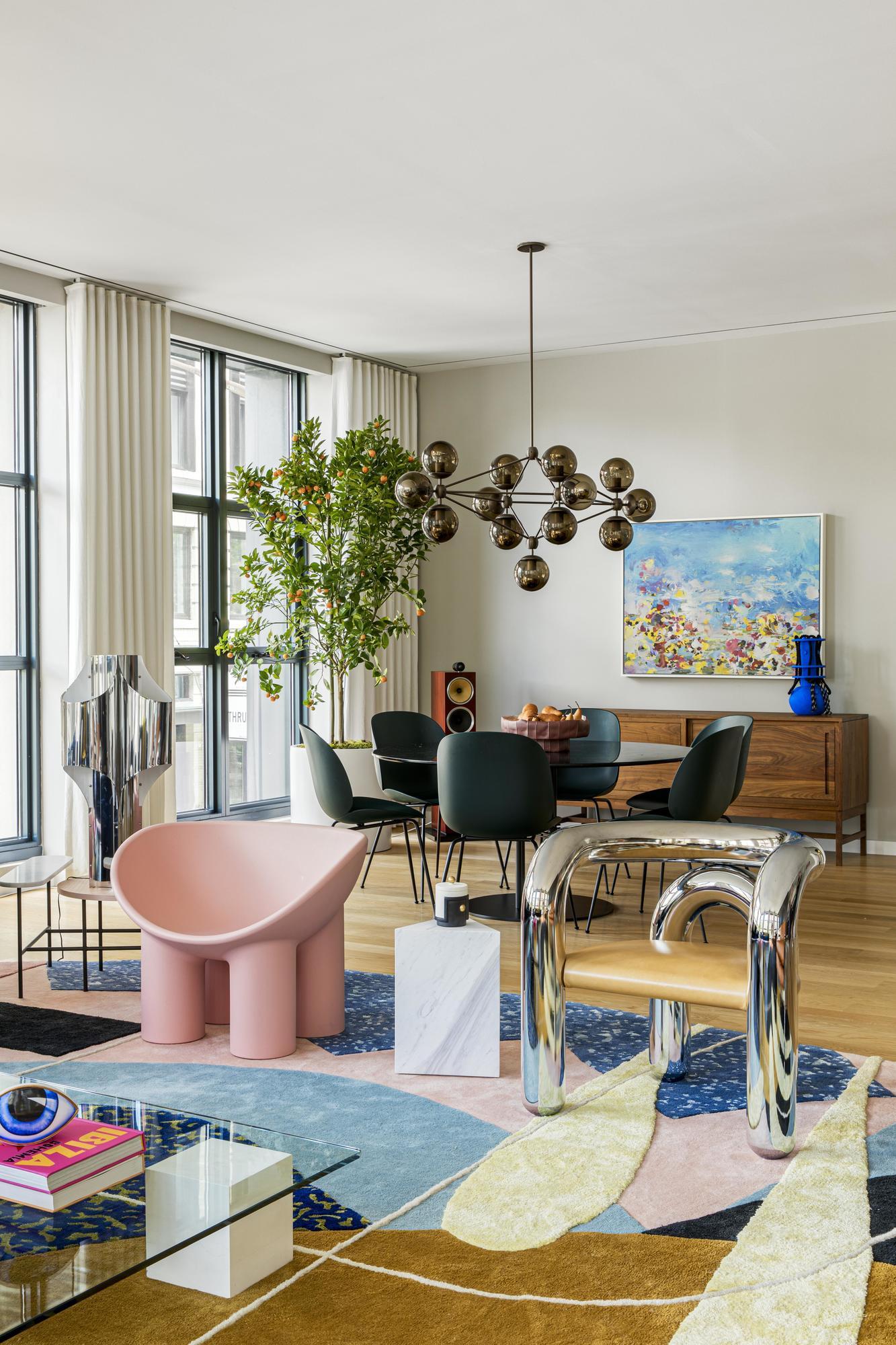
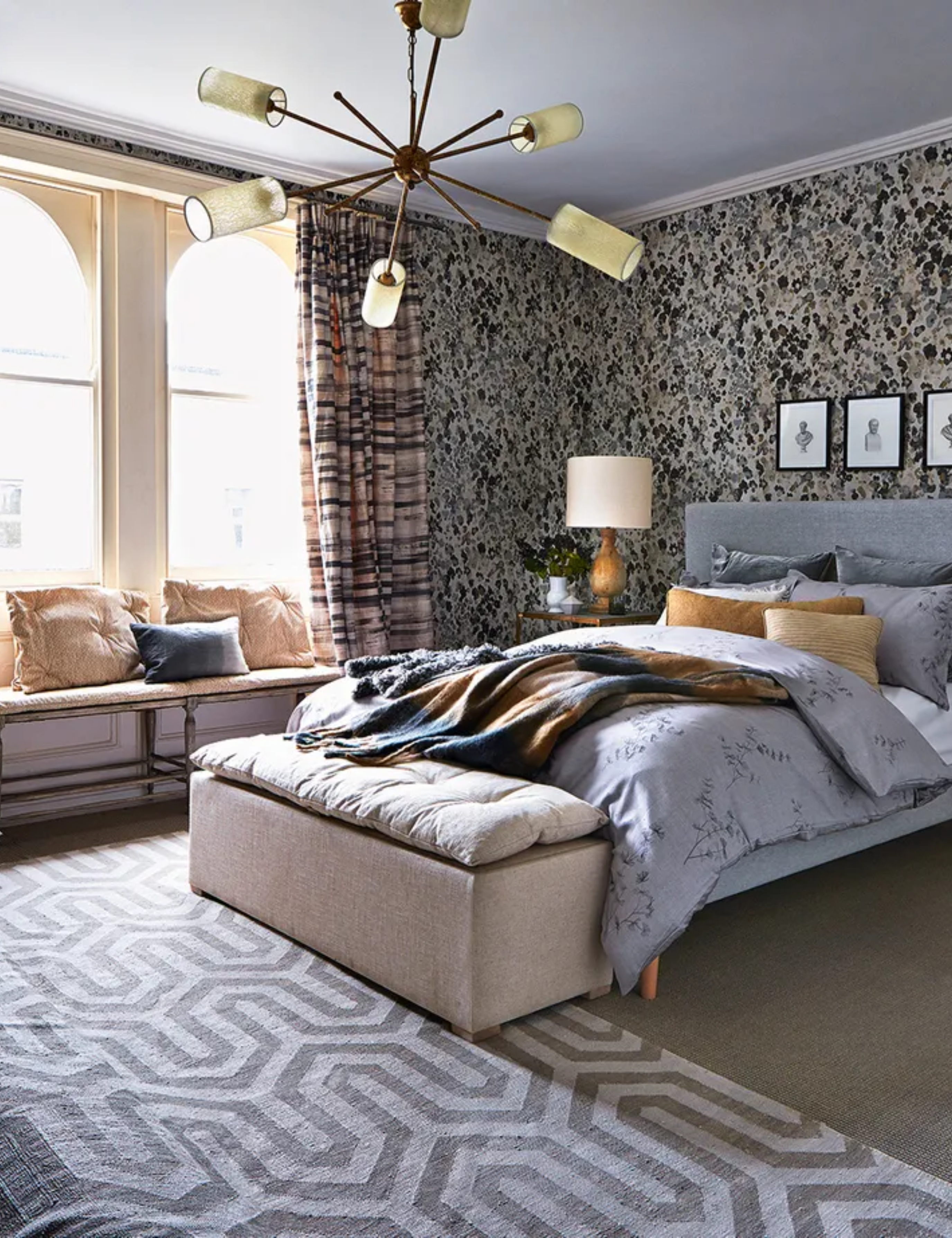
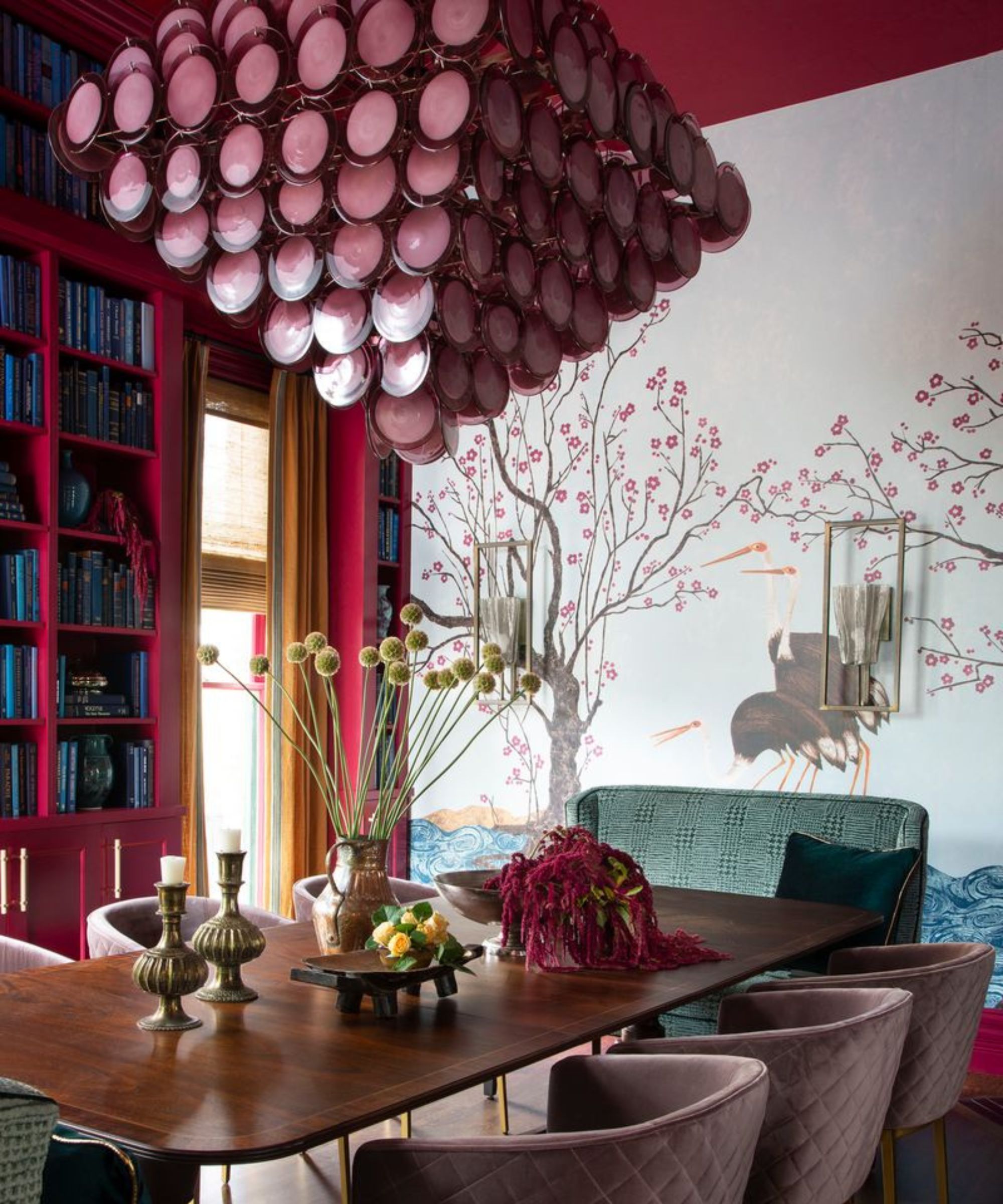
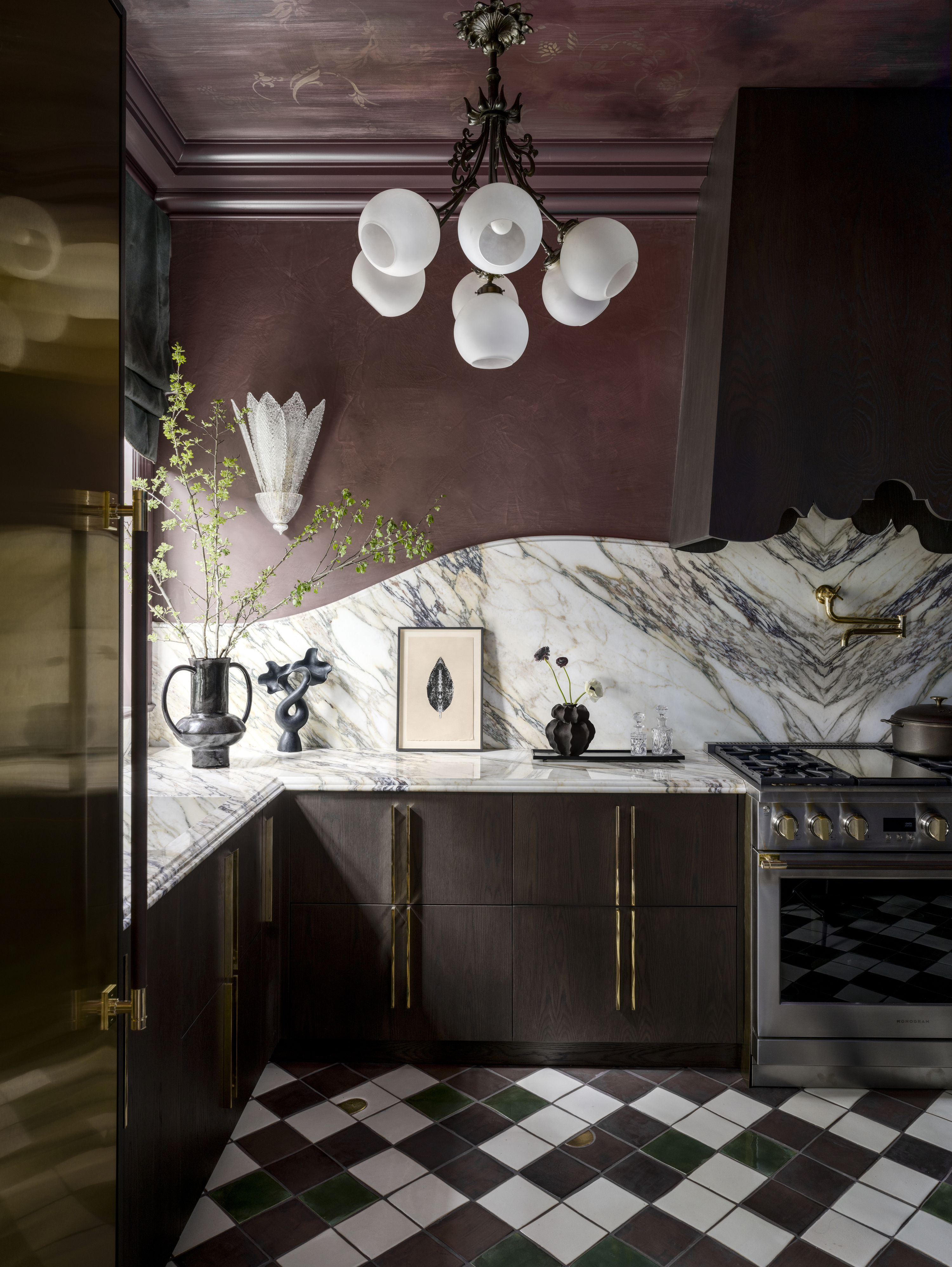
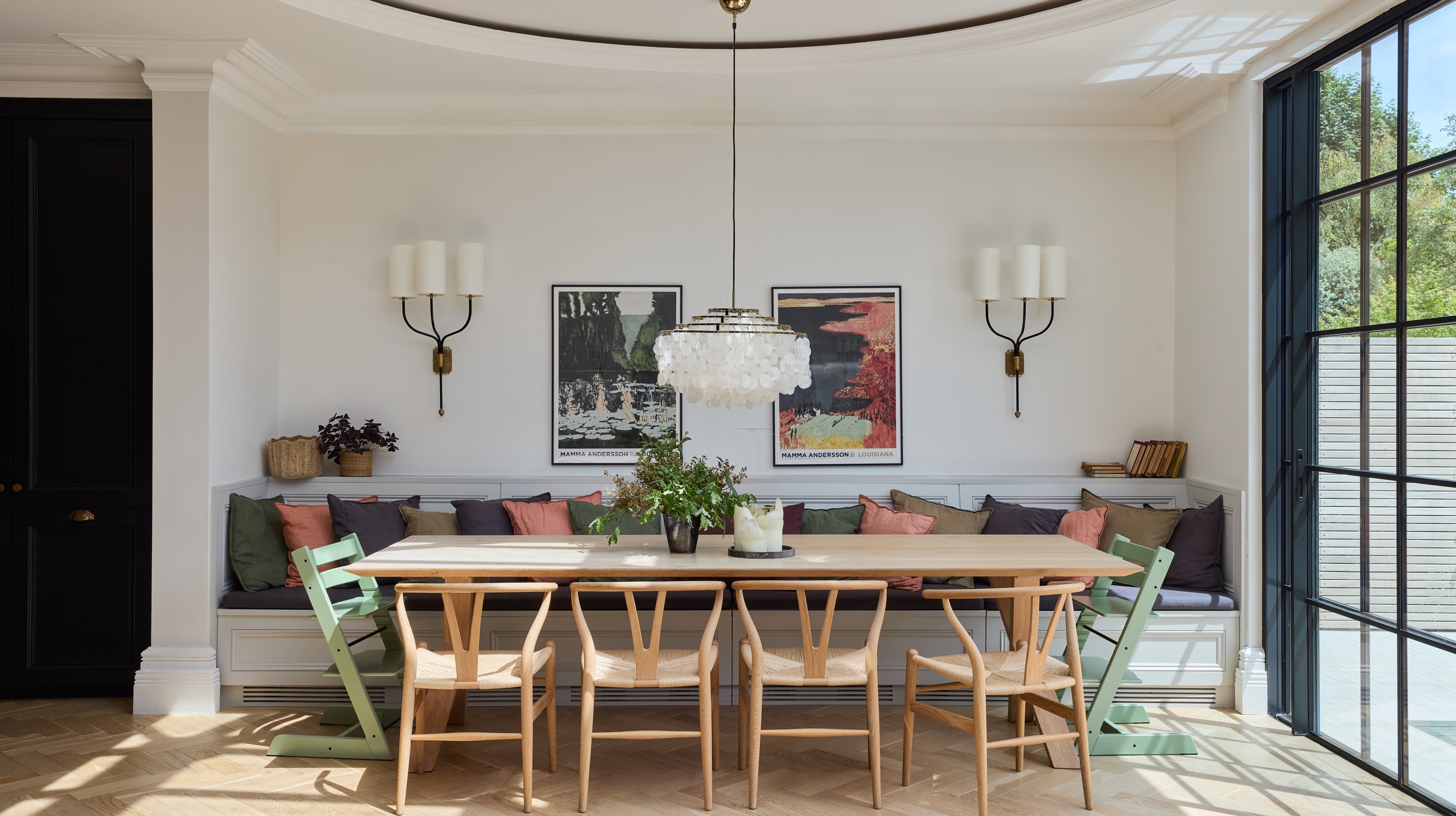
Another trend to avoid is matching all lights in every room. While some coordination can establish a sense of flow, excessive uniformity can stifle a home's unique character. Each room offers an opportunity to showcase distinct design ideas, and lighting should reflect this individuality. An eclectic mix of lighting fixtures, chosen for their inherent quality and unique visual interest, can make a home feel more luxurious and curated. Clients are increasingly interested in the craftsmanship and longevity of lighting pieces, moving away from mass-produced, uniform options.
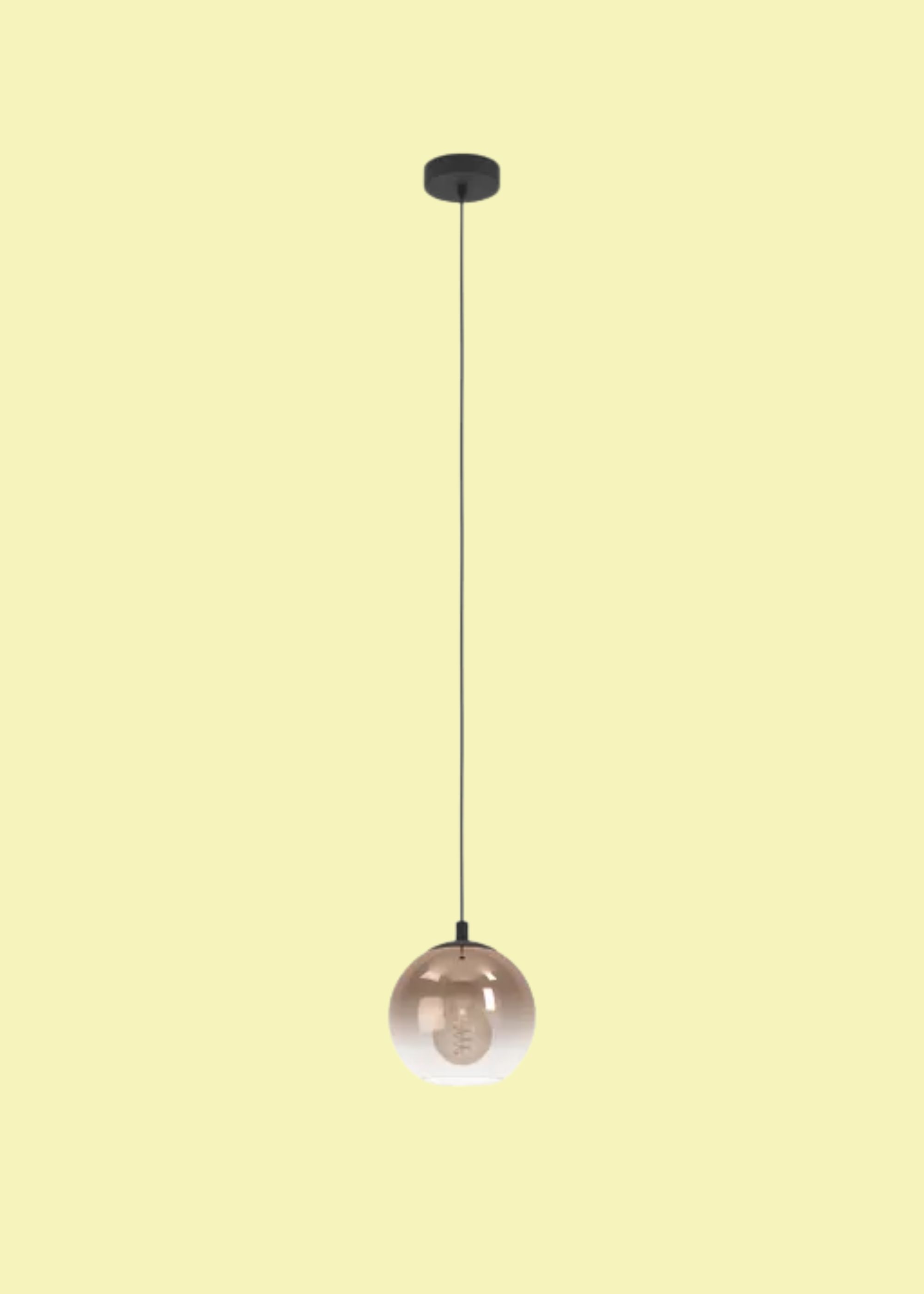
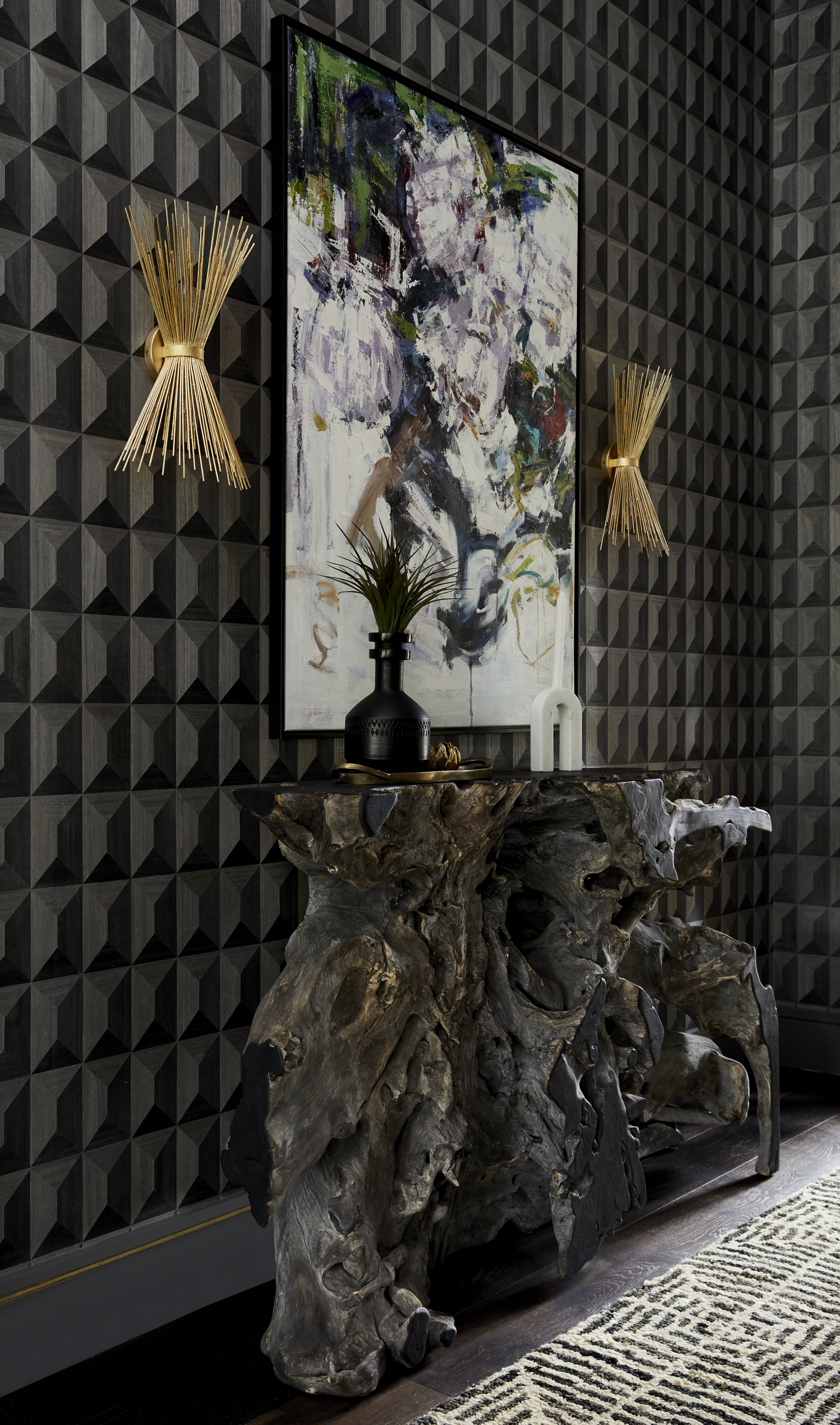
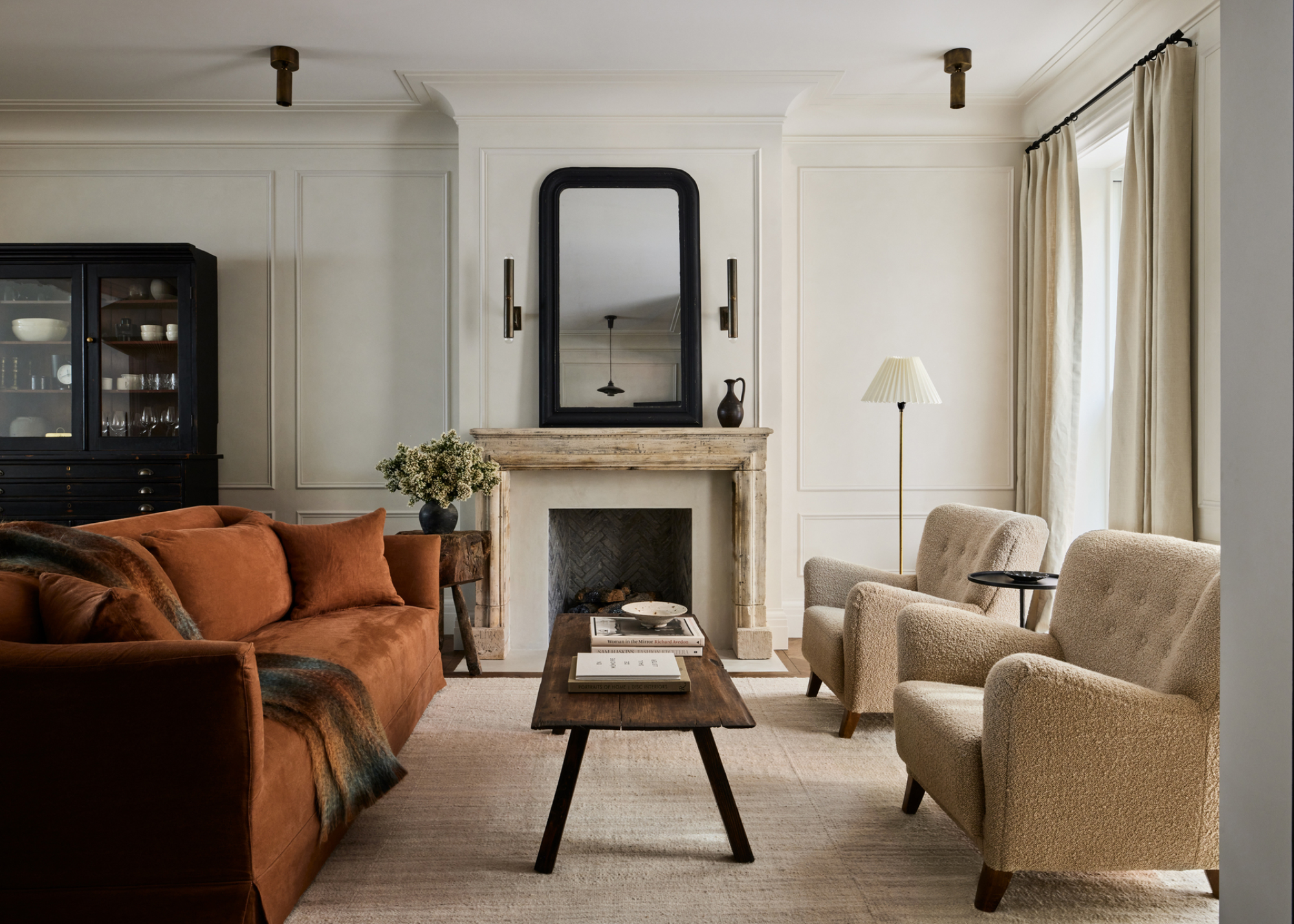
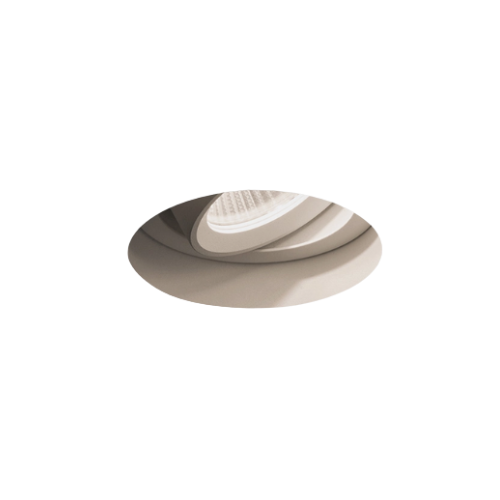
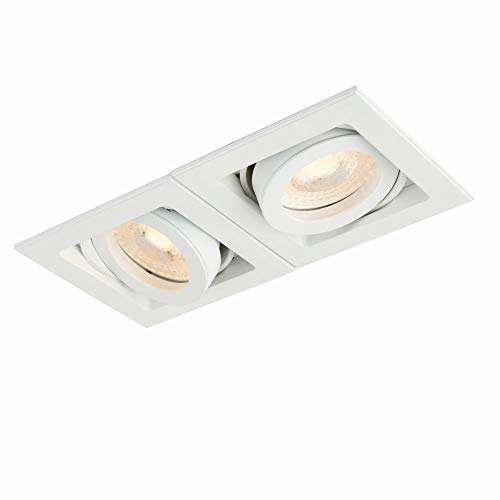
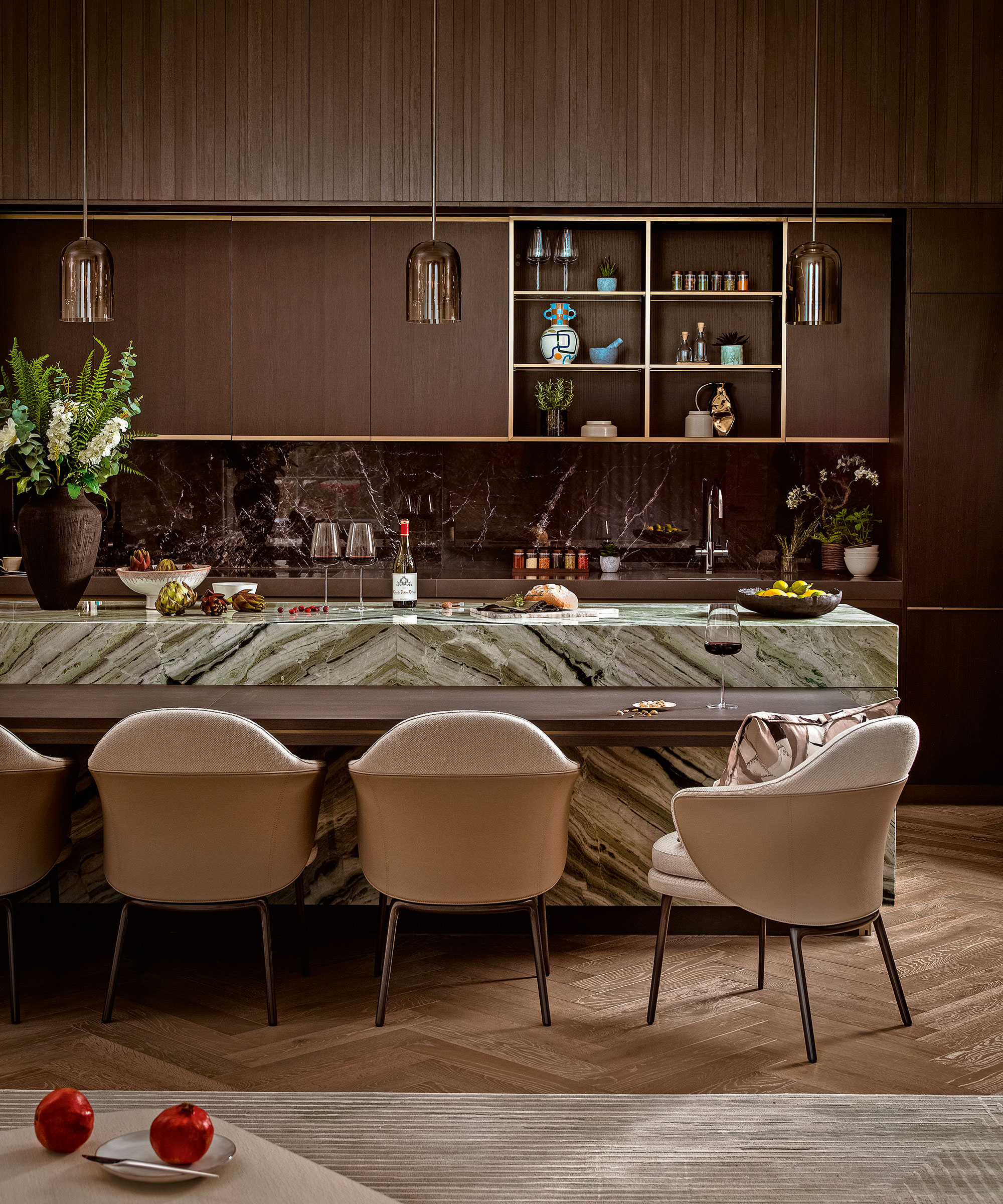
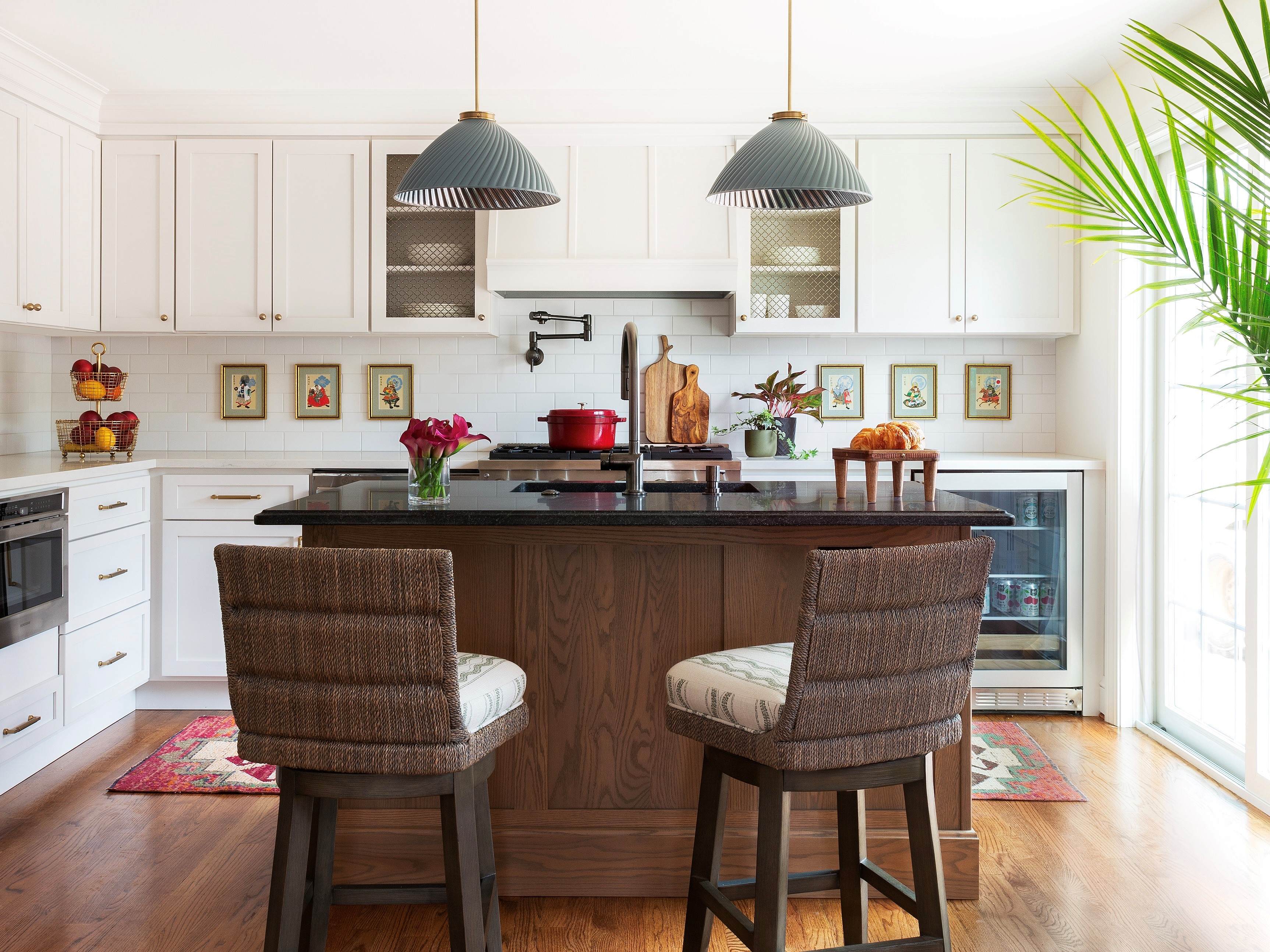
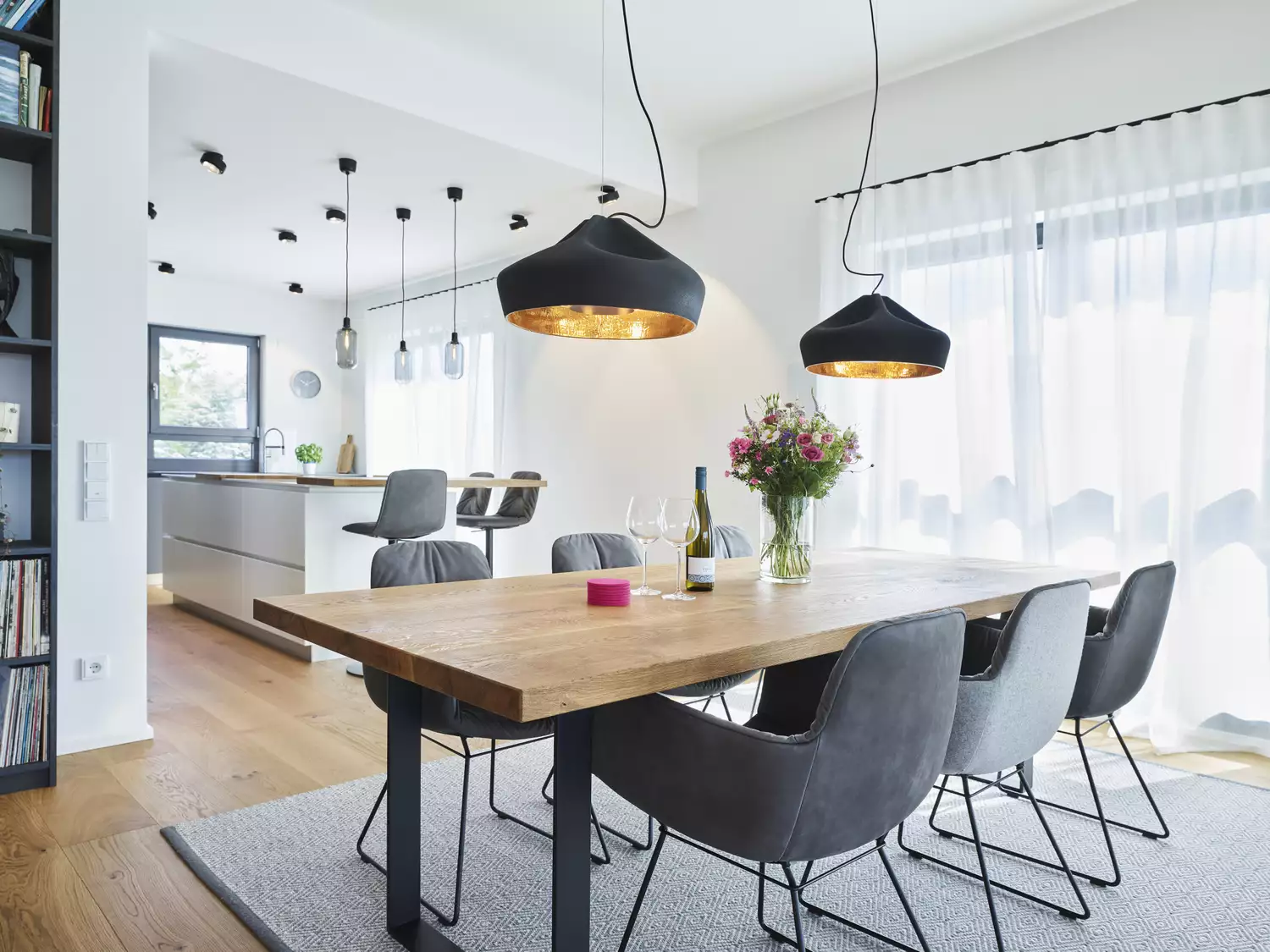
Over-reliance on spotlights is also considered an outdated practice. While practical and versatile for their ability to integrate seamlessly and direct light with minimal fuss, an abundance of spotlights can appear utilitarian and lack the sophisticated ambiance often desired in modern homes. Contemporary design draws inspiration from hospitality and private members' clubs, where luxurious lighting plays a critical role in setting the tone. Instead of ubiquitous recessed downlighters, designers suggest incorporating more artistic lighting, such as elegant wall lights or spotlights with elevated metallic finishes, to create visual interest and complement other design elements.
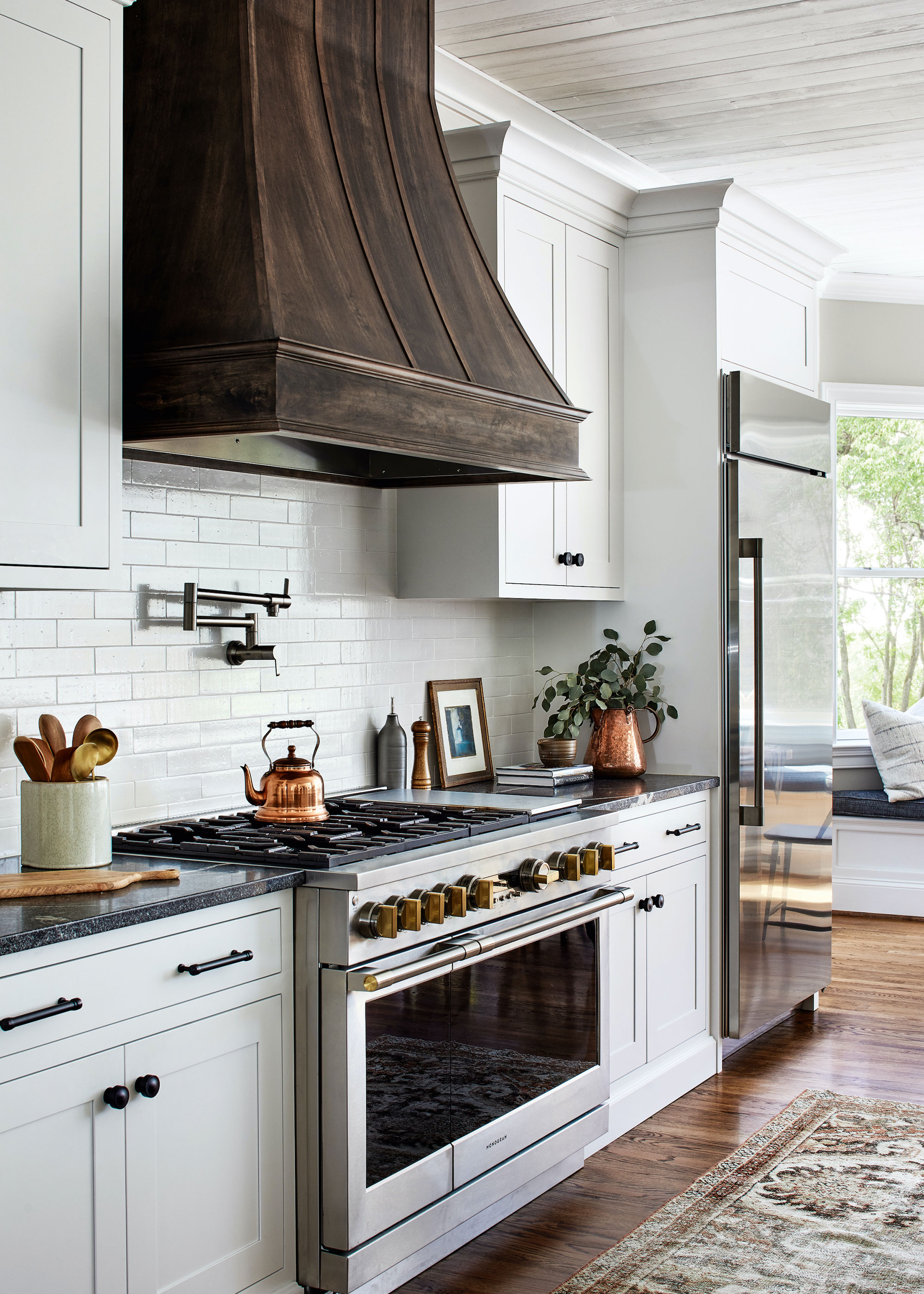
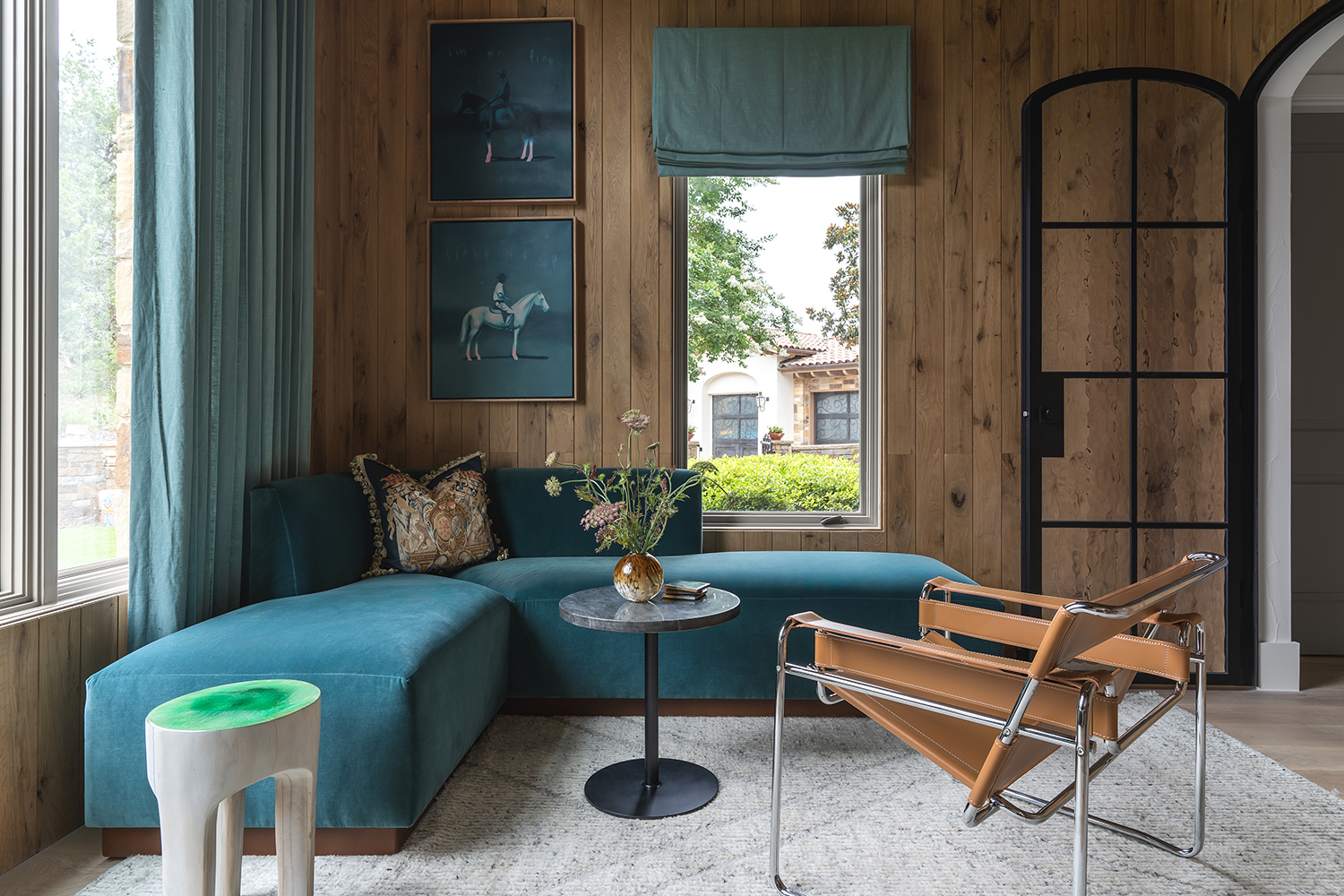
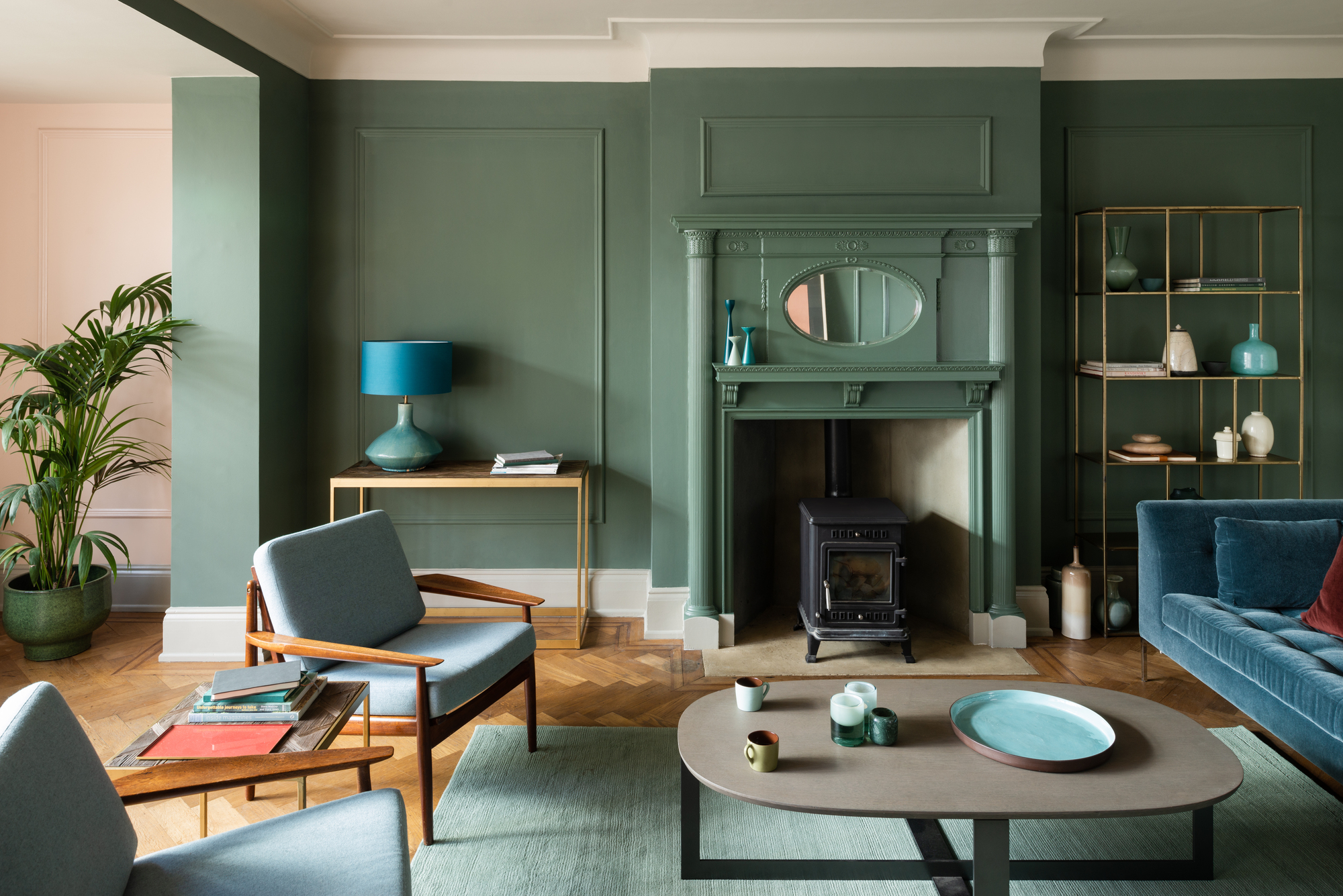
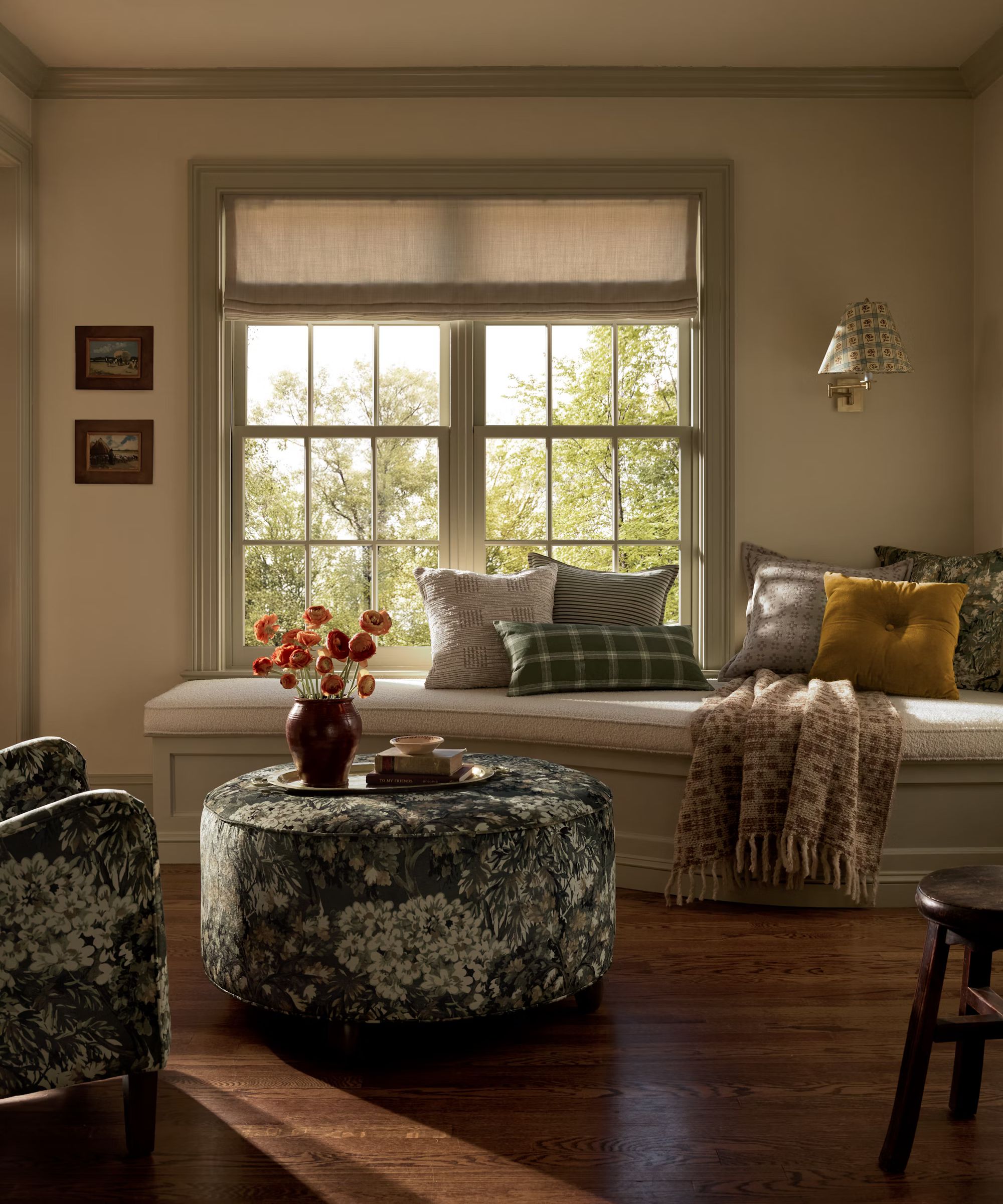
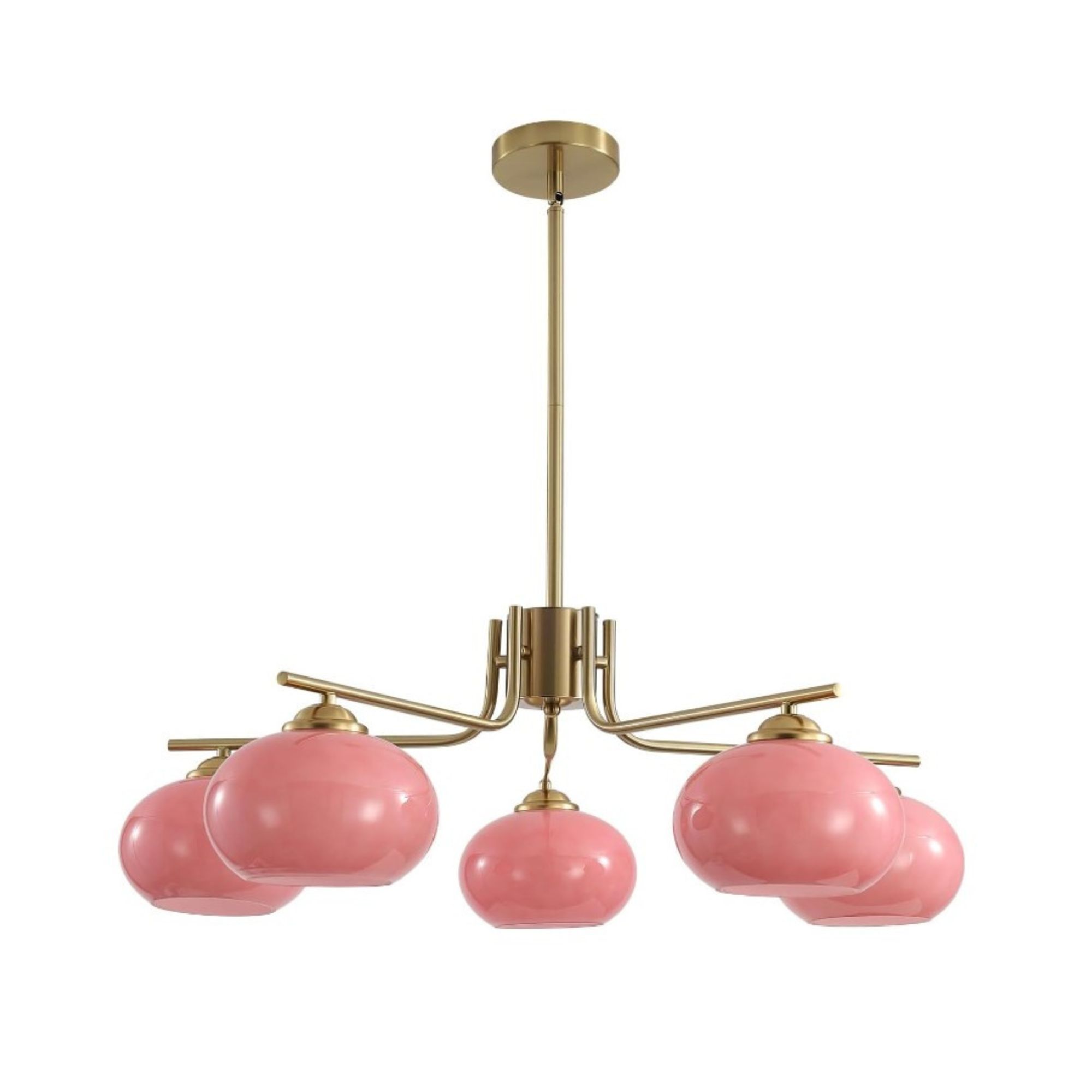
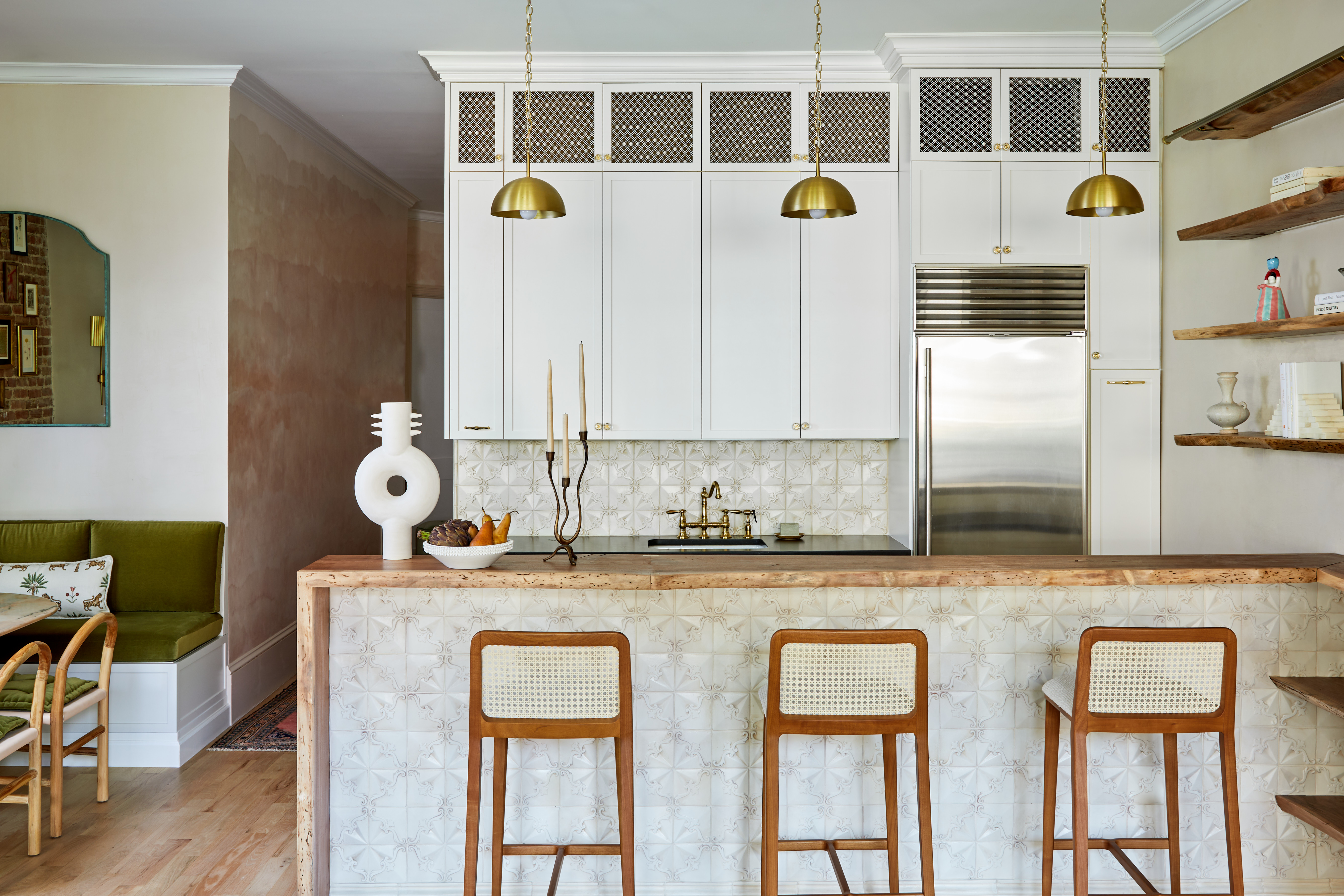
Using standard fixtures that do not harmonize with the overall design scheme is another common mistake. Lighting should never be an afterthought; it must integrate seamlessly with a room's decor, enhancing textures, shapes, colors, and dimensions. Thoughtfully placed lighting, like a reading lamp by a sofa or fixtures that complement the room's color palette, ensures functionality and aesthetic cohesion. Investing in high-quality fittings, rather than inexpensive options, is advised, as cheap materials tend to deteriorate quickly, leading to dissatisfaction. For example, a blue living room can be enhanced by tall blue and white table lamps that reinforce a coastal theme, alongside metallic pendants and wall lights that introduce an elegant contrast, thereby creating balance in the interior design.
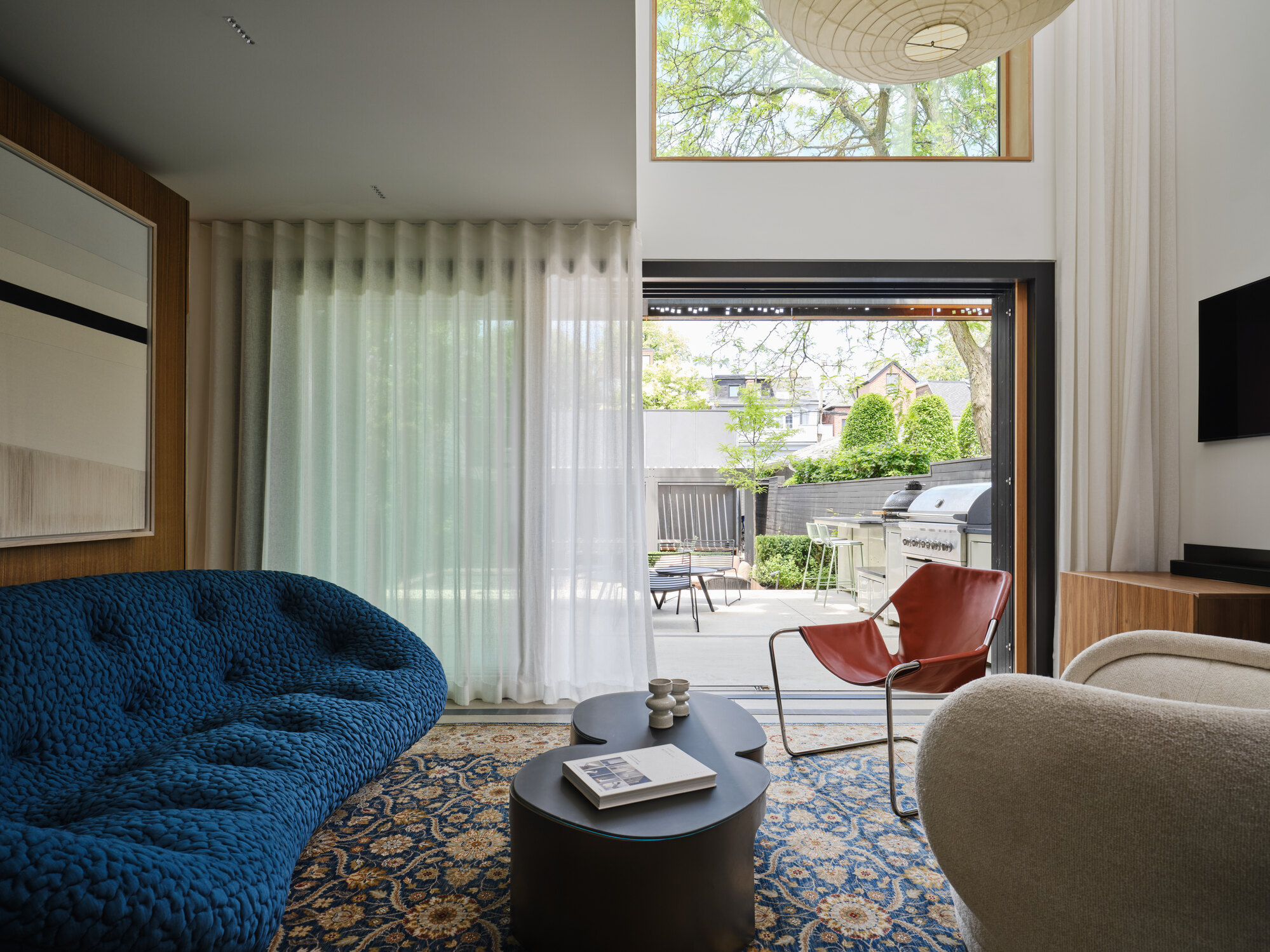
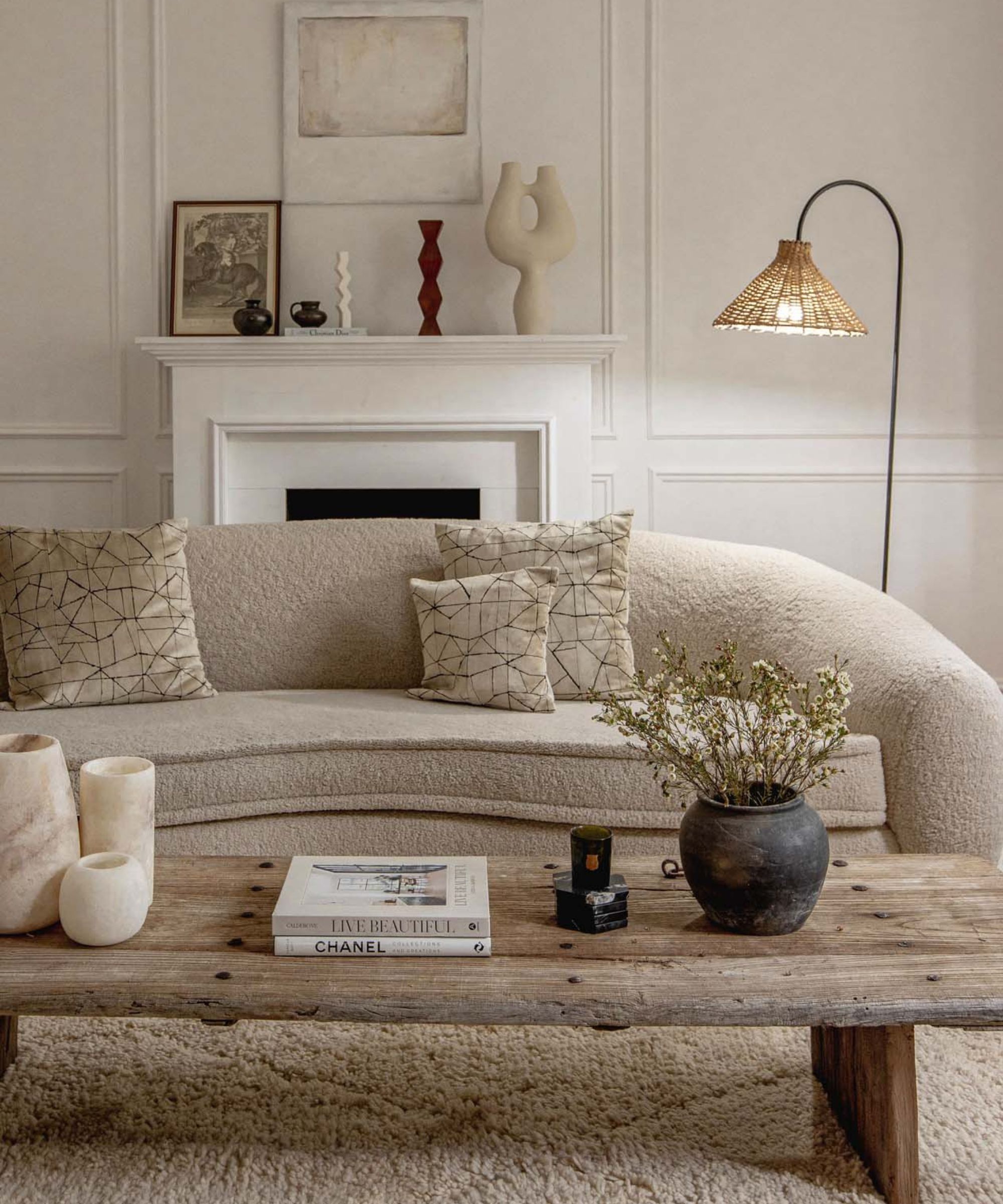
Finally, a lack of mood lighting is an outdated trend that can make a home feel unwelcoming. Lighting significantly impacts mood and comfort. Bright, harsh white light can be jarring and undesirable in relaxing spaces. Warm-toned bulbs, emitting a soft yellow or orange hue, are recommended to create a cozy and luxurious atmosphere. Dimmer switches are also vital, allowing control over light intensity to establish an inviting ambiance and enhance the overall feel of a space. For home offices, task lighting should be adaptable, transitioning from practical use to a more home-focused design element, avoiding a commercial office aesthetic.
#InteriorDesign #LightingTrends #HomeLighting #LayeredLighting #MoodLighting #DesignTips #HomeDecor #LightingFixtures #ContemporaryDesign #InteriorDesign #LightingTrends #HomeLighting #LayeredLighting #MoodLighting #DesignTips #HomeDecor #LightingFixtures #ContemporaryDesign
0 comment in total
 No comments yet
You may also like
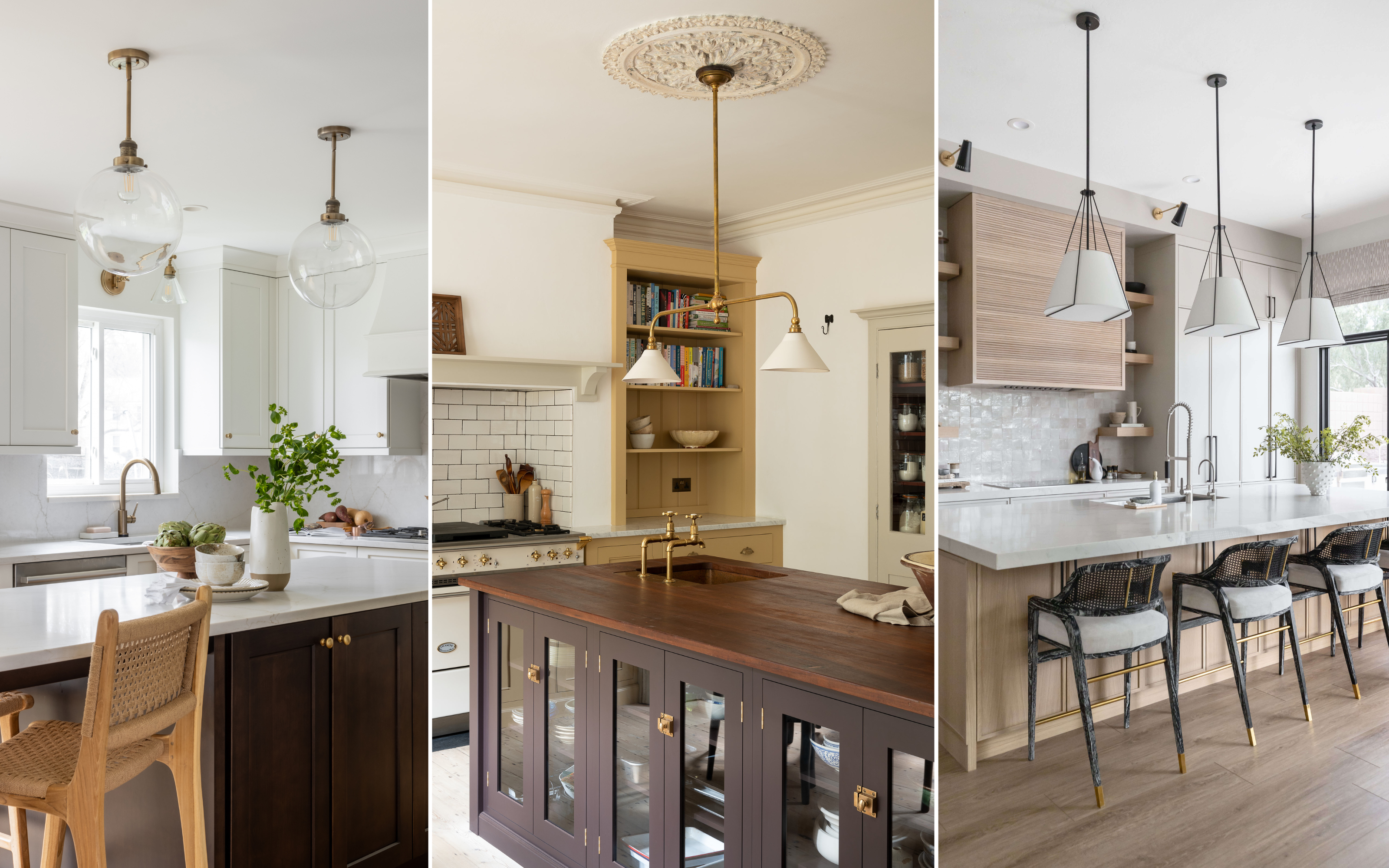
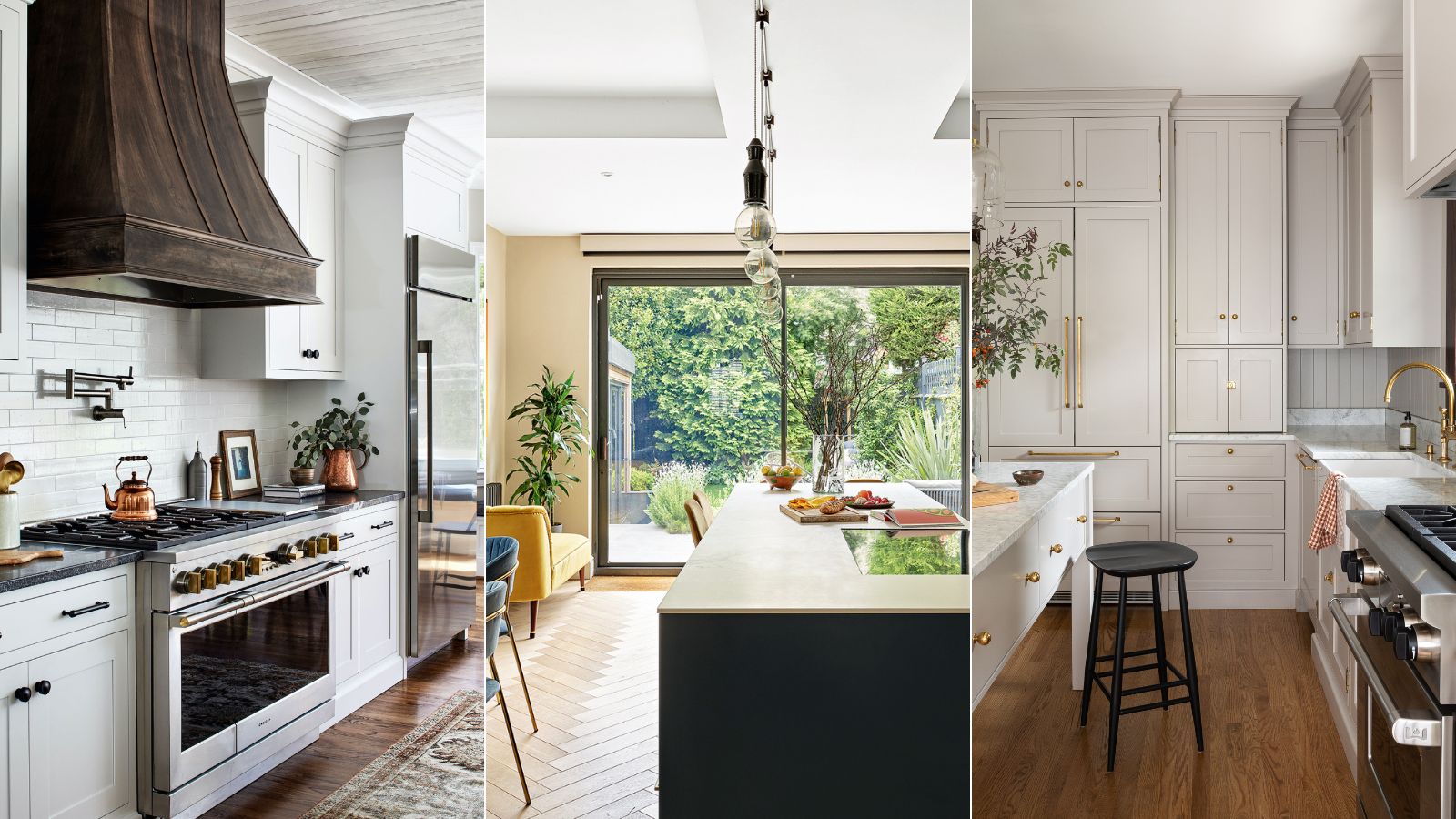
9 outdated kitchen lighting trends designers urge you to avoid, plus what to try instead
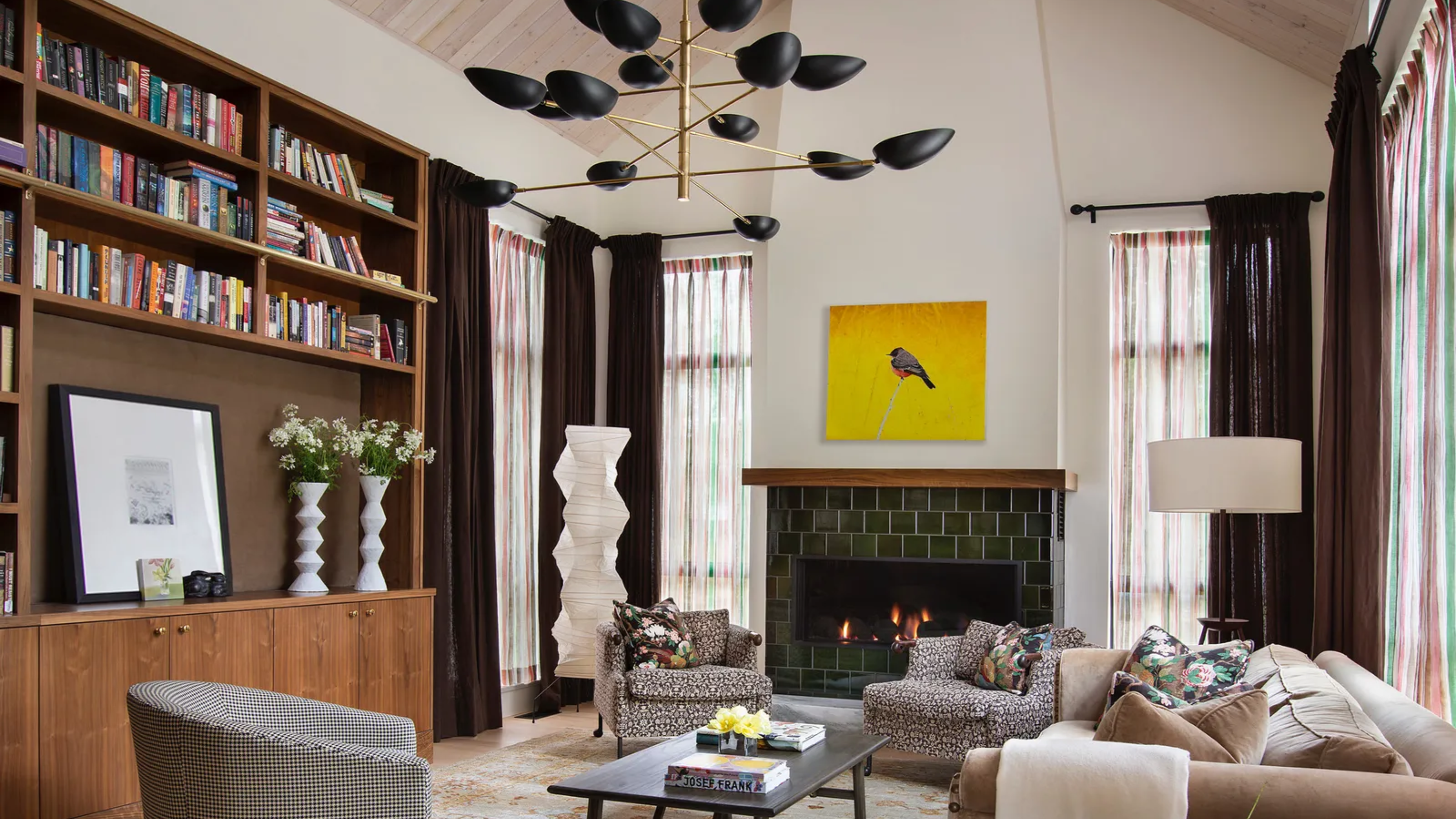
5 Types of Lighting Designers Would Never Use —They're Harsh and Unflattering and Here's Why

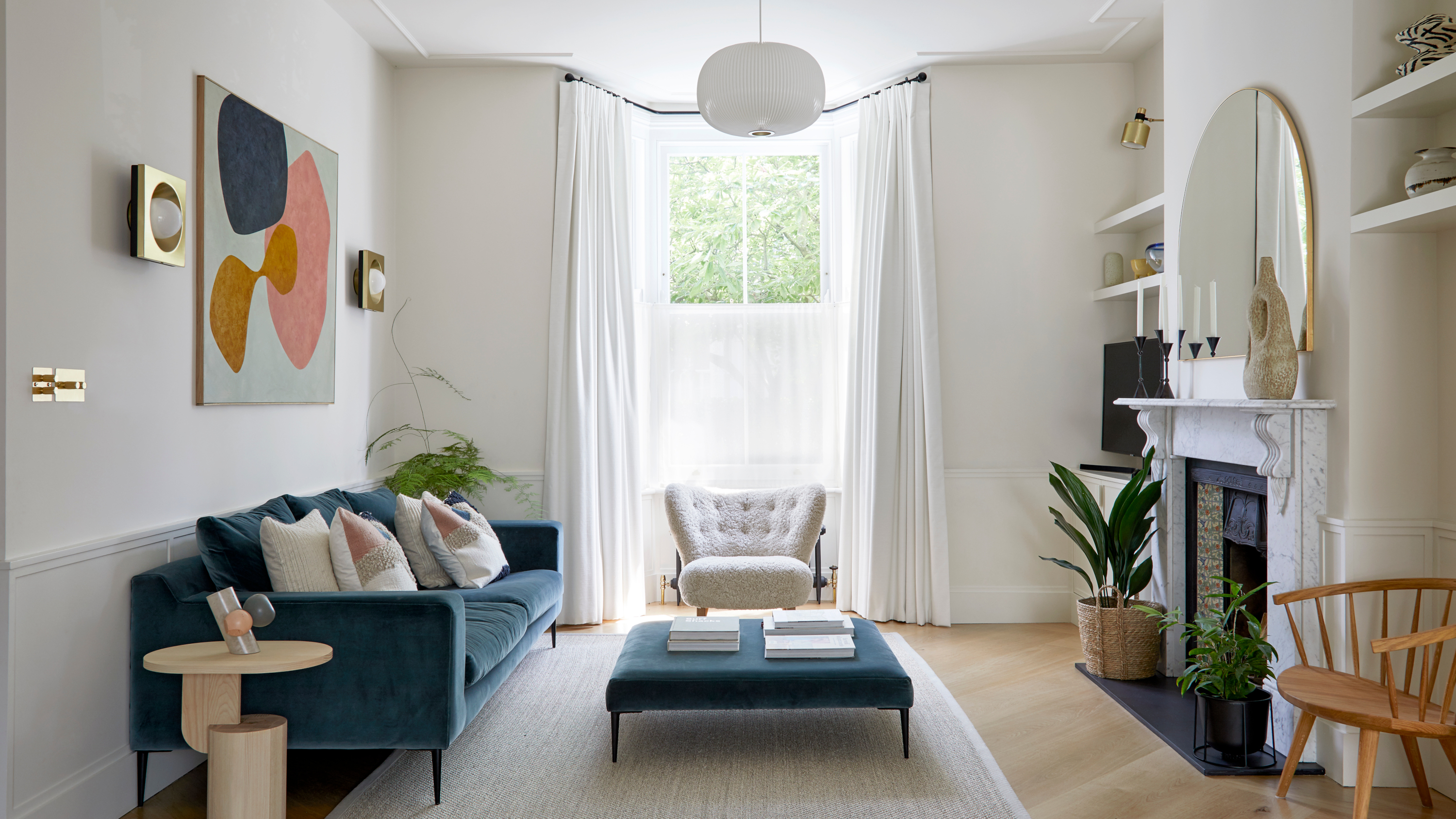
4 Outdated Colors Designers say you Should Steer Clear of When Decorating a Living Room
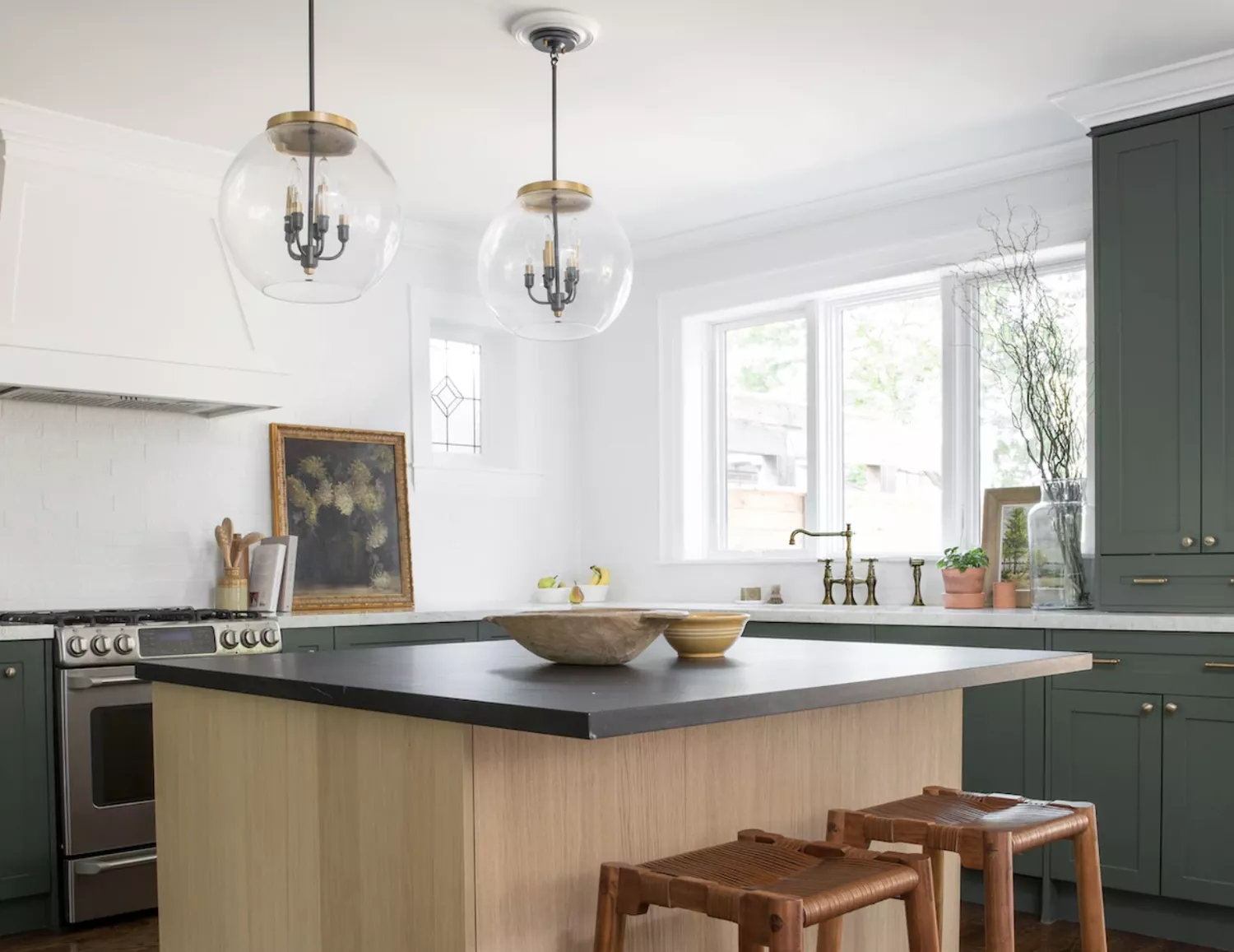
5 Outdated Lighting Features That Are Suddenly Back in Style, According to Designers

7 Outdated Lighting Trends to Avoid in 2026 Renovations — And What You Should Be Doing Instead
Outdated kitchen trends – 5 overdone looks that designers like to avoid, and here's why you should too
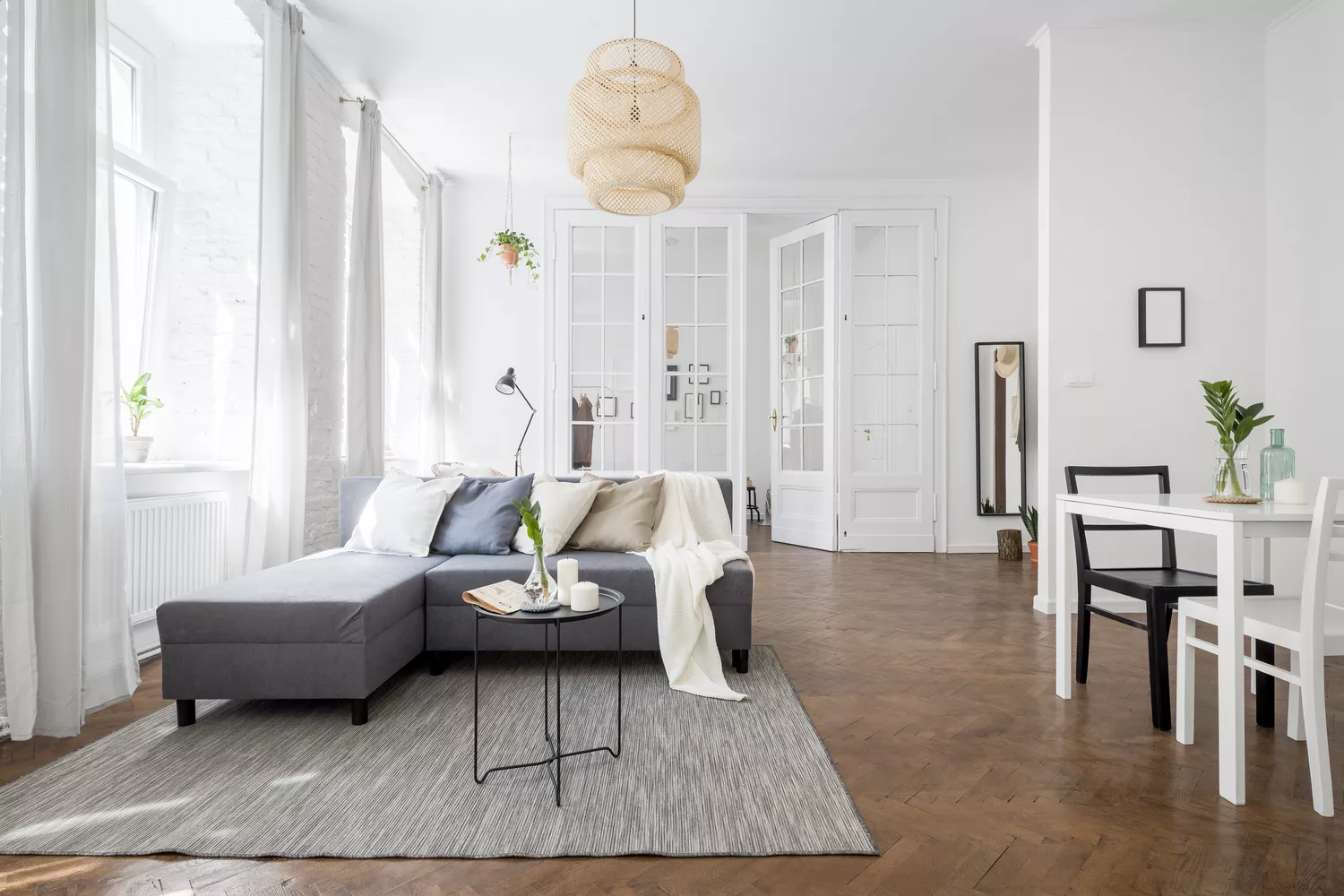
6 Outdated Lighting Trends to Skip in 2024, According to Designers
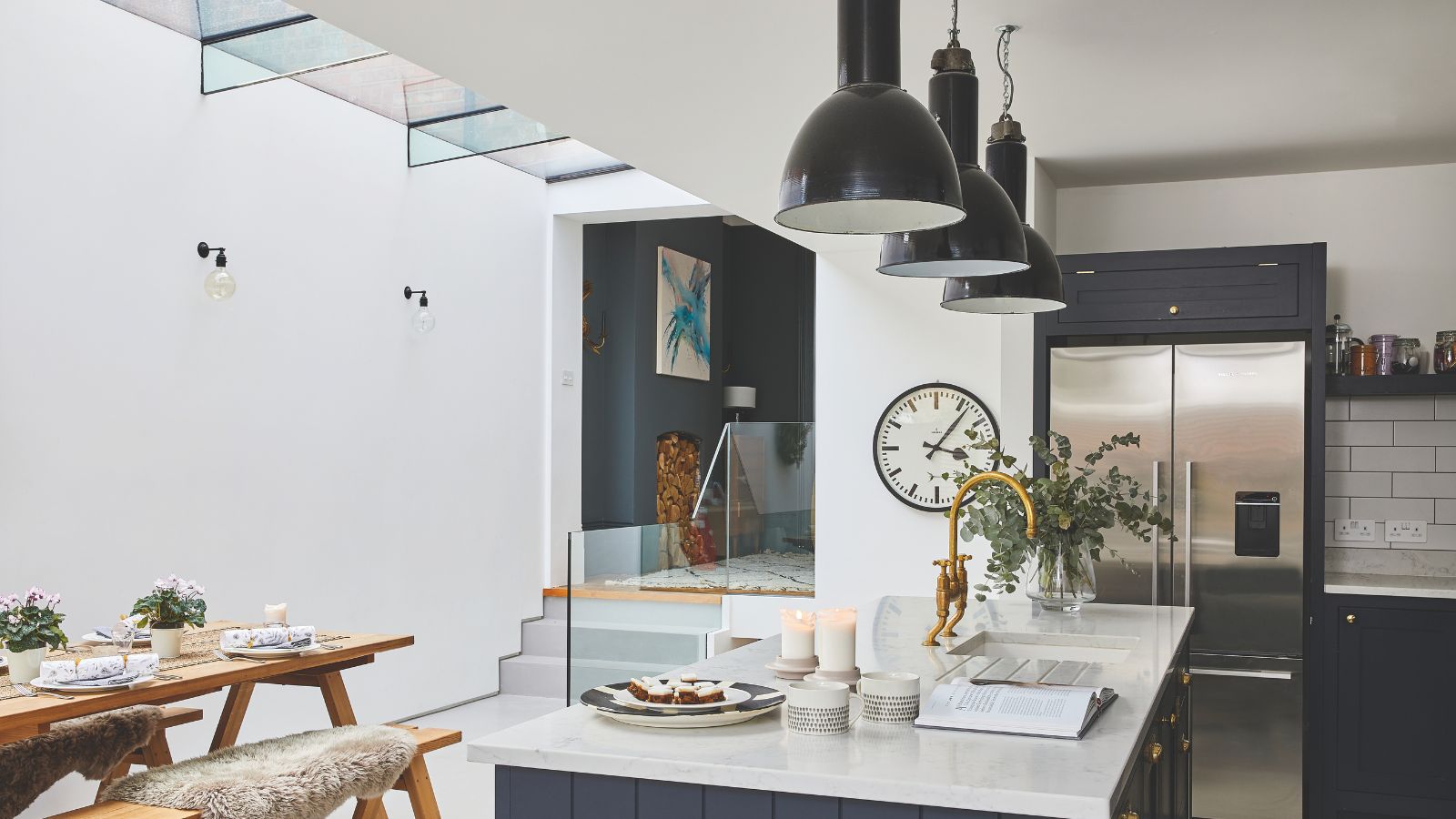
Designers agree: these 7 dated lighting trends are officially on the outs for 2026
5 outdated wall decor trends designers warn to avoid – plus what we should be doing instead
6 Outdated Lighting Trends to Avoid in 2025, According to Interior Designers
4 Outdated Living Room Trends Designers say you Should Move on From — and What to Replace Them With

The 5 lighting trends that designers say will shine brightly in 2025

5 Lighting Trends That Are So Outdated, According to Designers
Outdated color trends – 5 overdone colors that designers no longer love, and what to use instead
The decorating trends designers definitely want you to leave behind in 2025 – from fads to faux pas
5 Kitchen Lighting Design Rules Interior Designers Warn You Should Never Ignore for a Well-Lit Space
5 Common Entryway Lighting Mistakes Designers Never Fail to Notice — I'll Always Avoid These Now
5 trends that look good right now but interior designers warn they won't last
5 Outdated Countertop Trends To Avoid And 5 To Try Instead

5 Lighting Trends You're About to See Everywhere, According to Designers