1/12
5 Types of Lighting Designers Would Never Use —They're Harsh and Unflattering and Here's Why
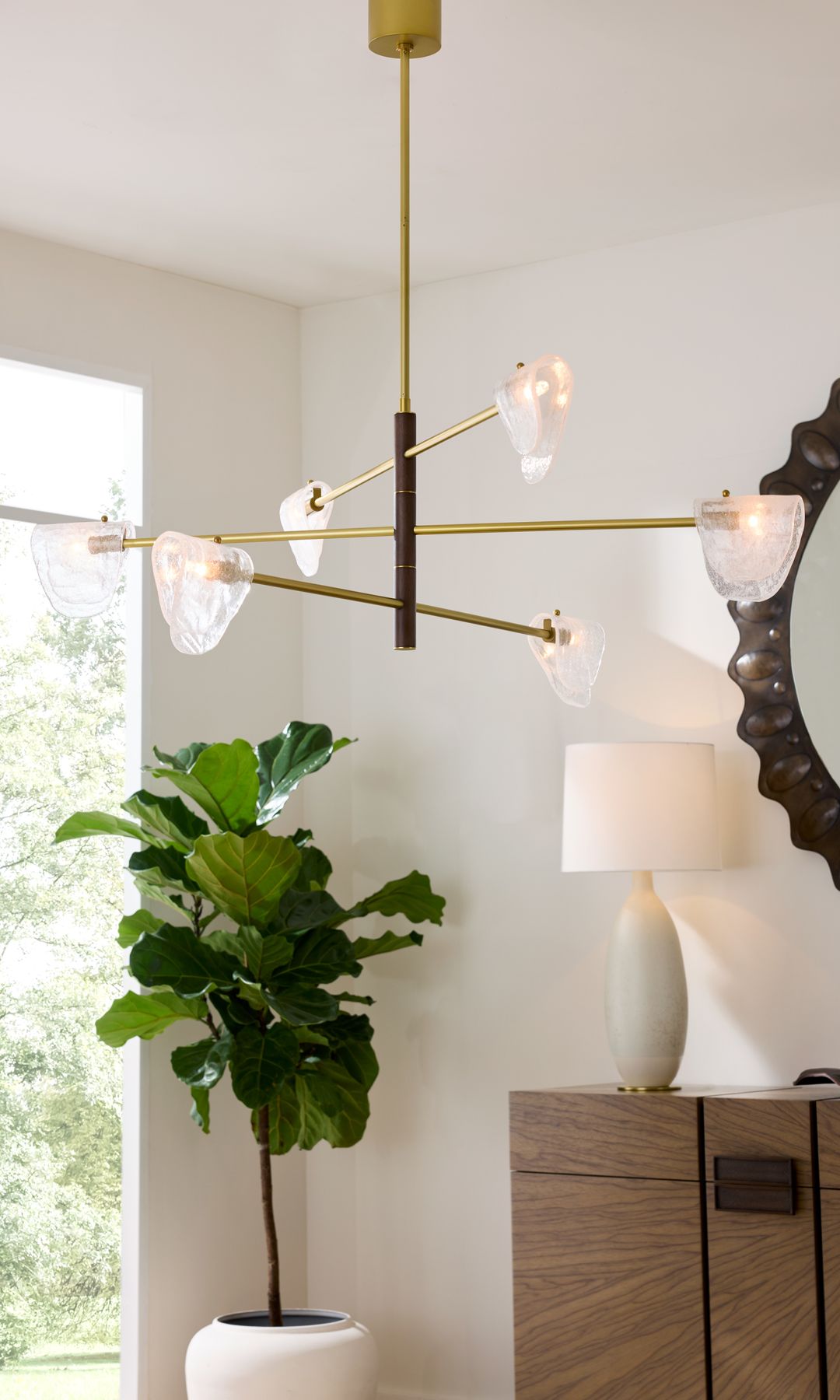
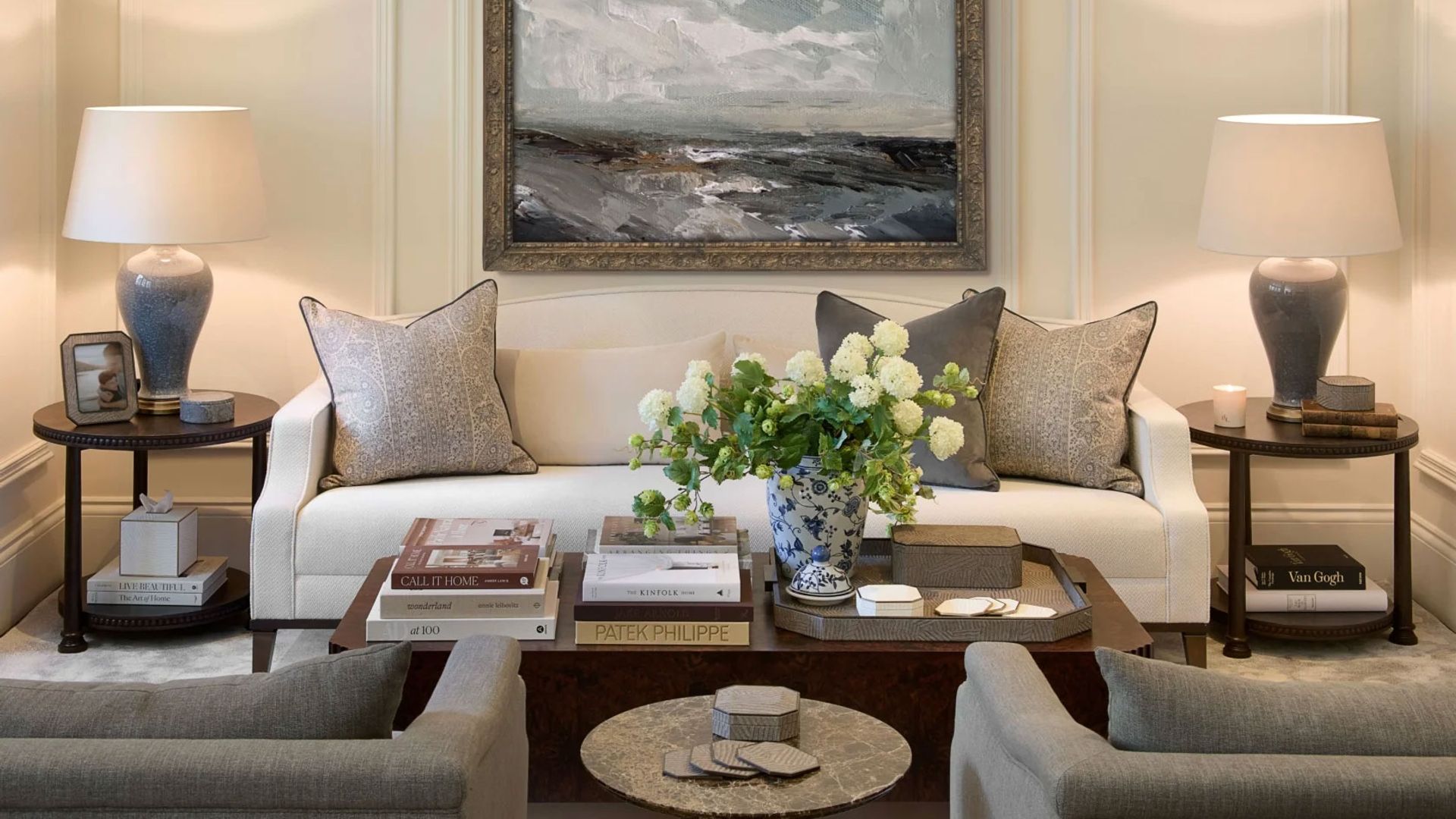
Effective home lighting is crucial for creating a welcoming and aesthetically pleasing environment. Jo Mann from Light House Designs emphasizes that lighting defines a space's atmosphere as much as materials or furniture do, impacting comfort and mood. Identifying harsh and unflattering lighting can be challenging, but experts highlight five common mistakes and offer superior alternatives.
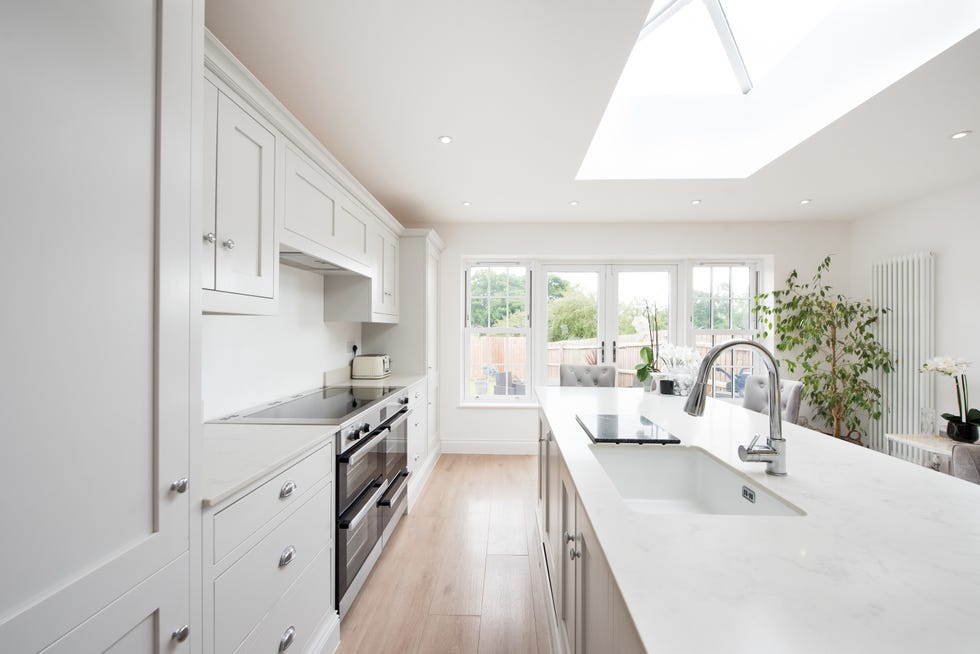
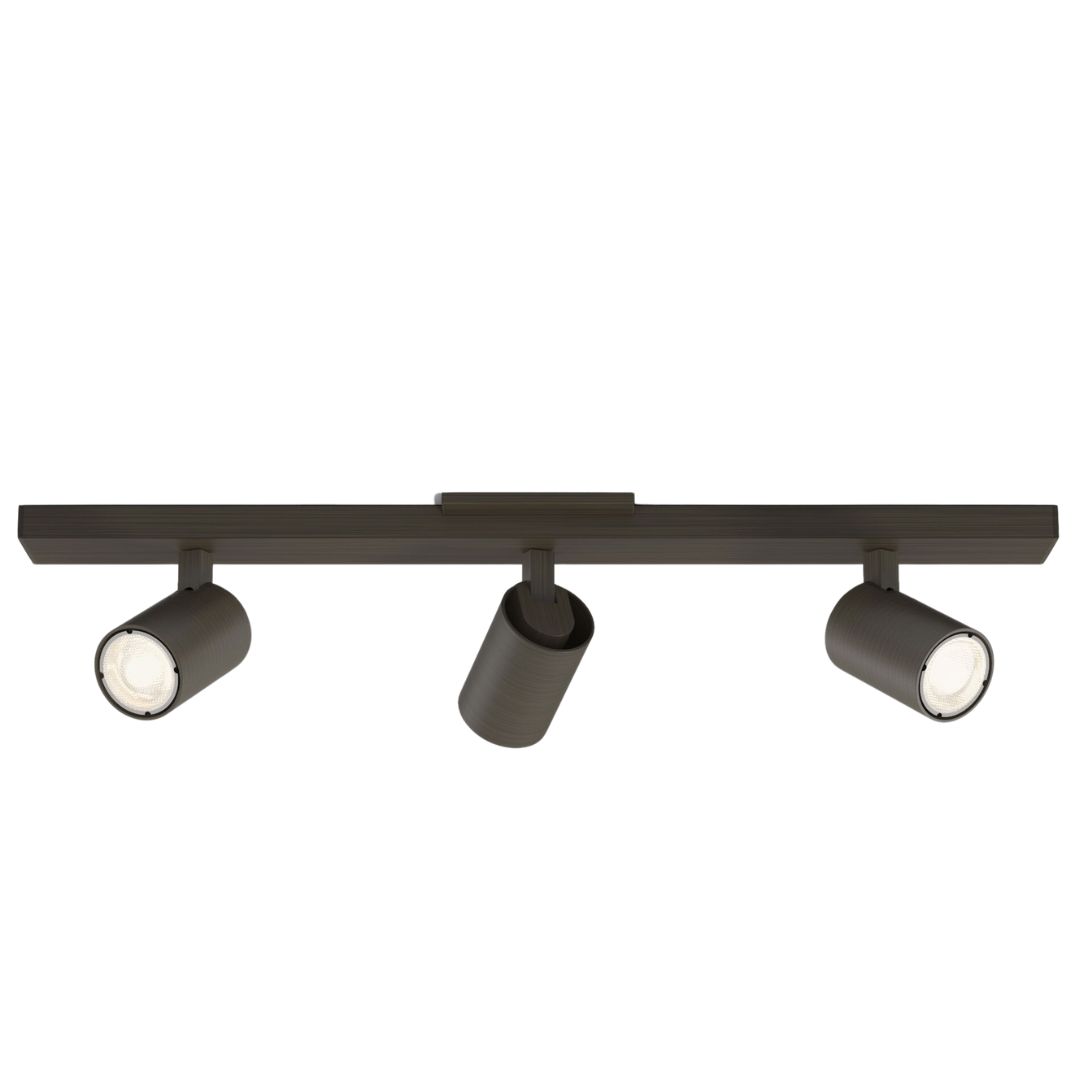
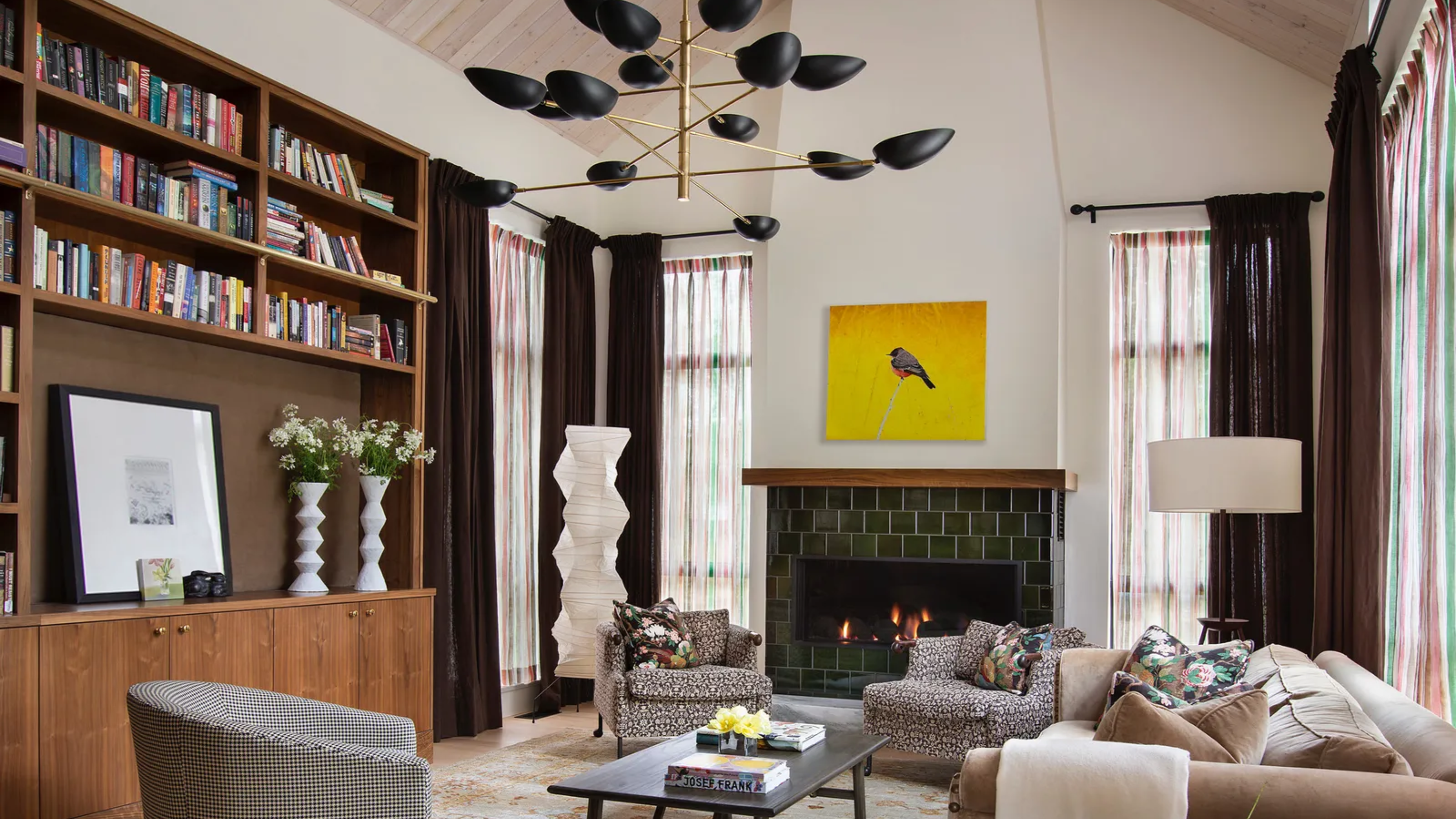
One common issue is the use of fixed downlights. These lights cast harsh shadows and create glare, flattening a room's atmosphere and undermining interior design efforts. Instead, adjustable downlights or spotlights with deep-recessed LED sources and glare-reducing accessories are recommended. These should be integrated into a layered lighting scheme that includes wall lights, pendants, and concealed LED strips to add warmth and depth.
Another technique to approach with caution is cove lighting. While visually appealing when properly executed, its overuse can cheapen the effect. Daniel Blaker, creative director of Nulty Lighting, explains that when cove lighting is installed on every elevation without consideration for context, it loses its intended impact. Similar issues arise with coffer ceiling lighting, where poorly positioned light sources can lead to hot spots, shadows, and an unflattering illumination of the ceiling surface.
Over-lighting is a significant mistake, as a "more-is-more" approach can make a room feel flat and lack atmosphere, diminishing the depth of textures and character. Daniel Blaker advises prioritizing quality over quantity, paying close attention to color temperature and rendering. For coziness, a color temperature of 2700K or lower is ideal, while detailed task areas require a Color Rendering Index (CRI) of 90 or higher to ensure true color appearance. The focus should be on essential lighting layers: ambient light for mood, task lighting for utility, accent lighting to highlight features, and decorative elements to enhance the space.

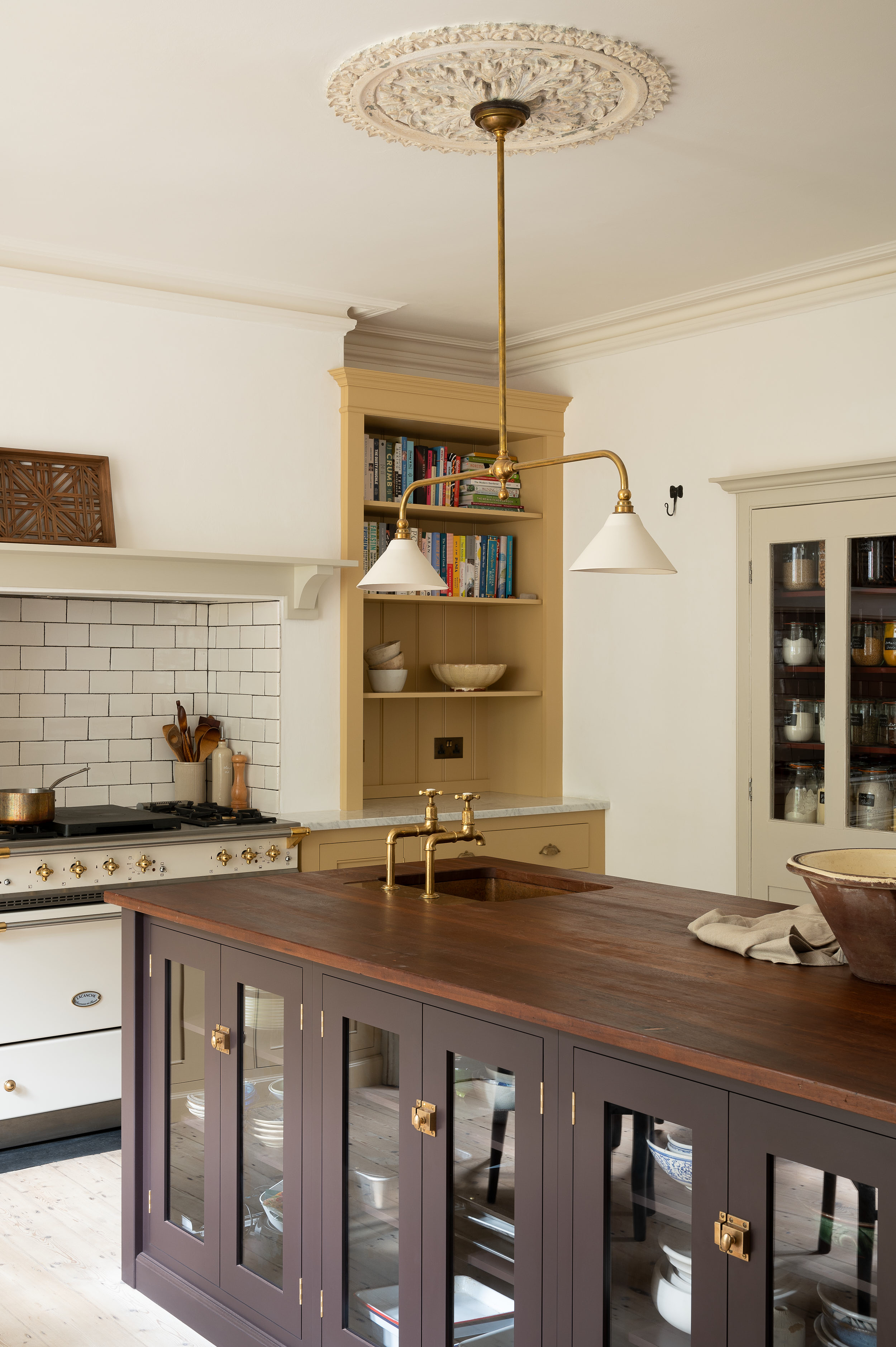

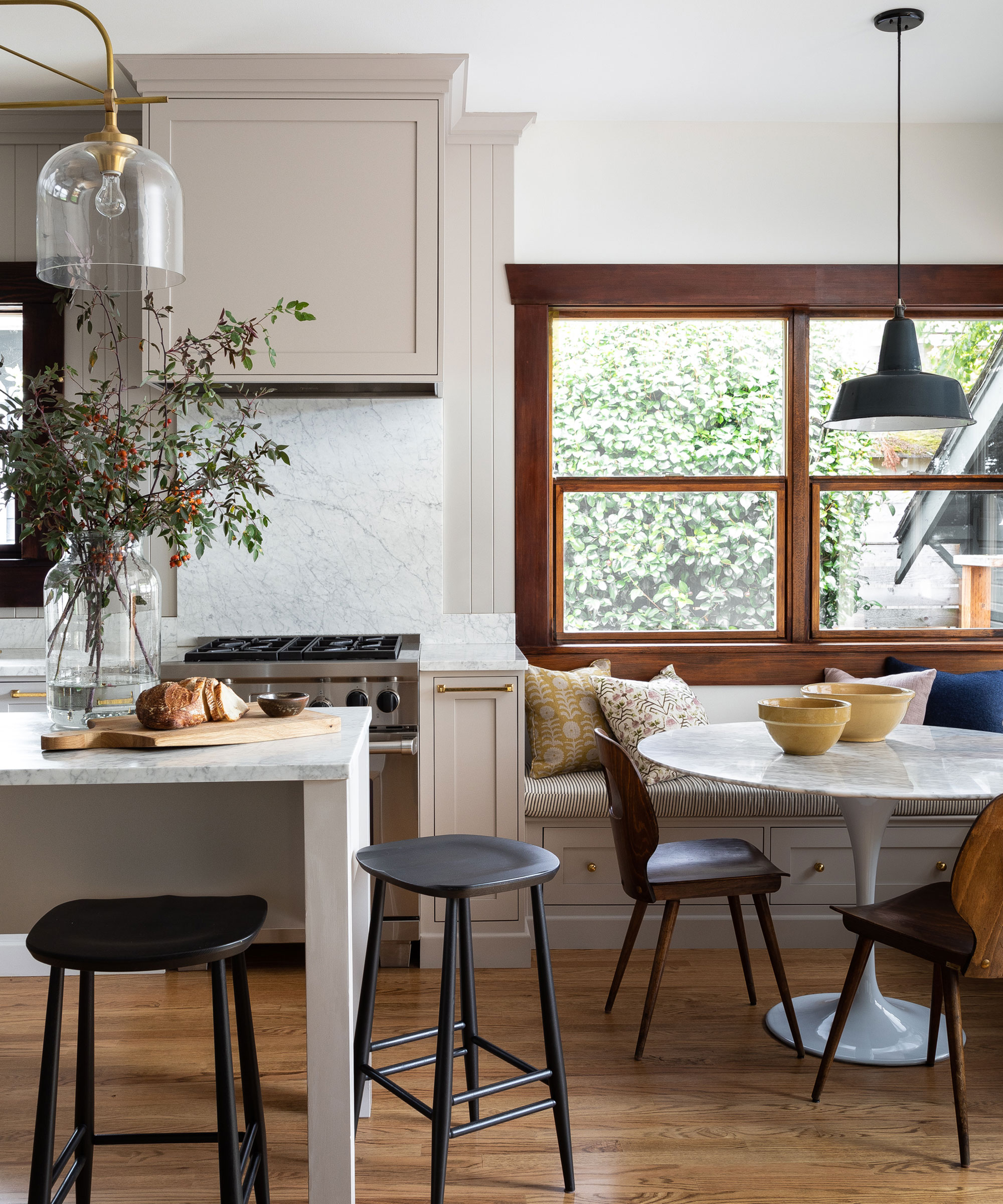
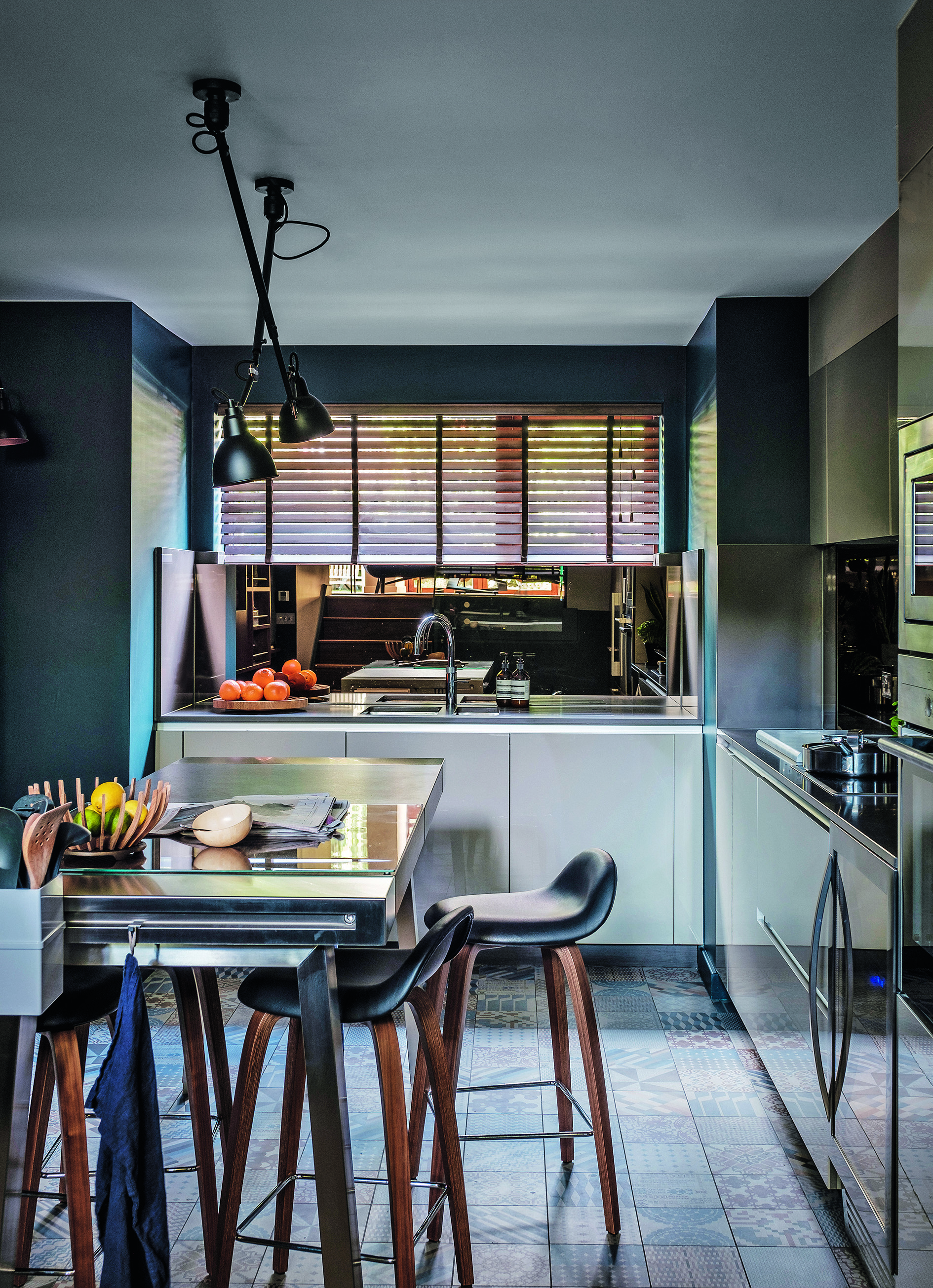
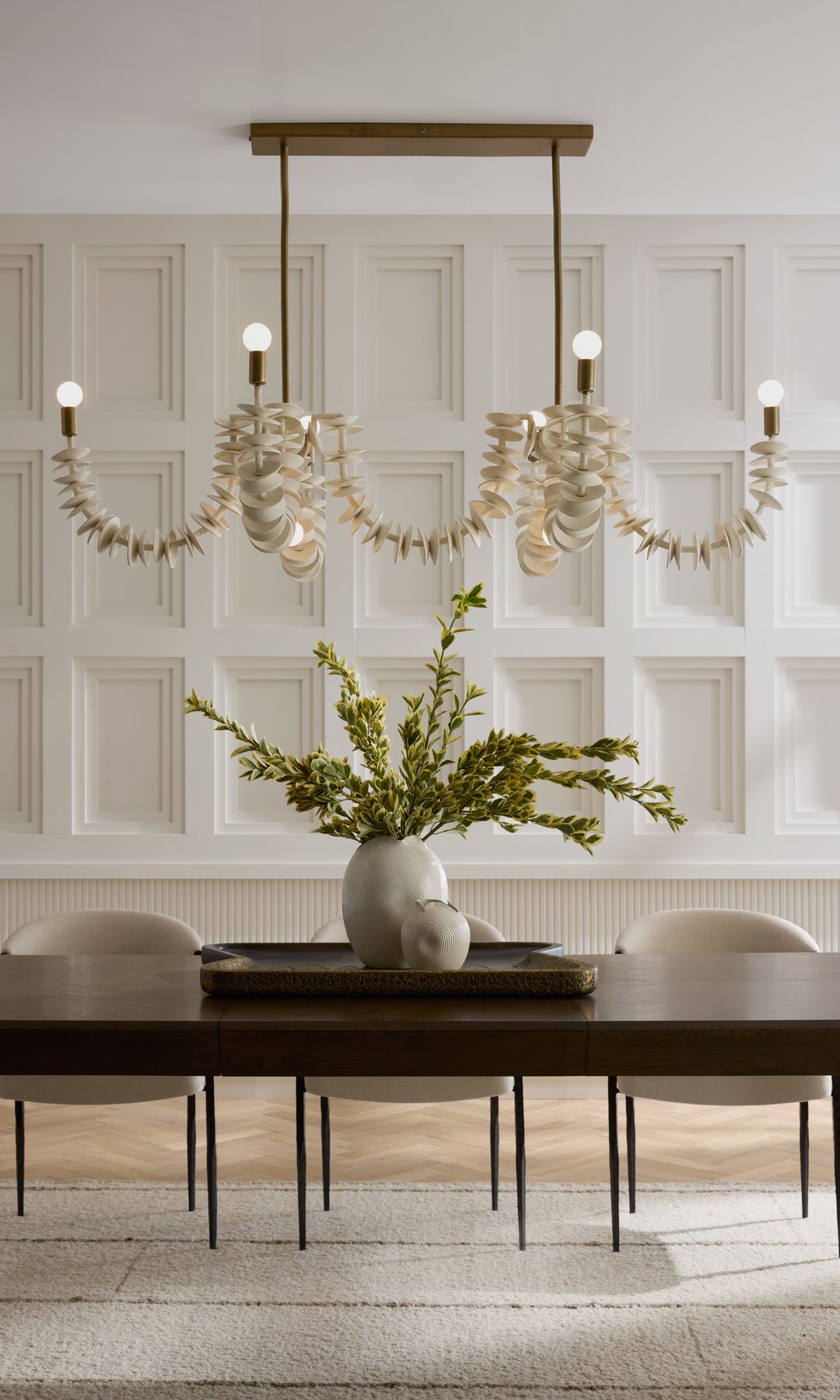
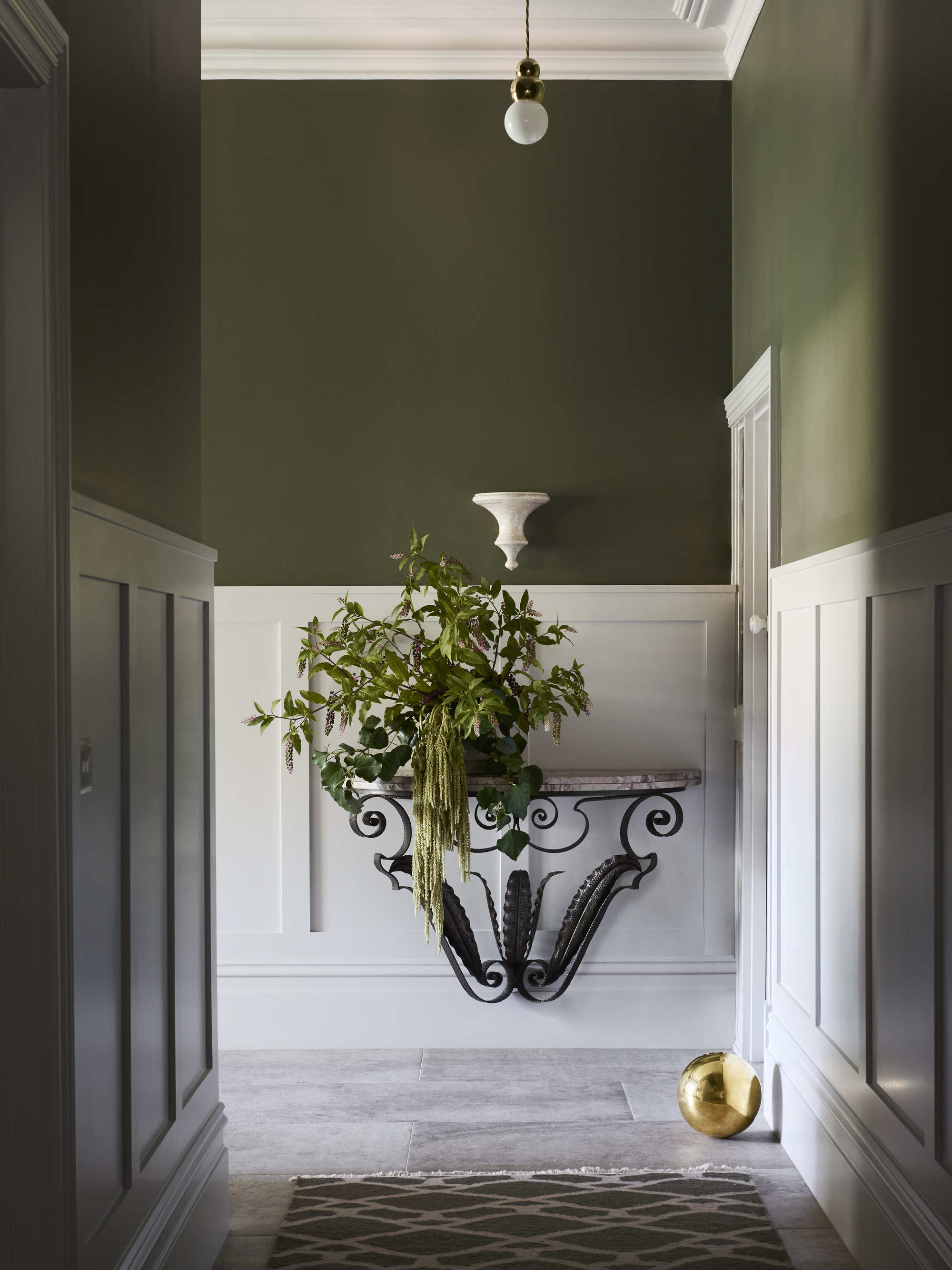
Exposed bulbs, once a staple of industrial chic, are now considered by experts to be more fashionable than functional. Vanessa Macedo, associate lighting designer at John Cullen Lighting, points out that bare filament bulbs often cause glare and visual discomfort, failing to enhance a room's atmosphere. For a welcoming and cozy home, decorative or diffused fittings that combine style with comfortable, glare-free light are preferred.
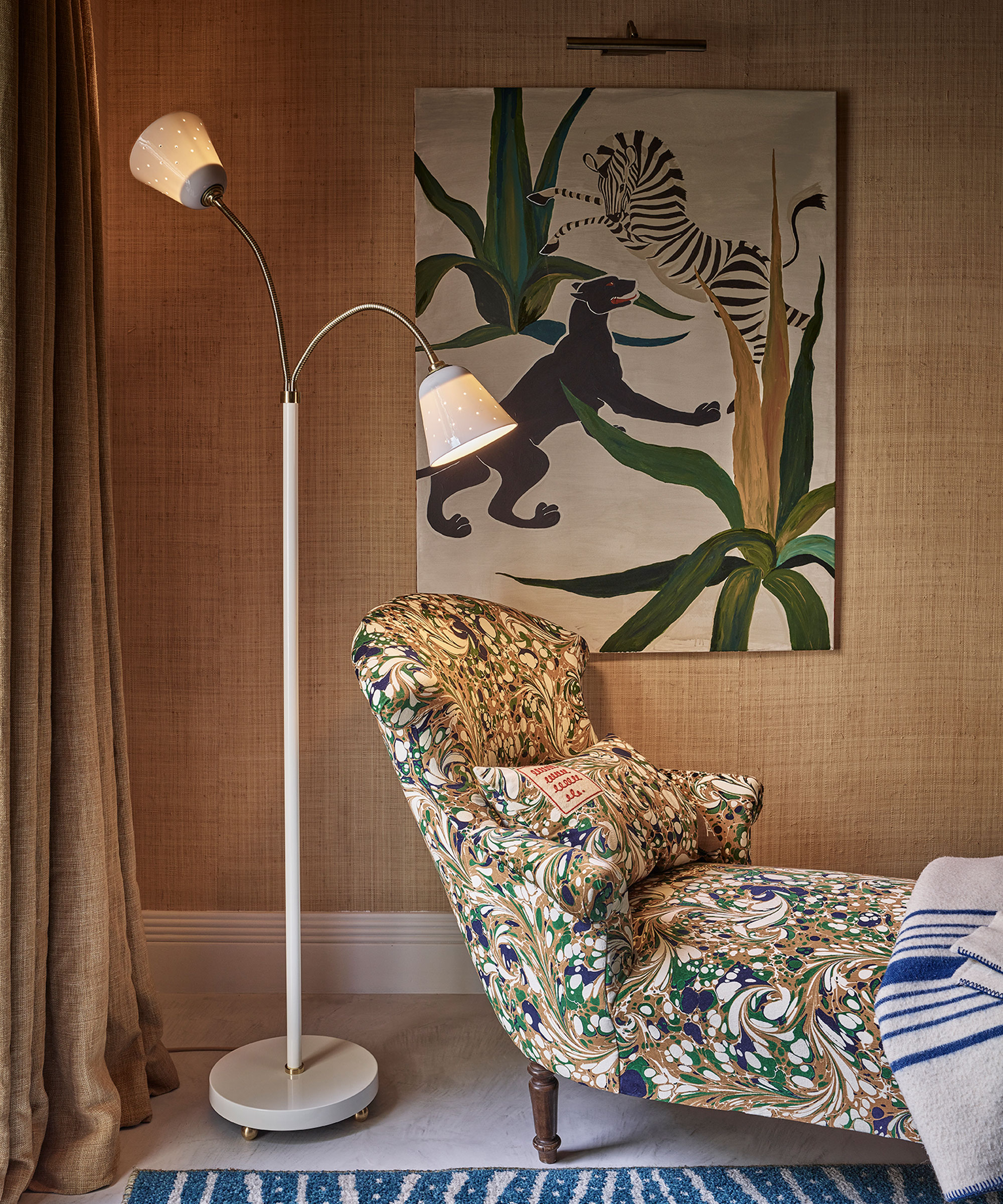
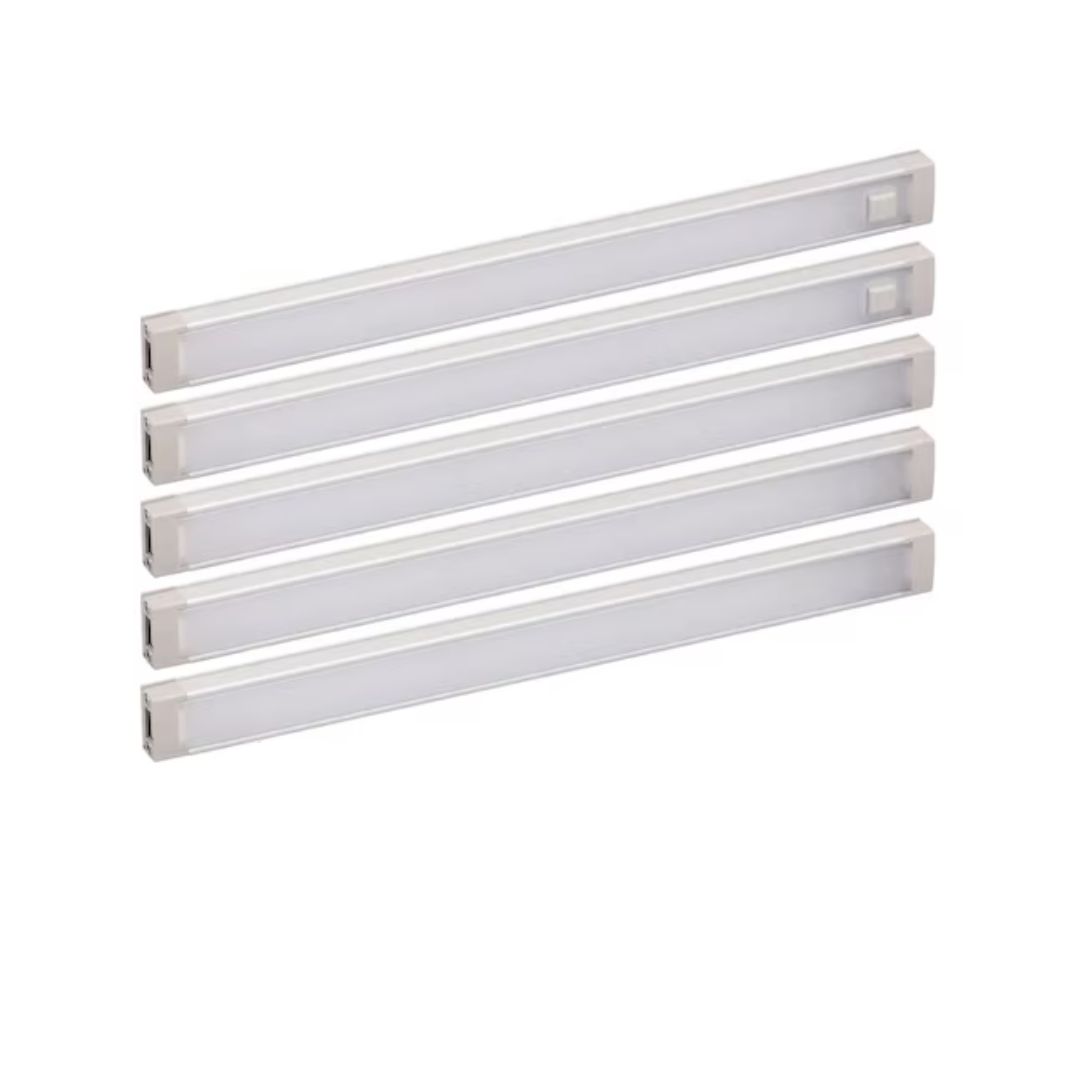
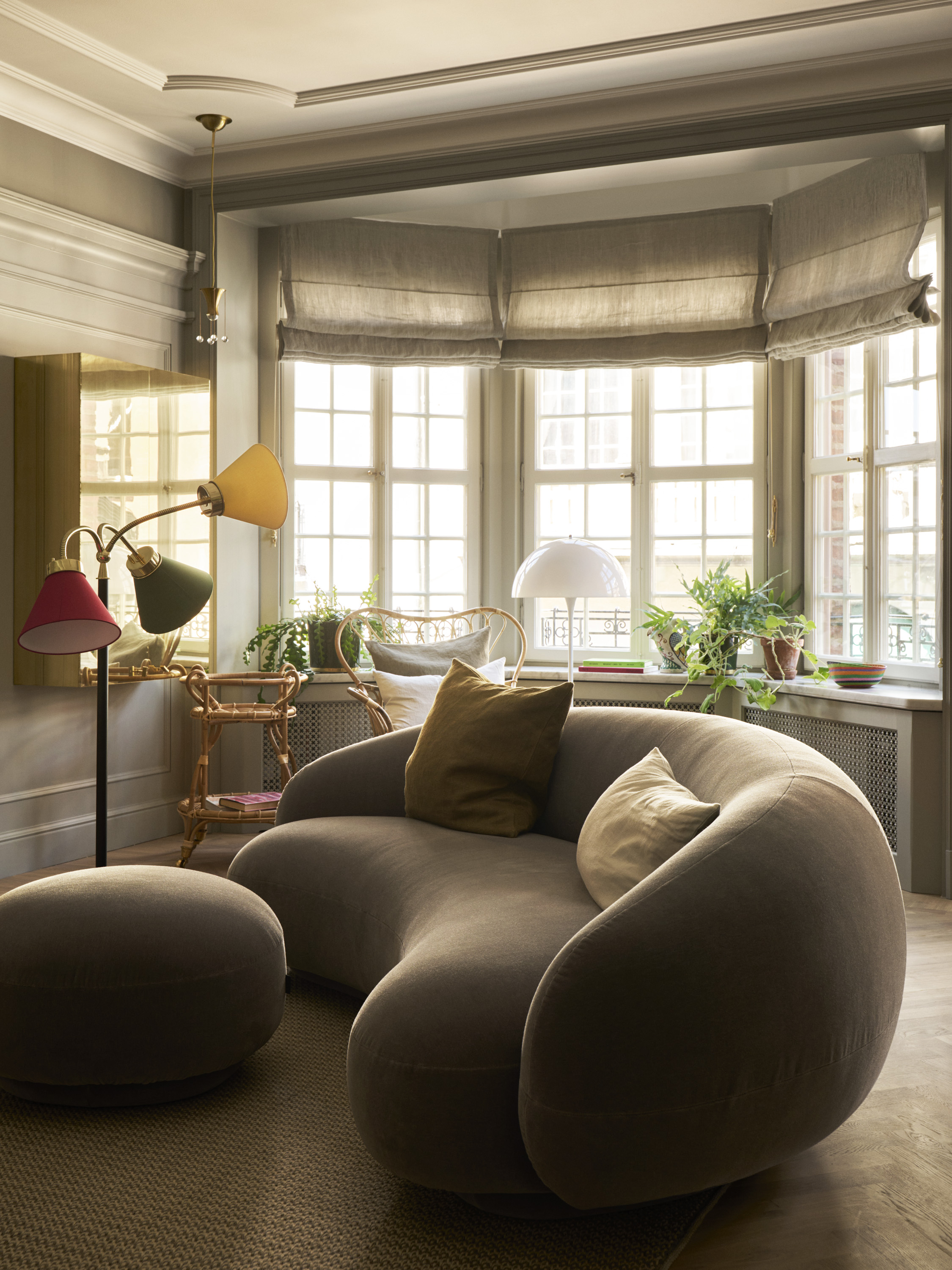
Finally, grid lighting, characterized by systematic and often uncreative layouts of ceiling spots, is discouraged. Too many ceiling spots can flatten a space, casting unflattering shadows and creating a one-dimensional look. This regimented placement can disrupt visual harmony and make a room feel unwelcoming. While downlights have their place, they should be used thoughtfully to highlight key areas without dominating the space. Techniques like wall washing are suggested, and care should be taken to avoid positioning lights too close to walls or curtains, which can create unsightly scallops. Layering lighting, incorporating targeted ceiling lights with wall lights, floor lamps, and concealed linear lights, is key to creating depth, softness, and flexibility in mood.
Ultimately, designing effective lighting involves careful consideration of what needs to be lit and whether it genuinely enhances the space. With a wide array of lighting options available, homeowners can avoid common pitfalls and create inviting, well-lit interiors.
#HomeLighting #InteriorDesign #LightingTips #HomeDecor #DesignMistakes #ExpertAdvice #Ambiance #LayeredLighting #RoomAtmosphere #HomeLighting #InteriorDesign #LightingTips #HomeDecor #DesignMistakes #ExpertAdvice #Ambiance #LayeredLighting #RoomAtmosphere
0 comment in total
 No comments yet
You may also like
5 outdated lighting trends designers say to avoid – and the designs and techniques to use, instead

5 Kitchen Lighting Design Rules Interior Designers Warn You Should Never Ignore for a Well-Lit Space
7 Bedroom Lighting Mistakes — Experts Say They "Scream 'Wrong Vibe'" and Ruin Your Aesthetic
14 Controversial Things Interior Designers Would Never Have in Their Homes

5 Common Entryway Lighting Mistakes Designers Never Fail to Notice — I'll Always Avoid These Now
9 CONTROVERSIAL Decor Choices Designers Secretly Wish You’d Stop Making

5 Living Room Staples Designers Never Splurge on (and You Shouldn't Either)

No More of These, Please — 4 Outdated Window Treatments Designers Don't Want to See You Using Anymore
9 outdated kitchen lighting trends designers urge you to avoid, plus what to try instead
6 Outdated Lighting Trends to Avoid in 2025, According to Interior Designers
4 Outdated Colors Designers say you Should Steer Clear of When Decorating a Living Room
4 rules for luxurious lighting according to interior design experts

5 Lighting Trends That Are So Outdated, According to Designers
What lighting makes a home look expensive? 5 ideas from the designers in the know
6 things to never put in an entryway, according to interior designers
'They're not for every room' – designers say they'll never use a round rug in these 5 spaces, and neither should you
5 things designers say you should never put on a mantel
Every Mistake I Made While Designing My Kitchen Lighting Scheme — The 5 Errors I Strongly Advise Against
This is my big kitchen lighting ick, and interior designers agree it's an impractical choice – what you should buy instead
5 Things Designers Say You Should Never Leave in Direct Sunlight—They Could Get Ruined