1/11
Every Mistake I Made While Designing My Kitchen Lighting Scheme — The 5 Errors I Strongly Advise Against
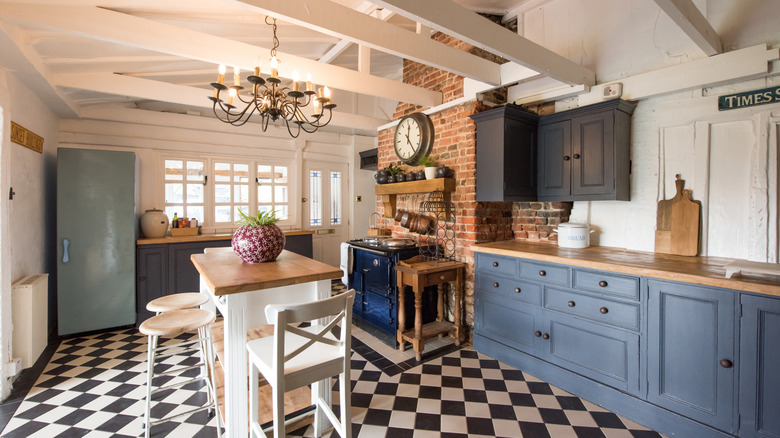
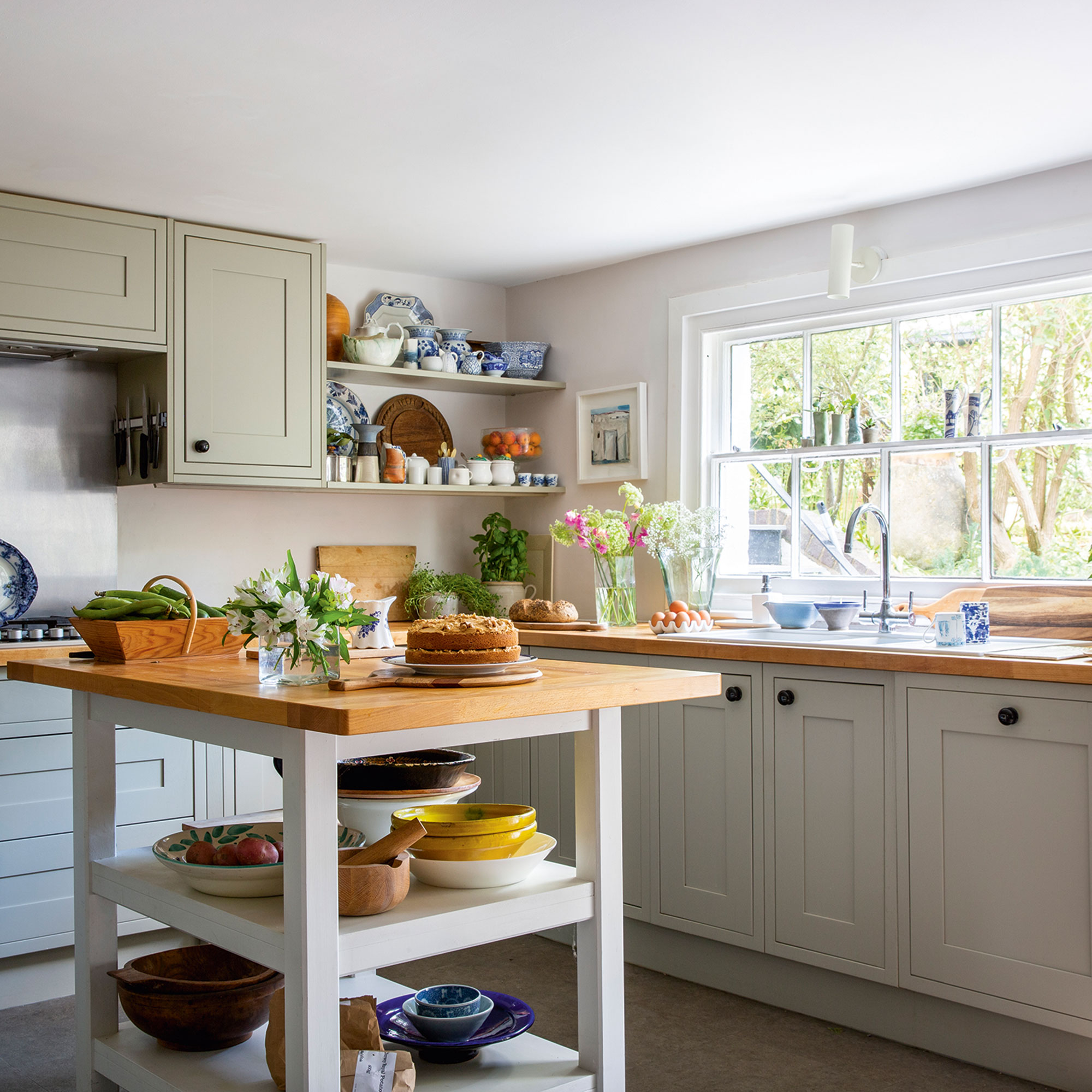
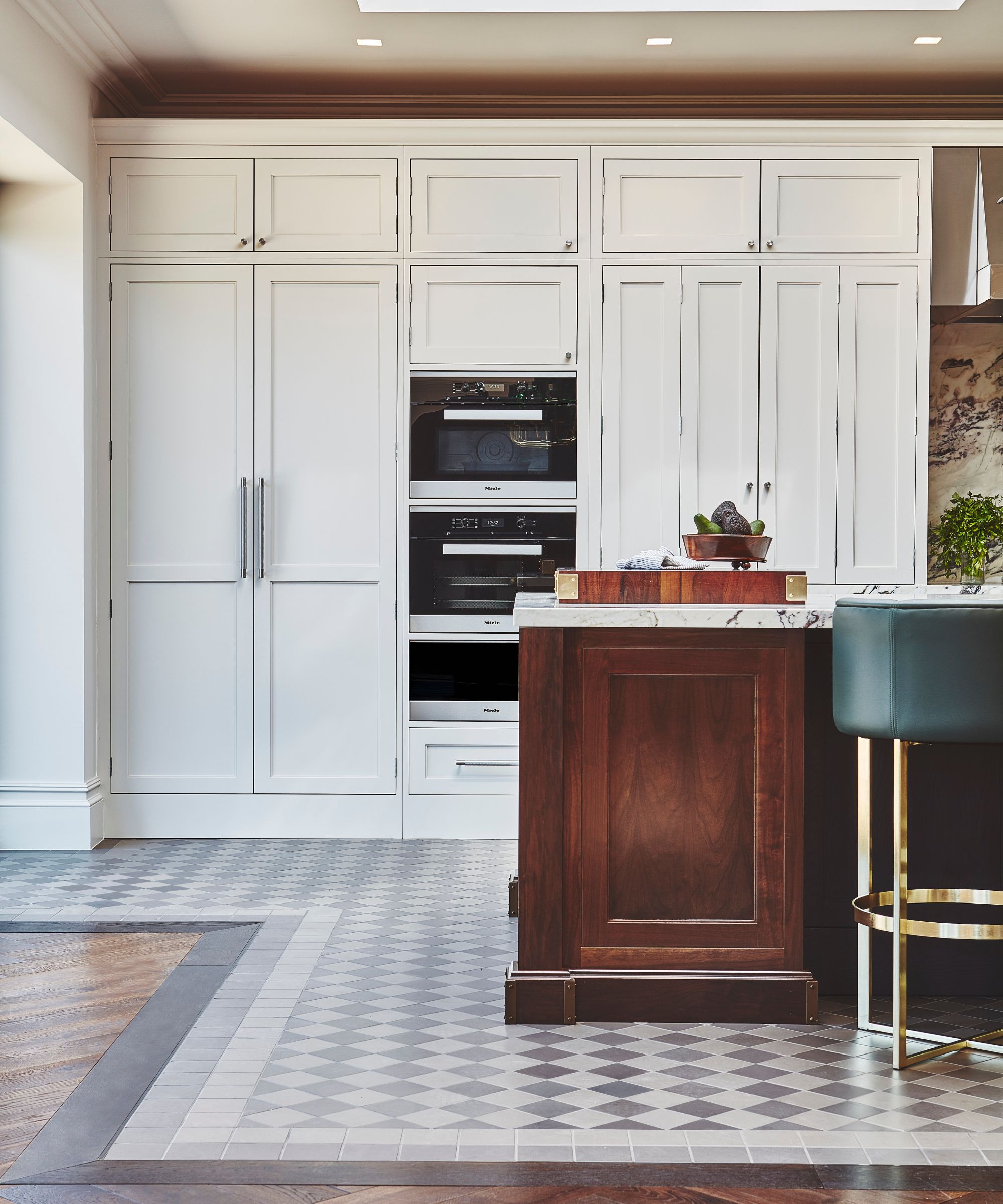
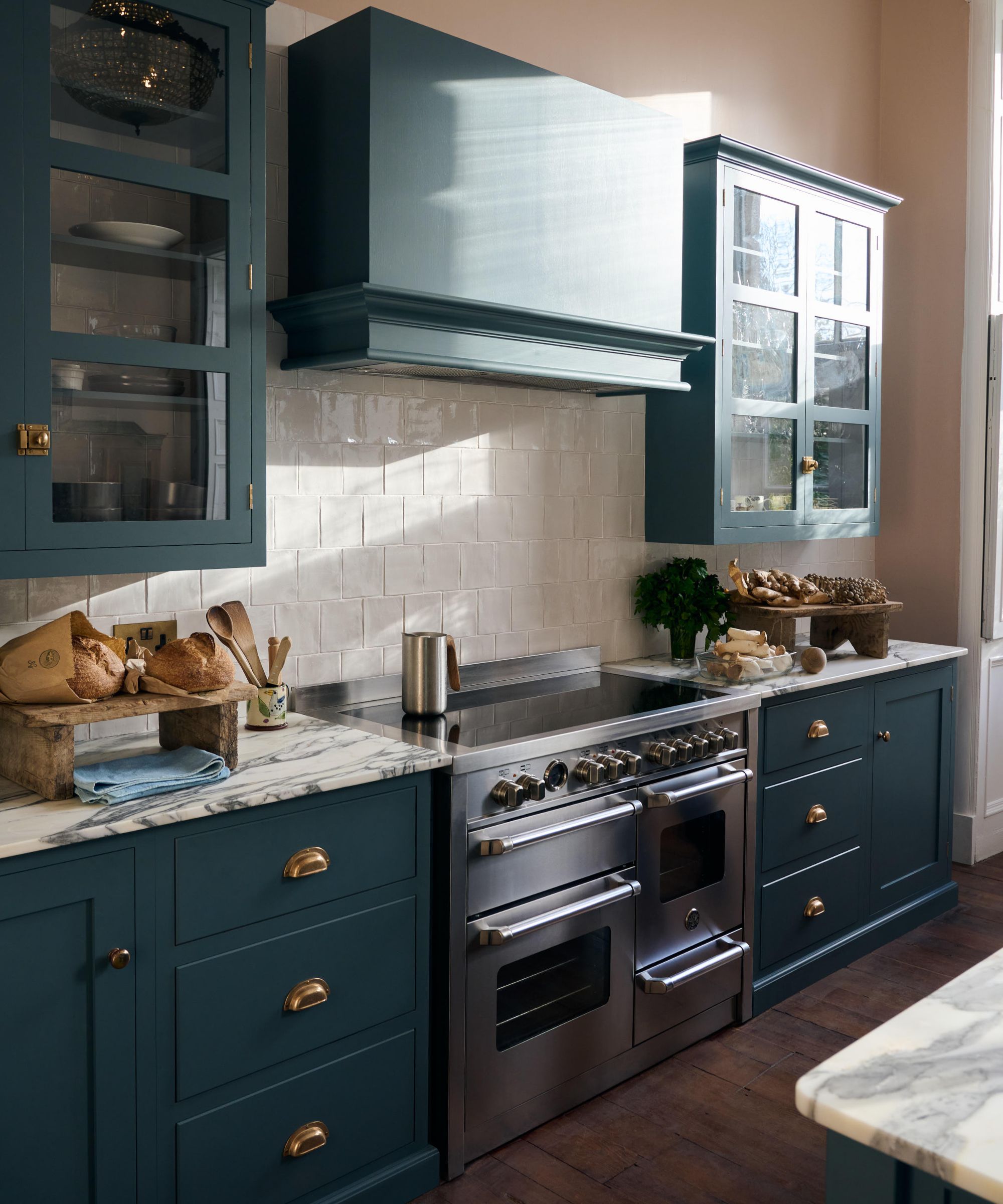
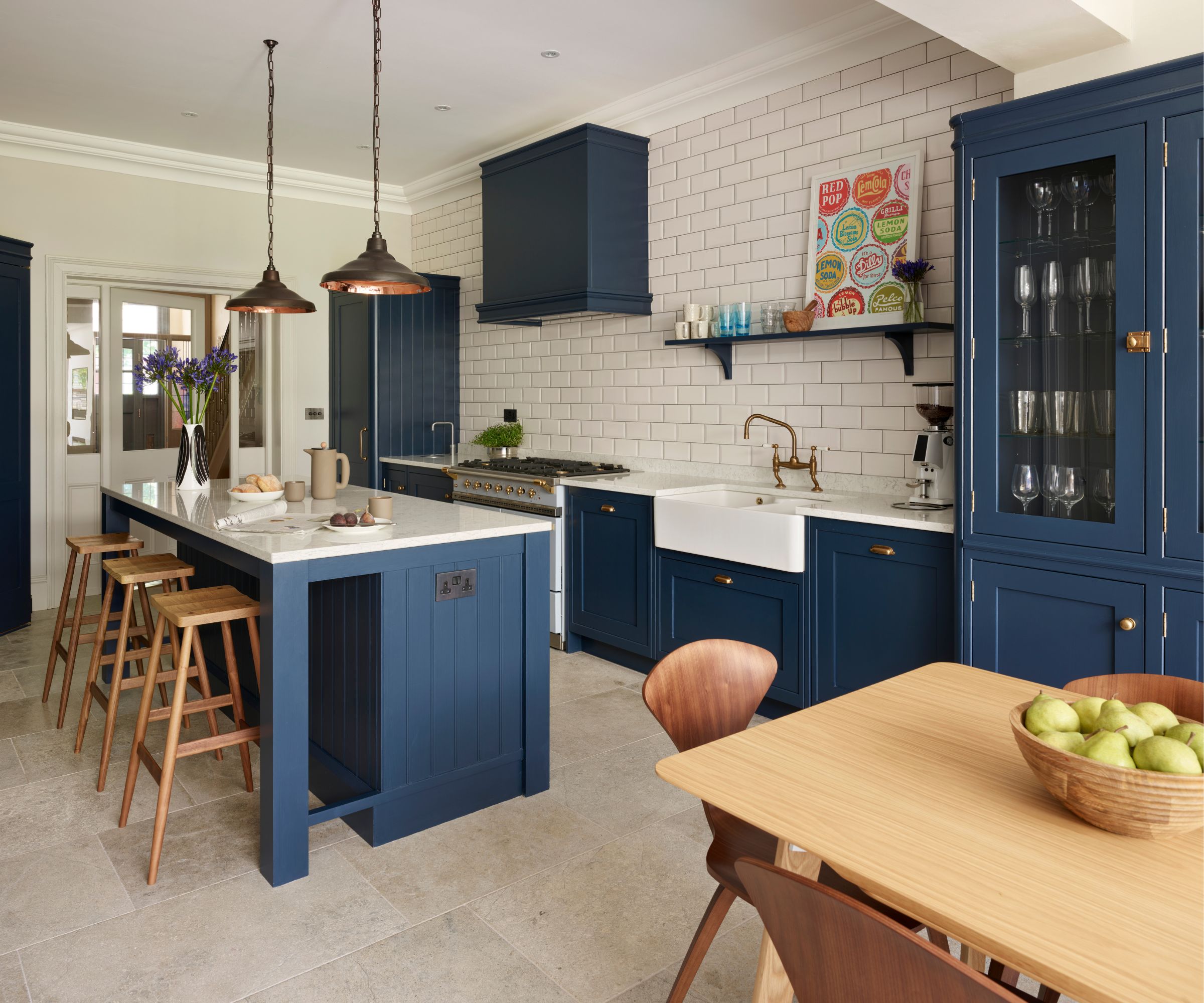
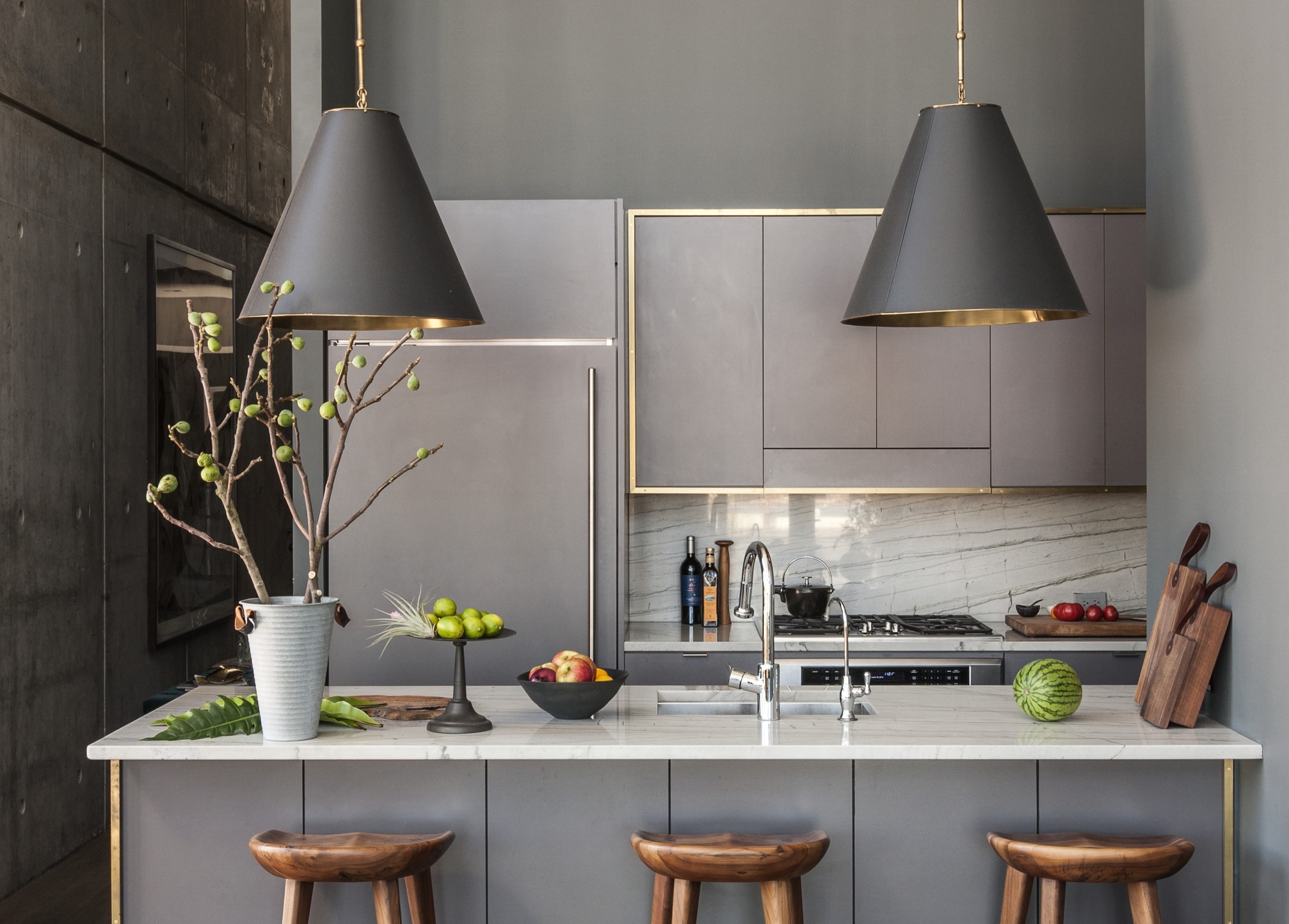
The author shares personal experiences and lessons learned from a kitchen lighting design project, emphasizing that lighting is as crucial as other major kitchen elements like counters and cabinets. Initially, the author underestimated the importance of a comprehensive lighting plan, opting for a single pendant and a few spotlights without professional consultation or mood boarding. This oversight led to several issues, including poor illumination, shadows, and a dull ambiance that detracted from the kitchen's overall aesthetic and functionality. The article serves as a cautionary tale, detailing five specific lighting mistakes to avoid.
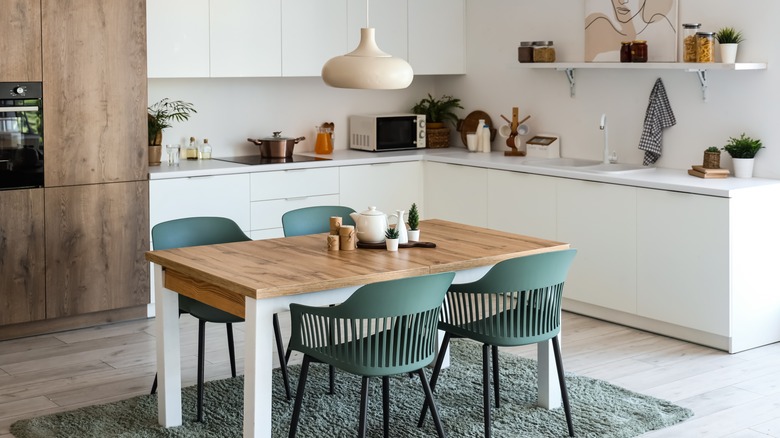
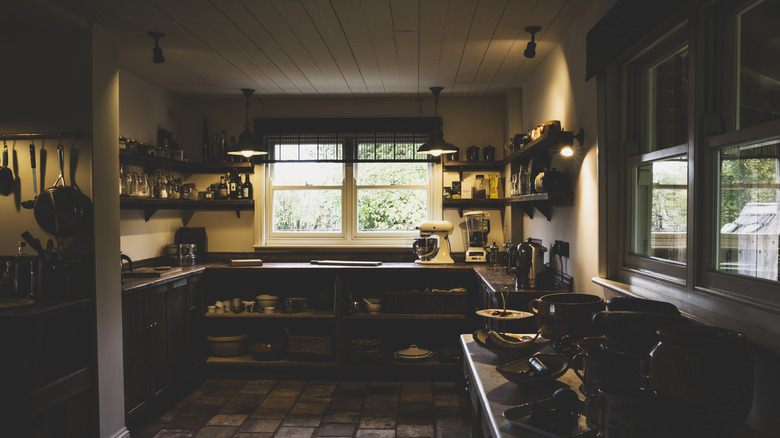
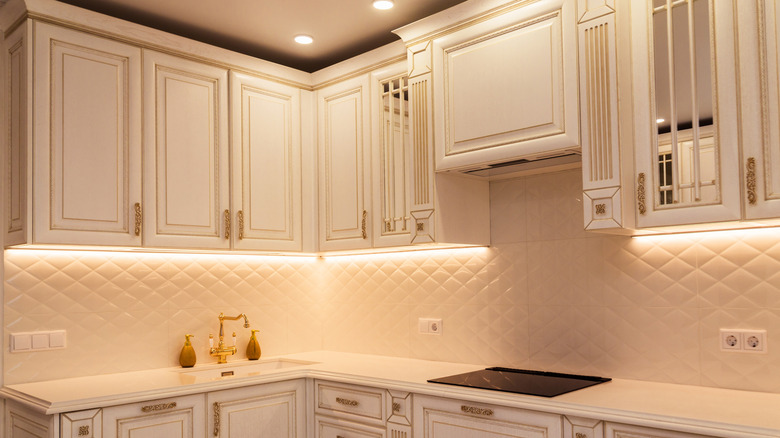
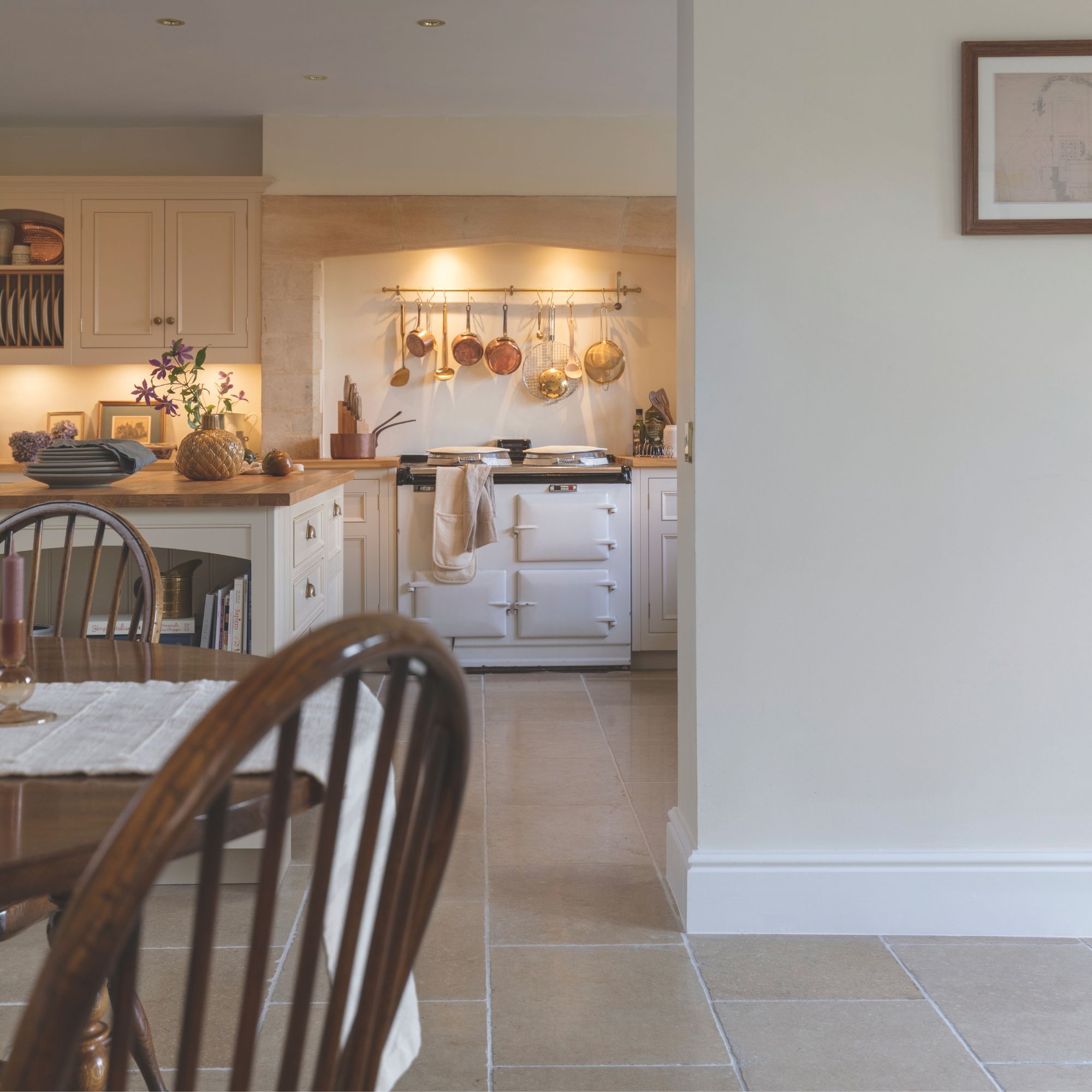
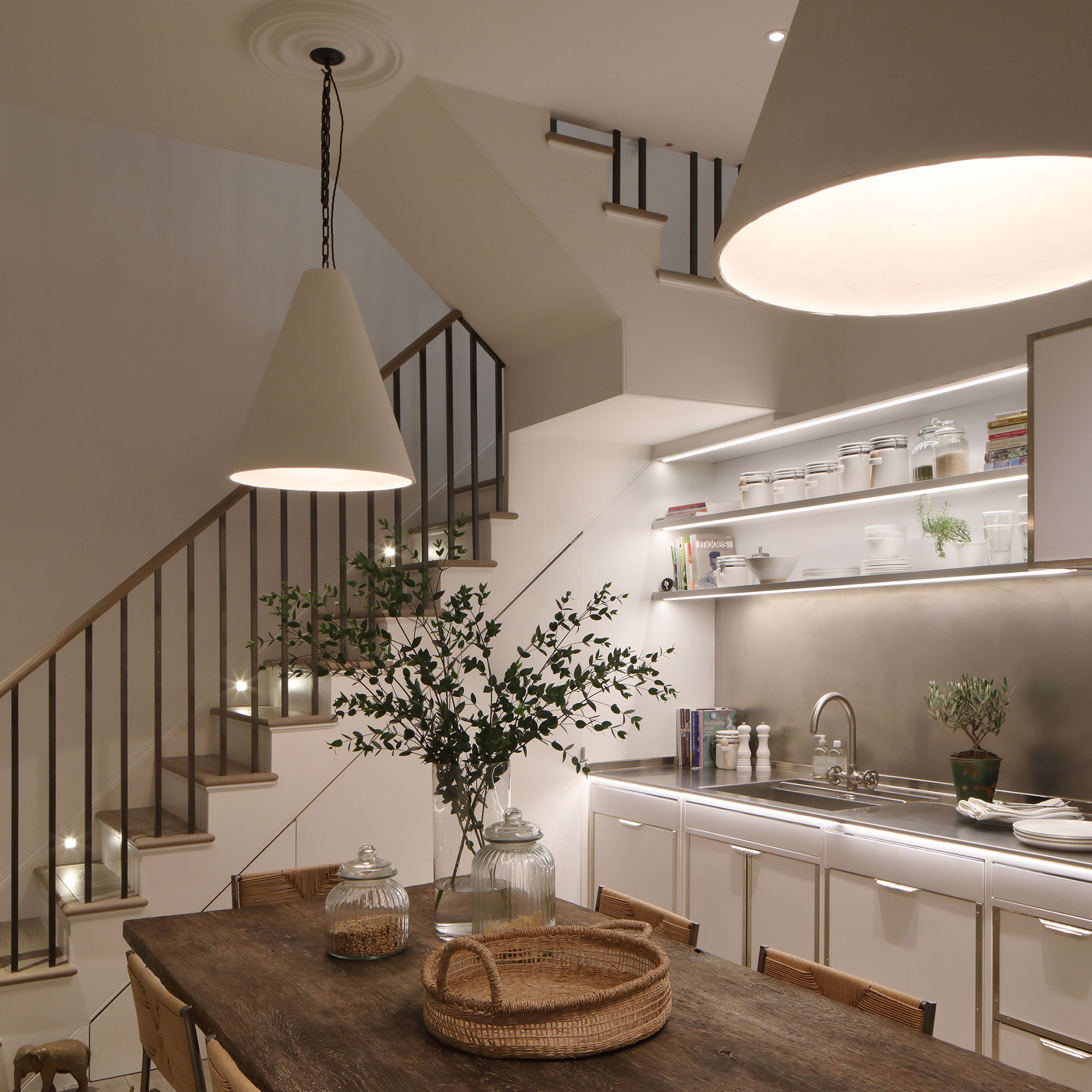
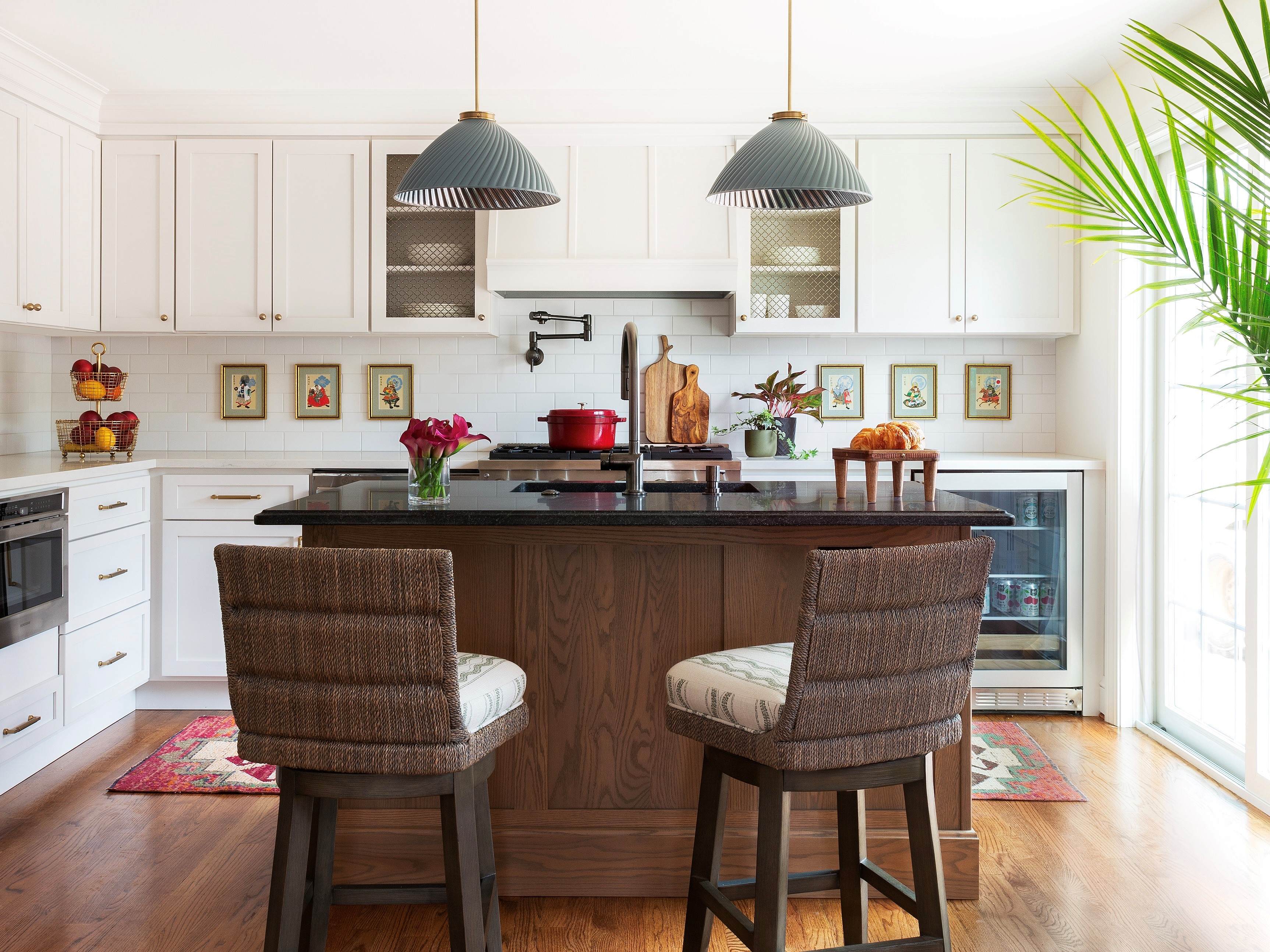
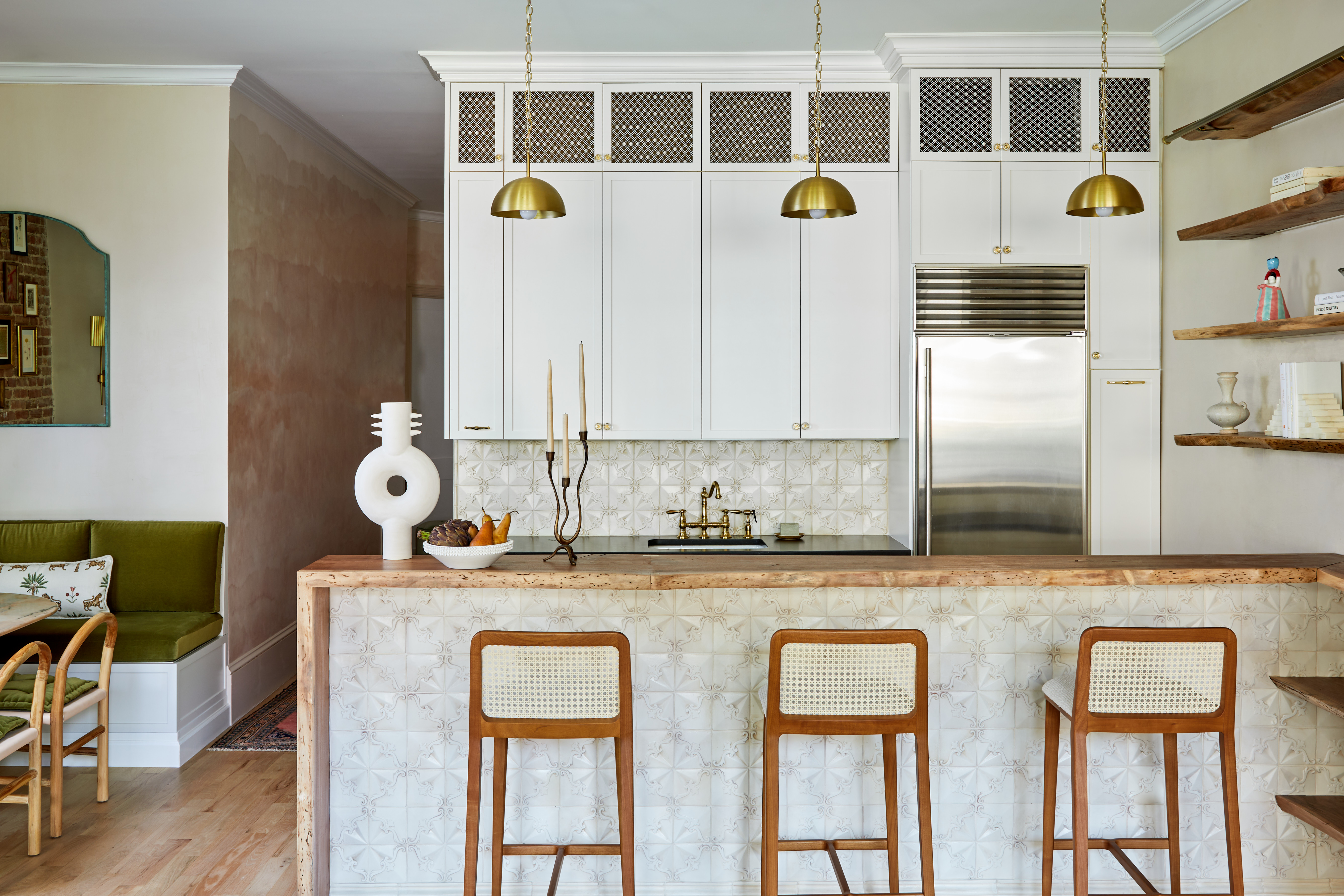
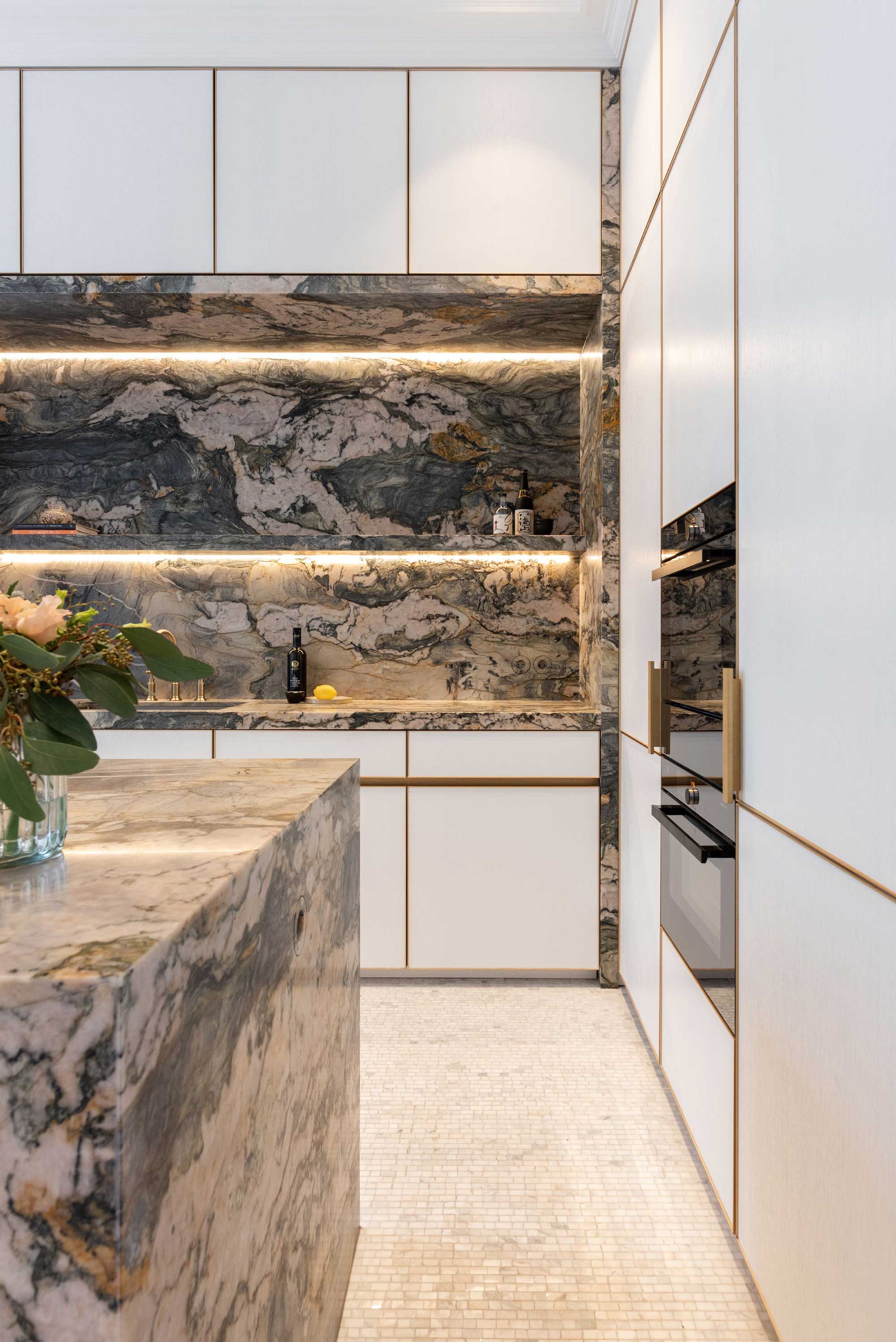
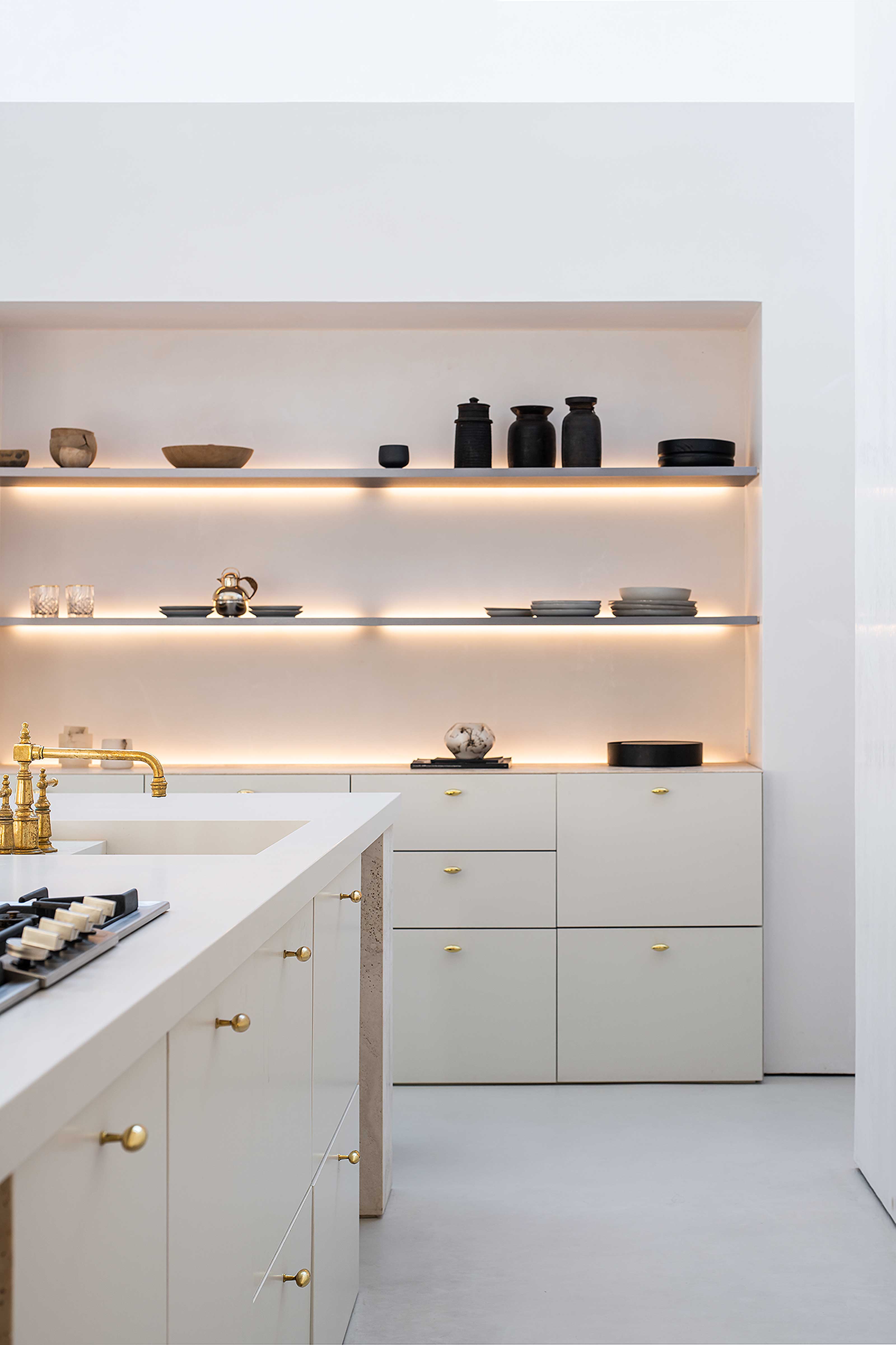
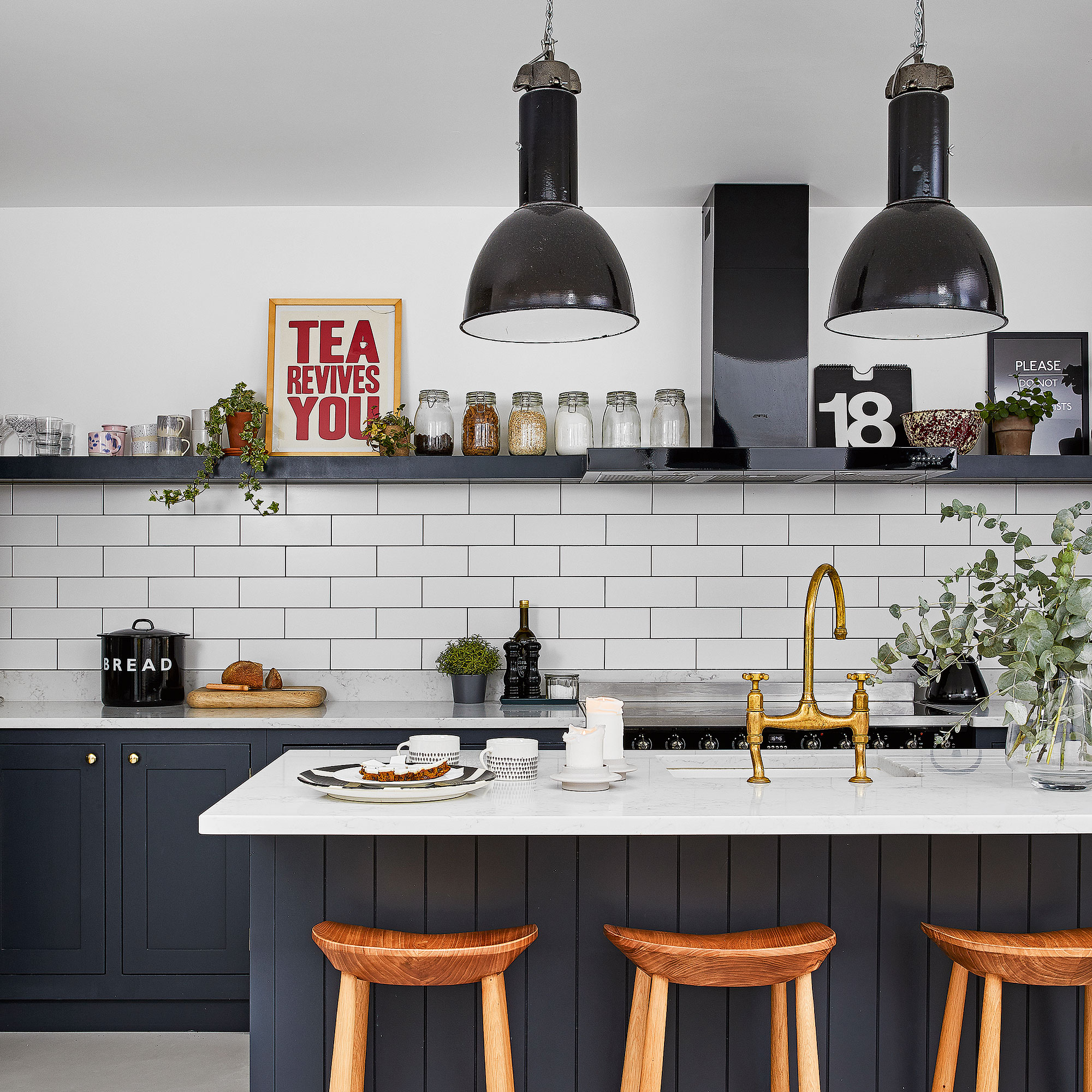
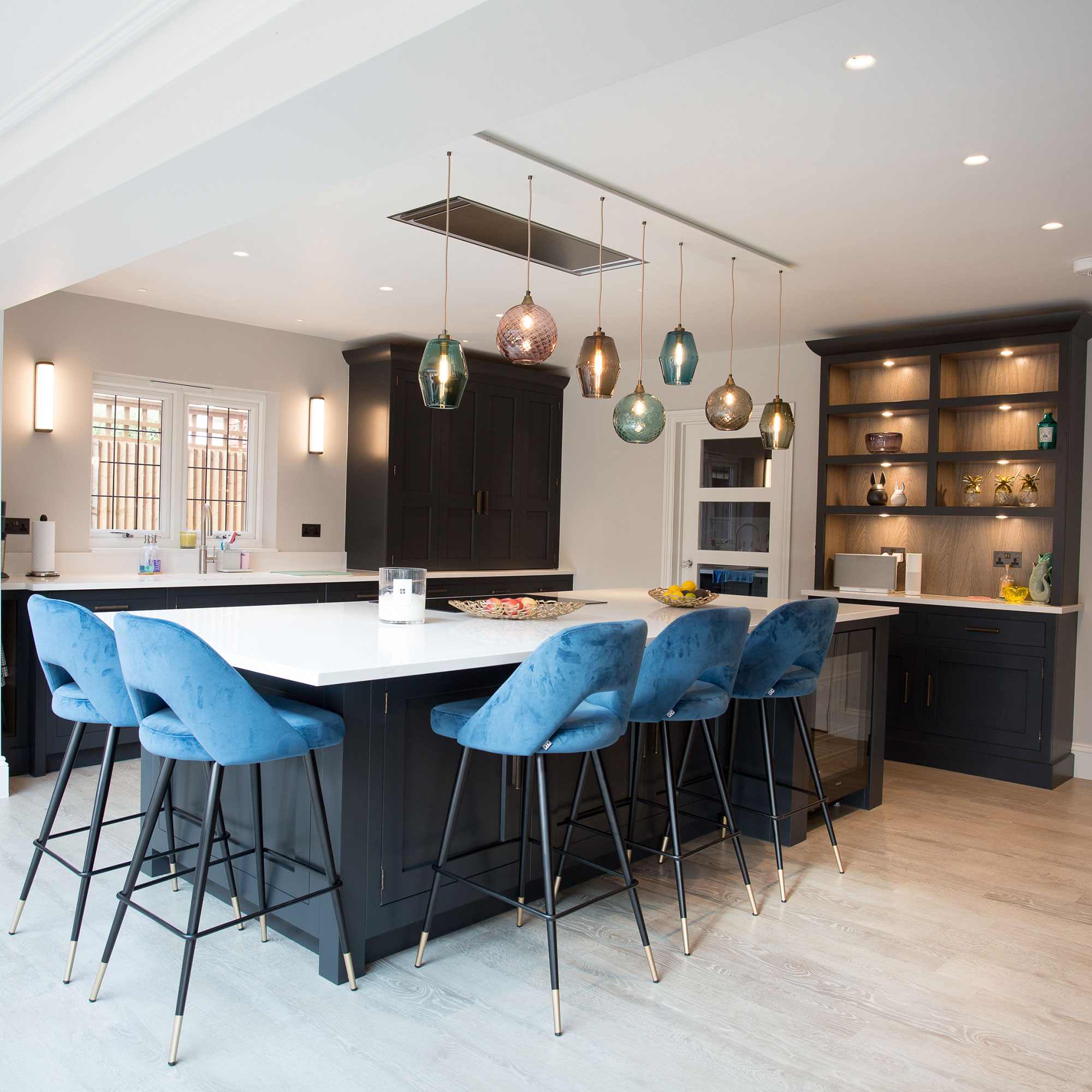


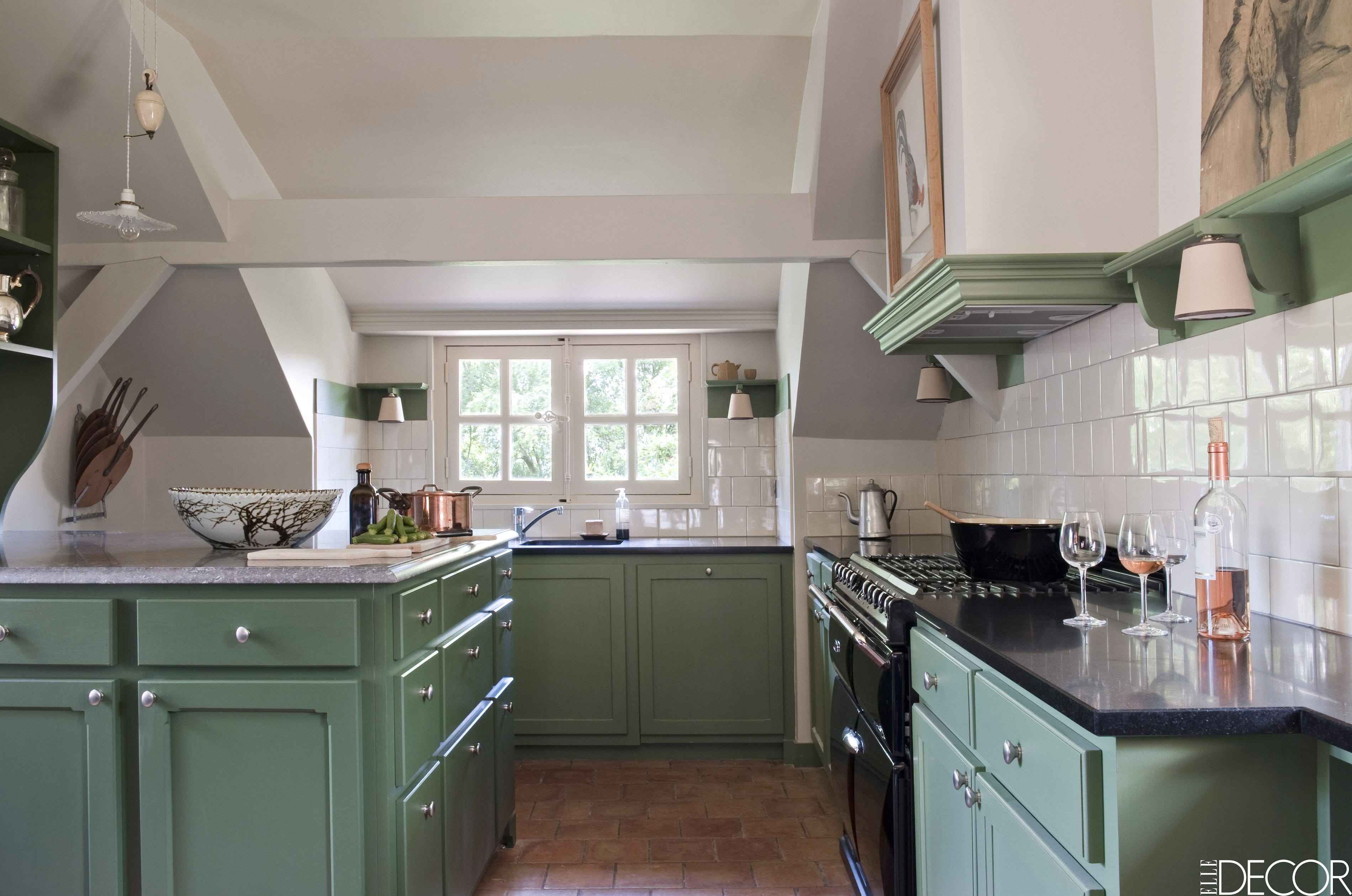
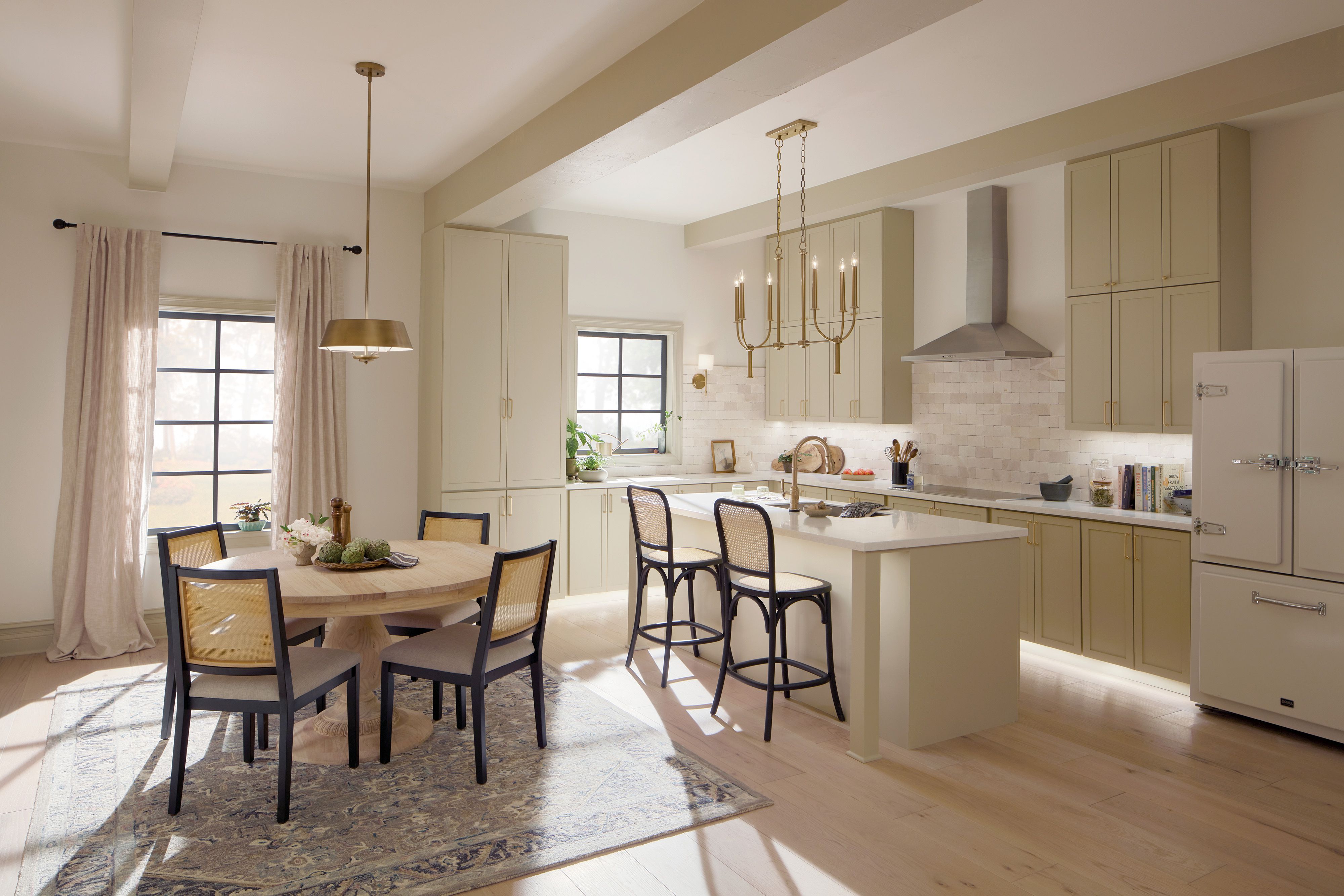
The first mistake discussed is relying on a single light source. Even in kitchens with ample natural light, a lone pendant can create shadows and dark areas, especially in the evenings. The author highlights the necessity of layered lighting, which combines ambient, task, and accent lighting for a well-lit and comfortable space. After realizing this error, the author integrated wall-mounted ceiling spots, under-cabinet lighting, and a decorative table lamp to improve the kitchen's illumination and visual appeal.
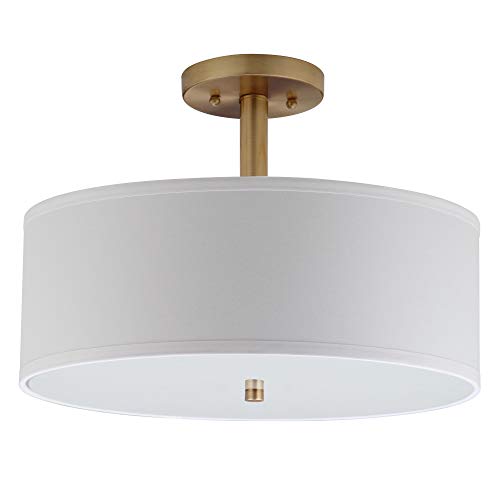
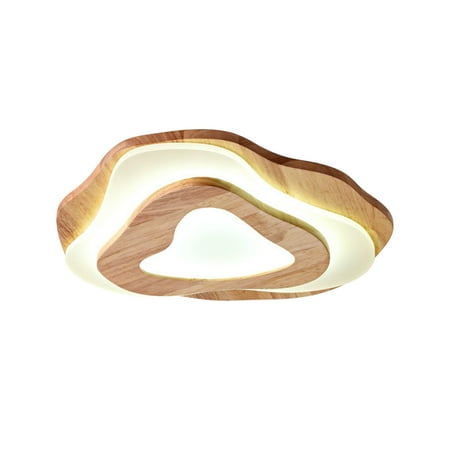
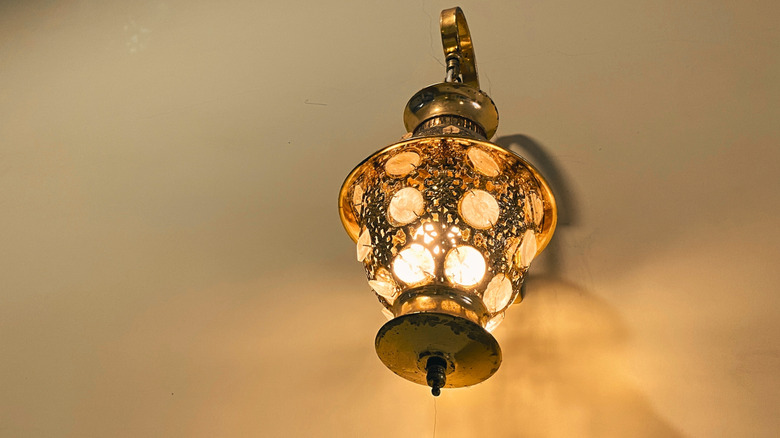
The second common pitfall is purchasing low-quality lighting fixtures to save money. The author admits to choosing cheaper lights from unknown retailers, only for two of them to malfunction within weeks. This experience underscores the importance of investing in durable, high-quality fixtures from reputable brands, even if it means exploring more affordable options from well-known retailers like Target, Walmart, or Crate & Barrel.
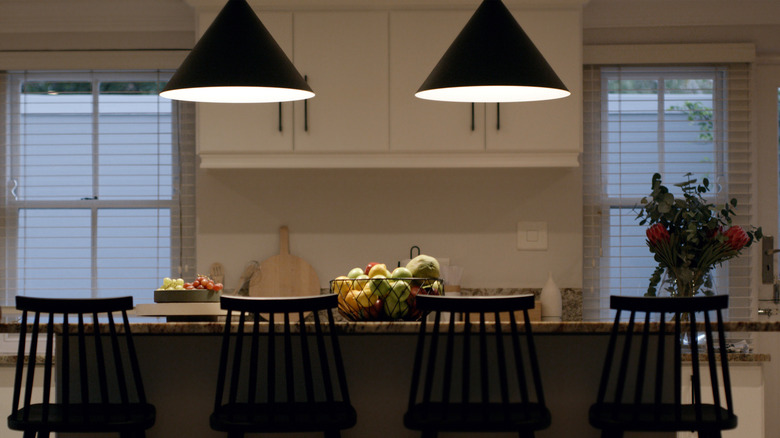
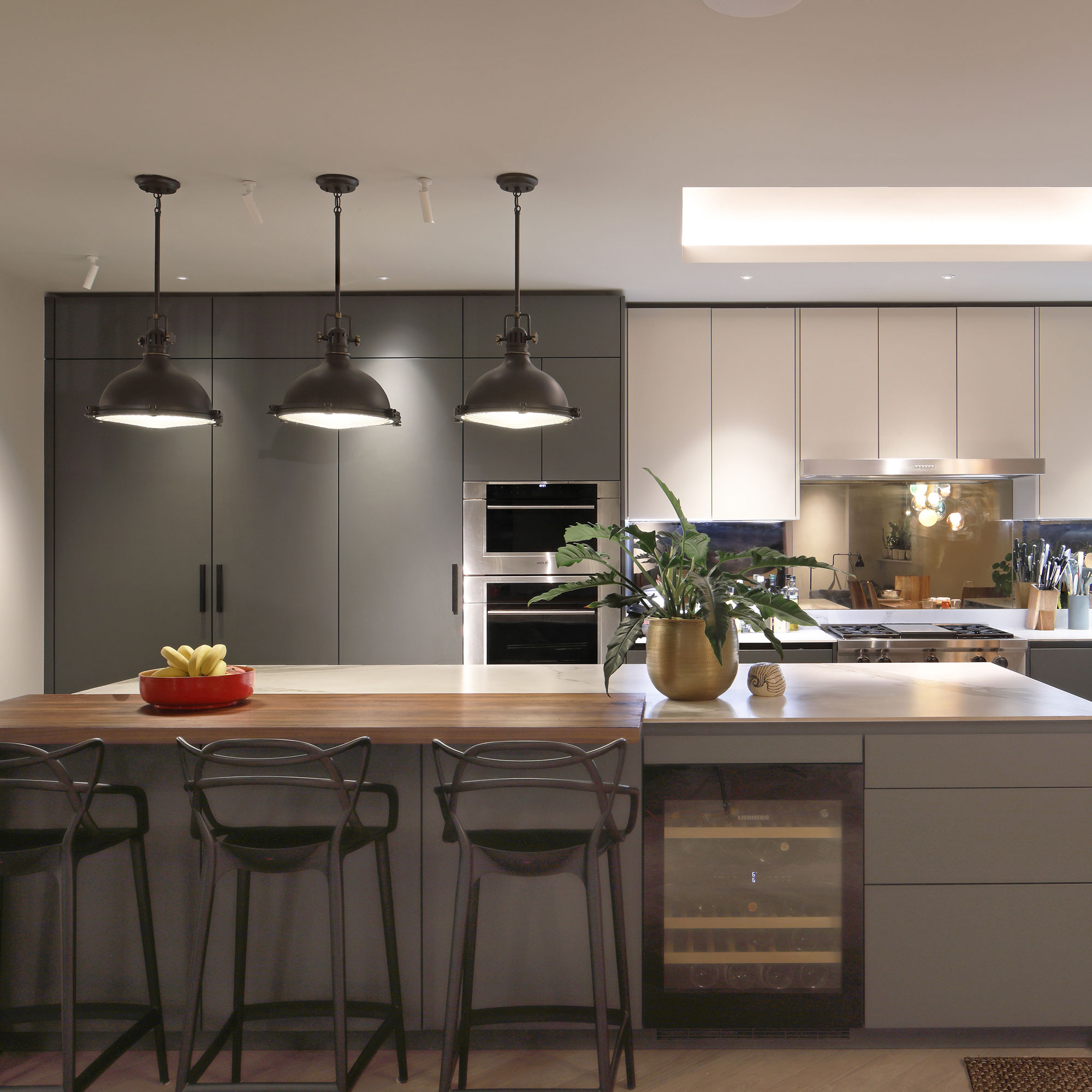
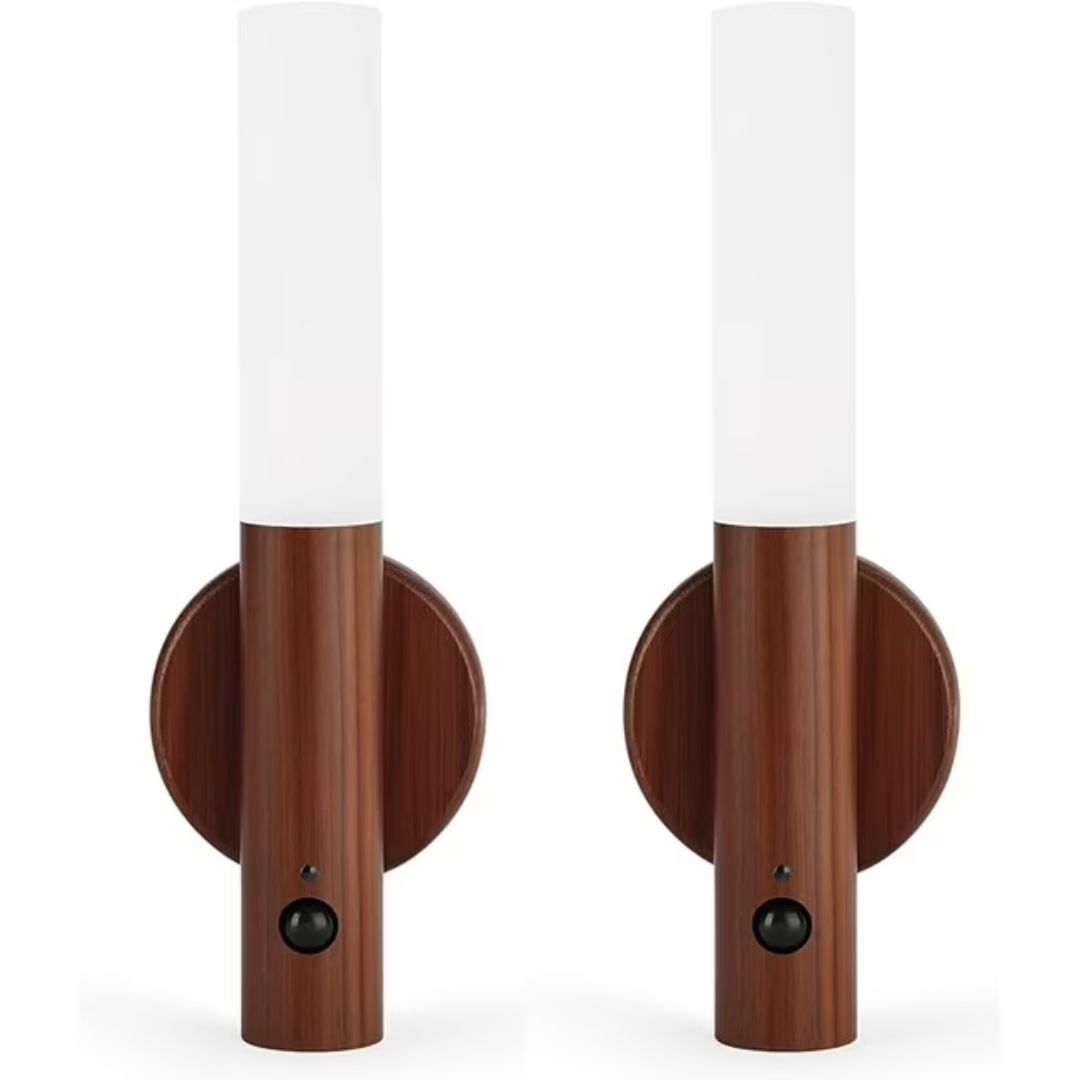
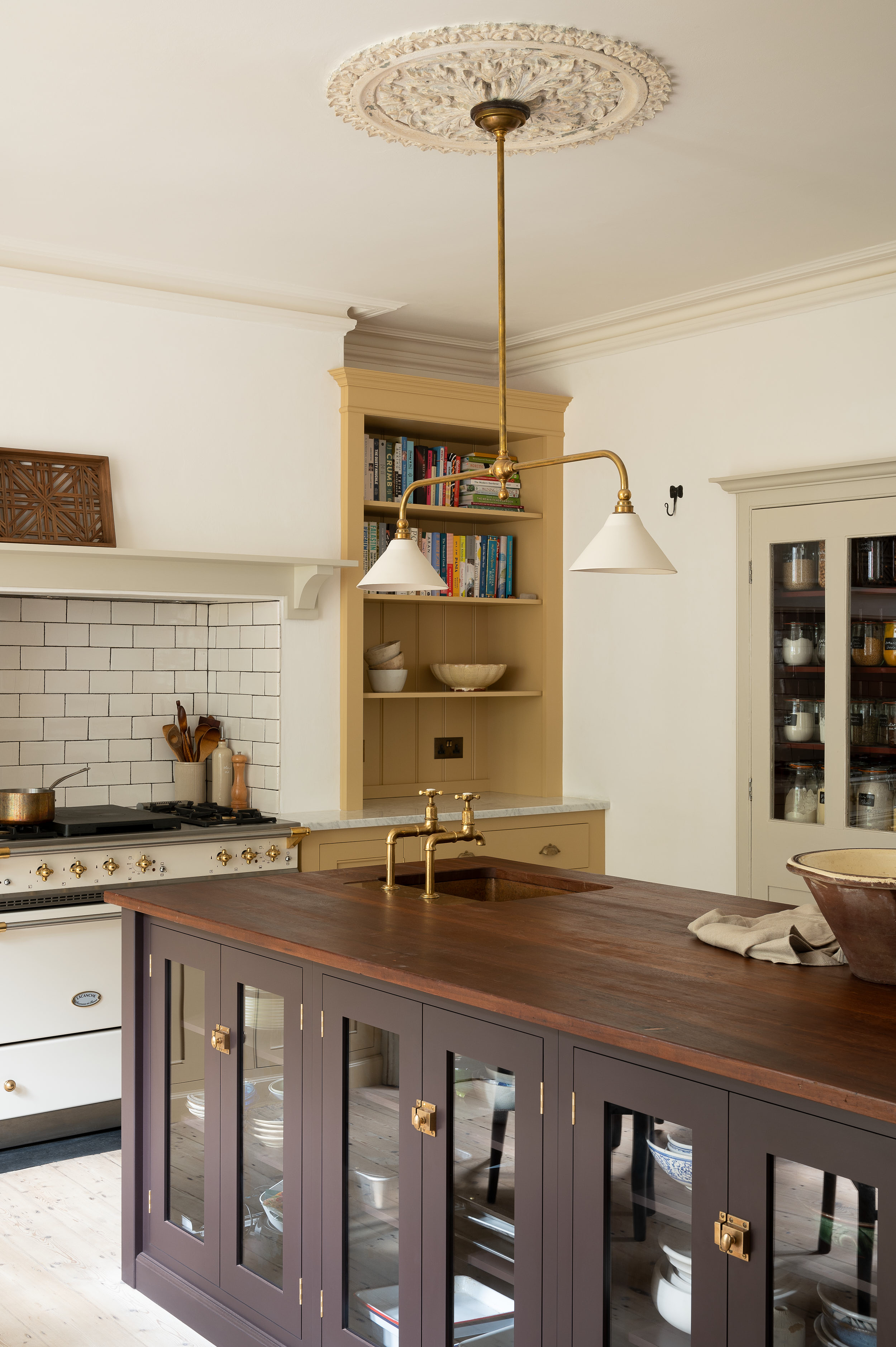
Thirdly, the article addresses the neglect of task lighting. A single overhead light fails to provide adequate illumination for specific work areas, making tasks like chopping and cooking difficult. The author recommends incorporating low-voltage kitchen island lighting and under-cabinet lights to ensure focused illumination on countertops. It is also advised to avoid over-illuminating the kitchen, suggesting two or three light sources to prevent excessive brightness and glare.
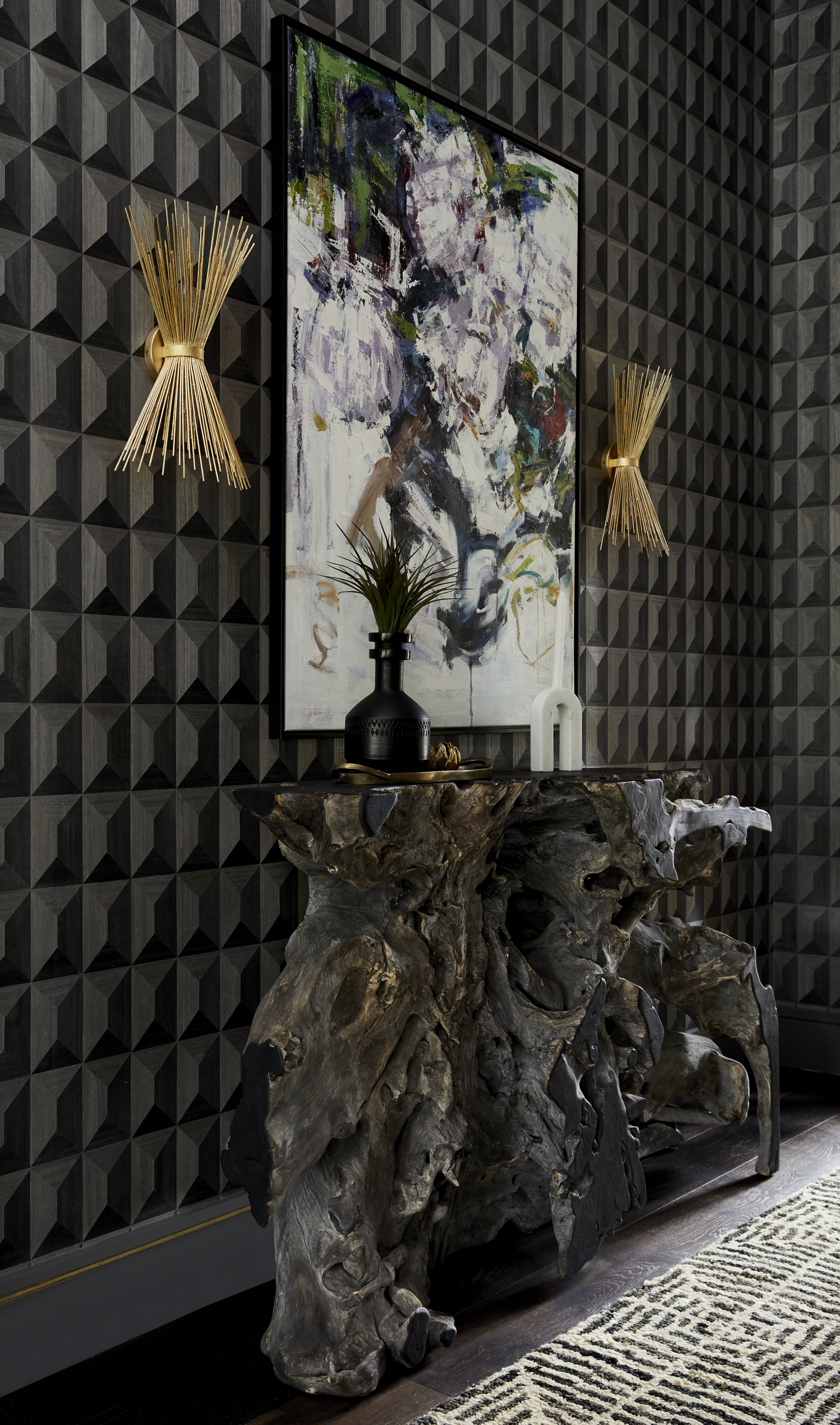
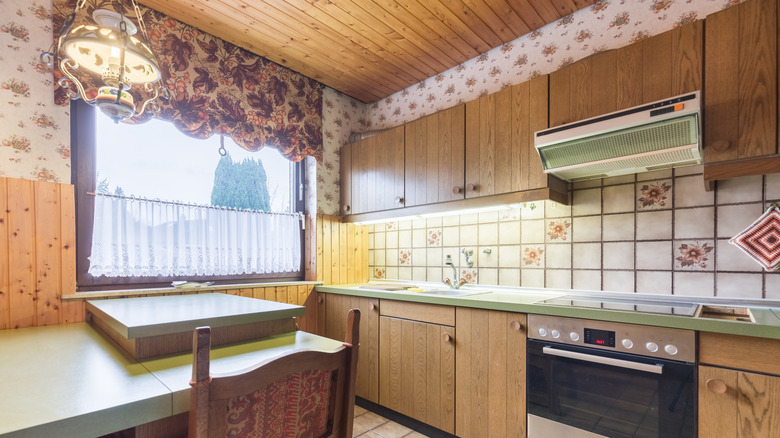
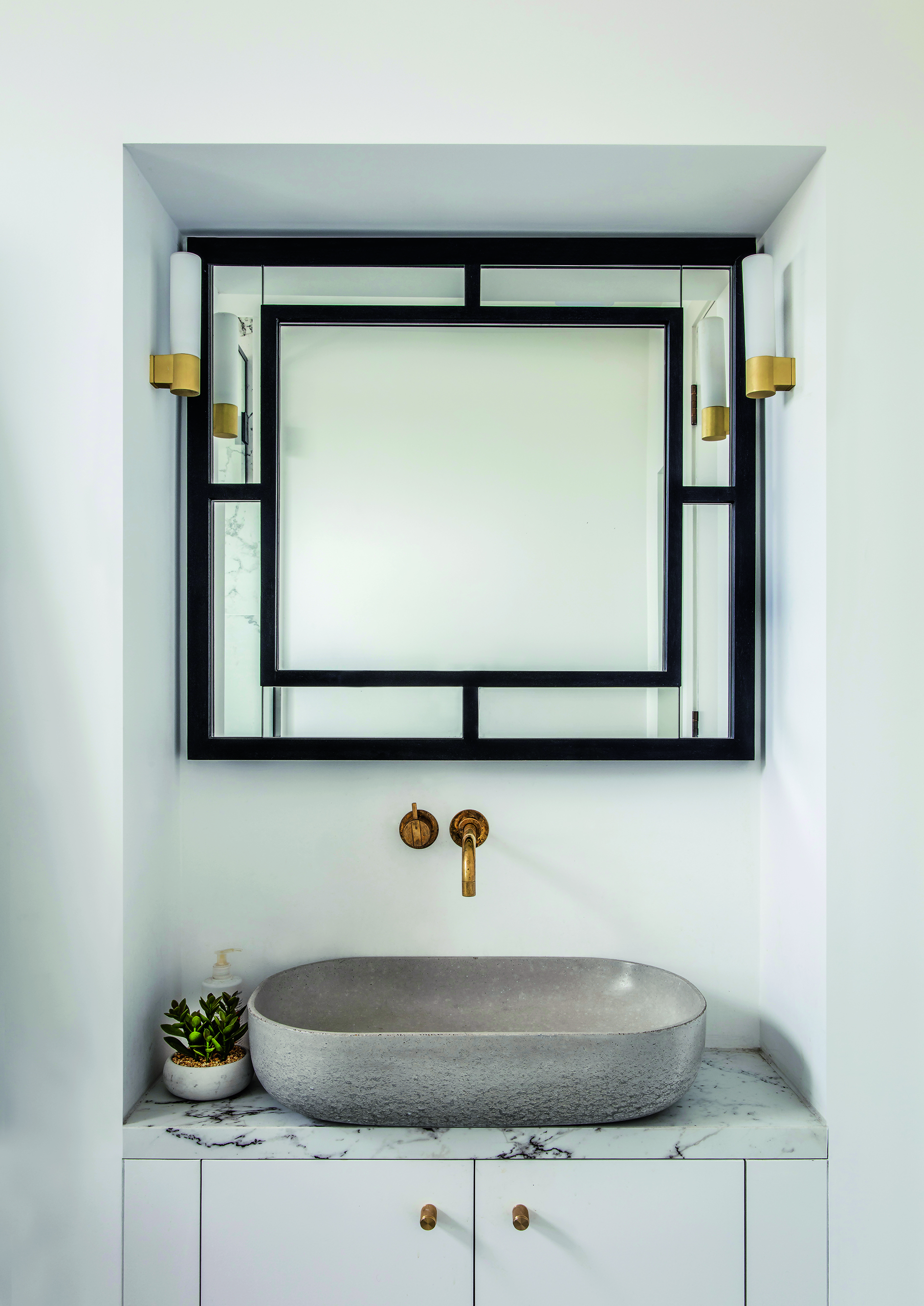
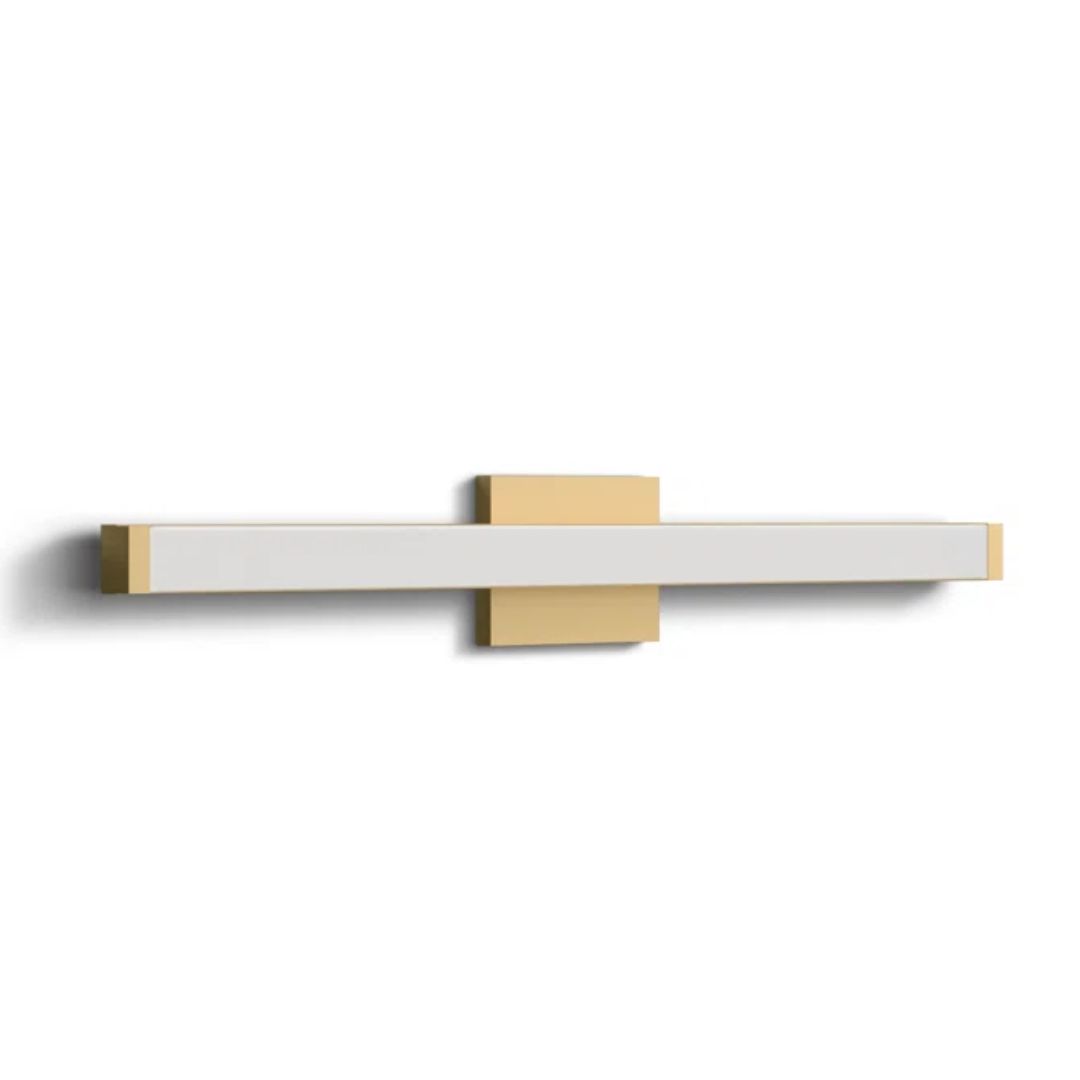
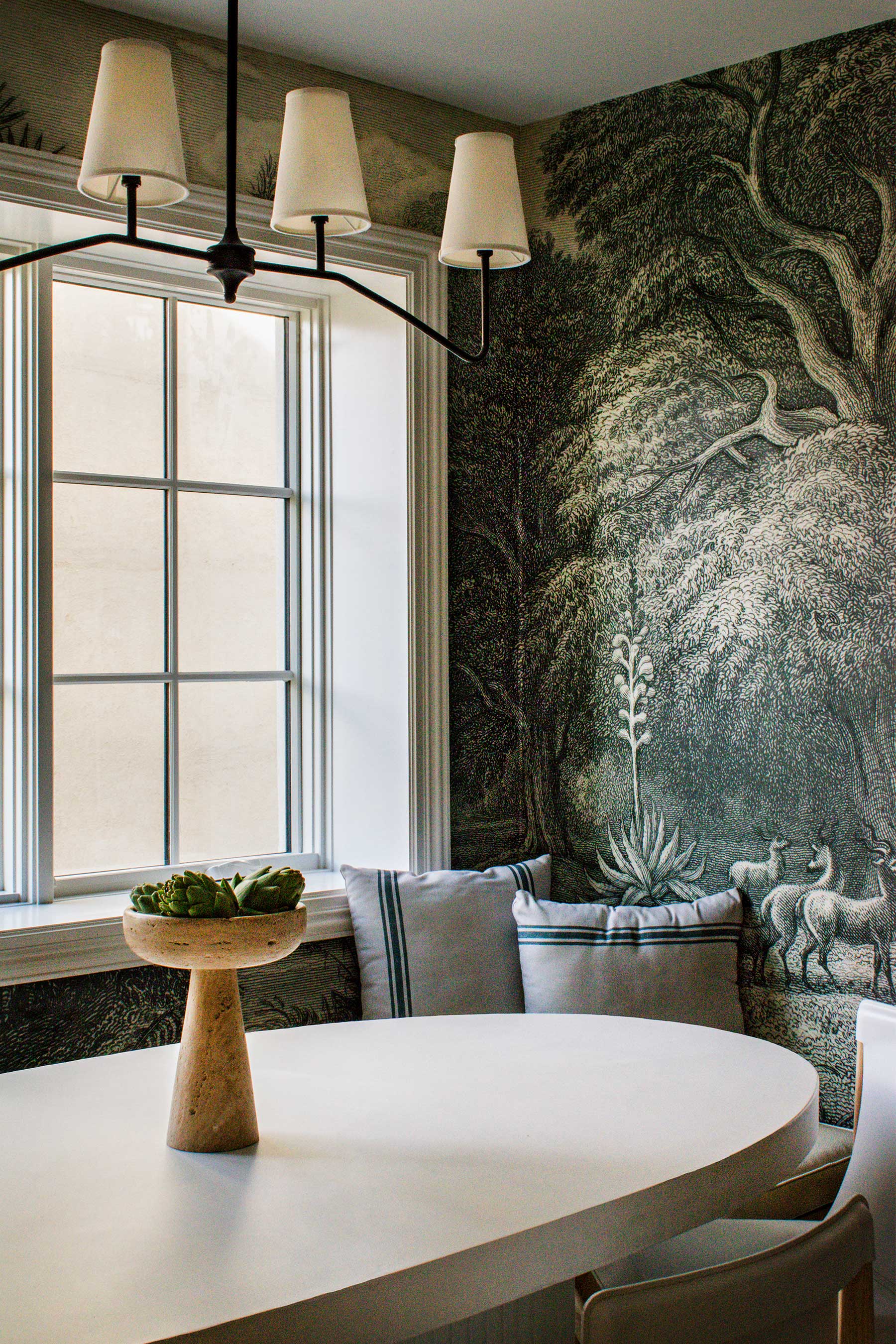
The fourth mistake involves selecting fixtures that do not complement the existing decor. The author learned that mismatched lighting, such as vintage-style lights in a contemporary kitchen, can detract from the overall aesthetic. Researching current kitchen lighting trends, like brushed chrome, concrete, and plaster finishes, can help homeowners choose fixtures that are both stylish and timeless, ensuring design cohesion.
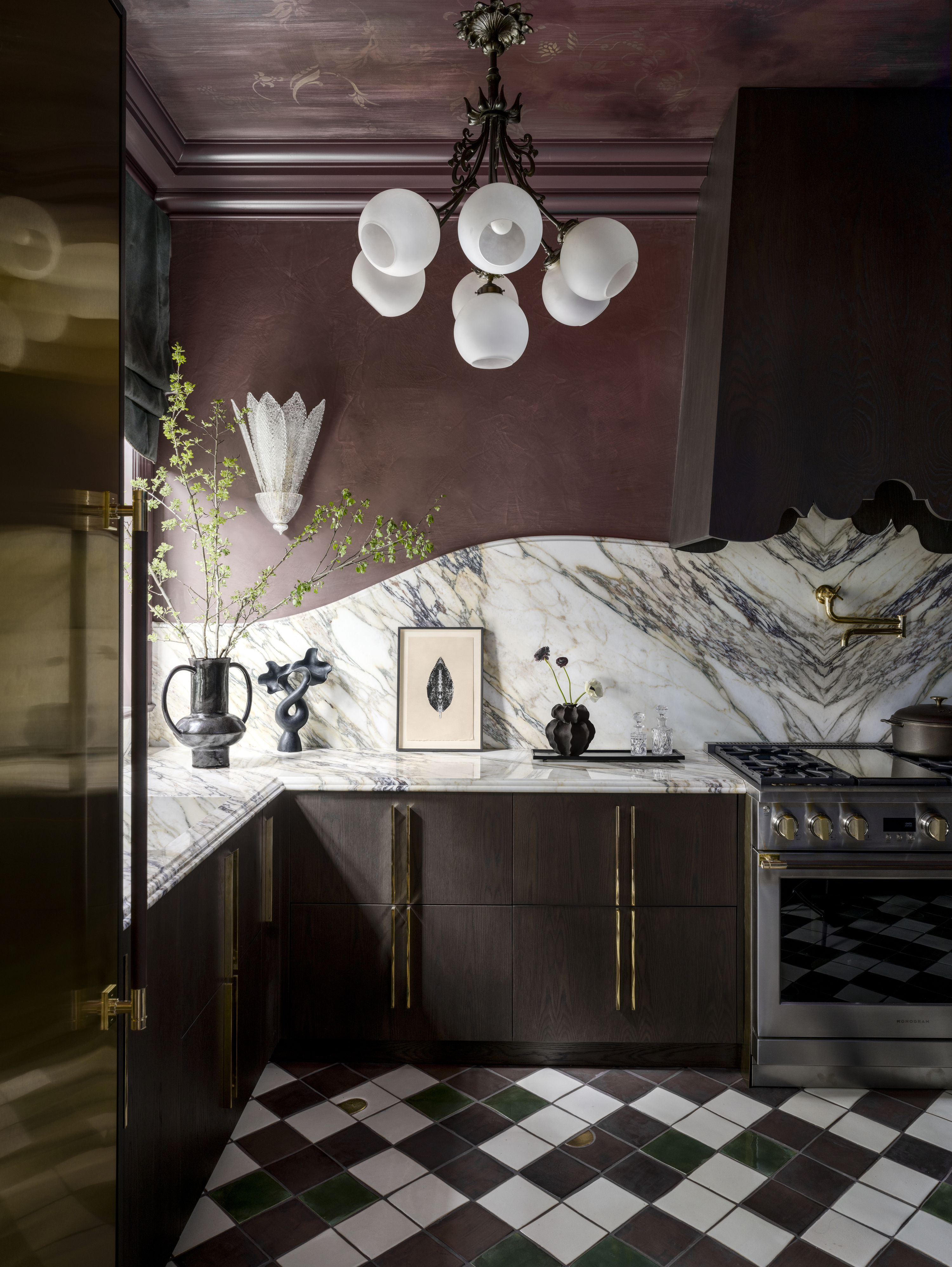
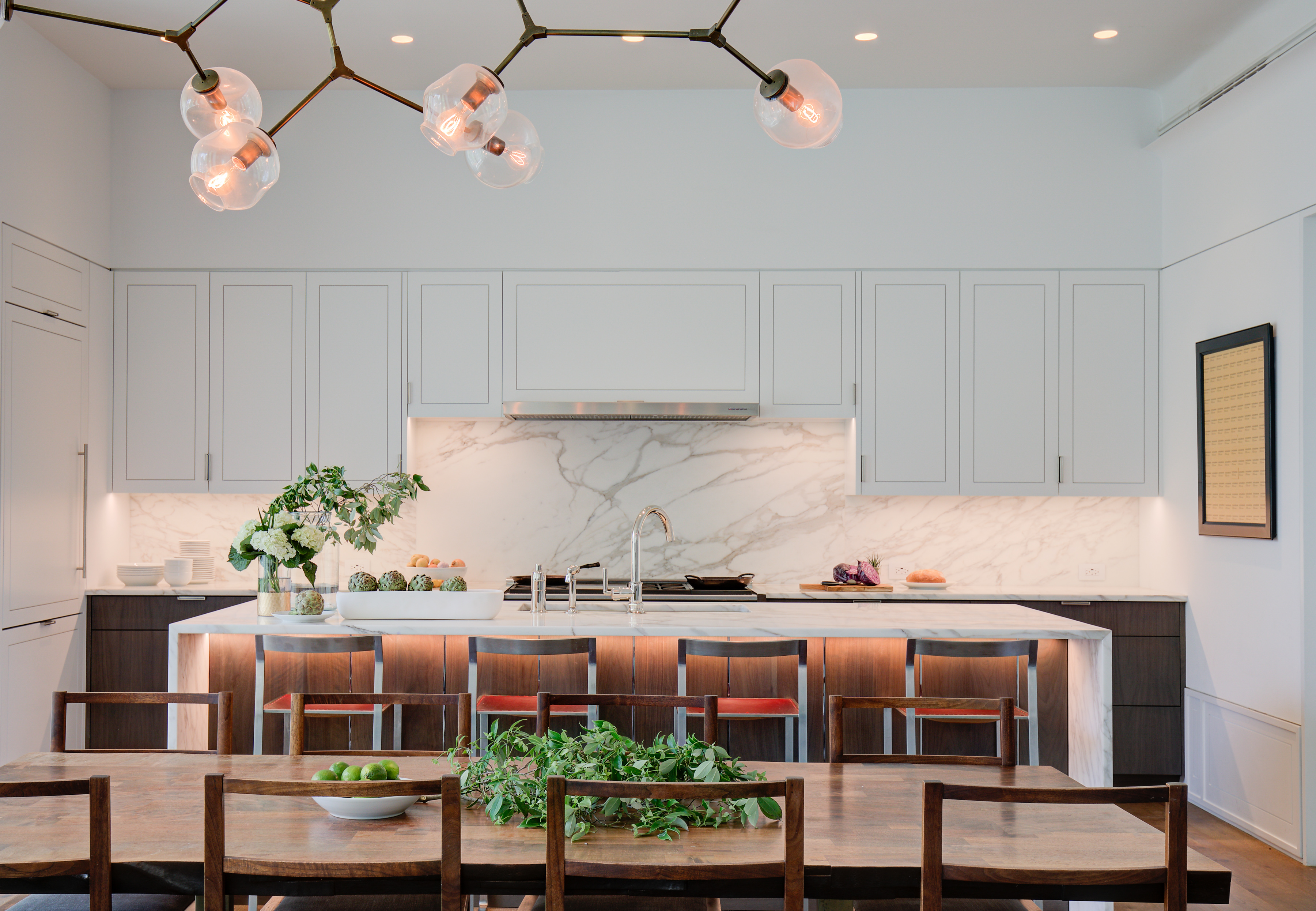
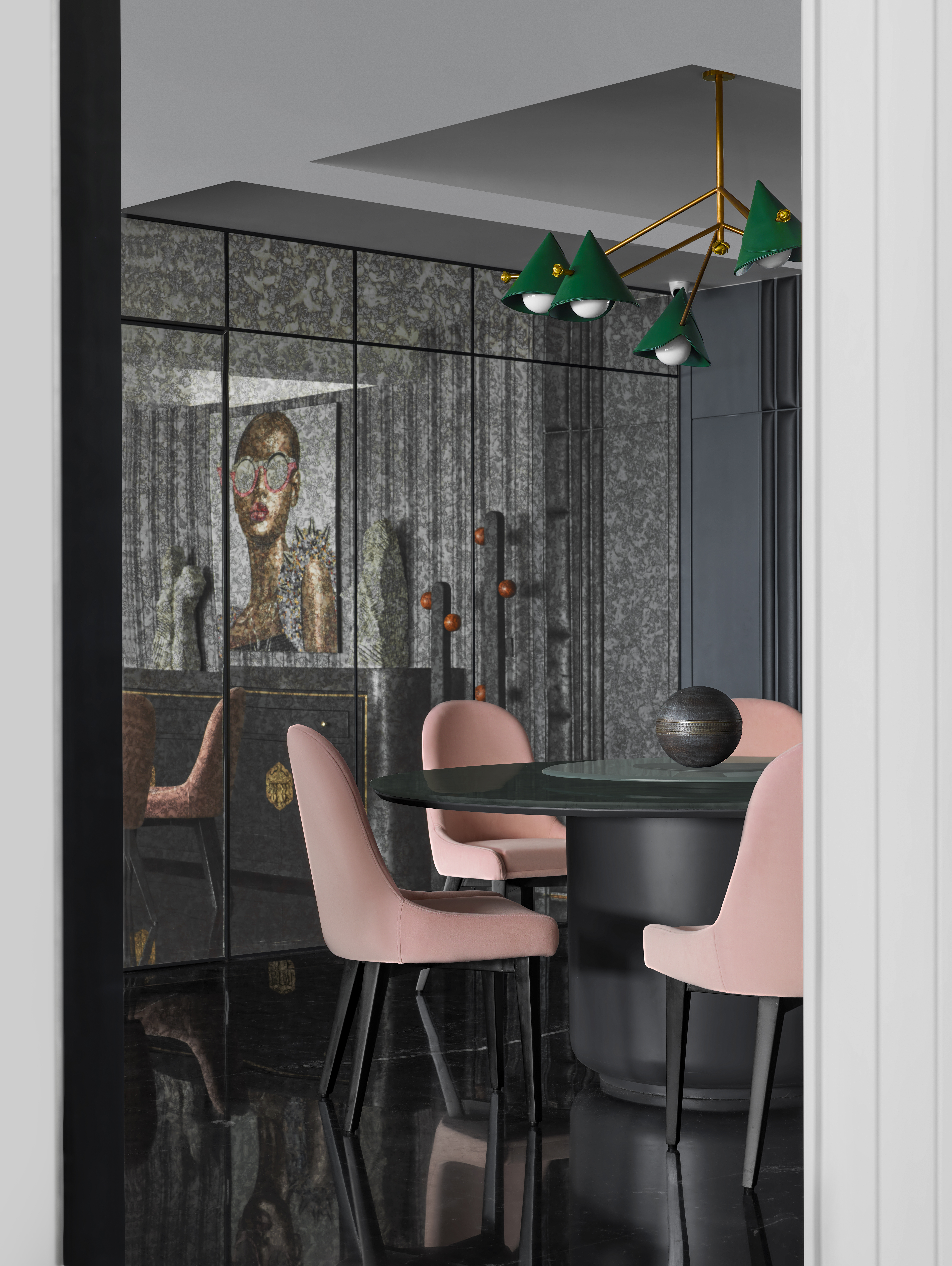
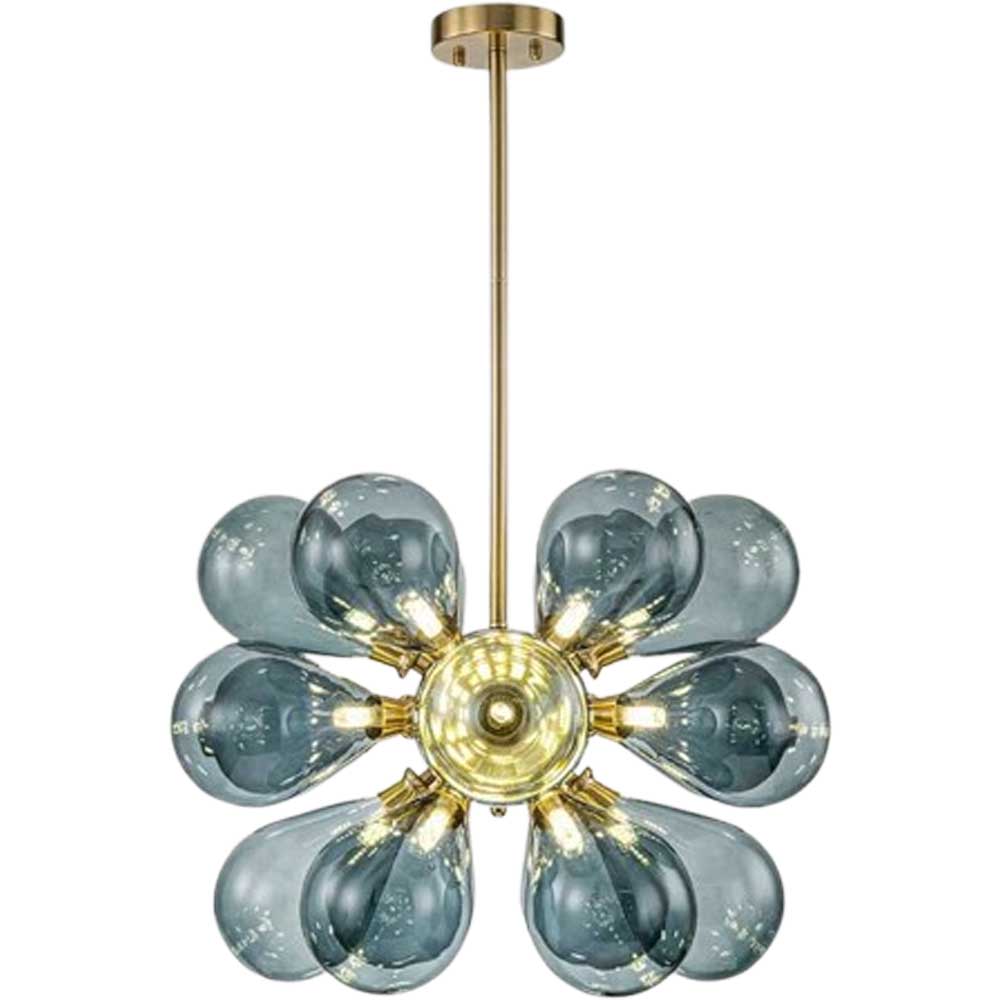
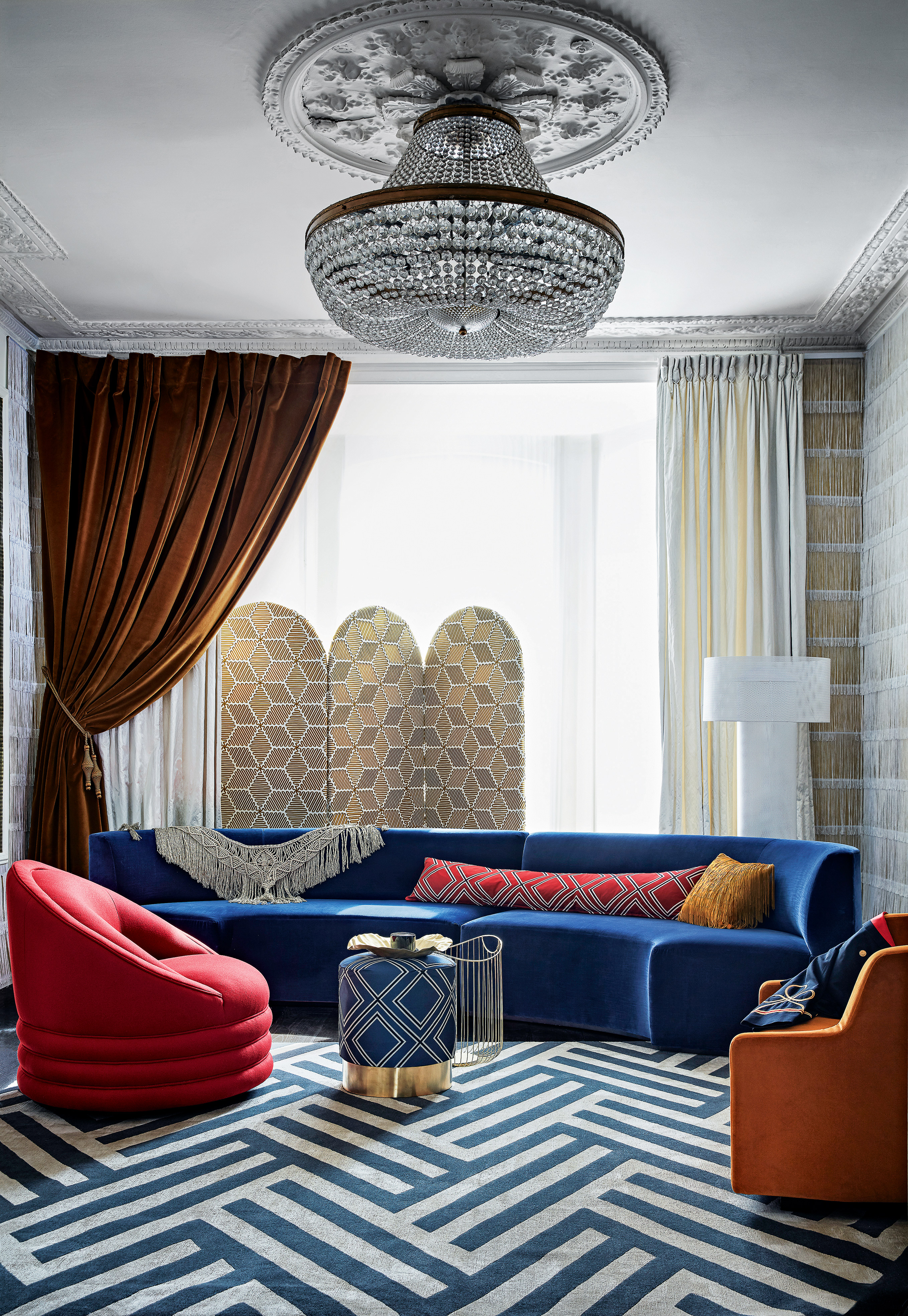
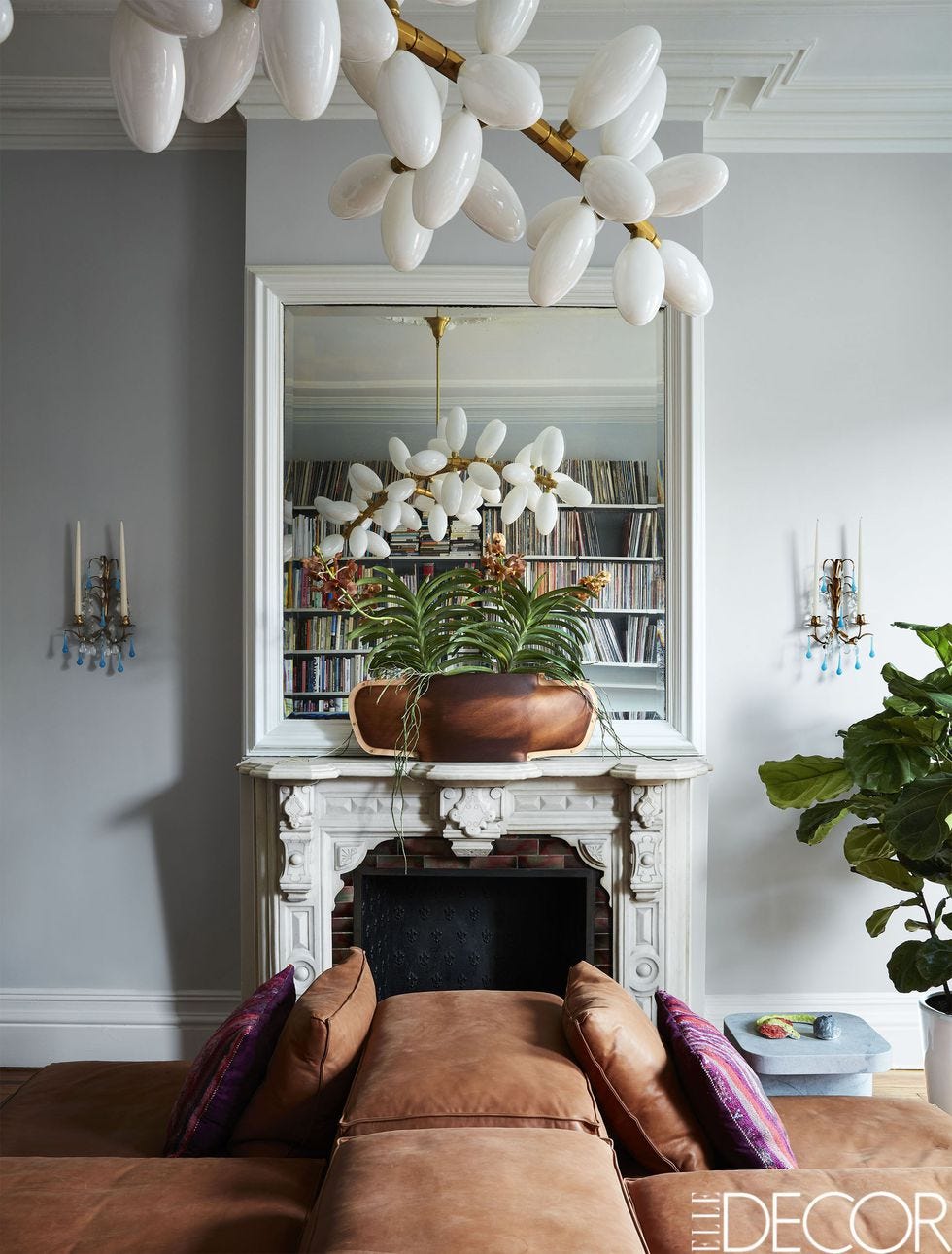
Finally, the author recounts the error of prioritizing only practical lights over decorative ones. In an open-plan kitchen, which often doubles as a social hub, purely functional lighting can make the space feel uninviting and disconnected from other decorated areas of the home. By adding a sculptural chandelier, the author transformed the kitchen into a more elegant and lounge-like extension of the home, encouraging more time to be spent in the space. The article concludes with advice on the optimal number and types of lights for a kitchen, recommending a mix of warm and cool-toned lighting for different functions to achieve both task efficiency and a welcoming atmosphere.
#KitchenLighting #HomeDesignMistakes #InteriorDesign #LightingDesign #KitchenRemodel #TaskLighting #AccentLighting #LayeredLighting #HomeDecor #KitchenLighting #HomeDesignMistakes #InteriorDesign #LightingDesign #KitchenRemodel #TaskLighting #AccentLighting #LayeredLighting #HomeDecor
0 comment in total
 No comments yet
You may also like
15 Kitchen Lighting Mistakes Everyone Makes

5 Common Entryway Lighting Mistakes Designers Never Fail to Notice — I'll Always Avoid These Now
5 kitchen lighting layouts to illuminate your space to perfection
Essential Kitchen Lighting Tips, According to Industry Pros

12 Kitchen Lighting Mistakes (And How To Avoid Them)

5 ideas for using LED lighting in a kitchen that make me regret not including it in my own remodel
5 Bathroom Lighting Mistakes That Instantly Dim the Space, According to Designers


7 Common Living Room Lighting Mistakes to Avoid at all Costs
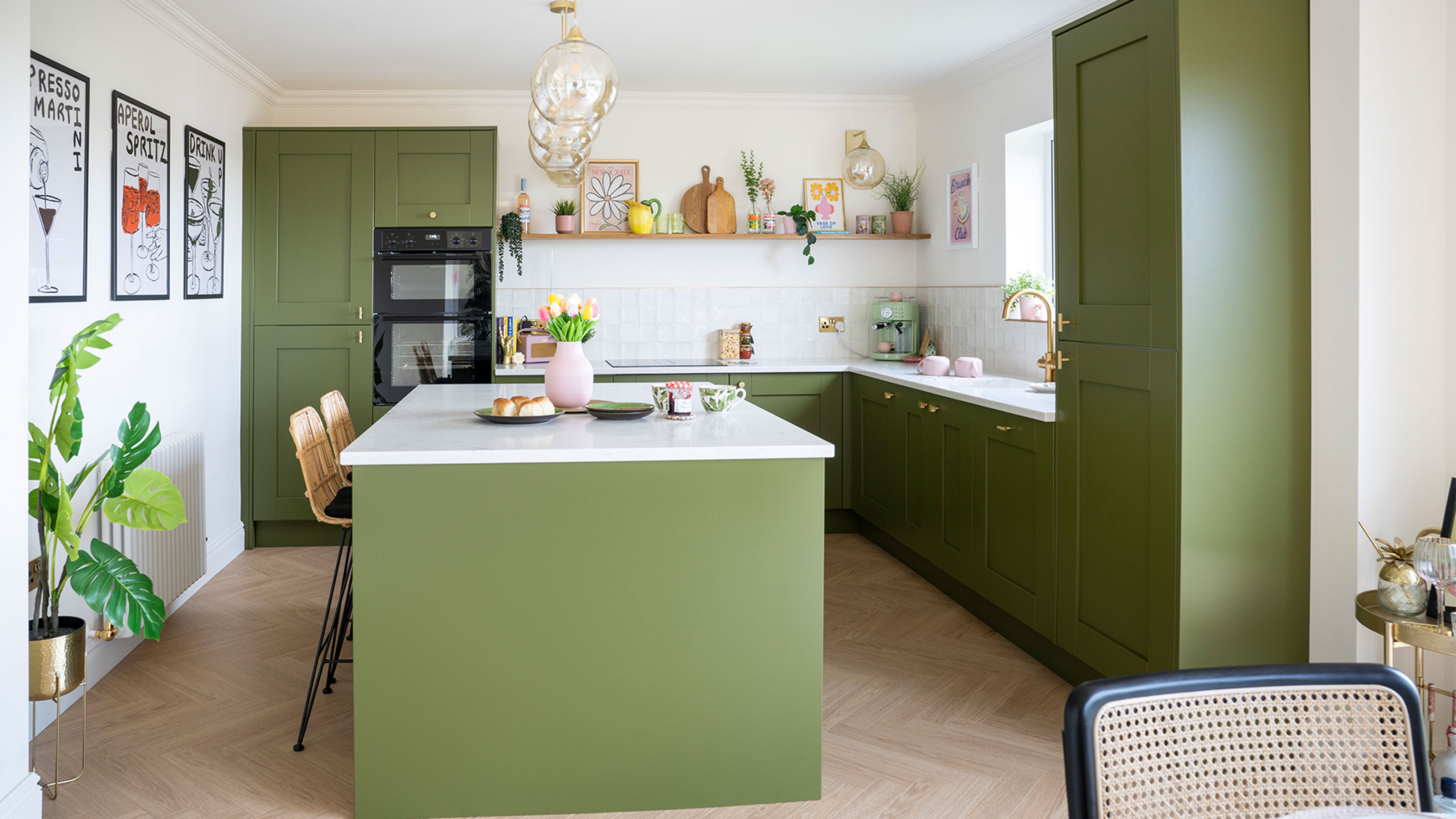
Experts warn this is the biggest mistake people make when choosing lighting for their kitchen

10 Lighting Mistakes You Should Never Make—But Probably Are
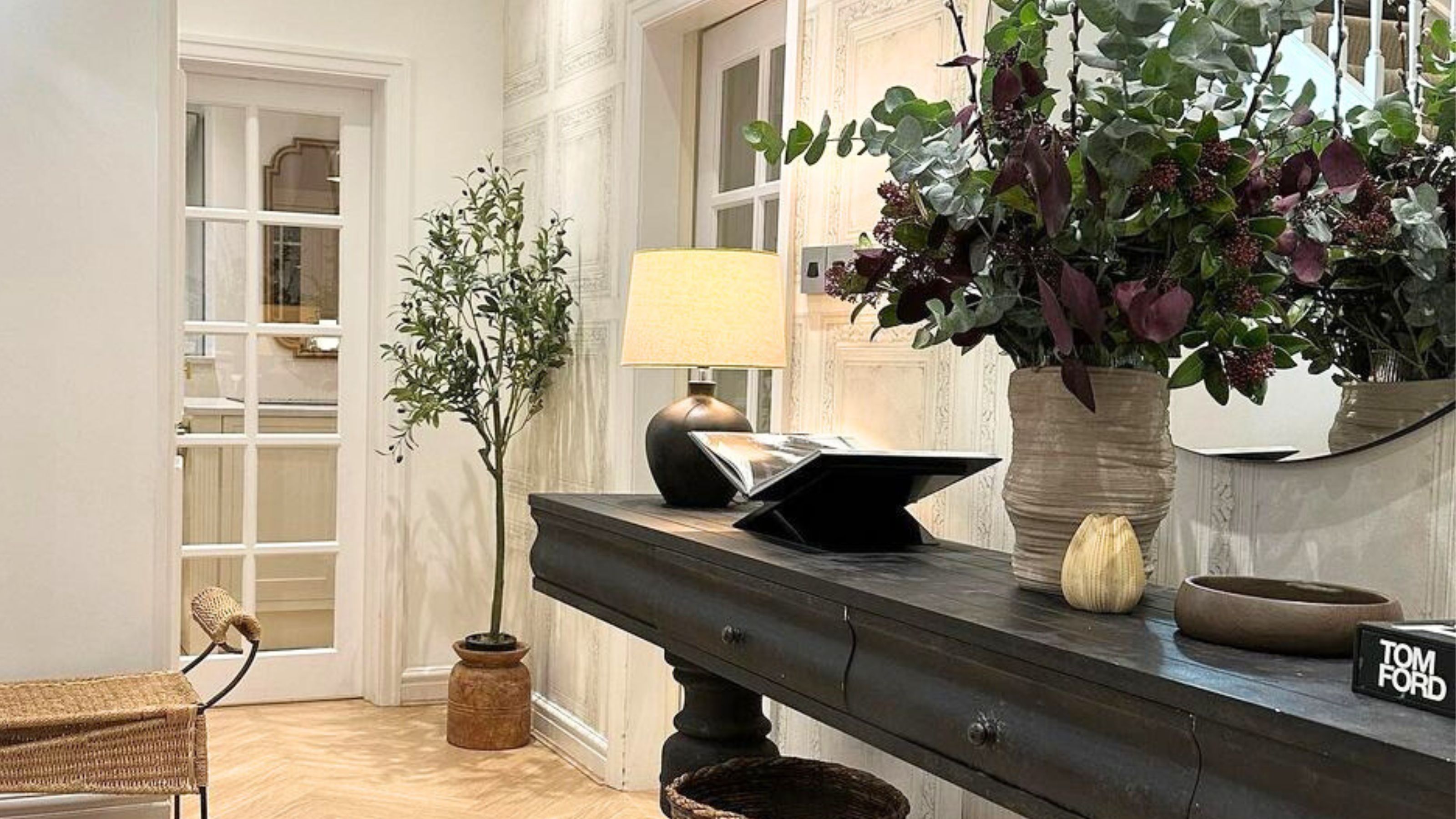
5 small entryway lighting mistakes — experts share what to avoid

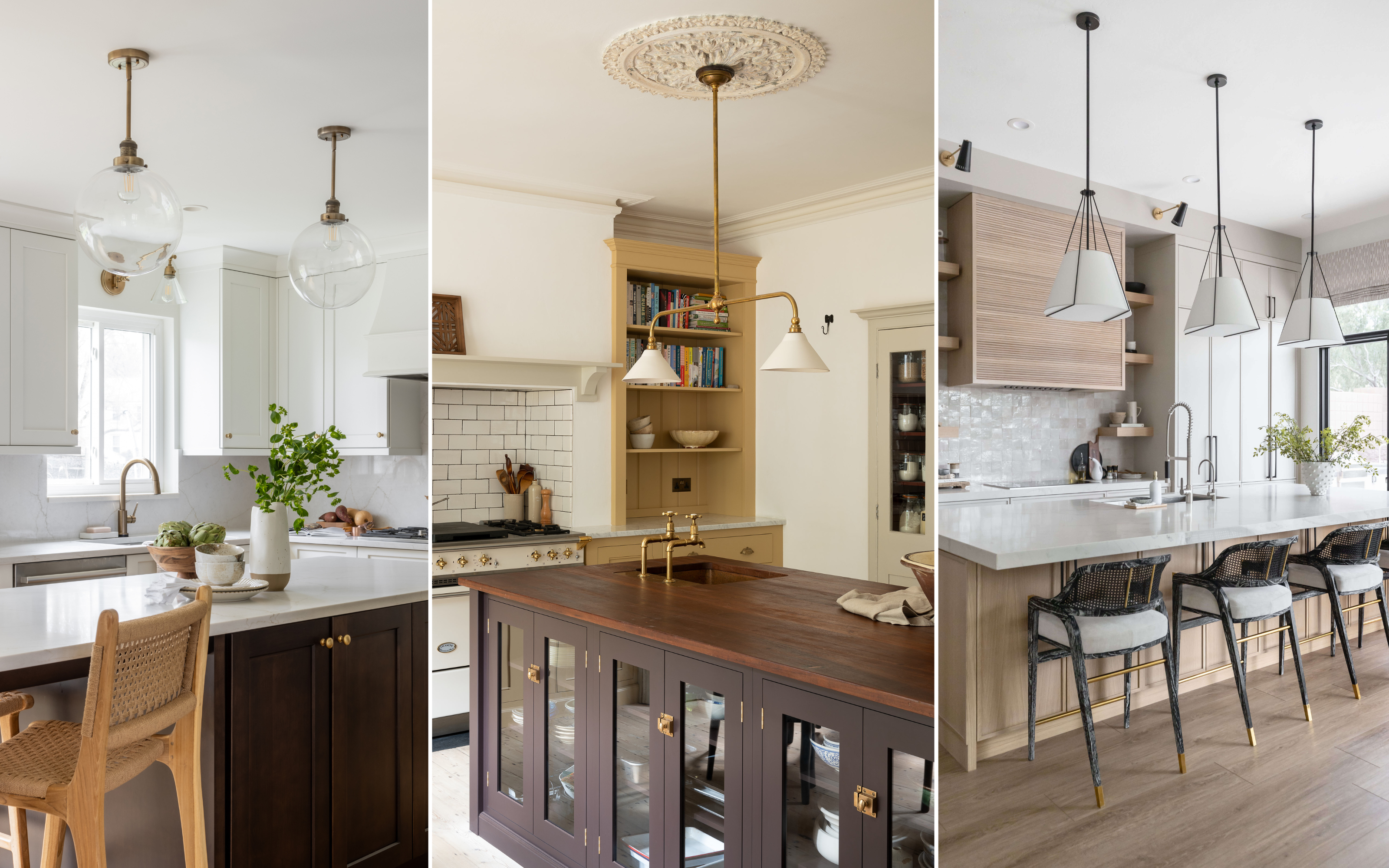
9 outdated kitchen lighting trends designers urge you to avoid, plus what to try instead

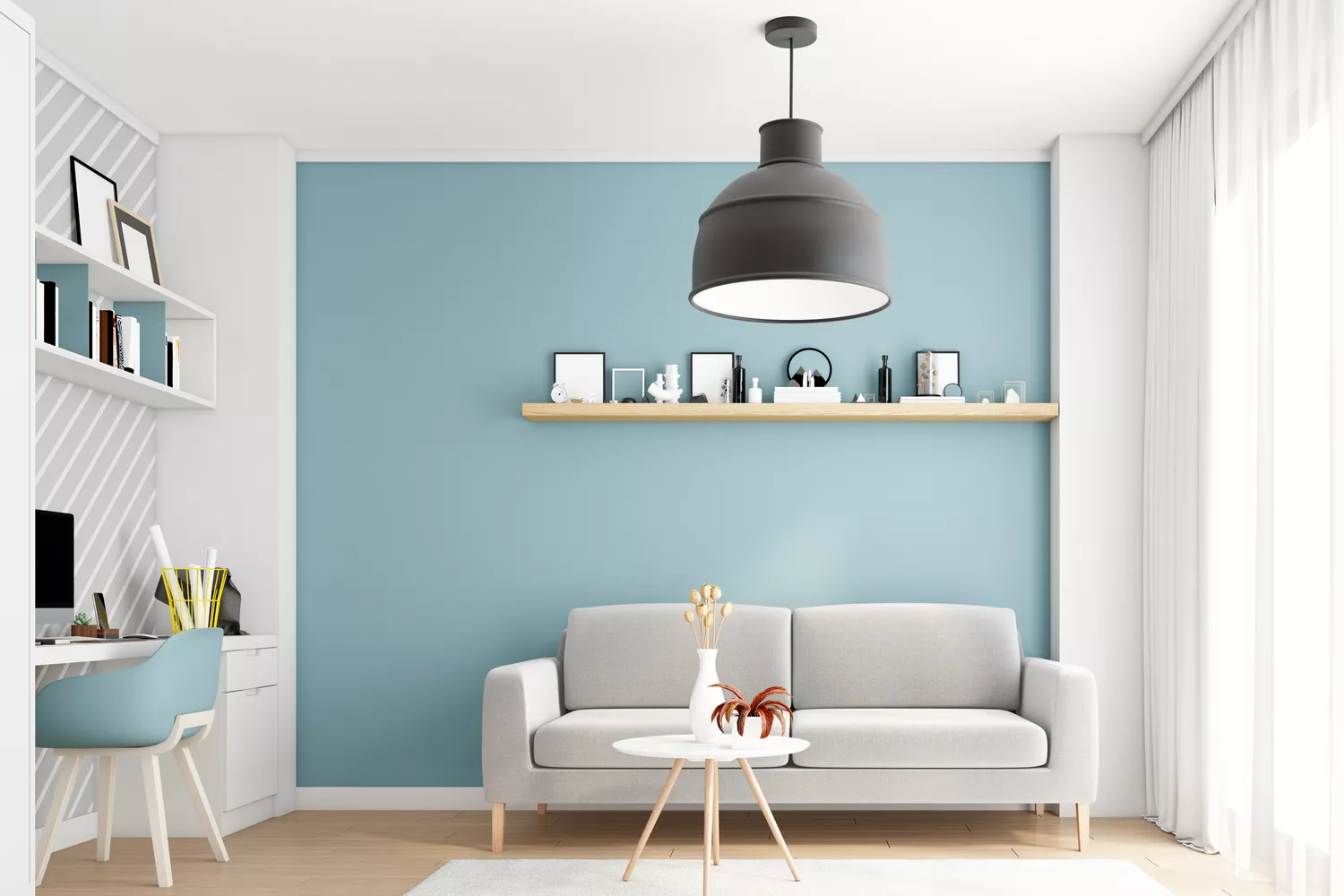
6 Lighting Mistakes That Are Ruining the Mood in Your Home—and How to Fix Them

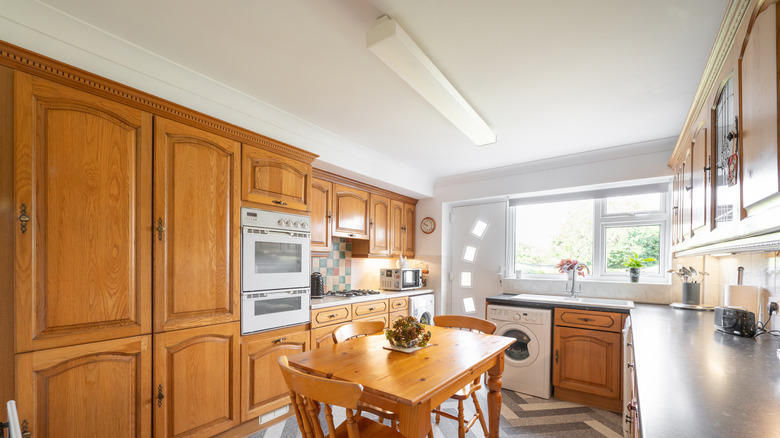
Kitchen Lighting Mistakes That Are Making Your Space Look Dated
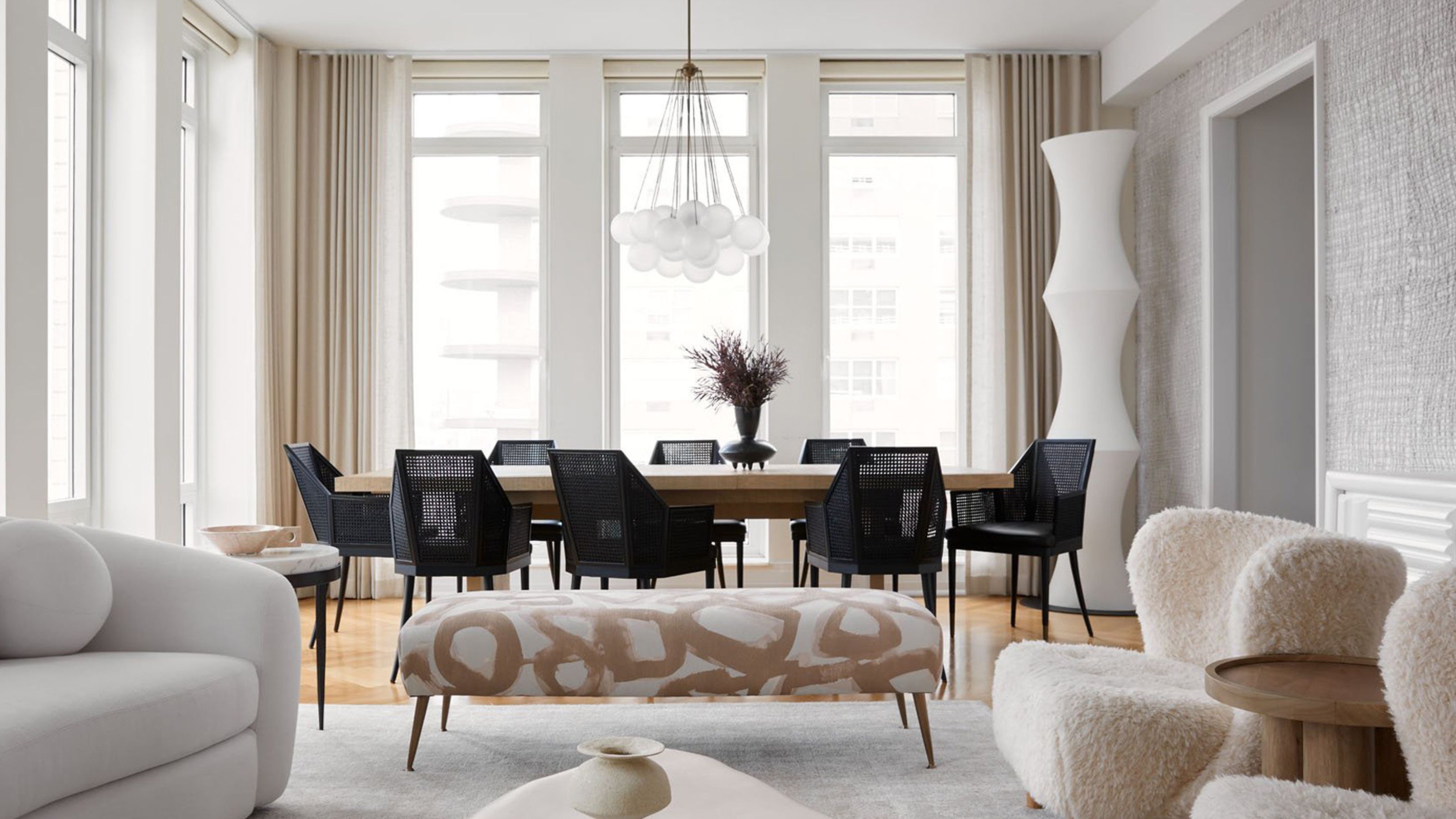
7 Dining Room Lighting Mistakes That Could Be Making Your Space (and Food) Look Less Appetizing
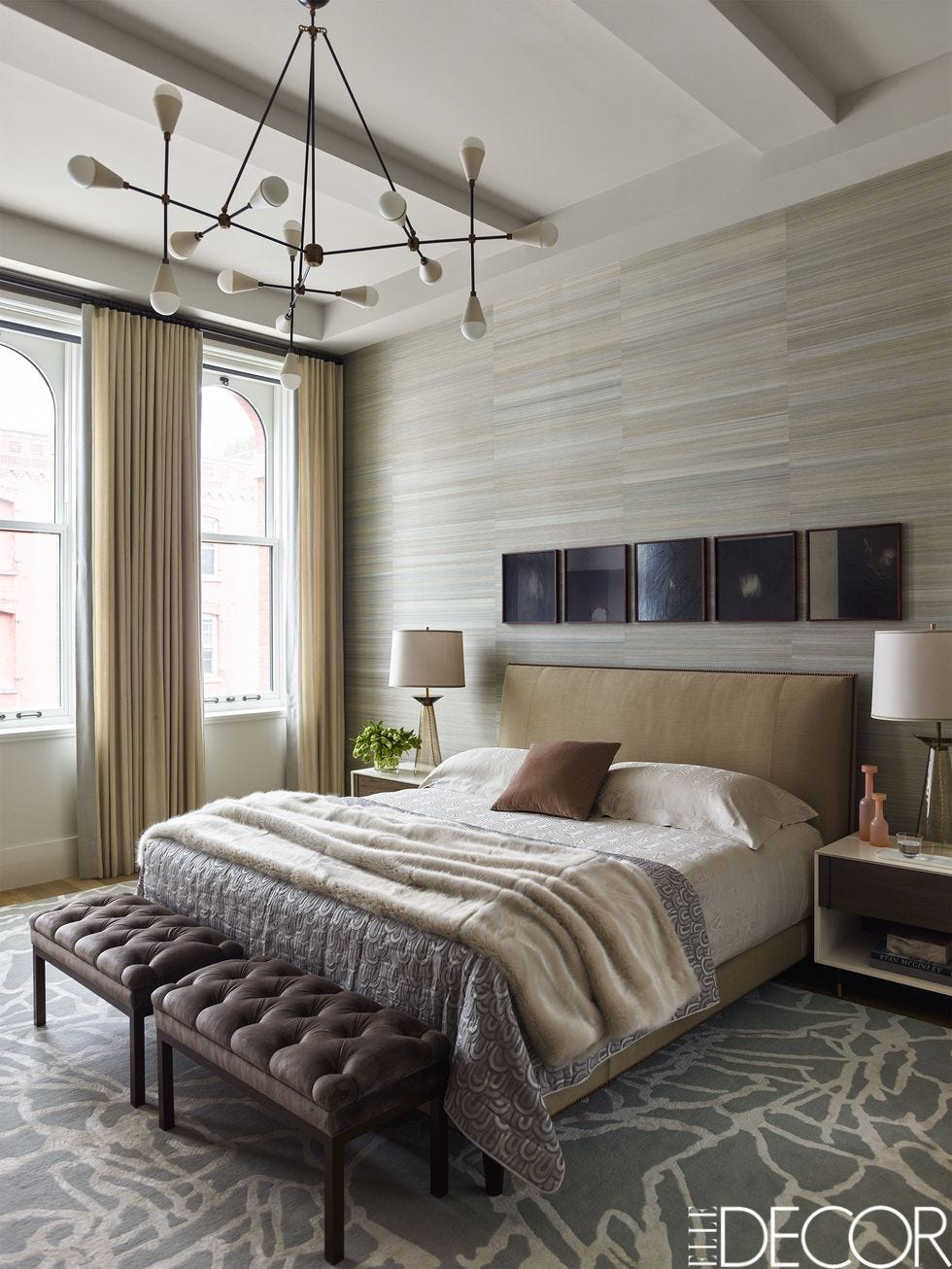
You've Been All Wrong About Choosing Lighting for Your Apartment

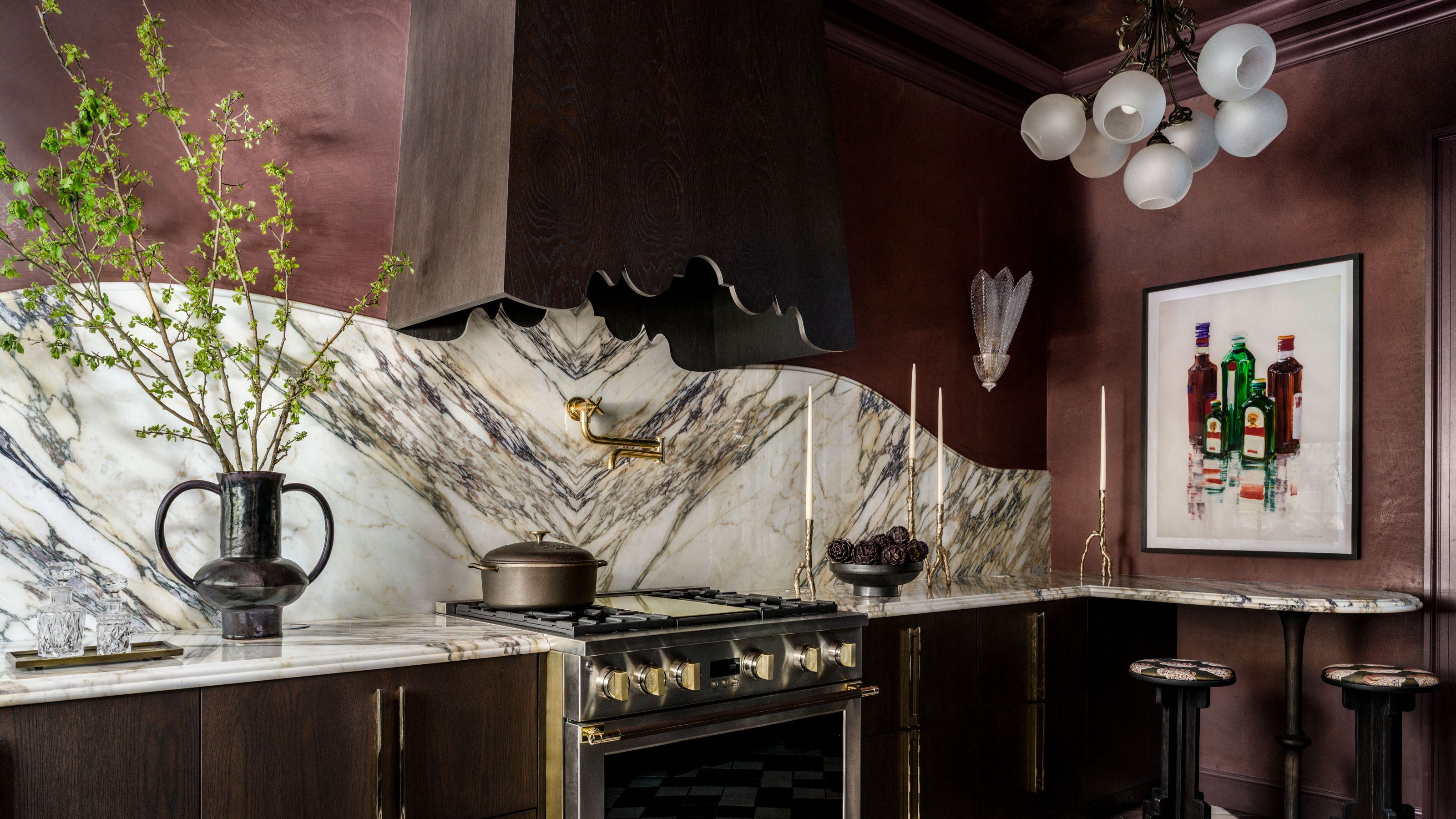
5 Kitchen Lighting Design Rules Interior Designers Warn You Should Never Ignore for a Well-Lit Space
5 Bathroom Lighting Mistakes to Avoid — Designers Advise How to Dodge The Most Common Problems
5 kitchen hardware mistakes interior designers say homeowners always make, and how to fix them
3 Steps to Perfect Kitchen Lighting, According to an Expert